EP3677987B1 - Verfahren und vorrichtung zum aufwecken einer spracherkennungsfunktion in einem mobilen endgerät und computerlesbares speichermedium - Google Patents
Verfahren und vorrichtung zum aufwecken einer spracherkennungsfunktion in einem mobilen endgerät und computerlesbares speichermedium Download PDFInfo
- Publication number
- EP3677987B1 EP3677987B1 EP20150039.4A EP20150039A EP3677987B1 EP 3677987 B1 EP3677987 B1 EP 3677987B1 EP 20150039 A EP20150039 A EP 20150039A EP 3677987 B1 EP3677987 B1 EP 3677987B1
- Authority
- EP
- European Patent Office
- Prior art keywords
- mobile terminal
- axis
- rotation
- acceleration
- voice recognition
- Prior art date
- Legal status (The legal status is an assumption and is not a legal conclusion. Google has not performed a legal analysis and makes no representation as to the accuracy of the status listed.)
- Active
Links
Images


Classifications
-
- G—PHYSICS
- G06—COMPUTING OR CALCULATING; COUNTING
- G06F—ELECTRIC DIGITAL DATA PROCESSING
- G06F1/00—Details not covered by groups G06F3/00 - G06F13/00 and G06F21/00
- G06F1/16—Constructional details or arrangements
- G06F1/1613—Constructional details or arrangements for portable computers
- G06F1/1626—Constructional details or arrangements for portable computers with a single-body enclosure integrating a flat display, e.g. Personal Digital Assistants [PDAs]
-
- G—PHYSICS
- G06—COMPUTING OR CALCULATING; COUNTING
- G06F—ELECTRIC DIGITAL DATA PROCESSING
- G06F1/00—Details not covered by groups G06F3/00 - G06F13/00 and G06F21/00
- G06F1/16—Constructional details or arrangements
- G06F1/1613—Constructional details or arrangements for portable computers
- G06F1/1633—Constructional details or arrangements of portable computers not specific to the type of enclosures covered by groups G06F1/1615 - G06F1/1626
- G06F1/1684—Constructional details or arrangements related to integrated I/O peripherals not covered by groups G06F1/1635 - G06F1/1675
- G06F1/1694—Constructional details or arrangements related to integrated I/O peripherals not covered by groups G06F1/1635 - G06F1/1675 the I/O peripheral being a single or a set of motion sensors for pointer control or gesture input obtained by sensing movements of the portable computer
-
- G—PHYSICS
- G06—COMPUTING OR CALCULATING; COUNTING
- G06F—ELECTRIC DIGITAL DATA PROCESSING
- G06F3/00—Input arrangements for transferring data to be processed into a form capable of being handled by the computer; Output arrangements for transferring data from processing unit to output unit, e.g. interface arrangements
- G06F3/01—Input arrangements or combined input and output arrangements for interaction between user and computer
- G06F3/03—Arrangements for converting the position or the displacement of a member into a coded form
- G06F3/033—Pointing devices displaced or positioned by the user, e.g. mice, trackballs, pens or joysticks; Accessories therefor
- G06F3/0346—Pointing devices displaced or positioned by the user, e.g. mice, trackballs, pens or joysticks; Accessories therefor with detection of the device orientation or free movement in a three-dimensional [3D] space, e.g. 3D mice, 6-DOF [six degrees of freedom] pointers using gyroscopes, accelerometers or tilt-sensors
-
- G—PHYSICS
- G06—COMPUTING OR CALCULATING; COUNTING
- G06F—ELECTRIC DIGITAL DATA PROCESSING
- G06F3/00—Input arrangements for transferring data to be processed into a form capable of being handled by the computer; Output arrangements for transferring data from processing unit to output unit, e.g. interface arrangements
- G06F3/16—Sound input; Sound output
- G06F3/167—Audio in a user interface, e.g. using voice commands for navigating, audio feedback
-
- G—PHYSICS
- G10—MUSICAL INSTRUMENTS; ACOUSTICS
- G10L—SPEECH ANALYSIS TECHNIQUES OR SPEECH SYNTHESIS; SPEECH RECOGNITION; SPEECH OR VOICE PROCESSING TECHNIQUES; SPEECH OR AUDIO CODING OR DECODING
- G10L15/00—Speech recognition
- G10L15/22—Procedures used during a speech recognition process, e.g. man-machine dialogue
-
- G—PHYSICS
- G10—MUSICAL INSTRUMENTS; ACOUSTICS
- G10L—SPEECH ANALYSIS TECHNIQUES OR SPEECH SYNTHESIS; SPEECH RECOGNITION; SPEECH OR VOICE PROCESSING TECHNIQUES; SPEECH OR AUDIO CODING OR DECODING
- G10L15/00—Speech recognition
- G10L15/26—Speech to text systems
-
- H—ELECTRICITY
- H04—ELECTRIC COMMUNICATION TECHNIQUE
- H04M—TELEPHONIC COMMUNICATION
- H04M1/00—Substation equipment, e.g. for use by subscribers
- H04M1/72—Mobile telephones; Cordless telephones, i.e. devices for establishing wireless links to base stations without route selection
- H04M1/724—User interfaces specially adapted for cordless or mobile telephones
- H04M1/72448—User interfaces specially adapted for cordless or mobile telephones with means for adapting the functionality of the device according to specific conditions
-
- H—ELECTRICITY
- H04—ELECTRIC COMMUNICATION TECHNIQUE
- H04M—TELEPHONIC COMMUNICATION
- H04M1/00—Substation equipment, e.g. for use by subscribers
- H04M1/72—Mobile telephones; Cordless telephones, i.e. devices for establishing wireless links to base stations without route selection
- H04M1/724—User interfaces specially adapted for cordless or mobile telephones
- H04M1/72448—User interfaces specially adapted for cordless or mobile telephones with means for adapting the functionality of the device according to specific conditions
- H04M1/72454—User interfaces specially adapted for cordless or mobile telephones with means for adapting the functionality of the device according to specific conditions according to context-related or environment-related conditions
-
- H—ELECTRICITY
- H04—ELECTRIC COMMUNICATION TECHNIQUE
- H04M—TELEPHONIC COMMUNICATION
- H04M2250/00—Details of telephonic subscriber devices
- H04M2250/74—Details of telephonic subscriber devices with voice recognition means
Definitions
- the present disclosure relates to the field of mobile terminal technology, and more particularly, to a method and device for waking up a voice recognition function in a mobile terminal, and a computer readable storage medium.
- the existing mobile terminals are fully functional as the development of mobile terminal technology, for example, in a case where it is inconvenient for a user to type, voice can be input with a voice input function instead of inputting text.
- the voice input function of an existing smart phone on the market requires the user to manually click the voice function key to trigger the voice input, and in the case of holding the mobile phone with one hand, the voice function key may not be clicked. It can be seen that the existing method of triggering the voice input function not only leads to cumbersome user operations, but also has low voice input efficiency.
- US2017262065A1 discloses an electronic device. An amount of movement of the electronic device, an amount of rotation about an axis, and whether an object is proximately located with a major face of the electronic device can be determined. A gesture lifting the electronic device occurring can be confirmed when the amount of movement exceeds a first predetermined threshold, the amount of rotation exceeds a second predetermined threshold, and the object is proximately located with the electronic device. US2017315777A1 discloses a method for starting a voice input function of a terminal.
- Embodiments of the present disclosure provide a method and device for waking up a voice recognition function in a mobile terminal, and a computer readable storage medium, for solving the problem that the existing method of triggering the voice input function not only leads to cumbersome user operations, but also has low voice input efficiency.
- the invention is set out in the appended set of claims.
- Embodiments of the present disclosure provide a method for waking up a voice recognition function in a mobile terminal as defined in claim 1.
- determining, according to the first acceleration and the second acceleration, the start time and the end time of the mobile terminal rotating in the first rotation direction with the x-axis as the rotation axis may include: determining a time when the first acceleration is smaller than zero, the second acceleration is greater than zero, and a sum of the first acceleration and the second acceleration is greater than a first preset threshold as the start time; and determining a time when the first acceleration is greater than zero, the second acceleration is smaller than zero, and the sum of the first acceleration and the second acceleration is greater than a second preset threshold as the end time.
- acquiring the rotation angle of the mobile terminal in the first rotation direction with the x-axis as the rotation axis may include: acquiring a first angular velocity of the mobile terminal in the first rotation direction with the x-axis as the rotation axis; and acquiring the rotation angle of the mobile terminal in the first rotation direction with the x-axis as the rotation axis according to the first angular velocity.
- the method may also include: acquiring a second angular velocity of the mobile terminal in a second rotation direction with the x-axis as the rotation axis, in which the second rotation direction is opposite the first rotation direction; acquiring a rotation angle of the mobile terminal in the second rotation direction with the x-axis as the rotation axis according to the second angular velocity; and deactivating the voice recognition function when the rotation angle of the mobile terminal in the second rotation direction with the x-axis as the rotation axis is greater than or equal to a second trigger threshold, in which the second trigger threshold is smaller than the first trigger threshold.
- the method may also include: acquiring a first sample set of rotation angles of the mobile terminal with the x-axis as the rotation axis which are obtained at a time of a user of the mobile terminal activating the voice recognition function; and modifying the first trigger threshold according to the first sample set of rotation angles.
- the method may also include: acquiring a second sample set of rotation angles of the mobile terminal with the x-axis as the rotation axis which are obtained at a time of a user of the mobile terminal deactivating the voice recognition function; and modifying the second trigger threshold according to the second sample set of rotation angles.
- a rotation angle of the mobile terminal in a first rotation direction with the x-axis as the rotation axis is acquired, and the voice recognition function is activated when the rotation angle of the mobile terminal in the first rotation direction with the x-axis as the rotation axis is greater than or equal to a first trigger threshold. Therefore, the voice recognition function can be automatically activated according to the rotation angle of the mobile terminal in the first rotation direction with the x-axis as the rotation axis, so that the user can input the voice without manually clicking the voice function key, which eases user operations and frees the user's hands, and improves the efficiency of voice inputting.
- Embodiments of the present disclosure provide a device for waking up a voice recognition function in a mobile terminal as defined in claim 8.
- the determining module is configured to: determine a time when the first acceleration is smaller than zero, the second acceleration is greater than zero, and a sum of the first acceleration and the second acceleration is greater than a first preset threshold as the start time; and determine a time when the first acceleration is greater than zero, the second acceleration is smaller than zero, and the sum of the first acceleration and the second acceleration is greater than a second preset threshold as the end time.
- the first acquiring module is configured to: acquire a first angular velocity of the mobile terminal in the first rotation direction with the x-axis as the rotation axis; and acquire the rotation angle of the mobile terminal in the first rotation direction with the x-axis as the rotation axis according to the first angular velocity.
- the device also includes: a third acquiring module, configured to acquire a second angular velocity of the mobile terminal in a second rotation direction with the x-axis as the rotation axis, in which the second rotation direction is opposite the first rotation direction; a fourth acquiring module, configured to acquire a rotation angle of the mobile terminal in the second rotation direction with the x-axis as the rotation axis according to the second angular velocity; and a deactivating module, configured to deactivate the voice recognition function when the rotation angle of the mobile terminal in the second rotation direction with the x-axis as the rotation axis is greater than or equal to a second trigger threshold, in which the second trigger threshold is smaller than the first trigger threshold.
- a third acquiring module configured to acquire a second angular velocity of the mobile terminal in a second rotation direction with the x-axis as the rotation axis, in which the second rotation direction is opposite the first rotation direction
- a fourth acquiring module configured to acquire a rotation angle of the mobile terminal in the second rotation direction with the
- the voice recognition function can be automatically activated according to the rotation angle of the mobile terminal in the first rotation direction with the x-axis as the rotation axis, so that the user can input the voice without manually clicking the voice function key, which reduces user operations and frees the user's hands, and improves the efficiency of voice inputting.
- Embodiments of the present disclosure provide a method for waking up a voice recognition function in a mobile terminal, for solving the problem that the existing method of triggering the voice input function not only leads to cumbersome user operations, but also has low voice input efficiency.
- a rotation angle of the mobile terminal in a first rotation direction with the x-axis as the rotation axis is acquired, and the voice recognition function is activated when the rotation angle of the mobile terminal in the first rotation direction with the x-axis as the rotation axis is greater than or equal to a first trigger threshold. Therefore, the voice recognition function can be automatically activated according to the rotation angle of the mobile terminal in the first rotation direction with the x-axis as the rotation axis, so that the user can input the voice without manually clicking the voice function key, which eases user operations and frees the user's hands, and improves the efficiency of voice inputting.
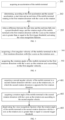
- FIG. 1 is a flowchart of a method for waking up a voice recognition function in a mobile terminal according to an embodiment of the present disclosure.
- the method for waking up the voice recognition function in the mobile terminal of the embodiment of the present disclosure may be performed by a device for waking up the voice recognition function in the mobile terminal provided by the present disclosure.
- the device may be configured in a mobile terminal such as a smart phone or a tablet computer having a voice input function. Therefore, the voice recognition function can be automatically activated according to the rotation angle of the mobile terminal in the first rotation direction with the x-axis as the rotation axis, so that the user can input the voice directly.
- the method for waking up the voice recognition function in the mobile terminal includes the following steps.
- a trigger instruction of an input interface is received, and the input interface is activated.
- the mobile terminal When the user clicks an input box in the mobile terminal, the mobile terminal receives the trigger instruction of the input interface, and activates the input interface according to the trigger instruction.
- the mobile terminal pops up an input method interface.
- a rotation angle of the mobile terminal in a first rotation direction with an x-axis as a rotation axis is acquired, in which the x-axis is a widthwise direction of a screen of the mobile terminal.
- the microphone of the mobile terminal is usually at the bottom of the mobile terminal.
- the bottom of the mobile phone is tilted up to be close to the mouth, that is, when the user inputs voice, the mobile terminal is rotated at a certain angle in the widthwise direction of the mobile terminal.
- FIG. 2 is a schematic diagram of a space rectangular coordinate system according to an embodiment of the present disclosure.
- the rotation angle of the mobile terminal in the first rotation direction on the x-axis is obtained.
- the rotation angle of the mobile terminal in the first rotation direction with the x-axis as the rotation axis can be obtained in real time by using the gyroscope in the mobile terminal.
- the rotation angle of the mobile terminal in the first rotation direction with the x-axis as the rotation axis is the rotation angle of the mobile terminal along the first rotation direction on the x-axis at this time.
- the first rotation direction may be an extension direction of the screen of the mobile terminal. That is, after the mobile terminal activates the input interface, the rotation angle of the mobile terminal in any extension direction of the screen with the x-axis as the rotation axis is acquired.
- the voice recognition function is activated, when the rotation angle of the mobile terminal in the first rotation direction with the x-axis as the rotation axis is greater than or equal to a first trigger threshold.
- the first trigger threshold is a threshold for the mobile terminal to automatically activate the voice recognition function, which may be set according to actual needs.
- the rotation angle of the mobile terminal in the first rotation direction with the x-axis as the rotation axis is greater than or equal to the first trigger threshold, it indicates that the user tilts the mobile terminal by a certain angle, i.e., the user intends to input voice, such that the voice recognition function is automatically activated.
- the voice recognition function is activated.
- the mobile terminal When the input interface is activated, the mobile terminal is in a normal position.
- the voice recognition function by acquiring the rotation angle of the mobile terminal rotated in the first rotation direction with the x-axis as the rotation axis, the voice recognition function is activated, and by determining whether the rotation angle is greater than or equal to the first trigger threshold, it may be determined automatically whether to activate the voice recognition function. Therefore, the voice recognition function may be activated automatically according to the rotation angle of the mobile terminal rotated in the first rotation direction with the x-axis as the rotation axis after the mobile terminal activates the input interface.
- the mouth of the user is usually close to the microphone of the mobile terminal.
- a distance sensor in the mobile terminal monitors the distance between the user and the mobile terminal in real time.
- FIG. 3 is a flowchart of another method for waking up a voice recognition function in a mobile terminal according to an embodiment of the present disclosure.
- the method for waking up the voice recognition function in the mobile terminal further includes the following steps.
- step 201 an acceleration of the mobile terminal is acquired.
- the acceleration of the mobile terminal includes an acceleration of the mobile terminal in a direction along the y-axis and a second acceleration in a second direction along the y-axis.
- the y-axis is the longitudinal direction of the screen of the mobile terminal and the z-axis is a direction perpendicular to the screen of the mobile terminal.
- the positive direction of the y-axis may be from the bottom to the top of the mobile terminal, and the positive direction of the z-axis is the direction of the mobile terminal from distant to close to the user, as illustrated in FIG. 2 .
- the acceleration sensor in the mobile terminal can be used to monitor the acceleration of the mobile terminal in a direction along the y-axis and the z-axis.
- the acceleration of the mobile terminal in a direction along the y-axis is referred to as a first acceleration
- the acceleration in a direction along the z-axis is referred to as a second acceleration.
- a start time and an end time of the mobile terminal rotating in the first rotation direction with the x-axis as the rotation axis are determined.
- the bottom end of the mobile terminal is usually tilted up by a certain angle and moved toward the user, and the top end of the mobile terminal moves downward.
- the acceleration of the mobile terminal in a direction along the y-axis is smaller than zero, and the acceleration in a direction along the z-axis direction is greater than zero.
- the rotation ends the acceleration of the mobile terminal in a direction along the y-axis is greater than zero, and the acceleration in a direction along the z-axis is less than zero.
- the start time and the end time of the mobile terminal rotating in the first rotation direction with the x-axis as the rotation axis can be determined according to the magnitude of the acceleration of the mobile terminal in a direction along the y-axis and the z-axis.
- the mobile terminal when the first acceleration of the mobile terminal in a direction along the y-axis is smaller than zero, and the second acceleration in a direction along the z-axis is greater than zero, and the sum of the first acceleration and the second acceleration is greater than the first preset threshold, it is considered that the mobile terminal starts to rotate, and the current time is determined as the start time of the rotation of the mobile terminal.
- the first acceleration and the second acceleration may satisfy the foregoing conditions.
- the time when the first acceleration and the second acceleration satisfying the above requirements are first monitored is taken as the start time of the rotation.
- the acceleration of the mobile terminal in the direction along the y-axis and in the direction along the z-axis is continuously obtained and monitored, when it is detected that the first acceleration is greater than zero, the second acceleration is smaller than zero, and the sum of the first acceleration and the second acceleration is greater than the second preset threshold for the first time, it is indicated that the rotation of the mobile terminal ends, and then the current time is determined as the end time of the rotation of the mobile terminal.
- the first preset threshold and the second preset threshold may be determined by determining the acceleration of the mobile terminal when starting the rotation of the mobile terminal before the user performs the voice input, and the acceleration of the mobile terminal at the time of inputting the voice when ending the rotation of the mobile terminal.
- step 203 when a difference between the start time and the end time falls into a preset threshold range, and the rotation angle of the mobile terminal in the first rotation direction with the x-axis as the rotation axis is greater than or equal to the first trigger threshold, the voice recognition function is activated.
- the time taken to rotate the mobile terminal usually falls into a certain range, otherwise, it indicates that the time taken to rotate the mobile terminal is too long or too short, and the rotation of the mobile terminal can be considered not related to voice input.
- the difference between the start time and the end time of the rotation of the mobile terminal is calculated, and if the difference between the start time and the end time of the rotation of the mobile terminal falls in the preset threshold range, for example, if the difference is greater than the third preset threshold and is smaller than the fourth preset threshold, and the rotation angle of the mobile terminal in the first rotation direction with the x-axis as the rotation axis is greater than or equal to the first trigger threshold, that is, after the input interface is activated, if the rotation time of the mobile terminal falls into the preset threshold range, and the rotation angle of the mobile terminal in the first rotation direction with the x-axis as the rotation axis is greater than or equal to the first trigger threshold during the rotation, then the voice recognition function is activated.
- the preset threshold range for example, if the difference is greater than the third preset threshold and is smaller than the fourth preset threshold, and the rotation angle of the mobile terminal in the first rotation direction with the x-axis as the rotation axis is greater than or equal to the first trigger
- the third preset threshold and the fourth preset threshold may be determined by measuring the time taken by the user to rotate the mobile terminal to perform voice input.
- the distance between the mobile terminal and the user may be acquired and used as one of the conditions for determining whether to activate the voice recognition function. That is, when the rotation time of the mobile terminal in the first rotation direction with the x-axis as the rotation axis is within a preset threshold range, the distance between the mobile terminal and the user is smaller than a preset distance threshold, and the rotation angle of the mobile terminal in the first rotation direction with the x-axis as the rotation axis is greater than or equal to the first trigger threshold, the voice recognition function is activated, thereby further improving the accuracy of activating the voice recognition function.
- the voice recognition function is activated. Therefore, the mobile terminal is prevented from being shaken back and forth to cause a false activation, and the accuracy of the voice recognition function is improved.
- the rotation angle of the mobile terminal in the first rotation direction with the x-axis as the rotation axis is acquired, and the acceleration in the y-axis and the acceleration in the z-axis when rotating are acquired, and according to the first acceleration and the second acceleration, the start time and the end time of the rotation of the mobile terminal can be determined, when the time used for the rotation falls into the preset threshold range, and the rotation angle of the mobile terminal in the first rotation direction with the x-axis as the rotation axis is greater than or equal to the first trigger threshold, the voice recognition function is activated, thereby greatly improving the accuracy of the voice recognition function.
- FIG. 4 is a flowchart of a method for waking up a voice recognition function in a mobile terminal according to yet another embodiment of the present disclosure.
- acquiring the rotation angle of the mobile terminal in the first rotation direction with the x-axis as the rotation axis includes the following steps.
- a first angular velocity of the mobile terminal in the first rotation direction with the x-axis as the rotation axis is acquired.
- the first angular velocity of the mobile terminal in the first rotation direction with the x-axis as the rotation axis is monitored in real time by the gyroscope in the mobile terminal, and the rotation time of the mobile terminal in the first rotation direction with the x-axis as the rotation axis is recorded.
- the rotation angle of the mobile terminal in the first rotation direction with the x-axis as the rotation axis is acquired according to the first angular velocity.
- the result of the multiplication of the first angular velocity and the rotation time of the mobile terminal in the first rotational direction with the x-axis as the rotation axis may be the rotation angle of the mobile terminal in the first rotational direction with the x-axis as the rotation axis.
- the speed of rotating the mobile terminal may not be uniform, that is, the first angular velocity of the mobile terminal may not be uniform, in order to improve the calculation accuracy of the rotation angle of the mobile terminal in the first rotational direction with the x-axis as the rotation axis, an integration method can be adopted for calculation.
- the first angular velocity of the mobile terminal in the first rotation direction with the x-axis as the rotation axis is monitored in real time by the gyroscope, and an integral of the first angular velocity is calculated in real time on the rotation time of the mobile terminal in the first rotation direction with the x-axis as the rotation axis.
- the integral result is the rotation angle of the mobile terminal in the first rotation direction with the x-axis as the rotation axis.
- the voice recognition function is activated when the rotation angle of the mobile terminal in the first rotation direction with the x-axis as the rotation axis is greater than or equal to the first trigger threshold.
- the rotation angle of the mobile terminal is acquired, and the angular velocity of the mobile terminal in the first rotation direction with the x-axis as the rotation axis is obtained according to the angular velocity.
- the voice recognition function is automatically activated, thereby easing user operations and improving voice inputting efficiency.
- FIG. 5 is a flowchart of a method for waking up a voice recognition function in a mobile terminal according to still another embodiment of the present disclosure.
- the method for waking up the voice recognition function in the mobile terminal further includes the following steps.
- a second angular velocity of the mobile terminal in a second rotation direction with the x-axis as the rotation axis is acquired, the second rotation direction is opposite the first rotation direction.
- the second angular velocity of the mobile terminal in the second rotation direction with the x-axis as the rotation axis is continuously monitored in real time by the gyroscope.
- the second rotation direction is opposite the first rotation direction.
- the first rotation direction is that the bottom end of the mobile terminal rotating towards the positive direction of the z-axis (named as the screen direction of the mobile terminal), and the second rotation direction is opposite the screen direction of the mobile terminal.
- a rotation angle of the mobile terminal in the second rotation direction with the x-axis as the rotation axis is acquired according to the second angular velocity.
- the rotation angle of the mobile terminal in the second rotation direction with the x-axis as the rotation axis can be calculated according to the second angular velocity.
- the spatial rectangular coordinate system is established at the current position of the mobile terminal.
- the widthwise direction of the screen of the mobile terminal can be the x-axis
- the longitudinal direction of the screen of the mobile terminal is the y-axis
- the direction perpendicular to the plane of the screen of the mobile terminal is the z-axis.
- the voice recognition function is deactivated when the rotation angle of the mobile terminal in the second rotation direction with the x-axis as the rotation axis is greater than or equal to a second trigger threshold.
- the second trigger threshold is smaller than the first trigger threshold.
- the mobile terminal can automatically turn off the voice recognition function. That is, when the rotation angle of the mobile terminal in the second rotation direction with the x-axis as the rotation axis reaches the second trigger threshold, the voice recognition function is turned off.
- the first trigger threshold is 45° and the second trigger threshold is 15°
- the mobile terminal activates the input interface, if it is detected that the rotation angle of the mobile terminal in the screen direction with the x-axis as the rotation axis is 47° at the end of the rotation, it can be determined that the rotation angle of the mobile terminal in the first rotation direction with the x-axis as the rotation axis is 47°, which is greater than 45°, then the voice recognition function is activated.
- the voice recognition function After the voice recognition function is activated, when it is detected that the mobile terminal is rotated in a direction opposite to the direction of the screen of the mobile terminal with the x-axis as the rotation axis, it indicates that the use of the voice recognition function is completed, if the rotation angle of the mobile terminal in the first rotation direction with the x-axis as the rotation axis is 16°, which is greater than 15°, the voice recognition function is turned off.
- a rotation angle of the mobile terminal in a first rotation direction with the x-axis as the rotation axis is acquired, and the voice recognition function is activated when the rotation angle of the mobile terminal in the first rotation direction with the x-axis as the rotation axis is greater than or equal to a first trigger threshold. Therefore, the voice recognition function can be automatically activated according to the rotation angle of the mobile terminal in the first rotation direction with the x-axis as the rotation axis, so that the user can input the voice without manually clicking the voice function key, which eases user operations and frees the user's hands, and improves the efficiency of voice inputting.
- the second trigger threshold when the voice recognition function is turned off, a certain fault-tolerant process is performed, that is, the second trigger threshold is smaller than the first trigger threshold, thereby preventing the user from causing the voice recognition function to turn off due to a slight change of the angle during the voice input process.
- the second trigger threshold is set to be smaller than the first trigger threshold, which allows a certain fault tolerance space after the voice recognition function is activated, thereby preventing the voice recognition function from being turned off too early.
- the rotation angle of the mobile terminal in the first rotation direction with the x-axis as the rotation axis is different when the user uses the mobile terminal normally during voice input.
- the user may also collect the rotation angle of the mobile terminal in the first rotation direction with the x-axis as the rotation axis every time the user of the mobile terminal activates the voice recognition function, thereby obtaining the first rotation angle sample set of the mobile terminal with the x-axis as the rotation axis when the user of the mobile terminal activates the voice recognition function.
- the first rotation angle sample set includes a rotation angle of the mobile terminal in the first rotation direction with the x-axis as the rotation axis when the voice recognition function is activated by the user of the mobile terminal.
- the first trigger threshold may be corrected according to the first set of rotation angle samples, so that the corrected first trigger threshold is closer to the rotation angle of the mobile terminal in the first rotation direction with the x-axis as the rotation axis, when the user activates the voice recognition function.
- an average value of the rotation angle of the mobile terminal in the first rotation direction in the first rotation angle sample is calculated, and then a difference between the first trigger threshold and the average value is calculated, and the first trigger threshold is modified according to the difference value to make the first trigger threshold equal to the average value.
- the first trigger threshold when the voice recognition function is activated by the user, the first trigger threshold is corrected according to the rotation angle of the mobile terminal in the first rotation direction with the x-axis as the rotation axis, so that the first trigger threshold is closer to the user's habit, and the accuracy of the first trigger threshold.
- the rotation angle of the mobile terminal in the second rotation direction with the x-axis as the rotation axis is changed each time the user of the mobile terminal turns off the voice recognition function, thus a second rotation angle sample set of the mobile terminal with the x-axis as the rotation axis when the user of the mobile terminal turns off the voice recognition function may be acquired.
- the second rotation angle sample set includes a rotation angle of the mobile terminal in the second rotation direction with the x-axis as the rotation axis may be acquired when the voice recognition function is turned off by the user of the mobile terminal.
- the second trigger threshold is corrected according to the second set of rotation angle samples such that the corrected second trigger threshold is closer to the rotation angle of the mobile terminal in the second rotation direction with the x-axis as the rotation axis when the user turns off the voice recognition function.
- the rotation angle of the mobile terminal in the second rotation direction with the x-axis as the rotation axis is obtained, thus a second rotation angle sample set is obtained, and an average value of the rotation angle of the mobile terminal in the second rotation direction with the x-axis as the rotation axis in the second rotation angle sample set is calculated, and then a difference between the second trigger threshold and the average value is calculated, the second trigger threshold is modified according to the difference value to make the second trigger threshold equal to the average value.
- the second trigger threshold is corrected according to the rotation angle of the mobile terminal in the second rotation direction with the x-axis as the rotation axis, so that the corrected second trigger threshold is closer to the user's habit, thereby preventing the voice recognition function to be turned off too early or too late, and improving the accuracy of the second trigger threshold.
- FIG. 6 is a schematic diagram of a device for waking up a voice recognition function in a mobile terminal according to an embodiment of the present disclosure.
- the device for waking up the voice recognition function in the mobile terminal includes: a receiving module 510, a first acquiring module 520, and an activating module 530.
- the receiving module 510 is configured to receive a trigger instruction of an input interface, and activating the input interface.
- the first acquiring module 520 is configured to acquire a rotation angle of the mobile terminal in a first rotation direction with an x-axis as a rotation axis, in which the x-axis is a widthwise direction of a screen of the mobile terminal.
- the activating module 530 is configured to activate the voice recognition function when the rotation angle of the mobile terminal in the first rotation direction with the x-axis as the rotation axis is greater than or equal to a first trigger threshold.
- the device further includes: a second acquiring module and a determining module.
- the second acquiring module is configured to acquire an acceleration of the mobile terminal, in which the acceleration comprises a first acceleration of the mobile terminal in a direction along a y-axis and a second acceleration of the mobile terminal in a direction along a z-axis, and the y-axis is a longitudinal direction of the screen of the mobile terminal, and the z-axis is perpendicular to the screen of the mobile terminal.
- the determining module is configured to determine, according to the first acceleration and the second acceleration, a start time and an end time of the mobile terminal rotating in the first rotation direction with the x-axis as the rotation axis.
- the activating module 530 is configured to activate the voice recognition function, when a difference between the start time and the end time falls into a preset threshold range, and the rotation angle of the mobile terminal in the first rotation direction with the x-axis as the rotation axis is greater than or equal to the first trigger threshold.
- the determining module is configured to: determine a time when the first acceleration is smaller than zero, the second acceleration is greater than zero, and a sum of the first acceleration and the second acceleration is greater than a first preset threshold as the start time; and determine a time when the first acceleration is greater than zero, the second acceleration is smaller than zero, and the sum of the first acceleration and the second acceleration is greater than a second preset threshold as the end time.
- the first acquiring module 520 is configured to: acquire a first angular velocity of the mobile terminal in the first rotation direction with the x-axis as the rotation axis; and acquire the rotation angle of the mobile terminal in the first rotation direction with the x-axis as the rotation axis according to the first angular velocity.
- the device further includes: a third acquiring module, a fourth acquiring module and a deactivating module.
- the third acquiring module is configured to acquire a second angular velocity of the mobile terminal in a second rotation direction with the x-axis as the rotation axis, in which the second rotation direction is opposite the first rotation direction.
- the fourth acquiring module is configured to acquire a rotation angle of the mobile terminal in the second rotation direction with the x-axis as the rotation axis according to the second angular velocity.
- the deactivating module is configured to deactivate the voice recognition function when the rotation angle of the mobile terminal in the second rotation direction with the x-axis as the rotation axis is greater than or equal to a second trigger threshold, in which the second trigger threshold is smaller than the first trigger threshold.
- the device further includes: a fifth acquiring module and a first modifying module.
- the fifth acquiring module is configured to acquire a first sample set of rotation angles of the mobile terminal with the x-axis as the rotation axis which are obtained at a time of a user of the mobile terminal activating the voice recognition function.
- the first modifying module is configured to modify the first trigger threshold according to the first sample set of rotation angles.
- the device further includes: a sixth acquiring module and a second modifying module.
- the sixth acquiring module is configured to acquire a second sample set of rotation angles of the mobile terminal with the x-axis as the rotation axis which are obtained at a time of a user of the mobile terminal deactivating the voice recognition function.
- the second modifying module is configured to modify the second trigger threshold according to the second sample set of rotation angles.
- the device further includes: a seventh acquiring module, configured to acquire a distance between the mobile terminal and a user.
- the activating module 530 is configured to, when the distance between the mobile terminal and the user is smaller than a preset distance threshold, and the rotation angle of the mobile terminal in the first rotation direction with the x-axis as the rotation axis is greater than or equal to the first trigger threshold, activate the voice recognition function.
- the voice recognition function can be automatically activated according to the rotation angle of the mobile terminal in the first rotation direction with the x-axis as the rotation axis, so that the user can input the voice without manually clicking the voice function key, which eases user operations and frees the user's hands, and improves the efficiency of voice inputting.
- FIG. 7 is a schematic diagram of a mobile terminal according to an embodiment of the present disclosure. As illustrated in FIG. 7 , the mobile terminal includes a processor 610 and a memory 620.
- the processor 610 runs a program corresponding to the executable program code by reading executable program code stored in the memory 620, the method for activating a voice recognition function in a mobile terminal according to the above embodiments is implemented.
- the embodiments of the present disclosure also provide a computer readable storage medium having a computer program stored thereon, when the program is executed by a processor, the method for activating a voice recognition function in a mobile terminal according to the above embodiments is implemented.
- first and second are used herein for purposes of description and are not intended to indicate or imply relative importance or significance.
- the feature defined with “first” and “second” may comprise one or more this feature.
- a plurality of means at least two, for example, two or three, unless specified otherwise.
- the logic and/or step described in other manners herein or shown in the flow chart, for example, a particular sequence table of executable instructions for realizing the logical function may be specifically achieved in any computer readable medium to be used by the instruction execution system, device or equipment (such as the system based on computers, the system comprising processors or other systems capable of obtaining the instruction from the instruction execution system, device and equipment and executing the instruction), or to be used in combination with the instruction execution system, device and equipment.
- the computer readable medium may be any device adaptive for including, storing, communicating, propagating or transferring programs to be used by or in combination with the instruction execution system, device or equipment.
- the computer readable medium comprise but are not limited to: an electronic connection (an electronic device) with one or more wires, a portable computer enclosure (a magnetic device), a random access memory (RAM), a read only memory (ROM), an erasable programmable read-only memory (EPROM or a flash memory), an optical fiber device and a portable compact disk read-only memory (CDROM).
- the computer readable medium may even be a paper or other appropriate medium capable of printing programs thereon, this is because, for example, the paper or other appropriate medium may be optically scanned and then edited, decrypted or processed with other appropriate methods when necessary to obtain the programs in an electric manner, and then the programs may be stored in the computer memories.
- each part of the present disclosure may be realized by the hardware, software, firmware or their combination.
- a plurality of steps or methods may be realized by the software or firmware stored in the memory and executed by the appropriate instruction execution system.
- the steps or methods may be realized by one or a combination of the following techniques known in the art: a discrete logic circuit having a logic gate circuit for realizing a logic function of a data signal, an application-specific integrated circuit having an appropriate combination logic gate circuit, a programmable gate array (PGA), a field programmable gate array (FPGA), etc.
- individual functional units in the embodiments of the present disclosure may be integrated in one processing module or may be separately physically present, or two or more units may be integrated in one module.
- the integrated module as described above may be achieved in the form of hardware, or may be achieved in the form of a software functional module. If the integrated module is achieved in the form of a software functional module and sold or used as a separate product, the integrated module may also be stored in a computer readable storage medium.
- the storage medium mentioned above may be read-only memories, magnetic disks or CD, etc.
Landscapes
- Engineering & Computer Science (AREA)
- Human Computer Interaction (AREA)
- Physics & Mathematics (AREA)
- Theoretical Computer Science (AREA)
- Health & Medical Sciences (AREA)
- Audiology, Speech & Language Pathology (AREA)
- Multimedia (AREA)
- Computational Linguistics (AREA)
- Acoustics & Sound (AREA)
- General Engineering & Computer Science (AREA)
- Computer Networks & Wireless Communication (AREA)
- Signal Processing (AREA)
- General Physics & Mathematics (AREA)
- Computer Hardware Design (AREA)
- Environmental & Geological Engineering (AREA)
- General Health & Medical Sciences (AREA)
- Telephone Function (AREA)
- User Interface Of Digital Computer (AREA)
Claims (15)
- Verfahren zum Aktivieren einer Spracherkennungsfunktion in einem mobilen Endgerät, umfassend:Empfangen (101) einer Auslöseanweisung einer Eingabeschnittstelle und Aktivieren der Eingabeschnittstelle,Erfassen (102) eines Drehwinkels des mobilen Endgeräts in einer ersten Drehrichtung mit einer x-Achse als Drehachse, wenn ein unteres Ende des mobilen Endgeräts nach oben gekippt und in Richtung eines Benutzers bewegt wird, während sich ein oberes Ende des mobilen Endgeräts nach unten bewegt, wobei die x-Achse eine Breitenrichtung eines Bildschirms des mobilen Endgeräts ist, undErfassen (201) einer Beschleunigung des mobilen Endgeräts, wobei die Beschleunigung eine erste Beschleunigung des mobilen Endgeräts in einer Richtung entlang einer y-Achse und eine zweite Beschleunigung des mobilen Endgeräts in einer Richtung entlang einer z-Achse umfasst und die y-Achse eine Längsrichtung des Bildschirms des mobilen Endgeräts ist und die z-Achse senkrecht zum Bildschirm des mobilen Endgeräts steht,Bestimmen (202), gemäß der ersten Beschleunigung und der zweiten Beschleunigung, einer Startzeit und einer Endzeit des mobilen Endgeräts, das sich in der ersten Drehrichtung mit der x-Achse als Drehachse dreht, undwenn eine Summe der Absolutwerte der ersten Beschleunigung und der zweiten Beschleunigung innerhalb einer voreingestellten Zeitspanne, nachdem das mobile Endgerät mit der Drehung beginnt, größer als ein fünfter voreingestellter Schwellenwert ist, eine Differenz zwischen der Startzeit und der Endzeit in einen voreingestellten Schwellenwertbereich fällt, der Drehwinkel des mobilen Endgeräts in der ersten Drehrichtung mit der x-Achse als Drehachse größer oder gleich dem ersten Auslöseschwellenwert ist, und der Abstand zwischen dem mobilen Endgerät und dem Benutzer kleiner als der voreingestellte Abstandsschwellenwert ist, Aktivieren (203) der Spracherkennungsfunktion und Empfangen einer zu erkennenden Sprache.
- Verfahren nach Anspruch 1, wobei das Bestimmen der Startzeit und der Endzeit des mobilen Endgeräts, das sich in der ersten Drehrichtung mit der x-Achse als Drehachse dreht, gemäß der ersten Beschleunigung und der zweiten Beschleunigung umfasst:
Bestimmen einer Zeit, zu der erstmals überwacht wird, dass die erste Beschleunigung kleiner als null, die zweite Beschleunigung größer als null und eine Summe aus der ersten Beschleunigung und der zweiten Beschleunigung größer als ein erster voreingestellter Schwellenwert ist, als Startzeit und Bestimmen einer Zeit, zu der erstmals überwacht wird, dass die erste Beschleunigung größer als null, die zweite Beschleunigung kleiner als null und die Summe aus der ersten Beschleunigung und der zweiten Beschleunigung größer als ein zweiter voreingestellter Schwellenwert ist, als Endzeit. - Verfahren nach Anspruch 1, wobei das Erfassen des Drehwinkels des mobilen Endgeräts in der ersten Drehrichtung mit der x-Achse als Drehachse umfasst:Erfassen (301) einer ersten Winkelgeschwindigkeit des mobilen Endgeräts in der ersten Drehrichtung mit der x-Achse als Drehachse undErfassen (302) des Drehwinkels des mobilen Endgeräts in der ersten Drehrichtung mit der x-Achse als Drehachse gemäß der ersten Winkelgeschwindigkeit.
- Verfahren nach Anspruch 1, ferner umfassend nach dem Aktivieren der Spracherkennungsfunktion:Erfassen (401) einer zweiten Winkelgeschwindigkeit des mobilen Endgeräts in einer zweiten Drehrichtung mit der x-Achse als Drehachse, wobei die zweite Drehrichtung der ersten Drehrichtung entgegengesetzt ist,Erfassen (402) eines Drehwinkels des mobilen Endgeräts in der zweiten Drehrichtung mit der x-Achse als Drehachse gemäß der zweiten Winkelgeschwindigkeit undDeaktivieren (403) der Spracherkennungsfunktion, wenn der Drehwinkel des mobilen Endgeräts in der zweiten Drehrichtung mit der x-Achse als Drehachse größer oder gleich einem zweiten Auslöseschwellenwert ist, wobei der zweite Auslöseschwellenwert kleiner als der erste Auslöseschwellenwert ist.
- Verfahren nach Anspruch 4, ferner umfassend:Erfassen eines ersten Mustersatzes von Drehwinkeln des mobilen Endgeräts mit der x-Achse als Drehachse, die zu einem Zeitpunkt erhalten werden, zu dem ein Benutzer des mobilen Endgeräts die Spracherkennungsfunktion aktiviert, undÄndern des ersten Auslöseschwellenwerts entsprechend dem ersten Mustersatz von Drehwinkeln.
- Verfahren nach Anspruch 3 oder 4, ferner umfassend:Erfassen eines zweiten Mustersatzes von Drehwinkeln des mobilen Endgeräts mit der x-Achse als Drehachse, die zu einem Zeitpunkt erhalten werden, zu dem ein Benutzer des mobilen Endgeräts die Spracherkennungsfunktion deaktiviert, undÄndern des zweiten Auslöseschwellenwerts entsprechend dem zweiten Mustersatz von Drehwinkeln.
- Verfahren nach Anspruch 1, ferner umfassend nach dem Aktivieren der Spracherkennungsfunktion:Erfassen eines Abstands zwischen dem mobilen Endgerät und einem Benutzer undwenn der Abstand zwischen dem mobilen Endgerät und dem Benutzer kleiner als ein voreingestellter Abstandsschwellenwert ist und der Drehwinkel des mobilen Endgeräts in der ersten Drehrichtung mit der x-Achse als Drehachse größer oder gleich dem ersten Auslöseschwellenwert ist, Aktivieren der Spracherkennungsfunktion.
- Vorrichtung zum Aktivieren einer Spracherkennungsfunktion in einem mobilen Endgerät, umfassend:ein Empfangsmodul (510), das dazu beschaffen ist, eine Auslöseanweisung einer Eingabeschnittstelle und zum Aktivieren der Eingabeschnittstelle zu empfangen,ein erstes Erfassungsmodul (520), das dazu beschaffen ist, einen Drehwinkel des mobilen Endgeräts in einer ersten Drehrichtung mit einer x-Achse als Drehachse zu erfassen, wenn ein unteres Ende des mobilen Endgeräts nach oben gekippt und in Richtung eines Benutzers bewegt wird, während ein oberes Ende des mobilen Endgeräts nach unten bewegt wird, wobei die x-Achse eine Breitenrichtung eines Bildschirms des mobilen Endgeräts ist,ein zweites Erfassungsmodul, das dazu beschaffen ist, eine Beschleunigung des mobilen Endgeräts zu bestimmen, wobei die Beschleunigung eine erste Beschleunigung des mobilen Endgeräts in einer Richtung entlang einer y-Achse und eine zweite Beschleunigung des mobilen Endgeräts in einer Richtung entlang einer z-Achse umfasst und die y-Achse eine Längsrichtung des Bildschirms des mobilen Endgeräts ist und die z-Achse senkrecht zum Bildschirm des mobilen Endgeräts steht,ein Bestimmungsmodul, das dazu beschaffen ist, gemäß der ersten Beschleunigung und der zweiten Beschleunigung, eine Startzeit und eine Endzeit des mobilen Endgeräts, das sich in der ersten Drehrichtung mit der x-Achse als Drehachse dreht, zu bestimmen undein Aktivierungsmodul (530), das dazu beschaffen ist, wenn eine Summe der Absolutwerte der ersten Beschleunigung und der zweiten Beschleunigung innerhalb eines voreingestellten Zeitraums, nachdem das mobile Endgerät mit der Drehung beginnt, größer als ein fünfter voreingestellter Schwellenwert ist, eine Differenz zwischen der Startzeit und der Endzeit in einen voreingestellten Schwellenwertbereich fällt, der Drehwinkel des mobilen Endgeräts in der ersten Drehrichtung mit der x-Achse als Drehachse größer oder gleich dem ersten Auslöseschwellenwert ist und der Abstand zwischen dem mobilen Endgerät und dem Benutzer kleiner als der voreingestellte Abstandsschwellenwert ist, die Spracherkennungsfunktion zu aktivieren und eine zu erkennende Sprache zu empfangen.
- Vorrichtung nach Anspruch 8, wobei das Bestimmungsmodul dazu beschaffen ist:eine Zeit, zu der erstmals überwacht wird, dass die erste Beschleunigung kleiner als Null ist, die zweite Beschleunigung größer als Null ist und eine Summe der ersten Beschleunigung und der zweiten Beschleunigung größer als ein erster voreingestellter Schwellenwert ist, als Startzeit zu bestimmen undeine Zeit, zu der erstmals überwacht wird, dass die erste Beschleunigung größer als Null ist, die zweite Beschleunigung kleiner als Null ist und die Summe der ersten Beschleunigung und der zweiten Beschleunigung größer als ein zweiter voreingestellter Schwellenwert ist, als Endzeit zu bestimmen.
- Vorrichtung nach Anspruch 8, wobei das erste Erfassungsmodul (520) dazu beschaffen ist:eine erste Winkelgeschwindigkeit des mobilen Endgeräts in der ersten Drehrichtung mit der x-Achse als Drehachse zu erfassen undden Drehwinkel des mobilen Endgeräts in der ersten Drehrichtung mit der x-Achse als Drehachse gemäß der ersten Winkelgeschwindigkeit zu erfassen.
- Vorrichtung nach Anspruch 8, ferner umfassend:ein drittes Erfassungsmodul, das dazu beschaffen ist, eine zweite Winkelgeschwindigkeit des mobilen Endgeräts in einer zweiten Drehrichtung mit der x-Achse als Drehachse zu erfassen, wobei die zweite Drehrichtung der ersten Drehrichtung entgegengesetzt ist,ein viertes Erfassungsmodul, das dazu beschaffen ist, einen Drehwinkel des mobilen Endgeräts in der zweiten Drehrichtung mit der x-Achse als Drehachse gemäß der zweiten Winkelgeschwindigkeit zu erfassen undein Deaktivierungsmodul, das dazu beschaffen ist, die Spracherkennungsfunktion zu deaktivieren, wenn der Drehwinkel des mobilen Endgeräts in der zweiten Drehrichtung mit der x-Achse als Drehachse größer oder gleich einem zweiten Auslöseschwellenwert ist, wobei der zweite Auslöseschwellenwert kleiner als der erste Auslöseschwellenwert ist.
- Vorrichtung nach Anspruch 10 oder 11, ferner umfassend:ein fünftes Erfassungsmodul, das dazu beschaffen ist, einen ersten Mustersatz von Drehwinkeln des mobilen Endgeräts mit der x-Achse als Drehachse zu erfassen, die zu einem Zeitpunkt erhalten werden, zu dem ein Benutzer des mobilen Endgeräts die Spracherkennungsfunktion aktiviert, undein erstes Änderungsmodul, das dazu beschaffen ist, den ersten Auslöseschwellenwert entsprechend dem ersten Mustersatz von Drehwinkeln zu ändern.
- Vorrichtung nach Anspruch 10 oder 11, ferner umfassend:
ein sechstes Erfassungsmodul, das dazu beschaffen ist, einen zweiten Mustersatz von Drehwinkeln des mobilen Endgeräts mit der x-Achse als Drehachse zu erfassen, die zu einem Zeitpunkt erhalten werden, zu dem ein Benutzer des mobilen Endgeräts die Spracherkennungsfunktion deaktiviert, und ein zweites Änderungsmodul, das dazu beschaffen ist, den zweiten Auslöseschwellenwert entsprechend dem zweiten Mustersatz von Drehwinkeln zu ändern. - Vorrichtung nach Anspruch 9, ferner umfassend:ein siebtes Erfassungsmodul, das dazu beschaffen ist, einen Abstand zwischen dem mobilen Endgerät und einem Benutzer zu erfassen,wobei das Aktivierungsmodul dazu beschaffen ist, die Spracherkennungsfunktion zu aktivieren, wenn der Abstand zwischen dem mobilen Endgerät und dem Benutzer kleiner als ein voreingestellter Abstandsschwellenwert ist und der Drehwinkel des mobilen Endgeräts in der ersten Drehrichtung mit der x-Achse als Drehachse größer oder gleich dem ersten Auslöseschwellenwert ist.
- Computerlesbares Speichermedium mit einem darauf gespeicherten Computerprogramm, wobei, wenn das Programm von einem Prozessor ausgeführt wird, das Verfahren zum Aktivieren einer Spracherkennungsfunktion in einem mobilen Endgerät gemäß einem der Ansprüche 1 bis 7 in Gang gesetzt wird.
Applications Claiming Priority (1)
| Application Number | Priority Date | Filing Date | Title |
|---|---|---|---|
| CN201910005247.5A CN109618059A (zh) | 2019-01-03 | 2019-01-03 | 移动终端中语音识别功能的唤醒方法和装置 |
Publications (2)
| Publication Number | Publication Date |
|---|---|
| EP3677987A1 EP3677987A1 (de) | 2020-07-08 |
| EP3677987B1 true EP3677987B1 (de) | 2025-03-05 |
Family
ID=66017760
Family Applications (1)
| Application Number | Title | Priority Date | Filing Date |
|---|---|---|---|
| EP20150039.4A Active EP3677987B1 (de) | 2019-01-03 | 2020-01-02 | Verfahren und vorrichtung zum aufwecken einer spracherkennungsfunktion in einem mobilen endgerät und computerlesbares speichermedium |
Country Status (5)
| Country | Link |
|---|---|
| US (1) | US11265414B2 (de) |
| EP (1) | EP3677987B1 (de) |
| JP (1) | JP6951408B2 (de) |
| KR (1) | KR102349666B1 (de) |
| CN (1) | CN109618059A (de) |
Families Citing this family (9)
| Publication number | Priority date | Publication date | Assignee | Title |
|---|---|---|---|---|
| CN110970023A (zh) * | 2019-10-17 | 2020-04-07 | 珠海格力电器股份有限公司 | 语音设备的控制装置、语音交互方法、装置及电子设备 |
| CN111131950B (zh) * | 2019-12-26 | 2021-06-29 | 广东思派康电子科技有限公司 | 三轴加速度感应器控制麦克风开关的方法、电子设备、计算机可读存储介质 |
| CN111429902B (zh) * | 2020-03-17 | 2023-08-18 | 阿波罗智联(北京)科技有限公司 | 用于唤醒设备的方法和装置 |
| CN111538470B (zh) * | 2020-04-14 | 2023-09-26 | 北京小米移动软件有限公司 | 信息输入方法、装置及终端设备 |
| CN112216283B (zh) * | 2020-09-24 | 2024-02-23 | 建信金融科技有限责任公司 | 一种语音识别方法、装置、设备及存储介质 |
| KR20230006999A (ko) * | 2021-07-05 | 2023-01-12 | 삼성전자주식회사 | 전자 장치 및 그 제어 방법 |
| US11948569B2 (en) | 2021-07-05 | 2024-04-02 | Samsung Electronics Co., Ltd. | Electronic apparatus and controlling method thereof |
| CN114237025A (zh) * | 2021-12-17 | 2022-03-25 | 上海小度技术有限公司 | 语音交互方法、装置、设备以及存储介质 |
| KR20230138656A (ko) * | 2022-03-24 | 2023-10-05 | 주식회사 브이터치 | 음성 인식 트리거를 제공하기 위한 방법, 시스템 및 비일시성의 컴퓨터 판독 가능한 기록 매체 |
Family Cites Families (24)
| Publication number | Priority date | Publication date | Assignee | Title |
|---|---|---|---|---|
| WO2008069241A1 (ja) * | 2006-12-06 | 2008-06-12 | Alps Electric Co., Ltd. | モーションセンシングプログラム及びそれを備えた電子コンパス |
| US8112281B2 (en) * | 2007-12-19 | 2012-02-07 | Enbiomedic | Accelerometer-based control of wearable audio recorders |
| KR102128562B1 (ko) * | 2008-11-10 | 2020-06-30 | 구글 엘엘씨 | 멀티센서 음성 검출 |
| JP5646146B2 (ja) * | 2009-03-18 | 2014-12-24 | 株式会社東芝 | 音声入力装置、音声認識システム及び音声認識方法 |
| CN102265252B (zh) * | 2011-06-24 | 2013-04-24 | 华为终端有限公司 | 一种调整红外接近传感器的感知阈值的方法和装置 |
| US20130053007A1 (en) * | 2011-08-24 | 2013-02-28 | Microsoft Corporation | Gesture-based input mode selection for mobile devices |
| CN103701981B (zh) * | 2012-09-27 | 2016-05-25 | 中兴通讯股份有限公司 | 一种实现语音识别功能的方法及装置 |
| ITTO20121070A1 (it) * | 2012-12-13 | 2014-06-14 | Istituto Superiore Mario Boella Sul Le Tecnologie | Sistema di comunicazione senza fili a corto raggio comprendente un sensore a corto raggio di comunicazione e un terminale mobile avente funzionalita' migliorate, e relativo metodo |
| KR102160767B1 (ko) * | 2013-06-20 | 2020-09-29 | 삼성전자주식회사 | 제스처를 감지하여 기능을 제어하는 휴대 단말 및 방법 |
| KR20150040445A (ko) * | 2013-10-07 | 2015-04-15 | 삼성전자주식회사 | 사용자 음성을 입력받는 원격 제어 장치 및 그 방법 |
| JP6318642B2 (ja) * | 2014-01-24 | 2018-05-09 | 富士通株式会社 | 端末装置およびプログラム |
| CN103928025B (zh) * | 2014-04-08 | 2017-06-27 | 华为技术有限公司 | 一种语音识别的方法及移动终端 |
| WO2016017978A1 (en) * | 2014-07-31 | 2016-02-04 | Samsung Electronics Co., Ltd. | Device and method for performing functions |
| CN104298904A (zh) * | 2014-09-30 | 2015-01-21 | 北京金山安全软件有限公司 | 移动终端的语音识别功能控制方法、装置和移动终端 |
| CN104657105B (zh) * | 2015-01-30 | 2016-10-26 | 腾讯科技(深圳)有限公司 | 一种开启终端的语音输入功能的方法和装置 |
| KR101728941B1 (ko) * | 2015-02-03 | 2017-04-20 | 주식회사 시그널비젼 | 음성 인식 기반 애플리케이션 구동 장치 및 제어 방법 |
| US9715283B2 (en) * | 2015-02-26 | 2017-07-25 | Motorola Mobility Llc | Method and apparatus for gesture detection in an electronic device |
| CN105092891B (zh) * | 2015-09-01 | 2019-10-01 | 深圳Tcl数字技术有限公司 | 终端甩屏识别方法及装置 |
| CN106251605B (zh) * | 2016-09-22 | 2018-04-17 | 珠海格力电器股份有限公司 | 语音识别功能的启动方法、装置和系统及遥控器 |
| CN106534490A (zh) * | 2016-10-17 | 2017-03-22 | 努比亚技术有限公司 | 一种信息处理方法及穿戴式设备 |
| JP6876936B2 (ja) * | 2016-11-11 | 2021-05-26 | パナソニックIpマネジメント株式会社 | 翻訳装置の制御方法、翻訳装置、および、プログラム |
| CN106941561A (zh) * | 2017-02-16 | 2017-07-11 | 上海与德通讯技术有限公司 | 移动终端的跌落检测方法、跌落防护方法以及移动终端 |
| US20190379822A1 (en) * | 2017-02-23 | 2019-12-12 | 5l Corporation Pty. Limited | Camera apparatus |
| US10928918B2 (en) * | 2018-05-07 | 2021-02-23 | Apple Inc. | Raise to speak |
-
2019
- 2019-01-03 CN CN201910005247.5A patent/CN109618059A/zh active Pending
- 2019-12-24 KR KR1020190173635A patent/KR102349666B1/ko active Active
- 2019-12-25 JP JP2019234463A patent/JP6951408B2/ja active Active
-
2020
- 2020-01-02 US US16/732,488 patent/US11265414B2/en active Active
- 2020-01-02 EP EP20150039.4A patent/EP3677987B1/de active Active
Also Published As
| Publication number | Publication date |
|---|---|
| JP2020109654A (ja) | 2020-07-16 |
| EP3677987A1 (de) | 2020-07-08 |
| US11265414B2 (en) | 2022-03-01 |
| CN109618059A (zh) | 2019-04-12 |
| KR102349666B1 (ko) | 2022-01-10 |
| KR20200085220A (ko) | 2020-07-14 |
| JP6951408B2 (ja) | 2021-10-20 |
| US20200220967A1 (en) | 2020-07-09 |
Similar Documents
| Publication | Publication Date | Title |
|---|---|---|
| US11265414B2 (en) | Method and device for waking up voice recognition function in mobile terminal, and computer readable storage medium | |
| EP3223119B1 (de) | Verfahren und vorrichtung zur anpassung von objekteigenschaftsinformationen | |
| CN108900770B (zh) | 一种控制摄像头旋转的方法、装置、智能手表及移动终端 | |
| WO2017133498A1 (zh) | 智能设备以及智能设备控制方法 | |
| EP3435211B1 (de) | Verfahren und vorrichtung zur reaktion auf den berührungsbetrieb, speichermedium und endgerät | |
| EP3846025A1 (de) | Fensterwechselverfahren und -vorrichtung sowie endgerät und computerlesbares speichermedium | |
| US20130154947A1 (en) | Determining a preferred screen orientation based on known hand positions | |
| CN105045517B (zh) | 一种闪光灯调节方法及用户终端 | |
| CN101651796A (zh) | 遥控方法及装置 | |
| US9846529B2 (en) | Method for processing information and electronic device | |
| CN107831987B (zh) | 防手势操作的误触控方法及装置 | |
| CN104360734A (zh) | 一种终端操作的方法 | |
| CN103513788B (zh) | 基于陀螺仪传感器的手势识别方法、系统及移动终端 | |
| CN111168688B (zh) | 一种机器人动作的回放方法及装置 | |
| CN104679412B (zh) | 一种来电处理方法及移动终端 | |
| CN105739863A (zh) | 移动终端开启应用的方法及移动终端 | |
| CN104360802A (zh) | 一种终端 | |
| CN106021136A (zh) | 一种基于Linux或Unix内核操作系统的串口映射方法及装置 | |
| WO2015131590A1 (zh) | 一种控制黑屏手势处理的方法及终端 | |
| CN107025024A (zh) | 一种防止移动终端误操作的方法及移动终端 | |
| JP2022547667A (ja) | ヒューマンコンピュータインタラクション方法、装置、及びシステム | |
| CN112165550B (zh) | 单手控制方法、终端及存储介质 | |
| CN105389108A (zh) | 一种移动终端触摸操作的识别方法及装置 | |
| CN110248023B (zh) | 智能终端控制方法、装置、设备和介质 | |
| WO2025113301A1 (zh) | 按键状态识别方法、装置和电子设备 |
Legal Events
| Date | Code | Title | Description |
|---|---|---|---|
| PUAI | Public reference made under article 153(3) epc to a published international application that has entered the european phase |
Free format text: ORIGINAL CODE: 0009012 |
|
| STAA | Information on the status of an ep patent application or granted ep patent |
Free format text: STATUS: THE APPLICATION HAS BEEN PUBLISHED |
|
| AK | Designated contracting states |
Kind code of ref document: A1 Designated state(s): AL AT BE BG CH CY CZ DE DK EE ES FI FR GB GR HR HU IE IS IT LI LT LU LV MC MK MT NL NO PL PT RO RS SE SI SK SM TR |
|
| AX | Request for extension of the european patent |
Extension state: BA ME |
|
| STAA | Information on the status of an ep patent application or granted ep patent |
Free format text: STATUS: REQUEST FOR EXAMINATION WAS MADE |
|
| 17P | Request for examination filed |
Effective date: 20201215 |
|
| RBV | Designated contracting states (corrected) |
Designated state(s): AL AT BE BG CH CY CZ DE DK EE ES FI FR GB GR HR HU IE IS IT LI LT LU LV MC MK MT NL NO PL PT RO RS SE SI SK SM TR |
|
| STAA | Information on the status of an ep patent application or granted ep patent |
Free format text: STATUS: EXAMINATION IS IN PROGRESS |
|
| 17Q | First examination report despatched |
Effective date: 20220510 |
|
| GRAP | Despatch of communication of intention to grant a patent |
Free format text: ORIGINAL CODE: EPIDOSNIGR1 |
|
| STAA | Information on the status of an ep patent application or granted ep patent |
Free format text: STATUS: GRANT OF PATENT IS INTENDED |
|
| INTG | Intention to grant announced |
Effective date: 20241024 |
|
| GRAS | Grant fee paid |
Free format text: ORIGINAL CODE: EPIDOSNIGR3 |
|
| GRAA | (expected) grant |
Free format text: ORIGINAL CODE: 0009210 |
|
| STAA | Information on the status of an ep patent application or granted ep patent |
Free format text: STATUS: THE PATENT HAS BEEN GRANTED |
|
| P01 | Opt-out of the competence of the unified patent court (upc) registered |
Free format text: CASE NUMBER: APP_3125/2025 Effective date: 20250120 |
|
| AK | Designated contracting states |
Kind code of ref document: B1 Designated state(s): AL AT BE BG CH CY CZ DE DK EE ES FI FR GB GR HR HU IE IS IT LI LT LU LV MC MK MT NL NO PL PT RO RS SE SI SK SM TR |
|
| REG | Reference to a national code |
Ref country code: GB Ref legal event code: FG4D |
|
| REG | Reference to a national code |
Ref country code: CH Ref legal event code: EP |
|
| REG | Reference to a national code |
Ref country code: IE Ref legal event code: FG4D |
|
| REG | Reference to a national code |
Ref country code: DE Ref legal event code: R096 Ref document number: 602020047068 Country of ref document: DE |
|
| PG25 | Lapsed in a contracting state [announced via postgrant information from national office to epo] |
Ref country code: RS Free format text: LAPSE BECAUSE OF FAILURE TO SUBMIT A TRANSLATION OF THE DESCRIPTION OR TO PAY THE FEE WITHIN THE PRESCRIBED TIME-LIMIT Effective date: 20250605 |
|
| PG25 | Lapsed in a contracting state [announced via postgrant information from national office to epo] |
Ref country code: FI Free format text: LAPSE BECAUSE OF FAILURE TO SUBMIT A TRANSLATION OF THE DESCRIPTION OR TO PAY THE FEE WITHIN THE PRESCRIBED TIME-LIMIT Effective date: 20250305 |
|
| REG | Reference to a national code |
Ref country code: NL Ref legal event code: MP Effective date: 20250305 |
|
| PG25 | Lapsed in a contracting state [announced via postgrant information from national office to epo] |
Ref country code: ES Free format text: LAPSE BECAUSE OF FAILURE TO SUBMIT A TRANSLATION OF THE DESCRIPTION OR TO PAY THE FEE WITHIN THE PRESCRIBED TIME-LIMIT Effective date: 20250305 |
|
| REG | Reference to a national code |
Ref country code: LT Ref legal event code: MG9D |
|
| PG25 | Lapsed in a contracting state [announced via postgrant information from national office to epo] |
Ref country code: NO Free format text: LAPSE BECAUSE OF FAILURE TO SUBMIT A TRANSLATION OF THE DESCRIPTION OR TO PAY THE FEE WITHIN THE PRESCRIBED TIME-LIMIT Effective date: 20250605 |
|
| PG25 | Lapsed in a contracting state [announced via postgrant information from national office to epo] |
Ref country code: HR Free format text: LAPSE BECAUSE OF FAILURE TO SUBMIT A TRANSLATION OF THE DESCRIPTION OR TO PAY THE FEE WITHIN THE PRESCRIBED TIME-LIMIT Effective date: 20250305 |
|
| PG25 | Lapsed in a contracting state [announced via postgrant information from national office to epo] |
Ref country code: LV Free format text: LAPSE BECAUSE OF FAILURE TO SUBMIT A TRANSLATION OF THE DESCRIPTION OR TO PAY THE FEE WITHIN THE PRESCRIBED TIME-LIMIT Effective date: 20250305 |
|
| PG25 | Lapsed in a contracting state [announced via postgrant information from national office to epo] |
Ref country code: GR Free format text: LAPSE BECAUSE OF FAILURE TO SUBMIT A TRANSLATION OF THE DESCRIPTION OR TO PAY THE FEE WITHIN THE PRESCRIBED TIME-LIMIT Effective date: 20250606 Ref country code: BG Free format text: LAPSE BECAUSE OF FAILURE TO SUBMIT A TRANSLATION OF THE DESCRIPTION OR TO PAY THE FEE WITHIN THE PRESCRIBED TIME-LIMIT Effective date: 20250305 |
|
| REG | Reference to a national code |
Ref country code: AT Ref legal event code: MK05 Ref document number: 1773486 Country of ref document: AT Kind code of ref document: T Effective date: 20250305 |
|
| PG25 | Lapsed in a contracting state [announced via postgrant information from national office to epo] |
Ref country code: NL Free format text: LAPSE BECAUSE OF FAILURE TO SUBMIT A TRANSLATION OF THE DESCRIPTION OR TO PAY THE FEE WITHIN THE PRESCRIBED TIME-LIMIT Effective date: 20250305 |
|
| PG25 | Lapsed in a contracting state [announced via postgrant information from national office to epo] |
Ref country code: SE Free format text: LAPSE BECAUSE OF FAILURE TO SUBMIT A TRANSLATION OF THE DESCRIPTION OR TO PAY THE FEE WITHIN THE PRESCRIBED TIME-LIMIT Effective date: 20250305 |
|
| PG25 | Lapsed in a contracting state [announced via postgrant information from national office to epo] |
Ref country code: SM Free format text: LAPSE BECAUSE OF FAILURE TO SUBMIT A TRANSLATION OF THE DESCRIPTION OR TO PAY THE FEE WITHIN THE PRESCRIBED TIME-LIMIT Effective date: 20250305 |
|
| PG25 | Lapsed in a contracting state [announced via postgrant information from national office to epo] |
Ref country code: PT Free format text: LAPSE BECAUSE OF FAILURE TO SUBMIT A TRANSLATION OF THE DESCRIPTION OR TO PAY THE FEE WITHIN THE PRESCRIBED TIME-LIMIT Effective date: 20250707 |
|
| PG25 | Lapsed in a contracting state [announced via postgrant information from national office to epo] |
Ref country code: PL Free format text: LAPSE BECAUSE OF FAILURE TO SUBMIT A TRANSLATION OF THE DESCRIPTION OR TO PAY THE FEE WITHIN THE PRESCRIBED TIME-LIMIT Effective date: 20250305 Ref country code: IT Free format text: LAPSE BECAUSE OF FAILURE TO SUBMIT A TRANSLATION OF THE DESCRIPTION OR TO PAY THE FEE WITHIN THE PRESCRIBED TIME-LIMIT Effective date: 20250305 |
|
| PG25 | Lapsed in a contracting state [announced via postgrant information from national office to epo] |
Ref country code: AT Free format text: LAPSE BECAUSE OF FAILURE TO SUBMIT A TRANSLATION OF THE DESCRIPTION OR TO PAY THE FEE WITHIN THE PRESCRIBED TIME-LIMIT Effective date: 20250305 |
|
| PG25 | Lapsed in a contracting state [announced via postgrant information from national office to epo] |
Ref country code: CZ Free format text: LAPSE BECAUSE OF FAILURE TO SUBMIT A TRANSLATION OF THE DESCRIPTION OR TO PAY THE FEE WITHIN THE PRESCRIBED TIME-LIMIT Effective date: 20250305 Ref country code: EE Free format text: LAPSE BECAUSE OF FAILURE TO SUBMIT A TRANSLATION OF THE DESCRIPTION OR TO PAY THE FEE WITHIN THE PRESCRIBED TIME-LIMIT Effective date: 20250305 |
|
| PG25 | Lapsed in a contracting state [announced via postgrant information from national office to epo] |
Ref country code: RO Free format text: LAPSE BECAUSE OF FAILURE TO SUBMIT A TRANSLATION OF THE DESCRIPTION OR TO PAY THE FEE WITHIN THE PRESCRIBED TIME-LIMIT Effective date: 20250305 |
|
| PG25 | Lapsed in a contracting state [announced via postgrant information from national office to epo] |
Ref country code: SK Free format text: LAPSE BECAUSE OF FAILURE TO SUBMIT A TRANSLATION OF THE DESCRIPTION OR TO PAY THE FEE WITHIN THE PRESCRIBED TIME-LIMIT Effective date: 20250305 |
|
| PG25 | Lapsed in a contracting state [announced via postgrant information from national office to epo] |
Ref country code: IS Free format text: LAPSE BECAUSE OF FAILURE TO SUBMIT A TRANSLATION OF THE DESCRIPTION OR TO PAY THE FEE WITHIN THE PRESCRIBED TIME-LIMIT Effective date: 20250705 |
|
| REG | Reference to a national code |
Ref country code: DE Ref legal event code: R097 Ref document number: 602020047068 Country of ref document: DE |
|
| PLBE | No opposition filed within time limit |
Free format text: ORIGINAL CODE: 0009261 |
|
| STAA | Information on the status of an ep patent application or granted ep patent |
Free format text: STATUS: NO OPPOSITION FILED WITHIN TIME LIMIT |
|
| PG25 | Lapsed in a contracting state [announced via postgrant information from national office to epo] |
Ref country code: DK Free format text: LAPSE BECAUSE OF FAILURE TO SUBMIT A TRANSLATION OF THE DESCRIPTION OR TO PAY THE FEE WITHIN THE PRESCRIBED TIME-LIMIT Effective date: 20250305 |
|
| REG | Reference to a national code |
Ref country code: CH Ref legal event code: L10 Free format text: ST27 STATUS EVENT CODE: U-0-0-L10-L00 (AS PROVIDED BY THE NATIONAL OFFICE) Effective date: 20260114 |
|
| PGFP | Annual fee paid to national office [announced via postgrant information from national office to epo] |
Ref country code: FR Payment date: 20251208 Year of fee payment: 7 |
|
| 26N | No opposition filed |
Effective date: 20251208 |
|
| PGFP | Annual fee paid to national office [announced via postgrant information from national office to epo] |
Ref country code: DE Payment date: 20260120 Year of fee payment: 7 |