EP3670650B1 - Cell strain for reducing production of reproducible adenovirus, and construction method and use - Google Patents
Cell strain for reducing production of reproducible adenovirus, and construction method and use Download PDFInfo
- Publication number
- EP3670650B1 EP3670650B1 EP18851666.0A EP18851666A EP3670650B1 EP 3670650 B1 EP3670650 B1 EP 3670650B1 EP 18851666 A EP18851666 A EP 18851666A EP 3670650 B1 EP3670650 B1 EP 3670650B1
- Authority
- EP
- European Patent Office
- Prior art keywords
- cell
- promoter
- sequence
- itr
- hek293
- Prior art date
- Legal status (The legal status is an assumption and is not a legal conclusion. Google has not performed a legal analysis and makes no representation as to the accuracy of the status listed.)
- Active
Links
Images


Classifications
-
- C—CHEMISTRY; METALLURGY
- C12—BIOCHEMISTRY; BEER; SPIRITS; WINE; VINEGAR; MICROBIOLOGY; ENZYMOLOGY; MUTATION OR GENETIC ENGINEERING
- C12N—MICROORGANISMS OR ENZYMES; COMPOSITIONS THEREOF; PROPAGATING, PRESERVING, OR MAINTAINING MICROORGANISMS; MUTATION OR GENETIC ENGINEERING; CULTURE MEDIA
- C12N15/00—Mutation or genetic engineering; DNA or RNA concerning genetic engineering, vectors, e.g. plasmids, or their isolation, preparation or purification; Use of hosts therefor
- C12N15/09—Recombinant DNA-technology
- C12N15/63—Introduction of foreign genetic material using vectors; Vectors; Use of hosts therefor; Regulation of expression
- C12N15/79—Vectors or expression systems specially adapted for eukaryotic hosts
- C12N15/85—Vectors or expression systems specially adapted for eukaryotic hosts for animal cells
- C12N15/86—Viral vectors
-
- A—HUMAN NECESSITIES
- A61—MEDICAL OR VETERINARY SCIENCE; HYGIENE
- A61K—PREPARATIONS FOR MEDICAL, DENTAL OR TOILETRY PURPOSES
- A61K39/00—Medicinal preparations containing antigens or antibodies
- A61K39/12—Viral antigens
- A61K39/235—Adenoviridae
-
- C—CHEMISTRY; METALLURGY
- C12—BIOCHEMISTRY; BEER; SPIRITS; WINE; VINEGAR; MICROBIOLOGY; ENZYMOLOGY; MUTATION OR GENETIC ENGINEERING
- C12N—MICROORGANISMS OR ENZYMES; COMPOSITIONS THEREOF; PROPAGATING, PRESERVING, OR MAINTAINING MICROORGANISMS; MUTATION OR GENETIC ENGINEERING; CULTURE MEDIA
- C12N15/00—Mutation or genetic engineering; DNA or RNA concerning genetic engineering, vectors, e.g. plasmids, or their isolation, preparation or purification; Use of hosts therefor
- C12N15/09—Recombinant DNA-technology
- C12N15/87—Introduction of foreign genetic material using processes not otherwise provided for, e.g. co-transformation
- C12N15/90—Stable introduction of foreign DNA into chromosome
- C12N15/902—Stable introduction of foreign DNA into chromosome using homologous recombination
- C12N15/907—Stable introduction of foreign DNA into chromosome using homologous recombination in mammalian cells
-
- C—CHEMISTRY; METALLURGY
- C12—BIOCHEMISTRY; BEER; SPIRITS; WINE; VINEGAR; MICROBIOLOGY; ENZYMOLOGY; MUTATION OR GENETIC ENGINEERING
- C12N—MICROORGANISMS OR ENZYMES; COMPOSITIONS THEREOF; PROPAGATING, PRESERVING, OR MAINTAINING MICROORGANISMS; MUTATION OR GENETIC ENGINEERING; CULTURE MEDIA
- C12N5/00—Undifferentiated human, animal or plant cells, e.g. cell lines; Tissues; Cultivation or maintenance thereof; Culture media therefor
- C12N5/06—Animal cells or tissues; Human cells or tissues
- C12N5/0602—Vertebrate cells
- C12N5/0684—Cells of the urinary tract or kidneys
- C12N5/0686—Kidney cells
-
- C—CHEMISTRY; METALLURGY
- C12—BIOCHEMISTRY; BEER; SPIRITS; WINE; VINEGAR; MICROBIOLOGY; ENZYMOLOGY; MUTATION OR GENETIC ENGINEERING
- C12N—MICROORGANISMS OR ENZYMES; COMPOSITIONS THEREOF; PROPAGATING, PRESERVING, OR MAINTAINING MICROORGANISMS; MUTATION OR GENETIC ENGINEERING; CULTURE MEDIA
- C12N7/00—Viruses; Bacteriophages; Compositions thereof; Preparation or purification thereof
-
- C—CHEMISTRY; METALLURGY
- C12—BIOCHEMISTRY; BEER; SPIRITS; WINE; VINEGAR; MICROBIOLOGY; ENZYMOLOGY; MUTATION OR GENETIC ENGINEERING
- C12N—MICROORGANISMS OR ENZYMES; COMPOSITIONS THEREOF; PROPAGATING, PRESERVING, OR MAINTAINING MICROORGANISMS; MUTATION OR GENETIC ENGINEERING; CULTURE MEDIA
- C12N2310/00—Structure or type of the nucleic acid
- C12N2310/10—Type of nucleic acid
- C12N2310/20—Type of nucleic acid involving clustered regularly interspaced short palindromic repeats [CRISPR]
-
- C—CHEMISTRY; METALLURGY
- C12—BIOCHEMISTRY; BEER; SPIRITS; WINE; VINEGAR; MICROBIOLOGY; ENZYMOLOGY; MUTATION OR GENETIC ENGINEERING
- C12N—MICROORGANISMS OR ENZYMES; COMPOSITIONS THEREOF; PROPAGATING, PRESERVING, OR MAINTAINING MICROORGANISMS; MUTATION OR GENETIC ENGINEERING; CULTURE MEDIA
- C12N2710/00—MICROORGANISMS OR ENZYMES; COMPOSITIONS THEREOF; PROPAGATING, PRESERVING, OR MAINTAINING MICROORGANISMS; MUTATION OR GENETIC ENGINEERING; CULTURE MEDIA dsDNA viruses
- C12N2710/00011—Details
- C12N2710/10011—Adenoviridae
- C12N2710/10311—Mastadenovirus, e.g. human or simian adenoviruses
- C12N2710/10341—Use of virus, viral particle or viral elements as a vector
- C12N2710/10343—Use of virus, viral particle or viral elements as a vector viral genome or elements thereof as genetic vector
-
- C—CHEMISTRY; METALLURGY
- C12—BIOCHEMISTRY; BEER; SPIRITS; WINE; VINEGAR; MICROBIOLOGY; ENZYMOLOGY; MUTATION OR GENETIC ENGINEERING
- C12N—MICROORGANISMS OR ENZYMES; COMPOSITIONS THEREOF; PROPAGATING, PRESERVING, OR MAINTAINING MICROORGANISMS; MUTATION OR GENETIC ENGINEERING; CULTURE MEDIA
- C12N2710/00—MICROORGANISMS OR ENZYMES; COMPOSITIONS THEREOF; PROPAGATING, PRESERVING, OR MAINTAINING MICROORGANISMS; MUTATION OR GENETIC ENGINEERING; CULTURE MEDIA dsDNA viruses
- C12N2710/00011—Details
- C12N2710/10011—Adenoviridae
- C12N2710/10311—Mastadenovirus, e.g. human or simian adenoviruses
- C12N2710/10351—Methods of production or purification of viral material
- C12N2710/10352—Methods of production or purification of viral material relating to complementing cells and packaging systems for producing virus or viral particles
Definitions
- the invention relates to a cell strain for reducing production of replication competent adenovirus, a method for constructing the cell strain for reducing the production of replication competent adenovirus and use of the cell strain for reducing the production of replication competent adenovirus, a modified cell or a passage cell thereof for the expression of an exogenous gene, and a method for producing an adenovirus.
- the type 5 non-proliferative adenovirus vector currently used removes the region necessary for replication and amplification of an adenovirus, such as the E1/E3 gene, and then loses the ability to propagate in non-permissive cells. Therefore, the E1 gene needs to be inserted in a production cell (such as a HEK293 cell) so as to ensure normal packaging and amplification of the non-proliferating adenoviral vector of the recombinant exogenous gene.
- a production cell such as a HEK293 cell
- Adenoviral Producer Cells reviews adenovirus vectors, in particular those of the serotype 5 as gene therapies, and in vaccine and virotherapy applications.
- PCT patent application number WO 2011/086509 A1 describes methods of producing adenoviruses such as pro- and anti-angiogenic adenovirus vectors and preparations generated thereby.
- the technical problem to be solved by the present invention is to provide a cell strain for reducing the production of a replication competent adenovirus, and solve the risk of producing replication competent adenovirus (RCA) in the process of producing Ad5 recombinant adenovirus by an existing cell strain.
- RCA replication competent adenovirus
- Another technical problem to be solved by the present invention is to provide a method for constructing the above-described cell strain for reducing the production of replication competent adenovirus.
- a still another technical problem to be solved by the present invention is to provide use of the above-described cell strain for reducing the production of replication competent adenovirus.
- a cell strain for reducing the production of replication competent adenovirus wherein it is a cell strain HEK293.CS, and in the cell strain HEK293.CS a non-coding region of the cell strain HEK293 E1 gene is replaced with a heterologous control element.
- the above cell strain for reducing the production of replication competent adenovirus wherein it is a cell strain HEK293.CS, and in the cell strain HEK293.CS the ITR and E1A Promoter sequences of the cell strain HEK293 E1 gene is replaced with a heterologous control element; and wherein the heterologous control element is PGK Promoter, and the base sequence of the PGK promoter is represented by the sequence of SEQ ID NO:1 in the Sequence Listing.
- the above cell strain for reducing the production of replication competent adenovirus wherein the ITR and E1A promoter are regions in the genome of the HEK293 cell strain, which are homologous to the gene sequence in the Ad5 adenovirus vector, and which are likely to undergo homologous recombination and thereby lose the target gene.
- the above method for constructing the cell strain for reducing the production of replication competent adenovirus includes: screening a sgRNA targeting site, designing and synthesizing sgRNA1T, sgRNA1B, sgRNA2T, sgRNA2B, sgRNA3T, sgRNA3B, sgRNA4T, and sgRNA4B; annealing sgRNA1T with sgRNA1B, sgRNA2T with sgRNA2B, sgRNA3T with sgRNA3B, and sgRNA4T with sgRNA4B respectively, so as to form double-stranded sgRNA1, sgRNA2, sgRNA3, and sgRNA4.
- the above method for constructing the cell strain for reducing the production of replication competent adenovirus wherein the screening marker used in step (1) is puromycin.
- the above method for constructing the cell strain for reducing the production of replication competent adenovirus wherein it is identified by gene sequencing that there is a complete replacement in the cell line modified in step (5), and it is determined by a RCA test that the modified cell line does not produce detectable RCA.
- the above cell strain for reducing the production of replication competent adenovirus wherein it is used for reducing the production of RCA in the manufacture process of a vaccine or antibody.
- the above cell strain for reducing the production of replication competent adenovirus wherein it is used for the mass culture of a recombinant human type 5 adenovirus.
- Another aspect of the present invention provides a modified cell or a passage cell thereof for the expression of an exogenous gene, wherein the ITR and E1A Promoter sequence of E1 gene in the cell or its passage cell is replaced with a heterologous control element, and the sequence of the heterologous control element is less than 35% similar to that of the ITR+E1A Promoter.
- E1 protein expressed by E1 gene is an Ad5 adenovirus early replication related protein, which plays a very important role in viral replication.
- the deletion of E1 gene causes Ad5 adenovirus being unable to replicate, thereby forming a replication defect.
- E1 consists of two proteins, E1A and E1B, wherein the E1A promoter determines the expression of E1 gene as an E1 protein.
- ITR Inverted terminal repeat
- ITR is an inverted terminal repeat sequence capable of activating the transcription of E1A.
- the present application abbreviates the ITR and E1A Promoter sequences as ITR+E1A Promoter.
- the cell or its passage cell contains 1 copy or more copies of the ITR+E1A Promoter.
- an HEK293 cell contains 6 copies of ITR+E1A Promoters; a 911 cell contains 1 copy of ITR+E1A Promoter, and the likes.
- part or all copies of the ITR+E1A Promoters in the cell or its passage cell are replaced with heterologous control elements.
- heterologous control elements For example, among 6 copies of ITR+E1A Promoters in the HEK293 cell, wherein 5, 4, 3, 2 copies, or 1 copy of the ITR+E1A Promoter(s) are/is replaced with heterogeneous control element(s); or 6 copies of the ITR+E1A Promoters are replaced with heterogeneous control elements.
- all copies of the ITR+E1A Promoters are replaced with heterogeneous control elements.
- the heterologous control element is a promoter capable of initiating the expression of E1A in the cell or its passage cell.
- the heterologous control element is a promoter with high affinity for RNA polymerase, directing the expression of a large amount of E1A protein.
- the sequence of the heterologous control element is less than 35% similar to that of the ITR+E1A Promoter, and the lower the similarity to the ITR+E1A Promoter sequence, the more advantageous.
- the sequence of the heterologous control element is less than or equal to 34%, 33%, 32%, 31%, 30%, 29%, 28%, 27%, 26%, 25%, 24%, 23%, 22%, 21%, 20%, 19%, 18%, 17%, 16%, 15%, 14%, 13%, 12%, 11%, 10%, 9%, 8%, 7%, 6%, 5%, 4%, 3%, 2%, 1%, or 0.5%, etc similar to that of the ITR+E1A Promoter sequence..
- the ITR+E1A Promoter sequence is the sequence represented by SEQ ID NO:2 or a homologous sequence thereof.
- the homologous sequence has about 60% or more, about 70% or more, 71% or more, 72% or more, 73% or more, 74% or more, 75% or more, 76% or more, 77% or more, 78% or more, 79% or more, 80% or more, 81% or more, 82% or more, 83% or more, 84% or more, 85% Or above, 86% or more, 87% or more, 88% or more, 89% or more, 90% or more, 91% or more, 92% or more, 93% or more, 94% or more, 95% Or above, 96% or more, 97% or more, 98% or more, 99% or more, 99.1% or more, 99.2% or more, 99.3% or more, 99.4% or more, 99.5% or more, 99.6% or more 99.7% or more, 99.8% or more, or 99.9% or more homology to the original sequence.
- the control element is from a group consisting of: a chicken ⁇ -actin promoter, a CMV promoter, an HSV TK promoter, and a PGK promoter.
- the sequence of the PGK promoter is 33% similar to that of the ITR+E1A Promoter; the sequence of the chicken ⁇ -actin promoter is 19.44% similar to that of the ITR+E1A Promoter; the sequence of the CMV promoter is 19.31% similar to that of the ITR+E1A Promoter; and the sequence of the HSV TK promoter is 12.64% similar to that of the ITR+E1A Promoter.
- the heterologous control element is a PGK promoter.
- sequence of the heterologous control element is the sequence represented by SEQ ID NO:1.
- the modified cell for exogenous gene expression or a passage cell thereof is a HEK293 cell.
- the ITR+E1A Promoter in HEK293 cell is completely replaced with a PGK promoter, which has stable genetic characteristics and is widely used as an engineering strain for preparing adenovirus.
- the modified cell for the expression of the exogenous gene or the passage cell thereof is a HEK293.CS cell
- the HEK293.CS cell is obtained by completely replacing the ITR+E1A Promoter in the HEK293 cell with a PGK promoter.
- the cell or its passage cell is used for the preparation of an adenovirus carrying or not carrying a gene of interest.
- the cell or its passage cell is used for the preparation of an Ad5 adenovirus carrying or not carrying a gene of interest.
- a further aspect of the invention also provides a method for producing an adenovirus, wherein it comprises infecting said cell or a passage cell thereof with an adenovirus.
- Ad5 adenovirus When Ad5 adenovirus is prepared, it is obtained by infecting a HEK293 cell in which the ITR+E1A Promoter is completely replaced with a heterologous control element (e.g., a PGK promoter) by Ad5 adenovirus.
- a heterologous control element e.g., a PGK promoter
- the HEK293.CS cell strain is infected with the Ad5 adenovirus, and the HEK293.CS cell strain is obtained by completely replacing the ITR+E1A Promoter in the HEK293 cell with a heterologous control element (e.g., a PGK promoter).
- a heterologous control element e.g., a PGK promoter
- the beneficial effects of the invention is a safe adenovirus-producing cell line constructed by knocking out a gene fragment homologous to the Ad5 adenovirus E1 gene in HEK293 and providing a template plasmid to replace said gene fragment with a non-homologous sequence that stabilizes the expression of the E1 gene.
- HEK293.CS shows no decrease in growth ability and virus production ability, but does not produce a detectable RCA.
- the specific effects are as follows:
- the replacement of the ITR+E1A Promoter sequence in the HEK293 cell with a PGK promoter is described as an illustrative example.
- Other heterologous control elements such as a chicken ⁇ -actin promoter, a CMV promoter, and a HSV TK promoter have similar results to that of a PGK promoter.
- a method for modifying the HEK293 cell by Crispr/Cas9n technology wherein it comprises a specific target site sequence for ITR and E1A Promoter of E1 gene in the HEK293 cell, the base sequence of the specific target site is represented by SEQ ID NO:2 of the Sequence Listing; the sgRNA oligonucleotide sequence specifically targeting to ITR and E1A Promoter (ITR+E1A Promoter sequence is represented by SEQ ID NO:2 of the Sequence Listing), and the base sequence is shown in Table 1; the designed and synthesized homologous repair template PGK Promoter as shown in Fig. 2 , and the base sequence is represented by SEQ ID NO:1 of the Sequence Listing.
- Table 1 sgRNA sequences Names Sequences sgRNA1 top strand CACCGTTGTGACGTGGCGCGGGGCG, the sequence represented by SEQ ID NO:3 of the Sequence Listing sgRNA1 bottom strand AAACCGCCCCGCGCCACGTCACAAC, the sequence represented by SEQ ID NO:4 of the Sequence Listing sgRNA2 top strand CACCGCCACCCCCTCATTATCATAT, the sequence represented by SEQ ID NO:5 of the Sequence Listing sgRNA2 bottom strand AAACATATGATAATGAGGGGGTGGC, the sequence represented by SEQ ID NO:6 of the Sequence Listing sgRNA3 top strand CACCGCCTCCGAGCCGCTCCGACAC, the sequence represented by SEQ ID NO:7 of the Sequence Listing sgRNA3 bottom strand AAACGTGTCGGAGCGGCTCGGAGGC, the sequence represented by SEQ ID NO:8 of the Sequence Listing sgRNA4 top strand CACCGTACTCGCTGGCACTCAAGAG, the sequence
- the above method for modifying the HEK293 cell by Crispr/Cas9n technology includes the following steps:
- PX462.V2.0-sgRNA1, PX462.V2.0-sgRNA2, PX462.V2.0-sgRNA3, and PX462.V2.0-sgRNA4 are respectively 20 ng/ ⁇ L, and the PGK Promoter repair template plasmid is 25 ng/ ⁇ L.
- a method for modifying E1 gene in the HEK293 cell by Crispr/Cas9n system particularly it includes the following steps:
- the ITR and E1 Promoter of E1 gene is selected as a target site to design sgRNA.
- the target site sequence is shown in Fig. 1
- the sgRNA sequence is shown in Table 1 above.
- a homologous repair template plasmid is designed according to the target site sequence of the sgRNA.
- HEK293 cells are inoculated at a density of 4 ⁇ 10 5 /well in a six-well plate, and transfected when they grow to 70%-90% (about 18-20 h) fusion rate.
- Transfecting the cells with 20 ⁇ L of premixed PX462.V2.0-sgRNA and PGK Promoter template repair plasmid (the following final concentrations: PX462.V2.0-sgRNA1, PX462.V2.0-sgRNA2, PX462.V2.0-sgRNA3, PX462.V2.0-sgRNA4 are respectively 20ng/ ⁇ L
- PGK Promoter Repair template plasmid is 25 ng/( ⁇ L) and 5 ⁇ L of Lipo2000 transfection reagent, then adding SCR7 non-homologous recombination inhibitor (final concentration: 0.01 mM) after 12 h, and adding Puromycin (final concentration: 3 ⁇ g/mL) after 36 h for screening.
- the method shown in Fig. 3 is used to verify whether E1 gene in the HEK293.CS cell is completely replaced, and it includes extracting the genome of the modified cell. If a band can be obtained by amplification through the ProF/AdR primer pair, it is proved that there are original sequences replaced by PGK Promoters. If a fragment can be obtained by amplification through the YSF/R primer pair, it is proved that the original sequence is still present in the replaced cell, and the replacement is not performed completely.
- HEK293 and HEK293.CS cells are separately inoculated into 10 cm cell culture dishes, each kind of cells are respectively infected with Ad5-EBOV (GP) and Ad5-TB (Ag85A) viruses having a MOI (multiplicity of infection) of 10.
- the infected cells are harvested on the third day, at that time most of the cells are lysed and floated, indicating that the viruses are replicated. After harvesting the cells and the supernatant, the viruses are released from the lysed cells after three cycles of repeated freezing/thawing, and the cell debris is removed by centrifugation, followed by purification through column chromatography.
- the ratio of virus particles /cells is given as a measure of the cell productivity for the growth of different viruses through dividing the total virus particles by the number of cells at the time of infection, thereby determining the virus-producing ability of the cells before and after the transformation.
- Table 3 shows that the yields of the adenoviral vectors produced by HEK293 or HEK293.CS cells are nearly equivalent.
- Table 3 Comparison of virus-producing ability of the HEK293 cell and that of the HEK293.CS cell after transformation Viruses Yields of the viruses (IFU/ml) HEK293 cell HEK293.CS Ad5-EBOV (GP) (3 ⁇ 0.02) ⁇ 10 9 (2.1 ⁇ 0.01) ⁇ 10 9 Ad5-TB (Ag85A) (3 ⁇ 0.03) ⁇ 10 9 (3 ⁇ 0.02) ⁇ 10 9
Landscapes
- Health & Medical Sciences (AREA)
- Life Sciences & Earth Sciences (AREA)
- Genetics & Genomics (AREA)
- Engineering & Computer Science (AREA)
- Chemical & Material Sciences (AREA)
- Biomedical Technology (AREA)
- Zoology (AREA)
- Organic Chemistry (AREA)
- Bioinformatics & Cheminformatics (AREA)
- Wood Science & Technology (AREA)
- Biotechnology (AREA)
- General Engineering & Computer Science (AREA)
- General Health & Medical Sciences (AREA)
- Microbiology (AREA)
- Biochemistry (AREA)
- Virology (AREA)
- Molecular Biology (AREA)
- Biophysics (AREA)
- Plant Pathology (AREA)
- Physics & Mathematics (AREA)
- Urology & Nephrology (AREA)
- Mycology (AREA)
- Immunology (AREA)
- Medicinal Chemistry (AREA)
- Cell Biology (AREA)
- Pharmacology & Pharmacy (AREA)
- Epidemiology (AREA)
- Animal Behavior & Ethology (AREA)
- Public Health (AREA)
- Veterinary Medicine (AREA)
- Micro-Organisms Or Cultivation Processes Thereof (AREA)
Description
- The invention relates to a cell strain for reducing production of replication competent adenovirus, a method for constructing the cell strain for reducing the production of replication competent adenovirus and use of the cell strain for reducing the production of replication competent adenovirus, a modified cell or a passage cell thereof for the expression of an exogenous gene, and a method for producing an adenovirus.
- Crispr/Cas9 has been proved to cleave any given DNA by RNA mediation, the cleavage of a target gene by Crispr/Cas9 introduces DNA double-strand breaks (DSBs), and DSBs are repaired by the way of non-homologous end joining (NHEJ) or homologous-directed repair (HDR). NHEJ repair often results in a frame-shift mutation of the target gene at the Cas9 cleavage site, introducing a loss-of-function mutation. The HDR repair way can be used to knock in a gene under the guidance of an exogenous sequence, introducing a gain-of-function mutation. In addition, by using DSBs and providing donors, it is possible to insert or mutate the target sequence in a genome. However, Crispr/Cas9 may cause severe off-target effect in a mammalian cell. To solve the problem of off-target effect, Cas9n nickase (Cas9-D10, a mutated active center) plus two sgRNAs could be used to greatly reduce the off-target effect, but these two sgRNAs should bind to different chains respectively and be close enough, and the PAMs of the two sgRNAs are opposite each other, so that two closely spaced single-strand breaks may form a double-strand break. However, at potential off-target sequences, Cas9n nickase only has a certain probability of causing single-strand breaks, while single-strand breaks are repaired by the base excision repair pathway. In this process, mutations are rarely caused, then the off-target effect is greatly reduced.
- The type 5 non-proliferative adenovirus vector currently used removes the region necessary for replication and amplification of an adenovirus, such as the E1/E3 gene, and then loses the ability to propagate in non-permissive cells. Therefore, the E1 gene needs to be inserted in a production cell (such as a HEK293 cell) so as to ensure normal packaging and amplification of the non-proliferating adenoviral vector of the recombinant exogenous gene. However, there is still an E1A Promoter overlapping region of the E1 gene between the Ad5 adenoviral vector and the HEK293 cell, and recombination occurs between the homologous sequences, theoretically there is the possibility of losing a target gene and producing a replication competent adenovirus (RCA).
- The scientific review entitled "Adenoviral Producer Cells" (Kovesdi et al., Viruses 2010, 2, 1681-1703) reviews adenovirus vectors, in particular those of the serotype 5 as gene therapies, and in vaccine and virotherapy applications.
- The scientific publication entitled "Development and assessment of human adenovirus type 11 as a gene transfer vector" (Stone et al., Journal of Virology, 2005, volume 79, no. 8, pages 5090-5104) describes a study on the application of Ad11 vectors for in vitro and in vivo gene transfer and for gaining an understanding of the factors that determine Ad tropism.
-
PCT patent application number WO 2011/086509 A1 describes methods of producing adenoviruses such as pro- and anti-angiogenic adenovirus vectors and preparations generated thereby. - The invention is set out in the appended set of claims.
- The technical problem to be solved by the present invention is to provide a cell strain for reducing the production of a replication competent adenovirus, and solve the risk of producing replication competent adenovirus (RCA) in the process of producing Ad5 recombinant adenovirus by an existing cell strain.
- Another technical problem to be solved by the present invention is to provide a method for constructing the above-described cell strain for reducing the production of replication competent adenovirus.
- A still another technical problem to be solved by the present invention is to provide use of the above-described cell strain for reducing the production of replication competent adenovirus.
- In order to solve the above technical problems, the technical solutions of the present invention are as follows:
A cell strain for reducing the production of replication competent adenovirus, wherein it is a cell strain HEK293.CS, and in the cell strain HEK293.CS a non-coding region of the cell strain HEK293 E1 gene is replaced with a heterologous control element. - The above cell strain for reducing the production of replication competent adenovirus, wherein it is a cell strain HEK293.CS, and in the cell strain HEK293.CS the ITR and E1A Promoter sequences of the cell strain HEK293 E1 gene is replaced with a heterologous control element; and wherein the heterologous control element is PGK Promoter, and the base sequence of the PGK promoter is represented by the sequence of SEQ ID NO:1 in the Sequence Listing.
- The above cell strain for reducing the production of replication competent adenovirus, wherein the ITR and E1A promoter are regions in the genome of the HEK293 cell strain, which are homologous to the gene sequence in the Ad5 adenovirus vector, and which are likely to undergo homologous recombination and thereby lose the target gene.
- A method for constructing the above cell strain for reducing the production of replication competent adenovirus, wherein the specific steps are as follows:
- (1) designing, synthesizing, and annealing to obtain sgRNA1, sgRNA2, sgRNA3, and sgRNA4;
- (2) preparing a PX462.V2.0 plasmid containing Cas9n enzyme, and digesting the plasmid with Bsal;
- (3) ligating the four double-stranded sgRNAs obtained in the step (1) respectively to the plasmid recovering from the gel of the enzymatic cleavage in step (2);
- (4) preparing a homologous template repair plasmid, adding a left homologous arm PSG4 sequence and a right homologous arm Ad5 sequence to both ends of the PGK Promoter, and ligating the synthesized sequence to PUC57 vector plasmid, and the plasmid map is shown in
Fig. 1 ; - (5) co-transfecting the four plasmids obtained in step (3) together with the homologous repair plasmid in step (4) into HEK293 cells, and a preliminary modified cell strain is obtained by antibiotic screening and monoclonal purification; with identification, if there is no complete replacement in the modified cell strain, the transfection and screening are continued until the ITR and E1A Promoter of E1 gene in the HEK293 cell strain are completely replaced with a PGK Promoter, i.e., a modified cell line is obtained.
- The above method for constructing the cell strain for reducing the production of replication competent adenovirus, wherein the method for designing and synthesizing sgRNA1, sgRNA2, sgRNA3, and sgRNA4 in the step (1) includes: screening a sgRNA targeting site, designing and synthesizing sgRNA1T, sgRNA1B, sgRNA2T, sgRNA2B, sgRNA3T, sgRNA3B, sgRNA4T, and sgRNA4B; annealing sgRNA1T with sgRNA1B, sgRNA2T with sgRNA2B, sgRNA3T with sgRNA3B, and sgRNA4T with sgRNA4B respectively, so as to form double-stranded sgRNA1, sgRNA2, sgRNA3, and sgRNA4.
- Preferably, the above method for constructing the cell strain for reducing the production of replication competent adenovirus, wherein the screening marker used in step (1) is puromycin.
- Preferably, the above method for constructing the cell strain for reducing the production of replication competent adenovirus, wherein it is identified by gene sequencing that there is a complete replacement in the cell line modified in step (5), and it is determined by a RCA test that the modified cell line does not produce detectable RCA.
- The above cell strain for reducing the production of replication competent adenovirus, wherein it is used for reducing the production of RCA in the manufacture process of a vaccine or antibody.
- The above cell strain for reducing the production of replication competent adenovirus, wherein it is used for the mass culture of a recombinant human type 5 adenovirus.
- Another aspect of the present invention provides a modified cell or a passage cell thereof for the expression of an exogenous gene, wherein the ITR and E1A Promoter sequence of E1 gene in the cell or its passage cell is replaced with a heterologous control element, and the sequence of the heterologous control element is less than 35% similar to that of the ITR+E1A Promoter.
- The E1 protein expressed by E1 gene is an Ad5 adenovirus early replication related protein, which plays a very important role in viral replication. The deletion of E1 gene causes Ad5 adenovirus being unable to replicate, thereby forming a replication defect. E1 consists of two proteins, E1A and E1B, wherein the E1A promoter determines the expression of E1 gene as an E1 protein. ITR (Inverted terminal repeat) is an inverted terminal repeat sequence capable of activating the transcription of E1A. For convenience of description, the present application abbreviates the ITR and E1A Promoter sequences as ITR+E1A Promoter.
- In a particular embodiment of the invention, the cell or its passage cell contains 1 copy or more copies of the ITR+E1A Promoter. For example, an HEK293 cell contains 6 copies of ITR+E1A Promoters; a 911 cell contains 1 copy of ITR+E1A Promoter, and the likes.
- In a particular embodiment of the invention, part or all copies of the ITR+E1A Promoters in the cell or its passage cell are replaced with heterologous control elements. For example, among 6 copies of ITR+E1A Promoters in the HEK293 cell, wherein 5, 4, 3, 2 copies, or 1 copy of the ITR+E1A Promoter(s) are/is replaced with heterogeneous control element(s); or 6 copies of the ITR+E1A Promoters are replaced with heterogeneous control elements. Preferably, all copies of the ITR+E1A Promoters are replaced with heterogeneous control elements.
- In a particular embodiment of the invention, the heterologous control element is a promoter capable of initiating the expression of E1A in the cell or its passage cell. Preferably, the heterologous control element is a promoter with high affinity for RNA polymerase, directing the expression of a large amount of E1A protein.
- In a particular embodiment of the invention, the sequence of the heterologous control element is less than 35% similar to that of the ITR+E1A Promoter, and the lower the similarity to the ITR+E1A Promoter sequence, the more advantageous. For example, the sequence of the heterologous control element is less than or equal to 34%, 33%, 32%, 31%, 30%, 29%, 28%, 27%, 26%, 25%, 24%, 23%, 22%, 21%, 20%, 19%, 18%, 17%, 16%, 15%, 14%, 13%, 12%, 11%, 10%, 9%, 8%, 7%, 6%, 5%, 4%, 3%, 2%, 1%, or 0.5%, etc similar to that of the ITR+E1A Promoter sequence..
- The similarity described above is obtained by aligning the heterologous control element sequence with the ITR+E1A Promoter sequence through DNAman software.
- In a particular embodiment of the invention, the ITR+E1A Promoter sequence is the sequence represented by SEQ ID NO:2 or a homologous sequence thereof.
- Illustratively, the homologous sequence has about 60% or more, about 70% or more, 71% or more, 72% or more, 73% or more, 74% or more, 75% or more, 76% or more, 77% or more, 78% or more, 79% or more, 80% or more, 81% or more, 82% or more, 83% or more, 84% or more, 85% Or above, 86% or more, 87% or more, 88% or more, 89% or more, 90% or more, 91% or more, 92% or more, 93% or more, 94% or more, 95% Or above, 96% or more, 97% or more, 98% or more, 99% or more, 99.1% or more, 99.2% or more, 99.3% or more, 99.4% or more, 99.5% or more, 99.6% or more 99.7% or more, 99.8% or more, or 99.9% or more homology to the original sequence.
- In a particular embodiment of the invention, the control element is from a group consisting of: a chicken β-actin promoter, a CMV promoter, an HSV TK promoter, and a PGK promoter. The sequence of the PGK promoter is 33% similar to that of the ITR+E1A Promoter; the sequence of the chicken β-actin promoter is 19.44% similar to that of the ITR+E1A Promoter; the sequence of the CMV promoter is 19.31% similar to that of the ITR+E1A Promoter; and the sequence of the HSV TK promoter is 12.64% similar to that of the ITR+E1A Promoter. Preferably, the heterologous control element is a PGK promoter.
- In a particular embodiment of the invention, the sequence of the heterologous control element is the sequence represented by SEQ ID NO:1.
- In a particular embodiment of the present invention, the modified cell for exogenous gene expression or a passage cell thereof is a HEK293 cell. The ITR+E1A Promoter in HEK293 cell is completely replaced with a PGK promoter, which has stable genetic characteristics and is widely used as an engineering strain for preparing adenovirus.
- In a particular embodiment of the present invention, the modified cell for the expression of the exogenous gene or the passage cell thereof is a HEK293.CS cell, and the HEK293.CS cell is obtained by completely replacing the ITR+E1A Promoter in the HEK293 cell with a PGK promoter.
- In a particular embodiment of the invention, the cell or its passage cell is used for the preparation of an adenovirus carrying or not carrying a gene of interest. Preferably, the cell or its passage cell is used for the preparation of an Ad5 adenovirus carrying or not carrying a gene of interest.
- A further aspect of the invention also provides a method for producing an adenovirus, wherein it comprises infecting said cell or a passage cell thereof with an adenovirus. When Ad5 adenovirus is prepared, it is obtained by infecting a HEK293 cell in which the ITR+E1A Promoter is completely replaced with a heterologous control element (e.g., a PGK promoter) by Ad5 adenovirus.
- In a particular embodiment of the present invention, when the Ad5 adenovirus is prepared, the HEK293.CS cell strain is infected with the Ad5 adenovirus, and the HEK293.CS cell strain is obtained by completely replacing the ITR+E1A Promoter in the HEK293 cell with a heterologous control element (e.g., a PGK promoter).
- The beneficial effects of the invention:
The above-mentioned cell strain HEK293.CS for reducing the production of replication competent adenovirus is a safe adenovirus-producing cell line constructed by knocking out a gene fragment homologous to the Ad5 adenovirus E1 gene in HEK293 and providing a template plasmid to replace said gene fragment with a non-homologous sequence that stabilizes the expression of the E1 gene. Compared with the unmodified HEK293 cell strain, HEK293.CS shows no decrease in growth ability and virus production ability, but does not produce a detectable RCA. The specific effects are as follows: - (1) The modification of a HEK293 cell by Crispr/Cas9n technology minimizes off-target effects;
- (2) Targeting sgRNA sequences on both ends of ITR and E1A Promoter in the HEK293 cell E1 gene can increase Cas9n cleavage activity and ensure the removal of the original sequence;
- (3) The sgRNA, Cas9n and the homologous template repair plasmid are simultaneously transfected into said cell for knocking out the ITR and E1A Promoter sequences of E1 gene in the HEK293 cell, and replacing them with a PGK Promoter;
- (4) When sgRNA, Cas9n and the homologous template repair plasmid are simultaneously transfected into said cell, SCR7 is added to inhibit non-homologous repair, improve homologous repair efficiency, and promote the replacement of ITR and E1A Promoter of E1 gene in the HEK293 cell into a PGK Promoter;
- (5) The sgRNA, Cas9n and the homologous template repair plasmid are simultaneously transfected into said cell, after screening and identification if there are still the ITR and E1A Promoter sequences of E1 gene, and then go on transfecting again to ensure that a final HEK293.CS cell does not contain the E1A Promoter sequence;
- (6) The modified cell is used for adenovirus culture, and the yield of harvested adenovirus from HEK293.CS is consistent with that of the HEK293 cell before transformation;
- (7) The modified HEK293.CS and the pre-modified HEK293 are simultaneously subjected to RCA detection so as to confirm that the modified HEK293.CS cell does not produce any detectable RCA.
-
-
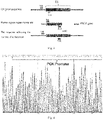
Figure 1 is a specific target site map of ITR and E1A Promoter of E1 gene in the HEK293 cell modified by Crispr/Cas9n technology; -
Figure 2 is a map of the homologous repair template plasmid; -
Figure 3 shows a verification method for verifying the modified cell, determining whether the ITR and E1A Promoter are replaced; -
Figure 4 is a graph showing the sequencing results of E1 gene in the HEK293.CS cell after transformation. - The technical solutions of the present invention will be further described below in conjunction with particular embodiments.
- In the following examples, the replacement of the ITR+E1A Promoter sequence in the HEK293 cell with a PGK promoter is described as an illustrative example. Other heterologous control elements such as a chicken β-actin promoter, a CMV promoter, and a HSV TK promoter have similar results to that of a PGK promoter.
- A method for modifying the HEK293 cell by Crispr/Cas9n technology, wherein it comprises a specific target site sequence for ITR and E1A Promoter of E1 gene in the HEK293 cell, the base sequence of the specific target site is represented by SEQ ID NO:2 of the Sequence Listing; the sgRNA oligonucleotide sequence specifically targeting to ITR and E1A Promoter (ITR+E1A Promoter sequence is represented by SEQ ID NO:2 of the Sequence Listing), and the base sequence is shown in Table 1; the designed and synthesized homologous repair template PGK Promoter as shown in
Fig. 2 , and the base sequence is represented by SEQ ID NO:1 of the Sequence Listing.Table 1: sgRNA sequences Names Sequences sgRNA1 top strand CACCGTTGTGACGTGGCGCGGGGCG, the sequence represented by SEQ ID NO:3 of the Sequence Listing sgRNA1 bottom strand AAACCGCCCCGCGCCACGTCACAAC, the sequence represented by SEQ ID NO:4 of the Sequence Listing sgRNA2 top strand CACCGCCACCCCCTCATTATCATAT, the sequence represented by SEQ ID NO:5 of the Sequence Listing sgRNA2 bottom strand AAACATATGATAATGAGGGGGTGGC, the sequence represented by SEQ ID NO:6 of the Sequence Listing sgRNA3 top strand CACCGCCTCCGAGCCGCTCCGACAC, the sequence represented by SEQ ID NO:7 of the Sequence Listing sgRNA3 bottom strand AAACGTGTCGGAGCGGCTCGGAGGC, the sequence represented by SEQ ID NO:8 of the Sequence Listing sgRNA4 top strand CACCGTACTCGCTGGCACTCAAGAG, the sequence represented by SEQ ID NO:9 of the Sequence Listing sgRNA4 bottom strand AAACCTCTTGAGTGCCAGCGAGTAC, the sequence represented by SEQ ID NO: 10 of the Sequence Listing - The above method for modifying the HEK293 cell by Crispr/Cas9n technology includes the following steps:
- S1. Designing and synthesizing a sgRNA specifically targeting to the ITR and E1A Promoter of E1 gene in the HEK293 cell, and annealing to form a double strand;
- S2. Constructing a double-stranded sgRNA into a PX462.V2.0 vector;
- S3. Designing and synthesizing a homologous repair template plasmid;
- S4. After mixing the sgRNA and the homologous repair template plasmid constructed in steps S2 and S3, they are transfected into the HEK293 cell, then screening a monoclonal cell strain in which E1 gene is successfully replaced, and its RCA forming ability after virus inoculation is detected.
- The final concentrations of PX462.V2.0-sgRNA and homologous repair template plasmid in step S4: PX462.V2.0-sgRNA1, PX462.V2.0-sgRNA2, PX462.V2.0-sgRNA3, and PX462.V2.0-sgRNA4 are respectively 20 ng/µL, and the PGK Promoter repair template plasmid is 25 ng/µL.
- A method for modifying E1 gene in the HEK293 cell by Crispr/Cas9n system, particularly it includes the following steps:
- (1) Selecting the target site of the ITR and E1 Promoter of E1 gene in the HEK293 cell, and designing the specific sequence of sgRNA by using software;
- (2) Designing and synthesizing sgRNA and homologous repair template plasmid, and cloning the sgRNA into the BbsI-digested vector backbone to obtain PX462.V2.0-sgRNA;
- (3) Mixing the obtained PX462.V2.0-sgRNA with the homologous repair template plasmid to the following final concentrations: PX462.V2.0-sgRNA1, PX462.V2.0-sgRNA2, PX462.V2.0-sgRNA3, and PX462.V2.0-sgRNA4 are respectively 20 ng/µL, and the PGK Promoter repair template plasmid is 25 ng/µL.
- (4) Transfecting the mixed PX462.V2.0-sgRNA and the homologous repair template plasmid into the HEK293 cell, and then the cell is subjected to resistance pressurization, thereby screening a gene-editing cell HEK293.CS in which the sequence of ITR and E1 Promoter of E1 gene is completely replaced.
- First, according to the HEK293 genomic sequence in NCBI, the ITR and E1 Promoter of E1 gene is selected as a target site to design sgRNA. The target site sequence is shown in
Fig. 1 , and the sgRNA sequence is shown in Table 1 above. - Second, the construction of the specific sgRNA sequence of PX462.V2.0-sgRNA:
- (1) Designing and synthesizing the sgRNA that recognizes the ITR and E1 Promoter of E1 gene;
- (2) Annealing the synthesized sgRNA oligonucleotide in vitro;
- (3) Digesting PX462.V2.0 through the BsaI site and ligating it with sgRNA, then designating as PX462.V2.0-sgRNA.
- Finally, a homologous repair template plasmid is designed according to the target site sequence of the sgRNA.
- HEK293 cells are inoculated at a density of 4 × 10⁵/well in a six-well plate, and transfected when they grow to 70%-90% (about 18-20 h) fusion rate. Transfecting the cells with 20 µL of premixed PX462.V2.0-sgRNA and PGK Promoter template repair plasmid (the following final concentrations: PX462.V2.0-sgRNA1, PX462.V2.0-sgRNA2, PX462.V2.0-sgRNA3, PX462.V2.0-sgRNA4 are respectively 20ng/µL, and PGK Promoter Repair template plasmid is 25 ng/(µL) and 5 µL of Lipo2000 transfection reagent, then adding SCR7 non-homologous recombination inhibitor (final concentration: 0.01 mM) after 12 h, and adding Puromycin (final concentration: 3 µg/mL) after 36 h for screening.
- The method shown in
Fig. 3 is used to verify whether E1 gene in the HEK293.CS cell is completely replaced, and it includes extracting the genome of the modified cell. If a band can be obtained by amplification through the ProF/AdR primer pair, it is proved that there are original sequences replaced by PGK Promoters. If a fragment can be obtained by amplification through the YSF/R primer pair, it is proved that the original sequence is still present in the replaced cell, and the replacement is not performed completely. Only when a band can be obtained by amplification through the ProF/AdR primer pair, but a band cannot be obtained by amplification through the YSF/R primer pair, it is proved that the ITR and E1A Promoter in the HEK293 cell is completely replaced with a PGK Promoter. If the sequencing result of the fragments amplified by the YZF/R primer pair proves a pure PGK Promoter sequence, it is further proved that the original sequence is completely replaced. - The validation primers are shown in Table 2. It can be seen from the sequencing results in
Figure 4 that the ITR and E1 Promoter in the HEK293.CS cell has been completely replaced with a PGK Promoter.Table 2: Primer sequences for detection Names Sequences ProF TCTCGCACATTCTTCACGTC, the sequence represented by SEQ ID NO:11 of the Sequence Listing AdR CGTTAACCACACACGCAATC, the sequence represented by SEQ ID NO:12 of the Sequence Listing YSF CTGCTTCGCCGAGTCTAAC, the sequence represented by SEQ ID NO:13 of the Sequence Listing YSR CCACATCCGTCGCTTACA, the sequence represented by SEQ ID NO:14 of the Sequence Listing YZF CTGTTCCAGAAGCCCTAT, the sequence represented by SEQ ID NO:15 of the Sequence Listing YZR ACACCTCCGTGGCAGATA, the sequence represented by SEQ ID NO:16 of the Sequence Listing - HEK293 and HEK293.CS cells are separately inoculated into 10 cm cell culture dishes, each kind of cells are respectively infected with Ad5-EBOV (GP) and Ad5-TB (Ag85A) viruses having a MOI (multiplicity of infection) of 10. The infected cells are harvested on the third day, at that time most of the cells are lysed and floated, indicating that the viruses are replicated. After harvesting the cells and the supernatant, the viruses are released from the lysed cells after three cycles of repeated freezing/thawing, and the cell debris is removed by centrifugation, followed by purification through column chromatography. The ratio of virus particles /cells is given as a measure of the cell productivity for the growth of different viruses through dividing the total virus particles by the number of cells at the time of infection, thereby determining the virus-producing ability of the cells before and after the transformation. Table 3 shows that the yields of the adenoviral vectors produced by HEK293 or HEK293.CS cells are nearly equivalent.
Table 3: Comparison of virus-producing ability of the HEK293 cell and that of the HEK293.CS cell after transformation Viruses Yields of the viruses (IFU/ml) HEK293 cell HEK293.CS Ad5-EBOV (GP) (3±0.02) ×109 (2.1±0.01) ×109 Ad5-TB (Ag85A) (3±0.03) ×109 (3±0.02) ×109 - 3×10¹⁰ or 3×10¹¹ purified Ad5-GP virus particles after the propagation of HEK293 or HEK293.CS are used, and RCA is detected by using the existing biological test method (Quality control of clinical grade gene therapy products of recombinant adenovirus. [J]. Zhang Xiaozhi, Lin Hong, Yang Xiaoyan, et al. Chinese Medical Journal, 2004, 84 (10), 849-852.) Zhang Xiaozhi et al., Chinese Journal of Medicine, 2004). The detection results are shown in Table 4. It can be seen from Table 4, when the sample size is 3×10¹⁰ VP, one RCA can be detected in the Ad5-GP viruses propagated in HEK293 cells, and when the sample size is increased to 3×10¹¹ VP, 13 RCAs are detected in the Ad5-GP viruses propagated in HEK293 cells, but no RCA is detected in the two sample sizes of the Ad5-GP viruses propagated in HEK293.CS cells.
Table 4: Comparison of the RCA formation ability of the HEK293 cell and that of the HEK293.CS cell after transformation The cell for producing viruses The number of RCAs in 3×10¹⁰ viruses The number of RCAs in 3×10¹¹ viruses HEK293 1 13 HEK293.CS 0 0 - Sequence Listing
- <110> Cansino Biologics Inc.
- <120> Cell Strain for Reducing Production of Replication Competent
Adenovirus, and Construction Method and Use Thereof - <150>
201710778032.8
<151> 2017-09-01 - <160> 16
- <170> SIPOSequenceListing 1.0
- <210> 1
<211> 511
<212> DNA
<213> Artificial Sequence - <220>
<223> PGK Promoter - <400> 1

- <210> 2
<211> 460
<212> DNA
<213> Artificial Sequence - <220>
<223> ITR+E1A Promoter - <400> 2

- <210> 3
<211> 25
<212> DNA
<213> Artificial Sequence - <220>
<223> sgRNA1 top strand - <400> 3
caccgttgtg acgtggcgcg gggcg 25 - <210> 4
<211> 25
<212> DNA
<213> Artificial Sequence - <220>
<223> sgRNA1 bottom strand - <400> 4
aaaccgcccc gcgccacgtc acaac 25 - <210> 5
<211> 25
<212> DNA
<213> Artificial Sequence - <220>
<223> sgRNA2 top strand - <400> 5
caccgccacc ccctcattat catat 25 - <210> 6
<211> 25
<212> DNA
<213> Artificial Sequence - <220>
<223> sgRNA2 bottom strand - <400> 6
aaacatatga taatgagggg gtggc 25 - <210> 7
<211> 25
<212> DNA
<213> Artificial Sequence - <220>
<223> sgRNA3 top strand - <400> 7
caccgcctcc gagccgctcc gacac 25 - <210> 8
<211> 25
<212> DNA
<213> Artificial Sequence - <220>
<223> sgRNA3 bottom strand - <400> 8
aaacgtgtcg gagcggctcg gaggc 25 - <210> 9
<211> 25
<212> DNA
<213> Artificial Sequence - <220>
<223> sgRNA4 top strand - <400> 9
caccgtactc gctggcactc aagag 25 - <210> 10
<211> 25
<212> DNA
<213> Artificial Sequence - <220>
<223> sgRNA4 bottom strand - <400> 10
aaacctcttg agtgccagcg agtac 25 - <210> 11
<211> 20
<212> DNA
<213> Artificial Sequence - <220>
<223> ProF - <400> 11
tctcgcacat tcttcacgtc 20 - <210> 12
<211> 20
<212> DNA
<213> Artificial Sequence - <220>
<223> AdR - <400> 12
cgttaaccac acacgcaatc 20 - <210> 13
<211> 19
<212> DNA
<213> Artificial Sequence - <220>
<223> YSF - <400> 13
ctgcttcgcc gagtctaac 19 - <210> 14
<211> 18
<212> DNA
<213> Artificial Sequence - <220>
<223> YSR - <400> 14
ccacatccgt cgcttaca 18 - <210> 15
<211> 18
<212> DNA
<213> Artificial Sequence - <220>
<223> YZF - <400> 15
ctgttccaga agccctat 18 - <210> 16
<211> 18
<212> DNA
<213> Artificial Sequence - <220>
<223> YZR - <400> 16
acacctccgt ggcagata 18
Claims (13)
- A cell strain for reducing the production of replication competent adenovirus, characterized in that: it is a cell strain HEK293.CS, and in the cell strain HEK293.CS the ITR and E1A Promoter sequences of the cell strain HEK293 E1 gene is replaced with a heterologous control element, the heterologous control element is PGK Promoter.
- The cell strain for reducing replication competent adenovirus production according to claim 1, characterized in that: the base sequence of the PGK promoter is represented by the sequence of SEQ ID NO:1 in the Sequence Listing.
- A method for constructing a cell strain for reducing the production of replication competent adenovirus according to claim 1, characterized in that: the specific steps are as follows:(1) designing, synthesizing, and annealing to obtain four sgRNAs, which are designated as sgRNA1, sgRNA2, sgRNA3, and sgRNA4;(2) preparing a PX462.V2.0 plasmid containing Cas9n enzyme, and digesting the plasmid with Bsal;(3) ligating the four double-stranded sgRNAs obtained in the step (1) respectively to the plasmid recovering from the gel of the enzymatic cleavage in step (2);(4) preparing a homologous template repair plasmid, adding a left homologous arm PSG4 sequence and a right homologous arm Ad5 sequence to both ends of the PGK Promoter, and ligating the synthesized sequence to PUC57 vector plasmid;(5) co-transfecting the four plasmids obtained in step (3) together with the homologous repair plasmid in step (4) into HEK293 cells, and a preliminary modified cell strain is obtained by antibiotic screening and monoclonal purification; with identification, if there is no complete replacement in the modified cell strain, the transfection and screening are continued until the ITR and E1A Promoter of E1 gene in the HEK293 cell strain are completely replaced with a PGK Promoter, i.e., a modified cell line is obtained.
- The method for constructing a cell strain for reducing the production of replication competent adenovirus according to claim 3, characterized in that: the method for designing and synthesizing sgRNA1, sgRNA2, sgRNA3, and sgRNA4 in the step (1) includes: screening a sgRNA targeting site, designing and synthesizing sgRNA1T, sgRNA1B, sgRNA2T, sgRNA2B, sgRNA3T, sgRNA3B, sgRNA4T, and sgRNA4B; annealing sgRNA1T with sgRNA1B, sgRNA2T with sgRNA2B, sgRNA3T with sgRNA3B, and sgRNA4T with sgRNA4B respectively, so as to form double-stranded sgRNA1, sgRNA2, sgRNA3, and sgRNA4; preferably, the screening marker used in step (1) is puromycin.
- The method for constructing a cell strain for reducing the production of replication competent adenovirus according to claim 3, characterized in that: it is identified by gene sequencing that there is a complete replacement in the cell line modified in step (5), and it is determined by a biological test method that the modified cell line does not produce detectable RCA.
- Use of a cell strain for reducing the production of replication competent adenovirus according to claim 1, characterized in that: the cell strain is used for reducing the production of replication competent adenovirus in the manufacture process of a vaccine or antibody; preferably, the adenovirus is a recombinant human type 5 adenovirus.
- A modified cell or a passage cell thereof for the expression of an exogenous gene, characterized in that: the ITR and E1A Promoter sequence (abbreviated as ITR+E1A Promoter) of E1 gene in the cell or its passage cell is replaced with a heterologous control element, and the sequence of the heterologous control element is less than 35% similar to that of the ITR+E1A Promoter; the cell is a HEK293 cell;
the heterologous control element is from a group consisting of: a chicken β-actin promoter, a CMV promoter, an HSV TK promoter, and a PGK promoter; preferably, the heterologous control element is a PGK promoter. - The cell or a passage cell thereof according to claim 7, characterized in that: the cell or its passage cell contains 1 copy or more copies of the ITR+E1A Promoter, all copies of the ITR+E1A Promoters are replaced with heterogeneous control elements.
- The cell or a passage cell thereof according to claim 7 or 8, characterized in that: the heterologous control element is a promoter that initiates E1A expression in the cell or its passage cell, and is less than 35%, 33%, 32%, 31%, 30%, 29%, 28%, 26%, 25%, 23%, 22% or 20% similar to the ITR+E1A Promoter sequence.
- The cell or a passage cell thereof according to any one of claims 7-9, characterized in that: the ITR+E1A Promoter sequence is the sequence represented by SEQ ID NO:2 or a homologous sequence thereof.
- The cell or a passage cell thereof according to any one of claims 7-10, characterized in that: the sequence of the heterologous control element is the sequence represented by SEQ ID NO:1.
- The cell or a passage cell thereof according to any one of claims 7-11, characterized in that the cell is a HEK293.CS cell strain.
- A method for producing an adenovirus, characterized in that: it comprises infecting the cell according to any one of claims 7-12 or a passage cell thereof with an adenovirus.
Applications Claiming Priority (2)
| Application Number | Priority Date | Filing Date | Title |
|---|---|---|---|
| CN201710778032.8A CN107630004B (en) | 2017-09-01 | 2017-09-01 | Cell strain for reducing generation of replication-competent adenovirus and construction method and application thereof |
| PCT/CN2018/102882 WO2019042307A1 (en) | 2017-09-01 | 2018-08-29 | Cell strain for reducing production of reproducible adenovirus, and construction method and use |
Publications (3)
| Publication Number | Publication Date |
|---|---|
| EP3670650A1 EP3670650A1 (en) | 2020-06-24 |
| EP3670650A4 EP3670650A4 (en) | 2020-07-08 |
| EP3670650B1 true EP3670650B1 (en) | 2022-06-08 |
Family
ID=61100703
Family Applications (1)
| Application Number | Title | Priority Date | Filing Date |
|---|---|---|---|
| EP18851666.0A Active EP3670650B1 (en) | 2017-09-01 | 2018-08-29 | Cell strain for reducing production of reproducible adenovirus, and construction method and use |
Country Status (4)
| Country | Link |
|---|---|
| US (1) | US11795475B2 (en) |
| EP (1) | EP3670650B1 (en) |
| CN (1) | CN107630004B (en) |
| WO (1) | WO2019042307A1 (en) |
Families Citing this family (7)
| Publication number | Priority date | Publication date | Assignee | Title |
|---|---|---|---|---|
| CN107630004B (en) * | 2017-09-01 | 2021-01-15 | 康希诺生物股份公司 | Cell strain for reducing generation of replication-competent adenovirus and construction method and application thereof |
| CN108456696A (en) * | 2018-02-09 | 2018-08-28 | 复百澳(苏州)生物科技有限公司 | A kind of construction method of 293T cell strains for virus packaging |
| CN110923362B (en) * | 2019-12-19 | 2023-06-06 | 武汉中帜生物科技股份有限公司 | Colloidal gold chromatography kit for simultaneously detecting herpes simplex virus type I/II and application thereof |
| CN114350615B (en) * | 2021-12-20 | 2024-04-16 | 北京镁伽科技有限公司 | STAT2 gene deletion cell strain and preparation method and application thereof |
| CN115232835A (en) * | 2022-04-15 | 2022-10-25 | 郑州大学 | Establishment and application of cell strain NHEK-C28 for reducing replication-competent adenovirus |
| CN117264902A (en) * | 2022-06-15 | 2023-12-22 | 上海元宋生物技术有限公司 | Construction method and application of an adenovirus packaging and production cell line |
| CN115747167B (en) * | 2022-10-17 | 2026-03-10 | 北京博晖创新生物技术集团股份有限公司 | Reference for human gene molecular diagnosis and preparation method and application thereof |
Family Cites Families (3)
| Publication number | Priority date | Publication date | Assignee | Title |
|---|---|---|---|---|
| US20070286845A1 (en) | 2000-11-17 | 2007-12-13 | Vascular Biogenics Ltd. | Promoters exhibiting endothelial cell specificity and methods of using same for regulation of angiogenesis |
| SG182490A1 (en) * | 2010-01-12 | 2012-08-30 | Vascular Biogenics Ltd | Methods of producing adenovirus vectors and viral preparations generated thereby |
| CN107630004B (en) * | 2017-09-01 | 2021-01-15 | 康希诺生物股份公司 | Cell strain for reducing generation of replication-competent adenovirus and construction method and application thereof |
-
2017
- 2017-09-01 CN CN201710778032.8A patent/CN107630004B/en active Active
-
2018
- 2018-08-29 EP EP18851666.0A patent/EP3670650B1/en active Active
- 2018-08-29 WO PCT/CN2018/102882 patent/WO2019042307A1/en not_active Ceased
-
2020
- 2020-03-02 US US16/806,013 patent/US11795475B2/en active Active
Also Published As
| Publication number | Publication date |
|---|---|
| EP3670650A1 (en) | 2020-06-24 |
| CN107630004A (en) | 2018-01-26 |
| US11795475B2 (en) | 2023-10-24 |
| WO2019042307A1 (en) | 2019-03-07 |
| EP3670650A4 (en) | 2020-07-08 |
| US20200255862A1 (en) | 2020-08-13 |
| CN107630004B (en) | 2021-01-15 |
Similar Documents
| Publication | Publication Date | Title |
|---|---|---|
| US11795475B2 (en) | Cell strain for reducing production of replication competent adenovirus, and construction method and use thereof | |
| CN105154473B (en) | An efficient and safe transposon integration system and its use | |
| US5700470A (en) | Recombinant adenovirus with removed EZA gene and method of preparation | |
| US5817492A (en) | Recombinant DNA viral vector for transfecting animal cells | |
| US6110735A (en) | Method for the preparation of a viral vector by intermolecular homologous recombination | |
| WO2019062522A1 (en) | Sgrna, engineered cas9 protein, and kit | |
| KR100575521B1 (en) | Method for producing the recombinant adenovirus genome | |
| JP4386971B2 (en) | Recombinant adenoviral vector comprising a splicing sequence | |
| KR20010032146A (en) | Adenovirus vectors and method for reducing homologous recombination phenomena | |
| US9404090B2 (en) | Adenovirus producing novel cell line and the use thereof | |
| US8709778B2 (en) | Method of adenoviral vector synthesis | |
| CN110684743B (en) | Viruses that specifically kill tumor cells and tumor treatment drugs | |
| JP2004519201A (en) | Chimeric adenovirus vector | |
| CN116179604B (en) | A recombinant adenovirus type 5 vector with reduced reverse mutation frequency and its construction method | |
| WO2022006745A1 (en) | Guide rna for hsv-1 gene editing and method thereof | |
| CN119432919B (en) | Viral vector for reducing replication type adenovirus pollution and construction method thereof | |
| CN110468156A (en) | Correct the gene editing system and its application of the point mutation of ob/ob mouse Leptin | |
| CN102586324B (en) | Construction method of cell for gene therapy and obtained cell | |
| Deng et al. | Comprehensive genome editing and signaling pathway engineering evolve potent and safe adenoviral producer cell | |
| CN1384885A (en) | Prep. of recombinant adenoviruses and adenovirus banks | |
| Zhang et al. | Development of Knockout Cardiac Muscle Cell Lines Using Integrase-Deficient Lentivirus-Mediated CRISPR/Cas9 Gene Editing | |
| Young | Homologous recombination in the replicative cycle of adenoviruses and its relationship to DNA replication | |
| JP4288259B2 (en) | Recombinant DNA viral vector for animal cell infection | |
| CN114540308A (en) | Cell line for stably expressing orthogonal aminoacyl tRNA synthetase/tRNA and construction method | |
| CN121780535A (en) | Tumor specific promoter and use thereof |
Legal Events
| Date | Code | Title | Description |
|---|---|---|---|
| STAA | Information on the status of an ep patent application or granted ep patent |
Free format text: STATUS: THE INTERNATIONAL PUBLICATION HAS BEEN MADE |
|
| PUAI | Public reference made under article 153(3) epc to a published international application that has entered the european phase |
Free format text: ORIGINAL CODE: 0009012 |
|
| STAA | Information on the status of an ep patent application or granted ep patent |
Free format text: STATUS: REQUEST FOR EXAMINATION WAS MADE |
|
| 17P | Request for examination filed |
Effective date: 20200319 |
|
| AK | Designated contracting states |
Kind code of ref document: A1 Designated state(s): AL AT BE BG CH CY CZ DE DK EE ES FI FR GB GR HR HU IE IS IT LI LT LU LV MC MK MT NL NO PL PT RO RS SE SI SK SM TR |
|
| AX | Request for extension of the european patent |
Extension state: BA ME |
|
| A4 | Supplementary search report drawn up and despatched |
Effective date: 20200609 |
|
| RIC1 | Information provided on ipc code assigned before grant |
Ipc: C12N 7/00 20060101ALI20200603BHEP Ipc: C12N 15/85 20060101ALI20200603BHEP Ipc: C12R 1/93 20060101ALI20200603BHEP Ipc: C12N 5/10 20060101AFI20200603BHEP Ipc: C12N 15/90 20060101ALI20200603BHEP |
|
| STAA | Information on the status of an ep patent application or granted ep patent |
Free format text: STATUS: EXAMINATION IS IN PROGRESS |
|
| 17Q | First examination report despatched |
Effective date: 20201110 |
|
| DAV | Request for validation of the european patent (deleted) | ||
| DAX | Request for extension of the european patent (deleted) | ||
| GRAP | Despatch of communication of intention to grant a patent |
Free format text: ORIGINAL CODE: EPIDOSNIGR1 |
|
| STAA | Information on the status of an ep patent application or granted ep patent |
Free format text: STATUS: GRANT OF PATENT IS INTENDED |
|
| INTG | Intention to grant announced |
Effective date: 20220209 |
|
| GRAS | Grant fee paid |
Free format text: ORIGINAL CODE: EPIDOSNIGR3 |
|
| GRAA | (expected) grant |
Free format text: ORIGINAL CODE: 0009210 |
|
| STAA | Information on the status of an ep patent application or granted ep patent |
Free format text: STATUS: THE PATENT HAS BEEN GRANTED |
|
| AK | Designated contracting states |
Kind code of ref document: B1 Designated state(s): AL AT BE BG CH CY CZ DE DK EE ES FI FR GB GR HR HU IE IS IT LI LT LU LV MC MK MT NL NO PL PT RO RS SE SI SK SM TR |
|
| REG | Reference to a national code |
Ref country code: AT Ref legal event code: REF Ref document number: 1496943 Country of ref document: AT Kind code of ref document: T Effective date: 20220615 Ref country code: CH Ref legal event code: EP |
|
| REG | Reference to a national code |
Ref country code: DE Ref legal event code: R096 Ref document number: 602018036617 Country of ref document: DE |
|
| REG | Reference to a national code |
Ref country code: IE Ref legal event code: FG4D |
|
| REG | Reference to a national code |
Ref country code: LT Ref legal event code: MG9D |
|
| REG | Reference to a national code |
Ref country code: NL Ref legal event code: MP Effective date: 20220608 |
|
| PG25 | Lapsed in a contracting state [announced via postgrant information from national office to epo] |
Ref country code: SE Free format text: LAPSE BECAUSE OF FAILURE TO SUBMIT A TRANSLATION OF THE DESCRIPTION OR TO PAY THE FEE WITHIN THE PRESCRIBED TIME-LIMIT Effective date: 20220608 Ref country code: NO Free format text: LAPSE BECAUSE OF FAILURE TO SUBMIT A TRANSLATION OF THE DESCRIPTION OR TO PAY THE FEE WITHIN THE PRESCRIBED TIME-LIMIT Effective date: 20220908 Ref country code: LT Free format text: LAPSE BECAUSE OF FAILURE TO SUBMIT A TRANSLATION OF THE DESCRIPTION OR TO PAY THE FEE WITHIN THE PRESCRIBED TIME-LIMIT Effective date: 20220608 Ref country code: HR Free format text: LAPSE BECAUSE OF FAILURE TO SUBMIT A TRANSLATION OF THE DESCRIPTION OR TO PAY THE FEE WITHIN THE PRESCRIBED TIME-LIMIT Effective date: 20220608 Ref country code: GR Free format text: LAPSE BECAUSE OF FAILURE TO SUBMIT A TRANSLATION OF THE DESCRIPTION OR TO PAY THE FEE WITHIN THE PRESCRIBED TIME-LIMIT Effective date: 20220909 Ref country code: FI Free format text: LAPSE BECAUSE OF FAILURE TO SUBMIT A TRANSLATION OF THE DESCRIPTION OR TO PAY THE FEE WITHIN THE PRESCRIBED TIME-LIMIT Effective date: 20220608 Ref country code: ES Free format text: LAPSE BECAUSE OF FAILURE TO SUBMIT A TRANSLATION OF THE DESCRIPTION OR TO PAY THE FEE WITHIN THE PRESCRIBED TIME-LIMIT Effective date: 20220608 Ref country code: BG Free format text: LAPSE BECAUSE OF FAILURE TO SUBMIT A TRANSLATION OF THE DESCRIPTION OR TO PAY THE FEE WITHIN THE PRESCRIBED TIME-LIMIT Effective date: 20220908 |
|
| REG | Reference to a national code |
Ref country code: AT Ref legal event code: MK05 Ref document number: 1496943 Country of ref document: AT Kind code of ref document: T Effective date: 20220608 |
|
| PG25 | Lapsed in a contracting state [announced via postgrant information from national office to epo] |
Ref country code: RS Free format text: LAPSE BECAUSE OF FAILURE TO SUBMIT A TRANSLATION OF THE DESCRIPTION OR TO PAY THE FEE WITHIN THE PRESCRIBED TIME-LIMIT Effective date: 20220608 Ref country code: LV Free format text: LAPSE BECAUSE OF FAILURE TO SUBMIT A TRANSLATION OF THE DESCRIPTION OR TO PAY THE FEE WITHIN THE PRESCRIBED TIME-LIMIT Effective date: 20220608 |
|
| PG25 | Lapsed in a contracting state [announced via postgrant information from national office to epo] |
Ref country code: NL Free format text: LAPSE BECAUSE OF FAILURE TO SUBMIT A TRANSLATION OF THE DESCRIPTION OR TO PAY THE FEE WITHIN THE PRESCRIBED TIME-LIMIT Effective date: 20220608 |
|
| PG25 | Lapsed in a contracting state [announced via postgrant information from national office to epo] |
Ref country code: SM Free format text: LAPSE BECAUSE OF FAILURE TO SUBMIT A TRANSLATION OF THE DESCRIPTION OR TO PAY THE FEE WITHIN THE PRESCRIBED TIME-LIMIT Effective date: 20220608 Ref country code: SK Free format text: LAPSE BECAUSE OF FAILURE TO SUBMIT A TRANSLATION OF THE DESCRIPTION OR TO PAY THE FEE WITHIN THE PRESCRIBED TIME-LIMIT Effective date: 20220608 Ref country code: RO Free format text: LAPSE BECAUSE OF FAILURE TO SUBMIT A TRANSLATION OF THE DESCRIPTION OR TO PAY THE FEE WITHIN THE PRESCRIBED TIME-LIMIT Effective date: 20220608 Ref country code: PT Free format text: LAPSE BECAUSE OF FAILURE TO SUBMIT A TRANSLATION OF THE DESCRIPTION OR TO PAY THE FEE WITHIN THE PRESCRIBED TIME-LIMIT Effective date: 20221010 Ref country code: EE Free format text: LAPSE BECAUSE OF FAILURE TO SUBMIT A TRANSLATION OF THE DESCRIPTION OR TO PAY THE FEE WITHIN THE PRESCRIBED TIME-LIMIT Effective date: 20220608 Ref country code: CZ Free format text: LAPSE BECAUSE OF FAILURE TO SUBMIT A TRANSLATION OF THE DESCRIPTION OR TO PAY THE FEE WITHIN THE PRESCRIBED TIME-LIMIT Effective date: 20220608 Ref country code: AT Free format text: LAPSE BECAUSE OF FAILURE TO SUBMIT A TRANSLATION OF THE DESCRIPTION OR TO PAY THE FEE WITHIN THE PRESCRIBED TIME-LIMIT Effective date: 20220608 |
|
| PG25 | Lapsed in a contracting state [announced via postgrant information from national office to epo] |
Ref country code: PL Free format text: LAPSE BECAUSE OF FAILURE TO SUBMIT A TRANSLATION OF THE DESCRIPTION OR TO PAY THE FEE WITHIN THE PRESCRIBED TIME-LIMIT Effective date: 20220608 Ref country code: IS Free format text: LAPSE BECAUSE OF FAILURE TO SUBMIT A TRANSLATION OF THE DESCRIPTION OR TO PAY THE FEE WITHIN THE PRESCRIBED TIME-LIMIT Effective date: 20221008 |
|
| REG | Reference to a national code |
Ref country code: DE Ref legal event code: R097 Ref document number: 602018036617 Country of ref document: DE |
|
| PG25 | Lapsed in a contracting state [announced via postgrant information from national office to epo] |
Ref country code: MC Free format text: LAPSE BECAUSE OF FAILURE TO SUBMIT A TRANSLATION OF THE DESCRIPTION OR TO PAY THE FEE WITHIN THE PRESCRIBED TIME-LIMIT Effective date: 20220608 Ref country code: AL Free format text: LAPSE BECAUSE OF FAILURE TO SUBMIT A TRANSLATION OF THE DESCRIPTION OR TO PAY THE FEE WITHIN THE PRESCRIBED TIME-LIMIT Effective date: 20220608 |
|
| REG | Reference to a national code |
Ref country code: CH Ref legal event code: PL |
|
| PLBE | No opposition filed within time limit |
Free format text: ORIGINAL CODE: 0009261 |
|
| STAA | Information on the status of an ep patent application or granted ep patent |
Free format text: STATUS: NO OPPOSITION FILED WITHIN TIME LIMIT |
|
| PG25 | Lapsed in a contracting state [announced via postgrant information from national office to epo] |
Ref country code: LU Free format text: LAPSE BECAUSE OF NON-PAYMENT OF DUE FEES Effective date: 20220829 Ref country code: LI Free format text: LAPSE BECAUSE OF NON-PAYMENT OF DUE FEES Effective date: 20220831 Ref country code: DK Free format text: LAPSE BECAUSE OF FAILURE TO SUBMIT A TRANSLATION OF THE DESCRIPTION OR TO PAY THE FEE WITHIN THE PRESCRIBED TIME-LIMIT Effective date: 20220608 Ref country code: CH Free format text: LAPSE BECAUSE OF NON-PAYMENT OF DUE FEES Effective date: 20220831 |
|
| REG | Reference to a national code |
Ref country code: BE Ref legal event code: MM Effective date: 20220831 |
|
| 26N | No opposition filed |
Effective date: 20230310 |
|
| PG25 | Lapsed in a contracting state [announced via postgrant information from national office to epo] |
Ref country code: SI Free format text: LAPSE BECAUSE OF FAILURE TO SUBMIT A TRANSLATION OF THE DESCRIPTION OR TO PAY THE FEE WITHIN THE PRESCRIBED TIME-LIMIT Effective date: 20220608 |
|
| PG25 | Lapsed in a contracting state [announced via postgrant information from national office to epo] |
Ref country code: IE Free format text: LAPSE BECAUSE OF NON-PAYMENT OF DUE FEES Effective date: 20220829 |
|
| PG25 | Lapsed in a contracting state [announced via postgrant information from national office to epo] |
Ref country code: BE Free format text: LAPSE BECAUSE OF NON-PAYMENT OF DUE FEES Effective date: 20220831 |
|
| PG25 | Lapsed in a contracting state [announced via postgrant information from national office to epo] |
Ref country code: IT Free format text: LAPSE BECAUSE OF FAILURE TO SUBMIT A TRANSLATION OF THE DESCRIPTION OR TO PAY THE FEE WITHIN THE PRESCRIBED TIME-LIMIT Effective date: 20220608 |
|
| PG25 | Lapsed in a contracting state [announced via postgrant information from national office to epo] |
Ref country code: CY Free format text: LAPSE BECAUSE OF FAILURE TO SUBMIT A TRANSLATION OF THE DESCRIPTION OR TO PAY THE FEE WITHIN THE PRESCRIBED TIME-LIMIT Effective date: 20220608 |
|
| PG25 | Lapsed in a contracting state [announced via postgrant information from national office to epo] |
Ref country code: MK Free format text: LAPSE BECAUSE OF FAILURE TO SUBMIT A TRANSLATION OF THE DESCRIPTION OR TO PAY THE FEE WITHIN THE PRESCRIBED TIME-LIMIT Effective date: 20220608 Ref country code: HU Free format text: LAPSE BECAUSE OF FAILURE TO SUBMIT A TRANSLATION OF THE DESCRIPTION OR TO PAY THE FEE WITHIN THE PRESCRIBED TIME-LIMIT; INVALID AB INITIO Effective date: 20180829 |
|
| PG25 | Lapsed in a contracting state [announced via postgrant information from national office to epo] |
Ref country code: TR Free format text: LAPSE BECAUSE OF FAILURE TO SUBMIT A TRANSLATION OF THE DESCRIPTION OR TO PAY THE FEE WITHIN THE PRESCRIBED TIME-LIMIT Effective date: 20220608 |
|
| PG25 | Lapsed in a contracting state [announced via postgrant information from national office to epo] |
Ref country code: MT Free format text: LAPSE BECAUSE OF FAILURE TO SUBMIT A TRANSLATION OF THE DESCRIPTION OR TO PAY THE FEE WITHIN THE PRESCRIBED TIME-LIMIT Effective date: 20220608 |
|
| PG25 | Lapsed in a contracting state [announced via postgrant information from national office to epo] |
Ref country code: BG Free format text: LAPSE BECAUSE OF FAILURE TO SUBMIT A TRANSLATION OF THE DESCRIPTION OR TO PAY THE FEE WITHIN THE PRESCRIBED TIME-LIMIT Effective date: 20220608 |
|
| PG25 | Lapsed in a contracting state [announced via postgrant information from national office to epo] |
Ref country code: BG Free format text: LAPSE BECAUSE OF FAILURE TO SUBMIT A TRANSLATION OF THE DESCRIPTION OR TO PAY THE FEE WITHIN THE PRESCRIBED TIME-LIMIT Effective date: 20220608 |
|
| PGFP | Annual fee paid to national office [announced via postgrant information from national office to epo] |
Ref country code: DE Payment date: 20250812 Year of fee payment: 8 |
|
| PGFP | Annual fee paid to national office [announced via postgrant information from national office to epo] |
Ref country code: GB Payment date: 20250826 Year of fee payment: 8 |
|
| PGFP | Annual fee paid to national office [announced via postgrant information from national office to epo] |
Ref country code: FR Payment date: 20250828 Year of fee payment: 8 |