EP3652541B1 - Combination of markers for diagnosing cancer - Google Patents
Combination of markers for diagnosing cancer Download PDFInfo
- Publication number
- EP3652541B1 EP3652541B1 EP18806819.1A EP18806819A EP3652541B1 EP 3652541 B1 EP3652541 B1 EP 3652541B1 EP 18806819 A EP18806819 A EP 18806819A EP 3652541 B1 EP3652541 B1 EP 3652541B1
- Authority
- EP
- European Patent Office
- Prior art keywords
- cancer
- leukocytes
- cd11b
- sample
- cells
- Prior art date
- Legal status (The legal status is an assumption and is not a legal conclusion. Google has not performed a legal analysis and makes no representation as to the accuracy of the status listed.)
- Active
Links
Images



Classifications
-
- G—PHYSICS
- G01—MEASURING; TESTING
- G01N—INVESTIGATING OR ANALYSING MATERIALS BY DETERMINING THEIR CHEMICAL OR PHYSICAL PROPERTIES
- G01N33/00—Investigating or analysing materials by specific methods not covered by groups G01N1/00 - G01N31/00
- G01N33/48—Biological material, e.g. blood, urine; Haemocytometers
- G01N33/50—Chemical analysis of biological material, e.g. blood, urine; Testing involving biospecific ligand binding methods; Immunological testing
- G01N33/53—Immunoassay; Biospecific binding assay; Materials therefor
- G01N33/574—Immunoassay; Biospecific binding assay; Materials therefor for cancer
- G01N33/57484—Immunoassay; Biospecific binding assay; Materials therefor for cancer involving compounds serving as markers for tumor, cancer, neoplasia, e.g. cellular determinants, receptors, heat shock/stress proteins, A-protein, oligosaccharides, metabolites
- G01N33/57492—Immunoassay; Biospecific binding assay; Materials therefor for cancer involving compounds serving as markers for tumor, cancer, neoplasia, e.g. cellular determinants, receptors, heat shock/stress proteins, A-protein, oligosaccharides, metabolites involving compounds localized on the membrane of tumor or cancer cells
-
- A—HUMAN NECESSITIES
- A61—MEDICAL OR VETERINARY SCIENCE; HYGIENE
- A61P—SPECIFIC THERAPEUTIC ACTIVITY OF CHEMICAL COMPOUNDS OR MEDICINAL PREPARATIONS
- A61P35/00—Antineoplastic agents
-
- C—CHEMISTRY; METALLURGY
- C07—ORGANIC CHEMISTRY
- C07K—PEPTIDES
- C07K14/00—Peptides having more than 20 amino acids; Gastrins; Somatostatins; Melanotropins; Derivatives thereof
- C07K14/435—Peptides having more than 20 amino acids; Gastrins; Somatostatins; Melanotropins; Derivatives thereof from animals; from humans
- C07K14/705—Receptors; Cell surface antigens; Cell surface determinants
- C07K14/70596—Molecules with a "CD"-designation not provided for elsewhere
-
- G—PHYSICS
- G01—MEASURING; TESTING
- G01N—INVESTIGATING OR ANALYSING MATERIALS BY DETERMINING THEIR CHEMICAL OR PHYSICAL PROPERTIES
- G01N33/00—Investigating or analysing materials by specific methods not covered by groups G01N1/00 - G01N31/00
- G01N33/48—Biological material, e.g. blood, urine; Haemocytometers
- G01N33/50—Chemical analysis of biological material, e.g. blood, urine; Testing involving biospecific ligand binding methods; Immunological testing
- G01N33/53—Immunoassay; Biospecific binding assay; Materials therefor
- G01N33/574—Immunoassay; Biospecific binding assay; Materials therefor for cancer
-
- G—PHYSICS
- G01—MEASURING; TESTING
- G01N—INVESTIGATING OR ANALYSING MATERIALS BY DETERMINING THEIR CHEMICAL OR PHYSICAL PROPERTIES
- G01N33/00—Investigating or analysing materials by specific methods not covered by groups G01N1/00 - G01N31/00
- G01N33/48—Biological material, e.g. blood, urine; Haemocytometers
- G01N33/50—Chemical analysis of biological material, e.g. blood, urine; Testing involving biospecific ligand binding methods; Immunological testing
- G01N33/53—Immunoassay; Biospecific binding assay; Materials therefor
- G01N33/574—Immunoassay; Biospecific binding assay; Materials therefor for cancer
- G01N33/57407—Specifically defined cancers
- G01N33/57419—Specifically defined cancers of colon
-
- G—PHYSICS
- G01—MEASURING; TESTING
- G01N—INVESTIGATING OR ANALYSING MATERIALS BY DETERMINING THEIR CHEMICAL OR PHYSICAL PROPERTIES
- G01N33/00—Investigating or analysing materials by specific methods not covered by groups G01N1/00 - G01N31/00
- G01N33/48—Biological material, e.g. blood, urine; Haemocytometers
- G01N33/50—Chemical analysis of biological material, e.g. blood, urine; Testing involving biospecific ligand binding methods; Immunological testing
- G01N33/53—Immunoassay; Biospecific binding assay; Materials therefor
- G01N33/574—Immunoassay; Biospecific binding assay; Materials therefor for cancer
- G01N33/57407—Specifically defined cancers
- G01N33/57426—Specifically defined cancers leukemia
-
- G—PHYSICS
- G01—MEASURING; TESTING
- G01N—INVESTIGATING OR ANALYSING MATERIALS BY DETERMINING THEIR CHEMICAL OR PHYSICAL PROPERTIES
- G01N33/00—Investigating or analysing materials by specific methods not covered by groups G01N1/00 - G01N31/00
- G01N33/48—Biological material, e.g. blood, urine; Haemocytometers
- G01N33/50—Chemical analysis of biological material, e.g. blood, urine; Testing involving biospecific ligand binding methods; Immunological testing
- G01N33/53—Immunoassay; Biospecific binding assay; Materials therefor
- G01N33/574—Immunoassay; Biospecific binding assay; Materials therefor for cancer
- G01N33/57407—Specifically defined cancers
- G01N33/57438—Specifically defined cancers of liver, pancreas or kidney
-
- A—HUMAN NECESSITIES
- A61—MEDICAL OR VETERINARY SCIENCE; HYGIENE
- A61K—PREPARATIONS FOR MEDICAL, DENTAL OR TOILETRY PURPOSES
- A61K45/00—Medicinal preparations containing active ingredients not provided for in groups A61K31/00 - A61K41/00
- A61K45/06—Mixtures of active ingredients without chemical characterisation, e.g. antiphlogistics and cardiaca
-
- G—PHYSICS
- G01—MEASURING; TESTING
- G01N—INVESTIGATING OR ANALYSING MATERIALS BY DETERMINING THEIR CHEMICAL OR PHYSICAL PROPERTIES
- G01N2333/00—Assays involving biological materials from specific organisms or of a specific nature
- G01N2333/435—Assays involving biological materials from specific organisms or of a specific nature from animals; from humans
- G01N2333/705—Assays involving receptors, cell surface antigens or cell surface determinants
- G01N2333/70546—Integrin superfamily, e.g. VLAs, leuCAM, GPIIb/GPIIIa, LPAM
-
- G—PHYSICS
- G01—MEASURING; TESTING
- G01N—INVESTIGATING OR ANALYSING MATERIALS BY DETERMINING THEIR CHEMICAL OR PHYSICAL PROPERTIES
- G01N2333/00—Assays involving biological materials from specific organisms or of a specific nature
- G01N2333/435—Assays involving biological materials from specific organisms or of a specific nature from animals; from humans
- G01N2333/705—Assays involving receptors, cell surface antigens or cell surface determinants
- G01N2333/70596—Molecules with a "CD"-designation not provided for elsewhere in G01N2333/705
-
- G—PHYSICS
- G01—MEASURING; TESTING
- G01N—INVESTIGATING OR ANALYSING MATERIALS BY DETERMINING THEIR CHEMICAL OR PHYSICAL PROPERTIES
- G01N2800/00—Detection or diagnosis of diseases
- G01N2800/50—Determining the risk of developing a disease
-
- G—PHYSICS
- G01—MEASURING; TESTING
- G01N—INVESTIGATING OR ANALYSING MATERIALS BY DETERMINING THEIR CHEMICAL OR PHYSICAL PROPERTIES
- G01N2800/00—Detection or diagnosis of diseases
- G01N2800/52—Predicting or monitoring the response to treatment, e.g. for selection of therapy based on assay results in personalised medicine; Prognosis
Definitions
- the present invention relates to methods for diagnosing cancer or pre-disposition thereto by determining the expression level of CD24 + CD11b - in a sample comprising leukocytes.
- CD24 a mucin-like cell surface molecule
- SWA11 anti-CD24 monoclonal antibodies
- PE38 Pseudomonas exotoxin truncated derivative
- CRC Colorectal cancer
- adenoma a multi-step process spanning over 10-20 years, which provides a window of opportunity for effective intervention and prevention. Removing the pre-malignant lesion, the adenoma, can prevent CRC.
- Early detection e.g. when the patient is asymptomatic, is the single most important therapy. Early detection can significantly improve morbidity and mortality.
- these strategies are considered standard clinical practice, their impact is limited due to invasiveness, low adherence, or high cost. The number of deaths due to CRC remains alarmingly high, and makes CRC prevention paramount.
- PC Pancreatic cancer
- Lymphomas and Leukemia are highly heterogeneous diseases, varying by both the type of the malignant cell and the tumor location. There is currently no blood test or other screening tool for early detection and diagnosis.
- a simple blood test increases screening compliance, promoting early detection and better patient outcomes.
- SEPT9 blood-based Septin 9 methylated DNA test which specifically detects CRCs with an overall sensitivity of 90 % [ Kristiansen G et al., J Mol Histol (2004) 35:255-62 ; Warren JD et al., BMC Med (2011) vol. 9: article 133 ].
- Some inventors of the present invention have previously developed a technology for detection and diagnosis of various human malignancies. For example, it was previously shown that expression level of CD24 in peripheral blood leukocytes may be used for the early detection of colorectal adenomas and CRC [ Kraus et al., Dis Markers (2009) doi: 10.1155/2015/916098. Epub 2015 May 11 ].
- PCT Publication No. WO 2007/088537 to Arber N discloses methods of diagnosing cancer by determining the level of circulating, non-anchored CD24 in a biological sample of a subject (e.g. in a stool sample, a serum sample, a blood sample, a urine sample, or a saliva sample).
- a biological sample of a subject e.g. in a stool sample, a serum sample, a blood sample, a urine sample, or a saliva sample.
- PCT Publication No. WO 2009/074988 to Arber N discloses method of diagnosing cancer or a pre-malignant lesion.
- the method comprises determining a level of CD24 expressed on peripheral blood cells of a subject in need thereof, wherein the level of CD24 above a predetermined threshold is indicative of the cancer or the pre-malignant lesion.
- a method of diagnosing a cancer or a pre-malignant lesion comprising determining a level of expression of CD24 on leukocytes comprised in a biological sample of the subject, wherein a level of CD24 on small leukocytes and not on large leukocytes above a predetermined threshold is indicative of the cancer or the pre-malignant lesion, wherein said small leukocytes have a CD24 + CD11b - signature and said large leukocytes have a CD24 + CD11b + signature.
- a method of monitoring efficacy of cancer therapy comprising determining a level of expression of CD24 on leukocytes comprised in a biological sample of the subject having been treated with a cancer therapy, wherein a decrease in a level of CD24 on small leukocytes and not on large leukocytes from a predetermined threshold following the cancer therapy is indicative of reduction of the cancer, thereby monitoring efficacy of the cancer therapy, wherein said small leukocytes have a CD24 + CD11b - signature and said large leukocytes have a CD24 + CD11b + signature.
- the small leukocytes are selected from the group consisting of T lymphocytes, B lymphocytes and monocytes.
- the large leukocytes are selected from the group consisting of neutrophils, dendritic cells, granulocytes, macrophages and NK cells.
- the method may further comprise corroborating the diagnosis using a diagnostic assay selected from a biopsy, a histology, a CT scan (Computed Tomography) and an MRI (Magnetic Resonance Imaging).
- a diagnostic assay selected from a biopsy, a histology, a CT scan (Computed Tomography) and an MRI (Magnetic Resonance Imaging).
- the sample is selected from the group consisting of a blood sample, a serum sample, a stool sample, a urine sample and a saliva sample
- the determining is effected ex vivo.
- the determining is effected at the protein level.
- the determining is effected by flow cytometry.
- the determining is effected at the polynucleotide level.
- the method may further comprise administering to the subject a therapeutic agent for the treatment of the cancer or the pre-malignant lesion.
- the therapeutic agent may be selected from the group consisting of a chemotherapeutic agent, an antibody immunotherapy, a radiation therapy, a cancer vaccine, an anti-inflammatory agent and a dietary supplement.
- the at least one agent may comprise a polypeptide agent.
- the polypeptide agent may comprise an antibody.
- the antibody may be attached to a detectable moiety.
- the at least one agent may comprise an oligonucleotide agent.
- the pre-malignant lesion is an adenoma.
- the pre-malignant lesion is associated with a solid tumor.
- the cancer is a solid tumor.
- the solid tumor is a gastrointestinal tract cancer.
- the solid tumor is selected from the group consisting of colorectal cancer, cancer of the small intestine, stomach cancer, pancreatic cancer, liver cancer, gall-bladder cancer, biliary tract cancer, esophageal cancer, oral cavity cancer, prostate cancer, testicular cancer, lung cancer, breast cancer, urinary tract cancer, kidney cancer, bladder cancer, uterine cancer, cervical cancer, ovarian cancer, fallopian tube cancer, sarcoma, melanoma, squamous cell carcinoma, brain cancer and glioma.
- the cancer is a hematopoietic malignancy.
- the hematopoietic malignancy may be selected from the group consisting of a lymphoma, a leukemia and a multiple myeloma.
- the present invention in some embodiments thereof, relates to methods for diagnosing cancer or pre-disposition thereto by determining the expression level of CD24 + CD11b - in a sample comprising leukocytes.
- CD24 is highly expressed in numerous malignant tissues among them B-cell lymphomas, gliomas, prostate, gastric, pancreatic and non-small cell lung carcinomas. Increased expression of CD24 is usually tied with a more aggressive course of the disease.
- peripheral blood leukocytes PBLs
- age and gender matched healthy individuals were separated from freshly drawn blood and the dual expression of CD24 and CD11b was analyzed using flow cytometry.
- the present inventors further generated a template file for analysis of the samples using gates within the software to create a hierarchical population tree at the beginning of the screen.
- This template file is used to analyze the samples after data acquisition is complete.
- the template file includes compensation adjustment, which is uniformly applied to all the data collected in order to minimize fluorescence overlap between detection channels.
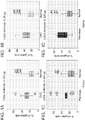
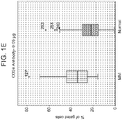
- cancer subjects had elevated levels of CD24 + CD11b - leukocytes as compared to healthy (i.e. normal) subjects.
- healthy subjects were further verified for being in good health using thorough and extensive examination at the Integrated Cancer Prevention Center at the Tel Aviv Medical Center (as previously discussed in Sella T. et al., Eur J Intern Med (2013) 24(3): 245-9 ). Cancer was verified by histology in all patients.
- this simple, non-invasive test can be used to reliably identify individuals with various pre-cancers and cancers (such as colorectal adenomas, early carcinoma, pancreatic and other solid and hematological tumors) or predisposition thereto.
- pre-cancers and cancers such as colorectal adenomas, early carcinoma, pancreatic and other solid and hematological tumors
- a method of diagnosing a cancer or a pre-malignant lesion comprising determining a level of expression of CD24 on leukocytes comprised in a biological sample of a subject, wherein a level of CD24 on small leukocytes and not on large leukocytes above a predetermined threshold is indicative of the cancer or the pre-malignant lesion.
- diagnosis refers to classifying a pathology (e.g., a CD24-associated cancer or a pre-malignant lesion) or a symptom, determining a severity of the pathology, monitoring pathology progression, forecasting an outcome of a pathology and/or prospects of recovery.
- a pathology e.g., a CD24-associated cancer or a pre-malignant lesion
- pre-malignant lesion refers to a mass of cells and/or tissue having increased probability of transforming into a malignant tumor.
- CD24 is over-expressed on small leukocytes as compared to a non-malignant tissue or cell.
- Examples of CD24-associated pre-malignant lesions include, but are not limited to, adenomatous polyps, Barrett's esophagus, IPMN (Intraductal Papillary Mucinus Neoplasia), DCIS (Ductal Carcinoma in situ) in the breast, leukoplakia and erythroplakia.
- the pre-malignant lesion is an adenoma.
- the pre-malignant lesion is associated with a solid tumor.
- the pre-malignant lesion is associated with a non-solid tumor.
- the pre-malignant lesion which is diagnosed according to the method of this aspect of the present invention can transform into a malignant solid or non-solid (e.g., hematological malignancies) cancer (or tumor).
- a malignant solid or non-solid e.g., hematological malignancies
- the pre-malignant lesion which is diagnosed by the method of this aspect of the present invention is an adenomatous polyp of the colon, an adenomatous polyp of the rectum, an adenomatous polyp of the small bowel and Barrett's esophagus.
- Non-limiting examples of cancers which can be diagnosed by the method of this aspect of the present invention include tumors of the gastrointestinal tract (colon cancer, rectum cancer, anal region cancer, colorectal cancer, small and/or large bowel cancer, esophageal cancer, stomach cancer, pancreatic cancer, gastric cancer, small intestine cancer, adenocarcinoma arising in the small intestine, carcinoid tumors arising in the small intestine, lymphoma arising in the small intestine, mesenchymal tumors arising in the small intestine, gastrointestinal stromal tumors), gallbladder carcinoma, Biliary tract tumors, prostate cancer, kidney (renal) cancer (e.g., Wilms' tumor), liver cancer (e.g., hepatoblastoma, hepatocellular carcinoma), hepatobiliary cancer, biliary tree cancer, tumors of the Gallbla
- the cancer is a solid tumor.
- the solid tumor is a gastrointestinal tract cancer.
- the solid tumor is selected from the group consisting of colorectal cancer, cancer of the small intestine, stomach cancer, pancreatic cancer, liver cancer, gall-bladder cancer, biliary tract cancer, esophageal cancer, oral cavity cancer, prostate cancer, testicular cancer, lung cancer (e.g. non-small cell lung carcinoma), breast cancer, urinary tract cancer, kidney cancer, bladder cancer, uterine cancer, cervical cancer, ovarian cancer, fallopian tube cancer, sarcoma, melanoma, squamous cell carcinoma, brain cancer and glioma.
- colorectal cancer cancer of the small intestine, stomach cancer, pancreatic cancer, liver cancer, gall-bladder cancer, biliary tract cancer, esophageal cancer, oral cavity cancer, prostate cancer, testicular cancer, lung cancer (e.g. non-small cell lung carcinoma), breast cancer, urinary tract cancer, kidney cancer, bladder cancer, uterine cancer, cervical cancer, ovarian cancer, fallopian tube cancer,
- the cancer is a non-solid tumor (e.g. hematopoietic malignancy).
- the hematopoietic malignancy is a lymphoma, leukemia or multiple myeloma.
- the hematopoietic malignancy is a Hodgkin lymphoma, a non-Hodgkin lymphoma, a chronic leukemia (e.g. chronic lymphocytic leukemia (CLL)), an acute leukemia (e.g. acute lymphocytic leukemia (ALL)), a B cell leukemia, a B cell lymphoma, a Burkitt leukemia, a cutaneous T cell lymphoma (CTCL), histiocytic, lymphoblastic, T cell, thymic, etc.).
- CLL chronic lymphocytic leukemia
- ALL acute lymphocytic leukemia
- B cell leukemia e.g. acute lymphocytic leukemia
- Burkitt leukemia e.g. acute lymphocytic leukemia (CTCL)
- CTCL cutaneous T cell lymphoma
- the phrase "subject in need thereof' or "subject” refers to an animal, preferably a mammal, most preferably a human being, at any age or gender who is at risk of having cancer [e.g., a genetically predisposed subject, a subject with medical and/or family history of cancer, a subject who has been exposed to carcinogens, occupational hazard, environmental hazard] and/or a subject who exhibits suspicious clinical signs of cancer [e.g., blood in the stool or melena, unexplained pain, sweating, unexplained fever, unexplained loss of weight up to anorexia, changes in bowel habits (constipation and/or diarrhea), tenesmus (sense of incomplete defecation, for rectal cancer specifically), anemia and/or general weakness]. Additionally or alternatively, the subject can be a healthy human subject undergoing a routine well-being check-up.
- CD24 refers to the nucleic acid sequence and/or the amino acid sequence of at least a functional portion of the phosphatidylinositol-anchored mucin-like cell-surface protein.
- An exemplary CD24 protein is provided in GenBank Accession No. NP_037362.1.
- An exemplary CD24 transcript is provided in GenBank Accession No. NM_013230.2.
- the phrase "level of expression of CD24” refers to the degree of gene expression and/or gene product activity of CD24 in the biological sample. Accordingly, the level of CD24 can be determined at the amino acid level using protein detection methods or at the nucleic acid level using RNA detection methods (as discussed in further detail herein below).
- CD11b refers to the nucleic acid sequence and/or the amino acid sequence of at least a functional portion of the Integrin alpha M (ITGAM) cell-surface protein.
- IGAM Integrin alpha M
- Exemplary CD11b proteins are provided in GenBank Accession Nos. NP_000623.2 and NP_001139280.1.
- Exemplary CD11b transcripts are provided in GenBank Accession Nos. NM_000632 and NM_001145808.
- the phrase "level of expression of CD11b” refers to the degree of gene expression and/or gene product activity of CD11b in the biological sample. Accordingly, the level of CD11b can be determined at the amino acid level using protein detection methods or at the nucleic acid level using RNA detection methods (as discussed in further detail herein below).
- leukocytes refers to white blood cells.
- exemplary leukocytes include, but are not limited to, T lymphocytes (also known as T cells), B lymphocytes (also known as B cells), monocytes, macrophages, granulocytes, neutrophils, dendritic cells and NK cells.
- small leukocytes refers to lymphocytes ranging in size between 6 and 9 ⁇ m in diameter. These typically include T lymphocytes (also known as T cells), B lymphocytes (also known as B cells) and monocytes. According to the invention, small leukocytes comprise a CD24 + CD11b - signature.
- small leukocytes may express the following markers: CD24, CD3, CD4, CD8, CD19, CD20, CD14, CD16 and/or CD33.
- small leukocytes lack expression of CD11b, i.e. are CD11b - .
- small leukocytes express a CD24 + CD3 + CD4 + signature (e.g. T cells).
- a CD24 + CD3 + CD4 + signature e.g. T cells.
- small leukocytes express a CD24 + CD3 + CD8 + signature (e.g. T cells).
- a CD24 + CD3 + CD8 + signature e.g. T cells
- T cells are identified using an antibody which specifically binds to CD24, CD3, CD4 and/or CD8.
- small leukocytes express a CD24 + CD19 + signature (e.g. B cells).
- a CD24 + CD19 + signature e.g. B cells
- small leukocytes express a CD24 + CD20 + signature (e.g. B cells).
- a CD24 + CD20 + signature e.g. B cells
- B cells are identified using an antibody which specifically binds to CD24, CD19 and/or CD20.
- small leukocytes express a CD24 + CD14 + signature (e.g monocytes).
- small leukocytes express a CD24 + CD16 + signature (e.g. monocytes).
- a CD24 + CD16 + signature e.g. monocytes
- small leukocytes express a CD24 + CD33 + signature (e.g. monocytes).
- a CD24 + CD33 + signature e.g. monocytes
- monocytes are identified using an antibody which specifically binds to CD24, CD14, CD16 and/or CD33.
- small leukocytes comprise a heterogeneous population of cells, i.e. comprising more than one cell type, e.g. T cells, B cells and/or monocytes, such as e.g. CD24 + CD3 + CD4 + /CD8 + T cells, CD24 + CD19 + / CD20 + B cells, and/or CD24 + CD14 + /CD16 + /CD33 + monocytes).
- T cells e.g. T cells
- B cells and/or monocytes such as e.g. CD24 + CD3 + CD4 + /CD8 + T cells, CD24 + CD19 + / CD20 + B cells, and/or CD24 + CD14 + /CD16 + /CD33 + monocytes.
- large leukocytes refers to lymphocytes ranging in size above 9 ⁇ m in diameter and which contain more cytoplasm and scattered granules (as compared to small leukocytes). These typically include granulocytes (e.g. neutrophils and eosinophils), dendritic cells, macrophages and NK cells. According to the invention, large leukocytes comprise a CD24 + CD11b + signature.
- large leukocytes may express the following markers: CD11b, CD66b, CD11c, CD123, CD56 and/or CD68.
- large leukocytes express a CD66b marker (e.g. granulocytes). Accordingly, according to one embodiment, granulocytes are identified using an antibody which specifically binds to CD66b.
- a CD66b marker e.g. granulocytes.
- large leukocytes express a CDllc and/or CD123 marker (e.g. dendritic cells).
- dendritic cells are identified using an antibody which specifically binds to CD11c and/or CD123.
- large leukocytes express a CD56 marker (e.g. NK cells).
- NK cells are identified using an antibody which specifically binds to CD56.
- large leukocytes express a CD68 marker (e.g. macrophages). Accordingly, according to one embodiment, NK cells are identified using an antibody which specifically binds to CD68.
- a CD68 marker e.g. macrophages.
- large leukocytes comprise a heterogeneous population of cells, i.e. comprising more than one cell type, e.g. macrophages, NK cells, dendritic cells and granulocytes.
- a heterogeneous population of cells i.e. comprising more than one cell type, e.g. macrophages, NK cells, dendritic cells and granulocytes.
- the CD24 is anchored to leukocytes (i.e. it does not refer to free, non-anchored CD24).
- the CD11b is anchored to leukocytes (i.e. it does not refer to free, non-anchored CD11b).
- biological sample refers to any sample which comprises leukocytes. Examples include but are not limited to, a blood sample (e.g., serum), a saliva sample, a stool sample, a urine sample, a pup smear, a cervix sample, a bone marrow sample, a lymph fluid, an ascites fluid, a skin sample, various external secretions of the respiratory, intestinal, and genitourinary tracts, tears, milk, a tissue biopsy sample, a cerebrospinal fluid (CSF) sample, a sperm fluid sample, amniotic fluid sample, and chorionic villi sample (CVS), and also samples of in vivo cell culture constituents.
- a "biological sample of a subject” may also optionally comprise a sample that has not been physically removed from the subject.
- the biological sample contains small leukocytes.
- the biological sample contains large leukocytes.
- the biological sample does not contain large leukocytes.
- the biological sample containing leukocytes is a blood sample (e.g. peripheral blood sample).
- the biological sample containing leukocytes is a peripheral blood lymphocyte (PBL) sample.
- PBL peripheral blood lymphocyte
- the biological sample containing leukocytes is a biopsy sample (e.g. a cancer or pre-malignant biopsy sample).
- tissue or fluid collection methods can be utilized to collect the biological sample or the cells (e.g. leukocytes) from the subject in order to determine the level of CD24 and CD11b expression (or any of the other cell markers described above). Examples include, but are not limited to, syringe with a needle, fine needle biopsy, needle biopsy, core needle biopsy and surgical biopsy, buccal smear and lavage. Regardless of the procedure employed, once a biological sample is obtained the level of the variant can be determined and a diagnosis can thus be made.
- Methods of processing biological samples so as to obtain leukocytes therefrom are well known in the art and include, for example, lysis of erythrocytes, isolation of mononuclear cells by density gradient separation, and assorted non-flow sorting methods, such as magnetic bead separations (for enrichment of specific cell populations e.g. monocytes, T lymphocytes, B lymphocytes).
- the biological sample may also be processed to obtain small or large leukocytes based on size using any method known in the art, such as by filtration.
- determining the level of CD24 and/or CD11b in leukocytes can be effected ex vivo (on a sample derived from the subject) as well as in vivo (within the subject).
- the expression level of any one of CD3, CD4, CD8, CD19, CD20, CD14, CD16 and/or CD33 on small leukocytes or CD66b, CD11c, CD123, CD56 and/or CD68 on large leukocytes can be effected ex vivo or in vivo.
- the level of the CD24 and/or CD11b amino acid sequence is determined using a CD24 and/or CD11b specific antibody, respectively, via the formation of an immunocomplex [i.e., a complex formed between the CD24 and/or CD11b antigen (a CD24 and/or CD11b amino acid sequence) present in the biological sample and the CD24 and/or CD11b specific antibody, respectively].
- an immunocomplex i.e., a complex formed between the CD24 and/or CD11b antigen (a CD24 and/or CD11b amino acid sequence) present in the biological sample and the CD24 and/or CD11b specific antibody, respectively.
- the level of the CD3, CD4, CD8, CD19, CD20, CD14, CD16, CD33, CD66b, CD11c, CD123, CD56 and/or CD68 amino acid sequence is determined using specific antibodies via the formation of an immunocomplex [ i.e ., a complex formed between the antigen present in the biological sample and the specific antibody].
- the immunocomplex of the present invention can be formed at a variety of temperatures, salt concentration and pH values which may vary depending on the method and the biological sample used and those of skills in the art are capable of adjusting the conditions suitable for the formation of each immunocomplex.
- antibody as used in this invention includes intact molecules as well as functional fragments thereof, such as Fab, F(ab')2, Fv or single domain molecules such as VH and VL to an epitope of an antigen.
- functional antibody fragments are defined as follows: (1) Fab, the fragment which contains a monovalent antigen-binding fragment of an antibody molecule, can be produced by digestion of whole antibody with the enzyme papain to yield an intact light chain and a portion of one heavy chain; (2) Fab', the fragment of an antibody molecule that can be obtained by treating whole antibody with pepsin, followed by reduction, to yield an intact light chain and a portion of the heavy chain; two Fab' fragments are obtained per antibody molecule; (3) (Fab')2, the fragment of the antibody that can be obtained by treating whole antibody with the enzyme pepsin without subsequent reduction; F(ab')2 is a dimer of two Fab' fragments held together by two disulfide bonds; (4) Fv, defined as a genetically engineered fragment containing the variable region
- Antibody fragments according to the present invention can be prepared by proteolytic hydrolysis of the antibody or by expression in E. coli or mammalian cells (e.g. Chinese hamster ovary cell culture or other protein expression systems) of DNA encoding the fragment.
- Antibody fragments can be obtained by pepsin or papain digestion of whole antibodies by conventional methods.
- antibody fragments can be produced by enzymatic cleavage of antibodies with pepsin to provide a 5S fragment denoted F(ab')2.
- This fragment can be further cleaved using a thiol reducing agent, and optionally a blocking group for the sulfhydryl groups resulting from cleavage of disulfide linkages, to produce 3.5S Fab' monovalent fragments.
- a thiol reducing agent optionally a blocking group for the sulfhydryl groups resulting from cleavage of disulfide linkages
- an enzymatic cleavage using pepsin produces two monovalent Fab' fragments and an Fc fragment directly.
- cleaving antibodies such as separation of heavy chains to form monovalent light-heavy chain fragments, further cleavage of fragments, or other enzymatic, chemical, or genetic techniques may also be used, so long as the fragments bind to the antigen that is recognized by the intact antibody.
- Fv fragments comprise an association of VH and VL chains. This association may be noncovalent, as described in Inbar et al. [Proc. Nat'l Acad. Sci. USA 69:2659-62 (19720 ]. Alternatively, the variable chains can be linked by an intermolecular disulfide bond or cross-linked by chemicals such as glutaraldehyde. Preferably, the Fv fragments comprise VH and VL chains connected by a peptide linker. These single-chain antigen binding proteins (scFv) are prepared by constructing a structural gene comprising DNA sequences encoding the VH and VL domains connected by an oligonucleotide.
- scFv single-chain antigen binding proteins
- the structural gene is inserted into an expression vector, which is subsequently introduced into a host cell such as E. coli.
- the recombinant host cells synthesize a single polypeptide chain with a linker peptide bridging the two V domains.
- Methods for producing scFvs are described, for example, by Whitlow and Filpula, Methods 2: 97-105 (1991 ); Bird et al., Science 242:423-426 (1988 ); Pack et al., Bio/Technology 11:1271-77 (1993 ); and U.S. Pat. No. 4,946,778
- CDR peptides (“minimal recognition units") can be obtained by constructing genes encoding the CDR of an antibody of interest. Such genes are prepared, for example, by using the polymerase chain reaction to synthesize the variable region from RNA of antibody-producing cells. See, for example, Larrick and Fry [Methods, 2: 106-10 (1991 )].
- Antibodies can also be produced using various techniques known in the art, including phage display libraries [ Hoogenboom and Winter, J. Mol. Biol., 227:381 (1991 ); Marks et al., J. Mol. Biol., 222:581 (1991 )].
- the techniques of Cole et al. and Boerner et al. are also available for the preparation of human monoclonal antibodies ( Cole et al., Monoclonal Antibodies and Cancer Therapy, Alan R. Liss, p. 77 (1985 ) and Boerner et al., J. Immunol., 147(1):86-95 (1991 )].
- human antibodies can be made by introduction of human immunoglobulin loci into transgenic animals, e.g., mice in which the endogenous immunoglobulin genes have been partially or completely inactivated. Upon challenge, human antibody production is observed, which closely resembles that seen in humans in all respects, including gene rearrangement, assembly, and antibody repertoire. This approach is described, for example, in U.S. Pat. Nos.
- an amount of immunocomplex formation is indicative of a diagnosis of the cancer or the pre-malignant lesion.
- Various methods can be used to detect the formation of the immunocomplex of the present invention (e.g. CD24 and/or CD11b immunocomplex) of the present invention and those of skills in the art are capable of determining which method is suitable for each immunocomplex.
- the antibody (e.g. CD24 and/or CD11b antibody) used in the immunocomplex of the present invention can be labeled using methods known in the art.
- the labeled antibodies can be either primary antibodies (i.e ., which bind to the specific antigen, e.g., a CD24 antigen and/or CD11b antigen) or secondary antibodies (e.g., labeled goat anti rabbit antibodies, labeled mouse anti-human antibody) which bind to the primary antibodies.
- the antibody can be directly conjugated to a label or can be conjugated to an enzyme.
- Antibodies of the present invention can be fluorescently labeled (using a fluorescent dye conjugated to an antibody), radiolabeled (using radiolabeled e.g., 125 I, antibodies), or conjugated to an enzyme (e.g., horseradish peroxidase or alkaline phosphatase) and used along with a chromogenic substrate to produce a colorimetric reaction.
- an enzyme e.g., horseradish peroxidase or alkaline phosphatase
- the chromogenic substrates utilized by the enzyme-conjugated antibodies of the present invention include, but are not limited to, AEC, Fast red, ELF-97 substrate [2-(5'-chloro-2-phosphoryloxyphenyl)-6-chloro-4(3H)-quinazolinone], p-nitrophenyl phosphate (PNPP), phenolphthalein diphosphate, and ELF 39-phosphate, BCIP/INT, Vector Red (VR), salmon and magenta phosphate ( Avivi C., et al., 1994, J Histochem. Cytochem.
- alkaline phosphatase enzyme and Nova Red diaminobenzidine (DAB), Vector(R) SG substrate, luminol-based chemiluminescent substrate for the peroxidase enzyme.
- DAB diaminobenzidine
- Vector(R) SG substrate luminol-based chemiluminescent substrate for the peroxidase enzyme.
- enzymatic substrates are commercially available from Sigma (St Louis, MO, USA), Molecular Probes Inc. (Eugene, OR, USA), Vector Laboratories Inc. (Burlingame, CA, USA), Zymed Laboratories Inc. (San Francisco, CA, USA), Dako Cytomation (Denmark).
- Detection of the immunocomplex in leukocytes can be performed using fluorescence activated cell sorting (FACS), enzyme linked immunosorbent assay (ELISA) e.g., sandwich ELISA assay, Western blot and radio-immunoassay (RIA) analyses, immunoprecipitation (IP) or by a molecular weight-based approach.
- FACS fluorescence activated cell sorting
- ELISA enzyme linked immunosorbent assay
- RIA radio-immunoassay
- IP immunoprecipitation
- FACS analysis enables the detection of antigens present on cell membranes such as CD24 and/or CD11b.
- specific antibodies e.g. CD24 and/or CD11b specific antibodies
- detection is performed by means of a cell sorting machine which reads the wavelength of light emitted from each cell as it passes through a light beam.
- This method may employ two or more antibodies simultaneously.
- the level of CD24 and/or CD11b can be also determined using ELISA. Briefly, a sample containing e.g. CD24 and/or CD11b antigen is fixed to a surface such as a well of a microtiter plate. An antigen specific antibody (e.g. a CD24 and/or CD11b antibody) coupled to an enzyme is applied and allowed to bind to the antigen. Presence of the antibody is then detected and quantitated by a colorimetric reaction employing the enzyme coupled to the antibody. Enzymes commonly employed in this method include horseradish peroxidase and alkaline phosphatase. If well calibrated and within the linear range of response, the amount of substrate present in the sample is proportional to the amount of color produced. A substrate standard is generally employed to improve quantitative accuracy.
- the proteins are extracted from a cell sample and are subjected to electrophoresis (e.g., SDS-PAGE) and blotting to a membrane (e.g., nitrocellulose or PVDF).
- electrophoresis e.g., SDS-PAGE
- a membrane e.g., nitrocellulose or PVDF.
- an antibody e.g. a CD24 and/or CD11b antibody
- Detection may be by autoradiography, colorimetric reaction or chemiluminescence. This method allows both quantitation of an amount of substrate and determination of its identity by a relative position on the membrane which is indicative of a migration distance in the acrylamide gel during electrophoresis.
- detection of the antigen can be performed by immunoprecipitation (IP).
- the antibody e.g. CD24 and/or CD11b antibody
- a sample e.g., cell lysate
- the formed complex can be further detected using a secondary antibody conjugated to beads (e.g., if the CD24 and/or CD11b antibody is a mouse monoclonal antibody, the secondary antibody may be an antimouse antibody conjugated to e.g., Sepharose beads).
- the beads can be then precipitated by centrifugation, following which the precipitated proteins (e.g., CD24 and/or CD11b and anti-CD24 and/or anti-CD11b antibodies) can be detached from the beads (e.g., using denaturation at 95 °C) and further subjected to Western blot analysis using the specific antibodies (e.g. CD24 and/or CD11b specific antibodies).
- the antibody e.g. anti-CD24 and/or anti-CDllb antibody
- the beads-conjugated secondary antibody may be added to the biological sample containing the antigen (e.g. CD24 and/or CD11b) to thereby form an immunocomplex.
- CD24 and/or CD11b is a highly glycosylated protein, it can be also precipitated using a substrate capable of binding glycosylated polypeptides such as Concavalin A (GE Healthcare Bio-Sciences, Uppsala, Sweden) which may be also conjugated to beads, followed by Western blot analysis with e.g. anti-CD24 and/or anti-CDllb antibodies.
- a substrate capable of binding glycosylated polypeptides such as Concavalin A (GE Healthcare Bio-Sciences, Uppsala, Sweden) which may be also conjugated to beads, followed by Western blot analysis with e.g. anti-CD24 and/or anti-CDllb antibodies.
- the level of CD24 and/or CD11b can be also determined using radio-immunoassay (RIA).
- RIA radio-immunoassay
- this method involves precipitation of the desired antigen (e.g. CD24 and/or CD11b) with a specific antibody and radiolabeled antibody binding protein (e.g., protein A labeled with I 125 ) immobilized on a precipitable carrier such as agarose beads. The number of counts in the precipitated pellet is proportional to the amount of antigen.
- a labeled antigen and an unlabelled antibody binding protein are employed.
- a sample containing an unknown amount of antigen is added in varying amounts.
- the decrease in precipitated counts from the labeled antigen is proportional to the amount of antigen in the added sample.
- the level of CD24 and/or CD11b can also be determined using molecular weight-based approach. Since the immunocomplex exhibits a higher molecular weight than its components, methods capable of detecting such a change in the molecular weight can be also employed. For example, the immunocomplex can be detected by a gel retardation assay. Briefly, a non-denaturing acrylamide gel is loaded with samples. A shift in the size (molecular weight) of the protein product as compared with its components is indicative of the presence of an immunocomplex. Such a shift to a higher molecular weight can be viewed using a non-specific protein staining such as silver stain or Commassie blue stain.
- a non-specific protein staining such as silver stain or Commassie blue stain.
- RNA detection methods can be performed using an isolated polynucleotide (e.g., a polynucleotide probe, an oligonucleotide probe/primer) capable of hybridizing to a nucleic acid sequence, e.g. a CD24 and/or CD11b nucleic acid sequence such as the CD24 and/or CD11b transcript or a portion thereof, respectively.
- a polynucleotide probe e.g., an oligonucleotide probe/primer
- Such a polynucleotide can be at any size, such as a short polynucleotide (e.g., of 15-200 bases), an intermediate polynucleotide of 100-2000 bases and a long polynucleotide of more than 2000 bases.
- the isolated polynucleotide probe used by the present invention can be any directly or indirectly labeled RNA molecule [e.g., RNA oligonucleotide (e.g., of 17-50 bases), an in vitro transcribed RNA molecule], DNA molecule (e.g., oligonucleotide, e.g., 15-50 bases, cDNA molecule, genomic molecule) and/or an analogue thereof [e.g., peptide nucleic acid (PNA)] which is specific to the RNA transcript, e.g. CD24 and/or CD11b RNA transcript of the present invention.
- RNA oligonucleotide e.g., of 17-50 bases
- DNA molecule e.g., oligonucleotide, e.g., 15-50 bases, cDNA molecule, genomic molecule
- an analogue thereof e.g., peptide nucleic acid (PNA)
- PNA peptide nu
- Oligonucleotides designed according to the teachings of the present invention can be generated according to any oligonucleotide synthesis method known in the art such as enzymatic synthesis or solid phase synthesis.
- Equipment and reagents for executing solid-phase synthesis are commercially available from, for example, Applied Biosystems. Any other means for such synthesis may also be employed; the actual synthesis of the oligonucleotides is well within the capabilities of one skilled in the art and can be accomplished via established methodologies as detailed in, for example, " Molecular Cloning: A laboratory Manual” Sambrook et al., (1989 ); " Current Protocols in Molecular Biology” Volumes I-III Ausubel, R. M., ed.
- the isolated polynucleotide used by the present invention can be labeled either directly or indirectly using a tag or label molecule.
- labels can be, for example, fluorescent molecules (e.g., fluorescein or Texas Red), radioactive molecule (e.g., 32 P- ⁇ -ATP or 32 P- ⁇ -ATP) and chromogenic substrates [e.g., Fast Red, BCIP/INT, available from (ABCAM, Cambridge, MA)].
- Direct labeling can be achieved by covalently conjugating a label molecule to the polynucleotide (e.g., using solid-phase synthesis) or by incorporation via polymerization (e.g., using an in vitro transcription reaction or random-primed labeling).
- Indirect labeling can be achieved by covalently conjugating or incorporating to the polynucleotide a non-labeled tag molecule (e.g., Digoxigenin or biotin) and subsequently subjecting the polynucleotide to a labeled molecule (e.g., anti-Digoxigenin antibody or streptavidin) capable of specifically recognizing the non-labeled tag.
- a non-labeled tag molecule e.g., Digoxigenin or biotin
- a labeled molecule e.g., anti-Digoxigenin antibody or streptavidin
- RNA detection methods such as Northern blot analysis, reverse-transcribed PCR (RT-PCR) [e.g., a semiquantitative RT-PCR, quantitative RT-PCR using e.g., the Light Cycler TM (Roche)], RNA in situ hybridization (RNA-ISH), in situ RT-PCR stain [e.g., as described in Nuovo GJ, et al. 1993, Intracellular localization of polymerase chain reaction (PCR)-amplified hepatitis C cDNA. Am J Surg Pathol. 17: 683-90 , and Herinoth P, et al.
- RT-PCR reverse-transcribed PCR
- RNA-ISH RNA in situ hybridization
- PCR in situ RT-PCR stain
- a level of CD24 on small leukocytes and not on large leukocytes above a predetermined threshold is indicative of the cancer or the pre-malignant lesion .
- the "predetermined threshold” may be experimentally determined by comparing normal leukocytes samples (e.g., samples obtained from healthy subjects) to leukocytes samples derived from subjects known to have cancer or a premalignant lesion (e.g. colorectal cancer, pancreatic cancer, early carcinoma, sarcoma, multiple myeloma etc.). Preferably, a statistically significant number of samples are analyzed.
- normal leukocytes samples e.g., samples obtained from healthy subjects
- leukocytes samples derived from subjects known to have cancer or a premalignant lesion e.g. colorectal cancer, pancreatic cancer, early carcinoma, sarcoma, multiple myeloma etc.
- a statistically significant number of samples are analyzed.
- analyzing the level of CD24 on small leukocytes and not on large leukocytes may be carried out by calculating the total expression of CD24 + leukocytes in a sample (i.e. on all small and large leukocytes), by calculating the dual expression of CD24 + and CD11b + leukocytes in a sample (i.e. demonstrating large leukocytes), and subtracting the number of CD24 + CD11b + leukocytes from the total number of CD24 + leukocytes.
- analyzing the level of CD24 on small leukocytes and not on large leukocytes may be carried out by calculating the number of cells expressing CD24 and not expressing CD11b.
- analyzing the level of CD24 on small leukocytes and not on large leukocytes may be carried out by calculating the number of T cells, e.g. cells expressing CD24, CD3, CD4 and/or CD8.
- analyzing the level of CD24 on small leukocytes and not on large leukocytes may be carried out by calculating the number of B cells, e.g. cells expressing CD24, CD19 and/or CD20.
- analyzing the level of CD24 on small leukocytes and not on large leukocytes may be carried out by calculating the number of monocytes, e.g. cells expressing CD24, CD33, CD14 and/or CD16.
- analyzing the level of CD24 on small leukocytes and not on large leukocytes may be carried out by calculating the number of T cells, e.g. cells expressing CD24, CD3, CD4 and/or CD8, and B cells, e.g. cells expressing CD24, CD19 and/or CD20.
- T cells e.g. cells expressing CD24, CD3, CD4 and/or CD8, and B cells, e.g. cells expressing CD24, CD19 and/or CD20.
- analyzing the level of CD24 on small leukocytes and not on large leukocytes may be carried out by calculating the number of T cells, e.g. cells expressing CD24, CD3, CD4 and/or CD8, and monocytes, e.g. cells expressing CD24, CD33, CD14 and/or CD16.
- T cells e.g. cells expressing CD24, CD3, CD4 and/or CD8, and monocytes, e.g. cells expressing CD24, CD33, CD14 and/or CD16.
- analyzing the level of CD24 on small leukocytes and not on large leukocytes may be carried out by calculating the number of B cells, e.g. cells expressing CD24, CD19 and/or CD20, and monocytes, e.g. cells expressing CD24, CD33, CD14 and/or CD16.
- B cells e.g. cells expressing CD24, CD19 and/or CD20
- monocytes e.g. cells expressing CD24, CD33, CD14 and/or CD16.
- analyzing the level of CD24 on small leukocytes and not on large leukocytes may be carried out by calculating the number of T cells, e.g. cells expressing CD24, CD3, CD4 and/or CD8, B cells, e.g. cells expressing CD24, CD19 and/or CD20, and monocytes, e.g. cells expressing CD24, CD33, CD14 and/or CD16.
- T cells e.g. cells expressing CD24, CD3, CD4 and/or CD8,
- B cells e.g. cells expressing CD24, CD19 and/or CD20
- monocytes e.g. cells expressing CD24, CD33, CD14 and/or CD16.
- a limited number of cellular markers e.g., 2-10, 2-9, 2-8, 2-7, 2-6, 2-5, 2-4 or 2-3 cellular markers are analyzed.
- 2 cellular markers are analyzed (e.g. CD24 and CD11b).
- Three cellular markers may be analyzed (e.g. CD24, CD3 and CD11b; CD24, CD4 and CD11b; CD24, CD8 and CD11b; CD24, CD3 and CD4; CD24, CD3 and CD8; CD24, CD19 and/or CD11b; CD24, CD20 and/or CD11b; CD24, CD14 and/or CD11b; CD24, CD16 and/or CD11b; CD24, CD33 and/or CD11b; CD24, CD14 and/or CD16; CD24, CD14 and/or CD33; CD24, CD16 and/or CD33).
- CD24, CD3 and CD11b e.g. CD24, CD3 and CD11b; CD24, CD4 and CD11b; CD24, CD8 and CD11b; CD24, CD3 and CD4; CD24, CD3 and CD8; CD24, CD19 and/or CD11b; CD24, CD20 and/or CD11b; CD24, CD14 and/or CD11b;
- CD24, CD3, CD4 and CD11b Four cellular markers may be analyzed (e.g. CD24, CD3, CD4 and CD11b; CD24, CD3, CD8 and CD11b; CD24, CD19, CD20 and CD11b; CD24, CD33, CD14 and CD11b; CD24, CD33, CD16 and CD11b; CD24, CD14, CD16 and CD11b).
- additional assays such as tissue biopsy, histology, CT scan (Computed Tomography), MRI (Magnetic Resonance Imaging), X-ray, ultrasound, mammography, endoscopy, and/or colonoscopy may be performed.
- determining CD24 expression on small leukocytes may be effected following and optionally prior to anti-cancer therapy, whereby a reduction of CD24 expression on small leukocytes and not on large leukocytes is indicative of treatment efficacy.
- Exemplary therapeutic agents for the treatment of cancer include, but are not limited to, chemotherapy, radiotherapy, phototherapy and photodynamic therapy, surgery, nutritional therapy (e.g. dietary supplement), ablative therapy, combined radiotherapy and chemotherapy, brachiotherapy, proton beam therapy, immunotherapy (e.g. cancer vaccine or antibody immunotherapy), cellular therapy, photon beam radiosurgical therapy.
- Non-limiting examples of chemotherapeutic agents include, but are not limited to, platinum-based drugs (e.g., oxaliplatin, cisplatin, carboplatin, spiroplatin, iproplatin, satraplatin, etc.), alkylating agents (e.g., cyclophosphamide, ifosfamide, chlorambucil, busulfan, melphalan, mechlorethamine, uramustine, thiotepa, nitrosoureas, etc.), anti-metabolites (e.g., 5-fluorouracil, azathioprine, 6-mercaptopurine, methotrexate, leucovorin, capecitabine, cytarabine, floxuridine, fludarabine, gemcitabine (Gemzar.RTM.), pemetrexed (ALIMTA.RTM.), raltitrexed, etc.), plant alkaloids (e.g., vincri
- An agent for determining a level of CD24 expression and the agent for determining a level of CD11b expression may be packaged in a kit and labeled for the use of diagnosing a cancer or a pre-malignant lesion.
- the kit may further include reagents for FACS analysis. Additionally or alternatively, the kit may comprise reagents for Western Blot analysis and at least one precast gel for performing the Western Blot.
- the kit may further include a DNA polymerase enzyme, such as a thermostable DNA polymerase, a reverse transcriptase enzyme, a mixture of dNTPs, a concentrated polymerase chain reaction buffer and a concentrated reverse transcription buffer.
- a DNA polymerase enzyme such as a thermostable DNA polymerase, a reverse transcriptase enzyme, a mixture of dNTPs, a concentrated polymerase chain reaction buffer and a concentrated reverse transcription buffer.
- the detecting agents can include nucleotide analogs and/or a labeling moiety, e.g., directly detectable moiety such as a fluorophore (fluorochrome) or a radioactive isotope, or indirectly detectable moiety, such as a member of a binding pair, such as biotin, or an enzyme capable of catalyzing a non-soluble colorimetric or luminometric reaction.
- the kit may also comprise at least one precast gel for performing RT-PCR.
- the kit may further include at least one container containing reagents for detection of electrophoresed nucleic acids.
- Such reagents include those which directly detect nucleic acids, such as fluorescent intercalating agent or silver staining reagents, or those reagents directed at detecting labeled nucleic acids, such as, but not limited to, ECL reagents.
- the kit of the invention preferably includes a notice associated therewith in a form prescribed by a governmental agency regulating the manufacture, use or sale of diagnostic kits. Detailed instructions for use, storage and troubleshooting may also be provided with the kit.
- composition comprising at least about 50 %, 55 %, 60 %, 65 %, 70 %, 75 %, 80 %, 85 %, 90 %, 95 %, 99% or more small leukocytes and a CD24 targeting antibody.
- composition comprising at least 70 % small leukocytes and a CD24 targeting antibody.
- composition comprising at least 80 % small leukocytes and a CD24 targeting antibody.
- composition comprising at least 90 % small leukocytes and a CD24 targeting antibody.
- compositions, method or structure may include additional ingredients, steps and/or parts, but only if the additional ingredients, steps and/or parts do not materially alter the basic and novel characteristics of the claimed composition, method or structure.
- a compound or “at least one compound” may include a plurality of compounds, including mixtures thereof.
- range format is merely for convenience and brevity and should not be construed as an inflexible limitation on the scope of the invention. Accordingly, the description of a range should be considered to have specifically disclosed all the possible subranges as well as individual numerical values within that range. For example, description of a range such as from 1 to 6 should be considered to have specifically disclosed subranges such as from 1 to 3, from 1 to 4, from 1 to 5, from 2 to 4, from 2 to 6, from 3 to 6 etc., as well as individual numbers within that range, for example, 1, 2, 3, 4, 5, and 6. This applies regardless of the breadth of the range.
- method refers to manners, means, techniques and procedures for accomplishing a given task including, but not limited to, those manners, means, techniques and procedures either known to, or readily developed from known manners, means, techniques and procedures by practitioners of the chemical, pharmacological, biological, biochemical and medical arts.
- treating includes abrogating, substantially inhibiting, slowing or reversing the progression of a condition, substantially ameliorating clinical or aesthetical symptoms of a condition or substantially preventing the appearance of clinical or aesthetical symptoms of a condition.
- PBLs Peripheral blood leukocytes
- ELB erythrocyte lysis buffer
- PBLs from patients and age and gender matched healthy individuals were separated from freshly drawn blood. All samples were collected and processed identically. The samples were obtained from volunteers at Tel Aviv Sourasky Medical Center and Rabin Medical Center. Eligible subjects completed a detailed medical questionnaire including cancer diagnoses, demographic data, and other epidemiologic information.
- 20,000 leukocytes were analyzed. Single-cell suspensions of human leukocytes were stained using the following antibodies: anti-CD11b-PerCp-Cy5.5 (M1/70) (Tombo Bioscience) and humanized anti-CD24-FITC (produced by the preset inventors). The percentage of CD24 + CD11b - cells was determined by subtracting the percentage of CD24 and CD11b-positive cells (dual stain) from CD24-positive cells (single stain).
- Cellular CD24 and CD11b was evaluated by flow cytometry. Approximately 1 ⁇ 10 6 cells were used in each experiment. After trypsinization, the cells were washed in fluorescence-activated cell sorting buffer and fixed with 2 % formaldehyde for 15 minutes at room temperature (RT). After washing with FACS buffer, 100 ⁇ l of the different labeled-antibodies were added for 30 minutes at RT. After washing X3 with FACS buffer, detection of bound antibodies was performed on a CyFlow ® Cube 6 (Sysmex Europe GmbH) and results were analysed with the FCS express program.
- CD24 is differentially expressed in normal and transformed enterocytes, reverting back to normal levels following short and long exposure to COX-2 inhibition [ Sagiv, E. et al., Gastroenterology (2006) 31(2):630-9 ; Sagiv, E. et al., Digestion (2011) 84(3): 169-84 ; Sagiv, E. et al., Clin Cancer Res (2007) 3(22 Pt 1):6807-15 ].
- CD24 expression was detected in 90.7 % of colorectal adenomas and 86.3 % of CRCs compared to weak expression in 16 % of adjacent normal epithelium. Similar results were obtained for other GI cancers [ Sagiv, E. et al., Gastroenterology (2006 ), supra].
- Peripheral blood leukocytes are the body sensors. They travel throughout the body, entering and exiting tissues with inflammation and neoplasia. Hence, they can serve as messengers.
- Some inventors of the present invention have previously shown that expression level of CD24 in PBLs may be used for early detection of colorectal adenomas and CRC [ Kraus et al., Dis Markers (2009 ), supra].
- WB western blotting
- CD24 alone may be a useful clinical tool for screening asymptomatic individuals for colorectal cancer.
- western blotting is a common procedure for diagnostic labs, it has several disadvantages: it is a qualitative tool, it is labor intensive, and it is expensive. Accordingly, the present work concentrated on developing a better screening assay for cancers and pre-cancers using CD24 marker expression and utilizing flow cytometry.
- CD24 + CD11b - cells was determined by subtracting the percentage of CD24 and CD11b-positive cells (dual stain) from CD24-positive cells (single stain).
- the template file included compensation adjustment, which was uniformly applied to all the data collected in order to minimize fluorescence overlap between detection channels.
- the normal control population included healthy individuals who underwent a thorough and extensive examination at the Integrated Cancer Prevention Center at Tel-Aviv Medical Center as previously discussed [ Sella T. et al., Eur J Intern Med (2013) 24(3): 245-9 ]. Cancer was verified by histology in all patients.
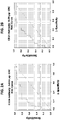
- the CD24 results were dichotomized based on whether they were above or below the cutoff level (26-30 % CD24 expression). The sensitivity, specificity and positive and negative predictive values were also determined. Discrimination of the CD24 test between patients with levels above and below the threshold was quantified by the area under the ROC curve (AUC) and was reported with 95 % confidence intervals (CI).
- the sensitivity and specificity of CD24 for distinguishing CRC from normal subjects was 79.2 % and 74.7 %, respectively, with AUC of 0.786 (see Figures 2A-B ) and for detecting PC were 75.0 % and 85 %, respectively, with an AUC of 0.791 (see Figures 2C-D ).
Landscapes
- Health & Medical Sciences (AREA)
- Life Sciences & Earth Sciences (AREA)
- Immunology (AREA)
- Engineering & Computer Science (AREA)
- Chemical & Material Sciences (AREA)
- Hematology (AREA)
- Urology & Nephrology (AREA)
- Molecular Biology (AREA)
- Biomedical Technology (AREA)
- Cell Biology (AREA)
- Oncology (AREA)
- General Health & Medical Sciences (AREA)
- Medicinal Chemistry (AREA)
- Biochemistry (AREA)
- General Physics & Mathematics (AREA)
- Food Science & Technology (AREA)
- Pathology (AREA)
- Hospice & Palliative Care (AREA)
- Analytical Chemistry (AREA)
- Biotechnology (AREA)
- Physics & Mathematics (AREA)
- Microbiology (AREA)
- Organic Chemistry (AREA)
- Gastroenterology & Hepatology (AREA)
- Toxicology (AREA)
- Nuclear Medicine, Radiotherapy & Molecular Imaging (AREA)
- Biophysics (AREA)
- Genetics & Genomics (AREA)
- Proteomics, Peptides & Aminoacids (AREA)
- Chemical Kinetics & Catalysis (AREA)
- General Chemical & Material Sciences (AREA)
- Zoology (AREA)
- Pharmacology & Pharmacy (AREA)
- Animal Behavior & Ethology (AREA)
- Public Health (AREA)
- Veterinary Medicine (AREA)
- Measuring Or Testing Involving Enzymes Or Micro-Organisms (AREA)
- Investigating Or Analysing Biological Materials (AREA)
- Medicines Containing Antibodies Or Antigens For Use As Internal Diagnostic Agents (AREA)
Applications Claiming Priority (2)
| Application Number | Priority Date | Filing Date | Title |
|---|---|---|---|
| US201762509118P | 2017-05-21 | 2017-05-21 | |
| PCT/IL2018/050550 WO2018216006A1 (en) | 2017-05-21 | 2018-05-21 | Combination of markers for diagnosing cancer |
Publications (3)
| Publication Number | Publication Date |
|---|---|
| EP3652541A1 EP3652541A1 (en) | 2020-05-20 |
| EP3652541A4 EP3652541A4 (en) | 2021-06-02 |
| EP3652541B1 true EP3652541B1 (en) | 2022-12-14 |
Family
ID=64396310
Family Applications (1)
| Application Number | Title | Priority Date | Filing Date |
|---|---|---|---|
| EP18806819.1A Active EP3652541B1 (en) | 2017-05-21 | 2018-05-21 | Combination of markers for diagnosing cancer |
Country Status (4)
| Country | Link |
|---|---|
| US (1) | US11714089B2 (es) |
| EP (1) | EP3652541B1 (es) |
| ES (1) | ES2939298T3 (es) |
| WO (1) | WO2018216006A1 (es) |
Families Citing this family (2)
| Publication number | Priority date | Publication date | Assignee | Title |
|---|---|---|---|---|
| US11714089B2 (en) | 2017-05-21 | 2023-08-01 | The Medical Research, Infrastructure and Health Services Fund of the Tel Aviv Medical Center | Combination of markers for diagnosing cancer |
| CN117106910B (zh) * | 2023-08-10 | 2025-03-11 | 杭州师范大学 | 外周血白细胞rna联合标志物在制备检测或诊断早期原发性胆囊癌试剂盒中的应用 |
Family Cites Families (35)
| Publication number | Priority date | Publication date | Assignee | Title |
|---|---|---|---|---|
| NL154600B (nl) | 1971-02-10 | 1977-09-15 | Organon Nv | Werkwijze voor het aantonen en bepalen van specifiek bindende eiwitten en hun corresponderende bindbare stoffen. |
| NL154598B (nl) | 1970-11-10 | 1977-09-15 | Organon Nv | Werkwijze voor het aantonen en bepalen van laagmoleculire verbindingen en van eiwitten die deze verbindingen specifiek kunnen binden, alsmede testverpakking. |
| NL154599B (nl) | 1970-12-28 | 1977-09-15 | Organon Nv | Werkwijze voor het aantonen en bepalen van specifiek bindende eiwitten en hun corresponderende bindbare stoffen, alsmede testverpakking. |
| US3901654A (en) | 1971-06-21 | 1975-08-26 | Biological Developments | Receptor assays of biologically active compounds employing biologically specific receptors |
| US3853987A (en) | 1971-09-01 | 1974-12-10 | W Dreyer | Immunological reagent and radioimmuno assay |
| US3867517A (en) | 1971-12-21 | 1975-02-18 | Abbott Lab | Direct radioimmunoassay for antigens and their antibodies |
| NL171930C (nl) | 1972-05-11 | 1983-06-01 | Akzo Nv | Werkwijze voor het aantonen en bepalen van haptenen, alsmede testverpakkingen. |
| US3850578A (en) | 1973-03-12 | 1974-11-26 | H Mcconnell | Process for assaying for biologically active molecules |
| US3935074A (en) | 1973-12-17 | 1976-01-27 | Syva Company | Antibody steric hindrance immunoassay with two antibodies |
| US3996345A (en) | 1974-08-12 | 1976-12-07 | Syva Company | Fluorescence quenching with immunological pairs in immunoassays |
| US4034074A (en) | 1974-09-19 | 1977-07-05 | The Board Of Trustees Of Leland Stanford Junior University | Universal reagent 2-site immunoradiometric assay using labelled anti (IgG) |
| US3984533A (en) | 1975-11-13 | 1976-10-05 | General Electric Company | Electrophoretic method of detecting antigen-antibody reaction |
| US4036945A (en) | 1976-05-03 | 1977-07-19 | The Massachusetts General Hospital | Composition and method for determining the size and location of myocardial infarcts |
| US4098876A (en) | 1976-10-26 | 1978-07-04 | Corning Glass Works | Reverse sandwich immunoassay |
| US4331647A (en) | 1980-03-03 | 1982-05-25 | Goldenberg Milton David | Tumor localization and therapy with labeled antibody fragments specific to tumor-associated markers |
| US4879219A (en) | 1980-09-19 | 1989-11-07 | General Hospital Corporation | Immunoassay utilizing monoclonal high affinity IgM antibodies |
| US5011771A (en) | 1984-04-12 | 1991-04-30 | The General Hospital Corporation | Multiepitopic immunometric assay |
| US4666828A (en) | 1984-08-15 | 1987-05-19 | The General Hospital Corporation | Test for Huntington's disease |
| US4683202A (en) | 1985-03-28 | 1987-07-28 | Cetus Corporation | Process for amplifying nucleic acid sequences |
| US4801531A (en) | 1985-04-17 | 1989-01-31 | Biotechnology Research Partners, Ltd. | Apo AI/CIII genomic polymorphisms predictive of atherosclerosis |
| US4946778A (en) | 1987-09-21 | 1990-08-07 | Genex Corporation | Single polypeptide chain binding molecules |
| GB8823869D0 (en) | 1988-10-12 | 1988-11-16 | Medical Res Council | Production of antibodies |
| US5272057A (en) | 1988-10-14 | 1993-12-21 | Georgetown University | Method of detecting a predisposition to cancer by the use of restriction fragment length polymorphism of the gene for human poly (ADP-ribose) polymerase |
| US5192659A (en) | 1989-08-25 | 1993-03-09 | Genetype Ag | Intron sequence analysis method for detection of adjacent and remote locus alleles as haplotypes |
| US5625126A (en) | 1990-08-29 | 1997-04-29 | Genpharm International, Inc. | Transgenic non-human animals for producing heterologous antibodies |
| US5661016A (en) | 1990-08-29 | 1997-08-26 | Genpharm International Inc. | Transgenic non-human animals capable of producing heterologous antibodies of various isotypes |
| US5545806A (en) | 1990-08-29 | 1996-08-13 | Genpharm International, Inc. | Ransgenic non-human animals for producing heterologous antibodies |
| ATE158021T1 (de) | 1990-08-29 | 1997-09-15 | Genpharm Int | Produktion und nützung nicht-menschliche transgentiere zur produktion heterologe antikörper |
| US5633425A (en) | 1990-08-29 | 1997-05-27 | Genpharm International, Inc. | Transgenic non-human animals capable of producing heterologous antibodies |
| US5281521A (en) | 1992-07-20 | 1994-01-25 | The Trustees Of The University Of Pennsylvania | Modified avidin-biotin technique |
| AU2003220387A1 (en) | 2002-03-19 | 2003-10-08 | Tularik Inc. | Gene amplification in cancer |
| US7625712B2 (en) * | 2004-05-21 | 2009-12-01 | Beckman Coulter, Inc. | Method for a fully automated monoclonal antibody-based extended differential |
| JP5091163B2 (ja) | 2006-01-31 | 2012-12-05 | メディカル リサーチ ファンド オブ テル アヴィヴ ソラスキー メディカル センター | 癌またはその素因の早期検出のための方法およびキット |
| CA2703794C (en) * | 2007-12-10 | 2017-03-21 | The Medical Research, Infrastructure, And Health Services Fund Of The Tel Aviv Medical Center | Methods of diagnosing cancer |
| US11714089B2 (en) | 2017-05-21 | 2023-08-01 | The Medical Research, Infrastructure and Health Services Fund of the Tel Aviv Medical Center | Combination of markers for diagnosing cancer |
-
2018
- 2018-05-21 US US16/615,423 patent/US11714089B2/en active Active
- 2018-05-21 WO PCT/IL2018/050550 patent/WO2018216006A1/en not_active Ceased
- 2018-05-21 ES ES18806819T patent/ES2939298T3/es active Active
- 2018-05-21 EP EP18806819.1A patent/EP3652541B1/en active Active
Also Published As
| Publication number | Publication date |
|---|---|
| EP3652541A4 (en) | 2021-06-02 |
| ES2939298T3 (es) | 2023-04-20 |
| EP3652541A1 (en) | 2020-05-20 |
| US20200174004A1 (en) | 2020-06-04 |
| US11714089B2 (en) | 2023-08-01 |
| WO2018216006A1 (en) | 2018-11-29 |
Similar Documents
| Publication | Publication Date | Title |
|---|---|---|
| US9140687B2 (en) | Renal cell carcinoma biomarkers | |
| US10267802B2 (en) | Methods of prognosis and diagnosis of ovarian cancer | |
| US9034587B2 (en) | Methods of diagnosing cancer | |
| SG185100A1 (en) | Method for the diagnosis of epithelial cancers by the detection of epicd polypeptide | |
| AU2010274581B2 (en) | A method of diagnosing cancer | |
| US20140005059A1 (en) | Biomarkers for cancer | |
| US20140186837A1 (en) | Methods For Diagnosing Cancer | |
| EP3652541B1 (en) | Combination of markers for diagnosing cancer | |
| EP2652505A2 (en) | Methods of diagnosing and treating pancreatic cancer | |
| KR101388711B1 (ko) | 암 진단 마커로서의 보체 c9 | |
| KR20230136786A (ko) | 췌장암의 진단용 조성물 | |
| KR20240151659A (ko) | 폐암 치료의 반응 및 효능 평가와 예후 예측용 바이오 마커 | |
| KR101289454B1 (ko) | 소세포폐암 및 비소세포폐암 진단 마커로서의 보체 c9 | |
| EP4332242A1 (en) | Method for predicting prognosis of gastric cancer | |
| HK40030369B (en) | Combination of markers for diagnosing cancer | |
| HK40030369A (en) | Combination of markers for diagnosing cancer | |
| KR101901457B1 (ko) | 간암 암 줄기세포 특성에 기초한 간암의 신규 바이오마커 및 그의 용도 | |
| KR102326119B1 (ko) | 암의 면역 치료 후 예후 예측용 바이오 마커 | |
| WO2024218260A1 (en) | Detecting tumor-associated-macrophages in pancreatic cancer | |
| WO2015132333A1 (en) | Methods for predicting the response to treatment and for treating cancer | |
| WO2015200524A1 (en) | Biomarkers for human monocyte myeloid-derived suppressor cells | |
| Esteva et al. | Serum Tumor Markers and Circulating Tumor Cells |
Legal Events
| Date | Code | Title | Description |
|---|---|---|---|
| STAA | Information on the status of an ep patent application or granted ep patent |
Free format text: STATUS: THE INTERNATIONAL PUBLICATION HAS BEEN MADE |
|
| PUAI | Public reference made under article 153(3) epc to a published international application that has entered the european phase |
Free format text: ORIGINAL CODE: 0009012 |
|
| STAA | Information on the status of an ep patent application or granted ep patent |
Free format text: STATUS: REQUEST FOR EXAMINATION WAS MADE |
|
| 17P | Request for examination filed |
Effective date: 20200323 |
|
| AK | Designated contracting states |
Kind code of ref document: A1 Designated state(s): AL AT BE BG CH CY CZ DE DK EE ES FI FR GB GR HR HU IE IS IT LI LT LU LV MC MK MT NL NO PL PT RO RS SE SI SK SM TR |
|
| AX | Request for extension of the european patent |
Extension state: BA ME |
|
| DAV | Request for validation of the european patent (deleted) | ||
| DAX | Request for extension of the european patent (deleted) | ||
| REG | Reference to a national code |
Ref country code: HK Ref legal event code: DE Ref document number: 40030369 Country of ref document: HK |
|
| A4 | Supplementary search report drawn up and despatched |
Effective date: 20210504 |
|
| RIC1 | Information provided on ipc code assigned before grant |
Ipc: G01N 33/574 20060101AFI20210428BHEP |
|
| STAA | Information on the status of an ep patent application or granted ep patent |
Free format text: STATUS: EXAMINATION IS IN PROGRESS |
|
| 17Q | First examination report despatched |
Effective date: 20220131 |
|
| REG | Reference to a national code |
Ref country code: DE Ref legal event code: R079 Ref document number: 602018044309 Country of ref document: DE Free format text: PREVIOUS MAIN CLASS: G01N0033574000 Ipc: A61P0035000000 |
|
| RIC1 | Information provided on ipc code assigned before grant |
Ipc: G01N 33/574 20060101ALI20220610BHEP Ipc: C07K 14/705 20060101ALI20220610BHEP Ipc: A61P 35/00 20060101AFI20220610BHEP |
|
| GRAP | Despatch of communication of intention to grant a patent |
Free format text: ORIGINAL CODE: EPIDOSNIGR1 |
|
| STAA | Information on the status of an ep patent application or granted ep patent |
Free format text: STATUS: GRANT OF PATENT IS INTENDED |
|
| INTG | Intention to grant announced |
Effective date: 20220728 |
|
| GRAS | Grant fee paid |
Free format text: ORIGINAL CODE: EPIDOSNIGR3 |
|
| GRAA | (expected) grant |
Free format text: ORIGINAL CODE: 0009210 |
|
| STAA | Information on the status of an ep patent application or granted ep patent |
Free format text: STATUS: THE PATENT HAS BEEN GRANTED |
|
| AK | Designated contracting states |
Kind code of ref document: B1 Designated state(s): AL AT BE BG CH CY CZ DE DK EE ES FI FR GB GR HR HU IE IS IT LI LT LU LV MC MK MT NL NO PL PT RO RS SE SI SK SM TR |
|
| REG | Reference to a national code |
Ref country code: GB Ref legal event code: FG4D |
|
| REG | Reference to a national code |
Ref country code: CH Ref legal event code: EP |
|
| REG | Reference to a national code |
Ref country code: DE Ref legal event code: R096 Ref document number: 602018044309 Country of ref document: DE |
|
| REG | Reference to a national code |
Ref country code: IE Ref legal event code: FG4D |
|
| REG | Reference to a national code |
Ref country code: AT Ref legal event code: REF Ref document number: 1537331 Country of ref document: AT Kind code of ref document: T Effective date: 20230115 |
|
| REG | Reference to a national code |
Ref country code: LT Ref legal event code: MG9D |
|
| REG | Reference to a national code |
Ref country code: NL Ref legal event code: MP Effective date: 20221214 |
|
| REG | Reference to a national code |
Ref country code: ES Ref legal event code: FG2A Ref document number: 2939298 Country of ref document: ES Kind code of ref document: T3 Effective date: 20230420 |
|
| PG25 | Lapsed in a contracting state [announced via postgrant information from national office to epo] |
Ref country code: SE Free format text: LAPSE BECAUSE OF FAILURE TO SUBMIT A TRANSLATION OF THE DESCRIPTION OR TO PAY THE FEE WITHIN THE PRESCRIBED TIME-LIMIT Effective date: 20221214 Ref country code: NO Free format text: LAPSE BECAUSE OF FAILURE TO SUBMIT A TRANSLATION OF THE DESCRIPTION OR TO PAY THE FEE WITHIN THE PRESCRIBED TIME-LIMIT Effective date: 20230314 Ref country code: LT Free format text: LAPSE BECAUSE OF FAILURE TO SUBMIT A TRANSLATION OF THE DESCRIPTION OR TO PAY THE FEE WITHIN THE PRESCRIBED TIME-LIMIT Effective date: 20221214 Ref country code: FI Free format text: LAPSE BECAUSE OF FAILURE TO SUBMIT A TRANSLATION OF THE DESCRIPTION OR TO PAY THE FEE WITHIN THE PRESCRIBED TIME-LIMIT Effective date: 20221214 |
|
| REG | Reference to a national code |
Ref country code: AT Ref legal event code: MK05 Ref document number: 1537331 Country of ref document: AT Kind code of ref document: T Effective date: 20221214 |
|
| PG25 | Lapsed in a contracting state [announced via postgrant information from national office to epo] |
Ref country code: RS Free format text: LAPSE BECAUSE OF FAILURE TO SUBMIT A TRANSLATION OF THE DESCRIPTION OR TO PAY THE FEE WITHIN THE PRESCRIBED TIME-LIMIT Effective date: 20221214 Ref country code: LV Free format text: LAPSE BECAUSE OF FAILURE TO SUBMIT A TRANSLATION OF THE DESCRIPTION OR TO PAY THE FEE WITHIN THE PRESCRIBED TIME-LIMIT Effective date: 20221214 Ref country code: HR Free format text: LAPSE BECAUSE OF FAILURE TO SUBMIT A TRANSLATION OF THE DESCRIPTION OR TO PAY THE FEE WITHIN THE PRESCRIBED TIME-LIMIT Effective date: 20221214 Ref country code: GR Free format text: LAPSE BECAUSE OF FAILURE TO SUBMIT A TRANSLATION OF THE DESCRIPTION OR TO PAY THE FEE WITHIN THE PRESCRIBED TIME-LIMIT Effective date: 20230315 |
|
| PG25 | Lapsed in a contracting state [announced via postgrant information from national office to epo] |
Ref country code: NL Free format text: LAPSE BECAUSE OF FAILURE TO SUBMIT A TRANSLATION OF THE DESCRIPTION OR TO PAY THE FEE WITHIN THE PRESCRIBED TIME-LIMIT Effective date: 20221214 |
|
| PG25 | Lapsed in a contracting state [announced via postgrant information from national office to epo] |
Ref country code: SM Free format text: LAPSE BECAUSE OF FAILURE TO SUBMIT A TRANSLATION OF THE DESCRIPTION OR TO PAY THE FEE WITHIN THE PRESCRIBED TIME-LIMIT Effective date: 20221214 Ref country code: RO Free format text: LAPSE BECAUSE OF FAILURE TO SUBMIT A TRANSLATION OF THE DESCRIPTION OR TO PAY THE FEE WITHIN THE PRESCRIBED TIME-LIMIT Effective date: 20221214 Ref country code: PT Free format text: LAPSE BECAUSE OF FAILURE TO SUBMIT A TRANSLATION OF THE DESCRIPTION OR TO PAY THE FEE WITHIN THE PRESCRIBED TIME-LIMIT Effective date: 20230414 Ref country code: EE Free format text: LAPSE BECAUSE OF FAILURE TO SUBMIT A TRANSLATION OF THE DESCRIPTION OR TO PAY THE FEE WITHIN THE PRESCRIBED TIME-LIMIT Effective date: 20221214 Ref country code: CZ Free format text: LAPSE BECAUSE OF FAILURE TO SUBMIT A TRANSLATION OF THE DESCRIPTION OR TO PAY THE FEE WITHIN THE PRESCRIBED TIME-LIMIT Effective date: 20221214 Ref country code: AT Free format text: LAPSE BECAUSE OF FAILURE TO SUBMIT A TRANSLATION OF THE DESCRIPTION OR TO PAY THE FEE WITHIN THE PRESCRIBED TIME-LIMIT Effective date: 20221214 |
|
| PG25 | Lapsed in a contracting state [announced via postgrant information from national office to epo] |
Ref country code: SK Free format text: LAPSE BECAUSE OF FAILURE TO SUBMIT A TRANSLATION OF THE DESCRIPTION OR TO PAY THE FEE WITHIN THE PRESCRIBED TIME-LIMIT Effective date: 20221214 Ref country code: PL Free format text: LAPSE BECAUSE OF FAILURE TO SUBMIT A TRANSLATION OF THE DESCRIPTION OR TO PAY THE FEE WITHIN THE PRESCRIBED TIME-LIMIT Effective date: 20221214 Ref country code: IS Free format text: LAPSE BECAUSE OF FAILURE TO SUBMIT A TRANSLATION OF THE DESCRIPTION OR TO PAY THE FEE WITHIN THE PRESCRIBED TIME-LIMIT Effective date: 20230414 Ref country code: AL Free format text: LAPSE BECAUSE OF FAILURE TO SUBMIT A TRANSLATION OF THE DESCRIPTION OR TO PAY THE FEE WITHIN THE PRESCRIBED TIME-LIMIT Effective date: 20221214 |
|
| REG | Reference to a national code |
Ref country code: DE Ref legal event code: R097 Ref document number: 602018044309 Country of ref document: DE |
|
| P01 | Opt-out of the competence of the unified patent court (upc) registered |
Effective date: 20230825 |
|
| PLBE | No opposition filed within time limit |
Free format text: ORIGINAL CODE: 0009261 |
|
| STAA | Information on the status of an ep patent application or granted ep patent |
Free format text: STATUS: NO OPPOSITION FILED WITHIN TIME LIMIT |
|
| PG25 | Lapsed in a contracting state [announced via postgrant information from national office to epo] |
Ref country code: DK Free format text: LAPSE BECAUSE OF FAILURE TO SUBMIT A TRANSLATION OF THE DESCRIPTION OR TO PAY THE FEE WITHIN THE PRESCRIBED TIME-LIMIT Effective date: 20221214 |
|
| 26N | No opposition filed |
Effective date: 20230915 |
|
| PG25 | Lapsed in a contracting state [announced via postgrant information from national office to epo] |
Ref country code: SI Free format text: LAPSE BECAUSE OF FAILURE TO SUBMIT A TRANSLATION OF THE DESCRIPTION OR TO PAY THE FEE WITHIN THE PRESCRIBED TIME-LIMIT Effective date: 20221214 |
|
| REG | Reference to a national code |
Ref country code: CH Ref legal event code: PL |
|
| PG25 | Lapsed in a contracting state [announced via postgrant information from national office to epo] |
Ref country code: MC Free format text: LAPSE BECAUSE OF FAILURE TO SUBMIT A TRANSLATION OF THE DESCRIPTION OR TO PAY THE FEE WITHIN THE PRESCRIBED TIME-LIMIT Effective date: 20221214 |
|
| REG | Reference to a national code |
Ref country code: BE Ref legal event code: MM Effective date: 20230531 |
|
| PG25 | Lapsed in a contracting state [announced via postgrant information from national office to epo] |
Ref country code: MC Free format text: LAPSE BECAUSE OF FAILURE TO SUBMIT A TRANSLATION OF THE DESCRIPTION OR TO PAY THE FEE WITHIN THE PRESCRIBED TIME-LIMIT Effective date: 20221214 Ref country code: LU Free format text: LAPSE BECAUSE OF NON-PAYMENT OF DUE FEES Effective date: 20230521 Ref country code: LI Free format text: LAPSE BECAUSE OF NON-PAYMENT OF DUE FEES Effective date: 20230531 Ref country code: CH Free format text: LAPSE BECAUSE OF NON-PAYMENT OF DUE FEES Effective date: 20230531 |
|
| REG | Reference to a national code |
Ref country code: IE Ref legal event code: MM4A |
|
| PG25 | Lapsed in a contracting state [announced via postgrant information from national office to epo] |
Ref country code: IE Free format text: LAPSE BECAUSE OF NON-PAYMENT OF DUE FEES Effective date: 20230521 |
|
| PG25 | Lapsed in a contracting state [announced via postgrant information from national office to epo] |
Ref country code: IE Free format text: LAPSE BECAUSE OF NON-PAYMENT OF DUE FEES Effective date: 20230521 |
|
| PG25 | Lapsed in a contracting state [announced via postgrant information from national office to epo] |
Ref country code: BE Free format text: LAPSE BECAUSE OF NON-PAYMENT OF DUE FEES Effective date: 20230531 |
|
| PG25 | Lapsed in a contracting state [announced via postgrant information from national office to epo] |
Ref country code: BG Free format text: LAPSE BECAUSE OF FAILURE TO SUBMIT A TRANSLATION OF THE DESCRIPTION OR TO PAY THE FEE WITHIN THE PRESCRIBED TIME-LIMIT Effective date: 20221214 |
|
| PG25 | Lapsed in a contracting state [announced via postgrant information from national office to epo] |
Ref country code: BG Free format text: LAPSE BECAUSE OF FAILURE TO SUBMIT A TRANSLATION OF THE DESCRIPTION OR TO PAY THE FEE WITHIN THE PRESCRIBED TIME-LIMIT Effective date: 20221214 |
|
| PGFP | Annual fee paid to national office [announced via postgrant information from national office to epo] |
Ref country code: DE Payment date: 20250521 Year of fee payment: 8 |
|
| PGFP | Annual fee paid to national office [announced via postgrant information from national office to epo] |
Ref country code: GB Payment date: 20250527 Year of fee payment: 8 |
|
| PGFP | Annual fee paid to national office [announced via postgrant information from national office to epo] |
Ref country code: IT Payment date: 20250527 Year of fee payment: 8 |
|
| PGFP | Annual fee paid to national office [announced via postgrant information from national office to epo] |
Ref country code: FR Payment date: 20250528 Year of fee payment: 8 |
|
| PG25 | Lapsed in a contracting state [announced via postgrant information from national office to epo] |
Ref country code: CY Free format text: LAPSE BECAUSE OF FAILURE TO SUBMIT A TRANSLATION OF THE DESCRIPTION OR TO PAY THE FEE WITHIN THE PRESCRIBED TIME-LIMIT; INVALID AB INITIO Effective date: 20180521 |
|
| PG25 | Lapsed in a contracting state [announced via postgrant information from national office to epo] |
Ref country code: HU Free format text: LAPSE BECAUSE OF FAILURE TO SUBMIT A TRANSLATION OF THE DESCRIPTION OR TO PAY THE FEE WITHIN THE PRESCRIBED TIME-LIMIT; INVALID AB INITIO Effective date: 20180521 |
|
| PGFP | Annual fee paid to national office [announced via postgrant information from national office to epo] |
Ref country code: ES Payment date: 20250630 Year of fee payment: 8 |