EP3635807B1 - Elektrolyt für eine alkali-schwefel-batterie, alkali-schwefel-batterie denselben enthaltend, und verwendung des elektrolyten - Google Patents
Elektrolyt für eine alkali-schwefel-batterie, alkali-schwefel-batterie denselben enthaltend, und verwendung des elektrolyten Download PDFInfo
- Publication number
- EP3635807B1 EP3635807B1 EP18733179.8A EP18733179A EP3635807B1 EP 3635807 B1 EP3635807 B1 EP 3635807B1 EP 18733179 A EP18733179 A EP 18733179A EP 3635807 B1 EP3635807 B1 EP 3635807B1
- Authority
- EP
- European Patent Office
- Prior art keywords
- ether
- particularly preferably
- maximum
- sulfur battery
- alkali
- Prior art date
- Legal status (The legal status is an assumption and is not a legal conclusion. Google has not performed a legal analysis and makes no representation as to the accuracy of the status listed.)
- Active
Links
Images


Classifications
-
- H—ELECTRICITY
- H01—ELECTRIC ELEMENTS
- H01M—PROCESSES OR MEANS, e.g. BATTERIES, FOR THE DIRECT CONVERSION OF CHEMICAL ENERGY INTO ELECTRICAL ENERGY
- H01M10/00—Secondary cells; Manufacture thereof
- H01M10/05—Accumulators with non-aqueous electrolyte
- H01M10/056—Accumulators with non-aqueous electrolyte characterised by the materials used as electrolytes, e.g. mixed inorganic/organic electrolytes
- H01M10/0564—Accumulators with non-aqueous electrolyte characterised by the materials used as electrolytes, e.g. mixed inorganic/organic electrolytes the electrolyte being constituted of organic materials only
- H01M10/0566—Liquid materials
- H01M10/0569—Liquid materials characterised by the solvents
-
- H—ELECTRICITY
- H01—ELECTRIC ELEMENTS
- H01M—PROCESSES OR MEANS, e.g. BATTERIES, FOR THE DIRECT CONVERSION OF CHEMICAL ENERGY INTO ELECTRICAL ENERGY
- H01M10/00—Secondary cells; Manufacture thereof
- H01M10/05—Accumulators with non-aqueous electrolyte
- H01M10/052—Li-accumulators
-
- H—ELECTRICITY
- H01—ELECTRIC ELEMENTS
- H01M—PROCESSES OR MEANS, e.g. BATTERIES, FOR THE DIRECT CONVERSION OF CHEMICAL ENERGY INTO ELECTRICAL ENERGY
- H01M10/00—Secondary cells; Manufacture thereof
- H01M10/05—Accumulators with non-aqueous electrolyte
- H01M10/052—Li-accumulators
- H01M10/0525—Rocking-chair batteries, i.e. batteries with lithium insertion or intercalation in both electrodes; Lithium-ion batteries
-
- H—ELECTRICITY
- H01—ELECTRIC ELEMENTS
- H01M—PROCESSES OR MEANS, e.g. BATTERIES, FOR THE DIRECT CONVERSION OF CHEMICAL ENERGY INTO ELECTRICAL ENERGY
- H01M10/00—Secondary cells; Manufacture thereof
- H01M10/05—Accumulators with non-aqueous electrolyte
- H01M10/056—Accumulators with non-aqueous electrolyte characterised by the materials used as electrolytes, e.g. mixed inorganic/organic electrolytes
- H01M10/0564—Accumulators with non-aqueous electrolyte characterised by the materials used as electrolytes, e.g. mixed inorganic/organic electrolytes the electrolyte being constituted of organic materials only
- H01M10/0566—Liquid materials
- H01M10/0568—Liquid materials characterised by the solutes
-
- H—ELECTRICITY
- H01—ELECTRIC ELEMENTS
- H01M—PROCESSES OR MEANS, e.g. BATTERIES, FOR THE DIRECT CONVERSION OF CHEMICAL ENERGY INTO ELECTRICAL ENERGY
- H01M4/00—Electrodes
- H01M4/02—Electrodes composed of, or comprising, active material
- H01M4/36—Selection of substances as active materials, active masses, active liquids
- H01M4/362—Composites
- H01M4/364—Composites as mixtures
-
- H—ELECTRICITY
- H01—ELECTRIC ELEMENTS
- H01M—PROCESSES OR MEANS, e.g. BATTERIES, FOR THE DIRECT CONVERSION OF CHEMICAL ENERGY INTO ELECTRICAL ENERGY
- H01M4/00—Electrodes
- H01M4/02—Electrodes composed of, or comprising, active material
- H01M4/36—Selection of substances as active materials, active masses, active liquids
- H01M4/38—Selection of substances as active materials, active masses, active liquids of elements or alloys
-
- H—ELECTRICITY
- H01—ELECTRIC ELEMENTS
- H01M—PROCESSES OR MEANS, e.g. BATTERIES, FOR THE DIRECT CONVERSION OF CHEMICAL ENERGY INTO ELECTRICAL ENERGY
- H01M4/00—Electrodes
- H01M4/02—Electrodes composed of, or comprising, active material
- H01M4/36—Selection of substances as active materials, active masses, active liquids
- H01M4/58—Selection of substances as active materials, active masses, active liquids of inorganic compounds other than oxides or hydroxides, e.g. sulfides, selenides, tellurides, halogenides or LiCoFy; of polyanionic structures, e.g. phosphates, silicates or borates
- H01M4/583—Carbonaceous material, e.g. graphite-intercalation compounds or CFx
- H01M4/587—Carbonaceous material, e.g. graphite-intercalation compounds or CFx for inserting or intercalating light metals
-
- H—ELECTRICITY
- H01—ELECTRIC ELEMENTS
- H01M—PROCESSES OR MEANS, e.g. BATTERIES, FOR THE DIRECT CONVERSION OF CHEMICAL ENERGY INTO ELECTRICAL ENERGY
- H01M4/00—Electrodes
- H01M4/02—Electrodes composed of, or comprising, active material
- H01M2004/026—Electrodes composed of, or comprising, active material characterised by the polarity
- H01M2004/028—Positive electrodes
-
- H—ELECTRICITY
- H01—ELECTRIC ELEMENTS
- H01M—PROCESSES OR MEANS, e.g. BATTERIES, FOR THE DIRECT CONVERSION OF CHEMICAL ENERGY INTO ELECTRICAL ENERGY
- H01M2300/00—Electrolytes
- H01M2300/0017—Non-aqueous electrolytes
- H01M2300/0025—Organic electrolyte
- H01M2300/0028—Organic electrolyte characterised by the solvent
- H01M2300/0037—Mixture of solvents
-
- H—ELECTRICITY
- H01—ELECTRIC ELEMENTS
- H01M—PROCESSES OR MEANS, e.g. BATTERIES, FOR THE DIRECT CONVERSION OF CHEMICAL ENERGY INTO ELECTRICAL ENERGY
- H01M4/00—Electrodes
- H01M4/02—Electrodes composed of, or comprising, active material
- H01M4/36—Selection of substances as active materials, active masses, active liquids
- H01M4/38—Selection of substances as active materials, active masses, active liquids of elements or alloys
- H01M4/381—Alkaline or alkaline earth metals elements
- H01M4/382—Lithium
-
- Y—GENERAL TAGGING OF NEW TECHNOLOGICAL DEVELOPMENTS; GENERAL TAGGING OF CROSS-SECTIONAL TECHNOLOGIES SPANNING OVER SEVERAL SECTIONS OF THE IPC; TECHNICAL SUBJECTS COVERED BY FORMER USPC CROSS-REFERENCE ART COLLECTIONS [XRACs] AND DIGESTS
- Y02—TECHNOLOGIES OR APPLICATIONS FOR MITIGATION OR ADAPTATION AGAINST CLIMATE CHANGE
- Y02E—REDUCTION OF GREENHOUSE GAS [GHG] EMISSIONS, RELATED TO ENERGY GENERATION, TRANSMISSION OR DISTRIBUTION
- Y02E60/00—Enabling technologies; Technologies with a potential or indirect contribution to GHG emissions mitigation
- Y02E60/10—Energy storage using batteries
Definitions
- An electrolyte for an alkaline-sulfur battery (e.g. for a Li-S battery) is provided.
- the electrolyte contains a non-polar, acyclic and non-fluorinated ether, a polar, aprotic, organic solvent and a conducting salt for an alkaline-sulphur battery. It has been found that when such an electrolyte is used in an alkaline-sulphur battery, high capacity, low overvoltage, high cycle stability and high Coulomb efficiency can be achieved in the alkaline-sulphur battery and also compared to an alkaline -Sulphur battery containing a fluorinated ether in the electrolyte, a significantly improved gravimetric energy density is obtained.
- a battery with the electrolyte and uses of the electrolyte are proposed.
- lithium polysulfides (Li 2 S n , with 2 ⁇ n ⁇ 8) are formed in lithium-sulphur batteries. Some of these polysulfide species are in soluble in common electrolytes (e.g. a mixture of DME:DOL with a conductive salt). The dissolved polysulfides can penetrate the separator between the cathode and anode in lithium-sulphur batteries, migrate to the anode and are reduced there to lower polysulfide species.
- common electrolytes e.g. a mixture of DME:DOL with a conductive salt
- soluble polysulfides can also form, which are reduced at the anode. This reduces the capacity of the cell (self-discharge). Furthermore, the cycle stability is reduced by irreversible processes associated with these processes.
- the known electrolyte systems require a high proportion of solvents in the cell for the mode of action (complete dissolution of the cathode active material).
- the electrolyte thus takes up the largest proportion of weight compared to the other cell components.
- a new electrolyte concept is therefore essential for increasing the energy density.
- NO-containing compounds such as, for example, LiNO 3
- Coulomb efficiency and cycle stability see, for example, U.S. 7,354,680 B2 .
- the mechanism of action of the NO-containing compounds obviously starts at the lithium anode. It is assumed that the NO-containing compounds (eg nitrate compounds) lead to the formation of sulphitic species on the surface of the lithium anode.
- LiNO 3 or other NO-containing compounds does not solve the problem comprehensively, because the degradation of the anode is not completely prevented by the NO-containing compounds, which negatively affects the cycle stability of the cell. Furthermore, the addition of LiNO 3 influences the cell chemistry and possibly leads to unknown or undesired side reactions. In addition, LiNO 3 increases the weight of the electrolyte and thus the overall weight of the battery in which the electrolyte is used use comes. In addition, the NO-containing compounds do not have a permanent effect. In fact, continuous repair processes on the surface film of the anode consume LiNO 3 , so that the protective effect of LiNO 3 decreases continuously.
- fluorinated ethers in particular TTE or HFE
- TTE or HFE fluorinated ethers
- HFE hydrogen fluorinated ethers
- a positive effect of using the fluorinated ether was demonstrated, but only ⁇ 70% utilization of the active material could be achieved.
- a main disadvantage of the known solution with fluorinated ethers, especially when using a battery in the mobile sector, is the high proportion by weight of the electrolyte in the cells of the battery. The reason for this is that fluorinated ethers have a higher specific gravity than the corresponding unfluorinated ethers.
- the gravimetric energy density of the fluorinated form of the ether ie at least one H atom of the ether molecule is replaced by an F atom
- the gravimetric energy density of the fluorinated form of the ether is lower compared to its non-fluorinated form.
- the US 2015/0318575 A1 discloses an electrolyte for lithium secondary batteries containing a lithium salt and a non-aqueous solvent, the non-aqueous solvent containing an ether-based solvent and a glyme-based solvent.
- the EP 0 829 911 A2 discloses a non-aqueous electrolyte comprising a ternary solvent system, preferably containing a linear ether, mixed with a high permittivity solvent and a low viscosity solvent.
- the WO 2016/174394 A1 discloses a lithium-sulfur cell that includes an anode that includes lithium metal or a lithium metal alloy, a cathode that includes a mixture of electroactive sulfur material and solid electrically conductive material, and an electrolyte that includes a lithium salt and an organic solvent that 0 to less than 20% by weight sulfone, at least part of the anode having a sulfone coating has and the coated part is in contact with the electrolyte.
- the object is achieved by the alkaline-sulphur battery according to claim 1 and the use according to claim 12.
- a non-fluorinated ether is understood to mean an ether which does not have any fluorine atoms.
- an advantageous electrolyte for an alkaline-sulphur battery can also be provided without the use of fluorinated ethers by using a non-polar, acyclic, non-fluorinated ether instead of the fluorinated ethers usually used to suppress the "polysulfide shuttle" mechanism is used. It was observed that in this case the solubility of polysulfides can also be reduced by these ethers and the "polysulfide shuttle" mechanism can thus be suppressed.
- a polar aprotic, organic solvent preferably an ether or a sulfone
- the electrolyte when used in alkaline-sulphur batteries (e.g. Li-S batteries), high capacity, low overvoltage, high cycle stability and high Coulomb efficiency are obtained, with the gravimetric energy density being compared when the electrolyte is used in batteries with batteries containing fluorinated ethers in the electrolyte.
- alkaline-sulphur batteries e.g. Li-S batteries
- the gravimetric energy density being compared when the electrolyte is used in batteries with batteries containing fluorinated ethers in the electrolyte.
- the mixture of organic solvents of different polarity allows fine adjustment of the solubility properties of the electrolyte in relation to the conductive salt used, which on the one hand allows the use of the smallest possible amounts of electrolyte in a battery and thus further increases the gravimetric energy density and on the other hand enables a higher yield of active material to reach.
- the electrolyte can be characterized in that the carbon radicals of X and Y of the non-polar, acyclic, non-fluorinated ether together have at least five, preferably at least six, particularly preferably at least seven, very particularly preferably at least eight, in particular at least nine, optionally at least ten have carbon atoms.
- a non-polar ether is defined in particular by this property. The higher the total number of carbon atoms, the higher the boiling point of the ether, which is advantageous for the use of the electrolyte in alkaline-sulphur batteries.
- the carbon radicals of X and Y of the non-polar, acyclic, non-fluorinated ether together can have a maximum of 20, preferably 18, particularly preferably a maximum of 16, very particularly preferably a maximum of 14, in particular a maximum of 12, optionally a maximum of 10, carbon atoms.
- a small number of carbon atoms is advantageous in that the solubility of the conductive salt in the ether increases as the number of carbon atoms decreases.
- the carbon radical of X and/or Y of the non-polar, acyclic, non-fluorinated ether can each have at least two, preferably at least three, more preferably at least four, very preferably at least five, optionally at least six, carbon atoms.
- a non-polar ether is defined in particular by this property.
- a higher number of carbon atoms in the carbon radical X and/or Y increases the boiling point of the ether and is therefore advantageous for the use of the electrolyte in alkaline-sulphur batteries.
- the carbon radical of X and/or Y of the non-polar, acyclic, non-fluorinated ether can have a maximum of ten, preferably a maximum of eight, particularly preferably a maximum of six, very particularly preferably a maximum of five, in particular a maximum of four, optionally a maximum of three, carbon atoms.
- the non-polar, acyclic, non-fluorinated ether can have a density of ⁇ 1.4 g/cm 3 , preferably ⁇ 1.2 g/cm 3 , particularly preferably ⁇ 1.1 g/cm 3 , very particularly preferably ⁇ 1.0 g/cm 3 , in particular ⁇ 0.9 g/cm 3 , optionally ⁇ 0.8 g/cm 3 .
- the non-polar, acyclic, non-fluorinated ether can be selected from the group consisting of ethyl propyl ether, dipropyl ether, diisopropyl ether, di-(1,2-dimethylpropyl) ether, methyl butyl ether, ethyl butyl ether, propyl butyl ether, dibutyl ether, diisobutyl ether, methyl pentyl ether, ethyl pentyl ether, propyl pentyl ether, butylpentyl ether, dipentyl ether, 1-(2,2-dimethylpropoxy)-2,2-dimethylpropane, diisopentyl ether, methylhexyl ether, ethylhexyl ether, propylhexyl ether, butylhexyl ether, pentylhexyl ether, dihexyl ether, methoxycycl
- the polar aprotic, organic solvent has a Gutmann donor number of ⁇ 14, preferably ⁇ 16, particularly preferably ⁇ 18, very particularly preferably ⁇ 20, in particular ⁇ 22, optionally ⁇ 24.
- the polar aprotic, organic solvent can have a Gutmann acceptor number of ⁇ 8, preferably ⁇ 9, particularly preferably ⁇ 10.
- a polar aprotic, organic solvent is defined in particular by this property.
- the (determined according to Gutmann) donor number and/or acceptor number of the polar aprotic, organic solvent differs from the (determined according to Gutmann) donor number and/or acceptor number of the non-polar, acyclic, non-fluorinated ether.
- the polar, aprotic, organic solvent of the electrolyte according to the invention can be selected from the group consisting of ethers containing at least two O atoms, acetonitrile, pyridine, dimethyl sulfoxide, tetrahydrofuran, sulfone and mixtures thereof.
- the ether is an acyclic ether having the chemical formula A-(OB) n -OC, where O represents an oxygen atom and A, B and C each represents a saturated or unsaturated, linear or cyclic, hydrocarbon radical wherein B has at least 2 carbon atoms and n is ⁇ 1, and the ether is particularly preferably selected from the group consisting of 1,2-dimethoxyethane, 1,3-dioxolane, 2-methoxyethyl ether, bis(2-(2-methoxyethoxy)ethyl) ether and mixtures of this.
- sulfone selected from the group consisting of cyclic or non-cyclic aliphatic sulfones, preferably ethyl methyl sulfone, ethyl vinyl sulfone and/or butyl sulfone, and cyclic aliphatic sulfones, preferably tetramethylene sulfone, where the sulfone is optionally a fluorinated sulfone or non-fluorinated sulfone.
- the carbon radical B of the ether can have a maximum of four, preferably a maximum of three, particularly preferably a maximum of two, carbon atoms and/or n can be ⁇ 4.
- the volume ratio of the non-polar, acyclic, non-fluorinated ether to the polar, aprotic, organic solvent is 3:1 to 9:1 (v:v).
- the electrolyte preferably does not contain any LiNO 3 .
- the electrolyte can be liquid, gel-like or solid, preferably liquid or gel-like, particularly preferably liquid.
- the alkaline-sulfur battery (e.g. lithium-sulfur battery) can be characterized in that it has a cathode containing sulfur particles and a carbon material, preferably sulfur particles with an average particle size of at most 1 ⁇ m (measured by electron microscopy), the Sulfur particles are particularly preferably distributed homogeneously in the carbon material of the cathode, are particularly preferably present in pores of the carbon material, in particular are present in pores of an amorphous carbon material.
- the small particle size of the sulfur particles and their homogeneous distribution of the sulfur particles in the pores of the carbon material improves the contact surface between the carbon material and the sulfur particles and thus the electrochemical accessibility of the active material sulfur at the cathode.
- compositions containing or consisting of hexyl methyl ether and 1,2-dimethoxyethane as an electrolyte in an alkaline-sulfur battery, preferably as an electrolyte in a lithium-sulfur battery
- the composition optionally containing a conductive salt for an alkaline -Sulfur battery contains, preferably a conductive salt for a lithium-sulfur battery, particularly preferably LiTFSI.
- Example 2 Concrete examples of non-polar, acyclic, non-fluorinated ethers
- All of the above non-fluorinated, non-polar, acyclic ethers have a density of ⁇ 0.97 g/mL, which is well below the density of fluorinated, acyclic ethers used in the prior art, whose density is usually above 1.4 g/mL located.
- the cathode for a Li-S alkaline--sulfur battery was prepared by making a C/S composite (1:2, m:m ) by fusing carbon (C) and sulfur (S) in an oven at 155°C for 30 min.
- the C/S composite (97% by weight) was ground with PTFE (3% by weight) and pressed at elevated temperature in a rolling process to form a cathode film. This is followed by lamination onto an aluminum foil primed with carbon.
- the sulfur content of the cathode was about 2.1-2.2 mg-S/cm 2 and its density was about 0.5 g/cm 3 .
- an electrolyte was then added to the button cell, consisting of 2 M LiTFSI (BASF, 99.9%) in 80% by volume hexyl methyl ether (HME, TCI, min. 98%) and 20% by volume % 1,2-dimethoxyethane (DME, BASF, 99.98%).
- the electrolyte/sulfur ratio was 5 ⁇ l electrolyte/mg sulfur.
- the Li-S battery was measured galvanostatically. Cycling (charge/discharge) was between 1.5V and 2.8V vs. Li/Li+ at a rate of C/10. In the first discharging step, the cell was formed by discharging at a rate of C/20.
Landscapes
- Chemical & Material Sciences (AREA)
- Chemical Kinetics & Catalysis (AREA)
- Electrochemistry (AREA)
- General Chemical & Material Sciences (AREA)
- Engineering & Computer Science (AREA)
- Manufacturing & Machinery (AREA)
- Inorganic Chemistry (AREA)
- Physics & Mathematics (AREA)
- Condensed Matter Physics & Semiconductors (AREA)
- General Physics & Mathematics (AREA)
- Composite Materials (AREA)
- Materials Engineering (AREA)
- Secondary Cells (AREA)
- Primary Cells (AREA)
Description
- Es wird ein Elektrolyt für eine Alkali-Schwefel-Batterie (z.B. für eine Li-S-Batterie) bereitgestellt. Der Elektrolyt enthält einen unpolaren, acyklischen und nicht-fluorierten Ether, ein polar aprotisches, organisches Lösungsmittel und ein Leitsalz für eine Alkali-Schwefel-Batterie. Es wurde gefunden, dass beim Einsatz eines solchen Elektrolyten in einer Alkali-Schwefel-Batterie eine hohe Kapazität, eine geringe Überspannung, eine hohe Zyklenstabilität und eine hohe Coulomb-Effizienz bei der Alkali-Schwefel-Batterie erreicht werden kann und zudem verglichen mit einer Alkali-Schwefel-Batterie, die einen fluorierten Ether im Elektrolyt enthält, eine deutlich verbesserte gravimetrische Energiedichte erhalten wird. Eine Batterie mit dem Elektrolyten und Verwendungen des Elektrolyten werden vorgeschlagen.
- In Lithium-Schwefel-Batterien kommt es zur Bildung von sogenannten Lithium-Polysulfiden (Li2Sn, mit 2 ≤ n ≤ 8). Einige dieser Polysulfidspezies sind in den gebräuchlichen Elektrolyten (z. B. ein Gemisch aus DME:DOL mit einem Leitsalz) löslich. Die gelösten Polysulfide können den in Lithium-Schwefel-Batterien enthaltenen Separator zwischen Kathode und Anode durchdringen, wandern zur Anode und werden dort zu niederen Polysulfidspezies reduziert. Während des Ladevorgangs folgt der Reduktion der Polysulfide an der Anode eine Reoxidation an der Kathode, wodurch ein Kreislaufprozess entsteht, der die Coulomb-Effizienz des Akkumulators erheblich verringert (der sog. "polysulfide-shuttle"-Mechanismus).
- Wird die Batterie im geladenen Zustand gelagert, kann es ebenfalls zur Bildung von löslichen Polysulfiden kommen, die an der Anode reduziert werden. Dadurch verringert sich die Kapazität der Zelle (Selbstentladung). Weiterhin verringert sich die Zyklenfestigkeit durch mit diesen Vorgängen verbundene, irreversible Prozesse.
- Zudem erfordern die bekannten Elektrolytsysteme für die Wirkungsweise (vollständige Auflösung des Kathoden-Aktivmaterials) einen hohen Anteil an Lösungsmitteln in der Zelle. Damit nimmt der Elektrolyt den größten Gewichtsanteil im Vergleich zu den anderen Zellkomponenten ein. Für die Steigerung der Energiedichte ist somit ein neues Elektrolytkonzept unumgänglich.
- Im Stand der Technik ist bekannt, dass der Zusatz von N-O-haltigen Verbindungen (wie z. B. LiNO3) zu einer wesentlich verbesserten Coulomb-Effizienz und Zyklenfestigkeit führt (siehe z.B.
US 7 354 680 B2 ). Der Wirkmechanismus der N-O-haltigen Verbindungen setzt offensichtlich an der Lithium-Anode an. Es wird angenommen, dass es durch die N-O-haltigen Verbindungen (z.B. Nitratverbindungen) zur Bildung von sulfitischen Spezies an der Oberfläche der Lithium-Anode kommt. - Der Zusatz von LiNO3 oder anderen N-O-haltigen Verbindungen löst das Problem jedoch nicht umfassend, denn die Degradation der Anode wird durch die N-O-haltigen Verbindungen nicht vollständig verhindert, was die Zyklenfestigkeit der Zelle negativ beeinflusst. Ferner hat der Zusatz von LiNO3 Einfluss auf die Zellchemie und führt möglicherweise zu unbekannten bzw. unerwünschten Nebenreaktionen. Darüberhinaus erhöht LiNO3 das Gewicht des Elektrolyten und somit das Gesamtgewicht der Batterie, in welcher der Elektrolyt zum Einsatz kommt. Zudem wirken die N-O-haltigen Verbindungen nicht dauerhaft. Tatsächlich verbrauchen fortwährende Reparaturprozesse am Oberflächenfilm der Anode LiNO3, sodass die Schutzwirkung von LiNO3 kontinuierlich nachlässt.
- Im Stand der Technik wurden fluorierte Ether (insbesondere TTE oder HFE) als Bestandteil von Elektrolyten verwendet, um den "polysulfide-shuttle"-Mechanismus zu unterdrücken (siehe z.B.
WO 2013/141195 A1 ). Es wurde ein positiver Effekt durch die Verwendung des fluorierten Ethers nachgewiesen, aber es konnten lediglich Ausnutzungen des Aktivmaterials von < 70 % erreicht werden. Gerade beim Einsatz einer Batterie im mobilen Bereich ist ein Hauptnachteil der bekannten Lösung mit fluorierten Ethern der hohe Gewichtsanteil des Elektrolyten in den Zellen der Batterie. Der Grund hierfür ist, dass fluorierte Ether eine höhere spezifische Dichte als die entsprechenden unfluorierten Ether aufweisen. Bei gleichem Anteil eines bestimmten Ethers ist daher die gravimetrische Energiedichte der fluorierten Form des Ethers (d.h. mindestens ein H-Atom des Ethermoleküls ist durch ein F-Atom ausgetauscht) im Vergleich zu seiner nicht-fluorierten Form kleiner. - Die
US 2015/0318575 A1 offenbart einen Elektrolyt für Lithium-Sekundärbatterien, der ein Lithiumsalz und ein nichtwässriges Lösungsmittel enthält, wobei das nichtwässrige Lösungsmittel ein Lösungsmittel auf Etherbasis und ein Lösungsmittel auf Glymebasis enthält. - Die
EP 0 829 911 A2 offenbart einen nichtwässrigen Elektrolyten, der ein ternäres Lösungsmittelsystem umfasst, das vorzugsweise einen linearen Ether enthält, der mit einem Lösungsmittel mit hoher Permittivität und einem Lösungsmittel mit niedriger Viskosität gemischt ist. - Die
WO 2016/174394 A1 offenbart eine Lithium-Schwefel-Zelle, die eine Anode, die Lithiummetall oder eine Lithiummetalllegierung aufweist, eine Kathode, die eine Mischung aus elektroaktivem Schwefelmaterial und festem elektrisch leitendem Material aufweist, und einen Elektrolyten enthält, der ein Lithiumsalz und ein organisches Lösungsmittel aufweist, das 0 bis weniger als 20 Gew .-% Sulfon enthält, wobei mindestens ein Teil der Anode eine Sulfonbeschichtung aufweist und der beschichtete Teil mit dem Elektrolyten in Kontakt steht. - Ausgehend hiervon war es die Aufgabe der vorliegenden Erfindung, einen Elektrolyt für eine Alkali-Schwefel-Batterie bereitzustellen, der nicht nur eine hohe Kapazität, hohe Zyklenfestigkeit, geringe Überspannung und hohe Coulomb-Effizienz aufweist, sondern zudem beim Einsatz in einer Batterie eine höhere gravimetrische Energiedichte bereitstellt.
- Die Aufgabe wird gelöst durch die Alkali-Schwefel-Batterie gemäß Anspruch 1 und die Verwendung gemäß Anspruch 12.
- Es wird ein Elektrolyt für eine Alkali-Schwefel-Batterie (z.B. für eine Lithium-Schwefel-Batterie) bereitgestellt, enthaltend
- a) einen unpolaren, acyklischen Ether mit der chemischen Formel:
X-O-Y
wobei- O ein Sauerstoffatom darstellt; und
- X und Y jeweils einen gesättigten oder ungesättigten, linearen oder cyklischen Kohlenwasserstoffrest darstellen;
- b) ein polar aprotisches, organisches Lösungsmittel;
- c) ein Leitsalz für eine Alkali-Schwefel-Batterie;
- Unter einem nicht-fluorierten Ether wird ein Ether verstanden, der keine Fluoratome aufweist.
- Es wurde gefunden, dass sich auch ohne die Verwendung fluorierter Ether ein vorteilhafter Elektrolyt für eine Alkali-Schwefel-Batterie bereitgestellt werden kann, indem statt den üblicherweise zur Unterdrückung des "polysulfideshuttle"-Mechanismus verwendeten fluorierten Ethern ein unpolarer, acyklischer, nicht-fluorierter Ether eingesetzt wird. Es wurde beobachtet, dass sich in diesem Fall auch durch diese Ether die Löslichkeit von Polysulfiden reduzieren lässt und damit der "polysulfid-shuttle"-Mechanismus unterdrücken lässt. Um gleichzeitig die niedrige Löslichkeit des Elektrolyts für Polysulfide aufrecht zu erhalten und eine ausreichende Löslichkeit des Leitsalzes im Elektrolyt sicherzustellen wird dem Elektrolyt zusätzlich ein polar aprotisches, organisches Lösungsmittel (bevorzugt ein Ether oder ein Sulfon) zugegeben.
- Mit dem Elektrolyten wird beim Einsatz in Alkali-Schwefel-Batterien (z.B. Li-S-Batterien) eine hohe Kapazität, eine geringe Überspannung, eine hohe Zyklenstabilität und eine hohe Coulomb-Effizienz erhalten, wobei beim Einsatz des Elektrolyten in Batterien die gravimetrische Energiedichte verglichen mit Batterien mit fluorierten Ethern im Elektrolyten, verbessert ist. Vor allem bei Batterien im mobilen Einsatz ist dies ein entscheidender Vorteil. Darüberhinaus erlaubt die Mischung der organischen Lösungsmittel verschiedener Polarität eine Feinjustierung der Löslichkeitseigenschaften des Elektrolyten in Bezug auf das jeweils verwendete Leitsalz, was einerseits erlaubt, geringstmögliche Elektrolytmengen in einer Batterie einzusetzen und damit die gravimetrische Energiedichte weiter zu steigern und andererseits ermöglicht, eine höhere Ausbeute von Aktivmaterial zu erreichen.
- Der Elektrolyt kann dadurch gekennzeichnet sein, dass die Kohlenstoffreste von X und Y des unpolaren, acyklischen, nicht-fluorierten Ethers zusammen mindestens fünf, bevorzugt mindestens sechs, besonders bevorzugt mindestens sieben, ganz besonders bevorzugt mindestens acht, insbesondere mindestens neun, optional mindestens zehn, Kohlenstoffatome aufweisen. Im Rahmen der vorliegenden Erfindung wird besonders durch diese Eigenschaft ein unpolarer Ether definiert. Je höher die Gesamtzahl der Kohlenstoffatome, desto höher der Siedepunkt des Ethers, was für den Einsatz des Elektrolyten in Alkali-Schwefel-Batterien vorteilhaft ist.
- Ferner können die Kohlenstoffreste von X und Y des unpolaren, acyklischen, nicht-fluorierten Ethers zusammen maximal 20, bevorzugt 18, besonders bevorzugt maximal 16, ganz besonders bevorzugt maximal 14, insbesondere maximal 12, optional maximal 10, Kohlenstoffatome aufweisen. Eine geringe Anzahl an Kohlenstoffatomen ist insofern vorteilhaft, als sich mit abnehmender Anzahl der Kohlenstoffatome die Löslichkeit des Leitsalzes in dem Ether erhöht.
- Der Kohlenstoffrest von X und/oder Y des unpolaren, acyklischen, nicht-fluorierten Ethers kann jeweils mindestens zwei, bevorzugt mindestens drei, besonders bevorzugt mindestens vier, ganz besonders bevorzugt mindestens fünf, optional mindestens sechs, Kohlenstoffatome aufweisen. Im Rahmen der vorliegenden Erfindung wird besonders durch diese Eigenschaft ein unpolarer Ether definiert. Eine höhere Anzahl an Kohlenstoffatomen des Kohlenstoffrests X und/oder Y bewirkt eine Erhöhung des Siedepunkts des Ethers und ist somit vorteilhaft für den Einsatz des Elektrolyten in Alkali-Schwefel-Batterien.
- Ferner kann der Kohlenstoffrest von X und/oder Y des unpolaren, acyklischen, nicht-fluorierten Ethers maximal zehn, bevorzugt maximal acht, besonders bevorzugt maximal sechs, ganz besonders bevorzugt maximal fünf, insbesondere maximal vier, optional maximal drei, Kohlenstoffatome aufweisen. Je geringer die Anzahl der Kohlenstoffatome des Kohlenstoffrests X und/oder Y des unpolaren acyklischen, nicht-fluorierten Ethers, desto höher ist die Löslichkeit des Leitsalzes in dem Ether.
- Der unpolare, acyklische, nicht-fluorierten Ethers kann eine Dichte von ≤ 1,4 g/cm3, bevorzugt ≤ 1,2 g/cm3, besonders bevorzugt ≤ 1,1 g/cm3, ganz besonders bevorzugt ≤ 1,0 g/cm3, insbesondere ≤ 0,9 g/cm3, optional ≤ 0,8 g/cm3 aufweisen. Je geringer die Dichte des Ethers, desto geringer sein spezifisches Gewicht und somit desto höher die gravimetrische Energiedichte der Alkali-Schwefel-Batterie, welche diesen Ether im Elektrolyt enthält.
- Der unpolare, acyklische, nicht-fluorierte Ether kann ausgewählt sein aus der Gruppe bestehend aus Ethylpropylether, Dipropylether, Diisopropylether, Di-(1,2-Dimethylpropyl)ether, Methylbutylether, Ethylbutylether, Propylbutylether, Dibutylether, Diisobutylether, Methylpentylether, Ethylpentylether, Propylpentylether, Butylpentylether, Dipentylether, 1-(2,2-Dimethylpropoxy)-2,2-dimethylpropan, Diisopentylether, Methylhexylether, Ethylhexylether, Propylhexylether, Butylhexylether, Pentylhexylether, Dihexylether, Methoxycylohexan, Phenetol, 2-Methoxypropan, 2-Methoxybutan, 2-Methoxypentan, 2-Methoxyhexan, 2-Ethoxypropan, 2-Ethoxybutan, 2-Ethoxypentan, 2-Ethoxyhexan, und Mischungen.
- In einer bevorzugten Ausgestaltungsform weist das polar aprotische, organische Lösungsmittel eine Donorzahl nach Gutmann von ≥ 14, bevorzugt von ≥ 16, besonders bevorzugt von ≥ 18, ganz besonders bevorzugt von ≥ 20, insbesondere von ≥ 22, optional von ≥ 24, auf. Das polar aprotische, organische Lösungsmittel kann eine Akzeptorzahl nach Gutmann von ≥ 8, bevorzugt von ≥ 9, besonders bevorzugt von ≥ 10, aufweisen. Im Rahmen der vorliegenden Erfindung wird besonders durch diese Eigenschaft ein polar aprotisches, orga-nisches Lösungsmittel definiert. Insbesondere unterscheidet sich die (nach Gutmann bestimmte) Donorzahl und/oder Akzeptorzahl des polar aprotischen, organischen Lösungsmittels von der (nach Gutmann bestimmten) Donorzahl und/oder Akzeptorzahl des unpolaren, acyklischen, nicht-fluorierte Ethers.
- Das polar aprotische, organische Lösungsmittel des erfindungsgemäßen Elektrolyten kann ausgewählt sein aus der Gruppe bestehend aus Ethern enthaltend mindestens zwei O-Atome, Acetonitril, Pyridin, Dimethylsulfoxid, Tetrahydrofuran, Sulfon und Mischungen hiervon.
- Besonders bevorzugt ist der Ether ein acyklischer Ether mit der chemischen Formel A-(O-B)n-O-C, wobei O ein Sauerstoffatom darstellt und A, B und C jeweils einen gesättigten oder ungesättigten, linearen oder cyklischen, Kohlenwasserstoffrest darstellen, wobei B mindestens 2 Kohlenstoffatome enthält und n ≥ 1 ist, und wobei der Ether besonders bevorzugt ausgewählt ist aus der Gruppe bestehend aus 1,2-Dimethoxyethan, 1,3-Dioxolan, 2-Methoxyethylether, Bis(2-(2-methoxyethoxy)ethyl)ether und Mischungen hiervon. Ebenfalls besonders bevorzugt ist das Sulfon ausgewählt aus der Gruppe bestehend aus cyclischen oder nichtcyklischen, aliphatischen Sulfonen, bevorzugt Ethylmethylsulfon, Ethylvinylsulfon und/oder Butylsulfon, und cyklischen aliphatischen Sulfonen, bevorzugt Tetramethylensulfon, wobei das Sulfon optional ein fluoriertes Sulfon oder kein fluoriertes Sulfon ist.
- Der Kohlenstoffrest B des Ethers kann maximal vier, bevorzugt maximal drei, besonders bevorzugt maximal zwei, Kohlenstoffatome aufweisen und/oder n kann ≤ 4 sein.
- Das Volumenverhältnis von dem unpolaren, acyklischen, nicht-fluorierten Ether zu dem polar aprotischen, organischen Lösungsmittel beträgt 3:1 bis 9:1 (v:v).
- Das Leitsatz des Elektrolyten kann ein Leitsalz für eine Lithium-Schwefel-Batterie sein. Bevorzugt ist das Leitsalz
- i) ausgewählt aus der Gruppe bestehend aus LiPF6, LiBF4, LiClO4, LiSO3CF3, LiN(SO2F)2,LiN(SO2CF3)2 (LiTFSI), LiN(SO2F)(SO2CF3), LiN(SO2F)(SO2C4F9), LiN(SO2CF2CF3)2, LiC(SO2CF2CF3)3, LiC(SO2CF3)3, Lil, LiCI, LiF, LiPF5(SO2CF3), LiPF4(SO2CF3)2, und Mischungen hiervon, wobei das Leitsalz bevorzugt LiTFSI enthält oder daraus besteht; und/oder
- ii) in einer Konzentration von maximal 4 mol/l, bevorzugt maximal 3 mol/l, besonders bevorzugt maximal 2,0 mol/l, optional 1,0 mol/l, im Elektrolyt enthalten.
- Der Elektrolyt enthält bevorzugt kein LiNO3.
- Der Elektrolyt kann flüssig, gelförmig oder fest sein, bevorzugt flüssig oder gelförmig sein, besonders bevorzugt flüssig sein.
- Erfindungsgemäß wird eine Alkali-Schwefel-Batterie, bevorzugt eine Lithium-Schwefel-Batterie, bereitgestellt, die einen Elektrolyt enthält, der für eine Alkali-Schwefel-Batterie geeignet ist, wobei der Elektrolyt
- a) einen unpolaren, acyklischen Ether mit der chemischen Formel:
X-O-Y
wobei- O ein Sauerstoffatom darstellt; und
- X und Y jeweils einen gesättigten oder ungesättigten, linearen oder cyklischen Kohlenwasserstoffrest darstellen;
- b) ein polar aprotisches, organisches Lösungsmittel; und
- c) ein Leitsalz für eine Alkali-Schwefel-Batterie;
- Die Alkali-Schwefel-Batterie (z.B. Lithium-Schwefet-Batterie) kann dadurch gekennzeichnet sein, dass sie eine Kathode aufweist, die Schwefelpartikel und ein Kohlenstoffmaterial enthält, bevorzugt Schwefelpartikel mit einer mittleren Partikelgröße von maximal 1 µm (gemessen mit Elektronenmikroskopie), wobei die Schwefelpartikel besonders bevorzugt homogen in dem Kohlen stoffmaterial der Kathode verteilt vorliegen, ganz besonders bevorzugt in Poren des Kohlenstoffmaterials vorliegen, insbesondere in Poren eines amorphen Kohlenstoffmaterials vorliegen. Die kleine Partikelgröße der Schwefelpartikel und ihre homogene Verteilung der Schwefelpartikel in Poren des Kohlenstoffmaterials verbessert die Kontaktoberfläche zwischen Kohlenstoffmaterial und Schwefelpartikel und damit die elektrochemische Zugänglichkeit des Aktivmaterials Schwefel an der Kathode.
- Darüberhinaus wird vorgeschlagen, eine Zusammensetzung enthaltend oder bestehend aus Hexylmethylether und 1,2-Dimethoxyethan als Elektrolyt in einer Alkali-Schwefel-Batterie, bevorzugt als Elektrolyt in einer Lithium-Schwefel-Batterie, zu verwenden, wobei die Zusammensetzung optional ein Leitsalz für eine Alkali-Schwefel-Batterie enthält, bevorzugt ein Leitsalz für eine Lithium-Schwefel-Batterie, besonders bevorzugt LiTFSI.
- Anhand der nachfolgenden Figuren und Beispiele soll der erfindungsgemäße Gegenstand näher erläutert werden, ohne diesen auf die hier dargestellten, spezifischen Ausführungsformen einschränken zu wollen.
-
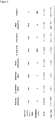
Figur 1 zeigt beispielhaft mehrere in dem Elektrolyten verwendbare unfluorierte, unpolare, acyklische Ether und deren Eigenschaften bezüglich des Löslichkeitsvermögens des Leitsalzes LiTFSI, ihrer Dichte und ihres Schmelzpunktes und Siedepunktes. -
Figur 2 zeigt beispielhaft mehrere in dem Elektrolyten verwendbare polar aprotische, organische Lösungsmittel und deren Donorzahl und Akzeptorzahl nach Gutmann. -
Figur 3 zeigt Ladekurven und Entladekurven für die Zyklen 1, 2, 5 und 10 einer Lithium-Schwefel Batterie, die einen Elektrolyten enthält und wie in Beispiel 3 offenbart hergestellt wurde. - Ein bevorzugter Elektrolyt für eine Alkali-Sch-wefel-Batterie (z.B. eine Li-S-Batterie) enthält:
- 80 Vol.-% Hexylmethylether
- 20 Vol.% 1,2-Dimethoxyethan
- 2 M LiTFSI
- Beispielhaft werden im Folgenden einige unfluorierte, unpolare, acyklische Ether genannt, welche in dem Elektrolyten eingesetzt werden können:
- ▪ Methoxycyclohexan (Dichte 0,88 g/mL);
- ▪ Ethylpropylether (Dichte 0,88 g/mL);
- ▪ Butylethylether (Dichte 0,88 g/mL);
- ▪ Hexylmethylether (Dichte 0,88 g/mL);
- ▪ Dihexylether (Dichte 0,88 g/mL);
- ▪ Dibutylether (Dichte 0,88 g/mL);
- ▪ Diisopropylether (Dichte 0,88 g/mL);
- ▪ Phenetol (Dichte 0,88 g/mL).
- Alle der oben genannten unfluorierten, unpolaren, acyklischen Ether weisen eine Dichte von ≤ 0,97 g/mL auf, welche deutlich unter der Dichte von im Stand der Technik verwendeten fluorierten, acyklischen Ethern liegt, deren Dichte gewöhnlich über 1,4 g/mL liegt.
- Eine Übersicht zu weiteren Eigenschaften dieser Ether findet sich in
Figur 1 . - Zunächst wurde die -Kathode für die eine Li-S-Batterie als Alkali-Schwefel-- Batterie bereitgestellt, indem ein C/S-Komposit (1:2, m:m) durch Verschmelzen von Kohlenstoff (C) und Schwefel (S) in einem Trockenschrank bei 155°C für 30 minhergestellt wurde. Das C/S-Komposit (97 Gew.-%) wurde mit PTFE (3 Gew.-%) vermahlen und bei erhöhter Temperatur in einem Walzprozess zu einem Kathodenfilm verpresst. Anschließend erfolgt eine Lamination auf eine mit Kohlenstoff geprimerte Aluminiumfolie. Die Schwefelbeladung der Kathode betrug ca. 2,1 - 2,2 mg-S/cm2, ihre Dichte ca. 0,5 g/cm3.
- Im Anschluss wurde die bereitgestellte Kathode in einer Knopfzelle (CR2016) verbaut. Hierfür wurde eine Knopfzelle (CR2016) mit folgender Zusammensetzung assembliert:
- 1× Kathode (siehe oben), Durchmesser 15 mm;
- 1× Separator (Toray F12BMS), Durchmesser 19 mm;
- 1× 250 µm Lithiumfolie als Anode (China Energy Lithium), Durchmesser 16,5 mm;
- 1× 1 mm V2A-Abstandshalter (16 mm Durchmesser).
- Für die Herstellung der Li-S-Batterie wurde anschließend der Knopfzelle ein Elektrolyt zugefügt, der aus 2 M LiTFSI (BASF, 99,9 %) in 80 Vol.-% Hexylmethylether (HME, TCI, min. 98%) und 20 Vol.-% 1,2-Dimethoxyethan (DME, BASF, 99,98%) bestand. Das Elektrolyt-Schwefelverhältnis betrug 5 µl-Elektrolyt/mg-Schwefel.
- Nach der Herstellung wurde die Li-S-Batterie galvanostatisch gemessen. Die Zyklierung (Laden/Entladen) erfolgte zwischen 1,5 V und 2,8 V vs. Li/Li+ mit einer Rate von C/10. Im ersten Entladeschritt erfolgte eine Formierung der Zelle bei einer Entladung mit einer Rate von C/20.
- Das Ergebnis ist in
Figur 3 dargestellt. Die dargestellten Lade-/ Entladekurven zeigen die Zyklen 1, 2, 5 und 10. - Im Entladen wurde bei Verwendung des Elektrolyten 2 M LiTFSI in dem unpolaren, acyklischen, nicht-fluorierten Ether Hexylmethylether (HME) und dem Ether 1,2-Dimethoxyethan (DME) (8:2, v:v) eine Entladespannung von durchgängig ca. 2,1 V vs. Li/Li+ erreicht. Ein ausgeprägtes erstes Plateau bei 2,1 V bis 2,3 V vs. Li/Li+ wird mit diesem Elektrolyt nicht erhalten.
- Im Ladevorgang wurde zunächst ein hohes Überpotential beobachtet, welches durch eine Li2S-Aktivierung zu Beginn des Ladeprozesses hervorgerufen wird. Auch beim Laden zeigt sich ein ausgeprägtes Plateau bei ca. 2,3 V vs. Li/Li+.
- Die Unterdrückung eines zweiten Plateaus im Laden bzw. Entladen spricht für eine Unterdrückung langkettiger Polysulfide, wodurch gezeigt ist, dass durch den Elektrolyten der "polysulfide shuttle"-Mechanismus auch ohne die Zugabe weiterer Additive erfolgreich unterdrückt werden kann.
dadurch gekennzeichnet dass das Volumenverhältnis von dem unpolaren, acyklischen, nicht-fluorierten Ether zu dem polar aprotischen, organischen Lösungsmittel 3:1 bis 9:1 (v:v) beträgt.
Claims (12)
- Alkali-Schwefel-Batterie enthaltend einen Elektrolyt, der für eine Alkali-Schwefel-Batterie geeignet ist, wobei der Elektrolyta) einen unpolaren, acyklischen Ether mit der chemischen Formel:
X-O-Y
wobeiO ein Sauerstoffatom darstellt; undX und Y jeweils einen gesättigten oder ungesättigten, linearen oder cyklischen Kohlenwasserstoffrest darstellen;b) ein polar aprotisches, organisches Lösungsmittel; undc) ein Leitsalz für eine Alkali-Schwefel-Batterie;enthält, wobei es sich bei dem unpolaren, acyklischen Ether um einen nicht-fluorierten Ether handelt,
dadurch gekennzeichnet dass das Volumenverhältnis von dem unpolaren, acyklischen, nicht-fluorierten Ether zu dem polar aprotischen, organischen Lösungsmittel 3:1 bis 9:1 (v:v) beträgt. - Alkali-Schwefel-Batterie gemäß Anspruch 1, dadurch gekennzeichnet, dass die Kohlenstoffreste von X und Y zusammeni) mindestens fünf, bevorzugt mindestens sechs, besonders bevorzugt mindestens sieben, ganz besonders bevorzugt mindestens acht, insbesondere mindestens neun, optional mindestens zehn, Kohlenstoffatome aufweisen; und/oderii) maximal 20, bevorzugt 18, besonders bevorzugt maximal 16, ganz besonders bevorzugt maximal 14, insbesondere maximal 12, optional maximal 10, Kohlenstoffatome aufweisen.
- Alkali-Schwefel-Batterie gemäß einem der vorhergehenden Ansprüche, dadurch gekennzeichnet, dass der Kohlenstoffrest von X und/oder Y jeweilsi) mindestens zwei, bevorzugt mindestens drei, besonders bevorzugt mindestens vier, ganz besonders bevorzugt mindestens fünf, optional mindestens sechs, Kohlenstoffatome aufweist; und/oderii) maximal zehn, bevorzugt maximal acht, besonders bevorzugt maximal sechs, ganz besonders bevorzugt maximal fünf, insbesondere maximal vier, optional maximal drei, Kohlenstoffatome aufweist.
- Alkali-Schwefel-Batterie gemäß einem der vorhergehenden Ansprüche, dadurch gekennzeichnet, dass der unpolare, acyklische, nicht-fluorierte Ether eine Dichte von ≤ 1,4 g/cm3, bevorzugt ≤ 1,2 g/cm3, besonders bevorzugt ≤ 1,1 g/cm3, ganz besonders bevorzugt ≤ 1,0 g/cm3, insbesondere ≤ 0,9 g/cm3, optional ≤ 0,8 g/cm3 aufweist.
- Alkali-Schwefel-Batterie gemäß einem der vorhergehenden Ansprüche, dadurch gekennzeichnet, dass der unpolare, acyklische, nicht-fluorierte Ether ausgewählt ist aus der Gruppe bestehend aus Ethylpropylether, Dipropylether, Diisopropylether, Di-(1,2-Dimethylpropyl)ether, Methylbutylether, Ethylbutylether, Propylbutylether, Dibutylether, Diisobutylether, Methylpentylether, Ethylpentylether, Propylpentylether, Butylpentylether, Dipentylether, 1-(2,2-Dimethylpropoxy)-2,2-dimethylpropan, Diisopentylether, Methylhexylether, Ethylhexylether, Propylhexylether, Butylhexylether, Pentylhexylether, Dihexylether, Methoxycylohexan, Phenetol, 2-Methoxypropan, 2-Methoxybutan, 2-Methoxypentan, 2-Methoxyhexan, 2-Ethoxypropan, 2-Ethoxybutan, 2-Ethoxypentan, 2-Ethoxyhexan, und Mischungen hiervon.
- Alkali-Schwefel-Batterie gemäß einem der vorhergehenden Ansprüche, dadurch gekennzeichnet, dass das polar aprotische, organische Lösungsmittel einei) Donorzahl nach Gutmann von ≥ 14, bevorzugt von ≥ 16, besonders bevorzugt von ≥ 18, ganz besonders bevorzugt von ≥ 20, insbesondere von ≥ 22, optional von ≥ 24, aufweist; und/oderii) eine Akzeptorzahl nach Gutmann von ≥ 8, bevorzugt von ≥ 9, besonders bevorzugt von ≥ 10, aufweist.
- Alkali-Schwefel-Batterie gemäß einem der vorhergehenden Ansprüche , dadurch gekennzeichnet, dass das polar aprotische, organische Lösungsmittel ausgewählt ist aus der Gruppe bestehend aus Ethern enthaltend mindestens zwei O-Atome, Acetonitril, Pyridin, Dimethylsulfoxid, Tetrahydrofuran, Sulfon und Mischungen hiervon, wobeii) der Ether besonders bevorzugt ein acyklischer Ether mit der chemischen Formel A-(O-B)n-O-C ist, wobei O ein Sauerstoffatom darstellt und A, B und C jeweils einen gesättigten oder ungesättigten, linearen oder cyklischen Kohlenwasserstoffrest darstellen, wobei B mindestens 2 Kohlenstoffatome enthält und n ≥ 1 ist, und wobei der Ether besonders bevorzugt ausgewählt ist aus der Gruppe bestehend aus 1,2-Dimethoxyethan, 1,3-Dioxolan, 2-Methoxyethylether, Bis(2-(2-methoxyethoxy)ethyl)ether und Mischungen hiervon; und/oderii) das Sulfon besonders bevorzugt ausgewählt ist aus der Gruppe bestehend aus cyclischen oder nichtcyklischen, aliphatischen Sulfonen, bevorzugt Ethylmethylsulfon, Ethylvinylsulfon und/oder Butylsulfon, und cyklischen aliphatischen Sulfonen, ganz besonders bevorzugt Tetramethylensulfon, wobei das Sulfon optional ein fluoriertes Sulfon oder kein fluoriertes Sulfon ist.
- Alkali-Schwefel-Batterie gemäß Anspruch 7, dadurch gekennzeichnet, dass der Kohlenstoffrest B des Ethers maximal vier, bevorzugt maximal drei, besonders bevorzugt maximal zwei, Kohlenstoffatome aufweist und/oder n ≤ 4 ist.
- Alkali-Schwefel-Batterie gemäß einem der vorhergehenden Ansprüche, dadurch gekennzeichnet, dass das Leitsalzi) ausgewählt ist aus der Gruppe bestehend aus LiPF6, LiBF4, LiClO4, LiSO3CF3, LiN(SO2F)2, LiN(SO2CF3)2(LiTFSI), LiN(SO2F)(SO2CF3), LiN(SO2F)(SO2C4F9), LiN(SO2CF2CF3)2, LiC(SO2CF2CF3)3, LiC(SO2CF3)3, Lil, LiCl, LiF, LiPF5(SO2CF3), LiPF4(SO2CF3)2, und Mischungen hiervon, wobei das Leitsalz bevorzugt LiTFSI enthält oder daraus besteht; und/oderii) in einer Konzentration von maximal 4 mol/l, bevorzugt maximal 3 mol/l, besonders bevorzugt maximal 2 mol/l, optional 1,0 mol/l, enthalten ist.
- Alkali-Schwefel-Batterie gemäß einem der vorhergehenden Ansprüche, dadurch gekennzeichnet, dass der Elektrolyti) kein LiNO3 enthält; und/oderii) flüssig, gelförmig oder fest ist, bevorzugt flüssig oder gelförmig ist, besonders bevorzugt flüssig ist.
- Alkali-Schwefel-Batterie gemäß einem der vorhergehenden Ansprüche, dadurch gekennzeichnet, dass sie eine Kathode aufweist, die Schwefelpartikel und ein Kohlenstoffmaterial enthält, bevorzugt Schwefelpartikel mit einer mittleren Partikelgröße von maximal 1 µm, wobei die Schwefelpartikel besonders bevorzugt homogen in dem Kohlenstoffmaterial der Kathode verteilt vorliegen, ganz besonders bevorzugt in Poren des Kohlenstoffmaterials vorliegen, insbesondere in Poren eines amorphen Kohlenstoffmaterials vorliegen.
- Verwendung einer Zusammensetzung enthaltend oder bestehend aus Hexylmethylether und 1,2-Dimethoxyethan als Elektrolyt in einer Alkali-Schwefel-Batterie, bevorzugt als Elektrolyt in einer Lithium-Schwefel-Batterie, wobei die Zusammensetzung optional ein Leitsalz für eine Alkali-Schwefel-Batterie enthält, bevorzugt ein Leitsalz für eine Lithium-Schwefel-Batterie, besonders bevorzugt LiTFSI.
Applications Claiming Priority (2)
| Application Number | Priority Date | Filing Date | Title |
|---|---|---|---|
| DE102017209790.6A DE102017209790A1 (de) | 2017-06-09 | 2017-06-09 | Elektrolyt für eine Alkali-Schwefel-Batterie, Alkali-Schwefel-Batterie mit dem Elektrolyten und Verwendungen des Elektrolyten |
| PCT/EP2018/064225 WO2018224374A1 (de) | 2017-06-09 | 2018-05-30 | Elektrolyt für eine alkali-schwefel-batterie, alkali-schwefel-batterie mit dem elektrolyten und verwendungen des elektrolyten |
Publications (2)
| Publication Number | Publication Date |
|---|---|
| EP3635807A1 EP3635807A1 (de) | 2020-04-15 |
| EP3635807B1 true EP3635807B1 (de) | 2022-04-20 |
Family
ID=62705543
Family Applications (1)
| Application Number | Title | Priority Date | Filing Date |
|---|---|---|---|
| EP18733179.8A Active EP3635807B1 (de) | 2017-06-09 | 2018-05-30 | Elektrolyt für eine alkali-schwefel-batterie, alkali-schwefel-batterie denselben enthaltend, und verwendung des elektrolyten |
Country Status (5)
| Country | Link |
|---|---|
| US (1) | US11594760B2 (de) |
| EP (1) | EP3635807B1 (de) |
| DE (1) | DE102017209790A1 (de) |
| ES (1) | ES2921300T3 (de) |
| WO (1) | WO2018224374A1 (de) |
Families Citing this family (2)
| Publication number | Priority date | Publication date | Assignee | Title |
|---|---|---|---|---|
| MY204961A (en) | 2019-01-17 | 2024-09-25 | Sceye Sa | Lis battery with low solvating electrolyte |
| KR20220130199A (ko) * | 2020-01-22 | 2022-09-26 | 코나믹스 인코포레이티드 | 황 이차 전지용 염 첨가제 |
Citations (2)
| Publication number | Priority date | Publication date | Assignee | Title |
|---|---|---|---|---|
| EP3422460A1 (de) * | 2016-06-28 | 2019-01-02 | LG Chem, Ltd. | Elektrolytlösung für lithium-schwefel-batterie und lithium-schwefel-batterie damit |
| EP3429020A1 (de) * | 2016-06-28 | 2019-01-16 | LG Chem, Ltd. | Elektrolyt für lithium-schwefel-batterie und lithium-schwefel-batterie damit |
Family Cites Families (10)
| Publication number | Priority date | Publication date | Assignee | Title |
|---|---|---|---|---|
| US5776635A (en) | 1996-09-16 | 1998-07-07 | Wilson Greatbatch Ltd. | Ternary solvent nonaqueous organic electrolyte for alkali metal electrochemical cells |
| US7354680B2 (en) | 2004-01-06 | 2008-04-08 | Sion Power Corporation | Electrolytes for lithium sulfur cells |
| FR2976736B1 (fr) * | 2011-06-14 | 2013-06-14 | Commissariat Energie Atomique | Electrolyte liquide pour batterie au lithium, comprenant un melange quaternaire de solvants organiques non aqueux. |
| WO2013141195A1 (ja) | 2012-03-19 | 2013-09-26 | 国立大学法人横浜国立大学 | アルカリ金属-硫黄系二次電池 |
| KR20140066567A (ko) * | 2012-11-23 | 2014-06-02 | 주식회사 엘지화학 | 리튬 이차전지용 전해액 및 이를 포함하는 리튬 이차전지 |
| FR3029360B1 (fr) | 2014-12-01 | 2019-04-26 | Blue Solutions | Batterie lithium organique |
| WO2016174394A1 (en) * | 2015-04-27 | 2016-11-03 | Oxis Energy Limited | A lithium-sulphur cell |
| WO2017183810A1 (ko) * | 2016-04-22 | 2017-10-26 | 주식회사 엘지화학 | 리튬-설퍼 전지용 전해액 및 이를 포함하는 리튬-설퍼 전지 |
| KR102050838B1 (ko) * | 2016-04-22 | 2019-12-03 | 주식회사 엘지화학 | 리튬-설퍼 전지용 전해액 및 이를 포함하는 리튬-설퍼 전지 |
| KR102115598B1 (ko) * | 2016-12-27 | 2020-05-26 | 주식회사 엘지화학 | 분리막 및 이를 포함하는 리튬-황 전지 |
-
2017
- 2017-06-09 DE DE102017209790.6A patent/DE102017209790A1/de not_active Ceased
-
2018
- 2018-05-30 US US16/620,538 patent/US11594760B2/en active Active
- 2018-05-30 EP EP18733179.8A patent/EP3635807B1/de active Active
- 2018-05-30 WO PCT/EP2018/064225 patent/WO2018224374A1/de not_active Ceased
- 2018-05-30 ES ES18733179T patent/ES2921300T3/es active Active
Patent Citations (2)
| Publication number | Priority date | Publication date | Assignee | Title |
|---|---|---|---|---|
| EP3422460A1 (de) * | 2016-06-28 | 2019-01-02 | LG Chem, Ltd. | Elektrolytlösung für lithium-schwefel-batterie und lithium-schwefel-batterie damit |
| EP3429020A1 (de) * | 2016-06-28 | 2019-01-16 | LG Chem, Ltd. | Elektrolyt für lithium-schwefel-batterie und lithium-schwefel-batterie damit |
Also Published As
| Publication number | Publication date |
|---|---|
| US11594760B2 (en) | 2023-02-28 |
| ES2921300T3 (es) | 2022-08-23 |
| WO2018224374A1 (de) | 2018-12-13 |
| US20210151801A1 (en) | 2021-05-20 |
| EP3635807A1 (de) | 2020-04-15 |
| DE102017209790A1 (de) | 2018-12-13 |
Similar Documents
| Publication | Publication Date | Title |
|---|---|---|
| EP3794663B1 (de) | Wiederaufladbare batteriezelle | |
| DE102019107269B4 (de) | Bindemittellösung für Festkörperbatterien, Elektrodenschlämme, welche die Bindemittellösung aufweist, und Verfahren des Herstellens einer Festkörperbatterie unter Verwendung der Elektrodenschlämme | |
| DE602004012658T2 (de) | Anodezusammensetzung für eine Litihumbatterie, und Anode und diese enthaltende Lithiumbatterie | |
| DE102014202180B4 (de) | Elektrolytzusammensetzungen für Lithium-Schwefel-Batterien | |
| DE102018111005B4 (de) | Verfahren zur künstlichen SEI-Transplantation | |
| DE112015004822T5 (de) | Elektrolytlösung | |
| EP2573845B1 (de) | Strukturstabiles Aktivmaterial für Batterieelektroden | |
| EP2896085A1 (de) | Li-s-batterie mit hoher zyklenstabilität und verfahren zu deren betreiben | |
| DE102016103776B4 (de) | Lithiumionen-Sekundärbatterie | |
| WO2014041110A1 (de) | Alkali-chalkogen-batterie mit geringer selbstentladung und hoher zyklenfestigkeit und leistung | |
| DE112014004443T5 (de) | Nichtwässrige Elektrolytsekundärbatterie | |
| DE102015208197B3 (de) | Elektrolyt für eine Alkali-Schwefel-Batterie, Alkali-Schwefel-Batterie enthaltend den Elektrolyten und Verwendungen ihrer Bestandteile | |
| DE102019132622A1 (de) | Binderlösung für Festkörperbatterie, Elektrodenaufschlämmung für eine Festkörperbatterie, die selbige aufweist, und ein Herstellungsverfahren einer Festkörperbatterie, die selbige verwendet | |
| DE102016212779B4 (de) | Elektrolyt und Magnesium-Sekundärbatterie | |
| EP3155686B1 (de) | Elektrolyt, zelle und batterie umfassend den elektrolyt und dessen verwendung | |
| DE102021106360A1 (de) | Negative elektrode für lithium-ionen-sekundarbatterie und diese enthaltende lithium-ionen-sekundarbatterie | |
| DE3024151A1 (de) | Wiederaufladbares galvanisches lithiumelement mit einem organischen elektrolyten | |
| EP3635807A1 (de) | Elektrolyt für eine alkali-schwefel-batterie, alkali-schwefel-batterie mit dem elektrolyten und verwendungen des elektrolyten | |
| DE102019133169A1 (de) | Elektrolyt für lithium-sekundärbatterie und diesen enthaltende lithium-sekundärbatterie | |
| DE102015225286A1 (de) | Perfluorierte Elektrolytlösungsmittel in Lithium-Schwefel-Batterien | |
| DE102016217709A1 (de) | Hybridsuperkondensator mit SEI-Additiven | |
| DE102020119843A1 (de) | Kathodenaktivmaterial und Lithiumionen-Batterie mit dem Kathodenaktivmaterial | |
| DE102018114146A1 (de) | Hybrider Elektrolyt für wässrige Lithium-Ionen-Batterien | |
| WO2008040698A1 (de) | Elektrolyt für lithiumionenbatterien | |
| DE102007031477A1 (de) | Elektrolyte für elektrochemische Bauelemente |
Legal Events
| Date | Code | Title | Description |
|---|---|---|---|
| STAA | Information on the status of an ep patent application or granted ep patent |
Free format text: STATUS: UNKNOWN |
|
| STAA | Information on the status of an ep patent application or granted ep patent |
Free format text: STATUS: THE INTERNATIONAL PUBLICATION HAS BEEN MADE |
|
| PUAI | Public reference made under article 153(3) epc to a published international application that has entered the european phase |
Free format text: ORIGINAL CODE: 0009012 |
|
| STAA | Information on the status of an ep patent application or granted ep patent |
Free format text: STATUS: REQUEST FOR EXAMINATION WAS MADE |
|
| 17P | Request for examination filed |
Effective date: 20200107 |
|
| AK | Designated contracting states |
Kind code of ref document: A1 Designated state(s): AL AT BE BG CH CY CZ DE DK EE ES FI FR GB GR HR HU IE IS IT LI LT LU LV MC MK MT NL NO PL PT RO RS SE SI SK SM TR |
|
| AX | Request for extension of the european patent |
Extension state: BA ME |
|
| STAA | Information on the status of an ep patent application or granted ep patent |
Free format text: STATUS: EXAMINATION IS IN PROGRESS |
|
| DAV | Request for validation of the european patent (deleted) | ||
| DAX | Request for extension of the european patent (deleted) | ||
| 17Q | First examination report despatched |
Effective date: 20200825 |
|
| RIC1 | Information provided on ipc code assigned before grant |
Ipc: H01M 10/0568 20100101ALN20210917BHEP Ipc: H01M 4/38 20060101ALI20210917BHEP Ipc: H01M 10/052 20100101ALI20210917BHEP Ipc: H01M 10/0569 20100101AFI20210917BHEP |
|
| GRAP | Despatch of communication of intention to grant a patent |
Free format text: ORIGINAL CODE: EPIDOSNIGR1 |
|
| STAA | Information on the status of an ep patent application or granted ep patent |
Free format text: STATUS: GRANT OF PATENT IS INTENDED |
|
| RIC1 | Information provided on ipc code assigned before grant |
Ipc: H01M 10/0568 20100101ALN20211012BHEP Ipc: H01M 4/38 20060101ALI20211012BHEP Ipc: H01M 10/052 20100101ALI20211012BHEP Ipc: H01M 10/0569 20100101AFI20211012BHEP |
|
| INTG | Intention to grant announced |
Effective date: 20211109 |
|
| GRAS | Grant fee paid |
Free format text: ORIGINAL CODE: EPIDOSNIGR3 |
|
| GRAA | (expected) grant |
Free format text: ORIGINAL CODE: 0009210 |
|
| STAA | Information on the status of an ep patent application or granted ep patent |
Free format text: STATUS: THE PATENT HAS BEEN GRANTED |
|
| AK | Designated contracting states |
Kind code of ref document: B1 Designated state(s): AL AT BE BG CH CY CZ DE DK EE ES FI FR GB GR HR HU IE IS IT LI LT LU LV MC MK MT NL NO PL PT RO RS SE SI SK SM TR |
|
| RAP3 | Party data changed (applicant data changed or rights of an application transferred) |
Owner name: FRAUNHOFER-GESELLSCHAFT ZUR FOERDERUNG DER ANGEWANDTEN FORSCHUNG E.V. |
|
| REG | Reference to a national code |
Ref country code: GB Ref legal event code: FG4D Free format text: NOT ENGLISH |
|
| REG | Reference to a national code |
Ref country code: CH Ref legal event code: EP |
|
| REG | Reference to a national code |
Ref country code: IE Ref legal event code: FG4D Free format text: LANGUAGE OF EP DOCUMENT: GERMAN |
|
| REG | Reference to a national code |
Ref country code: DE Ref legal event code: R096 Ref document number: 502018009446 Country of ref document: DE |
|
| REG | Reference to a national code |
Ref country code: AT Ref legal event code: REF Ref document number: 1485913 Country of ref document: AT Kind code of ref document: T Effective date: 20220515 |
|
| REG | Reference to a national code |
Ref country code: LT Ref legal event code: MG9D |
|
| REG | Reference to a national code |
Ref country code: ES Ref legal event code: FG2A Ref document number: 2921300 Country of ref document: ES Kind code of ref document: T3 Effective date: 20220823 |
|
| REG | Reference to a national code |
Ref country code: NL Ref legal event code: MP Effective date: 20220420 |
|
| PG25 | Lapsed in a contracting state [announced via postgrant information from national office to epo] |
Ref country code: NL Free format text: LAPSE BECAUSE OF FAILURE TO SUBMIT A TRANSLATION OF THE DESCRIPTION OR TO PAY THE FEE WITHIN THE PRESCRIBED TIME-LIMIT Effective date: 20220420 |
|
| PG25 | Lapsed in a contracting state [announced via postgrant information from national office to epo] |
Ref country code: SE Free format text: LAPSE BECAUSE OF FAILURE TO SUBMIT A TRANSLATION OF THE DESCRIPTION OR TO PAY THE FEE WITHIN THE PRESCRIBED TIME-LIMIT Effective date: 20220420 Ref country code: PT Free format text: LAPSE BECAUSE OF FAILURE TO SUBMIT A TRANSLATION OF THE DESCRIPTION OR TO PAY THE FEE WITHIN THE PRESCRIBED TIME-LIMIT Effective date: 20220822 Ref country code: NO Free format text: LAPSE BECAUSE OF FAILURE TO SUBMIT A TRANSLATION OF THE DESCRIPTION OR TO PAY THE FEE WITHIN THE PRESCRIBED TIME-LIMIT Effective date: 20220720 Ref country code: LT Free format text: LAPSE BECAUSE OF FAILURE TO SUBMIT A TRANSLATION OF THE DESCRIPTION OR TO PAY THE FEE WITHIN THE PRESCRIBED TIME-LIMIT Effective date: 20220420 Ref country code: HR Free format text: LAPSE BECAUSE OF FAILURE TO SUBMIT A TRANSLATION OF THE DESCRIPTION OR TO PAY THE FEE WITHIN THE PRESCRIBED TIME-LIMIT Effective date: 20220420 Ref country code: GR Free format text: LAPSE BECAUSE OF FAILURE TO SUBMIT A TRANSLATION OF THE DESCRIPTION OR TO PAY THE FEE WITHIN THE PRESCRIBED TIME-LIMIT Effective date: 20220721 Ref country code: FI Free format text: LAPSE BECAUSE OF FAILURE TO SUBMIT A TRANSLATION OF THE DESCRIPTION OR TO PAY THE FEE WITHIN THE PRESCRIBED TIME-LIMIT Effective date: 20220420 Ref country code: BG Free format text: LAPSE BECAUSE OF FAILURE TO SUBMIT A TRANSLATION OF THE DESCRIPTION OR TO PAY THE FEE WITHIN THE PRESCRIBED TIME-LIMIT Effective date: 20220720 |
|
| PG25 | Lapsed in a contracting state [announced via postgrant information from national office to epo] |
Ref country code: RS Free format text: LAPSE BECAUSE OF FAILURE TO SUBMIT A TRANSLATION OF THE DESCRIPTION OR TO PAY THE FEE WITHIN THE PRESCRIBED TIME-LIMIT Effective date: 20220420 Ref country code: PL Free format text: LAPSE BECAUSE OF FAILURE TO SUBMIT A TRANSLATION OF THE DESCRIPTION OR TO PAY THE FEE WITHIN THE PRESCRIBED TIME-LIMIT Effective date: 20220420 Ref country code: LV Free format text: LAPSE BECAUSE OF FAILURE TO SUBMIT A TRANSLATION OF THE DESCRIPTION OR TO PAY THE FEE WITHIN THE PRESCRIBED TIME-LIMIT Effective date: 20220420 Ref country code: IS Free format text: LAPSE BECAUSE OF FAILURE TO SUBMIT A TRANSLATION OF THE DESCRIPTION OR TO PAY THE FEE WITHIN THE PRESCRIBED TIME-LIMIT Effective date: 20220820 |
|
| REG | Reference to a national code |
Ref country code: CH Ref legal event code: PL |
|
| REG | Reference to a national code |
Ref country code: DE Ref legal event code: R097 Ref document number: 502018009446 Country of ref document: DE |
|
| REG | Reference to a national code |
Ref country code: BE Ref legal event code: MM Effective date: 20220531 |
|
| PG25 | Lapsed in a contracting state [announced via postgrant information from national office to epo] |
Ref country code: SM Free format text: LAPSE BECAUSE OF FAILURE TO SUBMIT A TRANSLATION OF THE DESCRIPTION OR TO PAY THE FEE WITHIN THE PRESCRIBED TIME-LIMIT Effective date: 20220420 Ref country code: SK Free format text: LAPSE BECAUSE OF FAILURE TO SUBMIT A TRANSLATION OF THE DESCRIPTION OR TO PAY THE FEE WITHIN THE PRESCRIBED TIME-LIMIT Effective date: 20220420 Ref country code: RO Free format text: LAPSE BECAUSE OF FAILURE TO SUBMIT A TRANSLATION OF THE DESCRIPTION OR TO PAY THE FEE WITHIN THE PRESCRIBED TIME-LIMIT Effective date: 20220420 Ref country code: MC Free format text: LAPSE BECAUSE OF FAILURE TO SUBMIT A TRANSLATION OF THE DESCRIPTION OR TO PAY THE FEE WITHIN THE PRESCRIBED TIME-LIMIT Effective date: 20220420 Ref country code: LU Free format text: LAPSE BECAUSE OF NON-PAYMENT OF DUE FEES Effective date: 20220530 Ref country code: LI Free format text: LAPSE BECAUSE OF NON-PAYMENT OF DUE FEES Effective date: 20220531 Ref country code: EE Free format text: LAPSE BECAUSE OF FAILURE TO SUBMIT A TRANSLATION OF THE DESCRIPTION OR TO PAY THE FEE WITHIN THE PRESCRIBED TIME-LIMIT Effective date: 20220420 Ref country code: DK Free format text: LAPSE BECAUSE OF FAILURE TO SUBMIT A TRANSLATION OF THE DESCRIPTION OR TO PAY THE FEE WITHIN THE PRESCRIBED TIME-LIMIT Effective date: 20220420 Ref country code: CZ Free format text: LAPSE BECAUSE OF FAILURE TO SUBMIT A TRANSLATION OF THE DESCRIPTION OR TO PAY THE FEE WITHIN THE PRESCRIBED TIME-LIMIT Effective date: 20220420 Ref country code: CH Free format text: LAPSE BECAUSE OF NON-PAYMENT OF DUE FEES Effective date: 20220531 |
|
| PLBE | No opposition filed within time limit |
Free format text: ORIGINAL CODE: 0009261 |
|
| STAA | Information on the status of an ep patent application or granted ep patent |
Free format text: STATUS: NO OPPOSITION FILED WITHIN TIME LIMIT |
|
| 26N | No opposition filed |
Effective date: 20230123 |
|
| PG25 | Lapsed in a contracting state [announced via postgrant information from national office to epo] |
Ref country code: AL Free format text: LAPSE BECAUSE OF FAILURE TO SUBMIT A TRANSLATION OF THE DESCRIPTION OR TO PAY THE FEE WITHIN THE PRESCRIBED TIME-LIMIT Effective date: 20220420 |
|
| PG25 | Lapsed in a contracting state [announced via postgrant information from national office to epo] |
Ref country code: IE Free format text: LAPSE BECAUSE OF NON-PAYMENT OF DUE FEES Effective date: 20220530 |
|
| PG25 | Lapsed in a contracting state [announced via postgrant information from national office to epo] |
Ref country code: SI Free format text: LAPSE BECAUSE OF FAILURE TO SUBMIT A TRANSLATION OF THE DESCRIPTION OR TO PAY THE FEE WITHIN THE PRESCRIBED TIME-LIMIT Effective date: 20220420 Ref country code: BE Free format text: LAPSE BECAUSE OF NON-PAYMENT OF DUE FEES Effective date: 20220531 |
|
| P01 | Opt-out of the competence of the unified patent court (upc) registered |
Effective date: 20230524 |
|
| PG25 | Lapsed in a contracting state [announced via postgrant information from national office to epo] |
Ref country code: MK Free format text: LAPSE BECAUSE OF FAILURE TO SUBMIT A TRANSLATION OF THE DESCRIPTION OR TO PAY THE FEE WITHIN THE PRESCRIBED TIME-LIMIT Effective date: 20220420 Ref country code: CY Free format text: LAPSE BECAUSE OF FAILURE TO SUBMIT A TRANSLATION OF THE DESCRIPTION OR TO PAY THE FEE WITHIN THE PRESCRIBED TIME-LIMIT Effective date: 20220420 |
|
| PG25 | Lapsed in a contracting state [announced via postgrant information from national office to epo] |
Ref country code: HU Free format text: LAPSE BECAUSE OF FAILURE TO SUBMIT A TRANSLATION OF THE DESCRIPTION OR TO PAY THE FEE WITHIN THE PRESCRIBED TIME-LIMIT; INVALID AB INITIO Effective date: 20180530 |
|
| REG | Reference to a national code |
Ref country code: AT Ref legal event code: MM01 Ref document number: 1485913 Country of ref document: AT Kind code of ref document: T Effective date: 20230530 |
|
| PG25 | Lapsed in a contracting state [announced via postgrant information from national office to epo] |
Ref country code: AT Free format text: LAPSE BECAUSE OF NON-PAYMENT OF DUE FEES Effective date: 20230530 |
|
| PG25 | Lapsed in a contracting state [announced via postgrant information from national office to epo] |
Ref country code: AT Free format text: LAPSE BECAUSE OF NON-PAYMENT OF DUE FEES Effective date: 20230530 |
|
| PG25 | Lapsed in a contracting state [announced via postgrant information from national office to epo] |
Ref country code: MT Free format text: LAPSE BECAUSE OF FAILURE TO SUBMIT A TRANSLATION OF THE DESCRIPTION OR TO PAY THE FEE WITHIN THE PRESCRIBED TIME-LIMIT Effective date: 20220420 |
|
| PG25 | Lapsed in a contracting state [announced via postgrant information from national office to epo] |
Ref country code: BG Free format text: LAPSE BECAUSE OF FAILURE TO SUBMIT A TRANSLATION OF THE DESCRIPTION OR TO PAY THE FEE WITHIN THE PRESCRIBED TIME-LIMIT Effective date: 20220420 |
|
| PG25 | Lapsed in a contracting state [announced via postgrant information from national office to epo] |
Ref country code: BG Free format text: LAPSE BECAUSE OF FAILURE TO SUBMIT A TRANSLATION OF THE DESCRIPTION OR TO PAY THE FEE WITHIN THE PRESCRIBED TIME-LIMIT Effective date: 20220420 |
|
| PGFP | Annual fee paid to national office [announced via postgrant information from national office to epo] |
Ref country code: DE Payment date: 20250519 Year of fee payment: 8 |
|
| PGFP | Annual fee paid to national office [announced via postgrant information from national office to epo] |
Ref country code: GB Payment date: 20250522 Year of fee payment: 8 Ref country code: ES Payment date: 20250616 Year of fee payment: 8 |
|
| PGFP | Annual fee paid to national office [announced via postgrant information from national office to epo] |
Ref country code: IT Payment date: 20250530 Year of fee payment: 8 |
|
| PGFP | Annual fee paid to national office [announced via postgrant information from national office to epo] |
Ref country code: FR Payment date: 20250523 Year of fee payment: 8 |
|
| PG25 | Lapsed in a contracting state [announced via postgrant information from national office to epo] |
Ref country code: TR Free format text: LAPSE BECAUSE OF FAILURE TO SUBMIT A TRANSLATION OF THE DESCRIPTION OR TO PAY THE FEE WITHIN THE PRESCRIBED TIME-LIMIT Effective date: 20220420 |
|
| PGFP | Annual fee paid to national office [announced via postgrant information from national office to epo] |
Ref country code: AT Payment date: 20260410 Year of fee payment: 5 |