EP3617326A1 - Method for detecting minor bcr-abl1 gene - Google Patents
Method for detecting minor bcr-abl1 gene Download PDFInfo
- Publication number
- EP3617326A1 EP3617326A1 EP18791478.3A EP18791478A EP3617326A1 EP 3617326 A1 EP3617326 A1 EP 3617326A1 EP 18791478 A EP18791478 A EP 18791478A EP 3617326 A1 EP3617326 A1 EP 3617326A1
- Authority
- EP
- European Patent Office
- Prior art keywords
- nucleic acid
- bcr
- acid sequence
- gene
- abl1
- Prior art date
- Legal status (The legal status is an assumption and is not a legal conclusion. Google has not performed a legal analysis and makes no representation as to the accuracy of the status listed.)
- Withdrawn
Links
Images





Classifications
-
- C—CHEMISTRY; METALLURGY
- C12—BIOCHEMISTRY; BEER; SPIRITS; WINE; VINEGAR; MICROBIOLOGY; ENZYMOLOGY; MUTATION OR GENETIC ENGINEERING
- C12Q—MEASURING OR TESTING PROCESSES INVOLVING ENZYMES, NUCLEIC ACIDS OR MICROORGANISMS; COMPOSITIONS OR TEST PAPERS THEREFOR; PROCESSES OF PREPARING SUCH COMPOSITIONS; CONDITION-RESPONSIVE CONTROL IN MICROBIOLOGICAL OR ENZYMOLOGICAL PROCESSES
- C12Q1/00—Measuring or testing processes involving enzymes, nucleic acids or microorganisms; Compositions therefor; Processes of preparing such compositions
- C12Q1/68—Measuring or testing processes involving enzymes, nucleic acids or microorganisms; Compositions therefor; Processes of preparing such compositions involving nucleic acids
- C12Q1/6844—Nucleic acid amplification reactions
- C12Q1/686—Polymerase chain reaction [PCR]
-
- C—CHEMISTRY; METALLURGY
- C12—BIOCHEMISTRY; BEER; SPIRITS; WINE; VINEGAR; MICROBIOLOGY; ENZYMOLOGY; MUTATION OR GENETIC ENGINEERING
- C12Q—MEASURING OR TESTING PROCESSES INVOLVING ENZYMES, NUCLEIC ACIDS OR MICROORGANISMS; COMPOSITIONS OR TEST PAPERS THEREFOR; PROCESSES OF PREPARING SUCH COMPOSITIONS; CONDITION-RESPONSIVE CONTROL IN MICROBIOLOGICAL OR ENZYMOLOGICAL PROCESSES
- C12Q1/00—Measuring or testing processes involving enzymes, nucleic acids or microorganisms; Compositions therefor; Processes of preparing such compositions
- C12Q1/68—Measuring or testing processes involving enzymes, nucleic acids or microorganisms; Compositions therefor; Processes of preparing such compositions involving nucleic acids
- C12Q1/6876—Nucleic acid products used in the analysis of nucleic acids, e.g. primers or probes
- C12Q1/6883—Nucleic acid products used in the analysis of nucleic acids, e.g. primers or probes for diseases caused by alterations of genetic material
- C12Q1/6886—Nucleic acid products used in the analysis of nucleic acids, e.g. primers or probes for diseases caused by alterations of genetic material for cancer
-
- C—CHEMISTRY; METALLURGY
- C12—BIOCHEMISTRY; BEER; SPIRITS; WINE; VINEGAR; MICROBIOLOGY; ENZYMOLOGY; MUTATION OR GENETIC ENGINEERING
- C12N—MICROORGANISMS OR ENZYMES; COMPOSITIONS THEREOF; PROPAGATING, PRESERVING, OR MAINTAINING MICROORGANISMS; MUTATION OR GENETIC ENGINEERING; CULTURE MEDIA
- C12N15/00—Mutation or genetic engineering; DNA or RNA concerning genetic engineering, vectors, e.g. plasmids, or their isolation, preparation or purification; Use of hosts therefor
- C12N15/09—Recombinant DNA-technology
- C12N15/10—Processes for the isolation, preparation or purification of DNA or RNA
- C12N15/1096—Processes for the isolation, preparation or purification of DNA or RNA cDNA Synthesis; Subtracted cDNA library construction, e.g. RT, RT-PCR
-
- C—CHEMISTRY; METALLURGY
- C12—BIOCHEMISTRY; BEER; SPIRITS; WINE; VINEGAR; MICROBIOLOGY; ENZYMOLOGY; MUTATION OR GENETIC ENGINEERING
- C12Q—MEASURING OR TESTING PROCESSES INVOLVING ENZYMES, NUCLEIC ACIDS OR MICROORGANISMS; COMPOSITIONS OR TEST PAPERS THEREFOR; PROCESSES OF PREPARING SUCH COMPOSITIONS; CONDITION-RESPONSIVE CONTROL IN MICROBIOLOGICAL OR ENZYMOLOGICAL PROCESSES
- C12Q2561/00—Nucleic acid detection characterised by assay method
- C12Q2561/113—Real time assay
-
- C—CHEMISTRY; METALLURGY
- C12—BIOCHEMISTRY; BEER; SPIRITS; WINE; VINEGAR; MICROBIOLOGY; ENZYMOLOGY; MUTATION OR GENETIC ENGINEERING
- C12Q—MEASURING OR TESTING PROCESSES INVOLVING ENZYMES, NUCLEIC ACIDS OR MICROORGANISMS; COMPOSITIONS OR TEST PAPERS THEREFOR; PROCESSES OF PREPARING SUCH COMPOSITIONS; CONDITION-RESPONSIVE CONTROL IN MICROBIOLOGICAL OR ENZYMOLOGICAL PROCESSES
- C12Q2600/00—Oligonucleotides characterized by their use
- C12Q2600/156—Polymorphic or mutational markers
Definitions
- the disclosure relates to a method of detecting the minor BCR-ABL1 gene in a subject and a kit therefor.
- the BCR-ABL1 fusion gene is a chromosomal abnormality found in the patients of chronic myelogenous leukemia (CML) and Philadelphia chromosome-positive acute lymphocytic leukemia (Ph+ALL).
- CML chronic myelogenous leukemia
- Ph+ALL Philadelphia chromosome-positive acute lymphocytic leukemia
- the chromosomal translocation of chromosome 9 and chromosome 22, which is designated as t(9;22) causes the fusion of the c-ABL1 gene on chromosome 9 (band region q34) and the bcr gene on chromosome 22 (band region q11).
- the fusion gene encodes the chimeric BCR-ABL1 protein.
- the BCR-ABL1 protein has a tyrosine kinase activity and causes unlimited proliferation of hematopoietic stem cells by constitutively stimulating cell proliferation signals and suppressing apoptosis.
- Recently developed tyrosine kinase inhibitors targeting the BCR-ABL1 protein, e.g., imatinib, have been improved the therapeutic outcome of CML and Ph+ALL.
- the BCR-ABL1 is mainly classified into Major BCR-ABL1 (M-BCR-ABL1) and minor BCR-ABL1 (m-BCR-ABL1) according to the position where the BCR is cut.
- M-BCR Major BCR-ABL1
- m-BCR-ABL1 minor BCR-ABL1
- the expression level of each BCR- ABL1 gene can be the indicator for assisting the diagnosis of CML and Ph+ALL or monitoring the therapeutic effects.
- Non-Patent Literature 1 discloses a method of determining the expression level of the m-BCR-ABL1.
- Non-Patent Literature 1 Gabert J et al. Leukemia. 2003; 17: 2318-2357
- An object of the disclosure is to provide a method that detects the minor BCR-ABL1 gene more precisely than conventional methods.
- An aspect of the disclosure provides a method of detecting the minor BCR-ABL1 gene in a subject comprising:
- An aspect of the disclosure provides a kit for detecting the minor BCR-ABL1 gene in a subject comprising a modified nucleic acid having a nucleic acid sequence complementary to a part of exons 2 to 14 of the BCR gene, a reverse primer having a nucleic acid sequence complementary to a part of exons 2 to 11 of the ABL1 gene, and a forward primer having a nucleic acid sequence of a part of exon 1 of the BCR gene.
- the minor BCR-ABL1 gene in a subject can be detected more precisely than conventional methods. This may give information useful for diagnosing or treating CML or Ph+ALL of the subject.
- the BCR-ABL1 gene is a fusion gene of the ABL1 gene and the BCR gene, which is found in the patients of chronic myelogenous leukemia and Philadelphia chromosome-positive acute lymphocytic leukemia.
- the BCR-ABL1 gene is classified mainly into the minor-type and the Major-type according to the position where the BCR is cut.
- the former “minor BCR-ABL1 (m- BCR-ABL1 ) gene” is the fusion gene of exon 1 of the BCR gene and exons 2 to 11 of the ABL1 gene.
- the latter “Major BCR-ABL1 (M-BCR-ABL1) gene” is the fusion gene of exons 1 to 13 or exons 1 to 14 of the BCR gene and exons 2 to 11 of the ABL1 gene.
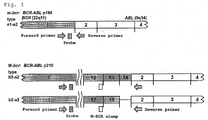
- the structures of the m- BCR-ABL1 gene and the M- BCR-ABL1 gene are shown in Fig. 1 .
- the inventors tested a known method that can be conducted with an existing kit for determining the m- BCR-ABL1 mRNA level and found that the known method sometimes does not precisely determine the level.
- the known method detected not only the m- BCR-ABL1 mRNA, but also the M- BCR-ABL1 mRNA (see Test 2 in the Examples below).
- a PCR was conducted to amplify the m- BCR-ABL1 cDNA with a forward primer designed on the basis of the nucleic acid sequence of exon 1 of the BCR gene and a reverse primer designed on the basis of the nucleic acid sequence of exon 2 of the ABL1 gene. It have been believed that the PCR under the conditions for amplifying the m- BCR-ABL1 cDNA cannot amplify the M- BCR-ABL1 cDNA, which has exons 2 to 13 (about 1428 bp) or exons 2 to 14 (about 1503 bp) of the BCR gene between exon 1 of the BCR gene and exon 2 of the ABL1 gene as shown in Fig. 1 and thus is much longer than the m- BCR-ABL1 cDNA.
- the known method can amplify the M- BCR-ABL1 cDNA. This is a severe defect that may lead a false detection or determination.
- the method and kit provided by the disclosure overcome the defect, achieving the precise detection of the m- BCR-ABL1 gene or its expression or the precise determination of the expression level of the m- BCR-ABL1.
- the nucleic acid sequence of the m- BCR-ABL1 gene is typically represented by SEQ ID NO: 1, and a number of variants are known.
- the nucleic acid sequence of the M-BCR-ABL1 gene is typically represented by SEQ ID NO: 2 or 3, and a number of variants are known.
- the m- BCR-ABL1 gene and the M- BCR-ABL1 gene may have a polynucleotide sequence that hybridizes to the polynucleotide having the nucleic acid sequence complementary to the sequence of SEQ ID NO: 1 and SEQ ID NO: 2 or 3, respectively, under a stringent condition.
- the hybridization may be carried out using a standard method, for example that described in " Molecular Cloning, T. Maniatis et al., CSH Laboratory (1983 )".
- An example of the stringent condition is such that a hybrid is formed in a solution containing 6 ⁇ SSC and 50% formamide at 45°C and is washed with 2 ⁇ SSC at 50°C, wherein 10 ⁇ SSC is the solution containing 1.5 M NaCl and 0.15 M trisodium citrate (see " Molecular Biology, John Wiley & Sons, N. Y. (1989), 6.3.1-6.3.6 "). Conditions that achieve the equivalent stringency also may be employed.
- the m- BCR-ABL1 gene and the M- BCR-ABL1 gene may have a nucleic acid sequence having at least 70%, 80%, 85%, 90%, 95%, 96%, 97%, 98%, or 99% sequence identity with the nucleic acid sequence of SEQ ID NO: 1 and SEQ ID NO: 2 or 3, respectively.
- sequence identity means the degree of the similarity between two oligonucleotide sequences. The identity is determined by comparing two sequences that are optimally aligned with each other over the region subjected to the comparison. The term “optimally aligned” means the two sequences are aligned so that the number of the matched nucleotides is maximized.
- the numerical value (%) of the sequence identity is calculated by identifying the matched bases in the both sequences, determining the number of the matched bases, dividing the number by the total number of the bases in the region subjected to the comparison, and multiplying the derived numerical value by 100.
- various algorithms that are commonly available to those skilled in the art, e.g., BLAST algorithm and FASTA algorithm, may be used.
- the sequence identity may be determined using a software for sequence analysis such as BLAST and FASTA.
- the subject is typically a human being.
- the subject may be a subject suffering from or suspected to be suffering from leukemia, e.g., chronic myelogenous leukemia (CML) or Philadelphia chromosome-positive acute lymphocytic leukemia (Ph+ALL) .
- leukemia e.g., chronic myelogenous leukemia (CML) or Philadelphia chromosome-positive acute lymphocytic leukemia (Ph+ALL) .
- CML chronic myelogenous leukemia
- Ph+ALL Philadelphia chromosome-positive acute lymphocytic leukemia
- nucleic acid sample means DNA obtained from the subject or cDNA generated by reverse-transcribing RNA obtained from the subject.
- the RNA may be total RNA or purified mRNA.
- the nucleic acid sample may be obtained from a specimen of the subject containing hematopoietic stem cells, leukocytes, or leukemia cells, for example, blood, bone marrow aspirate, or lymph.
- the nucleic acid sample may be obtained from isolated hematopoietic stem cells, blood cells, leukocytes, or leukemia cells.
- the nucleic acid sample is obtained from leukocytes in peripheral blood or nucleated cells in bone marrow aspirate.
- the nucleic acid sample is obtained from leukocytes in peripheral blood.
- DNA or RNA may be extracted from a sample by any known method, for example, by acidifying a solution containing DNA or RNA and extracting it from an aqueous layer in PCI (phenol-chloroform-isoamyl alcohol extraction), by using a commercially available DNA or RNA extraction kit, or by any other known method.
- PCI phenol-chloroform-isoamyl alcohol extraction
- Step (1) of the method uses a modified nucleic acid having a nucleic acid sequence of a part of exons 2 to 14 of the BCR gene or a nucleic acid sequence complementary thereto.
- the modified nucleic acid is capable of binding to a PCR amplification product derived from the Major BCR-ABL1 mRNA in a region corresponding to exons 2 to 14 of the BCR gene.
- the modified nucleic acid is herein referred to as "M-BCR clamp.”
- modified nucleic acid means a nucleic acid which comprises at least one artificial nucleotide, hybridizes to an mRNA or DNA more strongly than a DNA having the same nucleic acid sequence, and is not degraded by the exonuclease activity of reverse transcriptases and DNA polymerases.
- Reverse transcriptases and DNA polymerases stop the elongation reaction at the site where a modified nucleic acid is bound to a template mRNA or DNA.
- the M-BCR clamp binds to a polynucleotide derived from the M- BCR-ABL1 gene, which contains the nucleic acid sequence corresponding to exons 2 to 14 of the BCR gene, and suppresses the elongation reaction using the polynucleotide as the template.
- the M-BCR clamp does not bind to a polynucleotide derived from the m- BCR-ABL1 gene, which does not contain the nucleic acid sequence corresponding to exons 2 to 14 of the BCR gene, and does not suppress the extension reaction using the polynucleotide as the template.
- the M-BCR clamp may be designed as a modified nucleic acid having a nucleic acid sequence of about 10 to 30, about 15 to 25, about 19 to 23, or about 20 to 22, e.g., about 21 continuous nucleotides contained in exons 2 to 14, preferably exons 2 to 13, of the BCR gene, or a nucleic acid sequence complementary thereto.
- Exons 2 to 14 of the BCR gene has, for example, the nucleic acid sequence of SEQ ID NO: 4.
- Exons 2 to 13 of the BCR gene has, for example, the nucleic acid sequence of SEQ ID NO: 5.
- the M-BCR clamp is designed so that it binds to the PCR amplification product of step (1) in a region close to the binding site of the forward or reverse primer. Specifically, the M-BCR clamp is designed to bind to the PCR amplification product in a region within about 300, about 200, about 150, or about 100 nucleotides from the binding site of the forward or reverse primer. In an embodiment, the M-BCR clamp is designed to bind to the PCR amplification product in the region corresponding to exons 12 and 13 of the BCR gene (e.g., SEQ ID NO: 6), for example, in the region corresponding to exon 13 (e.g., SEQ ID NO: 7).
- exons 12 and 13 of the BCR gene e.g., SEQ ID NO: 6
- exon 13 e.g., SEQ ID NO: 7
- the M-BCR clamp comprises the nucleic acid sequence of AGGGAGAAGCTTCTGAAACAC (SEQ ID NO: 8) or the nucleic acid sequence complementary thereto. In an embodiment, the M-BCR clamp consists of the nucleic acid sequence of SEQ ID NO: 8 or the nucleic acid sequence complementary thereto.
- the M-BCR clamp comprises at least one artificial nucleotide.
- Artificial nucleotides that are different from natural nucleotides in their structures and improve the M-BCR clamp by enhancing the nuclease resistance and the binding affinity with the target sequence may be used.
- artificial nucleotides used herein include those described in Deleavey, G. F., & Damha, M. J. (2012). Designing chemically modified oligonucleotides for targeted gene silencing. Chemistry & biology, 19(8), 937-954 , the entire contents of which are incorporated herein by reference.
- artificial nucleotides include abasic nucleosides; arabinonucleosides, 2'-deoxyuridine, alpha-deoxyribonucleosides, beta-L-deoxyribonucleosides, and nucleosides having any other sugar modification; peptide nucleic acids (PNA), peptide nucleic acids with phosphate groups (PHONA), locked nucleic acids (LNA), 2'-O,4'-C-ethylene-bridged nucleic acids (ENA), constrained ethyl (cEt), and morpholino nucleic acids.
- PNA peptide nucleic acids
- PONA peptide nucleic acids with phosphate groups
- LNA locked nucleic acids
- ENA 2'-O,4'-C-ethylene-bridged nucleic acids
- cEt constrained ethyl
- morpholino nucleic acids morpholino nucleic acids.
- artificial nucleotides having sugar modifications include those having substituted pentoses such as 2'-o-methyl ribose, 2'-o-methoxyethyl ribose, 2'-deoxy-2'-fluoro ribose, or 3'-o-methyl ribose; 1',2'-deoxyribose; arabinose; substituted arabinoses; hexoses, and alpha-anomers.
- the artificial nucleotides having modified bases include those having pyrimidines such as 5-hydroxycytosine, 5-methylcytosine, 5-fluorouracil, or 4-thiouracil; purines such as 6-methyladenine and 6-thioguanosine; and other heterocyclic bases.
- the M-BCR clamp may comprise artificial nucleotides of the same type or two or more different types.
- the M-BCR clamp comprises at least one PNA portion as the artificial nucleotides.
- PNAs have peptide bonds between N-(2-aminoethyl)glycines and thus have DNA-like structures in which phosphodiester bonds of DNA are replaced with peptide bonds ( Nielsen et al. 1991 Science 254, 1457-1500 ).
- PNAs are resistant to various nucleases and hybridize to DNAs or RNAs with the molecular recognition similar to that of DNAs and RNAs.
- the affinity between a PNA and a DNA is stronger than between a DNA and a DNA or between a DNA and a RNA.
- all the nucleotides in the M-BCR clamp are those of PNAs.
- the nucleic acid sample is cDNA generated by reverse-transcribing a RNA sample obtained from the subject, whereby the expression of the minor BCR-ABL1 gene in the subject is detected.
- the reverse transcription may be carried out in the presence of a modified nucleic acid having a nucleic acid sequence complementary to a part of exons 2 to 14 of the BCR gene, i.e., M-BCR clamp.
- the modified nucleic acid can bind to the Major BCR-ABL1 mRNA in the region corresponding to exons 2 to 14 of the BCR gene.
- the M-BCR clamp used in the reverse transcription may be designed as a modified nucleic acid having a nucleic acid sequence complementary to about 10 to 30, about 15 to 25, about 19 to 23, or about 20 to 22, e.g., about 21 continuous nucleotides contained in exons 2 to 14, preferably exons 2 to 13, of the BCR gene.
- the M-BCR clamp used in the reverse transcription is designed so that it binds to the M- BCR-ABL1 mRNA in a region close to the binding site of the reverse primer for the reverse transcription, i.e., in a region close to the 3' end of exons 2 to 14 of the BCR gene.
- the M-BCR clamp is designed to bind to the M- BCR-ABL1 mRNA in a region within about 300, about 200, about 150, or about 100 nucleotides from the position at which the region derived from the BCR gene and the region derived from the ABL1 gene are fused.
- the M-BCR clamp is designed to bind to the M- BCR-ABL1 mRNA in the region corresponding to exons 12 and 13 of the BCR gene (e.g., SEQ ID NO: 6), for example, in the region corresponding to exon 13 (e.g., SEQ ID NO: 7).
- the M-BCR clamp used in the reverse transcription comprises the nucleic acid sequence AGGGAGAAGCTTCTGAAACAC (SEQ ID NO: 8). In an embodiment, the M-BCR clamp used in the reverse transcription consists of the nucleic acid sequence of SEQ ID NO: 8. The M-BCR clamp used in the reverse transcription may be produced and used similarly to the M-BCR clamp used in the PCR.
- the M-BCR clamp used in the reverse transcription may have the same or different structure compared with the M-BCR clamp used in the PCR.
- the M-BCR clamp used in the reverse transcription and the M-BCR clamp used in the PCR have the same structure.
- the amount of the M-BCR clamp in the reverse transcription or the PCR can be any amount sufficient to suppress the reverse transcription or the PCR.
- the concentration of the M-BCR clamp in the final reaction solution may be in the range about 0.01 ⁇ M to 10 ⁇ M, about 0.01 ⁇ M to 5 ⁇ M, about 0.01 ⁇ M to 1 ⁇ M, or about 0.01 ⁇ M to 0.1 ⁇ M, for example, about 0.025 ⁇ M, about 0.050 ⁇ M, or about 0.075 ⁇ M.
- a reverse primer having a nucleic acid sequence complementary to a part of exons 2 to 11 of the ABL1 gene is used.
- the primer can bind to the m- BCR-ABL1 mRNA and the M- BCR-ABL1 mRNA in the reverse transcription reaction to prime the elongation reaction.
- Exons 2 to 11 of the ABL1 gene has, for example, the nucleic acid sequence of SEQ ID NO: 9.
- the reverse primer for the reverse transcription may be designed on the basis of this nucleic acid sequence.
- the reverse primer may be designed on the basis of the nucleic acid sequence of exon 2 of the ABL1 gene (e.g., SEQ ID NO: 10).
- the reverse primer comprises the nucleic acid sequence CCTGAGGCTCAAAGTCAGATGCTAC (SEQ ID NO: 11). In an embodiment, the reverse primer consists of the nucleic acid sequence of SEQ ID NO: 11. Methods for designing primers suitable for reverse transcription are well known to those skilled in the art.
- Reagents used in the reverse transcription reaction such as reverse transcriptases, dNTPs, and buffers, may be those commonly used in the art. Reaction conditions such as the amount of each reagent, the reaction durations, and the reaction temperatures can be appropriately determined in a usual manner, for example according to the description of the package insert of the reverse transcriptase or protocols generally used in the art.
- the reverse transcriptase may be any known reverse transcriptase used in molecular biological experiments, including Tth DNA polymerase, rTth DNA polymerase, AMV reverse transcriptase, MMLV reverse transcriptase, HIV reverse transcriptase, and derivatives thereof.
- the forward primer and the reverse primer for the PCR may be designed so that the PCR product derived from the m- BCR-ABL1 mRNA has a length suitable for the amplification and quantification, for example, about 10 to 1000, about 20 to 500, about 50 to 300, about 100 to 200, about 130 to 180, about 150 to 160 nucleotides, e.g., about 155 nucleotides in length.
- Methods for designing primers suitable for PCR are well known to those skilled in the art.
- the forward primer used in the PCR has a nucleic acid sequence of a part of exon 1 of the BCR gene.
- the primer can bind to the single strand DNA that is complementary to the m- BCR-ABL1 or M- BCR-ABL1 mRNA in the region corresponding to exon 1 of the BCR gene and prime the elongation reaction.
- Exon 1 of the BCR gene has, for example, the nucleic acid sequence of SEQ ID NO: 12.
- the forward primer may be designed on the basis of this nucleic acid sequence.
- the forward primer comprises the nucleic acid sequence TCGCAACAGTCCTTCGACAG (SEQ ID NO: 13).
- the forward primer consists of the nucleic acid sequence of SEQ ID NO: 13.
- the reverse primer used in the PCR has a nucleic acid sequence complementary to a part of exons 2 to 11 of the ABL1 gene.
- the reverse primer can be designed in a similar manner to the reverse primer used in the reverse transcription.
- the reverse primer used in the PCR may have the same or different structure compared with the reverse primer used in the reverse transcription. In an embodiment, the reverse primer used in the reverse transcription and the reverse primer used in the PCR have the same structure.
- the PCR may be a quantitative PCR such as a quantitative real-time PCR.
- Various fluorescent PCR techniques may be used for the quantitative real-time PCR.
- the fluorescent PCR techniques include, but not limited to, intercalator assays, which use a fluorescent nucleic acid binding dye such as SYBR GREEN I and an instrument such as LightCycler (registered trademark) of Roche or ABI Prizm 7700 Sequence Detection System (registered trademark) of Perkin Elmer Applied Biosystems; TaqMan probe assays, which monitor the amplification in real-time by virtue of 5' exonuclease activity of DNA polymerase; and cycling probe assays, which use RNase activity of RNaseH and a specialized chimeric RNA probe.
- intercalator assays which use a fluorescent nucleic acid binding dye such as SYBR GREEN I and an instrument such as LightCycler (registered trademark) of Roche or ABI Prizm 7700 Sequence
- a TaqMan probe assay is employed for the quantitative real-time PCR.
- a TaqMan probe assay generally an oligonucleotide labeled with a fluorescent substance at the 5' end and a quencher at the 3' end (TaqMan probe) is added to the PCR reaction system.
- the TaqMan probe specifically hybridizes to the template DNA in the annealing step. At this step the fluorescence emission is suppressed due to the quencher on the probe even if excitation light is irradiated.
- the 5' exonuclease activity of Taq polymerase degrades the TaqMan probe hybridized to the template and releases the fluorescent substance from the quencher, allowing the fluorescence emission.
- the TaqMan probe can be designed by any method known in the art as a probe capable of binding somewhere on either strand of the PCR products derived from the m- BCR-ABL1 mRNA. Any combination of fluorescent substances and quenchers may be used.
- the TaqMan probe comprises the nucleic acid sequence of ATCGTGGGCGTCCGCAAGAC (SEQ ID NO: 14).
- the TaqMan probe consists of the nucleic acid sequence of SEQ ID NO: 14.
- Amplification curves of the fluorescence may be created in the quantitative real-time PCR.
- a sample solution containing a cDNA at an unknown concentration and standard solutions containing the cDNA at known concentrations are simultaneously used in the quantitative real-time PCR.
- the amplification curves are generated by plotting the cycle numbers on the x-axis and the log-transformed fluorescence intensities from the reporter substance on the y-axis.
- the median value of the fluorescence intensities is determined in the range where the amplification curves are linear.
- a line parallel to the x-axis is drawn at the level near the median value. The cycle numbers at which the parallel line and the amplification curves cross are determined.
- a standard curve of the cDNA concentration is created by plotting the log-transformed cDNA concentrations in the standard solutions on the x-axis and the above-determined cycle numbers of the standard solutions on the y-axis.
- the cDNA concentration in the sample solution can be determined by using the above-determined cycle number of the sample and the standard curve of the cDNA concentration.
- the PCR may be conducted by adding the reagents required for the PCR to the whole products or a part of the products of the reverse transcription.
- the reverse transcription and the PCR may be carried out simultaneously or sequentially in one step, i.e., in the same container.
- step (1) may be conducted as a part of a quantitative real-time RT-PCR.
- Reagents used in the PCR such as DNA polymerases, dNTPs, and buffers, may be those commonly used in the art. Reaction conditions such as the amount of each reagent, the reaction durations, and the reaction temperatures can be appropriately determined in a usual manner, for example according to the description of the package insert of the enzyme or protocols generally used in the art.
- the DNA polymerase may be any known DNA polymerase used in molecular biological experiments, including rTth DNA polymerase, Taq polymerase, and derivatives thereof.
- the subject is determined to have the minor BCR-ABL1 gene when the nucleic acid amplification is occurred in the PCR.
- the nucleic acid amplification can be detected by any known method for detecting nucleic acids.
- the amplification may be detected by electrophoresis of the nucleic acids after the amplification; hybridization with a nucleic acid probe labeled with a detectable label; staining of double-stranded DNAs with an intercalating fluorescent dye; or using a fluorescent probe.
- the nucleic acid amplification may be detected in the quantitative PCR as described above.
- the nucleic acids comprising the nucleic acid sequence corresponding to exons 2 to 11 of the ABL1 gene may be quantitated and the measurement may be compared with that of the m-BCR-ABL1 gene.
- the nucleic acids comprising the nucleic acid sequence corresponding to exons 2 to 11 of the ABL1 gene may be derived from the ABL1 gene, the m- BCR-ABL1 gene, and the M- BCR-ABL1 gene.
- the measurement of the nucleic acids of the m- BCR-ABL1 gene obtained in step (1) may be divided by the measurement of the nucleic acids comprising the nucleic acid sequence corresponding to exons 2 to 11 of the ABL1 gene to give the normalized measurement of the m- BCR-ABL1 gene.
- the measurement of the m- BCR-ABL1 gene may be normalized with a measurement of a housekeeping gene.
- the primer, clamp, and probe shown in Table 1 below are used. All of them may be used in combination or at least one of them may be used.
- kits for conducting the method disclosed herein comprises at least;
- the kit may further comprise at least one of a second modified nucleic acid, a second reverse primer, and a probe for a quantitative PCR.
- the kit may further comprise a standard, e.g., a known amount of the minor BCR-ABL1 mRNA.
- the kit may further comprise a primer for quantitating mRNA of a control gene (e.g., mRNA containing at least a part of the nucleic acid sequence corresponding to exons 2 to 11 of the ABL1 gene) .
- the kit may further comprise at least one of the reagents necessary for conducting the method disclosed herein, for example, the reagents for reverse transcription, PCR, or quantitative PCR, including reverse transcriptases, DNA polymerases, dNTPs, and buffers.
- the kit may further comprise any component preferred for marketing or using the kit, for example, a package insert (e.g., a document or a storage medium) containing description for using the kit.
- kits are provided individually or, if possible, in a mixture.
- Each component may be provided in a solution in water or a suitable buffer, or in the lyophilized form, contained in a suitable container.
- suitable containers include bottles, vials, test tubes, tubes, plates, and multi-well plates.
- the container may be made of at least one material, such as glass, plastic, or metal.
- the container may have a label.
- the disclosure provides a method of detecting the expression of the minor BCR-ABL1 gene in a subject, comprising:
- the disclosure provides the following embodiments.
- the RT-PCR reaction mixture of the composition shown in the following table was prepared.
- the minor BCR-ABL mRNA fluorescence-labeled probe had 6-FAM (6-carboxyfluorescein) as the reporter substance and ATTO540Q as the quencher.
- the ABL1 fluorescence-labeled probe had HEX (hexachlorofluorescein) as the reporter substance and ATTO540Q as the quencher.
- a PNA clamp (Panagene) that is capable of specifically binding to an mRNA encoding a part of exon 12 of the BCR gene was added at the final concentration of 0, 0.025, 0.05, or 0.075 ⁇ M.
- RNA standard having the nucleic acid sequence of the Major BCR-ABL1 mRNA
- RNA comprising the nucleic acid sequence of the Major BCR-ABL1 mRNA (SEQ ID NO: 18) was synthesized in vitro. The concentration of the RNA was adjusted so that 1.0 ⁇ 10 7 or 1.0 ⁇ 10 6 copies of the RNA were used for each reaction.
- RNA standard having the nucleic acid sequence of the minor BCR-ABL1 mRNA
- RNA comprising the nucleic acid sequence of the minor BCR-ABL1 mRNA (SEQ ID NO: 19) was synthesized in vitro. The concentration of the RNA was adjusted so that 1.0 ⁇ 10 7 , 1.0 ⁇ 10 5 , 1.0 ⁇ 10 3 , 1.0 ⁇ 10 2 , or 1.0 ⁇ 10 1 copies were used for each reaction.
- RNA standard having the nucleic acid sequence of the ABL1 mRNA
- RNA comprising the nucleic acid sequence of the ABL1 mRNA (SEQ ID NO: 20) was synthesized in vitro. The concentration of the RNA was adjusted so that 1.0 ⁇ 10 7 , 1.0 ⁇ 10 5 , 1.0 ⁇ 10 3 , or 1.0 ⁇ 10 2 copies were used for each reaction.
- the RT-PCR was carried out under the following conditions. Instrument: Applied biosystems 7500 Fast realtime PCR system Temperature conditions: After the reaction at 37°C for 5 minutes, at 65°C for 15 minutes, and at 94°C for 1 minute, the reaction cycle at 94°C for 5 seconds and at 67°C for 40 seconds was repeated 45 times.
- RNA standard having the nucleic acid sequence of the minor BCR-ABL1 mRNA (2) and the RNA standard having the nucleic acid sequence of the ABL1 mRNA were subjected to the RT-PCR using the reagents and the reaction conditions described above.
- RNA standard having the nucleic acid sequence of the Major BCR-ABL1 mRNA (1) and the RNA standard having the nucleic acid sequence of the ABL1 mRNA were subjected to the RT-PCR using the reagents and the reaction conditions described above.
- RNA conc For the Major BCR-ABL1 mRNA (Major) and the ABL1 mRNA (ABL1), the cycle numbers of the RT-PCR at the threshold (Cycle of threshold: Ct) are shown in the following table.
- the amplification curves are shown in Figs. 7 to 9 .
- the Major BCR-ABL1 mRNA was amplified in the absence of the PNA clamp, though the amplification product was very long, i.e., 1630 bp or 1705 bp in length.
- the Ct values were increased by adding the PNA clamp, indicating the amplification was inhibited.
- the added PNA clamp had no effect on the amplification of the ABL1 mRNA.
- RNA conc RNA conc.
- the standard curve for the mRNA concentration was created using the mRNA concentrations of the minor BCR-ABL1 mRNA and the ABL1 mRNA as well as the cycle numbers at the threshold shown in Table 4. Using the standard curve, the mRNA concentrations were calculated for the cycle numbers at the threshold shown in Table 5. The results are shown in Table 6.
- the concentration of the Major BCR-ABL1 mRNA detected by the system for detecting the concentration of the minor BCR-ABL1 mRNA was lower in the presence of the PNA than in the absence of the PNA. This indicates that the added PNA inhibited the amplification of the Major BCR-ABL1 mRNA. The added PNA had no effect on the concentration of the Major BCR-ABL1 mRNA detected in the system for detecting the concentration of the ABL1 mRNA. [Table 6] RNA conc.
- the disclosure can provide a method of detecting the minor BCR-ABL1 gene or determining the expression level thereof more precisely than the methods of the prior art. Accordingly, the method or the kit disclosed herein can detect the minor BCR-ABL1 gene or determine the expression level thereof with high precision, being useful for, e.g., diagnosing onset or recurrence of leukemia, predicting prognosis of leukemia, and determining timing of bone marrow transplantation.
Landscapes
- Chemical & Material Sciences (AREA)
- Life Sciences & Earth Sciences (AREA)
- Health & Medical Sciences (AREA)
- Organic Chemistry (AREA)
- Genetics & Genomics (AREA)
- Engineering & Computer Science (AREA)
- Zoology (AREA)
- Wood Science & Technology (AREA)
- Proteomics, Peptides & Aminoacids (AREA)
- General Engineering & Computer Science (AREA)
- Biotechnology (AREA)
- Bioinformatics & Cheminformatics (AREA)
- Immunology (AREA)
- Microbiology (AREA)
- Molecular Biology (AREA)
- Analytical Chemistry (AREA)
- Physics & Mathematics (AREA)
- Biochemistry (AREA)
- Biophysics (AREA)
- General Health & Medical Sciences (AREA)
- Biomedical Technology (AREA)
- Pathology (AREA)
- Chemical Kinetics & Catalysis (AREA)
- Oncology (AREA)
- Crystallography & Structural Chemistry (AREA)
- Bioinformatics & Computational Biology (AREA)
- Plant Pathology (AREA)
- Hospice & Palliative Care (AREA)
- Measuring Or Testing Involving Enzymes Or Micro-Organisms (AREA)
Abstract
Description
- This application claims the benefit of priority of Japanese Patent Application No.
2017-087666 - The disclosure relates to a method of detecting the minor BCR-ABL1 gene in a subject and a kit therefor.
- The BCR-ABL1 fusion gene is a chromosomal abnormality found in the patients of chronic myelogenous leukemia (CML) and Philadelphia chromosome-positive acute lymphocytic leukemia (Ph+ALL). The chromosomal translocation of
chromosome 9 and chromosome 22, which is designated as t(9;22), causes the fusion of the c-ABL1 gene on chromosome 9 (band region q34) and the bcr gene on chromosome 22 (band region q11). The fusion gene encodes the chimeric BCR-ABL1 protein. The BCR-ABL1 protein has a tyrosine kinase activity and causes unlimited proliferation of hematopoietic stem cells by constitutively stimulating cell proliferation signals and suppressing apoptosis. Recently developed tyrosine kinase inhibitors targeting the BCR-ABL1 protein, e.g., imatinib, have been improved the therapeutic outcome of CML and Ph+ALL. - The BCR-ABL1 is mainly classified into Major BCR-ABL1 (M-BCR-ABL1) and minor BCR-ABL1 (m-BCR-ABL1) according to the position where the BCR is cut. The M-BCR is found in about 95% of the CML patients, and the m-BCR is found in about 20 to 30% of the Ph+ALL patients. The expression level of each BCR-ABL1 gene can be the indicator for assisting the diagnosis of CML and Ph+ALL or monitoring the therapeutic effects. A kit for determining the expression level of the M-BCR-ABL1 is marketed by the applicant, under the tradename of "Major BCR-ABL1 mRNA assay." The kit determines the expression level of the M-BCR-ABL1 by a one-step quantitative real-time RT-PCR. Non-Patent
Literature 1 discloses a method of determining the expression level of the m-BCR-ABL1. - [Patent Literature 1]
U.S. Patent No. 6391592 - [Non-Patent Literature 1] Gabert J et al. Leukemia. 2003; 17: 2318-2357
- An object of the disclosure is to provide a method that detects the minor BCR-ABL1 gene more precisely than conventional methods.
- An aspect of the disclosure provides a method of detecting the minor BCR-ABL1 gene in a subject comprising:
- (1) conducting a PCR using a nucleic acid sample obtained from the subject as the template, a forward primer having a nucleic acid sequence of a part of
exon 1 of the BCR gene, and a reverse primer having a nucleic acid sequence complementary to a part ofexons 2 to 11 of the ABL1 gene, in the presence of a modified nucleic acid having a nucleic acid sequence of a part ofexons 2 to 14 of the BCR gene or a nucleic acid sequence complementary thereto; and - (2) determining that the subject has the minor BCR-ABL1 gene when the nucleic acid amplification is occurred in the PCR.
- An aspect of the disclosure provides a kit for detecting the minor BCR-ABL1 gene in a subject comprising a modified nucleic acid having a nucleic acid sequence complementary to a part of
exons 2 to 14 of the BCR gene, a reverse primer having a nucleic acid sequence complementary to a part ofexons 2 to 11 of the ABL1 gene, and a forward primer having a nucleic acid sequence of a part ofexon 1 of the BCR gene. - According to the disclosure, the minor BCR-ABL1 gene in a subject can be detected more precisely than conventional methods. This may give information useful for diagnosing or treating CML or Ph+ALL of the subject.
-
-
Fig. 1 shows the structures of the m-BCR gene and the M-BCR gene, as well as a schematic drawing of the method described herein. -
Fig. 2-1 shows the nucleic acid sequence of SEQ ID NO: 1. -
Fig. 2-2 shows the nucleic acid sequence of SEQ ID NO: 1 (continued). -
Fig. 2-3 shows the nucleic acid sequence of SEQ ID NO: 1 (continued). -
Fig. 3-1 shows the nucleic acid sequence of SEQ ID NO: 2. -
Fig. 3-2 shows the nucleic acid sequence of SEQ ID NO: 2 (continued). -
Fig. 3-3 shows the nucleic acid sequence of SEQ ID NO: 2 (continued). -
Fig. 3-4 shows the nucleic acid sequence of SEQ ID NO: 2 (continued). -
Fig. 4-1 shows the nucleic acid sequence of SEQ ID NO: 3. -
Fig. 4-2 shows the nucleic acid sequence of SEQ ID NO: 3 (continued). -
Fig. 4-3 shows the nucleic acid sequence of SEQ ID NO: 3 (continued). -
Fig. 4-4 shows the nucleic acid sequence of SEQ ID NO: 3 (continued). -
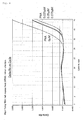
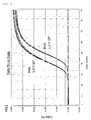
Fig. 5 shows the amplification curves of the minor BCR-ABL1 mRNA in the presence of PNA in the RT-PCR inTest 1. -
Fig. 6 shows the amplification curves of the ABL1 mRNA in the presence of PNA in the RT-PCR inTest 1. -
Fig. 7 shows the amplification curves of 1.0 × 10⁷ copies of the Major BCR-ABL1 mRNA in the presence of PNA in the RT-PCR inTest 2. -
Fig. 8 shows the amplification curves of 1.0 × 10⁶ copies of the Major BCR-ABL1 mRNA in the presence of PNA in the RT-PCR inTest 2. -
Fig. 9 shows the amplification curves of the ABL1 mRNA in the presence of PNA in the RT-PCR inTest 2. - Unless otherwise defined, the terms used herein are read as generally understood by a skilled person in the technical fields such as organic chemistry, medicine, pharmacology, molecular biology, and microbiology. Several terms used herein are defined as described below. The definitions herein take precedence over the general understanding.
- When a numerical value is accompanied with the term "about", the value is intended to represent any value within the range of ± 10% of that value. For example, "about 20" means "a value from 18 to 22." A range defined with a value of the lower limit and a value of the upper limit covers all values from the lower limit to the upper limit, including the values of the both limits. When a range is accompanied with the term "about", the both limits are read as accompanied with the term. For example, "about 20 to 30" is read as "18 to 33."
- The BCR-ABL1 gene is a fusion gene of the ABL1 gene and the BCR gene, which is found in the patients of chronic myelogenous leukemia and Philadelphia chromosome-positive acute lymphocytic leukemia. The chromosomal translocation of
chromosome 9 and chromosome 22, which is designated as t(9;22), creates the fusion gene. - The BCR-ABL1 gene is classified mainly into the minor-type and the Major-type according to the position where the BCR is cut. The former "minor BCR-ABL1 (m-BCR-ABL1) gene" is the fusion gene of
exon 1 of the BCR gene andexons 2 to 11 of the ABL1 gene. The latter "Major BCR-ABL1 (M-BCR-ABL1) gene" is the fusion gene ofexons 1 to 13 orexons 1 to 14 of the BCR gene andexons 2 to 11 of the ABL1 gene. The structures of the m-BCR-ABL1 gene and the M-BCR-ABL1 gene are shown inFig. 1 . - In the course of the development of the disclosed method, the inventors tested a known method that can be conducted with an existing kit for determining the m-BCR-ABL1 mRNA level and found that the known method sometimes does not precisely determine the level. The known method detected not only the m-BCR-ABL1 mRNA, but also the M-BCR-ABL1 mRNA (see
Test 2 in the Examples below). - In the test a PCR was conducted to amplify the m-BCR-ABL1 cDNA with a forward primer designed on the basis of the nucleic acid sequence of
exon 1 of the BCR gene and a reverse primer designed on the basis of the nucleic acid sequence ofexon 2 of the ABL1 gene. It have been believed that the PCR under the conditions for amplifying the m-BCR-ABL1 cDNA cannot amplify the M-BCR-ABL1 cDNA, which hasexons 2 to 13 (about 1428 bp) orexons 2 to 14 (about 1503 bp) of the BCR gene betweenexon 1 of the BCR gene andexon 2 of the ABL1 gene as shown inFig. 1 and thus is much longer than the m-BCR-ABL1 cDNA. - However, as proved in
Test 2, actually the known method can amplify the M-BCR-ABL1 cDNA. This is a severe defect that may lead a false detection or determination. The method and kit provided by the disclosure overcome the defect, achieving the precise detection of the m-BCR-ABL1 gene or its expression or the precise determination of the expression level of the m-BCR-ABL1. - The nucleic acid sequence of the m-BCR-ABL1 gene is typically represented by SEQ ID NO: 1, and a number of variants are known. The nucleic acid sequence of the M-BCR-ABL1 gene is typically represented by SEQ ID NO: 2 or 3, and a number of variants are known.
- The m-BCR-ABL1 gene and the M-BCR-ABL1 gene may have a polynucleotide sequence that hybridizes to the polynucleotide having the nucleic acid sequence complementary to the sequence of SEQ ID NO: 1 and SEQ ID NO: 2 or 3, respectively, under a stringent condition. Regarding "hybridizes under a stringent condition", the hybridization may be carried out using a standard method, for example that described in "Molecular Cloning, T. Maniatis et al., CSH Laboratory (1983)". An example of the stringent condition is such that a hybrid is formed in a solution containing 6 × SSC and 50% formamide at 45°C and is washed with 2 × SSC at 50°C, wherein 10 × SSC is the solution containing 1.5 M NaCl and 0.15 M trisodium citrate (see "Molecular Biology, John Wiley & Sons, N. Y. (1989), 6.3.1-6.3.6"). Conditions that achieve the equivalent stringency also may be employed.
- The m-BCR-ABL1 gene and the M-BCR-ABL1 gene may have a nucleic acid sequence having at least 70%, 80%, 85%, 90%, 95%, 96%, 97%, 98%, or 99% sequence identity with the nucleic acid sequence of SEQ ID NO: 1 and SEQ ID NO: 2 or 3, respectively. The term "sequence identity" means the degree of the similarity between two oligonucleotide sequences. The identity is determined by comparing two sequences that are optimally aligned with each other over the region subjected to the comparison. The term "optimally aligned" means the two sequences are aligned so that the number of the matched nucleotides is maximized. The numerical value (%) of the sequence identity is calculated by identifying the matched bases in the both sequences, determining the number of the matched bases, dividing the number by the total number of the bases in the region subjected to the comparison, and multiplying the derived numerical value by 100. For making the optimal alignment and calculating the sequence identity, various algorithms that are commonly available to those skilled in the art, e.g., BLAST algorithm and FASTA algorithm, may be used. The sequence identity may be determined using a software for sequence analysis such as BLAST and FASTA.
- The subject is typically a human being. The subject may be a subject suffering from or suspected to be suffering from leukemia, e.g., chronic myelogenous leukemia (CML) or Philadelphia chromosome-positive acute lymphocytic leukemia (Ph+ALL) .
- The term "nucleic acid sample" as used herein means DNA obtained from the subject or cDNA generated by reverse-transcribing RNA obtained from the subject. The RNA may be total RNA or purified mRNA. The nucleic acid sample may be obtained from a specimen of the subject containing hematopoietic stem cells, leukocytes, or leukemia cells, for example, blood, bone marrow aspirate, or lymph. The nucleic acid sample may be obtained from isolated hematopoietic stem cells, blood cells, leukocytes, or leukemia cells. In an embodiment, the nucleic acid sample is obtained from leukocytes in peripheral blood or nucleated cells in bone marrow aspirate. In an embodiment, the nucleic acid sample is obtained from leukocytes in peripheral blood.
- DNA or RNA may be extracted from a sample by any known method, for example, by acidifying a solution containing DNA or RNA and extracting it from an aqueous layer in PCI (phenol-chloroform-isoamyl alcohol extraction), by using a commercially available DNA or RNA extraction kit, or by any other known method.
- Step (1) of the method uses a modified nucleic acid having a nucleic acid sequence of a part of
exons 2 to 14 of the BCR gene or a nucleic acid sequence complementary thereto. The modified nucleic acid is capable of binding to a PCR amplification product derived from the Major BCR-ABL1 mRNA in a region corresponding toexons 2 to 14 of the BCR gene. The modified nucleic acid is herein referred to as "M-BCR clamp." - The term "modified nucleic acid" means a nucleic acid which comprises at least one artificial nucleotide, hybridizes to an mRNA or DNA more strongly than a DNA having the same nucleic acid sequence, and is not degraded by the exonuclease activity of reverse transcriptases and DNA polymerases. Reverse transcriptases and DNA polymerases stop the elongation reaction at the site where a modified nucleic acid is bound to a template mRNA or DNA. The M-BCR clamp binds to a polynucleotide derived from the M-BCR-ABL1 gene, which contains the nucleic acid sequence corresponding to
exons 2 to 14 of the BCR gene, and suppresses the elongation reaction using the polynucleotide as the template. In contrast, the M-BCR clamp does not bind to a polynucleotide derived from the m-BCR-ABL1 gene, which does not contain the nucleic acid sequence corresponding toexons 2 to 14 of the BCR gene, and does not suppress the extension reaction using the polynucleotide as the template. - The M-BCR clamp may be designed as a modified nucleic acid having a nucleic acid sequence of about 10 to 30, about 15 to 25, about 19 to 23, or about 20 to 22, e.g., about 21 continuous nucleotides contained in
exons 2 to 14, preferably exons 2 to 13, of the BCR gene, or a nucleic acid sequence complementary thereto.Exons 2 to 14 of the BCR gene has, for example, the nucleic acid sequence of SEQ ID NO: 4.Exons 2 to 13 of the BCR gene has, for example, the nucleic acid sequence of SEQ ID NO: 5. In an embodiment, the M-BCR clamp is designed so that it binds to the PCR amplification product of step (1) in a region close to the binding site of the forward or reverse primer. Specifically, the M-BCR clamp is designed to bind to the PCR amplification product in a region within about 300, about 200, about 150, or about 100 nucleotides from the binding site of the forward or reverse primer. In an embodiment, the M-BCR clamp is designed to bind to the PCR amplification product in the region corresponding to exons 12 and 13 of the BCR gene (e.g., SEQ ID NO: 6), for example, in the region corresponding to exon 13 (e.g., SEQ ID NO: 7). In an embodiment, the M-BCR clamp comprises the nucleic acid sequence of AGGGAGAAGCTTCTGAAACAC (SEQ ID NO: 8) or the nucleic acid sequence complementary thereto. In an embodiment, the M-BCR clamp consists of the nucleic acid sequence of SEQ ID NO: 8 or the nucleic acid sequence complementary thereto. - The M-BCR clamp comprises at least one artificial nucleotide. Artificial nucleotides that are different from natural nucleotides in their structures and improve the M-BCR clamp by enhancing the nuclease resistance and the binding affinity with the target sequence may be used. For example, artificial nucleotides used herein include those described in Deleavey, G. F., & Damha, M. J. (2012). Designing chemically modified oligonucleotides for targeted gene silencing. Chemistry & biology, 19(8), 937-954, the entire contents of which are incorporated herein by reference. Examples of the artificial nucleotides include abasic nucleosides; arabinonucleosides, 2'-deoxyuridine, alpha-deoxyribonucleosides, beta-L-deoxyribonucleosides, and nucleosides having any other sugar modification; peptide nucleic acids (PNA), peptide nucleic acids with phosphate groups (PHONA), locked nucleic acids (LNA), 2'-O,4'-C-ethylene-bridged nucleic acids (ENA), constrained ethyl (cEt), and morpholino nucleic acids. Examples of the artificial nucleotides having sugar modifications include those having substituted pentoses such as 2'-o-methyl ribose, 2'-o-methoxyethyl ribose, 2'-deoxy-2'-fluoro ribose, or 3'-o-methyl ribose; 1',2'-deoxyribose; arabinose; substituted arabinoses; hexoses, and alpha-anomers. Examples of the artificial nucleotides having modified bases include those having pyrimidines such as 5-hydroxycytosine, 5-methylcytosine, 5-fluorouracil, or 4-thiouracil; purines such as 6-methyladenine and 6-thioguanosine; and other heterocyclic bases. The M-BCR clamp may comprise artificial nucleotides of the same type or two or more different types.
- In an embodiment, the M-BCR clamp comprises at least one PNA portion as the artificial nucleotides. PNAs have peptide bonds between N-(2-aminoethyl)glycines and thus have DNA-like structures in which phosphodiester bonds of DNA are replaced with peptide bonds (Nielsen et al. 1991 Science 254, 1457-1500). PNAs are resistant to various nucleases and hybridize to DNAs or RNAs with the molecular recognition similar to that of DNAs and RNAs. The affinity between a PNA and a DNA is stronger than between a DNA and a DNA or between a DNA and a RNA. In an embodiment, all the nucleotides in the M-BCR clamp are those of PNAs.
- In an embodiment, the nucleic acid sample is cDNA generated by reverse-transcribing a RNA sample obtained from the subject, whereby the expression of the minor BCR-ABL1 gene in the subject is detected. The reverse transcription may be carried out in the presence of a modified nucleic acid having a nucleic acid sequence complementary to a part of
exons 2 to 14 of the BCR gene, i.e., M-BCR clamp. The modified nucleic acid can bind to the Major BCR-ABL1 mRNA in the region corresponding toexons 2 to 14 of the BCR gene. The M-BCR clamp used in the reverse transcription may be designed as a modified nucleic acid having a nucleic acid sequence complementary to about 10 to 30, about 15 to 25, about 19 to 23, or about 20 to 22, e.g., about 21 continuous nucleotides contained inexons 2 to 14, preferably exons 2 to 13, of the BCR gene. In an embodiment, the M-BCR clamp used in the reverse transcription is designed so that it binds to the M-BCR-ABL1 mRNA in a region close to the binding site of the reverse primer for the reverse transcription, i.e., in a region close to the 3' end ofexons 2 to 14 of the BCR gene. Specifically, the M-BCR clamp is designed to bind to the M-BCR-ABL1 mRNA in a region within about 300, about 200, about 150, or about 100 nucleotides from the position at which the region derived from the BCR gene and the region derived from the ABL1 gene are fused. For example, the M-BCR clamp is designed to bind to the M-BCR-ABL1 mRNA in the region corresponding to exons 12 and 13 of the BCR gene (e.g., SEQ ID NO: 6), for example, in the region corresponding to exon 13 (e.g., SEQ ID NO: 7). In an embodiment, the M-BCR clamp used in the reverse transcription comprises the nucleic acid sequence AGGGAGAAGCTTCTGAAACAC (SEQ ID NO: 8). In an embodiment, the M-BCR clamp used in the reverse transcription consists of the nucleic acid sequence of SEQ ID NO: 8. The M-BCR clamp used in the reverse transcription may be produced and used similarly to the M-BCR clamp used in the PCR. - The M-BCR clamp used in the reverse transcription may have the same or different structure compared with the M-BCR clamp used in the PCR. In an embodiment, the M-BCR clamp used in the reverse transcription and the M-BCR clamp used in the PCR have the same structure.
- The amount of the M-BCR clamp in the reverse transcription or the PCR can be any amount sufficient to suppress the reverse transcription or the PCR. For example, the concentration of the M-BCR clamp in the final reaction solution may be in the range about 0.01 µM to 10 µM, about 0.01 µM to 5 µM, about 0.01 µM to 1 µM, or about 0.01 µM to 0.1 µM, for example, about 0.025 µM, about 0.050 µM, or about 0.075 µM.
- For the reverse transcription, a reverse primer having a nucleic acid sequence complementary to a part of
exons 2 to 11 of the ABL1 gene is used. The primer can bind to the m-BCR-ABL1 mRNA and the M-BCR-ABL1 mRNA in the reverse transcription reaction to prime the elongation reaction.Exons 2 to 11 of the ABL1 gene has, for example, the nucleic acid sequence of SEQ ID NO: 9. The reverse primer for the reverse transcription may be designed on the basis of this nucleic acid sequence. For example, the reverse primer may be designed on the basis of the nucleic acid sequence ofexon 2 of the ABL1 gene (e.g., SEQ ID NO: 10). In an embodiment, the reverse primer comprises the nucleic acid sequence CCTGAGGCTCAAAGTCAGATGCTAC (SEQ ID NO: 11). In an embodiment, the reverse primer consists of the nucleic acid sequence of SEQ ID NO: 11. Methods for designing primers suitable for reverse transcription are well known to those skilled in the art. - Reagents used in the reverse transcription reaction, such as reverse transcriptases, dNTPs, and buffers, may be those commonly used in the art. Reaction conditions such as the amount of each reagent, the reaction durations, and the reaction temperatures can be appropriately determined in a usual manner, for example according to the description of the package insert of the reverse transcriptase or protocols generally used in the art. For example, the reverse transcriptase may be any known reverse transcriptase used in molecular biological experiments, including Tth DNA polymerase, rTth DNA polymerase, AMV reverse transcriptase, MMLV reverse transcriptase, HIV reverse transcriptase, and derivatives thereof.
- The forward primer and the reverse primer for the PCR may be designed so that the PCR product derived from the m-BCR-ABL1 mRNA has a length suitable for the amplification and quantification, for example, about 10 to 1000, about 20 to 500, about 50 to 300, about 100 to 200, about 130 to 180, about 150 to 160 nucleotides, e.g., about 155 nucleotides in length. Methods for designing primers suitable for PCR are well known to those skilled in the art.
- The forward primer used in the PCR has a nucleic acid sequence of a part of
exon 1 of the BCR gene. The primer can bind to the single strand DNA that is complementary to the m-BCR-ABL1 or M-BCR-ABL1 mRNA in the region corresponding toexon 1 of the BCR gene and prime the elongation reaction.Exon 1 of the BCR gene has, for example, the nucleic acid sequence of SEQ ID NO: 12. The forward primer may be designed on the basis of this nucleic acid sequence. In an embodiment, the forward primer comprises the nucleic acid sequence TCGCAACAGTCCTTCGACAG (SEQ ID NO: 13). In an embodiment, the forward primer consists of the nucleic acid sequence of SEQ ID NO: 13. - The reverse primer used in the PCR has a nucleic acid sequence complementary to a part of
exons 2 to 11 of the ABL1 gene. The reverse primer can be designed in a similar manner to the reverse primer used in the reverse transcription. The reverse primer used in the PCR may have the same or different structure compared with the reverse primer used in the reverse transcription. In an embodiment, the reverse primer used in the reverse transcription and the reverse primer used in the PCR have the same structure. - The PCR may be a quantitative PCR such as a quantitative real-time PCR. Various fluorescent PCR techniques may be used for the quantitative real-time PCR. Examples of the fluorescent PCR techniques include, but not limited to, intercalator assays, which use a fluorescent nucleic acid binding dye such as SYBR GREEN I and an instrument such as LightCycler (registered trademark) of Roche or ABI Prizm 7700 Sequence Detection System (registered trademark) of Perkin Elmer Applied Biosystems; TaqMan probe assays, which monitor the amplification in real-time by virtue of 5' exonuclease activity of DNA polymerase; and cycling probe assays, which use RNase activity of RNaseH and a specialized chimeric RNA probe.
- In an embodiment, a TaqMan probe assay is employed for the quantitative real-time PCR. In a TaqMan probe assay generally an oligonucleotide labeled with a fluorescent substance at the 5' end and a quencher at the 3' end (TaqMan probe) is added to the PCR reaction system. The TaqMan probe specifically hybridizes to the template DNA in the annealing step. At this step the fluorescence emission is suppressed due to the quencher on the probe even if excitation light is irradiated. At the elongation step the 5' exonuclease activity of Taq polymerase degrades the TaqMan probe hybridized to the template and releases the fluorescent substance from the quencher, allowing the fluorescence emission. The TaqMan probe can be designed by any method known in the art as a probe capable of binding somewhere on either strand of the PCR products derived from the m-BCR-ABL1 mRNA. Any combination of fluorescent substances and quenchers may be used. In an embodiment, the TaqMan probe comprises the nucleic acid sequence of ATCGTGGGCGTCCGCAAGAC (SEQ ID NO: 14). In an embodiment, the TaqMan probe consists of the nucleic acid sequence of SEQ ID NO: 14.
- Amplification curves of the fluorescence may be created in the quantitative real-time PCR. A sample solution containing a cDNA at an unknown concentration and standard solutions containing the cDNA at known concentrations are simultaneously used in the quantitative real-time PCR. The amplification curves are generated by plotting the cycle numbers on the x-axis and the log-transformed fluorescence intensities from the reporter substance on the y-axis. The median value of the fluorescence intensities is determined in the range where the amplification curves are linear. A line parallel to the x-axis is drawn at the level near the median value. The cycle numbers at which the parallel line and the amplification curves cross are determined. Furthermore, a standard curve of the cDNA concentration is created by plotting the log-transformed cDNA concentrations in the standard solutions on the x-axis and the above-determined cycle numbers of the standard solutions on the y-axis. The cDNA concentration in the sample solution can be determined by using the above-determined cycle number of the sample and the standard curve of the cDNA concentration.
- Since the same M-BCR clamp and the same reverse primer can be used in the reverse transcription and the PCR, the PCR may be conducted by adding the reagents required for the PCR to the whole products or a part of the products of the reverse transcription. For example, the reverse transcription and the PCR may be carried out simultaneously or sequentially in one step, i.e., in the same container. For example, step (1) may be conducted as a part of a quantitative real-time RT-PCR.
- Reagents used in the PCR, such as DNA polymerases, dNTPs, and buffers, may be those commonly used in the art. Reaction conditions such as the amount of each reagent, the reaction durations, and the reaction temperatures can be appropriately determined in a usual manner, for example according to the description of the package insert of the enzyme or protocols generally used in the art. For example, the DNA polymerase may be any known DNA polymerase used in molecular biological experiments, including rTth DNA polymerase, Taq polymerase, and derivatives thereof.
- In step (2), the subject is determined to have the minor BCR-ABL1 gene when the nucleic acid amplification is occurred in the PCR. The nucleic acid amplification can be detected by any known method for detecting nucleic acids. For example, the amplification may be detected by electrophoresis of the nucleic acids after the amplification; hybridization with a nucleic acid probe labeled with a detectable label; staining of double-stranded DNAs with an intercalating fluorescent dye; or using a fluorescent probe. The nucleic acid amplification may be detected in the quantitative PCR as described above.
- In parallel with step (1), the nucleic acids comprising the nucleic acid sequence corresponding to
exons 2 to 11 of the ABL1 gene (e.g., SEQ ID NO:9) may be quantitated and the measurement may be compared with that of the m-BCR-ABL1 gene. The nucleic acids comprising the nucleic acid sequence corresponding toexons 2 to 11 of the ABL1 gene may be derived from the ABL1 gene, the m-BCR-ABL1 gene, and the M-BCR-ABL1 gene. For example, the measurement of the nucleic acids of the m-BCR-ABL1 gene obtained in step (1) may be divided by the measurement of the nucleic acids comprising the nucleic acid sequence corresponding toexons 2 to 11 of the ABL1 gene to give the normalized measurement of the m-BCR-ABL1 gene. Similarly, the measurement of the m-BCR-ABL1 gene may be normalized with a measurement of a housekeeping gene. - In an embodiment, the primer, clamp, and probe shown in Table 1 below are used. All of them may be used in combination or at least one of them may be used.
[Table 1] Forward primer TCGCAACAGTCCTTCGACAG (SEQ ID NO:13) Reverse primer CCTGAGGCTCAAAGTCAGATGCTAC (SEQ ID NO:11) Probe ATCGTGGGCGTCCGCAAGAC (SEQ ID NO:14) Clamp AGGGAGAAGCTTCTGAAACAC (SEQ ID NO:8) - An aspect of the disclosure provides a kit for conducting the method disclosed herein. The kit comprises at least;
- (a) a modified nucleic acid having a nucleic acid sequence of a part of
exons 2 to 14 of the BCR gene or a nucleic acid sequence complementary thereto; - (b) a reverse primer having a nucleic acid sequence complementary to a part of
exons 2 to 11 of the ABL1 gene; and - (c) a forward primer having a nucleic acid sequence of a part of
exon 1 of the BCR gene. - The kit may further comprise at least one of a second modified nucleic acid, a second reverse primer, and a probe for a quantitative PCR. The kit may further comprise a standard, e.g., a known amount of the minor BCR-ABL1 mRNA. The kit may further comprise a primer for quantitating mRNA of a control gene (e.g., mRNA containing at least a part of the nucleic acid sequence corresponding to
exons 2 to 11 of the ABL1 gene) . The kit may further comprise at least one of the reagents necessary for conducting the method disclosed herein, for example, the reagents for reverse transcription, PCR, or quantitative PCR, including reverse transcriptases, DNA polymerases, dNTPs, and buffers. The kit may further comprise any component preferred for marketing or using the kit, for example, a package insert (e.g., a document or a storage medium) containing description for using the kit. - The components of the kit are provided individually or, if possible, in a mixture. Each component may be provided in a solution in water or a suitable buffer, or in the lyophilized form, contained in a suitable container. Examples of the suitable containers include bottles, vials, test tubes, tubes, plates, and multi-well plates. The container may be made of at least one material, such as glass, plastic, or metal. The container may have a label.
- In an aspect, the disclosure provides a method of detecting the expression of the minor BCR-ABL1 gene in a subject, comprising:
- (1) reverse-transcribing an RNA sample obtained from the subject using a first reverse primer having a nucleic acid sequence complementary to a part of
exons 2 to 11 of the ABL1 gene in the presence of a modified nucleic acid having a nucleic acid sequence complementary to a part ofexons 2 to 14 of the BCR gene; - (2) conducting a PCR using a forward primer having a nucleic acid sequence of a part of
exon 1 of the BCR gene and a second reverse primer having a nucleic acid sequence complementary to a part ofexons 2 to 11 of the ABL1 gene; and - (3) determining that the subject is expressing the minor BCR-ABL1 gene when the nucleic acid amplification is occurred in the PCR.
- For example, the disclosure provides the following embodiments.
- [1] A method of detecting the minor BCR-ABL1 gene in a subject, comprising:
- (1) conducting a PCR using a nucleic acid sample obtained from the subject as the template, a forward primer having a nucleic acid sequence of a part of
exon 1 of the BCR gene, and a reverse primer having a nucleic acid sequence complementary to a part ofexons 2 to 11 of the ABL1 gene, in the presence of a modified nucleic acid having a nucleic acid sequence of a part ofexons 2 to 14 of the BCR gene or a nucleic acid sequence complementary thereto; and - (2) determining that the subject has the minor BCR-ABL1 gene when the nucleic acid amplification is occurred in the PCR.
- (1) conducting a PCR using a nucleic acid sample obtained from the subject as the template, a forward primer having a nucleic acid sequence of a part of
- [2] The method according to
item 1, wherein the nucleic acid sample is cDNA generated by reverse-transcribing an RNA sample obtained from the subject. - [3] The method according to
item exons 2 to 14 of the BCR gene. - [4] A method of detecting the expression of the minor BCR-ABL1 gene in a subject, comprising:
- (1) reverse-transcribing an RNA sample obtained from the subject using a first reverse primer having a nucleic acid sequence complementary to a part of
exons 2 to 11 of the ABL1 gene; - (2) conducting a PCR using the reverse transcript obtained in step (1) as the template, a forward primer having a nucleic acid sequence of a part of
exon 1 of the BCR gene, and a reverse primer having a nucleic acid sequence complementary to a part ofexons 2 to 11 of the ABL1 gene, in the presence of a modified nucleic acid having a nucleic acid sequence of a part ofexons 2 to 14 of the BCR gene or a nucleic acid sequence complementary thereto; and - (3) determining that the subject is expressing the minor BCR-ABL1 gene when the nucleic acid amplification is occurred in the PCR.
- (1) reverse-transcribing an RNA sample obtained from the subject using a first reverse primer having a nucleic acid sequence complementary to a part of
- [5] A method of detecting the expression of the minor BCR-ABL1 gene in a subject, comprising:
- (1) reverse-transcribing an RNA sample obtained from the subject using a first reverse primer having a nucleic acid sequence complementary to a part of
exons 2 to 11 of the ABL1 gene in the presence of a modified nucleic acid having a nucleic acid sequence complementary to a part ofexons 2 to 14 of the BCR gene; - (2) conducting a PCR using the reverse transcript obtained in step (1) as the template, a forward primer having a nucleic acid sequence of a part of
exon 1 of the BCR gene, and a second reverse primer having a nucleic acid sequence complementary to a part ofexons 2 to 11 of the ABL1 gene; and - (3) determining that the subject is expressing the minor BCR-ABL1 gene when the nucleic acid amplification is occurred in the PCR.
- (1) reverse-transcribing an RNA sample obtained from the subject using a first reverse primer having a nucleic acid sequence complementary to a part of
- [6] A method of detecting the expression of the minor BCR-ABL1 gene in a subject, comprising:
- (1) reverse-transcribing an RNA sample obtained from the subject using a first reverse primer having a nucleic acid sequence complementary to a part of
exons 2 to 11 of the ABL1 gene in the presence of a modified nucleic acid having a nucleic acid sequence complementary to a part ofexons 2 to 14 of the BCR gene; - (2) conducting a PCR using the reverse transcript obtained in step (1) as the template, a forward primer having a nucleic acid sequence of a part of
exon 1 of the BCR gene, and a reverse primer having a nucleic acid sequence complementary to a part ofexons 2 to 11 of the ABL1 gene, in the presence of a modified nucleic acid having a nucleic acid sequence of a part ofexons 2 to 14 of the BCR gene or a nucleic acid sequence complementary thereto; and - (3) determining that the subject is expressing the minor BCR-ABL1 gene when the nucleic acid amplification is occurred in the PCR.
- (1) reverse-transcribing an RNA sample obtained from the subject using a first reverse primer having a nucleic acid sequence complementary to a part of
- [7] The method according to any one of
items 1 to 6, wherein the modified nucleic acid has a nucleic acid sequence of a part ofexons 2 to 13 of the BCR gene or a nucleic acid sequence complementary thereto. - [8] The method according to any one of
items 1 to 7, wherein the modified nucleic acid has a nucleic acid sequence of a part ofexons - [9] The method according to any one of
items 1 to 8, wherein the modified nucleic acid comprises about 10 to 30 nucleotides. - [10] The method according to any one of
items 1 to 9, wherein the modified nucleic acid comprises about 21 nucleotides. - [11] The method according to any one of
items 1 to 10, wherein the modified nucleic acid comprises the nucleic acid sequence of SEQ ID NO: 8. - [12] The method according to any one of
items 1 to 11, wherein the modified nucleic acid consists of the nucleic acid sequence of SEQ ID NO: 8. - [13] The method according to any one of
items 1 to 12, wherein the modified nucleic acid comprises a PNA portion. - [14] The method according to any one of
items - [15] The method according to any one of
items 1 to 14, wherein the reverse primer used in the reverse transcription or the reverse primer used in the PCR comprises the nucleic acid sequence of SEQ ID NO: 11. - [16] The method according to any one of
items 1 to 15, wherein the reverse primer used in the reverse transcription or the reverse primer used in the PCR consists of the nucleic acid sequence of SEQ ID NO: 11. - [17] The method according to any one of
items 2 to 16, wherein the reverse primer used in the reverse transcription and the reverse primer used in the PCR have the same structure. - [18] The method according to any one of
items 1 to 17, wherein the forward primer comprises the nucleic acid sequence of SEQ ID NO: 13. - [19] The method according to any one of
items 1 to 18, wherein the forward primer consists of the nucleic acid sequence of SEQ ID NO: 13. - [20] The method according to any one of
items 2 to 19, wherein the reverse transcription and the PCR are carried out in the same container. - [21] The method according to any one of
items 1 to 20, wherein the PCR is a quantitative PCR. - [22] The method according to any one of
items 1 to 21, wherein the PCR is a quantitative real-time RT-PCR. - [23] The method according to any one of
items 1 to 22, wherein the subject is a human being. - [24] The method according to any one of
items 1 to 23, wherein the nucleic acid sample is a nucleic acid sample extracted from leukocytes in peripheral blood or nucleated cells in bone marrow aspirate. - [25] The method according to any one of
items 1 to 24, wherein the nucleic acid sample is a nucleic acid sample extracted from leukocytes in peripheral blood. - [26] The method according to any one of
items 1 to 25, wherein at least one of the primer, clamp, and probe shown in Table 1 is used. - [27] The method according to any one of
items 1 to 26, wherein the primer, clamp, and probe shown in Table 1 are used. - [28] A kit for detecting the minor BCR-ABL1 gene in a subject, comprising a modified nucleic acid having a nucleic acid sequence of a part of
exons 2 to 14 of the BCR gene or a nucleic acid sequence complementary thereto, a reverse primer having a nucleic acid sequence complementary to a part ofexons 2 to 11 of the ABL1 gene, and a forward primer having a nucleic acid sequence of a part ofexon 1 of the BCR gene. - [29] A kit for detecting the expression of the minor BCR-ABL1 gene in a subject, comprising a modified nucleic acid having a nucleic acid sequence of a part of
exons 2 to 14 of the BCR gene or a nucleic acid sequence complementary thereto, a reverse primer having a nucleic acid sequence complementary to a part ofexons 2 to 11 of the ABL1 gene, and a forward primer having a nucleic acid sequence of a part ofexon 1 of the BCR gene. - [30] The kit according to item 28 or 29, wherein the modified nucleic acid has a nucleic acid sequence of a part of
exons 2 to 13 of the BCR gene or a nucleic acid sequence complementary thereto. - [31] The kit according to any one of items 28 to 30, wherein the modified nucleic acid has a nucleic acid sequence of a part of
exons 12 of the BCR gene or a nucleic acid sequence complementary thereto. - [32] The kit according to any one of items 28 to 31, wherein the modified nucleic acid comprises about 10 to 30 nucleotides.
- [33] The kit according to any one of items 28 to 32, wherein the modified nucleic acid comprises 21 nucleotides.
- [34] The kit according to any one of items 28 to 33, wherein the modified nucleic acid comprises the nucleic acid sequence of SEQ ID NO: 8.
- [35] The kit according to any one of items 28 to 34, wherein the modified nucleic acid consists of the nucleic acid sequence of SEQ ID NO: 8.
- [36] The kit according to any one of items 28 to 35, wherein the modified nucleic acid comprises a PNA portion.
- [37] The kit according to any one of items 28 to 36, wherein the reverse primer comprises the nucleic acid sequence of SEQ ID NO: 11.
- [38] The kit according to any one of items 28 to 37, wherein the reverse primer consists of the nucleic acid sequence of SEQ ID NO: 11.
- [39] The kit according to any one of items 28 to 38, wherein the forward primer comprises the nucleic acid sequence of SEQ ID NO: 13.
- [40] The kit according to any one of items 28 to 39, wherein the forward primer consists of the nucleic acid sequence of SEQ ID NO: 13.
- [41] The kit according to any one of items 28 to 40, further comprising a probe for a quantitative PCR.
- [42] The kit according to any one of items 28 to 41, further comprising a second modified nucleic acid.
- [43] The kit according to any one of items 28 to 42, further comprising a second reverse primer.
- [44] The kit according to any one of items 28 to 43, further comprising the minor BCR-ABL1 mRNA.
- [45] The kit according to any one of items 28 to 44, comprising at least one of the primer, clamp, and probe shown in Table 1.
- [46] The kit according to any one of items 28 to 45, comprising the primer, clamp, and probe shown in Table 1.
- The entire contents of the documents cited herein are incorporated herein by reference.
- The embodiments described above are non-limiting and may be modified without deviating from the scope of the invention as defined by the appended claims. The following example does not restrict or limit the invention and is for illustrative purposes only.
- The RT-PCR reaction mixture of the composition shown in the following table was prepared.
[Table 2] HawkZ05 Fast One-Step RT-PCR Master Mix (Roche Diagnostics) 1x 25 mM manganese acetate (Roche Diagnostics) 2.5 mM minor BCR-ABL1 forward primer (NIHON GENE RESEARCH LABORATORIES Inc.,) 0.4 µM minor BCR-ABL1 reverse primer (NIHON GENE RESEARCH LABORATORIES Inc.,) 0.4 µM minor BCR-ABL fluorescence-labeled probe (NIHON GENE RESEARCH LABORATORIES Inc.,) 0.2 µM ABL1 forward primer (NIHON GENE RESEARCH LABORATORIES Inc.,) 0.2 µM ABL1 reverse primer (NIHON GENE RESEARCH LABORATORIES Inc.,) 0.2 µM ABL1 fluorescence-labeled probe (NIHON GENE RESEARCH LABORATORIES Inc.,) 0.1 µM - The minor BCR-ABL mRNA fluorescence-labeled probe had 6-FAM (6-carboxyfluorescein) as the reporter substance and ATTO540Q as the quencher. The ABL1 fluorescence-labeled probe had HEX (hexachlorofluorescein) as the reporter substance and ATTO540Q as the quencher.
- To the RT-PCR reaction mixture, a PNA clamp (Panagene) that is capable of specifically binding to an mRNA encoding a part of
exon 12 of the BCR gene was added at the final concentration of 0, 0.025, 0.05, or 0.075 µM. - The nucleic acid sequences of each component are shown in the following table.
[Table 3] minor BCR-ABL1 forward primer TCGCAACAGTCCTTCGACAG (SEQ ID NO: 13) minor BCR-ABL1 reverse primer CCTGAGGCTCAAAGTCAGATGCTAC (SEQ ID NO: 11) minor BCR-ABL fluorescence-labeled probe ATCGTGGGCGTCCGCAAGAC (SEQ ID NO: 14) ABL1 forward primer CAGAGCTGCCCACCAAGAC (SEQ ID NO:15) ABL1 reverse primer AGAAGGCGCTCATCTTCATTCAG (SEQ ID NO: 16) ABL1 fluorescence-labeled probe CTGAGATGCCTCACTCCAAGGGC (SEQ ID NO: 17) PNA clamp AGGGAGAAGCTTCTGAAACAC (SEQ ID NO: 8) - RNA comprising the nucleic acid sequence of the Major BCR-ABL1 mRNA (SEQ ID NO: 18) was synthesized in vitro. The concentration of the RNA was adjusted so that 1.0 × 10⁷ or 1.0 × 10⁶ copies of the RNA were used for each reaction.
- RNA comprising the nucleic acid sequence of the minor BCR-ABL1 mRNA (SEQ ID NO: 19) was synthesized in vitro. The concentration of the RNA was adjusted so that 1.0 × 10⁷, 1.0 × 10⁵, 1.0 × 10³, 1.0 × 10², or 1.0 × 101 copies were used for each reaction.
- RNA comprising the nucleic acid sequence of the ABL1 mRNA (SEQ ID NO: 20) was synthesized in vitro. The concentration of the RNA was adjusted so that 1.0 × 10⁷, 1.0 × 10⁵, 1.0 × 10³, or 1.0 × 10² copies were used for each reaction.
- The RT-PCR was carried out under the following conditions. Instrument: Applied biosystems 7500 Fast realtime PCR system Temperature conditions: After the reaction at 37°C for 5 minutes, at 65°C for 15 minutes, and at 94°C for 1 minute, the reaction cycle at 94°C for 5 seconds and at 67°C for 40 seconds was repeated 45 times.
- The RNA standard having the nucleic acid sequence of the minor BCR-ABL1 mRNA (2) and the RNA standard having the nucleic acid sequence of the ABL1 mRNA were subjected to the RT-PCR using the reagents and the reaction conditions described above.
- The amplification curves of the minor BCR-ABL1 mRNA (minor) and the ABL1 mRNA (ABL1) are shown in
Figs. 5 and6 , respectively. The cycle numbers of the RT-PCR at the threshold (Cycle of threshold: Ct) are shown in the following table. The added PNA clamp had no effect on the amplification.[Table 4] RNA conc. (copies/ reaction) No PNA clamp PNA clamp 0.025 µM PNA clamp 0.05 µM PNA clamp 0.075 µM minor ABL1 minor ABL1 minor ABL1 minor ABL1 1.00E+07 16.23 17.09 16.52 17.31 16.51 17.33 16.48 17.37 1.00E+05 23.74 24.21 23.80 24.30 23.79 24.35 23.76 24.32 1.00E+03 30.81 31.16 30.97 31.20 31.08 31.26 31.07 31.36 1.00E+02 34.78 34.57 34.07 34.50 34.20 34.56 34.18 35.10 1.00E+01 39.05 - 38.51 - 38.14 - 38.90 - -: not tested - The RNA standard having the nucleic acid sequence of the Major BCR-ABL1 mRNA (1) and the RNA standard having the nucleic acid sequence of the ABL1 mRNA were subjected to the RT-PCR using the reagents and the reaction conditions described above.
- For the Major BCR-ABL1 mRNA (Major) and the ABL1 mRNA (ABL1), the cycle numbers of the RT-PCR at the threshold (Cycle of threshold: Ct) are shown in the following table. The amplification curves are shown in
Figs. 7 to 9 . The Major BCR-ABL1 mRNA was amplified in the absence of the PNA clamp, though the amplification product was very long, i.e., 1630 bp or 1705 bp in length. The Ct values were increased by adding the PNA clamp, indicating the amplification was inhibited. The added PNA clamp had no effect on the amplification of the ABL1 mRNA.[Table 5] RNA conc. (copies/ reaction) No PNA clamp PNA clamp 0.025 µM PNA clamp 0.05 µM PNA clamp 0.075 µM minor ABL1 minor ABL1 minor ABL1 minor ABL1 1.00E+07 30.08 17.18 35.01 17.23 35.16 17.33 34.70 17.24 1.00E+06 35.33 20.75 40.63 20.78 39.14 20.85 39.42 20.77 - The standard curve for the mRNA concentration was created using the mRNA concentrations of the minor BCR-ABL1 mRNA and the ABL1 mRNA as well as the cycle numbers at the threshold shown in Table 4. Using the standard curve, the mRNA concentrations were calculated for the cycle numbers at the threshold shown in Table 5. The results are shown in Table 6.
- The concentration of the Major BCR-ABL1 mRNA detected by the system for detecting the concentration of the minor BCR-ABL1 mRNA was lower in the presence of the PNA than in the absence of the PNA. This indicates that the added PNA inhibited the amplification of the Major BCR-ABL1 mRNA. The added PNA had no effect on the concentration of the Major BCR-ABL1 mRNA detected in the system for detecting the concentration of the ABL1 mRNA.
[Table 6] RNA conc. (copies/ reaction) No PNA clamp PNA clamp 0.025 µM minor ABL1 minor ABL1 1.00E+07 1.96E+03 9.75E+06 7.43E+01 1.09E+07 1.00E+06 7.89E+01 9.30E+05 2.06E+00 1.01E+06 RNA conc. (copies/ reaction) PNA clamp 0.05 µM PNA clamp 0.075 µM minor ABL1 minor ABL1 1.00E+07 6.44E+01 1.04E+07 1.04E+02 1.04E+07 1.00E+06 4.99E+00 9.90E+05 5.37E+00 1.05E+06 - The disclosure can provide a method of detecting the minor BCR-ABL1 gene or determining the expression level thereof more precisely than the methods of the prior art. Accordingly, the method or the kit disclosed herein can detect the minor BCR-ABL1 gene or determine the expression level thereof with high precision, being useful for, e.g., diagnosing onset or recurrence of leukemia, predicting prognosis of leukemia, and determining timing of bone marrow transplantation.


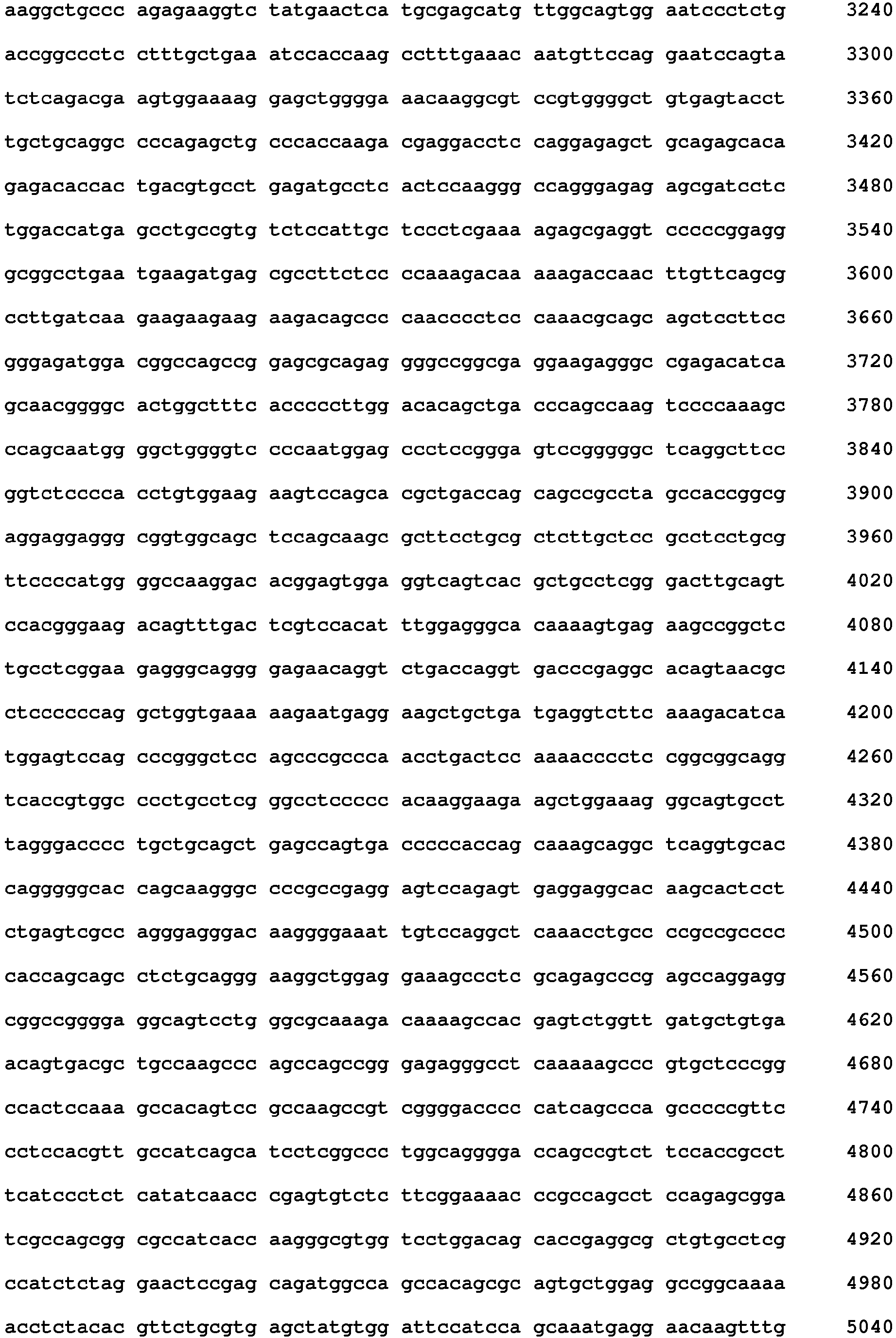


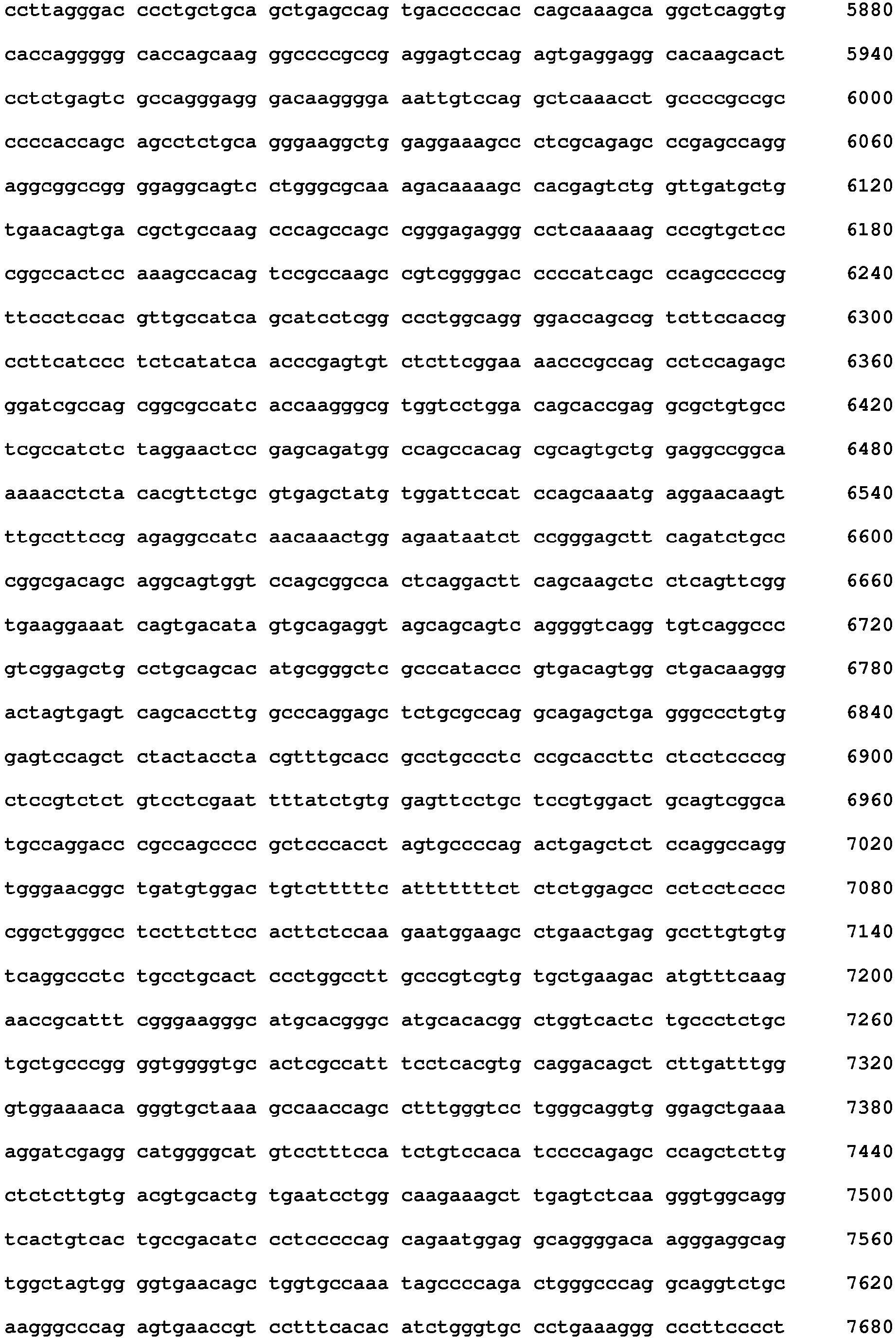


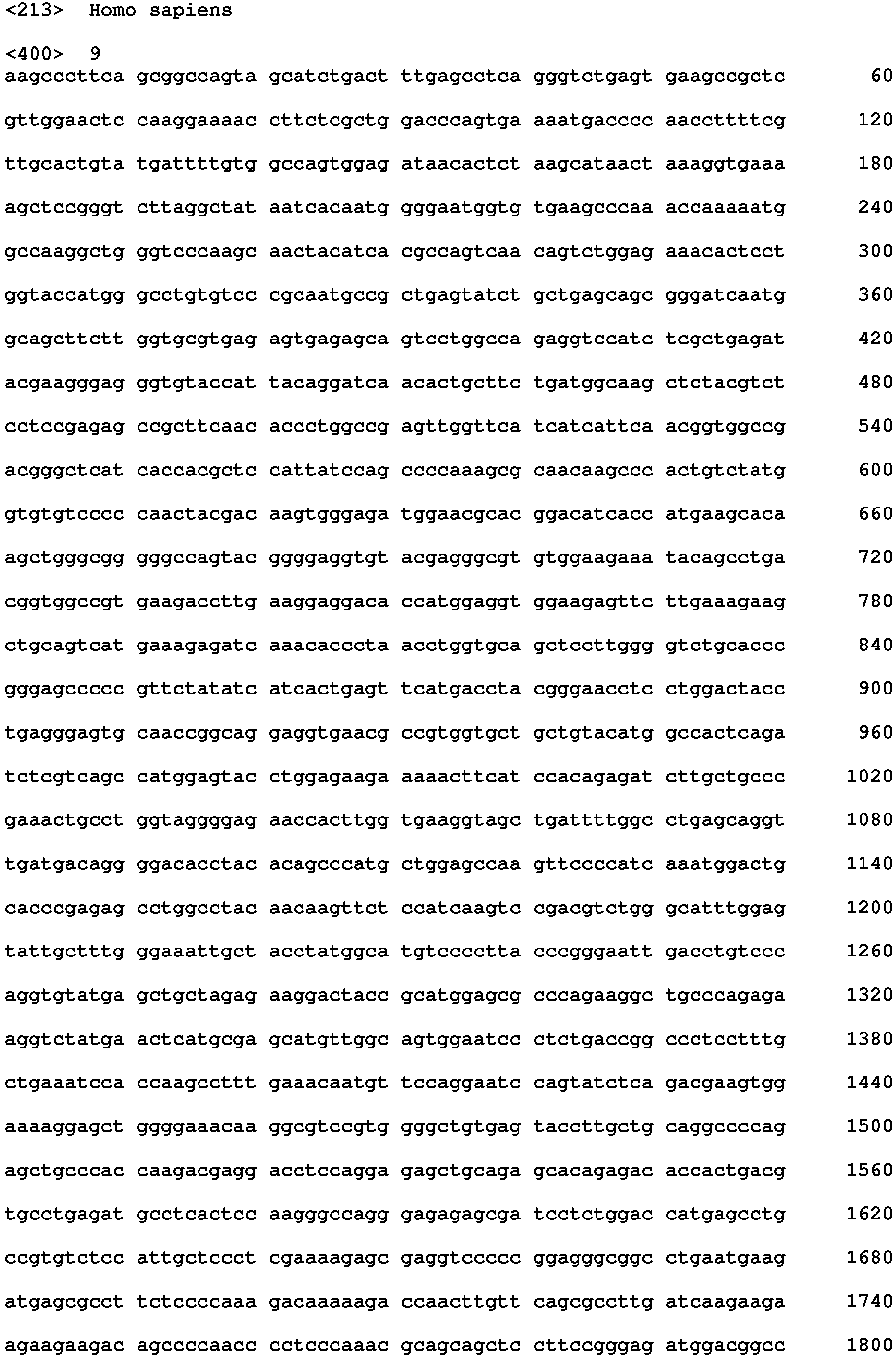
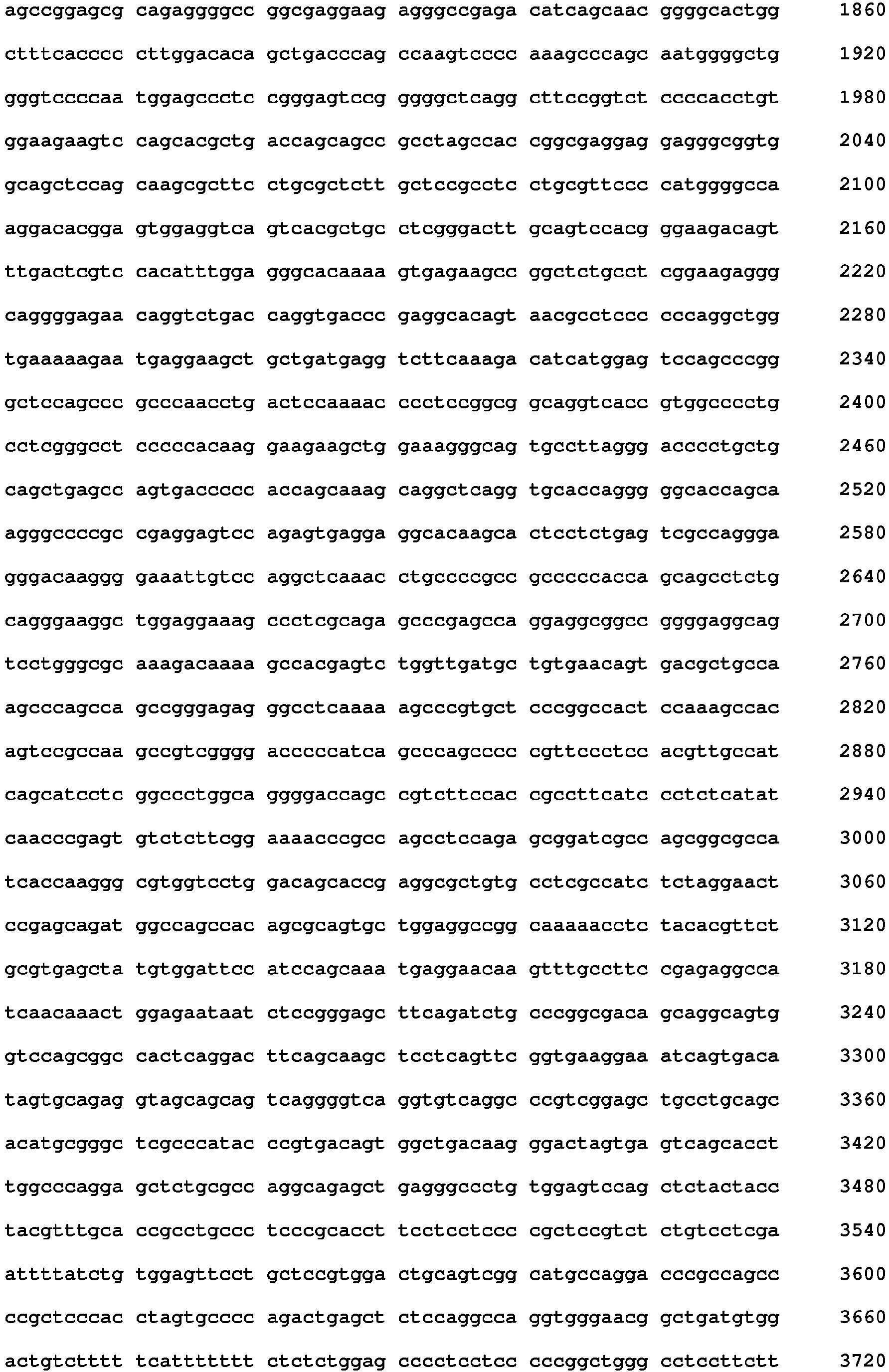


Claims (17)
- A method of detecting the minor BCR-ABL1 gene in a subject, comprising:(1) conducting a PCR using a nucleic acid sample obtained from the subject as the template, a forward primer having a nucleic acid sequence of a part of exon 1 of the BCR gene, and a reverse primer having a nucleic acid sequence complementary to a part of exons 2 to 11 of the ABL1 gene, in the presence of a modified nucleic acid having a nucleic acid sequence of a part of exons 2 to 14 of the BCR gene or a nucleic acid sequence complementary thereto; and(2) determining that the subject has the minor BCR-ABL1 gene when the nucleic acid amplification is occurred in the PCR.
- The method according to claim 1, wherein the modified nucleic acid has a nucleic acid sequence of a part of exons 2 to 13 of the BCR gene or a nucleic acid sequence complementary thereto.
- The method according to claim 1 or 2, wherein the modified nucleic acid has a nucleic acid sequence of a part of exons 12 and 13 of the BCR gene or a nucleic acid sequence complementary thereto.
- The method according to any one of claims 1 to 3, wherein the modified nucleic acid comprises about 10 to 30 nucleotides.
- The method according to any one of claims 1 to 4, wherein the modified nucleic acid comprises the nucleic acid sequence of SEQ ID NO: 8.
- The method according to any one of claims 1 to 5, wherein the modified nucleic acid comprises a PNA portion.
- The method according to any one of claims 1 to 6, wherein the nucleic acid sample is cDNA generated by reverse-transcribing an RNA sample obtained from the subject.
- The method according to any one of claims 1 to 7, wherein the nucleic acid sample is cDNA generated by reverse-transcribing an RNA sample obtained from the subject in the presence of a modified nucleic acid having a nucleic acid sequence complementary to a part of exons 2 to 14 of the BCR gene.
- The method according to claim 8, wherein the modified nucleic acid used in the reverse transcription and the modified nucleic acid used in the PCR have the same structure.
- The method according to any one of claims 7 to 9, wherein the reverse primer used in the reverse transcription and the reverse primer used in the PCR have the same structure.
- The method according to any one of claims 7 to 10, wherein the reverse transcription and the PCR are carried out in the same container.
- The method according to any one of claims 1 to 11, wherein the PCR is a quantitative PCR.
- The method according to any one of claims 1 to 12, wherein the PCR is a quantitative real-time RT-PCR.
- The method according to any one of claims 1 to 13, wherein the subject is a human being.
- The method according to any one of claims 1 to 14, wherein the nucleic acid sample is a nucleic acid sample extracted from leukocytes in peripheral blood or nucleated cells in bone marrow aspirate.
- A kit for detecting the expression of the minor BCR-ABL1 gene in a subject, comprising a modified nucleic acid having a nucleic acid sequence of a part of exons 2 to 14 of the BCR gene or a nucleic acid sequence complementary thereto, a reverse primer having a nucleic acid sequence complementary to a part of exons 2 to 11 of the ABL1 gene, and a forward primer having a nucleic acid sequence of a part of exon 1 of the BCR gene.
- A method of detecting the expression of the minor BCR-ABL1 gene in a subject, comprising:(1) reverse-transcribing an RNA sample obtained from the subject using a first reverse primer having a nucleic acid sequence complementary to a part of exons 2 to 11 of the ABL1 gene in the presence of a modified nucleic acid having a nucleic acid sequence complementary to a part of exons 2 to 14 of the BCR gene;(2) conducting a PCR using a forward primer having a nucleic acid sequence of a part of exon 1 of the BCR gene and a second reverse primer having a nucleic acid sequence complementary to a part of exons 2 to 11 of the ABL1 gene; and(3) determining that the subject is expressing the minor BCR-ABL1 gene when the nucleic acid amplification is occurred in the PCR.
Applications Claiming Priority (2)
| Application Number | Priority Date | Filing Date | Title |
|---|---|---|---|
| JP2017087666 | 2017-04-26 | ||
| PCT/JP2018/016749 WO2018199137A1 (en) | 2017-04-26 | 2018-04-25 | Method for detecting minor bcr-abl1 gene |
Publications (2)
| Publication Number | Publication Date |
|---|---|
| EP3617326A1 true EP3617326A1 (en) | 2020-03-04 |
| EP3617326A4 EP3617326A4 (en) | 2021-01-06 |
Family
ID=63920424
Family Applications (1)
| Application Number | Title | Priority Date | Filing Date |
|---|---|---|---|
| EP18791478.3A Withdrawn EP3617326A4 (en) | 2017-04-26 | 2018-04-25 | METHOD OF DETECTION OF A SMALL BCR-ABL1 GENE |
Country Status (5)
| Country | Link |
|---|---|
| US (1) | US12018324B2 (en) |
| EP (1) | EP3617326A4 (en) |
| JP (2) | JPWO2018199137A1 (en) |
| CN (1) | CN110546274A (en) |
| WO (1) | WO2018199137A1 (en) |
Families Citing this family (4)
| Publication number | Priority date | Publication date | Assignee | Title |
|---|---|---|---|---|
| CN113718021A (en) * | 2021-07-30 | 2021-11-30 | 广州达安基因股份有限公司 | Primer, probe and kit for quantitatively detecting BCR-ABL1 fusion gene |
| WO2023230444A2 (en) * | 2022-05-23 | 2023-11-30 | Foundation Medicine, Inc. | Abl1 fusions and uses thereof |
| CN115198004B (en) * | 2022-06-09 | 2023-08-15 | 广州血康陆道培生物技术有限公司 | Kit for detecting M-bcr genotype in leukemia patient |
| CN117230195B (en) * | 2023-09-21 | 2025-02-25 | 武汉康圣达医学检验所有限公司 | A composition and kit for detecting BCR-ABL1 P210 fusion gene |
Family Cites Families (10)
| Publication number | Priority date | Publication date | Assignee | Title |
|---|---|---|---|---|
| JPH06508622A (en) * | 1991-06-18 | 1994-09-29 | テンプル ユニバーシティ−オブ ザ コモンウェルス システム オブ ハイヤーエデュケーション | Selective inhibition of leukocyte proliferation by bcr-ab1 antisense oligonucleotide |
| WO1994013793A1 (en) * | 1992-12-04 | 1994-06-23 | Apollon, Inc. | Compounds and methods for the treatment of leukemias |
| US7700279B2 (en) * | 1999-12-24 | 2010-04-20 | Quest Diagnostics Investments Incorporated | Assay for bcr/abl gene rearrangement |
| US20020192645A1 (en) * | 1999-12-24 | 2002-12-19 | Tseng Richard W. | BCR-ABL gene rearrangement assay method |
| JP2002136300A (en) | 2000-08-25 | 2002-05-14 | Otsuka Pharmaceut Co Ltd | Method for detecting leukemia chimera gene |
| US6391592B1 (en) | 2000-12-14 | 2002-05-21 | Affymetrix, Inc. | Blocker-aided target amplification of nucleic acids |
| US20030211483A1 (en) | 2002-05-09 | 2003-11-13 | Schroeder Benjamin G. | Methods for the enrichment of low-abundance polynucleotides |
| KR101875199B1 (en) * | 2010-11-11 | 2018-07-06 | 주식회사 파나진 | Methods and kits for the detection of BCR-ABL fusion gene mutant using PNA mediated Real-time PCR clamping |
| CN103627802B (en) * | 2012-04-27 | 2015-08-26 | 南京艾迪康医学检验所有限公司 | Detect primer and the method for leukemia BCR/ABL m-bcr fusion gene relative expression quantity |
| JP6641912B2 (en) | 2015-11-16 | 2020-02-05 | 王子ホールディングス株式会社 | Laminate and method of manufacturing laminate |
-
2018
- 2018-04-25 WO PCT/JP2018/016749 patent/WO2018199137A1/en not_active Ceased
- 2018-04-25 CN CN201880026977.7A patent/CN110546274A/en active Pending
- 2018-04-25 JP JP2019514563A patent/JPWO2018199137A1/en not_active Withdrawn
- 2018-04-25 EP EP18791478.3A patent/EP3617326A4/en not_active Withdrawn
- 2018-04-25 US US16/607,314 patent/US12018324B2/en active Active
-
2022
- 2022-10-18 JP JP2022166992A patent/JP7569828B2/en active Active
Also Published As
| Publication number | Publication date |
|---|---|
| CN110546274A (en) | 2019-12-06 |
| US12018324B2 (en) | 2024-06-25 |
| EP3617326A4 (en) | 2021-01-06 |
| JP7569828B2 (en) | 2024-10-18 |
| US20200377928A1 (en) | 2020-12-03 |
| JP2022189882A (en) | 2022-12-22 |
| JPWO2018199137A1 (en) | 2020-03-12 |
| WO2018199137A1 (en) | 2018-11-01 |
Similar Documents
| Publication | Publication Date | Title |
|---|---|---|
| EP4365305B1 (en) | Method of detecting an analyte | |
| RU2753883C2 (en) | Set of probes for analyzing dna samples and methods for their use | |
| JP7569828B2 (en) | Method for detecting minor BCR-ABL1 gene | |
| JP2012055311A (en) | Generic buffer for amplification | |
| WO2014114189A1 (en) | Methods and compositions for detecting target snp | |
| EP3353320B1 (en) | Improved detection of short homopolymeric repeats | |
| EP3733870A2 (en) | Methods for identification and quantification of mirnas | |
| KR20160106040A (en) | Compositions and methods for multimodal analysis of cmet nucleic acids | |
| CN101875971A (en) | Rapid detection of BRAF (Block-Repeated Active Flag) gene mutation | |
| CN110592268A (en) | RAA constant temperature fluorescence detection method and reagent for lake luo virus (TiLV) | |
| CN106811512B (en) | Method and kit for rapidly detecting human Y chromosome AZF region microdeletion and preparation thereof | |
| HK40025475A (en) | Method for detecting minor bcr-abl1 gene | |
| EP1530644B1 (en) | Probes for detecting tumor cells | |
| JP7335871B2 (en) | Multiplex detection of short nucleic acids | |
| CN102753689A (en) | Marker for detection of myogenic diseases, and method for detection of the diseases using same | |
| WO2018199136A1 (en) | Method for measuring expression level of abl1 t315i mutation | |
| JP2017175953A (en) | SYT-SSX fusion gene detection probe, SYT-SSX fusion gene detection probe set, SYT-SSX fusion gene detection method and SYT-SSX fusion gene detection kit | |
| EP4365304B1 (en) | A stem-loop primer and a method for short length rna detection | |
| US20120183966A1 (en) | Detection and quantitation of insulin receptor alpha isoform or beta isoform | |
| EP3339447B1 (en) | Method for analyzing template nucleic acid, method for analyzing target substance, analysis kit for template nucleic acid or target substance, and analyzer for template nucleic acid or target substance | |
| WO2026096785A2 (en) | Methods of preparing rna sequencing libraries | |
| HK40022852A (en) | Method for measuring expression level of abl1 t315i mutation | |
| HK40018808B (en) | Probe set for analyzing a dna sample and method for using the same | |
| HK40018808A (en) | Probe set for analyzing a dna sample and method for using the same | |
| KR20080073087A (en) | Detection of Neuroblastoma Cells |
Legal Events
| Date | Code | Title | Description |
|---|---|---|---|
| STAA | Information on the status of an ep patent application or granted ep patent |
Free format text: STATUS: THE INTERNATIONAL PUBLICATION HAS BEEN MADE |
|
| PUAI | Public reference made under article 153(3) epc to a published international application that has entered the european phase |
Free format text: ORIGINAL CODE: 0009012 |
|
| STAA | Information on the status of an ep patent application or granted ep patent |
Free format text: STATUS: REQUEST FOR EXAMINATION WAS MADE |
|
| 17P | Request for examination filed |
Effective date: 20191028 |
|
| AK | Designated contracting states |
Kind code of ref document: A1 Designated state(s): AL AT BE BG CH CY CZ DE DK EE ES FI FR GB GR HR HU IE IS IT LI LT LU LV MC MK MT NL NO PL PT RO RS SE SI SK SM TR |
|
| AX | Request for extension of the european patent |
Extension state: BA ME |
|
| DAV | Request for validation of the european patent (deleted) | ||
| DAX | Request for extension of the european patent (deleted) | ||
| REG | Reference to a national code |
Ref country code: HK Ref legal event code: DE Ref document number: 40025475 Country of ref document: HK |
|
| A4 | Supplementary search report drawn up and despatched |
Effective date: 20201207 |
|
| RIC1 | Information provided on ipc code assigned before grant |
Ipc: C12Q 1/686 20180101AFI20201201BHEP Ipc: C12N 15/09 20060101ALI20201201BHEP Ipc: C12Q 1/6886 20180101ALI20201201BHEP |
|
| STAA | Information on the status of an ep patent application or granted ep patent |
Free format text: STATUS: EXAMINATION IS IN PROGRESS |
|
| 17Q | First examination report despatched |
Effective date: 20221128 |
|
| STAA | Information on the status of an ep patent application or granted ep patent |
Free format text: STATUS: THE APPLICATION IS DEEMED TO BE WITHDRAWN |
|
| 18D | Application deemed to be withdrawn |
Effective date: 20241101 |