EP3612189B1 - Virus like particle - Google Patents
Virus like particle Download PDFInfo
- Publication number
- EP3612189B1 EP3612189B1 EP18734873.5A EP18734873A EP3612189B1 EP 3612189 B1 EP3612189 B1 EP 3612189B1 EP 18734873 A EP18734873 A EP 18734873A EP 3612189 B1 EP3612189 B1 EP 3612189B1
- Authority
- EP
- European Patent Office
- Prior art keywords
- nucleic acid
- nucleotide sequence
- seq
- rna
- virus
- Prior art date
- Legal status (The legal status is an assumption and is not a legal conclusion. Google has not performed a legal analysis and makes no representation as to the accuracy of the status listed.)
- Active
Links
Images












Classifications
-
- C—CHEMISTRY; METALLURGY
- C12—BIOCHEMISTRY; BEER; SPIRITS; WINE; VINEGAR; MICROBIOLOGY; ENZYMOLOGY; MUTATION OR GENETIC ENGINEERING
- C12N—MICROORGANISMS OR ENZYMES; COMPOSITIONS THEREOF; PROPAGATING, PRESERVING, OR MAINTAINING MICROORGANISMS; MUTATION OR GENETIC ENGINEERING; CULTURE MEDIA
- C12N15/00—Mutation or genetic engineering; DNA or RNA concerning genetic engineering, vectors, e.g. plasmids, or their isolation, preparation or purification; Use of hosts therefor
- C12N15/09—Recombinant DNA-technology
- C12N15/11—DNA or RNA fragments; Modified forms thereof; Non-coding nucleic acids having a biological activity
- C12N15/113—Non-coding nucleic acids modulating the expression of genes, e.g. antisense oligonucleotides; Antisense DNA or RNA; Triplex- forming oligonucleotides; Catalytic nucleic acids, e.g. ribozymes; Nucleic acids used in co-suppression or gene silencing
- C12N15/1131—Non-coding nucleic acids modulating the expression of genes, e.g. antisense oligonucleotides; Antisense DNA or RNA; Triplex- forming oligonucleotides; Catalytic nucleic acids, e.g. ribozymes; Nucleic acids used in co-suppression or gene silencing against viruses
-
- C—CHEMISTRY; METALLURGY
- C12—BIOCHEMISTRY; BEER; SPIRITS; WINE; VINEGAR; MICROBIOLOGY; ENZYMOLOGY; MUTATION OR GENETIC ENGINEERING
- C12N—MICROORGANISMS OR ENZYMES; COMPOSITIONS THEREOF; PROPAGATING, PRESERVING, OR MAINTAINING MICROORGANISMS; MUTATION OR GENETIC ENGINEERING; CULTURE MEDIA
- C12N15/00—Mutation or genetic engineering; DNA or RNA concerning genetic engineering, vectors, e.g. plasmids, or their isolation, preparation or purification; Use of hosts therefor
- C12N15/09—Recombinant DNA-technology
- C12N15/11—DNA or RNA fragments; Modified forms thereof; Non-coding nucleic acids having a biological activity
- C12N15/113—Non-coding nucleic acids modulating the expression of genes, e.g. antisense oligonucleotides; Antisense DNA or RNA; Triplex- forming oligonucleotides; Catalytic nucleic acids, e.g. ribozymes; Nucleic acids used in co-suppression or gene silencing
-
- A—HUMAN NECESSITIES
- A61—MEDICAL OR VETERINARY SCIENCE; HYGIENE
- A61K—PREPARATIONS FOR MEDICAL, DENTAL OR TOILETRY PURPOSES
- A61K31/00—Medicinal preparations containing organic active ingredients
- A61K31/70—Carbohydrates; Sugars; Derivatives thereof
- A61K31/7088—Compounds having three or more nucleosides or nucleotides
-
- A—HUMAN NECESSITIES
- A61—MEDICAL OR VETERINARY SCIENCE; HYGIENE
- A61K—PREPARATIONS FOR MEDICAL, DENTAL OR TOILETRY PURPOSES
- A61K31/00—Medicinal preparations containing organic active ingredients
- A61K31/70—Carbohydrates; Sugars; Derivatives thereof
- A61K31/7088—Compounds having three or more nucleosides or nucleotides
- A61K31/7105—Natural ribonucleic acids, i.e. containing only riboses attached to adenine, guanine, cytosine or uracil and having 3'-5' phosphodiester links
-
- A—HUMAN NECESSITIES
- A61—MEDICAL OR VETERINARY SCIENCE; HYGIENE
- A61K—PREPARATIONS FOR MEDICAL, DENTAL OR TOILETRY PURPOSES
- A61K31/00—Medicinal preparations containing organic active ingredients
- A61K31/70—Carbohydrates; Sugars; Derivatives thereof
- A61K31/7088—Compounds having three or more nucleosides or nucleotides
- A61K31/713—Double-stranded nucleic acids or oligonucleotides
-
- A—HUMAN NECESSITIES
- A61—MEDICAL OR VETERINARY SCIENCE; HYGIENE
- A61K—PREPARATIONS FOR MEDICAL, DENTAL OR TOILETRY PURPOSES
- A61K39/00—Medicinal preparations containing antigens or antibodies
- A61K39/12—Viral antigens
-
- A—HUMAN NECESSITIES
- A61—MEDICAL OR VETERINARY SCIENCE; HYGIENE
- A61K—PREPARATIONS FOR MEDICAL, DENTAL OR TOILETRY PURPOSES
- A61K39/00—Medicinal preparations containing antigens or antibodies
- A61K39/12—Viral antigens
- A61K39/29—Hepatitis virus
- A61K39/292—Serum hepatitis virus, hepatitis B virus, e.g. Australia antigen
-
- C—CHEMISTRY; METALLURGY
- C12—BIOCHEMISTRY; BEER; SPIRITS; WINE; VINEGAR; MICROBIOLOGY; ENZYMOLOGY; MUTATION OR GENETIC ENGINEERING
- C12N—MICROORGANISMS OR ENZYMES; COMPOSITIONS THEREOF; PROPAGATING, PRESERVING, OR MAINTAINING MICROORGANISMS; MUTATION OR GENETIC ENGINEERING; CULTURE MEDIA
- C12N15/00—Mutation or genetic engineering; DNA or RNA concerning genetic engineering, vectors, e.g. plasmids, or their isolation, preparation or purification; Use of hosts therefor
- C12N15/09—Recombinant DNA-technology
- C12N15/63—Introduction of foreign genetic material using vectors; Vectors; Use of hosts therefor; Regulation of expression
- C12N15/79—Vectors or expression systems specially adapted for eukaryotic hosts
- C12N15/82—Vectors or expression systems specially adapted for eukaryotic hosts for plant cells, e.g. plant artificial chromosomes (PACs)
- C12N15/8241—Phenotypically and genetically modified plants via recombinant DNA technology
- C12N15/8261—Phenotypically and genetically modified plants via recombinant DNA technology with agronomic (input) traits, e.g. crop yield
- C12N15/8271—Phenotypically and genetically modified plants via recombinant DNA technology with agronomic (input) traits, e.g. crop yield for stress resistance, e.g. heavy metal resistance
- C12N15/8279—Phenotypically and genetically modified plants via recombinant DNA technology with agronomic (input) traits, e.g. crop yield for stress resistance, e.g. heavy metal resistance for biotic stress resistance, pathogen resistance, disease resistance
- C12N15/8283—Phenotypically and genetically modified plants via recombinant DNA technology with agronomic (input) traits, e.g. crop yield for stress resistance, e.g. heavy metal resistance for biotic stress resistance, pathogen resistance, disease resistance for virus resistance
-
- A—HUMAN NECESSITIES
- A61—MEDICAL OR VETERINARY SCIENCE; HYGIENE
- A61K—PREPARATIONS FOR MEDICAL, DENTAL OR TOILETRY PURPOSES
- A61K39/00—Medicinal preparations containing antigens or antibodies
- A61K2039/51—Medicinal preparations containing antigens or antibodies comprising whole cells, viruses or DNA/RNA
- A61K2039/525—Virus
- A61K2039/5258—Virus-like particles
-
- A—HUMAN NECESSITIES
- A61—MEDICAL OR VETERINARY SCIENCE; HYGIENE
- A61K—PREPARATIONS FOR MEDICAL, DENTAL OR TOILETRY PURPOSES
- A61K39/00—Medicinal preparations containing antigens or antibodies
- A61K2039/51—Medicinal preparations containing antigens or antibodies comprising whole cells, viruses or DNA/RNA
- A61K2039/53—DNA (RNA) vaccination
-
- C—CHEMISTRY; METALLURGY
- C12—BIOCHEMISTRY; BEER; SPIRITS; WINE; VINEGAR; MICROBIOLOGY; ENZYMOLOGY; MUTATION OR GENETIC ENGINEERING
- C12N—MICROORGANISMS OR ENZYMES; COMPOSITIONS THEREOF; PROPAGATING, PRESERVING, OR MAINTAINING MICROORGANISMS; MUTATION OR GENETIC ENGINEERING; CULTURE MEDIA
- C12N2310/00—Structure or type of the nucleic acid
- C12N2310/10—Type of nucleic acid
- C12N2310/11—Antisense
-
- C—CHEMISTRY; METALLURGY
- C12—BIOCHEMISTRY; BEER; SPIRITS; WINE; VINEGAR; MICROBIOLOGY; ENZYMOLOGY; MUTATION OR GENETIC ENGINEERING
- C12N—MICROORGANISMS OR ENZYMES; COMPOSITIONS THEREOF; PROPAGATING, PRESERVING, OR MAINTAINING MICROORGANISMS; MUTATION OR GENETIC ENGINEERING; CULTURE MEDIA
- C12N2310/00—Structure or type of the nucleic acid
- C12N2310/10—Type of nucleic acid
- C12N2310/14—Type of nucleic acid interfering nucleic acids [NA]
-
- C—CHEMISTRY; METALLURGY
- C12—BIOCHEMISTRY; BEER; SPIRITS; WINE; VINEGAR; MICROBIOLOGY; ENZYMOLOGY; MUTATION OR GENETIC ENGINEERING
- C12N—MICROORGANISMS OR ENZYMES; COMPOSITIONS THEREOF; PROPAGATING, PRESERVING, OR MAINTAINING MICROORGANISMS; MUTATION OR GENETIC ENGINEERING; CULTURE MEDIA
- C12N2310/00—Structure or type of the nucleic acid
- C12N2310/50—Physical structure
- C12N2310/53—Physical structure partially self-complementary or closed
- C12N2310/531—Stem-loop; Hairpin
-
- Y—GENERAL TAGGING OF NEW TECHNOLOGICAL DEVELOPMENTS; GENERAL TAGGING OF CROSS-SECTIONAL TECHNOLOGIES SPANNING OVER SEVERAL SECTIONS OF THE IPC; TECHNICAL SUBJECTS COVERED BY FORMER USPC CROSS-REFERENCE ART COLLECTIONS [XRACs] AND DIGESTS
- Y02—TECHNOLOGIES OR APPLICATIONS FOR MITIGATION OR ADAPTATION AGAINST CLIMATE CHANGE
- Y02A—TECHNOLOGIES FOR ADAPTATION TO CLIMATE CHANGE
- Y02A50/00—TECHNOLOGIES FOR ADAPTATION TO CLIMATE CHANGE in human health protection, e.g. against extreme weather
- Y02A50/30—Against vector-borne diseases, e.g. mosquito-borne, fly-borne, tick-borne or waterborne diseases whose impact is exacerbated by climate change
Definitions
- the disclosure relates to the assembly of Virus Like Particles [VLPs] using native and artificial nucleic acid packaging signals and their use in vaccines, immunological and pharmaceutical compositions; methods of vaccination or immunisation against human and animal viral pathogens and also as a delivery vehicle for therapeutic agents such as pharmaceutical proteins, siRNAs or gene therapy vectors or diagnostic agents.
- VLPs Virus Like Particles
- Viruses cause various debilitating diseases in humans and animals with often detrimental effects or even death. Viral infections cause a huge financial burden to the healthcare systems around the world, and also result in vast losses of animal related products, such as in the meat or dairy industries.
- Vaccination is the most effective form of disease prevention and has been successfully developed for some viral diseases such as influenza, polio, measles and Human Papilloma Virus [HPV].
- HPV Human Papilloma Virus
- Vaccination is the administration of antigenic material to stimulate an individual's immune system to develop adaptive immunity to a pathogen.
- the active agent of a vaccine may be, for example, an inactivated form of the pathogen, a highly immunogenic component of the pathogen or in the form of a weakened so called attenuated virus.
- all these different types of vaccines vary in their effectiveness and safety record and moreover can often be unsuitable for administration to immune compromised subjects, pregnant women or children.
- Inactivated vaccines are made from viruses which have been killed through physical or chemical processes. These types of vaccines are very safe, as they cannot cause disease because they lack infectious genetic material, and are therefore suitable for immune compromised subjects. However, such inactivated vaccines are often ineffective in inducing an appropriate or long lasting immune response, and therefore frequently require multiple administration steps. Vaccines containing highly immunogenic components of the pathogen, so called subunit vaccines, provide similar benefits to the inactivated vaccines such as a high safety record as they do not contain live components of the virus which can cause disease. However, effective immune responses are not guaranteed, and even if a response is elicited, immunological memory, providing protection against the desired pathogen for a prolonged period, may not be achieved.
- live attenuated vaccines can be used.
- Live attenuated vaccines comprise weakened pathogens which although still capable of replication in the host organism cause no or a very mild disease. Vaccinations using an attenuated virus result in excellent protection; however, they are intrinsically less safe when compared to inactivated or subunit vaccines since they can revert to their original more virulent form and cause disease. Therefore attenuated vaccines are unsuitable for subjects with compromised immune systems, can harm the unborn child when given during pregnancy and have an increased potential for immunisation errors by health professionals such as e.g. reconstitution errors of lyophilised attenuated pathogens which, when given in a higher dose, are more potent.
- attenuated vaccines are less stable than inactivated vaccines and require sophisticated logistics to maintain cold storage and transport to maintain the, although weakened, activity. This is of particular concern in third world countries with a less established health system.
- Attenuated vaccines are common and are available for a variety of diseases such as measles, mumps, rubella, chicken pox, smallpox and polio.
- Most of the live attenuated vaccines in use today are derived from serial passage in cultured cells such as for example fibroblasts or and chicken embryos, resulting in a gradual loss of virulence. This method relies on the random accumulation of point mutations to confer avirulence and is time consuming and inefficient.
- Other methods to produce attenuated viral strains are based on genetic engineering and are disclosed in application WO2005/012535 .
- VLPs Virus-like particles
- Virus-like particles comprise multiple capsid proteins that mimic the conformation of native viruses but lack the viral DNA or RNA and thus are unable to replicate in a host cell.
- the use of VLPs as a tool for the production of safe and efficient vaccines has been recognised and some VPL-based vaccines against human papilloma virus have been developed.
- US8062642 discloses the production of papillomavirus capsid proteins and VLPs with antigenic characteristics similar to those of native infectious virus.
- WO9913056 discloses methods of disassembly of papilloma VLPs.
- the present disclosure relates to the formation of VLPs using nucleic acid packaging signals derived from viruses and the design of nucleic acid cassettes comprising native and/or artificial packaging signals that provide a substrate for artificial VLP assembly and the use of artificial VLPs as vaccines and in the delivery of agents to cells, for example therapeutic or diagnostic agents.
- the knowledge of the RNA packaging signal-mediated assembly mechanisms of positive-sense, single-stranded (ss) RNA viruses has enabled the identification of the critical properties of their genomic RNA molecules with respect to being assembly substrates, allowing the production of artificial, efficient RNA substrates for the efficient assembly of VLPs. The latter have similar properties to the natural virions formed by viruses.
- VLP capsids retain the native immunological properties of those viruses as well as their cell tropism. They also retain many of the stability and mechanical properties of the original virus particle. VLPs have utility in a wide range of applications in relation to the cell specific delivery of agents and as safe, attenuated vaccines and vectors for targeted delivery of drugs and in gene therapy.
- Dykeman et al., 2014 describes in silico modelling of the use of drugs targeting viral capsid assembly.
- Stewart et al. 2016, describes the effect of abrogation of short motifs (pPSs) located across the HCV genome.
- Rolfsson et al., 2016, describes the RNA-capsid protein interfaces in bacteriophage MS2.
- an artificial nucleic acid cassette for use in the assembly of a virus like particle comprising: one or more packaging signals, wherein the more than one packaging signals are arranged in series and separated by nucleic acid, said packaging signals composed of a nucleic acid loop domain comprising a nucleotide binding motif for cognate viral capsid protein(s), and a nucleic acid stem domain consisting of a double stranded region by intramolecular base pairing, wherein:
- said artificial nucleic acid cassette is a non-replicating nucleic acid.
- said VLP provokes an immune response similar to an immune response of the native virus particle when administered to an animal subject.
- said artificial nucleic acid cassette is not a native virus particle.
- said artificial nucleic acid cassette does not comprise protein encoding nucleic acid.
- said artificial nucleic acid cassette comprises at least two nucleic acid packaging signals.
- said artificial nucleic acid cassette comprises at least 2, 3, 4, 5, 6, 7, 8, 9 or at least 10 nucleic acid packaging signals.
- said artificial nucleic acid cassette comprises at least 1 nucleic acid packaging signal.
- said artificial nucleic acid cassette comprises at least 2 nucleic acid packaging signals.
- said artificial nucleic acid cassette comprises at least 3 nucleic acid packaging signals.
- said artificial nucleic acid cassette comprises at least 4 nucleic acid packaging signals
- said artificial nucleic acid cassette comprises at least 5 nucleic acid packaging signals.
- said non-coding viral nucleic acid separating said nucleic acid packaging signals is at least 5 nucleotides in length.
- said non-coding viral nucleic acid separating said nucleic acid packaging signals is at least between 5 and 50 nucleotides in length. Preferably, greater than 50 nucleotides.
- said loop domain comprising said capsid binding motif is at least 4 nucleotides in length.
- said loop domain is at least 5, 6, 7 or 8 nucleotides in length.
- said stem domain is at least 4 base pairs (bp) in length.
- said stem domain is at least 5, 6, 7, 8, 9, 10, 11, 12, 13, 14, 15, 16, 17, 18, 19, 20, 21, 22, 23, 24, 25, 26, 27, 28, 29, 30, 31, 32, 33, 34, 35, 36, 37, 38, 39, 40, 41, 42, 43, 44, 45, 46, 47, 48, 49, 50, 60, 61, 62, 63, 64, 65, 66, 67, 68, 69, or at least 70 bp in length.
- said artificial nucleic acid cassette is at least 50 nucleotides in length.
- said nucleic acid cassette is between 50 and 1000 nucleotides in length.
- said artificial nucleic acid cassette is at least 50, 60, 70, 80, 90, 100, 110, 120, 130, 140, 150, 200, 250, 300, 350, 400, 450, 500, 550, 600, 650, 700, 750, 800, 850, 900, 950 or at least 1000 or nucleotides in length.
- said packaging signal is a modified packaging signal that retains the characteristic nucleotide recognition motif and spacing between packaging signals but alters stability of/stabilises individual packaging signals.
- RNA viruses Single-stranded RNA viruses are divided into three groups: Positive-sense ssRNA viruses (Group IV), negative-sense ssRNA viruses (Group V) and retroviruses (Group VI).
- Group IV Positive-sense ssRNA viruses
- V negative-sense ssRNA viruses
- VI retroviruses
- the viral RNA enters the host cells and, dependent on the type of virus, RNA is directly translated (Group IV) into the viral proteins necessary for replication or is, prior to translation, transcribed into a more suitable form of RNA by an RNA-dependent RNA polymerase (Group V).
- Group VI RNA viruses utilise a virally encoded reverse transcriptase to produce DNA from the RNA genome, which is often integrated into the host genome and so replicated and transcribed by the host.
- Non-limiting examples of positive-sense ssRNA viruses include hepatitis C, West Nile virus, Dengue virus, Zika virus, SARS and MERS coronavirus and rhinovirus.
- Negative sense ssRNA viruses include, by example, Ebola virus, measles, mumps, influenza and hepatitis D virus.
- Retroviruses of the genus Lentivirus include Human Immune deficiency virus I and II and Hepatitis B virus. Examples of zoonotic viral pathogens include Ebola virus, Rabies virus and influenza A virus.
- Non-limiting examples of plant ssRNA viruses include Turnip Crinkle Virus, Cowpea Chlorotic Mottle Virus 1, 2 and 3, Brome Mosaic Virus 1, 2 and 3, and Satellite Tobacco Necrosis Virus.
- nucleic acid packaging signal RNA virus is isolated from Hepatitis B virus and said Hepatitis B virus packaging signal comprises a nucleotide binding motif wherein said nucleotide binding motif comprises the nucleotide sequence RGAG wherein R is either G or A.
- said artificial nucleic acid cassette comprises at least one, two or three Hepatitis B virus packaging signals wherein one or more of said nucleic acid packaging signals includes the nucleotide binding motif RGAG.
- said nucleic acid cassette comprises at least one of the PSs identified for Hepatitis B wherein each of said nucleic acid packaging signals includes the binding motif RGAG.
- said artificial nucleic acid cassette comprises a nucleotide sequence that is at least 30%, 35%, 40%, 45%, 55%, 60%, 70%, 75%, 80%, 85%, 90%, 95%, 96%, 97%, 98% or 99% identical to the nucleotide sequence set forth in SEQ ID NO: 1 and/or SEQ ID NO: 2 and/or SEQ ID NO: 3.
- said artificial nucleic acid cassette comprises a nucleotide sequence comprising SEQ ID NO: 1 and/or SEQ ID NO: 2 and/or SEQ ID NO: 3.
- said artificial nucleic acid cassette comprises a nucleotide sequence comprising SEQ ID 4:
- said RNA virus is Satellite Tobacco Necrosis Virus and said nucleic acid cassette comprises at least one nucleic acid packaging signal isolated from Satellite Tobacco Necrosis Virus and said nucleic acid packaging signal comprises the nucleotide binding motif AXXA or AXXXA wherein X is any nucleotide base.
- said artificial nucleic acid cassette comprises a nucleotide sequence that is at least 30%, 35%, 40%, 45%, 55%, 60%, 70%, 75%, 80%, 85%, 90%, 95%, 96%, 97%, 98% or 99% identical to the nucleotide sequence set forth in SEQ ID NO: 5, SEQ ID NO: 6, SEQ ID NO: 7 or SEQ ID NO: 8.
- said artificial nucleic acid cassette further comprises a transcription cassette comprising a nucleic acid molecule adapted to transcribe a nucleic acid encoding a polypeptide or a functional RNA.
- said adaptation is the provision of a promoter sequence and termination sequence to enable expression of said nucleic acid molecule encoding said polypeptide or functional RNA.
- polypeptide is a therapeutic polypeptide, for example an antibody or antibody fragment.
- Antibody fragments include nucleic acids encoding single chain antibody fragments.
- Antibodies include nucleic acid molecules encoding humanised and chimeric antibodies, prepared according to conventional methodology. Chimeric antibodies are recombinant antibodies in which all of the V-regions of a mouse or rat antibody are combined with human antibody C-regions.
- Humanised antibodies are recombinant hybrid antibodies which fuse the complementarity determining regions from a rodent antibody V-region with the framework regions from the human antibody V-regions. The C-regions from the human antibody are also used.
- the complementarity determining regions (CDRs) are the regions within the N-terminal domain of both the heavy and light chain of the antibody to where the majority of the variation of the V-region is restricted. These regions form loops at the surface of the antibody molecule. These loops provide the binding surface between the antibody and antigen.
- said functional nucleic acid is an mRNA encoding a therapeutic polypeptide, an antisense oligonucleotide or a siRNA.
- siRNA small inhibitory or interfering RNA
- the siRNA molecule comprises two complementary strands of RNA (a sense strand and an antisense strand) annealed to each other to form a double-stranded RNA molecule.
- the siRNA molecule is typically derived from exons of the gene which is to be ablated. Many organisms respond to the presence of double-stranded RNA by activating a cascade that leads to the formation of siRNA.
- RNA double-stranded RNA activates a protein complex comprising RNase III which processes the double-stranded RNA into smaller fragments (siRNAs, approximately 21-29 nucleotides in length) which become part of a ribonucleoprotein complex.
- the siRNA acts as a guide for the RNase complex to cleave mRNA complementary to the antisense strand of the siRNA thereby resulting in destruction of the mRNA.
- a virus like particle comprising an artificial nucleic acid cassette according to the invention.
- said virus like particle is immunogenic when administered to a subject.
- said virus like particle provokes an immune response similar to an immune response to the cognate native virus.
- said immune response is induction of an antibody response wherein said antibody response induces antibodies that specifically bind native virus particles.
- said virus like particle retains or has enhanced cell tropism when compared to native virus particles.
- a vaccine or immunogenic composition comprising a virus like particle according to the invention.
- said vaccine or immunogenic composition further comprises an adjuvant and/or carrier.
- adjuvants immunomodulators
- adjuvants have been used for decades to improve the immune response to vaccine antigens.
- the incorporation of adjuvants into vaccine formulations is aimed at enhancing, accelerating and prolonging the specific immune response to vaccine antigens.
- Advantages of adjuvants include the enhancement of the immunogenicity of weaker antigens, the reduction of the antigen amount needed for a successful immunisation, the reduction of the frequency of booster immunisations needed and an improved immune response in elderly and immunocompromised vaccinees.
- adjuvants can also be employed to optimise a desired immune response, e.g. with respect to immunoglobulin classes and induction of cytotoxic or helper T lymphocyte responses.
- adjuvants can be used to promote antibody responses at mucosal surfaces. Aluminium hydroxide and aluminium or calcium phosphate have been used routinely in human vaccines. More recently, antigens incorporated into IRIV's (immunostimulating reconstituted influenza virosomes) and vaccines containing the emulsion-based adjuvant MF59 have been licensed in countries. Adjuvants can be classified according to their source, mechanism of action and physical or chemical properties. The most commonly described adjuvant classes are gel-type, microbial, oil-emulsion and emulsifier-based, particulate, synthetic and cytokines. More than one adjuvant may be present in the final vaccine product.
- each adjuvant may be combined together with a single antigen or all antigens present in the vaccine, or each adjuvant may be combined with one particular antigen.
- the origin and nature of the adjuvants currently being used or developed is highly diverse.
- aluminium based adjuvants consist of simple inorganic compounds
- PLG is a polymeric carbohydrate
- virosomes can be derived from disparate viral particles
- MDP is derived from bacterial cell walls
- saponins are of plant origin
- squalene is derived from shark liver
- recombinant endogenous immunomodulators are derived from recombinant bacterial, yeast or mammalian cells.
- adjuvants licensed for veterinary vaccines such as mineral oil emulsions that are too reactive for human use.
- complete Freund's adjuvant although being one of the most powerful adjuvants known, is not suitable for human use.
- a carrier is an immunogenic molecule which, when bound to a second molecule augments immune responses to the latter.
- Some antigens are not intrinsically immunogenic yet may be capable of generating antibody responses when associated with a foreign protein molecule such as keyhole-limpet haemocyanin or tetanus toxoid.
- Such antigens contain B-cell epitopes but no T cell epitopes.
- the protein moiety of such a conjugate (the "carrier” protein) provides T-cell epitopes which stimulate helper T-cells that in turn stimulate antigen-specific B-cells to differentiate into plasma cells and produce antibody against the antigen.
- a pharmaceutical composition comprising a virus like particle according to the invention and including a pharmaceutically acceptable excipient.
- compositions of the present invention are administered in pharmaceutically acceptable preparations.
- Such preparations may routinely contain pharmaceutically acceptable concentrations of salt, buffering agents, preservatives, compatible carriers and supplementary therapeutic agents.
- the compositions of the invention can be administered by any conventional route, including injection or by gradual infusion over time.
- the administration may, for example, intravenous, intraperitoneal, intramuscular, intracavity, subcutaneous, transdermal or trans-epithelial.
- compositions of the invention are administered in effective amounts.
- An "effective amount” is that amount of an agent that alone, or together with further doses, produces the desired response.
- the desired response is inhibiting the progression of the disease. This may involve only slowing the progression of the disease temporarily, although more preferably, it involves halting the progression of the disease permanently. This can be monitored by routine methods. Such amounts will depend, of course, on the particular condition being treated, the severity of the condition, the individual patient parameters including age, physical condition, size and weight, the duration of the treatment, the nature of concurrent therapy (if any), the specific route of administration and like factors within the knowledge and expertise of the health practitioner. These factors are well known to those of ordinary skill in the art and can be addressed with no more than routine experimentation.
- a maximum dose of the individual components or combinations thereof be used, that is, the highest safe dose according to sound medical judgment. It will be understood by those of ordinary skill in the art, however, that a patient may insist upon a lower dose or tolerable dose for medical reasons, psychological reasons or for virtually any other reasons.
- compositions used in the foregoing methods preferably are sterile and contain an effective amount of an agent according to the invention for producing the desired response in a unit of weight or volume suitable for administration to a patient.
- the doses of agent administered to a subject can be chosen in accordance with different parameters, in particular in accordance with the mode of administration used and the state of the subject. Other factors include the desired period of treatment. In the event that a response in a subject is insufficient at the initial doses applied, higher doses (or effectively higher doses by a different, more localized delivery route) may be employed to the extent that patient tolerance permits.
- doses of nucleic acid therapeutics are between 1nM - 1mM.
- doses can range from 1nM-500nM, 5nM-200nM, and 10nM-100nM.
- compositions for the administration of compositions to mammals other than humans, (e.g. for testing purposes or veterinary therapeutic purposes), is carried out under substantially the same conditions as described above.
- a subject as used herein, is a mammal, preferably a human, and including a non-human primate, cow, horse, pig, sheep, goat, dog, cat or rodent.
- compositions of the invention When administered, the compositions of the invention are applied in pharmaceutically-acceptable amounts and in pharmaceutically-acceptable compositions.
- pharmaceutically acceptable means a non-toxic material that does not interfere with the effectiveness of the biological activity of the active ingredients. Such preparations may routinely contain salts, buffering agents, preservatives, compatible carriers, and optionally other therapeutic agents' (e.g. those typically used in the treatment of the specific disease indication).
- the salts should be pharmaceutically acceptable, but non-pharmaceutically acceptable salts may conveniently be used to prepare pharmaceutically-acceptable salts thereof and are not excluded from the scope of the invention.
- Such pharmacologically and pharmaceutically-acceptable salts include, but are not limited to, those prepared from the following acids: hydrochloric, hydrobromic, sulfuric, nitric, phosphoric, maleic, acetic, salicylic, citric, formic, malonic, succinic, and the like.
- pharmaceutically-acceptable salts can be prepared as alkaline metal or alkaline earth salts, such as sodium, potassium or calcium salts.
- the pharmaceutical compositions containing agents according to the invention may contain suitable buffering agents, including: acetic acid in a salt; citric acid in a salt; boric acid in a salt; and phosphoric acid in a salt.
- suitable buffering agents including: acetic acid in a salt; citric acid in a salt; boric acid in a salt; and phosphoric acid in a salt.
- suitable preservatives such as: benzalkonium chloride; chlorobutanol; parabens and thimerosal.
- compositions may conveniently be presented in unit dosage form and may be prepared by any of the methods well-known in the art of pharmacy. All methods include the step of bringing the active agent into association with a carrier which constitutes one or more accessory ingredients.
- Compositions containing agents according to the invention may be administered as aerosols and inhaled.
- Compositions suitable for parenteral administration conveniently comprise a sterile aqueous or non-aqueous preparation of agent, which is preferably isotonic with the blood of the recipient. This preparation may be formulated according to known methods using suitable dispersing or wetting agents and suspending agents.
- the sterile injectable preparation also may be a sterile injectable solution or suspension in a non-toxic parenterally-acceptable diluent or solvent, for example, as a solution in 1, 3-butanediol.
- a non-toxic parenterally-acceptable diluent or solvent for example, as a solution in 1, 3-butanediol.
- acceptable solvents water, Ringer's solution, and isotonic sodium chloride solution.
- sterile, fixed oils are conventionally employed as a solvent or suspending medium.
- any bland fixed oil may be employed including synthetic mono-or di-glycerides.
- fatty acids such as oleic acid may be used in the preparation of injectables.
- Carrier formulation suitable for oral, subcutaneous, intravenous, intramuscular, etc. administrations can be found in Remington's Pharmaceutical Sciences, Mack Publishing Co., Easton, PA.
- a virus like particle according to the invention may be used in the delivery of an agent to a cell.
- a virus like particle according to the invention may be used in a method to vaccinate or immunise a subject to prevent or treat a viral infection comprising administering an effective amount of a virus like particle according to the invention.
- E.coli Cp-expressing plasmid (a gift of Prof. Nicola Stonehouse), known to produce assembled HBV VLPs containing host RNAs(5).
- the Cp encoded has the following amino acid sequence differences compared to the current GenBank reference strain (NC_003977.2): A61, E77-FAGAS (single letter amino acid code) -D78 insertion, S92N, F102I, I121L, R156-RD-R157 insertion. Since the wild-type C61 has been implicated in assembly(6), this was restored to the gene before expression in a PET28b plasmid in BL21(DE3) E.coli cells. The inserted FAGAS epitope was also removed.
- HBV variants used for assembly assays were dissociated from VLPs into protein dimers as previously described(3), with the exception that dissociation was at pH 9.5, as opposed to 7.5. This was done in the presence of Complete Protease Inhibitor Tablets (Thermofisher Scientific). HBV core dimer concentration was determined by UV absorbance. Fractions with an A 260 :A 280 ratio of approximately 0.6 or lower were used in assembly assays. SRPK ⁇ kinase was expressed and purified from a pRSETb plasmid, as previously described(8).
- HBV capsids (-360 ⁇ g) were immobilised onto 6 mg of M270 carboxylic acid Dynabeads (Thermofisher Scientific) following the manufacturer's protocol. Beads were washed twice with selection buffer (25 mM Hepes, pH 7.5, 250 mM NaCl, 2 mM DTT, EDTA-free complete protease inhibitor) and unreacted N-hydroxysuccinamide blocked with a 15 m 50 mM Tris-HCl pH 7.4 wash. Beads were washed a further three times with selection buffer. Immobilised capsids were dissociated with a 30 minute incubation of 2 M guandinium chloride in 0.5 M LiCl 2 .
- B&W buffer (10 mM Tris-HCl, pH 7.5, 1 mM EDTA, 2 M NaCl) and then washed three times with selection buffer. Beads were resuspended in selection buffer so that concentration of beads was 10 mg/mL. Negative selection beads were also prepared in the same manner but with no capsids.
- Ten rounds of SELEX were performed in vitro using a synthetic, combinatorial N40 2'OH RNA library ( ⁇ 10 24 potential sequences) as described previously(9). The amplified DNA of round 10 was then subjected to Next Generation Sequencing on an Illumina MiSeq platform.
- the aptamer library contained 1,664,890 unique sequences, each 40 nts in length that have been aligned against the genome as follows: Each aptamer sequence was slid along the genome in increments of 1 nt. For each such position of the reference frame, the subset of the aptamer sequence with the best alignment to the genome was identified according to the Bernoulli score 8, which benchmarks the probability of a non-contiguous alignment to that of a contiguous alignment of B nucleotides.
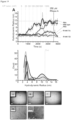
- the Bernoulli scores for all reference frames of a given aptamer sequence in the library were rank-ordered starting from the largest score, and all matches with the genome up to a Bernoulli score of 12 counted. The procedure was then repeated for the other aptamer sequences and corresponding matches added, resulting in the peaks in Fig. 2a .
- HBV genome sequences with the following accession numbers were randomly extracted from 750 complete HBV genomes found in GenBank: KCS10648.1; *AF223955.1; AY781181.1; *AB116266.1; AB195943.1; KR014086.1; *KR014072.1; KR014055.1; KR013939.1; KR013921.1; KR013816.1; KR013800.1; EU796069.1; AB540582.1, and the NCBI HBV reference strain (GenBank Seq ID *NC_003977.2) and the laboratory strain (GenBank Seq ID NC_003977.1) were added to the ensemble. Sequences used for the statistical analysis in Fig. 2c are marked by an asterisk.
- Bernoulli peaks which occurred within at most 10nts of each other in at least 80% of these 16 HBV strain variants, were marked by a green cross in Fig. 2a to indicate their conservation.
- PS1, PS2 and PS3 (47 nucleotides long) were purchased from Integrated DNA Technologies with a 5' C6-amino group.
- RNA 200 ⁇ M
- 10 mM Alexa-488-SDP Thermofisher Scientific
- 10 ⁇ L of 2x denaturing loading dye was then added to the RNA, boiled for 5 minutes and loaded onto a pre-warmed denaturing PAGE.
- RNA was gel extracted, isopropanol precipitated and finally re-suspended in DEPC-H 2 O and frozen at-80°C until needed.
- Assembly reactions were performed by adding HBV Cp in dissociation buffer (50 mM Tris (pH 9.5), 1.5 M GuHCl, 500 mM LiCI and 5 mM DTT) to 15 nM Alexa-488 labelled RNA in a reassembly buffer containing 20 mM Hepes (pH 7.5), 250 mM NaCl, 5 mM DTT and 0.05%(v/v) Tween-20 at 25°C. Successive additions of dimer were performed until assembly was deemed complete by the measured R h value plateauing, but never exceeded 10% of total reaction volume.
- FCS measurements were made using a custom-built FCS setup with 30 sec data accumulation per autocorrelation function (CF). Individual CFs were decomposed into triplet state relaxation and diffusion (characterized by diffusion time, TD) components, and the latter was converted into an apparent hydrodynamic radius, R h (11). Samples for TEM were taken at the end of each measurement. Plots of R h over time (thin dashed line) were smoothed (thick solid line) using the FFT filter in Origin Pro-8 with a cutoff percentage of 35%. Plots of R h distribution were also fitted using Origin Pro-8 software, to a normal single or multiple peak Gaussian function. Samples taken for negative stain TEM analysis were placed on to a glow discharged carbon coated formvar 300 mesh Cu grid. Grids were stained with 2% uranyl acetate and dried.
- TD diffusion time
- Assembly was carried out as in smFCS experiments.
- Cp was titrated into reassembly buffer with and without 15 nM unlabelled PS1 to a final concentration of 250 nM. This was allowed to incubate at room temperature for 1 hour, and then buffer exchange was carried out via dialysis to remove guanidinium hydrochloride present. Labelling of protein was then carried out by adding Alexa Fluor-488 SDP ester (1:50 ratio of dye to Cp dimer) and incubating overnight at 4 °C. The resulting sample was then measured via smFCS in 30 s bins for 100 min and the R h data plotted as above in a hydrodynamic radial distribution plot. A sample was then removed for analysis via TEM. Post labelling, Cp dimer became assembly incompetent, therefore Cp could not be tracked during real time assembly.
- HBV VLPs containing Alexa-488 labelled PS1 were assembled as described in smFCS assembly assays. Under those conditions all RNA is bound to protein as judged from fluorescence quenching and photon counting in the FCS experiments. VLPs were then added to two glow discharge-irradiated Carbon/Formvar 300-mesh grids (Agar Scientific), and one grid stained with 2% (w/v) uranyl acetate and viewed with a Jeol 1400 microscope at 40,000x magnification. The remaining, unstained grid was positioned Formvar side down onto a clean microscope coverslip and mounted onto an inverted TIRF microscope.
- the laser Coherent Sapphire, 488 nm, 25 mW
- the laser was adjusted to excite and photobleach the labelled RNA within the time frame of several minutes.
- Sequential images were taken with an emCCD camera (Andor iXon) with 0.2 sec exposures and em gain of 200. An unexposed field of view was used for each series.
- Fluorescent spots were identified in the collected frames using previously described procedures and converted into time traces(12). These were then inspected and classified according to the number of photobleaching steps. Frequencies of traces with a defined number of steps were collated in a histogram. Several bright spots per field of view exhibited continuous intensity decay, presumably representing larger aggregates. These were used to estimate the overall photobleaching rate (0.003 per frame) and formally included in the histogram as representing 10 steps. The histogram without the bin representing continuum events was modelled as a weighted sum of binomial distributions for up to quadruple occupancy and probability of labelling of 0.56 estimated from UV-Vis spectra.
- smFCS experiments were scaled up into 96 well plates. Two 96 well plates (Non-Binding Surface, Corning) were used. PS1 RNA was labelled and gel purified as described earlier and HBV dimer was purified as described above. Each well contained 200 ⁇ L of 15 nM PS1 in reassembly buffer. As in smFCS, ten 2 ⁇ L injections of 2.5 ⁇ M dimer in dissociation buffer were performed. A Perkin-Elmer Envision plate reader was used to carry out the injections and record the anisotropy of the PS1 RNA (FITC excitation and emission filters).
- VLPs were purified away from free RNA and capsid using a 1.33 g/mL caesium chloride gradient and spun at 113,652 x g for 90 hours using an SW40Ti rotor. A single band was observed and fractionated. The band was dialysed into reassembly buffer to remove caesium chloride. The 2 mL fraction of VLP was concentrated to 200 ⁇ L using an Amicon 100 kDa MWCO spin concentrator.
- VLPs were vitrified. 200 mesh EM grids with Quantifoil R 2/1 support film and an additional ⁇ 5 nm continuous carbon film were washed using acetone and glow discharged for 40 s prior to use. CryoEM grids were prepared by placing 3 ⁇ l of ⁇ 3.2 mg/ml HepB VLP on the grid, before blotting and plunge freezing using a Leica EM GP freezing device. Chamber conditions were set at 8 °C and 95 % relative humidity, with liquid ethane temperature at -175 °C.
- the 3D model of PS1 RNA was made using RNA Composer(16).
- the cryoEM figures were rendered using USCF Chimera(17).
- STNV VLPs were purified from E. coli(18).
- STNV charge-change mutant plasmids were created using primers designed using Agilent, and a Quikchange site directed mutagenesis kit (Agilent).
- CP monomers were purified by disassembly in 50 mM Tris (pH 8.5), 10 mM EDTA, in the presence of Complete Protease Inhibitor Cocktail (Roche, United Kingdom).
- STNV CP was separated from the mRNA by sequential Q-Sepharose, and SP-Sepharose columns (GE Healthcare, Sweden).
- STNV CP was washed with 20 column volumes of 50 mM HEPES (pH 7.5) and 25 mM NaCl to remove residual EDTA, and subsequently eluted using a 0.025 - 2 M NaCl gradient in buffer. CP elutes at 0.8 M NaCl. STNV CP was analysed by SDS-PAGE and its concentration determined by UV absorbance. Fractions with an A260:A280 ratio of 0.6 or lower were used in assembly assays. Mutant CPs that did not form VLPs during overexpression were purified using the same sequential Q-Sepharose and SP-Sepharose columns method.
- dsDNA transcripts encoding the RNA oligonucleotides used in this study were produced using primers and the KAPA2G system (KAPA biosystems) following the manufacturer's protocol. Transcriptions were carried out using a Highscribe T7 High yield RNA synthesis kit (NEB). Products were run on a denaturing RNA gel. The Alexa Fluor 488 labelled B3 oligonucleotide used throughout was synthesised and HPLC purified by DNA Technology A/S (Denmark).
- RNA oligonucleotides requiring a 5' fluorophore were labelled with an amino GMP during transcription and cross linked to an Alexa Fluor 488 SDP ester (Invitrogen) prior to gel purification as described previously(19).
- Genomic chimeras were created by purchasing Gene blocks of the Synthetic, stabilised and Unstable + ⁇ 1-127 STNV-1 constructs with a 5' T7 promoter (IDT DNA technology), possessing BamHl and Hindlll cleavage sites at either end to create sticky ends after restriction digestion and dephosphorylation using Antarctic phosphatase (NEB). This gene block was then ligated into a PACYC184 plasmid using T4 DNA ligase (NEB). Transcription was carried out as above after linearization using BamHl.
- IDTT DNA technology 5' T7 promoter
- NEB Antarctic phosphatase
- STNV Reassembly in the Presence of B3 Variants and Sedimentation Velocity Analytical Ultracentrifugation (svAUC)Reassembly reactions were carried out in the presence and absence of B3 variants in a 1:3 RNA:CP ratio at a final CP concentration of 4.5 ⁇ M, by dialysis into a buffer containing 50 mM HEPES (pH 7.5) and 2 mM Ca2+. All samples were analysed by TEM and AUC. For AUV, 0.32 mL of each sample was placed in a 1.2 cm path length 2-sector meniscus matching epon centrepiece cell constructed with sapphire windows.
- the samples were centrifuged at 15,000 rpm in an Optima XL-1 analytical ultracentrifuge at 20°C in an An50-Ti rotor. Changes in absorbance at 260 nm were detected by absorbance optics with 100 scans taken in approximately 11 hrs 30 min. Data were fitted and analysed using the program Sedfit.
- FCS measurements were performed on a custom-built smFCS facility.
- Excitation laser (Sapphire CW blue laser, 488 nm, Coherent, USA) power was set to 65 ⁇ W.
- the focus position was adjusted to 20 ⁇ m from the cover slip inner surface (maintained by piezoelectric feedback loop, Piezosystems Jena, Germany).
- Immersion oil (refractive index 1.515, type DF, Cargille Laboratories, USA) was used with immersion oil objective (63 x magnification, numerical aperture 1.4).
- the photon count was recorded and analysed by an ALVL5000 multiple tau digital correlator (ALV-GmbH) in single channel mode.
- ALVL5000 multiple tau digital correlator ALVL5000 multiple tau digital correlator (ALV-GmbH) in single channel mode.
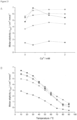
- oligonucleotides were diluted to 1.5 ⁇ M in 300 ⁇ l, in a buffer containing 10 mM MES, 50 mM NaCl and 1 mM DTT at pH 6. Measurements were performed on a Jasco J715 spectropolarimeter, from 200 to 350 nm, with a bandwidth of 2 nm. Each Ca2+ and STNV titration was inverted 5 times and allowed to reach equilibria for 2 min prior to the next measurements. Thermal denaturations were performed using a Peltier temperature control from 10- 95 °C in 5 °C steps, and an end scan was performed at 10 °C to check for cleavage.
- ⁇ (cm2 mM-1) ⁇ /(32980 C(mM) L(cm) N(no. of nt)).
- Reassemblies were performed with genomic chimeras in a 96 well plate as in the smFCS assays, with 1 nM genome and CP titrated in until a final concentration of 400 nM STNV CP was reached. This was concentrated through a 100 kDa centricon (millipore) at 10k xg for 5 min and run on a TSKgel G6000PWxl SEC column (Tosoh) with an AKTA pure system (GE Healthcare) connected to a DAWN HELEOS and Optilab TrEX for QELS and refractive index measurements. The column flow-rate was 0.4 ml min-1 for 50 min.
- the A260/280 ratios of the assembled VLPs eluting from the gel filtration column are also informative.
- Both the PS1-5 + ⁇ 1-127STNV-1 and the wild-type STNV-1 genome samples have identical values (1.62), whilst the Unstable PS1-5 + ⁇ 1-127STNV-1 sample has a higher value (1.89). This is consistent with there being a constant amount of RNA in the first two samples fully enclosed in shells containing the same number of CPs, whilst the final sample has the same RNA content in an incomplete shell.
- the HBV pgRNA contains preferred Cp binding sites
- RNA sequences that bind Cp in the selected library were aligned to the HBV pre-genome most closely related to the protein used for the SELEX experiments (the laboratory strain, GenBank Seq id NC_003977.1(21)).
- Statistically significant matches (a Bernoulli score of 12 or more, Methods) to the pgRNA of this strain (the blue peaks in Fig. 2a ) were benchmarked against an alignment of the unselected library (grey curve in Fig. 2a ) to identify peaks that occur with significant frequency. This identifies multiple sites dispersed across the pgRNA having similar sequences/structures to Cp binding aptamers, consistent with our expectation for PS-like sites across the genome.
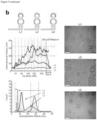
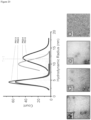
- PS1, 2 & 3 oligonucleotides were tested for their ability to bind Cp dimers using single molecule fluorescence correlation spectroscopy (smFCS) ( Fig. 3 & 8b ).
- smFCS single molecule fluorescence correlation spectroscopy
- This technique yields a real time estimate of the hydrodynamic radius ( R h ) of dye-labelled species. Importantly, it allows reactions to be followed at low nanomolar concentrations, where we have shown that binding specificity more closely reflects the situation in vivo compared to most in vitro reactions. The latter are typically carried out at higher (e.g. 0.1-0.8 ⁇ M) concentrations(20), where the specificity of PS-mediated assembly is reduced or lost.
- each PS was produced as part of a 47 nt long fragment, each dye-labelled at its 5' end (Methods(19)).
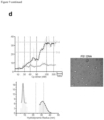
- the labelled oligos ( ⁇ 15 nM) were then titrated with increasing amounts of Cp (5-250 nM Cp dimer) and the R h values tracked over time ( Fig. 3a ). After each addition there was a pause of -10 min to allow reactions to equilibrate. The titrations lead to distortions in the data collection and the averaging, which is visible in the plots as noisy signals.
- RNA triggers assembly we compared assembly efficiency of Cp with and without PS RNA present by adding a protein modifying dye after incubation of Cp alone or completion of a titration of unlabelled PS1.
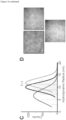
- the R h distribution plots are shown in Fig. 3b .
- ⁇ 5% of Cp assembles under these conditions, in contrast to >80% of the Cp for assembly in the presence of RNA.
- Cp-PS interaction triggers an increase in the assembly efficiency. This effect varies with the age of the Cp, consistent with oxidation of an assembly-inhibiting disulphide at the dimer interface(6). Comparative statements here are based on the results of both positive and negative control experiments with each batch of Cp.
- Test oligos comprised the epsilon stem-loop, as well as loop and bulge variants of PS1. This included a variant in which the bulge region was fully base-paired.
- R h values for all three RNAs remain sensitive to nuclease action, implying that assembly of closed shells requires a specific RNA sequence/structure.
- EM images and distribution plots confirm this interpretation.
- the sequence sensitivity of the assembly reaction is further highlighted by additional PS1 variants ( Figs. 9b & c; Table 3).
- a DNA oligonucleotide encompassing the PS1 sequence (Fig. 9d ) elicits aggregation, showing that faithful assembly is a specific property of the PS in its RNA form, i.e. with an A helical duplex stem, as well as the Cp-recognition motif in the loop.
- the C-terminal ARD of the HBV Cp is believed to mediate interactions with the pgRNA, and the 1-149 Cp fragment that lacks the ARD readily assembles in the absence of nucleic acid(23).
- the ARD is extensively phosphorylated in vivo, although the responsible cellular kinase remains unknown(24).
- HBV NC assembly is triggered by formation of a sequence-specific RNA-core protein complex.
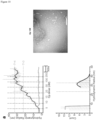
- An asymmetric reconstruction of these particles was also calculated ( Fig. 5 ). The result suggests the asymmetric feature represents a complex between PS1 oligonucleotides and the ARD domains of the overlying Cp subunits.
- both structures are essentially devoid of density attributable to RNA.
- EM electron microscopy images
- RNase challenge assays suggest that they are composed of complete protein shells.
- PS sequence variants within this fragment confirm that -A.X.X.A- is a CP recognition motif and its presence is only absolutely required in PS3, however the variants no longer assemble with wild-type co-operativity(19).
- STNV-1 CP alone shows no tendency to aggregate below 15 ⁇ M under these conditions, and therefore everything in the titrations shown here is a consequence of RNA-CP binding.
- the outer nucleotide variants showed differing behaviour, with only the -A.U.U.U-, - U.U.U.A- and -A.U.U.A- variants having a peak in a similar position to PS3, confirming that the outer adenines are part of the CP recognition motif.
- Example 5 The roles of electrostatics and PS cooperativity in VLP assembly
- PS-mediated assembly explains features of viral genome packaging that purely electrostatically driven reactions do not, although there is clearly a beneficial effect of charge neutralisation in supplying some of the free energy to drive encapsidation.
- VLPs obtained from E.coli contain host cell RNA, as well as the recombinant mRNA encoding the viral CP, this outcome suggests that R14 and K17 play important roles in assembly.
- PS1-PS3 nts 1-76
- PS2-PS4 nts 38-104
- PS3-PS5 nts 66-127
- the PS3-5 fragment forms two SLs within 10-12 nts of one another, one presenting an -A.X.X.A- motif as PS5. This would suggest an assembly-competent structure. However, in the ensemble of possible structures, this SL is only present in 6% of the potential folds (Table 5), which may account for the assembly behaviour ( Fig. 14B ).
- Unstable PS1-5 in which the folding free energy of PS3, the central PS, is positive (0.3 vs -2.6 kcal/mol), i.e. a scenario in which PS3 is unlikely to fold spontaneously
- Stable PS1-5 in which the folding free energy of the central PS is more negative (-3.5 vs -2.6 kcal/mol for the 127-mer), i.e.
- PS3 is more stable; 3) All PS3, in which all five PSs mimick PS3, with stems of all PSs extended to the same length (7 bp) and all CP recognition motifs identical to that in wild-type PS3; & 4) Synthetic, stabilised PS1-5, containing the artificial PSs 1, 2, 4 and 5 from Stable PS1-5, and the artificial extended stem-loop for PS3 from the All PS3 construct.
- the latter is hyper-stabilised with respect to the PS3 in both the wild-type 127-mer and the Stable PS1-5 (-7.6 vs -2.6 or -3.5 kcal/mol, respectively).
- CD circular dichroism
- the wild-type 127-mer has the highest amount of structure at the lower temperatures.
- all the RNAs except Unstable PS1-5 have roughly similar ellipticity values, implying that they had reached similar levels of denaturation.
- RNA cassette alters the assembly efficiency of a natural RNA. That RNA must be inherently able to be assembled into the small volume of the STNV virion.
- the genomic fragment from 128-1239 nts of the STNV-1 RNA is the obvious test fragment.
- Synthetic, stabilised PS1-5 + ⁇ 1-127STNV-1 has roughly the same initial, CP-free Rh, but appears simply to shrink to values consistent with VLP formation, rather than collapsing and recovering. Rh distributions and EM images of the assembly products are consistent with this interpretation. It is noticeable that the Synthetic, stabilised PS1-5 + ⁇ 1-127STNV-1 VLP trace is less noisy than the other samples and has a distribution in Rh sizes that more closely matches that of authentic VLPs isolated from E.coli. Confirmation of the interpretation of these results is provided by quasi-elastic light scattering (QELS) of the products following elution from a gel filtration column ( Fig 25 ).
- QELS quasi-elastic light scattering
- RNA PS-mediated virus assembly i.e. that genomic RNAs simultaneously encode a genetic message as well as instructions for efficient capsid assembly, are separable.
- An important question is why do the codes not separate during the course of viral evolution, especially as replication in ssRNA viruses occurs via error-prone processes that lead to creation of a quasi-species of genome variants.
- viruses using RNA PS-mediated virus assembly where we have structural information that partially answer this question.
- bacteriophage MS2(31) human parechovirus-1(32) and STNV(19)
- at least one of the PS sites in the genome also encodes amino acid residues forming part of the PS binding site.
- the focus here is the property of the assembly code liberated from the wild-type viral RNA sequence. Indeed, by sequentially investigating each aspect of the STNV assembly sequence in its natural context we have been able to reproduce its effects in triggering in vitro assembly of STNV CPs using a synthetic non-viral RNA. Additional refinements allow us to produce sequences that are either less or more efficient than the wild-type STNV 127-mer. These results confirm the nature of PS-mediated assembly for STNV. Assembly in vitro initiates within the 127-mer by recognition by CP subunits of the PS3 stem-loop. Higher-order CP binding is dependent on the correct positioning and folding of the neighbouring PSs (PS2 and 4), each presenting a consensus CP recognition motif in the loop.
- the 127-mer potentially encompasses five PSs that make the initial binding co-operative with respect to protein concentration leading to a collapse in the hydrodynamic radius of the RNA, a necessary precursor to encapsidation. Electrostatic interactions contribute to these protein-RNA contacts but are not the major driving force, which instead is a high-affinity sequence-specific interaction of the stem and loop regions of the PSs with the inner surface of the protein capsid. Despite its minimal sequence content, the -A.U.U.A- sequence is bound with low nanomolar affinity by the CP. Remarkably, grafting the synthetic variant 127-mers onto the remainder of the natural STNV-1 genome results in chimeras whose assembly properties are dominated by the first -10% of the RNA.
- RNA chimeras encompassing the TMV assembly initiation site(33, 34). This was successful, with the length of the protein-coated rods formed being determined by the length of the RNA being packaged, as expected from the known assembly mechanism(35). This approach was less successful when applied to spherical ssRNA viruses(36), the highest affinity MS2 PS having positive effects on in vitro encapsidation of short RNAs but being less important on longer ones(37). Note, all these experiments were done at micromolar concentrations where the effects of PS-mediated assembly are lost(31, 37).
- RNA conformational ensembles suggest an efficient route for encapsidation of bespoke, non-viral RNAs in shells of viral CPs.
- In vitro assembly may be possible for a large number of CP-RNA combinations, but it differs from in vivo assembly where, in many viruses, there is good evidence suggesting that only nascent genomic transcripts emerging from the viral polymerase complex are packaged into progeny virions.
- the RNA is very likely to fold kinetically, avoiding some of the issues with RNA conformational ensembles in the in vitro reactions such as those described here.
- Viruses and virus-like particles are finding increasing potential medical applications as gene therapy or drug-delivery vectors, as well as acting as non-replicating synthetic vaccines.
- Viral protein shells are also of interest for nanotechnology applications. The results described here offer an important insight into ways to create such structures with high efficiency and potentially carrying non-viral RNAs with advantageous properties. This will be essential for the production of designer synthetic virions.
Landscapes
- Health & Medical Sciences (AREA)
- Life Sciences & Earth Sciences (AREA)
- Chemical & Material Sciences (AREA)
- Genetics & Genomics (AREA)
- Molecular Biology (AREA)
- Engineering & Computer Science (AREA)
- General Health & Medical Sciences (AREA)
- Biomedical Technology (AREA)
- Veterinary Medicine (AREA)
- Epidemiology (AREA)
- Pharmacology & Pharmacy (AREA)
- Medicinal Chemistry (AREA)
- Animal Behavior & Ethology (AREA)
- Public Health (AREA)
- Biochemistry (AREA)
- Organic Chemistry (AREA)
- Zoology (AREA)
- Wood Science & Technology (AREA)
- Bioinformatics & Cheminformatics (AREA)
- General Engineering & Computer Science (AREA)
- Biotechnology (AREA)
- Virology (AREA)
- Microbiology (AREA)
- Plant Pathology (AREA)
- Biophysics (AREA)
- Physics & Mathematics (AREA)
- Immunology (AREA)
- Mycology (AREA)
- Communicable Diseases (AREA)
- Cell Biology (AREA)
- Pharmaceuticals Containing Other Organic And Inorganic Compounds (AREA)
- Medicines That Contain Protein Lipid Enzymes And Other Medicines (AREA)
- Medicines Containing Antibodies Or Antigens For Use As Internal Diagnostic Agents (AREA)
- Micro-Organisms Or Cultivation Processes Thereof (AREA)
- Medicines Containing Material From Animals Or Micro-Organisms (AREA)
- Peptides Or Proteins (AREA)
Applications Claiming Priority (2)
| Application Number | Priority Date | Filing Date | Title |
|---|---|---|---|
| GBGB1708709.9A GB201708709D0 (en) | 2017-06-01 | 2017-06-01 | Virus like particle |
| PCT/GB2018/051475 WO2018220371A1 (en) | 2017-06-01 | 2018-05-31 | Virus like particle |
Publications (2)
| Publication Number | Publication Date |
|---|---|
| EP3612189A1 EP3612189A1 (en) | 2020-02-26 |
| EP3612189B1 true EP3612189B1 (en) | 2023-09-27 |
Family
ID=59349926
Family Applications (1)
| Application Number | Title | Priority Date | Filing Date |
|---|---|---|---|
| EP18734873.5A Active EP3612189B1 (en) | 2017-06-01 | 2018-05-31 | Virus like particle |
Country Status (9)
| Country | Link |
|---|---|
| US (1) | US12209241B2 (https=) |
| EP (1) | EP3612189B1 (https=) |
| JP (1) | JP7242561B2 (https=) |
| KR (1) | KR102659943B1 (https=) |
| CN (1) | CN110785176A (https=) |
| AU (1) | AU2018277132A1 (https=) |
| CA (1) | CA3064354A1 (https=) |
| GB (1) | GB201708709D0 (https=) |
| WO (1) | WO2018220371A1 (https=) |
Family Cites Families (9)
| Publication number | Priority date | Publication date | Assignee | Title |
|---|---|---|---|---|
| EP1015561B1 (en) | 1997-09-05 | 2006-07-19 | Medimmune, Inc. | In vitro method for disassembly/reassembly of papillomavirus virus-like particles (vlps) |
| AUPQ912000A0 (en) * | 2000-07-31 | 2000-08-24 | Crown In The Right Of The Queensland Department Of Health, The | Improved virus like particles |
| WO2005012535A2 (en) * | 2003-08-01 | 2005-02-10 | Phytovation B.V. | Method for producing life attenuated viruses and use of viral particles thus produced. |
| GB0318704D0 (en) | 2003-08-08 | 2003-09-10 | Sirus Pharmaceuticals Ltd | Chimaeric vector system |
| DE10345798A1 (de) | 2003-09-30 | 2005-04-14 | Basf Ag | Aminogruppenhaltige Ethylencopolymerwachse und ihre Verwendung |
| US20080044437A1 (en) | 2004-09-02 | 2008-02-21 | Qun Chen | Encapsidation System for Production of Recombinant Virus-Like Particles |
| US20140154288A1 (en) | 2011-05-13 | 2014-06-05 | Folia Biotech Inc. | Papaya mosaic virus compositions and uses thereof for stimulation of the innate immune response |
| WO2014093965A1 (en) * | 2012-12-14 | 2014-06-19 | Case Western Reserve University | Genomic rna packaging enhancer element |
| GB201315785D0 (en) | 2013-09-05 | 2013-10-23 | Univ York | Anti-viral agents |
-
2017
- 2017-06-01 GB GBGB1708709.9A patent/GB201708709D0/en not_active Ceased
-
2018
- 2018-05-31 JP JP2019565215A patent/JP7242561B2/ja active Active
- 2018-05-31 WO PCT/GB2018/051475 patent/WO2018220371A1/en not_active Ceased
- 2018-05-31 KR KR1020197037366A patent/KR102659943B1/ko active Active
- 2018-05-31 AU AU2018277132A patent/AU2018277132A1/en not_active Abandoned
- 2018-05-31 US US16/617,098 patent/US12209241B2/en active Active
- 2018-05-31 EP EP18734873.5A patent/EP3612189B1/en active Active
- 2018-05-31 CN CN201880042333.7A patent/CN110785176A/zh active Pending
- 2018-05-31 CA CA3064354A patent/CA3064354A1/en active Pending
Also Published As
| Publication number | Publication date |
|---|---|
| US20200165613A1 (en) | 2020-05-28 |
| KR102659943B1 (ko) | 2024-04-24 |
| JP7242561B2 (ja) | 2023-03-20 |
| US12209241B2 (en) | 2025-01-28 |
| EP3612189A1 (en) | 2020-02-26 |
| CN110785176A (zh) | 2020-02-11 |
| GB201708709D0 (en) | 2017-07-19 |
| AU2018277132A1 (en) | 2020-01-02 |
| JP2020529391A (ja) | 2020-10-08 |
| KR20200015570A (ko) | 2020-02-12 |
| WO2018220371A1 (en) | 2018-12-06 |
| CA3064354A1 (en) | 2018-12-06 |
Similar Documents
| Publication | Publication Date | Title |
|---|---|---|
| US20240358819A1 (en) | Pan-human coronavirus domain vaccines | |
| WO2023283642A2 (en) | Pan-human coronavirus concatemeric vaccines | |
| EP4366768A1 (en) | Pan-human coronavirus vaccines | |
| US10967057B2 (en) | Zika viral antigen constructs | |
| WO2022245888A1 (en) | Seasonal flu rna vaccines and methods of use | |
| WO2021222304A1 (en) | Sars-cov-2 rna vaccines | |
| BE1025121B1 (fr) | Constructions antigeniques du virus zika | |
| CA3168902A1 (en) | Coronavirus rna vaccines | |
| CN102858960B (zh) | 用于在rna噬菌体的病毒样颗粒上进行肽展示和亲和选择的质粒和方法 | |
| WO2024050483A1 (en) | Variant strain-based coronavirus vaccines and uses thereof | |
| US20250339508A1 (en) | Therapeutic interfering particles for corona virus | |
| JPH05503838A (ja) | リボザイム組成物および使用方法 | |
| CN108026567B (zh) | 分析病毒来源治疗剂的方法 | |
| JP6313215B2 (ja) | 組み換え酵母を用いた、定義された抗原に対する防御的体液性免疫応答の生成による予防接種 | |
| EP3612189B1 (en) | Virus like particle | |
| CN115666633A (zh) | CpG-佐剂的SARS-CoV-2病毒疫苗 | |
| WO2025149032A1 (en) | Respiratory syncytial virus vaccine compositions and their use | |
| CN110624115A (zh) | 钙网蛋白calr在猪抗病中的应用 | |
| US20190169235A1 (en) | Modified protein encoding sequences having increased rare hexamer content | |
| CN114807232A (zh) | 一株西尼罗病毒感染性克隆的构建及其应用 | |
| Shrestha | Encapsidation of the host RNAs by broad bean mottle virus (BBMV) and cowpea chlorotic mottle virus (CCMV) | |
| JP2006180780A (ja) | 持続感染型センダイウイルスベクター | |
| Divine | Development of a Novel Dendritic Cell Targeting Vaccine Platform Based on Mouse Hepatitis Coronavirus Multigene RNA Vectors | |
| Makia | Development of a Novel Dendritic Cell Targeting Vaccine Platform Based on Mouse Hepatitis Coronavirus Multigene RNA Vectors |
Legal Events
| Date | Code | Title | Description |
|---|---|---|---|
| STAA | Information on the status of an ep patent application or granted ep patent |
Free format text: STATUS: UNKNOWN |
|
| STAA | Information on the status of an ep patent application or granted ep patent |
Free format text: STATUS: THE INTERNATIONAL PUBLICATION HAS BEEN MADE |
|
| PUAI | Public reference made under article 153(3) epc to a published international application that has entered the european phase |
Free format text: ORIGINAL CODE: 0009012 |
|
| STAA | Information on the status of an ep patent application or granted ep patent |
Free format text: STATUS: REQUEST FOR EXAMINATION WAS MADE |
|
| 17P | Request for examination filed |
Effective date: 20191121 |
|
| AK | Designated contracting states |
Kind code of ref document: A1 Designated state(s): AL AT BE BG CH CY CZ DE DK EE ES FI FR GB GR HR HU IE IS IT LI LT LU LV MC MK MT NL NO PL PT RO RS SE SI SK SM TR |
|
| AX | Request for extension of the european patent |
Extension state: BA ME |
|
| DAV | Request for validation of the european patent (deleted) | ||
| DAX | Request for extension of the european patent (deleted) | ||
| STAA | Information on the status of an ep patent application or granted ep patent |
Free format text: STATUS: EXAMINATION IS IN PROGRESS |
|
| 17Q | First examination report despatched |
Effective date: 20201203 |
|
| GRAP | Despatch of communication of intention to grant a patent |
Free format text: ORIGINAL CODE: EPIDOSNIGR1 |
|
| STAA | Information on the status of an ep patent application or granted ep patent |
Free format text: STATUS: GRANT OF PATENT IS INTENDED |
|
| INTG | Intention to grant announced |
Effective date: 20230413 |
|
| GRAS | Grant fee paid |
Free format text: ORIGINAL CODE: EPIDOSNIGR3 |
|
| GRAA | (expected) grant |
Free format text: ORIGINAL CODE: 0009210 |
|
| STAA | Information on the status of an ep patent application or granted ep patent |
Free format text: STATUS: THE PATENT HAS BEEN GRANTED |
|
| AK | Designated contracting states |
Kind code of ref document: B1 Designated state(s): AL AT BE BG CH CY CZ DE DK EE ES FI FR GB GR HR HU IE IS IT LI LT LU LV MC MK MT NL NO PL PT RO RS SE SI SK SM TR |
|
| REG | Reference to a national code |
Ref country code: GB Ref legal event code: FG4D |
|
| REG | Reference to a national code |
Ref country code: CH Ref legal event code: EP |
|
| REG | Reference to a national code |
Ref country code: DE Ref legal event code: R096 Ref document number: 602018058274 Country of ref document: DE |
|
| REG | Reference to a national code |
Ref country code: IE Ref legal event code: FG4D |
|
| REG | Reference to a national code |
Ref country code: NL Ref legal event code: FP |
|
| REG | Reference to a national code |
Ref country code: LT Ref legal event code: MG9D |
|
| PG25 | Lapsed in a contracting state [announced via postgrant information from national office to epo] |
Ref country code: GR Free format text: LAPSE BECAUSE OF FAILURE TO SUBMIT A TRANSLATION OF THE DESCRIPTION OR TO PAY THE FEE WITHIN THE PRESCRIBED TIME-LIMIT Effective date: 20231228 |
|
| PG25 | Lapsed in a contracting state [announced via postgrant information from national office to epo] |
Ref country code: SE Free format text: LAPSE BECAUSE OF FAILURE TO SUBMIT A TRANSLATION OF THE DESCRIPTION OR TO PAY THE FEE WITHIN THE PRESCRIBED TIME-LIMIT Effective date: 20230927 Ref country code: RS Free format text: LAPSE BECAUSE OF FAILURE TO SUBMIT A TRANSLATION OF THE DESCRIPTION OR TO PAY THE FEE WITHIN THE PRESCRIBED TIME-LIMIT Effective date: 20230927 Ref country code: NO Free format text: LAPSE BECAUSE OF FAILURE TO SUBMIT A TRANSLATION OF THE DESCRIPTION OR TO PAY THE FEE WITHIN THE PRESCRIBED TIME-LIMIT Effective date: 20231227 Ref country code: LV Free format text: LAPSE BECAUSE OF FAILURE TO SUBMIT A TRANSLATION OF THE DESCRIPTION OR TO PAY THE FEE WITHIN THE PRESCRIBED TIME-LIMIT Effective date: 20230927 Ref country code: LT Free format text: LAPSE BECAUSE OF FAILURE TO SUBMIT A TRANSLATION OF THE DESCRIPTION OR TO PAY THE FEE WITHIN THE PRESCRIBED TIME-LIMIT Effective date: 20230927 Ref country code: HR Free format text: LAPSE BECAUSE OF FAILURE TO SUBMIT A TRANSLATION OF THE DESCRIPTION OR TO PAY THE FEE WITHIN THE PRESCRIBED TIME-LIMIT Effective date: 20230927 Ref country code: GR Free format text: LAPSE BECAUSE OF FAILURE TO SUBMIT A TRANSLATION OF THE DESCRIPTION OR TO PAY THE FEE WITHIN THE PRESCRIBED TIME-LIMIT Effective date: 20231228 Ref country code: FI Free format text: LAPSE BECAUSE OF FAILURE TO SUBMIT A TRANSLATION OF THE DESCRIPTION OR TO PAY THE FEE WITHIN THE PRESCRIBED TIME-LIMIT Effective date: 20230927 |
|
| REG | Reference to a national code |
Ref country code: AT Ref legal event code: MK05 Ref document number: 1614733 Country of ref document: AT Kind code of ref document: T Effective date: 20230927 |
|
| PG25 | Lapsed in a contracting state [announced via postgrant information from national office to epo] |
Ref country code: IS Free format text: LAPSE BECAUSE OF FAILURE TO SUBMIT A TRANSLATION OF THE DESCRIPTION OR TO PAY THE FEE WITHIN THE PRESCRIBED TIME-LIMIT Effective date: 20240127 |
|
| PG25 | Lapsed in a contracting state [announced via postgrant information from national office to epo] |
Ref country code: AT Free format text: LAPSE BECAUSE OF FAILURE TO SUBMIT A TRANSLATION OF THE DESCRIPTION OR TO PAY THE FEE WITHIN THE PRESCRIBED TIME-LIMIT Effective date: 20230927 |
|
| PG25 | Lapsed in a contracting state [announced via postgrant information from national office to epo] |
Ref country code: ES Free format text: LAPSE BECAUSE OF FAILURE TO SUBMIT A TRANSLATION OF THE DESCRIPTION OR TO PAY THE FEE WITHIN THE PRESCRIBED TIME-LIMIT Effective date: 20230927 |
|
| PG25 | Lapsed in a contracting state [announced via postgrant information from national office to epo] |
Ref country code: SM Free format text: LAPSE BECAUSE OF FAILURE TO SUBMIT A TRANSLATION OF THE DESCRIPTION OR TO PAY THE FEE WITHIN THE PRESCRIBED TIME-LIMIT Effective date: 20230927 Ref country code: RO Free format text: LAPSE BECAUSE OF FAILURE TO SUBMIT A TRANSLATION OF THE DESCRIPTION OR TO PAY THE FEE WITHIN THE PRESCRIBED TIME-LIMIT Effective date: 20230927 Ref country code: IS Free format text: LAPSE BECAUSE OF FAILURE TO SUBMIT A TRANSLATION OF THE DESCRIPTION OR TO PAY THE FEE WITHIN THE PRESCRIBED TIME-LIMIT Effective date: 20240127 Ref country code: ES Free format text: LAPSE BECAUSE OF FAILURE TO SUBMIT A TRANSLATION OF THE DESCRIPTION OR TO PAY THE FEE WITHIN THE PRESCRIBED TIME-LIMIT Effective date: 20230927 Ref country code: EE Free format text: LAPSE BECAUSE OF FAILURE TO SUBMIT A TRANSLATION OF THE DESCRIPTION OR TO PAY THE FEE WITHIN THE PRESCRIBED TIME-LIMIT Effective date: 20230927 Ref country code: CZ Free format text: LAPSE BECAUSE OF FAILURE TO SUBMIT A TRANSLATION OF THE DESCRIPTION OR TO PAY THE FEE WITHIN THE PRESCRIBED TIME-LIMIT Effective date: 20230927 Ref country code: AT Free format text: LAPSE BECAUSE OF FAILURE TO SUBMIT A TRANSLATION OF THE DESCRIPTION OR TO PAY THE FEE WITHIN THE PRESCRIBED TIME-LIMIT Effective date: 20230927 Ref country code: PT Free format text: LAPSE BECAUSE OF FAILURE TO SUBMIT A TRANSLATION OF THE DESCRIPTION OR TO PAY THE FEE WITHIN THE PRESCRIBED TIME-LIMIT Effective date: 20240129 Ref country code: SK Free format text: LAPSE BECAUSE OF FAILURE TO SUBMIT A TRANSLATION OF THE DESCRIPTION OR TO PAY THE FEE WITHIN THE PRESCRIBED TIME-LIMIT Effective date: 20230927 |
|
| PG25 | Lapsed in a contracting state [announced via postgrant information from national office to epo] |
Ref country code: PL Free format text: LAPSE BECAUSE OF FAILURE TO SUBMIT A TRANSLATION OF THE DESCRIPTION OR TO PAY THE FEE WITHIN THE PRESCRIBED TIME-LIMIT Effective date: 20230927 Ref country code: IT Free format text: LAPSE BECAUSE OF FAILURE TO SUBMIT A TRANSLATION OF THE DESCRIPTION OR TO PAY THE FEE WITHIN THE PRESCRIBED TIME-LIMIT Effective date: 20230927 |
|
| REG | Reference to a national code |
Ref country code: DE Ref legal event code: R097 Ref document number: 602018058274 Country of ref document: DE |
|
| PG25 | Lapsed in a contracting state [announced via postgrant information from national office to epo] |
Ref country code: DK Free format text: LAPSE BECAUSE OF FAILURE TO SUBMIT A TRANSLATION OF THE DESCRIPTION OR TO PAY THE FEE WITHIN THE PRESCRIBED TIME-LIMIT Effective date: 20230927 |
|
| PG25 | Lapsed in a contracting state [announced via postgrant information from national office to epo] |
Ref country code: DK Free format text: LAPSE BECAUSE OF FAILURE TO SUBMIT A TRANSLATION OF THE DESCRIPTION OR TO PAY THE FEE WITHIN THE PRESCRIBED TIME-LIMIT Effective date: 20230927 |
|
| PLBE | No opposition filed within time limit |
Free format text: ORIGINAL CODE: 0009261 |
|
| STAA | Information on the status of an ep patent application or granted ep patent |
Free format text: STATUS: NO OPPOSITION FILED WITHIN TIME LIMIT |
|
| 26N | No opposition filed |
Effective date: 20240628 |
|
| PG25 | Lapsed in a contracting state [announced via postgrant information from national office to epo] |
Ref country code: SI Free format text: LAPSE BECAUSE OF FAILURE TO SUBMIT A TRANSLATION OF THE DESCRIPTION OR TO PAY THE FEE WITHIN THE PRESCRIBED TIME-LIMIT Effective date: 20230927 |
|
| PG25 | Lapsed in a contracting state [announced via postgrant information from national office to epo] |
Ref country code: SI Free format text: LAPSE BECAUSE OF FAILURE TO SUBMIT A TRANSLATION OF THE DESCRIPTION OR TO PAY THE FEE WITHIN THE PRESCRIBED TIME-LIMIT Effective date: 20230927 |
|
| PG25 | Lapsed in a contracting state [announced via postgrant information from national office to epo] |
Ref country code: BG Free format text: LAPSE BECAUSE OF FAILURE TO SUBMIT A TRANSLATION OF THE DESCRIPTION OR TO PAY THE FEE WITHIN THE PRESCRIBED TIME-LIMIT Effective date: 20230927 |
|
| PG25 | Lapsed in a contracting state [announced via postgrant information from national office to epo] |
Ref country code: BG Free format text: LAPSE BECAUSE OF FAILURE TO SUBMIT A TRANSLATION OF THE DESCRIPTION OR TO PAY THE FEE WITHIN THE PRESCRIBED TIME-LIMIT Effective date: 20230927 |
|
| PGFP | Annual fee paid to national office [announced via postgrant information from national office to epo] |
Ref country code: NL Payment date: 20241120 Year of fee payment: 7 |
|
| PG25 | Lapsed in a contracting state [announced via postgrant information from national office to epo] |
Ref country code: MC Free format text: LAPSE BECAUSE OF FAILURE TO SUBMIT A TRANSLATION OF THE DESCRIPTION OR TO PAY THE FEE WITHIN THE PRESCRIBED TIME-LIMIT Effective date: 20230927 |
|
| PGFP | Annual fee paid to national office [announced via postgrant information from national office to epo] |
Ref country code: DE Payment date: 20241119 Year of fee payment: 7 |
|
| PG25 | Lapsed in a contracting state [announced via postgrant information from national office to epo] |
Ref country code: LU Free format text: LAPSE BECAUSE OF NON-PAYMENT OF DUE FEES Effective date: 20240531 |
|
| PGFP | Annual fee paid to national office [announced via postgrant information from national office to epo] |
Ref country code: BE Payment date: 20241119 Year of fee payment: 7 |
|
| PGFP | Annual fee paid to national office [announced via postgrant information from national office to epo] |
Ref country code: GB Payment date: 20241113 Year of fee payment: 7 |
|
| PGFP | Annual fee paid to national office [announced via postgrant information from national office to epo] |
Ref country code: FR Payment date: 20241118 Year of fee payment: 7 |
|
| PG25 | Lapsed in a contracting state [announced via postgrant information from national office to epo] |
Ref country code: MC Free format text: LAPSE BECAUSE OF FAILURE TO SUBMIT A TRANSLATION OF THE DESCRIPTION OR TO PAY THE FEE WITHIN THE PRESCRIBED TIME-LIMIT Effective date: 20230927 Ref country code: LU Free format text: LAPSE BECAUSE OF NON-PAYMENT OF DUE FEES Effective date: 20240531 |
|
| PGFP | Annual fee paid to national office [announced via postgrant information from national office to epo] |
Ref country code: CH Payment date: 20241114 Year of fee payment: 7 |
|
| PG25 | Lapsed in a contracting state [announced via postgrant information from national office to epo] |
Ref country code: IE Free format text: LAPSE BECAUSE OF NON-PAYMENT OF DUE FEES Effective date: 20240531 |
|
| PG25 | Lapsed in a contracting state [announced via postgrant information from national office to epo] |
Ref country code: CY Free format text: LAPSE BECAUSE OF FAILURE TO SUBMIT A TRANSLATION OF THE DESCRIPTION OR TO PAY THE FEE WITHIN THE PRESCRIBED TIME-LIMIT; INVALID AB INITIO Effective date: 20180531 |
|
| REG | Reference to a national code |
Ref country code: DE Ref legal event code: R119 Ref document number: 602018058274 Country of ref document: DE |
|
| REG | Reference to a national code |
Ref country code: CH Ref legal event code: H13 Free format text: ST27 STATUS EVENT CODE: U-0-0-H10-H13 (AS PROVIDED BY THE NATIONAL OFFICE) Effective date: 20251223 |
|
| REG | Reference to a national code |
Ref country code: NL Ref legal event code: MM Effective date: 20250601 |
|
| PG25 | Lapsed in a contracting state [announced via postgrant information from national office to epo] |
Ref country code: CH Free format text: LAPSE BECAUSE OF NON-PAYMENT OF DUE FEES Effective date: 20250531 |
|
| GBPC | Gb: european patent ceased through non-payment of renewal fee |
Effective date: 20250531 |
|
| REG | Reference to a national code |
Ref country code: BE Ref legal event code: MM Effective date: 20250531 |
|
| PG25 | Lapsed in a contracting state [announced via postgrant information from national office to epo] |
Ref country code: NL Free format text: LAPSE BECAUSE OF NON-PAYMENT OF DUE FEES Effective date: 20250601 |
|
| PG25 | Lapsed in a contracting state [announced via postgrant information from national office to epo] |
Ref country code: HU Free format text: LAPSE BECAUSE OF FAILURE TO SUBMIT A TRANSLATION OF THE DESCRIPTION OR TO PAY THE FEE WITHIN THE PRESCRIBED TIME-LIMIT; INVALID AB INITIO Effective date: 20180531 |
|
| PG25 | Lapsed in a contracting state [announced via postgrant information from national office to epo] |
Ref country code: GB Free format text: LAPSE BECAUSE OF NON-PAYMENT OF DUE FEES Effective date: 20250531 |
|
| PG25 | Lapsed in a contracting state [announced via postgrant information from national office to epo] |
Ref country code: DE Free format text: LAPSE BECAUSE OF NON-PAYMENT OF DUE FEES Effective date: 20251202 |
|
| PG25 | Lapsed in a contracting state [announced via postgrant information from national office to epo] |
Ref country code: BE Free format text: LAPSE BECAUSE OF NON-PAYMENT OF DUE FEES Effective date: 20250531 |
|
| PG25 | Lapsed in a contracting state [announced via postgrant information from national office to epo] |
Ref country code: FR Free format text: LAPSE BECAUSE OF NON-PAYMENT OF DUE FEES Effective date: 20250531 |