EP3585158B1 - Nagetiermodelle von retinoschisis - Google Patents
Nagetiermodelle von retinoschisis Download PDFInfo
- Publication number
- EP3585158B1 EP3585158B1 EP18710956.6A EP18710956A EP3585158B1 EP 3585158 B1 EP3585158 B1 EP 3585158B1 EP 18710956 A EP18710956 A EP 18710956A EP 3585158 B1 EP3585158 B1 EP 3585158B1
- Authority
- EP
- European Patent Office
- Prior art keywords
- rodent
- rsl
- mutation
- gene
- exon
- Prior art date
- Legal status (The legal status is an assumption and is not a legal conclusion. Google has not performed a legal analysis and makes no representation as to the accuracy of the status listed.)
- Active
Links
Images











Classifications
-
- A—HUMAN NECESSITIES
- A01—AGRICULTURE; FORESTRY; ANIMAL HUSBANDRY; HUNTING; TRAPPING; FISHING
- A01K—ANIMAL HUSBANDRY; AVICULTURE; APICULTURE; PISCICULTURE; FISHING; REARING OR BREEDING ANIMALS, NOT OTHERWISE PROVIDED FOR; NEW BREEDS OF ANIMALS
- A01K67/00—Rearing or breeding animals, not otherwise provided for; New or modified breeds of animals
- A01K67/027—New or modified breeds of vertebrates
- A01K67/0275—Genetically modified vertebrates, e.g. transgenic
- A01K67/0276—Knock-out vertebrates
-
- A—HUMAN NECESSITIES
- A01—AGRICULTURE; FORESTRY; ANIMAL HUSBANDRY; HUNTING; TRAPPING; FISHING
- A01K—ANIMAL HUSBANDRY; AVICULTURE; APICULTURE; PISCICULTURE; FISHING; REARING OR BREEDING ANIMALS, NOT OTHERWISE PROVIDED FOR; NEW BREEDS OF ANIMALS
- A01K67/00—Rearing or breeding animals, not otherwise provided for; New or modified breeds of animals
- A01K67/027—New or modified breeds of vertebrates
- A01K67/0275—Genetically modified vertebrates, e.g. transgenic
- A01K67/0278—Knock-in vertebrates, e.g. humanised vertebrates
-
- A—HUMAN NECESSITIES
- A61—MEDICAL OR VETERINARY SCIENCE; HYGIENE
- A61K—PREPARATIONS FOR MEDICAL, DENTAL OR TOILETRY PURPOSES
- A61K49/00—Preparations for testing in vivo
- A61K49/0004—Screening or testing of compounds for diagnosis of disorders, assessment of conditions, e.g. renal clearance, gastric emptying, testing for diabetes, allergy, rheuma, pancreas functions
- A61K49/0008—Screening agents using (non-human) animal models or transgenic animal models or chimeric hosts, e.g. Alzheimer disease animal model, transgenic model for heart failure
-
- A—HUMAN NECESSITIES
- A61—MEDICAL OR VETERINARY SCIENCE; HYGIENE
- A61P—SPECIFIC THERAPEUTIC ACTIVITY OF CHEMICAL COMPOUNDS OR MEDICINAL PREPARATIONS
- A61P27/00—Drugs for disorders of the senses
- A61P27/02—Ophthalmic agents
-
- C—CHEMISTRY; METALLURGY
- C07—ORGANIC CHEMISTRY
- C07K—PEPTIDES
- C07K14/00—Peptides having more than 20 amino acids; Gastrins; Somatostatins; Melanotropins; Derivatives thereof
- C07K14/435—Peptides having more than 20 amino acids; Gastrins; Somatostatins; Melanotropins; Derivatives thereof from animals; from humans
- C07K14/46—Peptides having more than 20 amino acids; Gastrins; Somatostatins; Melanotropins; Derivatives thereof from animals; from humans from vertebrates
- C07K14/47—Peptides having more than 20 amino acids; Gastrins; Somatostatins; Melanotropins; Derivatives thereof from animals; from humans from vertebrates from mammals
-
- C—CHEMISTRY; METALLURGY
- C12—BIOCHEMISTRY; BEER; SPIRITS; WINE; VINEGAR; MICROBIOLOGY; ENZYMOLOGY; MUTATION OR GENETIC ENGINEERING
- C12N—MICROORGANISMS OR ENZYMES; COMPOSITIONS THEREOF; PROPAGATING, PRESERVING, OR MAINTAINING MICROORGANISMS; MUTATION OR GENETIC ENGINEERING; CULTURE MEDIA
- C12N15/00—Mutation or genetic engineering; DNA or RNA concerning genetic engineering, vectors, e.g. plasmids, or their isolation, preparation or purification; Use of hosts therefor
- C12N15/09—Recombinant DNA-technology
- C12N15/63—Introduction of foreign genetic material using vectors; Vectors; Use of hosts therefor; Regulation of expression
- C12N15/79—Vectors or expression systems specially adapted for eukaryotic hosts
- C12N15/85—Vectors or expression systems specially adapted for eukaryotic hosts for animal cells
- C12N15/8509—Vectors or expression systems specially adapted for eukaryotic hosts for animal cells for producing genetically modified animals, e.g. transgenic
-
- G—PHYSICS
- G01—MEASURING; TESTING
- G01N—INVESTIGATING OR ANALYSING MATERIALS BY DETERMINING THEIR CHEMICAL OR PHYSICAL PROPERTIES
- G01N33/00—Investigating or analysing materials by specific methods not covered by groups G01N1/00 - G01N31/00
- G01N33/48—Biological material, e.g. blood, urine; Haemocytometers
- G01N33/50—Chemical analysis of biological material, e.g. blood, urine; Testing involving biospecific ligand binding methods; Immunological testing
- G01N33/5005—Chemical analysis of biological material, e.g. blood, urine; Testing involving biospecific ligand binding methods; Immunological testing involving human or animal cells
- G01N33/5008—Chemical analysis of biological material, e.g. blood, urine; Testing involving biospecific ligand binding methods; Immunological testing involving human or animal cells for testing or evaluating the effect of chemical or biological compounds, e.g. drugs, cosmetics
- G01N33/5082—Supracellular entities, e.g. tissue, organisms
- G01N33/5088—Supracellular entities, e.g. tissue, organisms of vertebrates
-
- G—PHYSICS
- G01—MEASURING; TESTING
- G01N—INVESTIGATING OR ANALYSING MATERIALS BY DETERMINING THEIR CHEMICAL OR PHYSICAL PROPERTIES
- G01N33/00—Investigating or analysing materials by specific methods not covered by groups G01N1/00 - G01N31/00
- G01N33/48—Biological material, e.g. blood, urine; Haemocytometers
- G01N33/50—Chemical analysis of biological material, e.g. blood, urine; Testing involving biospecific ligand binding methods; Immunological testing
- G01N33/68—Chemical analysis of biological material, e.g. blood, urine; Testing involving biospecific ligand binding methods; Immunological testing involving proteins, peptides or amino acids
- G01N33/6893—Chemical analysis of biological material, e.g. blood, urine; Testing involving biospecific ligand binding methods; Immunological testing involving proteins, peptides or amino acids related to diseases not provided for elsewhere
-
- A—HUMAN NECESSITIES
- A01—AGRICULTURE; FORESTRY; ANIMAL HUSBANDRY; HUNTING; TRAPPING; FISHING
- A01K—ANIMAL HUSBANDRY; AVICULTURE; APICULTURE; PISCICULTURE; FISHING; REARING OR BREEDING ANIMALS, NOT OTHERWISE PROVIDED FOR; NEW BREEDS OF ANIMALS
- A01K2217/00—Genetically modified animals
- A01K2217/05—Animals comprising random inserted nucleic acids (transgenic)
- A01K2217/054—Animals comprising random inserted nucleic acids (transgenic) inducing loss of function
-
- A—HUMAN NECESSITIES
- A01—AGRICULTURE; FORESTRY; ANIMAL HUSBANDRY; HUNTING; TRAPPING; FISHING
- A01K—ANIMAL HUSBANDRY; AVICULTURE; APICULTURE; PISCICULTURE; FISHING; REARING OR BREEDING ANIMALS, NOT OTHERWISE PROVIDED FOR; NEW BREEDS OF ANIMALS
- A01K2217/00—Genetically modified animals
- A01K2217/07—Animals genetically altered by homologous recombination
- A01K2217/072—Animals genetically altered by homologous recombination maintaining or altering function, i.e. knock in
-
- A—HUMAN NECESSITIES
- A01—AGRICULTURE; FORESTRY; ANIMAL HUSBANDRY; HUNTING; TRAPPING; FISHING
- A01K—ANIMAL HUSBANDRY; AVICULTURE; APICULTURE; PISCICULTURE; FISHING; REARING OR BREEDING ANIMALS, NOT OTHERWISE PROVIDED FOR; NEW BREEDS OF ANIMALS
- A01K2217/00—Genetically modified animals
- A01K2217/07—Animals genetically altered by homologous recombination
- A01K2217/075—Animals genetically altered by homologous recombination inducing loss of function, i.e. knock out
-
- A—HUMAN NECESSITIES
- A01—AGRICULTURE; FORESTRY; ANIMAL HUSBANDRY; HUNTING; TRAPPING; FISHING
- A01K—ANIMAL HUSBANDRY; AVICULTURE; APICULTURE; PISCICULTURE; FISHING; REARING OR BREEDING ANIMALS, NOT OTHERWISE PROVIDED FOR; NEW BREEDS OF ANIMALS
- A01K2217/00—Genetically modified animals
- A01K2217/15—Animals comprising multiple alterations of the genome, by transgenesis or homologous recombination, e.g. obtained by cross-breeding
-
- A—HUMAN NECESSITIES
- A01—AGRICULTURE; FORESTRY; ANIMAL HUSBANDRY; HUNTING; TRAPPING; FISHING
- A01K—ANIMAL HUSBANDRY; AVICULTURE; APICULTURE; PISCICULTURE; FISHING; REARING OR BREEDING ANIMALS, NOT OTHERWISE PROVIDED FOR; NEW BREEDS OF ANIMALS
- A01K2217/00—Genetically modified animals
- A01K2217/20—Animal model comprising regulated expression system
- A01K2217/206—Animal model comprising tissue-specific expression system, e.g. tissue specific expression of transgene, of Cre recombinase
-
- A—HUMAN NECESSITIES
- A01—AGRICULTURE; FORESTRY; ANIMAL HUSBANDRY; HUNTING; TRAPPING; FISHING
- A01K—ANIMAL HUSBANDRY; AVICULTURE; APICULTURE; PISCICULTURE; FISHING; REARING OR BREEDING ANIMALS, NOT OTHERWISE PROVIDED FOR; NEW BREEDS OF ANIMALS
- A01K2227/00—Animals characterised by species
- A01K2227/10—Mammal
- A01K2227/105—Murine
-
- A—HUMAN NECESSITIES
- A01—AGRICULTURE; FORESTRY; ANIMAL HUSBANDRY; HUNTING; TRAPPING; FISHING
- A01K—ANIMAL HUSBANDRY; AVICULTURE; APICULTURE; PISCICULTURE; FISHING; REARING OR BREEDING ANIMALS, NOT OTHERWISE PROVIDED FOR; NEW BREEDS OF ANIMALS
- A01K2267/00—Animals characterised by purpose
- A01K2267/03—Animal model, e.g. for test or diseases
- A01K2267/0306—Animal model for genetic diseases
-
- A—HUMAN NECESSITIES
- A01—AGRICULTURE; FORESTRY; ANIMAL HUSBANDRY; HUNTING; TRAPPING; FISHING
- A01K—ANIMAL HUSBANDRY; AVICULTURE; APICULTURE; PISCICULTURE; FISHING; REARING OR BREEDING ANIMALS, NOT OTHERWISE PROVIDED FOR; NEW BREEDS OF ANIMALS
- A01K2267/00—Animals characterised by purpose
- A01K2267/03—Animal model, e.g. for test or diseases
- A01K2267/0393—Animal model comprising a reporter system for screening tests
-
- C—CHEMISTRY; METALLURGY
- C12—BIOCHEMISTRY; BEER; SPIRITS; WINE; VINEGAR; MICROBIOLOGY; ENZYMOLOGY; MUTATION OR GENETIC ENGINEERING
- C12N—MICROORGANISMS OR ENZYMES; COMPOSITIONS THEREOF; PROPAGATING, PRESERVING, OR MAINTAINING MICROORGANISMS; MUTATION OR GENETIC ENGINEERING; CULTURE MEDIA
- C12N15/00—Mutation or genetic engineering; DNA or RNA concerning genetic engineering, vectors, e.g. plasmids, or their isolation, preparation or purification; Use of hosts therefor
- C12N15/09—Recombinant DNA-technology
- C12N15/63—Introduction of foreign genetic material using vectors; Vectors; Use of hosts therefor; Regulation of expression
- C12N15/79—Vectors or expression systems specially adapted for eukaryotic hosts
- C12N15/85—Vectors or expression systems specially adapted for eukaryotic hosts for animal cells
- C12N15/8509—Vectors or expression systems specially adapted for eukaryotic hosts for animal cells for producing genetically modified animals, e.g. transgenic
- C12N2015/8527—Vectors or expression systems specially adapted for eukaryotic hosts for animal cells for producing genetically modified animals, e.g. transgenic for producing animal models, e.g. for tests or diseases
-
- C—CHEMISTRY; METALLURGY
- C12—BIOCHEMISTRY; BEER; SPIRITS; WINE; VINEGAR; MICROBIOLOGY; ENZYMOLOGY; MUTATION OR GENETIC ENGINEERING
- C12N—MICROORGANISMS OR ENZYMES; COMPOSITIONS THEREOF; PROPAGATING, PRESERVING, OR MAINTAINING MICROORGANISMS; MUTATION OR GENETIC ENGINEERING; CULTURE MEDIA
- C12N15/00—Mutation or genetic engineering; DNA or RNA concerning genetic engineering, vectors, e.g. plasmids, or their isolation, preparation or purification; Use of hosts therefor
- C12N15/09—Recombinant DNA-technology
- C12N15/63—Introduction of foreign genetic material using vectors; Vectors; Use of hosts therefor; Regulation of expression
- C12N15/79—Vectors or expression systems specially adapted for eukaryotic hosts
- C12N15/85—Vectors or expression systems specially adapted for eukaryotic hosts for animal cells
- C12N15/8509—Vectors or expression systems specially adapted for eukaryotic hosts for animal cells for producing genetically modified animals, e.g. transgenic
- C12N2015/8527—Vectors or expression systems specially adapted for eukaryotic hosts for animal cells for producing genetically modified animals, e.g. transgenic for producing animal models, e.g. for tests or diseases
- C12N2015/8536—Animal models for genetic diseases
-
- C—CHEMISTRY; METALLURGY
- C12—BIOCHEMISTRY; BEER; SPIRITS; WINE; VINEGAR; MICROBIOLOGY; ENZYMOLOGY; MUTATION OR GENETIC ENGINEERING
- C12N—MICROORGANISMS OR ENZYMES; COMPOSITIONS THEREOF; PROPAGATING, PRESERVING, OR MAINTAINING MICROORGANISMS; MUTATION OR GENETIC ENGINEERING; CULTURE MEDIA
- C12N2510/00—Genetically modified cells
-
- C—CHEMISTRY; METALLURGY
- C12—BIOCHEMISTRY; BEER; SPIRITS; WINE; VINEGAR; MICROBIOLOGY; ENZYMOLOGY; MUTATION OR GENETIC ENGINEERING
- C12N—MICROORGANISMS OR ENZYMES; COMPOSITIONS THEREOF; PROPAGATING, PRESERVING, OR MAINTAINING MICROORGANISMS; MUTATION OR GENETIC ENGINEERING; CULTURE MEDIA
- C12N2800/00—Nucleic acids vectors
- C12N2800/30—Vector systems comprising sequences for excision in presence of a recombinase, e.g. loxP or FRT
-
- C—CHEMISTRY; METALLURGY
- C12—BIOCHEMISTRY; BEER; SPIRITS; WINE; VINEGAR; MICROBIOLOGY; ENZYMOLOGY; MUTATION OR GENETIC ENGINEERING
- C12N—MICROORGANISMS OR ENZYMES; COMPOSITIONS THEREOF; PROPAGATING, PRESERVING, OR MAINTAINING MICROORGANISMS; MUTATION OR GENETIC ENGINEERING; CULTURE MEDIA
- C12N2830/00—Vector systems having a special element relevant for transcription
- C12N2830/008—Vector systems having a special element relevant for transcription cell type or tissue specific enhancer/promoter combination
Definitions
- X-linked juvenile Retinoschisis caused by mutations in the Retinoschisin-1 ( Rs1 ) gene, is an early-onset macular degeneration in male children characterized by a splitting of the inner layers of the retina resulting in severe loss of vision.
- Current treatment options are limited to low vision aids such as optical (e.g., magnifier), non-optical (e.g., task lighting, reading stands, etc.) and electronic devices.
- the present disclosure encompasses the recognition that it is desirable to engineer rodents to provide improved in vivo systems for identifying and developing new therapeutics and, in some embodiments, therapeutic regimens, which can be used for the treatment and/or prevention of Retinoschisis (e.g., X-linked Retinoschisis).
- the present invention provides a genetically modified rodent whose genome comprises a mutation in exon 3 or exon 5 of an endogenous rodent Rsl gene, wherein:
- in vivo systems described herein can be used for identifying and developing new therapeutics for treating eye-related diseases, disorders and/or conditions.
- provided in vivo systems can also be used for identifying and developing new therapeutics for treating diseases, disorders, and/or conditions associated with vision loss.
- rodents in some instances, that comprise a disruption in an Rsl gene and/or otherwise functionally silenced Rsl gene, such that a host RS1 polypeptide is not expressed or produced, and are desirable, for example, for use in identifying and developing therapeutics that restore and/or improve retinal structure and/or function.
- Rodents are provided that comprise an engineered, variant or mutant Rsl gene such that a variant or mutant RS 1 polypeptide is produced from the engineered, variant or mutant Rsl gene, and are desirable, for example, for use in identifying and developing therapeutics that restore and/or improve retinal structure and/or function.
- rodents described herein provide improved in vivo systems (or models) for Retinoschisis. In some embodiments, rodents described herein provide improved in vivo systems (or models) for eye-related diseases, disorders, and/or conditions.
- the rodents provided are desirable for use as animal models for Retinoschisis.
- the provided rodents are characterized by one or more point mutations in a coding sequence in an Rsl gene.
- a mutation in an Rsl gene affects one or more retinas of a rodent comprising the mutation.
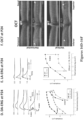
- a mutation in an Rsl gene of a rodent as described herein results in the formation, development or emergence of one or more of the following phenotypes in the rodent: Retinoschisis-like phenotype (e.g., splitting of inner retinal layers, retinal degeneration, and decrease of visual acuity); schisis of the macula or retina; deterioration of visual acuity; retinal fibrosis; and retinal pigmentation; and in certain embodiments, the phenotypes include the development of cystic structures within the inner retina, and reduced ERG b- and a-wave responses as compared to wild type rodent, followed by a loss of photoreceptor cells.
- a mutation in an Rsl gene of a rodent as described herein results in early-onset (for example, at or by postnatal day 15, 18, 21, 24 or 27) functional and morphological phenotypes of the retina in the rodent.
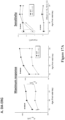
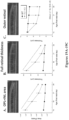
- the early-onset functional defects of the retina may be reflected by (i) reduced b-wave relative to a-wave (resulting in negative ERG) in dark-adapted and light-adapted ERG analyses; (ii) decreased maximum response and sensitivity values of ERG b-waves; (iii) decreased maximum response values of ERG a-waves; or (iv) a combination of (i)-(iii), as compared to wild type rodents.
- early-onset morphological defects of the retina may be reflected by schisis, a broader ellipsoid zone (EZ), thinner outer retina, or a combination thereof, as compared to wild type rodents.
- a disruption in a rodent Rs1 gene which results from an insertion of a nucleic acid sequence into an endogenous Rsl gene at an endogenous Rs1 locus that, in some certain instances, comprises a reporter gene.
- a disruption is or comprises a deletion, in whole or in part, of an endogenous Rsl gene that eliminates expression or production of the gene product (e.g., mRNA or polypeptide).
- a mutation in a rodent Rsl gene results from an insertion of a nucleic acid sequence into an endogenous Rsl gene at an endogenous Rs1 locus that, in some certain embodiments, comprises a synthetic exon (e.g., a synthetic exon comprising a point mutation).
- a mutation is or comprises one or more point mutations in an Rsl gene that results in the expression of a variant RS 1 polypeptide that has reduced or altered function as compared to a wild-type RS 1 polypeptide; in some certain embodiments, the level of a variant RS 1 polypeptide in a rodent is less than the level of a wild-type RS 1 polypeptide in a wild type rodent. In some embodiments, a variant RS 1 polypeptide as described herein includes one or more amino acid substitutions as compared to a wild type RS1 polypeptide.
- the rodent comprises a mutation in exon 3 or exon 5 of an endogenous rodent Rsl gene, wherein the mutation in exon 3 encodes a C59S amino acid substitution in the endogenous rodent Rs1 polypeptide, and the mutation in exon 5 encodes a R141C amino acid substitution in the endogenous rodent Rs1 polypeptide.
- an engineered Rsl gene is or comprises a heterologous Rsl gene (e.g., a human Rsl gene).
- an engineered Rsl gene includes genetic material that encodes a heterologous RS1 polypeptide, in whole or in part.
- an engineered Rsl gene includes genetic material that encodes a discoidin domain of a heterologous polypeptide, which discoidin domain contains an amino acid substitution as compared to a wild-type or parental heterologous RS1 polypeptide.
- an engineered Rsl gene includes one or more mutations as compared to a wild-type or parental Rsl gene (e.g., endogenous or homolog) that results in the expression of a variant RS1 polypeptide.
- an engineered Rsl gene includes genetic material that encodes a discoidin domain of a rodent RS1 polypeptide, which discoidin domain contains an amino acid substitution as compared to a wild-type or parental rodent RS1 polypeptide.
- an engineered Rsl gene includes genetic material that encodes a discoidin domain of a heterologous RS1 polypeptide, which discoidin domain contains an amino acid substitution as compared to a wild-type or parental heterologous RS1 polypeptide; for example, an engineered Rsl gene includes a nucleotide sequence that encodes a discoidin domain of a human RS1 polypeptide, which discoidin domain contains an amino acid substitution as compared to a wild-type human RS1 polypeptide.
- a discoidin domain of an RS1 polypeptide encoded by an engineered Rsl gene as described herein includes one or more amino acid substitutions as compared to a wild-type or parental RS1 polypeptide.
- an engineered Rsl gene of a rodent as described herein encodes an RS1 polypeptide characterized by a discoidin domain that includes an amino acid substitution (e.g., a variant RS1 polypeptide).
- a rodent comprising in its genome a deletion, in whole or in part, of the coding sequence of an endogenous Rsl gene at an endogenous Rs1 locus.
- a deletion results in the lack of a functional RS1 polypeptide made from an Rsl locus.
- a deletion is of at least exons 2-3.
- a deletion is of at least a portion of exon 1 and exons 2-3.
- a deletion is or comprises the nucleotides of an endogenous Rsl gene spanning immediately 3' of the start (ATG) codon to the last six nucleotides of exon three, inclusive.
- an Rs1 locus comprising a deletion further comprises a reporter gene.
- a reporter gene is operably linked to an Rsl promoter.
- an Rsl promoter is an endogenous Rsl promoter (e.g., the endogenous Rsl promoter at the Rsl locus comprising a deletion).
- an Rsl promoter is a heterologous Rsl promoter.
- an Rsl locus that lacks (or includes a deletion of) a portion of exon 1 and exons 2-3, e.g., lacks the nucleotides from immediately 3' of the start (ATG) codon through exon 2 to the last six nucleotides of exon 3, and comprises a reporter gene coding sequence that is fused in-frame to the start (ATG) codon of the Rsl locus.
- a reporter gene coding sequence e.g., the coding sequence of a lacZ gene
- a reporter gene is a lacZ gene.
- a reporter is selected from the group consisting of luciferase, green fluorescent protein (GFP), enhanced GFP (eGFP), cyan fluorescent protein (CFP), yellow fluorescent protein (YFP), enhanced yellow fluorescent protein (eYFP), blue fluorescent protein (BFP), enhanced blue fluorescent protein (eBFP), DsRed, and MmGFP.
- expression pattern of a reporter gene resembles the expression pattern of an Rsl gene (e.g., a wild-type Rsl gene at an Rsl locus).
- expression of a reporter gene resembles the expression pattern of a wild-type or parental RS1 polypeptide.
- the rodent provided is one whose genome comprises an engineered Rsl gene, which engineered Rsl gene comprises one or more point mutations in an exon and encodes an RS 1 polypeptide having one or more amino acid substitutions as compared to a wild type RS1 polypeptide.
- An RS1 polypeptide having one or more amino acid substitutions as compared to a wild type RS1 polypeptide is also referred to herein as a variant or mutant RS1 polypeptide.
- the amino acid substitutions described herein result in elimination or significant reduction in the level of functional RS1 polypeptide produced in a rodent due to, for example, protein misfolding which may result in the aggregation of variant (or mutant) RS1 polypeptide localized in the endoplasmic reticulum of a rodent as described herein, defective disulfide-linked subunit assembly, and inability of RS1 polypeptide to be inserted into the membrane of the ER as part of the protein secretion process.
- the genetically modified rodent provided is a rodent whose genome comprises a mutation in exon 3 or exon 5 of an endogenous rodent Rsl gene, wherein:
- a variant RS1 polypeptide also includes an amino acid substitution in the signal sequence, for example, a substitution of a hydrophobic residue with proline or with a hydrophilic or charged residue.
- a variant RS1 polypeptide includes an amino acid substitution in the regions flanking the discoidin domain, i.e., in the RS1 region and the C-terminal segment of an RS1 polypeptide.
- a variant RS1 polypeptide includes a C59S substitution.
- a variant RS1 polypeptide may further include a substitution of a cysteine at a position selected from the group consisting of 38, 40, and 223.
- a variant RS1 polypeptide includes an amino acid substitution in the discoidin domain, wherein the variant RS1 polypeptide includes a substitution of a non-cysteine residue in the discoidin domain with cysteine.
- the substitution is an R141C substitution.
- a variant RS1 polypeptide may further include a substitution of a cysteine at a position selected from the group consisting of 63, 83, 110, 142 and 219 with a non-cysteine residue.
- a variant RS1 polypeptide includes a substitution in the discoidin domain of a charged residue with a non-charged residue, a non-charged residue with a charged residue, or a charged residue with a reversely charged residue.
- a variant RS1 polypeptide includes a substitution in the discoidin domain by insertion or removal of proline (i.e., replacing a proline residue with another residue, or vice versa ) .
- a variant RS1 polypeptide includes a substitution in the discoidin domain by insertion or removal of a polar residue (i.e., replacing a polar residue with a non-polar residue, or vice versa ) .
- a rodent that expresses an RS1 polypeptide that includes an amino acid substitution which is a C59S or R141C substitution.
- an engineered Rsl gene comprises a point mutation in exon three and encodes an RS1 polypeptide having a C59S substitution; in some certain embodiments, a point mutation in exon three is or comprise a codon change of TGT to AGT.
- an engineered Rsl gene comprises a point mutation in exon five and encodes an RS1 polypeptide having a R141C substitution; in some certain embodiments, a point mutation in exon five is or comprises a codon change of CGC to TGC.
- a rodent disclosed herein is a male animal.
- a male animal comprising a disruption or mutation in an Rsl gene at an endogenous Rs1 locus on the X chromosome is also understood to be hemizygous for the disruption or mutation.
- a provided rodent is a female animal.
- a female rodent is homozygous or heterozygous for a deletion in an Rsl gene at an endogenous Rs1 locus as described herein.
- a female rodent is homozygous or heterozygous for an engineered (or mutant) Rsl gene as described herein which is at an endogenous Rs1 locus.
- an engineered Rsl gene further comprises one or more selection markers. In some embodiments, an engineered Rsl gene further comprises one or more site-specific recombinase recognition sites. In some embodiments, an engineered Rsl gene further comprises a recombinase gene and a selection marker flanked by the one or more site-specific recombinase recognition sites, which site-specific recombinase recognition sites are oriented to direct an excision.
- one or more site-specific recombinase recognition sites include lox P , lox 511, lox 2272, lox 2372, lox 66, lox 71, lox M2, lox 5171, FRT, FRT11, FRT71, attp, att, FRT, Dre, rox, or a combination thereof.
- a recombinase gene is selected from the group consisting of Cre, Flp (e.g., Flpe, Flpo) and Dre.
- one or more site-specific recombinase recognition sites are lox (e.g., lox P) sites, and a recombinase gene encodes a Cre recombinase.
- a recombinase gene is operably linked to a promoter that drives expression of the recombinase gene in differentiated cells and does not drive expression of the recombinase gene in undifferentiated cells. In some embodiments, a recombinase gene is operably linked to a promoter that is transcriptionally competent and developmentally regulated.
- the promoter is selected from the group consisting of protamine (Prot; e.g., Prot1 or Prot5), Blimp 1, Blimp 1 (1 kb fragment), Blimp 1 (2 kb fragment), Gata6, Gata4, Igf2, Lhx2, Lhx5, and Pax3.
- Prot protamine
- Blimp 1 Blimp 1 (1 kb fragment
- Blimp 1 (2 kb fragment
- the promoter is or comprises SEQ ID NO:30, SEQ ID NO:31, or SEQ ID NO:32.
- the promoter is or comprises SEQ ID NO:30.
- a selectable marker is selected from group consisting of neomycin phosphotransferase (neo R ), hygromycin B phosphotransferase (hyg R ), puromycin-N-acetyltransferase (puro R ), blasticidin S deaminase (bsr R ), xanthine/guanine phosphoribosyl transferase (gpt), and Herpes simplex virus thymidine kinase (HSV-tk).
- a selectable marker is under the transcriptional control of a promoter selected from the group consisting of an UbC promoter, Ubi promoter, hCMV promoter, mCMV promoter, CAGGS promoter, EF1 promoter, pgk1 promoter, beta-actin promoter, and a ROSA26 promoter.
- a selectable marker is neo R or hyg R and is under the transcriptional control of a Ubi promoter.
- the rodent provided develops one or more signs, symptoms and/or conditions of (or associated with) Retinoschisis when the rodent is a female rodent homozygous for the mutation, or when the rodent is a male rodent hemizygous for the mutation.
- an isolated rodent cell or tissue whose genome comprises a mutation in exon 3 or exon 5 of an endogenous rodent Rsl gene, wherein:
- an immortalized cell made, generated, produced or obtained from an isolated rodent cell or tissue as described herein is provided.
- ES rodent embryonic stem
- a rodent embryonic stem cell as described herein to make a rodent is provided.
- a rodent ES cell is a mouse ES cell and is used to make a mouse whose genome comprises a mutation in exon 3 or exon 5 of an endogenous rodent Rsl gene, wherein the mutation in exon 3 encodes a C59S amino acid substitution in the endogenous rodent Rs1 polypeptide, and the mutation in exon 5 encodes a R141C amino acid substitution in the endogenous rodent Rs1 polypeptide.
- a mouse whose genome comprises said mutation displays one or more symptoms of Retinoschisis when the mouse is a female mouse homozygous for the mutation, or when the mouse is a male mouse hemizygous for the mutation.
- a rodent ES cell is a rat ES cell and is used to make a rat whose genome comprises a mutation in exon 3 or exon 5 of an endogenous rodent Rsl gene, wherein the mutation in exon 3 encodes a C59S amino acid substitution in the endogenous rodent Rs1 polypeptide, and the mutation in exon 5 encodes a R141C amino acid substitution in the endogenous rodent Rs1 polypeptide.
- a rat whose genome comprises said mutation displays one or more symptoms of Retinoschisis when the rat is a female rat homozygous for the mutation, or when the rat is a male rat hemizygous for the mutation .
- a rodent embryo made, produced, generated, or obtained from a rodent ES cell as described herein is provided.
- a rodent embryo is a a mouse embryo; in some embodiments, a rat embryo.
- a provided rodent embryo comprises SEQ ID NO:25, SEQ ID NO:27 or SEQ ID NO:29.
- a provided rodent embryo comprises SEQ ID NO:38 or SEQ ID NO:41.
- a rodent embryo described herein to make a rodent is provided.
- a rodent embryo is a mouse embryo and is used to make a mouse whose genome comprises a mutation in exon 3 or exon 5 of an endogenous rodent Rsl gene, wherein the mutation in exon 3 encodes a C59S amino acid substitution in the endogenous rodent Rs1 polypeptide, and the mutation in exon 5 encodes a R141C amino acid substitution in the endogenous rodent Rs1 polypeptide.
- a mouse whose genome comprises said mutation displays one or more symptoms of Retinoschisis when the mouse is a female mouse homozygous for the mutation, or when the mouse is a male mouse hemizygous for the mutation.
- a rodent embryo is a rat embryo and is used to make a rat whose genome comprises a mutation in exon 3 or exon 5 of an endogenous rodent Rsl gene, wherein the mutation in exon 3 encodes a C59S amino acid substitution in the endogenous rodent Rs1 polypeptide, and the mutation in exon 5 encodes a R141C amino acid substitution in the endogenous rodent Rs1 polypeptide.
- a rat whose genome comprises said mutation displays one or more symptoms of Retinoschisis when the rat is a female rat homozygous for the mutation, or when the rat is a male rat hemizygous for the mutation..
- kits comprising a rodent, an isolated rodent cell or tissue, an immortalized cell, a rodent ES cell, or a rodent embryo as described herein is provided. Also disclosed is a kit as described herein for use in the manufacture and/or development of a drug (e.g., an antibody or antigen-binding fragment thereof) for therapy or diagnosis. Also disclosed is a kit as described herein for use in the manufacture and/or development of a drug (e.g., an antibody or antigen-binding fragment thereof) for the treatment, prevention or amelioration of a disease, disorder or condition is provided.
- a drug e.g., an antibody or antigen-binding fragment thereof
- a nucleic acid construct or targeting vector as described herein is provided.
- the present invention provides a nucleic acid construct comprising a nucleic acid sequence to be integrated into a rodent Rsl gene at a rodent Rsl locus, flanked by a 5' nucleotide sequence and a 3' nucleotide sequence that are homologous to nucleotide sequences at the rodent Rs1 locus, wherein integration of the nucleic acid sequence into the rodent Rsl gene results in an engineered Rsl gene at an endogenous rodent Rs1 locus, which engineered Rsl gene comprises a mutation in exon 3 or exon 5 of an endogenous rodent Rsl gene, wherein:
- nucleic acid construct or targeting vector as described herein to make a rodent ES cell, rodent cell, rodent embryo and/or rodent is provided.
- a method of making a genetically modified rodent comprising
- an exon three of an Rsl gene is mutated to encode an RS1 polypeptide that includes a C59S substitution.
- an exon three of an Rsl gene is mutated to encode an RS1 polypeptide that includes a C59S substitution, a 25bp deletion is made in intron two of an Rsl gene and a 28bp deletion is made in intron three of an Rsl gene.
- an exon five of an Rsl gene is mutated to encode an RS1 polypeptide that includes an R141C substitution.
- an exon five of an Rsl gene is mutated to encode an RS1 polypeptide that includes an R141C substitution, a 10bp deletion is made in intron four of an Rsl gene and a 29bp deletion is made in intron five of an Rsl gene.
- a portion of exon 1 and exons 2-3 of the coding sequence in an Rsl locus are deleted.
- 13,716bp of an Rsl gene at an Rsl locus are deleted.
- a nucleic acid sequence further comprises one or more selection markers. In some embodiments of a method of making a rodent, a nucleic acid sequence further comprises one or more site-specific recombinase recognition sites. In some embodiments of a method of making a rodent, a nucleic acid sequence further comprises a recombinase gene and a selection marker flanked by the one or more site-specific recombinase recognition sites, which site-specific recombinase recognition sites are oriented to direct an excision. In some embodiments of a method of making a rodent, a nucleic acid sequence further comprises a reporter gene that is downstream of the selection marker.
- a recombinase gene is operably linked to a promoter that drives expression of the recombinase gene in differentiated cells and does not drive expression of the recombinase gene in undifferentiated cells. In some embodiments of a method of making a rodent, a recombinase gene is operably linked to a promoter that is transcriptionally competent and developmentally regulated.
- the method further comprises a step of breeding the rodent generated in (c) so that a rodent homozygous for the deletion, or homozygous for the or mutant (or engineered) Rsl gene, is created.
- a method of making a rodent comprising modifying a rodent genome so that the modified genome comprises modifying a rodent genome so that the modified genome comprises a mutation in exon 3 or exon 5 of an endogenous rodent Rsl gene;
- a rodent made, generated, produced, obtained or obtainable from a method as described herein is provided.
- a method of identifying a therapeutic agent for the treatment of Retinoschisis comprising
- a rodent whose genome comprises a reporter gene operably linked to the start (ATG) codon of an Rsl gene, wherein the reporter gene is located in the place of a portion of exon 1 and exons 2-3 of the Rsl gene resulting in the deletion of 13,716bp of the Rs1 gene sequence.
- a rodent whose genome comprises an engineered Rsl gene characterized by the presence of a point mutation in exon three of TGT to AGT, a 25bp deletion in intron two, and a 28bp deletion in intron three, which engineered Rsl gene encodes an RS1 polypeptide having a C59S substitution.
- the rodent provided is one whose genome comprises an engineered Rsl gene characterized by the presence of a point mutation in exon five of CGC to TGC, a 10bp deletion in intron four, and a 29bp deletion in intron five, which engineered Rsl gene encodes an RS1 polypeptide having a R141C substitution.
- a rodent model of Retinoschisis which rodent expresses or produces an RS 1 polypeptide having an amino acid substitution as described herein, which has a C59S amino acid substitution or a R141C amino acid substitution.
- a rodent model of Retinoschisis which rodent has a genome comprising an engineered Rsl gene as described herein.
- rodent model of Retinoschisis which rodent has a genome comprising a deletion, in whole or in part, of the coding sequence in an Rsl gene (or locus) as described herein.
- a rodent model of Retinoschisis obtained by providing a rodent, which rodent expresses an RS 1 polypeptide having an amino acid substitution as described herein; thereby providing said rodent model of Retinoschisis.
- rodent or cell as described herein for use in the manufacture and/or development of a drug for therapy or diagnosis.
- rodent or cell as described herein for use in the manufacture of a medicament for the treatment, prevention or amelioration of a disease, disorder or condition.
- rodent or cell as described herein in the manufacture and/or development of a drug or vaccine for use in medicine, such as use as a medicament.
- rodent or cell as described herein in the manufacture and/or development of gene therapy drug for Retinoschisis.
- a disease, disorder or condition is Retinoschisis. In some embodiments, a disease, disorder or condition is an eye-related disease, disorder or condition or results from deletion of Rs1 function and/or activity.
- one or more phenotypes as described herein is or are as compared to a reference or control.
- a reference or control includes a rodent having a modification as described herein, a modification that is different than a modification as described herein, or no modification (e.g., a wild type rodent).
- a rodent as described herein is a mouse; in some embodiments it is a rat.
- a mouse as described herein is selected from the group consisting of a 129 strain, a BALB/C strain, a C57BL/6 strain, and a mixed 129xC57BL/6 strain; in some certain embodiments, a C57BL/6 strain.
- a disruption may achieve or represent an insertion, deletion, substitution, replacement, missense mutation, or a frame-shift of a DNA sequence(s), or any combination thereof. Insertions may include the insertion of entire genes or fragments of genes, e.g., exons, which may be of an origin other than the endogenous sequence (e.g., a heterologous sequence).
- a disruption may increase expression and/or activity of a gene or gene product (e.g., of a protein encoded by a gene).
- a disruption may decrease expression and/or activity of a gene or gene product.
- a disruption may alter sequence of a gene or an encoded gene product (e.g., an encoded polypeptide).
- a disruption may truncate or fragment a gene or an encoded gene product (e.g., an encoded protein).
- a disruption may extend a gene or an encoded gene product.
- a disruption may achieve assembly of a fusion polypeptide.
- a disruption may affect level, but not activity, of a gene or gene product.
- a disruption may affect activity, but not level, of a gene or gene product.
- a disruption may have no significant effect on level of a gene or gene product.
- a disruption may have no significant effect on activity of a gene or gene product.
- a disruption may have no significant effect on either level or activity of a gene or gene product.
- Rodent The rodent of the present invention is a rat or a mouse.
- Substantial homology refers to a comparison between amino acid or nucleic acid sequences. As will be appreciated by those of ordinary skill in the art, two sequences are generally considered to be “substantially homologous” if they contain homologous residues in corresponding positions. Homologous residues may be identical residues. Alternatively, homologous residues may be non-identical residues with appropriately similar structural and/or functional characteristics. For example, as is well known by those of ordinary skill in the art, certain amino acids are typically classified as “hydrophobic” or “hydrophilic” amino acids, and/or as having "polar” or “non-polar” side chains. Substitution of one amino acid for another of the same type may often be considered a "homologous" substitution.
- amino acid or nucleic acid sequences may be compared using any of a variety of algorithms, including those available in commercial computer programs such as BLASTN for nucleotide sequences and BLASTP, gapped BLAST, and PSI-BLAST for amino acid sequences. Exemplary such programs are described in Altschul, S. F. et al., 1990, J. Mol. Biol., 215(3): 403-410 ; Altschul, S. F. et al., 1997, Methods in Enzymology ; Altschul, S. F. et al., 1997, Nucleic Acids Res., 25:3389-3402 ; Baxevanis, A.D., and B. F. F.
- the relevant stretch is a complete sequence. In some embodiments, the relevant stretch is at least 9, 10, 11, 12, 13, 14, 15, 16, 17 or more residues. In some embodiments, the relevant stretch includes contiguous residues along a complete sequence. In some embodiments, the relevant stretch includes discontinuous residues along a complete sequence, for example, noncontiguous residues brought together by the folded conformation of a polypeptide or a portion thereof. In some embodiments, the relevant stretch is at least 10, 15, 20, 25, 30, 35, 40, 45, 50, or more residues.
- Substantial identity refers to a comparison between amino acid or nucleic acid sequences. As will be appreciated by those of ordinary skill in the art, two sequences are generally considered to be “substantially identical " if they contain identical residues in corresponding positions. As is well known in this art, amino acid or nucleic acid sequences may be compared using any of a variety of algorithms, including those available in commercial computer programs such as BLASTN for nucleotide sequences and BLASTP, gapped BLAST, and PSI-BLAST for amino acid sequences. Exemplary such programs are described in Altschul, S. F. et al., 1990, J. Mol. Biol., 215(3): 403-10 ; Altschul, S.F.
- two sequences are considered to be substantially identical if at least 80%, 85%, 90%, 91%, 92%, 93%, 94%, 95%, 96%, 97%, 98%, 99% or more of their corresponding residues are identical over a relevant stretch of residues.
- the relevant stretch is a complete sequence. In some embodiments, the relevant stretch is at least 10, 15, 20, 25, 30, 35, 40, 45, 50, or more residues.
- Targeting vector or targeting construct refers to a polynucleotide molecule that comprises a targeting region.
- a targeting region comprises a sequence that is identical or substantially identical to a sequence in a target cell, tissue or animal and provides for integration of the targeting construct (and/or a sequence contained therein) into a position within the genome of the cell, tissue or animal via homologous recombination.
- Targeting regions that target into a position of the cell, tissue or animal via recombinase-mediated cassette exchange using site-specific recombinase recognition sites (e.g., loxP or Frt sites) are also included.
- a targeting construct as described herein further comprises a nucleic acid sequence or gene (e.g., a reporter gene, homologous gene, heterologous gene, or mutant gene) of particular interest, a selectable marker, control and/or regulatory sequences, and other nucleic acid sequences that encode a recombinase or recombinogenic polypeptide.
- a targeting construct may comprise a gene of interest in whole or in part, wherein the gene of interest encodes a polypeptide, in whole or in part, that has a similar function as a protein encoded by an endogenous sequence.
- a targeting construct may comprise a mutant gene of interest, in whole or in part, wherein the mutant gene of interest encodes a variant polypeptide, in whole or in part, that has a similar function as a polypeptide encoded by an endogenous sequence.
- a targeting construct may comprise a reporter gene, in whole or in part, wherein the reporter gene encodes a polypeptide that is easily identified and/or measured using techniques known in the art.
- Variant refers to an entity that shows significant structural identity with a reference entity, but differs structurally from the reference entity in the presence or level of one or more chemical moieties as compared with the reference entity.
- a “variant” also differs functionally from its reference entity.
- a "variant polypeptide” may differ from a reference polypeptide as a result of one or more differences in amino acid sequence and/or one or more differences in chemical moieties (e.g., carbohydrates, lipids, etc.) covalently attached to the polypeptide backbone.
- a "variant polypeptide” shows an overall sequence identity with a reference polypeptide that is at least 85%, 86%, 87%, 88%, 89%, 90%, 91%, 92%, 93%, 94%, 95%, 96%, 97%, or 99%.
- a "variant polypeptide” does not share at least one characteristic sequence element with a reference polypeptide.
- the reference polypeptide has one or more biological activities.
- a " variant polypeptide shares one or more of the biological activities of the reference polypeptide.
- a "variant polypeptide” lacks one or more of the biological activities of the reference polypeptide.
- a "variant polypeptide” shows a reduced level of one or more biological activities as compared with the reference polypeptide.
- a polypeptide of interest is considered to be a "variant" of a parent or reference polypeptide if the polypeptide of interest has an amino acid sequence that is identical to that of the parent but for a small number of sequence alterations at particular positions. Typically, fewer than 15%, 10%, 9%, 8%, 7%, 6%, 5%, 4%, 3%, or 2% of the residues in the variant are substituted as compared with the parent.
- a "variant” has 10, 9, 8, 7, 6, 5, 4, 3, 2, or 1 substituted residue(s) as compared with a parent.
- a "variant” has a very small number (e.g., fewer than 5, 4, 3, 2, or 1) number of substituted functional residues (i.e., residues that participate in a particular biological activity). Furthermore, a "variant” typically has not more than 5, 4, 3, 2, or 1 additions or deletions, and often has no additions or deletions, as compared with the parent. Moreover, any additions or deletions are typically fewer than about 10, about 9, about 8, about 7, about 6, and commonly are fewer than about 5, about 4, about 3, or about 2 residues.
- a parent or reference polypeptide is one found in nature. As will be understood by those of ordinary skill in the art, a plurality of variants of a particular polypeptide of interest may commonly be found in nature, particularly when the polypeptide of interest is an infectious agent polypeptide.
- Rodents which are mice or rats are provided having mutation(s) in the genetic material encoding a Retinoschisin-1 (RS 1) polypeptide.
- the present invention provides a genetically modified rodent whose genome comprises a mutation in exon 3 or exon 5 of an endogenous rodent Rsl gene, wherein:
- rodents described herein are male animals. In some embodiments, rodents described herein are female animals. In some embodiments, rodents described herein are female animals heterozygous for a disruption or mutation(s) in an Rsl gene as described herein. In some embodiments, rodents described herein are female animals homozygous for a disruption or mutation(s) in an Rsl gene as described herein.
- Retinoschisin-1 is a small gene that is about 32.4 kb long containing six exons and five introns located on chromosome Xp22.2, and encodes a 3.1kb mRNA that is translated into a 224-amino acid precursor polypeptide termed Retinoschisin.
- Retinoschisin is expressed as a monomer containing four different domains: N-terminal signal sequence (23 amino acids) directing protein translocation to the exterior of the cell; a unique Rs1 domain (a long/highly conserved sequence motif 39 amino acids in length); a discoidin domain (157 amino acids), contributing to the adhesive function of RS1 to preserve the retinal cell architecture and to establish proper synaptic connectivity; and a C-terminal segment (5 amino acids).
- Retinoschisin is assembled in the endoplasmic reticulum and secreted as functional disulfide-linked homo-octamer (eight subunits joined together by Cys59-Cys223 disulfide bonds. Subunits within the octamer are further organized into dimers mediated by Cys(40)-Cys(40) disulfide bonds.
- RS 1 is bound by ionic forces to the outer leaflet of the photoreceptor inner segment plasma membrane, and function in cell-cell interactions and cell adhesion. RS 1 is expressed in the retina, prominently by the rod and cone inner segments, and bipolar cells, and pineal gland.
- Retinoschisis is a severe eye disease classified into degenerative, hereditary, tractional and exudative forms.
- X-linked juvenile Retinoschisis a hereditary form of Retinoschisis, is an early onset macular degeneration characterized by loss in visual acuity, abnormal splitting of the neurosensory layers of the retina and a reduction of the b-wave in an electroretinogram (ERG).
- XLRS is caused by mutations in the Retinoschisin-1 ( RS1 ) gene and is transmitted in an X-linked recessive pattern that causes disease only in males.
- Mutations in the RS1 gene product result in the complete absence of an RS1 polypeptide, or the production of a defective RS 1 polypeptide having reduced or no function.
- Almost 200 mutations of the RS1 gene have been reported to be associated with XLRS, and manifests in a phenotype that is highly variable across individuals (e.g., reviewed in Kim, D.Y. and S. Mukai, 2013, Sem. Ophthalmol. 28(5-6):392-6 ). Of the almost 200 mutations reported, about 40% of the disease-causing mutations are nonsense or frame shift mutations, which are predicted to result in the absence of a full-length polypeptide.
- Cyctic Macular Lesions involving the fovea are characteristic clinical features of XRLS.
- foveal schisis with "cartwheel” or "spoke-wheel” pattern is a characteristic finding on fundus exam, presenting in nearly 100% of cases, and schisis may occur peripherally in up to 50% of patients or retinal detachments.
- Peripheral schisis can lead to holes and tears of the inner leaf with potential for hemorrhage from unsupported crossing vessels. Additional peripheral changes include pigmentation resembling retinitis pigmentosa, retinal fibrosis and white flecks, and vitreo-retinal dystrophy.
- ERGs show marked b-wave reduction, and abnormal a-wave in some patients, but in many, a-wave remains normal.
- the present disclosure is based on the creation of improved in vivo systems for generating and developing treatments for XLRS that rely on unique genetic structures not currently present in established systems.
- the present disclosure is based on the recognition that improved in vivo systems for generating and developing treatments for XLRS can be provided by generating genetic alterations in an endogenous Rs1 locus in a rodent such as a rodent (e.g., a mouse).
- the present disclosure specifically demonstrates, among other things, exemplary strategies of creating Rs1 -deficient and Rs1 -engineered (e.g., mutant Rs1 ) rodents (e.g., a mouse) that recapitulate a human XLRS disease phenotype.
- the strategies described herein can be employed to create other Rs1 -deficient and/or Rs1 -engineered rodents as desired.
- Rs1 -engineered rodents may be created to contain engineered Rsl genes containing mutations, or combinations of mutations, other than those described in the Examples section below. Examples of mutations that can be engineered into an endogenous Rsl gene can be found in the X-linked Retinoschisis sequence variation database (RETINOSCHISISDB ⁇ ).
- rodents that have a deletion in the genome, in whole or in part, of the coding sequence of the Rsl gene at an endogenous Rs1 locus that results in the lack of a functional RS 1 polypeptide being produced in the rodents.
- the deletion includes at least exons 2-3 of the Rsl gene.
- Exon 2 encodes amino acids 18-26 of the RS 1 polypeptide (with amino acids 18-23 being the last 5 amino acids of the signal sequence).
- Exon 3 encodes amino acids 27-61 of the RS 1 polypeptide.
- the deletion includes at least a portion of exon 1 and exons 2-3 of the Rsl gene.
- the portion of exon 1 that begins from immediately 3' of the ATG start codon to the 3' end of exon 1 and encodes amino acids 2-17 of the RS 1 polypeptide can be included in the deletion.
- the deletion is of a contiguous genomic fragment beginning immediately after the ATG start codon in exon 1, through exon 2, to the 3' end of exon 3 or to the six nucleotides at the 3' end of exon 3 of the Rs1 gene.
- the Rsl locus includes a reporter gene.
- the reporter gene is operably linked to an Rsl promoter, e.g., the endogenous Rsl promoter at the Rsl locus that has a deletion, in whole or in part, of the coding sequence of the Rsl gene.
- the Rsl locus has a deletion of a contiguous genomic fragment beginning immediately after the ATG start codon in exon 1 to the 3' end of exon 3 (or to the six nucleotides at the 3' end of exon 3) of the Rsl gene, and the coding sequence of the reporter gene is fused in frame to the ATG start codon of the Rsl gene.
- the expression of the reporter gene resembles the expression pattern of the Rsl gene.
- Reporter genes suitable for use herein include, for example, lacZ , and genes encoding a reporter protein such as luciferase, green fluorescent protein (GFP), enhanced GFP (eGFP), cyan fluorescent protein (CFP), yellow fluorescent protein (YFP), enhanced yellow fluorescent protein (eYFP), blue fluorescent protein (BFP), enhanced blue fluorescent protein (eBFP), DsRed, and MmGFP.
- a reporter protein such as luciferase, green fluorescent protein (GFP), enhanced GFP (eGFP), cyan fluorescent protein (CFP), yellow fluorescent protein (YFP), enhanced yellow fluorescent protein (eYFP), blue fluorescent protein (BFP), enhanced blue fluorescent protein (eBFP), DsRed, and MmGFP.
- the rodents provided have one or more point mutations in the coding sequence of an endogenous Rsl gene that results in a variant RS 1 polypeptide that includes one or more amino acid substitutions relative to the wild type RS1 polypeptide (encoded by the Rsl gene without the point mutations); for example, a variant rodent (e.g., mouse or rat) RS1 polypeptide that includes one or more amino acid substitutions relative to the wild type rodent RS 1 polypeptide, or a variant human RS 1 polypeptide includes one or more amino acid substitutions relative to the wild type human RS1 polypeptide.
- a variant rodent e.g., mouse or rat
- RS1 polypeptide that includes one or more amino acid substitutions relative to the wild type rodent RS 1 polypeptide
- a variant human RS 1 polypeptide includes one or more amino acid substitutions relative to the wild type human RS1 polypeptide.
- the rodent comprises a mutation in exon 3 or exon 5 of an endogenous rodent Rsl gene, wherein the mutation in exon 3 encodes a C59S amino acid substitution in the endogenous rodent Rs1 polypeptide, and the mutation in exon 5 encodes a R141C amino acid substitution in the endogenous rodent Rs1 polypeptide
- amino acid substitutions described herein result in elimination or significant reduction in the level of functional RS 1 polypeptide produced from an Rsl mutant allele (i.e., an Rsl gene having a deletion or a point mutation).
- Amino acid substitutions can lead to elimination or significant reduction in the level of functional RS 1 polypeptide produced as a result of, for example, misfolding of a polypeptide, defective subunit or oligomer assembly, and inability of a polypeptide to be inserted into the membrane of the ER as part of the protein secretion process.
- amino acid substitution is in the signal sequence that results in an inability of a variant RS 1 polypeptide having the amino acid substitution to be inserted into the membrane of the ER for secretion.
- substitution of hydrophobic residues in the signal sequence with proline or with hydrophilic/charged residues may prevent the signal sequence from adopting an ⁇ -helix secondary structure required for insertion into the ER membrane.
- such an amino acid substitution is a substitution of L13 (e.g., L13P).
- an amino acid substitution is in the regions flanking the discoidin domain, i.e., the Rs1 region composed of amino acids 24-62 and the C-terminal segment (composed of amino acids 220-224).
- the mutation comprises a mutation in exon 3 that encodes a C59S amino acid substitution in the endogenous rodent Rs1 polypeptide.
- a further substitution may be a substitution of cysteine at position 38, 40, 42, 223 with a non-cysteine residue, e.g., Ser, Arg, Trp, Tyr or Gly.
- C40 is responsible for forming C40-C40 disulfide-linked dimers, and C59 and C223 form intermolecular disulfide bonds to permit assembly of RS1 dimers into octamer.
- Substitution of Cys at 40, 59 or 223 may have only a limited effect on protein folding and secretion, yet still result in inability of a mutant RS1 polypeptide comprising such substitution to function as a cell adhesion protein.
- cysteine at position 40, or 223 has also been substituted with Ser, Arg, Trp, Tyr or Gly. Specific examples of substitution include C38S, C40S, C42S, C223S, C223R and C223Y.
- an amino acid substitution is in the discoidin domain of the RS1 polypeptide, which is composed of amino acids 63-219.
- a substitution in the discoidin domain may also be present which is a substitution of one of the five Cys residues in the discoidin domain: C63, C83, C110, C142, and C219. Cys63 and Cys219, and Cys110-Cys142, form two intramolecular disulfide bonds that are important for protein folding.
- cysteine at one of positions 63, 83, 110, 142 or 219 has also been substituted with a non-cysteine residue, e.g., Ser, Arg, Trp, Tyr or Gly. Specific examples of substitution include C63S, C83S, C110S, C110Y, C142S, C142R, C142W, C219S, C219R, C219W and C219G.
- a substitution in the discoidin domain may be a substitution of an amino acid residue not directly involved in formation of disulfide bonds but important for protein folding, formation or stability of the discoidin domain, and/or intermolecular interactions among adjacent subunits.
- residues include highly conserved, solvent inaccessible core residues such as E72, G109, E146, R182, and P203, as well as R141 and D 143.
- the endogenous rodent Rsl gene comprises a mutation in exon 5 that encodes a R141C amino acid substitution in the endogenous rodent Rs1 polypeptide.
- a further substitution is one that replaces a non-cysteine residue with cysteine, which may affect thiol exchange; for example, W92C, W96C, , R182C, R200C, P203C, and R209C.
- a further substitution is one that affects protein charge by eliminating or reversing the charge of amino acid residues or by replacing a non-charged residue with a charged residue without affect thiol residues; for example, E72K, W96R, R102W, R102Q, G109E, G109R, R141H, D143V, N179D and R213W.
- a further substitution is one that may affect conformation stability by insertion or removal of Pro residues; for example, S73P, L127P, P192S, P192T, P193S and P203L.
- a further substitution is one that may affect hydrophobic core by insertion or removal of polar residues (i.e., replacing a hydrophobic residue with a polar residue or replacing a polar residue with a hydrophobic residue); for example, I136T and N163Y.
- the non-human animals descibed herein comprise one or more point mutations in an Rsl gene resulting in a substitution of cysteine [Cys, C] with serine [Ser, S], or substitution of arginine [Arg, R] with cysteine [Cys, C]) in the encoded RS1 polypeptide.
- the substitution of an endogenous rodent Rsl gene is a C59S substitution.
- the substitution of an endogenous rodent Rs1 gene is a R141C substitution.
- rodents that comprise an engineered Rsl gene further comprising genetic material from a heterologous species (e.g., a human).
- rodents as described herein comprise an engineered Rsl gene that is a mutant human Rsl gene, wherein the mutant human Rsl gene encodes a human RS1 polypeptide that includes a substitution described herein above, e.g., a C59S substitution or an R141C substitution.
- rodents as described herein comprise a mutant human Rsl gene that is randomly inserted into the genome of the rodent such that a human RS1 polypeptide is expressed that includes a substitution described herein above, e.g., a C59S substitution or an R141C substitution.
- Exemplary human and non-human Rs1 sequences are set forth in SEQ ID NOS: 1-22 and summarized in Table 1.
- An exemplary self-deleting cassette employed for the disruption of a rodent (e.g., mouse) Rsl allele including a lacZ reporter gene, a Cre recombinase gene under the transcriptional control of a mouse protamine 1 promoter and a neomycin resistance gene flanked by lox P sites under the transcriptional control of a ubiquitin promoter is set forth in SEQ ID NO: 23 (8,202bp).
- An exemplary portion of a disrupted Mus musculus Rs1 allele after recombinase-mediated excision of a selection cassette is set forth in SEQ ID NO: 25.
- SEQ ID NO: 29 An exemplary portion of a mutant rodent (e.g., mouse) Rsl allele encoding a R141C amino acid substitution after recombinase-mediated excision of a selection cassette is set forth in SEQ ID NO: 29.
- Table 1 SEQ ID NO Description Features 1 Mus musculus Rs1 mRNA (NCBI ref. seq. NM_011302) Length: 5855 nt Coding region: nt. 174-848 Exons 1-6: nt 1-225, 226-251, 252-357, 358-499, 500-695, 696-5840. 2 Mus musculus Rs1 amino acid (NCBI ref. seq.
- NP_035432 Length: 224 aa Signal sequence: aa 1-23 3 Rattus norvegicus Rs1 mRNA (NCBI ref. seq. NM_001104643) Length: 675 nt Coding region: nt 1-675 4 Rattus norvegicus Rs1 amino acid (NCBI ref. seq. NP_001098113) Length: 224 aa Signal sequence: aa 1-21 5 Macaca mulatta RS1 mRNA (NCBI ref. seq. NM_001194911) Length: 994 nt Coding region: nt. 42-716 6 Macaca mulatta RS1 amino acid (NCBI ref. seq.
- XM_548882 10 Canis lupus familiaris Rs 1 amino acid Length: 224 aa (NCBI ref. seq. XP_548882) 11 Sus scrofa Rs1 mRNA Length: 1772 nt (NCBI ref. seq. XM_013985956) Coding region: nt 295-969 12 Sus scrofa Rs1 amino acid Length: 224 aa (NCBI ref. seq. XP_013841410) 13 Bos taurus Rs1 mRNA Length: 899 nt (NCBI ref. seq. XM_010822174) Coding region: nt.
- An exemplary self-deleting cassette employed for the disruption of a non-human (e.g., mouse) Rs1 allele including a lacZ reporter gene, a Cre recombinase gene under the transcriptional control of a mouse protamine 1 promoter and a neomycin resistance gene flanked by lox P sites under the transcriptional control of a ubiquitin promoter.
- DNA sequences can be used to prepare targeting vectors for knockout animals (e.g., an Rsl KO).
- a polynucleotide molecule e.g., an insert nucleic acid
- a reporter gene or a mutant (or engineered) Rsl gene in whole or in part, is inserted into a vector, preferably a DNA vector, in order to replicate the polynucleotide molecule in a suitable host cell.
- a polynucleotide molecule (or insert nucleic acid) comprises a segment of DNA that one desires to integrate into a target locus or gene.
- an insert nucleic acid comprises one or more polynucleotides of interest.
- an insert nucleic acid comprises one or more expression cassettes.
- an expression cassette comprises a polynucleotide of interest, a polynucleotide encoding a selection marker and/or a reporter gene along with, in some certain embodiments, various regulatory components that influence expression (e.g., promoter, enhancer, etc.).
- Virtually any polynucleotide of interest may be contained within an insert nucleic acid and thereby integrated at a target genomic locus. Methods disclosed herein provide for at least 1, 2, 3, 4, 5, 6 or more polynucleotides of interest to be integrated into a targeted Rsl gene (or locus).
- a polynucleotide of interest contained in an insert nucleic acid encodes a reporter. In some embodiments, a polynucleotide of interest contained in an insert nucleic acid encodes a heterologous, variant or heterologous variant RS1 polypeptide. In some embodiments, a polynucleotide of interest contained in an insert nucleic acid encodes a selectable marker and/or a recombinase.
- a polynucleotide of interest is flanked by or comprises site-specific recombination sites (e.g., loxP, Frt, etc.).
- site-specific recombination sites flank a DNA segment that encodes a reporter, a DNA segment that encodes a selectable marker, a DNA segment that encodes a recombinase, and combinations thereof.
- Exemplary polynucleotides of interest, including selection markers, reporter genes and recombinase genes that can be included within insert nucleic acids are described herein.
- an Rsl gene or RS1-encoding sequence as can be cloned directly from cDNA sources available from commercial suppliers or designed in silico based on published sequences available from GenBank (see above).
- bacterial artificial chromosome (BAC) libraries can provide Rsl sequences from genes of interest (e.g., rodent or heterologous Rsl genes).
- BAC libraries contain an average insert size of 100-150kb and are capable of harboring inserts as large as 300kb ( Shizuya, H. et al., 1992, Proc. Natl. Acad. Sci., U.S.A. 89:8794-7 ; Swiatek, P.J. and T. Gridley, 1993, Genes Dev.
- Genomic BAC libraries have been constructed and are commercially available (e.g., Invitrogen, Carlsbad, CA). Genomic BAC libraries can also serve as a source of rodent or heterologous Rsl sequences as well as transcriptional control regions.
- rodent or heterologous Rsl sequences may be isolated, cloned and/or transferred from yeast artificial chromosomes (YACs).
- YACs yeast artificial chromosomes
- An entire rodent or heterologous Rsl gene can be cloned and contained within one or a few YACs. If multiple YACs are employed and contain regions of overlapping homology, they can be recombined within yeast host strains to produce a single construct representing the entire locus.
- YAC arms can be additionally modified with mammalian selection cassettes by retrofitting to assist in introducing the constructs into embryonic stems cells or embryos by methods known in the art and/or described herein.
- DNA constructs or targeting vectors containing Rsl sequences as described herein comprise rodent Rsl genomic sequences encoding a rodent RS1 polypeptide that includes one or more amino acid substitutions as compared to a wild-type or parent rodent RS 1 polypeptide operably linked to rodent regulatory sequences for expression in a genetically modified rodent.
- DNA constructs or targeting vectors containing Rsl sequences as described herein comprise rodent Rsl genomic sequences encoding a variant rodent RS 1 polypeptide that includes an amino acid substitution, C59S or R141C, as compared to a wild-type or parent rodent RS 1 polypeptide operably linked to a rodent Rsl promoter.
- Rodent and/or heterologous sequences included in DNA constructs described herein may be identical or substantially identical with rodent and/or heterologous sequences found in nature (e.g., genomic). Alternatively, such sequences may be artificial (e.g., synthetic) or may be engineered by the hand of man.
- Rsl sequences are synthetic in origin and include a sequence or sequences that are found in a rodent or heterologous Rsl gene found in nature.
- Rsl sequences comprise a sequence naturally associated with a rodent or heterologous Rsl gene.
- Rsl sequences comprise a sequence that is not naturally associated with a rodent or heterologous Rsl gene.
- Rsl sequences comprise a sequence that is optimized for expression in a rodent. If additional sequences are useful in optimizing expression of a mutant (or variant) Rsl gene described herein, such sequences can be cloned using existing sequences as probes. Additional sequences necessary for maximizing expression of a mutant Rsl gene or RS 1-encoding sequence can be obtained from genomic sequences or other sources depending on the desired outcome.
- DNA constructs or targeting vectors can be prepared using methods known in the art.
- a DNA construct can be prepared as part of a larger plasmid. Such preparation allows for cloning and selection of the correct constructions in an efficient manner as known in the art.
- DNA fragments containing sequences as described herein can be located between convenient restriction sites on the plasmid so that they can be easily isolated from the remaining plasmid sequences for incorporation into the desired animal.
- Various methods employed in preparation of plasmids, DNA constructs and/or targeting vectors and transformation of host organisms are known in the art.
- Rsl targeting vectors comprise DNA sequences encoding a reporter gene, a selectable marker, a recombinase gene (or combinations thereof) and rodent Rsl sequences (i.e., flanking sequences of a target region) for insertion into the genome of a transgenic rodent.
- a deletion start point may be set of immediately downstream (3') of a start codon to allow an insert nucleic acid to be operably linked to an endogenous regulatory sequence (e.g., a promoter).
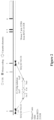
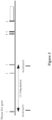
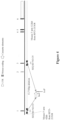
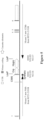
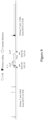
- Figures 2-4 illustrate an exemplary method and targeting vector for making a targeted deletion of a portion of the coding sequence (e.g., exons 1-3) a murine Rsl gene, excluding the start codon, and replacement with a cassette that contains a sequence from a lacZ gene that encodes ⁇ -galactosidase and a drug selection cassette that encodes neomycin phosphotransferase (Neo) for the selection of G418-resistant embryonic stem (ES) cell colonies.
- a portion of the coding sequence e.g., exons 1-3
- a murine Rsl gene excluding the start codon
- the targeting vector also includes a sequence encoding a recombinase (e.g., Cre) regulated by an ES-cell specific micro RNAs (miRNAs) or a germ-cell specific promoter (e.g., protamine 1 promoter; Prot-Cre-SV40).
- a recombinase e.g., Cre
- miRNAs ES-cell specific micro RNAs
- a germ-cell specific promoter e.g., protamine 1 promoter; Prot-Cre-SV40.
- the neomycin selection cassette and Cre recombinase-encoding sequences are flanked by lox P recombinase recognition sites that enable Cre-mediated excision of the neomycin selection cassette in a development-dependent manner, i.e., progeny derived from rodents whose germ cells contain the disrupted Rsl gene described above will shed the selectable marker during development (see U.S. Patent Nos.
- Methods for generating rodents as described herein employ the use of self-deleting selection cassette technology (see U.S. Patent Nos. 8,697,851 , 8,518,392 and 8,354,389 ).
- self-deleting selection cassette technology allows for the drawbacks from the presence of selection cassettes in the genome of rodents, which facilitate selection of drug-resistant clones, to be avoided.
- Such self-deleting selection cassette technology is characterized, in some embodiments, by the inclusion of a promoter that is operably linked to a recombinase gene within the targeting vector.
- the promoter is transcriptionally competent such that the promoter regulates expression of the recombinase gene in a developmentally-dependent fashion due to promoter activity restricted to undifferentiated cells (i.e., ES cells; for transcriptional competence see also, e.g., Ram, R. and E. Meshorer, 2009, Genes Dev. 23:2793-98 ; Xu, J. et al., 2009, Genes Dev. 23:2824-38 ).
- ES cells undifferentiated cells
- ES cells that have incorporated a targeting vector as described herein retain the selection cassette due to inactivity of the promoter that controls expression of (i.e., operably inked to) the recombinase gene, but promote excision of the selection cassette once the ES cells begin to differentiate as a result of commencement of recombinase expression.
- progeny developing from an ES cell containing the targeting vector within their genome express the recombinase at an early developmental stage and the selectable marker is excised upon differentiation (i.e., development) mediated by action of the recombinase polypeptide on the site-specific recombinase recognition sites flanking the selection cassette.
- Suitable promoters that are inactive in undifferentiated ES cells are provided herein. Operably linking such promoters to a recombinase gene provides for expression specifically upon differentiation.
- targeting vectors are designed with site-specific recombinase recognition sites in a parallel orientation flanking a selection marker so that the recombinase polypeptide directs an excision (i.e., deletion) of the selectable marker upon expression.
- Site-specific recombinase recognition sites may also be placed in inverted orientation flanking a selection marker so that the recombinase polypeptide directs an inversion of the selectable marker upon expression. For some selectable markers, inversion may be sufficient for inactivation.
- a selection cassette is flanked by site-specific recombinase recognition sites in a parallel orientation, expression of the recombinase polypeptide in a differentiated cell will cause the cell to excise the selectable marker from the genome. If the differentiated cells are maintained in selection, they will die due to deletion of the selectable marker from the genome. In this way, undifferentiated ES cells are maintained and enriched in culture for later use as donor cells to a host embryo.
- disruption of an Rsl gene can comprise a replacement of or an insertion/addition to the Rsl gene or a portion thereof with an insert nucleic acid.
- an insert nucleic acid comprises a reporter gene.
- a reporter gene is positioned in operable linkage with an endogenous Rsl promoter. Such a modification allows for the expression of a reporter gene driven by an endogenous Rsl promoter. Alternatively, a reporter gene is not placed in operable linkage with an endogenous Rsl promoter and is operably linked to another promoter.
- reporter genes can be used in targeting vectors described herein.
- exemplary reporter genes include, for example, ⁇ -galactosidase (encoded lacZ gene), Green Fluorescent Protein (GFP), enhanced Green Fluorescent Protein (eGFP), MmGFP, blue fluorescent protein (BFP), enhanced blue fluorescent protein (eBFP), mPlum, mCherry, tdTomato, mStrawberry, J-Red, DsRed, mOrange, mKO, mCitrine, Venus, YPet, yellow fluorescent protein (YFP), enhanced yellow fluorescent protein (eYFP), Emerald, CyPet, cyan fluorescent protein (CFP), Cerulean, T-Sapphire, luciferase, alkaline phosphatase, or a combination thereof.
- GFP Green Fluorescent Protein
- eGFP enhanced Green Fluorescent Protein
- MmGFP blue fluorescent protein
- BFP blue fluorescent protein
- eBFP enhanced blue fluorescent protein
- Rsl targeting vectors in some embodiments, comprise DNA sequences encoding a mutant (or variant) Rsl gene, a selectable marker and a recombinase, and rodent Rsl sequences (i.e., flanking sequences of a target region) for insertion into the genome of a transgenic rodent.
- the one or more point mutations may be introduced (e.g., by site-directed mutagenesis) into the coding sequence of an Rsl gene or RS1-encoding sequence (e.g., an exon) so that a desired RS1 polypeptide (e.g., a variant RS1 polypeptide) is encoded by the mutant Rsl gene or RS1-encoding sequence.
- Such a mutant Rsl sequence may be operably linked to an endogenous regulatory sequence (e.g., a promoter) or constitutive promoter as desired.
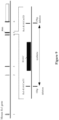
- Figures 5-7 and 8-10 illustrate two exemplary targeting vectors for making selected point mutations in an exon (e.g., exon three and five, respectively) of a murine Rsl gene and a small deletion in surrounding introns with a cassette that contains a drug selection marker that encodes hygromycin (Hyg) for the selection of mutant embryonic stem (ES) cell colonies.
- Hyg hygromycin
- the targeting vectors also each included a sequence encoding a recombinase (e.g., Cre) regulated by an ES-cell specific miRNAs or a germ-cell specific promoter (e.g., protamine 1 promoter; Prot-Cre-SV40).
- a recombinase e.g., Cre
- the hygromycin selection cassette and Cre recombinase-encoding sequences are flanked by loxP recombinase recognition sites that enable Cre-mediated excision of the hygromycin selection cassette in a development-dependent manner, e.g., progeny derived from rodents whose germ cells containing the mutant (or variant) Rsl gene described above will shed the selectable marker during development (see U.S.
- Patent Nos. 8,697,851 , 8,518,392 , 8,354,389 , 8,946,505 , and 8,946,504 This allows for, among other things, automatic excision of the hygromycin selection cassette from either differentiated cells or germ cells. Thus, prior to phenotypic analysis the hygromycin selection cassette is removed leaving the mutant Rs1 exons operably linked to the murine Rsl promoter ( Figure 7 and 10 ).
- Rsl targeting vectors may comprise DNA sequences corresponding to a mutant (or variant) Rsl gene as described above, which mutant (or variant) Rsl gene comprises a heterologous Rsl gene or heterologous RS1-encoding sequence.
- Suitable heterologous Rsl sequences are described herein and may be substituted for sequences exemplified in the Examples section below.
- Such heterologous sequences may also be engineered to contain point mutations that encode amino acid substitutions as compared to a wild-type or parental heterologous RS1 polypeptide sequence.
- the coding region of the genetic material or polynucleotide sequence(s) encoding a reporter polypeptide (and/or a selectable marker, and/or a recombinase), in whole or in part, or a RS1 polypeptide (e.g., a variant RS1 polypeptide) may be modified to include codons that are optimized for expression in the rodent (e.g., see U.S. Patent Nos. 5,670,356 and 5,874,304 ).
- Codon optimized sequences are synthetic sequences, and preferably encode the identical polypeptide (or a biologically active fragment of a full-length polypeptide which has substantially the same activity as the full-length polypeptide) encoded by the non-codon optimized parent polynucleotide.
- the coding region of the genetic material encoding a reporter polypeptide e.g., lacZ
- the coding region of the genetic material encoding a reporter polypeptide in whole or in part, may include an altered sequence to optimize codon usage for a particular cell type (e.g., a rodent cell).
- the coding region of the genetic material encoding a RS1 polypeptide as described herein may include an altered sequence to optimize codon usage for a particular cell type (e.g., a rodent cell).
- a particular cell type e.g., a rodent cell
- the codons of the reporter or mutant Rsl gene to be inserted into the genome of a rodent may be optimized for expression in a cell of the rodent.
- Such a sequence may be described as a codon-optimized sequence.
- compositions and methods for making rodents that comprise a disruption or mutation in an Rsl gene as described herein are provided, including compositions and methods for making rodents that express a reporter gene under control of Rsl regulatory sequences such as a Rsl promoter, and rodents that express a variant RS1 polypeptide under control of Rsl regulatory sequences such as a Rsl promoter.
- compositions and methods for making rodents that express a reporter or a variant RS1 polypeptide under control of endogenous regulatory sequences such as an endogenous promoter (e.g., an endogenous Rsl promoter) are also provided.
- Methods include inserting a targeting vector, as described herein, comprising a reporter gene (e.g., lacZ ; see Figures 2-4 ), into the genome of a rodent so that a portion of the coding sequence of an Rsl gene is deleted, in whole or in part.
- methods include inserting a targeting vector into the genome of a rodent so that exons 1-3 of an Rsl gene are deleted.
- a reporter gene operably linked to an Rsl promoter employs a relatively minimal modification of the genome and results in expression of reporter polypeptide in an Rs1 -specific manner in the rodent (e.g., see Figure 11 ).
- a rodent or cell as described herein comprises an Rsl gene that comprises a targeting vector as described herein; in some certain embodiments, a targeting vector that appears in Figure 2 or 4 .
- a disrupted Rsl gene as described herein includes one or more (e.g., first and second) insertion junctions resulting from insertion of a reporter gene.
- a disrupted Rsl gene as described herein includes a first insertion junction that includes a sequence that is at least 80% (e.g., 80%, 85%, 90%, 91%, 92%, 93%, 94%, 95%, 96%, 97%, 98%, 99% or more) identical to SEQ ID NO:33 and a second insertion junction that includes a sequence that is at least 80% (e.g., 80%, 85%, 90%, 91%, 92%, 93%, 94%, 95%, 96%, 97%, 98%, 99% or more) identical to SEQ ID NO:34.
- a disrupted Rsl gene as described herein includes a first insertion junction that includes a sequence that is substantially identical or identical to SEQ ID NO:33 and a second insertion junction that includes a sequence that is substantially identical or identical to SEQ ID NO:34.
- a disrupted Rsl gene as described herein includes a first insertion junction that includes a sequence that is at least 80% (e.g., 80%, 85%, 90%, 91%, 92%, 93%, 94%, 95%, 96%, 97%, 98%, 99% or more) identical to SEQ ID NO:33 and a second insertion junction that includes a sequence that is at least 80% (e.g., 80%, 85%, 90%, 91%, 92%, 93%, 94%, 95%, 96%, 97%, 98%, 99% or more) identical to SEQ ID NO:35.
- a disrupted Rsl gene as described herein includes a first insertion junction that includes a sequence that is substantially identical or identical to SEQ ID NO:33 and a second insertion junction that includes a sequence that is substantially identical or identical to SEQ ID NO:35.
- a disrupted Rsl gene or allele as described herein includes a sequence that is at least 80% (e.g., 80%, 85%, 90%, 91%, 92%, 93%, 94%, 95%, 96%, 97%, 98%, 99% or more) identical to SEQ ID NO:23 or SEQ ID NO:25.
- a disrupted Rsl gene or allele as described herein includes a sequence that is substantially identical or identical to SEQ ID NO:23 or SEQ ID NO:25.
- a disrupted Rsl gene or allele as described herein comprises a deletion of 13,716bp of an endogenous Rsl gene or allele.
- a disrupted Rsl gene or allele as described herein lacks a sequence that is substantially identical or identical to SEQ ID NO:24.
- Methods also include inserting a targeting vector, as described herein, encoding a variant RS1 polypeptide (see Figures 5-7 and 8-10 ), in whole or in part, into the genome of a rodent so that a portion (e.g., an exon) of the coding sequence of a Rsl gene is altered.
- methods include inserting targeting vector into the genome of a rodent so that an exon of a Rsl gene is mutated to encode a variant RS 1 polypeptide.
- a mutant Rsl gene operably linked to a Rsl promoter employs a relatively minimal modification of the genome and results in expression of variant RS1 polypeptide in the rodent that is functionally and structurally different than an RS 1 polypeptide that appears in a wild-type rodent.
- a rodent or cell described herein comprises an Rsl gene that comprises a targeting vector as described herein; in some certain embodiments, a targeting vector that appears in Figure 5 or 8 .
- a mutant Rsl gene as described herein includes one or more (e.g., first and second) insertion junctions resulting from insertion of a targeting vector as described herein.
- a mutant Rsl gene as described herein includes a first insertion junction that includes a sequence that is at least 80% (e.g., 80%, 85%, 90%, 91%, 92%, 93%, 94%, 95%, 96%, 97%, 98%, 99% or more) identical to SEQ ID NO:36 and a second insertion junction that includes a sequence that is at least 80% (e.g., 80%, 85%, 90%, 91%, 92%, 93%, 94%, 95%, 96%, 97%, 98%, 99% or more) identical to SEQ ID NO:37.
- a mutant Rsl gene as described herein includes a first insertion junction that includes a sequence that is substantially identical or identical to SEQ ID NO:36 and a second insertion junction that includes a sequence that is substantially identical or identical to SEQ ID NO:37.
- a mutant Rsl gene as described herein includes an insertion junction that includes a sequence that is at least 80% (e.g., 80%, 85%, 90%, 91%, 92%, 93%, 94%, 95%, 96%, 97%, 98%, 99% or more) identical to SEQ ID NO:38. In various embodiments, a mutant Rsl gene as described herein includes an insertion junction that includes a sequence that is substantially identical or identical to SEQ ID NO:38.
- a mutant Rsl gene as described herein comprises a third exon that includes a point mutation such that the mutant Rsl gene encodes an RS1 polypeptide having a C59S amino acid substitution.
- a mutant Rsl gene as described herein comprises a third exon that includes a codon mutation of TGT to AGT such that the mutant Rsl gene encodes an RS 1 polypeptide having a C59S amino acid substitution.
- a mutant Rsl gene as described herein includes a first insertion junction that includes a sequence that is at least 80% (e.g., 80%, 85%, 90%, 91%, 92%, 93%, 94%, 95%, 96%, 97%, 98%, 99% or more) identical to SEQ ID NO:39 and a second insertion junction that includes a sequence that is at least 80% (e.g., , 80%, 85%, 90%, 91%, 92%, 93%, 94%, 95%, 96%, 97%, 98%, 99% or more) identical to SEQ ID NO:40.
- a mutant Rsl gene as described herein includes a first insertion junction that includes a sequence that is substantially identical or identical to SEQ ID NO:39 and a second insertion junction that includes a sequence that is substantially identical or identical to SEQ ID NO:40.
- a mutant Rsl gene as described herein includes an insertion junction that includes a sequence that is at least 80% (e.g., 80%, 85%, 90%, 91%, 92%, 93%, 94%, 95%, 96%, 97%, 98%, 99% or more) identical to SEQ ID NO:41.
- a mutant Rsl gene as described herein includes an insertion junction that includes a sequence that is substantially identical or identical to SEQ ID NO:41.
- a mutant Rsl gene as described herein comprises a fifth exon that includes a point mutation such that the mutant Rsl gene encodes an RS1 polypeptide having a R141C amino acid substitution. In various embodiments, a mutant Rsl gene as described herein comprises a fifth exon that includes a codon mutation of CGC to TGC such that the mutant Rsl gene encodes an RS1 polypeptide having a R141C amino acid substitution.
- a mutant Rsl gene or allele as described herein comprises a sequence that is at least 80% (e.g., 80%, 85%, 90%, 91%, 92%, 93%, 94%, 95%, 96%, 97%, 98%, 99% or more) identical to SEQ ID NO:27 or SEQ ID NO:29.
- a mutant Rsl gene or allele as described herein comprises a sequence that is substantially identical or identical to SEQ ID NO:27 or SEQ ID NO:29.
- Rsl genes or RS 1-encoding sequences may be employed in the methods described herein to generate rodents whose genomes contain a mutant Rsl gene as described herein.
- a heterologous Rsl gene may be introduced into a rodent, which heterologous Rsl gene encodes a variant RS1 polypeptide as described herein (i.e., comprises a mutation that establishes a Retinoschisis-like phenotype in a rodent).
- a transgenic Rsl gene may be randomly inserted into the genome a rodent and an endogenous Rsl gene rendered non-functional (e.g., via genetic modification, gene knockdown with DNA or RNA oligonucleotides, etc.).
- Exemplary alternative Rsl genes or RS1-encoding sequences are provided herein. Persons of skill upon reading this disclosure will understand that such Rsl genes or RS1-encoding sequences can be employed in the methods described herein to generate rodents.
- Targeting vectors described herein may be introduced into ES cells and screened for ES clones harboring a disrupted or mutant Rsl gene as described herein in Frendewey, D., et al., 2010, Methods Enzymol. 476:295-307 .
- a variety of host embryos can be employed in the methods and compositions disclosed herein.
- the pluripotent and/or totipotent cells having the targeted genetic modification can be introduced into a pre-morula stage embryo (e.g., an 8-cell stage embryo) from a corresponding organism. See, e.g., U.S. Patents Nos. 7,576,259 , 7,659,442 , 7,294,754 , and U.S. Patent Application Publication No.
- donor ES cells may be implanted into a host embryo at the 2-cell stage, 4-cell stage, 8-cell stage, 16-cell stage, 32-cell stage, or 64-cell stage.
- a host embryo can also be a blastocyst or can be a pre-blastocyst embryo, a pre-morula stage embryo, a morula stage embryo, an uncompacted morula stage embryo, or a compacted morula stage embryo.
- the VELOCIMOUSE ® method ( Poueymirou, W.T. et al., 2007, Nat. Biotechnol. 25:91-99 ) may be applied to inject positive ES cells into an 8-cell embryo to generate fully ES cell-derived F0 generation heterozygous mice ready for lacZ expression profiling or breeding to homozygosity.
- Exemplary methods for generating rodents having a disrupted or mutant Rsl gene are provided in the Example section.
- transgenic rodents may involve disruption of the genetic loci of an endogenous rodent gene and introduction of a reporter gene into the rodent genome, in some embodiments, at the same location as the endogenous rodent gene, or may involve the altering the genetic loci of an endogenous rodent gene and introduction of one or more mutations into the rodent genome, in some embodiments, at the same location as the endogenous rodent gene, resulting in the expression of a variant polypeptide.
- FIG. 1 A schematic illustration (not to scale) of the genomic organization of a mouse Rsl gene is provided in Figure 1 .
- An exemplary targeting vector for deletion of a portion of the coding sequence of mouse Rsl gene using a reporter gene is provided in Figure 2 .
- genomic DNA containing exons 1-3 (with the exception of the ATG start codon in exon 1) of a mouse Rsl gene is deleted and replaced with a reporter gene and a self-deleting drug selection cassette flanked by site-specific recombinase recognition sites.
- the targeting vector includes a recombinase-encoding sequence that is operably linked to a promoter that is developmentally regulated such that the recombinase is expressed in undifferentiated cells.
- exons 1-3 of an endogenous mouse Rsl gene are deleted (or replaced) by the sequence contained in the targeting vector as shown and engineered mice having a Rsl gene that has the structure depicted in Figure 4 are created via Cre-mediated excision of the neomycin cassette during development leaving the lacZ reporter gene (fused to a mouse Rsl start codon) operably linked to the mouse Rsl promoter.
- Exemplary targeting vectors for creating mutations (e.g., substitution mutations) in mouse Rsl gene are provided in Figures 5-7 and 8-10 .
- a mutant mouse Rsl gene i.e., a mutant Rsl gene having point mutations in exon three or five
- the targeting vector includes a recombinase-encoding sequence that is operably linked to a promoter that is developmentally regulated such that the recombinase is expressed in undifferentiated cells.
- a single exon (and portions of surrounding introns) of an endogenous mouse Rsl gene is replaced by the sequence contained in the targeting vector as shown and engineered mice having a mutant Rsl gene that has the structure depicted in Figure 7 or 10 are created via Cre-mediated excision of the selection cassette during development leaving a mutant Rsl gene having a point mutation in a single exon operably linked to a mouse Rsl promoter, and small deletions (with a unique loxP site) within an adjacent intron(s).
- the resulting mutant Rsl genes each encode an RS1 polypeptide that includes an amino acid substitution (e.g., C59S or R141C).
- Exemplary promoters than can be included in targeting vectors described herein include a Protamine 1 ( Prm1 ) promoter (such as the one set forth in SEQ ID NO: 30), a Blimp 1 promoter 1kb (such as the one set forth in SEQ ID NO: 31), and a Blimp1 promoter 2kb (such as the one set forth in SEQ ID NO: 32).
- Prm1 Protamine 1
- Blimp 1 promoter 1kb such as the one set forth in SEQ ID NO: 31
- Blimp1 promoter 2kb such as the one set forth in SEQ ID NO: 32.
- Additional suitable promoters that can be used in targeting vectors described herein include those described in U.S. Patent Nos. 8,697,851 , 8,518,392 and 8,354,389 ).
- a transgenic founder rodent can be identified based upon the presence of a reporter gene (or absence of Rs1 ) in its genome and/or expression of a reporter in tissues or cells of the rodent (or lack of expression of RS1), or the presence of one or more point mutations in an Rsl coding sequence (e.g., an exon) and/or a deletion of a non-coding Rsl sequence (e.g., an intron) in its genome and/or expression of a variant RS1 polypeptide in tissues or cells of the rodent (or lack of expression of wild-type RS1 polypeptide).
- a transgenic founder rodent can then be used to breed additional rodents carrying the reporter gene or mutant Rsl gene thereby creating a series of rodents each carrying one or more copies of a disrupted or mutant Rsl gene as described herein.
- Transgenic rodents may also be produced to contain selected systems that allow for regulated or directed expression of a transgene or polynucleotide molecule (e.g., an insert nucleic acid).
- exemplary systems include the Cre/loxP recombinase system of bacteriophage P1 (see, e.g., Lakso, M. et al., 1992, Proc. Natl. Acad. Sci. USA 89:6232-6236 ) and the FLP/Frt recombinase system of S. cerevisiae ( O'Gorman, S. et al, 1991, Science 251:1351-1355 ).
- Such animals can be provided through the construction of "double" transgenic animals, e.g., by mating two transgenic animals, one containing a transgene encoding a selected polypeptide (e.g., a reporter, variant or heterologous RS1 polypeptide) and the other containing a transgene encoding a recombinase (e.g., a Cre recombinase).
- a transgene encoding a selected polypeptide
- a recombinase e.g., a Cre recombinase
- Non-human animal comprising the genetic modification.
- methods include, e.g., modifying a non-ES cell genome (e.g., a fibroblast or an induced pluripotent cell) and employing somatic cell nuclear transfer (SCNT) to transfer the genetically modified genome to a suitable cell, e.g., an enucleated oocyte, and gestating the modified cell (e.g., the modified oocyte) in a non-human animal under suitable conditions to form an embryo.
- a non-ES cell genome e.g., a fibroblast or an induced pluripotent cell
- SCNT somatic cell nuclear transfer
- methods for nuclear transfer include steps of: (1) enucleating an oocyte; (2) isolating a donor cell or nucleus to be combined with the enucleated oocyte; (3) inserting the cell or nucleus into the enucleated oocyte to form a reconstituted cell; (4) implanting the reconstituted cell into the womb of an animal to form an embryo; and (5) allowing the embryo to develop.
- oocytes are generally retrieved from deceased animals, although they may be isolated also from either an oviduct and/or ovary of live animals. Oocytes may be matured in a variety of medium known to persons of skill in the art prior to enucleation.
- Enucleation of the oocyte can be performed in a variety of ways known to persons of skill in the art. Insertion of a donor cell or nucleus into an enucleated oocyte to form a reconstituted cell is typically achieved by microinjection of a donor cell under the zona pellucida prior to fusion. Fusion may be induced by application of a DC electrical pulse across the contact/fusion plane (electrofusion), by exposure of the cells to fusion-promoting chemicals, such as polyethylene glycol, or by way of an inactivated virus, such as the Sendai virus. A reconstituted cell is typically activated by electrical and/or non-electrical means before, during, and/or after fusion of the nuclear donor and recipient oocyte.
- Activation methods include electric pulses, chemically induced shock, penetration by sperm, increasing levels of divalent cations in the oocyte, and reducing phosphorylation of cellular proteins (as by way of kinase inhibitors) in the oocyte.
- the activated reconstituted cells, or embryos are typically cultured in medium known to persons of skill in the art and then transferred to the womb of an animal. See, e.g., U.S. Patent No. 7,612,250 ; U.S. Patent Application Publication Nos. 2004-0177390 A1 and 2008-0092249 A1 ; and International Patent Application Publication Nos. WO 1999/005266 A2 and WO 2008/017234 A1 .
- Methods for modifying a rodent genome include, e.g., employing a zinc finger nuclease (ZFN), a transcription activator-like effector nuclease (TALEN), or a Cas protein (i.e., a CRISPR/Cas system) to modify a genome to include a disrupted or mutant Rsl gene as described herein.
- ZFN zinc finger nuclease
- TALEN transcription activator-like effector nuclease
- Cas protein i.e., a CRISPR/Cas system
- the rodent of the present invention is a rat or a mouse.
- the rodent provided is a mouse.
- a rodent as described herein is a mouse of a C57BL strain selected from C57BL/A, C57BL/An, C57BL/GrFa, C57BL/KaLwN, C57BL/6, C57BL/6J, C57BL/6ByJ, C57BL/6NJ, C57BL/10, C57BL/10ScSn, C57BL/10Cr, and C57BL/Ola.
- a mouse as described herein is a 129 strain selected from the group consisting of a strain that is 129P1, 129P2, 129P3, 129X1, 129S1 (e.g., 129S1/SV, 129S1/SvIm), 129S2, 129S4, 129S5, 129S9/SvEvH, 129/SvJae, 129S6 (129/SvEvTac), 129S7, 129S8, 129T1, 129T2 (see, e.g., Festing et al., 1999, Mammalian Genome 10:836 ; Auerbach, W.
- a strain selected from the group consisting of a strain that is 129P1, 129P2, 129P3, 129X1, 129S1 (e.g., 129S1/SV, 129S1/SvIm), 129S2, 129S4, 129S5, 129S9/SvEvH, 129/SvJ
- a genetically modified mouse as described herein is a mix of an aforementioned 129 strain and an aforementioned C57BL/6 strain. In some certain embodiments, a mouse as described herein is a mix of aforementioned 129 strains, or a mix of aforementioned BL/6 strains. In some certain embodiments, a mouse as described herein is a mix of or derived from aforementioned BL/6 strains that does not contain (or lacks) a Crb1 rd8 mutation (i.e., comprises a wild-type Crb1 ).
- a 129 strain of the mix as described herein is a 129S6 (129/SvEvTac) strain.
- a mouse as described herein is a BALB strain, e.g., BALB/c strain.
- a mouse as described herein is a mix of a BALB strain and another aforementioned strain.
- a rodent as described herein is a rat.
- a rat as described herein is selected from a Wistar rat, an LEA strain, a Sprague Dawley strain, a Fischer strain, F344, F6, and Dark Agouti.
- a rat strain as described herein is a mix of two or more strains selected from the group consisting of Wistar, LEA, Sprague Dawley, Fischer, F344, F6, and Dark Agouti.
- a rat pluripotent and/or totipotent cell can be from any rat strain, including, for example, an ACI rat strain, a Dark Agouti (DA) rat strain, a Wistar rat strain, a LEA rat strain, a Sprague Dawley (SD) rat strain, or a Fischer rat strain such as Fisher F344 or Fisher F6.
- Rat pluripotent and/or totipotent cells can also be obtained from a strain derived from a mix of two or more strains recited above.
- a rat pluripotent and/or totipotent cell can be from a DA strain or an ACI strain.
- An ACI rat strain is characterized as having black agouti, with white belly and feet and an RT1 avl haplotype. Such strains are available from a variety of sources including Harlan Laboratories.
- An example of a rat ES cell line from an ACI rat is an ACI.G1 rat ES cell.
- a Dark Agouti (DA) rat strain is characterized as having an agouti coat and an RT1 avl haplotype.
- rats are available from a variety of sources including Charles River and Harlan Laboratories.
- Examples of a rat ES cell line from a DA rat are the DA.2B rat ES cell line and the DA.2C rat ES cell line.
- rat pluripotent and/or totipotent cells are from an inbred rat strain. See, e.g., U.S. Patent Application Publication No. 2014-0235933 A1 .
- Rat ES cells and methods of making genetically modified rats have also been described in the art. See, e.g., US 2014/0235933 A1 , US 2014/0310828 A1 , Tong et al. (2010) Nature 467:211-215 , and Tong et al. (2011) Nat Protoc. 6(6): doi:10.1038/nprot.2011.338 .
- Rodents are provided that comprise a mutation in an Rsl gene.
- a mutation in an Rsl gene results in a loss-of-function.
- loss-of-function mutations include mutations that result in a decrease or lack of expression of RS1 and/or a decrease or lack of activity/function of RS1.
- the genetically modified rodent of the present invention comprises a mutation in exon 3 or exon 5 of an endogenous rodent Rsl gene, wherein the mutation in exon 3 encodes a C59S amino acid substitution in the endogenous rodent Rs1 polypeptide, and the mutation in exon 5 encodes a R141C amino acid substitution in the endogenous rodent Rs1 polypeptide.
- the rodent of the present invention is one wherein the rodent displays one or more symptoms of Retinoschisis when the rodent is a female rodent homozygous for the mutation, or when the rodent is a male rodent hemizygous for the mutation.
- Expression of RS1 may be measured directly, e.g., by assaying the level of RS1 in a cell or tissue of a rodent as described herein.
- expression level and/or activity of RS1 is decreased if the expression and/or activity level of RS1 is statistically lower (p ⁇ 0.05) than the level of RS1 in an appropriate control cell or rodent that does not comprises the same disruption (e.g., deletion).
- concentration and/or activity of RS1 is decreased by at least 20%, 30%, 40%, 50%, 60%, 70%, 80%, 90%, 95%, 99% or more in a homozygous female or a hemizygous male animal relative to a control cell or rodent which lacks the same disruption (e.g., deletion).
- cells or organisms having a disruption or mutation in an Rsl gene that reduces the expression level and/or activity of RS1 are selected using methods that include, but not limited to, Southern blot analysis, DNA sequencing, PCR analysis, or phenotypic analysis. Such cells or rodents are then employed in various methods and compositions described herein.
- an endogenous Rsl gene that is not deleted (i.e., intact).
- an endogenous Rsl gene is altered, disrupted, deleted or replaced with a heterologous sequence (e.g., a reporter gene encoding sequence).
- all or substantially all of an endogenous Rsl gene is replaced with an insert nucleic acid; in some certain instances, replacement includes replacement of a portion of the coding sequence of an endogenous Rsl gene with a reporter gene (e.g., lacZ ) so that the reporter gene is in operable linkage with an Rs1 promoter (e.g., an endogenous Rs1 promoter).
- a reporter gene e.g., lacZ
- a portion of a reporter gene (e.g., a function fragment thereof) is inserted into an endogenous non-human Rsl gene.
- a reporter gene is a lacZ gene.
- a reporter gene is inserted into one of the two copies of an endogenous Rsl gene in a female rodent, giving rise to a non-human female animal that is heterozygous with respect to the reporter gene.
- a non-human female animal is provided that is homozygous for a reporter gene.
- Rodents are provided that comprise a mutation(s) in an Rsl gene. Mutation in an Rsl gene results in the expression of a variant RS 1 polypeptide (e.g., an RS 1 polypeptide that includes one or more amino acid substitutions as compared to a wild-type RS1 polypeptide). Expression of variant RS1 may be measured directly, e.g., by assaying the level of variant RS 1 in a cell or tissue of a rodent as described herein.
- a variant RS 1 polypeptide e.g., an RS 1 polypeptide that includes one or more amino acid substitutions as compared to a wild-type RS1 polypeptide.
- Expression of variant RS1 may be measured directly, e.g., by assaying the level of variant RS 1 in a cell or tissue of a rodent as described herein.
- cells or organisms having a mutation(s) in an Rsl gene are selected using methods that include, but not limited to, Southern blot analysis, DNA sequencing, PCR analysis, or phenotypic analysis. Such cells or rodents are then employed in various methods and compositions described herein.
- an endogenous Rsl gene is altered or replaced with a mutant Rsl sequence (e.g., a mutant RS 1-encoding sequence, in whole or in part).
- all or substantially all of an endogenous Rsl gene is replaced with an insert nucleic acid; in some certain embodiments, replacement includes replacement of an endogenous Rsl exon (e.g., exon three or five) with a mutant Rsl exon (e.g., a synthetic exon three or synthetic exon five) so that the mutant Rsl exon is in operable linkage with an Rs1 promoter (e.g., an endogenous Rsl promoter) and other endogenous Rsl exons.
- an Rs1 promoter e.g., an endogenous Rsl promoter
- a mutant Rsl exon is inserted into an endogenous Rsl gene, which mutant Rsl exon contains one or more point mutations; in some certain embodiments, one point mutation.
- a mutant Rs1 exon is inserted into one of the two copies of an endogenous Rsl gene in a female rodent, giving rise to a female rodent that is heterozygous with respect to the mutant Rsl exon.
- a female rodent is provided that is homozygous for a mutant Rsl exon.
- rodents that comprise a mutant endogenous Rsl gene further comprise one or more Rsl introns that include a deletion and/or a site-specific recombinase recognition site (e.g., lox P) .
- Rodents described herein provide improved animal models for Retinoschisis.
- rodents as described herein provide improved animal models that translate to X-linked Retinoschisis disease pathology, characterized by, for example, progressive loss of central and peripheral vision due to degeneration of the retina.
- a disruption or mutation in an Rsl gene as described herein may result in various symptoms (or phenotypes) in rodents provided herein.
- disruption or mutation in an Rsl gene results in rodents that are grossly normal at birth, but that develop one or more symptoms upon aging, e.g., after about 8 weeks, 9 weeks, 10 weeks, 11 weeks, 12 weeks, 13 weeks, 14 weeks, 15 weeks, 16 weeks, 17 weeks, 18 weeks, 19 weeks, 20 weeks, 21 weeks, 22 weeks, 23 weeks, 24 weeks, 25 weeks, 26 weeks, 27 weeks, 28 weeks, 29 weeks, 30 weeks, 31 weeks, 32 weeks, 33 weeks, 34 weeks, 35 weeks, 36 weeks, 37 weeks, 38 weeks, 39 weeks, 40 weeks, 41 weeks, 42 weeks, 43 weeks, 44 weeks, 45 weeks, 46 weeks, 47 weeks, 48 weeks, 49 weeks, 50 weeks, 51 weeks, 52 weeks, 53 weeks, 54 weeks, 55 weeks, 56 weeks, 57 weeks, 58 weeks, 59 weeks, 60 weeks, etc.
- disruption or mutation in an Rsl gene results in rodents having abnormal structure and/or function of one or both retinas. In some embodiments, disruption or mutation in an Rsl gene results in rodents demonstrating one or more symptoms (or phenotypes) associated with Retinoschisis.
- Such symptoms may include, for example, splitting of one or both retina into two layers, abnormal retinal and/or macular structure or architecture, spoke-like streaks in the fovea (center of the macular), presence of blisters and/or rupture blood vessels in the spaces created by the splitting of one or both retina into two layers, leakage of blood into the vitreous body of one or both retinas, vision loss and/or impairment, blindness, retinal pigmentation and/or degeneration, degeneration and separation of the vitreous body from the retina, and retinal detachment.
- the symptoms or phenotypes include the development of cystic structures within the inner retina, and reduced ERG band a-wave responses as compared to wild type rodents, followed by a loss of photoreceptor cells.
- a disruption or mutation in an Rsl locus of a rodent as described herein results in early-onset (for example, at or by postnatal day 15, 18, 21, 24 or 27) functional and morphological phenotypes of the retina in the rodent.
- the early-onset functional defects of the retina may be reflected by (i) reduced b-wave relative to a wave (resulting in negative ERG) in dark-adapted and light-adapted ERG analyses; (ii) decreased maximum response and sensitivity values of ERG b-waves; (iii) decreased maximum response values of ERG a-waves; or (iv) a combination of (i)-(iii), as compared to wild type rodents.
- early-onset morphological defects of the retina may be reflected by schisis, a broader ellipsoid zone (EZ), thinner outer retina, or a combination thereof, as compared to wild type rodents.
- rodents described herein provide improved in vivo systems for identifying and developing candidate therapeutics for the treatment of Retinoschisis (e.g., X-linked Retinoschisis).
- rodents described herein provide improved animal models for X-linked Retinoschisis and/or eye diseases and can be used for the development and/or identification of therapeutic agents for the treatment and/or prevention of eye-related diseases, disorders or conditions.
- Rodents as described herein provide an improved in vivo system and source of biological materials (e.g., cells) that lack expression of RS 1 or that express variant RS 1 polypeptides that are useful for a variety of assays.
- rodents described herein are used to develop therapeutics that treat, prevent and/or inhibit one or more symptoms associated with a lack of RS1 expression and/or activity (e.g., gene therapy/replacement).
- rodents described herein are used to develop therapeutics that treat, prevent and/or inhibit one or more symptoms associated with expression of variant RS 1 polypeptides.
- rodents described herein are useful for use in various assays to determine the functional consequences on retinal structure and development.
- rodents described herein provide an animal model for screening molecules that are involved in RS1 structure and/or function.
- Rodents described herein also provide an in vivo system for identifying a therapeutic agent for treating, preventing and/or inhibiting progressive vision loss resulting from degeneration of the structure and/or function of one or both retinas.
- an effect of a therapeutic agent is determined in vivo, by administering said therapeutic agent to a rodent whose genome comprises an Rsl gene as described herein.
- Rodents described herein also provide improved animal models for eye-related diseases, disorders or conditions.
- rodents as described herein provide improved animal models that translate to conditions characterized by a breakdown of cell-to-cell adhesion in the neurosensory layers of one or both retinas.
- Rodents may be administered a therapeutic agent to be tested by any convenient route, for example, by intravenous, intraperitoneal or intravitreal injection. Such animals may be included in an immunological study, so as to determine the effect of the therapeutic agent on vision (e.g., effect on neurosensory function of the retina) of the rodents as compared to appropriate control rodents that did not receive the therapeutic agent.
- a biopsy or anatomical evaluation of animal tissue e.g., eye tissue
- a sample of blood may be collected.
- rodents described herein are used to identify, screen and/or develop candidate therapeutics (e.g., antibodies) that rescue photoreceptor function in one or both retinas. In various embodiments, rodents described herein are used to determine the efficacy of Rsl gene delivery to photoreceptors. In some embodiments, rodents described herein are used to determine and/or optimize vector design of one or more candidate retinal gene therapies that encode an RS1 polypeptide.
- rodents described herein are used to determine the pharmacokinetic profiles of a candidate drug, e.g., an Rsl gene therapy drug.
- one or more rodents described herein and one or more control or reference rodents are each exposed to one or more candidate drugs, e.g., Rsl gene therapy drugs, at various doses (e.g., 0.1 mg/kg, 0.2 mg/kg, 0.3 mg/kg, 0.4 mg/kg, 0.5 mg/kg, 1 mg/kg, 2 mg/kg, 3 mg/kg, 4 mg/kg, 5 mg/mg, 7.5 mg/kg, 10 mg/kg, 15 mg/kg, 20 mg/kg, 25 mg/kg, 30 mg/kg, 40 mg/kg, or 50 mg/kg or more).
- various doses e.g., 0.1 mg/kg, 0.2 mg/kg, 0.3 mg/kg, 0.4 mg/kg, 0.5 mg/kg, 1 mg/kg, 2 mg/kg, 3 mg/kg, 4 mg/kg, 5 mg/mg
- Candidate drugs may be dosed via any desired route of administration including parenteral and non-parenteral routes of administration for evaluation in rodents described herein.
- Parenteral routes include, e.g., intravenous, intraarterial, intraportal, intramuscular, subcutaneous, intraperitoneal, intraspinal, intrathecal, intracerebroventricular, intracranial, intrapleural or other routes of injection.
- Non-parenteral routes include, e.g., oral, nasal, transdermal, pulmonary, rectal, buccal, vaginal, ocular.
- Administration may also be by continuous infusion, local administration, sustained release from implants (gels, membranes or the like), and/or intravenous injection.
- Blood is isolated from rodents at various time points (e.g., 0 hour, 6 hours, 1 day, 2 days, 3 days, 4 days, 5 days, 6 days, 7 days, 8 days, 9 days, 10 days, 11 days, or up to 30 or more days).
- Various assays may be performed to determine the pharmacokinetic profiles of administered drugs using samples obtained from rodents described herein including, but not limited to, total IgG, anti-drug response, agglutination, etc.
- rodents described herein are used to determine the therapeutic efficacy of one or more candidate drugs, e.g., Rsl gene therapy drugs.
- one or more rodents described herein and one or more control or reference rodents are each exposed to one or more candidate drugs, e.g., Rsl gene therapy drugs, at various doses (e.g., 0.1 mg/ ⁇ L, 0.2 mg/ ⁇ L, 0.3 mg/ ⁇ L, 0.4 mg/ ⁇ L, 0.5 mg/ ⁇ L, 0.6 mg/ ⁇ L, 0.7 mg/ ⁇ L, 0.8 mg/ ⁇ L, 0.9 mg/ ⁇ L, 1.0 mg/ ⁇ L, 1.1 mg/ ⁇ L, 1.2 mg/ ⁇ L, 1.3 mg/ ⁇ L, 1.4 mg/ ⁇ L, 1.5 mg/ ⁇ L, 1.6 mg/ ⁇ L, 1.7 mg/ ⁇ L, 1.8 mg/ ⁇ L, 1.9 mg/ ⁇ L, 2.0 mg/ ⁇ L, 2.1 mg/ ⁇ L, 2.2 mg/ ⁇ L, 2.3 mg/ ⁇ L,
- candidate drugs e.g., Rsl gene therapy drugs
- a rodent described herein at birth or shortly after birth e.g., within 18, 15, 12, 10, 9, 8, 7, 6, 5, 4, 3, 2, or 1 day after birth.
- candidate drugs e.g., Rsl gene therapy drugs
- one or more candidate drugs are injected via an intravitreal route at various volumes (e.g., 1 ⁇ L, 2 ⁇ L, 3 ⁇ L, 4 ⁇ L, 5 ⁇ L, 6 ⁇ L, 7 ⁇ L, 8 ⁇ L, 9 ⁇ L, 10 ⁇ L, 11 ⁇ L, 12 ⁇ L, 13 ⁇ L, 14 ⁇ L, 15 ⁇ L, 16 ⁇ L, 17 ⁇ L, 18 ⁇ L, 19 ⁇ L, 20 ⁇ L, 21 ⁇ L, 22 ⁇ L, 23 ⁇ L, 24 ⁇ L, 25 ⁇ L, 26 ⁇ L, 27 ⁇ L, 28 ⁇ L, 29 ⁇ L, 30 ⁇ L, 31 ⁇ L, 32 ⁇ L, 33 ⁇ L, 34 ⁇ L, 35 ⁇ L, 36 ⁇ L, 37 ⁇ L, 38 ⁇ L, 39 ⁇ L, 40 ⁇ L, 41 ⁇ L, 42 ⁇ L, 43 ⁇ L, 44 ⁇ L, 45 ⁇ L, 46 ⁇ L, 47 ⁇ L, 48 ⁇ L, 49 ⁇ L or 50 ⁇ L or more).
- volumes e.g., 1 ⁇ L, 2 ⁇ L, 3 ⁇ L, 4 ⁇ L, 5 ⁇ L,
- Injections may be continuous or follow a specific time course (e.g., weekly, biweekly, monthly, etc.).
- Retinal function and/or visual acuity is determined using assays known in the art and/or described herein at various time points (e.g., 0 hour, 6 hours, 1 day, 2 days, 3 days, 4 days, 5 days, 6 days, 7 days, 8 days, 9 days, 10 days, 11 days, 15, 18, 21, 24, or up to 30 or more days).
- Various functional and/or morphological analyses may be performed on retinas and/or eyecups harvested from rodents described herein and one or more control or reference rodents after administration of one or more candidate drugs, e.g., Rsl gene therapy drugs, to determine the effect on RS1 function and/or RS1-dependent processes.
- candidate drugs e.g., Rsl gene therapy drugs
- rodents as described herein are used to measure the therapeutic effect of restoring Rs1 activity and the effect on retinal structure and/or function as a result of cellular changes in the eye.
- a rodent as described herein or cells isolated therefrom are exposed to a candidate drug, e.g., an Rs1 gene therapy drug, and, after a subsequent period of time, analyzed for effects on Rs1-dependent processes (or interactions).
- Cells (e.g., retinal cells) from rodents as described herein can be isolated and used on an ad hoc basis, or can be maintained in culture for many generations.
- cells from a rodent described herein are immortalized (e.g., via use of a virus, cell fusion, etc.) and maintained in culture indefinitely (e.g., in serial cultures).
- Rodents described herein provide an in vivo system for the analysis and testing of a drug or vaccine.
- a candidate drug or vaccine may be delivered to one or more rodents described herein, followed by monitoring of the rodents to determine one or more of the immune response to the drug or vaccine, the safety profile of the drug or vaccine, or the effect on a disease or condition and/or one or more symptoms of a disease or condition.
- Exemplary methods used to determine the safety profile include measurements of toxicity, optimal dose concentration, efficacy of the drug or vaccine, and possible risk factors.
- Such drugs or vaccines may be improved and/or developed in such rodents.
- Vaccine efficacy may be determined in a number of ways. Briefly, rodents described herein are vaccinated using methods known in the art and then challenged with a vaccine, or a vaccine is administered to already-infected rodents. The response of a rodent(s) to a vaccine may be measured by monitoring of, and/or performing one or more assays on, the rodent(s) (or cells isolated therefrom) to determine the efficacy of the vaccine. The response of a rodent(s) to the vaccine is then compared with control animals, using one or more measures known in the art and/or described herein.
- Vaccine efficacy may further be determined by viral neutralization assays. Briefly, rodents described herein are immunized and serum is collected on various days post-immunization. Serial dilutions of serum are pre-incubated with a virus during which time antibodies in the serum that are specific for the virus will bind to it. The virus/serum mixture is then added to permissive cells to determine infectivity by a plaque assay or microneutralization assay. If antibodies in the serum neutralize the virus, there are fewer plaques or lower relative luciferase units compared to a control group.
- Rodents described herein provide an in vivo system for assessing the pharmacokinetic properties and/or efficacy of a drug (e.g., an Rsl gene delivery drug).
- a drug e.g., an Rsl gene delivery drug
- a drug may be delivered or administered to one or more rodents described herein, followed by monitoring of, or performing one or more assays on, the rodents (or cells isolated therefrom) to determine the effect of the drug on the rodent.
- Pharmacokinetic properties include, but are not limited to, how a rodent processes the drug into various metabolites (or detection of the presence or absence of one or more drug metabolites, including, but not limited to, toxic metabolites), drug half-life, circulating levels of drug after administration (e.g., serum concentration of drug), anti-drug response (e.g., anti-drug antibodies), drug absorption and distribution, route of administration, routes of excretion and/or clearance of the drug.
- pharmacokinetic and pharmacodynamic properties of drugs are monitored in or through the use of rodents described herein.
- performing an assay includes determining the effect on the phenotype and/or genotype of the rodent to which the drug is administered. In some embodiments, performing an assay includes determining lot-to-lot variability for a drug. In some embodiments, performing an assay includes determining the differences between the effects of a drug administered to a rodent described herein and a reference rodent. In various embodiments, reference rodents may have a modification described herein, a modification that is different than described herein or no modification (i.e., a wild-type rodent).
- Exemplary parameters that may be measured in rodents (or in and/or using cells isolated therefrom) for assessing the pharmacokinetic properties of a drug include, but are not limited to, agglutination, autophagy, cell division, cell death, complement-mediated hemolysis, DNA integrity, drug-specific antibody titer, drug metabolism, gene expression arrays, metabolic activity, mitochondrial activity, oxidative stress, phagocytosis, protein biosynthesis, protein degradation, protein secretion, stress response, target tissue drug concentration, non-target tissue drug concentration, transcriptional activity, and the like.
- rodents described herein are used to determine a pharmaceutically effective dose of a drug.
- kits comprising one or more containers filled with at least one rodent, non-human cell, DNA fragment, and/or targeting vector as described herein.
- Kits may be used in any applicable method (e.g., a research method).
- Optionally associated with such container(s) can be a notice in the form prescribed by a governmental agency regulating the manufacture, use or sale of pharmaceuticals or biological products, which notice reflects (a) approval by the agency of manufacture, use or sale for human administration, (b) directions for use, or both, or a contract that governs the transfer of materials and/or biological products (e.g., a rodent or a non-human cell as described herein) between two or more entities.
- This example illustrates the construction of a series of targeting vectors for creating modifications in a Restinoschisin-1 ( Rs1 ) locus of a rodent.
- this example specifically describes the construction of targeting vectors for creating a disruption in an Rsl locus (i.e., a null allele) and introducing one or more point mutations into one or more exons of the coding sequence in an Rsl locus resulting in the production of a mutant Rsl gene that encodes a variant RS1 polypeptide having one or more amino acid substitutions as compared to a parent RS1 polypeptide.
- the mutant alleles were constructed by using synthetic DNA fragments that included single exons containing point mutations (see below).
- sequencing oligonucleotides were designed for mouse homology boxes and ligation QC.
- a self-deleting cassette (SDC) containing a Hygromycin resistance gene was cloned to create a donor for targeting of bacterial artificial chromosome (BAC) clones.
- BAC bacterial artificial chromosome
- Two separate donors specific to each point mutation were confirmed by PCR and Sanger sequencing.
- Donors were linearized to remove backbone and used to target BAC clone DNA containing a rodent Rsl gene to create mutant Rsl genes.
- the modified BACs were confirmed by drug selection, PCR and Sanger sequencing across homology junctions, PFG electrophoresis, and Illumina analysis.
- a deletion of exons 1-3 of the coding sequence i.e., beginning 3' of ATG codon in exon one to the 3' end of exon three resulting in a 13,716bp deletion
- a lacZ reporter construct placed in operable linkage with a mouse Rsl promoter (i.e., in frame with ATG codon of exon one).
- the Rs1-lacZ-SDC targeting vector for creating a disruption in an endogenous mouse Rsl locus was constructed as previously described (see, e.g., U.S. Patent No. 6,586,251 ; Valenzuela et al., 2003, Nature Biotech.
- the Rs1-lacZ-SDC targeting vector was generated using mouse bacterial artificial chromosome (BAC) clone RP23-213O8 (Invitrogen) and a self-deleting neomycin selection cassette (lacZ-pA-ICeuI- lox P-mPrm1-Crei-SV40pA-hUb1-em7-Neo-PGKpA- lox P) as previously described (see, U.S. Patent Nos. 8,697,851 , 8,518,392 and 8,354,389 ).
- BAC mouse bacterial artificial chromosome
- the Rs1-lacZ-SDC targeting vector included a Cre recombinase-encoding sequence that is operably linked to a mouse protamine 1 promoter that is developmentally regulated such that the recombinase is expressed in undifferentiated cells.
- a deletion including nucleotides 3' of the ATG codon in exon one to the last six nucleotides before the 3' end of exon three (13,716bp) of an endogenous murine Rsl gene is replaced by the sequence contained in the targeting vector ( ⁇ 8,202bp).
- the drug selection cassette is removed in a development-dependent manner, i.e., progeny derived from mice whose germ line cells containing a disrupted Rsl gene described above will shed the selectable marker from differentiated cells during development (see U.S. Patent Nos. 8,697,851 , 8,518,392 and 8,354,389 ).
- mouse bacterial artificial chromosome (BAC) clone RP23-21308 was modified to introduce a point mutation in exon three (TGT to AGT) of an endogenous Rsl gene so that an RS1 polypeptide having a C59S amino acid substitution would be encoded by the resulting mutant Rsl gene ( Figure 5 ). Additional deletions were made in introns two (25bp) and three (28bp) to facilitate screening of positive clones ( Figure 6 ). The point mutation and the deletions were introduced using a synthetic fragment made by de novo DNA synthesis (GeneScript, Piscataway, NJ).
- the synthesized fragment which included the mutant exon three and surrounding intronic sequence (5' and 3'), was contained in a plasmid backbone and propagated in bacteria under selection with ampicillin.
- a hygromycin resistance gene was ligated to the synthetic fragment and appended with homology arms using restriction enzymes to create the targeting vector for homologous recombination with the RP23-213O8 BAC ( Figure 5 ).
- the resulting modified RP23-213O8 BAC clone was then electroporated into ES cells (see below).
- the Rs1C59S-SDC targeting vector included a Cre recombinase-encoding sequence that is operably linked to mouse protamine 1 promoter that is developmentally regulated such that the recombinase is expressed in undifferentiated cells ( Figure 5 ; see also, U.S. Patent Nos. 8,697,851 , 8,518,392 and 8,354,389 ).
- the synthetic mutated Rsl exon three is inserted in the place of exon three of an endogenous murine Rs1 locus and the small deletions in the surrounding introns (i.e., introns two and three) are made by the sequence contained in the targeting vector.
- the drug selection cassette is removed in a development-dependent manner, i.e., progeny derived from mice whose germ line cells containing a mutated Rsl gene described above will shed the selectable marker from differentiated cells during development ( Figure 7 ; see also U.S. Patent Nos. 8,697,851 , 8,518,392 and 8,354,389 ). Endogenous DNA containing surrounding exons, introns and untranslated regions (UTRs) were unaltered by the mutagenesis and selection cassette. Sequence analysis of the targeting vector confirmed all exons, introns, splicing signals and the open reading frame of the mutant Rsl gene.
- mouse bacterial artificial chromosome (BAC) clone RP23-213O8 was modified to introduce a point mutation in exon five (CGC to TGC) of an endogenous Rsl gene so that an RS1 polypeptide having a R141C amino acid substitution would be produced by the resulting mutant Rsl gene ( Figure 8 ).
- BAC bacterial artificial chromosome
- a synthetic exon five containing the R141C point mutation described above was inserted in place of the wild-type exon five along with additional deletions in intron four (10bp) and five (29bp), which were included to facilitate screening of positive clones ( Figure 9 ).
- the synthetic fragment made by de novo DNA synthesis (GeneScript, Piscataway, NJ).
- the synthesized fragment which included the mutant exon five and surrounding intronic sequence (5' and 3'), was contained in a plasmid backbone and propagated in bacteria under selection with ampicillin.
- a cassette that included a hygromycin resistance gene (using a lox P-mPrm1-Crei-pA-hUb1-em7-Hygro-pA- lox P, 5,032bp) was ligated to the synthetic fragment and appended with homology arms using restriction enzymes to create the targeting vector for homologous recombination with the RP23-21308 BAC ( Figure 8 ).
- the resulting modified RP23-213O8 BAC clone was then electroporated into ES cells (see below).
- the Rs1R141C-SDC targeting vector included a Cre recombinase-encoding sequence that is operably linked to mouse protamine 1 promoter that is developmentally regulated such that the recombinase is expressed in undifferentiated cells ( Figure 8 ; see also, U.S. Patent Nos. 8,697,851 , 8,518,392 and 8,354,389 ).
- the synthetic mutated Rsl exon five is inserted in the place of exon five of an endogenous murine Rs1 locus and the small deletions in the surrounding introns (i.e., introns four and five) are made by the sequence contained in the targeting vector.
- the drug selection cassette is removed in a development-dependent manner, i.e., progeny derived from mice whose germ line cells containing a mutated Rsl gene described above will shed the selectable marker from differentiated cells during development ( Figure 10 ; see also U.S. Patent Nos. 8,697,851 , 8,518,392 and 8,354,389 ). Endogenous DNA containing surrounding exons, introns and untranslated regions (UTRs) were unaltered by the mutagenesis and selection cassette. Sequence analysis of the targeting vector confirmed all exons, introns, splicing signals and the open reading frame of the mutant Rsl gene.
- each of the targeting vectors were confirmed by polymerase chain reaction and sequence analysis, and then used to electroporate mouse embryonic stem (ES) cells to create modified ES cells comprising the null and mutant Rsl genes.
- the mouse ES cells used for electroporation were from a hybrid background (50% 129/S6/SvEv/Tac, 50% C57BL/6NTac; Auerbach, W. et al. (2000) Biotechniques 29(5): 1024-8, 1030, 1032 ).
- the Drug-resistant clones were picked 10 days after electroporation and screened by TAQMAN ® and karyotyping for correct targeting as previously described (Valenzuela et al., supra; Frendewey, D.
- C57BL/6N mouse lines have been reported to contain a mutation ( Crb1 rd8 ) that complicates their use in the formation animal models of retinal degeneration (see, e.g., Mattapallil, M.J. et al., 2012, Immunol. Microbiol. 53(6):2921-7 ; Mehalow, A.K. et al., 2003, Hum. Mol. Genet. 12:2179-89 ).
- This mutation was corrected by crossing F0 generation heterozygous males with C57Bl6/NTac Crbs1 females to avoid any possible complications from this mutation. Resulting F1 heterozygotes from these breedings were then intercrossed to produce F2 generation homozygotes and wild-type mice for phenotypic analyses.
- the generation of the engineered Rsl mouse lines described above resulted in the creation of unique nucleotide junctions in each engineered Rs1 locus.
- the nucleotide sequence across the upstream junction point included the following, which indicates endogenous mouse Rsl 5' sequence and a mouse Rsl ATG codon (in uppercase font contained within the parentheses with the ATG codon indicated by brackets) contiguous with lacZ coding sequence (lowercase font): (GCTCTCCACT TCACTTAGAT CTTGCTGTGA CCAAGGACAA GGAGAAA[ATG]) ggtaccgatt taaatgatcc agtggtcctg cagaggagag attgggagaa (SEQ ID NO:33).
- the nucleotide sequence across the downstream junction point included the following, which indicates cassette sequence (lowercase font with an NheI site indicates by brackets) contiguous with the last six nucleotides of exon three and the beginning of intron four of a mouse Rsl gene (contained within the parentheses in uppercase font): cagcccctag ataacttcgt ataatgtatg ctatacgaag ttat[gctagc] (TTCCAGGTGA GTGGCTCAAC GCCCTAGCAT TCCTCCTTCC AACTCTTAAT) (SEQ ID NO:34).
- the nucleotide sequence across the downstream junction point after recombinase-mediated excision of the selection cassette included the following, which indicates remaining lacZ sequence (lowercase font with ICeu-I, loxP and NheI sites indicated by brackets) contiguous with mouse Rsl sequence (contained within the parentheses in uppercase font): atcccccggc tagagtttaa acactagaac tagtggatcc ccgggctcga [taactataac ggtcctaagg tagcga]ctcgac [ataacttcg tataatgtat gctatacgaa gttat gctagc] (TTCCAGGTGA GTGGCTCAAC GCCCTAGCAT TCCTCCTTCC AACTCTTAAT) (SEQ ID NO:35).
- the nucleotide sequence across the upstream junction point included the following, which indicates endogenous mouse Rsl exon three and surrounding intron sequence (uppercase font contained within the parentheses below with exon three inidcated by brackets and the mutated codon in bold font) contiguous with cassette sequence (lowercase font with a XhoI site in brackets and a loxP site in bold font) at the insertion point: (CTGGAGTGT ACCTTTGTTG ATAGAACACT TGTTTAGGAT TCGTGAAGGT AAACTGGGCA CCCATCTAGA AGCCCAGCAC TCAGAGGTGG AGACAGGAGG TCAGGAGTTC AACAAGGTCA TTCTCTGCTA CACAGTGAGT TTAAAATCGG CCTGGGATAC ACGAGAGAGA CCCTGTGTAA GAGCAGTAGC AGCAGCAAGA ACTCAAGCTG AAAAGGAACA TGCAGTGTAA GACAAAGGGC CACTGTGTGC ATAGAGAG
- the nucleotide sequence across the downstream junction point included the following, which indicates cassette sequence (lowercase font with I-CeuI and NheI sites both in brackets, and a loxP site in bold font) contiguous with mouse Rsl intron three sequence (uppercase font contained within the parentheses below) downstream of the insertion point: ttccatcaga cctcgacctg cagcccctag ataacttcgt ataatgtatg ctatacgaag ttatgctagg [taactataac ggtcctaagg tagcga gctagc ] (AGCGTGAGGG AAGTCCCTTC CTCTTAGGTA) (SEQ ID NO:37).
- the nucleotide sequence across the insertion point after recombinase-mediated excision of the selection cassette included the following, which indicates mouse Rsl exon 3 sequence and remaining intron three sequence (uppercase font with exon 3 indicated by brackets) juxtaposed with remaining cassette sequence (lowercase font contained within the parentheses below with a XhoI, I-CeuI and NheI sites in brackets and a loxP site in bold font): CTGGAGTGT ACCTTTGTTG ATAGAACACT TGTTTAGGAT TCGTGAAGGT AAACTGGGCA CCCATCTAGA AGCCCAGCAC TCAGAGGTGG AGACAGGAGG TCAGGAGTTC AACAAGGTCA TTCTCTGCTA CACAGTGAGT TTAAAATCGG CCTGGGATAC ACGAGAGAGA CCCTGTGTAA GAGCAGTAGC AGCAGCAAGA ACTCAAGCTG AAAAGGAACA TGCAGTGTAA GACAAAGGGC CACTGTGTGC ATAGAGCC
- the nucleotide sequence across the upstream junction point included the following, which indicates endogenous mouse Rsl exon five and surrounding intron sequence (uppercase font contained within the parentheses below with exon five in brackets and the mutated codon in bold font) contiguous with cassette sequence (lowercase font with a XhoI site in brackets and a loxP site in bold font) at the insertion point: (TCTTTCCTAA GGAAAAGAAT TAAGAGTCGG GCTATGTCTG AAGGCCCAGA TACCTCTTGA TGCTAGGTAA CCCTTCAAAA CTCAGCACCT GTTGGCTTTTTT TACAGACATA GATAAGAGGA_TGGCTCCTGG TAATTTGGTG TGTTCCTGGC AG[GTGTGCTT GGCTTTCCAA GTATCAGGAC AGCAGCCAGT GGTTACAGAT AGATTTGAAG GAGATCAAGG TGATTTCGGG GATCCTGACC CAAGGATGCT GTGACATAGA
- the nucleotide sequence across the downstream junction point included the following, which indicates cassette sequence (lowercase font with I-CeuI and NheI sites both in brackets, and a loxP site in bold font) contiguous with mouse Rsl intron five sequence (uppercase font contained within the parentheses below) downstream of the insertion point: ttccatcaga cctcgacctg cagcccctag ataacttcgt ataatgtatg ctatacgaag ttatgctagg [taactataac ggtcctaagg tagcga gctagc] (TTTTCCAGAT GTGATCTGGG AGACTAGCAG) (SEQ ID NO:40).
- the nucleotide sequence across the insertion point after recombinase-mediated excision of the selection cassette included the following, which indicates mouse Rsl sequence (intron four, exon five and intron five in uppercase font) with remaining cassette sequence (loxP and cloning sites [78bp] remaining in intron five, in lowercase font contained within the parentheses; XhoI, I-CeuI and NheI sites in brackets, a loxP site in bold font): TCTTTCCTAA GGAAAAGAAT TAAGAGTCGG GCTATGTCTG AAGGCCCAGA TACCTCTTGA TGCTAGGTAA CCCTTCAAAA CTCAGCACCT GTTGGCTTTT TACAGACATA GATAAGAGGA TGGCTCCTGG TAATTTGGTG TGTTCCTGGC AGGTGTGCTT GGCTTTCCAA GTATCAGGAC AGCAGCCAGT GGTTACAGAT AGATTTGAAG GAGATCAAGG
- this example illustrates the generation of three rodents (e.g., a mouse) lines whose genomes comprise engineered Rs1 loci.
- rodents e.g., a mouse
- Such engineered Rs1 rodent lines provide in vivo systems for the elucidation of the biology and molecular mechanisms of Retinoschisis and for the development of therapeutics to effectively treat and or ameliorate such diseases.
- Table 2 The rodents (e.g., a mouse) lines whose genomes comprise engineered Rs1 loci.
- Primer/Probe sets for TAQMAN ® assays Name Primer Sequence (5'-3') Rs1-KOmTU Forward TGGGACAAGTGTAAATGAGGAC (SEQ ID NO:42) Reverse AGTGGTGCTTGGCCTTATGC (SEQ ID NO:43) Probe TCCCAGGCAAATCAGGACAAAGGGTC (SEQ ID NO:44) Rs1-KOmTD Forward GAGCCAGCAACCTCACAC (SEQ ID NO:45) Reverse GCATCCAGAGGAGCACAAGTC (SEQ ID NO:46) Probe TGTAATGAACGGGTCTGACCTTTGCAA (SEQ ID NO:47) Rs1-C59SmTU Forward TCGTGAAGGTCTTGATTTGATCCT (SEQ ID NO:48) Reverse ACCTCCTGTCTCCACCTCTG (SEQ ID NO:49) Probe AAGCACCATGTAAACTGGGCACCC (SEQ ID NO:50) Rs1-C59SmTD Forward CCCTGGCTTGCCTGAGATG (
- This example describes the characterization of engineered Rsl rodent lines made according to Example 1.
- this example demonstrates the localization and distribution of RS1 protein in the retina of these engineered mice. Retinal architecture is also described for all engineered Rs1 lines.
- LacZ Expression Profiling Mice were euthanized by CO 2 inhalation. Eyes were enucleated and fixed with 4% paraformaldehyde in PBS (Electron Microscopy Sciences) for 3hr at 4°C. After three washings with 1xPBS (ThermoFisher Sci.), eyes were dissected under a dissecting microscope. The anterior portion and lens were removed; the rest of the eye (eyecup) was stained with HistoMark X-Gal Substrate Set (KPL) for 2-days at 37°C with gentle rotating. After staining, eyecups were rinsed with 1xPBS thoroughly, then were transferred to 30% sucrose overnight. The eyecups were embedded in Tissue-Tek ® O.C.T.
- KPL HistoMark X-Gal Substrate Set
- Rsl mRNA expression The expression pattern of Rsl mRNA in the engineered Rsl mouse lines described in Example 1 was determined by in situ hybridization using RNASCOPE ® according to manufacturer's specifications (Advanced Cell Diagnostics). Briefly, formalin or 4% paraformaldehyde (PFA)-fixed and paraffin or O.C.T. embedded mouse eye cups were cut into 5 to 10 ⁇ m sections and mounted on SUPERFROST ® Plus glass slides.
- PFA paraformaldehyde
- RS1 protein expression The protein expression level in various layers of the retina of wild-type and engineered Rsl rodents was determined by Immunohistochemistry (IHC), Western blot and an ELISA assay. Representative results from male mice are set forth in Figure 11C and Figures 12A-12D ; and representative results from female homozygous KO ( Rs1 - / - ) and Rsl heterozygous KO ( Rs1- /+ ) lines are set forth in Figure 12E .
- IHC Immunohistochemistry
- Figure 11C and Figures 12A-12D Representative results from male mice are set forth in Figure 11C and Figures 12A-12D ; and representative results from female homozygous KO ( Rs1 - / - ) and Rsl heterozygous KO ( Rs1- /+ ) lines are set forth in Figure 12E .
- IHC Immunohistochemistry
- animals were euthanized by CO 2 inhalation. Eyes were enucleated and fixed with 4% PFA (Electron Microscopy Sciences) in 1xPBS (ThermoFisher Sci.) for three hours at 4°C. After three washes with 1xPBS, eyes were dissected under a dissecting microscope. The anterior segment and lens were removed, and the rest of the eye (eyecup) was incubated in 30% sucrose at 4°C overnight. Eyecups were then embedded in TISSUE-TEK ® O.C.T. Compound (VWR) and snap frozen on dry ice.
- Blocking solution was added to slides and remained for one hour at room temperature. After removal of blocking solution, primary antibodies were diluted in blocking solution and applied to sections overnight at 4°C. On the second day, slides were washed three times with Wash solution. Fluorophore-conjugated secondary antibodies were diluted at 1:1000 in 1xPBS and applied on sections for one hour at room temperature (in the dark to avoid photobleaching). Slides were washed three times with 1xPBS and coverslipped with ProLong Gold Antifade Mountant with DAPI (ThermoFisher Sci.).
- ELISA Western blot
- RS1 standard protein Novus Biologicals, 0-40ng/ml
- total retinal protein sample 1:2000 dilution in PBS
- anti-RS 1 polyclonal antibody Novus Biologicals USA, 1:4000 in blocking buffer
- biotin-conjugated goat anti-mouse antibody Jackson Lab, 1:5000
- Strepavidin-HRP Thermo, 1:200
- R&D systems substrate working solution
- This example describes the characterization of the retina phenotype of the engineered Rsl rodent lines made according to Example 1.
- outer retinal function in null and mutant Rsl rodent lines made in Example 1 was evaluated by dark-adapted (DA-) and light-adapted (LA-) full-field electroretinograms (ERGs).
- Retinal architecture was also assessed by optical coherence tomography (OCT). Representative results from male mice are set forth in Figures 13C and 14A-14C ; and representative results from female homozygous KO ( Rs1 - / - ) and heterozygous KO ( Rs1 - / + ) lines are set forth in Figures 13D and 14D .
- OCT Optical Coherence Tomography
- Electroretinography Briefly, animals were dark-adapted overnight and anesthetized (ketamine: 80 mg/kg; xylazine: 16 mg/kg), after which eye drops were used for pupil dilation (1% tropicamide; 2.5% phenylephrine HCl) and to anesthetize the corneal surface (1% proparacaine HCl). Needle electrodes served as reference (cheek) and ground (tail), and ERGs were recorded using a stainless steel electrode wetted with 1% carboxymethylcellulose. Strobe flash stimuli were presented to the dark-adapted eye and superimposed on a steady adapting field (20 cd/m 2 ) after at least five minutes of light adaptation.
- Stimuli ranged from -3.6 to 2.1 log cd s/m 2 .
- Responses were amplified (0.03-1000 Hz) and stored using an LKC (Gaithersburg, MD) UTAS E-3000 signal averaging system.
- the amplitude of the a-wave was measured at 8 ms after flash onset from the prestimulus baseline while b-wave amplitude was measured from the a-wave trough to the b-wave peak.
- this example demonstrates that the phenotype displayed in the engineered Rsl rodent lines described herein replicates that observed in patients with X-linked Retinoschisis. Further, variability in this phenotype correlates with the nature of the genetic mutation.
- the present specification specifically demonstrates the creation of rodent models of Retinoschisis.
- the pathological and functional features typically associated with X-linked Retinoschisis including the development of cystic structures within the inner retina and the characteristic reduced ERG b- and a-wave responses followed by a loss of photoreceptor cells were recapitulated in all three engineered Rs1 rodent lines described herein.
- Such engineered lines are useful for further understanding into the molecular mechanisms underlying the cellular disorganization of the retinal structure, and provide suitable in vivo systems for the development of gene therapies for the treatment of X-linked juvenile Retinoschisis.
- This Example describes experiments conducted to investigate early-onset functional and morphological phenotype of the retina in Rsl knockout (KO) mice described in Example 1.
- the retinas of Rsl KO mice and wild-type (WT) littermates were examined every three days between postnatal day 15 to 24 (P15, P18, P21 and P24) ( Figure 15 ).
- Outer retinal function was evaluated by dark-adapted (DA-) and light-adapted (LA-) full-field ERGs.
- ERG a-wave and b-wave amplitudes were analyzed with Naka-Rushton equation, yielding maximum response ( R max ) and sensitivity ( K ) parameters.
- Retinal architecture was assessed by optical coherence tomography (OCT).
- the results from male mice are shown in Figures 16A-19C .
- the outer retinal function evaluated by dark-adapted and light-adapted ERGs indicated reduced b-wave relative to a-wave in all time points and retinoschisis phenotype was present throughout the observation time course (P15-P24).
- the Rsl KO retinas also exhibited early photoreceptor defects, specifically, decreased a-wave amplitude, broader EZ, and thinner outer retina (ONL+PRL).
- the b-wave involvement was greater than a-wave for both amplitude and sensitivity, indicating early impact of Rsl deletion on the synapse.
Landscapes
- Life Sciences & Earth Sciences (AREA)
- Health & Medical Sciences (AREA)
- Engineering & Computer Science (AREA)
- Chemical & Material Sciences (AREA)
- Biomedical Technology (AREA)
- General Health & Medical Sciences (AREA)
- Molecular Biology (AREA)
- Biotechnology (AREA)
- Immunology (AREA)
- Zoology (AREA)
- Urology & Nephrology (AREA)
- Environmental Sciences (AREA)
- Organic Chemistry (AREA)
- Hematology (AREA)
- Genetics & Genomics (AREA)
- Veterinary Medicine (AREA)
- Biochemistry (AREA)
- Medicinal Chemistry (AREA)
- Bioinformatics & Cheminformatics (AREA)
- Animal Behavior & Ethology (AREA)
- Cell Biology (AREA)
- Microbiology (AREA)
- Physics & Mathematics (AREA)
- Pathology (AREA)
- Toxicology (AREA)
- Biodiversity & Conservation Biology (AREA)
- Animal Husbandry (AREA)
- Food Science & Technology (AREA)
- Analytical Chemistry (AREA)
- General Physics & Mathematics (AREA)
- Proteomics, Peptides & Aminoacids (AREA)
- Biophysics (AREA)
- Wood Science & Technology (AREA)
- General Engineering & Computer Science (AREA)
- Gastroenterology & Hepatology (AREA)
- Tropical Medicine & Parasitology (AREA)
- Public Health (AREA)
- Plant Pathology (AREA)
- General Chemical & Material Sciences (AREA)
- Ophthalmology & Optometry (AREA)
Claims (12)
- Genetisch modifiziertes Nagetier, dessen Genom eine Mutation in Exon 3 oder Exon 5 eines endogenen Nagetier-Rs1-Gens umfasst, wobei:- die Mutation in Exon 3 eine C59S-Aminosäuresubstitution in dem endogenen Nagetier-Rs1-Polypeptid codiert, und die Mutation in Exon 5 eine R141C-Aminosäuresubstitution in dem endogenen Nagetier-Rs1-Polypeptid codiert;- das Nagetier eine Maus oder Ratte ist; und- das Nagetier ein oder mehrere Symptome von Retinoschisis zeigt, wenn das Nagetier ein für die Mutation homozygotes weibliches Nagetier ist oder wenn das Nagetier ein für die Mutation hemizygotes männliches Nagetier ist.
- Nagetier nach Anspruch 1, wobei:(a) das Nagetier ein männliches Nagetier ist;(b) das Nagetier ein weibliches Nagetier ist;(c) das Nagetier ein weibliches Nagetier ist und homozygot für das die Mutation enthaltende Rs1-Gen ist; oder(d) das Nagetier ein weibliches Nagetier ist und heterozygot für das die Mutation enthaltende Rs1-Gen ist.
- Nagetier nach Anspruch 1 oder 2, wobei das Nagetier innerhalb eines Zeitraums von 15 Tagen nach der Geburt ein oder mehrere Symptome von Retinoschisis entwickelt.
- Isolierte Nagetierzelle oder isoliertes Nagetiergewebe, deren/dessen Genom eine Mutation in Exon 3 oder Exon 5 eines endogenen Nagetier-Rs1-Gens umfasst, wobei:- die Mutation in Exon 3 eine C59S-Aminosäuresubstitution in dem endogenen Nagetier-Rs1-Polypeptid codiert, und die Mutation in Exon 5 eine R141C-Aminosäuresubstitution in dem endogenen Nagetier-Rs1-Polypeptid codiert;- die Nagetierzelle oder das Nagetiergewebe eine Mauszelle oder ein Mausgewebe oder eine Rattenzelle oder ein Rattengewebe ist; und- ein Nagetier, dessen Genom die Mutation umfasst, ein oder mehrere Symptome von Retinoschisis zeigt, wenn das Nagetier ein für die Mutation homozygotes weibliches Nagetier ist, oder wenn das Nagetier ein für die Mutation hemizygotes männliches Nagetier ist.
- Embryostammzelle (ES-Zelle) eines Nagetieres, deren Genom eine Mutation in Exon 3 oder Exon 5 eines endogenen Nagetier-Rs1-Gens umfasst, wobei:- die Mutation in Exon 3 eine C59S-Aminosäuresubstitution in dem endogenen Nagetier-Rs1-Polypeptid codiert, und die Mutation in Exon 5 eine R141C-Aminosäuresubstitution in dem endogenen Nagetier-Rs1-Polypeptid codiert;- die ES-Zelle des Nagetiers eine Maus-ES-Zelle oder eine Ratten-ES-Zelle ist; und- ein Nagetier, dessen Genom die Mutation umfasst, ein oder mehrere Symptome von Retinoschisis zeigt, wenn das Nagetier ein für die Mutation homozygotes weibliches Nagetier ist, oder wenn das Nagetier ein für die Mutation hemizygotes männliches Nagetier ist.
- Nagetierembryo, der aus der Embryonalstammzelle nach Anspruch 5 erzeugt wird.
- Verfahren zum Erschaffen eines genetisch modifizierten Nagetiers, das Folgendes umfasst:Modifizieren eines Nagetiergenoms, sodass das modifizierte Genom eine Mutation in Exon 3 oder Exon 5 eines endogenen Nagetier-Rs1-Gens umfasst; undErschaffen eines genetisch modifizierten Nagetiers, das das modifizierte Genom umfasst,wobei:- die Mutation in Exon 3 eine C59S-Aminosäuresubstitution in dem endogenen Nagetier-Rs1-Polypeptid codiert, und die Mutation in Exon 5 eine R141C-Aminosäuresubstitution in dem endogenen Nagetier-Rs1-Polypeptid codiert;- das Nagetier eine Maus oder Ratte ist; und- das Nagetier ein oder mehrere Symptome von Retinoschisis zeigt, wenn das Nagetier ein für die Mutation homozygotes weibliches Nagetier ist oder wenn das Nagetier ein für die Mutation hemizygotes männliches Nagetier ist.
- Verfahren nach Anspruch 7, wobei das Nagetiergenom durch einen Prozess modifiziert wird, der Folgendes umfasst:(a) Einführen einer Nukleinsäuresequenz in das Genom einer ES-Zelle eines Nagetiers zum Erhalten einer genetisch modifizierten ES-Zelle eines Nagetiers, deren Genom die Mutation in dem endogenen Nagetier-Rs1-Gen umfasst; und(b)Erschaffen eines Nagetiers unter Nutzung der genetisch modifizierten ES-Zelle eines Nagetiers von (a).
- Verfahren nach Anspruch 7 oder 8, wobei:(a) das Nagetier ein männliches Nagetier ist;(b) das Nagetier ein weibliches Nagetier ist;(c) das Nagetier ein weibliches Nagetier ist und homozygot für das die Mutation enthaltende Rs1-Gen ist; oder(d) das Nagetier ein weibliches Nagetier ist und heterozygot für das die Mutation enthaltende Rs1-Gen ist.
- Verfahren zum Identifizieren eines therapeutischen Wirkstoffs für die Behandlung von Retinoschisis in einem Nagetier, das Verfahren Folgendes umfassend:(a) Verabreichen eines Wirkstoffs an ein Nagetier, dessen Genom eine Mutation in Exon 3 oder Exon 5 eines endogenen Nagetier-Rs1-Gens umfasst, wobei:- die Mutation in Exon 3 eine C59S-Aminosäuresubstitution in dem endogenen Nagetier-Rs1-Polypeptid codiert, und die Mutation in Exon 5 eine R141C-Aminosäuresubstitution in dem endogenen Nagetier-Rs1-Polypeptid codiert;- das Nagetier eine Maus oder Ratte ist; und- das Nagetier ein weibliches Nagetier ist, das homozygot für die Mutation ist, oder ein männliches Nagetier ist, das hemizygot für die Mutation ist, und das Nagetier ein oder mehrere Symptome von Retinoschisis zeigt,(b) Durchführen einer oder mehrerer Analysen zum Ermitteln, ob der Wirkstoff eine Wirkung auf das eine oder die mehreren Symptome von Retinoschisis aufweist; und(c) Identifizieren des Wirkstoffs als therapeutischer Wirkstoff, wenn der Wirkstoff eine therapeutische Wirkung auf eines oder mehrere Symptome von Retinoschisis aufweist.
- Verfahren nach Anspruch 10, wobei:(a) der Wirkstoff dem Nagetier bei oder kurz nach der Geburt verabreicht wird; oder(b) der Wirkstoff dem Nagetier bei oder kurz nach der Geburt verabreicht wird und die eine oder die mehreren Analysen 15-24 Tage nach der Geburt durchgeführt werden.
- Nukleinsäurekonstrukt, umfassend:
eine in ein Nagetier-Rs1-Gen an einem Nagetier-Rs1-Lokus zu integrierende Nukleinsäuresequenz, flankiert von einer 5'-Nukleotidsequenz und einer 3'-Nukleotidsequenz, die homolog zu Nukleotidsequenzen an dem Nagetier-Rs1-Lokus sind, wobei die Integration der Nukleinsäuresequenz in das Nagetier-Rs1-Gen zu einem manipulierten Rs1-Gen an einem endogenen Nagetier-Rs1-Lokus führt, wobei das manipulierte Rs1-Gen eine Mutation in Exon 3 oder Exon 5 eines endogenen Nagetier-Rs1-Gens umfasst, wobei:- die Mutation in Exon 3 eine C59S- oder R141C-Aminosäuresubstitution in dem endogenen Rs1-Nagetier-Polypeptid codiert und die Mutation in Exon 5 eine R141C-Aminosäuresubstitution in dem endogenen Nagetier-Rs1-Polypeptid codiert;- das Nagetier eine Maus oder Ratte ist; und- ein das manipulierte Rs1-Gen in seinem Genom enthaltendes Nagetier ein oder mehrere Symptome von Retinoschisis zeigt, wenn das Nagetier ein für das manipulierte Rs1-Gen homozygotes weibliches Nagetier ist, oder wenn das Nagetier ein für das manipulierte Rs1-Gen hemizygotes männliches Nagetier ist.
Applications Claiming Priority (3)
| Application Number | Priority Date | Filing Date | Title |
|---|---|---|---|
| US201762463872P | 2017-02-27 | 2017-02-27 | |
| US201762576256P | 2017-10-24 | 2017-10-24 | |
| PCT/US2018/019721 WO2018157058A1 (en) | 2017-02-27 | 2018-02-26 | Non-human animal models of retinoschisis |
Publications (3)
| Publication Number | Publication Date |
|---|---|
| EP3585158A1 EP3585158A1 (de) | 2020-01-01 |
| EP3585158C0 EP3585158C0 (de) | 2023-07-05 |
| EP3585158B1 true EP3585158B1 (de) | 2023-07-05 |
Family
ID=61627173
Family Applications (1)
| Application Number | Title | Priority Date | Filing Date |
|---|---|---|---|
| EP18710956.6A Active EP3585158B1 (de) | 2017-02-27 | 2018-02-26 | Nagetiermodelle von retinoschisis |
Country Status (12)
| Country | Link |
|---|---|
| US (2) | US11064685B2 (de) |
| EP (1) | EP3585158B1 (de) |
| JP (1) | JP2020508073A (de) |
| KR (1) | KR20190122232A (de) |
| CN (1) | CN110461146A (de) |
| AU (1) | AU2018224227A1 (de) |
| CA (1) | CA3053386A1 (de) |
| ES (1) | ES2953875T3 (de) |
| IL (1) | IL268621A (de) |
| RU (1) | RU2019125818A (de) |
| SG (1) | SG11201907490XA (de) |
| WO (1) | WO2018157058A1 (de) |
Families Citing this family (9)
| Publication number | Priority date | Publication date | Assignee | Title |
|---|---|---|---|---|
| US11064685B2 (en) | 2017-02-27 | 2021-07-20 | Regeneron Pharmaceuticals, Inc. | Non-human animal models of retinoschisis |
| CN111621502B (zh) * | 2019-02-28 | 2023-05-02 | 武汉纽福斯生物科技有限公司 | 视网膜劈裂蛋白的编码序列、其表达载体构建及其应用 |
| WO2020190621A1 (en) * | 2019-03-15 | 2020-09-24 | Regeneron Pharmaceuticals, Inc. | A loss of function rodent model of solute carrier 39 member 5 |
| WO2020229677A1 (en) * | 2019-05-15 | 2020-11-19 | Bifodan A/S | Inducible plasmid-self-destruction assited recombination |
| CN112899311B (zh) * | 2019-11-19 | 2023-04-28 | 上海朗昇生物科技有限公司 | 一种rs1-ko小鼠模型的构建方法及其应用 |
| EP4323390A1 (de) * | 2021-04-16 | 2024-02-21 | Regeneron Pharmaceuticals, Inc. | Behandlung von x-verbundener juveniler retinoschisis |
| CN115851745B (zh) * | 2022-10-19 | 2023-10-27 | 河南省人民医院 | 调控Esrrb活性的物质在制备用于干预视网膜劈裂症的产品中的应用 |
| CN115968834A (zh) * | 2023-01-20 | 2023-04-18 | 北京因诺惟康医药科技有限公司 | 一种rs1点突变小鼠模型的制备方法及其用途 |
| CN117683779B (zh) * | 2024-01-26 | 2024-04-30 | 广州嘉检医学检测有限公司 | 视网膜劈裂症相关的基因突变体及其应用 |
Family Cites Families (19)
| Publication number | Priority date | Publication date | Assignee | Title |
|---|---|---|---|---|
| US5670356A (en) | 1994-12-12 | 1997-09-23 | Promega Corporation | Modified luciferase |
| US5874304A (en) | 1996-01-18 | 1999-02-23 | University Of Florida Research Foundation, Inc. | Humanized green fluorescent protein genes and methods |
| WO1999005266A2 (en) | 1997-07-26 | 1999-02-04 | Wisconsin Alumni Research Foundation | Trans-species nuclear transfer |
| US6586251B2 (en) | 2000-10-31 | 2003-07-01 | Regeneron Pharmaceuticals, Inc. | Methods of modifying eukaryotic cells |
| AUPR451401A0 (en) | 2001-04-20 | 2001-05-24 | Monash University | A method of nuclear transfer |
| US7612250B2 (en) | 2002-07-29 | 2009-11-03 | Trustees Of Tufts College | Nuclear transfer embryo formation method |
| US20040261141A1 (en) * | 2003-04-30 | 2004-12-23 | Weber Bernhard Heinrich Friedrich | Animal model for therapy of diseases of the eye |
| AU2005295269B2 (en) | 2004-10-19 | 2010-05-13 | Regeneron Pharmaceuticals, Inc. | Method for generating an animal homozygous for a genetic modification |
| CN101267779A (zh) * | 2005-07-27 | 2008-09-17 | 福罗里达大学研究基金会有限公司 | 使用热休克治疗眼睛疾病 |
| CN101117633B (zh) | 2006-08-03 | 2011-07-20 | 上海交通大学附属儿童医院 | 一种细胞核移植方法 |
| US8354389B2 (en) | 2009-08-14 | 2013-01-15 | Regeneron Pharmaceuticals, Inc. | miRNA-regulated differentiation-dependent self-deleting cassette |
| SG11201502685XA (en) * | 2012-11-05 | 2015-05-28 | Regeneron Pharma | Genetically modified non-human animals and methods of use thereof |
| EP3561050B1 (de) | 2013-02-20 | 2021-12-08 | Regeneron Pharmaceuticals, Inc. | Genetische modifikation von ratten |
| SI2986729T1 (sl) | 2013-04-16 | 2019-02-28 | Regeneron Pharmaceuticals, Inc. | Ciljana sprememba genoma podgane |
| CN104250656A (zh) * | 2013-06-28 | 2014-12-31 | 上海人类基因组研究中心 | Irtks基因剔除的小鼠模型及其构建方法与应用 |
| DK3178928T3 (da) * | 2013-08-07 | 2020-08-24 | Regeneron Pharma | Pint-knockout-mus med en præmatur, aldersassocieret fænotype |
| WO2015112831A1 (en) * | 2014-01-23 | 2015-07-30 | Akebia Therapeutics, Inc. | Compositions and methods for treating ocular diseases |
| US11064685B2 (en) | 2017-02-27 | 2021-07-20 | Regeneron Pharmaceuticals, Inc. | Non-human animal models of retinoschisis |
| CN107287243A (zh) | 2017-06-20 | 2017-10-24 | 温州医科大学 | 一种人源性视网膜劈裂症转基因小鼠模型及其构建方法 |
-
2018
- 2018-02-26 US US15/905,068 patent/US11064685B2/en active Active
- 2018-02-26 SG SG11201907490XA patent/SG11201907490XA/en unknown
- 2018-02-26 EP EP18710956.6A patent/EP3585158B1/de active Active
- 2018-02-26 CN CN201880021518.XA patent/CN110461146A/zh active Pending
- 2018-02-26 JP JP2019546349A patent/JP2020508073A/ja active Pending
- 2018-02-26 KR KR1020197027972A patent/KR20190122232A/ko not_active Withdrawn
- 2018-02-26 RU RU2019125818A patent/RU2019125818A/ru not_active Application Discontinuation
- 2018-02-26 ES ES18710956T patent/ES2953875T3/es active Active
- 2018-02-26 WO PCT/US2018/019721 patent/WO2018157058A1/en not_active Ceased
- 2018-02-26 AU AU2018224227A patent/AU2018224227A1/en not_active Abandoned
- 2018-02-26 CA CA3053386A patent/CA3053386A1/en active Pending
-
2019
- 2019-08-11 IL IL26862119A patent/IL268621A/en unknown
-
2021
- 2021-06-16 US US17/348,907 patent/US12082565B2/en active Active
Also Published As
| Publication number | Publication date |
|---|---|
| US12082565B2 (en) | 2024-09-10 |
| IL268621A (en) | 2019-10-31 |
| EP3585158A1 (de) | 2020-01-01 |
| US20210307304A1 (en) | 2021-10-07 |
| SG11201907490XA (en) | 2019-09-27 |
| KR20190122232A (ko) | 2019-10-29 |
| AU2018224227A1 (en) | 2019-08-29 |
| ES2953875T3 (es) | 2023-11-16 |
| US20180255754A1 (en) | 2018-09-13 |
| JP2020508073A (ja) | 2020-03-19 |
| RU2019125818A (ru) | 2021-03-29 |
| WO2018157058A1 (en) | 2018-08-30 |
| CN110461146A (zh) | 2019-11-15 |
| US11064685B2 (en) | 2021-07-20 |
| CA3053386A1 (en) | 2018-08-30 |
| EP3585158C0 (de) | 2023-07-05 |
Similar Documents
| Publication | Publication Date | Title |
|---|---|---|
| US12082565B2 (en) | Non-human animals models of retinoschisis | |
| US12396444B2 (en) | Mouse comprising a humanized TRKB locus | |
| EP3849304B1 (de) | Komplementfaktor-h-genausschaltungsratte als modell der c3-glomerulopathie | |
| RU2800428C2 (ru) | НЕ ЯВЛЯЮЩИЕСЯ ЧЕЛОВЕКОМ ЖИВОТНЫЕ, СОДЕРЖАЩИЕ ГУМАНИЗИРОВАННЫЙ ЛОКУС TrkB | |
| WO2025122754A1 (en) | Gaa knockout non-human animals | |
| HK40104014A (en) | Rats comprising a humanized trkb locus | |
| JP2025527122A (ja) | 改変型トランスフェリン受容体座位を含む非ヒト動物 | |
| HK40048493B (en) | Complement factor h gene knockout rat as a model of c3 glomerulopathy | |
| HK40048493A (en) | Complement factor h gene knockout rat as a model of c3 glomerulopathy | |
| HK40017997A (en) | Rats comprising a humanized trkb locus | |
| HK40017997B (en) | Rats comprising a humanized trkb locus |
Legal Events
| Date | Code | Title | Description |
|---|---|---|---|
| STAA | Information on the status of an ep patent application or granted ep patent |
Free format text: STATUS: UNKNOWN |
|
| STAA | Information on the status of an ep patent application or granted ep patent |
Free format text: STATUS: THE INTERNATIONAL PUBLICATION HAS BEEN MADE |
|
| PUAI | Public reference made under article 153(3) epc to a published international application that has entered the european phase |
Free format text: ORIGINAL CODE: 0009012 |
|
| STAA | Information on the status of an ep patent application or granted ep patent |
Free format text: STATUS: REQUEST FOR EXAMINATION WAS MADE |
|
| 17P | Request for examination filed |
Effective date: 20190821 |
|
| AK | Designated contracting states |
Kind code of ref document: A1 Designated state(s): AL AT BE BG CH CY CZ DE DK EE ES FI FR GB GR HR HU IE IS IT LI LT LU LV MC MK MT NL NO PL PT RO RS SE SI SK SM TR |
|
| AX | Request for extension of the european patent |
Extension state: BA ME |
|
| DAV | Request for validation of the european patent (deleted) | ||
| DAX | Request for extension of the european patent (deleted) | ||
| REG | Reference to a national code |
Ref country code: HK Ref legal event code: DE Ref document number: 40013684 Country of ref document: HK |
|
| STAA | Information on the status of an ep patent application or granted ep patent |
Free format text: STATUS: EXAMINATION IS IN PROGRESS |
|
| 17Q | First examination report despatched |
Effective date: 20201028 |
|
| GRAP | Despatch of communication of intention to grant a patent |
Free format text: ORIGINAL CODE: EPIDOSNIGR1 |
|
| STAA | Information on the status of an ep patent application or granted ep patent |
Free format text: STATUS: GRANT OF PATENT IS INTENDED |
|
| RIC1 | Information provided on ipc code assigned before grant |
Ipc: A61P 27/02 20060101ALI20221213BHEP Ipc: C07K 14/47 20060101ALI20221213BHEP Ipc: G01N 33/68 20060101ALI20221213BHEP Ipc: G01N 33/50 20060101ALI20221213BHEP Ipc: C12N 15/85 20060101ALI20221213BHEP Ipc: A01K 67/027 20060101AFI20221213BHEP |
|
| INTG | Intention to grant announced |
Effective date: 20230118 |
|
| GRAS | Grant fee paid |
Free format text: ORIGINAL CODE: EPIDOSNIGR3 |
|
| GRAA | (expected) grant |
Free format text: ORIGINAL CODE: 0009210 |
|
| STAA | Information on the status of an ep patent application or granted ep patent |
Free format text: STATUS: THE PATENT HAS BEEN GRANTED |
|
| AK | Designated contracting states |
Kind code of ref document: B1 Designated state(s): AL AT BE BG CH CY CZ DE DK EE ES FI FR GB GR HR HU IE IS IT LI LT LU LV MC MK MT NL NO PL PT RO RS SE SI SK SM TR |
|
| REG | Reference to a national code |
Ref country code: CH Ref legal event code: EP |
|
| REG | Reference to a national code |
Ref country code: AT Ref legal event code: REF Ref document number: 1583929 Country of ref document: AT Kind code of ref document: T Effective date: 20230715 |
|
| REG | Reference to a national code |
Ref country code: DE Ref legal event code: R096 Ref document number: 602018052770 Country of ref document: DE |
|
| REG | Reference to a national code |
Ref country code: IE Ref legal event code: FG4D |
|
| U01 | Request for unitary effect filed |
Effective date: 20230728 |
|
| U07 | Unitary effect registered |
Designated state(s): AT BE BG DE DK EE FI FR IT LT LU LV MT NL PT SE SI Effective date: 20230803 |
|
| REG | Reference to a national code |
Ref country code: LT Ref legal event code: MG9D |
|
| REG | Reference to a national code |
Ref country code: ES Ref legal event code: FG2A Ref document number: 2953875 Country of ref document: ES Kind code of ref document: T3 Effective date: 20231116 |
|
| PG25 | Lapsed in a contracting state [announced via postgrant information from national office to epo] |
Ref country code: GR Free format text: LAPSE BECAUSE OF FAILURE TO SUBMIT A TRANSLATION OF THE DESCRIPTION OR TO PAY THE FEE WITHIN THE PRESCRIBED TIME-LIMIT Effective date: 20231006 |
|
| PG25 | Lapsed in a contracting state [announced via postgrant information from national office to epo] |
Ref country code: IS Free format text: LAPSE BECAUSE OF FAILURE TO SUBMIT A TRANSLATION OF THE DESCRIPTION OR TO PAY THE FEE WITHIN THE PRESCRIBED TIME-LIMIT Effective date: 20231105 |
|
| PG25 | Lapsed in a contracting state [announced via postgrant information from national office to epo] |
Ref country code: RS Free format text: LAPSE BECAUSE OF FAILURE TO SUBMIT A TRANSLATION OF THE DESCRIPTION OR TO PAY THE FEE WITHIN THE PRESCRIBED TIME-LIMIT Effective date: 20230705 Ref country code: NO Free format text: LAPSE BECAUSE OF FAILURE TO SUBMIT A TRANSLATION OF THE DESCRIPTION OR TO PAY THE FEE WITHIN THE PRESCRIBED TIME-LIMIT Effective date: 20231005 Ref country code: IS Free format text: LAPSE BECAUSE OF FAILURE TO SUBMIT A TRANSLATION OF THE DESCRIPTION OR TO PAY THE FEE WITHIN THE PRESCRIBED TIME-LIMIT Effective date: 20231105 Ref country code: HR Free format text: LAPSE BECAUSE OF FAILURE TO SUBMIT A TRANSLATION OF THE DESCRIPTION OR TO PAY THE FEE WITHIN THE PRESCRIBED TIME-LIMIT Effective date: 20230705 Ref country code: GR Free format text: LAPSE BECAUSE OF FAILURE TO SUBMIT A TRANSLATION OF THE DESCRIPTION OR TO PAY THE FEE WITHIN THE PRESCRIBED TIME-LIMIT Effective date: 20231006 |
|
| U20 | Renewal fee for the european patent with unitary effect paid |
Year of fee payment: 7 Effective date: 20240123 |
|
| PG25 | Lapsed in a contracting state [announced via postgrant information from national office to epo] |
Ref country code: PL Free format text: LAPSE BECAUSE OF FAILURE TO SUBMIT A TRANSLATION OF THE DESCRIPTION OR TO PAY THE FEE WITHIN THE PRESCRIBED TIME-LIMIT Effective date: 20230705 |
|
| REG | Reference to a national code |
Ref country code: DE Ref legal event code: R097 Ref document number: 602018052770 Country of ref document: DE |
|
| PG25 | Lapsed in a contracting state [announced via postgrant information from national office to epo] |
Ref country code: SM Free format text: LAPSE BECAUSE OF FAILURE TO SUBMIT A TRANSLATION OF THE DESCRIPTION OR TO PAY THE FEE WITHIN THE PRESCRIBED TIME-LIMIT Effective date: 20230705 Ref country code: RO Free format text: LAPSE BECAUSE OF FAILURE TO SUBMIT A TRANSLATION OF THE DESCRIPTION OR TO PAY THE FEE WITHIN THE PRESCRIBED TIME-LIMIT Effective date: 20230705 Ref country code: CZ Free format text: LAPSE BECAUSE OF FAILURE TO SUBMIT A TRANSLATION OF THE DESCRIPTION OR TO PAY THE FEE WITHIN THE PRESCRIBED TIME-LIMIT Effective date: 20230705 Ref country code: SK Free format text: LAPSE BECAUSE OF FAILURE TO SUBMIT A TRANSLATION OF THE DESCRIPTION OR TO PAY THE FEE WITHIN THE PRESCRIBED TIME-LIMIT Effective date: 20230705 |
|
| PLBE | No opposition filed within time limit |
Free format text: ORIGINAL CODE: 0009261 |
|
| STAA | Information on the status of an ep patent application or granted ep patent |
Free format text: STATUS: NO OPPOSITION FILED WITHIN TIME LIMIT |
|
| 26N | No opposition filed |
Effective date: 20240408 |
|
| PG25 | Lapsed in a contracting state [announced via postgrant information from national office to epo] |
Ref country code: MC Free format text: LAPSE BECAUSE OF FAILURE TO SUBMIT A TRANSLATION OF THE DESCRIPTION OR TO PAY THE FEE WITHIN THE PRESCRIBED TIME-LIMIT Effective date: 20230705 |
|
| U20 | Renewal fee for the european patent with unitary effect paid |
Year of fee payment: 8 Effective date: 20250121 |
|
| PGFP | Annual fee paid to national office [announced via postgrant information from national office to epo] |
Ref country code: ES Payment date: 20250303 Year of fee payment: 8 |
|
| PGFP | Annual fee paid to national office [announced via postgrant information from national office to epo] |
Ref country code: IE Payment date: 20250124 Year of fee payment: 8 |
|
| PGFP | Annual fee paid to national office [announced via postgrant information from national office to epo] |
Ref country code: CH Payment date: 20250301 Year of fee payment: 8 |
|
| PGFP | Annual fee paid to national office [announced via postgrant information from national office to epo] |
Ref country code: GB Payment date: 20250123 Year of fee payment: 8 |
|
| PG25 | Lapsed in a contracting state [announced via postgrant information from national office to epo] |
Ref country code: CY Free format text: LAPSE BECAUSE OF FAILURE TO SUBMIT A TRANSLATION OF THE DESCRIPTION OR TO PAY THE FEE WITHIN THE PRESCRIBED TIME-LIMIT; INVALID AB INITIO Effective date: 20180226 |
|
| PG25 | Lapsed in a contracting state [announced via postgrant information from national office to epo] |
Ref country code: HU Free format text: LAPSE BECAUSE OF FAILURE TO SUBMIT A TRANSLATION OF THE DESCRIPTION OR TO PAY THE FEE WITHIN THE PRESCRIBED TIME-LIMIT; INVALID AB INITIO Effective date: 20180226 |
|
| PG25 | Lapsed in a contracting state [announced via postgrant information from national office to epo] |
Ref country code: TR Free format text: LAPSE BECAUSE OF FAILURE TO SUBMIT A TRANSLATION OF THE DESCRIPTION OR TO PAY THE FEE WITHIN THE PRESCRIBED TIME-LIMIT Effective date: 20230705 |
|
| U20 | Renewal fee for the european patent with unitary effect paid |
Year of fee payment: 9 Effective date: 20260121 |
|
| REG | Reference to a national code |
Ref country code: CH Ref legal event code: U11 Free format text: ST27 STATUS EVENT CODE: U-0-0-U10-U11 (AS PROVIDED BY THE NATIONAL OFFICE) Effective date: 20260301 |