EP3559239B1 - Oligomere impfstoffe aus pflanzen durch s-tag-s-proteinfusionen - Google Patents
Oligomere impfstoffe aus pflanzen durch s-tag-s-proteinfusionen Download PDFInfo
- Publication number
- EP3559239B1 EP3559239B1 EP17826233.3A EP17826233A EP3559239B1 EP 3559239 B1 EP3559239 B1 EP 3559239B1 EP 17826233 A EP17826233 A EP 17826233A EP 3559239 B1 EP3559239 B1 EP 3559239B1
- Authority
- EP
- European Patent Office
- Prior art keywords
- protein
- tag
- oligomeric
- fusion
- fusion protein
- Prior art date
- Legal status (The legal status is an assumption and is not a legal conclusion. Google has not performed a legal analysis and makes no representation as to the accuracy of the status listed.)
- Active
Links
Images


Classifications
-
- C—CHEMISTRY; METALLURGY
- C12—BIOCHEMISTRY; BEER; SPIRITS; WINE; VINEGAR; MICROBIOLOGY; ENZYMOLOGY; MUTATION OR GENETIC ENGINEERING
- C12N—MICROORGANISMS OR ENZYMES; COMPOSITIONS THEREOF; PROPAGATING, PRESERVING, OR MAINTAINING MICROORGANISMS; MUTATION OR GENETIC ENGINEERING; CULTURE MEDIA
- C12N15/00—Mutation or genetic engineering; DNA or RNA concerning genetic engineering, vectors, e.g. plasmids, or their isolation, preparation or purification; Use of hosts therefor
- C12N15/09—Recombinant DNA-technology
- C12N15/63—Introduction of foreign genetic material using vectors; Vectors; Use of hosts therefor; Regulation of expression
- C12N15/79—Vectors or expression systems specially adapted for eukaryotic hosts
- C12N15/82—Vectors or expression systems specially adapted for eukaryotic hosts for plant cells, e.g. plant artificial chromosomes (PACs)
- C12N15/8241—Phenotypically and genetically modified plants via recombinant DNA technology
- C12N15/8242—Phenotypically and genetically modified plants via recombinant DNA technology with non-agronomic quality (output) traits, e.g. for industrial processing; Value added, non-agronomic traits
- C12N15/8257—Phenotypically and genetically modified plants via recombinant DNA technology with non-agronomic quality (output) traits, e.g. for industrial processing; Value added, non-agronomic traits for the production of primary gene products, e.g. pharmaceutical products, interferon
- C12N15/8258—Phenotypically and genetically modified plants via recombinant DNA technology with non-agronomic quality (output) traits, e.g. for industrial processing; Value added, non-agronomic traits for the production of primary gene products, e.g. pharmaceutical products, interferon for the production of oral vaccines (antigens) or immunoglobulins
-
- A—HUMAN NECESSITIES
- A61—MEDICAL OR VETERINARY SCIENCE; HYGIENE
- A61K—PREPARATIONS FOR MEDICAL, DENTAL OR TOILETRY PURPOSES
- A61K39/00—Medicinal preparations containing antigens or antibodies
- A61K39/12—Viral antigens
-
- A—HUMAN NECESSITIES
- A61—MEDICAL OR VETERINARY SCIENCE; HYGIENE
- A61P—SPECIFIC THERAPEUTIC ACTIVITY OF CHEMICAL COMPOUNDS OR MEDICINAL PREPARATIONS
- A61P31/00—Antiinfectives, i.e. antibiotics, antiseptics, chemotherapeutics
- A61P31/12—Antivirals
- A61P31/14—Antivirals for RNA viruses
-
- A—HUMAN NECESSITIES
- A61—MEDICAL OR VETERINARY SCIENCE; HYGIENE
- A61P—SPECIFIC THERAPEUTIC ACTIVITY OF CHEMICAL COMPOUNDS OR MEDICINAL PREPARATIONS
- A61P31/00—Antiinfectives, i.e. antibiotics, antiseptics, chemotherapeutics
- A61P31/12—Antivirals
- A61P31/14—Antivirals for RNA viruses
- A61P31/16—Antivirals for RNA viruses for influenza or rhinoviruses
-
- C—CHEMISTRY; METALLURGY
- C07—ORGANIC CHEMISTRY
- C07K—PEPTIDES
- C07K14/00—Peptides having more than 20 amino acids; Gastrins; Somatostatins; Melanotropins; Derivatives thereof
- C07K14/005—Peptides having more than 20 amino acids; Gastrins; Somatostatins; Melanotropins; Derivatives thereof from viruses
-
- C—CHEMISTRY; METALLURGY
- C07—ORGANIC CHEMISTRY
- C07K—PEPTIDES
- C07K19/00—Hybrid peptides, i.e. peptides covalently bound to nucleic acids, or non-covalently bound protein-protein complexes
-
- A—HUMAN NECESSITIES
- A61—MEDICAL OR VETERINARY SCIENCE; HYGIENE
- A61K—PREPARATIONS FOR MEDICAL, DENTAL OR TOILETRY PURPOSES
- A61K39/00—Medicinal preparations containing antigens or antibodies
- A61K2039/51—Medicinal preparations containing antigens or antibodies comprising whole cells, viruses or DNA/RNA
- A61K2039/525—Virus
- A61K2039/5252—Virus inactivated (killed)
-
- A—HUMAN NECESSITIES
- A61—MEDICAL OR VETERINARY SCIENCE; HYGIENE
- A61K—PREPARATIONS FOR MEDICAL, DENTAL OR TOILETRY PURPOSES
- A61K39/00—Medicinal preparations containing antigens or antibodies
- A61K2039/57—Medicinal preparations containing antigens or antibodies characterised by the type of response, e.g. Th1, Th2
- A61K2039/575—Medicinal preparations containing antigens or antibodies characterised by the type of response, e.g. Th1, Th2 humoral response
-
- C—CHEMISTRY; METALLURGY
- C07—ORGANIC CHEMISTRY
- C07K—PEPTIDES
- C07K2319/00—Fusion polypeptide
-
- C—CHEMISTRY; METALLURGY
- C07—ORGANIC CHEMISTRY
- C07K—PEPTIDES
- C07K2319/00—Fusion polypeptide
- C07K2319/30—Non-immunoglobulin-derived peptide or protein having an immunoglobulin constant or Fc region, or a fragment thereof, attached thereto
-
- C—CHEMISTRY; METALLURGY
- C07—ORGANIC CHEMISTRY
- C07K—PEPTIDES
- C07K2319/00—Fusion polypeptide
- C07K2319/40—Fusion polypeptide containing a tag for immunodetection, or an epitope for immunisation
-
- C—CHEMISTRY; METALLURGY
- C12—BIOCHEMISTRY; BEER; SPIRITS; WINE; VINEGAR; MICROBIOLOGY; ENZYMOLOGY; MUTATION OR GENETIC ENGINEERING
- C12N—MICROORGANISMS OR ENZYMES; COMPOSITIONS THEREOF; PROPAGATING, PRESERVING, OR MAINTAINING MICROORGANISMS; MUTATION OR GENETIC ENGINEERING; CULTURE MEDIA
- C12N2760/00—MICROORGANISMS OR ENZYMES; COMPOSITIONS THEREOF; PROPAGATING, PRESERVING, OR MAINTAINING MICROORGANISMS; MUTATION OR GENETIC ENGINEERING; CULTURE MEDIA ssRNA viruses negative-sense
- C12N2760/00011—Details
- C12N2760/16011—Orthomyxoviridae
- C12N2760/16111—Influenzavirus A, i.e. influenza A virus
- C12N2760/16122—New viral proteins or individual genes, new structural or functional aspects of known viral proteins or genes
-
- C—CHEMISTRY; METALLURGY
- C12—BIOCHEMISTRY; BEER; SPIRITS; WINE; VINEGAR; MICROBIOLOGY; ENZYMOLOGY; MUTATION OR GENETIC ENGINEERING
- C12N—MICROORGANISMS OR ENZYMES; COMPOSITIONS THEREOF; PROPAGATING, PRESERVING, OR MAINTAINING MICROORGANISMS; MUTATION OR GENETIC ENGINEERING; CULTURE MEDIA
- C12N2760/00—MICROORGANISMS OR ENZYMES; COMPOSITIONS THEREOF; PROPAGATING, PRESERVING, OR MAINTAINING MICROORGANISMS; MUTATION OR GENETIC ENGINEERING; CULTURE MEDIA ssRNA viruses negative-sense
- C12N2760/00011—Details
- C12N2760/16011—Orthomyxoviridae
- C12N2760/16111—Influenzavirus A, i.e. influenza A virus
- C12N2760/16134—Use of virus or viral component as vaccine, e.g. live-attenuated or inactivated virus, VLP, viral protein
Definitions
- the present invention relates to a method for production of an oligomeric protein in eukaryotic cells by co-expression of two fusion proteins in eukaryotic cells, the oligomeric protein and its use in vaccines.
- Influenza A viruses negative-stranded enveloped orthomyxoviruses, belong to the most serious respiratory pathogens. They cause severe and potentially fatal illnesses (Cox et al . 2004). Highly pathogenic avian influenza viruses are expected to cause the next global pandemic threat because of the easy spreading by avian hosts and their capability to directly infect humans (Yen et Webster 2009). Therefore, the development of an effective and cheap vaccination strategy is an upcoming demand.
- Topp et al. disclose the production of proteins recombinantly in plants (Topp et al. 2016).
- a recently developed strategy is the production of virus-like particle based vaccines in tobacco species N. benthamiana by cloning a hemagglutinin gene into a well-characterized vector and transient expression (Landry et al. 2010, D'Aoust et al. 2008).
- this strategy includes downstream processing steps as several filtrations, diafiltrations, continuous flow centrifugations and tangential flow filtration, or, alternatively, chromatographic methods.
- trimeric hemagglutinin was produced transiently in the endoplasmic reticulum (ER) of N. benthamiana leaf cells to circumvent constraints as high down-stream cost and low expression levels of the virus-like particles (Phan et al. 2013).
- Phan et al. disclose an elastin-like polypeptide (ELP)-ylated avian hemagglutinin produced by tobacco plants and its use against the H5N1 virus in mice. The trimerization of haemagglutinin is described by the artificial iso-leucine zipper trimerization domain GCN4-pll.
- Jacquet et al. discloses a hydrohobin fusion protein of the influenza virus haemagglutinin (influenza virus A) and its expression in plants, in particular N . benthamiana , purification and its use in influenza vaccines (Jacquet et al. 2014). Furthermore, the fusion with hydrophobin I for the production of a high molecular weight haemagglutinin is described.
- Rybicki reveals various fusion proteins, their production and use as plant-based vaccines against viruses, in particular plant-produced viral antigens and monoclonal antibodies for the treatment of animal and human viral diseases (Rybicki 2014).
- McCormick and Mierendorf describe the S-tag and the use of recombinant S-tag fusion proteins, in particular the use of the S-tag for detection and purification of proteins (McCormick and Mierendorf 1999). McCormick and Mierendorf describe the S-tag and the S-protein, their sequence, their complex formation and the advantages of the S-tag, in particular the small size, the high specificity and the regeneration of enzymatic activity.
- Czajkowsky et al. disclose the use of Fc fusion proteins as vaccines (Czajkowsky et al. 2012), wherein the Fc fusions increase the therapeutic activity of antigens by the increase of the plasma half-life, the increase of the interactions with the Fc receptor and the increase of the solubility and stability.
- Louveiro et al. describe an influenza vaccine based on hemagglutinin-Fc fusion proteins (human H1, H3 influenza viruses and avian H5 influenza viruses) (Loureiro et al. 2011).
- US 7,067,110 B1 discloses Fc-fusion proteins for enhancing the immunogenicity of protein and peptide antigens, wherein the antigen is fused to the immunoglobulin heavy chain constant region (CH 2 , CH 3 , CH 4 ).
- the vaccine comprises adjuvants for the enhancement or modulation of a particular immune response, preferred human cytokines.
- Antigens are selected from prostate-specific membrane antigen, the ectodomain of a cytokine receptor, a viral protein or a tumor-specific protein.
- US 7,311,918 B2 discloses a rotavirus subunit vaccine comprising a recombinant rotavirus fusion protein with a fusion partner selected from maltose binding protein, poly-histidine residues, S-Tag, glutathione-S-transferase etc., which prevents the rotavirus fusion protein from complex formation and facilitates purification.
- US 2013/0164296 A1 discloses fusion proteins linked with for example maltose binding protein, S-Tag or glutathione-S-transferase as subunit vaccine immunogens, wherein the fusion protein partner may prevent the assembly of viral fusion protein into multimeric forms.
- Asai et al. disclose the use of the specific interaction between S-Tag, the amino-terminal 15-amino acid peptide derived from human ribonuclease 1 (human S-Tag), and S-protein, residues 21 to 124 of the human ribonuclease 1, for the site-specific conjugation of an enzyme to an antibody for targeted drug delivery for the treatment of cancer (Asai et al. 2005).
- US 2013/0039942 A1 discloses compositions and methods for self-adjuvanting vaccines against microbes and tumors, wherein a multimerization-intracellular signaling cassette is inserted in a virus or vector.
- hemagglutinin (HA) proteins hemagglutinin (HA) proteins
- monomeric, trimeric and oligomeric H5N1 HA proteins for their potential efficacy as vaccines.
- the recombinant monomeric, trimeric and oligomeric H5N1 HA proteins were expressed in Trichoplusia ni (Hi5) cells, as a high-molecular-weight oligomer (1,321 kDa) and a trimer (214 kDa), and in human embryonic kidney cell line 293F.
- the high-molecular-weight oligomer of HA elicited the strongest antibody response, followed by the trimeric HA and the monomeric HA showed minimal efficacy.
- the invention has the object of finding an effective and fast vaccination strategy as well as an easy and fast method for producing an oligomeric protein, preferably used as vaccine.
- the objective of the invention is solved by a method for production of an oligomeric protein in eukaryotic cells comprising the steps
- oligomeric refers to a molecular complex that consists of a few monomer units, wherein a few refers to 2 to 20, preferred 2 to 9.
- the oligomeric protein according to the invention is a homo-oligomer of the monomer unit protein-S-Tag fusion protein-S-protein-tail piece fusion protein complex.
- oligomerisation refers to a process of converting a monomer or a mixture of monomers into an oligomer.
- Eukaryotic cells are cells which contain a nucleus and other organelles enclosed within membranes.
- eukaryotic cells exhibit a protein disulfide-isomerase.
- protein disulfide-isomerase refers to an enzyme in the endoplasmic reticulum in eukaryotes that catalyzes the formation and breakage of disulfide bonds between cysteine residues within proteins.
- the eukaryotic cells are selected from plant cells or yeast cells.
- plant cells refers to multicellular eukaryotes of the kingdom Plantae.
- yeast cells refers to single-celled eukaryotic microorganisms of the kingdom Fungi.
- eukaryotic cells are plant cells.
- the expression in plant cells offers low production costs, safety of production, ease of scalability, low infrastructure cost and high stability and shelf life of the oligomeric protein.
- plant cells are able to provide complex, correctly folded and posttranslationally modified proteins.
- the plant cells are cells of leaves or seeds of a plant.
- the plant cells are cells of a tobacco, soybean or pea plant.
- the plant cells are leaf cells of N . benthamiana.
- recombinant antibodies show high accumulation and long-term stability in seeds (Fiedler and Conrad, 1995).
- yeast cells are cells of Saccharomyces cerevisiae.
- co-expression refers to the simultaneous expression of two or more genes.
- fusion protein refers to proteins created through the joining of two or more genes that originally coded for separate proteins. Translation of this fusion gene results in a single protein with functional properties derived from each of the original proteins.
- Antigens according to the invention are proteins capable of inducing an immune response in a host organism, wherein the immune system produces antibodies against the antigen.
- the antigen is a membrane protein or surface protein of virions, preferred hemagglutinin.
- hemagglutinin is influenza hemagglutinin, measles hemagglutinin, parainfluenza hemagglutinin-neuraminidase or mumps hemagglutinin-neuraminidase.
- hemagglutinin is selected from human H1, H3 influenza viruses or avian H5 influenza viruses, preferably from avian H5 influenza viruses (in particular SEQ ID NO. 1, 35 or 36).
- the first fusion protein, wherein the protein is hemagglutinin further comprises a trimerization domain.
- trimerization domain refers to oligopeptide, which is able to oligomerise.
- the trimerization domain is derived from a basic leucine zipper domain (Harbury et al. 1993), preferred the trimerization domain comprises SEQ ID NO. 27.
- antigen binding unit is a molecule that specifically binds an antigen with a specificity and affinity of an antibody, like an antibody, an aptamer or an artificial specific binding protein.
- antibodies refers to proteins which recognize antigens via the Fab's variable region and are used to identify and neutralize pathogens such as bacteria and viruses.
- the fragment antigen-binding (Fab) fragment is a region on an antibody that binds to antigens. It is composed of one constant and one variable domain of each of the heavy and the light chain.
- Antibodies according to the invention comprise nanobodies and single chain variable fragment (scFv) antibodies and other antibody fragments that comprise at least the variable domain of a light or heavy chain of an antibody.
- nanobody refers to a single-domain antibody or an antibody fragment comprising a single monomeric variable antibody domain.
- a nanobody is able to bind selectively to a specific antigen.
- the nanobody is a VHH antibody.
- VHH antibody refers to a single monomeric variable region of a heavy chain (VH).
- nanobodies exhibit a good solubility in water, a high heat resistance, a high resistance to gastric acid and stability towards proteases compared to antibodies.
- single chain variable fragment (scFv) antibodies refers to fusion proteins of the variable regions of the heavy (VH) and light chains (VL) connected with a short linker peptide, preferably of ten to 25 amino acids.
- the antibody is a nanobody or a single chain variable fragment (scFv) antibody, preferred a nanobody.
- scFv single chain variable fragment
- the antibody is an antibody that specifically binds to a pathogen or a toxin.
- the pathogen is preferably chosen from but not limited to bacteria, parasites and viruses.
- the toxin is a poisonous substance that has been secreted by living organism, like pathogenic microorganisms listed above or cells infected therewith or even higher organisms like fungi or snakes.
- the antibody is an antibody that specifically binds to a pathogen of the gastrointestinal tract, preferred the oral cavity or the intestines; or the respiratory system.
- the antibody is an anti-shigatoxoid antibody, an anti -Brachyspira hyodysenteriae antibody, an anti -Eimeria parasites antibody or an anti-enterotoxigenic Escherichia coli (ETEC)-antibody.
- ETEC anti-enterotoxigenic Escherichia coli
- Shigatoxoids are complex holotoxins with an AB 5 composition comprising an enzymatically active subunit (A) and a binding domain composed of five identical 8 proteins of about 7.7 kDa each that form a pentamer (Fraser et al. 1994, Fraser et al. 2004).
- US 8,846,058 B2 discloses a method for the generation of shigatoxoid antibodies.
- the anti-shigatoxoid antibody is an anti-shigatoxoid type 1 antibody or an anti-shigatoxoid type 2 antibody.
- Brachyspira hyodysenteriae causes pig's dysentery, an illness that is responsible for essential losses in pig production worldwide (Harris et Glock 1972).
- Eimeria is a genus of apicomplexan parasites that includes various species capable of causing the disease coccidiosis in animals, for example E . bovis , E. zuernii , and E . aubumensisare.
- Zimmermann et al. disclose the generation of anti -Eimeria scFv antibodies (Zimmermann et al. 2009).
- the anti -Eimeria parasites antibody is an anti- E . tenella antibody, an anti- E . acervulina antibody, an anti- E . brunetti antibody or an anti- E . papillata antibody.
- Enterotoxic E . coli is a type of Escherichia coli and a cause of diarrhea. Enterotoxins produced by ETEC include heat-labile enterotoxin (LT) and heat-stable enterotoxin (ST). ETEC strains exhibit on their surface F4 fimbriae, hair like appendages. Virdi et al. disclose the generation of anti-enterotoxigenic Escherichia coli (ETEC)-antibody or anti-F4 fimbriae antibodies, respectively (Virdi et al. 2013).
- the anti-enterotoxigenic Escherichia coli (ETEC)-antibody is an anti-FaeGab antibody, an anti-FaeGac antibody or anti-FaeGad antibody.
- the antibody is an anti-shigatoxoid nanobody.
- the S-Tag of the antigen-S-Tag fusion protein is at the C-terminus or the N-terminus of the antigen, preferred at the C-terminus.
- S-Tag and "S-protein” refers to oligopeptides derived from pancreatic ribonuclease A (RNase A).
- the S-Tag of the protein-S-Tag fusion protein and the S-protein of the S-protein-tail piece (tp) fusion protein are wild type from pancreatic RNase A.
- the S-Tag of the protein-S-Tag fusion protein is an oligopeptide with a sequence identity of at least 70% to one of the sequences SEQ ID NO. 2 to 8.
- the S-Tag of the protein-S-Tag fusion protein is selected from human (SEQ ID NO. 2), bovine (SEQ ID NO. 3), sheep (SEQ ID NO. 4), goat (SEQ ID NO. 5), pig (SEQ ID NO. 6), horse (SEQ ID NO. 7) or roe deer pancreatic RNase A (SEQ ID NO. 8) or an oligopeptide with a sequence identity of at least 85% to one of the sequences SEQ ID NO.
- the S-Tag is selected according to the use of the oligomeric protein according to the invention, for example the S-Tag from human pancreatic RNase A (SEQ ID No. 2) for the use in vaccines for humans.
- the S-Tag of the protein-S-Tag fusion protein comprises one of the sequences SEQ ID NO. 2 to 8.
- the S-Tag of the protein-S-Tag fusion protein comprises one of the sequences SEQ ID NO. 2 to 8, wherein the S-Tag is 15 to 20 amino acids long, preferred 15 amino acids.
- the S-Tag of the protein-S-Tag fusion protein is an 11 to 19 amino acids long, preferred 13 to 17 amino acids long and mostly preferred a 15 amino acid long, oligopeptide with a sequence identity of at least 70% to one of the sequences SEQ ID NO. 2 to 8, preferred a sequence identity of at least 85% to one of the sequences SEQ ID NO. 2 to 8 and mostly preferred a sequence identity of at least 95% to one of the sequences SEQ ID NO. 2 to 8.
- the S-protein of the S-protein-tail piece (tp) fusion protein is selected from human (SEQ ID NO. 9), bovine (SEQ ID NO. 10), sheep (SEQ ID NO. 11), goat (SEQ ID NO. 12), pig (SEQ ID NO. 13), horse (SEQ ID NO. 14) or roe deer pancreatic RNase A (SEQ ID NO. 15).
- the S-protein is selected according to the use of the oligomeric protein according to the invention, for example the S-protein from human pancreatic RNase A (SEQ ID NO. 9) for the use in vaccines for humans.
- SEQ ID NO. 9 human pancreatic RNase A
- the S-protein of the S-protein-tail piece (tp) fusion protein comprises one of the sequences SEQ ID NO. 9 to 15.
- the S-protein of the S-protein-tail piece (tp) fusion protein comprises one of the sequences SEQ ID NO. 9 to 15, wherein the S-protein is 109 to 150 amino acids long, preferred 109 to 120 amino acids.
- the S-protein of the S-protein-tail piece (tp) fusion protein comprises an oligopeptide with a sequence identity of at least 80% to one of the sequences SEQ ID NO. 9 to 15.
- the S-protein of the S-protein-tail piece (tp) fusion protein comprises an 80 to 140 amino acids long, preferred 100 to 120 amino acids long and mostly preferred a 109 to 113 amino acid long, oligopeptide with a sequence identity of at least 80% to one of the sequences SEQ ID NO. 9 to 15 and preferred a sequence identity of at least 95% to one of the sequences SEQ ID NO. 9 to 15.
- tail piece (tp) refers to an oligopeptide derived from a heavy chain of an IgM or IgA antibody.
- the tp forms disulfides with other tp molecules and thus the protein-S-Tag fusion protein bond to the S-protein-tp fusion protein is able to oligomerise.
- the tp of the S-protein-tp fusion protein is selected from sequences with a sequence identity of at least 75% to one of the sequences SEQ ID NO. 16 to 22 or 30 to 34.
- the tp of the S-protein-tp fusion protein is selected from human (SEQ ID NO. 16), mouse (SEQ ID NO. 17), gorilla (SEQ ID NO. 18), monkey (SEQ ID NO. 19), dog (SEQ ID NO. 20), giant panda (SEQ ID NO. 21), rabbit (SEQ ID NO. 22), Asian house shrew (SEQ ID No. 30), cattle (SEQ ID No. 31), turtle (SEQ ID No. 32), hamster (SEQ ID No.
- tp is selected according to the use of the oligomeric protein according to the invention, for example the human tp (SEQ ID No. 16 or SEQ ID No. 34) for the use in vaccines for humans.
- the tp of the S-protein-tp fusion protein comprises one of the sequences SEQ ID NO. 16 to 22 or SEQ ID NO. 30 to 34.
- the tp of the S-protein-tp fusion protein comprises one of the sequences SEQ ID NO. 16 to 22 or SEQ ID NO. 30 to 34, wherein the tp is 19 to 25 amino acids long, preferred 19 amino acids.
- the tp of the S-protein-tp fusion protein comprises a 15 to 25 amino acids long, preferred 17 to 21 amino acids long and mostly preferred 19 amino acids long, oligopeptide with a sequence identity of at least 75% to one of the sequences SEQ ID NO. 16 to 22 or SEQ ID NO. 30 to 34, preferred a sequence identity of at least 85% to one of the sequences SEQ ID NO. 16 to 22 or SEQ ID NO. 30 to 34 and mostly preferred a sequence identity of at least 95% to one of the sequences SEQ ID NO. 16 to 22 or SEQ ID NO. 30 to 34, wherein the position of the cysteine (Cys, C) residue is constant.
- the co-expression according to step a) comprises the step of provision of genes encoding the two fusion proteins in an expression cassette and transfer of the expression cassette into a shuttle vector.
- the shuttle vector is selected from agrobacteria harbouring shuttle vectors, preferred a pCB301 vector.
- the expression cassette comprises a promoter selected from USP promoter, Legumin promoter, ⁇ -phaseolin promoter, CaMV35S promoter or Patatin promoter.
- a promoter selected from USP promoter, Legumin promoter, ⁇ -phaseolin promoter, CaMV35S promoter or Patatin promoter.
- the expression in seeds is carried out with USP promoter, Legumin promoter or ⁇ -phaseolin promoter, the expression in leaves with CaMV35S promoter, and the expression in tubers with Patatin promoter or CaMV35S promoter.
- the step of provision of genes encoding the two fusion proteins further comprises a shuttle vector for expression of HcPro.
- HcPro is a suppressor of gene silencing that has been found to enhance remarkably the expression levels of recombinant proteins in plant cells (Conley et al. 2009, Sudarshana et al. 2006).
- the co-expression according to step a) comprises the step of provision of genes encoding the two fusion proteins in plant cells by co-infiltration of plant cells with agrobacterium strains comprising genes encoding the two fusion proteins (Agro-infiltration).
- Agro-infiltration refers to the infiltration of plant cells with agrobacterium strains.
- the provision of genes encoding the two fusion proteins in plant cells by Agro-infiltration is carried out with Agrobacterium tumefaciens.
- the provision of genes encoding the two fusion proteins in plant cells by Agro-infiltration is carried out under vacuum.
- vacuum refers to a gaseous pressure less than atmospheric pressure.
- the co-expression according to step a) is carried out in endoplasmic reticulum (ER) of eukaryotic cells.
- ER endoplasmic reticulum
- step a) the co-expression according to step a) is followed by the extraction of the two fusion proteins.
- the extraction of the two fusion proteins is carried out with an aqueous buffer solution with a pH value of 6 to 9, preferred a phosphate buffered saline with a pH value of 7.4 and 0.88% sodium chloride.
- the method for production of an oligomeric protein in eukaryotic cells further comprises after step a) and b) the steps
- the method for production of an oligomeric protein in eukaryotic cells further comprises the step of analysis of the eukaryotic cells after step a) and/or step b).
- the analysis of the eukaryotic cells after step a) and/or step b) comprises the analysis of genomic DNA, protein analysis and/or physiological analysis.
- the biologic activity of the oligomeric protein, wherein the protein is an antigen can be demonstrated by indirect enzyme linked immunosorbent assay (ELISA).
- the biologic activity of the oligomeric protein, wherein the protein is an antigen binding unit can be demonstrated by enzyme linked immunosorbent assay (ELISA).
- the method for the production of an oligomeric protein in eukaryotic cells further comprises after step a) and b) the addition of an adjuvant.
- adjuvants enhance the antigenicity by a depot effect, enhancing the ability to pass membranes and/or enhancing the activity of immunocompetent cells, e. g. T cells, B cells or macrophages.
- the adjuvant is selected according to the oligomeric antigen.
- the adjuvant is selected from oil-in-water emulsified adjuvants, preferred Emulsigen ® -D adjuvant (MVP Technologies, NE, US).
- the present invention further comprises an oligomeric protein comprising at least a first fusion protein comprising a protein and an S-Tag (in the following also called protein-S-Tag fusion protein),
- the tp constitutes the oligomerisation of the protein, viz. of the antigen or antibody.
- the oligomeric protein comprising at least a protein-S-Tag fusion protein and a S-protein-tail piece (tp) fusion protein exhibits a high stability.
- high stability refers to the stability of the extracted oligomeric proteins, preferred in an aqueous buffer solution with a pH value of 6 to 9, mostly preferred a phosphate buffered saline with a pH value of 7.4 and 0.88% sodium chloride; at temperatures of up to 8°C, preferred 0°C to 4°C, for up to a few weeks, preferred a few months.
- the oligomeric protein comprises at least one adjuvant.
- adjuvants enhance the antigenicity by a depot effect, enhancing the ability to pass membranes and/or enhancing the activity of immunocompetent cells, e. g. T cells, B cells or macrophages.
- the adjuvant is selected according to the oligomeric antigen.
- the adjuvant is selected from oil-in-water emulsified adjuvants, preferred Emulsigen ® -D adjuvant (MVP Technologies, NE, US).
- the oligomeric protein is obtained by the method according to the invention.
- Another object of the invention is a nucleic acid comprising a nucleic acid sequence encoding an oligomeric protein according to the invention or a vector comprising such a nucleic acid.
- nucleic acid as used herein includes deoxyribonucleic acids (DNA) and ribonucleic acids (RNA). Nucleic acids in the form of DNA are preferred.
- vector includes a plasmid, virus or other nucleic acid carriers, that comprise a nucleic acid sequence according to the invention by genetic recombination (recombinantly), e. g. by insertion or incorporation of said nucleic acid sequence.
- Prokaryotic vectors as well as eukaryotic vectors are applicable for the invention.
- Prokaryotic vectors are preferably used in the invention to transfect agrobacterium strains.
- the nucleic acids comprise at least the nucleic acid sequences SEQ ID NO. 28 and SEQ ID NO. 29.
- the nucleic acid is the nucleic acid sequence encoding an oligomeric protein according to the invention.
- the invention further encompasses the use of a nucleic acid comprising a nucleic acid sequence encoding an oligomeric protein according to the invention or a vector comprising such a nucleic acid in the production of an oligomeric protein according to the invention.
- the present invention further comprises a plant or yeast cell or non-human host organism, in particular plant, comprising a nucleic acid or a vector according to the invention.
- the cell or non-human host organism is used for the production of the oligomeric protein according to the invention.
- a cell or non-human host organism within the sense of the invention is a naturally occurring cell or a (optionally transformed or genetically modified) cell line or organism that comprises at least one vector according to the invention or a nucleic acid according to the invention artificially, as described above.
- the invention includes transient transfectants (e.g. by mRNA injection) or cells that include at least one vector according to the invention.
- Embryonal stem cells derived by killing of human embryos are excluded from the term "cells" within the sense of the invention.
- the cell is preferably selected from cells of eukaryotes.
- Preferred eukaryotic cells are selected from plant cells.
- the non-human host organism is a plant.
- the present invention further comprises the use of the oligomeric protein according to the invention in vaccines.
- the term "vaccine” refers to protein preparation that provides immunity to a particular disease. Vaccines can be prophylactic or therapeutic.
- the oligomeric protein according to the invention is used in active and passive vaccines.
- the oligomeric protein according to the invention is used in influenza vaccines.
- the oligomeric protein according to the invention is used in edible vaccines, preferred edible passive vaccines against a pathogen of the gastrointestinal tract, mostly preferred the oral cavity or the intestines; or the respiratory system.
- edible vaccines refers to vaccines which are orally administered, for example feeding transgenic seeds containing vaccines.
- the production of antibodies for passive immunization in seeds for the production of edible passive vaccines is accompanied by minimal downstream processing cost.
- the oligomeric protein according to the invention is highly stable, whereh the stability in the intestinal tract is crucial for the successful development of edible vaccines.
- the oligomeric protein according to the invention or obtained by a method according to the invention is used for the manufacture of a vaccine.
- the present invention further comprises a vaccine comprising the oligomeric protein according to the invention.
- the oligomerisation of the protein viz. of the antigen or antibody, enhances the immune response and the vaccine efficacy.
- the vaccine further comprises at least one adjuvant.
- the adjuvant is selected from oil-in-water emulsified adjuvants, preferred Emulsigen ® -D adjuvant (MVP Technologies, NE, US).
- oil-in-water emulsified adjuvants form a mobile depot of the oligomeric protein according to the invention which can target immune effector cells and enhance the immune response and vaccine efficacy.
- DNA sequence coding for S-Protein was cloned into the pRTRA-35S-H5pll at BamHl and Notl to form a recombinant vector designated as the pRTRA-S-Protein (Phan et al. 2013).
- DNA sequences coding for S-Protein were introduced into pRTRA vectors which contain trimerized (GCN4-pll) (reference 1) or dimerized (GCN4 wild type) domains (reference 2) (Harbury et al.
- a S-Tag coding sequence flanked by Notl and Nhel sites was designed and inserted via the mentioned restriction sites into pRTRA-H5TG-GCNpll to produce pRTRA-H5TG-GCNpll-S-Tag vector that was used for expression of trimerized H5-S-Tag (SEQ ID NO. 26).
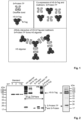
- Fig. 2 shows the results of an anti-cmyc-Tag Western blot of hemagglutinin derivatives and S-protein derivatives in plant extracts compared with the S-protein-tp without His-tag in the oligomer purified by IMAC: Standard: anti-TNF ⁇ -nanobody ELP, S-Protein-H5-S-Tag co-expression, H5 oligomer: S-Protein-tp-H5-S-Tag co-expression. Expression of the different components at the expected sizes could be shown by Western-Blot. The potentially neutralizing antibody response was significantly better after immunization with H5 oligomer extracts compared to the sera of mice immunized with H5-S-Tag trimer extracts (P ⁇ 0.001).
- a single protein or two proteins (one of the S-Protein variants and H5-S-Tag) were expressed or co-expressed transiently in plants, respectively, and measured by Western blot.
- the oligomer formation of all variants was investigated by hemagglutination assay. (+) and (++): Expression of a single protein or both proteins confirmed by Western blot.
- HAU Proteins Protein expression hemagglutination unit
- S-Protein (+) 0 S-Protein-tp (+) 0 S-Protein-pll reference 1 (+) 0 S-Protein-GCN4 (reference 2) (+) 0 H5-S-Tag (+) 0 Proteins Protein expression hemagglutination unit (HAU) Co-expression with H5-S-Tag in plants in vivo Combination with H5-S-Tag in vitro S-Protein (++) 4 0 S-Protein-tp (++) 256 0 S-Protein-pll (reference 1) (++) 0 0 S-Protein-GCN4 (reference 2) (++) 2 0
- Agro-infiltration for expression of recombinant proteins was described in detail by Phan and Conrad (Phan and Conrad 2016) and is briefly described here.
- Agrobacteria harbouring shuttle vectors for expression of recombinant proteins (see Fig. 2 ) and the plant vector for expression of HcPro which is a suppressor of gene silencing that has been found to enhance remarkably the expression levels of recombinant proteins in plant cells (Conley et al. 2009, Sudarshana et al.
- Agrobacteria harbouring the shuttle vector for expression of recombinant protein and the plant vector for expression of HcPro were combined and were diluted in infiltration buffer to a final optical density (OD) measured at a wavelength of 600 nm of 1.0.
- OD optical density
- N. benthamiana plants (six to eight weeks old) were infiltrated by completely submerging each plant in the Agrobacterium -containing cup standing inside of a desiccator. Vacuum was applied for 2 min and then quickly released. The plants were then placed in the greenhouse at 21°C, 16 h light per day. Five days after infiltration, leaf samples were harvested and stored at -80°C.
- leaf sample was harvested, frozen in liquid nitrogen and homogenized using a commercial blender.
- Total proteins were extracted in 50 mM Tris buffer (pH 8.0).
- the extracts were clarified by centrifugation (18,000 g, 30 min, 4°C) and then filtrated through paper filters.
- the clarified extracts were mixed with Nickel-nitrilotriacetic acid (Ni-NTA) resin agarose washed twice with water before. After mixing for 30 min at 4°C, the mixture was applied to a chromatography column. Thereafter, the column was extensively washed (50 mM NaH 2 PO 4 , 300 mM NaCl, 30 mM Imidazole, pH 8.0).
- Recombinant proteins were then eluted from the column by elution buffer (50 mM NaH 2 PO 4 , 300 mM NaCl, 125 mM Imidazole, pH 8.0), filled into dialysis bags, concentrated with poly(ethylene glycol) (PEG) 6000 and dialyzed against PBS.
- elution buffer 50 mM NaH 2 PO 4 , 300 mM NaCl, 125 mM Imidazole, pH 8.0
- Frozen leaf samples (40g) were homogenized in liquid nitrogen. Total protein was extracted in PBS buffer (137 mM NaCl, 2.7 mM KCI, 10 mM Na 2 HPO 4 , 1.8 mM KH 2 PO 4 , pH 7.5). The extract was centrifuged twice (23,000 rpm, 30 min, 4°C) and mixed with 10 ml of GLN resin previously washed twice with water and once with PBS buffer. After mixing at 4°C for 30 min, the mixture was applied to a chromatography column. Thereafter, the column was washed twice with 30 ml PBS buffer.
- Recombinant protein was then eluted from the column with 10 ml elution buffer (137 mM NaCl, 2.7 mM KCI, 10 mM Na 2 HPO 4 , 1.8 mM KH 2 PO 4 , 200 mM ⁇ -methylmannoside, pH 7.4).
- the protein solution was dialyzed against PBS at 4°C overnight and concentrated by using poly(ethylene glycol) (PEG) 6000.
- affinity-purified trimeric hemagglutinin as an antigen was further purified via the column with starting concentrations of 1.25 mg protein in 0.5 ml.
- Extracted plant proteins 10 ng of the IMAC and SEC purified hemagglutinin or an anti-TNF ⁇ -nanobody-ELP standard protein (Conrad et al. 2011) were separated by reducing SDS-PAGE (10% polyacrylamide) and then electrotransferred to nitrocellulose membranes.
- the Wester blotting procedure was carried out according to Phan et Conrad (Phan et Conrad 2016).
- the Western blotting procedure was carried out using monoclonal anti-c-myc antibodies followed the protocol described by Gahrtz et Conrad (Gahrtz et Conrad 2009).
- Sheep anti-Mouse IgG Horseradish Peroxidase linked whole antibody was used as the secondary antibody (Secondary antibodies, GE healthcare UK limited Little Chalfont BuckinghamShire HP7 9NA UK) followed by Enhanced Chemiluminescence-based detection (ECL).
- ECL Enhanced Chemiluminescence-based detection
- Hemagglutinin contents (H5 oligomer and H5-S-Tag) in plant extracts were semi-quantified by Western blotting. Plant extracts containing 100 ng of either H5 oligomers or H5-S-Tag were selected for mouse immunization. In control groups, the plant extract containing S-Protein-tp and the non-transformed plant extract which had the same amount of total soluble protein with plant extracts containing H5 oligomers and H5-S-Tag were used. All plant extracts were formulated with the Emulsigen ® -D adjuvant (MVP Technologies, US) at 20% final concentration.
- Emulsigen ® -D adjuvant MVP Technologies, US
- mice Seven to nine weeks old male C57/Black6J mice (Charles River Laboratories, Research Models and Services, Germany GmbH; twelve per group) were subcutaneously immunized with Emulsigen ® -D adjuvant-formulated plant extracts at days 0, 14 and 28. One week after the 2nd and 3rd immunization, mice were bled via the retro-orbital sinus. Mouse sera were collected individually for hemagglutination inhibition (HI) and ELISA tests.
- HI hemagglutination inhibition
- the hemagglutination test was based on a standard protocol (World Organization for Animal Health (OIE) (2004) and described in detail in Phan et Conrad (Phan et Conrad 2016).
- the dilution that induced complete hemagglutination was defined as one hemagglutination unit (HAU).
- the hemagglutination inhibition (HI) assay was done similarly based on a standard procedure (World Organization for Animal Health (OIE) (2004).
- a 25 ⁇ l aliquot of a single mouse serum was placed in the first well of a microtitre plate containing 25 ⁇ l PBS, and twofold serial dilutions were done across the row of 8 wells.
- a 25 ⁇ l volume containing 4 HAU of the inactivated rg A/swan/Germany/R65/2006(H5N1) virus was added to the reaction and held at 25°C for 30 min. Then 25 ⁇ l of 1% chicken red blood cells was added, and the plates were incubated at 25°C for 30 min.
- the HI titer was presented as the reciprocal of the highest dilution of serum, which could completely inhibit hemagglutination.
- Fig. 4 and Tab. 1 show the hemagglutination titers of plant extracts and inactivated virus rg A/swan/Germany/R65/2006(H5N1).
- the hemaglutination titer caused by the co-expressed proteins was very low, whereas the both proteins were accumulated in the ER, indicating an insufficiently multimerization of the wild type S-protein.
- Fig. 5 shows the hemagglutination titer of size exclusion chromatography fractions of H5 oligomers and H5-S-Tag and the Western blot analysis of H5 oligomer and H5-S-Tag fractions.
- H5-S-Tag and H5 oligomer were purified by IMAC. The purified product was analyzed by Western blot. Both H5-S-Tag and S-protein-tp (without His-Tag) were detected indicating that S-protein-tp specifically interacted with the S-Tag.
- Purified H5 oligomer and H5-S-Tag were further separated by SEC and the hemagglutination titer of every fraction was estimated.
- High hemagglutination titers were observed in fractions A3 to A8 of H5 oligomers.
- the highest molecular weight (fraction A3, about 2,000 kDa) corresponds to the highest hemagglutination titer.
- the analysis of H5-S-Tag by SEC did not show a high molecular weight and no high hemagglutination titer.
- the fractions of H5-S-Tag and H5 oligomer were separated by SDS-PAGE and analyzed by Western Blot in parallel.
- High molecular weight hemagglutinins (700 kDa to 2,000 kDa, fractions A3 to A7) were exclusively achieved in H5 oligomer extracts after co-expression of H5-S-Tag and S-protein-tp.
- Microtiter plates (ImmunoPlate Maxisorp, Nalgen Nunc International, Roskilde, Denmark) were coated with 100 ⁇ l of 0.5 ⁇ g/mL of immobilized metal affinity chromatography (IMAC) and size exclusion chromatography (SEC) purified hemagglutinin (H5) trimer in phage PBS (100 mM NaCl, 32 mM Na 2 HPO 4 , 17 mM Na 2 HPO 4 , pH 7.2) and incubated overnight at room temperature.
- IMAC immobilized metal affinity chromatography
- SEC size exclusion chromatography
- pNPP p-nitrophenyl phosphate
- Fig. 6 A and Fig. 7 A show the measurement of antibody responses after two or three, respectively, immunizations against purified hemagglutinin by indirect ELISA and raised by injection of different extracts into mice.
- Specific immune responses tested against purified H5 were raised by immunization with H5 oligomer extracts and H5-S-Tag extracts as well. In controls, almost no immune responses against H5 were detected after immunization with S-protein-tp and with wildtype extracts.
- hemagglutination inhibition (HI) assays showed that potentially neutralizing antibodies inhibiting hemagglutination could be produced in mice by immunization with H5 oligomer extracts and with H5-S-Tag extracts ( Fig. 6 B and Fig. 7 B ).
- Fig. 8 shows the hemagglutinin (H5) specific binding of antibodies from mixtures of 10 sera, respectively, raised against H5 containing extracts (extracts containing H5 oligomer, H5-S-Tag, S-protein-tp or WT plant extract) demonstrated by Western blot.
- the immunogenic extracts were stored at 4°C for one week without loss of antigen content as revealed by Western Blot ( Fig. 9 A ) and hemagglutination titer ( Fig. 9 B ).
- H5Dk oligomers formed by co-expression of H5Dk-S-Tag and S-Protein-TP are designated as H5Dk oligomers and show very high hemagglutination titer in comparison with H5Dk ( Fig. 10 ). Further analyses (size exclusion chromatography, mouse immunization%) are currently running.
- the deduced hemagglutinin amino acid sequence similarity of new hemagglutinin (H5Dk, SEQ ID No. 36) and A/duck/Viet Nam/TG24-01/2005(H5N1) strain (SEQ ID No. 35) is 93%.
Landscapes
- Health & Medical Sciences (AREA)
- Life Sciences & Earth Sciences (AREA)
- Chemical & Material Sciences (AREA)
- Genetics & Genomics (AREA)
- Organic Chemistry (AREA)
- Molecular Biology (AREA)
- Medicinal Chemistry (AREA)
- General Health & Medical Sciences (AREA)
- Virology (AREA)
- Engineering & Computer Science (AREA)
- Biochemistry (AREA)
- Pharmacology & Pharmacy (AREA)
- Biophysics (AREA)
- Wood Science & Technology (AREA)
- Immunology (AREA)
- Microbiology (AREA)
- Bioinformatics & Cheminformatics (AREA)
- General Engineering & Computer Science (AREA)
- Zoology (AREA)
- Biotechnology (AREA)
- Biomedical Technology (AREA)
- Animal Behavior & Ethology (AREA)
- Veterinary Medicine (AREA)
- Public Health (AREA)
- Proteomics, Peptides & Aminoacids (AREA)
- Mycology (AREA)
- Epidemiology (AREA)
- Cell Biology (AREA)
- Physics & Mathematics (AREA)
- Gastroenterology & Hepatology (AREA)
- Plant Pathology (AREA)
- Oncology (AREA)
- Chemical Kinetics & Catalysis (AREA)
- General Chemical & Material Sciences (AREA)
- Communicable Diseases (AREA)
- Nuclear Medicine, Radiotherapy & Molecular Imaging (AREA)
- Pulmonology (AREA)
- Peptides Or Proteins (AREA)
- Medicines Containing Antibodies Or Antigens For Use As Internal Diagnostic Agents (AREA)
Claims (13)
- Verfahren zur Herstellung eines oligomeren Proteins in eukaryotischen Zellen, umfassend die Schrittea) Koexpression von zwei Fusionsproteinen in eukaryotischen Zellen, umfassend- ein erstes Fusionsprotein umfassend ein Protein und ein S-Tag (im Folgenden auch Protein-S-Tag-Fusionsprotein genannt),wobei das Protein ein Antigen oder eine Antigenbindeeinheit ist,wobei das S-Tag des Protein-S-Tag-Fusionsproteins eine Sequenzidentität von mindestens 70% mit einer der Sequenzen SEQ ID NO. 2 bis 8 aufweist, und- ein zweites Fusionsprotein umfassend ein S-Protein und ein tail piece (tp) (im Folgenden auch S-Protein-tail piece (tp)-Fusionsprotein genannt),wobei das S-Protein des S-Protein-tp-Fusionsproteins ein Oligopeptid mit einer Sequenzidentität von mindestens 80% zu einer der Sequenzen SEQ ID NO. 9 bis 15 umfasst,wobei das tail piece (tp) ein Oligopeptid ist, das von einer schweren Kette eines IgM- oder IgA-Antikörpers erhalten wird, wobei das tp des S-Protein-tp-Fusionsproteins aus Sequenzen mit einer Sequenzidentität von mindestens 75% zu einer der Sequenzen SEQ ID NO. 16 bis 22 oder 30 bis 34 ausgewählt ist,b) Extraktion der zwei Fusionsproteine,wobei die Oligomerisierung des Proteins des Protein-S-Tag-Fusionsproteins nach der Koexpression in eukaryotischen Zellen gemäß Schritt a) und/oder nach der Extraktion gemäß Schritt b) erfolgt.
- Verfahren nach Anspruch 1, wobei die eukaryotischen Zellen Pflanzenzellen sind, ausgewählt aus einer Tabak-, Sojabohnen- oder Pisumpflanze.
- Verfahren nach Anspruch 1 oder 2, wobei die Pflanzenzellen Zellen von Blättern oder Samen einer Pflanze sind.
- Verfahren nach einem der Ansprüche 2 bis 3, wobei die Koexpression gemäß Schritt a) den Schritt umfasst: Bereitstellen von Genen, kodierend für die zwei Fusionsproteine, in Pflanzenzellen durch Co-Infiltration von Pflanzenzellen mit Agrobacterium-Stämmen.
- Oligomeres Protein, umfassend mindestens ein erstes Fusionsprotein, umfassend ein Protein und ein S-Tag, im Folgenden auch Protein-S-Tag-Fusionsprotein genannt,wobei das Protein ein Antigen oder eine Antigenbindeeinheit ist,wobei das S-Tag des Protein-S-Tag-Fusionsproteins eine Sequenzidentität von mindestens 70% mit einer der Sequenzen SEQ ID NO. 2 bis 8 aufweist, undein zweites Fusionsprotein, umfassend ein S-Protein und ein tail piece (tp), im Folgenden auch S-Protein-tail piece (tp)-Fusionsprotein genannt,wobei das S-Protein des S-Protein-tail piece (tp)-Fusionsproteins ein Oligopeptid mit einer Sequenzidentität von mindestens 80% zu einer der Sequenzen SEQ ID NO. 9 bis 15 umfasst,wobei das tail piece (tp) ein Oligopeptid ist, das von einer schweren Kette eines IgM- oder IgA-Antikörpers erhalten wird, wobei das tp des S-Protein-tp-Fusionsproteins aus Sequenzen mit einer Sequenzidentität von mindestens 75% zu einer der Sequenzen SEQ ID NO. 16 bis 22 oder 30 bis 34 ausgewählt ist.
- Verfahren nach einem der Ansprüche 1 bis 4 oder oligomeres Protein nach Anspruch 5, wobei das Antigen ein Influenza-Hämagglutinin ist.
- Verfahren nach einem der Ansprüche 1 bis 4 oder oligomeres Protein nach Anspruch 5, wobei die Antigenbindeeinheit ein Antikörper gegen ein Pathogen des Gastrointestinaltrakts oder des Atmungssystems ist.
- Verfahren nach einem der Ansprüche 1 bis 4 oder 6 bis 7 oder oligomeres Protein nach einem der Ansprüche 5 bis 7, wobei sich der S-Tag des ersten Fusionsproteins am C-Terminus des Antigens oder der Antigenbindeeinheit befindet.
- Verfahren nach einem der Ansprüche 1 bis 4 oder 6 bis 8 oder oligomeres Protein nach einem der Ansprüche 5 bis 8, wobei das tp ein Oligopeptid mit 15 bis 25 Aminosäureresten ist, bevorzugt umfassend eine der Sequenzen SEQ ID NO. 16 bis 22 oder SEQ ID NO. 30 bis 34 oder eine Sequenz mit mindestens 85%, bevorzugt 95% Sequenzidentität zu einer der Sequenzen SEQ ID NO. 16 bis 22 oder SEQ ID NO. 30 bis 34, wobei die Position des Cystein (Cys, C)-Restes konstant ist.
- Nukleinsäure, umfassend eine Nukleinsäuresequenz, kodierend für ein oligomeres Protein nach einem der Ansprüche 5 bis 9, oder ein Vektor, der eine solche Nukleinsäure umfasst.
- Pflanzenzelle, Hefezelle oder Pflanze, umfassend eine Nukleinsäure oder einen Vektor nach Anspruch 10.
- Verwendung eines oligomeren Proteins nach einem der Ansprüche 5 bis 9 oder erhalten durch ein Verfahren nach einem der Ansprüche 1 bis 4 oder 6 bis 9 zur Herstellung eines Impfstoffs.
- Impfstoff, umfassend das oligomere Protein nach einem der Ansprüche 5 bis 9.
Applications Claiming Priority (2)
| Application Number | Priority Date | Filing Date | Title |
|---|---|---|---|
| EP16206231 | 2016-12-22 | ||
| PCT/EP2017/084136 WO2018115305A1 (en) | 2016-12-22 | 2017-12-21 | Oligomeric vaccines from plants by s-tag-s-protein fusions |
Publications (3)
| Publication Number | Publication Date |
|---|---|
| EP3559239A1 EP3559239A1 (de) | 2019-10-30 |
| EP3559239C0 EP3559239C0 (de) | 2024-09-25 |
| EP3559239B1 true EP3559239B1 (de) | 2024-09-25 |
Family
ID=57755027
Family Applications (1)
| Application Number | Title | Priority Date | Filing Date |
|---|---|---|---|
| EP17826233.3A Active EP3559239B1 (de) | 2016-12-22 | 2017-12-21 | Oligomere impfstoffe aus pflanzen durch s-tag-s-proteinfusionen |
Country Status (4)
| Country | Link |
|---|---|
| US (1) | US11015205B2 (de) |
| EP (1) | EP3559239B1 (de) |
| CN (1) | CN110300805A (de) |
| WO (1) | WO2018115305A1 (de) |
Families Citing this family (2)
| Publication number | Priority date | Publication date | Assignee | Title |
|---|---|---|---|---|
| EP3881862A1 (de) * | 2020-03-18 | 2021-09-22 | Pharis Biotec GmbH | Polypeptid zur therapie von glomerulären nierenerkrankungen und analyse des verlaufes und prognose der abhängigen syndrome |
| CN117147881B (zh) * | 2023-10-30 | 2024-01-02 | 山东省食品药品检验研究院 | 一种狍鹿角特征肽段及检测狍鹿角的方法和应用 |
Family Cites Families (9)
| Publication number | Priority date | Publication date | Assignee | Title |
|---|---|---|---|---|
| US6589529B1 (en) | 1998-10-30 | 2003-07-08 | Children's Hospital Medical Center | Rotavirus subunit vaccine |
| US7067110B1 (en) | 1999-07-21 | 2006-06-27 | Emd Lexigen Research Center Corp. | Fc fusion proteins for enhancing the immunogenicity of protein and peptide antigens |
| DE19963859A1 (de) * | 1999-12-30 | 2001-07-12 | Apotech Res & Dev Ltd | Bi- oder Oligomer eines Di-, Tri-, Quattro- oder Pentamers von rekombinanten Fusionsproteinen |
| WO2007098201A2 (en) | 2006-02-16 | 2007-08-30 | The Henry M. Jackson Foundation For The Advancement Of Military Medicine, Inc. | Shiga toxoid chimeric proteins |
| WO2009133463A1 (en) * | 2008-04-30 | 2009-11-05 | University Of Copenhagen | Soluble influenza vaccine |
| AU2010303568B2 (en) * | 2009-10-09 | 2014-07-31 | New York Blood Center, Inc. | Immunopotentiator-linked oligomeric influenza immunogenic compositions |
| US10238734B2 (en) | 2010-03-23 | 2019-03-26 | The Regents Of The University Of California | Compositions and methods for self-adjuvanting vaccines against microbes and tumors |
| JP5869553B2 (ja) | 2010-03-31 | 2016-02-24 | スタビリテック リミテッド | ウイルス粒子、ポリペプチド又は生体材料を安定化させる添加剤 |
| AU2013295647B2 (en) * | 2012-07-26 | 2018-02-08 | The Henry M. Jackson Foundation For The Advancement Of Military Medicine, Inc. | Multimeric fusion protein vaccine and immunotherapeutic |
-
2017
- 2017-12-21 EP EP17826233.3A patent/EP3559239B1/de active Active
- 2017-12-21 US US16/472,802 patent/US11015205B2/en active Active
- 2017-12-21 WO PCT/EP2017/084136 patent/WO2018115305A1/en not_active Ceased
- 2017-12-21 CN CN201780085836.8A patent/CN110300805A/zh active Pending
Also Published As
| Publication number | Publication date |
|---|---|
| EP3559239A1 (de) | 2019-10-30 |
| EP3559239C0 (de) | 2024-09-25 |
| US20200181633A1 (en) | 2020-06-11 |
| WO2018115305A1 (en) | 2018-06-28 |
| CN110300805A (zh) | 2019-10-01 |
| US11015205B2 (en) | 2021-05-25 |
Similar Documents
| Publication | Publication Date | Title |
|---|---|---|
| Mardanova et al. | Rapid high-yield expression of a candidate influenza vaccine based on the ectodomain of M2 protein linked to flagellin in plants using viral vectors | |
| Phan et al. | ELP ylated haemagglutinins produced in tobacco plants induce potentially neutralizing antibodies against H5N 1 viruses in mice | |
| US7253341B2 (en) | Denaturant stable and/or protease resistant, chaperone-like oligomeric proteins, polynucleotides encoding same, their uses and methods of increasing a specific activity thereof | |
| Chen | Expression and purification of pharmaceutical proteins in plants | |
| CA2774640C (en) | Virus like particles comprising target proteins fused to plant viral coat proteins | |
| Phan et al. | Neutralizing immune responses induced by oligomeric H5N1-hemagglutinins from plants | |
| CA2440358C (en) | Denaturant stable and/or protease resistant, chaperone-like oligomeric proteins, polynucleotides encoding same and their uses | |
| Ceballo et al. | Transient production of receptor-binding domain of SARS-CoV-2 in Nicotiana benthamiana plants induces specific antibodies in immunized mice | |
| US11015205B2 (en) | Oligomeric vaccines from plants by S-Tag-S-protein fusions | |
| EP1522585A1 (de) | Chimäre Trägermoleküle zur Produktion von Impfstoffen, die durch die Schleimhaut aufgenommen werden | |
| Phan et al. | In vitro-formulated oligomers of strep-tagged avian influenza haemagglutinin produced in plants cause neutralizing immune responses | |
| Roy et al. | Rabies glycoprotein fused with B subunit of cholera toxin expressed in tobacco plants folds into biologically active pentameric protein | |
| Rattanapisit et al. | Rapid transient production of a monoclonal antibody neutralizing the porcine epidemic diarrhea virus (PEDV) in Nicotiana benthamiana and Lactuca sativa | |
| Tamaki et al. | Cholera toxin B subunit pentamer reassembled from Escherichia coli inclusion bodies for use in vaccination | |
| CA2621466A1 (en) | Modified tobacco mosaic virus particles as scaffolds for display of protein antigens for vaccine applications | |
| Kim et al. | Expression of a cholera toxin B subunit and consensus dengue virus envelope protein domain III fusion gene in transgenic rice callus | |
| Phan et al. | Plant crude extracts containing oligomeric hemagglutinins protect chickens against highly Pathogenic Avian Influenza Virus after one dose of immunization | |
| US20190337994A1 (en) | Production of soluble hiv envelope trimers in planta | |
| Mammadova et al. | Engineering, production, and immunogenicity studies of a truncated form of rabies virus glycoprotein produced in Nicotiana benthamiana plant | |
| HK40016705B (en) | Oligomeric vaccines from plants by s-tag-s-protein fusions | |
| HK40016705A (en) | Oligomeric vaccines from plants by s-tag-s-protein fusions | |
| Ji et al. | Design of fusion proteins for efficient and soluble production of immunogenic Ebola virus glycoprotein in Escherichia coli | |
| Song et al. | Rice‐derived SARS‐CoV‐2 glycoprotein S1 subunit vaccine elicits humoral and cellular immune responses | |
| Andrianova et al. | Foot and mouth disease virus polyepitope protein produced in bacteria and plants induces protective immunity in guinea pigs | |
| Trujillo et al. | Production and immunogenicity assessment of a ToxA-based multiepitope plant-made protein targeting enteric pathogens |
Legal Events
| Date | Code | Title | Description |
|---|---|---|---|
| STAA | Information on the status of an ep patent application or granted ep patent |
Free format text: STATUS: UNKNOWN |
|
| STAA | Information on the status of an ep patent application or granted ep patent |
Free format text: STATUS: THE INTERNATIONAL PUBLICATION HAS BEEN MADE |
|
| PUAI | Public reference made under article 153(3) epc to a published international application that has entered the european phase |
Free format text: ORIGINAL CODE: 0009012 |
|
| STAA | Information on the status of an ep patent application or granted ep patent |
Free format text: STATUS: REQUEST FOR EXAMINATION WAS MADE |
|
| 17P | Request for examination filed |
Effective date: 20190711 |
|
| AK | Designated contracting states |
Kind code of ref document: A1 Designated state(s): AL AT BE BG CH CY CZ DE DK EE ES FI FR GB GR HR HU IE IS IT LI LT LU LV MC MK MT NL NO PL PT RO RS SE SI SK SM TR |
|
| AX | Request for extension of the european patent |
Extension state: BA ME |
|
| DAV | Request for validation of the european patent (deleted) | ||
| DAX | Request for extension of the european patent (deleted) | ||
| REG | Reference to a national code |
Ref country code: HK Ref legal event code: DE Ref document number: 40016705 Country of ref document: HK |
|
| STAA | Information on the status of an ep patent application or granted ep patent |
Free format text: STATUS: EXAMINATION IS IN PROGRESS |
|
| 17Q | First examination report despatched |
Effective date: 20210309 |
|
| GRAP | Despatch of communication of intention to grant a patent |
Free format text: ORIGINAL CODE: EPIDOSNIGR1 |
|
| STAA | Information on the status of an ep patent application or granted ep patent |
Free format text: STATUS: GRANT OF PATENT IS INTENDED |
|
| INTG | Intention to grant announced |
Effective date: 20240418 |
|
| RAP3 | Party data changed (applicant data changed or rights of an application transferred) |
Owner name: LEIBNIZ-INSTITUT FUER PFLANZENGENETIK UND KULTURPFLANZENFORSCHUNG (IPK) |
|
| GRAS | Grant fee paid |
Free format text: ORIGINAL CODE: EPIDOSNIGR3 |
|
| GRAA | (expected) grant |
Free format text: ORIGINAL CODE: 0009210 |
|
| STAA | Information on the status of an ep patent application or granted ep patent |
Free format text: STATUS: THE PATENT HAS BEEN GRANTED |
|
| AK | Designated contracting states |
Kind code of ref document: B1 Designated state(s): AL AT BE BG CH CY CZ DE DK EE ES FI FR GB GR HR HU IE IS IT LI LT LU LV MC MK MT NL NO PL PT RO RS SE SI SK SM TR |
|
| REG | Reference to a national code |
Ref country code: GB Ref legal event code: FG4D |
|
| REG | Reference to a national code |
Ref country code: CH Ref legal event code: EP |
|
| REG | Reference to a national code |
Ref country code: DE Ref legal event code: R081 Ref document number: 602017085102 Country of ref document: DE Owner name: LEIBNIZ-INSTITUT FUER PFLANZENGENETIK UND KULT, DE Free format text: FORMER OWNER: ANMELDERANGABEN UNKLAR / UNVOLLSTAENDIG, 80297 MUENCHEN, DE |
|
| REG | Reference to a national code |
Ref country code: DE Ref legal event code: R096 Ref document number: 602017085102 Country of ref document: DE |
|
| REG | Reference to a national code |
Ref country code: IE Ref legal event code: FG4D |
|
| U01 | Request for unitary effect filed |
Effective date: 20241023 |
|
| U07 | Unitary effect registered |
Designated state(s): AT BE BG DE DK EE FI FR IT LT LU LV MT NL PT RO SE SI Effective date: 20241105 |
|
| U20 | Renewal fee for the european patent with unitary effect paid |
Year of fee payment: 8 Effective date: 20241202 |
|
| PG25 | Lapsed in a contracting state [announced via postgrant information from national office to epo] |
Ref country code: NO Free format text: LAPSE BECAUSE OF FAILURE TO SUBMIT A TRANSLATION OF THE DESCRIPTION OR TO PAY THE FEE WITHIN THE PRESCRIBED TIME-LIMIT Effective date: 20241225 |
|
| PG25 | Lapsed in a contracting state [announced via postgrant information from national office to epo] |
Ref country code: GR Free format text: LAPSE BECAUSE OF FAILURE TO SUBMIT A TRANSLATION OF THE DESCRIPTION OR TO PAY THE FEE WITHIN THE PRESCRIBED TIME-LIMIT Effective date: 20241226 |
|
| PG25 | Lapsed in a contracting state [announced via postgrant information from national office to epo] |
Ref country code: RS Free format text: LAPSE BECAUSE OF FAILURE TO SUBMIT A TRANSLATION OF THE DESCRIPTION OR TO PAY THE FEE WITHIN THE PRESCRIBED TIME-LIMIT Effective date: 20241225 |
|
| PG25 | Lapsed in a contracting state [announced via postgrant information from national office to epo] |
Ref country code: RS Free format text: LAPSE BECAUSE OF FAILURE TO SUBMIT A TRANSLATION OF THE DESCRIPTION OR TO PAY THE FEE WITHIN THE PRESCRIBED TIME-LIMIT Effective date: 20241225 Ref country code: NO Free format text: LAPSE BECAUSE OF FAILURE TO SUBMIT A TRANSLATION OF THE DESCRIPTION OR TO PAY THE FEE WITHIN THE PRESCRIBED TIME-LIMIT Effective date: 20241225 Ref country code: GR Free format text: LAPSE BECAUSE OF FAILURE TO SUBMIT A TRANSLATION OF THE DESCRIPTION OR TO PAY THE FEE WITHIN THE PRESCRIBED TIME-LIMIT Effective date: 20241226 |
|
| PG25 | Lapsed in a contracting state [announced via postgrant information from national office to epo] |
Ref country code: IS Free format text: LAPSE BECAUSE OF FAILURE TO SUBMIT A TRANSLATION OF THE DESCRIPTION OR TO PAY THE FEE WITHIN THE PRESCRIBED TIME-LIMIT Effective date: 20250125 |
|
| PG25 | Lapsed in a contracting state [announced via postgrant information from national office to epo] |
Ref country code: SM Free format text: LAPSE BECAUSE OF FAILURE TO SUBMIT A TRANSLATION OF THE DESCRIPTION OR TO PAY THE FEE WITHIN THE PRESCRIBED TIME-LIMIT Effective date: 20240925 |
|
| PG25 | Lapsed in a contracting state [announced via postgrant information from national office to epo] |
Ref country code: ES Free format text: LAPSE BECAUSE OF FAILURE TO SUBMIT A TRANSLATION OF THE DESCRIPTION OR TO PAY THE FEE WITHIN THE PRESCRIBED TIME-LIMIT Effective date: 20240925 |
|
| PG25 | Lapsed in a contracting state [announced via postgrant information from national office to epo] |
Ref country code: CZ Free format text: LAPSE BECAUSE OF FAILURE TO SUBMIT A TRANSLATION OF THE DESCRIPTION OR TO PAY THE FEE WITHIN THE PRESCRIBED TIME-LIMIT Effective date: 20240925 Ref country code: PL Free format text: LAPSE BECAUSE OF FAILURE TO SUBMIT A TRANSLATION OF THE DESCRIPTION OR TO PAY THE FEE WITHIN THE PRESCRIBED TIME-LIMIT Effective date: 20240925 |
|
| PG25 | Lapsed in a contracting state [announced via postgrant information from national office to epo] |
Ref country code: SK Free format text: LAPSE BECAUSE OF FAILURE TO SUBMIT A TRANSLATION OF THE DESCRIPTION OR TO PAY THE FEE WITHIN THE PRESCRIBED TIME-LIMIT Effective date: 20240925 |
|
| PG25 | Lapsed in a contracting state [announced via postgrant information from national office to epo] |
Ref country code: MC Free format text: LAPSE BECAUSE OF FAILURE TO SUBMIT A TRANSLATION OF THE DESCRIPTION OR TO PAY THE FEE WITHIN THE PRESCRIBED TIME-LIMIT Effective date: 20240925 |
|
| PLBE | No opposition filed within time limit |
Free format text: ORIGINAL CODE: 0009261 |
|
| STAA | Information on the status of an ep patent application or granted ep patent |
Free format text: STATUS: NO OPPOSITION FILED WITHIN TIME LIMIT |
|
| 26N | No opposition filed |
Effective date: 20250626 |
|
| PG25 | Lapsed in a contracting state [announced via postgrant information from national office to epo] |
Ref country code: IE Free format text: LAPSE BECAUSE OF NON-PAYMENT OF DUE FEES Effective date: 20241221 |
|
| REG | Reference to a national code |
Ref country code: CH Ref legal event code: U11 Free format text: ST27 STATUS EVENT CODE: U-0-0-U10-U11 (AS PROVIDED BY THE NATIONAL OFFICE) Effective date: 20260101 |
|
| PGFP | Annual fee paid to national office [announced via postgrant information from national office to epo] |
Ref country code: GB Payment date: 20251229 Year of fee payment: 9 |
|
| PG25 | Lapsed in a contracting state [announced via postgrant information from national office to epo] |
Ref country code: HR Free format text: LAPSE BECAUSE OF FAILURE TO SUBMIT A TRANSLATION OF THE DESCRIPTION OR TO PAY THE FEE WITHIN THE PRESCRIBED TIME-LIMIT Effective date: 20240925 |
|
| U20 | Renewal fee for the european patent with unitary effect paid |
Year of fee payment: 9 Effective date: 20251217 |
|
| PGFP | Annual fee paid to national office [announced via postgrant information from national office to epo] |
Ref country code: CH Payment date: 20260101 Year of fee payment: 9 |