EP3551179B1 - Tartrolon d et/ou e pour prévenir et traiter des infections par les apicomplexes - Google Patents
Tartrolon d et/ou e pour prévenir et traiter des infections par les apicomplexes Download PDFInfo
- Publication number
- EP3551179B1 EP3551179B1 EP17825675.6A EP17825675A EP3551179B1 EP 3551179 B1 EP3551179 B1 EP 3551179B1 EP 17825675 A EP17825675 A EP 17825675A EP 3551179 B1 EP3551179 B1 EP 3551179B1
- Authority
- EP
- European Patent Office
- Prior art keywords
- tartrolon
- treatment
- prevention
- disease caused
- apicomplexan parasite
- Prior art date
- Legal status (The legal status is an assumption and is not a legal conclusion. Google has not performed a legal analysis and makes no representation as to the accuracy of the status listed.)
- Active
Links
Images






Classifications
-
- A—HUMAN NECESSITIES
- A61—MEDICAL OR VETERINARY SCIENCE; HYGIENE
- A61K—PREPARATIONS FOR MEDICAL, DENTAL OR TOILETRY PURPOSES
- A61K45/00—Medicinal preparations containing active ingredients not provided for in groups A61K31/00 - A61K41/00
- A61K45/06—Mixtures of active ingredients without chemical characterisation, e.g. antiphlogistics and cardiaca
-
- A—HUMAN NECESSITIES
- A61—MEDICAL OR VETERINARY SCIENCE; HYGIENE
- A61K—PREPARATIONS FOR MEDICAL, DENTAL OR TOILETRY PURPOSES
- A61K31/00—Medicinal preparations containing organic active ingredients
- A61K31/33—Heterocyclic compounds
- A61K31/335—Heterocyclic compounds having oxygen as the only ring hetero atom, e.g. fungichromin
- A61K31/365—Lactones
-
- A—HUMAN NECESSITIES
- A61—MEDICAL OR VETERINARY SCIENCE; HYGIENE
- A61K—PREPARATIONS FOR MEDICAL, DENTAL OR TOILETRY PURPOSES
- A61K31/00—Medicinal preparations containing organic active ingredients
- A61K31/69—Boron compounds
-
- A—HUMAN NECESSITIES
- A61—MEDICAL OR VETERINARY SCIENCE; HYGIENE
- A61P—SPECIFIC THERAPEUTIC ACTIVITY OF CHEMICAL COMPOUNDS OR MEDICINAL PREPARATIONS
- A61P33/00—Antiparasitic agents
-
- A—HUMAN NECESSITIES
- A61—MEDICAL OR VETERINARY SCIENCE; HYGIENE
- A61P—SPECIFIC THERAPEUTIC ACTIVITY OF CHEMICAL COMPOUNDS OR MEDICINAL PREPARATIONS
- A61P33/00—Antiparasitic agents
- A61P33/02—Antiprotozoals, e.g. for leishmaniasis, trichomoniasis, toxoplasmosis
- A61P33/06—Antimalarials
-
- Y—GENERAL TAGGING OF NEW TECHNOLOGICAL DEVELOPMENTS; GENERAL TAGGING OF CROSS-SECTIONAL TECHNOLOGIES SPANNING OVER SEVERAL SECTIONS OF THE IPC; TECHNICAL SUBJECTS COVERED BY FORMER USPC CROSS-REFERENCE ART COLLECTIONS [XRACs] AND DIGESTS
- Y02—TECHNOLOGIES OR APPLICATIONS FOR MITIGATION OR ADAPTATION AGAINST CLIMATE CHANGE
- Y02A—TECHNOLOGIES FOR ADAPTATION TO CLIMATE CHANGE
- Y02A50/00—TECHNOLOGIES FOR ADAPTATION TO CLIMATE CHANGE in human health protection, e.g. against extreme weather
- Y02A50/30—Against vector-borne diseases, e.g. mosquito-borne, fly-borne, tick-borne or waterborne diseases whose impact is exacerbated by climate change
Definitions
- the invention generally relates to methods and compositions for preventing and treating diseases and conditions caused by certain Apicomplexan infections.
- the invention provides methods and compositions for preventing and treating diseases and conditions caused by Cryptosporidium, Babesia, Cyclospora, Isospora, Plasmodium, Sarcocystis, Theileria, Besnoitia, Neospora,, Hammondia and Toxoplasma by administering one or more tartrolons to an infected or susceptible subject.
- the phylum of Apicomplexa also called Apicomplexia, include a large group of parasitic protozoan alveolates such as the coccidia, gregarines, piroplasms, and haemosporidia. These organisms are spore-forming, and most species are obligate intracellular parasites of animals. After penetrating into host cells and causing infection, members of the Apicomplexa can cause diseases that affect both humans and other animals including farm animals and pets. Apicomplexan infections cause diseases that are of great importance, both economically and due to the resulting suffering. These diseases include: cryptosporidiosis (by a Cryptosporidium species, e.g., C . hominis and C.
- toxoplasmosis by Toxoplasma gondii
- babesiosis by a Babesia species
- malaria by a Plasmodium species
- cyclosporiasis by Cyclospora cayetanensis
- isosporiasis by a Isospora species, e.g., Isospora belli
- theileriosis by a Theileria species
- sarcocystosis by a Sarcocystis species
- besnoitiosis by a Besnoitia sp.
- hammondiaiasis by a Hammondia sp.
- neosporiasis by a Neospora sp.
- Animals affected by various apicomplexan infections include: horse, sheep, goat, bovine, chicken, turkey, duck, goose, dog, cat, pig, rabbit, donkey, camelids (e.g., camels, llamas, alpaca), kangaroo, wallaby, lemur, birds, penguin, sea lion, seal, sea mammals like otter, and so on.
- Cryptosporidiosis is the most common cause of parasitic diarrhea in the developing world ( Ajjampur SS, et al. (2008) J Med Microbiol 57(Pt 11): 1364-1368 ). Cryptosporidiosis causes growth and developmental delays in young children ( Duong TH, et al. (1995) Sante 5(3):185-188 ), even when the infection is asymptomatic ( Checkley W, et al. (1997) Am J Epidemiol 145(2): 156-163 ).
- Cryptosporidium species are ubiquitous in industrialized countries as well. In 2007, Cryptosporidium was identified as the cause of 87% of waterborne illnesses in the US ( Hlavsa MC, et al. (2011) MMWR Surveill Summ 60(12):1-32 ). In 1993, contamination of the Milwaukee's water supply led to over 400,000 cases of cryptosporidiosis, resulting in 69 deaths ( Mac Kenzie WR, et al. (1994) N Engl J Med 331(3):161-167 ). Cryptosporidium parvum is also a common cause of scours in dairy herds, especially neonatal calves, often bringing large economic losses to inflicted farms. Bovine babesiosis is another disease that can cause havoc in cattle populations.
- Cryptosporidium In recognition of its potential as a biological weapon, Cryptosporidium is classified by the CDC and NIH as a Category B agent. Clearly, development of an effective therapeutic for treatment of cryptosporidiosis is a medical and public health imperative. Currently, there are no drugs available to cure cryptosporidiosis in immunocompromised patients ( Abubakar I, et al. (2007) Cochrane Database Syst Rev 1:CD004932 ). There is only one drug available to treat the disease in immunocompetent patients: nitazoxinide, and its efficacy in controlling and treating cryptosporidiosis leaves much to be desired.
- apicomplexan parasite Another disease caused by an apicomplexan parasite is the well-known disease of malaria, which affects both humans and other animals. Malaria is most commonly transmitted by infected mosquitos when their bites introduce the apicomplexan parasite Plasmodium into the host. Widespread in the tropical and subtropical regions including Sub-Saharan Africa, Asia, and Latin America, malaria still exacts a large toll on human and animal lives: in 2015, there were 296 million human cases of malaria worldwide with an estimated 731,000 deaths. According to a 2005 study, economic losses from malaria in Africa alone were estimated to be US$12 billion a year. Greenwood et al. (2005) Lancet 365(9469): 1487-1498 .
- malaria In human, malaria is caused by five species of Plasmodium: P. falciparum, P. malariae, P. ovale, P. vivax and P. knowlesi. Among human cases, P. falciparum, account for about 75% of the infection and the most deaths. While there are antimalarial treatments, drug resistance is now common against all classes of antimalarial drugs except for artemisinins-and with confirmation of P. falciparum strains resistant to artemisinins in several Southeast Asian countries, there is dire urgency to develop new and effective treatment against malaria-causing Plasmodium. Sinha et al. (2014) Parasite 21:61 . Moreover, besides Plasmodium, most other apicomplexans are also quick to develop drug resistance; therefore, discovery of new, effective drugs is always a medical and veterinary imperative.
- compositions and their use for preventing and/or treating diseases and unwanted conditions caused by one or more protozoan parasites of the Apicomplexa phylum generally involve administering to a subject in need thereof a therapeutically effective amount of one or more of the macrodioloide polyketides tartrolon D, its boronated derivative tartrolon E, and stereoisomers thereof ("compounds of the invention").
- compounds of the invention When contacted with or exposed to at least one of the compounds of the invention, apicomplexan parasites are irreversibly inhibited or killed.
- the present disclosure also provides methods of inhibiting or killing certain protozoan parasites of the Apicomplexa phylum by contacting the parasites with or exposing the parasites to an amount of at least one of tartrolon D and tartrolon E (or therapeutically active stereoisomers thereof), exposure being in an amount sufficient to kill or damage the parasites, thereby preventing (prophylactically treating) or treating therapeutically infections caused by the parasites.
- the parasites may be in vivo (e.g., present in an infected host, a host that is susceptible to infection, or an intermediary organism), ex vivo (e.g., on a surface or in an area that may foster contact between the parasite and a potential host organism, or in a parasite habitat), or in a vector that transmits the parasite to a host (e.g., in a vector habitat).
- ex vivo e.g., present in an infected host, a host that is susceptible to infection, or an intermediary organism
- ex vivo e.g., on a surface or in an area that may foster contact between the parasite and a potential host organism, or in a parasite habitat
- a vector that transmits the parasite to a host e.g., in a vector habitat
- the present invention relates to of the compositions for use in treating or preventing a disease caused by an apicomplexan parasite in a subject in need thereof.
- the method comprises administering to the subject tartrolon D, tartrolon E or both, i.e., at least one of tartrolon D and E, in an amount that is therapeutically effective to inhibit or kill the apicomplexan parasite.
- the tartrolon D or E or both have been isolated or purified, e.g., from a population of the bacteria, Teredinibacter turnerae, preferably the strain T7901.
- the subject is administered tartrolon D or E or both in a dose of at least about 2 mg for every kg of the subject's weight.
- the subject is administered a second anti-parasitic agent against the same or related parasite.
- the subject may be selected from the group consisting of human, horse, sheep, goat, bovine, chicken, turkey, duck, goose, dog, cat, pig, rabbit, donkey, camelids (e.g., camels, llamas, alpaca), kangaroo, wallaby, lemur, birds, sea lion, seal, and sea otter.
- the present invention provides a pharmaceutical composition
- a pharmaceutical composition comprising: (a) substantially isolated or purified tartrolon D, tartrolon E or both, i.e., at least one of tartrolon D and E, in an amount that is therapeutically effective against an apicomplexan parasite; and (b) a pharmaceutically acceptable excipient, carrier, or diluent.
- the composition further includes (c) a second anti-parasitic agent against the same or related parasite.
- the composition further includes an agent selected from the group consisting of an antibiotic, anti-protozoan agent, adjuvants and a chemotherapeutic agent.
- the present invention provides a food supplement comprising tartrolon D, tartrolon E or both, in a concentration effective to inhibit a disease caused by an apicomplexan parasite.
- the food supplement is an animal feed, e.g., one made to feed cattle, horse or goat.
- the food supplement of the present invention is safe for human consumption.
- the apicomplexan parasite being targeted by the compounds of the invention is a Cryptosporidium (e.g., C. parvum, or C. hominis ), Toxoplasma (e.g., T. gondii ), Babesia species (e.g., B. bovis ), or Plasmodium species (e.g., P. falciparum, or P. malariae ).
- the apicomplexan parasite is selected from the group consisting of Cyclospora, Isospora, Sarcocystis, Theileria, Besnoitia, Hammondia, and Neospora.
- the disease being treated by the compounds of the invention is cryptosporidiosis, toxoplasmosis, babesiosis, malaria, cyclosporiasis, isosporiasis, sarcocystosis, or theileriosis (also known as East Coast fever).
- the second anti-parasitic agent to be added to or used in combination with the compounds of the invention is selected from the group consisting of nitazoxinide, atovaquone, proguanil, artimisinin, piperaquine, chloroquine, mefloquine, doxycycline, amodiaquine, lumefantrine, sulfadoxine/pyrimethamine, quinine and clindamycin, primaquine, and tafenoquine.
- isolated or “purified” as used herein refers to a material that is substantially or essentially free from components that normally accompany it in its native state. Purity and homogeneity are typically determined using analytical chemistry techniques such as polyacrylamide gel electrophoresis or high performance liquid chromatography.
- treat As used herein, the terms “treat”, “treating”, and “treatment” have their ordinary and customary meanings, and include one or more of: blocking, ameliorating, or decreasing in severity and/or frequency a symptom of a disease or condition (e.g., infection) in a subject, and/or inhibiting the growth, division, spread, or proliferation of an infectious agent or pathogen in a subject.
- Treatment means blocking, ameliorating, decreasing, or inhibiting by about 10% to about 100% versus a subject in which the methods of the present invention have not been practiced.
- the blocking, ameliorating, decreasing, or inhibiting is about 100%, 99%, 98%, 97%, 96%, 95%, 90%, 80%, 70%, 60%, 50%, 40%, 30%, 20%, or 10% versus a subject in which the methods of the present invention have not been practiced.
- Treatment can be for an existing condition or prophylactically for future conditions.
- tartrolon D or E have antibacterial activity and even cytotoxic activity towards some human cell lines ( Sherif Elshahawi et al.,2013 PNAS, Vol.110, pp E295-E304 ; Jolanta Solecka et al., 2012, Open Life Sciences, Vol.7 ; DE 4313990A1 ; Marta Perez et al., J. Nature Products, Vol 72, pp 2192-2194 ).
- polyketide metabolites, tartrolon D and/or its boronated derivative tartrolon E in the form of various stereoisomers or epimers (individually or collectively referred to as the "compound of the invention", “compounds of the invention”, or “compound(s) of the invention” and sometimes referred to as “tartrolon D/E”), have anti-parasitic properties, i.e., they inhibit and/or kill apicomplexan parasites in vitro, ex vivo and in vivo.
- tartrolons D and E stereoisomers/epimers thereof, and mixtures thereof, for the prevention, treatment, and/or the reduction of symptoms of infections caused by certain protozoan parasites of the Apicomplexa phylum.
- what is prevented or treated are infections caused by species of the genera of Cryptosporidium, Babesia, Cyclospora, Isospora, Plasmodium, Sarcocystis, Theileria, Besnoitia, Hammondia, Neospora and Toxoplasma.
- the compound(s) of the invention may be purified from a culture of the shipworm symbiotic bacteria, Teredinibacter turnerae, or synthesized, either chemically or using recombinant genetic technologies.
- the compounds of the invention may be formulated into a pharmaceutical composition, by mixing a therapeutically effective amount of the compound(s) of the invention with a pharmaceutically acceptable excipient, carrier, or diluent, and optionally in combination with one or more additional active agents, e.g., a second anti-parasitic agent.
- a pharmaceutically acceptable excipient e.g., a pharmaceutically acceptable excipient, carrier, or diluent
- additional active agents e.g., a second anti-parasitic agent.
- the "half maximum effective concentration" (EC 50 ) the concentration that produces a half-maximal (50%) response
- tartrolon D/E was generally in the range of 0.1-16 nM against the apicomplexan parasites tested. With an EC 50 value as low as the picomolar to nanomolar level provides further confidence that the active ingredients, once administered in vivo, would likely achieve the expected anti-parasitic effects.
- compositions which may be used in the practice of the invention include but are not limited to tartrolon D, depicted in Formula I: and/or tartrolon E, depicted in Formula II: and are meant to include stereoisomers/epimers of tartrolons D and E.
- FIGS. 1A-1D Little is known on the tartrolons and related compounds ( FIGS. 1A-1D ).
- boromycin FIG. 1A
- FIG. 1B Another related compound ( Nakamura H, et al. (1977) J Antibiot (Tokyo) 30(9):714-719 ), was so named for its activity against Plasmodium, both in vitro and in vivo ( Balu N, et al.
- Tartrolon D consists of two polyketide chains joined as diesters. It was initially isolated from Streptomyces sp. MDG-04-17-069 fermentation broths and displayed strong cytotoxic activity against three human tumor cell lines ( Pérez, M et al. (2009) J. Nat. Prod. 72(12):2192-2194 ). More recently, tartrolon D and its boronated derivative tartrolon E were reported to exhibit antibacterial properties ( Elshahawi, S et al. (2013) PNAS USA 110(4):E295-E304 ). We report here discovery of anti-parasitic properties in tartrolon D and E for the first time.
- Tartrolon D converts into Tartrolon E in the presence of borate.
- Tartrolon E can convert into Tartrolon D by addition of acid.
- the two are generally in equilibrium in a solution.
- the two Tartrolons have three stereoisomers (epimers) depending on the orientation of the -OH groups shown with dotted line bonds in the structures above, the three epimers have: both -OH groups up, both -OH groups down, and one -OH group up and one -OH group down.
- Our results show that different epimers have similar if not identical inhibitory effects on apicomplexan growth. Also shown below is that Tartrolon D and Tartrolon E also have similar if not identical inhibitory effects on apicomplexan growth.
- Tartrolon D is used to mean either Tartrolon D or Tartrolon E, or any of their three respective epimers, or mixtures of all the above. All are similarly, comparably or identically inhibitory to apicomplexan growth.
- Shipworms are marine bivalves that survive by borrowing into and consuming wood, a lifestyle entirely enabled by their symbiotic bacteria ( Distel DL (2003) "The biology of marine boring bivalves and their bacterial endosymbionts," Wood Deterioration and Preservation, eds. Goodell B, Nicholas D, & Schultz T (American Chemical Society Press, Washington, DC), pp 253-271 ). Shipworm's symbionts reside within specialized cells (bacteriocytes) of the gill ( Distel DL, et al. (1991) Appl Environ Microbiol 57(8):2376-2382 ).
- ⁇ -proteobacteria accomplish three tasks that are responsible for the shipworm's success: they produce lignocelluolytic enzymes that are selectively transported out of the bacterial vacuole, out of the bacteriocyte, out of the gill and to the lumen of the digestive tract to digest wood ( O'Connor RM, et al. (2014) PNAS USA 111(47):E5096-E5104 ); they fix atmospheric nitrogen to supplement this protein-poor diet ( Lechene CP et al. (2007) Science 317(5844):1563-1566 ); and they produce secondary metabolites with potent anti-bacterial activity ( Trindade-Silva AE, et al.
- the compound(s) of the invention in one exemplary embodiment, is produced by a cultured population of one of the shipworm's symbiotic bacteria, Teredinibacter turnerae. Effective amounts of the compounds of the invention can be found and purified from both culture supernatant and cell lysate where the growth medium provides a source of boron (see Examples below).
- T. turnerae is a species of shipworm gill symbiont found in almost all species of shipworm ( Distel DL et al. (2002) Int J Syst Evol Microbiol 52(Pt 6):2261-2269 ).
- T. turnerae is a cellulolytic, microaerophilic, nitrogen-fixing gamma proteobacterium easily propagated in a broth consisting predominantly of seawater and a carbon source such as sucrose or cellulose. Many strains of T. turnerae have been isolated and sequenced (see Joint Genome Institutes IMG database for T.
- T7901 T7902, T8402, T8412, T8415, T8513, T8602, T0609, !675L.s.0a.01, 1133Y.S.0a.04, 991H.S.0a.06, 1162T.S.0a.05).
- the genome of T. turnerae strain T7901 (hereinafter sometimes referred to as "T7901") has been published ( Yang JC, et al. (2009) PloS one 4(7):e6085 ).
- the T7901 genome encodes 9 secondary metabolite gene clusters.
- the small molecule products of two of these gene clusters have been identified and characterized ( Han AW, et al.
- Cluster 2 encodes the enzymes that produce the polyketide tartrolon D, and its boronated derivative, tartrolon E ( Elshahawi, S et al. (2013) PNAS USA 110(4):E295-E304 ).
- T. turnerae can produce tartrolon D, for example, T7901, T7903, T8201, T8202, T8402, and T8506. These strains are accessible from Northeastern University's Ocean Genome Legacy Center of New England Biolabs.
- tartrolon D is produced by T. turnerae strain T7901 and subsequently purified.
- sequenced strain T. turnerae T7901 was isolated by John Waterbury, Woods Hole Oceanographic Institution from a specimen of the shipworm Bankia gouldi collected from the Newport River Estuary, Beaufort North Carolina in 1979. This strain, and 53 similar strains of T. turnerae isolated from a variety of shipworm species collected by Waterbury et al. between 1979 and 1986, have been deposited to Ocean Genome Resource project (OGR accession number I00002), a public biorepository operated by Northeastern University's Ocean Genome Legacy Center of New England Biolabs, located at 430 Nahant Rd, Nahant, MA, USA 01908. The sequenced strain has also been deposited at the American Type Culture Collection in Manassas, Virginia, USA (accession number 39867).
- Tartrolon D is not commercially available. Examples of media and protocols that can be used to grow T. turnerae strains that produce tartrolon D include but are not limited to:
- the invention includes the three stereoisomers/epimers/anomers, of Tartrolon D and the three stereoisomers/epimers/anomers of Tartrolon E, based on the alpha and beta orientations (i.e., "up or down") of the two hydroxyl groups alpha to the two carboxyl groups ( FIGS. 1C and 1D ). These stereoisomers/epimers/anomers transform into one another and appear to have the same or similar activity against apicomplexan species.
- tartrolon D or E is described as one of the starting materials and in solution, it should be assumed that during the time period of the bio-significant interactions under study, at least some amount of the starting materials have converted to tartrolon E or D, respectively, unless it is expressly specified otherwise (e.g., in a boron-free environment). Therefore, any data presented under such conditions should be viewed as supporting the materials under study included both tartrolons D and E even if only one is mentioned.
- tartrolon D is biosynthesized as previously described in Elshahawi, S et al. (2013) PNAS USA 110(4):E295-E304 .
- tartrolon D/E is produced using recombinant genetic technologies.
- a host organism can be cloned to recombinantly express forms of genes coding for tartrolon production, such as a plasmid that has incorporated part or all of region 2 of the trt cluster (Cluster 2) from the genome of T. turnerae, preferably the strain T7901, which encodes the enzymes that produce the polyketide tartrolon D, and hence its boronated derivative, tartrolon E with any source of boron.
- turnerae strains may be genetically engineered to overexpress the genes involved in tartrolon production by methods including, but not limited to, modification of expression of regulatory genes, genes encoding synthesis of signaling molecules, improvement of precursor availability, overexpression, inactivation and engineering of structural genes overexpression of resistance genes and export genes and ribosome engineering.
- Host organisms suitable for the cloning include bacteria such as, but not limited to, Escherichia coli, Streptomyces or other Actinomycetes or fungi such as, but not limited to Aspergillus, Fusarium or Saccharomyces.
- the invention can be practiced with only tartrolon D as the active ingredient, but in another aspect, the invention is practiced with only tartrolon E as the active ingredient. Yet in a third aspect, the invention is practiced with a mixture of tartrolons D and E.
- the growth medium used for biosynthesizing tartrolon D generally provides a source of boron sufficient to enable the production of tartrolon E.
- the amount of boron in seawater ranges from about 0.5 up to about 4 mg/kg, and is generally at least about 0.426 mM.
- any range provided that can incorporate boron within the parameters of the present invention is equally suitable for practicing the principle of the invention.
- the seawater source providing the aforementioned range is beneficial, it is to also be understood that any source of boron can also be utilized for the aforementioned purposes.
- An exemplary range when using such an alternative boron source includes at least about 0.01 mg/kg to be incorporated into a given structure disclosed herein to enable a tartrolon E configuration, as described in the present application.
- T. turnerae is readily propagated in a broth consisting predominantly of "seawater” (seawater collected from the ocean at Revere Beach, MA, USA) and a carbon source.
- Suitable carbon sources include but are not limited to: sucrose, xylose, glucose, galactose, and the like and powdered cellulose such as Sigmacel (Sigma-Aldrich cat #S3504) or Avicel (Sigma-Aldrich cat # 11365) and carboxymethyl cellulose. All these carbon sources are commercially available. One or more than one of any of these may be used as a carbon source.
- the tartrolons that are used as described herein are obtained from another bacterial species, e.g., from Streptomyces sp. MDG-04-17-069.
- the microbial producer Streptomyces sp. MDG-04-17-069 was grown on 172B modified agar medium12 plates supplemented with nalidixic acid (1%). Plates were incubated at 28°C for 30 days.
- the seed culture from a single colony was grown first in 100 mL Erlenmeyer flasks containing 20 mL of seed medium and then in 250 mL Erlenmeyer flasks with 50 mL of the same medium.
- the medium for growth of the bacteria is: dextrose (0.1%), soluble starch (2.4%), soy peptone (0.3%), yeast extract (0.5%), Tryptone (0.5%), soya flour (0.5%), NaCl (0.54%), KCl(0.02%), MgCl (0.24%), Na 2 SO4 (0.75%), and CaCO 3 (0.4%) in tap water and cultured at 28 °C on orbital shakers for 72 h.
- TrtD was obtained by reversed phase C-18 column chromatography and repeated preparative and semi-preparative reversed-phase HPLC of EtOAc extracts of the supernatant of culture broths of the actinomycete. ( see Perez et al. (2009) J Nat Prod, 72(12): 2192-2194 ).
- tartrolons that are used as described herein may be chemically synthesized.
- An exemplary chemical synthesis of these compounds is described in Kim et al. (2006) Org Lett, 8(23): 5219-5222 , using a silicon-tethered ring-closing metathesis strategy.
- compositions generally comprise at least one of the compounds disclosed herein, i.e. one or more than one (a plurality) of the compounds of the invention (e.g. 2 or more) may be included in a single formulation. Accordingly, the present invention encompasses such formulations/compositions.
- the compositions generally include one or more substantially purified compounds as described herein, and a pharmacologically suitable (physiologically compatible) carrier, which may be aqueous or oil-based. In some aspects, such compositions are prepared as liquid solutions or suspensions, or as solid forms such as tablets, pills, powders and the like.
- Solid forms suitable for solution in, or suspension in, liquids prior to administration are also contemplated (e.g. lyophilized forms of the compounds), as are emulsified preparations.
- the liquid formulations are aqueous or oil-based suspensions or solutions.
- the active ingredients are mixed with excipients which are pharmaceutically acceptable and compatible with the active ingredients, e.g. pharmaceutically acceptable salts. Suitable excipients include, for example, water, saline, dextrose, glycerol, ethanol and the like, or combinations thereof.
- the composition may contain minor amounts of auxiliary substances such as wetting or emulsifying agents, pH buffering agents, preservatives, and the like.
- compositions of the present invention may contain any such additional ingredients so as to provide the composition in a form suitable for administration.
- the final amount of compound in the formulations varies, but is generally from about 1-99%.
- Still other suitable formulations for use in the present invention are found, for example in Remington's Pharmaceutical Sciences, 22nd ed. (2012; eds. Allen, Adejarem Desselle and Felt on).
- the compositions are food, animal feed, or food supplements.
- the tartrolons may also be administered as prodrugs, i.e. as a biologically inactive compound that can be metabolized in the body to produce the drug.
- the pharmaceutical composition may be formulated to achieve controlled release for the active ingredients.
- materials which can serve as pharmaceutically acceptable carriers include, but are not limited to, ion exchangers, alumina, aluminum stearate, lecithin, serum proteins (such as human serum albumin), buffer substances (such as twin 80, phosphates, glycine, sorbic acid, or potassium sorbate), partial glyceride mixtures of saturated vegetable fatty acids, water, salts or electrolytes (such as protamine sulfate, disodium hydrogen phosphate, potassium hydrogen phosphate, sodium chloride, or zinc salts), colloidal silica, magnesium trisilicate, polyvinyl pyrrolidone, polyacrylates, waxes, polyethylene-polyoxypropylene-block polymers, methylcellulose, hydroxypropyl methylcellulose, wool fat, sugars such as lactose, glucose and sucrose; starches such as corn starch and potato starch; cellulose and its derivatives such as sodium carboxymethyl cellulose, ethyl cellulose and cellulose acetate;
- “Pharmaceutically acceptable salts” refers to the relatively non-toxic, inorganic and organic acid addition salts, and base addition salts, of compounds of the present invention. These salts can be prepared in situ during the final isolation and purification of the compounds. In particular, acid addition salts can be prepared by separately reacting the purified compound in its free base form with a suitable organic or inorganic acid and isolating the salt thus formed.
- Exemplary acid addition salts include the hydrobromide, hydrochloride, sulfate, bisulfate, phosphate, nitrate, acetate, oxalate, valerate, oleate, palmitate, stearate, laurate, borate, benzoate, lactate, phosphate, tosylate, citrate, maleate, fumarate, succinate, tartrate, naphthylate, mesylate, glucoheptonate, lactiobionate, sulfamates, malonates, salicylates, propionates, methylene-bis-.beta.-hydroxynaphthoates, gentisates, isethionates, di-p-toluoyltartrates, methanesulfonates, ethanesulfonates, benzenesulfonates, p-toluenesulfonates, cyclohexylsulfamates and
- Base addition salts can also be prepared by separately reacting the purified compound in its acid form with a suitable organic or inorganic base and isolating the salt thus formed.
- Base addition salts include pharmaceutically acceptable metal and amine salts.
- Suitable metal salts include the sodium, potassium, calcium, barium, zinc, magnesium, and aluminum salts. The sodium and potassium salts are preferred.
- Suitable inorganic base addition salts are prepared from metal bases which include sodium hydride, sodium hydroxide, potassium hydroxide, calcium hydroxide, aluminum hydroxide, lithium hydroxide, magnesium hydroxide, zinc hydroxide and the like.
- Suitable amine base addition salts are prepared from amines which have sufficient basicity to form a stable salt, and preferably include those amines which are frequently used in medicinal chemistry because of their low toxicity and acceptability for medical use.
- ammonia ethylenediamine, N-methyl-glucamine, lysine, arginine, ornithine, choline, N,N'-dibenzylethylenediamine, chloroprocaine, diethanolamine, procaine, N-benzylphenethylamine, diethylamine, piperazine, tris(hydroxymethyl)-aminomethane, tetramethylammonium hydroxide, triethylamine, dibenzylamine, ephenamine, dehydroabietylamine, N-ethylpiperidine, benzylamine, tetramethylammonium, tetraethylammonium, methylamine, dimethylamine, trimethylamine, ethylamine, basic
- the invention provides a pharmaceutical composition
- a pharmaceutical composition comprising tartrolon D, E or both and a pharmaceutically acceptable excipient, carrier, or diluent, optionally with a second or more anti-parasitic agent (e.g., to prevent development of drug resistance).
- Non-limiting examples of additional anti-parasitic agents that can be used in combination with compound(s) of the invention, e.g., in the same or separate pharmaceutical composition, include and are not limited to: nitazoxinide, atovaquone and proguanil (individually or in combination), artemisinin and piperaquine (individually or in combination), chloroquine, mefloquine, doxycycline, amodiaquine, lumefantrine, sulfadoxine/pyrimethamine, quinine and clindamycin (individually or in combination), primaquine, and tafenoquine.
- the invention provides an animal feed comprising tartrolon D, E or both, in a concentration that is effective to inhibit a disease that is caused by an apicomplexan pathogen.
- the feed can be intended for domesticated farm animals such as ruminant, poultry, camelids, pig, fish or wild animals such as sea mammals.
- animal feed include and are not limited to: hay, silage, pelleted feeds, straw, grains (e.g., oat, wheat, barley, rice, maize and soy bean), and legumes.
- the invention provides a food supplement intended for human consumption that contains sufficient concentration or amount of tartrolon D or E or both.
- a therapeutically effective amount of the compound(s) of the invention is administered to a subject, e.g., a person or an animal, to treat or prevent an infection caused by an apicomplexan parasite, e.g., Cryptosporidium parvum, Toxoplasma gondii, Babesia bovis, Plasmodium, Cyclospora cayetanensis, Isospora belli Sarcocystis Besnoitia, Hamondia, Neospora, or Theileria.
- an apicomplexan parasite e.g., Cryptosporidium parvum, Toxoplasma gondii, Babesia bovis, Plasmodium, Cyclospora cayetanensis, Isospora belli Sarcocystis Besnoitia, Hamondia, Neospora, or Theileria.
- the corresponding disease thus treated by the compound(s) of the invention may include cryptosporidiosis, toxoplasmosis, babesiosis, malaria, cyclosporiasis, isosporiasis, sarcosporidosis, besnoitiosis, hammondiosis, neosporosis, and theileriosis (also known as East Coast fever).
- the compound(s) of the invention may be formulated into a pharmaceutical composition, by mixing a therapeutically effective amount of the compound(s) of the invention with a pharmaceutically acceptable excipient, carrier, or diluent.
- a therapeutically effective amount of the compound(s) of the invention is combined with a second or more anti-parasitic agent to treat or prevent the infection by an apicomplexan parasite described herein.
- compositions of the invention may be by any means known in the art, including: orally, intravenously, subcutaneously, via inhalation, intraarterially, intramuscularly, intracardially, intraventricularly, parenteral, intrathecally, and intraperitoneally. Administration may be systemic, e.g. intravenously, or localized.
- the compositions of the invention may be administered in vivo by any suitable route including but not limited to: inoculation or injection (e.g. intravenous, intraperitoneal, intramuscular, subcutaneous, intra-aural, intraarticular, and the like), topical application (e.g.
- the mode of administration is oral, inhalation or by injection.
- the exact dose that is administered to a subject will vary according to several factors, e.g. the specific dose level for any particular animal (such as a human) will depend upon a variety of factors including the activity of the specific compound employed, the age, body weight, general health, gender, diet, time of administration, route of administration and rate of excretion, drug combination and the severity of the particular disease undergoing therapy, etc.
- the tartrolons are administered to a host at a total dose (including all tartrolons and/or isomers administered) of from about 0.01 up to about to 5000 mg/kg of body weight, e.g.
- the dose is about 2 mg/kg (e.g., for treatment of infections caused by Cryptosporidium parvum, or Plasmodium sp .). Dosing may be carried out according to any suitable schedule, e.g. daily, or 2-4 times daily, etc. for a suitable period of time, e.g. until the danger of infection is past, or until one or more (or all) symptoms of prior infection dissipate or disappear. For example, administration may be performed for about 3-5 days, or for about 7-10 days, etc.
- administration may be ongoing and may occur each time the animal feeds.
- administration may be ongoing for any form of the compositions in that in some aspects, administration occurs repetitively, e.g. once per week, once per month, etc. on an ongoing basis, particularly if the subject resides in an area where the parasite of interest and/or its vector is endemic.
- Dosage amount and interval can be adjusted individually to provide plasma levels of the active moiety that are sufficient to maintain protozoa cell killing and/or growth inhibitory effects.
- Usual dosages for systemic administration range from about 0.001 to 5000 mg/day, e.g., about 1-500 mg/day, or about 10-200 mg/day, or even 100-200 mg/day.
- the host to whom the compositions are administered is generally a mammal and in some aspects is a human, e.g. when the parasite is, for example, Cryptosporidium sp. and the disease that is prevented or treated is cryptosporidiosis, Toxoplasma gondii and the disease is toxoplasmosis; or the parasite is a Plasmodium and the disease is malaria, etc.
- the parasite is, for example, Cryptosporidium sp. and the disease that is prevented or treated is cryptosporidiosis, Toxoplasma gondii and the disease is toxoplasmosis; or the parasite is a Plasmodium and the disease is malaria, etc.
- the host is a non-human mammal (such as a bovine), the parasite is Cryptosporidium and the diseases is cryptosporidiosis, Theileria parva and the disease is East Coast Fever, or the host is an equine, bovine, or sea mammal and the parasite is Sarcocystis and the disease is sarcocystosis or equine protozoal myeloencephalitis (EPM), or the host is a ruminant or pig where the parasite is Eimeria or Isospora and the disease is coccidiosis, or the host is a ruminant, dog or sea mammal where the parasite is Neospora and the disease is neosporiasis, or the host is a bovine or rabbit and the parasite is Besnoitia and the disease is besnoitiosis, or the host is a dog where the parasite is Hammondia and the disease is hammondias
- compositions may be administered or provided in conjunction with other treatment modalities such as antibiotics, anti-protozoan agents, adjuvants and other substances that boost the host's immune system, various chemotherapeutic agents, and the like.
- the one or more tartrolons are administered or provided with a second anti-parasitic agent (e.g., as part of a combinational regimen), examples of which include but are not limited to: nitazoxinide, atovaquone, proguanil, artemisinin, piperaquine, chloroquine, mefloquine, doxycycline, amodiaquine, lumefantrine, sulfadoxine/pyrimethamine, quinine and clindamycin, primaquine, and tafenoquine.
- compositions comprising one or more (at least one) tartrolon or isomer thereof as described herein and at least one additional (i.e. a second) anti-parasitic agent.
- Such compositions may be medicaments provided for administration as described above, or food supplements, also as described above.
- the tartrolons of the invention are administered or provided to a host or potential host of a parasite described herein. If a host of interest is not already infected but is at risk of infection (e.g. lives in or travels to a location where infection by at least one parasite of interest is possible or likely (probable), e.g. where contact with a vector which carries an infectious life cycle stage of the parasite e.g. by biting or ingestion) is possible or likely, the compositions described herein are administered prior to infection (prophylactically) to prevent or ward off at least one symptom of infection. Alternatively, a host of interest may be known to be already infected by one or more of the parasites described herein.
- compositions are administered in order to treat and, in some aspects, to cure, the disease. While a desired outcome is complete prevention or eradication of all symptoms of infection, those of skill in the art will recognize that much benefit can accrue even if some symptoms are only lessened, or if the duration of the infection is shortened, or if the ability of a vector to be infected is decreased or curtailed, etc.
- the compounds of the invention are used as a cleanser, suppressant or disinfectant to clean, suppress, inhibit, kill or disinfect a substantial amount (more than 20%, 30%, or 40%), preferably more than 50%, more preferably more than 60%, 70%, 80%, 90%, or 95% apicomplexan pathogens.
- a composition having at least one compound of the invention is used to disinfect at least one of selected apicomplexan pathogens that include but are not limited to: Cryptosporidium parvum, Toxoplasma gondii, Babesia bovis, Plasmodium, Cyclospora cayetanensis, Isospora belli Sarcocystis, Hammondia, Besnoitia, Neospora or Theileria in an area or a subject.
- the disinfectant can be made in the form of a solution, gel, cream, oil, powder, solid tablet/bar or mixtures of any of the above, in read-to-use concentrations or concentrated forms.
- the compound(s) of the invention can also be made as a supplement to human food or animal feed to neutralize and remove the above parasites from a subject.
- the parasites that are killed or in which growth and/or reproduction is inhibited are Apicomplexan parasites.
- Examples of genera which can be targeted by the compositions and methods disclosed herein include but are not limited to: Cryptosporidium, Babesia, Cyclospora, Isospora, Eimeria, Plasmodium, Sarcocystis, Theileria, Toxoplasma, Besnoitia, Hammondia, and Neospora.
- Exemplary Cryptosporidium species include but are not limited to: Cryptosporidium parvum, Cryptosporidium hominis, Cryptosporidium andersoni, and Cryptosporidium felis.
- Exemplary Babesia species include but are not limited to: Babesia microti, Babesia duncani, Babesia divergens and Babesia bovis.
- Exemplary Cyclospora species include but are not limited to: Cyclospora cayetanensis.
- Exemplary Isospora species include but are not limited to: Isospora belli, Isospora canis, Isospora felis, Isospora suis, and Isospora hominis.
- Exemplary Plasmodium species include but are not limited to: Plasmodium falciparum, Plasmodium vivax, Plasmodium ovale and Plasmodium malariae.
- Exemplary Theileria species include but are not limited to: Theileria annulata, Theileria parva and Theileria equi.
- Exemplary Toxoplasma species include but are not limited to: Toxoplasma gondii.
- Exemplary Sarcocystis species include but are not limited to: Sarcocystis neurona, Sarcocystis felis, Sarcocystis cervi, and Sarcocystis cruzi.
- Exemplary Eimeria species include but are not limited to: Eimeria bovis, Eimeria tenella, andEimeria zuernii.
- Exemplary Besnoitia species include but are not limited to: B. besnoiti and B. oryctofelisi.
- Exemplary Hammondia species include but are not limited to: H. hammondi and H. heydorni.
- Exemplary Neospora species include but are not limited to: N. caninum and N. hughesi.
- Disease symptoms which are prevented, prophylactically treated, eliminated or lessened by the methods and compositions disclosed herein include but are not limited to: fever, diarrhea, gas, upset stomach, greasy stools, dehydration, stomach cramps, stomach pain, nausea, vomiting, weight loss, lethargy, malaise, predisposition to other diseases or death.
- an infection can occur with no or very few overt or acute symptoms and yet be detrimental to the overall health of the subject or other subjects.
- a vector contracts an infection which is then transmitted to a more susceptible host, such as an elderly or very young person, an immunocompromised subject (e.g. a subject undergoing cancer treatment), and the like.
- Example 1 In vitro activity of Teredinibacter turnerae T7901 in culture supernatants and cell pellets against Toxoplasma gondii
- T. turnerae produced compounds that could inhibit the growth of the obligate intracellular apicomplexan pathogens
- a target parasite Toxoplasma gondii
- T7901 The T. turnerae strain, T7901, was tested for activity against Toxoplasma gondii.
- T. turnerae strains were first grown in Shipworm Bacteria medium (SBM) prepared as previously described in Waterbury JB et al. (1983) Science 221(4618):1401-1403 , and supplemented with ingredients such as 0.5% sucrose and 0.25% NH 4 Cl into complete SBM as described above.
- Bacterial cultures were prepared by seeding frozen stabilates of the T. turnerae strains into 3 mls of the complete SBM. After 3 days of growth, they were transferred into 100 ml flasks each containing 15-20 mls of the complete SBM. These cultures were grown for 9 days at 30°C with shaking at approximately 35 rpm.
- the cultures were centrifuged for 30 minutes at 4000xg and the supernatant and the pellets collected separately.
- the pellet was lysed in Bugbuster (EMD Millipore) following manufacturer's directions and the soluble fractions sterilized by passage through a Spin-X, 0.2 ⁇ m filter (Corning Costar).
- the bacteria were grown with either xylose or cellulose as the carbon source (replacing sucrose), at 35°C, for 1-4 days, which improved the viability of the bacteria resulting in increased anti-parasitic activity of the cultures.
- Bacteria grown at 35°C grew more rapidly and consistently than at 30°C.
- Several carbon sources were tested and bacteria grew well in sucrose, xylose and Sigmacel cellulose.
- the anti-parasitic activity of bacteria grown in each carbon source was compared by collecting and lysing the bacterial pellet and testing the lysate for anti-toxoplasma activities.
- the potency of the bacterial lysates was evaluated by adding dilutions of the bacterial lysates to human foreskin fibroblast (HFF) cells that had been infected with Toxoplasma gondii for 24 hours. Then, 48 hours after the addition of the bacterial lysate dilutions, the efficacy of the dilutions was determined by microscopic evaluation of parasitemia. This way, it was determined that xylose was the preferred carbon source for tartrolon D production, and 24 to 48 hours of growth in the 2.5-liter flasks was the optimal time for collection. In a comparison of cultures grown for 4 days versus 1 day in the 2.5-liter flasks, four times more tartrolon D was recovered after 24 hours than was recovered after 4 days.
- HFF human foreskin fibroblast
- Monolayer protection assays were performed as follows: human foreskin fibroblast (HFF) cells were seeded into the wells of a 96-well plate (approximately 2 ⁇ 10 5 cells per well) and allowed to reach confluence (about 24 hours post seeding). Once confluent, the cells were infected with T. gondii (5 ⁇ 10 4 /well). Supernatants and pellet lysates of T. turnerae T7901 were added either at the same time as the parasites or were added 24 hours post-infection. The plates were then incubated (37°C, 5%CO 2 ) until parasites in the untreated wells had lysed all the HFFs. To the monolayers were then added trypan blue. Intact monolayers, protected from parasite proliferation, remained adhered to the plate and stained blue, indicating anti-parasitic inhibition by the supernatants and pellet lysates.
- HFF human foreskin fibroblast
- Example 2 Identification of tartrolon D/E as the active compounds in T7901 cell lysates
- T7901 culture Approximately 1 liter of T7901 culture was grown under conditions that encouraged the formation of biofilms. To induce biofilm formation, bacteria were grown in test tubes in 3 mls of the complete SBM for 3 days, then the 3 ml bacterial culture was transferred to a larger flask that already contains 27 mls of complete SBM using sucrose as a carbon source. After 3-5 days of growth, this 30 ml culture was transferred to a 1 liter wide bottom flask already containing 170 mls of the complete SBM, bringing the total volume to 200 ml. The culture was allowed to grow for another 5-7 days. All cultures were grown at 30°C while shaken at 35 rpm in experiments described here in the specification unless otherwise noted. The 200 ml culture was then transferred to multiple 50 ml tubes and centrifuged at 6000 x g to separate the pellet and supernatant. Culture supernatant and cell pellets were collected and underwent bioassay-guided fractionation.
- HFF human foreskin fibroblast
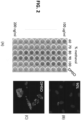
- FIG. 2A shows the results for five of the seven fractions that were tested.
- Fractions 5-7 which were eluted with 80%, 90% and 100% methanol, respectively, were identified as the most active fractions, since most of the wells stained blue in the three associated columns, indicating that the HFF cells were protected from infection.
- the column for Fraction 6 (eluted with 90% methanol) in particular, showed staining at all concentrations tested.
- FIGS. 2B and 2C show results for experiments that were conducted as for FIG. 2A , except that 24 hours after addition of the fractions, the infected HFF cells were processed for immunofluorescence assays. Briefly, infected and treated HFF cells that had been grown on coverslips in 6-well plates were fixed with methanol and parasites were detected using antibody to the SAG1 T. gondii surface antigen that was then detected with a red-fluorescence tagged secondary antibody. Host nuclei were stained with blue fluorescent marker DAPI (4',6-diamidino-2-phenylindole). Host nuclei were clearly visible (blue) in all cell populations in both FIGS. 2B and 2C .
- DAPI blue fluorescent marker
- Fractions 5-7 (eluted with 80%, 90% and 100% methanol, respectively) were the most pronounced fractions in terms of their anti-parasitic effect. As fractions 5-7 were highly enriched in tartrolon D (see Example 3), it was hypothesized that this compound was the source of the observed anti-parasitic activity.
- a Phenomenex Onyx Monolithic semiprep C18 column (100X10 mm) was used for HPLC, as conducted on a Hitachi Elite Lachrom System equipped with a Diode Array L-2455 detector.
- LC/ESI-MS was performed using a Micromass Quattro-II (Waters) instrument on an analytical Agilent Eclipse XDB-C18 column (4.6 ⁇ 150 mm, 5 ⁇ m) with a linear gradient of 1%-99% B over 20 minutes, where the mobile phase consisted of solvent A (H 2 O with 0.05% formic acid) and solvent B (ACN).
- the cultivation protocol for Tartrolon D 2 was as follows: Bacteria from frozen stabilates were thawed and grown in 3mls of SBM with 1% xylose as a carbon source. The bacteria were grown at 35°C and at 35 rpm (standard growth conditions maintained throughout) for 48 hours or until there was significant growth as determined by the cloudiness of the media. These cultures were streaked out onto agar plates made with SBM containing 1% xylose and 1% Bacto agar. When individual bacterial colonies were seen, these were picked and each colony grown for 24-72 hours in 3 mls of SBM plus 1% xylose until growth was observed (usually stringy clumps).
- the 3 mls of culture were transferred into 20 mls of SBM plus 1% xylose in a 200ml Erlenmeyer flask and grown for 24 to 48 hours until growth in clumpy strings was observed.
- the 20 mls of culture was seeded into 180 mls of SBM-1% xylose in a 2.5 liter, low form culture flask and incubated for 24-48 hours until stringy clumps of growth were evident.
- the culture was transferred to 50 ml centrifuge tubes and the bacterial pellet was obtained by centrifugation at 3500g for 30 minutes. The supernatant was discarded and the pellets stored at -80°C until extraction.
- the purification scheme for Tartrolon D 2 from the bacterial pellets was as follows: a cell pellet resulting from 1.2 L of T7901 culture was extracted with acetone (3 ⁇ 300 mL) with vortexing and sonication, and the solvent was evaporated under reduced pressure to afford an extract (149.2 mg). The extract was solubilized in MeOH (2 mL) and the material was subjected to solid phase extraction (SPE) (Waters Sep-Pak ® Vac C18 cartridge, 35 cc (10 g)).
- SPE solid phase extraction
- the SPE cartridge was equilibrated with 10% MeCN/H 2 O, and after loading the solvated extract, step gradient elution was performed by flushing the cartridge with 2 ⁇ 25 mL of the following MeCN/H 2 O solvent mixtures: 10% (fractions 1 and 2), 25% (fractions 3 and 4), 50% (fractions 5 and 6), 75% (fractions 7 and 8), 100% (fractions 9 and 10), and the cartridge was then flushed with acetone (4 ⁇ 25 mL, fractions 11-14). Tartrolon D 2 was observed in fractions 10, 11, and 12. These fractions were consolidated and the solvent was evaporated under reduced pressure to afford a light yellow solid (35.5 mg).
- the sample was analyzed via LC-MS, 1 H NMR, and HRMS (performed on an Agilent 6350 QTOF mass spectrometer with a 1290 Infinity Binary LC), and then was dried and placed under high vacuum overnight before use in biological testing.
- HFF Human foreskin fibroblast
- tartrolon D/E had no effect on HFF cell viability as measured by MTS assay, indicating likely safety for in vivo administration.
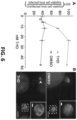
- Tartrolon D/E-treated parasites exhibited an aberrant morphology in which parasite vacuoles contained intact parasite nuclei ( FIG. 4C ) but no distinguishable zoites ( FIG. 4B ).
- the aberration in the parasite morphology stark when compared to untreated cell infection shown in the left columns of FIGS. 4B and 4C , provides direct evidence of irreversible inhibition and killing of the target parasite by compounds of the invention.
- Example 6 Comparative potency of tartrolon D preparations and their activity against a clinically relevant strain of Toxoplasma gondii
- HFF Human foreskin fibroblast
- ME49 parasites engineered to express green fluorescent protein and firefly luciferase 2.5 to 5 ⁇ 10 5 /well.
- dilutions of Tartrolon D 1 isolated as in Example 3, Tartrolon D 2 isolated as in Example 4, or vehicle (DMSO) at equivalent concentrations were added to infected cells and the plates incubated for 24 hours (37°C, 5%CO 2 ).
- Proliferation of the parasites was then measured using Bright-Glo luciferase assay system (available from Promega). Samples were run in triplicate and three independent biological replicates were conducted. The log10 [Tartrolon D] versus percent inhibition of parasite proliferation was analyzed using the four parameter variable slope analysis in Graphpad Prism.
- Results are shown in FIG. 5 .
- both preparations exhibited similarly strong potency against the parasite, as determined by direct measure of parasite proliferation. And both were effective at nM levels with EC 50 ranging from about 2.5 to 5.0 nM.
- the EC 50 was calculated to be 3.4 nM for Tartrolon D 1 and 2.7 nM for Tartrolon D 2 .
- Purified tartrolon D/E (with starting materials being either D 1 or D 2 ) was tested against another apicomplexan pathogen, Babesia bovis, which proliferates in bovine red blood cells. Growth suppression of B. bovis was quantified using a modified SybrGreen-based assay (Molecular Probes, Life Sciences Technology).
- SYBR green is an asymmetrical cyanine dye that is used as a nucleic acid stain.
- parasite replication in red blood cells is measured directly by the incorporation of SYBR green into parasite DNA.
- Tartrolon D/E concentrations ranging from 0.001 to 10,000 nM were tested on infected cells and DMSO (vehicle) was run in parallel as a negative control.
- Figures 7A and 7B show the fluorescence emitted by parasites that had incorporated the SYBR green dye.
- the EC 50 of tartrolon D 1 /E against B. bovis was calculated to be 11.2 nM ( FIG. 7A ).
- Parasites treated with vehicle alone had no reduction in incorporated fluorescence, but parasites treated with more than 20 nM of tartrolon D 1 /E did not incorporate any more fluorescence than uninfected red blood cells (NRBC).
- NRBC uninfected red blood cells
- the EC 50 of tartrolon D 2 /E against B. bovis was calculated to be 16.0 nM ( FIG. 7B ), showing equivalent or comparable efficacy.
- the compounds of the invention exhibited an EC 50 against B. bovis in the 11-16 nM range.
- Theileria equi is an apicomplexan hemoparasite of horses that causes equine piroplasmosis. While this parasite has been eradicated in the US, recent sporadic outbreaks have occurred, and the current available treatment is suboptimal.
- Sarcocystis neurona is an apicomplexan parasite that normally cycles between opossums and a range of intermediate hosts, but when it infects horses it causes a progressive neurological disease known as equine protozoal myeloencephalitis (EPM) for which there are no consistently effective treatments.
- EPM equine protozoal myeloencephalitis
- Plasmodium falciparum is the etiological agent of severe malaria, a mosquito borne disease that kills approximately 700,000 to 800,000 people per year worldwide. This parasite's ability to rapidly develop resistance to anti-malarial drugs requires constant development of new and effective therapeutics to treat the infection.
- Theileria equi The effect of tartrolon D 2 on T. equi growth in vitro was quantified using an assay that has been previously described by Hines, S.A. et al. (Parasit Vectors 8, 33 (2015)). Briefly, wells containing an erythrocyte concentration of 9% and a starting percentage parasitized erythrocyte (ppe) of 0.3% were established in 96-well plates. Parasites were cultured in the presence of tartrolon D 2 or DMSO for 72 hours with a change of media and compound every 24 hours. After 72 hours, the parasites were stained with hydroethidine and enumerated by flow cytometry (FACSCaliber). Samples were run in triplicate and three independent experiments conducted. The data was analyzed and the EC 50 values calculated as described above for T. gondii ME49.
- Bovine turbinate cells (BT cells, ATCC CRL-1390, American Type Culture Collection, Manassas, Virginia) were seeded into 96-well plates and infected with S .neurona merozoites that had been engineered to express green fluorescent protein and firefly luciferase (2 ⁇ 10 4 /well). Dilutions of tartrolon D 2 or DMSO were added to the infected cells and the plates incubated for 96 hours (37°C, 5%CO 2 ). After 96 hours, parasite proliferation was quantified and the data analyzed as described with T. gondii ME49. The assay was conducted once and all samples were run in triplicate.
- Plasmodium falciparum Parasites were cultured in 96-well plates at 0.5% initial parasitemia. Parasites were cultured for 72 hours in the presence of dilutions of tartrolon D 2 , dihydroartemisinin (DHA, a drug for treating malaria as a positive control) or DMSO after which parasites were stained with SYBR green fluorescence and enumerated by flow cytometry. The assay was conducted once and all samples were run in triplicate. Data was analyzed with GraphPad Prism as described for T. gondii.
- tartrolon D/E exhibits anti-parasitic activity against multiple apicomplexan parasites at low concentrations ranging from picomolar to nanomolar levels, provides further confidence that the tartrolon D/E, once administered in vivo, would likely achieve the expected anti-parasitic effects.
- tartrolon D/E specifically, D 2
- FIG. 8 results averaged from three independent experiments
- FIG. 8 results averaged from three independent experiments
- FIG. 10 also showing the EC 50 for the control DHA was comparable at about 20 pM.
- Example 10 Experiments testing the potency of tartrolon D/E against drug-resistant malaria parasites strains
- the potency of the compounds of the invention against multi-drug resistant P . falciparum strains was tested.
- Parasites were cultured in 96-well plates in human red blood cells at 0.5% initial parasitemia for 72 hours in the presence of dilutions of tartrolon D/E (specifically, D 2 as the starting material in FIG. 11A ), purified tartrolon E ( FIG. 11C ), dihydroartemisinin (DHA, as a positive control in FIG. 11B ), or DMSO (as a negative control).
- Parasites proliferation was then determined by 3 H hypoxanthine incorporation.
- pRBCs parasitized red blood cells
- Albumax I Thermo Fisher Scientific
- Assays were set up in 96-well plates at 0.5% initial parasitemia and 0.5% hematocrit. Parasites were exposed to various concentrations of Tartrolon D or E and dihydroartemisinin (DHA) for 48 hours and then pulsed with 0.5 microcuries of tritium-labeled hypoxanthine Moravek (MT-700) for another 24 hours. At the end of 72 hours, assay plates were processed through an Inotech cell harvester and collected on Inotech glass fiber filters. Filters were transferred to Omniplate-96 cassettes (Perkin Elmer) and dried overnight at room temperature.
- DHA Tartrolon D or E and dihydroartemisinin
- MT-700 tritium-labeled hypoxanthine Moravek
- 11C was tartrolon E, purified as follows: extract from the bacterial pellet of the Teredinibacter turnerae T7901 was purified by reversed phase HPLC using diode array detection. A C18 column (Phenomenex CH0-7878, 100x10 mm) was employed with an isocratic mobile phase (85% acetontrile in water, 3.5 mL/min) to yield tartrolon E (4.7 mg, retention time 8 min).
- Table 1 summarizes the corresponding EC 50 values of tartrolon D as a starting material against each of the parasite strains.
- the EC 50 for tartrolon E as a starting material against one of these strains, Dd2 was about 160 pM ( FIG. 11C ).
- Table 1. Ranked sensitivity to Tartrolon D/E of genetically distinct Plasmodium reference strains and a more recent Indian field isolate P.
- Falciparum parasite line EC 50 nM Tartrolon D Dihydroartemisinin (DHA) V1S 0.31 0.084 Dd2 0.28 0.14 2012 Indian Isolate (Goa) 0.26 0.21 NF54 0.20 0.15 7G8 0.18 0.095 TM90C2A 0.16 0.091 D6 0.14 0.17 HB3 0.13 0.16 3D7 0.11, 0.19 0.20, 0.11
- DHA Dihydroartemisinin
- Goa 0.26 0.21 NF54 0.20 0.15 7G8 0.18 0.095 TM90C2A 0.16 0.091 D6 0.14 0.17 HB3 0.13 0.16 3D7 0.11, 0.19 0.20, 0.11
- tartrolon D/E is highly potent against multi-drug resistant reference strains such as Dd2 and TM90C2A. Tartrolon D/E is also highly effective against more recently acquired field isolates such as one from Goa, India
- Table 2 shows the drug resistance profiles of each of these strains. Resistance phenotypes of the P. falciparum strains used to test the effectiveness of Tartrolon D/E span a list of commonly used antimalarials. It is noted that pre-existing resistance to antifolates or aminoquinolines does not confer cross-resistance to Tartrolon D.
- Bovine Turbinate (BT) cells (ATCC# CRL-1390) are a primary cell line (not a transformed cancer cell line) and were used to provide a preliminary evaluation of the toxicity of tartrolon D/E for mammalian cells. Briefly, BT cells were cultured in the presence of increasing starting concentrations of Tartrolon D/E for 24 hours. Cell proliferation was measured using CellTiter Glo Cell Viability Assay (Promega) and the data was analyzed with GraphPad Prism. The results showed that the toxic dose at which 50% of the cells were killed was 1.14 ⁇ M ( FIG. 12 ).
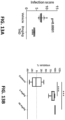
- the purified compound(s) of the invention was tested in a neonatal mouse model of C. parvum infection ( Schaefer DA et al. (2000) Infect Immun 68(5):2608-261 ). Eight-day old neonatal mice were infected with C. parvum oocysts (50 times the ID 50 ) and treated with purified tartrolon D/E (specifically, D 1 ) or vehicle as a starting material for 4 days at 2 mg/kg/dose (b.i.d). At the end of the study period, mice were sacrificed and histological sections of jejunum, ileum, colon and caecum were examined. Infection in each section was scored by an observer blinded as to the sample identity. Despite the low dosage tested, infection was significantly inhibited by about 50% ( FIG. 13A ).
- mice were infected with C . parvum (5 ⁇ 10 4 oocysts per mouse), and 24 hours after infection, the mice were dosed twice daily for 4 days with either 4 or 40 mg/kg of tartrolon D/E (specifically, D 2 ) in starting concentrations. Day 5 post-infection, the mice were sacrificed, the intestines collected and total DNA extracted. Intestinal parasite numbers were quantified by quantitative PCR (qPCR) of the C.
- qPCR quantitative PCR
- mice were infected with Plasmodium berghei expressing luciferase. 48 hours post infection mice were treated with tartrolon D/E (specifically, D 2 ) initially solubilized in 2% methylcellulose and 0.5% Tween80 by intraperitoneal injection for 5 days, once per day. Control mice were treated with vehicle alone. Seven days after infection, mice were given luciferase substrate (150 mg/kg D-luciferin Potassium salt in PBS (Goldbio)) and imaged in an IVIS Lumina II to quantify level of infection.
- tartrolon D/E specifically, D 2
- Tween80 2% methylcellulose
- Tween80 0.5% Tween80
- Results indicate that treatment with tartrolon D (specifically, D 2 ) as a starting material at 8mg/kg reduced P. berghei infection in the mice.
- the graph shows the relative luminescence units emitted by each mouse (each individual mouse in FIG. 14B is represented by a respective circle or triangle in FIG. 14A with the same reference numbering).
- the picture shows the image of each mouse produced by the IVIS lumina.
- the purple e.g., see mouse 2, ref. No. 8 area
- dark blue e.g., see mouse 2, ref. No. 12 area
- light blue e.g., see mouse 2, ref. No. 14 area
- areas that are white are areas in the mouse that have no parasites.
- areas that are white are areas in the mouse that have no parasites.
- 4 of the 5 tartrolon-treated mice have significant areas with no parasites, whereas only 1 of the 4 control mice has a very small area without parasites.
Landscapes
- Health & Medical Sciences (AREA)
- Veterinary Medicine (AREA)
- Animal Behavior & Ethology (AREA)
- Chemical & Material Sciences (AREA)
- Medicinal Chemistry (AREA)
- Public Health (AREA)
- General Health & Medical Sciences (AREA)
- Pharmacology & Pharmacy (AREA)
- Life Sciences & Earth Sciences (AREA)
- Epidemiology (AREA)
- Tropical Medicine & Parasitology (AREA)
- Chemical Kinetics & Catalysis (AREA)
- Organic Chemistry (AREA)
- Nuclear Medicine, Radiotherapy & Molecular Imaging (AREA)
- General Chemical & Material Sciences (AREA)
- Pharmaceuticals Containing Other Organic And Inorganic Compounds (AREA)
Claims (15)
- Tartrolone D et/ou tartrolone E en vue de l'utilisation dans le traitement ou la prévention d'une maladie causée par un parasite apicomplexe chez un sujet qui en a besoin.
- Tartrolone D et/ou tartrolone E en vue de l'utilisation dans le traitement ou la prévention d'une maladie causée par un parasite apicomplexe, dans lequel le tartrolone D et/ou tartrolone E est purifié.
- Tartrolone D et/ou tartrolone E en vue de l'utilisation dans le traitement ou la prévention d'une maladie causée par un parasite apicomplexe selon la revendication 1, dans laquelle le parasite apicomplexe est une espèce de Cryptosporidium ou un Toxoplasma gondii.
- Tartrolone D et/ou tartrolone E en vue de l'utilisation dans le traitement ou la prévention d'une maladie causée par un parasite apicomplexe selon la revendication 1, dans laquelle le parasite apicomplexe est une espèce de Babesia, en option de Babesia bovis.
- Tartrolone D et/ou tartrolone E en vue de l'utilisation dans le traitement ou la prévention d'une maladie causée par un parasite apicomplexe selon la revendication 1, dans laquelle le parasite apicomplexe est une espèce de Plasmodium.
- Tartrolone D et/ou tartrolone E en vue de l'utilisation dans le traitement ou la prévention d'une maladie causée par un parasite apicomplexe selon la revendication 5, dans laquelle l'espèce de Plasmodium est un Plasmodium falciparum ou un Plasmodium malariae.
- Tartrolone D et/ou tartrolone E en vue de l'utilisation dans le traitement ou la prévention d'une maladie causée par un parasite apicomplexe selon la revendication 1, dans laquelle le parasite apicomplexe est sélectionné à partir du groupe se composant du Cyclospora, de l'Isospora, de l'Eimeria, du Sarcocystis, du Theileria, du Besnoitia, du Hammondia, et du Neospora.
- Tartrolone D et/ou tartrolone E en vue de l'utilisation dans le traitement ou la prévention d'une maladie causée par un parasite apicomplexe selon la revendication 1, dans laquelle la maladie est sélectionnée à partir du groupe se composant de la cryptosporidiose, de la toxoplasmose, de la babésiose et de la malaria.
- Tartrolone D et/ou tartrolone E en vue de l'utilisation dans le traitement ou la prévention d'une maladie causée par un parasite apicomplexe selon la revendication 1, dans laquelle la maladie est sélectionnée à partir du groupe se composant de la cyclosporose, de l'isosporose, de la sarcocystose, de la besnoitiose, de l'hammondiose, de la néosporose et de la theilériose.
- Tartrolone D et/ou tartrolone E en vue de l'utilisation dans le traitement ou la prévention d'une maladie causée par un parasite apicomplexe selon la revendication 1, dans laquelle la tartrolone D et/ou la tartrolone E sont administrables à un sujet qui en a besoin dans une dose d'au moins 2 mg par kg du poids du sujet.
- Tartrolone D et/ou tartrolone E en vue de l'utilisation dans le traitement ou la prévention d'une maladie causée par un parasite apicomplexe selon la revendication 1, comprenant par ailleurs un second agent anti-parasitaire contre le même parasite.
- Tartrolone D et/ou tartrolone E en vue de l'utilisation dans le traitement ou la prévention d'une maladie causée par un parasite apicomplexe selon la revendication 11, dans lequel le second agent anti-parasitaire est sélectionné à partir du groupe se composant du nitazoxinide, de l'atovaquone, du proguanil, de l'artémisinine, de la pipéraquine, de la chloroquine, de la méfloquine, de la doxycycline, de l'amodiaquine, de la luméfantrine, de la sulfadoxine, de la pyriméthamine, de la quinine, de la clindamycine, de la primaquine, et de la tafénoquine.
- Tartrolone D et/ou tartrolone E en vue de l'utilisation dans le traitement ou la prévention d'une maladie causée par un parasite apicomplexe selon la revendication 1, comprenant par ailleurs un agent sélectionné à partir du groupe se composant d'un antibiotique, d'un agent anti-protozoaire, d'adjuvants et d'un agent chimiothérapique.
- Tartrolone D et/ou tartrolone E en vue de l'utilisation dans le traitement ou la prévention d'une maladie causée par un parasite apicomplexe selon la revendication 1, dans lequel le sujet est sélectionné dans le groupe se composant de l'humain, du cheval, de l'ovin, du caprin, du bovin, du poulet, de la dinde, du canard, de l'oie, du chien, du chat, du porc, du lapin, de l'âne, des chameaux, des lamas, de l'alpaga, du kangourou, du wallaby, du lémurien, des oiseaux, du manchot, du lion de mer, du phoque et de la loutre de mer.
- Tartrolone D et/ou tartrolone E en vue de l'utilisation dans le traitement ou la prévention d'une maladie causée par un parasite apicomplexe chez un sujet qui en a besoin en tant que complément alimentaire ou aliment pour animaux.
Applications Claiming Priority (2)
| Application Number | Priority Date | Filing Date | Title |
|---|---|---|---|
| US201662431210P | 2016-12-07 | 2016-12-07 | |
| PCT/US2017/065189 WO2018106966A1 (fr) | 2016-12-07 | 2017-12-07 | Procédés et compositions pour prévenir et traiter des infections par les apicomplexes |
Publications (2)
| Publication Number | Publication Date |
|---|---|
| EP3551179A1 EP3551179A1 (fr) | 2019-10-16 |
| EP3551179B1 true EP3551179B1 (fr) | 2023-03-29 |
Family
ID=60935965
Family Applications (1)
| Application Number | Title | Priority Date | Filing Date |
|---|---|---|---|
| EP17825675.6A Active EP3551179B1 (fr) | 2016-12-07 | 2017-12-07 | Tartrolon d et/ou e pour prévenir et traiter des infections par les apicomplexes |
Country Status (4)
| Country | Link |
|---|---|
| US (2) | US11135231B2 (fr) |
| EP (1) | EP3551179B1 (fr) |
| AU (1) | AU2017371050B2 (fr) |
| WO (1) | WO2018106966A1 (fr) |
Families Citing this family (4)
| Publication number | Priority date | Publication date | Assignee | Title |
|---|---|---|---|---|
| AU2017371050B2 (en) * | 2016-12-07 | 2023-09-21 | Tufts Medical Center, Inc. | Methods and compositions for prevention and treatment of apicomplexan infections |
| US20240003872A1 (en) * | 2020-11-15 | 2024-01-04 | Aphios Corporation | Methods for assaying and measuring the efficacy of anti-nausea compounds |
| EP4173625A1 (fr) * | 2021-11-02 | 2023-05-03 | Eberhard Karls Universität Tübingen Medizinische Fakultät | Boromycine comme composé gamétocytocidal |
| US20240390359A1 (en) * | 2023-04-21 | 2024-11-28 | 60 Degrees Pharmaceuticals Llc | Methods for the treatment and prevention of non-viral tick-borne diseases and symptoms thereof |
Family Cites Families (2)
| Publication number | Priority date | Publication date | Assignee | Title |
|---|---|---|---|---|
| DE4313990A1 (de) | 1993-04-28 | 1994-11-03 | Biotechnolog Forschung Gmbh | Tartrolone, Herstellungsverfahren, Mittel mit Tartrolonen und Sorangium cellulosum DSM 8222 zur Durchführung des Verfahrens |
| AU2017371050B2 (en) * | 2016-12-07 | 2023-09-21 | Tufts Medical Center, Inc. | Methods and compositions for prevention and treatment of apicomplexan infections |
-
2017
- 2017-12-07 AU AU2017371050A patent/AU2017371050B2/en active Active
- 2017-12-07 WO PCT/US2017/065189 patent/WO2018106966A1/fr not_active Ceased
- 2017-12-07 US US16/467,320 patent/US11135231B2/en active Active
- 2017-12-07 EP EP17825675.6A patent/EP3551179B1/fr active Active
-
2021
- 2021-08-27 US US17/459,985 patent/US20220008443A1/en not_active Abandoned
Also Published As
| Publication number | Publication date |
|---|---|
| US11135231B2 (en) | 2021-10-05 |
| WO2018106966A1 (fr) | 2018-06-14 |
| EP3551179A1 (fr) | 2019-10-16 |
| AU2017371050A1 (en) | 2019-06-20 |
| AU2017371050B2 (en) | 2023-09-21 |
| US20220008443A1 (en) | 2022-01-13 |
| US20200306276A1 (en) | 2020-10-01 |
Similar Documents
| Publication | Publication Date | Title |
|---|---|---|
| US20220008443A1 (en) | Methods and Compositions for Prevention and Treatment of Apicomplexan Infections | |
| US9095578B2 (en) | Adenylyl cyclases as novel targets for the treatment of infection by eukaryotic pathogens | |
| JPH08231410A (ja) | コクシジウム症軽減剤及びそれを含有する飼料 | |
| US5922837A (en) | Antiprotozoal cyclic tetrapeptides | |
| O’Connor et al. | A symbiotic bacterium of shipworms produces a compound with broad spectrum anti-apicomplexan activity | |
| Li et al. | Sanguinarine induces apoptosis in Eimeria tenella sporozoites via the generation of reactive oxygen species | |
| KR20110031357A (ko) | 편모충증을 치료하기 위한 니푸르티목스의 용도 | |
| US5141925A (en) | Vivo methods for treating coccidiosis | |
| KR20110031360A (ko) | 세모편모충으로 인한 질병 치료용 니푸르티목스 | |
| WO2014020290A2 (fr) | Utilisation de souches attenuees de parasites pour la prevention ou le traitement de pathologies associees a un apicomplexe | |
| EP2520297A1 (fr) | Rubreserine et ses derivés avec une activité antiparasite | |
| US20110124723A1 (en) | Compounds for Preventing and Treating Plasmodium Infections | |
| Elfawal et al. | Artemisia annua and artemisinins are ineffective against human Babesia microti and six Candida sp | |
| WO2009023704A1 (fr) | Procédés de traitement de maladies infectieuses | |
| Takeo et al. | Evaluation of Eimeria krijgsmanni as a murine model for testing the efficacy of anti-parasitic agents | |
| US20250250300A1 (en) | Compositions and methods for treating pseudomyxoma peritonei | |
| WO2013071365A1 (fr) | Procédé de traitement et de prophylaxie, et compositions utiles associées | |
| Mouveaux et al. | International Journal of Antimicrobial Agents A potent HDAC inhibitor blocks Toxoplasma gondii tachyzoite growth and profoundly disrupts parasite gene expression | |
| Liu et al. | Anti-Toxoplasma Gondii Effects of Lipopeptide Derivatives of Lycosin-I. Toxins 2023, 15, 477 | |
| Renard et al. | Treatment of human Babesiosis: then and now. Pathogens. 2021; 10: 1120 | |
| Armson et al. | A review of chemotherapeutic approaches to the treatment of Cryptosporidium | |
| Suo | Coccidiosis in Poultry in China | |
| Reck et al. | The anticoccidial effects of amprolium, monensin and sodium sulfamethazine in farm-reared chukar partridges (Alectoris graeca) in Illinois | |
| KR20190050470A (ko) | 봉독을 유효성분으로 포함하는 콕시듐증의 예방 또는 치료용 조성물 | |
| KR100903287B1 (ko) | 7-에톡시쿠마린을 유효성분으로 함유하는 톡소플라즈마증의예방 및 치료용 조성물 |
Legal Events
| Date | Code | Title | Description |
|---|---|---|---|
| STAA | Information on the status of an ep patent application or granted ep patent |
Free format text: STATUS: UNKNOWN |
|
| STAA | Information on the status of an ep patent application or granted ep patent |
Free format text: STATUS: THE INTERNATIONAL PUBLICATION HAS BEEN MADE |
|
| PUAI | Public reference made under article 153(3) epc to a published international application that has entered the european phase |
Free format text: ORIGINAL CODE: 0009012 |
|
| STAA | Information on the status of an ep patent application or granted ep patent |
Free format text: STATUS: REQUEST FOR EXAMINATION WAS MADE |
|
| 17P | Request for examination filed |
Effective date: 20190708 |
|
| AK | Designated contracting states |
Kind code of ref document: A1 Designated state(s): AL AT BE BG CH CY CZ DE DK EE ES FI FR GB GR HR HU IE IS IT LI LT LU LV MC MK MT NL NO PL PT RO RS SE SI SK SM TR |
|
| AX | Request for extension of the european patent |
Extension state: BA ME |
|
| DAV | Request for validation of the european patent (deleted) | ||
| DAX | Request for extension of the european patent (deleted) | ||
| STAA | Information on the status of an ep patent application or granted ep patent |
Free format text: STATUS: EXAMINATION IS IN PROGRESS |
|
| 17Q | First examination report despatched |
Effective date: 20210315 |
|
| GRAP | Despatch of communication of intention to grant a patent |
Free format text: ORIGINAL CODE: EPIDOSNIGR1 |
|
| STAA | Information on the status of an ep patent application or granted ep patent |
Free format text: STATUS: GRANT OF PATENT IS INTENDED |
|
| INTG | Intention to grant announced |
Effective date: 20221024 |
|
| GRAS | Grant fee paid |
Free format text: ORIGINAL CODE: EPIDOSNIGR3 |
|
| GRAA | (expected) grant |
Free format text: ORIGINAL CODE: 0009210 |
|
| STAA | Information on the status of an ep patent application or granted ep patent |
Free format text: STATUS: THE PATENT HAS BEEN GRANTED |
|
| AK | Designated contracting states |
Kind code of ref document: B1 Designated state(s): AL AT BE BG CH CY CZ DE DK EE ES FI FR GB GR HR HU IE IS IT LI LT LU LV MC MK MT NL NO PL PT RO RS SE SI SK SM TR |
|
| REG | Reference to a national code |
Ref country code: CH Ref legal event code: EP |
|
| REG | Reference to a national code |
Ref country code: DE Ref legal event code: R096 Ref document number: 602017067261 Country of ref document: DE |
|
| REG | Reference to a national code |
Ref country code: AT Ref legal event code: REF Ref document number: 1556198 Country of ref document: AT Kind code of ref document: T Effective date: 20230415 |
|
| REG | Reference to a national code |
Ref country code: IE Ref legal event code: FG4D |
|
| REG | Reference to a national code |
Ref country code: LT Ref legal event code: MG9D |
|
| P01 | Opt-out of the competence of the unified patent court (upc) registered |
Effective date: 20230528 |
|
| PG25 | Lapsed in a contracting state [announced via postgrant information from national office to epo] |
Ref country code: RS Free format text: LAPSE BECAUSE OF FAILURE TO SUBMIT A TRANSLATION OF THE DESCRIPTION OR TO PAY THE FEE WITHIN THE PRESCRIBED TIME-LIMIT Effective date: 20230329 Ref country code: NO Free format text: LAPSE BECAUSE OF FAILURE TO SUBMIT A TRANSLATION OF THE DESCRIPTION OR TO PAY THE FEE WITHIN THE PRESCRIBED TIME-LIMIT Effective date: 20230629 Ref country code: LV Free format text: LAPSE BECAUSE OF FAILURE TO SUBMIT A TRANSLATION OF THE DESCRIPTION OR TO PAY THE FEE WITHIN THE PRESCRIBED TIME-LIMIT Effective date: 20230329 Ref country code: LT Free format text: LAPSE BECAUSE OF FAILURE TO SUBMIT A TRANSLATION OF THE DESCRIPTION OR TO PAY THE FEE WITHIN THE PRESCRIBED TIME-LIMIT Effective date: 20230329 Ref country code: HR Free format text: LAPSE BECAUSE OF FAILURE TO SUBMIT A TRANSLATION OF THE DESCRIPTION OR TO PAY THE FEE WITHIN THE PRESCRIBED TIME-LIMIT Effective date: 20230329 |
|
| REG | Reference to a national code |
Ref country code: NL Ref legal event code: MP Effective date: 20230329 |
|
| REG | Reference to a national code |
Ref country code: AT Ref legal event code: MK05 Ref document number: 1556198 Country of ref document: AT Kind code of ref document: T Effective date: 20230329 |
|
| PG25 | Lapsed in a contracting state [announced via postgrant information from national office to epo] |
Ref country code: SE Free format text: LAPSE BECAUSE OF FAILURE TO SUBMIT A TRANSLATION OF THE DESCRIPTION OR TO PAY THE FEE WITHIN THE PRESCRIBED TIME-LIMIT Effective date: 20230329 Ref country code: NL Free format text: LAPSE BECAUSE OF FAILURE TO SUBMIT A TRANSLATION OF THE DESCRIPTION OR TO PAY THE FEE WITHIN THE PRESCRIBED TIME-LIMIT Effective date: 20230329 Ref country code: GR Free format text: LAPSE BECAUSE OF FAILURE TO SUBMIT A TRANSLATION OF THE DESCRIPTION OR TO PAY THE FEE WITHIN THE PRESCRIBED TIME-LIMIT Effective date: 20230630 Ref country code: FI Free format text: LAPSE BECAUSE OF FAILURE TO SUBMIT A TRANSLATION OF THE DESCRIPTION OR TO PAY THE FEE WITHIN THE PRESCRIBED TIME-LIMIT Effective date: 20230329 |
|
| PG25 | Lapsed in a contracting state [announced via postgrant information from national office to epo] |
Ref country code: SM Free format text: LAPSE BECAUSE OF FAILURE TO SUBMIT A TRANSLATION OF THE DESCRIPTION OR TO PAY THE FEE WITHIN THE PRESCRIBED TIME-LIMIT Effective date: 20230329 Ref country code: RO Free format text: LAPSE BECAUSE OF FAILURE TO SUBMIT A TRANSLATION OF THE DESCRIPTION OR TO PAY THE FEE WITHIN THE PRESCRIBED TIME-LIMIT Effective date: 20230329 Ref country code: PT Free format text: LAPSE BECAUSE OF FAILURE TO SUBMIT A TRANSLATION OF THE DESCRIPTION OR TO PAY THE FEE WITHIN THE PRESCRIBED TIME-LIMIT Effective date: 20230731 Ref country code: ES Free format text: LAPSE BECAUSE OF FAILURE TO SUBMIT A TRANSLATION OF THE DESCRIPTION OR TO PAY THE FEE WITHIN THE PRESCRIBED TIME-LIMIT Effective date: 20230329 Ref country code: EE Free format text: LAPSE BECAUSE OF FAILURE TO SUBMIT A TRANSLATION OF THE DESCRIPTION OR TO PAY THE FEE WITHIN THE PRESCRIBED TIME-LIMIT Effective date: 20230329 Ref country code: AT Free format text: LAPSE BECAUSE OF FAILURE TO SUBMIT A TRANSLATION OF THE DESCRIPTION OR TO PAY THE FEE WITHIN THE PRESCRIBED TIME-LIMIT Effective date: 20230329 |
|
| PG25 | Lapsed in a contracting state [announced via postgrant information from national office to epo] |
Ref country code: SK Free format text: LAPSE BECAUSE OF FAILURE TO SUBMIT A TRANSLATION OF THE DESCRIPTION OR TO PAY THE FEE WITHIN THE PRESCRIBED TIME-LIMIT Effective date: 20230329 Ref country code: PL Free format text: LAPSE BECAUSE OF FAILURE TO SUBMIT A TRANSLATION OF THE DESCRIPTION OR TO PAY THE FEE WITHIN THE PRESCRIBED TIME-LIMIT Effective date: 20230329 Ref country code: IS Free format text: LAPSE BECAUSE OF FAILURE TO SUBMIT A TRANSLATION OF THE DESCRIPTION OR TO PAY THE FEE WITHIN THE PRESCRIBED TIME-LIMIT Effective date: 20230729 |
|
| REG | Reference to a national code |
Ref country code: DE Ref legal event code: R097 Ref document number: 602017067261 Country of ref document: DE |
|
| PG25 | Lapsed in a contracting state [announced via postgrant information from national office to epo] |
Ref country code: DK Free format text: LAPSE BECAUSE OF FAILURE TO SUBMIT A TRANSLATION OF THE DESCRIPTION OR TO PAY THE FEE WITHIN THE PRESCRIBED TIME-LIMIT Effective date: 20230329 Ref country code: CZ Free format text: LAPSE BECAUSE OF FAILURE TO SUBMIT A TRANSLATION OF THE DESCRIPTION OR TO PAY THE FEE WITHIN THE PRESCRIBED TIME-LIMIT Effective date: 20230329 |
|
| PLBE | No opposition filed within time limit |
Free format text: ORIGINAL CODE: 0009261 |
|
| STAA | Information on the status of an ep patent application or granted ep patent |
Free format text: STATUS: NO OPPOSITION FILED WITHIN TIME LIMIT |
|
| 26N | No opposition filed |
Effective date: 20240103 |
|
| PG25 | Lapsed in a contracting state [announced via postgrant information from national office to epo] |
Ref country code: SI Free format text: LAPSE BECAUSE OF FAILURE TO SUBMIT A TRANSLATION OF THE DESCRIPTION OR TO PAY THE FEE WITHIN THE PRESCRIBED TIME-LIMIT Effective date: 20230329 |
|
| PG25 | Lapsed in a contracting state [announced via postgrant information from national office to epo] |
Ref country code: SI Free format text: LAPSE BECAUSE OF FAILURE TO SUBMIT A TRANSLATION OF THE DESCRIPTION OR TO PAY THE FEE WITHIN THE PRESCRIBED TIME-LIMIT Effective date: 20230329 Ref country code: IT Free format text: LAPSE BECAUSE OF FAILURE TO SUBMIT A TRANSLATION OF THE DESCRIPTION OR TO PAY THE FEE WITHIN THE PRESCRIBED TIME-LIMIT Effective date: 20230329 |
|
| REG | Reference to a national code |
Ref country code: CH Ref legal event code: PL |
|
| PG25 | Lapsed in a contracting state [announced via postgrant information from national office to epo] |
Ref country code: LU Free format text: LAPSE BECAUSE OF NON-PAYMENT OF DUE FEES Effective date: 20231207 |
|
| PG25 | Lapsed in a contracting state [announced via postgrant information from national office to epo] |
Ref country code: MC Free format text: LAPSE BECAUSE OF FAILURE TO SUBMIT A TRANSLATION OF THE DESCRIPTION OR TO PAY THE FEE WITHIN THE PRESCRIBED TIME-LIMIT Effective date: 20230329 |
|
| REG | Reference to a national code |
Ref country code: BE Ref legal event code: MM Effective date: 20231231 |
|
| PG25 | Lapsed in a contracting state [announced via postgrant information from national office to epo] |
Ref country code: MC Free format text: LAPSE BECAUSE OF FAILURE TO SUBMIT A TRANSLATION OF THE DESCRIPTION OR TO PAY THE FEE WITHIN THE PRESCRIBED TIME-LIMIT Effective date: 20230329 Ref country code: LU Free format text: LAPSE BECAUSE OF NON-PAYMENT OF DUE FEES Effective date: 20231207 |
|
| REG | Reference to a national code |
Ref country code: IE Ref legal event code: MM4A |
|
| PG25 | Lapsed in a contracting state [announced via postgrant information from national office to epo] |
Ref country code: IE Free format text: LAPSE BECAUSE OF NON-PAYMENT OF DUE FEES Effective date: 20231207 |
|
| PG25 | Lapsed in a contracting state [announced via postgrant information from national office to epo] |
Ref country code: BE Free format text: LAPSE BECAUSE OF NON-PAYMENT OF DUE FEES Effective date: 20231231 |
|
| PG25 | Lapsed in a contracting state [announced via postgrant information from national office to epo] |
Ref country code: CH Free format text: LAPSE BECAUSE OF NON-PAYMENT OF DUE FEES Effective date: 20231231 |
|
| PG25 | Lapsed in a contracting state [announced via postgrant information from national office to epo] |
Ref country code: IE Free format text: LAPSE BECAUSE OF NON-PAYMENT OF DUE FEES Effective date: 20231207 Ref country code: CH Free format text: LAPSE BECAUSE OF NON-PAYMENT OF DUE FEES Effective date: 20231231 Ref country code: BE Free format text: LAPSE BECAUSE OF NON-PAYMENT OF DUE FEES Effective date: 20231231 |
|
| PG25 | Lapsed in a contracting state [announced via postgrant information from national office to epo] |
Ref country code: BG Free format text: LAPSE BECAUSE OF FAILURE TO SUBMIT A TRANSLATION OF THE DESCRIPTION OR TO PAY THE FEE WITHIN THE PRESCRIBED TIME-LIMIT Effective date: 20230329 |
|
| PG25 | Lapsed in a contracting state [announced via postgrant information from national office to epo] |
Ref country code: BG Free format text: LAPSE BECAUSE OF FAILURE TO SUBMIT A TRANSLATION OF THE DESCRIPTION OR TO PAY THE FEE WITHIN THE PRESCRIBED TIME-LIMIT Effective date: 20230329 |
|
| PGFP | Annual fee paid to national office [announced via postgrant information from national office to epo] |
Ref country code: DE Payment date: 20241227 Year of fee payment: 8 |
|
| PG25 | Lapsed in a contracting state [announced via postgrant information from national office to epo] |
Ref country code: CY Free format text: LAPSE BECAUSE OF FAILURE TO SUBMIT A TRANSLATION OF THE DESCRIPTION OR TO PAY THE FEE WITHIN THE PRESCRIBED TIME-LIMIT; INVALID AB INITIO Effective date: 20171207 |
|
| PG25 | Lapsed in a contracting state [announced via postgrant information from national office to epo] |
Ref country code: HU Free format text: LAPSE BECAUSE OF FAILURE TO SUBMIT A TRANSLATION OF THE DESCRIPTION OR TO PAY THE FEE WITHIN THE PRESCRIBED TIME-LIMIT; INVALID AB INITIO Effective date: 20171207 |
|
| PG25 | Lapsed in a contracting state [announced via postgrant information from national office to epo] |
Ref country code: TR Free format text: LAPSE BECAUSE OF FAILURE TO SUBMIT A TRANSLATION OF THE DESCRIPTION OR TO PAY THE FEE WITHIN THE PRESCRIBED TIME-LIMIT Effective date: 20230329 |
|
| PGFP | Annual fee paid to national office [announced via postgrant information from national office to epo] |
Ref country code: GB Payment date: 20251229 Year of fee payment: 9 |
|
| PGFP | Annual fee paid to national office [announced via postgrant information from national office to epo] |
Ref country code: FR Payment date: 20251226 Year of fee payment: 9 |