EP3550709B1 - Elektrofahrzeug, gleichspannungswandler und steuerungsverfahren für gleichspannungswandler - Google Patents
Elektrofahrzeug, gleichspannungswandler und steuerungsverfahren für gleichspannungswandler Download PDFInfo
- Publication number
- EP3550709B1 EP3550709B1 EP17875909.8A EP17875909A EP3550709B1 EP 3550709 B1 EP3550709 B1 EP 3550709B1 EP 17875909 A EP17875909 A EP 17875909A EP 3550709 B1 EP3550709 B1 EP 3550709B1
- Authority
- EP
- European Patent Office
- Prior art keywords
- bridge
- switch tube
- mode
- controlling
- converter
- Prior art date
- Legal status (The legal status is an assumption and is not a legal conclusion. Google has not performed a legal analysis and makes no representation as to the accuracy of the status listed.)
- Active
Links
Images


Classifications
-
- H—ELECTRICITY
- H02—GENERATION; CONVERSION OR DISTRIBUTION OF ELECTRIC POWER
- H02M—APPARATUS FOR CONVERSION BETWEEN AC AND AC, BETWEEN AC AND DC, OR BETWEEN DC AND DC, AND FOR USE WITH MAINS OR SIMILAR POWER SUPPLY SYSTEMS; CONVERSION OF DC OR AC INPUT POWER INTO SURGE OUTPUT POWER; CONTROL OR REGULATION THEREOF
- H02M3/00—Conversion of DC power input into DC power output
- H02M3/22—Conversion of DC power input into DC power output with intermediate conversion into AC
- H02M3/24—Conversion of DC power input into DC power output with intermediate conversion into AC by static converters
- H02M3/28—Conversion of DC power input into DC power output with intermediate conversion into AC by static converters using discharge tubes with control electrode or semiconductor devices with control electrode to produce the intermediate AC
- H02M3/325—Conversion of DC power input into DC power output with intermediate conversion into AC by static converters using discharge tubes with control electrode or semiconductor devices with control electrode to produce the intermediate AC using devices of a triode or a transistor type requiring continuous application of a control signal
- H02M3/335—Conversion of DC power input into DC power output with intermediate conversion into AC by static converters using discharge tubes with control electrode or semiconductor devices with control electrode to produce the intermediate AC using devices of a triode or a transistor type requiring continuous application of a control signal using semiconductor devices only
- H02M3/337—Conversion of DC power input into DC power output with intermediate conversion into AC by static converters using discharge tubes with control electrode or semiconductor devices with control electrode to produce the intermediate AC using devices of a triode or a transistor type requiring continuous application of a control signal using semiconductor devices only in push-pull configuration
- H02M3/3376—Conversion of DC power input into DC power output with intermediate conversion into AC by static converters using discharge tubes with control electrode or semiconductor devices with control electrode to produce the intermediate AC using devices of a triode or a transistor type requiring continuous application of a control signal using semiconductor devices only in push-pull configuration with automatic control of output voltage or current
-
- H—ELECTRICITY
- H02—GENERATION; CONVERSION OR DISTRIBUTION OF ELECTRIC POWER
- H02M—APPARATUS FOR CONVERSION BETWEEN AC AND AC, BETWEEN AC AND DC, OR BETWEEN DC AND DC, AND FOR USE WITH MAINS OR SIMILAR POWER SUPPLY SYSTEMS; CONVERSION OF DC OR AC INPUT POWER INTO SURGE OUTPUT POWER; CONTROL OR REGULATION THEREOF
- H02M3/00—Conversion of DC power input into DC power output
- H02M3/22—Conversion of DC power input into DC power output with intermediate conversion into AC
- H02M3/24—Conversion of DC power input into DC power output with intermediate conversion into AC by static converters
- H02M3/28—Conversion of DC power input into DC power output with intermediate conversion into AC by static converters using discharge tubes with control electrode or semiconductor devices with control electrode to produce the intermediate AC
- H02M3/325—Conversion of DC power input into DC power output with intermediate conversion into AC by static converters using discharge tubes with control electrode or semiconductor devices with control electrode to produce the intermediate AC using devices of a triode or a transistor type requiring continuous application of a control signal
- H02M3/335—Conversion of DC power input into DC power output with intermediate conversion into AC by static converters using discharge tubes with control electrode or semiconductor devices with control electrode to produce the intermediate AC using devices of a triode or a transistor type requiring continuous application of a control signal using semiconductor devices only
- H02M3/3353—Conversion of DC power input into DC power output with intermediate conversion into AC by static converters using discharge tubes with control electrode or semiconductor devices with control electrode to produce the intermediate AC using devices of a triode or a transistor type requiring continuous application of a control signal using semiconductor devices only having at least two simultaneously operating switches on the input side, e.g. "double forward" or "double (switched) flyback" converter
-
- B—PERFORMING OPERATIONS; TRANSPORTING
- B60—VEHICLES IN GENERAL
- B60L—PROPULSION OF ELECTRICALLY-PROPELLED VEHICLES; SUPPLYING ELECTRIC POWER FOR AUXILIARY EQUIPMENT OF ELECTRICALLY-PROPELLED VEHICLES; ELECTRODYNAMIC BRAKE SYSTEMS FOR VEHICLES IN GENERAL; MAGNETIC SUSPENSION OR LEVITATION FOR VEHICLES; MONITORING OPERATING VARIABLES OF ELECTRICALLY-PROPELLED VEHICLES; ELECTRIC SAFETY DEVICES FOR ELECTRICALLY-PROPELLED VEHICLES
- B60L53/00—Methods of charging batteries, specially adapted for electric vehicles; Charging stations or on-board charging equipment therefor; Exchange of energy storage elements in electric vehicles
- B60L53/20—Methods of charging batteries, specially adapted for electric vehicles; Charging stations or on-board charging equipment therefor; Exchange of energy storage elements in electric vehicles characterised by converters located in the vehicle
- B60L53/22—Constructional details or arrangements of charging converters specially adapted for charging electric vehicles
-
- H—ELECTRICITY
- H02—GENERATION; CONVERSION OR DISTRIBUTION OF ELECTRIC POWER
- H02J—ELECTRIC POWER NETWORKS; CIRCUIT ARRANGEMENTS OR SYSTEMS FOR SUPPLYING OR DISTRIBUTING ELECTRIC POWER; SYSTEMS FOR STORING ELECTRIC ENERGY
- H02J7/00—Circuit arrangements for charging or discharging batteries or for supplying loads from batteries
-
- H—ELECTRICITY
- H02—GENERATION; CONVERSION OR DISTRIBUTION OF ELECTRIC POWER
- H02M—APPARATUS FOR CONVERSION BETWEEN AC AND AC, BETWEEN AC AND DC, OR BETWEEN DC AND DC, AND FOR USE WITH MAINS OR SIMILAR POWER SUPPLY SYSTEMS; CONVERSION OF DC OR AC INPUT POWER INTO SURGE OUTPUT POWER; CONTROL OR REGULATION THEREOF
- H02M1/00—Details of apparatus for conversion
- H02M1/08—Circuits specially adapted for the generation of control voltages for semiconductor devices incorporated in static converters
- H02M1/088—Circuits specially adapted for the generation of control voltages for semiconductor devices incorporated in static converters for the simultaneous control of series or parallel connected semiconductor devices
-
- H—ELECTRICITY
- H02—GENERATION; CONVERSION OR DISTRIBUTION OF ELECTRIC POWER
- H02M—APPARATUS FOR CONVERSION BETWEEN AC AND AC, BETWEEN AC AND DC, OR BETWEEN DC AND DC, AND FOR USE WITH MAINS OR SIMILAR POWER SUPPLY SYSTEMS; CONVERSION OF DC OR AC INPUT POWER INTO SURGE OUTPUT POWER; CONTROL OR REGULATION THEREOF
- H02M1/00—Details of apparatus for conversion
- H02M1/36—Means for starting or stopping converters
-
- H—ELECTRICITY
- H02—GENERATION; CONVERSION OR DISTRIBUTION OF ELECTRIC POWER
- H02M—APPARATUS FOR CONVERSION BETWEEN AC AND AC, BETWEEN AC AND DC, OR BETWEEN DC AND DC, AND FOR USE WITH MAINS OR SIMILAR POWER SUPPLY SYSTEMS; CONVERSION OF DC OR AC INPUT POWER INTO SURGE OUTPUT POWER; CONTROL OR REGULATION THEREOF
- H02M3/00—Conversion of DC power input into DC power output
- H02M3/22—Conversion of DC power input into DC power output with intermediate conversion into AC
- H02M3/24—Conversion of DC power input into DC power output with intermediate conversion into AC by static converters
- H02M3/28—Conversion of DC power input into DC power output with intermediate conversion into AC by static converters using discharge tubes with control electrode or semiconductor devices with control electrode to produce the intermediate AC
- H02M3/325—Conversion of DC power input into DC power output with intermediate conversion into AC by static converters using discharge tubes with control electrode or semiconductor devices with control electrode to produce the intermediate AC using devices of a triode or a transistor type requiring continuous application of a control signal
- H02M3/335—Conversion of DC power input into DC power output with intermediate conversion into AC by static converters using discharge tubes with control electrode or semiconductor devices with control electrode to produce the intermediate AC using devices of a triode or a transistor type requiring continuous application of a control signal using semiconductor devices only
- H02M3/33569—Conversion of DC power input into DC power output with intermediate conversion into AC by static converters using discharge tubes with control electrode or semiconductor devices with control electrode to produce the intermediate AC using devices of a triode or a transistor type requiring continuous application of a control signal using semiconductor devices only having several active switching elements
- H02M3/33576—Conversion of DC power input into DC power output with intermediate conversion into AC by static converters using discharge tubes with control electrode or semiconductor devices with control electrode to produce the intermediate AC using devices of a triode or a transistor type requiring continuous application of a control signal using semiconductor devices only having several active switching elements having at least one active switching element at the secondary side of an isolation transformer
-
- B—PERFORMING OPERATIONS; TRANSPORTING
- B60—VEHICLES IN GENERAL
- B60L—PROPULSION OF ELECTRICALLY-PROPELLED VEHICLES; SUPPLYING ELECTRIC POWER FOR AUXILIARY EQUIPMENT OF ELECTRICALLY-PROPELLED VEHICLES; ELECTRODYNAMIC BRAKE SYSTEMS FOR VEHICLES IN GENERAL; MAGNETIC SUSPENSION OR LEVITATION FOR VEHICLES; MONITORING OPERATING VARIABLES OF ELECTRICALLY-PROPELLED VEHICLES; ELECTRIC SAFETY DEVICES FOR ELECTRICALLY-PROPELLED VEHICLES
- B60L2210/00—Converter types
- B60L2210/10—DC to DC converters
-
- H—ELECTRICITY
- H02—GENERATION; CONVERSION OR DISTRIBUTION OF ELECTRIC POWER
- H02J—ELECTRIC POWER NETWORKS; CIRCUIT ARRANGEMENTS OR SYSTEMS FOR SUPPLYING OR DISTRIBUTING ELECTRIC POWER; SYSTEMS FOR STORING ELECTRIC ENERGY
- H02J2207/00—Details of circuit arrangements for charging or discharging batteries or supplying loads from batteries
- H02J2207/20—Charging or discharging characterised by the power electronics converter
-
- H—ELECTRICITY
- H02—GENERATION; CONVERSION OR DISTRIBUTION OF ELECTRIC POWER
- H02M—APPARATUS FOR CONVERSION BETWEEN AC AND AC, BETWEEN AC AND DC, OR BETWEEN DC AND DC, AND FOR USE WITH MAINS OR SIMILAR POWER SUPPLY SYSTEMS; CONVERSION OF DC OR AC INPUT POWER INTO SURGE OUTPUT POWER; CONTROL OR REGULATION THEREOF
- H02M1/00—Details of apparatus for conversion
- H02M1/0003—Details of control, feedback or regulation circuits
-
- H—ELECTRICITY
- H02—GENERATION; CONVERSION OR DISTRIBUTION OF ELECTRIC POWER
- H02M—APPARATUS FOR CONVERSION BETWEEN AC AND AC, BETWEEN AC AND DC, OR BETWEEN DC AND DC, AND FOR USE WITH MAINS OR SIMILAR POWER SUPPLY SYSTEMS; CONVERSION OF DC OR AC INPUT POWER INTO SURGE OUTPUT POWER; CONTROL OR REGULATION THEREOF
- H02M1/00—Details of apparatus for conversion
- H02M1/32—Means for protecting converters other than automatic disconnection
- H02M1/327—Means for protecting converters other than automatic disconnection against abnormal temperatures
-
- H—ELECTRICITY
- H02—GENERATION; CONVERSION OR DISTRIBUTION OF ELECTRIC POWER
- H02M—APPARATUS FOR CONVERSION BETWEEN AC AND AC, BETWEEN AC AND DC, OR BETWEEN DC AND DC, AND FOR USE WITH MAINS OR SIMILAR POWER SUPPLY SYSTEMS; CONVERSION OF DC OR AC INPUT POWER INTO SURGE OUTPUT POWER; CONTROL OR REGULATION THEREOF
- H02M3/00—Conversion of DC power input into DC power output
- H02M3/01—Resonant DC/DC converters
-
- H—ELECTRICITY
- H02—GENERATION; CONVERSION OR DISTRIBUTION OF ELECTRIC POWER
- H02M—APPARATUS FOR CONVERSION BETWEEN AC AND AC, BETWEEN AC AND DC, OR BETWEEN DC AND DC, AND FOR USE WITH MAINS OR SIMILAR POWER SUPPLY SYSTEMS; CONVERSION OF DC OR AC INPUT POWER INTO SURGE OUTPUT POWER; CONTROL OR REGULATION THEREOF
- H02M3/00—Conversion of DC power input into DC power output
- H02M3/22—Conversion of DC power input into DC power output with intermediate conversion into AC
- H02M3/24—Conversion of DC power input into DC power output with intermediate conversion into AC by static converters
- H02M3/28—Conversion of DC power input into DC power output with intermediate conversion into AC by static converters using discharge tubes with control electrode or semiconductor devices with control electrode to produce the intermediate AC
- H02M3/325—Conversion of DC power input into DC power output with intermediate conversion into AC by static converters using discharge tubes with control electrode or semiconductor devices with control electrode to produce the intermediate AC using devices of a triode or a transistor type requiring continuous application of a control signal
- H02M3/335—Conversion of DC power input into DC power output with intermediate conversion into AC by static converters using discharge tubes with control electrode or semiconductor devices with control electrode to produce the intermediate AC using devices of a triode or a transistor type requiring continuous application of a control signal using semiconductor devices only
- H02M3/33569—Conversion of DC power input into DC power output with intermediate conversion into AC by static converters using discharge tubes with control electrode or semiconductor devices with control electrode to produce the intermediate AC using devices of a triode or a transistor type requiring continuous application of a control signal using semiconductor devices only having several active switching elements
- H02M3/33573—Full-bridge at primary side of an isolation transformer
-
- H—ELECTRICITY
- H02—GENERATION; CONVERSION OR DISTRIBUTION OF ELECTRIC POWER
- H02M—APPARATUS FOR CONVERSION BETWEEN AC AND AC, BETWEEN AC AND DC, OR BETWEEN DC AND DC, AND FOR USE WITH MAINS OR SIMILAR POWER SUPPLY SYSTEMS; CONVERSION OF DC OR AC INPUT POWER INTO SURGE OUTPUT POWER; CONTROL OR REGULATION THEREOF
- H02M7/00—Conversion of AC power input into DC power output; Conversion of DC power input into AC power output
- H02M7/42—Conversion of DC power input into AC power output without possibility of reversal
- H02M7/44—Conversion of DC power input into AC power output without possibility of reversal by static converters
- H02M7/48—Conversion of DC power input into AC power output without possibility of reversal by static converters using discharge tubes with control electrode or semiconductor devices with control electrode
- H02M7/53—Conversion of DC power input into AC power output without possibility of reversal by static converters using discharge tubes with control electrode or semiconductor devices with control electrode using devices of a triode or transistor type requiring continuous application of a control signal
- H02M7/537—Conversion of DC power input into AC power output without possibility of reversal by static converters using discharge tubes with control electrode or semiconductor devices with control electrode using devices of a triode or transistor type requiring continuous application of a control signal using semiconductor devices only, e.g. single switched pulse inverters
- H02M7/539—Conversion of DC power input into AC power output without possibility of reversal by static converters using discharge tubes with control electrode or semiconductor devices with control electrode using devices of a triode or transistor type requiring continuous application of a control signal using semiconductor devices only, e.g. single switched pulse inverters with automatic control of output wave form or frequency
- H02M7/5395—Conversion of DC power input into AC power output without possibility of reversal by static converters using discharge tubes with control electrode or semiconductor devices with control electrode using devices of a triode or transistor type requiring continuous application of a control signal using semiconductor devices only, e.g. single switched pulse inverters with automatic control of output wave form or frequency by pulse-width modulation
-
- Y—GENERAL TAGGING OF NEW TECHNOLOGICAL DEVELOPMENTS; GENERAL TAGGING OF CROSS-SECTIONAL TECHNOLOGIES SPANNING OVER SEVERAL SECTIONS OF THE IPC; TECHNICAL SUBJECTS COVERED BY FORMER USPC CROSS-REFERENCE ART COLLECTIONS [XRACs] AND DIGESTS
- Y02—TECHNOLOGIES OR APPLICATIONS FOR MITIGATION OR ADAPTATION AGAINST CLIMATE CHANGE
- Y02T—CLIMATE CHANGE MITIGATION TECHNOLOGIES RELATED TO TRANSPORTATION
- Y02T10/00—Road transport of goods or passengers
- Y02T10/60—Other road transportation technologies with climate change mitigation effect
- Y02T10/70—Energy storage systems for electromobility, e.g. batteries
-
- Y—GENERAL TAGGING OF NEW TECHNOLOGICAL DEVELOPMENTS; GENERAL TAGGING OF CROSS-SECTIONAL TECHNOLOGIES SPANNING OVER SEVERAL SECTIONS OF THE IPC; TECHNICAL SUBJECTS COVERED BY FORMER USPC CROSS-REFERENCE ART COLLECTIONS [XRACs] AND DIGESTS
- Y02—TECHNOLOGIES OR APPLICATIONS FOR MITIGATION OR ADAPTATION AGAINST CLIMATE CHANGE
- Y02T—CLIMATE CHANGE MITIGATION TECHNOLOGIES RELATED TO TRANSPORTATION
- Y02T10/00—Road transport of goods or passengers
- Y02T10/60—Other road transportation technologies with climate change mitigation effect
- Y02T10/7072—Electromobility specific charging systems or methods for batteries, ultracapacitors, supercapacitors or double-layer capacitors
-
- Y—GENERAL TAGGING OF NEW TECHNOLOGICAL DEVELOPMENTS; GENERAL TAGGING OF CROSS-SECTIONAL TECHNOLOGIES SPANNING OVER SEVERAL SECTIONS OF THE IPC; TECHNICAL SUBJECTS COVERED BY FORMER USPC CROSS-REFERENCE ART COLLECTIONS [XRACs] AND DIGESTS
- Y02—TECHNOLOGIES OR APPLICATIONS FOR MITIGATION OR ADAPTATION AGAINST CLIMATE CHANGE
- Y02T—CLIMATE CHANGE MITIGATION TECHNOLOGIES RELATED TO TRANSPORTATION
- Y02T10/00—Road transport of goods or passengers
- Y02T10/80—Technologies aiming to reduce greenhouse gasses emissions common to all road transportation technologies
- Y02T10/92—Energy efficient charging or discharging systems for batteries, ultracapacitors, supercapacitors or double-layer capacitors specially adapted for vehicles
-
- Y—GENERAL TAGGING OF NEW TECHNOLOGICAL DEVELOPMENTS; GENERAL TAGGING OF CROSS-SECTIONAL TECHNOLOGIES SPANNING OVER SEVERAL SECTIONS OF THE IPC; TECHNICAL SUBJECTS COVERED BY FORMER USPC CROSS-REFERENCE ART COLLECTIONS [XRACs] AND DIGESTS
- Y02—TECHNOLOGIES OR APPLICATIONS FOR MITIGATION OR ADAPTATION AGAINST CLIMATE CHANGE
- Y02T—CLIMATE CHANGE MITIGATION TECHNOLOGIES RELATED TO TRANSPORTATION
- Y02T90/00—Enabling technologies or technologies with a potential or indirect contribution to GHG emissions mitigation
- Y02T90/10—Technologies relating to charging of electric vehicles
- Y02T90/12—Electric charging stations
-
- Y—GENERAL TAGGING OF NEW TECHNOLOGICAL DEVELOPMENTS; GENERAL TAGGING OF CROSS-SECTIONAL TECHNOLOGIES SPANNING OVER SEVERAL SECTIONS OF THE IPC; TECHNICAL SUBJECTS COVERED BY FORMER USPC CROSS-REFERENCE ART COLLECTIONS [XRACs] AND DIGESTS
- Y02—TECHNOLOGIES OR APPLICATIONS FOR MITIGATION OR ADAPTATION AGAINST CLIMATE CHANGE
- Y02T—CLIMATE CHANGE MITIGATION TECHNOLOGIES RELATED TO TRANSPORTATION
- Y02T90/00—Enabling technologies or technologies with a potential or indirect contribution to GHG emissions mitigation
- Y02T90/10—Technologies relating to charging of electric vehicles
- Y02T90/14—Plug-in electric vehicles
Definitions
- the present invention relates to the field of electric vehicles technologies, and more particularly, relates to a control method of a DC-DC converter, a DC-DC converter and an electric vehicle.
- a DC-DC converter has always been an important component of the field of power electronics. With the development of commercialization of an electric vehicle, the DC-DC converter has become one of the important parts of the electric vehicle.
- the DC-DC converter has many topological structures. In the medium and large-scale power field, a full-bridge pulse width modulation (PWM) converter is one of the most used topologies.
- PWM pulse width modulation
- the full-bridge PWM converter has many control modes.
- Related technologies mostly adopt a control mode of phase shift modulation and a control mode of lower tube modulation.
- leading arms easily realize soft switching, and lagging arms do not easily realize soft switching, so that the lagging arms are more serious than the leading arms in heat generation;
- the control mode of lower tube modulation is adopted, upper tubes easily realize soft switching, and lower tubes do not easily realize soft switching, so that the lower tubes are more serious than the upper tubes in heat generation.
- TSU-HUA AI ET AL “A hybrid switching method for thermal management in full-bridge inverter " discloses a DC-DC converter comprising an H-bridge with a first switch tube, a second switch tube, a third switch tube, and a fourth switch tube having two working modes.
- CN 103 259 443 A also discloses a DC-DC converter comprising an H-bridge with a first switch tube, a second switch tube, a third switch tube, and a fourth switch tube having two working modes.
- US 2014/177281 A1 and US 2015/055374 A1 also disclose a DC-DC converter comprising an H-bridge with a first switch tube, a second switch tube, a third switch tube, and a fourth switch tube having two working modes.
- a first objective of the present invention is to provide a control method of a DC-DC converter, which is capable of enabling the heat generation of a first switch tube, a second switch tube, a third switch tube and a fourth switch tube in an H-bridge to be relatively balanced, so as to prolong the working life of the switch tubes in the H-bridge.
- a second objective of the present invention is to provide a DC-DC converter.
- a third objective of the present invention is to provide an electric vehicle.
- a control method of a DC-DC converter according to claim 1 is provided.
- the control method of the DC-DC converter includes the following steps: when the DC-DC converter works every time, acquiring the total time TC for controlling the H-bridge in the third mode and the total time TD for controlling the H-bridge in the fourth mode, acquiring the set time Ti for controlling the H-bridge in the third mode and the set time Tm for controlling the H-bridge in the fourth mode in each working cycle during the working process of the DC-DC converter, then judging the relation between the total time TC and the total time TD, finally selecting the mode for controlling the H-bridge when the DC-DC converter is started according to the relation between the total time TC and the total time TD, and alternately controlling the H-bridge according to the Ti and the Tm during the working process of the DC-DC converter, so as to perform temperature equalization control on the first switch tube, the second switch tube, the third switch tube and the fourth switch tube, thereby enabling the heat generation of each switch tube to be relatively balanced, prolonging the working life of the switch tubes in the H-bridge without increasing
- the control module is configured to acquire the total time TC for controlling the H-bridge in the third mode and the total time TD for controlling the H-bridge in the fourth mode, acquiring the set time Ti for controlling the H-bridge in the third mode and the set time Tm for controlling the H-bridge in the fourth mode in each working cycle during the working process, selecting the mode for controlling the H-bridge when the DC-DC converter is started by judging the relation between the total time TC and the total time TD, and alternately controlling the H-bridge according to the Ti and the Tm during the working process of the DC-DC converter, so as to perform temperature equalization control on the first switch tube, the second switch tube, the third switch tube and the fourth switch tube, thereby enabling the heat generation of each switch tube to be relatively balanced, prolonging the working life of the switch tubes in the H-bridge without increasing the cost, and further prolonging the life cycle.
- an embodiment of the present invention also provides an electric vehicle, including the DC-DC converter.
- the temperature equalization control on the first switch tube, the second switch tube, the third switch tube and the fourth switch tube in the H-bridge can be realized, thereby enabling the heat generation of each switch tube to be relatively balanced, prolonging the working life of the switch tubes in the H-bridge without increasing the cost, and further prolonging the life cycle of the DC-DC converter.
- the DC-DC converter includes an H-bridge, and the H-bridge can include a first switch tube Q1, a second switch tube Q2, a third switch tube Q3 and a fourth switch tube Q4.
- a first node A is formed between the first switch tube Q1 and the second switch tube Q2, and a second node B is formed between the third switch tube Q3 and the fourth switch tube Q4.
- the DC-DC converter also includes a transformer, a first inductor L1, a first capacitor C1, a second inductor L2, a second capacitor C2, a fifth switch tube Q5 and a sixth switch tube Q6.
- first inductor L1 One end of the first inductor L1 is connected with the first node A, the other end of the first inductor L1 is connected with one end of the first capacitor C1, the other end of the first capacitor C1 is connected with one end of a primary winding of the transformer, the other end of the primary winding of the transformer is connected with the second node B, a secondary winding of the transformer is respectively connected with the fifth switch tube Q5 and the sixth switch tube Q6, and the second inductor L2 and the second capacitor C2 are connected to an output end of the DC-DC converter.
- control method of the DC-DC converter includes the following steps:
- the first switch tube and the third switch tube are configured as upper tubes
- the second switch tube and the fourth switch tube are configured as lower tubes
- the first switch tube, the second switch tube, the third switch tube and the fourth switch tube are controlled by adopting a control mode of lower tube modulation.
- the H-bridge is controlled in the fourth mode
- the first switch tube and the third switch tube are configured as lower tubes
- the second switch tube and the fourth switch tube are configured as upper tubes
- the first switch tube, the second switch tube, the third switch tube and the fourth switch tube are controlled by adopting a control mode of lower tube modulation.
- a control signal output to the first switch tube Q1 and a control signal output to the third switch tube Q3 are complementary and have a fixed duty ratio, and falling edges of control signals output to the second switch tube Q2 and the fourth switch tube Q4 are subjected to PWM control.
- the driving waveform of the first switch tube Q1, the driving waveform of the second switch tube Q2, the driving waveform of the third switch tube Q3, a driving waveform of the fourth switch tube Q4, and the waveform of voltage UAB between two bridge arms of the H-bridge are as shown in FIG. 3 .
- the control signals of Q1 and Q3 are complementary and have a fixed duty ratio (50%), falling edges of Q2 and Q4 are modulated according to PWM rules, and the output voltage is adjusted by adjusting the driving voltage falling edges of the lower tubes.
- control signal output to the second switch tube Q2 and the control signal output to the fourth switch tube Q4 are complementary and have a fixed duty ratio, and falling edges of the control signals output to the first switch tube Q1 and the third switch tube Q3 are subjected to PWM control.
- the driving waveform of the first switch tube Q1, the driving waveform of the second switch tube Q2, the driving waveform of the third switch tube Q3, the driving waveform of the fourth switch tube Q4, and the waveform of the voltage UAB between two bridge arms of the H-bridge are as shown in FIG. 4 .
- the control signals of Q2 and Q4 of the H-bridge are complementary and have a fixed duty ratio (50%), falling edges of Q1 and Q3 are modulated according to PWM rules, and the output voltage is adjusted by adjusting the driving voltage falling edges of the lower tubes.
- S3 select the mode for controlling the H-bridge when the DC-DC converter is started according to the relation between the total time TC and the total time TD, and alternately control the H-bridge according to the set time Ti and the set time Tm, so as to perform temperature equalization control on the first switch tube, the second switch tube, the third switch tube and the fourth switch tube.
- the switch tubes Q2 and Q4 are defined as lower tubes difficultly realize soft switching (namely zero voltage switching), and the switch tubes Q2 and Q4 have great switching loss and are overheated.
- the switch tubes Q1 and Q3 are difined as lower tubes difficultly realize soft switching (namely zero voltage switching), and the switch tubes Q1 and Q3 have great switching loss and are overheated.
- the time for controlling the H-bridge in the third mode C is recorded to obtain the total time TC for controlling the H-bridge in the third mode, and then, the total time TC is stored;
- the time for controlling the H-bridge in the fourth mode D is recorded to obtain the total time TD for controlling the H-bridge in the fourth mode, and then, the total time TD is stored; then, when the DC-DC converter is started every time, the relation between the total time TC and the total time TD is judged; and finally, the mode for controlling the H-bridge when the DC-DC converter is started is selected according to the relation between the total time TC and the total time TD.
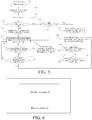
- the fourth mode is selected for controlling the H-bridge when the DC-DC converter is started until the total time TC is equal to the total time TD; when the total time TC is less than the total time TD, the third mode is selected for controlling the H-bridge when the DC-DC converter is started until the total time TC is equal to the total time TD; and when the total time TC is equal to the total time TD, the third mode or the fourth mode is selected for alternately controlling the H-bridge according to the Ti and the Tm when the DC-DC converter is started.
- Alternately controlling the H-bridge according to the set time Ti and the set time Tm includes: when the time for controlling the H-bridge in the third mode reaches the Ti, controlling the H-bridge in the fourth mode until the time for controlling the H-bridge in the fourth mode reaches the Tm; or when the time for controlling the H-bridge in the fourth mode reaches the Tm, controlling the H-bridge in the third mode until the time for controlling the H-bridge in the third mode reaches the Ti.
- the total time TC for controlling the H-bridge in the third mode and the total time TD for controlling the H-bridge in the fourth mode are acquired from a storage area, the Ti and the Tm are set, then the total time TC and the total time TD are judged, and whether the H-bridge is controlled in the third mode or the fourth mode firstly is determined according to the judging result, that is, the total time TC for controlling the H-bridge in the third mode and the total time TD for controlling the H-bridge in the fourth mode are acquired from the storage area, and the relation between the total time TC and the total time TD is judged to determine the mode selected for controlling the H-bridge firstly when the DC-DC converter is started.
- the fourth mode D can be firstly used directly for controlling the H-bridge to enable the DC-DC converter to work until the time for controlling the H-bridge in the fourth mode D reaches the Tm, the mode is switched to the third mode C to control the H-bridge to enable the DC-DC converter to work until the time for controlling the H-bridge in the third mode C reaches the Ti, so as to complete a working cycle, and such working cycle is repeated until the DC-DC converter stops working.
- the H-bridge is controlled according to the fixed mode, namely the third mode or the fourth mode, and the total time is recorded when the mode is switched.
- the total time for controlling the H-bridge in the third mode, recorded when the mode is switched is the total time for controlling the H-bridge in the third mode, acquired from the storage area when the DC-DC converter starts working plus the time for controlling the H-bridge in the third mode, recorded in this working cycle of the DC-DC converter.
- the set time Ti for controlling the H-bridge in the third mode can be equal to the set time Tm for controlling the H-bridge in the fourth mode, thereby enabling the heat generation of the first switch tube Q1, the second switch tube Q2, the third switch tube Q3 and the fourth switch tube Q4 to be relatively balanced when the H-bridge is alternately controlled in the third mode and the fourth mode.
- the set time Ti for controlling the H-bridge in the third mode can also be unequal to the set time Tm for controlling the H-bridge in the fourth mode.
- the control mode of lower tube modulation is adopted for the DC-DC converter no matter whether the H-bridge is controlled in the third mode or the fourth mode.
- the control mode of lower tube modulation is adopted, two switch tubes as the upper tubes are alternately turned on at a duty ratio of 50% and have no dead time, and the adjustment of the output voltage is realized by adjusting the driving voltage falling edges of two switch tubes as the lower tubes.
- the two switch tubes as the upper tubes easily realize soft switching (zero voltage switching) and are corresponding to leading bridge arms in a control mode of phase shift modulation, and the two switch tubes as the lower tubes are corresponding to lagging bridge arms in the control mode of phase shift modulation and difficultly realize zero voltage switching.
- the first switch tube, the second switch tube, the third switch tube and the fourth switch tube are alternately configured as the upper tubes and the lower tubes, that is, Q1 and Q3 as well as Q2 and Q4 are alternately configured as the upper tubes and the lower tubes, and then, temperature stress is equivalently distributed evenly in the four switch tubes of the H-bridge, so as to enable the heat generation of each switch tube to be relatively balanced, thereby realizing overall heat balance and prolonging the service life of the DC-DC converter.
- control method of the DC-DC converter includes the following steps:
- step S509 if the judging result is that the TC is equal to the TD, the step S509 can be firstly executed and then the step S508 is executed, that is, the execution order of the step S509 and the step S508 can be exchanged.
- control method of the DC-DC converter can enable the heat generation of the first switch tube, the second switch tube, the third switch tube and the fourth switch tube to be relatively balanced in each working process of the DC-DC converter, and additional components are not needed, thereby lowering the cost and prolonging the working life of the DC-DC converter.
- the control method of the DC-DC converter includes the following steps: when the DC-DC converter works every time, acquiring the total time TC for controlling the H-bridge in the third mode and the total time TD for controlling the H-bridge in the fourth mode, acquiring the set time Ti for controlling the H-bridge in the third mode and the set time Tm for controlling the H-bridge in the fourth mode in each working cycle during the working process of the DC-DC converter, then judging the relation between the total time TC and the total time TD, finally selecting the mode for controlling the H-bridge when the DC-DC converter is started according to the relation between the total time TC and the total time TD, and alternately controlling the H-bridge according to the Ti and the Tm during the working process of the DC-DC converter, so as to perform temperature equalization control on the first switch tube, the second switch tube, the third switch tube and the fourth switch tube, thereby enabling the heat generation of each switch tube to be relatively balanced, prolonging the working life of the switch tubes in the H-bridge without increasing
- the DC-DC converter includes an H-bridge and a control module 100 such as a micro control unit (MCU).
- the H-bridge includes a first switch tube Q1, a second switch tube Q2, a third switch tube Q3 and a fourth switch tube Q4, a first node A is formed between the first switch tube Q1 and the second switch tube Q2, and a second node B is formed between the third switch tube Q3 and the fourth switch tube Q4.
- the control module 100 is used for acquiring total time TC for controlling the H-bridge in a third mode and total time TD for controlling the H-bridge in a fourth mode when the DC-DC converter works every time, acquiring set time Ti for controlling the H-bridge in the third mode and set time Tm for controlling the H-bridge in the fourth mode in each working cycle during a working process of the DC-DC converter, selecting the mode for controlling the H-bridge when the DC-DC converter is started by judging the relation between the total time TC and the total time TD, and alternately controlling the H-bridge according to the set time Ti and the set time Tm, so as to perform temperature equalization control on the first switch tube, the second switch tube, the third switch tube and the fourth switch tube.
- the control module uses the first switch tube and the third switch tube as upper tubes, uses the second switch tube and the fourth switch tube as lower tubes, and controls the first switch tube, the second switch tube, the third switch tube and the fourth switch tube by adopting a control mode of lower tube modulation.
- the control module uses the first switch tube and the third switch tube as lower tubes, uses the second switch tube and the fourth switch tube as upper tubes, and controls the first switch tube, the second switch tube, the third switch tube and the fourth switch tube by adopting a control mode of lower tube modulation.
- the control module 100 controls the H-bridge in the third mode C to enable the DC-DC converter to work
- the time for controlling the H-bridge in the third mode C is recorded to obtain the total time TC for controlling the H-bridge in the third mode, and then, the total time TC is stored
- the control module controls the H-bridge in the fourth mode D to enable the DC-DC converter to work the time for controlling the H-bridge in the fourth mode D is recorded to obtain the total time TD for controlling the H-bridge in the fourth mode, and then, the total time TD is stored
- the control module judges the relation between the total time TC and the total time TD and selects the mode for controlling the H-bridge when the DC-DC converter is started according to the relation between the total time TC and the total time TD.
- the control module selects the mode for controlling the H-bridge when the DC-DC converter is started according to the relation between the total time TC and the total time TD
- the control module selects the fourth mode for controlling the H-bridge when the DC-DC converter is started until the total time TC is equal to the total time TD
- the control module selects the third mode for controlling the H-bridge when the DC-DC converter is started until the total time TC is equal to the total time TD
- the control module selects the third mode or the fourth mode for alternately controlling the H-bridge according to the Ti and the Tm when the DC-DC converter is started.
- the control module alternately controls the H-bridge according to the set time Ti and the set time Tm
- the H-bridge is controlled in the fourth mode until the time for controlling the H-bridge in the fourth mode reaches the Tm; or when the time for controlling the H-bridge in the fourth mode reaches the Tm, the H-bridge is controlled in the third mode until the time for controlling the H-bridge in the third mode reaches the Ti.
- the control module acquires the total time TC for controlling the H-bridge in the third mode and the total time TD for controlling the H-bridge in the fourth mode from a storage area, sets the Ti and the Tm, then judges the total time TC and the total time TD, determines whether the H-bridge is controlled in the third mode or the fourth mode firstly according to the judging result, acquires the total time TC for controlling the H-bridge in the third mode and the total time TD for controlling the H-bridge in the fourth mode from the storage area, and judges the relation between the total time TC and the total time TD to determine the mode firstly selected for controlling the H-bridge when the DC-DC converter is started.
- the fourth mode D can be firstly used directly for controlling the H-bridge to enable the DC-DC converter to work until the time for controlling the H-bridge in the fourth mode D reaches the Tm, the mode is switched to the third mode C to control the H-bridge to enable the DC-DC converter to work until the time for controlling the H-bridge in the third mode C reaches the Ti, so as to complete a working cycle, and such working cycle is repeated until the DC-DC converter stops working.
- the H-bridge is controlled according to the fixed mode, namely the third mode or the fourth mode, and the total time is recorded when the mode is switched.
- the total time for controlling the H-bridge in the third mode, recorded when the mode is switched is the total time for controlling the H-bridge in the third mode, acquired from the storage area when the DC-DC converter begins working currently plus the time for controlling the H-bridge in the third mode recorded in the current working cycle of the DC-DC converter.
- control signal output to the first switch tube by the control module and the control signal output to the third switch tube by the control module are complementary and have a fixed duty ratio, and falling edges of the control signals output to the second switch tube and the fourth switch tube are subjected to PWM control.
- control signal output to the second switch tube by the control module and the control signal output to the fourth switch tube by the control module are complementary and have a fixed duty ratio, and falling edges of the control signals output to the first switch tube and the third switch tube are subjected to PWM control.
- each of the first switch tube Q1, the second switch tube Q2, the third switch tube Q3 and the fourth switch tube Q4 is an insulated gate bipolar transistor (IGBT).
- IGBT insulated gate bipolar transistor
- each of the first switch tube Q1, the second switch tube Q2, the third switch tube Q3 and the fourth switch tube Q4 can be a metal oxide semiconductor (MOS) transistor.
- MOS metal oxide semiconductor
- the set time Ti for controlling the H-bridge in the third mode can be equal to the set time Tm for controlling the H-bridge in the fourth mode, thereby enabling the heat generation of the first switch tube Q1, the second switch tube Q2, the third switch tube Q3 and the fourth switch tube Q4 to be relatively balanced when the H-bridge is alternately controlled in the third mode and the fourth mode.
- the set time Ti for controlling the H-bridge in the third mode can also be unequal to the set time Tm for controlling the H-bridge in the fourth mode.
- the control module is used for acquiring the total time TC for controlling the H-bridge in the third mode and the total time TD for controlling the H-bridge in the fourth mode, acquiring the set time Ti for controlling the H-bridge in the third mode and the set time Tm for controlling the H-bridge in the fourth mode in each working cycle during the working process, selecting the mode for controlling the H-bridge when the DC-DC converter is started by judging the relation between the total time TC and the total time TD, and alternately controlling the H-bridge according to the Ti and the Tm during the working process of the DC-DC converter, so as to perform temperature equalization control on the first switch tube, the second switch tube, the third switch tube and the fourth switch tube, thereby enabling the heat generation of each switch tube to be relatively balanced, prolonging the working life of the switch tubes in the H-bridge without increasing the cost, and further prolonging the life cycle.
- an embodiment of the present invention also provides an electric vehicle 10, including the DC-DC converter 20.
- the temperature equalization control on the first switch tube, the second switch tube, the third switch tube and the fourth switch tube in the H-bridge can be realized, thereby enabling the heat generation of each switch tube to be relatively balanced, prolonging the working life of the switch tubes in the H-bridge without increasing the cost, and further prolonging the life cycle of the DC-DC converter.
Landscapes
- Engineering & Computer Science (AREA)
- Power Engineering (AREA)
- Transportation (AREA)
- Mechanical Engineering (AREA)
- Dc-Dc Converters (AREA)
Claims (7)
- Steuerungsverfahren für einen Gleichstrom-Gleichstrom-Wandler (20), wobei der Gleichstrom-Gleichstrom-Wandler (20) eine H-Brücke umfasst, die H-Brücke eine erste Schaltröhre (Q1), eine zweite Schaltröhre (Q2), eine dritte Schaltröhre (Q3) und eine vierte Schaltröhre (Q4) umfasst, wobei die erste Schaltröhre und die zweite Schaltröhre eine Halbbrücke bilden und wobei die dritte Schaltröhre und die vierte Schaltröhre eine Halbbrücke bilden, und das Steuerungsverfahren die folgenden Schritte umfasst:wenn der Gleichstrom-Gleichstrom-Wandler (20) zu arbeiten beginnt, Erfassen einer aufgezeichneten Gesamtzeit TC des Steuerns der H-Brücke in einem dritten Modus, und Erfassen einer aufgezeichneten Gesamtzeit TD des Steuerns der H-Brücke in einem vierten Modus, und Erfassen einer eingestellten Zeit Ti zum Steuern der H-Brücke in dem dritten Modus und einer eingestellten Zeit Tm zum Steuern der H-Brücke in dem vierten Modus in jedem Arbeitszyklus während eines Arbeitsprozesses des Gleichstrom-Gleichstrom-Wandlers (S1), wobei, wenn die H-Brücke im dritten Modus gesteuert wird, die erste Schaltröhre (Q1) und die dritte Schaltröhre (Q3) als obere Röhren konfiguriert sind, was bedeutet, dass ein Steuersignal, das an die erste Schaltröhre (Q1) ausgegeben wird, und ein Steuersignal, das an die dritte Schaltröhre (Q3) ausgegeben wird, komplementär sind und ein festes Tastverhältnis haben, die zweite Schaltröhre (Q2) und die vierte Schaltröhre (Q4) als untere Röhren konfiguriert sind, was bedeutet, dass fallende Flanken von Steuersignalen, die an die zweite Schaltröhre (Q2) und die vierte Schaltröhre (Q4) ausgegeben werden, einer PWM-Steuerung unterzogen werden, und wenn die H-Brücke im vierten Modus gesteuert wird, die erste Schaltröhre (Q1) und die dritte Schaltröhre (Q3) als untere Röhren konfiguriert sind, was bedeutet, dass fallende Flanken von Steuersignalen, die an die erste Schaltröhre (Q1) und die dritte Schaltröhre (Q3) ausgegeben werden, einer PWM-Steuerung unterworfen werden, die zweite Schaltröhre (Q2) und die vierte Schaltröhre (Q4) als obere Röhren konfiguriert sind, was bedeutet, dass ein Steuersignal, das an die zweite Schaltröhre (Q2) ausgegeben wird, und ein Steuersignal, das an die vierte Schaltröhre (Q4) ausgegeben wird, komplementär sind und ein festes Tastverhältnis haben;Beurteilen einer Beziehung zwischen der Gesamtzeit TC und der Gesamtzeit TD (S2); undAuswählen des Modus zum Steuern der H-Brücke, wenn der Gleichstrom-Gleichstrom-Wandler (20) gestartet wird, gemäß der Beziehung zwischen der Gesamtzeit TC und der Gesamtzeit TD, und abwechselndes Steuern der H-Brücke gemäß der eingestellten Zeit Ti und der eingestellten Zeit Tm, um eine Temperaturausgleichssteuerung an der ersten Schaltröhre (Q1), der zweiten Schaltröhre (Q2), der dritten Schaltröhre (Q3) und der vierten Schaltröhre (Q4) durchzuführen (S3), wobei in einem Prozess des Auswählens des Modus zum Steuern der H-Brücke, gemäß der Beziehung zwischen der Gesamtzeit TC und der Gesamtzeit TD, wenn der Gleichstrom-Gleichstrom-Wandler gestartet wirdder vierte Modus zur Steuerung der H-Brücke beim Starten des Gleichspannungswandlers ausgewählt wird, wenn die Gesamtzeit TC größer als die Gesamtzeit TD ist (S504), bis die Gesamtzeit TC gleich der Gesamtzeit TD ist;der dritte Modus ausgewählt wird, um die H-Brücke zu steuern, wenn der Gleichspannungswandler (20) gestartet wird, bis die Gesamtzeit TC gleich der Gesamtzeit TD ist, wenn die Gesamtzeit TC kleiner als die Gesamtzeit TD ist; undder dritte Modus oder der vierte Modus ausgewählt wird, wenn die Gesamtzeit TC gleich der Gesamtzeit TD ist, um die H-Brücke abwechselnd gemäß Ti und Tm zu steuern, wenn der Gleichspannungswandler gestartet wird.
- Steuerungsverfahren für den Gleichstrom-Gleichstrom-Wandler (20) nach Anspruch 1, wobei das abwechselnde Steuern der H-Brücke gemäß der eingestellten Zeit Ti und der eingestellten Zeit Tm umfasst:Steuern der H-Brücke im vierten Modus, wenn die Zeit zum Steuern der H-Brücke im dritten Modus Ti erreicht, bis die Zeit zum Steuern der H-Brücke im vierten Modus Tm erreicht; oderSteuern der H-Brücke im dritten Modus, wenn die Zeit zum Steuern der H-Brücke im vierten Modus Tm erreicht, Steuern der H-Brücke im dritten Modus, bis die Zeit zum Steuern der H-Brücke im dritten Modus Ti erreicht.
- Steuerungsverfahren für den Gleichstrom-Gleichstrom-Wandler (20) nach einem der Ansprüche 1 bis 2, wobei die eingestellte Zeit Ti zur Steuerung der H-Brücke im dritten Modus gleich der eingestellten Zeit Tm zur Steuerung der H-Brücke im vierten Modus ist.
- Gleichstrom-Gleichstrom-Wandler (20), umfassend:eine H-Brücke, wobei die H-Brücke eine erste Schaltröhre (Q1), eine zweite Schaltröhre (Q2), eine dritte Schaltröhre (Q3) und eine vierte Schaltröhre (Q4) umfasst, wobei die erste Schaltröhre und die zweite Schaltröhre eine Halbbrücke bilden und wobei die dritte Schaltröhre und die vierte Schaltröhre eine Halbbrücke bilden; undein Steuermodul (100), wobei das Steuermodul (100) konfiguriert ist, um eine aufgezeichnete Gesamtzeit TC des Steuerns der H-Brücke in einem dritten Modus zu erfassen, und um eine aufgezeichnete Gesamtzeit TD des Steuerns der H-Brücke in einem vierten Modus zu erfassen, wenn der Gleichstrom-Gleichstrom-Wandler (20) zu arbeiten beginnt, um eine eingestellte Zeit Ti zum Steuern der H-Brücke in dem dritten Modus und eine eingestellte Zeit Tm zum Steuern der H-Brücke in dem vierten Modus in jedem Arbeitszyklus während eines Arbeitsprozesses des Gleichstrom-Gleichstrom-Wandlers (20) zu erfassen, um den Modus zum Steuern der H-Brücke auszuwählen, wenn der Gleichstrom-Gleichstrom-Wandler (20) gestartet wird, indem eine Beziehung zwischen der Gesamtzeit TC und der Gesamtzeit TD beurteilt wird, und um die H-Brücke gemäß der eingestellten Zeit Ti und der eingestellten Zeit Tm abwechselnd zu steuern, um eine Temperaturausgleichssteuerung an der ersten Schaltröhre (Q1), der zweiten Schaltröhre (Q2), der dritten Schaltröhre (Q3) und der vierten Schaltröhre (Q4) durchzuführen, wobeidas Steuermodul dazu eingerichtet ist, wenn die H-Brücke in dem dritten Modus angesteuert wird, die erste Schaltröhre (Q1) und die dritte Schaltröhre (Q3) in einer Konfiguration als obere Röhren anzusteuern, was bedeutet, dass ein Steuersignal, das an die erste Schaltröhre (Q1) ausgegeben wird, und ein Steuersignal, das an die dritte Schaltröhre (Q3) ausgegeben wird, komplementär sind und ein festes Tastverhältnis haben, die zweite Schaltröhre (Q2) und die vierte Schaltröhre (Q4) in einer Konfiguration als untere Röhren einzurichten, was bedeutet, dass fallende Flanken von Steuersignalen, die an die zweite Schaltröhre (Q2) und die vierte Schaltröhre (Q4) ausgegeben werden, einer PWM-Steuerung unterworfen werden; unddas Steuermodul, wenn die H-Brücke in dem vierten Modus gesteuert wird, die erste Schaltröhre (Q1) und die dritte Schaltröhre (Q3) so steuert, dass sie als untere Röhren eingerichtet sind, was bedeutet, dass fallende Flanken von Steuersignalen, die an die erste Schaltröhre (Q1) und die dritte Schaltröhre (Q3) ausgegeben werden, einer PWM-Steuerung unterworfen werden, die zweite Schaltröhre (Q2) und die vierte Schaltröhre (Q4) so steuert, dass sie als obere Röhren eingerichtet sind, was bedeutet, dass ein an die zweite Schaltröhre (Q2) ausgegebenes Steuersignal und ein an die vierte Schaltröhre (Q4) ausgegebenes Steuersignal komplementär sind und ein festes Tastverhältnis aufweisen, wobei bei einem Verfahren zur Auswahl des Modus zur Steuerung der H-Brücke beim Starten des Gleichstrom-Gleichstrom-Wandlers (20) gemäß der Beziehung zwischen der Gesamtzeit TC und der Gesamtzeit TD durch das Steuermodul (100)das Steuermodul (100) den vierten Modus zur Steuerung der H-Brücke beim Starten des Gleichstrom-Gleichstrom-Wandlers (20) auswählt, wenn die Gesamtzeit TC größer als die Gesamtzeit TD ist, bis die Gesamtzeit TC gleich der Gesamtzeit TD ist;das Steuermodul (100) den dritten Modus zur Steuerung der H-Brücke auswählt, wenn der Gleichstrom-Gleichstrom-Wandler gestartet wird, bis die Gesamtzeit TC gleich der Gesamtzeit TD ist; unddas Steuermodul (100) den dritten Modus oder den vierten Modus zur abwechselnden Steuerung der H-Brücke gemäß Ti und Tm auswählt, wenn der Gleichstrom-Gleichstrom-Wandler (20) gestartet wird, wenn die Gesamtzeit TC gleich der Gesamtzeit TD ist.
- Gleichstrom-Gleichstrom-Wandler (20) nach Anspruch 4, wobei bei der abwechselnden Steuerung der H-Brücke gemäß der eingestellten Zeit Ti und der eingestellten Zeit Tm durch das Steuermodul
das Steuerungsmodul so eingerichtet ist, dass es die H-Brücke im vierten Modus steuert, bis die Zeit für die Steuerung der H-Brücke im vierten Modus Tm erreicht, wenn die Zeit für die Steuerung der H-Brücke im dritten Modus Ti erreicht; oder
das Steuermodul so eingerichtet ist, dass es die H-Brücke im dritten Modus steuert, bis die Zeit zum Steuern der H-Brücke im dritten Modus Ti erreicht, wenn die Zeit zum Steuern der H-Brücke im vierten Modus Tm erreicht. - Gleichstrom-Gleichstrom-Wandler (20) nach einem der Ansprüche 4 bis 5, wobei die eingestellte Zeit Ti zur Steuerung der H-Brücke in dem dritten Modus gleich der eingestellten Zeit Tm zur Steuerung der H-Brücke in dem vierten Modus ist.
- Elektrofahrzeug (10), umfassend den Gleichstrom-Gleichstrom-Wandler (20) nach einem der Ansprüche 4 bis 6.
Applications Claiming Priority (2)
| Application Number | Priority Date | Filing Date | Title |
|---|---|---|---|
| CN201611109744.2A CN108155802B (zh) | 2016-12-02 | 2016-12-02 | 电动汽车及其dc-dc变换器和dc-dc变换器的控制方法 |
| PCT/CN2017/114234 WO2018099468A1 (zh) | 2016-12-02 | 2017-12-01 | 电动汽车及其dc-dc变换器和dc-dc变换器的控制方法 |
Publications (3)
| Publication Number | Publication Date |
|---|---|
| EP3550709A1 EP3550709A1 (de) | 2019-10-09 |
| EP3550709A4 EP3550709A4 (de) | 2019-12-11 |
| EP3550709B1 true EP3550709B1 (de) | 2021-03-10 |
Family
ID=62241224
Family Applications (1)
| Application Number | Title | Priority Date | Filing Date |
|---|---|---|---|
| EP17875909.8A Active EP3550709B1 (de) | 2016-12-02 | 2017-12-01 | Elektrofahrzeug, gleichspannungswandler und steuerungsverfahren für gleichspannungswandler |
Country Status (4)
| Country | Link |
|---|---|
| US (1) | US10958181B2 (de) |
| EP (1) | EP3550709B1 (de) |
| CN (1) | CN108155802B (de) |
| WO (1) | WO2018099468A1 (de) |
Families Citing this family (3)
| Publication number | Priority date | Publication date | Assignee | Title |
|---|---|---|---|---|
| CN111682598A (zh) * | 2020-04-27 | 2020-09-18 | 宁波三星智能电气有限公司 | 一种充电桩的充电模块启动方法 |
| EP4102703A1 (de) * | 2021-06-09 | 2022-12-14 | Delta Electronics (Thailand) Public Co., Ltd. | Alternierende asymmetrische phasenverschiebungsmodulation |
| US12107507B2 (en) | 2021-09-02 | 2024-10-01 | Rivian Ip Holdings, Llc | Dual active bridge converter control with switching loss distribution |
Family Cites Families (24)
| Publication number | Priority date | Publication date | Assignee | Title |
|---|---|---|---|---|
| CN100574080C (zh) | 2007-10-18 | 2009-12-23 | 西北工业大学 | 应用于无刷直流电机的谐振极软开关逆变电路的控制方法 |
| JP5286184B2 (ja) | 2009-07-28 | 2013-09-11 | 株式会社日立製作所 | 電力変換制御装置,電力変換装置及び電力変換制御方法 |
| CN101800472A (zh) | 2010-01-28 | 2010-08-11 | 中电电气(江苏)股份有限公司 | 一种单极性驱动电路 |
| CN102315698B (zh) | 2011-08-30 | 2013-06-12 | 矽力杰半导体技术(杭州)有限公司 | 一种磁场耦合式非接触电能传输装置 |
| CN102611348B (zh) * | 2012-03-21 | 2014-10-01 | 福州大学 | 解决单相全桥逆变电路桥臂开关发热不均的pwm输出法 |
| TW201427246A (zh) * | 2012-12-26 | 2014-07-01 | Yen-Shin Lai | 相移全橋轉換裝置及控制方法 |
| CN103259443B (zh) * | 2013-05-23 | 2015-02-11 | 吕莹 | 一种有限双极性控制的全桥逆变器 |
| US9584024B2 (en) | 2013-06-24 | 2017-02-28 | Illinois Tool Works Inc. | Metal working power supply converter system and method |
| CN103441692B (zh) * | 2013-07-30 | 2016-03-30 | 飞利浦(中国)投资有限公司 | 串联谐振逆变器及其实现方法 |
| US20150055374A1 (en) | 2013-08-22 | 2015-02-26 | Fujitsu Telecom Networks Limited | Switching power supply apparatus corresponding to zero voltage switching system |
| CN203423529U (zh) | 2013-09-12 | 2014-02-05 | 河北博联通讯科技有限责任公司 | 一种新能源汽车锂电池智能车载充电机 |
| CN103795233B (zh) * | 2014-02-21 | 2016-08-24 | 南京冠亚电源设备有限公司 | 一种智能启停轮询机制的模块化逆变器电源控制方法 |
| CN104868765B (zh) | 2014-02-24 | 2017-10-17 | 湖南南车时代电动汽车股份有限公司 | 一种逆变器脉宽调制方法 |
| CN104600998A (zh) * | 2015-02-10 | 2015-05-06 | 四川英杰电气股份有限公司 | 一种开关电源开关器件均匀发热的控制方法 |
| CN104898486A (zh) * | 2015-05-19 | 2015-09-09 | 合肥天鹅制冷科技有限公司 | 多模块启动控制系统和方法 |
| CN106904083B (zh) | 2015-12-18 | 2019-09-13 | 比亚迪股份有限公司 | 电动汽车及其车载充电器和车载充电器的控制方法 |
| CN106891752B (zh) | 2015-12-18 | 2019-12-10 | 比亚迪股份有限公司 | 电动汽车及其车载充电器和车载充电器的控制方法 |
| CN106891751B (zh) | 2015-12-18 | 2019-07-26 | 比亚迪股份有限公司 | 电动汽车及其车载充电器和车载充电器的控制方法 |
| CN106891740B (zh) | 2015-12-18 | 2019-12-20 | 比亚迪股份有限公司 | 电动汽车及其车载充电器和车载充电器的控制方法 |
| CN106891742B (zh) | 2015-12-18 | 2019-11-05 | 比亚迪股份有限公司 | 电动汽车及其车载充电器和车载充电器的控制方法 |
| CN106891737B (zh) | 2015-12-18 | 2019-03-29 | 比亚迪股份有限公司 | 电动汽车及其车载充电器和车载充电器的控制方法 |
| CN106891745B (zh) * | 2015-12-18 | 2019-11-05 | 比亚迪股份有限公司 | 电动汽车及其车载充电器和车载充电器的控制方法 |
| CN106891750B (zh) | 2015-12-18 | 2019-03-29 | 比亚迪股份有限公司 | 电动汽车及其车载充电器和车载充电器的控制方法 |
| CN106169873A (zh) | 2016-07-21 | 2016-11-30 | 连云港杰瑞电子有限公司 | 适用于高压或大电流输出的混合串并联全桥电路及其控制方法 |
-
2016
- 2016-12-02 CN CN201611109744.2A patent/CN108155802B/zh active Active
-
2017
- 2017-12-01 EP EP17875909.8A patent/EP3550709B1/de active Active
- 2017-12-01 WO PCT/CN2017/114234 patent/WO2018099468A1/zh not_active Ceased
- 2017-12-01 US US16/465,944 patent/US10958181B2/en active Active
Non-Patent Citations (1)
| Title |
|---|
| None * |
Also Published As
| Publication number | Publication date |
|---|---|
| US10958181B2 (en) | 2021-03-23 |
| US20200083815A1 (en) | 2020-03-12 |
| WO2018099468A1 (zh) | 2018-06-07 |
| CN108155802B (zh) | 2020-03-31 |
| EP3550709A4 (de) | 2019-12-11 |
| EP3550709A1 (de) | 2019-10-09 |
| CN108155802A (zh) | 2018-06-12 |
Similar Documents
| Publication | Publication Date | Title |
|---|---|---|
| EP2388902B1 (de) | System und Verfahren zur digitalen Steuerung einer Gleichstromwandlervorrichtung, insbesondere für Automobilanwendungen | |
| US11539299B2 (en) | Switching power supply unit and electric power supply system | |
| US11664717B2 (en) | Power converter modulation sequence | |
| EP3550709B1 (de) | Elektrofahrzeug, gleichspannungswandler und steuerungsverfahren für gleichspannungswandler | |
| CN104917388A (zh) | 电力转换装置及其起动方法 | |
| JP6459599B2 (ja) | スイッチング電源装置 | |
| US11444618B2 (en) | High-side switch and low-side switch loss equalization in a multiphase switching converter | |
| CN108155806B (zh) | 电动汽车及其dc-dc变换器和dc-dc变换器的控制方法 | |
| CN108155798B (zh) | 电动汽车及其dc-dc变换器和dc-dc变换器的控制方法 | |
| CN108155807B (zh) | 电动汽车及其dc-dc变换器和dc-dc变换器的控制方法 | |
| CN108155794B (zh) | 电动汽车及其dc-dc变换器和dc-dc变换器的控制方法 | |
| CN108155795B (zh) | 电动汽车及其dc-dc变换器和dc-dc变换器的控制方法 | |
| WO2018099467A1 (zh) | 电动汽车及其dc-dc变换器和dc-dc变换器的控制方法 | |
| CN108155808B (zh) | 电动汽车及其dc-dc变换器和dc-dc变换器的控制方法 | |
| US12614987B2 (en) | Pulse width modulation method and system | |
| CN108155797A (zh) | 电动汽车及其dc-dc变换器和dc-dc变换器的控制方法 | |
| CN108155804B (zh) | 电动汽车及其dc-dc变换器和dc-dc变换器的控制方法 | |
| CN119945165B (zh) | 双向llc变换器控制方法、装置及双向llc变换器 | |
| CN108155805B (zh) | 电动汽车及其dc-dc变换器和dc-dc变换器的控制方法 | |
| US20240405688A1 (en) | Pulse width modulation method and system | |
| CN108155809B (zh) | 电动汽车及其dc-dc变换器和dc-dc变换器的控制方法 | |
| CN108155803A (zh) | 电动汽车及其dc-dc变换器和dc-dc变换器的控制方法 | |
| JP3574726B2 (ja) | 低歪み整流電源装置 | |
| CN108155810A (zh) | 电动汽车及其dc-dc变换器和dc-dc变换器的控制方法 | |
| KR20250085172A (ko) | 절연형 dc-dc 컨버터 및 이의 제어 방법 |
Legal Events
| Date | Code | Title | Description |
|---|---|---|---|
| STAA | Information on the status of an ep patent application or granted ep patent |
Free format text: STATUS: THE INTERNATIONAL PUBLICATION HAS BEEN MADE |
|
| PUAI | Public reference made under article 153(3) epc to a published international application that has entered the european phase |
Free format text: ORIGINAL CODE: 0009012 |
|
| STAA | Information on the status of an ep patent application or granted ep patent |
Free format text: STATUS: REQUEST FOR EXAMINATION WAS MADE |
|
| 17P | Request for examination filed |
Effective date: 20190701 |
|
| AK | Designated contracting states |
Kind code of ref document: A1 Designated state(s): AL AT BE BG CH CY CZ DE DK EE ES FI FR GB GR HR HU IE IS IT LI LT LU LV MC MK MT NL NO PL PT RO RS SE SI SK SM TR |
|
| AX | Request for extension of the european patent |
Extension state: BA ME |
|
| A4 | Supplementary search report drawn up and despatched |
Effective date: 20191108 |
|
| RIC1 | Information provided on ipc code assigned before grant |
Ipc: H02M 3/337 20060101AFI20191104BHEP Ipc: H02M 1/32 20070101ALN20191104BHEP Ipc: H02M 7/5395 20060101ALN20191104BHEP Ipc: H02M 1/36 20070101ALN20191104BHEP Ipc: H02M 3/335 20060101ALN20191104BHEP |
|
| DAV | Request for validation of the european patent (deleted) | ||
| DAX | Request for extension of the european patent (deleted) | ||
| REG | Reference to a national code |
Ref country code: DE Ref legal event code: R079 Ref document number: 602017034550 Country of ref document: DE Free format text: PREVIOUS MAIN CLASS: H02M0003335000 Ipc: H02M0003337000 |
|
| RIC1 | Information provided on ipc code assigned before grant |
Ipc: H02M 3/337 20060101AFI20200818BHEP Ipc: H02M 3/335 20060101ALN20200818BHEP Ipc: H02M 1/32 20070101ALN20200818BHEP Ipc: H02M 7/5395 20060101ALN20200818BHEP Ipc: H02M 1/36 20070101ALN20200818BHEP |
|
| GRAP | Despatch of communication of intention to grant a patent |
Free format text: ORIGINAL CODE: EPIDOSNIGR1 |
|
| STAA | Information on the status of an ep patent application or granted ep patent |
Free format text: STATUS: GRANT OF PATENT IS INTENDED |
|
| RIC1 | Information provided on ipc code assigned before grant |
Ipc: H02M 7/5395 20060101ALN20200828BHEP Ipc: H02M 3/337 20060101AFI20200828BHEP Ipc: H02M 1/32 20070101ALN20200828BHEP Ipc: H02M 1/36 20070101ALN20200828BHEP Ipc: H02M 3/335 20060101ALN20200828BHEP |
|
| INTG | Intention to grant announced |
Effective date: 20200928 |
|
| GRAS | Grant fee paid |
Free format text: ORIGINAL CODE: EPIDOSNIGR3 |
|
| GRAA | (expected) grant |
Free format text: ORIGINAL CODE: 0009210 |
|
| STAA | Information on the status of an ep patent application or granted ep patent |
Free format text: STATUS: THE PATENT HAS BEEN GRANTED |
|
| AK | Designated contracting states |
Kind code of ref document: B1 Designated state(s): AL AT BE BG CH CY CZ DE DK EE ES FI FR GB GR HR HU IE IS IT LI LT LU LV MC MK MT NL NO PL PT RO RS SE SI SK SM TR |
|
| REG | Reference to a national code |
Ref country code: GB Ref legal event code: FG4D |
|
| REG | Reference to a national code |
Ref country code: CH Ref legal event code: EP Ref country code: AT Ref legal event code: REF Ref document number: 1370929 Country of ref document: AT Kind code of ref document: T Effective date: 20210315 |
|
| REG | Reference to a national code |
Ref country code: DE Ref legal event code: R096 Ref document number: 602017034550 Country of ref document: DE |
|
| REG | Reference to a national code |
Ref country code: IE Ref legal event code: FG4D |
|
| REG | Reference to a national code |
Ref country code: NL Ref legal event code: FP |
|
| REG | Reference to a national code |
Ref country code: LT Ref legal event code: MG9D |
|
| PG25 | Lapsed in a contracting state [announced via postgrant information from national office to epo] |
Ref country code: LT Free format text: LAPSE BECAUSE OF FAILURE TO SUBMIT A TRANSLATION OF THE DESCRIPTION OR TO PAY THE FEE WITHIN THE PRESCRIBED TIME-LIMIT Effective date: 20210310 Ref country code: BG Free format text: LAPSE BECAUSE OF FAILURE TO SUBMIT A TRANSLATION OF THE DESCRIPTION OR TO PAY THE FEE WITHIN THE PRESCRIBED TIME-LIMIT Effective date: 20210610 Ref country code: NO Free format text: LAPSE BECAUSE OF FAILURE TO SUBMIT A TRANSLATION OF THE DESCRIPTION OR TO PAY THE FEE WITHIN THE PRESCRIBED TIME-LIMIT Effective date: 20210610 Ref country code: HR Free format text: LAPSE BECAUSE OF FAILURE TO SUBMIT A TRANSLATION OF THE DESCRIPTION OR TO PAY THE FEE WITHIN THE PRESCRIBED TIME-LIMIT Effective date: 20210310 Ref country code: GR Free format text: LAPSE BECAUSE OF FAILURE TO SUBMIT A TRANSLATION OF THE DESCRIPTION OR TO PAY THE FEE WITHIN THE PRESCRIBED TIME-LIMIT Effective date: 20210611 Ref country code: FI Free format text: LAPSE BECAUSE OF FAILURE TO SUBMIT A TRANSLATION OF THE DESCRIPTION OR TO PAY THE FEE WITHIN THE PRESCRIBED TIME-LIMIT Effective date: 20210310 |
|
| REG | Reference to a national code |
Ref country code: AT Ref legal event code: MK05 Ref document number: 1370929 Country of ref document: AT Kind code of ref document: T Effective date: 20210310 |
|
| PG25 | Lapsed in a contracting state [announced via postgrant information from national office to epo] |
Ref country code: LV Free format text: LAPSE BECAUSE OF FAILURE TO SUBMIT A TRANSLATION OF THE DESCRIPTION OR TO PAY THE FEE WITHIN THE PRESCRIBED TIME-LIMIT Effective date: 20210310 Ref country code: RS Free format text: LAPSE BECAUSE OF FAILURE TO SUBMIT A TRANSLATION OF THE DESCRIPTION OR TO PAY THE FEE WITHIN THE PRESCRIBED TIME-LIMIT Effective date: 20210310 Ref country code: SE Free format text: LAPSE BECAUSE OF FAILURE TO SUBMIT A TRANSLATION OF THE DESCRIPTION OR TO PAY THE FEE WITHIN THE PRESCRIBED TIME-LIMIT Effective date: 20210310 |
|
| PG25 | Lapsed in a contracting state [announced via postgrant information from national office to epo] |
Ref country code: AT Free format text: LAPSE BECAUSE OF FAILURE TO SUBMIT A TRANSLATION OF THE DESCRIPTION OR TO PAY THE FEE WITHIN THE PRESCRIBED TIME-LIMIT Effective date: 20210310 Ref country code: SM Free format text: LAPSE BECAUSE OF FAILURE TO SUBMIT A TRANSLATION OF THE DESCRIPTION OR TO PAY THE FEE WITHIN THE PRESCRIBED TIME-LIMIT Effective date: 20210310 Ref country code: CZ Free format text: LAPSE BECAUSE OF FAILURE TO SUBMIT A TRANSLATION OF THE DESCRIPTION OR TO PAY THE FEE WITHIN THE PRESCRIBED TIME-LIMIT Effective date: 20210310 Ref country code: EE Free format text: LAPSE BECAUSE OF FAILURE TO SUBMIT A TRANSLATION OF THE DESCRIPTION OR TO PAY THE FEE WITHIN THE PRESCRIBED TIME-LIMIT Effective date: 20210310 |
|
| PG25 | Lapsed in a contracting state [announced via postgrant information from national office to epo] |
Ref country code: SK Free format text: LAPSE BECAUSE OF FAILURE TO SUBMIT A TRANSLATION OF THE DESCRIPTION OR TO PAY THE FEE WITHIN THE PRESCRIBED TIME-LIMIT Effective date: 20210310 Ref country code: RO Free format text: LAPSE BECAUSE OF FAILURE TO SUBMIT A TRANSLATION OF THE DESCRIPTION OR TO PAY THE FEE WITHIN THE PRESCRIBED TIME-LIMIT Effective date: 20210310 Ref country code: PT Free format text: LAPSE BECAUSE OF FAILURE TO SUBMIT A TRANSLATION OF THE DESCRIPTION OR TO PAY THE FEE WITHIN THE PRESCRIBED TIME-LIMIT Effective date: 20210712 Ref country code: PL Free format text: LAPSE BECAUSE OF FAILURE TO SUBMIT A TRANSLATION OF THE DESCRIPTION OR TO PAY THE FEE WITHIN THE PRESCRIBED TIME-LIMIT Effective date: 20210310 Ref country code: IS Free format text: LAPSE BECAUSE OF FAILURE TO SUBMIT A TRANSLATION OF THE DESCRIPTION OR TO PAY THE FEE WITHIN THE PRESCRIBED TIME-LIMIT Effective date: 20210710 |
|
| REG | Reference to a national code |
Ref country code: DE Ref legal event code: R097 Ref document number: 602017034550 Country of ref document: DE |
|
| PLBE | No opposition filed within time limit |
Free format text: ORIGINAL CODE: 0009261 |
|
| STAA | Information on the status of an ep patent application or granted ep patent |
Free format text: STATUS: NO OPPOSITION FILED WITHIN TIME LIMIT |
|
| PG25 | Lapsed in a contracting state [announced via postgrant information from national office to epo] |
Ref country code: DK Free format text: LAPSE BECAUSE OF FAILURE TO SUBMIT A TRANSLATION OF THE DESCRIPTION OR TO PAY THE FEE WITHIN THE PRESCRIBED TIME-LIMIT Effective date: 20210310 Ref country code: AL Free format text: LAPSE BECAUSE OF FAILURE TO SUBMIT A TRANSLATION OF THE DESCRIPTION OR TO PAY THE FEE WITHIN THE PRESCRIBED TIME-LIMIT Effective date: 20210310 Ref country code: ES Free format text: LAPSE BECAUSE OF FAILURE TO SUBMIT A TRANSLATION OF THE DESCRIPTION OR TO PAY THE FEE WITHIN THE PRESCRIBED TIME-LIMIT Effective date: 20210310 |
|
| 26N | No opposition filed |
Effective date: 20211213 |
|
| PG25 | Lapsed in a contracting state [announced via postgrant information from national office to epo] |
Ref country code: SI Free format text: LAPSE BECAUSE OF FAILURE TO SUBMIT A TRANSLATION OF THE DESCRIPTION OR TO PAY THE FEE WITHIN THE PRESCRIBED TIME-LIMIT Effective date: 20210310 |
|
| PG25 | Lapsed in a contracting state [announced via postgrant information from national office to epo] |
Ref country code: IT Free format text: LAPSE BECAUSE OF FAILURE TO SUBMIT A TRANSLATION OF THE DESCRIPTION OR TO PAY THE FEE WITHIN THE PRESCRIBED TIME-LIMIT Effective date: 20210310 |
|
| PG25 | Lapsed in a contracting state [announced via postgrant information from national office to epo] |
Ref country code: IS Free format text: LAPSE BECAUSE OF FAILURE TO SUBMIT A TRANSLATION OF THE DESCRIPTION OR TO PAY THE FEE WITHIN THE PRESCRIBED TIME-LIMIT Effective date: 20210710 |
|
| PG25 | Lapsed in a contracting state [announced via postgrant information from national office to epo] |
Ref country code: MC Free format text: LAPSE BECAUSE OF FAILURE TO SUBMIT A TRANSLATION OF THE DESCRIPTION OR TO PAY THE FEE WITHIN THE PRESCRIBED TIME-LIMIT Effective date: 20210310 |
|
| REG | Reference to a national code |
Ref country code: CH Ref legal event code: PL |
|
| REG | Reference to a national code |
Ref country code: BE Ref legal event code: MM Effective date: 20211231 |
|
| PG25 | Lapsed in a contracting state [announced via postgrant information from national office to epo] |
Ref country code: LU Free format text: LAPSE BECAUSE OF NON-PAYMENT OF DUE FEES Effective date: 20211201 Ref country code: IE Free format text: LAPSE BECAUSE OF NON-PAYMENT OF DUE FEES Effective date: 20211201 |
|
| PG25 | Lapsed in a contracting state [announced via postgrant information from national office to epo] |
Ref country code: BE Free format text: LAPSE BECAUSE OF NON-PAYMENT OF DUE FEES Effective date: 20211231 |
|
| PG25 | Lapsed in a contracting state [announced via postgrant information from national office to epo] |
Ref country code: LI Free format text: LAPSE BECAUSE OF NON-PAYMENT OF DUE FEES Effective date: 20211231 Ref country code: CH Free format text: LAPSE BECAUSE OF NON-PAYMENT OF DUE FEES Effective date: 20211231 |
|
| PG25 | Lapsed in a contracting state [announced via postgrant information from national office to epo] |
Ref country code: CY Free format text: LAPSE BECAUSE OF FAILURE TO SUBMIT A TRANSLATION OF THE DESCRIPTION OR TO PAY THE FEE WITHIN THE PRESCRIBED TIME-LIMIT Effective date: 20210310 |
|
| P01 | Opt-out of the competence of the unified patent court (upc) registered |
Effective date: 20230527 |
|
| PG25 | Lapsed in a contracting state [announced via postgrant information from national office to epo] |
Ref country code: HU Free format text: LAPSE BECAUSE OF FAILURE TO SUBMIT A TRANSLATION OF THE DESCRIPTION OR TO PAY THE FEE WITHIN THE PRESCRIBED TIME-LIMIT; INVALID AB INITIO Effective date: 20171201 |
|
| PG25 | Lapsed in a contracting state [announced via postgrant information from national office to epo] |
Ref country code: MK Free format text: LAPSE BECAUSE OF FAILURE TO SUBMIT A TRANSLATION OF THE DESCRIPTION OR TO PAY THE FEE WITHIN THE PRESCRIBED TIME-LIMIT Effective date: 20210310 |
|
| PG25 | Lapsed in a contracting state [announced via postgrant information from national office to epo] |
Ref country code: MT Free format text: LAPSE BECAUSE OF FAILURE TO SUBMIT A TRANSLATION OF THE DESCRIPTION OR TO PAY THE FEE WITHIN THE PRESCRIBED TIME-LIMIT Effective date: 20210310 |
|
| PG25 | Lapsed in a contracting state [announced via postgrant information from national office to epo] |
Ref country code: TR Free format text: LAPSE BECAUSE OF FAILURE TO SUBMIT A TRANSLATION OF THE DESCRIPTION OR TO PAY THE FEE WITHIN THE PRESCRIBED TIME-LIMIT Effective date: 20210310 |
|
| PGFP | Annual fee paid to national office [announced via postgrant information from national office to epo] |
Ref country code: GB Payment date: 20251218 Year of fee payment: 9 |
|
| PGFP | Annual fee paid to national office [announced via postgrant information from national office to epo] |
Ref country code: NL Payment date: 20251219 Year of fee payment: 9 Ref country code: FR Payment date: 20251217 Year of fee payment: 9 |
|
| PGFP | Annual fee paid to national office [announced via postgrant information from national office to epo] |
Ref country code: DE Payment date: 20251222 Year of fee payment: 9 |