EP3529249B1 - Wasserlösliche myosin-2-hemmer zur behandlung von neurologischen, neuropathischen oder psychiatrischen erkrankungen - Google Patents
Wasserlösliche myosin-2-hemmer zur behandlung von neurologischen, neuropathischen oder psychiatrischen erkrankungen Download PDFInfo
- Publication number
- EP3529249B1 EP3529249B1 EP17701540.1A EP17701540A EP3529249B1 EP 3529249 B1 EP3529249 B1 EP 3529249B1 EP 17701540 A EP17701540 A EP 17701540A EP 3529249 B1 EP3529249 B1 EP 3529249B1
- Authority
- EP
- European Patent Office
- Prior art keywords
- neurelaxin
- myosin
- compound
- methyl
- pyrrolo
- Prior art date
- Legal status (The legal status is an assumption and is not a legal conclusion. Google has not performed a legal analysis and makes no representation as to the accuracy of the status listed.)
- Active
Links
Images








Classifications
-
- C—CHEMISTRY; METALLURGY
- C07—ORGANIC CHEMISTRY
- C07D—HETEROCYCLIC COMPOUNDS
- C07D471/00—Heterocyclic compounds containing nitrogen atoms as the only ring hetero atoms in the condensed system, at least one ring being a six-membered ring with one nitrogen atom, not provided for by groups C07D451/00 - C07D463/00
- C07D471/02—Heterocyclic compounds containing nitrogen atoms as the only ring hetero atoms in the condensed system, at least one ring being a six-membered ring with one nitrogen atom, not provided for by groups C07D451/00 - C07D463/00 in which the condensed system contains two hetero rings
- C07D471/04—Ortho-condensed systems
-
- A—HUMAN NECESSITIES
- A61—MEDICAL OR VETERINARY SCIENCE; HYGIENE
- A61P—SPECIFIC THERAPEUTIC ACTIVITY OF CHEMICAL COMPOUNDS OR MEDICINAL PREPARATIONS
- A61P25/00—Drugs for disorders of the nervous system
- A61P25/14—Drugs for disorders of the nervous system for treating abnormal movements, e.g. chorea, dyskinesia
- A61P25/16—Anti-Parkinson drugs
-
- A—HUMAN NECESSITIES
- A61—MEDICAL OR VETERINARY SCIENCE; HYGIENE
- A61P—SPECIFIC THERAPEUTIC ACTIVITY OF CHEMICAL COMPOUNDS OR MEDICINAL PREPARATIONS
- A61P25/00—Drugs for disorders of the nervous system
- A61P25/18—Antipsychotics, i.e. neuroleptics; Drugs for mania or schizophrenia
-
- A—HUMAN NECESSITIES
- A61—MEDICAL OR VETERINARY SCIENCE; HYGIENE
- A61P—SPECIFIC THERAPEUTIC ACTIVITY OF CHEMICAL COMPOUNDS OR MEDICINAL PREPARATIONS
- A61P25/00—Drugs for disorders of the nervous system
- A61P25/28—Drugs for disorders of the nervous system for treating neurodegenerative disorders of the central nervous system, e.g. nootropic agents, cognition enhancers, drugs for treating Alzheimer's disease or other forms of dementia
Definitions
- the present invention relates to highly soluble, non-fluorescent and photostable myosin 2 isoform specific inhibitors; especially, for in vivo inhibition of the ATPase activity of neuronal non-muscle myosin 2 isoforms. These new compounds are also useful as therapeutic compounds, particularly in the treatment and/or prevention of myosin 2 mediated diseases.
- this invention relates to the use of the compounds of the invention for treating neurological, neuropathic and/or psychiatric diseases such as schizophrenia, cerebral ischemia, stroke, neuropathic pain, spinal cord injury, Alzheimer's disease, Parkinson's disease, amyotrophic lateral sclerosis, Huntington's disease, addiction, brain cancer and multiple sclerosis.
- the invention also relates to pharmaceutical compositions or medicaments comprising the compounds of the invention and processes for manufacturing these compounds and their intermediates.
- Psychiatric disorders such as depression, anxiety and schizophrenia are leading causes of disability worldwide, and have important societal impact.
- efforts to discover and develop new drugs for neuropsychiatric disorders have been relatively unsuccessful, leading to an increased awareness as to the limits of current mainstream approaches.
- a potential new target for treating connectivity-related neuronal and psychiatric diseases is the actomyosin system, composed of F-actin and non-muscle myosin 2 in neurons.
- Actomyosin organization has been found to affect cell-migration and differentiation, neuronal development and dendritic spine density and actomyosin contractility was found to have role in cannabinoid-induced neuronal morphology changes, which supports the pivotal role of the actomyosin system in neuronal functions.
- non-muscle myosin 2 is a potential target as actin is ubiquitous in all cells, which renders it a less attractive target.
- Myosins are a large family of molecular motor proteins encompassing 17 classes identified so far. Among them, myosins 2 are ATP driven molecular motors acting in concert with actin to form a contracting actomyosin network and are responsible for various cellular and physiological functions such as muscle contraction, cytokinesis, differentiation, polarization, cell motility and blebbing.
- blebbistatin (Table 1) was a widely used and well characterized small molecular inhibitor of myosins 2. Indeed, blebbistatin blocks myosin heads in a low actin-affinity state allowing preventing the formation of strongly-bound nonfunctional actomyosin complexes, which make blebbistatin a useful tool in the study of muscle physiology and cellular actomyosin networks.
- blebbistatin has several disadvantageous physico-chemical properties, such as cytotoxicity, phototoxicity photoinstability, high fluorescence and very poor water solubility (above 10 ⁇ M concentration, a slow precipitation can be observed). Since the myosin inhibitory constants of blebbistatin are in the same range as its solubility limit, this property may significantly affect the apparent experimental results.
- para-nitroblebbistatin a non-fluorescent, photostable, non-cytotoxic and non-phototoxic derivative of blebbistatin
- para-nitroblebbistatin contains an electron-withdrawing nitro group at the C15 (para) position
- alkyl refers to a hydrocarbyl radical of formula C n H 2n+1 wherein n is a number greater than or equal to 1.
- alkyl groups of this invention comprise from 1 to 20 carbon atoms, preferably from 1 to 10 carbon atoms; more preferably, from 1 to 4 carbon atoms.
- Alkyl groups may be linear or branched.
- Suitable alkyl groups include but are not limited to methyl, ethyl, n-propyl, i-propyl, n-butyl, i-butyl, s-butyl; t-butyl, n-pentyl, i-pentyl, s-pentyl and t-pentyl; n-hexyl, i-hexyl, s-hexyl and t-hexyl; heptyl; octyl; nonyl; decyl and undecyl.
- heteroalkyl refers to an alkyl group as defined above, having at least one heteroatom selected from O, N, P or S atom.
- halogenoalkyl refers to an alkyl group as defined above, having at least one halogen.
- halogenoalkyl comprise monohalogenoalkyl or polyhalogenoalkyl.
- amino refers to a -NH 2 group or any group derived thereof by substitution of one or two hydrogen atom by an organic aliphatic or aromatic group.
- groups derived from -NH 2 are "alkylamino" groups, i.e. N-alkyl groups, comprising monoalkylamino and dialkylamino.
- hydroxylamino refers to an amino group substituted by hydroxyl.
- alkylhydroxylamino refers to an amino group both substituted by alkyl and hydroxyl.
- halogenoheteroalkyl refers to a heteroalkyl group as defined above, having at least one halogen.
- halogenoalkylamino refers to an alkylamino group as defined above, substituted by at least one halogen.
- hydrophilic refers to any chemical compound having a good affinity for polar solvents, in particular with water or aqueous medium, or with other polar groups.
- imido refers to a R 1 -CO-NR 2 -R 3 group, wherein R 1 , R 2 and R 3 may be alkyl group ("alkylimido") optionally substituted by halogen (“halogenoalkylimido").
- amido refers to the moieties -CO-NRR' or -NR-CO-R', wherein R and R' represent preferably H, alkyl or aryl. According to a specific embodiment, “amido” refers to the -CO-NH2 moiety.
- alkylamido refers to any amido group substituted by at least one alkyl group.
- halogenoalkylamido refers to any alkylamido group wherein the alkyl group is substituted by at least one halogen.
- nitro refers to -NO 2 .
- alkoxyl refers to any group -O-alkyl, wherein alkyl is as defined above. Suitable alkoxy groups include for example methoxy, ethoxy, n-propoxy, isopropoxy, n-butoxy, f-butoxy, sec-butoxy, and n-pentoxy.
- esters refers to -COOR group, wherein R is selected from alkyl or alkene group.
- carbonyl refers to -CO- function.
- oxycarbonyl refers to -O-CO- function.
- halogen refers to fluoro (F), chloro (Cl) or bromo (Br) atom.
- hydroxyl refers to -OH.
- isostere refers to atoms, molecules or ions having the same valence (i.e. the identical outer shell of electrons).
- carboxylic acid isostere refers to molecules or ions having the same valence than carboxyl group.
- thiol refers to -SH.
- phosphoryl refers to -PO 3 2- .
- phosphate refers to -PO 4 2- .
- phosphonic acid refers to -PO(OH) 2 .
- sulfonyl refers to -SO 2 -.
- alkylsulfonyl refers to a sulfonyl group substituted by an alkyl group as defined above.
- halogenoalkylsulfonyl refers to an alkylsulfonyl group substituted by halogen.
- sulfonate refers to -SO 3 - .
- the compounds of formula (II) and subformulae thereof contain a stereogenic carbon center and thus may exist as (R)- and (S)-enantiomers.
- the compounds of the invention may be in the form of pharmaceutically acceptable salts.
- Pharmaceutically acceptable salts of the compounds of the invention include the acid addition and base salts thereof.
- Suitable acid addition salts are formed from acids which form non-toxic salts. Examples include the acetate, adipate, aspartate, benzoate, besylate, bicarbonate/carbonate, bisulfate/sulfate, borate, camsylate, citrate, cyclamate, edisylate, esylate, formate, fumarate, gluceptate, gluconate, glucuronate, hexafluorophosphate, hibenzate, hydrochloride/chloride, hydrobromide/bromide, hydroiodide/iodide, isethionate, lactate, malate, maleate, malonate, mesylate, methyl sulfate, naphthylate, 2-napsylate, nicotinate, nitrate, orotate, oxalate, palmitate, pamoate, phosphate/hydrogen phosphate/dihydrogen phosphate, pyroglutamate, sacchar
- Suitable base salts are formed from bases which form non-toxic salts. Examples include the aluminium, arginine, benzathine, calcium, choline, diethylamine, diolamine, glycine, lysine, magnesium, meglumine, olamine, potassium, sodium, tromethamine, 2-(diethylamino)ethanol, ethanolamine, morpholine, 4- (2- hydroxyethyl)morpholine and zinc salts. Hemisalts of acids and bases may also be formed, for example, hemisulfate and hemicalcium salts.
- pharmaceutically acceptable salts include hydrochloride/chloride, hydrobromide/bromide, bisulfate/sulfate, nitrate, citrate, and acetate.
- the compounds of the invention may also form internal salts, and such compounds are within the scope of the invention.
- the compounds of the invention contain a hydrogen-donating heteroatom (e.g. NH)
- the invention also covers salts and/or isomers formed by transfer of said hydrogen atom to a basic group or atom within the molecule.
- compositions of the invention may be prepared by one or more of these methods:
- the salt may precipitate from solution and be collected by filtration or may be recovered by evaporation of the solvent.
- the degree of ionization in the salt may vary from completely ionized to almost nonionized.
- solvate is used herein to describe a compound in this invention that contains stoichiometric or sub-stoichiometric amounts of one or more pharmaceutically acceptable solvent molecules.
- charged groups any functional group that comprises a residual electronic charge; i.e. any cationic or an anionic group.
- references to compounds of formula (II) include references to solvates, multicomponent complexes and liquid crystals thereof.
- the compounds of the invention include compounds of formula (II) as hereinbefore defined, including all polymorphs and crystal habits thereof, predrugs and prodrugs thereof and isotopically labeled compounds of formula (II).
- the invention also generally covers all pharmaceutically acceptable predrugs and prodrugs of the compounds of formula (II).
- prodrug as used herein means the pharmacologically acceptable derivatives of compounds of formula (II), such as for example esters, whose in vivo biotransformation product generates the biologically active drug. Prodrugs are generally characterized by increased bioavailability and are readily metabolized into biologically active compounds in vivo.
- predrug means any compound that will be modified to form a drug species, wherein the modification may take place either inside or outside of the body, and either before or after the predrug reaches the area of the body where administration of the drug is indicated.
- patient refers to a warm-blooded animal, more preferably a human, who/which is awaiting the receipt of, or is receiving medical care or is/will be the object of a medical procedure.
- human refers to a subject of both genders and at any stage of development (i.e. neonate, infant, juvenile, adolescent, adult).
- treat are meant to include alleviating, attenuating or abrogating a condition or disease and/or its attendant symptoms.
- prevent refers to a method of delaying or precluding the onset of a condition or disease and/or its attendant symptoms, barring a patient from acquiring a condition or disease, or reducing a patient's risk of acquiring a condition or disease.
- terapéuticaally effective amount means the amount of active agent or active ingredient (e.g. myosin 2 inhibitor) that is sufficient to achieve the desired therapeutic or prophylactic effect in the patient to which/whom it is administered.
- administration means providing the active agent or active ingredient (e.g. myosin 2 inhibitor), alone or as part of a pharmaceutically acceptable composition, to the patient in whom/which the condition, symptom, or disease is to be treated or prevented.
- active agent or active ingredient e.g. myosin 2 inhibitor
- pharmaceutically acceptable is meant that the ingredients of a pharmaceutical composition are compatible with each other and not deleterious to the patient thereof.
- myosin 2 mediated disease means a disease or a condition which is exacerbated by, or caused by, excessive, inappropriate or unregulated myosin 2 activity.
- myosin 2 mediated disease includes all medical conditions alleviated by treatment with a myosin 2 agonist and includes all disease states and/or conditions that are acknowledged now, or that will be found in the future, to be associated with myosin 2 activity. Examples of such diseases in a subject include but are not limited to neuropsychiatric diseases, neurological diseases, neuropathic diseases, muscle diseases, metabolic diseases, viral infections or cancer.
- the invention relates to a compound of general formula (II): and pharmaceutically acceptable salts and/or solvates thereof, wherein:
- preferred compounds of formula (II) are compounds wherein:
- preferred compounds of formula (II) are compounds wherein:
- preferred compound of Formula (II) is the ( S )-enantiomer.
- preferred compound of Formula (II) is compound wherein Q 3 is methyl and Q 1 , Q 2 , Q 4 , R 1 , R 2 , R 4 and R 5 are hydrogen; and R 3 is a hydrophilic group selected from phosphonic acid, phosphoryl, hydroxyl, amino, carboxyl and ester having a C1-C4 alkyl chain.
- preferred compound of Formula (II) is compound wherein Q 3 is methyl and Q 1 , Q 2 , Q 4 , R 1 , R 2 , R 4 and R 5 are hydrogen; and R 3 is a hydrophilic group selected from hydroxyl, amino, carboxyl and ester having a C1-C4 alkyl chain.
- preferred compounds of Formula (II) are compounds of general formula (II bis): and pharmaceutically acceptable salts and/or solvates thereof, wherein Q 1 , Q 2 , Q 3 , Q 4 , R 1 , R 2 , R 4 and R 5 are as defined in formula (II).
- preferred compounds of Formula (II) are compounds of general formula (II ter): and pharmaceutically acceptable salts and/or solvates thereof, wherein Q 1 , Q 2 , Q 3 , Q 4 , R 1 , R 2 , R 4 and R 5 are as defined in formula (II).
- preferred compounds of Formula (II) are compounds of general formula (III): and pharmaceutically acceptable salts and/or solvates thereof, wherein:
- R 3 and R 4 are each independently selected from hydrogen, halogen, alkyl, heteroalkyl, halogenoalkyl, halogenoheteroalkyl, hydroxyl, nitro, thiol, alkoxy, amino, alkylamino, halogenoalkylamino, imido, alkylimido, halogenoalkylimido, hydroxylamino, alkylhydroxyamino, sulfonyl, alkylsulfonyl, halogenoalkylsulfonyl, carboxyl, carbonyl, ester, alkyloxycarbonyl, halogenoalkyloxycarbonyl, amido, alkylamido, halogenoalkylamido, formyl, alkylcarbonyl, halogenoalkylcarbonyl, formylaminocarbonyl and carboxylic acid isostere or any charged groups thereof.
- At least one of R 3 and R 4 is selected from a hydrophilic group; preferably, a hydrophilic group selected from phosphonic acid, phosphoryl, hydroxyl, amino, carboxyl and ester having a C1-C4 alkyl chain. In one embodiment, at least one of R 3 and R 4 is selected from a hydrophilic group; preferably, a hydrophilic group selected from hydroxyl, amino, carboxyl and ester having a C1-C4 alkyl chain.
- preferred compounds of Formula (III) are compounds wherein:
- preferred compounds of Formula (III) are compounds wherein:
- compounds of Formula (III) do not comprise compounds wherein R 3 is halogen and R 4 is hydrogen. In one embodiment, compounds of Formula (III) do not comprise compounds wherein R 3 is chlorine (-Cl) and R 4 is hydrogen. In one embodiment, compounds of Formula (III) do not comprise compounds wherein R 3 is iodine (-I) and R 4 is hydrogen. In one embodiment, compounds of Formula (III) do not comprise compounds wherein R 3 is bromine (-Br) and R 4 is hydrogen. In one embodiment, compounds of Formula (III) do not comprise compounds wherein R 3 is fluorine (-F) and R 4 is hydrogen.
- compound of Formula (III) is not blebbistatin ( CAS 856925-71-8 ). In one embodiment, compound of Formula (III) is not para-nitroblebbistatin. In one embodiment, compound of Formula (III) is not para-chloroblebbistatin.
- compound of formula (III) is the ( R )-enantiomer. In one embodiment, compound of formula (III) is the ( S )-enantiomer. In one embodiment, compound of formula (III) is the racemate. In one embodiment, compound of formula (III) is the non-racemic mixture of (R) and (S) enantiomers.
- preferred compounds of formula (III) are selected from those wherein:
- preferred compounds of Formula (III) are those of Formula (IV): and pharmaceutically acceptable salts and/or solvates thereof, wherein:
- R 3 is a hydrophilic group; preferably, a hydrophilic group selected from hydroxyl, amino, carboxyl and ester having a C1-C4 alkyl chain or any charged groups thereof.
- R 3 is selected from heteroalkyl, halogenoheteroalkyl, hydroxyl, thiol, alkoxy, amino, alkylamino, halogenoalkylamino, imido, alkylimido, halogenoalkylimido, hydroxylamino, alkylhydroxyamino, sulfonyl, alkylsulfonyl, halogenoalkylsulfonyl, carboxyl, carbonyl, ester, alkyloxycarbonyl, halogenoalkyloxycarbonyl, amido, alkylamido, halogenoalkylamido, formyl, alkylcarbonyl, halogenoalkylcarbonyl, formylaminocarbonyl and carboxylic acid isostere; preferably, R 3 is selected from formyl, carboxyl, ester, alkoxy, amino, alkylamino, hydroxyl or any charged group thereof; more
- R 3 is not chloro
- compound of formula (IV) is the ( R )-enantiomer. In one embodiment, compound of formula (IV) is the ( S )-enantiomer. In one embodiment, compound of formula (IV) is the racemate. In one embodiment, compound of formula (IV) is the non-racemic mixture of (R) and (S) enantiomers.
- preferred compounds are selected from:
- preferred compound is (4-(3a-hydroxy-6-methyl-4-oxo-2,3,3a,4-tetrahydro-1H-pyrrolo[2,3-b]quinolin-1-yl)phenyl)phosphonic acid.
- preferred compound is (4-[(3aS)-3a-hydroxy-6-methyl-4-oxo-1H,2H,3H,3aH,4H-pyrrolo[2,3-b]quinolin-1-yl]phenyl) phosphonic acid.
- compounds of the invention as defined above are water-soluble, non-fluorescent and photostable compounds.
- compounds of the invention as defined above are water-soluble, non-fluorescent and photostable compounds in vitro and in vivo.
- the invention also relates to a composition, a pharmaceutical composition or a medicament comprising at least one compound of the invention as defined above, or a pharmaceutically acceptable salt and/or solvate thereof.
- the composition comprises at least one compound of the invention as defined above.
- the pharmaceutical composition or the medicament comprises a compound of the invention as defined above or a pharmaceutically acceptable salt and/or solvate thereof, and at least one pharmaceutically acceptable carrier, diluent, excipient and/or adjuvant.
- the pharmaceutical composition or the medicament further comprises additional therapeutic agents and/or active ingredients.
- the pharmaceutical composition or the medicament comprises a compound of Formula (II). In one embodiment, the pharmaceutical composition or the medicament comprises a compound of Formula (III). In one embodiment, the pharmaceutical composition or the medicament comprises a compound of Formula (IV).
- the pharmaceutical composition or the medicament comprises 1-(4-aminophenyl)-3a-hydroxy-6-methyl-3,3a-dihydro-1H-pyrrolo[2,3-b]quinolin-4(2H)-one (also called neurelaxin-A or compound 1).
- the pharmaceutical composition or the medicament comprises (4-(3a-hydroxy-6-methyl-4-oxo-2,3,3a,4-tetrahydro-1H-pyrrolo[2,3-b]quinolin-1-yl)phenyl)phosphonic acid (compound 8).
- the invention further provides the use of compounds of the invention or a pharmaceutically acceptable salt and/or solvate thereof.
- the compounds of the invention are useful as medicaments in the prevention and/or the treatment of myosin 2 mediated diseases.
- the compounds of the invention are useful as medicaments in the prevention and/or the treatment of non-muscle myosin 2 mediated diseases.
- the compounds of the invention are therefore useful as medicaments, in particular in the prevention and/or treatment of neurological, neuropathic and/or psychiatric disease or trauma such as, but not limited to, schizophrenia, depression, obsessive-compulsive disorder, drug addiction, visual hallucination, auditory hallucination, eating disorder, bipolar disorder, Alzheimer's disease, brain ischemia, cerebellar ataxia, cerebrovascular accident, movement disorders, corticobasal ganglionic degeneration, Creutzfeldt-Jakob syndrome, Dandy-Walker syndrome, dementia, encephalitis, encephalomyelitis, epilepsy, Hallervorden-Spatz syndrome, Huntington disease, Hydrocephalus, ischemic attack, lacunar syndromes, Landau-Kleffner syndrome, Lewy Body disease, Machado-Joseph disease, Meige syndrome, meningitis, multiple system atrophy, neuroaxonal dystrophies, Parkinsonian disorders, Shy-Drager syndrome,
- the myosin 2 mediated disease is selected from schizophrenia, cerebral ischemia, stroke, neuropathic pain, spinal cord injury, Alzheimer's disease, Parkinson's disease, addiction, brain cancer and multiple sclerosis. In one preferred embodiment, the myosin 2 mediated disease is selected from cerebral ischemia and spinal cord injury.
- the compound of invention inhibits the effects of cannabinoid receptors activation (CB 1R and CB2R) and in particular, cannabinoid-induced working memory loss.
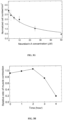
- the compounds of the invention are useful for inhibition of cytokinesis.
- the EC50 values of the inhibition of cytokinesis for compounds of the invention range from 13 ⁇ M to 25 ⁇ M, preferably is about 17.8 ⁇ M.
- the compounds of the invention are therefore useful as medicaments, in particular in the prevention and/or treatment of cancer such as, but not limited to, tumor, metastasis, brain cancer, astrocytoma, glioblastoma, lymphoma of the brain, neuroblastoma, spinal cord tumors including lymphoma, astrocytoma, glioma, meningioma, and metastases of the spinal cord.
- cancer such as, but not limited to, tumor, metastasis, brain cancer, astrocytoma, glioblastoma, lymphoma of the brain, neuroblastoma, spinal cord tumors including lymphoma, astrocytoma, glioma, meningioma, and metastases of the spinal cord.
- the compounds of the invention are useful in the prevention of central nervous system disorders and/or degenerative conditions.
- the compounds of the invention are useful in axonal growth and regeneration. In one embodiment, the compounds of the invention are useful as medicaments in the prevention and/or the treatment of neuron and/or axon loss. In one embodiment, the compounds of the invention are useful for promoting axonal growth.
- the compounds of the invention improves oxidative stress resistance of neurons.
- the compounds of the invention are useful as medicaments, in particular for the protection of axons, especially from RhoA/ROCK mediated growth cone collapse.
- RhoA means Ras homolog gene family (Rho), member A and the term “ROCK” refers to Rho-associated proteins kinase.
- the compounds of the invention are useful as medicaments, in particular in the prevention and/or treatment of demyelination, preferably demyelination of axons. In one embodiment, the compounds of the invention are useful for improving myelination.
- the compounds of the invention are useful for improving synaptic function, memory and/or learning.
- the compounds of the invention have neuroprotective properties.
- the patient is a warm-blooded animal, more preferably a human.
- the compounds of the invention are especially useful in the treatment and/or prevention of schizophrenia.
- the compound of the invention inhibits the neuronal actomyosin contractility.
- the compound of general formula (II) inhibits neuronal actomyosin contractility, preferably inhibits neuronal actomyosin contractility in vivo.
- the compound of the invention specifically inhibits skeletal muscle myosin.
- the EC50 values of the inhibition of the maximal angular velocity by the compound of the invention range from more than 0 ⁇ M to 2 ⁇ M.
- the compound of the invention specifically inhibits Dictyostelium myosin.
- the invention further provides the use of compounds of the invention or a pharmaceutically acceptable solvate thereof for the manufacture of a medicament for treating and/or preventing myosin 2-mediated diseases.
- a method provided for modulating myosin 2 activity, in a patient, preferably a warm blooded animal, and even more preferably a human, in need of such treatment which comprises administering to said patient an effective amount of compound of the present invention, or a pharmaceutically acceptable salt and/or solvate thereof.
- the compounds of the invention and their pharmaceutically acceptable salts and/or solvates, respectively may be administered as part of a combination therapy.
- a combination therapy comprising co-administration of, and compositions and medicaments which contain, in addition to a compound of the present invention, a pharmaceutically acceptable solvate thereof as active ingredient, additional therapeutic agents and/or active ingredients.
- Such multiple drug regimens often referred to as “combination therapy” may be used in the treatment and/or prevention of any of the diseases or conditions mediated by or associated with myosin 2 activity modulation.
- the use of such combinations of therapeutic agents is especially pertinent with respect to the treatment of the above-mentioned disorders within a patient in need of treatment or one at risk of becoming such a patient.
- the compound of the invention as defined above inhibits from more than 0% to 100% of the myosin 2 activity; preferably from 50% to 100%; even more preferably from 80% to 100% of the myosin 2 activity. In one embodiment, the compound of the invention as defined above, totally inhibits the myosin 2 activity.
- Methods for measuring the myosin 2 activity are well-known from the skilled artisan. An example of such a method is disclosed in the Examples. Briefly, said method includes binding assays to the allosteric pocket of myosins, structural assays, conformational assays, and biological activity assays.
- FRET fluorescence resonance energy transfer
- FP fluorescence polarization
- immunological assays such as ELISA, surface plasmon resonance, isothermal titration calorimetry and Fourier Transformed Infrared Spectroscopy (FTIR).
- Structural assays may be determined by using methods known in the art including X-ray crystallography and/or NMR spectroscopy.
- a change in conformation may be determined by using methods known in the art including the determination of electrophoretic or chromatographic mobility and fluorescence-based methods. In the latter case, changes in intramolecular distances between fluorophores arising from a change of conformation may be determined.
- Bioactivity assays may be determined by using methods known in the art including ATPase assays.
- the pharmaceutical composition or medicament comprising the compound of the invention may be in a form suitable for intracranial administration, oral administration, for parenteral administration (such as by intravenous, intramuscular or subcutaneous injection or intravenous infusion), for topical administration (including ocular), for administration by inhalation, by a skin patch, by an implant, by a suppository, etc.
- suitable administration forms - which may be solid, semi-solid or liquid, depending on the manner of administration - as well as methods and carriers, diluents and excipients for use in the preparation thereof, will be clear to the skilled person.
- the compounds of the invention and their pharmaceutically acceptable salts and/or solvates, respectively may be administered by intracranial administration.
- Such preparations include tablets, pills, powders, lozenges, sachets, cachets, elixirs, suspensions, emulsions, solutions, syrups, aerosols, ointments, cremes, lotions, soft and hard gelatin capsules, suppositories, drops, sterile injectable solutions and sterile packaged powders (which are usually reconstituted prior to use) for administration as a bolus and/or for continuous administration, which may be formulated with carriers, excipients, and diluents that are suitable per se for such formulations, such as lactose, dextrose, sucrose, sorbitol, mannitol, starches, gum acacia, calcium phosphate, alginates, tragacanth, gelatin, calcium silicate, microcrystalline cellulose, polyvinylpyrrolidone, polyethylene glycol, cellulose, (sterile) water, methylcellulose, methyl- and propy
- the formulations can optionally contain other substances that are commonly used in pharmaceutical formulations, such as lubricating agents, wetting agents, emulsifying and suspending agents, dispersing agents, desintegrants, bulking agents, fillers, preserving agents, sweetening agents, flavoring agents, flow regulators, release agents, etc.
- the compositions may also be formulated so as to provide rapid, sustained or delayed release of the active compound(s) contained therein.
- the pharmaceutical composition or medicament of the invention are preferably in a unit dosage form, and may be suitably packaged, for example in a box, blister, vial, bottle, sachet, ampoule or in any other suitable single-dose or multi-dose holder or container (which may be properly labeled); optionally with one or more leaflets containing product information and/or instructions for use.
- Another object of the present invention is a method for inhibiting myosin 2 activity in a subject in need thereof comprising administering a therapeutically effective amount of a compound of the invention (preferably, compounds of formula (III)) to said subject.
- a compound of the invention preferably, compounds of formula (III)
- Another object of the present invention is a method of treatment of central nervous system disorders and/or degenerative conditions.
- Another object of the present invention is a method for modulating cell migration (such as cancer cell, leukocyte, macrophages, microglia etc.) in a subject in need thereof comprising administering a therapeutically effective amount of compound of the invention to said subject.
- cell migration such as cancer cell, leukocyte, macrophages, microglia etc.
- Another object of the present invention is a method for inhibiting cytokinesis in a subject in need thereof comprising administering a therapeutically effective amount of a compound of the invention to said subject.
- Another object of the present invention is a method for modulating neuronal remodeling in a subject in need thereof comprising administering a therapeutically effective amount of a compound of the invention to said subject.
- Another object of the present invention is a method for promoting neurite growth in a subject in need thereof comprising administering a therapeutically effective amount of a compound of the invention to said subject.
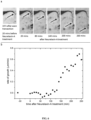
- the neurite growth after the treatment with a compound of the invention ranges from more than 0 to 10 ⁇ m/min, preferably from 0.1 to 7 ⁇ m/min; more preferably is about 1 ⁇ m/min.
- Another object of the present invention is a method for protecting axons from RhoA/ROCK mediated growth cone collapse.
- Another object of the present invention is a method for modulating synaptic plasticity in a subject in need thereof comprising administering a therapeutically effective amount of a compound of the invention to said subject.
- Another object of the present invention is a method for improving oxidative stress resistance.
- Another object of the present invention is a method for preventing and/or treating demyelination, preferably demyelination of axons. Another object of the present invention is a method for improving myelination.
- Another object of the present invention is a method of treatment for neurological, neuropathic or psychiatric disorders; preferably for schizophrenia, cerebral ischemia, stroke, neuropathic pain, spinal cord injury, Alzheimer's disease, Parkinson's disease, addiction, brain cancer and multiple sclerosis; more preferably for cerebral ischemia or spinal cord injury.
- Another object of the present invention is a method for improving synaptic stability, memory and/or learning.
- the invention also relates to a process for manufacturing the compounds as defined above. Especially, the invention relates to a process comprising at least one a step of mixture of para-nitroblebbistatin with an ammonium compound in a solvent.
- the process further comprises the use of a catalyst; preferably, the catalyst is palladium, preferably black palladium.
- the process is led at room temperature (i.e. about 20°C). In one embodiment, the process is led during at least 12 hours; preferably, 18 hours.
- the solvent is an alcohol; preferably; the solvent is an aliphatic alcohol; more preferably, the solvent is methanol.
- para-nitroblebbistatin is in the solvent at a concentration ranging from more than 0 to 100 mg/ml, preferably from 0.5 mg/ml to 50 mg/ml, preferably from 1 mg/ml to 25 mg/ml, more preferably from 1 mg/ml to 10 mg/ml.
- para-nitroblebbistatin is in the solvent at a concentration of about 5 mg/ml.
- para-nitroblebbistatin is in the solvent at a concentration of about 2 mg/ml.
- the ammonium compound is ammonium formate.
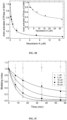
- MgATPase activities of 500 nM (for basal ATPase) or 50 nM (for actin activated ATPase) SkS1 (rabbit skeletal S1 fragment) 23 and 1 ⁇ M (for basal ATPase) or 300 nM (for actin activated ATPase) Dd MD were measured at increasing concentrations of neurelaxin-A in the absence or in the presence of 45 ⁇ M actin for SkS1 or 15 ⁇ M actin for Dd MD. Measurements were carried out using a pyruvate kinase/lactate dehydrogenase coupled assay (NADH-coupled assay) ( Kovacs M. et al., J. Biol. Chem.
- Measurements were performed in low salt buffer containing 5 mM HEPES, 2 mM MgCl 2 , 0.1 mM EGTA and 2 mM DTT at pH 7.2 or assay buffer containing 20 mM HEPES, 40 mM NaCl, 4 mM MgCl 2 at pH 7.3 for basal ATPase activity measurements with Dd MD.
- HeLa Kyoto H2B-mCherry eGFP- ⁇ -tubulin cells were purchased from Cell Lines Service GmbH and maintained in DMEM high glucose (4.5 g/L) supplemented with 10% FBS, 2 mM L-glutamine, 100 U/ml streptomycin, 100 ⁇ g/ml penicillin, 0.5 mg/ml G418 and 0.5 ⁇ g/ml puromycin.
- HeLa cells were a kind gift from Sára Tóth (Semmel Stamm University, Faculty of Medicine, Department of Genetics, Cell- and Immunobiology) and were maintained in low glucose DMEM (1 g/l) supplemented with 10% FBS, 2 mM L-glutamine, 100 U/ml streptomycin and 100 ⁇ g/ml penicillin.
- M2 cells a kind gift of Tom Stossel and Fumihiko Nakamura (Brigham & Women's Hospital, Harvard Medical School, Translational Medicine Division) - were grown in MEM ( Lonza ) supplemented with 8% newborn calf serum ( Sigma ) and 2% FCS.
- the cell cultures were maintained in a humidified atmosphere of 5% CO 2 at 37°C. Cells were grown as monolayers in T-75 cm 2 culture flasks and subcultured by 0.02% EDTA (200 mg/l) 2-3 times each week when reached 90% confluency.
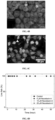
- HeLa Kyoto H2B-mCherry eGFP- ⁇ -tubulin cells were grown on an eight-chambered Lab-Tek borosilicate cover glass system, with the initial cell concentration of 100,000 cells/ml. As soon as the cells attached to the surface, they were treated with 0, 2, 5, 10, 25 or 50 ⁇ M concentrations of neurelaxin-A. Cells were grown for three days in the presence of the indicated inhibitor concentrations and cell numbers were quantified each day. The final vol/vol% of DMSO in all experiments was 0.1. Data analysis was carried out by Fiji software. On the third day of the experiment, multinuclear cells were visualized by using a Zeiss LSM 710 with a Plan Apo 20x/0.8 objective.
- Transgenic Tg(-8.0cldnb:lynEGFP) zf106 ( cldnb:gfp ) ( Haas, P. & Gilmour, D., Developmental Cell 10, 2006, pp 673-680 ) zebrafish (Danio rerio) were maintained in the animal facility of Eötvös Loránd University. For the experiments investigating the skeletal and heart muscle of zebrafish, 6 dpf embryos were used.
- E3 medium 5 mM NaCl, 0.33 mM MgCl 2 , 0.33 mM CaCl 2 and 0.17 mM KCl
- E3 medium 5 mM NaCl, 0.33 mM MgCl 2 , 0.33 mM CaCl 2 and 0.17 mM KCl
- confocal time-lapse imaging of HeLa Kyoto H2B-mCherry eGFP- ⁇ -tubulin cells for 12 hours was performed in DMEM further supplemented with 25 mM HEPES in order to achieve CO 2 independent media.
- Neurelaxin derivatives were positioned deep in the actin binding cleft ( P. Llinas et al, Developmental Cell Volume 33, Issue 4, 26 May 2015, Pages 401-412 ), close to the nucleotide binding pocket.
- Two-step energy minimization was performed, a steepest descent optimization with convergence threshold set to 500 kJ mol -1 nm -1 was followed by a conjugate gradient optimization with convergence threshold set to 10 kJ mol -1 nm -1 .
- the system was heated in three steps to 100 K, 200 K and then 300 K applying Berendsen barostat and thermostat.
- the system was equilibrated at 300 K for 1.5 ns under NPT conditions with a time step of 1 fs applying velocity rescaling thermostat.
- Pressure was coupled with the Parrinello-Rahman barostat with a coupling time constant of 0.5 ps, compressibility of 4.5*10 -5 bar -1 and reference pressure of 1 bar.
- Particle Mesh-Ewald summation was used for long range electrostatics. Van der Waals and Coulomb interactions were cut off at 11 ⁇ . For analysis, structures at every 50 ps were collected.
- Neurelaxin-A was synthesized according to the scheme given Figure 1a .
- step e The conditions for step e are given hereinafter:
- the brownish oil was dissolved in 0.5 ml acetonitrile containing 0.1% triethylamine (TEA).
- TEA triethylamine
- 500 ⁇ M inhibitor solutions were prepared in assay buffer (40 mM NaCl, 4 mM MgCl 2 , 20 mM HEPES pH 7.3) containing 0.1 or 1 vol/vol% DMSO.
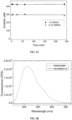
- the aim is to characterize the fluorescence of neurelaxin-A.
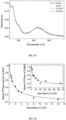
- Neurelaxin-A's photostability was measured by irradiating the compound in assay buffer at 480 ⁇ 10 nm for 0, 5, 10 and 15 minutes and recorded the absorption spectra afterwards ( Figure 2C ).
- neurelaxin-A is a water soluble, non-fluorescent and photostable small molecule, which characteristics allow efficient testing of the in vitro and in vivo myosin inhibitory properties. Furthermore, these characteristics are essential for carrying out tests on animal models and functional tests on neurons.
- neurelaxin-A is not toxic or cytotoxic; and on the other hand, neurelaxin-A is an efficient myosin 2 inhibitor. In vitro and in vivo tests were led.
- the basal and actin activated ATPase activites of rabbit skeletal muscle myosin S1 (SkS1) and Dictyostelium discoideum myosin 2 motor domain ( Dd MD) were measured at increasing concentrations of neurelaxin-A ( Figures 3A and 3B ).
- neurelaxin-A is specific inhibitor of skeletal muscle myosin and Dictyostelium myosin 2 in vitro.
- Myosin 2 inhibition inhibits or enhances motility of different cell lines on different substrates and on 2D or 3D environments ( Sarkar, S.; Egelhoff, T.; Baskaran, H., "Insights into the Roles of Non-Muscle Myosin 2a in Human Keratinocyte Migration.” Cellular and molecular bioengineering 2, 486-494, doi:10.1007/s12195-009-0094-2 (2009 )), and seems to moderately enhance the motility of HeLa cells on 2D surfaces ( ⁇ 140% compared to 100% of the control) ( Nakayama, M. et al., Rho-kinase and myosin 2 activities are required for cell type and environment specific migration. Genes to cells: devoted to molecular & cellular mechanisms 10, 107-117, doi:10.1111/j.1365-2443.2005.00823.x (2005 )).
- wound-healing assays were carried out in the absence and in the presence of 20 ⁇ M concentrations of the inhibitor.
- the percent of migration was measured for each sample.
- the control corresponds to a sample in the absence of inhibitor.
- the Applicant investigated the fast escape response (C-start) reflex of 6 dpf fish evoked by standardized acoustic stimuli.
- the relative rate of in vivo skeletal muscle contraction was quantified based on the velocity of the rotating heads of the animals have been quantified (maximal angular velocity) in the absence and in the presence of neurelaxin-A (2 ⁇ M), monitored for 4 hours.
- Heart beating and the amplitude of heart muscle contraction were monitored before and after the addition of 20 ⁇ M of neurelaxin-A to the zebrafish, imaging the same embryos every hour for three hours.
- neurelaxin-A is specific inhibitor of skeletal muscle myosin and Dictyostelium myosin 2 in vitro. Based on cellular and animal tests, neurelaxin-A is also an efficient inhibitor of skeletal muscle myosin, heart muscle and non-muscle myosin 2s in vivo.
- the aim is to conduct preliminary tests on toxicity of neurelaxin-A.
- Cellular and in vivo zebrafish tests were conducted combined with imaging.
- neurelaxin-A owns important advantage as a potential candidate for drug development purposes such as its low cytotoxicity.
- Neurelaxin-A is an improved myosin 2 inhibitory compound compared to blebbistatin, because it is not cytotoxic as it was shown in cellular tests, and at the presented timescale (72 hours), its in vivo application in zebrafish embryos does not cause any visible damage.
- the aim is to demonstrate that myosin 2 inhibition by neurelaxin-A induces neurite growth.
- Embryonic mouse hippocampal cells were isolated from 17-day-old embryo and cultured on poly-D-lysine coated dish in neurobasal medium complemented with B27, FCS and glutamax for 20 hours.
- neurites The growth of neurites was monitored by phase contrast microscopy after the addition of 50 ⁇ M neurelaxin-A (Imaging buffer: Extracell isotonic salt solution, buffered with 5 mM HEPES).
- Imaging buffer Extracell isotonic salt solution, buffered with 5 mM HEPES.
- the aim is to demonstrate that myosin 2 inhibition by neurelaxin-A enhances axon regeneration.
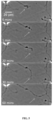
- the Mauthner neuron is a giant neuron in the hindbrain of zebrafish embryos, which is a widely used model for studying regeneration.
- the Mauthner axon of 3 dpf zebrafish embryos was photoablated with two-photon irradiation at 800 nm.
- the aim is to demonstrate that myosin 2 inhibition by neurelaxin-A prevents cannabinoid-induced structural effects in neurons.
- Embryonic rat hippocampal neurons were isolated from 18-day-old embryo and cultured on poly-D-lysine coated dish in Neurobasal medium complemented with B27, FBS and glutamax for 6 days and transfected by using Lipofectamine 2000 with DNA codig for LifeAct-mCherry and CB1R-CFP.
- oxidative stress results in a secondary damage that contributes to hinder the regeneration process. It may be induced either from inflammation and macrophage activity or due to ischemia resultant from the privation of regular oxygen flow in damaged areas.
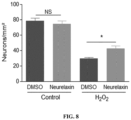
- the aim is to demonstrate that neurelaxin-A improves oxidative stress resistance occurring when central nervous system is damaged.
- Hydrogen Peroxide (H 2 O 2 ) is used for generating reactive oxygen species and consequently, leading to oxidative stress and neuronal loss.
- the neurons were first incubated with 30 ⁇ M of H 2 O 2 or not (witness sample). Then, the neurons were treated with DMSO solutions with or without neurelaxin-A.
- neurelaxin-A is an efficient compound for improving oxidative stress resistance in central nervous system.
- neurelaxin-A enhances neurite growth, prevents cannabinoid-induced neurite retraction in cultured intact neurons and facilitates axon regeneration after axon photoablation in zebrafish embryos.
- the aim is to demonstrate that neurelaxin-A derivatives have the potential to become efficient and selective myosin 2 inhibitors.
- the stereospecific hydroxyl group of the quinoline ring and the nitrogen in the pyrrolo ring establish direct hydrogen bonds with GLY240 backbone amide and LEU262 backbone oxo groups, respectively.
- the oxo-group establishes hydrogen bond with the SER456 backbone oxo group through a water molecule ( Figure 9e ).
- the substituted phenyl group in neurelaxin-A does not have specific polar contacts, therefore the chemical space is potentially large which could be used for optimizing the compound for drug development. Moreover there is enough room for virtually free rotation of the substituted phenyl group ( Figure 9f ).
- the number of polar interactions between the inhibitor and the binding pocket increase substantially.
- the protein ligand interactions involving the hydroxyl, oxo and nitrogen groups in the pyrrolo-quinoline ring are not affected by the carboxyl group substitution: the hydroxyl group and the nitrogen establish direct hydrogen bonds with GLY240 backbone amide and LEU262 backbone oxo groups, respectively.
- the oxo-group establishes hydrogen bond with the SER456 backbone oxo group through a water molecule ( Figure 9g ).
- Phenyl group substitution by small hydrophilic groups does not hinder the steric fit in the binding pocket.
- the aim is to demonstrate that neurelaxin-A derivatives are efficient drugs for positively regenerating central nervous function.
- any drug treatment which may increase the BBB scores may be considered neuroprotective in animal models.
- neurelaxin-A is an efficient neuroprotective and neuroregenerative drug.
- Endocannabinoid system is an important regulator of brain wiring and connectivity during development.
- the recreational intake and abuse of cannabinoids can lead to cognitive dysfunctions and memory loss.
- the aim is to demonstrate that cannabinoid exposure affects particularly actomyosin activity in neurons, through activation of RhoA/ROCK pathway that causes major neuronal cytoskeleton remodeling, affecting synaptic function. Especially, the aim is to evidence that neurelaxin-A and its derivatives are efficient drugs to overcome cannabinoid-induced working memory loss.
- the synthetic cannabinoid CB1R agonist CP55,940 is administrated 1 hour prior to the familiarization step. Thirty minutes prior to the familiarization animals are either treated or not with neurelaxin-A.
Landscapes
- Health & Medical Sciences (AREA)
- Engineering & Computer Science (AREA)
- Bioinformatics & Cheminformatics (AREA)
- Organic Chemistry (AREA)
- Chemical & Material Sciences (AREA)
- Biomedical Technology (AREA)
- Neurology (AREA)
- Neurosurgery (AREA)
- Medicinal Chemistry (AREA)
- Veterinary Medicine (AREA)
- Chemical Kinetics & Catalysis (AREA)
- Nuclear Medicine, Radiotherapy & Molecular Imaging (AREA)
- General Chemical & Material Sciences (AREA)
- Pharmacology & Pharmacy (AREA)
- Life Sciences & Earth Sciences (AREA)
- Animal Behavior & Ethology (AREA)
- General Health & Medical Sciences (AREA)
- Public Health (AREA)
- Psychiatry (AREA)
- Psychology (AREA)
- Hospice & Palliative Care (AREA)
- Pharmaceuticals Containing Other Organic And Inorganic Compounds (AREA)
Claims (11)
- Eine Verbindung nach allgemeiner Formel (II):
 Q1, Q2, Q3 und Q4 jeweils und unabhängig voneinander aus H, Halogen, Alkyl, Alkyl enthaltend mindesten ein Heteroatom aus O, N, P oder S Atom gewählt, Halogenalkyl, Halogenalkyl enthaltend mindestens ein Heteroatom aus O, N, P oder S Atom gewählt, Nitro, Hydroxyl, Thiol und Alkoxy gewählt sind;R1, R2, R3, R4 und R5 jeweils und unabhängig voneinander aus Phosphonsäure, Phosphoryl, Wasserstoff, Halogen, Alkyl, Alkyl enthaltend mindestens ein Heteroatom aus O, N, P oder S Atom gewählt, Halogenalkyl, Halogenalkyl enthaltend mindestens ein Heteroatom aus O, N, P oder S Atom gewählt, Hydroxy, Nitro, Thiol, Alkoxy, Amino, Alkylamino, Halogenalkylamino, Imido, Alkylimido, Halogenalkylimido, Hydroxylamino, Alkylhydroxyamin, Sulfonyl, Alkylsulfonyl, Halogenalkylsulfonyl, Carboxy, Carbonyl, Ester, Alkyloxycarbonyl, Halogenalkyloxycarbonyl, Amido, Alkylamido, Halogenalkylamido, Formyl, Alkylcarbonyl, Halogenalkylcarbonyl, Formylaminocarbonyl und Karbonsäureisostere gewählt sind, wobei das Karbonsäureisostere gewählt ist aus:


 wobeimindestens ein von R2, R3 und R4 für eine hydrophile Gruppe, aus Phosphonsäure, Phosphoryl, Hydroxy, Amin, Carboxy und Ester enthaltend eine C1-C4 Alkylkette oder eine geladene Gruppe davon gewählt, steht; und* für das (R)-Enantiomer, das (S)-Enantiomer, das Racemat oder nicht-racemische Mischung von (R) und (S) Enantiomers der entsprechenden Formel (II) steht.
 - Die Verbindung nach Anspruch 1, welche das (S)-Enantiomer ist.
- Die Verbindung nach Anspruch 1 oder Anspruch 2, wobei Q3 für Methyl und Q1, Q2, Q4, R1 , R2, R4 und R5 für Wasserstoff; und R3 für eine hydrophile Gruppe, aus Phosphonsäure, Phosphoryl, Hydroxy, Amino, Carboxy und Ester enthaltend eine C1-C4 Alkylkette gewählt, stehen.
- Die Verbindung nach einem der Ansprüche 1 bis 3, gewählt aus:- 1-(4-Aminophenyl)-3a-hydroxy-6-methyl-3,3a-dihydro-1H-pyrrolo[2,3-b]quinolin-4(2H)-on;- 3-(3a-Hydroxy-6-methyl-4-oxo-2,3,3a,4-tetrahydro-1H-pyrrolo[2,3-b]quinolin-1-yl)benzoesäure;- 4-(3a-Hydroxy-6-methyl-4-oxo-2,3,3a,4-tetrahydro-1H-pyrrolo[2,3-b]quinolin-1-yl)benzoesäure;- 3a-Hydroxy-1-(3-hydroxyphenyl)-6-methyl-3,3a-dihydro-1H-pyrrolo[2,3-b]quinolin-4(2H)-on;- 3a-Hydroxy-1-(4-hydroxyphenyl)-6-methyl-3,3a-dihydro-1H-pyrrolo[2,3-b]quinolin-4(2H)-on; und- 1-(3-Aminophenyl)-3a-hydroxy-6-methyl-3,3a-dihydro-1H-pyrrolo[2,3-b]quinolin-4(2H)-on; und- (4-(3a-Hydroxy-6-methyl-4-oxo-2,3,3a,4-tetrahydro-1H-pyrrolo[2,3-b]quinolin-1-yl)phenyl)phosphonsäure.
- Die Verbindung nach einem der Ansprüchen 1 bis 4, gewählt aus:


- Eine pharmazeutische Zubereitung, enthaltend mindestens eine Verbindung nach einem der Ansprüchen 1 bis 5, oder ein pharmazeutisch annehmbare Salz und/oder Solvat davon, und mindestens ein pharmazeutisch annehmbares Trägermittel, Verdünnungsmittel, Hilfsstoff und/oder Adjuvans.
- Ein Medikament enthaltend mindestens eine Verbindung nach einem der Ansprüche 1 bis 5, oder pharmazeutisch annehmbare Salze und/oder Solvate davon.
- Eine Verbindung nach allgemeiner Formel (II) nach einem der Ansprüchen 1 bis 5, oder ein pharmazeutisch annehmbarer Salz und/oder Solvat davon, zur Verwendung in der Behandlung und/oder der Vorbeugung von Myosin-2-vermittelten Erkrankungen, wobei die Myosin-2-vermittelten Erkrankungen neurologische, neuropathische und/oder psychiatrische Erkrankungen oder Trauma sind.
- Die Verbindung der allgemeinen Formel (II) zur Verwendung nach Anspruch 8, wobei die Myosin-2-vermittelte Erkrankung aus Schizophrenie, zerebraler Ischämie, Schlaganfall, neuropathischem Schmerz, Rückenmarksverletzung, Alzheimer-Erkrankung, Parkinson-Erkrankung, Sucht, Hirntumor und Multiple Sklerose gewählt ist.
- Die Verbindung nach allgemeiner Formel (II) zur Verwendung nach Anspruch 9, wobei die Erkrankung Alzheimer-Erkrankung ist.
- 1-(4-Aminophenyl)-3a-hydroxy-6-methyl-3,3a-dihydro-1H-pyrrolo[2,3-b]quinolin-4(2H)-on zur Verwendung nach Anspruch 8 in der Verhinderung von Cannabinoidinduziertem Arbeitsgedächnisverlust ist.
Applications Claiming Priority (2)
| Application Number | Priority Date | Filing Date | Title |
|---|---|---|---|
| EP16153446 | 2016-01-29 | ||
| PCT/EP2017/051829 WO2017129782A1 (en) | 2016-01-29 | 2017-01-27 | Water-soluble myosin 2 inhibitors for the treatment of neurological, neuropathic or psychiatric diseases |
Publications (3)
| Publication Number | Publication Date |
|---|---|
| EP3529249A1 EP3529249A1 (de) | 2019-08-28 |
| EP3529249B1 true EP3529249B1 (de) | 2024-11-13 |
| EP3529249C0 EP3529249C0 (de) | 2024-11-13 |
Family
ID=55304851
Family Applications (1)
| Application Number | Title | Priority Date | Filing Date |
|---|---|---|---|
| EP17701540.1A Active EP3529249B1 (de) | 2016-01-29 | 2017-01-27 | Wasserlösliche myosin-2-hemmer zur behandlung von neurologischen, neuropathischen oder psychiatrischen erkrankungen |
Country Status (3)
| Country | Link |
|---|---|
| US (1) | US10858357B2 (de) |
| EP (1) | EP3529249B1 (de) |
| WO (1) | WO2017129782A1 (de) |
Families Citing this family (3)
| Publication number | Priority date | Publication date | Assignee | Title |
|---|---|---|---|---|
| HU231285B1 (hu) * | 2018-04-18 | 2022-08-28 | Printnet Kereskedelmi És Szolgáltató Kft. | A miozin-2-izoformákat szelektíven gátló, gyógyászatilag hatásos vegyületek |
| AU2019285034B2 (en) * | 2018-06-14 | 2022-09-22 | University Of Florida Research Foundation, Incorporated | Nonmuscle myosin II inhibitors for substance use relapse |
| CN116597891A (zh) * | 2023-01-17 | 2023-08-15 | 海南大学 | 肌原纤维蛋白分子构象变化评价方法 |
Family Cites Families (1)
| Publication number | Priority date | Publication date | Assignee | Title |
|---|---|---|---|---|
| US9279107B2 (en) * | 2010-08-05 | 2016-03-08 | Wisconsin Alumni Research Foundation | Simplified basic media for human pluripotent cell culture |
-
2017
- 2017-01-27 EP EP17701540.1A patent/EP3529249B1/de active Active
- 2017-01-27 US US16/073,597 patent/US10858357B2/en active Active
- 2017-01-27 WO PCT/EP2017/051829 patent/WO2017129782A1/en not_active Ceased
Also Published As
| Publication number | Publication date |
|---|---|
| US10858357B2 (en) | 2020-12-08 |
| EP3529249A1 (de) | 2019-08-28 |
| US20190084979A1 (en) | 2019-03-21 |
| WO2017129782A1 (en) | 2017-08-03 |
| EP3529249C0 (de) | 2024-11-13 |
Similar Documents
| Publication | Publication Date | Title |
|---|---|---|
| TW202045477A (zh) | 用於治療腦機能障礙的氮呯-吲哚及其他雜環 | |
| JP5747142B2 (ja) | Dyrkを阻害する化合物を含有する医薬組成物 | |
| EP2985283B1 (de) | Antiangiogeneseverbindung, zwischenprodukt und verwendung davon | |
| TW200538119A (en) | GSK-3 inhibitors | |
| JP6864379B2 (ja) | インドール類似体及びその使用 | |
| CN111788182B (zh) | 毒蕈碱性乙酰胆碱受体m4的拮抗剂 | |
| WO2020233618A1 (zh) | 一类细胞程序性坏死抑制剂及其制备方法和用途 | |
| EP3529249B1 (de) | Wasserlösliche myosin-2-hemmer zur behandlung von neurologischen, neuropathischen oder psychiatrischen erkrankungen | |
| AU2018290225A1 (en) | Compositions and methods using the same for treatment of neurodegenerative and mitochondrial disease | |
| JP6562361B2 (ja) | ベンゾチアゾール化合物及びこれを含有する医薬 | |
| JP2003513978A (ja) | Pdgf受容体キナーゼ阻害化合物、その製造、精製およびそれを含む医薬組成物 | |
| CA3023763A1 (en) | Adrenergic receptor modulating compounds and methods of using the same | |
| JP5710498B2 (ja) | 疼痛および他の疾患の処置のための化合物および方法 | |
| US10513512B2 (en) | Flavanone derivatives, and preparation method and use thereof | |
| JP2014514259A (ja) | 疼痛および他の障害の処置のための化合物および方法 | |
| BR112020019284A2 (pt) | Agente para inibir aumento na concentração de cálcio intraneuronal | |
| CA2931966A1 (en) | Various compounds as autophagy stimulants | |
| Kong et al. | Discovery of a potential anti-ischemic stroke agent by suppressing ferroptosis through the ATF3/SLC7A11/GPX4 pathway | |
| CN115515682B (zh) | 用于治疗神经退行性疾病和线粒体疾病的组合物及其使用方法 | |
| WO2016141188A1 (en) | Compounds for modulating mitochondrial function | |
| US20240239787A1 (en) | Compounds for use in the treatment of cancer | |
| JP6321844B2 (ja) | 異常レベルのカルシウム放出からリアノジン受容体を安定化するための化合物 | |
| US9381260B2 (en) | Hypoxia inducible factor-1 pathway inhibitors and uses as anticancer and imaging agents | |
| CN110650955B (zh) | 用于治疗癫痫、神经变性病症和其他cns病症的化合物 | |
| CN111808056B (zh) | 多巴胺d2受体选择性激动剂及其在疾病治疗中的应用 |
Legal Events
| Date | Code | Title | Description |
|---|---|---|---|
| STAA | Information on the status of an ep patent application or granted ep patent |
Free format text: STATUS: UNKNOWN |
|
| STAA | Information on the status of an ep patent application or granted ep patent |
Free format text: STATUS: THE INTERNATIONAL PUBLICATION HAS BEEN MADE |
|
| PUAI | Public reference made under article 153(3) epc to a published international application that has entered the european phase |
Free format text: ORIGINAL CODE: 0009012 |
|
| STAA | Information on the status of an ep patent application or granted ep patent |
Free format text: STATUS: REQUEST FOR EXAMINATION WAS MADE |
|
| 17P | Request for examination filed |
Effective date: 20180824 |
|
| AK | Designated contracting states |
Kind code of ref document: A1 Designated state(s): AL AT BE BG CH CY CZ DE DK EE ES FI FR GB GR HR HU IE IS IT LI LT LU LV MC MK MT NL NO PL PT RO RS SE SI SK SM TR |
|
| RIN1 | Information on inventor provided before grant (corrected) |
Inventor name: MALNASI CSIZMADIA, ANDRAS Inventor name: LENKEI, ZSOLT Inventor name: VARKUTI, BOGLARKA Inventor name: KEPIRO, MIKLOS |
|
| RAP3 | Party data changed (applicant data changed or rights of an application transferred) |
Owner name: PRINTNET LTD. Owner name: INSTITUT NATIONAL DE LA SANTE ET DE LA RECHERCHE MEDICALE - INSERM Owner name: CENTRE NATIONAL DE LA RECHERCHE SCIENTIFIQUE Owner name: PARIS SCIENCES ET LETTRES |
|
| STAA | Information on the status of an ep patent application or granted ep patent |
Free format text: STATUS: EXAMINATION IS IN PROGRESS |
|
| 17Q | First examination report despatched |
Effective date: 20220303 |
|
| GRAP | Despatch of communication of intention to grant a patent |
Free format text: ORIGINAL CODE: EPIDOSNIGR1 |
|
| STAA | Information on the status of an ep patent application or granted ep patent |
Free format text: STATUS: GRANT OF PATENT IS INTENDED |
|
| INTG | Intention to grant announced |
Effective date: 20230712 |
|
| GRAJ | Information related to disapproval of communication of intention to grant by the applicant or resumption of examination proceedings by the epo deleted |
Free format text: ORIGINAL CODE: EPIDOSDIGR1 |
|
| STAA | Information on the status of an ep patent application or granted ep patent |
Free format text: STATUS: EXAMINATION IS IN PROGRESS |
|
| INTC | Intention to grant announced (deleted) | ||
| GRAP | Despatch of communication of intention to grant a patent |
Free format text: ORIGINAL CODE: EPIDOSNIGR1 |
|
| STAA | Information on the status of an ep patent application or granted ep patent |
Free format text: STATUS: GRANT OF PATENT IS INTENDED |
|
| INTG | Intention to grant announced |
Effective date: 20240110 |
|
| GRAJ | Information related to disapproval of communication of intention to grant by the applicant or resumption of examination proceedings by the epo deleted |
Free format text: ORIGINAL CODE: EPIDOSDIGR1 |
|
| STAA | Information on the status of an ep patent application or granted ep patent |
Free format text: STATUS: EXAMINATION IS IN PROGRESS |
|
| GRAP | Despatch of communication of intention to grant a patent |
Free format text: ORIGINAL CODE: EPIDOSNIGR1 |
|
| STAA | Information on the status of an ep patent application or granted ep patent |
Free format text: STATUS: GRANT OF PATENT IS INTENDED |
|
| INTC | Intention to grant announced (deleted) | ||
| INTG | Intention to grant announced |
Effective date: 20240607 |
|
| GRAS | Grant fee paid |
Free format text: ORIGINAL CODE: EPIDOSNIGR3 |
|
| GRAA | (expected) grant |
Free format text: ORIGINAL CODE: 0009210 |
|
| STAA | Information on the status of an ep patent application or granted ep patent |
Free format text: STATUS: THE PATENT HAS BEEN GRANTED |
|
| AK | Designated contracting states |
Kind code of ref document: B1 Designated state(s): AL AT BE BG CH CY CZ DE DK EE ES FI FR GB GR HR HU IE IS IT LI LT LU LV MC MK MT NL NO PL PT RO RS SE SI SK SM TR |
|
| REG | Reference to a national code |
Ref country code: GB Ref legal event code: FG4D |
|
| REG | Reference to a national code |
Ref country code: CH Ref legal event code: EP |
|
| REG | Reference to a national code |
Ref country code: IE Ref legal event code: FG4D |
|
| REG | Reference to a national code |
Ref country code: DE Ref legal event code: R096 Ref document number: 602017086078 Country of ref document: DE |
|
| U01 | Request for unitary effect filed |
Effective date: 20241212 |
|
| U07 | Unitary effect registered |
Designated state(s): AT BE BG DE DK EE FI FR IT LT LU LV MT NL PT RO SE SI Effective date: 20241220 |
|
| U20 | Renewal fee for the european patent with unitary effect paid |
Year of fee payment: 9 Effective date: 20241218 |
|
| PG25 | Lapsed in a contracting state [announced via postgrant information from national office to epo] |
Ref country code: HR Free format text: LAPSE BECAUSE OF FAILURE TO SUBMIT A TRANSLATION OF THE DESCRIPTION OR TO PAY THE FEE WITHIN THE PRESCRIBED TIME-LIMIT Effective date: 20241113 Ref country code: IS Free format text: LAPSE BECAUSE OF FAILURE TO SUBMIT A TRANSLATION OF THE DESCRIPTION OR TO PAY THE FEE WITHIN THE PRESCRIBED TIME-LIMIT Effective date: 20250313 |
|
| PG25 | Lapsed in a contracting state [announced via postgrant information from national office to epo] |
Ref country code: ES Free format text: LAPSE BECAUSE OF FAILURE TO SUBMIT A TRANSLATION OF THE DESCRIPTION OR TO PAY THE FEE WITHIN THE PRESCRIBED TIME-LIMIT Effective date: 20241113 |
|
| PG25 | Lapsed in a contracting state [announced via postgrant information from national office to epo] |
Ref country code: NO Free format text: LAPSE BECAUSE OF FAILURE TO SUBMIT A TRANSLATION OF THE DESCRIPTION OR TO PAY THE FEE WITHIN THE PRESCRIBED TIME-LIMIT Effective date: 20250213 |
|
| PG25 | Lapsed in a contracting state [announced via postgrant information from national office to epo] |
Ref country code: GR Free format text: LAPSE BECAUSE OF FAILURE TO SUBMIT A TRANSLATION OF THE DESCRIPTION OR TO PAY THE FEE WITHIN THE PRESCRIBED TIME-LIMIT Effective date: 20250214 |
|
| PG25 | Lapsed in a contracting state [announced via postgrant information from national office to epo] |
Ref country code: PL Free format text: LAPSE BECAUSE OF FAILURE TO SUBMIT A TRANSLATION OF THE DESCRIPTION OR TO PAY THE FEE WITHIN THE PRESCRIBED TIME-LIMIT Effective date: 20241113 |
|
| PG25 | Lapsed in a contracting state [announced via postgrant information from national office to epo] |
Ref country code: RS Free format text: LAPSE BECAUSE OF FAILURE TO SUBMIT A TRANSLATION OF THE DESCRIPTION OR TO PAY THE FEE WITHIN THE PRESCRIBED TIME-LIMIT Effective date: 20250213 |
|
| PG25 | Lapsed in a contracting state [announced via postgrant information from national office to epo] |
Ref country code: SM Free format text: LAPSE BECAUSE OF FAILURE TO SUBMIT A TRANSLATION OF THE DESCRIPTION OR TO PAY THE FEE WITHIN THE PRESCRIBED TIME-LIMIT Effective date: 20241113 |
|
| PG25 | Lapsed in a contracting state [announced via postgrant information from national office to epo] |
Ref country code: SK Free format text: LAPSE BECAUSE OF FAILURE TO SUBMIT A TRANSLATION OF THE DESCRIPTION OR TO PAY THE FEE WITHIN THE PRESCRIBED TIME-LIMIT Effective date: 20241113 |
|
| PG25 | Lapsed in a contracting state [announced via postgrant information from national office to epo] |
Ref country code: CZ Free format text: LAPSE BECAUSE OF FAILURE TO SUBMIT A TRANSLATION OF THE DESCRIPTION OR TO PAY THE FEE WITHIN THE PRESCRIBED TIME-LIMIT Effective date: 20241113 |
|
| REG | Reference to a national code |
Ref country code: CH Ref legal event code: PL |
|
| PG25 | Lapsed in a contracting state [announced via postgrant information from national office to epo] |
Ref country code: MC Free format text: LAPSE BECAUSE OF FAILURE TO SUBMIT A TRANSLATION OF THE DESCRIPTION OR TO PAY THE FEE WITHIN THE PRESCRIBED TIME-LIMIT Effective date: 20241113 |
|
| PLBE | No opposition filed within time limit |
Free format text: ORIGINAL CODE: 0009261 |
|
| STAA | Information on the status of an ep patent application or granted ep patent |
Free format text: STATUS: NO OPPOSITION FILED WITHIN TIME LIMIT |
|
| PG25 | Lapsed in a contracting state [announced via postgrant information from national office to epo] |
Ref country code: CH Free format text: LAPSE BECAUSE OF NON-PAYMENT OF DUE FEES Effective date: 20250131 |
|
| 26N | No opposition filed |
Effective date: 20250814 |
|
| GBPC | Gb: european patent ceased through non-payment of renewal fee |
Effective date: 20250213 |
|
| PG25 | Lapsed in a contracting state [announced via postgrant information from national office to epo] |
Ref country code: GB Free format text: LAPSE BECAUSE OF NON-PAYMENT OF DUE FEES Effective date: 20250213 |
|
| PG25 | Lapsed in a contracting state [announced via postgrant information from national office to epo] |
Ref country code: IE Free format text: LAPSE BECAUSE OF NON-PAYMENT OF DUE FEES Effective date: 20250127 |