EP3508457B1 - Organic wastewater treatment method and organic wastewater treatment device - Google Patents
Organic wastewater treatment method and organic wastewater treatment device Download PDFInfo
- Publication number
- EP3508457B1 EP3508457B1 EP17845981.4A EP17845981A EP3508457B1 EP 3508457 B1 EP3508457 B1 EP 3508457B1 EP 17845981 A EP17845981 A EP 17845981A EP 3508457 B1 EP3508457 B1 EP 3508457B1
- Authority
- EP
- European Patent Office
- Prior art keywords
- sludge
- concentrated
- concentration
- excess sludge
- raw
- Prior art date
- Legal status (The legal status is an assumption and is not a legal conclusion. Google has not performed a legal analysis and makes no representation as to the accuracy of the status listed.)
- Active
Links
Images




Classifications
-
- C—CHEMISTRY; METALLURGY
- C02—TREATMENT OF WATER, WASTE WATER, SEWAGE, OR SLUDGE
- C02F—TREATMENT OF WATER, WASTE WATER, SEWAGE, OR SLUDGE
- C02F9/00—Multistage treatment of water, waste water or sewage
-
- C—CHEMISTRY; METALLURGY
- C02—TREATMENT OF WATER, WASTE WATER, SEWAGE, OR SLUDGE
- C02F—TREATMENT OF WATER, WASTE WATER, SEWAGE, OR SLUDGE
- C02F1/00—Treatment of water, waste water, or sewage
- C02F1/008—Control or steering systems not provided for elsewhere in subclass C02F
-
- C—CHEMISTRY; METALLURGY
- C02—TREATMENT OF WATER, WASTE WATER, SEWAGE, OR SLUDGE
- C02F—TREATMENT OF WATER, WASTE WATER, SEWAGE, OR SLUDGE
- C02F11/00—Treatment of sludge; Devices therefor
- C02F11/12—Treatment of sludge; Devices therefor by de-watering, drying or thickening
-
- C—CHEMISTRY; METALLURGY
- C02—TREATMENT OF WATER, WASTE WATER, SEWAGE, OR SLUDGE
- C02F—TREATMENT OF WATER, WASTE WATER, SEWAGE, OR SLUDGE
- C02F3/00—Biological treatment of water, waste water, or sewage
- C02F3/006—Regulation methods for biological treatment
-
- C—CHEMISTRY; METALLURGY
- C02—TREATMENT OF WATER, WASTE WATER, SEWAGE, OR SLUDGE
- C02F—TREATMENT OF WATER, WASTE WATER, SEWAGE, OR SLUDGE
- C02F3/00—Biological treatment of water, waste water, or sewage
- C02F3/02—Aerobic processes
- C02F3/12—Activated sludge processes
-
- C—CHEMISTRY; METALLURGY
- C02—TREATMENT OF WATER, WASTE WATER, SEWAGE, OR SLUDGE
- C02F—TREATMENT OF WATER, WASTE WATER, SEWAGE, OR SLUDGE
- C02F11/00—Treatment of sludge; Devices therefor
- C02F11/02—Biological treatment
- C02F11/04—Anaerobic treatment; Production of methane by such processes
-
- C—CHEMISTRY; METALLURGY
- C02—TREATMENT OF WATER, WASTE WATER, SEWAGE, OR SLUDGE
- C02F—TREATMENT OF WATER, WASTE WATER, SEWAGE, OR SLUDGE
- C02F11/00—Treatment of sludge; Devices therefor
- C02F11/18—Treatment of sludge; Devices therefor by thermal conditioning
- C02F11/185—Treatment of sludge; Devices therefor by thermal conditioning by pasteurisation
-
- C—CHEMISTRY; METALLURGY
- C02—TREATMENT OF WATER, WASTE WATER, SEWAGE, OR SLUDGE
- C02F—TREATMENT OF WATER, WASTE WATER, SEWAGE, OR SLUDGE
- C02F2209/00—Controlling or monitoring parameters in water treatment
- C02F2209/003—Downstream control, i.e. outlet monitoring, e.g. to check the treating agents, such as halogens or ozone, leaving the process
-
- C—CHEMISTRY; METALLURGY
- C02—TREATMENT OF WATER, WASTE WATER, SEWAGE, OR SLUDGE
- C02F—TREATMENT OF WATER, WASTE WATER, SEWAGE, OR SLUDGE
- C02F2209/00—Controlling or monitoring parameters in water treatment
- C02F2209/005—Processes using a programmable logic controller [PLC]
- C02F2209/006—Processes using a programmable logic controller [PLC] comprising a software program or a logic diagram
-
- C—CHEMISTRY; METALLURGY
- C02—TREATMENT OF WATER, WASTE WATER, SEWAGE, OR SLUDGE
- C02F—TREATMENT OF WATER, WASTE WATER, SEWAGE, OR SLUDGE
- C02F2209/00—Controlling or monitoring parameters in water treatment
- C02F2209/02—Temperature
-
- C—CHEMISTRY; METALLURGY
- C02—TREATMENT OF WATER, WASTE WATER, SEWAGE, OR SLUDGE
- C02F—TREATMENT OF WATER, WASTE WATER, SEWAGE, OR SLUDGE
- C02F2209/00—Controlling or monitoring parameters in water treatment
- C02F2209/40—Liquid flow rate
-
- C—CHEMISTRY; METALLURGY
- C02—TREATMENT OF WATER, WASTE WATER, SEWAGE, OR SLUDGE
- C02F—TREATMENT OF WATER, WASTE WATER, SEWAGE, OR SLUDGE
- C02F2301/00—General aspects of water treatment
- C02F2301/10—Temperature conditions for biological treatment
-
- C—CHEMISTRY; METALLURGY
- C02—TREATMENT OF WATER, WASTE WATER, SEWAGE, OR SLUDGE
- C02F—TREATMENT OF WATER, WASTE WATER, SEWAGE, OR SLUDGE
- C02F2303/00—Specific treatment goals
- C02F2303/04—Disinfection
-
- C—CHEMISTRY; METALLURGY
- C02—TREATMENT OF WATER, WASTE WATER, SEWAGE, OR SLUDGE
- C02F—TREATMENT OF WATER, WASTE WATER, SEWAGE, OR SLUDGE
- C02F2303/00—Specific treatment goals
- C02F2303/06—Sludge reduction, e.g. by lysis
-
- Y—GENERAL TAGGING OF NEW TECHNOLOGICAL DEVELOPMENTS; GENERAL TAGGING OF CROSS-SECTIONAL TECHNOLOGIES SPANNING OVER SEVERAL SECTIONS OF THE IPC; TECHNICAL SUBJECTS COVERED BY FORMER USPC CROSS-REFERENCE ART COLLECTIONS [XRACs] AND DIGESTS
- Y02—TECHNOLOGIES OR APPLICATIONS FOR MITIGATION OR ADAPTATION AGAINST CLIMATE CHANGE
- Y02E—REDUCTION OF GREENHOUSE GAS [GHG] EMISSIONS, RELATED TO ENERGY GENERATION, TRANSMISSION OR DISTRIBUTION
- Y02E50/00—Technologies for the production of fuel of non-fossil origin
- Y02E50/30—Fuel from waste, e.g. synthetic alcohol or diesel
-
- Y—GENERAL TAGGING OF NEW TECHNOLOGICAL DEVELOPMENTS; GENERAL TAGGING OF CROSS-SECTIONAL TECHNOLOGIES SPANNING OVER SEVERAL SECTIONS OF THE IPC; TECHNICAL SUBJECTS COVERED BY FORMER USPC CROSS-REFERENCE ART COLLECTIONS [XRACs] AND DIGESTS
- Y02—TECHNOLOGIES OR APPLICATIONS FOR MITIGATION OR ADAPTATION AGAINST CLIMATE CHANGE
- Y02W—CLIMATE CHANGE MITIGATION TECHNOLOGIES RELATED TO WASTEWATER TREATMENT OR WASTE MANAGEMENT
- Y02W10/00—Technologies for wastewater treatment
- Y02W10/10—Biological treatment of water, waste water, or sewage
Definitions
- control step preferably includes: a step S21 determining the mixture ratio between the concentrated raw sludge and the concentrated excess sludge on the fluctuations in the amount of raw sludge generated and the amount of the excess sludge generated; and a step S22 adjusting the temperature to which the concentrated excess sludge is heated in accordance with the mixture ratio determined in the step S21 so that the temperature of the mixed sludge reaches a prescribed temperature adaptable to methane fermentation.
- the temperature to which the concentrated excess sludge is heated is adjusted, in accordance with the mixture ratio between the concentrated raw sludge and the concentrated excess sludge on the fluctuations in the amount of raw sludge generated and the amount of excess sludge generated, so that the temperature of the mixed sludge reaches a prescribed temperature adaptable to methane fermentation, thereby making it possible to maintain the temperature of the mixed sludge at a prescribed temperature adaptable to methane fermentation even when the amount of raw sludge generated and the amount of excess sludge generated fluctuate.
- the adjustment of heating temperature for the concentrated excess sludge in the step S22 is executed by changing the concentration of the concentrated raw sludge concentrated in the raw sludge concentration step and/or the concentration of the concentrated excess sludge concentrated in the excess sludge concentration step so as to change the mixture ratio determined between the concentrated raw sludge and the concentrated excess sludge in the step S21, thereby making it possible to adjust the temperature to which the concentrated excess sludge is heated.
- the temperature of the mixed sludge is preferably of 30-40°C, adaptable to mesophilic fermentation.
- the sludge mixing tank 35 is connected to a methane fermentation tank 40 via a pipe L10.
- the methane fermentation tank 40 performs a methane fermentation treatment (anaerobic treatment), through the action of anaerobic microorganisms such as methanogens, on the mixed sludge supplied from the sludge mixing tank 35 through the pipe L10, and degrades the mixed sludge to digestion gas such as methane gas.
- a stirring apparatus (not shown) is disposed in the methane fermentation tank 40, the stirring apparatus stirring the fermentation slurry in the tank.
- the temperature to which the concentrated excess sludge is heated in the sterilization step is preferably set within a range of 60-160°C, and more preferably set within the range of 60-100°C.
- the temperature to which the concentrated excess sludge is heated is less than 60°C, the sterilization of the concentrated excess sludge will be insufficient; conversely, when the temperature to which the concentrated excess sludge is heated exceeds 160°C, the energy in the sterilization step will be excessive.
- the temperature to which the concentrated excess sludge is heated and the time for which the concentrated excess sludge is heated in the sterilization step are preferably selected from among (a) 120-160°C for 1-5 seconds, (b) 75-85°C for 15-20 minutes, and (c) 63-65°C for 30 minutes.
- the concentrated excess sludge is heated and sterilized, whereby when the mixed sludge is subjected to methane fermentation, it is possible to facilitate degradation of the concentrated excess sludge by microorganisms, to reduce the time (hydraulic retention time: HRT) required for methane fermentation and the capacity of the methane fermentation tank, and to increase the efficiency of degrading sludge and the amount of digestion gas generated.
- HRT hydroaulic retention time
- this method includes a step S1 setting the temperature to which the concentrated excess sludge is heated in the sterilization step at a temperature within a prescribed range feasible for sterilization, a step S2 setting the mixture ratio between the concentrated raw sludge and the concentrated excess sludge such that the temperature of the mixed sludge reaches a prescribed temperature adaptable to methane fermentation, and a step S3 adjusting the concentration of the concentrated raw sludge in the raw sludge concentration step and/or the concentration of the concentrated excess sludge in the excess sludge concentration step according to the fluctuations in the amount of raw sludge generated and the amount of excess sludge generated, so that the mixture ratio between the concentrated raw sludge and the concentrated excess sludge reaches the mixture ratio set in the step S2.
- step S3 The method used in the step S3 to adjust the concentration of the concentrated raw sludge in the raw sludge concentration step is described through one example of a case in which a belt concentrator is used as the raw sludge concentrator 15.
- a step S4 the obtainable volume of per unit time V(x') of the concentrated raw sludge (i.e., the flow rate per unit time of the concentrated raw sludge flowing through the pipe L8) and a target value A are compared. If V(x') > target value A, then in a step S5, the rotation speed e of a belt concentrator (not shown) of the raw sludge concentrator 15 is set to e-1.
- step S7 the rotation speed e of the belt concentrator (not shown) of the raw sludge concentrator 15 is set to e+1. Then, in the step S6, the comparison with the target value A is made again; if the target value A has been reached, the operation ends. If the target value A has not been reached, the operation returns to the step S4, the rotation speed is further increased through the step S7, and in the step S6 a comparison to determine whether the target value A has been reached is further made. This operation is repeated until V(x') reaches the value A.
- a step S11 the comparison with the target value B is made again; if the target value B has been reached, the operation ends. If the target value B has not been reached, the operation returns to the step S9, and the rotation speed is further reduced through the step S10, and in the step S11 a comparison to determine whether the target value B has been reached is further made. This operation is repeated until V(y') reaches the value B.
- the temperature at which the concentrated excess sludge is sterilized is changed and reset, thereby making it possible to adjust the concentration(s) of the concentrated raw sludge and/or the concentrated excess sludge to the range(s) in which adjustments are possible, and to maintain the temperature of the mixed sludge at a temperature adaptable to methane fermentation even when the amount of raw sludge generated and the amount of excess sludge generated greatly fluctuate.
- FIG. 5 shows a further different example of a method for control by the control device 55.
- the mixture ratio between the concentrated raw sludge and the concentrated excess sludge on the fluctuations in the amount of raw sludge generated and/or the amount of the excess sludge generated is determined in the step S21. Specifically, when the amount of raw sludge generated and/or the amount of excess sludge generated fluctuates, the volume per unit time of the concentrated raw sludge obtained in the raw sludge concentrator 15 and/or the volume per unit time of the concentrated excess sludge obtained in the excess sludge concentrator 30 fluctuates as well, and the mixture ratio between the concentrated raw sludge and the concentrated excess sludge changes; therefore, this mixture ratio is determined.
- the treatment was performed using a tank having a carrier 41 for microorganisms as the methane fermentation tank 40. All other conditions were the same as in example 1.
- the amount of digestion gas generated in this case, the methane concentration, and the digestive efficiency were simulated by the simulation software, and the results shown in table 2 below were obtained.
Landscapes
- Life Sciences & Earth Sciences (AREA)
- Engineering & Computer Science (AREA)
- Chemical & Material Sciences (AREA)
- Hydrology & Water Resources (AREA)
- Environmental & Geological Engineering (AREA)
- Water Supply & Treatment (AREA)
- Organic Chemistry (AREA)
- Molecular Biology (AREA)
- Health & Medical Sciences (AREA)
- Biodiversity & Conservation Biology (AREA)
- Microbiology (AREA)
- Chemical Kinetics & Catalysis (AREA)
- General Chemical & Material Sciences (AREA)
- Oil, Petroleum & Natural Gas (AREA)
- Treatment Of Sludge (AREA)
- Physics & Mathematics (AREA)
- Thermal Sciences (AREA)
Description
- The present invention relates to an organic wastewater treatment method and an organic wastewater treatment device for performing a biological treatment on organic wastewater such as sewage, mixing raw sludge obtained before the biological treatment and excess sludge generated after the biological treatment, and subjecting the mixed sludge to methane fermentation.
- One example of a method for treating organic wastewater such as sewage involves removing the raw sludge (primary sludge) from the organic wastewater followed by a biological treatment such as an activated sludge treatment, thereafter removing excess sludge from the biologically treated organic wastewater while the solution being discharged, the raw sludge and the excess sludge is mixed and subjected to methane fermentation treatment, so as to reduce the volume of the sludge.
- Due to containing more easily degradable organic matter than excess sludge does, raw sludge is more adaptable to methane fermentation in aspects of digestive efficiency, amount of digestion gas generated, digestion speed, etc. able to yield a higher energy recovery effect. Conversely, excess sludge is a kind of substrate rich in hard-to-degrade cellulose and proteins derived from such as microbial cells, which requires time to get decomposed. Therefore it has a lower energy recovery effect than raw sludge does. Because of that when a mixture of raw sludge and excess sludge is subjected to methane fermentation, the performance of methane fermentation gets worse, resulting in poor energy recovery efficiency and larger methane fermentation tanks in order to obtain long hydraulic retention time.
- In order to improve the property of such excess sludge, technologies for example solubilization treatment were developed.
Patent document 1 discloses a method for treating organic wastewater, which includes a primary sludge removal step, an activated sludge treatment step, an excess sludge removal step, and a methane fermentation treatment step with the primary sludge and the excess sludge, where the excess sludge being subjected to a solubilization treatment at 60-90°C, heat from the solubilization-treated excess sludge was utilized to heat the primary sludge, the heated primary sludge was subjected to an acid fermentation treatment for 3-4 days at 30-40°C, and then mixed with the solubilization-treated excess sludge for methane fermentation treatment. Other relevant documents areJP 2012 192351 A JP 2011 206667 A - [Patent Document 1]
Japanese Patent No. 5441787 - However, when the solubilization treatment is performed on excess sludge as described in the method for treating organic wastewater of
patent document 1, equipment for solubilization is required; which causes increase in cost of equipment and cost of running for equipment maintenance. - Therefore, the objective of the present invention is to provide methods and devices for treating organic wastewater that are possible to reduce the size of a methane fermentation tank, increase the amount of gas generated during a methane fermentation treatment, and minimize costs for both equipment investment and equipment running.
- To achieve the aforesaid objective, one aspect of the present invention is a method and device for treating organic wastewater as set out in
claims 1 and 11 respectively. The independent claims comprise the essential features of the invention. Further preferred embodiments are described in dependent claims 2-10. - According to the present invention, as the concentrated excess sludge is heated and sterilized, whereby when the mixed sludge is subjected to methane fermentation, it is possible to facilitate degradation of the concentrated excess sludge by microorganisms, to reduce the time required for methane fermentation and the capacity of the methane fermentation tank, and to increase the efficiency of degrading sludge and the amount of digestion gas generated.
- In addition, after being heated and sterilized, the heated concentrated excess sludge is mixed with the concentrated raw sludge, whereby the mixed sludge reaches a temperature adaptable to methane fermentation; viz. the methane fermentation can be promoted by utilizing the thermal energy stored in the heated concentrated excess sludge when the concentrated excess sludge gets heated and sterilized, which makes it possible to reduce or obviate the need for heating in the methane fermentation tank.
- Furthermore, even when the amount of raw sludge generated and the amount of excess sludge generated fluctuates, the temperature of the mixed sludge can be maintained at a temperature adaptable to methane fermentation as set out in
claim 1. - In the method for treating organic wastewater according to an embodiment, the control step preferably includes a step S1 setting the temperature to which the concentrated excess sludge is heated in the sterilization step at a temperature within a prescribed range feasible for sterilization, a step S2 setting the mixture ratio between the concentrated raw sludge and the concentrated excess sludge so that the temperature of the mixed sludge reaches a prescribed temperature adaptable to methane fermentation, and a step S3 adjusting the concentration of the concentrated raw sludge concentrated in the raw sludge concentration step and/or the concentration of the concentrated excess sludge concentrated in the excess sludge concentration step within a range(s) according to the fluctuations in the amount of raw sludge generated and the amount of excess sludge generated, so that the mixture ratio between the concentrated raw sludge and the concentrated excess sludge reaches the mixture ratio set in the step S2.
- According to this aspect of the present invention, the temperature to which the concentrated excess sludge is heated in the sterilization step is set to a prescribed temperature, while the mixture ratio between the concentrated raw sludge and the concentrated excess sludge is determined so that the temperature of the mixed sludge reaches a prescribed temperature adaptable for methane fermentation, and the concentration of the concentrated raw sludge in the raw sludge concentration step and/or the concentration of the concentrated excess sludge in the excess sludge concentration step are adjusted according to the fluctuations in the amount of raw sludge generated and the amount of excess sludge generated, so that the mixture ration between the concentrated raw sludge and the concentrated excess sludge reaches the said determined one, thereby making it possible to maintain the temperature of the mixed sludge at the prescribed temperature adaptable to methane fermentation even when the amount of raw sludge generated and the amount of excess sludge generated fluctuate.
- In the method for treating organic wastewater according to an embodiment, when the adjustment of concentration(s) in the step S3 fail(s) to achieve within the range(s) adjustable in accordance with the concentration of the concentrated raw sludge and/or the concentration of the concentrated excess sludge, it is preferable that the adjustment of concentration(s) in the step S3 is/are executed by adjusting concentration(s) approaching a value determined within the range(s) in which adjustments are possible.
- According to this aspect of the present invention, even when the amount of raw sludge generated and the amount of excess sludge generated greatly fluctuate, and the adjustment of the concentration of the concentrated raw sludge and/or the concentration of the concentrated excess sludge in the step S3 cannot be achieved within a possible adjusting range, the temperature of the mixed sludge still can be maintained, to the extent possible, at a prescribed temperature adaptable to methane fermentation.
- In the method for treating organic wastewater according to an embodiment, when the adjustment of concentration(s) in the step S3 fail(s) to achieve within the range(s) adjustable in accordance with the concentration of the concentrated raw sludge and/or the concentration of the concentrated excess sludge, it is preferable that the adjustment of concentration(s) in the step S3 is/are executed by changing the temperature setting in the step S1 to which the concentrated excess sludge is heated within a range feasible for sterilization, and by resetting the mixture ratio between the concentrated raw sludge and the concentrated excess sludge in the step S2 in accompaniment with the change in the heating temperature, thereby making it possible to adjust the concentration(s) in the step S3.
- According to this aspect of the present invention, even when the amount of raw sludge generated and the amount of excess sludge generated greatly fluctuate, and the adjustment of the concentration of the concentrated raw sludge and/or the concentration of the concentrated excess sludge in the step S3 cannot be achieved within a possible adjusting range, it is still possible to maintain the mixed sludge at a temperature adaptable to methane fermentation by changing the temperature to which the concentrated excess sludge is heated within a range in which sterilization is possible, in accompaniment with resetting the mixture ratio between the concentrated raw sludge and the concentrated excess sludge in the step S2 , thereby making it possible to adjust the concentration(s) in the step S3.
- In the method for treating organic wastewater according to an embodiment, the control step preferably includes: a step S21 determining the mixture ratio between the concentrated raw sludge and the concentrated excess sludge on the fluctuations in the amount of raw sludge generated and the amount of the excess sludge generated; and a step S22 adjusting the temperature to which the concentrated excess sludge is heated in accordance with the mixture ratio determined in the step S21 so that the temperature of the mixed sludge reaches a prescribed temperature adaptable to methane fermentation.
- According to this aspect of the present invention, the temperature to which the concentrated excess sludge is heated is adjusted, in accordance with the mixture ratio between the concentrated raw sludge and the concentrated excess sludge on the fluctuations in the amount of raw sludge generated and the amount of excess sludge generated, so that the temperature of the mixed sludge reaches a prescribed temperature adaptable to methane fermentation, thereby making it possible to maintain the temperature of the mixed sludge at a prescribed temperature adaptable to methane fermentation even when the amount of raw sludge generated and the amount of excess sludge generated fluctuate.
- In the method for treating organic wastewater according to an embodiment, when the adjustment of heating temperature in the concentrated excess sludge in the step S22 fails to achieve, it is preferable that the adjustment of heating temperature for the concentrated excess sludge in the step S22 is executed by changing the concentration of the concentrated raw sludge concentrated in the raw sludge concentration step and/or the concentration of the concentrated excess sludge concentrated in the excess sludge concentration step so as to change the mixture ratio determined between the concentrated raw sludge and the concentrated excess sludge in the step S21, thereby making it possible to adjust the temperature to which the concentrated excess sludge is heated.
- According to this aspect of the present invention, even when the amount of raw sludge generated and the amount of excess sludge generated greatly fluctuate, the adjustment of the temperature to which the concentrated excess sludge is heated in the step S22 fails to be achieved within the prescribed range feasible for sterilization, it can be achieved by changing the concentration of the concentrated raw sludge and/or the concentration of the concentrated excess sludge so as to modify the mixture ratio between the concentrated raw sludge and the concentrated excess sludge in the step S21, thereby making it possible to adjust the temperature to which the concentrated excess sludge is heated and maintain the temperature of the mixed sludge at a prescribed temperature adaptable to methane fermentation.
- In the method for treating organic wastewater according to an embodiment, the temperature to which the concentrated excess sludge is heated in the sterilization step is preferably set within a range of 60-160°C.
- In the method for treating organic wastewater according to an embodiment, the temperature to which the concentrated excess sludge is heated in the sterilization step is preferably set at a temperature of averagely 80°C or higher while partly within 90-100°C.
- In the method for treating organic wastewater according to an embodiment, the temperature of the mixed sludge is preferably of 30-40°C, adaptable to mesophilic fermentation.
- According to the present invention, the concentrated excess sludge is heated and sterilized, whereby when the mixed sludge is subjected to methane fermentation, it is possible to facilitate degradation of the concentrated excess sludge by microorganisms, to reduce the time required for methane fermentation and reduce the capacity of the methane fermentation tank, and to increase the efficiency of degrading sludge and increase the amount of methane gas generated.
- In addition, after the concentrated excess sludge is heated and sterilized, the heated concentrated excess sludge is mixed with the concentrated raw sludge, whereby the mixed sludge is brought to a temperature adaptable to methane fermentation; therefore, it is possible to promote methane fermentation by utilizing the thermal energy stored in the heated concentrated excess sludge when the concentrated excess sludge gets heated and sterilized, making it possible to reduce or obviate the need for heating in the methane fermentation tank.
-
-
FIG. 1 is a schematic diagram of a device for treating organic wastewater according to the present invention; -
FIG. 2 is a flow chart showing an example of a control method in a method for treating organic wastewater according to the present invention; -
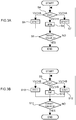
FIG. 3 is a flow chart showing an example of a method for adjusting the concentration of the raw sludge or the concentrated excess sludge in the control method shown inFIG.2 ; -
FIG. 4 is a flow chart showing another example of a control method for treating organic wastewater according to the present invention; and -
FIG. 5 is a flow chart showing a further example of a control method for treating organic wastewater according to the present invention. - An embodiment of the present invention is described below with reference to the drawings.
- As shown in
FIG. 1 , the device for treating organic wastewater (also referred to simply as "treatment device" hereafter) according to the present embodiment has a rawsludge removal tank 10 for removing raw sludge from organic wastewater. A pipe L1 extending from a supply source of organic wastewater such as sewage is connected to the rawsludge removal tank 10. The rawsludge removal tank 10 performs solid-liquid separation to separate the solid matter such as fibrous components from the organic wastewater supplied from the pipe L1 to obtain raw sludge (primary sludge) and organic wastewater from which the raw sludge was removed. There is no particular limitation as to the raw sludge removal tank, provided that it is possible to perform solid-liquid separation of the organic wastewater; for example, a well-known gravity settling tank, etc., can be utilized, or a high-speed filtration tank, etc., instead may be utilized. The rawsludge removal tank 10 serves as the "raw sludge removal means" in the present invention. - A
raw sludge concentrator 15 is connected to the rawsludge removal tank 10 via a pipe L2. Theraw sludge concentrator 15 concentrates the raw sludge that was removed from the organic wastewater, supplied from the rawsludge removal tank 10 through the pipe L2, to a prescribed concentration to obtain concentrated raw sludge. Theraw sludge concentrator 15 serves as the "raw sludge concentration means" in the present invention. - A gravity concentration tank, for example, in which gravity is utilized to settle and thicken the raw sludge can be used as the
raw sludge concentrator 15. In the case of the gravity concentration tank, the volume (V(x')) of concentrated raw sludge obtained per unit time can be adjusted by controlling the sludge introduction load, the chemical feeding rate (meaning the proportion of the injection amount of a chemical such as a polymer aggregating agent; the same is applied below), etc. Aside from the above gravity concentration in which gravity is utilized, mechanical concentration, such as centrifugal concentration, belt filtration concentration, and atmospheric flotation concentration, can also be employed as the method for concentrating the raw sludge. The volume (V(x')) of the concentrated raw sludge can be adjusted by: controlling the centrifugal force, chemical feeding rate, etc., in the case of centrifugal concentration; controlling the belt rotation speed, etc., in the case of belt filtration concentration; and controlling the amount of bubble auxiliary agent added, etc., in the case of atmospheric flotation concentration. - Furthermore, a
biological treatment tank 20 is connected to the rawsludge removal tank 10 via a pipe L3. Thebiological treatment tank 20 performs a biological treatment on the organic wastewater from which the raw sludge was removed, the organic wastewater being supplied from the rawsludge removal tank 10 through the pipe L3. An aeration tank, etc., in which air is blown in and organic matter is degraded by aerobic microorganisms, for example, is used as thebiological treatment tank 20, but there is no particular limitation as to the biological treatment tank, provided that there is a method by which the organic matter can be degraded. - A
sludge separation tank 25 is connected to thebiological treatment tank 20 via the pipe L4. Thesludge separation tank 25 performs solid-liquid separation to separate the treated organic wastewater into sludge and treatment water, the biologically treated organic wastewater being supplied from thebiological treatment tank 20 through the pipe L4. A gravity settling tank, a membrane separation device, etc., can be utilized as the sludge separation tank; there is no particular limitation as to the sludge separation tank, provided that the biologically treated organic wastewater can be subjected to solid-liquid separation into the sludge and the treatment water. - The treatment water from which the sludge was removed in the
sludge separation tank 25 is discharged from the system via a pipe L5. Thesludge separation tank 25 is connected to thebiological treatment tank 20 via a pipe L7, and is connected to anexcess sludge concentrator 30 via a pipe L6. The majority of the sludge separated in thesludge separation tank 25 is returned to thebiological treatment tank 20 as return sludge via the pipe L7, while a portion of the sludge is sent to theexcess sludge concentrator 30 via the pipe L6 as excess sludge. Thesludge separation tank 25 and the pipe L6 serve as the "excess sludge separation means" in the present invention. - The
excess sludge concentrator 30 concentrates the excess sludge supplied from thesludge separation tank 25 through the pipe L6 to a prescribed concentration to obtain concentrated excess sludge. Theexcess sludge concentrator 30 serves as the "excess sludge concentration means" in the present invention. - A belt concentrator, etc., in which sludge is filtered and thickened on a mesh-form belt, for example, can be utilized as the
excess sludge concentrator 30. In this belt concentrator, the volume (V(y')) of the concentrated excess sludge obtained per unit time can be adjusted by adjusting the concentration of excess sludge through the rotation speed (movement speed) of the belt (belt filtration compression). Aside from belt filtration concentration as described above, mechanical concentration such as centrifugal concentration and atmospheric flotation concentration may be used as the method for concentrating the excess sludge, and furthermore, gravity concentration in which gravity is utilized to settle and thicken the excess sludge may be used. The volume (V(y'))can be adjusted by: controlling the centrifugal force, chemical feeding rate, etc., in the case of centrifugal concentration; controlling the amount of bubble auxiliary agent added, etc., in the case of atmospheric flotation concentration; and controlling the sludge introduction load, the chemical feeding rate, etc., in the case of gravity concentration. - The
raw sludge concentrator 15 is connected to asludge mixing tank 35 via a pipe L8, and theexcess sludge concentrator 30 is connected to thesludge mixing tank 35 via a pipe L9. Thesludge mixing tank 35 mixes the concentrated raw sludge supplied from theraw sludge concentrator 15 via the pipe L8 and the concentrated excess sludge supplied from theexcess sludge concentrator 30 via the pipe L9 to obtain mixed sludge. - The
sludge mixing tank 35 is connected to amethane fermentation tank 40 via a pipe L10. Themethane fermentation tank 40 performs a methane fermentation treatment (anaerobic treatment), through the action of anaerobic microorganisms such as methanogens, on the mixed sludge supplied from thesludge mixing tank 35 through the pipe L10, and degrades the mixed sludge to digestion gas such as methane gas. A stirring apparatus (not shown) is disposed in themethane fermentation tank 40, the stirring apparatus stirring the fermentation slurry in the tank. - In the present embodiment, a
carrier 41 for supporting anaerobic digesting bacteria is disposed within themethane fermentation tank 40. This makes it possible to shorten the hydraulic retention time (HRT) of the mixed sludge within the methane fermentation tank; therefore, it is possible to reduce the size of themethane fermentation tank 40 and reduce the cost for constructing the same, to increase the efficiency of digesting the mixed sludge, and to increase the amount of digestion gas generated. Thecarrier 41 is preferably buoyant so as not to hinder the stirring of the mixed sludge within themethane fermentation tank 40. - A pipe L12 for drawing out the digestion gas such as methane gas is connected to the
methane fermentation tank 40. Some of the digestion gas can be utilized as fuel in a heating/sterilization device 50 (described later). Furthermore, a pipe L13 for drawing out the methane fermentation slurry is connected to themethane fermentation tank 40. The methane fermentation slurry drawn out from themethane fermentation tank 40 is transferred to a sludge treatment system (not shown) and treated. - The treatment device has: a heating/
sterilization device 50 for heating and sterilizing the concentrated excess sludge retrieved from the excess sludge concentration means; and acontrol device 55 for controlling the mixed sludge at a temperature adaptable to methane fermentation by adjusting at least one among (1) the temperature to which the concentrated excess sludge is heated in a sterilization step achieved by the heating/sterilization device 50, (2) the concentration of the concentrated raw sludge in a raw sludge concentration step achieved by the raw sludge concentration means (raw sludge concentrator 15) and/or the concentration of the concentrated excess sludge in an excess sludge concentration step achieved by the excess sludge concentration means (excess sludge concentrator 30), and (3) the mixture ratio between the concentrated raw sludge and the concentrated excess sludge in a sludge mixing step achieved in thesludge mixing tank 35 according to the fluctuations in the amount of raw sludge generated and the amount of the excess sludge generated. - As the heating/
sterilization device 50, a device having a structure in which steam is blown into the pipe L9 or in which hot water is drained, or a heat exchanger having a tube-type, plate-type, or spiral-type configuration that can be disposed within the pipe or on the outer periphery of the pipe, for example, may be used, provided that the concentrated excess sludge flowing through the pipe L9 can be heated and sterilized. Digestion gas drawn out from themethane fermentation tank 40 may be utilized as a fuel source for a heat exchanger, or steam or hot water in the heating/sterilization device 50. - In the present embodiment, as shown in
FIG. 1 , the heating/sterilization device 50 is disposed partway along the pipe L9 that connects theexcess sludge concentrator 30 and thesludge mixing tank 35 to each other, and thecontrol device 55 is connected to the heating/sterilization device 50. - In addition, measuring instrumentation (not shown) for measuring the flow rate per unit time and the temperature of the concentrated raw sludge is provided to the pipe L8, and measuring instrumentation (not shown) for measuring the flow rate per unit time and the temperature of the concentrated excess sludge after being heated and sterilized is provided to the pipe L9. The flow rates and temperatures measured by the measuring instrumentation are transmitted to the
control device 55, thecontrol device 55 being capable of executing the controls (1) through (3) described above by utilizing these measurement values and preset values. - The method for treating organic wastewater according to the present invention described next through an example of a case in which a device for treating organic wastewater having the above structure is utilized.
- Organic wastewater is supplied through the pipe L1 to the raw
sludge removal tank 10, where solid matter such as fibrous components in the organic wastewater sets, and is separated as raw sludge (primary sludge) (raw sludge removal step). - The raw sludge is sent to the
raw sludge concentrator 15 through the pipe L2, concentrated, and formed into concentrated raw sludge (raw sludge concentration step). In the case where gravity concentration is applied in the raw sludge concentrator, for example, the concentration of the concentrated raw sludge can be adjusted by controlling the sludge introduction amount, the chemical feeding rate, etc. While in the case where mechanical concentration is applied in the raw sludge concentrator, the concentration can be adjusted by: controlling the centrifugal force, chemical feeding rate, etc., when centrifugal concentration is applied; or controlling the belt rotation speed, etc., when belt filtration compression is applied; or controlling the amount of bubble auxiliary agent added, etc., when atmospheric flotation concentration is applied. It is thereby possible to adjust the volume (V(x')) of the concentrated raw sludge obtained per unit time. The concentrated raw sludge obtained in this manner is sent to thesludge mixing tank 35 through the pipe L8. - The organic wastewater from which the raw sludge was removed in the raw
sludge removal tank 10 is sent to thebiological treatment tank 20 through the pipe L3, and a biological treatment such as an aeration treatment is carried out in thebiological treatment tank 20. Due to this biological treatment, organic matter in the organic wastewater is degraded by aerobic microorganisms, etc., and activated sludge having the cell bodies of the microorganisms as its main component is formed. - The biologically treated organic wastewater in the
biological treatment tank 20, is sent to thesludge separation tank 25 through the pipe L4, where the sludge is separated, the treatment water from which the sludge was removed is discharged from the system through the pipe L5. - The majority of the sludge separated in the
sludge separation tank 25 is returned to thebiological treatment tank 20 as return sludge via the pipe L7, while a portion of the sludge separated in thesludge separation tank 25 is sent to theexcess sludge concentrator 30 through the pipe L6 as excess sludge (excess sludge separation step). - The excess sludge sent to the
excess sludge concentrator 30 is then concentrated and formed into concentrated excess sludge (excess sludge concentration step). As pertains to the concentration of the concentrated excess sludge in the case of belt filtration compression, for example, the volume (V(y')) of concentrated excess sludge obtained per unit time can be adjusted by adjusting the concentration of excess sludge according to the rotation speed (movement speed) of the belt. Aside from belt filtration concentration as described above, mechanical concentration such as centrifugal concentration and atmospheric flotation concentration may be used, and furthermore, gravity concentration in which gravity is utilized to settle and thicken the excess sludge may also be used. The volume (V(y')) can be adjusted by: controlling the centrifugal force, chemical feeding rate, etc., in the case of centrifugal concentration; controlling the amount of bubble auxiliary agent added, etc., in the case of atmospheric flotation concentration; and controlling the sludge introduction load, the chemical feeding rate, etc., in the case of gravity concentration. - The concentrated excess sludge concentrated in the
excess sludge concentrator 30 is sent to the heating/sterilization device 50 through the pipe L9 and is heated and sterilized (sterilization step). - The temperature to which the concentrated excess sludge is heated in the sterilization step is preferably set within a range of 60-160°C, and more preferably set within the range of 60-100°C. When the temperature to which the concentrated excess sludge is heated is less than 60°C, the sterilization of the concentrated excess sludge will be insufficient; conversely, when the temperature to which the concentrated excess sludge is heated exceeds 160°C, the energy in the sterilization step will be excessive.
- In addition, the temperature to which the concentrated excess sludge is heated in the sterilization step is preferably set at a temperature of averagely 80°C or higher while partly within 90-100°C.
- Furthermore, the temperature to which the concentrated excess sludge is heated and the time for which the concentrated excess sludge is heated in the sterilization step are preferably selected from among (a) 120-160°C for 1-5 seconds, (b) 75-85°C for 15-20 minutes, and (c) 63-65°C for 30 minutes.
- In addition, the concentrated excess sludge can be heated and sterilized by using digestion gas generated by methane fermentation as a fuel source for the heating and sterilization, whereby an effect is obtained in which the need for additional introduction of energy is obviated.
- The sterilized concentrated excess sludge is sent to the
sludge mixing tank 35 through the pipe L9 and mixed together with the concentrated raw sludge that was sent through the pipe L8, and mixed sludge is formed (sludge mixing step). The temperature of the mixed sludge can be adjusted through the mixture ratio between the concentrated raw sludge and the concentrated excess sludge or the heating/sterilization temperature of the concentrated excess sludge. - The mixture ratio between the concentrated raw sludge and the concentrated excess sludge in the sludge mixing step is, e.g., preferably such that concentrated raw sludge : concentrated excess sludge = 1:1 to 3:1 when the temperature to which the concentrated excess sludge is heated in the sterilization step is 60°C, preferably such that concentrated raw sludge : concentrated excess sludge = 2:1 to 5:1 when the same heating temperature is 80°C, and preferably such that concentrated raw sludge : concentrated excess sludge = 4:1 to 9:1 when the same heating temperature is 120°C.
- The
control device 55 performs control by controlling at least one among (1) the temperature to which the concentrated excess sludge is heated in the sterilization step, (2) the concentration of the concentrated raw sludge in the raw sludge concentration step and/or the concentration of the concentrated excess sludge in the excess sludge concentration step, and (3) the mixture ratio between the concentrated raw sludge and the concentrated excess sludge in the sludge mixing step is adjusted according to the fluctuations in the amount of raw sludge generated and the amount of the excess sludge generated, and so that the temperature of the mixed sludge reaches a temperature adaptable to methane fermentation. - It is preferable that the mixed sludge that was mixed can be adapted, through the temperature to which the concentrated excess sludge is heated in the sterilization step described above or the mixture ratio between the concentrated raw sludge and the concentrated excess sludge in the sludge mixing step, to mesophilic fermentation in which the fermentation temperature is of 30-40°C, in particular.
- According to the treatment method described above, the concentrated excess sludge is heated and sterilized, whereby when the mixed sludge is subjected to methane fermentation, it is possible to facilitate degradation of the concentrated excess sludge by microorganisms, to reduce the time (hydraulic retention time: HRT) required for methane fermentation and the capacity of the methane fermentation tank, and to increase the efficiency of degrading sludge and the amount of digestion gas generated.
- Because it is possible to reduce the size of the methane fermentation tank, equipment costs can be reduced. Though equipment of the heating/sterilization device for heating and sterilizing the concentrated excess sludge is required, , it is possible to make such equipment more compact than that conventionally required for solubilizing excess sludge; furthermore, the heating can be fulfilled within several seconds when the heating temperature is high like 100-160 °C; (described later), and therefore the heating step can be implemented within a pipe, and reducing the equipment costs is achievable.
- In addition, after the concentrated excess sludge is heated and sterilized, the heated concentrated excess sludge is mixed with the concentrated raw sludge, whereby the mixed sludge is brought to a temperature adaptable to methane fermentation; therefore, it is possible to promote methane fermentation by utilizing the thermal energy stored in the heated concentrated excess sludge when the concentrated excess sludge gets heated and sterilized, to reduce or obviate the need for heating in the methane fermentation tank, and to reduce the running costs.
- In a preferred aspect of the present invention, no heating of the
methane fermentation tank 40 is performed in the methane fermentation treatment step. According to this aspect, methane fermentation is promoted by utilizing the thermal energy stored in the heated concentrated excess sludge when the concentrated excess sludge gets heated and sterilized, so that no heating of the methane fermentation tank is necessarily performed, thereby suppressing consumption of the energy obtained through methane fermentation makes it possible to increase the amount of energy to be utilized in other applications. - In addition, even when the amount of raw sludge generated and the amount of excess sludge generated fluctuate, the temperature of the mixed sludge can be maintained at a temperature adaptable to methane fermentation by controlling (1) the temperature to which the concentrated excess sludge is heated in the sterilization step, (2) the concentration of the concentrated raw sludge in the raw sludge concentration step and/or the concentration of the concentrated excess sludge in the excess sludge concentration step, and (3) the mixture ratio between the concentrated raw sludge and the concentrated excess sludge in the sludge mixing step.
- Next, One example of the method for control by the
control device 55 is described with reference toFIG. 2 andFIG.3 . As shown inFIG. 2 , this method includes a step S1 setting the temperature to which the concentrated excess sludge is heated in the sterilization step at a temperature within a prescribed range feasible for sterilization, a step S2 setting the mixture ratio between the concentrated raw sludge and the concentrated excess sludge such that the temperature of the mixed sludge reaches a prescribed temperature adaptable to methane fermentation, and a step S3 adjusting the concentration of the concentrated raw sludge in the raw sludge concentration step and/or the concentration of the concentrated excess sludge in the excess sludge concentration step according to the fluctuations in the amount of raw sludge generated and the amount of excess sludge generated, so that the mixture ratio between the concentrated raw sludge and the concentrated excess sludge reaches the mixture ratio set in the step S2. - The method used in the step S3 to adjust the concentration of the concentrated raw sludge in the raw sludge concentration step is described through one example of a case in which a belt concentrator is used as the
raw sludge concentrator 15. As shown inFIG. 3(a) , in a step S4, the obtainable volume of per unit time V(x') of the concentrated raw sludge (i.e., the flow rate per unit time of the concentrated raw sludge flowing through the pipe L8) and a target value A are compared. If V(x') > target value A, then in a step S5, the rotation speed e of a belt concentrator (not shown) of theraw sludge concentrator 15 is set to e-1. Then, in a step S6, the comparison with the target value A is made again; if the target value A has been reached, the operation ends, but if the target value A has not been reached, the operation returns to the step S4, the rotation speed is further reduced through the step S5, and in the step S6 comparison to determine whether the target value A has been reached is made again. This operation is repeated until the V(x') reaches the value A. - And in the step S4, if V(x') < target value A, then in a step S7, the rotation speed e of the belt concentrator (not shown) of the
raw sludge concentrator 15 is set toe+ 1. Then, in the step S6, the comparison with the target value A is made again; if the target value A has been reached, the operation ends. If the target value A has not been reached, the operation returns to the step S4, the rotation speed is further increased through the step S7, and in the step S6 a comparison to determine whether the target value A has been reached is further made. This operation is repeated until V(x') reaches the value A. - In the step S4, if V(x') = target value A, then it is confirmed through a step S8 and the step S6 that the target value A has been reached, and the operation ends.
- Next, a method used in the step S3 to adjust the concentration of the concentrated excess sludge in the excess sludge concentration step is described through one example of a case in which a belt concentrator is used as the
excess sludge concentrator 30. As shown inFIG. 3(b) , in a step S9, the obtainable volume of per unit time V(y') of the concentrated excess sludge (i.e., the flow rate per unit time of the concentrated excess sludge flowing through the pipe L9) and a target value B are compared. If V(y') > target value B, then in a step S10, the rotation speed f of a belt concentrator (not shown) of theexcess sludge concentrator 30 is set to f-1. Then, in a step S11 the comparison with the target value B is made again; if the target value B has been reached, the operation ends. If the target value B has not been reached, the operation returns to the step S9, and the rotation speed is further reduced through the step S10, and in the step S11 a comparison to determine whether the target value B has been reached is further made. This operation is repeated until V(y') reaches the value B. - In the step S9, if V(y') < target value B, then in a step S12, the rotation speed f of the belt concentrator (not shown) of the
excess sludge concentrator 30 is set to f+1. Then, in the step S11, the comparison with the target value B is made again; if the target value B has been reached, the operation ends. If the target value B has not been reached, the operation returns to the step S9, the rotation speed is further increased through the step S12, and in the step S11 a comparison to determine whether the target value B has been reached is further made. This operation is repeated until V(y') reaches the value B. - In the step S9, if V(y') = target value B, then it is confirmed through a step S13 and the step S11 that the target value B has been reached, and the operation ends.
- According to this aspect, the temperature to which the concentrated excess sludge is heated in the sterilization step is set, and the mixture ratio between the concentrated raw sludge and the concentrated excess sludge is determined so that the temperature of the mixed sludge reaches a prescribed temperature adaptable to methane fermentation; the concentration of the concentrated raw sludge in the raw sludge concentration step and/or the concentration of the concentrated excess sludge in the excess sludge concentration step is adjusted according to the fluctuations in the amount of raw sludge generated and the amount of excess sludge generated, so that the mixture ratio between the concentrated raw sludge and the concentrated excess sludge reaches the aforementioned mixture ratio. All this thereby makes it possible to maintain the temperature of the mixed sludge at a prescribed temperature adaptable to methane fermentation even when the amount of raw sludge generated and the amount of excess sludge generated fluctuate.
- Aside from the method for raising and lowering the rotation speed of the belt concentrator use as the
raw sludge concentrator 15 and/or theexcess sludge concentrator 30 as described above, the proportion (chemical feeding rate) of the injection amount of a chemical such as a polymer aggregating agent may be raised and lowered as the means for adjusting the concentrated raw sludge and the concentrated excess sludge to the target values A and B described usingFIG. 3(a) and 3(b) respectively. -
FIG. 4 shows a further enhanced example of the above control method. In this method, it is determined in a step S14 whether or not the concentration(s) of the concentrated raw sludge and/or the concentrated excess sludge determined in the step S3 is/are within a range(s) in which concentration adjustments are possible. If the concentration(s) of the concentrated raw sludge and/or the concentrated excess sludge determined in the step S3 exceed(s) the range(s) in which concentration adjustments are possible, the operation returns to the step S1 and the temperature at which the concentrated excess sludge is sterilized is changed and reset. On the basis of the reset temperature, the mixture ratio between the concentrated raw sludge and the concentrated excess sludge is determined in the step S2, and the concentrations of the concentrated raw sludge and/or the concentrated excess sludge is/are adjusted so that the mixture ratio between the concentrated raw sludge and the concentrated excess sludge reaches the aforementioned one determined in the step S3. Then, it is again determined in the step S14 whether or not the concentration(s) exceed(s) the range(s) in which concentration adjustment are possible. If the concentration(s) still exceed(s) the range(s) in which adjustments are possible, the operation returns to the step S1 and the temperature at which the concentrated excess sludge is sterilized is further changed and reset, and the following steps are repeated. This operation is repeated until when it is confirmed in the step S14 that the concentration(s) of the concentrated raw sludge and/or the concentrated excess sludge is/are within the range(s) in which adjustments are possible, then the operation ends. - According to this aspect, even when the concentration(s) of the concentrated raw sludge and/or the concentrated excess sludge exceed(s) the range(s) in which adjustments are possible, the temperature at which the concentrated excess sludge is sterilized is changed and reset, thereby making it possible to adjust the concentration(s) of the concentrated raw sludge and/or the concentrated excess sludge to the range(s) in which adjustments are possible, and to maintain the temperature of the mixed sludge at a temperature adaptable to methane fermentation even when the amount of raw sludge generated and the amount of excess sludge generated greatly fluctuate.
- In the above aspect, when it is determined in the step S14 that the concentration(s) of the concentrated raw sludge and/or the concentrated excess sludge exceed(s) the range(s) in which adjustments are possible, the operation can also be ended by adjusting the concentration so as to approach, to the extent possible, a value determined within the range in which adjustments are possible.
-
FIG. 5 shows a further different example of a method for control by thecontrol device 55. In this method, the mixture ratio between the concentrated raw sludge and the concentrated excess sludge on the fluctuations in the amount of raw sludge generated and/or the amount of the excess sludge generated is determined in the step S21. Specifically, when the amount of raw sludge generated and/or the amount of excess sludge generated fluctuates, the volume per unit time of the concentrated raw sludge obtained in theraw sludge concentrator 15 and/or the volume per unit time of the concentrated excess sludge obtained in theexcess sludge concentrator 30 fluctuates as well, and the mixture ratio between the concentrated raw sludge and the concentrated excess sludge changes; therefore, this mixture ratio is determined. - In the step S22, in conformity with the changed mixture ratio, the heating/sterilization temperature of the concentrated excess sludge is set so that the temperature of the mixed sludge reaches a temperature adaptable to methane fermentation.
- The control may be ended in this state, but in the present example, it is furthermore determined in a step S23 whether or not the above heating/sterilization temperature has exceeded a range in which adjustment is possible. When the heating/sterilization temperature exceeds the range in which adjustment is possible, the concentrations of the concentrated raw sludge and/or the concentrated excess sludge is/are adjusted in a step S24, and the operation returns to the step S21, the mixture ratio between the concentrated raw sludge and the concentrated excess sludge is determined again, the heating/sterilization temperature is reset in the step S22, and it is determined in the step S23 whether or not the above heating/sterilization temperature has exceeded the range in which adjustment is possible. Repeating this operation makes it possible to set the heating/sterilization temperature to a one within the range in which adjustment is possible.
- The embodiment described above is not given by way of any limitation of the present invention; various modified embodiments are possible within the scope of the present invention, and such embodiments are also encompassed by the present invention.
- The effect of the present invention was confirmed below through simulations. The software "GPS-X 6.4" produced by Hydromantis Environmental Software Solutions, Inc. was used as the simulation software.
- The conditions shown in table 1 below were used to represent the raw sludge and the excess sludge.
[Table 1] Behavior of sludge before concentration Behavior of sludge after concentration (comparative example) Behavior of sludge after concentration (examples 1 and 2) Raw sludge (primary sludge) 10000 (gSS/m3) (concentration 1.0%) 31000(gSS/m3) (concentration 3.1%) 31000(gSS/m3) (concentration 3.1%) 11481(gVSS/m3) 27000(gVSS/m3) 27000(gVSS/m3) 1070 (m3/d) 345 (m3/d) 345 (m3/d) Excess sludge 6000 (gSS/m3) (concentration 0.6%) 36000 (gSS/m3) (concentration 3.6%) 72000 (gSS/m3) (concentration7.2%) 4500(gVSS/m3) 27000(gVSS/m3) 27000(gVSS/m3) 1380 (m3/d) 230 (m3/d) 115 (m3/d) Heating treatment of excess sludge No Yes (80°C) - In table 1, the "SS" in (gSS/m3) refers to suspended solids, i.e., suspended insoluble solids. "(gSS/m3)" means the mass (g) of suspended solids per cubic meter of sludge. Furthermore, the "VSS" in (gVSS/m3) refers to the ignition loss of the SS, i.e., substances (primarily organic matter) that volatilize when the SS is heated. "(gVSS/m3)" means the mass (g) of organic matter per cubic meter of sludge.
- In the device for treating organic wastewater shown in
FIG. 1 , the treatment was performed using a tank having nocarrier 41 for microorganisms as themethane fermentation tank 40. The behavior of the raw sludge separated from the rawsludge removal tank 10, the concentrated raw sludge concentrated in theraw sludge concentrator 15, the excess sludge separated from thesludge separation tank 25, and the concentrated excess sludge concentrated in theexcess sludge concentrator 30 were as shown in table 1. - The concentrated excess sludge was heated and sterilized at 80°C by the heating/
sterilization device 50, the concentrated raw sludge and the concentrated excess sludge were introduced into thesludge mixing tank 35 so as to reach a volume ratio of 3:1 and were mixed, and the temperature of the mixed sludge was set to 35°C. The mixed sludge was introduced into themethane fermentation tank 40, which had a capacity of 9000 m3, and methane fermentation was performed for 20 days. The amount of digestion gas generated in this case, the methane concentration, and the digestive efficiency were simulated by the simulation software, and the results shown in table 2 below were obtained. - When the temperature of the concentrated raw sludge was 20°C and the target temperature of the mixed sludge was 35°C, the relationship between the heating/sterilization temperature of the concentrated excess sludge, the volume per day of the concentrated raw sludge, and the volume per day of the concentrated excess sludge were determined according to the formula below, where these variables are designated by T (°C), V(x'), and V(y'), respectively. The value "15" in the formula below was a coefficient determined by subtracting the temperature (20°C) of the concentrated raw sludge from the target temperature (35°C) of the mixed sludge.

- In the case of example 1, V(x') was 345 m3/d and V(y') was 115 m3/d; therefore, the heating/sterilization temperature of the concentrated excess sludge was T = 15 × (345/115) + 35 = 80°C.
- In the device for treating organic wastewater shown in
FIG. 1 , the treatment was performed using a tank having acarrier 41 for microorganisms as themethane fermentation tank 40. All other conditions were the same as in example 1. The amount of digestion gas generated in this case, the methane concentration, and the digestive efficiency were simulated by the simulation software, and the results shown in table 2 below were obtained. - In the device for treating organic wastewater shown in
FIG. 1 , the treatment was performed using a conventional treatment device of a type in which themethane fermentation tank 40 was heated, and without the use of the heating/sterilization device 50. The behavior of the raw sludge separated from the rawsludge removal tank 10, the concentrated raw sludge concentrated in theraw sludge concentrator 15, the excess sludge separated from thesludge separation tank 25, and the concentrated excess sludge concentrated in theexcess sludge concentrator 30 were as shown in table 1. - Without heating and sterilization of the concentrated excess sludge, the concentrated raw sludge and the concentrated excess sludge were introduced into the
sludge mixing tank 35 so as to achieve a volume ratio of 3:2 and were mixed. The mixed sludge was introduced into themethane fermentation tank 40, which had a capacity of 14000 m3, the temperature of the mixed sludge in themethane fermentation tank 40 was raised to 35°C, and methane fermentation was performed for 25 days. The amount of digestion gas generated in this case, the methane concentration, and the digestive efficiency were simulated by the simulation software, and the results shown in table 2 below were obtained.[Table 2] Comparative example Example 1 Example 2 Methane fermentation tank (digestion tank) 14000 m3 9000 m3 9000 m3 Methane fermentation temperature (digestion temperature) 35° C 35° C 35°C Hydraulic retention time (HRT: raw water reference) 25 days 20 days 20 days Amount of digestion gas 8088 m3/day 10100 m3/day 10410 m3/day Methane concentration 61% 62% 61% Digestive efficiency 43% 51% 56% Notes - *25% increase in amount of gas generated, 36% decrease in tank capacity *29% increase in amount of gas generated, 36% decrease in tank capacity - As shown in table 2, in example 1, it was apparent that the amount of gas generated was 25% higher and the tank capacity of the methane fermentation tank was 36% lower than those in the comparative example. Also, in example 2, in which a carrier was disposed in the methane fermentation tank, it was apparent that the amount of gas generated was 29% higher and the tank capacity of the methane fermentation tank was 36% lower than those in the comparative example.
- The mixture ratio (volume ratio) between the concentrated raw sludge and the concentrated excess sludge for setting the temperature of the mixed sludge to 35±5°C, which is adaptable to methane fermentation, was determined for a case where the temperature to which the concentrated excess sludge is heated was set to 120°C, 80°C, and 60°C respectively. The results were shown in table 3 below.
[Table 3] Temperature to which excess sludge was heated Mixture ratio between concentrated raw sludge and concentrated excess sludge (volume ratio) 120 (°C) Concentrated raw sludge : concentrated excess sludge = 17:3 80 (°C) Concentrated raw sludge : concentrated excess sludge = 9:3 60 (°C) Concentrated raw sludge : concentrated excess sludge = 5:3 - The amounts of raw sludge and/or excess sludge generated fluctuate in line with the quality of water flowing into a sewage treatment facility. We confirmed that by adjusting the concentration of the concentrated raw sludge and the concentrated excess sludge, the mixture ratio between the concentrated raw sludge and the concentrated excess sludge in the manner shown in table 3 could be successfully set.
- Specifically, for a case when the amount (V(x)) of concentrated raw sludge generated was fixed (1000 m3/d), the concentration (C(x)) thereof was also fixed (1%), and the amount (V(y)) of excess sludge generated and the concentration (C(y)) thereof fluctuate, the manner in which to adjust the concentration (C(x')) of the concentrated raw sludge and the concentration (C(y')) of the concentrated excess sludge so that the mixture ratio between the concentrated raw sludge and the concentrated excess sludge would reach 9:3 was confirmed in a case where, e.g., the temperature to which the concentrated excess sludge was heated was 80°C. Examples of the adjustments to the concentrations were shown in table 4 below.
[Table 4] Example 1 Example 2 Example 3 Raw sludge V(x) [m3/d] 1000 1000 1500 C(x) [gSS/m3] (Concentration %) 10000 (1%) 10000 (1%) 10000 (1%) V(x) × C(x) [kgSS/d] 10000 10000 10000 Concentrated raw sludge V(x') [m3/d] 345 345 345 C(x') [gSS/m3] (Concentration %) 28986 (2.9%) 28986 (2.9%) 43478 (4.3%) V(x') × C(x') [kgSS/d] 10000 10000 15000 Excess sludge V(y) [m3/d] 1500 1000 1000 C(y) [gSS/m3] (Concentration %) 6000 (0.6%) 6000 (0.6%) 6000 (0.6%) V(y) × C(y) [kgSS/d] 9000 6000 6000 Concentrated excess sludge V(y') [m3/d] 115 115 115 C(y') [gSS/m3] (Concentration %) 78261 (7.8%) 52174 (5.2%) 52174 (5.2%) V(y') × C(y') [kgSS/d] 9000 6000 6000 Heating temperature (°C) 80 80 80 Mixed sludge V(x') + V(y') [m3/d] 460 460 460 [gSS/m3] (Concentration %) 41304 (4.1%) 34783 (3.5%) 45652 (4.6%) V(x') × C(x') + V(y') × C(y') 19000 16000 21000 - As shown in table 4, we confirmed that by adjusting the concentrated raw sludge to 2.9% and the concentrated excess sludge to 7.8% in example 1, adjusting the concentrated raw sludge to 2.9% and the concentrated excess sludge to 5.2% in example 2, and adjusting the concentrated raw sludge to 4.3% and the concentrated excess sludge to 5.2% in example 3, the mixture ratio between the concentrated raw sludge and the concentrated excess sludge could be successfully set to 9:3.
-
- 10: Raw sludge removal tank
- 15: Raw sludge concentrator
- 20: Biological treatment tank
- 25: Sludge separation tank
- 30: Excess sludge concentrator
- 35: Sludge mixing tank
- 40: Methane fermentation tank
- 41: Carrier
- 50: Heating/sterilization device
- 55: Control device
- L1-L13: Pipe
Claims (11)
- A method for treating organic wastewater, comprising
a raw sludge removal step for removing raw sludge from organic wastewater,
a raw sludge concentration step for concentrating the raw sludge removed from the organic wastewater to a prescribed concentration to obtain concentrated raw sludge,
a biological treatment step for biologically treating the organic wastewater from which the raw sludge was removed,
an excess sludge separation step for separating excess sludge from the biologically treated organic wastewater,
an excess sludge concentration step for concentrating the separated excess sludge to a prescribed concentration to obtain concentrated excess sludge,
a sludge mixing step for mixing the concentrated raw sludge and the concentrated excess sludge to obtain mixed sludge, and
a methane fermentation treatment step for supplying the mixed sludge to a methane fermentation tank and performing a methane fermentation treatment,
wherein the method for treating organic wastewater is characterized by further comprising
a sterilization step for heating and sterilizing the concentrated excess sludge incorporated upstream of the sludge mixing step; and
a control step for controlling the mixed sludge at a temperature adaptable to methane fermentation by adjusting (1) the temperature to which the concentrated excess sludge is heated in the sterilization step, and (2) the concentration of the concentrated raw sludge in the raw sludge concentration step and the concentration of the concentrated excess sludge in the excess sludge concentration step, and also adjusting (3) the mixture ratio between the concentrated raw sludge and the concentrated excess sludge in the sludge mixing step according to the fluctuations in the amount of raw sludge generated and the amount of the excess sludge generated. - The method for treating organic wastewater according to claim 1, wherein the control step comprises a step S1 setting the temperature to which the concentrated excess sludge is heated in the sterilization step at a temperature within a prescribed range feasible for sterilization, a step S2 setting the mixture ratio between the concentrated raw sludge and the concentrated excess sludge so that the temperature of the mixed sludge reaches a prescribed temperature adaptable to methane fermentation, and a step S3 adjusting the concentration of the concentrated raw sludge concentrated in the raw sludge concentration step and/or the concentration of the concentrated excess sludge concentrated in the excess sludge concentration step within a range(s) according to the fluctuations in the amount of raw sludge generated and the amount of excess sludge generated, so that the mixture ratio between the concentrated raw sludge and the concentrated excess sludge reaches the mixture ratio set in the step S2.
- The method for treating organic wastewater according to claim 2, wherein, when the adjustment of concentration(s) in the step S3 fail(s) to achieve within the range(s) adjustable in accordance with the concentration of the concentrated raw sludge and/or the concentration of the concentrated excess sludge, the adjustment of concentration(s) in the step S3 is/are executed by adjusting concentration(s) approaching a value determined within the range(s) in which adjustments are possible.
- The method for treating organic wastewater according to claim 2, wherein, when the adjustment of concentration(s) in the step S3 fail(s) to achieve within the range(s) adjustable in accordance with the concentration of the concentrated raw sludge and/or the concentration of the concentrated excess sludge, the adjustment of concentration(s) in the step S3 is/are executed by changing the temperature setting in the step S1 to which the concentrated excess sludge is heated within a range feasible for sterilization, and by resetting the mixture ratio between the concentrated raw sludge and the concentrated excess sludge in the step S2 in accompaniment with the change in the heating temperature, thereby making it possible to adjust the concentration(s) in the step S3.
- The method for treating organic wastewater according to claim 1, wherein the control step comprises:a step S21 determining the mixture ratio between the concentrated raw sludge and the concentrated excess sludge on the fluctuations in the amount of raw sludge generated and the amount of the excess sludge generated; anda step S22 adjusting the temperature to which the concentrated excess sludge is heated in accordance with the mixture ratio determined in the step S21 so that the temperature of the mixed sludge reaches a prescribed temperature adaptable to methane fermentation.
- The method for treating organic wastewater according to claim 5, wherein, when the adjustment of heating temperature in the concentrated excess sludge in the step S22 fails to achieve, the adjustment of heating temperature for the concentrated excess sludge in the step S22 is executed by changing the concentration of the concentrated raw sludge concentrated in the raw sludge concentration step and/or the concentration of the concentrated excess sludge concentrated in the excess sludge concentration step so as to change the mixture ratio determined between the concentrated raw sludge and the concentrated excess sludge in the step S21, thereby making it possible to adjust the temperature to which the concentrated excess sludge is heated.
- The method for treating organic wastewater according to any one of claims 1-6, wherein the temperature to which the concentrated excess sludge is heated in the sterilization step is set within a range of 60-160°C.
- The method for treating organic wastewater according to any one of claims 1-7, wherein the temperature to which the concentrated excess sludge is heated in the sterilization step is set at a temperature of averagely 80°C or higher while partly within 90-100°C.
- The method for treating organic wastewater according to any one of claims 1-8, wherein the temperature to which the concentrated excess sludge is heated and the time for which the concentrated excess sludge is heated in the sterilization step are selected from among (a) 120-160°C for 1-5 seconds, (b) 75-85°C for 15-20 minutes, and (c) 63-65°C for 30 minutes.
- The method for treating organic wastewater according to any one of claims 1-9, wherein the temperature of the mixed sludge is of 30-40°C, adaptable to mesophilic fermentation.
- A device for treating organic wastewater, the device comprising
raw sludge removal means for removing raw sludge from organic wastewater,
raw sludge concentration means for concentrating the raw sludge removed from the organic wastewater to a prescribed concentration to obtain concentrated raw sludge,
a biological treatment tank for biologically treating the organic wastewater from which the raw sludge was removed,
excess sludge separation means for separating excess sludge from the biologically treated organic wastewater,
excess sludge concentration means for concentrating the separated excess sludge to a prescribed concentration to obtain concentrated excess sludge,
a sludge mixing tank for mixing the concentrated raw sludge and the concentrated excess sludge to obtain mixed sludge, and
a methane fermentation tank for performing a methane fermentation treatment on the mixed sludge,
wherein the device for treating organic wastewater is characterized by comprising:a heating/sterilization device for heating and sterilizing the concentrated excess sludge retrieved from the excess sludge concentration means; anda control device for controlling the mixed sludge at a temperature adaptable to methane fermentation by adjusting (1) the temperature to which the concentrated excess sludge is heated in a sterilization step achieved by the heating/sterilization device, and (2) the concentration of the concentrated raw sludge in a raw sludge concentration step achieved by the raw sludge concentration means and the concentration of the concentrated excess sludge in an excess sludge concentration step achieved by the excess sludge concentration means, and also adjusting (3) the mixture ratio between the concentrated raw sludge and the concentrated excess sludge in a sludge mixing step achieved in the sludge mixing tank according to the fluctuations in the amount of raw sludge generated and the amount of the excess sludge generated.
Applications Claiming Priority (2)
| Application Number | Priority Date | Filing Date | Title |
|---|---|---|---|
| JP2016172266 | 2016-09-02 | ||
| PCT/JP2017/027403 WO2018042972A1 (en) | 2016-09-02 | 2017-07-28 | Organic wastewater treatment method and organic wastewater treatment device |
Publications (3)
| Publication Number | Publication Date |
|---|---|
| EP3508457A1 EP3508457A1 (en) | 2019-07-10 |
| EP3508457A4 EP3508457A4 (en) | 2019-07-10 |
| EP3508457B1 true EP3508457B1 (en) | 2021-07-07 |
Family
ID=61301915
Family Applications (1)
| Application Number | Title | Priority Date | Filing Date |
|---|---|---|---|
| EP17845981.4A Active EP3508457B1 (en) | 2016-09-02 | 2017-07-28 | Organic wastewater treatment method and organic wastewater treatment device |
Country Status (4)
| Country | Link |
|---|---|
| US (1) | US10723646B2 (en) |
| EP (1) | EP3508457B1 (en) |
| JP (1) | JP6975428B2 (en) |
| WO (1) | WO2018042972A1 (en) |
Families Citing this family (2)
| Publication number | Priority date | Publication date | Assignee | Title |
|---|---|---|---|---|
| JP7619714B2 (en) * | 2021-03-31 | 2025-01-22 | メタウォーター株式会社 | Digestive System |
| JP7619713B2 (en) * | 2021-03-31 | 2025-01-22 | メタウォーター株式会社 | Digestive System |
Family Cites Families (13)
| Publication number | Priority date | Publication date | Assignee | Title |
|---|---|---|---|---|
| JPS51144775A (en) | 1975-06-09 | 1976-12-13 | Eitarou Suzuki | Apparatus for quantitatively dividing dried noodle |
| JPS55157390A (en) * | 1979-05-28 | 1980-12-08 | Mitsubishi Heavy Ind Ltd | Anaerobic digestion |
| JPS56167000A (en) * | 1980-05-26 | 1981-12-22 | Hitachi Plant Eng & Constr Co Ltd | Anaerobic digestion of sewage sludge |
| JPS602920B2 (en) * | 1980-12-26 | 1985-01-24 | 株式会社田熊総合研究所 | Anaerobic sludge digestion method |
| JPS59136196A (en) * | 1983-01-26 | 1984-08-04 | Takuma Sogo Kenkyusho:Kk | Sludge treatment |
| US5417861A (en) * | 1990-11-30 | 1995-05-23 | N-Viro International Corporation | Process to stabilize bioorganic, raw or treated wastewater sludge |
| JP2997833B2 (en) * | 1993-12-28 | 2000-01-11 | 日立造船株式会社 | Anaerobic digestion method of sewage sludge |
| JPH08238499A (en) * | 1995-03-06 | 1996-09-17 | Kubota Corp | Excess sludge treatment method |
| US6706185B2 (en) * | 2002-05-22 | 2004-03-16 | Kurita Water Industries Ltd. | Biological method of phosphorus removal and biological phosphorus-removing apparatus |
| JP4457391B2 (en) * | 2005-07-15 | 2010-04-28 | 株式会社神鋼環境ソリューション | Organic sludge treatment method and treatment apparatus |
| JP5441787B2 (en) * | 2010-03-30 | 2014-03-12 | メタウォーター株式会社 | Organic wastewater treatment method and treatment apparatus |
| JP5687929B2 (en) * | 2011-03-17 | 2015-03-25 | 三菱化工機株式会社 | Organic waste processing method and organic waste processing apparatus |
| JP6072320B2 (en) * | 2016-01-22 | 2017-02-01 | 月島機械株式会社 | Vertical filter concentrator, concentrating equipment and method using the vertical filter concentrator |
-
2017
- 2017-07-28 EP EP17845981.4A patent/EP3508457B1/en active Active
- 2017-07-28 JP JP2018537040A patent/JP6975428B2/en active Active
- 2017-07-28 WO PCT/JP2017/027403 patent/WO2018042972A1/en not_active Ceased
- 2017-07-28 US US16/328,989 patent/US10723646B2/en active Active
Non-Patent Citations (1)
| Title |
|---|
| None * |
Also Published As
| Publication number | Publication date |
|---|---|
| US20190194050A1 (en) | 2019-06-27 |
| JPWO2018042972A1 (en) | 2019-06-24 |
| EP3508457A1 (en) | 2019-07-10 |
| EP3508457A4 (en) | 2019-07-10 |
| US10723646B2 (en) | 2020-07-28 |
| WO2018042972A1 (en) | 2018-03-08 |
| JP6975428B2 (en) | 2021-12-01 |
Similar Documents
| Publication | Publication Date | Title |
|---|---|---|
| Singh et al. | Nutrient removal from membrane bioreactor permeate using microalgae and in a microalgae membrane photoreactor | |
| CN103347824B (en) | anaerobic treatment method and device | |
| CN107265645B (en) | Device and method for treating low-carbon-source urban sewage by continuous-flow A/O dephosphorization series-connection multi-stage A/O autotrophic nitrogen removal process | |
| CN101759290A (en) | Device and method for rapidly realizing and stably maintaining shortcut nitrification in continuous flow process | |
| CN102107989A (en) | Treatment method of potato type non-grain starch fuel ethanol distiller solution | |
| CN105753270A (en) | Water purifying system suitable for high-ammonia nitrogen livestock and poultry breeding wastewater | |
| CN111470729A (en) | Garbage leachate treatment system and method for garbage incineration power plant | |
| CN105948436A (en) | System and method for stabilizing and recycling excess sludge of sewage treatment plant | |
| US10723646B2 (en) | Organic wastewater treatment method and organic wastewater treatment device | |
| CN102344221A (en) | Process for treating high-salinity high-ammonia-nitrogen organic waste water | |
| CN111875171B (en) | A kind of duck raising wastewater treatment process and resource recovery method | |
| CN101781056A (en) | Treatment method of waste papermaking water | |
| CN106219749A (en) | A kind of process in the HABR technical method of the nitrogenous organic wastewater of low concentration and equipment | |
| CN215756648U (en) | High-temperature aerobic membrane aeration bioreactor and sewage treatment system | |
| JP5930805B2 (en) | Anaerobic wastewater treatment method and apparatus for organic wastewater | |
| JP5742254B2 (en) | Organic wastewater treatment method | |
| CN212356935U (en) | Garbage leachate treatment system of garbage incineration power plant | |
| CN111362505A (en) | A process for treating pig farm wastewater | |
| CN108033555A (en) | A kind of method of the quick anaerobic biological treatment for starting garbage burning factory Leachate site | |
| JP2014042857A (en) | Processing system and processing method of suspension property organic material inclusion waste water | |
| CN118307150A (en) | Treatment method of fresh coffee fruit processing wastewater | |
| CN105110561A (en) | Method for treating high ammonia-nitrogen wastewater under low dissolved oxygen condition | |
| AU2023215284A1 (en) | System and method for treatment of biomass containing wastewater for renewable energy | |
| CN116282674A (en) | A method for treating waste water from cutting large-size silicon wafers | |
| CN204369720U (en) | Culturing wastewater processing system |
Legal Events
| Date | Code | Title | Description |
|---|---|---|---|
| STAA | Information on the status of an ep patent application or granted ep patent |
Free format text: STATUS: THE INTERNATIONAL PUBLICATION HAS BEEN MADE |
|
| PUAI | Public reference made under article 153(3) epc to a published international application that has entered the european phase |
Free format text: ORIGINAL CODE: 0009012 |
|
| STAA | Information on the status of an ep patent application or granted ep patent |
Free format text: STATUS: REQUEST FOR EXAMINATION WAS MADE |
|
| 17P | Request for examination filed |
Effective date: 20190308 |
|
| A4 | Supplementary search report drawn up and despatched |
Effective date: 20190612 |
|
| AK | Designated contracting states |
Kind code of ref document: A1 Designated state(s): AL AT BE BG CH CY CZ DE DK EE ES FI FR GB GR HR HU IE IS IT LI LT LU LV MC MK MT NL NO PL PT RO RS SE SI SK SM TR |
|
| AX | Request for extension of the european patent |
Extension state: BA ME |
|
| DAV | Request for validation of the european patent (deleted) | ||
| DAX | Request for extension of the european patent (deleted) | ||
| STAA | Information on the status of an ep patent application or granted ep patent |
Free format text: STATUS: EXAMINATION IS IN PROGRESS |
|
| 17Q | First examination report despatched |
Effective date: 20200116 |
|
| GRAP | Despatch of communication of intention to grant a patent |
Free format text: ORIGINAL CODE: EPIDOSNIGR1 |
|
| STAA | Information on the status of an ep patent application or granted ep patent |
Free format text: STATUS: GRANT OF PATENT IS INTENDED |
|
| INTG | Intention to grant announced |
Effective date: 20210204 |
|
| GRAS | Grant fee paid |
Free format text: ORIGINAL CODE: EPIDOSNIGR3 |
|
| GRAA | (expected) grant |
Free format text: ORIGINAL CODE: 0009210 |
|
| STAA | Information on the status of an ep patent application or granted ep patent |
Free format text: STATUS: THE PATENT HAS BEEN GRANTED |
|
| AK | Designated contracting states |
Kind code of ref document: B1 Designated state(s): AL AT BE BG CH CY CZ DE DK EE ES FI FR GB GR HR HU IE IS IT LI LT LU LV MC MK MT NL NO PL PT RO RS SE SI SK SM TR |
|
| REG | Reference to a national code |
Ref country code: GB Ref legal event code: FG4D |
|
| REG | Reference to a national code |
Ref country code: AT Ref legal event code: REF Ref document number: 1408468 Country of ref document: AT Kind code of ref document: T Effective date: 20210715 |
|
| REG | Reference to a national code |
Ref country code: DE Ref legal event code: R096 Ref document number: 602017041853 Country of ref document: DE |
|
| REG | Reference to a national code |
Ref country code: NL Ref legal event code: FP Ref country code: IE Ref legal event code: FG4D |
|
| REG | Reference to a national code |
Ref country code: LT Ref legal event code: MG9D |
|
| REG | Reference to a national code |
Ref country code: AT Ref legal event code: MK05 Ref document number: 1408468 Country of ref document: AT Kind code of ref document: T Effective date: 20210707 |
|
| PG25 | Lapsed in a contracting state [announced via postgrant information from national office to epo] |
Ref country code: RS Free format text: LAPSE BECAUSE OF FAILURE TO SUBMIT A TRANSLATION OF THE DESCRIPTION OR TO PAY THE FEE WITHIN THE PRESCRIBED TIME-LIMIT Effective date: 20210707 Ref country code: SE Free format text: LAPSE BECAUSE OF FAILURE TO SUBMIT A TRANSLATION OF THE DESCRIPTION OR TO PAY THE FEE WITHIN THE PRESCRIBED TIME-LIMIT Effective date: 20210707 Ref country code: HR Free format text: LAPSE BECAUSE OF FAILURE TO SUBMIT A TRANSLATION OF THE DESCRIPTION OR TO PAY THE FEE WITHIN THE PRESCRIBED TIME-LIMIT Effective date: 20210707 Ref country code: FI Free format text: LAPSE BECAUSE OF FAILURE TO SUBMIT A TRANSLATION OF THE DESCRIPTION OR TO PAY THE FEE WITHIN THE PRESCRIBED TIME-LIMIT Effective date: 20210707 Ref country code: ES Free format text: LAPSE BECAUSE OF FAILURE TO SUBMIT A TRANSLATION OF THE DESCRIPTION OR TO PAY THE FEE WITHIN THE PRESCRIBED TIME-LIMIT Effective date: 20210707 Ref country code: PT Free format text: LAPSE BECAUSE OF FAILURE TO SUBMIT A TRANSLATION OF THE DESCRIPTION OR TO PAY THE FEE WITHIN THE PRESCRIBED TIME-LIMIT Effective date: 20211108 Ref country code: NO Free format text: LAPSE BECAUSE OF FAILURE TO SUBMIT A TRANSLATION OF THE DESCRIPTION OR TO PAY THE FEE WITHIN THE PRESCRIBED TIME-LIMIT Effective date: 20211007 Ref country code: LT Free format text: LAPSE BECAUSE OF FAILURE TO SUBMIT A TRANSLATION OF THE DESCRIPTION OR TO PAY THE FEE WITHIN THE PRESCRIBED TIME-LIMIT Effective date: 20210707 Ref country code: BG Free format text: LAPSE BECAUSE OF FAILURE TO SUBMIT A TRANSLATION OF THE DESCRIPTION OR TO PAY THE FEE WITHIN THE PRESCRIBED TIME-LIMIT Effective date: 20211007 Ref country code: AT Free format text: LAPSE BECAUSE OF FAILURE TO SUBMIT A TRANSLATION OF THE DESCRIPTION OR TO PAY THE FEE WITHIN THE PRESCRIBED TIME-LIMIT Effective date: 20210707 |
|
| PG25 | Lapsed in a contracting state [announced via postgrant information from national office to epo] |
Ref country code: PL Free format text: LAPSE BECAUSE OF FAILURE TO SUBMIT A TRANSLATION OF THE DESCRIPTION OR TO PAY THE FEE WITHIN THE PRESCRIBED TIME-LIMIT Effective date: 20210707 Ref country code: LV Free format text: LAPSE BECAUSE OF FAILURE TO SUBMIT A TRANSLATION OF THE DESCRIPTION OR TO PAY THE FEE WITHIN THE PRESCRIBED TIME-LIMIT Effective date: 20210707 Ref country code: GR Free format text: LAPSE BECAUSE OF FAILURE TO SUBMIT A TRANSLATION OF THE DESCRIPTION OR TO PAY THE FEE WITHIN THE PRESCRIBED TIME-LIMIT Effective date: 20211008 |
|
| REG | Reference to a national code |
Ref country code: CH Ref legal event code: PL |
|
| REG | Reference to a national code |
Ref country code: BE Ref legal event code: MM Effective date: 20210731 |
|
| REG | Reference to a national code |
Ref country code: DE Ref legal event code: R097 Ref document number: 602017041853 Country of ref document: DE |
|
| PG25 | Lapsed in a contracting state [announced via postgrant information from national office to epo] |
Ref country code: LI Free format text: LAPSE BECAUSE OF NON-PAYMENT OF DUE FEES Effective date: 20210731 Ref country code: DK Free format text: LAPSE BECAUSE OF FAILURE TO SUBMIT A TRANSLATION OF THE DESCRIPTION OR TO PAY THE FEE WITHIN THE PRESCRIBED TIME-LIMIT Effective date: 20210707 Ref country code: CH Free format text: LAPSE BECAUSE OF NON-PAYMENT OF DUE FEES Effective date: 20210731 |
|
| PLBE | No opposition filed within time limit |
Free format text: ORIGINAL CODE: 0009261 |
|
| STAA | Information on the status of an ep patent application or granted ep patent |
Free format text: STATUS: NO OPPOSITION FILED WITHIN TIME LIMIT |
|
| PG25 | Lapsed in a contracting state [announced via postgrant information from national office to epo] |
Ref country code: SM Free format text: LAPSE BECAUSE OF FAILURE TO SUBMIT A TRANSLATION OF THE DESCRIPTION OR TO PAY THE FEE WITHIN THE PRESCRIBED TIME-LIMIT Effective date: 20210707 Ref country code: SK Free format text: LAPSE BECAUSE OF FAILURE TO SUBMIT A TRANSLATION OF THE DESCRIPTION OR TO PAY THE FEE WITHIN THE PRESCRIBED TIME-LIMIT Effective date: 20210707 Ref country code: RO Free format text: LAPSE BECAUSE OF FAILURE TO SUBMIT A TRANSLATION OF THE DESCRIPTION OR TO PAY THE FEE WITHIN THE PRESCRIBED TIME-LIMIT Effective date: 20210707 Ref country code: MC Free format text: LAPSE BECAUSE OF FAILURE TO SUBMIT A TRANSLATION OF THE DESCRIPTION OR TO PAY THE FEE WITHIN THE PRESCRIBED TIME-LIMIT Effective date: 20210707 Ref country code: LU Free format text: LAPSE BECAUSE OF NON-PAYMENT OF DUE FEES Effective date: 20210728 Ref country code: EE Free format text: LAPSE BECAUSE OF FAILURE TO SUBMIT A TRANSLATION OF THE DESCRIPTION OR TO PAY THE FEE WITHIN THE PRESCRIBED TIME-LIMIT Effective date: 20210707 Ref country code: CZ Free format text: LAPSE BECAUSE OF FAILURE TO SUBMIT A TRANSLATION OF THE DESCRIPTION OR TO PAY THE FEE WITHIN THE PRESCRIBED TIME-LIMIT Effective date: 20210707 Ref country code: AL Free format text: LAPSE BECAUSE OF FAILURE TO SUBMIT A TRANSLATION OF THE DESCRIPTION OR TO PAY THE FEE WITHIN THE PRESCRIBED TIME-LIMIT Effective date: 20210707 |
|
| 26N | No opposition filed |
Effective date: 20220408 |
|
| PG25 | Lapsed in a contracting state [announced via postgrant information from national office to epo] |
Ref country code: IT Free format text: LAPSE BECAUSE OF FAILURE TO SUBMIT A TRANSLATION OF THE DESCRIPTION OR TO PAY THE FEE WITHIN THE PRESCRIBED TIME-LIMIT Effective date: 20210707 Ref country code: IE Free format text: LAPSE BECAUSE OF NON-PAYMENT OF DUE FEES Effective date: 20210728 Ref country code: BE Free format text: LAPSE BECAUSE OF NON-PAYMENT OF DUE FEES Effective date: 20210731 |
|
| PG25 | Lapsed in a contracting state [announced via postgrant information from national office to epo] |
Ref country code: CY Free format text: LAPSE BECAUSE OF FAILURE TO SUBMIT A TRANSLATION OF THE DESCRIPTION OR TO PAY THE FEE WITHIN THE PRESCRIBED TIME-LIMIT Effective date: 20210707 |
|
| PG25 | Lapsed in a contracting state [announced via postgrant information from national office to epo] |
Ref country code: HU Free format text: LAPSE BECAUSE OF FAILURE TO SUBMIT A TRANSLATION OF THE DESCRIPTION OR TO PAY THE FEE WITHIN THE PRESCRIBED TIME-LIMIT; INVALID AB INITIO Effective date: 20170728 |
|
| PG25 | Lapsed in a contracting state [announced via postgrant information from national office to epo] |
Ref country code: MK Free format text: LAPSE BECAUSE OF FAILURE TO SUBMIT A TRANSLATION OF THE DESCRIPTION OR TO PAY THE FEE WITHIN THE PRESCRIBED TIME-LIMIT Effective date: 20210707 |
|
| PG25 | Lapsed in a contracting state [announced via postgrant information from national office to epo] |
Ref country code: MT Free format text: LAPSE BECAUSE OF FAILURE TO SUBMIT A TRANSLATION OF THE DESCRIPTION OR TO PAY THE FEE WITHIN THE PRESCRIBED TIME-LIMIT Effective date: 20210707 |
|
| PGFP | Annual fee paid to national office [announced via postgrant information from national office to epo] |
Ref country code: GB Payment date: 20250605 Year of fee payment: 9 |
|
| PGFP | Annual fee paid to national office [announced via postgrant information from national office to epo] |
Ref country code: NL Payment date: 20250613 Year of fee payment: 9 |
|
| PGFP | Annual fee paid to national office [announced via postgrant information from national office to epo] |
Ref country code: FR Payment date: 20250610 Year of fee payment: 9 |
|
| PGFP | Annual fee paid to national office [announced via postgrant information from national office to epo] |
Ref country code: DE Payment date: 20250604 Year of fee payment: 9 |
|
| PG25 | Lapsed in a contracting state [announced via postgrant information from national office to epo] |
Ref country code: TR Free format text: LAPSE BECAUSE OF FAILURE TO SUBMIT A TRANSLATION OF THE DESCRIPTION OR TO PAY THE FEE WITHIN THE PRESCRIBED TIME-LIMIT Effective date: 20210707 |