EP3499534A1 - Method of manufacturing porous current collector - Google Patents
Method of manufacturing porous current collector Download PDFInfo
- Publication number
- EP3499534A1 EP3499534A1 EP18185427.4A EP18185427A EP3499534A1 EP 3499534 A1 EP3499534 A1 EP 3499534A1 EP 18185427 A EP18185427 A EP 18185427A EP 3499534 A1 EP3499534 A1 EP 3499534A1
- Authority
- EP
- European Patent Office
- Prior art keywords
- alcohol
- resolvable
- metal sheet
- pattern layer
- mask pattern
- Prior art date
- Legal status (The legal status is an assumption and is not a legal conclusion. Google has not performed a legal analysis and makes no representation as to the accuracy of the status listed.)
- Granted
Links
Images


Classifications
-
- H—ELECTRICITY
- H01—ELECTRIC ELEMENTS
- H01G—CAPACITORS; CAPACITORS, RECTIFIERS, DETECTORS, SWITCHING DEVICES, LIGHT-SENSITIVE OR TEMPERATURE-SENSITIVE DEVICES OF THE ELECTROLYTIC TYPE
- H01G11/00—Hybrid capacitors, i.e. capacitors having different positive and negative electrodes; Electric double-layer [EDL] capacitors; Processes for the manufacture thereof or of parts thereof
- H01G11/84—Processes for the manufacture of hybrid or EDL capacitors, or components thereof
-
- C—CHEMISTRY; METALLURGY
- C23—COATING METALLIC MATERIAL; COATING MATERIAL WITH METALLIC MATERIAL; CHEMICAL SURFACE TREATMENT; DIFFUSION TREATMENT OF METALLIC MATERIAL; COATING BY VACUUM EVAPORATION, BY SPUTTERING, BY ION IMPLANTATION OR BY CHEMICAL VAPOUR DEPOSITION, IN GENERAL; INHIBITING CORROSION OF METALLIC MATERIAL OR INCRUSTATION IN GENERAL
- C23F—NON-MECHANICAL REMOVAL OF METALLIC MATERIAL FROM SURFACE; INHIBITING CORROSION OF METALLIC MATERIAL OR INCRUSTATION IN GENERAL; MULTI-STEP PROCESSES FOR SURFACE TREATMENT OF METALLIC MATERIAL INVOLVING AT LEAST ONE PROCESS PROVIDED FOR IN CLASS C23 AND AT LEAST ONE PROCESS COVERED BY SUBCLASS C21D OR C22F OR CLASS C25
- C23F1/00—Etching metallic material by chemical means
- C23F1/02—Local etching
-
- C—CHEMISTRY; METALLURGY
- C23—COATING METALLIC MATERIAL; COATING MATERIAL WITH METALLIC MATERIAL; CHEMICAL SURFACE TREATMENT; DIFFUSION TREATMENT OF METALLIC MATERIAL; COATING BY VACUUM EVAPORATION, BY SPUTTERING, BY ION IMPLANTATION OR BY CHEMICAL VAPOUR DEPOSITION, IN GENERAL; INHIBITING CORROSION OF METALLIC MATERIAL OR INCRUSTATION IN GENERAL
- C23F—NON-MECHANICAL REMOVAL OF METALLIC MATERIAL FROM SURFACE; INHIBITING CORROSION OF METALLIC MATERIAL OR INCRUSTATION IN GENERAL; MULTI-STEP PROCESSES FOR SURFACE TREATMENT OF METALLIC MATERIAL INVOLVING AT LEAST ONE PROCESS PROVIDED FOR IN CLASS C23 AND AT LEAST ONE PROCESS COVERED BY SUBCLASS C21D OR C22F OR CLASS C25
- C23F1/00—Etching metallic material by chemical means
- C23F1/10—Etching compositions
- C23F1/14—Aqueous compositions
- C23F1/16—Acidic compositions
-
- C—CHEMISTRY; METALLURGY
- C23—COATING METALLIC MATERIAL; COATING MATERIAL WITH METALLIC MATERIAL; CHEMICAL SURFACE TREATMENT; DIFFUSION TREATMENT OF METALLIC MATERIAL; COATING BY VACUUM EVAPORATION, BY SPUTTERING, BY ION IMPLANTATION OR BY CHEMICAL VAPOUR DEPOSITION, IN GENERAL; INHIBITING CORROSION OF METALLIC MATERIAL OR INCRUSTATION IN GENERAL
- C23F—NON-MECHANICAL REMOVAL OF METALLIC MATERIAL FROM SURFACE; INHIBITING CORROSION OF METALLIC MATERIAL OR INCRUSTATION IN GENERAL; MULTI-STEP PROCESSES FOR SURFACE TREATMENT OF METALLIC MATERIAL INVOLVING AT LEAST ONE PROCESS PROVIDED FOR IN CLASS C23 AND AT LEAST ONE PROCESS COVERED BY SUBCLASS C21D OR C22F OR CLASS C25
- C23F1/00—Etching metallic material by chemical means
- C23F1/10—Etching compositions
- C23F1/14—Aqueous compositions
- C23F1/16—Acidic compositions
- C23F1/18—Acidic compositions for etching copper or alloys thereof
-
- C—CHEMISTRY; METALLURGY
- C23—COATING METALLIC MATERIAL; COATING MATERIAL WITH METALLIC MATERIAL; CHEMICAL SURFACE TREATMENT; DIFFUSION TREATMENT OF METALLIC MATERIAL; COATING BY VACUUM EVAPORATION, BY SPUTTERING, BY ION IMPLANTATION OR BY CHEMICAL VAPOUR DEPOSITION, IN GENERAL; INHIBITING CORROSION OF METALLIC MATERIAL OR INCRUSTATION IN GENERAL
- C23F—NON-MECHANICAL REMOVAL OF METALLIC MATERIAL FROM SURFACE; INHIBITING CORROSION OF METALLIC MATERIAL OR INCRUSTATION IN GENERAL; MULTI-STEP PROCESSES FOR SURFACE TREATMENT OF METALLIC MATERIAL INVOLVING AT LEAST ONE PROCESS PROVIDED FOR IN CLASS C23 AND AT LEAST ONE PROCESS COVERED BY SUBCLASS C21D OR C22F OR CLASS C25
- C23F1/00—Etching metallic material by chemical means
- C23F1/10—Etching compositions
- C23F1/14—Aqueous compositions
- C23F1/16—Acidic compositions
- C23F1/20—Acidic compositions for etching aluminium or alloys thereof
-
- H—ELECTRICITY
- H01—ELECTRIC ELEMENTS
- H01G—CAPACITORS; CAPACITORS, RECTIFIERS, DETECTORS, SWITCHING DEVICES, LIGHT-SENSITIVE OR TEMPERATURE-SENSITIVE DEVICES OF THE ELECTROLYTIC TYPE
- H01G11/00—Hybrid capacitors, i.e. capacitors having different positive and negative electrodes; Electric double-layer [EDL] capacitors; Processes for the manufacture thereof or of parts thereof
- H01G11/22—Electrodes
- H01G11/26—Electrodes characterised by their structure, e.g. multi-layered, porosity or surface features
- H01G11/28—Electrodes characterised by their structure, e.g. multi-layered, porosity or surface features arranged or disposed on a current collector; Layers or phases between electrodes and current collectors, e.g. adhesives
-
- H—ELECTRICITY
- H01—ELECTRIC ELEMENTS
- H01G—CAPACITORS; CAPACITORS, RECTIFIERS, DETECTORS, SWITCHING DEVICES, LIGHT-SENSITIVE OR TEMPERATURE-SENSITIVE DEVICES OF THE ELECTROLYTIC TYPE
- H01G11/00—Hybrid capacitors, i.e. capacitors having different positive and negative electrodes; Electric double-layer [EDL] capacitors; Processes for the manufacture thereof or of parts thereof
- H01G11/66—Current collectors
- H01G11/70—Current collectors characterised by their structure
-
- H—ELECTRICITY
- H01—ELECTRIC ELEMENTS
- H01M—PROCESSES OR MEANS, e.g. BATTERIES, FOR THE DIRECT CONVERSION OF CHEMICAL ENERGY INTO ELECTRICAL ENERGY
- H01M4/00—Electrodes
- H01M4/02—Electrodes composed of, or comprising, active material
- H01M4/64—Carriers or collectors
- H01M4/66—Selection of materials
- H01M4/661—Metal or alloys, e.g. alloy coatings
-
- H—ELECTRICITY
- H01—ELECTRIC ELEMENTS
- H01M—PROCESSES OR MEANS, e.g. BATTERIES, FOR THE DIRECT CONVERSION OF CHEMICAL ENERGY INTO ELECTRICAL ENERGY
- H01M4/00—Electrodes
- H01M4/02—Electrodes composed of, or comprising, active material
- H01M4/64—Carriers or collectors
- H01M4/70—Carriers or collectors characterised by shape or form
- H01M4/72—Grids
-
- Y—GENERAL TAGGING OF NEW TECHNOLOGICAL DEVELOPMENTS; GENERAL TAGGING OF CROSS-SECTIONAL TECHNOLOGIES SPANNING OVER SEVERAL SECTIONS OF THE IPC; TECHNICAL SUBJECTS COVERED BY FORMER USPC CROSS-REFERENCE ART COLLECTIONS [XRACs] AND DIGESTS
- Y02—TECHNOLOGIES OR APPLICATIONS FOR MITIGATION OR ADAPTATION AGAINST CLIMATE CHANGE
- Y02E—REDUCTION OF GREENHOUSE GAS [GHG] EMISSIONS, RELATED TO ENERGY GENERATION, TRANSMISSION OR DISTRIBUTION
- Y02E60/00—Enabling technologies; Technologies with a potential or indirect contribution to GHG emissions mitigation
- Y02E60/10—Energy storage using batteries
-
- Y—GENERAL TAGGING OF NEW TECHNOLOGICAL DEVELOPMENTS; GENERAL TAGGING OF CROSS-SECTIONAL TECHNOLOGIES SPANNING OVER SEVERAL SECTIONS OF THE IPC; TECHNICAL SUBJECTS COVERED BY FORMER USPC CROSS-REFERENCE ART COLLECTIONS [XRACs] AND DIGESTS
- Y02—TECHNOLOGIES OR APPLICATIONS FOR MITIGATION OR ADAPTATION AGAINST CLIMATE CHANGE
- Y02E—REDUCTION OF GREENHOUSE GAS [GHG] EMISSIONS, RELATED TO ENERGY GENERATION, TRANSMISSION OR DISTRIBUTION
- Y02E60/00—Enabling technologies; Technologies with a potential or indirect contribution to GHG emissions mitigation
- Y02E60/13—Energy storage using capacitors
Definitions
- the present invention relates to a method of manufacturing a porous current collector and, more particularly, to a method of manufacturing a porous current collector, which can fabricate a porous current collector in such a way as to fabricate alcohol-resolvable resin as an etch mask pattern by printing polyhydric alcohol on a surface of the alcohol-resolvable resin in a pattern and to form a plurality of through holes in a metal sheet using the etch mask pattern.
- a super capacitor or secondary cell such as an electric double layer capacitor (EDLC)
- EDLC electric double layer capacitor
- a porous current collector is used as the current collector in order to prevent a reduction of the capacity or output due to a reduction of binding strength with an electrode material attributable to a change with the passage of time.
- a plurality of through holes is formed in the porous current collector in order to prevent binding strength of the electrode material from being reduced due to a change with the passage of time.
- the high-density electrode of an EDLC includes a porous aluminum sheet, a plurality of first hollow protrusion members, a plurality of second hollow protrusion members, a first active material sheet, and a second active material sheet.
- the plurality of first hollow protrusion members is formed to be protruded to one side of the porous aluminum sheet, and the plurality of second hollow protrusion members is formed to be protruded to the other side of the porous aluminum sheet.
- the first active material sheet is attached to one side of the porous aluminum sheet, and the second active material sheet is attached to the other side of the porous aluminum sheet.
- a porous aluminum sheet such as that disclosed in Korean Patent Application Publication No. 2015-0130903 , that is, a porous current collector, has protruding members because it is fabricated using a physical force (e.g., press) using a mold.
- the porous current collector is fabricated using a photolithography process.
- the photolithography process has a complicated manufacturing process because it requires an exposure process using a mask pattern, and thus has a problem in that the productivity of the porous current collector may be deteriorated.
- Patent Document 1 Korean Patent Application Publication No. 2015-0130903
- an object of the present invention is to provide a method of manufacturing a porous current collector, which can fabricate a porous current collector in such a way as to fabricate alcohol-resolvable resin as an etch mask pattern by printing polyhydric alcohol on a surface of the alcohol-resolvable resin in a pattern and to form a plurality of through holes in a metal sheet using the etch mask pattern.
- Another object of the present invention is to provide a method of manufacturing a porous current collector, which can reduce a manufacturing cost of a porous current collector and improve productivity because a porous current collector is fabricated in such a way as to fabricate alcohol-resolvable resin as an etch mask pattern by printing polyhydric alcohol in a pattern and to form a plurality of through holes in a metal sheet using the etch mask pattern.
- a method of manufacturing a porous current collector includes the steps of forming an alcohol-resolvable resin layer by coating alcohol-resolvable resin on a surface of a metal sheet, forming an alcohol-resolvable mask pattern layer by printing polyhydric alcohol on a surface of the alcohol-resolvable resin layer after the alcohol-resolvable resin layer is formed, and etching the metal sheet so that a plurality of through holes is formed in the metal sheet using the alcohol-resolvable mask pattern layer as a mask after the alcohol-resolvable mask pattern layer is formed.
- an alcohol-resolvable resin layer 120 is formed by coating alcohol-resolvable resin on a surface of a metal sheet 110 (S10).
- an alcohol-resolvable mask pattern layer 120a is formed by printing polyhydric alcohol on a surface of the alcohol-resolvable resin layer 120 (S20).
- the metal sheet 110 is etched using the alcohol-resolvable mask pattern layer 120a as a mask so that a plurality of through holes 111 is formed in the metal sheet 110 (S30).
- step S10 of forming the alcohol-resolvable resin layer 120 first, as shown in FIGS. 1 and 2 , the metal sheet 110 is prepared (S11). That is, the metal sheet 110 shown in step S11 of FIG. 2 is prepared.
- the metal sheet 110 shown in step S11 of FIG. 2 is a cross-sectional view taken along line A-A of the metal sheet 110 shown in FIG. 3 .
- One of aluminum (Al), copper (Cu), nickel (Ni) and chrome (Cr) or a mixture of two or more materials of aluminum (Al), copper (Cu), nickel (Ni) and chrome (Cr) is used as the material of the metal sheet 110.
- FIG. 2 shows a first embodiment of a method of manufacturing a porous current collector according to an embodiment of the present invention.
- the alcohol-resolvable resin layer 120 is formed by coating the alcohol-resolvable resin on a surface of the metal sheet 110 (S12).
- the alcohol-resolvable resin layer 120 is formed by coating the alcohol-resolvable resin on a surface of one side of the metal sheet 110 (S1).
- the alcohol-resolvable resin layer 120 is formed by coating alcohol-resolvable resin on a surface of the other side opposite one side of the metal sheet 110 (S2).
- the alcohol-resolvable resin layer 120 shown in step S1 and step S2 is a cross-sectional view taken along line A-A of FIG. 3 .
- the alcohol-resolvable resin layer 120 is formed by mixing the alcohol-resolvable resin 5 to 50wt% and a solvent 50 to 95wt%.
- the alcohol-resolvable resin layer 120 is formed by mixing the alcohol-resolvable resin 5 to 50wt% and a solvent 50 to 95wt%.
- one of hydroxy polyester resin, acrylic resin, novolac resin and polyhydroxysterene is used as the alcohol-resolvable resin
- propylene glycol monomethyl ether acetate (PGMEA) is used as the solvent.
- the alcohol-resolvable resin layer 120 is dried by thermal treatment (S13) as shown in FIG. 1 .
- step S13 of drying the alcohol-resolvable resin layer 120 by thermal treatment the alcohol-resolvable resin layer 120 is dried in order to make volatile the solvent through the thermal treatment, and thermal treatment conditions are performed at a temperature of 50 to 200°C for 10 to 60 seconds. That is, the alcohol-resolvable resin layer 120 is formed by mixing the alcohol-resolvable resin 5 to 50wt% and the solvent 50 to 95wt%. Accordingly, in order to make volatile the solvent by drying the alcohol-resolvable resin layer 120, the thermal treatment is performed on the alcohol-resolvable resin layer 120 at a temperature of 50 to 200°C for 10 to 60 seconds.
- step S20 of forming the alcohol-resolvable mask pattern layer 120a is performed.
- step S20 of forming the alcohol-resolvable mask pattern layer 120a a plurality of through holes 121 is formed in the alcohol-resolvable mask pattern layer 120a. The plurality of through holes 121 is formed to penetrate the alcohol-resolvable resin layer 120 so that a surface of the metal sheet 110 is exposed.
- a polyhydric alcohol pattern layer 130 is formed by printing polyhydric alcohol on a surface of the alcohol-resolvable resin layer 120 (S21).
- the polyhydric alcohol pattern layer 130 is formed on one of the surfaces of the alcohol-resolvable resin layers 120 formed on the surfaces of one side and the other side of the metal sheet 110.
- the alcohol-resolvable resin layer 120 formed on a surface of the other side of the metal sheet 110 is used to protect the surface of the other side of the metal sheet 110 when the metal sheet 110 is etched.
- a plurality of cylindrical patterns 131 of the polyhydric alcohol pattern layer 130 is spaced apart and formed on the surface of the alcohol-resolvable resin layer 120. Only one of glycerin (or glycerine) and ethylene glycol is used as polyhydric alcohol.
- Glycerin or ethylene glycol has viscosity of 800 to 1500 centi Poise (cps), and polyvinyl alcohol (PVA) is added to ethylene glycol so that ethylene glycol has viscosity of 800 to 1500 cps, thereby being capable of forming the plurality of cylindrical patterns 131 using printing.
- the polyhydric alcohol pattern layer 130 shown in step S21 of FIG. 2 is a cross-sectional view taken along line A-A of FIG. 3 .
- step S22 of FIGS. 1 and 2 the alcohol-resolvable resin layer 120 is etched by performing thermal treatment on the polyhydric alcohol pattern layer 130, thereby forming the alcohol-resolvable mask pattern layer 120a (S22).
- the plurality of cylindrical patterns 131 indicated by alternate long and short dash lines in step S22 of FIG. 2 shows the state in which polyhydric alcohol has reacted to one of glycerin and ethylene glycol and the alcohol-resolvable resin by thermal treatment.
- the plurality of cylindrical patterns 131 of the polyhydric alcohol pattern layer 130 reacts to the alcohol-resolvable resin of the alcohol-resolvable resin layer 120 by the thermal treatment and etches the alcohol-resolvable resin located in accordance with a region in which the cylindrical pattern 131 has been located. Accordingly, the alcohol-resolvable mask pattern layer 120a having the plurality of through holes 121 is formed.
- the thermal treatment is performed at a temperature of 50 to 200°C for 10 to 60 seconds.
- the alcohol-resolvable mask pattern layer 120a is washed using pure water as in FIGS. 1 and 2 (S23).
- PVA polyvinyl alcohol
- the polyhydric alcohol pattern layer 130 indicated by alternate long and short dash lines in step S22 of FIG. 2 is removed so that only the metal sheet 110 and the alcohol-resolvable mask pattern layer 120a remain as in step S23 of FIG. 2 .
- the resolvable mask pattern layer 120a shown in step S23 of FIG. 2 is a cross-sectional view taken along line A-A of FIG. 4 .
- step S30 of performing etching so that the plurality of through holes 111 is formed in the metal sheet 110 as in FIGS. 1 , 2 and 3 , first, after the alcohol-resolvable mask pattern layer 120a is formed, the metal sheet 110 is etched by an etching solution so that the metal sheet 110 is penetrated using the alcohol-resolvable mask pattern layer 120a as a mask (S31).
- etching solution one of hydrogen chloride (HCI), nitric acid (HNO 3 ) and ferric chloride (FeCl 2 ) is used as the etching solution.
- HCI hydrogen chloride
- HNO 3 nitric acid
- FeCl 2 ferric chloride
- the alcohol-resolvable mask pattern layer 120a is fabricated as shown in step S32 of FIG. 2 by removing the alcohol-resolvable mask pattern layer 120a using caustic soda (NaOH) or an alkaline solution.
- the metal sheet 110 shown in step S32 of FIG. 2 is a cross-sectional view taken along line A-A of the metal sheet 110 in which the plurality of through holes 111 shown in FIG. 5 has been formed.
- FIG. 6 Another embodiment, that is, a second embodiment of the method of manufacturing a porous current collector according to an embodiment of the present invention, is shown in FIG. 6 .
- step S10 of forming the alcohol-resolvable resin layer 120 by coating alcohol-resolvable resin on a surface of the metal sheet 110 and step S30 of etching the metal sheet 110 using the alcohol-resolvable mask pattern layer 120a as a mask so that the plurality of through holes 111 is formed in the metal sheet 110 after the alcohol-resolvable mask pattern layer 120a is formed are the same as those of the method of manufacturing a porous current collector according to the first embodiment, and thus a description thereof is omitted.
- step S20 of forming the alcohol-resolvable mask pattern layer 120a by printing polyhydric alcohol on a surface of the alcohol-resolvable resin layer 120 the polyhydric alcohol pattern layers 130 are formed by printing polyhydric alcohol on surfaces of one side and the other side of the alcohol-resolvable resin layers 120 (S21).
- the plurality of cylindrical patterns 131 is spaced apart and formed on the surfaces of the alcohol-resolvable resin layers 120.
- the plurality of cylindrical patterns 131 formed on the surface of one side of the alcohol-resolvable resin layer 120 is formed at locations corresponding to the plurality of cylindrical patterns 131 formed on the surface of the other side of the alcohol-resolvable resin layer 120 as in step S21 of FIG. 6 .
- the alcohol-resolvable resin layer 120 may be formed in a rectangle or polygonal pattern (not shown) in addition to the plurality of cylindrical patterns 131.
- glycerin and ethylene glycol are used as polyhydric alcohol used to form the plurality of cylindrical patterns 131.
- Such glycerin or ethylene glycol has viscosity of 800 to 1500 cps as in the first embodiment of FIG. 2 .
- Polyvinyl alcohol (PVA) is added to ethylene glycol so that ethylene glycol has viscosity of 800 to 1500 cps, thereby being capable of forming the plurality of cylindrical patterns 131 using printing.
- step S22 of FIG. 6 the alcohol-resolvable resin layer 120 is etched by performing thermal treatment on the polyhydric alcohol pattern layer 130, thereby forming the alcohol-resolvable mask pattern layers 120a on surfaces of one side and the other side of the metal sheet 110 (S22).
- step S22 of FIG. 2 the plurality of cylindrical patterns 131 indicated by alternate long and short dash lines shows the state in which polyhydric alcohol has reacted to one of glycerin and ethylene glycol and alcohol-resolvable resin by the thermal treatment.
- the plurality of cylindrical patterns 131 of the polyhydric alcohol pattern layer 130 reacts to the alcohol-resolvable resin on the surfaces of the one side and the other sides of the alcohol-resolvable resin layers 120 by the thermal treatment. Accordingly, the alcohol-resolvable resin located in accordance with the region in which the cylindrical pattern 131 has been formed is etched to form the alcohol-resolvable mask pattern layer 120a having the plurality of through holes 121. In this case, conditions in which the thermal treatment is performed the polyhydric alcohol pattern layer 130 are performed at a temperature of 100 to 150°C for 10 to 60 seconds.
- the alcohol-resolvable mask pattern layers 120a are washed using pure water (S23).
- pure water pure water
- PVA used for viscosity of glycerin or ethylene glycol used as polyhydric alcohol is removed by washing. Accordingly, the polyhydric alcohol pattern layer 130 indicated by the alternate long and short dash lines in step S22 of FIG. 2 is removed so that only the metal sheet 110 and the alcohol-resolvable mask pattern layers 120a remain as in step S23 of FIG. 6 .
- step S30 of etching the metal sheet 110 so that the plurality of through holes 111 is formed in the metal sheet 110 is the same as that described above, and a description thereof is omitted.
- step S30 of etching the metal sheet 110 so that the plurality of through holes 111 is formed according to the first embodiment and the second embodiment if the metal sheet 110 is made of an aluminum (Al) material, 6 to 8M (molarity) hydrogen chloride (HCI) is used as an etching solution, so a porous current collector having an opening ratio of 1 to 30% can be fabricated in the metal sheet 110 made of aluminum (Al).
- the metal sheet 110 is made of a copper (Cu) material, it is processed for 5 to 20 seconds using nitric acid (HNO 3 ) of a 20 to 40% concentration using an etching solution, thereby being capable of fabricating a porous current collector having an opening ratio of 1 to 30% in the metal sheet 110 made of the copper (Cu) material.
- HNO 3 nitric acid
- a known method is applied to the calculation of the opening ratio and a description thereof is omitted.
- the porous current collector has the state in which the plurality of through holes 111 has been formed in the metal sheet 110
- the alcohol-resolvable mask pattern layer 120a is printed on a surface of the alcohol-resolvable resin layer 120 formed using alcohol-resolvable resin in a pattern using polyhydric alcohol.
- the alcohol-resolvable resin layer 120 is fabricated to have an etch mask pattern, the plurality of through holes is formed in the metal sheet using the etch mask pattern, thereby fabricating the porous current collector. Accordingly, a manufacturing cost of the porous current collector can be reduced and productivity can be improved.
- the method of manufacturing a porous current collector according to an embodiment of the present invention may be applied to the industrial fields for manufacturing a super capacitor and secondary cell, such as an EDLC.
- the method of manufacturing a porous current collector in the method of manufacturing a porous current collector according to an embodiment of the present invention, after the alcohol-resolvable resin is fabricated in an etch mask pattern by printing polyhydric alcohol on a surface of the alcohol-resolvable resin, the plurality of through holes is formed in the metal sheet using the etch mask pattern, thereby fabricating the porous current collector. Accordingly, a manufacturing cost of the porous current collector can be reduced and productivity can be improved.
Landscapes
- Engineering & Computer Science (AREA)
- Chemical & Material Sciences (AREA)
- Power Engineering (AREA)
- Chemical Kinetics & Catalysis (AREA)
- General Chemical & Material Sciences (AREA)
- Materials Engineering (AREA)
- Microelectronics & Electronic Packaging (AREA)
- Mechanical Engineering (AREA)
- Metallurgy (AREA)
- Organic Chemistry (AREA)
- Electrochemistry (AREA)
- Manufacturing & Machinery (AREA)
- ing And Chemical Polishing (AREA)
- Laminated Bodies (AREA)
- Electric Double-Layer Capacitors Or The Like (AREA)
- Cell Electrode Carriers And Collectors (AREA)
- Manufacture Or Reproduction Of Printing Formes (AREA)
Abstract
Description
- The present invention relates to a method of manufacturing a porous current collector and, more particularly, to a method of manufacturing a porous current collector, which can fabricate a porous current collector in such a way as to fabricate alcohol-resolvable resin as an etch mask pattern by printing polyhydric alcohol on a surface of the alcohol-resolvable resin in a pattern and to form a plurality of through holes in a metal sheet using the etch mask pattern.
- A super capacitor or secondary cell, such as an electric double layer capacitor (EDLC), includes a current collector. A porous current collector is used as the current collector in order to prevent a reduction of the capacity or output due to a reduction of binding strength with an electrode material attributable to a change with the passage of time. A plurality of through holes is formed in the porous current collector in order to prevent binding strength of the electrode material from being reduced due to a change with the passage of time. An EDLC to which the porous current collector has been applied is disclosed in Korean Patent Application Publication No.
2015-0130903 - Korean Patent Application Publication No.
2015-0130903 - A porous aluminum sheet, such as that disclosed in Korean Patent Application Publication No.
2015-0130903 - (Patent Document 1): Korean Patent Application Publication No.
2015-0130903 - Accordingly, the present invention has been made keeping in mind the above problems occurring in the prior art, and an object of the present invention is to provide a method of manufacturing a porous current collector, which can fabricate a porous current collector in such a way as to fabricate alcohol-resolvable resin as an etch mask pattern by printing polyhydric alcohol on a surface of the alcohol-resolvable resin in a pattern and to form a plurality of through holes in a metal sheet using the etch mask pattern.
- Another object of the present invention is to provide a method of manufacturing a porous current collector, which can reduce a manufacturing cost of a porous current collector and improve productivity because a porous current collector is fabricated in such a way as to fabricate alcohol-resolvable resin as an etch mask pattern by printing polyhydric alcohol in a pattern and to form a plurality of through holes in a metal sheet using the etch mask pattern.
- A method of manufacturing a porous current collector according to an embodiment of the present invention includes the steps of forming an alcohol-resolvable resin layer by coating alcohol-resolvable resin on a surface of a metal sheet, forming an alcohol-resolvable mask pattern layer by printing polyhydric alcohol on a surface of the alcohol-resolvable resin layer after the alcohol-resolvable resin layer is formed, and etching the metal sheet so that a plurality of through holes is formed in the metal sheet using the alcohol-resolvable mask pattern layer as a mask after the alcohol-resolvable mask pattern layer is formed.
- The above and/or other aspects of the present invention will become apparent and more readily appreciated from the following description of the exemplary embodiments, taken in conjunction with the accompanying drawings in which:
-
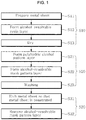
FIG. 1 is a process flow showing a method of manufacturing a porous current collector according to an embodiment of the present invention. -
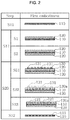
FIG. 2 is a table showing a cross-sectional view according to a first embodiment of the method of manufacturing a porous current collector shown inFIG. 1 . -
FIG. 3 is a perspective view showing the state in which polyhydric alcohol has been printed on an alcohol-resolvable resin layer shown inFIG. 2 . -
FIG. 4 is a perspective view showing the state in which the alcohol-resolvable mask pattern layer shown inFIG. 2 has been formed. -
FIG. 5 is a perspective view showing the porous current collector shown inFIG. 2 . -
FIG. 6 is a table showing a cross-sectional view according to a second embodiment of the method of manufacturing a porous current collector shown inFIG. 1 . - Reference will now be made in detail to exemplary embodiments of the present invention, examples of which are illustrated in the accompanying drawings, wherein like reference numerals refer to the like elements throughout. Exemplary embodiments are described below to explain the present invention by referring to the figures.
- Hereinafter, methods of manufacturing a porous current collector according to embodiments of the present invention are described in detail with reference to the accompanying drawings.
- As show in
FIGS. 1 and2 , in a method of manufacturing a porous current collector according to an embodiment of the present invention, first, an alcohol-resolvable resin layer 120 is formed by coating alcohol-resolvable resin on a surface of a metal sheet 110 (S10). After the alcohol-resolvable resin layer 120 is formed, an alcohol-resolvablemask pattern layer 120a is formed by printing polyhydric alcohol on a surface of the alcohol-resolvable resin layer 120 (S20). After the alcohol-resolvablemask pattern layer 120a is formed, themetal sheet 110 is etched using the alcohol-resolvablemask pattern layer 120a as a mask so that a plurality of throughholes 111 is formed in the metal sheet 110 (S30). - The method of manufacturing a porous current collector according to an embodiment of the present invention is described in more detail below.
- In step S10 of forming the alcohol-
resolvable resin layer 120, first, as shown inFIGS. 1 and2 , themetal sheet 110 is prepared (S11). That is, themetal sheet 110 shown in step S11 ofFIG. 2 is prepared. Themetal sheet 110 shown in step S11 ofFIG. 2 is a cross-sectional view taken along line A-A of themetal sheet 110 shown inFIG. 3 . One of aluminum (Al), copper (Cu), nickel (Ni) and chrome (Cr) or a mixture of two or more materials of aluminum (Al), copper (Cu), nickel (Ni) and chrome (Cr) is used as the material of themetal sheet 110. In this case,FIG. 2 shows a first embodiment of a method of manufacturing a porous current collector according to an embodiment of the present invention. - After the
metal sheet 110 is prepared, as shown inFIGS. 1 and2 , the alcohol-resolvable resin layer 120 is formed by coating the alcohol-resolvable resin on a surface of the metal sheet 110 (S12). After themetal sheet 110 is prepared as in step S12 ofFIG. 2 , the alcohol-resolvable resin layer 120 is formed by coating the alcohol-resolvable resin on a surface of one side of the metal sheet 110 (S1). After the alcohol-resolvable resin layer 120 is formed on a surface of one side of themetal sheet 110, the alcohol-resolvable resin layer 120 is formed by coating alcohol-resolvable resin on a surface of the other side opposite one side of the metal sheet 110 (S2). In this case, the alcohol-resolvable resin layer 120 shown in step S1 and step S2 is a cross-sectional view taken along line A-A ofFIG. 3 . - In steps S1 and S2 of forming the alcohol-
resolvable resin layer 120 by coating the alcohol-resolvable resin on the surface of one side or the other side of themetal sheet 110, the alcohol-resolvable resin layer 120 is formed by mixing the alcohol-resolvable resin 5 to 50wt% and a solvent 50 to 95wt%. In this case, one of hydroxy polyester resin, acrylic resin, novolac resin and polyhydroxysterene is used as the alcohol-resolvable resin, and propylene glycol monomethyl ether acetate (PGMEA) is used as the solvent. - After the alcohol-
resolvable resin layer 120 is formed on themetal sheet 110, the alcohol-resolvable resin layer 120 is dried by thermal treatment (S13) as shown inFIG. 1 . In step S13 of drying the alcohol-resolvable resin layer 120 by thermal treatment, the alcohol-resolvable resin layer 120 is dried in order to make volatile the solvent through the thermal treatment, and thermal treatment conditions are performed at a temperature of 50 to 200°C for 10 to 60 seconds. That is, the alcohol-resolvable resin layer 120 is formed by mixing the alcohol-resolvable resin 5 to 50wt% and the solvent 50 to 95wt%. Accordingly, in order to make volatile the solvent by drying the alcohol-resolvable resin layer 120, the thermal treatment is performed on the alcohol-resolvable resin layer 120 at a temperature of 50 to 200°C for 10 to 60 seconds. - After the alcohol-
resolvable resin layer 120 is dried, as shown inFIGS. 1 and2 , step S20 of forming the alcohol-resolvablemask pattern layer 120a is performed. In step S20 of forming the alcohol-resolvablemask pattern layer 120a, a plurality of throughholes 121 is formed in the alcohol-resolvablemask pattern layer 120a. The plurality of throughholes 121 is formed to penetrate the alcohol-resolvable resin layer 120 so that a surface of themetal sheet 110 is exposed. - In order to form the alcohol-resolvable
mask pattern layer 120a in which the plurality of throughholes 121 has been formed, first, after the alcohol-resolvable resin layer 120 is formed as in step S21 ofFIGS. 1 and2 , a polyhydricalcohol pattern layer 130 is formed by printing polyhydric alcohol on a surface of the alcohol-resolvable resin layer 120 (S21). As in step S21 ofFIG. 2 orFIG. 3 , the polyhydricalcohol pattern layer 130 is formed on one of the surfaces of the alcohol-resolvable resin layers 120 formed on the surfaces of one side and the other side of themetal sheet 110. For example, if the polyhydricalcohol pattern layer 130 is formed on a surface of the alcohol-resolvable resin layer 120 formed on a surface of one side of themetal sheet 110, the alcohol-resolvable resin layer 120 formed on a surface of the other side of themetal sheet 110 is used to protect the surface of the other side of themetal sheet 110 when themetal sheet 110 is etched. In this case, a plurality ofcylindrical patterns 131 of the polyhydricalcohol pattern layer 130 is spaced apart and formed on the surface of the alcohol-resolvable resin layer 120. Only one of glycerin (or glycerine) and ethylene glycol is used as polyhydric alcohol. Glycerin or ethylene glycol has viscosity of 800 to 1500 centi Poise (cps), and polyvinyl alcohol (PVA) is added to ethylene glycol so that ethylene glycol has viscosity of 800 to 1500 cps, thereby being capable of forming the plurality ofcylindrical patterns 131 using printing. The polyhydricalcohol pattern layer 130 shown in step S21 ofFIG. 2 is a cross-sectional view taken along line A-A ofFIG. 3 . - After the polyhydric
alcohol pattern layer 130 is formed, as in step S22 ofFIGS. 1 and2 , the alcohol-resolvable resin layer 120 is etched by performing thermal treatment on the polyhydricalcohol pattern layer 130, thereby forming the alcohol-resolvablemask pattern layer 120a (S22). The plurality ofcylindrical patterns 131 indicated by alternate long and short dash lines in step S22 ofFIG. 2 shows the state in which polyhydric alcohol has reacted to one of glycerin and ethylene glycol and the alcohol-resolvable resin by thermal treatment. That is, the plurality ofcylindrical patterns 131 of the polyhydricalcohol pattern layer 130 reacts to the alcohol-resolvable resin of the alcohol-resolvable resin layer 120 by the thermal treatment and etches the alcohol-resolvable resin located in accordance with a region in which thecylindrical pattern 131 has been located. Accordingly, the alcohol-resolvablemask pattern layer 120a having the plurality of throughholes 121 is formed. In this case, the thermal treatment is performed at a temperature of 50 to 200°C for 10 to 60 seconds. - After the alcohol-resolvable
mask pattern layer 120a is formed, the alcohol-resolvablemask pattern layer 120a is washed using pure water as inFIGS. 1 and2 (S23). For example, after the alcohol-resolvablemask pattern layer 120a is formed, polyvinyl alcohol (PVA) used for viscosity of glycerin or ethylene glycol used as polyhydric alcohol is removed by washing. Accordingly, the polyhydricalcohol pattern layer 130 indicated by alternate long and short dash lines in step S22 ofFIG. 2 is removed so that only themetal sheet 110 and the alcohol-resolvablemask pattern layer 120a remain as in step S23 ofFIG. 2 . In this case, the resolvablemask pattern layer 120a shown in step S23 ofFIG. 2 is a cross-sectional view taken along line A-A ofFIG. 4 . - In step S30 of performing etching so that the plurality of through
holes 111 is formed in themetal sheet 110, as inFIGS. 1 ,2 and3 , first, after the alcohol-resolvablemask pattern layer 120a is formed, themetal sheet 110 is etched by an etching solution so that themetal sheet 110 is penetrated using the alcohol-resolvablemask pattern layer 120a as a mask (S31). In this case, one of hydrogen chloride (HCI), nitric acid (HNO3) and ferric chloride (FeCl2) is used as the etching solution. After themetal sheet 110 is penetrated, the alcohol-resolvablemask pattern layer 120a is removed by etching (S32). The alcohol-resolvablemask pattern layer 120a is fabricated as shown in step S32 ofFIG. 2 by removing the alcohol-resolvablemask pattern layer 120a using caustic soda (NaOH) or an alkaline solution. In this case, themetal sheet 110 shown in step S32 ofFIG. 2 is a cross-sectional view taken along line A-A of themetal sheet 110 in which the plurality of throughholes 111 shown inFIG. 5 has been formed. - Another embodiment, that is, a second embodiment of the method of manufacturing a porous current collector according to an embodiment of the present invention, is shown in
FIG. 6 . - In the method of manufacturing a porous current collector according to the second embodiment shown in
FIG. 6 , step S10 of forming the alcohol-resolvable resin layer 120 by coating alcohol-resolvable resin on a surface of themetal sheet 110 and step S30 of etching themetal sheet 110 using the alcohol-resolvablemask pattern layer 120a as a mask so that the plurality of throughholes 111 is formed in themetal sheet 110 after the alcohol-resolvablemask pattern layer 120a is formed are the same as those of the method of manufacturing a porous current collector according to the first embodiment, and thus a description thereof is omitted. - In the method of manufacturing a porous current collector according to an embodiment of the present invention, after the alcohol-
resolvable resin layer 120 according to the second embodiment is formed, in step S20 of forming the alcohol-resolvablemask pattern layer 120a by printing polyhydric alcohol on a surface of the alcohol-resolvable resin layer 120, the polyhydric alcohol pattern layers 130 are formed by printing polyhydric alcohol on surfaces of one side and the other side of the alcohol-resolvable resin layers 120 (S21). In the polyhydric alcohol pattern layers 130 formed on the surfaces of one side and the other side of the alcohol-resolvable resin layers 120, the plurality ofcylindrical patterns 131 is spaced apart and formed on the surfaces of the alcohol-resolvable resin layers 120. The plurality ofcylindrical patterns 131 formed on the surface of one side of the alcohol-resolvable resin layer 120 is formed at locations corresponding to the plurality ofcylindrical patterns 131 formed on the surface of the other side of the alcohol-resolvable resin layer 120 as in step S21 ofFIG. 6 . The alcohol-resolvable resin layer 120 may be formed in a rectangle or polygonal pattern (not shown) in addition to the plurality ofcylindrical patterns 131. - Only one of glycerin and ethylene glycol is used as polyhydric alcohol used to form the plurality of
cylindrical patterns 131. Such glycerin or ethylene glycol has viscosity of 800 to 1500 cps as in the first embodiment ofFIG. 2 . Polyvinyl alcohol (PVA) is added to ethylene glycol so that ethylene glycol has viscosity of 800 to 1500 cps, thereby being capable of forming the plurality ofcylindrical patterns 131 using printing. - After the polyhydric
alcohol pattern layer 130 is formed, as in step S22 ofFIG. 6 , the alcohol-resolvable resin layer 120 is etched by performing thermal treatment on the polyhydricalcohol pattern layer 130, thereby forming the alcohol-resolvablemask pattern layers 120a on surfaces of one side and the other side of the metal sheet 110 (S22). In step S22 ofFIG. 2 , the plurality ofcylindrical patterns 131 indicated by alternate long and short dash lines shows the state in which polyhydric alcohol has reacted to one of glycerin and ethylene glycol and alcohol-resolvable resin by the thermal treatment. That is, the plurality ofcylindrical patterns 131 of the polyhydricalcohol pattern layer 130 reacts to the alcohol-resolvable resin on the surfaces of the one side and the other sides of the alcohol-resolvable resin layers 120 by the thermal treatment. Accordingly, the alcohol-resolvable resin located in accordance with the region in which thecylindrical pattern 131 has been formed is etched to form the alcohol-resolvablemask pattern layer 120a having the plurality of throughholes 121. In this case, conditions in which the thermal treatment is performed the polyhydricalcohol pattern layer 130 are performed at a temperature of 100 to 150°C for 10 to 60 seconds. - After the alcohol-resolvable
mask pattern layers 120a are formed on the surfaces of one side and the other side of themetal sheet 110, the alcohol-resolvablemask pattern layers 120a are washed using pure water (S23). For example, after the alcohol-resolvablemask pattern layers 120a are formed, PVA used for viscosity of glycerin or ethylene glycol used as polyhydric alcohol is removed by washing. Accordingly, the polyhydricalcohol pattern layer 130 indicated by the alternate long and short dash lines in step S22 ofFIG. 2 is removed so that only themetal sheet 110 and the alcohol-resolvablemask pattern layers 120a remain as in step S23 ofFIG. 6 . Thereafter, step S30 of etching themetal sheet 110 so that the plurality of throughholes 111 is formed in themetal sheet 110 is the same as that described above, and a description thereof is omitted. - In step S30 of etching the
metal sheet 110 so that the plurality of throughholes 111 is formed according to the first embodiment and the second embodiment, if themetal sheet 110 is made of an aluminum (Al) material, 6 to 8M (molarity) hydrogen chloride (HCI) is used as an etching solution, so a porous current collector having an opening ratio of 1 to 30% can be fabricated in themetal sheet 110 made of aluminum (Al). If themetal sheet 110 is made of a copper (Cu) material, it is processed for 5 to 20 seconds using nitric acid (HNO3) of a 20 to 40% concentration using an etching solution, thereby being capable of fabricating a porous current collector having an opening ratio of 1 to 30% in themetal sheet 110 made of the copper (Cu) material. In this case, a known method is applied to the calculation of the opening ratio and a description thereof is omitted. As shown inFIG. 5 , the porous current collector has the state in which the plurality of throughholes 111 has been formed in themetal sheet 110. - As described above, in the method of manufacturing a porous current collector according to an embodiment of the present invention, the alcohol-resolvable
mask pattern layer 120a is printed on a surface of the alcohol-resolvable resin layer 120 formed using alcohol-resolvable resin in a pattern using polyhydric alcohol. After the alcohol-resolvable resin layer 120 is fabricated to have an etch mask pattern, the plurality of through holes is formed in the metal sheet using the etch mask pattern, thereby fabricating the porous current collector. Accordingly, a manufacturing cost of the porous current collector can be reduced and productivity can be improved. - The method of manufacturing a porous current collector according to an embodiment of the present invention may be applied to the industrial fields for manufacturing a super capacitor and secondary cell, such as an EDLC.
- In the method of manufacturing a porous current collector according to an embodiment of the present invention, after the alcohol-resolvable resin is fabricated in an etch mask pattern by printing polyhydric alcohol on a surface of the alcohol-resolvable resin, the plurality of through holes is formed in the metal sheet using the etch mask pattern, thereby fabricating the porous current collector. Accordingly, a manufacturing cost of the porous current collector can be reduced and productivity can be improved.
Claims (14)
- A method of manufacturing a porous current collector, comprising steps of:forming an alcohol-resolvable resin layer by coating alcohol-resolvable resin on a surface of a metal sheet;forming an alcohol-resolvable mask pattern layer by printing polyhydric alcohol on a surface of the alcohol-resolvable resin layer after the alcohol-resolvable resin layer is formed; andetching the metal sheet so that a plurality of through holes is formed in the metal sheet using the alcohol-resolvable mask pattern layer as a mask after the alcohol-resolvable mask pattern layer is formed.
- The method of claim 1, wherein the step of forming the alcohol-resolvable resin layer comprises steps of:preparing the metal sheet;forming the alcohol-resolvable resin layer by coating the alcohol-resolvable resin on the surface of the metal sheet after the metal sheet is prepared; anddrying the alcohol-resolvable resin layer by thermal treatment after the alcohol-resolvable resin layer is formed on the surface of the metal sheet.
- The method of claim 2, wherein in the step of preparing the metal sheet, one of aluminum (Al), copper (Cu), nickel (Ni) and chrome (Cr) or a mixture of two or more materials of aluminum (Al), copper (Cu), nickel (Ni) and chrome (Cr) is used as a material of the metal sheet.
- The method of claim 2, wherein the step of forming the alcohol-resolvable resin layer comprises steps of:forming an alcohol-resolvable resin layer by coating the alcohol-resolvable resin on a surface of one side of the metal sheet after the metal sheet is prepared; andforming an alcohol-resolvable resin layer by coating the alcohol-resolvable resin on a surface of the other side of the metal sheet opposite one side of the metal sheet after the alcohol-resolvable resin layer is formed on the surface of one side of the metal sheet.
- The method of claim 4, wherein in the step of forming the alcohol-resolvable resin layer by coating the alcohol-resolvable resin on the surface of one side or the other side of the metal sheet, the alcohol-resolvable resin layer is formed by mixing the alcohol-resolvable resin 5 to 50wt% and a solvent 50 to 95wt%, one of hydroxy polyester resin, acrylic resin, novolac resin and polyhydroxysterene is used as the alcohol-resolvable resin, and propylene glycol monomethyl ether acetate (PGMEA) is used as the solvent.
- The method of claim 4, wherein in the step of drying the alcohol-resolvable resin layer through the thermal treatment, the thermal treatment is performed to dry the alcohol-resolvable resin layer in order to make the solvent volatile, and conditions for the thermal treatment are performed at a temperature of 50 to 200°C for 10 to 60 seconds.
- The method of claim 1, wherein in the step of forming the alcohol-resolvable mask pattern layer, a plurality of through holes is formed in the alcohol-resolvable mask pattern layer, and the plurality of through holes is formed to penetrate the alcohol-resolvable resin layer so that the surface of the metal sheet is exposed.
- The method of claim 1, wherein the step of forming the alcohol-resolvable mask pattern layer comprises steps of:forming a polyhydric alcohol pattern layer by printing polyhydric alcohol on a surface of the alcohol-resolvable resin layer after the alcohol-resolvable resin layer is formed; andforming the alcohol-resolvable mask pattern layer by etching the alcohol-resolvable resin layer by performing thermal treatment on the polyhydric alcohol pattern layer after the polyhydric alcohol pattern layer is formed; andwashing the alcohol-resolvable mask pattern layer using pure water after the alcohol-resolvable mask pattern layer is formed.
- The method of claim 8, wherein in the step of forming the polyhydric alcohol pattern layer by printing the polyhydric alcohol, a plurality of cylindrical patterns of the polyhydric alcohol pattern layer is spaced apart and formed in a surface of the alcohol-resolvable resin layer.
- The method of claim 7, wherein in the step of forming the polyhydric alcohol pattern layer by printing the polyhydric alcohol, only one of glycerin and ethylene glycol is used as the polyhydric alcohol, glycerin or ethylene glycol having viscosity of 800 to 1500 centi Poise (cps) is used, and the ethylene glycol has viscosity of 800 to 1500 cps by adding polyvinyl alcohol (PVA).
- The method of claim 7, wherein in the step of forming the alcohol-resolvable mask pattern layer, thermal treatment is performed at a temperature of 100 to 150°C for 10 to 60 seconds.
- The method of claim 1, wherein the step of etching the metal sheet so that the plurality of through holes is formed in the metal sheet comprises steps of:etching the metal sheet so that the metal sheet is penetrated by an etching solution using the alcohol-resolvable mask pattern layer as a mask after the alcohol-resolvable mask pattern layer is formed; andremoving the alcohol-resolvable mask pattern layer by etching after the metal sheet is penetrated by etching.
- The method of claim 12, wherein in the step of etching the metal sheet so that the plurality of through holes is formed in the metal sheet, one of hydrogen chloride (HCI), nitric acid (HNO3) and ferric chloride (FeCl2) is used as the etching solution.
- The method of claim 12, wherein in the step of removing the alcohol-resolvable mask pattern layer by etching, the alcohol-resolvable mask pattern layer is removed using caustic soda (NaOH) or an alkaline solution.
Applications Claiming Priority (1)
| Application Number | Priority Date | Filing Date | Title |
|---|---|---|---|
| KR1020170170235A KR102028458B1 (en) | 2017-12-12 | 2017-12-12 | Method of manufacturing porous current collector |
Publications (2)
| Publication Number | Publication Date |
|---|---|
| EP3499534A1 true EP3499534A1 (en) | 2019-06-19 |
| EP3499534B1 EP3499534B1 (en) | 2020-09-09 |
Family
ID=63173929
Family Applications (1)
| Application Number | Title | Priority Date | Filing Date |
|---|---|---|---|
| EP18185427.4A Active EP3499534B1 (en) | 2017-12-12 | 2018-07-25 | Method of manufacturing porous current collector |
Country Status (5)
| Country | Link |
|---|---|
| US (1) | US10096433B1 (en) |
| EP (1) | EP3499534B1 (en) |
| JP (1) | JP6514385B1 (en) |
| KR (1) | KR102028458B1 (en) |
| CN (1) | CN109913705B (en) |
Families Citing this family (5)
| Publication number | Priority date | Publication date | Assignee | Title |
|---|---|---|---|---|
| KR102187762B1 (en) * | 2018-12-27 | 2020-12-07 | 한국제이씨씨(주) | Method for manufacturing porous type etching foil using alternating current etching |
| KR102187761B1 (en) * | 2018-12-27 | 2020-12-07 | 한국제이씨씨(주) | Method for manufacturing porous type etching foil to modify interfacial resistance |
| KR102114963B1 (en) * | 2018-12-31 | 2020-05-25 | 한국제이씨씨(주) | Method for manufacturing electrode of electric double layer capacitor |
| KR102762515B1 (en) | 2019-11-19 | 2025-02-05 | 주식회사 엘지에너지솔루션 | The Electrode Assembly And The Method For Thereof |
| CN114744208B (en) * | 2022-03-29 | 2023-02-10 | 佛山市中技烯米新材料有限公司 | Current collector etching foil, preparation method thereof, electrode and lithium battery |
Citations (5)
| Publication number | Priority date | Publication date | Assignee | Title |
|---|---|---|---|---|
| GB1215160A (en) * | 1966-12-27 | 1970-12-09 | Gen Electric | Improvements in etching of gold |
| US4448637A (en) * | 1981-12-28 | 1984-05-15 | Daicel Chemical Industries, Ltd. | Etching method of conductive film |
| EP2105984A1 (en) * | 2008-03-28 | 2009-09-30 | Fuji Jukogyo Kabushiki Kaisha | Manufacturing method of electrode, electric storage device, and intermediate laminate member |
| KR20150130903A (en) | 2014-05-14 | 2015-11-24 | 한국제이씨씨(주) | High density electrode for electric double layer capacitor and manufacturing method thereof |
| WO2017037970A1 (en) * | 2015-09-03 | 2017-03-09 | 日新製鋼株式会社 | Method for stripping resist film from metal plate and method for manufacturing etched metal plate |
Family Cites Families (9)
| Publication number | Priority date | Publication date | Assignee | Title |
|---|---|---|---|---|
| JP3624966B2 (en) * | 1995-06-01 | 2005-03-02 | 日立化成工業株式会社 | Multilayer printed wiring board manufacturing method and etching solution used in the manufacturing method |
| US6890677B2 (en) * | 1999-05-06 | 2005-05-10 | Sandia Corporation | Fuel cell and membrane |
| JP4019960B2 (en) | 2003-01-31 | 2007-12-12 | 三菱電機株式会社 | Substrate manufacturing method |
| JP4928762B2 (en) | 2005-09-27 | 2012-05-09 | 株式会社リコー | Method for manufacturing thick film having through hole, and thick film having through hole |
| JP2012003970A (en) | 2010-06-17 | 2012-01-05 | Finecs Kk | Metal foil for secondary battery and secondary battery |
| CN103352224B (en) * | 2013-07-01 | 2015-09-23 | 广东工业大学 | A kind of two-sided engraving method for metal products |
| KR20160011666A (en) * | 2013-09-19 | 2016-02-01 | 가부시키가이샤 제이올레드 | Method for manufacturing organic light-emitting element and method for manufacturing display device |
| US9447504B1 (en) * | 2015-09-28 | 2016-09-20 | Xerox Corporation | Method of etching using inkjet printing |
| KR20170122448A (en) * | 2016-04-27 | 2017-11-06 | 박상민 | Printed Circuit Board With Electrically Conductible Patterned Layer And Insulated Layer And The Manufacturing Method Thereof |
-
2017
- 2017-12-12 KR KR1020170170235A patent/KR102028458B1/en active Active
-
2018
- 2018-03-22 CN CN201810237703.4A patent/CN109913705B/en not_active Expired - Fee Related
- 2018-03-28 US US15/938,303 patent/US10096433B1/en active Active
- 2018-03-29 JP JP2018063767A patent/JP6514385B1/en active Active
- 2018-07-25 EP EP18185427.4A patent/EP3499534B1/en active Active
Patent Citations (6)
| Publication number | Priority date | Publication date | Assignee | Title |
|---|---|---|---|---|
| GB1215160A (en) * | 1966-12-27 | 1970-12-09 | Gen Electric | Improvements in etching of gold |
| US4448637A (en) * | 1981-12-28 | 1984-05-15 | Daicel Chemical Industries, Ltd. | Etching method of conductive film |
| EP2105984A1 (en) * | 2008-03-28 | 2009-09-30 | Fuji Jukogyo Kabushiki Kaisha | Manufacturing method of electrode, electric storage device, and intermediate laminate member |
| KR20150130903A (en) | 2014-05-14 | 2015-11-24 | 한국제이씨씨(주) | High density electrode for electric double layer capacitor and manufacturing method thereof |
| WO2017037970A1 (en) * | 2015-09-03 | 2017-03-09 | 日新製鋼株式会社 | Method for stripping resist film from metal plate and method for manufacturing etched metal plate |
| EP3346338A1 (en) * | 2015-09-03 | 2018-07-11 | Nisshin Steel Co., Ltd. | Method for stripping resist film from metal plate and method for manufacturing etched metal plate |
Also Published As
| Publication number | Publication date |
|---|---|
| US10096433B1 (en) | 2018-10-09 |
| KR102028458B1 (en) | 2019-10-04 |
| EP3499534B1 (en) | 2020-09-09 |
| CN109913705A (en) | 2019-06-21 |
| KR20190069891A (en) | 2019-06-20 |
| CN109913705B (en) | 2021-11-26 |
| JP6514385B1 (en) | 2019-05-15 |
| JP2019104983A (en) | 2019-06-27 |
Similar Documents
| Publication | Publication Date | Title |
|---|---|---|
| EP3499534B1 (en) | Method of manufacturing porous current collector | |
| JP6958597B2 (en) | Method for manufacturing base material for metal mask and method for manufacturing metal mask for vapor deposition | |
| JP2019014895A5 (en) | ||
| DE10203143A1 (en) | Electrodes, their manufacture and capacitors with the electrodes | |
| DE112016005410T5 (en) | Electrolytic capacitor and method for its production | |
| CN101271779B (en) | Solid electrolytic capacitor and method of manufacturing the same | |
| KR20110076835A (en) | Electrolytic Capacitors | |
| DE102014223873B3 (en) | Method for producing a rolled-up electrical or electronic component | |
| JP2012044212A (en) | Electrolytic capacitor | |
| JP2009218501A (en) | Method for manufacturing metallic foil for electrolytic capacitor, and electrolytic capacitor | |
| CN106981429B (en) | A kind of process inhibiting green deformation in ceramic multilayer circuit process | |
| JPWO2023145891A5 (en) | ||
| CN100380648C (en) | Method for producing a stepped structure consisting of layers | |
| JP5419546B2 (en) | Surface mount thin capacitor and manufacturing method thereof | |
| EP2442324A1 (en) | Method of manufacturing solid electrolytic capacitor | |
| JP2007261144A (en) | Removal plate for reverse offset printing and pattern forming method | |
| KR102187762B1 (en) | Method for manufacturing porous type etching foil using alternating current etching | |
| WO2013016931A1 (en) | Masking method for deep etching based on buffer layer | |
| CN113651290B (en) | A new method for modifying silicon-based micro-nanostructures | |
| CN114182202B (en) | Micromachining method for metal pattern of electronic device | |
| JP5334756B2 (en) | Electrolytic capacitor | |
| CN109680306B (en) | FMM electroforming mother board manufacturing method based on mechanical punching | |
| WO2004104704A2 (en) | Lithographic method for producing microcomponents | |
| JP2011006733A (en) | Metal foil subjected to etching working, method for producing metal foil subjected to etching working and device for producing metal foil subjected to etching working | |
| KR102114963B1 (en) | Method for manufacturing electrode of electric double layer capacitor |
Legal Events
| Date | Code | Title | Description |
|---|---|---|---|
| PUAI | Public reference made under article 153(3) epc to a published international application that has entered the european phase |
Free format text: ORIGINAL CODE: 0009012 |
|
| STAA | Information on the status of an ep patent application or granted ep patent |
Free format text: STATUS: REQUEST FOR EXAMINATION WAS MADE |
|
| 17P | Request for examination filed |
Effective date: 20180725 |
|
| AK | Designated contracting states |
Kind code of ref document: A1 Designated state(s): AL AT BE BG CH CY CZ DE DK EE ES FI FR GB GR HR HU IE IS IT LI LT LU LV MC MK MT NL NO PL PT RO RS SE SI SK SM TR |
|
| AX | Request for extension of the european patent |
Extension state: BA ME |
|
| GRAP | Despatch of communication of intention to grant a patent |
Free format text: ORIGINAL CODE: EPIDOSNIGR1 |
|
| STAA | Information on the status of an ep patent application or granted ep patent |
Free format text: STATUS: GRANT OF PATENT IS INTENDED |
|
| RIC1 | Information provided on ipc code assigned before grant |
Ipc: H01G 11/70 20130101ALI20200313BHEP Ipc: C23F 1/20 20060101ALI20200313BHEP Ipc: H01M 4/66 20060101ALI20200313BHEP Ipc: H01M 4/70 20060101ALI20200313BHEP Ipc: H01G 11/84 20130101AFI20200313BHEP Ipc: H01M 4/80 20060101ALI20200313BHEP Ipc: C23F 1/18 20060101ALI20200313BHEP Ipc: C23F 1/02 20060101ALI20200313BHEP Ipc: H01G 11/28 20130101ALI20200313BHEP Ipc: H01M 4/72 20060101ALI20200313BHEP |
|
| INTG | Intention to grant announced |
Effective date: 20200407 |
|
| GRAS | Grant fee paid |
Free format text: ORIGINAL CODE: EPIDOSNIGR3 |
|
| GRAA | (expected) grant |
Free format text: ORIGINAL CODE: 0009210 |
|
| STAA | Information on the status of an ep patent application or granted ep patent |
Free format text: STATUS: THE PATENT HAS BEEN GRANTED |
|
| AK | Designated contracting states |
Kind code of ref document: B1 Designated state(s): AL AT BE BG CH CY CZ DE DK EE ES FI FR GB GR HR HU IE IS IT LI LT LU LV MC MK MT NL NO PL PT RO RS SE SI SK SM TR |
|
| REG | Reference to a national code |
Ref country code: GB Ref legal event code: FG4D |
|
| REG | Reference to a national code |
Ref country code: AT Ref legal event code: REF Ref document number: 1312611 Country of ref document: AT Kind code of ref document: T Effective date: 20200915 Ref country code: CH Ref legal event code: EP |
|
| REG | Reference to a national code |
Ref country code: IE Ref legal event code: FG4D |
|
| REG | Reference to a national code |
Ref country code: DE Ref legal event code: R096 Ref document number: 602018007561 Country of ref document: DE |
|
| REG | Reference to a national code |
Ref country code: LT Ref legal event code: MG4D |
|
| PG25 | Lapsed in a contracting state [announced via postgrant information from national office to epo] |
Ref country code: GR Free format text: LAPSE BECAUSE OF FAILURE TO SUBMIT A TRANSLATION OF THE DESCRIPTION OR TO PAY THE FEE WITHIN THE PRESCRIBED TIME-LIMIT Effective date: 20201210 Ref country code: LT Free format text: LAPSE BECAUSE OF FAILURE TO SUBMIT A TRANSLATION OF THE DESCRIPTION OR TO PAY THE FEE WITHIN THE PRESCRIBED TIME-LIMIT Effective date: 20200909 Ref country code: FI Free format text: LAPSE BECAUSE OF FAILURE TO SUBMIT A TRANSLATION OF THE DESCRIPTION OR TO PAY THE FEE WITHIN THE PRESCRIBED TIME-LIMIT Effective date: 20200909 Ref country code: SE Free format text: LAPSE BECAUSE OF FAILURE TO SUBMIT A TRANSLATION OF THE DESCRIPTION OR TO PAY THE FEE WITHIN THE PRESCRIBED TIME-LIMIT Effective date: 20200909 Ref country code: HR Free format text: LAPSE BECAUSE OF FAILURE TO SUBMIT A TRANSLATION OF THE DESCRIPTION OR TO PAY THE FEE WITHIN THE PRESCRIBED TIME-LIMIT Effective date: 20200909 Ref country code: NO Free format text: LAPSE BECAUSE OF FAILURE TO SUBMIT A TRANSLATION OF THE DESCRIPTION OR TO PAY THE FEE WITHIN THE PRESCRIBED TIME-LIMIT Effective date: 20201209 Ref country code: BG Free format text: LAPSE BECAUSE OF FAILURE TO SUBMIT A TRANSLATION OF THE DESCRIPTION OR TO PAY THE FEE WITHIN THE PRESCRIBED TIME-LIMIT Effective date: 20201209 |
|
| REG | Reference to a national code |
Ref country code: AT Ref legal event code: MK05 Ref document number: 1312611 Country of ref document: AT Kind code of ref document: T Effective date: 20200909 |
|
| REG | Reference to a national code |
Ref country code: NL Ref legal event code: MP Effective date: 20200909 |
|
| PG25 | Lapsed in a contracting state [announced via postgrant information from national office to epo] |
Ref country code: RS Free format text: LAPSE BECAUSE OF FAILURE TO SUBMIT A TRANSLATION OF THE DESCRIPTION OR TO PAY THE FEE WITHIN THE PRESCRIBED TIME-LIMIT Effective date: 20200909 Ref country code: PL Free format text: LAPSE BECAUSE OF FAILURE TO SUBMIT A TRANSLATION OF THE DESCRIPTION OR TO PAY THE FEE WITHIN THE PRESCRIBED TIME-LIMIT Effective date: 20200909 Ref country code: LV Free format text: LAPSE BECAUSE OF FAILURE TO SUBMIT A TRANSLATION OF THE DESCRIPTION OR TO PAY THE FEE WITHIN THE PRESCRIBED TIME-LIMIT Effective date: 20200909 |
|
| PG25 | Lapsed in a contracting state [announced via postgrant information from national office to epo] |
Ref country code: SM Free format text: LAPSE BECAUSE OF FAILURE TO SUBMIT A TRANSLATION OF THE DESCRIPTION OR TO PAY THE FEE WITHIN THE PRESCRIBED TIME-LIMIT Effective date: 20200909 Ref country code: RO Free format text: LAPSE BECAUSE OF FAILURE TO SUBMIT A TRANSLATION OF THE DESCRIPTION OR TO PAY THE FEE WITHIN THE PRESCRIBED TIME-LIMIT Effective date: 20200909 Ref country code: PT Free format text: LAPSE BECAUSE OF FAILURE TO SUBMIT A TRANSLATION OF THE DESCRIPTION OR TO PAY THE FEE WITHIN THE PRESCRIBED TIME-LIMIT Effective date: 20210111 Ref country code: CZ Free format text: LAPSE BECAUSE OF FAILURE TO SUBMIT A TRANSLATION OF THE DESCRIPTION OR TO PAY THE FEE WITHIN THE PRESCRIBED TIME-LIMIT Effective date: 20200909 Ref country code: EE Free format text: LAPSE BECAUSE OF FAILURE TO SUBMIT A TRANSLATION OF THE DESCRIPTION OR TO PAY THE FEE WITHIN THE PRESCRIBED TIME-LIMIT Effective date: 20200909 |
|
| PG25 | Lapsed in a contracting state [announced via postgrant information from national office to epo] |
Ref country code: AL Free format text: LAPSE BECAUSE OF FAILURE TO SUBMIT A TRANSLATION OF THE DESCRIPTION OR TO PAY THE FEE WITHIN THE PRESCRIBED TIME-LIMIT Effective date: 20200909 Ref country code: AT Free format text: LAPSE BECAUSE OF FAILURE TO SUBMIT A TRANSLATION OF THE DESCRIPTION OR TO PAY THE FEE WITHIN THE PRESCRIBED TIME-LIMIT Effective date: 20200909 Ref country code: ES Free format text: LAPSE BECAUSE OF FAILURE TO SUBMIT A TRANSLATION OF THE DESCRIPTION OR TO PAY THE FEE WITHIN THE PRESCRIBED TIME-LIMIT Effective date: 20200909 Ref country code: IS Free format text: LAPSE BECAUSE OF FAILURE TO SUBMIT A TRANSLATION OF THE DESCRIPTION OR TO PAY THE FEE WITHIN THE PRESCRIBED TIME-LIMIT Effective date: 20210109 |
|
| REG | Reference to a national code |
Ref country code: DE Ref legal event code: R097 Ref document number: 602018007561 Country of ref document: DE |
|
| PG25 | Lapsed in a contracting state [announced via postgrant information from national office to epo] |
Ref country code: SK Free format text: LAPSE BECAUSE OF FAILURE TO SUBMIT A TRANSLATION OF THE DESCRIPTION OR TO PAY THE FEE WITHIN THE PRESCRIBED TIME-LIMIT Effective date: 20200909 |
|
| PLBE | No opposition filed within time limit |
Free format text: ORIGINAL CODE: 0009261 |
|
| STAA | Information on the status of an ep patent application or granted ep patent |
Free format text: STATUS: NO OPPOSITION FILED WITHIN TIME LIMIT |
|
| 26N | No opposition filed |
Effective date: 20210610 |
|
| PG25 | Lapsed in a contracting state [announced via postgrant information from national office to epo] |
Ref country code: DK Free format text: LAPSE BECAUSE OF FAILURE TO SUBMIT A TRANSLATION OF THE DESCRIPTION OR TO PAY THE FEE WITHIN THE PRESCRIBED TIME-LIMIT Effective date: 20200909 Ref country code: SI Free format text: LAPSE BECAUSE OF FAILURE TO SUBMIT A TRANSLATION OF THE DESCRIPTION OR TO PAY THE FEE WITHIN THE PRESCRIBED TIME-LIMIT Effective date: 20200909 |
|
| REG | Reference to a national code |
Ref country code: CH Ref legal event code: PL |
|
| PG25 | Lapsed in a contracting state [announced via postgrant information from national office to epo] |
Ref country code: MC Free format text: LAPSE BECAUSE OF FAILURE TO SUBMIT A TRANSLATION OF THE DESCRIPTION OR TO PAY THE FEE WITHIN THE PRESCRIBED TIME-LIMIT Effective date: 20200909 |
|
| REG | Reference to a national code |
Ref country code: BE Ref legal event code: MM Effective date: 20210731 |
|
| PG25 | Lapsed in a contracting state [announced via postgrant information from national office to epo] |
Ref country code: LI Free format text: LAPSE BECAUSE OF NON-PAYMENT OF DUE FEES Effective date: 20210731 Ref country code: CH Free format text: LAPSE BECAUSE OF NON-PAYMENT OF DUE FEES Effective date: 20210731 |
|
| PG25 | Lapsed in a contracting state [announced via postgrant information from national office to epo] |
Ref country code: LU Free format text: LAPSE BECAUSE OF NON-PAYMENT OF DUE FEES Effective date: 20210725 Ref country code: FR Free format text: LAPSE BECAUSE OF NON-PAYMENT OF DUE FEES Effective date: 20210731 |
|
| PG25 | Lapsed in a contracting state [announced via postgrant information from national office to epo] |
Ref country code: IE Free format text: LAPSE BECAUSE OF NON-PAYMENT OF DUE FEES Effective date: 20210725 Ref country code: BE Free format text: LAPSE BECAUSE OF NON-PAYMENT OF DUE FEES Effective date: 20210731 |
|
| GBPC | Gb: european patent ceased through non-payment of renewal fee |
Effective date: 20220725 |
|
| PG25 | Lapsed in a contracting state [announced via postgrant information from national office to epo] |
Ref country code: GB Free format text: LAPSE BECAUSE OF NON-PAYMENT OF DUE FEES Effective date: 20220725 |
|
| PG25 | Lapsed in a contracting state [announced via postgrant information from national office to epo] |
Ref country code: NL Free format text: LAPSE BECAUSE OF NON-PAYMENT OF DUE FEES Effective date: 20200923 Ref country code: CY Free format text: LAPSE BECAUSE OF FAILURE TO SUBMIT A TRANSLATION OF THE DESCRIPTION OR TO PAY THE FEE WITHIN THE PRESCRIBED TIME-LIMIT Effective date: 20200909 |
|
| PG25 | Lapsed in a contracting state [announced via postgrant information from national office to epo] |
Ref country code: HU Free format text: LAPSE BECAUSE OF FAILURE TO SUBMIT A TRANSLATION OF THE DESCRIPTION OR TO PAY THE FEE WITHIN THE PRESCRIBED TIME-LIMIT; INVALID AB INITIO Effective date: 20180725 |
|
| PG25 | Lapsed in a contracting state [announced via postgrant information from national office to epo] |
Ref country code: MK Free format text: LAPSE BECAUSE OF FAILURE TO SUBMIT A TRANSLATION OF THE DESCRIPTION OR TO PAY THE FEE WITHIN THE PRESCRIBED TIME-LIMIT Effective date: 20200909 |
|
| PG25 | Lapsed in a contracting state [announced via postgrant information from national office to epo] |
Ref country code: MT Free format text: LAPSE BECAUSE OF FAILURE TO SUBMIT A TRANSLATION OF THE DESCRIPTION OR TO PAY THE FEE WITHIN THE PRESCRIBED TIME-LIMIT Effective date: 20200909 |
|
| PGFP | Annual fee paid to national office [announced via postgrant information from national office to epo] |
Ref country code: DE Payment date: 20250729 Year of fee payment: 8 |
|
| PGFP | Annual fee paid to national office [announced via postgrant information from national office to epo] |
Ref country code: IT Payment date: 20250728 Year of fee payment: 8 |
|
| PG25 | Lapsed in a contracting state [announced via postgrant information from national office to epo] |
Ref country code: TR Free format text: LAPSE BECAUSE OF FAILURE TO SUBMIT A TRANSLATION OF THE DESCRIPTION OR TO PAY THE FEE WITHIN THE PRESCRIBED TIME-LIMIT Effective date: 20200909 |