EP3496708B1 - Metaboliten zur behandlung und prävention von autoimmunerkrankungen - Google Patents
Metaboliten zur behandlung und prävention von autoimmunerkrankungen Download PDFInfo
- Publication number
- EP3496708B1 EP3496708B1 EP17838221.4A EP17838221A EP3496708B1 EP 3496708 B1 EP3496708 B1 EP 3496708B1 EP 17838221 A EP17838221 A EP 17838221A EP 3496708 B1 EP3496708 B1 EP 3496708B1
- Authority
- EP
- European Patent Office
- Prior art keywords
- fatty acids
- chain fatty
- combination
- short chain
- mice
- Prior art date
- Legal status (The legal status is an assumption and is not a legal conclusion. Google has not performed a legal analysis and makes no representation as to the accuracy of the status listed.)
- Active
Links
Images

















Classifications
-
- A—HUMAN NECESSITIES
- A61—MEDICAL OR VETERINARY SCIENCE; HYGIENE
- A61K—PREPARATIONS FOR MEDICAL, DENTAL OR TOILETRY PURPOSES
- A61K31/00—Medicinal preparations containing organic active ingredients
- A61K31/185—Acids; Anhydrides, halides or salts thereof, e.g. sulfur acids, imidic, hydrazonic or hydroximic acids
- A61K31/19—Carboxylic acids, e.g. valproic acid
-
- A—HUMAN NECESSITIES
- A23—FOODS OR FOODSTUFFS; TREATMENT THEREOF, NOT COVERED BY OTHER CLASSES
- A23L—FOODS, FOODSTUFFS OR NON-ALCOHOLIC BEVERAGES, NOT OTHERWISE PROVIDED FOR; PREPARATION OR TREATMENT THEREOF
- A23L33/00—Modifying nutritive qualities of foods; Dietetic products; Preparation or treatment thereof
- A23L33/10—Modifying nutritive qualities of foods; Dietetic products; Preparation or treatment thereof using additives
- A23L33/115—Fatty acids or derivatives thereof; Fats or oils
- A23L33/12—Fatty acids or derivatives thereof
-
- A—HUMAN NECESSITIES
- A23—FOODS OR FOODSTUFFS; TREATMENT THEREOF, NOT COVERED BY OTHER CLASSES
- A23L—FOODS, FOODSTUFFS OR NON-ALCOHOLIC BEVERAGES, NOT OTHERWISE PROVIDED FOR; PREPARATION OR TREATMENT THEREOF
- A23L33/00—Modifying nutritive qualities of foods; Dietetic products; Preparation or treatment thereof
- A23L33/40—Complete food formulations for specific consumer groups or specific purposes, e.g. infant formula
-
- A—HUMAN NECESSITIES
- A61—MEDICAL OR VETERINARY SCIENCE; HYGIENE
- A61K—PREPARATIONS FOR MEDICAL, DENTAL OR TOILETRY PURPOSES
- A61K9/00—Medicinal preparations characterised by special physical form
- A61K9/0012—Galenical forms characterised by the site of application
- A61K9/0019—Injectable compositions; Intramuscular, intravenous, arterial, subcutaneous administration; Compositions to be administered through the skin in an invasive manner
-
- A—HUMAN NECESSITIES
- A61—MEDICAL OR VETERINARY SCIENCE; HYGIENE
- A61K—PREPARATIONS FOR MEDICAL, DENTAL OR TOILETRY PURPOSES
- A61K9/00—Medicinal preparations characterised by special physical form
- A61K9/0012—Galenical forms characterised by the site of application
- A61K9/0053—Mouth and digestive tract, i.e. intraoral and peroral administration
-
- A—HUMAN NECESSITIES
- A61—MEDICAL OR VETERINARY SCIENCE; HYGIENE
- A61K—PREPARATIONS FOR MEDICAL, DENTAL OR TOILETRY PURPOSES
- A61K9/00—Medicinal preparations characterised by special physical form
- A61K9/02—Suppositories; Bougies; Bases therefor; Ovules
-
- A—HUMAN NECESSITIES
- A61—MEDICAL OR VETERINARY SCIENCE; HYGIENE
- A61K—PREPARATIONS FOR MEDICAL, DENTAL OR TOILETRY PURPOSES
- A61K9/00—Medicinal preparations characterised by special physical form
- A61K9/14—Particulate form, e.g. powders, Processes for size reducing of pure drugs or the resulting products, Pure drug nanoparticles
- A61K9/16—Agglomerates; Granulates; Microbeadlets ; Microspheres; Pellets; Solid products obtained by spray drying, spray freeze drying, spray congealing,(multiple) emulsion solvent evaporation or extraction
- A61K9/1605—Excipients; Inactive ingredients
- A61K9/1617—Organic compounds, e.g. phospholipids, fats
- A61K9/1623—Sugars or sugar alcohols, e.g. lactose; Derivatives thereof; Homeopathic globules
-
- A—HUMAN NECESSITIES
- A61—MEDICAL OR VETERINARY SCIENCE; HYGIENE
- A61K—PREPARATIONS FOR MEDICAL, DENTAL OR TOILETRY PURPOSES
- A61K9/00—Medicinal preparations characterised by special physical form
- A61K9/14—Particulate form, e.g. powders, Processes for size reducing of pure drugs or the resulting products, Pure drug nanoparticles
- A61K9/16—Agglomerates; Granulates; Microbeadlets ; Microspheres; Pellets; Solid products obtained by spray drying, spray freeze drying, spray congealing,(multiple) emulsion solvent evaporation or extraction
- A61K9/1605—Excipients; Inactive ingredients
- A61K9/1629—Organic macromolecular compounds
- A61K9/1652—Polysaccharides, e.g. alginate, cellulose derivatives; Cyclodextrin
-
- A—HUMAN NECESSITIES
- A61—MEDICAL OR VETERINARY SCIENCE; HYGIENE
- A61K—PREPARATIONS FOR MEDICAL, DENTAL OR TOILETRY PURPOSES
- A61K9/00—Medicinal preparations characterised by special physical form
- A61K9/14—Particulate form, e.g. powders, Processes for size reducing of pure drugs or the resulting products, Pure drug nanoparticles
- A61K9/16—Agglomerates; Granulates; Microbeadlets ; Microspheres; Pellets; Solid products obtained by spray drying, spray freeze drying, spray congealing,(multiple) emulsion solvent evaporation or extraction
- A61K9/1605—Excipients; Inactive ingredients
- A61K9/1664—Compounds of unknown constitution, e.g. material from plants or animals
-
- A—HUMAN NECESSITIES
- A61—MEDICAL OR VETERINARY SCIENCE; HYGIENE
- A61P—SPECIFIC THERAPEUTIC ACTIVITY OF CHEMICAL COMPOUNDS OR MEDICINAL PREPARATIONS
- A61P37/00—Drugs for immunological or allergic disorders
-
- A—HUMAN NECESSITIES
- A61—MEDICAL OR VETERINARY SCIENCE; HYGIENE
- A61P—SPECIFIC THERAPEUTIC ACTIVITY OF CHEMICAL COMPOUNDS OR MEDICINAL PREPARATIONS
- A61P37/00—Drugs for immunological or allergic disorders
- A61P37/02—Immunomodulators
- A61P37/06—Immunosuppressants, e.g. drugs for graft rejection
-
- A—HUMAN NECESSITIES
- A23—FOODS OR FOODSTUFFS; TREATMENT THEREOF, NOT COVERED BY OTHER CLASSES
- A23V—INDEXING SCHEME RELATING TO FOODS, FOODSTUFFS OR NON-ALCOHOLIC BEVERAGES AND LACTIC OR PROPIONIC ACID BACTERIA USED IN FOODSTUFFS OR FOOD PREPARATION
- A23V2002/00—Food compositions, function of food ingredients or processes for food or foodstuffs
Definitions
- the invention relates to the combination and delivery of metabolite compounds for the treatment and prevention of autoimmune diseases.
- Autoimmune disease is a pathological state which arises from an abnormal immune response to organs and tissues in the body.
- autoimmune disease The burden of autoimmune disease is significant, with a substantial minority of the western population (2-5%) suffering from this group of diseases. Women are also more susceptible to autoimmune disease, particularly in child-bearing years, such that autoimmune disease is estimated as being among the leading causes of death of women in the US in all age groups up to 65.
- autoimmune disease There are no cures for autoimmune disease, and current therapies are typically aimed at managing the pain associated with the disease (for example, using steroids or non-steroidal anti-inflammatories) or at reducing the inflammatory response using immunosuppressants. Immunosuppressive pharmaceuticals can be prohibitively expensive, reducing access to therapy for many sufferers. In the case of autoimmune disease which results in the destruction of functional cells (for example, type 1 diabetes, in which pancreatic beta cells are destroyed), there are even more limited treatment options, with exogenous insulin treatment remaining the primary treatment approach.
- WO2015/066433 A1 discloses methods, food supplements and pharmaceutical compositions for treating autoimmune diseases and inflammation based on the administration of activating agents able to increase the level of a short chain fatty acid to induce Treg differentiation in a subject, wherein the short chain fatty acid comprises butyrate, propionate or acetate covalently bonded to starch.
- David L. Topping et al. discloses colonic delivery of acetylated, propionylated or butyrylated starches, wherein the bound SCFA is released by the large bowel microflora, for use in the treatment of inflammatory bowel disease.
- WO2016/086210 A1 discloses the treatment of autoimmune disorders by administration of a microbial composition with anti-inflammatory bacteria into the gastrointestinal tract (which includes the large intestine) of the patient.
- US 5 840 860 A discloses systems for delivery to the colon of short chain fatty acids bonded to starch and other suitable carriers.
- WO 01/02016 A1 discloses nasogastric enteral formulations that comprise various components, including an amino acid source, a carbohydrate source, a lipid source and a fatty acid delivery agent.
- the compositions of are described as being useful for promoting bowel health.
- Clarke J. M. et al. discloses a whole-gut perfused rat model of cholera-toxin (CT) induced diarrhoea was to examine the effects of acylated starches in hypotonic oral rehydration solution on fluid and electrolyte uptake.
- CT cholera-toxin
- Bajka B.H. et al. (DOI: 10.1079/bjn20061807) has examined the effects of cooking of high-amylose maize starch and butyrylated high-amylose maize starch on amylolysis in vitro and their capacity to raise caeco-colonic short-chain fatty acids in rats.
- references to methods of treatment in the summary and detailed description of the invention in this description are to be interpreted as references to the compounds, pharmaceutical compositions and medicaments of the present invention for use in a method for treatment of the human (or animal) body by therapy.
- the present invention relates to a therapeutically effective amount of a combination of two or more short chain fatty acids, esters or salts thereof, for use in treating an autoimmune disease or for delaying or preventing the progression of an autoimmune disease in an individual, wherein the combination of short chain fatty acids is butyric acid and acetic acid, preferably wherein the combination further includes propionic acid, and wherein the short chain fatty acids are conjugated to a carrier in the form of a starch molecule.
- the individual may be determined to be at risk of developing an autoimmune disease.
- the individual may have autoantibodies or inflammatory markers associated with a risk of developing an autoimmune disease.
- Reducing or treating inflammation may include reducing the proportion of one or more pro-inflammatory cytokines in the individual. Further, reducing or treating inflammation may include increasing the proportion of one or more anti-inflammatory cytokines in the individual.
- the present invention also provides a therapeutically effective amount of a combination of two or more short chain fatty acids, esters or salts thereof, for use in preventing or delaying the onset of autoimmune disease in an individual, wherein the combination of short chain fatty acids, esters or salts thereof, is butyric acid and acetic acid or esters or salts thereof, preferably wherein the combination further includes propionic acid, and wherein the short chain fatty acids are conjugated to a carrier in the form of a starch molecule.
- the present invention also provides a dietary agent for delivery of a combination of short chain fatty acids into the large intestine of an individual, the agent including a carrier covalently bonded to the short chain fatty acids by a bond that is hydrolysable in the colon of an individual, to give free fatty acid, wherein the combination of short chain fatty acids is butyric acid and acetic acid, preferably wherein the combination further includes propionic acid, more preferably wherein the carrier is a carbohydrate selected from the group consisting of a starch, gum, oligosaccharide or pectin.
- the present invention provides a pharmaceutical composition for use in treating or for use in delaying the progression of an autoimmune disease, wherein the composition includes a combination of butyric acid and acetic acid, esters or salts thereof and pharmaceutically acceptable excipients, wherein the butyric acid, acetic acid, esters or salts thereof are the active ingredients in the composition, and wherein the butyric acid and acetic acid are conjugated to a carrier in the form of a starch molecule.
- Preventing, reducing or treating autoimmunity may include reducing the abundance or presence of one or more autoantibodies in the individual.
- the autoantibodies may be associated with a risk of autoimmune disease.
- the autoimmune disease is selected from the group consisting of: type 1 diabetes, psoriasis, rheumatoid arthritis, inflammatory bowel disease, caeliac disease, autoimmune hepatitis, myocarditis, lupus nephritis, multiple sclerosis or primary biliary cirrhosis.
- the autoimmune disease is type 1 diabetes.
- the autoantibodies are associated with a risk of type 1 diabetes, including but not limited to islet autoantibodies, insulin autoantibodies and autoantibodies to glutamate decarboxylase (GAD) and islet-specific glucose-6-phosphatase catalytic subunit-related protein (IGPR).
- islet autoantibodies insulin autoantibodies and autoantibodies to glutamate decarboxylase (GAD) and islet-specific glucose-6-phosphatase catalytic subunit-related protein (IGPR).
- GAD glutamate decarboxylase
- IGPR islet-specific glucose-6-phosphatase catalytic subunit-related protein
- the combination of two or more short chain fatty acids, esters or salts thereof includes a combination of butyric acid and acetic acid, esters or salts thereof.
- the combinations, pharmaceutical composition, and dietary agent of the invention are for use in a method of treating or delaying the progression of type I diabetes in an individual, the method including providing in the individual, a therapeutically effective amount of butyric acid and acetic acid, esters or salts thereof, thereby treating or delaying the progression of type I diabetes.
- the combinations of the invention are for use in, a method of preventing or delaying the onset of type I diabetes in an individual, the method including providing in the individual, a therapeutically effective amount of butyric acid and acetic acid, esters or salts thereof, thereby preventing or delaying the onset of type I diabetes.
- the combinations, pharmaceutical composition, and dietary agent of the invention are for use in a method of treating or delaying the progression of type I diabetes in an individual, the method including providing in the large intestine of the individual, a therapeutically effective amount of butyric acid and acetic acid, esters or salts thereof, thereby treating or preventing the type I diabetes.
- the combinations are for use in a method of preventing or delaying the onset of type I diabetes in an individual, the method including providing in the large intestine of the individual, a therapeutically effective amount of butyric acid and acetic acid, esters or salts thereof, thereby preventing or delaying the onset of type I diabetes.
- the combination may be butyric acid and acetic acid, or acetic acid, butyric acid and propionic acid.
- acetate, butyrate, propionate and the like refer to the salt form of the free acid, or, depending on the physiological environment, the free acid itself. In context, it may also refer to an ester of the free acid.
- the combination of short chain fatty acids is provided in the large intestine of the individual. In any embodiment of the present invention, the combination of short chain fatty acids is provided in the colon of the individual. In any embodiment, the combination of short chain fatty acids is provided systemically in the individual (i.e., in the peripheral blood circulation). In any embodiment of the present invention, the combination of short chain fatty acids is provided in the individual by oral administration to the individual of a dietary agent or pharmaceutical composition including said short chain fatty acids.
- the dietary agent may include a carrier molecule covalently bonded to at least one short chain fatty acid, wherein the covalent bond is resistant to degradation in the small intestine of the individual but is hydrolysable in the colon to provide free fatty acid in the colon of the individual.
- the carrier is a starch.
- the administration of the combination of short chain fatty acids results in an increase in circulating levels of short chain fatty acids in the blood of the individual.
- the increased circulating short chain fatty acid levels in the blood are sustained (i.e., not transient).
- the administration of the combination of short chain fatty acids results in greater than, or equal to a 0.5-fold, 1-fold, 2-fold, 3-fold or 4-fold increase in the circulating levels of short chain fatty acids in the individual.
- the present invention provides a pharmaceutical composition for use in treating or for use in delaying the progression of an autoimmune disease, wherein the composition includes a combination of butyric acid and acetic acid, esters or salts thereof and pharmaceutically acceptable excipients, wherein the butyric acid, acetic acid, esters or salts thereof are the active ingredients in the composition, and wherein the butyric acid and acetic acid are conjugated to a carrier in the form of a starch molecule.
- the pharmaceutical composition may be adapted for release of the short chain fatty acids into the large intestine of the individual.
- the pharmaceutical composition may be adapted for release of the short chain fatty acids into the colon of the individual.
- the pharmaceutical composition may be in the form of an oral dosage form including an enteric coating which is resistant to degradation in the stomach and small intestine.
- the enteric coating is preferably a digestion-resistant layer on the oral dosage form designed to release the short chain fatty acids into the lumen of the large intestine, preferably the colon.
- the pharmaceutical composition may in the form of an oral dosage form, a suppository, or an injectable dosage form.
- the present invention also provides a dietary agent for delivery of a combination of short chain fatty acids into the large intestine of an individual, the agent including a carrier covalently bonded to the short chain fatty acids by a bond that is hydrolysable in the colon of an individual, to give free fatty acid, wherein the combination of short chain fatty acids is butyric acid and acetic acid, preferably wherein the combination further includes propionic acid, more preferably wherein the carrier is a carbohydrate selected from the group consisting of a starch, gum, oligosaccharide or pectin.
- the carrier is preferably a carbohydrate selected from the group consisting of a starch, gum, oligosaccharide or pectin. More preferably, the carrier is a starch.
- the carrier is a starch
- the starch is covalently bonded to at least one butyric acid and to at least one acetic acid molecule.
- the invention also provides the above-mentioned dietary agent for use in the treatment of or for use in delaying the progression of an autoimmune disease selected from the group consisting of type 1 diabetes, psoriasis, rheumatoid arthritis, inflammatory bowel disease, caeliac disease, autoimmune hepatitis, myocarditis, lupus nephritis, primary biliary cirrhosis and multiple sclerosis.
- an autoimmune disease selected from the group consisting of type 1 diabetes, psoriasis, rheumatoid arthritis, inflammatory bowel disease, caeliac disease, autoimmune hepatitis, myocarditis, lupus nephritis, primary biliary cirrhosis and multiple sclerosis.
- the dietary agent may also be for preventing or delaying the onset an autoimmune disease selected from the group consisting of type 1 diabetes, psoriasis, rheumatoid arthritis, inflammatory bowel disease, caeliac disease, autoimmune hepatitis, myocarditis, lupus nephritis, primary biliary cirrhosis and multiple sclerosis.
- an autoimmune disease selected from the group consisting of type 1 diabetes, psoriasis, rheumatoid arthritis, inflammatory bowel disease, caeliac disease, autoimmune hepatitis, myocarditis, lupus nephritis, primary biliary cirrhosis and multiple sclerosis.
- the autoimmune disease is selected from the group consisting of type 1 diabetes, psoriasis, rheumatoid arthritis, inflammatory bowel disease, caeliac disease, autoimmune hepatitis, myocarditis, lupus nephritis, multiple sclerosis, and primary biliary cirrhosis.
- the autoimmune disease is type 1 diabetes.
- SCFAs also play a role outside of the digestive system and in particular, an important role in the protection against autoimmune disease.
- the inventors have found that providing a combination of at least two different SCFAs protects against the development of autoimmune disease and may also represent a novel treatment modality.
- the present invention relates to a therapeutically effective amount of a combination of two or more short chain fatty acids, esters or salts thereof, for use in treating an autoimmune disease or for use in delaying or preventing the progression of an autoimmune disease in an individual, wherein the combination of short chain fatty acids is butyric acid and acetic acid, preferably wherein the combination further includes propionic acid, and wherein the short chain fatty acids are conjugated to a carrier in the form of a starch molecule.
- the short chain fatty acids may be provided as sodium, potassium, calcium or magnesium salts. Where one of the two or more short chain fatty acids is butyric acid, preferably, the salt is sodium butyrate. Where one of the two or more short chain fatty acids is acetic acid, preferably the salt is sodium acetate.
- the short chain fatty acid can be present as an ethyl ester, propyl ester, butyl ester, isopropyl ester or t-butyl ester.
- butyric acid is provided as a prodrug in the form of tributyrin, which is an ester comprised of butyrate and glycerol.
- acetic acid and butyric acid act in different, yet complementary pathways to improve gut homeostasis, gut bacterial ecology and Treg numbers and function.
- butyric acid acts through a Treg associated pathway that is distinct from that described for acetate and which includes enhanced TGF ⁇ production.
- acetic acid is believed to be particularly useful in modifying the effects of antigen presenting cells, particularly B cells, thereby modifying the frequency of autoimmune T effector cells.
- the SCFAs may be provided in an individual requiring treatment by any number of means known to the skilled person.
- the SCFAs are provided in a pharmaceutical formulation according to the invention for oral, local or systemic administration, as further described herein.
- the pharmaceutical formulation is adapted for delivery of the SCFAs to the large intestine, more particularly, the colon of the individual.
- the SCFAs may be provided to the individual as part of the individuals' diet, whereby the SCFAs are provided for contact with the cells of the digestive tract upon digestion of a dietary agent in a desired region of the gastrointestinal tract.
- the dietary agent provides for release of the SCFAs in the colon, as further described herein.
- the combinations, pharmaceutical composition, and dietary agent of the invention are for use in the prevention and/or treatment of any disease which results in an increased autoimmune inflammatory response in one or more regions of the body. Therefore, the combinations, pharmaceutical composition, and dietary agent of the invention are for use in treating diseases associated with dysfunctional/ineffective regulatory T cell function, expanded autoreactive T effector cells, and/or B cell dysfunction.
- autoimmune diseases including, for example, an autoimmune disease selected from the group consisting of type 1 diabetes, psoriasis, rheumatoid arthritis, inflammatory bowel disease, caeliac disease, autoimmune hepatitis, myocarditis, lupus nephritis, primary biliary cirrhosis and multiple sclerosis.
- an autoimmune disease selected from the group consisting of type 1 diabetes, psoriasis, rheumatoid arthritis, inflammatory bowel disease, caeliac disease, autoimmune hepatitis, myocarditis, lupus nephritis, primary biliary cirrhosis and multiple sclerosis.
- the combinations, pharmaceutical composition, and dietary agent of the invention have particular utility in the prevention and treatment of type 1 diabetes.
- preventing refers to keeping from occurring, or to hinder, defend from, or protect from the occurrence of a condition, disease, disorder, or phenotype, including an abnormality or symptom.
- An individual in need of prevention may be prone to developing an autoimmune disease.
- preventing an autoimmune disease in accordance with the present invention includes preventing the onset of said disease in an individual identified as being at risk of developing the disease.
- An individual may be identified as being at risk either by way of genetic testing, analysis of environmental factors, family history or other factors.
- An individual in need of treatment may be one diagnosed with, or at risk of developing, any one of the autoimmune diseases described herein.
- the term 'treatment', as used herein includes minimising the progression or delaying the progression of a disease.
- the combinations of the present invention may be useful in preventing the onset of disease in an individual showing early signs of disease.
- an individual with early signs of the disease may show signs of pancreatic islet damage, or have islet autoantibodies that are markers for pancreatic damage, but does not yet have abnormal glucose tolerance. Further progression of the disease may include abnormal glucose tolerance, but not yet requiring insulin treatment.
- the skilled person will appreciate that the combinations of the present invention are useful for the treatment of type I diabetes in any of these contexts.
- mammals including, but not limited to, cows, sheep, goats, horses, dogs, cats, guinea pigs, rats or other bovine, ovine, equine, canine, feline, rodent or murine species can be treated according to the present invention.
- a pharmaceutical composition for use in treating or for use in delaying the progression of an autoimmune disease wherein the composition includes a combination of butyric acid and acetic acid, esters or salts thereof and pharmaceutically acceptable excipients, wherein the butyric acid, acetic acid, esters or salts thereof are the active ingredients in the composition, and wherein the butyric acid and acetic acid are conjugated to a carrier in the form of a starch molecule.
- compositions of the invention can enable delivery of the SCFAs butyric acid and acetic acid in the individual requiring treatment for an autoimmune disease.
- compositions described herein include the SCFAs butyric acid and acetic acid in the form of free fatty acids, esters or salts as conjugates to a carrier in the form of a starch molecule, such as acetylated or butyrylated starches.
- a combination according to the invention comprising two or more SCFAs for use in the treatment for an autoimmune disease may be administered to a person requiring treatment in a single pharmaceutical dosage form.
- the dosage form may comprise acetic acid and butyric acid, salts or esters thereof.
- the dosage form may comprise all three of acetic acid, butyric acid and propionic acid, including salts or esters thereof.
- compositions of the invention may be formulated, for example, by employing conventional solid or liquid vehicles or diluents, as well as pharmaceutical additives of a type appropriate to the mode of desired administration (for example, excipients, binders, preservatives, stabilizers, flavors, etc.) according to techniques such as those well known in the art of pharmaceutical formulation.
- compositions of the invention may be in a form suitable for oral use, for example, as tablets, troches, lozenges, aqueous or oily suspensions, dispersible powders or granules, emulsions, hard or soft capsules, or syrups or elixirs.
- Compositions intended for oral use may be prepared according to any method known in the art for the manufacture of pharmaceutical compositions and such compositions may contain one or more agents selected from the group consisting of sweetening agents, flavouring agents, colouring agents and preserving agents in order to provide pharmaceutically elegant and palatable preparations.
- Tablets contain the SCFA active ingredients in admixture with non-toxic pharmaceutically acceptable excipients which are suitable for the manufacture of tablets.
- excipients may be for example, inert diluents, such as calcium carbonate, sodium carbonate, lactose, calcium phosphate or sodium phosphate; granulating and disintegrating agents, for example, corn starch, or alginic acid; binding agents, for example starch, gelatine or acacia, and lubricating agents, for example magnesium stearate, stearic acid or talc.
- inert diluents such as calcium carbonate, sodium carbonate, lactose, calcium phosphate or sodium phosphate
- granulating and disintegrating agents for example, corn starch, or alginic acid
- binding agents for example starch, gelatine or acacia
- lubricating agents for example magnesium stearate, stearic acid or talc.
- the present inventors have surprisingly found that delivery of a high dosage combination of acetate and butyrate to the lower intestinal tract of a subject, impacts greatly on the development and progression of autoimmune disease, and in particular type 1 diabetes (T1D).
- the pharmaceutical formulations of the present invention allow for a very high level of SCFA to be provided in the small or large intestine, including the colon, so as to contribute directly to improvements in gut homeostasis, gut bacterial ecology and Treg numbers and function.
- compositions of the invention are for use in treating or preventing an autoimmune disease in an individual in need thereof, wherein the treatment or prevention includes:
- delayed release refers to a delivery of SCFAs which is achieved by formulating the pharmaceutical composition comprising the SCFAs so that their release will be accomplished at some generally predictable location in the lower GI tract more distal to that which would have been accomplished had there been no alteration in the delivery of the SCFAs.
- gastrointestinal tract or "GI tract,” as used herein, relates to the alimentary canal, i.e., the musculo-membranous tube about thirty feet in length, extending from the mouth to the anus.
- small intestine means the part of the lower gastrointestinal tract consisting of the duodenum, the jejunum, and the ileum, i.e., that portion of the intestinal tract just distal to the duodenal sphincter of the fundus of the stomach and proximal to the large intestine.
- large intestine means the part of the lower gastrointestinal tract just distal to the small intestine, beginning with the cecum, including the ascending colon, the transverse colon, the descending colon, the sigmoid colon, and the rectum.
- the SCFAs may be desirable to achieve delivery of the SCFAs (either as free acids, salts or esterified acids) to the small intestine or a particular segment thereof (e.g., the duodenum, jejunum or ileum). In still other instances, it may be desirable to deliver the SCFAs in a bolus amount to the small intestine.
- the SCFAs may be desirable to achieve delivery of the SCFAs (either as free acids, salts or esterified acids) to the large intestine or a particular segment thereof (e.g., the ascending colon). In still other instances, it may be desirable to deliver the SCFAs in a bolus amount to the large intestine.
- the oral dosage form comprises an enteric coating which is resistant to degradation in the stomach, but which dissolves once the dosage form exits the stomach and enters the small intestine.
- the oral dosage form comprises an enteric coating which is resistant to degradation in the stomach and small intestine but dissolves once the dosage form arrives in the large intestine.
- enteric coating materials to control release of the active ingredient contained in the pharmaceutical dosage form such that the active ingredient is released in a specified location in the gastrointestinal tract.
- a human or other mammal suffering from and requiring treatment for an autoimmune disease can in certain embodiments of the present invention, be successfully treated by the delivery of SCFAs to the large intestine of said human or other mammal.
- the dosage forms described herein effect a release to the large intestine, and prohibit the undesired release of the SCFAs in the mouth, pharynx, esophagus, stomach, and/or small intestine, thereby preventing the degradation of the SCFAs before they release their intended site in the gastrointestinal tract.
- One embodiment of the present invention involves coating (or otherwise encapsulating) the SCFAs with a substance which is not broken down, by the gastrointestinal fluids to release the SCFAs until a specific desired point in the intestinal tract is reached.
- delayed release of the pharmaceutical composition is achieved by coating the tablet, capsule, particles, or granules, of the SCFAs with a substance which is pH dependent, i.e,, broken down or dissolves at a pH which is generally present in the large intestine, but not present in the upper gastrointestinal tract (i.e., the mouth, buccal cavity, pharynx, esophagus, or stomach) or lower GI tract.
- One embodiment of the present invention is delivered to the small or large intestine utilizing a pH dependent enteric coating material made from a partly methyl esterified methacrylic acid polymer.
- the oral dosage form can be in the form of an enteric coated compressed tablet made of granules or particles of active ingredient. Any enteric coating which is insoluble at a pH below 5.0 (i.e., that generally found in the mouth, pharynx, esophagus, stomach), but soluble between about pH 5.5 and about pH 7.5 (i.e., that present in the small and large intestine) can be used in the practice of the present invention.
- any enteric coating is suitable which is wholly- or partially-insoluble at a pH below 6.5 and soluble above pH 6.5.
- the pH varies along the digestive tract and will be able to determine a suitable enteric coating to ensure that the dosage form disintegrates and the active ingredients are released at an appropriate or desired location in the gastrointestinal tract.
- Methacrylic acid copolymers which are suitable for use in coating the oral dosage forms and/or the granules, particles, or beads of active ingredient which can be employed in the method of treatment described herein, either alone or in combination with other coatings, are anionic carboxylic polymers. It is particularly preferred that the polymers are acrylic polymers, most preferably partly methyl-esterified methacrylic acid polymers, in which the ratio of anionic free carboxyl groups to ester groups is about 1:1.
- a particularly suitable methacrylic acid copolymer is Eudragit L ® , particularly Eudragit L-30-D ® and Eudragit 100-55 ® , manufactured by Rohm Pharma GmbH, Rothstadt, West Germany.
- Eudragit L-30-D ® the ratio of free carboxyl groups to ester groups is approximately 1:1.
- said copolymer is known to be insoluble in gastrointestinal fluids having a pH below 5.5, generally 1.5-5.5, i.e., that generally present in the fluid of upper gastrointestinal tract, but readily soluble at pH above 5.5, i.e., that generally present in the fluid of the lower gastrointestinal tract.
- Such copolymers are useful for enteric coatings intended to facilitate release of the active ingredients into the small intestine.
- Eudragit S ® and Eudragit FS30D ® are Eudragit S ® and Eudragit FS30D ® , manufactured by Rohm Pharma GmbH and Co. KG, Darmstadt, Germany.
- Eudragit S ® differs from Eudragit L 30 D-55 ® , only insofar as the ratio of free carboxyl groups to ester groups is approximately 1:2.
- Eudragit S ® is also, like Eudragit L 30 D-55 ® , substantially insoluble at pH below 5.5, but unlike Eudragit L 30 D-55 ® , is poorly soluble in GI fluids having a pH of 5.5-7.0, such as that present in small intestinal fluids.
- Eudragit S ® is soluble at pH 7.0 and above, i.e., that generally present in the terminal ileum and colon.
- Eudragit S ® can also be used alone as a coating which would provide delivery of the SCFA ingredients beginning primarily at the large intestine (more distal than the terminal ileum) via a delayed-release mechanism.
- Eudragit S ® being poorly soluble in intestinal fluids below pH 7.0, could be used in combination with Eudragit L 30 D-55 ® , soluble in intestinal fluids above pH 5.5, in order to effect a delayed release composition which could be formulated to deliver the active ingredient at various segments of the intestinal tract; the more Eudragit L 30 D-55 ® used, the more proximal release and delivery begins and the more Eudragit S ® used, the more distal release and delivery begins.
- the coating can, and usually will, contain a plasticizer and possibly other coating excipients such as coloring agents, surfactant, talc, and/or magnesium stearate, many of which are well known in the coating art.
- a plasticizer especially triethyl citrate, tributyl citrate, acteyltriethyl citrate, dibutyl phthalate, diethyl phtbalate, polyethylene glycol, acetylated monoglycerides, propylene glycol, and triacetin.
- Coating thickness must be sufficient to ensure that the oral dosage form remains essentially intact until the desired site of delivery in the small intestine is reached.
- the oral dosage form may be in the form of a coated compressed tablet which contains particles or granules of the SCFAs, or of a soft or hard capsule (e.g., gelatine, starch, or hydroxypropylmethylcellulose), coated or uncoated, which contains beads or particles of the SCFAs, which themselves are enterically coated.
- a coated compressed tablet which contains particles or granules of the SCFAs, or of a soft or hard capsule (e.g., gelatine, starch, or hydroxypropylmethylcellulose), coated or uncoated, which contains beads or particles of the SCFAs, which themselves are enterically coated.
- the tablets are compressed and the tablet is enteric coated.
- SCFAs delivery of the SCFAs to the large intestine is achieved through a time dependent delivery system.
- SCFA release either as free acid or esterified acids
- SCFA release can be targeted to the various segments of the large intestine.
- delivery of the SCFAs to the large intestine is achieved through a bacterial enzyme triggered system.
- Oral dosage forms from which drug release is triggered by the action of bacterial enzymes in the colon are known in the art.
- Various approaches to bacterially-triggered delivery systems suitable for use in the present invention include disulfide polymers, glycosidic prodrugs, and polysaccharides as matrices/coating agents (Watts & Illum, 1997). Further approaches to bacterially-triggered delivery systems suitable for use are disclosed in Katsuma et al., 2004).
- the colon-targeted delivery system CODES TM (Yamanouchi Pharma Technologies, Norman, Okla.) is used to deliver the SCFAs to the colon.
- This system comprises a tablet core containing SCFAs, and a saccharide, which tablet core is coated with an acid soluble material, such as Eudragit E ® , and then coated with an enteric coating, such as Eudragit L ® .
- the enteric coating protects the dosage form from degradation in the stomach, and is subsequently dissolved in the small intestine following gastric emptying.
- the acid-soluble coating protects against degradation as the dosage form travels through the small intestine.
- the dosage form When the dosage form reaches the large intestine, local microflora ferment the saccharide (e.g., lactulose) in the tablet core into short chain fatty acids (such as isobutyrate, butyrate, isovalerate, valerate, isocaproate and caproate) which then dissolve the acid-soluble coating to release the core tablet contents in the colon.
- saccharide e.g., lactulose
- short chain fatty acids such as isobutyrate, butyrate, isovalerate, valerate, isocaproate and caproate
- the CODES system provides yet a further means of providing an increased amount of butyric acid to the colon of an individual in need thereof.
- the dosage form also comprises a therapeutically effective amount of butyric acid, esters or salts thereof in the tablet core.
- SCFAs colon-targeted delivery of SCFAs
- pressure dependent systems CODES TM technology
- microsponges pectin and galactomannan coating
- pectin and galactomannan coating microbially triggered osmotic systems and lectins.
- Formulations for oral use may also be presented as hard gelatin capsules wherein the SCFAs are mixed with an inert solid diluent, for example, calcium carbonate, calcium phosphate or kaolin, or as soft gelatin capsules wherein the SCFAs are mixed with water or an oil medium, for example peanut oil, liquid paraffin, or olive oil.
- an inert solid diluent for example, calcium carbonate, calcium phosphate or kaolin
- water or an oil medium for example peanut oil, liquid paraffin, or olive oil.
- Aqueous suspensions may contain the SCFAs in admixture with excipients suitable for the manufacture of aqueous suspensions.
- excipients are suspending agents, for example sodium carboxymethylcellulose, methylcellulose, hydroxypropylmethylcellulose, sodium alginate, polyvinyl-pyrrolidone, gum tragacanth and gum acacia; dispersing or wetting agents may be a naturally-occurring phosphatide, for example lecithin, or condensation products of an alkylene oxide with fatty acids, for example polyoxyethylene stearate, or condensation products of ethylene oxide with long chain aliphatic alcohols, for example heptadecaethyleneoxycetanol, or condensation products of ethylene oxide with partial esters derived from fatty acids and a hexitol such as polyoxyethylene sorbitol monooleate, or condensation products of ethylene oxide with partial esters derived from fatty acids and hexitol anhydrides, for example polyethylene sorbitan mono
- the aqueous suspensions may also contain one or more preservatives, for example ethyl, or n-propyl, p-hydroxybenzoate, one or more coloring agents, one or more flavoring agents, and one or more sweetening agents, such as sucrose or saccharin.
- preservatives for example ethyl, or n-propyl, p-hydroxybenzoate
- coloring agents for example ethyl, or n-propyl, p-hydroxybenzoate
- coloring agents for example ethyl, or n-propyl, p-hydroxybenzoate
- flavoring agents for example ethyl, or n-propyl, p-hydroxybenzoate
- sweetening agents such as sucrose or saccharin.
- Oily suspensions may be formulated by suspending the SCFAs in a vegetable oil, for example arachis oil, olive oil, sesame oil or coconut oil, or in a mineral oil such as liquid paraffin.
- the oily suspensions may contain a thickening agent, for example beeswax, hard paraffin or acetyl alcohol.
- Sweetening agents such as those set forth above, and flavouring agents may be added to provide a palatable oral preparation. These may be preserved by the addition of an anti-oxidant such as ascorbic acid.
- Dispersible powders and granules suitable for preparation of an aqueous suspension by the addition of water provide the SCFAs in admixture with a dispersing or wetting agent, suspending agent and one or more preservatives.
- a dispersing or wetting agent e.g., glycerol, glycerol, glycerol, glycerol, glycerol, glycerol, glycerin, glycerin, glycerin, glycerin, glycerin, sorbitol, sorbitol, sorbitol, sorbitol, sorbitol, sorbitol, sorbitol, sorbitol, sorbitol, sorbitol, glycerol, glycerol, glycerol, glycerol, glycerol, glycerol, glycerol, glycerol, glyce
- the pharmaceutical compositions of the invention may also be in the form of oil-in-water emulsions.
- the oily phase may be a vegetable oil, for example olive oil or arachis oil, or a mineral oil, for example liquid paraffin or mixtures of these.
- Suitable emulsifying agents may be naturally- occurring gums, for example gum acacia or gum tragacanth, naturally-occurring phosphatides, for example soy bean, lecithin, and esters or partial esters derived from fatty acids and hexitol anhydrides, for example sorbitan monooleate, and condensation products of the said partial esters with ethylene oxide, for example polyoxy ethylene sorbitan monooleate.
- the emulsions may also contain sweetening and flavouring agents.
- Syrups and elixirs may be formulated with sweetening agents, for example glycerol, propylene glycol, sorbitol or sucrose. They may also contain a demulcent, a preservative and flavoring and coloring agents.
- sweetening agents for example glycerol, propylene glycol, sorbitol or sucrose. They may also contain a demulcent, a preservative and flavoring and coloring agents.
- the method of the present invention also contemplates the provision of SCFAs in the large intestine via a pharmaceutical dosage form which is provided as a rectal suppository.
- the pharmaceutical compositions of the invention are formulated as suppositories for rectal administration of the SCFAs.
- These formulations can be prepared by mixing the SCFAs with a suitable non-irritating excipient which is solid at ordinary temperatures but liquid at the rectal temperature and will therefore melt in the rectum to release the drug.
- suitable non-irritating excipient which is solid at ordinary temperatures but liquid at the rectal temperature and will therefore melt in the rectum to release the drug.
- Such materials include cocoa butter and polyethylene glycols. Rectal administration may be used to eliminate entero-hepatic first pass effect in the gastro-intestinal tract related to oral administration of active agents.
- the rectal suppositories may include the SCFAs provided as esterified modified starches, wherein upon release of the modified starch in the rectum, the starch becomes available to the resident microbiota for digestion and consequent release of the SCFAs as metabolites of digestion.
- the present invention also involves injectable pharmaceutical formulations according to the invention for systemic delivery of the SCFAs.
- the SCFAs may be directly injected into the bloodstream of the individual for whom treatment or prevention of an autoimmune disease is required.
- the injection may be adapted for intravenous or intraarterial injection.
- the injectable formulation may be adapted for subcutaneous injection, so as to facilitate either local administration, or a delayed release into the bloodstream.
- the pharmaceutical compositions of invention may be in the form of a sterile injectable aqueous or oleagenous suspension.
- This suspension may be formulated according to the known art using those suitable dispersing or wetting agents and suspending agents which have been mentioned above.
- the pharmaceutical compositions may also be a sterile injectable solution or suspension in a non-toxic parenterally-acceptable diluent or solvent, for example as a solution in 1 ,3-butane diol.
- the acceptable vehicles and solvents that may be employed are water, Ringer's solution and isotonic sodium chloride solution.
- sterile, fixed oils are conventionally employed as a solvent or suspending medium.
- any bland fixed oil may be employed including synthetic mono- or diglycerides.
- fatty acids such as oleic acid find use in the preparation of injectables.
- compositions of the invention may conveniently be presented in dosage unit form and may be prepared by any of the methods well known in the art of pharmacy. All methods include the step of bringing the SCFAs together with the pharmaceutically acceptable excipients which constitutes one or more accessory ingredients. In general, the pharmaceutical compositions are prepared by uniformly and intimately bringing the SCFAs into association with a liquid carrier or a finely divided solid carrier or both, and then, if necessary, shaping the product into the desired formulation.
- compositions of the invention may also be formulated in liposomes.
- liposomes are generally derived from phospholipids or other lipid substances. Liposomes are formed by mono- or multilamellar hydrated liquid crystals that are dispersed in an aqueous medium. Any non-toxic, physiologically acceptable and metabolisable lipid capable of forming liposomes can be used.
- the liposome formulation may contain stabilisers, preservatives, excipients and the like.
- the preferred lipids are the phospholipids and phosphatidyl cholines, both natural and synthetic. Methods to form liposomes are known in the art.
- compositions of the invention may be included in a container, pack, or dispenser together with instructions for administration.
- pharmaceutically acceptable means the carrier, diluent or excipient is not deleterious to the recipient thereof.
- composition and “formulation” are used interchangeably.
- administering should be understood to mean providing to an individual in need of treatment.
- the invention pertains to a dietary agent for delivery of a combination of short chain fatty acids into the large intestine of an individual, the agent including a carrier covalently bonded to the short chain fatty acids by a bond that is hydrolysable in the colon of an individual, to give free fatty acid, wherein the combination of short chain fatty acids is butyric acid and acetic acid, preferably wherein the combination further includes propionic acid, more preferably wherein the carrier is a carbohydrate selected from the group consisting of a starch, gum, oligosaccharide or pectin.
- Acylated high-amylose starches are known. For example, such starches are described in US 5,840,860, and Annison et al., 2003 . Specifically, acetylated high-amylose maize starch (HAMSA), butyrylated high-amylose maize starch (HAMSB) and propionate high-amylose maize starch (HAMSP) are known, as is high-amylose maize starch which does not comprise esterified fatty acid (HAMS). The use of these acylated starches individually is known, however, before now, utilising combinations of these starches has not previously been contemplated.
- HAMSA acetylated high-amylose maize starch
- HAMSB butyrylated high-amylose maize starch
- HAMSP propionate high-amylose maize starch
- HAMS high-amylose maize starch which does not comprise esterified fatty acid
- T1D type 1 diabetes
- the combinations, dietary agent and compositions of the present invention allow for a very high level of SCFA to be released in the lower colon, and significantly higher levels than those obtained through intake of dietary fibre alone.
- the acylated starches described herein are resistant to degradation in the small intestine of the individual, and have higher amounts of fatty acid than starches found in normal diets, the dietary agents described herein enable the provision of significantly higher doses of short chain fatty acids in the large intestine of an individual which can be administered or taken by the individual in a convenient and safe form.
- One important feature of the present invention is that dietary delivery of high amounts of acetate, a natural product, was shown to achieve changes in the B cell molecular profile in the whole animal. Further, butyrate was found to protect against T1D through a Treg associated pathway, distinctive from that described for acetate. Accordingly, the particular combination of a high acetate and butyrate treatment represents an exciting and simple means for manipulating the cells of the immune system, not just cells present in the colon.
- the intestinal microbiota responds rapidly to changes in diet (Faith et al., 2014, Zelante et al., 2013) and prolonged use of certain diets permits depletion of stressed and uncompetitive bacteria and emergence of new faster growing strains due to adaptive mutations.
- the present inventors have demonstrated that the approach to using dietary metabolites represent a novel and effect means for disruption of autoimmune pathogenesis.
- each molecule of carrier includes an acetic acid and a butyric acid moiety.
- each molecule of carrier includes at least one acetic acid, at least one butyric acid and at least one propionic acid molecule.
- the carrier molecule is a carbohydrate selected from the group consisting of a starch, gum, oligosaccharide or pectin.
- a carbohydrate selected from the group consisting of a starch, gum, oligosaccharide or pectin.
- the carbohydrate is a starch.
- the dietary agent of the present invention includes a starch molecule acylated with two different SCFAs.
- the starch may be acylated with a plurality of both butyric acid and acetic acid moieties.
- the starch is acylated with a plurality of butyric, acetic and propionic acid moieties.
- the present invention also contemplates various carrier molecules having various degrees of substitution.
- the carrier is a starch molecule
- the invention contemplates degrees of substitution ranging from 0.05 to 1.0, preferably 0.1 to 0.8 and more preferably 0.5.
- a degree of substitution of 0.5 means that on average throughout the starch molecule, there is one short chain fatty acid moiety per 2 glucose molecules.
- the skilled person will appreciate that the presence of short chain fatty acid moieties will not necessarily be uniform along the length of the starch molecule, but represents the number of moieties on average.
- the dose of the short chain fatty acids may vary depending on the mode of administration of the SCFA of the invention, the form in which it is provided (e.g., as an oral dosage form, injection or dietary agent) and the intended site of action of the short chain fatty acids.
- the dose is approximately 0.01 mg/kg to 100 mg/kg per day, preferably 0.1 mg/kg to 100 mg/kg per day, more preferably 1 mg/kg to 50 mg/kg.
- the daily dose of any one of acetic acid, butyric acid or propionic acid is 2 mg/kg to 10 mg/kg, including 3, 4, 5, 6, 7, 8, and 9 mg/kg.
- the dietary agent according to the invention for is used for delivery of the combination of short chain fatty acids into the large intestine
- the skilled person will appreciate that the amount of agent or diet to be consumed will vary depending on the composition of the diet and the proportion of each short chain fatty acid incorporated into the carrier molecules included in the dietary agent.
- the dietary agent comprising a combination of two short chain fatty acids bound to a single carrier molecule, and the carrier is a starch having a degree of substitution of 0.4 (i.e., 1 short chain fatty acid approximately every 2.5 molecules)
- the dosage will be approximately 1 g of starch to 40 g of starch per day for a 50 kg individual, preferably 1 g of starch per day to 10 g of starch per day (i.e. 0.02 g to 0.2 g/kg per day). More preferably, the dose will be 2 g to 8 g per day (0.04 g/kg to 0.16 g/kg per day).
- the dose if approximately 3.75 g of the starch molecule per day for a 50 kg individual (or 0.075 g/kg/day). This corresponds to approximately 250 mg to 300 mg of each of the short chain fatty acids, assuming there are equal proportions of these in the starch molecule.
- the SCFAs are provided in the individual for release in the large intestine of the individual, for contacting the cells of the large intestine with the SCFAs.
- This can be accomplished by a number of means, including by an enteric coated dosage form for oral administration, which is formulated for release of the SCFAs in the colon of the individual.
- the SCFAs can be provided in a pharmaceutical dosage form for rectal administration.
- compositions of the invention may be administered by any suitable means, for example, orally, such as in the form of tablets, capsules, granules or powders; sublingually; buccally; parenterally, such as by subcutaneous, intravenous, intramuscular, intraperitoneal or intracisternal injection or infusion techniques (e.g., as sterile injectable aqueous or non-aqueous solutions or suspensions); nasally such as by inhalation spray; topically, such as in the form of a cream or ointment; or rectally such as in the form of suppositories or enemas; in dosage unit formulations containing non-toxic, pharmaceutically acceptable vehicles or diluents.
- They may, for example, be administered in a form suitable for immediate release or extended release, for example, by the use of devices such as subcutaneous implants, encapsulated spheroids or osmotic pumps.
- the dietary agent of the invention is used in the administration of the SCFAs.
- any number of combinations may be utilised for providing the SCFAs according of the invention to the individual in need (i.e., combinations of pharmaceutical dosage forms, a combination of a dietary agent and a pharmaceutical dosage form or a combination of dietary agents).
- the pharmaceutical formulations or dietary agents described herein may be used, in combination with methods for providing high levels of SCFAs to the large intestine of an individual requiring treatment or prevention of an autoimmune disease.
- NOD/Lt mice C57BL/6 and NOD.8.3 mice were derived from Monash Animal Research Platform, Melbourne Australia. Gpr43-/- mice (Maslowski, et al., 2009) and the MyD88-/- mice (obtained from Shizuo Akira), both on a C57BL/6 background were backcrossed >10 times to the NOD background.
- GF NOD mice were derived from Germ Free Unit (Walter and Eliza Hall Institute of Medical Research).
- NOD.FoxP3-GFP mice NOD/ShiLt-Tg(FoxP3-EGFP/cre)1cJbs/J, obtained from The Jackson Laboratory, USA).
- mice from multiple litters were mixed and randomly allocated to groups.
- the purified diets used were based on a balanced modification of the AIN93-G diet as described previously (Bajka et al., 2006).
- Mice were fed for 3-5 weeks starting at 3, 5 or 10 weeks of age.
- SCFAs in faeces, blood and caecal content were analysed as previously described in (Bajka et al., 2006). Diabetes was monitored as previously described (Mari ⁇ o et al., 2009).
- mice All experimental procedures involving mice were carried out according to protocols approved by the relevant Animal Ethics Committee of Monash University, Melbourne, Australia.
- LAMS acetylated
- HAMSA proprionylated
- HAMSB butyrylated
- Immunophenotypic analysis of mononuclear cells used the following mAbs: CD3e (145-2C11), CD4 (RM4-5), CD25 (PC61), CD8 ⁇ (Ly2), CD44 (IM7), CD45R/B220 (RA3-6B2), IgM (11/41), CD45RB (16A), MHC II (I-Ak )(ABk) (10-3.6), MHC I (H- 2Kd), CD86 (B7-2) (GL1), CD80 (B7-1) (16-10A1), CD62L (MEL-14), CD103 (2E7), FoxP3 (FJK-16 s).
- Isotype controls included IgG1, ⁇ ; IgG; IgG2a, ⁇ .
- PE-labelled TUM H-2K(d), KYQAVTTTL
- PE-labelled IAg7/human CLIP 87-101 PVSKMRMATPLLMQA
- TNF ⁇ was measured by ELISA using BD OptEIA Kit (BD Biosciences), IL-21 by ELISA Ready-SET-Go! Kit (eBioscience) and IL-22 and TGF ⁇ by biotinylated antibodies (Biolegend).
- Plasma lipopolysaccharides (LPS) was measured by ToxinSensorTM Chromogenic LAL Endotoxin Assay Kit (GenScript, USA Inc.) according to the manufacturer's manual.
- Bacterial genomic DNA from feces was extracted using QIAamp DNA stool mini kit (QIAGEN). DNA samples were amplified targeting the V1-V3 region of bacterial 16S rRNA gene using forward primer 5' AGAGTTTGATCCTGG 3'; and a reverse primer, 5'TTACCGCGGCTGCT 3' and sequenced using Roche 454 GS FLX+ sequencer.
- Bioinformatics analysis was performed with Quantitative Insights into Microbial Ecology (QIIME) software. Chimeric sequences were detected and removed using the Pintail algorithm (Ashelford et al., 2005) and de-noised and error-corrected with Acacia (Bragg et al., 2012). OTUs were picked at 97% sequence identity using the uclust algorithm in QIIME. Taxonomies were assigned in QIIME using BLAST against the Greengenes database (DeSantis et al., 2006). The EzTaxon database was used to additionally compare representative OTU sequences with a database of culturable strains (Chun et al., 2007). Network was visualized in Calypso (http://cgenome.net/calypso/).
- Colonic lamina limbal lymphocytes were prepared as described previously (Arpaia et al., 2013).
- NOD mice were fed various diets for 10 weeks, starting at 5 weeks of age.
- mice were culled and total T cells were isolated from spleen, peripheral lymph nodes using a Miltenyi Biotec Pan T Cell Isolation Kit II with a Miltenyi Biotec LS MACS separation column with ⁇ 95% purity, and intravenously injected into 8 week-old NOD/SCID mice fed with NP diets and monitored for diabetes development.
- CD3+B220-Foxp3- T cells were sorted using Influx sorter (> 95% purity) and transferred via i.v into NP-,HAMS-, HAMSA- and HAMSB-fed NOD/SCID mice.
- NOD.8.3 CD8+T cells lymphocytes from spleen, PLN and MLN of NOD.8.3 mice were purified using the MACS CD8 ⁇ + T cells Isolation Kit (Miltenyi Biotech). 5 ⁇ 10 6 CFSE labelled CD8+ T cells were injected intravenously into NOD recipients previously fed NP, HAMS, HAMSA or HAMSB for 2 weeks. Mice were continued on the same diet after 4 days post-transfer when splenic, PLN and MLN lymphocytes were harvested and analysed for CD8+ T cell proliferation by CFSE dilution.
- Pancreatic tissue was processed and stained using standard procedures. For insulitis scoring, pancreata sections were taken at 3 concentrations (100 ⁇ m apart). At least 100 islets were scored from 5 to 15 mice. Islets were graded according to the following system: Grade 0 - no indication of insulitis, Grade 1 - ⁇ 25% infiltration, Grade 2 - 25-50% infiltration, Grade 3 - 50-75% infiltration, and Grade 4 - >75% infiltration.
- Faecal and caecal contents were collected and resuspended in deoxygenated PBS at a ratio of 100 ⁇ g of material to 1ml of PBS.
- the mix was then homogenised, spun down at 1000 rpm for 5 min and the supernatant was used for gavages.
- Pregnant GF NOD mice and their pups were gavaged with 200 ⁇ l of faecal and caecal mix from 8-10 week old HAMS-, HAMSA- and HAMSB-fed NOD donors. Mothers received two oral gavage of the mix at E18 of pregnancy and two weeks after giving birth. Pups received two oral gavage of the mix at weaning (20-26 day old) within 24 hrs. Then the pups were followed for disease incidence.
- Chromatin immunoprecipitation was performed as described in (Thorburn et al., 2015). Briefly, sorted CD4+CD25- (> 95% purity) T cells were fixed in 0.6 % paraformaldehyde, washed with PBS then lysed in NP-40 lysis buffer (0.5 % NP-40, 10 mM Tris-HCL at pH 7.4, 10 mM NaCl, 10 mM MgCl2 and protease inhibitors) followed by SDS lysis buffer (1 % SDS, 10 mM EDTA, 50 mM Tris-HCl at pH 8.1 and protease inhibitors).
- DNA was sonicated for 30 cycles, 20sec on, 30sec off at 4°C using Bioruptor Next Gen (Diagenode). Sonicated chromatin product was diluted in 1% Triton X-100, 20 mM Tris-HCl at pH 8.0, 150 mM NaCl, 2 mM EDTA. ChIP was performed with either IgG control, anti-histone H3, anti-acetyl-histone H3 (Lys9) or anti-hyperacetylated histone H4 (Penta; K5, 8, 12, 16 and 20 acetylation) antibodies (Millipore, USA).
- Chromatin was isolated with protein A/G-Sepharose and washed with low salt buffer (0.1 % SDS, 1 % Triton X-100, 20 mM Tris-HCl at pH 8.1, 150 mM NaCl, and 2 mM EDTA), high salt buffer (0.1 % SDS, 1 % Triton X-100, 20 mM Tris-HCl at pH 8.1, 500 mM NaCl, and 2 mM EDTA) and diluted in LiCl buffer (0.5 % NP-40, 0.5 % deoxycholate, 10 mM Tris-HCl at pH 8.1, 1 mM EDTA and 0.25 M LiCl).
- low salt buffer 0.1 % SDS, 1 % Triton X-100, 20 mM Tris-HCl at pH 8.1, 150 mM NaCl, and 2 mM EDTA
- high salt buffer 0.1 % SDS, 1 % Triton X-100
- DNA was recovered in elution buffer (1 % SDS and 100 mM NaHCO3), de-cross-linked by high salt treatment (200 mM NaCl) at 65°C and treated with proteinase K (40 ⁇ g/ml proteinase K, 10 mM EDTA, 40 mM Tris-HCl at pH 8.1) at 50 °C.
- DNA was isolated for qPCR using primers specific for Foxp3 promoter (F CTG AGG TTT GGA GCA GAA GGA, R GAG GCA GGT AGA GAC AGC ATT G). Fold increase in acetylation is presented relative to H3.
- RNA from the colon was extracted and converted to cDNA using Bioline's Tetro cDNA synthesis kit, using oligo (dT)18 primers to amplify mRNA.
- qPCR was performed using Bioneer's Accupower 2x Greenstar qPCR master mix on Biorad's Cfx384 real time system. All expression was standardized to the housekeeping gene ⁇ -actin.
- RNA extraction was done using RNeasy Qiagen kit.
- cRNA was hybridized to whole Mouse Genome Arrays using RNAseq sequencing by Illumina 100 - base HT mode sequencing chemistry in fragment end read format, barcoded samples per Illumina HiSeq 1500 lane. Briefly, RNA samples from 4 diets ⁇ 4 replicates were sequencing ⁇ 20 million reads per sample, with single-end sequencing.
- Table 1 (a) Differentially expressed transcripts in splenic IgM+B220+ B cells from of 15 week-old HAMSA- vs HAMS-fed female NOD mice, HAMSB- vs HAMS-fed female NOD mice and HAMSA- vs HAMSB-fed female NOD mice. Mean fold change in gene expression.
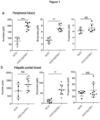
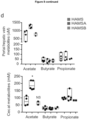
- Insulitis in the pancreatic islets appears at ⁇ 5 weeks of age in NOD mice and overt diabetes occurs between 15 to 30 weeks of age in 60-80% of females but only in 20-30% of males. Consistently, it was found that young female NOD mice had significantly lower concentrations of both acetate and butyrate in the peripheral blood compared to age-matched male NOD mice ( Figure 1d ). Gender differences in fecal SCFA concentrations were not seen in C57/BL6 mice ( Figure 9c ), suggesting insufficient bacterial production of SCFAs is a particular phenomenon to the female NOD mouse.
- acetate was added to the drinking water of NOD female mice.
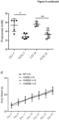
- acetate treatment significantly delayed the development of diabetes (incidence 40% vs 70% in controls at age 30 weeks) ( Figure 1e ).
- acetate-treated NOD mice had more pancreatic islets without immune cell infiltration, and fewer islets with high-grade infiltration (insulitis scores of 3 or 4) ( Figure 1f ).
- HAMS is then fermented with the production of the normal range of SCFAs.
- SCFAs i.e. acetate versus butyrate
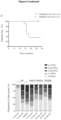
- NOD mice were fed with a combination of HAMSA and HAMSB (15% +15%) exactly as performed with the other diets.
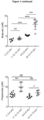
- Figure 2d shows that using this combo diet, 100% of NOD mice were protected from diabetes through to 28 weeks.
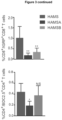
- T1D involves the killing of islet ⁇ -cells by autoreactive T cells. Strikingly, both diets but particularly acetate-yielding HAMSA markedly decreased the frequency of splenic diabetogenic CD8+ T cells that recognize the islet-specific antigen glucose-6-phosphatase catalytic subunit related protein (IGRP), and CD4+ cells carrying the diabetogenic T-cell receptor BDC2.5 ( Figure 3a, b ).
- IGRP glucose-6-phosphatase catalytic subunit related protein
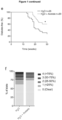
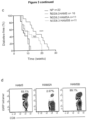
- NOD.8.3 mice fed the HAMSA diet showed a significant delay in develop of diabetes ( Fig 3c ).
- SCFAs might impair autoimmune responses by affecting other cells types, such as APCs that support autoreactive T cell expansion.
- NOD.8.3 mice fed with different diets The colony of NOD.8.3 mice develop diabetes rapidly with an incidence of ⁇ 100% by 10 weeks of age, since they express TCR ⁇ transgenes derived from a CD8+ T cell clone NY8.3 that recognises IGRP61.
- NOD.8.3 mice fed with HAMSA (but not HAMSB) diet showed a significantly delayed development of diabetes ( Figure 3c ). Numbers of IGRP-reactive T cells was markedly reduced in HAMSA-, but not HAMSB-fed NOD8.3 mice ( Figure 3d ).
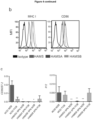
- HAMSA-fed NOD mice showed reduced frequency and number of IgM+ B220+ B cells in the spleen and Peyer's patches ( Figure 4a ).
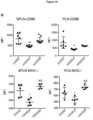
- IgM+B220+ B cells from spleen and PLN from HAMSA fed (but not HAMSB-fed) NOD mice showed markedly reduced expression of MHC I by flow cytometry, as well as CD86, co-stimulatory molecules for APCs ( Figure 4b , 10a ). No changes were observed in CD40, MHC II or CD80 expression ( Figure 10b ). To substantiate these findings, B cells from mice fed the different diets were interrogated using gene microarrays.
- RNA sequencing was performed on 95% pure sorted splenic B cells isolated from 15 week-old mice fed for 5 weeks with NP, HAMS, HAMSA or HAMSB diets.
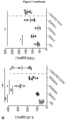
- IgM+ B220+ B cells from HAMSA-fed mice are further apart from the control samples (HAMS or NP) ( Fig. 4d ), indicating an increase in variability that supports the increased expression.
- 208 genes were differentially expressed between HAMSA and HAMSB, compared to NP diet. 14 genes are involved in important B cell functions, such as antigen presentation, BCR signalling, cell metabolism and activation of cytotoxic T cells ( Fig. 4e and Table 1a).
- NOD8.3 CD8+ T cells were transferred into 8-10 week-old NOD mice that had been fed HAMS, HAMSA or HAMSB.
- NOD8.3 CD8+ T cells should relate mainly to dietary effects on cell types such as APCs, rather than directly on the responding NOD8.3 T cells.
- T cell proliferation was specific to the PLN (where islet autoantigens drain and APC-T cell activation occurs), since NOD.8.3 T cells did not proliferate in the MLN of any of the diet groups including NP ( Figure 10d ).
- dietary acetate affects B cell numbers, their phenotype and appears to affect their capacity to expand autoreactive T cells in vivo.
- T cells from 15 week-old female NOD mice fed the different diets for 10 weeks were transferred into female NOD/SCID mice devoid of T and B cells.
- Use of NOD/SCID recipients ensured that any effects of diets on T cells could be attributed entirely from the conditioned donor T cells, and that effects could be examined in isolation from acetate/butyrate effects on gut homeostasis or other systems.
- T cells from NP-fed NOD mice rapidly transferred diabetes in all recipients with an accelerated onset after transfer ( Figure 5b ).
- 94% of NOD/SCID recipients that received T cells from HAMSB-fed NOD mice were completely protected from diabetes for 20 weeks or more after transfer ( Figure 5b ).
- T cells from HAMSA-fed NOD mice failed to fully protect (30% diabetes-free mice at 20 weeks after transfer), despite the effect of HAMSA on frequency of T effector cells ( Figure 3a-d ).
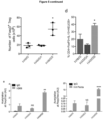
- HAMSB-conditioned Treg cells mediated protection observed in NOD/SCID mice total Foxp3- T cells from NOD.FoxP3-GFP mice were adoptively transferred. Recipient NOD/SCID mice were fed with different diets 2 weeks prior to adoptive transfer, and these mice remained on the same diets and were monitored for disease incidence. Three weeks post-transfer, CD4+ T cells were analysed for the expression of Foxp3, IL-10 and HELIOS. Remarkably, only the HAMSB-fed NOD/SCID mice showed significant frequency and number of CD4+ T cells that expressed Foxp3, IL-10 and HELIOS ( Figure 5c , d ).
- HAMSB diet but not HAMSA, markedly increased H3K9 acetylation and H4 pentacetylation at the Foxp3 promoter ( Figure 5e ) in splenic T cells.
- Reg gate single cell transcriptome analysis of individual sorted CD4+CD45RBlowCD25+ T cells (Treg gate) was performed. Only HAMSB resulted in increased Foxp3 transcript expression compared to HAMS-fed NOD mice ( Figure 5f ).
- Treg cells of HAMSB-fed NOD mice had increased expression of gene transcripts including Gata3 , Gitr and Sell (CD62L) ( Figure 5g), which are important for Treg cell activation, function and migration.
- GPR43 The principal metabolite-sensing GPCR for acetate and butyrate is GPR43, which is expressed by diverse immune cell types including activated macrophages, B cells, and Treg cells.
- GPR43-/- mice C57.Gpr43-/- mice were backcrossed 13 generations to the NOD background ( NOD. Gpr43- / -) ( Figure 12a ).
- NOD. Gpr43- / - mice There were trends (but no significant differences) in disease incidence between NOD.Gpr43+ / + versus NOD.Gpr43- / - mice.
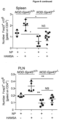
- NOD.Gpr43- / - mice contained significantly reduced numbers of Treg cells and higher numbers of IgM+B220+ B cells in the spleen and PLN ( Figure 6c , d ), compared to NOD.Gpr43+ / + littermates.
- HAMSA increased Treg cells, and decreased autoreactive T cells in NOD.Gpr43+ / + mice, but not in NOD.Gpr43- / - littermates ( Figure 6 c-e ).
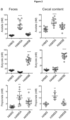
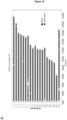
- Acetylated starch diets were still able to deliver acetate in quantity, as measured in the feces of 15 week-old female NOD.
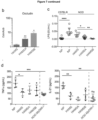
- HAMSA and particularly HAMSB diets resulted in a significant reduction in serum lipopolysaccharide (LPS) concentrations similar to those in C57BL/6 mice ( Figure 7c ).
- LPS serum lipopolysaccharide
- IL-22 a gut homeostasis-related cytokine that maintains gut mucosal barrier integrity, was significantly elevated in HAMSA-fed ( Figure 7e ) and, to a lesser extent, in HAMSB-fed NOD mice compared to control HAMS-fed NOD mice and diabetogenic NP-fed NOD mice.
- GF NOD mice were re-colonised with gut bacteria from 15 week-old NOD mice fed on NP, HAMS, HAMSA or HAMSB (as shown in Figure 2b ) by gavage with a mix of feces and cecal contents.
- the microbiota-reconstituted NOD mice were then all placed on the same NP diet and monitored over time for development of diabetes.
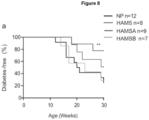
- GF NOD mice re-colonized with HAMS-shaped microbiota did not show a difference in disease incidence compared to SPF HAMS-fed donor mice ( Figure 8a ).
- GF NOD mice that received a microbiota shaped by HAMSA diet showed a marked protection against diabetes, with 80% of GF female NOD mice diabetes free for over 30 weeks ( Figure 8a ).
- GF NOD mice re-colonized with a HAMSB-shaped microbiota progressed rapidly to diabetes, suggesting that the HAMSB diet mediates its effects through direct supply of butyrate and not alteration of the intestinal microbiota.
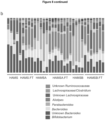
- Fecal bacteria analysis showed that both acetate- and butyrate-yielding diets (compared to control HAMS diet) resulted in significant changes in fecal microbial composition in either 15 week-old donor NOD mice fed with diets, and in age-matched re-colonized GF NOD mice ( Figure 8b , 13b ).
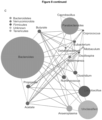
- Figure 8c Despite both HAMSA- and HAMSB-fed donor mice showing increased abundance of Bacteroides ( Figure 8c ), no differences were found after the re-colonization of GF NOD mice ( Figure 13c ).
- Bacteroides is an acetate/butyrate-producing anaerobic bacteria and in humans and mice has been associated with induction of higher Treg cell numbers.
- HAMSA alone significantly decreased the abundance of Lactobacillus and Parabacteroides in donor and in re-colonized GF NOD mice ( Figure 8c , 13c ).
- GF NOD mice re-colonised with HAMSA-shaped microbiota showed increased CD4 + Foxp3 + Treg cells in the PLN ( Figure 8e ), supporting the role of acetate in Treg biology.
- HAMSA diet-mediated protection occurred through changes across the whole bacterial community, and outgrowth of acetate producing bacteria.
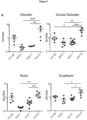
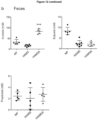
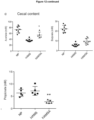
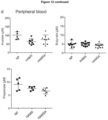
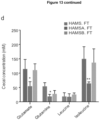
- HAMSA-fed NOD mice showed significantly decreased fecal concentrations of glutamate, glutamine, leucine and isoleucine compared to HAMS-fed NOD mice ( Figure 8f ).
- Glutamate is a key bacterial metabolite that plays an important role in metabolic processes and stress responses, mainly through actions of glutamate decarboxylase (GAD) a known pancreatic islet autoantigen.
- GID glutamate decarboxylase
- Reduced glutamate was found in 15 week-old NOD mice fed the HAMSA diet and in the protected GF NOD mice recolonised with HAMSA-shaped microbiota ( Figure 8f ). Isoforms of the leucine family were increased in HAMSA-fed NOD mice ( Figure 13f).
- HAMSA-delivered acetate had a marked effect on autoimmune T effector cell frequencies. This could be explained by effects of acetate (and less so butyrate) on APCs, particularly B cells. B cells play an important role in the transition from insulitis to clinical diabetes, through their interactions with specific islet antigen-reactive T cells. B cells that lack sufficient co-stimulatory molecules can be tolerogenic. The important feature of our study was that delivery of high amounts of acetate, a natural product, could achieve changes in the B cell molecular profile in the whole animal.
- acetate but not butyrate was effective in altering peripheral B cell phenotype may relate to the much higher levels of acetate that could be delivered to the peripheral circulation, as butyrate is typically metabolized in the liver.
- acetate could also act through distinct pathways, for instance its ability to down-regulate Hdac3 transcription.
- Down-regulation of co-stimulatory molecules and MHC I on B cells in HAMSA-fed NOD mice correlated with low frequency of IGRP+CD8+ ( Fig. 3a, b ) and greatly diminished expansion of autoreactive NOD8.3 cells in vivo ( Fig. 3d ).
- Autoreactive T cell numbers in T1D patients may be dramatically reduced by simple delivery of high acetate-yielding diets. Reduced frequencies of autoreactive T cells, measured through tetramer monitoring of T1D patients, could provide a much quicker indication that metabolite diets are having a desired effect, rather than waiting years for clinical outcomes.
- HAMSB-conditioned T cells (including Treg cells) almost entirely protected against T1D upon transfer to NOD/SCID recipient mice.
- butyrate protects against T1D through a Treg associated pathway, distinctive from that described above for acetate. This likely relates to increased transcription of key Treg cell genes, and the ability of butyrate (but not acetate) to inhibit the enzymatic activity of HDACs.
- NOD mice uniquely affects a specific Treg cell subpopulation localizing in the PLN, rendering them defective in suppressive activity (Buhlmann et al., 1995). Therefore, butyrate may have corrected the impaired suppressive function of PLN (or peripheral) Treg cells.
- HAMSB enhanced TGF ⁇ production, important for Treg cell function.
- acetate and butyrate may affect Treg cells indirectly, through suppression of inflammatory cytokines and LPS in blood and tissues, or controlling Treg versus Th17 differentiation.
- IL-21 in particular is critical during the development of T1D. It induces proliferation of B cells and autoreactive cytotoxic CD8+ cells in NOD mice84-86, and negatively regulates Treg cell differentiation and activity.
- T1D pathogenesis may relate to the proximity of the pancreas or PLNs to the gut.
- T1D may be particularly amenable to a dietary metabolite approach, because the pancreas and PLN have direct lymphatic connections with the gut and may be influenced by the high concentrations of acetate or butyrate in the hepatic portal vein and possibly the peritoneal cavity. It is also conceivable that immune cells recirculate between a high acetate or butyrate environment (i.e. the colon) to the PLN, spleen and elsewhere.
- SCFAs are one of the main metabolites of commensal bacteria, particularly members of the Bacteroides genus.
- the specialized diets used here expanded the numbers of Bacteroides species and led to greater numbers of Treg cells.
- a greatly increased proportion of Clostridium genus in GF recolonized NOD mice was observed, indicating that these are likely to be important for expansion of Treg cell numbers in the colon and periphery ( Fig. 8e ).
- GPR43 metabolite-sensing GPCRs
- HDACs oxidative-semiconductors
- GPR43 facilitated at least part of the protective effect of the high acetate-yielding HAMSA diet. Numbers of Treg cells in several tissues, including PLN were markedly reduced in NOD.Gpr43- / - mice. GPR43 also affected the ability of acetate diet to limit autoreactive effector T cell frequencies. It is conceivable that GPR43 acts cooperatively with epigenetic mechanisms. For instance, GPR43 signalling may facilitate acetate entry to the cell.
- GPR43 The other major role for GPR43 is enhancement of gut epithelial barrier function. It achieves this through activation of the inflammasome pathway in epithelial cells and production of the pro-gut homeostasis cytokine IL-18. Thus it is likely that GPR43 operates at several levels in diet-mediated protection from T1D.
- the other major pathway whereby metabolites influence immune responses is HDAC inhibition. Acetate delivery in vivo markedly diminished Hdac3 transcript expression in B cells. This would presumably lead to a phenotype similar to that of HDAC3 deficiency in select cells, or HDAC enzymatic inhibition with chemical inhibitors or butyrate, which previous studies have shown to be anti-inflammatory.
- the DS of each of the Acylated Starch products produced above were similar. It will be understood that where only one anhydride is used at step 3, the acylated starch contains only 1 species of short chain fatty acid moiety. Where 2 anhydrides are used (for example, acetic acid and butyric acid), the acylated starch will contain a mixture of both acetic and butyric ester moieties. Where 3 anhydrides are used, the acylated starch will contain a mixture of all three fatty acid moieties.
- a combination diet containing both acetylated and butyrylated starch was prepared and contained the following ingredients:
- the percentage of acylated starch in the above diet is 30% (15%:15% acetylated: butyrylated starch).
- An alternative combination diet can be prepared containing: components as g / kg Ingredient 15%/15% Maize starch - 3401C 229.5 Acetylated starch 150 Butyrylated starch 150 Casein 200 Sucrose 100 Sunflower Seed Oil 70 alpha cellulose 50 Mineral Mix AIN 93G 35 Vitamin Mix AIN 93VX 10 L-Cystine 3 Choline bitartrate 2.5 Total 1000
- the diets can be cold extruded into pellets, dried and stored at low temperature prior to use.
- the diets can be prepared as powders, for inclusion into foods as described herein.
- a similar diet can be prepared using 300 g of an acylated starch containing both acetate and butyrate moieties (rather than 150 g of a starch acylated with only one species of short chain fatty acid).
- Example 4 Food product containing acetylated and butyrylated starches
- acylated starches described herein can be used in powder form as supplements in various foods.
- acylated starches described herein can be used in powder form as supplements in various foods. For example:
Landscapes
- Health & Medical Sciences (AREA)
- Life Sciences & Earth Sciences (AREA)
- Engineering & Computer Science (AREA)
- Chemical & Material Sciences (AREA)
- Bioinformatics & Cheminformatics (AREA)
- Animal Behavior & Ethology (AREA)
- General Health & Medical Sciences (AREA)
- Public Health (AREA)
- Veterinary Medicine (AREA)
- Pharmacology & Pharmacy (AREA)
- Medicinal Chemistry (AREA)
- Epidemiology (AREA)
- Immunology (AREA)
- Nutrition Science (AREA)
- General Chemical & Material Sciences (AREA)
- Mycology (AREA)
- Polymers & Plastics (AREA)
- Chemical Kinetics & Catalysis (AREA)
- Food Science & Technology (AREA)
- Nuclear Medicine, Radiotherapy & Molecular Imaging (AREA)
- Organic Chemistry (AREA)
- Botany (AREA)
- Molecular Biology (AREA)
- Oil, Petroleum & Natural Gas (AREA)
- Transplantation (AREA)
- Zoology (AREA)
- Biophysics (AREA)
- Pediatric Medicine (AREA)
- Dermatology (AREA)
- Physiology (AREA)
- Acyclic And Carbocyclic Compounds In Medicinal Compositions (AREA)
- Medicines That Contain Protein Lipid Enzymes And Other Medicines (AREA)
- Medicinal Preparation (AREA)
- Measuring Or Testing Involving Enzymes Or Micro-Organisms (AREA)
- Coloring Foods And Improving Nutritive Qualities (AREA)
- Medicines Containing Material From Animals Or Micro-Organisms (AREA)
Claims (15)
- Therapeutisch wirksame Menge einer Kombination aus zwei oder mehr kurzkettigen Fettsäuren, Estern oder Salzen davon zur Verwendung bei einem Behandeln einer Autoimmunerkrankung oder zum Verzögern oder Verhindern des Fortschreitens einer Autoimmunerkrankung bei einem Individuum,
wobei die Kombination aus kurzkettigen Fettsäuren Buttersäure und Essigsäure ist, vorzugsweise wobei die Kombination ferner Propionsäure einschließt, und wobei die kurzkettigen Fettsäuren an eine Trägersubstanz in Form eines Stärkemoleküls konjugiert sind. - Therapeutisch wirksame Menge einer Kombination aus zwei oder mehreren kurzkettigen Fettsäuren, Estern oder Salzen davon zur Verwendung nach Anspruch 1, wobei das Behandeln der Autoimmunerkrankung das Verringern oder Behandeln einer Entzündung bei dem Individuum einschließt, vorzugsweise wobei das Verringern oder Behandeln der Entzündung das Verringern des Anteils eines oder mehrerer entzündungsfördernder Zytokine bei dem Individuum oder ein Erhöhen des Anteils eines oder mehrerer entzündungshemmender Zytokine bei dem Individuum einschließt.
- Therapeutisch wirksame Menge einer Kombination aus zwei oder mehr kurzkettigen Fettsäuren, Estern oder Salzen davon zur Verwendung bei dem Vorbeugen oder Verzögern des Ausbruchs einer Autoimmunerkrankung bei einem Individuum,
wobei die Kombination aus kurzkettigen Fettsäuren, Estern oder Salzen davon Buttersäure und Essigsäure oder Ester oder Salze davon ist, vorzugsweise wobei die Kombination ferner Propionsäure einschließt und wobei die kurzkettigen Fettsäuren an eine Trägersubstanz in Form eines Stärkemoleküls konjugiert sind. - Therapeutisch wirksame Menge einer Kombination aus zwei oder mehreren kurzkettigen Fettsäuren, Estern oder Salzen davon zur Verwendung nach Anspruch 3, wobei bei dem Individuum ein Risiko eines Entwickelns einer Autoimmunerkrankung bestimmt wird, vorzugsweise wobei bei dem Individuum bestimmt wird, Autoantikörper oder Entzündungsmarker aufzuweisen, die mit einem Risiko des Entwickelns einer Autoimmunerkrankung verknüpft sind.
- Therapeutisch wirksame Menge einer Kombination aus zwei oder mehreren kurzkettigen Fettsäuren, Estern oder Salzen davon zur Verwendung nach einem der vorstehenden Ansprüche, wobei die Autoimmunerkrankung aus der Gruppe ausgewählt ist, bestehend aus: Typ-1-Diabetes mellitus, Psoriasis, rheumatoider Arthritis, Reizdarmsysdrom, Zöliakie, Autoimmunhepatitis, Myokarditis, Lupusnephritis, Multipler Sklerose oder primärer biliärer Zirrhose, vorzugsweise wobei die Autoimmunerkrankung um Typ-1-Diabetes mellitus ist.
- Therapeutisch wirksame Menge einer Kombination aus zwei oder mehreren kurzkettigen Fettsäuren, Estern oder Salzen davon zur Verwendung nach einem der vorstehenden Ansprüche, wobei die Autoimmunerkrankung Typ-1-Diabetes mellitus oder Psoriasis ist.
- Therapeutisch wirksame Menge einer Kombination aus kurzkettigen Fettsäuren, Estern oder Salzen davon zur Verwendung nach einem der vorstehenden Ansprüche, wobei die kurzkettigen Fettsäuren in Form einer Kombination aus Stärkemolekülen, die an Essigsäure kovalent gebunden sind, und aus Stärkemolekülen vorliegen, die an Buttersäure kovalent gebunden sind.
- Therapeutisch wirksame Menge einer Kombination aus kurzkettigen Fettsäuren, Estern oder Salzen davon zur Verwendung nach einem der Ansprüche 1 bis 6, wobei jedes Stärkemolekül mit mindestens einem Essigsäuremolekül und mindestens einem Buttersäuremolekül konjugiert ist.
- Diätetisches Mittel für eine Verabreichung einer Kombination kurzkettiger Fettsäuren in den Dickdarm eines_Individuums, wobei das Mittel eine Stärke einschließt, die durch eine Bindung, die in das Kolon eines Individuums hydrolysierbar ist, an die kurzkettigen Fettsäuren kovalent gebunden ist, um freie Fettsäure zu geben, wobei die Kombination kurzkettiger Fettsäuren Buttersäure und Essigsäure ist, vorzugsweise wobei die Kombination ferner Propionsäure einschließt.
- Diätetisches Mittel nach Anspruch 9, wobei das diätetische Mittel eine Kombination aus Stärkemolekülen, die an Essigsäure kovalent gebunden sind, und aus Stärkemolekülen umfasst, die an Buttersäure kovalent gebunden sind.
- Diätetisches Mittel nach Anspruch 9, wobei das diätetische Mittel Stärkemoleküle umfasst, die an mindestens ein Buttersäuremolekül und mindestens ein Essigsäuremolekül kovalent gebunden sind.
- Pharmazeutische Zusammensetzung zur Verwendung bei dem Behandeln oder zur Verwendung bei dem Verzögern des Fortschreitens einer Autoimmunerkrankung, wobei die Zusammensetzung eine Kombination aus Buttersäure und Essigsäure, Estern oder Salzen davon und pharmazeutisch verträglichen Arzneistoffträgern einschließt, wobei die Buttersäure, Essigsäure, Ester oder Salze davon die aktiven Bestandteile in der Zusammensetzung sind und wobei die Buttersäure und Essigsäure an eine Trägersubstanz in Form eines Stärkemoleküls konjugiert sind.
- Pharmazeutische Zusammensetzung zur Verwendung nach Anspruch 12, wobei die Zusammensetzung eine Kombination von Stärkemolekülen, die an Essigsäure kovalent gebunden sind, und von Stärkemolekülen umfasst, die an Buttersäure kovalent gebunden sind.
- Pharmazeutische Zusammensetzung zur Verwendung nach Anspruch 12, wobei die Zusammensetzung ein Stärkemolekül umfasst, das mit mindestens einem Essigsäuremolekül und mindestens einem Buttersäuremolekül konjugiert ist.
- Diätetisches Mittel zur Verwendung nach einem der Ansprüche 9 bis 11 oder pharmazeutische Zusammensetzung zur Verwendung nach den Ansprüchen 12 bis 14, wobei das Mittel oder die Zusammensetzung zum Behandeln oder Verzögern des Fortschreitens von Typ-1-Diabetes mellitus oder Psoriasis dient.
Applications Claiming Priority (2)
| Application Number | Priority Date | Filing Date | Title |
|---|---|---|---|
| AU2016903143A AU2016903143A0 (en) | 2016-08-10 | Metabolites for treatment of autoimmune disease | |
| PCT/AU2017/050845 WO2018027274A1 (en) | 2016-08-10 | 2017-08-10 | Metabolites for treatment and prevention of autoimmune disease |
Publications (4)
| Publication Number | Publication Date |
|---|---|
| EP3496708A1 EP3496708A1 (de) | 2019-06-19 |
| EP3496708A4 EP3496708A4 (de) | 2020-04-01 |
| EP3496708B1 true EP3496708B1 (de) | 2025-03-26 |
| EP3496708C0 EP3496708C0 (de) | 2025-03-26 |
Family
ID=61160999
Family Applications (1)
| Application Number | Title | Priority Date | Filing Date |
|---|---|---|---|
| EP17838221.4A Active EP3496708B1 (de) | 2016-08-10 | 2017-08-10 | Metaboliten zur behandlung und prävention von autoimmunerkrankungen |
Country Status (8)
| Country | Link |
|---|---|
| US (3) | US20190167615A1 (de) |
| EP (1) | EP3496708B1 (de) |
| JP (1) | JP7097027B2 (de) |
| CN (1) | CN109562088A (de) |
| AU (1) | AU2017310263B2 (de) |
| CA (1) | CA3070939A1 (de) |
| ES (1) | ES3029611T3 (de) |
| WO (1) | WO2018027274A1 (de) |
Families Citing this family (7)
| Publication number | Priority date | Publication date | Assignee | Title |
|---|---|---|---|---|
| US11065217B2 (en) * | 2017-01-27 | 2021-07-20 | Temple University—Of the Commonwealth System of Higher Education | Use of short chain fatty acids for the treatment and prevention of diseases and disorders |
| AU2019358875B2 (en) * | 2018-10-09 | 2025-08-21 | Monash University | Combination therapy for treatment and prevention of autoimmune and inflammatory diseases |
| CN109771404A (zh) * | 2019-02-28 | 2019-05-21 | 北京大学人民医院(北京大学第二临床医学院) | 丁酸在制备预防和/或治疗自身免疫性疾病药物中的应用 |
| EP3838283A1 (de) * | 2019-12-18 | 2021-06-23 | Mundus Sanus GmbH & Co. KG | Zusammensetzung zur verwendung bei der behandlung von provokativen erkrankungen |
| MX2022014757A (es) * | 2020-06-03 | 2023-01-11 | Corn Products Dev Inc | Composiciones de almidon trisustituido y metodos para elaborarlas y usarlas. |
| JP2022092605A (ja) * | 2020-12-10 | 2022-06-22 | 森下仁丹株式会社 | 経口固形製剤および経口組成物 |
| CN115068458B (zh) * | 2022-07-21 | 2023-12-12 | 哈尔滨医科大学 | 戊酸在制备防治糖尿病药物中的应用 |
Family Cites Families (10)
| Publication number | Priority date | Publication date | Assignee | Title |
|---|---|---|---|---|
| US5039703A (en) * | 1989-11-16 | 1991-08-13 | Breuer Richard I | Method for treating inflammatory bowel disorders |
| EP0730447B1 (de) * | 1993-11-17 | 2002-02-20 | Commonwealth Scientific And Industrial Research Organisation | Fettsäure-abgabesystem |
| AUPQ132599A0 (en) | 1999-07-01 | 1999-07-22 | Commonwealth Scientific And Industrial Research Organisation | Nasogastric enteral formulations |
| DE102005046237A1 (de) * | 2005-09-28 | 2007-04-05 | Südzucker Aktiengesellschaft Mannheim/Ochsenfurt | Buttersäureester von Kohlenhydraten und Kohlenhydratpolyolen |
| WO2014145970A1 (en) * | 2013-03-15 | 2014-09-18 | President And Fellows Of Harvard College | Modulation of regulatory t cells via g-coupled protein receptor 43 |
| US20160271086A1 (en) * | 2013-10-31 | 2016-09-22 | Sloan-Kettering Institute For Cancer Research | Methods and compositions for inducing regulatory t-cell generation |
| US10226443B2 (en) * | 2014-10-16 | 2019-03-12 | New York University | Methods for treating psoriatic arthritis |
| MA41020A (fr) | 2014-11-25 | 2017-10-03 | Evelo Biosciences Inc | Compositions probiotiques et prébiotiques, et leurs procédés d'utilisation pour la modulation du microbiome |
| US11065217B2 (en) * | 2017-01-27 | 2021-07-20 | Temple University—Of the Commonwealth System of Higher Education | Use of short chain fatty acids for the treatment and prevention of diseases and disorders |
| AU2019358875B2 (en) * | 2018-10-09 | 2025-08-21 | Monash University | Combination therapy for treatment and prevention of autoimmune and inflammatory diseases |
-
2017
- 2017-08-10 WO PCT/AU2017/050845 patent/WO2018027274A1/en not_active Ceased
- 2017-08-10 EP EP17838221.4A patent/EP3496708B1/de active Active
- 2017-08-10 US US16/323,726 patent/US20190167615A1/en not_active Abandoned
- 2017-08-10 JP JP2019507125A patent/JP7097027B2/ja active Active
- 2017-08-10 ES ES17838221T patent/ES3029611T3/es active Active
- 2017-08-10 AU AU2017310263A patent/AU2017310263B2/en active Active
- 2017-08-10 CA CA3070939A patent/CA3070939A1/en active Pending
- 2017-08-10 CN CN201780049297.2A patent/CN109562088A/zh active Pending
-
2021
- 2021-02-17 US US17/178,211 patent/US20210244692A1/en not_active Abandoned
-
2025
- 2025-04-10 US US19/175,560 patent/US20250295617A1/en active Pending
Non-Patent Citations (1)
| Title |
|---|
| DE GROOT PIETER F ET AL: "Oral butyrate does not affect innate immunity and islet autoimmunity in individuals with longstanding type 1 diabetes: a randomised controlled trial", DIABETOLOGIA, vol. 63, no. 3, 8 January 2020 (2020-01-08), pages 597 - 610, XP037331490, ISSN: 0012-186X, DOI: 10.1007/S00125-019-05073-8 * |
Also Published As
| Publication number | Publication date |
|---|---|
| CN109562088A (zh) | 2019-04-02 |
| US20210244692A1 (en) | 2021-08-12 |
| EP3496708C0 (de) | 2025-03-26 |
| US20250295617A1 (en) | 2025-09-25 |
| WO2018027274A1 (en) | 2018-02-15 |
| EP3496708A1 (de) | 2019-06-19 |
| AU2017310263B2 (en) | 2023-08-10 |
| ES3029611T3 (en) | 2025-06-27 |
| AU2017310263A1 (en) | 2019-02-07 |
| JP7097027B2 (ja) | 2022-07-07 |
| EP3496708A4 (de) | 2020-04-01 |
| US20190167615A1 (en) | 2019-06-06 |
| CA3070939A1 (en) | 2018-02-15 |
| JP2019527714A (ja) | 2019-10-03 |
Similar Documents
| Publication | Publication Date | Title |
|---|---|---|
| US20250295617A1 (en) | Metabolites for treatment and prevention of autoimmune disease | |
| DeGruttola et al. | Current understanding of dysbiosis in disease in human and animal models | |
| Jamwal et al. | Intestinal epithelial expression of MHCII determines severity of chemical, T-cell–induced, and infectious colitis in mice | |
| Jacouton et al. | Probiotic strain Lactobacillus casei BL23 prevents colitis-associated colorectal cancer | |
| Natividad et al. | Commensal and probiotic bacteria influence intestinal barrier function and susceptibility to colitis in Nod1−/−; Nod2−/− mice | |
| Kim et al. | Lactobacillus plantarum CBT LP3 ameliorates colitis via modulating T cells in mice | |
| JP2019142884A (ja) | 大腸ガンのプロバイオティクスによる防止および処置 | |
| RU2563525C2 (ru) | Пробиотическая композиция для применения в лечении воспаления кишечника | |
| CN110049760A (zh) | 用于治疗炎性疾病的组合物及其用途以及益生菌组合物 | |
| JP2009537547A (ja) | 生物学的治療組成物およびその使用 | |
| CN108883140A (zh) | 治疗1型糖尿病的组合物和方法 | |
| CN102947441A (zh) | 来自拟杆菌属的细胞组分、其组合物和使用拟杆菌或其细胞组分的治疗方法 | |
| JP7027462B2 (ja) | 新規のビフィドバクテリウムビフィダム菌株及び菌株由来多糖体 | |
| FR2962045A1 (fr) | Complexe macromoleculaire d'origine bacterienne et utilisation dudit complexe moleculaire pour prevenir et traiter les rhumatismes inflammatoires | |
| JP2018532779A (ja) | 糖尿病及び腸疾患の治療又は予防における使用のためのフィーカリバクテリウムプラウスニッツィ及びデスルホビブリオピゲル | |
| CN102548566A (zh) | 植物乳杆菌菌株用作降血胆固醇试剂 | |
| CN105722504A (zh) | 无定形的镁取代磷酸钙组合物及其用途 | |
| WO2020028871A1 (en) | Prenatal probiotic formulations | |
| Bengmark | Bioecological control of inflammatory bowel disease | |
| Liu et al. | Intestinal bacteria encapsulated by biomaterials enhance immunotherapy | |
| US20220220202A1 (en) | Combination therapy for treatment and prevention of autoimmune and inflammatory diseases | |
| US20210000889A1 (en) | Methods for prognosing and treating metabolic diseases | |
| JP2018172329A (ja) | 肉芽形成促進組成物 | |
| JP2025153503A (ja) | 糞便細菌叢を含む医薬組成物 | |
| Ababio et al. | Inflammatory bowel disease: pathogenetic mechanisms |
Legal Events
| Date | Code | Title | Description |
|---|---|---|---|
| STAA | Information on the status of an ep patent application or granted ep patent |
Free format text: STATUS: THE INTERNATIONAL PUBLICATION HAS BEEN MADE |
|
| PUAI | Public reference made under article 153(3) epc to a published international application that has entered the european phase |
Free format text: ORIGINAL CODE: 0009012 |
|
| STAA | Information on the status of an ep patent application or granted ep patent |
Free format text: STATUS: REQUEST FOR EXAMINATION WAS MADE |
|
| 17P | Request for examination filed |
Effective date: 20190124 |
|
| AK | Designated contracting states |
Kind code of ref document: A1 Designated state(s): AL AT BE BG CH CY CZ DE DK EE ES FI FR GB GR HR HU IE IS IT LI LT LU LV MC MK MT NL NO PL PT RO RS SE SI SK SM TR |
|
| AX | Request for extension of the european patent |
Extension state: BA ME |
|
| DAV | Request for validation of the european patent (deleted) | ||
| DAX | Request for extension of the european patent (deleted) | ||
| A4 | Supplementary search report drawn up and despatched |
Effective date: 20200228 |
|
| RIC1 | Information provided on ipc code assigned before grant |
Ipc: A61P 37/00 20060101ALI20200224BHEP Ipc: A61K 47/50 20170101ALI20200224BHEP Ipc: A23L 33/00 20160101ALI20200224BHEP Ipc: A23L 33/12 20160101ALI20200224BHEP Ipc: A61K 9/00 20060101ALI20200224BHEP Ipc: A61P 37/06 20060101ALI20200224BHEP Ipc: A61K 9/16 20060101ALI20200224BHEP Ipc: A61K 31/19 20060101AFI20200224BHEP |
|
| STAA | Information on the status of an ep patent application or granted ep patent |
Free format text: STATUS: EXAMINATION IS IN PROGRESS |
|
| 17Q | First examination report despatched |
Effective date: 20210311 |
|
| GRAP | Despatch of communication of intention to grant a patent |
Free format text: ORIGINAL CODE: EPIDOSNIGR1 |
|
| STAA | Information on the status of an ep patent application or granted ep patent |
Free format text: STATUS: GRANT OF PATENT IS INTENDED |
|
| INTG | Intention to grant announced |
Effective date: 20240703 |
|
| GRAS | Grant fee paid |
Free format text: ORIGINAL CODE: EPIDOSNIGR3 |
|
| GRAA | (expected) grant |
Free format text: ORIGINAL CODE: 0009210 |
|
| STAA | Information on the status of an ep patent application or granted ep patent |
Free format text: STATUS: THE PATENT HAS BEEN GRANTED |
|
| AK | Designated contracting states |
Kind code of ref document: B1 Designated state(s): AL AT BE BG CH CY CZ DE DK EE ES FI FR GB GR HR HU IE IS IT LI LT LU LV MC MK MT NL NO PL PT RO RS SE SI SK SM TR |
|
| REG | Reference to a national code |
Ref country code: GB Ref legal event code: FG4D |
|
| REG | Reference to a national code |
Ref country code: CH Ref legal event code: EP |
|
| REG | Reference to a national code |
Ref country code: DE Ref legal event code: R096 Ref document number: 602017088571 Country of ref document: DE |
|
| REG | Reference to a national code |
Ref country code: IE Ref legal event code: FG4D |
|
| U01 | Request for unitary effect filed |
Effective date: 20250428 |
|
| REG | Reference to a national code |
Ref country code: ES Ref legal event code: FG2A Ref document number: 3029611 Country of ref document: ES Kind code of ref document: T3 Effective date: 20250627 |
|
| U07 | Unitary effect registered |
Designated state(s): AT BE BG DE DK EE FI FR IT LT LU LV MT NL PT RO SE SI Effective date: 20250530 |
|
| PG25 | Lapsed in a contracting state [announced via postgrant information from national office to epo] |
Ref country code: RS Free format text: LAPSE BECAUSE OF FAILURE TO SUBMIT A TRANSLATION OF THE DESCRIPTION OR TO PAY THE FEE WITHIN THE PRESCRIBED TIME-LIMIT Effective date: 20250626 |
|
| PGFP | Annual fee paid to national office [announced via postgrant information from national office to epo] |
Ref country code: GB Payment date: 20250630 Year of fee payment: 9 |
|
| PG25 | Lapsed in a contracting state [announced via postgrant information from national office to epo] |
Ref country code: NO Free format text: LAPSE BECAUSE OF FAILURE TO SUBMIT A TRANSLATION OF THE DESCRIPTION OR TO PAY THE FEE WITHIN THE PRESCRIBED TIME-LIMIT Effective date: 20250626 |
|
| PG25 | Lapsed in a contracting state [announced via postgrant information from national office to epo] |
Ref country code: HR Free format text: LAPSE BECAUSE OF FAILURE TO SUBMIT A TRANSLATION OF THE DESCRIPTION OR TO PAY THE FEE WITHIN THE PRESCRIBED TIME-LIMIT Effective date: 20250326 |
|
| PG25 | Lapsed in a contracting state [announced via postgrant information from national office to epo] |
Ref country code: GR Free format text: LAPSE BECAUSE OF FAILURE TO SUBMIT A TRANSLATION OF THE DESCRIPTION OR TO PAY THE FEE WITHIN THE PRESCRIBED TIME-LIMIT Effective date: 20250627 |
|
| U20 | Renewal fee for the european patent with unitary effect paid |
Year of fee payment: 9 Effective date: 20250806 |
|
| PG25 | Lapsed in a contracting state [announced via postgrant information from national office to epo] |
Ref country code: SM Free format text: LAPSE BECAUSE OF FAILURE TO SUBMIT A TRANSLATION OF THE DESCRIPTION OR TO PAY THE FEE WITHIN THE PRESCRIBED TIME-LIMIT Effective date: 20250326 |
|
| PGFP | Annual fee paid to national office [announced via postgrant information from national office to epo] |
Ref country code: ES Payment date: 20250902 Year of fee payment: 9 |
|
| PG25 | Lapsed in a contracting state [announced via postgrant information from national office to epo] |
Ref country code: PL Free format text: LAPSE BECAUSE OF FAILURE TO SUBMIT A TRANSLATION OF THE DESCRIPTION OR TO PAY THE FEE WITHIN THE PRESCRIBED TIME-LIMIT Effective date: 20250326 |
|
| PG25 | Lapsed in a contracting state [announced via postgrant information from national office to epo] |
Ref country code: SK Free format text: LAPSE BECAUSE OF FAILURE TO SUBMIT A TRANSLATION OF THE DESCRIPTION OR TO PAY THE FEE WITHIN THE PRESCRIBED TIME-LIMIT Effective date: 20250326 |
|
| PG25 | Lapsed in a contracting state [announced via postgrant information from national office to epo] |
Ref country code: IS Free format text: LAPSE BECAUSE OF FAILURE TO SUBMIT A TRANSLATION OF THE DESCRIPTION OR TO PAY THE FEE WITHIN THE PRESCRIBED TIME-LIMIT Effective date: 20250726 |
|
| PG25 | Lapsed in a contracting state [announced via postgrant information from national office to epo] |
Ref country code: CZ Free format text: LAPSE BECAUSE OF FAILURE TO SUBMIT A TRANSLATION OF THE DESCRIPTION OR TO PAY THE FEE WITHIN THE PRESCRIBED TIME-LIMIT Effective date: 20250326 |
|
| PLBE | No opposition filed within time limit |
Free format text: ORIGINAL CODE: 0009261 |
|
| STAA | Information on the status of an ep patent application or granted ep patent |
Free format text: STATUS: NO OPPOSITION FILED WITHIN TIME LIMIT |
|
| REG | Reference to a national code |
Ref country code: CH Ref legal event code: L10 Free format text: ST27 STATUS EVENT CODE: U-0-0-L10-L00 (AS PROVIDED BY THE NATIONAL OFFICE) Effective date: 20260211 |
|
| 26N | No opposition filed |
Effective date: 20260105 |
|
| REG | Reference to a national code |
Ref country code: CH Ref legal event code: H13 Free format text: ST27 STATUS EVENT CODE: U-0-0-H10-H13 (AS PROVIDED BY THE NATIONAL OFFICE) Effective date: 20260324 |
|
| PG25 | Lapsed in a contracting state [announced via postgrant information from national office to epo] |
Ref country code: MC Free format text: LAPSE BECAUSE OF FAILURE TO SUBMIT A TRANSLATION OF THE DESCRIPTION OR TO PAY THE FEE WITHIN THE PRESCRIBED TIME-LIMIT Effective date: 20250326 |
|
| PG25 | Lapsed in a contracting state [announced via postgrant information from national office to epo] |
Ref country code: CH Free format text: LAPSE BECAUSE OF NON-PAYMENT OF DUE FEES Effective date: 20250831 |