EP3490575B2 - Extrait de plante tres concentre en safranal, procede d'obtention et utilisations - Google Patents
Extrait de plante tres concentre en safranal, procede d'obtention et utilisations Download PDFInfo
- Publication number
- EP3490575B2 EP3490575B2 EP17754296.6A EP17754296A EP3490575B2 EP 3490575 B2 EP3490575 B2 EP 3490575B2 EP 17754296 A EP17754296 A EP 17754296A EP 3490575 B2 EP3490575 B2 EP 3490575B2
- Authority
- EP
- European Patent Office
- Prior art keywords
- extract
- safranal
- plant
- extraction
- plant extract
- Prior art date
- Legal status (The legal status is an assumption and is not a legal conclusion. Google has not performed a legal analysis and makes no representation as to the accuracy of the status listed.)
- Active
Links
Images


Classifications
-
- A—HUMAN NECESSITIES
- A61—MEDICAL OR VETERINARY SCIENCE; HYGIENE
- A61K—PREPARATIONS FOR MEDICAL, DENTAL OR TOILETRY PURPOSES
- A61K36/00—Medicinal preparations of undetermined constitution containing material from algae, lichens, fungi or plants, or derivatives thereof, e.g. traditional herbal medicines
- A61K36/18—Magnoliophyta (angiosperms)
- A61K36/88—Liliopsida (monocotyledons)
-
- A—HUMAN NECESSITIES
- A23—FOODS OR FOODSTUFFS; TREATMENT THEREOF, NOT COVERED BY OTHER CLASSES
- A23L—FOODS, FOODSTUFFS OR NON-ALCOHOLIC BEVERAGES, NOT OTHERWISE PROVIDED FOR; PREPARATION OR TREATMENT THEREOF
- A23L29/00—Foods or foodstuffs containing additives; Preparation or treatment thereof
- A23L29/03—Organic compounds
- A23L29/035—Organic compounds containing oxygen as heteroatom
-
- A—HUMAN NECESSITIES
- A23—FOODS OR FOODSTUFFS; TREATMENT THEREOF, NOT COVERED BY OTHER CLASSES
- A23L—FOODS, FOODSTUFFS OR NON-ALCOHOLIC BEVERAGES, NOT OTHERWISE PROVIDED FOR; PREPARATION OR TREATMENT THEREOF
- A23L33/00—Modifying nutritive qualities of foods; Dietetic products; Preparation or treatment thereof
- A23L33/10—Modifying nutritive qualities of foods; Dietetic products; Preparation or treatment thereof using additives
- A23L33/105—Plant extracts, their artificial duplicates or their derivatives
-
- A—HUMAN NECESSITIES
- A61—MEDICAL OR VETERINARY SCIENCE; HYGIENE
- A61K—PREPARATIONS FOR MEDICAL, DENTAL OR TOILETRY PURPOSES
- A61K31/00—Medicinal preparations containing organic active ingredients
- A61K31/11—Aldehydes
-
- A—HUMAN NECESSITIES
- A61—MEDICAL OR VETERINARY SCIENCE; HYGIENE
- A61K—PREPARATIONS FOR MEDICAL, DENTAL OR TOILETRY PURPOSES
- A61K31/00—Medicinal preparations containing organic active ingredients
- A61K31/11—Aldehydes
- A61K31/115—Formaldehyde
-
- A—HUMAN NECESSITIES
- A61—MEDICAL OR VETERINARY SCIENCE; HYGIENE
- A61K—PREPARATIONS FOR MEDICAL, DENTAL OR TOILETRY PURPOSES
- A61K31/00—Medicinal preparations containing organic active ingredients
- A61K31/33—Heterocyclic compounds
- A61K31/335—Heterocyclic compounds having oxygen as the only ring hetero atom, e.g. fungichromin
- A61K31/35—Heterocyclic compounds having oxygen as the only ring hetero atom, e.g. fungichromin having six-membered rings with one oxygen as the only ring hetero atom
- A61K31/352—Heterocyclic compounds having oxygen as the only ring hetero atom, e.g. fungichromin having six-membered rings with one oxygen as the only ring hetero atom condensed with carbocyclic rings, e.g. methantheline
-
- A—HUMAN NECESSITIES
- A61—MEDICAL OR VETERINARY SCIENCE; HYGIENE
- A61K—PREPARATIONS FOR MEDICAL, DENTAL OR TOILETRY PURPOSES
- A61K31/00—Medicinal preparations containing organic active ingredients
- A61K31/70—Carbohydrates; Sugars; Derivatives thereof
- A61K31/7028—Compounds having saccharide radicals attached to non-saccharide compounds by glycosidic linkages
- A61K31/7032—Compounds having saccharide radicals attached to non-saccharide compounds by glycosidic linkages attached to a polyol, i.e. compounds having two or more free or esterified hydroxy groups, including the hydroxy group involved in the glycosidic linkage, e.g. monoglucosyldiacylglycerides, lactobionic acid, gangliosides
-
- A—HUMAN NECESSITIES
- A61—MEDICAL OR VETERINARY SCIENCE; HYGIENE
- A61K—PREPARATIONS FOR MEDICAL, DENTAL OR TOILETRY PURPOSES
- A61K36/00—Medicinal preparations of undetermined constitution containing material from algae, lichens, fungi or plants, or derivatives thereof, e.g. traditional herbal medicines
- A61K36/18—Magnoliophyta (angiosperms)
- A61K36/185—Magnoliopsida (dicotyledons)
-
- A—HUMAN NECESSITIES
- A61—MEDICAL OR VETERINARY SCIENCE; HYGIENE
- A61K—PREPARATIONS FOR MEDICAL, DENTAL OR TOILETRY PURPOSES
- A61K36/00—Medicinal preparations of undetermined constitution containing material from algae, lichens, fungi or plants, or derivatives thereof, e.g. traditional herbal medicines
- A61K36/18—Magnoliophyta (angiosperms)
- A61K36/185—Magnoliopsida (dicotyledons)
- A61K36/23—Apiaceae or Umbelliferae (Carrot family), e.g. dill, chervil, coriander or cumin
-
- A—HUMAN NECESSITIES
- A61—MEDICAL OR VETERINARY SCIENCE; HYGIENE
- A61K—PREPARATIONS FOR MEDICAL, DENTAL OR TOILETRY PURPOSES
- A61K36/00—Medicinal preparations of undetermined constitution containing material from algae, lichens, fungi or plants, or derivatives thereof, e.g. traditional herbal medicines
- A61K36/18—Magnoliophyta (angiosperms)
- A61K36/185—Magnoliopsida (dicotyledons)
- A61K36/28—Asteraceae or Compositae (Aster or Sunflower family), e.g. chamomile, feverfew, yarrow or echinacea
-
- A—HUMAN NECESSITIES
- A61—MEDICAL OR VETERINARY SCIENCE; HYGIENE
- A61K—PREPARATIONS FOR MEDICAL, DENTAL OR TOILETRY PURPOSES
- A61K36/00—Medicinal preparations of undetermined constitution containing material from algae, lichens, fungi or plants, or derivatives thereof, e.g. traditional herbal medicines
- A61K36/18—Magnoliophyta (angiosperms)
- A61K36/185—Magnoliopsida (dicotyledons)
- A61K36/35—Caprifoliaceae (Honeysuckle family)
-
- A—HUMAN NECESSITIES
- A61—MEDICAL OR VETERINARY SCIENCE; HYGIENE
- A61K—PREPARATIONS FOR MEDICAL, DENTAL OR TOILETRY PURPOSES
- A61K36/00—Medicinal preparations of undetermined constitution containing material from algae, lichens, fungi or plants, or derivatives thereof, e.g. traditional herbal medicines
- A61K36/18—Magnoliophyta (angiosperms)
- A61K36/185—Magnoliopsida (dicotyledons)
- A61K36/74—Rubiaceae (Madder family)
- A61K36/744—Gardenia
-
- A—HUMAN NECESSITIES
- A61—MEDICAL OR VETERINARY SCIENCE; HYGIENE
- A61K—PREPARATIONS FOR MEDICAL, DENTAL OR TOILETRY PURPOSES
- A61K36/00—Medicinal preparations of undetermined constitution containing material from algae, lichens, fungi or plants, or derivatives thereof, e.g. traditional herbal medicines
- A61K36/18—Magnoliophyta (angiosperms)
- A61K36/185—Magnoliopsida (dicotyledons)
- A61K36/75—Rutaceae (Rue family)
- A61K36/752—Citrus, e.g. lime, orange or lemon
-
- A—HUMAN NECESSITIES
- A61—MEDICAL OR VETERINARY SCIENCE; HYGIENE
- A61K—PREPARATIONS FOR MEDICAL, DENTAL OR TOILETRY PURPOSES
- A61K36/00—Medicinal preparations of undetermined constitution containing material from algae, lichens, fungi or plants, or derivatives thereof, e.g. traditional herbal medicines
- A61K36/18—Magnoliophyta (angiosperms)
- A61K36/185—Magnoliopsida (dicotyledons)
- A61K36/82—Theaceae (Tea family), e.g. camellia
-
- A—HUMAN NECESSITIES
- A61—MEDICAL OR VETERINARY SCIENCE; HYGIENE
- A61K—PREPARATIONS FOR MEDICAL, DENTAL OR TOILETRY PURPOSES
- A61K8/00—Cosmetics or similar toiletry preparations
- A61K8/18—Cosmetics or similar toiletry preparations characterised by the composition
- A61K8/30—Cosmetics or similar toiletry preparations characterised by the composition containing organic compounds
- A61K8/33—Cosmetics or similar toiletry preparations characterised by the composition containing organic compounds containing oxygen
-
- A—HUMAN NECESSITIES
- A61—MEDICAL OR VETERINARY SCIENCE; HYGIENE
- A61K—PREPARATIONS FOR MEDICAL, DENTAL OR TOILETRY PURPOSES
- A61K8/00—Cosmetics or similar toiletry preparations
- A61K8/18—Cosmetics or similar toiletry preparations characterised by the composition
- A61K8/96—Cosmetics or similar toiletry preparations characterised by the composition containing materials, or derivatives thereof of undetermined constitution
- A61K8/97—Cosmetics or similar toiletry preparations characterised by the composition containing materials, or derivatives thereof of undetermined constitution from algae, fungi, lichens or plants; from derivatives thereof
- A61K8/9783—Angiosperms [Magnoliophyta]
-
- A—HUMAN NECESSITIES
- A61—MEDICAL OR VETERINARY SCIENCE; HYGIENE
- A61K—PREPARATIONS FOR MEDICAL, DENTAL OR TOILETRY PURPOSES
- A61K8/00—Cosmetics or similar toiletry preparations
- A61K8/18—Cosmetics or similar toiletry preparations characterised by the composition
- A61K8/96—Cosmetics or similar toiletry preparations characterised by the composition containing materials, or derivatives thereof of undetermined constitution
- A61K8/97—Cosmetics or similar toiletry preparations characterised by the composition containing materials, or derivatives thereof of undetermined constitution from algae, fungi, lichens or plants; from derivatives thereof
- A61K8/9783—Angiosperms [Magnoliophyta]
- A61K8/9789—Magnoliopsida [dicotyledons]
-
- A—HUMAN NECESSITIES
- A61—MEDICAL OR VETERINARY SCIENCE; HYGIENE
- A61K—PREPARATIONS FOR MEDICAL, DENTAL OR TOILETRY PURPOSES
- A61K8/00—Cosmetics or similar toiletry preparations
- A61K8/18—Cosmetics or similar toiletry preparations characterised by the composition
- A61K8/96—Cosmetics or similar toiletry preparations characterised by the composition containing materials, or derivatives thereof of undetermined constitution
- A61K8/97—Cosmetics or similar toiletry preparations characterised by the composition containing materials, or derivatives thereof of undetermined constitution from algae, fungi, lichens or plants; from derivatives thereof
- A61K8/9783—Angiosperms [Magnoliophyta]
- A61K8/9794—Liliopsida [monocotyledons]
-
- A—HUMAN NECESSITIES
- A61—MEDICAL OR VETERINARY SCIENCE; HYGIENE
- A61P—SPECIFIC THERAPEUTIC ACTIVITY OF CHEMICAL COMPOUNDS OR MEDICINAL PREPARATIONS
- A61P15/00—Drugs for genital or sexual disorders; Contraceptives
-
- A—HUMAN NECESSITIES
- A61—MEDICAL OR VETERINARY SCIENCE; HYGIENE
- A61P—SPECIFIC THERAPEUTIC ACTIVITY OF CHEMICAL COMPOUNDS OR MEDICINAL PREPARATIONS
- A61P15/00—Drugs for genital or sexual disorders; Contraceptives
- A61P15/10—Drugs for genital or sexual disorders; Contraceptives for impotence
-
- A—HUMAN NECESSITIES
- A61—MEDICAL OR VETERINARY SCIENCE; HYGIENE
- A61P—SPECIFIC THERAPEUTIC ACTIVITY OF CHEMICAL COMPOUNDS OR MEDICINAL PREPARATIONS
- A61P25/00—Drugs for disorders of the nervous system
- A61P25/22—Anxiolytics
-
- A—HUMAN NECESSITIES
- A61—MEDICAL OR VETERINARY SCIENCE; HYGIENE
- A61P—SPECIFIC THERAPEUTIC ACTIVITY OF CHEMICAL COMPOUNDS OR MEDICINAL PREPARATIONS
- A61P25/00—Drugs for disorders of the nervous system
- A61P25/24—Antidepressants
-
- A—HUMAN NECESSITIES
- A61—MEDICAL OR VETERINARY SCIENCE; HYGIENE
- A61Q—SPECIFIC USE OF COSMETICS OR SIMILAR TOILETRY PREPARATIONS
- A61Q19/00—Preparations for care of the skin
-
- A—HUMAN NECESSITIES
- A23—FOODS OR FOODSTUFFS; TREATMENT THEREOF, NOT COVERED BY OTHER CLASSES
- A23V—INDEXING SCHEME RELATING TO FOODS, FOODSTUFFS OR NON-ALCOHOLIC BEVERAGES AND LACTIC OR PROPIONIC ACID BACTERIA USED IN FOODSTUFFS OR FOOD PREPARATION
- A23V2002/00—Food compositions, function of food ingredients or processes for food or foodstuffs
-
- A—HUMAN NECESSITIES
- A23—FOODS OR FOODSTUFFS; TREATMENT THEREOF, NOT COVERED BY OTHER CLASSES
- A23V—INDEXING SCHEME RELATING TO FOODS, FOODSTUFFS OR NON-ALCOHOLIC BEVERAGES AND LACTIC OR PROPIONIC ACID BACTERIA USED IN FOODSTUFFS OR FOOD PREPARATION
- A23V2200/00—Function of food ingredients
- A23V2200/30—Foods, ingredients or supplements having a functional effect on health
- A23V2200/322—Foods, ingredients or supplements having a functional effect on health having an effect on the health of the nervous system or on mental function
-
- A—HUMAN NECESSITIES
- A61—MEDICAL OR VETERINARY SCIENCE; HYGIENE
- A61K—PREPARATIONS FOR MEDICAL, DENTAL OR TOILETRY PURPOSES
- A61K2236/00—Isolation or extraction methods of medicinal preparations of undetermined constitution containing material from algae, lichens, fungi or plants, or derivatives thereof, e.g. traditional herbal medicine
- A61K2236/10—Preparation or pretreatment of starting material
- A61K2236/15—Preparation or pretreatment of starting material involving mechanical treatment, e.g. chopping up, cutting or grinding
-
- A—HUMAN NECESSITIES
- A61—MEDICAL OR VETERINARY SCIENCE; HYGIENE
- A61K—PREPARATIONS FOR MEDICAL, DENTAL OR TOILETRY PURPOSES
- A61K2236/00—Isolation or extraction methods of medicinal preparations of undetermined constitution containing material from algae, lichens, fungi or plants, or derivatives thereof, e.g. traditional herbal medicine
- A61K2236/30—Extraction of the material
- A61K2236/33—Extraction of the material involving extraction with hydrophilic solvents, e.g. lower alcohols, esters or ketones
-
- A—HUMAN NECESSITIES
- A61—MEDICAL OR VETERINARY SCIENCE; HYGIENE
- A61K—PREPARATIONS FOR MEDICAL, DENTAL OR TOILETRY PURPOSES
- A61K2236/00—Isolation or extraction methods of medicinal preparations of undetermined constitution containing material from algae, lichens, fungi or plants, or derivatives thereof, e.g. traditional herbal medicine
- A61K2236/30—Extraction of the material
- A61K2236/33—Extraction of the material involving extraction with hydrophilic solvents, e.g. lower alcohols, esters or ketones
- A61K2236/331—Extraction of the material involving extraction with hydrophilic solvents, e.g. lower alcohols, esters or ketones using water, e.g. cold water, infusion, tea, steam distillation or decoction
-
- A—HUMAN NECESSITIES
- A61—MEDICAL OR VETERINARY SCIENCE; HYGIENE
- A61K—PREPARATIONS FOR MEDICAL, DENTAL OR TOILETRY PURPOSES
- A61K2236/00—Isolation or extraction methods of medicinal preparations of undetermined constitution containing material from algae, lichens, fungi or plants, or derivatives thereof, e.g. traditional herbal medicine
- A61K2236/30—Extraction of the material
- A61K2236/33—Extraction of the material involving extraction with hydrophilic solvents, e.g. lower alcohols, esters or ketones
- A61K2236/333—Extraction of the material involving extraction with hydrophilic solvents, e.g. lower alcohols, esters or ketones using mixed solvents, e.g. 70% EtOH
-
- A—HUMAN NECESSITIES
- A61—MEDICAL OR VETERINARY SCIENCE; HYGIENE
- A61K—PREPARATIONS FOR MEDICAL, DENTAL OR TOILETRY PURPOSES
- A61K2236/00—Isolation or extraction methods of medicinal preparations of undetermined constitution containing material from algae, lichens, fungi or plants, or derivatives thereof, e.g. traditional herbal medicine
- A61K2236/30—Extraction of the material
- A61K2236/35—Extraction with lipophilic solvents, e.g. Hexane or petrol ether
-
- A—HUMAN NECESSITIES
- A61—MEDICAL OR VETERINARY SCIENCE; HYGIENE
- A61K—PREPARATIONS FOR MEDICAL, DENTAL OR TOILETRY PURPOSES
- A61K2236/00—Isolation or extraction methods of medicinal preparations of undetermined constitution containing material from algae, lichens, fungi or plants, or derivatives thereof, e.g. traditional herbal medicine
- A61K2236/30—Extraction of the material
- A61K2236/37—Extraction at elevated pressure or temperature, e.g. pressurized solvent extraction [PSE], supercritical carbon dioxide extraction or subcritical water extraction
-
- A—HUMAN NECESSITIES
- A61—MEDICAL OR VETERINARY SCIENCE; HYGIENE
- A61K—PREPARATIONS FOR MEDICAL, DENTAL OR TOILETRY PURPOSES
- A61K2800/00—Properties of cosmetic compositions or active ingredients thereof or formulation aids used therein and process related aspects
- A61K2800/80—Process related aspects concerning the preparation of the cosmetic composition or the storage or application thereof
- A61K2800/805—Corresponding aspects not provided for by any of codes A61K2800/81 - A61K2800/95
Definitions
- Safranal can be extracted from several plants such as Crocus sativus, Centaurea sibthorpii, Centaurea consanguinea, Centaurea amanicola, Erodium cicutarium, Chinese green tea, Calycopteris floribunda, Crocus heuffelianus, Sambucus nigra, Gardenia jasminoides, Citrus limon, Cuminum cyminum L., Achillea distans but is mainly extracted Crocus sativus also known as saffron.
- Saffron is a traditional spice, mainly cultivated in Iran, used in many applications such as mood disorders, premenstrual syndrome, erectile dysfunction or even skin beauty as presented in particular in Javadi B & al. “A survey on saffron in major Islamic traditional medicine books” Egyptian journal of basic medical sciences 2013; 16(1): 1-11 .
- Several clinical studies seeking to demonstrate the effectiveness of saffron have been carried out in recent years, particularly with regard to the relief of depressive and anxiety disorders as is the case for example in: Akhondzadeh S & al. “Comparison of Crocus sativus L. and imipramine in the treatment of mild to moderate depression: a pilot double-blind randomized trial” [ISRCTN45683816].
- Saffron Crocus sativus
- safranal a volatile molecule responsible for the spice's odor, recognized for its effectiveness in the aforementioned applications.
- the extracts used in the prior art are mostly standardized to 2% safranal by UV spectrometry according to ISO 3632-2:2010 ( Spices - Saffron (Crocus sativus L.) - Part 2: Test methods.
- ISO International standard; 2010: 1-42 This standard describes a very general analysis protocol consisting of dissolving the saffron extract in water, shaking it, filtering it and then carrying out a spectrophotometric reading at 330nm.
- this method is very questionable because the absence of the use of solvents and/or specific reagents leads to the quantification of molecules other than safranal, so that it does not at all reflect the real concentration of safranal in the extract.
- an old product from the company Activ'Inside contains between 0.3 and 2% safranal, measured according to the ISO3632-2 method.
- plant containing safranal or “raw material containing safranal” (the terms plant and plant raw material can be used interchangeably within the meaning of the invention) is meant any plant containing safranal, in particular Crocus sativus, Centaurea sibthorpii, Centaurea consanguinea, Centaurea amanicola, Erodium cicutarium, Chinese green tea, Calycopteris floribunda, Crocus heuffelianus, Sambucus nigra, Gardenia jasminoides, Citrus limon, Cuminum cyminum L., Achillea distans.
- the plant containing safranal from which the extract according to the invention is obtained is Crocus sativus (saffron).
- the analysis method after sample preparation, typically includes an elution and then detection step.
- the extract according to the invention may comprise other molecules, in particular crocins and/or flavonoids derived from kaempferol and/or derivatives of picrocrocin, in particular in the case where it is a saffron extract.
- picrocrocins preferably represent at least 0.5% by weight of dry matter in the extract, measured by HPLC method.
- the extract according to the invention is impregnated on a support.
- support or “bulking agent” within the meaning of the invention is meant any food substance of plant, mineral or chemical origin used as an ingredient or food additive allowing the impregnation and thereby the dilution of the extract of the invention.
- heat treatment within the meaning of the invention is meant heating to a temperature above room temperature.
- the heat treatment step is a heat treatment carried out for at least 2 hours, preferably at least 24 hours, at a temperature between 30°C and 95°C, preferably between 30°C and 60°C.
- Heat treatment can be carried out by any known means, including in an oven, in an oven, by cooking, pasteurization or debacterization. Preferably, heat treatment is carried out in an oven.
- the heat treatment step can be carried out at any time during this process, preferably at the end of the process on the saffron raw material and completes the Tech'Care Extraction ® process.
- the heat treatment step in the implementation of this method is a heat treatment step in an oven for at least 2 hours, even more preferably for at least 24 hours at a temperature between 30°C and 95°C, even more preferably at a temperature between 30°C and 60°C.
- Grinding can be carried out by any known suitable means, in particular by a knife, pin or hammer mill, preferably a pin mill.
- the ground material is introduced into the water at a rate of 50g/L.
- the solvent may be ethanol, preferably 60% v/v ethanol.
- the ground material is introduced into the hydroalcoholic solution at a rate of 50g/L.
- the impregnation step on a support consists of adding a filler to the extraction solution.
- the support or filler can be chosen in particular from the following constituents: maltodextrin, sugar, silica, gum arabic, preferably maltodextrin.
- the extract according to the invention can be used alone or integrated into a cosmetic, food, nutritional or medicinal composition, at a rate of 0.1 to 100% by weight of dry matter of the composition.
- the extract according to the invention is present in the composition in an amount allowing the administration to humans or animals of at least 0.07 mg of extract according to the invention per kg of body weight per day, even more preferably between 1.4 and 4.2 mg of extract according to the invention per kg of body weight per day.
- the subject of the invention is therefore such a composition, preferably a composition in the form of a capsule, tablet, soft capsule, stick, sachet, prepared meal, oil, lotion, cream, emulsion.
- compositions comprising an extract according to the invention may contain other known suitable components, such as excipients, selected according to the form and intended use of the composition or other active ingredients or active molecules.
- the extract according to the invention and the compositions including it can be used in numerous applications, in particular for preventing or treating depression and anxiety or for preventing or treating mood disorders (pathological mood disorders), erectile dysfunction, premenstrual disorders.
- the extract according to the invention is highly effective for these applications.
- the presence of the support in the extract also makes it possible to obtain better homogeneity of the molecules of interest in the finished product.
- Example 1 Extract according to the invention
- Example 2 Extract according to the invention
- Example 3 Extract according to the invention
- Example 3B Extract obtained by freeze-drying (outside the invention)
- composition is obtained by mixing the constituents under conventional conditions known to those skilled in the art, and placed in a capsule under conventional conditions as well.
- the recommended dosage is 1 tablet per day.
- Example 6 Example of nutritional composition intended for the animal
- composition is obtained by mixing the constituents under conventional conditions known to those skilled in the art, and compressed under conventional conditions as well.
- the recommended dosage is 1 tablet per day.
- composition in the form of a cream intended to be applied to the skin.
Landscapes
- Health & Medical Sciences (AREA)
- Life Sciences & Earth Sciences (AREA)
- Natural Medicines & Medicinal Plants (AREA)
- Public Health (AREA)
- Animal Behavior & Ethology (AREA)
- General Health & Medical Sciences (AREA)
- Veterinary Medicine (AREA)
- Engineering & Computer Science (AREA)
- Chemical & Material Sciences (AREA)
- Medicinal Chemistry (AREA)
- Pharmacology & Pharmacy (AREA)
- Epidemiology (AREA)
- Mycology (AREA)
- Botany (AREA)
- Microbiology (AREA)
- Biotechnology (AREA)
- Alternative & Traditional Medicine (AREA)
- Medical Informatics (AREA)
- Bioinformatics & Cheminformatics (AREA)
- Chemical Kinetics & Catalysis (AREA)
- General Chemical & Material Sciences (AREA)
- Nuclear Medicine, Radiotherapy & Molecular Imaging (AREA)
- Organic Chemistry (AREA)
- Neurosurgery (AREA)
- Neurology (AREA)
- Biomedical Technology (AREA)
- Birds (AREA)
- Dermatology (AREA)
- Psychiatry (AREA)
- Pain & Pain Management (AREA)
- Endocrinology (AREA)
- Reproductive Health (AREA)
- Gynecology & Obstetrics (AREA)
- Polymers & Plastics (AREA)
- Food Science & Technology (AREA)
- Nutrition Science (AREA)
- Molecular Biology (AREA)
- Emergency Medicine (AREA)
- Coloring Foods And Improving Nutritive Qualities (AREA)
- Medicines Containing Plant Substances (AREA)
Description
- La présente invention se rapporte à un nouvel extrait obtenu à partir d'une matière première végétale contenant du safranal, notamment du safran, ledit extrait présentant une concentration en safranal plus importante que les extraits végétaux connus actuellement. L'invention a également pour objet un procédé particulier permettant d'obtenir un tel extrait, ainsi que les compositions l'incluant et ses utilisations.
- Le safranal peut être extrait de plusieurs plantes telles que Crocus sativus, Centaurea sibthorpii, Centaurea consanguinea, Centaurea amanicola, Erodium cicutarium, Chinese green tea, Calycopteris floribunda, Crocus heuffelianus, Sambucus nigra, Gardenia jasminoides, Citrus limon, Cuminum cyminum L., Achillea distans mais est majoritairement extrait du Crocus sativus connu également sous le nom de safran.
- La safran est une épice traditionnelle, essentiellement cultivée en Iran, utilisée dans de nombreuses applications telles que les troubles de l'humeur, le syndrome prémenstruel, les troubles de l'érection ou encore la beauté de la peau tel que cela est présenté notamment dans Javadi B & al. « A survey on saffron in major islamic traditional medicine books » Iranian journal of basic medical sciences 2013; 16(1): 1-11. Plusieurs études cliniques cherchant à démontrer l'efficacité du safran ont été réalisées ces dernières années, en particulier en ce qui concerne le soulagement des troubles dépressifs et anxieux comme c'est le cas par exemple dans : Akhondzadeh S & al. « Comparison of Crocus sativus L. and imipramine in the treatment of mild to moderate depression: a pilot double-blind randomized trial » [ISRCTN45683816]. BMC Complément Altern Med 2004; 4: 12 , ou plus récemment dans : Hausenblas HA & al. « Saffron (Crocus sativus L.) and major depressive disorder: a meta-analysis of randomized clinical trials». Journal of integrative medicine 2013; 11(6): 377-83 , ou encore Derek J. Griffiths "Editorial: Bladder Failure-A Condition to Reckon With. "The Journal of Urology, 169(3), pp. 1011-1012"
- Le safran (Crocus sativus) comprend plusieurs molécules, dont le safranal, molécule volatile responsable de l'odeur de l'épice, reconnue pour son efficacité dans les applications précitées. Les extraits utilisés dans l'art antérieur sont pour la plupart standardisés à 2% de safranal par spectrométrie UV selon la norme ISO 3632-2 :2010 (Spices - Saffron (Crocus sativus L.) - Part 2: Test methods. ISO International standard; 2010: 1-42). Cette norme décrit un protocole d'analyse très global consistant à dissoudre l'extrait de safran dans l'eau, l'agiter, le filtrer puis effectuer une lecture spectrophotométrique à 330nm. Toutefois, cette méthode est très critiquable car l'absence d'utilisation de solvants et/ou de réactifs spécifiques entraine la quantification de molécules autres que le safranal si bien qu'elle ne reflète pas du tout la concentration réelle en safranal de l'extrait.
- En effet, l'analyse par HPLC (aussi appelée CLHP : Chromatographie Liquide Haute Performance) du safranal dans les extraits de l'art antérieur révèle des concentrations réelles de 30 à 1000 fois inférieures à celles obtenues par l'analyse par spectrométrie UV selon la norme ISO 3632-2, et avec une variabilité très importante dans la corrélation des deux méthodes, comme le démontrent les résultats du Tableau 1 ci-dessous :
Tableau 1 : comparaison des résultats obtenus avec deux méthodes de dosage de safranal dans plusieurs extraits de safran de l'art antérieur (résultats donnés en pourcentage en poids par rapport au poids total de la matière sèche de l'extrait). Extrait de safran Safranal Méthode ISO 3632-2:2010 Safranal Méthode HPLC Saffron dry extract - Natac 2.71 0.0650 Safran ES stigmate - Plantex 2.12 0.0040 Saffr'Activ® - Green Plant Extract 2.32 0.0380 Affron® - Pharmactive 2.90 0.0190 - En réalité, les extraits de plantes contenant du safranal, et en particulier les extraits de safran, connus obtenus avec les procédés de l'art antérieur, sont très peu dosés en safranal, y compris le produit Affron® également divulgué dans la demande de brevet européen
EP3446678 . - La méthode de mesure est donc importante, car elle conduit à des résultats différents de ceux obtenus avec la méthode de mesure antérieure par spectrométrie utilisée systématiquement pour mesurer la concentration en safranal dans un produit. Cette méthode antérieure, référencée ISO3632-2: 2010, surévalue la teneur en safranal, comme démontré dans la présente demande ainsi que dans la publication Garcia-Rodriguez et al., 2017 « Comparative evaluation of an ISO 3632 method and an HPLC-DAD method for safranal quantity determination in saffron ». Dans cette publication, l'étude a été réalisée sur 390 échantillons de safran. La surestimation peut-être de 20 à 50 fois. Ainsi, un extrait titré à X% en safranal par la méthode de mesure de référence ISO3632-2: 2010, comprend en réalité beaucoup moins de safranal.
- Aussi, un ancien produit de la société Activ'Inside, intitulé « Safr 'Inside » comprend entre 0,3 et 2% de safranal, mesuré selon la méthode ISO3632-2.
- D'autres produits à base de safran sont également connus, tels que des échantillons ou des matières premières de safran et des compositions les comprenant, par exemple on peut citer les produits décrits dans Sudha Kulkarni et al. 2014 « Development of Extraction Methods and Quantification of Safranal by High Performance Liquid Chromatographyfrom Cuminum cyminum L.and Studying its Antimicrobial Properties "; la demande de brevet
FR 2995185 FR 2900053 - L'objectif de la présente invention est de répondre à cette problématique en proposant un extrait de safran plus fortement dosé en safranal que les extraits existants.
- Ainsi, l'invention vise un extrait végétal obtenu à partir de safran, comprenant une concentration mesurée par méthode HPLC comprise entre 0,2% et 0,73% de safranal en poids par rapport au poids total de la matière sèche de l'extrait.
- Cet extrait peut notamment être obtenu par un procédé comprenant une étape de traitement thermique, en particulier un procédé spécifique qui comprend la mise en œuvre des étapes suivantes :
- Eventuellement séchage de la matière première,
- Broyage de la matière première séchée,
- Extraction aqueuse ou hydroalcoolique ou avec un solvant organique,
- Imprégnation sur un support dans la solution d'extraction et encapsulation de l'extrait obtenu,
- Traitement thermique de l'extrait pendant une durée comprise entre 24 et 72 heures à une température comprise entre 30°C et 60°C.
- Ce procédé est économique, simple à mettre en œuvre et permet d'obtenir un extrait de safran, comprenant une concentration mesurée par méthode HPLC comprise entre 0,2% et 0,73% de safranal en poids par rapport au poids total de la matière sèche de l'extrait.
- D'autres caractéristiques et avantages ressortiront de la description en détails de l'invention qui va suivre, en regard des figures annexées qui représentent :
-
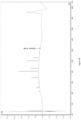
Figure 1 : chromatogramme de l'extrait selon l'invention de l'exemple 1, obtenu par méthode UHPLC, -
Figure 2 : chromatogramme de l'extrait selon l'invention de l'exemple 2 obtenu par méthode UHPLC. -
Figure 3A : chromatogramme d'un extrait de l'art antérieur selon l'exemple 3A (obtenu sans traitement thermique) obtenu par méthode UHPLC, -
Figure 3B : chromatogramme d'un extrait de l'art antérieur selon l'exemple 3B (obtenu sans traitement thermique) obtenu par méthode UHPLC, - L'invention a donc pour objet un extrait végétal obtenu à partir d'une plante (ou matière première végétale) contenant du safranal, comprenant une concentration mesurée par méthode HPLC comprise entre 0,2% et 0,73% de safranal en poids par rapport au poids total de la matière sèche.
- Par « extrait végétal obtenu à partir d'une plante contenant du safranal » ou « extrait végétal obtenu à partir d'une matière première végétale contenant du safranal », on entend au moins une molécule ou un ensemble de plusieurs molécules issue(s) de tout ou partie d'une plante contenant du safranal. Il peut s'agir d'une sélection spécifique de molécules natives présentes dans la plante ou de molécules obtenues par tout type de transformation desdites molécules natives. La matière première utilisée pour obtenir l'extrait peut être constituée par tout ou partie d'une plante contenant du safranal. Si la plante contenant le safranal est le safran, l'extrait végétal selon l'invention peut être obtenu en particulier à partir de stigmates et/ou de pétales et/ou de bulbes de safran.
- L'extrait selon l'invention n'est pas la matière première en tant que telle. Il ne s'agit pas de plante, de partie de plante, de plante séchée, de partie de plante séchée ou d'échantillon de plante ou d'échantillon de plante séchée. Il ne s'agit pas non plus d'une huile essentielle. Par « plante contenant du safranal » ou « matière première contenant du safranal » (les termes plante et matière première végétale pouvant être utilisés indifféremment au sens de l'invention) on entend toute plante contenant du safranal en particulier Crocus sativus, Centaurea sibthorpii, Centaurea consanguinea, Centaurea amanicola, Erodium cicutarium, Chinese green tea, Calycopteris floribunda, Crocus heuffelianus, Sambucus nigra, Gardenia jasminoides, Citrus limon, Cuminum cyminum L., Achillea distans. Préférentiellement la plante contenant du safranal à partir de laquelle est obtenu l'extrait selon l'invention est Crocus sativus (safran).
- L'extrait selon l'invention comprend du safranal, et le safranal est présent à une concentration comprise entre 0,2% et 0,73% en poids de matière sèche, mesurée par méthode HPLC (Chromatographie Liquide Haute Performance). La méthode de mesure a toute son importance étant entendu qu'avec une autre méthode de mesure, notamment par spectrométrie UV (norme ISO 3632-2), le résultat obtenu ne correspond pas à la concentration réelle en safranal du fait de la non spécificité de cette méthode.
- La méthode d'analyse par HPLC de molécules est une méthode connue de l'homme de l'art. Elle permet d'identifier et quantifier des molécules unitaires de façon précise. Préférentiellement, la méthode d'analyse utilisée pour doser les molécules contenues dans l'extrait selon l'invention, en particulier le safranal, est une méthode UHPLC (Chromatographie Liquide Ultra Haute Performance). Cette méthode permet d'augmenter encore la résolution et la séparation des composés, et de détecter plusieurs composés sur le même chromatogramme à partir d'un seul échantillon.
- Selon un mode de réalisation particulièrement adapté, la méthode d'analyse HPLC ou UHPLC comprend une étape préalable de préparation de l'échantillon comprenant les étapes suivantes :
- Introduction de l'extrait de safran à doser dans une solution hydroalcoolique,
- Agitation magnétique pendant au moins 1 heure,
- Bain à ultrasons pendant au moins 5 minutes,
- Filtration sur membrane puis injection.
- La méthode d'analyse, après préparation de l'échantillon comprend classiquement ensuite une étape d'élution puis de détection.
- L'élution est préférentiellement réalisée à l'aide d'un gradient binaire. Le premier solvant peut être par exemple un solvant organique et un acide. Préférentiellement il s'agit de l'acide formique dans de l'acétonitrile. Le second solvant peut être par exemple un solvant aqueux acidifié. Préférentiellement il s'agit de l'acide formique dans l'eau.
- En plus du safranal, l'extrait selon l'invention peut comprendre d'autres molécules, en particulier des crocines et/ou des flavonoïdes dérivés du kaempferol et/ou des dérivés de la picrocrocine, en particulier dans le cas où il s'agit d'un extrait de safran.
- Dans le cas où elles sont présentes, les crocines représentent préférentiellement au moins 1% en poids de matière sèche de l'extrait, mesuré par méthode HPLC.
- Dans le cas où ils sont présents, les flavonoïdes dérivés du kaempferol représentent préférentiellement au moins 500 ppm en poids de matière sèche de l'extrait, mesuré par méthode HPLC.
- Dans le cas où elles sont présentes, les picrocrocines représentent préférentiellement au moins 0.5% en poids de matière sèche de l'extrait, mesurée par méthode HPLC.
- L'extrait selon l'invention est imprégné sur un support. Par « support » ou « agent de charge » au sens de l'invention on entend toute substance alimentaire d'origine végétale, minérale ou chimique utilisée comme ingrédient ou additif alimentaire permettant l'imprégnation et par la même la dilution de l'extrait de l'invention.
- Le support peut être notamment choisi parmi les constituants suivants : maltodextrine, sucre, silice, gomme arabique, préférentiellement la maltodextrine.
- Lorsque l'extrait est imprégné sur un support, les pourcentages de molécules présentes dans l'extrait sont donnés en poids de matière sèche de l'extrait incluant le support.
- L'extrait selon l'invention peut être obtenu par tout moyen permettant d'obtenir une concentration entre 0,2% et 0,73% de safranal en poids de matière sèche de l'extrait. Préférentiellement, l'extrait selon l'invention est obtenu par un procédé comprenant une étape de traitement thermique. Cette étape peut être mise en œuvre sur la matière première en début, en cours ou en fin de procédé d'obtention de l'extrait.
- Par traitement thermique au sens de l'invention on entend chauffer à une température supérieure à la température ambiante. De façon préférée, l'étape de traitement thermique est un traitement thermique réalisé pendant au moins 2 heures, préférentiellement au moins 24 heures, à une température comprise entre 30°C et 95°C, préférentiellement entre 30°C et 60°C.
- Le traitement thermique peut être réalisé par tout moyen connu, notamment en étuve, en four, par cuisson, pasteurisation ou débactérisation. Préférentiellement, le traitement thermique est réalisé en étuve.
- Selon un mode de réalisation particulièrement adapté, l'extrait végétal selon l'invention est obtenu par un procédé comprenant la mise en œuvre des étapes suivantes réalisée à partir de matière première de safran :
- Eventuellement séchage,
- Broyage, préférentiellement entre 50 et 500 µm,
- Extraction aqueuse ou hydroalcoolique ou avec un solvant organique,
- Imprégnation sur un support de l'extrait obtenu,
- Traitement thermique.
- Les étapes d'extraction aqueuse ou hydroalcoolique ou avec un solvant organique et d'imprégnation sur un support de l'extrait obtenu constitue le procédé d'extraction connu nommé Tech'Care Exctraction®.
- L'étape de traitement thermique peut être réalisé à tout moment de ce procédé, préférentiellement en fin de procédé sur la matière première de safran et complète le procédé Tech'Care Extraction®.
- Selon un mode de réalisation particulièrement adapté, l'étape de traitement thermique dans la mise en œuvre de ce procédé est une étape de traitement thermique dans une étuve pendant au moins 2 heures, encore plus préférentiellement pendant au moins 24 heures à une température comprise entre 30°C et 95°C, encore plus préférentiellement à une température comprise entre 30°C et 60°C.
- Le broyage peut être réalisé par tout moyen adapté connu, notamment par un broyeur à couteau, à broches ou à marteau, préférentiellement un broyeur à broches.
- L'étape d'extraction peut être réalisée par tout moyen adapté connu.
- Dans le cas d'une extraction aqueuse, la matière broyée est introduite dans l'eau à raison de 50g/L.
- Dans le cas d'une extraction hydroalcoolique, le solvant peut être notamment de l'éthanol, préférentiellement de l'éthanol à 60% v/v. La matière broyée est introduite dans la solution hydroalcoolique à raison de 50g/L.
- Dans le cas d'une extraction avec un solvant organique, le solvant peut être notamment du méthanol ou de l'acétate d'éthyle, préférentiellement du méthanol à 30% v/v. La matière broyée est introduite dans le solvant organique à raison de 100g/L.
- Après extraction, le procédé peut également comprendre une étape d'acidification. Cette étape consiste en l'ajout d'acide dans le solvant aqueux ou hydroalcoolique. Elle permet de diminuer le pH de la solution d'extraction entre 3 et 5. Elle peut être notamment réalisée dans les conditions suivantes : ajout d'acide citrique ou acide chlorhydrique dans le solvant hydroalcoolique pour ajuster le pH à 4.
- L'étape d'imprégnation sur un support consiste en l'ajout d'un agent de charge dans la solution d'extraction. Le support ou agent de charge peut être notamment choisi parmi les constituants suivants : maltodextrine, sucre, silice, gomme arabique, préférentiellement la maltodextrine.
- Après cette étape d'imprégnation, le procédé peut comprendre également une étape d'émulsion et/ou d'encapsulation de l'extrait obtenu. Cette étape consiste en l'agitation à haute vitesse de la solution d'extraction contenant l'agent de charge et éventuellement l'auxiliaire. Elle peut être notamment réalisée à l'aide d'auxiliaires tels que la gomme arabique, des cyclodextrines ou des matières grasses.
- L'extrait selon l'invention peut être utilisé seul ou intégré dans une composition cosmétique, alimentaire, nutritionnelle ou médicamenteuse, à raison de 0,1 à 100% en poids de matière sèche de la composition. Préférentiellement, l'extrait selon l'invention est présent dans la composition en une quantité permettant l'administration chez l'homme ou l'animal d'au moins 0.07 mg d'extrait selon l'invention par kg de poids corporel par jour, encore plus préférentiellement entre 1.4 à 4.2 mg d'extrait selon l'invention par kg de poids corporel par jour.
- L'invention a donc pour objet une telle composition, préférentiellement une composition se présentant sous forme de gélule, comprimé, capsule molle, stick, sachet, plat préparé, huile, lotion, crème, émulsion.
- Les compositions comprenant un extrait selon l'invention peuvent contenir d'autres composants adaptés connus, tels que des excipients, sélectionnés en fonction de la forme et de l'utilisation envisagée de la composition ou d'autres principes actifs ou molécules actives. L'extrait selon l'invention et les compositions l'incluant peuvent être utilisés dans de nombreuses applications, en particulier pour prévenir ou traiter la dépression et l'anxiété ou encore pour prévenir ou traiter les troubles de l'humeur (troubles pathologiques de l'humeur), les troubles de l'érection, les troubles prémenstruels.
- Aussi l'invention a également pour objet l'extrait pour son utilisation :
- dans la prévention ou le traitement de la dépression, chez l'être humain ou l'animal,
- dans la prévention ou le traitement de l'anxiété chez l'être humain ou l'animal,
- dans la prévention ou le traitement des troubles de l'humeur, chez l'être humain,
- dans la prévention ou le traitement des troubles de l'érection, chez l'être humain (chez l'homme),
- dans la prévention ou le traitement des troubles prémenstruels chez l'être humain (chez la femme).
- Avantageusement, du fait de sa quantité importante en safranal, supérieure à celle de tous les extraits existants, l'extrait selon l'invention présente une grande efficacité pour ces applications. De plus, il est important d'utiliser un extrait plutôt que la matière première en tant que telle (plante en tout ou partie séchée ou non) car les extraits selon l'invention permettent d'augmenter la biodisponibilité des molécules actives car ces dernières ne sont plus imbriquées dans la matrice végétale de la fleur et sont plus accessibles à l'organisme. La présence du support dans l'extrait permet également d'obtenir une meilleure homogénéité des molécules d'intérêt dans le produit fini.
- L'invention est à présent illustrée par des exemples d'extraits et procédés selon l'invention (exemples 1 et 2), d'exemples comparatifs d'extraits de l'art antérieur (exemples 3A et 3B) et de compositions.
- Pour l'ensemble des exemples, la méthode de dosage des molécules dans l'extrait, et en particulier du safranal est une méthode UHPLC avec les caractéristiques suivantes :
1. Préparation de l'échantillon
Extraction de l'échantillon par une solution hydroalcoolique. Agitation magnétique d'au moins 1 heure puis bain à ultrasons pendant au moins 5 minutes. Filtration sur membrane puis injection.
2. Elution HPLC
Gradient binaire : - Solvant A (acide formique dans MeCN)
- Solvant B (acide formique dans l'eau)
- Trans-crocin-4-gentiobiose-gentobiose
- Trans-crocin 3-gentiobiose-glucose
- beta-cyclocitral
- Kaempferol glucoside
- Safranal
- Un premier exemple d'extrait est un extrait obtenu par la mise en œuvre du procédé consistant en la mise en œuvre des étapes suivantes :
- utilisation de stigmates de Crocus sativus,
- broyage à l'aide d'un broyeur à broches, à une taille de 250µm,
- extraction hydroalcoolique à l'éthanol 60% v/v, à raison de 50g de safran par litre de solution hydroalcoolique,
- imprégnation sur maltodextrine, introduite dans la solution hydroalcoolique,
- traitement thermique à l'étuve pendant 48 heures à 40°C.
- L'extrait obtenu est dosé en plusieurs molécules avec la méthode UHPLC décrite en préambule de la partie relative aux exemples.
- Le chromatogramme obtenu est présenté sur la
Figure 1 . - L'extrait est caractérisé par :
- une concentration en safranal de 0,238%,
- une concentration en Crocines de 3.96%,
- une concentration en dérivés de la picrocrocine de 1.08%, et
- une concentration en Flavonoïdes de 0.25%.
- Un deuxième exemple d'extrait est un extrait obtenu par la mise en œuvre du procédé consistant en la mise en œuvre des étapes suivantes :
- utilisation de stigmates de Crocus Sativus,
- broyage à l'aide d'un broyeur à broches à une taille de 250 µm,
- extraction aqueuse acidifiée avec de l'acide chlorhydrique à pH 4,
- imprégnation sur gomme arabique introduite dans la solution aqueuse,
- traitement thermique à l'étuve pendant 72 heures à 40°C.
- L'extrait obtenu est dosé en plusieurs molécules avec la méthode UHPLC décrite en préambule de la partie relative aux exemples.
- Le chromatogramme obtenu est présenté sur la
Figure 2 . - L'extrait est caractérisé par :
- une concentration en safranal de 0.73%,
- une concentration en Crocines de 1.0%,
- une concentration en dérivés de la picrocrocine de 2.93%, et
- une concentration en Flavonoïdes de 0.57%.
- Un troisième exemple d'extrait est un extrait obtenu par la mise en œuvre du procédé consistant en la mise en œuvre des étapes suivantes :
- utilisation de stigmates de Crocus Sativus,
- broyage à l'aide d'un broyeur à broches à une taille de 250 µm,
- Premier traitement thermique à l'étuve de 2h à 6h à 105°C
- Deuxième traitement thermique à l'étuve de 2h à 6h à 140°C
- extraction hydroalcoolique à l'éthanol 60% v/v, à raison de 50g de safran par litre de solution hydroalcoolique,
- imprégnation sur maltodextrine, introduite dans la solution hydroalcoolique,
- séchage par lyophilisation de l'extrait liquide
- L'extrait est caractérisé par :
- une concentration en safranal de 0.39%,
- une concentration en Crocines de 2.31%,
- une concentration en dérivés de la picrocrocine de 1.37%, et
- une concentration en Flavonoïdes de 0.24%.
- Un premier contre-exemple d'extrait est un extrait obtenu par la mise en œuvre du procédé consistant en la mise en œuvre des étapes suivantes :
- utilisation de stigmates de Crocus sativus,
- broyage à l'aide d'un broyeur à broches, à une taille de 250µm,
- extraction hydroalcoolique à l'éthanol 60% v/v, à raison de 50g de safran par litre de solution hydroalcoolique,
- imprégnation sur maltodextrine, introduite dans la solution hydroalcoolique,
- séchage par atomisation de l'extrait liquide.
- Le chromatogramme obtenu est présenté sur la
Figure 3A . - L'extrait obtenu est caractérisé par :
- une concentration en safranal de 0,028%,
- une concentration en Crocines de 4,98%,
- une concentration en dérivés de la picrocrocine de 1.26%, et
- une concentration en Flavonoïdes de 0.24%
- Un deuxième contre-exemple d'extrait est un extrait obtenu par la mise en œuvre du procédé consistant en la mise en œuvre des étapes suivantes :
- utilisation de stigmates de Crocus sativus,
- broyage à l'aide d'un broyeur à broches, à une taille de 250µm,
- extraction hydroalcoolique à l'éthanol 60% v/v, à raison de 50g de safran par litre de solution hydroalcoolique,
- imprégnation sur maltodextrine, introduite dans la solution hydroalcoolique,
- séchage par lyophilisation de l'extrait liquide.
- Le chromatogramme obtenu est présenté sur la
Figure 3B . - L'extrait est caractérisé par :
- une concentration en safranal de 0,038%,
- une concentration en Crocines de 4.40%,
- une concentration en dérivés de la picrocrocine de 1.15%, et
- une concentration en Flavonoïdes de 0.22%.
- L'exemple 4 est une gélule de 150 mg, constituée par :
- L'extrait selon l'invention de l'exemple 1 : 15mg
- Maltodextrine : 135mg
- La composition est obtenue par mélange des constituants dans les conditions classiques connues de l'homme du métier, et mis dans une gélule selon les conditions classiques également.
- La posologie préconisée est de 2 gélules par jour.
- L'exemple 5 est un comprimé de 1500mg, constitué par :
- L'extrait selon l'invention de l'exemple 2 : 20mg,
- Sorbitol : 1430mg,
- Stéarate de magnesium : 27mg,
- Colorant bleu brillant FCF laque E133 : 20mg,
- Acesulfame K (E950) : 1,5mg,
- Saccharinate de sodium (E954) : 1,5mg.
- La composition est obtenue par mélange des constituants dans les conditions classiques connues de l'homme du métier, et comprimée selon les conditions classiques également.
- La posologie préconisée est de 1 comprimé par jour.
- L'exemple 6 est un comprimé de 300 mg, constitué par :
- L'extrait de safran de l'exemple 1 : 6mg,
- Cellulose microcristalline : 135mg,
- Stéarate de magnésium : 10mg.
- La composition est obtenue par mélange des constituants dans les conditions classiques connues de l'homme du métier, et comprimée selon les conditions classiques également.
- La posologie préconisée est de 1 comprimé par jour.
- Il s'agit d'une composition se présentant sous forme de crème destinée à être appliquée sur la peau.
- Elle est constituée par :
- L'extrait selon l'invention de l'exemple 1 : 10 mg,
- Conservateur : 0,5%,
- Parfums : 0,6%,
- Phase grasse + phase aqueuse : 97,4%.
- La phase grasse est constituée d'un émulsionnant et de triglycérides. La phase aqueuse est constituée d'eau associée à un acide pyrrolidone carboxylique.
- La composition est obtenue par ajout de l'extrait de safran de l'exemple 1, sous agitation en même temps que les conservateurs et les parfums à la phase aqueuse pendant 10minutes. La phase aqueuse est alors elle-même ajoutée sous agitation à la phase grasse pendant un mélange durant 30 minutes.
3. Détection
| Crocines | 440 nm |
| Dérivés de la picrocrocine | 250 nm |
| Flavonoïds | 350 nm |
| Safranal | 310 nm |
4. Standards
Claims (12)
- Extrait végétal obtenu à partir d'une matière première végétale contenant du safranal choisie parmi Crocus sativus, Centaurea sibthorpii, Centaurea consanguinea, Centaurea amanicola, Erodium cicutarium, Chinese green tea, Calycopteris floribunda, Crocus heuffelianus, Sambucus nigra, Gardenia jasminoides, Citrus limon, Cuminum cyminum L., Achillea distans., comprenant :- une concentration mesurée par méthode HPLC comprise entre 0,2% et 0,73% de safranal en poids par rapport au poids total de la matière sèche de l'extrait,- un agent de charge choisi parmi la maltodextrine, le sucre, la silice et la gomme arabique,ledit extrait est susceptible d'être obtenu par un procédé comprenant les étapes suivantes :- Broyage de la matière première végétale contenant du safranal,- Extraction aqueuse ou hydroalcoolique ou avec un solvant organique,- Imprégnation sur l'agent de charge dans la solution d'extraction et encapsulation de l'extrait obtenu,- Traitement thermique pendant une durée comprise entre 24 et 72 heures à une température comprise entre 30°C et 60°C.
- Extrait végétal selon la précédente revendication, caractérisé en ce qu'il comprend également des crocines et/ou des flavonoïdes dérivés du kaempferol et/ou des picrocrocines.
- Extrait végétal selon la précédente revendication, caractérisé en ce qu'il comprend :- au moins 1% de crocines en poids par rapport au poids total de la matière sèche de l'extrait, mesuré par méthode HPLC,- au moins 500 ppm de flavonoïdes dérivés du kaempferol en poids de matière sèche de l'extrait, mesuré par méthode HPLC,- au moins 0,5% de picrocrocine en poids de matière sèche de l'extrait, mesuré par méthode HPLC.
- Extrait végétal selon l'une des revendications précédentes, caractérisé en ce qu'il est obtenu à partir de stigmates et/ou de pétales et/ou de bulbes de Crocus sativus.
- Extrait végétal selon l'une des revendications précédentes, caractérisé en ce que le traitement thermique est réalisé en étuve, en four, par cuisson, pasteurisation ou débactérisation.
- Procédé d'obtention d'un extrait végétal selon l'une des précédentes revendications, caractérisé en ce qu'il comprend la mise en œuvre des étapes suivantes :- Broyage d'une matière première végétale contenant du safranal,- Extraction aqueuse ou hydroalcoolique ou avec un solvant organique,- Imprégnation sur l'agent de charge dans la solution d'extraction et encapsulation de l'extrait obtenu,- Traitement thermique pendant une durée comprise entre 24 et 72 heures à une température comprise entre 30°C et 60°C.
- Procédé selon la revendication précédente, caractérisé en ce qu'il comprend également une étape d'acidification après l'étape d'extraction.
- Procédé selon l'une des revendications 6 ou 7, caractérisé en ce qu'il comprend également une étape d'émulsion.
- Composition cosmétique, alimentaire, nutritionnelle ou médicamenteuse comprenant entre 0,1 et 100% en poids de matière sèche d'un extrait végétal selon l'une des revendications 1 à 5.
- Composition selon la revendication précédente, caractérisé en ce qu'elle se présente sous forme de gélules, comprimés, capsules molles, sticks, sachets, plats préparés, huile, lotion, crème, émulsion.
- Extrait végétal selon l'une des revendications 1 à 5, pour son utilisation dans la prévention ou le traitement de la dépression, de l'anxiété chez l'être humain ou l'animal.
- Extrait végétal selon l'une des revendications 1 à 5, pour son utilisation dans la prévention ou le traitement des troubles de l'humeur, des troubles de l'érection, des troubles prémenstruels chez l'être humain.
Priority Applications (2)
| Application Number | Priority Date | Filing Date | Title |
|---|---|---|---|
| EP22166269.5A EP4115896A1 (fr) | 2016-07-28 | 2017-07-28 | Extrait de plante très concentré en safranal, procédé d'obtention et utilisations |
| SI201731198T SI3490575T2 (sl) | 2016-07-28 | 2017-07-28 | Rastlinski izvleček z visoko koncentracijo safranala, postopek za pridobivanje in uporabe |
Applications Claiming Priority (2)
| Application Number | Priority Date | Filing Date | Title |
|---|---|---|---|
| FR1657297A FR3054443B1 (fr) | 2016-07-28 | 2016-07-28 | Extrait de plante tres concentre en safranal, procede d'obtention et utilisations |
| PCT/EP2017/069200 WO2018020013A1 (fr) | 2016-07-28 | 2017-07-28 | Extrait de plante tres concentre en safranal, procede d'obtention et utilisations |
Related Child Applications (2)
| Application Number | Title | Priority Date | Filing Date |
|---|---|---|---|
| EP22166269.5A Division EP4115896A1 (fr) | 2016-07-28 | 2017-07-28 | Extrait de plante très concentré en safranal, procédé d'obtention et utilisations |
| EP22166269.5A Division-Into EP4115896A1 (fr) | 2016-07-28 | 2017-07-28 | Extrait de plante très concentré en safranal, procédé d'obtention et utilisations |
Publications (3)
| Publication Number | Publication Date |
|---|---|
| EP3490575A1 EP3490575A1 (fr) | 2019-06-05 |
| EP3490575B1 EP3490575B1 (fr) | 2022-05-04 |
| EP3490575B2 true EP3490575B2 (fr) | 2025-04-16 |
Family
ID=57590585
Family Applications (2)
| Application Number | Title | Priority Date | Filing Date |
|---|---|---|---|
| EP22166269.5A Withdrawn EP4115896A1 (fr) | 2016-07-28 | 2017-07-28 | Extrait de plante très concentré en safranal, procédé d'obtention et utilisations |
| EP17754296.6A Active EP3490575B2 (fr) | 2016-07-28 | 2017-07-28 | Extrait de plante tres concentre en safranal, procede d'obtention et utilisations |
Family Applications Before (1)
| Application Number | Title | Priority Date | Filing Date |
|---|---|---|---|
| EP22166269.5A Withdrawn EP4115896A1 (fr) | 2016-07-28 | 2017-07-28 | Extrait de plante très concentré en safranal, procédé d'obtention et utilisations |
Country Status (16)
| Country | Link |
|---|---|
| US (2) | US11590193B2 (fr) |
| EP (2) | EP4115896A1 (fr) |
| JP (3) | JP7636134B2 (fr) |
| KR (2) | KR20190034267A (fr) |
| CN (2) | CN109843314A (fr) |
| AU (2) | AU2017303349B2 (fr) |
| CA (1) | CA3031597A1 (fr) |
| DK (1) | DK3490575T3 (fr) |
| ES (1) | ES2924255T5 (fr) |
| FR (1) | FR3054443B1 (fr) |
| MY (1) | MY193236A (fr) |
| PL (1) | PL3490575T3 (fr) |
| PT (1) | PT3490575T (fr) |
| SI (1) | SI3490575T2 (fr) |
| WO (1) | WO2018020013A1 (fr) |
| ZA (1) | ZA201900530B (fr) |
Families Citing this family (15)
| Publication number | Priority date | Publication date | Assignee | Title |
|---|---|---|---|---|
| ES2573542B1 (es) | 2016-04-18 | 2017-03-13 | Pharmactive Biotech Products, S.L. | Empleo de un nuevo extracto de azafrán para la prevención de trastornos del estado de ánimo relacionados con la depresión |
| FR3078628B1 (fr) * | 2018-03-09 | 2020-03-27 | Id Phar | Composition comestible sous forme de gelule pour la prevention de troubles de l’humeur |
| KR102080410B1 (ko) * | 2018-10-31 | 2020-02-21 | 주식회사 코사바이오 | 엘더베리 추출물을 유효성분으로 함유하는 남성 갱년기 증후군의 예방, 치료 또는 개선용 조성물 |
| FR3089095B1 (fr) * | 2018-11-30 | 2022-01-21 | Evolugout | Procédé d’extraction de safran et extrait de safran associé |
| IT201800020932A1 (it) | 2018-12-21 | 2020-06-21 | Kolinpharma S P A | Composizione multicomponente a base di L-triptofano, resveratrolo e estratto di crocus sativus per il trattamento dei disturbi del ciclo mestruale |
| CH715915A2 (de) * | 2019-03-12 | 2020-09-15 | Tagora Ip Ag | Safranknollenextrakt zur Behandlung von Entzündungen. |
| CN111454309A (zh) * | 2020-05-14 | 2020-07-28 | 成都中医药大学 | 西红花花瓣花色苷的提取方法 |
| FR3110404B1 (fr) | 2020-05-20 | 2025-11-21 | Activinside | Composition comprenant du safranal et des probiotiques |
| FR3117368B1 (fr) * | 2020-12-14 | 2023-12-22 | Oreal | Extrait d’au moins une plante de l’espèceCrocus sativus comprenant un fort taux de crocines et un faible taux de safranal, et son utilisation cosmétique à titre d’agent antioxydant |
| BE1028612B1 (fr) * | 2021-02-24 | 2022-04-06 | Vesale Pharmaceutica | Composition comprenant un extrait de safran, un peptide de caseine et un autre compose vegetal pour le traitement des troubles du sommeil, des troubles de l'humeur ou de l'anxiete |
| FR3125964B1 (fr) | 2021-08-04 | 2024-03-29 | Activinside | Utilisation d’un agent antioxydant pour stabiliser le safran et composition les comprenant |
| FR3125963B1 (fr) | 2021-08-04 | 2024-06-14 | Activinside | Composition à base de Crocus sativus et de Cannabis sativa |
| FR3129831B1 (fr) | 2021-12-07 | 2025-04-11 | Activinside | Utilisation d’une composition à base de Crocus sativus comme prébiotique |
| CN115028668B (zh) * | 2022-06-15 | 2023-05-30 | 西藏天虹科技股份有限责任公司 | 一种藏红花苷的提取工艺 |
| KR102689269B1 (ko) * | 2023-07-31 | 2024-08-08 | 주식회사 한국화장품제조 | 고농축 유효성분을 함유하는 식물추출물과 금속산화물을 안정하게 함침하여 피부진정 및 자외선차단 효과를 갖는 실리카 조성물, 그의 제조방법 및 그를 함유한 화장료 조성물 |
Citations (1)
| Publication number | Priority date | Publication date | Assignee | Title |
|---|---|---|---|---|
| ES2573542A1 (es) † | 2016-04-18 | 2016-06-08 | Pharmactive Biotech Products, S.L. | Empleo de un nuevo extracto de azafrán para la prevención de trastornos del estado de ánimo relacionados con la depresión |
Family Cites Families (7)
| Publication number | Priority date | Publication date | Assignee | Title |
|---|---|---|---|---|
| CN1293924A (zh) * | 1999-10-27 | 2001-05-09 | 扬州雪莲饮品厂 | 红花露的生产工艺方法 |
| FR2900053B1 (fr) | 2006-04-25 | 2012-11-16 | Cedric Bourges | Utilisation du safranal, de la crocine, de la picrocrocine et leurs derives en tant qu'agent de satiete pour le traitement de la surcharge ponderale |
| FR2961379B1 (fr) * | 2010-06-16 | 2012-08-17 | Activ Inside | Extrait aqueux riche en mineraux naturels |
| FR2995185A1 (fr) * | 2012-09-13 | 2014-03-14 | Mundema | Nouvelle composition a base de safranal |
| FR3017799B1 (fr) | 2014-02-24 | 2017-02-10 | Constant Thomaoglou | Composition comestiblepour le traitement de la phase de debut du syndrome depressif |
| FR3110404B1 (fr) * | 2020-05-20 | 2025-11-21 | Activinside | Composition comprenant du safranal et des probiotiques |
| FR3125963B1 (fr) * | 2021-08-04 | 2024-06-14 | Activinside | Composition à base de Crocus sativus et de Cannabis sativa |
-
2016
- 2016-07-28 FR FR1657297A patent/FR3054443B1/fr active Active
-
2017
- 2017-07-28 PT PT177542966T patent/PT3490575T/pt unknown
- 2017-07-28 CN CN201780046578.2A patent/CN109843314A/zh active Pending
- 2017-07-28 EP EP22166269.5A patent/EP4115896A1/fr not_active Withdrawn
- 2017-07-28 EP EP17754296.6A patent/EP3490575B2/fr active Active
- 2017-07-28 PL PL17754296.6T patent/PL3490575T3/pl unknown
- 2017-07-28 US US16/320,847 patent/US11590193B2/en active Active
- 2017-07-28 CA CA3031597A patent/CA3031597A1/fr active Pending
- 2017-07-28 CN CN202510697625.6A patent/CN120501799A/zh active Pending
- 2017-07-28 KR KR1020197005497A patent/KR20190034267A/ko not_active Ceased
- 2017-07-28 SI SI201731198T patent/SI3490575T2/sl unknown
- 2017-07-28 JP JP2019502745A patent/JP7636134B2/ja active Active
- 2017-07-28 KR KR1020227028824A patent/KR102547928B1/ko active Active
- 2017-07-28 MY MYPI2019000415A patent/MY193236A/en unknown
- 2017-07-28 WO PCT/EP2017/069200 patent/WO2018020013A1/fr not_active Ceased
- 2017-07-28 ES ES17754296T patent/ES2924255T5/es active Active
- 2017-07-28 AU AU2017303349A patent/AU2017303349B2/en not_active Ceased
- 2017-07-28 DK DK17754296.6T patent/DK3490575T3/da active
-
2019
- 2019-01-25 ZA ZA201900530A patent/ZA201900530B/en unknown
-
2022
- 2022-10-27 JP JP2022172164A patent/JP2023011744A/ja active Pending
-
2023
- 2023-01-24 US US18/100,700 patent/US12403171B2/en active Active
- 2023-11-20 AU AU2023270181A patent/AU2023270181B2/en active Active
-
2024
- 2024-03-28 JP JP2024053292A patent/JP2024069713A/ja active Pending
Patent Citations (1)
| Publication number | Priority date | Publication date | Assignee | Title |
|---|---|---|---|---|
| ES2573542A1 (es) † | 2016-04-18 | 2016-06-08 | Pharmactive Biotech Products, S.L. | Empleo de un nuevo extracto de azafrán para la prevención de trastornos del estado de ánimo relacionados con la depresión |
Also Published As
| Publication number | Publication date |
|---|---|
| KR102547928B1 (ko) | 2023-06-27 |
| JP2023011744A (ja) | 2023-01-24 |
| US12403171B2 (en) | 2025-09-02 |
| KR20220123139A (ko) | 2022-09-05 |
| CA3031597A1 (fr) | 2018-02-01 |
| CN109843314A (zh) | 2019-06-04 |
| FR3054443B1 (fr) | 2020-01-03 |
| JP2019535639A (ja) | 2019-12-12 |
| WO2018020013A1 (fr) | 2018-02-01 |
| AU2017303349B2 (en) | 2023-09-21 |
| SI3490575T2 (sl) | 2026-02-27 |
| JP7636134B2 (ja) | 2025-02-26 |
| MY193236A (en) | 2022-09-27 |
| AU2023270181A1 (en) | 2023-12-14 |
| US20230165927A1 (en) | 2023-06-01 |
| JP2024069713A (ja) | 2024-05-21 |
| EP3490575A1 (fr) | 2019-06-05 |
| EP3490575B1 (fr) | 2022-05-04 |
| ES2924255T5 (en) | 2026-03-11 |
| AU2017303349A1 (en) | 2019-02-07 |
| CN120501799A (zh) | 2025-08-19 |
| PL3490575T3 (pl) | 2022-09-12 |
| SI3490575T1 (sl) | 2022-10-28 |
| US11590193B2 (en) | 2023-02-28 |
| US20190160133A1 (en) | 2019-05-30 |
| EP4115896A1 (fr) | 2023-01-11 |
| AU2023270181B2 (en) | 2024-12-12 |
| DK3490575T3 (da) | 2022-08-01 |
| ES2924255T3 (es) | 2022-10-05 |
| FR3054443A1 (fr) | 2018-02-02 |
| PT3490575T (pt) | 2022-08-09 |
| KR20190034267A (ko) | 2019-04-01 |
| ZA201900530B (en) | 2019-10-30 |
Similar Documents
| Publication | Publication Date | Title |
|---|---|---|
| EP3490575B2 (fr) | Extrait de plante tres concentre en safranal, procede d'obtention et utilisations | |
| EP0930936B2 (fr) | Procede de preparation de microcapsules de matieres actives enrobees par un polymere et nouvelles microcapsules notamment obtenues selon le procede | |
| EP2146708B1 (fr) | Composition a activité lipolytique, son procédé d'obtention et utilisation de la composition. | |
| EP3054964B1 (fr) | Procede d'obtention d'un extrait de plante et compositions associees | |
| FR3027228A1 (fr) | Composition comprenant un melange d'extraits vegetaux et utilisation pour agir sur le metabolisme glucidique et/ou lipidique | |
| EP3368055A1 (fr) | Agent nutritionnel ou therapeutique particulier comprenant un melange de raisin et de bleuet | |
| EP4099975A1 (fr) | Procédé d'obtention d'un extrait aqueux de lavande, compositions comprenant un tel extrait et leurs utilisations cosmétiques | |
| CA2996085C (fr) | Extrait de gardenia dans la coloration de la peau | |
| EP3269426B1 (fr) | Extrait d'aesculus hippocastanum | |
| EP4380590B1 (fr) | Composition a base de crocus sativus et de cannabis sativa | |
| EP3405207B1 (fr) | Composition a visée détoxifiante pour administration par voie orale et son procédé de préparation | |
| EP1913951B1 (fr) | Procédé d'extraction de substances polyphénoliques et leurs utilisations | |
| EP4262738B1 (fr) | Procede d'obtention d'extraits aqueux de feuilles de thes, compositions comprenant de tels extraits et leurs utilisations cosmetiques | |
| EP3485952B1 (fr) | Procédé écologique d'amélioration de la disponibilité des substances actives issues de matières végétales | |
| WO2025011789A1 (fr) | Extrait de rose de damas riche en polyphenols obtenu a partir d'un coproduit d'hydrodistillation et ses utilisations comme complement alimentaire | |
| KR20100026228A (ko) | 산양삼 추출물의 마이크로캡슐화 방법 | |
| FR2940089A1 (fr) | Procede de preparation d'un produit enrichi en flavonoides a partir d'un materiel vegetal | |
| WO2023104761A1 (fr) | Utilisation d'une composition a base de crocus sativus comme prébiotique | |
| EP4087662A1 (fr) | Utilisation de la taxodione comme agent anti-glycation | |
| FR3115460A1 (fr) | UTILISATION D’UN EXTRAIT DE LILAS DES INDES DANS DES COMPOSITIONs COSMETIQUES ANTI-ÂGE | |
| FR3155423A1 (fr) | Composition comprenant de la peau grenade et de l’huile de graine de grenade | |
| FR3132221A1 (fr) | Utilisation d’un mélange de flavanols pour augmenter la concentration de la forme active de la vitamine D, le calcitriol. | |
| WO2019180328A1 (fr) | Composition contenant un traceur de substance active ingérée et procédé de détection dudit traceur |
Legal Events
| Date | Code | Title | Description |
|---|---|---|---|
| STAA | Information on the status of an ep patent application or granted ep patent |
Free format text: STATUS: UNKNOWN |
|
| STAA | Information on the status of an ep patent application or granted ep patent |
Free format text: STATUS: THE INTERNATIONAL PUBLICATION HAS BEEN MADE |
|
| PUAI | Public reference made under article 153(3) epc to a published international application that has entered the european phase |
Free format text: ORIGINAL CODE: 0009012 |
|
| STAA | Information on the status of an ep patent application or granted ep patent |
Free format text: STATUS: REQUEST FOR EXAMINATION WAS MADE |
|
| 17P | Request for examination filed |
Effective date: 20190124 |
|
| AK | Designated contracting states |
Kind code of ref document: A1 Designated state(s): AL AT BE BG CH CY CZ DE DK EE ES FI FR GB GR HR HU IE IS IT LI LT LU LV MC MK MT NL NO PL PT RO RS SE SI SK SM TR |
|
| AX | Request for extension of the european patent |
Extension state: BA ME |
|
| TPAC | Observations filed by third parties |
Free format text: ORIGINAL CODE: EPIDOSNTIPA |
|
| DAV | Request for validation of the european patent (deleted) | ||
| DAX | Request for extension of the european patent (deleted) | ||
| STAA | Information on the status of an ep patent application or granted ep patent |
Free format text: STATUS: EXAMINATION IS IN PROGRESS |
|
| 17Q | First examination report despatched |
Effective date: 20200310 |
|
| GRAP | Despatch of communication of intention to grant a patent |
Free format text: ORIGINAL CODE: EPIDOSNIGR1 |
|
| STAA | Information on the status of an ep patent application or granted ep patent |
Free format text: STATUS: GRANT OF PATENT IS INTENDED |
|
| GRAS | Grant fee paid |
Free format text: ORIGINAL CODE: EPIDOSNIGR3 |
|
| GRAA | (expected) grant |
Free format text: ORIGINAL CODE: 0009210 |
|
| STAA | Information on the status of an ep patent application or granted ep patent |
Free format text: STATUS: THE PATENT HAS BEEN GRANTED |
|
| INTG | Intention to grant announced |
Effective date: 20220316 |
|
| AK | Designated contracting states |
Kind code of ref document: B1 Designated state(s): AL AT BE BG CH CY CZ DE DK EE ES FI FR GB GR HR HU IE IS IT LI LT LU LV MC MK MT NL NO PL PT RO RS SE SI SK SM TR |
|
| REG | Reference to a national code |
Ref country code: GB Ref legal event code: FG4D Free format text: NOT ENGLISH |
|
| REG | Reference to a national code |
Ref country code: CH Ref legal event code: EP |
|
| REG | Reference to a national code |
Ref country code: AT Ref legal event code: REF Ref document number: 1488312 Country of ref document: AT Kind code of ref document: T Effective date: 20220515 |
|
| REG | Reference to a national code |
Ref country code: DE Ref legal event code: R096 Ref document number: 602017056917 Country of ref document: DE |
|
| REG | Reference to a national code |
Ref country code: IE Ref legal event code: FG4D Free format text: LANGUAGE OF EP DOCUMENT: FRENCH |
|
| REG | Reference to a national code |
Ref country code: RO Ref legal event code: EPE Ref country code: DK Ref legal event code: T3 Effective date: 20220729 |
|
| REG | Reference to a national code |
Ref country code: PT Ref legal event code: SC4A Ref document number: 3490575 Country of ref document: PT Date of ref document: 20220809 Kind code of ref document: T Free format text: AVAILABILITY OF NATIONAL TRANSLATION Effective date: 20220802 |
|
| REG | Reference to a national code |
Ref country code: NL Ref legal event code: FP |
|
| REG | Reference to a national code |
Ref country code: SE Ref legal event code: TRGR |
|
| REG | Reference to a national code |
Ref country code: LT Ref legal event code: MG9D |
|
| REG | Reference to a national code |
Ref country code: NO Ref legal event code: T2 Effective date: 20220504 |
|
| REG | Reference to a national code |
Ref country code: ES Ref legal event code: FG2A Ref document number: 2924255 Country of ref document: ES Kind code of ref document: T3 Effective date: 20221005 |
|
| REG | Reference to a national code |
Ref country code: GR Ref legal event code: EP Ref document number: 20220401552 Country of ref document: GR Effective date: 20221010 |
|
| PG25 | Lapsed in a contracting state [announced via postgrant information from national office to epo] |
Ref country code: LT Free format text: LAPSE BECAUSE OF FAILURE TO SUBMIT A TRANSLATION OF THE DESCRIPTION OR TO PAY THE FEE WITHIN THE PRESCRIBED TIME-LIMIT Effective date: 20220504 Ref country code: HR Free format text: LAPSE BECAUSE OF FAILURE TO SUBMIT A TRANSLATION OF THE DESCRIPTION OR TO PAY THE FEE WITHIN THE PRESCRIBED TIME-LIMIT Effective date: 20220504 Ref country code: FI Free format text: LAPSE BECAUSE OF FAILURE TO SUBMIT A TRANSLATION OF THE DESCRIPTION OR TO PAY THE FEE WITHIN THE PRESCRIBED TIME-LIMIT Effective date: 20220504 Ref country code: BG Free format text: LAPSE BECAUSE OF FAILURE TO SUBMIT A TRANSLATION OF THE DESCRIPTION OR TO PAY THE FEE WITHIN THE PRESCRIBED TIME-LIMIT Effective date: 20220804 |
|
| PG25 | Lapsed in a contracting state [announced via postgrant information from national office to epo] |
Ref country code: RS Free format text: LAPSE BECAUSE OF FAILURE TO SUBMIT A TRANSLATION OF THE DESCRIPTION OR TO PAY THE FEE WITHIN THE PRESCRIBED TIME-LIMIT Effective date: 20220504 Ref country code: LV Free format text: LAPSE BECAUSE OF FAILURE TO SUBMIT A TRANSLATION OF THE DESCRIPTION OR TO PAY THE FEE WITHIN THE PRESCRIBED TIME-LIMIT Effective date: 20220504 Ref country code: IS Free format text: LAPSE BECAUSE OF FAILURE TO SUBMIT A TRANSLATION OF THE DESCRIPTION OR TO PAY THE FEE WITHIN THE PRESCRIBED TIME-LIMIT Effective date: 20220904 |
|
| PG25 | Lapsed in a contracting state [announced via postgrant information from national office to epo] |
Ref country code: SM Free format text: LAPSE BECAUSE OF FAILURE TO SUBMIT A TRANSLATION OF THE DESCRIPTION OR TO PAY THE FEE WITHIN THE PRESCRIBED TIME-LIMIT Effective date: 20220504 Ref country code: SK Free format text: LAPSE BECAUSE OF FAILURE TO SUBMIT A TRANSLATION OF THE DESCRIPTION OR TO PAY THE FEE WITHIN THE PRESCRIBED TIME-LIMIT Effective date: 20220504 Ref country code: EE Free format text: LAPSE BECAUSE OF FAILURE TO SUBMIT A TRANSLATION OF THE DESCRIPTION OR TO PAY THE FEE WITHIN THE PRESCRIBED TIME-LIMIT Effective date: 20220504 Ref country code: CZ Free format text: LAPSE BECAUSE OF FAILURE TO SUBMIT A TRANSLATION OF THE DESCRIPTION OR TO PAY THE FEE WITHIN THE PRESCRIBED TIME-LIMIT Effective date: 20220504 |
|
| REG | Reference to a national code |
Ref country code: DE Ref legal event code: R026 Ref document number: 602017056917 Country of ref document: DE |
|
| PLBI | Opposition filed |
Free format text: ORIGINAL CODE: 0009260 |
|
| PLAX | Notice of opposition and request to file observation + time limit sent |
Free format text: ORIGINAL CODE: EPIDOSNOBS2 |
|
| PG25 | Lapsed in a contracting state [announced via postgrant information from national office to epo] |
Ref country code: MC Free format text: LAPSE BECAUSE OF FAILURE TO SUBMIT A TRANSLATION OF THE DESCRIPTION OR TO PAY THE FEE WITHIN THE PRESCRIBED TIME-LIMIT Effective date: 20220504 |
|
| 26 | Opposition filed |
Opponent name: PHARMACTIVE BIOTECH PRODUCTS, S.L. Effective date: 20230206 |
|
| PG25 | Lapsed in a contracting state [announced via postgrant information from national office to epo] |
Ref country code: AL Free format text: LAPSE BECAUSE OF FAILURE TO SUBMIT A TRANSLATION OF THE DESCRIPTION OR TO PAY THE FEE WITHIN THE PRESCRIBED TIME-LIMIT Effective date: 20220504 |
|
| PLBB | Reply of patent proprietor to notice(s) of opposition received |
Free format text: ORIGINAL CODE: EPIDOSNOBS3 |
|
| P01 | Opt-out of the competence of the unified patent court (upc) registered |
Effective date: 20230602 |
|
| PG25 | Lapsed in a contracting state [announced via postgrant information from national office to epo] |
Ref country code: IE Free format text: LAPSE BECAUSE OF NON-PAYMENT OF DUE FEES Effective date: 20220728 |
|
| PG25 | Lapsed in a contracting state [announced via postgrant information from national office to epo] |
Ref country code: HU Free format text: LAPSE BECAUSE OF FAILURE TO SUBMIT A TRANSLATION OF THE DESCRIPTION OR TO PAY THE FEE WITHIN THE PRESCRIBED TIME-LIMIT; INVALID AB INITIO Effective date: 20170728 |
|
| PG25 | Lapsed in a contracting state [announced via postgrant information from national office to epo] |
Ref country code: MK Free format text: LAPSE BECAUSE OF FAILURE TO SUBMIT A TRANSLATION OF THE DESCRIPTION OR TO PAY THE FEE WITHIN THE PRESCRIBED TIME-LIMIT Effective date: 20220504 Ref country code: CY Free format text: LAPSE BECAUSE OF FAILURE TO SUBMIT A TRANSLATION OF THE DESCRIPTION OR TO PAY THE FEE WITHIN THE PRESCRIBED TIME-LIMIT Effective date: 20220504 |
|
| REG | Reference to a national code |
Ref country code: AT Ref legal event code: UEP Ref document number: 1488312 Country of ref document: AT Kind code of ref document: T Effective date: 20220504 |
|
| PGFP | Annual fee paid to national office [announced via postgrant information from national office to epo] |
Ref country code: PL Payment date: 20240702 Year of fee payment: 8 |
|
| PG25 | Lapsed in a contracting state [announced via postgrant information from national office to epo] |
Ref country code: MT Free format text: LAPSE BECAUSE OF FAILURE TO SUBMIT A TRANSLATION OF THE DESCRIPTION OR TO PAY THE FEE WITHIN THE PRESCRIBED TIME-LIMIT Effective date: 20220504 |
|
| PG25 | Lapsed in a contracting state [announced via postgrant information from national office to epo] |
Ref country code: BG Free format text: LAPSE BECAUSE OF FAILURE TO SUBMIT A TRANSLATION OF THE DESCRIPTION OR TO PAY THE FEE WITHIN THE PRESCRIBED TIME-LIMIT Effective date: 20220504 |
|
| PG25 | Lapsed in a contracting state [announced via postgrant information from national office to epo] |
Ref country code: BG Free format text: LAPSE BECAUSE OF FAILURE TO SUBMIT A TRANSLATION OF THE DESCRIPTION OR TO PAY THE FEE WITHIN THE PRESCRIBED TIME-LIMIT Effective date: 20220504 |
|
| PUAH | Patent maintained in amended form |
Free format text: ORIGINAL CODE: 0009272 |
|
| STAA | Information on the status of an ep patent application or granted ep patent |
Free format text: STATUS: PATENT MAINTAINED AS AMENDED |
|
| 27A | Patent maintained in amended form |
Effective date: 20250416 |
|
| AK | Designated contracting states |
Kind code of ref document: B2 Designated state(s): AL AT BE BG CH CY CZ DE DK EE ES FI FR GB GR HR HU IE IS IT LI LT LU LV MC MK MT NL NO PL PT RO RS SE SI SK SM TR |
|
| REG | Reference to a national code |
Ref country code: DE Ref legal event code: R102 Ref document number: 602017056917 Country of ref document: DE |
|
| PGFP | Annual fee paid to national office [announced via postgrant information from national office to epo] |
Ref country code: PT Payment date: 20250625 Year of fee payment: 9 |
|
| PG25 | Lapsed in a contracting state [announced via postgrant information from national office to epo] |
Ref country code: NL Free format text: LAPSE BECAUSE OF FAILURE TO SUBMIT A TRANSLATION OF THE DESCRIPTION OR TO PAY THE FEE WITHIN THE PRESCRIBED TIME-LIMIT Effective date: 20220504 |
|
| PGFP | Annual fee paid to national office [announced via postgrant information from national office to epo] |
Ref country code: LU Payment date: 20250722 Year of fee payment: 9 |
|
| REG | Reference to a national code |
Ref country code: AT Ref legal event code: MK05 Ref document number: 1488312 Country of ref document: AT Kind code of ref document: T Effective date: 20220504 |
|
| REG | Reference to a national code |
Ref country code: SE Ref legal event code: NAV |
|
| REG | Reference to a national code |
Ref country code: NL Ref legal event code: NE Effective date: 20250929 |
|
| PG25 | Lapsed in a contracting state [announced via postgrant information from national office to epo] |
Ref country code: ES Free format text: LAPSE BECAUSE OF FAILURE TO SUBMIT A TRANSLATION OF THE DESCRIPTION OR TO PAY THE FEE WITHIN THE PRESCRIBED TIME-LIMIT Effective date: 20250416 |
|
| PGFP | Annual fee paid to national office [announced via postgrant information from national office to epo] |
Ref country code: DK Payment date: 20250723 Year of fee payment: 9 Ref country code: DE Payment date: 20250722 Year of fee payment: 9 |
|
| PG25 | Lapsed in a contracting state [announced via postgrant information from national office to epo] |
Ref country code: GR Free format text: LAPSE BECAUSE OF FAILURE TO SUBMIT A TRANSLATION OF THE DESCRIPTION OR TO PAY THE FEE WITHIN THE PRESCRIBED TIME-LIMIT Effective date: 20250717 Ref country code: NO Free format text: LAPSE BECAUSE OF FAILURE TO SUBMIT A TRANSLATION OF THE DESCRIPTION OR TO PAY THE FEE WITHIN THE PRESCRIBED TIME-LIMIT Effective date: 20250716 |
|
| PGFP | Annual fee paid to national office [announced via postgrant information from national office to epo] |
Ref country code: GR Payment date: 20250721 Year of fee payment: 9 Ref country code: NO Payment date: 20250722 Year of fee payment: 9 |
|
| PGFP | Annual fee paid to national office [announced via postgrant information from national office to epo] |
Ref country code: TR Payment date: 20250724 Year of fee payment: 9 Ref country code: IT Payment date: 20250731 Year of fee payment: 9 |
|
| PGFP | Annual fee paid to national office [announced via postgrant information from national office to epo] |
Ref country code: BE Payment date: 20250722 Year of fee payment: 9 Ref country code: GB Payment date: 20250724 Year of fee payment: 9 |
|
| PG25 | Lapsed in a contracting state [announced via postgrant information from national office to epo] |
Ref country code: AT Free format text: LAPSE BECAUSE OF FAILURE TO SUBMIT A TRANSLATION OF THE DESCRIPTION OR TO PAY THE FEE WITHIN THE PRESCRIBED TIME-LIMIT Effective date: 20220504 |
|
| PGFP | Annual fee paid to national office [announced via postgrant information from national office to epo] |
Ref country code: FR Payment date: 20250721 Year of fee payment: 9 Ref country code: AT Payment date: 20250721 Year of fee payment: 9 |
|
| PGFP | Annual fee paid to national office [announced via postgrant information from national office to epo] |
Ref country code: SE Payment date: 20250723 Year of fee payment: 9 Ref country code: CH Payment date: 20250801 Year of fee payment: 9 |
|
| PGFP | Annual fee paid to national office [announced via postgrant information from national office to epo] |
Ref country code: RO Payment date: 20250724 Year of fee payment: 9 |
|
| PGFP | Annual fee paid to national office [announced via postgrant information from national office to epo] |
Ref country code: SI Payment date: 20250718 Year of fee payment: 9 |
|
| REG | Reference to a national code |
Ref country code: AT Ref legal event code: NF05 Ref document number: 1488312 Country of ref document: AT Kind code of ref document: T Effective date: 20251112 |
|
| REG | Reference to a national code |
Ref country code: SE Ref legal event code: RPEO Ref country code: SE Ref legal event code: RE72 Free format text: PRV HAR I BESLUT DEN 28 NOVEMBER 2025 FOERKLARAT OEVERSAETTNING OCH AVGIFT INKOMMEN I TID BETRAEFFANDE EUROPEISKA PATENTET 17754296.6 (3490575). PATENTET HAR DAERMED VERKAN I SVERIGE. |
|
| REG | Reference to a national code |
Ref country code: NL Ref legal event code: FP Ref country code: NL Ref legal event code: NG |
|
| PG25 | Lapsed in a contracting state [announced via postgrant information from national office to epo] |
Ref country code: AT Free format text: LAPSE BECAUSE OF FAILURE TO SUBMIT A TRANSLATION OF THE DESCRIPTION OR TO PAY THE FEE WITHIN THE PRESCRIBED TIME-LIMIT Effective date: 20220504 Ref country code: DK Free format text: LAPSE BECAUSE OF FAILURE TO SUBMIT A TRANSLATION OF THE DESCRIPTION OR TO PAY THE FEE WITHIN THE PRESCRIBED TIME-LIMIT Effective date: 20250416 |
|
| PGRI | Patent reinstated in contracting state [announced from national office to epo] |
Ref country code: AT Effective date: 20251112 |
|
| PG25 | Lapsed in a contracting state [announced via postgrant information from national office to epo] |
Ref country code: NL Free format text: LAPSE BECAUSE OF FAILURE TO SUBMIT A TRANSLATION OF THE DESCRIPTION OR TO PAY THE FEE WITHIN THE PRESCRIBED TIME-LIMIT Effective date: 20220504 |
|
| PGFP | Annual fee paid to national office [announced via postgrant information from national office to epo] |
Ref country code: NL Payment date: 20250930 Year of fee payment: 9 |
|
| PGRI | Patent reinstated in contracting state [announced from national office to epo] |
Ref country code: NL Effective date: 20251212 |
|
| REG | Reference to a national code |
Ref country code: ES Ref legal event code: NE2A Effective date: 20260219 |
|
| REG | Reference to a national code |
Ref country code: ES Ref legal event code: DC2A Ref document number: 2924255 Country of ref document: ES Kind code of ref document: T5 Effective date: 20260311 |
|
| PG25 | Lapsed in a contracting state [announced via postgrant information from national office to epo] |
Ref country code: GR Free format text: LAPSE BECAUSE OF NON-PAYMENT OF DUE FEES Effective date: 20240731 |
|
| PG25 | Lapsed in a contracting state [announced via postgrant information from national office to epo] |
Ref country code: ES Free format text: LAPSE BECAUSE OF FAILURE TO SUBMIT A TRANSLATION OF THE DESCRIPTION OR TO PAY THE FEE WITHIN THE PRESCRIBED TIME-LIMIT Effective date: 20250416 |
|
| PGFP | Annual fee paid to national office [announced via postgrant information from national office to epo] |
Ref country code: ES Payment date: 20250805 Year of fee payment: 9 |
|
| PGRI | Patent reinstated in contracting state [announced from national office to epo] |
Ref country code: ES Effective date: 20260219 |
|
| PG25 | Lapsed in a contracting state [announced via postgrant information from national office to epo] |
Ref country code: NO Free format text: LAPSE BECAUSE OF FAILURE TO SUBMIT A TRANSLATION OF THE DESCRIPTION OR TO PAY THE FEE WITHIN THE PRESCRIBED TIME-LIMIT Effective date: 20250716 |
|
| PGRI | Patent reinstated in contracting state [announced from national office to epo] |
Ref country code: NO Effective date: 20251007 |