EP3487508B1 - Viruzidverbindungen und verwendungen davon - Google Patents
Viruzidverbindungen und verwendungen davon Download PDFInfo
- Publication number
- EP3487508B1 EP3487508B1 EP17743314.1A EP17743314A EP3487508B1 EP 3487508 B1 EP3487508 B1 EP 3487508B1 EP 17743314 A EP17743314 A EP 17743314A EP 3487508 B1 EP3487508 B1 EP 3487508B1
- Authority
- EP
- European Patent Office
- Prior art keywords
- poly
- virucidal
- virus
- peg
- compound
- Prior art date
- Legal status (The legal status is an assumption and is not a legal conclusion. Google has not performed a legal analysis and makes no representation as to the accuracy of the status listed.)
- Active
Links
Images


Classifications
-
- C—CHEMISTRY; METALLURGY
- C08—ORGANIC MACROMOLECULAR COMPOUNDS; THEIR PREPARATION OR CHEMICAL WORKING-UP; COMPOSITIONS BASED THEREON
- C08B—POLYSACCHARIDES; DERIVATIVES THEREOF
- C08B37/00—Preparation of polysaccharides not provided for in groups C08B1/00 - C08B35/00; Derivatives thereof
- C08B37/0006—Homoglycans, i.e. polysaccharides having a main chain consisting of one single sugar, e.g. colominic acid
- C08B37/0009—Homoglycans, i.e. polysaccharides having a main chain consisting of one single sugar, e.g. colominic acid alpha-D-Glucans, e.g. polydextrose, alternan, glycogen; (alpha-1,4)(alpha-1,6)-D-Glucans; (alpha-1,3)(alpha-1,4)-D-Glucans, e.g. isolichenan or nigeran; (alpha-1,4)-D-Glucans; (alpha-1,3)-D-Glucans, e.g. pseudonigeran; Derivatives thereof
- C08B37/0012—Cyclodextrin [CD], e.g. cycle with 6 units (alpha), with 7 units (beta) and with 8 units (gamma), large-ring cyclodextrin or cycloamylose with 9 units or more; Derivatives thereof
-
- A—HUMAN NECESSITIES
- A61—MEDICAL OR VETERINARY SCIENCE; HYGIENE
- A61K—PREPARATIONS FOR MEDICAL, DENTAL OR TOILETRY PURPOSES
- A61K31/00—Medicinal preparations containing organic active ingredients
- A61K31/70—Carbohydrates; Sugars; Derivatives thereof
- A61K31/715—Polysaccharides, i.e. having more than five saccharide radicals attached to each other by glycosidic linkages; Derivatives thereof, e.g. ethers, esters
- A61K31/716—Glucans
- A61K31/724—Cyclodextrins
-
- A—HUMAN NECESSITIES
- A61—MEDICAL OR VETERINARY SCIENCE; HYGIENE
- A61P—SPECIFIC THERAPEUTIC ACTIVITY OF CHEMICAL COMPOUNDS OR MEDICINAL PREPARATIONS
- A61P31/00—Antiinfectives, i.e. antibiotics, antiseptics, chemotherapeutics
- A61P31/12—Antivirals
-
- A—HUMAN NECESSITIES
- A61—MEDICAL OR VETERINARY SCIENCE; HYGIENE
- A61P—SPECIFIC THERAPEUTIC ACTIVITY OF CHEMICAL COMPOUNDS OR MEDICINAL PREPARATIONS
- A61P31/00—Antiinfectives, i.e. antibiotics, antiseptics, chemotherapeutics
- A61P31/12—Antivirals
- A61P31/14—Antivirals for RNA viruses
-
- A—HUMAN NECESSITIES
- A61—MEDICAL OR VETERINARY SCIENCE; HYGIENE
- A61P—SPECIFIC THERAPEUTIC ACTIVITY OF CHEMICAL COMPOUNDS OR MEDICINAL PREPARATIONS
- A61P31/00—Antiinfectives, i.e. antibiotics, antiseptics, chemotherapeutics
- A61P31/12—Antivirals
- A61P31/14—Antivirals for RNA viruses
- A61P31/18—Antivirals for RNA viruses for HIV
-
- A—HUMAN NECESSITIES
- A61—MEDICAL OR VETERINARY SCIENCE; HYGIENE
- A61P—SPECIFIC THERAPEUTIC ACTIVITY OF CHEMICAL COMPOUNDS OR MEDICINAL PREPARATIONS
- A61P31/00—Antiinfectives, i.e. antibiotics, antiseptics, chemotherapeutics
- A61P31/12—Antivirals
- A61P31/20—Antivirals for DNA viruses
-
- A—HUMAN NECESSITIES
- A61—MEDICAL OR VETERINARY SCIENCE; HYGIENE
- A61P—SPECIFIC THERAPEUTIC ACTIVITY OF CHEMICAL COMPOUNDS OR MEDICINAL PREPARATIONS
- A61P31/00—Antiinfectives, i.e. antibiotics, antiseptics, chemotherapeutics
- A61P31/12—Antivirals
- A61P31/20—Antivirals for DNA viruses
- A61P31/22—Antivirals for DNA viruses for herpes viruses
-
- Y—GENERAL TAGGING OF NEW TECHNOLOGICAL DEVELOPMENTS; GENERAL TAGGING OF CROSS-SECTIONAL TECHNOLOGIES SPANNING OVER SEVERAL SECTIONS OF THE IPC; TECHNICAL SUBJECTS COVERED BY FORMER USPC CROSS-REFERENCE ART COLLECTIONS [XRACs] AND DIGESTS
- Y02—TECHNOLOGIES OR APPLICATIONS FOR MITIGATION OR ADAPTATION AGAINST CLIMATE CHANGE
- Y02A—TECHNOLOGIES FOR ADAPTATION TO CLIMATE CHANGE
- Y02A50/00—TECHNOLOGIES FOR ADAPTATION TO CLIMATE CHANGE in human health protection, e.g. against extreme weather
- Y02A50/30—Against vector-borne diseases, e.g. mosquito-borne, fly-borne, tick-borne or waterborne diseases whose impact is exacerbated by climate change
Definitions
- the invention relates to virucidal compounds, virucidal compositions comprising thereof and uses thereof in treatment of viral infections, for sterilizations and for disinfections.
- Viruses are the most abundant biological entities on Earth and are capable of infecting all types of cellular life including animals, plants, bacteria and fungi. Viral infections kill millions of people every year and contribute substantially to health care costs. The negative impact viruses can have on society is significant. From viral infections of food, crops, infection of livestock, to the serious health impacts viral infections, such as HIV, Ebola or Zika, have on humans. Some viral infections have also been linked with cancer, such as the human papillomavirus (HPV), which is linked with cervical cancer: the fourth most common cancer in women.
- HPV human papillomavirus
- Anti-viral drugs which act by disrupting the intracellular pathways used by viruses to replicate, are often prescribed to aid the immune systems fight against the infection.
- Current antiviral therapeutics which can be found in the form of small molecules, proteins able to stimulate the immune response (e.g. interferon), or oligonucleotides (REF-virucidal paper 5). These therapeutics focus on only a few viruses, such as, Human Immunodeficiency Virus (HIV), Hepatitis B Virus (HBV), Hepatitis C Virus (HCV), Hu- man Cytomegalovirus (HCMV), Herpes Simplex Virus (HSV), Varicella Zoster Virus (VZV), and influenza virus. Specific antiviral treatments are lacking for the majority of viruses.
- the ideal viral drug is a broad-spectrum non-toxic material that acts outside the host and irreversibly inhibits viruses, i.e. a virucidal drug.
- Drugs that are active outside of the cell environment currently only display virustatic properties, in that inhibition is achieved via a reversible binding to a host cells attachment receptors or the virus ligands, leading to reduction in cell-virus interactions.
- the reversible nature of the interaction makes such materials inadequate for medical applications, as upon dilution the drug is released from the cell or virus, and no permanent inactivation occurs, allowing the virus to once again infect.
- Heparan sulphate a sulfonated linear polysaccharide
- HAV human immunodeficiency virus
- HSV herpes simplex virus
- DEV dengue virus
- adenovirus adenovirus
- hepatitis-C.5 A number of attempts have been made to synthetically produce HS-like or HS binding materials that have potential to act as anti-virals. Only three polyanionic anti-HIV-1 microbicides, that are all highly sulfonated polymers like HS, have reached phase III clinical trials (i.e.
- virucidal action results in a virus being rendered inert upon contact with the virucidal material.
- virucidal drugs have irreversible effects on the virus; indeed their effect is retained even if dilution occurs after the initial interaction with the virus.
- virucidal materials ranging from simple detergents, to strong acids, or more refined polymers, and nanoparticles in some cases capable of releasing ions are known virucidal molecules.
- virucidal properties are common in sterilising solutions, for the cleaning of medical equipment or other surfaces that may have come in contact with viruses.
- the approaches used to irreversibly inhibit the virus have intrinsic cellular toxicity side effects.
- the challenge is to find virucidal materials/molecules that have minimal side effects on the host, and are thus able to act as virucidal drugs ideally in a broad-spectrum manner.
- the present invention was able to solve this problem by providing virucidal compounds having unique properties.
- Shityakov and coworkers disclose certain Sevoflurane-Sulfobutylether-[beta]-cyclodextrin complex ( Molecules, vol. 20, no. 6, 3 June 2015, pages 10264-10276 ).
- Kirschner and coworkers disclose fine-tuning of certain sulfoxylated cyclodextrin structures to improve their mass-transfer properties in an aqueous biphasic hydroformylation reaction ( Journal of Molecular Catalysis A: Chemical, vol. 286, no 1-2, May 2008, pages 11-20 ).
- Debouzy and coworkers disclose certain substituted cyclodextrins as chelating reagents for yperite, ethers and thioethers ( Annales Pharmaceutiques Francaises, vol 58, no. 1, 2000, pages 20-23 ).
- Witvrouw et a disclose certain sulfated polysaccharides extracted from sea algae as potential antiviral drugs ( General Pharmacology, October 1997, vol 29, no. 4, pages 497-511 ).
- Pauwels et al disclose development of certain vaginal microbicides for the prevention of heterosexual transmission of HIV ( Journal of Acquired Immune Deficiencyu Syndromes and Human Retrovirology, 1 March 1996, pages 1 to 13 ).
- Chiara Urbinati et al disclose a novel approach to control infection, tumor-associated inflammation and angiogenesis with polyanionic drugs ( Molecules, vol. 13, no. 11, 6 November 2008, pages 2758-2785 ).
- Nagase et al. disclose protective effect of certain sulfobutyl ether [beta]-cyclodextrin on DY-9760e-induced Hemolysis in vitro ( journal of Pharmaceutical Sciences, vol. 91, no. 11, 1 November 2002, pages 2382-2389 ).
- virustatic refers to inhibition of the growth and/or development and/or the replication of viruses, which is different from destruction of viruses.
- the inhibition effect is obtained by coating of virus capsids or blocking cell surface receptors effectively, thereby creating a barrier to interaction between a virus and a cell.
- a virus remains active, can be released and can further infect cells.
- virucidal refers to neutralization and/or destructions of a virus. Interaction with virucidal compounds alters the virus, rendering it inert, and thereby prevents further infections.
- biocompatible refers to compatible with living cells, tissues, organs, or systems, and having no risk of injury, toxicity, or rejection by the immune system.
- alkyl used alone or in combination with other groups should be understood to include straight chain and branched hydrocarbon groups having from 4 to 50, preferably 6 to 20 carbon atoms. Alkyl groups may be optionally substituted with one or more substituents. Non-limiting examples of suitable alkyl groups include methyl, ethyl, n-propyl, i-propyl, n-butyl, i-butyl, t-butyl, n-pentyl, n-hexyl.
- a viral capsid is formed, via self-assembly, inside infected cells and is held in metastable state i.e. a long-lived but not eternal.
- metastable state i.e. a long-lived but not eternal.
- HS Heparan Sulfate
- HSPG heparan sulfate proteoglycan
- a biomimetic strategy has been developed to develop broad-spectrum virucidal compounds.
- known bio-toxic approaches have been avoided and instead it has been concentrated on mimicking cell-receptor, so as to strongly attach to their corresponding viral ligand and generate localviral deformation that would ultimately lead to irreversible viral mutations, possibly leading to viral disassembly.
- broad-spectrum efficacy it has been focused on virus-cell interactions that are common to many viruses. One of these interactions is that between viruses and cell-surface attachment receptors that represent the very first step of the virus replicative cycle.
- viruses including HIV-1, HSV, HCMV, HPV, Respiratory syncytial virus (RSV) and filoviruses (virucidal refs 21), exploit heparan sulfate proteoglycans (HSPGs) as attachment receptors, as HSPG sare expressed on the surface of almost all eukaryotic cell types.
- the binding takes place between viruses and HSPGs usually occurs via binding of stretches of basic amino acids on viral proteins (basic domains) and the negatively charged sulfated groups of heparan sulfate (HS) chains in the glycocalix of the cell surface.
- a biocompatible virucidal molecule that shows virucidal properties at low concentrations against a wide range of viruses including herpes simplex virus (HSV), human papillomavirus virus (HPV), respiratory syncytial virus (RSV), dengue virus and lentivirus (a human immunodeficiency virus (HIV) derived virus).
- HSV herpes simplex virus
- HPV human papillomavirus virus
- RSV respiratory syncytial virus
- HIV dengue virus
- lentivirus a human immunodeficiency virus (HIV) derived virus
- An aspect of the invention provides a virucidal compound consisting of multiple (several) alkyl sulfate groups that provide the attachement receptor for HSPG binding viruses.
- the virucidal compound consists of a very high density of alkyl sulfate groups.
- the virucidal compound consists of several (at least six) alkyl sulfate groups in close proximity.
- alkyl sulfate group is -Z-CH 2 -(CH 2 ) y -SO 3 - , wherein Z is O or S and y is at least 4, preferably y is 4 to 20, preferably y is 7 to 11, most preferably y is 10. In other embodiments, y is at least 6, at least 7, at least 8, at least 9, at least 10, at least 11. In other embodiments, y is at maximum 100, at maximum 70, at maximum 50, at maximum 25, at maximum 20, at maximum 15.
- the virucidal compounds of the invention have a molecular weight of about 3 kDa.
- a virucidal compound consisting of multiple (several) alkyl sulfate groups means that some of the OH groups on the compound are converted to OR groups, wherein R is - Z-CH 2 -(CH 2 ) y -SO 3 - , wherein Z is O or S and y is at least 4, preferably y is 4 to 20, preferably y is 7 to 11, most preferably y is 10. In other embodiments, y is at least 6, at least 7, at least 8, at least 9, at least 10, at least 11. In other embodiments, y is at maximum 100, at maximum 70, at maximum 50, at maximum 25, at maximum 20, at maximum 15.
- the specific lengh of the alkyl sulfate groups i.e. 4 to 20 carbons, preferably 7 to 11, provide not only attachement receptor for HSPG binding viruses, but also provide virucidal effect, which is different from the known virustatic effect.
- the virucidal compound is a virucidal polymeric biocompatible compound.
- the polymer in the polymeric biocompatible compounds of the invention can be both synthetic and natural polymers.
- the synthetic polymers are selected from the group consisting of poly(ethylene glycol) (PEG), poly(vinyl alcohol) (PVA), poly(acrylamide) (PAAm), poly(n-butyl acrylate), poly-( ⁇ -esters), (PEG-b-PPO-b-PEG), poly(N-isopropylacrylamide) (pNIPAAM) and polylacticglycolic acid (PLGA).
- the natural polymers are selected from the group consisting of dextran, dextrins, glucose, cellulose and cyclodextrins. In a preferred embodiment, the natural polymer is alpha-cyclodextrin, beta-cyclodextrin and gamma-cyclodextrin.
- the polymer in the polymeric biocompatible compounds of the invention can be also a dendrimer (hyperbranched polymer).
- the polymeric biocompatible compounds can be micelles, particles, or hydrogels.
- Cyclodextrins are naturally occurring cyclic glucose derivatives consisting of alpha(14)-linked glucopyranoside units. Their cyclic structure creates a truncated cone shape with theprimary hydroxyls of the glucose units on the narrow face and the secondary hydroxyls on the wider face. Each face can be readily and independently functionalised as the secondary hydroxyl groups have a strong hydrophilic character, which influences their reactivity.
- the most commonly used natural CDs have 6-, 7-, and 8-glucopyranoside units, referred to as alpha, beta and gamma respectively. Because of the cyclic structure of CDs, they have a hydrophobic cavity capable of forming supramolecular inclusion complexes with guest molecules. As CDs are naturally occurring, readily functionalised, have a cavity for guest inclusion and are biocompatible, they have found use in many commercial applications including drug delivery, air fresheners, etc.
- CDs The difference in reactivity of each face of CDs has been used for the synthesis of a wide range of modified cyclodextrins.
- the primary face of CDs is more readily modified, with control over the degree and location of substitution being possible.
- CD derivatives that bear a good leaving group, such as halogenated CDs are important intermediates in CD functionalisation.
- heptakis-6-iodo-6-deoxy-beta-cyclodextrin was synthetized followed by reaction with mercaptoundecaosulphonate (MUS) to yield a CD functionalised on the primary face with undecanaosulfonate groups. It is then possible to independently modify the secondary face of the cyclodextrin to introduce further solubilising groups, dye molecules, polymers, etc.
- Another aspect of the invention discloses virucidal compound of formula (I) wherein
- the virucidal compound of formula (I) is a cyclic compound, for example cyclodextrin.
- the virucidal compounds of the invention provide virucidal activity at low concentrations, such as at micro molar levels and/or nano molar levels, against a wide range of viruses, such as herpes simplex virus (HSV), human papillomavirus virus (HPV), respiratory syncytial virus (RSV), dengue virus and lentivirus (a human immunodeficiency virus (HIV) derived virus).
- viruses such as herpes simplex virus (HSV), human papillomavirus virus (HPV), respiratory syncytial virus (RSV), dengue virus and lentivirus (a human immunodeficiency virus (HIV) derived virus).
- Another aspect of the invention discloses a pharmaceutical composition
- a pharmaceutical composition comprising an effective amount of one or more virucidal compounds of the invention and at least one pharmaceutically acceptable excipient, carrier and/or diluent.
- pharmaceutically acceptable carrier, excipient and/or diluent means a carrier, excipient or diluent that is useful in preparing a pharmaceutical composition that is generally safe, and possesses acceptable toxicities.
- Acceptable carriers, excipients or diluents include those that are acceptable for veterinary use as well as human pharmaceutical use.
- a "pharmaceutically acceptable carrier, excipient and/or diluent" as used in the specification and claims includes both one and more than one such carrier, excipient and/or diluent.
- the pharmaceutical composition of the present invention further comprises one or more additional active agents, preferably anti-viral agents.
- a compound as provided herein can be formulated into pharmaceutical compositions by combination with appropriate, pharmaceutically acceptable carriers, excipients and/or diluents, and can be formulated into preparations in solid, semi-solid, liquid or gaseous forms, such as tablets, capsules, pills, powders, granules, dragees, gels, slurries, ointments, solutions, suppositories, injections, inhalants and aerosols.
- administration of the compounds can be achieved in various ways, including oral, buccal, rectal, parenteral, intraperitoneal, intradermal, transdermal, intracranial and/or intratracheal administration.
- the compound can be administered in a local rather than systemic manner, in a depot or sustained release formulation.
- the compounds can be formulated with common excipients, diluents or carriers, and compressed into tablets, or formulated as elixirs or solutions for convenient oral administration, or administered by the intramuscular or intravenous routes.
- the compounds can be administered transdermally, and can be formulated as sustained release dosage forms and the like.
- the compounds can be administered alone, in combination with each other, or they can be used in combination with other known compounds.
- Suitable formulations for use in the present invention are found in Remington's Pharmaceutical Sciences (Mack Publishing Company (1985) Philadelphia, PA, 17th ed .). Moreover, for a brief review of methods for drug delivery, see, Langer, Science (1990) 249:1527-1533 .
- Sustained-release preparations may be prepared. Suitable examples of sustained-release preparations include semi permeable matrices of solid hydrophobic polymers containing the compound of the invention, which matrices are in the form of shaped articles, e.g. films, or microcapsules. Examples of sustained-release matrices include polyesters, hydrogels (for example, poly(2-hydroxyethyl-methacrylate), or poly(vinylalcohol)), polylactides ( U.S. Pat. No.
- copolymers of L-glutamic acid and [gamma] ethyl-L-glutamate non-degradable ethylene-vinyl acetate, degradable lactic acid-glycolic acid copolymers such as the LUPRON DEPOT(TM) (injectable microspheres composed of lactic acid-glycolic acid copolymer and leuprolide acetate), and poly-D-(-)-3-hydroxybutyric acid.
- LUPRON DEPOT(TM) injectable microspheres composed of lactic acid-glycolic acid copolymer and leuprolide acetate
- poly-D-(-)-3-hydroxybutyric acid poly-D-(-)-3-hydroxybutyric acid.
- the compound of the present invention may also be entrapped in microcapsules prepared, for example, by coacervation techniques or by interfacial polymerization, for example, hydroxymethylcellulose or gelatin-microcapsules and poly-(methylmethacylate) microcapsules, respectively, in colloidal drug delivery systems (for example, liposomes, albumin microspheres, microemulsions, nano-particles and nanocapsules) or in macroemulsions.
- colloidal drug delivery systems for example, liposomes, albumin microspheres, microemulsions, nano-particles and nanocapsules
- compositions described herein can be manufactured in a manner that is known to those of skill in the art, i.e., by means of conventional mixing, dissolving, granulating, dragee-making, levigating, emulsifying, encapsulating, entrapping or lyophilizing processes.
- the following methods and excipients are merely exemplary and are in no way limiting.
- the compound (and optionally another active agent) can be formulated into preparations by dissolving, suspending or emulsifying them in an aqueous or nonaqueous solvent, such as vegetable or other similar oils, synthetic aliphatic acid glycerides, esters of higher aliphatic acids or propylene glycol; and if desired, with conventional additives such as solubilizers, isotonic agents, suspending agents, emulsifying agents, stabilizers and preservatives.
- the compounds of the present invention can be formulated in aqueous solutions, preferably in physiologically compatible buffers such as Hanks' solution, Ringer's solution, or physiological saline buffer.
- penetrants appropriate to the barrier to be permeated are used in the formulation. Such penetrants are generally known in the art.
- pharmaceutical formulations for parenteral administration include aqueous solutions of the active compounds in water-soluble form.
- suspensions of the active compounds can be prepared as appropriate oily injection suspensions.
- Suitable lipophilic solvents or vehicles include fatty oils such as sesame oil, or synthetic fatty acid esters, such as ethyl oleate or triglycerides, or liposomes.
- Aqueous injection suspensions can contain substances that increase the viscosity of the suspension, such as sodium carboxymethyl cellulose, sorbitol, or dextran.
- the suspension can also contain suitable stabilizers or agents that increase the solubility of the compounds to allow for the preparation of highly concentrated solutions.
- the active ingredient can be in powder form for constitution with a suitable vehicle, e.g., sterile pyrogen-free water, before use.
- the amount of a virucidal compound of the invention that can be combined with a carrier material to produce a single dosage form will vary depending upon the viral disease treated, the mammalian species, and the particular mode of administration. It will be also understood, that the specific dose level for any particular patient will depend on a variety of factors including the activity of the specific compound employed; the age, body weight, general health, sex and diet of the individual being treated; the time and route of administration; the rate of excretion; other drugs that have previously been administered; and the severity of the particular viral disease undergoing therapy, as is well understood by those of skill in the area.
- Another aspect of the invention provides the virucidal compound of the invention for use in treating and/or preventing viral infections and viral diseases.
- the viruses are HSPG binding viruses.
- the viruses are selected from, the group consisting of herpes simplex virus (HSV), human papillomavirus virus (HPV), respiratory syncytial virus (RSV), dengue virus and lentivirus (a human immunodeficiency virus (HIV) derived virus).
- HSV herpes simplex virus
- HPV human papillomavirus virus
- RSV respiratory syncytial virus
- HIV human immunodeficiency virus
- the terms "subject” or “patient” are well-recognized in the art, and, are used interchangeably herein to refer to a mammal, including dog, cat, rat, mouse, monkey, cow, horse, goat, sheep, pig, camel, and, most preferably, a human.
- the subject is a subject in need of treatment or a subject beining infected by a virus, such as HSPG binding viruses.
- the subject can be a healthy subject or a subject who has already undergone a treatment. The term does not denote a particular age or sex. Thus, adult, children and newborn subjects, whether male or female, are intended to be covered.
- Treatment refers to both therapeutic treatment and prophylactic or preventative measures. Those in need of treatment include those already being infected by a virus, such as HSPG binding virus, as well as those in which the viral infection is to be prevented. Hence, the mammal, preferably human, to be treated herein may have been diagnosed as being infected by a virus, such as HSPG binding virus, or may be predisposed or susceptible to be infected by a virus, such as HSPG binding virus. Treatment includes ameliorating at least one symptom of, curing and/or preventing the development of a disease or condition due to viral infection. Preventing is meant attenuating or reducing the ability of a virus to cause infection or disease, for example by affecting a post-entry viral event.
- mammal for purposes of treatment refers to any animal classified as a mammal, including humans, domestic and farm animals or pet animals, such as dogs, horses, cats, cows, monkeys etc. Preferably, the mammal is human.
- terapéuticaally effective amount refers to an amount of the compound of the invention effective to alter a virus, such as HSPG binding virus, and to render it inert, in a recipient subject, and/or if its presence results in a detectable change in the physiology of a recipient subjet, for example ameliorates at least one symptom of viral infection, prevents or reduces the rate transmission of at least one viral agent.
- a virucidal composition comprising an effective amount of the virucidal compound of the invention and optionally at least one suitable carrier.
- “An effective amount” refers to the amount sufficient for altering viruses, and/or destroying viruses and/or neutralizing viruses; i.e. sufficient for obtaining virucidal effect.
- the suitable carrier is selected from the group comprising stabilisers, fragrance, colorants, emulsifiers, thickeners, wetting agents, or mixtures thereof.
- the virucidal composition can be in the form of a liquid, a gel, a foam, a spray or an emulsion.
- the virucidal composition can be an air freshener, a sterilizing solution or a disinfecting solution.
- a device comprising the virucidal composition of the invention and means for applying and/or dispensing the virucidal composition.
- the means comprise a dispenser, a spray applicator or a solid support soaked with the virucidal composition.
- the support is a woven or non-woven fabric, a textile, a paper towel, cotton wool, an absorbent polymer sheet, or a sponge.
- Another aspect of the invention provides a method of disinfection and/or sterilization using the virucidal compounds of the invention or the virucidal composition of the invention.
- the method of disinfection and/or sterilization comprises the steps of (i) providing at least one virucidal compound of the invention or the virucidal composition of the invention, (ii) contacting a virus contaminated surface or a surface suspected to be contaminated by viruses with the at least one virucidal compound of the invention or the virucidal composition of the invention for a time sufficient to obtain virucidal effet.
- the virus is HSPG binding virus; more preferably the virus is selected from the group consisting of herpes simplex virus (HSV), human papillomavirus virus (HPV), respiratory syncytial virus (RSV), dengue virus and lentivirus (a human immunodeficiency virus (HIV) derived virus).
- HSV herpes simplex virus
- HPV human papillomavirus virus
- RSV respiratory syncytial virus
- HIV dengue virus
- lentivirus a human immunodeficiency virus (HIV) derived virus
- the virus contaminated surface is human or animal skin.
- the virus contaminated surface is a non-living surface, such as medical equipments, clothing, masks, furnitures, rooms, etc.
- kits for sterilization and/or for disinfection provides a use of the virucidal compounds of the invention or the virucidal composition of the invention for sterilization and/or for disinfection.
- sterilization and disinfection is for virus contamined surfaces or surfaces suspected to be contaminated by viruses.
- the virus is HSPG binding virus; more preferably virus is selected from the group consisting of herpes simplex virus (HSV), human papillomavirus virus (HPV), respiratory syncytial virus (RSV), dengue virus and lentivirus (a human immunodeficiency virus (HIV) derived virus).
- the surfaces are human or animal skin.
- the surfaces are non-living surfaces, such as medical equipments, clothing, masks, furnitures, rooms, etc.
- the virucidal composition is used as virucidal hand disinfectant for frequent use.
- the virucidal composition is applied by spraying.
- the virucidal composition is applied on a protective mask.
- Triphenylphosphine (4g, 15.25 mmol, 22eq) in dry dimethyl formamide (DMF) (10 mL) was added iodine (4 g, 15.76 mmol, 22 eq) over a period of 10 min.
- This mixture was added to dried beta-cyclodextrin (800 mg) and the solution heated to 70°C for 8 hrs. Then the mixture was concentrated by half, cooled to 0°C and then sodium methoxide (3.35 g, 25 wt% solution in methanol) was added. The mixture was stirred for 1 hr at 0°C and then warmed to room temperature. Methanol (400 mL) was added to precipitate the product, which was collected. Solid was cleaned using soxhlet extraction with methanol overnight to remove excess iodine and triphenylphosphine and yield pure heptakis-6-iodo-6-deoxy-beta-cyclodextrin.
- CD1 (200 mg) was dissolved in dry dimethyl sulfoxide (DMSO) (10 mL) under nitrogen.
- 11-mercapto- 1-undecanesulfonate (MUS) (426.4 mg, 14 eq) was dissolved in dimethyl sulfoxide (10 mL) under nitrogen and mixed with the solution of 1 .
- Triethylamine (204.9 ⁇ L, 14 eq) was added and the mixture stirred at 60 °C for 3 days. The mixture was diluted with water and dialysed against water for 4 days at 60 °C (water changed twice per day). The solution was dried. If necessary precipitation (in diethyl ether) can be used.
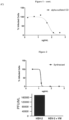
- VSV-G pseudotyped lentivirus (LV-VSV-G), carrying GFP as reporter gene, was resuspended in PBS and incubated with increasing concentrations of commercial or as synthesized cyclodextrins in PBS for 1h at 37°C prior to cell infection. The mixture of virus/cyclodextrins was subsequently added to HeLa cells for LV-VSV-G. Transduction was stopped after 48h and cells were fixed with 1% p-formaldehyde (PFA) for 10-15 minutes at room temperature and resuspended in PBS. Transduction efficiency, calculated as the % GFP+ cells, of LV-VSV-G was measured by flow cytometry.
- PFA p-formaldehyde
- cyclodextrins CDs
- Vero cells were pre-plated 24 h in advance in 24-well plates at a density of 10 5 cells.
- Increasing concentrations of cyclodextrins were incubated with HSV-2 (multiplicity of infection (MOI) 0.0003 plaque forming units (pfu)/cell) at 37 °C for 1 hour and then the mixtures were added to the cells.
- MOI multiplicity of infection
- pfu plaque forming units
- 293TT cells were preplated 24 h in advance in 96-well tissue culture-treated flat bottom plates at a density of 2 ⁇ 10 4 cells/well in 100 ⁇ L of neutralization buffer (DMEM without phenol red, 10 % FBS, 1 % glutamate, 1 % nonessential amino acids, 1 % penicillin-streptomycin-fungizone, and 10 mM HEPES).
- DMEM neutralization buffer
- Diluted PsV stocks 80 ⁇ L/well
- the 100- ⁇ L PsV-compound mixture was transferred onto the pre-plated cells and incubated for 72 h.
- the final concentration of PsV was approximately 1 ng/mL L1.
- 25 ⁇ L of supernatant was harvested.
- the SEAP content in the supernatant was determined using a Great Escape SEAP Chemiluminescence Kit (BD Clon-tech, Mountain View, CA) as directed by the manufacturer.
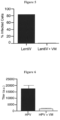
- NPs NPs upon transduction on HeLa cells of recombinant LV-VSV-G (10 6 TU/ml - MOI 10) was evaluated by incubating an effective inhibitory concentration of cyclodextrins (CDs) (100 ⁇ g/ml) with viruses for 2h at 37°C as previously described (Shogan, 2006). After incubation, transduction efficiency was determined by titration at high dilutions and calculated as the percentage of GFP+ cells by flow cytometry.
- CDs cyclodextrins
- Viruses (10 5 pfu for HSV-2 and HPV-16) and 100 ⁇ g/ml of cyclodextrins (CDs) were incubated at different time points (0, 5, 30, 60 or 120 min) at 37°C and then the virucidal effect was investigated with serial dilutions of the mixtures. Viral titers were calculated at dilutions at which the nanoparticle was not effective
- the assay is finalized to quantify the antiviral effect of compound testing its effect on the production of infectious viruses.
- Vero cells were seeded in 24-well plates at a density of 10 5 cells/well and infected in duplicate with HSV-2 at a multiplicity of infection (MOI) of 0.01 plaque-forming units (pfu/cell) and in the presence of serial dilutions of the compound. Following adsorption at 37°C for 2 h, the virus inoculum was removed and cultures were grown in the presence of serial dilutions of cyclodextrins (CDs) until control cultures displayed extensive cytopathology.
- CDs cyclodextrins
- Table 1 results of the virucidal assay for CD1 and CD2 Dilutions Sample Stock 1:10 1:100 1:1000 Lentivirus 51.79 7.61 1.12 0.50 Lentivirus + CD1 0.5mg/mL 85.49 27.38 6.26 1.31 Lentivirus + CD2 0.0001mg/mL 52.12 8.67 1.34 0.51 Lentivirus + CD2 0.001mg/mL 45.31 6.92 1.09 0.46 Lentivirus + CD2 0.01mg/mL 0.45 0.32 0.41 0.38 Lentivirus + CD2 0.1mg/mL 0.42 0.45 0.38 0.34 Lentivirus + CD2 0.5mg/mL 0.50 0.46 0.31 0.34
Landscapes
- Health & Medical Sciences (AREA)
- Life Sciences & Earth Sciences (AREA)
- Chemical & Material Sciences (AREA)
- Virology (AREA)
- Medicinal Chemistry (AREA)
- General Health & Medical Sciences (AREA)
- Molecular Biology (AREA)
- Public Health (AREA)
- Animal Behavior & Ethology (AREA)
- Veterinary Medicine (AREA)
- Pharmacology & Pharmacy (AREA)
- Organic Chemistry (AREA)
- Chemical Kinetics & Catalysis (AREA)
- Oncology (AREA)
- General Chemical & Material Sciences (AREA)
- Communicable Diseases (AREA)
- Nuclear Medicine, Radiotherapy & Molecular Imaging (AREA)
- Engineering & Computer Science (AREA)
- Biotechnology (AREA)
- Epidemiology (AREA)
- Materials Engineering (AREA)
- Biochemistry (AREA)
- Polymers & Plastics (AREA)
- Tropical Medicine & Parasitology (AREA)
- AIDS & HIV (AREA)
- Pharmaceuticals Containing Other Organic And Inorganic Compounds (AREA)
- Medicinal Preparation (AREA)
- Agricultural Chemicals And Associated Chemicals (AREA)
- Medicines That Contain Protein Lipid Enzymes And Other Medicines (AREA)
Claims (12)
- Viruzide Verbindung, mit der Formel (I)
 x 6, 7 oder 8 ist,R -Z-CH2-(CH2)y-SO3 - ist,Z O oder S ist,y mindestens 11 ist,y maximal 25 ist, undR' ausgewählt ist aus der Gruppe bestehend aus H, -(CH2)y-SO3 - und -(CH2)-COOH oder R' ein Polymer ist, ausgewählt aus der Gruppe bestehend aus Poly(ethylenglycol) (PEG), Poly(vinylalkohol) (PVA), Poly(acrylamid) (PAAm), Poly(n-butylacrylat), Poly-(α-ester), (PEG-b-PPO-b-PEG), Poly(N-isopropylacrylamid) (pNIPAAM), Poly(milch-co-glycol)säure (PLGA), Dextran, Dextrinen, Glucose, Cellulose und Cyclodextrinen.
 - Viruzide Verbindung nach Anspruch 1, wobei y maximal 20 ist.
- Viruzide Verbindung nach einem der Ansprüche 1 bis 2, wobei R' H ist.
- Viruzide Verbindung, die ein Alpha-Cyclodextrin, ein Beta-Cyclodextrin oder ein Gamma-Cyclodextrin umfasst, das auf seiner primären Seite mit mindestens sechs Alkylsulfatgruppen funktionalisiert ist, die einen Anheftungsrezeptor für HSPG-bindende Viren bereitstellen,wobei die Alkylsulfatgruppen mindestens C7-Gruppen sind, undwobei die Alkylsulfatgruppen maximal C20-Gruppen sind.
- Arzneimittel, umfassend eine wirksame Menge einer oder mehrerer viruzider Verbindungen nach einem der Ansprüche 1 bis 4 und mindestens einen pharmazeutisch verträglichen Exzipienten, Träger und/oder mindestens ein pharmazeutisch verträgliches Verdünnungsmittel.
- Viruzide Verbindung zur Verwendung bei der Behandlung und/oder Vorbeugung von viralen Infektionen und viralen Erkrankungen, wobei die viruzide Verbindung nach einem der Ansprüche 1 bis 4 oder der Formel (I) ist
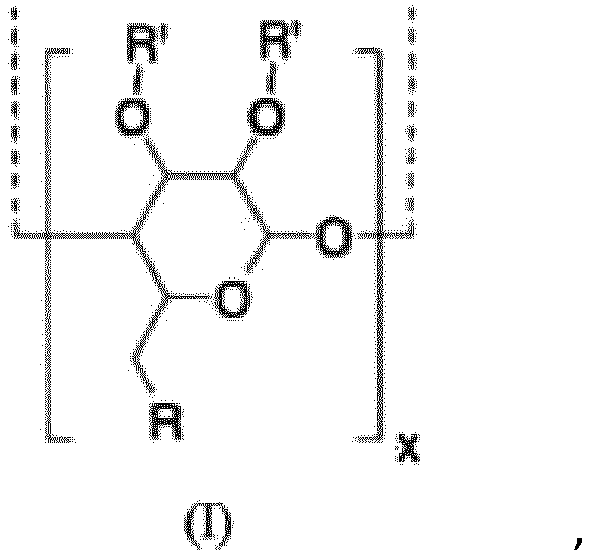 x 6, 7 oder 8 ist,R -Z-CH2-(CH2)y-SO3 - ist,Z O oder S ist,y mindestens 4 ist, undR' ausgewählt ist aus der Gruppe bestehend aus H, -(CH2)y-SO3 - und -(CH2)-COOH oder R' ein Polymer ist, ausgewählt aus der Gruppe bestehend aus Poly(ethylenglycol) (PEG), Poly(vinylalkohol) (PVA), Poly(acrylamid) (PAAm), Poly(n-butylacrylat), Poly-(α-ester), (PEG-b-PPO-b-PEG), Poly(N-isopropylacrylamid) (pNIPAAM), Poly(milch-co-glycol)säure (PLGA), Dextran, Dextrinen, Glucose, Cellulose und Cyclodextrinen.
 - Viruzide Verbindung zur Verwendung bei der Behandlung und/oder Vorbeugung von viralen Infektionen und viralen Erkrankungen nach Anspruch 6, wobei die Viren HSPG-bindende Viren sind.
- Viruzide Verbindung zur Verwendung bei der Behandlung und/oder Vorbeugung von viralen Infektionen und viralen Erkrankungen nach Anspruch 7, wobei die Viren ausgewählt sind aus der Gruppe bestehend aus Herpes-simplex-Virus (HSV), humanem Papillomavirus-Virus (HPV), respiratorischem Synzytial-Virus (RSV), Dengue-Virus und Lentivirus (einem von humanem Immundefizienz-Virus (HIV) abgeleiteten Virus).
- Viruzide Zusammensetzung, umfassend eine wirksame Menge der viruziden Verbindung nach einem der Ansprüche 1 bis 4 und gegebenenfalls mindestens einen geeigneten Träger.
- Verfahren zur Desinfektion und/oder Sterilisation, umfassend die Schritte des (i) Bereitstellens mindestens einer viruziden Verbindung, (ii) des Inkontaktbringens einer mit Viren kontaminierten Oberfläche oder einer Oberfläche, die im Verdacht steht, mit Viren kontaminiert zu sein, mit der mindestens einen viruziden Verbindung für eine Zeit, die ausreicht, um eine viruzide Wirkung zu erzielen, wobei die mit Viren kontaminierte Oberfläche eine nicht-lebende Oberfläche ist und wobei die viruzide Verbindung eine nach den Ansprüchen 1 bis 4 oder der Formel (I) ist
 x 6, 7 oder 8 ist,R -Z-CH2-(CH2)y-SO3 - ist,Z O oder S ist,y mindestens 4 ist, undR' ausgewählt ist aus der Gruppe bestehend aus H, -(CH2)y-SO3 - und -(CH2)-COOH oder R' ein Polymer ist, ausgewählt aus der Gruppe bestehend aus Poly(ethylenglycol) (PEG), Poly(vinylalkohol) (PVA), Poly(acrylamid) (PAAm), Poly(n-butylacrylat), Poly-(α-ester), (PEG-b-PPO-b-PEG), Poly(N-isopropylacrylamid) (pNIPAAM), Poly(milch-co-glycol)säure (PLGA), Dextran, Dextrinen, Glucose, Cellulose und Cyclodextrinen.
 - Vorrichtung, umfassend die viruzide Verbindung nach Anspruch 9 und Mittel zum Anwenden und/oder Dispensieren der viruziden Verbindung.
- Verwendung der viruziden Verbindung zur Sterilisation und/oder zur Desinfektion von mit Viren kontaminierten Oberflächen oder Oberflächen, die im Verdacht stehen, mit Viren kontaminiert zu sein, wobei die Oberflächen nicht-lebende Oberflächen sind und wobei die viruzide Verbindung eine nach den Ansprüchen 1 bis 4 oder der Formel (I) ist
 x 6, 7 oder 8 ist,R -Z-CH2-(CH2)y-SO3 - ist,Z O oder S ist,y mindestens 4 ist, undR' ausgewählt ist aus der Gruppe bestehend aus H, -(CH2)y-SO3 - und -(CH2)-COOH oder R' ein Polymer ist, ausgewählt aus der Gruppe bestehend aus Poly(ethylenglycol) (PEG), Poly(vinylalkohol) (PVA), Poly(acrylamid) (PAAm), Poly(n-butylacrylat), Poly-(α-ester), (PEG-b-PPO-b-PEG), Poly(N-isopropylacrylamid) (pNIPAAM), Poly(milch-co-glycol)säure (PLGA), Dextran, Dextrinen, Glucose, Cellulose und Cyclodextrinen.
Applications Claiming Priority (2)
| Application Number | Priority Date | Filing Date | Title |
|---|---|---|---|
| EP16180726 | 2016-07-22 | ||
| PCT/EP2017/068291 WO2018015465A1 (en) | 2016-07-22 | 2017-07-20 | Virucidal compounds and uses thereof |
Publications (3)
| Publication Number | Publication Date |
|---|---|
| EP3487508A1 EP3487508A1 (de) | 2019-05-29 |
| EP3487508B1 true EP3487508B1 (de) | 2023-09-13 |
| EP3487508C0 EP3487508C0 (de) | 2023-09-13 |
Family
ID=56550084
Family Applications (1)
| Application Number | Title | Priority Date | Filing Date |
|---|---|---|---|
| EP17743314.1A Active EP3487508B1 (de) | 2016-07-22 | 2017-07-20 | Viruzidverbindungen und verwendungen davon |
Country Status (10)
| Country | Link |
|---|---|
| US (2) | US20190275073A1 (de) |
| EP (1) | EP3487508B1 (de) |
| JP (2) | JP2019523250A (de) |
| KR (1) | KR102500936B1 (de) |
| CN (1) | CN109562125A (de) |
| BR (1) | BR112019001131A2 (de) |
| CA (1) | CA3031413A1 (de) |
| ES (1) | ES2963809T3 (de) |
| IL (1) | IL264158B2 (de) |
| WO (1) | WO2018015465A1 (de) |
Families Citing this family (5)
| Publication number | Priority date | Publication date | Assignee | Title |
|---|---|---|---|---|
| IL280936B2 (en) * | 2018-09-04 | 2024-12-01 | Ecole Polytechnique Fed Lausanne Epfl | Virucidal nanoparticles and use thereof against influenza virus |
| CN111138828A (zh) * | 2020-02-11 | 2020-05-12 | 福建师范大学 | 一种兼具消杀和过滤功能的薄层材料及其在抗病毒领域的应用 |
| WO2021198139A1 (en) | 2020-03-30 | 2021-10-07 | Ecole Polytechnique Federale De Lausanne (Epfl) | Virucidal compositions and use thereof |
| GB202009637D0 (en) * | 2020-06-24 | 2020-08-05 | Aqdot Ltd | A method of disinfecting a gaseous enviroment, a liquid, or a solid surface |
| JP2023046301A (ja) * | 2021-09-22 | 2023-04-03 | エコール ポリテクニーク フェデラル ド ローザンヌ (エペエフエル) | 殺ウイルス性組成物およびその使用 |
Family Cites Families (9)
| Publication number | Priority date | Publication date | Assignee | Title |
|---|---|---|---|---|
| US3773919A (en) | 1969-10-23 | 1973-11-20 | Du Pont | Polylactide-drug mixtures |
| KR0166088B1 (ko) * | 1990-01-23 | 1999-01-15 | . | 수용해도가 증가된 시클로덱스트린 유도체 및 이의 용도 |
| FR2669535A1 (fr) * | 1990-11-26 | 1992-05-29 | Medgenix Group Sa | Utilisation a titre de medicament de macromolecules polysulfonees. |
| US20050209189A1 (en) | 2001-03-06 | 2005-09-22 | Roger Hershline | Antiviral composition |
| AU2003215027A1 (en) * | 2002-03-21 | 2003-10-08 | Regents Of The University Of Minnesota | Cyclodextrin compositions and methods of treating viral infections |
| AU2004285032A1 (en) * | 2003-10-31 | 2005-05-12 | The University Of Kansas | Sulfoalkyl ether-alkyl ether cyclodextrin derivatives |
| CN101631565A (zh) * | 2007-01-17 | 2010-01-20 | 德维里克斯股份公司 | 环糊精制剂 |
| CN103694376B (zh) * | 2014-01-10 | 2016-04-13 | 凯莱英医药集团(天津)股份有限公司 | 一种制备磺丁基醚-β-环糊精的方法 |
| WO2015179963A1 (en) * | 2014-05-29 | 2015-12-03 | Uti Limited Partnership | Cyclodextrin-based polyanionic and non-ionic dendrimers |
-
2017
- 2017-07-20 US US16/319,009 patent/US20190275073A1/en not_active Abandoned
- 2017-07-20 EP EP17743314.1A patent/EP3487508B1/de active Active
- 2017-07-20 ES ES17743314T patent/ES2963809T3/es active Active
- 2017-07-20 CA CA3031413A patent/CA3031413A1/en active Pending
- 2017-07-20 WO PCT/EP2017/068291 patent/WO2018015465A1/en not_active Ceased
- 2017-07-20 CN CN201780046938.9A patent/CN109562125A/zh active Pending
- 2017-07-20 JP JP2019502193A patent/JP2019523250A/ja not_active Withdrawn
- 2017-07-20 IL IL264158A patent/IL264158B2/en unknown
- 2017-07-20 KR KR1020197005272A patent/KR102500936B1/ko active Active
- 2017-07-20 BR BR112019001131-5A patent/BR112019001131A2/pt not_active Application Discontinuation
-
2021
- 2021-01-22 US US17/155,482 patent/US20210137966A1/en not_active Abandoned
-
2022
- 2022-06-08 JP JP2022092907A patent/JP2022111271A/ja active Pending
Also Published As
| Publication number | Publication date |
|---|---|
| JP2022111271A (ja) | 2022-07-29 |
| KR102500936B1 (ko) | 2023-02-16 |
| ES2963809T3 (es) | 2024-04-02 |
| IL264158B2 (en) | 2023-04-01 |
| BR112019001131A2 (pt) | 2019-04-30 |
| WO2018015465A1 (en) | 2018-01-25 |
| JP2019523250A (ja) | 2019-08-22 |
| US20190275073A1 (en) | 2019-09-12 |
| US20210137966A1 (en) | 2021-05-13 |
| EP3487508C0 (de) | 2023-09-13 |
| EP3487508A1 (de) | 2019-05-29 |
| KR20190032503A (ko) | 2019-03-27 |
| IL264158B (en) | 2022-12-01 |
| IL264158A (en) | 2019-02-28 |
| CN109562125A (zh) | 2019-04-02 |
| CA3031413A1 (en) | 2018-01-25 |
Similar Documents
| Publication | Publication Date | Title |
|---|---|---|
| US20210137966A1 (en) | Virucidal compounds and uses thereof | |
| RU2698182C1 (ru) | Антимикробные композиции на полимерной основе и способ их применения | |
| JP2022111271A5 (de) | ||
| US20100136072A1 (en) | Polymeric Coatings that Inactivate Viruses and Bacteria | |
| US12397064B2 (en) | Virucidal nanoparticles and use thereof against influenza virus | |
| US20230099027A1 (en) | Virucidal compositions and use thereof | |
| KR20180085689A (ko) | 바이러스 진단 및 치료를 위한 인지능 물질 및 이의 제조방법 | |
| US20230165891A1 (en) | Virucidal compositions and use thereof | |
| US20240165138A1 (en) | Antiviral agent | |
| JP2020128342A (ja) | 抗ウイルス又はウイルス不活化剤 | |
| WO2023049727A1 (en) | Virucidal compositions and use thereof | |
| CN109432068B (zh) | 一种治疗包虫病药物组合物和药物制剂及其应用 | |
| CN120360951A (zh) | 一种治疗心肌梗死的纳米粒 | |
| CN114903914A (zh) | 金纳米材料在抑制冠状病毒中的应用 | |
| WO2018015466A1 (en) | Virucidal metallic nanoparticles and uses thereof |
Legal Events
| Date | Code | Title | Description |
|---|---|---|---|
| STAA | Information on the status of an ep patent application or granted ep patent |
Free format text: STATUS: UNKNOWN |
|
| STAA | Information on the status of an ep patent application or granted ep patent |
Free format text: STATUS: THE INTERNATIONAL PUBLICATION HAS BEEN MADE |
|
| PUAI | Public reference made under article 153(3) epc to a published international application that has entered the european phase |
Free format text: ORIGINAL CODE: 0009012 |
|
| STAA | Information on the status of an ep patent application or granted ep patent |
Free format text: STATUS: REQUEST FOR EXAMINATION WAS MADE |
|
| 17P | Request for examination filed |
Effective date: 20190122 |
|
| AK | Designated contracting states |
Kind code of ref document: A1 Designated state(s): AL AT BE BG CH CY CZ DE DK EE ES FI FR GB GR HR HU IE IS IT LI LT LU LV MC MK MT NL NO PL PT RO RS SE SI SK SM TR |
|
| AX | Request for extension of the european patent |
Extension state: BA ME |
|
| RIN1 | Information on inventor provided before grant (corrected) |
Inventor name: STELLACCI, FRANCESCO Inventor name: JONES, SAMUEL |
|
| DAV | Request for validation of the european patent (deleted) | ||
| DAX | Request for extension of the european patent (deleted) | ||
| STAA | Information on the status of an ep patent application or granted ep patent |
Free format text: STATUS: EXAMINATION IS IN PROGRESS |
|
| 17Q | First examination report despatched |
Effective date: 20210518 |
|
| GRAP | Despatch of communication of intention to grant a patent |
Free format text: ORIGINAL CODE: EPIDOSNIGR1 |
|
| STAA | Information on the status of an ep patent application or granted ep patent |
Free format text: STATUS: GRANT OF PATENT IS INTENDED |
|
| RIC1 | Information provided on ipc code assigned before grant |
Ipc: A61P 31/22 20060101ALI20230221BHEP Ipc: A61P 31/20 20060101ALI20230221BHEP Ipc: A61P 31/18 20060101ALI20230221BHEP Ipc: A61P 31/14 20060101ALI20230221BHEP Ipc: A61P 31/12 20060101ALI20230221BHEP Ipc: C08B 37/16 20060101ALI20230221BHEP Ipc: A61K 31/724 20060101AFI20230221BHEP |
|
| INTG | Intention to grant announced |
Effective date: 20230324 |
|
| GRAS | Grant fee paid |
Free format text: ORIGINAL CODE: EPIDOSNIGR3 |
|
| GRAA | (expected) grant |
Free format text: ORIGINAL CODE: 0009210 |
|
| STAA | Information on the status of an ep patent application or granted ep patent |
Free format text: STATUS: THE PATENT HAS BEEN GRANTED |
|
| AK | Designated contracting states |
Kind code of ref document: B1 Designated state(s): AL AT BE BG CH CY CZ DE DK EE ES FI FR GB GR HR HU IE IS IT LI LT LU LV MC MK MT NL NO PL PT RO RS SE SI SK SM TR |
|
| REG | Reference to a national code |
Ref country code: GB Ref legal event code: FG4D |
|
| REG | Reference to a national code |
Ref country code: CH Ref legal event code: EP |
|
| REG | Reference to a national code |
Ref country code: DE Ref legal event code: R096 Ref document number: 602017074149 Country of ref document: DE |
|
| REG | Reference to a national code |
Ref country code: IE Ref legal event code: FG4D |
|
| U01 | Request for unitary effect filed |
Effective date: 20230918 |
|
| U07 | Unitary effect registered |
Designated state(s): AT BE BG DE DK EE FI FR IT LT LU LV MT NL PT SE SI Effective date: 20230922 |
|
| PG25 | Lapsed in a contracting state [announced via postgrant information from national office to epo] |
Ref country code: GR Free format text: LAPSE BECAUSE OF FAILURE TO SUBMIT A TRANSLATION OF THE DESCRIPTION OR TO PAY THE FEE WITHIN THE PRESCRIBED TIME-LIMIT Effective date: 20231214 |
|
| PG25 | Lapsed in a contracting state [announced via postgrant information from national office to epo] |
Ref country code: RS Free format text: LAPSE BECAUSE OF FAILURE TO SUBMIT A TRANSLATION OF THE DESCRIPTION OR TO PAY THE FEE WITHIN THE PRESCRIBED TIME-LIMIT Effective date: 20230913 Ref country code: NO Free format text: LAPSE BECAUSE OF FAILURE TO SUBMIT A TRANSLATION OF THE DESCRIPTION OR TO PAY THE FEE WITHIN THE PRESCRIBED TIME-LIMIT Effective date: 20231213 Ref country code: HR Free format text: LAPSE BECAUSE OF FAILURE TO SUBMIT A TRANSLATION OF THE DESCRIPTION OR TO PAY THE FEE WITHIN THE PRESCRIBED TIME-LIMIT Effective date: 20230913 Ref country code: GR Free format text: LAPSE BECAUSE OF FAILURE TO SUBMIT A TRANSLATION OF THE DESCRIPTION OR TO PAY THE FEE WITHIN THE PRESCRIBED TIME-LIMIT Effective date: 20231214 |
|
| REG | Reference to a national code |
Ref country code: ES Ref legal event code: FG2A Ref document number: 2963809 Country of ref document: ES Kind code of ref document: T3 Effective date: 20240402 |
|
| PG25 | Lapsed in a contracting state [announced via postgrant information from national office to epo] |
Ref country code: IS Free format text: LAPSE BECAUSE OF FAILURE TO SUBMIT A TRANSLATION OF THE DESCRIPTION OR TO PAY THE FEE WITHIN THE PRESCRIBED TIME-LIMIT Effective date: 20240113 |
|
| PG25 | Lapsed in a contracting state [announced via postgrant information from national office to epo] |
Ref country code: SM Free format text: LAPSE BECAUSE OF FAILURE TO SUBMIT A TRANSLATION OF THE DESCRIPTION OR TO PAY THE FEE WITHIN THE PRESCRIBED TIME-LIMIT Effective date: 20230913 Ref country code: RO Free format text: LAPSE BECAUSE OF FAILURE TO SUBMIT A TRANSLATION OF THE DESCRIPTION OR TO PAY THE FEE WITHIN THE PRESCRIBED TIME-LIMIT Effective date: 20230913 Ref country code: IS Free format text: LAPSE BECAUSE OF FAILURE TO SUBMIT A TRANSLATION OF THE DESCRIPTION OR TO PAY THE FEE WITHIN THE PRESCRIBED TIME-LIMIT Effective date: 20240113 Ref country code: CZ Free format text: LAPSE BECAUSE OF FAILURE TO SUBMIT A TRANSLATION OF THE DESCRIPTION OR TO PAY THE FEE WITHIN THE PRESCRIBED TIME-LIMIT Effective date: 20230913 Ref country code: SK Free format text: LAPSE BECAUSE OF FAILURE TO SUBMIT A TRANSLATION OF THE DESCRIPTION OR TO PAY THE FEE WITHIN THE PRESCRIBED TIME-LIMIT Effective date: 20230913 |
|
| PG25 | Lapsed in a contracting state [announced via postgrant information from national office to epo] |
Ref country code: PL Free format text: LAPSE BECAUSE OF FAILURE TO SUBMIT A TRANSLATION OF THE DESCRIPTION OR TO PAY THE FEE WITHIN THE PRESCRIBED TIME-LIMIT Effective date: 20230913 |
|
| REG | Reference to a national code |
Ref country code: DE Ref legal event code: R097 Ref document number: 602017074149 Country of ref document: DE |
|
| PLBE | No opposition filed within time limit |
Free format text: ORIGINAL CODE: 0009261 |
|
| STAA | Information on the status of an ep patent application or granted ep patent |
Free format text: STATUS: NO OPPOSITION FILED WITHIN TIME LIMIT |
|
| 26N | No opposition filed |
Effective date: 20240614 |
|
| PG25 | Lapsed in a contracting state [announced via postgrant information from national office to epo] |
Ref country code: MC Free format text: LAPSE BECAUSE OF FAILURE TO SUBMIT A TRANSLATION OF THE DESCRIPTION OR TO PAY THE FEE WITHIN THE PRESCRIBED TIME-LIMIT Effective date: 20230913 |
|
| REG | Reference to a national code |
Ref country code: CH Ref legal event code: PL |
|
| U90 | Renewal fees not paid: noting of loss of rights |
Free format text: RENEWAL FEE NOT PAID FOR YEAR 08 Effective date: 20250214 |
|
| GBPC | Gb: european patent ceased through non-payment of renewal fee |
Effective date: 20240720 |
|
| PG25 | Lapsed in a contracting state [announced via postgrant information from national office to epo] |
Ref country code: CH Free format text: LAPSE BECAUSE OF NON-PAYMENT OF DUE FEES Effective date: 20240731 |
|
| PG25 | Lapsed in a contracting state [announced via postgrant information from national office to epo] |
Ref country code: GB Free format text: LAPSE BECAUSE OF NON-PAYMENT OF DUE FEES Effective date: 20240720 |
|
| U93 | Unitary patent lapsed |
Free format text: RENEWAL FEE NOT PAID Effective date: 20240731 |
|
| PG25 | Lapsed in a contracting state [announced via postgrant information from national office to epo] |
Ref country code: IE Free format text: LAPSE BECAUSE OF NON-PAYMENT OF DUE FEES Effective date: 20240720 |
|
| REG | Reference to a national code |
Ref country code: ES Ref legal event code: FD2A Effective date: 20250829 |
|
| PG25 | Lapsed in a contracting state [announced via postgrant information from national office to epo] |
Ref country code: ES Free format text: LAPSE BECAUSE OF NON-PAYMENT OF DUE FEES Effective date: 20240721 |
|
| PG25 | Lapsed in a contracting state [announced via postgrant information from national office to epo] |
Ref country code: CY Free format text: LAPSE BECAUSE OF FAILURE TO SUBMIT A TRANSLATION OF THE DESCRIPTION OR TO PAY THE FEE WITHIN THE PRESCRIBED TIME-LIMIT; INVALID AB INITIO Effective date: 20170720 |