EP3484469B1 - Compositions and methods of potentiating antimicrobials - Google Patents
Compositions and methods of potentiating antimicrobials Download PDFInfo
- Publication number
- EP3484469B1 EP3484469B1 EP17827133.4A EP17827133A EP3484469B1 EP 3484469 B1 EP3484469 B1 EP 3484469B1 EP 17827133 A EP17827133 A EP 17827133A EP 3484469 B1 EP3484469 B1 EP 3484469B1
- Authority
- EP
- European Patent Office
- Prior art keywords
- pharmaceutical composition
- bacterial
- biofilm
- cannabinoid
- infection
- Prior art date
- Legal status (The legal status is an assumption and is not a legal conclusion. Google has not performed a legal analysis and makes no representation as to the accuracy of the status listed.)
- Active
Links
Images





Classifications
-
- A—HUMAN NECESSITIES
- A61—MEDICAL OR VETERINARY SCIENCE; HYGIENE
- A61K—PREPARATIONS FOR MEDICAL, DENTAL OR TOILETRY PURPOSES
- A61K31/00—Medicinal preparations containing organic active ingredients
- A61K31/70—Carbohydrates; Sugars; Derivatives thereof
- A61K31/7028—Compounds having saccharide radicals attached to non-saccharide compounds by glycosidic linkages
- A61K31/7034—Compounds having saccharide radicals attached to non-saccharide compounds by glycosidic linkages attached to a carbocyclic compound, e.g. phloridzin
- A61K31/7036—Compounds having saccharide radicals attached to non-saccharide compounds by glycosidic linkages attached to a carbocyclic compound, e.g. phloridzin having at least one amino group directly attached to the carbocyclic ring, e.g. streptomycin, gentamycin, amikacin, validamycin, fortimicins
-
- A—HUMAN NECESSITIES
- A61—MEDICAL OR VETERINARY SCIENCE; HYGIENE
- A61K—PREPARATIONS FOR MEDICAL, DENTAL OR TOILETRY PURPOSES
- A61K31/00—Medicinal preparations containing organic active ingredients
- A61K31/045—Hydroxy compounds, e.g. alcohols; Salts thereof, e.g. alcoholates
- A61K31/065—Diphenyl-substituted acyclic alcohols
-
- A—HUMAN NECESSITIES
- A61—MEDICAL OR VETERINARY SCIENCE; HYGIENE
- A61K—PREPARATIONS FOR MEDICAL, DENTAL OR TOILETRY PURPOSES
- A61K31/00—Medicinal preparations containing organic active ingredients
- A61K31/16—Amides, e.g. hydroxamic acids
-
- A—HUMAN NECESSITIES
- A61—MEDICAL OR VETERINARY SCIENCE; HYGIENE
- A61K—PREPARATIONS FOR MEDICAL, DENTAL OR TOILETRY PURPOSES
- A61K31/00—Medicinal preparations containing organic active ingredients
- A61K31/33—Heterocyclic compounds
- A61K31/335—Heterocyclic compounds having oxygen as the only ring hetero atom, e.g. fungichromin
- A61K31/35—Heterocyclic compounds having oxygen as the only ring hetero atom, e.g. fungichromin having six-membered rings with one oxygen as the only ring hetero atom
- A61K31/352—Heterocyclic compounds having oxygen as the only ring hetero atom, e.g. fungichromin having six-membered rings with one oxygen as the only ring hetero atom condensed with carbocyclic rings, e.g. methantheline
-
- A—HUMAN NECESSITIES
- A61—MEDICAL OR VETERINARY SCIENCE; HYGIENE
- A61K—PREPARATIONS FOR MEDICAL, DENTAL OR TOILETRY PURPOSES
- A61K31/00—Medicinal preparations containing organic active ingredients
- A61K31/33—Heterocyclic compounds
- A61K31/335—Heterocyclic compounds having oxygen as the only ring hetero atom, e.g. fungichromin
- A61K31/35—Heterocyclic compounds having oxygen as the only ring hetero atom, e.g. fungichromin having six-membered rings with one oxygen as the only ring hetero atom
- A61K31/352—Heterocyclic compounds having oxygen as the only ring hetero atom, e.g. fungichromin having six-membered rings with one oxygen as the only ring hetero atom condensed with carbocyclic rings, e.g. methantheline
- A61K31/353—3,4-Dihydrobenzopyrans, e.g. chroman, catechin
-
- A—HUMAN NECESSITIES
- A61—MEDICAL OR VETERINARY SCIENCE; HYGIENE
- A61K—PREPARATIONS FOR MEDICAL, DENTAL OR TOILETRY PURPOSES
- A61K31/00—Medicinal preparations containing organic active ingredients
- A61K31/33—Heterocyclic compounds
- A61K31/395—Heterocyclic compounds having nitrogen as a ring hetero atom, e.g. guanethidine or rifamycins
- A61K31/41—Heterocyclic compounds having nitrogen as a ring hetero atom, e.g. guanethidine or rifamycins having five-membered rings with two or more ring hetero atoms, at least one of which being nitrogen, e.g. tetrazole
- A61K31/425—Thiazoles
- A61K31/429—Thiazoles condensed with heterocyclic ring systems
- A61K31/43—Compounds containing 4-thia-1-azabicyclo [3.2.0] heptane ring systems, i.e. compounds containing a ring system of the formula, e.g. penicillins, penems
-
- A—HUMAN NECESSITIES
- A61—MEDICAL OR VETERINARY SCIENCE; HYGIENE
- A61K—PREPARATIONS FOR MEDICAL, DENTAL OR TOILETRY PURPOSES
- A61K31/00—Medicinal preparations containing organic active ingredients
- A61K31/33—Heterocyclic compounds
- A61K31/395—Heterocyclic compounds having nitrogen as a ring hetero atom, e.g. guanethidine or rifamycins
- A61K31/54—Heterocyclic compounds having nitrogen as a ring hetero atom, e.g. guanethidine or rifamycins having six-membered rings with at least one nitrogen and one sulfur as the ring hetero atoms, e.g. sulthiame
- A61K31/542—Heterocyclic compounds having nitrogen as a ring hetero atom, e.g. guanethidine or rifamycins having six-membered rings with at least one nitrogen and one sulfur as the ring hetero atoms, e.g. sulthiame ortho- or peri-condensed with heterocyclic ring systems
- A61K31/545—Compounds containing 5-thia-1-azabicyclo [4.2.0] octane ring systems, i.e. compounds containing a ring system of the formula:, e.g. cephalosporins, cefaclor, or cephalexine
- A61K31/546—Compounds containing 5-thia-1-azabicyclo [4.2.0] octane ring systems, i.e. compounds containing a ring system of the formula:, e.g. cephalosporins, cefaclor, or cephalexine containing further heterocyclic rings, e.g. cephalothin
-
- A—HUMAN NECESSITIES
- A61—MEDICAL OR VETERINARY SCIENCE; HYGIENE
- A61K—PREPARATIONS FOR MEDICAL, DENTAL OR TOILETRY PURPOSES
- A61K31/00—Medicinal preparations containing organic active ingredients
- A61K31/658—Medicinal preparations containing organic active ingredients o-phenolic cannabinoids, e.g. cannabidiol, cannabigerolic acid, cannabichromene or tetrahydrocannabinol
-
- A—HUMAN NECESSITIES
- A61—MEDICAL OR VETERINARY SCIENCE; HYGIENE
- A61P—SPECIFIC THERAPEUTIC ACTIVITY OF CHEMICAL COMPOUNDS OR MEDICINAL PREPARATIONS
- A61P31/00—Antiinfectives, i.e. antibiotics, antiseptics, chemotherapeutics
- A61P31/04—Antibacterial agents
-
- Y—GENERAL TAGGING OF NEW TECHNOLOGICAL DEVELOPMENTS; GENERAL TAGGING OF CROSS-SECTIONAL TECHNOLOGIES SPANNING OVER SEVERAL SECTIONS OF THE IPC; TECHNICAL SUBJECTS COVERED BY FORMER USPC CROSS-REFERENCE ART COLLECTIONS [XRACs] AND DIGESTS
- Y02—TECHNOLOGIES OR APPLICATIONS FOR MITIGATION OR ADAPTATION AGAINST CLIMATE CHANGE
- Y02A—TECHNOLOGIES FOR ADAPTATION TO CLIMATE CHANGE
- Y02A50/00—TECHNOLOGIES FOR ADAPTATION TO CLIMATE CHANGE in human health protection, e.g. against extreme weather
- Y02A50/30—Against vector-borne diseases, e.g. mosquito-borne, fly-borne, tick-borne or waterborne diseases whose impact is exacerbated by climate change
Definitions
- the present invention relates to pharmaceutical compositions and kits comprising combinations of antimicrobials and cannabinoids, and optionally N-acylethanolamines, and to pharmaceutical compositions and kits for use in treating and/or preventing a bacterial infection or a bacterial biofilm as defined in the claims.
- the invention is defined in the claims. Any subject-matter outside the scope of the claims does not form part of the invention.
- An antimicrobial is an agent that kills microorganisms or inhibits their growth.
- Antimicrobial medicines can be grouped according to the microorganisms they act primarily against. For example, antibiotics are used against bacteria and antifungals are used against fungi.
- Antibiotics also called antibacterial agents, are a type of antimicrobial drug used in the treatment and prevention of bacterial infection. They may either kill or inhibit the growth of bacteria. Although there are a number of different types of antibiotic they all work in one of two ways. A bactericidal antibiotic kills the bacteria (for example: penicillin). A bacteriostatic stops bacteria from multiplying. Since each type of antibiotics only works against certain types of bacteria or parasites, different antibiotics are used to treat different types of infection.
- antibiotics have been associated with a range of adverse side effects.
- Side -effects range from mild to acute, depending on the antibiotics used, the microbial organisms targeted, and the individual patient. Such side effects may reflect the pharmacological or toxicological properties of the antibiotic, or may involve hypersensitivity reactions or anaphylaxis.
- Adverse effects range from fever and nausea to major allergic reactions, including photo-dermatitis and anaphylaxis.
- a common side -effect is diarrhea, resulting from disruption of the species composition in the intestinal flora, resulting, for example, in overgrowth of pathogenic bacteria, such as Clostridium difficile.
- Anti-bacterial agents can also affect the vaginal flora, and may lead to overgrowth of yeast species of the genus Candida in the vulvo-vaginal area. Additional side -effects can result from interaction with other drugs, such as elevated risk of tendon damage from administration of a quinolone antibiotic with a systemic corticosteroid. Furthermore, exposure to antibiotics early in life is associated with increased body mass in humans and mouse models ( Katrina Ray, Nature Reviews Endocrinology, 201, Vol. 28, page 623 ).
- biofilms are any group of microorganisms in which cells stick to each other, and often these cells adhere to a living or non-living surface. These adherent cells are frequently embedded within a self-produced matrix of extracellular polymeric substance (EPS).
- EPS extracellular polymeric substance
- Biofilm extracellular polymeric substance is a polymeric conglomeration generally composed of extracellular DNA, proteins, and polysaccharides.
- Microbes form a biofilm in response to many factors, which may include cellular recognition of specific or non-specific attachment sites on a surface, nutritional cues, or in some cases, by exposure of cells to sub-inhibitory concentrations of antibiotics. When a cell switches to the biofilm mode of growth, it undergoes a phenotypic shift in behavior in which large suites of genes are differentially regulated.
- Biofilms have been found to be involved in a wide variety of microbial infections in the body, by one estimate 80% of all infections ( Biel MA, Methods Mol. Biol, 2010, Vol. 635, pages 175-194 ). Infectious processes in which biofilms have been implicated include bacterial vaginosis, urinary tract infections, catheter infections, middle-ear infections, formation of dental plaque, gingivitis, coating contact lenses, and more lethal processes such as endocarditis, infections in cystic fibrosis, and infections of permanent indwelling devices such as joint prostheses and heart valves. More recently it has been noted that bacterial biofilms may impair cutaneous wound healing and reduce topical antibacterial efficiency in healing or treating infected skin wounds. Early detection of biofilms in wounds is crucial to successful chronic wound management. Although many techniques have developed to identify bacteria in viable wounds, few have been able to quickly and accurately identify bacterial biofilms.
- biofilm bacteria can be up to a thousand times more resistant to antimicrobial stress than free-swimming bacteria of the same species.
- bacteria capable of producing biofilm include Pseudomonas aeruginosa, Legionella, Staphylococci, Streptococci and Candida.
- S. pneumoniae is the main cause of community-acquired pneumonia and meningitis in children and the elderly, and of septicemia in HIV-infected persons. Legionella bacteria are known to grow under certain conditions in biofilms, in which they are protected against disinfectants.
- Cannabis is a genus of flowering plants from order Rosales , family Cannabaceae , which includes three different species, Cannabis sativa , Cannabis indica and Cannabis ruderalis , which are indigenous to Central and South Asia. Cannabis has long been used for hemp fiber, for seed and seed oils, for medicinal purposes, and well as being a recreational drug. Pharmacologically, Cannabis contains 483 known chemical compounds, including at least 85 different cannabinoids. Cannabinoids, terpenoids, and other compounds are secreted by glandular trichomes that occur most abundantly on the floral calyxes and bracts of female plants.
- Cannabinoids are a class of diverse chemical compounds that act on cannabinoid receptors on cells that repress neurotransmitter release in the brain.
- Cannabinoid receptors are of a class of cell membrane receptors under the G protein-coupled receptor superfamily. As is typical of G protein-coupled receptors, the cannabinoid receptors contain seven transmembranespanning domains.
- CBl and CB2 There are currently two known subtypes of cannabinoid receptors, termed CBl and CB2, with mounting evidence of more.
- the CBl receptor is expressed mainly in the brain (central nervous system), but also in the lungs, liver and kidneys.
- the CB2 receptor is expressed mainly in the immune system and in hematopoietic cells.
- the classical cannabinoids are derived from their respective 2-carboxylic acids (2-COOH) by decarboxylation, catalyzed by heat, light, or alkaline conditions.
- Phytocannabinoids include but not limited to: tetrahydrocannabinol (THC), tetrahydrocannabinolic acid (THCA), cannabidiol (CBD), cannabinol (CBN), cannabigerol (CBG), cannabichromene (CBC), cannabicyclol (CBL), cannabivarin (CBV), tetrahydrocannabivarin (THCV), cannabidivarin (CBDV), cannabichromevarin (CBCV), cannabigerovarin (CBGV) and cannabigerol monomethyl ether (CBGM).
- THC tetrahydrocannabinol
- THCA tetrahydrocannabinolic acid
- CBD can
- THC phytocannabinoid A9-tetrahydrocannabinol
- DHC has approximately equal affinity for the CBl and CB2 receptors, and it possess activities as a psychoactive agent, analgesic, muscle relaxant, antispasmodic, bronchodilator, neuroprotective, antioxidant and antipruritic agent.
- Dronabinol is the International Nonproprietary Name (INN) for a pure isomer of THC, (-)-trans-A9-tetrahydrocannabinol. Synthesized dronabinol is marketed as MARINOL ® (a registered trademark of Solvay Pharmaceuticals).
- MARINOL ® is a Schedule III drug, available by prescription, considered to be non-narcotic and to have a low risk of physical or mental dependence.
- MARINOL ® has been approved by the U.S. Food and Drug Administration (FDA) in the treatment of anorexia in AIDS patients, as well as for refractory nausea and vomiting of patients undergoing chemotherapy.
- FDA U.S. Food and Drug Administration
- An analog of dronabinol, Nabilone (a Schedule II drug), with therapeutic use as an antiemetic and as an adjunct analgesic for neuropathic pain, is available commercially in Canada under the trade name CESAMET ® .
- CESAMET ® has also received FDA approval and began marketing in the U.S. in 2006.
- Cannabidiol is another maj or phyto-cannabinoid, accounting for up to 40% of the plant's extract in selected cultivars. CBD is considered to have a wider scope of medical applications than THC.
- An orally- administered liquid containing CBD has received orphan drug status in the US, for use as a treatment for Dravet syndrome, under the trade name EPIDIOLEX ® .
- Anandamide N-arachidonoylethanolamine, AEA
- AEA one of the major components of endocannabinoid system, is a THC mimetic.
- N-acylethanolamines are lipid-derived signaling molecules. They are formed when one of several types of acyl group is linked to the nitrogen atom of ethanolamine.
- Palmitoylethanolamide (PEA, also known as N-(2-hydroxyethyl)hexadecanamide; Hydroxyethyl-palmitamide; palmidrol; and N-palmitoylethanolamine) is an endogenous fatty acid amide, belonging to the class of nuclear factor agonists.
- PEA has been demonstrated to bind to a receptor in the cell-nucleus (a nuclear receptor) and exerts a variety of biological functions related to chronic pain and inflammation. Studies have shown that PEA interacts with distinct non-CBl/CB2 receptors, suggesting that PEA utilizes a unique "parallel" endocannabinoid signaling system.
- PEA has been shown to have anti-inflammatory, anti-nociceptive, neuro-protective, and anti-convulsant properties. PEA has also been shown to possess anti-craving effects in cannabis dependent patients, is efficacious in the treatment of withdrawal symptoms, produces a reduction of cannabis consumption and is effective in the prevention of cannabisinduced neurotoxicity and neuro-psychiatric disorders.
- PEA beside its proposed "entourage effect" on cannabinoids such as THC, possesses its own antimicrobial properties.
- the protective effects of PEA from egg yolk in Streptococcal Infections were noticed ( Keppel Hesselink JM, Int. J. Inflam., 2013 ).
- PEA exerts protective effects and increases the resistance against infections by stimulation of phagocytosis of Escherichia coli Kl by macrophages ( Redlich S, J. Neuroinflammation. 2014 Jun 14 ).
- MDR multi-drug-resistance
- MRSA methicillin-resistant Staphylococcus aureus
- XDR-TB extremely drug-resistant Mycobacterium tuberculosis
- GIOVANNI APPENDING ET AL "Antibacterial cannabinoids from Cannabis sativa: a structure-activity study" (JOURNAL OF NATURAL PRODUCTS, AMERICAN CHEMICAL SOCIETY, US, vol. 71, no. 8, 1 August 2008, pages 1427-1430, DOI: 10.1021/NP8002673 ) disclose structure-activity data about the antibacterial activity of cannabinoids from Cannabis sativa.
- the present invention relates to compositions and kits comprising antimicrobials and cannabinoids as defined in the claims and optionally N-acylethanolamines, with enhanced anti-microbial therapeutic efficacy and/or reduced anti-microbial-related side effects.
- the present invention further relates to compositions and kits for use in treating or preventing a bacterial infection of a bacterial biofilm in the human body, as defined in more detail in the claims.
- the present invention is based in part on surprising experimental findings that combinations of the anti-bacterial aminoglycoside gentamicin with the cannabinoid THC enhances the anti-microbial activity of the anti-microbial agent.
- the efficacy of the combination of gentamicin and THC is synergistic. It has further been surprisingly found that N-acylethanolamines further increase this effect.
- the present invention provides, in one aspect, a synergistic pharmaceutical composition
- a synergistic pharmaceutical composition comprising at least one anti-bacterial agent, at least one cannabinoid, and a pharmaceutically acceptable carrier, as defined in the claims.
- the weight ratio between the anti-bacterial agent(s) and the cannabinoid(s) is between about 250:1 to 1:50, respectively. In certain embodiments, the weight ratio between the anti-bacterial agent(s) and the cannabinoid(s) is between about 10:1 to 1:10, respectively. In certain embodiments, the weight ratio between the anti-bacterial agent(s) and the cannabinoid(s) is between about 1:1 to 1:10, respectively. In certain embodiments, the weight ratio between the anti-bacterial agent(s) and the cannabinoid(s) is between about 1:5 to 1:20, respectively.
- the weight ratio between the anti-bacterial agent(s) and the cannabinoid(s) is between about 5:1 to 1:5, respectively. In certain embodiments, the weight ratio between the anti-bacterial agent(s) and the cannabinoid(s) is between about 65:1 to 10:1, respectively. In certain embodiments, the weight ratio between the anti-bacterial agent(s) and the cannabinoid(s) is about 250:1, respectively. In certain embodiments, the weight ratio between the anti-bacterial agent(s) and the cannabinoid(s) is about 1:5, respectively. In certain embodiments, the weight ratio between the anti-bacterial agent(s) and the cannabinoid(s) is about 1:10, respectively.
- the weight ratio between gentamicin and THC is between about 5:1 to 1:5, respectively. In certain embodiments, the weight ratio between gentamicin and THC is between about 65:1 to 10:1, respectively. In certain embodiments, the weight ratio between gentamicin and THC is about 1:10.
- the aminoglycoside is gentamicin or a salt thereof.
- the anti-bacterial efficacy of the pharmaceutical composition is similar to, or better than, the anti-bacterial efficacy of the same pharmaceutical composition comprising 2 to 64 times the amount of the anti-bacterial agent without the cannabinoid wherein the anti-bacterial efficacy is determined against gentamicin-sensitive bacteria selected from the group consisting of non-resistant Staphylococcus aureus and methicillin-resistant Staphylococcus aureus (MRSA).
- the cannabinoid is THC or a salt thereof.
- the pharmaceutical composition described above further comprises at least one N-acylethanolamine.
- the N-acylethanolamine is selected from the group consisting of N-palmitoylethanolamine (PEA), Me-palmitoylethanolamide (Me-PEA), palmitoylcyclohexamide, palmitoylbutylamide, palmitoylisopropylamide, oleoylethanolamine (OEA), palmitoylisopropylamide (PIA), derivatives thereof, salts thereof and any combination thereof.
- the N-acylethanolamine is PEA or a salt thereof.
- the anti-bacterial efficacy of the pharmaceutical composition and the same pharmaceutical composition without the cannabinoid are determined against the same bacteria, selected from the group consisting of gentamicin-sensitive Staphylococcus aureus ATCC strain 25923, methicillin-resistant Staphylococcus aureus and Streptococcus pneumoniae.
- the pharmaceutically acceptable carrier is suitable for a route of administration selected from the group consisting of oral, topical, mucosal, nasal, rectal, sublingual, parenteral, intravenous, intramuscular, and subcutaneous administration.
- the present invention further provides, in another aspect, a pharmaceutical composition as described above, for use in treating or preventing a bacterial infection or bacterial biofilm.
- the use creates or extends the susceptibility of the bacteria to the anti-bacterial agent compared to the susceptibility of the bacteria to the anti-bacterial agent without the at least one cannabinoid.
- the use is associated with a reduced side effect compared to the use of the at least one anti-bacterial agent without the at least one cannabinoid.
- the side effect is selected from the group consisting of hypersensitivity towards the at least one anti-bacterial agent, an allergic reaction to the at least one anti-bacterial agent, fever, nausea, diarrhea and any combination thereof.
- the use is associated with increased anti-bacterial activity compared to the use of the at least one anti-bacterial agent without the at least one cannabinoid.
- the use is associated with a reduced dosage of the at least one anti-bacterial agent compared to the use of the at least one anti-bacterial agent without the at least one cannabinoid. In certain embodiments, the use is associated with an expended therapeutic window of the at least one anti-bacterial agent compared to the use of the at least one anti-bacterial agent without the at least one cannabinoid.
- the bacterial infection or the bacterial biofilm is selected from the group consisting of a Staphylococcus spp. infection or, Pseudomonas aeruginosa infection or biofilm, Porphyromonas spp. infection or biofilm, Moraxella spp. infection or biofilm, Peptostreptococcus spp. infection or biofilm, Enterococcus spp. infection or biofilm, Escherichia coli infection or biofilm, Klebsiella infection or biofilm, Streptococcal infection or biofilm, Treponema pallidum subspecies pallidum infection or biofilm, and Borrelia infection or biofilm.
- the present invention further provides, in another aspect, a composition according to the claims for use in a method of treating or preventing a bacterial infection or a bacterial biofilm in a human subject in need thereof.
- route of administration is selected from the group consisting of oral, topical, mucosal, nasal, rectal, sublingual, parenteral, intravenous, intramuscular and subcutaneous administering.
- the aminoglycoside is administered intravenously, intramuscularly, topically, orally or in a nebulized form.
- the at least one anti-bacterial agent is administered separately from the at least one cannabinoid.
- the subject is a human.
- the present invention further provides, in another aspect, a kit comprising (a) a first pharmaceutical composition comprising at least one anti-bacterial agent and (b) a second pharmaceutical composition comprising at least one cannabinoid, as defined in more detail in the claims.
- the kit described above further comprises a third pharmaceutical composition comprising at least one N-acylethanolamine.
- the kit is for use in treating or preventing a bacterial infection or a bacterial biofilm.
- the aminoglycoside is administered intravenously, intramuscularly, topically, orally or in a nebulized form.
- the present invention relates to combinations comprising an antimicrobial agent and a cannabinoid, as defined in the claims.
- compositions according to the invention can be used to treat clinically-relevant bacteria that show multidrug-resistance (MDR), such as methicillin-resistant Staphylococcus aureus (MRSA) and the extremely drug-resistant Mycobacterium tuberculosis XDR-TB, for which antibiotics exhibit limited efficacy.
- MDR multidrug-resistance
- MRSA methicillin-resistant Staphylococcus aureus
- XDR-TB extremely drug-resistant Mycobacterium tuberculosis XDR-TB
- Bacterial and fungi infections are routinely treated with antimicrobial agents, a therapy frequently accompanied by various side effects, which may reflect the pharmacological or toxicological properties of the antimicrobial agents. These side effects often range from fever and nausea to major allergic reactions, including photo-dermatitis and anaphylaxis. Thus, there is a great need to decrease the dosages of antimicrobial agents in treatment, prolong and/or potentiate their therapeutic effect, and/or reduce their associated side effects.
- compositions of the invention provide improved medicaments compared to current therapies, exhibiting an increased therapeutic activity, while minimizing the dosages of antimicrobial agents administered and reducing associated adverse events.
- the present invention provides, in one aspect, a composition as defined in the claims comprising at least one anti-microbial agent, at least one cannabinoid, and an acceptable carrier.
- anti-microbial agent is used to encompass materials, typically chemicals, which kill microbes or retard the growth of microbes to a statistically significant degree.
- anti-microbial agent should be understood to include bactericides, fungicides, and other such agents.
- anti-microbial bactericide
- fungicide fungicide
- the present invention discloses that cannabinoid compounds, with or without N-acylethanolamine, exhibit an antimicrobial agents-sparing effect.
- antimicrobial agent-sparing or “antimicrobial-sparing” as used herein refers to the enablement of the use of low dosages of antimicrobial agents in instances wherein a mid- or high-dosages of antimicrobial agents are typically required.
- cannabinoid generally refers to a class of diverse chemical compounds that act on cannabinoid receptors on cells that repress neurotransmitter release in the brain.
- Ligands for these receptor proteins include the endocannabinoids (produced naturally in the body by humans and animals), the phytocannabinoids (found in cannabis and some other plants), and synthetic cannabinoids (manufactured artificially).
- cannabinoids isolated from cannabis, exhibiting varied effects ( El-Alfy et al., Pharmacology Biochemistry and Behavior, 2010, Vol. 95(4), pages 434-142 ).
- the weight ratio between the anti-bacterial agent(s) and the cannabinoid(s) is between about 250:1 to 1:50, respectively. In certain embodiments, the weight ratio between the anti-bacterial agent(s) and the cannabinoid(s) is between about 10:1 to 1:10, respectively. In certain embodiments, the weight ratio between the anti-bacterial agent(s) and the cannabinoid(s) is between about 1:5 to 1:20, respectively.
- the weight ratio between the anti-bacterial agent(s) and the cannabinoid(s) is between about 5:1 to 1:5, respectively. In certain embodiments, the weight ratio between the anti-bacterial agent(s) and the cannabinoid(s) is between about 65:1 to 10:1, respectively. In certain embodiments, the weight ratio between the anti-bacterial agent(s) and the cannabinoid(s) is about 250:1, respectively. In certain embodiments, the weight ratio between the anti-bacterial agent(s) and the cannabinoid(s) is about 1:5, respectively. In certain embodiments, the weight ratio between the anti-bacterial agent(s) and the cannabinoid(s) is about 1:10, respectively.
- the weight ratio between gentamicin and THC is between about 5:1 to 1:5, respectively. In certain embodiments, the weight ratio between gentamicin and THC is between about 65:1 to 10:1, respectively. In certain embodiments, the weight ratio between gentamicin and THC is about 1:10.
- the method of testing the anti-bacterial efficacy of a composition comprises the following steps:(a) inoculation of bacteria (e.g. from a -80 °C stock) into 3 mL Muller Hinton (MH) medium; (b) incubation of the inoculated medium at 37 °C under agitation of 250 rpm for 18-20 hours, thus obtaining a starter culture; (c) diluting the starter culture using saline to obtain working cultures of 5*10 5 or 10 6 bacteria/mL; (d) combining the starter culture and the tested composition in a test container, e.g.
- MIC minimal inhibitory concentration
- the cutoff value to determine the MIC in the experimental section was set to an optical density (OD) value of ⁇ 0.1 after an overnight incubation of the bacteria together with the tested antibacterial agent(s).
- the composition is a pharmaceutical composition and the carrier is a pharmaceutically -acceptable carrier. In certain embodiments, the composition is a veterinary composition and the carrier is a veterinary-acceptable carrier. In certain embodiments, the composition is a cosmetic composition and the carrier is a cosmetically -acceptable carrier.
- the term "pharmaceutical composition” refers to a preparation of the active agents described herein with other chemical components such as physiologically suitable carriers and excipients. The purpose of a pharmaceutical composition is to facilitate administration of a compound to an organism.
- pharmaceutically acceptable carrier refers to a carrier, an excipient or a diluent that does not cause significant irritation to an organism and does not abrogate the biological activity and properties of the administered compound. An adjuvant is included under these phrases.
- excipient refers to an inert substance added to a pharmaceutical composition to further facilitate administration of an active ingredient.
- excipients include calcium carbonate, calcium phosphate, various sugars and types of starch, cellulose derivatives, gelatin, vegetable oils, polyethylene glycols and combinations thereof.
- carrier refers to a diluent, adjuvant, excipient, or vehicle with which the compound is administered.
- Such pharmaceutical carriers can be sterile liquids, such as water and oils. Water or aqueous solution saline solutions and aqueous dextrose and glycerol solutions may be employed as carriers, particularly for injectable solutions. Suitable pharmaceutical carriers are described in " Remington's Pharmaceutical Sciences” by E. W. Martin, 18th Editi on.
- Suitable routes of administration may, for example, include oral, topical, rectal, nasal, transmucosal, intestinal, or parenteral delivery, including intramuscular, subcutaneous, and intramedullary injections, as well as intrathecal, direct intraventricular, intravenous, intraperitoneal, intranasal, or intraocular injections.
- one may administer the pharmaceutical composition in a local rather than systemic manner, for example, via injection of the pharmaceutical composition directly into a tissue region of a patient.
- phrases "pharmaceutically acceptable” as used herein refers to molecular entities and compositions that are physiologically tolerable and do not typically produce an allergic or similar toxicity when administered to an individual.
- pharmaceutically acceptable may mean approved by a regulatory agency (for example, the U.S. Food and Drug Agency) or listed in a generally recognized pharmacopeia for use in animals (e.g., the U.S. Pharmacopeia).
- veterinary composition encompasses the full range of compositions for internal administration and feeds and drinks which can be consumed by animals.
- Typical veterinary dosage forms for internal administration are orally administrable dosage forms, such as pastes, solutions, tablets, etc.
- injectable compositions are also envisaged.
- the compositions of the present invention may also be medicated fodders, feeds, nutriments, premixes, drinking waters and drinking water additives.
- the composition is provided as a powder and for mixing in drinking water the composition is provided as a fluid.
- cosmetic composition means a composition which is intended to be applied onto the consumer's skin, particularly, onto the facial skin or onto the facial skin surrounding the eyes, so as to regulate the condition of the skin and/or to improve the appearance of the skin.
- compositions of the present invention may be manufactured by processes well known in the art, e.g., by means of conventional mixing, dissolving, granulating, dragee-making, levigating, emulsifying, encapsulating, entrapping, or lyophilizing processes.
- Pharmaceutical compositions for use in accordance with the present invention may be formulated in conventional manner using one or more physiologically acceptable carriers comprising excipients and auxiliaries, which facilitate processing of the active ingredients into preparations that can be used pharmaceutically. Proper formulation is dependent upon the route of administration chosen.
- the active ingredients of the pharmaceutical composition may be formulated in cremes, ointments, solutions, patches, sprays, lotions, liniments, varnishes, solid preparations such as silicone sheets, and the like.
- the composition is not liquid in room temperature. In certain embodiments, the composition is a solid or a semi-solid in room temperature. In certain embodiments, the composition is fully coated by enteric coating.
- At least one antibiotic is the aminoglycoside gentamicin or a salt thereof. Additional antibiotics are selected from bactericidal antibiotics and bacteriostatic antibiotics.
- the antibiotic is selected from, but not limited to, antibiotic classes of aminoglycosides, ansamycins, carbacephem, carbapenems, cephalosporins (First generation), cephalosporins (Second generation), cephalosporins (Third generation), cephalosporins (Fourth generation), cephalosporins (Fifth generation), glycopeptides, lincosamides (Bs), lipopeptide, macrolides (Bs), monobactams, nitrofurans, oxazolidinones (Bs), penicillins, penicillin combinations, Polypeptides based antibiotics, quinolones/fluoroquinolones, sulfonamides (Bs), tetracyclines (Bs), and drugs against mycobacteri
- the at least one anti-microbial agent is an anti-bacterial agent.
- the at least one anti-bacterial agent is selected from the group consisting of an aminoglycoside, a penicillin, a cephalosporin, a tetracycline, a macrolide, a clindamycin, a sulfonamide, a metronidazole, a quinolone, a derivative thereof, a salt thereof and any combination thereof.
- aminoglycosides class of antibiotics lists, among others, the following compounds: Amikacin, gentamicin, Kanamycin, Neomycin, Netilmicin, Tobramycin, Paromomycin and Streptomycin.
- ansamycins class of antibiotics lists, among others, the following compounds: Geldanamycin, Herbimycin and Herbimycin.
- carbacephems class of antibiotics lists, among others, the following compounds: Loracarbef.
- carbapenems class of antibiotics lists, among others, the following compounds: Ertapenem, Doripenem, Imipenem/Cilastatin and Meropenem.
- cephalosporins First generation class of antibiotics lists, among others, the following compounds: Cefadroxil, Cefazolin, Cefalotin or Cefalothin and Cefalexin.
- cephalosporins (Second generation) class of antibiotics lists, among others, the following compounds: Cefaclor, Cefamandole, Cefoxitin, Cefprozil and Cefuroxime.
- cephalosporins (Third generation) class of antibiotics lists, among others, the following compounds: Cefixime, Cefdinir, Cefditoren, Cefoperazone, Cefotaxime, Cefpodoxime, Ceftazidime, Ceftibuten, Ceftizoxime and Ceftriaxone.
- cephalosporins (Fourth generation) class of antibiotics lists, among others, the following compounds: Cefepime.
- cephalosporins (Fifth generation) class of antibiotics lists, among others, the following compounds: Ceftaroline fosamil and Ceftobiprole.
- glycopeptides class of antibiotics lists, among others, the following compounds: Teicoplanin, Vancomycin, Telavancin, Dalbavancin and Oritavancin.
- lincosamides (Bs) class of antibiotics lists, among others, the following compounds: Clindamycin and Lincomycin.
- lipopeptide class of antibiotics lists, among others, the following compound: Daptomycin.
- macrolides (Bs) class of antibiotics lists, among others, the following compounds: Azithromycin, Clarithromycin, Dirithromycin, Erythromycin, Roxithromycin, Troleandomycin, Telithromycin and Spiramycin.
- monobactams class of antibiotics lists, among others, the following compound: Aztreonam.
- nitrofurans class of antibiotics lists, among others, the following compounds: Furazolidone and Nitrofurantoin (Bs).
- oxazolidinones (Bs) class of antibiotics lists, among others, the following compounds: Linezolid, Posizolid, Radezolid and Torezolid.
- penicillin class of antibiotics and combinations thereof lists, among others, the following compounds: Amoxicillin, Ampicillin, Azlocillin, Carbenicillin, Cloxacillin, Dicloxacillin, Dicloxacillin, Mezlocillin, Methicillin, Nafcillin, Oxacillin, Penicillin G, Penicillin V, Piperacillin, Temocillin and TicarciUin.
- Polypeptides class of antibiotics lists, among others, the following compounds: Bacitracin, Colistin and Polymyxin B.
- quinolones/fluoroquinolone class of antibiotics lists, among others, the following compounds: Ciprofloxacin, Enoxacin, Gatifloxacin, Gemifloxacin, Levofloxacin, Lomefioxacin, Moxifloxacin, Nalidixic acid, Norfloxacin, Ofloxacin, Trovafloxacin, Grepafloxacin, Sparfloxacin and Temafloxacin.
- sulfonamides (Bs) class of antibiotics lists, among others, the following compounds: Mafenide, Sulfacetamide, Sulfadiazine, Sulfadiazine, Sulfadimethoxine, Sulfamethizole, Sulfamethoxazolem, Sulfanilimide (archaic), Sulfasalazine, Sulfisoxazole, Trimethoprim Sulfamethoxazole and Sulfonamidochrysoidine (archaic).
- antibiotics against mycobacteria include, among others, the following compounds: Clofazimine, Dapsone, Capreomycin, Cycloserine, Ethambutol (Bs), Ethionamide, Isoniazid, Pyrazinamide, Rifampicin, Rifabutin, Rifapentine and Streptomycin.
- unclassified antibiotics include, among others, the following compounds: Arsphenamine, Chloramphenicol (Bs), Fosfomycin, Fusidic acid, Metronidazole, Mupirocin, Platensimycin, Quinupristin/Dalfopristin, Thiamphenicol, Tigecycline (Bs), Tinidazole and Trimethoprim (Bs).
- antibiotic or "antibacterial” as used herein generally refers to any compound which kills, stops the progression or delays the progression of bacteria. These terms further encompass a class of diverse chemical compounds that either target the bacterial cell wall (penicillins and cephalosporins) or the cell membrane (polymyxins), or interfere with essential bacterial enzymes (rifamycins, lipiarmycins, quinolones, and sulfonamides), have bactericidal activities, or abrogate protein synthesis (macrolides, lincosamides and tetracyclines), known as "Bacteriostatics" (with the exception of bactericidal aminoglycosides). Further categorization is based on their target specificity. “Narrow-spectrum” antibacterial antibiotics target specific types of bacteria, such as Gram-negative or Gram-positive bacteria, whereas “broad-spectrum” antibiotics affect a wide range of bacteria.
- the at least one anti-bacterial agent is an aminoglycoside which is gentamicin or a salt thereof.
- the anti-bacterial efficacy of the pharmaceutical composition is similar to, or better than, the anti-bacterial efficacy of the same pharmaceutical composition comprising 2, 4, 8, 16, 32 or 64 times the amount of the anti-microbial agent without the cannabinoid, wherein the microbial efficacy is determined against gentamicin-sensitive bacteria selected from the group consisting of non-resistant Staphylococcus aureus and methicillin-resistant Staphylococcus aureus (MRSA).
- MRSA methicillin-resistant Staphylococcus aureus
- the pharmaceutical composition further comprises at least one N-acylethanolamine.
- the N-acylethanolamine is selected from the group consisting of N-palmitoylethanolamine (PEA), Me-palmitoylethanolamide (Me-PEA), palmitoylcyclohexamide, palmitoylbutylamide, palmitoylisopropylamide, oleoylethanolamine (OEA), palmitoylisopropylamide (PIA), derivatives thereof, salts thereof and any combination thereof.
- PDA N-palmitoylethanolamine
- Me-PEA Me-palmitoylethanolamide
- palmitoylcyclohexamide palmitoylbutylamide
- palmitoylisopropylamide oleoylethanolamine
- PIA palmitoylisopropylamide
- the N-acylethanolamine is PEA or a salt thereof.
- N-acylethanolamine generally refers to a type of fatty acid amide, lipid-derived signaling molecules, formed when one of several types of acyl group is linked to the nitrogen atom of ethanolamine. These amides conceptually can be formed from a fatty acid and ethanolamine with the release of a molecule of water, but the known biological synthesis uses a specific phospholipase D to cleave the phospholipid unit from N-acylphosphatidylethanolamines.
- amine in ethanolamine because it is considered as free terminal nitrogen in that subunit, while it is termed "amide” when it is considered in association with the adjacent carbonyl group of the acyl subunit. Names for these compounds may be encountered with either "amide” or "amine” in the present application.
- ethanolamine is used in the generic sense and is meant to include mono-ethanolamine, di-ethanolamine, tri-ethanolamine, and mixtures thereof.
- derivative means a compound whose core structure is the same as, or closely resembles that of an N-acylethanolamine compound, which has a chemical or physical modification, such as different or additional side groups.
- salt refers to any form of an active ingredient in which the active ingredient assumes an ionic form and is coupled to a counter ion (a cation or anion) or is in solution. This also includes complexes of the active ingredient with other molecules and ions, in particular complexes which are complexed by ion interaction.
- the N-acylethanolamine comprises a side chain length of 16 carbon units namely palmitoylethanolamide.
- the N-acylethanolamine is selected from the group consisting of decanoylethanolamide (C10:0), lauroylethanolamide (C12:0), and myristoylethanolamide (C14:0). Each possibility represents a separate embodiment of the present invention.
- the N-acylethanolamine is an N-15 acylethanolamine derivative (see WO 2010/013240 ).
- the N-acylethanolamine is a derivative of N-palmitoylethanolamine.
- the ethanolamide group of palmitoylethanolamine is replaced in the derivative with a moiety selected from the group consisting of butylamide, isopropylamide, cyclohexamide, and (2-methyl)ethanolamide. Each possibility represents a separate embodiment of the present invention.
- the N-acylethanolamine is selected from the group consisting of N-palmitoylethanolamine (PEA), Me-palmitoylethanolamide (Me-PEA), palmitoylcyclohexamide, palmitoylbutylamide, palmitoylisopropylamide, oleoylethanolamine (OEA), palmitoylisopropylamide (PIA), derivatives thereof, and salts thereof.
- PDA N-palmitoylethanolamine
- Me-PEA Me-palmitoylethanolamide
- OEA palmitoylisopropylamide
- PIA palmitoylisopropylamide
- the N-acylethanolamine is PEA.
- the N-acylethanolamine is oleoylethanolamide (OEA) or a derivative thereof.
- the ethanolamide group of OEA is replaced in the derivative with a moiety selected from the group consisting of butylamide, isopropylamide, cyclohexamide and (2-methyl)ethanolamide.
- OEA, its derivatives, and methods for synthesizing same are well known in the art, and are described, inter alia, in U.S. Pat. Nos. 6,656,972 and 7,348,338 , and United States patent application publication No. 2002/0173550 .
- the N-acylethanolamine is selected from the group consisting of N-palmitoylethanolamine (PEA), Me-palmitoylethanolamide (Me-PEA), palmitoylcyclohexamide, palmitoylbutylamide, palmitoylisopropylamide, oleoylethanolamine (OEA), palmitoylisopropylamide (PIA), derivatives thereof, salts thereof and any combination thereof.
- the N-acylethanolamine is a salt of PEA.
- the pharmaceutically acceptable carrier is suitable for a route of administration selected from the group consisting of oral, topical, mucosal, nasal, rectal, sublingual, parenteral, intravenous, intramuscular, and subcutaneous administration. Each possibility represents a separate embodiment of the invention.
- the pharmaceutically acceptable carrier is suitable for intravenous administration.
- the pharmaceutically acceptable carrier is suitable for intramuscular administration.
- the pharmaceutically acceptable carrier is suitable for oral administration.
- the present invention further provides, in another aspect, a pharmaceutical composition as described above, for use in treating or preventing an infectious condition amenable to treatment by an antimicrobial agent, as far as encompassed by the claims.
- amenable to treatment by antimicrobial agent refers to any infectious disease or condition that is susceptible to any antimicrobial treatment, may be treated with any antimicrobial treatment and/or known to be treated by any antimicrobial treatments.
- treating includes, but is not limited to, any one or more of the following: abrogating, ameliorating, inhibiting, attenuating, blocking, suppressing, reducing, delaying, halting, alleviating or preventing one or more symptoms or side effects of a disease or condition.
- acute refers to a condition with a relatively short, severe course.
- chronic means that the length of time of the diseases or conditions of the invention can be weeks, months, or possibly years.
- the intensity of the diseases or conditions can differentiate according to various conditions such as patient age, temperature, season, type of disease, etc.
- the condition is an infection.
- the microbial infection is in the form of a biofilm.
- the infection is caused by bacteria, mycobacteria or fungi.
- the microbial infection is a bacterial infection.
- the infection is either primary or opportunistic.
- infections can be classified by the anatomic location or organ system infected, including: urinary tract infection, skin infection, respiratory tract infection, odontogenic infection, vaginal infections, and intra-amniotic infections.
- locations of inflammation where infection is the most common cause include pneumonia, meningitis and salpingitis.
- the condition is a side effect associated with antibiotic use.
- the antibiotic use related side effect is range from mild to very serious depending on the antibiotics used, the microbial organisms targeted, and the individual patient.
- Side effects may reflect the pharmacological or toxicological properties of the antibiotic or may involve hypersensitivity reactions or anaphylaxis.
- Adverse effects range from fever and nausea to major allergic reactions, including photo-dermatitis and anaphylaxis.
- Common side -effects include diarrhea, resulting from disruption of the species composition in the intestinal flora, resulting, for example, in overgrowth of pathogenic bacteria, such as Clostridium difficile.
- Anti-bacterial agents can also affect the vaginal flora, and may lead to overgrowth of yeast species of the genus Candida in the vulvo-vaginal area. Additional side -effects can result from interaction with other drugs, such as elevated risk of tendon damage from administration of a quinolone antibiotic with a systemic corticosteroid.
- the present invention further provides, in another aspect, a pharmaceutical composition as described above, for use in treating or preventing a microbial infection or a bacterial biofilm in the human body.
- biofilm generally refers to structures, forming on living surfaces in the human body, by any group of microorganisms in which cells stick to each other and often adhere to a surface. These adherent cells are frequently embedded within a self-produced matrix of extracellular polymeric substance (EPS).
- EPS extracellular polymeric substance
- the microbial cells growing in a biofilm are physiologically distinct from cells of the same organism, which, by contrast, are single-cells that may float or swim in a liquid medium.
- Infectious processes in which biofilms have been implicated include common problems such as bacterial vaginosis, urinary tract infections, catheter infections, middle-ear infections, formation of dental plaque, gingivitis, coating contact lenses, and less common but more lethal processes such as endocarditis, infections in cystic fibrosis, and infections of permanent indwelling devices such as joint prostheses and heart valves.
- the group of microorganisms is limited to bacteria, and the microbial infection or microbial biofilm is a bacterial infection or bacterial biofilm.
- the classic symptoms of a bacterial infection are localized redness, heat, edema, swelling and pain.
- One of the hallmarks of a bacterial infection is local pain, pain that is in a specific part of the body. For example, if a cut occurs and is infected with bacteria, pain occurs at the site of the infection. Bacterial throat pain is often characterized by more pain on one side of the throat. An ear infection is more likely to be diagnosed as bacterial if the pain occurs in only one ear. A cut that produces pus and milky-colored liquid is most likely infected.
- the use creates or extends the susceptibility of the microbe to the anti-microbial agent compared to the susceptibility of the microbe to the anti-microbial agent without the at least one cannabinoid. In certain embodiments, the use creates or extends the susceptibility of the microbe to the anti-microbial agent compared to the susceptibility of the microbe to the anti-microbial agent without the at least one cannabinoid and without the at least one N-acylethanolamine.
- the use is associated with a reduced side effect compared to the use of the at least one anti-microbial agent without the at least one cannabinoid. In certain embodiments, the use is associated with a reduced side effect compared to the use of the at least one anti-microbial agent without the at least one cannabinoid and the at least one N-acylethanolamine.
- the side effect is selected from the group consisting of hypersensitivity towards the at least one anti-microbial agent, an allergic reaction to the at least one anti-microbial agent, fever, nausea, diarrhea and any combination thereof.
- the use is associated with increased anti-microbial activity compared to the use of the at least one anti-microbial agent without the at least one cannabinoid. In certain embodiments, the use is associated with increased anti-microbial activity compared to the use of the at least one anti-microbial agent without the at least one cannabinoid and the at least one N-acylethanolamine.
- the use is associated with a reduced dosage of the at least one anti-microbial agent compared to the use of the at least one anti-microbial agent without the at least one cannabinoid. In certain embodiments, the use is associated with a reduced dosage of the at least one anti-microbial agent compared to the use of the at least one anti-microbial agent without the at least one cannabinoid and the at least one N-acylethanolamine.
- the use is associated with an expended therapeutic window of the at least one anti-microbial agent compared to the use of the at least one anti-microbial agent without the at least one cannabinoid. In certain embodiments, the use is associated with an expended therapeutic window of the at least one anti-microbial agent compared to the use of the at least one anti-microbial agent without the at least one cannabinoid and the at least one N-acylethanolamine.
- cannabinoid and cannabinoid-like compounds increase the potency of the antimicrobial agent
- cannabinoid and cannabinoid-like compounds decreases the required dosage of the antimicrobial agent
- cannabinoid and cannabinoid-like compounds reduce at least one of the side effects of the antimicrobial agent
- cannabinoid and cannabinoid-like compounds prolong the therapeutic window of the antimicrobial agent refers to the significantly longer period in which the antimicrobial agent has an antimicrobial effect when administered with a cannabinoid with or without an N-acylethanolamine, compared to the period in which the antimicrobial agent has an antimicrobial effect when administered without the cannabinoid and/or N-acylethanolamine.
- the microbial infection or the microbial biofilm is selected from the group consisting of a Staphylococcus spp. infection or biofilm (including Staphylococcus aureus infection or biofilm and S. epidermidis infection or biofilm), Pseudomonas aeruginosa infection or biofilm, Porphyromonas spp. infection or biofilm (including P. gingivalis infection or biofilm), Moraxella spp. infection or biofilm, Peptostreptococcus spp. infection or biofilm, Enterococcus spp.
- the subject is a human.
- the amounts of the anti-microbial agent and of the cannabinoid are sufficient to reach a concentration of at least 0.0005 mg/mL gentamicin and at least 0.0001 mg/mL THC in the subject. In certain embodiments, the amounts of the anti-microbial agent and of the cannabinoid are sufficient to reach a concentration of at least 0.0001 mg/mL gentamicin and at least 0.0005 mg/mL THC in the subject.
- the amounts of the anti-microbial agent and of the cannabinoid are sufficient to reach a concentration of at least 0.0002 mg/mL gentamicin and at least 0.0005 mg/mL THC in the subject. In certain embodiments, the amounts of the anti-microbial agent and of the cannabinoid are sufficient to reach a concentration of at least 0.00003 mg/mL gentamicin and at least 0.001 mg/mL THC in the subject.
- the amounts of the anti-microbial agent and of the cannabinoid are sufficient to reach a concentration of at least 0.0313 mg/mL gentamicin and at least 0.0005 mg/mL THC in the subject. In certain embodiments, the amounts of the anti-microbial agent and of the cannabinoid are sufficient to reach a concentration of at least 0.0078 mg/mL gentamicin and at least 0.001 mg/mL THC in the subject.
- the amounts of the anti-microbial agent and of the cannabinoid are sufficient to reach a concentration of at least 0.0002 mg/mL gentamicin and at least 0.002 mg/mL THC in the subject.
- the present invention further provides, in another aspect, a kit, the kit comprising (a) a first pharmaceutical composition comprising at least one anti-microbial agent and (b) a second pharmaceutical composition comprising at least one cannabinoid, as further defined in the claims.
- the kit further comprises a third pharmaceutical composition comprising at least one N-acylethanolamine.
- MDR Multi-drug resistance
- AMR Antimicrobial resistance
- topical refers to the application of a composition according to the invention directly onto at least a portion/region of a subject's skin (human's or non-human's skin) so as to achieve a desired effect, for example, treating dermatological diseases as described herein.
- the active ingredients of the pharmaceutical composition may be formulated in aqueous solutions, preferably in physiologically compatible buffers such as Hank's solution, Ringer's solution, or physiological salt buffer.
- physiologically compatible buffers such as Hank's solution, Ringer's solution, or physiological salt buffer.
- penetrants appropriate to the barrier to be permeated are used in the formulation. Such penetrants are generally known in the art.
- mucosal administration relates to delivery of a composition to a mucous membrane, such as the buccal or labial mucosa or the mucosa of the respiratory tract, such as the nasal mucosa.
- the pharmaceutical composition can be formulated readily by combining the active compounds with pharmaceutically acceptable carriers well known in the art.
- Such carriers enable the pharmaceutical composition to be formulated as tablets, pills, dragees, capsules, liquids, gels, syrups, slurries, suspensions, and the like, for oral ingestion by a patient.
- Pharmacological preparations for oral use can be made using a solid excipient, optionally grinding the resulting mixture, and processing the mixture of granules, after adding suitable auxiliaries as desired, to obtain tablets or dragee cores.
- Suitable excipients are, in particular, fillers such as sugars, including lactose, sucrose, mannitol, or sorbitol; cellulose preparations such as, for example, maize starch, wheat starch, rice starch, potato starch, gelatin, gum tragacanth, methyl cellulose, hydroxypropylmethyl-cellulose, and sodium carbomethylcellulose; and/or physiologically acceptable polymers such as polyvinylpyrrolidone (PVP).
- disintegrating agents such as cross-linked polyvinyl pyrrolidone, agar, or alginic acid or a salt thereof, such as sodium alginate, may be added.
- oral administration refers to any method of administration in which an active agent can be administered by swallowing, chewing, sucking, or drinking an oral dosage form.
- solid dosage forms include conventional tablets, multi-layer tablets, capsules, caplets, etc., which do not substantially release the drug in the mouth or in the oral cavity.
- Dragee cores are provided with suitable coatings.
- suitable coatings For this purpose, concentrated sugar solutions may be used which may optionally contain gum arabic, talc, polyvinyl pyrrolidone, CARBOPOL gel, polyethylene glycol, titanium dioxide, lacquer solutions, and suitable organic solvents or solvent mixtures.
- Dyestuffs or pigments may be added to the tablets or dragee coatings for identification or to characterize different combinations of active compound doses.
- compositions that can be used orally include stiff or soft, sealed capsules made of gelatin and a plasticizer, such as glycerol or sorbitol.
- the capsules may contain the active ingredients in admixture with filler such as lactose, binders such as starches, lubricants such as talc or magnesium stearate, and, optionally, stabilizers.
- the active ingredients may be dissolved or suspended in suitable liquids, such as fatty oils, liquid paraffin, or liquid polyethylene glycols.
- stabilizers may be added. All formulations for oral administration should be in dosages suitable for the chosen route of administration.
- compositions may take the form of tablets or lozenges formulated in conventional manner or in adhesive carriers.
- compositions described herein may be formulated for parenteral administration, e.g., by bolus injection or continuous infusion.
- Formulations for injection may be presented in unit dosage form, e.g., in ampoules or in multidose containers with, optionally, an added preservative.
- the compositions may be suspensions, solutions, or emulsions in oily or aqueous vehicles, and may contain formulatory agents such as suspending, stabilizing, and/or dispersing agents.
- compositions for parenteral administration include aqueous solutions of the active preparation in water-soluble form. Additionally, suspensions of the active ingredients may be prepared as appropriate oily or water-based injection suspensions. Suitable lipophilic solvents or vehicles include fatty oils such as sesame oil, or synthetic fatty acid esters such as ethyl oleate, triglycerides, or liposomes. Aqueous injection suspensions may contain substances that increase the viscosity of the suspension, such as sodium carboxymethyl cellulose, sorbitol, or dextran. Optionally, the suspension may also contain suitable stabilizers or agents that increase the solubility of the active ingredients, to allow for the preparation of highly concentrated solutions.
- the active ingredient may be in powder form for constitution with a suitable vehicle, e.g., a sterile, pyrogen-free, water-based solution, before use.
- a suitable vehicle e.g., a sterile, pyrogen-free, water-based solution
- the present compositions can also be delivered using an in-situ formed depot (ISFD).
- ISFD in-situ formed depot
- examples of in situ formed depots include semi-solid polymers which can be injected as a melt and form a depot upon cooling to body temperature.
- the requirements for such ISFD include low melting or glass transition temperatures in the range of 25-658 °C and an intrinsic viscosity in the range of 0.05-0.8 dl/g. Below the viscosity threshold of 0.05 dl/g no delayed diffusion could be observed, whereas above 0.8 dl/g the ISFD was no longer injectable using a needle. At temperatures above 378 °C but below 658 °C these polymers behave like viscous fluids which solidify to highly viscous depots. Drugs are incorporated into the molten polymer by mixing without the application of solvents.
- Thermoplastic pastes (TP) can be used to generate a subcutaneous drug reservoir from which diffusion occurs into the systemic circulation.
- In situ cross-linked polymer systems utilize a cross-linked polymer network to control the diffusion of macromolecules over a prolonged period of time.
- Use of in situ cross-linking implants necessitates protection of the bioactive agents during the cross-linking reaction. This could be achieved by encapsulation into fastdegrading gelatin microparticles.
- An ISFD can also be based on polymer precipitation.
- a water-insoluble and biodegradable polymer is dissolved in a biocompatible organic solvent to which a drug is added forming a solution or suspension after mixing.
- this formulation is injected into the body the watermiscible organic solvent dissipates and water penetrates into the organic phase. This leads to phase separation and precipitation of the polymer forming a depot at the site of injection.
- ATRIGELE TM ARTIX Laboratories
- Thermally induced gelling systems can also be used as ISFDs. Numerous polymers show abrupt changes in solubility as a function of environmental temperature. The prototype of a thermosensitive polymer is poly(N-isopropyl acryl amide), poly-NIPAAM, which exhibits a rather sharp lower critical solution temperature.
- Thermoplastic pastes such as the new generation of poly(ortho esters) developed by AP Pharma can also be used for depot drug delivery.
- Such pastes include polymers that are semi-solid at room temperature, hence heating for drug incorporation and injection is no longer necessary. Injection is possible through needles no larger than 22 gauge.
- the drug can be mixed into the systems in a dry and, therefore, stabilized state. Shrinkage or swelling upon injection is thought to be marginal and, therefore, the initial drug burst is expected to be lower than in the other types of ISFD.
- An additional advantage is afforded by the self-catalyzed degradation by surface erosion.
- compositions of the present invention can also be delivered from medical devices, such as orthopedic implants, contact lenses, micro needle arrays, patches and the like.
- Sustained-release (SR), extended-release (ER, XR, or XL), time-release or timed-release, controlled-release (CR), or continuous-release (CR or Contin) pills are tablets or capsules formulated to dissolve slowly and release a drug over time.
- Sustained-release tablets are formulated so that the active ingredient is embedded in a matrix of insoluble substance (e.g. acrylics, polysaccharides etc.) such that the dissolving drug diffuses out through the holes in the matrix.
- the matrix physically swells up to form a gel, so that the drug has first to dissolve in matrix, then exit through the outer surface.
- Difference between controlled release and sustained release is that controlled release is perfectly zero order release that is, the drug releases with time irrespective of concentration.
- sustained release implies slow release of the drug over a time period. It may or may not be controlled release.
- compositions suitable for use in the context of the present invention include compositions wherein the active ingredients are contained in an amount effective to achieve the intended purpose. More specifically, a "therapeutically effective amount” means an amount of active ingredients effective to prevent, alleviate, or ameliorate a symptom or side effect of a disease or disorder, or prolong the survival of the subject being treated. Determination of a therapeutically effective amount is well within the capability of those skilled in the art, especially in light of the detailed disclosure provided herein.
- the dosage or the therapeutically effective amount can be estimated initially from in vitro and cell culture assays.
- a dose can be formulated in animal models to achieve a desired concentration or titer. Such information can be used to more accurately determine useful doses in humans.
- each compound of the claimed combinations depends on several factors, including: the administration method, the disease to be treated, the severity of the disease, whether the disease is to be treated or prevented, and the age, weight, and health of the person to be treated. Additionally, pharmacogenomic (the effect of genotype on the pharmacokinetic, pharmacodynamic or efficacy profile of a therapeutic) information about a particular patient may affect dosage used.
- Continuous daily dosing may not be required; a therapeutic regimen may require cycles, during which time a drug is not administered, or therapy may be provided on an as-needed basis during periods of acute disease worsening.
- Dosage escalation may or may not be required; a therapeutic regimen may require reduction in medication dosage.
- Toxicity and therapeutic efficacy of the active ingredients described herein can be determined by standard pharmaceutical procedures in vitro, in cell cultures or experimental animals.
- the data obtained from these in vitro and cell culture assays and animal studies can be used in formulating a range of dosage for use in human.
- the dosage may vary depending upon the dosage form employed and the route of administration utilized.
- the exact formulation, route of administration, and dosage can be chosen by the individual physician in view of the patient's condition. (See, e.g., Fingl, E. et al., 1975, "The Pharmacological Basis of Therapeutics," Ch. 1, p. 1 .)
- dosing can be of a single or a plurality of administrations, with course of treatment lasting from several days to several weeks, or until cure is effected or diminution of the disease state is achieved.
- compositions of the present invention may, if desired, be presented in a pack or dispenser device, such as an FDAapproved kit, which may contain one or more unit dosage forms containing the active ingredient.
- the pack may, for example, comprise metal or plastic foil, such as a blister pack.
- the pack or dispenser device may be accompanied by instructions for administration.
- the pack or dispenser device may also be accompanied by a notice in a form prescribed by a governmental agency regulating the manufacture, use, or sale of pharmaceuticals, which notice is reflective of approval by the agency of the form of the compositions for human or veterinary administration. Such notice, for example, may include labeling approved by the U.S. Food and Drug Administration (FDA) for prescription drugs or of an approved product insert.
- FDA U.S. Food and Drug Administration
- Compositions comprising a preparation of the invention formulated in a pharmaceutically acceptable carrier may also be prepared, placed in an appropriate container, and labeled for treatment of an indicated inflammatory disorder, as further detailed above.
- the cannabinoid increases the potency of the antibiotic compared to the same pharmaceutical composition without the antibiotic. In certain embodiments, the cannabinoid decreases the required dosage of the antibiotic compared to the same pharmaceutical composition without the cannabinoid. In certain embodiments the cannabinoid reduces at least one of the side effects of the antibiotic compared to the same pharmaceutical composition without the cannabinoid. In certain embodiments, the cannabinoid prolongs the therapeutic window of the antibiotic compared to the same pharmaceutical composition without the cannabinoid. In certain embodiments, the composition of the cannabinoid and the N-acylethanolamine increases the potency of the antibiotic compared to the same pharmaceutical composition without the cannabinoid and the N-acylethanolamine.
- the composition of the cannabinoid and the N-acylethanolamine decreases the required dosage of the antibiotic compared to the same pharmaceutical composition without the cannabinoid and the N-acylethanolamine. In certain embodiments, the composition of the cannabinoid and the N-acylethanolamine reduces at least one of the side effects of the antibiotic compared to the same pharmaceutical composition without the cannabinoid and the N-acylethanolamine. In certain embodiments, the composition of the cannabinoid and the N-acylethanolamine prolongs the therapeutic window of the antibiotic compared to the same pharmaceutical composition without the cannabinoid and the N-acylethanolamine. In all these embodiments, there is at least one cannabinoid which is THC or a salt thereof, and at least one antibacterial aminoglycoside which is gentamicin or a salt thereof, as defined in the claims.
- the route of administering is independently selected for each drug from the group consisting of oral, topical, mucosal, nasal, rectal, sublingual, parenteral, intravenous, intramuscular, and subcutaneous administering.
- each possibility represents a separate embodiment of the invention.
- the antibiotic and the cannabinoid are comprised in the same pharmaceutical composition.
- the antibiotic, the cannabinoid and the N-acylethanolamine are comprised in the same pharmaceutical composition.
- the present invention further provides, in an aspect, a dosage unit, comprising or consisting of any one of the pharmaceutical compositions described above.
- the dosage unit comprises 10-500 ⁇ g THC or a salt thereof. In certain embodiments, the dosage unit comprises 0.5-50 mg THC or a salt thereof. At least one cannabinoid is THC. In certain embodiments, the dosage unit is formulated for a route of administration selected from the group consisting of inhalation, topical, mucosal, nasal, oral, rectal, sublingual, parenteral, intravenous, intramuscular, and subcutaneous administration.
- the goal of the current experiment was to determine the minimal bactericidal concentrations (MBC) for THC with and without PEA on S. Aureus ATCC strain 25923 (gentamicin-sensitive).
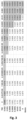
- the MBC value for THC alone was found to be about 0.0078 mg/ml, a 32-fold decrease compared to the MBC value for gentamicin alone (0.25 mg/ml), while the MBC value for THC in combination with PEA was found to be about 0.0019 mg/ml, a further 4-fold decrease compared to the MBC value for THC alone ( Fig. 1 ).
- the goal of the current experiment was to determine the minimal inhibitory concentration (MIC) for gentamicin with and without THC on S. Aureus ATCC strain 25923 (gentamicin-sensitive).
- the cutoff value to determine the MIC was set to an optical density (OD) value of ⁇ 0.1.
- OD optical density
- the MIC value for THC alone was found to be about 0.001 mg/mL, while the MIC value for gentamicin alone was also found to be about 0.001 mg/mL. However, the MIC value for gentamicin was synergistically reduced by 4-fold to 16-fold in combination with THC compared to gentamicin alone (0.0005 mg/mL Gen. + 0.0001 mg/mL THC; 0.0001 mg/mL Gen. + 0.0005 mg/mL THC).
- the goal of the current experiment was to determine the minimal inhibitory concentration (MIC) for gentamicin with and without THC on S. Aureus ATCC strain 25923 (gentamicin-sensitive).
- the cutoff value to determine the MIC was set to an optical density (OD) value of ⁇ 0.1.
- OD optical density
- the MIC value for THC alone was found to be about 0.002 mg/mL, while the MIC value for gentamicin alone was also found to be about 0.002 mg/mL. However, the MIC value for gentamicin was synergistically reduced by 4-fold to 64-fold in combination with THC compared to gentamicin alone (0.0002 mg/mL Gen. + 0.0005 mg/mL THC; 0.00003 mg/mL Gen. + 0.001 mg/mL THC).
- the goal of the current experiment was to determine the minimal inhibitory concentration (MIC) for gentamicin with and without THC on methicillin-resistant Staphylococcus aureus (MRSA), which is a multi-drug-resistant strain of 5. aureus.
- MRSA methicillin-resistant Staphylococcus aureus
- the cutoff value to determine the MIC was set to an optical density (OD) value of ⁇ 0.1.
- OD optical density
- the goal of the current experiment was to determine the minimal inhibitory concentration (MIC) for ampicillin with and without THC on methicillin-resistant Staphylococcus aureus (MRSA).
- the cutoff value to determine the MIC was set to an optical density (OD) value of ⁇ 0.1.
- OD optical density
- the MIC value for THC alone was found to be about 0.002 mg/mL, while the MIC value for ampicillin alone was found to be about 0.5 mg/mL. However, the MIC value for ampicillin was synergistically reduced by 2-fold in combination with THC compared to ampicillin alone (0.25 mg/mL Amp. + 0.001 mg/mL THC).
- the goal of the current experiment was to determine the minimal inhibitory concentration (MIC) for carbenicillin with and without THC on Streptococcus pneumoniae.
- the cutoff value to determine the MIC was set to an optical density (OD) value of ⁇ 0.1.
- OD optical density
- results The MIC value for THC alone was found to be about 0.002 mg/mL, while the MIC value for carbenicillin alone was found to be about 0.0002 mg/mL. However, the MIC value for carbenicillin was synergistically reduced by 2-fold in combination with THC compared to carbenicillin alone (0.0001 mg/mL Carb. + 0.0005 mg/mL THC).
- THC potentiates antibiotics to treat biofilm.
- the goal of the current experiment was to determine the minimal inhibitory concentration (MIC) for gentamicin with and without THC on an established S. Aureus ATCC strain 25923 (gentamicin-sensitive) biofilm.
- the cutoff value to determine the MIC was set to an optical density (OD) value of ⁇ 0.1.
- OD optical density
- the MIC value for THC alone was found to be about 0.004 mg/mL, while the MIC value for gentamicin could not even be determined and apparently was well over 0.002 mg/mL. However, the MIC value for gentamicin was synergistically reduced to 0.0002 mg/mL and lower in combination with THC compared to gentamicin alone (0.0002 mg/mL Gen. + 0.002 mg/mL THC).
- Reference Example 8 Evaluation of combinations of anti-microbial agents, cannabinoids and/or N-acylethanolamines against non-resistant and drug-resistant strains of bacteria.
- the purpose of this study is to investigate whether the addition of cannabinoids and/or N-acylethanolamines to anti-microbial agents reduces the minimum inhibitory concentrations (MIC) of the anti-microbial agents towards non-resistant and methicillin-resistant strains of Staphylococcus aureus (MRSA).
- MIC minimum inhibitory concentrations
- 125 ⁇ L of MHB is dispensed into wells 1-11. Then, 125 ⁇ L of the test compound or the appropriate antibiotic is dispensed into a well and serially diluted across the plate, leaving a well empty for the growth control. The final volume is dispensed into another well, which being free of MHB or inoculum serves as the sterile control. Finally, the bacterial inoculum (125 ⁇ L) is added to the wells, and the plate is incubated at 37°C for 18 hours. A DMSO control (3.125%) is also included. All MICs are determined from duplicate samples. The MIC is determined as the lowest concentration at which no growth was observed.
- a methanolic solution (5 mg/mL) of 3-[4,5-dimethylthiazol-2-yl]-2,5-diphenyltetrazoliium bromide (MTT; Lancaster) is used to detect bacterial growth by a color change from yellow to blue.
- Treatment groups consist of (1) Control, (2) tetracycline, (3) Oxacillin, (4) THC, (5) THC and PEA, (6) tetracycline and THC, (7) tetracycline and THC and PEA, (8) Oxacillin and THC, and (9) Oxacillin and THC and PEA.
- Reference Example 9 Evaluation of combinations of anti-microbial agents, cannabinoids and/or N-acylethanolamines against biofilm formation.
- the purpose of the study is to investigate whether the addition of cannabinoids and/or N-acylethanolamines to anti-microbial agents potentiates the anti-microbial agents in preventing and/or eradicating the biofilm.
- pseudintermedius DK729, S. pseudintermedius DSM21284 and S. intermedius DSM20373 have previously been shown to form biofilms as determined by crystal violet staining (Field et al., 2015). S. aureus SA113 has also demonstrated ability to form strong biofilm (Cramton et al., 1999).
- Staphylococcus strains are grown in cation-adjusted Mueller Hinton (CA-MH) (Oxoid) for minimum inhibitory concentration assays or Tryptic Soy Broth (TSB) (Merck) supplemented with 1 % Glucose at 37 °C for biofilm assays.
- CA-MH Mueller Hinton
- TLB Tryptic Soy Broth
- Minimum inhibitory concentration determinations are carried out in triplicate in 96-well microtiter plates as described previously (Field et al., 2010, 2012, 2015). Briefly, target strains are grown over night in the appropriate conditions and medium, subcultured into fresh broth and allowed to grow to an OD 600 of 0.5, diluted to a final concentration of 10 5 c.f.u./ml in a volume of 0.2 ml. penicillin G, ampicillin, streptomycin, erythromycin, and cefuroxime (Sigma) are re-suspended in CA-MH media to a stock concentration of 128 or 256 ⁇ g/ml.
- the antibiotics are adjusted to 16, 32, or 64 ⁇ g/ml starting concentration and twofold serial dilutions of each compound are made in 96-well plates for a total of 12 dilutions.
- the target strain is then added and after incubation for 16 hours at 37 °C and the MIC is determined as the lowest peptide concentration causing inhibition of visible growth.
- a 1:100 dilution is performed by adding 2 ⁇ l of log phase cells (10 7 c.f.u/ml of each culture) to 198 ⁇ l of TSBg in wells of a sterile 96-well microtiter plate (Sarstedt, Leicester, UK), giving a starting inoculum of 10 5 c.f.u/ml; 200 ml of TSBg is added to a set of wells as a negative control. All wells are seeded in triplicate. Microtiter plates are then incubated at 37°C for 48 hours to allow biofilm formation.
- the compounds of interest are added to the microtiter plate wells at IX, 2X, 4X, 8X and 16X. Following incubation for 24 hours at 37°C, the plates are removed and gently washed once with PBS, then with 100 mL of a solution containing 500 mg XTT/L(2,3-bis[2-methyloxy-4-nitro-5-sulfophenyl]-2H-tetrazolium-5-carboxanilide) (Sigma) and 10mM menadione (Sigma) is added to each well. Microtiter plates are incubated for 2 hours at 37°C in the dark. Absorbance is measured at 490 nm using a microtiter plate reader (Molecular Devices Spectramax M3, SunnyvaleCA, USA). Data is obtained in triplicate and calculated and expressed as the mean ⁇ SD.
- PBS phosphatebuffered saline
- Treatment groups consist of (1) Control, (2) penicillin G, (3) Cefuroxime, (4) THC, (5) THC and PEA, (6) penicillin G and THC, (7) penicillin G and THC and PEA, (8) Cefuroxime and THC, and (9) Cefuroxime and THC and PEA.
- Bacteria's staining with crystal violet is performed based on the methods disclosed in Merritt JH et al., Curr. Protoc. Microbiol., 2005.
- the following strains of bacteria are used in the experiments routine: Staphylococcus spp. (including S. aureus and S. epidermidis ), Pseudomonas aeruginosa , Porphyromonas spp. (especially P. gingivalis ), Moraxella spp. , Peptostreptococcus spp. , and Enterococcus spp..
- Cells are grown in microtiter dishes for a desired period of time, and then the wells are washed to remove planktonic bacteria. Cells remaining adhered to the wells are subsequently stained with a dye that allows visualization of the attachment pattern. This surface-associated dye can also be solubilized for semi-quantitative assessment of the biofilm formed.
- Each bacterium is inoculated in a 3-to-5-mL culture and grown to stationary phase.
- Cultures are diluted at 1:100 in the media. 100 ⁇ l of each diluted culture is pippeted into each of four wells in a fresh microtiter plate which has not been tissue culture treated. The plate is covered and is incubated at optimal growth temperature for the desired amount of time. Then, 20 ⁇ l of 0.1 % crystal violet solution (pre-filtered through a 0.44 ⁇ m filter) is added to each well and the staining 10 min at room temperature.
- mice 8 weeks of age at study initiation are used.
- the average animal body weight at study initiation is in the range of 24 ⁇ 2 g.
- the minimum and maximum weight in each group does not exceed ⁇ 20 % of group mean weight.
- Animals are randomly allocated to individual cages on the day of reception. Animals are acclimated for seven to nine days.
- mice For the duration of study (2 weeks), animals are given an oral treatment via gavage. Mice are weighted at the beginning of the study and at the day of termination. Clinical signs are monitored daily, including e.g. observation of soft stool (diarrhea), body temperature and occurrence of red or white rush on animals legs.
- MRS A The following strains of MRS A are assessed: Community-acquired MRS A (such as USA300), Hospital-acquired MRSA, VISA-ATCC 700699, S. aureus (strain Mu3 / ATCC 700698).
- Enterococcus faecium E. faecium
- VRE Vancomycin-resistant Enterococcus
- antibiotics are examined: Gentamicin, Vancomycin, Daptomycin, Linezolid, Clindamycin, Cephalosporin, TMP/SMZ, and Doxycycline.
- more than one cannabinoid is assessed - CBD, CBN, CBG, THCA and/or THCV.
- Micro broth dilution MIC according to CLSI
- Evaluation of MBC values of selected specimens in order to assess time-to-kill curve and/or Crystal violet staining in BKC.
Landscapes
- Health & Medical Sciences (AREA)
- Life Sciences & Earth Sciences (AREA)
- Veterinary Medicine (AREA)
- Animal Behavior & Ethology (AREA)
- General Health & Medical Sciences (AREA)
- Public Health (AREA)
- Chemical & Material Sciences (AREA)
- Medicinal Chemistry (AREA)
- Pharmacology & Pharmacy (AREA)
- Epidemiology (AREA)
- Molecular Biology (AREA)
- Communicable Diseases (AREA)
- Oncology (AREA)
- Chemical Kinetics & Catalysis (AREA)
- General Chemical & Material Sciences (AREA)
- Nuclear Medicine, Radiotherapy & Molecular Imaging (AREA)
- Organic Chemistry (AREA)
- Pharmaceuticals Containing Other Organic And Inorganic Compounds (AREA)
- Acyclic And Carbocyclic Compounds In Medicinal Compositions (AREA)
Applications Claiming Priority (2)
| Application Number | Priority Date | Filing Date | Title |
|---|---|---|---|
| US201662362082P | 2016-07-14 | 2016-07-14 | |
| PCT/IL2017/050800 WO2018011813A1 (en) | 2016-07-14 | 2017-07-13 | Compositions and methods of potentiating antimicrobials |
Publications (3)
| Publication Number | Publication Date |
|---|---|
| EP3484469A1 EP3484469A1 (en) | 2019-05-22 |
| EP3484469A4 EP3484469A4 (en) | 2020-07-22 |
| EP3484469B1 true EP3484469B1 (en) | 2024-05-22 |
Family
ID=60952228
Family Applications (1)
| Application Number | Title | Priority Date | Filing Date |
|---|---|---|---|
| EP17827133.4A Active EP3484469B1 (en) | 2016-07-14 | 2017-07-13 | Compositions and methods of potentiating antimicrobials |
Country Status (9)
| Country | Link |
|---|---|
| US (3) | US20190183914A1 (pl) |
| EP (1) | EP3484469B1 (pl) |
| CN (3) | CN109562094A (pl) |
| CA (1) | CA3068806A1 (pl) |
| DK (1) | DK3484469T3 (pl) |
| ES (1) | ES2985112T3 (pl) |
| MA (1) | MA45688A (pl) |
| PL (1) | PL3484469T3 (pl) |
| WO (1) | WO2018011813A1 (pl) |
Families Citing this family (17)
| Publication number | Priority date | Publication date | Assignee | Title |
|---|---|---|---|---|
| JP2018528977A (ja) | 2015-09-22 | 2018-10-04 | バイタリティ バイオファーマ インコーポレイテッドVitality Biopharma, Inc. | カンナビノイドグリコシドプロドラッグおよび合成の方法 |
| CA3063186A1 (en) | 2017-05-09 | 2018-11-15 | Vitality Biopharma, Inc. | Antimicrobial compositions comprising cannabinoids and methods of using the same |
| US12198788B2 (en) * | 2017-10-04 | 2025-01-14 | Cannibite Bvba | System for detecting an intraoral disease and determining a personalized treatment scheme and method of doing same |
| WO2020000024A1 (en) * | 2018-06-28 | 2020-01-02 | Botanix Pharmaceuticals Ltd | Antibacterial treatment using cannabinoid combinations |
| EP3846616A4 (en) * | 2018-09-05 | 2022-05-25 | Nemus Bioscience, Inc. | CANNABINOIDS FOR THE TREATMENT OF GRAM POSITIVE INFECTIONS INCLUDING ANTIBIOTIC RESISTANT BACTERIA STRAINS |
| WO2020089902A1 (en) * | 2018-10-30 | 2020-05-07 | Yissum Research Development Company Of The Hebrew University Of Jerusalem Ltd. | Compositions comprising cannabinoids for use in the treatment of biofilm and conditions associated with microbial, fungal, bacterial infections |
| GB2581987B (en) * | 2019-03-06 | 2021-11-17 | Gw Res Ltd | Use of cannabidiol in combination with antibiotics |
| US20220151982A1 (en) * | 2019-03-28 | 2022-05-19 | Scicann Therapeutics Inc. | Cannabinoid compositions and use thereof |
| CN109758441A (zh) * | 2019-03-29 | 2019-05-17 | 广东工业大学 | N-脂肪酰基乙醇胺类化合物在制备抑制细菌群体感应系统的药物中的应用和药物 |
| WO2020223811A1 (en) | 2019-05-06 | 2020-11-12 | The University Of British Columbia | Antibiotic cannabinoid-terpene formulations |
| EP3986395A4 (en) * | 2019-06-18 | 2023-08-09 | Botanix Pharmaceuticals Ltd | ANTIBACTERIAL DOSAGE REGIMEN USING CANNABINOIDS |
| WO2020263975A1 (en) | 2019-06-24 | 2020-12-30 | Diverse Biotech, Inc. | Beta-lactam-cannabinoid conjugate molecules |
| CN110973159B (zh) * | 2019-10-30 | 2021-04-06 | 广州市浪奇实业股份有限公司 | 一种含有大麻二酚的抗菌组合物及其应用 |
| BR112022010473A2 (pt) * | 2019-11-29 | 2022-09-06 | Botanix Pharmaceuticals Ltd | Tratamento antibacteriano usando um canabinoide e um agente ativo |
| CN112195558A (zh) * | 2020-09-24 | 2021-01-08 | 上海丰格无纺布有限公司 | 一种抗微生物无纺布及其制备方法 |
| WO2023130142A2 (en) * | 2022-01-03 | 2023-07-06 | Bryant Cynthia W | Compositions and methods using cannabinoid compounds for treating urinary tract disorders |
| WO2024159198A2 (en) * | 2023-01-27 | 2024-08-02 | Nagy Aurangzeb Nafees | Compositions and methods using tetrahydrocannabinol and compositions including same for treating indications involving inflammation |
Family Cites Families (8)
| Publication number | Priority date | Publication date | Assignee | Title |
|---|---|---|---|---|
| US5506224A (en) | 1991-12-31 | 1996-04-09 | Lifegroup S.P.A. | N-acyl derivatives of aminoalcohols active as local autacoids and useful in the therapy of autoimmune processes |
| CA2330681C (en) | 1998-05-29 | 2008-08-26 | Andrea Giuffrida | Control of pain with endogenous cannabinoids |
| US20050054730A1 (en) | 2001-03-27 | 2005-03-10 | The Regents Of The University Of California | Compounds, compositions and treatment of oleoylethanolamide-like modulators of PPARalpha |
| US7348338B2 (en) | 2003-07-17 | 2008-03-25 | Plexxikon, Inc. | PPAR active compounds |
| WO2009158499A2 (en) * | 2008-06-25 | 2009-12-30 | University Of North Texas Health Science Center At Fort Worth | Prevention of bacterial growth and biofilm formation by ligands that act on cannabinoidergic systems |
| WO2010013240A1 (en) | 2008-07-31 | 2010-02-04 | Dekel Pharmaceuticals Ltd. | Compositions and methods for treating inflammatory disorders |
| CN103361820A (zh) * | 2012-03-30 | 2013-10-23 | 太仓棨淂服装有限公司 | 一种抗菌牛仔面料 |
| EP3049076A4 (en) * | 2013-09-26 | 2018-04-18 | Ronald D. Sekura | Topical treatments incorporating cannabis sp. derived botanical drug product |
-
2017
- 2017-07-13 MA MA045688A patent/MA45688A/fr unknown
- 2017-07-13 CN CN201780043787.1A patent/CN109562094A/zh active Pending
- 2017-07-13 WO PCT/IL2017/050800 patent/WO2018011813A1/en not_active Ceased
- 2017-07-13 CN CN202411467744.4A patent/CN119633002A/zh active Pending
- 2017-07-13 PL PL17827133.4T patent/PL3484469T3/pl unknown
- 2017-07-13 DK DK17827133.4T patent/DK3484469T3/da active
- 2017-07-13 CA CA3068806A patent/CA3068806A1/en not_active Abandoned
- 2017-07-13 EP EP17827133.4A patent/EP3484469B1/en active Active
- 2017-07-13 ES ES17827133T patent/ES2985112T3/es active Active
- 2017-07-13 CN CN202411467740.6A patent/CN119770661A/zh active Pending
-
2019
- 2019-01-11 US US16/246,084 patent/US20190183914A1/en not_active Abandoned
-
2020
- 2020-06-09 US US16/896,701 patent/US11491172B2/en active Active
-
2022
- 2022-09-29 US US17/955,730 patent/US20230045747A1/en active Pending
Also Published As
| Publication number | Publication date |
|---|---|
| MA45688A (fr) | 2019-05-22 |
| ES2985112T3 (es) | 2024-11-04 |
| US20210093652A1 (en) | 2021-04-01 |
| CN119770661A (zh) | 2025-04-08 |
| EP3484469A1 (en) | 2019-05-22 |
| CN109562094A (zh) | 2019-04-02 |
| US11491172B2 (en) | 2022-11-08 |
| CN119633002A (zh) | 2025-03-18 |
| EP3484469A4 (en) | 2020-07-22 |
| US20230045747A1 (en) | 2023-02-09 |
| CA3068806A1 (en) | 2018-01-18 |
| WO2018011813A1 (en) | 2018-01-18 |
| DK3484469T3 (da) | 2024-06-24 |
| US20190183914A1 (en) | 2019-06-20 |
| PL3484469T3 (pl) | 2024-08-19 |
Similar Documents
| Publication | Publication Date | Title |
|---|---|---|
| US20230045747A1 (en) | Compositions and methods of potentiating antimicrobials | |
| AU2011343012C1 (en) | A composition comprising an antibiotic and a dispersant or an anti -adhesive agent | |
| EP3288553B1 (en) | Combinations of cannabinoids and n-acylethanolamines | |
| JP2020063277A (ja) | 細菌バイオフィルムの処置および他の使用をはじめとする、生体医学的使用のための消毒薬としてのビスマス−チオール | |
| EP2437737B1 (fr) | Composition comprenant au moins du trans-cinnamaldehyde et son utilisation dans le traitement des infections bacteriennes plus particulierement dans le traitement des maladies nosocomiales | |
| US9393249B2 (en) | Antimicrobial composition | |
| US20210315837A1 (en) | Cannabinoids for the treatment of gram-positive infections including antibiotic-resistant bacterial strains | |
| JP2007502861A (ja) | 抗菌方法及び組成物 | |
| WO2019087084A1 (en) | Extract of orthosiphon stamineus, formulations, and uses thereof | |
| HUE027373T2 (hu) | Kezelési eljárások oritavancin egyszeri dózisainak alkalmazásával | |
| CN101636156B (zh) | 没食子酸烷基酯的药物组合物 | |
| EP2260870A2 (en) | Treatment of infectious diseases with combinations of a thioxanthene derivative with an anti-infective agent | |
| US20130337095A1 (en) | Antimicrobial composition and its method of use | |
| Lima et al. | Antimicrobial and anti-biofilm activity of a mucoadhesive hydrogel functionalized with aminochalcone on titanium surfaces and in Galleria mellonella model: In vitro and in vivo study | |
| SA120420312B1 (ar) | طريقة لمنع أو علاج أو تحسين عدوى ميكروبية | |
| JP2023534073A (ja) | 銀強化カンナビノイド抗生物質 | |
| Hernandez-Romero et al. | Rifampicin and N-acteylcisteyne inhibit oral bacterial growth and biofilm formation | |
| WO2025177225A1 (en) | Compositions and methods of their use | |
| Al-Ani | Towards a more efficacious treatment for Oropharyngeal Candidiasis (OPC): Hydrogel-forming tablets for the controlled release delivery of Chlorhexidine diacetate | |
| HK1220911B (en) | A composition comprising a non-peptide antibiotic and cysteamine | |
| PL230633B1 (pl) | Kompozycja farmaceutyczna zawierajaca nystatyne oraz -escyne lub ich dopuszczalne farmaceutycznie sole oraz jej zastosowanie | |
| HK1185015B (en) | A composition comprising an antibiotic and a dispersant | |
| JP2003081845A (ja) | セラチア菌及びβラクタム耐性セラチア菌に対する抗菌剤 |
Legal Events
| Date | Code | Title | Description |
|---|---|---|---|
| STAA | Information on the status of an ep patent application or granted ep patent |
Free format text: STATUS: THE INTERNATIONAL PUBLICATION HAS BEEN MADE |
|
| PUAI | Public reference made under article 153(3) epc to a published international application that has entered the european phase |
Free format text: ORIGINAL CODE: 0009012 |
|
| STAA | Information on the status of an ep patent application or granted ep patent |
Free format text: STATUS: REQUEST FOR EXAMINATION WAS MADE |
|
| 17P | Request for examination filed |
Effective date: 20190212 |
|
| AK | Designated contracting states |
Kind code of ref document: A1 Designated state(s): AL AT BE BG CH CY CZ DE DK EE ES FI FR GB GR HR HU IE IS IT LI LT LU LV MC MK MT NL NO PL PT RO RS SE SI SK SM TR |
|
| AX | Request for extension of the european patent |
Extension state: BA ME |
|
| RIC1 | Information provided on ipc code assigned before grant |
Ipc: A61K 31/16 20060101ALI20200220BHEP Ipc: A61P 31/04 20060101ALI20200220BHEP Ipc: A61K 31/065 20060101ALI20200220BHEP Ipc: A61K 31/7036 20060101ALI20200220BHEP Ipc: A61K 31/43 20060101ALI20200220BHEP Ipc: A61K 31/65 20060101ALI20200220BHEP Ipc: A61K 31/353 20060101ALI20200220BHEP Ipc: A61K 31/352 20060101AFI20200220BHEP Ipc: A61K 31/546 20060101ALI20200220BHEP |
|
| A4 | Supplementary search report drawn up and despatched |
Effective date: 20200623 |
|
| RIC1 | Information provided on ipc code assigned before grant |
Ipc: A61K 31/065 20060101ALI20200617BHEP Ipc: A61P 31/04 20060101ALI20200617BHEP Ipc: A61K 31/546 20060101ALI20200617BHEP Ipc: A61K 31/16 20060101ALI20200617BHEP Ipc: A61K 31/353 20060101ALI20200617BHEP Ipc: A61K 31/352 20060101AFI20200617BHEP Ipc: A61K 31/43 20060101ALI20200617BHEP Ipc: A61K 31/7036 20060101ALI20200617BHEP Ipc: A61K 31/65 20060101ALI20200617BHEP |
|
| GRAP | Despatch of communication of intention to grant a patent |
Free format text: ORIGINAL CODE: EPIDOSNIGR1 |
|
| STAA | Information on the status of an ep patent application or granted ep patent |
Free format text: STATUS: GRANT OF PATENT IS INTENDED |
|
| INTG | Intention to grant announced |
Effective date: 20220810 |
|
| GRAJ | Information related to disapproval of communication of intention to grant by the applicant or resumption of examination proceedings by the epo deleted |
Free format text: ORIGINAL CODE: EPIDOSDIGR1 |
|
| STAA | Information on the status of an ep patent application or granted ep patent |
Free format text: STATUS: REQUEST FOR EXAMINATION WAS MADE |
|
| RAP3 | Party data changed (applicant data changed or rights of an application transferred) |
Owner name: SCISPARC LTD |
|
| STAA | Information on the status of an ep patent application or granted ep patent |
Free format text: STATUS: EXAMINATION IS IN PROGRESS |
|
| INTC | Intention to grant announced (deleted) | ||
| 17Q | First examination report despatched |
Effective date: 20230102 |
|
| P01 | Opt-out of the competence of the unified patent court (upc) registered |
Effective date: 20230515 |
|
| GRAJ | Information related to disapproval of communication of intention to grant by the applicant or resumption of examination proceedings by the epo deleted |
Free format text: ORIGINAL CODE: EPIDOSDIGR1 |
|
| STAA | Information on the status of an ep patent application or granted ep patent |
Free format text: STATUS: GRANT OF PATENT IS INTENDED |
|
| GRAP | Despatch of communication of intention to grant a patent |
Free format text: ORIGINAL CODE: EPIDOSNIGR1 |
|
| INTG | Intention to grant announced |
Effective date: 20240306 |
|
| GRAS | Grant fee paid |
Free format text: ORIGINAL CODE: EPIDOSNIGR3 |
|
| GRAA | (expected) grant |
Free format text: ORIGINAL CODE: 0009210 |
|
| STAA | Information on the status of an ep patent application or granted ep patent |
Free format text: STATUS: THE PATENT HAS BEEN GRANTED |
|
| AK | Designated contracting states |
Kind code of ref document: B1 Designated state(s): AL AT BE BG CH CY CZ DE DK EE ES FI FR GB GR HR HU IE IS IT LI LT LU LV MC MK MT NL NO PL PT RO RS SE SI SK SM TR |
|
| REG | Reference to a national code |
Ref country code: GB Ref legal event code: FG4D |
|
| REG | Reference to a national code |
Ref country code: CH Ref legal event code: EP |
|
| REG | Reference to a national code |
Ref country code: DE Ref legal event code: R096 Ref document number: 602017082152 Country of ref document: DE |
|
| REG | Reference to a national code |
Ref country code: IE Ref legal event code: FG4D |
|
| REG | Reference to a national code |
Ref country code: DK Ref legal event code: T3 Effective date: 20240619 |
|
| REG | Reference to a national code |
Ref country code: SE Ref legal event code: TRGR |
|
| REG | Reference to a national code |
Ref country code: NL Ref legal event code: FP |
|
| REG | Reference to a national code |
Ref country code: LT Ref legal event code: MG9D |
|
| PG25 | Lapsed in a contracting state [announced via postgrant information from national office to epo] |
Ref country code: IS Free format text: LAPSE BECAUSE OF FAILURE TO SUBMIT A TRANSLATION OF THE DESCRIPTION OR TO PAY THE FEE WITHIN THE PRESCRIBED TIME-LIMIT Effective date: 20240922 |
|
| PG25 | Lapsed in a contracting state [announced via postgrant information from national office to epo] |
Ref country code: BG Free format text: LAPSE BECAUSE OF FAILURE TO SUBMIT A TRANSLATION OF THE DESCRIPTION OR TO PAY THE FEE WITHIN THE PRESCRIBED TIME-LIMIT Effective date: 20240522 |
|
| PG25 | Lapsed in a contracting state [announced via postgrant information from national office to epo] |
Ref country code: HR Free format text: LAPSE BECAUSE OF FAILURE TO SUBMIT A TRANSLATION OF THE DESCRIPTION OR TO PAY THE FEE WITHIN THE PRESCRIBED TIME-LIMIT Effective date: 20240522 Ref country code: FI Free format text: LAPSE BECAUSE OF FAILURE TO SUBMIT A TRANSLATION OF THE DESCRIPTION OR TO PAY THE FEE WITHIN THE PRESCRIBED TIME-LIMIT Effective date: 20240522 |
|
| PG25 | Lapsed in a contracting state [announced via postgrant information from national office to epo] |
Ref country code: GR Free format text: LAPSE BECAUSE OF FAILURE TO SUBMIT A TRANSLATION OF THE DESCRIPTION OR TO PAY THE FEE WITHIN THE PRESCRIBED TIME-LIMIT Effective date: 20240823 |
|
| PG25 | Lapsed in a contracting state [announced via postgrant information from national office to epo] |
Ref country code: PT Free format text: LAPSE BECAUSE OF FAILURE TO SUBMIT A TRANSLATION OF THE DESCRIPTION OR TO PAY THE FEE WITHIN THE PRESCRIBED TIME-LIMIT Effective date: 20240923 |
|
| PG25 | Lapsed in a contracting state [announced via postgrant information from national office to epo] |
Ref country code: LV Free format text: LAPSE BECAUSE OF FAILURE TO SUBMIT A TRANSLATION OF THE DESCRIPTION OR TO PAY THE FEE WITHIN THE PRESCRIBED TIME-LIMIT Effective date: 20240522 |
|
| PG25 | Lapsed in a contracting state [announced via postgrant information from national office to epo] |
Ref country code: PT Free format text: LAPSE BECAUSE OF FAILURE TO SUBMIT A TRANSLATION OF THE DESCRIPTION OR TO PAY THE FEE WITHIN THE PRESCRIBED TIME-LIMIT Effective date: 20240923 Ref country code: LV Free format text: LAPSE BECAUSE OF FAILURE TO SUBMIT A TRANSLATION OF THE DESCRIPTION OR TO PAY THE FEE WITHIN THE PRESCRIBED TIME-LIMIT Effective date: 20240522 Ref country code: IS Free format text: LAPSE BECAUSE OF FAILURE TO SUBMIT A TRANSLATION OF THE DESCRIPTION OR TO PAY THE FEE WITHIN THE PRESCRIBED TIME-LIMIT Effective date: 20240922 Ref country code: HR Free format text: LAPSE BECAUSE OF FAILURE TO SUBMIT A TRANSLATION OF THE DESCRIPTION OR TO PAY THE FEE WITHIN THE PRESCRIBED TIME-LIMIT Effective date: 20240522 Ref country code: GR Free format text: LAPSE BECAUSE OF FAILURE TO SUBMIT A TRANSLATION OF THE DESCRIPTION OR TO PAY THE FEE WITHIN THE PRESCRIBED TIME-LIMIT Effective date: 20240823 Ref country code: FI Free format text: LAPSE BECAUSE OF FAILURE TO SUBMIT A TRANSLATION OF THE DESCRIPTION OR TO PAY THE FEE WITHIN THE PRESCRIBED TIME-LIMIT Effective date: 20240522 Ref country code: BG Free format text: LAPSE BECAUSE OF FAILURE TO SUBMIT A TRANSLATION OF THE DESCRIPTION OR TO PAY THE FEE WITHIN THE PRESCRIBED TIME-LIMIT Effective date: 20240522 Ref country code: RS Free format text: LAPSE BECAUSE OF FAILURE TO SUBMIT A TRANSLATION OF THE DESCRIPTION OR TO PAY THE FEE WITHIN THE PRESCRIBED TIME-LIMIT Effective date: 20240822 |
|
| REG | Reference to a national code |
Ref country code: ES Ref legal event code: FG2A Ref document number: 2985112 Country of ref document: ES Kind code of ref document: T3 Effective date: 20241104 |
|
| PG25 | Lapsed in a contracting state [announced via postgrant information from national office to epo] |
Ref country code: EE Free format text: LAPSE BECAUSE OF FAILURE TO SUBMIT A TRANSLATION OF THE DESCRIPTION OR TO PAY THE FEE WITHIN THE PRESCRIBED TIME-LIMIT Effective date: 20240522 |
|
| PG25 | Lapsed in a contracting state [announced via postgrant information from national office to epo] |
Ref country code: CZ Free format text: LAPSE BECAUSE OF FAILURE TO SUBMIT A TRANSLATION OF THE DESCRIPTION OR TO PAY THE FEE WITHIN THE PRESCRIBED TIME-LIMIT Effective date: 20240522 |
|
| PG25 | Lapsed in a contracting state [announced via postgrant information from national office to epo] |
Ref country code: RO Free format text: LAPSE BECAUSE OF FAILURE TO SUBMIT A TRANSLATION OF THE DESCRIPTION OR TO PAY THE FEE WITHIN THE PRESCRIBED TIME-LIMIT Effective date: 20240522 Ref country code: SK Free format text: LAPSE BECAUSE OF FAILURE TO SUBMIT A TRANSLATION OF THE DESCRIPTION OR TO PAY THE FEE WITHIN THE PRESCRIBED TIME-LIMIT Effective date: 20240522 |
|
| PG25 | Lapsed in a contracting state [announced via postgrant information from national office to epo] |
Ref country code: SM Free format text: LAPSE BECAUSE OF FAILURE TO SUBMIT A TRANSLATION OF THE DESCRIPTION OR TO PAY THE FEE WITHIN THE PRESCRIBED TIME-LIMIT Effective date: 20240522 |
|
| PG25 | Lapsed in a contracting state [announced via postgrant information from national office to epo] |
Ref country code: SM Free format text: LAPSE BECAUSE OF FAILURE TO SUBMIT A TRANSLATION OF THE DESCRIPTION OR TO PAY THE FEE WITHIN THE PRESCRIBED TIME-LIMIT Effective date: 20240522 Ref country code: SK Free format text: LAPSE BECAUSE OF FAILURE TO SUBMIT A TRANSLATION OF THE DESCRIPTION OR TO PAY THE FEE WITHIN THE PRESCRIBED TIME-LIMIT Effective date: 20240522 Ref country code: RO Free format text: LAPSE BECAUSE OF FAILURE TO SUBMIT A TRANSLATION OF THE DESCRIPTION OR TO PAY THE FEE WITHIN THE PRESCRIBED TIME-LIMIT Effective date: 20240522 Ref country code: EE Free format text: LAPSE BECAUSE OF FAILURE TO SUBMIT A TRANSLATION OF THE DESCRIPTION OR TO PAY THE FEE WITHIN THE PRESCRIBED TIME-LIMIT Effective date: 20240522 Ref country code: CZ Free format text: LAPSE BECAUSE OF FAILURE TO SUBMIT A TRANSLATION OF THE DESCRIPTION OR TO PAY THE FEE WITHIN THE PRESCRIBED TIME-LIMIT Effective date: 20240522 |
|
| PG25 | Lapsed in a contracting state [announced via postgrant information from national office to epo] |
Ref country code: MC Free format text: LAPSE BECAUSE OF FAILURE TO SUBMIT A TRANSLATION OF THE DESCRIPTION OR TO PAY THE FEE WITHIN THE PRESCRIBED TIME-LIMIT Effective date: 20240522 |
|
| REG | Reference to a national code |
Ref country code: DE Ref legal event code: R097 Ref document number: 602017082152 Country of ref document: DE |
|
| PG25 | Lapsed in a contracting state [announced via postgrant information from national office to epo] |
Ref country code: LU Free format text: LAPSE BECAUSE OF NON-PAYMENT OF DUE FEES Effective date: 20240713 |
|
| PLBE | No opposition filed within time limit |
Free format text: ORIGINAL CODE: 0009261 |
|
| STAA | Information on the status of an ep patent application or granted ep patent |
Free format text: STATUS: NO OPPOSITION FILED WITHIN TIME LIMIT |
|
| PG25 | Lapsed in a contracting state [announced via postgrant information from national office to epo] |
Ref country code: LU Free format text: LAPSE BECAUSE OF NON-PAYMENT OF DUE FEES Effective date: 20240713 |
|
| PG25 | Lapsed in a contracting state [announced via postgrant information from national office to epo] |
Ref country code: SI Free format text: LAPSE BECAUSE OF FAILURE TO SUBMIT A TRANSLATION OF THE DESCRIPTION OR TO PAY THE FEE WITHIN THE PRESCRIBED TIME-LIMIT Effective date: 20240522 |
|
| 26N | No opposition filed |
Effective date: 20250225 |
|
| VS25 | Lapsed in a validation state [announced via postgrant information from nat. office to epo] |
Ref country code: MD Free format text: LAPSE BECAUSE OF FAILURE TO SUBMIT A TRANSLATION OF THE DESCRIPTION OR TO PAY THE FEE WITHIN THE PRESCRIBED TIME-LIMIT Effective date: 20240522 |
|
| PGFP | Annual fee paid to national office [announced via postgrant information from national office to epo] |
Ref country code: NL Payment date: 20250721 Year of fee payment: 9 |
|
| REG | Reference to a national code |
Ref country code: AT Ref legal event code: UEP Ref document number: 1688232 Country of ref document: AT Kind code of ref document: T Effective date: 20240522 |
|
| PGFP | Annual fee paid to national office [announced via postgrant information from national office to epo] |
Ref country code: ES Payment date: 20250826 Year of fee payment: 9 |
|
| PGFP | Annual fee paid to national office [announced via postgrant information from national office to epo] |
Ref country code: DK Payment date: 20250725 Year of fee payment: 9 Ref country code: DE Payment date: 20250722 Year of fee payment: 9 |
|
| PGFP | Annual fee paid to national office [announced via postgrant information from national office to epo] |
Ref country code: NO Payment date: 20250725 Year of fee payment: 9 |
|
| PGFP | Annual fee paid to national office [announced via postgrant information from national office to epo] |
Ref country code: PL Payment date: 20250709 Year of fee payment: 9 Ref country code: IT Payment date: 20250724 Year of fee payment: 9 |
|
| PGFP | Annual fee paid to national office [announced via postgrant information from national office to epo] |
Ref country code: GB Payment date: 20250722 Year of fee payment: 9 Ref country code: BE Payment date: 20250718 Year of fee payment: 9 |
|
| PGFP | Annual fee paid to national office [announced via postgrant information from national office to epo] |
Ref country code: FR Payment date: 20250725 Year of fee payment: 9 Ref country code: AT Payment date: 20250722 Year of fee payment: 9 |
|
| PGFP | Annual fee paid to national office [announced via postgrant information from national office to epo] |
Ref country code: CH Payment date: 20250801 Year of fee payment: 9 Ref country code: SE Payment date: 20250722 Year of fee payment: 9 |
|
| PGFP | Annual fee paid to national office [announced via postgrant information from national office to epo] |
Ref country code: IE Payment date: 20250723 Year of fee payment: 9 |
|
| VS25 | Lapsed in a validation state [announced via postgrant information from nat. office to epo] |
Ref country code: MA Free format text: FAILURE TO ELECT DOMICILE IN THE NATIONAL COUNTRY Effective date: 20240823 |
|
| PG25 | Lapsed in a contracting state [announced via postgrant information from national office to epo] |
Ref country code: CY Free format text: LAPSE BECAUSE OF FAILURE TO SUBMIT A TRANSLATION OF THE DESCRIPTION OR TO PAY THE FEE WITHIN THE PRESCRIBED TIME-LIMIT; INVALID AB INITIO Effective date: 20170713 |