EP3463418B1 - Pharmazeutische zusammensetzungen zur behandlung von darmbeschwerden - Google Patents
Pharmazeutische zusammensetzungen zur behandlung von darmbeschwerden Download PDFInfo
- Publication number
- EP3463418B1 EP3463418B1 EP17721724.7A EP17721724A EP3463418B1 EP 3463418 B1 EP3463418 B1 EP 3463418B1 EP 17721724 A EP17721724 A EP 17721724A EP 3463418 B1 EP3463418 B1 EP 3463418B1
- Authority
- EP
- European Patent Office
- Prior art keywords
- xyloglucan
- protein
- pea protein
- comprised
- solution
- Prior art date
- Legal status (The legal status is an assumption and is not a legal conclusion. Google has not performed a legal analysis and makes no representation as to the accuracy of the status listed.)
- Active
Links
Images


Classifications
-
- A—HUMAN NECESSITIES
- A61—MEDICAL OR VETERINARY SCIENCE; HYGIENE
- A61K—PREPARATIONS FOR MEDICAL, DENTAL OR TOILETRY PURPOSES
- A61K38/00—Medicinal preparations containing peptides
- A61K38/16—Peptides having more than 20 amino acids; Gastrins; Somatostatins; Melanotropins; Derivatives thereof
- A61K38/168—Peptides having more than 20 amino acids; Gastrins; Somatostatins; Melanotropins; Derivatives thereof from plants
-
- A—HUMAN NECESSITIES
- A61—MEDICAL OR VETERINARY SCIENCE; HYGIENE
- A61K—PREPARATIONS FOR MEDICAL, DENTAL OR TOILETRY PURPOSES
- A61K38/00—Medicinal preparations containing peptides
- A61K38/01—Hydrolysed proteins; Derivatives thereof
-
- A—HUMAN NECESSITIES
- A61—MEDICAL OR VETERINARY SCIENCE; HYGIENE
- A61K—PREPARATIONS FOR MEDICAL, DENTAL OR TOILETRY PURPOSES
- A61K38/00—Medicinal preparations containing peptides
- A61K38/01—Hydrolysed proteins; Derivatives thereof
- A61K38/011—Hydrolysed proteins; Derivatives thereof from plants
-
- A—HUMAN NECESSITIES
- A61—MEDICAL OR VETERINARY SCIENCE; HYGIENE
- A61K—PREPARATIONS FOR MEDICAL, DENTAL OR TOILETRY PURPOSES
- A61K47/00—Medicinal preparations characterised by the non-active ingredients used, e.g. carriers or inert additives; Targeting or modifying agents chemically bound to the active ingredient
- A61K47/50—Medicinal preparations characterised by the non-active ingredients used, e.g. carriers or inert additives; Targeting or modifying agents chemically bound to the active ingredient the non-active ingredient being chemically bound to the active ingredient, e.g. polymer-drug conjugates
- A61K47/51—Medicinal preparations characterised by the non-active ingredients used, e.g. carriers or inert additives; Targeting or modifying agents chemically bound to the active ingredient the non-active ingredient being chemically bound to the active ingredient, e.g. polymer-drug conjugates the non-active ingredient being a modifying agent
- A61K47/56—Medicinal preparations characterised by the non-active ingredients used, e.g. carriers or inert additives; Targeting or modifying agents chemically bound to the active ingredient the non-active ingredient being chemically bound to the active ingredient, e.g. polymer-drug conjugates the non-active ingredient being a modifying agent the modifying agent being an organic macromolecular compound, e.g. an oligomeric, polymeric or dendrimeric molecule
- A61K47/61—Medicinal preparations characterised by the non-active ingredients used, e.g. carriers or inert additives; Targeting or modifying agents chemically bound to the active ingredient the non-active ingredient being chemically bound to the active ingredient, e.g. polymer-drug conjugates the non-active ingredient being a modifying agent the modifying agent being an organic macromolecular compound, e.g. an oligomeric, polymeric or dendrimeric molecule the organic macromolecular compound being a polysaccharide or a derivative thereof
-
- A—HUMAN NECESSITIES
- A61—MEDICAL OR VETERINARY SCIENCE; HYGIENE
- A61K—PREPARATIONS FOR MEDICAL, DENTAL OR TOILETRY PURPOSES
- A61K47/00—Medicinal preparations characterised by the non-active ingredients used, e.g. carriers or inert additives; Targeting or modifying agents chemically bound to the active ingredient
- A61K47/50—Medicinal preparations characterised by the non-active ingredients used, e.g. carriers or inert additives; Targeting or modifying agents chemically bound to the active ingredient the non-active ingredient being chemically bound to the active ingredient, e.g. polymer-drug conjugates
- A61K47/51—Medicinal preparations characterised by the non-active ingredients used, e.g. carriers or inert additives; Targeting or modifying agents chemically bound to the active ingredient the non-active ingredient being chemically bound to the active ingredient, e.g. polymer-drug conjugates the non-active ingredient being a modifying agent
- A61K47/62—Medicinal preparations characterised by the non-active ingredients used, e.g. carriers or inert additives; Targeting or modifying agents chemically bound to the active ingredient the non-active ingredient being chemically bound to the active ingredient, e.g. polymer-drug conjugates the non-active ingredient being a modifying agent the modifying agent being a protein, peptide or polyamino acid
- A61K47/64—Drug-peptide, drug-protein or drug-polyamino acid conjugates, i.e. the modifying agent being a peptide, protein or polyamino acid which is covalently bonded or complexed to a therapeutically active agent
-
- A—HUMAN NECESSITIES
- A61—MEDICAL OR VETERINARY SCIENCE; HYGIENE
- A61K—PREPARATIONS FOR MEDICAL, DENTAL OR TOILETRY PURPOSES
- A61K9/00—Medicinal preparations characterised by special physical form
- A61K9/0012—Galenical forms characterised by the site of application
- A61K9/0053—Mouth and digestive tract, i.e. intraoral and peroral administration
-
- A—HUMAN NECESSITIES
- A61—MEDICAL OR VETERINARY SCIENCE; HYGIENE
- A61P—SPECIFIC THERAPEUTIC ACTIVITY OF CHEMICAL COMPOUNDS OR MEDICINAL PREPARATIONS
- A61P1/00—Drugs for disorders of the alimentary tract or the digestive system
- A61P1/04—Drugs for disorders of the alimentary tract or the digestive system for ulcers, gastritis or reflux esophagitis, e.g. antacids, inhibitors of acid secretion, mucosal protectants
-
- A—HUMAN NECESSITIES
- A61—MEDICAL OR VETERINARY SCIENCE; HYGIENE
- A61P—SPECIFIC THERAPEUTIC ACTIVITY OF CHEMICAL COMPOUNDS OR MEDICINAL PREPARATIONS
- A61P29/00—Non-central analgesic, antipyretic or antiinflammatory agents, e.g. antirheumatic agents; Non-steroidal antiinflammatory drugs [NSAID]
-
- A—HUMAN NECESSITIES
- A61—MEDICAL OR VETERINARY SCIENCE; HYGIENE
- A61P—SPECIFIC THERAPEUTIC ACTIVITY OF CHEMICAL COMPOUNDS OR MEDICINAL PREPARATIONS
- A61P35/00—Antineoplastic agents
-
- C—CHEMISTRY; METALLURGY
- C07—ORGANIC CHEMISTRY
- C07K—PEPTIDES
- C07K1/00—General methods for the preparation of peptides, i.e. processes for the organic chemical preparation of peptides or proteins of any length
- C07K1/107—General methods for the preparation of peptides, i.e. processes for the organic chemical preparation of peptides or proteins of any length by chemical modification of precursor peptides
- C07K1/1072—General methods for the preparation of peptides, i.e. processes for the organic chemical preparation of peptides or proteins of any length by chemical modification of precursor peptides by covalent attachment of residues or functional groups
- C07K1/1077—General methods for the preparation of peptides, i.e. processes for the organic chemical preparation of peptides or proteins of any length by chemical modification of precursor peptides by covalent attachment of residues or functional groups by covalent attachment of residues other than amino acids or peptide residues, e.g. sugars, polyols, fatty acids
-
- Y—GENERAL TAGGING OF NEW TECHNOLOGICAL DEVELOPMENTS; GENERAL TAGGING OF CROSS-SECTIONAL TECHNOLOGIES SPANNING OVER SEVERAL SECTIONS OF THE IPC; TECHNICAL SUBJECTS COVERED BY FORMER USPC CROSS-REFERENCE ART COLLECTIONS [XRACs] AND DIGESTS
- Y02—TECHNOLOGIES OR APPLICATIONS FOR MITIGATION OR ADAPTATION AGAINST CLIMATE CHANGE
- Y02A—TECHNOLOGIES FOR ADAPTATION TO CLIMATE CHANGE
- Y02A50/00—TECHNOLOGIES FOR ADAPTATION TO CLIMATE CHANGE in human health protection, e.g. against extreme weather
- Y02A50/30—Against vector-borne diseases, e.g. mosquito-borne, fly-borne, tick-borne or waterborne diseases whose impact is exacerbated by climate change
Definitions
- the intestinal mucosa is the first layer of the gastrointestinal tract on the luminal side. This layer comes in direct contact with ingested food, and microorganisms residing in the gut. Thus this layer is responsible for the important processes in digestion such as absorption, secretion and in barrier function.
- the gastrointestinal mucosa comprises epithelial cells, which are held together with so called tight junctions.
- the tight junction represents a major barrier for paracellular transport, i.e. transport through the intercellular spaces between epithelial cells, and may prevent such passage of molecules and ions. Consequently, materials must enter the epithelial cells, through e.g. diffusion or active transport, in order to pass through the tissue. This is called transcellular transport and such transport provides control over what substances are allowed through e.g. the intestinal mucosa.
- Epithelia are classed as 'tight' or 'leaky' depending on the ability of the tight junctions to prevent water and solute movement through intercellular space.
- An important task of the intestine is to form a defensive barrier to prevent absorption of damaging substances from the external environment.
- This protective function is mainly dependent on the barrier properties of the intestinal mucosa.
- the permeability of the intestinal mucosa is determined at least in part by the strength of the tight junctions of the intestinal epithelial cells.
- IBD inflammatory bowel disease
- Diseases of the intestine may cause vomiting, diarrhea or constipation, and altered stool, such as with blood in stool, among others.
- WO2006131262 has disclosed a composition for use in the treatment of gastro-intestinal disorders or of disorders originating in the gastro-intestinal system and transferred to other systems, said composition comprising xyloglucans or extracts containing xyloglucans.
- WO2015158771 has disclosed that mixing the xyloglucan with pea protein an improvement in the efficacy could be achieved when compared with xyloglucan alone.
- the present inventors have found that when a mixture of protein, which is pea protein, and a polysaccharide, which is xyloglucan, at a particular weight ratio and pH conditions, is subjected to a conjugation process through a Maillard reaction, a product having a remarkably improved effect in preventing and/or treating intestinal diseases is obtained.
- the conjugation of the polysaccharide and the protein by Maillard reaction provides the protein-polysaccharide conjugates with the ability of inducing a strong protective effect by forming a thicker covering the intestinal barrier, which is independent of the mucoadhesive properties.
- the present invention provides a pea protein-xyloglucan conjugated product obtainable by the process of the first aspect of the invention.
- the present invention provides a pharmaceutical or veterinary composition
- a pharmaceutical or veterinary composition comprising a therapeutically effective amount of the pea protein-xyloglucan conjugated product as defined in the second aspect of the invention together with one or more pharmaceutically or veterinary acceptable excipients or carriers.
- the present invention provides a nutraceutical composition comprising the pea protein-xyloglucan conjugated product as defined in the second aspect of the invention.
- the present inventors carried out a test with E. coli -induced enteritis in rats. Some rats, prior to the induction of the disease, were orally administered the conjugate of the invention. The results provided below illustrates that the conjugate of the invention confers a strong protective effect due a remarkably reduction in gut permeability. Furthermore, the results provided in Table 2 below also illustrates that the inflammation of jejuna mucosa, characteristic of many intestinal diseases such as IBD diseases, can also be substantially prevented with the protein-polysaccharide conjugated product of the present invention.
- the present invention provides a pea protein-xyloglucan conjugated product as defined in the second aspect of the invention, for use as a medicament.
- the present invention provides a pea protein-xyloglucan conjugated product as defined in the second aspect of the invention, for use in the prevention and/or treatment of gastrointestinal disorders.
- the present invention provides a protein-xyloglucan conjugated product for use in the prevention and/or treatment of gastrointestinal disorders, wherein the protein-xyloglucan conjugated product is obtainable by a process comprising the steps of:
- any ranges given include both the lower and the upper end-points of the range. Ranges given, such as concentrations, temperatures, times, should be considered approximate, unless specifically stated.
- the present invention provides a process for obtaining the conjugate of the first aspect of the invention.
- pea protein is the generic name given to any protein isolate obtained from yellow pea, Pisum sativum, seeds.
- Pea protein contains Legumin, which has some similar properties to Casein, and pea protein products are promoted as an alternative to whey protein.
- Pea protein is worldwide sold under different trademarks such as, Nutralys ® , and P80X, among others. And it can also be prepared from pea cultivars by well-known routine methods, such as alkali extraction/isoelectric precipitation (AE-IP), salt extraction-dialysis (SE), and micellar precipitation (MP), among others.
- AE-IP alkali extraction/isoelectric precipitation
- SE salt extraction-dialysis
- MP micellar precipitation
- weight ratio refers to the relation of weights of xyloglucan:pea protein.
- Maillard reaction comprises three main stages:
- the carbonyl group on sugar i.e., polysaccharide
- a protein amino group by heating, thus producing a N-substituted glycosylamine
- the Schiff base adduct isomerases giving Amadory product ketosamine.
- Amadori product under the specific reaction conditions of temperature and pH, can give rise to the formation of further products, such as reductones or fission products.
- step (a) comprises the steps of:
- step (a) is performed at room temperature.
- the polar solvent is selected from the group consisting of: water, (C 1 -C 6 )alkyl-OH, (C 1 -C 6 )alkyl-C(O)-(C 1 -C 6 )alkyl, (C 1 -C 6 )alkyl-C(O)H, dimethylformamide, and any mixture thereof.
- Examples of appropriate (C 3 -Cs)cyclic ethers include tetrahydrofurane and dioxane.
- the polar solvent is water.
- step (a) is performed by: (a.1) dissolving the pea protein in water, (a.2) adjusting the pH of the solution to a pH value comprised from 8.0 to 10.5, and (a.3) adding the xyloglucan to the solution resulting from step (a.2); the weight ratio between xyloglucan and pea protein being comprised from 30:70 to 60:40.
- the pH of the solution is adjusted to a value comprised from 9.5 to 10.5.
- the pH of the solution is adjusted to 10.0.
- step (a) is performed by: (a.1) dissolving the pea protein in water, (a.2) adjusting the pH of the solution to a pH value comprised from 9.5 to 10.5, and (a.3) adding the xyloglucan to the solution resulting from step (a.2); the weight ratio between xyloglucan and pea protein being comprised from 30:70 to 60:40.
- step (a) is performed by: (a.1) dissolving the pea protein in water, (a.2) adjusting the pH of the solution to a pH value comprised from 9.5 to 10.5, and (a.3) adding the xyloglucan to the solution resulting from step (a.2); the weight ratio between xyloglucan and pea protein being 30:70.
- step (a) is performed by: (a.1) dissolving the pea protein in water, (a.2) adjusting the pH of the solution to a pH value comprised from 9.5 to 10.5, and (a.3) adding the xyloglucan to the solution resulting from step (a.2); the weight ratio between pea protein and xyloglucan being 50:50.
- any appropriate base can be added, such as an alkali metal or alkaline earth metal hydroxides.
- alkali metal or alkaline earth metal hydroxides Illustrative non-limitative examples are NaOH, KOH, Ca(OH) 2 , among others.
- the pH is adjusted to 10.0 by adding NaOH.
- the weight ratio of xyloglucan:pea protein is 30:70 or 50:50, and the process comprises the steps of:
- step (b) can be performed heating the mixture resulting from step (a) at a temperature of 160 °C until dryness.
- Step (b) can be performed heating the mixture resulting from step (a) in an apparatus such as an oven or an atomizer, among others.
- an apparatus such as an oven or an atomizer, among others.
- the conditions of temperature and time can be different.
- the process comprises the steps of: (a) preparing a mixture comprising pea protein, xyloglucan, and water, the weight ratio between xyloglucan and pea protein being 30:70 or 50:50 and the pH of the solution being 10, and (b) performing Maillard reaction by heating the solution resulting from step (a) at a temperature comprised from 155 to 165 °C until dryness.
- the process comprises the steps of: (a) preparing a mixture comprising pea protein, xyloglucan, and water, the weight ratio between xyloglucan and pea protein being 30:70 or 50:50 and the pH of the solution being comprised from 9.5 to 10.5, and (b) performing Maillard reaction by heating the solution resulting from step (a) at a temperature of 160 °C until dryness.
- the present invention provides a pea protein-xyloglucan conjugated product obtainable by the process of the first aspect of the invention and any of the particular embodiments provided above for this process.
- protein-polysaccharide conjugated product obtainable by the process is used herein for defining the conjugate by its preparation process and refers to the product that can be obtained through the preparation process which comprise the indicated steps as herein defined.
- the expressions “obtainable”, “obtained” and similar equivalent expressions are used interchangeably and, in any case, the expression “obtainable” encompasses the expression “obtained”.
- the present invention provides a veterinary or pharmaceutical composition comprising the conjugate of the second aspect of the invention.
- pharmaceutically acceptable excipients or carriers refers to pharmaceutically acceptable materials, compositions or vehicles. Each component must be pharmaceutically acceptable in the sense of being compatible with the other ingredients of the pharmaceutical composition. It must also be suitable for use in contact with the tissue or organ of humans and animals without excessive toxicity, irritation, allergic response, immunogenicity or other problems or complications commensurate with a reasonable benefit/risk ratio. Likewise, the term “veterinary acceptable” means suitable for use in contact with a non-human animal.
- Suitable pharmaceutically acceptable excipients are solvents, dispersion media, diluents, or other liquid vehicles, dispersion or suspension aids, surface active agents, isotonic agents, thickening or emulsifying agents, preservatives, solid binders, lubricants. Except insofar as any conventional excipient medium is incompatible with a substance or its derivatives, such as by producing any undesirable biological effect or otherwise interacting in a deleterious manner with any other component(s) of the pharmaceutical composition, its use is contemplated to be within the scope of this invention.
- compositions include, inert diluents, dispersing and/or granulating agents, surface active agents and/or emulsifiers, disintegrating agents, binding agents, preservatives, buffering agents, lubricating agents, and/or oils.
- Excipients such as coloring agents, coating agents, sweetening, and flavoring agents can be present in the composition, according to the judgment of the formulator.
- Exemplary diluents include, calcium carbonate, sodium carbonate, calcium phosphate, dicalcium phosphate, calcium sulfate, calcium hydrogen phosphate, sodium phosphate lactose, sucrose, cellulose, microcrystalline cellulose, kaolin, mannitol, sorbitol, inositol, sodium chloride, dry starch, cornstarch, powdered sugar, and combinations thereof.
- Exemplary granulating and/or dispersing agents include, potato starch, corn starch, tapioca starch, sodium starch glycolate, clays, alginic acid, guar gum, citrus pulp, agar, bentonite, cellulose and wood products, natural sponge, cation-exchange resins, calcium carbonate, silicates, sodium carbonate, cross-linked polyvinylpyrrolidone) (crospovidone), sodium carboxymethyl starch (sodium starch glycolate), carboxymethyl cellulose, cross-linked sodium carboxymethyl cellulose (croscarmellose), methylcellulose, pregelatinized starch (starch 1500), microcrystalline starch, water insoluble starch, calcium carboxymethyl cellulose, magnesium aluminum silicate (Veegum), sodium lauryl sulfate, quaternary ammonium compounds, and combinations thereof.
- crospovidone cross-linked polyvinylpyrrolidone
- sodium carboxymethyl starch sodium starch glycolate
- carboxymethyl cellulose
- Exemplary binding agents include, starch (e.g., cornstarch and starch paste); gelatin; sugars (e.g., sucrose, glucose, dextrose, dextrin, molasses, lactose, lactitol, mannitol); natural and synthetic gums (e.g., acacia, sodium alginate, extract of Irish moss, panwar gum, ghatti gum, mucilage of isapol husks, carboxymethylcellulose, methylcellulose, ethylcellulose, hydroxyethylcellulose, hydroxypropyl cellulose, hydroxypropyl methylcellulose, microcrystalline cellulose, cellulose acetate, polyvinylpyrrolidone), magnesium aluminum silicate (Veegum), and larch arabogalactan); alginates; polyethylene oxide; polyethylene glycol; inorganic calcium salts; silicic acid; polymethacrylates; waxes; water; alcohol; and combinations thereof.
- starch e
- Exemplary preservatives may include antioxidants, chelating agents, antimicrobial preservatives, antifungal preservatives, alcohol preservatives, acidic preservatives, and other preservatives.
- Exemplary antioxidants include, alpha tocopherol, ascorbic acid, acorbyl palmitate, butylated hydroxyanisole, butylated hydroxytoluene, monothioglycerol, potassium metabisulfite, propionic acid, propyl gallate, sodium ascorbate, sodium bisulfite, sodium metabisulfite, and sodium sulfite.
- Exemplary chelating agents include ethylenediaminetetraacetic acid (EDTA), citric acid monohydrate, disodium edetate, dipotassium edetate, edetic acid, fumaric acid, malic acid, phosphoric acid, sodium edetate, tartaric acid, and trisodium edetate.
- EDTA ethylenediaminetetraacetic acid
- citric acid monohydrate disodium edetate
- dipotassium edetate dipotassium edetate
- edetic acid fumaric acid, malic acid
- phosphoric acid sodium edetate
- tartaric acid tartaric acid
- trisodium edetate trisodium edetate.
- Exemplary buffering agents include, citrate buffer solutions, acetate buffer solutions, phosphate buffer solutions, ammonium chloride, calcium carbonate, calcium chloride, calcium citrate, calcium glubionate, calcium gluceptate, calcium gluconate, D-gluconic acid, calcium glycerophosphate, calcium lactate, propanoic acid, calcium levulinate, pentanoic acid, dibasic calcium phosphate, phosphoric acid, tribasic calcium phosphate, calcium hydroxide phosphate, potassium acetate, potassium chloride, potassium gluconate, potassium mixtures, dibasic potassium phosphate, monobasic potassium phosphate, potassium phosphate mixtures, sodium acetate, sodium bicarbonate, sodium chloride, sodium citrate, sodium lactate, dibasic sodium phosphate, monobasic sodium phosphate, sodium phosphate mixtures, tromethamine, magnesium hydroxide, aluminum hydroxide, alginic acid, pyrogen-free water, isotonic saline, Ring
- Exemplary lubricating agents include, magnesium stearate, calcium stearate, stearic acid, silica, talc, malt, glyceryl behanate, hydrogenated vegetable oils, polyethylene glycol, sodium benzoate, sodium acetate, sodium chloride, leucine, magnesium lauryl sulfate, sodium lauryl sulfate, and combinations thereof.
- the pharmaceutical or veterinary composition of the invention can include other active ingredients, such as antibiotics, antimotility agents, steroidal or non-steroidal anti-inflammatories, compounds for the treatment of gastrointestinal meteorism (simethicone), mesalazine, sucralfate, natural and synthetic polysaccharides such as for example pectines, chitosan (animal or vegetable), hyaluronic acid, Guar gum, xanthan gum, animal gelatins, other vegetable proteins such as whey protein, cellulose and hemicellulose and derivatives such as for example hydroxypropyl cellulose, carragenines, carbomers, cross-linking/polymerising compounds such as ferulic acid; polyphenols, such as for example gall polyphenols, grape seed polyphenols, probiotics, such as for example Lactobacilli, Bifidobacteria, yeasts; and chemotherapeutic agents.
- active ingredients such as antibiotics, antimotility agents, steroidal or non-steroidal
- the pharmaceutical or veterinary composition of the present invention can be administered in combination with another medicament such as an antibiotic, an antimotility agent, a steroidal o non-steroidal antiinflammatory, a probiotic, a compound for the treatment of gastrointestinal meteorism, such as mesalazine and sucralfate, or a chemotherapeutic agent.
- another medicament such as an antibiotic, an antimotility agent, a steroidal o non-steroidal antiinflammatory, a probiotic, a compound for the treatment of gastrointestinal meteorism, such as mesalazine and sucralfate, or a chemotherapeutic agent.
- the pharmaceutical or veterinary composition of the present invention and the "other medicament” can be administered simultaneously or sequentially.
- the pharmaceutical composition is an oral composition.
- the present invention provides a nutraceutical composition.
- the term "nutraceutical” refers to any substance that is a food or a part of a food, and provides medical or health benefits, including the prevention and treatment of disease. Such products may range from isolated nutrients, dietary supplements and specific diets to genetically engineered designer foods, herbal products and processed foods, such as cereals, soups and beverages. It is important to note that this definition applies to all categories of food and parts of food. This definition also includes a bio-engineered designer vegetable food, functional food or pharmafood.
- the conjugate of the invention shows a remarkable preventive effect in terms of gut permeability and jejuna mucosa inflammation.
- step (A) is performed by: (A.1) dissolving the protein in water, (A.2) adjusting the pH of the solution to a pH value comprised from 9.5 to 10.5, and (A.3) adding the xyloglucan to the solution resulting from step (A.2); the weight ratio between xyloglucan and protein being comprised from 30:70 to 60:40.
- the pH is adjusted to 10.0 by adding NaOH.
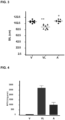
- the administration of the conjugated product of the invention surprisingly prevented the intestinal side-effects (mucositis) due to the administration of a chemotherapeutic compound such as 5-FU ( FIG. 2 to 4 ).
- a chemotherapeutic compound such as 5-FU
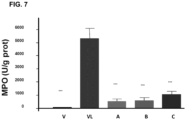
- the inventors have found that the preventive effect is achieved even at very low concentrations of the conjugated product of the invention (see FIG. 5 to 7 ).
- conjugated product defined in the second aspect of the invention and the chemotherapeutic agent are administered simultaneously and separately.
- the whole preparation process was performed at room temperature.
- Samples were prepared as follows: 10 mg of either protein, xyloglucan or AT-6 were suspended in 10 mL D 2 O and kept under stirring for 48 hours. The resulting suspension was then filtered, and the undissolved material was discarded.
- the dose of the mixture or conjugate, administered to each animal was adjusted according to 250 mg of the mixture or conjugate per kg of animal, and the resulting amount was diluted in 1 mL of water.
- Jejunal strips were mounted in Ussing-type chambers (Physiologic Instruments, San Diego, CA). Both sides of each jejunal layer were bathed in Krebs-Henseleit buffer (Sigma) and oxygenated on a maintained temperature of 37 °C. After 15 min for equilibrium, 1 ml of the buffer solution was replaced with physiological saline and 500 ⁇ l of FITC-dextran (4000 MW, 0.022 g/ml, Sigma) on mucosal side of each chamber. After 60 min fluorescence intensity was measured.
- MPO Myeloperoxidase
- MPO activity a marker of polymorphonuclear neutrophil primary granules, was determined in proximal jejunum tissues, according to a modified method of Bradley et al., (1982). After sacrifice, jejunal samples were removed and snap frozen until the MPO activity determination. Briefly, the jejunal segments were grind by using a Polytron, in presence of 1.5 ml of a cationic surfactant releasing MPO hexadecyltrimethylammonium bromide (HTAB) before being submitted to 3 cycles of freezing-thawing, and centrifugation, (10 000 rpm at 4°C, during 15 min). Homogenates were sonicated and centrifuged (10 000 rpm at 4°C, during 15 min) another time.
- HTAB cationic surfactant releasing MPO hexadecyltrimethylammonium bromide
Landscapes
- Health & Medical Sciences (AREA)
- Life Sciences & Earth Sciences (AREA)
- Chemical & Material Sciences (AREA)
- Medicinal Chemistry (AREA)
- General Health & Medical Sciences (AREA)
- Animal Behavior & Ethology (AREA)
- Veterinary Medicine (AREA)
- Public Health (AREA)
- Pharmacology & Pharmacy (AREA)
- Bioinformatics & Cheminformatics (AREA)
- Engineering & Computer Science (AREA)
- Proteomics, Peptides & Aminoacids (AREA)
- Epidemiology (AREA)
- Organic Chemistry (AREA)
- Chemical Kinetics & Catalysis (AREA)
- General Chemical & Material Sciences (AREA)
- Nuclear Medicine, Radiotherapy & Molecular Imaging (AREA)
- Immunology (AREA)
- Molecular Biology (AREA)
- Botany (AREA)
- Biophysics (AREA)
- Rheumatology (AREA)
- Gastroenterology & Hepatology (AREA)
- Analytical Chemistry (AREA)
- Biochemistry (AREA)
- Pain & Pain Management (AREA)
- Genetics & Genomics (AREA)
- Nutrition Science (AREA)
- Physiology (AREA)
- Pharmaceuticals Containing Other Organic And Inorganic Compounds (AREA)
- Coloring Foods And Improving Nutritive Qualities (AREA)
- Medicinal Preparation (AREA)
- Polysaccharides And Polysaccharide Derivatives (AREA)
Claims (16)
- Ein Verfahren zur Herstellung eines Erbsenprotein-Xyloglucan-konjugierten Produkts, umfassend:(a) Herstellen einer Mischung, die Erbsenprotein, Xyloglucan und ein geeignetes polares Lösungsmittel umfasst; wobei:- das Gewichtsverhältnis vom Xyloglucan zum Erbsenprotein von 20:80 bis 60:40 beträgt und- der pH-Wert der Lösung von 8,0 bis 10,5 beträgt; und(b) Durchführen einer Maillard-Reaktion durch Erhitzen der aus Schritt (a) resultierenden Lösung auf eine geeignete Temperatur, die von 155 bis 165 °C reicht, für den erforderlichen Zeitraum, bis zur Trockenheit, um das Protein und das Xyloglucan zu konjugieren.
- Das Verfahren wie in Anspruch 1 beansprucht, wobei der Schritt (a) die folgenden Schritte umfasst:(a.1) Lösen des Erbsenproteins in dem geeigneten polaren Lösungsmittel,(a.2) Einstellen des pH-Werts der Lösung auf einen pH-Wert reichend von 8,0 bis 10,5 und(a.3) Zugeben des Xyloglucans zu der aus dem Schritt (a.2) resultierenden Lösung;
oder, alternativ,(a.I) Mischen des Erbsenproteins und des Xyloglucans in dem geeigneten polaren Lösungsmittel und(a.II) Einstellen des pH-Werts der Lösung auf einen pH-Wert reichend von 8,0 bis 10,5;
oder, alternativ,(a.i) Lösen von Xyloglucan in dem geeigneten polaren Lösungsmittel,(a.ii) Lösen von Erbsenprotein in dem geeigneten polaren Lösungsmittel und(a.iii) Mischen der Lösungen aus den Schritten (a.i) und (a.ii),wobei die Einstellung des pH-Werts in Schritt (a.ii) durchgeführt wird, sobald das Erbsenprotein gelöst ist, oder alternativ nach dem Schritt (a.iii), sobald die Lösungen aus den Schritten (a.i) und (a.ii) gemischt sind. - Das Verfahren wie in einem der Ansprüche 1 bis 2 beansprucht, wobei das Gewichtsverhältnis Xyloglucan:Erbsenprotein im Bereich von 30:70 bis 60:40 liegt, insbesondere das Gewichtsverhältnis Xyloglucan:Erbsenprotein 30:70 beträgt.
- Das Verfahren wie in einem der Ansprüche 1 bis 3 beansprucht, wobei das polare Lösungsmittel Wasser ist.
- Das Verfahren wie in einem der Ansprüche 1 bis 4, wobei der pH-Wert auf 10 eingestellt wird.
- Das Verfahren wie in einem der Ansprüche 1 bis 5 beansprucht, wobei die Maillard-Reaktion bei einer Temperatur von 160 °C bis zur Trockenheit durchgeführt wird.
- Das Verfahren wie in einem der Ansprüche 1 bis 5 beansprucht, wobei das Gewichtsverhältnis Xyloglucan:Erbsenprotein 30:70 oder 50:50 beträgt und das Verfahren die folgenden Schritte umfasst:(i) Mischen des Erbsenproteins mit Wasser;(ii) Einstellen des pH-Werts der aus dem Schritt (i) resultierenden Lösung auf einen Wert von 9,5 bis 10,5;(iii) Hinzufügen des Xyloglucans zu der aus dem Schritt (ii) resultierenden Lösung; und(iv) Durchführen der Maillard-Reaktion durch Erhitzen der aus dem Schritt (iii) resultierenden Lösung, entweder mittels eines Ofens oder eines Zerstäubers bei einer Temperatur reichend von 155 bis 165 °C, bis zur Trockenheit, für den erforderlichen Zeitraum, um das Protein und das Xyloglucan zu konjugieren.
- Ein Xyloglucan-Erbsenprotein-konjugiertes Produkt, das nach einem der Ansprüche 1 bis 7 erhalten werden kann.
- Das Xyloglucan-Erbsenprotein-konjugierte Produkt nach Anspruch 8, wobei das Gewichtsverhältnis Xyloglucan: Protein 30:70 beträgt.
- Eine pharmazeutische oder tiermedizinische Zusammensetzung umfassend eine therapeutisch wirksame Menge des Erbsenprotein-Xyloglucan-konjugierten Produkts, wie in einem der Ansprüche 8 bis 9 definiert, zusammen mit einem oder mehreren pharmazeutisch oder tiermedizinisch akzeptablen Hilfsstoffen oder Trägersubstanzen.
- Eine nutrazeutische Zusammensetzung umfassend das Erbsenprotein-Xyloglucan-konjugierte Produkt wie in einem der Ansprüche 8 bis 9 definiert.
- Ein Erbsenprotein-Xyloglucan-konjugiertes Produkt wie in einem der Ansprüche 8 bis 9 definiert, zur Verwendung als Medikament.
- Ein Erbsenprotein-Xyloglucan-konjugiertes Produkt wie in einem der Ansprüche 8 bis 9 definiert, zur Verwendung bei der Prävention und/oder der Behandlung von Magen-Darm-Erkrankungen oder, alternativ, einer entzündlichen Erkrankung der Darmschleimhaut, wie z.B. Mukositis.
- Das konjugierte Erbsenprotein-Xyloglucan zur Verwendung nach Anspruch 13, wobei die Prävention und/oder die Behandlung von Darmerkrankungen durch Verringerung der Darmpermeabilität und/oder durch Verringerung der Entzündung der Jejunalschleimhaut erreicht wird.
- Ein Protein-Xyloglucan-konjugiertes Produkt zur Verwendung bei der Prävention und/oder der Behandlung von Darmerkrankungen, wobei das Protein-Xyloglucan-konjugierte Produkt durch ein Verfahren erhalten werden kann, das die folgenden Schritte umfasst:(A) Herstellen einer Mischung, die Protein, Xyloglucan und ein geeignetes polares Lösungsmittel umfasst, wobei- das Gewichtsverhältnis vom Xyloglucan zum Protein von 20:80 bis 60:40 reicht und- der pH-Wert der Lösung von 8,0 bis 10,5 beträgt; und(b) Durchführen einer Maillard-Reaktion durch Erhitzen der aus Schritt (a) resultierenden Lösung auf eine geeignete Temperatur, die von 155 bis 165 °C reicht, für den erforderlichen Zeitraum, bis zur Trockenheit, um das Protein und das Xyloglucan zu konjugieren.
- Das Erbsenprotein-Xyloglucan-konjugierte Produkt zur Verwendung nach Anspruch 13, wobei die entzündliche Erkrankung der Darmschleimhaut, wie z.B. Mukositis, durch eine Antikrebstherapie, wie eine Chemotherapie, verursacht wird.
Applications Claiming Priority (3)
| Application Number | Priority Date | Filing Date | Title |
|---|---|---|---|
| EP16172130 | 2016-05-31 | ||
| EP16179429 | 2016-07-14 | ||
| PCT/EP2017/060942 WO2017207223A1 (en) | 2016-05-31 | 2017-05-08 | Compositions for the treatment of intestinal disorders |
Publications (2)
| Publication Number | Publication Date |
|---|---|
| EP3463418A1 EP3463418A1 (de) | 2019-04-10 |
| EP3463418B1 true EP3463418B1 (de) | 2025-07-09 |
Family
ID=58671709
Family Applications (1)
| Application Number | Title | Priority Date | Filing Date |
|---|---|---|---|
| EP17721724.7A Active EP3463418B1 (de) | 2016-05-31 | 2017-05-08 | Pharmazeutische zusammensetzungen zur behandlung von darmbeschwerden |
Country Status (4)
| Country | Link |
|---|---|
| US (1) | US10780146B2 (de) |
| EP (1) | EP3463418B1 (de) |
| CA (1) | CA3023797A1 (de) |
| WO (1) | WO2017207223A1 (de) |
Families Citing this family (6)
| Publication number | Priority date | Publication date | Assignee | Title |
|---|---|---|---|---|
| US20190091288A1 (en) * | 2017-03-14 | 2019-03-28 | Devintec Sagl | Topical pharmaceutical or cosmetic compositions as well as medical devices comprising thereof for the treatment of skin disorders |
| GB201904758D0 (en) * | 2019-04-04 | 2019-05-22 | Univ British Columbia | Xyloglucan-containing prodrugs and methods of manufacture and use thereof |
| CA3238714A1 (en) * | 2021-12-14 | 2023-06-22 | Miguel Angel Alonso Cohen | Compositions for treating autoimmune arthritis |
| CN115177651A (zh) * | 2022-07-25 | 2022-10-14 | 南昌大学 | 一种豌豆及鹰嘴豆中具有胃肠道保护功能的复合成分的提取方法 |
| IT202300004341A1 (it) | 2023-03-08 | 2024-09-08 | Devintec Sagl | Composizione orale a base di principi attivi di origine naturale e suo uso in terapia e nel trattamento e nella prevenzione delle affezioni della mucosa orale |
| IT202300011523A1 (it) * | 2023-06-06 | 2024-12-06 | Devintec Sagl | Nuova associazione di attivi di origine vegetale, composizioni che la contengono e loro usi in terapia |
Family Cites Families (2)
| Publication number | Priority date | Publication date | Assignee | Title |
|---|---|---|---|---|
| ITBO20050388A1 (it) | 2005-06-06 | 2006-12-07 | Alfa Wassermann Spa | Formulazione mucoadesive utili in dispositivi medici in preparazioni farmaceutiche |
| CA2945631C (en) | 2014-04-15 | 2023-04-11 | Novintethical Pharma Sa | Compositions based on xyloglucan and proteins for the treatment of intestinal disorders |
-
2017
- 2017-05-08 EP EP17721724.7A patent/EP3463418B1/de active Active
- 2017-05-08 US US16/099,289 patent/US10780146B2/en active Active
- 2017-05-08 CA CA3023797A patent/CA3023797A1/en active Pending
- 2017-05-08 WO PCT/EP2017/060942 patent/WO2017207223A1/en not_active Ceased
Non-Patent Citations (2)
| Title |
|---|
| BOGAHAWATHTHA DIMUTHU ET AL: "Impact of selected process parameters on solubility and heat stability of pea protein isolate", LWT- FOOD SCIENCE AND TECHNOLOGY, vol. 102, 1 March 2019 (2019-03-01), United Kingdom, pages 246 - 253, XP055957420, ISSN: 0023-6438, DOI: 10.1016/j.lwt.2018.12.034 * |
| MESSION JEAN-LUC ET AL: "Thermal Denaturation of Pea Globulins ( Pisum sativum L.)-Molecular Interactions Leading to Heat-Induced Protein Aggregation", JOURNAL OF AGRICULTURAL AND FOOD CHEMISTRY, vol. 61, no. 6, 4 February 2013 (2013-02-04), US, pages 1196 - 1204, XP055957419, ISSN: 0021-8561, Retrieved from the Internet <URL:https://pubs.acs.org/doi/pdf/10.1021/jf303739n> DOI: 10.1021/jf303739n * |
Also Published As
| Publication number | Publication date |
|---|---|
| US10780146B2 (en) | 2020-09-22 |
| US20190209647A1 (en) | 2019-07-11 |
| CA3023797A1 (en) | 2017-12-07 |
| EP3463418A1 (de) | 2019-04-10 |
| WO2017207223A1 (en) | 2017-12-07 |
Similar Documents
| Publication | Publication Date | Title |
|---|---|---|
| EP3463418B1 (de) | Pharmazeutische zusammensetzungen zur behandlung von darmbeschwerden | |
| Chen et al. | Pre-protective effect of polysaccharides purified from Hericium erinaceus against ethanol-induced gastric mucosal injury in rats | |
| TWI539955B (zh) | 低分子量多硫酸化玻尿酸衍生物及含有其之醫藥 | |
| KR101089957B1 (ko) | 아라비노자일란으로부터 수득되는 아라비노스를 포함하는 허혈성 질환 및 퇴행성 뇌질환의 예방 및 치료를 위한 조성물 | |
| KR101182582B1 (ko) | 활성성분이 증대된 금은화 정제물을 제조하는 제조방법 및 이를 함유한 패혈증 및 패혈성 쇼크의 치료 및 예방용 조성물 | |
| US20250235503A1 (en) | Process of preparation of glycan compositions & uses thereof | |
| CN108014131B (zh) | 锌-γ-PGA组合物和治疗癌症的方法 | |
| JP7495744B2 (ja) | 有効成分としてアントシアニン-負帯電多糖複合体を含む胃炎又は消化性潰瘍を予防、改善又は治療するための組成物 | |
| Zhang et al. | Quercus dentata Thunb. leaves extract inhibits CaOx crystallization and ameliorates ethylene glycol-induced CaOx kidney stones via the OPN/CD44 and NLRP3 pathways | |
| CN111565758A (zh) | 包含花色素苷-岩藻依聚糖复合物为活性成分的免疫增强剂、免疫治疗抗癌剂和抗癌治疗不良反应缓解剂 | |
| KR101829637B1 (ko) | 참옻나무 목심 추출물을 함유하는 항암치료 부작용에 따른 소화기능장애, 백혈구 감소증 및 골수부전증의 개선, 예방 또는 치료용 조성물 | |
| TW201124142A (en) | Hypersulfated disaccharide formulations | |
| KR102485909B1 (ko) | 글리코알칼로이드 조합 및 그의 다양한 용도 | |
| CN114469986A (zh) | 脆弱拟杆菌荚膜多糖a与免疫检查点抑制剂联用在制备治疗消化系统肿瘤药物中的应用 | |
| US20230355513A1 (en) | Particles including chitosan-bilirubin conjugate, and oral pharmaceutical composition including same | |
| JP2012051830A (ja) | 胃粘膜保護剤 | |
| KR20210112146A (ko) | 안토시아닌-음전하성 다당류 복합체를 유효성분으로 포함하는 폐 섬유화 예방, 개선 또는 치료용 조성물 | |
| JP5320965B2 (ja) | β−1,3−1,6−D−グルカンを用いた消化管粘膜保護剤または下痢抑制剤 | |
| EP3530281A1 (de) | Neues verfahren zur herstellung von glycanzusammensetzungen und verwendungen davon | |
| JP6106882B2 (ja) | チロシナーゼ活性阻害剤 | |
| US20030105034A1 (en) | Pyridine carboxy derivatives and an aminosugar | |
| El-Sayed et al. | Evaluation the antibacterial effect of quercetin nanoparticles (QUENPS) on drug-resistant E. coli strains in rabbits | |
| CN117462690B (zh) | 一种药物组合物及其应用 | |
| EP4559469A1 (de) | Zusammensetzungen zur vorbeugung oder behandlung von dysbiose | |
| JPH09176022A (ja) | 腫瘍転移抑制剤 |
Legal Events
| Date | Code | Title | Description |
|---|---|---|---|
| STAA | Information on the status of an ep patent application or granted ep patent |
Free format text: STATUS: UNKNOWN |
|
| STAA | Information on the status of an ep patent application or granted ep patent |
Free format text: STATUS: THE INTERNATIONAL PUBLICATION HAS BEEN MADE |
|
| PUAI | Public reference made under article 153(3) epc to a published international application that has entered the european phase |
Free format text: ORIGINAL CODE: 0009012 |
|
| STAA | Information on the status of an ep patent application or granted ep patent |
Free format text: STATUS: REQUEST FOR EXAMINATION WAS MADE |
|
| 17P | Request for examination filed |
Effective date: 20190102 |
|
| AK | Designated contracting states |
Kind code of ref document: A1 Designated state(s): AL AT BE BG CH CY CZ DE DK EE ES FI FR GB GR HR HU IE IS IT LI LT LU LV MC MK MT NL NO PL PT RO RS SE SI SK SM TR |
|
| AX | Request for extension of the european patent |
Extension state: BA ME |
|
| DAV | Request for validation of the european patent (deleted) | ||
| DAX | Request for extension of the european patent (deleted) | ||
| RAP1 | Party data changed (applicant data changed or rights of an application transferred) |
Owner name: DEVINTEC SAGL |
|
| STAA | Information on the status of an ep patent application or granted ep patent |
Free format text: STATUS: EXAMINATION IS IN PROGRESS |
|
| 17Q | First examination report despatched |
Effective date: 20220908 |
|
| RAP3 | Party data changed (applicant data changed or rights of an application transferred) |
Owner name: DEVINTEC SAGL |
|
| P01 | Opt-out of the competence of the unified patent court (upc) registered |
Effective date: 20240502 |
|
| RIC1 | Information provided on ipc code assigned before grant |
Ipc: A61P 35/00 20060101ALI20241127BHEP Ipc: A61P 29/00 20060101ALI20241127BHEP Ipc: A61P 1/04 20060101ALI20241127BHEP Ipc: C07K 1/107 20060101ALI20241127BHEP Ipc: A61K 47/64 20170101ALI20241127BHEP Ipc: A61K 47/61 20170101ALI20241127BHEP Ipc: A61K 47/36 20060101ALI20241127BHEP Ipc: A61K 38/16 20060101ALI20241127BHEP Ipc: A61K 38/01 20060101AFI20241127BHEP |
|
| GRAP | Despatch of communication of intention to grant a patent |
Free format text: ORIGINAL CODE: EPIDOSNIGR1 |
|
| STAA | Information on the status of an ep patent application or granted ep patent |
Free format text: STATUS: GRANT OF PATENT IS INTENDED |
|
| INTG | Intention to grant announced |
Effective date: 20250107 |
|
| GRAS | Grant fee paid |
Free format text: ORIGINAL CODE: EPIDOSNIGR3 |
|
| GRAA | (expected) grant |
Free format text: ORIGINAL CODE: 0009210 |
|
| STAA | Information on the status of an ep patent application or granted ep patent |
Free format text: STATUS: THE PATENT HAS BEEN GRANTED |
|
| AK | Designated contracting states |
Kind code of ref document: B1 Designated state(s): AL AT BE BG CH CY CZ DE DK EE ES FI FR GB GR HR HU IE IS IT LI LT LU LV MC MK MT NL NO PL PT RO RS SE SI SK SM TR |
|
| REG | Reference to a national code |
Ref country code: GB Ref legal event code: FG4D |
|
| REG | Reference to a national code |
Ref country code: CH Ref legal event code: EP |
|
| REG | Reference to a national code |
Ref country code: IE Ref legal event code: FG4D |
|
| REG | Reference to a national code |
Ref country code: DE Ref legal event code: R096 Ref document number: 602017090440 Country of ref document: DE |
|
| REG | Reference to a national code |
Ref country code: NL Ref legal event code: MP Effective date: 20250709 |
|
| PG25 | Lapsed in a contracting state [announced via postgrant information from national office to epo] |
Ref country code: PT Free format text: LAPSE BECAUSE OF FAILURE TO SUBMIT A TRANSLATION OF THE DESCRIPTION OR TO PAY THE FEE WITHIN THE PRESCRIBED TIME-LIMIT Effective date: 20251110 |
|
| PG25 | Lapsed in a contracting state [announced via postgrant information from national office to epo] |
Ref country code: NL Free format text: LAPSE BECAUSE OF FAILURE TO SUBMIT A TRANSLATION OF THE DESCRIPTION OR TO PAY THE FEE WITHIN THE PRESCRIBED TIME-LIMIT Effective date: 20250709 |
|
| REG | Reference to a national code |
Ref country code: AT Ref legal event code: MK05 Ref document number: 1811226 Country of ref document: AT Kind code of ref document: T Effective date: 20250709 |
|
| PG25 | Lapsed in a contracting state [announced via postgrant information from national office to epo] |
Ref country code: IS Free format text: LAPSE BECAUSE OF FAILURE TO SUBMIT A TRANSLATION OF THE DESCRIPTION OR TO PAY THE FEE WITHIN THE PRESCRIBED TIME-LIMIT Effective date: 20251109 |
|
| PG25 | Lapsed in a contracting state [announced via postgrant information from national office to epo] |
Ref country code: NO Free format text: LAPSE BECAUSE OF FAILURE TO SUBMIT A TRANSLATION OF THE DESCRIPTION OR TO PAY THE FEE WITHIN THE PRESCRIBED TIME-LIMIT Effective date: 20251009 |
|
| REG | Reference to a national code |
Ref country code: LT Ref legal event code: MG9D |
|
| PG25 | Lapsed in a contracting state [announced via postgrant information from national office to epo] |
Ref country code: AT Free format text: LAPSE BECAUSE OF FAILURE TO SUBMIT A TRANSLATION OF THE DESCRIPTION OR TO PAY THE FEE WITHIN THE PRESCRIBED TIME-LIMIT Effective date: 20250709 |
|
| PG25 | Lapsed in a contracting state [announced via postgrant information from national office to epo] |
Ref country code: FI Free format text: LAPSE BECAUSE OF FAILURE TO SUBMIT A TRANSLATION OF THE DESCRIPTION OR TO PAY THE FEE WITHIN THE PRESCRIBED TIME-LIMIT Effective date: 20250709 |
|
| PG25 | Lapsed in a contracting state [announced via postgrant information from national office to epo] |
Ref country code: HR Free format text: LAPSE BECAUSE OF FAILURE TO SUBMIT A TRANSLATION OF THE DESCRIPTION OR TO PAY THE FEE WITHIN THE PRESCRIBED TIME-LIMIT Effective date: 20250709 |
|
| PG25 | Lapsed in a contracting state [announced via postgrant information from national office to epo] |
Ref country code: GR Free format text: LAPSE BECAUSE OF FAILURE TO SUBMIT A TRANSLATION OF THE DESCRIPTION OR TO PAY THE FEE WITHIN THE PRESCRIBED TIME-LIMIT Effective date: 20251010 |
|
| PG25 | Lapsed in a contracting state [announced via postgrant information from national office to epo] |
Ref country code: SE Free format text: LAPSE BECAUSE OF FAILURE TO SUBMIT A TRANSLATION OF THE DESCRIPTION OR TO PAY THE FEE WITHIN THE PRESCRIBED TIME-LIMIT Effective date: 20250709 |
|
| PG25 | Lapsed in a contracting state [announced via postgrant information from national office to epo] |
Ref country code: LV Free format text: LAPSE BECAUSE OF FAILURE TO SUBMIT A TRANSLATION OF THE DESCRIPTION OR TO PAY THE FEE WITHIN THE PRESCRIBED TIME-LIMIT Effective date: 20250709 |
|
| PG25 | Lapsed in a contracting state [announced via postgrant information from national office to epo] |
Ref country code: PL Free format text: LAPSE BECAUSE OF FAILURE TO SUBMIT A TRANSLATION OF THE DESCRIPTION OR TO PAY THE FEE WITHIN THE PRESCRIBED TIME-LIMIT Effective date: 20250709 Ref country code: BG Free format text: LAPSE BECAUSE OF FAILURE TO SUBMIT A TRANSLATION OF THE DESCRIPTION OR TO PAY THE FEE WITHIN THE PRESCRIBED TIME-LIMIT Effective date: 20250709 |
|
| PG25 | Lapsed in a contracting state [announced via postgrant information from national office to epo] |
Ref country code: RS Free format text: LAPSE BECAUSE OF FAILURE TO SUBMIT A TRANSLATION OF THE DESCRIPTION OR TO PAY THE FEE WITHIN THE PRESCRIBED TIME-LIMIT Effective date: 20251009 |
|
| PG25 | Lapsed in a contracting state [announced via postgrant information from national office to epo] |
Ref country code: ES Free format text: LAPSE BECAUSE OF FAILURE TO SUBMIT A TRANSLATION OF THE DESCRIPTION OR TO PAY THE FEE WITHIN THE PRESCRIBED TIME-LIMIT Effective date: 20250709 |
|
| PG25 | Lapsed in a contracting state [announced via postgrant information from national office to epo] |
Ref country code: SM Free format text: LAPSE BECAUSE OF FAILURE TO SUBMIT A TRANSLATION OF THE DESCRIPTION OR TO PAY THE FEE WITHIN THE PRESCRIBED TIME-LIMIT Effective date: 20250709 |
|
| PG25 | Lapsed in a contracting state [announced via postgrant information from national office to epo] |
Ref country code: DK Free format text: LAPSE BECAUSE OF FAILURE TO SUBMIT A TRANSLATION OF THE DESCRIPTION OR TO PAY THE FEE WITHIN THE PRESCRIBED TIME-LIMIT Effective date: 20250709 |
|
| PG25 | Lapsed in a contracting state [announced via postgrant information from national office to epo] |
Ref country code: IT Free format text: LAPSE BECAUSE OF FAILURE TO SUBMIT A TRANSLATION OF THE DESCRIPTION OR TO PAY THE FEE WITHIN THE PRESCRIBED TIME-LIMIT Effective date: 20250709 |
|
| PG25 | Lapsed in a contracting state [announced via postgrant information from national office to epo] |
Ref country code: CZ Free format text: LAPSE BECAUSE OF FAILURE TO SUBMIT A TRANSLATION OF THE DESCRIPTION OR TO PAY THE FEE WITHIN THE PRESCRIBED TIME-LIMIT Effective date: 20250709 |
|
| PG25 | Lapsed in a contracting state [announced via postgrant information from national office to epo] |
Ref country code: SK Free format text: LAPSE BECAUSE OF FAILURE TO SUBMIT A TRANSLATION OF THE DESCRIPTION OR TO PAY THE FEE WITHIN THE PRESCRIBED TIME-LIMIT Effective date: 20250709 Ref country code: EE Free format text: LAPSE BECAUSE OF FAILURE TO SUBMIT A TRANSLATION OF THE DESCRIPTION OR TO PAY THE FEE WITHIN THE PRESCRIBED TIME-LIMIT Effective date: 20250709 |