EP3460790B1 - System und verfahren für selektiven sound für ein fahrzeug - Google Patents
System und verfahren für selektiven sound für ein fahrzeug Download PDFInfo
- Publication number
- EP3460790B1 EP3460790B1 EP18191464.9A EP18191464A EP3460790B1 EP 3460790 B1 EP3460790 B1 EP 3460790B1 EP 18191464 A EP18191464 A EP 18191464A EP 3460790 B1 EP3460790 B1 EP 3460790B1
- Authority
- EP
- European Patent Office
- Prior art keywords
- sound
- vehicle
- noise reduction
- sounds
- location
- Prior art date
- Legal status (The legal status is an assumption and is not a legal conclusion. Google has not performed a legal analysis and makes no representation as to the accuracy of the status listed.)
- Active
Links
Images


Classifications
-
- G—PHYSICS
- G10—MUSICAL INSTRUMENTS; ACOUSTICS
- G10K—SOUND-PRODUCING DEVICES; METHODS OR DEVICES FOR PROTECTING AGAINST, OR FOR DAMPING, NOISE OR OTHER ACOUSTIC WAVES IN GENERAL; ACOUSTICS NOT OTHERWISE PROVIDED FOR
- G10K11/00—Methods or devices for transmitting, conducting or directing sound in general; Methods or devices for protecting against, or for damping, noise or other acoustic waves in general
- G10K11/16—Methods or devices for protecting against, or for damping, noise or other acoustic waves in general
- G10K11/175—Methods or devices for protecting against, or for damping, noise or other acoustic waves in general using interference effects; Masking sound
- G10K11/178—Methods or devices for protecting against, or for damping, noise or other acoustic waves in general using interference effects; Masking sound by electro-acoustically regenerating the original acoustic waves in anti-phase
- G10K11/1783—Methods or devices for protecting against, or for damping, noise or other acoustic waves in general using interference effects; Masking sound by electro-acoustically regenerating the original acoustic waves in anti-phase handling or detecting of non-standard events or conditions, e.g. changing operating modes under specific operating conditions
-
- G—PHYSICS
- G10—MUSICAL INSTRUMENTS; ACOUSTICS
- G10K—SOUND-PRODUCING DEVICES; METHODS OR DEVICES FOR PROTECTING AGAINST, OR FOR DAMPING, NOISE OR OTHER ACOUSTIC WAVES IN GENERAL; ACOUSTICS NOT OTHERWISE PROVIDED FOR
- G10K11/00—Methods or devices for transmitting, conducting or directing sound in general; Methods or devices for protecting against, or for damping, noise or other acoustic waves in general
- G10K11/16—Methods or devices for protecting against, or for damping, noise or other acoustic waves in general
- G10K11/175—Methods or devices for protecting against, or for damping, noise or other acoustic waves in general using interference effects; Masking sound
- G10K11/178—Methods or devices for protecting against, or for damping, noise or other acoustic waves in general using interference effects; Masking sound by electro-acoustically regenerating the original acoustic waves in anti-phase
-
- G—PHYSICS
- G10—MUSICAL INSTRUMENTS; ACOUSTICS
- G10K—SOUND-PRODUCING DEVICES; METHODS OR DEVICES FOR PROTECTING AGAINST, OR FOR DAMPING, NOISE OR OTHER ACOUSTIC WAVES IN GENERAL; ACOUSTICS NOT OTHERWISE PROVIDED FOR
- G10K11/00—Methods or devices for transmitting, conducting or directing sound in general; Methods or devices for protecting against, or for damping, noise or other acoustic waves in general
- G10K11/16—Methods or devices for protecting against, or for damping, noise or other acoustic waves in general
- G10K11/175—Methods or devices for protecting against, or for damping, noise or other acoustic waves in general using interference effects; Masking sound
- G10K11/178—Methods or devices for protecting against, or for damping, noise or other acoustic waves in general using interference effects; Masking sound by electro-acoustically regenerating the original acoustic waves in anti-phase
- G10K11/1787—General system configurations
- G10K11/17885—General system configurations additionally using a desired external signal, e.g. pass-through audio such as music or speech
-
- G—PHYSICS
- G10—MUSICAL INSTRUMENTS; ACOUSTICS
- G10L—SPEECH ANALYSIS TECHNIQUES OR SPEECH SYNTHESIS; SPEECH RECOGNITION; SPEECH OR VOICE PROCESSING TECHNIQUES; SPEECH OR AUDIO CODING OR DECODING
- G10L21/00—Speech or voice signal processing techniques to produce another audible or non-audible signal, e.g. visual or tactile, in order to modify its quality or its intelligibility
- G10L21/02—Speech enhancement, e.g. noise reduction or echo cancellation
- G10L21/0208—Noise filtering
-
- B—PERFORMING OPERATIONS; TRANSPORTING
- B60—VEHICLES IN GENERAL
- B60R—VEHICLES, VEHICLE FITTINGS, OR VEHICLE PARTS, NOT OTHERWISE PROVIDED FOR
- B60R11/00—Arrangements for holding or mounting articles, not otherwise provided for
- B60R11/02—Arrangements for holding or mounting articles, not otherwise provided for for radio sets, television sets, telephones, or the like; Arrangement of controls thereof
- B60R11/0217—Arrangements for holding or mounting articles, not otherwise provided for for radio sets, television sets, telephones, or the like; Arrangement of controls thereof for loud-speakers
-
- B—PERFORMING OPERATIONS; TRANSPORTING
- B60—VEHICLES IN GENERAL
- B60R—VEHICLES, VEHICLE FITTINGS, OR VEHICLE PARTS, NOT OTHERWISE PROVIDED FOR
- B60R11/00—Arrangements for holding or mounting articles, not otherwise provided for
- B60R11/02—Arrangements for holding or mounting articles, not otherwise provided for for radio sets, television sets, telephones, or the like; Arrangement of controls thereof
- B60R11/0247—Arrangements for holding or mounting articles, not otherwise provided for for radio sets, television sets, telephones, or the like; Arrangement of controls thereof for microphones or earphones
-
- G—PHYSICS
- G06—COMPUTING OR CALCULATING; COUNTING
- G06F—ELECTRIC DIGITAL DATA PROCESSING
- G06F16/00—Information retrieval; Database structures therefor; File system structures therefor
- G06F16/20—Information retrieval; Database structures therefor; File system structures therefor of structured data, e.g. relational data
- G06F16/29—Geographical information databases
-
- G—PHYSICS
- G06—COMPUTING OR CALCULATING; COUNTING
- G06F—ELECTRIC DIGITAL DATA PROCESSING
- G06F16/00—Information retrieval; Database structures therefor; File system structures therefor
- G06F16/60—Information retrieval; Database structures therefor; File system structures therefor of audio data
- G06F16/68—Retrieval characterised by using metadata, e.g. metadata not derived from the content or metadata generated manually
-
- G—PHYSICS
- G06—COMPUTING OR CALCULATING; COUNTING
- G06V—IMAGE OR VIDEO RECOGNITION OR UNDERSTANDING
- G06V20/00—Scenes; Scene-specific elements
- G06V20/50—Context or environment of the image
- G06V20/56—Context or environment of the image exterior to a vehicle by using sensors mounted on the vehicle
-
- G—PHYSICS
- G10—MUSICAL INSTRUMENTS; ACOUSTICS
- G10K—SOUND-PRODUCING DEVICES; METHODS OR DEVICES FOR PROTECTING AGAINST, OR FOR DAMPING, NOISE OR OTHER ACOUSTIC WAVES IN GENERAL; ACOUSTICS NOT OTHERWISE PROVIDED FOR
- G10K11/00—Methods or devices for transmitting, conducting or directing sound in general; Methods or devices for protecting against, or for damping, noise or other acoustic waves in general
- G10K11/16—Methods or devices for protecting against, or for damping, noise or other acoustic waves in general
- G10K11/175—Methods or devices for protecting against, or for damping, noise or other acoustic waves in general using interference effects; Masking sound
- G10K11/178—Methods or devices for protecting against, or for damping, noise or other acoustic waves in general using interference effects; Masking sound by electro-acoustically regenerating the original acoustic waves in anti-phase
- G10K11/1783—Methods or devices for protecting against, or for damping, noise or other acoustic waves in general using interference effects; Masking sound by electro-acoustically regenerating the original acoustic waves in anti-phase handling or detecting of non-standard events or conditions, e.g. changing operating modes under specific operating conditions
- G10K11/17837—Methods or devices for protecting against, or for damping, noise or other acoustic waves in general using interference effects; Masking sound by electro-acoustically regenerating the original acoustic waves in anti-phase handling or detecting of non-standard events or conditions, e.g. changing operating modes under specific operating conditions by retaining part of the ambient acoustic environment, e.g. speech or alarm signals that the user needs to hear
-
- G—PHYSICS
- G10—MUSICAL INSTRUMENTS; ACOUSTICS
- G10K—SOUND-PRODUCING DEVICES; METHODS OR DEVICES FOR PROTECTING AGAINST, OR FOR DAMPING, NOISE OR OTHER ACOUSTIC WAVES IN GENERAL; ACOUSTICS NOT OTHERWISE PROVIDED FOR
- G10K11/00—Methods or devices for transmitting, conducting or directing sound in general; Methods or devices for protecting against, or for damping, noise or other acoustic waves in general
- G10K11/16—Methods or devices for protecting against, or for damping, noise or other acoustic waves in general
- G10K11/175—Methods or devices for protecting against, or for damping, noise or other acoustic waves in general using interference effects; Masking sound
- G10K11/178—Methods or devices for protecting against, or for damping, noise or other acoustic waves in general using interference effects; Masking sound by electro-acoustically regenerating the original acoustic waves in anti-phase
- G10K11/1787—General system configurations
- G10K11/17879—General system configurations using both a reference signal and an error signal
- G10K11/17881—General system configurations using both a reference signal and an error signal the reference signal being an acoustic signal, e.g. recorded with a microphone
-
- G—PHYSICS
- G10—MUSICAL INSTRUMENTS; ACOUSTICS
- G10K—SOUND-PRODUCING DEVICES; METHODS OR DEVICES FOR PROTECTING AGAINST, OR FOR DAMPING, NOISE OR OTHER ACOUSTIC WAVES IN GENERAL; ACOUSTICS NOT OTHERWISE PROVIDED FOR
- G10K2210/00—Details of active noise control [ANC] covered by G10K11/178 but not provided for in any of its subgroups
- G10K2210/10—Applications
- G10K2210/128—Vehicles
- G10K2210/1282—Automobiles
-
- G—PHYSICS
- G10—MUSICAL INSTRUMENTS; ACOUSTICS
- G10L—SPEECH ANALYSIS TECHNIQUES OR SPEECH SYNTHESIS; SPEECH RECOGNITION; SPEECH OR VOICE PROCESSING TECHNIQUES; SPEECH OR AUDIO CODING OR DECODING
- G10L21/00—Speech or voice signal processing techniques to produce another audible or non-audible signal, e.g. visual or tactile, in order to modify its quality or its intelligibility
- G10L21/02—Speech enhancement, e.g. noise reduction or echo cancellation
- G10L21/0208—Noise filtering
- G10L2021/02087—Noise filtering the noise being separate speech, e.g. cocktail party
Definitions
- the present disclosure relates to a method and system for a vehicle sound system and particularly although not exclusively relates to a vehicle sound system comprising a sound prediction system and a noise reduction system.
- a cabin of a vehicle such as a motor vehicle.
- unwanted noise reduces the comfort of the vehicle's occupants and may even distract a driver of the vehicle.
- some sounds are desirable and may have a positive effect on the occupants of the vehicle.
- An example of such a selective sound system in a vehicle is found in US-9469247B2 .
- a vehicle sound system for a vehicle comprising:
- the sound prediction system may determine a sound characteristic associated with the location on the route of the vehicle before a sound linked to the sound characteristic has been emitted or detected by the microphone of the vehicle sound system.
- the controller may control the noise reduction system so as to reduce or permit the sound linked to the sound characteristic associated with the location being heard by an occupant of the vehicle when at the location.
- the sound characteristic may be an indication of the type of sound (e.g. man made noises, such as construction, engine or traffic noise etc., or natural sounds, such as birdsong, wind in trees, river flowing etc.); an indication of whether the sound is desirable or undesirable; a sound level (e.g. volume); a sound waveform or any other sound characteristic.
- a sound level e.g. volume
- the sound prediction system may determine whether the sound characteristic associated with the location corresponds to an undesirable, e.g. man-made, noise.
- the undesirable noise may emanate from outside the vehicle cabin and in particular may emanate from outside the vehicle.
- the controller may control the noise reduction system (e.g. the at least one speaker) so as to reduce the undesirable noise.
- the sound prediction system may determine whether the sound associated with the location corresponds to a desirable, e.g. natural, sound.
- the controller may control the noise reduction system (e.g. the at least one speaker) so as to permit transmission of the desirable sound.
- the desirable sound may originate from outside the vehicle cabin.
- the controller may control the noise reduction system (e.g. the at least one speaker) so as not to reduce the desirable sound.
- the desirable sound may be artificially generated or augmented in the vehicle cabin by a speaker, e.g. by the at least one speaker of the noise reduction system.
- the sound prediction system may predict a future position of the vehicle, e.g. based on a route determined by satellite navigation system and/or the current vehicle trajectory and road layout.
- the sound prediction system may predict sounds at future positions of the vehicle.
- the sound prediction system may obtain a route of the vehicle, e.g. which may be determined by a satellite navigation system.
- the sound prediction system may determine from the route, one or more locations through which the vehicle is predicted to pass.
- the sound prediction system may be configured to update the database with sounds detected by the vehicle as it passes through one or more locations.
- the vehicle sound system and/or remote server may determine the sound characteristics from the detected sound.
- the noise reduction system may be configured to at least partially cancel out sounds of a particular type or origin.
- the noise reduction system may simultaneously permit the transmission of other sounds into the vehicle cabin.
- the noise reduction system may be selectively activatable.
- the vehicle sound system may be configured to activate the noise reduction system when the noise prediction system predicts sound levels exceeding a threshold level and/or certain predetermined sound types.
- the noise reduction system may be configured to reduce, e.g. block, certain types of noise.
- the vehicle sound system may be configured to activate the noise reduction system when it is determined that the sound characteristic indicates that the sounds associated with a location are undesirable, e.g. as the vehicle approaches the location.
- the vehicle sound system may be configured to deactivate the noise reduction system when it is determined that the sound characteristic indicates that the sounds associated with a location are desirable, e.g. as the vehicle approaches the location.
- the vehicle sound system may further comprise a directional microphone (such as an interference tube microphone) configured to detect sounds ahead of the vehicle and which are not yet audible by the microphone.
- An interference tube microphone may comprise a microphone coupled to a tube with a series of circumferential slots. The slots may produce interference patterns in sound waves from the sides, which causes at least partial cancellation of sounds from the sides and increases the detectability of sounds from directly in front of the tube.
- the vehicle sound system may further comprise at least one sensor configured to identify objects around the vehicle.
- the sensor may comprise a camera, a Light Detection and Ranging (LIDAR) sensor, a Radio Detection and Ranging (RADAR) sensor or any other type of sensor.
- the at least one sensor may be used in a hazard awareness system to identify hazards, e.g. for an autonomous or semi-autonomous driving system.
- the sensor e.g. together with an associated controller
- the vehicle sound system may be configured to associate sound characteristics with the objects identified around the vehicle. There may be a predetermined database of objects and associated sound characteristics.
- the vehicle sound system may use the sensor to determine the type of object and then consult the database to determine the sound's characteristics. For example, if the vehicle sound system identifies a tree, the database may link nature sounds (such as birdsong, wind in trees etc.) with the tree. Likewise, if construction machinery is identified, the database may link construction noise with the machinery.
- nature sounds such as birdsong, wind in trees etc.
- the vehicle sound system may allow transmission of the sound into the vehicle cabin if it is deemed to be desirable (e.g. when the sound is within audible range of the vehicle).
- the desirable sound may be transmitted by not cancelling the desirable sound out or by artificially recreating the desirable sound in the vehicle cabin (the recreated sound may be a reproduction of the sound outside or a similar sound, e.g. from a library of sounds).
- the vehicle sound system may not allow transmission of the sound into the vehicle cabin if it is deemed to be undesirable.
- the vehicle sound system may permit transmission of only the desirable sounds, e.g. via selectively cancelling out the undesirable sounds.
- both the desirable and undesirable sounds may be cancelled out and the desirable sounds (or equivalent sounds) may be artificially generated in the vehicle cabin.
- the vehicle sound system may comprise a mode setting in which substantially all sounds from outside the vehicle cabin are at least partially cancelled.
- the vehicle sound system may comprise a mode setting in which substantially all sounds from outside the vehicle cabin are at least partially cancelled unless it is determined that external sounds associated with a location are desirable, in which case such sounds may be permitted in the vehicle cabin (e.g. by not blocking or artificially creating with speaker or enhancing with speaker).
- the vehicle sound system may comprise a mode setting in which substantially all sounds from outside the vehicle cabin are permitted.
- the vehicle sound system may comprise a mode setting in which substantially all sounds from outside the vehicle cabin are permitted unless it is determined that external sounds associated with a location are undesirable, in which case such sounds may be at least partially cancelled.
- a vehicle may comprise the above-mentioned vehicle sound system.
- a remote server configured to communicate with a plurality of vehicles, the remote server having a database linking a plurality of locations or objects with one or more associated sound characteristics for each location or object, wherein the remote server is configured to receive location data and associated sounds detected by one or more of the vehicles, and wherein the remote server receives data from the vehicles relating to the manual activation or deactivation of a noise reduction system and the remote server infers from such data whether the sounds associated with the locations are desirable or undesirable.
- the remote server may be configured to analyse the detected sounds and determine characteristics of the sound.
- a vehicle sound system for a vehicle comprising:
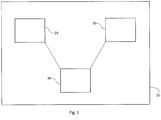
- the present disclosure relates to a vehicle sound system 10 for a vehicle, such as a motor vehicle.
- the vehicle sound system 10 comprises a sound prediction system 20, a noise reduction (e.g. cancelling) system 30 and a controller 40, which is operatively coupled to the sound prediction system 20 and noise reduction system 30.
- the sound prediction system 20 determines a sound characteristic associated with a location on a route of the vehicle.
- the noise reduction system 30 is configured to reduce noise in a cabin of the vehicle resulting from sounds generated outside the vehicle and/or vehicle cabin, e.g. by emitting soundwaves to at least partially cancel the noise in the cabin.
- the controller 40 selectively controls the noise reduction system 30 to control sound within the vehicle cabin to reduce or transmit sounds associated with the location on the route of the vehicle.
- the controller 40 controls the noise reduction system depending on the sound characteristic determined by the sound prediction system 20.
- the sound characteristic may be an indication of the type of sound, e.g. whether the sound is man-made or natural.
- man-made noises include sounds from construction machinery, other vehicles and their engines, or any other artificial noise.
- natural sounds include animal noises, such as from birds or insects, the sound of trees caused by wind, the sound of flowing water or any other natural sounds, e.g. originating from nature.
- the sound characteristic may indicate whether the sound is desirable or undesirable. For example, it may be considered that man-made noises are undesirable and that natural sounds are desirable.
- the sound characteristic may also or otherwise comprise a sound level, e.g. volume, a sound signature, a sound waveform, a Fourier transform of a sound waveform or any other characteristic of the sound.
- the sound prediction system 20 may determine whether the sound characteristic associated with the location on the vehicle route corresponds to an undesirable sound. A sound associated with the sound characteristic may not be substantially detectable by the noise reduction system 30 when the sound prediction system 20 determines the sound characteristic associated with the location.
- the controller 40 may control the noise reduction system 30 so as to reduce the undesirable sound that may be heard within the vehicle cabin. Conversely, the sound prediction system 20 may determine whether the sound associated with the location on the vehicle route corresponds to a desirable sound.
- the controller 40 may control the noise reduction system 30 so as to permit transmission of the desirable sound in the vehicle cabin.
- the desirable sound may originate from outside the vehicle cabin and the controller 40 may control the noise reduction system 30 so as not to reduce the desirable sound.
- the desirable sound may be artificially generated or augmented in the vehicle cabin by a speaker of the noise reduction system 30.
- the vehicle sound system 10 may permit transmission of only the desirable sounds in the vehicle cabin.
- the controller 40 may control the noise reduction system 30 so as to selectively cancel out only the undesirable sounds and allow the desirable sounds to be transmitted into the vehicle cabin.
- both the desirable and undesirable sounds may be cancelled out by the noise reduction system 30 and the desirable sounds (or equivalent sounds) may be artificially generated by a speaker of the noise reduction system 30.
- the vehicle sound system 10 may operate in a number of modes, which an occupant of the vehicle may select. For example, in a first mode the vehicle sound system 10 may cancel out substantially all sounds from outside the vehicle cabin so that such sounds are reduced or inaudible within the vehicle cabin. In a second mode, the vehicle sound system 10 may cancel out substantially all sounds from outside the vehicle unless it is determined that certain external sounds associated with a location are desirable, in which case such desirable sounds may be permitted in the vehicle cabin. As mentioned above, the desirable sounds may be allowed to transmit in the vehicle cabin from the outside or they may be artificially created or enhanced by a speaker of the noise reduction system 30. In a third mode, the vehicle sound system 10 may permit substantially all sounds from outside the vehicle to be transmitted into the vehicle cabin. In a fourth mode, the vehicle sound system 10 may permit substantially all sounds from outside the vehicle transmitting into the vehicle cabin, unless it is determined that external sounds associated with a location are undesirable, in which case such undesirable sounds may be at least partially cancelled by the noise reduction system 30.
- a first mode the vehicle sound
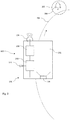
- a vehicle sound system 100 for a vehicle 102 comprises a sound prediction system 120, a noise reduction system 130 and a controller 140 operatively coupled to the sound prediction system 120 and the noise reduction system 130.
- the noise reduction system 130 comprises at least one microphone 132, which is configured to detect sound originating from outside the vehicle cabin (e.g. outside the vehicle or from within an engine bay or exhaust of the vehicle).
- the noise reduction system 130 comprises further at least one speaker 134, which is configured to emit sound in the vehicle cabin.
- the controller 140 may also, at least in part, form part of the noise reduction system 130. Alternatively, a separate controller may be provided as part of the noise reduction system 130. In either case, the controller controls the at least one speaker 134 to produce soundwaves that interfere with the soundwaves from the sound originating from outside the vehicle cabin so as to at least partially cancel the sound originating from outside the vehicle cabin.
- the noise reduction system 130 is selectively activatable, e.g. an occupant of the vehicle may select to activate the noise reduction system via a user setting.
- the sound prediction system 120 may determine a sound characteristic associated with a location 106 on a route 104 of the vehicle 102 before a sound linked to the sound characteristic has been emitted or detected by the microphone 132.
- the controller 140 may then control the noise reduction system 130, so as to reduce or permit the sound linked to the sound characteristic associated with the location being heard by an occupant of the vehicle when the vehicle is at or in audible range of the location.
- the sound prediction system 120 may comprise a directional microphone 122, which is configured to detect sounds from objects 108 at locations 106 ahead of the vehicle 102. Said sounds may not necessarily be detectable by the microphone 132 at the time of detection by the microphone 122.
- the directional microphone 122 may be configured to increase the amplitude of sounds originating from a location further from the vehicle than the amplitude of sounds originating from closer to the vehicle.
- the directional microphone 122 may be configured to detect sounds originating from a location that is in a certain direction or range of directions relative to the vehicle.
- the directional microphone 122 may comprise a guide that reduces sounds from closer to the vehicle reaching a sensor of the microphone and that channels sounds originating from a location further from the vehicle. In this way, the directional microphone 122 may detect sounds originating from locations at a distance from the vehicle that the microphone 132 would not be able to detect to the same extent.
- the directional microphone 122 may consist of an interference tube microphone, which may comprise a tube coupled to a sensor of the microphone.
- the tube may comprise a series of circumferential slots, which may produce interference patterns in soundwaves originating from the sides of the tube and the interference patterns may cause at least partial cancellation of the sounds from the side, thereby increasing the detectability of sounds entering the end of the tube.
- the directional microphone 122 may be positioned so as to detect sounds originating from locations in front of the vehicle.
- the direction of the directional microphone 122 may change, e.g. by virtue of an actuator, so that a range of locations can be scanned for sounds originating from said locations.
- the direction of the directional microphone 122 may change according to a predicted path 104 of the vehicle. For example, if it is predicted that the vehicle will traverse round a bend, the directional microphone 122 may be directed to point towards locations on or past the bend.
- the directional microphone may otherwise scan through a range of directions. Alternatively, a plurality of directional microphones may be provided to obtain sound from a range of locations.
- the sound prediction system 120 may determine a sound characteristic of the detected sound.
- the sound characteristic may be one of those mentioned above.
- the vehicle sound system 100 may activate the noise reduction system 130 if it is determined that the sound characteristic indicates that the sounds associated with the location are undesirable and the noise reduction system has not already been activated.
- the noise reduction system may thus be activated before the vehicle reaches the location and before the sounds originating from the location are audible to occupants of the vehicle.
- the vehicle sound system 100 may at least partially deactivate the noise reduction system 130 if it is determined that the sound characteristic indicates that the sounds associated with the location are desirable. In this way, the noise reduction system may be deactivated before the vehicle reaches the location from which the desirable sounds originate.
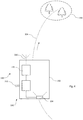
- a vehicle sound system 200 may comprise at least one sensor 224 configured to identify objects 208 at locations 206 around the vehicle 202.
- the sensor 224 may comprise a camera, a Light Detection And Ranging (LIDAR) sensor, a Radio Detection And Ranging (RADAR) sensor or any other type of sensor capable of sensing objects around the vehicle.
- the vehicle sound system 200 may otherwise comprise the sound prediction system 220, controller 240 and the noise reduction system 230.
- the noise reduction system 230 may comprise the microphone 232 and the speaker 234. Accordingly, the vehicle sound system 200 is similar to the vehicle sound system 100 and features described above in respect of the vehicle sound system 100 may equally apply to the vehicle sound system 200.
- the vehicle sound system 200 may in addition to the sensor 224 comprise the directional microphone 122 of the vehicle sound system 100.
- the sensor 224 may be used in a hazard awareness system of the vehicle 202.
- a hazard awareness system may identify hazards for an autonomous or semi-autonomous driving system of the vehicle 202.
- the sensor 224 may be configured to determine, at least approximately, the shape of objects around the vehicle 202.
- a controller associated with the sensor 224 may identify the type of object from the shape data obtained from the sensor 224.
- the sensor and associated controller may be able to identify objects, such as other vehicles, construction machinery, trees etc.
- the vehicle sound system 200 may associate sound characteristics with the types of objects identified by the sensor 224 and its associated controller.
- the controller 240 may refer to a predetermined database of object types and associated sound characteristics. For example, if the sensor 224 and its associated controller identify a tree, the database may link nature sounds (such as birdsong, wind in trees etc.) with the tree. Similarly, if construction machinery is identified by the sensor 224 and its associated controller, the database may link construction noise with the construction machinery.
- the vehicle sound system 200 may then decide if the associated sound is desirable or undesirable. As mentioned above, if the sound is deemed desirable, the noise reducing system 230 may permit transmission of, artificially reproduce or enhance the desirable sound. By contrast, if it is determined that the sound is undesirable, the noise reduction system 230 may prevent or reduce transmission of the sound into the vehicle cabin.
- the sensor 224 may detect objects 208 on or around a future path 204 of the vehicle and which the sounds from such objects may not yet be audible to occupants of the vehicle. In this way, the vehicle sound system 200 may prevent or reduce unwanted sounds in the vehicle cabin before they become audible to the occupants.
- a vehicle sound system 300 comprises a navigation system 326 configured to determine the position of the vehicle 302.
- the navigation system 326 may be a satellite navigation system or any other navigation system that is capable of determining the location of the vehicle 302.
- the vehicle sound system 300 comprises the sound prediction system 320, the controller 340 and the noise reduction system 330 described above.
- the noise reduction system 330 may comprise the microphone 332 and speaker 334.
- the navigation system 326 may determine a route 304 for the vehicle 302, e.g. based on a destination selected by an occupant of the vehicle.
- the sound prediction system 320 may determine from the route one or more locations 350 through which the vehicle is predicted to pass. Having determined locations 350 through which the vehicle is predicted to pass, the sound prediction system 320 may query a database that links locations with one or more associated sound characteristics for each location.
- the database may be stored on a remote server, e.g. a computing cloud, and may be accessible by other vehicles.
- the vehicle sound system 300 may activate the noise reduction system 330 if it is determined that the sounds likely to be encountered at the location 350 are undesirable. Similarly, if it is determined that the sounds likely to be encountered at the location 350 are desirable, then the noise reduction system 330 may be at least partially deactivated. Alternatively, if the sounds are determined to be desirable at location 350 the noise reduction system 330 may remain activated and sounds corresponding to those likely to be encountered at the location 350 may be artificially generated in the vehicle cabin.
- the sound prediction system 300 may predict a future position of the vehicle 302 based on a route determined by the navigation system 326, e.g. a satellite navigation system. Additionally or alternatively, the vehicle sound system 300 may use the current vehicle trajectory and road layout to predict future position of the vehicle 302. In either case, the sound prediction system 320 may predict sounds at future positions of the vehicle 302 and the vehicle sound system 300 may control the noise reduction system 330 depending on the predicted sound characteristics.
- the navigation system 326 e.g. a satellite navigation system.
- the vehicle sound system 300 may use the current vehicle trajectory and road layout to predict future position of the vehicle 302.
- the sound prediction system 320 may predict sounds at future positions of the vehicle 302 and the vehicle sound system 300 may control the noise reduction system 330 depending on the predicted sound characteristics.
- the present disclosure relates to a method 400 for the vehicle sound systems 10, 100, 200, 300.
- the method 400 comprises determining with the sound prediction system 120, 220, 320, 20 the sound characteristic associated with the location on the route of the vehicle.
- the method 400 comprises selectively controlling the noise reduction system 30, 130, 230, 330 to control sound within the vehicle cabin to reduce or transmit sounds associated with the location and depending on the sound characteristic(s) determined by the sound prediction system in the first step 402.
- a remote server 500 communicates with a plurality of vehicles 502.
- the remote server 500 may be provided on a computing cloud or any other computing network which is accessible by the vehicles 502.
- the vehicles 502 communicate with the remote server 500 wirelessly, such as through a mobile telecommunications network.
- the remote server 500 may also be provided within infrastructure associated with a road network and the vehicles 502 communicate with such infrastructure.
- the remote server 500 has a database that links a plurality of locations with one or more associated sound characteristic for each location.
- the database links a particular location with certain sound characteristics.
- a database may link the location of a park to desirable sounds, such as birdsong or the wind in the trees.
- the locations may correspond to a particular point, e.g. as defined by a coordinate system, or an area with a defined boundary.
- the locations may correspond to geo-fenced areas.
- the vehicles 502 communicate with the remote server 500 providing details of the locations that the vehicle is predicted to travel through.
- the remote server 500 in return provides the vehicle with sound characteristics associated with the particular locations.
- the vehicle sound systems on board the vehicle 502 then determine how to control the on board noise reduction system based on the sound characteristics obtained from the remote server 500.
- the remote server 500 also receives location data and associated sounds detected by the vehicles 502. For example, microphones 132, 232, 332 may detect sounds as the vehicles 502 pass through a particular location. The detected sounds or characteristics associated with the sounds are uploaded to the remote server together with the locations at which the sounds are detected. The remote server 500 may analyse the detected sounds and determine the associated characteristics of the sound or the on board vehicle sound systems may perform this analysis. In this way, the database for the remote server that links locations and sound characteristics is curated and kept up to date.
- the remote server 500 additionally or alternatively has stored thereon or access a database that links objects or object types with particular sound characteristics. Such a database is queried by the controller 240 of the vehicle sound system 200 according to the present disclosure.
- a particular vehicle may communicate with another vehicle in a vehicle to vehicle communication network.
- a first vehicle may detect sounds at the location of the first vehicle and a second vehicle may communicate with the first vehicle to obtain characteristics of the sound at that location before that sound is audible to the second vehicle.
- the remote server 500 also receives data from the vehicles 502 relating to the manual activation or deactivation of the noise reduction system 30, 130, 230, 330. For example, if an occupant of the vehicle manually activates the noise reduction system it may be inferred that the sounds at that location are undesirable. Conversely, if an occupant of the vehicle manually deactivates the noise reduction system, it may be inferred that the sounds at that location are desirable.
- the remote server 500 stores such data in the database as a sound characteristic linked to that location.
Landscapes
- Engineering & Computer Science (AREA)
- Physics & Mathematics (AREA)
- Multimedia (AREA)
- Acoustics & Sound (AREA)
- Theoretical Computer Science (AREA)
- Audiology, Speech & Language Pathology (AREA)
- Health & Medical Sciences (AREA)
- General Health & Medical Sciences (AREA)
- Databases & Information Systems (AREA)
- General Physics & Mathematics (AREA)
- Mechanical Engineering (AREA)
- General Engineering & Computer Science (AREA)
- Data Mining & Analysis (AREA)
- Library & Information Science (AREA)
- Human Computer Interaction (AREA)
- Signal Processing (AREA)
- Quality & Reliability (AREA)
- Computational Linguistics (AREA)
- Remote Sensing (AREA)
- Soundproofing, Sound Blocking, And Sound Damping (AREA)
- Navigation (AREA)
- Fittings On The Vehicle Exterior For Carrying Loads, And Devices For Holding Or Mounting Articles (AREA)
Claims (13)
- Fahrzeug-Audiosystem (10, 100, 200, 300) für ein Fahrzeug (102, 202, 302, 502), wobei das Fahrzeug-Audiosystem (10, 100, 200, 300) umfasst:ein Audio-Prognosesystem (20, 120, 220, 320), welches dafür ausgelegt ist, das einem Standort (106, 206, 350) auf der Fahrstrecke (304) eines Fahrzeugs (102, 202, 302, 502) zugeordnete Klangbild zu bestimmen;ein Rauschunterdrückungssystem (30, 130, 230, 330), welches dafür ausgelegt ist, die außerhalb der Kabine eines Fahrzeugs (102, 202, 302, 502) erzeugten Geräusche in der Kabine des Fahrzeugs (102, 202, 302, 502) zu reduzieren, wobei das Rauschunterdrückungssystem (30, 130, 230, 330) mindestens ein Mikrofon (132, 232, 332) und mindestens einen Lautsprecher (134, 234, 334) umfasst, wobei das Rauschunterdrückungssystem (30, 130, 230, 330) dafür ausgelegt ist, Geräusche aus dem Lautsprecher (134, 234, 334) zu emittieren, um die vom Mikrofon (132, 232, 332) erfassten Geräusche zumindest teilweise aufzuheben; undeine Steuerung (40, 140, 240, 340), welche dafür ausgelegt ist, das Rauschunterdrückungssystem (30, 130, 230, 330) zur Regelung der Geräusche in der Fahrzeugkabine selektiv so zu steuern, dass die mit einem Standort verbundenen Geräusche (106, 206, 350) in Abhängigkeit von dem vom Audio-Prognosesystem (20, 120, 220, 320) bestimmten Klangbild reduziert oder übertragen werden;und dadurch gekennzeichnet, dassdas Audio-Prognosesystem (20, 120, 220, 320) dahingehend konfiguriert ist, eine Datenbank abzufragen, die mehrere Standorte (106, 206, 350) mit einem oder mit mehreren den einzelnen Standorten (106, 206, 350) zugeordneten Klangbildern verbindet, wobei das Audio-Prognosesystem (20, 120, 220, 320) dafür ausgelegt ist, die auf einem Fernserver (500) gespeicherte und von anderen Fahrzeugen (102, 202, 302, 502) aus ebenfalls zugreifbare Datenbank abzufragen undwobei das Rauschunterdrückungssystem (30, 130, 230, 330) von einem Insassen des Fahrzeugs (102, 202, 302, 502) manuell aktiviert werden kann und wobei das Audio-Prognosesystem (20, 120, 220, 320) dafür ausgelegt ist, Daten über die manuelle Aktivierung oder Deaktivierung des Rauschunterdrückungssystems (30, 130, 230, 330) und die entsprechenden Standorte (106, 206, 350) auf den Fernserver (500) hochzuladen, damit der Fernserver (500) im Einsatz aus diesen Daten ableiten kann, ob die mit den Standorten (106, 206, 350) verbundenen Geräusche erwünscht oder unerwünscht sind.
- Fahrzeug-Audiosystem (10, 100, 200, 300) gemäß Anspruch 1, wobei das Audio-Prognosesystem (20, 120, 220, 320) so konfiguriert ist, dass es bestimmen kann, ob das einem Standort zugeordnete Klangbild (106, 206, 350) einem unerwünschten Geräusch entspricht und die Steuerung (40, 140, 240, 340) so konfiguriert ist, dass sie das Rauschunterdrückungssystem (30, 130, 230, 330) so regelt, dass es unerwünschte Geräusche reduziert.
- Fahrzeug-Audiosystem (10, 100, 200, 300) gemäß Anspruch 1 oder 2, wobei das Audio-Prognosesystem (20, 120, 220, 320) so konfiguriert ist, dass es bestimmen kann, ob das einem Standort zugeordnete Klangbild (106, 206, 350) einem erwünschten Geräusch entspricht und die Steuerung (40, 140, 240, 340) so konfiguriert ist, dass sie das Rauschunterdrückungssystem (30, 130, 230, 330) so steuert, dass die Übertragung eines erwünschten Geräuschs zugelassen wird.
- Fahrzeug-Audiosystem (10, 100, 200, 300) gemäß Anspruch 3, wobei ein erwünschtes Geräusch außerhalb der Fahrzeugkabine erzeugt wird und die Steuerung (40, 140, 240, 340) so konfiguriert ist, dass sie das Rauschunterdrückungssystem (30, 130, 230, 330) so regelt, dass ein erwünschtes Geräusch nicht reduziert wird.
- Fahrzeug-Audiosystem (10, 100, 200, 300) gemäß Anspruch 3 oder 4, wobei ein erwünschtes Geräusch in der Fahrzeugkabine durch den Lautsprecher (134, 234, 334) künstlich erzeugt oder verstärkt wird.
- Fahrzeug-Audiosystem (10, 100, 200, 300) gemäß einem der vorhergehenden Ansprüche, wobei das Audio-Prognosesystem (20, 120, 220, 320) dafür ausgelegt ist, die Datenbank mit den vom Fahrzeug erfassten Geräuschen (102, 202, 302, 502) zu aktualisieren, wenn es einen oder mehrere Standorte (106, 206, 350) passiert.
- Fahrzeug-Audiosystem (10, 100, 200, 300) gemäß einem der vorhergehenden Ansprüche, wobei das Rauschunterdrückungssystem (30, 130, 230, 330) dafür ausgelegt ist, Geräusche eines bestimmten Typs oder Ursprungs zumindest teilweise zu unterdrücken und die gleichzeitige Übertragung anderer Geräusche in die Fahrzeugkabine (102, 202, 302, 502) zuzulassen.
- Fahrzeug-Audiosystem (10, 100, 200, 300) gemäß einem der vorhergehenden Ansprüche, wobei das Rauschunterdrückungssystem (30, 130, 230, 330) selektiv aktivierbar ist und das Fahrzeug-Audiosystem (10, 100, 200, 300) dafür ausgelegt ist, das Rauschunterdrückungssystem (30, 130, 230, 330) zu aktivieren, wenn festgestellt wird, dass die mit einem Standort (106, 206, 350) verbundenen Geräusche unerwünscht sind und sich das Fahrzeug (102, 202, 302, 502) diesem Standort (106, 206, 350) nähert.
- Fahrzeug-Audiosystem (10, 100, 200, 300) gemäß einem der vorhergehenden Ansprüche, wobei das Fahrzeug-Audiosystem (10, 100, 200, 300) ferner ein Richtmikrofon (122) umfasst, welches dafür ausgelegt ist, Geräusche vor dem Fahrzeug (102, 202, 302, 502) zu erfassen.
- Fahrzeug-Audiosystem (10, 100, 200, 300) gemäß einem der vorhergehenden Ansprüche, wobei das Fahrzeug-Audiosystem (10, 100, 200, 300) ferner mindestens einen Sensor (224) umfasst, welcher dafür ausgelegt ist, Objekte (108) in der Umgebung des Fahrzeugs (102, 202, 302, 502) zu erkennen, wenn der mindestens eine Sensor (224) beispielsweise in einem Assistenzsystem zur Identifizierung von Gefahren verwendet wird.
- Fahrzeug-Audiosystem (10, 100, 200, 300) gemäß Anspruch 10, wobei das Fahrzeug-Audiosystem (10, 100, 200, 300) dafür ausgelegt ist, Klangbilder den in der Umgebung des Fahrzeugs (102, 202, 302, 502) erkannten Objekten (108) zuzuordnen.
- Verfahren (400) für ein Fahrzeug-Audiosystem (10, 100, 200, 300) für ein Fahrzeug (102, 202, 302, 502), wobei das Fahrzeug-Audiosystem (10, 100, 200, 300) umfasst:ein Audio-Prognosesystem (20, 120, 220, 320), welches dafür ausgelegt ist, das einem Standort (106, 206, 350) auf der Fahrstrecke (304) eines Fahrzeugs (102, 202, 302, 502) zugeordnete Klangbild zu bestimmen; undein Rauschunterdrückungssystem (30, 130, 230, 330), welches dafür ausgelegt ist, die außerhalb der Kabine eines Fahrzeugs (102, 202, 302, 502) erzeugten Geräusche in der Kabine des Fahrzeugs (102, 202, 302, 502) zu reduzieren, wobei das Rauschunterdrückungssystem (30, 130, 230, 330) mindestens ein Mikrofon (132, 232, 332) und mindestens einen Lautsprecher (134, 234, 334) umfasst, wobei das Rauschunterdrückungssystem (30, 130, 230, 330) dafür ausgelegt ist, Geräusche aus dem Lautsprecher (134, 234, 334) zu emittieren, um die vom Mikrofon (132, 232, 332) erfassten Geräusche zumindest teilweise aufzuheben; und wobei das Rauschunterdrückungssystem (30, 130, 230, 330) von einem Insassen des Fahrzeugs (102, 202, 302, 502) manuell aktiviert werden kann;dadurch gekennzeichnet, dass das Verfahren (400) umfasst:eine Datenbank abzufragen, die mehrere Standorte (106, 206, 350) mit einem oder mit mehreren den einzelnen Standorten (106, 206, 350) zugeordneten Klangbildern verbindet, wobei die auf einem Fernserver (500) gespeicherte Datenbank auch von anderen Fahrzeugen (102, 202, 302, 502) aus zugreifbar ist;mit dem Audio-Prognosesystem (20, 120, 220, 320) das einem Standort (106, 206, 350) auf der Fahrstrecke (304) eines Fahrzeugs (102, 202, 302, 502) zugeordnete Klangbild bestimmen;das Rauschunterdrückungssystem (30, 130, 230, 330) zur Regelung der Geräusche in der Fahrzeugkabine selektiv so steuern, dass die mit einem Standort verbundenen Geräusche (106, 206, 350) in Abhängigkeit von dem vom Audio-Prognosesystem (20, 120, 220, 320) bestimmten Klangbild reduziert oder übertragen werden; undDaten über die manuelle Aktivierung oder Deaktivierung des Rauschunterdrückungssystems (30, 130, 230, 330) und die entsprechenden Standorte (106, 206, 350) auf den Fernserver (500) hochladen, wobei der Fernserver (500) aus diesen Daten ableitet, ob die mit den Standorten (106, 206, 350) verbundenen Geräusche erwünscht oder unerwünscht sind.
- Fernserver (500), der dafür ausgelegt ist, mit einer Vielzahl von Fahrzeugen (102, 202, 302, 502) zu kommunizieren, wobei der Fernserver eine Datenbank aufweist, die eine Vielzahl von Standorten und/oder Objekten (108) mit einem oder mehreren den einzelnen Standorten und/oder Objekten zugeordneten Klangbildern verbindet, wobei der Fernserver (500) dafür ausgelegt ist, von einem oder mehreren Fahrzeuge erfasste Standortdaten und zugehörige Geräusche zu empfangen, wobei der Fernserver von den Fahrzeugen Daten über die manuelle Aktivierung oder Deaktivierung des Rauschunterdrückungssystems (30, 130, 230, 330) empfängt und der Fernserver (500) aus solchen Daten ableitet, ob die mit den Standorten (106, 206, 350) verbundenen Geräusche erwünscht oder unerwünscht sind.
Applications Claiming Priority (1)
| Application Number | Priority Date | Filing Date | Title |
|---|---|---|---|
| GB1715150.7A GB2566935B (en) | 2017-09-20 | 2017-09-20 | Selective sound system and method for a vehicle |
Publications (2)
| Publication Number | Publication Date |
|---|---|
| EP3460790A1 EP3460790A1 (de) | 2019-03-27 |
| EP3460790B1 true EP3460790B1 (de) | 2021-06-23 |
Family
ID=60159375
Family Applications (1)
| Application Number | Title | Priority Date | Filing Date |
|---|---|---|---|
| EP18191464.9A Active EP3460790B1 (de) | 2017-09-20 | 2018-08-29 | System und verfahren für selektiven sound für ein fahrzeug |
Country Status (4)
| Country | Link |
|---|---|
| US (1) | US10643598B2 (de) |
| EP (1) | EP3460790B1 (de) |
| CN (1) | CN109524019B (de) |
| GB (1) | GB2566935B (de) |
Families Citing this family (8)
| Publication number | Priority date | Publication date | Assignee | Title |
|---|---|---|---|---|
| US20190228789A1 (en) * | 2018-01-23 | 2019-07-25 | Blackberry Limited | Predictive audio enhancement in a vehicle |
| CN110310618B (zh) * | 2019-06-05 | 2021-09-03 | 广州小鹏汽车科技有限公司 | 车辆行驶环境声音的处理方法、处理装置和车辆 |
| CN113496694A (zh) * | 2020-03-19 | 2021-10-12 | 上汽通用汽车有限公司 | 一种车辆声学系统、车辆用座椅以及车辆 |
| CN112078498B (zh) * | 2020-09-11 | 2022-03-18 | 广州小鹏汽车科技有限公司 | 一种车辆智能座舱的声音输出控制方法和智能座舱 |
| US11812245B2 (en) * | 2020-10-08 | 2023-11-07 | Valeo Telematik Und Akustik Gmbh | Method, apparatus, and computer-readable storage medium for providing three-dimensional stereo sound |
| CN112767908B (zh) * | 2020-12-29 | 2024-05-21 | 安克创新科技股份有限公司 | 基于关键声音识别的主动降噪方法、电子设备及存储介质 |
| US11765506B2 (en) * | 2021-03-01 | 2023-09-19 | Tymphany Worldwide Enterprises Limited | Automobile audio system |
| KR20240175534A (ko) * | 2023-06-13 | 2024-12-20 | 현대자동차주식회사 | 모빌리티 사운드 시스템 및 그의 사운드 구현 방법 |
Family Cites Families (19)
| Publication number | Priority date | Publication date | Assignee | Title |
|---|---|---|---|---|
| US6396433B1 (en) * | 2000-04-10 | 2002-05-28 | Niitek Inc. | Talking buried object detector |
| JP2006023588A (ja) * | 2004-07-08 | 2006-01-26 | Denso Corp | 車内騒音抑制システム |
| JP2008184129A (ja) * | 2007-01-31 | 2008-08-14 | Xanavi Informatics Corp | 車内騒音制御装置 |
| US7756602B2 (en) * | 2007-06-14 | 2010-07-13 | Panasonic Automotive Systems Company Of America Division Of Panasonic Corporation Of North America | Vehicle entertainment and gaming system |
| JP5522434B2 (ja) * | 2009-09-01 | 2014-06-18 | アイシン精機株式会社 | 運転支援装置 |
| CN102481878A (zh) * | 2009-09-10 | 2012-05-30 | 先锋株式会社 | 噪音降低设备 |
| US8922645B1 (en) * | 2010-12-22 | 2014-12-30 | Google Inc. | Environmental reproduction system for representing an environment using one or more environmental sensors |
| US20120269358A1 (en) * | 2011-04-21 | 2012-10-25 | Continental Automotive Systems, Inc. | Active sound control |
| WO2013145083A1 (ja) * | 2012-03-26 | 2013-10-03 | パイオニア株式会社 | 音響装置、出力音管理装置、端末装置及び出力音制御方法 |
| JP6066083B2 (ja) * | 2013-09-24 | 2017-01-25 | 株式会社デンソー | 車両用騒音抑制装置 |
| US9469247B2 (en) * | 2013-11-21 | 2016-10-18 | Harman International Industries, Incorporated | Using external sounds to alert vehicle occupants of external events and mask in-car conversations |
| US20150365743A1 (en) * | 2014-06-14 | 2015-12-17 | GM Global Technology Operations LLC | Method and apparatus for including sound from an external environment into a vehicle audio system |
| FR3040820B1 (fr) * | 2015-09-07 | 2018-10-12 | Peugeot Citroen Automobiles Sa | Procede d’info-divertissement mis en œuvre par un dispositif mobile |
| KR20170054794A (ko) * | 2015-11-10 | 2017-05-18 | 현대자동차주식회사 | 자동차용 소음 제어장치 및 그 제어방법 |
| WO2017101067A1 (zh) * | 2015-12-17 | 2017-06-22 | 华为技术有限公司 | 一种对周围环境音的处理方法及设备 |
| US9817631B2 (en) * | 2016-01-07 | 2017-11-14 | Toyota Motor Engineering & Manufacturing North America, Inc. | Control of vehicle interior sound levels based on vehicle location |
| US10067907B2 (en) * | 2016-05-05 | 2018-09-04 | GM Global Technology Operations LLC | Vehicle including noise management system having automotive audio bus (A2B) interface |
| EP3319343A1 (de) * | 2016-11-08 | 2018-05-09 | Harman Becker Automotive Systems GmbH | Tonverarbeitungssystem für fahrzeuge |
| CN107404682B (zh) * | 2017-08-10 | 2019-11-05 | 京东方科技集团股份有限公司 | 一种智能耳机 |
-
2017
- 2017-09-20 GB GB1715150.7A patent/GB2566935B/en not_active Expired - Fee Related
-
2018
- 2018-08-29 EP EP18191464.9A patent/EP3460790B1/de active Active
- 2018-09-13 CN CN201811069572.XA patent/CN109524019B/zh active Active
- 2018-09-19 US US16/135,711 patent/US10643598B2/en active Active
Also Published As
| Publication number | Publication date |
|---|---|
| US20190088248A1 (en) | 2019-03-21 |
| EP3460790A1 (de) | 2019-03-27 |
| CN109524019B (zh) | 2025-03-04 |
| GB2566935B (en) | 2021-09-22 |
| CN109524019A (zh) | 2019-03-26 |
| GB201715150D0 (en) | 2017-11-01 |
| GB2566935A (en) | 2019-04-03 |
| US10643598B2 (en) | 2020-05-05 |
Similar Documents
| Publication | Publication Date | Title |
|---|---|---|
| US10643598B2 (en) | Method for operating a vehicle sound system | |
| US11299093B2 (en) | Acoustic notifications | |
| JP7155991B2 (ja) | 報知装置 | |
| CN107826102B (zh) | 用于无乘员自主车辆的控制策略 | |
| US9910442B2 (en) | Occluded area detection with static obstacle maps | |
| US20170227971A1 (en) | Autonomous travel management apparatus, server, and autonomous travel management method | |
| CN112793584B (zh) | 紧急车辆音频检测 | |
| KR20190123248A (ko) | 차량 사고 방지 장치 및 방법 | |
| CN111038483B (zh) | 用于车辆自主控制的系统和方法 | |
| CN108292356B (zh) | 配置主动照明以指示自主车辆的方向性的系统 | |
| US20200172106A1 (en) | System and method for control of an autonomous vehicle | |
| US20190061756A1 (en) | System and method for following distance adjustment for an autonomous vehicle | |
| JP6748224B2 (ja) | ドライバアシスト機能に関する地域による調整 | |
| US20200175959A1 (en) | Apparatus, system, method and computer program | |
| CN111352074A (zh) | 用于相对于车辆对声源进行定位的方法和系统 | |
| US20200132843A1 (en) | Lidar system and control method thereof | |
| US20200310409A1 (en) | Communication apparatus, communication method, and storage medium | |
| US20220081006A1 (en) | Vehicle and autonomous driving control method therefor | |
| JP2016057655A (ja) | 自動走行管理システム、サーバおよび自動走行管理方法 | |
| US11656262B2 (en) | Software simulation system for indoor EMC test | |
| CN120813997A (zh) | 噪声抑制装置、噪声抑制方法和程序 | |
| CN107539208B (zh) | 光和声音的基于对象检测的方向控制 | |
| US20180319393A1 (en) | System And Method For Collision Mitigation And Avoidance In Autonomous Vehicle | |
| KR20220098496A (ko) | 초음파 스피커를 이용한 로드킬 방지 시스템 및 로드킬 방지 방법 | |
| US12359647B2 (en) | Adaptive exhaust control for remote start |
Legal Events
| Date | Code | Title | Description |
|---|---|---|---|
| PUAI | Public reference made under article 153(3) epc to a published international application that has entered the european phase |
Free format text: ORIGINAL CODE: 0009012 |
|
| STAA | Information on the status of an ep patent application or granted ep patent |
Free format text: STATUS: THE APPLICATION HAS BEEN PUBLISHED |
|
| STAA | Information on the status of an ep patent application or granted ep patent |
Free format text: STATUS: REQUEST FOR EXAMINATION WAS MADE |
|
| AK | Designated contracting states |
Kind code of ref document: A1 Designated state(s): AL AT BE BG CH CY CZ DE DK EE ES FI FR GB GR HR HU IE IS IT LI LT LU LV MC MK MT NL NO PL PT RO RS SE SI SK SM TR |
|
| AX | Request for extension of the european patent |
Extension state: BA ME |
|
| 17P | Request for examination filed |
Effective date: 20190315 |
|
| RBV | Designated contracting states (corrected) |
Designated state(s): AL AT BE BG CH CY CZ DE DK EE ES FI FR GB GR HR HU IE IS IT LI LT LU LV MC MK MT NL NO PL PT RO RS SE SI SK SM TR |
|
| GRAP | Despatch of communication of intention to grant a patent |
Free format text: ORIGINAL CODE: EPIDOSNIGR1 |
|
| STAA | Information on the status of an ep patent application or granted ep patent |
Free format text: STATUS: GRANT OF PATENT IS INTENDED |
|
| INTG | Intention to grant announced |
Effective date: 20210315 |
|
| GRAS | Grant fee paid |
Free format text: ORIGINAL CODE: EPIDOSNIGR3 |
|
| GRAA | (expected) grant |
Free format text: ORIGINAL CODE: 0009210 |
|
| STAA | Information on the status of an ep patent application or granted ep patent |
Free format text: STATUS: THE PATENT HAS BEEN GRANTED |
|
| AK | Designated contracting states |
Kind code of ref document: B1 Designated state(s): AL AT BE BG CH CY CZ DE DK EE ES FI FR GB GR HR HU IE IS IT LI LT LU LV MC MK MT NL NO PL PT RO RS SE SI SK SM TR |
|
| REG | Reference to a national code |
Ref country code: GB Ref legal event code: FG4D |
|
| REG | Reference to a national code |
Ref country code: CH Ref legal event code: EP |
|
| REG | Reference to a national code |
Ref country code: DE Ref legal event code: R096 Ref document number: 602018018895 Country of ref document: DE Ref country code: AT Ref legal event code: REF Ref document number: 1404995 Country of ref document: AT Kind code of ref document: T Effective date: 20210715 |
|
| REG | Reference to a national code |
Ref country code: IE Ref legal event code: FG4D |
|
| REG | Reference to a national code |
Ref country code: LT Ref legal event code: MG9D |
|
| PG25 | Lapsed in a contracting state [announced via postgrant information from national office to epo] |
Ref country code: FI Free format text: LAPSE BECAUSE OF FAILURE TO SUBMIT A TRANSLATION OF THE DESCRIPTION OR TO PAY THE FEE WITHIN THE PRESCRIBED TIME-LIMIT Effective date: 20210623 Ref country code: LT Free format text: LAPSE BECAUSE OF FAILURE TO SUBMIT A TRANSLATION OF THE DESCRIPTION OR TO PAY THE FEE WITHIN THE PRESCRIBED TIME-LIMIT Effective date: 20210623 Ref country code: HR Free format text: LAPSE BECAUSE OF FAILURE TO SUBMIT A TRANSLATION OF THE DESCRIPTION OR TO PAY THE FEE WITHIN THE PRESCRIBED TIME-LIMIT Effective date: 20210623 Ref country code: BG Free format text: LAPSE BECAUSE OF FAILURE TO SUBMIT A TRANSLATION OF THE DESCRIPTION OR TO PAY THE FEE WITHIN THE PRESCRIBED TIME-LIMIT Effective date: 20210923 |
|
| REG | Reference to a national code |
Ref country code: AT Ref legal event code: MK05 Ref document number: 1404995 Country of ref document: AT Kind code of ref document: T Effective date: 20210623 |
|
| PG25 | Lapsed in a contracting state [announced via postgrant information from national office to epo] |
Ref country code: RS Free format text: LAPSE BECAUSE OF FAILURE TO SUBMIT A TRANSLATION OF THE DESCRIPTION OR TO PAY THE FEE WITHIN THE PRESCRIBED TIME-LIMIT Effective date: 20210623 Ref country code: SE Free format text: LAPSE BECAUSE OF FAILURE TO SUBMIT A TRANSLATION OF THE DESCRIPTION OR TO PAY THE FEE WITHIN THE PRESCRIBED TIME-LIMIT Effective date: 20210623 Ref country code: NO Free format text: LAPSE BECAUSE OF FAILURE TO SUBMIT A TRANSLATION OF THE DESCRIPTION OR TO PAY THE FEE WITHIN THE PRESCRIBED TIME-LIMIT Effective date: 20210923 Ref country code: LV Free format text: LAPSE BECAUSE OF FAILURE TO SUBMIT A TRANSLATION OF THE DESCRIPTION OR TO PAY THE FEE WITHIN THE PRESCRIBED TIME-LIMIT Effective date: 20210623 Ref country code: GR Free format text: LAPSE BECAUSE OF FAILURE TO SUBMIT A TRANSLATION OF THE DESCRIPTION OR TO PAY THE FEE WITHIN THE PRESCRIBED TIME-LIMIT Effective date: 20210924 |
|
| REG | Reference to a national code |
Ref country code: NL Ref legal event code: MP Effective date: 20210623 |
|
| PG25 | Lapsed in a contracting state [announced via postgrant information from national office to epo] |
Ref country code: CZ Free format text: LAPSE BECAUSE OF FAILURE TO SUBMIT A TRANSLATION OF THE DESCRIPTION OR TO PAY THE FEE WITHIN THE PRESCRIBED TIME-LIMIT Effective date: 20210623 Ref country code: AT Free format text: LAPSE BECAUSE OF FAILURE TO SUBMIT A TRANSLATION OF THE DESCRIPTION OR TO PAY THE FEE WITHIN THE PRESCRIBED TIME-LIMIT Effective date: 20210623 Ref country code: PT Free format text: LAPSE BECAUSE OF FAILURE TO SUBMIT A TRANSLATION OF THE DESCRIPTION OR TO PAY THE FEE WITHIN THE PRESCRIBED TIME-LIMIT Effective date: 20211025 Ref country code: NL Free format text: LAPSE BECAUSE OF FAILURE TO SUBMIT A TRANSLATION OF THE DESCRIPTION OR TO PAY THE FEE WITHIN THE PRESCRIBED TIME-LIMIT Effective date: 20210623 Ref country code: RO Free format text: LAPSE BECAUSE OF FAILURE TO SUBMIT A TRANSLATION OF THE DESCRIPTION OR TO PAY THE FEE WITHIN THE PRESCRIBED TIME-LIMIT Effective date: 20210623 Ref country code: EE Free format text: LAPSE BECAUSE OF FAILURE TO SUBMIT A TRANSLATION OF THE DESCRIPTION OR TO PAY THE FEE WITHIN THE PRESCRIBED TIME-LIMIT Effective date: 20210623 Ref country code: ES Free format text: LAPSE BECAUSE OF FAILURE TO SUBMIT A TRANSLATION OF THE DESCRIPTION OR TO PAY THE FEE WITHIN THE PRESCRIBED TIME-LIMIT Effective date: 20210623 Ref country code: SM Free format text: LAPSE BECAUSE OF FAILURE TO SUBMIT A TRANSLATION OF THE DESCRIPTION OR TO PAY THE FEE WITHIN THE PRESCRIBED TIME-LIMIT Effective date: 20210623 Ref country code: SK Free format text: LAPSE BECAUSE OF FAILURE TO SUBMIT A TRANSLATION OF THE DESCRIPTION OR TO PAY THE FEE WITHIN THE PRESCRIBED TIME-LIMIT Effective date: 20210623 |
|
| PG25 | Lapsed in a contracting state [announced via postgrant information from national office to epo] |
Ref country code: PL Free format text: LAPSE BECAUSE OF FAILURE TO SUBMIT A TRANSLATION OF THE DESCRIPTION OR TO PAY THE FEE WITHIN THE PRESCRIBED TIME-LIMIT Effective date: 20210623 |
|
| REG | Reference to a national code |
Ref country code: DE Ref legal event code: R097 Ref document number: 602018018895 Country of ref document: DE |
|
| REG | Reference to a national code |
Ref country code: CH Ref legal event code: PL |
|
| PG25 | Lapsed in a contracting state [announced via postgrant information from national office to epo] |
Ref country code: MC Free format text: LAPSE BECAUSE OF FAILURE TO SUBMIT A TRANSLATION OF THE DESCRIPTION OR TO PAY THE FEE WITHIN THE PRESCRIBED TIME-LIMIT Effective date: 20210623 |
|
| REG | Reference to a national code |
Ref country code: BE Ref legal event code: MM Effective date: 20210831 |
|
| PG25 | Lapsed in a contracting state [announced via postgrant information from national office to epo] |
Ref country code: LI Free format text: LAPSE BECAUSE OF NON-PAYMENT OF DUE FEES Effective date: 20210831 Ref country code: DK Free format text: LAPSE BECAUSE OF FAILURE TO SUBMIT A TRANSLATION OF THE DESCRIPTION OR TO PAY THE FEE WITHIN THE PRESCRIBED TIME-LIMIT Effective date: 20210623 Ref country code: CH Free format text: LAPSE BECAUSE OF NON-PAYMENT OF DUE FEES Effective date: 20210831 |
|
| PLBE | No opposition filed within time limit |
Free format text: ORIGINAL CODE: 0009261 |
|
| STAA | Information on the status of an ep patent application or granted ep patent |
Free format text: STATUS: NO OPPOSITION FILED WITHIN TIME LIMIT |
|
| 26N | No opposition filed |
Effective date: 20220324 |
|
| PG25 | Lapsed in a contracting state [announced via postgrant information from national office to epo] |
Ref country code: LU Free format text: LAPSE BECAUSE OF NON-PAYMENT OF DUE FEES Effective date: 20210829 Ref country code: AL Free format text: LAPSE BECAUSE OF FAILURE TO SUBMIT A TRANSLATION OF THE DESCRIPTION OR TO PAY THE FEE WITHIN THE PRESCRIBED TIME-LIMIT Effective date: 20210623 |
|
| PG25 | Lapsed in a contracting state [announced via postgrant information from national office to epo] |
Ref country code: IT Free format text: LAPSE BECAUSE OF FAILURE TO SUBMIT A TRANSLATION OF THE DESCRIPTION OR TO PAY THE FEE WITHIN THE PRESCRIBED TIME-LIMIT Effective date: 20210623 Ref country code: IE Free format text: LAPSE BECAUSE OF NON-PAYMENT OF DUE FEES Effective date: 20210829 Ref country code: FR Free format text: LAPSE BECAUSE OF NON-PAYMENT OF DUE FEES Effective date: 20210831 Ref country code: BE Free format text: LAPSE BECAUSE OF NON-PAYMENT OF DUE FEES Effective date: 20210831 |
|
| GBPC | Gb: european patent ceased through non-payment of renewal fee |
Effective date: 20220829 |
|
| PG25 | Lapsed in a contracting state [announced via postgrant information from national office to epo] |
Ref country code: CY Free format text: LAPSE BECAUSE OF FAILURE TO SUBMIT A TRANSLATION OF THE DESCRIPTION OR TO PAY THE FEE WITHIN THE PRESCRIBED TIME-LIMIT Effective date: 20210623 |
|
| P01 | Opt-out of the competence of the unified patent court (upc) registered |
Effective date: 20230620 |
|
| PG25 | Lapsed in a contracting state [announced via postgrant information from national office to epo] |
Ref country code: HU Free format text: LAPSE BECAUSE OF FAILURE TO SUBMIT A TRANSLATION OF THE DESCRIPTION OR TO PAY THE FEE WITHIN THE PRESCRIBED TIME-LIMIT; INVALID AB INITIO Effective date: 20180829 |
|
| PG25 | Lapsed in a contracting state [announced via postgrant information from national office to epo] |
Ref country code: GB Free format text: LAPSE BECAUSE OF NON-PAYMENT OF DUE FEES Effective date: 20220829 |
|
| PG25 | Lapsed in a contracting state [announced via postgrant information from national office to epo] |
Ref country code: MK Free format text: LAPSE BECAUSE OF FAILURE TO SUBMIT A TRANSLATION OF THE DESCRIPTION OR TO PAY THE FEE WITHIN THE PRESCRIBED TIME-LIMIT Effective date: 20210623 |
|
| REG | Reference to a national code |
Ref country code: DE Ref legal event code: R084 Ref document number: 602018018895 Country of ref document: DE |
|
| PG25 | Lapsed in a contracting state [announced via postgrant information from national office to epo] |
Ref country code: TR Free format text: LAPSE BECAUSE OF FAILURE TO SUBMIT A TRANSLATION OF THE DESCRIPTION OR TO PAY THE FEE WITHIN THE PRESCRIBED TIME-LIMIT Effective date: 20210623 |
|
| PG25 | Lapsed in a contracting state [announced via postgrant information from national office to epo] |
Ref country code: MT Free format text: LAPSE BECAUSE OF FAILURE TO SUBMIT A TRANSLATION OF THE DESCRIPTION OR TO PAY THE FEE WITHIN THE PRESCRIBED TIME-LIMIT Effective date: 20210623 |
|
| PGFP | Annual fee paid to national office [announced via postgrant information from national office to epo] |
Ref country code: DE Payment date: 20250709 Year of fee payment: 8 |