EP3443102B1 - Verfahren zur änderung der interzellulären mobilität einer mrna - Google Patents
Verfahren zur änderung der interzellulären mobilität einer mrna Download PDFInfo
- Publication number
- EP3443102B1 EP3443102B1 EP17717712.8A EP17717712A EP3443102B1 EP 3443102 B1 EP3443102 B1 EP 3443102B1 EP 17717712 A EP17717712 A EP 17717712A EP 3443102 B1 EP3443102 B1 EP 3443102B1
- Authority
- EP
- European Patent Office
- Prior art keywords
- trna
- plant
- gene
- mrna
- transcript
- Prior art date
- Legal status (The legal status is an assumption and is not a legal conclusion. Google has not performed a legal analysis and makes no representation as to the accuracy of the status listed.)
- Active
Links
Images






Classifications
-
- C—CHEMISTRY; METALLURGY
- C12—BIOCHEMISTRY; BEER; SPIRITS; WINE; VINEGAR; MICROBIOLOGY; ENZYMOLOGY; MUTATION OR GENETIC ENGINEERING
- C12N—MICROORGANISMS OR ENZYMES; COMPOSITIONS THEREOF; PROPAGATING, PRESERVING, OR MAINTAINING MICROORGANISMS; MUTATION OR GENETIC ENGINEERING; CULTURE MEDIA
- C12N15/00—Mutation or genetic engineering; DNA or RNA concerning genetic engineering, vectors, e.g. plasmids, or their isolation, preparation or purification; Use of hosts therefor
- C12N15/09—Recombinant DNA-technology
- C12N15/63—Introduction of foreign genetic material using vectors; Vectors; Use of hosts therefor; Regulation of expression
- C12N15/79—Vectors or expression systems specially adapted for eukaryotic hosts
- C12N15/82—Vectors or expression systems specially adapted for eukaryotic hosts for plant cells, e.g. plant artificial chromosomes (PACs)
- C12N15/8216—Methods for controlling, regulating or enhancing expression of transgenes in plant cells
-
- C—CHEMISTRY; METALLURGY
- C12—BIOCHEMISTRY; BEER; SPIRITS; WINE; VINEGAR; MICROBIOLOGY; ENZYMOLOGY; MUTATION OR GENETIC ENGINEERING
- C12N—MICROORGANISMS OR ENZYMES; COMPOSITIONS THEREOF; PROPAGATING, PRESERVING, OR MAINTAINING MICROORGANISMS; MUTATION OR GENETIC ENGINEERING; CULTURE MEDIA
- C12N15/00—Mutation or genetic engineering; DNA or RNA concerning genetic engineering, vectors, e.g. plasmids, or their isolation, preparation or purification; Use of hosts therefor
- C12N15/09—Recombinant DNA-technology
- C12N15/10—Processes for the isolation, preparation or purification of DNA or RNA
- C12N15/102—Mutagenizing nucleic acids
-
- C—CHEMISTRY; METALLURGY
- C12—BIOCHEMISTRY; BEER; SPIRITS; WINE; VINEGAR; MICROBIOLOGY; ENZYMOLOGY; MUTATION OR GENETIC ENGINEERING
- C12N—MICROORGANISMS OR ENZYMES; COMPOSITIONS THEREOF; PROPAGATING, PRESERVING, OR MAINTAINING MICROORGANISMS; MUTATION OR GENETIC ENGINEERING; CULTURE MEDIA
- C12N15/00—Mutation or genetic engineering; DNA or RNA concerning genetic engineering, vectors, e.g. plasmids, or their isolation, preparation or purification; Use of hosts therefor
- C12N15/09—Recombinant DNA-technology
- C12N15/63—Introduction of foreign genetic material using vectors; Vectors; Use of hosts therefor; Regulation of expression
- C12N15/79—Vectors or expression systems specially adapted for eukaryotic hosts
- C12N15/82—Vectors or expression systems specially adapted for eukaryotic hosts for plant cells, e.g. plant artificial chromosomes (PACs)
- C12N15/8241—Phenotypically and genetically modified plants via recombinant DNA technology
- C12N15/8261—Phenotypically and genetically modified plants via recombinant DNA technology with agronomic (input) traits, e.g. crop yield
- C12N15/8287—Phenotypically and genetically modified plants via recombinant DNA technology with agronomic (input) traits, e.g. crop yield for fertility modification, e.g. apomixis
- C12N15/8289—Male sterility
Definitions
- the present invention relates to a method for changing the intercellular mobility of an mRNA of a gene in a plant.
- DNA comprises genes, which can be transcribed into messenger RNA (mRNA) molecules, and these mRNA molecules are subsequently translated into proteins.
- mRNA messenger RNA
- mRNA messenger RNA
- the DNA is contained inside an organelle which is located inside the cytoplasm of a eukaryotic cell (i.e. a nucleus, mitochondrion or chloroplast).
- the mRNA transcript needs to be exported out of that organelle, because translation typically takes place in the cytoplasm of the cell, which is where the ribosomes required for translation are located.
- mRNA transcripts are transported across organellar membranes, from one subcellular compartment to another subcellular compartment.
- a cell's genetic information is efficiently translated into a large number of different proteins that work together to enable the cell to maintain its own functionality and metabolism, and to respond adequately to its environment and to signals from other cells in the organism, and to signals from the organism's environment.
- This so-called cell-autonomy thus leads to a situation in which a cell's phenotype and behaviour is directly linked to that cell's own genetic information, in a multicellular organism.
- non-cell-autonomy wherein one cell influences the phenotype of another cell.
- a multicellular organism such as a plant
- different cells communicate with each other, and thus they influence and coordinate each other's behaviour and phenotype.
- a mutation present in the genome of one cell may even influence the phenotype of another cell that does not have said mutation in its genome.
- one cell produces an mRNA transcript, and then exports it to another cell, where the mRNA transcript may be translated into a protein, and where the protein fulfils its function.
- This exchange of information over long distances, from one cell-type, tissue or organ to another via the vascular tissue is very poorly understood, but it provides a new level of complexity in how plants function, how they coordinate their own development and growth, and how their organs exhibit a concerted response to the plant's environment. It reveals that cells and organs in different parts of the plant communicate with each other, not only by means of small signalling molecules such as hormones, but also by exchanging macromolecules in a coordinated manner.
- the mode of action of this system (RNA motifs that trigger mobility, the extent of their transport, and their potential to be translated into functional proteins after transport) is however unknown in the prior art.
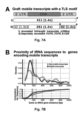
- mRNA transcripts that are present in the phloem sap of plants (and that are enriched in the pool of mRNA transcripts that move across chimeric graft junctions) comprise a tRNA-like structure (TLS). It was demonstrated that tRNA-like structures are sufficient to mobilise mRNA transcripts, by showing that mRNAs harbouring distinctive TLS move from transgenic roots into wild-type leaves and from transgenic leaves into wild-type flowers or roots, when wild-type and transgenic plants are grafted onto each other. It was furthermore shown that these mobile mRNA transcripts are translated into proteins after their transport. It was also found that bicistronic mRNA::tRNA transcripts (i.e.
- mRNA transcripts harbouring a TLS are frequently produced in Arabidopsis thaliana, and that they are enriched in the population of graft-mobile mRNAs.
- "Graft-mobile mRNAs” are mRNAs that are capable of moving across a graft junction.
- RNA molecules are arguably the most functionally diverse biological macromolecules found in cells, and their diverse roles are determined by both their complex three-dimensional structure and by their primary sequence.
- An additional biological role of tRNA sequences (or tRNA-like structures, TLSs) has now been uncovered in plants: they harbour a motif mediating mRNA transport to distant plant cells.
- transcript mobility was induced by tRNA Met and tRNA Gly , but not by one particular tRNA Ile , which correlates with the absence of this tRNA Ile in pumpkin phloem sap.
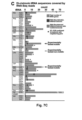
- tRNA motif-scanning algorithm did indeed reveal that a significantly high number of identified mobile mRNAs harbours a TLS motif or is transcribed by genes in close proximity of annotated tRNA genes which seem to frequently produce bicistronic poly(A)-RNA::tRNAs.
- RNA transfer does not strictly follow the source to sink phloem flow, as it could be demonstrated that GUS::tRNA fusions not only move from shoot (source) to root (sink), but also vice versa.
- Two transport pathways were found to exist for delivering mRNA molecules. One is based on passive, non-selective delivery from source to sink via the phloem vessels. However, according to the invention also another pathway in form of a targeted and active transport system was found. This pathway inter alia mediates the delivery of mRNAs from root to shoot.
- Presence of an active mRNA delivery mechanism is supported by two findings according to the invention, namely that sequences derived from tRNA are sufficient to confer mobility to heterologous mRNAs, and that deletion of a tRNA in the plant endogenous CK1::tRNA Gly bicistronic transcript, which is naturally mobile, makes it immobile.
- tRNAs or closely related RNA structures mediate transport of a number of graft-mobile transcripts, and that specific tRNA sequences such as tRNA Gly -, tRNA Met -, and tRNA Met -derived sequences trigger transport of otherwise non-mobile transcripts, and that a significant number of mobile mRNAs harbour a tRNA motif.
- the invention is thus based on the fact that tRNA plays a role in the coordinated long-distance transport of mRNA transcripts.
- mRNA secretion from neurons may represent a way in which this disorder progresses and spreads between the neurons of a patient.
- proteins and RNA may be secreted from cells through vesicles in an unconventional secretion mechanism, which is different from the Endoplasmic Reticulum (ER) / Golgi pathway. It is possible that tRNAs play a role in the selective loading of mRNA transcripts into vesicles and/or in the specific secretion of mRNA from cells into the extracellular matrix (e.g. blood, plasma). If the presence of a tRNA also enables an mRNA transcript to be taken up by other cells, said tRNA would essentially mediate cell-to-cell movement of mRNA transcripts in animals, similarly to what has been observed in plants in the research leading to the present invention.
- ER Endoplasmic Reticulum
- the invention thus relates to a method for changing the intercellular mobility of an mRNA of a gene in a plant, comprising:
- the present invention can be applied to change the intercellular mobility of an mRNA of a gene in a plant.
- the mobility of an mRNA transcript that is mobile in a wild-type plant can be prevented, by modifying the tRNA that is naturally present in said mRNA transcript in such a way that it no longer promotes mobility of the mRNA transcript.
- an mRNA transcript that is not mobile in a wild-type plant can be made mobile, by providing said mRNA transcript with one or more tRNAs that have the ability to promote mobility of the mRNA transcript.
- This embodiment can be applied to mRNA transcripts from genes that are endogenous to the plant, but also to mRNA transcripts from genes that are not endogenous to the plant, such as genes that have been introduced into the plant's genome by means of genetic modification, or that have been introduced into the plant in a transient manner, e.g. by injection, ingestion, transfection, or by exogenous application of mRNA molecules comprising a tRNA on the plant's surface, and that are subsequently transported further inside the plant and imported into cells by virtue of the presence of said tRNA.
- the mobility of an mRNA transcript can be changed in the sense that the destination of the transcript inside the plant (i.e. the cell-type, tissue or organ where the mRNA transcript moves towards in a wild-type plant) changes as a result of modifications in the tRNA.
- the destination of the transcript inside the plant i.e. the cell-type, tissue or organ where the mRNA transcript moves towards in a wild-type plant
- modifying the original tRNA of an mRNA can direct the transcript to a different destination inside the plant, which results in an ectopic production of the encoded protein.
- Modification of tRNAs and inclusion of such tRNAs in transcripts can be achieved by means of genetic modification.
- Genetic modification comprises transgenic modification or transgenesis, using a gene from a non-crossable species or a synthetic gene, and cisgenic modification or cisgenesis, using a natural gene, coding for a trait from the plant itself or from a sexually compatible donor plant.
- the plant of which the intercellular mobility of the mRNA of a gene is to be changed is a dicotyledonous plant, a monocotyledonous plant, a gymnosperm, a bryophyte.
- the term "plant” is intended to not only comprise living multicellular plants, but also tissue cultures and cell cultures that have been derived from living multicellular plants. Just like a living plant, said tissue cultures or cell cultures consist of multiple cells, between which cells mRNA can be exchanged.
- the intercellular mobility is between cells in different organs of a plant.
- Intercellular mobility of an mRNA of a gene in a plant may occur across the plasma membranes of neighbouring cells in a tissue, or it may occur across the plasma membranes of cells that are not positioned adjacent to each other in a tissue.
- said mobility may take advantage of the plant's own means for long-distance transport and cell-to-cell communication and/or of the extracellular matrix, such as the vascular tissue (phloem and/or xylem) or the apoplast in plants.
- Cells that are not positioned adjacent to each other in a tissue may for example be cells that belong to different tissues or organs in the plant, or cells that are not attached or connected to other cells, such as pollen grains in a plant's anther, etcetera.
- the one cell may not be mutated, but it may be subjected to a stimulus, which causes it to produce a specific mRNA transcript or a specific splice-form of an mRNA transcript.
- This specific transcript or splice-form thereof may subsequently be transported to other cells in the plant, which had not (yet) received that stimulus, or which are incapable of responding to the stimulus.
- cells of a leaf may respond to a change in light quality, and signal this perception to the roots.
- Root cells may detect changes in water availability in the soil, and communicate this to e.g. stomatal cells.
- Mobile mRNA transcripts may constitute a part of such intercellular communication signals between different parts of an plant.
- the invention relates to a method for changing the intercellular mobility of an mRNA of a gene in an plant, comprising modifying a tRNA present in the mRNA by mutating the gene from which the mRNA is transcribed.
- Mutating the gene may comprise deleting the sequence of the tRNA from the gene, mutating the sequence of the tRNA to change the tridimensional configuration thereof, or inserting a genetic element (such as, for example, a transposon, a retrotransposon, a T-DNA insertion, or a retroviral repeat sequence) into the gene to remove the tRNA- from the transcribed part of the gene, such that the sequence encoding the TRNA is no longer transcribed as part of the mRNA to which it initially belonged, thus changing the mobility of that mRNA.
- a genetic element such as, for example, a transposon, a retrotransposon, a T-DNA insertion, or a retroviral repeat sequence
- Deleting the sequence of the tRNA from the gene may, for example, be accomplished by using genome editing tools such as CRISPR-Cas, using two guide RNAs designed to respectively target sequences upstream and downstream of the coding sequence of the tRNA in the gene, thereby leading to double-stranded breaks in the gene up- and downstream from the coding sequence of the tRNA in the gene, which may result in the removal of said coding sequence of the tRNA from the gene.
- genome editing tools such as CRISPR-Cas
- deleting the sequence of the tRNA from the gene may be accomplished in vitro, using standard molecular biology techniques or gene synthesis techniques, and subsequently introducing a DNA construct encoding a tRNA::mRNA bicistronic transcript, or the in vitro transcribed transcript itself, into the plant.
- the tridimensional configuration of a tRNA typically comprises stem-loop structures: from 5' to 3' these are the D arm (or D stem-loop), the A or anticodon arm (or A stem-loop, or anticodon stem-loop), and the T arm (or T ⁇ C arm, T ⁇ C arm, or T ⁇ C stem-loop). Between the A and T arms a variable loop may be present. Mutating the sequence of the tRNA to change the tridimensional configuration thereof may comprise deleting part of the transcribed sequence thereof, mutating one or more nucleotides involved in the formation of a stem-loop structure in the tRNA, or inserting one or more nucleotides in a stem-loop of the tRNA.
- Mutations may be induced at random or in a targeted manner, using various mutagenesis methods known in the prior art.
- In vitro mutagenesis methods include, for example, site-directed mutagenesis, PCR-mediated mutagenesis, and total gene synthesis.
- In vivo mutagenesis may, for example, be achieved randomly by means of one or more chemical compounds, such as ethyl methanesulphonate, nitrosomethylurea, hydroxylamine, proflavine, N-methyl-N-nitrosoguanidine, N-ethyl-N-nitrosourea, N-methyl-N-nitro-nitrosoguanidine, diethyl sulphate, ethylene imine, sodium azide, formaline, urethane, phenol, ethylene oxide, and/or by physical means, such as UV-irradiation, fast-neutron exposure, X-rays, gamma irradiation, and/or by insertion of genetic elements, such as transposons, T-DNA, retroviral elements. Mutations may also be introduced specifically by means of homologous recombination, oligonucleotide-based mutation induction, or targeted genome editing methods such as TALEN, zinc-finger technology, or CRISPR-Cas.
- deleting part of the transcribed sequence of the tRNA in a gene comprises deleting the A and/or T stem-loops from the tRNA.
- removal of the A and T stem-loop structures results in the abolition of mobility of an mRNA transcript that is mobile when the A and T stem-loop structures are present.
- the removal of the D stem-loop, of the D and T stem-loops or of the D and A stem-loops from a gene did not abolish the mobility of the same mRNA transcript.
- the present invention relates to a method for changing the intercellular mobility of an mRNA of a gene in an plant, wherein the change in mobility results in a loss of the function of the gene.
- This is the case for genes whose mRNA transcript is transcribed in one cell-type, tissue or organ of an plant, but whose gene product (the encoded protein) functions in at least one other cell-type, tissue or organ of the plant, where its mRNA transcript is not produced.
- the intercellular mobility of their mRNA transcript is thus essential for the normal functionality of the gene in the plant.
- the loss of intercellular mobility of the mRNA transcript of such a gene results in a loss of the function of the gene in the cells, tissues or organs towards which the mRNA transcript moves during normal growth, development and/or functioning of the plant and in which it is normally translated into protein.
- the loss of intercellular mobility of the mRNA transcript thus leads to the absence or reduced presence of the gene product (i.e. the encoded protein) in the cells, tissues or organs where the mRNA transcript moves towards during normal growth, development and/or functioning of the plant.
- the phenotype of said cells, tissues or organs may be affected by this absence or reduced presence, and the morphology, responsiveness and/or functionality of said cells, tissues or organs may be affected thereby.
- Example 3 shows that the loss of transcript mobility for the CK1 gene in plants results in the absence of CK1 transcript in the phloem, and in a very similar phenotype as could be observed in a knock-out mutant that lacked the CK1 transcript altogether.
- the present invention relates to a method for changing the intercellular mobility of an mRNA of a gene in a plant, comprising including the coding sequence of a tRNA in the transcribed part of the gene.
- the present invention relates to a method for changing the intercellular mobility of an mRNA of a gene in a plant, wherein the change in mobility results in ectopic presence of the gene product in the plant.
- an mRNA transcript that does not display intercellular mobility can be rendered mobile, by including a tRNA in said transcript.
- Also disclosed herein is a method for changing the intercellular mobility of an mRNA of a gene in a plant, wherein the gene is a non-endogenous gene in at least part of the plant.
- This situation is illustrated in Example 2, wherein the addition of a tRNA to the 3'UTR of the ⁇ -glucuronidase-encoding gene ( GUS ) makes the GUS transcript mobile, and leads to translation of the protein in distant parts of the plant, across a graft junction.
- GUS ⁇ -glucuronidase-encoding gene
- the modification comprise the addition of a tRNA in the 3'UTR of the gene, and a truncation of the gene which turns the encoded protein into a dominant-negative version that interferes with the function of wild-type DMC1. Said modified transcript is demonstrated to be transported towards the male spores in a grafted scion, where the encoded protein (which is a dominant-negative version of DMC1) subsequently affects development.
- including the coding sequence of a tRNA in the transcribed part of the gene is achieved by introducing the complementary sequence of the tRNA in a DNA construct comprising the complementary sequence of the mRNA, or by introducing the complementary sequence of the tRNA in the endogenous gene, by means of e.g. genome editing tools such as CRISPR-Cas.
- the coding sequence of a tRNA is introduced into the 3' untranslated region (3'UTR) of the mRNA of the gene.
- the coding sequence of a tRNA is then introduced after the stop-codon of a gene, such that it is present in the transcribed part of the gene but does not affect the open reading frame of the gene.
- the coding sequence of a tRNA may also be introduced into the 5' untranslated region (5'UTR) of the mRNA of the gene, or in the open reading frame of the gene, in such a way that the coding sequence is not disrupted or the reading frame is shifted.
- the DNA construct may be stably integrated in the genome of the plant, transiently expressed in the plant, or in vitro transcribed.
- Said DNA construct comprises a suitable promoter that is capable of driving expression of the gene in a suitable environment.
- suitable promoters that are ubiquitous, organ-, tissue- or cell-type specific, and promoters that are constitutive or regulated by environmental (physical or biological) or endogenous (developmental) queues, or regulated by chemicals.
- Suitable constitutive promoter control sequences for mammals include, but are not limited to, cytomegalovirus immediate early promoter (CMV), simian virus (SV40) promoter, adenovirus major late promoter, Rous sarcoma virus (RSV) promoter, mouse mammary tumor virus (MMTV) promoter, phosphoglycerate kinase (PGK) promoter, elongation factor (ED1)-alpha promoter, ubiquitin promoters, actin promoters, tubulin promoters, immunoglobulin promoters, fragments thereof, or combinations of any of the foregoing.
- CMV cytomegalovirus immediate early promoter
- SV40 simian virus
- RSV Rous sarcoma virus
- MMTV mouse mammary tumor virus
- PGK phosphoglycerate kinase
- ED1-alpha promoter elongation factor-alpha promoter
- actin promoters actin promoters
- Suitable constitutive promoter control sequences for plants include, but are not limited to, 35S cauliflower mosaic virus (CaMV) promoter, opine promoters, ubiquitin promoters, actin promoters, tubulin promoters, alcohol dehydrogenase promoters, fragments thereof, or combinations of any of the foregoing.
- CaMV 35S cauliflower mosaic virus
- opine promoters ubiquitin promoters
- actin promoters actin promoters
- tubulin promoters tubulin promoters
- alcohol dehydrogenase promoters fragments thereof, or combinations of any of the foregoing.
- Suitable regulated promoter control sequences for animals or plants include, without limit, those regulated by heat shock, cold, drought, heavy metals, steroids (such as dexamethasone, ⁇ -estradiol), antibiotics, or alcohols (such as ethanol).
- tissue-specific mammalian promoters include B29 promoter, CD14 promoter, CD43 promoter, CD45 promoter, CD68 promoter, desmin promoter, elastase-1 promoter, endoglin promoter, fibronectin promoter, Flt-1 promoter, GFAP promoter, GPllb promoter, ICAM-2 promoter, INF-13 promoter, Mb promoter, Nphsl promoter, OG-2 promoter, SP-B promoter, SYN1 promoter, and WASP promoter.
- tissue-specific plant promoters include the ⁇ -phaseolin, glutenin, a-Kaf, zein, ⁇ -conglycinin and AGPase promoters (for seed-specific expression), the LAT52, GEX2, MAN5 and FRK4 promoters (for pollen-specific expression), the rolD, REO, Prx and Tip2 promoters (for root-specific expression), and the Zmglp1, PnGLP and PDX1 promoters (for leaf-specific expression).
- tissue-specific plant promoters include the ⁇ -phaseolin, glutenin, a-Kaf, zein, ⁇ -conglycinin and AGPase promoters (for seed-specific expression), the LAT52, GEX2, MAN5 and FRK4 promoters (for pollen-specific expression), the rolD, REO, Prx and Tip2 promoters (for root-specific expression), and the Zmglp1, PnGLP and PD
- the promoter sequence can be wild type or it can be modified for more efficient or efficacious expression.
- the encoding DNA can be operably linked to a CMV promoter for constitutive expression in mammalian cells.
- the sequence of an endogenous or non-endogenous gene can be operably linked to a promoter sequence that is recognised by a phage RNA polymerase for in vitro mRNA synthesis.
- the in vitro -transcribed RNA can be purified for administration to an plant.
- the promoter sequence can be a T7, T3, or SP6 promoter sequence or a variation of a T7, T3, or SP6 promoter sequence.
- the DNA encoding the fusion protein is operably linked to a T7 promoter for in vitro mRNA synthesis using T7 RNA polymerase.
- sequence of an endogenous or non-endogenous gene can be operably linked to a promoter sequence for in vitro expression in bacterial or eukaryotic cells.
- the DNA construct or the in vitro synthesised RNA transcript may be introduced into the plant by various methods known in the prior art.
- DNA construct When a DNA construct is intended for stable integration in the genome of an plant or for transient expression in an plant, it can be introduced into said plant or into a cell derived therefrom by means of (micro)injection, ingestion, transfection, electroporation, DEAE-dextran treatment, lipofection, nanoparticle-mediated transfection, protein transduction domain mediated transduction, virus-mediated gene delivery, PEG-mediated transfection of protoplasts, infection with a suitable virus or bacterium (such as Agrobacterium for plants), etcetera.
- in vitro transcription may be achieved using any in vitro transcription system known in the art. Alternatively, transcription may also be done in a heterologous plant, after which the transcript of interest is subsequently purified for further use.
- An in vitro synthesised RNA transcript may be introduced into the plant or into a cell derived therefrom by the methods listed above (such as injection into the blood stream of a mammal or into the phloem of a plant), and also by means of, for example, exogenous application on the surface of the plant.
- Exogenous application may for example be performed according to the disclosure in patent application WO2015/200539 .
- Exogenous application to cell cultures or tissue cultures may, for example, be performed using electroporation, transfection, etcetera.
- RNA transcript When an in vitro synthesised RNA transcript is introduced into an plant, a suitable promoter is not required, because transcription does not need to take place inside the plant's cells. Said transcript may immediately be translated, and/or it may move into cells of the plant and from one cell of the plant to other cells of the plant. According to the invention the movement of the transcript is due to the presence of tRNA.
- cultured cells that produce an mRNA transcript harbouring a tRNA for in vivo application in a plant.
- cultured cells harbouring a gene that - when transcribed - gives rise to an mRNA transcript harbouring a tRNA may be injected (or otherwise administered) into a mammal's blood stream, where said cells secrete an mRNA transcript harbouring a tRNA into the extracellular matrix.
- This mRNA transcript can subsequently be taken up by other cells in the plant, due to the presence of a tRNA.
- Said mRNA transcript may encode any protein that can be administered to the plant.
- said mRNA transcript encodes a therapeutic protein, an endogenously occurring protein or a modified version thereof, or a non-endogenously occurring protein.
- the administration of said cells to the plant is for the treatment of a disease, or for gene therapy.
- the complementary sequence of a tRNA is introduced into the transcribed part of a gene in a DNA construct, and the gene comprising the tRNA is transcribed in vitro.
- the mRNA transcript comprising the tRNA is subsequently introduced into a plant, cell culture or tissue culture, such that it can move into cells, and from one cell into other cells.
- This embodiment represents an application of the present invention that does not require the use of DNA constructs in vivo.
- the manner in which the mRNA transcript comprising the tRNA is introduced into a plant, cell culture or tissue culture, depends on the type of plant, cell culture or tissue culture that is being used.
- Means by which introduction can be achieved comprise, for example, injection into the blood stream of animals, injection into the vascular tissue or apoplast of plants, or exogenous application on the surface of the plant.
- the use of cell-penetrating peptides may for example facilitate the entry of the mRNA transcript into the plant.
- the tRNA is selected from the group consisting of tRNA Ala , tRNA Arg , tRNA Asn , tRNA Asp , tRNA Cys , tRNA Gln , tRNA Glu , tRNA Gly , tRNA His , tRNA Leu , tRNA Lys , tRNA Met , tRNA Phe , tRNA Pro , tRNA Ser , tRNA Thr , tRNA Trp , tRNA Tyr , tRNA Val .
- the tRNA is selected from the group consisting of tRNAAla, tRNAArg, tRNAAsn, tRNAAsp, tRNACys, tRNAGln, tRNAGlu, tRNAGly, tRNAHis, tRNAIle, tRNALeu, tRNALys, tRNAMet, tRNAPhe, tRNAPro, tRNASer, tRNAThr, tRNATrp, tRNATyr, tRNAVal and it lacks the D stem-loop, the D and T stem-loops, or the D and A stem-loops.
- the tRNAe comprises a tRNA anticodon with a sequence from 5' to 3' in the transcribed mRNA selected from the group consisting of AGC, CGC, UGC, ACG, CCG, CCU, UCG, UCU, GUU, GUC, GCA, CUG, UUG, CUC, UUC, ACC, CCC, GCC, UCC, GUG, AAU, AAG, CAA, CAG, GAG, UAA, UAG, CUU, UUU, CAU, GAA, AGG, CGG, UGG, AGA, CGA, GCU, GGA, UGA, AGU, CGU, UGU, CCA, GUA, AAC, CAC, UAC.
- the tRNA comprises a tRNA anticodon with a sequence from 5' to 3' in the transcribed mRNA selected from the group consisting of AGC, CGC, UGC, ACG, CCG, CCU, UCG, UCU, GUU, GUC, GCA, CUG, UUG, CUC, UUC, ACC, CCC, GCC, UCC, GUG, AAU, AAG, CAA, CAG, GAG, UAA, UAG, CUU, UUU, CAU, GAA, AGG, CGG, UGG, AGA, CGA, GCU, GGA, UGA, AGU, CGU, UGU, CCA, GUA, AAC, CAC, UAC and it lacks the D stem-loop, or the D and T stem-loops .
- tRNAs exist that have a tridimensional structure that does not promote intercellular mobility of an mRNA transcript, such as tRNA Ile with anticodon UAU.
- the present invention relates to a method for changing the intercellular mobility of an mRNA of a gene in a plant, wherein said plant consists of a rootstock of a first plant upon which a scion of a second plant has been grafted, and wherein the intercellular mobility of an mRNA of a gene in the first and/or the second plant has been changed.
- This embodiment has been illustrated in Examples 1-3, with Arabidopsis and Nicotiana (tobacco).
- This embodiment can be carried out with any plant species for which grafting is possible.
- Commercially relevant plants that can be grafted are, for example, plants belonging to the genera Apium, Beta, Brassica, Capsicum, Cichorium, Citrullus, Cucumis, Cucurbita, Benincasa, Daucus, Eruca, Lactuca, Lagenaria, Luffa, Phaseolus, Pisum, Lens, Raphanus, Solanum, Spinacia, Valerianella, Nicotiana, Petunia, Arabidopsis, Capsella, Arabis, Cardamine, Malus, Pyrus, Prunus, Vitis, Rosa, Fragaria, Populus, Fagus, Pinus, Picea, Ginkgo, Larix, Betula, Quercus, Salix, Alnus, Corylus, Amygdalus, Vaccinium, Rubus, Persea, Citrus, Castanea, Acer, Fraxinus, Coffea, Camellia, Theobroma
- the intercellular mobility of an mRNA of an endogenous gene may be changed. This may be done by changing the encoding gene in the rootstock or in the scion of a grafted plant, and it may either lead to a loss of mobility for an mRNA transcript that is naturally mobile in the plant, or to a gain of mobility for an mRNA transcript that is naturally non-mobile in the plant. In case of a gain of mobility, the mRNA transcript may move across the graft junction. In case of a loss of mobility, the rootstock or scion may be depleted of the mRNA transcript, which may lead to phenotypic effects. Changing the encoding gene can be done in all manners that have been described above, such as mutagenesis, genome editing and/or the use of transgenes.
- the phenotype of the rootstock and/or scion may be changed. This may for example be achieved by the movement of a mobile mRNA transcript across the graft junction, where it complements for the absence of that mRNA transcript in either the rootstock or the scion due to a mutation.
- This thus represents a method for mutant complementation, by grafting a mutant plant onto a wild-type plant and rescuing the mutant phenotype by means of a mobile mRNA transcript that compensates for the absence of the corresponding endogenous mRNA transcript.
- a non-endogenous gene may be rendered mobile in an plant.
- the use of non-endogenous genes, such as reporter genes, is common practice in molecular biology, but the expression pattern of such non-endogenous genes depends entirely on the use of a suitable promoter, that is able to drive a gene's expression in the plant. Suitable promoters have been discussed above in this text. This situation is illustrated in Example 2, with ⁇ -glucuronidase (GUS).
- Cas9 is an RNA-guided endonuclease that has the capacity to create double-stranded breaks in DNA in vitro and in vivo, also in eukaryotic cells. It is part of an RNA-mediated adaptive defence system known as Clustered Regularly Interspaced Short Palindromic Repeats (CRISPR) in bacteria and archaea. Cas9 gets sequence-specificity when it associates with a guide RNA molecule, which can target sequences present in a plant's DNA based on their sequence.
- CRISPR Clustered Regularly Interspaced Short Palindromic Repeats
- Cas9 requires the presence of a Protospacer Adjacent Motif (PAM) immediately following the DNA sequence that is targeted by the guide RNA.
- PAM Protospacer Adjacent Motif
- the Cas9 enzyme has been first isolated from Streptococcus pyogenes (SpCas9), but functional homologues from many other bacterial species have been reported, such as Neisseria meningitides, Treponema denticola, Streptococcus thermophilus, Francisella novicida, Staphylococcus aureus, etcetera.
- the PAM sequence is 5'-NGG-3', whereas various Cas9 proteins from other bacteria have been shown to recognise different PAM sequences.
- the guide RNA is a duplex between crRNA and tracrRNA, but a single guide RNA (sgRNA) molecule comprising both crRNA and tracrRNA has been shown to work equally well ( Jinek et al, 2012, Science 337: 816-821 ).
- sgRNA single guide RNA
- the advantage of using an sgRNA is that it reduces the complexity of the CRISPR-Cas9 system down to two components, instead of three. For use in an experimental setup ( in vitro or in vivo ) this is an important simplification.
- Cas9 creates blunt ends.
- RNA-guided endonuclease and/or guide RNAs in eukaryotic cells.
- One or more DNA constructs encoding an RNA-guided endonuclease and at least one guide RNA can be introduced into a cell or plant by means of stable transformation (wherein the DNA construct is integrated into the genome) or by means of transient expression (wherein the DNA construct is not integrated into the genome, but it expresses an RNA-guided endonuclease and at least one guide RNA in a transient manner).
- This approach requires the use of a transformation vector and a suitable promoter for expression in said cell or plant.
- GMOs Genetically Modified Organisms
- RNP ribonucleoprotein
- Cas9 RNA-guided endonuclease protein
- guide RNA guide RNA
- a specific application of the present invention involves the mobilisation of an RNA-guided endonuclease-encoding mRNA in a plant.
- mRNA transcripts that are present in the phloem of a plant are able to reach the plant's male spores.
- RNA-guided endonuclease-encoding mRNA it is therefore not only possible to modify the genome of a plant's somatic cells, but also the genome of its male germline, in the presence of at least one suitable guide RNA.
- the latter category of genome modifications is heritable, as they can be transmitted to the next generation.
- the RNA-guided endonuclease gene can be encoded by a DNA construct that is integrated into the genome of one plant, onto which another plant is subsequently grafted.
- the cells of the rootstock harbour a transgenic construct, but the cells of the scion do not.
- the mRNA transcript encoding the RNA-guided endonuclease comprises a tRNA
- it is rendered mobile and it is able to cross the graft junction
- the RNA-guided endonuclease-encoding transcript can be delivered into cells of the scion, where the RNA-guided endonuclease protein can be translated.
- cells of the scion produce a protein that is not encoded in their own genome, and this protein is capable of modifying a chromosomal sequence in said cells, when at least one suitable guide RNA is present in said cells.
- the mRNA transcript encoding the RNA-guided endonuclease and comprising a tRNA may be introduced into a plant by direct injection, for example into the vascular tissue, or by exogenous application, as has been described above. Said transcript will then behave as if it had been produced inside the plant, and it will be delivered into cells of the plant, where the encoded protein will be translated and where it will perform its function. Grafting is then not a requirement.
- the cells can be used to produce plants that harbour said modification in their genome, using any plant regeneration method known in the art (such as in vitro tissue culture).
- the RNA-guided endonuclease-encoding mRNA transcript may be translated into the encoded protein inside male spores of a plant, where the encoded protein may modify a chromosomal sequence in the presence of at least one suitable guide RNA.
- the at least one guide RNA may, for example, be introduced into the cells by means of injection into the anther, the phloem or other parts of the plant, Agrobacterium-mediated transformation, or exogenous application, or it may be encoded by a DNA-construct that is present in the cells of the plant that produces said male spores. Said spores may be produced by the scion of a grafted plant.
- RNA molecules of comparable size as a typical guide RNA
- RNA molecules are mobile in the phloem and are able to move systemically throughout the plant and across graft junctions. It has also been shown that such small RNA molecules are able to reach the male spores of a scion when they are transcribed in a rootstock (see for example patent application WO2013017683 ).
- the nucleic acid sequence encoding a modified, non-naturally occurring RNA-guided endonuclease protein may be a transgene that is stably integrated or transiently expressed.
- the RNA-guided endonuclease protein may be derived from a Cas protein.
- the Cas protein is suitably Cas9, or a variant thereof.
- the Cas protein is for example derived from the genus Streptococcus.
- the nucleic acid sequence encoding a modified, non-naturally occurring RNA-guided endonuclease protein may comprise a tRNA that allows the transcript to be transported systemically across the graft junction from the rootstock of the first plant into the scion of the second plant.
- the nucleic acid sequence encoding a modified, non-naturally occurring RNA-guided endonuclease protein may further comprise at least one localisation signal to a DNA-containing organelle and optionally a marker domain.
- marker domains are fluorescent markers (such as Green Fluorescent Protein, Yellow Fluorescent Protein, mCherry), epitope tags (such as FLAG, His, HA, calmodulin), etcetera.
- the localisation signal is suitably selected from the group comprising a nuclear localisation signal, a chloroplast targeting signal, a mitochondrial targeting signal.
- the nucleic acid sequence encoding a modified, non-naturally occurring RNA-guided endonuclease protein may optionally further comprise a FokI endonuclease domain or another protein domain.
- the tRNA can be tRNA Ala , tRNA Arg , tRNA Asn , tRNA Asp , tRNA Cys , tRNA Gln , tRNA Glu , tRNA Gly , tRNA His , tRNA Ile , tRNA Leu , tRNA Lys , tRNA Met , tRNA Phe , tRNA Pro , tRNA Ser , tRNA Thr , tRNA Trp , tRNA Tyr , tRNA Val .
- the tRNA is located in the 3'UTR of the transcript, in the 5'UTR of the transcript, or in the coding sequence of the transcript.
- the guide RNA may be a single-chain guide RNA, wherein the guide RNA is a DNA-targeting RNA comprising a) a first segment comprising a nucleotide sequence that is complementary to a chromosomal sequence in a plant cell or spore, and b) a second segment that interacts with an RNA-guided endonuclease protein.
- the guide RNA is a single-chain guide RNA comprising a crRNA and a tracrRNA.
- transgenic nucleic acid sequence in the first plant is suitably achieved by operably linking the said nucleic acid sequence to a promoter sequence that confers a ubiquitous expression profile or a tissue- or cell-type specific expression profile onto the transgenic nucleic acid sequence, and/or to an inducible promoter. Suitable promoters have been discussed above.
- the promoter sequence may confer onto the transgenic nucleic acid sequence an expression profile that encompasses roots.
- transient expression is suitably achieved by use of an inducible promoter, selected from the group comprising heat-inducible promoters, cold-inducible promoters, chemical-inducible promoters, steroid-inducible promoters and alcohol-inducible promoters. Suitable promoters have been discussed above.
- Providing the at least one guide RNA or DNA encoding the at least one guide RNA to at least one cell or spore of the scion of the second plant is suitably accomplished by means of injection, Agrobacterium-mediated transformation, exogenous application, or stable integration or transient expression of a DNA-construct.
- exogenous application of the at least one guide RNA or DNA encoding the at least one guide RNA comprises applying onto the scion of the second plant or a part thereof a mixture comprising:
- a chromosomal sequence of at least one cell or spore of the second plant is genetically modified without the insertion of external genetic material.
- the first plant and the second plant belong in particular to the same plant family.
- the first plant and the second plant belong to the same genus, in particular to the same plant species.
- the plant may belong to one of the following genera: Beta, Brassica, Capsicum, Cichorium, Citrullus, Cucumis, Cucurbita, Benincasa, Daucus, Eruca, Lactuca, Lagenaria, Luffa, Phaseolus, Pisum, Raphanus, Solarium, Spinacia, Valerianella, Nicotiana, Petunia, Arabidopsis, Capsella, Arabis, Malus, Pyrus, Prunus, Vitis, Rosa, Fragaria, Populus, Fagus, Pinus, Picea, Ginkgo, Larix, Betula, Quercus, Salix, Alnus, Corylus, Amygdalus, Vaccinium, Rubus, Persea, Citrus, Castanea, Acer, Fraxinus, Coffea, Camellia, Theobroma, Olea, Cicer, Juglans, Pistacia, Arachis, Anacardium, Macadamia, Ficus, Litchi
- the plant may belong to one of the following genera: Allium, Apium, Beta, Brassica, Capsicum, Cichorium, Citrullus, Cucumis, Cucurbita, Benincasa, Daucus, Eruca, Lactuca, Lagenaria, Luffa, Phaseolus, Pisum, Lens, Raphanus, Solanum, Spinacia, Valerianella, Nicotiana, Petunia, Arabidopsis, Capsella, Arabis, Cardamine, Malus, Pyrus, Prunus, Vitis, Rosa, Fragaria, Populus, Fagus, Pinus, Picea
- DN DMC1 a dominant-negative A. thaliana DMC1 variant
- Tobacco ( N. tabacum cv. Petite Havana) plants were grown under aseptic conditions on agar-solidified medium containing 30 g L -1 sucrose. Rooted tobacco plants were transferred to soil and grown to maturity under standard greenhouse conditions (relative humidity: 55%; day temperature: 25°C; night temperature: 20°C; diurnal cycle: 16 h light/8 h darkness; light intensity: 190 - 600 ⁇ E ⁇ m -2 ⁇ s -1 ).
- Tobacco plants used for grafting experiments were grown two to three months on soil in the greenhouse.
- a standard splice grafting procedure was used as previously described (Zhang et al., 2014).
- plants with the same stem diameter carrying five fully expanded leaves were used as stock and scion material; rootstocks were prepared by removing the apical leaves from the top of the plant and keeping two to three source leaves.
- Scions were prepared by cutting the stem 3 to 4 cm below the apex and removing the source leaves.
- a long slanting cut was made on the rootstock stem (about 30 degrees from vertical) with a matching cut at the scion base. The surfaces of both cuts were immediately pressed together and the junction was tightly wrapped with parafilm.
- the first week after grafting the scion was covered with a plastic bag and kept under high humidity.
- Samples were prepared in 1 mL Trizol reagent (Invitrogen) (0.5 ml/100 mg tissue) as described previously (Zhang et al., 2009). After centrifugation (10,000 g, 10 minutes at 4°C), the supernatant ( ⁇ 1 ml) was transferred to a new RNase-free tube and extracted once with 200 ⁇ l and once with 50 ⁇ l chloroform. To precipitate the RNA the supernatant was supplemented with two volumes of 99% isopropanol, 0.1 volumes of 3 M sodium acetate (pH 5.2), 1 ⁇ g of linear acrylamide (Invitrogen), and incubated > 1h at -20°C.
- Trizol reagent Invitrogen
- RNA quality and concentration 1 ⁇ l of each RNA sample was submitted to agarose gel electrophoresis (2 %, agarose, 1x TBE) and quantified using a NanoDrop ND-1000 (Thermo Scientific).
- Reverse transcription reaction was performed with 1 U/ ⁇ l AMV reverse transcriptase (Promega) with following modifications: total RNA ( ⁇ 4 ⁇ g) was denatured at 70°C for 10 minutes in the presence of oligo (dT) primer followed by a 5 minutes annealing incubation at 37°C prior to the RT-reaction, then incubated at 42°C for one hour, and 72°C for 10 minutes for deactivation.
- RT-PCR was conducted under standard PCR conditions with 40-45 cycles. Oligonucleotides used for RT-PCR are listed in Table 2. Table 2. Oligonucleotides used in the study.
- DN DMC1 Purpose / Size of PCR fragment DN DMC1::StBEL5 FK868-F 5'-GATGCTCCGAATCTCGCTGA-3' FK869-R 5'-GTTGCTTGCTGCTGGTGAAG-3' 491 bp DN DMC1:: Met tRNA FK868-F 5'-GATGCTCCGAATCTCGCTGA-3' FK851-R 5'-TTCCGCTGCGCCACTCTGATT-3' 260 bp DMC1:: Met tRNA FK868-F 5'-GATGCTCCGAATCTCGCTGA-3' FK851-R 5'-TTCCGCTGCGCCACTCTGATT-3' 260 bp DN DMC1::ZmKN1HD FK868-F 5'-GATGCTCCGAATCTCGCTGA-3' FK779-R 5'-TAGAAGGCATTGGTGGTG-3' 495 bp Met tRNA:::
- thaliana DMC1 (DN DMC1 ) transcripts with 3'UTR and 5'UTR fusions an expression binary constructs named pRD1 and pRD4 were created based on a pMDC7 (Curtis and Grossniklaus, 2003) backbone.
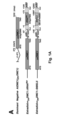
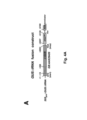
- the DN DMC1 fragment was introduced 5' or 3' of the pMDC7 gateway cloning cassette which resulted in a template binary vector used to clone via a gateway reaction the RNA sequences of StBELS, or tRNA Met between the DN DMC1 ORF and promoter or terminator ( Figure 1A ).
- Synthetic oligonucleotides were used to produce gateway ENTRY clones with the according sequence for gateway recombination with the binary vector (Table 2).
- the binary vector constructs based on pMDC7 allow estradiol-induced DN DMC1::RNA or RNA :: DN DMC1 expression.
- pEarlyGate104 used for 35S pro :YFP- DN DMC1 expression and the DMC1 siRNA N.
- tabacum line 35S pro :BcDMC1 hpRNAi
- YFP fluorescence was detected as described (Zhang et al., 2014) with following settings: Sequential channel scan mode with a maximum aerial pinhole of 1.5 Airy Units. To compare the YFP fluorescence intensity between plants the same settings such as laser power, gain voltage, pinhole, objective, magnification, and channel/filter wavelengths were used. Z-stack images were assembled and processed using the Image J software package (NIH). Detection Channel 1 (green): 535 to 617 nm; Detection Channel 2 (red): not used; Detection Channel 3 (blue; Chloroplast/plastid auto-fluorescence): 695 to 765 nm. Channel 1 gain (PMT) was set between 500 - 600 V.
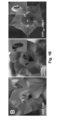
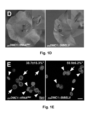
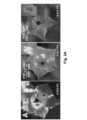
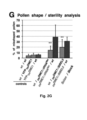
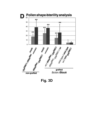
- DMC1 is a specific meiotic cell-cycle factor and a member of the highly conserved RecA-type recombinase family of DNA-dependent ATPases active during meiosis in sporogenic cells. Lack of a functional DMC1/RAD51 complex induces achiasmatic meiosis resulting in the formation of anomalously shaped pollen containing an aberrant number of chromosomes and, consequently, is necessary for proper pollen development. Thus, production of misshaped pollen in anthers and decreased fertility serve as a readout, indicating the presence of mobile DMC1 siRNA ( Figure 1B , C ) and/or the presence of a translation product of a mobile dominant-negative DN DMC1 mRNA.
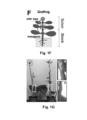
- transgenic Nicotiana tabacum plants were produced expressing DN DMC1 mRNA fused to the known mobile full-length StBEL5 transcript (Cho et al., 2015) ( DN DMC1::StBEL5) and a full-length tRNA Met (AT5G57885; DN DMC1::tRNA Met ; tRNA Met :: DN DMC1) ( Figure 1A ) which was detected in the phloem sap of pumpkin. Plants expressing these constructs were verified to show a pollen sterility phenotype ( Figure 1D, E ) and they were used in grafting experiments ( Figure 1F ,
- DN DMC1 itself is not mobile and, thus, is suitable as a transcript mobility reporter producing a pollen phenotype ( Figure 2A ).
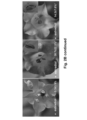
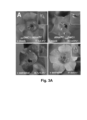
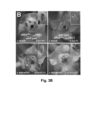
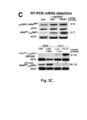
- the mobility of the fusion transcripts was addressed by grafting DN DMC1::StBEL5, DN DMC1::tRNA Met or tRNA Met : : DN DMC1 transgenic plants with wild-type plants, and pollen sterility and the presence of the fusion transcript in wild-type flowers examined ( Figure 2B -G; Figure 3 ).
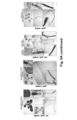
- DN DMC1::StBEL5 scions grafted onto wild-type stocks showed a significantly higher percentage of aberrant pollen formation in their flowers (30.9 ⁇ 7.6%) than grafted wild-type plants (4.0 ⁇ 3.0%) ( Figure 2C ; Table 1).
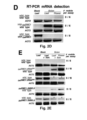
- StBEL5 fusion transcripts are mobile, wild-type plants grafted onto DN DMC1::StBEL5 stocks produced a significantly higher number of misshaped pollen (19.7 ⁇ 14.3 %) than wild-type controls and the presence of fusion transcript was confirmed by RT-PCR in closed wild-type flowers ( Figure 2E ).
- DN DMC1 - RNA fusion constructs can be employed as an RNA mobility reporter system by producing a quantifiable pollen phenotype.
- transgenic plants expressing the 3'UTR DN DMC1::tRNA Met ( Figure 2B ) or the 5'UTR tRNA Met :: DN DMC1 ( Figure 3 ) fusion construct were grafted. Expression was induced by applying estradiol to the transgenic source leaves (stock) or transgenic stem (scion) ⁇ 1.5 weeks after grafting and prior to flower induction.
- the DN DMC1:tRNA Met plants with a reporter line producing a yellow fluorescent YFP- DN DMC1 fusion protein were grafted.
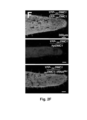
- no systemic siRNA mediated silencing of the YFP- DN DMC1 reporter construct could be detected in sepals ( Figure 2F ).
- the DN DMC1::tRNA Met fusion transcript does not induce systemic silencing, and the observed defects in pollen formation in grafted plants ( Figure 2G ) can be attributed to the systemic delivery of the DN DMC1 fusion transcripts.
- tRNA Met sequence in the 5' or 3' UTR triggers transport of the DN DMC1 poly(A) transcript from stock to source leaves and into sporogenic tissues, where it is translated as it interferes with meiosis in male tissues.
- tRNAs harbour a signal for systemic mRNA movement
- A. thaliana seeds of wild type (Col-0), and transgenic 35S pro : ⁇ -GUS, ck1.1 (SALK_070759), ckl.2 (SALK_023420) plants of ecotype Col-0 were used and grown in controlled environmental chambers for growth assays or on soil in the greenhouse (relative humidity: 60%; day temperature: 22°C; night temperature: 19°C; diurnal cycle: 16 h light/8 h darkness; light intensity: 170-200 ⁇ E ⁇ m -2 ⁇ s -1 ).
- the SALK- lines were obtained from the Salk Institute Genomic Analysis Laboratory, California (Alonso et al., 2003).
- A. thaliana hypocotyl grafting was performed as described (Thieme et al., 2015). In short, plants were grown vertically on solid 0.5 MS medium (1% sucrose) at 22°C with a photoperiod of 8h light (fluence rate of 100 ⁇ mol m -2 s -1 ). The temperature was increased to 26°C 4 days after germination to reduce adventitious root formation. 6 to 7 days after germination seedlings were used for grafting under sterile conditions as described (Thieme et al., 2015).
- GUS fusion constructs harbouring tRNA Met (AUG), tRNA Gly (GGC), or tRNA Ile (AUA) and tRNA Met (AUG) variants in the 3'UTR were created by PCR amplification using an Ncol GUS forward primer covering the GUS start codon and by a BstEII GUS reverse primer covering the GUS stop codon and the tRNA sequence.
- the resulting PCR fragment was amplified again with an unspecific Xbal reverse primer harbouring an Xbal site for identification of the cloned fragment.
- Histochemical reactions with substrate X-Gluc were performed with plant material incubated in 80% Acetone for 20 minutes at -20°C, washed 2x with 50mM NaPO 4 buffer pH 7.0.
- the staining solution (1 mM X-Gluc diluted in 25 mg/ml, in 50mM NaPO 4 pH 7.0 buffer, supplemented with 2 mM Potassium Ferricyanide, 2 mM Potassium Ferrocyanide, 0.1 % Triton X-100) was vacuum infiltrated for 15 minutes.
- the staining reaction was carried out at 37°C overnight and stopped by rinsing the tissues three times in 70% ethanol for 1 h.
- the stained plant material was examined by stereo-microscopy (Leica, DFC300, FX).
- GUS stained samples were dehydrated in an ethanol series including a fixation step 20% ethanol, 35% ethanol, 50% ethanol, FAA prepared fresh (50% ethanol, 3.7% Formaldehyde, 5% acetic acid), 70% ethanol for 30 minutes each at room temperature.
- the samples were embedded in paraffin using the enclosed tissue processor Leica ASK300S and the embedding centre Leica EG1160. 10 ⁇ m and 20 ⁇ m longitudinal and traverse sections were placed on poly L-Lysine-coated slides.
- tRNA sequence data were obtained from the tRNAdb (Juhling et al., 2009). Prior to structure motif scans, each sequence was padded with 50 "N" leading and trailing characters to facilitate the detection of terminally located tRNA structures without asymmetric ends at the tRNA acceptor arm which are required by the default tRNA descriptor. All sets were analysed by RNAMotif version 3.1.1 (Macke et al., 2001) using the provided tRNA structure descriptor and default parameter settings. Motif enrichment associated with genes encoding mobile transcripts compared to background data was assessed by Fisher's exact test. Specificity of the searched tRNA-like structure was assessed by permutation scans of the default tRNA descriptor.
- RNAMotif with default settings. Structuredness; i.e. the percentage of base-paired nucleotides and associated energetics, within the 3'UTR was addressed by excising the 150nt 3'-terminal sequence portion and subsequent analysis of its predicted secondary structure (RNAfold, default settings).
- Genes adjacent to tRNA loci were identified according to TAIR10 gene models including protein-coding, non-coding genes, and pseudogenes. Statistical significance of the difference of gene proximity distributions (distances between tRNA-genes and mobile vs. non-mobile gene neighbours) was estimated by the non-parametric Kolmogorov-Smirnov test (1-sided test); relevance was assessed by the effect size (Cohen's D) based on the mean observed differences and associated standard deviations.
- TAIR10 thaliana reference genome
- Arabidopsis Information Resource http://www.arabidopsis.org
- associated gene model descriptions gtf version 10.30
- Paired-end RNA-Seq data 100nt reads from both ends was retrieved from the Sequence Read Archive (SRA) (http://www.ncbi.nlm.nih.gov/sra), accessions SRX853394 (14.1G bases, root sample) and SRX853395 (15.3G bases, shoot sample) (Thieme et al., 2015) as well as DRX014481 (19G bases, root sample) and DRX014482 (32.7G bases, root sample).
- TAIR10 A. thaliana reference genome
- STAR v2.5.1 Dobin et al., STAR: ultrafast universal RNA-seq aligner, Bioinformatics 2012
- Ensembl gene model descriptions Considering the high number of tRNA genes in the Arabidopsis genome and their similar sequences, reads with multiple alignments were excluded, minimum overhang for gene junctions was set to 10 nt for annotated junctions and 20 nt for unannotated junctions, maximum number of allowed mismatches per pair was 10 nt (outFilterMultimapNmax 1, alignSJDBoverhangMin 10, alignSJoverhangMin 20, outFilterMismatchNmax 10).
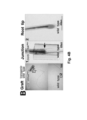
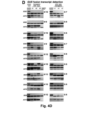
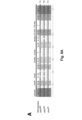
- RT-PCR assays confirmed the presence of GUS::tRNA Met and GUS::tRNA Gly , and the absence of GUS::tRNA Ile transcripts in wild-type roots after grafting ( Figure 4D ).
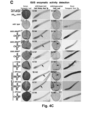
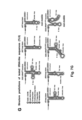
- tRNA Met deletion constructs lacking the assigned dihydrouridine (D)-, anticodon (A)-, or T ⁇ C (T)-arm/loop structures and combinations thereof ( Figure 4C ) were used. Again, plants expressing these GUS mRNA fusion constructs were grafted with wild-type plants and then tested for GUS activity and for fusion transcript presence.
- tRNA-like-structure-mediated mRNA mobility is important for normal development and function
- Quantitative Real-time PCR was performed according to the SYBR Green method in a 5 ⁇ l volume using 4 ⁇ g total RNA, 2.5 ⁇ l SYBR Green Master Mix (Applied Biosystems), 0.2 ⁇ M forward and reverse primers. For each genomic confirmed ck1 mutant RNA from 3-5 individual plants was isolated and used. At least three technical replicas were performed.
- An ABI System Sequence Detector (Applied Biosystems 7900HT fast Real time PCR) was used with the following regiment of thermal cycling: Stage 1: 1 cycle, 2 minutes at 50°C; Stage 2: 1 cycle, 10 minutes at 95°C; Stage 3: 40 cycles, 15 seconds at 95°C, 1 minute 60°C. Dissociation stage: 15 seconds at 95°C, 15 seconds at 60°C, 15 seconds at 95°C. Oligonucleotides used for RT-PCR are listed in Table 2.
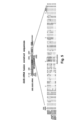
- CK1 catalyses the reaction of choline to phosphatidylcholine (and the CK1 transcript is bicistronic, harbouring a tRNA Gly (TAIR# AT1G71700) sequence in the 3'UTR region ( CK1::tRNA Gly ) .
- TAIR# AT1G71700 tRNA Gly
- CK1::tRNA Gly tRNA Gly
- ck1.1 mutants the T-DNA is located within the first intron, while ckl.2 mutants have a T-DNA insertion between the stop codon of the CK1 gene and the annotated tRNA Gly sequence, causing the coding sequence of CK1 and the tRNA Gly sequence to be spaced far apart from each other.
- ckl.2 mutants produce a full-length CK1 poly(A) transcript containing all protein-coding sequences, the truncated transcript lacking the tRNA Gly sequence could not be detected in wild-type samples.
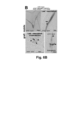
- wild-type CK1::tRNA Gly transcript was present in both ckl.2 scion and ckl.2 stock tissue samples. This suggests that the CK1::tRNA Gly transcript was bidirectionally mobile from stock to scion ( Figure 7E ), whereas the mutant ckl.2 transcript lacking the tRNA Gly sequence was not transported over graft junctions.
- the graft-mobility of the endogenously produced bicistronic CK1::tRNA Gly transcript depends on the presence of the 3'UTR tRNA Gly sequence.
Landscapes
- Genetics & Genomics (AREA)
- Health & Medical Sciences (AREA)
- Life Sciences & Earth Sciences (AREA)
- Engineering & Computer Science (AREA)
- Chemical & Material Sciences (AREA)
- Bioinformatics & Cheminformatics (AREA)
- Zoology (AREA)
- Biomedical Technology (AREA)
- Biotechnology (AREA)
- General Engineering & Computer Science (AREA)
- Organic Chemistry (AREA)
- Wood Science & Technology (AREA)
- Molecular Biology (AREA)
- Physics & Mathematics (AREA)
- Microbiology (AREA)
- Plant Pathology (AREA)
- Biophysics (AREA)
- Biochemistry (AREA)
- General Health & Medical Sciences (AREA)
- Cell Biology (AREA)
- Crystallography & Structural Chemistry (AREA)
- Micro-Organisms Or Cultivation Processes Thereof (AREA)
- Breeding Of Plants And Reproduction By Means Of Culturing (AREA)
- Measuring Or Testing Involving Enzymes Or Micro-Organisms (AREA)
- Control Of Eletrric Generators (AREA)
- Preparation Of Compounds By Using Micro-Organisms (AREA)
Claims (12)
- Verfahren zum Verändern der interzellulären Mobilität einer mRNA eines Gens in einer Pflanze, aufweisend die folgenden Schritte:- Modifizieren einer in der mRNA vorhandenen tRNA durch Mutieren des die mRNA transkribierenden Gens, oder- Einbringen der Sequenz einer tRNA in den transkribierten Teil des Gens,wobei die tRNA ausgewählt ist aus der Gruppe bestehend aus tRNAAla, tRNAArg, tRNAAsn, tRNAAsp, tRNACys, tRNAGln, tRNAGlu, tRNAGly, tRNAHis, tRNALeu, tRNALys, tRNAMet, tRNAPhe, tRNAPro, tRNASer, tRNAThr, tRNATrp, tRNATyr, tRNAVal .
- Verfahren nach Anspruch 1, wobei die interzelluläre Mobilität zwischen verschiedenen Organen gegeben ist.
- Verfahren nach Anspruch 1 oder 2, wobei das Mutieren des Gens einen Mobilitätsverlust des Transkripts herbeiführt und die Deletion der Sequenz der tRNA aus dem Gen, die Mutation der Sequenz der tRNA zur Änderung ihrer dreidimensionalen Konfiguration, oder die Insertion eines genetischen Elements in das Gen zur Entfernung der tRNA aus dem transkribierten Teil des Gens umfasst.
- Verfahren nach Anspruch 1 oder 2, wobei das Mutieren des Gens eine Änderung der Bestimmung des Transkripts herbeiführt und die Veränderung der Sequenz der tRNA des betreffenden Gens umfasst, so dass das Transkript an einen anderen Ort als dem ursprünglich vorgesehenen Ort des Transkripts adressiert wird.
- Verfahren nach Anspruch 3, wobei das Mutieren der tRNA das Löschen eines Teils ihrer transkribierten Sequenz, das Mutieren eines oder mehrerer, an der Bildung einer Stammschleifenstruktur in der tRNA beteiligter Nukleotide, das Einbringen eines oder mehrerer Nukleotide in eine Stammschleife der tRNA zur Änderung ihrer dreidimensionalen Konfiguration umfasst.
- Verfahren nach Anspruch 1 oder 2, wobei das Aufnehmen der kodierenden Sequenz einer tRNA in den transkribierten Teil des Gens durch Einbringen der komplementären Sequenz der tRNA in ein die komplementäre Sequenz der mRNA aufweisendes DNA-Konstrukt erfolgt.
- Verfahren nach Anspruch 6, wobei die tRNA in die 3'-untranslatierte Region der mRNA oder in die S'-untranslatierte Region der mRNA eingebracht wird.
- Verfahren nach Anspruch 6 oder 7, wobei das DNA-Konstrukt zur stabilen Integration in das Genom der Pflanze oder zur vorübergehenden Expression in dem Organismus oder zur In-vitro-Transkription bestimmt ist.
- Verfahren nach Anspruch 1 oder 2, aufweisend die folgenden Schritte:a) Einbringen der komplementären Sequenz einer tRNA in den transkribierten Teil des Gens in vitro;b) Transkribieren des die tRNA enthaltenden Gens in vitro; undc) Einbringen der so erhaltenen mRNA in die Pflanze.
- Verfahren nach einem der Ansprüche 1 bis 9, wobei die Veränderung der Mobilität zu einem Funktionsverlust des Gens führt.
- Verfahren nach einem der Ansprüche 1 bis 10, wobei die Veränderung der Mobilität zu einer ektopischen Produktion des Genprodukts in der Pflanze führt.
- Verfahren zur Veränderung der interzellulären Mobilität einer mRNA eines Gens in einer Pflanze, wobei die Pflanze einen Wurzelstock einer ersten Pflanze aufweist, auf den ein Reis einer zweiten Pflanze aufgepfropft wurde, und wobei das Verfahren das Verändern der interzellulären Mobilität einer mRNA eines Gens in der ersten und/oder der zweiten Pflanze gemäß dem Verfahren nach einem der Ansprüche 3 bis 11 umfasst.
Priority Applications (2)
| Application Number | Priority Date | Filing Date | Title |
|---|---|---|---|
| EP24171803.0A EP4397765A3 (de) | 2016-04-14 | 2017-04-13 | Verfahren zur änderung der interzellulären mobilität einer mrna |
| EP23177043.9A EP4282967A3 (de) | 2016-04-14 | 2017-04-13 | Verfahren zur änderung der interzellulären mobilität einer mrna |
Applications Claiming Priority (2)
| Application Number | Priority Date | Filing Date | Title |
|---|---|---|---|
| EP2016058282 | 2016-04-14 | ||
| PCT/EP2017/059029 WO2017178633A1 (en) | 2016-04-14 | 2017-04-13 | Method for changing the intercellular mobility of an mrna |
Related Child Applications (3)
| Application Number | Title | Priority Date | Filing Date |
|---|---|---|---|
| EP23177043.9A Division-Into EP4282967A3 (de) | 2016-04-14 | 2017-04-13 | Verfahren zur änderung der interzellulären mobilität einer mrna |
| EP23177043.9A Division EP4282967A3 (de) | 2016-04-14 | 2017-04-13 | Verfahren zur änderung der interzellulären mobilität einer mrna |
| EP24171803.0A Division EP4397765A3 (de) | 2016-04-14 | 2017-04-13 | Verfahren zur änderung der interzellulären mobilität einer mrna |
Publications (2)
| Publication Number | Publication Date |
|---|---|
| EP3443102A1 EP3443102A1 (de) | 2019-02-20 |
| EP3443102B1 true EP3443102B1 (de) | 2024-01-24 |
Family
ID=55794957
Family Applications (3)
| Application Number | Title | Priority Date | Filing Date |
|---|---|---|---|
| EP17717712.8A Active EP3443102B1 (de) | 2016-04-14 | 2017-04-13 | Verfahren zur änderung der interzellulären mobilität einer mrna |
| EP24171803.0A Pending EP4397765A3 (de) | 2016-04-14 | 2017-04-13 | Verfahren zur änderung der interzellulären mobilität einer mrna |
| EP23177043.9A Pending EP4282967A3 (de) | 2016-04-14 | 2017-04-13 | Verfahren zur änderung der interzellulären mobilität einer mrna |
Family Applications After (2)
| Application Number | Title | Priority Date | Filing Date |
|---|---|---|---|
| EP24171803.0A Pending EP4397765A3 (de) | 2016-04-14 | 2017-04-13 | Verfahren zur änderung der interzellulären mobilität einer mrna |
| EP23177043.9A Pending EP4282967A3 (de) | 2016-04-14 | 2017-04-13 | Verfahren zur änderung der interzellulären mobilität einer mrna |
Country Status (7)
| Country | Link |
|---|---|
| US (4) | US11142771B2 (de) |
| EP (3) | EP3443102B1 (de) |
| CN (1) | CN109072250A (de) |
| AU (3) | AU2017248614B2 (de) |
| ES (1) | ES2974086T3 (de) |
| IL (3) | IL316797A (de) |
| WO (1) | WO2017178633A1 (de) |
Families Citing this family (17)
| Publication number | Priority date | Publication date | Assignee | Title |
|---|---|---|---|---|
| EP3443102B1 (de) * | 2016-04-14 | 2024-01-24 | Rijk Zwaan Zaadteelt en Zaadhandel B.V. | Verfahren zur änderung der interzellulären mobilität einer mrna |
| WO2018204412A1 (en) * | 2017-05-01 | 2018-11-08 | Thomas Jefferson University | Systems-level analysis of tcga cancers reveals disease trna fragmentation patterns and associations with messenger rnas and repeat |
| US20210163898A1 (en) * | 2018-04-16 | 2021-06-03 | The Children's Hospital Of Philadelphia | Mitochondrial rna import for treating mitochondrial disease |
| WO2021041001A2 (en) * | 2019-08-09 | 2021-03-04 | Regents Of The University Of Minnesota | AUGMENTED sgRNAS AND METHODS FOR THEIR USE TO ENHANCE SOMATIC AND GERMLINE PLANT GENOME ENGINEERING |
| WO2021081200A1 (en) * | 2019-10-22 | 2021-04-29 | Inari Agriculture, Inc. | Genomic alteration of plant germline |
| US20240279669A1 (en) * | 2020-10-07 | 2024-08-22 | Cibus Us Llc | Grafted plant for delivery of genome editing reagents |
| CN112997709A (zh) * | 2021-01-28 | 2021-06-22 | 海南照德农业科技有限公司 | 一种牧草嫁接甘蔗的方法 |
| CN112715185B (zh) * | 2021-02-02 | 2022-11-04 | 成都大学 | 一种荞麦的嫁接方法 |
| CN113430197B (zh) * | 2021-05-17 | 2022-07-29 | 西北农林科技大学 | 促进砧木根系发育及抗旱的可移动miRNA及鉴定方法 |
| EP4095248A1 (de) * | 2021-05-25 | 2022-11-30 | Max-Planck-Gesellschaft zur Förderung der Wissenschaften e.V. | Circrnas für gen-silencing |
| WO2025014969A1 (en) * | 2023-07-13 | 2025-01-16 | Inari Agriculture Technology, Inc. | Rapid generation of fixed plant genomic edits |
| WO2025049420A1 (en) * | 2023-08-28 | 2025-03-06 | The Texas A&M University System | Compositions and methods for genome editing across graft-junctions |
| WO2025059327A1 (en) * | 2023-09-15 | 2025-03-20 | Inari Agriculture Technology, Inc. | Bacteria-mediated delivery of components for gene editing |
| WO2025059337A1 (en) * | 2023-09-15 | 2025-03-20 | Inari Agriculture Technology, Inc. | Microinjection of guide rna for gene editing by cas enzymes |
| WO2025076141A1 (en) | 2023-10-03 | 2025-04-10 | Inari Agriculture Technology, Inc. | Viral delivery of grna to the scion |
| CN118166032A (zh) * | 2024-05-14 | 2024-06-11 | 北京林业大学 | 一种针叶树外源基因的全株表达方法及其应用 |
| CN118726382B (zh) * | 2024-06-11 | 2025-01-24 | 中国农业大学 | 一种黄瓜CsaTRM4基因在促进南瓜CmoCK1砧穗间长距离运输的应用 |
Family Cites Families (5)
| Publication number | Priority date | Publication date | Assignee | Title |
|---|---|---|---|---|
| US7579150B1 (en) * | 2004-07-01 | 2009-08-25 | Iowa State University Research Foundation, Inc. | Mobile RNA acts as a signal to regulate plant growth and development |
| EP2554045A1 (de) | 2011-08-04 | 2013-02-06 | Rijk Zwaan Zaadteelt en Zaadhandel B.V. | Verfahren zur systematischen Beeinflussung von Prozessen in der männlichen Meiocyte |
| JP6202536B2 (ja) | 2012-11-07 | 2017-09-27 | 国立大学法人弘前大学 | 種子を利用した接ぎ木による農作物の栽培方法 |
| WO2015200539A1 (en) | 2014-06-25 | 2015-12-30 | Monsanto Technology Llc | Methods and compositions for delivering nucleic acids to plant cells and regulating gene expression |
| EP3443102B1 (de) * | 2016-04-14 | 2024-01-24 | Rijk Zwaan Zaadteelt en Zaadhandel B.V. | Verfahren zur änderung der interzellulären mobilität einer mrna |
-
2017
- 2017-04-13 EP EP17717712.8A patent/EP3443102B1/de active Active
- 2017-04-13 IL IL316797A patent/IL316797A/en unknown
- 2017-04-13 US US16/093,772 patent/US11142771B2/en active Active
- 2017-04-13 AU AU2017248614A patent/AU2017248614B2/en active Active
- 2017-04-13 WO PCT/EP2017/059029 patent/WO2017178633A1/en not_active Ceased
- 2017-04-13 IL IL261833A patent/IL261833B2/en unknown
- 2017-04-13 EP EP24171803.0A patent/EP4397765A3/de active Pending
- 2017-04-13 US US15/519,048 patent/US10351865B2/en active Active
- 2017-04-13 IL IL303427A patent/IL303427B2/en unknown
- 2017-04-13 EP EP23177043.9A patent/EP4282967A3/de active Pending
- 2017-04-13 CN CN201780022936.6A patent/CN109072250A/zh active Pending
- 2017-04-13 ES ES17717712T patent/ES2974086T3/es active Active
-
2021
- 2021-09-03 US US17/446,931 patent/US11981901B2/en active Active
-
2023
- 2023-06-06 AU AU2023203527A patent/AU2023203527B2/en active Active
-
2024
- 2024-04-10 US US18/631,246 patent/US20240425869A1/en active Pending
-
2025
- 2025-12-18 AU AU2025283546A patent/AU2025283546A1/en active Pending
Non-Patent Citations (11)
| Title |
|---|
| CHEN I-HSUAN, CHOU WEN-JEN, LEE PEI-YU, HSU YAU-HEIU, TSAI CHING-HSIU: "The AAUAAA Motif of Bamboo Mosaic Virus RNA Is Involved in Minus-Strand RNA Synthesis and Plus-Strand RNA Polyadenylation", JOURNAL OF VIROLOGY, vol. 79, no. 23, 15 December 2005 (2005-12-15), US , pages 14555 - 14561, XP093234938, ISSN: 0022-538X, DOI: 10.1128/JVI.79.23.14555-14561.2005 |
| CHEN, I.-H. MENG, M. HSU, Y.-H. TSAI, C.-H.: "Functional analysis of the cloverleaf-like structure in the 3' untranslated region of bamboo mosaic potexvirus RNA revealed dual roles in viral RNA replication and long distance movement", VIROLOGY, vol. 315, no. 2, 25 October 2003 (2003-10-25), AMSTERDAM, NL , pages 415 - 424, XP004469564, ISSN: 0042-6822, DOI: 10.1016/S0042-6822(03)00560-9 |
| D8 - PRINTOUT OF HTTP://PLANTRNA.IBMP.CNRS.FR/SPECIES/LIST/ |
| DASGUPTA SHREYA: "How many plant species are there in the world? Scientists now have an answer", MONGABAY, 12 May 2016 (2016-05-12), XP093307024, Retrieved from the Internet <URL:https://news.mongabay.com/2016/05/many-plants-world-scientists-may-now-answer/> |
| FU MENGMENG, XU ZHEN, MA HUAYING, HAO YIFAN, TIAN JI, WANG YI, ZHANG XINZHONG, XU XUEFENG, HAN ZHENHAI, WU TING: "Characteristics of long-distance mobile mRNAs from shoot to root in grafted plant species", HORTICULTURAL PLANT JOURNAL, vol. 10, no. 1, 1 January 2024 (2024-01-01), pages 25 - 37, XP093234937, ISSN: 2468-0141, DOI: 10.1016/j.hpj.2023.05.009 |
| GOODENBOUR JEFFREY M., PAN TAO: "Diversity of tRNA genes in eukaryotes", NUCLEIC ACIDS RESEARCH, vol. 34, no. 21, 1 December 2006 (2006-12-01), GB , pages 6137 - 6146, XP093234939, ISSN: 0305-1048, DOI: 10.1093/nar/gkl725 |
| GUAN DAOGANG, YAN BIN, THIEME CHRISTOPH, HUA JINGMIN, ZHU HAILONG, BOHELER KENNETH R., ZHAO ZHONGYING, KRAGLER FRIEDRICH, XIA YIJI: "PlaMoM: a comprehensive database compiles plant mobile macromolecules", NUCLEIC ACIDS RESEARCH, INFORMATION RETRIEVAL LTD., vol. 45, no. D1, 4 January 2017 (2017-01-04), pages D1021 - D1028, XP093307033, ISSN: 0305-1048, DOI: 10.1093/nar/gkw988 |
| HOERBST FRANZISKA, TOMKINS MELISSA, MORRIS RICHARD J.: "On the overinterpretation of mass screening data – the example of mobile mRNA", TRENDS IN PLANT SCIENCE, ELSEVIER, AMSTERDAM, NL, 1 May 2025 (2025-05-01), AMSTERDAM, NL , XP093307027, ISSN: 1360-1385, DOI: 10.1016/j.tplants.2025.03.011 |
| JENNIFER MACH: "Ticket to Ride: tRNA-Related Sequences and Systemic Movement of mRNAs", THE PLANT CELL, vol. 28, no. 6, 11 June 2016 (2016-06-11), US , pages 1231 - 1232, XP055322889, ISSN: 1040-4651, DOI: 10.1105/tpc.16.00493 |
| WENNA ZHANG, CHRISTOPH J. THIEME, GREGOR KOLLWIG, FEDERICO APELT, LEI YANG, NIKOLA WINTER, NADINE ANDRESEN, DIRK WALTHER, FRIEDRIC: "tRNA-Related Sequences Trigger Systemic mRNA Transport in Plants", THE PLANT CELL, vol. 28, no. 6, 1 June 2016 (2016-06-01), US , pages 1237 - 1249, XP055319050, ISSN: 1040-4651, DOI: 10.1105/tpc.15.01056 |
| XIA CHAO, ZHENG YI, HUANG JING, ZHOU XIANGJUN, LI RUI, ZHA MANRONG, WANG SHUJUAN, HUANG ZHIQIANG, LAN HAI, TURGEON ROBERT, FEI ZHA: "Elucidation of the Mechanisms of Long-Distance mRNA Movement in a Nicotiana benthamiana /Tomato Heterograft System", PLANT PHYSIOLOGY, vol. 177, no. 2, 13 June 2018 (2018-06-13), pages 745 - 758, XP093234936, ISSN: 1532-2548, DOI: 10.1104/pp.17.01836 |
Also Published As
| Publication number | Publication date |
|---|---|
| EP3443102A1 (de) | 2019-02-20 |
| AU2023203527B2 (en) | 2025-12-11 |
| US20170342427A1 (en) | 2017-11-30 |
| US11142771B2 (en) | 2021-10-12 |
| AU2025283546A1 (en) | 2026-01-15 |
| WO2017178633A1 (en) | 2017-10-19 |
| IL303427A (en) | 2023-08-01 |
| EP4282967A3 (de) | 2024-03-20 |
| IL261833B1 (en) | 2025-03-01 |
| US11981901B2 (en) | 2024-05-14 |
| IL303427B2 (en) | 2025-04-01 |
| EP4282967A2 (de) | 2023-11-29 |
| IL261833B2 (en) | 2025-07-01 |
| AU2023203527A1 (en) | 2023-06-29 |
| US10351865B2 (en) | 2019-07-16 |
| EP4397765A2 (de) | 2024-07-10 |
| IL303427B1 (en) | 2024-12-01 |
| CN109072250A (zh) | 2018-12-21 |
| AU2017248614A1 (en) | 2018-09-20 |
| US20240425869A1 (en) | 2024-12-26 |
| US20200010839A1 (en) | 2020-01-09 |
| IL261833A (en) | 2018-10-31 |
| AU2017248614B2 (en) | 2023-04-27 |
| ES2974086T3 (es) | 2024-06-25 |
| IL316797A (en) | 2025-01-01 |
| US20220056462A1 (en) | 2022-02-24 |
| EP4397765A3 (de) | 2024-12-04 |
Similar Documents
| Publication | Publication Date | Title |
|---|---|---|
| US11981901B2 (en) | Method for changing the intercellular mobility of an mRNA | |
| US20230242927A1 (en) | Novel plant cells, plants, and seeds | |
| Zhang et al. | tRNA-related sequences trigger systemic mRNA transport in plants | |
| US11578334B2 (en) | Targeted endonuclease activity of the RNA-guided endonuclease CasX in eukaryotes | |
| JP2018531024A6 (ja) | マーカーフリーゲノム改変のための方法および組成物 | |
| JP2018531024A (ja) | マーカーフリーゲノム改変のための方法および組成物 | |
| WO2019238772A1 (en) | Polynucleotide constructs and methods of gene editing using cpf1 | |
| DE112011104038T5 (de) | Verfahren zur Herstellung synthetischer Promotoren mit definierter Spezifität | |
| US20140250546A1 (en) | Method for Identification and Isolation of Terminator Sequences Causing Enhanced Transcription | |
| AU2015209181B2 (en) | Zea mays regulatory elements and uses thereof | |
| WO2021048316A1 (en) | Regulatory nucleic acid molecules for enhancing gene expression in plants | |
| JP2022081655A (ja) | 植物調節エレメント及びその使用 | |
| EP3052633B1 (de) | Zea-mays-metallothionein-artige regulationselemente und verwendungen davon | |
| CN114829612A (zh) | 使用配对切口酶的改进的基因组编辑 | |
| Zhang et al. | tRNA-Related Sequences Trigger Systemic mRNA Transport in PlantsOPEN |
Legal Events
| Date | Code | Title | Description |
|---|---|---|---|
| STAA | Information on the status of an ep patent application or granted ep patent |
Free format text: STATUS: UNKNOWN |
|
| STAA | Information on the status of an ep patent application or granted ep patent |
Free format text: STATUS: THE INTERNATIONAL PUBLICATION HAS BEEN MADE |
|
| PUAI | Public reference made under article 153(3) epc to a published international application that has entered the european phase |
Free format text: ORIGINAL CODE: 0009012 |
|
| STAA | Information on the status of an ep patent application or granted ep patent |
Free format text: STATUS: REQUEST FOR EXAMINATION WAS MADE |
|
| 17P | Request for examination filed |
Effective date: 20181114 |
|
| AK | Designated contracting states |
Kind code of ref document: A1 Designated state(s): AL AT BE BG CH CY CZ DE DK EE ES FI FR GB GR HR HU IE IS IT LI LT LU LV MC MK MT NL NO PL PT RO RS SE SI SK SM TR |
|
| AX | Request for extension of the european patent |
Extension state: BA ME |
|
| RIN1 | Information on inventor provided before grant (corrected) |
Inventor name: KRAGLER, FRIEDRICH Inventor name: ZHANG, WENNA Inventor name: VERELST, WIM |
|
| DAV | Request for validation of the european patent (deleted) | ||
| DAX | Request for extension of the european patent (deleted) | ||
| STAA | Information on the status of an ep patent application or granted ep patent |
Free format text: STATUS: EXAMINATION IS IN PROGRESS |
|
| 17Q | First examination report despatched |
Effective date: 20190923 |
|
| GRAP | Despatch of communication of intention to grant a patent |
Free format text: ORIGINAL CODE: EPIDOSNIGR1 |
|
| STAA | Information on the status of an ep patent application or granted ep patent |
Free format text: STATUS: GRANT OF PATENT IS INTENDED |
|
| INTG | Intention to grant announced |
Effective date: 20231020 |
|
| GRAS | Grant fee paid |
Free format text: ORIGINAL CODE: EPIDOSNIGR3 |
|
| GRAA | (expected) grant |
Free format text: ORIGINAL CODE: 0009210 |
|
| STAA | Information on the status of an ep patent application or granted ep patent |
Free format text: STATUS: THE PATENT HAS BEEN GRANTED |
|
| AK | Designated contracting states |
Kind code of ref document: B1 Designated state(s): AL AT BE BG CH CY CZ DE DK EE ES FI FR GB GR HR HU IE IS IT LI LT LU LV MC MK MT NL NO PL PT RO RS SE SI SK SM TR |
|
| REG | Reference to a national code |
Ref country code: GB Ref legal event code: FG4D |
|
| REG | Reference to a national code |
Ref country code: CH Ref legal event code: EP |
|
| REG | Reference to a national code |
Ref country code: DE Ref legal event code: R096 Ref document number: 602017078670 Country of ref document: DE |
|
| REG | Reference to a national code |
Ref country code: IE Ref legal event code: FG4D |
|
| P01 | Opt-out of the competence of the unified patent court (upc) registered |
Effective date: 20240112 |
|
| REG | Reference to a national code |
Ref country code: LT Ref legal event code: MG9D |
|
| REG | Reference to a national code |
Ref country code: NL Ref legal event code: FP |
|
| REG | Reference to a national code |
Ref country code: ES Ref legal event code: FG2A Ref document number: 2974086 Country of ref document: ES Kind code of ref document: T3 Effective date: 20240625 |
|
| PG25 | Lapsed in a contracting state [announced via postgrant information from national office to epo] |
Ref country code: IS Free format text: LAPSE BECAUSE OF FAILURE TO SUBMIT A TRANSLATION OF THE DESCRIPTION OR TO PAY THE FEE WITHIN THE PRESCRIBED TIME-LIMIT Effective date: 20240524 |
|
| PG25 | Lapsed in a contracting state [announced via postgrant information from national office to epo] |
Ref country code: LT Free format text: LAPSE BECAUSE OF FAILURE TO SUBMIT A TRANSLATION OF THE DESCRIPTION OR TO PAY THE FEE WITHIN THE PRESCRIBED TIME-LIMIT Effective date: 20240124 |
|
| PG25 | Lapsed in a contracting state [announced via postgrant information from national office to epo] |
Ref country code: GR Free format text: LAPSE BECAUSE OF FAILURE TO SUBMIT A TRANSLATION OF THE DESCRIPTION OR TO PAY THE FEE WITHIN THE PRESCRIBED TIME-LIMIT Effective date: 20240425 |
|
| REG | Reference to a national code |
Ref country code: AT Ref legal event code: MK05 Ref document number: 1652243 Country of ref document: AT Kind code of ref document: T Effective date: 20240124 |
|
| PG25 | Lapsed in a contracting state [announced via postgrant information from national office to epo] |
Ref country code: RS Free format text: LAPSE BECAUSE OF FAILURE TO SUBMIT A TRANSLATION OF THE DESCRIPTION OR TO PAY THE FEE WITHIN THE PRESCRIBED TIME-LIMIT Effective date: 20240424 Ref country code: HR Free format text: LAPSE BECAUSE OF FAILURE TO SUBMIT A TRANSLATION OF THE DESCRIPTION OR TO PAY THE FEE WITHIN THE PRESCRIBED TIME-LIMIT Effective date: 20240124 |
|
| PG25 | Lapsed in a contracting state [announced via postgrant information from national office to epo] |
Ref country code: AT Free format text: LAPSE BECAUSE OF FAILURE TO SUBMIT A TRANSLATION OF THE DESCRIPTION OR TO PAY THE FEE WITHIN THE PRESCRIBED TIME-LIMIT Effective date: 20240124 |
|
| PG25 | Lapsed in a contracting state [announced via postgrant information from national office to epo] |
Ref country code: RS Free format text: LAPSE BECAUSE OF FAILURE TO SUBMIT A TRANSLATION OF THE DESCRIPTION OR TO PAY THE FEE WITHIN THE PRESCRIBED TIME-LIMIT Effective date: 20240424 Ref country code: NO Free format text: LAPSE BECAUSE OF FAILURE TO SUBMIT A TRANSLATION OF THE DESCRIPTION OR TO PAY THE FEE WITHIN THE PRESCRIBED TIME-LIMIT Effective date: 20240424 Ref country code: LT Free format text: LAPSE BECAUSE OF FAILURE TO SUBMIT A TRANSLATION OF THE DESCRIPTION OR TO PAY THE FEE WITHIN THE PRESCRIBED TIME-LIMIT Effective date: 20240124 Ref country code: IS Free format text: LAPSE BECAUSE OF FAILURE TO SUBMIT A TRANSLATION OF THE DESCRIPTION OR TO PAY THE FEE WITHIN THE PRESCRIBED TIME-LIMIT Effective date: 20240524 Ref country code: HR Free format text: LAPSE BECAUSE OF FAILURE TO SUBMIT A TRANSLATION OF THE DESCRIPTION OR TO PAY THE FEE WITHIN THE PRESCRIBED TIME-LIMIT Effective date: 20240124 Ref country code: GR Free format text: LAPSE BECAUSE OF FAILURE TO SUBMIT A TRANSLATION OF THE DESCRIPTION OR TO PAY THE FEE WITHIN THE PRESCRIBED TIME-LIMIT Effective date: 20240425 Ref country code: FI Free format text: LAPSE BECAUSE OF FAILURE TO SUBMIT A TRANSLATION OF THE DESCRIPTION OR TO PAY THE FEE WITHIN THE PRESCRIBED TIME-LIMIT Effective date: 20240124 Ref country code: BG Free format text: LAPSE BECAUSE OF FAILURE TO SUBMIT A TRANSLATION OF THE DESCRIPTION OR TO PAY THE FEE WITHIN THE PRESCRIBED TIME-LIMIT Effective date: 20240124 Ref country code: AT Free format text: LAPSE BECAUSE OF FAILURE TO SUBMIT A TRANSLATION OF THE DESCRIPTION OR TO PAY THE FEE WITHIN THE PRESCRIBED TIME-LIMIT Effective date: 20240124 |
|
| PG25 | Lapsed in a contracting state [announced via postgrant information from national office to epo] |
Ref country code: PL Free format text: LAPSE BECAUSE OF FAILURE TO SUBMIT A TRANSLATION OF THE DESCRIPTION OR TO PAY THE FEE WITHIN THE PRESCRIBED TIME-LIMIT Effective date: 20240124 Ref country code: PT Free format text: LAPSE BECAUSE OF FAILURE TO SUBMIT A TRANSLATION OF THE DESCRIPTION OR TO PAY THE FEE WITHIN THE PRESCRIBED TIME-LIMIT Effective date: 20240524 |
|
| PG25 | Lapsed in a contracting state [announced via postgrant information from national office to epo] |
Ref country code: SE Free format text: LAPSE BECAUSE OF FAILURE TO SUBMIT A TRANSLATION OF THE DESCRIPTION OR TO PAY THE FEE WITHIN THE PRESCRIBED TIME-LIMIT Effective date: 20240124 Ref country code: PT Free format text: LAPSE BECAUSE OF FAILURE TO SUBMIT A TRANSLATION OF THE DESCRIPTION OR TO PAY THE FEE WITHIN THE PRESCRIBED TIME-LIMIT Effective date: 20240524 Ref country code: PL Free format text: LAPSE BECAUSE OF FAILURE TO SUBMIT A TRANSLATION OF THE DESCRIPTION OR TO PAY THE FEE WITHIN THE PRESCRIBED TIME-LIMIT Effective date: 20240124 Ref country code: LV Free format text: LAPSE BECAUSE OF FAILURE TO SUBMIT A TRANSLATION OF THE DESCRIPTION OR TO PAY THE FEE WITHIN THE PRESCRIBED TIME-LIMIT Effective date: 20240124 |
|
| PG25 | Lapsed in a contracting state [announced via postgrant information from national office to epo] |
Ref country code: DK Free format text: LAPSE BECAUSE OF FAILURE TO SUBMIT A TRANSLATION OF THE DESCRIPTION OR TO PAY THE FEE WITHIN THE PRESCRIBED TIME-LIMIT Effective date: 20240124 |
|
| PG25 | Lapsed in a contracting state [announced via postgrant information from national office to epo] |
Ref country code: SM Free format text: LAPSE BECAUSE OF FAILURE TO SUBMIT A TRANSLATION OF THE DESCRIPTION OR TO PAY THE FEE WITHIN THE PRESCRIBED TIME-LIMIT Effective date: 20240124 |
|
| PG25 | Lapsed in a contracting state [announced via postgrant information from national office to epo] |
Ref country code: CZ Free format text: LAPSE BECAUSE OF FAILURE TO SUBMIT A TRANSLATION OF THE DESCRIPTION OR TO PAY THE FEE WITHIN THE PRESCRIBED TIME-LIMIT Effective date: 20240124 Ref country code: EE Free format text: LAPSE BECAUSE OF FAILURE TO SUBMIT A TRANSLATION OF THE DESCRIPTION OR TO PAY THE FEE WITHIN THE PRESCRIBED TIME-LIMIT Effective date: 20240124 |
|
| REG | Reference to a national code |
Ref country code: DE Ref legal event code: R026 Ref document number: 602017078670 Country of ref document: DE |
|
| PG25 | Lapsed in a contracting state [announced via postgrant information from national office to epo] |
Ref country code: SK Free format text: LAPSE BECAUSE OF FAILURE TO SUBMIT A TRANSLATION OF THE DESCRIPTION OR TO PAY THE FEE WITHIN THE PRESCRIBED TIME-LIMIT Effective date: 20240124 |
|
| PG25 | Lapsed in a contracting state [announced via postgrant information from national office to epo] |
Ref country code: SM Free format text: LAPSE BECAUSE OF FAILURE TO SUBMIT A TRANSLATION OF THE DESCRIPTION OR TO PAY THE FEE WITHIN THE PRESCRIBED TIME-LIMIT Effective date: 20240124 Ref country code: SK Free format text: LAPSE BECAUSE OF FAILURE TO SUBMIT A TRANSLATION OF THE DESCRIPTION OR TO PAY THE FEE WITHIN THE PRESCRIBED TIME-LIMIT Effective date: 20240124 Ref country code: RO Free format text: LAPSE BECAUSE OF FAILURE TO SUBMIT A TRANSLATION OF THE DESCRIPTION OR TO PAY THE FEE WITHIN THE PRESCRIBED TIME-LIMIT Effective date: 20240124 Ref country code: EE Free format text: LAPSE BECAUSE OF FAILURE TO SUBMIT A TRANSLATION OF THE DESCRIPTION OR TO PAY THE FEE WITHIN THE PRESCRIBED TIME-LIMIT Effective date: 20240124 Ref country code: DK Free format text: LAPSE BECAUSE OF FAILURE TO SUBMIT A TRANSLATION OF THE DESCRIPTION OR TO PAY THE FEE WITHIN THE PRESCRIBED TIME-LIMIT Effective date: 20240124 Ref country code: CZ Free format text: LAPSE BECAUSE OF FAILURE TO SUBMIT A TRANSLATION OF THE DESCRIPTION OR TO PAY THE FEE WITHIN THE PRESCRIBED TIME-LIMIT Effective date: 20240124 |
|
| PLBI | Opposition filed |
Free format text: ORIGINAL CODE: 0009260 |
|
| PLAX | Notice of opposition and request to file observation + time limit sent |
Free format text: ORIGINAL CODE: EPIDOSNOBS2 |
|
| PG25 | Lapsed in a contracting state [announced via postgrant information from national office to epo] |
Ref country code: MC Free format text: LAPSE BECAUSE OF FAILURE TO SUBMIT A TRANSLATION OF THE DESCRIPTION OR TO PAY THE FEE WITHIN THE PRESCRIBED TIME-LIMIT Effective date: 20240124 |
|
| PG25 | Lapsed in a contracting state [announced via postgrant information from national office to epo] |
Ref country code: MC Free format text: LAPSE BECAUSE OF FAILURE TO SUBMIT A TRANSLATION OF THE DESCRIPTION OR TO PAY THE FEE WITHIN THE PRESCRIBED TIME-LIMIT Effective date: 20240124 |
|
| REG | Reference to a national code |
Ref country code: CH Ref legal event code: PL |
|
| 26 | Opposition filed |
Opponent name: ENZA ZADEN BEHEER B.V. Effective date: 20241024 |
|
| PG25 | Lapsed in a contracting state [announced via postgrant information from national office to epo] |
Ref country code: LU Free format text: LAPSE BECAUSE OF NON-PAYMENT OF DUE FEES Effective date: 20240413 |
|
| PG25 | Lapsed in a contracting state [announced via postgrant information from national office to epo] |
Ref country code: LU Free format text: LAPSE BECAUSE OF NON-PAYMENT OF DUE FEES Effective date: 20240413 |
|
| PG25 | Lapsed in a contracting state [announced via postgrant information from national office to epo] |
Ref country code: CH Free format text: LAPSE BECAUSE OF NON-PAYMENT OF DUE FEES Effective date: 20240430 |
|
| PLBB | Reply of patent proprietor to notice(s) of opposition received |
Free format text: ORIGINAL CODE: EPIDOSNOBS3 |
|
| PG25 | Lapsed in a contracting state [announced via postgrant information from national office to epo] |
Ref country code: IE Free format text: LAPSE BECAUSE OF NON-PAYMENT OF DUE FEES Effective date: 20240413 |
|
| PG25 | Lapsed in a contracting state [announced via postgrant information from national office to epo] |
Ref country code: SI Free format text: LAPSE BECAUSE OF FAILURE TO SUBMIT A TRANSLATION OF THE DESCRIPTION OR TO PAY THE FEE WITHIN THE PRESCRIBED TIME-LIMIT Effective date: 20240124 |
|
| PGFP | Annual fee paid to national office [announced via postgrant information from national office to epo] |
Ref country code: NL Payment date: 20250427 Year of fee payment: 9 |
|
| PGFP | Annual fee paid to national office [announced via postgrant information from national office to epo] |
Ref country code: DE Payment date: 20250429 Year of fee payment: 9 |
|
| PGFP | Annual fee paid to national office [announced via postgrant information from national office to epo] |
Ref country code: GB Payment date: 20250428 Year of fee payment: 9 Ref country code: ES Payment date: 20250505 Year of fee payment: 9 |
|
| PGFP | Annual fee paid to national office [announced via postgrant information from national office to epo] |
Ref country code: BE Payment date: 20250428 Year of fee payment: 9 Ref country code: IT Payment date: 20250422 Year of fee payment: 9 |
|
| PGFP | Annual fee paid to national office [announced via postgrant information from national office to epo] |
Ref country code: FR Payment date: 20250425 Year of fee payment: 9 |
|
| PG25 | Lapsed in a contracting state [announced via postgrant information from national office to epo] |
Ref country code: CY Free format text: LAPSE BECAUSE OF FAILURE TO SUBMIT A TRANSLATION OF THE DESCRIPTION OR TO PAY THE FEE WITHIN THE PRESCRIBED TIME-LIMIT; INVALID AB INITIO Effective date: 20170413 |
|
| PG25 | Lapsed in a contracting state [announced via postgrant information from national office to epo] |
Ref country code: HU Free format text: LAPSE BECAUSE OF FAILURE TO SUBMIT A TRANSLATION OF THE DESCRIPTION OR TO PAY THE FEE WITHIN THE PRESCRIBED TIME-LIMIT; INVALID AB INITIO Effective date: 20170413 |