EP3436034B1 - Mutant bordetella strains and methods for use - Google Patents
Mutant bordetella strains and methods for use Download PDFInfo
- Publication number
- EP3436034B1 EP3436034B1 EP17715426.7A EP17715426A EP3436034B1 EP 3436034 B1 EP3436034 B1 EP 3436034B1 EP 17715426 A EP17715426 A EP 17715426A EP 3436034 B1 EP3436034 B1 EP 3436034B1
- Authority
- EP
- European Patent Office
- Prior art keywords
- pertactin
- deficient
- subject
- composition
- mice
- Prior art date
- Legal status (The legal status is an assumption and is not a legal conclusion. Google has not performed a legal analysis and makes no representation as to the accuracy of the status listed.)
- Active
Links
Images



Classifications
-
- A—HUMAN NECESSITIES
- A61—MEDICAL OR VETERINARY SCIENCE; HYGIENE
- A61K—PREPARATIONS FOR MEDICAL, DENTAL OR TOILETRY PURPOSES
- A61K35/00—Medicinal preparations containing materials or reaction products thereof with undetermined constitution
-
- A—HUMAN NECESSITIES
- A61—MEDICAL OR VETERINARY SCIENCE; HYGIENE
- A61K—PREPARATIONS FOR MEDICAL, DENTAL OR TOILETRY PURPOSES
- A61K35/00—Medicinal preparations containing materials or reaction products thereof with undetermined constitution
- A61K35/12—Materials from mammals; Compositions comprising non-specified tissues or cells; Compositions comprising non-embryonic stem cells; Genetically modified cells
- A61K35/42—Respiratory system, e.g. lungs, bronchi or lung cells
-
- A—HUMAN NECESSITIES
- A61—MEDICAL OR VETERINARY SCIENCE; HYGIENE
- A61K—PREPARATIONS FOR MEDICAL, DENTAL OR TOILETRY PURPOSES
- A61K35/00—Medicinal preparations containing materials or reaction products thereof with undetermined constitution
- A61K35/66—Microorganisms or materials therefrom
- A61K35/74—Bacteria
-
- A—HUMAN NECESSITIES
- A61—MEDICAL OR VETERINARY SCIENCE; HYGIENE
- A61K—PREPARATIONS FOR MEDICAL, DENTAL OR TOILETRY PURPOSES
- A61K39/00—Medicinal preparations containing antigens or antibodies
- A61K39/02—Bacterial antigens
- A61K39/099—Bordetella
-
- A—HUMAN NECESSITIES
- A61—MEDICAL OR VETERINARY SCIENCE; HYGIENE
- A61K—PREPARATIONS FOR MEDICAL, DENTAL OR TOILETRY PURPOSES
- A61K9/00—Medicinal preparations characterised by special physical form
- A61K9/0012—Galenical forms characterised by the site of application
- A61K9/007—Pulmonary tract; Aromatherapy
-
- A—HUMAN NECESSITIES
- A61—MEDICAL OR VETERINARY SCIENCE; HYGIENE
- A61P—SPECIFIC THERAPEUTIC ACTIVITY OF CHEMICAL COMPOUNDS OR MEDICINAL PREPARATIONS
- A61P11/00—Drugs for disorders of the respiratory system
-
- A—HUMAN NECESSITIES
- A61—MEDICAL OR VETERINARY SCIENCE; HYGIENE
- A61P—SPECIFIC THERAPEUTIC ACTIVITY OF CHEMICAL COMPOUNDS OR MEDICINAL PREPARATIONS
- A61P11/00—Drugs for disorders of the respiratory system
- A61P11/06—Antiasthmatics
-
- A—HUMAN NECESSITIES
- A61—MEDICAL OR VETERINARY SCIENCE; HYGIENE
- A61P—SPECIFIC THERAPEUTIC ACTIVITY OF CHEMICAL COMPOUNDS OR MEDICINAL PREPARATIONS
- A61P29/00—Non-central analgesic, antipyretic or antiinflammatory agents, e.g. antirheumatic agents; Non-steroidal antiinflammatory drugs [NSAID]
-
- A—HUMAN NECESSITIES
- A61—MEDICAL OR VETERINARY SCIENCE; HYGIENE
- A61P—SPECIFIC THERAPEUTIC ACTIVITY OF CHEMICAL COMPOUNDS OR MEDICINAL PREPARATIONS
- A61P31/00—Antiinfectives, i.e. antibiotics, antiseptics, chemotherapeutics
- A61P31/04—Antibacterial agents
-
- C—CHEMISTRY; METALLURGY
- C07—ORGANIC CHEMISTRY
- C07K—PEPTIDES
- C07K14/00—Peptides having more than 20 amino acids; Gastrins; Somatostatins; Melanotropins; Derivatives thereof
- C07K14/195—Peptides having more than 20 amino acids; Gastrins; Somatostatins; Melanotropins; Derivatives thereof from bacteria
- C07K14/235—Peptides having more than 20 amino acids; Gastrins; Somatostatins; Melanotropins; Derivatives thereof from bacteria from Bordetella (G)
-
- C—CHEMISTRY; METALLURGY
- C12—BIOCHEMISTRY; BEER; SPIRITS; WINE; VINEGAR; MICROBIOLOGY; ENZYMOLOGY; MUTATION OR GENETIC ENGINEERING
- C12N—MICROORGANISMS OR ENZYMES; COMPOSITIONS THEREOF; PROPAGATING, PRESERVING, OR MAINTAINING MICROORGANISMS; MUTATION OR GENETIC ENGINEERING; CULTURE MEDIA
- C12N1/00—Microorganisms, e.g. protozoa; Compositions thereof; Processes of propagating, maintaining or preserving microorganisms or compositions thereof; Processes of preparing or isolating a composition containing a microorganism; Culture media therefor
- C12N1/36—Adaptation or attenuation of cells
-
- A—HUMAN NECESSITIES
- A61—MEDICAL OR VETERINARY SCIENCE; HYGIENE
- A61K—PREPARATIONS FOR MEDICAL, DENTAL OR TOILETRY PURPOSES
- A61K39/00—Medicinal preparations containing antigens or antibodies
- A61K39/02—Bacterial antigens
- A61K2039/10—Brucella; Bordetella, e.g. Bordetella pertussis; Not used, see subgroups
-
- A—HUMAN NECESSITIES
- A61—MEDICAL OR VETERINARY SCIENCE; HYGIENE
- A61K—PREPARATIONS FOR MEDICAL, DENTAL OR TOILETRY PURPOSES
- A61K39/00—Medicinal preparations containing antigens or antibodies
- A61K2039/51—Medicinal preparations containing antigens or antibodies comprising whole cells, viruses or DNA/RNA
-
- A—HUMAN NECESSITIES
- A61—MEDICAL OR VETERINARY SCIENCE; HYGIENE
- A61K—PREPARATIONS FOR MEDICAL, DENTAL OR TOILETRY PURPOSES
- A61K39/00—Medicinal preparations containing antigens or antibodies
- A61K2039/51—Medicinal preparations containing antigens or antibodies comprising whole cells, viruses or DNA/RNA
- A61K2039/52—Bacterial cells; Fungal cells; Protozoal cells
- A61K2039/522—Bacterial cells; Fungal cells; Protozoal cells avirulent or attenuated
-
- A—HUMAN NECESSITIES
- A61—MEDICAL OR VETERINARY SCIENCE; HYGIENE
- A61K—PREPARATIONS FOR MEDICAL, DENTAL OR TOILETRY PURPOSES
- A61K39/00—Medicinal preparations containing antigens or antibodies
- A61K2039/54—Medicinal preparations containing antigens or antibodies characterised by the route of administration
- A61K2039/541—Mucosal route
- A61K2039/543—Mucosal route intranasal
-
- A—HUMAN NECESSITIES
- A61—MEDICAL OR VETERINARY SCIENCE; HYGIENE
- A61K—PREPARATIONS FOR MEDICAL, DENTAL OR TOILETRY PURPOSES
- A61K39/00—Medicinal preparations containing antigens or antibodies
- A61K2039/57—Medicinal preparations containing antigens or antibodies characterised by the type of response, e.g. Th1, Th2
- A61K2039/575—Medicinal preparations containing antigens or antibodies characterised by the type of response, e.g. Th1, Th2 humoral response
-
- A—HUMAN NECESSITIES
- A61—MEDICAL OR VETERINARY SCIENCE; HYGIENE
- A61K—PREPARATIONS FOR MEDICAL, DENTAL OR TOILETRY PURPOSES
- A61K39/00—Medicinal preparations containing antigens or antibodies
- A61K2039/58—Medicinal preparations containing antigens or antibodies raising an immune response against a target which is not the antigen used for immunisation
Definitions
- the invention relates generally to the fields of microbiology, immunology, allergy, and medicine. More particularly, the invention relates to live attenuated Bordetella pertussis strains deficient in pertactin, and their use as prophylactic and therapeutic agents in various disease settings.
- Microbial organisms and their components have long been known to affect the immune systems of mammals. Infection with virulent bacteria and viruses can cause severe illness or death. Contributing toward this, purified components of bacteria and viruses can also cause pathology by inducing inflammatory responses or otherwise causing the immune system to behave in an undesirable manner. Despite this, vaccines including whole bacteria, viruses, or parts thereof have not only proven to be one of the most powerful tools that medicine has developed to prevent serious infections, but also can cause other beneficial effects.
- BPZE1 a live attenuated pertussis vaccine candidate named BPZE1 (see WO2007104451A1 ) was found to not only protect against virulent Bordetella pertussis, but also to exert potent anti-allergic and anti-asthma effects by dampening hyperimmune responses to allergens (see WO2013066272A1 ).
- Pertactin an outer membrane protein of Bordetella bacteria, serves as a virulence factor by promoting adhesion to a variety of cells.
- BPZE1P pertactin-deficient mutant of BPZE1P (deposited in accordance with the requirements of the Budapest Treaty with the Collection Nationale de Cultures de Microorganismes ("CNCM"), 25, Rue du Dondel Roux, Paris Cedex 15, 75724, France on December 12, 2016 under accession number CNCM-I-5150), was able to colonize the respiratory tract, induce antibody responses against Bordetella, and protect against and treat allergic lung disease.
- the discovery was surprising because as others have shown that pertactin was required for Bordetella to resist neutrophil-mediated clearance, B. pertussis deficient in this virulence factor would have been expected to be cleared too rapidly to allow the induction of a protective immune responses. See, Inatsuka et al. Infect. Immun. 2010; 78: 2901-2909 .
- BPZE1P colonized lungs as efficiently as BPZE1 and induced protective immunity against B. pertussis challenge as efficiently as BPZE1.
- BPZE1P colonized the mouse lungs significantly better than BPZE1. Therefore, pertactin-deficient B. pertussis strains such as BPZE1P may be advantageous in protecting against respiratory tract inflammation in subjects with high pre-existing titers of pertactin antibodies, including those previously vaccinated with pertactin-containing acellular vaccines.
- the airway inflammation can be associated with one or more of airway resistance, eosinophil infiltration in the lungs of the subject, and/or increased amounts of inflammatory cytokines in the lungs of the subject. Colonization of the respiratory tract of the subject can result in reduction or prevention of such airway resistance, eosinophil infiltration, and/or increased amounts of inflammatory cytokines.
- compositions including a pharmaceutically acceptable carrier and live pertactin-deficient Bordetella bacteria capable of colonizing the respiratory tract of a subject and reducing or preventing the development of airway inflammation in the subject.
- the live pertactin-deficient Bordetella bacteria can lack a functional gene encoding pertactin, also be deficient in tracheal cytotoxin (TCT), pertussis toxin (PTX), and/or dermonecrotic toxin (DNT).
- TCT tracheal cytotoxin
- PTX pertussis toxin
- DNT dermonecrotic toxin
- the live pertactin-deficient Bordetella bacteria can be BPZE1P.
- the airway inflammation can be caused by exposure to an allergen, and the subject can be one diagnosed with asthma, interstitial lung disease, or allergic rhinitis; one having greater than 10 ng per ml of anti-pertactin antibodies in its serum; or one that has previously been immunized with a vaccine containing pertactin or a pertactin-like antigen.
- pertactin is the outer surface membrane protein produced by Bordetella pertussis and its close relatives, such as Bordetella parapertussis that is involved in the binding of Bordetella bacteria to host cells as described in Leininger et al., Proc. Nat'l. Acad. Sci. USA, 1991, 88:345-9 . conserveed regions in this protein, such as its passenger and autotransporter domains, contribute directly to the overall virulence and pathogenicity of these organisms.
- PTX pertussis toxin, a major virulence factor of B. pertussis, which induces metabolic changes and alters immune responses in the host as described in Saukkonen et al., Proc. Natl. Acad. Sci. USA., 1992, 89:118-122 .
- DNT pertussis dermonecrotic toxin (also called lethal toxin), a toxin found in B. pertussis which induces inflammation, vasoconstriction and dermonecrotic lesions in sites where B. pertussis colonize the respiratory tract. See Fukui-Miyazaki et al., BMC Microbiol. 2010, 10:247 .
- TCT refers to tracheal cytotoxin, a disaccharide tetrapeptide derivative of peptidoglycan synthesized by bordetellae, which induces the production of interleukin-1 and nitric oxide synthase, and causes stasis of cilia and lethal effects on respiratory epithelial cells.
- a "pertactin-deficient" Bordetella strain is one that exhibits at least less than 50% (e.g., less than 50, 40, 30, 20, 10, 5, 4, 3, 2, or 1%) of the pertactin activity found in BPZE1 under the conditions described in the Examples section below, one that exhibits no detectable pertactin activity, or one that exhibits not detectable expression of pertactin as determined by Western blotting.
- the term "functional" when referring to a toxin or virulence factor in a bacterial strain means that (i) the toxin/virulence factor expressed by the strain has not been mutated to eliminate or at least reduce by greater than 50% its enzymatic activity compared to the non-mutated version of the toxin/factor, and/or (ii) that a bacterial strain expressing the toxin/factor has not been engineered or selected to eliminate or at least reduce by greater than 50% the number of molecules of that toxin/factor compared to the starting strain from which the engineered or selected strain was derived.
- mammalian subject encompasses any of various warm-blooded vertebrate animals of the class Mammalia, including human beings.
- Bordetella strains deficient in pertactin and their use in stimulating anti -Bordetella immune responses as well as in preventing and treating respiratory tract inflammation.
- Microbiological methods are described in Methods for General and Molecular Microbiology (3d Ed), Reddy et al., ed., ASM Press .
- Immunological methods are generally known in the art and described in methodology treatises such as Current Protocols in Immunology, Coligan et al., ed., John Wiley & Sons, New York .
- Techniques of molecular biology are described in detail in treatises such as Molecular Cloning: A Laboratory Manual, 2nd ed., vol.
- Bordetella species such as Bordetella pertussis, Bordetella parapertussis, and Bordetella bronchiseptica that are deficient in pertactin expression (e.g., those that express at least 50, 60, 70, 80, 90, 95, 96, 97, 98, or 99% less pertactin than do corresponding strains) can be used to generate immune responses against Bordetella species, as well as to treat and/or prevent respiratory tract inflammation such as that which occurs in allergic asthma. Live, attenuated, pertactin-deficient Bordetella pertussis and live, attenuated, pertactin-deficient Bordetella parapertussis are preferred for use for treating or preventing allergic respiratory tract inflammation in human subjects.
- the live attenuated pertactin-deficient Bordetella strains described herein can be made by adapting methods known in the art such as those described in the Examples section below.
- the starting strain can be any suitable Bordetella species. Examples of Bordetella species include B. pertussis, B. parapertussis, and B. bronchiseptica. B. pertussis is preferred for use as the starting strain for vaccines and methods for preventing pertussis infection.
- Bordetella strains for use as starting strains are available from established culture collections (e.g., the American Type Culture Collection in Manassas, Virginia) or can be isolated from natural reservoirs (e.g., a patient having pertussis) by known techniques (e.g., as described in Aoyama et al., Dev. Biol. Stand, 73:185-92, 1991 ).
- Bordetella strains which express functional pertactin can be made deficient in this molecule or its activity by selection or, preferably for stability purposes, mutagenesis (e.g., deletion of the native prn gene as described below).
- Bordetella species deficient in pertactin can also be isolated from natural sources (e.g., human subjects or other mammals infected or colonized with such strains). Because insufficient attenuation of a pathogenic strain of Bordetella might cause a pathological infection in a subject, it is preferred that the pertactin-deficient Bordetella strain used also have lower levels of other functional virulence factors.
- pertactin-deficient Bordetella strain retains the ability to colonize a subject and exert a protective effect on respiratory tract inflammation, it must not be overly attenuated. Attenuation might be achieved by mutating the strain to reduce its expression of pertactin and one or more (e.g., 1, 2, 3, 4, 5 or more) of the following: pertussis toxin (PTX), dermonecrotic toxin (DNT), tracheal cytotoxin (TCT), adenylate cyclase (AC), lipopolysaccharide (LPS), filamentous hemagglutinin (FHA), or any of the bvg-regulated components.
- PTX pertussis toxin
- DNT dermonecrotic toxin
- TCT tracheal cytotoxin
- AC adenylate cyclase
- LPS lipopolysaccharide
- FHA filamentous hemagglutinin
- Attenuation might also be achieved by mutating the strain to reduce the biological activity of pertactin and one or more (e.g., 1, 2, 3, 4, 5 or more) of the following: pertussis toxin (PTX), dermonecrotic toxin (DNT), tracheal cytotoxin (TCT), adenylate cyclase (AC), lipopolysaccharide (LPS), filamentous hemagglutinin (FHA), or any of the bvg-regulated components.
- PTX pertussis toxin
- DNT dermonecrotic toxin
- TCT tracheal cytotoxin
- AC adenylate cyclase
- LPS lipopolysaccharide
- FHA filamentous hemagglutinin
- Bordetella strain deficient in functional pertactin, functional PTX, functional DNT, and functional TCT was able to colonize the respiratory tract of subjects, induce immune responses against Bordetella, and reduce or prevent the development of allergic and inflammatory responses.
- Bordetella strains such as BPZE1P, which are deficient in these four virulence factors and can colonize a subject and induce immune responses targeting Bordetella strains and/or reduce or prevent the development of allergic and inflammatory responses are preferred.
- a variety of methods are known in the art for attenuating an infectious bacterial strain. These include passaging the strain in vitro until virulence is lost, nonspecific chemical mutagenesis followed by screening and selection based on phenotype, and using targeted molecular biology techniques such as those described in the Examples section below (including allelic exchange) and in Methods for General and Molecular Microbiology (3d Ed), Reddy et al., ed., ASM Press . Using these methods, the genes encoding pertactin, PTX, and/or DNT can be deleted or mutated to an enzymatically inactive form (which is preferred where it is desired to retain the toxin's antigenicity).
- TCT production can be significantly (e.g., > than 99.99, 99.90, 99.8, 99.7, 99.6, 99.5, 99.0, 98, 97, 96, 95, or 90%) reduced by replacing the native ampG gene (unlike other species, B. pertussis ampG does not actively recycle TCT-containing peptidoglycan) with a heterologous (e.g., from E . coli or another gram-negative species) ampG gene, or by mutating the native ampG gene such that it is active at recycling peptidoglycan.
- native ampG gene unlike other species, B. pertussis ampG does not actively recycle TCT-containing peptidoglycan
- a heterologous ampG gene e.g., from E . coli or another gram-negative species
- Modification of a starting strain to reduce or remove toxin/virulence factor activity can be confirmed by sequencing the genomic DNA or genes encoding the toxins of the modified strains. Southern, Northern, and/or Western blotting might also be used to confirm that the target genes have been deleted or that expression of the target factors has been reduced or removed. Biological activity can also be evaluated to confirm reduction or removal of toxin/virulence factor activity. Once the modifications have been confirmed, the modified strains can be tested for the ability to colonize a subject and to induce protective immunity against Bordetella infection or to reduce or prevent the development of allergic and inflammatory responses by known methods such as those described in the Examples section below.
- the live attenuated Bordetella strains described herein can be used in compositions that protect a mammalian subject from developing a Bordetella infection (e.g., pertussis), or to reduce the symptoms of such an infection. They can also be used to reduce or prevent the development of allergic and inflammatory responses in a subject such as asthma, allergic rhinitis, interstitial lung disease, food allergies, peanut allergy, venom allergies, atopic dermatitis, contact hypersensitivity, and anaphylaxis.
- the live attenuated Bordetella strains are typically formulated with a pharmaceutically acceptable excipient.
- pharmaceutically acceptable excipients include, e.g., buffered saline solutions, distilled water, emulsions such as an oil/water emulsion, various types of wetting agents, sterile solutions, and the like.
- the vaccines can be packaged in unit dosage form for convenient administration to a subject.
- a single dose of between 1 ⁇ 10 4 to 1 ⁇ 10 9 e.g., 1 ⁇ 10 4 , 5 ⁇ 10 4 , 1 ⁇ 10 5 , 5 ⁇ 10 5 , 1 ⁇ 10 6 , 5 ⁇ 10 6 , 1 ⁇ 10 7 , 5 ⁇ 10 7 , 1 ⁇ 10 8 , 5 ⁇ 10 8 , or 1 ⁇ 10 9 +/- 10, 20, 30, 40, 50, 60, 70, 80, or 90%
- live bacteria of the selected attenuated Bordetella strain and any excipient can be separately contained in packaging or in an administration device.
- the vaccine can be contained within an administration device such as a syringe, spraying device, or insufflator.
- the present invention does not claim methods for treatment of the human or animal body by surgery or therapy.
- compositions described herein can be administered to a mammalian subject (e.g., a human being, a human child or neonate, a human adult, a human being at high risk from developing complications from pertussis, a human being with lung disease, a human being that is or will become immunosuppressed, and a human being having or at high risk for developing respiratory tract inflammation such as asthma, allergic rhinitis, or interstitial lung disease) by any suitable method that deposits the bacteria within the composition in the respiratory tract or other mucosal compartment.
- a mammalian subject e.g., a human being, a human child or neonate, a human adult, a human being at high risk from developing complications from pertussis, a human being with lung disease, a human being that is or will become immunosuppressed, and a human being having or at high risk for developing respiratory tract inflammation such as asthma, allergic rhinitis, or interstitial lung disease
- the compositions may be administered by inhalation or intranas
- the pertactin-deficient Bordetella strains described herein can be formulated as compositions for administration to a subject.
- a suitable number of live bacteria are mixed with a pharmaceutically suitable excipient or carrier such as phosphate buffered saline solutions, distilled water, emulsions such as an oil/water emulsions, various types of wetting agents, sterile solutions and the like.
- the vaccine can be lyophilized and then reconstituted prior to administration.
- pharmaceutically suitable excipients or carriers which are compatible with mucosal (particularly nasal, bronchial, or lung) administration are preferred for colonizing the respiratory tract. See Remington's Pharmaceutical Sciences, a standard text in this field, and USP/NF.
- each dose of a composition can include a sufficient number of live pertactin-deficient Bordetella bacteria to result in colonization of the mucosal site, e.g., approximately (i.e., +/- 50%) 5 ⁇ 10 3 to 5 ⁇ 10 9 bacteria.
- the dose can include approximately 1 ⁇ 10 6 , 5x 10 6 , 1 ⁇ 10 7 , 5x 10 7 , 1 ⁇ 10 8 , 5 ⁇ 10 8 , 1 ⁇ 10 9 , 5 ⁇ 10 9 , or 1 ⁇ 10 10 live pertactin-deficient Bordetella bacteria.
- the dose may be given once or on multiple (2, 3, 4, 5, 6, 7, 8 or more) occasions at intervals of 1, 2, 3, 4, 5, or 6 days or 1, 2, 3, 4, 5, or 6 weeks, or 1, 2, 3, 4, 5, 6, or 12 months.
- sufficient amounts of a composition are administered to result in colonization and the protective and/or anti-inflammatory response.
- Additional amounts are administered after the induced protective and/or anti-inflammatory response wanes (e.g., after the subject resumes suffering from the symptoms of respiratory tract inflammation).
- Subjects which can be administered a composition containing live pertactin-deficient Bordetella bacteria can include any capable of being colonized with a selected live pertactin-deficient Bordetella bacterial strain.
- the subject can be a mammal such as a human being.
- Human subjects having, or at high risk of developing, respiratory tract inflammation such as those having or prone to developing allergic asthma or allergic rhinitis are preferred recipients of the composition.
- compositions can be used in subjects regardless of their titers of anti-pertactin antibodies, the composition may be used in those having measurable titers (e.g., greater than 10, 20, 50, 100, 200, or 500 ng per ml of serum) of anti-pertactin antibodies and those having previously been immunized with a vaccine containing pertactin or a pertactin-like antigen because pertactin-deficient Bordetella bacterial strains are not subject to pertactin-targeting immune responses.
- measurable titers e.g., greater than 10, 20, 50, 100, 200, or 500 ng per ml of serum
- compositions in dampening respiratory tract inflammation can be assessed by known methods, e.g., measuring the number of inflammatory cells, IgE titers, levels of pro-inflammatory cytokines/chemokines (such as eotaxin, GM-CSF, IFN ⁇ , IL-4, IL-5, IL-8, IL-10, IL-12, IL-13, IL-17A, IL-17F, IL-18, and TNF ⁇ ) in fluid taken from the respiratory tract (e.g., bronchoalveolar lavage fluid), or clinical parameters such as spirometry or the level of dyspnea, coughing, wheezing, or respiratory capacity.
- cytokines/chemokines such as eotaxin, GM-CSF, IFN ⁇ , IL-4, IL-5, IL-8, IL-10, IL-12, IL-13, IL-17A, IL-17F, IL-18, and TNF ⁇
- fluid taken from the respiratory tract e.g., bron
- Improvement in any of one or more of these parameters indicates that the composition is effective.
- Animal models of allergic respiratory tract inflammation can also be used to assess the effectiveness of a composition, see e.g., U.S. patent no. 8,986,709 .
- Escherichia coli DH5 ⁇ , SM10 and B. pertussis BPZE1, BPSM ( Menozzi et al., Infect Immun 1994;62:769-778 ) and B1917 ( Bart et al. Genome Announc 2014;2(6 )) were used in this study.
- the Bordetella strains were cultured at 37°C on Bordet-Gengou agar (BG), supplemented with 1% glycerol and 10 % defibrinated sheep blood. After growth, the bacteria were harvested by scraping the plates and resuspended in phosphate-buffered saline (PBS) at the desired density.
- PBS phosphate-buffered saline
- Bordetella strains were grown at 37° C in modified Stainer-Scholte medium ( Imaizumi et al. Infect Immun 1983;41:1138-1143 ) containing 1 g/l heptakis (2,6-di-o-methyl) ⁇ -cyclodextrin (Sigma).
- E. coli strains used for cloning procedures were growth in LB broth or LB agar plates. When required, streptomycin (Sm) was used at 100 ⁇ g/ml, gentamycin (Gm) at 10 ⁇ g/ml and ampicillin (Amp) at 100 ⁇ g/ml.
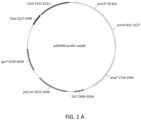
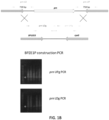
- the gene coding for pertactin, in BPZE1, a 739-bp fragment downstream (prn LO) of the prn gene and a 759-bp fragment upstream (prn UP) of the prn gene were cloned into pSS4940 to introduce the prn deletion in the BPZE1 and BPSM genomes by homologous recombination. Referring to Figs.
- the upstream and downstream prn flanking region were PCR amplified using prn_KO_fw (ATCCTCAAGCAAGACTGCGAGCTG) (SEQ ID NO:1)) and OL_prn_KO_rv (GGGGATAGACCCTCCTCGCTTGGATGCCAGGTGGAGAGCA) (SEQ ID NO:2)), and OL_prn_KO_fw (TGCTCTCCACCTGGCATCCAAGCGAGGAGGGTCTATCCCC) (SEQ ID NO:3)) and prn_KO_rv (CCATCATCCTGTACGACCGCCT) (SEQ ID NO:4)), respectively, as primers.
- prn_KO_fw ATCCTCAAGCAAGACTGCGAGCTG
- OL_prn_KO_rv GGGGATAGACCCTCCTCGCTTGGATGCCAGGTGGAGAGCA
- OL_prn_KO_fw TGCTCTCCACCTGGCATCCAAGCGAGGAGGGTCTATCCCC
- the resulting fragment (containing the prn deletion) was inserted into the TOPO blunt ® vector (ThermoFisher Scientific) and then excised as a Kpn I -Not I fragment.
- the excised Kpn I -Not I fragment was inserted into Kpn I - and NotI-digested pSS4940, a pSS4245 ( Inatsuka et al., Infect Immun 2010;78 2901-2909 ) derivative.
- the resulting plasmid was transformed into E. coli SM10, which was then conjugated with BPZE1.
- PCR was used to confirm deletion of the entire prn gene by amplifying the flanking regions covering the construction using prnKO_UP (TTCTTGCGCGAACAGATCAAAC) (SEQ ID NO:5)) - prnKOin_UPrv (CTGCTGGTCATCGGCGAAGT) (SEQ ID NO:6)) for the 5' region and prnKOin_LOfw (CGCCCATTCTTCCCTGTTCC) (SEQ ID NO:7))-prnKO_LO (GAACAGGAACTGGAACAGGCG) (SEQ ID NO:8)) for the 3' region.
- a strain carrying the prn deletion was selected and named BPZE1P.
- the same strategy was used to construct a pertactin-deficient BPSM mutant, named BPSMP.
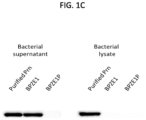
- BPZE1 and BPZE1P lysates and supernatants were tested by immunoblotting of BPZE1 and BPZE1P lysates and supernatants, using purified Prn (List Biological laboratories) as control for correct size of the band.
- Prn List Biological laboratories
- BPZE1 and BPZE1P strains were plated onto BG blood agar and incubated for 48h at 37° C. After growth, the bacteria were scraped off the plates, resuspended in 10 ml of Stainer-Scholte medium and grown for 4 days at 37°C. The bacteria were then harvested by centrifugation.
- the supernatants were recovered and treated with trichloroacetic acid (TCA) as described previously ( Solans et al., PLoS Pathog 2014;10:e1004183 ) for protein concentration.
- TCA trichloroacetic acid
- the bacterial pellets were resuspended in PBS complemented with an EDTA-free protease inhibitor cocktail (Roche) and lysed using a French pressure cell. Bacterial debris were removed by centrifugation for 30 minutes at 15,000 x g, and the supernatants were recovered for immunoblotting. Proteins were separated by 12% SDS-PAGE and then transferred onto a Nitrocellulose membrane using the Criterion TM cell system (Bio-Rad).
- Example 2 - BPZE1P colonizes mice as well as BPZE1.
- mice Groups of 18 six-week old mice were inoculated intranasally with 20 ⁇ l PBS containing 10 6 viable bacteria as described previously (Mielcarek et al., supra ) . At the indicated time points (3 hours, 3 days, 7 days, 14 days, 21 days and 28 days), 3 mice per group were sacrificed, and lungs were harvested and homogenized for measuring total number of colony formation units (CFU). Statistical analysis was done by a 2-way ANOVA test, using post hoc comparison Bonferroni test with confidence intervals of 95%. Referring to Fig. 2 , both BPZE1 and BPZE1P colonized the animals equally well. Both strains exhibited a peak of multiplication 3 days post vaccination and colonization persisted for 4 weeks. No statistically significant difference was observed between these strains in their ability to colonize the mouse lungs.
- Example 3 - BPZE1P is as immunogenic and protective against challenge with virulent B. pertussis as BPZE1.
- Immunity induced by BPZE1P in comparison with BPZE1 was measured by antibody titration of mouse immune serum after nasal vaccination.
- Groups of 8 mice were vaccinated intranasally with 10 5 viable BPZE1 or BPZE1P.
- the mice were bled, and total IgG titers were measured against total BPSM lysate. Blood was centrifuged for 5 min. at 5,000 x g to separate the serum from the cells.
- Antibody titers against B. pertussis were estimated using enzyme-linked immunosorbent assays (ELISA) as described previously (Mielcarek et al., supra ) , using total B.
- ELISA enzyme-linked immunosorbent assays
- BPSM pertussis BPSM lysate at 1 ⁇ g of total protein per well.
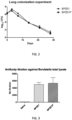
- Statistical analysis was performed using GraphPad Prism software. As shown in Fig. 3 , BPZE1- and BPZE1P-vaccinated mice exhibited much higher antibody titers than did naive control mice. No significant difference in antibody titers between BPZE1- and BPZE1P-vaccinated mice was detected.
- mice The protective efficacy of BPZE1P compared with BPZE1 was tested in a suboptimal protection protocol by measuring the CFU counts in the lungs 7 days post challenge, and comparing a na ⁇ ve group with the vaccinated groups.
- Groups of 8 six-week old mice were vaccinated intranasally with 20 ⁇ l PBS containing 10 5 viable BPZE1 or BPZE1P, or were left unvaccinated.
- All mice were challenged intranasally with 20 ⁇ l PBS containing 10 6 viable BPSM, BPSMP or B1917.
- Three hours after the challenge 3 mice per group were sacrificed, and lungs were harvested and homogenized for CFU counting.
- mice per group were sacrificed 7 days after challenge for CFU counting. Three hours post infection, 3 mice were euthanized, and their lungs were harvested to determine the CFU counts shortly after challenge. Seven days post-infection, the remaining 5 mice were euthanized, their lungs were harvested, and the CFU counts were measured.
- Statistical analysis was done applying a parametric 2-way ANOVA test, using post hoc Bonferroni comparison test with a confidence interval of 95%. *, p ⁇ 0.005; **, p ⁇ 0.001; ***, p ⁇ 0.0001.
- vaccination with either strain protected against challenge with BPSM, BPSMP and B1917 equally well.
- Example 4 - BPZE1P increases pulmonary vaccine uptake in aPv-vaccinated mice.
- mice having pre-existing antibodies against pertactin were vaccinated subcutaneously with 1/5 of the human dose of the acellular pertussis vaccine (aPv; Infanrix, GSK; containing inactivated pertussis toxin, filamentous hemagglutinin and pertactin).
- aPv acellular pertussis vaccine
- GSK acellular pertussis vaccine
- the mice were boosted with the same dose of aPv.
- the mice were infected intranasally with 10 6 BPZE1 or BPZE1P.
- mice Seven days post-infection, the remaining 5 mice were euthanized, the lungs harvested, and the CFU counts were measured. Statistical analysis was done applying a parametric 2-way ANOVA test, using post hoc Bonferroni comparison test with a confidence interval of 95%. ***, p ⁇ 0.0001. Referring to Fig, 5 , at 3 hours post-administration, no significant difference in colonization was seen between the two strains. In contrast, seven days after inoculation, BPZE1P colonized the lungs significantly better than BPZE1. Mice infected with BPZE1P had almost 10 4 CFU in the lungs 7 days after administration, while the CFU counts in the lungs of the mice given BPZE1 reached 10 2 CFU. These data show that the deletion of the prn gene improves BPZE1 pulmonary take in mice pre-immunized with pertactin-containing aPy.
- Example 5 BPZE1P and BPZE1 protect equally well against allergic airway inflammation.
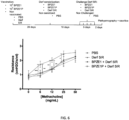
- mice The effect of vaccination with BPZE1P on airway responsiveness was investigated in allergic mice as described in the protocol shown in Fig. 6 .
- Groups of 4 weeks-old mice were vaccinated intranasally with 20 ⁇ l PBS containing 10 6 viable BPZE1 or BPZE1P, or were left unvaccinated.
- the mice were sensitized intranasally with 20 ⁇ l of house dust mite (HDM; Stallergenes S.A.) of 5 index of reactivity (IR) of Dermatophagoides farinae extract (Derf 5IR) or 20 ⁇ l of PBS as control.
- HDM house dust mite
- IR index of reactivity
- Dermatophagoides farinae extract Dermatophagoides farinae extract
- mice Ten days later, the mice where challenged intranasally with 20 ⁇ l of Derf 5IR or PBS daily for 5 days, and two days later, the mice were anesthetized and intubated intratracheally for mechanical ventilation using the FlexiVent (SCIREQ ® ) device. The mice were then exposed to increasing concentrations of nebulized methacholine (0-50 mg/mL in PBS) (Sigma-Aldrich) to determine the resistance in their respiratory airways using plethysmography. Statistical analysis was done by applying a parametric 2-way ANOVA test, using the post hoc Bonferroni comparison test with a confidence interval of 95%.
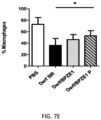
- Example 6 Measurement of lung cell infiltration and cytokine profiles.
- BAL Bronchoalveolar lavage
- the right lung lobes were harvested and directly frozen in liquid Nitrogen for protein extraction.
- the lung lobes were resuspended in 1 mL of lysis buffer, PBS with 0.5% nonidet P40 and protease inhibitor cocktail (Roche ® ), and homogenized at 4°C using T-18 Ultra-Turrax (Ika ® ).
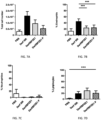
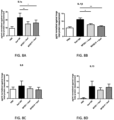
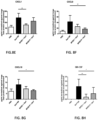
- the samples were centrifuged, and the supernatants were collected for total protein quantification using the Pierce TM BCA protein assay (Thermo Fisher Scientific), and for cytokine and chemokine measurements using the Cytokine 20-Plex Mouse Panel (Invitrogen TM , Thermo Fisher Scientific) per the manufacturer's specifications. Referring to Fig.
- cytokine levels are represented as the normalization of the cytokine/chemokine quantification against total proteins measured in the lung lobe.
- Statistical analysis was done by applying a parametric one-way ANOVA test, using the post hoc Bonferroni comparison test with a confidence interval of 95%. **, p ⁇ 0.001. *; p ⁇ 0.005.
- HDM Dense 5IR-treated mice produced significantly increased levels of IL1 ⁇ and IL1 ⁇ in the lungs, compared to non-treated mice.
- KC induced CXCL1
- MIG CXCL9
- IP-10 CXCL10
- GM-CSF GM-CSF
- groups of 5-week-old mice were either sensitized intranasally with Derf 5IR or administrated PBS, and then either vaccinated with 10 6 BPZE1 or BPZE1P, or left unvaccinated.
- the mice were challenged intranasally with Derf 5IR or PBS during 5 days.
- Two days after last challenge the mice were anesthetized, and their resistance in the respiratory airway was measured by plethysmography as described above.
- mice vaccinated with either BPZE1 or BPZE1P present significantly lower levels of airway resistance compared to those that were not vaccinated. Again, the airway resistance of the vaccinated mice was indistinguishable from that of the control group, which were not sensitized nor challenged with Derf 5IR.
Landscapes
- Health & Medical Sciences (AREA)
- Life Sciences & Earth Sciences (AREA)
- Chemical & Material Sciences (AREA)
- General Health & Medical Sciences (AREA)
- Medicinal Chemistry (AREA)
- Veterinary Medicine (AREA)
- Public Health (AREA)
- Pharmacology & Pharmacy (AREA)
- Animal Behavior & Ethology (AREA)
- Organic Chemistry (AREA)
- Epidemiology (AREA)
- Engineering & Computer Science (AREA)
- Microbiology (AREA)
- Pulmonology (AREA)
- General Chemical & Material Sciences (AREA)
- Nuclear Medicine, Radiotherapy & Molecular Imaging (AREA)
- Chemical Kinetics & Catalysis (AREA)
- Mycology (AREA)
- Molecular Biology (AREA)
- Bioinformatics & Cheminformatics (AREA)
- Genetics & Genomics (AREA)
- Immunology (AREA)
- Biochemistry (AREA)
- Biotechnology (AREA)
- Zoology (AREA)
- Cell Biology (AREA)
- Proteomics, Peptides & Aminoacids (AREA)
- Gastroenterology & Hepatology (AREA)
- Biophysics (AREA)
- Wood Science & Technology (AREA)
- Virology (AREA)
- Pain & Pain Management (AREA)
- Biomedical Technology (AREA)
- Rheumatology (AREA)
- General Engineering & Computer Science (AREA)
- Oncology (AREA)
- Communicable Diseases (AREA)
- Tropical Medicine & Parasitology (AREA)
- Physiology (AREA)
- Developmental Biology & Embryology (AREA)
Priority Applications (1)
| Application Number | Priority Date | Filing Date | Title |
|---|---|---|---|
| EP25158892.7A EP4541809A3 (en) | 2016-03-29 | 2017-03-29 | Mutant bordetella strains and methods of use |
Applications Claiming Priority (2)
| Application Number | Priority Date | Filing Date | Title |
|---|---|---|---|
| US201662314843P | 2016-03-29 | 2016-03-29 | |
| PCT/EP2017/057468 WO2017167834A1 (en) | 2016-03-29 | 2017-03-29 | Mutant bordetella strains and methods for use |
Related Child Applications (2)
| Application Number | Title | Priority Date | Filing Date |
|---|---|---|---|
| EP25158892.7A Division EP4541809A3 (en) | 2016-03-29 | 2017-03-29 | Mutant bordetella strains and methods of use |
| EP25158892.7A Division-Into EP4541809A3 (en) | 2016-03-29 | 2017-03-29 | Mutant bordetella strains and methods of use |
Publications (2)
| Publication Number | Publication Date |
|---|---|
| EP3436034A1 EP3436034A1 (en) | 2019-02-06 |
| EP3436034B1 true EP3436034B1 (en) | 2025-03-26 |
Family
ID=58488973
Family Applications (2)
| Application Number | Title | Priority Date | Filing Date |
|---|---|---|---|
| EP17715426.7A Active EP3436034B1 (en) | 2016-03-29 | 2017-03-29 | Mutant bordetella strains and methods for use |
| EP25158892.7A Pending EP4541809A3 (en) | 2016-03-29 | 2017-03-29 | Mutant bordetella strains and methods of use |
Family Applications After (1)
| Application Number | Title | Priority Date | Filing Date |
|---|---|---|---|
| EP25158892.7A Pending EP4541809A3 (en) | 2016-03-29 | 2017-03-29 | Mutant bordetella strains and methods of use |
Country Status (10)
| Country | Link |
|---|---|
| US (4) | US10682377B2 (cg-RX-API-DMAC7.html) |
| EP (2) | EP3436034B1 (cg-RX-API-DMAC7.html) |
| JP (1) | JP6993984B2 (cg-RX-API-DMAC7.html) |
| CN (2) | CN109069535B (cg-RX-API-DMAC7.html) |
| AU (2) | AU2017242541B2 (cg-RX-API-DMAC7.html) |
| DK (1) | DK3436034T3 (cg-RX-API-DMAC7.html) |
| ES (1) | ES3027194T3 (cg-RX-API-DMAC7.html) |
| FI (1) | FI3436034T3 (cg-RX-API-DMAC7.html) |
| SG (1) | SG11201807783UA (cg-RX-API-DMAC7.html) |
| WO (1) | WO2017167834A1 (cg-RX-API-DMAC7.html) |
Families Citing this family (8)
| Publication number | Priority date | Publication date | Assignee | Title |
|---|---|---|---|---|
| ES2821830T3 (es) | 2006-03-10 | 2021-04-27 | Pasteur Institut | Cepas de Bordetella vivas atenuadas como vacuna de dosis única contra la tos ferina |
| DK2424564T3 (en) | 2009-04-28 | 2015-04-27 | Inserm Inst Nat De La Santé Et De La Rech Médicale | A vaccine for the prevention or treatment of a respiratory pathology allergendrevet |
| WO2017167834A1 (en) * | 2016-03-29 | 2017-10-05 | Institut Pasteur De Lille | Mutant bordetella strains and methods for use |
| CN111278456B (zh) | 2017-10-18 | 2024-08-09 | 里尔巴斯德研究所 | 表达血清3型菌毛的鲍特菌属菌株 |
| EP4196155A4 (en) | 2020-08-14 | 2025-03-19 | Iliad Biotechnologies, LLC | Lyophilized live bordetella vaccines |
| EP4247397A4 (en) | 2020-11-17 | 2024-11-06 | Iliad Biotechnologies, LLC | TREATMENT AND PREVENTION OF NEUROPATHOLOGY ASSOCIATED WITH NEURODEGENERATIVE DISEASES |
| CA3261556A1 (en) | 2022-07-22 | 2024-01-25 | Institut National de la Santé et de la Recherche Médicale | USE OF BORDETELLA STRAINS FOR THE TREATMENT OF CHRONIC OBSTRUCTIVE PULMONARY DISEASE |
| WO2025257397A1 (en) | 2024-06-14 | 2025-12-18 | Institut National de la Santé et de la Recherche Médicale | Live attenuated bordetella vaccines capable of producing and secreting heterologous antigens |
Family Cites Families (17)
| Publication number | Priority date | Publication date | Assignee | Title |
|---|---|---|---|---|
| US6713072B1 (en) | 1987-11-02 | 2004-03-30 | Chiron S.R.L. | Immunologically active polypeptides with altered toxicity useful for the preparation of an antipertussis vaccine |
| GB9115332D0 (en) * | 1991-07-16 | 1991-08-28 | Connaught Lab | Manipulation of gene copy number in bordetella |
| FR2718750B1 (fr) | 1994-04-19 | 1996-06-14 | Pasteur Institut | Protéines recombinantes de l'hémagglutinine filamenteuse de Bordetella, notamment, B. Pertussis, production et application à la production de protéines étrangères ou de principes actifs vaccinants. |
| DE69511392T2 (de) * | 1994-04-28 | 2000-03-23 | Takeda Chemical Industries, Ltd. | Verfahren zur trennung von protektiven verbindungen aus bordetella pertussis |
| FR2754543B1 (fr) | 1996-10-11 | 1998-12-31 | Pasteur Institut | Souche de bordetella deficiente dans la production de toxine et exprimant une proteine hydride, liposomes comprenant de la fha et leurs utilisations comme vaccins, et utilisation de la fha pour stimuler les reponses immunitaires |
| FR2840319B1 (fr) | 2002-05-30 | 2004-08-20 | Pasteur Institut | Souches de bordetella rendues deficientes par attenuation genetique |
| AU2004229527B2 (en) | 2003-04-11 | 2009-08-20 | Medimmune, Llc | Methods of preventing or treating respiratory conditions |
| ES2821830T3 (es) | 2006-03-10 | 2021-04-27 | Pasteur Institut | Cepas de Bordetella vivas atenuadas como vacuna de dosis única contra la tos ferina |
| JP2010508860A (ja) | 2006-11-15 | 2010-03-25 | フォリア バイオテック インコーポレイテッド | パパイヤモザイクウイルスに基づくインフルエンザ用ワクチン |
| WO2008118592A2 (en) | 2007-02-23 | 2008-10-02 | The Penn State Research Foundation | Use of an avirulent bordetella mutant as a live vaccine vector |
| AU2008266910A1 (en) | 2007-06-18 | 2008-12-24 | Hemispherx Biopharma, Inc. | Early intervention of viral infections with immune activators |
| DK2424564T3 (en) * | 2009-04-28 | 2015-04-27 | Inserm Inst Nat De La Santé Et De La Rech Médicale | A vaccine for the prevention or treatment of a respiratory pathology allergendrevet |
| WO2010146414A1 (en) | 2009-06-15 | 2010-12-23 | National University Of Singapore | Influenza vaccine, composition, and methods of use |
| EP2773371B1 (en) | 2011-11-02 | 2020-01-01 | National University of Singapore | Effect of an attenuated bordetella strain against allergic disease |
| CN102793915B (zh) * | 2012-07-25 | 2013-10-23 | 天津康希诺生物技术有限公司 | 一种无细胞百日咳疫苗的生产方法 |
| EP2722338A1 (en) | 2012-10-17 | 2014-04-23 | INSERM (Institut National de la Santé et de la Recherche Médicale) | Novel recombinant Bordetella strains |
| WO2017167834A1 (en) * | 2016-03-29 | 2017-10-05 | Institut Pasteur De Lille | Mutant bordetella strains and methods for use |
-
2017
- 2017-03-29 WO PCT/EP2017/057468 patent/WO2017167834A1/en not_active Ceased
- 2017-03-29 CN CN201780021384.7A patent/CN109069535B/zh active Active
- 2017-03-29 AU AU2017242541A patent/AU2017242541B2/en active Active
- 2017-03-29 US US15/472,436 patent/US10682377B2/en active Active
- 2017-03-29 ES ES17715426T patent/ES3027194T3/es active Active
- 2017-03-29 JP JP2018551960A patent/JP6993984B2/ja active Active
- 2017-03-29 FI FIEP17715426.7T patent/FI3436034T3/fi active
- 2017-03-29 DK DK17715426.7T patent/DK3436034T3/da active
- 2017-03-29 EP EP17715426.7A patent/EP3436034B1/en active Active
- 2017-03-29 SG SG11201807783UA patent/SG11201807783UA/en unknown
- 2017-03-29 EP EP25158892.7A patent/EP4541809A3/en active Pending
- 2017-03-29 CN CN202210315642.5A patent/CN114767718A/zh active Pending
-
2020
- 2020-04-30 US US16/863,972 patent/US11065276B2/en active Active
-
2021
- 2021-06-02 US US17/337,367 patent/US20210290667A1/en not_active Abandoned
-
2022
- 2022-08-24 AU AU2022221438A patent/AU2022221438B2/en active Active
-
2023
- 2023-06-20 US US18/338,314 patent/US20230381224A1/en active Pending
Also Published As
| Publication number | Publication date |
|---|---|
| US20200323901A1 (en) | 2020-10-15 |
| ES3027194T3 (en) | 2025-06-13 |
| CN109069535B (zh) | 2022-03-18 |
| US20210290667A1 (en) | 2021-09-23 |
| US10682377B2 (en) | 2020-06-16 |
| AU2017242541A1 (en) | 2018-10-11 |
| EP4541809A3 (en) | 2025-06-25 |
| US20230381224A1 (en) | 2023-11-30 |
| WO2017167834A1 (en) | 2017-10-05 |
| CN109069535A (zh) | 2018-12-21 |
| US20170283890A1 (en) | 2017-10-05 |
| AU2017242541B2 (en) | 2022-06-30 |
| EP4541809A2 (en) | 2025-04-23 |
| AU2022221438B2 (en) | 2024-10-03 |
| US11065276B2 (en) | 2021-07-20 |
| JP2019513722A (ja) | 2019-05-30 |
| DK3436034T3 (da) | 2025-05-12 |
| FI3436034T3 (fi) | 2025-05-08 |
| SG11201807783UA (en) | 2018-10-30 |
| EP3436034A1 (en) | 2019-02-06 |
| CN114767718A (zh) | 2022-07-22 |
| AU2022221438A1 (en) | 2022-10-06 |
| CA3018126A1 (en) | 2017-10-05 |
| JP6993984B2 (ja) | 2022-02-03 |
Similar Documents
| Publication | Publication Date | Title |
|---|---|---|
| AU2022221438B2 (en) | Mutant bordetella strains and methods for use | |
| JP2019513722A5 (cg-RX-API-DMAC7.html) | ||
| US12403188B2 (en) | Bordetella strains expressing serotype 3 fimbriae | |
| US20080254062A1 (en) | Use of an avirulent bordetella mutant as a live vaccine vector | |
| EP2453913A1 (en) | A temperature sensitive vaccine strain of mycoplasma hyopneumoniae and uses thereof | |
| WO2020049133A1 (en) | Adenylate cyclase catalytic domain deficient bordetella strains | |
| CA3018126C (en) | Mutant bordetella strains and methods of use | |
| Hur et al. | Immunologic study and optimization of Salmonella delivery strains expressing adhesin and toxin antigens for protection against progressive atrophic rhinitis in a murine model | |
| HK1262896B (zh) | 突变型博德特氏菌属菌株及其使用方法 | |
| HK1262896A1 (en) | Mutant bordetella strains and methods for use | |
| JP6867623B2 (ja) | 百日咳モデル動物およびその作製方法、ならびに百日咳モデル動物を用いた方法 | |
| Oyant et al. | Role of Bordetella bronchiseptica adenylate cyclase in nasal colonization and in development of local and systemic immune responses in piglets | |
| CN116355827A (zh) | 一种治疗结核病的重组卡介苗药物及其应用 |
Legal Events
| Date | Code | Title | Description |
|---|---|---|---|
| STAA | Information on the status of an ep patent application or granted ep patent |
Free format text: STATUS: UNKNOWN |
|
| STAA | Information on the status of an ep patent application or granted ep patent |
Free format text: STATUS: THE INTERNATIONAL PUBLICATION HAS BEEN MADE |
|
| PUAI | Public reference made under article 153(3) epc to a published international application that has entered the european phase |
Free format text: ORIGINAL CODE: 0009012 |
|
| STAA | Information on the status of an ep patent application or granted ep patent |
Free format text: STATUS: REQUEST FOR EXAMINATION WAS MADE |
|
| 17P | Request for examination filed |
Effective date: 20181029 |
|
| AK | Designated contracting states |
Kind code of ref document: A1 Designated state(s): AL AT BE BG CH CY CZ DE DK EE ES FI FR GB GR HR HU IE IS IT LI LT LU LV MC MK MT NL NO PL PT RO RS SE SI SK SM TR |
|
| AX | Request for extension of the european patent |
Extension state: BA ME |
|
| DAV | Request for validation of the european patent (deleted) | ||
| DAX | Request for extension of the european patent (deleted) | ||
| STAA | Information on the status of an ep patent application or granted ep patent |
Free format text: STATUS: EXAMINATION IS IN PROGRESS |
|
| 17Q | First examination report despatched |
Effective date: 20200109 |
|
| P01 | Opt-out of the competence of the unified patent court (upc) registered |
Effective date: 20230512 |
|
| GRAP | Despatch of communication of intention to grant a patent |
Free format text: ORIGINAL CODE: EPIDOSNIGR1 |
|
| STAA | Information on the status of an ep patent application or granted ep patent |
Free format text: STATUS: GRANT OF PATENT IS INTENDED |
|
| RIC1 | Information provided on ipc code assigned before grant |
Ipc: C07K 14/235 20060101ALI20241001BHEP Ipc: C12N 1/36 20060101ALI20241001BHEP Ipc: A61K 39/00 20060101ALI20241001BHEP Ipc: A61K 39/02 20060101ALI20241001BHEP Ipc: A61P 31/04 20060101ALI20241001BHEP Ipc: A61P 29/00 20060101ALI20241001BHEP Ipc: A61P 11/06 20060101ALI20241001BHEP Ipc: A61P 11/00 20060101ALI20241001BHEP Ipc: A61K 9/00 20060101ALI20241001BHEP Ipc: A61K 35/74 20150101ALI20241001BHEP Ipc: A61K 35/00 20060101AFI20241001BHEP |
|
| INTG | Intention to grant announced |
Effective date: 20241016 |
|
| GRAS | Grant fee paid |
Free format text: ORIGINAL CODE: EPIDOSNIGR3 |
|
| GRAA | (expected) grant |
Free format text: ORIGINAL CODE: 0009210 |
|
| STAA | Information on the status of an ep patent application or granted ep patent |
Free format text: STATUS: THE PATENT HAS BEEN GRANTED |
|
| AK | Designated contracting states |
Kind code of ref document: B1 Designated state(s): AL AT BE BG CH CY CZ DE DK EE ES FI FR GB GR HR HU IE IS IT LI LT LU LV MC MK MT NL NO PL PT RO RS SE SI SK SM TR |
|
| REG | Reference to a national code |
Ref country code: GB Ref legal event code: FG4D |
|
| REG | Reference to a national code |
Ref country code: CH Ref legal event code: EP |
|
| PGFP | Annual fee paid to national office [announced via postgrant information from national office to epo] |
Ref country code: SE Payment date: 20250327 Year of fee payment: 9 |
|
| PGFP | Annual fee paid to national office [announced via postgrant information from national office to epo] |
Ref country code: NL Payment date: 20250327 Year of fee payment: 9 |
|
| REG | Reference to a national code |
Ref country code: DE Ref legal event code: R096 Ref document number: 602017088518 Country of ref document: DE |
|
| PGFP | Annual fee paid to national office [announced via postgrant information from national office to epo] |
Ref country code: IE Payment date: 20250327 Year of fee payment: 9 |
|
| REG | Reference to a national code |
Ref country code: IE Ref legal event code: FG4D |
|
| PGFP | Annual fee paid to national office [announced via postgrant information from national office to epo] |
Ref country code: BE Payment date: 20250327 Year of fee payment: 9 Ref country code: AT Payment date: 20250402 Year of fee payment: 9 |
|
| PGFP | Annual fee paid to national office [announced via postgrant information from national office to epo] |
Ref country code: GB Payment date: 20250327 Year of fee payment: 9 |
|
| REG | Reference to a national code |
Ref country code: NL Ref legal event code: FP |
|
| REG | Reference to a national code |
Ref country code: FI Ref legal event code: FGE |
|
| REG | Reference to a national code |
Ref country code: DK Ref legal event code: T3 Effective date: 20250505 |
|
| REG | Reference to a national code |
Ref country code: SE Ref legal event code: TRGR |
|
| REG | Reference to a national code |
Ref country code: ES Ref legal event code: FG2A Ref document number: 3027194 Country of ref document: ES Kind code of ref document: T3 Effective date: 20250613 |
|
| PG25 | Lapsed in a contracting state [announced via postgrant information from national office to epo] |
Ref country code: RS Free format text: LAPSE BECAUSE OF FAILURE TO SUBMIT A TRANSLATION OF THE DESCRIPTION OR TO PAY THE FEE WITHIN THE PRESCRIBED TIME-LIMIT Effective date: 20250626 |
|
| PGFP | Annual fee paid to national office [announced via postgrant information from national office to epo] |
Ref country code: FI Payment date: 20250425 Year of fee payment: 9 |
|
| PGFP | Annual fee paid to national office [announced via postgrant information from national office to epo] |
Ref country code: DE Payment date: 20250429 Year of fee payment: 9 |
|
| PGFP | Annual fee paid to national office [announced via postgrant information from national office to epo] |
Ref country code: DK Payment date: 20250526 Year of fee payment: 9 Ref country code: ES Payment date: 20250401 Year of fee payment: 9 |
|
| REG | Reference to a national code |
Ref country code: LT Ref legal event code: MG9D |
|
| PG25 | Lapsed in a contracting state [announced via postgrant information from national office to epo] |
Ref country code: NO Free format text: LAPSE BECAUSE OF FAILURE TO SUBMIT A TRANSLATION OF THE DESCRIPTION OR TO PAY THE FEE WITHIN THE PRESCRIBED TIME-LIMIT Effective date: 20250626 |
|
| PG25 | Lapsed in a contracting state [announced via postgrant information from national office to epo] |
Ref country code: HR Free format text: LAPSE BECAUSE OF FAILURE TO SUBMIT A TRANSLATION OF THE DESCRIPTION OR TO PAY THE FEE WITHIN THE PRESCRIBED TIME-LIMIT Effective date: 20250326 |
|
| PG25 | Lapsed in a contracting state [announced via postgrant information from national office to epo] |
Ref country code: LV Free format text: LAPSE BECAUSE OF FAILURE TO SUBMIT A TRANSLATION OF THE DESCRIPTION OR TO PAY THE FEE WITHIN THE PRESCRIBED TIME-LIMIT Effective date: 20250326 |
|
| PGFP | Annual fee paid to national office [announced via postgrant information from national office to epo] |
Ref country code: FR Payment date: 20250425 Year of fee payment: 9 |
|
| PG25 | Lapsed in a contracting state [announced via postgrant information from national office to epo] |
Ref country code: GR Free format text: LAPSE BECAUSE OF FAILURE TO SUBMIT A TRANSLATION OF THE DESCRIPTION OR TO PAY THE FEE WITHIN THE PRESCRIBED TIME-LIMIT Effective date: 20250627 Ref country code: BG Free format text: LAPSE BECAUSE OF FAILURE TO SUBMIT A TRANSLATION OF THE DESCRIPTION OR TO PAY THE FEE WITHIN THE PRESCRIBED TIME-LIMIT Effective date: 20250326 |
|
| PGFP | Annual fee paid to national office [announced via postgrant information from national office to epo] |
Ref country code: CH Payment date: 20250401 Year of fee payment: 9 |
|
| PGFP | Annual fee paid to national office [announced via postgrant information from national office to epo] |
Ref country code: CZ Payment date: 20250401 Year of fee payment: 9 |
|
| PG25 | Lapsed in a contracting state [announced via postgrant information from national office to epo] |
Ref country code: SM Free format text: LAPSE BECAUSE OF FAILURE TO SUBMIT A TRANSLATION OF THE DESCRIPTION OR TO PAY THE FEE WITHIN THE PRESCRIBED TIME-LIMIT Effective date: 20250326 |
|
| PG25 | Lapsed in a contracting state [announced via postgrant information from national office to epo] |
Ref country code: PT Free format text: LAPSE BECAUSE OF FAILURE TO SUBMIT A TRANSLATION OF THE DESCRIPTION OR TO PAY THE FEE WITHIN THE PRESCRIBED TIME-LIMIT Effective date: 20250728 |
|
| PG25 | Lapsed in a contracting state [announced via postgrant information from national office to epo] |
Ref country code: PL Free format text: LAPSE BECAUSE OF FAILURE TO SUBMIT A TRANSLATION OF THE DESCRIPTION OR TO PAY THE FEE WITHIN THE PRESCRIBED TIME-LIMIT Effective date: 20250326 |
|
| PGFP | Annual fee paid to national office [announced via postgrant information from national office to epo] |
Ref country code: IT Payment date: 20250619 Year of fee payment: 9 |
|
| PG25 | Lapsed in a contracting state [announced via postgrant information from national office to epo] |
Ref country code: EE Free format text: LAPSE BECAUSE OF FAILURE TO SUBMIT A TRANSLATION OF THE DESCRIPTION OR TO PAY THE FEE WITHIN THE PRESCRIBED TIME-LIMIT Effective date: 20250326 |
|
| PG25 | Lapsed in a contracting state [announced via postgrant information from national office to epo] |
Ref country code: RO Free format text: LAPSE BECAUSE OF FAILURE TO SUBMIT A TRANSLATION OF THE DESCRIPTION OR TO PAY THE FEE WITHIN THE PRESCRIBED TIME-LIMIT Effective date: 20250326 |
|
| PG25 | Lapsed in a contracting state [announced via postgrant information from national office to epo] |
Ref country code: SK Free format text: LAPSE BECAUSE OF FAILURE TO SUBMIT A TRANSLATION OF THE DESCRIPTION OR TO PAY THE FEE WITHIN THE PRESCRIBED TIME-LIMIT Effective date: 20250326 |
|
| PG25 | Lapsed in a contracting state [announced via postgrant information from national office to epo] |
Ref country code: IS Free format text: LAPSE BECAUSE OF FAILURE TO SUBMIT A TRANSLATION OF THE DESCRIPTION OR TO PAY THE FEE WITHIN THE PRESCRIBED TIME-LIMIT Effective date: 20250726 |
|
| PG25 | Lapsed in a contracting state [announced via postgrant information from national office to epo] |
Ref country code: LU Free format text: LAPSE BECAUSE OF NON-PAYMENT OF DUE FEES Effective date: 20250329 |
|
| PG25 | Lapsed in a contracting state [announced via postgrant information from national office to epo] |
Ref country code: MC Free format text: LAPSE BECAUSE OF FAILURE TO SUBMIT A TRANSLATION OF THE DESCRIPTION OR TO PAY THE FEE WITHIN THE PRESCRIBED TIME-LIMIT Effective date: 20250326 |