EP3434692A1 - Compounds which specifically binds to cd38 for use in the treatment of neurodegenerative diseases - Google Patents
Compounds which specifically binds to cd38 for use in the treatment of neurodegenerative diseases Download PDFInfo
- Publication number
- EP3434692A1 EP3434692A1 EP17315006.1A EP17315006A EP3434692A1 EP 3434692 A1 EP3434692 A1 EP 3434692A1 EP 17315006 A EP17315006 A EP 17315006A EP 3434692 A1 EP3434692 A1 EP 3434692A1
- Authority
- EP
- European Patent Office
- Prior art keywords
- compound
- disease
- naadp
- antibody
- antigen
- Prior art date
- Legal status (The legal status is an assumption and is not a legal conclusion. Google has not performed a legal analysis and makes no representation as to the accuracy of the status listed.)
- Withdrawn
Links
Images



Classifications
-
- C—CHEMISTRY; METALLURGY
- C07—ORGANIC CHEMISTRY
- C07K—PEPTIDES
- C07K16/00—Immunoglobulins [IG], e.g. monoclonal or polyclonal antibodies
- C07K16/18—Immunoglobulins [IG], e.g. monoclonal or polyclonal antibodies against material from animals or humans
- C07K16/28—Immunoglobulins [IG], e.g. monoclonal or polyclonal antibodies against material from animals or humans against receptors, cell surface antigens or cell surface determinants
- C07K16/2896—Immunoglobulins [IG], e.g. monoclonal or polyclonal antibodies against material from animals or humans against receptors, cell surface antigens or cell surface determinants against molecules with a "CD"-designation, not provided for elsewhere
-
- A—HUMAN NECESSITIES
- A61—MEDICAL OR VETERINARY SCIENCE; HYGIENE
- A61K—PREPARATIONS FOR MEDICAL, DENTAL OR TOILETRY PURPOSES
- A61K39/00—Medicinal preparations containing antigens or antibodies
- A61K39/395—Antibodies; Immunoglobulins; Immune serum, e.g. antilymphocytic serum
- A61K39/39533—Antibodies; Immunoglobulins; Immune serum, e.g. antilymphocytic serum against materials from animals
- A61K39/39541—Antibodies; Immunoglobulins; Immune serum, e.g. antilymphocytic serum against materials from animals against normal tissues, cells
-
- A—HUMAN NECESSITIES
- A61—MEDICAL OR VETERINARY SCIENCE; HYGIENE
- A61K—PREPARATIONS FOR MEDICAL, DENTAL OR TOILETRY PURPOSES
- A61K45/00—Medicinal preparations containing active ingredients not provided for in groups A61K31/00 - A61K41/00
- A61K45/06—Mixtures of active ingredients without chemical characterisation, e.g. antiphlogistics and cardiaca
-
- A—HUMAN NECESSITIES
- A61—MEDICAL OR VETERINARY SCIENCE; HYGIENE
- A61P—SPECIFIC THERAPEUTIC ACTIVITY OF CHEMICAL COMPOUNDS OR MEDICINAL PREPARATIONS
- A61P29/00—Non-central analgesic, antipyretic or antiinflammatory agents, e.g. antirheumatic agents; Non-steroidal antiinflammatory drugs [NSAID]
-
- A—HUMAN NECESSITIES
- A61—MEDICAL OR VETERINARY SCIENCE; HYGIENE
- A61K—PREPARATIONS FOR MEDICAL, DENTAL OR TOILETRY PURPOSES
- A61K39/00—Medicinal preparations containing antigens or antibodies
- A61K2039/505—Medicinal preparations containing antigens or antibodies comprising antibodies
-
- A—HUMAN NECESSITIES
- A61—MEDICAL OR VETERINARY SCIENCE; HYGIENE
- A61P—SPECIFIC THERAPEUTIC ACTIVITY OF CHEMICAL COMPOUNDS OR MEDICINAL PREPARATIONS
- A61P25/00—Drugs for disorders of the nervous system
-
- A—HUMAN NECESSITIES
- A61—MEDICAL OR VETERINARY SCIENCE; HYGIENE
- A61P—SPECIFIC THERAPEUTIC ACTIVITY OF CHEMICAL COMPOUNDS OR MEDICINAL PREPARATIONS
- A61P39/00—General protective or antinoxious agents
-
- C—CHEMISTRY; METALLURGY
- C07—ORGANIC CHEMISTRY
- C07K—PEPTIDES
- C07K2317/00—Immunoglobulins specific features
- C07K2317/20—Immunoglobulins specific features characterized by taxonomic origin
- C07K2317/24—Immunoglobulins specific features characterized by taxonomic origin containing regions, domains or residues from different species, e.g. chimeric, humanized or veneered
-
- C—CHEMISTRY; METALLURGY
- C07—ORGANIC CHEMISTRY
- C07K—PEPTIDES
- C07K2317/00—Immunoglobulins specific features
- C07K2317/70—Immunoglobulins specific features characterized by effect upon binding to a cell or to an antigen
- C07K2317/75—Agonist effect on antigen
-
- C—CHEMISTRY; METALLURGY
- C07—ORGANIC CHEMISTRY
- C07K—PEPTIDES
- C07K2317/00—Immunoglobulins specific features
- C07K2317/70—Immunoglobulins specific features characterized by effect upon binding to a cell or to an antigen
- C07K2317/76—Antagonist effect on antigen, e.g. neutralization or inhibition of binding
-
- C—CHEMISTRY; METALLURGY
- C07—ORGANIC CHEMISTRY
- C07K—PEPTIDES
- C07K2317/00—Immunoglobulins specific features
- C07K2317/90—Immunoglobulins specific features characterized by (pharmaco)kinetic aspects or by stability of the immunoglobulin
- C07K2317/92—Affinity (KD), association rate (Ka), dissociation rate (Kd) or EC50 value
-
- Y—GENERAL TAGGING OF NEW TECHNOLOGICAL DEVELOPMENTS; GENERAL TAGGING OF CROSS-SECTIONAL TECHNOLOGIES SPANNING OVER SEVERAL SECTIONS OF THE IPC; TECHNICAL SUBJECTS COVERED BY FORMER USPC CROSS-REFERENCE ART COLLECTIONS [XRACs] AND DIGESTS
- Y02—TECHNOLOGIES OR APPLICATIONS FOR MITIGATION OR ADAPTATION AGAINST CLIMATE CHANGE
- Y02A—TECHNOLOGIES FOR ADAPTATION TO CLIMATE CHANGE
- Y02A50/00—TECHNOLOGIES FOR ADAPTATION TO CLIMATE CHANGE in human health protection, e.g. against extreme weather
- Y02A50/30—Against vector-borne diseases, e.g. mosquito-borne, fly-borne, tick-borne or waterborne diseases whose impact is exacerbated by climate change
Definitions
- the present invention relates to the field of prevention and/or treatment of neurodegenerative diseases.
- the invention relates to a compound, useful for the prevention and/or treatment of neurodegenerative diseases, said compound specifically binding to CD38 and activating the opening of NAADP receptors Two Pore Channels TPC1 and/or TPC2.
- Neurodegenerative disease is an umbrella term for a range of conditions which primarily affect the neurons in the human brain and spinal cord.
- Neurons are the building blocks of the nervous system which includes the brain and spinal cord. Neurons normally don't reproduce or replace themselves, so when they become damaged or die they cannot be replaced by the body. Examples of neurodegenerative diseases include Parkinson's, Alzheimer's diseases, or amyotrophic lateral sclerosis which result in progressive degeneration and / or death of nerve cells. Symptoms of such diseases relate to impairments of movement (called ataxias), or mental functioning (called dementias).
- Agents currently under investigation include in particular calcium channel blockers (isradipine) or antagonists of the NAADP receptor such as those described in WO2016024246 . However, none of these agents are clinically validated.
- known agents target only one type of neurodegenerative mechanism (e.g. excitotoxicity, oxidative stress or energy deficit due to mitochondrial abnormalities).
- CD38 is a 45kDa type II transmembrane glycoprotein with a long C-terminal extracellular domain and a short N-terminal cytoplasmic domain. CD38 have both a receptor-mediated function and an enzyme-mediated function. As a receptor, CD38 can interact with its ligand CD31.
- CD38 is a multi-functional protein that catalyzes several reactions: (i) the conversion of nicotinamide adenine dinucleotide (NAD + ) into adenosine diphosphate-ribose (ADPR); (ii) the conversion of NAD + into cyclic ADPR (cADPR); (iii) the hydrolysis of cADPR into ADPR; (iv) in the presence of nicotinic acid, the conversion of NADP + , the phosphorylated equivalent of NAD + , into nicotinic acid adenine dinucleotide phosphate (NAADP, NAADP synthase activity); (v) the conversion of NAADP into ADPR phosphate (ADPRP, NAADP hydrolase activity) ( Malavasi et al., Physiol Rev, 2008, 88: 841-886 ).
- NAAD + nicotinamide adenine dinucleotide
- CD38 has been extensively studied in cancer research since this protein is upregulated in many hematopoietic malignancies and its expression is correlated with disease progression.
- Several antibodies were developed and used first as a research tool (clone 90, AT1, AT13/5, AT2, HB-7, IB4, IB6, OKT-10, SUN-4B7, T16) and then as therapeutics against cancer (including SAR650984 currently under phase III clinical trial (NCT02990338), MOR202 currently under phase II (NCT01421186) and Ab79 under preclinical development).
- daratumumab was approved for multiple myeloma patients who previously received three or more prior lines of therapy.
- CD38 is the main cellular NADase ( Chini, Curr Pharm Des, 2009, 15(1):57-63 ), and that NAD + or its precursors were shown to be neuroprotective in a large number of studies ( Harlan et al., J Biol Chem, 2016, 291(20):10836-46 ; Lu et al., Exp Ther Mad, 2014, 8(3):943-50 ; Gong et al., Neurobiol Aging, 2013, 34(6):1581-8 ; patent application US20120328526 ), CD38 was proposed as a new therapeutic target for the treatment of acute or chronic neurodegenerative diseases ( Kristian et al., J Neurosci Res, 2011, 89(12):1946-55 ).
- the invention relates to a compound, which specifically binds to CD38, particularly to human CD38, for use as a medicament in the prevention and/or treatment of a neurodegenerative disease, by the opening of NAADP receptors Two Pore Channels TPC1 and/or TPC2, wherein said compound activates the opening of NAADP receptors Two Pore Channels TPC1 and/or TPC2.
- the term "compound, which specifically binds to CD38” relates to any molecule suitable for pharmaceutical uses, which specifically binds to CD38. It encompasses antibodies, antigen-binding fragments thereof, antigen-binding antibody mimetics, small organic molecules, oligonucleotides and recombinant proteins.
- the compound according to the invention is selected from the group consisting of:
- antibody comprises polyclonal antibodies, monoclonal antibodies, recombinant, bispecific, multispecific or modified antibodies.
- a “monoclonal antibody” is intended to refer to a preparation of antibody molecules, antibodies which share a common heavy chain and common light chain amino acid sequence, in contrast with “polyclonal” antibody preparations which contain a mixture of antibodies of different amino acid sequence.
- Monoclonal antibodies can be generated by several known technologies like phage, bacteria, yeast or ribosomal display, as well as by classical methods exemplified by hybridoma-derived antibodies. Thus, the term “monoclonal” is used to refer to all antibodies derived from one nucleic acid clone.
- the antibodies of the present invention include recombinant antibodies.
- the term "recombinant antibody” refers to antibodies which are produced, expressed, generated or isolated by recombinant means, such as antibodies which are expressed using a recombinant expression vector transfected into a host cell; antibodies isolated from a recombinant combinatorial antibody library; antibodies isolated from an animal (e.g. a mouse) which is transgenic due to human immunoglobulin genes; or antibodies which are produced, expressed, generated or isolated in any other way in which particular immunoglobulin gene sequences (such as human immunoglobulin gene sequences) are assembled with other DNA sequences.
- Recombinant antibodies include, for example, chimeric and humanized antibodies.
- a "chimeric antibody” refers to an antibody in which the sequence of the variable domain derived from the germline of a mammalian species, such as a mouse, have been grafted onto the sequence of the constant domain derived from the germline of another mammalian species, such as a human.
- a “humanized antibody” refers to an antibody in which CDR sequences derived from the germline of another mammalian species, such as a mouse, have been grafted onto human framework sequences.
- the invention relates to an anti-CD38 antibody or antigen-binding fragment thereof as defined above that is a humanized monoclonal antibody.
- an "antigen-binding fragment of an antibody” means a part of an antibody, i.e. a molecule corresponding to a portion of the structure of the antibody of the invention, that exhibits antigen-binding capacity for CD38, possibly in its native form; such fragment especially exhibits the same or substantially the same antigen-binding specificity for said antigen compared to the antigen-binding specificity of the corresponding four-chain antibody.
- the antigen-binding fragments have a similar binding affinity as the corresponding 4-chain antibodies.
- antigen-binding fragments that have a reduced antigen-binding affinity with respect to corresponding 4-chain antibodies are also encompassed within the invention.
- the antigen-binding capacity can be determined by measuring the affinity between the antibody and the target fragment. These antigen-binding fragments may also be designated as "functional fragments" of antibodies.
- Antigen-binding fragments of antibodies are fragments which comprise their hypervariable domains designated CDRs (Complementary Determining Regions) or part(s) thereof encompassing the recognition site for the antigen, i.e. CD38, thereby defining antigen recognition specificity.
- CDRs Complementary Determining Regions
- Each Light and Heavy chain variable domains (respectively VL and VH) of a four-chain immunoglobulin has three CDRs, designated VL-CDR1 (or LCDR1), VL-CDR2 (or LCDR2), VL-CDR3 (or LCDR3) and VH-CDR1 (or HCDR1), VH-CDR2 (or HCDR2), VH-CDR3 (or HCDR3), respectively.
- the skilled person is able to determine the location of the various regions/domains of antibodies by reference to the standard definitions in this respect set forth, including a reference numbering system, a reference to the numbering system of KABAT or by application of the IMGT "collier de perle" algorithm.
- the delimitation of the regions/domains may vary from one reference system to another.
- the regions/domains as defined in the present invention encompass sequences showing variations in length or localization of the concerned sequences within the full-length sequence of the variable domains of the antibodies, of approximately +/- 10%.
- antigen-binding fragments can thus be defined by comparison with sequences of antibodies in the available databases and prior art, and especially by comparison of the location of the functional domains in these sequences, noting that the positions of the framework and constant domains are well defined for various classes of antibodies, especially for IgGs, in particular for mammalian IgGs.
- Such comparison also involves data relating to 3-dimensional structures of antibodies.
- antigen binding fragments of an antibody that contain the variable domains comprising the CDRs of said antibody encompass Fv, dsFv, scFv, Fab, Fab', F(ab')2, and single-domain antibody.
- Fv fragments consist of the VL and VH domains of an antibody associated together by hydrophobic interactions; in dsFv fragments, the VH:VL heterodimer is stabilised by a disulphide bond; in scFv fragments, the VL and VH domains are connected to one another via a flexible peptide linker thus forming a single-chain protein.
- Fab fragments are monomeric fragments obtainable by papain digestion of an antibody; they comprise the entire L chain, and a VH-CH1 fragment of the H chain, bound together through a disulfide bond.
- the F(ab')2 fragment can be produced by pepsin digestion of an antibody below the hinge disulfide; it comprises two Fab' fragments, and additionally a portion of the hinge region of the immunoglobulin molecule.
- the Fab' fragments are obtainable from F(ab')2 fragments by cutting a disulfide bond in the hinge region.
- F(ab')2 fragments are divalent, i.e.
- Fv a VHVL dimmer constituting the variable part of Fab
- dsFv a VHVL dimmer constituting the variable part of Fab
- dsFv a VHVL dimmer constituting the variable part of Fab
- dsFv a VHVL dimmer constituting the variable part of Fab
- dsFv a VHVL dimmer constituting the variable part of Fab
- dsFv dsFv
- scFv scFv
- Fab Fab' fragments
- Fab' fragments monovalent, i.e. they comprise a single antigen-binding site.
- These basic antigen-binding fragments of the invention can be combined together to obtain multivalent antigen-binding fragments, such as diabodies, tribodies or tetrabodies.
- multivalent antigen-binding fragments are also part of the present invention.
- bispecific antibodies refers to antibodies that recognize two different antigens by virtue of possessing at least one region (e.g. derived from a variable region of a first antibody) that is specific for a first antigen, and at least a second region (e.g. derived from a variable region of a second antibody) that is specific for a second antigen.
- a bispecific antibody specifically binds to two target antigens and is thus one type of multispecific antibody.
- Multispecific antibodies, which recognize two or more different antigens can be produced by recombinant DNA methods or include, but are not limited to, antibodies produced chemically by any convenient method.
- Bispecific antibodies include all antibodies or conjugates of antibodies, or polymeric forms of antibodies which are capable of recognizing two different antigens.
- Bispecific antibodies include antibodies that have been reduced and reformed so as to retain their bivalent characteristics and to antibodies that have been chemically coupled so that they can have several antigen recognition sites for each antigen such as BiME (Bispecific Macrophage Enhancing antibodies), BiTE (bispecific T cell engager), DART (Dual affinity retargeting); DNL (dock-and-lock), DVD-Ig (dual variable domain immunoglobulins), HAS (human serum albumin), kih (knobs into holes).
- BiME Bispecific Macrophage Enhancing antibodies
- BiTE bispecific T cell engager
- DART Dual affinity retargeting
- DNL dual affinity retargeting
- DVD-Ig dual variable domain immunoglobulins
- HAS human serum albumin
- kih knocks into holes
- bispecific antibodies of the invention specifically bind to CD38 and a second antigen and activate the opening of NAADP receptors Two Pore Channels TPC1 and/or TPC2.
- the invention also encompasses an anti-CD38 antibody or antigen-binding fragment thereof or antigen-binding antibody mimetic as defined herein that is bispecific, in particular for its use as a medicament in the prevention and/or treatment of a neurodegenerative disease, by the opening of NAADP receptors Two Pore Channels TPC1 and/or TPC2.
- the Fc region of an antibody mediates its serum half-life and effector functions, such as complement-dependent cytotoxicity (CDC), antibody-dependent cellular cytotoxicity (ADCC) and antibody-dependent cell phagocytosis (ADCP).
- CDC complement-dependent cytotoxicity
- ADCC antibody-dependent cellular cytotoxicity
- ADCP antibody-dependent cell phagocytosis
- the four human IgG isotypes bind the activating Fc ⁇ receptors (Fc ⁇ RI, FcyRlla, Fc ⁇ IIIa), the inhibitory FcyRllb receptor, and the first component of complement (C1q) with different affinities, yielding very different effector functions. Binding of IgG to the FcyRs or C1q depends on residues located in the hinge region and the CH2 domain. Two regions of the CH2 domain are critical for FcyRs and C1q binding, and have unique sequences in IgG2 and IgG4.
- a "modified antibody” corresponds to a molecule comprising an antibody or an antigen-binding fragment thereof, wherein said antibody or fragment thereof is associated with a functionally different molecule.
- a modified antibody of the invention may be either a fusion chimeric protein or a conjugate resulting from any suitable form of attachment including covalent attachment, grafting, chemical bonding with a chemical or biological group or with a molecule, such as a PEG polymer or another protective group or molecule suitable for protection against proteases cleavage in vivo, for improvement of stability and/or half-life of the antibody or functional fragment.
- a modified antibody can be prepared with a biologically active molecule, said active molecule being for example chosen among toxins, in particular Pseudomonas exotoxin A, the A-chain of plant toxin ricin or saporin toxin, especially a therapeutic active ingredient, a vector (including especially a protein vector) suitable for targeting the antibody or functional fragment to specific cells or tissues of the human body, or it may be associated with a label or with a linker, especially when fragments of the antibody are used.
- PEGylation of the antibody or functional fragments thereof is a particular interesting embodiment as it improves the delivery conditions of the active substance to the host, especially for a therapeutic application.
- PEGylation can be site specific to prevent interference with the recognition sites of the antibodies or functional fragments, and can be performed with high molecular weight PEG. PEGylation can be achieved through free cysteine residues present in the sequence of the antibody or functional fragment or through added free Cysteine residues in the amino sequence of the antibody or functional fragment.
- the invention also encompasses an anti-CD38 antibody or antigen-binding fragment thereof or antigen-binding antibody mimetic as defined herein that is modified, in particular for its use as a medicament in the prevention and/or treatment of a neurodegenerative disease, by the opening of NAADP receptors Two Pore Channels TPC1 and/or TPC2.
- antigen-binding antibody mimetic refers to artificial proteins, peptides and any chemical compounds with the capacity to bind antigens mimicking that of antibodies.
- oligonucleotide aptamers Such mimetics comprise oligonucleotide aptamers.
- oligonucleotide relates to a short molecule of nucleotides including DNA, RNA but also modified nucleotides (such as nucleotides comprising at least one chemical modification). In particular, said oligonucleotide consists of less than 200 nucleotides, more particularly of less than 50 nucleotides.
- oligonucleotide aptamer refers to short oligonucleotides that can selectively bind to small molecular ligands or protein targets with high affinity and specificity, when folded into their unique three-dimensional structures.
- Such mimetics comprise affitins and anticalins as well as peptide aptamers.
- Affitins are artificial proteins with the ability to selectively bind antigens. They are structurally derived from the DNA binding protein Sac7d, found in Sulfolobus acidocaldarius, a microorganism belonging to the archaeal domain. By randomizing the amino acids on the binding surface of Sac7d, e.g. by generating variants corresponding to random substitutions of 11 residues of the binding interface of Sac7d, an affitin library may be generated and subjecting the resulting protein library to rounds of ribosome display, the affinity can be directed towards various targets, such as peptides, proteins, viruses and bacteria.
- Affitins are antibody mimetics and are being developed as tools in biotechnology. They have also been used as specific inhibitors for various enzymes ( Krehenbrink et al., J. mol. Biol., 2008, 383(5):1058-68 ). The skilled person may readily develop anticalins with the required binding properties using methods know in the art, in particular as disclosed in patent application WO2008068637 and the above-cited publication, in particular the generation of phage display and/or ribosome display libraries and their screening using an antigen as dislosed herein.
- Anticalins are artificial proteins that are able to bind to antigens, either to proteins or to small molecules. They are antibody mimetic derived from human lipocalins which are a family of naturally binding proteins.
- Anticalins are about eight times smaller with a size of about 180 amino acids and a mass of about 20 kDa ( Skerra, FEBS J., 2008, 275(11):2667 ).
- Anticalin phage display libraries have been generated which allow for the screening and selection, in particular of anticalins with specific binding properties. The skilled person may readily develop affitins with the required binding properties using methods known in the art, in particular as disclosed in EP patent EP1270725 B1 , US patent US8536307 B2 , ( Schlehuber and Skerra, Biophys.
- peptide aptamers » refers to small combinatorial proteins that are selected to bind to specific sites on their target molecules (antigens).
- Anticalins and affitins and peptide aptamers may be produced in a number of expression system comprising bacterial expression systems or by combinatorial chemistry.
- the invention provides affitins, anticalins, peptide aptamers and other similar antibody mimetics with the features of the antibodies described herein, in particular with regard to the specific binding to CD38 and to the activation of the opening of NAADP receptors Two Pore Channels TPC1 and/or TPC2.
- CD38 refers to the 45kDa type II transmembrane glycoprotein also known as T10, cyclic ADP-ribose hydrolase 1, ADPRC1 as described in Malavasi et al. (Physiological Review, 2008, 88:841-886 ), particularly from a mammal species, more particularly a human CD38.
- human CD38 refers to the protein of amino acid sequence referenced by the NP_001766 NCBI accession number.
- the numbering of amino acids of human CD38 as described herein corresponds to the numbering of amino acids of the human CD38 sequence referenced by the NP_001766 NCBI accession number.
- anti-CD38 antibody refers to an antibody which specifically binds to CD38, in particular to a human CD38.
- the specific binding between the compound according to the invention (in particular the antibody or antigen-binding fragment thereof or antigen-binding antibody mimetic according to the invention) and CD38 (in particular the epitope within CD38) implies that the compound according to the invention (in particular the antibody or antigen-binding fragment thereof or antigen-binding antibody mimetic according to the invention) exhibits appreciable affinity for CD38 (in particular the epitope within CD38).
- binding affinity includes binding with an affinity of about 10 -8 M (KD-affinity constant) or stronger.
- binding affinity is considered specific when the binding affinity is between 10 -8 M and 10 -12 M, optionally between 10 -9 M and 10 -10 M, in particular 10 -10 M.
- binding includes binding with an affinity of about 10 -6 M (KD-affinity constant) or stronger.
- binding is considered specific when the binding affinity is between 10 -6 M and 10 -10 M, optionally between 10 -7 M and 10 -10 M, in particular 10 -8 M.
- binding includes binding with an affinity of about 200 nM (KD-affinity constant) or stronger.
- binding is considered specific when the binding affinity is between 100 nM and 200 nM, optionally between 100 nM and 150 nM, in particular 100 nM.
- Whether a binding domain specifically reacts with or binds to a target can be tested readily by, inter alia, comparing the reaction of said binding domain with a target protein or antigen with the reaction of said binding domain with proteins or antigens other than the target protein.
- the affinity can be determined by various methods well known from one skilled in the art. These methods include, but are not limited to, Biacore Analysis, Blitz analysis and Scatchard plot.
- the anti-CD38 antibody or antigen-binding fragment thereof or antigen-binding antibody mimetic according to the invention has a KD value (affinity constant) inferior or equal to 10 -8 M, preferably inferior or equal to 10 -9 M for CD38, more preferably inferior or equal to 1.10 -10 M, as may be determined by biosensor analysis, particularly by Biacore Analysis.
- NAADP receptors Two Pore Channels TPC1 and/or TPC2 relate to the receptors also known as TPCN1 and TPCN2 as described in Patel et al. (Science signalling, 2015, 8(384):re7 ).
- NAADP receptor Two Pore Channels TPC1 refers to the human TPC1 of amino acid sequence referenced by the NP_001137291.1 NCBI accession number.
- NAADP receptor Two Pore Channels TPC2 refers to the human TPC2 of amino acid sequence referenced by the NP_620714.2 NCBI accession number.
- the term "activates the opening of NAADP receptors Two Pore Channels TPC1 and/or TPC2" relates to the activation of NAADP receptors Two Pore Channels TPC1 and/or TPC2 leading to their opening and the release of Ca 2+ (as described in Patel et al. (Science signalling, 2015, 8(384):re7 )) from lysosomal Ca 2+ stores to the cytoplasm.
- TPC1 and/or TPC2 Two Pore Channels TPC1 and/or TPC2 can be tested by using an inhibitor of TPC1 and/or TPC2 activation, such as NedK ( Davidson et al., Cardiovascular Research, 2015, 108, 357-366 ) or such as Ned-19 ( Arndt et al., Molecular Biology of the Cell, 2014, 25(6):948-64 ; Calcraft et al., Nature, 2009, 459(7246):596-600 , Naylor et al., Nature Chemical Biology, 2009, 5(4):220-6 ; Lee et al., Scientific Reports, 2016, 6:20282 ), as described in the examples below.
- NedK Davidson et al., Cardiovascular Research, 2015, 108, 357-366
- Ned-19 Arndt et al., Molecular Biology of the Cell, 2014, 25(6):948-64 ; Calcraft et al., Nature, 2009, 459(7246
- the neuroprotective effect of a compound according to the invention, which specifically binds to CD38 is antagonized by at least 20%, 30%, 40%, 50%, particularly at least 60% and more particularly at least 70% in the presence of NedK and/or Ned-19, as compared to a negative control in the absence of NedK and/or Ned-19 in a neuroprotective assay as described in the examples below.
- neuroprotective assays include but are not limited to assays on prevention of spontaneous and progressive dopaminergic (DA) neuron death in midbrain cultures, protection of dopaminergic neurons against the mitochondrial neurotoxin MPP + , protection of dopaminergic neurons from neurotrophic factor deprivation, protection of cortical neurons from oxidative stress, and protection of cortical neurons from excitotoxicity, in the presence or absence of Ned-19, as described in the examples below.
- DA spontaneous and progressive dopaminergic
- the compound according to the invention which specifically binds to CD38 and activates the opening of NAADP receptors
- Two Pore Channels TPC1 and/or TPC2 according to the invention has the advantage to directly and indirectly protect different type of neurons from different types of neurodegenerative mechanisms.
- Two Pore Channels TPC1 and/or TPC2 according to the invention has at least one of the following properties, in particular the whole properties:
- the compound according to the invention increases intracellular NAADP levels, in particular in neurons, by at least 10%, 20%, 30%, 40%, 50%, particularly at least 60% and more particularly at least 70%, as compared to a negative control molecule, in a NAADP level measurement assay.
- the compound according to the invention increases intracellular NAADP levels, in particular in neurons, by inhibiting the NAADP hydrolase activity of CD38 (particularly of human CD38) or by activating the NAADP synthase activity of CD38 (particularly of human CD38).
- the compound according to the invention increases intracellular NAADP levels, in particular in neurons, by inhibiting the ability of CD38 (particularly of human CD38) to degrade NAADP (in particular, into ADPRP) (by inhibiting the NAADP hydrolase activity of CD38) or by activating the ability of CD38 (particularly of human CD38) to synthetize NAADP (in particular, from NADP + , in the presence of nicotinic acid) (by activating the NAADP synthase activity of CD38).
- the ability of a compound to inhibit the NAADP hydrolase activity of CD38 can be assayed using a method well known in the art, such as in vitro using a solution comprising at least NAADP and CD38 (from recombinant CD38 proteins, extracted cellular proteins or whole cells expressing CD38; biochemical or cell-based assay) as described in Schmid et al. (2011, FEBS letters, vol. 585, Issue 22, 3544-3548 ).
- the ability of a compound to activate the NAADP synthase activity of CD38 (i.e. to activate the ability of CD38 to synthetize NAADP, in particular, from NADP + in the presence of nicotinic acid; NAADP synthase activity) can be assayed using a method well known in the art, such as in vitro using a solution comprising at least NADP, nicotinic acid and CD38 (from recombinant CD38 proteins, extracted cellular proteins or whole cells expressing CD38; biochemical or cell-based assay) as described in Schmid et al. (2011, FEBS letters, vol. 585, Issue 22, 3544-3548 ).
- the compound according to the invention increases cytosolic calcium levels, in particular in neurons, by at least 10%, 20%, particularly at least 30% and more particularly at least 40%, as compared to a negative control molecule, in an intracellular calcium level measurement assay.
- the compound according to the invention is selected from the group consisting of an anti-CD38 antibody, an antigen-binding fragment thereof and an antigen-binding antibody mimetic.
- said anti-CD38 antibody or antigen-binding fragment thereof or antigen-binding antibody mimetic according to the invention specifically binds to the peptide consisting of amino acids 70 to 300, more particularly to the peptide consisting of amino acids 220 to 285 of human CD38
- the numbering of amino acids of human CD38 as described herein corresponds to the numbering of amino acids of the human CD38 sequence referenced by the NP_001766 NCBI accession number.
- said anti-CD38 antibody or antigen-binding fragment thereof or antigen-binding antibody mimetic according to the invention which specifically bind to the peptide consisting of amino acids 70 to 300, more particularly to the peptide consisting of amino acids 220 to 285 of human CD38, specifically bind to the peptide consisting of amino acids at position 70 to 300, more particularly to the peptide consisting of amino acids 220 to 285 in the human CD38 sequence referenced by the NP_001766 NCBI accession number.
- said anti-CD38 antibody or antigen-binding fragment thereof or antigen-binding antibody mimetic according to the invention specifically binds to cysteine 254 and/or 275 of human CD38.
- said anti-CD38 antibody or antigen-binding fragment thereof or antigen-binding antibody mimetic according to the invention specifically binds to a region comprising the 5th (penultimate) C-terminal disulfide loop involving cysteine 254 and 275 of human CD38, in particular said region consisting of amino acids 220 to 285 of human CD38.
- said anti-CD38 antibody or antigen-binding fragment thereof or antigen-binding antibody mimetic according to the invention specifically binds to the 5 th C-terminal disulfide loop involving cysteine 254 and 275 of human CD38.
- said anti-CD38 antibody or antigen-binding fragment thereof or antigen-binding antibody mimetic according to the invention does not specifically bind to a region comprising the 6th C-terminal disulfide loop involving cysteine 287 and 296 of human CD38, more particularly said region consisting of amino acids 285 to 300 of human CD38.
- said anti-CD38 antibody or antigen-binding fragment thereof or antigen-binding antibody mimetic according to the invention does not specifically bind to the 6th C-terminal disulfide loop involving cysteine 287 and 296 of human CD38.
- the anti-CD38 antibody according to the invention is selected in the group consisting of HB7, clone 90, AT1, AT13/5 (as described in Table 1) and mutated, recombinant (including chimeric and humanized), bispecific and modified antibodies thereof which are able to specifically bind to CD38 and activate the opening of NAADP receptors Two Pore Channels TPC1 and/or TPC2, particularly in the group consisting of HB7, clone 90, AT1 and mutated, recombinant (including chimeric and humanized), bispecific and modified antibodies thereof which are able to specifically bind to CD38 and activate the opening of NAADP receptors Two Pore Channels TPC1 and/or TPC2, more particularly in the group consisting of HB7, clone 90 and mutated, recombinant (including chimeric and humanized), bispecific and modified antibodies thereof which are able to specifically bind to CD38 and activate the opening of NAADP receptors Two Pore Channels TPC1 and/or T
- the anti-human CD38 antibody of the invention is a monoclonal antibody, in particular a humanized monoclonal antibody, more particularly wherein the antibody light chain constant domain is derived from a human kappa light chain constant domain and wherein the antibody heavy chain constant domain is derived from a human IgG1, IgG2, IgG3, or IgG4 (wild type or mutated) heavy chain constant domain.
- the humanized antibody or antigen-binding fragment thereof according to the invention have the advantage to be less immunogenic (or completely non-immunogenic) than murine versions in human subject to which they are administered.
- IgG isotypes of the heavy chain constant domain centers on whether specific functions are required and the need for a suitable in vivo half-life.
- antibodies designed for selective eradication of cancer cells typically require an active isotype that permits complement activation and effector-mediated cell killing by antibody-dependent cell-mediated cytotoxicity.
- Both human IgG1 and IgG3 (shorter half-life) isotypes meet these criteria, particularly human IgG1 isotype (wild type and variants).
- the antibody can be cytotoxic towards cells via a CDC, ADCC and/or ADCP mechanism ( Salfeld, Nature Biotechnology, 2007, 25(12):1369-72 ; Irani et al., Molecular Immunology, 2015, 67(2 Pt A):171-82 ).
- the fragment crystallisable (Fc) region interacts with a variety of accessory molecules to mediate indirect effector functions such as antibody-dependent cellular cytotoxicity (ADCC), antibody-dependent cellular phagocytosis (ADCP) and complement-dependent cytotoxicity (CDC).
- small organic molecule refers to a low molecular weight organic compound (up to 5000 Da, particularly up to 2000 Da, and more particularly up to 1000 Da).
- the small organic molecule according to the invention is selected in the group consisting of ara-2'-F-NAD + (also named as ARA-F-NAD, ⁇ - ara- 2'- Deoxy- 2'-fluoro- nicotinamide adenine dinucleotide) and mutated small organic molecules thereof which are able to specifically bind to CD38 and activates the opening of NAADP receptors Two Pore Channels TPC1 and/or TPC2.
- ara-2'-F-NAD + also named as ARA-F-NAD, ⁇ - ara- 2'- Deoxy- 2'-fluoro- nicotinamide adenine dinucleotide
- the small organic molecule according to the invention inhibits the NAADP hydrolase activity of CD38 (particularly of human CD38) with an IC50 inferior or equal to 5 ⁇ M, in particular inferior or equal to 500 nM, more particularly inferior or equal to 50 nM or activates the NAADP synthase activity of CD38 (particularly of human CD38) with an EC50 inferior or equal to 5 ⁇ M, in particular inferior or equal to 500 nM, more particularly inferior or equal to 50 nM.
- the small organic molecule according to the invention inhibits the ability of CD38, in particular human CD38, to degrade NAADP with an IC50 inferior or equal to 5 ⁇ M, in particular inferior or equal to 500 nM, more particularly inferior or equal to 50 nM or activates the ability of CD38, in particular human CD38, to synthetize NAADP with an EC50 inferior or equal to 5 ⁇ M, in particular inferior or equal to 500 nM, more particularly inferior or equal to 50 nM.
- Methods for determining the IC50 of a small organic molecule according to the invention that inhibits the ability of CD38, in particular human CD38, to degrade NAADP can be assayed in vitro by using a solution comprising at least NAADP, CD38 (from recombinant CD38 proteins, extracted cellular proteins or whole cells expressing CD38) in the presence or not of the compounds of interest by following NAADP degradation by HPLC as described in Schmid et al. (2011, FEBS letters, vol. 585, Issue 22, 3544-3548 ) or by another detection method like ELISA, or by following ADPRP formation.
- Methods for determining the EC50 of a small organic molecule according to the invention that activate the ability of CD38, in particular human CD38, to synthetize NAADP can be assayed in vitro by using a solution comprising at least NADP, nicotinic acid, CD38 (from recombinant CD38 proteins, extracted cellular proteins or whole cells expressing CD38) in the presence or not of the compounds of interest by following NAADP synthesis by HPLC as described in Schmid et al. (2011, FEBS letters, vol. 585, Issue 22, 3544-3548 ) or by another detection method like ELISA, or by following NADP degradation.
- the small organic molecule according to the invention specifically binds to at least one, in particular at least two amino-acid(s) of human CD38 selected from the group consisting of glutamic acid 146, aspartic acid 155 and glutamic acid 226 ( Graeff et al., JBC, 2006, 281(39):28951-7 ).
- the small organic molecule according to the invention specifically binds to glutamic acid 146, aspartic acid 155 and glutamic acid 226 of human CD38.
- neurodegenerative disease refers to any condition susceptible of being improved or prevented by the protection and/or prevention of neurodegeneration.
- the neurodegenerative disease is selected in the group consisting of:
- the neurodegenerative disease is selected in the group consisting of:
- Parkinson's disease Lewy body dementia, multiple system atrophy, Alzheimer's disease, progressive supranuclear palsy, corticobasal degeneration syndrome, Pick's disease, frontotemporal dementia, amyotrophic lateral sclerosis, spinal and bulbar muscular atrophy, stroke, traumatic brain injuries, Huntington's disease, multiple sclerosis, Friedreich's ataxia, Charcot-Marie-Tooth disease, Creutzfeld-Jacob disease and other prion diseases, leukodistrophies, lysosomal storage diseases.
- the invention also relates to a compound according to the invention, for use as a medicament, wherein said compound is administered to a non-responder patient to a treatment targeting the NAD + -dependent pathway and/or the cADPR-dependent pathway.
- a “medicament” is meant to encompass a composition suitable for administration to a subject or patient, such as a mammal, especially a human.
- a “medicament” is sterile and is usually free of contaminants that are capable of eliciting an undesirable response within the subject (e.g., the compound(s) in the medicament is pharmaceutical grade).
- Medicaments can be designed for administration to subjects in need thereof via a number of different routes of administration including oral, buccal, rectal, parenteral, intraperitoneal, intradermal, intranasal, intrathecal, perispinal and the like. The preferred form depends on the intended mode of administration and therapeutic application. Typical preferred form are oral, injectable or infusible solutions.
- the medicament according to the invention comprises as an active ingredient a compound according to the invention and a pharmaceutically acceptable carrier.
- a "pharmaceutically acceptable carrier” is meant to encompass an excipient, diluent, carrier, and adjuvant that are useful in preparing a pharmaceutical composition that are generally safe, non-toxic and neither biologically nor otherwise undesirable, and include an excipient, diluent, carrier, and adjuvant that are acceptable for veterinary use as well as human pharmaceutical use.
- a pharmaceutically acceptable carrier includes both one and more than one such excipient, diluent, carrier, and adjuvant.
- the invention also relates to the use of a compound, which specifically binds to CD38 and activates the opening of NAADP receptors Two Pore Channels TPC1 and/or TPC2 for the preparation of a medicament for the prevention and/or treatment of a neurodegenerative disease.
- Such compounds can be present in the medicament according to the invention in a therapeutically amount (active and non-toxic amount).
- the invention also relates to a method of treatment of a neurodegenerative disease comprising the administration of a compound, which specifically binds to CD38 and activates the opening of NAADP receptors Two Pore Channels TPC1 and/or TPC2 according to the invention in a therapeutically amount to a subject in need thereof.
- terapéuticaally effective amount refers to level or amount of agent that is aimed at, without causing significant negative or adverse side effects to the target, (1) delaying or preventing the onset of a neurodegenerative disease; (2) slowing down or stopping the progression, aggravation, or deterioration of one or more symptoms of a neurodegenerative disease; (3) bringing about ameliorations of the symptoms of a neurodegenerative disease; (4) reducing the severity or incidence of a neurodegenerative disease; or (5) curing a neurodegenerative disease.
- Such therapeutically amount can be determined by one skilled in the art by routine tests including assessment of the effect of administration of said components on the pathologies and/or disorders which are sought to be prevented and/or to be treated by the administration of said pharmaceutical composition or medicament according to the invention.
- such tests can be implemented by analyzing both quantitative and qualitative effect of the administration of different amounts of said aforementioned compounds (antibody or antigen-binding fragment thereof or antigen-binding antibody mimetic or small organic molecules according to the invention) on a set of markers (biological and/or clinical) characteristics of said pathologies and/or of said disorders, in particular from a biological sample of a subject.
- a therapeutically effective amount may be administered prior to the onset of a neurodegenerative disease, for a prophylactic or preventive action. Alternatively, or additionally, the therapeutically effective amount may be administered after the onset of a neurodegenerative disease, for a therapeutic action. In one embodiment, a therapeutically effective amount of the composition is an amount that is effective in reducing at least one symptom of a neurodegenerative disease.
- Sterile medicaments for intrathecal administration can be prepared by incorporating the compound of the present invention in the required amount in the appropriate solvent, followed by sterilization by microfiltration.
- solvent or vehicle there may be used water, saline, phosphate buffered saline, dextrose, glycerol, ethanol, and the like, as well as combination thereof.
- isotonic agents such as sugars, polyalcohols, or sodium chloride in the composition.
- These medicaments may also contain adjuvants, in particular wetting, isotonizing, emulsifying, dispersing and stabilizing agents.
- Sterile medicaments for parenteral administration may also be prepared in the form of sterile solid compositions which may be dissolved at the time of use in sterile water or any other injectable sterile medium.
- the compound of the present invention may also be orally administered.
- solid medicaments for oral administration tablets, pills, powders (gelatine capsules, sachets) or granules may be used.
- the active ingredient according to the invention is mixed with one or more inert diluents, such as starch, cellulose, sucrose, lactose or silica, under an argon stream.
- inert diluents such as starch, cellulose, sucrose, lactose or silica
- These medicaments may also comprise substances other than diluents, for example one or more lubricants such as magnesium stearate or talc, a coloring, a coating (sugar-coated tablet) or a glaze.
- liquid medicaments for oral administration there may be used pharmaceutically acceptable solutions, suspensions, emulsions, syrups and elixirs containing inert diluents such as water, ethanol, glycerol, vegetable oils or paraffin oil.
- inert diluents such as water, ethanol, glycerol, vegetable oils or paraffin oil.
- These medicaments may comprise substances other than diluents, for example wetting, sweetening, thickening, flavoring or stabilizing products.
- the doses depend on the desired effect, the duration of the treatment and the route of administration used; they are generally between 5 mg and 1000 mg per day orally for an adult with unit doses ranging from 0.01 mg to 250 mg of active substance. In general, the doctor will determine the appropriate dosage depending on the age, weight and any other factors specific to the subject to be treated.
- the invention also relates to a combination product comprising as active ingredients:
- neuroprotective agent encompasses any agent having a neuroprotective effect.
- probiotic refers to any substance which stimulates the growth of and/or contains microorganisms with beneficial properties, such as those of the intestinal flora.
- said probiotic can contain the strains of S. thermophilus, B. animalis, L. bulgaricus, Lactococcus lactis, Lactobacillus acidophilus, Lactobacillus casei, Bifidobacterium bifidum, and Lactobacillus fermentum. It has been described that the regular intake of such probiotics resulted in an improvement of the cognitive capabilities.
- antibody used to neutralize aggregated or aggregation-prone proteins refers to any antibody targeting ⁇ -synudein, APP or any APP fragment (including A ⁇ 1-42 ). Tau, prion, or polyglutamine-extended proteins.
- said antibody used to neutralize aggregated or aggregation-prone proteins can be solanezumab or aducanumab to neutralize A ⁇ peptides, armanezumab to neutralize Tau, as well as PRX002 or PD0805 to neutralize ⁇ -synuclein.
- symptomatic agent refers to any agent used to improve the quality of life of patients suffering from neurodegenerative diseases without altering the progression of the pathology.
- said second therapeutic agent can be a neuroprotective agent selected in the group consisting of Riluzole, Edaravone (free radical scavenger) and masitinib.
- said second therapeutic agent can be a symptomatic agent selected in the group consisting of cholinesterase inhibitors (e.g. donepezil, galantamine, memantine, rivastigmine) and NMDA receptor antagonists (e.g. memantine).
- cholinesterase inhibitors e.g. donepezil, galantamine, memantine, rivastigmine
- NMDA receptor antagonists e.g. memantine
- said second therapeutic agent can be a symptomatic agent selected in the group consisting of Dopamine mimetics (e.g. Carbidopa, Levodopa, association of both products), Dopamine agonists (apomorphine, bromocriptine, rotigotine, pramipexole, Ropinirole), anticholinergic (benzatropine, trihexyphenidyl), MAO-B inhibitors (selegiline, rasagiline), COM-T inhibitors (entacapone, tolcapone) and amantadine, droxidopa, pimavanersin, rivastigmine.
- Dopamine mimetics e.g. Carbidopa, Levodopa, association of both products
- Dopamine agonists apomorphine, bromocriptine, rotigotine, pramipexole, Ropinirole
- anticholinergic benzatropine, trihexyphenidy
- said second therapeutic agent can be a symptomatic agent selected in the group consisting of antipsychotic (e.g. haloperidol, chlorpromazine, risperidone, quetiapine, olanzapine), antidepressant (e.g. citalopram, fluoxetine, olanzapine), mood-stabilizing drugs (e.g. valproate, carbamazepine, lamotrigine) and tetrabenazine, amantadine, levetiracetam, clonazepam.
- antipsychotic e.g. haloperidol, chlorpromazine, risperidone, quetiapine, olanzapine
- antidepressant e.g. citalopram, fluoxetine, olanzapine
- mood-stabilizing drugs e.g. valproate, carbamazepine, lamotrigine
- tetrabenazine amantadine, leveti
- said second therapeutic agent can be nusinersen.
- said second therapeutic agent can be a neuroprotective agent selected in the group consisting of 5-hydroxytryptophan, Coenzyme Q, Idebenone.
- said second therapeutic agent can be an anti-inflammatory or neuroprotective agent selected in the group consisting of interferon beta-1a, peginterferon beta-1a, interferon beta-1b, glatiramer acetate, daclizumab, teriflunomide, fingolimod, dimethyl fumarate, alemtuzumab, mitoxantrone, ocrelizumab, natalizumab, prednisone, methylprednisolone, baclofen, tizanidine.
- said second therapeutic agent can be an anti-clotting agent selected in the group consisting of anticoagulants (e.g. warfarin), antiplatelet (e.g. aspirin, dipyridamole, clopidogrel), or agents as tissue plasminogen activator, alteplase, statins, angiotensin II receptor blockers, ACE inhibitors, beta-blockers, calcium channel blockers, diuretics.
- anticoagulants e.g. warfarin
- antiplatelet e.g. aspirin, dipyridamole, clopidogrel
- agents as tissue plasminogen activator, alteplase, statins, angiotensin II receptor blockers, ACE inhibitors, beta-blockers, calcium channel blockers, diuretics.
- said second therapeutic agent can be an enzyme replacement treatment or a substrate reduction therapy selected in the group consisting of imiglucerase, velaglucerase, eliglustat, miglustat.
- the invention also relates to a method of manufacturing a compound according to the invention, which comprises the step of selecting a compound which specifically binds to CD38 and which activates the opening of NAADP receptors Two Pore Channels TPC1 and/or TPC2.
- the step of selecting an antibody or an antigen-binding fragment thereof or an antigen-binding antibody mimetic which specifically binds to CD38 comprising or consisting of selecting an antibody or an antigen-binding fragment thereof or an antigen-binding antibody mimetic which has a KD value inferior or equal to 10 -8 M, preferably inferior or equal to 10 -9 M for CD38, more preferably inferior or equal to 1.10 -10 M, as may be determined by biosensor analysis, particularly by Biacore Analysis.
- the step of selecting a small organic molecule which specifically binds to CD38 comprising or consisting of selecting a small organic molecule which has a KD value inferior or equal to 10 -6 M, preferably inferior or equal to 10 -7 M for CD38, more preferably inferior or equal to 1.10 -8 M, as may be determined by biosensor analysis, particularly by Biacore Analysis.
- the step of selecting an oligonucleotide which specifically binds to CD38 comprising or consisting of selecting a small organic molecule which has a KD value inferior or equal to 200 nM, preferably inferior or equal to 150 nM for CD38, more preferably inferior or equal to 100 nM, as may be determined by biosensor analysis, particularly by Biacore Analysis.
- TPC1 and/or TPC2 Two Pore Channels TPC1 and/or TPC2 can be tested by using an inhibitor of TPC1 and/or TPC2 activation, such as NedK and Ned-19, as described in the examples below.
- the step of selecting a compound which activates the opening of NAADP receptors Two Pore Channels TPC1 and/or TPC2 comprising or consisting of selecting a compound, which neuroprotective effect is antagonized by at least 20%, 30%, 40%, 50%, particularly at least 60% and more particularly at least 70% in the presence of Ned-19, as compared to a negative control in the absence of Ned-19 in a neuroprotective assay as described in the examples below.
- neuroprotective assays include but are not limited to assays on prevention of spontaneous and progressive dopaminergic (DA) neuron death in midbrain cultures, protection of dopaminergic neurons against the mitochondrial neurotoxin MPP + and protection of cortical neurons from excitotoxicity, in the presence or absence of Ned-19, as described in the examples below.
- DA dopaminergic
- the method of the invention can further comprise the step of selecting a compound which inhibits the NAADP hydrolase activity of CD38 or which activates the NAADP synthase activity of CD38.
- the method of the invention can further comprise the step of selecting a compound which inhibits the ability of CD38 to degrade NAADP or which activates the ability of CD38 to synthetize NAADP.
- the capacity of a compound to inhibit the NAADP hydrolase activity of CD38 (the ability of CD38 to degrade NAADP) or to activate the NAADP synthase activity of CD38 (the ability of CD38 to synthetize NAADP) can be tested using methods described in Schmid et al. (2011, FEBS letters, vol. 585, Issue 22, 3544-3548 ) as mentioned above.
- the method of the invention can further comprise the step of selecting a compound which increases intracellular NAADP levels, in particular in neurons, by inhibiting the ability of CD38 to degrade NAADP (by inhibiting the NAADP hydrolase activity of CD38) or by activating the ability of CD38 to synthetize NAADP (by activating the NAADP synthase activity of CD38), preferably by at least 10%, 20%, 30%, 40%, 50%, particularly at least 60% and more particularly at least 70%, as compared to a negative control molecule, in a NAADP level measurement assay.
- the method of the invention can further comprise the step of selecting a compound which increase cytosolic calcium levels, in particular in neurons, preferably by at least 10%, 20%, particularly at least 30% and more particularly at least 40%, as compared to a negative control molecule, in an intracellular calcium level measurement assay.
- the method of the invention can also comprise the step of selecting an antibody or antigen binding fragment thereof or an antigen-binding antibody mimetic which specifically binds to:
- the method of the invention can also comprise the step of selecting a small organic molecule which inhibits the ability of CD38, in particular human CD38, to degrade NAADP with an IC50 inferior or equal to 5 ⁇ M, in particular inferior or equal to 500 nM, more particularly inferior or equal to 50 nM or activates the ability of CD38, in particular human CD38, to synthetize NAADP with an EC50 inferior or equal to 5 ⁇ M, in particular inferior or equal to 500 nM, more particularly inferior or equal to 50 nM.
- Table 1 summarizes information, in particular, the epitope binding sequence within CD38, of the antibodies used in the examples.
- Example 1 Neuroprotection of midbrain dopaminergic neurons by anti-CD38 antibodies
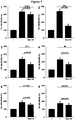
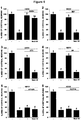
- NAD + (3 mM) and several anti-CD38 antibodies (clone 90, AT1, AT13/5, OKT-10 or HB-7; 1 ⁇ g/ml) increased the number of midbrain DA (TH + ) neurons in culture conditions where these neurons die spontaneously, selectively and progressively as they mature ( Figure 1 ).
- the neuroprotective effect of anti-CD38 antibodies (clone 90, AT1, AT13/5, OKT-10 or HB-7), and slightly but significantly that of NAD + was antagonized in the presence of Ned-19 (2 ⁇ M), an inhibitor of NAADP receptor activation.
- NAD + 3 mM
- anti-CD38 antibodies clone 90, AT1, AT13/5, OKT-10 or HB-7; 1 ⁇ g/ml
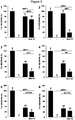
- DA neurotoxin MPTP the active metabolite of the DA neurotoxin MPTP was tested.
- spontaneously occurring DA cell death was prevented by a treatment combining depolarizing concentrations of K + (30 mM) and MK801 (5 ⁇ M), a glutamate receptor antagonist used to prevent unwanted excitotoxic insult.
- K + 30 mM
- MK801 5 ⁇ M
- the cultures were then exposed to 3 ⁇ M MPP + between 5 and 7 DIV to achieve a loss of approximately 50% of DA neurons.
- MPP + was shown to induce an increase in microglial cells number ( Henze et al. J Neurochem. 2005 95(4):1069-77 ).
- NAD + 3 mM
- anti-CD38 antibodies clone 90, AT1, AT13/5, OKT-10 or HB-7; 1 ⁇ g/ml
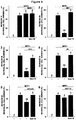
- NAD + 3 mM
- anti-CD38 antibodies clone 90, AT1, AT13/5, OKT-10 or HB-7; 1 ⁇ g/ml
- NAD + 3 mM
- anti-CD38 antibodies clone 90, AT1 or HB-7; 1 ⁇ g/ml
- FIG. 6 The neuroprotective effect of anti-CD38 antibodies clone 90, AT1, and HB7 but not that of NAD + was abolished in the presence of Ned-19 (2 ⁇ M), an inhibitor of NAADP receptor activation.
- Neuroprotection is associated with an increase in intracellular free calcium levels.
- the NAADP receptors TPC1 and TPC2 are known to release calcium from lysosomal compartment, leading to an increase in cytoplasmic calcium ( Pitt et al., J Physiol, 2016, 594(15):4171-9 ).
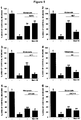
- To determine whether cytosolic calcium levels are increased following anti-CD38 clone HB7 (1 ⁇ g.ml) treatment through the recruitment of NAADP receptors we measured cytosolic calcium levels of cortical neurons in the presence or not of HB7 and / or the NAADP receptor antagonist Ned-19 (2 ⁇ M) ( Figure 7 ).
- anti-CD38 clone HB7 antibody increased cytosolic calcium levels, and that this effect is abrogated in the presence of the NAADP receptor antagonist Ned-19 (2 ⁇ M).
- Example 4 Neuroprotection of midbrain dopaminergic neurons by small organic molecule CD38 inhibitor
- the cultures were then maintained in N5 medium supplemented with 5 mM glucose, 5% horse serum, and 0.5% fetal calf serum, except for the first 3 days in vitro (DIV), when the concentration of fetal calf serum was 2.5% to favor initial maturation of the cultures ( Guerreiro et al., Mol Pharmacol, 2008 74(4):980-9 ). They were fed daily by replacing 70% of the medium. Routinely, mesencephalic cultures were established on Nunc 24-well culture plates (Thermofischer Scientific, Rochester, NY). Note that these cultures contain tyrosine hydroxylase (TH) + neurons that were exclusively dopaminergic ( Traver et al., Mol Pharmacol, 2006, 70(1):30-40 ).
- TH tyrosine hydroxylase
- TH + neurons represented approximately 1-2% of the total number of neuronal cells present in these cultures.
- the evaluation of the survival of DA neurons was performed by counting cells immunopositive for TH as described ( Toulorge et al., Faseb J, 2011, 25(8):2563-73 ).
- Treatments with MPP + were performed in cultures where the spontaneous death process was prevented by long-term exposure to depolarizing concentrations of K + (30 mM), in the presence of the glutamate receptor antagonist MK801 (5 ⁇ M) to prevent unwanted excitotoxic insults as described previously ( Douhou et al., J Neurochem, 2001, 78(1):163-74 ). Treatments with MPP + and potential neuroprotective molecules were carried out between 5 and 7 days in vitro (DIV). The number of microglial cells was evaluated in this same model since MPP + is known to induce microglial proliferation ( Henze et al., J Neurochem, 2005, 95(4):1069-77 ).
- H 2 O 2 (75 ⁇ M) was added to cortical cultures between 12 and 14 days in vitro (DIV) in the presence or the absence of potential neuroprotective molecules. The cultures were then fixed in formaldehyde and immunostained using anti-MAP-2 antibody. The area occupied by MAP-2 + neurons was assessed using ImageJ.
- Cytoplasmic free calcium levels were measured in individual cortical neurons using Cal-520 (AAT Bioquest). In brief, cultures grown for 7 to 8 days were incubated with 10 ⁇ M Cal-520. for 30 min at 37°C, washed twice with serum-free glucose-supplemented N5 medium to remove excess indicator, and then left to recover in the presence of test compounds for 30 min before assessment.
- the fluorescent signal (excitation, 480 nm; emission, 510 nm) was quantified using the Simple-PCI software from C-Imaging Systems and a Nikon (Tokyo, Japan) TE-300 inverted microscope equipped with an ORCA-ER digital camera from Hamamatsu (Bridgewater, NJ). The average pixel intensity over the surface of each cell body was determined under the different experimental conditions. Background fluorescence was subtracted from raw data, and the results were expressed as a percentage of mean fluorescence intensity per cell under control conditions. A minimum of 180 cells were analysed under each test condition.
Landscapes
- Health & Medical Sciences (AREA)
- Chemical & Material Sciences (AREA)
- Life Sciences & Earth Sciences (AREA)
- Medicinal Chemistry (AREA)
- General Health & Medical Sciences (AREA)
- Organic Chemistry (AREA)
- Veterinary Medicine (AREA)
- Public Health (AREA)
- Animal Behavior & Ethology (AREA)
- Pharmacology & Pharmacy (AREA)
- Immunology (AREA)
- Chemical Kinetics & Catalysis (AREA)
- Nuclear Medicine, Radiotherapy & Molecular Imaging (AREA)
- General Chemical & Material Sciences (AREA)
- Engineering & Computer Science (AREA)
- Biomedical Technology (AREA)
- Bioinformatics & Cheminformatics (AREA)
- Epidemiology (AREA)
- Biochemistry (AREA)
- Proteomics, Peptides & Aminoacids (AREA)
- Molecular Biology (AREA)
- Genetics & Genomics (AREA)
- Biophysics (AREA)
- Neurology (AREA)
- Neurosurgery (AREA)
- Mycology (AREA)
- Microbiology (AREA)
- Pain & Pain Management (AREA)
- Rheumatology (AREA)
- Toxicology (AREA)
- Peptides Or Proteins (AREA)
- Medicines Containing Antibodies Or Antigens For Use As Internal Diagnostic Agents (AREA)
- Medicines That Contain Protein Lipid Enzymes And Other Medicines (AREA)
- Pharmaceuticals Containing Other Organic And Inorganic Compounds (AREA)
- Measuring Or Testing Involving Enzymes Or Micro-Organisms (AREA)
Priority Applications (9)
| Application Number | Priority Date | Filing Date | Title |
|---|---|---|---|
| EP17315006.1A EP3434692A1 (en) | 2017-07-24 | 2017-07-24 | Compounds which specifically binds to cd38 for use in the treatment of neurodegenerative diseases |
| JP2020504405A JP2020528447A (ja) | 2017-07-24 | 2018-07-24 | 神経変性および炎症性疾患の治療に使用するためのcd38と特異的に結合する化合物 |
| EP18753069.6A EP3658586A1 (en) | 2017-07-24 | 2018-07-24 | Compounds which specifically bind to cd38 for use in the treatment of neurodegenerative and inflammatory diseases |
| CN201880061584.XA CN111108127A (zh) | 2017-07-24 | 2018-07-24 | 用于治疗神经变性和炎性疾病的特异性结合cd38的化合物 |
| AU2018308649A AU2018308649A1 (en) | 2017-07-24 | 2018-07-24 | Compounds which specifically bind to CD38 for use in the treatment of neurodegenerative and inflammatory diseases |
| US16/633,749 US20210087290A1 (en) | 2017-07-24 | 2018-07-24 | Compounds which specifically bind to cd38 for use in the treatment of neurodegenerative and inflammatory diseases |
| CA3070756A CA3070756A1 (en) | 2017-07-24 | 2018-07-24 | Compounds which specifically bind to cd38 for use in the treatment of neurodegenerative and inflammatory diseases |
| PCT/EP2018/070064 WO2019020643A1 (en) | 2017-07-24 | 2018-07-24 | COMPOUND BINDING SPECIFICALLY TO CD38 FOR USE IN THE TREATMENT OF NEURODEGENERATIVE AND INFLAMMATORY DISEASES |
| JP2023114928A JP2023134636A (ja) | 2017-07-24 | 2023-07-13 | 神経変性および炎症性疾患の治療に使用するためのcd38と特異的に結合する化合物 |
Applications Claiming Priority (1)
| Application Number | Priority Date | Filing Date | Title |
|---|---|---|---|
| EP17315006.1A EP3434692A1 (en) | 2017-07-24 | 2017-07-24 | Compounds which specifically binds to cd38 for use in the treatment of neurodegenerative diseases |
Publications (1)
| Publication Number | Publication Date |
|---|---|
| EP3434692A1 true EP3434692A1 (en) | 2019-01-30 |
Family
ID=59626538
Family Applications (2)
| Application Number | Title | Priority Date | Filing Date |
|---|---|---|---|
| EP17315006.1A Withdrawn EP3434692A1 (en) | 2017-07-24 | 2017-07-24 | Compounds which specifically binds to cd38 for use in the treatment of neurodegenerative diseases |
| EP18753069.6A Withdrawn EP3658586A1 (en) | 2017-07-24 | 2018-07-24 | Compounds which specifically bind to cd38 for use in the treatment of neurodegenerative and inflammatory diseases |
Family Applications After (1)
| Application Number | Title | Priority Date | Filing Date |
|---|---|---|---|
| EP18753069.6A Withdrawn EP3658586A1 (en) | 2017-07-24 | 2018-07-24 | Compounds which specifically bind to cd38 for use in the treatment of neurodegenerative and inflammatory diseases |
Country Status (7)
| Country | Link |
|---|---|
| US (1) | US20210087290A1 (enExample) |
| EP (2) | EP3434692A1 (enExample) |
| JP (2) | JP2020528447A (enExample) |
| CN (1) | CN111108127A (enExample) |
| AU (1) | AU2018308649A1 (enExample) |
| CA (1) | CA3070756A1 (enExample) |
| WO (1) | WO2019020643A1 (enExample) |
Families Citing this family (9)
| Publication number | Priority date | Publication date | Assignee | Title |
|---|---|---|---|---|
| MX2021008094A (es) | 2019-01-11 | 2021-09-21 | Omeros Corp | Metodos y composiciones para el tratamiento del cancer. |
| MX2022001019A (es) | 2019-07-31 | 2022-02-22 | Ribon Therapeutics Inc | Amidas heterobiciclicas como inhibidoras del cumulo de diferenciacion 38 (cd38). |
| US20220387317A1 (en) * | 2019-11-07 | 2022-12-08 | Ohio State Innovation Foundation | Methods and compositions relating to selective intracellular delivery of cd38 inhibitors |
| EP3943505A1 (en) * | 2020-07-22 | 2022-01-26 | Encefa | Cd38-binding cd31 peptides and uses thereof |
| WO2022152823A1 (en) | 2021-01-14 | 2022-07-21 | Morphosys Ag | Anti-cd38 antibodies and their uses |
| HRP20251111T1 (hr) | 2021-01-29 | 2025-11-21 | Boehringer Ingelheim International Gmbh | Azakinolini kao inhibitori cd38 |
| TW202302642A (zh) | 2021-03-01 | 2023-01-16 | 德商莫菲西斯公司 | 用於治療抗體介導移植物排斥用途之抗cd38抗體 |
| JP7782720B2 (ja) | 2022-10-28 | 2025-12-09 | 日本精工株式会社 | 回転支持装置、及び軸支持装置の支持機構位置調整機構 |
| WO2026075985A1 (en) * | 2024-10-01 | 2026-04-09 | Neolaia Inc. | Quinoline- and quinazoline-carboxamide derivatives as cd38 inhibitors |
Citations (4)
| Publication number | Priority date | Publication date | Assignee | Title |
|---|---|---|---|---|
| WO2008068637A2 (en) | 2006-12-04 | 2008-06-12 | Institut Pasteur | Ob-fold used as scaffold for engineering new specific binders |
| EP1270725B1 (de) | 1997-09-26 | 2011-01-19 | Pieris AG | Anticaline |
| US20120328526A1 (en) | 2011-06-27 | 2012-12-27 | University Of Maryland, Baltimore | Modulation of Nad+ Activity in Neuropathophysiological Conditions and Uses Thereof |
| WO2016024246A1 (en) | 2014-08-14 | 2016-02-18 | Universita' Degli Studi Di Roma 'la Sapienza' | A therapeutic use of naadp and/or tcp2 antagonists |
Family Cites Families (8)
| Publication number | Priority date | Publication date | Assignee | Title |
|---|---|---|---|---|
| EP1914242A1 (en) * | 2006-10-19 | 2008-04-23 | Sanofi-Aventis | Novel anti-CD38 antibodies for the treatment of cancer |
| SMT202000031T1 (it) * | 2010-06-09 | 2020-03-13 | Genmab As | Anticorpi contro cd38 umano |
| JOP20210044A1 (ar) * | 2010-12-30 | 2017-06-16 | Takeda Pharmaceuticals Co | الأجسام المضادة لـ cd38 |
| US20150093399A1 (en) | 2013-08-28 | 2015-04-02 | Bioasis Technologies, Inc. | Cns-targeted conjugates having modified fc regions and methods of use thereof |
| PH12017500442B1 (en) * | 2014-09-09 | 2023-05-24 | Janssen Biotech Inc | Combination therapies with anti-cd38 antibodies |
| EA039366B1 (ru) | 2015-06-24 | 2022-01-19 | Джей Си Ар ФАРМАСЬЮТИКАЛЗ КО., ЛТД. | Антитело к рецептору трансферрина человека, проникающее через гематоэнцефалический барьер |
| EA037548B1 (ru) * | 2015-06-24 | 2021-04-12 | Янссен Байотек, Инк. | Иммуномодуляция и лечение солидных опухолей антителами, которые специфически связывают cd38 |
| US10722529B2 (en) * | 2015-12-03 | 2020-07-28 | Temple University—Of the Commonwealth System of Higher Education | Modulation of NAD+ metabolic pathways for treatment of disease |
-
2017
- 2017-07-24 EP EP17315006.1A patent/EP3434692A1/en not_active Withdrawn
-
2018
- 2018-07-24 US US16/633,749 patent/US20210087290A1/en active Pending
- 2018-07-24 CN CN201880061584.XA patent/CN111108127A/zh active Pending
- 2018-07-24 EP EP18753069.6A patent/EP3658586A1/en not_active Withdrawn
- 2018-07-24 CA CA3070756A patent/CA3070756A1/en active Pending
- 2018-07-24 JP JP2020504405A patent/JP2020528447A/ja active Pending
- 2018-07-24 WO PCT/EP2018/070064 patent/WO2019020643A1/en not_active Ceased
- 2018-07-24 AU AU2018308649A patent/AU2018308649A1/en not_active Abandoned
-
2023
- 2023-07-13 JP JP2023114928A patent/JP2023134636A/ja active Pending
Patent Citations (5)
| Publication number | Priority date | Publication date | Assignee | Title |
|---|---|---|---|---|
| EP1270725B1 (de) | 1997-09-26 | 2011-01-19 | Pieris AG | Anticaline |
| US8536307B2 (en) | 1997-09-26 | 2013-09-17 | Pieris Ag | Anticalins |
| WO2008068637A2 (en) | 2006-12-04 | 2008-06-12 | Institut Pasteur | Ob-fold used as scaffold for engineering new specific binders |
| US20120328526A1 (en) | 2011-06-27 | 2012-12-27 | University Of Maryland, Baltimore | Modulation of Nad+ Activity in Neuropathophysiological Conditions and Uses Thereof |
| WO2016024246A1 (en) | 2014-08-14 | 2016-02-18 | Universita' Degli Studi Di Roma 'la Sapienza' | A therapeutic use of naadp and/or tcp2 antagonists |
Non-Patent Citations (51)
| Title |
|---|
| "NCBI", Database accession no. NP _001137291.1 |
| "NCBI", Database accession no. NP_001766 |
| "NCBI", Database accession no. NP_620714.2 |
| ANJA GERTH ET AL: "Extracellular NAD + regulates intracellular free calcium concentration in human monocytes", BIOCHEMICAL JOURNAL, vol. 382, no. 3, 15 September 2004 (2004-09-15), GB, pages 849 - 856, XP055426063, ISSN: 0264-6021, DOI: 10.1042/BJ20040979 * |
| ARNDT ET AL., MOLECULAR BIOLOGY OF THE CELL, vol. 25, no. 6, 2014, pages 948 - 64 |
| BERRIDGE ET AL., BIOCHEMICAL JOURNAL, vol. 365, 2002, pages 295 - 301 |
| BERTHELIER ET AL., BIOCHEM J, vol. 330, 1998, pages 1383 - 90 |
| BLACHER ET AL., ANN NEUROL, vol. 78, no. 1, 2015, pages 88 - 103 |
| CALCRAFT ET AL., NATURE, vol. 459, no. 7246, 2009, pages 596 - 600 |
| CHIARA CORDIGLIERI ET AL: "Nicotinic acid adenine dinucleotide phosphate-mediated calcium signalling in effector T cells regulates autoimmunity of the central nervous system", BRAIN., vol. 133, no. 7, 2 June 2010 (2010-06-02), GB, pages 1930 - 1943, XP055426025, ISSN: 0006-8950, DOI: 10.1093/brain/awq135 * |
| CHINI, CURR PHARM DES, vol. 15, no. 1, 2009, pages 57 - 63 |
| DAVIDSON ET AL., CARDIOVASCULAR RESEARCH, vol. 108, 2015, pages 357 - 366 |
| DOUHOU ET AL., J NEUROCHEM, vol. 78, no. 1, 2001, pages 163 - 74 |
| FERNANDEZ ET AL., AUTOPHAGY, vol. 12, no. 9, 2016, pages 1487 - 506 |
| GONG ET AL., NEUROBIOL AGING, vol. 34, no. 6, 2013, pages 1581 - 8 |
| GRAEFF ET AL., JBC, vol. 281, no. 39, 2006, pages 28951 - 7 |
| GUERREIRO ET AL., MOL PHARMACOL, vol. 74, no. 4, 2008, pages 980 - 9 |
| GUERREIRO ET AL., MOL PHARMACOL., vol. 74, no. 4, October 2008 (2008-10-01), pages 980 - 9 |
| HARA-YOKOYAMA MIKI ET AL: "Alteration of enzymatic properties of cell-surface antigen CD38 by agonistic anti-CD38 antibodies that prolong B cell survival and induce activation", INTERNATIONAL IMMUNOPHARMACOLOGY, vol. 8, no. 1, 2008, pages 59 - 70, XP029239701, ISSN: 1567-5769, DOI: 10.1016/J.INTIMP.2007.10.010 * |
| HARLAN ET AL., J BIOL CHEM, vol. 291, no. 20, 2016, pages 10836 - 46 |
| HENZE ET AL., J NEUROCHEM, vol. 95, no. 4, 2005, pages 1069 - 77 |
| HENZE ET AL., J NEUROCHEM., vol. 95, no. 4, 2005, pages 1069 - 77 |
| HOCKEY ET AL., J CELL SCI, vol. 128, no. 2, 2015, pages 232 - 8 |
| IRANI ET AL., MOLECULAR IMMUNOLOGY, vol. 67, no. 2, 2015, pages 171 - 82 |
| J. PARRINGTON ET AL: "Ca 2+ signals, NAADP and two-pore channels: role in cellular differentiation", ACTA PHYSIOLOGICA, vol. 211, no. 2, 16 May 2014 (2014-05-16), GB, pages 285 - 296, XP055426284, ISSN: 1748-1708, DOI: 10.1111/apha.12298 * |
| KREHENBRINK ET AL., J. MOL. BIOL., vol. 383, no. 5, 2008, pages 1058 - 68 |
| KRISTIAN ET AL., J NEUROSCI RES, vol. 89, no. 12, 2011, pages 1946 - 55 |
| L. N. HOCKEY ET AL: "Dysregulation of lysosomal morphology by pathogenic LRRK2 is corrected by TPC2 inhibition", JOURNAL OF CELL SCIENCE, vol. 128, no. 2, 21 November 2014 (2014-11-21), GB, pages 232 - 238, XP055357355, ISSN: 0021-9533, DOI: 10.1242/jcs.164152 * |
| LEE ET AL., SCIENTIFIC REPORTS, vol. 6, 2016, pages 20282 |
| LEWERENZ J; MAHER, FRONT NEUROSCI, vol. 9, 2015, pages 469 |
| LONG ET AL., NEUROCHEM RES, vol. 42, no. 1, 2017, pages 283 - 93 |
| LU ET AL., EXP THER MAD, vol. 8, no. 3, 2014, pages 943 - 50 |
| MALAVASI ET AL., PHYSIOL REV, vol. 88, 2008, pages 841 - 886 |
| MALAVASI ET AL., PHYSIOLOGICAL REVIEW, vol. 88, 2008, pages 841 - 886 |
| MICHEL ET AL., J NEUROCHEM, vol. 69, no. 4, 1997, pages 1499 - 507 |
| MULLER-STEFFNER ET AL., J BIOL CHEM, vol. 267, no. 14, 1992, pages 9606 - 11 |
| NATIONAL RESEARCH COUNCIL, 1996 |
| NAYLOR ET AL., NATURE CHEMICAL BIOLOGY, vol. 5, no. 4, 2009, pages 220 - 6 |
| P. P. MICHEL ET AL: "Specific needs of dopamine neurons for stimulation in order to survive: implication for Parkinson disease", THE FASEB JOURNAL, vol. 27, no. 9, 1 September 2013 (2013-09-01), US, pages 3414 - 3423, XP055425705, ISSN: 0892-6638, DOI: 10.1096/fj.12-220418 * |
| PATEL ET AL., SCIENCE SIGNALLING, vol. 8, no. 384, 2015, pages re7 |
| PATRICK P. MICHEL ET AL: "Understanding Dopaminergic Cell Death Pathways in Parkinson Disease", NEURON, vol. 90, no. 4, 1 May 2016 (2016-05-01), US, pages 675 - 691, XP055425720, ISSN: 0896-6273, DOI: 10.1016/j.neuron.2016.03.038 * |
| PILAR RIVERO-RÍOS ET AL: "Two-Pore Channels and Parkinson's Disease: Where's the Link?", MESSENGER, vol. 5, no. 1, 1 June 2016 (2016-06-01), pages 67 - 75, XP055426017, ISSN: 2167-955X, DOI: 10.1166/msr.2016.1051 * |
| PITT ET AL., J PHYSIOL, vol. 594, no. 15, 2016, pages 4171 - 9 |
| SALFELD, NATURE BIOTECHNOLOGY, vol. 25, no. 12, 2007, pages 1369 - 72 |
| SCHLEHUBER; SKERRA, BIOPHYS. CHEM., vol. 96, no. 2-3, 2002, pages 213 - 28 |
| SCHMID ET AL., FEBS LETTERS, vol. 585, no. 22, 2011, pages 3544 - 3548 |
| SCHMID, FEBS LETTERS, vol. 585, no. 22, 2011, pages 3544 - 3548 |
| SKERRA, FEBS J., vol. 275, no. 11, 2008, pages 2667 |
| TOULORGE ET AL., FASEB J, vol. 25, no. 8, 2011, pages 2563 - 73 |
| TRAVER ET AL., MOL PHARMACOL, vol. 70, no. 1, 2006, pages 30 - 40 |
| XIANWANG WANG ET AL: "Dual Roles of CD38 in Autophagy", YANGTZE MEDICINE, vol. 01, no. 01, 30 March 2017 (2017-03-30), pages 8 - 19, XP055426293, ISSN: 2475-7330, DOI: 10.4236/ym.2017.11002 * |
Also Published As
| Publication number | Publication date |
|---|---|
| JP2020528447A (ja) | 2020-09-24 |
| US20210087290A1 (en) | 2021-03-25 |
| CN111108127A (zh) | 2020-05-05 |
| WO2019020643A1 (en) | 2019-01-31 |
| AU2018308649A1 (en) | 2020-02-13 |
| JP2023134636A (ja) | 2023-09-27 |
| CA3070756A1 (en) | 2019-01-31 |
| EP3658586A1 (en) | 2020-06-03 |
Similar Documents
| Publication | Publication Date | Title |
|---|---|---|
| EP3434692A1 (en) | Compounds which specifically binds to cd38 for use in the treatment of neurodegenerative diseases | |
| US20220363768A1 (en) | Ccr8 antibodies for therapeutic applications | |
| TWI573805B (zh) | 抗轉鐵蛋白受體抗體及其使用方法 | |
| CN109715667B (zh) | 抗-gprc5d抗体、结合gprc5d和cd3的双特异性抗原结合分子及其用途 | |
| TW202016136A (zh) | 針對bcma之結合分子及其用途 | |
| TW202110879A (zh) | 抗tdp-43結合分子及其用途 | |
| KR20170085595A (ko) | 혈뇌 장벽 수용체 항체 및 사용 방법 | |
| BR112020013663A2 (pt) | moléculas de ligação ao tdp-43 dobrado incorretamente | |
| CN107074937A (zh) | 人源抗亨廷顿蛋白(htt)抗体及其用途 | |
| CN116847887A (zh) | 治疗自身免疫性疾病和癌症的方法和组合物 | |
| TW202600606A (zh) | 抗體連接子結合物 | |
| EP4527407A1 (en) | Anti-mesothelin antibodies and uses thereof | |
| BR122024025431B1 (pt) | Uso de um anticorpo anti-ccr8 em combinação simultânea, separada ou sequencial com um ou mais compostos terapeuticamente ativos adicionais para induzir adcp em um paciente humano com um tumor | |
| HK40115111A (zh) | 抗pilra抗体、其用途以及相关方法和试剂 | |
| HK40107886A (zh) | 抗ccr8抗体疗法:生物标志物和组合疗法 | |
| HK40090308A (zh) | 抗ccr8抗体疗法:生物标志物和组合疗法 | |
| EA051238B1 (ru) | Терапия антителами против ccr8: биомаркеры и комбинированная терапия | |
| HK1236204A1 (en) | Anti-transferrin receptor antibodies and methods of use | |
| HK1215584B (zh) | 运铁蛋白受体的抗体及其使用方法 |
Legal Events
| Date | Code | Title | Description |
|---|---|---|---|
| PUAI | Public reference made under article 153(3) epc to a published international application that has entered the european phase |
Free format text: ORIGINAL CODE: 0009012 |
|
| AK | Designated contracting states |
Kind code of ref document: A1 Designated state(s): AL AT BE BG CH CY CZ DE DK EE ES FI FR GB GR HR HU IE IS IT LI LT LU LV MC MK MT NL NO PL PT RO RS SE SI SK SM TR |
|
| AX | Request for extension of the european patent |
Extension state: BA ME |
|
| STAA | Information on the status of an ep patent application or granted ep patent |
Free format text: STATUS: THE APPLICATION IS DEEMED TO BE WITHDRAWN |
|
| 18D | Application deemed to be withdrawn |
Effective date: 20190731 |