EP3395988A1 - High-strength structural steel sheet excellent in hot resistance and manufacturing method thereof - Google Patents
High-strength structural steel sheet excellent in hot resistance and manufacturing method thereof Download PDFInfo
- Publication number
- EP3395988A1 EP3395988A1 EP16879310.7A EP16879310A EP3395988A1 EP 3395988 A1 EP3395988 A1 EP 3395988A1 EP 16879310 A EP16879310 A EP 16879310A EP 3395988 A1 EP3395988 A1 EP 3395988A1
- Authority
- EP
- European Patent Office
- Prior art keywords
- steel sheet
- less
- strength
- structural steel
- steel
- Prior art date
- Legal status (The legal status is an assumption and is not a legal conclusion. Google has not performed a legal analysis and makes no representation as to the accuracy of the status listed.)
- Granted
Links
Images
Classifications
-
- C—CHEMISTRY; METALLURGY
- C22—METALLURGY; FERROUS OR NON-FERROUS ALLOYS; TREATMENT OF ALLOYS OR NON-FERROUS METALS
- C22C—ALLOYS
- C22C38/00—Ferrous alloys, e.g. steel alloys
- C22C38/16—Ferrous alloys, e.g. steel alloys containing copper
-
- C—CHEMISTRY; METALLURGY
- C21—METALLURGY OF IRON
- C21D—MODIFYING THE PHYSICAL STRUCTURE OF FERROUS METALS; GENERAL DEVICES FOR HEAT TREATMENT OF FERROUS OR NON-FERROUS METALS OR ALLOYS; MAKING METAL MALLEABLE, e.g. BY DECARBURISATION OR TEMPERING
- C21D8/00—Modifying the physical properties of ferrous metals or ferrous alloys by deformation combined with, or followed by, heat treatment
- C21D8/02—Modifying the physical properties of ferrous metals or ferrous alloys by deformation combined with, or followed by, heat treatment during manufacturing of plates or strips
- C21D8/0221—Modifying the physical properties of ferrous metals or ferrous alloys by deformation combined with, or followed by, heat treatment during manufacturing of plates or strips characterised by the working steps
- C21D8/0226—Hot rolling
-
- C—CHEMISTRY; METALLURGY
- C21—METALLURGY OF IRON
- C21D—MODIFYING THE PHYSICAL STRUCTURE OF FERROUS METALS; GENERAL DEVICES FOR HEAT TREATMENT OF FERROUS OR NON-FERROUS METALS OR ALLOYS; MAKING METAL MALLEABLE, e.g. BY DECARBURISATION OR TEMPERING
- C21D8/00—Modifying the physical properties of ferrous metals or ferrous alloys by deformation combined with, or followed by, heat treatment
- C21D8/02—Modifying the physical properties of ferrous metals or ferrous alloys by deformation combined with, or followed by, heat treatment during manufacturing of plates or strips
- C21D8/0247—Modifying the physical properties of ferrous metals or ferrous alloys by deformation combined with, or followed by, heat treatment during manufacturing of plates or strips characterised by the heat treatment
-
- C—CHEMISTRY; METALLURGY
- C22—METALLURGY; FERROUS OR NON-FERROUS ALLOYS; TREATMENT OF ALLOYS OR NON-FERROUS METALS
- C22C—ALLOYS
- C22C38/00—Ferrous alloys, e.g. steel alloys
-
- C—CHEMISTRY; METALLURGY
- C22—METALLURGY; FERROUS OR NON-FERROUS ALLOYS; TREATMENT OF ALLOYS OR NON-FERROUS METALS
- C22C—ALLOYS
- C22C38/00—Ferrous alloys, e.g. steel alloys
- C22C38/001—Ferrous alloys, e.g. steel alloys containing N
-
- C—CHEMISTRY; METALLURGY
- C22—METALLURGY; FERROUS OR NON-FERROUS ALLOYS; TREATMENT OF ALLOYS OR NON-FERROUS METALS
- C22C—ALLOYS
- C22C38/00—Ferrous alloys, e.g. steel alloys
- C22C38/02—Ferrous alloys, e.g. steel alloys containing silicon
-
- C—CHEMISTRY; METALLURGY
- C22—METALLURGY; FERROUS OR NON-FERROUS ALLOYS; TREATMENT OF ALLOYS OR NON-FERROUS METALS
- C22C—ALLOYS
- C22C38/00—Ferrous alloys, e.g. steel alloys
- C22C38/04—Ferrous alloys, e.g. steel alloys containing manganese
-
- C—CHEMISTRY; METALLURGY
- C22—METALLURGY; FERROUS OR NON-FERROUS ALLOYS; TREATMENT OF ALLOYS OR NON-FERROUS METALS
- C22C—ALLOYS
- C22C38/00—Ferrous alloys, e.g. steel alloys
- C22C38/06—Ferrous alloys, e.g. steel alloys containing aluminium
-
- C—CHEMISTRY; METALLURGY
- C22—METALLURGY; FERROUS OR NON-FERROUS ALLOYS; TREATMENT OF ALLOYS OR NON-FERROUS METALS
- C22C—ALLOYS
- C22C38/00—Ferrous alloys, e.g. steel alloys
- C22C38/08—Ferrous alloys, e.g. steel alloys containing nickel
-
- C—CHEMISTRY; METALLURGY
- C22—METALLURGY; FERROUS OR NON-FERROUS ALLOYS; TREATMENT OF ALLOYS OR NON-FERROUS METALS
- C22C—ALLOYS
- C22C38/00—Ferrous alloys, e.g. steel alloys
- C22C38/12—Ferrous alloys, e.g. steel alloys containing tungsten, tantalum, molybdenum, vanadium, or niobium
-
- C—CHEMISTRY; METALLURGY
- C22—METALLURGY; FERROUS OR NON-FERROUS ALLOYS; TREATMENT OF ALLOYS OR NON-FERROUS METALS
- C22C—ALLOYS
- C22C38/00—Ferrous alloys, e.g. steel alloys
- C22C38/14—Ferrous alloys, e.g. steel alloys containing titanium or zirconium
-
- C—CHEMISTRY; METALLURGY
- C21—METALLURGY OF IRON
- C21D—MODIFYING THE PHYSICAL STRUCTURE OF FERROUS METALS; GENERAL DEVICES FOR HEAT TREATMENT OF FERROUS OR NON-FERROUS METALS OR ALLOYS; MAKING METAL MALLEABLE, e.g. BY DECARBURISATION OR TEMPERING
- C21D2211/00—Microstructure comprising significant phases
- C21D2211/004—Dispersions; Precipitations
-
- C—CHEMISTRY; METALLURGY
- C21—METALLURGY OF IRON
- C21D—MODIFYING THE PHYSICAL STRUCTURE OF FERROUS METALS; GENERAL DEVICES FOR HEAT TREATMENT OF FERROUS OR NON-FERROUS METALS OR ALLOYS; MAKING METAL MALLEABLE, e.g. BY DECARBURISATION OR TEMPERING
- C21D2211/00—Microstructure comprising significant phases
- C21D2211/005—Ferrite
-
- C—CHEMISTRY; METALLURGY
- C21—METALLURGY OF IRON
- C21D—MODIFYING THE PHYSICAL STRUCTURE OF FERROUS METALS; GENERAL DEVICES FOR HEAT TREATMENT OF FERROUS OR NON-FERROUS METALS OR ALLOYS; MAKING METAL MALLEABLE, e.g. BY DECARBURISATION OR TEMPERING
- C21D8/00—Modifying the physical properties of ferrous metals or ferrous alloys by deformation combined with, or followed by, heat treatment
- C21D8/02—Modifying the physical properties of ferrous metals or ferrous alloys by deformation combined with, or followed by, heat treatment during manufacturing of plates or strips
-
- C—CHEMISTRY; METALLURGY
- C21—METALLURGY OF IRON
- C21D—MODIFYING THE PHYSICAL STRUCTURE OF FERROUS METALS; GENERAL DEVICES FOR HEAT TREATMENT OF FERROUS OR NON-FERROUS METALS OR ALLOYS; MAKING METAL MALLEABLE, e.g. BY DECARBURISATION OR TEMPERING
- C21D9/00—Heat treatment, e.g. annealing, hardening, quenching or tempering, adapted for particular articles; Furnaces therefor
- C21D9/46—Heat treatment, e.g. annealing, hardening, quenching or tempering, adapted for particular articles; Furnaces therefor for sheet metals
Definitions
- the present disclosure relates to a high-strength structural steel sheet having excellent heat treatment resistance and a manufacturing method thereof.
- the exteriors of ships and marine and architectural structures have both planar and curved surfaces.
- planar processing is determined during a plate material forming process, the exterior is formed without performing a separate process when ships or marine structures are constructed, but in the case of a curved surface forming process, a plate material is processed.
- linear heating an operation of heating a surface of steel sheet, is performed.
- Bending work based on linear heating, utilizes properties in which a heated portion is deformed due to constraint from a non-heated region around the heated portion when the heated portion contracts due to cooling after being heat-expanded.
- a surface of the steel sheet is heated to a temperature of about 600 to 900°C or water-cooled after heating, and thus, after the linear heating, physical properties of the steel sheet may be lowered.
- a steel material is heated to an austenite start transformation temperature, if the steel material is heated to above the transformation temperature or a recrystallization temperature due to annealing of dislocations, or the like, the material is mainly deteriorated due to the growth of a crystal grain.
- the steel sheet may be embrittled due to a heat cycle of heating and cooling of the surface of the steel sheet, resulting in deterioration of toughness.
- An aspect of the present disclosure is to provide a high-strength structural steel sheet having excellent heat treatment resistance, which has excellent yield strength, tensile strength, and impact toughness, even after linear heating, and a manufacturing method thereof are required.
- a high-strength structural steel sheet having excellent heat treatment resistance includes: by weight percent (wt%), 0.03 to 0.07% of C, 0.05 to 0.2% of Si, 1.6 to 2.3% of Mn, 0.008% or less of P, 0.002% or less of S, 0.025% or less of Al, 0.1 to 0.4% of Cu, 1.4 to 2.3% of Ni, 0.08 to 0.2% of Mo, 0.01 to 0.025% of Nb, 0.008 to 0.02% of Ti, 0.001 to 0.008% of N, the remainder being Fe, and unavoidable impurities, wherein a microstructure within 10 mm of the surface contains 80% or more of acicular ferrite and 20% or less of polygonal ferrite.
- a method of manufacturing a high-strength structural steel sheet having excellent heat treatment resistance includes: reheating a slab including, by weight percent (wt%), 0.03 to 0.07% of C, 0.05 to 0.2% of Si, 1.6 to 2.3% of Mn, 0.008% or less of P, 0.002% or less of S, 0.025% or less of Al, 0.1 to 0.4% of Cu, 1.4 to 2.3% of Ni, 0.08 to 0.2% of Mo, 0.01 to 0.025% of Nb, 0.008 to 0.02% of Ti, 0.001 to 0.008% of N, the remainder being Fe, and unavoidable impurities; performing non-recrystallization region rolling on the reheated slab at 750 to 850°C; and performing cooling to a cooling end temperature of 380 to 440°C at a cooling rate of 10°C/sec. or faster after the non-recrystallization region rolling.
- the high-strength structural steel sheet which has excellent yield strength, tensile strength, and low-temperature impact toughness even after linear heating by having excellent heat treatment resistance, as well as before the linear heating, and a manufacturing method thereof may be provided.
- the inventors of the present disclosure have found that when the high-strength structural steel sheet is linearly heated to be bent to have a curved surface in the appearance of ships, marine structures and building structures, physical properties of the steel sheet may be lowered after the linear heating.
- the heating to the austenite start transformation temperature causes deterioration of the material due to annealing of dislocations, and the like, and when the steel sheet is heated to above the transformation temperature or above the recrystallization temperature, the material is mainly degraded due to the growth of the crystal grains.
- a microstructure within 10 mm or less from a surface includes, by volume fraction, 80% or more of acicular ferrite and 20% or less of polygonal ferrite through low temperature rolling and strong cooling by lowering an Ar 3 temperature by adding large amounts of Mn and Ni, growth of a crystal grain after linear heating may be prevented and growth of a crystal grain and formation of coarse carbide may be prevented using a grain boundary pinning effect of precipitates of NbC and Mo 2 C, whereby, the inventors noticed that, a high-strength structural steel sheet having excellent yield strength, tensile strength, and impact toughness even after linear heating, as well as before the linear heating, and a manufacturing method thereof can be provided, thus completing the present disclosure.
- a high-strength structural steel sheet having excellent heat treatment resistance includes, by weight percent (wt%), 0.03 to 0.07% of C, 0.05 to 0.2% of Si, 1.6 to 2.3% of Mn, 0.008% or less of P, 0.002% or less of S, 0.025% or less of Al, 0.1 to 0.4% of Cu, 1.4 to 2.3% of Ni, 0.08 to 0.2% of Mo, 0.01 to 0.025 % of Nb, 0.008 to 0.02% of Ti, 0.001 to 0.008% of N, the remainder being Fe, and unavoidable impurities, and a microstructure within 10 mm of the surface contains 90% or more of acicular ferrite.
- C is a very important element for securing strength.
- C In order to secure sufficient strength, 0.03% or more of C may be added. If C is excessively added, a coarse carbide may be formed during cooling after the linear heating to lower impact toughness, and thus, an upper limit of C is preferably 0.07%.
- Si is a useful element as a deoxidizing agent, but if the content of C is excessive, toughness may be lowered.
- the Si content is preferably 0.05% or more. However, if the Si content exceeds 0.2%, toughness may be lowered. Therefore, the Si content is preferably 0.05 to 0.2%.
- Mn has an effect of improving strength as a solid solution strengthening element and improving grain refinement and toughness of a base material.
- formation of polygonal ferrite may be minimized by low temperature rolling and strong cooling by lowering the Ar 3 temperature.
- Mn may be added in an amount of 1.6% or more. If, however, Mn is excessively added, a nonmetallic inclusion of MnS is formed at a central portion, and the MnS inclusion may be stretched after rolling to significantly lower low temperature toughness. Therefore, an upper limit thereof is preferably 2.3%.
- P is an element advantageous for improving strength and corrosion resistance but since it is an element which greatly hinders impact toughness, it is advantageous to keep it as low as possible, and therefore, an upper limit thereof is preferably 0.008%.
- the upper limit is preferably 0.002%.
- Al an element for effectively performing deoxidation, is preferably controlled to 0.005 to 0.025%. It is not necessary to specifically control a lower limit, but Al may be included by 0.005% or more for deoxidation.
- Cu a solid solution strengthening and precipitation strengthening element
- Cu is an element capable of improving strength while minimizing a decrease in toughness of the base material.
- Cu is preferably contained in an amount of 0.1% or more. Meanwhile, the excessive addition of Cu may cause defects on a surface of the steel due to hot brittleness, so an upper limit thereof is preferably 0.4% or less.
- Ni is an element capable of simultaneously improving both strength and toughness of a base material.
- formation of polygonal ferrite may be minimized by low temperature rolling and strong cooling by lowering the Ar 3 temperature.
- the Ni content is less than 1.4%, the above-mentioned effect is insufficient. If the Ni content is more than 2.3%, curability may be increased and impact toughness may be lowered due to formation of bainite. Therefore, the Ni content is preferably 1.4 to 2.3%.
- Mo is an element which effectively increases strength by the addition of a small amount, and Mo may be added in an amount of 0.08% or more in order to form precipitates of fine Mo-C series after linear heating to prevent deterioration of strength.
- an upper limit thereof is preferably 0.2% or less.
- Nb dissolved in the steel sheet prior to linear heating is precipitated in the form of NbC or NbCN during the linear heating to improve strength of the base material.
- Nb is important to maintain strength after linear heating, and at least 0.01% must be added in order to effectively demonstrate the addition effect of Nb.
- excessive addition of Nb may coarsen the precipitates, and therefore, an upper limit thereof is preferably 0.025% or less.
- Ti forms a nitride with N to prevent crystal grains from growing at a high temperature.
- the Ti content is 0.008% or more.
- excessive Ti addition may lower impact toughness due to coarsening of the Ti precipitates, and thus, an upper limit thereof is preferably 0.02%.
- N is an element which forms a precipitate together with Ti, Nb and Al to improve strength and toughness by making an austenite structure finer during reheating.
- the N content is less than 0.001%, the above-mentioned effect may not be sufficiently obtained. Meanwhile, when the N content exceeds 0.008%, surface cracking may occur at a high temperature and the residual N may exist in an atomic state to reduce toughness. Therefore, the N content is preferably 0.001 to 0.008%.
- the remainder of the steel sheet of the present disclosure is iron (Fe).
- impurities that are not intended may be inevitably mixed from a raw material or a surrounding environment, so the impurities may not be excluded.
- These impurities are known to any person skilled in the art of manufacturing, and thus, are not specifically mentioned in this disclosure.
- a microstructure within 10 mm of the surface of the high-strength structural steel sheet having excellent heat treatment resistance includes 80% or more of an acicular ferrite and 20% or less of polygonal ferrite, by volume fraction.
- crystal grains of the polygonal ferrite are easily grown by heating, if the polygonal ferrite is present in an amount of more than 20 volume % in the microstructure within 10 mm, crystal grains may grow, a coarse carbide may be formed, and a base structure may be degraded.
- a thickness of the steel sheet is preferably 40 mm or less. If the thickness of the steel sheet exceeds 40 mm, it is difficult to apply bending by linear heating.
- a minimum thickness of the steel sheet may be 12 mm.
- the steel sheet has yield strength of 500 MPa or greater, tensile strength of 600 MPa or greater, and impact toughness of 100 J or greater at - 40°C. Accordingly, the steel sheet may be preferably used in ships, marine and building structures, and the like.
- bending based on linear heating uses properties that a heated portion is deformed by constraint from a surrounding non-heated region when a heated portion contracts due to cooling after thermally expanded.
- the surface of the steel sheet is generally heated to 600 to 900°C.
- Mo dissolved in the steel sheet at a relatively low temperature of 600 to 800°C is precipitated as Mo 2 C upon cooling after the linear heating and
- Nb dissolved in the steel sheet at a relatively high temperature of 800°C or higher is precipitated as NbC upon cooling after the linear heating.
- the Mo 2 C precipitate or NbC precipitate is precipitated to grain boundaries to inhibit growth of crystal grains (pinning effect) and prevent formation of a coarse carbide. Further, as C is greatly consumed as a precipitate, generation and coarsening of carbide may be prevented.
- a size of the Mo 2 C precipitate and the NbC precipitate is preferably 2 to 20 nm.
- the steel sheet according to the present disclosure is linearly heated to 600 to 900°C and subjected to curving, the steel sheet has a yield strength of 500 MPa or greater, tensile strength of 600 MPa or greater, and an impact toughness of 100 J or more at -40°C.
- the method of manufacturing a high-strength structural steel sheet having excellent heat treatment resistance includes: reheating a slab having the above-described alloy composition; performing non-recrystallization region rolling on the reheated slab at 750 to 850°C; and performing cooling to a cooling end temperature of 380 to 440°C at a cooling rate of 10°C/sec. or faster after the non-recrystallization region rolling.
- the slab having the above-described alloy composition is reheated.
- a reheating temperature of the slab is not limited but is preferably 1100 to 1200°C.
- the reheated slab is subjected to non-recrystallization region rolling at 750 to 850°C. This is to make crystal grains finer.
- the non-recrystallization rolling In order to make the crystal grains finer, the non-recrystallization rolling must be performed at a lowest temperature right above the Ar 3 temperature.
- the Ar 3 temperature is sufficiently low by increasing the content of Mn and Ni
- non-recrystallization region rolling is preferably performed at 750°C or higher. If the non-recrystallization region rolling temperature is higher than 850°C, grain refinement is difficult to weaken toughness. Therefore, an upper limit of the non-recrystallization region rolling temperature is preferably 850°C, and a more preferable upper limit is 800°C.
- the steel sheet After the non-recrystallization region rolling, the steel sheet is cooled to a cooling end temperature of 380 to 440°C at a cooling rate of 10°C/sec. or faster.
- the microstructure within 10 mm of the surface of the steel sheet may include at least 80% or more of acicular ferrite and 20% or less of polygonal ferrite by a volume fraction.
- cooling rate is less than 10°C/sec. or a cooling finish temperature is higher than 440°C, cooling is not sufficiently performed to form a large amount of polygonal ferrite, cause grain growth, and deteriorate the matrix during linear heating.
- linear heating the cooled steel sheet at a temperature of 600 to 900°C to perform bending may be additionally performed.
- Inventive steels A, B, and C are steel sheets satisfying the component range defined in the present disclosure
- comparative steels D, F, G, and H are steel sheets having a component range which exceeds or falls short of the component range of the present disclosure.
- C of comparative steel D is outside the component range of the present disclosure
- Mo of comparative steel E is outside the component range of the present disclosure
- Nb of the comparative steel F is outside the component range of the present disclosure
- Ni and Mn of comparative steel G are outside the component range of the present disclosure.
- the inventive steels and comparative steels were rolled and cooled under the manufacturing conditions shown in Table 2 to prepare thick steel sheets. Specifically, rolling end temperatures were 780°C and 880°C, and cooling end temperatures were 400°C and 600°C.
- the manufactured steel sheets were cut into a size available for linear heating, and linear heating for bending was performed under four temperature conditions (600°C, 700°C, 800°C and 900°C).
- Table 3 shows mechanical properties of base materials manufactured under the above-mentioned conditions and mechanical properties after linear heating.
- Tensile strength of the base material was measured by taking a JIS1B sample from a full thickness of the steel sheets in a direction perpendicular to a rolling direction and performing a tension test at room temperature.
- a sample was taken in a direction perpendicular to a rolling direction from a portion 2mm directly under from a surface portion of the steel sheet to manufacture a V-notch sample, Charpy impact test was performed on the test sample at -40°C three times and an average value is illustrated in Table 3.
- the unit of temperature is °C
- the unit of the cooling rate is °C/sec.
- the FM start temperature refers to the non-recrystallization region rolling start temperature
- the FM end temperature refers to the non-recrystallization region rolling end temperature.
- Inventive Examples 1 to 3 have the characteristics of yield strength of 500 MPa or greater, tensile strength of 600 MPa or greater, impact toughness of 100 J or greater at -40°C both before and after linear heating.
- Comparative Example 3 uses comparative steel D in which the C content is excessive. It can be seen that strength is significantly higher than a target level but impact toughness is significantly reduced. This is considered to be due to formation of coarse carbide, which causes fracture in the impact test.
- Comparative Example 4 uses comparative steel E in which the Mo component was insufficient and Comparative Example 5 uses comparative steel F in which the Nb component is insufficient. It can be seen that strength is remarkably reduced and impact toughness is lowered. This is because the amount of dissolved Mo and Nb is small and the amount of Mo and Nb is not sufficient to form a precipitate after linear heating. If Mo and Nb are added excessively, toughness may rather be deteriorated due to coarse precipitates, and thus, Mo and Nb must be added in the control range of the present disclosure.
- Comparative Example 6 uses comparative steel G in which Mn and Ni components are insufficient. Since a sufficiently low Ar 3 temperature was not secured, a large amount of polygonal ferrite was formed during rolling at a low temperature, degrading strength and toughness.
- Comparative Example 1 satisfied the alloy composition of the present disclosure, but the rolling temperature exceeded 850°C to lower impact toughness.
- Comparative Example 3 satisfied the alloy composition of the present disclosure, but the cooling conditions were out of the range of the present disclosure, resulting in an increase in a polygonal ferrite fraction to degrade strength and toughness due to the growth of crystal grain after linear heating.
Landscapes
- Chemical & Material Sciences (AREA)
- Engineering & Computer Science (AREA)
- Mechanical Engineering (AREA)
- Materials Engineering (AREA)
- Metallurgy (AREA)
- Organic Chemistry (AREA)
- Physics & Mathematics (AREA)
- Thermal Sciences (AREA)
- Crystallography & Structural Chemistry (AREA)
- Heat Treatment Of Steel (AREA)
- Heat Treatment Of Sheet Steel (AREA)
Abstract
Description
- The present disclosure relates to a high-strength structural steel sheet having excellent heat treatment resistance and a manufacturing method thereof.
- The exteriors of ships and marine and architectural structures have both planar and curved surfaces.
- Since planar processing is determined during a plate material forming process, the exterior is formed without performing a separate process when ships or marine structures are constructed, but in the case of a curved surface forming process, a plate material is processed. In order to perform this process, linear heating, an operation of heating a surface of steel sheet, is performed.
- Bending work, based on linear heating, utilizes properties in which a heated portion is deformed due to constraint from a non-heated region around the heated portion when the heated portion contracts due to cooling after being heat-expanded.
- In order to apply such linear heating, a surface of the steel sheet is heated to a temperature of about 600 to 900°C or water-cooled after heating, and thus, after the linear heating, physical properties of the steel sheet may be lowered. When a steel material is heated to an austenite start transformation temperature, if the steel material is heated to above the transformation temperature or a recrystallization temperature due to annealing of dislocations, or the like, the material is mainly deteriorated due to the growth of a crystal grain.
- Further, the steel sheet may be embrittled due to a heat cycle of heating and cooling of the surface of the steel sheet, resulting in deterioration of toughness.
- Therefore, development of a high-strength structural steel sheet having excellent heat treatment resistance, which has excellent yield strength, tensile strength, and impact toughness even after linear heating, and a manufacturing method thereof are required.
- An aspect of the present disclosure is to provide a high-strength structural steel sheet having excellent heat treatment resistance, which has excellent yield strength, tensile strength, and impact toughness, even after linear heating, and a manufacturing method thereof are required.
- Meanwhile, the object of the present disclosure is not limited to the above description. It will be understood by a person skilled in the art to which the present disclosure pertains that there is no difficulty in understanding additional problems of the present disclosure.
- According to an aspect of the present disclosure, a high-strength structural steel sheet having excellent heat treatment resistance includes: by weight percent (wt%), 0.03 to 0.07% of C, 0.05 to 0.2% of Si, 1.6 to 2.3% of Mn, 0.008% or less of P, 0.002% or less of S, 0.025% or less of Al, 0.1 to 0.4% of Cu, 1.4 to 2.3% of Ni, 0.08 to 0.2% of Mo, 0.01 to 0.025% of Nb, 0.008 to 0.02% of Ti, 0.001 to 0.008% of N, the remainder being Fe, and unavoidable impurities, wherein a microstructure within 10 mm of the surface contains 80% or more of acicular ferrite and 20% or less of polygonal ferrite.
- According to an aspect of the present disclosure, a method of manufacturing a high-strength structural steel sheet having excellent heat treatment resistance includes: reheating a slab including, by weight percent (wt%), 0.03 to 0.07% of C, 0.05 to 0.2% of Si, 1.6 to 2.3% of Mn, 0.008% or less of P, 0.002% or less of S, 0.025% or less of Al, 0.1 to 0.4% of Cu, 1.4 to 2.3% of Ni, 0.08 to 0.2% of Mo, 0.01 to 0.025% of Nb, 0.008 to 0.02% of Ti, 0.001 to 0.008% of N, the remainder being Fe, and unavoidable impurities; performing non-recrystallization region rolling on the reheated slab at 750 to 850°C; and performing cooling to a cooling end temperature of 380 to 440°C at a cooling rate of 10°C/sec. or faster after the non-recrystallization region rolling.
- The foregoing technical solutions do not fully enumerate all of the features of the present disclosure. The foregoing and other objects, features, aspects and advantages of the present disclosure will become more apparent from the following detailed description of the present disclosure when taken in conjunction with the accompanying drawings.
- As set forth above, according to an exemplary embodiment in the present disclosure, the high-strength structural steel sheet, which has excellent yield strength, tensile strength, and low-temperature impact toughness even after linear heating by having excellent heat treatment resistance, as well as before the linear heating, and a manufacturing method thereof may be provided.
-
-
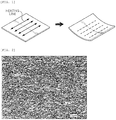
FIG. 1 is a schematic view illustrating an example of curved surface forming by linear heating. -
FIG. 2 is a photograph of a cross-sectional structure of a steel sheet of Inventive Example 1 at a depth of 10 mm from a surface thereof. - Hereinafter, exemplary embodiments of the present disclosure will now be described in detail with reference to the accompanying drawings. The exemplary embodiments may, however, be exemplified in many different forms and should not be construed as being limited to the specific exemplary embodiments set forth herein. Also, these exemplary embodiments are provided so that this disclosure will be thorough and complete, and will fully convey the scope of the inventive concept to those skilled in the art.
- The inventors of the present disclosure have found that when the high-strength structural steel sheet is linearly heated to be bent to have a curved surface in the appearance of ships, marine structures and building structures, physical properties of the steel sheet may be lowered after the linear heating.
- Since the surface of the steel sheet is heated to 600 to 900°C during linear heating, a base structure and a grain boundary are softened, a crystal grain is grown, carbide (Fe3C) is coarsened, causing a phenomenon in which both strength and toughness are degraded.
- Further, the heating to the austenite start transformation temperature causes deterioration of the material due to annealing of dislocations, and the like, and when the steel sheet is heated to above the transformation temperature or above the recrystallization temperature, the material is mainly degraded due to the growth of the crystal grains.
- In order to solve the problems, the inventors of the present disclosure have found that when a microstructure within 10 mm or less from a surface includes, by volume fraction, 80% or more of acicular ferrite and 20% or less of polygonal ferrite through low temperature rolling and strong cooling by lowering an Ar3 temperature by adding large amounts of Mn and Ni, growth of a crystal grain after linear heating may be prevented and growth of a crystal grain and formation of coarse carbide may be prevented using a grain boundary pinning effect of precipitates of NbC and Mo2C, whereby, the inventors noticed that, a high-strength structural steel sheet having excellent yield strength, tensile strength, and impact toughness even after linear heating, as well as before the linear heating, and a manufacturing method thereof can be provided, thus completing the present disclosure.
- Hereinafter, the high-strength structural steel sheet having excellent heat treatment resistance according to an aspect of the present disclosure will be described.
- A high-strength structural steel sheet having excellent heat treatment resistance according to an aspect of the present disclosure includes, by weight percent (wt%), 0.03 to 0.07% of C, 0.05 to 0.2% of Si, 1.6 to 2.3% of Mn, 0.008% or less of P, 0.002% or less of S, 0.025% or less of Al, 0.1 to 0.4% of Cu, 1.4 to 2.3% of Ni, 0.08 to 0.2% of Mo, 0.01 to 0.025 % of Nb, 0.008 to 0.02% of Ti, 0.001 to 0.008% of N, the remainder being Fe, and unavoidable impurities, and a microstructure within 10 mm of the surface contains 90% or more of acicular ferrite.
- C is a very important element for securing strength.
- In order to secure sufficient strength, 0.03% or more of C may be added. If C is excessively added, a coarse carbide may be formed during cooling after the linear heating to lower impact toughness, and thus, an upper limit of C is preferably 0.07%.
- Si is a useful element as a deoxidizing agent, but if the content of C is excessive, toughness may be lowered. For deoxidation, the Si content is preferably 0.05% or more. However, if the Si content exceeds 0.2%, toughness may be lowered. Therefore, the Si content is preferably 0.05 to 0.2%.
- Mn has an effect of improving strength as a solid solution strengthening element and improving grain refinement and toughness of a base material. In addition, formation of polygonal ferrite may be minimized by low temperature rolling and strong cooling by lowering the Ar3 temperature.
- In order to sufficiently exhibit the above effect, Mn may be added in an amount of 1.6% or more. If, however, Mn is excessively added, a nonmetallic inclusion of MnS is formed at a central portion, and the MnS inclusion may be stretched after rolling to significantly lower low temperature toughness. Therefore, an upper limit thereof is preferably 2.3%.
- P is an element advantageous for improving strength and corrosion resistance but since it is an element which greatly hinders impact toughness, it is advantageous to keep it as low as possible, and therefore, an upper limit thereof is preferably 0.008%.
- Since S forms MnS, or the like, to greatly deteriorate impact toughness, it is advantageous to add it as little as possible, so that the upper limit is preferably 0.002%.
- Al, an element for effectively performing deoxidation, is preferably controlled to 0.005 to 0.025%. It is not necessary to specifically control a lower limit, but Al may be included by 0.005% or more for deoxidation.
- Cu, a solid solution strengthening and precipitation strengthening element, is an element capable of improving strength while minimizing a decrease in toughness of the base material. In order to achieve a sufficient strength improvement effect, Cu is preferably contained in an amount of 0.1% or more. Meanwhile, the excessive addition of Cu may cause defects on a surface of the steel due to hot brittleness, so an upper limit thereof is preferably 0.4% or less.
- Ni is an element capable of simultaneously improving both strength and toughness of a base material. In addition, formation of polygonal ferrite may be minimized by low temperature rolling and strong cooling by lowering the Ar3 temperature.
- If the Ni content is less than 1.4%, the above-mentioned effect is insufficient. If the Ni content is more than 2.3%, curability may be increased and impact toughness may be lowered due to formation of bainite. Therefore, the Ni content is preferably 1.4 to 2.3%.
- Mo is an element which effectively increases strength by the addition of a small amount, and Mo may be added in an amount of 0.08% or more in order to form precipitates of fine Mo-C series after linear heating to prevent deterioration of strength. However, since coarse precipitates may occur due to excessive addition of Mo, an upper limit thereof is preferably 0.2% or less.
- Nb dissolved in the steel sheet prior to linear heating is precipitated in the form of NbC or NbCN during the linear heating to improve strength of the base material. Nb is important to maintain strength after linear heating, and at least 0.01% must be added in order to effectively demonstrate the addition effect of Nb. However, excessive addition of Nb may coarsen the precipitates, and therefore, an upper limit thereof is preferably 0.025% or less.
- Ti forms a nitride with N to prevent crystal grains from growing at a high temperature. In order to sufficiently secure such an effect, the Ti content is 0.008% or more. Meanwhile, excessive Ti addition may lower impact toughness due to coarsening of the Ti precipitates, and thus, an upper limit thereof is preferably 0.02%.
- N is an element which forms a precipitate together with Ti, Nb and Al to improve strength and toughness by making an austenite structure finer during reheating.
- If the N content is less than 0.001%, the above-mentioned effect may not be sufficiently obtained. Meanwhile, when the N content exceeds 0.008%, surface cracking may occur at a high temperature and the residual N may exist in an atomic state to reduce toughness. Therefore, the N content is preferably 0.001 to 0.008%.
- The remainder of the steel sheet of the present disclosure is iron (Fe). However, in the ordinary manufacturing process, impurities that are not intended may be inevitably mixed from a raw material or a surrounding environment, so the impurities may not be excluded. These impurities are known to any person skilled in the art of manufacturing, and thus, are not specifically mentioned in this disclosure.
- Hereinafter, a microstructure of a high-strength structural steel sheet having excellent heat treatment resistance according to one aspect of the present disclosure will be described.
- According to an aspect of the present disclosure, a microstructure within 10 mm of the surface of the high-strength structural steel sheet having excellent heat treatment resistance includes 80% or more of an acicular ferrite and 20% or less of polygonal ferrite, by volume fraction.
- Since crystal grains of the polygonal ferrite are easily grown by heating, if the polygonal ferrite is present in an amount of more than 20 volume % in the microstructure within 10 mm, crystal grains may grow, a coarse carbide may be formed, and a base structure may be degraded.
- A thickness of the steel sheet is preferably 40 mm or less. If the thickness of the steel sheet exceeds 40 mm, it is difficult to apply bending by linear heating. Here, a minimum thickness of the steel sheet may be 12 mm.
- By controlling the alloy composition and microstructure as described above, the steel sheet has yield strength of 500 MPa or greater, tensile strength of 600 MPa or greater, and impact toughness of 100 J or greater at - 40°C. Accordingly, the steel sheet may be preferably used in ships, marine and building structures, and the like.
- When the high-strength structural steel sheet having excellent heat treatment resistance having the alloy composition and microstructure as described above is subjected to linear heating, one or more of a Mo2C precipitate and a NbC precipitate is precipitated.
- In an example of curving (bending) by linear heating illustrated in
FIG. 1 , bending based on linear heating uses properties that a heated portion is deformed by constraint from a surrounding non-heated region when a heated portion contracts due to cooling after thermally expanded. - Also, in the case of linear heating, the surface of the steel sheet is generally heated to 600 to 900°C. Mo dissolved in the steel sheet at a relatively low temperature of 600 to 800°C is precipitated as Mo2C upon cooling after the linear heating and Nb dissolved in the steel sheet at a relatively high temperature of 800°C or higher is precipitated as NbC upon cooling after the linear heating.
- The Mo2C precipitate or NbC precipitate is precipitated to grain boundaries to inhibit growth of crystal grains (pinning effect) and prevent formation of a coarse carbide. Further, as C is greatly consumed as a precipitate, generation and coarsening of carbide may be prevented. Here, a size of the Mo2C precipitate and the NbC precipitate is preferably 2 to 20 nm.
- Therefore, although the steel sheet according to the present disclosure is linearly heated to 600 to 900°C and subjected to curving, the steel sheet has a yield strength of 500 MPa or greater, tensile strength of 600 MPa or greater, and an impact toughness of 100 J or more at -40°C.
- Hereinafter, a method of manufacturing a high-strength structural steel sheet having excellent heat treatment resistance, as another aspect of the present disclosure, will be described.
- The method of manufacturing a high-strength structural steel sheet having excellent heat treatment resistance, as another aspect of the present disclosure, includes: reheating a slab having the above-described alloy composition; performing non-recrystallization region rolling on the reheated slab at 750 to 850°C; and performing cooling to a cooling end temperature of 380 to 440°C at a cooling rate of 10°C/sec. or faster after the non-recrystallization region rolling.
- The slab having the above-described alloy composition is reheated. A reheating temperature of the slab is not limited but is preferably 1100 to 1200°C.
- The reheated slab is subjected to non-recrystallization region rolling at 750 to 850°C. This is to make crystal grains finer.
- In order to make the crystal grains finer, the non-recrystallization rolling must be performed at a lowest temperature right above the Ar3 temperature. In the present disclosure, since the Ar3 temperature is sufficiently low by increasing the content of Mn and Ni, non-recrystallization region rolling is preferably performed at 750°C or higher. If the non-recrystallization region rolling temperature is higher than 850°C, grain refinement is difficult to weaken toughness. Therefore, an upper limit of the non-recrystallization region rolling temperature is preferably 850°C, and a more preferable upper limit is 800°C.
- After the non-recrystallization region rolling, the steel sheet is cooled to a cooling end temperature of 380 to 440°C at a cooling rate of 10°C/sec. or faster.
- By controlling the cooling step as described above, the microstructure within 10 mm of the surface of the steel sheet may include at least 80% or more of acicular ferrite and 20% or less of polygonal ferrite by a volume fraction.
- When the cooling rate is less than 10°C/sec. or a cooling finish temperature is higher than 440°C, cooling is not sufficiently performed to form a large amount of polygonal ferrite, cause grain growth, and deteriorate the matrix during linear heating.
- Meanwhile, linear heating the cooled steel sheet at a temperature of 600 to 900°C to perform bending may be additionally performed.
- By the above-mentioned linear heating, it is possible to bend the steel sheet, and since Mo2C precipitates and NbC precipitates are precipitated upon cooling after the linear heating, grain growth may be inhibited (pinning effect) and formation of coarse carbide may be prevented.
- Hereinafter, the present disclosure will be described more specifically by way of examples.
- Molten steel having the alloy composition as illustrated in Table 1 below were prepared, and thereafter, steel slabs were prepared using continuous casting. Inventive steels A, B, and C are steel sheets satisfying the component range defined in the present disclosure, and comparative steels D, F, G, and H are steel sheets having a component range which exceeds or falls short of the component range of the present disclosure. C of comparative steel D is outside the component range of the present disclosure, Mo of comparative steel E is outside the component range of the present disclosure, Nb of the comparative steel F is outside the component range of the present disclosure, and Ni and Mn of comparative steel G are outside the component range of the present disclosure.
- The inventive steels and comparative steels were rolled and cooled under the manufacturing conditions shown in Table 2 to prepare thick steel sheets. Specifically, rolling end temperatures were 780°C and 880°C, and cooling end temperatures were 400°C and 600°C. The manufactured steel sheets were cut into a size available for linear heating, and linear heating for bending was performed under four temperature conditions (600°C, 700°C, 800°C and 900°C).
- Table 3 shows mechanical properties of base materials manufactured under the above-mentioned conditions and mechanical properties after linear heating.
- Tensile strength of the base material was measured by taking a JIS1B sample from a full thickness of the steel sheets in a direction perpendicular to a rolling direction and performing a tension test at room temperature. As for low temperature toughness of the base material, a sample was taken in a direction perpendicular to a rolling direction from a portion 2mm directly under from a surface portion of the steel sheet to manufacture a V-notch sample, Charpy impact test was performed on the test sample at -40°C three times and an average value is illustrated in Table 3.
- In addition, the microstructure within 10 mm of the surface of the steel sheet was observed and a volume fraction of polygonal ferrite is shown in Table 3. A structure other than the polygonal ferrite was acicular ferrite.
[Table 1] Classific ation C Si Mn P S Al Ni Cu Mo Nb Ti N Inventive steel A 0.042 0.086 1.95 0.0055 0.0015 0.011 1.71 0. 274 0.13 0.015 0.010 0.0038 Inventive steel B 0.054 0.116 1.83 0.0057 0.0012 0.010 1.75 0.249 0.125 0.021 0.012 0.0042 Inventive steel C 0.045 0.123 1.92 0.0062 0.0011 0.011 1.82 0.254 0.119 0.013 0.013 0.0039 Comparative steel D 0.126 0.123 1.88 0.0061 0.0012 0.010 1.80 0.249 0.121 0.017 0.011 0.0049 Comparative steel E 0.052 0.118 1.91 0.0052 0.0014 0.015 1.68 0.261 0.052 0.02 0.012 0.0051 Comparative steel F 0.046 0.121 1.89 0.0075 0.0013 0.012 1.76 0.248 0.125 0.008 0.010 0.0045 Comparative steel G 0.048 0.119 1.25 0.0065 0.0013 0.013 0.65 0.253 0.132 0.018 0.012 0.0042 In Table 1, the unit of each element content is wt%. [Table 2] Classification Steel type FM start temperature FM end temperature Cooling start temperature Cooling finish temperature Cooling rate Linear heating temperature Inventive example 1 Inventive steel A 795 770 732 432 11.3 600 700 800 900 Comparative example 1 Inventive steel A 885 864 832 412 13.2 600 700 800 900 Inventive example 2 Inventive steel B 789 761 726 408 12.5 600 700 800 900 Comparative example 2 Inventive steel B 796 769 733 603 9.8 600 700 800 900 Inventive example 3 Inventive steel C 792 775 740 410 11.8 600 700 800 900 Comparative example 3 Comparative steel D 801 779 746 408 13.5 600 700 800 900 Comparative example 4 Comparative steel E 795 776 742 411 12.5 600 700 800 900 Comparative example 5 Comparative steel F 803 776 738 403 12.8 600 700 800 900 Comparative example 6 Comparative steel G 795 768 734 411 11.6 600 700 800 900 - In Table 2, the unit of temperature is °C, the unit of the cooling rate is °C/sec., the FM start temperature refers to the non-recrystallization region rolling start temperature, and the FM end temperature refers to the non-recrystallization region rolling end temperature.
[Table 3] Classif ication Steel type Base material After linear heating Yield stre ngth Tensile strength Polygonal ferrite (volume %) Impact toughness average Yield strength Tensile strength Individual impact toughness Average impact toughness Inventive example 1 Inventive steel A 527 665 7.5 278 514 661 267/262/253 260 513 649 265/288/302 285 532 642 277/322/326 308 507 627 194/130/184 170 Comparative example 1 Inventive steel A 525 654 24.5 79 509 646 45/56/128 76 502 635 79/65/84 76 500 624 56/102/28 62 498 612 57/58/38 51 Inventive example 2 Inventive steel B 538 672 6.7 247 534 668 245/167/158 190 529 659 264/286/302 284 518 642 268/231/188 229 510 621 154/186/109 150 Comparative example 2 Inventive steel B 510 623 31.8 183 507 612 203/264/197 221 498 601 174/123/184 160 488 596 156/89/205 150 482 584 142/76/87 102 Inventive example 3 Inventive steel C 542 671 7.9 281 538 664 221/265/287 258 531 659 234/212/264 237 528 640 198/187/234 206 513 627 265/188/203 219 Comparative example 3 Comparative steel D 587 689 22.1 134 567 678 75/68/32 58 552 670 15/78/54 49 542 652 103/28/36 56 523 641 28/64/28 40 Comparative example 4 Comparative steel E 524 625 35.5 226 514 615 52/105/39 65 508 611 64/103/154 107 501 602 51/136/121 103 492 598 25/38/65 43 Comparative example 5 Comparative steel F 536 628 38.4 193 523 613 156/123/158 146 512 607 126/154/130 137 503 598 78/123/162 121 494 588 58/28/42 43 Comparative example 6 Comparative steel G 506 624 42 133 503 611 120/175/56 117 493 608 89/45/37 57 483 594 35/48/56 47 479 578 59/21/34 38 - In Table 3, the unit of yield strength and tensile strength is MPa, and the unit of impact toughness is J.
- When the mechanical properties of the base material and the mechanical properties after the linear heating are compared in Table 3, Inventive Examples 1 to 3, which all satisfied the alloy composition and manufacturing conditions according to the present disclosure, achieve the target yield strength, tensile strength and impact toughness at - 40°C.
- Specifically, Inventive Examples 1 to 3 have the characteristics of yield strength of 500 MPa or greater, tensile strength of 600 MPa or greater, impact toughness of 100 J or greater at -40°C both before and after linear heating.
- Comparative Example 3 uses comparative steel D in which the C content is excessive. It can be seen that strength is significantly higher than a target level but impact toughness is significantly reduced. This is considered to be due to formation of coarse carbide, which causes fracture in the impact test.
- Comparative Example 4 uses comparative steel E in which the Mo component was insufficient and Comparative Example 5 uses comparative steel F in which the Nb component is insufficient. It can be seen that strength is remarkably reduced and impact toughness is lowered. This is because the amount of dissolved Mo and Nb is small and the amount of Mo and Nb is not sufficient to form a precipitate after linear heating. If Mo and Nb are added excessively, toughness may rather be deteriorated due to coarse precipitates, and thus, Mo and Nb must be added in the control range of the present disclosure.
- Comparative Example 6 uses comparative steel G in which Mn and Ni components are insufficient. Since a sufficiently low Ar3 temperature was not secured, a large amount of polygonal ferrite was formed during rolling at a low temperature, degrading strength and toughness.
- Comparative Example 1 satisfied the alloy composition of the present disclosure, but the rolling temperature exceeded 850°C to lower impact toughness. Comparative Example 3 satisfied the alloy composition of the present disclosure, but the cooling conditions were out of the range of the present disclosure, resulting in an increase in a polygonal ferrite fraction to degrade strength and toughness due to the growth of crystal grain after linear heating.
- While example exemplary embodiments have been shown and described above, it will be apparent to those skilled in the art that modifications and variations could be made without departing from the scope of the present disclosure as defined by the appended claims.
Claims (6)
- A high-strength structural steel sheet having excellent heat treatment resistance, the high-strength structural steel sheet comprising:by weight percent (wt%), 0.03 to 0.07% of C, 0.05 to 0.2% of Si, 1.6 to 2.3% of Mn, 0.008% or less of P, 0.002% or less of S, 0.025% or less of Al, 0.1 to 0.4% of Cu, 1.4 to 2.3% of Ni, 0.08 to 0.2% of Mo, 0.01 to 0.025% of Nb, 0.008 to 0.02% of Ti, 0.001 to 0.008% of N, the remainder being Fe, and unavoidable impurities,wherein a microstructure within 10 mm of the surface contains 80% or more of acicular ferrite and 20% or less of polygonal ferrite.
- The high-strength structural steel sheet of claim 1, wherein
a thickness of the steel sheet is 40 mm or less. - The high-strength structural steel sheet of claim 1, wherein
the steel sheet has yield strength of 500 MPa or greater, tensile strength of 600 MPa or greater, and impact toughness of 100 J or greater at -40°C. - The high-strength structural steel sheet of claim 1, wherein
after the steel sheet is linearly heated to 600 to 900°C, the steel sheet has yield strength of 500 MPa or greater, tensile strength of 600 MPa or greater, and impact toughness of 100 J or greater at -40°C. - A method of manufacturing a high-strength structural steel sheet having excellent heat treatment resistance, the method comprising:reheating a slab including, by weight percent (wt%), 0.03 to 0.07% of C, 0.05 to 0.2% of Si, 1.6 to 2.3% of Mn, 0.008% or less of P, 0.002% or less of S, 0.025% or less of Al, 0.1 to 0.4% of Cu, 1.4 to 2.3% of Ni, 0.08 to 0.2% of Mo, 0.01 to 0.025% of Nb, 0.008 to 0.02% of Ti, 0.001 to 0.008% of N, the remainder being Fe, and unavoidable impurities;performing non-recrystallization region rolling on the reheated slab at 750 to 850°C; andperforming cooling to a cooling end temperature of 380 to 440°C at a cooling rate of 10°C/sec. or faster after the non-recrystallization region rolling.
- The method of claim 5, further comprising:linearly heating the cooled steel sheet to 600 to 900°C and subsequently performing bending.
Applications Claiming Priority (2)
| Application Number | Priority Date | Filing Date | Title |
|---|---|---|---|
| KR1020150184775A KR101758520B1 (en) | 2015-12-23 | 2015-12-23 | High strength structural steel sheet having excellent heat treatment resistance and method of manufacturing the same |
| PCT/KR2016/014964 WO2017111443A1 (en) | 2015-12-23 | 2016-12-21 | High-strength structural steel sheet excellent in hot resistance and manufacturing method thereof |
Publications (4)
| Publication Number | Publication Date |
|---|---|
| EP3395988A1 true EP3395988A1 (en) | 2018-10-31 |
| EP3395988A4 EP3395988A4 (en) | 2019-02-27 |
| EP3395988B1 EP3395988B1 (en) | 2024-02-07 |
| EP3395988C0 EP3395988C0 (en) | 2024-02-07 |
Family
ID=59090640
Family Applications (1)
| Application Number | Title | Priority Date | Filing Date |
|---|---|---|---|
| EP16879310.7A Active EP3395988B1 (en) | 2015-12-23 | 2016-12-21 | High-strength structural steel sheet excellent in hot resistance and manufacturing method thereof |
Country Status (5)
| Country | Link |
|---|---|
| EP (1) | EP3395988B1 (en) |
| JP (1) | JP6718510B2 (en) |
| KR (1) | KR101758520B1 (en) |
| CN (1) | CN108431276B (en) |
| WO (1) | WO2017111443A1 (en) |
Families Citing this family (3)
| Publication number | Priority date | Publication date | Assignee | Title |
|---|---|---|---|---|
| JP6673320B2 (en) * | 2017-02-16 | 2020-03-25 | Jfeスチール株式会社 | Thick steel plate and method for manufacturing thick steel plate |
| KR101949036B1 (en) * | 2017-10-11 | 2019-05-08 | 주식회사 포스코 | Thick steel sheet having excellent low temperature strain aging impact properties and method of manufacturing the same |
| KR101999018B1 (en) * | 2017-12-24 | 2019-07-10 | 주식회사 포스코 | Thick steel plate with excellent low-temperature toughness and method for manufacturing the same |
Family Cites Families (18)
| Publication number | Priority date | Publication date | Assignee | Title |
|---|---|---|---|---|
| JPS63183123A (en) * | 1987-01-26 | 1988-07-28 | Kobe Steel Ltd | Production of high tensile steel having excellent low-temperature toughness after linear and spotty reheating |
| JPH11152540A (en) * | 1997-11-18 | 1999-06-08 | Sumitomo Metal Ind Ltd | Steel material with little toughness deterioration due to linear heating |
| JP2002235114A (en) * | 2001-02-05 | 2002-08-23 | Kawasaki Steel Corp | Method of manufacturing thick high strength steel with excellent heat input weld toughness |
| KR100544638B1 (en) * | 2001-12-24 | 2006-01-24 | 주식회사 포스코 | Manufacturing method of steel plate structural steel with excellent yield strength and low temperature breakdown characteristics |
| JP4066850B2 (en) * | 2003-03-03 | 2008-03-26 | Jfeスチール株式会社 | Method for producing high-tensile steel with excellent CTOD characteristics of welds |
| JP4846242B2 (en) * | 2005-01-25 | 2011-12-28 | 新日本製鐵株式会社 | Bending method of thick steel plate with excellent heat bending characteristics |
| JP4751137B2 (en) * | 2005-08-26 | 2011-08-17 | 新日本製鐵株式会社 | Steel plate manufacturing method that can be easily bent by linear heating |
| KR100660230B1 (en) | 2005-12-26 | 2006-12-21 | 주식회사 포스코 | Extreme thick steel sheet for welded structure with excellent strength and toughness at the center of thickness and manufacturing method |
| WO2009072753A1 (en) * | 2007-12-04 | 2009-06-11 | Posco | High-strength steel sheet with excellent low temperature toughness and manufacturing method thereof |
| KR100957982B1 (en) * | 2007-12-24 | 2010-05-17 | 주식회사 포스코 | Welded Structural Steel with Welded Joints with Excellent CT Characteristics |
| JP4308312B1 (en) * | 2008-01-08 | 2009-08-05 | 新日本製鐵株式会社 | Thick steel plate excellent in bending workability by linear heating and its manufacturing method |
| JP5187151B2 (en) * | 2008-11-17 | 2013-04-24 | 新日鐵住金株式会社 | Thick steel plate excellent in bending workability by linear heating and its manufacturing method |
| KR20110022308A (en) * | 2009-08-27 | 2011-03-07 | 현대제철 주식회사 | High strength steel and its manufacturing method |
| KR101360737B1 (en) * | 2009-12-28 | 2014-02-07 | 주식회사 포스코 | High strength steel plate having excellent resistance to brittle crack initiation and method for manufacturing the same |
| BR112012024297B1 (en) * | 2010-05-27 | 2019-02-12 | Nippon Steel & Sumitomo Metal Corporation | METHOD OF PRODUCTION OF A STEEL SHEET |
| KR20120075274A (en) * | 2010-12-28 | 2012-07-06 | 주식회사 포스코 | High strength steel sheet having ultra low temperature toughness and method for manufacturing the same |
| JP5833964B2 (en) * | 2012-03-29 | 2015-12-16 | 株式会社神戸製鋼所 | Steel sheet excellent in bending workability, impact property and tensile property, and method for producing the same |
| KR101482359B1 (en) * | 2012-12-27 | 2015-01-13 | 주식회사 포스코 | Method for manufacturing high strength steel plate having excellent toughness and low-yield ratio property |
-
2015
- 2015-12-23 KR KR1020150184775A patent/KR101758520B1/en active Active
-
2016
- 2016-12-21 JP JP2018533626A patent/JP6718510B2/en active Active
- 2016-12-21 EP EP16879310.7A patent/EP3395988B1/en active Active
- 2016-12-21 CN CN201680075866.6A patent/CN108431276B/en active Active
- 2016-12-21 WO PCT/KR2016/014964 patent/WO2017111443A1/en not_active Ceased
Also Published As
| Publication number | Publication date |
|---|---|
| JP6718510B2 (en) | 2020-07-08 |
| EP3395988B1 (en) | 2024-02-07 |
| KR101758520B1 (en) | 2017-07-17 |
| CN108431276B (en) | 2020-04-14 |
| CN108431276A (en) | 2018-08-21 |
| EP3395988A4 (en) | 2019-02-27 |
| WO2017111443A1 (en) | 2017-06-29 |
| EP3395988C0 (en) | 2024-02-07 |
| JP2019505676A (en) | 2019-02-28 |
| KR20170075851A (en) | 2017-07-04 |
| WO2017111443A8 (en) | 2017-10-26 |
Similar Documents
| Publication | Publication Date | Title |
|---|---|---|
| KR101271974B1 (en) | High-strength steel having excellent cryogenic toughness and method for production thereof | |
| EP3556889B1 (en) | High strength multi-phase steel having excellent burring properties at low temperature, and method for producing same | |
| EP3239332B1 (en) | High-strength steel having superior brittle crack arrestability, and production method therefor | |
| KR101747001B1 (en) | Steel having superior brittle crack arrestability and method for manufacturing the steel | |
| KR101746999B1 (en) | Steel having superior brittle crack arrestability and method for manufacturing the steel | |
| EP3480332A1 (en) | High strength steel plate having excellent low yield ratio characteristics and low temperature toughness and method for manufacturing same | |
| EP3395998B1 (en) | Thick steel plate having excellent low-temperature toughness and hydrogen-induced cracking resistance, and method for manufacturing same | |
| EP3730648A1 (en) | High-strength steel sheet having excellent impact resistance, and method for manufacturing same | |
| KR101952818B1 (en) | Low alloy steel sheet with high strength and ductility and method of manufacturing same | |
| EP3395988B1 (en) | High-strength structural steel sheet excellent in hot resistance and manufacturing method thereof | |
| KR20200064511A (en) | High-strength steel sheet having excellent ductility and low-temperature toughness and method for manufacturing thereof | |
| KR101070132B1 (en) | Steel with Excellent Low-Temperature Toughness for Construction and Manufacturing Method Thereof | |
| JP4682806B2 (en) | Ferritic stainless steel cold-rolled steel sheet excellent in press formability and manufacturing method thereof | |
| CN110997962B (en) | Hot rolled steel sheet having excellent strength and elongation and method for manufacturing the same | |
| KR101406527B1 (en) | Thick steel plate having excellent property in haz of large-heat-input welded joint and method for producing same | |
| JP4626484B2 (en) | Ferritic stainless steel cold-rolled steel sheet excellent in press formability and manufacturing method thereof | |
| KR20160075927A (en) | The steel sheet having excellent strength and toughness at the center of thickness and method for manufacturing the same | |
| KR101709201B1 (en) | Ferritic lightweight steel sheet having excellent strength and ductility and method for manufacturing the same | |
| EP4438761A1 (en) | Hot-rolled steel sheet and method for manufacturing same | |
| KR101568550B1 (en) | Steel sheet for linepipe with excellent deformability and method for manufacturing the same | |
| KR101344610B1 (en) | Steel sheet and method of manufacturing the same | |
| KR100782761B1 (en) | Manufacturing method of ultra thick steel sheet with excellent strength and toughness at center of thickness | |
| EP3556886A1 (en) | Wire rod with excellent strength and ductility and manufacturing method therefor | |
| EP4261304A1 (en) | Steel material for seismic damper having superior impact toughness, and manufacturing method for same | |
| KR101156697B1 (en) | Ferritic steel sheet and method for manufacturing the same |
Legal Events
| Date | Code | Title | Description |
|---|---|---|---|
| STAA | Information on the status of an ep patent application or granted ep patent |
Free format text: STATUS: THE INTERNATIONAL PUBLICATION HAS BEEN MADE |
|
| PUAI | Public reference made under article 153(3) epc to a published international application that has entered the european phase |
Free format text: ORIGINAL CODE: 0009012 |
|
| STAA | Information on the status of an ep patent application or granted ep patent |
Free format text: STATUS: REQUEST FOR EXAMINATION WAS MADE |
|
| 17P | Request for examination filed |
Effective date: 20180720 |
|
| AK | Designated contracting states |
Kind code of ref document: A1 Designated state(s): AL AT BE BG CH CY CZ DE DK EE ES FI FR GB GR HR HU IE IS IT LI LT LU LV MC MK MT NL NO PL PT RO RS SE SI SK SM TR |
|
| AX | Request for extension of the european patent |
Extension state: BA ME |
|
| REG | Reference to a national code |
Ref country code: DE Ref legal event code: R079 Free format text: PREVIOUS MAIN CLASS: C22C0038160000 Ipc: C22C0038020000 |
|
| A4 | Supplementary search report drawn up and despatched |
Effective date: 20190129 |
|
| RIC1 | Information provided on ipc code assigned before grant |
Ipc: C22C 38/12 20060101ALI20190123BHEP Ipc: C22C 38/06 20060101ALI20190123BHEP Ipc: C21D 9/46 20060101ALI20190123BHEP Ipc: C22C 38/02 20060101AFI20190123BHEP Ipc: C22C 38/04 20060101ALI20190123BHEP Ipc: C22C 38/14 20060101ALI20190123BHEP Ipc: C22C 38/00 20060101ALI20190123BHEP Ipc: C22C 38/08 20060101ALI20190123BHEP Ipc: C21D 8/02 20060101ALI20190123BHEP Ipc: C22C 38/16 20060101ALI20190123BHEP |
|
| DAV | Request for validation of the european patent (deleted) | ||
| DAX | Request for extension of the european patent (deleted) | ||
| RAP3 | Party data changed (applicant data changed or rights of an application transferred) |
Owner name: POSCO HOLDINGS INC. |
|
| RAP1 | Party data changed (applicant data changed or rights of an application transferred) |
Owner name: POSCO CO., LTD |
|
| GRAP | Despatch of communication of intention to grant a patent |
Free format text: ORIGINAL CODE: EPIDOSNIGR1 |
|
| STAA | Information on the status of an ep patent application or granted ep patent |
Free format text: STATUS: GRANT OF PATENT IS INTENDED |
|
| INTG | Intention to grant announced |
Effective date: 20230830 |
|
| GRAS | Grant fee paid |
Free format text: ORIGINAL CODE: EPIDOSNIGR3 |
|
| GRAA | (expected) grant |
Free format text: ORIGINAL CODE: 0009210 |
|
| STAA | Information on the status of an ep patent application or granted ep patent |
Free format text: STATUS: THE PATENT HAS BEEN GRANTED |
|
| AK | Designated contracting states |
Kind code of ref document: B1 Designated state(s): AL AT BE BG CH CY CZ DE DK EE ES FI FR GB GR HR HU IE IS IT LI LT LU LV MC MK MT NL NO PL PT RO RS SE SI SK SM TR |
|
| REG | Reference to a national code |
Ref country code: GB Ref legal event code: FG4D |
|
| REG | Reference to a national code |
Ref country code: CH Ref legal event code: EP |
|
| REG | Reference to a national code |
Ref country code: DE Ref legal event code: R096 Ref document number: 602016085711 Country of ref document: DE |
|
| REG | Reference to a national code |
Ref country code: IE Ref legal event code: FG4D |
|
| U01 | Request for unitary effect filed |
Effective date: 20240301 |
|
| U07 | Unitary effect registered |
Designated state(s): AT BE BG DE DK EE FI FR IT LT LU LV MT NL PT SE SI Effective date: 20240307 |
|
| PG25 | Lapsed in a contracting state [announced via postgrant information from national office to epo] |
Ref country code: IS Free format text: LAPSE BECAUSE OF FAILURE TO SUBMIT A TRANSLATION OF THE DESCRIPTION OR TO PAY THE FEE WITHIN THE PRESCRIBED TIME-LIMIT Effective date: 20240607 |
|
| PG25 | Lapsed in a contracting state [announced via postgrant information from national office to epo] |
Ref country code: GR Free format text: LAPSE BECAUSE OF FAILURE TO SUBMIT A TRANSLATION OF THE DESCRIPTION OR TO PAY THE FEE WITHIN THE PRESCRIBED TIME-LIMIT Effective date: 20240508 |
|
| PG25 | Lapsed in a contracting state [announced via postgrant information from national office to epo] |
Ref country code: RS Free format text: LAPSE BECAUSE OF FAILURE TO SUBMIT A TRANSLATION OF THE DESCRIPTION OR TO PAY THE FEE WITHIN THE PRESCRIBED TIME-LIMIT Effective date: 20240507 Ref country code: HR Free format text: LAPSE BECAUSE OF FAILURE TO SUBMIT A TRANSLATION OF THE DESCRIPTION OR TO PAY THE FEE WITHIN THE PRESCRIBED TIME-LIMIT Effective date: 20240207 |
|
| PG25 | Lapsed in a contracting state [announced via postgrant information from national office to epo] |
Ref country code: ES Free format text: LAPSE BECAUSE OF FAILURE TO SUBMIT A TRANSLATION OF THE DESCRIPTION OR TO PAY THE FEE WITHIN THE PRESCRIBED TIME-LIMIT Effective date: 20240207 |
|
| PG25 | Lapsed in a contracting state [announced via postgrant information from national office to epo] |
Ref country code: RS Free format text: LAPSE BECAUSE OF FAILURE TO SUBMIT A TRANSLATION OF THE DESCRIPTION OR TO PAY THE FEE WITHIN THE PRESCRIBED TIME-LIMIT Effective date: 20240507 Ref country code: IS Free format text: LAPSE BECAUSE OF FAILURE TO SUBMIT A TRANSLATION OF THE DESCRIPTION OR TO PAY THE FEE WITHIN THE PRESCRIBED TIME-LIMIT Effective date: 20240607 Ref country code: HR Free format text: LAPSE BECAUSE OF FAILURE TO SUBMIT A TRANSLATION OF THE DESCRIPTION OR TO PAY THE FEE WITHIN THE PRESCRIBED TIME-LIMIT Effective date: 20240207 Ref country code: GR Free format text: LAPSE BECAUSE OF FAILURE TO SUBMIT A TRANSLATION OF THE DESCRIPTION OR TO PAY THE FEE WITHIN THE PRESCRIBED TIME-LIMIT Effective date: 20240508 Ref country code: ES Free format text: LAPSE BECAUSE OF FAILURE TO SUBMIT A TRANSLATION OF THE DESCRIPTION OR TO PAY THE FEE WITHIN THE PRESCRIBED TIME-LIMIT Effective date: 20240207 |
|
| PG25 | Lapsed in a contracting state [announced via postgrant information from national office to epo] |
Ref country code: PL Free format text: LAPSE BECAUSE OF FAILURE TO SUBMIT A TRANSLATION OF THE DESCRIPTION OR TO PAY THE FEE WITHIN THE PRESCRIBED TIME-LIMIT Effective date: 20240207 |
|
| PG25 | Lapsed in a contracting state [announced via postgrant information from national office to epo] |
Ref country code: PL Free format text: LAPSE BECAUSE OF FAILURE TO SUBMIT A TRANSLATION OF THE DESCRIPTION OR TO PAY THE FEE WITHIN THE PRESCRIBED TIME-LIMIT Effective date: 20240207 |
|
| PG25 | Lapsed in a contracting state [announced via postgrant information from national office to epo] |
Ref country code: SM Free format text: LAPSE BECAUSE OF FAILURE TO SUBMIT A TRANSLATION OF THE DESCRIPTION OR TO PAY THE FEE WITHIN THE PRESCRIBED TIME-LIMIT Effective date: 20240207 |
|
| PG25 | Lapsed in a contracting state [announced via postgrant information from national office to epo] |
Ref country code: CZ Free format text: LAPSE BECAUSE OF FAILURE TO SUBMIT A TRANSLATION OF THE DESCRIPTION OR TO PAY THE FEE WITHIN THE PRESCRIBED TIME-LIMIT Effective date: 20240207 |
|
| PG25 | Lapsed in a contracting state [announced via postgrant information from national office to epo] |
Ref country code: SK Free format text: LAPSE BECAUSE OF FAILURE TO SUBMIT A TRANSLATION OF THE DESCRIPTION OR TO PAY THE FEE WITHIN THE PRESCRIBED TIME-LIMIT Effective date: 20240207 |
|
| PG25 | Lapsed in a contracting state [announced via postgrant information from national office to epo] |
Ref country code: SM Free format text: LAPSE BECAUSE OF FAILURE TO SUBMIT A TRANSLATION OF THE DESCRIPTION OR TO PAY THE FEE WITHIN THE PRESCRIBED TIME-LIMIT Effective date: 20240207 Ref country code: SK Free format text: LAPSE BECAUSE OF FAILURE TO SUBMIT A TRANSLATION OF THE DESCRIPTION OR TO PAY THE FEE WITHIN THE PRESCRIBED TIME-LIMIT Effective date: 20240207 Ref country code: RO Free format text: LAPSE BECAUSE OF FAILURE TO SUBMIT A TRANSLATION OF THE DESCRIPTION OR TO PAY THE FEE WITHIN THE PRESCRIBED TIME-LIMIT Effective date: 20240207 Ref country code: CZ Free format text: LAPSE BECAUSE OF FAILURE TO SUBMIT A TRANSLATION OF THE DESCRIPTION OR TO PAY THE FEE WITHIN THE PRESCRIBED TIME-LIMIT Effective date: 20240207 |
|
| REG | Reference to a national code |
Ref country code: DE Ref legal event code: R097 Ref document number: 602016085711 Country of ref document: DE |
|
| PLBE | No opposition filed within time limit |
Free format text: ORIGINAL CODE: 0009261 |
|
| STAA | Information on the status of an ep patent application or granted ep patent |
Free format text: STATUS: NO OPPOSITION FILED WITHIN TIME LIMIT |
|
| U20 | Renewal fee for the european patent with unitary effect paid |
Year of fee payment: 9 Effective date: 20241203 |
|
| 26N | No opposition filed |
Effective date: 20241108 |
|
| PG25 | Lapsed in a contracting state [announced via postgrant information from national office to epo] |
Ref country code: MC Free format text: LAPSE BECAUSE OF FAILURE TO SUBMIT A TRANSLATION OF THE DESCRIPTION OR TO PAY THE FEE WITHIN THE PRESCRIBED TIME-LIMIT Effective date: 20240207 |
|
| REG | Reference to a national code |
Ref country code: CH Ref legal event code: PL |
|
| PG25 | Lapsed in a contracting state [announced via postgrant information from national office to epo] |
Ref country code: CH Free format text: LAPSE BECAUSE OF NON-PAYMENT OF DUE FEES Effective date: 20241231 |
|
| PG25 | Lapsed in a contracting state [announced via postgrant information from national office to epo] |
Ref country code: IE Free format text: LAPSE BECAUSE OF NON-PAYMENT OF DUE FEES Effective date: 20241221 |
|
| PGFP | Annual fee paid to national office [announced via postgrant information from national office to epo] |
Ref country code: GB Payment date: 20251105 Year of fee payment: 10 |
|
| PGFP | Annual fee paid to national office [announced via postgrant information from national office to epo] |
Ref country code: NO Payment date: 20251208 Year of fee payment: 10 |
|
| U20 | Renewal fee for the european patent with unitary effect paid |
Year of fee payment: 10 Effective date: 20251223 |
|
| PG25 | Lapsed in a contracting state [announced via postgrant information from national office to epo] |
Ref country code: CY Free format text: LAPSE BECAUSE OF FAILURE TO SUBMIT A TRANSLATION OF THE DESCRIPTION OR TO PAY THE FEE WITHIN THE PRESCRIBED TIME-LIMIT Effective date: 20240207 |