EP3393786B1 - Metallisierte substrate - Google Patents
Metallisierte substrate Download PDFInfo
- Publication number
- EP3393786B1 EP3393786B1 EP17701900.7A EP17701900A EP3393786B1 EP 3393786 B1 EP3393786 B1 EP 3393786B1 EP 17701900 A EP17701900 A EP 17701900A EP 3393786 B1 EP3393786 B1 EP 3393786B1
- Authority
- EP
- European Patent Office
- Prior art keywords
- layer
- tin
- label
- top coat
- thickness
- Prior art date
- Legal status (The legal status is an assumption and is not a legal conclusion. Google has not performed a legal analysis and makes no representation as to the accuracy of the status listed.)
- Active
Links
Images



Classifications
-
- B—PERFORMING OPERATIONS; TRANSPORTING
- B32—LAYERED PRODUCTS
- B32B—LAYERED PRODUCTS, i.e. PRODUCTS BUILT-UP OF STRATA OF FLAT OR NON-FLAT, e.g. CELLULAR OR HONEYCOMB, FORM
- B32B27/00—Layered products comprising a layer of synthetic resin
- B32B27/06—Layered products comprising a layer of synthetic resin as the main or only constituent of a layer, which is next to another layer of the same or of a different material
- B32B27/08—Layered products comprising a layer of synthetic resin as the main or only constituent of a layer, which is next to another layer of the same or of a different material of synthetic resin
-
- B—PERFORMING OPERATIONS; TRANSPORTING
- B08—CLEANING
- B08B—CLEANING IN GENERAL; PREVENTION OF FOULING IN GENERAL
- B08B9/00—Cleaning hollow articles by methods or apparatus specially adapted thereto
- B08B9/08—Cleaning containers, e.g. tanks
- B08B9/083—Removing scrap from containers, e.g. removing labels
-
- B—PERFORMING OPERATIONS; TRANSPORTING
- B32—LAYERED PRODUCTS
- B32B—LAYERED PRODUCTS, i.e. PRODUCTS BUILT-UP OF STRATA OF FLAT OR NON-FLAT, e.g. CELLULAR OR HONEYCOMB, FORM
- B32B27/00—Layered products comprising a layer of synthetic resin
- B32B27/06—Layered products comprising a layer of synthetic resin as the main or only constituent of a layer, which is next to another layer of the same or of a different material
- B32B27/10—Layered products comprising a layer of synthetic resin as the main or only constituent of a layer, which is next to another layer of the same or of a different material of paper or cardboard
-
- B—PERFORMING OPERATIONS; TRANSPORTING
- B32—LAYERED PRODUCTS
- B32B—LAYERED PRODUCTS, i.e. PRODUCTS BUILT-UP OF STRATA OF FLAT OR NON-FLAT, e.g. CELLULAR OR HONEYCOMB, FORM
- B32B27/00—Layered products comprising a layer of synthetic resin
- B32B27/16—Layered products comprising a layer of synthetic resin specially treated, e.g. irradiated
-
- B—PERFORMING OPERATIONS; TRANSPORTING
- B32—LAYERED PRODUCTS
- B32B—LAYERED PRODUCTS, i.e. PRODUCTS BUILT-UP OF STRATA OF FLAT OR NON-FLAT, e.g. CELLULAR OR HONEYCOMB, FORM
- B32B27/00—Layered products comprising a layer of synthetic resin
- B32B27/30—Layered products comprising a layer of synthetic resin comprising vinyl (co)polymers; comprising acrylic (co)polymers
- B32B27/308—Layered products comprising a layer of synthetic resin comprising vinyl (co)polymers; comprising acrylic (co)polymers comprising acrylic (co)polymers
-
- B—PERFORMING OPERATIONS; TRANSPORTING
- B32—LAYERED PRODUCTS
- B32B—LAYERED PRODUCTS, i.e. PRODUCTS BUILT-UP OF STRATA OF FLAT OR NON-FLAT, e.g. CELLULAR OR HONEYCOMB, FORM
- B32B29/00—Layered products comprising a layer of paper or cardboard
- B32B29/002—Layered products comprising a layer of paper or cardboard as the main or only constituent of a layer, which is next to another layer of the same or of a different material
-
- B—PERFORMING OPERATIONS; TRANSPORTING
- B32—LAYERED PRODUCTS
- B32B—LAYERED PRODUCTS, i.e. PRODUCTS BUILT-UP OF STRATA OF FLAT OR NON-FLAT, e.g. CELLULAR OR HONEYCOMB, FORM
- B32B29/00—Layered products comprising a layer of paper or cardboard
- B32B29/06—Layered products comprising a layer of paper or cardboard specially treated, e.g. surfaced, parchmentised
-
- B—PERFORMING OPERATIONS; TRANSPORTING
- B32—LAYERED PRODUCTS
- B32B—LAYERED PRODUCTS, i.e. PRODUCTS BUILT-UP OF STRATA OF FLAT OR NON-FLAT, e.g. CELLULAR OR HONEYCOMB, FORM
- B32B5/00—Layered products characterised by the non- homogeneity or physical structure, i.e. comprising a fibrous, filamentary, particulate or foam layer; Layered products characterised by having a layer differing constitutionally or physically in different parts
- B32B5/02—Layered products characterised by the non- homogeneity or physical structure, i.e. comprising a fibrous, filamentary, particulate or foam layer; Layered products characterised by having a layer differing constitutionally or physically in different parts characterised by structural features of a fibrous or filamentary layer
- B32B5/022—Non-woven fabric
-
- B—PERFORMING OPERATIONS; TRANSPORTING
- B32—LAYERED PRODUCTS
- B32B—LAYERED PRODUCTS, i.e. PRODUCTS BUILT-UP OF STRATA OF FLAT OR NON-FLAT, e.g. CELLULAR OR HONEYCOMB, FORM
- B32B5/00—Layered products characterised by the non- homogeneity or physical structure, i.e. comprising a fibrous, filamentary, particulate or foam layer; Layered products characterised by having a layer differing constitutionally or physically in different parts
- B32B5/02—Layered products characterised by the non- homogeneity or physical structure, i.e. comprising a fibrous, filamentary, particulate or foam layer; Layered products characterised by having a layer differing constitutionally or physically in different parts characterised by structural features of a fibrous or filamentary layer
- B32B5/024—Woven fabric
-
- C—CHEMISTRY; METALLURGY
- C23—COATING METALLIC MATERIAL; COATING MATERIAL WITH METALLIC MATERIAL; CHEMICAL SURFACE TREATMENT; DIFFUSION TREATMENT OF METALLIC MATERIAL; COATING BY VACUUM EVAPORATION, BY SPUTTERING, BY ION IMPLANTATION OR BY CHEMICAL VAPOUR DEPOSITION, IN GENERAL; INHIBITING CORROSION OF METALLIC MATERIAL OR INCRUSTATION IN GENERAL
- C23C—COATING METALLIC MATERIAL; COATING MATERIAL WITH METALLIC MATERIAL; SURFACE TREATMENT OF METALLIC MATERIAL BY DIFFUSION INTO THE SURFACE, BY CHEMICAL CONVERSION OR SUBSTITUTION; COATING BY VACUUM EVAPORATION, BY SPUTTERING, BY ION IMPLANTATION OR BY CHEMICAL VAPOUR DEPOSITION, IN GENERAL
- C23C14/00—Coating by vacuum evaporation, by sputtering or by ion implantation of the coating forming material
- C23C14/02—Pretreatment of the material to be coated
- C23C14/024—Deposition of sublayers, e.g. to promote adhesion of the coating
-
- C—CHEMISTRY; METALLURGY
- C23—COATING METALLIC MATERIAL; COATING MATERIAL WITH METALLIC MATERIAL; CHEMICAL SURFACE TREATMENT; DIFFUSION TREATMENT OF METALLIC MATERIAL; COATING BY VACUUM EVAPORATION, BY SPUTTERING, BY ION IMPLANTATION OR BY CHEMICAL VAPOUR DEPOSITION, IN GENERAL; INHIBITING CORROSION OF METALLIC MATERIAL OR INCRUSTATION IN GENERAL
- C23C—COATING METALLIC MATERIAL; COATING MATERIAL WITH METALLIC MATERIAL; SURFACE TREATMENT OF METALLIC MATERIAL BY DIFFUSION INTO THE SURFACE, BY CHEMICAL CONVERSION OR SUBSTITUTION; COATING BY VACUUM EVAPORATION, BY SPUTTERING, BY ION IMPLANTATION OR BY CHEMICAL VAPOUR DEPOSITION, IN GENERAL
- C23C14/00—Coating by vacuum evaporation, by sputtering or by ion implantation of the coating forming material
- C23C14/06—Coating by vacuum evaporation, by sputtering or by ion implantation of the coating forming material characterised by the coating material
- C23C14/14—Metallic material, boron or silicon
- C23C14/20—Metallic material, boron or silicon on organic substrates
-
- B—PERFORMING OPERATIONS; TRANSPORTING
- B32—LAYERED PRODUCTS
- B32B—LAYERED PRODUCTS, i.e. PRODUCTS BUILT-UP OF STRATA OF FLAT OR NON-FLAT, e.g. CELLULAR OR HONEYCOMB, FORM
- B32B2255/00—Coating on the layer surface
- B32B2255/12—Coating on the layer surface on paper layer
-
- B—PERFORMING OPERATIONS; TRANSPORTING
- B32—LAYERED PRODUCTS
- B32B—LAYERED PRODUCTS, i.e. PRODUCTS BUILT-UP OF STRATA OF FLAT OR NON-FLAT, e.g. CELLULAR OR HONEYCOMB, FORM
- B32B2255/00—Coating on the layer surface
- B32B2255/20—Inorganic coating
-
- B—PERFORMING OPERATIONS; TRANSPORTING
- B32—LAYERED PRODUCTS
- B32B—LAYERED PRODUCTS, i.e. PRODUCTS BUILT-UP OF STRATA OF FLAT OR NON-FLAT, e.g. CELLULAR OR HONEYCOMB, FORM
- B32B2255/00—Coating on the layer surface
- B32B2255/20—Inorganic coating
- B32B2255/205—Metallic coating
-
- B—PERFORMING OPERATIONS; TRANSPORTING
- B32—LAYERED PRODUCTS
- B32B—LAYERED PRODUCTS, i.e. PRODUCTS BUILT-UP OF STRATA OF FLAT OR NON-FLAT, e.g. CELLULAR OR HONEYCOMB, FORM
- B32B2255/00—Coating on the layer surface
- B32B2255/26—Polymeric coating
-
- B—PERFORMING OPERATIONS; TRANSPORTING
- B32—LAYERED PRODUCTS
- B32B—LAYERED PRODUCTS, i.e. PRODUCTS BUILT-UP OF STRATA OF FLAT OR NON-FLAT, e.g. CELLULAR OR HONEYCOMB, FORM
- B32B2255/00—Coating on the layer surface
- B32B2255/28—Multiple coating on one surface
-
- B—PERFORMING OPERATIONS; TRANSPORTING
- B32—LAYERED PRODUCTS
- B32B—LAYERED PRODUCTS, i.e. PRODUCTS BUILT-UP OF STRATA OF FLAT OR NON-FLAT, e.g. CELLULAR OR HONEYCOMB, FORM
- B32B2262/00—Composition or structural features of fibres which form a fibrous or filamentary layer or are present as additives
- B32B2262/06—Vegetal fibres
- B32B2262/062—Cellulose fibres, e.g. cotton
-
- B—PERFORMING OPERATIONS; TRANSPORTING
- B32—LAYERED PRODUCTS
- B32B—LAYERED PRODUCTS, i.e. PRODUCTS BUILT-UP OF STRATA OF FLAT OR NON-FLAT, e.g. CELLULAR OR HONEYCOMB, FORM
- B32B2307/00—Properties of the layers or laminate
- B32B2307/40—Properties of the layers or laminate having particular optical properties
- B32B2307/402—Coloured
- B32B2307/4023—Coloured on the layer surface, e.g. ink
-
- B—PERFORMING OPERATIONS; TRANSPORTING
- B32—LAYERED PRODUCTS
- B32B—LAYERED PRODUCTS, i.e. PRODUCTS BUILT-UP OF STRATA OF FLAT OR NON-FLAT, e.g. CELLULAR OR HONEYCOMB, FORM
- B32B2307/00—Properties of the layers or laminate
- B32B2307/40—Properties of the layers or laminate having particular optical properties
- B32B2307/406—Bright, glossy, shiny surface
-
- B—PERFORMING OPERATIONS; TRANSPORTING
- B32—LAYERED PRODUCTS
- B32B—LAYERED PRODUCTS, i.e. PRODUCTS BUILT-UP OF STRATA OF FLAT OR NON-FLAT, e.g. CELLULAR OR HONEYCOMB, FORM
- B32B2307/00—Properties of the layers or laminate
- B32B2307/40—Properties of the layers or laminate having particular optical properties
- B32B2307/412—Transparent
-
- B—PERFORMING OPERATIONS; TRANSPORTING
- B32—LAYERED PRODUCTS
- B32B—LAYERED PRODUCTS, i.e. PRODUCTS BUILT-UP OF STRATA OF FLAT OR NON-FLAT, e.g. CELLULAR OR HONEYCOMB, FORM
- B32B2307/00—Properties of the layers or laminate
- B32B2307/70—Other properties
- B32B2307/75—Printability
-
- B—PERFORMING OPERATIONS; TRANSPORTING
- B32—LAYERED PRODUCTS
- B32B—LAYERED PRODUCTS, i.e. PRODUCTS BUILT-UP OF STRATA OF FLAT OR NON-FLAT, e.g. CELLULAR OR HONEYCOMB, FORM
- B32B2519/00—Labels, badges
Definitions
- the present invention relates to metallized substrates, for example non-woven sheet materials such as paper of the type used as bottle labels.
- Metallization of woven or non-woven materials such as textiles, paper, foils or other sheet-like material in a high vacuum metallization chamber is a well known process. These materials often serve as basis for further printing, e.g. for labels or decorative packaging. Aluminium is the metal of choice for preparing metallized labels as it creates a brilliant, metallic surface and so enhances the aesthetic appeal of the label or decorative packaging.
- the metallic layer is often overprinted with a print primer layer before being further embellished through overprinting with indicia or designs.
- metallized labels are in the beverage bottle industry, particularly glass bottles which can be returned to the beverage producer or distributor where they are cleaned, sterilised and reused.
- the bottles are subjected to washing step, usually in a caustic (aqueous sodium hydroxide) wash, in order to remove the bottle label or labels, along with any other residue prior to sterilisation and refilling.
- a caustic aqueous sodium hydroxide
- the washing step be as efficient as possible, it is desirable that the washing step be as quick as possible, for example in the order of tens of seconds. It is also desirable that the labels are removed from the bottles as intact as possible to facilitate easy removal from the caustic bath and avoid contamination of the caustic solution with delaminated ink debris.
- WO 97/35292 A1 discloses a label, a container comprising said label, and a method for washing such a container with water or an alkaline solution in order to remove the label from the container.
- a method of making a metallized substrate comprising:
- the present invention is based on the unexpected finding that metallized labels comprising metals other than aluminium as majority component, in particular tin, nickel and zinc, are much more resilient to a caustic wash than the aluminium-based labels.
- the use of these metals in such labels results in the label retaining more ink than the corresponding labels comprising aluminium. As a result, less ink is leached out of the labels into the caustic bath, meaning that the caustic solution can be reused more times and replenished less often.
- the present inventors have unexpectedly found that certain metals, in particular tin and zinc, still provide the brilliant metallic finish to the substrate on which they are deposited, and thus have the same aesthetic appeal as a metallized substrate comprising aluminium, but have significantly increased ink retentive properties. Such a finding could not have been predicted, as tin and zinc are known to react with hot sodium hydroxide and so metallized labels comprising these metals would be predicted to also have poor ink retention.
- nickel like copper and indium, will not react with aqueous sodium hydroxide.
- the present inventors have however unexpectedly found that unlike copper and indium, which gave poor ink retention, nickel results in high ink retention, similar to tin and zinc, which could not have been predicted based on the metals reactivity with sodium hydroxide.
- a metallized substrate comprising:
- the term "about” is used to provide flexibility to a numerical range endpoint by providing that a given value may be a little above or a little below the endpoint to allow for variation in test methods or apparatus.
- the degree of flexibility of this term can be dictated by the particular variable and would be within the knowledge of those skilled in the art to determine based on experience and the associated description herein.
- references to a metallic layer comprising tin are not to be taken as references to a layer consisting of tin. Instead, this is to be understood as also encompassing, for example, a metallic layer of a tin alloy.
- the metallized substrate may be any substrate or material which is intended to have a metallic sheen or lustre.
- metallized substrates may include signs, posters or promotional materials, packaging materials, and labels for containers, for example labels for beverage bottles.
- the metallized substrate typically comprises a multi-layer material. It will be understood that the number of layers and exact composition of each layer of the multi-layer material may differ depending on the intended application or use of the metallized substrate.
- a metallized substrate comprising: a base layer, an intermediate layer; a metallic layer; a print primer or top coat layer and a layer of printed ink will now be described, with each layer being discussed in turn.
- a metallized substrate as described herein comprises a base layer which forms the base on which other layers are deposited.
- the base layer comprises a sheet-like non-woven material or comprises a fibrous material being tissue, paper or cardboard.
- Typical base layers include one-side coated papers, siliconized papers, craft papers as well as uncoated, highly calendered papers.
- the base layer is a one-side coated paper, in which the one side is coated with an inorganic material, for example an inorganic pigment such as titanium dioxide, clay or kaolin, often mixed with a polymeric binder, for increasing the sheen of the paper and for sealing of the sheet to increase applied coating hold out.
- an inorganic material for example an inorganic pigment such as titanium dioxide, clay or kaolin, often mixed with a polymeric binder, for increasing the sheen of the paper and for sealing of the sheet to increase applied coating hold out.
- metallized substrate being a label for a returnable beverage bottle
- suitable commercially available materials include the MK Colerette paper from Munksjö.
- an intermediate layer of polymeric material is present on the base layer. This is intended to provide a smooth surface, free of surface imperfections, on which the metal is deposited, thus further improving the aesthetic appearance of the metallized substrate. In some instances, the presence of the intermediate layer can enhance adhesion of the deposited metal to the base layer.
- the intermediate layer of polymeric material comprises an acrylic or acrylate based polymeric material.
- an acrylate based polymer is Doresco ELFC0022 (from Lubrizol).
- the intermediate layer comprises a thin film of the polymeric material as defined herein, wherein the film is less than 100 ⁇ m in thickness, for example less than 90 ⁇ m in thickness, less than 80 ⁇ m in thickness, less than 70 ⁇ m in thickness, less than 60 ⁇ m in thickness, less than 50 ⁇ m in thickness, less than 40 ⁇ m in thickness, less than 30 ⁇ m in thickness, less than 20 ⁇ m in thickness, less than 15 ⁇ m in thickness, less than 10 ⁇ m in thickness, less than 5 ⁇ m in thickness, less than 4 ⁇ m in thickness, less than 3 ⁇ m in thickness, less than 2 ⁇ m in thickness.
- the film of material is less than or about 1 ⁇ m in thickness.
- the intermediate layer comprises a thin film of the polymeric material as defined herein, wherein the film is greater than 1 ⁇ m in thickness, greater than 2 ⁇ m in thickness, greater than 3 ⁇ m in thickness, greater than 4 ⁇ m in thickness, greater than 5 ⁇ m in thickness, greater than 10 ⁇ m in thickness, for example greater than 15 ⁇ m in thickness, greater than 20 ⁇ m in thickness, greater than 30 ⁇ m in thickness, greater than 40 ⁇ m in thickness, greater than 50 ⁇ m in thickness, greater than 60 ⁇ m in thickness, greater than 70 ⁇ m in thickness, greater than 80 ⁇ m in thickness, greater than 90 ⁇ m in thickness.
- the film of material is about 100 ⁇ m in thickness.
- An intermediate layer of polymeric material deposited on a base layer is provided with a thin layer comprising one or more of tin, nickel or zinc.
- the metallic layer comprises tin or an alloy thereof.
- the metallic layer consists of tin.
- the metallic layer comprises nickel or an alloy thereof.
- the metallic layer consists of nickel.
- the metallic layer comprises zinc or an alloy thereof.
- the metallic layer consists of zinc.
- the metallic layer comprises or consists of a solder alloy of tin with one or more of silver, copper or bismuth.
- the metal wire used to deposit the solder alloy of tin comprises one or more of silver, copper or bismuth in an amount of at least 1%, for example at least 2%, for example at least 3%, for example at least 4%, for example at least 5%, for example up to about 10%. Inclusion of these metals has been shown to harden the metal wire of tin utilized in the vacuum deposition process.
- the tin solder alloy may be essentially free from toxic heavy metals such as lead and/or cadmium.
- the deposited metal or metal alloy is applied via vacuum deposition, as will be discussed in more detail in the section relating to the method of making the metallized substrate, and adheres to the surface being metallized.
- the metallic layer may have an optical density of at least 1.0, for example at least 1.5, for example at least 2.0, for example at least 2.1, for example at least 2.2, for example at least 2.3, for example at least 2.4, for example at least 2.5, for example at least 2.6, for example at least 2.7, for example at least 2.8, for example at least 2.9, for example at least 3.0, for example at least 3.1, for example at least 3.2, for example at least 3.3, for example at least 3.4, for example at least 3.5, for example at least 4.0, for example at least 4.1, for example at least 4.2, for example at least 4.3, for example at least 4.4, for example at least 4.5, for example at least 4.6, for example at least 4.7.
- the metallic layer may have an optical density of less than 4.7, for example less than 4.6, for example less than 4.5, for example less than 4.4, for example less than 4.3, for example less than 4.2, for example less than 4.1, for example less than 4.0, for example less than 3.5, for example less than 3.4, for example less than 3.3, for example less than 3.2, for example less than 3.1, for example less than 3.0, for example less than 2.9, for example less than 2.8, for example less than 2.7, for example less than 2.6, for example less than 2.5, for example less than 2.4, for example less than 2.3, for example less than 2.2, for example less than 2.1, for example less than 2.0, for example less than 1.5, for example about 1.0.
- Measurement of the light transmission of metallic films is a way of accurately controlling the coating thickness and uniformity, and is routinely carried out in the packaging industry.
- the metallic layer may have a thickness of at least 100 Angstroms, for example at least 200 Angstroms, for example at least 300 Angstroms, for example at least 500 Angstroms. In one example, the metallic layer has a thickness of less than about 500 Angstroms, for example less than about 300 Angstroms, for example less than about 200 Angstroms, for example about 100 Angstroms.
- the metallic layer may have a thickness of at least 10 nm, for example at least 20 nm, for example at least 30 nm, for example at least 40 nm, for example at least 50 nm, for example at least 100 nm, for example at least 150 nm, for example about 200 nm. In other examples, the metallic layer may have a thickness of less than 200 nm, for example less than 150 nm, for example less than 100 nm, for example less than 50 nm, for example less than 40 nm, for example less than 30 nm, for example less than 20 nm, for example about 10 nm.
- the metallic layer is primarily a decorative layer, since it creates a brilliant metallic surface.
- Print primer coats may be applied to the surface of the metallic layer to enhance its printability, and the metallic layer may also be overprinted with indicia or designs.
- the metallic layer is also etched or engraved to reveal the underlying base layer and/or intermediate layer as part of a brand or design.
- the metal to be used as the metallic layer should be selected on the basis of at least the following criteria.
- the metallic layer is primarily a decorative layer and, as such, the metal may be one which retains a brilliant, shiny, white metallic lustre even when present as a thin film of micron or sub-micron thickness.
- the metal should also be one which is readily atomised in a vacuum deposition process for ease of deposition.
- a particularly preferred example of a metal which fulfils these criteria is tin, which unexpectedly exhibits high ink retention, though nickel and zinc are also useful in preparing metallized labels and also unexpectedly exhibit high ink retention.
- top coat or print primer coating is present on top of the metallic layer.
- the top coat is also referred to as a print primer coating as it also provides a surface which is suitable to receive a printed ink layer.
- the top coat comprises a polymeric material, for example an acrylic or acrylate based polymeric material.
- a polymeric material for example an acrylic or acrylate based polymeric material.
- An acrylate based polymer is Doresco ELFC0022 (from Lubrizol).
- the top coat comprises a thin film of the polymeric material as defined herein, wherein the film is less than 100 ⁇ m in thickness, for example less than 90 ⁇ m in thickness, less than 80 ⁇ m in thickness, less than 70 ⁇ m in thickness, less than 60 ⁇ m in thickness, less than 50 ⁇ m in thickness, less than 40 ⁇ m in thickness, less than 30 ⁇ m in thickness, less than 20 ⁇ m in thickness, less than 15 ⁇ m in thickness, less than 10 ⁇ m in thickness, less than 5 ⁇ m in thickness, less than 4 ⁇ m in thickness, less than 3 ⁇ m in thickness, less than 2 ⁇ m in thickness.
- the film of material is less than or about 1 ⁇ m in thickness.
- the top coat comprises a thin film of the polymeric material as defined herein, wherein the film is greater than 1 ⁇ m in thickness, greater than 2 ⁇ m in thickness, greater than 3 ⁇ m in thickness, greater than 4 ⁇ m in thickness, greater than 5 ⁇ m in thickness, greater than 10 ⁇ m in thickness, for example greater than 15 ⁇ m in thickness, greater than 20 ⁇ m in thickness, greater than 30 ⁇ m in thickness, greater than 40 ⁇ m in thickness, greater than 50 ⁇ m in thickness, greater than 60 ⁇ m in thickness, greater than 70 ⁇ m in thickness, greater than 80 ⁇ m in thickness, greater than 90 ⁇ m in thickness.
- the film of material is about 100 ⁇ m in thickness.
- the metallized substrate may also be provided with a layer of printed ink, either directly on the metallic layer or more usually on the top coat layer which protects the metallic layer.
- the layer of printed ink may take the form of pigment particles bound to particles of a resinous material, and be printed in such a way as to depict, for example, a graphic design or indicia to denote the origin of the goods or services inside the container to which the metallized substrate is applied.
- the printed image may alternatively provide a consumer with regulatory information, health information or other information relating to the product.
- the base layer Prior to deposition of any material, the base layer, for example a fibrous non-woven sheet, may undergo one or more pre-treatment steps. Such pre-treatment steps may include deposition of a layer of inorganic material (for example a white pigmented inorganic material such as clay, kaolin or titanium dioxide), often mixed with a polymeric binder, for increasing the sheen of the paper and for sealing of the sheet to increase applied coating hold out.
- a layer of inorganic material for example a white pigmented inorganic material such as clay, kaolin or titanium dioxide
- the term base layer includes within its definition a base layer as hereinbefore described (for example a fibrous non-woven material) which has been pre-treated with deposition of the layer of inorganic pigmented material.
- the polymeric material which is used as an intermediate layer disposed between the base layer and the layer of metal may be deposited onto the base layer by any known means.
- deposit (or other forms, including “deposited”), is to be understood as meaning applying a layer of material to a supporting layer in such a manner that the materials form a structure of defined layers of different materials.
- the depositing comprises one or more of spin-coating, direct gravure coating, offset gravure coating, screen printing, flexo printing, slot die coating and metered rod coating.
- spin-coating direct gravure coating
- offset gravure coating screen printing
- flexo printing flexo printing
- slot die coating slot die coating
- metered rod coating Such processes and machinery for producing such materials are known in the art.
- the polymeric material may be dissolved or dispersed in an organic solvent or water, and deposited by rotogravure coating.
- an intermediate layer of polymeric material is deposited onto the base layer, with the polymeric material being an acrylic based polymeric material.
- the intermediate layer of polymeric material may comprise a polymer comprising methyl (meth)acrylate, butyl (meth)acrylate, styrene (meth)acrylate or copolymers thereof.
- the acrylic based polymeric material may be deposited as a dispersion of particles of the polymer in a solvent such as ethyl acetate.
- the polymeric material may be present in the dispersion with a solids content of at least 15 wt.% (by volume) of the dispersion, for example at least 20 wt.% (by volume), for example at least 25 wt.% (by volume), for example at least 30 wt.% (by volume).
- the polymeric material is present in the dispersion with a solids content of less than 70 wt.% (by volume), for example less than 65 wt.% (by volume), for example less than 60 wt.% (by volume), for example less than 50 wt.% (by volume), for example about 45 wt.% (by volume) of the dispersion.
- the base layer comprising the deposited polymeric material may undergo a drying step for sufficient time at a sufficient temperature to remove the liquid medium.
- a drying step for sufficient time for example, when the liquid medium used is ethyl acetate, drying for one minute at a temperature of 70 °C may be sufficient.
- the polymeric material may be applied as a water-based acrylic emulsion liquid coating which undergoes a drying step at a sufficient time and a sufficient temperature to remove the water and coalesce the film forming acrylic polymer(s).
- an intermediate layer of polymeric material may be pre-formed as a thin film and laminated to the base layer.
- an intermediate layer of polymeric material may be melt-extruded onto the base layer. Suitable laminating or extrusion equipment is known in the art.
- a layer of metal for example tin is deposited by vacuum deposition.
- Methods of depositing metals using vacuum deposition are known in the art, and involve placing the metal to be deposited, for example a coil of tin wire, into a vacuum chamber with the substrate to be metallized, and subjecting the chamber to a vacuum, with for example sufficient heating to atomise or vaporise the metal, which then condenses on the target (the substrate) to form a thin film.
- the step of vacuum deposition of the metal may be carried out once, or a number of times, for example two or three times, or until such a time as a desired thickness of metal film is obtained.
- the metallic layer comprises an alloy of, for example, tin
- the metallic layer may be prepared by evaporation of the separate component metals or of a preformed alloy of the required composition.
- the metallized layer may undergo a corona and or plasma treatments to prepare it for deposition of subsequent layers. Such treatments are known in the art.
- a print primer coating or top coat is deposited onto the metallic layer.
- the print primer coating or top coat comprises an acrylic based polymeric material.
- the polymeric material which forms the top coat may be dissolved or dispersed in an organic solvent or water, and deposited by rotogravure coating.
- a top coat of polymeric material is deposited onto the metallic layer, the polymeric material being an acrylic based polymeric material.
- the top coat of polymeric material may comprise a polymer comprising methyl (meth)acrylate, butyl (meth)acrylate, styrene (meth)acrylate or copolymers thereof.
- the acrylic based polymeric material may be deposited as a molecular solution of the polymer dissolved in a solvent such as ethyl acetate or as a particle emulsion or dispersion in a solvent such as water.
- the polymeric material may be present in the solution with a solids content of at least 15 wt.% (by volume) of the dispersion, for example at least 20 wt.% (by volume), for example at least 25 wt.% (by volume), for example at least 30 wt.% (by volume).
- the polymeric material is present in the dispersion with a solids content of less than 70 wt.% (by volume), for example less than 65 wt.% (by volume), for example less than 60 wt.% (by volume), for example less than 50 wt.% (by volume), for example about 45 wt.% (by volume) of the dispersion.
- the metallized substrate comprising the deposited polymeric material on the metallic layer may undergo a drying step for sufficient time at a sufficient temperature to remove the liquid medium.
- a drying step for sufficient time for example, when the liquid medium used is ethyl acetate, drying for one minute at a temperature of 70 °C may be sufficient for small scale laboratory purposes.
- the drying temperature and dwell time may be readily determined by those skilled in the art, and will depend at least in part on the temperature and speed of the particular coating machine used.
- a top coat of polymeric material may be pre-formed as a thin film and laminated to the metallic layer.
- a top coat layer of polymeric material may be melt-extruded onto the metallic layer. Suitable laminating or extrusion equipment is known in the art.
- the top coat may also be overprinted with indicia or designs or may be selectively removed, optionally along with selective removal of the metallic layer to create such designs or indicia.
- Metallized substrates such as those described herein are particularly used as labels on containers, for example beverage bottles. Accordingly, the method described may further comprise cutting the overprinted substrate to form labels.
- the method may also comprise the step of applying an adhesive composition, for example a casein glue, or a pressure-sensitive adhesive composition, to the non-metallized surface of the base layer of the label.
- an adhesive composition for example a casein glue, or a pressure-sensitive adhesive composition
- the method may also comprise affixing the label to a beverage bottle.
- the metallized product may be laminated to heavier board or backing material, depending on the intended use, before or after printing of a design.
- a further aspect of the invention relates to a method of removing a multi-layer label from a container.
- the method comprises subjecting the container to a sodium hydroxide treatment; wherein the multi-layer label is adhered to the surface of the container and comprises a base layer, an intermediate layer of polymeric material disposed on the base layer, a metallic layer comprising one or more of tin, nickel or zinc disposed on the intermediate layer, a polymeric top coat disposed on the metallic layer, and a layer of printed ink on the polymeric top coat; and removing the label from the container.
- the multi-layer label may comprise a metallized substrate as hereinbefore described.
- the container to which the label is affixed may be a returnable beverage bottle.
- the sodium hydroxide treatment may comprise immersion of the container in a solution of aqueous sodium hydroxide.
- the solution of aqueous sodium hydroxide may be at a temperature of at least 50 °C, for example at least 75 °C.
- the sodium hydroxide treatment may be for a period of less than 2 minutes, for example less than 1 minute.
- the concentration of sodium hydroxide in the aqueous solution may be at least 1 % (w/w), for example at least 2 % (w/w), for example about 2.5 % (w/w).
- metallized labels comprising tin, nickel or zinc as metal exhibit a high level of ink retention during wash off of the label from a container. That is, the use of tin, nickel and zinc does not result in delamination of the print primer coating (and the printed retentive ink) from the label and disintegration of the retentive ink in the wash solution.
- the print primer coating and printed ink remain adhered to the label under typical wash conditions, meaning that the label retains its integrity and can be easily fished out from the wash solution. Resultant contamination of the wash solution with the ink is avoided, thus increasing the lifetime of the wash solution, increasing process efficiency and reducing operating costs.
- metals described herein in particular tin, nickel and zinc therefore find particular use in retaining ink in a label during wash off of the label from a container.
- Base layer a 65gsm based paper commercially available as Metalkote Colerette by Munksjo was used.
- Doresco ELFC0022 is an acrylic resin from Lubrizol.
- Retentive printing ink Yellow and Cyan inks from the Pluricel RC/AE range from Flint Group were used as received.
- Vacuum evaporator Edwards Auto 306 laboratory bell jar vacuum metallizer Wire wound metering flood coat draw bars: K Bar wire wound bar coating rods from RK PrintCoat Instruments Ltd., Litlington, Royston, United Kingdom
- Metalkote Colerette 65gsm was pre-coated with Lubrizol ELFC0022 by diluting ELFC0022 with ethyl acetate to obtain a solids content of 21% (w/w). This was applied to the base paper substrate on the clay coated side with a direct rotogravure coating process such that the amount of dry varnish deposited onto the paper was around 1.5 g/m 2 . The solvent was evaporated by standard industrial procedure where the paper is passed through heated ovens.
- Acrylic polymer coated paper samples were placed polymer side up in the Auto 306 vacuum metallizer with the metal sample placed in the tungsten firing coil. A vacuum was applied to below 2 X 10 -4 mm Hg (torr) prior to applying voltage through the tungsten wire to melt approximately 0.1 - 0.2 g metal wire and then evaporate the metal which deposited on the polymer layer.
- Samples were prepared by diluting the solution polymer ELFC0022 in ethyl acetate (to a solids content of 21 wt. %) and applying this to the metallized surface with a KCC#2 (12 ⁇ m thick liquid coating) wire wound bar followed by oven drying at 70 °C for at least 1 minute to yield 2.5 gsm dried print primer layer.
- Samples were prepared by applying the printing composition above with a KCC#1 wire wound bar (6 ⁇ m thick liquid ink) followed by overnight drying at room temperature to yield 2.1 gsm dried retentive ink.
- Metal OD determination optical density was measured on a Tobias Associates Inc. Densitometer in accordance with the standard operating instructions. The lower value is the optical density of a metallized region near the edge of the substrate, while the upper value is the optical density of a metallized region in the centre of the substrate. For all subsequent tests, samples were taken from regions in the centre of the metallized substrate.
- Gloss was measured on a BYK Gardner micro-TRI-gloss meter in accordance with the standard operating instructions.
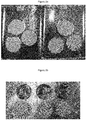
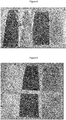
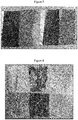
- Metallized and printed substrates comprising intermediate and print primer layers were prepared according to the general methodologies described above, air dried for 72 hours in the case of off set conventional ink retentive type inked labels or 24 hours for rotogravure ink retentive type inked labels, and tested for ink retention according to the test procedure described above. The degree of ink retention and rub resistance following treatment was evaluated visually.
- the metallized labels comprising, nickel, tin and zinc also exhibit much shorter wash off times than the other tested metals, copper and indium, which are unreactive to hot caustic solution and in particular, tin and zinc exhibited wash off times similar to aluminium.
- Laboratory testing revealed that tin and nickel remained as majority zero valent metal on the label during the caustic wash, whereas aluminium and zinc were fully oxidized within 70 - 80 seconds required for label drop off.
- metallized and printed labels comprising tin, nickel or zinc all exhibit 100% ink retention, whereas aluminium (the current industry standard) exhibits a reduction in ink retention, and other metals (indium and copper) which are known not to react with caustic actually exhibit even worse ink retention, which would not have been predicted.
Landscapes
- Chemical & Material Sciences (AREA)
- Engineering & Computer Science (AREA)
- Mechanical Engineering (AREA)
- Chemical Kinetics & Catalysis (AREA)
- Materials Engineering (AREA)
- Metallurgy (AREA)
- Organic Chemistry (AREA)
- Textile Engineering (AREA)
- Laminated Bodies (AREA)
Claims (15)
- Verfahren zum Herstellen eines metallisierten Substrats, das geeignet ist, um beständige Tinte, die darauf aufgebracht ist, während kaustischen Waschens beizubehalten, umfassend:- Auftragen, auf einer Basisschicht, einer Zwischenschicht aus Polymermaterial, wobei die Basisschicht ein blattartiges nichtgewobenes cellulosehaltiges Material ist oder faserförmiges Material umfasst, das Stoff, Papier oder Karton ist;- Auftragen, auf der Zwischenschicht durch Vakuumabedampfen, einer metallischen Schicht, umfassend eines oder mehrere von Zinn, Nickel oder Zink; und- Auftragen, auf der metallischen Schicht, einer obersten Beschichtung aus Polymermaterial.
- Verfahren nach Anspruch 1, wobei die metallische Schicht eine Legierung von einem oder mehreren von Zinn, Nickel oder Zink umfasst.
- Verfahren nach einem der vorstehenden Ansprüche, wobei die oberste Beschichtung und/oder die Zwischenschicht aus Polymermaterial ein acrylbasiertes Polymer umfasst.
- Verfahren nach einem Ansprüche 1 bis 3, weiter umfassend den Schritt des Druckens, mit beständiger Tinten, eines Bildes oder Designs auf die oberste Beschichtung aus Polymermaterial.
- Metallisiertes Substrat, das geeignet ist, um beständige Tinte, die darauf aufgebracht ist, während kaustischen Waschens beizubehalten, umfassend:- eine Basisschicht, wobei die Basisschicht ein blattartiges nichtgewobenes cellulosehaltiges Material ist oder faserförmiges Material umfasst, das Stoff, Papier oder Karton ist;- eine Zwischenschicht aus Polymermaterial, die auf der Basisschicht aufgetragen ist;- eine metallische Schicht, umfassend eines oder mehrere von Zinn, Nickel oder Zink, auf der Basisschicht aufgetragen; und- eine polymere oberste Beschichtung, die auf der metallischen Schicht aufgetragen ist.
- Metallisiertes Substrat nach Anspruch 5, wobei die metallische Schicht eine Legierung von einem oder mehreren von Zinn, Nickel oder Zink umfasst.
- Metallisiertes Substrat nach Anspruch 5 oder Anspruch 6, wobei die polymere oberste Beschichtung und/oder die polymere Zwischenschicht ein acrylbasiertes Polymer umfasst.
- Metallisiertes Substrat nach einem der Ansprüche 5 bis 7, weiter umfassend ein gedrucktes Bild oder Design auf der polymeren obersten Beschichtung.
- Verwendung von Zinn, Nickel oder Zink zum Beibehalten von beständiger Tinten in einem Etikett während kaustischen Abwaschens des Etiketts von einem Behälter.
- Verwendung des metallischen Substrats nach einem der Ansprüche 5 bis 8 als ein Etikett.
- Verwendung einer der Ansprüche 9 und 10, wobei eine Legierung eines oder mehrerer von Zinn, Nickel oder Zink verwendet wird.
- Verfahren zum Entfernen eines mehrschichtigen Etiketts von einem Behälter, umfassend:- Aussetzen des Behälters einer Natriumhydroxidbehandlung; wobei das mehrschichtige Etikett an die Oberfläche des Behälters gehaftet wird und eine Basisschicht, eine Zwischenschicht aus Polymermaterial, die auf der Basisschicht aufgetragen ist, eine metallische Schicht, umfassend eines oder mehrere von Zinn, Nickel oder Zinn, die auf der Zwischenschicht aufgetragen ist, eine polymere oberste Beschichtung, die auf der metallischen Schicht aufgetragen ist, und eine Schicht gedruckter beständiger Tinten auf der polymeren obersten Beschichtung umfasst; und- Entfernen des Etiketts vom Behälter.
- Verfahren nach Anspruch 12, wobei die Zwischenschicht und/oder die polymere oberste Beschichtung ein acrylbasiertes Polymer umfasst.
- Verfahren nach einem der Ansprüche 12 bis 13, wobei die Basisschicht faserförmiges Material umfasst, das Stoff, Karton oder Papier ist.
- Verfahren nach einem der Ansprüche 12 bis 14, wobei das mehrschichtige Etikett mit einer haftenden Zusammensetzung an den Behälter angebracht ist.
Applications Claiming Priority (2)
| Application Number | Priority Date | Filing Date | Title |
|---|---|---|---|
| NL2016254A NL2016254B1 (en) | 2016-02-11 | 2016-02-11 | Metallized substrates |
| PCT/EP2017/052055 WO2017137280A1 (en) | 2016-02-11 | 2017-01-31 | Metallized substrates |
Publications (2)
| Publication Number | Publication Date |
|---|---|
| EP3393786A1 EP3393786A1 (de) | 2018-10-31 |
| EP3393786B1 true EP3393786B1 (de) | 2019-11-20 |
Family
ID=56133006
Family Applications (1)
| Application Number | Title | Priority Date | Filing Date |
|---|---|---|---|
| EP17701900.7A Active EP3393786B1 (de) | 2016-02-11 | 2017-01-31 | Metallisierte substrate |
Country Status (4)
| Country | Link |
|---|---|
| EP (1) | EP3393786B1 (de) |
| ES (1) | ES2757881T3 (de) |
| NL (1) | NL2016254B1 (de) |
| WO (1) | WO2017137280A1 (de) |
Family Cites Families (6)
| Publication number | Priority date | Publication date | Assignee | Title |
|---|---|---|---|---|
| PL186633B1 (pl) * | 1996-03-20 | 2004-02-27 | Heineken Tech Services | Etykieta |
| FI117072B (fi) * | 2005-04-15 | 2006-05-31 | Raflatac Oy | Poispestävä etiketti |
| WO2008039658A2 (en) * | 2006-09-27 | 2008-04-03 | 3M Innovative Properties Company | Metallized films, articles, and methods of making the same |
| US8945702B2 (en) * | 2007-10-31 | 2015-02-03 | Bemis Company, Inc. | Barrier packaging webs having metallized non-oriented film |
| WO2009157199A1 (ja) * | 2008-06-27 | 2009-12-30 | ユニチカ株式会社 | 易接着性ポリエステルフィルムおよびそれを用いた包装材料 |
| WO2010048103A1 (en) * | 2008-10-21 | 2010-04-29 | Mitsubishi Polyester Film, Inc. | Flame retardant polyester composite film |
-
2016
- 2016-02-11 NL NL2016254A patent/NL2016254B1/en active
-
2017
- 2017-01-31 WO PCT/EP2017/052055 patent/WO2017137280A1/en not_active Ceased
- 2017-01-31 ES ES17701900T patent/ES2757881T3/es active Active
- 2017-01-31 EP EP17701900.7A patent/EP3393786B1/de active Active
Non-Patent Citations (1)
| Title |
|---|
| None * |
Also Published As
| Publication number | Publication date |
|---|---|
| WO2017137280A1 (en) | 2017-08-17 |
| EP3393786A1 (de) | 2018-10-31 |
| ES2757881T3 (es) | 2020-04-30 |
| NL2016254B1 (en) | 2017-08-22 |
Similar Documents
| Publication | Publication Date | Title |
|---|---|---|
| DE69700672T2 (de) | Etikett mit einer metallischen Schicht kontrollierter Dicke | |
| US20080187770A1 (en) | Metallization process and product produced thereby | |
| JP2002523606A (ja) | 二つの異なる色の間でカラーシフトを示す光学的可変性顔料、その顔料を含む被覆用組成物、その顔料を製造する方法およびその被覆用組成物で被覆された基材 | |
| KR100504274B1 (ko) | 마이크로엠보싱 이미지를 포함하는 투명 물품의 제조 방법 | |
| EP3393786B1 (de) | Metallisierte substrate | |
| CZ2004993A3 (cs) | Ochranný prvek a způsob jeho výroby | |
| US20090139640A1 (en) | Process for Producing Partially Metallized Substrates | |
| WO2009113097A2 (en) | Process for printing a plastic film with water containing inks and water containing additives | |
| EP2585635B1 (de) | Verfahren zur herstellung von beschichteten vakuummetallisierten substraten | |
| EP1150270B1 (de) | Metallisiertes Papier mit eingearbeitetem Sicherheitsmerkmal | |
| DE102015006054B4 (de) | System und Verfahren zum Übertragen von ein- und mehrfarbigen Abbildungen auf Substrate | |
| CA2431184A1 (en) | Process for the preparation of printed and partially metalized plastic films | |
| JPH08185122A (ja) | 洗瓶性ホログラムラベルおよびその製造方法 | |
| KR20000051964A (ko) | 금속접착이 용이한 도포층을 갖는 폴리에스테르 필름 및 이로부 | |
| JPS5921794A (ja) | 金属蒸着紙の製造方法 | |
| JPH0418194A (ja) | ラベル | |
| KR100373175B1 (ko) | 스탬핑 호일 접착 조성물 및 이를 사용한 스탬핑 호일 | |
| JP2011075641A (ja) | 蒸着ラベルおよびその製造方法 | |
| WO2003099586A1 (en) | A process for the preparation of partially metallised and printed plastic films | |
| JP2001164493A (ja) | 隠蔽性用紙及びそれを用いた隠蔽性ラベル及び隠蔽性包装紙 | |
| JPS61132983A (ja) | ラベル用金属化紙 | |
| JPS59152844A (ja) | Al薄膜 | |
| Marsh | Inks for Special Purposes | |
| JP2020012073A (ja) | 鏡面光沢領域を備えた粘着シート | |
| KR20120077346A (ko) | 발색 미세 패턴판의 제조방법 및 그 제조물 |
Legal Events
| Date | Code | Title | Description |
|---|---|---|---|
| STAA | Information on the status of an ep patent application or granted ep patent |
Free format text: STATUS: UNKNOWN |
|
| STAA | Information on the status of an ep patent application or granted ep patent |
Free format text: STATUS: THE INTERNATIONAL PUBLICATION HAS BEEN MADE |
|
| PUAI | Public reference made under article 153(3) epc to a published international application that has entered the european phase |
Free format text: ORIGINAL CODE: 0009012 |
|
| STAA | Information on the status of an ep patent application or granted ep patent |
Free format text: STATUS: REQUEST FOR EXAMINATION WAS MADE |
|
| 17P | Request for examination filed |
Effective date: 20180727 |
|
| AK | Designated contracting states |
Kind code of ref document: A1 Designated state(s): AL AT BE BG CH CY CZ DE DK EE ES FI FR GB GR HR HU IE IS IT LI LT LU LV MC MK MT NL NO PL PT RO RS SE SI SK SM TR |
|
| AX | Request for extension of the european patent |
Extension state: BA ME |
|
| GRAP | Despatch of communication of intention to grant a patent |
Free format text: ORIGINAL CODE: EPIDOSNIGR1 |
|
| STAA | Information on the status of an ep patent application or granted ep patent |
Free format text: STATUS: GRANT OF PATENT IS INTENDED |
|
| DAV | Request for validation of the european patent (deleted) | ||
| DAX | Request for extension of the european patent (deleted) | ||
| INTG | Intention to grant announced |
Effective date: 20190510 |
|
| GRAS | Grant fee paid |
Free format text: ORIGINAL CODE: EPIDOSNIGR3 |
|
| GRAJ | Information related to disapproval of communication of intention to grant by the applicant or resumption of examination proceedings by the epo deleted |
Free format text: ORIGINAL CODE: EPIDOSDIGR1 |
|
| GRAL | Information related to payment of fee for publishing/printing deleted |
Free format text: ORIGINAL CODE: EPIDOSDIGR3 |
|
| STAA | Information on the status of an ep patent application or granted ep patent |
Free format text: STATUS: REQUEST FOR EXAMINATION WAS MADE |
|
| INTC | Intention to grant announced (deleted) | ||
| GRAR | Information related to intention to grant a patent recorded |
Free format text: ORIGINAL CODE: EPIDOSNIGR71 |
|
| STAA | Information on the status of an ep patent application or granted ep patent |
Free format text: STATUS: GRANT OF PATENT IS INTENDED |
|
| GRAA | (expected) grant |
Free format text: ORIGINAL CODE: 0009210 |
|
| STAA | Information on the status of an ep patent application or granted ep patent |
Free format text: STATUS: THE PATENT HAS BEEN GRANTED |
|
| INTG | Intention to grant announced |
Effective date: 20191010 |
|
| AK | Designated contracting states |
Kind code of ref document: B1 Designated state(s): AL AT BE BG CH CY CZ DE DK EE ES FI FR GB GR HR HU IE IS IT LI LT LU LV MC MK MT NL NO PL PT RO RS SE SI SK SM TR |
|
| REG | Reference to a national code |
Ref country code: GB Ref legal event code: FG4D |
|
| REG | Reference to a national code |
Ref country code: CH Ref legal event code: EP |
|
| REG | Reference to a national code |
Ref country code: DE Ref legal event code: R096 Ref document number: 602017008902 Country of ref document: DE |
|
| REG | Reference to a national code |
Ref country code: IE Ref legal event code: FG4D |
|
| REG | Reference to a national code |
Ref country code: AT Ref legal event code: REF Ref document number: 1203721 Country of ref document: AT Kind code of ref document: T Effective date: 20191215 |
|
| REG | Reference to a national code |
Ref country code: NL Ref legal event code: MP Effective date: 20191120 |
|
| REG | Reference to a national code |
Ref country code: LT Ref legal event code: MG4D |
|
| REG | Reference to a national code |
Ref country code: ES Ref legal event code: FG2A Ref document number: 2757881 Country of ref document: ES Kind code of ref document: T3 Effective date: 20200430 |
|
| PG25 | Lapsed in a contracting state [announced via postgrant information from national office to epo] |
Ref country code: LV Free format text: LAPSE BECAUSE OF FAILURE TO SUBMIT A TRANSLATION OF THE DESCRIPTION OR TO PAY THE FEE WITHIN THE PRESCRIBED TIME-LIMIT Effective date: 20191120 Ref country code: SE Free format text: LAPSE BECAUSE OF FAILURE TO SUBMIT A TRANSLATION OF THE DESCRIPTION OR TO PAY THE FEE WITHIN THE PRESCRIBED TIME-LIMIT Effective date: 20191120 Ref country code: LT Free format text: LAPSE BECAUSE OF FAILURE TO SUBMIT A TRANSLATION OF THE DESCRIPTION OR TO PAY THE FEE WITHIN THE PRESCRIBED TIME-LIMIT Effective date: 20191120 Ref country code: NL Free format text: LAPSE BECAUSE OF FAILURE TO SUBMIT A TRANSLATION OF THE DESCRIPTION OR TO PAY THE FEE WITHIN THE PRESCRIBED TIME-LIMIT Effective date: 20191120 Ref country code: NO Free format text: LAPSE BECAUSE OF FAILURE TO SUBMIT A TRANSLATION OF THE DESCRIPTION OR TO PAY THE FEE WITHIN THE PRESCRIBED TIME-LIMIT Effective date: 20200220 Ref country code: GR Free format text: LAPSE BECAUSE OF FAILURE TO SUBMIT A TRANSLATION OF THE DESCRIPTION OR TO PAY THE FEE WITHIN THE PRESCRIBED TIME-LIMIT Effective date: 20200221 Ref country code: FI Free format text: LAPSE BECAUSE OF FAILURE TO SUBMIT A TRANSLATION OF THE DESCRIPTION OR TO PAY THE FEE WITHIN THE PRESCRIBED TIME-LIMIT Effective date: 20191120 Ref country code: BG Free format text: LAPSE BECAUSE OF FAILURE TO SUBMIT A TRANSLATION OF THE DESCRIPTION OR TO PAY THE FEE WITHIN THE PRESCRIBED TIME-LIMIT Effective date: 20200220 |
|
| PG25 | Lapsed in a contracting state [announced via postgrant information from national office to epo] |
Ref country code: HR Free format text: LAPSE BECAUSE OF FAILURE TO SUBMIT A TRANSLATION OF THE DESCRIPTION OR TO PAY THE FEE WITHIN THE PRESCRIBED TIME-LIMIT Effective date: 20191120 Ref country code: RS Free format text: LAPSE BECAUSE OF FAILURE TO SUBMIT A TRANSLATION OF THE DESCRIPTION OR TO PAY THE FEE WITHIN THE PRESCRIBED TIME-LIMIT Effective date: 20191120 Ref country code: IS Free format text: LAPSE BECAUSE OF FAILURE TO SUBMIT A TRANSLATION OF THE DESCRIPTION OR TO PAY THE FEE WITHIN THE PRESCRIBED TIME-LIMIT Effective date: 20200320 |
|
| PG25 | Lapsed in a contracting state [announced via postgrant information from national office to epo] |
Ref country code: AL Free format text: LAPSE BECAUSE OF FAILURE TO SUBMIT A TRANSLATION OF THE DESCRIPTION OR TO PAY THE FEE WITHIN THE PRESCRIBED TIME-LIMIT Effective date: 20191120 |
|
| PG25 | Lapsed in a contracting state [announced via postgrant information from national office to epo] |
Ref country code: CZ Free format text: LAPSE BECAUSE OF FAILURE TO SUBMIT A TRANSLATION OF THE DESCRIPTION OR TO PAY THE FEE WITHIN THE PRESCRIBED TIME-LIMIT Effective date: 20191120 Ref country code: RO Free format text: LAPSE BECAUSE OF FAILURE TO SUBMIT A TRANSLATION OF THE DESCRIPTION OR TO PAY THE FEE WITHIN THE PRESCRIBED TIME-LIMIT Effective date: 20191120 Ref country code: PT Free format text: LAPSE BECAUSE OF FAILURE TO SUBMIT A TRANSLATION OF THE DESCRIPTION OR TO PAY THE FEE WITHIN THE PRESCRIBED TIME-LIMIT Effective date: 20200412 Ref country code: DK Free format text: LAPSE BECAUSE OF FAILURE TO SUBMIT A TRANSLATION OF THE DESCRIPTION OR TO PAY THE FEE WITHIN THE PRESCRIBED TIME-LIMIT Effective date: 20191120 Ref country code: EE Free format text: LAPSE BECAUSE OF FAILURE TO SUBMIT A TRANSLATION OF THE DESCRIPTION OR TO PAY THE FEE WITHIN THE PRESCRIBED TIME-LIMIT Effective date: 20191120 |
|
| REG | Reference to a national code |
Ref country code: AT Ref legal event code: MK05 Ref document number: 1203721 Country of ref document: AT Kind code of ref document: T Effective date: 20191120 |
|
| REG | Reference to a national code |
Ref country code: DE Ref legal event code: R097 Ref document number: 602017008902 Country of ref document: DE |
|
| PG25 | Lapsed in a contracting state [announced via postgrant information from national office to epo] |
Ref country code: SK Free format text: LAPSE BECAUSE OF FAILURE TO SUBMIT A TRANSLATION OF THE DESCRIPTION OR TO PAY THE FEE WITHIN THE PRESCRIBED TIME-LIMIT Effective date: 20191120 Ref country code: SM Free format text: LAPSE BECAUSE OF FAILURE TO SUBMIT A TRANSLATION OF THE DESCRIPTION OR TO PAY THE FEE WITHIN THE PRESCRIBED TIME-LIMIT Effective date: 20191120 Ref country code: MC Free format text: LAPSE BECAUSE OF FAILURE TO SUBMIT A TRANSLATION OF THE DESCRIPTION OR TO PAY THE FEE WITHIN THE PRESCRIBED TIME-LIMIT Effective date: 20191120 |
|
| REG | Reference to a national code |
Ref country code: CH Ref legal event code: PL |
|
| PLBE | No opposition filed within time limit |
Free format text: ORIGINAL CODE: 0009261 |
|
| STAA | Information on the status of an ep patent application or granted ep patent |
Free format text: STATUS: NO OPPOSITION FILED WITHIN TIME LIMIT |
|
| REG | Reference to a national code |
Ref country code: BE Ref legal event code: MM Effective date: 20200131 |
|
| 26N | No opposition filed |
Effective date: 20200821 |
|
| PG25 | Lapsed in a contracting state [announced via postgrant information from national office to epo] |
Ref country code: LU Free format text: LAPSE BECAUSE OF NON-PAYMENT OF DUE FEES Effective date: 20200131 Ref country code: FR Free format text: LAPSE BECAUSE OF NON-PAYMENT OF DUE FEES Effective date: 20200131 |
|
| PG25 | Lapsed in a contracting state [announced via postgrant information from national office to epo] |
Ref country code: LI Free format text: LAPSE BECAUSE OF NON-PAYMENT OF DUE FEES Effective date: 20200131 Ref country code: CH Free format text: LAPSE BECAUSE OF NON-PAYMENT OF DUE FEES Effective date: 20200131 Ref country code: BE Free format text: LAPSE BECAUSE OF NON-PAYMENT OF DUE FEES Effective date: 20200131 Ref country code: PL Free format text: LAPSE BECAUSE OF FAILURE TO SUBMIT A TRANSLATION OF THE DESCRIPTION OR TO PAY THE FEE WITHIN THE PRESCRIBED TIME-LIMIT Effective date: 20191120 Ref country code: SI Free format text: LAPSE BECAUSE OF FAILURE TO SUBMIT A TRANSLATION OF THE DESCRIPTION OR TO PAY THE FEE WITHIN THE PRESCRIBED TIME-LIMIT Effective date: 20191120 Ref country code: AT Free format text: LAPSE BECAUSE OF FAILURE TO SUBMIT A TRANSLATION OF THE DESCRIPTION OR TO PAY THE FEE WITHIN THE PRESCRIBED TIME-LIMIT Effective date: 20191120 |
|
| PG25 | Lapsed in a contracting state [announced via postgrant information from national office to epo] |
Ref country code: IE Free format text: LAPSE BECAUSE OF NON-PAYMENT OF DUE FEES Effective date: 20200131 |
|
| PG25 | Lapsed in a contracting state [announced via postgrant information from national office to epo] |
Ref country code: TR Free format text: LAPSE BECAUSE OF FAILURE TO SUBMIT A TRANSLATION OF THE DESCRIPTION OR TO PAY THE FEE WITHIN THE PRESCRIBED TIME-LIMIT Effective date: 20191120 Ref country code: MT Free format text: LAPSE BECAUSE OF FAILURE TO SUBMIT A TRANSLATION OF THE DESCRIPTION OR TO PAY THE FEE WITHIN THE PRESCRIBED TIME-LIMIT Effective date: 20191120 Ref country code: CY Free format text: LAPSE BECAUSE OF FAILURE TO SUBMIT A TRANSLATION OF THE DESCRIPTION OR TO PAY THE FEE WITHIN THE PRESCRIBED TIME-LIMIT Effective date: 20191120 |
|
| PG25 | Lapsed in a contracting state [announced via postgrant information from national office to epo] |
Ref country code: MK Free format text: LAPSE BECAUSE OF FAILURE TO SUBMIT A TRANSLATION OF THE DESCRIPTION OR TO PAY THE FEE WITHIN THE PRESCRIBED TIME-LIMIT Effective date: 20191120 |
|
| PGFP | Annual fee paid to national office [announced via postgrant information from national office to epo] |
Ref country code: GB Payment date: 20260126 Year of fee payment: 10 |
|
| PGFP | Annual fee paid to national office [announced via postgrant information from national office to epo] |
Ref country code: ES Payment date: 20260210 Year of fee payment: 10 |
|
| PGFP | Annual fee paid to national office [announced via postgrant information from national office to epo] |
Ref country code: DE Payment date: 20260127 Year of fee payment: 10 |
|
| PGFP | Annual fee paid to national office [announced via postgrant information from national office to epo] |
Ref country code: IT Payment date: 20260105 Year of fee payment: 10 |