EP3383182B1 - Verfahren zur erzeugung funktioneller hämatopoetischer stammzellen - Google Patents
Verfahren zur erzeugung funktioneller hämatopoetischer stammzellen Download PDFInfo
- Publication number
- EP3383182B1 EP3383182B1 EP16871607.4A EP16871607A EP3383182B1 EP 3383182 B1 EP3383182 B1 EP 3383182B1 EP 16871607 A EP16871607 A EP 16871607A EP 3383182 B1 EP3383182 B1 EP 3383182B1
- Authority
- EP
- European Patent Office
- Prior art keywords
- cells
- hscs
- trpv4
- endothelial
- hsc
- Prior art date
- Legal status (The legal status is an assumption and is not a legal conclusion. Google has not performed a legal analysis and makes no representation as to the accuracy of the status listed.)
- Active
Links
Images





Classifications
-
- C—CHEMISTRY; METALLURGY
- C12—BIOCHEMISTRY; BEER; SPIRITS; WINE; VINEGAR; MICROBIOLOGY; ENZYMOLOGY; MUTATION OR GENETIC ENGINEERING
- C12N—MICROORGANISMS OR ENZYMES; COMPOSITIONS THEREOF; PROPAGATING, PRESERVING, OR MAINTAINING MICROORGANISMS; MUTATION OR GENETIC ENGINEERING; CULTURE MEDIA
- C12N5/00—Undifferentiated human, animal or plant cells, e.g. cell lines; Tissues; Cultivation or maintenance thereof; Culture media therefor
- C12N5/06—Animal cells or tissues; Human cells or tissues
- C12N5/0602—Vertebrate cells
- C12N5/0634—Cells from the blood or the immune system
- C12N5/0647—Haematopoietic stem cells; Uncommitted or multipotent progenitors
-
- A—HUMAN NECESSITIES
- A01—AGRICULTURE; FORESTRY; ANIMAL HUSBANDRY; HUNTING; TRAPPING; FISHING
- A01K—ANIMAL HUSBANDRY; AVICULTURE; APICULTURE; PISCICULTURE; FISHING; REARING OR BREEDING ANIMALS, NOT OTHERWISE PROVIDED FOR; NEW BREEDS OF ANIMALS
- A01K67/00—Rearing or breeding animals, not otherwise provided for; New or modified breeds of animals
- A01K67/027—New or modified breeds of vertebrates
- A01K67/0271—Chimeric vertebrates, e.g. comprising exogenous cells
-
- A—HUMAN NECESSITIES
- A61—MEDICAL OR VETERINARY SCIENCE; HYGIENE
- A61K—PREPARATIONS FOR MEDICAL, DENTAL OR TOILETRY PURPOSES
- A61K35/00—Medicinal preparations containing materials or reaction products thereof with undetermined constitution
- A61K35/12—Materials from mammals; Compositions comprising non-specified tissues or cells; Compositions comprising non-embryonic stem cells; Genetically modified cells
- A61K35/28—Bone marrow; Haematopoietic stem cells; Mesenchymal stem cells of any origin, e.g. adipose-derived stem cells
-
- A—HUMAN NECESSITIES
- A61—MEDICAL OR VETERINARY SCIENCE; HYGIENE
- A61P—SPECIFIC THERAPEUTIC ACTIVITY OF CHEMICAL COMPOUNDS OR MEDICINAL PREPARATIONS
- A61P25/00—Drugs for disorders of the nervous system
-
- A—HUMAN NECESSITIES
- A61—MEDICAL OR VETERINARY SCIENCE; HYGIENE
- A61P—SPECIFIC THERAPEUTIC ACTIVITY OF CHEMICAL COMPOUNDS OR MEDICINAL PREPARATIONS
- A61P3/00—Drugs for disorders of the metabolism
-
- A—HUMAN NECESSITIES
- A61—MEDICAL OR VETERINARY SCIENCE; HYGIENE
- A61P—SPECIFIC THERAPEUTIC ACTIVITY OF CHEMICAL COMPOUNDS OR MEDICINAL PREPARATIONS
- A61P35/00—Antineoplastic agents
-
- A—HUMAN NECESSITIES
- A61—MEDICAL OR VETERINARY SCIENCE; HYGIENE
- A61P—SPECIFIC THERAPEUTIC ACTIVITY OF CHEMICAL COMPOUNDS OR MEDICINAL PREPARATIONS
- A61P35/00—Antineoplastic agents
- A61P35/02—Antineoplastic agents specific for leukemia
-
- A—HUMAN NECESSITIES
- A61—MEDICAL OR VETERINARY SCIENCE; HYGIENE
- A61P—SPECIFIC THERAPEUTIC ACTIVITY OF CHEMICAL COMPOUNDS OR MEDICINAL PREPARATIONS
- A61P37/00—Drugs for immunological or allergic disorders
- A61P37/02—Immunomodulators
-
- A—HUMAN NECESSITIES
- A61—MEDICAL OR VETERINARY SCIENCE; HYGIENE
- A61P—SPECIFIC THERAPEUTIC ACTIVITY OF CHEMICAL COMPOUNDS OR MEDICINAL PREPARATIONS
- A61P37/00—Drugs for immunological or allergic disorders
- A61P37/02—Immunomodulators
- A61P37/06—Immunosuppressants, e.g. drugs for graft rejection
-
- A—HUMAN NECESSITIES
- A61—MEDICAL OR VETERINARY SCIENCE; HYGIENE
- A61P—SPECIFIC THERAPEUTIC ACTIVITY OF CHEMICAL COMPOUNDS OR MEDICINAL PREPARATIONS
- A61P43/00—Drugs for specific purposes, not provided for in groups A61P1/00-A61P41/00
-
- A—HUMAN NECESSITIES
- A61—MEDICAL OR VETERINARY SCIENCE; HYGIENE
- A61P—SPECIFIC THERAPEUTIC ACTIVITY OF CHEMICAL COMPOUNDS OR MEDICINAL PREPARATIONS
- A61P7/00—Drugs for disorders of the blood or the extracellular fluid
-
- A—HUMAN NECESSITIES
- A01—AGRICULTURE; FORESTRY; ANIMAL HUSBANDRY; HUNTING; TRAPPING; FISHING
- A01K—ANIMAL HUSBANDRY; AVICULTURE; APICULTURE; PISCICULTURE; FISHING; REARING OR BREEDING ANIMALS, NOT OTHERWISE PROVIDED FOR; NEW BREEDS OF ANIMALS
- A01K2207/00—Modified animals
- A01K2207/12—Animals modified by administration of exogenous cells
-
- C—CHEMISTRY; METALLURGY
- C12—BIOCHEMISTRY; BEER; SPIRITS; WINE; VINEGAR; MICROBIOLOGY; ENZYMOLOGY; MUTATION OR GENETIC ENGINEERING
- C12N—MICROORGANISMS OR ENZYMES; COMPOSITIONS THEREOF; PROPAGATING, PRESERVING, OR MAINTAINING MICROORGANISMS; MUTATION OR GENETIC ENGINEERING; CULTURE MEDIA
- C12N2501/00—Active agents used in cell culture processes, e.g. differentation
- C12N2501/999—Small molecules not provided for elsewhere
-
- C—CHEMISTRY; METALLURGY
- C12—BIOCHEMISTRY; BEER; SPIRITS; WINE; VINEGAR; MICROBIOLOGY; ENZYMOLOGY; MUTATION OR GENETIC ENGINEERING
- C12N—MICROORGANISMS OR ENZYMES; COMPOSITIONS THEREOF; PROPAGATING, PRESERVING, OR MAINTAINING MICROORGANISMS; MUTATION OR GENETIC ENGINEERING; CULTURE MEDIA
- C12N2506/00—Differentiation of animal cells from one lineage to another; Differentiation of pluripotent cells
-
- C—CHEMISTRY; METALLURGY
- C12—BIOCHEMISTRY; BEER; SPIRITS; WINE; VINEGAR; MICROBIOLOGY; ENZYMOLOGY; MUTATION OR GENETIC ENGINEERING
- C12N—MICROORGANISMS OR ENZYMES; COMPOSITIONS THEREOF; PROPAGATING, PRESERVING, OR MAINTAINING MICROORGANISMS; MUTATION OR GENETIC ENGINEERING; CULTURE MEDIA
- C12N2506/00—Differentiation of animal cells from one lineage to another; Differentiation of pluripotent cells
- C12N2506/28—Differentiation of animal cells from one lineage to another; Differentiation of pluripotent cells from vascular endothelial cells
-
- C—CHEMISTRY; METALLURGY
- C12—BIOCHEMISTRY; BEER; SPIRITS; WINE; VINEGAR; MICROBIOLOGY; ENZYMOLOGY; MUTATION OR GENETIC ENGINEERING
- C12N—MICROORGANISMS OR ENZYMES; COMPOSITIONS THEREOF; PROPAGATING, PRESERVING, OR MAINTAINING MICROORGANISMS; MUTATION OR GENETIC ENGINEERING; CULTURE MEDIA
- C12N2506/00—Differentiation of animal cells from one lineage to another; Differentiation of pluripotent cells
- C12N2506/45—Differentiation of animal cells from one lineage to another; Differentiation of pluripotent cells from artificially induced pluripotent stem cells
-
- C—CHEMISTRY; METALLURGY
- C12—BIOCHEMISTRY; BEER; SPIRITS; WINE; VINEGAR; MICROBIOLOGY; ENZYMOLOGY; MUTATION OR GENETIC ENGINEERING
- C12N—MICROORGANISMS OR ENZYMES; COMPOSITIONS THEREOF; PROPAGATING, PRESERVING, OR MAINTAINING MICROORGANISMS; MUTATION OR GENETIC ENGINEERING; CULTURE MEDIA
- C12N2533/00—Supports or coatings for cell culture, characterised by material
- C12N2533/50—Proteins
- C12N2533/52—Fibronectin; Laminin
Definitions
- HSCs hematopoietic stem cells
- Described herein are methods for preparing populations of hematopoietic stem cells (HSCs), e.g., autologous and/or allogenic HSCs, using mechanical stretching or Trpv4 agonisists, and methods of use of the HSCs in transplantation.
- HSCs hematopoietic stem cells
- HSC transplantation is widely used to treat patients with blood, bone marrow, metabolic, and immune diseases (1-5).
- HLA human leukocyte antigen
- Described herein methods for preparing populations of hematopoietic stem cells include (i) contacting a population comprising hemogenic endothelial (HE) ex vivo or in vitro with an amount of an agonist of transient receptor potential cation channel-subfamily vanilloid member 4 (Trpv4); and/or (ii) subjecting a population comprising hemogenic endothelial (HE)cells to cyclic 2-dimensional stretching ex vivo or in vitro, for a time and under conditions sufficient to stimulate endothelial-to-HSC transition.
- HE hemogenic endothelial
- Trpv4 transient receptor potential cation channel-subfamily vanilloid member 4
- the subject does not have a hematological malignancy.
- HSCs hematopoietic stem cells
- the methods include administering to the subject a therapeutically effective amount of hematopoietic stem cells (HSCs) obtained by a method comprising: providing a population comprising hemogenic endothelial (HE) cells, and (i) contacting the HE cells with an amount of an agonist of transient receptor potential cation channel-subfamily vanilloid member 4 (Trpv4); and/or (ii) subjecting the cells to cyclic 2-dimensional stretching, for a time and under conditions sufficient to stimulating endothelial-to-HSC transition.
- HE hemogenic endothelial
- Trpv4 transient receptor potential cation channel-subfamily vanilloid member 4
- the HE cells used in the methods described herein are obtained from induced pluripotent stem cells (iPSC), e.g., skin or CD34+ cells are first converted to induced pluripotent stem cells (preferably human iPSCs) using established methods. Then such human iPSCs are differentiated into human HE cells using methods known in the art and/or described herein. For example, differentiation of human iPSCs into EBs can occur in presence of drugs, growth factors, cytokine cocktails to induce hemogenic endothelial fate, followed by sorting of cells between day 7-9 and further incubation with an established cocktail to enrich HE cells.
- iPSC induced pluripotent stem cells
- the agonist of Trpv4 is selected from the group consisting of Arachidonic Acid, 5,6-EET, 8,9-EET, bisandrographolide A (BAA), Phorbol ester (e.g., 4 ⁇ -PDD and 4 ⁇ -PDH), RN-1747, substituted 1,4-diaminobutane or 1,3-diaminopropane analogues; and GSK10116790A.
- the HE cells or iPSC are obtained from a subject who has a blood, bone marrow, metabolic, or immune disease.
- the agonist of Trpv4 is selected from the group consisting of Arachidonic Acid, 5,6-EET, 8,9-EET, bisandrographolide A (BAA), Phorbol ester (e.g., 4 ⁇ -PDD and 4 ⁇ -PDH), RN-1747, substituted 1,4-diaminobutane or 1,3-diaminopropane analogues; and GSK10116790A.
- the subject is a mammal, e.g., a human.
- the subject has multiple myeloma; non-Hodgkin lymphoma; Hodgkin disease; acute myeloid leukemia; neuroblastoma; a germ cell tumor; an autoimmune disorder (systemic lupus erythematosus (SLE) or systemic sclerosis); or amyloidosis.
- SLE systemic lupus erythematosus
- Sclerosis systemic sclerosis
- hemogenic endothelial cells During fetal development, a subset of endothelial cells in the aorta-gonad-mesonephros (AGM), termed hemogenic endothelial cells, change their fate to become HSCs that ultimately colonize the fetal liver and bone marrow (10, 11).
- AGM aorta-gonad-mesonephros
- the identities of the factors stimulating hemogenic endothelial cells remain elusive, limiting the utility of hemogenic endothelial cells as a potential source of functional HSCs.
- Blood flow-mediated shear-stress on the endothelial lining is the only known biomechanical force stimulating the endothelial emergence of HSCs (12, 13).
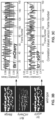
- micro-angiography, echocardiography, 3D digital Doppler ultrasound, and time-lapse confocal imaging established that circumferential vascular stretch due to pulsations from a beating heart triggers functional HSCs to emerge from hemogenic endothelial cells, which can ultimately engraft and differentiate into definitive lineages.
- Trpv4 stretch-sensitive transient receptor potential cation channel-subfamily vanilloid member 4
- the present findings establish new ex vivo methods (employing 2D circumferential stretch) and novel pharmacological target(s) (Trpv4 and/or modulators of the immediate early response genes (IEGs, a class of transcriptional factors; CREB, c-Fos, Elk1, NFAT)) to stimulate functional HSC formation.
- the present methods allow for the establishment of hemogenic endothelial cells as a bone marrow-independent source of functional HSCs in the treatment of blood, bone marrow failure, metabolomics, and immune disorders.
- the unbiased zebrafish genetic screen described herein investigated the origin and development of hematopoietic cells, and led to the identification of new cell-extrinsic and -intrinsic factors that could stimulate the endothelial transition to HSCs in zebrafish, mouse, and human.
- Blood flow- and shear-stress-mediated activation of NOS have been implicated as a trigger for HSC emergence from the hemogenic endothelium during fetal development (12, 13). Under this model, one might predict that the absence of blood flow would compromise hematopoietic cell formation.
- zebrafish and mouse models it however was established that functional HSCs emerge in the absence of blood flow (14).
- the present experiments illustrated that pulse-pressure-mediated circumferential stretch stimulated functional HSC formation via the activation of Trpv4 signaling, and establish circumferential stretch as a novel biomechanical force and Trpv4 as a novel molecular mechanism stimulating the endothelial emergence of HSCs.
- the present methods provide a platform to use hemogenic endothelial cells as a new and safe source of functional HSCs in the treatment of human blood, immune, metabolic, and bone-marrow failure diseases.
- the present disclosure describes how the hemogenic endothelium transitions to HSCs during fetal development, and provides methods to recapitulate this process, at least in part.
- HSCs emerge, migrate, self-renew, engraft, and differentiate despite impaired blood circulation and/or NOS inhibition. Therefore, blood flow- and shear stress-independent, cell-extrinsic mechanisms regulating endothelial emergence and development of HSCs must exist.
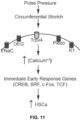
- Micro-angiography, confocal imaging, 3D Doppler ultrasound, gene-expression analyses, and echocardiography data demonstrated that pulse-pressure-mediated circumferential stretch stimulates the endothelial transition to HSCs.
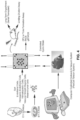
- An organ-on-a-chip was used to recapitulate in situ circumferential stretch conditions on mouse E11.5 AGM and/or AGM-derived endothelial, hemogenic endothelial, hematopoietic, vascular, and mesenchymal stromal cells.
- the circumferential stretch activates Trpv4 ion channels, which are expressed on endothelial and hematopoietic tissues.
- Trpv4 activation increases HSC formation and rescues hematopoiesis in silent heart-silenced embryos.
- the identification of circumferential stretch as a new biomechanical, cell-extrinsic factor stimulating HSC emergence will model the hemogenic endothelium as a potential source of functional HSCs.
- the present methods use hemogenic endothelial cells to generate HSC.
- the hemogenic endothelial cells e.g., Flk1+ CD45+ cells, Flk1+CD41+ cells or CD31+CD43+ cells
- the hemogenic endothelial cells can be obtained in any manner, including from an allogeneic donor or from the subject to be treated with the HSC (i.e., autologous hemogenic endothelial cells, e.g., generated from iPSC created using cells from the recipient).
- Methods for isolating hemogenic endothelial cells are known in the art, and include generation from human pluripotent stem cells. See, e.g., Example 3 herein and Ditadi et al., Nature Cell Biol.
- the present methods are used to generate HSC from HE cells in vitro, and include incubating the cells in the presence of Trpv4 agonists and/or subjecting the cells to stretch, e.g., to cyclic stretching.
- Trpv4 is a member of the TRPV subfamily of Transient Receptor Potential (TRP) ion channels.
- the channel can be activated by physical stimuli (e.g., cell swelling or stretch and innocuous warming, e.g., to about 27-35°C) and by chemical ligands including Arachidonic Acid and 5,6-EET and 8,9-EET ( Watanabe et al., Nature 424:434-438 (2003 ), ( Vincent and Duncton, Current topics in medicinal chemistry 11(17):2216-26 (2011 )); bisandrographolide A ( BAA, Smith et al., J Biol Chem 281:29897-29904 (2006 )); Phorbol esters such as 4 ⁇ -PDD and 4 ⁇ -PDH ( Watanabe et al., J Biol Chem 277:13569-13577 (2002 ); Vincent and Duncton, Current topics in medicinal chemistry 11(17):2216-
- mechanical means can be used to apply stretching forces to the cells.
- a computer controlled vacuum pump system e.g., the FlexCell TM Tension System
- a nylon-membrane of a flexible-bottomed culture plate can be used to apply 2D circumferential stretch ex vivo to HE-derived cells under defined and controlled cyclic strain conditions, e.g., as described herein.
- the methods described herein generate populations of HSC for use in transplantation protocols, e.g., to treat blood (malignant and non-malignant), bone marrow, metabolic, and immune diseases.
- the HSC are derived from autologous cells, e.g., generated from iPSC created using cells from the recipient subject.
- the recipient subject has a condition selected from multiple myeloma; non-Hodgkin lymphoma; Hodgkin disease; acute myeloid leukemia; neuroblastoma; Germ cell tumors; autoimmune disorders (systemic lupus erythematosus (SLE), systemic sclerosis); amyloidosis; or other condition treatable using an autologous HSC transplant.
- the recipient subject does not have a hematological malignancy.
- the recipient subject has Acute myeloid leukemia; Acute lymphoblastic leukemia; Chronic myeloid leukemia; Chronic lymphocytic leukemia; Myeloproliferative disorders; Myelodysplastic syndromes; Multiple myeloma; Non-Hodgkin lymphoma; Hodgkin disease; Aplastic anemia; Pure red-cell aplasia; Paroxysmal nocturnal hemoglobinuria; Fanconi anemia; Thalassemia major; Sickle cell anemia; Severe combined immunodeficiency (SCID); Wiskott-Aldrich syndrome; Hemophagocytic lymphohistiocytosis; Inborn errors of metabolism; Epidermolysis bullosa; Severe congenital neutropenia; Shwachman-Diamond syndrome; Diamond-Blackfan anemia; or Leukocyte adhesion deficiency; in these embodiments, preferably allogeneic-derived cells (e.g., HSC generated from
- the use of the HSCs obtained by the method can include administering the HSC generated using a methods described herein to a subject, e.g., by intravenous infusion or intrabone marrow transplantation.
- the methods can be performed following myeloablative, nonmyeloablative, or immunotoxin-based (e.g. anti-c-Kit, etc.) conditioning regimes.
- HSCs In mice, HSCs begin to emerge from AGM-hemogenic endothelial cells between E10.5 and E12.5. These HSCs colonize the fetal liver between E12.5 and E15.5, and ultimately engraft in the bone marrow and reconstitute multi-lineage blood (10, 21-26).
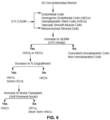
- E10.5 or 11.5 embryos from time-mated pregnant mice, dissected the AGM, and made a single-cell suspension to sort endothelial, hemogenic endothelial, hematopoietic, vascular, and/or mesenchymal stromal cells.
- Cdh5 is a cell-adhesion molecule that helps preserve endothelial permeability and the integrity of the endothelial lining (16-18). The loss of cdh5 resulted in no cardiac output and impaired active blood circulation.
- the heart begins to beat around 23 hpf, the blood circulation begins at approximately 24-26 hpf, and definitive HSCs emerge from hemogenic endothelial cells in the AGM region between 26-48 hpf (11). Blood flow generates shear-stress on the ventral wall of the aortic endothelium and stimulates the endothelial-to-HSC transition by activating the NOS pathway (12, 13).
- Mouse AGM is a heterogeneous tissue.
- endothelial cells hemogenic endothelial cells
- vascular smooth-muscle cells mesenchymal stromal cells
- hematopoietic cells from E11.5 AGM using fluorescence activated-cell sorting (FACS) or magnetic activated-cell sorting (MACS).
- FACS fluorescence activated-cell sorting
- MCS magnetic activated-cell sorting
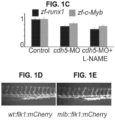
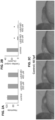
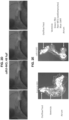
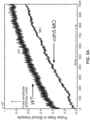
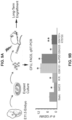
- HSCs The processes of the hemogenic specification of endothelial cells and the endothelial emergence of HSCs are dynamic and complimentary (13, 14, 24-26). As demonstrated herein, HSCs emerge, develop, engraft, and differentiate in the absence of active blood circulation due to shear stress-independent mechanisms. We have already successfully optimized experimental conditions for recapitulating controlled 2D circumferential stretch conditions on growing cells in the FlexCell Tension System ( Fig. 4 , 5 ). Since a heartbeat causes pulsation in blood vessels and thus generates circumferential stretch ( Fig. 1-3 ), an ex vivo reconstitution of circumferential stretch could emerge as a stand-alone, additive, or synergistic cell-extrinsic, biomechanical force stimulating the endothelial transition to HSCs.
- hiPSC human induced pluripotent stem cell
- EBs embryonic bodies
- drugs and growth factors drugs and growth factors to induce mesoderm and subsequently hematopoietic and endothelial specification
- EB differentiation Between day 7-8 of EB differentiation, we sort CD34+CD43- cells and treat them with drugs and growth factors for seven days to enrich hemogenic endothelial cells.
- human hemogenic endothelial cells (35) on a flexible nylon membrane and test whether 2D ex vivo circumferential stretch stimulates their hematopoietic cell formation potential using CFU assays, gene-expression analyses, and transplant into NOD-SCID immunocompromised mice.
- EXAMPLE 2 Examine the molecular mechanisms underlying Trpv4 signaling during HSCformation.
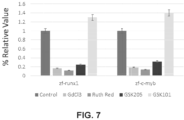
- Trpv4 is expressed in both endothelial and hematopoietic cells. Therefore, we investigated the role of Trpv4 in the endothelial to HSC transition. We demonstrated that the non-specific inhibition of stretch-activated ion channels (40, 41) and Trpv family channel (41, 42), as well as the targeted inhibition of Trpv4 (42) reduced the expression of markers for and numbers of HSPCs in zebrafish and mice ( Fig. 7 , 9 ).
- Trpv4 is expressed in both endothelial and hematopoietic cells.
- the direct role of Trpv4 in HSC emergence has not been established.
- Trpv channels Trpv channels
- Trpv4 antagonist GSK 205; (42)
- Trpv4 agonist TrK101; (29)
- pan-inhibition of the Trpv family channels using Ruthenium Red (41)
- specific inhibition of Trpv4 using Trpv4 antagonist; GSK205; (42)
- Trpv4 antagonist using Trpv4 antagonist; GSK205; (42)
- sih, tnnt2 Silent heart cardiac troponin ( sih, tnnt2 )-mutant embryos lack heartbeat and blood circulation (43).
- HSPC hematopoietic stem progenitor cell
- sih -silenced embryos casper or cd41:eGFP::flk1:mCherry
- trpv4 agonist GSK101
- HSPC hematopoietic stem progenitor cell
- Trpv4 a Trpv4 agonist
- Trpv4 antagonist GSK 205
- Fig. 9 the pharmacological activation of Trpv4 stimulated multipotent GEMM formation whereas the inhibition of Trpv4 attenuated multipotent GEMM formation.
- Trpvr4 a circumferential-stretch signaling molecule, stimulates the endothelial transition to HSCs.
- Example 2A Investigate the functional utility of HSCs generated after the Trpv4 activation.
- Zebrafish HSC Transplantation The transplantation of cd41:eGFP low HSCs into irradiated zebrafish embryos has previously successfully contributed to blood progenitors in recipient kidney marrow, demonstrating the functional potential of cd41:eGFP low HSCs (46, 47).
- cd41:eGFP + HSCs From trpv4-agonist-treated cd41:eGFP + embryos and prepare a suspension of 400 cells/microliter with 0.5% rhodamine-dextran as a marker for injection.
- Trpv4 influences mammalian HSC formation in ex vivo conditions.
- Trpv4 modulators for 24-48 hr.
- Example 2B Molecular mechanisms underlying Trpv4 activation during HSC development.
- Trpv4 Activation of Trpv4 stimulates intracellular calcium levels (51-56).
- a transient increase in intracellular calcium levels ([Ca +2 ]i) further stimulates immediate early genes class of transcription factors (57, 58), such as CREB (38, 59-61), Fos/Jun (62-64), SRF/Elk1 (57, 65), NFAT(66, 67), TCF(68, 69), TGF- ⁇ 1/MRTF-A (63).
- Trpv4 activation stimulates the endothelial-to-HSC formation ( Fig. 5 , 7-9 ), we investigate how the Trpv4 signaling modulates cellular ion levels and transcriptional changes in the endothelial cell fate specification to HSCs.
- Trpv4 activation [Ca +2 ]I, CREB phosphorylation, and/or additional transcriptional factor during HSC formation
- Trpv4 agonist and specific transcription factor inhibitor Trpv4 agonist and specific transcription factor inhibitor
- Trpv4 activation enhances [Ca +2 ]i levels in HUVECs, we would see an increase in [Ca +2 ]i levels in Trpv4-agonist treated hemogenic endothelial cells.
- IEGs are activated by a transient increase in intracellular calcium levels (57, 58). Therefore, we expect to see increased phosphorylation of CREB ( Fig.
- Trpv4-activated hemogenic endothelial cells 9B
- the zebrafish and mouse-based complimentary approaches could establish a conserved role of Trpv4 in functional HSC emergence and development.
- EXAMPLE 3 Exemplary Protocol for Generation of HE cells from human
Landscapes
- Health & Medical Sciences (AREA)
- Life Sciences & Earth Sciences (AREA)
- Engineering & Computer Science (AREA)
- Chemical & Material Sciences (AREA)
- Immunology (AREA)
- Organic Chemistry (AREA)
- General Health & Medical Sciences (AREA)
- Animal Behavior & Ethology (AREA)
- Biomedical Technology (AREA)
- Bioinformatics & Cheminformatics (AREA)
- Cell Biology (AREA)
- Zoology (AREA)
- Hematology (AREA)
- Public Health (AREA)
- Veterinary Medicine (AREA)
- Medicinal Chemistry (AREA)
- Pharmacology & Pharmacy (AREA)
- Developmental Biology & Embryology (AREA)
- Biotechnology (AREA)
- General Chemical & Material Sciences (AREA)
- Chemical Kinetics & Catalysis (AREA)
- Nuclear Medicine, Radiotherapy & Molecular Imaging (AREA)
- Genetics & Genomics (AREA)
- Wood Science & Technology (AREA)
- Environmental Sciences (AREA)
- Virology (AREA)
- Biochemistry (AREA)
- Microbiology (AREA)
- Epidemiology (AREA)
- General Engineering & Computer Science (AREA)
- Animal Husbandry (AREA)
- Biodiversity & Conservation Biology (AREA)
- Diabetes (AREA)
- Neurology (AREA)
- Neurosurgery (AREA)
- Obesity (AREA)
- Transplantation (AREA)
- Oncology (AREA)
- Medicines Containing Material From Animals Or Micro-Organisms (AREA)
- Micro-Organisms Or Cultivation Processes Thereof (AREA)
Claims (14)
- In vitro-Verfahren zur Herstellung einer Population von hämatopoetischen Stammzellen (HSC), wobei das Verfahren umfasst:
Bereitstellen einer Population, die hämogene endotheliale (HE-) Zellen umfasst, und(i) Unterziehen einer Population, die hämogene endotheliale (HE-) Zellen umfasst, einer zyklischen 2-dimensionalen Streckung ex vivo oder in vitro,
für eine Zeit und unter Bedingungen, die ausreichen, um den endothelialen-zu-HSC-Übergang zu stimulieren; und/oder(ii) Inkontaktbringen einer Population, die hämogene endotheliale (HE-) Zellen umfasst, ex vivo oder in vitro mit einer Menge eines Agonisten des transienten Rezeptor-Potenzial-Kationenkanal-Unterfamilie-Vanilloid-Mitglieds 4 (Trpv4). - Verfahren nach Anspruch 1, wobei die HE-Zellen aus iPSC gewonnen werden.
- Verfahren nach einem der Ansprüche 1 bis 2, wobei der Agonist von Trpv4 ausgewählt ist aus der Gruppe bestehend aus Arachidonsäure, 5,6-EET, 8,9-EET, Bisandrographolid A (BAA), Phorbolester (z. B. 4α-PDD und 4α-PDH), RN-1747, substituierten 1,4-Diaminobutan- oder 1,3-Diaminopropan-Analoga; und GSK10116790A.
- Verfahren nach einem der Ansprüche 1 bis 3, wobei die Zellen aus einem Subjekt gewonnen werden, das eine Blut-, Knochenmark-, Stoffwechsel- oder Immunkrankheit hat.
- Verfahren nach einem der Ansprüche 1 bis 4, wobei das Subjekt kein hämatologisches Malignom hat.
- Verfahren nach einem der Ansprüche 1 bis 5, wobei die HSCs autolog abgeleitete Zellen sind.
- Verfahren nach einem der Ansprüche 1 bis 5, wobei die HSCs allogen abgeleitete Zellen sind.
- Hämatopoetische Stammzellen (HSCs), die durch ein in vitro-Verfahren gewonnen werden, das umfasst:
Bereitstellen einer Population, die hämogene endotheliale (HE-) Zellen umfasst, und(i) Unterziehen der Zellen einer zyklischen 2-dimensionalen Streckung,
für eine Zeit und unter Bedingungen, die ausreichen, um den endothelialen-zu-HSC-Übergang zu stimulieren; und/oder(ii) Inkontaktbringen der HE-Zellen mit einer Menge eines Agonisten des transienten Rezeptor-Potenzial-Kationenkanal-Unterfamilie-Vanilloid-Mitglieds 4 (Trpv4), zur Verwendung in einem Verfahren zum Behandeln eines Subjekts, das eine Blut-, Knochenmark-, Stoffwechsel- oder Immunkrankheit hat, wobei das Verfahren das Verabreichen, an das Subjekt, einer therapeutisch wirksamen Menge der hämatopoetischen Stammzellen (HSCs) umfasst. - HSCs zur Verwendung nach Anspruch 8, wobei die HE-Zellen aus iPSC gewonnen werden.
- HSCs zur Verwendung nach einem der Ansprüche 8 bis 9, wobei der Agonist von Trpv4 ausgewählt ist aus der Gruppe bestehend aus Arachidonsäure, 5,6-EET, 8,9-EET, Bisandrographolid A (BAA), Phorbolester (z. B. 4α-PDD und 4α-PDH), RN-1747, substituierten 1,4-Diaminobutan- oder 1,3-Diaminopropan-Analoga; und GSK10116790A.
- HSCs zur Verwendung nach einem der Ansprüche 8 bis 10, wobei das Subjekt ein Mensch ist.
- HSCs zur Verwendung nach einem der Ansprüche 8 bis 11, wobei das Subjekt multiples Myelom; Non-Hodgkin-Lymphom; Hodgkin-Krankheit; akute myeloische Leukämie; Neuroblastom; einen Keimzelltumor; eine Autoimmunerkrankung (systemischer Lupus erythematodes (SLE) oder systemische Sklerose); oder Amyloidose hat.
- HSCs zur Verwendung nach einem der Ansprüche 8 bis 12, wobei die HSCs autolog abgeleitete Zellen sind.
- HSCs zur Verwendung nach einem der Ansprüche 8 bis 12, wobei die HSCs allogen abgeleitete Zellen sind.
Applications Claiming Priority (3)
| Application Number | Priority Date | Filing Date | Title |
|---|---|---|---|
| US201562262464P | 2015-12-03 | 2015-12-03 | |
| US201662332853P | 2016-05-06 | 2016-05-06 | |
| PCT/US2016/064706 WO2017096215A1 (en) | 2015-12-03 | 2016-12-02 | Methods for generating functional hematopoietic stem cells |
Publications (4)
| Publication Number | Publication Date |
|---|---|
| EP3383182A1 EP3383182A1 (de) | 2018-10-10 |
| EP3383182A4 EP3383182A4 (de) | 2019-07-31 |
| EP3383182B1 true EP3383182B1 (de) | 2023-06-07 |
| EP3383182C0 EP3383182C0 (de) | 2023-06-07 |
Family
ID=58797932
Family Applications (1)
| Application Number | Title | Priority Date | Filing Date |
|---|---|---|---|
| EP16871607.4A Active EP3383182B1 (de) | 2015-12-03 | 2016-12-02 | Verfahren zur erzeugung funktioneller hämatopoetischer stammzellen |
Country Status (9)
| Country | Link |
|---|---|
| US (3) | US11162073B2 (de) |
| EP (1) | EP3383182B1 (de) |
| JP (1) | JP6995750B2 (de) |
| KR (1) | KR102785121B1 (de) |
| CN (1) | CN108601356B (de) |
| AU (2) | AU2016362508B2 (de) |
| ES (1) | ES2951488T3 (de) |
| SG (1) | SG11201804641WA (de) |
| WO (1) | WO2017096215A1 (de) |
Families Citing this family (10)
| Publication number | Priority date | Publication date | Assignee | Title |
|---|---|---|---|---|
| CN107306853B (zh) * | 2016-04-25 | 2020-10-13 | 南方医科大学 | 骨髓增生异常综合征动物模型及转基因斑马鱼在制备该动物模型中的用途 |
| US12037607B2 (en) | 2017-11-08 | 2024-07-16 | The United States Of America, As Represented By The Secretary, Department Of Health And Human Services | Methods of preparing hematopoietic progenitor cells in vitro |
| US12286643B2 (en) | 2018-06-07 | 2025-04-29 | The Brigham And Women's Hospital, Inc. | Methods for generating hematopoietic stem cells |
| US20220280572A1 (en) * | 2019-08-28 | 2022-09-08 | Astellas Institute For Regenerative Medicine | Methods of treating vascular diseases |
| KR20220111317A (ko) * | 2019-12-09 | 2022-08-09 | 더 브리검 앤드 우먼즈 하스피털, 인크. | 조혈 줄기 세포의 생성 방법 |
| WO2022212514A1 (en) * | 2021-03-31 | 2022-10-06 | Garuda Therapeutics, Inc. | Pluripotent stem cell-derived hematopoietic lineages |
| WO2024020587A2 (en) | 2022-07-22 | 2024-01-25 | Tome Biosciences, Inc. | Pleiopluripotent stem cell programmable gene insertion |
| AU2023356361A1 (en) * | 2022-10-05 | 2025-05-08 | Garuda Therapeutics, Inc. | Pluripotent stem cell-derived megakaryocytes and platelets |
| CN115975925B (zh) * | 2023-03-21 | 2023-09-08 | 天九再生医学(天津)科技有限公司 | 一种变速悬浮诱导人多能干细胞分化为自然杀伤细胞的方法 |
| US20250332260A1 (en) | 2024-04-10 | 2025-10-30 | Garuda Therapeutics, Inc. | Immune compatible cells for allogeneic cell therapies to cover global, ethnic, or disease-specific populations |
Family Cites Families (11)
| Publication number | Priority date | Publication date | Assignee | Title |
|---|---|---|---|---|
| JP2008536827A (ja) | 2005-03-31 | 2008-09-11 | スミスクライン・ビーチャム・コーポレイション | 新規化合物 |
| WO2007102812A2 (en) | 2006-03-07 | 2007-09-13 | Regenetech, Inc. | Natively glycosylated mammalian biological molecules produced by eletromagnetically stimulating living mammalian cells |
| US20090105259A1 (en) | 2005-09-08 | 2009-04-23 | Jeong Jae U | Acyclic 1,4-Diamines and Uses Thereof |
| JP2009519976A (ja) | 2005-12-15 | 2009-05-21 | スミスクライン・ビーチャム・コーポレイション | Trpv4チャネル受容体のアゴニストとしてのピペラジン化合物 |
| WO2007082262A2 (en) | 2006-01-11 | 2007-07-19 | Smithkline Beecham Corporation | Novel compounds |
| EP1983995A4 (de) | 2006-02-17 | 2010-09-29 | Glaxosmithkline Llc | Verbindungen und methoden zur behandlung von krankheiten mit trpv4- kanalrezeptoren |
| JP5794510B2 (ja) | 2010-08-31 | 2015-10-14 | 国立大学法人 千葉大学 | 造血幹細胞の効率的な誘導および増幅方法 |
| EP2788475A1 (de) | 2011-12-05 | 2014-10-15 | Primorigen Biosciences Inc. | Zusammensetzungen und verfahren zur differenzierung von pluripotenten stammzellen in primitiven blutzellen und verwendungen davon |
| WO2013116307A1 (en) | 2012-01-30 | 2013-08-08 | Mount Sinai School Of Medicine | Method for programming differentiated cells into hematopoietic stem cells |
| WO2014018230A2 (en) | 2012-07-25 | 2014-01-30 | Albert Einstein College Of Medicine Of Yeshiva University | Methods to isolate human mesenchymal stem cells |
| CN105051184B (zh) | 2013-01-15 | 2018-08-10 | 康奈尔大学 | 通过给定的因子将人内皮细胞重编程为造血多系祖细胞 |
-
2016
- 2016-12-02 EP EP16871607.4A patent/EP3383182B1/de active Active
- 2016-12-02 CN CN201680080976.1A patent/CN108601356B/zh active Active
- 2016-12-02 US US15/781,034 patent/US11162073B2/en active Active
- 2016-12-02 ES ES16871607T patent/ES2951488T3/es active Active
- 2016-12-02 SG SG11201804641WA patent/SG11201804641WA/en unknown
- 2016-12-02 JP JP2018528663A patent/JP6995750B2/ja active Active
- 2016-12-02 WO PCT/US2016/064706 patent/WO2017096215A1/en not_active Ceased
- 2016-12-02 AU AU2016362508A patent/AU2016362508B2/en active Active
- 2016-12-02 KR KR1020187018396A patent/KR102785121B1/ko active Active
-
2021
- 2021-09-29 AU AU2021240191A patent/AU2021240191B2/en active Active
- 2021-10-27 US US17/452,511 patent/US20220049221A1/en not_active Abandoned
-
2024
- 2024-12-04 US US18/968,775 patent/US20250171740A1/en active Pending
Also Published As
| Publication number | Publication date |
|---|---|
| JP6995750B2 (ja) | 2022-02-04 |
| ES2951488T3 (es) | 2023-10-23 |
| EP3383182A4 (de) | 2019-07-31 |
| EP3383182C0 (de) | 2023-06-07 |
| US11162073B2 (en) | 2021-11-02 |
| KR102785121B1 (ko) | 2025-03-20 |
| WO2017096215A1 (en) | 2017-06-08 |
| US20250171740A1 (en) | 2025-05-29 |
| CN108601356B (zh) | 2023-01-10 |
| US20190177695A1 (en) | 2019-06-13 |
| EP3383182A1 (de) | 2018-10-10 |
| AU2016362508A1 (en) | 2018-06-21 |
| CA3007299A1 (en) | 2017-06-08 |
| KR20180081821A (ko) | 2018-07-17 |
| AU2021240191A1 (en) | 2021-11-04 |
| CN108601356A (zh) | 2018-09-28 |
| SG11201804641WA (en) | 2018-06-28 |
| US20220049221A1 (en) | 2022-02-17 |
| AU2021240191B2 (en) | 2024-01-04 |
| AU2016362508B2 (en) | 2021-07-01 |
| JP2018535683A (ja) | 2018-12-06 |
Similar Documents
| Publication | Publication Date | Title |
|---|---|---|
| AU2021240191B2 (en) | Methods for generating functional hematopoietic stem cells | |
| Inlay et al. | Identification of multipotent progenitors that emerge prior to hematopoietic stem cells in embryonic development | |
| Li et al. | Mouse embryonic head as a site for hematopoietic stem cell development | |
| Ditadi et al. | Human definitive haemogenic endothelium and arterial vascular endothelium represent distinct lineages | |
| EP3483261B1 (de) | De-novo-erzeugung von pluripotenten zellen | |
| Gekas et al. | Mef2C is a lineage-restricted target of Scl/Tal1 and regulates megakaryopoiesis and B-cell homeostasis | |
| Chandrakanthan et al. | Mesoderm-derived PDGFRA+ cells regulate the emergence of hematopoietic stem cells in the dorsal aorta | |
| Martin‐Rendon et al. | Exploitation of stem cell plasticity | |
| Rak-Raszewska et al. | Development of embryonic stem cells in recombinant kidneys | |
| Harada et al. | Thrombopoietin contributes to the formation and the maintenance of hematopoietic progenitor-containing cell clusters in the aorta-gonad-mesonephros region | |
| Maggiore et al. | Genetically engineering endothelial niche in human kidney organoids enables multilineage maturation, vascularization and de novo cell types | |
| Yoshimoto et al. | Bone marrow engraftment but limited expansion of hematopoietic cells from multipotent germline stem cells derived from neonatal mouse testis | |
| CA3007299C (en) | Methods for generating functional hematopoietic stem cells | |
| HK1262081A1 (en) | Methods for generating functional hematopoietic stem cells | |
| HK1262081B (en) | Methods for generating functional hematopoietic stem cells | |
| Zhou et al. | Placental growth factor expression is required for bone marrow endothelial cell support of primitive murine hematopoietic cells | |
| Levent | Characterization of cardiac progenitor cell activity in engineered heart muscle | |
| Vostatek et al. | An in vivo chemical genetic screen to identify new regulators of hematopoietic stem cell expansion | |
| MacAldaz | Identification and characterization of primitive fetal hematopoietic cells | |
| Doutor | Co-Culture Strategies Mimicking the Fetal Liver Niche for In Vitro Expansion of Hematopoietic Stem Cells | |
| Daniel | Optimized induction of human hemogenesis in adult fibroblasts by defined factors and hematopoietic co-culture | |
| Kauts | Gata2 in Hematopoietic Cell Generation | |
| Torres-Quiroga | Novel determinants of the hematopoietic microenvironment in development and homeostasis | |
| Nguyen-McCarty | Characterizing A Signaling Network That Maintains Hematopoietic Stem Cells | |
| De Gaspari | Lineage tracing of Sca1-expressing cells in the heart and skeletal muscle |
Legal Events
| Date | Code | Title | Description |
|---|---|---|---|
| STAA | Information on the status of an ep patent application or granted ep patent |
Free format text: STATUS: THE INTERNATIONAL PUBLICATION HAS BEEN MADE |
|
| PUAI | Public reference made under article 153(3) epc to a published international application that has entered the european phase |
Free format text: ORIGINAL CODE: 0009012 |
|
| STAA | Information on the status of an ep patent application or granted ep patent |
Free format text: STATUS: REQUEST FOR EXAMINATION WAS MADE |
|
| 17P | Request for examination filed |
Effective date: 20180702 |
|
| AK | Designated contracting states |
Kind code of ref document: A1 Designated state(s): AL AT BE BG CH CY CZ DE DK EE ES FI FR GB GR HR HU IE IS IT LI LT LU LV MC MK MT NL NO PL PT RO RS SE SI SK SM TR |
|
| AX | Request for extension of the european patent |
Extension state: BA ME |
|
| DAV | Request for validation of the european patent (deleted) | ||
| DAX | Request for extension of the european patent (deleted) | ||
| A4 | Supplementary search report drawn up and despatched |
Effective date: 20190703 |
|
| RIC1 | Information provided on ipc code assigned before grant |
Ipc: C12N 5/0789 20100101ALI20190627BHEP Ipc: A01N 63/00 20060101AFI20190627BHEP Ipc: C12N 5/02 20060101ALI20190627BHEP Ipc: A61K 35/28 20150101ALI20190627BHEP Ipc: A01K 67/027 20060101ALI20190627BHEP Ipc: C12N 5/071 20100101ALI20190627BHEP |
|
| REG | Reference to a national code |
Ref country code: HK Ref legal event code: DE Ref document number: 1262081 Country of ref document: HK |
|
| STAA | Information on the status of an ep patent application or granted ep patent |
Free format text: STATUS: EXAMINATION IS IN PROGRESS |
|
| 17Q | First examination report despatched |
Effective date: 20210414 |
|
| REG | Reference to a national code |
Ref country code: DE Ref legal event code: R079 Free format text: PREVIOUS MAIN CLASS: A01N0063000000 Ipc: A61P0003000000 Ref document number: 602016080196 Country of ref document: DE |
|
| RIC1 | Information provided on ipc code assigned before grant |
Ipc: A61K 35/28 20150101ALI20220809BHEP Ipc: C12N 5/0789 20100101ALI20220809BHEP Ipc: A01K 67/027 20060101ALI20220809BHEP Ipc: A61P 43/00 20060101ALI20220809BHEP Ipc: A61P 37/06 20060101ALI20220809BHEP Ipc: A61P 37/02 20060101ALI20220809BHEP Ipc: A61P 35/02 20060101ALI20220809BHEP Ipc: A61P 35/00 20060101ALI20220809BHEP Ipc: A61P 25/00 20060101ALI20220809BHEP Ipc: A61P 7/00 20060101ALI20220809BHEP Ipc: A61P 3/00 20060101AFI20220809BHEP |
|
| GRAP | Despatch of communication of intention to grant a patent |
Free format text: ORIGINAL CODE: EPIDOSNIGR1 |
|
| STAA | Information on the status of an ep patent application or granted ep patent |
Free format text: STATUS: GRANT OF PATENT IS INTENDED |
|
| INTG | Intention to grant announced |
Effective date: 20221102 |
|
| GRAS | Grant fee paid |
Free format text: ORIGINAL CODE: EPIDOSNIGR3 |
|
| RAP1 | Party data changed (applicant data changed or rights of an application transferred) |
Owner name: CHILDREN'S MEDICAL CENTER CORPORATION Owner name: THE BRIGHAM AND WOMEN'S HOSPITAL, INC. |
|
| GRAA | (expected) grant |
Free format text: ORIGINAL CODE: 0009210 |
|
| STAA | Information on the status of an ep patent application or granted ep patent |
Free format text: STATUS: THE PATENT HAS BEEN GRANTED |
|
| AK | Designated contracting states |
Kind code of ref document: B1 Designated state(s): AL AT BE BG CH CY CZ DE DK EE ES FI FR GB GR HR HU IE IS IT LI LT LU LV MC MK MT NL NO PL PT RO RS SE SI SK SM TR |
|
| REG | Reference to a national code |
Ref country code: GB Ref legal event code: FG4D |
|
| REG | Reference to a national code |
Ref country code: CH Ref legal event code: EP Ref country code: AT Ref legal event code: REF Ref document number: 1573158 Country of ref document: AT Kind code of ref document: T Effective date: 20230615 |
|
| REG | Reference to a national code |
Ref country code: DE Ref legal event code: R096 Ref document number: 602016080196 Country of ref document: DE |
|
| U01 | Request for unitary effect filed |
Effective date: 20230706 |
|
| U07 | Unitary effect registered |
Designated state(s): AT BE BG DE DK EE FI FR IT LT LU LV MT NL PT SE SI Effective date: 20230718 |
|
| REG | Reference to a national code |
Ref country code: LT Ref legal event code: MG9D |
|
| REG | Reference to a national code |
Ref country code: ES Ref legal event code: FG2A Ref document number: 2951488 Country of ref document: ES Kind code of ref document: T3 Effective date: 20231023 |
|
| PG25 | Lapsed in a contracting state [announced via postgrant information from national office to epo] |
Ref country code: NO Free format text: LAPSE BECAUSE OF FAILURE TO SUBMIT A TRANSLATION OF THE DESCRIPTION OR TO PAY THE FEE WITHIN THE PRESCRIBED TIME-LIMIT Effective date: 20230907 |
|
| PG25 | Lapsed in a contracting state [announced via postgrant information from national office to epo] |
Ref country code: RS Free format text: LAPSE BECAUSE OF FAILURE TO SUBMIT A TRANSLATION OF THE DESCRIPTION OR TO PAY THE FEE WITHIN THE PRESCRIBED TIME-LIMIT Effective date: 20230607 Ref country code: HR Free format text: LAPSE BECAUSE OF FAILURE TO SUBMIT A TRANSLATION OF THE DESCRIPTION OR TO PAY THE FEE WITHIN THE PRESCRIBED TIME-LIMIT Effective date: 20230607 Ref country code: GR Free format text: LAPSE BECAUSE OF FAILURE TO SUBMIT A TRANSLATION OF THE DESCRIPTION OR TO PAY THE FEE WITHIN THE PRESCRIBED TIME-LIMIT Effective date: 20230908 |
|
| PG25 | Lapsed in a contracting state [announced via postgrant information from national office to epo] |
Ref country code: SK Free format text: LAPSE BECAUSE OF FAILURE TO SUBMIT A TRANSLATION OF THE DESCRIPTION OR TO PAY THE FEE WITHIN THE PRESCRIBED TIME-LIMIT Effective date: 20230607 |
|
| PG25 | Lapsed in a contracting state [announced via postgrant information from national office to epo] |
Ref country code: IS Free format text: LAPSE BECAUSE OF FAILURE TO SUBMIT A TRANSLATION OF THE DESCRIPTION OR TO PAY THE FEE WITHIN THE PRESCRIBED TIME-LIMIT Effective date: 20231007 |
|
| PG25 | Lapsed in a contracting state [announced via postgrant information from national office to epo] |
Ref country code: SM Free format text: LAPSE BECAUSE OF FAILURE TO SUBMIT A TRANSLATION OF THE DESCRIPTION OR TO PAY THE FEE WITHIN THE PRESCRIBED TIME-LIMIT Effective date: 20230607 Ref country code: SK Free format text: LAPSE BECAUSE OF FAILURE TO SUBMIT A TRANSLATION OF THE DESCRIPTION OR TO PAY THE FEE WITHIN THE PRESCRIBED TIME-LIMIT Effective date: 20230607 Ref country code: RO Free format text: LAPSE BECAUSE OF FAILURE TO SUBMIT A TRANSLATION OF THE DESCRIPTION OR TO PAY THE FEE WITHIN THE PRESCRIBED TIME-LIMIT Effective date: 20230607 Ref country code: IS Free format text: LAPSE BECAUSE OF FAILURE TO SUBMIT A TRANSLATION OF THE DESCRIPTION OR TO PAY THE FEE WITHIN THE PRESCRIBED TIME-LIMIT Effective date: 20231007 Ref country code: CZ Free format text: LAPSE BECAUSE OF FAILURE TO SUBMIT A TRANSLATION OF THE DESCRIPTION OR TO PAY THE FEE WITHIN THE PRESCRIBED TIME-LIMIT Effective date: 20230607 |
|
| U20 | Renewal fee for the european patent with unitary effect paid |
Year of fee payment: 8 Effective date: 20231227 |
|
| PG25 | Lapsed in a contracting state [announced via postgrant information from national office to epo] |
Ref country code: PL Free format text: LAPSE BECAUSE OF FAILURE TO SUBMIT A TRANSLATION OF THE DESCRIPTION OR TO PAY THE FEE WITHIN THE PRESCRIBED TIME-LIMIT Effective date: 20230607 |
|
| REG | Reference to a national code |
Ref country code: DE Ref legal event code: R097 Ref document number: 602016080196 Country of ref document: DE |
|
| PLBE | No opposition filed within time limit |
Free format text: ORIGINAL CODE: 0009261 |
|
| STAA | Information on the status of an ep patent application or granted ep patent |
Free format text: STATUS: NO OPPOSITION FILED WITHIN TIME LIMIT |
|
| 26N | No opposition filed |
Effective date: 20240308 |
|
| PG25 | Lapsed in a contracting state [announced via postgrant information from national office to epo] |
Ref country code: MC Free format text: LAPSE BECAUSE OF FAILURE TO SUBMIT A TRANSLATION OF THE DESCRIPTION OR TO PAY THE FEE WITHIN THE PRESCRIBED TIME-LIMIT Effective date: 20230607 |
|
| PG25 | Lapsed in a contracting state [announced via postgrant information from national office to epo] |
Ref country code: MC Free format text: LAPSE BECAUSE OF FAILURE TO SUBMIT A TRANSLATION OF THE DESCRIPTION OR TO PAY THE FEE WITHIN THE PRESCRIBED TIME-LIMIT Effective date: 20230607 |
|
| REG | Reference to a national code |
Ref country code: IE Ref legal event code: MM4A |
|
| PG25 | Lapsed in a contracting state [announced via postgrant information from national office to epo] |
Ref country code: IE Free format text: LAPSE BECAUSE OF NON-PAYMENT OF DUE FEES Effective date: 20231202 |
|
| PG25 | Lapsed in a contracting state [announced via postgrant information from national office to epo] |
Ref country code: IE Free format text: LAPSE BECAUSE OF NON-PAYMENT OF DUE FEES Effective date: 20231202 |
|
| U20 | Renewal fee for the european patent with unitary effect paid |
Year of fee payment: 9 Effective date: 20241227 |
|
| PGFP | Annual fee paid to national office [announced via postgrant information from national office to epo] |
Ref country code: ES Payment date: 20250102 Year of fee payment: 9 |
|
| PGFP | Annual fee paid to national office [announced via postgrant information from national office to epo] |
Ref country code: CH Payment date: 20250108 Year of fee payment: 9 |
|
| PG25 | Lapsed in a contracting state [announced via postgrant information from national office to epo] |
Ref country code: CY Free format text: LAPSE BECAUSE OF FAILURE TO SUBMIT A TRANSLATION OF THE DESCRIPTION OR TO PAY THE FEE WITHIN THE PRESCRIBED TIME-LIMIT; INVALID AB INITIO Effective date: 20161202 |
|
| PG25 | Lapsed in a contracting state [announced via postgrant information from national office to epo] |
Ref country code: HU Free format text: LAPSE BECAUSE OF FAILURE TO SUBMIT A TRANSLATION OF THE DESCRIPTION OR TO PAY THE FEE WITHIN THE PRESCRIBED TIME-LIMIT; INVALID AB INITIO Effective date: 20161202 |
|
| PG25 | Lapsed in a contracting state [announced via postgrant information from national office to epo] |
Ref country code: TR Free format text: LAPSE BECAUSE OF FAILURE TO SUBMIT A TRANSLATION OF THE DESCRIPTION OR TO PAY THE FEE WITHIN THE PRESCRIBED TIME-LIMIT Effective date: 20230607 |
|
| REG | Reference to a national code |
Ref country code: CH Ref legal event code: U11 Free format text: ST27 STATUS EVENT CODE: U-0-0-U10-U11 (AS PROVIDED BY THE NATIONAL OFFICE) Effective date: 20260101 |
|
| PGFP | Annual fee paid to national office [announced via postgrant information from national office to epo] |
Ref country code: GB Payment date: 20251229 Year of fee payment: 10 |
|
| U20 | Renewal fee for the european patent with unitary effect paid |
Year of fee payment: 10 Effective date: 20251229 |