EP3370706B1 - Disulfiram-formulierung - Google Patents
Disulfiram-formulierung Download PDFInfo
- Publication number
- EP3370706B1 EP3370706B1 EP16794399.2A EP16794399A EP3370706B1 EP 3370706 B1 EP3370706 B1 EP 3370706B1 EP 16794399 A EP16794399 A EP 16794399A EP 3370706 B1 EP3370706 B1 EP 3370706B1
- Authority
- EP
- European Patent Office
- Prior art keywords
- disulfiram
- plga
- nanoparticle
- composition according
- nanoparticles
- Prior art date
- Legal status (The legal status is an assumption and is not a legal conclusion. Google has not performed a legal analysis and makes no representation as to the accuracy of the status listed.)
- Active
Links
Images







Classifications
-
- A—HUMAN NECESSITIES
- A61—MEDICAL OR VETERINARY SCIENCE; HYGIENE
- A61K—PREPARATIONS FOR MEDICAL, DENTAL OR TOILETRY PURPOSES
- A61K9/00—Medicinal preparations characterised by special physical form
- A61K9/48—Preparations in capsules, e.g. of gelatin, of chocolate
- A61K9/50—Microcapsules having a gas, liquid or semi-solid filling; Solid microparticles or pellets surrounded by a distinct coating layer, e.g. coated microspheres, coated drug crystals
- A61K9/51—Nanocapsules; Nanoparticles
- A61K9/5107—Excipients; Inactive ingredients
- A61K9/513—Organic macromolecular compounds; Dendrimers
- A61K9/5146—Organic macromolecular compounds; Dendrimers obtained otherwise than by reactions only involving carbon-to-carbon unsaturated bonds, e.g. polyethylene glycol, polyamines, polyanhydrides
- A61K9/5153—Polyesters, e.g. poly(lactide-co-glycolide)
-
- A—HUMAN NECESSITIES
- A61—MEDICAL OR VETERINARY SCIENCE; HYGIENE
- A61K—PREPARATIONS FOR MEDICAL, DENTAL OR TOILETRY PURPOSES
- A61K31/00—Medicinal preparations containing organic active ingredients
- A61K31/13—Amines
- A61K31/145—Amines having sulfur, e.g. thiurams (>N—C(S)—S—C(S)—N< and >N—C(S)—S—S—C(S)—N<), Sulfinylamines (—N=SO), Sulfonylamines (—N=SO2)
-
- A—HUMAN NECESSITIES
- A61—MEDICAL OR VETERINARY SCIENCE; HYGIENE
- A61K—PREPARATIONS FOR MEDICAL, DENTAL OR TOILETRY PURPOSES
- A61K31/00—Medicinal preparations containing organic active ingredients
- A61K31/33—Heterocyclic compounds
- A61K31/395—Heterocyclic compounds having nitrogen as a ring hetero atom, e.g. guanethidine or rifamycins
- A61K31/435—Heterocyclic compounds having nitrogen as a ring hetero atom, e.g. guanethidine or rifamycins having six-membered rings with one nitrogen as the only ring hetero atom
- A61K31/44—Non condensed pyridines; Hydrogenated derivatives thereof
-
- A—HUMAN NECESSITIES
- A61—MEDICAL OR VETERINARY SCIENCE; HYGIENE
- A61K—PREPARATIONS FOR MEDICAL, DENTAL OR TOILETRY PURPOSES
- A61K45/00—Medicinal preparations containing active ingredients not provided for in groups A61K31/00 - A61K41/00
- A61K45/06—Mixtures of active ingredients without chemical characterisation, e.g. antiphlogistics and cardiaca
-
- A—HUMAN NECESSITIES
- A61—MEDICAL OR VETERINARY SCIENCE; HYGIENE
- A61K—PREPARATIONS FOR MEDICAL, DENTAL OR TOILETRY PURPOSES
- A61K9/00—Medicinal preparations characterised by special physical form
- A61K9/0012—Galenical forms characterised by the site of application
- A61K9/0019—Injectable compositions; Intramuscular, intravenous, arterial, subcutaneous administration; Compositions to be administered through the skin in an invasive manner
-
- A—HUMAN NECESSITIES
- A61—MEDICAL OR VETERINARY SCIENCE; HYGIENE
- A61K—PREPARATIONS FOR MEDICAL, DENTAL OR TOILETRY PURPOSES
- A61K9/00—Medicinal preparations characterised by special physical form
- A61K9/48—Preparations in capsules, e.g. of gelatin, of chocolate
- A61K9/50—Microcapsules having a gas, liquid or semi-solid filling; Solid microparticles or pellets surrounded by a distinct coating layer, e.g. coated microspheres, coated drug crystals
- A61K9/51—Nanocapsules; Nanoparticles
- A61K9/5192—Processes
-
- A—HUMAN NECESSITIES
- A61—MEDICAL OR VETERINARY SCIENCE; HYGIENE
- A61P—SPECIFIC THERAPEUTIC ACTIVITY OF CHEMICAL COMPOUNDS OR MEDICINAL PREPARATIONS
- A61P35/00—Antineoplastic agents
-
- A—HUMAN NECESSITIES
- A61—MEDICAL OR VETERINARY SCIENCE; HYGIENE
- A61P—SPECIFIC THERAPEUTIC ACTIVITY OF CHEMICAL COMPOUNDS OR MEDICINAL PREPARATIONS
- A61P35/00—Antineoplastic agents
- A61P35/02—Antineoplastic agents specific for leukemia
-
- A—HUMAN NECESSITIES
- A61—MEDICAL OR VETERINARY SCIENCE; HYGIENE
- A61K—PREPARATIONS FOR MEDICAL, DENTAL OR TOILETRY PURPOSES
- A61K9/00—Medicinal preparations characterised by special physical form
- A61K9/14—Particulate form, e.g. powders, Processes for size reducing of pure drugs or the resulting products, Pure drug nanoparticles
- A61K9/19—Particulate form, e.g. powders, Processes for size reducing of pure drugs or the resulting products, Pure drug nanoparticles lyophilised, i.e. freeze-dried, solutions or dispersions
Definitions
- the invention relates to polymeric consisting of disulfiram or a derivative thereof selected from diethyldithiocarbamic acid or diethyldithiocarbonate (DDC), encapsulated by the copolymer poly(lactic-co-glycolic acid) (PLGA), wherein the PLGA is characterised by a lactic acid:glycolic acid ratio of 50:50, wherein the nanoparticle comprises about 4 to about 25 weight percent of the disulfiram, diethyldithiocarbamic acid or DDC.
- DDC diethyldithiocarbamic acid or diethyldithiocarbonate
- Disulfiram a commercialised anti-alcoholism drug, has been demonstrated to be a potential anticancer agent with strong cancer cell toxicity but with very limited toxicity to vital organs in vivo.
- disulfiram has been shown to eradicate breast cancer and glioblastoma stem cells.
- the translation of disulfiram into clinical cancer treatment is severely limited by its short half-life in the bloodstream. Therefore there is a need to develop more stable, clinically applicable disulfiram formulations which demonstrate an extended half-life in vivo.
- a nanoparticle consisting of disulfiram or a derivative thereof selected from diethyldithiocarbamic acid or diethyldithiocarbonate (DDC), encapsulated by the copolymer poly(lactic-co-glycolic acid) (PLGA), wherein the PLGA is characterised by a lactic acid:glycolic acid ratio of 50:50, wherein the nanoparticle comprises about 4 to about 25 weight percent of the disulfiram, diethyldithiocarbamic acid or DDC.
- DDC diethyldithiocarbamic acid or diethyldithiocarbonate
- nanoparticle composition comprising one or more nanoparticles according to the first aspect of the invention
- a pharmaceutical composition comprising one or more nanoparticles according to the first aspect of the invention.
- a 'nanoparticle' refers to any particle having a diameter of less than 1000 nm e.g. about 10 nm to 300 nm.
- the nanoparticle can have a diameter of less than about 300nm, less than about 200nm, less than about 150nm, less than about 100nm, less than about 50nm, less than about 30nm, less than about 10nm, or less than about 3nm.
- the nanoparticle of the present invention has a diameter of about 60 nm to about 120 nm, about 60 nm to about 140 nm, about 60nm to about 150nm, about 70 nm to about 120nm, about 70 to about 130 nm or 80 nm to about 200 nm or about 100 nm to about 200 nm.
- Disulfiram has the chemical formula:
- the nanoparticle of the invention includes about 4 to about 25 weight percent of disulfiram, diethyldithiocarbamic acid or diethyldithiocarbonate (DDC).
- DDC diethyldithiocarbonate
- disulfiram or a derivative thereof may or may not be conjugated (e.g. covalently bound e.g. directly or through a linking moiety) to PLGA.
- 'PLGA' refers to a biocompatible and biodegradable co-polymer of lactic acid and glycolic acid, and various forms of PLGA can be characterised by the ratio of lactic acid:glycolic acid.
- Lactic acid may be L -lactic acid, D -lactic acid, or D,L -lactic acid.
- the degradation of PLGA may be adjusted by altering the lactic acidglycolic acid ratio.
- PLGA to be used in accordance with the present invention is characterised by a lactic acid:glycolic acid ratio of 50:50.
- the nanoparticle of the invention may include about 10 to about 99 weight %, or about 20 to about 80 weight %, about 40 to about 80 weight %, or about 30 to about 50 weight %, or about 70 to 90 weight % of PLGA.
- PLGA may have a number average molecular weight of about 5 to about 15kDa, or about 5 to about 12kDa. Preferably, PLGA may have a number average molecular weight of about 8 to about 12 kDa.
- PLGA and disulfiram or a derivative thereof to be used in accordance with the present invention can be characterised by a PLGA:disulfiram or derivative thereof ratio of approximately 4:1, 3:1, or 2:1 Preferably, the PLGA:disulfiram or derivative thereof ratio is approximately 2:1.
- the nanoparticle of the invention may be administered in combination with a tyrosine kinase inhibitor selected from afatinib, bosutinib, dasatinib, erlotinib, gefitinib, imatinib, nilotinib, pazopanib, ponatinib, regorafenib, semaxinib, sorafenib, sunitinib, telatinib or vandetanib.
- a tyrosine kinase inhibitor selected from afatinib, bosutinib, dasatinib, erlotinib, gefitinib, imatinib, nilotinib, pazopanib, ponatinib, regorafenib, semaxinib, sorafenib, sunitinib, telatinib or vandetanib.
- a nanoparticle composition of the invention comprises nanoparticles having a diameter of about 60nm to about 150nm.
- the drug loading content of a nanoparticle is between about 10% and about 30%.
- the drug loading content is about 27 mg of disulfiram/mg of PLGA.
- the encapsulation efficiency of a nanoparticle is between about 68% and about 97%.
- Nanoparticles of the invention may have controlled release properties, e.g. may be capable of delivering an amount of active agent to a subject e.g. to a specific site in a subject and/or over an extended period of time, e.g. over 1 day, 1 week or more. In some embodiments, nanoparticles of the invention immediately release (e.g. over about 1 minute to about 30 minutes), less than about 2%, less than about 5%, or less than about 10% of disulfiram or a derivative thereof, for example when placed in a phosphate buffer solution at room temperature and/or 37°C.
- controlled release properties e.g. may be capable of delivering an amount of active agent to a subject e.g. to a specific site in a subject and/or over an extended period of time, e.g. over 1 day, 1 week or more.
- nanoparticles of the invention immediately release (e.g. over about 1 minute to about 30 minutes), less than about 2%, less than about 5%, or less than about 10%
- Nanoparticles of the invention may, in some embodiments, release disulfiram or a derivative thereof when placed in an aqueous solution, for example, at 25°C with a rate substantially corresponding to a) from about 0.01 to about 20% of the total disulfiram or a derivative thereof is released after about 1 hour; b) from about 10 to about 50% of the total disulfiram or a derivative thereof is released after about 8 hours; c) from about 30 to about 50% of the total disulfiram or a derivative thereof is released after 12 hours; and d) not less than about 50% of the total disulfiram or a derivative thereof is released after about 24 hours.
- Nanoparticles of the present invention may be combined with a pharmaceutical acceptable carrier to form a pharmaceutical composition, according to another aspect of the invention.
- the carriers may be chosen based on the route of administration as described below, the location of the target tissue, the time course of delivery of the drug, etc. Examples of carriers are described later.
- compositions of this invention can be administered to a subject by any means known in the art including parenteral routes.
- subject refers to humans as well as non-humans, including, for example, mammals, birds, reptiles, amphibians, and fish.
- the non-humans may be mammals (e.g., a rodent, a mouse, a rat, a rabbit, a monkey, a dog, a cat, a primate, or a pig).
- parenteral routes are desirable since they avoid contact with the digestive enzymes that are found in the alimentary canal.
- compositions of the invention may be administered by injection e.g., intravenous.
- the nanoparticles of the present invention are administered to a subject in need thereof systemically, e.g., by IV infusion or injection.
- sterile injectable preparations for example, sterile injectable aqueous or oleaginous suspensions may be formulated according to the known art using suitable dispersing or wetting agents and suspending agents.
- the sterile injectable preparation may also be a sterile injectable solution, suspension, or emulsion in a nontoxic parenterally acceptable diluent or solvent, for example, as a solution in 1,3-butanediol.
- acceptable vehicles and solvents that may be employed are water, Ringer's solution, U.S.P., and isotonic sodium chloride solution.
- sterile, fixed oils are conventionally employed as a solvent or suspending medium.
- any bland fixed oil can be employed including synthetic mono- or diglycerides.
- fatty acids such as oleic acid are used in the preparation of injectables.
- the inventive conjugate is suspended in a carrier fluid comprising 1 % (w/v) sodium carboxymethyl cellulose and 0.1% (v/v) TWEEN TM 80.
- the injectable formulations can be sterilized, for example, by filtration through a bacteria-retaining filter, or by incorporating sterilizing agents in the form of sterile solid compositions which can be dissolved or dispersed in sterile water or other sterile injectable medium prior to use.
- a composition suitable for freezing including nanoparticles disclosed herein and a solution suitable for freezing, e.g. a sucrose and/or cyclodextrin solution is added to the nanoparticle suspension.
- the sucrose may e.g., as a cryoprotectant to prevent the particles from aggregating upon freezing.
- a nanoparticle formulation comprising a plurality of disclosed nanoparticles, sucrose and water.
- Methods may include the administration of a nanoparticle composition or a pharmaceutical composition of the invention, wherein the composition is administered over a period of three weeks, a month, or two months or more.
- methods of treating cancers that include administering a nanoparticle composition or a pharmaceutical composition of the invention over a period of at least two weeks, three weeks, one month or administered over a period of about 2 weeks to about 6 months or more, wherein the interval between each administration is no more than about once a day, once a week, once every two weeks, once every three weeks, or once every month, and wherein the dose of disulfiram or a derivative thereof at each administration is about, preferably at between about 1mg/kilo and about 20mg/kilo, more preferably at about 10mg/kilo.
- the nanoparticle composition or pharmaceutical composition may be used in a method for treating or preventing cancer, the method comprising administering to a subject in need thereof a therapeutically effective amount of a nanoparticle composition or a pharmaceutical composition of the invention.
- the nanoparticle composition or pharmaceutical composition of the invention may also be used in the manufacture of a medicament for the treatment of cancer.
- the invention also provides a nanoparticle composition or a pharmaceutical composition of the invention for use in the treatment of cancer.
- nanoparticles in accordance with the present invention may be used to treat, alleviate, ameliorate, relieve, delay onset of, inhibit progression of, reduce severity of, and/or reduce incidence of one or more symptoms or features of cancer.
- a nanoparticle, a nanoparticle composition or pharmaceutical composition according to the invention for use in treating cancer in a subject in need thereof.
- the invention provides the use of a nanoparticle, nanoparticle composition or a pharmaceutical composition according to the invention in the manufacture of a medicament for the treatment of cancer.
- the cancer can be any suitable cancer, for example, renal cancer, bladder cancer, ovarian cancer, breast cancer, endometrial cancer, pancreatic cancer, lymphoma, thyroid cancer, bone cancer, CNS cancer, leukaemia, liver cancer, prostrate cancer, lung cancer, colon cancer, rectal cancer, brain cancer or melanoma.
- the cancer is liver cancer. More preferably, the cancer is brain cancer.
- treatment means the management and care of a subject for the purpose of combating a condition, such as a disease or a disorder.
- the term is intended to include the full spectrum of treatments for a given condition from which the subject is suffering, such as administration of the nanoparticles to alleviate the symptoms or complications, to delay the progression of the disease, disorder or condition, to alleviate or relief the symptoms and complications, and/or to cure or eliminate the disease, disorder or condition as well as to prevent the condition, wherein prevention is to be understood as the management and care of a subject for the purpose of combating the disease, condition, or disorder and includes the administration of the nanoparticles to prevent the onset of the symptoms or complications.
- the subject to be treated is preferably a mammal, in particular a human being, but it may also include animals, such as dogs, cats, horses, cows, sheep and pigs.
- nanoparticle composition or a pharmaceutical composition of the invention in a therapeutic method for the treatment of cancer as an adjunct to, or in conjunction with, other established therapies normally used in the treatment of the cancer.
- a nanoparticle composition or a pharmaceutical composition of the invention in combination with other therapeutically active compounds normally used in the treatment of cancer in the manufacture of a medicament for the treatment of cancer.
- the invention also provides a nanoparticle composition or a pharmaceutical composition according to the invention in combination with other therapeutically active compounds normally used in the treatment of cancer, for use in the treatment of cancer.
- a nanoparticle composition or a pharmaceutical composition of the invention may be for use in combination with surgery or radiotherapy or chemotherapy.
- the chemotherapeutic agent may be one or more of a Gliadel ® Wafer (carmustine), 5-fluorouracil, doxorubicin, paclitaxel and gemcitabine.
- this combination is used in the treatment of one or more of colon cancer, breast cancer, liver cancer and glioblastoma (brain cancer). All the aforementioned examples show a very strong synergistic effect.
- combination treatment may be carried out in any way deemed necessary or convenient by the person skilled in the art and for the purpose of this specification, no limitations with regard to the order, amount, repetition or relative amount of the compounds to be used in combination is contemplated.
- salts are intended to indicate salts which are not harmful to a patient.
- Such salts include pharmaceutically acceptable acid addition salts, pharmaceutically acceptable metal salts, ammonium and alkylated ammonium salts.
- Acid addition salts include salts of inorganic acids as well as organic acids. Representative examples of suitable inorganic acids include hydrochloric, hydrobromic, hydroiodic, phosphoric, sulfuric, nitric acids and the like.
- suitable organic acids include formic, acetic, trichloroacetic, trifluoroacetic, propionic, benzoic, cinnamic, citric, fumaric, glycolic, lactic, maleic, malic, malonic, mandelic, oxalic, picric, pyruvic, salicylic, succinic, methane sulfonic, ethanesulfonic, tartaric, ascorbic, pamoic, bismethylene salicylic, ethanedisulfonic, gluconic, citraconic, aspartic, stearic, palmitic, EDTA, glycolic, p-aminobenzoic, glutamic, benzene sulfonic, p-toluenesulfonic acids and the like.
- compositions include the pharmaceutically acceptable salts listed in J. Pharm. Sci. 1977, volume 66, issue 2 .
- metal salts include lithium, sodium, potassium, magnesium salts and the like.
- ammonium and alkylated ammonium salts include ammonium, methylammonium, dimethylammonium, trimethylammonium, ethylammonium, hydroxyethylammonium, diethylammonium, butylammonium, tetramethylammonium salts and the like.
- compositions according to the invention may be formulated with pharmaceutically acceptable carriers or diluents as well as any other known adjuvants and excipients in accordance with conventional techniques such as those disclosed in Remington: The Science and Practice of Pharmacy, 19th Edition, Gennaro, Ed., Mack Publishing Co. , Easton, PA, 1995 .
- Suitable pharmaceutical carriers include inert solid diluents or fillers, sterile aqueous solutions and various organic solvents.
- solid carriers are lactose, terra alba, sucrose, cyclodextrin, talc, gelatine, agar, pectin, acacia, magnesium stearate, stearic acid and lower alkyl ethers of cellulose.
- liquid carriers are syrup, peanut oil, olive oil, phospholipids, fatty acids, fatty acid amines, polyoxyethylene and water.
- the compounds of the invention may form solvates with water or common organic solvents. Such solvates are also encompassed within the scope of the present invention.
- composition may further comprise a buffer system, preservative(s), tonicity agent(s), chelating agent(s), stabilizers and surfactants, which is well known to the skilled person. For convenience reference is made to Remington: The Science and Practice of Pharmacy, 20th edition, 2000 .
- the composition may also further comprise one or more therapeutic agents active against the same disease state.
- composition may further comprise copper.
- copper may be co-administered with the composition according to the invention.
- Methods to produce controlled release systems useful for compositions of the current invention include, but are not limited to, crystallization, condensation, cocrystallization, precipitation, co-precipitation, emulsification, dispersion, high pressure homogenisation, en-capsulation, spray drying, microencapsulating, coacervation, phase separation, solvent evaporation to produce microspheres, extrusion and supercritical fluid processes .
- General reference is made to Handbook of Pharmaceutical Controlled Release (Wise, D. L., ed. Marcel Dekker, New York, 2000 ) and Drug and the Pharmaceutical Sciences vol. 99: Protein Composition and Delivery (MacNally, E.J., ed. Marcel Dekker, New York, 2000 ).
- compositions for oral administration include solid dosage forms such as hard or soft capsules, tablets, troches, dragees, pills, lozenges, powders and granules and liquid dosage forms for oral administration include solutions, emulsions, aqueous or oily suspensions, syrups and elixirs, each containing a predetermined amount of the active ingredient, and which may include a suitable excipient.
- compositions intended for oral use may be prepared according to any known method, and such compositions may contain one or more agents selected from the group consisting of sweetening agents, flavouring agents, colouring agents, and preserving agents in order to provide pharmaceutically elegant and palatable preparations.
- Parenteral administration may be performed by subcutaneous, intramuscular, intraperitoneal or intravenous injection by means of a syringe, optionally a pen-like syringe.
- parenteral administration can be performed by means of an infusion pump.
- a further option is a composition which may be a solution or suspension for the administration of the prolactin receptor antagonist in the form of a nasal or pulmonal spray.
- the pharmaceutical compositions containing the compound of the invention can also be adapted to transdermal administration, e.g. by needle-free injection or from a patch, optionally an iontophoretic patch, or transmucosal, e.g. buccal, administration.
- compositions for parenteral administration include sterile aqueous and non-aqueous injectable solutions, dispersions, suspensions or emulsions as well as sterile powders to be reconstituted in sterile injectable solutions or dispersions prior to use.
- aqueous composition is defined as a composition comprising at least 50% w/w water.
- aqueous solution is defined as a solution comprising at least 50% w/w water, and the term “aqueous suspension” is defined as a suspension comprising at least 50% w/w water.
- aqueous solutions should be suitably buffered if necessary and the liquid diluent first rendered isotonic with sufficient saline or glucose.
- the aqueous solutions are particularly suitable for intravenous, intramuscular, subcutaneous and intraperitoneal administration.
- the sterile aqueous media employed are all readily available by standard techniques known to those skilled in the art. Depot injectable formulations are also contemplated as being within the scope of the present invention.
- the use of the invention when combined with a second therapeutic agent active against the same disease state, they may conveniently be administered alone or in combination, in either single or multiple doses, sequentially or simultaneously, by the same route of administration, or by a different route.
- the nanoparticle composition or pharmaceutical composition will contain about 0.005% to 95%, preferably about 0.5% to 50%, by weight of a nanoparticle composition or pharmaceutical composition of the invention.
- the percentage of active compound e.g. disulfiram or a derivative thereof contained in the composition is dependent on the specific nature of the composition, as well as the activity of the compound and the needs of the subject. Percentages of active ingredient of 0.01% to 90% in solution are generally employable, whilst the amounts can be higher if the composition is a solid which will be subsequently diluted.
- the composition will comprise from 1 % to 50% of the active compound e.g. disulfiram or a derivative thereof in solution.
- nanoparticle composition or a pharmaceutical composition according to the invention will generally be in an amount effective to achieve the intended result, for example in an amount effective to treat or prevent the particular disease being treated.
- the nanoparticle composition or pharmaceutical composition may be administered therapeutically to achieve therapeutic benefit.
- therapeutic benefit is meant eradication or amelioration of the underlying disorder being treated and/or eradication and/or amelioration of one or more of the systems associated with the underlying disorder.
- Therapeutic benefit also includes halting or slowing the progression of the disease, regardless of whether improvement is realised.
- the exact dosage will depend upon the frequency and mode of administration, the sex, age, weight and general condition of the subject treated, the nature and severity of the condition treated and any concomitant diseases to be treated and other factors evident to those skilled in the art. Determination of the effective dosage is well within the capabilities of those skilled in the art.
- each compound may differ from that when the nanoparticle composition or pharmaceutical composition is used alone. Appropriate doses will be readily appreciated by those skilled in the art.
- the nanoparticle composition or pharmaceutical composition will take the form of a unit dosage form.
- the nanoparticle composition or pharmaceutical composition may be provided in a vial or other container.
- the vial or other container may contain the nanoparticle composition or pharmaceutical composition in the form of a liquid, a solid to be suspended, a dry powder, a lyophilisate, or any other suitable form.
- the HCC cell lines Huh7 and PLC/PRF/5 were purchased from ATCC (Middlesex, UK). Disulfiram, 5-fluorouracil (5-FU), Sorafenib, copper(II) chloride (CuCl2), copper gluconate (CuGlu), poly lactic-co-glycolic acid (PLGA), Poly (vinyl acetate), cyanomethyl diphenylcarbamodithioate (PVA), dichloromethane were purchased from Sigma (Dorset, UK). DMEM medium and fetal calf serum (FCS) were supplied by Lonza, Wokingham, UK. Ki67 and BAX antibodies were purchased from Cell Signaling. NFkBp65 and ALDH1 antibodies were from AbCam. Sorafenib was purchased from Biovision (CA, USA).
- the disulfiram loaded nanoparticles were prepared by an emulsion-solvent evaporation method.
- PLGA 200 mg
- disulfiram 20, 40, 50, 100 or 150mg
- PLGA 200 mg
- disulfiram 20, 40, 50, 100 or 150mg
- This mixture was homogenized for 1 min by vortex and then sonicated using a microtip probe sonicator set at 70% power output (XL 2002 Sonicator ® ultrasonic liquid processor) for 3, 4 or 5 min to produce the oil-in-water emulsion.
- the organic phase was evaporated for 5h at room temperature.
- the nanoparticles were recovered by ultracentrifugation (10,000 rpm, 20 min, Hitachi) and then washed twice with water.
- the purified nanoparticles were freeze-dried in 5% sucrose.
- the mean nanoparticle size, distribution and zeta potential of PLGA encapsulated disulfiram nanoparticles were examined.
- the samples were dispersed in either distilled water or saline (0.154 M and 0.308 M NaCl solution) and measured by dynamic light scattering (DLS) using a Zetasizer (ZS90, Malvern, U.K.) with a scatter angle of 90° at 25 °C.
- DLS dynamic light scattering
- Free disulfiram or disulfiram-PLGA (100 ⁇ l at a concentration of 3mg/ml) was added to an eppendoff tube containing 300 ⁇ l of horse serum with shaking at 37°C.
- the eppendoff tubes were collected and protein was precipitated by the addition of 300 ⁇ l of absolute methanol at different time intervals. The supernatant was then subjected to HPLC measurement.
- the cumulative release profile of disulfiram-PLGA was measured in 0.1 M phosphate buffer solution (PBS, pH 7.4) with 0.5% Tween 80 at 37°C. 10mg of disulfiram-PLGA was suspended in 25ml PBS-Tween solution with continual shaking (100 rpm min -1 ) at 37°C. At indicated time intervals, 500 ⁇ l of the release media was collected for content measurement by HPLC and an equal volume of fresh media was replenished.
- the amount of non-entrapped disulfiram was determined by HPLC by UV detection set at 275 nm (SHIMADZU LC-20).
- the mobile phase was a mixture of methanol:water (70:30%) and the flow rate was set at 1 ml/min. Separation was achieved using a Phenomenex C18 column (250mm ⁇ 4.6 mm, 5 ⁇ m).
- the amount of disulfiram entrapped in the nanoparticles was determined after dissolution in dichloromethane. After evaporation of dichloromethane at room temperature, disulfiram was dissolved in pure methanol. The supernatants were passed through a membrane filter (pore size 0.22 ⁇ m, Millipore) before being subjected to measurement by HPLC.
- the ALDH positive population was detected by ALDEFLUOR kit (StemCell Tech., Durham, NC, USA) following the supplier's instruction.
- the cells (2.5 ⁇ 10 5 ) were analyzed after being stained in ALDH substrate containing assay buffer for 30 min at 37°C.
- the negative control was treated with diethylaminobenzaldehyde (DEAB), a specific ALDH inhibitor.
- the positively stained population was detected using a FACS Calibur flow cytometer with 488-nm blue laser and a standard FITC 530/30 nm bandpass filter.
- the cells (2.5 ⁇ 10 5 ) were incubated with CD133 antibodies (BD Pharmingen, Oxford, UK) for 30 min at 4°C. Unbound antibodies were washed off with 2% FCS HBSS (Sigma) and the cells (10,000 events) were examined no longer than 1 hour post staining on a BD Facscalibur.
- CD133 antibodies BD Pharmingen, Oxford, UK
- DNA content was used to detect apoptosis of cells.
- Cells (1 ⁇ 10 6 ) were exposed to empty PLGA nanoparticles plus CuCl 2 (5 ⁇ M), or PLGA-disulfiram nanoparticles (50nM) plus CuCl 2 (5 ⁇ M) for 4h. and harvested by trypsinisation.
- the cells were fixed in 70% ethanol and then incubated with RNase A (100 ⁇ g/ml) and propidium iodide (2.5 mg/ml) for 30 min.
- the DNA content data from 10,000 cells in each sample was collected by FACS Scan (Becton Dickinson, Franklin Lakes, NJ, USA) and analysed using a CellQuest software (BD Biosciences, Oxford, UK).
- the PLC/PRF/5 and Huh7 HCC cell lines were cultured in DMEM (Lonza, Wokingham, UK) supplemented with 10% FCS, 50 units/ml penicillin, 50 ⁇ g/ml streptomycin.
- the overnight cultured cells (5,000/well) in 96-well flat-bottomed microtiter plates were exposed to drugs (free disulfiram, PLGA-disulfiram nanoparticles, 5-FU and sorafinib) at indicated concentrations for 72 h in normoxic or hypoxic condition and subjected to a standard MTT assay (Plumb et al., 1989).
- tumour bearing mice Five-week-old female BALB/c Nu/Nu athymic nude mice (Biotechology & Cell Biology Shanghai, China) were housed under pathogen-free conditions. PLC/PRF/5 cells (5 ⁇ 10 5 ) were subcutaneously injected at one front flank of the mice. When the tumour volume (V) reached ⁇ 200mm 3 , the tumour bearing mice were randomly subdivided into 6 groups (8 mice/group) and treated 3 times/week e.g. control; copper gluconate (CuGlu) 6mg/kg p.o., empty nanoparticles + CuGlu 6mg/kg p.o., PLGA-disulfiram 2.5mg/kg i.v.
- CuGlu copper gluconate
- the xenograft size was observed and recorded trice per week for 3 weeks. The animals were sacrificed after three weeks. The tumours and vital organs (lung, liver and kidney) were removed, photographed and subjected to further analysis.
- the overnight cultured cells (5 ⁇ 10 4 ) were exposed to disulfiram (1 ⁇ M)/CuCl 2 (1 ⁇ M) in combination with or without 5-FU (500 ⁇ M) or sorafenib (50 ⁇ M) for 6h.
- the cells were collected and sub-cultured in 6-well plates containing drug-free medium at a cell density of 10 3 /well. After 10 days culture, the clonogenic cells were determined by counting the colonies containing at least 50 cells.
- Paraffin-embedded sample slides were deparaffinised, hydrated and then stained with hematoxylin for 1 minute. After rinsing, the slides were then stained with eosin for 1 minute, followed by another rinsing step. Coverslips were mounted onto slides with Permount (Fisher Sci, Loughborough, UK).
- the tumor and normal tissues were paraffin embedded. After deparaffinization and rehydration, the slide was blocked its endogenous peroxidase by 3% hydrogen peroxide, incubated with primary antibodies (Ki67, 1:200; BAX, 1:200; NFkBp65, 1:200; ALDH1, 1:200) then with biotinylated secondary antibody, antimouse immunoglobulin G (H + L), followed by incubation in ABC reagent (Avidin and Biotinylated horseradish peroxidase Complex, DAKO Labs, Cambridgeshire, UK). The slide was mounted with 3,3'-diaminobenzidine and visualized under a microscope.
- Disulfiram-PLGA nanoparticles were prepared by the emulsion solvent diffusion method as described above in the Materials and Methods section. When the feeding ratio of disulfiram and PLGA was 1:2 (w/w), nanoparticles Empty-PLGA and disulfiram-PLGA were prepared with narrow size distribution (131.8 ⁇ 6.9 and 136.2 ⁇ 6.2 nm, respectively (Table 1)) and zeta potential -22.3 ⁇ 0.8 and -21.7 ⁇ 0.96mV ( Figure 1 ). Table 1.
- the surface morphology of the nanoparticles was evaluated by performing scanning electron microscopy as described in the Materials and Methods above.
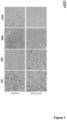
- the scanning electron microscopy (SEM) image showed that the Disulfiram-PLGA nanoparticles were in analogous spherical shapes ( Figure 1A ).
- Disulfiram-PLGA nanoparticles showed high encapsulated efficiency (78.92 ⁇ 2.16 % ) with drug loading content (27.67 ⁇ 3.47%).
- Table 2 The scanning electron microscopy
- the stability and release profiles of nanoparticles could markedly affect the drug activity.
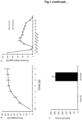
- the disulfiram-PLGA nanoparticles were incubated in 1%, 5% and 10% BSA solutions at 37°C. The concentration of disulfiram was examined at different time intervals. The particle size was increased in a time and BSA concentration-dependent manner ( Fig. 1B and C ). The zeta potential of the disulfiram-PLGA nanoparticles was also examined after 24 hours incubation in BSA solution.
- the disulfiram-PLGA nanoparticles maintained a particle size (162 nm) for at least 8 hours and zeta potential (-15.8 mV) for 24 hours.
- the disulfiram-PLGA nanoparticles showed very good dispersibility.
- the cumulative drug release was performed over a period of 7 days in a 0.5% Tween 80 PBS solution (pH 7.4) at 37°C ( Fig. 1D ). Results demonstrated a very steady and sustained release of disulfiram from PLGA nanoparticles over 7 days. Approximately 20% of disulfiram was released within 24 hours and reached a 40% release at day 4 which was maintained until the end of the experiment at day 7.
- disulfiram was dispersed into horse serum (100 ⁇ g/ml) and incubated at 37°C.
- the free disulfiram was rapidly degraded in the serum to undetectable levels within 30 seconds ( Fig. 1E ).
- disulfiram commenced its release from PLGA nanoparticles at 2 min which was equivalent to 34.23 ⁇ 3.38% of the initial drug loading and peaked in 4 min at 51.27 ⁇ 5.98% of the initial drug loading.
- the controlled release lasted for at least 24 hours.
- the half-life of disulfiram-PLGA in serum is approximately 6 hours ( Fig. 1F ).
- the disulfiram concentration in the serum still remained at ⁇ 90 ⁇ M which is markedly higher than the IC 50s of disulfiram in a wide range of cancer types (-50 - 500 nM).
- cytotoxicity of disulfiram-PLGA was examined in PLC/PRF/5 and Huh7 HCC cell lines using the MTT assay and compared with free disulfiram.
- CuCl 2 (1 ⁇ M) was supplemented in all the experiments because it is essential for cytotoxicity of disulfiram [9, 16].
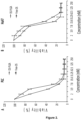
- Fig. 2 shows that the in vitro cytotoxic effect of disulfiram-PLGA is comparable to that of the free disulfiram.
- the IC 50s of disulfiram-PLGA and free disulfiram are very similar (p>0.05).
- PLGA-disulfiram induces apoptosis in liver cancer cell lines
- the apoptosis in hepatocellular carcinoma cells PLC/R7 and Huh7 cells after incubation of disulfiram-PLGA nanoparticles was investigated.
- Cells were treated for 4h.
- the apoptotic cells (in sub-G1 region in cell cycle) were evaluated by flow cytometry analysis.
- the percentage of PLC/R7 or Huh7 cells in the sub-G1 fraction was very low (2.47% or 3.31%), which was indiscernible from those treated with empty nanoparticles and 1 ⁇ M Cu 2+ (2.58% or 3.14%), indicating the biocompatibility of empty PLGA nanoparticles and there was no toxicity of Cu 2+ at 1 ⁇ M on liver cancer cells.
- CSCs are resistant to conventional anticancer drugs and become the source of tumor recurrence [5].
- CSCs reside in a hypoxic/necrotic tumorous area named the CSC niche.
- Disulfiram-PLGA inhibited expression of CSC markers and eradicated clonogenicity in HCC cell lines.
- the monolayer-cultured PLC/PRF/5 and Huh7 cells were exposed to 5-FU (200 ⁇ M), Sorafenib (20 ⁇ M), CuCl 2 (1 ⁇ M), disulfiram-PLGA (200 nM) or disulfiram-PLGA (200 nM) plus CuCl 2 (1 ⁇ M) for 6h.
- the treated cells were collected and sub-cultured in 6-well plates containing drug-free medium at a cell density of 500 cells/well for another 10 days.
- no significant difference in colony numbers was observed ( Fig. 5C and D ).
- disulfiram-PLGA/CuCl 2 has the ability to eliminate the reproducibility, the typical CSC trait, in the HCC cell lines. Without copper supplement, the colonyforming ability in HCC cell lines was not affected by the exposure of disulfiram-PLGA which indicates that copper is essential for the toxicity of disulfiram-PLGA in HCC stem cells.
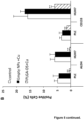
- the induction of BAX expression in HCC xenografts by disulfiram-PLGA/Cu treatment indicates the in vivo apoptotic effect induced by disulfiram-PLGA/Cu.
- the inhibition of Ki67 expression in xenograft suggests the anti-proliferation activity of disulfiram-PLGA/Cu treatment.
- Disulfiram-PLGA/Cu treatment inhibited the expression of NF ⁇ B p65 and ALDH in the HCC xenografts ( Fig.7 ).
- the disulfiram-PLGA/Cu treatment showed high cancer specificity. No significant body weight difference was observed between the control and treated groups (Fig. 6C). No cytotoxic effect was observed in the vital organs e.g. lung, liver and kidney ( Fig. 8 ).
- Figure 9 shows the effect of disulfiram-PLGA on intracranial glioblastoma model.
- BALB/c nude mice (5- to 6-week-old) were anesthetized with an intraperitoneal injection of 0.6 ml of a stock solution containing chloral hydrate (7 ⁇ l/g). The surgical site was shaved and prepared with 70% ethyl alcohol and iodine-containing solution. Intracranial injection was performed at the position of parietal midline with a double outer canthus connection intersection 0.5 cm at the right and rear bias.
- the U87-Luciferase-GFP cells (2 ⁇ 10 5 in 5 ⁇ l PBS) were delivered using a 25 ⁇ l micro-syringe drilled to a depth of 0.5cm. After 10 days, the animals were treated with disulfiram-PLGA (10mg/kg iv) plus copper gluconate (6mg/kg po) three times per week for 4 weeks. Bioluminescent images show that after 4 weeks, all the control mice developed intracranial glioblastoma which infiltrated major part of brain tissue (top panel of Figure 9A ). In contrast, the tumour volumes in the treated group are significantly reduced or disappeared (bottom panel of Figure 9A ). The bioluminescent images were further confirmed by histochemical staining ( Figure 9B ).
- A549 NSCLC cells (5 ⁇ 10 6 /mouse) were injected into tail veins of BALB/c nude mice. After three days, the mice were treated with disulfiram-PLGA 5mg/kg, iv + CuGlu 5mg/kg, po or PLGA empty nano-particles 2 times/week for every other 4 weeks. The experiment was performed for 4 months. After 4 months, the mice were sacrificed and the lungs were dissected and sectioned. The slides were H&E stained and the photos were taken at x20 magnification. Figure 13 shows that the tumour occupies most of the lung tissues in the control mice. In contrast, no tumour nodule was detected from the lungs dissected from the treated mice.
- Figure 14 shows the representative typical histo-pathological images of lung, liver, spleen, brain and kidney in Disulfiram-PLGA nanoparticles plus CuGlu and PLGA empty nano-particles treated mice. (H&E staining, ⁇ 400 magnification).
Landscapes
- Health & Medical Sciences (AREA)
- Chemical & Material Sciences (AREA)
- Medicinal Chemistry (AREA)
- Pharmacology & Pharmacy (AREA)
- Life Sciences & Earth Sciences (AREA)
- Animal Behavior & Ethology (AREA)
- General Health & Medical Sciences (AREA)
- Public Health (AREA)
- Veterinary Medicine (AREA)
- Epidemiology (AREA)
- Bioinformatics & Cheminformatics (AREA)
- Engineering & Computer Science (AREA)
- Physics & Mathematics (AREA)
- Biomedical Technology (AREA)
- Nanotechnology (AREA)
- Optics & Photonics (AREA)
- Nuclear Medicine, Radiotherapy & Molecular Imaging (AREA)
- Chemical Kinetics & Catalysis (AREA)
- General Chemical & Material Sciences (AREA)
- Organic Chemistry (AREA)
- Dermatology (AREA)
- Oncology (AREA)
- Hematology (AREA)
- Pharmaceuticals Containing Other Organic And Inorganic Compounds (AREA)
- Medicinal Preparation (AREA)
Claims (11)
- Nanopartikel, das aus Disulfiram, Diethyldithiocarbaminsäure oder Diethyldithiocarbonat (DDC) besteht, das bzw. die mit dem Copolymer Poly(milch-co-glycolsäure) (PLGA) verkapselt ist, wobei die PLGA durch ein Milchsäure:Glycolsäure-Verhältnis von 50:50 gekennzeichnet ist, wobei das Nanopartikel etwa 4 bis etwa 25 Gew.-% des Disulfirams, der Diethyldithiocarbaminsäure oder des DDC umfasst.
- Nanopartikel-Zusammensetzung, die ein oder mehrere Nanopartikel nach Anspruch 1 umfasst.
- Pharmazeutische Zusammensetzung, die ein oder mehrere Nanopartikel nach Anspruch 1 umfasst.
- Nanopartikel nach Anspruch 1 oder Nanopartikel-Zusammensetzung nach Anspruch 2 oder pharmazeutische Zusammensetzung nach Anspruch 3, wobei das Nanopartikel einen Durchmesser von 100 nm bis 200 nm aufweist.
- Nanopartikel nach den Ansprüchen 1 oder 4 oder Nanopartikel-Zusammensetzung nach den Ansprüchen 2 oder 4 oder pharmazeutische Zusammensetzung nach einem der Ansprüche 3-4, das bzw. die in Kombination mit einem Tyrosin-Kinase-Inhibitor verabreicht wird, der ausgewählt ist aus der Gruppe bestehend aus Afatinib, Bosutinib, Dasatinib, Erlotinib, Gefitinib, Imatinib, Nilotinib, Pazopanib, Ponatinib, Regorafenib, Semaxinib, Sorafenib, Sunitinib, Telatinib oder Vandetanib.
- Nanopartikel nach Anspruch 5 oder Nanopartikel-Zusammensetzung nach Anspruch 6 oder pharmazeutische Zusammensetzung nach Anspruch 6, wobei der Tyrosin-Kinase-Inhibitor Sorafenib ist.
- Nanopartikel nach den Ansprüchen 1 oder 4 bis 6 oder Nanopartikel-Zusammensetzung nach den Ansprüchen 2 oder 4 bis 6 oder pharmazeutische Zusammensetzung nach einem der Ansprüche 3-6, wobei das PLGA:Disulfiram-Verhältnis, das PLGA:Diethyldithiocarbaminsäure-Verhältnis oder das PLGA-DDC-Verhältnis 2:1 beträgt.
- Nanopartikel nach den Ansprüchen 1 oder 4 bis 7 oder Nanopartikel-Zusammensetzung nach den Ansprüchen 2 oder 4 bis 7 oder pharmazeutische Zusammensetzung nach einem der Ansprüche 3-7, wobei der Arzneimittelbeladungsgehalt zwischen 10 % und 30 % beträgt.
- Nanopartikel nach den Ansprüchen 1 oder 4 bis 8 oder Nanopartikel-Zusammensetzung nach den Ansprüchen 2 oder 4 bis 8 oder pharmazeutische Zusammensetzung nach einem der Ansprüche 3-8, wobei die Verkapselungswirksamkeit zwischen 68 % und 97 % beträgt.
- Nanopartikel-Zusammensetzung nach einem der Ansprüche 2 oder 4 bis 9 oder pharmazeutische Zusammensetzung nach einem der Ansprüche 3-9 zur Verwendung bei der Behandlung von Krebs in einem Individuum, das dessen bedarf.
- Nanopartikel-Zusammensetzung nach Anspruch 10 oder pharmazeutische Zusammensetzung nach Anspruch 10, wobei der Krebs Leberkrebs oder ein Hirnkarzinom ist.
Applications Claiming Priority (2)
| Application Number | Priority Date | Filing Date | Title |
|---|---|---|---|
| GBGB1519643.9A GB201519643D0 (en) | 2015-11-06 | 2015-11-06 | Disulfiram formulation |
| PCT/GB2016/053464 WO2017077336A1 (en) | 2015-11-06 | 2016-11-07 | Disulfiram formulation |
Publications (2)
| Publication Number | Publication Date |
|---|---|
| EP3370706A1 EP3370706A1 (de) | 2018-09-12 |
| EP3370706B1 true EP3370706B1 (de) | 2024-04-24 |
Family
ID=55132419
Family Applications (1)
| Application Number | Title | Priority Date | Filing Date |
|---|---|---|---|
| EP16794399.2A Active EP3370706B1 (de) | 2015-11-06 | 2016-11-07 | Disulfiram-formulierung |
Country Status (5)
| Country | Link |
|---|---|
| US (1) | US10695299B2 (de) |
| EP (1) | EP3370706B1 (de) |
| CN (2) | CN114469892B (de) |
| GB (1) | GB201519643D0 (de) |
| WO (1) | WO2017077336A1 (de) |
Families Citing this family (12)
| Publication number | Priority date | Publication date | Assignee | Title |
|---|---|---|---|---|
| GB201519643D0 (en) | 2015-11-06 | 2015-12-23 | Univ Wolverhampton | Disulfiram formulation |
| US10828271B2 (en) | 2016-04-13 | 2020-11-10 | University Of Wolverhampton | Method for treating pleuroperitoneal membrane cancers by locally injecting disulfiram preparation |
| CA3085218A1 (en) | 2017-12-18 | 2019-06-27 | Auburn University | Method for preparing stabilized metal ion ligand nanocomplex and compositions thereof |
| CN110101680A (zh) * | 2019-05-13 | 2019-08-09 | 苏州岸谷纳米技术有限公司 | 一种负载双硫仑药物的plga生物降解微球的制备方法 |
| CN110721318B (zh) * | 2019-11-20 | 2023-06-13 | 温州医科大学 | 一种双硫仑纳米颗粒及其制备方法和用途 |
| CN112972446A (zh) * | 2019-12-16 | 2021-06-18 | 中国科学院生物物理研究所 | Trmt6/trmt61a抑制剂在肝癌治疗中的应用 |
| CN115569135A (zh) | 2020-02-26 | 2023-01-06 | 上海科技大学 | 替徳格塞在抗冠状病毒中的应用 |
| CN111494316B (zh) * | 2020-04-14 | 2021-05-18 | 山东大学 | 一种载双硫仑的纳米乳原位凝胶剂的制备方法及其应用 |
| CN115137703B (zh) * | 2022-06-08 | 2024-03-19 | 深圳先进技术研究院 | 载药微凝胶球、载药支架及其制备方法 |
| CN115137717A (zh) * | 2022-06-08 | 2022-10-04 | 深圳先进技术研究院 | 双硫仑药物在治疗骨关节炎中的应用 |
| CN118662489B (zh) * | 2023-03-14 | 2025-08-26 | 暨南大学 | 治疗慢性粒细胞白血病的药物组合以及应用 |
| CN119097615B (zh) * | 2023-06-21 | 2025-09-19 | 济南微生态生物医学省实验室 | 双硫仑在逆转肝细胞癌瑞戈非尼药物耐受中的应用 |
Family Cites Families (14)
| Publication number | Priority date | Publication date | Assignee | Title |
|---|---|---|---|---|
| IL122892A0 (en) * | 1998-01-11 | 1998-08-16 | Yeda Res & Dev | Pharmaceutical compositions comprising a thiocarbamate |
| CN1267479C (zh) * | 2004-12-28 | 2006-08-02 | 湖南大学 | 包裹植物提取物的聚乳酸或聚乙交酯丙交酯纳米颗粒及制备方法 |
| WO2008068746A2 (en) * | 2006-12-04 | 2008-06-12 | Yeda Research And Development Co. Ltd. | Disulfiram doses and treatment regimen suitable for treatment of angiogenesis-dependent disorders |
| US20100196436A1 (en) * | 2009-01-30 | 2010-08-05 | Gooberman Lance L | Implants containing disulfiram and an anti-inflammatory agent |
| GB201020860D0 (en) | 2010-12-09 | 2011-01-26 | Univ Wolverhampton | Disulfiram formulation and uses thereof |
| CN102274347B (zh) | 2011-07-15 | 2013-11-06 | 陈迪 | 抗癌组合物 |
| CN102357100A (zh) | 2011-10-12 | 2012-02-22 | 沈阳药科大学 | 抗肿瘤联合药物 |
| CN104146978B (zh) * | 2013-05-13 | 2016-12-28 | 沈阳药科大学 | 一种双硫仑肠溶片剂及其制备方法 |
| CN103494829A (zh) * | 2013-09-29 | 2014-01-08 | 上海交通大学 | 一种抗耐药性的多功能纳米粒制剂及其制备方法 |
| US20160346231A1 (en) | 2014-02-06 | 2016-12-01 | Texas Tech University System | Disulfiram Compositions and Treatments for Brain Tumors |
| CN105125495B (zh) | 2015-07-17 | 2018-10-16 | 中国科学院长春应用化学研究所 | 聚酯类材料担载双硫仑的纳米粒及其应用、药物制剂及其应用 |
| GB201519643D0 (en) | 2015-11-06 | 2015-12-23 | Univ Wolverhampton | Disulfiram formulation |
| US10828271B2 (en) | 2016-04-13 | 2020-11-10 | University Of Wolverhampton | Method for treating pleuroperitoneal membrane cancers by locally injecting disulfiram preparation |
| CN106377496A (zh) | 2016-11-19 | 2017-02-08 | 诺马(北京)科技有限公司 | 一种抗癌症的经皮吸收制剂 |
-
2015
- 2015-11-06 GB GBGB1519643.9A patent/GB201519643D0/en not_active Ceased
-
2016
- 2016-11-07 EP EP16794399.2A patent/EP3370706B1/de active Active
- 2016-11-07 CN CN202210031136.3A patent/CN114469892B/zh active Active
- 2016-11-07 CN CN201680077511.0A patent/CN108513543A/zh active Pending
- 2016-11-07 WO PCT/GB2016/053464 patent/WO2017077336A1/en not_active Ceased
- 2016-11-07 US US15/772,713 patent/US10695299B2/en active Active
Also Published As
| Publication number | Publication date |
|---|---|
| CN114469892B (zh) | 2024-02-23 |
| GB201519643D0 (en) | 2015-12-23 |
| EP3370706A1 (de) | 2018-09-12 |
| WO2017077336A1 (en) | 2017-05-11 |
| US20180311178A1 (en) | 2018-11-01 |
| US10695299B2 (en) | 2020-06-30 |
| CN108513543A (zh) | 2018-09-07 |
| CN114469892A (zh) | 2022-05-13 |
Similar Documents
| Publication | Publication Date | Title |
|---|---|---|
| US10695299B2 (en) | Disulfiram formulation | |
| Lu et al. | The in vivo fate of nanocrystals | |
| EP2648709B1 (de) | Disulfiram-formulierung und verwendungen davon | |
| KR101850566B1 (ko) | 증식성 질환의 치료를 위한 조합 치료 방법 | |
| KR102301175B1 (ko) | 항종양 알칼로이드를 이용한 병용요법 | |
| EP2359860B1 (de) | Polymermizellenzusammensetzung zur behandlung resistenter krebszellen | |
| EA020526B1 (ru) | Применение n-(4-((3-(2-амино-4-пиримидинил)-2-пиридинил)окси)фенил)-4-(4-метил-2-тиенил)-1-фталазинамина для лечения резистентного к антимитотическому агенту рака | |
| JP6229865B2 (ja) | エピルビシン複合化ブロック共重合体と、抗癌剤とを含むミセル、及び当該ミセルを含む癌又は耐性癌、転移癌の治療に適用可能な医薬組成物 | |
| Kumar et al. | Polymeric nanomedicine for overcoming resistance mechanisms in hedgehog and Myc-amplified medulloblastoma | |
| CN111491632A (zh) | 癌症治疗药 | |
| Mekkawy et al. | Paclitaxel anticancer activity is enhanced by the MEK 1/2 inhibitor PD98059 in vitro and by PD98059-loaded nanoparticles in BRAFV600E melanoma-bearing mice | |
| CN112533610B (zh) | 用于治疗腺样囊性癌的包含双氟烷基-1,4-苯并二氮杂䓬酮化合物的组合物 | |
| US20140105829A1 (en) | Therapeutic nanoemulsion formulation for the targeted delivery of docetaxel and methods of making and using the same | |
| US11000518B2 (en) | Use of combination of VEGFR inhibitor and PARP inhibitor in preparation of medicament for treating gastric cancer | |
| Obata et al. | Improvement of the antitumor activity of poorly soluble sapacitabine (CS-682) by using Soluplus® as a surfactant | |
| US10864280B2 (en) | Nanodroplet compositions for the efficient delivery of anti-cancer agents | |
| US11141421B2 (en) | Antitumor agent for biliary tract cancer and method for treating biliary tract cancer | |
| US20200383913A1 (en) | Lipid emulsified drug delivery systems for chemoprevention and treatment | |
| JP2022517352A (ja) | マイトマイシンcのリポソーム化プロドラッグを含むリポソーム組成物および製造法 | |
| US20250213603A1 (en) | Pharmaceutical composition for treating cancer | |
| US20220118116A1 (en) | Adhesive/adsorption switch on nanoparticles to increase tumor uptake and delay tumor clearance | |
| JP2025532720A (ja) | 腫瘍血管破壊用医薬組成物 | |
| US20200121807A1 (en) | Anti-Cancer Agents | |
| CN106572992A (zh) | 用curaxins进行组合治疗 |
Legal Events
| Date | Code | Title | Description |
|---|---|---|---|
| STAA | Information on the status of an ep patent application or granted ep patent |
Free format text: STATUS: UNKNOWN |
|
| STAA | Information on the status of an ep patent application or granted ep patent |
Free format text: STATUS: THE INTERNATIONAL PUBLICATION HAS BEEN MADE |
|
| PUAI | Public reference made under article 153(3) epc to a published international application that has entered the european phase |
Free format text: ORIGINAL CODE: 0009012 |
|
| STAA | Information on the status of an ep patent application or granted ep patent |
Free format text: STATUS: REQUEST FOR EXAMINATION WAS MADE |
|
| 17P | Request for examination filed |
Effective date: 20180601 |
|
| AK | Designated contracting states |
Kind code of ref document: A1 Designated state(s): AL AT BE BG CH CY CZ DE DK EE ES FI FR GB GR HR HU IE IS IT LI LT LU LV MC MK MT NL NO PL PT RO RS SE SI SK SM TR |
|
| AX | Request for extension of the european patent |
Extension state: BA ME |
|
| DAV | Request for validation of the european patent (deleted) | ||
| DAX | Request for extension of the european patent (deleted) | ||
| RAP1 | Party data changed (applicant data changed or rights of an application transferred) |
Owner name: DISULFICAN LIMITED |
|
| STAA | Information on the status of an ep patent application or granted ep patent |
Free format text: STATUS: EXAMINATION IS IN PROGRESS |
|
| 17Q | First examination report despatched |
Effective date: 20220531 |
|
| GRAP | Despatch of communication of intention to grant a patent |
Free format text: ORIGINAL CODE: EPIDOSNIGR1 |
|
| STAA | Information on the status of an ep patent application or granted ep patent |
Free format text: STATUS: GRANT OF PATENT IS INTENDED |
|
| INTG | Intention to grant announced |
Effective date: 20231120 |
|
| GRAS | Grant fee paid |
Free format text: ORIGINAL CODE: EPIDOSNIGR3 |
|
| GRAA | (expected) grant |
Free format text: ORIGINAL CODE: 0009210 |
|
| STAA | Information on the status of an ep patent application or granted ep patent |
Free format text: STATUS: THE PATENT HAS BEEN GRANTED |
|
| AK | Designated contracting states |
Kind code of ref document: B1 Designated state(s): AL AT BE BG CH CY CZ DE DK EE ES FI FR GB GR HR HU IE IS IT LI LT LU LV MC MK MT NL NO PL PT RO RS SE SI SK SM TR |
|
| REG | Reference to a national code |
Ref country code: GB Ref legal event code: FG4D |
|
| REG | Reference to a national code |
Ref country code: CH Ref legal event code: EP |
|
| REG | Reference to a national code |
Ref country code: DE Ref legal event code: R096 Ref document number: 602016087131 Country of ref document: DE |
|
| REG | Reference to a national code |
Ref country code: IE Ref legal event code: FG4D |
|
| REG | Reference to a national code |
Ref country code: LT Ref legal event code: MG9D |
|
| REG | Reference to a national code |
Ref country code: NL Ref legal event code: MP Effective date: 20240424 |
|
| REG | Reference to a national code |
Ref country code: AT Ref legal event code: MK05 Ref document number: 1678845 Country of ref document: AT Kind code of ref document: T Effective date: 20240424 |
|
| PG25 | Lapsed in a contracting state [announced via postgrant information from national office to epo] |
Ref country code: NL Free format text: LAPSE BECAUSE OF FAILURE TO SUBMIT A TRANSLATION OF THE DESCRIPTION OR TO PAY THE FEE WITHIN THE PRESCRIBED TIME-LIMIT Effective date: 20240424 |
|
| PG25 | Lapsed in a contracting state [announced via postgrant information from national office to epo] |
Ref country code: NL Free format text: LAPSE BECAUSE OF FAILURE TO SUBMIT A TRANSLATION OF THE DESCRIPTION OR TO PAY THE FEE WITHIN THE PRESCRIBED TIME-LIMIT Effective date: 20240424 |
|
| PG25 | Lapsed in a contracting state [announced via postgrant information from national office to epo] |
Ref country code: IS Free format text: LAPSE BECAUSE OF FAILURE TO SUBMIT A TRANSLATION OF THE DESCRIPTION OR TO PAY THE FEE WITHIN THE PRESCRIBED TIME-LIMIT Effective date: 20240824 |
|
| PG25 | Lapsed in a contracting state [announced via postgrant information from national office to epo] |
Ref country code: BG Free format text: LAPSE BECAUSE OF FAILURE TO SUBMIT A TRANSLATION OF THE DESCRIPTION OR TO PAY THE FEE WITHIN THE PRESCRIBED TIME-LIMIT Effective date: 20240424 |
|
| PG25 | Lapsed in a contracting state [announced via postgrant information from national office to epo] |
Ref country code: HR Free format text: LAPSE BECAUSE OF FAILURE TO SUBMIT A TRANSLATION OF THE DESCRIPTION OR TO PAY THE FEE WITHIN THE PRESCRIBED TIME-LIMIT Effective date: 20240424 Ref country code: FI Free format text: LAPSE BECAUSE OF FAILURE TO SUBMIT A TRANSLATION OF THE DESCRIPTION OR TO PAY THE FEE WITHIN THE PRESCRIBED TIME-LIMIT Effective date: 20240424 |
|
| PG25 | Lapsed in a contracting state [announced via postgrant information from national office to epo] |
Ref country code: GR Free format text: LAPSE BECAUSE OF FAILURE TO SUBMIT A TRANSLATION OF THE DESCRIPTION OR TO PAY THE FEE WITHIN THE PRESCRIBED TIME-LIMIT Effective date: 20240725 |
|
| PG25 | Lapsed in a contracting state [announced via postgrant information from national office to epo] |
Ref country code: PT Free format text: LAPSE BECAUSE OF FAILURE TO SUBMIT A TRANSLATION OF THE DESCRIPTION OR TO PAY THE FEE WITHIN THE PRESCRIBED TIME-LIMIT Effective date: 20240826 |
|
| PG25 | Lapsed in a contracting state [announced via postgrant information from national office to epo] |
Ref country code: ES Free format text: LAPSE BECAUSE OF FAILURE TO SUBMIT A TRANSLATION OF THE DESCRIPTION OR TO PAY THE FEE WITHIN THE PRESCRIBED TIME-LIMIT Effective date: 20240424 |
|
| PG25 | Lapsed in a contracting state [announced via postgrant information from national office to epo] |
Ref country code: AT Free format text: LAPSE BECAUSE OF FAILURE TO SUBMIT A TRANSLATION OF THE DESCRIPTION OR TO PAY THE FEE WITHIN THE PRESCRIBED TIME-LIMIT Effective date: 20240424 |
|
| PG25 | Lapsed in a contracting state [announced via postgrant information from national office to epo] |
Ref country code: PL Free format text: LAPSE BECAUSE OF FAILURE TO SUBMIT A TRANSLATION OF THE DESCRIPTION OR TO PAY THE FEE WITHIN THE PRESCRIBED TIME-LIMIT Effective date: 20240424 |
|
| PG25 | Lapsed in a contracting state [announced via postgrant information from national office to epo] |
Ref country code: LV Free format text: LAPSE BECAUSE OF FAILURE TO SUBMIT A TRANSLATION OF THE DESCRIPTION OR TO PAY THE FEE WITHIN THE PRESCRIBED TIME-LIMIT Effective date: 20240424 |
|
| PG25 | Lapsed in a contracting state [announced via postgrant information from national office to epo] |
Ref country code: PT Free format text: LAPSE BECAUSE OF FAILURE TO SUBMIT A TRANSLATION OF THE DESCRIPTION OR TO PAY THE FEE WITHIN THE PRESCRIBED TIME-LIMIT Effective date: 20240826 Ref country code: PL Free format text: LAPSE BECAUSE OF FAILURE TO SUBMIT A TRANSLATION OF THE DESCRIPTION OR TO PAY THE FEE WITHIN THE PRESCRIBED TIME-LIMIT Effective date: 20240424 Ref country code: NO Free format text: LAPSE BECAUSE OF FAILURE TO SUBMIT A TRANSLATION OF THE DESCRIPTION OR TO PAY THE FEE WITHIN THE PRESCRIBED TIME-LIMIT Effective date: 20240724 Ref country code: LV Free format text: LAPSE BECAUSE OF FAILURE TO SUBMIT A TRANSLATION OF THE DESCRIPTION OR TO PAY THE FEE WITHIN THE PRESCRIBED TIME-LIMIT Effective date: 20240424 Ref country code: IS Free format text: LAPSE BECAUSE OF FAILURE TO SUBMIT A TRANSLATION OF THE DESCRIPTION OR TO PAY THE FEE WITHIN THE PRESCRIBED TIME-LIMIT Effective date: 20240824 Ref country code: HR Free format text: LAPSE BECAUSE OF FAILURE TO SUBMIT A TRANSLATION OF THE DESCRIPTION OR TO PAY THE FEE WITHIN THE PRESCRIBED TIME-LIMIT Effective date: 20240424 Ref country code: GR Free format text: LAPSE BECAUSE OF FAILURE TO SUBMIT A TRANSLATION OF THE DESCRIPTION OR TO PAY THE FEE WITHIN THE PRESCRIBED TIME-LIMIT Effective date: 20240725 Ref country code: FI Free format text: LAPSE BECAUSE OF FAILURE TO SUBMIT A TRANSLATION OF THE DESCRIPTION OR TO PAY THE FEE WITHIN THE PRESCRIBED TIME-LIMIT Effective date: 20240424 Ref country code: ES Free format text: LAPSE BECAUSE OF FAILURE TO SUBMIT A TRANSLATION OF THE DESCRIPTION OR TO PAY THE FEE WITHIN THE PRESCRIBED TIME-LIMIT Effective date: 20240424 Ref country code: BG Free format text: LAPSE BECAUSE OF FAILURE TO SUBMIT A TRANSLATION OF THE DESCRIPTION OR TO PAY THE FEE WITHIN THE PRESCRIBED TIME-LIMIT Effective date: 20240424 Ref country code: AT Free format text: LAPSE BECAUSE OF FAILURE TO SUBMIT A TRANSLATION OF THE DESCRIPTION OR TO PAY THE FEE WITHIN THE PRESCRIBED TIME-LIMIT Effective date: 20240424 Ref country code: RS Free format text: LAPSE BECAUSE OF FAILURE TO SUBMIT A TRANSLATION OF THE DESCRIPTION OR TO PAY THE FEE WITHIN THE PRESCRIBED TIME-LIMIT Effective date: 20240724 |
|
| PG25 | Lapsed in a contracting state [announced via postgrant information from national office to epo] |
Ref country code: DK Free format text: LAPSE BECAUSE OF FAILURE TO SUBMIT A TRANSLATION OF THE DESCRIPTION OR TO PAY THE FEE WITHIN THE PRESCRIBED TIME-LIMIT Effective date: 20240424 |
|
| PG25 | Lapsed in a contracting state [announced via postgrant information from national office to epo] |
Ref country code: EE Free format text: LAPSE BECAUSE OF FAILURE TO SUBMIT A TRANSLATION OF THE DESCRIPTION OR TO PAY THE FEE WITHIN THE PRESCRIBED TIME-LIMIT Effective date: 20240424 |
|
| PG25 | Lapsed in a contracting state [announced via postgrant information from national office to epo] |
Ref country code: CZ Free format text: LAPSE BECAUSE OF FAILURE TO SUBMIT A TRANSLATION OF THE DESCRIPTION OR TO PAY THE FEE WITHIN THE PRESCRIBED TIME-LIMIT Effective date: 20240424 |
|
| PG25 | Lapsed in a contracting state [announced via postgrant information from national office to epo] |
Ref country code: SK Free format text: LAPSE BECAUSE OF FAILURE TO SUBMIT A TRANSLATION OF THE DESCRIPTION OR TO PAY THE FEE WITHIN THE PRESCRIBED TIME-LIMIT Effective date: 20240424 Ref country code: RO Free format text: LAPSE BECAUSE OF FAILURE TO SUBMIT A TRANSLATION OF THE DESCRIPTION OR TO PAY THE FEE WITHIN THE PRESCRIBED TIME-LIMIT Effective date: 20240424 |
|
| REG | Reference to a national code |
Ref country code: DE Ref legal event code: R097 Ref document number: 602016087131 Country of ref document: DE |
|
| PG25 | Lapsed in a contracting state [announced via postgrant information from national office to epo] |
Ref country code: SM Free format text: LAPSE BECAUSE OF FAILURE TO SUBMIT A TRANSLATION OF THE DESCRIPTION OR TO PAY THE FEE WITHIN THE PRESCRIBED TIME-LIMIT Effective date: 20240424 |
|
| PG25 | Lapsed in a contracting state [announced via postgrant information from national office to epo] |
Ref country code: SM Free format text: LAPSE BECAUSE OF FAILURE TO SUBMIT A TRANSLATION OF THE DESCRIPTION OR TO PAY THE FEE WITHIN THE PRESCRIBED TIME-LIMIT Effective date: 20240424 Ref country code: SK Free format text: LAPSE BECAUSE OF FAILURE TO SUBMIT A TRANSLATION OF THE DESCRIPTION OR TO PAY THE FEE WITHIN THE PRESCRIBED TIME-LIMIT Effective date: 20240424 Ref country code: RO Free format text: LAPSE BECAUSE OF FAILURE TO SUBMIT A TRANSLATION OF THE DESCRIPTION OR TO PAY THE FEE WITHIN THE PRESCRIBED TIME-LIMIT Effective date: 20240424 Ref country code: EE Free format text: LAPSE BECAUSE OF FAILURE TO SUBMIT A TRANSLATION OF THE DESCRIPTION OR TO PAY THE FEE WITHIN THE PRESCRIBED TIME-LIMIT Effective date: 20240424 Ref country code: DK Free format text: LAPSE BECAUSE OF FAILURE TO SUBMIT A TRANSLATION OF THE DESCRIPTION OR TO PAY THE FEE WITHIN THE PRESCRIBED TIME-LIMIT Effective date: 20240424 Ref country code: CZ Free format text: LAPSE BECAUSE OF FAILURE TO SUBMIT A TRANSLATION OF THE DESCRIPTION OR TO PAY THE FEE WITHIN THE PRESCRIBED TIME-LIMIT Effective date: 20240424 |
|
| PLBE | No opposition filed within time limit |
Free format text: ORIGINAL CODE: 0009261 |
|
| STAA | Information on the status of an ep patent application or granted ep patent |
Free format text: STATUS: NO OPPOSITION FILED WITHIN TIME LIMIT |
|
| 26N | No opposition filed |
Effective date: 20250127 |
|
| PG25 | Lapsed in a contracting state [announced via postgrant information from national office to epo] |
Ref country code: SI Free format text: LAPSE BECAUSE OF FAILURE TO SUBMIT A TRANSLATION OF THE DESCRIPTION OR TO PAY THE FEE WITHIN THE PRESCRIBED TIME-LIMIT Effective date: 20240424 |
|
| PG25 | Lapsed in a contracting state [announced via postgrant information from national office to epo] |
Ref country code: MC Free format text: LAPSE BECAUSE OF FAILURE TO SUBMIT A TRANSLATION OF THE DESCRIPTION OR TO PAY THE FEE WITHIN THE PRESCRIBED TIME-LIMIT Effective date: 20240424 |
|
| PG25 | Lapsed in a contracting state [announced via postgrant information from national office to epo] |
Ref country code: LU Free format text: LAPSE BECAUSE OF NON-PAYMENT OF DUE FEES Effective date: 20241107 |
|
| REG | Reference to a national code |
Ref country code: BE Ref legal event code: MM Effective date: 20241130 |
|
| PG25 | Lapsed in a contracting state [announced via postgrant information from national office to epo] |
Ref country code: SE Free format text: LAPSE BECAUSE OF FAILURE TO SUBMIT A TRANSLATION OF THE DESCRIPTION OR TO PAY THE FEE WITHIN THE PRESCRIBED TIME-LIMIT Effective date: 20240424 |
|
| PG25 | Lapsed in a contracting state [announced via postgrant information from national office to epo] |
Ref country code: BE Free format text: LAPSE BECAUSE OF NON-PAYMENT OF DUE FEES Effective date: 20241130 |
|
| REG | Reference to a national code |
Ref country code: CH Ref legal event code: U11 Free format text: ST27 STATUS EVENT CODE: U-0-0-U10-U11 (AS PROVIDED BY THE NATIONAL OFFICE) Effective date: 20251208 |
|
| PGFP | Annual fee paid to national office [announced via postgrant information from national office to epo] |
Ref country code: DE Payment date: 20251209 Year of fee payment: 10 |
|
| PGFP | Annual fee paid to national office [announced via postgrant information from national office to epo] |
Ref country code: GB Payment date: 20251208 Year of fee payment: 10 |
|
| PGFP | Annual fee paid to national office [announced via postgrant information from national office to epo] |
Ref country code: FR Payment date: 20251208 Year of fee payment: 10 |
|
| PGFP | Annual fee paid to national office [announced via postgrant information from national office to epo] |
Ref country code: CH Payment date: 20251208 Year of fee payment: 10 |
|
| PGFP | Annual fee paid to national office [announced via postgrant information from national office to epo] |
Ref country code: IE Payment date: 20251208 Year of fee payment: 10 |
|
| PG25 | Lapsed in a contracting state [announced via postgrant information from national office to epo] |
Ref country code: IT Free format text: LAPSE BECAUSE OF FAILURE TO SUBMIT A TRANSLATION OF THE DESCRIPTION OR TO PAY THE FEE WITHIN THE PRESCRIBED TIME-LIMIT Effective date: 20240424 |
|
| PG25 | Lapsed in a contracting state [announced via postgrant information from national office to epo] |
Ref country code: HU Free format text: LAPSE BECAUSE OF FAILURE TO SUBMIT A TRANSLATION OF THE DESCRIPTION OR TO PAY THE FEE WITHIN THE PRESCRIBED TIME-LIMIT; INVALID AB INITIO Effective date: 20161107 |
|
| PG25 | Lapsed in a contracting state [announced via postgrant information from national office to epo] |
Ref country code: CY Free format text: LAPSE BECAUSE OF FAILURE TO SUBMIT A TRANSLATION OF THE DESCRIPTION OR TO PAY THE FEE WITHIN THE PRESCRIBED TIME-LIMIT; INVALID AB INITIO Effective date: 20161107 |