EP3365005B1 - Rekombinanter mopeia-virus und impfstoffplattform - Google Patents
Rekombinanter mopeia-virus und impfstoffplattform Download PDFInfo
- Publication number
- EP3365005B1 EP3365005B1 EP16785480.1A EP16785480A EP3365005B1 EP 3365005 B1 EP3365005 B1 EP 3365005B1 EP 16785480 A EP16785480 A EP 16785480A EP 3365005 B1 EP3365005 B1 EP 3365005B1
- Authority
- EP
- European Patent Office
- Prior art keywords
- mopv
- virus
- arenavirus
- recombinant
- amino acid
- Prior art date
- Legal status (The legal status is an assumption and is not a legal conclusion. Google has not performed a legal analysis and makes no representation as to the accuracy of the status listed.)
- Active
Links
Images





Classifications
-
- A—HUMAN NECESSITIES
- A61—MEDICAL OR VETERINARY SCIENCE; HYGIENE
- A61K—PREPARATIONS FOR MEDICAL, DENTAL OR TOILETRY PURPOSES
- A61K39/00—Medicinal preparations containing antigens or antibodies
- A61K39/12—Viral antigens
-
- C—CHEMISTRY; METALLURGY
- C12—BIOCHEMISTRY; BEER; SPIRITS; WINE; VINEGAR; MICROBIOLOGY; ENZYMOLOGY; MUTATION OR GENETIC ENGINEERING
- C12N—MICROORGANISMS OR ENZYMES; COMPOSITIONS THEREOF; PROPAGATING, PRESERVING, OR MAINTAINING MICROORGANISMS; MUTATION OR GENETIC ENGINEERING; CULTURE MEDIA
- C12N7/00—Viruses; Bacteriophages; Compositions thereof; Preparation or purification thereof
-
- C—CHEMISTRY; METALLURGY
- C12—BIOCHEMISTRY; BEER; SPIRITS; WINE; VINEGAR; MICROBIOLOGY; ENZYMOLOGY; MUTATION OR GENETIC ENGINEERING
- C12N—MICROORGANISMS OR ENZYMES; COMPOSITIONS THEREOF; PROPAGATING, PRESERVING, OR MAINTAINING MICROORGANISMS; MUTATION OR GENETIC ENGINEERING; CULTURE MEDIA
- C12N9/00—Enzymes; Proenzymes; Compositions thereof; Processes for preparing, activating, inhibiting, separating or purifying enzymes
- C12N9/14—Hydrolases (3)
- C12N9/16—Hydrolases (3) acting on ester bonds (3.1)
-
- A—HUMAN NECESSITIES
- A61—MEDICAL OR VETERINARY SCIENCE; HYGIENE
- A61K—PREPARATIONS FOR MEDICAL, DENTAL OR TOILETRY PURPOSES
- A61K39/00—Medicinal preparations containing antigens or antibodies
- A61K2039/51—Medicinal preparations containing antigens or antibodies comprising whole cells, viruses or DNA/RNA
- A61K2039/525—Virus
- A61K2039/5254—Virus avirulent or attenuated
-
- C—CHEMISTRY; METALLURGY
- C12—BIOCHEMISTRY; BEER; SPIRITS; WINE; VINEGAR; MICROBIOLOGY; ENZYMOLOGY; MUTATION OR GENETIC ENGINEERING
- C12N—MICROORGANISMS OR ENZYMES; COMPOSITIONS THEREOF; PROPAGATING, PRESERVING, OR MAINTAINING MICROORGANISMS; MUTATION OR GENETIC ENGINEERING; CULTURE MEDIA
- C12N2760/00—MICROORGANISMS OR ENZYMES; COMPOSITIONS THEREOF; PROPAGATING, PRESERVING, OR MAINTAINING MICROORGANISMS; MUTATION OR GENETIC ENGINEERING; CULTURE MEDIA ssRNA viruses negative-sense
- C12N2760/00011—Details
- C12N2760/10011—Arenaviridae
- C12N2760/10021—Viruses as such, e.g. new isolates, mutants or their genomic sequences
-
- C—CHEMISTRY; METALLURGY
- C12—BIOCHEMISTRY; BEER; SPIRITS; WINE; VINEGAR; MICROBIOLOGY; ENZYMOLOGY; MUTATION OR GENETIC ENGINEERING
- C12N—MICROORGANISMS OR ENZYMES; COMPOSITIONS THEREOF; PROPAGATING, PRESERVING, OR MAINTAINING MICROORGANISMS; MUTATION OR GENETIC ENGINEERING; CULTURE MEDIA
- C12N2760/00—MICROORGANISMS OR ENZYMES; COMPOSITIONS THEREOF; PROPAGATING, PRESERVING, OR MAINTAINING MICROORGANISMS; MUTATION OR GENETIC ENGINEERING; CULTURE MEDIA ssRNA viruses negative-sense
- C12N2760/00011—Details
- C12N2760/10011—Arenaviridae
- C12N2760/10022—New viral proteins or individual genes, new structural or functional aspects of known viral proteins or genes
-
- C—CHEMISTRY; METALLURGY
- C12—BIOCHEMISTRY; BEER; SPIRITS; WINE; VINEGAR; MICROBIOLOGY; ENZYMOLOGY; MUTATION OR GENETIC ENGINEERING
- C12N—MICROORGANISMS OR ENZYMES; COMPOSITIONS THEREOF; PROPAGATING, PRESERVING, OR MAINTAINING MICROORGANISMS; MUTATION OR GENETIC ENGINEERING; CULTURE MEDIA
- C12N2760/00—MICROORGANISMS OR ENZYMES; COMPOSITIONS THEREOF; PROPAGATING, PRESERVING, OR MAINTAINING MICROORGANISMS; MUTATION OR GENETIC ENGINEERING; CULTURE MEDIA ssRNA viruses negative-sense
- C12N2760/00011—Details
- C12N2760/10011—Arenaviridae
- C12N2760/10034—Use of virus or viral component as vaccine, e.g. live-attenuated or inactivated virus, VLP, viral protein
-
- C—CHEMISTRY; METALLURGY
- C12—BIOCHEMISTRY; BEER; SPIRITS; WINE; VINEGAR; MICROBIOLOGY; ENZYMOLOGY; MUTATION OR GENETIC ENGINEERING
- C12N—MICROORGANISMS OR ENZYMES; COMPOSITIONS THEREOF; PROPAGATING, PRESERVING, OR MAINTAINING MICROORGANISMS; MUTATION OR GENETIC ENGINEERING; CULTURE MEDIA
- C12N2760/00—MICROORGANISMS OR ENZYMES; COMPOSITIONS THEREOF; PROPAGATING, PRESERVING, OR MAINTAINING MICROORGANISMS; MUTATION OR GENETIC ENGINEERING; CULTURE MEDIA ssRNA viruses negative-sense
- C12N2760/00011—Details
- C12N2760/10011—Arenaviridae
- C12N2760/10041—Use of virus, viral particle or viral elements as a vector
-
- C—CHEMISTRY; METALLURGY
- C12—BIOCHEMISTRY; BEER; SPIRITS; WINE; VINEGAR; MICROBIOLOGY; ENZYMOLOGY; MUTATION OR GENETIC ENGINEERING
- C12N—MICROORGANISMS OR ENZYMES; COMPOSITIONS THEREOF; PROPAGATING, PRESERVING, OR MAINTAINING MICROORGANISMS; MUTATION OR GENETIC ENGINEERING; CULTURE MEDIA
- C12N2760/00—MICROORGANISMS OR ENZYMES; COMPOSITIONS THEREOF; PROPAGATING, PRESERVING, OR MAINTAINING MICROORGANISMS; MUTATION OR GENETIC ENGINEERING; CULTURE MEDIA ssRNA viruses negative-sense
- C12N2760/00011—Details
- C12N2760/10011—Arenaviridae
- C12N2760/10061—Methods of inactivation or attenuation
- C12N2760/10062—Methods of inactivation or attenuation by genetic engineering
-
- C—CHEMISTRY; METALLURGY
- C12—BIOCHEMISTRY; BEER; SPIRITS; WINE; VINEGAR; MICROBIOLOGY; ENZYMOLOGY; MUTATION OR GENETIC ENGINEERING
- C12N—MICROORGANISMS OR ENZYMES; COMPOSITIONS THEREOF; PROPAGATING, PRESERVING, OR MAINTAINING MICROORGANISMS; MUTATION OR GENETIC ENGINEERING; CULTURE MEDIA
- C12N9/00—Enzymes; Proenzymes; Compositions thereof; Processes for preparing, activating, inhibiting, separating or purifying enzymes
- C12N9/14—Hydrolases (3)
- C12N9/16—Hydrolases (3) acting on ester bonds (3.1)
- C12N9/22—Ribonucleases [RNase]; Deoxyribonucleases [DNase]
Definitions
- Mopeia virus is an old-world arenavirus, phylogenetically closely related to Lassa (LASV). MOPV was first isolated in Mastomys rodent in Mozambique, whereas LASV is endemic in West Africa. On the contrary to LASV, MOPV infection was never observed in human and experimental infection of monkeys with MOPV is asymptomatic. LASV, the etiological agent of Lassa Fever (LF), infects 100,000 to 300,000 persons each year, killing about 5,000 of them'. The virus is naturally present in Mastomys rodents and human contamination occurs through direct contact with rodents or their dejections.
- LF Lassa Fever
- arenaviruses are also responsible for severe hemorrhagic fevers, with a similar clinical picture: Lujo virus 5 (belonging to the old world arenavirus Clade), Junin 6 , Chapare 7 , Machupo 8 , Sabia 9 , Guanarito 10 and Whitewater Arroyo 11 (all belonging to the New World Clade). New arenaviruses are frequently isolated, either in humans or in rodents, and the area affected by these viruses are expanding, demonstrating the dynamism of this viral family and the threat they represent for public health.
- the inventors have made the discovery that the nucleoprotein (NP) of MOPV has an exonuclease function similar to that of LASV.
- the exonuclease function plays a role in pathogenicity because it digests double-stranded RNA (dsRNA), which is an important Pathogen Associated Molecular Pattern (PAMPs) which is expected to be recognized by the innate immune system to fight against infection.
- dsRNA double-stranded RNA
- PAMPs Pathogen Associated Molecular Pattern
- LASV NP is able to digest these dsRNA, their recognition by the immune system and subsequent IFN activation is thus avoided 14 , leading to relentless virus replication and dissemination. It is surprising that the NP of MOPV also exhibits this exonuclease function because the MOPV is non pathogenic.
- MOPV-ExoN a recombinant MOPV, in which the exonuclease function has been abrogated.
- the examples characterize this virus for its replicative properties and immunogenicity, and identified that this virus is poorly replicative in immune cells, able to strongly activate dendritic cells (DC) and macrophages (MP), and is much more immunogenic than its wild type counterpart. Based in part on this data, this invention provides a new vaccine platform against pathogenic arenaviruses.
- exemplary recombinant attenuated MOPV comprising an NP having attenuated exonuclease activity and optionally a heterologous glycoprotein (GP), notably a heterologous glycoprotein precursor (GPC) from a pathogenic arenavirus (e.g., Lassa ).
- GP heterologous glycoprotein
- GPC heterologous glycoprotein precursor
- the recombinant attenuated MOPV exhibit several desirable properties demonstrating that recombinant attenuated MOPVs of the invention are particularly useful as agents for inducing immunogenic responses in a subject against an arenavirus, such as for immunizing against or treating an arenavirus infection.
- this invention provides a recombinant attenuated Mopeia virus (MOPV) comprising a heterologous nucleic acid and a nucleic acid encoding a nucleoprotein having attenuated exonuclease activity, wherein the nucleoprotein differs from SEQ ID NO. 4 by D390A and G393A amino acid substitutions and the heterologous nucleic acid encodes a non-MOPV arenavirus glycoprotein or a non-MOPV arenavirus glycoprotein precursor.
- Recombinant attenuated MOPV are useful, for example, to induce an immunogenic response against an arenavirus in a subject.
- the nucleoprotein comprises an amino acid substitution at amino acid position D390 or G393. In some aspects of the description of a recombinant attenuated MOPV, the nucleoprotein comprises amino acid substitutions at amino acid positions D390 and G393.
- the nucleoprotein comprises amino acid substitution at amino acid position D390 or G393, and further comprises at least one amino acid substitution at a position selected from E392, H430, D467, H529, and D534.
- the nucleoprotein comprises amino acid substitutions at amino acid positions D390 or G393, and further comprises amino acid substitution at position E392.
- the nucleoprotein comprises amino acid substitutions at amino acid positions D390 or G393, and further comprises amino acid substitutions at positions E392 and H430.
- the nucleoprotein comprises amino acid substitutions at amino acid positions D390 or G393, and further comprises amino acid substitutions at positions E392, H430 and D467. In aspects of the description of a recombinant attenuated MOPV, the nucleoprotein comprises amino acid substitutions at amino acid positions D390 or G393, and further comprises amino acid substitutions at positions E392, H430, D467 and H529. In some aspects of the description of a recombinant attenuated MOPV, the nucleoprotein comprises amino acid substitutions at amino acid positions D390 or G393, and further comprises amino acid substitutions at positions E392, H430, D467 and D534.
- the nucleoprotein comprises amino acid substitutions at amino acid positions D390 or G393, and further comprises amino acid substitutions at positions E392, H430, D467, H529 and D534. In some aspects of the description of a recombinant attenuated MOPV, the nucleoprotein comprises amino acid substitutions at amino acid positions D390 and G393, and further comprises at least one amino acid substitution at a position selected from E392, H430, D467, H529, and D534.
- the nucleoprotein comprises amino acid substitutions at amino acid positions D390 and G393, and further comprises amino acid substitutions at position E392. In some aspects of the description of a recombinant attenuated MOPV, the nucleoprotein comprises amino acid substitutions at amino acid positions D390 and G393, and further comprises amino acid substitutions at positions E392 and H430. In some aspects of the description of a recombinant attenuated MOPV, the nucleoprotein comprises amino acid substitutions at amino acid positions D390 and G393, and further comprises amino acid substitutions at positions E392, H430 and D467.
- the nucleoprotein comprises amino acid substitutions at amino acid positions D390 and G393, and further comprises amino acid substitutions at positions E392, H430, D467 and H529. In some aspects of the description of a recombinant attenuated MOPV, the nucleoprotein comprises amino acid substitutions at amino acid positions D390 and G393, and further comprises amino acid substitutions at positions E392, H430, D467 and D534 (designatedMOPV-ExoNM6b).
- the nucleoprotein comprises amino acid substitutions at amino acid positions D390 and G393, and further comprises amino acid substitutions at positions E392, H430, D467, H529 and D534.
- the nucleoprotein comprises the D390A and G393A amino acid substitutions. In some embodiments of the recombinant attenuated MOPV, the nucleoprotein further comprises at least one amino acid substitution selected from E392A, H430A, D467A, and D534A. In some embodiments of the recombinant attenuated MOPV, the nucleoprotein further comprises amino acid substitutions at position E392A (designatedMOPV-ExoNM3). In some embodiments of the recombinant attenuated MOPV, the nucleoprotein further comprises amino acid substitutions at positions E392A and H430A (designatedMOPV-ExoNM4).
- the nucleoprotein further comprises amino acid substitutions at positions E392A, H430A and D467A (designatedMOPV-ExoNM5). In some aspects of the description of the recombinant attenuated MOPV, the nucleoprotein further comprises amino acid substitutions at positions E392A, H430A, D467A and H529A (designatedMOPV-ExoNM6a). In some embodiments of the recombinant attenuated MOPV, the nucleoprotein further comprises amino acid substitutions at positions E392A, H430A, D467A and D534A (designatedMOPV-ExoNM6b).
- the nucleoprotein further comprises amino acid substitutions at positions E392A, H430A, D467A, H529A and D534A (designatedMOPV-ExoNM7).
- the recombinant attenuated MOPV can be poorly replicative in immune cells, strongly activates at least one of dendritic cells (DC) and macrophages (MP), and/or is more immunogenic than unmodified MOPV. It is described in some aspects that the recombinant attenuated MOPV is poorly replicative in immune cells. It is described in some aspects that the recombinant attenuated MOPV strongly activates at least one of dendritic cells (DC) and macrophages (MP). It is described is some aspects that the recombinant attenuated MOPV is more immunogenic than unmodified MOPV.
- the recombinant attenuated MOPV is poorly replicative in immune cells and strongly activates at least one of dendritic cells (DC) and macrophages (MP).
- DC dendritic cells
- MP macrophages
- the recombinant attenuated MOPV strongly activates at least one of dendritic cells (DC) and macrophages (MP), and is more immunogenic than unmodified MOPV.
- the recombinant attenuated MOPV is poorly replicative in immune cells and is more immunogenic than unmodified MOPV.
- the invention also provides immunogenic compositions that comprise at least one of the recombinant attenuated MOPVs disclosed as an embodiment herein.
- references to methods of treatment in the subsequent paragraphs of this description are to be interpreted as references to the compounds, pharmaceutical compositions and medicaments of the present invention for use in a method for treatment of the human (or animal) body by therapy.
- the description also describes methods of inducing an immune response against an arenavirus in a subject.
- the method is a method of inducing a protective immune response against an arenavirus in a subject at risk of infection with the arenavirus.
- Such methods may comprise administering an effective amount of an arenavirus of the invention, such as in the form of an immunogenic composition comprising an arenavirus of the invention, to the subject.
- the method is a method of inducing a therapeutic immune response against an arenavirus in a subject infected with the arenavirus.
- Such methods may comprise administering an effective amount of an arenavirus, such as in the form of an immunogenic composition comprising an arenavirus, to a subject infected with the arenavirus.
- the invention relates to a recombinant attenuated MOPV of the invention for use as a vaccine for preventing and/or treating an arenavirus infection, or for use as a vaccine for preventing and/or treating a disease induced by an arenavirus.
- the invention also provides a eukaryotic cell comprising a recombinant MOPV of the invention.
- Arenavirus is a genus of virus that infects rodents and occasionally humans. At least eight arenaviruses are known to cause human disease. The diseases derived from arenaviruses range in severity. Aseptic meningitis, a severe human disease that causes inflammation covering the brain and spinal cord, can arise from the lymphocytic choriomeningitis virus (LCMV) infection. Hemorrhagic fever syndromes may be derived from infections by guanarito virus (GTOV), junin virus (JUNV), lassa virus (LASV), teuro virus (LUJV), machupo virus (MACV), sabia virus (SABV), or whitewater arroyo virus (WWAV). Arenaviruses are divided into two groups: the Old World and the New World viruses. The differences between these groups are distinguished geographically and genetically.
- Arenaviruses are round, pleomorphic, and enveloped with a diameter of 60 to 300 nm. Although they are often miscategorized as negative sense viruses, they are in fact ambisense. This confusion stems from the fact that while sections of their genome are considered negative sense, and encode genes in the reverse direction, other sections encode genes in the opposite (forward/positive sense) direction. This complex gene expression structure is theorized to be the viruses primitive regulatory system, allowing the virus to control what proteins are synthesized when. The life cycle of the arenavirus is restricted to the cell cytoplasm. Virus particles, or virions, are pleomorphic because they vary in appearances but in many cases they are spherical in shape and covered with surface glycoprotein spikes.
- Arenaviruses have a segmented RNA genome that consists of two single-stranded ambisense RNAs.
- the genomic RNA alone is not infectious and the viral replication machinery is required to initiate infection within a host cell.
- Genomic sense RNA packaged into the arenavirus virion is designated negative-sense RNA, and must first be copied into a positive-sense mRNA in order to produce viral protein.
- the two RNA segments are denoted Small (S) and Large (L), and code for four viral proteins in a unique ambisense coding strategy.
- Each RNA segment codes for two viral proteins in opposite orientation such that the negative-sense RNA genome serves as the template for transcription of a single mRNA and the positive-sense copy of the RNA genome templates a second mRNA.
- the S-segment RNA encodes the viral nucleocapsid protein (NP) and the glycoprotein (GP), notably the glycoprotein precursor (GPC); and the L-segment RNA encodes the viral RNA-dependent RNA-polymerase (L) and a small RING-domain containing protein (Z).
- the separate coding sequences of the two viral proteins are divided by an intergenic region RNA sequence that is predicted to fold into a stable hairpin structure.
- genomic sequences of the various arenaviruses, as well as of the proteins encoded by these viruses are publicly available. They can be found e.g., on the web site of the Virus Sequence Database(VSD) established and maintained by the Center for Immunology and Pathology, National Institute of Health, Korea Centers for Disease Control and Prevention.
- VSD Virus Sequence Database
- RNA virus when reference is made a (RNA) virus, reference is equally (and implicitly) made to a clone of said (RNA) virus, such as a RNA, DNA or cDNA clone.
- each RNA segment contains a highly conserved sequence for recruitment of the viral replication machinery and initiation of viral mRNA transcription and genomic replication.
- the conserved 5' and 3' RNA termini sequences are complementary and allow each RNA segment to adopt a double-stranded RNA panhandle structure that maintains the termini in close proximity and results in a circular appearance to purified arenavirus genomic templates visualized by electron microscopy.
- the Z protein forms homo oligomers and a structural component of the virions.
- the formation of these oligomers is an essential step for particle assembly and budding. Binding between Z and the viral envelope glycoprotein complex is required for virion infectivity.
- Z also interacts with the L and NP proteins. Polymerase activity appears to be modulated by the association between the L and Z proteins. Interaction between the Z and NP proteins is critical for genome packaging.
- the glycoprotein (GP) is synthesised as a precursor molecule (glycoprotein precursor, GPC). It is post-translationally cleaved into three parts: the mature virion glycoproteins GP1 and GP2, and a stable signal peptide (SSP). These reactions are catalysed by cellular signal peptidases and the cellular enzyme Subtilisin Kexin Isozyme-1 (SKI-1)/Site-1 Protease (S1P).
- Arenaviruses can be divided into two serogroups, which differ genetically and by geographical distribution.
- Old World this means it was found in the Eastern Hemisphere in places such as Europe, Asia, and Africa.
- Western Hemisphere in places such as Argentina, Venezuela, Brazil, and the United States, it is classified "New World”.
- Lymphocytic choriomeningitis virus LCMV is the only Arenavirus to exist in both areas but is classified as an Old World virus.
- the Old World complex includes Gairo virus, Gbagroube virus, Ippy virus, Kodoko virus, Lassa virus, Lujo virus, Luna virus, Lunk virus, Lymphocytic choriomeningitis virus, Merino Walk virus, Menekre virus, Mobala virus, Morogoro virus, Mopeia virus, Wenzhou virus, and Tacaribe virus.
- the New World complex includes Amapari virus, Chapare virus, Flexal virus, Guanarito virus, Junin virus, Latino virus, Machupo virus, Oliveros virus, Paraná virus, Patawa virus, Pichinde virus, Pirital virus, Sabiá virus, Tacaribe virus, Tamiami virus, and Whitewater Arroyo virus.
- heterologous nucleic acid is a nucleic acid sequence that is inserted into a genomic segment of an arenavirus where it does not naturally occur.
- the heterologous nucleic acid is generally at least 15 nucleotides in length. In some aspects, it is at least 20, at least 25, at least 30, at least 35, at least 40, at least 45, at least 50, at least 75, or at least 100 nucleotides in length.
- the heterologous nucleic acid is a nucleic acid sequence from the genome of a first arenavirus that is inserted into the genome of a second arenavirus.
- the first arenavirus may be a pathogenic arenavirus (such as LASV) and the second arenavirus may be a non-pathogenic arenavirus (such as MOPV).
- the heterologous nucleic acid encodes an arenavirus protein, such as an arenavirus GP, preferably an arenavirus GPC. According to the invention and in the claims, the heterologous nucleic acid encodes a non-MOPV arenavirus glycoprotein or a non-MOPV arenavirus glycoprotein precursor.
- a nucleoprotein is said to have "attenuated exonuclease activity" when the exonuclease activity of the nucleoprotein is reduced by at least 60%, at least 70%, at least 80%, at least 90%, at least 95%, or at least 98% relative to the exonuclease activity of a reference nucleoprotein in an in vitro exonuclease assay.
- the exonuclease activity is abrogated.
- the reference nucleoprotein is a naturally occuring nucleoprotein of an arenavirus, such as the nucleoprotein of MOPV strain AN21366 (accession numbers JN561684 and JN561685).
- the systems typically comprise a recombinant eukaryotic cell that comprises a first nucleic acid sequence comprising a coding sequence for an L segment antigenomic transcript of an MOPV.
- MOPV strain AN21366 accession numbers JN561684 and JN561685: SEQ ID Nos. 1 & 2 L segment coding sequence is used.
- the coding sequence for an L segment antigenomic transcript of an MOPV is a sequence that is at least 80%, at least 85%, at least 90%, at least 91%, at least 92%, at least 93%, at least 94%, at least 95%, at least 96%, at least 97%, at least 98%, at least 99%, or 100% identical at the nucleotide level to the coding sequence of the L segment antigenomic transcript of MOPV strain AN21366 (accession numbers JN561684 and JN561685: SEQ ID Nos. 1 & 2).
- the coding sequence for an L segment antigenomic transcript of an MOPV is a sequence that encodes Z and L(pol) proteins that are each independently at least 80%, at least 85%, at least 90%, at least 91%, at least 92%, at least 93%, at least 94%, at least 95%, at least 96%, at least 97%, at least 98%, at least 99%, or 100% identical at the amino acid level to the Z and L(pol) proteins of MOPV strain AN21366 (accession numbers JN561684 and JN561685: SEQ ID Nos. 1 & 2).
- the recombinant eukaryotic cell typically further comprises a second nucleic acid sequence comprising a coding sequence for an S segment antigenomic transcript of an MOPV.
- MOPV strain AN21366 accession numbers JN561684 and JN561685: SEQ ID Nos. 1 & 2 S segment coding sequence is used.
- the coding sequence for an S segment antigenomic transcript of an MOPV is a sequence that is at least 80%, at least 85%, at least 90%, at least 91%, at least 92%, at least 93%, at least 94%, at least 95%, at least 96%, at least 97%, at least 98%, at least 99%, or 100% identical at the nucleotide level to the coding sequence of the S segment antigenomic transcript of MOPV strain AN21366 (accession numbers JN561684 and JN561685: SEQ ID Nos. 1 & 2).
- the coding sequence for an S segment antigenomic transcript of an MOPV is a sequence that encodes NP and GPC precursor proteins that are each independently at least 80%, at least 85%, at least 90%, at least 91%, at least 92%, at least 93%, at least 94%, at least 95%, at least 96%, at least 97%, at least 98%, at least 99%, or 100% identical at the amino acid level to the GPC and NP precursor proteins (SEQ ID NOS. 3 & 4, respectively) of MOPV strain AN21366 (accession numbers JN561684 and JN561685: SEQ ID Nos. 1 & 2).
- the second nucleic acid sequence comprises a coding sequence for a chimeric S segment antigenomic transcript of an arenavirus.
- the second nucleic acid sequence may be a chimeric S segment coding sequence that comprises a coding sequence for an antigenomic transcript for an attenuated MOPV nucleoprotein as disclosed herein, and a coding sequence for an antigenomic transcript for glycoprotein precursor (GPC) of an arenavirus that is not MOPV.
- GPC glycoprotein precursor
- the arenavirus that is not MOPV is LASV.
- the LASV may be strain Josiah (accession number J04324).
- the MOPV strain AN21366 (accession numbers JN561684 and JN561685: SEQ ID Nos. 1 & 2) S segment nucleoprotein coding sequence is used.
- the S segment nucleoprotein coding sequence is a sequence that is at least 80%, at least 85%, at least 90%, at least 91%, at least 92%, at least 93%, at least 94%, at least 95%, at least 96%, at least 97%, at least 98%, at least 99%, or 100% identical at the nucleotide level to the coding sequence of the nucleoprotein of MOPV strain AN21366 (accession numbers JN561684 and JN561685: SEQ ID Nos.
- the S segment nucleoprotein coding sequence is a sequence that encodes a nucleoprotein that is at least 80%, at least 85%, at least 90%, at least 91%, at least 92%, at least 93%, at least 94%, at least 95%, at least 96%, at least 97%, at least 98%, at least 99%, or 100% identical at the amino acid level to the nucleoprotein of MOPV strain AN21366 (accession numbers JN561684 and JN561685: SEQ ID Nos. 1 & 2).
- the encoded nucleoprotein differs from a reference (wild-type) arenavirus nucleoprotein sequence that is SEQ ID NO: 4 by D390A and G393A amino acid substitutions.
- the encoded nucleoprotein further differs from a reference (wild type) arenavirus nucleoprotein sequence at one, two, three, four, or five positions selected from E392, H430, D467, H529, and D534.
- the reference arenavirus nucleoprotein sequence is the MOPV strain AN21366 (accession numbers JN561684 and JN561685) nucleoprotein sequence (SEQ ID NO. 4).
- the encoded nucleoprotein differs from a reference (wild type) arenavirus nucleoprotein sequence by further comprising one, two, three, four, or five of the amino acid substitutions E392A, H430A, D467A, and D534A.
- the first and/or second nucleic acid sequences may be any suitable vector including a plasmid.
- the vectors may be the same except that they comprise different coding sequences for the L and the S segment or they may be different.
- the first and/or second nucleic acid sequences typically further comprise transcription regulatory sequenes sufficient to drive expression of the coding sequences for the L and the S segments in a host cell of interest.
- the host cell of interest is BHKT7/9 cells.
- the first and/or second nucleic acid sequences are present in plasmids that comprise sequences necessary to drive expression by mouse RNA polymerase I.
- the systems may further comprise a third nucleic acid sequence encoding an MOPV L(pol) protein. In some embodiments, the systems may further comprise a fourth nucleic acid sequence encoding an MOPV nucleoprotein. In some embodiments, the systems may further comprise a third nucleic acid sequence encoding an MOPV L(pol) protein and a fourth nucleic acid sequence encoding an MOPV nucleoprotein.
- the third and/or fourth nucleic acid sequences may be present on any suitable vector such as a plasmid.
- the vector will typically comprise sequences necessary to drive expression of the third nucleic acid sequence encoding an MOPV L(pol) protein and/or the fourth nucleic acid sequence encoding an MOPV nucleoprotein. Suitable sequences necessary to drive expression include a T7 promoter.
- the reverse genetic system is useful, for example, to assemble recombinant MOPV.
- the recombinant MOPV comprises the NP encoded by the S segment antigenomic transcript present in the recombinant MOPV, however the recombinant MOPV may be produced such that the NP sequence encoded by the S segment antigenomic transcript present in the recombinant MOPV is different than at least some of the NP protein present in the recombinant MOPV.
- the recombinant MOPV comprises GPs, preferably GPCs encoded by the S segment antigenomic transcript present in the recombinant MOPV, however in certain embodiments the recombinant MOPV may be produced such that the GP precursor sequence encoded by the S segment antigenomic transcript present in the recombinant MOPV is different than at least some of the GPCs present in the recombinant MOPV.
- the recombinant MOPV is a Mopeia virus in which at least one mutation has been introduced in the MOPV nucleoprotein and results in the partial or total lost of exonuclease activity of said nucleoprotein.
- a “mutation,” as used herein, refers to a change in nucleic acid or polypeptide sequence relative to a reference sequence (which is preferably a naturally-occurring normal or « wild-type » or « reference » sequence), and includes translocations, deletions, insertions, and substitutions/point mutations.
- substitution refers to the replacement of one amino acid residue by any other amino acid residue, excepted the substituted amino acid residue.
- small amino acid residues are used for substitution in order to limit any effect on the overall protein structure.
- alanine residues are used to substitute charged and polar amino acid residues and serine residues are used to substitute apolar amino acids.
- the said "any amino acid residue” is an alanine residue.
- amino acid substitution set or “substitution set” refers to a group of amino acid substitutions.
- a substitution set can have 2, 3, 4, 5, 6, 7 or more amino acid substitutions.
- Attenuation is herein intended in accordance with its ordinary meaning in the field. More particularly, the term "attenuated” (by reference to the expression « recombinant attenuated MOPV ») refers to a recombinant Mopeia virus (RNA) or (RNA, DNA or cDNA) clone, which comprises a heterologous glycoprotein (GP), more particularly a precursor (GPC), from a pathogenic arenavirus (i.e., from a non-MOPV arenavirus), and which has a reduced pathogenic phenotype compared to the wild-type pathogenic arenavirus (i.e., compared to the infectious and/or virulent arenavirus), more particularly compared to a wild-type virus of the same genus, species, type or subtype (i.e., compared to an infectious and/or virulent virus of the same genus, species, type or subtype).
- GP heterologous glycoprotein
- GPC glycoprotein
- pathogenic arenavirus i.e.
- a reduced pathogenic phenotype encompasses a reduced infection capacity and/or a reduced replication capacity, and/or a reduced and/or restricted tissue tropism, and/or a default or defect in the assembly of the viral particles, more particularly a reduced infection capacity.
- a reduced pathogenic phenotype encompasses a (viral) infection, which is impeded, obstructed or delayed, especially when the symptoms accompanying or following the infection are attenuated, delayed or alleviated or when the infecting virus is cleared from the host.
- the application thus provides a recombinant attenuated MOPV or clone thereof which is able to replicate to an extent that is sufficient for inducing an immune response but that is not sufficient for inducing a disease.
- the data in the examples demonstrate that substitution of amino acid positions D390 and G393 of the MOPV nucleoprotein attenuates the function of the nucleoprotein and that recombinant MOPV comprising the nucleoprotein having attenuated exonuclease activity are also attenuated.
- the amino acid substitutions are D390A and G393A and the recombinant attenuated MOPV is named MOPV-ExoN.
- the amino acid substitutions are at least D390A and G393A.
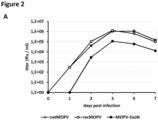
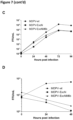
- the recombinant attenuated MOPV replicates weaker in Vero cells and has a continuous lower titer over time in comparison to non-attenuated MOPV.
- replication of the recombinant attenuated MOPV in DC and/or MP is reduced by at least about 10%, at least about 20%, at least about 25%, at least about 30%, at least about 35%, at least about 40%, at least about 50%, at least about 60%, at least about 70%, at least about 80%, at least about 90%, or more, compared to replication of recombinant wild type (rec-MOPV) or wild type MOPV (nat-MOPV) in the same cell type.
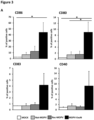
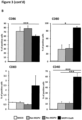
- the examples demonstrate activation of DC and MP by a prototype recombinant attenuated MOPV. Specifically, the examples demonstrate that both recombinant and natural MOPV exhibit a strong activation profile in MP, illustrated by the induction of CD86, CD80, and, to a lesser extent, of CD40, but do not induce DC. However, in both MOPV-ExoN infected MP and DCs, a strong level of expression of CD80, CD83 and CD40 was observed, indicating that cells were activated by MOPV-ExoN, and probably prone to present antigens to lymphocytes.
- the level of CD86 was also strongly increased in DC infected with MOPV-ExoN, as compared to MOCK or nat-/rec-MOPV infected cells. This marker is important for co-stimulation and maturation of T lymphocytes, thus indicating that priming of lymphocytes should be efficient in response to infection with MOPV-ExoN.
- a prototype recombinant attenuated MOPV demonstrate the utility of the recombinant attenuated MOPVs of the invention. Accordingly, in some embodiments the recombinant attenuated MOPV of the invention induces an immune response in DC.
- the recombinant attenuated MOPV of the invention induces an immune response in MP. In some embodiments, the recombinant attenuated MOPV of the invention induces an immune response characterized by an increase in expression of at least one molecule selected from CD80, CD83, CD40, and CD86.
- the examples demonstrate that both MP and DC were controlling MOPV-ExoN replication, and that MOPV-ExoN infection induced apoptosis of infected MP, as reflected by a strong increase in the level of Caspase 3 in MOPV-ExoN-infected MP. Accordingly, in some embodiments, replication of the recombinant attenuated MOPV of the invention in DC and/or MP is controlled. In some embodiments, infection of MP by the recombinant attenuated MOPV of the invention induces expression of Caspase 3. In some embodiments, infection of MP by the recombinant attenuated MOPV of the invention induces MP cell death.
- the examples demonstrate induction of an innate immune response in DC and MP infected with a recombinant attenuated MOPV of the invention. Specifically, the examples show that expressions of mRNA in rec-MOPV- and nat-MOPV-infected cells is quite similar, but that the innate response is stronger when DC are infected with MOPV-ExoN, as compared with infection with MOPV (rec- or nat-). This result was also observed in MP, as type I IFNs, TNFalpha and CXCL10 levels were higher in response to MOPV-ExoN than to wild type MOPV.
- administration of a recombinant attenuated MOPV of the invention induces an innate immune reponse in DC and/or MP.
- the innate immune response comprises expression of at least one of type I IFNs, TNFalpha and CXCL10.
- DC dendritic cells
- MP macrophages
- a recombinant attenuated MOPV having attenuated ExoN function without reduction in replicative properties may be provided.
- the further substitution is selected from E392A, H430A, D467A, and D534A.
- the recombinant attenuated MOPV comprises a heterologous nucleic acid that encodes a non-MOPV arenavirus glycoprotein and a nucleic acid encoding a nucleoprotein having attenuated exonuclease activity.
- the recombinant attenuated MOPV are useful, for example, to induce an immunogenic response against an arenavirus in a subject.
- the nucleoprotein comprises D390A and G393A amino acid substitutions.
- the nucleoprotein further comprises at least one amino acid substitution selected from E392A, H430A, D467A, and D534A.
- the recombinant attenuated MOPV comprising amino acid substitutions at amino acid positions D390A, G393A, E392A, H430A, D467A, H529A, and D534A is named MOP-ExoN enhanced.
- the heterologous nucleic acid encodes a non-MOPV arenavirus glycoprotein, more preferably a non-MOPV arenavirus glycoprotein precursor.
- the non-MOPV arenavirus is a Lassa virus (LASV).
- the recombinant attenuated MOPV is poorly replicative in immune cells, strongly activates at least one of dendritic cells (DC) and macrophages (MP), and/or is more immunogenic than unmodified MOPV.
- the recombinant attenuated MOPV is poorly replicative in immune cells.
- the recombinant attenuated MOPV is strongly activates at least one of dendritic cells (DC) and macrophages (MP).
- the recombinant attenuated MOPV is more immunogenic than unmodified MOPV.
- the recombinant attenuated MOPV is poorly replicative in immune cells and strongly activates at least one of dendritic cells (DC) and macrophages (MP).
- DC dendritic cells
- MP macrophages
- the recombinant attenuated MOPV is strongly activates at least one of dendritic cells (DC) and macrophages (MP), and is more immunogenic than unmodified MOPV.
- the recombinant attenuated MOPV is poorly replicative in immune cells and is more immunogenic than unmodified MOPV.
- the recombinant attenuated MOPV comprises a coding sequence for an L segment antigenomic transcript of an MOPV.
- the coding sequence for an L segment antigenomic transcript of an MOPV is a sequence that is at least 80%, at least 85%, at least 90%, at least 91%, at least 92%, at least 93%, at least 94%, at least 95%, at least 96%, at least 97%, at least 98%, at least 99%, or 100% identical at the nucleotide level to the coding sequence of the L segment antigenomic transcript of MOPV strain AN21366 (accession numbers JN561684 and JN561685: SEQ ID Nos. 1 & 2).
- the coding sequence for an L segment antigenomic transcript of an MOPV is a sequence that encodes Z and L(pol) proteins that are each independently at least 80%, at least 85%, at least 90%, at least 91%, at least 92%, at least 93%, at least 94%, at least 95%, at least 96%, at least 97%, at least 98%, at least 99%, or 100% identical at the amino acid level to the Z and L(pol) proteins of MOPV strain AN21366 (accession numbers JN561684 and JN561685: SEQ ID Nos. 1 & 2).
- any Z and L(pol) proteins present in the recombinant attenuated MOPV are proteins encoded by the coding sequence for an L segment antigenomic transcript of an MOPV that is present in the recombinant attenuated MOPV.
- the recombinant attenuated MOPV comprises a coding sequence for an S segment antigenomic transcript of an MOPV.
- the coding sequence for an S segment antigenomic transcript of an MOPV is a sequence that is at least 80%, at least 85%, at least 90%, at least 91%, at least 92%, at least 93%, at least 94%, at least 95%, at least 96%, at least 97%, at least 98%, at least 99%, or 100% identical at the nucleotide level to the coding sequence of the S segment antigenomic transcript of MOPV strain AN21366 (accession numbers JN561684 and JN561685: SEQ ID Nos. 1 & 2).
- the coding sequence for an S segment antigenomic transcript of an MOPV is a sequence that encodes NP and GP precursor proteins that are each independently at least 80%, at least 85%, at least 90%, at least 91%, at least 92%, at least 93%, at least 94%, at least 95%, at least 96%, at least 97%, at least 98%, at least 99%, or 100% identical at the amino acid level to the NP and GP precursor proteins of MOPV strain AN21366 (accession numbers JN561684 and JN561685: SEQ ID Nos. 1 & 2).
- any NP and GP proteins present in the recombinant attenuated MOPV are proteins encoded by the coding sequence for an S segment antigenomic transcript of an MOPV that is present in the recombinant attenuated MOPV.
- the coding sequence for an S segment antigenomic transcript of an MOPV present in a recombinant attenuated MOPV of the invention encodes a nucleoprotein that differs from a reference (wild type) arenavirus nucleoprotein sequence at positions D390 and G393.
- the encoded nucleoprotein further differs from a reference (wild type) arenavirus nucleoprotein sequence at one, two, three, four, or five positions selected from E392, H430, D467, H529, and D534.
- the reference arenavirus nucleoprotein sequence is from an MOPV strain.
- the reference arenavirus nucleoprotein sequence is the MOPV strain AN21366 (accession numbers JN561684 and JN561685: SEQ ID Nos. 1 & 2) nucleoprotein sequence.
- the encoded nucleoprotein differs from a reference (wild type) arenavirus nucleoprotein sequence that is SEQ ID NO: 4 by D390A and G393A amino acid substitutions.
- the encoded nucleoprotein differs from a reference (wild type) arenavirus nucleoprotein sequence that is SEQ ID NO: 4 by further comprising one, two, three, four, or five of the amino acid substitutions E392A, H430A, D467A, and D534A.
- the recombinant attenuated MOPV also comprises a heterologous nucleic acid. In some embodiments, it is inserted into the GP precursor coding sequence. In some embodiments, the heterologous nucleic acid is inserted without deleting bases present in the starting MOPV genome while in other embodiments bases present in the starting MOPV genome are deleted at the site of insertion. In some embodiments, the inserted heterologous nucleic acid is the same size as a corresponding region that is deleted at the site of insertion.
- the recombinant attenuated MOPV comprises a recombinant genomic S segment encoding a non-MOPV arenavirus glycoprotein.
- the examples demonstrate incorporation of an LASV glycoprotein into a recombinant attenuated MOPV.
- the recombinant attenuated MOPV may be used to induce an immune response against LASV glycoprotein, more preferably against LASV glycoprotein precursor which may be protective or therapeutic against infection by LASV in a host.
- LASV is the targeted arenavirus.
- the targeted arenavirus is any non-MOPV arenavirus.
- the targeted arenavirus is selected from Gairo virus, Gbagroube virus, Ippy virus, Kodoko virus, Lassa virus, Lujo virus, Luna virus, Lunk virus, Lymphocytic choriomeningitis virus, Merino Walk virus, Menekre virus, Mobala virus, Morogoro virus, Wenzhou virus, Tacaribe virus, Amapari virus, Chapare virus, Flexal virus, Guanarito virus, Junin virus, Latino virus, Machupo virus, Oliveros virus, Paraná virus, Patawa virus, Pichinde virus, Pirital virus, Sabiá virus, Tacaribe virus, Tamiami virus, and Whitewater Arroyo virus.
- the examples provide strong evidence that introduction of mutations that abrogate exonuclease function of MOPV-NP results in strong attenuation of MOPV.
- the inventors engineered a vaccine candidate against LASV, and to produce a chimeric virus in which the surface GP, more preferably the surfavce GPC, of MOPV is replaced by the GP, more preferably the surface GPC, of LASV.
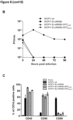
- the examples demonstrate that swapping of the GP, more preferably the surface GPC, coding sequence in the MOPV backbone did not significantly affect the replication properties of MOPV, as MOPV-GPC LASV replicates similarly to rec-MOPV.
- MOPV-ExoN-GPC LASV was to some extent attenuated compared to rec-MOPV, as also observed for MOPV-ExoN. This indicates that attenuation of the replication capacity of MOPV-ExoN-GPC LASV is due to the defect in the NP exonuclease function and not to the swapping of gp genes between LASV and MOPV. Therefore, this result demonstrates that the recombinant attenuated MOPV platform provided herein is useful for vaccinating against a targeted arenavirus.
- compositions encompasses pharmaceutical composition, antiviral composition, immunogenic composition and vaccine, more particularly antiviral composition, immunogenic composition and vaccine.
- composition of the application comprises at least one recombinant attenuated virus of the application, such as at least one live and attenuated virus of the application.
- the invention also includes immunogenic compositions comprising a recombinant attenuated MOPV as described herein.
- the immunogenic compositions can be formulated according to standard procedures in the art.
- the immunogenic compositions are administered in combination with an adjuvant.
- the adjuvant for administration in combination with a composition described herein may be administered before, concomitantly with, or after administration of said composition.
- the term "adjuvant” refers to a compound that when administered in conjunction with or as part of a composition described herein augments, enhances and/or boosts the immune response to a recombinant attenuated MOPV present in the immunogenic composition, but when the compound is administered alone does not generate an immune response to the recombinant attenuated MOPV.
- Adjuvants can enhance an immune response by several mechanisms including, e.g., lymphocyte recruitment, stimulation of B and/or T cells, stimulation of macrophages, and stimulation of dendritic cells.
- a vaccine or immunogenic composition of the invention comprises adjuvants or is administered together with one or more adjuvants
- the adjuvants that can be used include, but are not limited to, mineral salt adjuvants or mineral salt gel adjuvants, particulate adjuvants, microparticulate adjuvants, mucosal adjuvants, and immunostimulatory adjuvants.
- adjuvants include, but are not limited to, aluminum salts (alum) (such as aluminum hydroxide, aluminum phosphate, and aluminum sulfate), 3 De-O-acylated monophosphoryl lipid A (MPL) (see GB 222021 1 ), MF59 (Novartis), AS03 (GlaxoSmithKline), AS04 (GlaxoSmithKline), polysorbate 80 (Tween 80; ICL Americas, Inc.), imidazopyridine compounds (see International Application No. PCT/US2007/064857 , published as International Publication No. WO2007/109812 ), imidazoquinoxaline compounds (see International Application No. PCT/US2007/064858 , published as International Publication No.
- alum such as aluminum hydroxide, aluminum phosphate, and aluminum sulfate
- MPL 3 De-O-acylated monophosphoryl lipid A
- MPL 3 De-O-acylated monophosphoryl lipid A
- MPL 3 De-
- the immunogenic compositions comprise the recombinant attenuated MOPV alone or, preferably, together with a pharmaceutically acceptable carrier.
- Suspensions or dispersions of the recombinant attenuated MOPV, especially isotonic aqueous suspensions or dispersions, can be used.
- the pharmaceutical compositions may be sterilized and/or may comprise excipients, e.g., preservatives, stabilizers, wetting agents and/or emulsifiers, solubilizers, salts for regulating osmotic pressure and/or buffers and are prepared in a manner known per se, for example by means of conventional dispersing and suspending processes.
- the dispersions or suspensions may comprise viscosity-regulating agents.
- the suspensions or dispersions may be kept at temperatures around 2-4°C, or for longer storage may be frozen and then thawed shortly before use.
- the vaccine or immunogenic preparations may be formulated in aqueous solutions, such as in physiologically compatible buffers such as Hanks's solution, Ringer's solution, or physiological saline buffer.
- physiologically compatible buffers such as Hanks's solution, Ringer's solution, or physiological saline buffer.
- the solution may contain formulatory agents such as suspending, stabilizing and/or dispersing agents.
- compositions described herein additionally comprise a preservative, e.g., the mercury derivative thimerosal.
- a preservative e.g., the mercury derivative thimerosal.
- the pharmaceutical compositions described herein comprises 0.001% to 0.01% thimerosal. In other embodiments, the pharmaceutical compositions described herein do not comprise a preservative.
- the immunogenic compositions may comprise from about 10 2 to about 10 12 focus forming units of the recombinant attenuated MOPV.
- Unit dose forms for parenteral administration are, for example, ampoules or vials, e.g., vials containing from about 10 2 to 10 12 focus forming units or 10 4 to 10 14 physical particles of recombinant attenuated MOPV.
- an immunogenic composition provided herein is administered to a subject by, including but not limited to, oral, intradermal, intramuscular, intraperitoneal, intravenous, subcutaneous, percutaneous, intranasal and inhalation routes, and via scarification (scratching through the top layers of skin, e.g., using a bifurcated needle).
- a subcutaneous or intravenous route is used.
- the preparation for use according to the present invention can be conveniently delivered in the form of an aerosol spray presentation from pressurized packs or a nebulizer, with the use of a suitable propellant, e.g., dichlorodifluoromethane, trichlorofluoromethane, dichlorotetrafluoroethane, carbon dioxide or other suitable gas.
- a suitable propellant e.g., dichlorodifluoromethane, trichlorofluoromethane, dichlorotetrafluoroethane, carbon dioxide or other suitable gas.
- the dosage unit may be determined by providing a valve to deliver a metered amount.
- Capsules and cartridges of, e.g., gelatin for use in an inhaler or insufflators may be formulated containing a powder mix of the compound and a suitable powder base such as lactose or starch.
- This description also describes methods of inducing an immunogenic response in a subject.
- the methods comprise administering to the subject recombinant attenuated MOPV, typically in the form of an immunogenic composition.
- the description also describes the subject recombinant attenuated MOPV for use in inducing an immunogenic response in a subject.
- said subject recombinant attenuated MOPV is in the form of an immunogenic composition.
- immunogenic response is intended in accordance with its ordinary meaning in the field, and includes one or several from antibody production, induction of cell mediated immunity, complement activation, development of immunological tolerance, alteration of cytokine production and alteration of chemokine production, more particularly antibody production.
- Antibody production encompasses neutralizing antibody production, such as seroneutralization.
- the subject is typically a mammal, such as a human, a primate, or a non-human primate.
- the subject is a mouse, a rat, or a rabbit.
- the subject is a domesticated animal, such as, but not limited to, a cow, a horse, a sheep, a pig, a goat, a cat, a dog, a hamster, and a donkey.
- the immunogenic response comprises a response to the glycoprotein portion of a recombinant attenuated MOPV of the invention.
- the subject recombinant attenuated MOPV or the composition of the application can be used in the prevention and/or treatment and/or palliation, of an arenavirus infection and/or of a disease or disorder induced by an arenavirus.
- the invention also relates to the subject recombinant attenuated MOPV or the composition for use in the prevention and/or treatment and/or palliation, of an arenavirus infection and/or of a disease or disorder induced by an arenavirus.
- the invention also relates to the use of the subject recombinant attenuated MOPV or the composition for making a vaccine for preventing and/or treating and/or palliating, an arenavirus infection and/or a disease or disorder induced by an arenavirus.
- the recombinant attenuated MOPV or the composition is used to prevent an arenavirus infection and/or a disease or disorder induced by an arenavirus.
- the immunogenic response is protective.
- a protective response is a response that confers immunity to the subject.
- the subject is administered a recombinant attenuated MOPV, the recombinant attenuated MOPV comprising a glycoprotein of an arenavirus, preferably a precursor thereof, or an immunogenic composition comprising said recombinant attenuated MOPV and following the administration the subject mounts and immune response to the glycoprotein of the arenavirus.
- the immunogenic response in the subject is protective.
- a protective immune response is one that reduces the risk that a subject will become infected with an arenavirus and/or reduces the severity of an infection with an arenavirus. Accordingly, protective immune responses include responses of varying degrees of protection.
- the invention also relates to the subject recombinant attenuated MOPV of the invention for use in inducing a protective immune response in a subject.
- said subject recombinant attenuated MOPV is in the form of an immunogenic composition of the invention.
- the subject recombinant attenuated MOPV of the invention for making a vaccine for inducing a protective immune response in a subject.
- said subject recombinant attenuated MOPV is in the form of an immunogenic composition of the invention.
- the subject is infected with an arenavirus prior to administration of the recombinant attenuated MOPV of the invention or of a composition comprising said recombinant attenuated MOPV, and administration of said recombinant attenuated MOPV or of said composition is therapeutic.
- administration of said recombinant attenuated MOPV or of said composition to the subject infected with the arenavirus may have the effect of ameliorating at least one symptom of the arenavirus infection in the subject.
- administration of said recombinant attenuated MOPV or said composition to the subject infected with the arenavirus may have the effect of reducing the risk of death of the subject.
- administering the recombinant attenuated MOPV or a composition thereof reduces the risk that a subject will develop an infection with a targeted arenavirus by at least about 10%, at least about 20%, at least about 25%, at least about 30%, at least about 35%, at least about 40%, at least about 50%, at least about 60%, at least about 70%, at least about 80%, at least about 90%, or more, compared to the risk of developing an infection with the targeted arenavirus in the absence of administering the recombinant attenuated MOPV or a composition thereof.
- recombinant attenuated MOPV or a composition thereof reduces the symptoms of an infection of the subject with a targeted arenavirus by at least about 10%, at least about 20%, at least about 25%, at least about 30%, at least about 35%, at least about 40%, at least about 50%, at least about 60%, at least about 70%, at least about 80%, at least about 90%, or more, compared to the manifestation of the symptoms of an infection with the targeted arenavirus in the absence of administering the recombinant attenuated MOPV or a composition thereof.
- the MOPV, strain AN21366 (accession numbers JN561684 and JN561685: SEQ ID Nos. 1 & 2) and the LASV, strain Josiah (accession number J04324) were used 20,21 and passaged no more than 4 times on VeroE6 cells. Cell culture supernatants were collected 4 days post-infection and clarified by centrifugation 5 min at 5000 rpm. Viruses were tittered and used as viral stocks for further experiments. Hereafter, this virus is named nat-MOPV to distinguish it from recombinant wild-type MOPV obtained by reverse genetics (rec-MOPV).
- VeroE6 cells grown in Glutamax Dulbecco Modified Eagle's Medium (DMEM - Life Technologies) supplemented with 5% FCS and 0.5% Penicillin-Streptomycin, were used for amplification and titration of viral stocks.
- DMEM Glutamax Dulbecco Modified Eagle's Medium
- the pTM1 plasmid was used to drive the expression of the LPol and the NP proteins under the T7 promoter.
- pTM1 plasmids expressing MOPV LPol (pTM1-LPol) and MOPV NP (pTM1-NP) were obtained by cloning respectively the LPol and the NP ORFs between the Ncol and XhoI sites of the plasmid.
- the L and S sequences in antigenomic orientation of the MOPV were reverse transcribed from viral RNA extracts and the cDNA finally cloned into a plasmid that drives the correct transcription under the control of the mouse RNA polymerase I.
- the swap of GPC ORFs in pPOLI-MOPV Sag plasmid was generated by the introduction of the BsmBI restriction sites downstream and upstream the Start and Stop codons of MOPV GPC ORF respectively.
- BHK-T7/9 cells 4 x 10 6 BHK-T7/9 cells were seeded in 75cm 2 flasks. The following day, cells were transfected with pPOLI MOPV SAg and pPOLI MOPV LAg using Fugene 6 reagent (Promega, France). Transfection was performed for 6h at 37°C. Cells were then washed and left for 5 days in DMEM 2.5 % SVF. Supernatants of BHK-T7/9 cells constitute the seed stock. The virus of the seed stock was then amplified on VeroE6 cells. The first passage of seed stock on VeroE6 constitute the "passage 1" virus stock.
- the "passage 1" virus was used to infect VeroE6 cells at a multiplicity of infection (MOI) of 0.001 or 0.01. Infection was carried out for 3 or 4 days, before the supernatant collection. This tittered second passage on VeroE6 cells provides the viral stocks used for all other experiments. For all viral stocks, the absence of mycoplasma contamination was determined using Mycoplasma detection kit (Lonza, Switzerland). Viral RNAs were extracted from stocks using QiAmp (QIAGEN) and amplified by One step RT-PCR (Titan, Roche Applied Biosciences). PCR products were sequenced by Sanger sequencing (GATC, Konstanz, Germany).
- Macrophages were obtained by incubating monocytes for 4 to 6 days in RPMI, 10% SVF, 10% autologous plasma supplemented with 100ng/ml of M-CSF (Macrophage-Colony Stimulating Factor, Miltenyi Biotec).
- DC Dendritic cells
- GM-CSF Granulocytes Macrophages Colony Stimulating Factor
- IL-4 both from Peprotech
- cDNAs were amplified using Gene Expression Master Mix kit and primer/probe mix developed and optimized for each gene (Applied Biosystems Thermo Scientific), except for type I IFNs developed in house 23 .
- qPCR assays were run in LightCycler 480 (Roche Applied Biosciences). For all genes, expression was standardized to GAPDH gene, and expressed as fold induction compared to GAPDH.
- the reverse genetic system for MOPV developed here was similar to that used previously for LASV 14 .
- the short and long segments of MOPV in antigenomic sense were cloned in a plasmid that drives the transcription through the mouse RNA polymerase I.
- These plasmids were transfected, along with pTM1-NP and pTM1-LPol, into BHKT7/9 cells.
- the expression of genomic length segments and viral proteins Lpol and NP allowed reconstituting the viral transcription and replication unit RNPs (ribonucleoproteins) from which expression of the four viral genes occurs, ultimately leading to the assembly and the budding of recombinant MOPV (rec-MOPV).
- LASV NP is able to circumvent IFN response thanks to its exonuclease function, which is able to digest double-strand RNA (dsRNA).
- dsRNA double-strand RNA
- PAMP Pathogen-Associated-Molecular-Pattern
- MOPV-NP Alignment of MOPV-NP with LASV-NP showed that amino acids critical for this function were conserved between LASV and MOPV, suggesting that exonuclease activity (and subsequent escape to IFN response) was also present in MOPV virus.
- MOPV NP is able to digest dsRNA using an in vitro approach and block the IFN response to dsRNA in cells (data not shown).
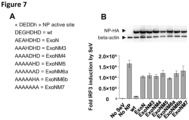
- mutations of the DDEDH domain (D390, E392, D530, D534 and H430) abrogate the IFN-antagonist activity of MOPV NP without reducing its ability to support viral transcription/replication.
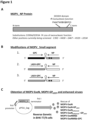
- MOPV-ExoN virus by analogy with LASV, we designed a MOPV-ExoN virus by introducing the mutations D390A and G393A to knock-down exonuclease function of MOPV in the live virus ( Figure 1 ). Mutations were introduced in the pPOLI-MOPV-Sag, and this modified plasmid was used as described previously to generate a MOPV-ExoN virus. Both recombinants viruses were passaged twice in Vero E6 cells, and virus sequences were verified. The only mutations retrieved were those introduced purposely, either for abrogation of the Exonuclease function of MOPV, or for the discrimination between natural and recombinant MOPV (silent mutations).
- rec-MOPV wild-type virus obtained by reverse genetic system
- MOPV-ExoN rec-MOPV in which NP D390 and NP G393 were substituted to Alanine
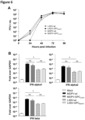
- Figure 2A the naturally isolated nat-MOPV virus
- viruses were replicating similarly, reaching a replicative peak at 72 hours post-infection, and slightly decreasing afterwards.
- Nat-MOPV and rec-MOPV have a similar replication pattern.
- MOPV-ExoN is replicating weaker, as reflected by its continuous lower titre over time, even though this virus reaches also a peak 3 days post-infection.
- monocytes-derived DC and MP were either MOCK infected, or infected with nat-MOPV, rec-MOPV or MOPV-ExoN, at a MOI of 1 for 48 hours.
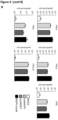
- Expression profile of CD80, CD83, CD40, and CD86 was quite similar when cells were infected with rec-MOPV or nat-MOPV virus ( Figure 3A and B ).
- both rec- and nat-MOPV showed a strong activation profile in MP, illustrated by the induction of CD86, CD80, and, to a lesser extent, of CD40.
- An important feature for a live vaccine candidate is the capacity of cells to eliminate this agent.
- MP and DC were controlling MOPV-ExoN replication, and even more, MOPV-ExoN infection induced apoptosis of infected MP, as reflected by the strong increase in Caspase 3 level in MOPV-ExoN-infected MP.
- LCMV lymphochoriomeningitis virus
- Nat-MOPV was previously shown to be an efficient vaccine against LASV. However, its safety is difficult to prove and some minor lesions have been described after MOPV infection in mice and non-human primates 25 .
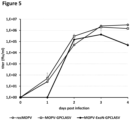
- Replication properties of these viruses were assayed by infecting VeroE6 cells at a MOI of 0.01, and collecting supernatants daily for 4 days. Virus titres were determined for each time point, and compared to those obtained for rec-MOPV ( Figure 5 ).
- NP of arenaviruses might have important role in the conservation of genome integrity, and shutting down this function could imply substantially replication capacity of arenaviruses, even in Vero E6 cells, which are deficient for type I IFN response. All the viruses we generated in this study are able to replicate and to be produced at good infectious titres in Vero E6 cells, which is an important parameter in the required specifications of a vaccine prototype.
- Example 5 GPC swapping does not affect the immunogenic properties of recombinant viruses
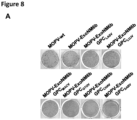
- these viruses presented similar growth kinetics on VeroE6 cells, with LASV-GPC MOPV replicating to lower titers at 24 hours post infection but to similar titers than all other viruses by 48 hours post infection and until the end of the replication kinetics.
- exchanging the GPC protein had no effect on the ability of recombinant viruses to induce type I IFN expression in macrophages.
- MOPV-wt an MOPV-GPC LASV were slightly more immunogenic than LASV-wt and LASV-GPC MOPV , confirming previously observed results and suggesting than the attenuation of MOPV is not dependent on the GPC protein.
- MOPV-ExoNM6b-GPC LASV MOPV-ExoNM6b-GPC MACV
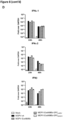
- MOPV-wt could replicate in macrophages
- MOPV-ExoNM6b-GPC LASV and MOPV-ExoNM6b-GPC MACV could not replicate efficiently in these cells like the parental MOPV-ExoNM6b ( Figure 8B ), suggesting a control by the immune response.
Landscapes
- Life Sciences & Earth Sciences (AREA)
- Health & Medical Sciences (AREA)
- Chemical & Material Sciences (AREA)
- Zoology (AREA)
- Organic Chemistry (AREA)
- Engineering & Computer Science (AREA)
- Bioinformatics & Cheminformatics (AREA)
- Genetics & Genomics (AREA)
- Wood Science & Technology (AREA)
- Medicinal Chemistry (AREA)
- General Health & Medical Sciences (AREA)
- Microbiology (AREA)
- General Engineering & Computer Science (AREA)
- Biochemistry (AREA)
- Biotechnology (AREA)
- Biomedical Technology (AREA)
- Molecular Biology (AREA)
- Immunology (AREA)
- Virology (AREA)
- Mycology (AREA)
- Pharmacology & Pharmacy (AREA)
- Epidemiology (AREA)
- Animal Behavior & Ethology (AREA)
- Public Health (AREA)
- Veterinary Medicine (AREA)
- Micro-Organisms Or Cultivation Processes Thereof (AREA)
- Medicines Containing Antibodies Or Antigens For Use As Internal Diagnostic Agents (AREA)
- Peptides Or Proteins (AREA)
Claims (9)
- Rekombinantes attenuiertes Mopeia Virus (MOPV), mit einer heterologen Nukleinsäure und einer Nukleinsäure, die ein Nukleoprotein mit abgeschwächter Exonuklease-Aktivität kodiert, wobei das Nukleoprotein sich von SEQ ID NO. 4 durch die Aminosäuresubstitutionen D390A und G393A unterscheidet und die heterologe Nukleinsäure ein Nicht-MOPV-Arenavirus-Glykoprotein oder einen Nicht-MOPV-Arenavirus-Glykoprotein-Vorläufer kodiert.
- Rekombinantes attenuiertes MOPV nach Anspruch 1, wobei das Nukleoprotein weiterhin die Aminosäuresubstitution E392A oder die Aminosäuresubstitutionen E392A und H430A oder die Aminosäuresubstitutionen E392A, H430A und D467A oder die Aminosäuresubstitutionen E392A, H430A, D467A und D534A umfasst.
- Rekombinantes attenuiertes MOPV nach Anspruch 2, wobei das Nukleoprotein ferner eine Aminosäuresubstitution an den Positionen E392A, H430A, D467A und D534A umfasst.
- Rekombinantes attenuiertes MOPV nach einem der Ansprüche 1 bis 3, wobei das Nicht-MOPV-Arenavirus ein Lassa-Virus (LASV) ist.
- Rekombinantes attenuiertes MOPV nach einem der Ansprüche 1 bis 4, wobei das Nicht-MOPV-Arenavirus-Glykoprotein in die kodierende Sequenz des MOPV-Glykoprotein-Vorläufers inseriert ist.
- Rekombinantes attenuiertes MOPV nach einem der Ansprüche 4 oder 5, wobei die kodierende Sequenz des LASV-Glykoprotein-Vorläufers die kodierende Sequenz des MOPV-Glykoprotein-Vorläufers ersetzt.
- Immunogene Zusammensetzung, die ein rekombinantes attenuiertes MOPV gemäß einem der Ansprüche 1 bis 6 umfasst.
- Rekombinantes attenuiertes MOPV nach einem der Ansprüche 1 bis 6 oder die Zusammensetzung nach Anspruch 7 zur Verwendung als Impfstoff zur Vorbeugung und/oder Behandlung einer Arenavirus-Infektion.
- Eukaryotische Zelle, die das rekombinante MOPV enthält nach einem der Ansprüche 1 bis 6.
Applications Claiming Priority (2)
| Application Number | Priority Date | Filing Date | Title |
|---|---|---|---|
| US201562245631P | 2015-10-23 | 2015-10-23 | |
| PCT/EP2016/075573 WO2017068190A1 (en) | 2015-10-23 | 2016-10-24 | Recombinant mopeia virus and vaccine platform |
Publications (3)
| Publication Number | Publication Date |
|---|---|
| EP3365005A1 EP3365005A1 (de) | 2018-08-29 |
| EP3365005C0 EP3365005C0 (de) | 2025-04-09 |
| EP3365005B1 true EP3365005B1 (de) | 2025-04-09 |
Family
ID=57200010
Family Applications (1)
| Application Number | Title | Priority Date | Filing Date |
|---|---|---|---|
| EP16785480.1A Active EP3365005B1 (de) | 2015-10-23 | 2016-10-24 | Rekombinanter mopeia-virus und impfstoffplattform |
Country Status (4)
| Country | Link |
|---|---|
| US (2) | US10849969B2 (de) |
| EP (1) | EP3365005B1 (de) |
| ES (1) | ES3021881T3 (de) |
| WO (1) | WO2017068190A1 (de) |
Families Citing this family (6)
| Publication number | Priority date | Publication date | Assignee | Title |
|---|---|---|---|---|
| RS60937B1 (sr) | 2014-11-13 | 2020-11-30 | Univ Geneve | Tri-segmentirani arenavirusi kao vektori za vakcinu |
| CN115197965A (zh) | 2015-06-10 | 2022-10-18 | 霍欧奇帕生物科技有限公司 | Hpv疫苗 |
| CN108779472B (zh) | 2015-11-04 | 2022-09-09 | 霍欧奇帕生物科技有限公司 | 针对乙型肝炎病毒的疫苗 |
| EP3373959B1 (de) | 2015-11-12 | 2022-06-29 | Hookipa Biotech GmbH | Arenavirus-partikel als krebs-impfstoffe |
| EP4493211A1 (de) | 2022-03-15 | 2025-01-22 | Institut Pasteur | Multivalente mopaevac-basierte immunogene zusammensetzung zur impfung gegen arenaviren der neuen welt und therapeutische verwendung(en) davon |
| WO2025181551A1 (en) | 2024-02-28 | 2025-09-04 | Institut Pasteur | Mopevac-based plateform for heterologous orf(s) expression |
-
2016
- 2016-10-24 US US15/770,210 patent/US10849969B2/en active Active
- 2016-10-24 WO PCT/EP2016/075573 patent/WO2017068190A1/en not_active Ceased
- 2016-10-24 ES ES16785480T patent/ES3021881T3/es active Active
- 2016-10-24 EP EP16785480.1A patent/EP3365005B1/de active Active
-
2020
- 2020-11-30 US US17/106,928 patent/US11638751B2/en active Active
Non-Patent Citations (2)
| Title |
|---|
| M KILEY: "PROTECTION OF RHESUS MONKEYS FROM LASSA VIRUS BY IMMUNISATION WITH CLOSELY RELATED ARENAVIRUS", THE LANCET, vol. 314, no. 8145, 1 October 1979 (1979-10-01), AMSTERDAM, NL, pages 738, XP055336725, ISSN: 0140-6736, DOI: 10.1016/S0140-6736(79)90659-7 * |
| XAVIER CARNEC ET AL: "A Vaccine Platform against Arenaviruses Based on a Recombinant Hyperattenuated Mopeia Virus Expressing Heterologous Glycoproteins", JOURNAL OF VIROLOGY, vol. 92, no. 12, 28 March 2018 (2018-03-28), US, ISSN: 0022-538X, DOI: 10.1128/JVI.02230-17 * |
Also Published As
| Publication number | Publication date |
|---|---|
| EP3365005C0 (de) | 2025-04-09 |
| EP3365005A1 (de) | 2018-08-29 |
| US20210205436A1 (en) | 2021-07-08 |
| US10849969B2 (en) | 2020-12-01 |
| US20180303927A1 (en) | 2018-10-25 |
| ES3021881T3 (en) | 2025-05-27 |
| WO2017068190A1 (en) | 2017-04-27 |
| US11638751B2 (en) | 2023-05-02 |
Similar Documents
| Publication | Publication Date | Title |
|---|---|---|
| US11638751B2 (en) | Immunogenic composition comprising a recombinant attenuated mopeia virus with a modified nucleoprotein displaying reduced exonuclease activity | |
| JP4704232B2 (ja) | 組換え伝染性非セグメント化陰性鎖rnaウイルス | |
| JP2023513913A (ja) | 麻疹ベクターを用いたcovid-19免疫原性組成物及びワクチン | |
| JP2021533157A (ja) | 組換えの生物学的に封じ込められたフィロウイルスワクチン | |
| JP7198759B2 (ja) | 弱毒化表現型を有するヒト呼吸器多核体ウイルス(rsv)のためのワクチン候補 | |
| EP1527087B1 (de) | Rekombinante vesicular stomatitis viren als impstoff gegen virale hämorrhagische fieber | |
| WO2021229270A1 (es) | Vacuna recombinante contra covid-19 en vector viral | |
| JP2024009058A (ja) | ラッサワクチン | |
| JP7849046B2 (ja) | インフルエンザウイルスバックボーン | |
| AU3723099A (en) | Attenuated influenza viruses | |
| EP2813574B1 (de) | Halblebender respiratorischer Synzytialvirusimpfstoff | |
| JP2018537103A (ja) | Ns1およびns2遺伝子シフトを含む組換えrsウイルス株 | |
| EP1200563B1 (de) | Als impfstoff verwendbares attenuiertes influenzavirus | |
| TW202400800A (zh) | 用於預防和治療狂犬病毒感染的組合物和方法 | |
| CN115820572A (zh) | 一种表达双拷贝拉沙热病毒gp基因的重组病毒株及其构建方法和应用 | |
| JP2010539093A (ja) | イヌ、ネコ及びウマにおけるインフルエンザ感染を予防するための組成物及び方法 | |
| CN102648000A (zh) | 新的流感病毒 | |
| WO2025083199A1 (en) | New recombinant pprv used as therapeutic vaccine | |
| WO2025181551A1 (en) | Mopevac-based plateform for heterologous orf(s) expression | |
| WO2025144717A1 (en) | Compositions and methods for inducing immune response against epstein-barr viruses | |
| US20220193225A1 (en) | Compositions and methods for sars-2 vaccine with virus replicative particles and recombinant glycoproteins | |
| JP2006121948A (ja) | 組換えウイルス | |
| Cheng | Development of Live-Attenuated Arenavirus Vaccines | |
| Moormanna et al. | Paramyxovirus-based production of Rift Valley fever virus replicon 1 particles 2 | |
| OA19870A (en) | Lassa vaccine. |
Legal Events
| Date | Code | Title | Description |
|---|---|---|---|
| STAA | Information on the status of an ep patent application or granted ep patent |
Free format text: STATUS: UNKNOWN |
|
| STAA | Information on the status of an ep patent application or granted ep patent |
Free format text: STATUS: THE INTERNATIONAL PUBLICATION HAS BEEN MADE |
|
| PUAI | Public reference made under article 153(3) epc to a published international application that has entered the european phase |
Free format text: ORIGINAL CODE: 0009012 |
|
| STAA | Information on the status of an ep patent application or granted ep patent |
Free format text: STATUS: REQUEST FOR EXAMINATION WAS MADE |
|
| 17P | Request for examination filed |
Effective date: 20180523 |
|
| AK | Designated contracting states |
Kind code of ref document: A1 Designated state(s): AL AT BE BG CH CY CZ DE DK EE ES FI FR GB GR HR HU IE IS IT LI LT LU LV MC MK MT NL NO PL PT RO RS SE SI SK SM TR |
|
| AX | Request for extension of the european patent |
Extension state: BA ME |
|
| RIN1 | Information on inventor provided before grant (corrected) |
Inventor name: MATEO, MATHIEU, JEAN, SIMON Inventor name: PAGE, AUDREY Inventor name: CARNEC, XAVIER Inventor name: REYNARD, STEPHANIE Inventor name: FIZET, ALEXANDRA Inventor name: BAIZE, SYLVAIN |
|
| DAV | Request for validation of the european patent (deleted) | ||
| DAX | Request for extension of the european patent (deleted) | ||
| STAA | Information on the status of an ep patent application or granted ep patent |
Free format text: STATUS: EXAMINATION IS IN PROGRESS |
|
| 17Q | First examination report despatched |
Effective date: 20200807 |
|
| P01 | Opt-out of the competence of the unified patent court (upc) registered |
Effective date: 20230526 |
|
| GRAP | Despatch of communication of intention to grant a patent |
Free format text: ORIGINAL CODE: EPIDOSNIGR1 |
|
| STAA | Information on the status of an ep patent application or granted ep patent |
Free format text: STATUS: GRANT OF PATENT IS INTENDED |
|
| INTG | Intention to grant announced |
Effective date: 20241202 |
|
| GRAS | Grant fee paid |
Free format text: ORIGINAL CODE: EPIDOSNIGR3 |
|
| GRAA | (expected) grant |
Free format text: ORIGINAL CODE: 0009210 |
|
| STAA | Information on the status of an ep patent application or granted ep patent |
Free format text: STATUS: THE PATENT HAS BEEN GRANTED |
|
| AK | Designated contracting states |
Kind code of ref document: B1 Designated state(s): AL AT BE BG CH CY CZ DE DK EE ES FI FR GB GR HR HU IE IS IT LI LT LU LV MC MK MT NL NO PL PT RO RS SE SI SK SM TR |
|
| REG | Reference to a national code |
Ref country code: GB Ref legal event code: FG4D |
|
| REG | Reference to a national code |
Ref country code: CH Ref legal event code: EP |
|
| REG | Reference to a national code |
Ref country code: DE Ref legal event code: R096 Ref document number: 602016091846 Country of ref document: DE |
|
| REG | Reference to a national code |
Ref country code: IE Ref legal event code: FG4D |
|
| U01 | Request for unitary effect filed |
Effective date: 20250417 |
|
| REG | Reference to a national code |
Ref country code: ES Ref legal event code: FG2A Ref document number: 3021881 Country of ref document: ES Kind code of ref document: T3 Effective date: 20250527 |
|
| P04 | Withdrawal of opt-out of the competence of the unified patent court (upc) registered |
Free format text: CASE NUMBER: APP_19293/2025 Effective date: 20250423 |
|
| U07 | Unitary effect registered |
Designated state(s): AT BE BG DE DK EE FI FR IT LT LU LV MT NL PT RO SE SI Effective date: 20250424 |
|
| PG25 | Lapsed in a contracting state [announced via postgrant information from national office to epo] |
Ref country code: GR Free format text: LAPSE BECAUSE OF FAILURE TO SUBMIT A TRANSLATION OF THE DESCRIPTION OR TO PAY THE FEE WITHIN THE PRESCRIBED TIME-LIMIT Effective date: 20250710 Ref country code: NO Free format text: LAPSE BECAUSE OF FAILURE TO SUBMIT A TRANSLATION OF THE DESCRIPTION OR TO PAY THE FEE WITHIN THE PRESCRIBED TIME-LIMIT Effective date: 20250709 |
|
| PG25 | Lapsed in a contracting state [announced via postgrant information from national office to epo] |
Ref country code: PL Free format text: LAPSE BECAUSE OF FAILURE TO SUBMIT A TRANSLATION OF THE DESCRIPTION OR TO PAY THE FEE WITHIN THE PRESCRIBED TIME-LIMIT Effective date: 20250409 |
|
| PG25 | Lapsed in a contracting state [announced via postgrant information from national office to epo] |
Ref country code: HR Free format text: LAPSE BECAUSE OF FAILURE TO SUBMIT A TRANSLATION OF THE DESCRIPTION OR TO PAY THE FEE WITHIN THE PRESCRIBED TIME-LIMIT Effective date: 20250409 |
|
| PG25 | Lapsed in a contracting state [announced via postgrant information from national office to epo] |
Ref country code: RS Free format text: LAPSE BECAUSE OF FAILURE TO SUBMIT A TRANSLATION OF THE DESCRIPTION OR TO PAY THE FEE WITHIN THE PRESCRIBED TIME-LIMIT Effective date: 20250709 |
|
| PG25 | Lapsed in a contracting state [announced via postgrant information from national office to epo] |
Ref country code: IS Free format text: LAPSE BECAUSE OF FAILURE TO SUBMIT A TRANSLATION OF THE DESCRIPTION OR TO PAY THE FEE WITHIN THE PRESCRIBED TIME-LIMIT Effective date: 20250809 |
|
| REG | Reference to a national code |
Ref country code: CH Ref legal event code: U11 Free format text: ST27 STATUS EVENT CODE: U-0-0-U10-U11 (AS PROVIDED BY THE NATIONAL OFFICE) Effective date: 20251101 |
|
| U20 | Renewal fee for the european patent with unitary effect paid |
Year of fee payment: 10 Effective date: 20250926 |
|
| PGFP | Annual fee paid to national office [announced via postgrant information from national office to epo] |
Ref country code: GB Payment date: 20251023 Year of fee payment: 10 |
|
| PG25 | Lapsed in a contracting state [announced via postgrant information from national office to epo] |
Ref country code: SM Free format text: LAPSE BECAUSE OF FAILURE TO SUBMIT A TRANSLATION OF THE DESCRIPTION OR TO PAY THE FEE WITHIN THE PRESCRIBED TIME-LIMIT Effective date: 20250409 |
|
| PGFP | Annual fee paid to national office [announced via postgrant information from national office to epo] |
Ref country code: CH Payment date: 20251101 Year of fee payment: 10 |
|
| PG25 | Lapsed in a contracting state [announced via postgrant information from national office to epo] |
Ref country code: CZ Free format text: LAPSE BECAUSE OF FAILURE TO SUBMIT A TRANSLATION OF THE DESCRIPTION OR TO PAY THE FEE WITHIN THE PRESCRIBED TIME-LIMIT Effective date: 20250409 |
|
| PG25 | Lapsed in a contracting state [announced via postgrant information from national office to epo] |
Ref country code: SK Free format text: LAPSE BECAUSE OF FAILURE TO SUBMIT A TRANSLATION OF THE DESCRIPTION OR TO PAY THE FEE WITHIN THE PRESCRIBED TIME-LIMIT Effective date: 20250409 |
|
| PGFP | Annual fee paid to national office [announced via postgrant information from national office to epo] |
Ref country code: ES Payment date: 20251110 Year of fee payment: 10 |
|
| PLBE | No opposition filed within time limit |
Free format text: ORIGINAL CODE: 0009261 |
|
| STAA | Information on the status of an ep patent application or granted ep patent |
Free format text: STATUS: NO OPPOSITION FILED WITHIN TIME LIMIT |
|
| REG | Reference to a national code |
Ref country code: CH Ref legal event code: L10 Free format text: ST27 STATUS EVENT CODE: U-0-0-L10-L00 (AS PROVIDED BY THE NATIONAL OFFICE) Effective date: 20260218 |
|
| 26N | No opposition filed |
Effective date: 20260112 |