EP3351616A1 - Novel lactobacillus and composition for preventing, improving, or treating degenerative brain diseases or cognitive function disorders - Google Patents
Novel lactobacillus and composition for preventing, improving, or treating degenerative brain diseases or cognitive function disorders Download PDFInfo
- Publication number
- EP3351616A1 EP3351616A1 EP16846783.5A EP16846783A EP3351616A1 EP 3351616 A1 EP3351616 A1 EP 3351616A1 EP 16846783 A EP16846783 A EP 16846783A EP 3351616 A1 EP3351616 A1 EP 3351616A1
- Authority
- EP
- European Patent Office
- Prior art keywords
- dementia
- disease
- lactic acid
- acid bacteria
- lactobacillus
- Prior art date
- Legal status (The legal status is an assumption and is not a legal conclusion. Google has not performed a legal analysis and makes no representation as to the accuracy of the status listed.)
- Withdrawn
Links
Images


Classifications
-
- A—HUMAN NECESSITIES
- A61—MEDICAL OR VETERINARY SCIENCE; HYGIENE
- A61K—PREPARATIONS FOR MEDICAL, DENTAL OR TOILETRY PURPOSES
- A61K35/00—Medicinal preparations containing materials or reaction products thereof with undetermined constitution
- A61K35/66—Microorganisms or materials therefrom
- A61K35/74—Bacteria
- A61K35/741—Probiotics
- A61K35/744—Lactic acid bacteria, e.g. enterococci, pediococci, lactococci, streptococci or leuconostocs
- A61K35/747—Lactobacilli, e.g. L. acidophilus or L. brevis
-
- A—HUMAN NECESSITIES
- A23—FOODS OR FOODSTUFFS; TREATMENT THEREOF, NOT COVERED BY OTHER CLASSES
- A23L—FOODS, FOODSTUFFS OR NON-ALCOHOLIC BEVERAGES, NOT OTHERWISE PROVIDED FOR; PREPARATION OR TREATMENT THEREOF
- A23L33/00—Modifying nutritive qualities of foods; Dietetic products; Preparation or treatment thereof
- A23L33/10—Modifying nutritive qualities of foods; Dietetic products; Preparation or treatment thereof using additives
- A23L33/135—Bacteria or derivatives thereof, e.g. probiotics
-
- A—HUMAN NECESSITIES
- A61—MEDICAL OR VETERINARY SCIENCE; HYGIENE
- A61K—PREPARATIONS FOR MEDICAL, DENTAL OR TOILETRY PURPOSES
- A61K35/00—Medicinal preparations containing materials or reaction products thereof with undetermined constitution
- A61K35/66—Microorganisms or materials therefrom
- A61K35/74—Bacteria
- A61K35/741—Probiotics
- A61K35/744—Lactic acid bacteria, e.g. enterococci, pediococci, lactococci, streptococci or leuconostocs
- A61K35/745—Bifidobacteria
-
- A—HUMAN NECESSITIES
- A61—MEDICAL OR VETERINARY SCIENCE; HYGIENE
- A61K—PREPARATIONS FOR MEDICAL, DENTAL OR TOILETRY PURPOSES
- A61K36/00—Medicinal preparations of undetermined constitution containing material from algae, lichens, fungi or plants, or derivatives thereof, e.g. traditional herbal medicines
- A61K36/18—Magnoliophyta (angiosperms)
- A61K36/185—Magnoliopsida (dicotyledons)
- A61K36/48—Fabaceae or Leguminosae (Pea or Legume family); Caesalpiniaceae; Mimosaceae; Papilionaceae
-
- A—HUMAN NECESSITIES
- A61—MEDICAL OR VETERINARY SCIENCE; HYGIENE
- A61P—SPECIFIC THERAPEUTIC ACTIVITY OF CHEMICAL COMPOUNDS OR MEDICINAL PREPARATIONS
- A61P1/00—Drugs for disorders of the alimentary tract or the digestive system
-
- A—HUMAN NECESSITIES
- A61—MEDICAL OR VETERINARY SCIENCE; HYGIENE
- A61P—SPECIFIC THERAPEUTIC ACTIVITY OF CHEMICAL COMPOUNDS OR MEDICINAL PREPARATIONS
- A61P1/00—Drugs for disorders of the alimentary tract or the digestive system
- A61P1/04—Drugs for disorders of the alimentary tract or the digestive system for ulcers, gastritis or reflux esophagitis, e.g. antacids, inhibitors of acid secretion, mucosal protectants
-
- A—HUMAN NECESSITIES
- A61—MEDICAL OR VETERINARY SCIENCE; HYGIENE
- A61P—SPECIFIC THERAPEUTIC ACTIVITY OF CHEMICAL COMPOUNDS OR MEDICINAL PREPARATIONS
- A61P1/00—Drugs for disorders of the alimentary tract or the digestive system
- A61P1/16—Drugs for disorders of the alimentary tract or the digestive system for liver or gallbladder disorders, e.g. hepatoprotective agents, cholagogues, litholytics
-
- A—HUMAN NECESSITIES
- A61—MEDICAL OR VETERINARY SCIENCE; HYGIENE
- A61P—SPECIFIC THERAPEUTIC ACTIVITY OF CHEMICAL COMPOUNDS OR MEDICINAL PREPARATIONS
- A61P11/00—Drugs for disorders of the respiratory system
- A61P11/06—Antiasthmatics
-
- A—HUMAN NECESSITIES
- A61—MEDICAL OR VETERINARY SCIENCE; HYGIENE
- A61P—SPECIFIC THERAPEUTIC ACTIVITY OF CHEMICAL COMPOUNDS OR MEDICINAL PREPARATIONS
- A61P17/00—Drugs for dermatological disorders
- A61P17/06—Antipsoriatics
-
- A—HUMAN NECESSITIES
- A61—MEDICAL OR VETERINARY SCIENCE; HYGIENE
- A61P—SPECIFIC THERAPEUTIC ACTIVITY OF CHEMICAL COMPOUNDS OR MEDICINAL PREPARATIONS
- A61P25/00—Drugs for disorders of the nervous system
- A61P25/28—Drugs for disorders of the nervous system for treating neurodegenerative disorders of the central nervous system, e.g. nootropic agents, cognition enhancers, drugs for treating Alzheimer's disease or other forms of dementia
-
- A—HUMAN NECESSITIES
- A61—MEDICAL OR VETERINARY SCIENCE; HYGIENE
- A61P—SPECIFIC THERAPEUTIC ACTIVITY OF CHEMICAL COMPOUNDS OR MEDICINAL PREPARATIONS
- A61P29/00—Non-central analgesic, antipyretic or antiinflammatory agents, e.g. antirheumatic agents; Non-steroidal antiinflammatory drugs [NSAID]
-
- A—HUMAN NECESSITIES
- A61—MEDICAL OR VETERINARY SCIENCE; HYGIENE
- A61P—SPECIFIC THERAPEUTIC ACTIVITY OF CHEMICAL COMPOUNDS OR MEDICINAL PREPARATIONS
- A61P37/00—Drugs for immunological or allergic disorders
- A61P37/08—Antiallergic agents
-
- C—CHEMISTRY; METALLURGY
- C12—BIOCHEMISTRY; BEER; SPIRITS; WINE; VINEGAR; MICROBIOLOGY; ENZYMOLOGY; MUTATION OR GENETIC ENGINEERING
- C12N—MICROORGANISMS OR ENZYMES; COMPOSITIONS THEREOF; PROPAGATING, PRESERVING, OR MAINTAINING MICROORGANISMS; MUTATION OR GENETIC ENGINEERING; CULTURE MEDIA
- C12N1/00—Microorganisms; Compositions thereof; Processes of propagating, maintaining or preserving microorganisms or compositions thereof; Processes of preparing or isolating a composition containing a microorganism; Culture media therefor
- C12N1/20—Bacteria; Culture media therefor
-
- C—CHEMISTRY; METALLURGY
- C12—BIOCHEMISTRY; BEER; SPIRITS; WINE; VINEGAR; MICROBIOLOGY; ENZYMOLOGY; MUTATION OR GENETIC ENGINEERING
- C12N—MICROORGANISMS OR ENZYMES; COMPOSITIONS THEREOF; PROPAGATING, PRESERVING, OR MAINTAINING MICROORGANISMS; MUTATION OR GENETIC ENGINEERING; CULTURE MEDIA
- C12N1/00—Microorganisms; Compositions thereof; Processes of propagating, maintaining or preserving microorganisms or compositions thereof; Processes of preparing or isolating a composition containing a microorganism; Culture media therefor
- C12N1/20—Bacteria; Culture media therefor
- C12N1/205—Bacterial isolates
-
- A—HUMAN NECESSITIES
- A23—FOODS OR FOODSTUFFS; TREATMENT THEREOF, NOT COVERED BY OTHER CLASSES
- A23V—INDEXING SCHEME RELATING TO FOODS, FOODSTUFFS OR NON-ALCOHOLIC BEVERAGES AND LACTIC OR PROPIONIC ACID BACTERIA USED IN FOODSTUFFS OR FOOD PREPARATION
- A23V2002/00—Food compositions, function of food ingredients or processes for food or foodstuffs
-
- A—HUMAN NECESSITIES
- A23—FOODS OR FOODSTUFFS; TREATMENT THEREOF, NOT COVERED BY OTHER CLASSES
- A23V—INDEXING SCHEME RELATING TO FOODS, FOODSTUFFS OR NON-ALCOHOLIC BEVERAGES AND LACTIC OR PROPIONIC ACID BACTERIA USED IN FOODSTUFFS OR FOOD PREPARATION
- A23V2200/00—Function of food ingredients
- A23V2200/30—Foods, ingredients or supplements having a functional effect on health
- A23V2200/304—Foods, ingredients or supplements having a functional effect on health having a modulation effect on allergy and risk of allergy
-
- A—HUMAN NECESSITIES
- A23—FOODS OR FOODSTUFFS; TREATMENT THEREOF, NOT COVERED BY OTHER CLASSES
- A23V—INDEXING SCHEME RELATING TO FOODS, FOODSTUFFS OR NON-ALCOHOLIC BEVERAGES AND LACTIC OR PROPIONIC ACID BACTERIA USED IN FOODSTUFFS OR FOOD PREPARATION
- A23V2200/00—Function of food ingredients
- A23V2200/30—Foods, ingredients or supplements having a functional effect on health
- A23V2200/322—Foods, ingredients or supplements having a functional effect on health having an effect on the health of the nervous system or on mental function
-
- A—HUMAN NECESSITIES
- A23—FOODS OR FOODSTUFFS; TREATMENT THEREOF, NOT COVERED BY OTHER CLASSES
- A23V—INDEXING SCHEME RELATING TO FOODS, FOODSTUFFS OR NON-ALCOHOLIC BEVERAGES AND LACTIC OR PROPIONIC ACID BACTERIA USED IN FOODSTUFFS OR FOOD PREPARATION
- A23V2200/00—Function of food ingredients
- A23V2200/30—Foods, ingredients or supplements having a functional effect on health
- A23V2200/332—Promoters of weight control and weight loss
-
- A—HUMAN NECESSITIES
- A23—FOODS OR FOODSTUFFS; TREATMENT THEREOF, NOT COVERED BY OTHER CLASSES
- A23V—INDEXING SCHEME RELATING TO FOODS, FOODSTUFFS OR NON-ALCOHOLIC BEVERAGES AND LACTIC OR PROPIONIC ACID BACTERIA USED IN FOODSTUFFS OR FOOD PREPARATION
- A23V2400/00—Lactic or propionic acid bacteria
- A23V2400/11—Lactobacillus
- A23V2400/121—Brevis
-
- A—HUMAN NECESSITIES
- A23—FOODS OR FOODSTUFFS; TREATMENT THEREOF, NOT COVERED BY OTHER CLASSES
- A23V—INDEXING SCHEME RELATING TO FOODS, FOODSTUFFS OR NON-ALCOHOLIC BEVERAGES AND LACTIC OR PROPIONIC ACID BACTERIA USED IN FOODSTUFFS OR FOOD PREPARATION
- A23V2400/00—Lactic or propionic acid bacteria
- A23V2400/11—Lactobacillus
- A23V2400/151—Johnsonii
-
- A—HUMAN NECESSITIES
- A23—FOODS OR FOODSTUFFS; TREATMENT THEREOF, NOT COVERED BY OTHER CLASSES
- A23V—INDEXING SCHEME RELATING TO FOODS, FOODSTUFFS OR NON-ALCOHOLIC BEVERAGES AND LACTIC OR PROPIONIC ACID BACTERIA USED IN FOODSTUFFS OR FOOD PREPARATION
- A23V2400/00—Lactic or propionic acid bacteria
- A23V2400/11—Lactobacillus
- A23V2400/169—Plantarum
-
- A—HUMAN NECESSITIES
- A23—FOODS OR FOODSTUFFS; TREATMENT THEREOF, NOT COVERED BY OTHER CLASSES
- A23V—INDEXING SCHEME RELATING TO FOODS, FOODSTUFFS OR NON-ALCOHOLIC BEVERAGES AND LACTIC OR PROPIONIC ACID BACTERIA USED IN FOODSTUFFS OR FOOD PREPARATION
- A23V2400/00—Lactic or propionic acid bacteria
- A23V2400/51—Bifidobacterium
- A23V2400/533—Longum
-
- A—HUMAN NECESSITIES
- A61—MEDICAL OR VETERINARY SCIENCE; HYGIENE
- A61K—PREPARATIONS FOR MEDICAL, DENTAL OR TOILETRY PURPOSES
- A61K35/00—Medicinal preparations containing materials or reaction products thereof with undetermined constitution
- A61K2035/11—Medicinal preparations comprising living procariotic cells
- A61K2035/115—Probiotics
-
- C—CHEMISTRY; METALLURGY
- C12—BIOCHEMISTRY; BEER; SPIRITS; WINE; VINEGAR; MICROBIOLOGY; ENZYMOLOGY; MUTATION OR GENETIC ENGINEERING
- C12R—INDEXING SCHEME ASSOCIATED WITH SUBCLASSES C12C - C12Q, RELATING TO MICROORGANISMS
- C12R2001/00—Microorganisms ; Processes using microorganisms
- C12R2001/01—Bacteria or Actinomycetales ; using bacteria or Actinomycetales
- C12R2001/225—Lactobacillus
-
- C—CHEMISTRY; METALLURGY
- C12—BIOCHEMISTRY; BEER; SPIRITS; WINE; VINEGAR; MICROBIOLOGY; ENZYMOLOGY; MUTATION OR GENETIC ENGINEERING
- C12R—INDEXING SCHEME ASSOCIATED WITH SUBCLASSES C12C - C12Q, RELATING TO MICROORGANISMS
- C12R2001/00—Microorganisms ; Processes using microorganisms
- C12R2001/01—Bacteria or Actinomycetales ; using bacteria or Actinomycetales
- C12R2001/225—Lactobacillus
- C12R2001/24—Lactobacillus brevis
-
- C—CHEMISTRY; METALLURGY
- C12—BIOCHEMISTRY; BEER; SPIRITS; WINE; VINEGAR; MICROBIOLOGY; ENZYMOLOGY; MUTATION OR GENETIC ENGINEERING
- C12R—INDEXING SCHEME ASSOCIATED WITH SUBCLASSES C12C - C12Q, RELATING TO MICROORGANISMS
- C12R2001/00—Microorganisms ; Processes using microorganisms
- C12R2001/01—Bacteria or Actinomycetales ; using bacteria or Actinomycetales
- C12R2001/225—Lactobacillus
- C12R2001/25—Lactobacillus plantarum
Definitions
- the present invention relates to novel lactic acid bacteria and the use thereof, and more particularly to novel lactic acid bacteria, which is isolated from Kimchi, having various types of physiological activities, such as memory improvement activity, tight junction protein expression inducement activity, antioxidant activity, lipopolysaccharide(LPS) production-inhibitory activity or ⁇ -glucuronidase-inhibitory activity, and to food and medicinal uses of novel lactic acid bacteria for preventing, alleviating or treating degenerative brain diseases or cognitive function disorders.
- physiological activities such as memory improvement activity, tight junction protein expression inducement activity, antioxidant activity, lipopolysaccharide(LPS) production-inhibitory activity or ⁇ -glucuronidase-inhibitory activity
- Alzheimer's disease the most common degenerative brain disease that causes dementia, slowly develops and gradually deteriorates cognitive functions including memory. While the exact cause of Alzheimer's disease has yet to be found, it is closely associated with aging and is growing with the increase of the older population.
- Parkinson's disease is a chronic progressive degenerative disease of the nerve system caused by the loss of dopamine neurons, showing symptoms of muscle cramps, bradykinesia(slowness of movement) and postural instability.
- Patients with Alzheimer's disease show symptoms of dementia, such as speech impairment and executive function inability while patients with Parkinson's disease show symptoms of dementia, such as lapses in concentration and visual/spatial judgment, executive function disorder and slowness in thinking.
- Dementia may be defined as a condition where a physically stable person experiences damage to brain function due to various causes and gradual deterioration of the overall cognitive ability, greatly affecting daily life activities.
- Cognitive ability herein means various intellectual abilities, such as memory, speech, visual-spatial ability, judgment and abstract thinking. Each of the cognitive abilities is deeply associated with a certain part of brain. About 50% of dementia are a Alzheimer's disease-type, 20 to 30% of dementia are a blood vessel-type and there are other types of dementia, such as alcohol-related dementia, dementia with Lewy bodies, frontotemporal dementia, and Parkinson's disease dementia. Recently, there have been studies that various degenerative brain diseases including dementia are associated with Intestinal Permeability Syndrome or intestinal flora disturbance.
- the gastrointestinal tract of the human body is composed of mucus and villi, which efficiently absorb nutrient components, but prevent the absorption of pathogenic microorganisms having a high molecular weight or toxins produced by these microorganisms.
- the human body has an immune system capable of protecting the body from invasion of external antigens having a high molecular weight.
- due to infection with many pathogenic microorganisms or toxins excessive stress, intake of foods such as high-fat diets capable of proliferating harmful bacterial living in the gastrointestinal tract, excessive alcohol intake, the abuse of drugs (e.g., antibiotics) and the like, intestinal flora is disturbed, abnormalities in the gastrointestinal tract's immune system occur, and expression of tight junction proteins is inhibited.
- Intestinal permeability syndrome is also known as leaky gut syndrome, and refers to a condition in which external such as less digested foods, pathogenic microorganisms, toxins or the like are continuously introduced into blood, because the tight junction barrier system of epithelial cells forming the gastrointestinal tract is not smoothly operated.
- intestinal permeability syndrome When intestinal permeability syndrome occurs, external antigens that are generally not absorbed into the body enter the body, thus causing ulcerative colitis, Crohn's disease, liver injury, liver dysfunction, allergic diseases (including asthma), atopy, autoimmune diseases, steatorrhea, digestive absorption disorder, acne, accelerated aging, endotoxemia, intestinal infection, eczema, irritable bowel syndrome, chronic fatigue syndrome, psoriasis, rheumatoid arthritis, pancreatic insufficiency, inflammatory joint diseases or the like. Recently, there have been studies that Intestinal Permeability Syndrome is associated with dementia caused by Parkinson's disease or aging.
- bacteria living in the gastrointestinal tract of the human body.
- the human body has about 10 trillion normal cells, but has about 100 trillion bacteria which are about 10-fold larger than the normal cells.
- These bacteria may be divided into beneficial bacteria that help human intestinal health and harmful bacteria that are harmful to human health.
- the health of human body may be maintained when beneficial bacterial such as Lactobacillus , Bifidobacterium , Streptococcus , Leuconostoc , Pediococcus , Sporolactobacillius and the like are more dominant in the gastrointestinal tract than harmful bacteria.
- diseases may be caused, such as obesity, intestinal permeability syndrome, liver diseases, accelerated aging, enteritis, accelerated aging, dementia and the like.
- Increase of harmful microorganisms in the intestinal flora boosts the activity of NF-kB in intestinal cells, which can dramatically increase the possibility of degenerative brain diseases, such as Alzheimer's disease and Parkinson's disease, and dementia.
- Probiotics are collectively referred to as live microorganisms that improve the host's microbial environment in the gastrointestinal tract of animals, including humans, and have beneficial effects on the host's health.
- it is necessary to have excellent acid resistance, bile resistance and adherence to epithelial cells, because most of these probiotics should reach the small intestine upon oral administration and must be adhered to the intestinal surface.
- Lactic acid bacteria are used as probiotics because they play a role in decomposing fibrous and complex proteins to make important nutrients while living in the digestive system of the human body.
- Lactic acid bacteria have been reported to exhibit effects such as maintenance of intestinal normal flora, improvement of intestinal flora, anti-diabetic and anti-hyperlipidemic effects, inhibition of carcinogenesis, inhibition of colitis, and nonspecific activity of the host's immune system.
- Lactobacillus sp. strains are major members of normal microbial communities living in the bowel of the human body and have long been known to be important in maintaining a healthy digestive tract and vaginal environment.
- the Korean Patent Gazette for registration No. 10-1476236 discloses a pharmaceutical composition for prevention or treatment of dementia, comprising lactobacillus pentosus var. plantarum C29 KCCM11291P flora as an active ingredient.
- 10-1087972 discloses the preparation method of lactic acid bacteria ferment that is effective in preventing and treating dementia, comprising (a) a stage to inoculate, culture and ferment lactic acid bacteria selected from lactobacillus sp., enterococcus sp. and bifidobacterium sp. into the medium comprising milk; (b) a stage to remove lactic acid bacteria from the above ferment; and (c) a stage to precipitate separate active ingredients adding a solvent selected from a group consisting of acetone and alcohol having 1 to 6 carbon atoms to the ferment, which had lactic acid bacteria removed.
- 10-1424547 discloses a pharmaceutical composition for preventing or treating degenerative brain diseases comprising the lactic acid bacteria ferment of Lactobacillus fermentum KFRI 164 of Sibjeondaebotang, as an active ingredient.
- the Korean Patent Gazette for publication No. 10-2015-0047687 discloses a composition for preventing or improving forgetfulness or improving memory, comprising the plant extract that was fermented by adding 0.1 to 10 wt% of glucose and 0.1 to 5 wt% of yeast extract to a plant extract, hot-water extracted from Polygala tenuifolia , white Poria cocos Wolf, and Acoris gramineus , and then inoculating the cultured Lactobacillus plantarum.
- lactic acid bacteria disclosed in the prior art or the product fermented by the same is not enough to be applied as a commercial treatment since it is not highly effective in treating degenerative brain diseases including dementia.
- the present invention has been made under the Background Art as described above, and it is an object of the present invention to provide novel lactic acid bacteria having various physiological activities or functionalities required for probiotics.
- an object of the present invention is to provide a composition that comprises novel lactic acid bacteria or ferment thereof and may be used to alleviate, prevent or treat degenerative brain diseases.
- an embodiment of the present invention is Lactobacillus johnsonii comprising 16S rDNA nucleotide sequence represented by SEQ ID NO: 2, which provides the lactic acid bacteria having the memory improvement activity, tight junction protein expression inducement activity, antioxidant activity, lipopolysaccharide (LPS) production inhibitory activity or ⁇ -glucuronidase inhibitory activity.
- SEQ ID NO: 2 16S rDNA nucleotide sequence represented by SEQ ID NO: 2
- LPS lipopolysaccharide
- an embodiment of the present invention provides a pharmaceutical composition for preventing or treating degenerative brain diseases or cognitive function disorder comprising a lactic acid bacteria corresponding to Lactobacillus johnsonii comprising a 16S rDNA nucleotide sequence represented by SEQ ID NO: 2, a culture of the lactic acid bacteria, a lysate of the lactic acid bacteria or an extract of the lactic acid bacteria as an active ingredient.
- Still another embodiment of the present invention provides a food composition for preventing or alleviating degenerative brain diseases or cognitive function disorder comprising a lactic acid bacteria corresponding to Lactobacillus johnsonii comprising a 16S rDNA nucleotide sequence represented by SEQ ID NO: 2, a culture of the lactic acid bacteria, a lysate of the lactic acid bacteria or an extract of the lactic acid bacteria as an active ingredient.
- Still another embodiment of the present invention provides a food composition for improving memory or learning ability comprising a lactic acid bacteria corresponding to Lactobacillus johnsonii comprising a 16S rDNA nucleotide sequence represented by SEQ ID NO: 2, a culture of the lactic acid bacteria, a lysate of the lactic acid bacteria or an extract of the lactic acid bacteria as an active ingredient.
- another embodiment of the present invention provides a pharmaceutical composition for preventing or treating degenerative brain diseases or cognitive disorder, comprising red bean ferment or extract of the red bean ferment as an active ingredient. Also, another embodiment of the present invention provides a food composition for preventing or alleviating degenerative brain diseases or cognitive function disorder, comprising red bean ferment or extract from the red bean ferment. In addition, another embodiment of the present invention provides a food composition for improving memory or learning ability, comprising red bean ferment or extract from the red bean ferment.
- the above red bean ferment is a product that was fermented with lactic acid bacteria that comprises 16S rDNA nucleotide sequence represented by SEQ ID NO: 2 and corresponds to Lactobacillus johnsonii.
- a certain Lactobacillus sp. strain according to the present invention is isolated from kimchi, and thus is highly safe, and has various physiological activities such as memory improvement activity, tight junction protein expression inducement activity, antioxidant activity, lipopolysaccharide (LPS) production inhibitory activity or ⁇ -glucuronidase inhibitory activity. Accordingly, a certain Lactobacillus sp. strain according to the present invention may be used as an ingredient of medicinal products or functional foods for preventing, alleviating or treating various diseases through combination of the strain's first effect that alleviates intestinal permeability and the secondary effect that improves learning ability or memory.
- LPS lipopolysaccharide
- cogntive function disorder means a symptom or disease where cognitive functions, such as memory-processing, cognition or problem-solving do not fully function, specifically including declining working memory, attention and vigilance, linguistic learning and memory, visual learning and memory, and reasoning and problem-solving, namely, executive function, processing speed or social cognition.
- brain disease means all types of diseases generated in the brain due to destroyed cranial nerve cells.
- culture means a product obtained by culturing a microorganism in a known liquid medium or solid medium, and thus is intended to include a microorganism.
- the term "ferment” means a product yielded by fermenting the raw ingredient, a subject of fermentation, with microorganism, and a concept comprising microorganism.
- lactic acid bacteria means lactic acid bacteria, and culture, lysate or extract of the lactic acid bacteria.
- red bean ferment means the red bean ferment or extract of the ferment.
- the terms “pharmaceutically acceptable” and “sitologically acceptable” means neither significantly stimulating an organism nor inhibiting the biological activity and characteristics of an active material administered.
- the term "preventing” refers to all actions that inhibit symptoms or delay the progression of a particular disease by administrating the composition of the present invention.
- treating refers to all actions that alleviate or beneficially change the symptoms of a particular disease by administering the composition of the present invention.
- the term "alleviating” refers to all actions that at least reduce a parameter related to the condition to be treated, for example, the degree of symptom.
- administering means providing the composition of the present invention to a subject by any suitable method.
- subject means all animals, including humans, monkeys, dogs, goats, pigs or rats, which have a particular disease whose symptoms may be alleviated by administering the composition of the present invention.
- the term "pharmaceutically effective amount” refers to an amount sufficient to treat diseases, at a reasonable benefit/risk ratio applicable to any medical treatment.
- the pharmaceutically effective amount may be determined depending on factors including the kind of subject's disease, the severity of the disease, the activity of the drug, sensitivity to the drug, the time of administration, the route of administration, excretion rate, the duration of treatment and drugs used in combination with the composition, and other factors known in the medical field.
- One aspect of the present invention is related to novel lactic acid bacteria having various physiological activities.
- a lactic acid bacteria according to one embodiment of the present invention is Lactobacillus johnsonii comprising 16S rDNA nucleotide sequence represented by SEQ ID NO: 2, having memory improvement activity, tight junction protein expression inducement activity, antioxidant activity, lipopolysaccharide (LPS) production inhibitory activity or ⁇ -glucuronidase inhibitory activity.
- the Lactobacillus johnsonii is an anaerobic bacillus isolated from kimchi, is positive to gram staining, can survive in a wide temperature range and low pHs, and produces glucosidase.
- the Lactobacillus johnsonii utilizes D-glucose, D-fructose, D-mannose, N-acetylglucosamine, maltose, lactose, sucrose, gentibiose and the like as carbon sources.
- the Lactobacillus johnsonii is preferably Lactobacillus johnsonii CH32 (accession number: KCCM 11763P).
- compositions comprising a particular lactic acid bacteria, etc., as an active ingredient.
- the composition according to one embodiment of the present invention comprises 16S rDNA nucleotide sequence represented by SEQ ID NO: 2, and also comprises lactic acid bacteria corresponding to Lactobacillus johnsonii, culture, lysate or extract thereof as an active ingredient.
- the Lactobacillus johnsonii is an anaerobic bacillus isolated from kimchi and positive to gram staining, and survives in a wide range of temperatures with low PH environment and produces glucosidase.
- the Lactobacillus johnsonii uses D-glucose, D-fructose, D-mannose, N-acetylglucosamine, Maltose, Lactose, Sucrose, Gentiobiose and the like as a carbon source.
- the Lactobacillus johnsonii is preferably Lactobacillus johnsonii CH32 (accession number: KCCM 11763P).
- a culture of the lactic acid bacteria is a produced by culturing a certain strain or a mixture of strains in a medium.
- the medium may be selected from known liquid media or solid media, and may be, for example, MRS liquid medium, MRS agar medium or BL agar medium.
- composition according to one embodiment of the present invention may be used to prevent, alleviate or treat degenerative brain diseases or cognitive function disorder, since lactic acid bacteria, etc., the active ingredient, has various types of physiological activities, such as memory improvement activity, tight junction protein expression inducement activity, antioxidant activity, lipopolysaccharide(LPS) production inhibitory activity or ⁇ -glucuronidase inhibitory activity.
- the degenerative brain disease may be Alzheimer's disease, Parkinson's disease, Huntington's disease, or dementia, specifically.
- the dementia may be selected from a group consists of senile dementia, vascular dementia, Lewy body dementia, frontotemporal dementia, Alzheimer's disease-type dementia, Parkinson's disease-type dementia, Huntington's disease-type dementia, Creutzfeldt-Jacob disease-type dementia, Pick's disease-type dementia, normal pressure hydrocephalus-causing dementia and head injury-causing dementia.
- the composition according to one embodiment of the present invention may be used to improve memory or learning ability.
- compositions comprising a product fermented by lactic acid bacteria, etc., as an active ingredient.
- the composition according to another embodiment of the present invention comprises red bean ferment or extract of the same.
- the red bean ferment is a product that the red bean was fermented with lactic acid bacteria corresponding to Lactobacillus johnsonii and comprising 16S rDNA nucleotide sequence represented by SEQ ID NO: 2.
- the technical characteristics of the Lactobacillus johnsonii are as described above, and thus the description thereof is omitted.
- Red bean ferment an active ingredient of the composition according to another embodiment of the present invention, has higher physiological activity than lactic acid bacteria and is more effective in the aspect of functional food and medicinal ingredient, since the ferment comprises both the secondary metabolite produced by the red bean fermentation and lactic acid bacteria used in the red bean fermentation.
- the composition according to another embodiment of the present invention may be used to prevent, alleviate or treat degenerative brain diseases or cognitive function disorder.
- the degenerative brain diseases may be Alzheimer's disease, Parkinson's disease, Huntington's disease, or dementia, specifically.
- the dementias may be selected from a group consists of senile dementia, vascular dementia, Lewy body dementia, frontotemporal dementia, Alzheimer's disease-type dementia, Parkinson's disease-type dementia, Huntington's disease-type dementia, Creutzfeldt-Jacob disease-type dementia, Pick's disease-type dementia, normal pressure hydrocephalus-causing dementia and head injury-causing dementia.
- the composition according to another embodiment of the present invention may be used to improve memory or learning ability.
- the composition may be embodied as a pharmaceutical composition, a food additive, a food composition (particularly, a functional food composition), a feed additive or the like depending on the intended use or aspect.
- a pharmaceutical composition e.g., a pharmaceutical composition, a food additive, a food composition (particularly, a functional food composition), a feed additive or the like depending on the intended use or aspect.
- the content of the lactic acid bacteria, etc. or red bean ferment, etc., as an active ingredient may also be adjusted within a wide range depending on the specific type, intended use or aspect of the composition.
- the content of the lactic acid bacteria, etc. or red bean ferment, etc., as an active ingredient in the pharmaceutical composition according to the present invention is not particularly limited.
- the content may be 0.01 to 99 wt%, preferably 0.5 to 50 wt%, more preferably 1 to 30 wt%, based on the total weight of the composition.
- the pharmaceutical composition according to the present invention may further contain, in addition to the active ingredient, additives such as pharmaceutically acceptable carriers, excipients or diluents.
- Carriers, excipients and diluents which may be contained in the pharmaceutical composition according to the present invention, include lactose, dextrose, sucrose, sorbitol, mannitol, xylitol, erythritol, maltitol, starch, acacia gum, alginate, gelatin, calcium phosphate, calcium silicate, cellulose, methyl cellulose, microcrystalline cellulose, polyvinyl pyrrolidone, water, methyl hydroxybenzoate, propyl hydroxylbenzoate, talc, magnesium stearate and mineral oil.
- the pharmaceutical composition according to the present invention may further contain, in addition to the lactic acid bacteria, etc.
- the pharmaceutical composition according to the present invention may be prepared as formulations for oral administration or formulations for parenteral administration, and the formulations may be prepared using diluents or excipients, such as fillers, extenders, binders, wetting agents, disintegrants, surfactants and the like, which are commonly used.
- Solid formulations for oral administration include tablets, pellets, powders, granules, capsules and the like, and such solid formulations may be prepared by mixing the active ingredient with at least one excipient, for example, starch, calcium carbonate, sucrose, lactose or gelatin.
- Liquid formulations for oral administration include suspensions, solutions, emulsions and syrup, and may contain various excipients, for example, wetting agents, flavoring agents, aromatics, preservatives and the like, in addition to water and liquid paraffin which are frequently used simple diluents.
- Formulations for parenteral administration include sterilized aqueous solutions, non-aqueous solutions, suspensions, emulsions, freeze-dried preparations and suppositories.
- Propylene glycol, polyethylene glycol, plant oils such as olive oil, injectable esters such as ethyl oleate and the like may be used as non-aqueous solvents or suspending agents.
- the base of the suppositories witepsol, Macrogol, Tween 61, cacao butter, laurin fat, glycerogelatin and the like may be used.
- the composition may preferably be formulated depending on each disease or component by a suitable method known in the art or the method disclosed in Remington's Pharmaceutical Science (the latest edition), Mack Publishing Company, Easton PA .
- the pharmaceutical composition of the present invention may be administered orally or parenterally to mammals, including humans, according to a desired method.
- routes for parenteral administration include skin external application, intraperitoneal injection, intrarectal injection, subcutaneous injection, intravenous injection, intramuscular injection, intrathoracic injection or the like.
- the dose of the pharmaceutical composition of the present invention is not particularly limited as long as it is a pharmaceutically effective amount. The dose may vary depending on the patient's weight, age, sex, health condition, diet, administration time, administration mode, excretion rate and the severity of the disease.
- the daily dose of the pharmaceutical composition of the present invention is not particularly limited, but is preferably 0.1 to 3000 mg/kg based on an active ingredient, more preferably 1 to 2000 mg/kg based on an active ingredient and may be administered once or several times a day.
- the content of the lactic acid bacteria, etc. or red bean ferment, etc., as an active ingredient in the food composition according to the present invention is 0.01 to 99 wt%, preferably 0.1 to 50 wt%, more preferably 0.5 to 25 wt%, based on the total weight of the composition, but is not limited thereto.
- the food composition of the present invention may be in the form of pellets, powders, granules, infusions, tablets, capsules, liquid or the like, and specific examples of the food may include meats, sausages, breads, chocolates, candies, snacks, confectionaries, pizzas, ramens, other noodles, gums, dairy products including ice creams, various kinds of soups, beverages, teas, functional water, drinks, alcoholic beverages, vitamin complexes and the like, and may include all health foods in a general sense.
- the food composition of the present invention may further contain sitologically acceptable carriers, various flavoring agents or natural carbohydrates as additional ingredients, in addition to the active ingredient.
- the food composition of the present invention may contain various nutrients, vitamins, electrolytes, flavoring agents, coloring agents, pectic acid and its salt, alginic acid and its salt, an organic acid, a protective colloidal thickener, a pH adjusting agent, a stabilizer, a preservative, glycerin, alcohol, a carbonating agent used for carbonated drinks and the like. Additionally, the food composition of the present invention may contain fruit flesh for preparing natural fruit juices, fruit juice drinks and vegetable drinks. These ingredients may be used independently or as a mixture.
- the above-described natural carbohydrates may include monosaccharides such as glucose and fructose, disaccharides such as maltose and sucrose, polysaccharides such as dextrin and cyclodextrin and sugar alcohols such as xylitol, sorbitol, and erythritol.
- a flavoring agent a natural flavoring agent such as thaumatin or a stevia extract, or a synthetic flavoring agent such as saccharin or aspartame may be used.
- GAM liquid medium GAM broth; Nissui Pharmaceutical, Japan.
- GAM liquid medium GAM broth; Nissui Pharmaceutical, Japan.
- the supernatant was collected, transferred to BL agar medium (Nissui Pharmaceutical, Japan) and cultured anaerobically at 37°C for about 48 hours, and then Bifidobacterium sp. strains that formed colonies were isolated.
- Lactobacillus acidophilus CH1 31 Lactobacillus sakei CH31 2 Lactobacillus acidophilus CH2 32 Lactobacillus johnsonii CH32 3 Lactobacillus acidophilus CH3 33 Lactobacillus sakei CH33 4 Lactobacillus brevis CH4 34 Lactobacillus sakei CH34 5 Lactobacillus curvatus CH5 35 Lactobacillus plantarum CH35 6 Lactobacillus brevis CH6 36 Lactobacillus sanfranciscensis CH36 7 Lactobacillus casei CH7 37 Bifidobacterium pseudocatenulatum CH37 8 Lactobacillus planantrum CH8 38 Bifidobacterium pseudocatenulatum CH38 9 Lactobacillus sakei CH9 39 Bifidobacterium adolescentis CH39 10 Lactobacillus curvatus CH10 40 Bifidobacterium adolescentis CH40 11 Lactobac
- Lactobacillus brevis CH23 was a gram-positive anaerobic bacillus, did not form spores, and could survive even under aerobic conditions. Furthermore, Lactobacillus brevis CH23 survived at 10 to 42°C and was an acid-resistant strain stable at pH 2 for 2 hours. Furthermore, Lactobacillus brevis CH23 survived even in 2% sodium chloride solution and actively produced glucosidase. In addition, to chemically classify Lactobacillus brevis CH23, the 16S rDNA thereof was analyzed, and as a result, it was shown that Lactobacillus brevis CH23 had a nucleotide sequence of SEQ ID NO: 1.
- the 16S rDNA nucleotide sequence of Lactobacillus brevis CH23 was identified by BLAST in the Genebank (http://www.ncbi.nlm.nih.gov/), and as a result, a Lactobacillus brevis strain having the same 16S rDNA nucleotide sequence as that of Lactobacillus brevis CH23 was not found, and Lactobacillus brevis CH23 showed a homology of 99% with the 16S rDNA sequence of Lactobacillus brevis strain FJ004.
- Lactobacillus johnsonii CH32 was a gram-positive anaerobic bacillus, did not form spores, and could survive under aerobic conditions. Furthermore, Lactobacillus johnsonii CH32 survived stably at a temperature of 10 to 45°C, and was an acid-resistant strain stable in pH 2 for 2 hours. Moreover, Lactobacillus johnsonii CH32 actively produced glucosidase, but did not produce ⁇ -glucuronidase.
- Lactobacillus johnsonii CH32 had a nucleotide sequence of SEQ ID NO: 2.
- the 16S rDNA nucleotide sequence of Lactobacillus johnsonii CH32 was identified by BLAST in Genebank (http://www.ncbi.nlm.nih.gov/), and as a result, a Lactobacillus johnsonii strain having the same 16S rDNA nucleotide sequence as that of Lactobacillus johnsonii CH32 was not found, and Lactobacillus johnsonii CH32 showed a homology of 99% with the 16S rDNA sequence of Lactobacillus johnsonii strain JCM 2012.
- Bifidobacterium longum CH57 was a gram-positive anaerobic bacillus, did not form spores, and showed very low viability under aerobic conditions. Furthermore, Bifidobacterium longum CH57 was thermally unstable. Furthermore, Bifidobacterium longum CH57 actively produced glucosidase, but did not produce ⁇ -glucuronidase. In addition, to chemically classify Bifidobacterium longum CH57, the 16S rDNA thereof was analyzed, and as a result, it was shown that Bifidobacterium longum CH57 had a nucleotide sequence of SEQ ID NO: 3.
- the 16S rDNA nucleotide sequence of Bifidobacterium longum CH57 was identified by BLAST in the Genebank (http://www.ncbi.nlm.nih.gov/), and as a result, a Bifidobacterium longum strain having the same 16S rDNA nucleotide sequence as that of Bifidobacterium longum CH57 was not found, and Bifidobacterium longum CH57 showed a homology of 99% with the 16S rDNA sequence of Bifidobacterium longum strain CBT-6.
- the present inventors deposited Lactobacillus brevis CH23 with the Korean Culture Center of Microorganisms (address: Yurim Building, 45, Hongjenae 2ga-gil, Seodaemun-gu, Seoul, Korea), an international depositary authority, on September 1, 2015 under accession number KCCM 11762P. Furthermore, the present inventors deposited Lactobacillus johnsonii CH32 with the Korean Culture Center of Microorganisms (address: Yurim Building, 45, Hongjenae 2ga-gil, Seodaemun-gu, Seoul, Korea), an international depositary authority, on September 1, 2015, under accession number KCCM 11763P.
- the present inventors deposited Bifidobacterium longum CH57 with the Korean Culture Center of Microorganisms (address: Yurim Building, 45, Hongjenae 2ga-gil, Seodaemun-gu, Seoul, Korea)), an international depositary authority, on September 1, 2015 under accession number KCCM 11764P.
- DPPH (2,2-diphenyl-1-picrylhydrazyl) was dissolved in ethanol to a concentration of 0.2 mM to prepare a DPPH solution.
- a lactic acid bacteria suspension (1 ⁇ 10 8 CFU/ml) or a vitamin C solution (1 g/ml) was added to 0.1 ml of the DPPH solution and cultured at 37°C for 20 minutes. The culture was centrifuged at 3000 rpm for 5 minutes, and the supernatant was collected. Next the absorbance of the supernatant at 517 nm was measured, and the antioxidant activity of the lactic acid bacteria was calculated.
- Pathogenic bacteria such as Escherichia coli , Klebsiella pneumonia and Proteus mirabilis were separated from the elderly subject and cultured. Next, the pathogenic bacteria (1 ⁇ 10 5 CFU respectively) and lactic acid bacteria (1 ⁇ 10 5 CFU) were transplanted into 10 ml of sterile general anaerobic medium (GAM broth; Nissui Pharmaceutical, Japan) and anaerobically cultured for 24 hours.
- GAM broth sterile general anaerobic medium
- the culture was sonicated for about 1 hour to disrupt the outer cell membrane of the bacteria, and centrifuged at 5000 ⁇ g, and the supernatant was collected.
- LPS lipopolysaccharide
- LAL Limulus Amoebocyte Lysate
- the culture obtained through the same experiment as described above was diluted 1000-fold and 100000-fold and cultured in DHL medium, and then the number of E. coli , Klebsiella pneumonia and Proteus mirabilis was counted.
- 0.1 ml of 0.1 mM p-nitrophenyl- ⁇ -D-glucuronide solution, 0.2 ml of 50 mM phosphate buffered saline and 0.1 ml of a lactic acid bacteria suspension prepared by suspending of a lactic acid bacteria culture in 5 ml of physiological saline
- a lactic acid bacteria suspension prepared by suspending of a lactic acid bacteria culture in 5 ml of physiological saline
- 0.5 ml of 0.1 mM NaOH solution was added to stop the reaction.
- the reaction solution was centrifuged at 3000 rpm for 5 minutes, and the supernatant was collected. Then, the absorbance of the supernatant at 405 nm was measured.
- Caco2 cells obtained from the Korean Cell Line Bank were cultured in RPMI 1640 medium for 48 hours, and then the cultured Caco2 cells were dispensed to each well of a 12-well plate at a density of 2 ⁇ 10 6 cells/well. Next, each well was treated with 1 ⁇ g of LPS (lipopolysaccharide) or a combination of 1 ⁇ g of LPS (lipopolysaccharide) and 1 ⁇ 10 4 CFU of lactic acid bacteria and incubated for 24 hours. Next, the cultured cells were collected from each well, and the expression level of tight junction protein ZO-1 in the cells was measured by an immunoblotting method.
- LPS lipopolysaccharide
- SH-SY5Y cells obtained from the Korean Cell Line Bank were cultured in DMEM medium, in which 10% of FBS and 1% of antibiotics were added, and dispensed to each well of a 12-well plate at a density of 2x10 6 cells/well.
- DMEM medium in which 10% of FBS and 1% of antibiotics were added, and dispensed to each well of a 12-well plate at a density of 2x10 6 cells/well.
- LPS lipopolysaccharide
- the antioxidant activity, lipopolysaccharide (LPS) production inhibitory activity, ⁇ -glucuronidase inhibitory activity and tight junction protein expression inducement activity of the lactic acid bacteria isolated from kimchi or human feces were measured, and the results of the measurement are shown in Tables 5, 6 and 7 below.
- Lactobacillus curvatus CH5 Lactobacillus sakei CH11, Lactobacillus brevis CH23, Lactobacillus johnsonii CH32, Bifidobacterium pseudocatenulatum CH38 and Bifidobacterium longum CH57 had excellent antioxidant activity, strongly inhibited lipopolysaccharide (LPS) production and ⁇ -glucuronidase activity, strongly induced the expression of tight junction protein, strongly inhibited the NF- ⁇ B activity, and strongly inhibited the expression of ⁇ -synuclein.
- LPS lipopolysaccharide
- lactic acid bacteria have an excellent antioxidant effect, have an excellent effect of inhibiting the enzymatic activity of intestinal flora's harmful bacteria associated with inflammation and carcinogenesis, inhibit the production of endotoxin LPS (lipopolysaccharide) produced by intestinal flora's harmful bacteria, and induce the expression of tight junction protein.
- endotoxin LPS lipopolysaccharide
- these lactic acid bacteria can improve intestinal permeability syndrome.
- the lactic acid bacteria can alleviate Alzheimer's disease and Parkinson's disease, as the lactic acid bacteria inhibit not only the production of LPS(lipopolysaccharide), an endotoxin of intestinal microorganisms, such as K. pneumoniae , E. coli and P.
- mirabilis associated with Alzheimer's disease or Parkinson's disease, but also the production or activity of substances inducing neurodegeneration.
- the lactic acid bacteria are expected to bring a synergistic effect through various functions, such as alleviation of Intestinal Permeability Syndrome and inhibition on the production of endotoxin and the activity or production of substances inducing neurodegenerative.
- Table 5 Cont No. Strain name Antioxidant activity ⁇ -glucuronidase inhibitory activity tight junction protein expression inducement activity SH-SY5Y cell LPS production inhibitory inhibition on NF- ⁇ B inhibition on ⁇ -synuclein K. pneupomiae E. coli P. mirabilis 1 L.
- the following 13 types of lactic acid bacteria were selected as lactic acid bacteria for the experiment to measure improvement effect for cognitive ability among a total of 60 types of lactic acid bacteria isolated from Kimchi or human feces.
- the Passive Avoidance test apparatus which is divided into the first and second space, there is a guillotine-like door that connects the two spaces.
- the first space was kept bright while the second space was kept dark.
- an electric grid that flowed 0.5 mA of electric shock for three seconds in the case of the animal moving to the dark space.
- mice of the test animal 5-week-old ICR male mice from Raonbio
- mice of the test animal 5-week-old ICR male mice from Raonbio
- 0.1ml of physiological saline were administered to the mice corresponding to the normal group and memory impairment group on a daily basis for three days.
- the mice corresponding to the positive control group were administered with 5 mg/kg(body weight) of the positive control drug, donepezil (treatment for Alzheimer's disease and Alzheimer's disease-type dementia), on a daily basis for three days.
- the number of mice per the experimental group was 9.
- mice On the second day after administering the drug, the above mice were placed in the first space which was bright, observed for 20 seconds, and allowed to move into the second space that was kept dark by opening the guillotine-like door. The mice, which did not move to the second space for 60 seconds after the door was opened, were excluded from the experiment. Once the mice move to the second space, the guillotine-like door is closed, and the mice receive the electric shock at 0.5mA through the grid on the floor for three seconds. The mice are forced to remember the shock.
- Apparatus used in the Y-maze test consists of three arms with each being 42cm in length, 3cm in width and 12cm in height.
- the three arms, made from black polyvinyl resin, were placed at an angle of 120 degrees.
- mice of the test animal 5-week-old ICR male mice from Raonbio
- mice of the test animal 5-week-old ICR male mice from Raonbio
- 0.1ml of physiological saline were administered to the mice corresponding to the normal group and memory impairment group on a daily basis for three days.
- the mice corresponding to the positive control group were administered with 5 mg/kg(body weight) of the positive control drug, donepezil (treatment for Alzheimer's disease and Alzheimer's disease-type dementia), on a daily basis for three days.
- the number of mice per experimental group was 9.
- Table 9 below shows that greater alternation behavior(unit:%) means better recovery of learning and spatial memory.
- Table 9 Group Alternation behavior; % Normal group 74.5 Memory damage group only administered scopolamine 49.9 Positive group administered scopolamine and donepezil 65.8 Administered scopolamine and Lactobacillus acidophilus CH3 53.7 Administered scopolamine and Lactobacillus curvatus CH5 51.3 Administered scopolamine and Lactobacillus sakei CH11 49.0 Administered scopolamine and Lactobacillus fermentum CH15 56.2 Administered scopolamine and Lactobacillus johnsonii CH21 53.5 Administered scopolamine and Lactobacillus brevis CH23 59.2 Administered scopolamine and Lactobacillus johnsonii CH32 63.9 Administered scopolamine and Lactobacillus plantarum CH35 52.4 Administered scopolamine and Bifidobacter
- Lactobacillus johnsonii CH32 was cultured in the edible TS medium and centrifuged at 10,000gf for 20 minutes to yield Lactobacillus johnsonii CH32 biomass.
- the yielded Lactobacillus johnsonii CH32 biomass was washed with physiological saline twice and suspended in 100ml of physiological saline to prepare the suspension of Lactobacillus johnsonii CH32 biomass.
- 10g of finely crushed red bean was added to 90ml of suspension of Lactobacillus johnsonii CH32 biomass, which was then cultured for 24 hours to ferment red bean.
- the red bean ferment liquid was freeze-dried to yield red bean ferment.
- Red bean ferment was administered after suspended in physiological saline, and the daily dosage was 0.2g per mouse based on the amount of red bean ferment.
- the 0.2g of red bean ferment contained approximately 2 ⁇ 10 8 CFU of Lactobacillus johnsonii CH32.
- Red bean ferment was administered after suspended in physiological saline, and the daily dosage was 0.2g per mouse based on the amount of red bean ferment.
- the 0.2g of red bean ferment contained approximately 2 ⁇ 10 8 CFU of Lactobacillus johnsonii CH32.
- Escherichia coli K20 separated from the animal with impaired memory was administered to the mouse to induce memory impairment, and the improvement effect of lactic acid bacteria for cognitive ability was measured by conducting Y-maze test and Passive Avoidance test.
- Escherichia coli K20 was administered to a mouse (5-week-old ICR male mice from Raonbio) that was fed for a week in the animal laboratory at the dosage of 1 ⁇ 10 9 CFU on a daily basis for five days to induce memory impairment.
- the normal group was administered with physiological saline instead of Escherichia coli K20.
- lactic acid bacteria suspension lactic acid bacteria suspended in physiological saline at the concentration of 1 ⁇ 10 10 CFU/ml
- mice per experimental group were administered with 0.1ml of physiological saline on a daily basis for five days.
- lactic acid bacteria suspension lactic acid bacteria suspended in physiological saline at the concentration of 1 ⁇ 10 10 CFU/ml
- 0.1ml equivalent to 1 ⁇ 10 9 CFU of lactic acid bacteria
- mice On the second day after administering the drug, the above mice were placed in the first space which was bright, observed for 20 seconds, and allowed to move into the second space that was kept dark by opening the guillotine-like door. The mice, which did not move to the second space for 60 seconds after the door was opened, were excluded from the experiment. Once the mice move to the second space, the guillotine-like door is closed, and the mice receive the electric shock at 0.5mA through the grid on the floor for three seconds. The mice are forced to remember the shock.
- BDNF Brain-Derived Neurotrophic Factor
- CREB Cydic AMP Response Element-Binding
- FIG. 1 is a graph showing the impact that administration of Lactobacillus johnsonii CH32 has on the Y-maze test of model animals induced to have memory impairment by Escherichia coli K20.
- FIG. 2 is a graph showing the impact that administration of Lactobacillus johnsonii CH32 has on the Passive Avoidance test of model animals induced to have memory impairment by Escherichia coli K20 flora.
- FIG. 3 is a photo showing the impact that administration of Lactobacillus johnsonii CH32 has on the expression level of nerve growth-promoting factor of model animals induced to have memory impairment by Escherichia coli K20.
- NOR means the normal group
- NOR+CH32 means the experimental group administered Lactobacillus johnsonii CH32 in the normal group
- EC is the memory impairment-induced group where only Escherichia coli K20 was administered
- EC+CH32 means the experimental group where memory impairment was induced by administering Escherichia coli K20 and then Lactobacillus johnsonii CH32 was administered.
- administration of Lactobacillus johnsonii CH32 to the normal group did not show significance while showing a slight existence of memory.
- Lactobacillus johnsonii CH32 administered to the mice induced to have memory impairment by Escherichia coli K20 significantly improved memory while improving the expression level of BDNF in hippocampus as well as the amount of activity (phosphorylation) of CREB.
- Proteus mirabilis K21 separated from the animal with damaged memory was administered to the mice to induce memory impairment (similar symptoms to Parkinson's disease), and Y-maze test was conducted to measure the improvement effect of lactic acid bacteria for cognitive ability.
- Proteus mirabilis K21 was administered to a mouse (5-week-old ICR male mice from Raonbio)that was fed for a week in the animal laboratory at the dosage of 1 ⁇ 10 9 CFU on a daily basis for five days to induce memory impairment.
- the normal group was administered with physiological saline instead of Proteus mirabilis K21.
- lactic acid bacteria suspension lactic acid bacteria suspended in physiological saline at the concentration of 1 ⁇ 10 10 CFU/ml
- mice per experimental group were administered with 0.1ml of physiological saline on a daily basis for five days.
- donepezil treatment for Alzheimer's disease and Alzheimer's disease-type dementia
- a positive control drug was administered to the positive control group at the dosage of 5 mg/kg (body weight) on a daily basis for five days.
- the number of mice per experimental group was 9.
- Table 12 below shows that greater alternation behavior(unit:%) means better recovery of learning and spatial memory.
- Table 12 Group Alternation behavior; % Normal group 73.8 Memory damage group only administered Proteus mirabilis K21 46.4 Positive group administered Proteus mirabilis K21 and donepezil 58.6 Administered Proteus mirabilis K21 and Lactobacillus acidophilus CH3 52.5 Administered Proteus mirabilis K21 and Lactobacillus curvatus CH5 50.2 Administered Proteus mirabilis K21 and Lactobacillus sakei CH11 50.7 Administered Proteus mirabilis K21 and Lactobacillus fermentum CH15 55.5 Administered Proteus mirabilis K21 and Lactobacillus johnsonii CH21 54.7 Administered Proteus mirabilis K21 and Lactobacillus brevis CH23 53.3 Administered Proteus mirabilis K21 and Lactobacillus johnson
Landscapes
- Health & Medical Sciences (AREA)
- Life Sciences & Earth Sciences (AREA)
- Chemical & Material Sciences (AREA)
- Engineering & Computer Science (AREA)
- Medicinal Chemistry (AREA)
- General Health & Medical Sciences (AREA)
- Microbiology (AREA)
- Mycology (AREA)
- Veterinary Medicine (AREA)
- Pharmacology & Pharmacy (AREA)
- Public Health (AREA)
- Animal Behavior & Ethology (AREA)
- Bioinformatics & Cheminformatics (AREA)
- Organic Chemistry (AREA)
- Biotechnology (AREA)
- Chemical Kinetics & Catalysis (AREA)
- General Chemical & Material Sciences (AREA)
- Nuclear Medicine, Radiotherapy & Molecular Imaging (AREA)
- Epidemiology (AREA)
- Genetics & Genomics (AREA)
- Wood Science & Technology (AREA)
- Zoology (AREA)
- Biomedical Technology (AREA)
- Molecular Biology (AREA)
- Natural Medicines & Medicinal Plants (AREA)
- Biochemistry (AREA)
- Tropical Medicine & Parasitology (AREA)
- General Engineering & Computer Science (AREA)
- Virology (AREA)
- Nutrition Science (AREA)
- Food Science & Technology (AREA)
- Polymers & Plastics (AREA)
- Neurosurgery (AREA)
- Neurology (AREA)
- Pulmonology (AREA)
- Psychiatry (AREA)
- Hospice & Palliative Care (AREA)
- Medical Informatics (AREA)
- Alternative & Traditional Medicine (AREA)
- Botany (AREA)
Abstract
Description
- The present invention relates to novel lactic acid bacteria and the use thereof, and more particularly to novel lactic acid bacteria, which is isolated from Kimchi, having various types of physiological activities, such as memory improvement activity, tight junction protein expression inducement activity, antioxidant activity, lipopolysaccharide(LPS) production-inhibitory activity or β-glucuronidase-inhibitory activity, and to food and medicinal uses of novel lactic acid bacteria for preventing, alleviating or treating degenerative brain diseases or cognitive function disorders.
- With the rise of aging society, the number of patients with degenerative brain diseases, such as Alzheimer's disease, Parkinson's disease and dementia is rapidly increasing. Alzheimer's disease, the most common degenerative brain disease that causes dementia, slowly develops and gradually deteriorates cognitive functions including memory. While the exact cause of Alzheimer's disease has yet to be found, it is closely associated with aging and is growing with the increase of the older population.
- Parkinson's disease is a chronic progressive degenerative disease of the nerve system caused by the loss of dopamine neurons, showing symptoms of muscle cramps, bradykinesia(slowness of movement) and postural instability. Patients with Alzheimer's disease show symptoms of dementia, such as speech impairment and executive function inability while patients with Parkinson's disease show symptoms of dementia, such as lapses in concentration and visual/spatial judgment, executive function disorder and slowness in thinking.
- Dementia may be defined as a condition where a physically stable person experiences damage to brain function due to various causes and gradual deterioration of the overall cognitive ability, greatly affecting daily life activities. Cognitive ability herein means various intellectual abilities, such as memory, speech, visual-spatial ability, judgment and abstract thinking. Each of the cognitive abilities is deeply associated with a certain part of brain. About 50% of dementia are a Alzheimer's disease-type, 20 to 30% of dementia are a blood vessel-type and there are other types of dementia, such as alcohol-related dementia, dementia with Lewy bodies, frontotemporal dementia, and Parkinson's disease dementia. Recently, there have been studies that various degenerative brain diseases including dementia are associated with Intestinal Permeability Syndrome or intestinal flora disturbance.
- The gastrointestinal tract of the human body is composed of mucus and villi, which efficiently absorb nutrient components, but prevent the absorption of pathogenic microorganisms having a high molecular weight or toxins produced by these microorganisms. In addition, the human body has an immune system capable of protecting the body from invasion of external antigens having a high molecular weight. However, due to infection with many pathogenic microorganisms or toxins, excessive stress, intake of foods such as high-fat diets capable of proliferating harmful bacterial living in the gastrointestinal tract, excessive alcohol intake, the abuse of drugs (e.g., antibiotics) and the like, intestinal flora is disturbed, abnormalities in the gastrointestinal tract's immune system occur, and expression of tight junction proteins is inhibited. If expression of tight junction proteins is inhibited, tight junction of intestinal mucosa becomes loosened, and the invasion into the body of large molecules due to the loosened gap and abnormalities in the immune system. Intestinal permeability syndrome is also known as leaky gut syndrome, and refers to a condition in which external such as less digested foods, pathogenic microorganisms, toxins or the like are continuously introduced into blood, because the tight junction barrier system of epithelial cells forming the gastrointestinal tract is not smoothly operated. When intestinal permeability syndrome occurs, external antigens that are generally not absorbed into the body enter the body, thus causing ulcerative colitis, Crohn's disease, liver injury, liver dysfunction, allergic diseases (including asthma), atopy, autoimmune diseases, steatorrhea, digestive absorption disorder, acne, accelerated aging, endotoxemia, intestinal infection, eczema, irritable bowel syndrome, chronic fatigue syndrome, psoriasis, rheumatoid arthritis, pancreatic insufficiency, inflammatory joint diseases or the like. Recently, there have been studies that Intestinal Permeability Syndrome is associated with dementia caused by Parkinson's disease or aging.
- There are many bacteria living in the gastrointestinal tract of the human body. The human body has about 10 trillion normal cells, but has about 100 trillion bacteria which are about 10-fold larger than the normal cells. These bacteria may be divided into beneficial bacteria that help human intestinal health and harmful bacteria that are harmful to human health. The health of human body may be maintained when beneficial bacterial such as Lactobacillus, Bifidobacterium, Streptococcus, Leuconostoc, Pediococcus, Sporolactobacillius and the like are more dominant in the gastrointestinal tract than harmful bacteria. Otherwise, diseases may be caused, such as obesity, intestinal permeability syndrome, liver diseases, accelerated aging, enteritis, accelerated aging, dementia and the like. Increase of harmful microorganisms in the intestinal flora (ex. Klebsiella pneumoniae, Escherichia coli, Proteus mirabilis, etc.) boosts the activity of NF-kB in intestinal cells, which can dramatically increase the possibility of degenerative brain diseases, such as Alzheimer's disease and Parkinson's disease, and dementia.
- Probiotics are collectively referred to as live microorganisms that improve the host's microbial environment in the gastrointestinal tract of animals, including humans, and have beneficial effects on the host's health. In order to be effective as probiotics, it is necessary to have excellent acid resistance, bile resistance and adherence to epithelial cells, because most of these probiotics should reach the small intestine upon oral administration and must be adhered to the intestinal surface. Lactic acid bacteria are used as probiotics because they play a role in decomposing fibrous and complex proteins to make important nutrients while living in the digestive system of the human body. Lactic acid bacteria have been reported to exhibit effects such as maintenance of intestinal normal flora, improvement of intestinal flora, anti-diabetic and anti-hyperlipidemic effects, inhibition of carcinogenesis, inhibition of colitis, and nonspecific activity of the host's immune system. Among these lactic acid bacteria, Lactobacillus sp. strains are major members of normal microbial communities living in the bowel of the human body and have long been known to be important in maintaining a healthy digestive tract and vaginal environment. Currently, according to the U.S. Public Health Service guidelines, all the Lactobacillus strains deposited with the American Type Culture Collection (ATCC) are classified as 'Bio-Safety Level 1', which is recognized as having no known potential risk of causing disease in humans or animals. Meanwhile, lactic acid bacteria of kimchi that are involved in kimchi fermentation have been reported to have immune enhancement effects, antimicrobial effects, antioxidant effects, anti-cancer effects, anti-obesity effects, hypertension preventive effects or constipation preventive effects [Hivak P, Odrska J, Ferencik M, Ebringer L, Jahnova E, Mikes Z. : One-year application of Probiotic strain Enterococcus facium M-74 decreases Serum cholesterol levels. : Bratisl lek Listy 2005; 106(2); 67-72; Agerholm-Larsen L. Bell ML. Grunwald GK. Astrup A. : The effect of a probiotic milk product on plasma cholesterol : a metaanalysis of short-term intervention studies ; Eur J Clin Nutr. 2000; 54(11) 856-860; Renato Sousa, Jaroslava Helper, Jian Zhang, Strephen J Lewis and Wani O Li ; Effect of Lactobacillus acidophilus supernants on body weight and leptin expression in rats; BMC complementary and alternative medicine. 2008; 8(5)1-8].
- Since various bioactive activities of lactic acid bacteria were known, There have recently been a growing number of studies designed to develop a safe and highly functional lactic acid bacteria flora for the human body and turn it into an ingredient of medicinal products or functional foods. For example, the Korean Patent Gazette for registration No.
10-1476236 10-1087972 10-1424547 10-2015-0047687 - And yet, lactic acid bacteria disclosed in the prior art or the product fermented by the same is not enough to be applied as a commercial treatment since it is not highly effective in treating degenerative brain diseases including dementia. As such, it is necessary to screening a certain type of lactic acid bacteria that has the equivalent level of treatment effect for brain diseases compared to commercial treatments, and improves Intestinal Flora Disturbance and Intestinal Permeability Syndrome, thereby developing medicinal products or functional foods.
- The present invention has been made under the Background Art as described above, and it is an object of the present invention to provide novel lactic acid bacteria having various physiological activities or functionalities required for probiotics.
- In addition, an object of the present invention is to provide a composition that comprises novel lactic acid bacteria or ferment thereof and may be used to alleviate, prevent or treat degenerative brain diseases.
- To achieve the above objects, an embodiment of the present invention is Lactobacillus johnsonii comprising 16S rDNA nucleotide sequence represented by SEQ ID NO: 2, which provides the lactic acid bacteria having the memory improvement activity, tight junction protein expression inducement activity, antioxidant activity, lipopolysaccharide (LPS) production inhibitory activity or β-glucuronidase inhibitory activity.
- To achieve the above objects, an embodiment of the present invention provides a pharmaceutical composition for preventing or treating degenerative brain diseases or cognitive function disorder comprising a lactic acid bacteria corresponding to Lactobacillus johnsonii comprising a 16S rDNA nucleotide sequence represented by SEQ ID NO: 2, a culture of the lactic acid bacteria, a lysate of the lactic acid bacteria or an extract of the lactic acid bacteria as an active ingredient. Still another embodiment of the present invention provides a food composition for preventing or alleviating degenerative brain diseases or cognitive function disorder comprising a lactic acid bacteria corresponding to Lactobacillus johnsonii comprising a 16S rDNA nucleotide sequence represented by SEQ ID NO: 2, a culture of the lactic acid bacteria, a lysate of the lactic acid bacteria or an extract of the lactic acid bacteria as an active ingredient. Still another embodiment of the present invention provides a food composition for improving memory or learning ability comprising a lactic acid bacteria corresponding to Lactobacillus johnsonii comprising a 16S rDNA nucleotide sequence represented by SEQ ID NO: 2, a culture of the lactic acid bacteria, a lysate of the lactic acid bacteria or an extract of the lactic acid bacteria as an active ingredient.
- To achieve the above objects, another embodiment of the present invention provides a pharmaceutical composition for preventing or treating degenerative brain diseases or cognitive disorder, comprising red bean ferment or extract of the red bean ferment as an active ingredient. Also, another embodiment of the present invention provides a food composition for preventing or alleviating degenerative brain diseases or cognitive function disorder, comprising red bean ferment or extract from the red bean ferment. In addition, another embodiment of the present invention provides a food composition for improving memory or learning ability, comprising red bean ferment or extract from the red bean ferment. In the composition according to another embodiment of the present invention, the above red bean ferment is a product that was fermented with lactic acid bacteria that comprises 16S rDNA nucleotide sequence represented by SEQ ID NO: 2 and corresponds to Lactobacillus johnsonii.
- A certain Lactobacillus sp. strain according to the present invention is isolated from kimchi, and thus is highly safe, and has various physiological activities such as memory improvement activity, tight junction protein expression inducement activity, antioxidant activity, lipopolysaccharide (LPS) production inhibitory activity or β-glucuronidase inhibitory activity. Accordingly, a certain Lactobacillus sp. strain according to the present invention may be used as an ingredient of medicinal products or functional foods for preventing, alleviating or treating various diseases through combination of the strain's first effect that alleviates intestinal permeability and the secondary effect that improves learning ability or memory.
-
-
FIG. 1 is a graph showing the impact that administration of Lactobacillus johnsonii CH32 has on the Y-maze test of model animals induced to have memory impairment by Escherichia coli K20. -
FIG. 2 is a graph showing the impact that administration of Lactobacillus johnsonii CH32 has on the Passive Avoidance test of model animals induced to have memory impairment by Escherichia coli K20. -
FIG.3 is a photo showing the impact that administration of Lactobacillus johnsonii CH32 has on the expression level of nerve growth-promoting factor of model animals induced to have memory impairment by Escherichia coli K20. - As used herein, terms used in the present invention will be defined.
- As used herein, the term "cognitive function disorder" means a symptom or disease where cognitive functions, such as memory-processing, cognition or problem-solving do not fully function, specifically including declining working memory, attention and vigilance, linguistic learning and memory, visual learning and memory, and reasoning and problem-solving, namely, executive function, processing speed or social cognition.
- As used herein, the term "brain disease" means all types of diseases generated in the brain due to destroyed cranial nerve cells.
- As used herein, the term "culture" means a product obtained by culturing a microorganism in a known liquid medium or solid medium, and thus is intended to include a microorganism.
- As used herein, the term "ferment" means a product yielded by fermenting the raw ingredient, a subject of fermentation, with microorganism, and a concept comprising microorganism.
- As used herein, the term "lactic acid bacteria, etc." means lactic acid bacteria, and culture, lysate or extract of the lactic acid bacteria.
- As used herein, the term "red bean ferment, etc." means the red bean ferment or extract of the ferment.
- As used herein, the terms "pharmaceutically acceptable" and "sitologically acceptable" means neither significantly stimulating an organism nor inhibiting the biological activity and characteristics of an active material administered.
- As used herein, the term "preventing" refers to all actions that inhibit symptoms or delay the progression of a particular disease by administrating the composition of the present invention.
- As used herein, the term "treating" refers to all actions that alleviate or beneficially change the symptoms of a particular disease by administering the composition of the present invention.
- As used herein, the term "alleviating" refers to all actions that at least reduce a parameter related to the condition to be treated, for example, the degree of symptom.
- As used herein, the term "administering" means providing the composition of the present invention to a subject by any suitable method. As used herein, the term "subject" means all animals, including humans, monkeys, dogs, goats, pigs or rats, which have a particular disease whose symptoms may be alleviated by administering the composition of the present invention.
- As used herein, the term "pharmaceutically effective amount" refers to an amount sufficient to treat diseases, at a reasonable benefit/risk ratio applicable to any medical treatment. The pharmaceutically effective amount may be determined depending on factors including the kind of subject's disease, the severity of the disease, the activity of the drug, sensitivity to the drug, the time of administration, the route of administration, excretion rate, the duration of treatment and drugs used in combination with the composition, and other factors known in the medical field.
- Hereinafter, the present invention will be described in detail.
- One aspect of the present invention is related to novel lactic acid bacteria having various physiological activities.
- A lactic acid bacteria according to one embodiment of the present invention is Lactobacillus johnsonii comprising 16S rDNA nucleotide sequence represented by SEQ ID NO: 2, having memory improvement activity, tight junction protein expression inducement activity, antioxidant activity, lipopolysaccharide (LPS) production inhibitory activity or β-glucuronidase inhibitory activity. The Lactobacillus johnsonii is an anaerobic bacillus isolated from kimchi, is positive to gram staining, can survive in a wide temperature range and low pHs, and produces glucosidase. Furthermore, the Lactobacillus johnsonii utilizes D-glucose, D-fructose, D-mannose, N-acetylglucosamine, maltose, lactose, sucrose, gentibiose and the like as carbon sources. In addition, the Lactobacillus johnsonii is preferably Lactobacillus johnsonii CH32 (accession number: KCCM 11763P).
- One aspect of the present invention relates to a composition comprising a particular lactic acid bacteria, etc., as an active ingredient. The composition according to one embodiment of the present invention comprises 16S rDNA nucleotide sequence represented by SEQ ID NO: 2, and also comprises lactic acid bacteria corresponding to Lactobacillus johnsonii, culture, lysate or extract thereof as an active ingredient. The Lactobacillus johnsonii, is an anaerobic bacillus isolated from kimchi and positive to gram staining, and survives in a wide range of temperatures with low PH environment and produces glucosidase. Also, the Lactobacillus johnsonii uses D-glucose, D-fructose, D-mannose, N-acetylglucosamine, Maltose, Lactose, Sucrose, Gentiobiose and the like as a carbon source. In addition, the Lactobacillus johnsonii is preferably Lactobacillus johnsonii CH32 (accession number: KCCM 11763P).
- In the present invention, a culture of the lactic acid bacteria is a produced by culturing a certain strain or a mixture of strains in a medium. The medium may be selected from known liquid media or solid media, and may be, for example, MRS liquid medium, MRS agar medium or BL agar medium.
- The composition according to one embodiment of the present invention may be used to prevent, alleviate or treat degenerative brain diseases or cognitive function disorder, since lactic acid bacteria, etc., the active ingredient, has various types of physiological activities, such as memory improvement activity, tight junction protein expression inducement activity, antioxidant activity, lipopolysaccharide(LPS) production inhibitory activity or β-glucuronidase inhibitory activity. The degenerative brain disease may be Alzheimer's disease, Parkinson's disease, Huntington's disease, or dementia, specifically. Also, the dementia may be selected from a group consists of senile dementia, vascular dementia, Lewy body dementia, frontotemporal dementia, Alzheimer's disease-type dementia, Parkinson's disease-type dementia, Huntington's disease-type dementia, Creutzfeldt-Jacob disease-type dementia, Pick's disease-type dementia, normal pressure hydrocephalus-causing dementia and head injury-causing dementia. Also, the composition according to one embodiment of the present invention may be used to improve memory or learning ability.
- Another aspect of the present invention relates to a composition comprising a product fermented by lactic acid bacteria, etc., as an active ingredient. The composition according to another embodiment of the present invention comprises red bean ferment or extract of the same. In the composition according to another embodiment of the present invention, the red bean ferment is a product that the red bean was fermented with lactic acid bacteria corresponding to Lactobacillus johnsonii and comprising 16S rDNA nucleotide sequence represented by SEQ ID NO: 2. In the composition according to another embodiment of the present invention, the technical characteristics of the Lactobacillus johnsonii are as described above, and thus the description thereof is omitted.
- Red bean ferment, an active ingredient of the composition according to another embodiment of the present invention, has higher physiological activity than lactic acid bacteria and is more effective in the aspect of functional food and medicinal ingredient, since the ferment comprises both the secondary metabolite produced by the red bean fermentation and lactic acid bacteria used in the red bean fermentation. The composition according to another embodiment of the present invention may be used to prevent, alleviate or treat degenerative brain diseases or cognitive function disorder. The degenerative brain diseases may be Alzheimer's disease, Parkinson's disease, Huntington's disease, or dementia, specifically. Also, the dementias may be selected from a group consists of senile dementia, vascular dementia, Lewy body dementia, frontotemporal dementia, Alzheimer's disease-type dementia, Parkinson's disease-type dementia, Huntington's disease-type dementia, Creutzfeldt-Jacob disease-type dementia, Pick's disease-type dementia, normal pressure hydrocephalus-causing dementia and head injury-causing dementia. Also, the composition according to another embodiment of the present invention may be used to improve memory or learning ability.
- In the present invention, the composition may be embodied as a pharmaceutical composition, a food additive, a food composition (particularly, a functional food composition), a feed additive or the like depending on the intended use or aspect. In addition, the content of the lactic acid bacteria, etc. or red bean ferment, etc., as an active ingredient may also be adjusted within a wide range depending on the specific type, intended use or aspect of the composition.
- The content of the lactic acid bacteria, etc. or red bean ferment, etc., as an active ingredient in the pharmaceutical composition according to the present invention is not particularly limited. For example, the content may be 0.01 to 99 wt%, preferably 0.5 to 50 wt%, more preferably 1 to 30 wt%, based on the total weight of the composition. In addition, the pharmaceutical composition according to the present invention may further contain, in addition to the active ingredient, additives such as pharmaceutically acceptable carriers, excipients or diluents. Carriers, excipients and diluents, which may be contained in the pharmaceutical composition according to the present invention, include lactose, dextrose, sucrose, sorbitol, mannitol, xylitol, erythritol, maltitol, starch, acacia gum, alginate, gelatin, calcium phosphate, calcium silicate, cellulose, methyl cellulose, microcrystalline cellulose, polyvinyl pyrrolidone, water, methyl hydroxybenzoate, propyl hydroxylbenzoate, talc, magnesium stearate and mineral oil. In addition, the pharmaceutical composition according to the present invention may further contain, in addition to the lactic acid bacteria, etc. or red bean ferment, etc., one or more active ingredients having the effect of preventing or treating degenerative brain diseases or cognitive function disorder. The pharmaceutical composition according to the present invention may be prepared as formulations for oral administration or formulations for parenteral administration, and the formulations may be prepared using diluents or excipients, such as fillers, extenders, binders, wetting agents, disintegrants, surfactants and the like, which are commonly used. Solid formulations for oral administration include tablets, pellets, powders, granules, capsules and the like, and such solid formulations may be prepared by mixing the active ingredient with at least one excipient, for example, starch, calcium carbonate, sucrose, lactose or gelatin. In addition to simple excipients, lubricants such as magnesium stearate or talc may also be used. Liquid formulations for oral administration include suspensions, solutions, emulsions and syrup, and may contain various excipients, for example, wetting agents, flavoring agents, aromatics, preservatives and the like, in addition to water and liquid paraffin which are frequently used simple diluents. Formulations for parenteral administration include sterilized aqueous solutions, non-aqueous solutions, suspensions, emulsions, freeze-dried preparations and suppositories. Propylene glycol, polyethylene glycol, plant oils such as olive oil, injectable esters such as ethyl oleate and the like may be used as non-aqueous solvents or suspending agents. As the base of the suppositories, witepsol, Macrogol, Tween 61, cacao butter, laurin fat, glycerogelatin and the like may be used. Furthermore, the composition may preferably be formulated depending on each disease or component by a suitable method known in the art or the method disclosed in Remington's Pharmaceutical Science (the latest edition), Mack Publishing Company, Easton PA. The pharmaceutical composition of the present invention may be administered orally or parenterally to mammals, including humans, according to a desired method. Routes for parenteral administration include skin external application, intraperitoneal injection, intrarectal injection, subcutaneous injection, intravenous injection, intramuscular injection, intrathoracic injection or the like. The dose of the pharmaceutical composition of the present invention is not particularly limited as long as it is a pharmaceutically effective amount. The dose may vary depending on the patient's weight, age, sex, health condition, diet, administration time, administration mode, excretion rate and the severity of the disease. The daily dose of the pharmaceutical composition of the present invention is not particularly limited, but is preferably 0.1 to 3000 mg/kg based on an active ingredient, more preferably 1 to 2000 mg/kg based on an active ingredient and may be administered once or several times a day.
- Furthermore, the content of the lactic acid bacteria, etc. or red bean ferment, etc., as an active ingredient in the food composition according to the present invention is 0.01 to 99 wt%, preferably 0.1 to 50 wt%, more preferably 0.5 to 25 wt%, based on the total weight of the composition, but is not limited thereto. The food composition of the present invention may be in the form of pellets, powders, granules, infusions, tablets, capsules, liquid or the like, and specific examples of the food may include meats, sausages, breads, chocolates, candies, snacks, confectionaries, pizzas, ramens, other noodles, gums, dairy products including ice creams, various kinds of soups, beverages, teas, functional water, drinks, alcoholic beverages, vitamin complexes and the like, and may include all health foods in a general sense. The food composition of the present invention may further contain sitologically acceptable carriers, various flavoring agents or natural carbohydrates as additional ingredients, in addition to the active ingredient. Additionally, the food composition of the present invention may contain various nutrients, vitamins, electrolytes, flavoring agents, coloring agents, pectic acid and its salt, alginic acid and its salt, an organic acid, a protective colloidal thickener, a pH adjusting agent, a stabilizer, a preservative, glycerin, alcohol, a carbonating agent used for carbonated drinks and the like. Additionally, the food composition of the present invention may contain fruit flesh for preparing natural fruit juices, fruit juice drinks and vegetable drinks. These ingredients may be used independently or as a mixture. The above-described natural carbohydrates may include monosaccharides such as glucose and fructose, disaccharides such as maltose and sucrose, polysaccharides such as dextrin and cyclodextrin and sugar alcohols such as xylitol, sorbitol, and erythritol. As a flavoring agent, a natural flavoring agent such as thaumatin or a stevia extract, or a synthetic flavoring agent such as saccharin or aspartame may be used.
- Hereinafter, the present invention will be described in further detail with reference to examples. It is to be understood, however, that these examples are merely intended to clearly illustrate the technical characteristics of the present invention and do not limit the scope of the present invention.
- Each of Chinese cabbage kimchi, radish kimchi and green onion kimchi was crushed, and the crushed liquid was suspended in MRS liquid medium (MRS Broth; Difco, USA). Next, the supernatant was collected, transferred to MRS agar medium (Difco, USA) and cultured anaerobically at 37°C for about 48 hours, and then strains that formed colonies were isolated.
- Human feces were suspended in GAM liquid medium (GAM broth; Nissui Pharmaceutical, Japan). Next, the supernatant was collected, transferred to BL agar medium (Nissui Pharmaceutical, Japan) and cultured anaerobically at 37°C for about 48 hours, and then Bifidobacterium sp. strains that formed colonies were isolated.
- The physiological characteristics and 16S rDNA sequences of the strains isolated from kimchi or human feces were analyzed to identify the species of the strains, and names were given to the strains. Table 1 below the control numbers and strain names of the lactic acid bacteria isolated from Chinese cabbage kimchi, radish kimchi, green onion kimchi and human feces.
Table 1 Control No. Strain name Control No. Strain name 1 Lactobacillus acidophilus CH1 31 Lactobacillus sakei CH31 2 Lactobacillus acidophilus CH2 32 Lactobacillus johnsonii CH32 3 Lactobacillus acidophilus CH3 33 Lactobacillus sakei CH33 4 Lactobacillus brevis CH4 34 Lactobacillus sakei CH34 5 Lactobacillus curvatus CH5 35 Lactobacillus plantarum CH35 6 Lactobacillus brevis CH6 36 Lactobacillus sanfranciscensis CH36 7 Lactobacillus casei CH7 37 Bifidobacterium pseudocatenulatum CH37 8 Lactobacillus planantrum CH8 38 Bifidobacterium pseudocatenulatum CH38 9 Lactobacillus sakei CH9 39 Bifidobacterium adolescentis CH39 10 Lactobacillus curvatus CH10 40 Bifidobacterium adolescentis CH40 11 Lactobacillus sakei CH11 41 Bifidobacterium adolescentis CH41 12 Lactobacillus curvatus CH12 42 Bifidobacterium animalis CH42 13 Lactobacillus plantarum CH13 43 Bifidobacterium animalis CH43 14 Lactobacillus fermentum CH14 44 Bifidobacterium bifidum CH44 15 Lactobacillus fermentum CH15 45 Bifidobacterium bifidum CH45 16 Lactobacillus gasseri CH16 46 Bifidobacterium breve CH46 17 Lactobacillus paracasei CH17 47 Bifidobacterium breve CH47 18 Lactobacillus helveticus CH18 48 Bifidobacterium breve CH48 19 Lactobacillus helveticus CH19 49 Bifidobacterium catenulatum CH49 20 Lactobacillus johnsonii CH20 50 Bifidobacterium catenulatum CH50 21 Lactobacillus johnsonii CH21 51 Bifidobacterium dentium CH51 22 Lactobacillus johnsonii CH22 52 Bifidobacterium infantis CH52 23 Lactobacillus brevis CH23 53 Bifidobacterium infantis CH53 24 Lactobacillus paracasei CH24 54 Bifidobacterium infantis CH54 25 Lactobacillus kimchi CH25 55 Bifidobacterium longum CH55 26 Lactobacillus gasseri CH26 56 Bifidobacterium longum CH56 27 Lactobacillus paracasei CH27 57 Bifidobacterium longum CH57 28 Lactobacillus pentosus CH28 58 Bifidobacterium longum CH58 29 Lactobacillus pentosus CH29 59 Bifidobacterium longum CH59 30 Lactobacillus reuteri CH30 60 Bifidobacterium longum CH60 - Among the strains shown in Table 1 above, Lactobacillus brevis CH23 was a gram-positive anaerobic bacillus, did not form spores, and could survive even under aerobic conditions. Furthermore, Lactobacillus brevis CH23 survived at 10 to 42°C and was an acid-resistant strain stable at pH 2 for 2 hours. Furthermore, Lactobacillus brevis CH23 survived even in 2% sodium chloride solution and actively produced glucosidase. In addition, to chemically classify Lactobacillus brevis CH23, the 16S rDNA thereof was analyzed, and as a result, it was shown that Lactobacillus brevis CH23 had a nucleotide sequence of SEQ ID NO: 1. The 16S rDNA nucleotide sequence of Lactobacillus brevis CH23 was identified by BLAST in the Genebank (http://www.ncbi.nlm.nih.gov/), and as a result, a Lactobacillus brevis strain having the same 16S rDNA nucleotide sequence as that of Lactobacillus brevis CH23 was not found, and Lactobacillus brevis CH23 showed a homology of 99% with the 16S rDNA sequence of Lactobacillus brevis strain FJ004.
- Among the strains shown in Table 1 above, Lactobacillus johnsonii CH32 was a gram-positive anaerobic bacillus, did not form spores, and could survive under aerobic conditions. Furthermore, Lactobacillus johnsonii CH32 survived stably at a temperature of 10 to 45°C, and was an acid-resistant strain stable in pH 2 for 2 hours. Moreover, Lactobacillus johnsonii CH32 actively produced glucosidase, but did not produce β-glucuronidase. In addition, to chemically classify Lactobacillus johnsonii CH32, the 16S rDNA thereof was analyzed, and as a result, it was shown that Lactobacillus johnsonii CH32 had a nucleotide sequence of SEQ ID NO: 2. The 16S rDNA nucleotide sequence of Lactobacillus johnsonii CH32 was identified by BLAST in Genebank (http://www.ncbi.nlm.nih.gov/), and as a result, a Lactobacillus johnsonii strain having the same 16S rDNA nucleotide sequence as that of Lactobacillus johnsonii CH32 was not found, and Lactobacillus johnsonii CH32 showed a homology of 99% with the 16S rDNA sequence of Lactobacillus johnsonii strain JCM 2012.
- Among the strains shown in Table 1 above, Bifidobacterium longum CH57 was a gram-positive anaerobic bacillus, did not form spores, and showed very low viability under aerobic conditions. Furthermore, Bifidobacterium longum CH57 was thermally unstable. Furthermore, Bifidobacterium longum CH57 actively produced glucosidase, but did not produce β-glucuronidase. In addition, to chemically classify Bifidobacterium longum CH57, the 16S rDNA thereof was analyzed, and as a result, it was shown that Bifidobacterium longum CH57 had a nucleotide sequence of SEQ ID NO: 3. The 16S rDNA nucleotide sequence of Bifidobacterium longum CH57 was identified by BLAST in the Genebank (http://www.ncbi.nlm.nih.gov/), and as a result, a Bifidobacterium longum strain having the same 16S rDNA nucleotide sequence as that of Bifidobacterium longum CH57 was not found, and Bifidobacterium longum CH57 showed a homology of 99% with the 16S rDNA sequence of Bifidobacterium longum strain CBT-6.
- In addition, among the physiological characteristics of Lactobacillus brevis CH23, Lactobacillus johnsonii CH32 and Bifidobacterium longum CH57, the carbon source utilization was analyzed using a sugar fermentation by an API kit (model: API 50 CHL; manufactured by BioMerieux's, USA). Table 2 below shows the results of analyzing the carbon source utilization of Lactobacillus brevis CH23; Table 3 below shows the results of analyzing the carbon source utilization of Lactobacillus johnsonii CH32; and Table 4 below shows the results of analyzing the carbon source utilization of Bifidobacterium longum CH57. In Tables 2, 3 and 4, "+" indicates the case in which carbon source utilization is positive; "-" indicates the case in which carbon source utilization is negative; and "±" indicates the case in which carbon source utilization is ambiguous. As shown in Tables 2, 3 and 4 below, Lactobacillus brevis CH23, Lactobacillus johnsonii CH32 and Bifidobacterium longum CH57 showed carbon source utilization different from that of other strains of the same species with respect to some carbon sources.
Table 2 Carbon source Strain name Carbon source Strain name L. brevis 1) L. brevis CH23 L. brevis 1) L. brevis CH23 glycerol - - salicin + + erythritol - - cellobiose + - D-arabinose - - maltose + + L-arabinose + - lactose + - D-ribose + + melibiose - + D-xylose + + sucrose + - L-xylose - - trehalose + - D-adonitol - - inulin + - methyl-β-D-xylopyranoside - - melezitose + - D-galactose + - raffinose - - D-glucose + + starch - - D-fructose + + glycogen - - D-mannose + - xylitol - - L-sorbose - - gentiobiose + - L-rhamnose - - D-turanose + - dulcitol + - D-lyxose - - inositol - - D-tagatose + - mannitol + - D-fucose - - sorbitol + - L-fucose - - α-methyl-D-mannoside - - D-arabitol - - α-methly-D-glucoside - - L-arabitol - - N-acetyl-glucosamine + + gluconate + + amygdalin + - 2-keto-gluconate - - arbutin + - 5-keto-gluconate - + esculin + + 1) Suriasih K., Aryanta WR, MahardikaG, Astawa NM. Microbiological and Chemical Properties of Kefir Made of Bali Cattle Milk. Food Science and Quality Management 2012;6:112-22. Table 3 Carbon source Strain name Carbon source Strain name L. johnsonii 2) L. johnsonii CH32 L. johnsonii 2) L. johnsonii CH32 glycerol - - salicin - - erythritol - - cellobiose + - D-arabinose - - maltose - + L-arabinose - - lactose - + D-ribose - - melibiose + - D-xylose - - sucrose + + L-xylose - - trehalose + - D-adonitol - - inulin - - methyl-β-D-xylopyranoside - - melezitose - - D-galactose - - raffinose + - D-glucose - + starch - - D-fructose - + glycogen - - D-mannose + + xylitol - - L-sorbose - - gentiobiose - + L-rhamnose - - D-turanose - - dulcitol - - D-lyxose - - inositol - - D-tagatose - - mannitol - - D-fucose - - sorbitol - - L-fucose - - α-methyl-D-mannoside - - D-arabitol - - α-methly-D-glucoside - - L-arabitol - - N-acetyl-glucosamine + + gluconate - - amygdalin - - 2-keto-gluconate - - arbutin - - 5-keto-gluconate - - esculin - - 2) Pridmore RD, Berger B, Desiere F, Vilanova D, Barretto C, Pittet AC, Zwahlen MC, Rouvet M, Altermann E, Barrangou R, Mollet B, Mercenier A, Klaenhammer T, Arigoni F, Schell MA. The genome sequence of the probiotic intestinal bacterium Lactobacillus johnsonii NCC 533. Proc Natl Acad Sci U S A. 2004 Feb 24;101(8):2512-7. Table 4 Carbon source Strain name Carbon source Strain name B. longum 3) B. longum CH57 B. longum 3) B. longum CH57 glycerol + - salicin + - erythritol - - cellobiose + + D-arabinose - - maltose - - L-arabinose - - lactose - - D-ribose + - melibiose - - D-xylose - - sucrose + + L-xylose - - trehalose + - D-adonitol - - inulin - - methyl-β-D-xylopyranoside - - melezitose - - D-galactose + + raffinose - - D-glucose + + starch - - D-fructose + + glycogen - - D-mannose - - xylitol - - L-sorbose - - gentiobiose - - L-rhamnose - - D-turanose - - dulcitol - - D-lyxose - - inositol - - D-tagatose - - mannitol + - D-fucose - - sorbitol - - L-fucose - - α-methyl-D-mannoside - - D-arabitol - - α-methly-D-glucoside - - L-arabitol - - N-acetyl-glucosamine + - gluconate + - amygdalin - - 2-keto-gluconate - - arbutin + - 5-keto-gluconate - - esculin - - 3) Lukacova D, Karovucova J, Greifova M, Greif G, Sovcikova A, Kohhajdova Z. In vitro testing of selected probiotic characteristics of Lactobacillus plantarum and Bifidobacterium longum. Journal of Food and Nutrition Research 2006; 45: 77-83. - The present inventors deposited Lactobacillus brevis CH23 with the Korean Culture Center of Microorganisms (address: Yurim Building, 45, Hongjenae 2ga-gil, Seodaemun-gu, Seoul, Korea), an international depositary authority, on September 1, 2015 under accession number KCCM 11762P. Furthermore, the present inventors deposited Lactobacillus johnsonii CH32 with the Korean Culture Center of Microorganisms (address: Yurim Building, 45, Hongjenae 2ga-gil, Seodaemun-gu, Seoul, Korea), an international depositary authority, on September 1, 2015, under accession number KCCM 11763P. Furthermore, the present inventors deposited Bifidobacterium longum CH57 with the Korean Culture Center of Microorganisms (address: Yurim Building, 45, Hongjenae 2ga-gil, Seodaemun-gu, Seoul, Korea)), an international depositary authority, on September 1, 2015 under accession number KCCM 11764P.
- In order to evaluate the effect of the lactic acid bacteria isolated from kimchi or human feces, on the alleviation of intestinal damage or internal permeability, the antioxidant activity, lipopolysaccharide (LPS) production inhibitory activity, β-glucuronidase (harmful intestinal enzyme) inhibitory activity, tight junction protein expression inducement activity and memory improvement activity of the lactic acid bacteria were measured.
- DPPH (2,2-diphenyl-1-picrylhydrazyl) was dissolved in ethanol to a concentration of 0.2 mM to prepare a DPPH solution. A lactic acid bacteria suspension (1×10⁸ CFU/ml) or a vitamin C solution (1 g/ml) was added to 0.1 ml of the DPPH solution and cultured at 37°C for 20 minutes. The culture was centrifuged at 3000 rpm for 5 minutes, and the supernatant was collected. Next the absorbance of the supernatant at 517 nm was measured, and the antioxidant activity of the lactic acid bacteria was calculated.
- Pathogenic bacteria, such as Escherichia coli, Klebsiella pneumonia and Proteus mirabilis were separated from the elderly subject and cultured. Next, the pathogenic bacteria (1×10⁵ CFU respectively) and lactic acid bacteria (1×10⁵ CFU) were transplanted into 10 mℓ of sterile general anaerobic medium (GAM broth; Nissui Pharmaceutical, Japan) and anaerobically cultured for 24 hours.
- Next, the culture was sonicated for about 1 hour to disrupt the outer cell membrane of the bacteria, and centrifuged at 5000×g, and the supernatant was collected. Next, the content of LPS (lipopolysaccharide) (which is a typical endotoxin) in the supernatant was measured by a LAL (Limulus Amoebocyte Lysate) assay kit (manufactured by Cape Cod Inc., USA). In addition, in order to evaluate the E. coli proliferation inhibitory activity of the lactic acid bacteria, the culture obtained through the same experiment as described above was diluted 1000-fold and 100000-fold and cultured in DHL medium, and then the number of E. coli, Klebsiella pneumonia and Proteus mirabilis was counted.
- 0.1 ml of 0.1 mM p-nitrophenyl-β-D-glucuronide solution, 0.2 ml of 50 mM phosphate buffered saline and 0.1 ml of a lactic acid bacteria suspension (prepared by suspending of a lactic acid bacteria culture in 5 ml of physiological saline) were placed in a reactor and subjected to an β-glucuronidase enzymatic reaction, and 0.5 ml of 0.1 mM NaOH solution was added to stop the reaction. Next, the reaction solution was centrifuged at 3000 rpm for 5 minutes, and the supernatant was collected. Then, the absorbance of the supernatant at 405 nm was measured.
- Caco2 cells obtained from the Korean Cell Line Bank were cultured in RPMI 1640 medium for 48 hours, and then the cultured Caco2 cells were dispensed to each well of a 12-well plate at a density of 2×10⁶ cells/well. Next, each well was treated with 1 µg of LPS (lipopolysaccharide) or a combination of 1 µg of LPS (lipopolysaccharide) and 1×10⁴ CFU of lactic acid bacteria and incubated for 24 hours. Next, the cultured cells were collected from each well, and the expression level of tight junction protein ZO-1 in the cells was measured by an immunoblotting method.
- SH-SY5Y cells obtained from the Korean Cell Line Bank were cultured in DMEM medium, in which 10% of FBS and 1% of antibiotics were added, and dispensed to each well of a 12-well plate at a density of 2x10⁶ cells/well. Next, along with lactic acid bacteria (1×10⁴ CFU/mℓ), LPS (lipopolysaccharide), separated from Proteus mirabilis, was added to each well at the concentration of 0.2 mg/mℓ and cultured, and then the level of inhibition on NF-κB(nuclear factor kappa-light-chain-enhancer of activated B cells) activity and expression level of α-synuclein were measured by the immunoblotting method. NF-kB is known as a substance that causes tissue damage by inflammation reaction and aging-related diseases like Alzheimer's disease, while α-synuclein is known as a substance that causes Parkinson's disease.
- The antioxidant activity, lipopolysaccharide (LPS) production inhibitory activity, β-glucuronidase inhibitory activity and tight junction protein expression inducement activity of the lactic acid bacteria isolated from kimchi or human feces were measured, and the results of the measurement are shown in Tables 5, 6 and 7 below. As shown in Tables 5, 6 and 7 below, Lactobacillus curvatus CH5, Lactobacillus sakei CH11, Lactobacillus brevis CH23, Lactobacillus johnsonii CH32, Bifidobacterium pseudocatenulatum CH38 and Bifidobacterium longum CH57 had excellent antioxidant activity, strongly inhibited lipopolysaccharide (LPS) production and β-glucuronidase activity, strongly induced the expression of tight junction protein, strongly inhibited the NF-κB activity, and strongly inhibited the expression of α-synuclein. These lactic acid bacteria have an excellent antioxidant effect, have an excellent effect of inhibiting the enzymatic activity of intestinal flora's harmful bacteria associated with inflammation and carcinogenesis, inhibit the production of endotoxin LPS (lipopolysaccharide) produced by intestinal flora's harmful bacteria, and induce the expression of tight junction protein. Thus, these lactic acid bacteria can improve intestinal permeability syndrome. Also, the lactic acid bacteria can alleviate Alzheimer's disease and Parkinson's disease, as the lactic acid bacteria inhibit not only the production of LPS(lipopolysaccharide), an endotoxin of intestinal microorganisms, such as K. pneumoniae, E. coli and P. mirabilis, associated with Alzheimer's disease or Parkinson's disease, but also the production or activity of substances inducing neurodegeneration. In particular, the lactic acid bacteria are expected to bring a synergistic effect through various functions, such as alleviation of Intestinal Permeability Syndrome and inhibition on the production of endotoxin and the activity or production of substances inducing neurodegenerative.
Table 5 Cont No. Strain name Antioxidant activity β-glucuronidase inhibitory activity tight junction protein expression inducement activity SH-SY5Y cell LPS production inhibitory inhibition on NF-κB inhibition on α-synuclein K. pneupomiae E. coli P. mirabilis 1 L. acidoph ilus CH1 + + - - - - - - 2 L. acidoph ilus CH2 + + - - - + + + 3 L. acidoph ilus CH3 + + - - - + + + 4 L. brevis CH4 + + - ++ + - + + 5 L. curvatu s CH5 +++ + ++ ++ + + + + 6 L. brevis CH6 + + - + - - - - 7 L. casei CH7 + + - - - - - - 8 L. planant rum CH8 + + - + - + + + 9 L. sakei CH9 - + - - - - - - 10 L. curvatu s CH10 - + - + - - - - 11 L. sakei CH11 +++ + ++ ++ ++ ++ + + 12 L. curvatu s CH12 - + + + + - - - 13 L. plantar um CH13 - + - + - - - - 14 L. ferment um CH14 - + - - + - - - 15 L. ferment um CH15 +++ + - - - + + + 16 L. gasseri CH16 + + - - - + + + 17 L. paracas ei CH17 + + - + - - - - 18 L. helveti cus CH18 + + - - - - - - 19 L. helveti cus CH19 + + - - - - - - 20 L. johnson ii CH20 + + + + + - - - Table 6 Cont No. Strain name Antioxidant activity β-glucuronidase inhibitory activity tight junction protein expression inducement activity SH-SY5Y cell LPS production inhibitory inhibition on NF-κB inhibition on α-synuclein K. pneupomiae E. coli P. mirabilis 21 L. johnson ii CH21 + + + + ++ + + + 22 L. johnson ii CH22 + + + + + - - - 23 L. brevis CH23 +++ + ++ ++ + ++ ++ ++ 24 L. paracas ei CH24 + + - - - - - - 25 L. kimchi CH25 + + - - - - - - 26 L. gasseri CH26 + + - - - - - - 27 L. paracas ei CH27 + + + + - - - - 28 L. pentosu s CH28 + + - + + - - - 29 L. pentosu s CH29 + + - - - - - - 30 L. reuteri CH30 + - - - - - - - 31 L. sakei CH31 - + + + + - - - 32 L. johnson ii CH32 +++ + ++ ++ +++ ++ ++ +++ 33 L. sakei CH33 + + + - + - - - 34 L. sakei CH34 + + + - + + + + 35 L. plantar um CH35 + + + + + + + + 36 L. sanfran ciscens is CH36 + + + + + + - - 37 B. pseudoc atenula tum CH37 - + + + + - - - 38 B. pseudoc atenula tum CH38 +++ + ++ + ++ + + + 39 B. adolesc entis CH39 - + + + + - - - 40 B. adolesc entis CH40 - + + + + + + + Table 7 Cont No. Strain name Antioxidant β-glucuronidase inhibitory tight junction protein expression inducement SH-SY5Y cell LPS production inhibitory inhibition on NF-κB inhibition on α-synuclein K. pneup omiae E. coli P. mirabilis 41 B. adolesc entis CH41 + + + + + + + + 42 B. animali s CH42 + + - + - - - - 43 B. animali s CH43 + + - + - - - - 44 B. bi fi dum CH44 + + - + - - - - 45 B. bi fi dum CH45 + + - + - - - - 46 B. breve CH46 + - - - - - + + 47 B. breve CH47 + + + ++ + - - - 48 B. breve CH48 + + + + + - - - 49 B. catenul atum CH49 + + ++ + ++ - - - 50 B. catenul atum CH50 - + - + - - - - 51 B. dentium CH51 + - - - - - - - 52 B. infanti s CH52 - + - - - - - - 53 B. infanti s CH53 - + - + - - - - 54 B. infanti s CH54 + + - - - - - - 55 B. longum CH55 + + + + + - - - 56 B. longum CH56 +++ + + + + ++ - - 57 B. longum CH57 +++ + ++ + ++ +++ + ++ 58 B. longum CH58 + + + + + + + + 59 B. longum CH59 + + + + + + + + 60 B. longum CH60 + - + - + - - - * The final concentration of lactic acid bacteria in measurement of antioxidant activity: 1×10⁴ CFU/ml; the concentration of lactic acid bacteria added for measurement of beta-glucuronidase inhibitory activity and lipopolysaccharide (LPS) production inhibitory activity: 1×10⁴ CFU/ml; the concentration of lactic acid bacteria in measurement of tight junction protein expression inducement activity: 1×10⁴ CFU/ml.
* Criteria for measurement of various activities of lactic acid bacteria: very strongly (+++; >90%); strongly (++; >60-90%); weakly (+; >20-60%); not or less than 20% (-; <20%). - The following 13 types of lactic acid bacteria were selected as lactic acid bacteria for the experiment to measure improvement effect for cognitive ability among a total of 60 types of lactic acid bacteria isolated from Kimchi or human feces.
- In the Passive Avoidance test apparatus, which is divided into the first and second space, there is a guillotine-like door that connects the two spaces. By using lightings, the first space was kept bright while the second space was kept dark. On the floor of the second space that was kept dark was placed an electric grid that flowed 0.5 mA of electric shock for three seconds in the case of the animal moving to the dark space.
- The selected 13 types of lactic acid bacteria were each suspended in physiological saline at the concentration of 1×10¹⁰ CFU/mℓ, and then the suspension was administered to mice of the test animal (5-week-old ICR male mice from Raonbio), at the dosage of 0.1mℓ (equivalent to 1×10⁹ CFU of lactic acid bacteria) on a daily basis for three days. Also, 0.1mℓ of physiological saline were administered to the mice corresponding to the normal group and memory impairment group on a daily basis for three days. The mice corresponding to the positive control group were administered with 5 mg/kg(body weight) of the positive control drug, donepezil (treatment for Alzheimer's disease and Alzheimer's disease-type dementia), on a daily basis for three days. The number of mice per the experimental group was 9.
- On the second day after administering the drug, the above mice were placed in the first space which was bright, observed for 20 seconds, and allowed to move into the second space that was kept dark by opening the guillotine-like door. The mice, which did not move to the second space for 60 seconds after the door was opened, were excluded from the experiment. Once the mice move to the second space, the guillotine-like door is closed, and the mice receive the electric shock at 0.5mA through the grid on the floor for three seconds. The mice are forced to remember the shock.
On the third day after administering the drug, an hour after administering lactic acid bacteria or positive control drug, 1 mg/kg(body weight) of scopolamine (cholinergic blocking drug inducing cognitive ability disorder or memory damage), dissolved in distilled water, was administered in the abdomen while the normal group was administered with physiological saline in the abdomen. The experiment was conducted by using Passive Avoidance experiment apparatus after 30 minutes of administration of scopolamine. With 10 seconds of observation, the guillotine-like door is opened, the time that the mice in each experimental group took to have all of their four feet inside the second space was measured up to 300 seconds, whose result is shown in Table 8. The result in Table 8 shows that longer latency time means better performance in learning passive avoidance and recovering short-term memory.Table 8 Group Latency time; sec Normal group 240.2 Memory damage group only administered scopolamine 22.6 Positive group administered scopolamine and donepezil 66.4 Administered scopolamine and Lactobacillus acidophilus CH3 33.5 Administered scopolamine and Lactobacillus curvatus CH5 57.4 Administered scopolamine and Lactobacillus sakei CH11 45.0 Administered scopolamine and Lactobacillus fermentum CH15 56.7 Administered scopolamine and Lactobacillus johnsonii CH21 22.4 Administered scopolamine and Lactobacillus brevis CH23 61.2 Administered scopolamine and Lactobacillus johnsonii CH32 71.0 Administered scopolamine and Lactobacillus plantarum CH35 44.6 Administered scopolamine and Bifidobacterium pseudocatenulatum CH38 49.6 Administered scopolamine and Bifidobacterium adolescentis CH41 35.6 Administered scopolamine and Bifidobacterium longum CH56 54.9 Administered scopolamine and Bifidobacterium longum CH57 62.1 Administered scopolamine and Bifidobacterium longum CH59 48.5 - As shown in Table 8, when model animals, induced to have cognitive ability disorder or memory impairment by scopolamine, were administered with Lactobacillus brevis CH23, Lactobacillus johnsonii CH32 or Bifidobacterium longum CH57, latency time significantly increased compared to the memory impairment group administered with only scopolamine, and especially, administration of Lactobacillus johnsonii CH32 showed better effect than the administration of donepezil, a commercial treatment.
- Apparatus used in the Y-maze test consists of three arms with each being 42cm in length, 3cm in width and 12cm in height. The three arms, made from black polyvinyl resin, were placed at an angle of 120 degrees.
- The selected 13 types of lactic acid bacteria were each suspended in physiological saline at the concentration of 1×10¹⁰ CFU/mℓ, and then the suspension was administered to mice of the test animal (5-week-old ICR male mice from Raonbio), at the dosage of 0.1mℓ (equivalent to 1×10⁹ CFU of lactic acid bacteria) on a daily basis for three days. Also, 0.1mℓ of physiological saline were administered to the mice corresponding to the normal group and memory impairment group on a daily basis for three days. The mice corresponding to the positive control group were administered with 5 mg/kg(body weight) of the positive control drug, donepezil (treatment for Alzheimer's disease and Alzheimer's disease-type dementia), on a daily basis for three days. The number of mice per experimental group was 9.
- An hour after the final administration of lactic acid bacteria or positive control drug, 1 mg/kg(body weight) of scopolamine (cholinergic blocking drug inducing cognitive ability disorder or memory impairment), dissolved in distilled water, was administered in the abdomen while the normal group was administered with physiological saline in the abdomen. half an hour after the administration of scopolamine, the mouse was carefully placed in one of the three arms, A, B, and C, in the Y-maze and allowed to freely move for eight minutes, and then the arm in which the mouse moved was recorded. In the experiment, the arm was recorded as a case in which the test animal moved only when the entire body including the tail was inside the arm, or when the mouse moved back in. In the case of the mouse moving into each arm sequentially, one point(actual alteration) was allocated. Alteration behavior is defined as a case where the mouse moved in all of the three arms sequentially. The experimental result was calculated by the formula below (Sarter, M. et al., Psychopharmacology., 94, pp491-495, 1998), as shown in Table 9 below.

- Table 9 below shows that greater alternation behavior(unit:%) means better recovery of learning and spatial memory.
Table 9 Group Alternation behavior; % Normal group 74.5 Memory damage group only administered scopolamine 49.9 Positive group administered scopolamine and donepezil 65.8 Administered scopolamine and Lactobacillus acidophilus CH3 53.7 Administered scopolamine and Lactobacillus curvatus CH5 51.3 Administered scopolamine and Lactobacillus sakei CH11 49.0 Administered scopolamine and Lactobacillus fermentum CH15 56.2 Administered scopolamine and Lactobacillus johnsonii CH21 53.5 Administered scopolamine and Lactobacillus brevis CH23 59.2 Administered scopolamine and Lactobacillus johnsonii CH32 63.9 Administered scopolamine and Lactobacillus plantarum CH35 52.4 Administered scopolamine and Bifidobacterium pseudocatenulatum CH38 52.5 Administered scopolamine and Bifidobacterium adolescentis CH41 54.1 Administered scopolamine and Bifidobacterium longum CH56 55.2 Administered scopolamine and 60.3 Bifidobacterium longum CH57 Administered scopolamine and Bifidobacterium longum CH59 55.5 - As shown in Table 9, when model animals, induced to have cognitive ability disorder or memory impairment by scopolamine, were administered with Lactobacillus brevis CH23, Lactobacillus johnsonii CH32 or Bifidobacterium longum CH57, alternation behavior significantly increased compared to the memory impairment group administered with only scopolamine, and especially, administration of Lactobacillus johnsonii CH32 showed excellent effect equivalent to the administration of donepezil, a commercial treatment.
- Lactobacillus johnsonii CH32 was cultured in the edible TS medium and centrifuged at 10,000gf for 20 minutes to yield Lactobacillus johnsonii CH32 biomass. The yielded Lactobacillus johnsonii CH32 biomass was washed with physiological saline twice and suspended in 100mℓ of physiological saline to prepare the suspension of Lactobacillus johnsonii CH32 biomass. Next, 10g of finely crushed red bean was added to 90mℓ of suspension of Lactobacillus johnsonii CH32 biomass, which was then cultured for 24 hours to ferment red bean. Next, the red bean ferment liquid was freeze-dried to yield red bean ferment.
- Except the type and amount of administered drug, Passive Avoidance test was conducted in the same way as stated earlier herein, and the result is shown in Table 10 below. As shown in Table 10, administration of the red bean suspension or Lactobacillus johnsonii CH32 (daily dosage: 2×10⁸ CFU/mouse) failed to significantly improve the damaged memory while the administration of the red bean ferment significantly improved the damaged memory.
Table 10 Group Alternation behavior; % Normal group 232.5 Memory damage group only administered scopolamine 23.8 Positive group administered scopolamine and donepezil 65.7 Administered scopolamine and red bean suspension 48.5 Administered scopolamine and Lactobacillus johnsonii CH32 48.0 Administered scopolamine and red bean ferment 64.2 1) Red bean suspension was prepared by suspending red bean powder in physiological saline, and the daily dosage was 0.2g per mouse based on the amount of red bean powder.
2) Lactobacillus johnsonii CH32 was administered after suspended in physiological saline, and the daily dosage was 2×10⁸ CFU per mouse based on the amount of Lactobacillus johnsonii CH32.
3) Red bean ferment was administered after suspended in physiological saline, and the daily dosage was 0.2g per mouse based on the amount of red bean ferment. The 0.2g of red bean ferment contained approximately 2×10⁸ CFU of Lactobacillus johnsonii CH32. - Except the type and amount of administered drug, Y-maze test was conducted in the same way as stated earlier herein, and the result is shown in Table 11 below. As shown in Table 11, administration of the red bean suspension or Lactobacillus johnsonii CH32 (daily dosage : 2×10⁸ CFU/mouse) to the mouse failed to significantly improve the damaged memory while the administration of the red bean ferment significantly improved the damaged memory.
Table 11 Group Alternation behavior; % Normal group 75.2 Memory damage group only administered scopolamine 45.4 Positive group administered scopolamine and donepezil 63.2 Administered scopolamine and red bean suspension 52.4 Administered scopolamine and Lactobacillus johnsonii CH32 57.6 Administered scopolamine and red bean ferment 63.3 1) Red bean suspension was prepared by suspending red bean powder in physiological saline, and the daily dosage was 0.2g per mouse based on the amount of red bean powder.
2) Lactobacillus johnsonii CH32 was administered after suspended in physiological saline, and the daily dosage was 2×10⁸ CFU per mouse based on the amount of Lactobacillus johnsonii CH32.
3) Red bean ferment was administered after suspended in physiological saline, and the daily dosage was 0.2g per mouse based on the amount of red bean ferment. The 0.2g of red bean ferment contained approximately 2×10⁸ CFU of Lactobacillus johnsonii CH32. - Escherichia coli K20 separated from the animal with impaired memory was administered to the mouse to induce memory impairment, and the improvement effect of lactic acid bacteria for cognitive ability was measured by conducting Y-maze test and Passive Avoidance test.
- In more detail, Escherichia coli K20 was administered to a mouse (5-week-old ICR male mice from Raonbio) that was fed for a week in the animal laboratory at the dosage of 1×10⁹ CFU on a daily basis for five days to induce memory impairment. In the meantime, the normal group was administered with physiological saline instead of Escherichia coli K20. From the next day of the final administration of Escherichia coli K20, lactic acid bacteria suspension (lactic acid bacteria suspended in physiological saline at the concentration of 1×10¹⁰ CFU/mℓ) was administered to the mouse induced to have memory impairment at the dosage of 0.1mℓ (equivalent to 1×10⁹ CFU of lactic acid bacteria) on a daily basis for five days. Also, the normal group and memory impairment-induced group were administered with 0.1mℓ of physiological saline on a daily basis for five days. In addition, lactic acid bacteria suspension (lactic acid bacteria suspended in physiological saline at the concentration of 1×10¹⁰ CFU/mℓ) was administered to the normal group at the dosage of 0.1mℓ (equivalent to 1×10⁹ CFU of lactic acid bacteria) on a daily basis for five days, which was used as a positive control group. The number of mice per experimental group was 9.
- An hour after the final administration of drug, the mouse was carefully placed in one of the three arms, A, B, and C, in the Y-maze and allowed to freely move for eight minutes, and then the arm in which the mouse moved was recorded. In the experiment, the arm was recorded as a case in which the test animal moved only when the entire body including the tail was inside the arm, or when the mouse moved back in. In the case of the mouse moving into each arm sequentially, one point(actual alteration) was allocated. Alteration behavior is defined as a case where the mouse moved in all of the three arms sequentially. The experimental result was calculated by the formula below (Sarter, M. et al., Psychopharmacology., 94, pp491-495, 1998).

- On the second day after administering the drug, the above mice were placed in the first space which was bright, observed for 20 seconds, and allowed to move into the second space that was kept dark by opening the guillotine-like door. The mice, which did not move to the second space for 60 seconds after the door was opened, were excluded from the experiment. Once the mice move to the second space, the guillotine-like door is closed, and the mice receive the electric shock at 0.5mA through the grid on the floor for three seconds. The mice are forced to remember the shock.
- An hour after the final administration of drug, the experiment was conducted by using the Passive Avoidance test apparatus. With 10 seconds of observation, the guillotine-like door is opened, the time that the mice in each experimental group took to have all of their four feet inside the second space was measured up to 300 seconds.
- Two hours after the final administration of drug, hippocampus was separated from the mice of each experimental group, and the expression level of BDNF (Brain-Derived Neurotrophic Factor), known as a nerve growth-promoting factor, and the activity level of CREB (Cydic AMP Response Element-Binding), known as a memory-improving transcription factor, were measured.
-
FIG. 1 is a graph showing the impact that administration of Lactobacillus johnsonii CH32 has on the Y-maze test of model animals induced to have memory impairment by Escherichia coli K20.FIG. 2 is a graph showing the impact that administration of Lactobacillus johnsonii CH32 has on the Passive Avoidance test of model animals induced to have memory impairment by Escherichia coli K20 flora.FIG. 3 is a photo showing the impact that administration of Lactobacillus johnsonii CH32 has on the expression level of nerve growth-promoting factor of model animals induced to have memory impairment by Escherichia coli K20. - From
FIG. 1 to FIG. 3 , "NOR" means the normal group, "NOR+CH32" means the experimental group administered Lactobacillus johnsonii CH32 in the normal group, "EC" is the memory impairment-induced group where only Escherichia coli K20 was administered, and "EC+CH32" means the experimental group where memory impairment was induced by administering Escherichia coli K20 and then Lactobacillus johnsonii CH32 was administered. As shown fromFIG. 1 to FIG. 3 , administration of Lactobacillus johnsonii CH32 to the normal group did not show significance while showing a slight existence of memory. On the other hand, administration of Lactobacillus johnsonii CH32 to the mice induced to have memory impairment by Escherichia coli K20 significantly improved memory while improving the expression level of BDNF in hippocampus as well as the amount of activity (phosphorylation) of CREB. - Proteus mirabilis K21 separated from the animal with damaged memory was administered to the mice to induce memory impairment (similar symptoms to Parkinson's disease), and Y-maze test was conducted to measure the improvement effect of lactic acid bacteria for cognitive ability.
- In more detail, Proteus mirabilis K21 was administered to a mouse (5-week-old ICR male mice from Raonbio)that was fed for a week in the animal laboratory at the dosage of 1×10⁹ CFU on a daily basis for five days to induce memory impairment. In the meantime, the normal group was administered with physiological saline instead of Proteus mirabilis K21. From the next day of the final administration of Proteus mirabilis K21, lactic acid bacteria suspension (lactic acid bacteria suspended in physiological saline at the concentration of 1×10¹⁰ CFU/mℓ) was administered to the mouse induced to have memory impairment at the dosage of 0.1mℓ (equivalent to 1×10⁹ CFU of lactic acid bacteria) on a daily basis for five days. Also, the normal group and memory impairment-induced group were administered with 0.1mℓ of physiological saline on a daily basis for five days. In addition, donepezil (treatment for Alzheimer's disease and Alzheimer's disease-type dementia), a positive control drug, was administered to the positive control group at the dosage of 5 mg/kg (body weight) on a daily basis for five days. The number of mice per experimental group was 9.
- An hour after the final administration of drug, the mouse was carefully placed in one of the three arms, A, B, and C, in the Y-maze and allowed to freely move for eight minutes, and then the arm in which the mouse moved was recorded. In the experiment, the arm was recorded as an arm in which the test animal moved only when the entire body including the tail was inside the arm, or when the mouse moved back in. In the case of the mouse moving into each arm sequentially, one point(actual alteration) was allocated. Alteration behavior is defined as a case where the mouse moved in all of the three arms sequentially. The experimental result was calculated by the formula below (Sarter, M. et al., Psychopharmacology., 94, pp491-495, 1998), as shown in Table 12 below.

- Table 12 below shows that greater alternation behavior(unit:%) means better recovery of learning and spatial memory.
Table 12 Group Alternation behavior; % Normal group 73.8 Memory damage group only administered Proteus mirabilis K21 46.4 Positive group administered Proteus mirabilis K21 and donepezil 58.6 Administered Proteus mirabilis K21 and Lactobacillus acidophilus CH3 52.5 Administered Proteus mirabilis K21 and Lactobacillus curvatus CH5 50.2 Administered Proteus mirabilis K21 and Lactobacillus sakei CH11 50.7 Administered Proteus mirabilis K21 and Lactobacillus fermentum CH15 55.5 Administered Proteus mirabilis K21 and Lactobacillus johnsonii CH21 54.7 Administered Proteus mirabilis K21 and Lactobacillus brevis CH23 53.3 Administered Proteus mirabilis K21 and Lactobacillus johnsonii CH32 62.8 Administered Proteus mirabilis K21 and Lactobacillus plantarum CH35 54.1 Administered Proteus mirabilis K21 and Bifidobacterium pseudocatenulatum CH38 51.2 Administered Proteus mirabilis K21 and Bifidobacterium adolescentis CH41 55.3 Administered Proteus mirabilis K21 and Bifidobacterium longum CH56 54.8 Administered Proteus mirabilis K21 and Bifidobacterium longum CH57 57.3 Administered Proteus mirabilis K21 and Bifidobacterium longum CH59 54.9 - As shown in Table 12, administration of Lactobacillus johnsonii CH32 to model animals induced to have memory impairment by Proteus mirabilis K21 flora showed better effect than the administration of donepezil, a commercial treatment.
- Although the present invention has been described above with reference to the examples, the scope of the present invention is not limited to these examples, and various modifications are possible without departing from the scope and idea of the present invention. Therefore, the scope of protection of the present invention should be interpreted to include all embodiments falling within the appended claims.


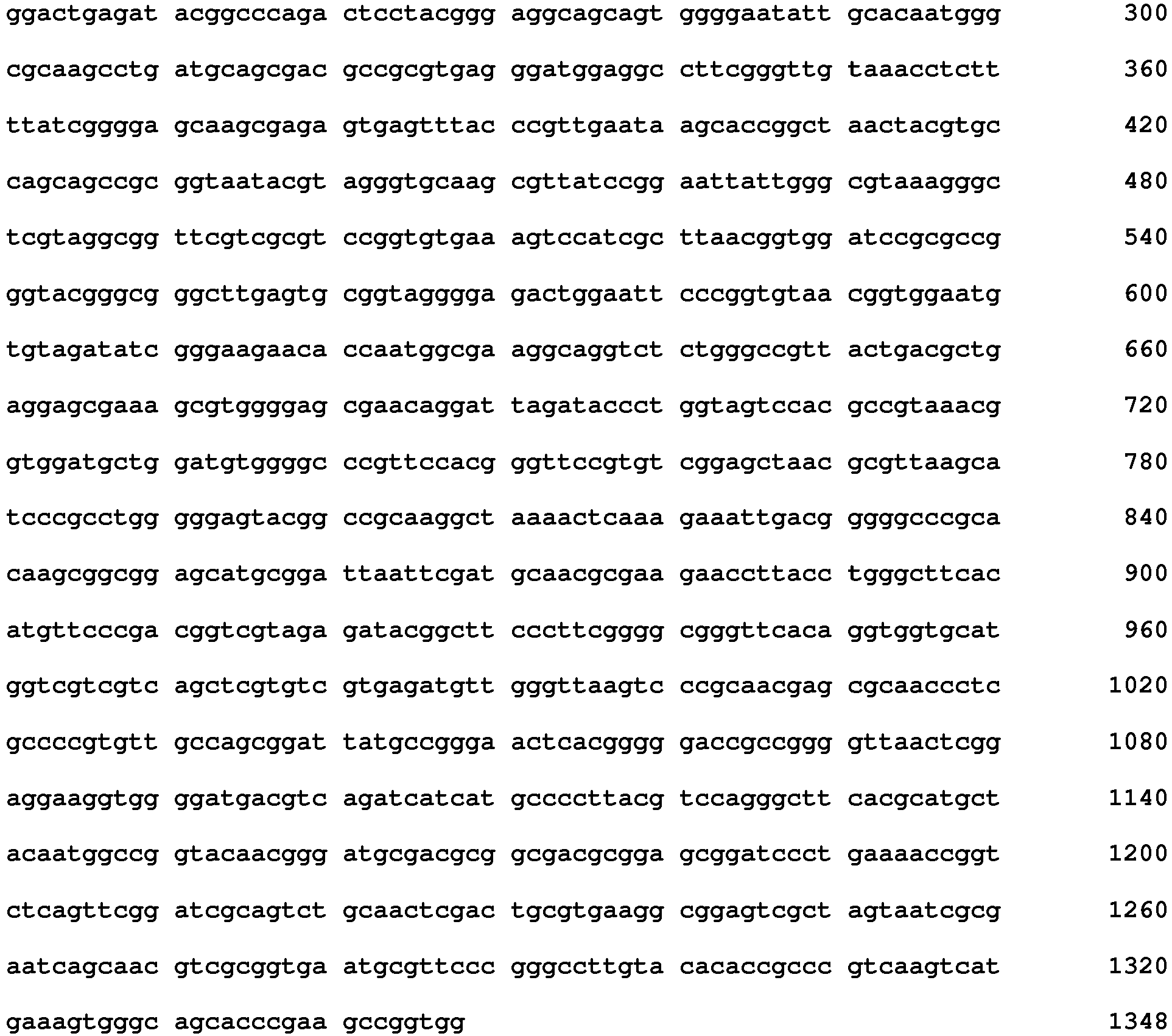
Claims (17)
- A lactic acid bacteria is Lactobacillus johnsonii comprising a 16S rDNA nucleotide sequence represented by SEQ ID NO: 2,
Whererin the lactic acid bacteria having memory improvement activity, tight junction protein expression inducement activity, antioxidant activity, lipopolysaccharide (LPS) production inhibitory activity or β-glucuronidase inhibitory activity. - The lactic acid bacteria according to claim 1, wherein the Lactobacillus johnsonii is Lactobacillus johnsonii CH32 (accession number: KCCM 11763P).
- The lactic acid bacteria according to claim 1, wherein the Lactobacillus johnsonii utilizes D-glucose, D-fructose, D-mannose, N-acetyl-glucosamine, maltose, lactose, sucrose or gentibiose as carbon sources.
- A pharmaceutical composition for preventing or treating degenerative brain diseases or cognitive function disorders comprising the lactic acid bacteria of any one of claim 1 to 3, a culture thereof, a lysate thereof or an extract thereof as an active ingredient.
- The pharmaceutical composition according to claim 4, wherein the degenerative brain diseases is Alzheimer's disease, Parkinson's disease, Huntington's disease or dementia.
- The pharmaceutical composition according to claim 4, wherein the dementia is selected from the group consisting of senile dementia, vascular dementia, Lewy body dementia, frontotemporal dementia, Alzheimer's disease-type dementia, Parkinson's disease-type dementia, Huntington's disease-type dementia, Creutzfeldt-Jacob disease-type dementia and Pick's disease-type dementia, normal pressure hydrocephalus-causing dementia and head injury-causing dementia.
- A food composition for preventing or alleviating degenerative brain diseases or cognitive function disorders comprising the lactic acid bacteria of any one of claim 1 to 3, a culture thereof, a lysate thereof or an extract thereof as an active ingredient.
- The food composition according to claim 7, wherein the degenerative brain diseases is Alzheimer's disease, Parkinson's disease, Huntington's disease or dementia.
- The food composition according to claim 8, wherein the dementia is selected from the group consisting of senile dementia, vascular dementia, Lewy body dementia, frontotemporal dementia, Alzheimer's disease-type dementia, Parkinson's disease-type dementia, Huntington's disease-type dementia, Creutzfeldt-Jacob disease-type dementia and Pick's disease-type dementia, normal pressure hydrocephalus-causing dementia and head injury-causing dementia.
- A food composition for improving memory or learning ability comprising the lactic acid bacteria of any one of claim 1 to 3, a culture thereof, a lysate thereof or an extract thereof as an active ingredient.
- The pharmaceutical composition for preventing or treating degenerative brain diseases or cognitive function disorders comprising a red bean ferment or an extract thereof as an active ingredient,
wherein the red bean ferment is a product fermented by the lactic acid bacteria of any one of claim 1 to 3. - The pharmaceutical composition according to claim 11, wherein the degenerative brain diseases is Alzheimer's disease, Parkinson's disease, Huntington's disease or dementia.
- The pharmaceutical composition according to claim 12, wherein the dementia is selected from the group consisting of senile dementia, vascular dementia, Lewy body dementia, frontotemporal dementia, Alzheimer's disease-type dementia, Parkinson's disease-type dementia, Huntington's disease-type dementia, Creutzfeldt-Jacob disease-type dementia and Pick's-type dementia disease, normal pressure hydrocephalus-causing dementia and head injury-causing dementia.
- The food composition for preventing or alleviating degenerative brain diseases or cognitive function disorders comprising a red bean ferment or an extract of thereof as an active ingredient,
wherein the red bean ferment is a product fermented by the lactic acid bacteria of any one of claim 1 to 3. - The food composition according to claim 14, wherein the degenerative brain diseases is Alzheimer's disease, Parkinson's disease, Huntington's disease or dementia.
- The food composition according to claim 15, wherein the dementia is selected from the group consisting of senile dementia, vascular dementia, Lewy body dementia, frontotemporal dementia, Alzheimer's disease-type dementia, Parkinson's disease-type dementia, Huntington's disease-type dementia, Creutzfeldt-Jacob disease-type dementia and Pick's disease-type dementia, normal pressure hydrocephalus-causing dementia and head injury-causing dementia.
- The food composition for improving memory or learning ability comprising a red bean ferment or an extract thereof as an active ingredient,
wherein the red bean ferment is a product fermented by the lactic acid bacteria of any one of claim 1 to 3.
Applications Claiming Priority (3)
| Application Number | Priority Date | Filing Date | Title |
|---|---|---|---|
| KR20150130124 | 2015-09-15 | ||
| KR1020160001312A KR20170032815A (en) | 2015-09-15 | 2016-01-06 | Novel lactic acid bacteria and composition for preventing, improving or treating neurodegenerative diseases or cognitive dysfunction |
| PCT/KR2016/009961 WO2017047962A1 (en) | 2015-09-15 | 2016-09-06 | Novel lactobacillus and composition for preventing, improving, or treating degenerative brain diseases or cognitive function disorders |
Publications (2)
| Publication Number | Publication Date |
|---|---|
| EP3351616A1 true EP3351616A1 (en) | 2018-07-25 |
| EP3351616A4 EP3351616A4 (en) | 2019-05-01 |
Family
ID=58496099
Family Applications (3)
| Application Number | Title | Priority Date | Filing Date |
|---|---|---|---|
| EP16846783.5A Withdrawn EP3351616A4 (en) | 2015-09-15 | 2016-09-06 | NOVEL LACTOBACILLUS AND COMPOSITION FOR PREVENTING, MITIGATING OR TREATING DEGENERATIVE BRAIN DISEASES OR DISORDERS OF COGNITIVE FUNCTION |
| EP24172997.9A Withdrawn EP4424319A3 (en) | 2015-09-15 | 2016-09-07 | Novel lactobacillus having various functions, and use thereof |
| EP16846789.2A Active EP3351617B1 (en) | 2015-09-15 | 2016-09-07 | Novel lactobacillus plantarum strain having various health-relevant functions and compositions for use comprising said strain |
Family Applications After (2)
| Application Number | Title | Priority Date | Filing Date |
|---|---|---|---|
| EP24172997.9A Withdrawn EP4424319A3 (en) | 2015-09-15 | 2016-09-07 | Novel lactobacillus having various functions, and use thereof |
| EP16846789.2A Active EP3351617B1 (en) | 2015-09-15 | 2016-09-07 | Novel lactobacillus plantarum strain having various health-relevant functions and compositions for use comprising said strain |
Country Status (13)
| Country | Link |
|---|---|
| US (3) | US10471111B2 (en) |
| EP (3) | EP3351616A4 (en) |
| JP (2) | JP6626569B2 (en) |
| KR (5) | KR20170032815A (en) |
| CN (3) | CN108603162B (en) |
| AU (3) | AU2016324846B2 (en) |
| CA (3) | CA2998877C (en) |
| ES (1) | ES2990032T3 (en) |
| MX (2) | MX392085B (en) |
| NZ (1) | NZ741028A (en) |
| PH (2) | PH12022550299B1 (en) |
| RU (2) | RU2734031C2 (en) |
| SG (4) | SG11201802145SA (en) |
Cited By (4)
| Publication number | Priority date | Publication date | Assignee | Title |
|---|---|---|---|---|
| EP3957316A4 (en) * | 2020-06-16 | 2022-11-02 | MD Healthcare Inc. | COMPOSITION FOR PREVENTING OR TREATING NEUROLOGICAL OR MENTAL DISORDERS COMPRISING VESICLES DERIVED FROM LACTOBACILLUS PARACASEI |
| CN115300532A (en) * | 2022-09-20 | 2022-11-08 | 中加健康工程研究院(合肥)有限公司 | Probiotics capable of improving cognitive ability of Alzheimer's disease and preparation method thereof |
| EP3928637A4 (en) * | 2019-02-22 | 2022-12-07 | Korea Food Research Institute | KIMCHI LACTOBACILLUS SAKEI WITH PROPHYLACTIC, PHYSICAL OR THERAPEUTIC EFFECTS IN DEPRESSION AND ANXIETY DISORDERS |
| EP4410953A4 (en) * | 2021-10-01 | 2025-12-03 | Pblbiolab Co Ltd | NEW PROBIOTICS AND THEIR USE |
Families Citing this family (83)
| Publication number | Priority date | Publication date | Assignee | Title |
|---|---|---|---|---|
| KR20170032815A (en) | 2015-09-15 | 2017-03-23 | 경희대학교 산학협력단 | Novel lactic acid bacteria and composition for preventing, improving or treating neurodegenerative diseases or cognitive dysfunction |
| CA3052134C (en) * | 2017-01-31 | 2023-01-03 | University-Industry Cooperation Group Of Kyung Hee University | Novel lactic acid bacteria and use thereof |
| KR102212606B1 (en) | 2017-09-28 | 2021-02-05 | 주식회사 고바이오랩 | The compositions of short chain fatty acid producing gut microbiota in diagnosis and therapy of alcoholic liver disease |
| EP3715448A4 (en) | 2017-09-29 | 2021-06-30 | University - Industry Cooperation Group of Kyung Hee University | NEW LACTIC ACID BACTERIA AND THEIR USE |
| KR101993270B1 (en) * | 2017-10-31 | 2019-06-26 | (주)아모레퍼시픽 | Composition comprising lactic acid bacteria derived from green tea for caring damages of skin cells by microdust |
| KR101972236B1 (en) * | 2017-11-02 | 2019-04-24 | 서원대학교산학협력단 | New Lactobacillus plantarum isolated from KIMCHI and uses thereof |
| WO2019088379A1 (en) * | 2017-11-02 | 2019-05-09 | 경희대학교 산학협력단 | Novel lactic acid bacteria and use thereof |
| KR101991276B1 (en) * | 2018-01-19 | 2019-06-21 | 전남대학교산학협력단 | Novel fungus Penicillium aquaticum and therapeutic agent for degenerative brain disease using the same |
| CN108410763B (en) * | 2018-03-14 | 2020-10-09 | 绍兴同创生物科技有限公司 | Bifidobacterium longum TC01 and application and product using same |
| WO2019227414A1 (en) * | 2018-05-31 | 2019-12-05 | 深圳华大生命科学研究院 | Composition and uses thereof |
| KR101951919B1 (en) * | 2018-12-07 | 2019-02-25 | (주)에이투젠 | Novel Lactobacillus reuteri ATG-F4 for stimulating dopamin secretion, composition comprising thereof for preventing or treating mental illness |
| KR20200076001A (en) * | 2018-12-18 | 2020-06-29 | 동화약품주식회사 | Novel lactic acid bacteria capable of reducing body weight or body fat and use thereof |
| WO2020130296A1 (en) * | 2018-12-18 | 2020-06-25 | 한국식품연구원 | Composition for improving gut flora, or composition for alleviating, preventing or treating gut inflammation, leaky gut syndrome, obesity, or metabolic intestinal disorders, comprising extract of radish greens |
| KR102223635B1 (en) * | 2019-04-26 | 2021-03-05 | 한국식품연구원 | Composition for improvementing, preventing or treating intestinal inflammation or leaky gut syndrome comprising fractions or extract of radish leave |
| CN109593676B (en) * | 2018-12-21 | 2023-04-07 | 江苏大学 | Culture medium for separating microorganisms from pickled Chinese cabbage fermentation liquor and preparation method thereof |
| KR102047459B1 (en) * | 2018-12-24 | 2019-11-21 | 한국식품연구원 | Lactobacillus plantarum WiKim0088 |
| KR102651296B1 (en) * | 2018-12-28 | 2024-03-26 | 씨제이제일제당 (주) | Food composition containing kimchi for preventing or improving stomach cancer caused by Helicobacter pylori infection |
| CN109652334A (en) * | 2019-01-11 | 2019-04-19 | 谭瑛 | A kind of complex microbial inoculum and its preparation method and application |
| KR102162143B1 (en) * | 2019-01-15 | 2020-10-07 | 한국식품연구원 | Composition for preventing, improving or treating the degenerative brain diseases comprising Pediococcus inopinatus WIKIM27 |
| CN109758484B (en) * | 2019-02-18 | 2020-12-25 | 上海交通大学医学院 | Use of microorganisms for the treatment and/or prevention of immune-mediated intestinal diseases |
| CN109652349B (en) * | 2019-02-25 | 2021-03-02 | 江南大学 | Bifidobacterium longum capable of relieving atopic dermatitis and application thereof |
| KR102032982B1 (en) | 2019-02-28 | 2019-10-16 | 한국식품연구원 | Composition for preventing, improving or treating obesity or fatty liver disease comprising the Leuconostoc citreum WiKim0104 |
| KR102072059B1 (en) | 2019-02-28 | 2020-01-31 | 한국식품연구원 | Composition for preventing, improving or treating obesity or fatty liver disease comprising the Weissella hellenica WiKim0103 |
| CN110241046B (en) * | 2019-06-26 | 2021-05-18 | 河北一然生物科技有限公司 | Lactobacillus helveticus capable of relieving alcoholic liver injury and application thereof |
| JP6739602B1 (en) * | 2019-07-24 | 2020-08-12 | 雪印メグミルク株式会社 | Compositions for maintaining and/or improving memory/learning ability and foods, pharmaceuticals, feeds containing the compositions |
| JP7503899B2 (en) * | 2019-07-24 | 2024-06-21 | 雪印メグミルク株式会社 | Composition for maintaining and/or improving memory and learning ability, and food, medicine, and feed containing the composition |
| JP6739603B1 (en) * | 2019-07-24 | 2020-08-12 | 雪印メグミルク株式会社 | Compositions for maintaining and/or improving memory/learning ability and foods, pharmaceuticals, feeds containing the compositions |
| KR102229090B1 (en) * | 2019-07-26 | 2021-03-19 | (주)성운파마코피아 | A composition for preventing, improving or treating ischemic brain disease |
| JP6664637B1 (en) * | 2019-08-08 | 2020-03-13 | 株式会社 レオロジー機能食品研究所 | Oral composition for reducing stress and / or recovering body weight, and method for producing plasmalogen-containing composition |
| KR102224072B1 (en) * | 2019-08-19 | 2021-03-10 | 주식회사 빙그레 | Bifidobacterium longum subsp. longum having both abilities of reducing total cholesterol in serum and immune regulation and its application |
| US12376615B2 (en) | 2019-10-08 | 2025-08-05 | Korea Food Research Institute | Composition for improving respiratory diseases using Lactobacillus plantarum strain |
| KR102140405B1 (en) * | 2019-10-25 | 2020-08-03 | 재단법인 농축산용미생물산업육성지원센터 | Novel Strain of Bifidobacterium longum CACC 517, and feed composition using thereof |
| KR102819613B1 (en) * | 2020-01-23 | 2025-06-12 | 엠앤에이치바이오 주식회사 | Lactobacillus reuteri UBC-U80, and use thereof in prevention and treatment of neurodegenerative disease |
| WO2021162419A1 (en) * | 2020-02-11 | 2021-08-19 | 주식회사 리스큐어바이오사이언시스 | Cancer prevention or treatment composition using maturation induction of immature dendritic cells |
| KR102404011B1 (en) * | 2020-02-24 | 2022-05-31 | (주)지에이치바이오 | NOVEL STRAIN OF Leuconostoc mesenteroides AND USE THEREOF |
| JP2021020885A (en) * | 2020-03-09 | 2021-02-18 | 雪印メグミルク株式会社 | Composition for maintaining and/or improving memory/learning ability, and food, medicine, and feed containing composition |
| KR102136335B1 (en) * | 2020-03-24 | 2020-07-22 | (주)메디톡스 | Microorganism capable of improving liver function or inhibiting fat accumulation and use thereof |
| EP3932415A1 (en) * | 2020-07-01 | 2022-01-05 | Fundació Institut d'Investigació Biomèdica de Girona Dr. Josep Trueta (IDIBGI) | Gut microbiota composition and uses thereof |
| KR102802332B1 (en) * | 2020-07-14 | 2025-05-07 | 주식회사 리스큐어바이오사이언시스 | Composition for treating brain diseases comprising Pediococcus inopinatus or extracellular vesicle derived therefrom as an active ingredient |
| CN111925961B (en) * | 2020-08-13 | 2022-07-22 | 吉林农业大学 | Lactobacillus plantarum Lp2 and application thereof |
| KR102875769B1 (en) * | 2020-08-20 | 2025-10-24 | 주식회사 리스큐어바이오사이언시스 | Composition for treating brain diseases comprising lactobacillus sakei or extracellular vesicle derived therefrom as an active ingredient |
| WO2022039514A1 (en) * | 2020-08-20 | 2022-02-24 | 주식회사 리스큐어바이오사이언시스 | Composition for treatment of brain diseases comprising lactobacillus sakei or extracellular vesicles derived therefrom as active ingredient |
| TWI770595B (en) * | 2020-08-27 | 2022-07-11 | 臺灣菸酒股份有限公司 | Use of lactic acid bacteria for the treatment or prevention of liver damage-related diseases |
| KR20220040017A (en) * | 2020-09-23 | 2022-03-30 | 주식회사 프로바이오닉 | Composition comprising Lactobacillus sakei Probio-65 for prevention or treatment of alzheimer's disease |
| CN116568314A (en) * | 2020-09-23 | 2023-08-08 | Pbl生物实验室 | Novel lactic acid bacteria and its application |
| WO2022092919A1 (en) * | 2020-10-29 | 2022-05-05 | 엠테라파마 주식회사 | Novel bifidobacterium longum strain z1 and uses thereof |
| CN112401094A (en) * | 2020-11-03 | 2021-02-26 | 四川省农业科学院农产品加工研究所 | Lactobacillus fermented kiwi fruit juice beverage and preparation method thereof |
| KR102397589B1 (en) * | 2020-11-11 | 2022-05-12 | 고려대학교 산학협력단 | Novel Lactobacillus fermentum MSK 408 strain and composition for preventing or treating of epilepsy comprising Lactobacillus fermentum MSK 408 |
| KR102480136B1 (en) * | 2020-12-14 | 2022-12-23 | 서울대학교산학협력단 | Lactobacillus paracasei with cognitive function improvement |
| KR102480146B1 (en) | 2020-12-14 | 2022-12-23 | 서울대학교산학협력단 | Lactobacillus acidophilus with cognitive function improvement |
| KR102480148B1 (en) * | 2020-12-14 | 2022-12-23 | 서울대학교산학협력단 | Streptococcus thermophilus with cognitive function improvement |
| KR102480131B1 (en) * | 2020-12-14 | 2022-12-23 | 서울대학교산학협력단 | Lactobacillus rhamnosus with cognitive function improvement |
| CN112915108B (en) * | 2021-01-21 | 2022-08-02 | 吉林省农业科学院 | Application of bacillus coagulans JA845 in preparation of medicines for preventing and/or treating Alzheimer disease |
| CN117043350A (en) * | 2021-02-04 | 2023-11-10 | 新复兴生物科技 | Composition comprising a polysaccharide or extract derived from lactobacillus plantarum |
| CN113018320A (en) * | 2021-02-04 | 2021-06-25 | 四川农业大学 | Application of lactobacillus johnsonii BS15 in preparation of medicine for preventing and/or treating intestinal injury caused by chronic fluorosis |
| EP4289440A4 (en) * | 2021-02-08 | 2025-02-26 | Liscure Biosciences Co., Ltd. | PHARMACEUTICAL COMPOSITION CONTAINING LEUCONOSTOC CITREUM STRAINT AS ACTIVE INGREDIENT FOR THE PREVENTION OR TREATMENT OF INTESTINAL DAMAGE |
| WO2022171654A1 (en) * | 2021-02-09 | 2022-08-18 | Lactobio A/S | Method for treating atopic disorders |
| KR102310898B1 (en) * | 2021-02-16 | 2021-10-08 | 주식회사 메디오젠 | Composition for anti-oxidant comprising dried powder of culture of Lactobacillus acidophilus |
| US20240226196A9 (en) * | 2021-02-17 | 2024-07-11 | Axisbiotix Limited | Composition and Use Thereof |
| CN113122473B (en) * | 2021-04-10 | 2022-08-02 | 江南大学 | Lactobacillus BB1 enhancing memory ability and its application |
| CN114098084A (en) * | 2021-04-13 | 2022-03-01 | 中国人民解放军军事科学院军事医学研究院 | Probiotic composition for relieving cognitive impairment caused by long-term low-dose radiation exposure and application thereof |
| KR102548802B1 (en) * | 2021-04-30 | 2023-06-29 | 주식회사 레인보우바이오테크 | Probiotics composition comprising lactic acid bacteria isolated from Kimchi and uses thereof |
| CN113288920B (en) * | 2021-06-10 | 2023-03-28 | 吉林省农业科学院 | Application of cannabidiol monomer and lactobacillus plantarum DP189 in preparation of medicine for preventing and/or treating Parkinson's disease |
| KR102696606B1 (en) * | 2021-12-06 | 2024-08-21 | 국립부경대학교 산학협력단 | Novel lactobacillus plantarum bj21 strain having anti-cholesterol activity and use thereof |
| KR102633113B1 (en) * | 2021-12-28 | 2024-02-05 | 롯데칠성음료주식회사 | Lactobacillus brevis Strain LRCC5229 suitable for functional fermented beverage and Use thereof |
| KR102718620B1 (en) * | 2022-02-17 | 2024-10-16 | 대전대학교 산학협력단 | Composition for improving liver function and blood sugar using natural complex fermented extract as an active ingredient, and the method for manufacturing the same |
| CN115181695B (en) * | 2022-06-27 | 2023-08-29 | 广东粤港澳大湾区国家纳米科技创新研究院 | Lactobacillus plantarum5b4m2 and application thereof |
| CN115181698B (en) * | 2022-06-28 | 2023-09-08 | 广东粤港澳大湾区国家纳米科技创新研究院 | Probiotic composition and application thereof |
| KR102720511B1 (en) * | 2022-07-27 | 2024-10-22 | 건국대학교 산학협력단 | Novel probiotic Lactobacillus brevis strains and uses thereof |
| CN115044518B (en) * | 2022-08-10 | 2022-11-15 | 广东益可维生物技术有限公司 | Liver-protecting probiotics and application thereof |
| IT202200022464A1 (en) * | 2022-11-02 | 2024-05-02 | Probionova Sa | Bacteria Strains to Support Mood and Cognitive Function, Their Compositions and Related Uses |
| CN115886162A (en) * | 2022-12-07 | 2023-04-04 | 四川轻化工大学 | Formula and method for preparing medicinal and edible dual-purpose insect breeding soil with discarded grains as main raw material |
| WO2024143614A1 (en) * | 2022-12-29 | 2024-07-04 | 주식회사 쎌바이오텍 | Composition for improving memory or cognitive ability including lactobacillus rhamnosus lr5 lactic acid bacteria as active ingredient |
| CN116218716A (en) * | 2022-12-29 | 2023-06-06 | 陈盈如 | Bifidobacterium pseudocatenulatum and application thereof |
| KR102923434B1 (en) | 2023-08-18 | 2026-02-06 | (주)벨벳케어 | A probiotics preparation with potent preventing effect from hangover and the preparation method hereof |
| WO2025057966A1 (en) * | 2023-09-12 | 2025-03-20 | シンバイオシス・ソリューションズ株式会社 | Food for preventing or improving mild cognitive impairment |
| KR102807100B1 (en) * | 2023-10-20 | 2025-05-16 | 주식회사 고바이오랩 | Lactiplantibacillus plantarum strain with ability of decomposing histamine |
| KR102678152B1 (en) * | 2023-12-08 | 2024-06-28 | 한국식품연구원 | Lactococcus lactis WiKim0182 having the effect of improving cognitive ability or memory and uses thereof |
| KR20250101896A (en) * | 2023-12-26 | 2025-07-04 | 주식회사 리스큐어바이오사이언시스 | Leuconostoc falkenbergense LBMB321010 and composition containing the same for preventing, improving or treating degenerative brain diseases |
| KR20250142140A (en) | 2024-03-21 | 2025-09-30 | 주식회사 엔비언스 | Composition for preventing, treating, or alleviating intestinal permeability syndrome comprising nanoparticles of certain size as an active ingredient |
| KR20260005072A (en) * | 2024-07-01 | 2026-01-09 | 피비엘바이오랩 주식회사 | New lactic acid bacteria and uses thereof |
| CN119464161B (en) * | 2025-01-14 | 2025-05-02 | 杭州微致生物科技有限公司 | Bifidobacterium longum VB234 capable of inhibiting saccharide absorption and application thereof |
| CN119842575B (en) * | 2025-03-24 | 2025-06-03 | 四川锦钰天成生物科技有限公司 | Lactobacillus plantarum GXFF202402 and application thereof in preparation of products for preventing and/or treating hemorrhoids |
Family Cites Families (50)
| Publication number | Priority date | Publication date | Assignee | Title |
|---|---|---|---|---|
| US1002898A (en) | 1910-09-23 | 1911-09-12 | Edmund B Calkins | Safety cranking device. |
| IT1306716B1 (en) * | 1999-06-21 | 2001-10-02 | Mendes S U R L | ASSOCIATION OF LACTIC BACTERIA AND ITS USE FOR THE PREVENTION AND / OR THERAPEUTIC TREATMENT OF INFECTIONS AND INFLAMMATORY STATES. |
| WO2003080813A2 (en) | 2002-03-21 | 2003-10-02 | Bifodan A/S | Lactobacillus strains |
| US20040208863A1 (en) * | 2003-01-30 | 2004-10-21 | James Versalovic | Anti-inflammatory activity from lactic acid bacteria |
| AU2003303894A1 (en) * | 2003-01-30 | 2004-08-30 | The Regents Of The University Of California | Inactivated probiotic bacteria and methods of use thereof |
| NZ544116A (en) | 2003-05-22 | 2008-03-28 | Synbiotics Ab | A probiotic composition comprising at least two lactic acid bacterial strains which are able to colonise the gastrointestinal tracts in combination with having intestinal survival property, intestinal binding property, an infection protection property and a fiber fermenting property |
| KR100661032B1 (en) * | 2005-04-19 | 2006-12-22 | 주식회사한국야쿠르트 | Compositions for improving liver function, reducing blood alcohol and antioxidants |
| KR101094194B1 (en) | 2005-05-18 | 2011-12-14 | (주)콤비메드 | Lactic acid bacteria and compositions containing the same for treating and / or preventing atopic dermatitis |
| KR100759751B1 (en) | 2006-05-08 | 2007-10-04 | 주식회사 에코프로 | Method for manufacturing lithium secondary battery positive electrode active material using hydrocyclone and apparatus for manufacturing same |
| KR20080075971A (en) | 2007-02-14 | 2008-08-20 | (주)네오팜 | Probiotics combined preparations |
| KR100818360B1 (en) * | 2007-03-16 | 2008-04-02 | 건국대학교 산학협력단 | Novel Lactobacillus plantarum, a medium composition for the production thereof and a composition comprising the same |
| US20120207713A1 (en) * | 2007-03-28 | 2012-08-16 | Alimentary Health Limited | Probiotic bifidobacterium strains |
| EP2134833B1 (en) * | 2007-03-28 | 2016-03-09 | Alimentary Health Limited | Probiotic bifidobacterium strain |
| CN101314763B (en) * | 2007-06-01 | 2011-06-08 | 统一企业(中国)投资有限公司 | Short bifidobacteria with functions of anti-gastrointestinal tract pathogen, oxidation resistance and blood pressure reduction and its uses |
| WO2008157728A1 (en) * | 2007-06-19 | 2008-12-24 | The University Of Chicago | An anti-inflammatory, cytoprotective factor derivable from a probiotic organism |
| MX2010011060A (en) | 2008-04-30 | 2010-11-22 | Nestec Sa | PRODUCTS THAT INCLUDE, AND USES OF, DECARBOXILATED PHENOLIC ACIDS DERIVED FROM CAFE CHLOROGENIC ACIDS. |
| KR100996056B1 (en) | 2008-05-06 | 2010-11-22 | 주식회사한국야쿠르트 | Lactobacillus brevis H 7401 having an effect of preventing colitis development and a product containing it as an active ingredient |
| CN101575582B (en) * | 2008-05-08 | 2011-10-12 | 景岳生物科技股份有限公司 | Lactobacillus isolates with anti-inflammatory activity and uses thereof |
| CN102115721B (en) * | 2008-05-08 | 2012-09-26 | 景岳生物科技股份有限公司 | Lactobacillus isolates with anti-inflammatory activity and uses thereof |
| EP2291191A4 (en) * | 2008-05-09 | 2014-01-22 | Sinai School Medicine | Methods for preventing and treating neurodegenerative diseases |
| DK2318513T3 (en) * | 2008-07-11 | 2012-10-22 | Chr Hansen As | NEW PROBIOTIC BIFIDOBACTERIUM LONGUM |
| KR101114498B1 (en) | 2008-07-21 | 2012-02-24 | 신현길 | Lactobacillus johnsonii HFI 108 having blood cholesterol level lowering and anti-obesity activity |
| EP2210505A1 (en) * | 2009-01-27 | 2010-07-28 | Nestec S.A. | Composition comprising caftaric acid and/or derivatives thereof |
| EP2210504A1 (en) * | 2009-01-27 | 2010-07-28 | Nestec S.A. | Composition comprising chicoric acid and/or derivatives thereof |
| JP2012136436A (en) | 2009-03-31 | 2012-07-19 | Taiyo Corp | Lactic acid bacterium fermentation product using polyphenol component and method for producing the same |
| US10576110B2 (en) * | 2009-05-11 | 2020-03-03 | Societe Des Produits Nestle S.A. | Lactobacillus johnsonii La1 NCC533 (CNCM I-1225) and immune disorders |
| US8658236B2 (en) | 2009-08-21 | 2014-02-25 | Deuteria Beverages, Llc | Alcoholic compositions having a lowered risk of acetaldehydemia |
| EP2498789B1 (en) * | 2009-11-11 | 2016-06-22 | Alimentary Health Limited | Probiotic bifidobacterium strain |
| KR101087972B1 (en) | 2009-11-24 | 2011-12-01 | 일동제약주식회사 | Lactic acid bacteria fermentation products effective for the prevention / treatment of dementia and dementia-related diseases, and for improving cognitive dysfunctions, methods and uses thereof |
| KR101292139B1 (en) | 2011-06-22 | 2013-08-09 | 강원대학교산학협력단 | Sunsik fermented by lactic acid and nuruk and preparation method thereof |
| KR101424547B1 (en) | 2011-06-29 | 2014-08-01 | 한국 한의학 연구원 | Lactic acid bacteria ferment of sipjeondaebotang having brain neuron cell-protective activity and use thereof |
| CA3208225A1 (en) * | 2012-01-16 | 2013-07-25 | Elizabeth Mckenna | Compositions and methods for the treatment of hepatitic diseases and disorders |
| US9165124B1 (en) | 2012-02-01 | 2015-10-20 | Convertro, Inc. | Systems and methods for identifying a returning web client |
| KR101371648B1 (en) | 2012-02-10 | 2014-03-07 | 매일유업주식회사 | Lactobacillus brevis with high alcohol dehydrogenase activity and dairy products, health functional food and food additives comprising the same |
| CN104427989B (en) * | 2012-06-22 | 2019-10-15 | 雀巢产品有限公司 | Probiotics and polyphenols against neurodegeneration |
| KR101401530B1 (en) | 2012-07-06 | 2014-06-11 | (주)케비젠 | Bifidobacterium longum strain producing conjugated linoleic acid and uses thereof |
| JP6009080B2 (en) | 2012-08-16 | 2016-10-19 | ユニバーシティ−インダストリー コオペレーション グループ オブ キョン ヒ ユニバーシティUniversity−Industry Cooperation Group Of Kyung Hee University | Lactic acid bacteria having preventive and / or therapeutic activity for aging and dementia |
| KR101473058B1 (en) * | 2012-09-19 | 2014-12-16 | 주식회사 쎌바이오텍 | Composition for preventing or treating irritable bowel syndrome |
| KR101470347B1 (en) | 2012-12-31 | 2014-12-10 | 재단법인 전남생물산업진흥원 | A Composition Comprising the Fermentate of Scutellariae Radix extract for protecting liver damage |
| EP3536328B1 (en) | 2013-02-22 | 2021-10-27 | The Regents of The University of California | Food or beverage product, or probiotic composition, comprising lactobacillus johnsonii 456 |
| KR101406168B1 (en) * | 2013-05-03 | 2014-06-13 | 씨제이제일제당 (주) | Novel lactobacillus plantarum and compositions comprising the same |
| KR101594219B1 (en) | 2013-10-24 | 2016-02-16 | (주)옴니허브 | Composition for improving or enhancing memory comprising fermented herb extract |
| KR101740583B1 (en) | 2014-02-17 | 2017-05-29 | 경희대학교 산학협력단 | Novel lactic acid bacteria having anti-obesity effect and use thereof |
| US9399048B2 (en) * | 2014-03-05 | 2016-07-26 | Asian Probiotics And Prebiotics Ltd | Lactic acid bacteria and its applications in immunomodulation and anti-inflammation |
| KR20150142527A (en) | 2014-06-12 | 2015-12-22 | 부산대학교 산학협력단 | Lactic acid-coated nuts |
| MA41020A (en) * | 2014-11-25 | 2017-10-03 | Evelo Biosciences Inc | PROBIOTIC AND PREBIOTIC COMPOSITIONS, AND THEIR METHODS OF USE FOR MODULATION OF THE MICROBIOME |
| KR101764887B1 (en) | 2015-02-17 | 2017-08-04 | 서울대학교산학협력단 | Yogurt containing fermented red bean and method for preparing the same |
| WO2017047968A1 (en) | 2015-09-15 | 2017-03-23 | 경희대학교 산학협력단 | Novel lactobacillus having various functions, and use thereof |
| WO2017047962A1 (en) | 2015-09-15 | 2017-03-23 | 경희대학교 산학협력단 | Novel lactobacillus and composition for preventing, improving, or treating degenerative brain diseases or cognitive function disorders |
| KR20170032815A (en) | 2015-09-15 | 2017-03-23 | 경희대학교 산학협력단 | Novel lactic acid bacteria and composition for preventing, improving or treating neurodegenerative diseases or cognitive dysfunction |
-
2016
- 2016-01-06 KR KR1020160001312A patent/KR20170032815A/en active Pending
- 2016-01-15 KR KR1020160005018A patent/KR20170032816A/en active Pending
- 2016-09-06 SG SG11201802145SA patent/SG11201802145SA/en unknown
- 2016-09-06 CN CN201680066260.6A patent/CN108603162B/en not_active Expired - Fee Related
- 2016-09-06 JP JP2018513764A patent/JP6626569B2/en not_active Expired - Fee Related
- 2016-09-06 US US15/759,928 patent/US10471111B2/en active Active
- 2016-09-06 AU AU2016324846A patent/AU2016324846B2/en not_active Ceased
- 2016-09-06 KR KR1020160114319A patent/KR101851196B1/en not_active Expired - Fee Related
- 2016-09-06 EP EP16846783.5A patent/EP3351616A4/en not_active Withdrawn
- 2016-09-06 NZ NZ741028A patent/NZ741028A/en not_active IP Right Cessation
- 2016-09-06 CA CA2998877A patent/CA2998877C/en active Active
- 2016-09-07 MX MX2018003230A patent/MX392085B/en unknown
- 2016-09-07 CN CN202210200178.5A patent/CN114410548B/en active Active
- 2016-09-07 AU AU2016322617A patent/AU2016322617B2/en active Active
- 2016-09-07 SG SG10201913054TA patent/SG10201913054TA/en unknown
- 2016-09-07 ES ES16846789T patent/ES2990032T3/en active Active
- 2016-09-07 PH PH1/2022/550299A patent/PH12022550299B1/en unknown
- 2016-09-07 CN CN201680066778.XA patent/CN108473944B/en active Active
- 2016-09-07 EP EP24172997.9A patent/EP4424319A3/en not_active Withdrawn
- 2016-09-07 KR KR1020160114842A patent/KR101889281B1/en active Active
- 2016-09-07 EP EP16846789.2A patent/EP3351617B1/en active Active
- 2016-09-07 US US15/759,915 patent/US11202811B2/en active Active
- 2016-09-07 RU RU2018113245A patent/RU2734031C2/en active
- 2016-09-07 CA CA2998841A patent/CA2998841C/en active Active
- 2016-09-07 CA CA3161585A patent/CA3161585A1/en active Pending
- 2016-09-07 SG SG11201802144TA patent/SG11201802144TA/en unknown
- 2016-09-07 JP JP2018513778A patent/JP6608047B2/en active Active
- 2016-09-07 SG SG10202109688X patent/SG10202109688XA/en unknown
- 2016-09-07 PH PH1/2018/500566A patent/PH12018500566B1/en unknown
-
2018
- 2018-03-15 MX MX2022005323A patent/MX2022005323A/en unknown
- 2018-08-08 KR KR1020180092699A patent/KR101937365B1/en active Active
-
2020
- 2020-03-26 AU AU2020202144A patent/AU2020202144B2/en active Active
- 2020-09-30 RU RU2020132171A patent/RU2766715C2/en active
-
2021
- 2021-11-17 US US17/455,328 patent/US11771725B2/en active Active
Cited By (6)
| Publication number | Priority date | Publication date | Assignee | Title |
|---|---|---|---|---|
| EP3928637A4 (en) * | 2019-02-22 | 2022-12-07 | Korea Food Research Institute | KIMCHI LACTOBACILLUS SAKEI WITH PROPHYLACTIC, PHYSICAL OR THERAPEUTIC EFFECTS IN DEPRESSION AND ANXIETY DISORDERS |
| EP3957316A4 (en) * | 2020-06-16 | 2022-11-02 | MD Healthcare Inc. | COMPOSITION FOR PREVENTING OR TREATING NEUROLOGICAL OR MENTAL DISORDERS COMPRISING VESICLES DERIVED FROM LACTOBACILLUS PARACASEI |
| US11672838B2 (en) | 2020-06-16 | 2023-06-13 | Md Healthcare Inc. | Composition for prevention or treatment of neurological or mental disorders comprising extracellular vesicles derived from Lactobacillus paracasei |
| EP4410953A4 (en) * | 2021-10-01 | 2025-12-03 | Pblbiolab Co Ltd | NEW PROBIOTICS AND THEIR USE |
| CN115300532A (en) * | 2022-09-20 | 2022-11-08 | 中加健康工程研究院(合肥)有限公司 | Probiotics capable of improving cognitive ability of Alzheimer's disease and preparation method thereof |
| CN115300532B (en) * | 2022-09-20 | 2023-10-20 | 中加健康工程研究院(合肥)有限公司 | Probiotic agent with Alzheimer disease cognitive ability improving function and preparation method thereof |
Also Published As
Similar Documents
| Publication | Publication Date | Title |
|---|---|---|
| US10471111B2 (en) | Lactobacillus and composition for preventing, improving, or treating degenerative brain diseases or cognitive function disorders | |
| KR102909232B1 (en) | Novel probiotics and use thereof | |
| US8497114B2 (en) | Anti-obesity agent, anti-obesity food or beverage, glucose tolerance-ameliorating agent, and food or beverage for amelioration of glucose tolerance | |
| KR101772870B1 (en) | Novel Lactobacillus plantarum with probiotic activities and use thereof | |
| KR101937758B1 (en) | Lactobacillus fermentum UBC-U32, and use thereof in prevention and treatment of neurodegenerative disease | |
| JP5155961B2 (en) | Preventive, ameliorating, and therapeutic agents for metabolic disorders associated with aging | |
| KR102578389B1 (en) | Novel Lactobacillus reuteri strain capable of improving fatty liver and use thereof | |
| WO2017047962A1 (en) | Novel lactobacillus and composition for preventing, improving, or treating degenerative brain diseases or cognitive function disorders | |
| KR101772875B1 (en) | Novel Lactobacillus plantarum with probiotic activities and use thereof | |
| JP5765832B2 (en) | Preventive, ameliorating, and therapeutic agents for metabolic disorders associated with aging | |
| KR101772872B1 (en) | Novel Lactobacillus plantarum with probiotic activities and use thereof | |
| KR102578408B1 (en) | Novel Lactobacillus sakei strain capable of improving fatty liver and use thereof | |
| KR102787133B1 (en) | Novel lactic acid bacteria and compositions comprising their metabolites | |
| JP5466268B2 (en) | Preventive, ameliorating, and therapeutic agents for metabolic disorders associated with aging | |
| KR20260039021A (en) | A novel Lacticaseibacillus rhamnosus strain and the use thereof | |
| KR20260039022A (en) | A novel Lactiplantibacillus plantarum strain and the use thereof | |
| HK1254665B (en) | Novel lactobacillus and composition for preventing, improving, or treating degenerative brain diseases or cognitive function disorders | |
| HK40113108A (en) | Novel probiotics and use thereof |
Legal Events
| Date | Code | Title | Description |
|---|---|---|---|
| STAA | Information on the status of an ep patent application or granted ep patent |
Free format text: STATUS: THE INTERNATIONAL PUBLICATION HAS BEEN MADE |
|
| PUAI | Public reference made under article 153(3) epc to a published international application that has entered the european phase |
Free format text: ORIGINAL CODE: 0009012 |
|
| STAA | Information on the status of an ep patent application or granted ep patent |
Free format text: STATUS: REQUEST FOR EXAMINATION WAS MADE |
|
| 17P | Request for examination filed |
Effective date: 20180411 |
|
| AK | Designated contracting states |
Kind code of ref document: A1 Designated state(s): AL AT BE BG CH CY CZ DE DK EE ES FI FR GB GR HR HU IE IS IT LI LT LU LV MC MK MT NL NO PL PT RO RS SE SI SK SM TR |
|
| AX | Request for extension of the european patent |
Extension state: BA ME |
|
| DAV | Request for validation of the european patent (deleted) | ||
| DAX | Request for extension of the european patent (deleted) | ||
| A4 | Supplementary search report drawn up and despatched |
Effective date: 20190329 |
|
| RIC1 | Information provided on ipc code assigned before grant |
Ipc: C12R 1/24 20060101ALI20190325BHEP Ipc: C12R 1/25 20060101ALI20190325BHEP Ipc: A61K 36/48 20060101ALI20190325BHEP Ipc: A61K 35/00 20060101ALI20190325BHEP Ipc: A61K 35/747 20150101ALI20190325BHEP Ipc: C12R 1/225 20060101ALI20190325BHEP Ipc: A61K 35/745 20150101ALI20190325BHEP Ipc: C12N 1/20 20060101AFI20190325BHEP Ipc: A61P 25/28 20060101ALI20190325BHEP Ipc: A23L 33/135 20160101ALI20190325BHEP |
|
| STAA | Information on the status of an ep patent application or granted ep patent |
Free format text: STATUS: EXAMINATION IS IN PROGRESS |
|
| 17Q | First examination report despatched |
Effective date: 20200604 |
|
| STAA | Information on the status of an ep patent application or granted ep patent |
Free format text: STATUS: THE APPLICATION IS DEEMED TO BE WITHDRAWN |
|
| 18D | Application deemed to be withdrawn |
Effective date: 20250401 |