EP3351259A1 - Probiotics for aggregation with disease-associated species in the oral cavity - Google Patents
Probiotics for aggregation with disease-associated species in the oral cavity Download PDFInfo
- Publication number
- EP3351259A1 EP3351259A1 EP17152068.7A EP17152068A EP3351259A1 EP 3351259 A1 EP3351259 A1 EP 3351259A1 EP 17152068 A EP17152068 A EP 17152068A EP 3351259 A1 EP3351259 A1 EP 3351259A1
- Authority
- EP
- European Patent Office
- Prior art keywords
- microorganism
- lactobacillus
- group
- ncimb
- peridontitis
- Prior art date
- Legal status (The legal status is an assumption and is not a legal conclusion. Google has not performed a legal analysis and makes no representation as to the accuracy of the status listed.)
- Withdrawn
Links
- 239000006041 probiotic Substances 0.000 title claims abstract description 82
- 235000018291 probiotics Nutrition 0.000 title claims abstract description 82
- 210000000214 mouth Anatomy 0.000 title claims abstract description 24
- 201000010099 disease Diseases 0.000 title claims description 35
- 208000037265 diseases, disorders, signs and symptoms Diseases 0.000 title claims description 35
- 238000004220 aggregation Methods 0.000 title description 61
- 230000002776 aggregation Effects 0.000 title description 45
- 230000000529 probiotic effect Effects 0.000 claims abstract description 74
- 244000005700 microbiome Species 0.000 claims abstract description 63
- 239000000203 mixture Substances 0.000 claims abstract description 52
- 208000007565 gingivitis Diseases 0.000 claims abstract description 28
- 230000002265 prevention Effects 0.000 claims abstract description 20
- 238000011282 treatment Methods 0.000 claims abstract description 20
- 230000004054 inflammatory process Effects 0.000 claims abstract description 13
- 206010061218 Inflammation Diseases 0.000 claims abstract description 12
- 239000003795 chemical substances by application Substances 0.000 claims abstract description 11
- 238000000034 method Methods 0.000 claims abstract description 11
- 235000016709 nutrition Nutrition 0.000 claims abstract description 6
- 230000035764 nutrition Effects 0.000 claims abstract description 6
- 239000008203 oral pharmaceutical composition Substances 0.000 claims abstract description 6
- 241000894007 species Species 0.000 claims description 33
- 241000605862 Porphyromonas gingivalis Species 0.000 claims description 24
- 241001282092 Filifactor alocis Species 0.000 claims description 22
- 241000186869 Lactobacillus salivarius Species 0.000 claims description 21
- 230000001580 bacterial effect Effects 0.000 claims description 21
- 241000186840 Lactobacillus fermentum Species 0.000 claims description 19
- 241001135235 Tannerella forsythia Species 0.000 claims description 17
- 241001135213 Porphyromonas endodontalis Species 0.000 claims description 16
- 241000498616 [Eubacterium] saphenum Species 0.000 claims description 16
- 229940012969 lactobacillus fermentum Drugs 0.000 claims description 15
- 235000015218 chewing gum Nutrition 0.000 claims description 13
- 239000012634 fragment Substances 0.000 claims description 13
- 239000000243 solution Substances 0.000 claims description 13
- 241001147746 Lactobacillus delbrueckii subsp. lactis Species 0.000 claims description 12
- 241000186606 Lactobacillus gasseri Species 0.000 claims description 12
- 230000012010 growth Effects 0.000 claims description 12
- 239000003826 tablet Substances 0.000 claims description 12
- 229940112822 chewing gum Drugs 0.000 claims description 10
- 238000011534 incubation Methods 0.000 claims description 10
- 239000000843 powder Substances 0.000 claims description 10
- 230000001332 colony forming effect Effects 0.000 claims description 7
- 230000002401 inhibitory effect Effects 0.000 claims description 7
- 108060008682 Tumor Necrosis Factor Proteins 0.000 claims description 5
- 239000004480 active ingredient Substances 0.000 claims description 5
- 230000002238 attenuated effect Effects 0.000 claims description 5
- 239000000725 suspension Substances 0.000 claims description 5
- 101000990902 Homo sapiens Matrix metalloproteinase-9 Proteins 0.000 claims description 4
- 102000000589 Interleukin-1 Human genes 0.000 claims description 4
- 108010002352 Interleukin-1 Proteins 0.000 claims description 4
- 102000004889 Interleukin-6 Human genes 0.000 claims description 4
- 108090001005 Interleukin-6 Proteins 0.000 claims description 4
- 102000004890 Interleukin-8 Human genes 0.000 claims description 4
- 108090001007 Interleukin-8 Proteins 0.000 claims description 4
- 241001180676 Lachnoanaerobaculum saburreum Species 0.000 claims description 4
- 102100030412 Matrix metalloproteinase-9 Human genes 0.000 claims description 4
- 239000000969 carrier Substances 0.000 claims description 4
- 238000004140 cleaning Methods 0.000 claims description 4
- 229940100601 interleukin-6 Drugs 0.000 claims description 4
- 229940096397 interleukin-8 Drugs 0.000 claims description 4
- XKTZWUACRZHVAN-VADRZIEHSA-N interleukin-8 Chemical compound C([C@H](NC(=O)[C@H](CC(O)=O)NC(=O)[C@H](CC=1C2=CC=CC=C2NC=1)NC(=O)[C@@H](NC(C)=O)CCSC)C(=O)N[C@@H](CC(O)=O)C(=O)N[C@@H](CC(O)=O)C(=O)N[C@@H](CC(C)C)C(=O)N[C@@H](CC(N)=O)C(=O)N[C@@H](CC=1C=CC=CC=1)C(=O)N[C@@H]([C@@H](C)O)C(=O)NCC(=O)N[C@@H](CCSC)C(=O)N1[C@H](CCC1)C(=O)N1[C@H](CCC1)C(=O)N[C@@H](C)C(=O)N[C@H](CC(O)=O)C(=O)N[C@H](CCC(O)=O)C(=O)N[C@H](CC(O)=O)C(=O)N[C@H](CC=1C=CC(O)=CC=1)C(=O)N[C@H](CO)C(=O)N1[C@H](CCC1)C(N)=O)C1=CC=CC=C1 XKTZWUACRZHVAN-VADRZIEHSA-N 0.000 claims description 4
- 239000007937 lozenge Substances 0.000 claims description 4
- 239000000546 pharmaceutical excipient Substances 0.000 claims description 4
- 102000003390 tumor necrosis factor Human genes 0.000 claims description 4
- XEYBRNLFEZDVAW-ARSRFYASSA-N dinoprostone Chemical compound CCCCC[C@H](O)\C=C\[C@H]1[C@H](O)CC(=O)[C@@H]1C\C=C/CCCC(O)=O XEYBRNLFEZDVAW-ARSRFYASSA-N 0.000 claims description 3
- 239000007788 liquid Substances 0.000 claims description 3
- 239000000606 toothpaste Substances 0.000 claims description 3
- 229940034610 toothpaste Drugs 0.000 claims description 3
- 241000628997 Flos Species 0.000 claims description 2
- 108010057466 NF-kappa B Proteins 0.000 claims description 2
- 241001464887 Parvimonas micra Species 0.000 claims description 2
- 239000002775 capsule Substances 0.000 claims description 2
- 239000000839 emulsion Substances 0.000 claims description 2
- 239000006260 foam Substances 0.000 claims description 2
- 239000008187 granular material Substances 0.000 claims description 2
- 230000002757 inflammatory effect Effects 0.000 claims description 2
- 150000002535 isoprostanes Chemical class 0.000 claims description 2
- 239000002324 mouth wash Substances 0.000 claims description 2
- 229940051866 mouthwash Drugs 0.000 claims description 2
- 239000007921 spray Substances 0.000 claims description 2
- 102100023050 Nuclear factor NF-kappa-B p105 subunit Human genes 0.000 claims 1
- 238000004519 manufacturing process Methods 0.000 abstract description 11
- 239000013543 active substance Substances 0.000 abstract description 7
- 241000894006 Bacteria Species 0.000 description 37
- 239000000306 component Substances 0.000 description 28
- 239000000047 product Substances 0.000 description 17
- FHVDTGUDJYJELY-UHFFFAOYSA-N 6-{[2-carboxy-4,5-dihydroxy-6-(phosphanyloxy)oxan-3-yl]oxy}-4,5-dihydroxy-3-phosphanyloxane-2-carboxylic acid Chemical compound O1C(C(O)=O)C(P)C(O)C(O)C1OC1C(C(O)=O)OC(OP)C(O)C1O FHVDTGUDJYJELY-UHFFFAOYSA-N 0.000 description 14
- 229940072056 alginate Drugs 0.000 description 14
- 235000010443 alginic acid Nutrition 0.000 description 14
- 229920000615 alginic acid Polymers 0.000 description 14
- 239000006228 supernatant Substances 0.000 description 13
- 244000052769 pathogen Species 0.000 description 12
- 230000000694 effects Effects 0.000 description 11
- 239000000463 material Substances 0.000 description 11
- VTYYLEPIZMXCLO-UHFFFAOYSA-L Calcium carbonate Chemical compound [Ca+2].[O-]C([O-])=O VTYYLEPIZMXCLO-UHFFFAOYSA-L 0.000 description 10
- 238000003556 assay Methods 0.000 description 10
- 239000000975 dye Substances 0.000 description 9
- XLYOFNOQVPJJNP-UHFFFAOYSA-N water Substances O XLYOFNOQVPJJNP-UHFFFAOYSA-N 0.000 description 9
- UXVMQQNJUSDDNG-UHFFFAOYSA-L Calcium chloride Chemical compound [Cl-].[Cl-].[Ca+2] UXVMQQNJUSDDNG-UHFFFAOYSA-L 0.000 description 8
- PEDCQBHIVMGVHV-UHFFFAOYSA-N Glycerine Chemical compound OCC(O)CO PEDCQBHIVMGVHV-UHFFFAOYSA-N 0.000 description 8
- 210000004027 cell Anatomy 0.000 description 8
- 230000001717 pathogenic effect Effects 0.000 description 8
- 238000003860 storage Methods 0.000 description 8
- 230000015572 biosynthetic process Effects 0.000 description 7
- 239000000796 flavoring agent Substances 0.000 description 7
- 235000019634 flavors Nutrition 0.000 description 7
- 230000016615 flocculation Effects 0.000 description 7
- 238000005189 flocculation Methods 0.000 description 7
- 230000003287 optical effect Effects 0.000 description 7
- 238000012216 screening Methods 0.000 description 7
- 239000000126 substance Substances 0.000 description 7
- 229920002148 Gellan gum Polymers 0.000 description 6
- UIIMBOGNXHQVGW-UHFFFAOYSA-M Sodium bicarbonate Chemical compound [Na+].OC([O-])=O UIIMBOGNXHQVGW-UHFFFAOYSA-M 0.000 description 6
- FAPWRFPIFSIZLT-UHFFFAOYSA-M Sodium chloride Chemical compound [Na+].[Cl-] FAPWRFPIFSIZLT-UHFFFAOYSA-M 0.000 description 6
- -1 for example Substances 0.000 description 6
- 235000010492 gellan gum Nutrition 0.000 description 6
- 239000000216 gellan gum Substances 0.000 description 6
- 239000004615 ingredient Substances 0.000 description 6
- HQKMJHAJHXVSDF-UHFFFAOYSA-L magnesium stearate Chemical compound [Mg+2].CCCCCCCCCCCCCCCCCC([O-])=O.CCCCCCCCCCCCCCCCCC([O-])=O HQKMJHAJHXVSDF-UHFFFAOYSA-L 0.000 description 6
- PUZPDOWCWNUUKD-UHFFFAOYSA-M sodium fluoride Chemical compound [F-].[Na+] PUZPDOWCWNUUKD-UHFFFAOYSA-M 0.000 description 6
- 229910000019 calcium carbonate Inorganic materials 0.000 description 5
- 239000006185 dispersion Substances 0.000 description 5
- 230000036541 health Effects 0.000 description 5
- 239000008188 pellet Substances 0.000 description 5
- SERLAGPUMNYUCK-DCUALPFSSA-N 1-O-alpha-D-glucopyranosyl-D-mannitol Chemical compound OC[C@@H](O)[C@@H](O)[C@H](O)[C@H](O)CO[C@H]1O[C@H](CO)[C@@H](O)[C@H](O)[C@H]1O SERLAGPUMNYUCK-DCUALPFSSA-N 0.000 description 4
- 241000186660 Lactobacillus Species 0.000 description 4
- 244000246386 Mentha pulegium Species 0.000 description 4
- 235000016257 Mentha pulegium Nutrition 0.000 description 4
- 235000004357 Mentha x piperita Nutrition 0.000 description 4
- XTXRWKRVRITETP-UHFFFAOYSA-N Vinyl acetate Chemical compound CC(=O)OC=C XTXRWKRVRITETP-UHFFFAOYSA-N 0.000 description 4
- 229910052782 aluminium Inorganic materials 0.000 description 4
- XAGFODPZIPBFFR-UHFFFAOYSA-N aluminium Chemical compound [Al] XAGFODPZIPBFFR-UHFFFAOYSA-N 0.000 description 4
- BLFLLBZGZJTVJG-UHFFFAOYSA-N benzocaine Chemical compound CCOC(=O)C1=CC=C(N)C=C1 BLFLLBZGZJTVJG-UHFFFAOYSA-N 0.000 description 4
- 238000006243 chemical reaction Methods 0.000 description 4
- 239000002274 desiccant Substances 0.000 description 4
- 238000010438 heat treatment Methods 0.000 description 4
- 235000001050 hortel pimenta Nutrition 0.000 description 4
- 239000000905 isomalt Substances 0.000 description 4
- 235000010439 isomalt Nutrition 0.000 description 4
- HPIGCVXMBGOWTF-UHFFFAOYSA-N isomaltol Natural products CC(=O)C=1OC=CC=1O HPIGCVXMBGOWTF-UHFFFAOYSA-N 0.000 description 4
- JVTAAEKCZFNVCJ-UHFFFAOYSA-N lactic acid Chemical compound CC(O)C(O)=O JVTAAEKCZFNVCJ-UHFFFAOYSA-N 0.000 description 4
- 210000001519 tissue Anatomy 0.000 description 4
- 239000001993 wax Substances 0.000 description 4
- 241000186000 Bifidobacterium Species 0.000 description 3
- LFQSCWFLJHTTHZ-UHFFFAOYSA-N Ethanol Chemical compound CCO LFQSCWFLJHTTHZ-UHFFFAOYSA-N 0.000 description 3
- XEKOWRVHYACXOJ-UHFFFAOYSA-N Ethyl acetate Chemical compound CCOC(C)=O XEKOWRVHYACXOJ-UHFFFAOYSA-N 0.000 description 3
- VYPSYNLAJGMNEJ-UHFFFAOYSA-N Silicium dioxide Chemical compound O=[Si]=O VYPSYNLAJGMNEJ-UHFFFAOYSA-N 0.000 description 3
- GWEVSGVZZGPLCZ-UHFFFAOYSA-N Titan oxide Chemical compound O=[Ti]=O GWEVSGVZZGPLCZ-UHFFFAOYSA-N 0.000 description 3
- 230000000844 anti-bacterial effect Effects 0.000 description 3
- 230000003110 anti-inflammatory effect Effects 0.000 description 3
- 230000009286 beneficial effect Effects 0.000 description 3
- 239000001110 calcium chloride Substances 0.000 description 3
- 229910001628 calcium chloride Inorganic materials 0.000 description 3
- 239000001506 calcium phosphate Substances 0.000 description 3
- KRKNYBCHXYNGOX-UHFFFAOYSA-N citric acid Chemical compound OC(=O)CC(O)(C(O)=O)CC(O)=O KRKNYBCHXYNGOX-UHFFFAOYSA-N 0.000 description 3
- 238000007791 dehumidification Methods 0.000 description 3
- 229920001971 elastomer Polymers 0.000 description 3
- 239000000806 elastomer Substances 0.000 description 3
- 238000005538 encapsulation Methods 0.000 description 3
- 239000002158 endotoxin Substances 0.000 description 3
- 239000000499 gel Substances 0.000 description 3
- 238000003306 harvesting Methods 0.000 description 3
- 229920006008 lipopolysaccharide Polymers 0.000 description 3
- 235000019359 magnesium stearate Nutrition 0.000 description 3
- 239000002609 medium Substances 0.000 description 3
- 230000000770 proinflammatory effect Effects 0.000 description 3
- CVHZOJJKTDOEJC-UHFFFAOYSA-N saccharin Chemical compound C1=CC=C2C(=O)NS(=O)(=O)C2=C1 CVHZOJJKTDOEJC-UHFFFAOYSA-N 0.000 description 3
- 235000017557 sodium bicarbonate Nutrition 0.000 description 3
- 229910000030 sodium bicarbonate Inorganic materials 0.000 description 3
- 239000011780 sodium chloride Substances 0.000 description 3
- 239000011775 sodium fluoride Substances 0.000 description 3
- 235000013024 sodium fluoride Nutrition 0.000 description 3
- 229960000414 sodium fluoride Drugs 0.000 description 3
- 238000003756 stirring Methods 0.000 description 3
- 235000015112 vegetable and seed oil Nutrition 0.000 description 3
- 239000008158 vegetable oil Substances 0.000 description 3
- 229920002554 vinyl polymer Polymers 0.000 description 3
- CMCBDXRRFKYBDG-UHFFFAOYSA-N 1-dodecoxydodecane Chemical compound CCCCCCCCCCCCOCCCCCCCCCCCC CMCBDXRRFKYBDG-UHFFFAOYSA-N 0.000 description 2
- VBICKXHEKHSIBG-UHFFFAOYSA-N 1-monostearoylglycerol Chemical compound CCCCCCCCCCCCCCCCCC(=O)OCC(O)CO VBICKXHEKHSIBG-UHFFFAOYSA-N 0.000 description 2
- IIZPXYDJLKNOIY-JXPKJXOSSA-N 1-palmitoyl-2-arachidonoyl-sn-glycero-3-phosphocholine Chemical compound CCCCCCCCCCCCCCCC(=O)OC[C@H](COP([O-])(=O)OCC[N+](C)(C)C)OC(=O)CCC\C=C/C\C=C/C\C=C/C\C=C/CCCCC IIZPXYDJLKNOIY-JXPKJXOSSA-N 0.000 description 2
- RCEFMOGVOYEGJN-UHFFFAOYSA-N 3-(2-hydroxyphenyl)-6-(3-nitrophenyl)-1,4-dihydropyrimidin-2-one Chemical compound OC1=CC=CC=C1N1C(=O)NC(C=2C=C(C=CC=2)[N+]([O-])=O)=CC1 RCEFMOGVOYEGJN-UHFFFAOYSA-N 0.000 description 2
- CIWBSHSKHKDKBQ-JLAZNSOCSA-N Ascorbic acid Chemical compound OC[C@H](O)[C@H]1OC(=O)C(O)=C1O CIWBSHSKHKDKBQ-JLAZNSOCSA-N 0.000 description 2
- CURLTUGMZLYLDI-UHFFFAOYSA-N Carbon dioxide Chemical class O=C=O CURLTUGMZLYLDI-UHFFFAOYSA-N 0.000 description 2
- HEDRZPFGACZZDS-UHFFFAOYSA-N Chloroform Chemical compound ClC(Cl)Cl HEDRZPFGACZZDS-UHFFFAOYSA-N 0.000 description 2
- 208000002064 Dental Plaque Diseases 0.000 description 2
- RTZKZFJDLAIYFH-UHFFFAOYSA-N Diethyl ether Chemical compound CCOCC RTZKZFJDLAIYFH-UHFFFAOYSA-N 0.000 description 2
- LYCAIKOWRPUZTN-UHFFFAOYSA-N Ethylene glycol Chemical compound OCCO LYCAIKOWRPUZTN-UHFFFAOYSA-N 0.000 description 2
- 241000281556 Eubacterium saphenum ATCC 49989 Species 0.000 description 2
- 241000162065 Filifactor alocis ATCC 35896 Species 0.000 description 2
- MHAJPDPJQMAIIY-UHFFFAOYSA-N Hydrogen peroxide Chemical compound OO MHAJPDPJQMAIIY-UHFFFAOYSA-N 0.000 description 2
- UQSXHKLRYXJYBZ-UHFFFAOYSA-N Iron oxide Chemical compound [Fe]=O UQSXHKLRYXJYBZ-UHFFFAOYSA-N 0.000 description 2
- VQTUBCCKSQIDNK-UHFFFAOYSA-N Isobutene Chemical compound CC(C)=C VQTUBCCKSQIDNK-UHFFFAOYSA-N 0.000 description 2
- 241000186673 Lactobacillus delbrueckii Species 0.000 description 2
- GUBGYTABKSRVRQ-QKKXKWKRSA-N Lactose Natural products OC[C@H]1O[C@@H](O[C@H]2[C@H](O)[C@@H](O)C(O)O[C@@H]2CO)[C@H](O)[C@@H](O)[C@H]1O GUBGYTABKSRVRQ-QKKXKWKRSA-N 0.000 description 2
- 102000002274 Matrix Metalloproteinases Human genes 0.000 description 2
- 108010000684 Matrix Metalloproteinases Proteins 0.000 description 2
- 241000736262 Microbiota Species 0.000 description 2
- 241000962965 Parvimonas micra ATCC 33270 Species 0.000 description 2
- 239000004698 Polyethylene Substances 0.000 description 2
- 241000485662 Porphyromonas endodontalis ATCC 35406 Species 0.000 description 2
- 241000023506 Porphyromonas gingivalis ATCC 33277 Species 0.000 description 2
- WCUXLLCKKVVCTQ-UHFFFAOYSA-M Potassium chloride Chemical compound [Cl-].[K+] WCUXLLCKKVVCTQ-UHFFFAOYSA-M 0.000 description 2
- DBMJMQXJHONAFJ-UHFFFAOYSA-M Sodium laurylsulphate Chemical compound [Na+].CCCCCCCCCCCCOS([O-])(=O)=O DBMJMQXJHONAFJ-UHFFFAOYSA-M 0.000 description 2
- 239000004376 Sucralose Substances 0.000 description 2
- 241000209140 Triticum Species 0.000 description 2
- 235000021307 Triticum Nutrition 0.000 description 2
- 229940024548 aluminum oxide Drugs 0.000 description 2
- 230000003698 anagen phase Effects 0.000 description 2
- 239000003963 antioxidant agent Substances 0.000 description 2
- 235000006708 antioxidants Nutrition 0.000 description 2
- 238000013459 approach Methods 0.000 description 2
- 244000052616 bacterial pathogen Species 0.000 description 2
- 229960005274 benzocaine Drugs 0.000 description 2
- 239000011230 binding agent Substances 0.000 description 2
- 239000008280 blood Substances 0.000 description 2
- 210000004369 blood Anatomy 0.000 description 2
- 235000010980 cellulose Nutrition 0.000 description 2
- 239000001913 cellulose Substances 0.000 description 2
- 229920002678 cellulose Polymers 0.000 description 2
- 229920001577 copolymer Polymers 0.000 description 2
- 208000002925 dental caries Diseases 0.000 description 2
- 239000000551 dentifrice Substances 0.000 description 2
- DOIRQSBPFJWKBE-UHFFFAOYSA-N dibutyl phthalate Chemical compound CCCCOC(=O)C1=CC=CC=C1C(=O)OCCCC DOIRQSBPFJWKBE-UHFFFAOYSA-N 0.000 description 2
- 238000004049 embossing Methods 0.000 description 2
- 239000003995 emulsifying agent Substances 0.000 description 2
- 239000006556 fastidious anaerobe broth Substances 0.000 description 2
- 239000003925 fat Substances 0.000 description 2
- 239000000835 fiber Substances 0.000 description 2
- 210000001035 gastrointestinal tract Anatomy 0.000 description 2
- BXWNKGSJHAJOGX-UHFFFAOYSA-N hexadecan-1-ol Chemical compound CCCCCCCCCCCCCCCCO BXWNKGSJHAJOGX-UHFFFAOYSA-N 0.000 description 2
- 230000004968 inflammatory condition Effects 0.000 description 2
- 230000003993 interaction Effects 0.000 description 2
- 239000004310 lactic acid Substances 0.000 description 2
- 235000014655 lactic acid Nutrition 0.000 description 2
- 239000008101 lactose Substances 0.000 description 2
- 235000010445 lecithin Nutrition 0.000 description 2
- 239000000787 lecithin Substances 0.000 description 2
- 229940067606 lecithin Drugs 0.000 description 2
- 229960003511 macrogol Drugs 0.000 description 2
- ZLNQQNXFFQJAID-UHFFFAOYSA-L magnesium carbonate Chemical compound [Mg+2].[O-]C([O-])=O ZLNQQNXFFQJAID-UHFFFAOYSA-L 0.000 description 2
- 239000001095 magnesium carbonate Substances 0.000 description 2
- 229910000021 magnesium carbonate Inorganic materials 0.000 description 2
- 210000004379 membrane Anatomy 0.000 description 2
- 239000012528 membrane Substances 0.000 description 2
- 230000000813 microbial effect Effects 0.000 description 2
- 244000005706 microflora Species 0.000 description 2
- 238000000386 microscopy Methods 0.000 description 2
- 238000002156 mixing Methods 0.000 description 2
- TWNQGVIAIRXVLR-UHFFFAOYSA-N oxo(oxoalumanyloxy)alumane Chemical compound O=[Al]O[Al]=O TWNQGVIAIRXVLR-UHFFFAOYSA-N 0.000 description 2
- 125000005498 phthalate group Chemical group 0.000 description 2
- 229940068196 placebo Drugs 0.000 description 2
- 239000000902 placebo Substances 0.000 description 2
- 239000004014 plasticizer Substances 0.000 description 2
- 229920000573 polyethylene Polymers 0.000 description 2
- 239000011118 polyvinyl acetate Substances 0.000 description 2
- FGIUAXJPYTZDNR-UHFFFAOYSA-N potassium nitrate Chemical compound [K+].[O-][N+]([O-])=O FGIUAXJPYTZDNR-UHFFFAOYSA-N 0.000 description 2
- 238000001556 precipitation Methods 0.000 description 2
- 230000009467 reduction Effects 0.000 description 2
- 239000000523 sample Substances 0.000 description 2
- 235000019333 sodium laurylsulphate Nutrition 0.000 description 2
- 229920003048 styrene butadiene rubber Polymers 0.000 description 2
- 235000019408 sucralose Nutrition 0.000 description 2
- BAQAVOSOZGMPRM-QBMZZYIRSA-N sucralose Chemical compound O[C@@H]1[C@@H](O)[C@@H](Cl)[C@@H](CO)O[C@@H]1O[C@@]1(CCl)[C@@H](O)[C@H](O)[C@@H](CCl)O1 BAQAVOSOZGMPRM-QBMZZYIRSA-N 0.000 description 2
- 239000000454 talc Substances 0.000 description 2
- 235000012222 talc Nutrition 0.000 description 2
- 229910052623 talc Inorganic materials 0.000 description 2
- QORWJWZARLRLPR-UHFFFAOYSA-H tricalcium bis(phosphate) Chemical compound [Ca+2].[Ca+2].[Ca+2].[O-]P([O-])([O-])=O.[O-]P([O-])([O-])=O QORWJWZARLRLPR-UHFFFAOYSA-H 0.000 description 2
- 125000000391 vinyl group Chemical group [H]C([*])=C([H])[H] 0.000 description 2
- NOOLISFMXDJSKH-UTLUCORTSA-N (+)-Neomenthol Chemical compound CC(C)[C@@H]1CC[C@@H](C)C[C@@H]1O NOOLISFMXDJSKH-UTLUCORTSA-N 0.000 description 1
- NFLGAXVYCFJBMK-RKDXNWHRSA-N (+)-isomenthone Natural products CC(C)[C@H]1CC[C@@H](C)CC1=O NFLGAXVYCFJBMK-RKDXNWHRSA-N 0.000 description 1
- MZOFCQQQCNRIBI-VMXHOPILSA-N (3s)-4-[[(2s)-1-[[(2s)-1-[[(1s)-1-carboxy-2-hydroxyethyl]amino]-4-methyl-1-oxopentan-2-yl]amino]-5-(diaminomethylideneamino)-1-oxopentan-2-yl]amino]-3-[[2-[[(2s)-2,6-diaminohexanoyl]amino]acetyl]amino]-4-oxobutanoic acid Chemical compound OC[C@@H](C(O)=O)NC(=O)[C@H](CC(C)C)NC(=O)[C@H](CCCN=C(N)N)NC(=O)[C@H](CC(O)=O)NC(=O)CNC(=O)[C@@H](N)CCCCN MZOFCQQQCNRIBI-VMXHOPILSA-N 0.000 description 1
- DTOUUUZOYKYHEP-UHFFFAOYSA-N 1,3-bis(2-ethylhexyl)-5-methyl-1,3-diazinan-5-amine Chemical compound CCCCC(CC)CN1CN(CC(CC)CCCC)CC(C)(N)C1 DTOUUUZOYKYHEP-UHFFFAOYSA-N 0.000 description 1
- DURPTKYDGMDSBL-UHFFFAOYSA-N 1-butoxybutane Chemical compound CCCCOCCCC DURPTKYDGMDSBL-UHFFFAOYSA-N 0.000 description 1
- PZNPLUBHRSSFHT-RRHRGVEJSA-N 1-hexadecanoyl-2-octadecanoyl-sn-glycero-3-phosphocholine Chemical compound CCCCCCCCCCCCCCCCCC(=O)O[C@@H](COP([O-])(=O)OCC[N+](C)(C)C)COC(=O)CCCCCCCCCCCCCCC PZNPLUBHRSSFHT-RRHRGVEJSA-N 0.000 description 1
- IXPNQXFRVYWDDI-UHFFFAOYSA-N 1-methyl-2,4-dioxo-1,3-diazinane-5-carboximidamide Chemical compound CN1CC(C(N)=N)C(=O)NC1=O IXPNQXFRVYWDDI-UHFFFAOYSA-N 0.000 description 1
- CHHHXKFHOYLYRE-UHFFFAOYSA-M 2,4-Hexadienoic acid, potassium salt (1:1), (2E,4E)- Chemical compound [K+].CC=CC=CC([O-])=O CHHHXKFHOYLYRE-UHFFFAOYSA-M 0.000 description 1
- SXERGJJQSKIUIC-UHFFFAOYSA-N 2-Phenoxypropionic acid Chemical compound OC(=O)C(C)OC1=CC=CC=C1 SXERGJJQSKIUIC-UHFFFAOYSA-N 0.000 description 1
- GEZAUFNYMZVOFV-UHFFFAOYSA-J 2-[(2-oxo-1,3,2$l^{5},4$l^{2}-dioxaphosphastannetan-2-yl)oxy]-1,3,2$l^{5},4$l^{2}-dioxaphosphastannetane 2-oxide Chemical compound [Sn+2].[Sn+2].[O-]P([O-])(=O)OP([O-])([O-])=O GEZAUFNYMZVOFV-UHFFFAOYSA-J 0.000 description 1
- XGRSAFKZAGGXJV-UHFFFAOYSA-N 3-azaniumyl-3-cyclohexylpropanoate Chemical compound OC(=O)CC(N)C1CCCCC1 XGRSAFKZAGGXJV-UHFFFAOYSA-N 0.000 description 1
- WIGIZIANZCJQQY-UHFFFAOYSA-N 4-ethyl-3-methyl-N-[2-[4-[[[(4-methylcyclohexyl)amino]-oxomethyl]sulfamoyl]phenyl]ethyl]-5-oxo-2H-pyrrole-1-carboxamide Chemical compound O=C1C(CC)=C(C)CN1C(=O)NCCC1=CC=C(S(=O)(=O)NC(=O)NC2CCC(C)CC2)C=C1 WIGIZIANZCJQQY-UHFFFAOYSA-N 0.000 description 1
- 244000215068 Acacia senegal Species 0.000 description 1
- 229920001817 Agar Polymers 0.000 description 1
- 241000203069 Archaea Species 0.000 description 1
- 239000004475 Arginine Substances 0.000 description 1
- 239000004604 Blowing Agent Substances 0.000 description 1
- KRKNYBCHXYNGOX-UHFFFAOYSA-K Citrate Chemical compound [O-]C(=O)CC(O)(CC([O-])=O)C([O-])=O KRKNYBCHXYNGOX-UHFFFAOYSA-K 0.000 description 1
- UDMBCSSLTHHNCD-UHFFFAOYSA-N Coenzym Q(11) Natural products C1=NC=2C(N)=NC=NC=2N1C1OC(COP(O)(O)=O)C(O)C1O UDMBCSSLTHHNCD-UHFFFAOYSA-N 0.000 description 1
- 208000035473 Communicable disease Diseases 0.000 description 1
- FBPFZTCFMRRESA-FSIIMWSLSA-N D-Glucitol Natural products OC[C@H](O)[C@H](O)[C@@H](O)[C@H](O)CO FBPFZTCFMRRESA-FSIIMWSLSA-N 0.000 description 1
- SNPLKNRPJHDVJA-ZETCQYMHSA-N D-panthenol Chemical compound OCC(C)(C)[C@@H](O)C(=O)NCCCO SNPLKNRPJHDVJA-ZETCQYMHSA-N 0.000 description 1
- 235000004866 D-panthenol Nutrition 0.000 description 1
- 239000011703 D-panthenol Substances 0.000 description 1
- 235000001815 DL-alpha-tocopherol Nutrition 0.000 description 1
- 239000011627 DL-alpha-tocopherol Substances 0.000 description 1
- NOOLISFMXDJSKH-UHFFFAOYSA-N DL-menthol Natural products CC(C)C1CCC(C)CC1O NOOLISFMXDJSKH-UHFFFAOYSA-N 0.000 description 1
- 208000006558 Dental Calculus Diseases 0.000 description 1
- 235000019739 Dicalciumphosphate Nutrition 0.000 description 1
- 208000027244 Dysbiosis Diseases 0.000 description 1
- 241000196324 Embryophyta Species 0.000 description 1
- VGGSQFUCUMXWEO-UHFFFAOYSA-N Ethene Chemical compound C=C VGGSQFUCUMXWEO-UHFFFAOYSA-N 0.000 description 1
- 239000005977 Ethylene Substances 0.000 description 1
- 108010037362 Extracellular Matrix Proteins Proteins 0.000 description 1
- 102000010834 Extracellular Matrix Proteins Human genes 0.000 description 1
- 241000555712 Forsythia Species 0.000 description 1
- 241000233866 Fungi Species 0.000 description 1
- 108010010803 Gelatin Proteins 0.000 description 1
- UXDDRFCJKNROTO-UHFFFAOYSA-N Glycerol 1,2-diacetate Chemical compound CC(=O)OCC(CO)OC(C)=O UXDDRFCJKNROTO-UHFFFAOYSA-N 0.000 description 1
- 239000004348 Glyceryl diacetate Substances 0.000 description 1
- 229920000084 Gum arabic Polymers 0.000 description 1
- 102000015696 Interleukins Human genes 0.000 description 1
- 108010063738 Interleukins Proteins 0.000 description 1
- RRHGJUQNOFWUDK-UHFFFAOYSA-N Isoprene Natural products CC(=C)C=C RRHGJUQNOFWUDK-UHFFFAOYSA-N 0.000 description 1
- XUJNEKJLAYXESH-REOHCLBHSA-N L-Cysteine Chemical compound SC[C@H](N)C(O)=O XUJNEKJLAYXESH-REOHCLBHSA-N 0.000 description 1
- ODKSFYDXXFIFQN-BYPYZUCNSA-P L-argininium(2+) Chemical compound NC(=[NH2+])NCCC[C@H]([NH3+])C(O)=O ODKSFYDXXFIFQN-BYPYZUCNSA-P 0.000 description 1
- JVTAAEKCZFNVCJ-UHFFFAOYSA-M Lactate Chemical compound CC(O)C([O-])=O JVTAAEKCZFNVCJ-UHFFFAOYSA-M 0.000 description 1
- 240000001929 Lactobacillus brevis Species 0.000 description 1
- 235000013957 Lactobacillus brevis Nutrition 0.000 description 1
- 241000186605 Lactobacillus paracasei Species 0.000 description 1
- 240000006024 Lactobacillus plantarum Species 0.000 description 1
- 235000013965 Lactobacillus plantarum Nutrition 0.000 description 1
- 241000218588 Lactobacillus rhamnosus Species 0.000 description 1
- 239000004166 Lanolin Substances 0.000 description 1
- NNJVILVZKWQKPM-UHFFFAOYSA-N Lidocaine Chemical compound CCN(CC)CC(=O)NC1=C(C)C=CC=C1C NNJVILVZKWQKPM-UHFFFAOYSA-N 0.000 description 1
- 241001082241 Lythrum hyssopifolia Species 0.000 description 1
- NFLGAXVYCFJBMK-UHFFFAOYSA-N Menthone Chemical compound CC(C)C1CCC(C)CC1=O NFLGAXVYCFJBMK-UHFFFAOYSA-N 0.000 description 1
- 241001465754 Metazoa Species 0.000 description 1
- 229920000168 Microcrystalline cellulose Polymers 0.000 description 1
- 102000003945 NF-kappa B Human genes 0.000 description 1
- 208000025157 Oral disease Diseases 0.000 description 1
- 239000001888 Peptone Substances 0.000 description 1
- 208000005888 Periodontal Pocket Diseases 0.000 description 1
- 229920002845 Poly(methacrylic acid) Polymers 0.000 description 1
- 239000005062 Polybutadiene Substances 0.000 description 1
- BVAYTJBBDODANA-UHFFFAOYSA-N Prednisolon Natural products O=C1C=CC2(C)C3CCC(C)(C(CC4)(O)C(=O)CO)C4C3CCC2=C1 BVAYTJBBDODANA-UHFFFAOYSA-N 0.000 description 1
- 239000004141 Sodium laurylsulphate Substances 0.000 description 1
- 229920002472 Starch Polymers 0.000 description 1
- 235000021355 Stearic acid Nutrition 0.000 description 1
- 241000194017 Streptococcus Species 0.000 description 1
- 241000194019 Streptococcus mutans Species 0.000 description 1
- 229910021626 Tin(II) chloride Inorganic materials 0.000 description 1
- 208000008312 Tooth Loss Diseases 0.000 description 1
- 206010044029 Tooth deposit Diseases 0.000 description 1
- DOOTYTYQINUNNV-UHFFFAOYSA-N Triethyl citrate Chemical compound CCOC(=O)CC(O)(C(=O)OCC)CC(=O)OCC DOOTYTYQINUNNV-UHFFFAOYSA-N 0.000 description 1
- 102000000852 Tumor Necrosis Factor-alpha Human genes 0.000 description 1
- QYKIQEUNHZKYBP-UHFFFAOYSA-N Vinyl ether Chemical class C=COC=C QYKIQEUNHZKYBP-UHFFFAOYSA-N 0.000 description 1
- 241000700605 Viruses Species 0.000 description 1
- 101000872823 Xenopus laevis Probable histone deacetylase 1-A Proteins 0.000 description 1
- INAPMGSXUVUWAF-GCVPSNMTSA-N [(2r,3s,5r,6r)-2,3,4,5,6-pentahydroxycyclohexyl] dihydrogen phosphate Chemical compound OC1[C@H](O)[C@@H](O)C(OP(O)(O)=O)[C@H](O)[C@@H]1O INAPMGSXUVUWAF-GCVPSNMTSA-N 0.000 description 1
- 235000010489 acacia gum Nutrition 0.000 description 1
- 239000000205 acacia gum Substances 0.000 description 1
- 238000009825 accumulation Methods 0.000 description 1
- VJHCJDRQFCCTHL-UHFFFAOYSA-N acetic acid 2,3,4,5,6-pentahydroxyhexanal Chemical compound CC(O)=O.OCC(O)C(O)C(O)C(O)C=O VJHCJDRQFCCTHL-UHFFFAOYSA-N 0.000 description 1
- 239000002253 acid Substances 0.000 description 1
- 230000009471 action Effects 0.000 description 1
- UDMBCSSLTHHNCD-KQYNXXCUSA-N adenosine 5'-monophosphate Chemical compound C1=NC=2C(N)=NC=NC=2N1[C@@H]1O[C@H](COP(O)(O)=O)[C@@H](O)[C@H]1O UDMBCSSLTHHNCD-KQYNXXCUSA-N 0.000 description 1
- LNQVTSROQXJCDD-UHFFFAOYSA-N adenosine monophosphate Natural products C1=NC=2C(N)=NC=NC=2N1C1OC(CO)C(OP(O)(O)=O)C1O LNQVTSROQXJCDD-UHFFFAOYSA-N 0.000 description 1
- 239000008272 agar Substances 0.000 description 1
- 125000005910 alkyl carbonate group Chemical group 0.000 description 1
- LDDQLRUQCUTJBB-UHFFFAOYSA-N ammonium fluoride Chemical class [NH4+].[F-] LDDQLRUQCUTJBB-UHFFFAOYSA-N 0.000 description 1
- 230000000202 analgesic effect Effects 0.000 description 1
- 238000004458 analytical method Methods 0.000 description 1
- 230000008485 antagonism Effects 0.000 description 1
- 239000003242 anti bacterial agent Substances 0.000 description 1
- 230000000845 anti-microbial effect Effects 0.000 description 1
- 230000001741 anti-phlogistic effect Effects 0.000 description 1
- 229940088710 antibiotic agent Drugs 0.000 description 1
- 239000004599 antimicrobial Substances 0.000 description 1
- ODKSFYDXXFIFQN-UHFFFAOYSA-N arginine Natural products OC(=O)C(N)CCCNC(N)=N ODKSFYDXXFIFQN-UHFFFAOYSA-N 0.000 description 1
- 235000010323 ascorbic acid Nutrition 0.000 description 1
- 229960005070 ascorbic acid Drugs 0.000 description 1
- 239000011668 ascorbic acid Substances 0.000 description 1
- 230000010065 bacterial adhesion Effects 0.000 description 1
- 235000013871 bee wax Nutrition 0.000 description 1
- 229940092738 beeswax Drugs 0.000 description 1
- 239000012166 beeswax Substances 0.000 description 1
- 230000006399 behavior Effects 0.000 description 1
- 230000008901 benefit Effects 0.000 description 1
- 229960000686 benzalkonium chloride Drugs 0.000 description 1
- 229960000333 benzydamine Drugs 0.000 description 1
- CNBGNNVCVSKAQZ-UHFFFAOYSA-N benzydamine Chemical compound C12=CC=CC=C2C(OCCCN(C)C)=NN1CC1=CC=CC=C1 CNBGNNVCVSKAQZ-UHFFFAOYSA-N 0.000 description 1
- CADWTSSKOVRVJC-UHFFFAOYSA-N benzyl(dimethyl)azanium;chloride Chemical compound [Cl-].C[NH+](C)CC1=CC=CC=C1 CADWTSSKOVRVJC-UHFFFAOYSA-N 0.000 description 1
- 230000027455 binding Effects 0.000 description 1
- 230000032770 biofilm formation Effects 0.000 description 1
- 239000012620 biological material Substances 0.000 description 1
- 239000006161 blood agar Substances 0.000 description 1
- 210000000988 bone and bone Anatomy 0.000 description 1
- 210000004556 brain Anatomy 0.000 description 1
- 239000001273 butane Substances 0.000 description 1
- 229910000389 calcium phosphate Inorganic materials 0.000 description 1
- 235000011010 calcium phosphates Nutrition 0.000 description 1
- 244000309466 calf Species 0.000 description 1
- 239000004204 candelilla wax Substances 0.000 description 1
- 235000013868 candelilla wax Nutrition 0.000 description 1
- 239000001569 carbon dioxide Chemical class 0.000 description 1
- 229910002092 carbon dioxide Inorganic materials 0.000 description 1
- 239000004203 carnauba wax Substances 0.000 description 1
- 235000013869 carnauba wax Nutrition 0.000 description 1
- 229920001525 carrageenan Polymers 0.000 description 1
- 235000010418 carrageenan Nutrition 0.000 description 1
- 230000015556 catabolic process Effects 0.000 description 1
- 229960000541 cetyl alcohol Drugs 0.000 description 1
- YMKDRGPMQRFJGP-UHFFFAOYSA-M cetylpyridinium chloride Chemical compound [Cl-].CCCCCCCCCCCCCCCC[N+]1=CC=CC=C1 YMKDRGPMQRFJGP-UHFFFAOYSA-M 0.000 description 1
- 229960001927 cetylpyridinium chloride Drugs 0.000 description 1
- 230000008859 change Effects 0.000 description 1
- 238000012512 characterization method Methods 0.000 description 1
- 150000008280 chlorinated hydrocarbons Chemical class 0.000 description 1
- 238000000576 coating method Methods 0.000 description 1
- MRUAUOIMASANKQ-UHFFFAOYSA-N cocamidopropyl betaine Chemical compound CCCCCCCCCCCC(=O)NCCC[N+](C)(C)CC([O-])=O MRUAUOIMASANKQ-UHFFFAOYSA-N 0.000 description 1
- 229940073507 cocamidopropyl betaine Drugs 0.000 description 1
- 238000005056 compaction Methods 0.000 description 1
- 230000002860 competitive effect Effects 0.000 description 1
- 238000013270 controlled release Methods 0.000 description 1
- 239000002826 coolant Substances 0.000 description 1
- 238000004132 cross linking Methods 0.000 description 1
- LDHQCZJRKDOVOX-NSCUHMNNSA-N crotonic acid Chemical compound C\C=C\C(O)=O LDHQCZJRKDOVOX-NSCUHMNNSA-N 0.000 description 1
- XUJNEKJLAYXESH-UHFFFAOYSA-N cysteine Natural products SCC(N)C(O)=O XUJNEKJLAYXESH-UHFFFAOYSA-N 0.000 description 1
- 235000018417 cysteine Nutrition 0.000 description 1
- GVJHHUAWPYXKBD-UHFFFAOYSA-N d-alpha-tocopherol Natural products OC1=C(C)C(C)=C2OC(CCCC(C)CCCC(C)CCCC(C)C)(C)CCC2=C1C GVJHHUAWPYXKBD-UHFFFAOYSA-N 0.000 description 1
- 230000006378 damage Effects 0.000 description 1
- 230000003247 decreasing effect Effects 0.000 description 1
- 238000006731 degradation reaction Methods 0.000 description 1
- 230000003111 delayed effect Effects 0.000 description 1
- 230000008021 deposition Effects 0.000 description 1
- 230000001627 detrimental effect Effects 0.000 description 1
- 238000011161 development Methods 0.000 description 1
- 230000018109 developmental process Effects 0.000 description 1
- 229960003949 dexpanthenol Drugs 0.000 description 1
- CGMRCMMOCQYHAD-UHFFFAOYSA-J dicalcium hydroxide phosphate Chemical compound [OH-].[Ca++].[Ca++].[O-]P([O-])([O-])=O CGMRCMMOCQYHAD-UHFFFAOYSA-J 0.000 description 1
- NEFBYIFKOOEVPA-UHFFFAOYSA-K dicalcium phosphate Chemical compound [Ca+2].[Ca+2].[O-]P([O-])([O-])=O NEFBYIFKOOEVPA-UHFFFAOYSA-K 0.000 description 1
- 229940038472 dicalcium phosphate Drugs 0.000 description 1
- 229910000390 dicalcium phosphate Inorganic materials 0.000 description 1
- 229960002986 dinoprostone Drugs 0.000 description 1
- 235000011180 diphosphates Nutrition 0.000 description 1
- 239000007884 disintegrant Substances 0.000 description 1
- PXEDJBXQKAGXNJ-QTNFYWBSSA-L disodium L-glutamate Chemical compound [Na+].[Na+].[O-]C(=O)[C@@H](N)CCC([O-])=O PXEDJBXQKAGXNJ-QTNFYWBSSA-L 0.000 description 1
- 239000002270 dispersing agent Substances 0.000 description 1
- 238000006073 displacement reaction Methods 0.000 description 1
- 239000012153 distilled water Substances 0.000 description 1
- 230000007140 dysbiosis Effects 0.000 description 1
- 238000005516 engineering process Methods 0.000 description 1
- 210000000981 epithelium Anatomy 0.000 description 1
- GLVVKKSPKXTQRB-UHFFFAOYSA-N ethenyl dodecanoate Chemical compound CCCCCCCCCCCC(=O)OC=C GLVVKKSPKXTQRB-UHFFFAOYSA-N 0.000 description 1
- AFSIMBWBBOJPJG-UHFFFAOYSA-N ethenyl octadecanoate Chemical compound CCCCCCCCCCCCCCCCCC(=O)OC=C AFSIMBWBBOJPJG-UHFFFAOYSA-N 0.000 description 1
- 125000001495 ethyl group Chemical group [H]C([H])([H])C([H])([H])* 0.000 description 1
- 238000002474 experimental method Methods 0.000 description 1
- 210000002744 extracellular matrix Anatomy 0.000 description 1
- 239000006547 fastidious anaerobe agar Substances 0.000 description 1
- 239000010685 fatty oil Substances 0.000 description 1
- 210000002950 fibroblast Anatomy 0.000 description 1
- 239000000945 filler Substances 0.000 description 1
- 235000013305 food Nutrition 0.000 description 1
- 239000005428 food component Substances 0.000 description 1
- 235000003599 food sweetener Nutrition 0.000 description 1
- 239000010794 food waste Substances 0.000 description 1
- 239000008273 gelatin Substances 0.000 description 1
- 229920000159 gelatin Polymers 0.000 description 1
- 235000019322 gelatine Nutrition 0.000 description 1
- 235000011852 gelatine desserts Nutrition 0.000 description 1
- YQEMORVAKMFKLG-UHFFFAOYSA-N glycerine monostearate Natural products CCCCCCCCCCCCCCCCCC(=O)OC(CO)CO YQEMORVAKMFKLG-UHFFFAOYSA-N 0.000 description 1
- SVUQHVRAGMNPLW-UHFFFAOYSA-N glycerol monostearate Natural products CCCCCCCCCCCCCCCCC(=O)OCC(O)CO SVUQHVRAGMNPLW-UHFFFAOYSA-N 0.000 description 1
- 235000019443 glyceryl diacetate Nutrition 0.000 description 1
- 238000005469 granulation Methods 0.000 description 1
- 230000003179 granulation Effects 0.000 description 1
- 230000009422 growth inhibiting effect Effects 0.000 description 1
- 239000001963 growth medium Substances 0.000 description 1
- RQFCJASXJCIDSX-UUOKFMHZSA-N guanosine 5'-monophosphate Chemical compound C1=2NC(N)=NC(=O)C=2N=CN1[C@@H]1O[C@H](COP(O)(O)=O)[C@@H](O)[C@H]1O RQFCJASXJCIDSX-UUOKFMHZSA-N 0.000 description 1
- 235000013928 guanylic acid Nutrition 0.000 description 1
- BTIJJDXEELBZFS-UHFFFAOYSA-K hemin Chemical compound [Cl-].[Fe+3].[N-]1C(C=C2C(=C(C)C(C=C3C(=C(C)C(=C4)[N-]3)C=C)=N2)C=C)=C(C)C(CCC(O)=O)=C1C=C1C(CCC(O)=O)=C(C)C4=N1 BTIJJDXEELBZFS-UHFFFAOYSA-K 0.000 description 1
- 239000000004 hemodialysis solution Substances 0.000 description 1
- 229960004867 hexetidine Drugs 0.000 description 1
- 239000003906 humectant Substances 0.000 description 1
- XMBWDFGMSWQBCA-UHFFFAOYSA-N hydrogen iodide Chemical compound I XMBWDFGMSWQBCA-UHFFFAOYSA-N 0.000 description 1
- 229920003088 hydroxypropyl methyl cellulose Polymers 0.000 description 1
- 239000011261 inert gas Substances 0.000 description 1
- 208000015181 infectious disease Diseases 0.000 description 1
- 230000028709 inflammatory response Effects 0.000 description 1
- 238000001802 infusion Methods 0.000 description 1
- 230000015788 innate immune response Effects 0.000 description 1
- 229910052500 inorganic mineral Inorganic materials 0.000 description 1
- 230000002452 interceptive effect Effects 0.000 description 1
- 229940047122 interleukins Drugs 0.000 description 1
- 238000011835 investigation Methods 0.000 description 1
- 229940072205 lactobacillus plantarum Drugs 0.000 description 1
- 235000019388 lanolin Nutrition 0.000 description 1
- 229940039717 lanolin Drugs 0.000 description 1
- 229940094522 laponite Drugs 0.000 description 1
- 229960004194 lidocaine Drugs 0.000 description 1
- XCOBTUNSZUJCDH-UHFFFAOYSA-B lithium magnesium sodium silicate Chemical compound [Li+].[Li+].[OH-].[OH-].[OH-].[OH-].[OH-].[OH-].[OH-].[OH-].[OH-].[OH-].[OH-].[OH-].[Na+].[Na+].[Mg+2].[Mg+2].[Mg+2].[Mg+2].[Mg+2].[Mg+2].[Mg+2].[Mg+2].[Mg+2].[Mg+2].[Mg+2].[Mg+2].[Mg+2].[Mg+2].[Mg+2].[Mg+2].O1[Si](O2)([O-])O[Si]3([O-])O[Si]1([O-])O[Si]2([O-])O3.O1[Si](O2)([O-])O[Si]3([O-])O[Si]1([O-])O[Si]2([O-])O3.O1[Si](O2)([O-])O[Si]3([O-])O[Si]1([O-])O[Si]2([O-])O3.O1[Si](O2)([O-])O[Si]3([O-])O[Si]1([O-])O[Si]2([O-])O3.O1[Si](O2)([O-])O[Si]3([O-])O[Si]1([O-])O[Si]2([O-])O3.O1[Si](O2)([O-])O[Si]3([O-])O[Si]1([O-])O[Si]2([O-])O3 XCOBTUNSZUJCDH-UHFFFAOYSA-B 0.000 description 1
- 210000002540 macrophage Anatomy 0.000 description 1
- VTHJTEIRLNZDEV-UHFFFAOYSA-L magnesium dihydroxide Chemical compound [OH-].[OH-].[Mg+2] VTHJTEIRLNZDEV-UHFFFAOYSA-L 0.000 description 1
- 239000000347 magnesium hydroxide Substances 0.000 description 1
- 229910001862 magnesium hydroxide Inorganic materials 0.000 description 1
- 229960000816 magnesium hydroxide Drugs 0.000 description 1
- 235000012254 magnesium hydroxide Nutrition 0.000 description 1
- 238000005259 measurement Methods 0.000 description 1
- 230000007246 mechanism Effects 0.000 description 1
- 229940041616 menthol Drugs 0.000 description 1
- 229930007503 menthone Natural products 0.000 description 1
- 238000013048 microbiological method Methods 0.000 description 1
- 229940016286 microcrystalline cellulose Drugs 0.000 description 1
- 235000019813 microcrystalline cellulose Nutrition 0.000 description 1
- 239000008108 microcrystalline cellulose Substances 0.000 description 1
- 239000004200 microcrystalline wax Substances 0.000 description 1
- 235000019808 microcrystalline wax Nutrition 0.000 description 1
- 235000010755 mineral Nutrition 0.000 description 1
- 239000011707 mineral Substances 0.000 description 1
- 239000001788 mono and diglycerides of fatty acids Substances 0.000 description 1
- 235000010935 mono and diglycerides of fatty acids Nutrition 0.000 description 1
- 235000013923 monosodium glutamate Nutrition 0.000 description 1
- 208000030194 mouth disease Diseases 0.000 description 1
- 210000002200 mouth mucosa Anatomy 0.000 description 1
- IJDNQMDRQITEOD-UHFFFAOYSA-N n-butane Chemical compound CCCC IJDNQMDRQITEOD-UHFFFAOYSA-N 0.000 description 1
- OFBQJSOFQDEBGM-UHFFFAOYSA-N n-pentane Natural products CCCCC OFBQJSOFQDEBGM-UHFFFAOYSA-N 0.000 description 1
- 239000002773 nucleotide Substances 0.000 description 1
- 125000003729 nucleotide group Chemical group 0.000 description 1
- 235000015097 nutrients Nutrition 0.000 description 1
- QIQXTHQIDYTFRH-UHFFFAOYSA-N octadecanoic acid Chemical compound CCCCCCCCCCCCCCCCCC(O)=O QIQXTHQIDYTFRH-UHFFFAOYSA-N 0.000 description 1
- OQCDKBAXFALNLD-UHFFFAOYSA-N octadecanoic acid Natural products CCCCCCCC(C)CCCCCCCCC(O)=O OQCDKBAXFALNLD-UHFFFAOYSA-N 0.000 description 1
- 239000003921 oil Substances 0.000 description 1
- 235000019198 oils Nutrition 0.000 description 1
- 239000002674 ointment Substances 0.000 description 1
- 230000010355 oscillation Effects 0.000 description 1
- 229920001277 pectin Polymers 0.000 description 1
- 235000010987 pectin Nutrition 0.000 description 1
- 239000001814 pectin Substances 0.000 description 1
- 201000001245 periodontitis Diseases 0.000 description 1
- 230000007505 plaque formation Effects 0.000 description 1
- 238000005498 polishing Methods 0.000 description 1
- 229920002857 polybutadiene Polymers 0.000 description 1
- 229920001223 polyethylene glycol Polymers 0.000 description 1
- 229940068917 polyethylene glycols Drugs 0.000 description 1
- 229920000582 polyisocyanurate Polymers 0.000 description 1
- 239000011495 polyisocyanurate Substances 0.000 description 1
- 229920001155 polypropylene Polymers 0.000 description 1
- 229920002689 polyvinyl acetate Polymers 0.000 description 1
- 239000001267 polyvinylpyrrolidone Substances 0.000 description 1
- 235000013855 polyvinylpyrrolidone Nutrition 0.000 description 1
- 229920000036 polyvinylpyrrolidone Polymers 0.000 description 1
- 239000001103 potassium chloride Substances 0.000 description 1
- 235000011164 potassium chloride Nutrition 0.000 description 1
- 239000001508 potassium citrate Substances 0.000 description 1
- 229960002635 potassium citrate Drugs 0.000 description 1
- QEEAPRPFLLJWCF-UHFFFAOYSA-K potassium citrate (anhydrous) Chemical compound [K+].[K+].[K+].[O-]C(=O)CC(O)(CC([O-])=O)C([O-])=O QEEAPRPFLLJWCF-UHFFFAOYSA-K 0.000 description 1
- 235000011082 potassium citrates Nutrition 0.000 description 1
- 239000004323 potassium nitrate Substances 0.000 description 1
- 235000010333 potassium nitrate Nutrition 0.000 description 1
- 239000004302 potassium sorbate Substances 0.000 description 1
- 235000010241 potassium sorbate Nutrition 0.000 description 1
- 229940069338 potassium sorbate Drugs 0.000 description 1
- 230000003389 potentiating effect Effects 0.000 description 1
- OIGNJSKKLXVSLS-VWUMJDOOSA-N prednisolone Chemical compound O=C1C=C[C@]2(C)[C@H]3[C@@H](O)C[C@](C)([C@@](CC4)(O)C(=O)CO)[C@@H]4[C@@H]3CCC2=C1 OIGNJSKKLXVSLS-VWUMJDOOSA-N 0.000 description 1
- 239000003755 preservative agent Substances 0.000 description 1
- 230000008569 process Effects 0.000 description 1
- 238000003672 processing method Methods 0.000 description 1
- 230000000750 progressive effect Effects 0.000 description 1
- 230000001737 promoting effect Effects 0.000 description 1
- 238000011321 prophylaxis Methods 0.000 description 1
- XEYBRNLFEZDVAW-UHFFFAOYSA-N prostaglandin E2 Natural products CCCCCC(O)C=CC1C(O)CC(=O)C1CC=CCCCC(O)=O XEYBRNLFEZDVAW-UHFFFAOYSA-N 0.000 description 1
- 235000018102 proteins Nutrition 0.000 description 1
- 102000004169 proteins and genes Human genes 0.000 description 1
- 108090000623 proteins and genes Proteins 0.000 description 1
- AOJFQRQNPXYVLM-UHFFFAOYSA-N pyridin-1-ium;chloride Chemical compound [Cl-].C1=CC=[NH+]C=C1 AOJFQRQNPXYVLM-UHFFFAOYSA-N 0.000 description 1
- 238000011002 quantification Methods 0.000 description 1
- 230000002829 reductive effect Effects 0.000 description 1
- 238000005057 refrigeration Methods 0.000 description 1
- 238000011160 research Methods 0.000 description 1
- 210000003296 saliva Anatomy 0.000 description 1
- 150000004760 silicates Chemical class 0.000 description 1
- 239000000377 silicon dioxide Substances 0.000 description 1
- 235000010413 sodium alginate Nutrition 0.000 description 1
- 239000000661 sodium alginate Substances 0.000 description 1
- 229940005550 sodium alginate Drugs 0.000 description 1
- 229940073490 sodium glutamate Drugs 0.000 description 1
- 229940079862 sodium lauryl sarcosinate Drugs 0.000 description 1
- 229960004711 sodium monofluorophosphate Drugs 0.000 description 1
- RYYKJJJTJZKILX-UHFFFAOYSA-M sodium octadecanoate Chemical compound [Na+].CCCCCCCCCCCCCCCCCC([O-])=O RYYKJJJTJZKILX-UHFFFAOYSA-M 0.000 description 1
- ADWNFGORSPBALY-UHFFFAOYSA-M sodium;2-[dodecyl(methyl)amino]acetate Chemical compound [Na+].CCCCCCCCCCCCN(C)CC([O-])=O ADWNFGORSPBALY-UHFFFAOYSA-M 0.000 description 1
- 239000007787 solid Substances 0.000 description 1
- 239000002904 solvent Substances 0.000 description 1
- 239000000600 sorbitol Substances 0.000 description 1
- 239000008347 soybean phospholipid Substances 0.000 description 1
- 230000009870 specific binding Effects 0.000 description 1
- 230000006641 stabilisation Effects 0.000 description 1
- 238000011105 stabilization Methods 0.000 description 1
- 239000003381 stabilizer Substances 0.000 description 1
- 235000011150 stannous chloride Nutrition 0.000 description 1
- ANOBYBYXJXCGBS-UHFFFAOYSA-L stannous fluoride Chemical compound F[Sn]F ANOBYBYXJXCGBS-UHFFFAOYSA-L 0.000 description 1
- 229960002799 stannous fluoride Drugs 0.000 description 1
- 239000008107 starch Substances 0.000 description 1
- 235000019698 starch Nutrition 0.000 description 1
- 239000008117 stearic acid Substances 0.000 description 1
- 230000003637 steroidlike Effects 0.000 description 1
- 150000003431 steroids Chemical class 0.000 description 1
- 229910001631 strontium chloride Inorganic materials 0.000 description 1
- AHBGXTDRMVNFER-UHFFFAOYSA-L strontium dichloride Chemical compound [Cl-].[Cl-].[Sr+2] AHBGXTDRMVNFER-UHFFFAOYSA-L 0.000 description 1
- 239000004094 surface-active agent Substances 0.000 description 1
- 239000000375 suspending agent Substances 0.000 description 1
- 238000004114 suspension culture Methods 0.000 description 1
- 239000003765 sweetening agent Substances 0.000 description 1
- 238000012360 testing method Methods 0.000 description 1
- 239000002562 thickening agent Substances 0.000 description 1
- AXZWODMDQAVCJE-UHFFFAOYSA-L tin(II) chloride (anhydrous) Chemical compound [Cl-].[Cl-].[Sn+2] AXZWODMDQAVCJE-UHFFFAOYSA-L 0.000 description 1
- 239000004408 titanium dioxide Substances 0.000 description 1
- OGIDPMRJRNCKJF-UHFFFAOYSA-N titanium oxide Inorganic materials [Ti]=O OGIDPMRJRNCKJF-UHFFFAOYSA-N 0.000 description 1
- 229960000984 tocofersolan Drugs 0.000 description 1
- 210000004746 tooth root Anatomy 0.000 description 1
- LDHQCZJRKDOVOX-UHFFFAOYSA-N trans-crotonic acid Natural products CC=CC(O)=O LDHQCZJRKDOVOX-UHFFFAOYSA-N 0.000 description 1
- URAYPUMNDPQOKB-UHFFFAOYSA-N triacetin Chemical compound CC(=O)OCC(OC(C)=O)COC(C)=O URAYPUMNDPQOKB-UHFFFAOYSA-N 0.000 description 1
- 150000003626 triacylglycerols Chemical class 0.000 description 1
- 229940078499 tricalcium phosphate Drugs 0.000 description 1
- 229910000391 tricalcium phosphate Inorganic materials 0.000 description 1
- 235000019731 tricalcium phosphate Nutrition 0.000 description 1
- 239000001069 triethyl citrate Substances 0.000 description 1
- VMYFZRTXGLUXMZ-UHFFFAOYSA-N triethyl citrate Natural products CCOC(=O)C(O)(C(=O)OCC)C(=O)OCC VMYFZRTXGLUXMZ-UHFFFAOYSA-N 0.000 description 1
- 235000013769 triethyl citrate Nutrition 0.000 description 1
- VXYADVIJALMOEQ-UHFFFAOYSA-K tris(lactato)aluminium Chemical compound CC(O)C(=O)O[Al](OC(=O)C(C)O)OC(=O)C(C)O VXYADVIJALMOEQ-UHFFFAOYSA-K 0.000 description 1
- WGIWBXUNRXCYRA-UHFFFAOYSA-H trizinc;2-hydroxypropane-1,2,3-tricarboxylate Chemical compound [Zn+2].[Zn+2].[Zn+2].[O-]C(=O)CC(O)(CC([O-])=O)C([O-])=O.[O-]C(=O)CC(O)(CC([O-])=O)C([O-])=O WGIWBXUNRXCYRA-UHFFFAOYSA-H 0.000 description 1
- 229920001567 vinyl ester resin Polymers 0.000 description 1
- 239000011782 vitamin Substances 0.000 description 1
- 239000011746 zinc citrate Substances 0.000 description 1
- 235000006076 zinc citrate Nutrition 0.000 description 1
- 229940068475 zinc citrate Drugs 0.000 description 1
- NWONKYPBYAMBJT-UHFFFAOYSA-L zinc sulfate Chemical compound [Zn+2].[O-]S([O-])(=O)=O NWONKYPBYAMBJT-UHFFFAOYSA-L 0.000 description 1
- 229960001763 zinc sulfate Drugs 0.000 description 1
- 229910000368 zinc sulfate Inorganic materials 0.000 description 1
- GVJHHUAWPYXKBD-IEOSBIPESA-N α-tocopherol Chemical compound OC1=C(C)C(C)=C2O[C@@](CCC[C@H](C)CCC[C@H](C)CCCC(C)C)(C)CCC2=C1C GVJHHUAWPYXKBD-IEOSBIPESA-N 0.000 description 1
Images


Classifications
-
- A—HUMAN NECESSITIES
- A61—MEDICAL OR VETERINARY SCIENCE; HYGIENE
- A61K—PREPARATIONS FOR MEDICAL, DENTAL OR TOILETRY PURPOSES
- A61K35/00—Medicinal preparations containing materials or reaction products thereof with undetermined constitution
- A61K35/66—Microorganisms or materials therefrom
- A61K35/74—Bacteria
- A61K35/741—Probiotics
- A61K35/744—Lactic acid bacteria, e.g. enterococci, pediococci, lactococci, streptococci or leuconostocs
- A61K35/747—Lactobacilli, e.g. L. acidophilus or L. brevis
-
- A—HUMAN NECESSITIES
- A23—FOODS OR FOODSTUFFS; TREATMENT THEREOF, NOT COVERED BY OTHER CLASSES
- A23G—COCOA; COCOA PRODUCTS, e.g. CHOCOLATE; SUBSTITUTES FOR COCOA OR COCOA PRODUCTS; CONFECTIONERY; CHEWING GUM; ICE-CREAM; PREPARATION THEREOF
- A23G4/00—Chewing gum
- A23G4/06—Chewing gum characterised by the composition containing organic or inorganic compounds
- A23G4/12—Chewing gum characterised by the composition containing organic or inorganic compounds containing microorganisms or enzymes; containing paramedical or dietetical agents, e.g. vitamins
- A23G4/123—Chewing gum characterised by the composition containing organic or inorganic compounds containing microorganisms or enzymes; containing paramedical or dietetical agents, e.g. vitamins containing microorganisms, enzymes
-
- A—HUMAN NECESSITIES
- A61—MEDICAL OR VETERINARY SCIENCE; HYGIENE
- A61K—PREPARATIONS FOR MEDICAL, DENTAL OR TOILETRY PURPOSES
- A61K35/00—Medicinal preparations containing materials or reaction products thereof with undetermined constitution
- A61K35/66—Microorganisms or materials therefrom
- A61K35/74—Bacteria
- A61K35/741—Probiotics
- A61K35/744—Lactic acid bacteria, e.g. enterococci, pediococci, lactococci, streptococci or leuconostocs
-
- A—HUMAN NECESSITIES
- A61—MEDICAL OR VETERINARY SCIENCE; HYGIENE
- A61K—PREPARATIONS FOR MEDICAL, DENTAL OR TOILETRY PURPOSES
- A61K8/00—Cosmetics or similar toiletry preparations
- A61K8/18—Cosmetics or similar toiletry preparations characterised by the composition
- A61K8/96—Cosmetics or similar toiletry preparations characterised by the composition containing materials, or derivatives thereof of undetermined constitution
- A61K8/99—Cosmetics or similar toiletry preparations characterised by the composition containing materials, or derivatives thereof of undetermined constitution from microorganisms other than algae or fungi, e.g. protozoa or bacteria
-
- A—HUMAN NECESSITIES
- A61—MEDICAL OR VETERINARY SCIENCE; HYGIENE
- A61K—PREPARATIONS FOR MEDICAL, DENTAL OR TOILETRY PURPOSES
- A61K9/00—Medicinal preparations characterised by special physical form
- A61K9/0012—Galenical forms characterised by the site of application
- A61K9/0053—Mouth and digestive tract, i.e. intraoral and peroral administration
- A61K9/0056—Mouth soluble or dispersible forms; Suckable, eatable, chewable coherent forms; Forms rapidly disintegrating in the mouth; Lozenges; Lollipops; Bite capsules; Baked products; Baits or other oral forms for animals
- A61K9/0058—Chewing gums
-
- A—HUMAN NECESSITIES
- A61—MEDICAL OR VETERINARY SCIENCE; HYGIENE
- A61K—PREPARATIONS FOR MEDICAL, DENTAL OR TOILETRY PURPOSES
- A61K9/00—Medicinal preparations characterised by special physical form
- A61K9/14—Particulate form, e.g. powders, Processes for size reducing of pure drugs or the resulting products, Pure drug nanoparticles
- A61K9/16—Agglomerates; Granulates; Microbeadlets ; Microspheres; Pellets; Solid products obtained by spray drying, spray freeze drying, spray congealing,(multiple) emulsion solvent evaporation or extraction
- A61K9/1605—Excipients; Inactive ingredients
- A61K9/1629—Organic macromolecular compounds
- A61K9/1652—Polysaccharides, e.g. alginate, cellulose derivatives; Cyclodextrin
-
- A—HUMAN NECESSITIES
- A61—MEDICAL OR VETERINARY SCIENCE; HYGIENE
- A61P—SPECIFIC THERAPEUTIC ACTIVITY OF CHEMICAL COMPOUNDS OR MEDICINAL PREPARATIONS
- A61P1/00—Drugs for disorders of the alimentary tract or the digestive system
- A61P1/02—Stomatological preparations, e.g. drugs for caries, aphtae, periodontitis
-
- A—HUMAN NECESSITIES
- A61—MEDICAL OR VETERINARY SCIENCE; HYGIENE
- A61Q—SPECIFIC USE OF COSMETICS OR SIMILAR TOILETRY PREPARATIONS
- A61Q11/00—Preparations for care of the teeth, of the oral cavity or of dentures; Dentifrices, e.g. toothpastes; Mouth rinses
Definitions
- the present invention relates to certain microorganisms or mixtures thereof for use in the treatment and/or prevention of inflammation in the oral cavity, preferably for the treatment and/or prevention of gingivitis and/or peridontitis.
- the present invention relates to microorganisms or mixtures thereof for use as probiotic agents for forming co-aggregates with microorganisms associated with gingivitis and/or peridontitis, in particular with oral bacterial species selected from the group consisting of Porphyromonas gingivalis, Porphyromonas endodontalis, Tannerella forsythia, Filifactor alocis and Eubacterium saphenum.
- the present invention provides oral pharmaceutical compositions, oral care products or products for nutrition or pleasure comprising one or more of the probiotic microorganisms as active agents as well as a method of production thereof.
- Inflammatory conditions of the gums are primarily induced by the formation of dental plaque. Colonizing bacteria form a biofilm on the surface of the teeth aided by the presence of food residues as well as components of saliva. If not sufficiently cleared away at an early stage, plaque films on the surface of the teeth result in deposition of dental calculus which is very hard to remove. The presence of raised numbers of bacteria at the gingival margin leads to inflammation of the gingivae, known as gingivitis. In susceptible individuals, gingivitis may progress to peridontitis, which can lead to tooth loss.
- lipopolysaccharides present in Gram-negative bacteria can cause a non-specific immune response by LPS-stimulated macrophages, which release prostaglandin E2 (PEG2) and pro-inflammatory mediators such as interleukins and TNF- ⁇ in the affected tissue.
- PEG2 prostaglandin E2
- pro-inflammatory mediators induce the release of further PGE2s and matrix metalloproteinases (MMPs) from the residing fibroblasts, which destroy the extracellular matrix of the surrounding tissue.
- MMPs matrix metalloproteinases
- the normal oral microbiota is highly complex and includes over 700 bacterial species as well as archaea, fungi, protozoa and viruses.
- Probiotic action of bacteria in the oral cavity has been subject to some research but it has been found to vary strongly with the species used and suitable parameters for efficient application are hard to establish because the action may rely on largely unrelated effects.
- WO 2010/077795 A2 relates to compositions to improve oral health comprising a therapeutically effective amount of beneficial bacteria selected from specific strains of streptococci and lactobacilli.
- beneficial bacteria selected from specific strains of streptococci and lactobacilli.
- the prevention of gingivitis and plaque by balancing the mouth flora towards beneficial bacteria is addressed in this context.
- Probiotics containing teeth and oral care products are disclosed as being capable of preventing parodontits and gingivitis according to DE 20 2009 011 370 U1 , which recites a large variety of probiotic bacteria including lactobacilli, bifidobacteria, enterococci, sporolactobacilli and streptococci. Specific strains are not mentioned, however, and the mechanism of the alleged probiotic action is not further evaluated.
- WO 2010/008879 A2 provides a confectionary composition containing an inactive probiotic, which is activable upon contact with water.
- probiotics different strains of lactobacilli and bifidobacteria are disclosed.
- Probiotic effects mentioned in WO 2010/008879 A2 include the reduction of gum inflammation for example by suppressing pathogenic bacteria.
- EP 1 852 122 A1 relates to dental and gingival health compositions containing dehydrated, reactivable microorganisms. It is explained that the microorganisms may combat virulent pathogenic bacterial flora by re-establishing the equilibirium of the affected tissue due to competition.
- WO 2005018342 also refers to a competition effect whereby probiotic bacteria are able to inhibit colonization or out growth of a pathogen by competing for nutrients or attachment sites.
- probiotic bacteria may be capable to form co-aggregates with the pathogens which are easily flushed out of the mouth and thus reduce the pathogen load.
- WO 00/09080 The use of exogenous lactic bacteria for prophylaxis or treatment of dental caries, dental plaque and periodontal infection is disclosed in WO 00/09080 . Colonization via specific binding to resident microflora (co-aggregation) is mentioned but the use of probiotics according to WO 00/09080 relies on the effect that certain lactic bacteria, which are not part of resident microflora, are capable of adhering directly to the pellicle of the teeth and thus displace pathogens or prevent their attachment.
- WO 2012/022773 A1 The ability of probiotic bacteria to replace pathogens or form aggregates interfering with pathogen biofilm formation is mentioned in WO 2012/022773 A1 .
- WO 2012/022773 A1 is primarily concerned with probiotic compositions for oral health comprising effective amounts of Lactobacillus plantarum CECT 7481 and Lactobacillus brevis CECT 7480, which are demonstrated to have anti-bacterial properties against certain pathogens, while a formation of co-aggregates is not evaluated.
- WO 2012028759 ( EP 2 612 904 A2 ) provides anti-microbial bacterial strains of the genus streptococcus for use in treatment of infectious disease in the oral cavity, which is based on the formation of co-aggregates of S. mutans with the probiotic strains.
- WO 2012/100991 discloses the use of binder organisms (lactic acid bacteria) to bind streptococci in the oral cavity, which are then flushed out thus preventing colonization by the pathogens and the formation of caries.
- Effective binder organisms according to WO 2012/100991 are certain strains of Lactobacillus paracasei and Lactobacillus rhamnosus.
- probiotic bacteria While the effect of probiotic bacteria to form aggregates with streptococci has been reported in the prior art, known probiotic bacterial strains have never been evaluated individually with respect to their ability to aggregate with other oral bacteria.
- peridontitis-associated bacteria such as Porphyromonas gingivalis, Porphyromonas endodontalis, Tannerella forsythia, Filifactor alocis and Eubacterium saphenum are to be considered highly relevant in this context.
- certain strains In the extensive investigations leading up to the present invention, certain strains have been found to strongly aggregate with the above mentioned pathogens and have therefore been identified as highly efficient active agents for use in the treatment and/or prevention of gingivitis and/or peridontitis.
- the present invention now allows to optimize the use of (commercially) available probiotic bacteria by selecting and/or combining the over-all most efficient strains.
- An objective of the present invention was to provide microorganisms or mixtures thereof which can be used in highly effective treatment and/or prevention of inflammation in the oral cavity, in particular in the treatment and/or prevention of gingivitis and/or peridontitis.
- a further objective of the present invention was to provide microorganisms or mixtures thereof which can be used as probiotic agent for forming co-aggregates with oral bacterial species associated with gingivitis and/or peridontitis, in particular with species selected from the group consisting of Porphyromonas gingivalis, Porphyromonas endodontalis, Tannerella forsythia, Filifactor alocis and Eubacterium saphenum.
- compositions or products for delivering the microorganism according to the invention and a method for producing such compositions or products are also provided.
- the objective of the present invention is met by a microorganism or mixture comprising or consisting of two or more microorganisms for use in the treatment and/or prevention of gingivitis and/or peridontitis, wherein the microorganism(s) is/are selected from the group consisting of Lactobacillus delbrueckii subsp. lactis LL-G41 (CCTCC M 2016652), Lactobacillus fermentum 35D (DSM 32130), Lactobacillus gasseri NS8 (NCIMB 11718) and Lactobacillus salivarius NS13 (NCIMB 8816).
- the microorganism(s) is/are selected from the group consisting of Lactobacillus delbrueckii subsp. lactis LL-G41 (CCTCC M 2016652), Lactobacillus fermentum 35D (DSM 32130), Lactobacillus gasseri NS8 (NCIMB 11718) and Lactobacillus saliva
- the bacterial strains according to the invention have been found to form aggregates as recited above while surprisingly many closely related strains fail to show any aggregation with the pathogens.
- the prior art has not evaluated the efficacy of different bacterial strains with respect to the formation of aggregates with the mentioned pathogens.
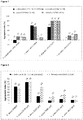
- an aggregation index has been individually determined for the tested probiotic strains to allow direct selection of the most potent strains for application in oral care.
- the strain Lactobacillus delbrueckii subsp. lactis LL-G41 has been deposited under the Budapest Treaty at the China Center for Type Culture Collection (CCTCC), Wuhan University, Wuhan 430072, China under the accession number CCTCC M 2016652 by BioGrowing Co., Ltd., No. 10666 Songze Rd., Qingpu Shanghai 201700, China, on 17 November 2016.
- the strain Lactobacillus fermentum 35D has been deposited under the Budapest Treaty at the Leibniz Institut Deutsche Sammlung für Mikroorganismen und Zellkulturen GmbH (DSMZ), Inhoffenstr. 7B, 38124 Braunschweig, Germany, under the accession number DSM 32130 by Probi AB on 2 September 2015.
- NCIMB 11718 The strains Lactobacillus gasseri NS8 (NCIMB 11718; date of accession 27 January 1982, deposited by DSMZ) and Lactobacillus salivarius NS13 (NCIMB 8816; date of accession 1 October 1956, deposited by University of Birmingham) are publicly available at the National Collection of Industrial, Food and Marine Bacteria (NCIMB), Ferguson Building, Craibstone Estate, Bucksburn, Aberdeen AB21 9YA, United Kingdom, under the accession number NCIMB 11718 and NCIMB 8816, respectively.
- NCIMB National Collection of Industrial, Food and Marine Bacteria
- Microorganism(s) according to the invention may preferably be used as probiotic agent for forming co-aggregates with oral bacterial species associated with gingivitis and/or peridontitis, in particular with disease-associated species selected from the group consisting of Porphyromonas gingivalis, Porphyromonas endodontalis, Tannerella forsythia, Filifactor alocis and Eubacterium saphenum.
- the recited disease-associated species are known to be involved in the development of peridontitis and associated diseases and therefore are highly desirable target disease-associated species for aggregation.
- the microorganisms for use in the prevention and/or treatment of inflammation in the oral cavity according to the invention includes the use in the prevention and/or treatment of plaque and plaques associated diseases and conveniently aides to balance the mouth flora towards a healthy state by promoting removal of the disease associated species from the mouth.
- the microorganism(s) described above is/are (an) attenuated or (a) dead microorganism(s), preferably (a) heat-inactivated microorganism(s), preferably (a) microorganism(s) heat-inactivated by incubation for 2 to 8 minutes at a temperature between 70 and 100 °C.
- the microorganism according to the invention additionally has/have an inhibitory activity on the growth of disease-associated species, in particular on the growth of one or more disease-associated species selected from the group consisting of Porphyromonas gingivalis, Porphyromonas endodontalis, Tannerella forsythia, Filifactor alocis, Eubacterium saphenum, Parvimonas micra, Lachnoanaerobaculum saburreum, when the microorganism is Lactobacillus salivarius NS13 (NCIMB 8816).
- one or more disease-associated species selected from the group consisting of Porphyromonas gingivalis, Porphyromonas endodontalis, Tannerella forsythia, Filifactor alocis, Eubacterium saphenum, Parvimonas micra, Lachnoanaerobaculum saburreum, when the microorganism is Lactobacillus salivarius NS13 (NCIMB 88
- probiotic strains according to the invention may, in addition to the anti-inflammatory activity, also exhibited growth-inhibiting effects on certain disease-associated species as demonstrated in the examples below.
- the present invention relates to the microorganism(s) recited above, wherein the microorganism(s) are additionally capable of treating and/or preventing inflammation in the oral cavity, preferably for reducing or inhibiting the release of one or more inflammatory factors selected from the group consisting of interleukin 1 (IL-1), interleukin 6 (IL-6), interleukin 8 (IL-8), tumor necrosis factor (TNF), prostaglandin E2 (PGE2), isoprostanes, matrix metallopeptidase 9 (MMP9) and NF- ⁇ B, wherein the microorganism(s) is/are selected from the group consisting of Lactobacillus delbrueckii subsp. lactis LL-G41 (CCTCC M 2016652), Lactobacillus fermentum 35D (DSM 32130) and Lactobacillus salivarius NS13 (NCIMB 8816).
- IL-1 interleukin 1
- IL-6 interleukin 6
- IL-8
- probiotic strains are capable of efficiently inhibiting the release of a number of different pro-inflammatory factors. It is therefore possible to optimize the use of commercially available probiotic strains for the treatment and/or prevention of inflammatory conditions in the oral cavity be selecting the overall most efficient strain(s) with respect to multiple probiotic actions.
- fragments of one or more microorganism(s) as defined in any of the aspects described above may be used in the treatment and/or prevention of inflammation in the oral cavity, preferably in the treatment and/or prevention of gingivitis and/or peridontitis, preferably for use as probiotic agent for forming co-aggregates with oral bacterial species associated with gingivitis and/or peridontitis, in particular with disease-associated species selected from the group consisting of Porphyromonas gingivalis, Porphyromonas endodontalis, Tannerella forsythia, Filifactor alocis and Eubacterium saphenum.
- the present invention also relates to an oral pharmaceutical composition, oral care product or product for nutrition or pleasure, comprising one or more microorganism(s) selected from the group consisting of Lactobacillus delbrueckii subsp. lactis LL-G41 (CCTCC M 2016652), Lactobacillus fermentum 35D (DSM 32130), Lactobacillus gasseri NS8 (NCIMB 11718) and Lactobacillus salivarius NS13 (NCIMB 8816) or fragments thereof, wherein the total amount of the microorganism(s) or the fragments thereof is sufficient for treating and/or preventing gingivitis and/or peridontitis, preferably by forming co-aggregates with oral bacterial species associated with gingivitis and/or peridontitis, in particular with disease-associated species selected from the group consisting of Porphyromonas gingivalis, Porphyromonas endodontalis, Tannerella forsythia,
- probiotic organisms used in a composition or product according to the present invention represent biologic material the activity of which may vary with the batch and depend also on the production or processing method. Therefore, the suitable amount can be adjusted accordingly within the given range.
- the present invention relates to a composition or product as described above for use in the treatment and/or prevention of inflammation in the oral cavity, preferably for use in the treatment and/or prevention of gingivitis and/or peridontitis, preferably for use as probiotic agent for forming co-aggregates with oral bacterial species associated with gingivitis and/or peridontitis, in particular with disease-associates species selected from the group consisting of Porphyromonas gingivalis, Porphyromonas endodontalis, Tannerella forsythia, Filifactor alocis and Eubacterium saphenum.
- a composition according to the invention may further comprise one or more components selected from the group consisting of carriers, excipients or further active ingredients such as, for example, active agents from the group of non-steroidal antiphlogistics, antibiotics, steroids, anti-TNF-alpha antibodies or other biotechnologically produced active agents and/or substances as well as analgetics, dexpanthenol, prednisolon, polyvidon iodide, chlorhexidine-bis-D-gluconate, hexetidine, benzydamine HCl, lidocaine, benzocaine, macrogol lauryl ether, benzocaine in combination with cetidyl pyridinium chloride or macrogol lauryl ether in combination with protein free hemodialysate from calf blood, as well as for example fillers (e.g.
- cellulose, calcium carbonate), plasticizer or flow improves e.g. talcum, magnesium stearate
- coatings e.g. polyvinyl acetate phtalate, hydroxyl propyl methyl cellulose phtalate
- disintegrants e.g. starch, cross-linking polyvinyl pyrrolidone
- softener e.g. triethyl citrate, dibutyl phthalate
- substances for granulation lactose, gelatin
- retardation e.g.
- DL-alpha-tocopherol, ascorbic acid substances for modifying pH (lactic acid, citric acid), blowing agents or inert gases (e.g. fluorinated chlorinated hydrocarbons, carbon dioxide), dyes (iron oxide, titanium oxide), basic ingredients for ointment (e.g. paraffines, bees wax) and others as described in the literature (e.g. in Schmidt, Christin. Wirk- und Hilfsstoffe für Manualur, De Stammur und brieflyher thoroughlyherdian. 1999; Stuttgarttechnischmaschinendsgesellschaft mbH Stuttgart oder Bauer, Frömming gna. Lehrbuch der Pharmazeutician Technologie. 8. Auflage, 2006. Amsterdammaschineric Verlagsgesellschaft mbH Stuttgart ).
- inert gases e.g. fluorinated chlorinated hydrocarbons, carbon dioxide
- dyes iron oxide, titanium oxide
- basic ingredients for ointment e.g. paraffines, bees wax
- composition or product according to the present invention may also be coated or encapsulated.
- Encapsulation of a composition according to the invention may have the advantage of allowing a controlled release, for example upon contact with water, or a continuous release over an extended period of time. Moreover, the composition may be protected from degradation improving the shelf life of the product.
- Methods for encapsulation of active ingredients are well known in the art and a number of encapsulation materials as well as methods how to apply them to a composition according to specific requirements are available.
- composition or product according to the invention may be in the form of a solution, suspension, emulsion, tablets, granules, powder or capsules.
- composition or product according to the invention may be selected form the group consisting of toothpaste, tooth gel, tooth powder, tooth cleaning liquid, tooth cleaning foam, mouth wash, mouth spray, dental floss, chewing gum and lozenges.
- compositions or products may contain abrasive systems (abrasive and/or polishing components) such as silicates, calcium carbonate, calcium phosphate, aluminum oxide and/or hydroxyl apatite, surfactants such as e.g. sodium lauryl sulfate, sodium lauryl sarcosinate and/or cocamidopropyl betaine, humectants such as glycerol and/or sorbitol, thickening agents, e.g. carboxy methyl cellulose, poly ethylene glycols, carrageenans and/or Laponite ® , sweeteners such as saccharine, aroma and taste correcting agents for unpleasant taste impressions, taste modifying substances (e.g.
- inositol phosphate nucleotides, e.g. guanosine monophosphate, adenosine monophosphate or other substances, e.g. sodium glutamate or 2-phenoxy propionic acid
- cooling agents such as menthol derivates (e.g.
- active agents such as sodium fluoride, sodium monofluoro phosphate, tin difluoride, quarternary ammonium fluorides, zinc citrate, zinc sulfate, tin pyrophosphate, tin dichloride, mixtures of different pyrophosphates,
- Chewing gums or dental care chewing gums may comprise a chewing gum base comprising elastomers, e.g. polyvinyl acetate (PVA), polyethylene, (low or medium molecular) polyiso butane (PIB), polybutadiene, isobutene/isoprene copolymers, polyvinyl ethyl ether (PVE), polyvinyl butyl ether, copolymers of vinyl esters and vinyl ethers, styrene/butadiene copolymers (SBR) or vinyl elastomers, e.g.
- PVA polyvinyl acetate
- PIB low or medium molecular polyiso butane
- PVE polyvinyl ethyl ether
- SBR styrene/butadiene copolymers
- vinyl elastomers e.g.
- chewing gum bases may contain further ingredients, e.g. (mineral) filers, e.g. calcium carbonate, titanium dioxide, silicone dioxide, talcum, aluminum oxide, dicalcium phosphate, tricalcium phosphate, magnesium hydroxide and mixtures thereof, plasticisers (e.g.
- lanolin stearic acid, sodium stearate, ethyl acetate, diacetin (glycerol diacetate), triacetin (glycerol triacetate) and trietyhl citrate
- emulsifiers e.g. phosphatides, such as lecithin and mono and diglycerides of fatty acids, e.g. glycerol monostearate
- antioxidants es (e.g. paraffine waxes, candelilla waxes, carnauba waxes, microcrystalline waxes and polyethylene waxes), fats or fatty oils (e.g. hardened (hydrogenated) plant or animal fats) and mono, di or triglycerides.
- the present invention also relates to a method of producing an oral pharmaceutical composition, an oral care product or a product for nutrition or pleasure as described above, comprising the following step:
- a method of treating a subject or, respectively, patient, in particular for treating and/or preventing of inflammation in the oral cavity comprising administering the herein described microorganisms or mixtures to a subject/patient, preferably to a subject/patient in need thereof, preferably in an amount sufficient to treat or prevent inflammation, preferably to treat or prevent gingivitis and/or peridontitis.
- Example 1 Establishing the cultivation and handling of probiotic strains
- CFU colony forming units
- the frozen (-80°C) pro-biotic stocks were thawed over night at 4°C and 6 ml of sterile 9% NaCl solution added to the 1.2 ml of bacteria at the next morning.
- the samples were centrifuged (5 min, 5000 rpm), the supernatant discarded, the pellet washed with 8 ml 9% NaCl and again centrifuged for 5 min at 5000 rpm.
- the pellet was then resuspended in 1,2 ml 9% NaCl and 1 ml of the sample added to 50 ml 37°C warm media (MRS Bouillon, Carl Roth KG, Düsseldorf) and incubated at 37°C.
- the incubations were performed in a 50 ml sterile polypropylen tube (Greiner) and probes were harvested at different time points to evaluate the growth curve.
- OD-determination 500 ⁇ l of the bacterial suspension were removed and diluted in 1 ml MRS Bouillon in a 1,5ml-PS-cuvette (Brand). OD-determination was performed at 600 nm (ThermoScientific, Helios Epsilon) 1.5 ml MRS Bouillon were used as blanc.
- bacteria were diluted (1:10.000.000, 1:50.000.000 and 1: 100.000.000), plated on MRS-agar-plates (MRS Agar, X924, Carl Roth) and incubated for 2 days at 37°C. The grown colonies were then counted and the CFU was calculated.
- the bacteria approached the log phase right from the beginning until 7 to 8 hours when they start to reach the plateau phase.
- the amount of bacteria to be seeded does not change the shape of the curve. 5 hours were chosen as the point at the steepest growing phase to harvest the bacteria in the log phase and 7 hours to harvest them at the end of the log phase.
- Example 2 Co-aggregation of probiotic strains with oral disease-associated bacteria
- the screening was based on the proprietary OASSYS® co-aggregation.
- the target strain and probiotic strains were cultivated in specific growth conditions, harvested, washed and co-incubated.
- the behavior of the strains was monitored: a) macroscopically, for an appearance of flocculation that was graded 0-3 (with "0" for no flocculation/cloudy supernatant and "3" for a considerable pellet/clear supernatant) b) by estimation of the aggregation index (% aggregation), which expresses the percentage of applied bacterial cells that have aggregated after co-incubation.
- a low aggregation index indicates low grade of stable interaction and aggregation between cells, while a high aggregation index indicates high aggregation capacity and little or no planktonic cells left after co-incubation.
- the microorganisms used according to the present invention show an aggregation index of at least 60 %, preferably at least 80 %, against a disease-associated microorganism (as described herein).
- Microbiological methods for cultivation and handling of the target bacteria Eubacterium saphenum, Tanarella forsythia , Filifactor alocis , Porphyromonas endodontalis and Porphyromonas gingivalis were established and adapted.
- the target strains were delivered as bacterial suspension in broth, flushed from an agar plate and collected in a cryotube.
- a variety of media such as BHI (Brain Heart Infusion), TYP (Tryptone-Yeast Extract-Peptone), FAB (Fastidious Anaerobe Broth) in some cases supplemented with arginine, cysteine, vitamine K and haemin, were prepared and tested.
- Optimal growth conditions were established for P. gingivalis, P. endodontalis and F. alocis.
- no appropriate liquid medium could be found for the cultivation of T. forsythia and E.
- Co-aggregation assay was performed in 24-well plates.
- the target and probiotic strains were cultured, washed several times and co-incubated. Additionally, self-aggregation capacity of both analyzed probiotic and target strains was tested.
- the target and probiotic strains were incubated alone and the same parameters - macroscopic observation and measurement of optical density in the supernatant - were recorded, as in case of co-incubation.
- the probiotic strains were classified into categories according to their aggregation indices (see also Table 1). The presence of aggregates in several samples with a high aggregation index was confirmed by microscopical analysis.
- the strains Lactobacillus delbrueckii subsp. lactis LL-G41 (CCTCC M 2016652), Lactobacillus fermentum 35D (DSM 32130), Lactobacillus gasseri NS8 (NCIMB 11718) and Lactobacillus salivarius NS13 (NCIMB 8816) showed aggregation indices of over 60% with at least one target strain.
- the aggregative power of the probiotic strains with respect to tested disease-associated strains is shown in Figures 1 to 4 .
- the grading for macroscopic co-aggregation and the aggregation category for the probiotic strains is shown in tables 2 and 3.
- Table 2 shows the aggregative power of indicated probiotics against wildtype (wt) strains of disease associated Filifactor alocis and type strain Filifactor alocis (ATCC 35896 T ) in a co-aggregation assay being evaluated macroscopically. Flocculation is graded as "0" for no flocculation and "3" for a considerable pellet or clear supernatant. In addition, the table shows grading of aggregation indices within aggregation categories for easier interpretation of assay results. Table 2 Macroscopic co-aggregation 0-1 2 3 ATCC 35896 T 1550 (wt) 2282 (wt) 7684 (wt) 9351 (wt) 9077 (wt) L.
- Table 3 shows the aggregative power of indicated probiotics against wildtype (wt) strains of disease-associated Porphyromonas gingivalis and type strain Porphyromonas gingivalis (ATCC 33277 T ) in a co-aggregation assay being evaluated macroscopically. Flocculation is graded as "0" for no flocculation and "3" for a considerable pellet or clear supernatant. In addition, the table shows grading of aggregation indices within aggregation categories for easier interpretation of assay results. Table 3 Macroscopic co-aggregation 0-1 2 3 ATCC 33277 T 1807 (wt) 2836 (wt) 7681 (wt) 2108 (wt) 9066 (wt) L.
- Example 3 Inhibitory activity of probiotic strains against disease-associated bacteria
- the inhibitory activity of selected probiotic strains inter alia L. salivarius NS 13, against peridontitis-associated oral bacterial species (indicator strains) was determined.
- the indicator strains were:
- a delayed antagonism method was performed in triplicate.
- the test strains were grown on blood agar as streak for 24 or 48 h and then killed by exposure to chloroform. Indicator strains were cross-streaked and incubated for up to 72 h.
- Salivarius NS 13 had activity against multiple indicator strains as shown in table 4: Table 4 Lactobacillus salivarius NS 13 Porphyromonas gingivalis ATCC 33277 - Porphyromonas endodontalis ATCC 35406 - Tannerella forsythia ATCC 43037 - Filifactor alocis ATCC 35896 + Eubacterium saphenum ATCC 49989 + Parvimonas micra ATCC 33270 + Lachnoanaerobaculum saburreum ATCC 33271 -
- Toothpaste tablets 1 A Magnesium Carbonate 3,00 % 2 Sodium Bicarbonate 2,00 % 3 Sodium Fluoride 0,25 % 4 Sodium Saccharin 0,60 % 5 Sodium Laurylsulphate 0,50 % 6 Magnesium Stearate 1,00 % 7 B Flavor (e.g. 134229 Optamint Peppermint s/d) 2,00 % 8 Probiotic Material 6,67 % 9 C Calcium Carbonate 17,00 % 10 Microcristalline Cellulose 66,98 % Sum total 100,00%
- Example 8 Probiotic beadlets
Landscapes
- Health & Medical Sciences (AREA)
- Life Sciences & Earth Sciences (AREA)
- Veterinary Medicine (AREA)
- Chemical & Material Sciences (AREA)
- Animal Behavior & Ethology (AREA)
- General Health & Medical Sciences (AREA)
- Public Health (AREA)
- Pharmacology & Pharmacy (AREA)
- Microbiology (AREA)
- Epidemiology (AREA)
- Medicinal Chemistry (AREA)
- Mycology (AREA)
- Engineering & Computer Science (AREA)
- Nutrition Science (AREA)
- Molecular Biology (AREA)
- Physiology (AREA)
- Bioinformatics & Cheminformatics (AREA)
- Zoology (AREA)
- Inorganic Chemistry (AREA)
- Food Science & Technology (AREA)
- Polymers & Plastics (AREA)
- General Chemical & Material Sciences (AREA)
- Chemical Kinetics & Catalysis (AREA)
- Oral & Maxillofacial Surgery (AREA)
- Nuclear Medicine, Radiotherapy & Molecular Imaging (AREA)
- Organic Chemistry (AREA)
- Biotechnology (AREA)
- Tropical Medicine & Parasitology (AREA)
- Birds (AREA)
- Cosmetics (AREA)
- Medicines Containing Material From Animals Or Micro-Organisms (AREA)
- Medicinal Preparation (AREA)
- Coloring Foods And Improving Nutritive Qualities (AREA)
- Confectionery (AREA)
Priority Applications (9)
| Application Number | Priority Date | Filing Date | Title |
|---|---|---|---|
| EP17152068.7A EP3351259A1 (en) | 2017-01-18 | 2017-01-18 | Probiotics for aggregation with disease-associated species in the oral cavity |
| CN201880007393.5A CN110769839A (zh) | 2017-01-18 | 2018-01-17 | 用于与口腔内疾病相关的物种聚集的益生菌 |
| EP18702144.9A EP3570858B1 (en) | 2017-01-18 | 2018-01-17 | Probiotics for aggregation with disease-associated species in the oral cavity |
| AU2018209166A AU2018209166B2 (en) | 2017-01-18 | 2018-01-17 | Probiotics for aggregation with disease-associated species in the oral cavity |
| CA3048751A CA3048751A1 (en) | 2017-01-18 | 2018-01-17 | Probiotics for aggregation with disease-associated species in the oral cavity |
| US16/478,514 US11338001B2 (en) | 2017-01-18 | 2018-01-17 | Probiotics for aggregation with disease-associated species in the oral cavity |
| JP2019538588A JP7183165B2 (ja) | 2017-01-18 | 2018-01-17 | 口腔内疾患関連種との凝集形成用プロバイオティクス |
| BR112019014161-8A BR112019014161A2 (pt) | 2017-01-18 | 2018-01-17 | Probióticos para agregação com espécies associadas à doença na cavidade oral |
| PCT/EP2018/051112 WO2018134256A1 (en) | 2017-01-18 | 2018-01-17 | Probiotics for aggregation with disease-associated species in the oral cavity |
Applications Claiming Priority (1)
| Application Number | Priority Date | Filing Date | Title |
|---|---|---|---|
| EP17152068.7A EP3351259A1 (en) | 2017-01-18 | 2017-01-18 | Probiotics for aggregation with disease-associated species in the oral cavity |
Publications (1)
| Publication Number | Publication Date |
|---|---|
| EP3351259A1 true EP3351259A1 (en) | 2018-07-25 |
Family
ID=57868062
Family Applications (2)
| Application Number | Title | Priority Date | Filing Date |
|---|---|---|---|
| EP17152068.7A Withdrawn EP3351259A1 (en) | 2017-01-18 | 2017-01-18 | Probiotics for aggregation with disease-associated species in the oral cavity |
| EP18702144.9A Active EP3570858B1 (en) | 2017-01-18 | 2018-01-17 | Probiotics for aggregation with disease-associated species in the oral cavity |
Family Applications After (1)
| Application Number | Title | Priority Date | Filing Date |
|---|---|---|---|
| EP18702144.9A Active EP3570858B1 (en) | 2017-01-18 | 2018-01-17 | Probiotics for aggregation with disease-associated species in the oral cavity |
Country Status (8)
| Country | Link |
|---|---|
| US (1) | US11338001B2 (enExample) |
| EP (2) | EP3351259A1 (enExample) |
| JP (1) | JP7183165B2 (enExample) |
| CN (1) | CN110769839A (enExample) |
| AU (1) | AU2018209166B2 (enExample) |
| BR (1) | BR112019014161A2 (enExample) |
| CA (1) | CA3048751A1 (enExample) |
| WO (1) | WO2018134256A1 (enExample) |
Cited By (2)
| Publication number | Priority date | Publication date | Assignee | Title |
|---|---|---|---|---|
| CN112391305A (zh) * | 2019-08-15 | 2021-02-23 | 上海交通大学 | 唾液链球菌f286及其用途 |
| WO2022172230A1 (en) * | 2021-02-15 | 2022-08-18 | Blis Technologies Limited | Oral composition |
Families Citing this family (3)
| Publication number | Priority date | Publication date | Assignee | Title |
|---|---|---|---|---|
| CN116528815A (zh) * | 2020-12-02 | 2023-08-01 | 高露洁-棕榄公司 | 口腔护理组合物及使用方法 |
| CN113957006B (zh) * | 2021-09-27 | 2022-09-30 | 微康益生菌(苏州)股份有限公司 | 一种植物乳杆菌n13及其在预防或治疗龋齿和牙周炎上的应用 |
| EP4627937A4 (en) | 2022-11-30 | 2026-03-11 | Asahi Group Holdings Ltd | COMPOSITION FOR MAINTAINING THE HEALTH OF AN INTRAORAL OR GUMS ENVIRONMENT |
Citations (19)
| Publication number | Priority date | Publication date | Assignee | Title |
|---|---|---|---|---|
| US4518615A (en) | 1983-08-23 | 1985-05-21 | Warner-Lambert Company | Non-adhesive chewing gum base composition |
| EP0242325A2 (en) | 1986-04-01 | 1987-10-21 | Warner-Lambert Company | Polyvinylacetate bubble gum base composition |
| US5093136A (en) | 1991-05-08 | 1992-03-03 | Nabisco Brands, Inc. | Dual gum base bubble gum |
| US5266336A (en) | 1991-11-12 | 1993-11-30 | Wm. Wrigley Jr. Company | High flavor impact non-tack chewing gum with reduced plasticization |
| US5601858A (en) | 1994-12-29 | 1997-02-11 | Warner-Lambert Company | Non-stick chewing gum |
| WO2000009080A1 (en) | 1998-08-12 | 2000-02-24 | Societe Des Produits Nestle S.A. | Incorporation of exogenous lactic bacteria into the oral microflora |
| WO2005018342A1 (en) | 2003-08-11 | 2005-03-03 | Oragenics, Inc. | Compositions and methods for the maintenance of oral health |
| US6986709B2 (en) | 2001-09-21 | 2006-01-17 | Igt | Gaming device having games with variable game functions |
| EP1634948A1 (en) * | 2004-09-10 | 2006-03-15 | Basf Aktiengesellschaft | Means and methods for preventing and/or treating caries |
| EP1852122A1 (en) | 2006-05-02 | 2007-11-07 | Truffini & Regge' Farmaceutici SRL | Dental and gingival health compositions containing reactivatable, dehydrated, eubiotic micro-organisms |
| DE202009011370U1 (de) | 2009-08-21 | 2009-11-19 | Dreyer Gmbh | Vorrichtung zur Oberflächenbehandlung einer sich bewegenden Kunststoffschicht |
| WO2010008879A2 (en) | 2008-06-24 | 2010-01-21 | Wm. Wrigley Jr. Company | Probiotic chewing gum method of manufacture |
| CN101703179A (zh) * | 2009-12-11 | 2010-05-12 | 江南大学 | 一种清除食品中微囊藻毒素的方法 |
| CN101715908A (zh) * | 2009-12-11 | 2010-06-02 | 江南大学 | 一种提高益生菌清除微囊藻毒素效率的方法 |
| WO2010077795A2 (en) | 2008-12-16 | 2010-07-08 | Nestec S.A. | Compositions and methods for improved oral health |
| WO2012022773A1 (en) | 2010-08-18 | 2012-02-23 | Ab-Biotics S.A. | Probiotic composition for oral health |
| WO2012028759A2 (es) | 2010-08-31 | 2012-03-08 | Centro Superior De Investigación En Salud Pública (Csisp) | Composiciones y probióticos/prebióticos anticaries |
| WO2012100991A1 (en) | 2011-01-24 | 2012-08-02 | Basf Se | Oral health improving compositions |
| WO2017035412A1 (en) * | 2015-08-25 | 2017-03-02 | Kaleido Biosciences, Inc. | Glycan compositions and uses thereof |
Family Cites Families (27)
| Publication number | Priority date | Publication date | Assignee | Title |
|---|---|---|---|---|
| IT1306716B1 (it) | 1999-06-21 | 2001-10-02 | Mendes S U R L | Associazione di batteri lattici e suo uso per la prevenzione e/o iltrattamento terapeutico di infezioni e di stati infiammatori. |
| US20050281756A1 (en) | 2004-06-14 | 2005-12-22 | Eamonn Connolly | Use of lactic acid bacteria for decreasing gum bleeding and reducing oral inflammation |
| SE528382C2 (sv) | 2004-10-05 | 2006-10-31 | Probi Ab | Probiotiska lactobacillusstammar för förbättrad vaginal hälsa |
| EP1934328A1 (en) | 2005-09-19 | 2008-06-25 | Basf Se | Microorganisms inhibiting the formation of foot malodor |
| KR101300086B1 (ko) | 2005-10-06 | 2013-08-30 | 프로비 아베 | 자가면역질환의 치료를 위한 락토바실러스의 용도 |
| EP2046352A4 (en) | 2006-06-06 | 2012-03-21 | Univ Mcgill | Fermented milk product and use thereof |
| CN101190239B (zh) | 2006-11-28 | 2010-11-03 | 景岳生物科技股份有限公司 | 含有类干酪乳杆菌的产品 |
| WO2008074473A2 (en) | 2006-12-19 | 2008-06-26 | Basf Se | Uses and methods for preventing and/or treating caries caused by mutants streptococci |
| WO2010064373A1 (ja) | 2008-12-04 | 2010-06-10 | 国立大学法人広島大学 | Il-8阻害剤およびその製造方法 |
| ES2778836T3 (es) | 2009-03-05 | 2020-08-12 | Probiotical Spa | Cepas de bacterias que tienen una alta actividad antiinflamatoria |
| DK2455095T3 (en) | 2009-07-16 | 2017-07-24 | Univ Hiroshima | PROPHYLACTIC, IMPROVING OR THERAPEUTIC AGENT FOR ORAL DISEASES |
| DE202009011379U1 (de) | 2009-08-24 | 2010-12-30 | Khalifa, Samir | Orale Präparate zur Mund- und Zahnpflege und Bekämpfung von Mundgeruch |
| DK2364712T3 (da) | 2010-03-11 | 2013-05-21 | Kloarys Invest Ltd | Topisk, kosmetisk eller farmaceutisk sammensætning, der omfatter probiotiske Lactobacillus-stammer, og anvendelse heraf |
| TWI383798B (zh) * | 2010-04-27 | 2013-02-01 | Syngen Biotech Co Ltd | 改善口腔內細菌群的發酵乳酸桿菌SG-A95(Lactobacillus fermentum SG-A95)及其保健組合物 |
| JP5544234B2 (ja) * | 2010-07-23 | 2014-07-09 | 森永乳業株式会社 | 歯周病菌生育抑制用組成物 |
| TWI572354B (zh) | 2010-09-09 | 2017-03-01 | 明治股份有限公司 | 抑制發炎之組成物 |
| US9308227B2 (en) | 2011-05-16 | 2016-04-12 | Organobalance Medical Ag | Lactic acid bacteria and compositions containing them against bacterial colds |
| JP5904028B2 (ja) | 2012-06-19 | 2016-04-13 | ライオン株式会社 | 乳酸菌及びその培養由来物、ならびにこれらを含有する組成物 |
| CA2783414A1 (en) | 2012-07-22 | 2014-01-22 | Integral Medical Inc. | Probiotic composition |
| MX2015006491A (es) * | 2012-11-23 | 2015-12-03 | Seres Health Inc | Composiciones bacterianas sinergicas y metodos de produccion y uso de las mismas. |
| EP2968422A1 (en) | 2013-03-14 | 2016-01-20 | Nestec S.A. | Lactobacillus plantarum ncc 2936 preparations and oral health |
| US9587284B2 (en) | 2014-02-21 | 2017-03-07 | Asian Probiotics and Prebiotics Ltd. | Lactic acid bacterium having immunomodulatory and anti-allergic effects and pharmaceutical composition containing the same |
| TWI505832B (zh) | 2014-02-21 | 2015-11-01 | Genmont Biotech Inc | 乳酸菌、其組合物與彼等於治療自體免疫疾病暨其倂發症之用途 |
| US9399048B2 (en) | 2014-03-05 | 2016-07-26 | Asian Probiotics And Prebiotics Ltd | Lactic acid bacteria and its applications in immunomodulation and anti-inflammation |
| KR101825667B1 (ko) | 2014-09-30 | 2018-02-06 | 주식회사 알엔에이 | 비배당체가 세포내에 축적되어 있는 미생물 제제의 제조방법 및 이에 의해 제조된 미생물 제제 |
| EP3196318A1 (en) | 2016-01-19 | 2017-07-26 | Symrise AG | Probiotics for altering the composition of oral biofilms |
| AU2017209868B2 (en) | 2016-01-19 | 2023-08-03 | Probi Ab | Probiotics for use as anti-inflammatory agents in the oral cavity |
-
2017
- 2017-01-18 EP EP17152068.7A patent/EP3351259A1/en not_active Withdrawn
-
2018
- 2018-01-17 BR BR112019014161-8A patent/BR112019014161A2/pt active Search and Examination
- 2018-01-17 US US16/478,514 patent/US11338001B2/en active Active
- 2018-01-17 EP EP18702144.9A patent/EP3570858B1/en active Active
- 2018-01-17 CN CN201880007393.5A patent/CN110769839A/zh active Pending
- 2018-01-17 JP JP2019538588A patent/JP7183165B2/ja active Active
- 2018-01-17 AU AU2018209166A patent/AU2018209166B2/en active Active
- 2018-01-17 CA CA3048751A patent/CA3048751A1/en active Pending
- 2018-01-17 WO PCT/EP2018/051112 patent/WO2018134256A1/en not_active Ceased
Patent Citations (20)
| Publication number | Priority date | Publication date | Assignee | Title |
|---|---|---|---|---|
| US4518615A (en) | 1983-08-23 | 1985-05-21 | Warner-Lambert Company | Non-adhesive chewing gum base composition |
| EP0242325A2 (en) | 1986-04-01 | 1987-10-21 | Warner-Lambert Company | Polyvinylacetate bubble gum base composition |
| US5093136A (en) | 1991-05-08 | 1992-03-03 | Nabisco Brands, Inc. | Dual gum base bubble gum |
| US5266336A (en) | 1991-11-12 | 1993-11-30 | Wm. Wrigley Jr. Company | High flavor impact non-tack chewing gum with reduced plasticization |
| US5601858A (en) | 1994-12-29 | 1997-02-11 | Warner-Lambert Company | Non-stick chewing gum |
| WO2000009080A1 (en) | 1998-08-12 | 2000-02-24 | Societe Des Produits Nestle S.A. | Incorporation of exogenous lactic bacteria into the oral microflora |
| US6986709B2 (en) | 2001-09-21 | 2006-01-17 | Igt | Gaming device having games with variable game functions |
| WO2005018342A1 (en) | 2003-08-11 | 2005-03-03 | Oragenics, Inc. | Compositions and methods for the maintenance of oral health |
| EP1634948A1 (en) * | 2004-09-10 | 2006-03-15 | Basf Aktiengesellschaft | Means and methods for preventing and/or treating caries |
| EP1852122A1 (en) | 2006-05-02 | 2007-11-07 | Truffini & Regge' Farmaceutici SRL | Dental and gingival health compositions containing reactivatable, dehydrated, eubiotic micro-organisms |
| WO2010008879A2 (en) | 2008-06-24 | 2010-01-21 | Wm. Wrigley Jr. Company | Probiotic chewing gum method of manufacture |
| WO2010077795A2 (en) | 2008-12-16 | 2010-07-08 | Nestec S.A. | Compositions and methods for improved oral health |
| DE202009011370U1 (de) | 2009-08-21 | 2009-11-19 | Dreyer Gmbh | Vorrichtung zur Oberflächenbehandlung einer sich bewegenden Kunststoffschicht |
| CN101715908A (zh) * | 2009-12-11 | 2010-06-02 | 江南大学 | 一种提高益生菌清除微囊藻毒素效率的方法 |
| CN101703179A (zh) * | 2009-12-11 | 2010-05-12 | 江南大学 | 一种清除食品中微囊藻毒素的方法 |
| WO2012022773A1 (en) | 2010-08-18 | 2012-02-23 | Ab-Biotics S.A. | Probiotic composition for oral health |
| WO2012028759A2 (es) | 2010-08-31 | 2012-03-08 | Centro Superior De Investigación En Salud Pública (Csisp) | Composiciones y probióticos/prebióticos anticaries |
| EP2612904A2 (en) | 2010-08-31 | 2013-07-10 | Centro Superior de Investigación en Salud Pública (CSISP) | Anticaries compositions and probiotics/prebiotics |
| WO2012100991A1 (en) | 2011-01-24 | 2012-08-02 | Basf Se | Oral health improving compositions |
| WO2017035412A1 (en) * | 2015-08-25 | 2017-03-02 | Kaleido Biosciences, Inc. | Glycan compositions and uses thereof |
Non-Patent Citations (6)
| Title |
|---|
| BAUER: "Lehrbuch der Pharmazeutischen Technologie.", 2006, WISSENSCHAFTLICHE VERLAGSGESELLSCHAFT MBH STUTTGART |
| BYUN ROY ET AL: "Quantitative analysis of diverse Lactobacillus species present in advanced dental caries", JOURNAL OF CLINICAL MICROBIOLOGY, AMERICAN SOCIETY FOR MICROBIOLOGY, US, vol. 42, no. 7, 1 July 2004 (2004-07-01), pages 3128 - 3136, XP002488329, ISSN: 0095-1137, DOI: 10.1128/JCM.42.7.3128-3136.2004 * |
| DATABASE WPI Week 201043, Derwent World Patents Index; AN 2010-G98646 * |
| J. SNEL ET AL: "Competitive Selection of Lactic Acid Bacteria That Persist in the Human Oral Cavity", APPLIED AND ENVIRONMENTAL MICROBIOLOGY, vol. 77, no. 23, 30 September 2011 (2011-09-30), pages 8445 - 8450, XP055379435, ISSN: 0099-2240, DOI: 10.1128/AEM.06043-11 * |
| M. A. AZCARATE-PERIL ET AL: "Analysis of the Genome Sequence of Lactobacillus gasseri ATCC 33323 Reveals the Molecular Basis of an Autochthonous Intestinal Organism", APPLIED AND ENVIRONMENTAL MICROBIOLOGY, vol. 74, no. 15, 1 August 2008 (2008-08-01), pages 4610 - 4625, XP055029769, ISSN: 0099-2240, DOI: 10.1128/AEM.00054-08 * |
| SCHMIDT, CHRISTIN: "Wirk- und Hilfsstoffe fur Rezeptur, Defektur und Gro?-herstellung", 1999, WISSENSCHAFTLICHE VERLAGSGESELLSCHAFT MBH STUTTGART |
Cited By (3)
| Publication number | Priority date | Publication date | Assignee | Title |
|---|---|---|---|---|
| CN112391305A (zh) * | 2019-08-15 | 2021-02-23 | 上海交通大学 | 唾液链球菌f286及其用途 |
| CN112391305B (zh) * | 2019-08-15 | 2023-01-13 | 上海交通大学 | 唾液链球菌f286及其用途 |
| WO2022172230A1 (en) * | 2021-02-15 | 2022-08-18 | Blis Technologies Limited | Oral composition |
Also Published As
| Publication number | Publication date |
|---|---|
| EP3570858A1 (en) | 2019-11-27 |
| JP2020514309A (ja) | 2020-05-21 |
| US11338001B2 (en) | 2022-05-24 |
| AU2018209166A1 (en) | 2019-07-18 |
| CA3048751A1 (en) | 2018-07-26 |
| US20190365833A1 (en) | 2019-12-05 |
| JP7183165B2 (ja) | 2022-12-05 |
| AU2018209166B2 (en) | 2024-07-18 |
| EP3570858B1 (en) | 2021-08-25 |
| WO2018134256A1 (en) | 2018-07-26 |
| CN110769839A (zh) | 2020-02-07 |
| BR112019014161A2 (pt) | 2020-02-11 |
Similar Documents
| Publication | Publication Date | Title |
|---|---|---|
| EP3405205B1 (en) | Probiotics for use as anti-inflammatory agents in the oral cavity | |
| EP3405563B1 (en) | Probiotics for altering the composition of oral biofilms | |
| US10893695B2 (en) | Probiotic bacterial strain of Lactobacillus plantarum and compositions and uses thereof in the treatment of inflammation | |
| EP3570858B1 (en) | Probiotics for aggregation with disease-associated species in the oral cavity | |
| HK1259171B (en) | Probiotics for use as anti-inflammatory agents in the oral cavity | |
| HK40000927B (en) | Novel probiotic bacterial strain of lactobacillus plantarum and compositions and uses thereof in the treatment of inflammation | |
| HK1259176B (en) | Probiotics for altering the composition of oral biofilms | |
| BR122025002169A2 (pt) | Uso de lactobacillus paracasei como agente anti-inflamatório na cavidade oral |
Legal Events
| Date | Code | Title | Description |
|---|---|---|---|
| PUAI | Public reference made under article 153(3) epc to a published international application that has entered the european phase |
Free format text: ORIGINAL CODE: 0009012 |
|
| AK | Designated contracting states |
Kind code of ref document: A1 Designated state(s): AL AT BE BG CH CY CZ DE DK EE ES FI FR GB GR HR HU IE IS IT LI LT LU LV MC MK MT NL NO PL PT RO RS SE SI SK SM TR |
|
| AX | Request for extension of the european patent |
Extension state: BA ME |
|
| STAA | Information on the status of an ep patent application or granted ep patent |
Free format text: STATUS: THE APPLICATION IS DEEMED TO BE WITHDRAWN |
|
| 18D | Application deemed to be withdrawn |
Effective date: 20190126 |