EP3347719B1 - In vitro method for identifying a pregnancy related disease - Google Patents
In vitro method for identifying a pregnancy related disease Download PDFInfo
- Publication number
- EP3347719B1 EP3347719B1 EP16766645.2A EP16766645A EP3347719B1 EP 3347719 B1 EP3347719 B1 EP 3347719B1 EP 16766645 A EP16766645 A EP 16766645A EP 3347719 B1 EP3347719 B1 EP 3347719B1
- Authority
- EP
- European Patent Office
- Prior art keywords
- plgf
- sflt
- plap
- glycemia
- pigf
- Prior art date
- Legal status (The legal status is an assumption and is not a legal conclusion. Google has not performed a legal analysis and makes no representation as to the accuracy of the status listed.)
- Active
Links
Images





Classifications
-
- G—PHYSICS
- G01—MEASURING; TESTING
- G01N—INVESTIGATING OR ANALYSING MATERIALS BY DETERMINING THEIR CHEMICAL OR PHYSICAL PROPERTIES
- G01N33/00—Investigating or analysing materials by specific methods not covered by groups G01N1/00 - G01N31/00
- G01N33/48—Biological material, e.g. blood, urine; Haemocytometers
- G01N33/50—Chemical analysis of biological material, e.g. blood, urine; Testing involving biospecific ligand binding methods; Immunological testing
- G01N33/68—Chemical analysis of biological material, e.g. blood, urine; Testing involving biospecific ligand binding methods; Immunological testing involving proteins, peptides or amino acids
- G01N33/689—Chemical analysis of biological material, e.g. blood, urine; Testing involving biospecific ligand binding methods; Immunological testing involving proteins, peptides or amino acids related to pregnancy or the gonads
-
- A—HUMAN NECESSITIES
- A61—MEDICAL OR VETERINARY SCIENCE; HYGIENE
- A61P—SPECIFIC THERAPEUTIC ACTIVITY OF CHEMICAL COMPOUNDS OR MEDICINAL PREPARATIONS
- A61P3/00—Drugs for disorders of the metabolism
- A61P3/08—Drugs for disorders of the metabolism for glucose homeostasis
- A61P3/10—Drugs for disorders of the metabolism for glucose homeostasis for hyperglycaemia, e.g. antidiabetics
-
- G—PHYSICS
- G01—MEASURING; TESTING
- G01N—INVESTIGATING OR ANALYSING MATERIALS BY DETERMINING THEIR CHEMICAL OR PHYSICAL PROPERTIES
- G01N2333/00—Assays involving biological materials from specific organisms or of a specific nature
- G01N2333/435—Assays involving biological materials from specific organisms or of a specific nature from animals; from humans
- G01N2333/705—Assays involving receptors, cell surface antigens or cell surface determinants
- G01N2333/71—Assays involving receptors, cell surface antigens or cell surface determinants for growth factors; for growth regulators
-
- G—PHYSICS
- G01—MEASURING; TESTING
- G01N—INVESTIGATING OR ANALYSING MATERIALS BY DETERMINING THEIR CHEMICAL OR PHYSICAL PROPERTIES
- G01N2800/00—Detection or diagnosis of diseases
- G01N2800/04—Endocrine or metabolic disorders
- G01N2800/042—Disorders of carbohydrate metabolism, e.g. diabetes, glucose metabolism
-
- G—PHYSICS
- G01—MEASURING; TESTING
- G01N—INVESTIGATING OR ANALYSING MATERIALS BY DETERMINING THEIR CHEMICAL OR PHYSICAL PROPERTIES
- G01N2800/00—Detection or diagnosis of diseases
- G01N2800/36—Gynecology or obstetrics
- G01N2800/368—Pregnancy complicated by disease or abnormalities of pregnancy, e.g. preeclampsia, preterm labour
Definitions
- the present invention can be included in the field of personalized medicine, wherein specific biomarkers are used for identifying a given disease or disorder. Specifically, some biomarkers are used in the present invention for identifying human subjects at risk of developing maternal gestational diabetes mellitus.
- GDM Maternal gestational diabetes mellitus
- Diabetes in pregnancy outcomes A systematic review and proposed codification of definitions. Diabetes Metab Res Rev. 2015 ). It is a form of diabetes that appears during pregnancy and usually resolves after delivery. If left untreated, GDM can cause significant long-term adverse effects for both mother and baby. Perinatal morbidity includes hyperinsulinaemia, macrosomia, hypoglycaemia, hyperbilirubinaemia, and respiratory distress syndrome, which in turn may generate subsequent complications. Longer- term morbidity for the offspring includes obesity and diabetes independent of genetic factors. Furthermore, GDM in the mother is associated with a 70% lifetime risk of developing Type II diabetes.
- the present invention confronts the problem of providing a new method for identifying pregnant female subjects, in particular women, at risk of developing gestational diabetes mellitus as early as possible during the pregnancy in order to avoid long-term adverse effects for both mother and baby.
- PE Preeclampsia
- perinatal death The current "gold standard” for the diagnosis of PE is done in second half of pregnancy (> of 24 weeks of gestation)" when the pathology is already established and the possibilities to reverse or limit the potential adverse effects on perinatal outcomes is limited. PE is the leading cause of both maternal and infant mortality during pregnancy.
- the invention is defined in the appended claims.
- the present invention offers a clear solution to the problem cited above because it is focused on an in vitro method for identifying or screening human subjects at risk of suffering from a pregnancy related disease, in particular from gestational diabetes mellitus, departing from the level of expression or concentration of a series of biomarkers isolated from a minimally-invasive sample such as gingival crevicular fluid (GCF).
- GCF gingival crevicular fluid
- the method of the invention offers high sensitivity and specificity at an early stage of the pregnancy (see the Examples and figures shown below), which means that it is a strong and cost-effective method for the detection of a pregnancy related disease, in particular gestational diabetes mellitus, at an early stage of the disease thus procuring effective treatment, avoiding significant long-term adverse effects for both mother and baby.
- the present invention refers to an in vitro method for screening or identifying subjects at risk of suffering from or having a pregnancy related disease, in particular gestational diabetes mellitus, based on measuring the expression profile or level of some biomarkers which are up-regulated or over-expressed in patients suffering from this disease.
- the present invention also refers to an in vitro method for obtaining useful data for the diagnosis or for diagnosing a pregnancy related disease, in particular gestational diabetes mellitus, in a subject, preferably in a human subject. Methods of treatment are also encompassed within the present invention.
- the present invention is based on the discovery that exosomes and micro-vesicles are confirmed to be significantly up-regulated in gingival crevicular fluid (GCF) samples of patients suffering from or having a pregnancy related disease, in particular suffering from or having gestational diabetes mellitus or preeclampsia.
- GCF gingival crevicular fluid
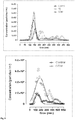
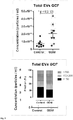
- the results show that not only the concentration of exosomes or micro-vesicles of less than or about 150 nm in GCF, were significantly increased in those patients who suffered from or had preeclampsia or gestational diabetes mellitus at the end of their pregnancy but also these individuals presented a significantly higher concentration of micro-vesicles greater than 200 nm (and preferably ⁇ 500 nm) in GCF.
- a first embodiment of the invention refers to an in vitro method for screening for subjects at risk of developing a pregnancy related disease, in particular at risk of developing gestational diabetes mellitus, comprising: (a) measuring the concentration level of at least exosomes and micro-vesicles obtained from a gingival crevicular fluid (GCF) sample of the subjects, preferably human subjects, to be screened; and (b) comparing said concentration level of the least exosomes and micro-vesicles of the human subjects to be screened with an already established expression pattern or with the concentration level of individuals not suffering from a pregnancy related disease, wherein an increased in the concentration levels of exosomes and micro-vesicles is indicative of a risk of developing a pregnancy related disease, in particular a risk of developing gestational diabetes mellitus.
- GCF gingival crevicular fluid
- such determination can be made by measuring the concentration levels of either the total amount of exosomes and micro-vesicles present in the GCF sample or by measuring a biomarker present in the GCF sample selected from the list consisting of: exosomes or micro-vesicles of less than or equal to 150 nm, exosomes or micro-vesicles of less than or equal to 200 nm and micro-vesicles greater than 200 nm and preferably smaller than 500 nm.
- a second embodiment of the invention refers to the in vitro method for screening subjects, according to the first embodiment of the invention, which further comprises measuring the expression pattern or level of at least PlGF, or of at least PLAP (placental alkaline phosphatase), or of at least PlGF and glycemia, or of at least PlGF and PLAP (placental alkaline phosphatase), or of at least PIGF and sFlt-1 (antiangiogenic factor sFlt-1), or of at least PlGF and PLAP and sFlt-1, or of at least PlGF and PLAP and glycemia, or of at least PlGF and sFlt-1 and glycemia, or of at least PlGF and PLAP and sFlt-1 and glycemia, wherein PlGF, PLAP and sFlt-1 from the GCF sample taken from the subject.
- PlGF, PLAP and sFlt-1 from the GCF sample taken from the subject.
- a third embodiment of the invention refers to an in vitro method for the diagnosis, preferably for the early diagnosis, of a subject suspected of having or suffer from a pregnancy related disease, in particular suspected of having or suffer from gestational diabetes mellitus, comprising the steps a) and b) of any of the first or second embodiments of the invention, and optionally (c) confirming the presence of the pregnancy related disease with biophysical parameters and clinical information, i.e. gestational diabetes mellitus by means of an oral glucose tolerance test (OGTT).
- OGTT oral glucose tolerance test
- a fourth embodiment of the invention refers to a method for obtaining useful data for the in vitro diagnosis of a subject suspected of having or suffer from a pregnancy related disease, in particular suspected of having or suffer from gestational diabetes mellitus, comprising the steps a) and b) of the first or second embodiments of the invention.
- a fifth embodiment of the invention refers to an in vitro method for classifying human subjects as healthy subjects or as subjects suffering from a pregnancy related disease, in particular suspected of having or suffer from gestational diabetes mellitus, comprising the steps a) and b) of the first or second embodiments of the invention.
- a sixth embodiment of the present disclosure refers to an in vitro method for monitoring the response to a therapy or for monitoring the progression of a pregnancy related disease, in particular of gestational diabetes mellitus or preeclampsia, in a subject having gestational diabetes mellitus comprising the steps a) and b) of the first or second embodiments of the invention.
- a seventh embodiment refers to a method for treating human subjects diagnosed with a pregnancy related disease, in particular with gestational diabetes mellitus or preeclampsia, comprising the steps a) and b) of the first or second embodiments of the invention, and (c) treating the patient diagnosed with the pregnancy related disease, in particular with gestational diabetes mellitus or preeclampsia.
- An eighth embodiment refers to the method, according to the seventh embodiment of the invention, wherein the patient is diagnosed with diabetes mellitus and is treated by an appropriate diabetic diet or food plan and/or by the administration of oral hypoglycemic drugs such as metformine.
- An ninth embodiment here disclosed refers to the method, according to the seventh embodiment of the invention, wherein the patient is diagnosed with preeclampsia and is treated by steroids to hasten fetal lungs, anticoagulant agents such as acetylsalicylic acid (aspirin) and/or inhibitors of hypoxic inducible factor 1 ⁇ such as metformine.
- anticoagulant agents such as acetylsalicylic acid (aspirin) and/or inhibitors of hypoxic inducible factor 1 ⁇ such as metformine.
- a tenth embodiment of the invention refers to the in vitro use of a kit or device comprising biomarker detecting reagents capable of determining a concentration level of at least exosomes and micro-vesicles in a gingival crevicular fluid (GCF) sample obtained from a subject, preferably a human subject, for screening for subjects at risk of developing a pregnancy related disease, in particular at risk of developing gestational diabetes mellitus, or for diagnosing subjects, in particular for the early diagnosis, with a pregnancy related disease, in particular with diabetes mellitus.
- GCF gingival crevicular fluid
- an in vitro method for screening or identifying subjects at risk of suffering from or developing a pregnancy related disease in particular at risk of suffering from or developing gestational diabetes mellitus or preeclampsia, based on measuring the expression profile or level of angiogenic peptide (PlGF) which is up-regulated or over-expressed in patients suffering from gestational diabetes mellitus and down-regulated in patients suffering from preeclampsia.
- PlGF angiogenic peptide
- an eleventh embodiment here disclosed refers to an in vitro method for screening for subjects at risk of suffering from or developing a pregnancy related disease, in particular at risk of suffering from or developing gestational diabetes mellitus or preeclampsia, comprising: (a) measuring the expression pattern or level of at least placental angiogenic peptide (PlGF) obtained from a gingival crevicular fluid (GCF) sample of the subjects, preferably human subjects, to be screened; and (b) comparing said expression pattern or level of at least PlGF of the human subjects to be screened with an already established expression pattern or level, wherein a differential expression of at least PlGF is indicative of a pregnancy related disease, in particular of diabetes mellitus in case of over-expression or preeclampsia in case of down-regulation.
- PlGF placental angiogenic peptide
- a twelfth embodiment of the present disclosure refers to an in vitro method for screening subjects, according to the eleventh embodiment, comprising: (a) measuring the expression pattern or level of at least PlGF and glycemia, or of at least PlGF and PLAP (placental alkaline phosphatase), or of at least PIGF and sFlt-1 (antiangiogenic factor sFlt-1), or of at least PlGF and PLAP and sFlt-1, or of at least PlGF and PLAP and glycemia, or of at least PlGF and sFlt-1 and glycemia, or of at least PlGF and PLAP and sFlt-1 and glycemia, wherein PlGF, PLAP and sFlt-1 are obtained from a GCF sample taken from the subject; and (b) comparing said expression pattern or level of at least PlGF and glycemia, or of at least PlGF and PLAP, or of at least PIGF and sFlt-1,
- a thirteenth embodiment of the present disclosure refers to an in vitro method for the diagnosis, in particular the early diagnosis, of a subject suspected of having or suffering from a pregnancy related disease, in particular from gestational diabetes mellitus or preeclampsia, comprising the steps a) and b) of any of the eleventh or twelfth embodiments, and optionally (c) confirming the presence of the pregnancy related disease with biophysical parameters and clinical information, i.e. gestational diabetes mellitus by means of an oral glucose tolerance test (OGTT), preeclampsia by means of quantification of proteinuria, uric acid or transaminases.
- OGTT oral glucose tolerance test
- a fourteenth embodiment of the disclosure refers to a method for obtaining useful data for the in vitro diagnosis of a subject suspected of having or suffering from a pregnancy related disease, in particular from gestational diabetes mellitus or preeclampsia, comprising the steps a) and b) of the eleventh or twelfth embodiments
- a fifteenth embodiment of the disclosure refers to an in vitro method for classifying human subjects as healthy subjects or as subjects suspected of having or suffering from a pregnancy related disease, in particular from gestational diabetes mellitus or preeclampsia, comprising the steps a) and b) of the eleventh or twelfth embodiments
- a sixteenth embodiment of the disclosure refers to an in vitro method for monitoring the response to a therapy or for monitoring the progression of a pregnancy related disease, in particular of gestational diabetes mellitus or preeclampsia, in a subject comprising the steps a) and b) of the eleventh or twelfth embodiments of the disclosure.
- a seventeenth embodiment of the disclosure refers to a method for treating human subjects suffering from a pregnancy related disease, in particular from gestational diabetes mellitus or preeclampsia, comprising the steps a) and b) of the eleventh or twelfth embodiments and (c) treating the patient diagnosed with said pregnancy related disease, in particular with gestational diabetes mellitus or preeclampsia.
- An eighteenth embodiment of the disclosure refers to the method, according to the seventeenth embodiment of the invention, wherein the patient is diagnosed with gestational diabetes mellitus and is treated by an appropriate diabetic diet or food plan and/or by the administration of oral hypoglycemic drugs such as metformine.
- a nineteenth embodiment of the disclosure refers to the method, according to the seventeenth embodiment, wherein the patient is diagnosed with preeclampsia and is treated by steroids to hasten fetal lungs, anticoagulant agents such as acetylsalicylic acid (aspirin) and/or inhibitors of hypoxic inducible factor 1 ⁇ such as metformine.
- anticoagulant agents such as acetylsalicylic acid (aspirin) and/or inhibitors of hypoxic inducible factor 1 ⁇ such as metformine.
- a twentieth embodiment of the disclosure refers to the use of a kit comprising biomarker detecting reagents capable of determining a differential expression level of at least PIGF in a GCF sample, for screening for subjects at risk of developing a pregnancy related disease, in particular at risk of developing gestational diabetes mellitus or preeclampsia, or for diagnosing subjects suffering from a pregnancy related disease, in particular from diabetes mellitus or preeclampsia.
- a twenty-first embodiment of the disclosure refers to the use of the kit, according to the twentieth embodiment of the invention, comprising reagents for determining a differential expression level of at least PIGF and glycemia, or of at least PIGF and PLAP (placental alkaline phosphatase), or of at least PIGF and sFlt-1 (antiangiogenic factor sFlt-1), or of at least PIGF and PLAP and sFlt-1, or of at least PIGF and PLAP and glycemia, or of at least PIGF and sFlt-1 and glycemia, or of at least PIGF and PLAP and sFlt-1 and glycemia, wherein a differential expression of at least PIGF and glycemia, or of at least PIGF and PLAP (placental alkaline phosphatase), or of at least PIGF and sFlt-1 (antiangiogenic factor sFlt-1), or of
- the present disclosure also refers to an in vitro method for screening or identifying subjects at risk of suffering from or developing a pregnancy related disease, in particular at risk of suffering from or developing gestational diabetes mellitus or preeclampsia, based on measuring the expression profile or level of PLAP (placental alkaline phosphatase) which is up-regulated or over-expressed in the GCF of patients suffering from gestational diabetes mellitus or preeclampsia.
- PLAP placental alkaline phosphatase
- a twenty-second embodiment of the disclosure refers to an in vitro method for screening for subjects at risk of suffering from or developing a pregnancy related disease, in particular at risk of suffering from or developing gestational diabetes mellitus or preeclampsia, comprising: (a) measuring the expression pattern or level of at least PLAP obtained from a gingival crevicular fluid (GCF) sample of the subjects, preferably human subjects, to be screened; and (b) comparing said expression pattern or level of at least PLAP of the human subjects to be screened with an already established expression pattern or level, wherein overexpression of at least PLAP is indicative of a pregnancy related disease, in particular of diabetes mellitus or preeclampsia.
- GCF gingival crevicular fluid
- a twenty-third embodiment of the disclosure refers to an in vitro method for screening subjects, according to the eleventh embodiment of the invention, comprising: (a) measuring the expression pattern or level of at least PlGF and PLAP (placental alkaline phosphatase), or of at least PLAP and sFlt-1 (antiangiogenic factor sFlt-1), or of at least PlGF and PLAP and sFlt-1, or of at least PlGF and PLAP and glycemia, or of at least PLAP and sFlt-1 and glycemia, or of at least PlGF and PLAP and sFlt-1 and glycemia, wherein PlGF, PLAP and sFlt-1 are obtained from a GCF sample taken from the subject; and (b) comparing said expression pattern or level of the subjects to be screened with an already established expression pattern or level, wherein a differential expression of any of the above mentioned combinations is indicative of a pregnancy related disease, in particular of diabetes mellitus or preeclamp
- a twenty-fourth embodiment of the disclosure refers to an in vitro method for the diagnosis, in particular the early diagnosis, of a subject suspected of having or suffering from a pregnancy related disease, in particular from gestational diabetes mellitus or preeclampsia, comprising the steps a) and b) of any of the twenty-second or twenty-third embodiments, and optionally (c) confirming the presence of the pregnancy related disease with biophysical parameters and clinical information, i.e. gestational diabetes mellitus by means of an oral glucose tolerance test (OGTT), preeclampsia by means of quantification of proteinuria, uric acid or transaminases.
- OGTT oral glucose tolerance test
- preeclampsia by means of quantification of proteinuria, uric acid or transaminases.
- a twenty-fifth embodiment of the disclosure refers to a method for obtaining useful data for the in vitro diagnosis of a subject suspected of having or suffering from a pregnancy related disease, in particular from gestational diabetes mellitus or preeclampsia, comprising the steps a) and b) of the twenty-second or twenty-third embodiments.
- a twenty-sixth embodiment of the disclosure refers to an in vitro method for classifying human subjects as healthy subjects or as subjects suspected of having or suffering from a pregnancy related disease, in particular from gestational diabetes mellitus or preeclampsia, comprising the steps a) and b) of the twenty-second or twenty-third embodiments.
- a twenty-seventh embodiment of the disclosure refers to an in vitro method for monitoring the response to a therapy or for monitoring the progression of a pregnancy related disease, in particular of gestational diabetes mellitus or preeclampsia, in a subject comprising the steps a) and b) of the twenty-second or twenty-third embodiments.
- a twenty-eighth embodiment of the disclosure refers to a method for treating human subjects suffering from a pregnancy related disease, in particular from gestational diabetes mellitus or preeclampsia, comprising the steps a) and b) of the twenty-second or twenty-third embodiments, and (c) treating the patient diagnosed with said pregnancy related disease, in particular with gestational diabetes mellitus or preeclampsia.
- An twenty-ninth embodiment of the disclosure refers to the method, according to the twenty-eighth embodiment, wherein the patient is diagnosed with gestational diabetes mellitus and is treated by an appropriate diabetic diet or food plan and/or by the administration of oral hypoglycemic drugs such as metformine.
- a thirtieth embodiment of the disclosure refers to the method, according to the twenty-eighth embodiment, wherein the patient is diagnosed with preeclampsia and is treated by steroids to hasten fetal lungs, anticoagulant agents such as acetylsalicylic acid (aspirin) and/or inhibitors of hypoxic inducible factor 1 ⁇ such as metformine.
- anticoagulant agents such as acetylsalicylic acid (aspirin) and/or inhibitors of hypoxic inducible factor 1 ⁇ such as metformine.
- a thirty-first embodiment of the disclosure refers to the use of a kit comprising biomarker detecting reagents capable of determining a differential expression level of at least PLAP in a GCF sample, for screening for subjects at risk of developing a pregnancy related disease, in particular at risk of developing gestational diabetes mellitus or preeclampsia, or for diagnosing subjects suffering from a pregnancy related disease, in particular from diabetes mellitus or preeclampsia.
- a thirty-second embodiment of the disclosure refers to the use of the kit, according to the twentieth embodiment of the invention, comprising reagents for determining a differential expression level of at least PlGF and PLAP (placental alkaline phosphatase), or of at least PLAP and sFlt-1 (antiangiogenic factor sFlt-1), or of at least PlGF and PLAP and sFlt-1, or of at least PlGF and PLAP and glycemia, or of at least PLAP and sFlt-1 and glycemia, or of at least PlGF and PLAP and sFlt-1 and glycemia, wherein overexpression of at least PLAP and sFlt-1 (antiangiogenic factor sFlt-1), or of at least PlGF and PLAP and sFlt-1, or of at least PlGF and PLAP and glycemia, or of at least PLAP and sFlt-1 and glycemia, or of at least PlGF and PLAP
- the present disclosure also refers to an in vitro method for screening or identifying subjects at risk of suffering from or developing preeclampsia, based on measuring the expression profile or level of at least sFlt-1 (antiangiogenic factor sFlt-1) which is up-regulated or over-expressed in the GCF of patients suffering from preeclampsia.
- sFlt-1 antiangiogenic factor sFlt-1
- high levels of sFlt-1 by itself in GCF or in combination with other biomarkers are significantly associated with the presence of preeclampsia.
- a thirty-third embodiment of the invention refers to an in vitro method for screening for subjects at risk of suffering from or developing preeclampsia, comprising: (a) measuring the expression pattern or level of at least sFlt-1 obtained from a gingival crevicular fluid (GCF) sample of the subjects, preferably human subjects, to be screened; and (b) comparing said expression pattern or level of at least sFlt-1 of the human subjects to be screened with an already established expression pattern or level, wherein overexpression of at least sFlt-1 is indicative of a pregnancy related disease, in particular of diabetes mellitus or preeclampsia.
- GCF gingival crevicular fluid
- a thirty-fourth embodiment of the disclosure refers to the in vitro method for screening subjects, according to the thirty-third embodiment, which further comprises measuring the expression pattern or level of at least PLAP and sFlt-1, or of at least PIGF and sFlt-1, or of at least PIGF and PLAP and sFlt-1, or of at least PIGF and sFlt-1 and glycemia, or of at least PIGF and PLAP and sFlt-1 and glycemia, wherein PIGF, PLAP and sFlt-1 from the GCF sample taken from the subject.
- a thirty-fifth embodiment of the disclosure refers to an in vitro method for the diagnosis, in particular the early diagnosis, of a subject suspected of having or suffering from preeclampsia, comprising the steps a) and b) of any of the thirty-third or thirty-fourth embodiments, and optionally (c) confirming the presence of the preeclampsia with biophysical parameters and clinical information, i.e. preeclampsia by means of quantification of proteinuria, uric acid or transaminases.
- a thirty-sixth embodiment of the disclosure refers to a method for obtaining useful data for the in vitro diagnosis of a subject suspected of having or suffering from preeclampsia, comprising the steps a) and b) of the thirty-third or thirty-fourth embodiments of the disclosure.
- a thirty-seventh embodiment of the disclosure refers to an in vitro method for classifying human subjects as healthy subjects or as subjects suspected of having or suffering from preeclampsia, comprising the steps a) and b) of the thirty-third or thirty-fourth embodiments.
- a thirty-eighth embodiment of the disclosure refers to an in vitro method for monitoring the response to a therapy or for monitoring the progression of preeclampsia, in a subject comprising the steps a) and b) of the thirty-third or thirty-fourth embodiments .
- a thirty-ninth embodiment of the disclosure refers to a method for treating human subjects suffering from preeclampsia, comprising the steps a) and b) of the thirty-third or thirty-fourth embodiments, and (c) treating the patient diagnosed with said preeclampsia, preferably by steroids to hasten fetal lungs, anticoagulant agents such as acetylsalicylic acid (aspirin) and/or inhibitors of hypoxic inducible factor 1 ⁇ such as metformine.
- anticoagulant agents such as acetylsalicylic acid (aspirin) and/or inhibitors of hypoxic inducible factor 1 ⁇ such as metformine.
- a fortieth embodiment of the disclosure refers to the use of a kit comprising biomarker detecting reagents capable of determining a differential expression level of at least sFlt-1in a GCF sample, for screening for subjects at risk of developing preeclampsia, or for diagnosing subjects suffering from preeclampsia.
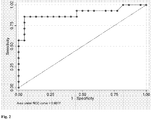
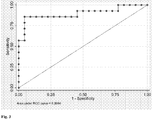
- a threshold or cutoff expression level for a particular biomarker may be selected, for example, based on data from Receiver Operating Characteristic (ROC) plots, as described in the Examples and Figures of the present invention.
- ROC Receiver Operating Characteristic
- One of skill in the art will appreciate that these threshold or cutoff expression levels can be varied, for example, by moving along the ROC plot for a particular biomarker or combinations thereof, to obtain different values for sensitivity or specificity thereby affecting overall assay performance. For example, if the objective is to have a robust diagnostic method from a clinical point of view, we should try to have a high sensitivity.
- the best cutoff refers to the value obtained from the ROC plot for a particular biomarker that produces the best sensitivity and specificity. Sensitivity and specificity values are calculated over the range of thresholds (cutoffs).
- the threshold or cutoff values can be selected such that the sensitivity and/or specificity are at least about 70 %, and can be, for example, at least 75 %, at least 80 %, at least 85 %, at least 90 %, at least 95 %, at least 96 %, at least 97 %, at least 98 %, at least 99 % or at least 100% in at least 60 % of the patient population assayed, or in at least 65 %, 70 %, 75 % or 80 % of the patient population assayed.
- each of the above cited embodiments is preferably carried out by determining the expression or concentration levels of at least any of the biomarkers previously cited in a GCF sample, and optionally a serum sample (for determining glycemia) isolated from the subject to be diagnosed or screened, and comparing the expression or concentration levels of said biomarkers with a predetermined threshold or cutoff values or to an established expression or concentration pattern or level, wherein said predetermined threshold or cutoff values correspond to the concentration or expression level of said biomarkers which correlates with the highest specificity at a desired sensitivity in a ROC curve calculated based on the expression or concentration levels of the biomarkers determined in a patient population being at risk of suffering a pregnancy related disease, wherein the differential expression (overexpression or reduced expression depending on the biomarker) of at least one of said biomarkers, with respect to said predetermined cutoff value is indicative that the subject suffers from or has a pregnancy related disease with said desired sensitivity.
- each of the above cited embodiments of the present invention can also be preferably carried out by comparing the expression or concentration levels of said biomarkers isolated from the subject to be diagnosed or screened, with an established expression or concentration pattern or level of said biomarkers obtained from a healthy population, wherein the differential expression (overexpression or reduced expression depending on the biomarker) of at least one of said biomarkers, with respect to said established expression or concentration pattern or level is indicative that the subject suffers from or has a pregnancy related disease.
- a case-control study was conducted. The selection criteria for the subjects were that they be pregnant women with a diagnosis of GDM. In total, 14 cases were recruited from the prenatal cohort of 80 women admitted to the Maternal-Fetal Unit at the Sótero del R ⁇ o Hospital in Santiago, Chile, between January and October 2015. The controls were the same cohort to generate a sample of 66 control pregnancies women. Both groups consisted of subjects with singleton gestation of equal socioeconomic level. Clinical enrolment and anthropometric data were collected at 11-14 week gestation, and a dental evaluation and full- mouth periodontal exams were then performed by one periodontics. All clinically relevant data for the study were stored in a computer database.
- Periodontal examination and collection of oral fluids samples were performed at the same gestational age in both groups. After the tooth was isolated with a cotton roll, supragingival plaque was removed with curettes (Hu Friedy, Gracey, IL, USA) without touching the marginal gingiva. The gingival sulcus was then dried gently with an air syringe. GCF was collected with paper strips (Pro-Flow, Amityville, NY, USA). The strips were placed into the sulci/pocket until mild resistance was sensed and left in place for 30 seconds. Strips contaminated by saliva or blood was excluded from the study.
- the strips were placed in Eppendorf vials containing 100 ⁇ l of phosphate-buffered saline (PBS) with 0.05% Tween-20 (PBS-T). GCF was extracted by centrifugation at 10,000 g for 5 min (Hermle Labortech Nik. Z-233 MK-2). The elution procedure was repeated twice, GCF samples were obtained from 4 periodontal pockets (1 x quadrant) at the most affected periodontal site. Additionally, 4-6 ml of saliva were collected into 10-ml FalconTM tubes. Both samples were placed in liquid nitrogen after collection, and stored until further analysis.
- PBS phosphate-buffered saline
- PBS-T Tween-20
- PLAP, PlGF and sFlt-1 concentrations in GCF and saliva samples were quantified using commercially-available ELISAs according to manufactures instructions (PLAP, Human PLAP Elisa Kit, MyBioSource®, Catalogue Number MBS70199584, 2,000 pg/ml detection range; Human PlGF Quantikine Elisa Kit, R & D Systems, Catalogue Number DPG00, 15.6 - 1,000 pg/ml range detection; and VEFR/Flt-1 Quantikine Elisa Kit, R & D Systems, Catalogue Number DVR100B, 31.2 - 2,000 pg/ml range detection).
- the Elisa plates were read at a wavelength of 450 nm in an automatic ELISA plate reader (Microplate Reader, ELx808, Biotek Instruments, Winooski, VT, USA).
- concentrations of sFlt-1, PlGF and PLAP in maternal oral fluids samples were determined by interpolation from the standard curve. The laboratory personnel performing the assays were blinded to the clinical information.
- the normality of the data was tested using the Shapiro-Wilcox test. Because maternal GCF and saliva concentrations of PlGF, sFLT-1 and PLAP, were not normally distributed, non-parametric tests were used for the analyses. Comparisons between proportions were performed with Chi-square or Fisher's exact test, and Mann-Whitney U test was used for comparisons of continuous variables. The association strength was assessed using a multiple logistic regression model adjusted by BMI, periodontal diagnosis and tobacco use. The crude and adjusted odds ratio (OR) was determined and the statistical analysis was performed using STATA software (version 11; StataCorp, Lakeway Drive College Station, TX, USA).
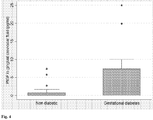
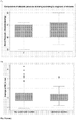
- the mean values observed of PLAP levels in GCF for women that developed GDM was 12.2 pg/mL compared with 4.7 pg/ml in the healthy pregnancies .
- PlGF levels were 1 pg/ml in healthy patients and 5.3 pg/ml in the case group.
- Preeclampsia was diagnosed in the presence of systolic blood pressure>140mmHg and/or the diastolic blood pressure>90mm on at least two occasions 4h apart developing after 20 weeks of gestation in previously normotensive women, and there should be proteinuria (>300mg in 24h or two readings of at >2+ on dipstick analysis of midstream or catheter urine specimens if no 24-h collection is available).
- thrombocytopaenia platelet counts ⁇ 100 000 ⁇ L
- renal insufficiency creatinine>1.1mg/dL or twofold increase in creatinine in the absence of underlying renal disease
- abnormal liver function i.e., hepatic transaminase levels twice normal
- pulmonary o edema or cerebral or visual symptoms.
- Periodontal examination and collection of oral fluids samples were performed at the same gestational age in both groups. After the tooth was isolated with a cotton roll, supragingival plaque was removed with curettes (Hu Friedy, Gracey, IL, USA) without touching the marginal gingiva. The gingival sulcus was then dried gently with an air syringe. GCF was collected with paper strips (Pro-Flow, Amityville, NY, USA). The strips were placed into the sulci/pocket until mild resistance was sensed and left in place for 30 s. Strips contaminated by saliva or blood was excluded from the study.
- Saliva and GCF samples were centrifuged at 1500 g 1for 0 min at 4 °C. The supernatant was then removed, placed in another tube, and centrifuged at 17 000 g for 15 min at 4 °C. Following the initial centrifugation steps, the supernatant was transferred to sterile tubes for ultracentrifugation at 160 000 g for 1 h at 4 °C. Following ultracentrifugation, the aqueous layer was removed and the pellet containing EVs was washed with PBS and ultracentrifugated again at 160 000 g for 1 h at 4 °C. The supernatant was removed, and the pellet was ready for the ELISA assays of CD63+.
- CD63+ EVs quantify, and PLAP, PlGF, and sFlt-1 concentrations in GCF and saliva samples were quantified using commercially available ELISAs according to manufactures instructions (CD63 exoElisa System Biosciences® catalog#EXOEL-CD63A-1, PLAP, Human PLAP Elisa Kit, MyBioSource®, Catalogue Number MBS70199584, 2000 pg/mL detection range; Human PlGF Quantikine Elisa Kit, R & D Systems, Catalogue Number DPG00, 15.6-1000 pg/mL range detection; and VEFR/Flt-1 Quantikine Elisa Kit, R & D Systems, Catalogue Number DVR100B, 31.2-2000 pg/mL range detection).
- CD63+ ExoElisa System Biosciences® was used to quantify EVs, and the results were presented in number of EVs.
- the ELISA plates were read at a wavelength of 450nm in an automatic ELISA plate reader (Microplate Reader, ELx808, Biotek Instruments, Winooski, VT, USA).
- the concentrations of sFlt-1, PlGF, PLAP, and CD63+ EVs in maternal oral fluids samples were determined by interpolation from the standard curve. The laboratory personnel performing the assays were blinded to the clinical information.
- RNA from GCF was isolated using the miRNeasy Mini Kit, according to the instructions from the manufacturer (Qiagen, Valencia, CA, USA). Total RNA was then quantified by spectroscopy (Nanodrop 1000, Thermo Scientific, Wilmington, DE, USA) and the quality assessed using the ratio of absorbance at 260 and 280 nm. Eighty nanograms of total RNA were treated with DNase I and reverse transcribed by using ImProm-II Reverse Transcription System (Promega, Madison, USA). Quantitative real-time PCR assays were performing in the Stratagene Mx3000P system (Agilent Technologies, Santa Clara, USA).
- the following gene specific primers were used for hPL: forward 5'GCGATGACTATCACCTCCTAAAG3' and reverse 5' CATGGTTGTGCGAGTTTGTG3'.
- the gene 36B4 (acidic ribosomal phosphoprotein) was used as a housekeeping gene. The PCR products were visualized in a 2% agarose gel with their respective negative controls.
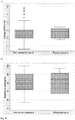
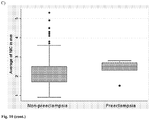
- the demographic and clinical characteristics of the case and control groups are presented in Table 7. No significant differences in the maternal median age and BMI between the groups were identified. All samples were taken over a range of time not exceeding 24 h once diagnosed PE (median of 33 +/- 1 weeks of gestation). Also, control group was equaled for gestational age for the samples procedure (median of 31 +/- 3 weeks of gestation). The median number of teeth present was 26 in the PE group and 27.5 in the controls. The mean probing depth was similar in both groups. The percentage of sites exhibiting BOP observed was 55.1% in PE and 37.3% in the control group, but this difference was not statistically significant. The levels of sites with plaque were also similar between groups (data not shown). Additionally, chronic periodontitis was found in 50% (5/10) patients with PE, and the remaining patients were diagnosed with gingivitis. In the control group, 40% of the patients were diagnosed with chronic periodontitis and 60% were diagnosed with gingivitis.
Landscapes
- Health & Medical Sciences (AREA)
- Life Sciences & Earth Sciences (AREA)
- Engineering & Computer Science (AREA)
- Hematology (AREA)
- Chemical & Material Sciences (AREA)
- Urology & Nephrology (AREA)
- Molecular Biology (AREA)
- Immunology (AREA)
- Biomedical Technology (AREA)
- General Health & Medical Sciences (AREA)
- Medicinal Chemistry (AREA)
- Diabetes (AREA)
- Gynecology & Obstetrics (AREA)
- Biotechnology (AREA)
- Pathology (AREA)
- General Physics & Mathematics (AREA)
- Biochemistry (AREA)
- Analytical Chemistry (AREA)
- Physics & Mathematics (AREA)
- Food Science & Technology (AREA)
- Microbiology (AREA)
- Pregnancy & Childbirth (AREA)
- Reproductive Health (AREA)
- Proteomics, Peptides & Aminoacids (AREA)
- Cell Biology (AREA)
- Chemical Kinetics & Catalysis (AREA)
- Public Health (AREA)
- Bioinformatics & Cheminformatics (AREA)
- Organic Chemistry (AREA)
- Endocrinology (AREA)
- Emergency Medicine (AREA)
- Veterinary Medicine (AREA)
- Obesity (AREA)
- General Chemical & Material Sciences (AREA)
- Animal Behavior & Ethology (AREA)
- Nuclear Medicine, Radiotherapy & Molecular Imaging (AREA)
- Pharmacology & Pharmacy (AREA)
- Investigating Or Analysing Biological Materials (AREA)
- Measuring Or Testing Involving Enzymes Or Micro-Organisms (AREA)
- Medicines That Contain Protein Lipid Enzymes And Other Medicines (AREA)
Priority Applications (1)
| Application Number | Priority Date | Filing Date | Title |
|---|---|---|---|
| EP19153119.3A EP3502705B1 (en) | 2015-09-11 | 2016-09-12 | In vitro method for identifying a pregnancy related disease |
Applications Claiming Priority (3)
| Application Number | Priority Date | Filing Date | Title |
|---|---|---|---|
| US201562217270P | 2015-09-11 | 2015-09-11 | |
| EP16161490 | 2016-03-21 | ||
| PCT/IB2016/055426 WO2017042751A1 (en) | 2015-09-11 | 2016-09-12 | In vitro method for identifying a pregnancy related disease |
Related Child Applications (2)
| Application Number | Title | Priority Date | Filing Date |
|---|---|---|---|
| EP19153119.3A Division EP3502705B1 (en) | 2015-09-11 | 2016-09-12 | In vitro method for identifying a pregnancy related disease |
| EP19153119.3A Division-Into EP3502705B1 (en) | 2015-09-11 | 2016-09-12 | In vitro method for identifying a pregnancy related disease |
Publications (2)
| Publication Number | Publication Date |
|---|---|
| EP3347719A1 EP3347719A1 (en) | 2018-07-18 |
| EP3347719B1 true EP3347719B1 (en) | 2019-07-10 |
Family
ID=55646323
Family Applications (2)
| Application Number | Title | Priority Date | Filing Date |
|---|---|---|---|
| EP16766645.2A Active EP3347719B1 (en) | 2015-09-11 | 2016-09-12 | In vitro method for identifying a pregnancy related disease |
| EP19153119.3A Active EP3502705B1 (en) | 2015-09-11 | 2016-09-12 | In vitro method for identifying a pregnancy related disease |
Family Applications After (1)
| Application Number | Title | Priority Date | Filing Date |
|---|---|---|---|
| EP19153119.3A Active EP3502705B1 (en) | 2015-09-11 | 2016-09-12 | In vitro method for identifying a pregnancy related disease |
Country Status (7)
| Country | Link |
|---|---|
| US (1) | US11009512B2 (enExample) |
| EP (2) | EP3347719B1 (enExample) |
| JP (1) | JP2018536170A (enExample) |
| CN (1) | CN108700591A (enExample) |
| AU (1) | AU2016319010A1 (enExample) |
| CA (1) | CA2998275A1 (enExample) |
| WO (1) | WO2017042751A1 (enExample) |
Families Citing this family (6)
| Publication number | Priority date | Publication date | Assignee | Title |
|---|---|---|---|---|
| CN111094988A (zh) | 2017-09-13 | 2020-05-01 | 普罗根尼蒂公司 | 先兆子痫生物标志物及相关系统和方法 |
| GB2612911B (en) * | 2019-02-14 | 2023-11-22 | Mirvie Inc | Methods and systems for determining a pregnancy-related state of a subject |
| EP4070113A4 (en) | 2019-12-04 | 2023-12-20 | Biora Therapeutics, Inc. | ASSESSMENT OF PREECLAMPSIA USING FREE AND DISSOCIATE PLACENTAL GROWTH FACTOR TESTS |
| CN113308533B (zh) * | 2021-05-31 | 2023-10-24 | 东莞市人民医院 | 妊娠期糖尿病患者胎盘来源外泌体miRNA表达分析方法 |
| GB202219102D0 (en) * | 2022-12-16 | 2023-02-01 | Univ Oxford Innovation Ltd | Method |
| CN117647653B (zh) * | 2023-12-22 | 2024-05-07 | 广州医科大学附属第三医院(广州重症孕产妇救治中心、广州柔济医院) | 一种与子痫前期相关的生物标志物及其应用 |
Family Cites Families (7)
| Publication number | Priority date | Publication date | Assignee | Title |
|---|---|---|---|---|
| WO2005017192A2 (en) * | 2003-08-14 | 2005-02-24 | The General Hospital Corporation | Screening for gestational disorders |
| ATE519109T1 (de) * | 2004-12-21 | 2011-08-15 | Univ Yale | Präeklampsie-diagnose |
| EP2177908A3 (en) * | 2005-10-11 | 2010-05-19 | Tethys Bioscience, Inc. | Diabetes-associated markers and methods of use thereof |
| US20080300170A1 (en) * | 2006-09-01 | 2008-12-04 | Cohava Gelber | Compositions and methods for diagnosis and treatment for type 2 diabetes |
| CN101563597A (zh) * | 2006-09-01 | 2009-10-21 | 美国菌种保藏中心 | 用于诊断和治疗2型糖尿病的组合物和方法 |
| JP2013509587A (ja) * | 2009-10-29 | 2013-03-14 | テシス バイオサイエンス, インコーポレイテッド | 糖尿病のリスクを決定する方法 |
| US10054599B2 (en) | 2013-03-12 | 2018-08-21 | Agency For Science, Technology And Research (A*Star) | Pre-eclampsia biomarkers |
-
2016
- 2016-09-12 CN CN201680066289.4A patent/CN108700591A/zh active Pending
- 2016-09-12 WO PCT/IB2016/055426 patent/WO2017042751A1/en not_active Ceased
- 2016-09-12 EP EP16766645.2A patent/EP3347719B1/en active Active
- 2016-09-12 CA CA2998275A patent/CA2998275A1/en not_active Abandoned
- 2016-09-12 US US15/758,706 patent/US11009512B2/en active Active
- 2016-09-12 JP JP2018532841A patent/JP2018536170A/ja active Pending
- 2016-09-12 EP EP19153119.3A patent/EP3502705B1/en active Active
- 2016-09-12 AU AU2016319010A patent/AU2016319010A1/en not_active Abandoned
Also Published As
| Publication number | Publication date |
|---|---|
| EP3347719A1 (en) | 2018-07-18 |
| EP3502705A1 (en) | 2019-06-26 |
| WO2017042751A1 (en) | 2017-03-16 |
| AU2016319010A8 (en) | 2018-04-26 |
| JP2018536170A (ja) | 2018-12-06 |
| US11009512B2 (en) | 2021-05-18 |
| EP3502705B1 (en) | 2020-09-09 |
| CA2998275A1 (en) | 2017-03-16 |
| CN108700591A (zh) | 2018-10-23 |
| AU2016319010A1 (en) | 2018-04-12 |
| US20180259534A1 (en) | 2018-09-13 |
Similar Documents
| Publication | Publication Date | Title |
|---|---|---|
| EP3347719B1 (en) | In vitro method for identifying a pregnancy related disease | |
| Zhang et al. | Impact of pregnancy on vitamin D status: a longitudinal study | |
| Sorensen et al. | Elevated second-trimester serum homocyst (e) ine levels and subsequent risk of preeclampsia | |
| Murphy et al. | Influence of maternal body mass index and macrophage activation on asthma exacerbations in pregnancy | |
| Kim et al. | The relationship of the level of circulating antiangiogenic factors to the clinical manifestations of preeclampsia | |
| Chaparro et al. | Placental biomarkers and angiogenic factors in oral fluids of patients with preeclampsia | |
| Rodrigues et al. | Salivary levels of calcium, phosphorus, potassium, albumin and correlation with serum biomarkers in hemodialysis patients | |
| Otenio et al. | Expression of IL-1β, IL-6, TNF-α, and iNOS in pregnant women with periodontal disease | |
| Coleman et al. | Corticotropin-releasing hormone, corticotropin-releasing hormone–binding protein, and activin A in maternal serum: Prediction of preterm delivery and response to glucocorticoids in women with symptoms of preterm labor | |
| US20190145967A1 (en) | Index of local severity of atopic dermatitis in skin and therapeutic effect thereon | |
| Celik et al. | Evaluation of the relationship between insulin resistance and recurrent pregnancy loss | |
| PT2550535E (pt) | Hbf e a1m como marcadores de fase inicial para pré- eclâmpsia | |
| US11035864B2 (en) | In vitro method for identifying a pregnancy related disease | |
| Bamberg et al. | Mid-trimester amniotic fluid concentrations of the proinflammatory cytokines IL-6, IL-8, TNF-a, and lipopolysaccharide binding protein in normal pregnancies: a prospective evaluation according to parity, gestational age, and fetal gender | |
| Mišković et al. | The Correlation between Iron Deficiency and Recurrent Aphthous Stomatitis: A Literature Review | |
| Bayram et al. | The effect of maternal serum sFAS/sFASL system on etiopathogenesis of preeclampsia and severe preeclampsia | |
| CN110832088A (zh) | 组织老化的标志物及其用途 | |
| RU2841660C1 (ru) | Способ прогнозирования эффективности применения препаратов фолиевой кислоты при коррекции уровня гомоцистеина в плазме крови на этапе прегравидарной подготовки | |
| Gobran et al. | The Relation between serum Kisspeptin level in PCO women and its metabolic and hormonal profiles, Case control study | |
| İrak et al. | Role of serum organic solute transporter alpha/beta and sodium taurocholate cotransporting polypeptide in intrahepatic cholestasis of pregnancy | |
| Granger et al. | for Huntington's Disease Biomarker | |
| Widiyanti et al. | High urine sodium/potassium ratio, high LDL/HDL ratio, high level of serum F2-isoprostane, and low level of microtubule-associated protein 1a/1b-light chain 3b (LC3B) as risk factors of preeclampsia | |
| Demirci et al. | Investigation of Netrin-1 Levels in Maternal and Umbilical Cord Serum in Preeclampsia and Their Relationship With Vitamin D, Vitamin B12, and Folic Acid | |
| JP2026008439A (ja) | アトピー性皮膚炎の重症度及び/又は活動性を判定するためのバイオマーカー | |
| Eren et al. | Podocyte Loss and Progression of CKD in Pregnancy: TH-PO756 |
Legal Events
| Date | Code | Title | Description |
|---|---|---|---|
| STAA | Information on the status of an ep patent application or granted ep patent |
Free format text: STATUS: THE INTERNATIONAL PUBLICATION HAS BEEN MADE |
|
| PUAI | Public reference made under article 153(3) epc to a published international application that has entered the european phase |
Free format text: ORIGINAL CODE: 0009012 |
|
| STAA | Information on the status of an ep patent application or granted ep patent |
Free format text: STATUS: REQUEST FOR EXAMINATION WAS MADE |
|
| 17P | Request for examination filed |
Effective date: 20180406 |
|
| AK | Designated contracting states |
Kind code of ref document: A1 Designated state(s): AL AT BE BG CH CY CZ DE DK EE ES FI FR GB GR HR HU IE IS IT LI LT LU LV MC MK MT NL NO PL PT RO RS SE SI SK SM TR |
|
| AX | Request for extension of the european patent |
Extension state: BA ME |
|
| DAV | Request for validation of the european patent (deleted) | ||
| DAX | Request for extension of the european patent (deleted) | ||
| GRAP | Despatch of communication of intention to grant a patent |
Free format text: ORIGINAL CODE: EPIDOSNIGR1 |
|
| STAA | Information on the status of an ep patent application or granted ep patent |
Free format text: STATUS: GRANT OF PATENT IS INTENDED |
|
| INTG | Intention to grant announced |
Effective date: 20190204 |
|
| GRAS | Grant fee paid |
Free format text: ORIGINAL CODE: EPIDOSNIGR3 |
|
| GRAA | (expected) grant |
Free format text: ORIGINAL CODE: 0009210 |
|
| STAA | Information on the status of an ep patent application or granted ep patent |
Free format text: STATUS: THE PATENT HAS BEEN GRANTED |
|
| AK | Designated contracting states |
Kind code of ref document: B1 Designated state(s): AL AT BE BG CH CY CZ DE DK EE ES FI FR GB GR HR HU IE IS IT LI LT LU LV MC MK MT NL NO PL PT RO RS SE SI SK SM TR |
|
| REG | Reference to a national code |
Ref country code: GB Ref legal event code: FG4D |
|
| REG | Reference to a national code |
Ref country code: CH Ref legal event code: EP Ref country code: AT Ref legal event code: REF Ref document number: 1154125 Country of ref document: AT Kind code of ref document: T Effective date: 20190715 |
|
| REG | Reference to a national code |
Ref country code: IE Ref legal event code: FG4D |
|
| REG | Reference to a national code |
Ref country code: DE Ref legal event code: R096 Ref document number: 602016016767 Country of ref document: DE |
|
| REG | Reference to a national code |
Ref country code: NL Ref legal event code: MP Effective date: 20190710 |
|
| REG | Reference to a national code |
Ref country code: LT Ref legal event code: MG4D |
|
| REG | Reference to a national code |
Ref country code: AT Ref legal event code: MK05 Ref document number: 1154125 Country of ref document: AT Kind code of ref document: T Effective date: 20190710 |
|
| PG25 | Lapsed in a contracting state [announced via postgrant information from national office to epo] |
Ref country code: PT Free format text: LAPSE BECAUSE OF FAILURE TO SUBMIT A TRANSLATION OF THE DESCRIPTION OR TO PAY THE FEE WITHIN THE PRESCRIBED TIME-LIMIT Effective date: 20191111 Ref country code: HR Free format text: LAPSE BECAUSE OF FAILURE TO SUBMIT A TRANSLATION OF THE DESCRIPTION OR TO PAY THE FEE WITHIN THE PRESCRIBED TIME-LIMIT Effective date: 20190710 Ref country code: LT Free format text: LAPSE BECAUSE OF FAILURE TO SUBMIT A TRANSLATION OF THE DESCRIPTION OR TO PAY THE FEE WITHIN THE PRESCRIBED TIME-LIMIT Effective date: 20190710 Ref country code: SE Free format text: LAPSE BECAUSE OF FAILURE TO SUBMIT A TRANSLATION OF THE DESCRIPTION OR TO PAY THE FEE WITHIN THE PRESCRIBED TIME-LIMIT Effective date: 20190710 Ref country code: BG Free format text: LAPSE BECAUSE OF FAILURE TO SUBMIT A TRANSLATION OF THE DESCRIPTION OR TO PAY THE FEE WITHIN THE PRESCRIBED TIME-LIMIT Effective date: 20191010 Ref country code: NL Free format text: LAPSE BECAUSE OF FAILURE TO SUBMIT A TRANSLATION OF THE DESCRIPTION OR TO PAY THE FEE WITHIN THE PRESCRIBED TIME-LIMIT Effective date: 20190710 Ref country code: FI Free format text: LAPSE BECAUSE OF FAILURE TO SUBMIT A TRANSLATION OF THE DESCRIPTION OR TO PAY THE FEE WITHIN THE PRESCRIBED TIME-LIMIT Effective date: 20190710 Ref country code: NO Free format text: LAPSE BECAUSE OF FAILURE TO SUBMIT A TRANSLATION OF THE DESCRIPTION OR TO PAY THE FEE WITHIN THE PRESCRIBED TIME-LIMIT Effective date: 20191010 Ref country code: AT Free format text: LAPSE BECAUSE OF FAILURE TO SUBMIT A TRANSLATION OF THE DESCRIPTION OR TO PAY THE FEE WITHIN THE PRESCRIBED TIME-LIMIT Effective date: 20190710 |
|
| PG25 | Lapsed in a contracting state [announced via postgrant information from national office to epo] |
Ref country code: IS Free format text: LAPSE BECAUSE OF FAILURE TO SUBMIT A TRANSLATION OF THE DESCRIPTION OR TO PAY THE FEE WITHIN THE PRESCRIBED TIME-LIMIT Effective date: 20191110 Ref country code: RS Free format text: LAPSE BECAUSE OF FAILURE TO SUBMIT A TRANSLATION OF THE DESCRIPTION OR TO PAY THE FEE WITHIN THE PRESCRIBED TIME-LIMIT Effective date: 20190710 Ref country code: LV Free format text: LAPSE BECAUSE OF FAILURE TO SUBMIT A TRANSLATION OF THE DESCRIPTION OR TO PAY THE FEE WITHIN THE PRESCRIBED TIME-LIMIT Effective date: 20190710 Ref country code: AL Free format text: LAPSE BECAUSE OF FAILURE TO SUBMIT A TRANSLATION OF THE DESCRIPTION OR TO PAY THE FEE WITHIN THE PRESCRIBED TIME-LIMIT Effective date: 20190710 Ref country code: GR Free format text: LAPSE BECAUSE OF FAILURE TO SUBMIT A TRANSLATION OF THE DESCRIPTION OR TO PAY THE FEE WITHIN THE PRESCRIBED TIME-LIMIT Effective date: 20191011 Ref country code: ES Free format text: LAPSE BECAUSE OF FAILURE TO SUBMIT A TRANSLATION OF THE DESCRIPTION OR TO PAY THE FEE WITHIN THE PRESCRIBED TIME-LIMIT Effective date: 20190710 |
|
| PG25 | Lapsed in a contracting state [announced via postgrant information from national office to epo] |
Ref country code: TR Free format text: LAPSE BECAUSE OF FAILURE TO SUBMIT A TRANSLATION OF THE DESCRIPTION OR TO PAY THE FEE WITHIN THE PRESCRIBED TIME-LIMIT Effective date: 20190710 |
|
| PG25 | Lapsed in a contracting state [announced via postgrant information from national office to epo] |
Ref country code: DK Free format text: LAPSE BECAUSE OF FAILURE TO SUBMIT A TRANSLATION OF THE DESCRIPTION OR TO PAY THE FEE WITHIN THE PRESCRIBED TIME-LIMIT Effective date: 20190710 Ref country code: PL Free format text: LAPSE BECAUSE OF FAILURE TO SUBMIT A TRANSLATION OF THE DESCRIPTION OR TO PAY THE FEE WITHIN THE PRESCRIBED TIME-LIMIT Effective date: 20190710 Ref country code: IT Free format text: LAPSE BECAUSE OF FAILURE TO SUBMIT A TRANSLATION OF THE DESCRIPTION OR TO PAY THE FEE WITHIN THE PRESCRIBED TIME-LIMIT Effective date: 20190710 Ref country code: EE Free format text: LAPSE BECAUSE OF FAILURE TO SUBMIT A TRANSLATION OF THE DESCRIPTION OR TO PAY THE FEE WITHIN THE PRESCRIBED TIME-LIMIT Effective date: 20190710 Ref country code: RO Free format text: LAPSE BECAUSE OF FAILURE TO SUBMIT A TRANSLATION OF THE DESCRIPTION OR TO PAY THE FEE WITHIN THE PRESCRIBED TIME-LIMIT Effective date: 20190710 |
|
| PG25 | Lapsed in a contracting state [announced via postgrant information from national office to epo] |
Ref country code: IS Free format text: LAPSE BECAUSE OF FAILURE TO SUBMIT A TRANSLATION OF THE DESCRIPTION OR TO PAY THE FEE WITHIN THE PRESCRIBED TIME-LIMIT Effective date: 20200224 Ref country code: SM Free format text: LAPSE BECAUSE OF FAILURE TO SUBMIT A TRANSLATION OF THE DESCRIPTION OR TO PAY THE FEE WITHIN THE PRESCRIBED TIME-LIMIT Effective date: 20190710 Ref country code: CZ Free format text: LAPSE BECAUSE OF FAILURE TO SUBMIT A TRANSLATION OF THE DESCRIPTION OR TO PAY THE FEE WITHIN THE PRESCRIBED TIME-LIMIT Effective date: 20190710 Ref country code: MC Free format text: LAPSE BECAUSE OF FAILURE TO SUBMIT A TRANSLATION OF THE DESCRIPTION OR TO PAY THE FEE WITHIN THE PRESCRIBED TIME-LIMIT Effective date: 20190710 Ref country code: SK Free format text: LAPSE BECAUSE OF FAILURE TO SUBMIT A TRANSLATION OF THE DESCRIPTION OR TO PAY THE FEE WITHIN THE PRESCRIBED TIME-LIMIT Effective date: 20190710 |
|
| REG | Reference to a national code |
Ref country code: CH Ref legal event code: PL |
|
| REG | Reference to a national code |
Ref country code: DE Ref legal event code: R097 Ref document number: 602016016767 Country of ref document: DE |
|
| PLBE | No opposition filed within time limit |
Free format text: ORIGINAL CODE: 0009261 |
|
| STAA | Information on the status of an ep patent application or granted ep patent |
Free format text: STATUS: NO OPPOSITION FILED WITHIN TIME LIMIT |
|
| PG2D | Information on lapse in contracting state deleted |
Ref country code: IS |
|
| PG25 | Lapsed in a contracting state [announced via postgrant information from national office to epo] |
Ref country code: IE Free format text: LAPSE BECAUSE OF NON-PAYMENT OF DUE FEES Effective date: 20190912 Ref country code: LU Free format text: LAPSE BECAUSE OF NON-PAYMENT OF DUE FEES Effective date: 20190912 Ref country code: LI Free format text: LAPSE BECAUSE OF NON-PAYMENT OF DUE FEES Effective date: 20190930 Ref country code: CH Free format text: LAPSE BECAUSE OF NON-PAYMENT OF DUE FEES Effective date: 20190930 |
|
| REG | Reference to a national code |
Ref country code: BE Ref legal event code: MM Effective date: 20190930 |
|
| 26N | No opposition filed |
Effective date: 20200603 |
|
| PG25 | Lapsed in a contracting state [announced via postgrant information from national office to epo] |
Ref country code: SI Free format text: LAPSE BECAUSE OF FAILURE TO SUBMIT A TRANSLATION OF THE DESCRIPTION OR TO PAY THE FEE WITHIN THE PRESCRIBED TIME-LIMIT Effective date: 20190710 Ref country code: BE Free format text: LAPSE BECAUSE OF NON-PAYMENT OF DUE FEES Effective date: 20190930 |
|
| PG25 | Lapsed in a contracting state [announced via postgrant information from national office to epo] |
Ref country code: CY Free format text: LAPSE BECAUSE OF FAILURE TO SUBMIT A TRANSLATION OF THE DESCRIPTION OR TO PAY THE FEE WITHIN THE PRESCRIBED TIME-LIMIT Effective date: 20190710 |
|
| PG25 | Lapsed in a contracting state [announced via postgrant information from national office to epo] |
Ref country code: HU Free format text: LAPSE BECAUSE OF FAILURE TO SUBMIT A TRANSLATION OF THE DESCRIPTION OR TO PAY THE FEE WITHIN THE PRESCRIBED TIME-LIMIT; INVALID AB INITIO Effective date: 20160912 Ref country code: MT Free format text: LAPSE BECAUSE OF FAILURE TO SUBMIT A TRANSLATION OF THE DESCRIPTION OR TO PAY THE FEE WITHIN THE PRESCRIBED TIME-LIMIT Effective date: 20190710 |
|
| PG25 | Lapsed in a contracting state [announced via postgrant information from national office to epo] |
Ref country code: MK Free format text: LAPSE BECAUSE OF FAILURE TO SUBMIT A TRANSLATION OF THE DESCRIPTION OR TO PAY THE FEE WITHIN THE PRESCRIBED TIME-LIMIT Effective date: 20190710 |
|
| PGFP | Annual fee paid to national office [announced via postgrant information from national office to epo] |
Ref country code: GB Payment date: 20240930 Year of fee payment: 9 |
|
| PGFP | Annual fee paid to national office [announced via postgrant information from national office to epo] |
Ref country code: FR Payment date: 20240930 Year of fee payment: 9 |
|
| PGFP | Annual fee paid to national office [announced via postgrant information from national office to epo] |
Ref country code: DE Payment date: 20241016 Year of fee payment: 9 |