EP3329005B1 - Mikrorna-biomarker für hirntrauma und verfahren zur verwendung davon - Google Patents
Mikrorna-biomarker für hirntrauma und verfahren zur verwendung davon Download PDFInfo
- Publication number
- EP3329005B1 EP3329005B1 EP16831427.6A EP16831427A EP3329005B1 EP 3329005 B1 EP3329005 B1 EP 3329005B1 EP 16831427 A EP16831427 A EP 16831427A EP 3329005 B1 EP3329005 B1 EP 3329005B1
- Authority
- EP
- European Patent Office
- Prior art keywords
- mir
- hsa
- mirnas
- tbi
- mirna
- Prior art date
- Legal status (The legal status is an assumption and is not a legal conclusion. Google has not performed a legal analysis and makes no representation as to the accuracy of the status listed.)
- Active
Links
Images




Classifications
-
- C—CHEMISTRY; METALLURGY
- C12—BIOCHEMISTRY; BEER; SPIRITS; WINE; VINEGAR; MICROBIOLOGY; ENZYMOLOGY; MUTATION OR GENETIC ENGINEERING
- C12Q—MEASURING OR TESTING PROCESSES INVOLVING ENZYMES, NUCLEIC ACIDS OR MICROORGANISMS; COMPOSITIONS OR TEST PAPERS THEREFOR; PROCESSES OF PREPARING SUCH COMPOSITIONS; CONDITION-RESPONSIVE CONTROL IN MICROBIOLOGICAL OR ENZYMOLOGICAL PROCESSES
- C12Q1/00—Measuring or testing processes involving enzymes, nucleic acids or microorganisms; Compositions therefor; Processes of preparing such compositions
- C12Q1/68—Measuring or testing processes involving enzymes, nucleic acids or microorganisms; Compositions therefor; Processes of preparing such compositions involving nucleic acids
- C12Q1/6876—Nucleic acid products used in the analysis of nucleic acids, e.g. primers or probes
- C12Q1/6883—Nucleic acid products used in the analysis of nucleic acids, e.g. primers or probes for diseases caused by alterations of genetic material
-
- C—CHEMISTRY; METALLURGY
- C12—BIOCHEMISTRY; BEER; SPIRITS; WINE; VINEGAR; MICROBIOLOGY; ENZYMOLOGY; MUTATION OR GENETIC ENGINEERING
- C12Q—MEASURING OR TESTING PROCESSES INVOLVING ENZYMES, NUCLEIC ACIDS OR MICROORGANISMS; COMPOSITIONS OR TEST PAPERS THEREFOR; PROCESSES OF PREPARING SUCH COMPOSITIONS; CONDITION-RESPONSIVE CONTROL IN MICROBIOLOGICAL OR ENZYMOLOGICAL PROCESSES
- C12Q2600/00—Oligonucleotides characterized by their use
- C12Q2600/118—Prognosis of disease development
-
- C—CHEMISTRY; METALLURGY
- C12—BIOCHEMISTRY; BEER; SPIRITS; WINE; VINEGAR; MICROBIOLOGY; ENZYMOLOGY; MUTATION OR GENETIC ENGINEERING
- C12Q—MEASURING OR TESTING PROCESSES INVOLVING ENZYMES, NUCLEIC ACIDS OR MICROORGANISMS; COMPOSITIONS OR TEST PAPERS THEREFOR; PROCESSES OF PREPARING SUCH COMPOSITIONS; CONDITION-RESPONSIVE CONTROL IN MICROBIOLOGICAL OR ENZYMOLOGICAL PROCESSES
- C12Q2600/00—Oligonucleotides characterized by their use
- C12Q2600/178—Oligonucleotides characterized by their use miRNA, siRNA or ncRNA
Definitions
- the present invention relates to methods of diagnosing traumatic brain injury (TBI) in a subject.
- Traumatic brain injury is a problem with epidemic magnitude involving both civilian, military service members and professional athletes.
- TBI Traumatic brain injury
- the economic burden of TBI in the United States is estimated to be $76.5 billion annually, in total lifetime direct medical costs and productivity losses.
- Mild TBI also called concussion
- mTBI Mild TBI
- concussion a major cause of morbidity in the veterans returning from the recent wars with more than 20% of the veterans returning from the recent wars in Iraq and Afghanistan experienced a mTBI.
- Most of the symptoms associated with mTBI resolve within days or weeks of injury with substantial recovery in most cases.
- approximately, 10-20% of mTBI patients complain of prolonged problems and some experience symptoms lasting more than a year.
- mTBI can induce neurological, cognitive and behavioral changes in an individual.
- the clinical symptoms may include headaches, sleep disturbance, impaired memory, anxiety and depression.
- Axonal injury may peak at 24 h post injury and can progress up to a year post injury. It is believed that this continuous progression may be a causative factor for the poor outcome post mTBI.
- mTBI usually is a challenge for the clinicians to diagnose because of the lack of apparent signs of a brain injury.
- mTBI is currently assessed using the Glasgow comma scale (GCS) which measure a score by assessing the eye, verbal, and motor response of the patient.
- GCS score and loss or alterations of consciousness are used to determine the severity of the injury.
- the GCS score can be of limited use in mTBI diagnosis due to the presence of polytrauma, alcohol abuse, use of sedatives and psychological stress.
- Computed tomography (CT) and magnetic resonance imaging (MRI) are used to detect the extent of brain injury, however, in case of a concussion, CT and MRIs often fail to detect any specific injury lesion due to limited sensitivity and absence of micro-bleeds. With new technological advancements, MRIs have become more sensitive than CT but due to their limited availability and the cost of the scan makes the utilization of this technique difficult for the acute stage diagnosis for both military and civilians.
- Biomarkers in biofluids offer many advantages for mTBI diagnosis since they can be measured from the peripheral tissues such as blood, urine and saliva and can be easily quantitated using existing methods.
- CSF cerebrospinal fluid
- S-100 ⁇ S-100 calcium binding protein
- GFAP glial fibrillary acidic protein
- UCH-L1 Ubiquitin C-Terminal Hydrolase-L1
- MicroRNAs are small (19-28nt) endogenous RNA molecules that regulate protein synthesis at post transcriptional level. MiRNAs can be detected in serum and can be an indicator of disease pathology in the cell of origin including neuronal cells. This property of reflecting a diseased condition has recently gained attention towards miRNAs as biomarkers of central nervous system (CNS) pathology. Serum miRNAs are relatively stable and are resistant to repeated freeze thaw, enzymatic degradation and can survive variable pH conditions which make them a suitable biomarker candidate for mTBI.
- CNS central nervous system
- MiRNAs have been recently reported as specific and sensitive biomarkers of many CNS diseases.
- the serum expression of miRNAs in response to a concussive mild injury in a closed head injury model was recently reported, and a signature of nine miRNAs was found to be modulated in serum immediately after the injury.
- MiRNA modulation was also analyzed in a rodent model of traumatic stress, and a signature of 9 miRNAs was identified which were upregulated in serum and amygdala of the animals 2 weeks post exposure to traumatic stress.
- miRNAs reported in this study did not have any similarities with the miRNAs reported for TBI studies, suggesting miRNA expression in serum may be a specific indicator of the altered physical state of the brain.
- US 2013/0022982 and Redell et al. disclose that human traumatic brain injury alters plasma microRNA levels. There remains a need for a non-invasive, sensitive reliable test for diagnosis and monitoring TBI.
- the present invention is defined by the appended claims and relates to a method of diagnosing severe traumatic brain injury (TBI) in a human subject with a head injury, the method comprising: a) determining level(s) of one or more micro RNAs (miRNAs) in a serum biological sample taken from the subject; and b) comparing the determined level(s) of the one or more miRNAs against level(s) of the same one or more miRNAs from a control subject determined not to be suffering from TBI or from the same subject at an earlier timepoint; wherein the one or more miRNAs comprise hsa-miR-151-5p; and wherein a fold change of a level of hsa-mir-151-5p above 5 compared to the control level determined in step b) is indicative that the subject is suffering from severe TBI.
- TBI severe traumatic brain injury
- traumatic brain injury TBI
- methods of diagnosing traumatic brain injury (TBI) in a subject comprising (a) determining a level(s) of one or more specific microRNAs (miRNAs) in a biological sample taken from the subject, and (b) comparing the determined level(s) of the one or more miRNAs against a level(s) of the same one or more miRNAs from a control subject determined not to be suffering from TBI, wherein an increase in the level(s) of the one or more miRNAs compared to level(s) of the one or more miRNAs from the control subject determined not to be suffering from TBI is indicative that the subject may be suffering from TBI.
- miRNAs specific microRNAs
- TBI traumatic brain injury
- detecting a miRNA or plurality of microRNA's in a biological sample comprising: obtaining a first biological sample from a subject presenting with clinical symptoms of a TBI; contacting said first biological sample with a probe for binding at least one miRNA; and detecting with Northern blot or a real-time PCR the presence or absence of the microRNA-cDNA complex, wherein the absence of the complex is indicative of the absence of the microRNA in the first biological sample.
- said miRNA is selected from the group consisting of hsa-miR-328, hsa-miR-362-3p, hsa-miR-486, hsa-miR-151-5p, hsa-miR-942, hsa-miR-194, hsa-miR-361, hsa-miR-625*, hsa-miR-1255B, hsa-miR-381, hsa-miR-425*, hsa-miR-638, hsa-miR-93, hsa-miR-1291, hsa-miR-19a, hsa-miR-601, hsa-miR-660, hsa-miR-9*, hsa-miR-130b, hsa-miR-339-3p, hsa-miR-34a,
- said miRNAs exclude one, two, three, four, five, six, seven, eight or more, or all of hsa-miR-425*, hsa-miR-942, hsa-miR-361, hsa-miR-93, hsa-miR-34a, hsa-miR-455, hsa-miR-624, mmu-miR-491, and hsa-miR-27a.
- the TBI is mild TBI (mTBI) or severe TBI (sTBI).
- the TBI is a closed head injury (CHI) or a blast-induced traumatic brain injury (bTBI).
- the subject is human.
- the biological sample is a serum and/or plasma sample.
- the biological sample is taken from the subject less than one day, or less than 2, 3, 4, 5, 6, 7, 8, 9, 10, 11, 12, 13, or 14 days after the suspected traumatic episode.
- the level(s) of one or more specific miRNAs are determined by a real time PCR.
- the methods of diagnosing the TBI according to some embodiments of the present specification further comprise amplifying the miRNAs.
- the present disclosure relates to microRNA (miRNA) biomarkers from subjects with mild and severe traumatic brain injury (TBI), and their use thereof.
- MiRNAs are small RNA molecules (e.g. 22 nucleotides long) and are often, but need not be, post-transcriptional regulators that bind to complementary sequences on target messenger RNA transcripts (mRNAs), usually resulting in translational repression and gene silencing.
- mRNAs target messenger RNA transcripts
- MiRNAs may serve as good biomarkers because they are highly stable in serum due to their ability to withstand repeated freeze thaw, enzymatic degradation, and extreme pH conditions.
- miRNA includes human miRNAs, mature single stranded miRNAs, precursor miRNAs (pre-miR), and variants thereof, which may be naturally occurring.
- miRNA also includes primary miRNA transcripts and duplex miRNAs.
- the name of a specific miRNA refers to the mature miRNA.
- miR-194 refers to a mature miRNA sequence derived from pre-miR-194.
- miRNAs including human mature and precursor sequences
- miRBase Sequences Database on the web at: mirbase.org (version 20 released June 2013); Griffiths-Jones et al., Nucleic Acids Research, 2008, 36, Database Issue, D154-D158 ; Griffiths-Jones et al., Nucleic Acids Research, 2006, 34, Database Issue, D140-D144 ; Griffiths-Jones, Nucleic Acids Research, 2004, 32, Database Issue, D109-D111 .
- a single precursor contains more than one mature miRNA sequence.
- multiple precursor miRNAs contain the same mature sequence.
- mature miRNAs have been re-named based on new scientific consensus. The skilled artisan will appreciate that scientific consensus regarding the precise nucleic acid sequence for a given miRNAs, in particular for mature forms of the miRNAs, may change with time.
- the methods comprise (a) determining a level(s) of one or more miRNAs in a biological sample taken from the subject, and (b) comparing the determined level(s) of the one or more miRNAs against a level(s) of the same one or more miRNAs from a control subject determined not to be suffering from TBI.
- An increase in the level(s) of the one or more miRNAs compared to level(s) of the one or more miRNAs from the control subject determined not to be suffering from TBI may be indicative that the subject may be suffering from TBI.
- the method comprises (a) analyzing at least two biological samples from the subject taken at different time points to determine a level(s) of one or more specific miRNAs, and (b) comparing the level(s) of the one or more specific miRNAs over time to determine if the subject's level(s) of the one or more specific miRNAs is changing over time. An increase in the level(s) of the one or more specific miRNAs over time may be indicative that the subject's risk of suffering from TBI is increasing over time.
- the level(s) of the one or more specific miRNAs may be normalized by the level(s) of one or more miRNA found to be consistent under various conditions.
- the "one or more" miRNAs refer to one, two, three, four, five, six, seven, eight, nine, ten or more of miRNAs.
- diagnosis includes making diagnostic or prognostic determinations or predictions of disease. In some instances, “diagnosing” includes identifying whether a subject has a disease such as TBI. Additionally, “diagnosing” includes distinguishing patients with mTBI from patients having sTBI. In other circumstances, “diagnosing” includes determining the stage or aggressiveness of a disease state, or determining an appropriate treatment method for TBI.
- the methods of the present disclosure use miRNAs as markers for TBI.
- miRNAs that are present at elevated levels in a biological sample (e.g. serum or plasma) from a subject with TBI are used as markers.
- miRNAs that have reduced levels are used as markers.
- more than one miRNA from the biological sample may be used as markers.
- the miRNAs may all have elevated levels, all have reduced levels, or a mixture of miRNAs with elevated and reduced levels may be used.
- an increase in the level(s) of the one or more miRNAs refers to an increase in the amount of a miRNA in a biological sample from a subject compared to the amount of the miRNA in the biological sample from a cohort or cohorts that do not have the TBI that the subject is being tested for. For instance, increased levels of miRNA in the biological sample indicate presence or prognosis for the TBI. In additional embodiments, certain miRNAs may be present in reduced levels in subjects with TBI. In some embodiments, the level of the miRNAs marker will be compared to a control to determine whether the level is decreased or increased. The control may be, for example, miRNAs in a biological sample from a subject known to be free of TBI.
- control may be miRNAs from a non-serum sample like a tissue sample or a known amount of a synthetic RNA.
- control may be miRNAs in a biological sample from the same subject at a different time.
- said miRNA is selected from the group consisting of hsa-miR-328, hsa-miR-362-3p, hsa-miR-486, hsa-miR-151-5p, hsa-miR-942, hsa-miR-194, hsa-miR-361, hsa-miR-625*, hsa-miR-1255B, hsa-miR-381, hsa-miR-425*, hsa-miR-638, hsa-miR-93, hsa-miR-1291, hsa-miR-19a, hsa-miR-601, hsa-miR-660, hsa-miR-9*, hsa-miR-130b, hsa-miR-339-3p, hsa-miR-34a,
- miRNAs have elevated levels in serum from patients with TBI.
- Exemplary miRNAs are reported in Bhomia et al., Scientific Reports, 2016, 6, Article number: 28148 . These miRNAs may be useful for diagnosing TBI, including distinguishing mild and sTBI.
- said miRNAs exclude one, two, three, four, five, six, seven, eight or more, or all of hsa-miR-425*, hsa-miR-942, hsa-miR-361, hsa-miR-93, hsa-miR-34a, hsa-miR-455, hsa-miR-624, mmu-miR-491, and hsa-miR-27a.
- these miRNA may be used to predict the aggressiveness or outcome of TBI.
- said one or more miRNAs is selected from the group consisting of hsa-miR-328, hsa-miR-151-5p, hsa-miR-362-3p, hsa-miR-486, hsa-miR-942, hsa-miR-194, hsa-miR-361, hsa-miR-625*, hsa-miR-1255B, hsa-miR-381, hsa-miR-425*, has-miR-638, hsa-miR-93, hsa-miR-195, hsa-miR-30d, hsa-miR-20a, hsa-miR-505*, mmu-miR-451, hsa-miR-199-3p, h
- miRNAs may be used to diagnose mTBI.
- said one or more miRNAs is selected from the group consisting of hsa-miR-328, hsa-miR-151-5p, hsa-miR-362-3p, hsa-miR-486, hsa-miR-942, hsa-miR-1291, hsa-miR-19a, hsa-miR-601, hsa-miR-660, hsa-miR-9*, miR-130b, hsa-miR-339-3p, hsa-miR-34a, hsa-miR-455, hsa-miR-579, hsa-miR-624, mmu-miR-491, hsa-miR-195, hsa-miR-30d, hsa-miR-20a, h
- miRNAs may be used to diagnose sTBI.
- said one or more miRNAs is selected from the group consisting of hsa-miR-328, hsa-miR-362-3p, hsa-miR-486, hsa-miR-151-5p, hsa-miR-942, hsa-miR-195, hsa-miR-30d, hsa-miR-20a, hsa-miR-505*, mmu-miR-451, hsa-miR-92a and hsa-miR-27a.
- These miRNAs may be used to diagnose either mTBI or sTBI.
- said miRNAs exclude one, two, three, four, five, six, seven, eight or more, or all of hsa-miR-425*, hsa-miR-942, hsa-miR-361, hsa-miR-93, hsa-miR-34a, hsa-miR-455, hsa-miR-624, mmu-miR-491, and hsa-miR-27a.
- said one or more miRNAs is selected from the group consisting of hsa-miR-328, hsa-miR-151-5p, hsa-miR-362-3p, hsa-miR-486, hsa-miR-194, hsa-miR-625*, hsa-miR-1255B, hsa-miR-381, has-miR-638, hsa-miR-195, hsa-miR-30d, hsa-miR-20a, hsa-miR-505*, mmu-miR-451, hsa-miR-199-3p, hsa-miR-27a, hsa-miR-92a and hsa-miR-27b.
- miRNAs may be used to diagnose mTBI.
- said one or more miRNAs is selected from the group consisting of hsa-miR-328, hsa-miR-151-5p, hsa-miR-362-3p, hsa-miR-486, hsa-miR-1291, hsa-miR-19a, hsa-miR-601, hsa-miR-660, hsa-miR-9*, miR-130b, hsa-miR-339-3p, hsa-miR-579, hsa-miR-195, hsa-miR-30d, hsa-miR-20a, hsa-miR-505*, mmu-miR-451, hsa-miR-296, hsa-miR-92a and hsa-miR-29c.
- miRNAs may be used to diagnose sTBI.
- said one or more miRNAs is selected from the group consisting of hsa-miR-328, hsa-miR-362-3p, hsa-miR-486, hsa-miR-151-5p, hsa-miR-195, hsa-miR-30d, hsa-miR-20a, hsa-miR-505*, mmu-miR-451, and hsa-miR-92a.
- These miRNAs may be used to diagnose TBI, or either mTBI or sTBI.
- the miRNAs comprise at least one, two or three miRNAs of miR-328, miR-362-3p and miR-486.
- the methods may comprise assessing only miR-328, miR-362-3p and miR-486.
- the methods comprise at least hsa-miR-328, hsa-miR-362-3p and hsa-miR-486, plus one or more of miR-151-5p, hsa-miR-942, hsa-miR-194, hsa-miR-361, hsa-miR-625*, hsa-miR-1255B, hsa-miR-381, hsa-miR-425*, hsa-miR-638, hsa-miR-93, hsa-hsa-miR-1291, hsa-miR-19a, hsa-miR-601, hsa-miR-660, hsa-miR-9*, hsa-miR-130b, hsa-miR-339-3p, hsa-miR-34a, hs
- said miRNAs exclude one, two, three, four, five, six, seven, eight or more, or all of hsa-miR-425*, hsa-miR-942, hsa-miR-361, hsa-miR-93, hsa-miR-34a, hsa-miR-455, hsa-miR-624, mmu-miR-491, and hsa-miR-27a.
- TBI may be classified as mTBI or sTBI.
- the TBI is a closed head injury (CHI) or a blast-induced traumatic brain injury (bTBI).
- CHI closed head injury
- bTBI blast-induced traumatic brain injury
- injury severity may be based on duration of loss of consciousness and/or coma rating scale or score, post-traumatic amnesia (PTA), and/or brain imaging results.
- PTA post-traumatic amnesia
- mTBI may be characterized by brief loss of consciousness (e.g. a few seconds or minutes), PTA for less than 1 hour of the TBI, and normal brain imaging results.
- a case of mild traumatic brain injury may be an occurrence of injury to the head resulting from blunt trauma or acceleration or deceleration forces with one or more of the following conditions attributable to the head injury during the surveillance period: (i) any period of observed or self-reported transient confusion, disorientation, or impaired consciousness; (ii) any period of observed or self-reported dysfunction of memory (amnesia) around the time of injury; (iii) Observed signs of other neurological or neuropsychological dysfunction, such as seizures acutely following head injury, irritability, lethargy, or vomiting following head injury among infants and very young children, and among older children and adults, headache, dizziness, irritability, fatigue, or poor concentration, when identified soon after injury; and/or (iv) any period of observed or self-reported loss of consciousness lasting 30 minutes or less.
- sTBI may be characterized by loss of consciousness or coma for more than 24 hours, PTA for more than 24 hours of the TBI, and/
- the subject is human or animal.
- the biological samples described herein include, but is not limited to, homogenized tissues such as but not limited to brain tissue, spinal cord tissue, and tissue from specific regions of the central nervous system, blood, plasma, serum, urine, sputum, cerebrospinal fluid, milk, and ductal fluid samples.
- the biological sample is a serum and/or plasma sample.
- Serum is typically the fluid, non-cellular portion of coagulated blood.
- Plasma is also a non-cellular blood sample, but unlike serum, plasma contains clotting factors.
- serum or plasma samples may be obtained from a human subject previously screened for TBI using other diagnostic methods. Additional embodiments include measuring miRNA in samples from subjects previously or currently undergoing treatment for TBI. The volume of plasma or serum obtained and used in the methods described herein may be varied depending upon clinical intent.
- blood is drawn into a collection tube using standard methods and allowed to clot.
- the serum is then separated from the cellular portion of the coagulated blood.
- clotting activators such as silica particles are added to the blood collection tube.
- the blood is not treated to facilitate clotting.
- Blood collection tubes are commercially available from many sources and in a variety of formats (e.g., Becton Dickenson Vacutainer® tubes-SSTTM, glass serum tubes, or plastic serum tubes).
- the blood is collected by venipuncture and processed within three hours after drawing to minimize hemolysis and minimize the release of miRNAs from intact cells in the blood.
- blood is kept on ice until use.
- the blood may be fractionated by centrifugation to remove cellular components.
- centrifugation to prepare serum can be at a speed of at least 500, 1000, 2000, 3000, 4000, or 5000 ⁇ G.
- the blood can be incubated for at least 10, 20, 30, 40, 50, 60, 90, 120, or 150 minutes to allow clotting. In other embodiments, the blood is incubated for at most 3 hours.
- plasma the blood is not permitted to coagulate prior to separation of the cellular and acellular components. Serum or plasma may be frozen after separation from the cellular portion of blood until further assayed.
- RNA may be extracted from biological samples such as but not limited to serum or plasma and purified using methods known in the art. Many methods are known for isolating total RNA, or to specifically extract small RNAs, including miRNAs.
- the RNA may be extracted using commercially-available kits (e.g., Perfect RNA Total RNA Isolation Kit, Five Prime-Three Prime, Inc.; mirVanaTM kits, Ambion, Inc.).
- RNA extraction methods previously published for the extraction of mammalian intracellular RNA or viral RNA may be adapted, either as published or with modification, for extraction of RNA from plasma and serum.
- RNA may be extracted from plasma or serum using silica particles, glass beads, or diatoms, as in the method or adaptations described in U.S. Publication No. 2008/0057502 .
- the biological sample may be collected from a subject more than 1, 2, 3, 4, 5, 6, 7, 8, 9, 10, 11, 12, 13, or 14 days after a suspected traumatic episode. In another aspect, the biological sample may be collected from a subject less than 1, 2, 3, 4, 5, 6, 7, 8, 9, 10, 11, 12, 13, 14, or 15 days after a suspected traumatic episode.
- the level(s) of one or more specific miRNAs are determined by a real time PCR.
- the methods of the present inventions comprise amplifying the miRNAs.
- the miRNAs are amplified prior to measurement. In other embodiments, the level of miRNAs is measured during the amplification process. In still other methods, the miRNAs is not amplified prior to measurement.
- nucleic acid polymerization and amplification techniques include reverse transcription (RT), polymerase chain reaction (PCR), real-time PCR (quantitative PCR (q-PCR)), nucleic acid sequence-base amplification (NASBA), ligase chain reaction, multiplex ligatable probe amplification, invader technology (Third Wave), rolling circle amplification, in vitro transcription (IVT), strand displacement amplification, transcription-mediated amplification (TMA), RNA (Eberwine) amplification, and other methods that are known to persons skilled in the art.
- more than one amplification method is used, such as reverse transcription followed by real time quantitative PCR (qRT-PCR) ( Chen et al., Nucleic Acids Research, 33(20):e179 (2005 )).
- a typical PCR reaction includes multiple amplification steps, or cycles that selectively amplify target nucleic acid species: a denaturing step in which a target nucleic acid is denatured; an annealing step in which a set of PCR primers (forward and reverse primers) anneal to complementary DNA strands; and an elongation step in which a thermostable DNA polymerase elongates the primers. By repeating these steps multiple times, a DNA fragment is amplified to produce an amplicon, corresponding to the target DNA sequence.
- Typical PCR reactions include 20 or more cycles of denaturation, annealing, and elongation.
- annealing and elongation steps can be performed concurrently, in which case the cycle contains only two steps.
- a reverse transcription reaction (which produces a complementary cDNA sequence) may be performed prior to PCR reactions.
- Reverse transcription reactions include the use of, e.g., a RNA-based DNA polymerase (reverse transcriptase) and a primer.
- a set of primers is used for each target sequence.
- the lengths of the primers depends on many factors, including, but not limited to, the desired hybridization temperature between the primers, the target nucleic acid sequence, and the complexity of the different target nucleic acid sequences to be amplified.
- a primer is about 15 to about 35 nucleotides in length. In other embodiments, a primer is equal to or fewer than 15, 20, 25, 30, or 35 nucleotides in length. In additional embodiments, a primer is at least 35 nucleotides in length.
- a forward primer can comprise at least one sequence that anneals to a miRNA biomarker and alternatively can comprise an additional 5' non-complementary region.
- a reverse primer can be designed to anneal to the complement of a reverse transcribed miRNAs.
- the reverse primer may be independent of the miRNA biomarker sequence, and multiple miRNA biomarkers may be amplified using the same reverse primer.
- a reverse primer may be specific for a miRNA biomarker.
- two or more miRNAs are amplified in a single reaction volume.
- One aspect includes multiplex q-PCR, such as Real Time quantitative PCR (qRT-PCR), which enables simultaneous amplification and quantification of at least two miRNAs of interest in one reaction volume by using more than one pair of primers and/or more than one probe.
- the primer pairs comprise at least one amplification primer that uniquely binds each miRNA, and the probes are labeled such that they are distinguishable from one another, thus allowing simultaneous quantification of multiple miRNAs.
- Multiplex qRT-PCR has research and diagnostic uses, including but not limited to detection of miRNAs for diagnostic, prognostic, and therapeutic applications.
- the qRT-PCR reaction may further be combined with the reverse transcription reaction by including both a reverse transcriptase and a DNA-based thermostable DNA polymerase.
- a "hot start” approach may be used to maximize assay performance ( U.S. Pat. Nos. 5,411,876 and 5,985,619 ).
- the components for a reverse transcriptase reaction and a PCR reaction may be sequestered using one or more thermoactivation methods or chemical alteration to improve polymerization efficiency ( U.S. Pat. Nos. 5,550,044 , 5,413,924 , and 6,403,341 ).
- labels, dyes, or labeled probes and/or primers are used to detect amplified or unamplified miRNAs.
- detection methods are appropriate based on the sensitivity of the detection method and the abundance of the target.
- amplification may or may not be required prior to detection.
- miRNA amplification is preferred.
- a probe or primer may include Watson-Crick bases or modified bases.
- Modified bases include, but are not limited to, the AEGIS bases (from Eragen Biosciences), which have been described, e.g., in U.S. Pat. Nos. 5,432,272 , 5,965,364 , and 6,001,983 .
- bases are joined by a natural phosphodiester bond or a different chemical linkage.
- Different chemical linkages include, but are not limited to, a peptide bond or a Locked Nucleic Acid (LNA) linkage, which is described, e.g., in U.S. Pat. No. 7,060,809 .
- LNA Locked Nucleic Acid
- oligonucleotide probes or primers present in an amplification reaction are suitable for monitoring the amount of amplification product produced as a function of time.
- probes having different single stranded versus double stranded character are used to detect the nucleic acid.
- Probes include, but are not limited to, the 5'-exonuclease assay (e.g., TaqManTM) probes (see U.S. Pat. No. 5,538,848 ), stem-loop molecular beacons (see, e.g., U.S. Pat. Nos.
- stemless or linear beacons see, e.g., WO 9921881 , U.S. Pat. Nos. 6,485,901 and 6,649,349 ), peptide nucleic acid (PNA) Molecular Beacons (see, e.g., U.S. Pat. Nos. 6,355,421 and 6,593,091 ), linear PNA beacons (see, e.g. U.S. Pat. No. 6,329,144 ), non-FRET probes (see, e.g., U.S. Pat. No. 6,150,097 ), SunriseTM/AmplifluorBTMprobes (see, e.g., U.S. Pat.
- one or more of the primers in an amplification reaction can include a label.
- different probes or primers comprise detectable labels that are distinguishable from one another.
- a nucleic acid, such as the probe or primer may be labeled with two or more distinguishable labels.
- a label is attached to one or more probes and has one or more of the following properties: (i) provides a detectable signal; (ii) interacts with a second label to modify the detectable signal provided by the second label, e.g., FRET (Fluorescent Resonance Energy Transfer); (iii) stabilizes hybridization, e.g., duplex formation; and (iv) provides a member of a binding complex or affinity set, e.g., affinity, antibody-antigen, ionic complexes, hapten-ligand (e.g., biotin-avidin).
- use of labels can be accomplished using any one of a large number of known techniques employing known labels, linkages, linking groups, reagents, reaction conditions, and analysis and purification methods.
- MiRNAs can be detected by direct or indirect methods.
- a direct detection method one or more miRNAs are detected by a detectable label that is linked to a nucleic acid molecule.
- the miRNAs may be labeled prior to binding to the probe. Therefore, binding is detected by screening for the labeled miRNAs that is bound to the probe.
- the probe is optionally linked to a bead in the reaction volume.
- nucleic acids are detected by direct binding with a labeled probe, and the probe is subsequently detected.
- the nucleic acids such as amplified miRNAs, are detected using FIexMAP Microspheres (Luminex) conjugated with probes to capture the desired nucleic acids.
- Some methods may involve detection with polynucleotide probes modified with fluorescent labels or branched DNA (bDNA) detection, for example.
- bDNA branched DNA
- nucleic acids are detected by indirect detection methods.
- a biotinylated probe may be combined with a streptavidin-conjugated dye to detect the bound nucleic acid.
- the streptavidin molecule binds a biotin label on amplified miRNAs, and the bound miRNA is detected by detecting the dye molecule attached to the streptavidin molecule.
- the streptavidin-conjugated dye molecule comprises Phycolink® Streptavidin R-Phycoerythrin (PROzyme). Other conjugated dye molecules are known to persons skilled in the art.
- Labels include, but are not limited to: light-emitting, light-scattering, and light-absorbing compounds which generate or quench a detectable fluorescent, chemiluminescent, or bioluminescent signal (see, e.g., Kricka, L., Nonisotopic DNA Probe Techniquies, Academic Press, San Diego (1992 ) and Garman A., Non-Radioactive Labeling, Academic Press (1997 ).
- Fluorescent reporter dyes useful as labels include, but are not limited to, fluoresceins (see, e.g., U.S. Pat. Nos. 5,188,934 , 6,008,379 , and 6,020,481 ), rhodamines (see, e.g., U.S.
- fluorescein dyes include, but are not limited to, 6-carboxyfluorescein, 2',4',1,4,-tetrachlorofluorescein and 2',4',5',7',1,4-hexachlorofluorescein.
- the fluorescent label is selected from SYBR-Green, 6-carboxyfluorescein ("FAM”), TET, ROX, VICTM, and JOE.
- FAM 6-carboxyfluorescein
- TET 6-carboxyfluorescein
- ROX ROX
- VICTM VICTM
- JOE JOE
- labels are different fluorophores capable of emitting light at different, spectrally-resolvable wavelengths (e.g., 4-differently colored fluorophores); certain such labeled probes are known in the art and described above, and in U.S. Pat. No.
- a dual labeled fluorescent probe that includes a reporter fluorophore and a quencher fluorophore is used in some embodiments. It will be appreciated that pairs of fluorophores are chosen that have distinct emission spectra so that they can be easily distinguished.
- labels are hybridization-stabilizing moieties which serve to enhance, stabilize, or influence hybridization of duplexes, e.g., intercalators and intercalating dyes (including, but not limited to, ethidium bromide and SYBR-Green), minor-groove binders, and cross-linking functional groups (see, e.g., Blackburn et al., eds. "DNA and RNA Structure” in Nucleic Acids in Chemistry and Biology (1996 )).
- intercalators and intercalating dyes including, but not limited to, ethidium bromide and SYBR-Green
- minor-groove binders include, but not limited to, ethidium bromide and SYBR-Green
- cross-linking functional groups see, e.g., Blackburn et al., eds. "DNA and RNA Structure” in Nucleic Acids in Chemistry and Biology (1996 )).
- methods relying on hybridization and/or ligation to quantify miRNAs may be used, including oligonucleotide ligation (OLA) methods and methods that allow a distinguishable probe that hybridizes to the target nucleic acid sequence to be separated from an unbound probe.
- OLA oligonucleotide ligation
- HARP-like probes as disclosed in U.S. Publication No. 2006/0078894 may be used to measure the amount of miRNAs.
- the probe after hybridization between a probe and the targeted nucleic acid, the probe is modified to distinguish the hybridized probe from the unhybridized probe. Thereafter, the probe may be amplified and/or detected.
- a probe inactivation region comprises a subset of nucleotides within the target hybridization region of the probe.
- a post-hybridization probe inactivation step is carried out using an agent which is able to distinguish between a HARP probe that is hybridized to its targeted nucleic acid sequence and the corresponding unhybridized HARP probe.
- the agent is able to inactivate or modify the unhybridized HARP probe such that it cannot be amplified.
- a probe ligation reaction may be used to quantify miRNAs.
- MLPA Multiplex Ligation-dependent Probe Amplification
- pairs of probes which hybridize immediately adjacent to each other on the target nucleic acid are ligated to each other only in the presence of the target nucleic acid.
- MLPA probes have flanking PCR primer binding sites. MLPA probes can only be amplified if they have been ligated, thus allowing for detection and quantification of miRNA biomarkers.
- RNA isolation was performed using miRNeasy Serum/Plasma Kit (Qiagen Inc). For RNA quality control, all total RNA samples were analyzed with the Agilent Small RNA kit (Agilent Technologies Inc, Santa Clara, CA, USA) to measure the small RNA/ miRNA concentration. Reverse transcription (RT) was performed with TaqMan miRNA RT Kit (Life Technologies, Carlsbad, CA, USA) and miRNA quantity was measured from the total RNA of bioanalyzer data and used as template RNA (3 ⁇ l out of 16 ⁇ l total eluted RNA)) for RT reactions.
- RT Reverse transcription
- Pre-amplification of the cDNA product after RT was done using 12.5 ⁇ l TaqMan PreAmp Master Mix, 2.50 ⁇ l Megaplex PreAmp primers human Pool A/B (v3.0), 5 ⁇ l of nuclease-free water and 5 ⁇ l of RT product to make up a final volume of 25 ⁇ l of final reaction mixture.
- PCR was carried out with the TaqMan Low Density Human MicroRNA array cards (TLDA) and using default thermal-cycling conditions in AB7900 Real Time HT machine (Applied Biosystem).
- TLDA TaqMan Low Density Human MicroRNA array cards
- AB7900 Real Time HT machine Applied Biosystem
- PCR amplification of the serum miRNAs detected more than 140 miRNAs in the control serum samples.
- a stable endogenous control is a major limitation.
- To analyze the real time PCR miRNA data a global normalization algorithm was used which calculates a reference endogenous control based on the overall amplification of the miRNAs in the same plate. This method has been widely accepted as a way of normalization for multiplexing assays in serum samples.
- the normalized delta Ct values were used to perform hierarchical clustering to understand pattern of expression between the experimental groups.
- Hierarchical clustering segregated the study under four differentially expressing groups which belonged to control, orthopedic injury and the TBI groups suggesting a clear difference in miRNA expression between these experimental groups ( Figure 1 ).
- the fold change for the serum miRNAs in mTBI, sTBI and orthopedic injury groups was calculated using healthy control subjects as baseline.
- MiRNAs with more than 2 fold upregulation and adjusted p value ⁇ 0.05 were selected for further analysis. From this analysis, it was found that in serum samples of mTBI and sTBI, 39 and 37 miRNAs were significantly upregulated respectively whereas 33 miRNAs were found to be modulated in orthopedic injury group as shown in Tables 1-3.
- Table 1 Total MiRNAs altered in serum samples of MTBI after normalizing with healthy controls. Data was normalized using global normalization and was compared with healthy controls. Data was adjusted for multiple comparisons using adjusted p value ⁇ 0.05 calculated using Benjamin Hochberg algorithm.
- the real time PCR results of the samples from the subjects with the mTBI, sTBI and orthopedic injury were normalized to the real time PCR result of the control sample.
- Our analysis showed that 82, 74 and 58 miRNAs were significantly modulated in serum samples from the subjects with the mTBI, sTBI and orthopedic injury, respectively.
- the levels of the miRNAs in the samples from the subjects with the mTBI and sTBI were compared to the level of the miRNAs in the sample from the subjects with the orthopedic injury.
- the results showed upregulation of 22 and 26 miRNAs in the samples from the subjects with mTBI and sTBI compared to the modulated level of the miRNAs in the sample from the subjects with the orthopedic injury.
- hsa-miR-638 46.48 AGGGAUCGCGGGCGGGUGGCGGCCU MIMAT0003 308 6.
- hsa-miR-151-5p 45.52 UCGAGGAGCUCACAGUCUAGU MIMA T0004697 7.
- hsa-miR-194 31.43 UGUAACAGCAACUCCAUGUGGA MIMAT0000460 10.
- hsa-miR-1255B 19.19 CGGAUGAGCAAAGAAAGUGGUU MIMAT0005945 11.
- hsa-miR-362-3p 14.54
- AACACACCUAUUCAAGGAUUCA MIMAT0004683 12.
- mmu-miR-451 8.37 AAACCGUUACCAUUACUGAGUU MIMAT0001631 13.
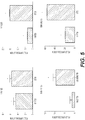
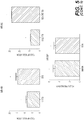
- the analysis identified a novel signature of miRNAs whose expression was elevated in both sTBI and mTBI groups which were then selected for further biomarker analysis ( Figures 2 and 3 ).
- Table 6 shows one embodiment of the signature miRNA biomarkers used to identify mTBI and sTBI.
- the miRNA biomarkers as shown in Table 6 were present in samples from subjects with mTBI and sTBI, but not in samples from subjects with orthopedic injury.
- Table 6 miRNA biomarkers for TBI.
- MiRNA Mature Sequence Mirbase ID hsa-miR-151-5p UCGAGGAGCUCACAGUCUAGU MIMAT0004697 hsa-miR-328 CUGGCCCUCUCUGCCCUUCCGU MIMAT0000752 hsa-miR-486 UCCUGUACUGAGCUGCCCCGAG MIMAT0002177 hsa-miR-362-3p AACACACCUAUUCAAGGAUUCA MIMAT0004683 hsa-miR-942 UCUUCUCUGUUUUGGCCAUGUG MIMAT0004985 hsa-miR-505* GGGAGCCAGGAAGUAUUGAUGU MIMAT0004776 hsa-miR-195 UAGCAGCACAGAAAUAUUGGC MIMAT0000461 hsa-miR-20a UAAAGUGCUUAUAGUGCAGGUAG MIMAT0000075 hsa-miR-27a UUCACAGUGGCUAAGUUCCGC MIMAT00
- IPA Ingenuity Pathway Analysis
- the pathway explorer function of IPA was used to build putative pathways between TBI miRNA biomarker candidates and TBI related molecules. This analysis identified 30 genes as direct targets for the 8 miRNA candidate miR-151-5p, miR-195, miR-328-3p, miR-362-3p, miR-30d, miR-20a, miR-486 and miR-92a. MiR-505* and miR-451 were not predicted to target any of the target molecules for TBI in IPA. These genes were further analyzed by overlying them in the canonical pathway category.
- miR-328 was predicted to regulate erythropoietin and erythropoietin receptor which are important mediators of erythropoietin signaling.
- MiR-486, miR-27a and miR-195 targeted molecules involved in glutamate receptor signaling and GABA receptor signaling.
- MiR-151-5p and miR-362-3p target molecule SCN4A which is shown to be responsible for generation and propagation of neurons.
- MiR-30d was also predicted to target adrenoceptors and GABA receptor signaling. Overall, it was found that all the most of the miRNAs target important neurological pathways ( Figure 4 ).
- MiR-202 was selected as the endogenous control for the specific PCR assays in the CSF samples.
- the conventional miRNA assay was modified by adding an additional pre-amplified the product using the real time primers, which does not introduce additional bias since only one primer is used for pre-amplification reaction.
- the real time data for miR-151-5p, miR-328, miR-362-3p, miR-486 and miR-942 were normalized using miR-202.
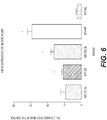
- MiR-202 was found stable in the CSF samples with a mean Ct value of 26.2 and 25.8 in injury and control samples respectively. Normalization with miR-202 showed a significant upregulation of miR-328, miR-362-3p and miR-486 ( Figure 6 ). Increase in miR-151-5p was also observed.
- Additional miRNA assays for candidate miRNAs identified in serum as biomarker candidates in both MMTBI and STBI groups were modified and an additional pre-amplification step was added in the analysis. This pre-amplification does not introduce additional bias since only one primer is used for pre-amplification reaction.
- the real time data for miR-151-5p, miR-195, miR-20a, miR-30d, miR-328, miR-362-3p, miR-451, miR-486, miR-505* and miR-92a was normalized using miR-202.
- MiR-202 was found extremely stable in the CSF samples with a mean Ct value of 26.2 and 25.8 in injury and control samples respectively.
- the miRNA data was analyzed with the delta Ct data from the real time PCR data of the TBI and trauma control groups to identify a correlation of miRNAs with CT lesions.
- the comparison between these groups was performed using the delta Ct values because of the absence of absolute fold change.
- miR-195 p ⁇ 0.001
- miR-30d p ⁇ 0.001
- miR-451 p ⁇ 0.011
- miR-328 p ⁇ 0.101
- miR-92a p ⁇ 0.001
- miR-486 p ⁇ 0.006
- miR-505 p ⁇ 0.008
- miR-362 miR-362
- miR-151 p ⁇ 0.065
- miR-20a p ⁇ 0.012
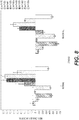
- Receiver operator characteristic (ROC) curve was generated to calculate the area under the curve (AUC) to identify the accuracy of the miRNAs in diagnosing TBI.
- the analysis identified the AUC values as miR-195 (0.81, p value ⁇ 0.003), miR-30d (0.75, p value ⁇ 0.016), miR-451 (0.82, p value ⁇ 0.002), miR-328 (0.73, p value ⁇ 0.030), miR-92a (0.86, p value ⁇ 0.001), miR-486 (0.81, p value ⁇ 0.003), miR-505 (0.82, p value ⁇ 0.002), miR-362 (0.79, p value ⁇ 0.006), miR-151 (0.66, p value ⁇ 0.123), miR-20a (0.78, 0.007). All miRNAs except for miR-151 showed good diagnostic accuracy ( Figure 9 ).
Landscapes
- Chemical & Material Sciences (AREA)
- Life Sciences & Earth Sciences (AREA)
- Health & Medical Sciences (AREA)
- Proteomics, Peptides & Aminoacids (AREA)
- Organic Chemistry (AREA)
- Genetics & Genomics (AREA)
- Zoology (AREA)
- Analytical Chemistry (AREA)
- Wood Science & Technology (AREA)
- Engineering & Computer Science (AREA)
- Microbiology (AREA)
- Biochemistry (AREA)
- Biotechnology (AREA)
- Molecular Biology (AREA)
- Biophysics (AREA)
- Physics & Mathematics (AREA)
- Pathology (AREA)
- Immunology (AREA)
- Bioinformatics & Cheminformatics (AREA)
- General Engineering & Computer Science (AREA)
- General Health & Medical Sciences (AREA)
- Measuring Or Testing Involving Enzymes Or Micro-Organisms (AREA)
- Investigating Or Analysing Biological Materials (AREA)
- Measurement Of The Respiration, Hearing Ability, Form, And Blood Characteristics Of Living Organisms (AREA)
- Medicines Containing Antibodies Or Antigens For Use As Internal Diagnostic Agents (AREA)
Claims (6)
- Verfahren zur Diagnose eines schweren Schädel-Hirn-Traumas (SHT) bei einer menschlichen Person mit einer Kopfverletzung, wobei das Verfahren umfasst:a) Bestimmen von Pegel(n) einer oder mehrerer Mikro-RNAs (miRNAs) in einer biologischen Serumprobe, die der Person entnommen wurde; undb) Vergleichen des/der bestimmten Pegel(s) der einen oder mehreren miRNAs mit Pegel(n) der gleichen einen oder mehreren miRNAs einer Kontrollperson, bei der festgestellt wurde, dass sie nicht an SHT leidet, oder von der gleichen Person zu einem früheren Zeitpunkt;wobei die eine oder mehrere miRNAs hsa-miR-151-5p umfassen; und
wobei eine Änderung eines Pegels von hsa-miR-151-5p über das 5-Fache im Vergleich zu dem in Schritt b) bestimmten Kontrollpegel darauf hinweist, dass die Person an schwerem SHT leidet. - Verfahren nach Anspruch 1, wobei die Kopfverletzung eine geschlossene Kopfverletzung (CHI) oder ein durch Explosionen induziertes Schädel-Hirn-Trauma (bSHT) ist.
- Verfahren nach Anspruch 1 oder 2, wobei die biologische Probe der Person weniger als einen Tag nach einer Kopfverletzung entnommen wird.
- Verfahren nach Anspruch 1-3, wobei die biologische Probe der Person zwischen zwei und acht Tagen nach einer Kopfverletzung entnommen wird.
- Verfahren nach Anspruch 1-4, wobei der (die) Pegel einer oder mehrerer spezifischer Mikro-RNAs durch eine Echtzeit-PCR bestimmt wird (werden).
- Verfahren nach Anspruch 1-5, wobei die Menge einer miRNA mit der Menge von hsa-miR-202 verglichen wird, um die Menge dieser miRNA zu bestimmen.
Applications Claiming Priority (2)
| Application Number | Priority Date | Filing Date | Title |
|---|---|---|---|
| US201562198295P | 2015-07-29 | 2015-07-29 | |
| PCT/US2016/044784 WO2017019976A2 (en) | 2015-07-29 | 2016-07-29 | Microrna biomarkers for traumatic brain injury and methods of use thereof |
Publications (3)
| Publication Number | Publication Date |
|---|---|
| EP3329005A2 EP3329005A2 (de) | 2018-06-06 |
| EP3329005A4 EP3329005A4 (de) | 2019-05-01 |
| EP3329005B1 true EP3329005B1 (de) | 2020-05-13 |
Family
ID=57886831
Family Applications (1)
| Application Number | Title | Priority Date | Filing Date |
|---|---|---|---|
| EP16831427.6A Active EP3329005B1 (de) | 2015-07-29 | 2016-07-29 | Mikrorna-biomarker für hirntrauma und verfahren zur verwendung davon |
Country Status (6)
| Country | Link |
|---|---|
| US (2) | US20180216187A1 (de) |
| EP (1) | EP3329005B1 (de) |
| JP (1) | JP2018522558A (de) |
| AU (1) | AU2016298376A1 (de) |
| CA (1) | CA2993989A1 (de) |
| WO (1) | WO2017019976A2 (de) |
Families Citing this family (5)
| Publication number | Priority date | Publication date | Assignee | Title |
|---|---|---|---|---|
| GB201603967D0 (en) | 2016-03-08 | 2016-04-20 | Univ Birmingham | Biomarkers of traumatic brain injury |
| CN111197070A (zh) * | 2018-11-16 | 2020-05-26 | 南京迈西可生物科技有限公司 | 鉴定rna分子中2`-o-甲基化修饰的方法及其应用 |
| KR102184840B1 (ko) * | 2019-05-20 | 2020-11-30 | 이화여자대학교 산학협력단 | 외상 후 스트레스 장애 진단 또는 예측용 바이오마커 및 그의 용도 |
| US12091716B2 (en) | 2020-01-15 | 2024-09-17 | Mayo Foundation For Medical Education And Research | Methods and materials for identifying and treating traumatic brain injury |
| US20240124931A1 (en) * | 2022-10-15 | 2024-04-18 | Renato Rozental | Material and method for diagnosis of traumatic brain injury |
Family Cites Families (6)
| Publication number | Priority date | Publication date | Assignee | Title |
|---|---|---|---|---|
| US20070065844A1 (en) * | 2005-06-08 | 2007-03-22 | Massachusetts Institute Of Technology | Solution-based methods for RNA expression profiling |
| JP2007082436A (ja) * | 2005-09-20 | 2007-04-05 | Bioinformatics Institute For Global Good Inc | 機能性RNAが制御するターゲットmRNAの予測・同定方法及びその利用方法 |
| US20070092882A1 (en) * | 2005-10-21 | 2007-04-26 | Hui Wang | Analysis of microRNA |
| CA2774173A1 (en) * | 2009-09-14 | 2011-03-17 | Banyan Biomarkers, Inc. | Micro-rna, autoantibody and protein markers for diagnosis of neuronal injury |
| CA2926092A1 (en) * | 2013-10-24 | 2015-04-30 | Nanosomix, Inc. | Biomarkers and diagnostic methods for alzheimer's disease and other neurodegenerative disorders |
| WO2015196191A1 (en) * | 2014-06-20 | 2015-12-23 | The Henry M. Jackson Foundation For The Advancement Of Military Medicine, Inc. | Microrna biomarkers for traumatic brain injury and methods of use thereof |
-
2016
- 2016-07-29 EP EP16831427.6A patent/EP3329005B1/de active Active
- 2016-07-29 CA CA2993989A patent/CA2993989A1/en not_active Abandoned
- 2016-07-29 WO PCT/US2016/044784 patent/WO2017019976A2/en not_active Ceased
- 2016-07-29 US US15/747,999 patent/US20180216187A1/en not_active Abandoned
- 2016-07-29 JP JP2018504167A patent/JP2018522558A/ja active Pending
- 2016-07-29 AU AU2016298376A patent/AU2016298376A1/en not_active Abandoned
-
2021
- 2021-04-08 US US17/225,653 patent/US20210277475A1/en not_active Abandoned
Non-Patent Citations (1)
| Title |
|---|
| None * |
Also Published As
| Publication number | Publication date |
|---|---|
| US20180216187A1 (en) | 2018-08-02 |
| WO2017019976A2 (en) | 2017-02-02 |
| AU2016298376A1 (en) | 2018-02-22 |
| WO2017019976A3 (en) | 2017-03-23 |
| EP3329005A4 (de) | 2019-05-01 |
| CA2993989A1 (en) | 2017-02-02 |
| US20210277475A1 (en) | 2021-09-09 |
| EP3329005A2 (de) | 2018-06-06 |
| JP2018522558A (ja) | 2018-08-16 |
Similar Documents
| Publication | Publication Date | Title |
|---|---|---|
| US20210277475A1 (en) | MicroRNA Biomarkers for Traumatic Brain Injury and Methods of Use Thereof | |
| US7993831B2 (en) | Methods of normalization in microRNA detection assays | |
| US9493832B2 (en) | Methods of detecting sepsis | |
| CN101921760B (zh) | 一种与乳腺癌相关的血清/血浆miRNA标志物及其应用 | |
| EP2800820B1 (de) | Verfahren und kits zur erkennung von patienten mit bauchspeicheldrüsenkrebs | |
| US8632967B2 (en) | Cancer marker, method for evaluation of cancer by using the cancer marker, and evaluation reagent | |
| WO2010139812A1 (en) | miRNA FINGERPRINT IN THE DIAGNOSIS OF DISEASES | |
| KR20140044375A (ko) | 알츠하이머병을 나타내는 마이크로rna 바이오마커들 | |
| CN103620057A (zh) | 使用来自体液的miRNA来早期检测和监控轻度认知障碍(MCI)和阿尔茨海默病(AD)的方法 | |
| CN102876676B (zh) | 一种与胰腺癌相关的血清/血浆miRNA标志物及其应用 | |
| US9631241B2 (en) | Complex sets of miRNAs as non-invasive biomarkers for colon cancer | |
| WO2014114802A1 (en) | Non-invasive prenatal genetic diagnostic methods | |
| US20190119756A1 (en) | Lung cancer determinations using mirna | |
| CN107937512A (zh) | 用于诊断复发性流产的血清microRNA标志物、引物组及应用和试剂盒 | |
| CN107858434A (zh) | lncRNA在肝癌诊断以及预后预测中的应用 | |
| US11591597B2 (en) | MicroRNAs as therapeutic targets for ischemic stroke | |
| WO2015196191A1 (en) | Microrna biomarkers for traumatic brain injury and methods of use thereof | |
| US10358679B2 (en) | MicroRNA biomarkers for posttraumatic stress disorder and methods of use thereof | |
| KR20210048794A (ko) | 비결핵 항산균에 의한 감염 또는 감염 질환의 진단용 조성물 | |
| RU2838260C1 (ru) | Набор олигодезоксирибонуклеотидных праймеров для диагностики сердечно-сосудистых заболеваний и выявления риска их развития на основе биомолекулярного маркера микроРНК hsa-miR-145-3p методом количественной ПЦР и его применение | |
| EP3292214A1 (de) | Verfahren zur quantifizierung von mirnas mittels normalisierung | |
| OA20986A (en) | Salivary biomarkers of brain injury. | |
| Maheshwari | A panel of serum MiRNA Biomarkers for the Diagnosis of severe to Mild traumatic Brain Injury in Humans | |
| EP3701047A1 (de) | Mirnas als biomarker für morbus alzheimer | |
| HK1204016B (en) | Methods and kits for detecting subjects having pancreatic cancer |
Legal Events
| Date | Code | Title | Description |
|---|---|---|---|
| STAA | Information on the status of an ep patent application or granted ep patent |
Free format text: STATUS: THE INTERNATIONAL PUBLICATION HAS BEEN MADE |
|
| PUAI | Public reference made under article 153(3) epc to a published international application that has entered the european phase |
Free format text: ORIGINAL CODE: 0009012 |
|
| STAA | Information on the status of an ep patent application or granted ep patent |
Free format text: STATUS: REQUEST FOR EXAMINATION WAS MADE |
|
| 17P | Request for examination filed |
Effective date: 20180214 |
|
| AK | Designated contracting states |
Kind code of ref document: A2 Designated state(s): AL AT BE BG CH CY CZ DE DK EE ES FI FR GB GR HR HU IE IS IT LI LT LU LV MC MK MT NL NO PL PT RO RS SE SI SK SM TR |
|
| AX | Request for extension of the european patent |
Extension state: BA ME |
|
| DAV | Request for validation of the european patent (deleted) | ||
| DAX | Request for extension of the european patent (deleted) | ||
| RIC1 | Information provided on ipc code assigned before grant |
Ipc: C12Q 1/6883 20180101AFI20181210BHEP |
|
| REG | Reference to a national code |
Ref country code: DE Ref legal event code: R079 Ref document number: 602016036524 Country of ref document: DE Free format text: PREVIOUS MAIN CLASS: C12N0015113000 Ipc: C12Q0001688300 |
|
| A4 | Supplementary search report drawn up and despatched |
Effective date: 20190329 |
|
| RIC1 | Information provided on ipc code assigned before grant |
Ipc: C12Q 1/6883 20180101AFI20190325BHEP |
|
| GRAP | Despatch of communication of intention to grant a patent |
Free format text: ORIGINAL CODE: EPIDOSNIGR1 |
|
| STAA | Information on the status of an ep patent application or granted ep patent |
Free format text: STATUS: GRANT OF PATENT IS INTENDED |
|
| INTG | Intention to grant announced |
Effective date: 20191216 |
|
| GRAS | Grant fee paid |
Free format text: ORIGINAL CODE: EPIDOSNIGR3 |
|
| GRAA | (expected) grant |
Free format text: ORIGINAL CODE: 0009210 |
|
| STAA | Information on the status of an ep patent application or granted ep patent |
Free format text: STATUS: THE PATENT HAS BEEN GRANTED |
|
| AK | Designated contracting states |
Kind code of ref document: B1 Designated state(s): AL AT BE BG CH CY CZ DE DK EE ES FI FR GB GR HR HU IE IS IT LI LT LU LV MC MK MT NL NO PL PT RO RS SE SI SK SM TR |
|
| REG | Reference to a national code |
Ref country code: GB Ref legal event code: FG4D |
|
| REG | Reference to a national code |
Ref country code: CH Ref legal event code: EP |
|
| REG | Reference to a national code |
Ref country code: DE Ref legal event code: R096 Ref document number: 602016036524 Country of ref document: DE |
|
| REG | Reference to a national code |
Ref country code: AT Ref legal event code: REF Ref document number: 1270348 Country of ref document: AT Kind code of ref document: T Effective date: 20200615 |
|
| REG | Reference to a national code |
Ref country code: LT Ref legal event code: MG4D |
|
| REG | Reference to a national code |
Ref country code: NL Ref legal event code: MP Effective date: 20200513 |
|
| PG25 | Lapsed in a contracting state [announced via postgrant information from national office to epo] |
Ref country code: NO Free format text: LAPSE BECAUSE OF FAILURE TO SUBMIT A TRANSLATION OF THE DESCRIPTION OR TO PAY THE FEE WITHIN THE PRESCRIBED TIME-LIMIT Effective date: 20200813 Ref country code: GR Free format text: LAPSE BECAUSE OF FAILURE TO SUBMIT A TRANSLATION OF THE DESCRIPTION OR TO PAY THE FEE WITHIN THE PRESCRIBED TIME-LIMIT Effective date: 20200814 Ref country code: LT Free format text: LAPSE BECAUSE OF FAILURE TO SUBMIT A TRANSLATION OF THE DESCRIPTION OR TO PAY THE FEE WITHIN THE PRESCRIBED TIME-LIMIT Effective date: 20200513 Ref country code: SE Free format text: LAPSE BECAUSE OF FAILURE TO SUBMIT A TRANSLATION OF THE DESCRIPTION OR TO PAY THE FEE WITHIN THE PRESCRIBED TIME-LIMIT Effective date: 20200513 Ref country code: PT Free format text: LAPSE BECAUSE OF FAILURE TO SUBMIT A TRANSLATION OF THE DESCRIPTION OR TO PAY THE FEE WITHIN THE PRESCRIBED TIME-LIMIT Effective date: 20200914 Ref country code: IS Free format text: LAPSE BECAUSE OF FAILURE TO SUBMIT A TRANSLATION OF THE DESCRIPTION OR TO PAY THE FEE WITHIN THE PRESCRIBED TIME-LIMIT Effective date: 20200913 Ref country code: FI Free format text: LAPSE BECAUSE OF FAILURE TO SUBMIT A TRANSLATION OF THE DESCRIPTION OR TO PAY THE FEE WITHIN THE PRESCRIBED TIME-LIMIT Effective date: 20200513 |
|
| PG25 | Lapsed in a contracting state [announced via postgrant information from national office to epo] |
Ref country code: HR Free format text: LAPSE BECAUSE OF FAILURE TO SUBMIT A TRANSLATION OF THE DESCRIPTION OR TO PAY THE FEE WITHIN THE PRESCRIBED TIME-LIMIT Effective date: 20200513 Ref country code: LV Free format text: LAPSE BECAUSE OF FAILURE TO SUBMIT A TRANSLATION OF THE DESCRIPTION OR TO PAY THE FEE WITHIN THE PRESCRIBED TIME-LIMIT Effective date: 20200513 Ref country code: BG Free format text: LAPSE BECAUSE OF FAILURE TO SUBMIT A TRANSLATION OF THE DESCRIPTION OR TO PAY THE FEE WITHIN THE PRESCRIBED TIME-LIMIT Effective date: 20200813 Ref country code: RS Free format text: LAPSE BECAUSE OF FAILURE TO SUBMIT A TRANSLATION OF THE DESCRIPTION OR TO PAY THE FEE WITHIN THE PRESCRIBED TIME-LIMIT Effective date: 20200513 |
|
| REG | Reference to a national code |
Ref country code: AT Ref legal event code: MK05 Ref document number: 1270348 Country of ref document: AT Kind code of ref document: T Effective date: 20200513 |
|
| PG25 | Lapsed in a contracting state [announced via postgrant information from national office to epo] |
Ref country code: AL Free format text: LAPSE BECAUSE OF FAILURE TO SUBMIT A TRANSLATION OF THE DESCRIPTION OR TO PAY THE FEE WITHIN THE PRESCRIBED TIME-LIMIT Effective date: 20200513 Ref country code: NL Free format text: LAPSE BECAUSE OF FAILURE TO SUBMIT A TRANSLATION OF THE DESCRIPTION OR TO PAY THE FEE WITHIN THE PRESCRIBED TIME-LIMIT Effective date: 20200513 |
|
| PG25 | Lapsed in a contracting state [announced via postgrant information from national office to epo] |
Ref country code: ES Free format text: LAPSE BECAUSE OF FAILURE TO SUBMIT A TRANSLATION OF THE DESCRIPTION OR TO PAY THE FEE WITHIN THE PRESCRIBED TIME-LIMIT Effective date: 20200513 Ref country code: CZ Free format text: LAPSE BECAUSE OF FAILURE TO SUBMIT A TRANSLATION OF THE DESCRIPTION OR TO PAY THE FEE WITHIN THE PRESCRIBED TIME-LIMIT Effective date: 20200513 Ref country code: RO Free format text: LAPSE BECAUSE OF FAILURE TO SUBMIT A TRANSLATION OF THE DESCRIPTION OR TO PAY THE FEE WITHIN THE PRESCRIBED TIME-LIMIT Effective date: 20200513 Ref country code: EE Free format text: LAPSE BECAUSE OF FAILURE TO SUBMIT A TRANSLATION OF THE DESCRIPTION OR TO PAY THE FEE WITHIN THE PRESCRIBED TIME-LIMIT Effective date: 20200513 Ref country code: AT Free format text: LAPSE BECAUSE OF FAILURE TO SUBMIT A TRANSLATION OF THE DESCRIPTION OR TO PAY THE FEE WITHIN THE PRESCRIBED TIME-LIMIT Effective date: 20200513 Ref country code: SM Free format text: LAPSE BECAUSE OF FAILURE TO SUBMIT A TRANSLATION OF THE DESCRIPTION OR TO PAY THE FEE WITHIN THE PRESCRIBED TIME-LIMIT Effective date: 20200513 Ref country code: IT Free format text: LAPSE BECAUSE OF FAILURE TO SUBMIT A TRANSLATION OF THE DESCRIPTION OR TO PAY THE FEE WITHIN THE PRESCRIBED TIME-LIMIT Effective date: 20200513 Ref country code: DK Free format text: LAPSE BECAUSE OF FAILURE TO SUBMIT A TRANSLATION OF THE DESCRIPTION OR TO PAY THE FEE WITHIN THE PRESCRIBED TIME-LIMIT Effective date: 20200513 |
|
| REG | Reference to a national code |
Ref country code: DE Ref legal event code: R097 Ref document number: 602016036524 Country of ref document: DE |
|
| PG25 | Lapsed in a contracting state [announced via postgrant information from national office to epo] |
Ref country code: MC Free format text: LAPSE BECAUSE OF FAILURE TO SUBMIT A TRANSLATION OF THE DESCRIPTION OR TO PAY THE FEE WITHIN THE PRESCRIBED TIME-LIMIT Effective date: 20200513 Ref country code: SK Free format text: LAPSE BECAUSE OF FAILURE TO SUBMIT A TRANSLATION OF THE DESCRIPTION OR TO PAY THE FEE WITHIN THE PRESCRIBED TIME-LIMIT Effective date: 20200513 Ref country code: PL Free format text: LAPSE BECAUSE OF FAILURE TO SUBMIT A TRANSLATION OF THE DESCRIPTION OR TO PAY THE FEE WITHIN THE PRESCRIBED TIME-LIMIT Effective date: 20200513 |
|
| REG | Reference to a national code |
Ref country code: CH Ref legal event code: PL |
|
| PLBE | No opposition filed within time limit |
Free format text: ORIGINAL CODE: 0009261 |
|
| STAA | Information on the status of an ep patent application or granted ep patent |
Free format text: STATUS: NO OPPOSITION FILED WITHIN TIME LIMIT |
|
| 26N | No opposition filed |
Effective date: 20210216 |
|
| REG | Reference to a national code |
Ref country code: BE Ref legal event code: MM Effective date: 20200731 |
|
| PG25 | Lapsed in a contracting state [announced via postgrant information from national office to epo] |
Ref country code: LU Free format text: LAPSE BECAUSE OF NON-PAYMENT OF DUE FEES Effective date: 20200729 Ref country code: LI Free format text: LAPSE BECAUSE OF NON-PAYMENT OF DUE FEES Effective date: 20200731 Ref country code: CH Free format text: LAPSE BECAUSE OF NON-PAYMENT OF DUE FEES Effective date: 20200731 |
|
| PG25 | Lapsed in a contracting state [announced via postgrant information from national office to epo] |
Ref country code: SI Free format text: LAPSE BECAUSE OF FAILURE TO SUBMIT A TRANSLATION OF THE DESCRIPTION OR TO PAY THE FEE WITHIN THE PRESCRIBED TIME-LIMIT Effective date: 20200513 Ref country code: BE Free format text: LAPSE BECAUSE OF NON-PAYMENT OF DUE FEES Effective date: 20200731 |
|
| PG25 | Lapsed in a contracting state [announced via postgrant information from national office to epo] |
Ref country code: IE Free format text: LAPSE BECAUSE OF NON-PAYMENT OF DUE FEES Effective date: 20200729 |
|
| PG25 | Lapsed in a contracting state [announced via postgrant information from national office to epo] |
Ref country code: TR Free format text: LAPSE BECAUSE OF FAILURE TO SUBMIT A TRANSLATION OF THE DESCRIPTION OR TO PAY THE FEE WITHIN THE PRESCRIBED TIME-LIMIT Effective date: 20200513 Ref country code: MT Free format text: LAPSE BECAUSE OF FAILURE TO SUBMIT A TRANSLATION OF THE DESCRIPTION OR TO PAY THE FEE WITHIN THE PRESCRIBED TIME-LIMIT Effective date: 20200513 Ref country code: CY Free format text: LAPSE BECAUSE OF FAILURE TO SUBMIT A TRANSLATION OF THE DESCRIPTION OR TO PAY THE FEE WITHIN THE PRESCRIBED TIME-LIMIT Effective date: 20200513 |
|
| PG25 | Lapsed in a contracting state [announced via postgrant information from national office to epo] |
Ref country code: MK Free format text: LAPSE BECAUSE OF FAILURE TO SUBMIT A TRANSLATION OF THE DESCRIPTION OR TO PAY THE FEE WITHIN THE PRESCRIBED TIME-LIMIT Effective date: 20200513 |
|
| PGFP | Annual fee paid to national office [announced via postgrant information from national office to epo] |
Ref country code: GB Payment date: 20220727 Year of fee payment: 7 Ref country code: DE Payment date: 20220727 Year of fee payment: 7 |
|
| PGFP | Annual fee paid to national office [announced via postgrant information from national office to epo] |
Ref country code: FR Payment date: 20220725 Year of fee payment: 7 |
|
| REG | Reference to a national code |
Ref country code: DE Ref legal event code: R119 Ref document number: 602016036524 Country of ref document: DE |
|
| GBPC | Gb: european patent ceased through non-payment of renewal fee |
Effective date: 20230729 |
|
| PG25 | Lapsed in a contracting state [announced via postgrant information from national office to epo] |
Ref country code: DE Free format text: LAPSE BECAUSE OF NON-PAYMENT OF DUE FEES Effective date: 20240201 Ref country code: GB Free format text: LAPSE BECAUSE OF NON-PAYMENT OF DUE FEES Effective date: 20230729 |
|
| PG25 | Lapsed in a contracting state [announced via postgrant information from national office to epo] |
Ref country code: FR Free format text: LAPSE BECAUSE OF NON-PAYMENT OF DUE FEES Effective date: 20230731 |