EP3307910B1 - Vorhersage der selbstmordneigung unter verwendung einer kombinierten genomischen und klinischen risikobewertung - Google Patents
Vorhersage der selbstmordneigung unter verwendung einer kombinierten genomischen und klinischen risikobewertung Download PDFInfo
- Publication number
- EP3307910B1 EP3307910B1 EP16808423.4A EP16808423A EP3307910B1 EP 3307910 B1 EP3307910 B1 EP 3307910B1 EP 16808423 A EP16808423 A EP 16808423A EP 3307910 B1 EP3307910 B1 EP 3307910B1
- Authority
- EP
- European Patent Office
- Prior art keywords
- computer device
- demographic
- socio
- psychological
- subject
- Prior art date
- Legal status (The legal status is an assumption and is not a legal conclusion. Google has not performed a legal analysis and makes no representation as to the accuracy of the status listed.)
- Active
Links
Images















Classifications
-
- A—HUMAN NECESSITIES
- A61—MEDICAL OR VETERINARY SCIENCE; HYGIENE
- A61P—SPECIFIC THERAPEUTIC ACTIVITY OF CHEMICAL COMPOUNDS OR MEDICINAL PREPARATIONS
- A61P25/00—Drugs for disorders of the nervous system
-
- A—HUMAN NECESSITIES
- A61—MEDICAL OR VETERINARY SCIENCE; HYGIENE
- A61P—SPECIFIC THERAPEUTIC ACTIVITY OF CHEMICAL COMPOUNDS OR MEDICINAL PREPARATIONS
- A61P25/00—Drugs for disorders of the nervous system
- A61P25/18—Antipsychotics, i.e. neuroleptics; Drugs for mania or schizophrenia
-
- A—HUMAN NECESSITIES
- A61—MEDICAL OR VETERINARY SCIENCE; HYGIENE
- A61P—SPECIFIC THERAPEUTIC ACTIVITY OF CHEMICAL COMPOUNDS OR MEDICINAL PREPARATIONS
- A61P25/00—Drugs for disorders of the nervous system
- A61P25/22—Anxiolytics
-
- A—HUMAN NECESSITIES
- A61—MEDICAL OR VETERINARY SCIENCE; HYGIENE
- A61P—SPECIFIC THERAPEUTIC ACTIVITY OF CHEMICAL COMPOUNDS OR MEDICINAL PREPARATIONS
- A61P25/00—Drugs for disorders of the nervous system
- A61P25/24—Antidepressants
-
- C—CHEMISTRY; METALLURGY
- C12—BIOCHEMISTRY; BEER; SPIRITS; WINE; VINEGAR; MICROBIOLOGY; ENZYMOLOGY; MUTATION OR GENETIC ENGINEERING
- C12Q—MEASURING OR TESTING PROCESSES INVOLVING ENZYMES, NUCLEIC ACIDS OR MICROORGANISMS; COMPOSITIONS OR TEST PAPERS THEREFOR; PROCESSES OF PREPARING SUCH COMPOSITIONS; CONDITION-RESPONSIVE CONTROL IN MICROBIOLOGICAL OR ENZYMOLOGICAL PROCESSES
- C12Q1/00—Measuring or testing processes involving enzymes, nucleic acids or microorganisms; Compositions therefor; Processes of preparing such compositions
- C12Q1/68—Measuring or testing processes involving enzymes, nucleic acids or microorganisms; Compositions therefor; Processes of preparing such compositions involving nucleic acids
-
- C—CHEMISTRY; METALLURGY
- C12—BIOCHEMISTRY; BEER; SPIRITS; WINE; VINEGAR; MICROBIOLOGY; ENZYMOLOGY; MUTATION OR GENETIC ENGINEERING
- C12Q—MEASURING OR TESTING PROCESSES INVOLVING ENZYMES, NUCLEIC ACIDS OR MICROORGANISMS; COMPOSITIONS OR TEST PAPERS THEREFOR; PROCESSES OF PREPARING SUCH COMPOSITIONS; CONDITION-RESPONSIVE CONTROL IN MICROBIOLOGICAL OR ENZYMOLOGICAL PROCESSES
- C12Q1/00—Measuring or testing processes involving enzymes, nucleic acids or microorganisms; Compositions therefor; Processes of preparing such compositions
- C12Q1/68—Measuring or testing processes involving enzymes, nucleic acids or microorganisms; Compositions therefor; Processes of preparing such compositions involving nucleic acids
- C12Q1/6876—Nucleic acid products used in the analysis of nucleic acids, e.g. primers or probes
-
- C—CHEMISTRY; METALLURGY
- C12—BIOCHEMISTRY; BEER; SPIRITS; WINE; VINEGAR; MICROBIOLOGY; ENZYMOLOGY; MUTATION OR GENETIC ENGINEERING
- C12Q—MEASURING OR TESTING PROCESSES INVOLVING ENZYMES, NUCLEIC ACIDS OR MICROORGANISMS; COMPOSITIONS OR TEST PAPERS THEREFOR; PROCESSES OF PREPARING SUCH COMPOSITIONS; CONDITION-RESPONSIVE CONTROL IN MICROBIOLOGICAL OR ENZYMOLOGICAL PROCESSES
- C12Q1/00—Measuring or testing processes involving enzymes, nucleic acids or microorganisms; Compositions therefor; Processes of preparing such compositions
- C12Q1/68—Measuring or testing processes involving enzymes, nucleic acids or microorganisms; Compositions therefor; Processes of preparing such compositions involving nucleic acids
- C12Q1/6876—Nucleic acid products used in the analysis of nucleic acids, e.g. primers or probes
- C12Q1/6883—Nucleic acid products used in the analysis of nucleic acids, e.g. primers or probes for diseases caused by alterations of genetic material
-
- G—PHYSICS
- G01—MEASURING; TESTING
- G01N—INVESTIGATING OR ANALYSING MATERIALS BY DETERMINING THEIR CHEMICAL OR PHYSICAL PROPERTIES
- G01N33/00—Investigating or analysing materials by specific methods not covered by groups G01N1/00 - G01N31/00
- G01N33/48—Biological material, e.g. blood, urine; Haemocytometers
-
- G—PHYSICS
- G01—MEASURING; TESTING
- G01N—INVESTIGATING OR ANALYSING MATERIALS BY DETERMINING THEIR CHEMICAL OR PHYSICAL PROPERTIES
- G01N33/00—Investigating or analysing materials by specific methods not covered by groups G01N1/00 - G01N31/00
- G01N33/48—Biological material, e.g. blood, urine; Haemocytometers
- G01N33/50—Chemical analysis of biological material, e.g. blood, urine; Testing involving biospecific ligand binding methods; Immunological testing
- G01N33/68—Chemical analysis of biological material, e.g. blood, urine; Testing involving biospecific ligand binding methods; Immunological testing involving proteins, peptides or amino acids
- G01N33/6893—Chemical analysis of biological material, e.g. blood, urine; Testing involving biospecific ligand binding methods; Immunological testing involving proteins, peptides or amino acids related to diseases not provided for elsewhere
-
- G—PHYSICS
- G16—INFORMATION AND COMMUNICATION TECHNOLOGY [ICT] SPECIALLY ADAPTED FOR SPECIFIC APPLICATION FIELDS
- G16B—BIOINFORMATICS, i.e. INFORMATION AND COMMUNICATION TECHNOLOGY [ICT] SPECIALLY ADAPTED FOR GENETIC OR PROTEIN-RELATED DATA PROCESSING IN COMPUTATIONAL MOLECULAR BIOLOGY
- G16B20/00—ICT specially adapted for functional genomics or proteomics, e.g. genotype-phenotype associations
-
- G—PHYSICS
- G16—INFORMATION AND COMMUNICATION TECHNOLOGY [ICT] SPECIALLY ADAPTED FOR SPECIFIC APPLICATION FIELDS
- G16B—BIOINFORMATICS, i.e. INFORMATION AND COMMUNICATION TECHNOLOGY [ICT] SPECIALLY ADAPTED FOR GENETIC OR PROTEIN-RELATED DATA PROCESSING IN COMPUTATIONAL MOLECULAR BIOLOGY
- G16B20/00—ICT specially adapted for functional genomics or proteomics, e.g. genotype-phenotype associations
- G16B20/20—Allele or variant detection, e.g. single nucleotide polymorphism [SNP] detection
-
- G—PHYSICS
- G16—INFORMATION AND COMMUNICATION TECHNOLOGY [ICT] SPECIALLY ADAPTED FOR SPECIFIC APPLICATION FIELDS
- G16B—BIOINFORMATICS, i.e. INFORMATION AND COMMUNICATION TECHNOLOGY [ICT] SPECIALLY ADAPTED FOR GENETIC OR PROTEIN-RELATED DATA PROCESSING IN COMPUTATIONAL MOLECULAR BIOLOGY
- G16B25/00—ICT specially adapted for hybridisation; ICT specially adapted for gene or protein expression
-
- G—PHYSICS
- G16—INFORMATION AND COMMUNICATION TECHNOLOGY [ICT] SPECIALLY ADAPTED FOR SPECIFIC APPLICATION FIELDS
- G16B—BIOINFORMATICS, i.e. INFORMATION AND COMMUNICATION TECHNOLOGY [ICT] SPECIALLY ADAPTED FOR GENETIC OR PROTEIN-RELATED DATA PROCESSING IN COMPUTATIONAL MOLECULAR BIOLOGY
- G16B25/00—ICT specially adapted for hybridisation; ICT specially adapted for gene or protein expression
- G16B25/10—Gene or protein expression profiling; Expression-ratio estimation or normalisation
-
- G—PHYSICS
- G16—INFORMATION AND COMMUNICATION TECHNOLOGY [ICT] SPECIALLY ADAPTED FOR SPECIFIC APPLICATION FIELDS
- G16H—HEALTHCARE INFORMATICS, i.e. INFORMATION AND COMMUNICATION TECHNOLOGY [ICT] SPECIALLY ADAPTED FOR THE HANDLING OR PROCESSING OF MEDICAL OR HEALTHCARE DATA
- G16H10/00—ICT specially adapted for the handling or processing of patient-related medical or healthcare data
- G16H10/20—ICT specially adapted for the handling or processing of patient-related medical or healthcare data for electronic clinical trials or questionnaires
-
- G—PHYSICS
- G16—INFORMATION AND COMMUNICATION TECHNOLOGY [ICT] SPECIALLY ADAPTED FOR SPECIFIC APPLICATION FIELDS
- G16H—HEALTHCARE INFORMATICS, i.e. INFORMATION AND COMMUNICATION TECHNOLOGY [ICT] SPECIALLY ADAPTED FOR THE HANDLING OR PROCESSING OF MEDICAL OR HEALTHCARE DATA
- G16H50/00—ICT specially adapted for medical diagnosis, medical simulation or medical data mining; ICT specially adapted for detecting, monitoring or modelling epidemics or pandemics
- G16H50/20—ICT specially adapted for medical diagnosis, medical simulation or medical data mining; ICT specially adapted for detecting, monitoring or modelling epidemics or pandemics for computer-aided diagnosis, e.g. based on medical expert systems
-
- G—PHYSICS
- G16—INFORMATION AND COMMUNICATION TECHNOLOGY [ICT] SPECIALLY ADAPTED FOR SPECIFIC APPLICATION FIELDS
- G16H—HEALTHCARE INFORMATICS, i.e. INFORMATION AND COMMUNICATION TECHNOLOGY [ICT] SPECIALLY ADAPTED FOR THE HANDLING OR PROCESSING OF MEDICAL OR HEALTHCARE DATA
- G16H50/00—ICT specially adapted for medical diagnosis, medical simulation or medical data mining; ICT specially adapted for detecting, monitoring or modelling epidemics or pandemics
- G16H50/30—ICT specially adapted for medical diagnosis, medical simulation or medical data mining; ICT specially adapted for detecting, monitoring or modelling epidemics or pandemics for calculating health indices; for individual health risk assessment
-
- C—CHEMISTRY; METALLURGY
- C12—BIOCHEMISTRY; BEER; SPIRITS; WINE; VINEGAR; MICROBIOLOGY; ENZYMOLOGY; MUTATION OR GENETIC ENGINEERING
- C12Q—MEASURING OR TESTING PROCESSES INVOLVING ENZYMES, NUCLEIC ACIDS OR MICROORGANISMS; COMPOSITIONS OR TEST PAPERS THEREFOR; PROCESSES OF PREPARING SUCH COMPOSITIONS; CONDITION-RESPONSIVE CONTROL IN MICROBIOLOGICAL OR ENZYMOLOGICAL PROCESSES
- C12Q2600/00—Oligonucleotides characterized by their use
- C12Q2600/118—Prognosis of disease development
-
- C—CHEMISTRY; METALLURGY
- C12—BIOCHEMISTRY; BEER; SPIRITS; WINE; VINEGAR; MICROBIOLOGY; ENZYMOLOGY; MUTATION OR GENETIC ENGINEERING
- C12Q—MEASURING OR TESTING PROCESSES INVOLVING ENZYMES, NUCLEIC ACIDS OR MICROORGANISMS; COMPOSITIONS OR TEST PAPERS THEREFOR; PROCESSES OF PREPARING SUCH COMPOSITIONS; CONDITION-RESPONSIVE CONTROL IN MICROBIOLOGICAL OR ENZYMOLOGICAL PROCESSES
- C12Q2600/00—Oligonucleotides characterized by their use
- C12Q2600/158—Expression markers
-
- G—PHYSICS
- G01—MEASURING; TESTING
- G01N—INVESTIGATING OR ANALYSING MATERIALS BY DETERMINING THEIR CHEMICAL OR PHYSICAL PROPERTIES
- G01N2800/00—Detection or diagnosis of diseases
- G01N2800/30—Psychoses; Psychiatry
-
- G—PHYSICS
- G01—MEASURING; TESTING
- G01N—INVESTIGATING OR ANALYSING MATERIALS BY DETERMINING THEIR CHEMICAL OR PHYSICAL PROPERTIES
- G01N2800/00—Detection or diagnosis of diseases
- G01N2800/30—Psychoses; Psychiatry
- G01N2800/304—Mood disorders, e.g. bipolar, depression
-
- G—PHYSICS
- G01—MEASURING; TESTING
- G01N—INVESTIGATING OR ANALYSING MATERIALS BY DETERMINING THEIR CHEMICAL OR PHYSICAL PROPERTIES
- G01N2800/00—Detection or diagnosis of diseases
- G01N2800/50—Determining the risk of developing a disease
-
- G—PHYSICS
- G16—INFORMATION AND COMMUNICATION TECHNOLOGY [ICT] SPECIALLY ADAPTED FOR SPECIFIC APPLICATION FIELDS
- G16B—BIOINFORMATICS, i.e. INFORMATION AND COMMUNICATION TECHNOLOGY [ICT] SPECIALLY ADAPTED FOR GENETIC OR PROTEIN-RELATED DATA PROCESSING IN COMPUTATIONAL MOLECULAR BIOLOGY
- G16B20/00—ICT specially adapted for functional genomics or proteomics, e.g. genotype-phenotype associations
- G16B20/30—Detection of binding sites or motifs
-
- Y—GENERAL TAGGING OF NEW TECHNOLOGICAL DEVELOPMENTS; GENERAL TAGGING OF CROSS-SECTIONAL TECHNOLOGIES SPANNING OVER SEVERAL SECTIONS OF THE IPC; TECHNICAL SUBJECTS COVERED BY FORMER USPC CROSS-REFERENCE ART COLLECTIONS [XRACs] AND DIGESTS
- Y02—TECHNOLOGIES OR APPLICATIONS FOR MITIGATION OR ADAPTATION AGAINST CLIMATE CHANGE
- Y02A—TECHNOLOGIES FOR ADAPTATION TO CLIMATE CHANGE
- Y02A90/00—Technologies having an indirect contribution to adaptation to climate change
- Y02A90/10—Information and communication technologies [ICT] supporting adaptation to climate change, e.g. for weather forecasting or climate simulation
Definitions
- the present disclosure relates generally to biomarkers and their use for predicting a female subject's risk of suicidality (e.g., suicide ideation and actions, future hospitalization due to suicidality, and suicide completion). More particularly, the present disclosure relates to gene expression biomarkers, and to methods of screening for biomarkers, for identifying female subjects who are at risk of committing suicide, as well as to the use of a therapeutic drug for preventing and treating female subjects for suicidality. The present disclosure further relates to quantitative clinical information assessments through questionnaires and mobile applications (referred to herein as "apps") for assessing affective state (mood and anxiety), for assessing socio-demographic and psychological suicide risk factors, and for identifying female subjects who are at risk of committing suicide. Finally, the present disclosure relates to an algorithm for combining biomarkers and apps for identifying subjects who are at risk for committing suicide.
- an algorithm for combining biomarkers and apps for identifying subjects who are at risk for committing suicide.
- Suicide is a leading cause of death in psychiatric patients, and in society at large. Particularly, suicide accounts for one million deaths worldwide each year. Worldwide, one person dies every 40 seconds through suicide, a potentially preventable cause of death. Further, although women have a lower rate of suicide completion as compared to men, due in part to the less-violent methods used, women have a higher rate of suicide attempts. A limiting step in the ability to intervene is the lack of objective, reliable predictors. One cannot just ask individuals if they are suicidal, as the desire to not be stopped or future impulsive changes of mind may make their self-report of feelings, thoughts and plans unreliable.
- US 2014/0423211 A1 describes a panel of blood biomarkers for predicting a risk of suicidality in a subject.
- US 2012/041911 A1 discloses a method for assessing a risk for a subj ect to commit suicide comprising generating a biomarker score and assessing a neuropsychiatric condition score wherein the calculation of the scores is computer implemented.
- Tsai et al. describe Bcl-2 associated with positive symptoms of schizophrenic patients in an acute phase ( Psychiatry Research, Vol. 20, Issue 3, 2013, p. 735-738 ).
- WO 2015/006645A1 discloses blood biomarkers capable of predicting suicide ideation.
- the present disclosure is generally related to predicting state (suicidal ideation) and trait - future psychiatric hospitalizations for suicidality.
- the methods described herein increase the predictive accuracy for specifically identifying female subjects who are at risk for committing suicide and for predicting future hospitalization due to suicidality.
- the methods described herein increase the predictive accuracy for specifically identifying female subjects who are at risk for committing suicide and for predicting future hospitalization due to suicidality.
- the present disclosure is directed to a method for predicting suicidality in a female subject.
- the method comprises: obtaining an expression level of a blood biomarker in a sample obtained from the female subject; obtaining a reference expression level of a blood biomarker; and identifying a difference between the expression level of the blood biomarker in a sample obtained from the female subject and the reference expression level of a blood biomarker, wherein the difference in the expression level of the blood biomarker in the sample obtained from the female subject and the reference expression level of the blood biomarker indicates a risk for suicide.
- the present disclosure is directed to a method for mitigating suicidality in a female subject in need thereof.
- the method comprises: obtaining an expression level of a blood biomarker in a sample obtained from the female subject; obtaining a reference expression level of the blood biomarker; identifying a difference in the expression level of the blood biomarker in the sample and the reference expression level of the blood biomarker; and administering a treatment, wherein the treatment reduces the difference between the expression level of the blood biomarker in the sample and the reference expression level of the blood biomarker to mitigate suicidality in the subject.
- the present disclosure is directed to a computer-implemented method for assessing mood, anxiety, and combinations thereof in the subject using a computer-implemented method for assessing mood, anxiety, and combinations thereof, the method implemented using a first computer device coupled to a memory device, the method comprising: receiving mood information, anxiety information, and combinations thereof into the first computer device; storing, by the first computer device, the mood information, anxiety information, and combinations thereof in the memory device; presenting, by the first computer device, in visual form the mood information, anxiety information, and combinations thereof to a second computer device; receiving a request from the second computer device for access to the mood information, anxiety information, and combinations thereof; and transmitting, by the first computer device, the mood information, anxiety information, and combinations thereof to the second computer device to assess mood, anxiety, and combinations thereof in the subject.
- the present disclosure is directed to a computer-implemented method for assessing socio-demographic/psychological suicidal risk factors in the subject using a computer-implemented method for assessing socio-demographic/psychological suicidal risk factors in the subject, the method implemented using a first computer device coupled to a memory device, the method comprising: receiving socio-demographic/psychological suicidal risk factor information into the first computer device; storing, by the first computer device, the socio-demographic/psychological suicidal risk factor information in the memory device; presenting, by the first computer device, in visual form the socio-demographic/psychological suicidal risk factor information to a second computer device; receiving a request from the second computer device for access to socio-demographic/psychological suicidal risk factor information; and transmitting, by the first computer device, the socio-demographic/psychological suicidal risk factor information to the second computer device to assess the socio-demographic/psychological suicidal risk factors in the subject.
- the present disclosure is directed to a method for predicting suicidality in a subject.
- the method comprises: identifying a difference in the expression level of a blood biomarker in a sample and a reference expression level of the blood biomarker by obtaining the expression level of the blood biomarker in a sample obtained from a female subject; obtaining a reference expression level of a blood biomarker; analyzing the blood biomarker in the sample obtained from the female subject and the reference expression level of the blood biomarker to detect the difference between the blood biomarker in the sample and the reference expression level of the blood biomarker; assessing mood, anxiety, and combinations thereof in the female subject, using a first computer device coupled to a memory device, wherein the first computer device receives mood information, anxiety information, and combinations thereof into the first computer device; storing, by the first computer device, the mood information, anxiety information, and combinations thereof in the memory device; computing, by the first computer device, of the mood information, anxiety information, and combinations thereof, a score that can be used to predict suici
- the present invention is defined by the granted claims.
- the present invention is directed to methods for predicting or mitigating suicidality in a female subj ect.
- New data for discovery, prioritization, validation and testing of next generation broader-spectrum blood biomarkers for suicidal ideation and behavior, across psychiatric diagnoses are disclosed. Also disclosed are two clinical information questionnaires in the form of apps, one for affective state (Simplified Affective Scale, SASS) and one for suicide risk factors (Convergent Functional Information for Suicide, CFI-S), that are useful in predicting suicidality. Both of these instruments do not directly ask about suicidal ideation.
- SASS Simple Affective Scale
- CFI-S Convergent Functional Information for Suicide
- UP-Suicide a comprehensive universal predictor for suicide (UP-Suicide), composed of the combination of top biomarkers (from discovery, prioritization and validation), along with CFI-S, and SASS, which predicts in independent test cohorts suicidal ideation and future psychiatric hospitalizations for suicidality.
- patient psychiatric information may include mood information, anxiety information, and other psychiatric symptom information and combinations thereof.
- predicting suicidality in a subject is used herein to indicate in advance that a subject will attempt suicide and/or complete suicide.
- suicide ideation refers to thoughts, feelings, intent, external actions and behaviors about completing suicide. Suicidal ideation can vary from fleeting thoughts to unsuccessful attempts.
- the reference expression level of a biomarker can be obtained for a subject who has no suicidal ideation at the time the sample is obtained from the subject, but who later exhibits suicide ideation.
- suicidality includes both suicide ideation and suicidal acts.
- a reference expression level of a biomarker refers to the expression level of a biomarker established for a subject with no suicidal ideation, expression level of a biomarker in a normal/healthy subject with no suicidal ideation as determined by one skilled in the art using established methods as described herein, and/or a known expression level of a biomarker obtained from literature.
- the reference expression level of the biomarker can further refer to the expression level of the biomarker established for a high suicide risk subject, including a population of high suicide risk subjects.
- the reference expression level of the biomarker can also refer to the expression level of the biomarker established for a low suicide risk subject, including a population of low suicide risk subjects.
- the reference expression level of the biomarker can also refer to the expression level of the biomarker established for any combination of subjects such as a subject with no suicidal ideation, expression level of the biomarker in a normal/healthy subject with no suicidal ideation, expression level of the biomarker for a subject who has no suicidal ideation at the time the sample is obtained from the subject, but who later exhibits suicide ideation, expression level of the biomarker as established for a high suicide risk subject, including a population of high suicide risk subjects, and expression level of the biomarker can also refer to the expression level of the biomarker established for a low suicide risk subject, including a population of low suicide risk subjects.
- the reference expression level of the biomarker can also refer to the expression level of the biomarker obtained from the subject to which the method is applied.
- the change within a subject from visit to visit can indicate an increased or decreased risk for suicide.
- a plurality of expression levels of a biomarker can be obtained from a plurality of samples obtained from the same subject and used to identify differences between the plurality of expression levels in each sample.
- two or more samples obtained from the same subject can provide an expression level(s) of a blood biomarker and a reference expression level(s) of the blood biomarker.
- expression level of a biomarker refers to the process by which a gene product is synthesized from a gene encoding the biomarker as known by those skilled in the art.
- the gene product can be, for example, RNA (ribonucleic acid) and protein.
- Expression level can be quantitatively measured by methods known by those skilled in the art such as, for example, northern blotting, amplification, polymerase chain reaction, microarray analysis, tag-based technologies (e.g., serial analysis of gene expression and next generation sequencing such as whole transcriptome shotgun sequencing or RNA-Seq), Western blotting, enzyme linked immunosorbent assay (ELISA), and combinations thereof.
- a “difference” in the expression level of the biomarker refers to an increase or a decrease in the expression of a blood biomarker when analyzed against a reference expression level of the biomarker.
- the “difference” refers to a decrease by about 1.2-fold or greater in the expression level of the biomarker as identified between a sample obtained from the subject and the reference expression level of the biomarker. In one embodiment, the difference in expression level is decrease by about 1.2 fold.
- a risk for suicide can refer to an increased (greater) risk that a subject will attempt to commit suicide and/or complete suicide
- the difference in the expression level of the biomarker(s) can indicate an increased (greater) risk that a subject will attempt to commit suicide and/or complete suicide.
- the difference in the expression level of the biomarker(s) can indicate a decreased (lower) risk that a subject will attempt to commit suicide and/or complete suicide.
- the present disclosure is directed to a method for predicting suicidality in a subject.
- the method includes obtaining a reference expression level of a blood biomarker; and determining an expression level of the blood biomarker in a sample obtained from the subject.
- a change in the expression level of the blood biomarker in the sample obtained from the subject as compared to the reference expression level indicates suicidality.
- the methods further include obtaining clinical risk factor information and clinical scale data such as for anxiety, mood and/or psychosis from the subject in addition to obtaining blood biomarker expression level in a sample obtained from the subject.
- the expression level of the blood biomarker in the sample obtained from the subject is described to be increased as compared to the reference expression level of the biomarker. It has been found that an increase in the expression level of particular blood biomarkers in the sample obtained from the subject as compared to the reference expression level of the biomarker indicates a risk for suicide.
- Suitable biomarkers that indicate a risk for suicide when the expression level increases can be, for example, one or more biomarkers as listed in Table 1 and combinations thereof.
- Table 1 Top Candidate Biomarker Genes - increase in expression Gene Name Gene Symbol interleukin 6 (interferon, beta 2) IL6 spermidine/spermine N1-acetyltransferase 1 SAT1 solute carrier family 4 (sodium bicarbonate cotransporter), member 4 SLC4A4 monoamine oxidase B MAOB Glutamate Receptor, Ionotropic, Kainate 2 GRIK2 Rho GTPase activating protein 26 ARHGAP26 B-cell CLL/lymphoma 2 BCL2 cadherin 4, type 1, R-cadherin (retinal) CDH4 chemokine (C-X-C motif) ligand 11 CXCL 11 EMI domain containing 1 EMID1 family with sequence similarity 49, member B FAM49B GRB2-Associated Binding Protein 1 GAB1 GRINL1A complex locus 1 GCOM1 hippocalcin-like 1 HPCAL1 mitogen-activated protein kinase 9 MAPK9 nuclear
- the subject is a female and the blood biomarker that increases in expression level as compared to the reference expression level is selected from erythrocyte membrane protein band 4.1 like 5 (EPB41L5), HtrA serine peptidase 1 (HTRA1), deleted in primary ciliary dyskinesia homolog (DPCD), general transcription factor IIIC, polypeptide 3, 102kDa (GTF3C3), period circadian clock 1 (PER1), pyridoxal-dependent decarboxylase domain containing 1 (PDXDC1), kelch-like family member 28 (KLHL28), ubiquitin interaction motif containing 1 (UIMC1), sorting nexin family member 27 (SNX27) and combinations thereof.
- HTRA1 HtrA serine peptidase 1
- DPCD primary ciliary dyskinesia homolog
- GTF3C3 polypeptide 3, 102kDa
- PER1 pyridoxal-dependent decarboxylase domain containing 1
- the expression level of the blood biomarker in the sample obtained from the female subject is decreased as compared to the reference expression level of the biomarker.
- Suitable biomarkers that indicate a risk for suicide when the expression level decreases as compared to the reference expression level have been found to include, for example, one or more biomarkers as listed in Table 2 and combinations thereof.
- Table 2 Top Candidate Biomarker Genes - decrease in expression Gene Name Gene Symbol spindle and kinetochore associated complex subunit 2 SKA2 coiled-coil domain containing 136 CCDC136 CD44 molecule (Indian blood group) CD44 fatty acid desaturase 1 FADS1 FK506 binding protein 5 FKBP5 forkhead box N3 FOXN3 hydroxyacyl-CoA dehydrogenase/3-ketoacyl-CoA thiolase/enoyl-CoA hydratase (trifunctional protein), alpha subunit HADHA adenosylhomocysteinase-like 1 AHCYL1 AKT1 substrate 1 (proline-rich) AKT1S1 aldehyde dehydrogenase 3 family, member A2 ALDH3A2 B-cell CLL/lymphoma 2 BCL2 C20orf27 calpain, small subunit 1 CAPNS1 CDC42 effector protein (Rho GTP
- the subject is a female and the blood biomarker that decreases in expression level as compared to the reference expression level is selected from phosphatidylinositol 3-kinase, catalytic subunit type 3 (PIK3C3), aldehyde dehydrogenase 3 family, member A2 (ALDH3A2), ARP3 actin-related protein 3 homolog (yeast) (ACTR3), B-cell CLL (BCL2), MOB kinase activator 3B (MOB3B), casein kinase 1, alpha 1 (CSNK1A1), La ribonucleoprotein domain family, member 4 (LARP4), zinc finger protein 548 (ZNF548) and combinations thereof.
- PIK3C3 catalytic subunit type 3
- A2 aldehyde dehydrogenase 3 family
- ARP3 actin-related protein 3 homolog yeast
- BCL2 B-cell CLL
- MOB3B MOB kinase activator
- Table 3 further discloses the top biomarkers across gender having expression levels that increase or decrease (as indicated) as compared to the reference expression levels to predict suicidality.
- Table 3 Top Universal Biomarkers for Suicide Across Genders Gene Symbol Gene Name Affymetri x Probesets Discovery in Blood (Direction of Change) /Score Validation in Blood ANOVA p-value/Scor e Significant Prediction of Suicidal Ideation Across All and Best In a Diagnostic Group ROC AUC/ p-value Significant Prediction of Future Hospitaliza tions for Suicidality Across All and Best in a Diagnostic Group ROC AUC/ p-value Convergent Genetic and Brain Evidence For Involvement in Suicide Other Psychiatric and Related Disorders Evidence Drugs that Modulate the Biomarker in Opposite Direction to Suicide BCL2 B-cell CLL/lymphoma 2 203685_at (D)/1 5.98E-11/4 All 0.609/0.005 Male PTSD 0.83/0.013 5 Aging Omega-3 Alcohol
- Suitable subjects are humans. Suitable subjects can also be experimental animals such as, for example, monkeys and rodents, that display a behavioral phenotype associated with suicide, for example, a mood disorder or psychosis. In one particular aspect, the subject is a female human.
- the subject can further be diagnosed with a psychiatric disorder as known in the art.
- the psychiatric disorder can be bipolar disorder, major depressive disorder, schizophrenia, and schizoaffective disorder, post-traumatic stress disorder, and combinations thereof.
- the subject can be diagnosed as having or as suspected of having bipolar disorder (BP) and the biomarker can be selected from DTNA; HS3ST3B1; CADM1; Unknown gene; KSR1; CD44; DAPP1; OPRM1; SPTBN1; AKT1S1; SAT1; C20orf27; and combinations thereof.
- the biomarker expression level can increase above a reference expression level of the biomarker or decrease below a reference expression level of the biomarker.
- the subject can be diagnosed as having or as suspected of having depression (MDD) and the biomarker can be selected from PHF20; EIF1B-AS1; TLN1; NUCKS1; DLK1; BBIP1; BDNF; SKA2; IL10; GATM; PRPF40A; and combinations thereof.
- the biomarker expression level can increase above a reference expression level of the biomarker or decrease below a reference expression level of the biomarker.
- the subject can be diagnosed as having or as suspected of having schizoaffective disorder (SZA) and the biomarker can be selected from USP48; NPRL3; TSPYL1; TMSB15B; IL6; TNS1; TNF; S100B; JUN; BATF2; ANXA11; and combinations thereof.
- the biomarker expression level can increase above a reference expression level of the biomarker or decrease below a reference expression level of the biomarker.
- the subject can be diagnosed as having or as suspected of having schizophrenia (SZ) and the biomarker can be selected from RP11-389C8.2; CYB561; LOC100128288; CDDC163P; C1orf61; SKA2; BDNF; HTR2A; SLC5A3; ATP6V0E1; JUN; LOC100131662; and combinations thereof.
- the biomarker expression level can increase above a reference expression level of the biomarker or decrease below a reference expression level of the biomarker.
- a particularly suitable sample for which the expression level of a biomarker is determined can be, for example, blood, including whole blood, serum, plasma, leukocytes, and megakaryocytes.
- the method can further include assessing mood, anxiety, and other like psychiatric symptoms, and combinations thereof in the subject using questionnaires and/or a computer-implemented method for assessing mood, anxiety, other like psychiatric symptoms, and combinations thereof.
- the method is implemented using a first computer device coupled to a memory device, the method comprising: receiving mood information, anxiety information, and combinations thereof into the first computer device; storing, by the first computer device, the mood information, anxiety information, and combinations thereof in the memory device; computing, by the first computer device, of the mood information, anxiety information, and combinations thereof, a score that can be used to predict suicidality; presenting, by the first computer device, in visual form the mood information, anxiety information, and combinations thereof to a second computer device; receiving a request from the second computer device for access to the mood information, anxiety information, and combinations thereof; and transmitting, by the first computer device, the mood information, anxiety information, and combinations thereof to the second computer device to assess mood, anxiety, and combinations thereof in the subject.
- the method can further include assessing socio-demographic/psychological suicidal risk factors in the subject using a computer-implemented method for assessing socio-demographic/psychological suicidal risk factors in the subject, the method implemented using a first computer device coupled to a memory device, the method comprising: receiving socio-demographic/psychological suicidal risk factor information into the first computer device; storing, by the first computer device, the socio-demographic/psychological suicidal risk factor information in the memory device; presenting, by the first computer device, in visual form the socio-demographic/psychological suicidal risk factor information to a second computer device; receiving a request from the second computer device for access to socio-demographic/psychological suicidal risk factor information; and transmitting, by the first computer device, the socio-demographic/psychological suicidal risk factor information to the second computer device to assess the socio-demographic/psychological suicidal risk factors in the subject.
- Suitable socio-demographic/psychological suicidal risk factors are described here
- the present disclosure is directed to a method for future hospitalization due to suicidality in a subject.
- the method includes obtaining a first expression level of a blood biomarker in an initial sample; and determining a second expression level of the blood biomarker in a subsequent sample, wherein an increase in the expression level of the blood biomarker in the subsequent sample as compared to the expression level of the initial sample indicates a higher risk of future hospitalizations due to suicidality.
- the methods further include obtaining clinical risk factor information and clinical scale data such as for anxiety, mood and/or psychosis from the subject in addition to obtaining blood biomarker expression level in a sample obtained from the subject.
- Suitable biomarkers for predicting future hospitalization due to suicidality in a subject wherein an increase in the expression level of the blood biomarker occurs can be, for example, the blood biomarker(s) set forth in Table 1.
- the expression level of the blood biomarker in the sample obtained from the subject is described to be increased as compared to the reference expression level of the biomarker.
- Suitable biomarkers that indicate a risk for future hospitalization due to suicidality when the expression level increases in males as compared to the reference expression level have been found to include, for example, solute carrier family 4 (sodium bicarbonate cotransporter), member 4 (SLC4A4), cell adhesion molecule 1 CADM1, dystrobrevin, alpha (DTNA), spermidine/spermine N1-acetyltransferase 1 (SAT1), interleukin 6 (interferon, beta 2) (IL6) and combinations thereof.
- Suitable biomarkers that indicate a risk for future hospitalization due to suicidality when the expression level increases in females as compared to the reference expression level have been found to include, for example, erythrocyte membrane protein band 4.1 like 5 (EPB41L5), HtrA serine peptidase 1 (HTRA1), deleted in primary ciliary dyskinesia homolog (DPCD), general transcription factor IIIC, polypeptide 3, 102kDa (GTF3C3), period circadian clock 1 (PER1), pyridoxal-dependent decarboxylase domain containing 1 (PDXDC1), kelch-like family member 28 (KLHL28), ubiquitin interaction motif containing 1 (UIMC1), sorting nexin family member 27 (SNX27) and combinations thereof.
- EPB41L5 erythrocyte membrane protein band 4.1 like 5
- HTRA1 HtrA serine peptidase 1
- DPCD primary ciliary dyskinesia homolog
- expression level of the blood biomarker in the sample obtained from the subject is decreased as compared to the reference expression level of the biomarker.
- Suitable biomarkers that indicate a risk for future hospitalization due to suicidality when the expression level decreases in males as compared to the reference expression level have been found to include, for example, spindle and kinetochore associated complex subunit 2 (SKA2), CAP-GLY domain containing linker protein family, member 4 (CLIP4), kinesin family member 2C (KIF2C), kelch domain containing 3 (KLHDC3) and combinations thereof.
- SKA2 spindle and kinetochore associated complex subunit 2
- CLIP4 CAP-GLY domain containing linker protein family
- KIF2C kinesin family member 2C
- KLHDC3 kelch domain containing 3
- Suitable biomarkers that indicate a risk for future hospitalization due to suicidality when the expression level decreases in females as compared to the reference expression level have been found to include, for example, phosphatidylinositol 3-kinase, catalytic subunit type 3 (PIK3C3), aldehyde dehydrogenase 3 family, member A2 (ALDH3A2), ARP3 actin-related protein 3 homolog (yeast) (ACTR3), B-cell CLL (BCL2), MOB kinase activator 3B (MOB3B), casein kinase 1, alpha 1 (CSNK1A1), La ribonucleoprotein domain family, member 4 (LARP4), zinc finger protein 548 (ZNF548) and combinations thereof.
- PIK3C3 catalytic subunit type 3
- A2 aldehyde dehydrogenase 3 family
- ARP3 actin-related protein 3 homolog yeast
- BCL2 B-cell
- Suitable subjects are humans. Suitable subjects can also be experimental animals such as, for example, monkeys and rodents, that display a behavioral phenotype associated with suicide, for example, a mood disorder or psychosis.
- the subject is a female human. In another particular aspect, the subject is a male human.
- the subject can further be diagnosed with a psychiatric disorder.
- the psychiatric disorder can be bipolar disorder, major depressive disorder, schizophrenia, and schizoaffective disorder, post-traumatic stress disorder and combinations thereof.
- a particularly suitable sample for which the expression level of a biomarker is determined can be, for example, blood, including whole blood, serum, plasma, leukocytes, and megakaryocytes.
- Suitable biomarkers found to have a difference in expression level include, for example, spermidine/spermine N1-acetyltransferase 1 (SAT1), interleukin 6 (interferon beta 2) (IL6), solute carrier family 4 (sodium bicarbonate cotransporter), member 4 (SLC4A4), spindle and kinetochore associated complex subunit 2 (SKA2), jun proto-oncogen (JUN), cell adhesion molecule 1 (CADM1), dystrobrevin alpha (DTNA), monoamine oxidase B (MAOB), myristoylated alanine-rich protein kinase C substrate (MARCKS), phosphatase and tensin homolog (PTEN), fatty acid desaturase 1 (FADS1), Rho GTPase activating protein 26 (ARHGAP26), B-cell CLL/lymphoma 2 (BCL2), cadherin 4 type 1 R cadherin (retinal) (CD
- the present disclosure is directed to a method for mitigating suicidality in a subject in need thereof.
- the method includes: obtaining an expression level of a blood biomarker in a sample; obtaining a reference expression level of the blood biomarker; identifying a difference in the expression level of the blood biomarker in the sample as compared to the reference expression level of the blood biomarker; and administering a treatment, wherein the treatment reduces the difference between the expression level of the blood biomarker in the sample as compared to the reference expression level of the blood biomarker to mitigate suicidality in the subject.
- mitigate “mitigating”, and the like refer to making a condition less severe and/or preventing a condition. More particularly, the phrase “mitigate suicidality” refers to reducing suicide ideation in a subject and/or preventing suicide completion.
- Suitable treatments can be a lifestyle modification, administering a therapy, and combinations thereof.
- Suitable therapy can be a nutritional, a drug and psychotherapy.
- Particularly suitable nutritionals can be omega-3 fatty acids, including, by way of example, docosahexaenoic acid (DHA).
- DHA docosahexaenoic acid
- Particularly suitable drugs include, for example, ketamine, lithium, clozapine, selegeline, tocilizumab, siltuximab, enkephalin, methionine, gevokizumab, gallium nitrate, vemurafenib, dabrafenib, oblimersen, rasagiline,(-)-gossypol, navitoclax, gemcitabine/paclitaxel, bortezomib/paclitaxel, ABT-199, paclitaxel/trastuzumab, paclitaxel/pertuzumab/trastuzumab, lapatinib/paclitaxel, doxorubicin/paclitaxel, epirubicin/paclitaxel, paclitaxel/topotecan, paclitaxel, canakinumab, tesevatinib, enzastaurin, fomepizole, miglitol, anakin
- biomarkers found to be changed in opposite direction in suicide versus in treatments with omega-3 fatty acids, lithium, clozapine, or antidepressants (MAOIs) as listed in Tables 4 & 5. These biomarkers could potentially be used to stratify patients to different treatment approaches, and monitor their responses.
- Table 4 Top candidate biomarker genes - drugs that modulate expression of these markers in the opposite direction in male subjects Gene symbol/ Gene Name Discovery (Change) Method/ Score Modulated by Omega-3 Modulated by Lithium Modulated by Clozapine Other Drugs CCDC136 coiled-coil domain containing 136 (D) AP4 (I) Mouse VT 356 CD44 CD44 molecule (Indian blood group) (D) DE2 (I) Mouse Blood 356 IL6 interleukin 6 (interferon, beta 2) (I) AP2 (D) Human Blood 357 tocilizumab siltuximab SAT1 spermidine/spermine N1-acetyltransferase 1 (I) DE2 DE1 (D) Mouse Blood 358 MAOB monoamine oxidase B (I) DE1 selegiline ARHGAP26 Rho GTPase activating protein 26 (I) DE1 (D) Mouse VT 356 BCL2 B-cell CLL/lymphoma 2 (D)
- JUN jun proto-oncogene (I) DE/2 DE/1 (D) leukocytes (Watanabe, Iga et al. 2014) (D) FC (MacDonald, Eaton et al. 2005) MOB3B MOB kinase activator 3B (D) DE/1 (I) PFC (females) (Le-Niculescu, Case et al. 2011) NDRG1 N-myc downstream regulated 1 (I) DE/1 (D) Blood(Le-Niculescu, Case et al. 2011) SPON1 spondin 1, extracellular matrix protein (D) DE/1 (I) VT (Le-Niculescu, Balaraman et al.
- FOXP1 forkhead box P1 (I) DE/4 (D) Blood(Le-Niculescu, Case et al. 2011) HAVCR2 hepatitis A virus cellular receptor 2 (I) DE/4 (D) PFC (Jakovcevski, Bharadwaj et al. 2013) GJA1 gap junction protein, alpha 1, 43kDa (I) DE/1 (D) HIP (females) (Le-Niculescu, Case et al. 2011) (D) VT (Le-Niculescu, Balaraman et al. 2007) CD84 CD84 molecule (D) DE/2 (I) Blood (Le-Niculescu, Balaraman et al.
- AFF3 AF4/FMR2 family, member 3 (I) AP/4; (I) DE/1 (D) Blood (Le-Niculescu, Case et al. 2011) WAC WW domain containing adaptor with coiled-coil (D) DE/4 (I) VT (Le-Niculescu, Balaraman et al. 2007) AKT3 v-akt murine thymoma viral oncogene homolog 3 (I) AP/4 enzastaurin ARID4B AT rich interactive domain 4B (RBP1-like) (D) DE/4 (I) HIP (males) (Le-Niculescu, Case et al.
- EPHB4 EPH receptor B4 (I) DE/4 tesevatinib ETNK1 ethanolamine kinase 1 (D) AP/4 (I) PFC (males)(Le-Niculescu, Case et al. 2011) ITIH5 inter-alpha-trypsin inhibitor heavy chain family, member 5 (I) AP/4 (D) Blood(Le-Niculescu, Case et al. 2011) (D) PFC (Jakovcevski, Bharadwaj et al. 2013) LARP4 La ribonucleoprotein domain family, member 4 (D) DE/4 (I) VT (Le-Niculescu, Balaraman et al.
- BCL2, JUN, GHA1, ENTPD1, ITIH5, MBNL1, and SSBP2 are changed in expression by the above listed treatments, and in particular therapies such as nutritionals and drugs, suggesting these biomarkers may be core to the anti-suicidal mechanism of these drugs.
- BCL2, CAT, and JUN may be useful blood pharmacogenomic markers of response to lithium.
- CD84, MBNL1, and RAB22A may be useful blood pharmacogenomic markers of response to clozapine.
- NDRG1, FOXP1, AFF3, ATXN1, CSNK1A1, ENTPD1, ITIH5, PRDX3, and SSBP2 may be useful blood pharmacogenomic markers of response to omega-3 fatty acids.
- Three existing drugs, used for other indications, have been identified as targeting the top suicide biomarkers identified in the present disclosure, and could potentially be re-purposed for testing in treatment of acute suicidality: anakinra (inhibiting ILR1), enzastaurin (inhibiting AKT3), and tesevatinib (inhibiting EPHB4). Additionally, Connectivity Map analyses (FIGS.
- 34A-34C identified novel compounds that induce gene expression signatures that are the opposite of those present in suicide, and might generate leads and/or be tested for use to treat/prevent suicidality: betulin (an anti-cancer compound from the bark of birch trees), zalcitabine (an anti-HIV drug), and atractyloside (a toxic glycoside).
- Table 6 Therapeutic Compounds for Suicidality across Gender Therapeutic compound/Drug Score* fluoxetine -0.812 betulin -0.812 dl-alpha tocopherol -0.821 haloperidol -0.823 hesperidin -0.824 calcium folinate -0.825 harpagoside -0.826 trimipramine -0.836 rilmenidine -0.845 tenoxicam -0.851 chlorpromazine -0.852 harman -0.858 homatropine -0.863 ramifenazone -0.864 clozapine -0.866 diphenhydramine -0.873 prochlorperazine -0.874 pirenperone -0.876 asiaticoside -0.886 adiphenine -0.923 verapamil -0.922 metaraminol -0.936 vohimbine -0.958 metformin -0.983 trimethadione -1 chlorogenic acid -1 * Score of -1 means maximum opposite effect.
- Table 7 Therapeutic Compounds for Suicidality in Men Therapeutic compound/drug Score* thiamine -0.778 homatropine -0.789 vitexin -0.794 ergocalciferol -0.801 tropicamide -0.801 (-)-atenolol -0.817 betulin -0.905 spaglumic acid -1 * Score of -1 means maximum opposite effect.
- Table 8 Therapeutic Compounds for Suicidality in Women Therapeutic compound/drug Score* mifepri stone -0.797 lansoprazole -0.888 nafcillin -0.895 betulin -1 * Score of -1 means maximum opposite effect.
- the subject can further be diagnosed with a psychiatric disorder.
- the psychiatric disorder can be any psychiatric disorder known in the art, including, for example, bipolar disorder, major depressive disorder, schizophrenia, and schizoaffective disorder, post-traumatic stress disorder, and combinations thereof.
- the present disclosure is directed to a questionnaire and/or a computer-implemented method for assessing mood, anxiety, and combinations thereof in the subject using a computer-implemented method for assessing mood, anxiety, and the like, and combinations thereof.
- the method is implemented using a computer device coupled to a memory device.
- the method implemented using a first computer device coupled to a memory device includes receiving mood information, anxiety information, and combinations thereof into the first computer device; storing, by the first computer device, the mood information, anxiety information, and combinations thereof in the memory device; presenting, by the first computer device, in visual form the mood information, anxiety information, and combinations thereof to a second computer device; receiving a request from the second computer device for access to the mood information, anxiety information, and combinations thereof; and transmitting, by the first computer device, the mood information, anxiety information, and combinations thereof to the second computer device to assess mood, anxiety, and combinations thereof in the subject.
- Mood information includes information relating to a subject's mood, motivation, movement, thinking, self-esteem, interest, appetite, and combinations thereof.
- Anxiety information includes information relating to a subjects anxiety, uncertainty, fear, anger, and combinations thereof.
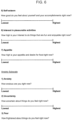
- Particular mood and anxiety information assessed can include: determining how good is the subject's mood; determining the subject's motivation, drive, determination to do things right now; determining how high is the subject's physical energy and the amount of moving about that the subject feels like doing right now; determining how high is the subject's mental energy and thinking activity going on in the subject's mind right now; determining how good the subject feels about himself/herself and his/her accomplishments right now; determining how high the subject's interest to do things that are fun and enjoyable right now; determining how high the subjects appetite and desire for food is right now; determining how anxious the subject is right now; determining how uncertain about things the subject is right now; determining how frightened about things the subject feels right now; determining how angry about things the subject feels right now
- the subject of the method can further be diagnosed as having a psychiatric disorder selected from bipolar disorder, major depressive disorder, schizophrenia, and schizoaffective disorder, post-traumatic stress disorder, and combinations thereof.
- a psychiatric disorder selected from bipolar disorder, major depressive disorder, schizophrenia, and schizoaffective disorder, post-traumatic stress disorder, and combinations thereof.
- the present disclosure is directed to a computer-implemented method for assessing socio-demographic/psychological suicidal risk factors in the subject using a computer-implemented method for assessing socio-demographic/psychological suicidal risk factors in the subject, the method implemented using a computer device coupled to a memory device.
- the method includes: receiving socio-demographic/psychological suicidal risk factor information into the first computer device; storing, by the first computer device, the socio-demographic/psychological suicidal risk factor information in the memory device; presenting, by the first computer device, in visual form the socio-demographic/psychological suicidal risk factor information to a second computer device; receiving a request from the second computer device for access to socio-demographic/psychological suicidal risk factor information; and transmitting, by the first computer device, the socio-demographic/psychological suicidal risk factor information to the second computer device to assess the socio-demographic/psychological suicidal risk factors in the subject.
- the socio-demographic/psychological suicidal risk factors can be assessed by having the subject provide an answer to the above factors such as a yes answer, a no answer and a not applicable answer.
- the subject of the method can further be diagnosed as having a psychiatric disorder selected from bipolar disorder, major depressive disorder, schizophrenia, and schizoaffective disorder, post-traumatic stress disorder, and combinations thereof.
- a psychiatric disorder selected from bipolar disorder, major depressive disorder, schizophrenia, and schizoaffective disorder, post-traumatic stress disorder, and combinations thereof.
- the present disclosure is directed to a method for predicting suicidality in a female subject.
- the method includes: identifying a difference in the expression level of a blood biomarker in a sample and a reference expression level of the blood biomarker by obtaining the expression level of the blood biomarker in a sample; obtaining a reference expression level of a blood biomarker; analyzing the blood biomarker in the sample obtained from the subject and the reference expression level of the blood biomarker to detect the difference between the blood biomarker in the sample and the reference expression level of the blood biomarker; assessing mood, anxiety, and combinations thereof, using a first computer device coupled to a memory device, wherein the first computer device receives mood information, anxiety information, and combinations thereof into the first computer device; storing, by the first computer device, the mood information, anxiety information, and combinations thereof in the memory device; presenting, by the first computer device, in visual form the mood information, anxiety information, and combinations thereof to a second computer device; receiving a request from the second computer device for access to
- first and second computer device As used herein, while the methods are described as using a first and second computer device, it should be understood that more or less than two computer devices may be used to perform the methods of the present disclosure. Particularly, three computer devices, or four computer devices or even five or more computer devices can be used to perform the methods without departing from the scope of the present disclosure.
- the present disclosure is directed to a method for predicting future hospitalization of a subject due to suicidality.
- the method includes: identifying a difference in the expression level of a blood biomarker in a sample and a reference expression level of the blood biomarker by obtaining the expression level of the blood biomarker in a sample t; obtaining a reference expression level of a blood biomarker; analyzing the blood biomarker in the sample obtained from the subject and the reference expression level of the blood biomarker to detect the difference between the blood biomarker in the sample and the reference expression level of the blood biomarker; assessing mood, anxiety, and combinations thereof, using a first computer device coupled to a memory device, wherein the first computer device receives mood information, anxiety information, and combinations thereof into the first computer device; storing, by the first computer device, the mood information, anxiety information, and combinations thereof in the memory device; presenting, by the first computer device, in visual form the mood information, anxiety information, and combinations thereof to a second computer device; receiving a request from the
- Suitable biomarkers for use in the method for predicting suicide ideation in a subject and the method for predicting future hospitalization a subject due to suicidality include those described herein.
- Mood information for use in the method for predicting suicide ideation in a subject and the method for predicting future hospitalization of a subject due to suicidality includes information relating to a subject's mood, motivation, movement, thinking, self-esteem, interest, appetite, and combinations thereof as described herein.
- Anxiety information includes information relating to a subjects anxiety, uncertainty, fear, anger, and combinations thereof as described herein.
- RNA extraction Whole blood (2.5-5 ml) was collected into each PaxGene tube by routine venipuncture. PaxGene tubes contain proprietary reagents for the stabilization of RNA. RNA was extracted and processed.
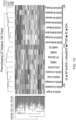
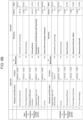
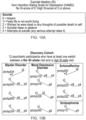
- Biotin-labeled aRNAs were hybridized to Affymetrix HG-U133 Plus 2.0 GeneChips (Affymetrix; with over 40 000 genes and expressed sequence tags), according to the manufacturer's protocols. Arrays were stained using standard Affymetrix protocols for antibody signal amplification and scanned on an Affymetrix GeneArray 2500 scanner with a target intensity set at 250. Quality-control measures, including 30/50 ratios for glyceraldehyde 3-phosphate dehydrogenase and ⁇ -actin, scale factors, background and Q-values, were within acceptable limits. Analysis. The participant's SI scores at the time of blood collection (0-no suicidal ideation (SI) compared with 2 and above-high SI) were used. Gene expression differences between the no SI and the high SI visits were analyzed using a within-participant design, then an across-participants summation ( FIG. 1C and 10C ).
- SI suicidal ideation
- Affymetrix Microarray Suite Version 5.0 was used to generate Absent (A), Marginal (M), or Present (P) calls for each probe set on the chip (Affymetrix U133 Plus 2.0 GeneChips) for all participants in the discovery cohort.
- Affymetrix U133 Plus 2.0 GeneChips was imported as Cel. files into Partek Genomic Suites 6.6 software package (Partek Incorporated, St Louis, MO, USA).
- RMA multi-array analysis
- the values used were 0.5 or -0.5. These values were then summed up across the comparisons in each participant, resulting in a participant score for each gene/probeset in each participant. A perfection bonus was also used. If the gene expression perfectly tracked the suicidal ideation in a participant that had at least two comparisons (3 visits), that probe set was rewarded by a doubling of its participant score. Additionally, a non-tracking correction was used. If there was no change in gene expression in any of the comparisons for a particular participant, that overall participant score for that probe set in that participant was zero.
- FC fold changes
- Probe sets were then given internal CFG points based upon these algebraic sum scores. Probe sets with scores above the 33% of the distribution (for increased probe sets and decreased probe sets) received 1 point, those above 50% of the distribution received 2 points, and those above 80% of the distribution received 4 points.
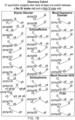
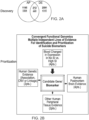
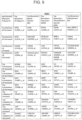
- Example 1 For AP analyses, 23 probe sets received 4 points, 581 probe sets received 2 points, and 2077 probe sets received 1 point, for a total of 2681 probe sets. For DE analyses, 31 probe sets received 4 points, 1294 probe sets received 2 points, and 5839 probe sets received 1 point, for a total of 7164 probe sets. The overlap between the two discovery methods is shown in FIG. 2A . For Example 2, for AP analyses, 30 probesets received 4 points, 647 probesets with 2 points, and 2596 probesets with 1 point, for a total of 3273 probesets. For DE analyses, 95 probesets received 4 points, 2215 probesets with 2 points, and 7520 probesets with 1 point, for a total of 9829 probesets. The overlap between the two discovery methods for probesets with an internal score of 1 is shown in FIG. 11A .
- probe sets may be found by the two methods due to differences in scope (DE capturing genes that were present in both visits of a comparison (i.e. PP, but are changed in expression), thresholds (what makes the 33% change cutoff across participants varies between methods), and technical detection levels (what is considered in the noise range varies between the methods).
- probe sets were identified with an internal CFG score of 1.
- Gene names for the probe sets were identified using NetAffyx (Affymetrix) and Partek for Affymetrix HG-U133 Plus 2.0 GeneChips, followed by GeneCards to confirm the primary gene symbol.
- the UCSC Genome Browser was used to directly map them to known genes, with the following limitations. In case the probe set fell in an intron, that particular gene was assumed to be implicated. Only one gene was assigned to each probe set. Genes were then scored using manually curated CFG databases as described below ( FIGS. 2C and 11C ).
- Human postmortem brain gene expression evidence Converging evidence was scored for a gene if there were published reports of human postmortem data showing changes in expression of that gene or changes in protein levels in brains from participants who died from suicide.
- association and linkage Human genetic evidence (association and linkage). To designate convergence for a particular gene, the gene had to have independent published evidence of association or linkage for suicide. For linkage, the location of each gene was obtained through GeneCards (http://www.genecards.org), and the sex averaged cM location of the start of the gene was then obtained through http://compgen.rutgers.edu/mapinterpolator. For linkage convergence, the start of the gene had to map within 5 cM of the location of a marker linked to the disorder.
- Probe sets identified by gene expression analyses could receive a maximum of 4 points.
- the maximum possible total CFG score for each gene was 12 points (4 points for the internal CFG score and 8 points for the external CFG score).
- the scoring system was decided upon before the analyses were carried out. Twice as much weight was given to external CFG than to internal CFG in order to increase generalizability and avoid fit to cohort of the prioritized genes. It is recognized that other ways of scoring the lines of evidence may give slightly different results in terms of prioritization, if not in terms of the list of genes per se. Nevertheless, it is believed that this simple scoring system provides a good separation of genes based on gene expression evidence and on independent cross-validating evidence in the field ( FIGS. 2B and 11B ).
- IPA 9.0 (Ingenuity Systems, Redwood City, CA, USA), GeneGO MetaCore (Encinitas, CA), and Kyoto Encyclopedia of Genes and Genomes (through the Partek Genomics Suite 6.6 software package) were used to analyze the biological roles, including top canonical pathways, and diseases, of the candidate genes resulting from this work, as well as to identify genes in the dataset that are the target of existing drugs ( FIGS. 8 , 15 and 17 ).
- the analyses was run together for all the AP and DE probe sets with a total CFG score ⁇ 4, then for those of them that showed stepwise change in the suicide completers validation cohort, then for those of them that were nominally significant, and finally for those of them that survived Bonferroni correction.
- the Affymetrix microarray data files were imported from the participants in the validation cohort of suicide completers into MASS, alongside the data files from the participants in the discovery cohort.
- test cohort for suicidal ideation and the test cohort for future hospitalizations analyses were assembled out of data that was RMA normalized by diagnosis.
- Phenomic (clinical) and gene expression markers used for predictions were z-scored by diagnosis, to be able to combine different markers into panels and to avoid potential artefacts due to different ranges of phene expression and gene expression in different diagnoses.
- Markers were combined by computing the average of the increased risk markers minus the average of the decreased risk markers. Predictions were performed using R-studio.
- ROC Receiver-operating characteristic analyses between marker levels and suicidal ideation (SI) were performed by assigning participants with a HAMD SI score of 0-1 into the no SI category, and participants with a HAMD-SI score of 2 and greater into the SI category. Additionally, ANOVA was performed between no (HAMD-SI 0), moderate (HAMD-SI 1), and high SI participants (HAMD-SI 2 and above) and Pearson R (one-tail) was calculated between HAMD-SI scores and marker levels.
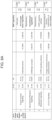
- Live psychiatric participants were recruited from the patient population at the Indianapolis VA Medical Center. All participants understood and signed informed consent forms detailing the research goals, procedure, caveats and safeguards. Participants completed diagnostic assessments by an extensive structured clinical interview-Diagnostic Interview for Genetic Studies-at a baseline visit, followed by up to six testing visits, 3-6 months apart or whenever a hospitalization occurred. At each testing visit, they received a series of psychiatric rating scales, including the Hamilton Rating Scale for Depression-17, which includes a suicidal ideation (S. 1A-1C ), and blood was drawn.
- SI suicidal ideation
- RNA-stabilizing PAXgene tubes labeled with an anonymized ID number, and stored at -80 degrees C in a locked freezer until the time of future processing.
- Whole-blood (predominantly lymphocyte) RNA was extracted for microarray gene expression studies from the PAXgene tubes, as detailed below. This Example focused on a male population because of the demographics of the catchment area (primarily male in a VA Medical Center), and to minimize any potential gender-related effects on gene expression, which would have decreased the discriminative power of the analysis given the relatively small sample size.
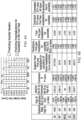
- the within participant discovery cohort from which the biomarker data were derived, consisted of 37 male participants with psychiatric disorders, with multiple visits, who each had at least one diametric change in SI scores from no SI to high SI from one testing visit to another testing visit. There was 1 participant with 6 visits, 1 participant with 5 visits, 1 participant with 4 visits, 23 participants with 3 visits each, and 11 participants with 2 visits each, resulting in a total of 106 blood samples for subsequent microarray studies ( FIG. 1B ).
- the postmortem cohort in which the top biomarker findings were validated, consisted of a demographically matched cohort of 24 male violent suicide completers obtained through the Marion County coroner's office ( FIG. 9 ). A last observed alive postmortem interval of 24 hours or less was required, and the cases selected had completed suicide by means other than overdose, which could affect gene expression. 14 participants completed suicide by gunshot to head or chest, 8 by hanging, 1 by electrocution and 1 by slit wrist. Next of kin signed informed consent at the coroner's office for donation of tissues and fluids for research. The samples were collected as part of the INBRAIN initiative (Indiana Center for Biomarker Research in Neuropsychiatry).
- the independent test cohort for predicting suicidal ideation consisted of 108 male participants with psychiatric disorders, demographically matched with the discovery cohort with one or multiple testing visits in the lab, with either no SI, intermediate SI, or high SI, resulting in a total of 223 blood samples in whom whole-genome blood gene expression data were obtained.
- the test cohort for predicting future hospitalizations consisted of male participants in whom whole-genome blood gene expression data were obtained at testing visits over the years as part of a longitudinal study. If the participants had multiple testing visits, the visit with the highest marker (or combination of markers) levels was selected for the analyses. The participants' subsequent number of psychiatric hospitalizations, with or without suicidality, was tabulated from electronic medical records. All participants had at least one year of follow-up or more at the VA Medical Center since the time of the testing visits in the lab. Participants were evaluated for the presence of future hospitalizations for suicidality, and for the frequency of such hospitalizations.
- a hospitalization was deemed to be without suicidality if suicidality was not listed as a reason for admission, and no SI was described in the admission and discharge medical notes. Conversely, a hospitalization was deemed to be because of suicidality if suicidal acts or intent was listed as a reason for admission, and SI was described in the admission and discharge medical notes.
- the participants in the discovery cohort were all diagnosed with various psychiatric disorders (e.g., BP, MDD, SZA, SZ, PTSD).
- the participants were on a variety of different psychiatric medications: mood stabilizer, antidepressants, antipsychotics, benzodiazepines and others.
- Medications can have a strong influence on gene expression.
- the identification of differentially expressed genes was based on within-participant analyses, which factor out not only genetic background effects but also medication effects, as the participants had no major medication changes between visits.
- the best individual biomarker across psychiatric diagnoses for predicting suicidal ideation was SLC4A4, with 72% accuracy.
- SLC4A4 predicted suicidal ideation with 93% accuracy, and future hospitalizations with 70 % accuracy.
- Two new clinical information apps one for affective state (Simplified Affective Scale, SASS) and one for suicide risk factors (Convergent Functional Information for Suicide, CFI-S) are disclosed, and how well they predict suicidal ideation across psychiatric diagnoses (85% accuracy for SASS, 89% accuracy for CFI-S). Also disclosed is that the integration of the top biomarkers and the clinical information into a universal predictive measure (UP-Suicide) was able to predict suicidal ideation across psychiatric diagnoses with 92% accuracy. For bipolar disorder, it was able to predict suicidal ideation with 98% accuracy and future hospitalizations with 94 % accuracy.
- UP-Suicide universal predictive measure
- the top genes after prioritization with CFG were SLC4A4 and SKA2 from AP; and SAT1 and SKA2 from DE.
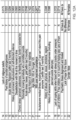
- the top genes after validation in suicide completers were IL6 and MBP from AP; and JUN and KLHDC3 from DE ( FIG. 2C ).
- the SAT1 finding is a replication and expansion of previously reported results identifying SAT1 as a biomarker for suicidality (Le-Niculescu et al. 2013)
- the SKA2 finding is an independent replication of a previous report identifying SKA2 as a biomarker for suicidality (Kaminsky et al. 2014).
- a number of other genes identified are completely novel in terms of their involvement in suicidality.
- omega-3s in particular may be a mass-deployable therapeutic and preventive strategy.
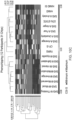
- the sets of biomarkers identified have biological roles in immune and inflammatory response, growth factor regulation, mTOR signaling, stress, and perhaps overall the switch between cell survival and proliferation vs. apoptosis ( FIG. 8 ).
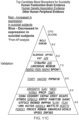
- An extrapolation can be made and model proposed whereas suicide is a whole body apoptosis (or "self-poptosis") in response to perceived stressful life events.
- CADM1 discovered in this Example as a top biomarker for suicide, had previous evidence for involvement in other psychiatric disorders, such as ASD and BP. Interestingly, it was identified in a previous study as a blood biomarker increased in expression in low mood states in bipolar participants, and it is increased in expression in the current Example in high suicidal ideation states. Increased expression of CADM1 is associated with decreased cellular proliferation and with apoptosis, and this gene is decreased in expression or silenced in certain types of cancers.
- CFI-S Convergent Functional Information for Suicidality
- CFI-S provided good accuracy (ROC AUC 0.70, p-value 0.006) at predicting future hospitalizations for suicidality in the first year, across diagnostic groups.
- CFI-Suicide had very good accuracy (AUC 0.89, p-value 3.53E-13) at predicting suicidal ideation in psychiatric participants across diagnostic groups. Within diagnostic groups, in affective disorders, the accuracy was even higher.
- CFI-S had excellent accuracy at predicting high suicidal ideation in bipolar participants (AUC 0.97, p-value 1.75E-06) and in depression participants (AUC 0.95, p-value 7.98E-06).
- the TASS Total Affective State Scale
- SASS Simplified Affective State Scale
- the SASS is a set of 11 visual analog scales (7 for mood, 4 for anxiety) that provides a number ranging from 0 to 100 for mood state and for anxiety state.
- SASS had very good accuracy (AUC 0.85, 9.96E-11) at predicting suicidal ideation in psychiatric participants across diagnostic groups. Within diagnostic groups, in affective disorders, the accuracy was even higher (AUC 0.87) in both bipolar disorder and depression. SASS also had good accuracy (AUC 0.71, p-value 0.008) at predicting future hospitalizations for suicidality in the first year following testing.
- SLC4A4 The best single biomarker predictor for suicidal ideation state across all diagnostic groups was SLC4A4, the top increased biomarker from AP CFG prioritization (AUC 0.72, p-value 2.41E-05). Within diagnostic groups, the accuracy was even higher. SLC4A4 had very good accuracy at predicting future high suicidal ideation in bipolar participants (AUC 0.93, p-value 9.45E-06) and good accuracy in schizophrenia participants (AUC 0.76, p-value 0.030). SLC4A4 is a sodium-bicarbonate co-transporter that regulates intracellular pH, and possibly apoptosis. Very little is known to date about its roles in the brain, thus representing a completely novel finding.
- SAT1 The best single top biomarker predictor for future hospitalizations for suicidal behavior in the first year across all diagnostic groups was SAT1, the top increased biomarker from the DE CFG (AUC 0.55). Within diagnostic groups, in affective disorders, the SAT1 prediction accuracies were higher (depression AUC 0.62, bipolar AUC 0.63).
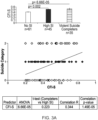
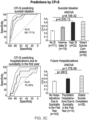
- UP-Suicide is an excellent predictor of suicidal ideation across all disorders in the independent cohort of psychiatric participants (AUC 0.92).
- UP-Suicide also has good predictive ability for future psychiatric hospitalizations for suicidality in the first year of follow-up (AUC 0.70).
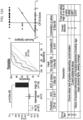
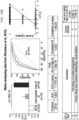
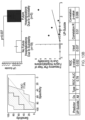
- the predictive ability of UP-Suicide is notably higher in affective disorder participants (bipolar, depression) ( FIGS. 4A & 4B ).
- the live psychiatric participants were part of a larger longitudinal cohort that was continuously being collected. Participants were recruited from the patient population at the Indianapolis VA Medical Center and Indiana University School of Medicine through referrals from care providers, the use of brochures left in plain sight in public places and mental health clinics, and through word of mouth. All participants understood and signed informed consent forms detailing the research goals, procedure, caveats and safeguards. Participants completed diagnostic assessments by an extensive structured clinical interview-Diagnostic Interview for Genetic Studies-at a baseline visit, followed by up to six testing visits, 3-6 months apart or whenever a new psychiatric hospitalization occurred.
- a series of psychiatric rating scales including the Hamilton Rating Scale for Depression-17, which includes a suicidal ideation (SI) rating item ( FIG. 10A ), and the blood was drawn.
- Whole blood (10 ml) was collected in two RNA-stabilizing PAXgene tubes, labeled with an anonymized ID number, and stored at -80 degrees C in a locked freezer until the time of future processing.
- Whole-blood (predominantly lymphocyte) RNA was extracted for microarray gene expression studies from the PAXgene tubes, as detailed below. This Exampled focused on a female population.
- the within participant discovery cohort from which the biomarker data were derived, consisted of 12 female participants with psychiatric disorders and multiple visits in the lab, who each had at least one diametric change in SI scores from no SI to high SI from one testing visit to another. There were 7 participants with 3 visits each, and 5 participants with 2 visits each, resulting in a total of 31 blood samples for subsequent microarray studies ( FIGS. 10B and 10C ).
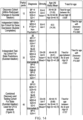
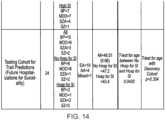
- the postmortem cohort in which the top biomarker findings were validated for behavior, consisted of a demographically matched cohort of 6 female violent suicide completers obtained through the Marion County coroner's office ( FIG. 14 ). A last observed alive postmortem interval of 24 hours or less was required, and the cases selected had completed suicide by means other than overdose, which could affect gene expression. 5 participants completed suicide by gunshot to head or chest, and 1 by asphyxiation. Next of kin signed informed consent at the coroner's office for donation of blood for research. The samples were collected as part of the INBRAIN initiative (Indiana Center for Biomarker Research in Neuropsychiatry).
- the independent test cohort for predicting suicidal ideation ( FIG. 14 ) consisted of 33 female participants with psychiatric disorders, demographically matched with the discovery cohort, with one or multiple testing visits in the lab, with either no SI, intermediate SI, or high SI, resulting in a total of 74 blood samples in whom whole-genome blood gene expression data were obtained ( FIG. 14 ).
- the test cohort for predicting future hospitalizations ( FIG. 14 ) consisted of 24 female participants in whom whole-genome blood gene expression data were obtained at testing visits over the years as part of a longitudinal study. If the participants had multiple testing visits, the visit with the highest marker (or combination of markers) levels was selected for the analyses (so called "high watermark” or index visit). The participants' subsequent number of psychiatric hospitalizations, with or without suicidality (ideation or attempt), was tabulated from electronic medical records. Participants were evaluated for the presence of future hospitalizations for suicidality, and for the frequency of such hospitalizations.
- a hospitalization was deemed to be without suicidality if suicidality was not listed as a reason for admission, and no SI was described in the admission and discharge medical notes. Conversely, a hospitalization was deemed to be because of suicidality if suicidal acts or intent was listed as a reason for admission, and/or SI was described in the admission and discharge medical notes.
- the participants in the discovery cohort were all diagnosed with various psychiatric disorders ( FIG. 14 ). Their psychiatric medications were listed in their electronic medical records, and documented at the time of each testing visit. The participants were on a variety of different psychiatric medications: mood stabilizers, antidepressants, antipsychotics, benzodiazepines and others (data not shown). Medications can have a strong influence on gene expression. However, discovery of differentially expressed genes was based on within- participant analyses, which factor out not only genetic background effects but also medication effects, as the participants had no major medication changes between visits. Moreover, there was no consistent pattern in any particular type of medication, or between any change in medications and SI, in the rare instances where there were changes in medications between visits.
- the Simplified Affective State Scale is an 11-item scale for measuring mood and anxiety.
- the SASS has a set of 11 visual analog scales (7 for mood, 4 for anxiety) that ends up providing a number ranging from 0 to 100 for mood state, and the same for anxiety state. Also developed is an Android app version.
- the systems and methods described utilize a computer implemented method for assessing suicidal risk factors based upon patient psychiatric information further including mood information, anxiety information, and other psychiatric symptom information.
- patient psychiatric information may be represented as a quantitative rating on a defined analog scale, such as the ratings and scales described above.
- patient psychiatric information may be processed using an associated processing algorithm.
- the associated processing algorithm may include calculating mean values for each component of patient psychiatric information and then assigning a suitable weighting to each calculated mean value. The processing algorithm may thus use the quantitative ratings of the patient psychiatric information as inputs to calculate a diagnostic output score.
- the diagnostic output score may be used to compare to reference scores (from a diagnostic database) associated with patients having psychiatric symptom information (e.g., psychiatric disorder diagnosis or lack thereof) similar to the patient. By such comparison, the diagnostic output score may be assigned a percentile.
- the diagnostic output score may also be compared to the reference scores in the diagnostic database associated with individuals with no suicidality and high suicidality. Thus, if the diagnostic output score meets or exceeds a high suicidality reference score, a patient may be marked as at risk for suicide. Conversely, if the diagnostic output score meets or falls below a low suicidality reference score, a patient may be marked as not at risk for suicide.
- CFI-S Convergent Functional Information for Suicidality
- DIGS Diagnostic Interview for Genetic Testing
- the systems and methods described utilize a computer implemented method for assessing suicidal risk factors based upon socio-demographic/psychological suicidal risk factors.
- Any and all such socio-demographic/psychological suicidal risk factors may be represented as a quantitative rating on a defined analog scale, such as the ratings and scales described above.
- such socio-demographic/psychological suicidal risk factors may be processed using an associated processing algorithm.
- the associated processing algorithm may include calculating mean values for each component socio-demographic/psychological suicidal risk factor and then assigning a suitable weighting to each calculated mean value.
- the processing algorithm may thus use the quantitative ratings of the socio-demographic/psychological suicidal risk factors as inputs to calculate a diagnostic output score.
- the diagnostic output score may be used to compare to reference scores (from a diagnostic database) associated with patients having socio-demographic/psychological suicidal risk factors similar to the patient. By such comparison, the diagnostic output score may be assigned a percentile.
- the diagnostic output score may also be compared to the reference scores in the diagnostic database associated with individuals with no suicidality and high suicidality. Thus, if the diagnostic output score meets or exceeds a high suicidality reference score, a patient may be marked as at risk for suicide. Conversely, if the diagnostic output score meets or falls below a low suicidality reference score, a patient may be marked as not at risk for suicide.
- multiple computing devices may interact with one another (e.g., first and second computer devices).
- first and second computer devices e.g., first and second computer devices.
- requests and transmissions are made using data encryption.
- the Universal Predictor for Suicide (UP-Suicide) construct was decided upon as part of a apriori study design to be broad- spectrum, and combine the top Bonferroni validated biomarkers with the phenomic (clinical) markers (SASS and CFI-S).
- a whole-genome gene expression profiling was conducted in the blood samples from a longitudinally followed cohort of female participants with psychiatric disorders that predispose to suicidality. The samples were collected at repeated visits, 3-6 months apart. State information about suicidal ideation (SI) was collected from a questionnaire (HAMD) administered at the time of each blood draw. Out of 51 female psychiatric participants (with a total of 123 visits) followed longitudinally in this Example, with a diagnosis of BP, MDD, SZ and SZA, there were 12 participants that switched from a no SI (SI score of 0) to a high SI state (SI score of 2 and above) at different visits, which was the intended discovery group ( FIG. 10B ).
- SI suicidal ideation
- a within-participant design was used to analyze data from these 12 participants and their 31 visits.
- a within-participant design factors out genetic variability, as well as some medications, lifestyle, and demographic effects on gene expression, permitting identification of relevant signal with Ns as small as 1.
- Another benefit of a within-participant design may be accuracy/consistency of self-report of psychiatric symptoms ('phene expression'), similar in rationale to the signal detection benefits it provides in gene expression.
- Bonferroni validated biomarkers 49 genes, 50 probesets were focused on.
- the top CFG scoring genes after the Bonferroni validation step were BCL2 and GSK3B.
- the top CFG scoring genes from the discovery and prioritization steps were FAM214A, CLTA, HSPD1, and ZMYND8. Notably, all have co-directional gene expression changes evidence in brains of suicide completers in studies form other groups.
- omega-3s in particular may be a mass- deployable therapeutic and preventive strategy.
- the sets of biomarkers identified have biological roles in inflammation, neurotrophins, inositol signaling, stress response, and perhaps overall the switch between cell survival and proliferation vs. apoptosis ( FIG. 15 ).
- FAM214A, MOB3B, ZNF548, and ARHGAP35 were relatively specific for suicide, based on the evidence to date in the field, and were also identified co-directionally in the previous male work (Example 1).
- BCL2, GSK3B, HSPD1, and PER1 were less specific for suicide, having equally high evidence for involvement in suicide and in other psychiatric disorders.
- BCL2 was also identified co-directionally in Example 1.
- HSPD1 found to be a top biomarker in this Example, increased in expression in suicidality, and was also increased in expression in the blood following anti-depressant treatment. Thus, this may be a useful biomarker for treatment-emergent suicidal ideation (TESI).
- TESI treatment-emergent suicidal ideation
- Example 1 - SSBP2, ZNF596 a number of the genes changed in expression in opposite direction in suicide in this Example vs. high mood in Example 1 - SSBP2, ZNF596, suggesting that suicidal participants are in a low mood state.
- some of the top suicide biomarkers are changed in expression in the same direction as in high psychosis participants in a previous psychosis biomarker study - HERC4, PIP5K1B, SLC35B3, SNX27, KIR2DL4, NUDT10, suggesting that suicidal participants may be in a psychosis-like state.
- the data indicates that suicidality could be viewed as a psychotic dysphoric state. This molecularly informed view is consistent with the emerging clinical evidence in the field.
- a number of top biomarkers identified have biological roles that are related to the core circadian clock (such as PER1), or modulate the circadian clock (such as CSNK1A1), or show at least some circadian pattern (such as HTRA1).
- circadian clock such as PER1
- CSNK1A1 modulate the circadian clock
- HTRA1 show at least some circadian pattern
- CFI-S Convergent Functional Information for Suicidality
- the best single increased (risk) biomarker predictor for suicidal ideation state was EPB41L5 (ROC AUC 0.68, p-value 0.06; Pearson Correlation 0.22, p-value 0.03), an increased in expression, Bonferroni validated biomarker ( FIG. 16 ).
- This biomarker was also identified co-directionally in Example 1, and has no evidence for involvement in other psychiatric disorders.
- the best single decreased (protective) biomarker predictor for suicidal ideation is PIK3C3 (ROC AUC 0.65, p-value 0.1; Pearson Correlation -0.21, p-value 0.037), a decreased in expression, Bonferroni validated biomarker ( FIG. 16 ).
- PIK3C3 is also decreased in expression in postmortem brains in depression.
- HTRA1 (ROC AUC 0.84, p-value 0.01; Cox Regression Hazard Ratio 4.55, p-value 0.01), an increased in expression, Bonferroni validated biomarker ( FIG. 16 ).
- HTRA1 is also increased in expression in the blood of schizophrenics.
- the best single decreased (protective) biomarker predictor for future hospitalizations for suicidality was CSNK1A1 (ROC AUC 0.96, p-value 0.0007; Cox Regression Hazard Ratio 620.5, p-value 0.02), a top discovery and prioritization, non-Bonferroni validated biomarker ( FIG. 16 ).
- CSNK1A1 casein kinase 1, alpha 1
- CSNK1A1 casein kinase 1, alpha 1
- PIK3C3 was also found to be a good predictor for future hospitalizations for suicidality (ROC AUC 0.9, p-value 0.011) ( FIG. 16 ).
- CFI-S had very good accuracy (ROC AUC 0.84, p-value 0.002; Pearson Correlation 0.39, p-value 0.001) at predicting suicidal ideation in psychiatric participants across diagnostic groups.
- the other app, SASS also had very good accuracy (ROC AUC 0.81, p-value 0.003; Pearson Correlation 0.38, p-value 0.0005) at predicting suicidal ideation in women psychiatric participants.
- the combination of the apps was synergistic (ROC AUC 0.87, p-value 0.0009; Pearson Correlation 0.48, p-value 0.0001).
- UP-Suicide was a good predictor of suicidal ideation (ROC AUC 0.82, p-value 0.003; Pearson Correlation 0.43, p-value 0.0003) ( FIGS. 13A , 13B and 16 ).
- UP-Suicide also had good predictive ability for future psychiatric hospitalizations for suicidality (ROC AUC 0.78, p-value 0.032; Cox Regression Hazard Ratio 9.61, p-value 0.01).
- the present Example identified markers involved in suicidal ideation and suicidal behavior, including suicide completion, in females. Markers involved in behavior may be on a continuum with some of the markers involved in ideation, varying in the degree of expression changes from less severe (ideation) to more severe (behavior). One cannot have suicidal behavior without suicidal ideation, but it may be possible to have suicidal ideation without suicidal behavior.
- peripheral biomarkers As opposed to brain biomarkers is a pragmatic one- the brain cannot be readily accessed in live individuals. Other peripheral fluids, such as CSF, require more invasive and painful procedures. Nevertheless, it is likely that many of the peripheral blood transcriptomic changes are not necessarily mirroring what is happening in the brain, and vice-versa.
- the keys to finding peripheral biomarkers are, first, to have a powerful discovery approach, such as the within-participant design, that closely tracks the phenotype you are trying to measure and reduces noise. Second, cross-validating and prioritizing the results with other lines of evidence, such as brain gene expression and genetic data, are important in order to establish relevance and generalizability of findings. Third, it is important to validate for behavior in an independent cohort with a robust and relevant phenotype, in this case suicide completers. Fourth, testing for predictive ability in independent/prospective cohorts is a must.
- Biomarkers that survive such a rigorous step-wise discovery, prioritization, validation and testing process are likely directly relevant to the disorder studied. As such, whether they are involved in other psychiatric disorders or are relatively specific for suicide, and whether they are the modulated by existing drugs in general, and drugs known to treat suicidality in particular were evaluated.
- biomarkers have been identified that seem to be changed in opposite direction in suicide vs. in treatments with omega-3 fatty acids, lithium, clozapine. These biomarkers could potentially be used to stratify patients to different treatment approaches, and monitor their response.
- BCL2, JUN, GHA1, ENTPD1, ITIH5, MBNL1, and SSBP2 were changed in expression by two of these three treatments, suggesting they may be core to the anti-suicidal mechanism of these drugs.
- BCL2, CAT, and JUN may be useful blood pharmacogenomic markers of response to lithium.
- CD84, MBNL1, and RAB22A may be useful blood pharmacogenomic markers of response to clozapine.
- NDRG1, FOXP1, AFF3, ATXN1, CSNK1A1, ENTPD1, ITIH5, PRDX3, and SSBP2 may be useful blood pharmacogenomic markers of response to omega-3 fatty acids.
- Biomarkers identified herein for suicidal ideation are enriched for genes involved in neuronal connectivity and schizophrenia.
- Biomarkers identified herein also validated for suicide behavior are enriched for genes involved in neuronal activity and mood.
Landscapes
- Health & Medical Sciences (AREA)
- Life Sciences & Earth Sciences (AREA)
- Engineering & Computer Science (AREA)
- Chemical & Material Sciences (AREA)
- General Health & Medical Sciences (AREA)
- Physics & Mathematics (AREA)
- Proteomics, Peptides & Aminoacids (AREA)
- Organic Chemistry (AREA)
- Bioinformatics & Cheminformatics (AREA)
- Molecular Biology (AREA)
- Medical Informatics (AREA)
- Analytical Chemistry (AREA)
- Biomedical Technology (AREA)
- Genetics & Genomics (AREA)
- Biotechnology (AREA)
- Public Health (AREA)
- Biophysics (AREA)
- Immunology (AREA)
- Wood Science & Technology (AREA)
- Zoology (AREA)
- Pathology (AREA)
- Biochemistry (AREA)
- Microbiology (AREA)
- Primary Health Care (AREA)
- Epidemiology (AREA)
- Medicinal Chemistry (AREA)
- Theoretical Computer Science (AREA)
- Spectroscopy & Molecular Physics (AREA)
- Bioinformatics & Computational Biology (AREA)
- Evolutionary Biology (AREA)
- Hematology (AREA)
- Urology & Nephrology (AREA)
- General Engineering & Computer Science (AREA)
- Databases & Information Systems (AREA)
- Data Mining & Analysis (AREA)
- General Physics & Mathematics (AREA)
- Food Science & Technology (AREA)
- Nuclear Medicine, Radiotherapy & Molecular Imaging (AREA)
- Neurology (AREA)
- Veterinary Medicine (AREA)
Claims (7)
- Verfahren zum Vorhersagen der Selbstmordneigung in einer weiblichen Person, das Verfahren umfassend:Erhalten eines Expressionsniveaus eines Blut-Biomarkers bzw. von Blut-Biomarkern in einer von der Person erhaltenen Probe, wobei der Blut-Biomarker bzw. die Blut-Biomarker ausgewählt ist bzw. sind aus der Gruppe bestehend aus B-Zell-CLL (BCL2), Phosphatidylinositol-3-Kinase, katalytische Untereinheit Typ 3 (PIK3C3), Aldehyd-Dehydrogenase 3 Familie, Mitglied A2 (ALDH3A2), ARP3 Aktin-verwandtes Protein 3-Homolog (Hefe) (ACTR3), MOB-Kinase-Aktivator 3B (MOB3B), Casein-Kinase 1, Alpha 1 (CSNK1A1), La-Ribonukleoprotein-Domänenfamilie, Mitglied 4 (LARP4), Zinkfingerprotein 548 (ZNF548), Prolylcarboxypeptidase (Angiotensinase C) (PRCP), Solute-Träger Familie 35 (Adenosin 3'-phospho 5'-phosphosulfat-Transporter), Mitglied B3 (SLC35B3), und Kombinationen davon;Erhalten eines Referenz-Expressionsniveaus des/der Blut-Biomarker(s); undIdentifizieren einer Abnahme des Expressionsniveaus des/der Blut-Biomarker(s) in der von der Person erhaltenen Probe im Vergleich zu dem Referenz-Expressionsniveau des/der Blut-Biomarker(s), was auf ein Selbstmordrisiko hindeutet.
- Verfahren nach Anspruch 1, wobei die Person eine psychiatrische Störung hat, ausgewählt aus der Gruppe bestehend aus bipolarer Störung, schwerer depressiver Störung, Schizophrenie, schizoaffektiver Störung, posttraumatischer Belastungsstörung und Kombinationen davon.
- Verfahren nach Anspruch 1, ferner umfassend das Bewerten von Stimmung, Angst und Kombinationen davon bei der Person unter Verwendung eines computerimplementierten Verfahrens zum Bewerten von Stimmung, Angst und Kombinationen davon, wobei das Verfahren unter Verwendung einer ersten Computervorrichtung implementiert wird, verbunden mit einer Speichervorrichtung, wobei das Verfahren umfasst:Empfangen von psychiatrischen Patienteninformationen, einschließlich Stimmungsinformationen, Angstinformationen, anderen psychiatrischen Symptominformationen und Kombinationen davon, in der ersten Computervorrichtung, wobei jede der psychiatrischen Patienteninformationen durch eine quantitative Bewertung dargestellt wird; Speichern, durch die erste Computervorrichtung, der psychiatrischen Patienteninformation in der Speichervorrichtung; Identifizieren eines Verarbeitungsalgorithmus, assoziiert mit den psychiatrischen Informationen des Patienten ; Berechnen, durch die erste Computervorrichtung, einer Punktzahl, die verwendet werden kann, um Selbstmordneigung vorherzusagen, wobei die Punktzahl basierend auf jeder quantitativen Bewertung und dem Verarbeitungsalgorithmus berechnet wird; Identifizieren, aus einer diagnostischen Datenbank, einer Vielzahl von Referenzwerten, die mit einer Vielzahl von Patienten assoziiert sind, die psychiatrische Referenzsymptom-Informationen haben, die den psychiatrischen Symptom-Informationen des Patienten entsprechen; Bestimmen einer Patientenbewertung durch Vergleichen der Punktzahl mit der Vielzahl von Referenzwerten; Darstellen der Patientenbewertung und der psychiatrischen Symptom-Informationen des Patienten durch die erste Computervorrichtung in visueller Form für eine zweite Computervorrichtung; Empfangen einer Anfrage von der zweiten Computervorrichtung für den Zugriff auf die Stimmungsinformationen, Angstinformationen und Kombinationen davon; undÜbertragen, durch die erste Computervorrichtung, der Patientenbewertung und der Informationen über die psychiatrischen Symptome des Patienten an die andere Computervorrichtung, um die Stimmung, die Angst und Kombinationen davon bei der Person zu bewerten.
- Verfahren nach Anspruch 1, ferner umfassend das Bewerten von soziodemographischen/psychologischen Risikofaktoren für Selbstmordneigung bei dem Subjekt unter Verwendung eines computerimplementierten Verfahrens zum Bewerten von soziodemographischen/psychologischen Risikofaktoren für Selbstmordneigung bei dem Subjekt, wobei das Verfahren unter Verwendung einer ersten Computervorrichtung implementiert wird, die mit einer Speichervorrichtung gekoppelt ist, wobei das Verfahren umfasst:Empfangen von soziodemographischen/psychologischen Risikofaktoren für Selbstmordneigung in der ersten Computervorrichtung, wobei die soziodemographischen/psychologischen Risikofaktoren für Selbstmordneigung durch eine quantitative Bewertung dargestellt werden;Speichern, durch die erste Computervorrichtung, der soziodemographischen/psychologischen Risikofaktoren für die Selbstmordgefährdung in der Speichervorrichtung;Identifizieren eines Verarbeitungsalgorithmus, der mit den Informationen über soziodemografische/psychologische Risikofaktoren für Selbstmordneigung assoziiert ist;Berechnen, durch die erste Computervorrichtung, einer Punktzahl, die verwendet werden kann, um die Selbstmordneigung vorherzusagen, wobei die Punktzahl basierend auf der quantitativen Bewertung und dem Verarbeitungsalgorithmus berechnet wird; Identifizieren, aus einer diagnostischen Datenbank, einer Vielzahl von Referenzwerten, assoziiert mit einer Vielzahl von Patienten, die soziodemographische/psychologische Referenzinformationen über das Selbstmordrisiko haben, die den soziodemographischen/psychologischen Suizidrisikoinformationen entsprechen;Bestimmen einer Patientenbewertung durch Vergleichen der Punktzahl mit der Vielzahl von Referenzwerten; Präsentieren, durch die erste Computervorrichtung, der Patientenbewertung und der soziodemographischen/psychologischen Suizidrisikofaktorinformationen in visueller Form für eine zweite Computervorrichtung;Empfangen einer Anfrage von der zweiten Computervorrichtung für den Zugriff auf soziodemografische/psychologische Suizidrisikofaktorinformationen; undÜbertragen, durch die erste Computervorrichtung, der Patientenbewertung und der soziodemographischen/psychologischen Suizidrisikofaktorinformationen an die zweite Computervorrichtung, um die soziodemographischen/psychologischen Suizidrisikofaktoren bei der Person zu bewerten.
- Therapeutisches Arzneimittel, ausgewählt aus der Gruppe bestehend aus Mifepriston, Lansoprazol, Nafcillin, Betulin und Kombinationen davon, zur Verwendung in einem Verfahren zum Abschwächen von Selbstmordneigung bei einer weiblichen Person, die dies benötigt, wobei das Verfahren umfasst:Erhalten eines Expressionsniveaus eines Blut-Biomarkers in einer Probe, wobei der Blut-Biomarker ausgewählt ist aus der Gruppe bestehend aus B-Zell-CLL (BCL2), Phosphatidylinositol-3-Kinase, katalytische Untereinheit Typ 3 (PIK3C3), Aldehyddehydrogenase 3-Familie, Mitglied A2 (ALDH3A2), ARP3, Aktin-verwandtes Protein 3-Homolog (Hefe) (ACTR3), MOB-Kinase-Aktivator 3B (MOB3B), Casein-Kinase 1, Alpha 1 (CSNK1A1), La-Ribonukleoprotein-Domänenfamilie, Mitglied 4 (LARP4), Zinkfingerprotein 548 (ZNF548), Prolylcarboxypeptidase (Angiotensinase C) (PRCP), Solute-Carrier-Familie 35 (Adenosin 3'-phospho 5'-phosphosulfat-Transporter), Mitglied B3 (SLC35B3), und Kombinationen davon;Erhalten eines Referenz-Expressionsniveaus des/der Blut-Biomarker(s);Identifizieren einer Abnahme der Expression von Blut-Biomarker(n) in der Probe im Vergleich zu dem Referenz-Expressionsniveau des/der Blut-Biomarker(s); undwobei das Verfahren zum Abschwächen der Selbstmordneigung Folgendes umfasst, Verabreichen des therapeutischen Arzneimittels, wobei das therapeutische Arzneimittel den Unterschied zwischen dem Expressionsniveau des/der Blut-Biomarker(s) in der Probe und dem Referenz-Expressionsniveau des/der Blut-Biomarker(s) verringert, um die Selbstmordneigung der Person abzuschwächen.
- Verfahren zum Abschwächen der Selbstmordneigung bei einer weiblichen Person, die dies benötigt, das Verfahren umfassend:Erhalten eines Expressionsniveaus von Blut-Biomarker(n) in einer Probe, wobei der Blut-Biomarker ausgewählt ist aus der Gruppe bestehend aus B-Zell-CLL (BCL2), Phosphatidylinositol-3-Kinase, katalytische Untereinheit Typ 3 (PIK3C3), Aldehyddehydrogenase 3-Familie, Mitglied A2 (ALDH3A2), ARP3 Aktin-verwandtes Protein 3-Homolog (Hefe) (ACTR3), MOB-Kinase-Aktivator 3B (MOB3B), Casein-Kinase 1, Alpha 1 (CSNK1A1), La-Ribonukleoprotein-Domänenfamilie, Mitglied 4 (LARP4), Zinkfingerprotein 548 (ZNF548), Prolylcarboxypeptidase (Angiotensinase C) (PRCP), Solute-Carrier-Familie 35 (Adenosin 3'-phospho 5'-phosphosulfat-Transporter), Mitglied B3 (SLC35B3), und Kombinationen davon;Erhalten eines Referenz-Expressionsniveaus des/der Blut-Biomarker(s);Identifizieren einer Abnahme des Expressionsniveaus des/der Blut-Biomarker(s) in der Probe; undVergleichen mit dem Referenz-Expressionsniveau des/der Blut-Biomarker(s); und Einleiten einer Veränderung des Lebensstils, wobei die Veränderung des Lebensstils den Unterschied zwischen dem Expressionsniveau des/der Blut-Biomarker(s) in der Probe und dem Referenz-Expressionsniveau des/der Blut-Biomarker(s) verringert, um die Selbstmordneigung der Person abzuschwächen, wobei die Veränderung des Lebensstils ausgewählt wird basierend auf soziodemographischen/psychologischen Suizidrisikofaktoren für Selbstmordneigung, identifiziert durch ein Verfahren, umfassend Bewerten von soziodemographischen/psychologischen Suizidrisikofaktoren der Person unter Verwendung eines computerimplementierten Verfahrens zum Bewerten von soziodemographischen/psychologischen Suizidrisikofaktorinformationen der Person, wobei das Verfahren unter Verwendung einer ersten Computervorrichtung implementiert wird, verbunden mit einer Speichervorrichtung, das Verfahren umfassend:Empfangen von soziodemographischen/psychologischen Suizidrisikofaktoren in der ersten Computervorrichtung, wobei die soziodemographischen/psychologischen Suizidrisikofaktoren durch eine quantitative Bewertung dargestellt werden;Speichern, durch die erste Computervorrichtung, der soziodemographischen/psychologischen Suizidrisikofaktoren in der Speichervorrichtung;Identifizieren eines Verarbeitungsalgorithmus, assoziiert mit den soziodemografischen/psychologischen Suizidrisikofaktorinformationen ;Berechnen, durch die erste Computervorrichtung, einer Punktzahl, die verwendet werden kann, um die Selbstmordneigung vorherzusagen, wobei die Punktzahl basierend auf der quantitativen Bewertung und des Verarbeitungsalgorithmus berechnet wird;Identifizieren, aus einer diagnostischen Datenbank, einer Vielzahl von Referenzpunktzahlen, assoziiert mit einer Vielzahl von Patienten, die soziodemographische/psychologische Suizidrisikofaktorinformationen haben, die den soziodemographischen/psychologischen Suizidrisikofaktorinformationen entsprechen;
Bestimmen einer Patientenbewertung durch Vergleichen der Punktzahl mit der Vielzahl von Referenzwerten;Präsentieren, durch eine erste Computervorrichtung, der Patientenbewertung und der soziodemographischen/psychologischen Suizidrisikofaktorinformationen in visueller Form für eine zweite Computervorrichtung;Empfangen einer Anfrage von der zweiten Computervorrichtung für den Zugriff auf soziodemografische/psychologische Suizidrisikofaktorinformationen; undÜbertragen, durch die erste Computervorrichtung, der Patientenbewertung und der soziodemographischen/psychologischen Suizidrisikofaktorinformationen an die zweite Computervorrichtung, um die soziodemographischen/psychologischen Suizidrisikofaktoren für Selbstmordneigung der Person zu bewerten. - Therapeutisches Arzneimittel zur Verwendung nach Anspruch 5 oder ein Verfahren nach Anspruch 6, wobei die Person eine psychiatrische Störung hat.
Applications Claiming Priority (3)
| Application Number | Priority Date | Filing Date | Title |
|---|---|---|---|
| US201562174880P | 2015-06-12 | 2015-06-12 | |
| US201662278707P | 2016-01-14 | 2016-01-14 | |
| PCT/US2016/036985 WO2016201299A1 (en) | 2015-06-12 | 2016-06-10 | Predicting suicidality using a combined genomic and clinical risk assessment |
Publications (3)
| Publication Number | Publication Date |
|---|---|
| EP3307910A1 EP3307910A1 (de) | 2018-04-18 |
| EP3307910A4 EP3307910A4 (de) | 2019-05-22 |
| EP3307910B1 true EP3307910B1 (de) | 2024-10-30 |
Family
ID=57504404
Family Applications (1)
| Application Number | Title | Priority Date | Filing Date |
|---|---|---|---|
| EP16808423.4A Active EP3307910B1 (de) | 2015-06-12 | 2016-06-10 | Vorhersage der selbstmordneigung unter verwendung einer kombinierten genomischen und klinischen risikobewertung |
Country Status (9)
| Country | Link |
|---|---|
| US (2) | US10991449B2 (de) |
| EP (1) | EP3307910B1 (de) |
| JP (1) | JP2018523979A (de) |
| KR (1) | KR20180018706A (de) |
| CN (1) | CN108291259A (de) |
| AU (1) | AU2016274988A1 (de) |
| CA (1) | CA2988578A1 (de) |
| IL (1) | IL256123A (de) |
| WO (1) | WO2016201299A1 (de) |
Families Citing this family (24)
| Publication number | Priority date | Publication date | Assignee | Title |
|---|---|---|---|---|
| US20140243211A1 (en) | 2013-02-28 | 2014-08-28 | Indiana University Research & Technology Corporation | Blood biomarkers for suicidality |
| WO2016201299A1 (en) | 2015-06-12 | 2016-12-15 | Indiana University Research & Technology Corporation | Predicting suicidality using a combined genomic and clinical risk assessment |
| ES2928773T3 (es) | 2017-01-17 | 2022-11-22 | Heparegenix Gmbh | Inhibidores de proteína cinasas para fomentar la regeneración hepática o reducir o prevenir la muerte de hepatocitos |
| US20180293682A1 (en) * | 2017-04-05 | 2018-10-11 | Global Tel*Link Corporation | System and method for providing suicide prevention and support |
| CA3105451A1 (en) | 2017-05-12 | 2018-11-15 | Indiana University Research And Technology Corporation | Precision medicine for treating and preventing suicidality |
| WO2019023464A1 (en) | 2017-07-27 | 2019-01-31 | Harmonex Neuroscience Research | AUTOMATED EVALUATION OF MEDICAL CONDITIONS |
| PL3505157T3 (pl) | 2017-12-29 | 2022-04-11 | Celon Pharma S.A. | Kompozycja ketaminy w postaci suchego proszku do podawania dopłucnego w leczeniu depresji opornej na leczenie |
| CN108410978A (zh) * | 2018-05-23 | 2018-08-17 | 北京泱深生物信息技术有限公司 | 重度抑郁症相关基因及其在诊断中的应用 |
| CN109030641B (zh) * | 2018-06-11 | 2021-04-06 | 合肥华润神鹿药业有限公司 | 一种养胃舒颗粒指纹图谱的构建方法 |
| EP3802881A4 (de) | 2018-06-11 | 2022-11-09 | Indiana University Research And Technology Corporation | Verfahren zur bewertung und früherkennung von stress, zur auswahl und überwachung der behandlung und zur neuen verwendung für arzneimittel |
| US11551787B2 (en) * | 2018-07-02 | 2023-01-10 | Pheramor, Inc. | Personality genetics |
| KR102013692B1 (ko) * | 2018-11-09 | 2019-08-23 | 한국과학기술정보연구원 | 자살 치명도 예측 장치 및 방법 |
| WO2020235721A1 (ko) * | 2019-05-23 | 2020-11-26 | 울산과학기술원 | 다중 오믹스 분석을 이용한 우울증 또는 자살 위험 예측용 마커 발굴 방법, 우울증 또는 자살 위험 예측용 마커, 및 다중 오믹스 분석을 이용한 우울증 또는 자살 위험 예측 방법 |
| WO2020237203A1 (en) * | 2019-05-23 | 2020-11-26 | Indiana University Research And Technology Corporation | Methods for objective assessment of memory, early detection of risk for alzheimer's disease, matching individuals with treatments, monitoring response to treatment, and new methods of use for drugs |
| CN114375328B (zh) * | 2019-09-06 | 2024-12-27 | 学校法人庆应义塾 | 包含胶质前体细胞的细胞聚集体的制备方法 |
| RU2726470C1 (ru) * | 2019-12-25 | 2020-07-14 | Федеральное государственное бюджетное научное учреждение "Томский национальный исследовательский медицинский центр Российской академии наук" (Томский НИМЦ) | Способ оценки риска суицидального поведения пациентов с биполярным аффективным расстройством |
| WO2022040642A1 (en) * | 2020-08-21 | 2022-02-24 | Therapeutic Solutions International, Inc. | Methods of determining risk of suicide by immunological assessment |
| CN112259234A (zh) * | 2020-10-30 | 2021-01-22 | 南通大学 | 一种肿瘤患者自杀风险的预测模型建立方法 |
| CN114662261B (zh) * | 2020-12-22 | 2024-10-18 | 中核武汉核电运行技术股份有限公司 | 一种基于分层mmdd与mdd的多状态隔离效应建模方法 |
| WO2022182908A1 (en) * | 2021-02-26 | 2022-09-01 | California Institute Of Technology | Probiotic therapies for social deficit and stress response |
| US12068066B2 (en) * | 2021-03-01 | 2024-08-20 | Kpn Innovations, Llc. | System and method for generating an addiction nourishment program |
| KR102621049B1 (ko) * | 2022-01-05 | 2024-01-03 | 전남대학교산학협력단 | 우울증환자의 자살행동 예측용 검사방법 및 상기 검사방법에 사용되는 검사키트 |
| CN116694644B (zh) * | 2023-07-13 | 2023-12-12 | 中国水产科学研究院珠江水产研究所 | 一种中华鳖雌性特异Rab35基因及其应用 |
| KR20250065493A (ko) * | 2023-11-03 | 2025-05-13 | 연세대학교 원주산학협력단 | 노인의 부정적 아동기 경험과 자살충동의 연관성에 대한 매개인자 결정 방법 및 그것을 구현한 컴퓨팅 장치 |
Family Cites Families (13)
| Publication number | Priority date | Publication date | Assignee | Title |
|---|---|---|---|---|
| US8688385B2 (en) | 2003-02-20 | 2014-04-01 | Mayo Foundation For Medical Education And Research | Methods for selecting initial doses of psychotropic medications based on a CYP2D6 genotype |
| ES2557885T3 (es) | 2003-02-20 | 2016-01-29 | Mayo Foundation For Medical Education And Research | Métodos para seleccionar medicamentos antidepresivos |
| US8609112B2 (en) | 2003-10-29 | 2013-12-17 | Allergan, Inc. | Botulinum toxin treatments of depression |
| UY28650A1 (es) | 2003-12-05 | 2005-02-28 | Forest Laboratories | Memantina para la prevencion o disminucion de la conducta suicida y para el tratamiento de la depresion mayor asociada con esta conducta |
| US10204707B2 (en) * | 2009-04-27 | 2019-02-12 | Children's Hospital Medical Center | Computer implemented system and method for assessing a neuropsychiatric condition of a human subject |
| US9180191B2 (en) * | 2009-10-16 | 2015-11-10 | University Of South Florida | Treatment of suicidal ideation or behavior using inhibitors of nicotinic acetylcholine receptors |
| US8372451B2 (en) * | 2010-02-12 | 2013-02-12 | Alexander Vuckovic, M.D., Llc | Compositions and methods for treating depression |
| WO2013042054A1 (en) | 2011-09-19 | 2013-03-28 | Carmel - Haifa University Economic Corporation Ltd. | Buprenorphine for the treatment of acute suicidality |
| US20140243211A1 (en) * | 2013-02-28 | 2014-08-28 | Indiana University Research & Technology Corporation | Blood biomarkers for suicidality |
| CA2918054C (en) | 2013-07-11 | 2022-12-13 | The Johns Hopkins University | A dna methylation and genotype specific biomarker of suicide attempt and/or suicide ideation |
| SG11201704425TA (en) | 2014-12-12 | 2017-06-29 | Medivation Prostate Therapeutics Inc | Method for predicting response to breast cancer therapeutic agents and method of treatment of breast cancer |
| WO2016201299A1 (en) | 2015-06-12 | 2016-12-15 | Indiana University Research & Technology Corporation | Predicting suicidality using a combined genomic and clinical risk assessment |
| CA3105451A1 (en) | 2017-05-12 | 2018-11-15 | Indiana University Research And Technology Corporation | Precision medicine for treating and preventing suicidality |
-
2016
- 2016-06-10 WO PCT/US2016/036985 patent/WO2016201299A1/en not_active Ceased
- 2016-06-10 KR KR1020187001061A patent/KR20180018706A/ko not_active Withdrawn
- 2016-06-10 AU AU2016274988A patent/AU2016274988A1/en not_active Abandoned
- 2016-06-10 JP JP2017564416A patent/JP2018523979A/ja active Pending
- 2016-06-10 CN CN201680047699.4A patent/CN108291259A/zh active Pending
- 2016-06-10 CA CA2988578A patent/CA2988578A1/en active Pending
- 2016-06-10 EP EP16808423.4A patent/EP3307910B1/de active Active
- 2016-06-10 US US15/735,304 patent/US10991449B2/en active Active
-
2017
- 2017-12-05 IL IL256123A patent/IL256123A/en unknown
-
2020
- 2020-01-31 US US16/779,229 patent/US20200312425A1/en not_active Abandoned
Also Published As
| Publication number | Publication date |
|---|---|
| EP3307910A1 (de) | 2018-04-18 |
| CA2988578A1 (en) | 2016-12-15 |
| IL256123A (en) | 2018-02-28 |
| JP2018523979A (ja) | 2018-08-30 |
| WO2016201299A1 (en) | 2016-12-15 |
| CN108291259A (zh) | 2018-07-17 |
| US20200312425A1 (en) | 2020-10-01 |
| AU2016274988A1 (en) | 2017-12-21 |
| EP3307910A4 (de) | 2019-05-22 |
| US10991449B2 (en) | 2021-04-27 |
| KR20180018706A (ko) | 2018-02-21 |
| US20180181701A1 (en) | 2018-06-28 |
Similar Documents
| Publication | Publication Date | Title |
|---|---|---|
| EP3307910B1 (de) | Vorhersage der selbstmordneigung unter verwendung einer kombinierten genomischen und klinischen risikobewertung | |
| Schreiner et al. | Vegetarian or gluten-free diets in patients with inflammatory bowel disease are associated with lower psychological well-being and a different gut microbiota, but no beneficial effects on the course of the disease | |
| US11608532B2 (en) | Precision medicine for treating and preventing suicidality | |
| Atif et al. | A review of microRNA biomarkers in traumatic brain injury | |
| Niculescu et al. | Understanding and predicting suicidality using a combined genomic and clinical risk assessment approach | |
| Tuller et al. | Common and specific signatures of gene expression and protein–protein interactions in autoimmune diseases | |
| Liu et al. | Immune adaptation to chronic intense exercise training: new microarray evidence | |
| Sharp et al. | The future of genomic profiling of neurological diseases using blood | |
| Sweetman et al. | Changes in the transcriptome of circulating immune cells of a New Zealand cohort with myalgic encephalomyelitis/chronic fatigue syndrome | |
| Sevimoglu et al. | Computational systems biology of psoriasis: Are we ready for the age of omics and systems biomarkers? | |
| Barr et al. | A genomic profile of the immune response to stroke with implications for stroke recovery | |
| US20210255198A1 (en) | Methods for objective assessment of stress, early detection of risk for stress disorders, matching individuals with treatments, monitoring response to treatment, and new methods of use for drugs | |
| Luther et al. | Loss of response to anti-tumor necrosis factor alpha therapy in Crohn’s disease is not associated with emergence of novel inflammatory pathways | |
| Orlandi et al. | Microarray analysis of allergic fungal sinusitis and eosinophilic mucin rhinosinusitis | |
| Szoeke et al. | Multidrug‐resistant genotype (ABCB1) and seizure recurrence in newly treated epilepsy: data from international pharmacogenetic cohorts | |
| Redei et al. | Blood transcriptomic markers for major depression: from animal models to clinical settings | |
| Zilliox et al. | An initial miRNA profile of persons with persisting neurobehavioral impairments and states of disordered consciousness after severe traumatic brain injury | |
| Stevens et al. | Targeted cyclooxygenase-2 inhibiting nanomedicine results in pain-relief and differential expression of the RNA transcriptome in the dorsal root ganglia of injured male rats | |
| JP2021517892A (ja) | 疼痛のための精密医療:診断バイオマーカー、薬理ゲノミクス、およびリパーパス薬 | |
| Nishida et al. | Chromatin, transcriptional and immune dysregulation in children with neurodevelopmental regression | |
| WO2018178071A1 (en) | Method for predicting the therapeutic response to antipsychotic drugs | |
| Baru et al. | The evaluation of a 5-miRNA panel in patients with periodontitis disease | |
| Wang et al. | Translatome and transcriptome profiling of neonatal mice hippocampus exposed to sevoflurane anesthesia | |
| Akkaya et al. | Evaluation of the regulatory role of circadian rhythm related long Non-Coding RNAs in ADHD etiogenesis | |
| Jaime-Sanchez et al. | Potential molecular patterns for tuberculosis susceptibility in diabetic patients with poor glycaemic control: a pilot study |
Legal Events
| Date | Code | Title | Description |
|---|---|---|---|
| STAA | Information on the status of an ep patent application or granted ep patent |
Free format text: STATUS: THE INTERNATIONAL PUBLICATION HAS BEEN MADE |
|
| PUAI | Public reference made under article 153(3) epc to a published international application that has entered the european phase |
Free format text: ORIGINAL CODE: 0009012 |
|
| STAA | Information on the status of an ep patent application or granted ep patent |
Free format text: STATUS: REQUEST FOR EXAMINATION WAS MADE |
|
| 17P | Request for examination filed |
Effective date: 20171222 |
|
| AK | Designated contracting states |
Kind code of ref document: A1 Designated state(s): AL AT BE BG CH CY CZ DE DK EE ES FI FR GB GR HR HU IE IS IT LI LT LU LV MC MK MT NL NO PL PT RO RS SE SI SK SM TR |
|
| AX | Request for extension of the european patent |
Extension state: BA ME |
|
| DAV | Request for validation of the european patent (deleted) | ||
| DAX | Request for extension of the european patent (deleted) | ||
| RIC1 | Information provided on ipc code assigned before grant |
Ipc: G16H 50/30 20180101ALI20190115BHEP Ipc: G16H 10/20 20180101ALI20190115BHEP Ipc: C12Q 1/68 20180101AFI20190115BHEP Ipc: G16H 50/20 20180101ALI20190115BHEP Ipc: G01N 33/96 20060101ALI20190115BHEP Ipc: G01N 33/48 20060101ALI20190115BHEP |
|
| A4 | Supplementary search report drawn up and despatched |
Effective date: 20190426 |
|
| RIC1 | Information provided on ipc code assigned before grant |
Ipc: G16H 50/20 20180101ALI20190418BHEP Ipc: G16H 10/20 20180101ALI20190418BHEP Ipc: G16H 50/30 20180101ALI20190418BHEP Ipc: C12Q 1/68 20180101AFI20190418BHEP Ipc: G01N 33/48 20060101ALI20190418BHEP Ipc: G01N 33/96 20060101ALI20190418BHEP |
|
| STAA | Information on the status of an ep patent application or granted ep patent |
Free format text: STATUS: EXAMINATION IS IN PROGRESS |
|
| 17Q | First examination report despatched |
Effective date: 20210706 |
|
| GRAP | Despatch of communication of intention to grant a patent |
Free format text: ORIGINAL CODE: EPIDOSNIGR1 |
|
| STAA | Information on the status of an ep patent application or granted ep patent |
Free format text: STATUS: GRANT OF PATENT IS INTENDED |
|
| RIC1 | Information provided on ipc code assigned before grant |
Ipc: C12Q 1/6883 20180101ALI20240502BHEP Ipc: G16B 25/10 20190101ALI20240502BHEP Ipc: G16B 20/20 20190101ALI20240502BHEP Ipc: G16B 25/00 20190101ALI20240502BHEP Ipc: A61P 25/24 20060101ALI20240502BHEP Ipc: A61P 25/22 20060101ALI20240502BHEP Ipc: A61P 25/18 20060101ALI20240502BHEP Ipc: A61P 25/00 20060101ALI20240502BHEP Ipc: G16H 50/20 20180101ALI20240502BHEP Ipc: G16H 50/30 20180101ALI20240502BHEP Ipc: G16H 10/20 20180101ALI20240502BHEP Ipc: G01N 33/68 20060101ALI20240502BHEP Ipc: C12Q 1/68 20060101AFI20240502BHEP |
|
| INTG | Intention to grant announced |
Effective date: 20240528 |
|
| GRAS | Grant fee paid |
Free format text: ORIGINAL CODE: EPIDOSNIGR3 |
|
| GRAA | (expected) grant |
Free format text: ORIGINAL CODE: 0009210 |
|
| STAA | Information on the status of an ep patent application or granted ep patent |
Free format text: STATUS: THE PATENT HAS BEEN GRANTED |
|
| P01 | Opt-out of the competence of the unified patent court (upc) registered |
Free format text: CASE NUMBER: APP_49513/2024 Effective date: 20240902 |
|
| AK | Designated contracting states |
Kind code of ref document: B1 Designated state(s): AL AT BE BG CH CY CZ DE DK EE ES FI FR GB GR HR HU IE IS IT LI LT LU LV MC MK MT NL NO PL PT RO RS SE SI SK SM TR |
|
| REG | Reference to a national code |
Ref country code: GB Ref legal event code: FG4D |
|
| REG | Reference to a national code |
Ref country code: CH Ref legal event code: EP |
|
| REG | Reference to a national code |
Ref country code: DE Ref legal event code: R096 Ref document number: 602016090054 Country of ref document: DE |
|
| REG | Reference to a national code |
Ref country code: IE Ref legal event code: FG4D |
|
| REG | Reference to a national code |
Ref country code: LT Ref legal event code: MG9D |
|
| REG | Reference to a national code |
Ref country code: NL Ref legal event code: MP Effective date: 20241030 |
|
| PG25 | Lapsed in a contracting state [announced via postgrant information from national office to epo] |
Ref country code: IS Free format text: LAPSE BECAUSE OF FAILURE TO SUBMIT A TRANSLATION OF THE DESCRIPTION OR TO PAY THE FEE WITHIN THE PRESCRIBED TIME-LIMIT Effective date: 20250228 Ref country code: HR Free format text: LAPSE BECAUSE OF FAILURE TO SUBMIT A TRANSLATION OF THE DESCRIPTION OR TO PAY THE FEE WITHIN THE PRESCRIBED TIME-LIMIT Effective date: 20241030 Ref country code: PT Free format text: LAPSE BECAUSE OF FAILURE TO SUBMIT A TRANSLATION OF THE DESCRIPTION OR TO PAY THE FEE WITHIN THE PRESCRIBED TIME-LIMIT Effective date: 20250228 |
|
| PG25 | Lapsed in a contracting state [announced via postgrant information from national office to epo] |
Ref country code: NL Free format text: LAPSE BECAUSE OF FAILURE TO SUBMIT A TRANSLATION OF THE DESCRIPTION OR TO PAY THE FEE WITHIN THE PRESCRIBED TIME-LIMIT Effective date: 20241030 Ref country code: FI Free format text: LAPSE BECAUSE OF FAILURE TO SUBMIT A TRANSLATION OF THE DESCRIPTION OR TO PAY THE FEE WITHIN THE PRESCRIBED TIME-LIMIT Effective date: 20241030 |
|
| REG | Reference to a national code |
Ref country code: AT Ref legal event code: MK05 Ref document number: 1736924 Country of ref document: AT Kind code of ref document: T Effective date: 20241030 |
|
| PG25 | Lapsed in a contracting state [announced via postgrant information from national office to epo] |
Ref country code: BG Free format text: LAPSE BECAUSE OF FAILURE TO SUBMIT A TRANSLATION OF THE DESCRIPTION OR TO PAY THE FEE WITHIN THE PRESCRIBED TIME-LIMIT Effective date: 20241030 |
|
| PG25 | Lapsed in a contracting state [announced via postgrant information from national office to epo] |
Ref country code: ES Free format text: LAPSE BECAUSE OF FAILURE TO SUBMIT A TRANSLATION OF THE DESCRIPTION OR TO PAY THE FEE WITHIN THE PRESCRIBED TIME-LIMIT Effective date: 20241030 |
|
| PG25 | Lapsed in a contracting state [announced via postgrant information from national office to epo] |
Ref country code: NO Free format text: LAPSE BECAUSE OF FAILURE TO SUBMIT A TRANSLATION OF THE DESCRIPTION OR TO PAY THE FEE WITHIN THE PRESCRIBED TIME-LIMIT Effective date: 20250130 |
|
| PG25 | Lapsed in a contracting state [announced via postgrant information from national office to epo] |
Ref country code: GR Free format text: LAPSE BECAUSE OF FAILURE TO SUBMIT A TRANSLATION OF THE DESCRIPTION OR TO PAY THE FEE WITHIN THE PRESCRIBED TIME-LIMIT Effective date: 20250131 Ref country code: AT Free format text: LAPSE BECAUSE OF FAILURE TO SUBMIT A TRANSLATION OF THE DESCRIPTION OR TO PAY THE FEE WITHIN THE PRESCRIBED TIME-LIMIT Effective date: 20241030 Ref country code: LV Free format text: LAPSE BECAUSE OF FAILURE TO SUBMIT A TRANSLATION OF THE DESCRIPTION OR TO PAY THE FEE WITHIN THE PRESCRIBED TIME-LIMIT Effective date: 20241030 |
|
| PG25 | Lapsed in a contracting state [announced via postgrant information from national office to epo] |
Ref country code: PL Free format text: LAPSE BECAUSE OF FAILURE TO SUBMIT A TRANSLATION OF THE DESCRIPTION OR TO PAY THE FEE WITHIN THE PRESCRIBED TIME-LIMIT Effective date: 20241030 |
|
| PG25 | Lapsed in a contracting state [announced via postgrant information from national office to epo] |
Ref country code: RS Free format text: LAPSE BECAUSE OF FAILURE TO SUBMIT A TRANSLATION OF THE DESCRIPTION OR TO PAY THE FEE WITHIN THE PRESCRIBED TIME-LIMIT Effective date: 20250130 |
|
| PG25 | Lapsed in a contracting state [announced via postgrant information from national office to epo] |
Ref country code: SM Free format text: LAPSE BECAUSE OF FAILURE TO SUBMIT A TRANSLATION OF THE DESCRIPTION OR TO PAY THE FEE WITHIN THE PRESCRIBED TIME-LIMIT Effective date: 20241030 |
|
| PGFP | Annual fee paid to national office [announced via postgrant information from national office to epo] |
Ref country code: DE Payment date: 20250627 Year of fee payment: 10 |
|
| PG25 | Lapsed in a contracting state [announced via postgrant information from national office to epo] |
Ref country code: DK Free format text: LAPSE BECAUSE OF FAILURE TO SUBMIT A TRANSLATION OF THE DESCRIPTION OR TO PAY THE FEE WITHIN THE PRESCRIBED TIME-LIMIT Effective date: 20241030 |
|
| PGFP | Annual fee paid to national office [announced via postgrant information from national office to epo] |
Ref country code: GB Payment date: 20250627 Year of fee payment: 10 |
|
| PG25 | Lapsed in a contracting state [announced via postgrant information from national office to epo] |
Ref country code: EE Free format text: LAPSE BECAUSE OF FAILURE TO SUBMIT A TRANSLATION OF THE DESCRIPTION OR TO PAY THE FEE WITHIN THE PRESCRIBED TIME-LIMIT Effective date: 20241030 |
|
| PGFP | Annual fee paid to national office [announced via postgrant information from national office to epo] |
Ref country code: FR Payment date: 20250625 Year of fee payment: 10 |
|
| PG25 | Lapsed in a contracting state [announced via postgrant information from national office to epo] |
Ref country code: RO Free format text: LAPSE BECAUSE OF FAILURE TO SUBMIT A TRANSLATION OF THE DESCRIPTION OR TO PAY THE FEE WITHIN THE PRESCRIBED TIME-LIMIT Effective date: 20241030 |
|
| PG25 | Lapsed in a contracting state [announced via postgrant information from national office to epo] |
Ref country code: SK Free format text: LAPSE BECAUSE OF FAILURE TO SUBMIT A TRANSLATION OF THE DESCRIPTION OR TO PAY THE FEE WITHIN THE PRESCRIBED TIME-LIMIT Effective date: 20241030 |
|
| PG25 | Lapsed in a contracting state [announced via postgrant information from national office to epo] |
Ref country code: CZ Free format text: LAPSE BECAUSE OF FAILURE TO SUBMIT A TRANSLATION OF THE DESCRIPTION OR TO PAY THE FEE WITHIN THE PRESCRIBED TIME-LIMIT Effective date: 20241030 |
|
| PG25 | Lapsed in a contracting state [announced via postgrant information from national office to epo] |
Ref country code: IT Free format text: LAPSE BECAUSE OF FAILURE TO SUBMIT A TRANSLATION OF THE DESCRIPTION OR TO PAY THE FEE WITHIN THE PRESCRIBED TIME-LIMIT Effective date: 20241030 |
|
| REG | Reference to a national code |
Ref country code: DE Ref legal event code: R097 Ref document number: 602016090054 Country of ref document: DE |
|
| PLBE | No opposition filed within time limit |
Free format text: ORIGINAL CODE: 0009261 |
|
| STAA | Information on the status of an ep patent application or granted ep patent |
Free format text: STATUS: NO OPPOSITION FILED WITHIN TIME LIMIT |
|
| PG25 | Lapsed in a contracting state [announced via postgrant information from national office to epo] |
Ref country code: SE Free format text: LAPSE BECAUSE OF FAILURE TO SUBMIT A TRANSLATION OF THE DESCRIPTION OR TO PAY THE FEE WITHIN THE PRESCRIBED TIME-LIMIT Effective date: 20241030 |
|
| 26N | No opposition filed |
Effective date: 20250731 |
|
| PGFP | Annual fee paid to national office [announced via postgrant information from national office to epo] |
Ref country code: CH Payment date: 20250701 Year of fee payment: 10 |
|
| PG25 | Lapsed in a contracting state [announced via postgrant information from national office to epo] |
Ref country code: MC Free format text: LAPSE BECAUSE OF FAILURE TO SUBMIT A TRANSLATION OF THE DESCRIPTION OR TO PAY THE FEE WITHIN THE PRESCRIBED TIME-LIMIT Effective date: 20241030 |
|
| PG25 | Lapsed in a contracting state [announced via postgrant information from national office to epo] |
Ref country code: LU Free format text: LAPSE BECAUSE OF NON-PAYMENT OF DUE FEES Effective date: 20250610 |
|
| REG | Reference to a national code |
Ref country code: BE Ref legal event code: MM Effective date: 20250630 |
|
| PG25 | Lapsed in a contracting state [announced via postgrant information from national office to epo] |
Ref country code: IE Free format text: LAPSE BECAUSE OF NON-PAYMENT OF DUE FEES Effective date: 20250610 |
|
| PG25 | Lapsed in a contracting state [announced via postgrant information from national office to epo] |
Ref country code: BE Free format text: LAPSE BECAUSE OF NON-PAYMENT OF DUE FEES Effective date: 20250630 |