EP3299326A1 - Communication with a trapped passenger in a transportation system - Google Patents
Communication with a trapped passenger in a transportation system Download PDFInfo
- Publication number
- EP3299326A1 EP3299326A1 EP17186685.8A EP17186685A EP3299326A1 EP 3299326 A1 EP3299326 A1 EP 3299326A1 EP 17186685 A EP17186685 A EP 17186685A EP 3299326 A1 EP3299326 A1 EP 3299326A1
- Authority
- EP
- European Patent Office
- Prior art keywords
- alarm
- response
- video
- car
- condition
- Prior art date
- Legal status (The legal status is an assumption and is not a legal conclusion. Google has not performed a legal analysis and makes no representation as to the accuracy of the status listed.)
- Granted
Links
Images

Classifications
-
- B—PERFORMING OPERATIONS; TRANSPORTING
- B66—HOISTING; LIFTING; HAULING
- B66B—ELEVATORS; ESCALATORS OR MOVING WALKWAYS
- B66B3/00—Applications of devices for indicating or signalling operating conditions of elevators
- B66B3/002—Indicators
-
- G—PHYSICS
- G08—SIGNALLING
- G08B—SIGNALLING SYSTEMS, e.g. PERSONAL CALLING SYSTEMS; ORDER TELEGRAPHS; ALARM SYSTEMS
- G08B25/00—Alarm systems in which the location of the alarm condition is signalled to a central station, e.g. fire or police telegraphic systems
- G08B25/14—Central alarm receiver or annunciator arrangements
-
- B—PERFORMING OPERATIONS; TRANSPORTING
- B66—HOISTING; LIFTING; HAULING
- B66B—ELEVATORS; ESCALATORS OR MOVING WALKWAYS
- B66B1/00—Control systems of elevators in general
- B66B1/02—Control systems without regulation, i.e. without retroactive action
- B66B1/06—Control systems without regulation, i.e. without retroactive action electric
-
- B—PERFORMING OPERATIONS; TRANSPORTING
- B66—HOISTING; LIFTING; HAULING
- B66B—ELEVATORS; ESCALATORS OR MOVING WALKWAYS
- B66B1/00—Control systems of elevators in general
- B66B1/02—Control systems without regulation, i.e. without retroactive action
-
- B—PERFORMING OPERATIONS; TRANSPORTING
- B66—HOISTING; LIFTING; HAULING
- B66B—ELEVATORS; ESCALATORS OR MOVING WALKWAYS
- B66B1/00—Control systems of elevators in general
- B66B1/34—Details, e.g. call counting devices, data transmission from car to control system, devices giving information to the control system
- B66B1/3415—Control system configuration and the data transmission or communication within the control system
- B66B1/3446—Data transmission or communication within the control system
-
- B—PERFORMING OPERATIONS; TRANSPORTING
- B66—HOISTING; LIFTING; HAULING
- B66B—ELEVATORS; ESCALATORS OR MOVING WALKWAYS
- B66B1/00—Control systems of elevators in general
- B66B1/34—Details, e.g. call counting devices, data transmission from car to control system, devices giving information to the control system
- B66B1/3415—Control system configuration and the data transmission or communication within the control system
- B66B1/3446—Data transmission or communication within the control system
- B66B1/3461—Data transmission or communication within the control system between the elevator control system and remote or mobile stations
-
- B—PERFORMING OPERATIONS; TRANSPORTING
- B66—HOISTING; LIFTING; HAULING
- B66B—ELEVATORS; ESCALATORS OR MOVING WALKWAYS
- B66B5/00—Applications of checking, fault-correcting, or safety devices in elevators
- B66B5/0006—Monitoring devices or performance analysers
-
- B—PERFORMING OPERATIONS; TRANSPORTING
- B66—HOISTING; LIFTING; HAULING
- B66B—ELEVATORS; ESCALATORS OR MOVING WALKWAYS
- B66B5/00—Applications of checking, fault-correcting, or safety devices in elevators
- B66B5/0006—Monitoring devices or performance analysers
- B66B5/0018—Devices monitoring the operating condition of the elevator system
-
- B—PERFORMING OPERATIONS; TRANSPORTING
- B66—HOISTING; LIFTING; HAULING
- B66B—ELEVATORS; ESCALATORS OR MOVING WALKWAYS
- B66B5/00—Applications of checking, fault-correcting, or safety devices in elevators
- B66B5/02—Applications of checking, fault-correcting, or safety devices in elevators responsive to abnormal operating conditions
-
- G—PHYSICS
- G08—SIGNALLING
- G08B—SIGNALLING SYSTEMS, e.g. PERSONAL CALLING SYSTEMS; ORDER TELEGRAPHS; ALARM SYSTEMS
- G08B21/00—Alarms responsive to a single specified undesired or abnormal condition and not otherwise provided for
- G08B21/02—Alarms for ensuring the safety of persons
- G08B21/0202—Child monitoring systems using a transmitter-receiver system carried by the parent and the child
- G08B21/0205—Specific application combined with child monitoring using a transmitter-receiver system
- G08B21/0208—Combination with audio or video communication, e.g. combination with "baby phone" function
-
- G—PHYSICS
- G08—SIGNALLING
- G08B—SIGNALLING SYSTEMS, e.g. PERSONAL CALLING SYSTEMS; ORDER TELEGRAPHS; ALARM SYSTEMS
- G08B25/00—Alarm systems in which the location of the alarm condition is signalled to a central station, e.g. fire or police telegraphic systems
- G08B25/01—Alarm systems in which the location of the alarm condition is signalled to a central station, e.g. fire or police telegraphic systems characterised by the transmission medium
- G08B25/016—Personal emergency signalling and security systems
-
- H—ELECTRICITY
- H04—ELECTRIC COMMUNICATION TECHNIQUE
- H04N—PICTORIAL COMMUNICATION, e.g. TELEVISION
- H04N7/00—Television systems
- H04N7/14—Systems for two-way working
- H04N7/141—Systems for two-way working between two video terminals, e.g. videophone
- H04N7/147—Communication arrangements, e.g. identifying the communication as a video-communication, intermediate storage of the signals
-
- H—ELECTRICITY
- H04—ELECTRIC COMMUNICATION TECHNIQUE
- H04N—PICTORIAL COMMUNICATION, e.g. TELEVISION
- H04N7/00—Television systems
- H04N7/18—Closed-circuit television [CCTV] systems, i.e. systems in which the video signal is not broadcast
- H04N7/188—Capturing isolated or intermittent images triggered by the occurrence of a predetermined event, e.g. an object reaching a predetermined position
-
- B—PERFORMING OPERATIONS; TRANSPORTING
- B66—HOISTING; LIFTING; HAULING
- B66B—ELEVATORS; ESCALATORS OR MOVING WALKWAYS
- B66B1/00—Control systems of elevators in general
- B66B1/34—Details, e.g. call counting devices, data transmission from car to control system, devices giving information to the control system
-
- B—PERFORMING OPERATIONS; TRANSPORTING
- B66—HOISTING; LIFTING; HAULING
- B66B—ELEVATORS; ESCALATORS OR MOVING WALKWAYS
- B66B5/00—Applications of checking, fault-correcting, or safety devices in elevators
- B66B5/0006—Monitoring devices or performance analysers
- B66B5/0012—Devices monitoring the users of the elevator system
Definitions
- the subject matter disclosed herein relates generally to the field of transportation systems, and more particularly to communication systems within transportation systems.
- While passenger initiated alarms can signal that a passenger is trapped in an elevator or a malfunction, a passenger may inadvertently trigger an alarm signal or may trigger an alarm in a scenario the passenger is able to resolve.
- a system and method that can allow communication with a passenger in the elevator car to resolve alarm conditions is desired.
- a method to communicate with a passenger in a car within a transportation system includes receiving an alarm signal from the car, receiving at least one operation parameter from the car, analyzing the at least one operation parameter corresponding to the alarm signal from the car, determining an alarm condition in response to the at least one operation parameter and the alarm signal, and initiating a video session via a video system in response to the alarm signal.
- further embodiments could include determining a true alarm condition or a false alarm condition in response to the at least one operation parameter and the alarm signal.
- further embodiments could include initiating the video session via the video system with a dispatch center in response to the false alarm condition.
- further embodiments could include initiating the video session via the video system with a dispatch center in response to the true alarm condition.
- further embodiments could include initiating a communication session with a technician device via the dispatch center.
- further embodiments could include providing the dispatch center with the at least one operation parameter from the car via a control system.
- further embodiments could include providing a control signal from the dispatch center to the car.
- further embodiments could include displaying a video via the video system in response to the false alarm condition.
- further embodiments could include initiating the alarm signal in response to a trapped passenger condition.
- a system for communication with a passenger within a transportation system includes a car of the transportation system to provide an alarm signal, wherein the car includes a video system, a control system to provide at least one operation parameter corresponding to the car, an alarm response controller to analyze the at least one operation parameter corresponding to the alarm signal and to selectively determine an alarm condition, wherein the alarm response controller initiates a video session via the video system in response to the alarm signal.
- further embodiments could include that the alarm response controller determines a true alarm condition or a false alarm condition for the alarm condition.
- further embodiments could include that the alarm response controller initiates the video session via the video system with a dispatch center in response to the false alarm condition.
- further embodiments could include that the alarm response controller initiates a video session with a dispatch center in response to the true alarm condition.
- dispatch center receives at least one operation parameter from the control system.
- further embodiments could include that the dispatch center provides a control signal to the car.
- video system includes a video camera and a video screen.
- further embodiments could include that the car includes a control panel to selectively provide the alarm signal.
- Technical function of the embodiments described above includes determining an alarm condition in response to the at least one operation parameter and the alarm signal, and initiating a video session via a video system in response to the alarm signal.
- FIG. 1 shows an elevator system 100.
- the elevator system 100 includes an elevator car 102 with a video system 106, and an elevator control system 112.
- the elevator system 100 can be utilized to facilitate communication with a passenger in the elevator car 102 in response to alarm conditions or signals.
- the elevator system 100 can be utilized to determine if an alarm condition is a true alarm condition, an inadvertent alarm condition, or an alarm condition that can be addressed by a passenger.
- the video system 106 can be utilized to communicate with the passenger.
- the elevator system 100 can allow communication with a passenger to allow the passenger to address the alarm condition or to allow video communication with the passenger to allow for dispatchers or technicians to address an alarm condition while calming the passengers.
- the elevator car 102 includes the video system 106.
- the video system 106 includes a video camera 108 and a video screen 110.
- the video screen 110 can be utilized to display information and videos to passengers.
- the video screen 110 can further be utilized to display information or videos in response to an alarm condition.
- the video camera 108 can be utilized to allow for two way video communications between someone outside of the elevator car 102 such as, for example, building, emergency, or elevator personnel, and a passenger within the elevator car 102. In certain situations, two way video communications can allow personnel to communicate, instruct and calm a passenger in response to a trapped passenger condition.
- the elevator car 102 can be controlled and monitored by the elevator control system 112.
- the elevator control system 112 can receive signals from the elevator car 102 and the control panel 104 to control movement of the elevator car 102 through an elevator shaft. Further, the elevator control system 112 can monitor the status of the elevator car 102 and the elevator system 100 using feedback from sensors and other means to determine operating parameters. For example, the elevator control system 112 can determine operating status, parameters, faults, etc. of the elevator car 102.
- the alarm response controller 114 can receive alarm signals from the elevator car 102 and the elevator control system 112. In the illustrated embodiment, the alarm response controller 114 is integrated with the elevator control system 112. In other embodiments, the alarm response controller 114 is independent from the elevator control system 112. In the illustrated embodiment, the alarm response controller 114 can analyze operating parameters of the elevator car 102 in response to an alarm signal to determine if the alarm signal or condition provided is a true alarm condition or a false alarm condition. In the illustrated embodiment, the alarm response controller 114 can identify operating parameters that are consistent with trapped passenger conditions to determine if the alarm signal or condition provided is a true alarm condition or a false alarm condition.
- the alarm response controller 114 can monitor operating parameters, including, but not limited to door state, elevator car position, velocity, error codes, etc., to determine elevator system 100 statuses.
- the alarm response controller 114 can utilize algorithms to monitor the operating parameters to determine if elevator system 100 operations are normal or enter a shutdown state in response to error conditions. In certain embodiments, if an alarm signal is received while the elevator system 100 is considered normal; the alarm response controller 114 can determine the alarm signal is a false alarm. Similarly, if the alarm signal is received while the elevator system 100 is in an error condition, the alarm response controller 114 can determine that the alarm signal is a true alarm.
- the dispatch center 116 can receive operating parameters of the elevator car 102 in response to an alarm signal to allow a technician or an automated method determine if the alarm signal or condition provided is a true alarm condition or a false alarm condition.
- the alarm response controller 114 can determine if an alarm condition is a false alarm condition if the alarm signal is provided when the elevator car 102 is operating properly or the elevator car 102 doors are in an open condition by monitoring operating parameters described above. In these scenarios it may be determined that the alarm signal was inadvertently triggered by a passenger using the control panel 104. In other embodiments, a passenger may intentionally trigger an alarm signal using the control panel. However, the alarm response controller 114 can monitor error conditions and the presence of a shutdown state of the elevator car 102 and the elevator control system 112 to determine if the elevator car 102 is operational. In this scenario, the alarm response controller 114 can determine if the alarm condition provided by the passenger can be resolved by the passenger or is otherwise a false alarm condition, as described below.
- the alarm response controller 114 can initiate a display of information or an informative video to be displayed on the video screen 110.
- the information provided can inform the passenger if any action is needed or otherwise how to resolve the alarm condition.
- the information displayed on the video screen 110 can describe the cause of the false alarm and allow input to determine if the alarm signal is not a false alarm.
- a user can provide confirmation of an alarm signal via the control panel 104 or using the video system 106.
- a video conference between the elevator car 102 and the dispatch center 116 can be initiated while notifying the dispatch center 116 the video conference is corresponding to a determined false alarm condition.
- the alarm response controller 114 can initiate a video conference between the elevator car 102 and a dispatch center 116 using the video system 106 within the elevator car 102.
- the dispatch center 116 can be equipped with a video camera and a video screen to allow two way video conferencing between the passenger and a dispatcher or technician.
- the dispatch center 116 and a passenger within the elevator car 102 can use video conferencing to improve the experience of the trapped passenger.
- the dispatch center 116 can utilize a remote dispatcher to comfort a passenger, provide the passenger with instructions, or provide commands to the elevator car 102 remotely.
- the dispatch center 116 can contact a technician via a technician device 118.
- the technician device 118 can have a communication link with the video system 106 to allow audio and/or video communication with the passenger.
- the technician device 118 can be any suitable device, including, but not limited to a cellular phone, a tablet computer, a portable computer, etc.
- the dispatch center may be the elevator manufacturer, maintenance service provider, building manager, or any other third party that is not trapped in the elevator.
- a method 200 to communicate with passengers within an elevator car is shown.
- the alarm signal is initiated in response to a trapped passenger condition.
- an alarm signal is received from the elevator car.
- a passenger can utilize the control panel to trigger an alarm signal in response to any suitable emergency or alarm condition.
- At least one operation parameter is received from the elevator car.
- the alarm response controller can monitor operating parameters, including, but not limited to door state, elevator car position, velocity, error codes, etc., to determine elevator system statuses.
- the alarm response controller can utilize algorithms to monitor the operating parameters to determine if elevator system operations are normal or enter a shutdown state in response to error conditions.
- the alarm response controller can monitor for the presence of a "shutdown state.” The shutdown state may be received via a CAN message.
- the at least one operation parameter corresponding to the alarm signal from the elevator car is analyzed.
- the alarm response controller can analyze elevator car parameters and elevator control system parameters to determine if a user provided alarm signal is a false alarm condition.
- a true alarm condition or a false alarm condition is provided in response to the at least one operation parameter and the alarm signal.
- a video session via a video system is initiated in response to the alarm signal.
- a video is displayed via the video system in response to the false alarm condition.
- the information provided can inform the passenger if any action is needed or otherwise how to resolve the alarm condition.
- the information displayed on the video screen can describe the cause of the false alarm and allow input to determine if the alarm signal is not a false alarm.
- the video session is initiated via the video system with a dispatch center in response to the true alarm condition.
- the dispatch center is provided with the at least one operation parameter from the elevator car, via the elevator control system.
- a control signal from the dispatch center is provided to the elevator car.
- a communication session with a technician device is initiated via the dispatch center.
Landscapes
- Engineering & Computer Science (AREA)
- Automation & Control Theory (AREA)
- Multimedia (AREA)
- Signal Processing (AREA)
- Emergency Management (AREA)
- Business, Economics & Management (AREA)
- Physics & Mathematics (AREA)
- General Physics & Mathematics (AREA)
- Computer Networks & Wireless Communication (AREA)
- Health & Medical Sciences (AREA)
- Child & Adolescent Psychology (AREA)
- General Health & Medical Sciences (AREA)
- Computer Security & Cryptography (AREA)
- Indicating And Signalling Devices For Elevators (AREA)
- Maintenance And Inspection Apparatuses For Elevators (AREA)
Abstract
Description
- The subject matter disclosed herein relates generally to the field of transportation systems, and more particularly to communication systems within transportation systems.
- Alarms are often utilized in elevator systems to allow a passenger to communicate a malfunction or emergency condition within the elevator. A passenger can initiate an alarm signal from within the elevator by using a dedicated button on a control panel to signal a malfunction or that they are trapped within the elevator.
- While passenger initiated alarms can signal that a passenger is trapped in an elevator or a malfunction, a passenger may inadvertently trigger an alarm signal or may trigger an alarm in a scenario the passenger is able to resolve. A system and method that can allow communication with a passenger in the elevator car to resolve alarm conditions is desired.
- According to an embodiment, a method to communicate with a passenger in a car within a transportation system includes receiving an alarm signal from the car, receiving at least one operation parameter from the car, analyzing the at least one operation parameter corresponding to the alarm signal from the car, determining an alarm condition in response to the at least one operation parameter and the alarm signal, and initiating a video session via a video system in response to the alarm signal.
- In addition to one or more of the features described above, or as an alternative, further embodiments could include that the car is an elevator car.
- In addition to one or more of the features described above, or as an alternative, further embodiments could include determining a true alarm condition or a false alarm condition in response to the at least one operation parameter and the alarm signal.
- In addition to one or more of the features described above, or as an alternative, further embodiments could include initiating the video session via the video system with a dispatch center in response to the false alarm condition.
- In addition to one or more of the features described above, or as an alternative, further embodiments could include initiating the video session via the video system with a dispatch center in response to the true alarm condition.
- In addition to one or more of the features described above, or as an alternative, further embodiments could include initiating a communication session with a technician device via the dispatch center.
- In addition to one or more of the features described above, or as an alternative, further embodiments could include providing the dispatch center with the at least one operation parameter from the car via a control system.
- In addition to one or more of the features described above, or as an alternative, further embodiments could include providing a control signal from the dispatch center to the car.
- In addition to one or more of the features described above, or as an alternative, further embodiments could include displaying a video via the video system in response to the false alarm condition.
- In addition to one or more of the features described above, or as an alternative, further embodiments could include initiating the alarm signal in response to a trapped passenger condition.
- According to an embodiment, a system for communication with a passenger within a transportation system includes a car of the transportation system to provide an alarm signal, wherein the car includes a video system, a control system to provide at least one operation parameter corresponding to the car, an alarm response controller to analyze the at least one operation parameter corresponding to the alarm signal and to selectively determine an alarm condition, wherein the alarm response controller initiates a video session via the video system in response to the alarm signal.
- In addition to one or more of the features described above, or as an alternative, further embodiments could include that the car is an elevator car.
- In addition to one or more of the features described above, or as an alternative, further embodiments could include that the alarm response controller determines a true alarm condition or a false alarm condition for the alarm condition.
- In addition to one or more of the features described above, or as an alternative, further embodiments could include that the alarm response controller initiates the video session via the video system with a dispatch center in response to the false alarm condition.
- In addition to one or more of the features described above, or as an alternative, further embodiments could include that the alarm response controller initiates a video session with a dispatch center in response to the true alarm condition.
- In addition to one or more of the features described above, or as an alternative, further embodiments could include that the alarm response controller initiates a communication session with a technician device and the dispatch center.
- In addition to one or more of the features described above, or as an alternative, further embodiments could include that the dispatch center receives at least one operation parameter from the control system.
- In addition to one or more of the features described above, or as an alternative, further embodiments could include that the dispatch center provides a control signal to the car.
- In addition to one or more of the features described above, or as an alternative, further embodiments could include that the video system includes a video camera and a video screen.
- In addition to one or more of the features described above, or as an alternative, further embodiments could include that the car includes a control panel to selectively provide the alarm signal.
- Technical function of the embodiments described above includes determining an alarm condition in response to the at least one operation parameter and the alarm signal, and initiating a video session via a video system in response to the alarm signal.
- Other aspects, features, and techniques of the embodiments will become more apparent from the following description taken in conjunction with the drawings.
- The subject matter is particularly pointed out and distinctly claimed in the claims at the conclusion of the specification. The foregoing and other features, and advantages of the embodiments are apparent from the following detailed description taken in conjunction with the accompanying drawings in which like elements are numbered alike in the several FIGURES:
-
FIG. 1 shows an elevator system; and -
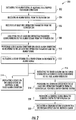
FIG. 2 shows a method to communicate with passengers within an elevator car. - Referring to the drawings,
FIG. 1 shows anelevator system 100. In the illustrated embodiment, theelevator system 100 includes anelevator car 102 with avideo system 106, and anelevator control system 112. In the illustrated embodiment, theelevator system 100 can be utilized to facilitate communication with a passenger in theelevator car 102 in response to alarm conditions or signals. Theelevator system 100 can be utilized to determine if an alarm condition is a true alarm condition, an inadvertent alarm condition, or an alarm condition that can be addressed by a passenger. In response to an alarm signal, thevideo system 106 can be utilized to communicate with the passenger. Advantageously, theelevator system 100 can allow communication with a passenger to allow the passenger to address the alarm condition or to allow video communication with the passenger to allow for dispatchers or technicians to address an alarm condition while calming the passengers. While anelevator system 100 is contemplated herein, the methods and apparatuses described herein can be used with any suitable transportation system, including, but not limited to elevators, subways, trains, trams, gondolas, monorails, busses, trolleys, etc. - The
elevator system 100 can includemultiple elevator cars 102 to transport passengers as desired. In the illustrated embodiment, theelevator car 102 includes acontrol panel 104. Thecontrol panel 104 allows a passenger to interact with and direct theelevator car 102. During normal operation, thecontrol panel 104 can receive operational commands and inputs from the passenger to transport a passenger to a desired floor, open the doors, close the doors, etc. A passenger can utilize thecontrol panel 104 to trigger an alarm signal in response to any suitable emergency or alarm condition. In certain situations, a passenger can utilize the alarm signal to indicate a trapped passenger condition. A passenger may accurately signal a trapped passenger condition, while in other embodiments, a passenger may inaccurately signal a trapped passenger condition by inadvertently triggering an alarm signal. In some embodiments, a passenger may inaccurately signal a trapped passenger condition that may be resolved without any external assistance. - In the illustrated embodiment, the
elevator car 102 includes thevideo system 106. In the illustrated embodiment, thevideo system 106 includes avideo camera 108 and avideo screen 110. During normal operation, thevideo screen 110 can be utilized to display information and videos to passengers. Thevideo screen 110 can further be utilized to display information or videos in response to an alarm condition. Thevideo camera 108 can be utilized to allow for two way video communications between someone outside of theelevator car 102 such as, for example, building, emergency, or elevator personnel, and a passenger within theelevator car 102. In certain situations, two way video communications can allow personnel to communicate, instruct and calm a passenger in response to a trapped passenger condition. - In the illustrated embodiment, the
elevator car 102 can be controlled and monitored by theelevator control system 112. In the illustrated embodiment, theelevator control system 112 can receive signals from theelevator car 102 and thecontrol panel 104 to control movement of theelevator car 102 through an elevator shaft. Further, theelevator control system 112 can monitor the status of theelevator car 102 and theelevator system 100 using feedback from sensors and other means to determine operating parameters. For example, theelevator control system 112 can determine operating status, parameters, faults, etc. of theelevator car 102. - In the illustrated embodiment, the
alarm response controller 114 can receive alarm signals from theelevator car 102 and theelevator control system 112. In the illustrated embodiment, thealarm response controller 114 is integrated with theelevator control system 112. In other embodiments, thealarm response controller 114 is independent from theelevator control system 112. In the illustrated embodiment, thealarm response controller 114 can analyze operating parameters of theelevator car 102 in response to an alarm signal to determine if the alarm signal or condition provided is a true alarm condition or a false alarm condition. In the illustrated embodiment, thealarm response controller 114 can identify operating parameters that are consistent with trapped passenger conditions to determine if the alarm signal or condition provided is a true alarm condition or a false alarm condition. In certain embodiments thealarm response controller 114 can monitor operating parameters, including, but not limited to door state, elevator car position, velocity, error codes, etc., to determineelevator system 100 statuses. Thealarm response controller 114 can utilize algorithms to monitor the operating parameters to determine ifelevator system 100 operations are normal or enter a shutdown state in response to error conditions. In certain embodiments, if an alarm signal is received while theelevator system 100 is considered normal; thealarm response controller 114 can determine the alarm signal is a false alarm. Similarly, if the alarm signal is received while theelevator system 100 is in an error condition, thealarm response controller 114 can determine that the alarm signal is a true alarm. Alternatively, in certain embodiments, thedispatch center 116 can receive operating parameters of theelevator car 102 in response to an alarm signal to allow a technician or an automated method determine if the alarm signal or condition provided is a true alarm condition or a false alarm condition. - In certain embodiments, the
alarm response controller 114 can determine if an alarm condition is a false alarm condition if the alarm signal is provided when theelevator car 102 is operating properly or theelevator car 102 doors are in an open condition by monitoring operating parameters described above. In these scenarios it may be determined that the alarm signal was inadvertently triggered by a passenger using thecontrol panel 104. In other embodiments, a passenger may intentionally trigger an alarm signal using the control panel. However, thealarm response controller 114 can monitor error conditions and the presence of a shutdown state of theelevator car 102 and theelevator control system 112 to determine if theelevator car 102 is operational. In this scenario, thealarm response controller 114 can determine if the alarm condition provided by the passenger can be resolved by the passenger or is otherwise a false alarm condition, as described below. - In response to a determined false alarm condition, the
alarm response controller 114 can initiate a display of information or an informative video to be displayed on thevideo screen 110. The information provided can inform the passenger if any action is needed or otherwise how to resolve the alarm condition. In certain embodiments, the information displayed on thevideo screen 110 can describe the cause of the false alarm and allow input to determine if the alarm signal is not a false alarm. In certain embodiments, a user can provide confirmation of an alarm signal via thecontrol panel 104 or using thevideo system 106. In certain embodiments, a video conference between theelevator car 102 and thedispatch center 116 can be initiated while notifying thedispatch center 116 the video conference is corresponding to a determined false alarm condition. - In response to a true alarm condition, the
alarm response controller 114 can initiate a video conference between theelevator car 102 and adispatch center 116 using thevideo system 106 within theelevator car 102. Similarly, thedispatch center 116 can be equipped with a video camera and a video screen to allow two way video conferencing between the passenger and a dispatcher or technician. Advantageously, thedispatch center 116 and a passenger within theelevator car 102 can use video conferencing to improve the experience of the trapped passenger. In certain embodiments, thedispatch center 116 can utilize a remote dispatcher to comfort a passenger, provide the passenger with instructions, or provide commands to theelevator car 102 remotely. In certain embodiments, if thedispatch center 116 determines that they cannot resolve the alarm condition, thedispatch center 116 can contact a technician via atechnician device 118. In certain embodiments, thetechnician device 118 can have a communication link with thevideo system 106 to allow audio and/or video communication with the passenger. Thetechnician device 118 can be any suitable device, including, but not limited to a cellular phone, a tablet computer, a portable computer, etc. Among other things, the dispatch center may be the elevator manufacturer, maintenance service provider, building manager, or any other third party that is not trapped in the elevator. - Referring to
FIG. 2 , amethod 200 to communicate with passengers within an elevator car is shown. Inoperation 202 the alarm signal is initiated in response to a trapped passenger condition. - In
operation 204 an alarm signal is received from the elevator car. In response to emergency situations, a passenger can utilize the control panel to trigger an alarm signal in response to any suitable emergency or alarm condition. - In
operation 206 at least one operation parameter is received from the elevator car. In certain embodiments the alarm response controller can monitor operating parameters, including, but not limited to door state, elevator car position, velocity, error codes, etc., to determine elevator system statuses. The alarm response controller can utilize algorithms to monitor the operating parameters to determine if elevator system operations are normal or enter a shutdown state in response to error conditions. In certain embodiments, the alarm response controller can monitor for the presence of a "shutdown state." The shutdown state may be received via a CAN message. - In
operation 208 the at least one operation parameter corresponding to the alarm signal from the elevator car is analyzed. In the illustrated embodiment, the alarm response controller can analyze elevator car parameters and elevator control system parameters to determine if a user provided alarm signal is a false alarm condition. In operation 210 a true alarm condition or a false alarm condition is provided in response to the at least one operation parameter and the alarm signal. In operation 212 a video session via a video system is initiated in response to the alarm signal. - If the alarm response controller determines that the alarm signal indicates a false alarm condition, in operation 214 a video is displayed via the video system in response to the false alarm condition. The information provided can inform the passenger if any action is needed or otherwise how to resolve the alarm condition. In certain embodiments, the information displayed on the video screen can describe the cause of the false alarm and allow input to determine if the alarm signal is not a false alarm.
- If the alarm response controller determines that the alarm signal indicates a true alarm condition, in
operation 216 the video session is initiated via the video system with a dispatch center in response to the true alarm condition. Inoperation 218 the dispatch center is provided with the at least one operation parameter from the elevator car, via the elevator control system. In certain embodiments, in operation 220 a control signal from the dispatch center is provided to the elevator car. Further, in certain embodiments, in operation 222 a communication session with a technician device is initiated via the dispatch center. - The terminology used herein is for the purpose of describing particular embodiments only and is not intended to be limiting of the embodiments. While the description of the present embodiments has been presented for purposes of illustration and description, it is not intended to be exhaustive or limited to the embodiments in the form disclosed. Many modifications, variations, alterations, substitutions or equivalent arrangement not hereto described will be apparent to those of ordinary skill in the art without departing from the scope and spirit of the embodiments. Additionally, while various embodiments have been described, it is to be understood that aspects may include any number of the described embodiments. Accordingly, the embodiments are not to be seen as limited by the foregoing description, but are only limited by the scope of the appended claims. The terms "a" and "an" and "the" herein do not denote a limitation of quantity, and are to be construed to cover both the singular and the plural, unless otherwise indicated herein or clearly contradicted by context.
Claims (15)
- A method to communicate with a passenger in a car within a transportation system, the method comprising:receiving an alarm signal from the car;receiving at least one operation parameter from the car;analyzing the at least one operation parameter corresponding to the alarm signal from the car;determining an alarm condition in response to the at least one operation parameter and the alarm signal; andinitiating a video session via a video system in response to the alarm signal.
- The method of claim 1, wherein the car is an elevator car.
- The method of claim 1 or 2, further comprising determining a true alarm condition or a false alarm condition in response to the at least one operation parameter and the alarm signal.
- The method of claim 3, further comprising:initiating the video session via the video system with a dispatch center in response to the false alarm condition.
- The method of claim 3, further comprising:initiating the video session via the video system with a dispatch center in response to the true alarm condition.
- The method of claim 5, further comprising:initiating a communication session with a technician device via the dispatch center; and/orproviding the dispatch center with the at least one operation parameter from the car via a control system; and/orproviding a control signal from the dispatch center to the car.
- The method of claim 3 or 4, further comprising:displaying a video via the video system in response to the false alarm condition.
- The method of any of the preceding claims, further comprising:initiating the alarm signal in response to a trapped passenger condition.
- A system for communication with a passenger within a transportation system, the system comprising:a car of the transportation system to provide an alarm signal, wherein the car includes a video system;a control system to provide at least one operation parameter corresponding to the car; andan alarm response controller to analyze the at least one operation parameter corresponding to the alarm signal and to selectively determine an alarm condition, wherein the alarm response controller initiates a video session via the video system in response to the alarm signal.
- The system of claim 9, wherein the car is an elevator car.
- The system of claim 9 or 10, wherein the alarm response controller determines a true alarm condition or a false alarm condition for the alarm condition.
- The system of claim 11, wherein the alarm response controller initiates the video session via the video system with a dispatch center in response to the false alarm condition.
- The system of claim 11, wherein the alarm response controller initiates a video session with a dispatch center in response to the true alarm condition.
- The system of claims 9 to 13,wherein the alarm response controller initiates a communication session with a technician device and the dispatch center; and/orwherein the dispatch center receives at least one operation parameter from the control system; and/orwherein the dispatch center provides a control signal to the car.
- The system of any of claims 9 to 14,wherein the video system includes a video camera and a video screen ; and/orwherein the car includes a control panel to selectively provide the alarm signal.
Applications Claiming Priority (1)
| Application Number | Priority Date | Filing Date | Title |
|---|---|---|---|
| IN201611028812 | 2016-08-24 |
Publications (2)
| Publication Number | Publication Date |
|---|---|
| EP3299326A1 true EP3299326A1 (en) | 2018-03-28 |
| EP3299326B1 EP3299326B1 (en) | 2024-09-25 |
Family
ID=59649607
Family Applications (1)
| Application Number | Title | Priority Date | Filing Date |
|---|---|---|---|
| EP17186685.8A Active EP3299326B1 (en) | 2016-08-24 | 2017-08-17 | Communication with a trapped passenger in a transportation system |
Country Status (6)
| Country | Link |
|---|---|
| US (1) | US10745241B2 (en) |
| EP (1) | EP3299326B1 (en) |
| JP (1) | JP7016641B2 (en) |
| KR (1) | KR20180022599A (en) |
| CN (1) | CN107777491B (en) |
| ES (1) | ES2994290T3 (en) |
Cited By (1)
| Publication number | Priority date | Publication date | Assignee | Title |
|---|---|---|---|---|
| EP3715301A1 (en) * | 2019-03-28 | 2020-09-30 | Otis Elevator Company | Verification of trapped passenger alarm |
Families Citing this family (4)
| Publication number | Priority date | Publication date | Assignee | Title |
|---|---|---|---|---|
| EP3299326B1 (en) * | 2016-08-24 | 2024-09-25 | Otis Elevator Company | Communication with a trapped passenger in a transportation system |
| US11312594B2 (en) | 2018-11-09 | 2022-04-26 | Otis Elevator Company | Conveyance system video analytics |
| CN109368435A (en) * | 2018-12-21 | 2019-02-22 | 深圳技术大学(筹) | Monitoring method and device for elevator trapped fault |
| CN113079353B (en) * | 2021-03-25 | 2023-06-16 | 深圳市小兔充充科技有限公司 | Alarm signal response method, device, equipment and readable storage medium |
Citations (5)
| Publication number | Priority date | Publication date | Assignee | Title |
|---|---|---|---|---|
| JP2000118900A (en) * | 1998-10-19 | 2000-04-25 | Toshiba Fa Syst Eng Corp | Elevator monitoring device |
| US20020036122A1 (en) * | 2000-04-03 | 2002-03-28 | Televator Corporation | Elevator communication system |
| US20070261924A1 (en) * | 2004-11-01 | 2007-11-15 | Kone Corporation | Remote control of an elevator |
| KR20120115041A (en) * | 2011-04-08 | 2012-10-17 | 김봉택 | System and methode to monitoring the elevator |
| KR20140103749A (en) * | 2013-02-19 | 2014-08-27 | 송종태 | A Combined Video Telephone System For An Elevator System |
Family Cites Families (62)
| Publication number | Priority date | Publication date | Assignee | Title |
|---|---|---|---|---|
| US5736694A (en) * | 1992-12-22 | 1998-04-07 | Kone Oy | Method for providing a phone alarm call in an elevator system |
| JPH06316387A (en) * | 1993-05-07 | 1994-11-15 | Mitsubishi Denki Bill Techno Service Kk | Monitoring device for elevator |
| JPH07215618A (en) * | 1994-02-08 | 1995-08-15 | Hitachi Building Syst Eng & Service Co Ltd | Abnormality reporting device of elevator |
| CA2412347C (en) | 1997-03-12 | 2008-08-05 | Verticore Communications Ltd. | Information display system |
| US5955710A (en) | 1998-01-20 | 1999-09-21 | Captivate Network, Inc. | Information distribution system for use in an elevator |
| WO2000044662A1 (en) | 1999-02-01 | 2000-08-03 | Otis Elevator Company | Elevator system with operating mode display |
| US6196355B1 (en) * | 1999-03-26 | 2001-03-06 | Otis Elevator Company | Elevator rescue system |
| US6496110B2 (en) * | 1999-12-06 | 2002-12-17 | Science Applications International Corporation | Rapid fire emergency response for minimizing human casualties within a facility |
| US6349797B1 (en) | 1999-12-21 | 2002-02-26 | Captivate Network, Inc. | Information distribution system for use in an elevator |
| JP3732701B2 (en) | 2000-01-20 | 2006-01-11 | 株式会社日立ビルシステム | Elevator rescue operation device |
| JP3681602B2 (en) | 2000-02-07 | 2005-08-10 | 株式会社日立ビルシステム | Elevator confinement remote rescue device |
| US6341668B1 (en) | 2000-04-03 | 2002-01-29 | Televator One, Llc | Interactive elevator communication system |
| US6364066B1 (en) * | 2000-04-24 | 2002-04-02 | Otis Elevator Company | Remote rescue of trapped elevator passengers |
| US6847292B2 (en) * | 2001-12-20 | 2005-01-25 | Inventio Ag | Method and device for remote unlocking of an access door of a building with an elevator |
| JP2004026431A (en) * | 2002-06-26 | 2004-01-29 | Mitsubishi Electric Corp | Elevator display device |
| JP4414675B2 (en) * | 2003-05-13 | 2010-02-10 | オーチス エレベータ カンパニー | Elevator alarm device |
| JP4369253B2 (en) | 2004-01-22 | 2009-11-18 | 株式会社日立製作所 | Elevator monitoring system |
| KR20060106231A (en) | 2005-04-06 | 2006-10-12 | (주)에이치피엔알티 | Elevator operation monitoring system |
| US20090283369A1 (en) * | 2005-07-18 | 2009-11-19 | Flynn Michael P | Communication of Service Disruption Information in a Group Elevator System |
| JP2007031086A (en) | 2005-07-27 | 2007-02-08 | Toshiba Elevator Co Ltd | Elevator and elevator system |
| JP2008024428A (en) | 2006-07-20 | 2008-02-07 | Hitachi Building Systems Co Ltd | Building remote monitoring device |
| CN1933521A (en) * | 2006-09-29 | 2007-03-21 | 吴喜峰 | Special communicating method for elevator |
| JP4887212B2 (en) | 2007-05-16 | 2012-02-29 | 三菱電機ビルテクノサービス株式会社 | Elevator call system and elevator call method |
| JP2009120371A (en) | 2007-11-16 | 2009-06-04 | Toshiba Elevator Co Ltd | Emergency maintenance service information provision system and its information provision method for elevator |
| JP2009190874A (en) | 2008-02-15 | 2009-08-27 | Toshiba Elevator Co Ltd | Elevator report system |
| KR20120032019A (en) * | 2009-07-02 | 2012-04-04 | 오티스 엘리베이터 컴파니 | Elevator rescue system |
| CN201567123U (en) | 2009-12-28 | 2010-09-01 | 贺衡志 | Improved elevator display system capable of conducting emergency safety warning guidance in real time |
| US8230980B2 (en) * | 2009-12-31 | 2012-07-31 | Inventio Ag | Method of operating elevators during emergency situations |
| TWI411978B (en) * | 2010-04-14 | 2013-10-11 | Hon Hai Prec Ind Co Ltd | System and method for elevator security |
| DE102010064217B3 (en) * | 2010-12-27 | 2012-04-26 | Siemens Aktiengesellschaft | Method and device for determining a force |
| CN202116149U (en) | 2011-06-27 | 2012-01-18 | 吴江市德菱电梯配套有限公司 | Multifunctional elevator car |
| CN202201598U (en) * | 2011-08-25 | 2012-04-25 | 巨人通力电梯有限公司 | Elevator remote alarm system |
| CN102344069B (en) * | 2011-10-14 | 2013-05-01 | 东营市宏安电梯有限责任公司 | Elevator emergency management technology supporting system |
| CN103159100A (en) | 2011-12-09 | 2013-06-19 | 北京科苑隆科技有限公司 | Internet of things elevator monitoring system |
| CN104136352B (en) * | 2012-02-27 | 2016-06-01 | 奥的斯电梯公司 | Apparatus for controlling elevator |
| CN202594553U (en) * | 2012-05-08 | 2012-12-12 | 祁雷 | Elevator long-range automatic alarm and multimedia advertisement integration machine system |
| FI124003B (en) | 2012-06-04 | 2014-01-31 | Kone Corp | Lift arrangement |
| CN202704744U (en) | 2012-07-23 | 2013-01-30 | 山东博源瑞通智能科技有限公司 | Elevator internet of things intelligent intercom system |
| US20140139539A1 (en) | 2012-11-16 | 2014-05-22 | Cisco Technology, Inc. | Emergency digital signage |
| CN104736463B (en) * | 2012-12-27 | 2017-05-31 | 日本升降机服务控股有限公司 | Remote Monitoring Support Device |
| CN103171940A (en) | 2013-03-25 | 2013-06-26 | 中山市卓梅尼控制技术有限公司 | Elevator emergency call method |
| CN104140022A (en) | 2013-05-06 | 2014-11-12 | 天津市安维康家科技发展有限公司 | Advisement player and elevator running dynamic monitoring system |
| CN103910262B (en) | 2013-12-03 | 2017-05-17 | 天津市安维康家科技发展有限公司 | Control method of intelligent elevator accident remote emergency visual unit based on 4G |
| ES2913339T3 (en) * | 2014-01-31 | 2022-06-01 | Draka Elevator Products Inc | Seismic detection sensor device for vertical transportation equipment |
| CN203903712U (en) | 2014-05-12 | 2014-10-29 | 苏州云能电气有限公司 | Elevator car and elevator advisement player interactive communication system |
| CN203976154U (en) | 2014-07-30 | 2014-12-03 | 深圳市云特科技有限公司 | Remote rescue communication device for passengers trapped in elevator |
| WO2016087557A1 (en) | 2014-12-03 | 2016-06-09 | Inventio Ag | System and method for alternatively interacting with elevators |
| AU2016223568B2 (en) * | 2015-02-23 | 2019-08-29 | Inventio Ag | Elevator system with adaptive door control |
| CN105959039B (en) * | 2015-03-09 | 2021-04-30 | 奥的斯电梯公司 | Elevator communication gateway |
| CN104828664B (en) * | 2015-04-03 | 2020-05-22 | 奥的斯电梯公司 | Automatic debugging system and method |
| CN112850406A (en) * | 2015-04-03 | 2021-05-28 | 奥的斯电梯公司 | Traffic list generation for passenger transport |
| CN106144796B (en) * | 2015-04-03 | 2020-01-31 | 奥的斯电梯公司 | Depth sensor based occupant sensing for air passenger transport envelope determination |
| JP6173653B2 (en) * | 2015-06-15 | 2017-08-02 | 三菱電機株式会社 | Elevator safety system |
| CN104925614B (en) | 2015-06-26 | 2017-07-07 | 广州日滨科技发展有限公司 | A kind of elevator malfunction failure monitoring system |
| US10029884B2 (en) * | 2015-09-14 | 2018-07-24 | Otis Elevator Company | Building management system integrated with elevator display |
| CN205087736U (en) * | 2015-11-18 | 2016-03-16 | 中景恒基云端物联网科技成都有限公司 | A multi -functional thing networking terminal for elevator |
| CN105480806B (en) | 2016-01-20 | 2017-12-26 | 孟令海 | elevator internet of things system and management method |
| EP3299326B1 (en) * | 2016-08-24 | 2024-09-25 | Otis Elevator Company | Communication with a trapped passenger in a transportation system |
| US10850941B2 (en) * | 2016-10-29 | 2020-12-01 | Otis Elevator Company | Communication with a passenger in a transportation system |
| WO2018087253A1 (en) * | 2016-11-11 | 2018-05-17 | Inventio Ag | Security system for buildings with elevator installations |
| US11634301B2 (en) * | 2017-06-05 | 2023-04-25 | Otis Elevator Company | System and method for detection of a malfunction in an elevator |
| US11040852B2 (en) * | 2018-05-01 | 2021-06-22 | Otis Elevator Company | Elevator car control to address abnormal passenger behavior |
-
2017
- 2017-08-17 EP EP17186685.8A patent/EP3299326B1/en active Active
- 2017-08-17 ES ES17186685T patent/ES2994290T3/en active Active
- 2017-08-22 US US15/683,140 patent/US10745241B2/en active Active
- 2017-08-22 JP JP2017158967A patent/JP7016641B2/en active Active
- 2017-08-23 CN CN201710733780.4A patent/CN107777491B/en active Active
- 2017-08-23 KR KR1020170106570A patent/KR20180022599A/en not_active Ceased
Patent Citations (6)
| Publication number | Priority date | Publication date | Assignee | Title |
|---|---|---|---|---|
| JP2000118900A (en) * | 1998-10-19 | 2000-04-25 | Toshiba Fa Syst Eng Corp | Elevator monitoring device |
| US20020036122A1 (en) * | 2000-04-03 | 2002-03-28 | Televator Corporation | Elevator communication system |
| US20070261924A1 (en) * | 2004-11-01 | 2007-11-15 | Kone Corporation | Remote control of an elevator |
| KR20120115041A (en) * | 2011-04-08 | 2012-10-17 | 김봉택 | System and methode to monitoring the elevator |
| KR20140103749A (en) * | 2013-02-19 | 2014-08-27 | 송종태 | A Combined Video Telephone System For An Elevator System |
| WO2014129786A1 (en) * | 2013-02-19 | 2014-08-28 | Song Jong Tae | Integrated video-telephone system for elevator |
Cited By (1)
| Publication number | Priority date | Publication date | Assignee | Title |
|---|---|---|---|---|
| EP3715301A1 (en) * | 2019-03-28 | 2020-09-30 | Otis Elevator Company | Verification of trapped passenger alarm |
Also Published As
| Publication number | Publication date |
|---|---|
| KR20180022599A (en) | 2018-03-06 |
| CN107777491A (en) | 2018-03-09 |
| US10745241B2 (en) | 2020-08-18 |
| ES2994290T3 (en) | 2025-01-21 |
| CN107777491B (en) | 2021-08-17 |
| JP7016641B2 (en) | 2022-02-07 |
| JP2018030721A (en) | 2018-03-01 |
| EP3299326B1 (en) | 2024-09-25 |
| US20180057307A1 (en) | 2018-03-01 |
Similar Documents
| Publication | Publication Date | Title |
|---|---|---|
| US10745241B2 (en) | Communication with a trapped passenger in a transportation system | |
| EP3315446B1 (en) | Communication with a passenger in a transportation system | |
| US9580276B2 (en) | Elevator system with messaging for automated maintenance | |
| KR102035557B1 (en) | IoT based elevator pervasive autonomous system and method | |
| CN101052583B (en) | Method for executing elevator control action from remote terminal and remote elevator control system | |
| KR20120084959A (en) | Elevator sytem and method of controlling the same | |
| JP2020117318A (en) | Door abnormality detection system and elevator system | |
| US20230159064A1 (en) | Cableway Station Having a Safety Barrier | |
| CN105314489A (en) | Elevator rescue operation device | |
| JP6439021B2 (en) | Elevator monitoring system and elevator monitoring method | |
| KR20200074206A (en) | Elevator remote monitoring system | |
| US11668122B2 (en) | Arrangement for a vehicle, in particular a rail vehicle, or for a building and a method of operating the vehicle or the building | |
| US20220363513A1 (en) | Mobile control unit and method for remotely controlling an elevator installation | |
| EP2876073A1 (en) | Method and device for the evacuation of a lift system in a case of fire | |
| KR20180093031A (en) | Elevator control device, elevator remote monitoring server, evacuation assistance system, and elevator assisted evacuation method | |
| KR20080061034A (en) | Emergency door control train platform screen door system and control method | |
| KR101224732B1 (en) | Elevator and elevator system and method of controlling the same | |
| JP2004338860A (en) | Elevator confinement rescue system | |
| JPWO2019069367A1 (en) | Elevator system | |
| JP2026065837A (en) | Elevator systems and mobile bodies | |
| HK40067260A (en) | Mobile control unit and method for remotely controlling a lift installation | |
| HK40067260B (en) | Mobile control unit and method for remotely controlling a lift installation | |
| JP2008050113A (en) | Elevator earthquake rescue operation device | |
| HK1262495B (en) | Passenger-initiated dynamic elevator service request | |
| HK1262495A1 (en) | Passenger-initiated dynamic elevator service request |
Legal Events
| Date | Code | Title | Description |
|---|---|---|---|
| PUAI | Public reference made under article 153(3) epc to a published international application that has entered the european phase |
Free format text: ORIGINAL CODE: 0009012 |
|
| STAA | Information on the status of an ep patent application or granted ep patent |
Free format text: STATUS: THE APPLICATION HAS BEEN PUBLISHED |
|
| AK | Designated contracting states |
Kind code of ref document: A1 Designated state(s): AL AT BE BG CH CY CZ DE DK EE ES FI FR GB GR HR HU IE IS IT LI LT LU LV MC MK MT NL NO PL PT RO RS SE SI SK SM TR |
|
| AX | Request for extension of the european patent |
Extension state: BA ME |
|
| STAA | Information on the status of an ep patent application or granted ep patent |
Free format text: STATUS: REQUEST FOR EXAMINATION WAS MADE |
|
| 17P | Request for examination filed |
Effective date: 20180831 |
|
| RBV | Designated contracting states (corrected) |
Designated state(s): AL AT BE BG CH CY CZ DE DK EE ES FI FR GB GR HR HU IE IS IT LI LT LU LV MC MK MT NL NO PL PT RO RS SE SI SK SM TR |
|
| STAA | Information on the status of an ep patent application or granted ep patent |
Free format text: STATUS: EXAMINATION IS IN PROGRESS |
|
| 17Q | First examination report despatched |
Effective date: 20201110 |
|
| RIC1 | Information provided on ipc code assigned before grant |
Ipc: H04N 7/14 20060101ALN20230120BHEP Ipc: B66B 3/00 20060101ALI20230120BHEP Ipc: B66B 5/00 20060101AFI20230120BHEP |
|
| RIC1 | Information provided on ipc code assigned before grant |
Ipc: H04N 7/14 20060101ALN20230308BHEP Ipc: B66B 3/00 20060101ALI20230308BHEP Ipc: B66B 5/00 20060101AFI20230308BHEP |
|
| RIC1 | Information provided on ipc code assigned before grant |
Ipc: H04N 7/14 20060101ALN20230418BHEP Ipc: B66B 3/00 20060101ALI20230418BHEP Ipc: B66B 5/00 20060101AFI20230418BHEP |
|
| RIC1 | Information provided on ipc code assigned before grant |
Ipc: H04N 7/14 20060101ALN20230526BHEP Ipc: B66B 3/00 20060101ALI20230526BHEP Ipc: B66B 5/00 20060101AFI20230526BHEP |
|
| GRAP | Despatch of communication of intention to grant a patent |
Free format text: ORIGINAL CODE: EPIDOSNIGR1 |
|
| STAA | Information on the status of an ep patent application or granted ep patent |
Free format text: STATUS: GRANT OF PATENT IS INTENDED |
|
| RIC1 | Information provided on ipc code assigned before grant |
Ipc: H04N 7/14 20060101ALN20240212BHEP Ipc: B66B 3/00 20060101ALI20240212BHEP Ipc: B66B 5/00 20060101AFI20240212BHEP |
|
| INTG | Intention to grant announced |
Effective date: 20240318 |
|
| RIC1 | Information provided on ipc code assigned before grant |
Ipc: H04N 7/14 20060101ALN20240307BHEP Ipc: B66B 3/00 20060101ALI20240307BHEP Ipc: B66B 5/00 20060101AFI20240307BHEP |
|
| GRAS | Grant fee paid |
Free format text: ORIGINAL CODE: EPIDOSNIGR3 |
|
| GRAA | (expected) grant |
Free format text: ORIGINAL CODE: 0009210 |
|
| STAA | Information on the status of an ep patent application or granted ep patent |
Free format text: STATUS: THE PATENT HAS BEEN GRANTED |
|
| AK | Designated contracting states |
Kind code of ref document: B1 Designated state(s): AL AT BE BG CH CY CZ DE DK EE ES FI FR GB GR HR HU IE IS IT LI LT LU LV MC MK MT NL NO PL PT RO RS SE SI SK SM TR |
|
| REG | Reference to a national code |
Ref country code: GB Ref legal event code: FG4D |
|
| REG | Reference to a national code |
Ref country code: CH Ref legal event code: EP |
|
| REG | Reference to a national code |
Ref country code: DE Ref legal event code: R096 Ref document number: 602017085029 Country of ref document: DE |
|
| REG | Reference to a national code |
Ref country code: IE Ref legal event code: FG4D |
|
| REG | Reference to a national code |
Ref country code: LT Ref legal event code: MG9D |
|
| PG25 | Lapsed in a contracting state [announced via postgrant information from national office to epo] |
Ref country code: NO Free format text: LAPSE BECAUSE OF FAILURE TO SUBMIT A TRANSLATION OF THE DESCRIPTION OR TO PAY THE FEE WITHIN THE PRESCRIBED TIME-LIMIT Effective date: 20241225 |
|
| PG25 | Lapsed in a contracting state [announced via postgrant information from national office to epo] |
Ref country code: GR Free format text: LAPSE BECAUSE OF FAILURE TO SUBMIT A TRANSLATION OF THE DESCRIPTION OR TO PAY THE FEE WITHIN THE PRESCRIBED TIME-LIMIT Effective date: 20241226 Ref country code: FI Free format text: LAPSE BECAUSE OF FAILURE TO SUBMIT A TRANSLATION OF THE DESCRIPTION OR TO PAY THE FEE WITHIN THE PRESCRIBED TIME-LIMIT Effective date: 20240925 |
|
| PG25 | Lapsed in a contracting state [announced via postgrant information from national office to epo] |
Ref country code: BG Free format text: LAPSE BECAUSE OF FAILURE TO SUBMIT A TRANSLATION OF THE DESCRIPTION OR TO PAY THE FEE WITHIN THE PRESCRIBED TIME-LIMIT Effective date: 20240925 |
|
| PG25 | Lapsed in a contracting state [announced via postgrant information from national office to epo] |
Ref country code: LV Free format text: LAPSE BECAUSE OF FAILURE TO SUBMIT A TRANSLATION OF THE DESCRIPTION OR TO PAY THE FEE WITHIN THE PRESCRIBED TIME-LIMIT Effective date: 20240925 |
|
| REG | Reference to a national code |
Ref country code: ES Ref legal event code: FG2A Ref document number: 2994290 Country of ref document: ES Kind code of ref document: T3 Effective date: 20250121 |
|
| PG25 | Lapsed in a contracting state [announced via postgrant information from national office to epo] |
Ref country code: RS Free format text: LAPSE BECAUSE OF FAILURE TO SUBMIT A TRANSLATION OF THE DESCRIPTION OR TO PAY THE FEE WITHIN THE PRESCRIBED TIME-LIMIT Effective date: 20241225 |
|
| REG | Reference to a national code |
Ref country code: NL Ref legal event code: MP Effective date: 20240925 |
|
| PG25 | Lapsed in a contracting state [announced via postgrant information from national office to epo] |
Ref country code: RS Free format text: LAPSE BECAUSE OF FAILURE TO SUBMIT A TRANSLATION OF THE DESCRIPTION OR TO PAY THE FEE WITHIN THE PRESCRIBED TIME-LIMIT Effective date: 20241225 Ref country code: NO Free format text: LAPSE BECAUSE OF FAILURE TO SUBMIT A TRANSLATION OF THE DESCRIPTION OR TO PAY THE FEE WITHIN THE PRESCRIBED TIME-LIMIT Effective date: 20241225 Ref country code: LV Free format text: LAPSE BECAUSE OF FAILURE TO SUBMIT A TRANSLATION OF THE DESCRIPTION OR TO PAY THE FEE WITHIN THE PRESCRIBED TIME-LIMIT Effective date: 20240925 Ref country code: GR Free format text: LAPSE BECAUSE OF FAILURE TO SUBMIT A TRANSLATION OF THE DESCRIPTION OR TO PAY THE FEE WITHIN THE PRESCRIBED TIME-LIMIT Effective date: 20241226 Ref country code: FI Free format text: LAPSE BECAUSE OF FAILURE TO SUBMIT A TRANSLATION OF THE DESCRIPTION OR TO PAY THE FEE WITHIN THE PRESCRIBED TIME-LIMIT Effective date: 20240925 Ref country code: BG Free format text: LAPSE BECAUSE OF FAILURE TO SUBMIT A TRANSLATION OF THE DESCRIPTION OR TO PAY THE FEE WITHIN THE PRESCRIBED TIME-LIMIT Effective date: 20240925 |
|
| REG | Reference to a national code |
Ref country code: AT Ref legal event code: MK05 Ref document number: 1726518 Country of ref document: AT Kind code of ref document: T Effective date: 20240925 |
|
| PG25 | Lapsed in a contracting state [announced via postgrant information from national office to epo] |
Ref country code: NL Free format text: LAPSE BECAUSE OF FAILURE TO SUBMIT A TRANSLATION OF THE DESCRIPTION OR TO PAY THE FEE WITHIN THE PRESCRIBED TIME-LIMIT Effective date: 20240925 |
|
| PG25 | Lapsed in a contracting state [announced via postgrant information from national office to epo] |
Ref country code: IS Free format text: LAPSE BECAUSE OF FAILURE TO SUBMIT A TRANSLATION OF THE DESCRIPTION OR TO PAY THE FEE WITHIN THE PRESCRIBED TIME-LIMIT Effective date: 20250125 Ref country code: PT Free format text: LAPSE BECAUSE OF FAILURE TO SUBMIT A TRANSLATION OF THE DESCRIPTION OR TO PAY THE FEE WITHIN THE PRESCRIBED TIME-LIMIT Effective date: 20250127 |
|
| PG25 | Lapsed in a contracting state [announced via postgrant information from national office to epo] |
Ref country code: RO Free format text: LAPSE BECAUSE OF FAILURE TO SUBMIT A TRANSLATION OF THE DESCRIPTION OR TO PAY THE FEE WITHIN THE PRESCRIBED TIME-LIMIT Effective date: 20240925 Ref country code: SM Free format text: LAPSE BECAUSE OF FAILURE TO SUBMIT A TRANSLATION OF THE DESCRIPTION OR TO PAY THE FEE WITHIN THE PRESCRIBED TIME-LIMIT Effective date: 20240925 |
|
| PG25 | Lapsed in a contracting state [announced via postgrant information from national office to epo] |
Ref country code: EE Free format text: LAPSE BECAUSE OF FAILURE TO SUBMIT A TRANSLATION OF THE DESCRIPTION OR TO PAY THE FEE WITHIN THE PRESCRIBED TIME-LIMIT Effective date: 20240925 Ref country code: AT Free format text: LAPSE BECAUSE OF FAILURE TO SUBMIT A TRANSLATION OF THE DESCRIPTION OR TO PAY THE FEE WITHIN THE PRESCRIBED TIME-LIMIT Effective date: 20240925 |
|
| PG25 | Lapsed in a contracting state [announced via postgrant information from national office to epo] |
Ref country code: PL Free format text: LAPSE BECAUSE OF FAILURE TO SUBMIT A TRANSLATION OF THE DESCRIPTION OR TO PAY THE FEE WITHIN THE PRESCRIBED TIME-LIMIT Effective date: 20240925 Ref country code: CZ Free format text: LAPSE BECAUSE OF FAILURE TO SUBMIT A TRANSLATION OF THE DESCRIPTION OR TO PAY THE FEE WITHIN THE PRESCRIBED TIME-LIMIT Effective date: 20240925 |
|
| PG25 | Lapsed in a contracting state [announced via postgrant information from national office to epo] |
Ref country code: SK Free format text: LAPSE BECAUSE OF FAILURE TO SUBMIT A TRANSLATION OF THE DESCRIPTION OR TO PAY THE FEE WITHIN THE PRESCRIBED TIME-LIMIT Effective date: 20240925 Ref country code: IT Free format text: LAPSE BECAUSE OF FAILURE TO SUBMIT A TRANSLATION OF THE DESCRIPTION OR TO PAY THE FEE WITHIN THE PRESCRIBED TIME-LIMIT Effective date: 20240925 |
|
| REG | Reference to a national code |
Ref country code: DE Ref legal event code: R097 Ref document number: 602017085029 Country of ref document: DE |
|
| PG25 | Lapsed in a contracting state [announced via postgrant information from national office to epo] |
Ref country code: DK Free format text: LAPSE BECAUSE OF FAILURE TO SUBMIT A TRANSLATION OF THE DESCRIPTION OR TO PAY THE FEE WITHIN THE PRESCRIBED TIME-LIMIT Effective date: 20240925 |
|
| PLBE | No opposition filed within time limit |
Free format text: ORIGINAL CODE: 0009261 |
|
| STAA | Information on the status of an ep patent application or granted ep patent |
Free format text: STATUS: NO OPPOSITION FILED WITHIN TIME LIMIT |
|
| 26N | No opposition filed |
Effective date: 20250626 |
|
| PG25 | Lapsed in a contracting state [announced via postgrant information from national office to epo] |
Ref country code: SE Free format text: LAPSE BECAUSE OF FAILURE TO SUBMIT A TRANSLATION OF THE DESCRIPTION OR TO PAY THE FEE WITHIN THE PRESCRIBED TIME-LIMIT Effective date: 20240925 |
|
| PGFP | Annual fee paid to national office [announced via postgrant information from national office to epo] |
Ref country code: ES Payment date: 20250901 Year of fee payment: 9 |
|
| PGFP | Annual fee paid to national office [announced via postgrant information from national office to epo] |
Ref country code: DE Payment date: 20250724 Year of fee payment: 9 |
|
| PGFP | Annual fee paid to national office [announced via postgrant information from national office to epo] |
Ref country code: GB Payment date: 20250725 Year of fee payment: 9 |
|
| PGFP | Annual fee paid to national office [announced via postgrant information from national office to epo] |
Ref country code: FR Payment date: 20250723 Year of fee payment: 9 |
|
| PG25 | Lapsed in a contracting state [announced via postgrant information from national office to epo] |
Ref country code: HR Free format text: LAPSE BECAUSE OF FAILURE TO SUBMIT A TRANSLATION OF THE DESCRIPTION OR TO PAY THE FEE WITHIN THE PRESCRIBED TIME-LIMIT Effective date: 20240925 |
|
| REG | Reference to a national code |
Ref country code: CH Ref legal event code: H13 Free format text: ST27 STATUS EVENT CODE: U-0-0-H10-H13 (AS PROVIDED BY THE NATIONAL OFFICE) Effective date: 20260324 |
|
| PG25 | Lapsed in a contracting state [announced via postgrant information from national office to epo] |
Ref country code: MC Free format text: LAPSE BECAUSE OF FAILURE TO SUBMIT A TRANSLATION OF THE DESCRIPTION OR TO PAY THE FEE WITHIN THE PRESCRIBED TIME-LIMIT Effective date: 20240925 |
|
| PG25 | Lapsed in a contracting state [announced via postgrant information from national office to epo] |
Ref country code: LU Free format text: LAPSE BECAUSE OF NON-PAYMENT OF DUE FEES Effective date: 20250817 |
|
| PG25 | Lapsed in a contracting state [announced via postgrant information from national office to epo] |
Ref country code: CH Free format text: LAPSE BECAUSE OF NON-PAYMENT OF DUE FEES Effective date: 20250831 |