EP3296140A1 - Batteriezugangssystem und -verfahren - Google Patents
Batteriezugangssystem und -verfahren Download PDFInfo
- Publication number
- EP3296140A1 EP3296140A1 EP16873198.2A EP16873198A EP3296140A1 EP 3296140 A1 EP3296140 A1 EP 3296140A1 EP 16873198 A EP16873198 A EP 16873198A EP 3296140 A1 EP3296140 A1 EP 3296140A1
- Authority
- EP
- European Patent Office
- Prior art keywords
- unit
- battery
- current
- resistor
- force
- Prior art date
- Legal status (The legal status is an assumption and is not a legal conclusion. Google has not performed a legal analysis and makes no representation as to the accuracy of the status listed.)
- Granted
Links
Images



Classifications
-
- B—PERFORMING OPERATIONS; TRANSPORTING
- B60—VEHICLES IN GENERAL
- B60L—PROPULSION OF ELECTRICALLY-PROPELLED VEHICLES; SUPPLYING ELECTRIC POWER FOR AUXILIARY EQUIPMENT OF ELECTRICALLY-PROPELLED VEHICLES; ELECTRODYNAMIC BRAKE SYSTEMS FOR VEHICLES IN GENERAL; MAGNETIC SUSPENSION OR LEVITATION FOR VEHICLES; MONITORING OPERATING VARIABLES OF ELECTRICALLY-PROPELLED VEHICLES; ELECTRIC SAFETY DEVICES FOR ELECTRICALLY-PROPELLED VEHICLES
- B60L3/00—Electric devices on electrically-propelled vehicles for safety purposes; Monitoring operating variables, e.g. speed, deceleration or energy consumption
- B60L3/04—Cutting off the power supply under fault conditions
-
- B—PERFORMING OPERATIONS; TRANSPORTING
- B60—VEHICLES IN GENERAL
- B60L—PROPULSION OF ELECTRICALLY-PROPELLED VEHICLES; SUPPLYING ELECTRIC POWER FOR AUXILIARY EQUIPMENT OF ELECTRICALLY-PROPELLED VEHICLES; ELECTRODYNAMIC BRAKE SYSTEMS FOR VEHICLES IN GENERAL; MAGNETIC SUSPENSION OR LEVITATION FOR VEHICLES; MONITORING OPERATING VARIABLES OF ELECTRICALLY-PROPELLED VEHICLES; ELECTRIC SAFETY DEVICES FOR ELECTRICALLY-PROPELLED VEHICLES
- B60L15/00—Methods, circuits, or devices for controlling the traction-motor speed of electrically-propelled vehicles
- B60L15/20—Methods, circuits, or devices for controlling the traction-motor speed of electrically-propelled vehicles for control of the vehicle or its driving motor to achieve a desired performance, e.g. speed, torque, programmed variation of speed
-
- B—PERFORMING OPERATIONS; TRANSPORTING
- B60—VEHICLES IN GENERAL
- B60L—PROPULSION OF ELECTRICALLY-PROPELLED VEHICLES; SUPPLYING ELECTRIC POWER FOR AUXILIARY EQUIPMENT OF ELECTRICALLY-PROPELLED VEHICLES; ELECTRODYNAMIC BRAKE SYSTEMS FOR VEHICLES IN GENERAL; MAGNETIC SUSPENSION OR LEVITATION FOR VEHICLES; MONITORING OPERATING VARIABLES OF ELECTRICALLY-PROPELLED VEHICLES; ELECTRIC SAFETY DEVICES FOR ELECTRICALLY-PROPELLED VEHICLES
- B60L15/00—Methods, circuits, or devices for controlling the traction-motor speed of electrically-propelled vehicles
- B60L15/20—Methods, circuits, or devices for controlling the traction-motor speed of electrically-propelled vehicles for control of the vehicle or its driving motor to achieve a desired performance, e.g. speed, torque, programmed variation of speed
- B60L15/22—Methods, circuits, or devices for controlling the traction-motor speed of electrically-propelled vehicles for control of the vehicle or its driving motor to achieve a desired performance, e.g. speed, torque, programmed variation of speed with sequential operation of interdependent switches, e.g. relays, contactors or program drum
-
- B—PERFORMING OPERATIONS; TRANSPORTING
- B60—VEHICLES IN GENERAL
- B60L—PROPULSION OF ELECTRICALLY-PROPELLED VEHICLES; SUPPLYING ELECTRIC POWER FOR AUXILIARY EQUIPMENT OF ELECTRICALLY-PROPELLED VEHICLES; ELECTRODYNAMIC BRAKE SYSTEMS FOR VEHICLES IN GENERAL; MAGNETIC SUSPENSION OR LEVITATION FOR VEHICLES; MONITORING OPERATING VARIABLES OF ELECTRICALLY-PROPELLED VEHICLES; ELECTRIC SAFETY DEVICES FOR ELECTRICALLY-PROPELLED VEHICLES
- B60L3/00—Electric devices on electrically-propelled vehicles for safety purposes; Monitoring operating variables, e.g. speed, deceleration or energy consumption
- B60L3/0023—Detecting, eliminating, remedying or compensating for drive train abnormalities, e.g. failures within the drive train
- B60L3/0046—Detecting, eliminating, remedying or compensating for drive train abnormalities, e.g. failures within the drive train relating to electric energy storage systems, e.g. batteries or capacitors
-
- B—PERFORMING OPERATIONS; TRANSPORTING
- B60—VEHICLES IN GENERAL
- B60L—PROPULSION OF ELECTRICALLY-PROPELLED VEHICLES; SUPPLYING ELECTRIC POWER FOR AUXILIARY EQUIPMENT OF ELECTRICALLY-PROPELLED VEHICLES; ELECTRODYNAMIC BRAKE SYSTEMS FOR VEHICLES IN GENERAL; MAGNETIC SUSPENSION OR LEVITATION FOR VEHICLES; MONITORING OPERATING VARIABLES OF ELECTRICALLY-PROPELLED VEHICLES; ELECTRIC SAFETY DEVICES FOR ELECTRICALLY-PROPELLED VEHICLES
- B60L50/00—Electric propulsion with power supplied within the vehicle
- B60L50/50—Electric propulsion with power supplied within the vehicle using propulsion power supplied by batteries or fuel cells
- B60L50/60—Electric propulsion with power supplied within the vehicle using propulsion power supplied by batteries or fuel cells using power supplied by batteries
-
- B—PERFORMING OPERATIONS; TRANSPORTING
- B60—VEHICLES IN GENERAL
- B60L—PROPULSION OF ELECTRICALLY-PROPELLED VEHICLES; SUPPLYING ELECTRIC POWER FOR AUXILIARY EQUIPMENT OF ELECTRICALLY-PROPELLED VEHICLES; ELECTRODYNAMIC BRAKE SYSTEMS FOR VEHICLES IN GENERAL; MAGNETIC SUSPENSION OR LEVITATION FOR VEHICLES; MONITORING OPERATING VARIABLES OF ELECTRICALLY-PROPELLED VEHICLES; ELECTRIC SAFETY DEVICES FOR ELECTRICALLY-PROPELLED VEHICLES
- B60L53/00—Methods of charging batteries, specially adapted for electric vehicles; Charging stations or on-board charging equipment therefor; Exchange of energy storage elements in electric vehicles
- B60L53/10—Methods of charging batteries, specially adapted for electric vehicles; Charging stations or on-board charging equipment therefor; Exchange of energy storage elements in electric vehicles characterised by the energy transfer between the charging station and the vehicle
-
- B—PERFORMING OPERATIONS; TRANSPORTING
- B60—VEHICLES IN GENERAL
- B60L—PROPULSION OF ELECTRICALLY-PROPELLED VEHICLES; SUPPLYING ELECTRIC POWER FOR AUXILIARY EQUIPMENT OF ELECTRICALLY-PROPELLED VEHICLES; ELECTRODYNAMIC BRAKE SYSTEMS FOR VEHICLES IN GENERAL; MAGNETIC SUSPENSION OR LEVITATION FOR VEHICLES; MONITORING OPERATING VARIABLES OF ELECTRICALLY-PROPELLED VEHICLES; ELECTRIC SAFETY DEVICES FOR ELECTRICALLY-PROPELLED VEHICLES
- B60L58/00—Methods or circuit arrangements for monitoring or controlling batteries or fuel cells, specially adapted for electric vehicles
- B60L58/10—Methods or circuit arrangements for monitoring or controlling batteries or fuel cells, specially adapted for electric vehicles for monitoring or controlling batteries
-
- B—PERFORMING OPERATIONS; TRANSPORTING
- B60—VEHICLES IN GENERAL
- B60L—PROPULSION OF ELECTRICALLY-PROPELLED VEHICLES; SUPPLYING ELECTRIC POWER FOR AUXILIARY EQUIPMENT OF ELECTRICALLY-PROPELLED VEHICLES; ELECTRODYNAMIC BRAKE SYSTEMS FOR VEHICLES IN GENERAL; MAGNETIC SUSPENSION OR LEVITATION FOR VEHICLES; MONITORING OPERATING VARIABLES OF ELECTRICALLY-PROPELLED VEHICLES; ELECTRIC SAFETY DEVICES FOR ELECTRICALLY-PROPELLED VEHICLES
- B60L58/00—Methods or circuit arrangements for monitoring or controlling batteries or fuel cells, specially adapted for electric vehicles
- B60L58/10—Methods or circuit arrangements for monitoring or controlling batteries or fuel cells, specially adapted for electric vehicles for monitoring or controlling batteries
- B60L58/12—Methods or circuit arrangements for monitoring or controlling batteries or fuel cells, specially adapted for electric vehicles for monitoring or controlling batteries responding to state of charge [SoC]
-
- B—PERFORMING OPERATIONS; TRANSPORTING
- B60—VEHICLES IN GENERAL
- B60L—PROPULSION OF ELECTRICALLY-PROPELLED VEHICLES; SUPPLYING ELECTRIC POWER FOR AUXILIARY EQUIPMENT OF ELECTRICALLY-PROPELLED VEHICLES; ELECTRODYNAMIC BRAKE SYSTEMS FOR VEHICLES IN GENERAL; MAGNETIC SUSPENSION OR LEVITATION FOR VEHICLES; MONITORING OPERATING VARIABLES OF ELECTRICALLY-PROPELLED VEHICLES; ELECTRIC SAFETY DEVICES FOR ELECTRICALLY-PROPELLED VEHICLES
- B60L58/00—Methods or circuit arrangements for monitoring or controlling batteries or fuel cells, specially adapted for electric vehicles
- B60L58/10—Methods or circuit arrangements for monitoring or controlling batteries or fuel cells, specially adapted for electric vehicles for monitoring or controlling batteries
- B60L58/16—Methods or circuit arrangements for monitoring or controlling batteries or fuel cells, specially adapted for electric vehicles for monitoring or controlling batteries responding to battery ageing, e.g. to the number of charging cycles or the state of health [SoH]
-
- H—ELECTRICITY
- H01—ELECTRIC ELEMENTS
- H01M—PROCESSES OR MEANS, e.g. BATTERIES, FOR THE DIRECT CONVERSION OF CHEMICAL ENERGY INTO ELECTRICAL ENERGY
- H01M50/00—Constructional details or processes of manufacture of the non-active parts of electrochemical cells other than fuel cells, e.g. hybrid cells
- H01M50/50—Current conducting connections for cells or batteries
- H01M50/572—Means for preventing undesired use or discharge
- H01M50/574—Devices or arrangements for the interruption of current
- H01M50/579—Devices or arrangements for the interruption of current in response to shock
-
- H—ELECTRICITY
- H02—GENERATION; CONVERSION OR DISTRIBUTION OF ELECTRIC POWER
- H02J—ELECTRIC POWER NETWORKS; CIRCUIT ARRANGEMENTS OR SYSTEMS FOR SUPPLYING OR DISTRIBUTING ELECTRIC POWER; SYSTEMS FOR STORING ELECTRIC ENERGY
- H02J7/00—Circuit arrangements for charging or discharging batteries or for supplying loads from batteries
-
- H—ELECTRICITY
- H02—GENERATION; CONVERSION OR DISTRIBUTION OF ELECTRIC POWER
- H02J—ELECTRIC POWER NETWORKS; CIRCUIT ARRANGEMENTS OR SYSTEMS FOR SUPPLYING OR DISTRIBUTING ELECTRIC POWER; SYSTEMS FOR STORING ELECTRIC ENERGY
- H02J7/00—Circuit arrangements for charging or discharging batteries or for supplying loads from batteries
- H02J7/14—Circuit arrangements for charging or discharging batteries or for supplying loads from batteries for charging batteries from dynamo-electric generators driven at varying speed, e.g. on vehicle
- H02J7/1423—Circuit arrangements for charging or discharging batteries or for supplying loads from batteries for charging batteries from dynamo-electric generators driven at varying speed, e.g. on vehicle with multiple batteries
-
- H—ELECTRICITY
- H02—GENERATION; CONVERSION OR DISTRIBUTION OF ELECTRIC POWER
- H02J—ELECTRIC POWER NETWORKS; CIRCUIT ARRANGEMENTS OR SYSTEMS FOR SUPPLYING OR DISTRIBUTING ELECTRIC POWER; SYSTEMS FOR STORING ELECTRIC ENERGY
- H02J7/00—Circuit arrangements for charging or discharging batteries or for supplying loads from batteries
- H02J7/14—Circuit arrangements for charging or discharging batteries or for supplying loads from batteries for charging batteries from dynamo-electric generators driven at varying speed, e.g. on vehicle
- H02J7/1446—Circuit arrangements for charging or discharging batteries or for supplying loads from batteries for charging batteries from dynamo-electric generators driven at varying speed, e.g. on vehicle in response to parameters of a vehicle
-
- H—ELECTRICITY
- H02—GENERATION; CONVERSION OR DISTRIBUTION OF ELECTRIC POWER
- H02J—ELECTRIC POWER NETWORKS; CIRCUIT ARRANGEMENTS OR SYSTEMS FOR SUPPLYING OR DISTRIBUTING ELECTRIC POWER; SYSTEMS FOR STORING ELECTRIC ENERGY
- H02J7/00—Circuit arrangements for charging or discharging batteries or for supplying loads from batteries
- H02J7/60—Circuit arrangements for charging or discharging batteries or for supplying loads from batteries including safety or protection arrangements
- H02J7/62—Circuit arrangements for charging or discharging batteries or for supplying loads from batteries including safety or protection arrangements against overcurrent
-
- H—ELECTRICITY
- H02—GENERATION; CONVERSION OR DISTRIBUTION OF ELECTRIC POWER
- H02J—ELECTRIC POWER NETWORKS; CIRCUIT ARRANGEMENTS OR SYSTEMS FOR SUPPLYING OR DISTRIBUTING ELECTRIC POWER; SYSTEMS FOR STORING ELECTRIC ENERGY
- H02J7/00—Circuit arrangements for charging or discharging batteries or for supplying loads from batteries
- H02J7/80—Circuit arrangements for charging or discharging batteries or for supplying loads from batteries including monitoring or indicating arrangements
- H02J7/84—Control of state of health [SOH]
-
- H—ELECTRICITY
- H02—GENERATION; CONVERSION OR DISTRIBUTION OF ELECTRIC POWER
- H02J—ELECTRIC POWER NETWORKS; CIRCUIT ARRANGEMENTS OR SYSTEMS FOR SUPPLYING OR DISTRIBUTING ELECTRIC POWER; SYSTEMS FOR STORING ELECTRIC ENERGY
- H02J7/00—Circuit arrangements for charging or discharging batteries or for supplying loads from batteries
- H02J7/14—Circuit arrangements for charging or discharging batteries or for supplying loads from batteries for charging batteries from dynamo-electric generators driven at varying speed, e.g. on vehicle
- H02J7/143—Circuit arrangements for charging or discharging batteries or for supplying loads from batteries for charging batteries from dynamo-electric generators driven at varying speed, e.g. on vehicle with multiple generators
-
- H—ELECTRICITY
- H02—GENERATION; CONVERSION OR DISTRIBUTION OF ELECTRIC POWER
- H02J—ELECTRIC POWER NETWORKS; CIRCUIT ARRANGEMENTS OR SYSTEMS FOR SUPPLYING OR DISTRIBUTING ELECTRIC POWER; SYSTEMS FOR STORING ELECTRIC ENERGY
- H02J7/00—Circuit arrangements for charging or discharging batteries or for supplying loads from batteries
- H02J7/80—Circuit arrangements for charging or discharging batteries or for supplying loads from batteries including monitoring or indicating arrangements
- H02J7/82—Control of state of charge [SOC]
-
- Y—GENERAL TAGGING OF NEW TECHNOLOGICAL DEVELOPMENTS; GENERAL TAGGING OF CROSS-SECTIONAL TECHNOLOGIES SPANNING OVER SEVERAL SECTIONS OF THE IPC; TECHNICAL SUBJECTS COVERED BY FORMER USPC CROSS-REFERENCE ART COLLECTIONS [XRACs] AND DIGESTS
- Y02—TECHNOLOGIES OR APPLICATIONS FOR MITIGATION OR ADAPTATION AGAINST CLIMATE CHANGE
- Y02E—REDUCTION OF GREENHOUSE GAS [GHG] EMISSIONS, RELATED TO ENERGY GENERATION, TRANSMISSION OR DISTRIBUTION
- Y02E60/00—Enabling technologies; Technologies with a potential or indirect contribution to GHG emissions mitigation
- Y02E60/10—Energy storage using batteries
-
- Y—GENERAL TAGGING OF NEW TECHNOLOGICAL DEVELOPMENTS; GENERAL TAGGING OF CROSS-SECTIONAL TECHNOLOGIES SPANNING OVER SEVERAL SECTIONS OF THE IPC; TECHNICAL SUBJECTS COVERED BY FORMER USPC CROSS-REFERENCE ART COLLECTIONS [XRACs] AND DIGESTS
- Y02—TECHNOLOGIES OR APPLICATIONS FOR MITIGATION OR ADAPTATION AGAINST CLIMATE CHANGE
- Y02T—CLIMATE CHANGE MITIGATION TECHNOLOGIES RELATED TO TRANSPORTATION
- Y02T10/00—Road transport of goods or passengers
- Y02T10/60—Other road transportation technologies with climate change mitigation effect
- Y02T10/70—Energy storage systems for electromobility, e.g. batteries
-
- Y—GENERAL TAGGING OF NEW TECHNOLOGICAL DEVELOPMENTS; GENERAL TAGGING OF CROSS-SECTIONAL TECHNOLOGIES SPANNING OVER SEVERAL SECTIONS OF THE IPC; TECHNICAL SUBJECTS COVERED BY FORMER USPC CROSS-REFERENCE ART COLLECTIONS [XRACs] AND DIGESTS
- Y02—TECHNOLOGIES OR APPLICATIONS FOR MITIGATION OR ADAPTATION AGAINST CLIMATE CHANGE
- Y02T—CLIMATE CHANGE MITIGATION TECHNOLOGIES RELATED TO TRANSPORTATION
- Y02T10/00—Road transport of goods or passengers
- Y02T10/60—Other road transportation technologies with climate change mitigation effect
- Y02T10/7072—Electromobility specific charging systems or methods for batteries, ultracapacitors, supercapacitors or double-layer capacitors
-
- Y—GENERAL TAGGING OF NEW TECHNOLOGICAL DEVELOPMENTS; GENERAL TAGGING OF CROSS-SECTIONAL TECHNOLOGIES SPANNING OVER SEVERAL SECTIONS OF THE IPC; TECHNICAL SUBJECTS COVERED BY FORMER USPC CROSS-REFERENCE ART COLLECTIONS [XRACs] AND DIGESTS
- Y02—TECHNOLOGIES OR APPLICATIONS FOR MITIGATION OR ADAPTATION AGAINST CLIMATE CHANGE
- Y02T—CLIMATE CHANGE MITIGATION TECHNOLOGIES RELATED TO TRANSPORTATION
- Y02T10/00—Road transport of goods or passengers
- Y02T10/60—Other road transportation technologies with climate change mitigation effect
- Y02T10/72—Electric energy management in electromobility
-
- Y—GENERAL TAGGING OF NEW TECHNOLOGICAL DEVELOPMENTS; GENERAL TAGGING OF CROSS-SECTIONAL TECHNOLOGIES SPANNING OVER SEVERAL SECTIONS OF THE IPC; TECHNICAL SUBJECTS COVERED BY FORMER USPC CROSS-REFERENCE ART COLLECTIONS [XRACs] AND DIGESTS
- Y02—TECHNOLOGIES OR APPLICATIONS FOR MITIGATION OR ADAPTATION AGAINST CLIMATE CHANGE
- Y02T—CLIMATE CHANGE MITIGATION TECHNOLOGIES RELATED TO TRANSPORTATION
- Y02T10/00—Road transport of goods or passengers
- Y02T10/80—Technologies aiming to reduce greenhouse gasses emissions common to all road transportation technologies
- Y02T10/92—Energy efficient charging or discharging systems for batteries, ultracapacitors, supercapacitors or double-layer capacitors specially adapted for vehicles
-
- Y—GENERAL TAGGING OF NEW TECHNOLOGICAL DEVELOPMENTS; GENERAL TAGGING OF CROSS-SECTIONAL TECHNOLOGIES SPANNING OVER SEVERAL SECTIONS OF THE IPC; TECHNICAL SUBJECTS COVERED BY FORMER USPC CROSS-REFERENCE ART COLLECTIONS [XRACs] AND DIGESTS
- Y02—TECHNOLOGIES OR APPLICATIONS FOR MITIGATION OR ADAPTATION AGAINST CLIMATE CHANGE
- Y02T—CLIMATE CHANGE MITIGATION TECHNOLOGIES RELATED TO TRANSPORTATION
- Y02T90/00—Enabling technologies or technologies with a potential or indirect contribution to GHG emissions mitigation
- Y02T90/10—Technologies relating to charging of electric vehicles
- Y02T90/14—Plug-in electric vehicles
Definitions
- the present invention relates to a system and a method of connecting a battery, and a system and a method of connecting a battery, which include a relay unit connected to a battery by a current, and allow a current with a different intensity to flow in the relay unit according to whether force applied to a circuit from the outside is detected and a size of the detected force, thereby maintaining or blocking the connection of the relay unit to the battery in consideration of the detection of the force and the degree of danger of the detected force.
- a battery which is called a storage battery or a secondary battery, has a characteristic in an easy application according to a product group, excellent preservability, a high energy density, and the like.
- the battery attracts attention as an energy supply source for improving an environmentally-friendly characteristic and energy efficiency in that a by-product according to the use of energy is not generated, as well as a primary advantage in that it is possible to decrease the use of fossil fuel.
- the battery is universally applied to an electric vehicle, an energy storage system, an uninterruptible power supply system, and the like, as well as a portable device.
- the electric vehicle has a technical characteristic in that a power source for driving the vehicle is provided from electric energy stored in a battery, and because of this, the battery within the electric vehicle is considered as a core element influencing a determination on a travelling speed and a travelling distance, as well as a stable operation of the vehicle.
- an accident of disconnecting an electric circuit and the battery within the vehicle may be generated due to an impact, a vibration, and the like transferred to a vehicle body, which causes a sudden stop of the operation of the electric vehicle to lead to a secondary accident, and contains a risk in that an electrical short is generated from the battery, so that a body of a person in the vehicle may get an electric shock.
- the present invention is conceived to solve the aforementioned problem, and an object of the present invention is to provide a system and a method of connecting a battery, which detect force applied to a circuit from the outside and maintain or block a connection between a relay unit of the circuit and a battery in consideration of the degree of danger of the detected force.
- another object of the present invention is to provide a system and a method of connecting a battery, which minimize a current quantity for maintaining a connection between a relay unit of a circuit and a battery when force from the outside is not detected, thereby improving a residual capacity of the battery that is a current supply source.
- a system for connecting a battery includes: a relay unit connected to a battery by a current; a first resistor and a second resistor which are connected to the relay unit and are positioned in parallel; a first driving unit provided in a connection path of the relay unit and the first resistor and a second driving unit provided in a connection path of the relay unit and the second resistor; a detecting unit which detects force applied to a circuit from the outside; and a control unit which controls driving of the first driving unit and the second driving unit based on a result of the detection by the detecting unit.
- An entire resistance value by the first resistor and the second resistor may be determined according to whether the first driving unit and the second driving unit are driven, and an intensity of a current flowing in the relay unit may be different according to the entire resistance value, so that a connection of the relay unit to the battery may be maintained or blocked.
- the first resistor may have a larger resistance value than that of the second resistor.
- the first resistor may have a resistance value having a size corresponding to the current having the minimum intensity.
- control unit may drive only the first driving unit, so that the current having the minimum intensity may flow in the relay unit and the connection of the relay unit to the battery may be maintained by the current having the minimum intensity.
- the control unit may drive both the first driving unit and the second driving unit, so that a current larger than the current having the minimum intensity may flow in the relay unit by a parallel resistance value of the first resistor and the second resistor which are connected in parallel, and the connection of the relay unit to the battery may be maintained by the larger current than the current having the minimum intensity.
- the control unit may not drive both the first driving unit and the second driving unit, so that a current may not flow in the relay unit and the connection of the relay unit to the battery may be blocked.
- the relay unit may be an electromagnetic relay which is energized when a current flows and of which contact points are closed.
- the detecting unit may include one or more sensors for detecting the force.
- the force may correspond to one or more of vibration, pitching, and impact.
- a method of connecting a battery includes: serially connecting a first driving unit and a first resistor and serially connecting a second driving unit and a second resistor; positioning the serially connected first driving unit and first resistor and the serially connected second driving unit and second resistor in parallel to connect the resistors to a relay unit connected to a battery by a current; detecting force applied to a circuit from the outside; controlling driving of the first driving unit and the second driving unit based on a result of the detection in the detecting of the force; and determining an entire resistance value by the first resistor and the second resistor according to whether the first driving unit and the second driving unit are driven, and maintaining or blocking a connection of the relay unit to the battery based on a difference in an intensity of a current flowing in the relay unit according to the entire resistance value.
- the first resistor may have a larger resistance value than that of the second resistor.
- the first resistor may have a resistance value having a size corresponding to the current having the minimum intensity.
- the controlling may include driving only the first driving unit when the force is not detected in the detecting of the force.
- the maintaining or blocking of the connection of the relay unit to the battery may include making the current having the minimum intensity flow in the relay unit and maintaining the connection of the relay unit to the battery by the current having the minimum intensity.
- the controlling may further include, when the force is detected in the detecting of the force and the detected force is equal to or smaller than a predetermined reference value, driving both the first driving unit and the second driving unit.
- the maintaining or blocking of the connection of the relay unit to the battery may further include making a current larger than the current having the minimum intensity flow in the relay unit by a parallel resistance value of the first resistor and the second resistor which are connected in parallel, and maintaining the connection of the relay unit to the battery by the larger current than the current having the minimum intensity.
- the controlling may further include, when the force is detected in the detecting of the force and the detected force exceeds the predetermined reference value, not driving both the first driving unit and the second driving unit.
- the maintaining or blocking of the connection of the relay unit to the battery may further include making a current not flow in the relay unit and blocking the connection of the relay unit to the battery.
- the relay unit may be an electromagnetic relay which is energized when a current flows and of which contact points are closed.
- the detecting of the force may use one or more sensors for detecting the force.
- the force may correspond to one or more of vibration, pitching, and impact.
- ... unit described in the specification means a unit for processing one or more functions or operations and may be implemented by hardware or software and a combination of hardware and software.
- FIG. 1 is a diagram schematically illustrating an electric vehicle 1, to which a system and a method of connecting a battery according to an exemplary embodiment of the present invention are applicable.
- the system and the method of connecting the battery according to the exemplary embodiment of the present invention may be applied to various technical fields, to which a battery is applied and simultaneously, in which force, such as impact and vibration, may accompany in an operation or driving, as well as the electric vehicle 1.
- the electric vehicle 1 may include a battery 10, a battery management system (BMS) 20, an electronic control unit (ECU) 30, an inverter 40, and a motor 50.
- BMS battery management system
- ECU electronice control unit
- the battery 10 is an electric energy source providing driving force to the motor 50 and driving the electric vehicle 1, and may be charged or discharged by the inverter 40 according to the driving of the motor 50 and/or an internal combustion engine (not illustrated).
- the kind of battery 10 is not particularly limited, and examples of the battery 10 may include a lithium ion battery, a lithium polymer battery, a nickel cadmium battery, a nickel hydrogen battery, a nickel zinc battery, and the like.
- the BMS 20 may estimate state information, such as a state of charging (SOC), a state of health (SOH), the amount of maximum input/output allowance power, and an output voltage, of the battery 10 and control charging and discharging of the battery 10 by using the state information.
- state information such as a state of charging (SOC), a state of health (SOH), the amount of maximum input/output allowance power, and an output voltage
- the BMS 20 may include a battery connecting system 100 (see FIG. 2 ) according to the present invention, and may be connected with the battery 10 or a connection between the BMS 20 and the battery 10 may be blocked based on the driving of the battery connecting system.
- the ECU 30 is an electronic control apparatus controlling a state of the electric vehicle 1, and for example, the ECU 30 may determine the degree of torque based on information about an accelerator, a break, a speed, and the like, and control an output of the motor 50 to correspond to the torque information.
- the inverter 40 may receive a charging/discharging control signal of the battery 10 from the ECU 30 and make the battery 10 be charged or discharged based on the charging/discharging control signal of the ECU 30, and the motor 50 may drive the electric vehicle 1 based on electric energy of the battery 10 and the control information transmitted from the ECU 30.
- a current having a different potential difference from a micro-current to a high current may flow in the circuit, and in order to protect the constituent elements from the current, a circuit protecting device, such as a relay, needs to be provided within the circuit.
- the system and the method of connecting the battery according to the present invention aim to stably connect the circuit and the battery 10 through an appropriate connection of the relay to the battery 10, and particularly, aim to enable the battery 10 to be normally operated by appropriately maintaining the connection of the relay to the battery 10 from force, such as impact and vibration, transmitted to the electric vehicle, and protect the battery 10 by blocking the connection depending on a situation.
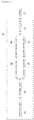
- FIG. 2 is a circuit diagram of a battery connecting system 100 according to an exemplary embodiment of the present invention.
- the battery connecting system 100 may include a relay unit 110, a detecting unit 120, a control unit 130, a first driving unit 140, a second driving unit 150, a first resistor 160, and a second resistor 170.
- the battery connecting system 100 illustrated in FIG. 2 is an exemplary embodiment, and it is noted that constituent elements thereof are not limited to the exemplary embodiment illustrated in FIG. 2 , and some constituent elements may be added, changed, or removed as necessary.
- the battery connecting system 100 may be implemented with the BMS 20 (see FIG. 1 ) itself, or may also be separately included in the BMS 20 (see FIG. 1 ).
- the relay unit 110 may be positioned at a distal end of a circuit, in which the constituent elements 120 to 170 are provided, and be connected to the battery 10 to serve to electrically connect the constituent elements 120 to 170 with the battery 10.
- the relay unit 110 may be implemented with an electromagnetic relay which has an energized characteristic when a current flows, and may include a solenoid 111, an iron piece 112, springs 113, and contact points 114 as the configuration.
- the solenoid 111 is not energized and does not exert magnetic force to the iron piece 112, and thus, the contact points 114 are not closed toward terminals connected with the battery 10.
- the electromagnetic relay implemented as the relay unit 110 may be formed in a temporary type in which opening/closing of the contact point 114 is immediately performed.
- the contact point 114 is operated according to the inflow of the current, so that the relay unit 110 may be connected to the battery 10 or the connection between the relay unit 110 and the battery 10 may be blocked, and in the exemplary embodiment, it is noted that the driving of the battery connecting system 100 according to the present invention is initiated in the state where the relay unit 110 is connected to the battery 10.
- the detecting unit 120 may serve to detect force applied to the circuit from the outside, and serve to provide a result of the detection to the control unit 130 which is to be described below.
- the force is a concept including vibration, pitching, impact, and the like
- the detecting unit 120 may include one or more of, for example, an impact detecting sensor, a vibration detecting sensor, and a motion detecting sensor detecting pitching of the circuit according to impact and vibration.
- the control unit 130 may determine whether force is applied based on the result of the detection provided from the detecting unit 120, compare detected force with a predetermined reference value when the force is detected, and determine whether the detected force exceeds the reference value. Further, the control unit 130 may control driving of the first driving unit 140 and the second driving unit 150 based on the determination.
- the first driving unit 140 and the second driving unit 150 may be implemented in a form of a switch, and the driving of the driving units 140 and 150 may mean the case where the driving units 140 and 150 are operated to be on to close the circuit. On the contrary, the circuit is opened when the driving units 140 and 150 are not driven.
- first driving unit 140 and the second driving unit 150 are positioned in parallel to be connected to the relay unit 110, and the first resistor 160 may be connected to the first driving unit 140 and the second resistor 170 may be connected to the second driving unit 150.
- first resistor 160 is serially connected to the first driving unit 140 and the second resistor 170 is serially connected to the second driving unit 150, and the first driving unit 140 and the first resistor 160, and the second driving unit 150 and the second resistor 170 may be positioned in parallel to be connected to the relay unit 110.
- control unit 130 may control only the first driving unit 140 to be driven.
- a path in the circuit, in which the first driving unit 140 is positioned, is closed, a path in the circuit, in which the second driving unit 150 is positioned, is opened, and an entire resistance value of the circuit may be determined by the first resistor 160.
- the first resistor 160 may be formed to have a larger resistance value than that of the second resistor 170. Further, in order to allow a current having a minimum intensity for maintaining the existing connection between the relay unit 110 and the battery 10, that is, a current having a minimum required intensity, by which the solenoid 111 (see FIG. 3 ) of the relay unit 110 is energized to make the contact point 114 (see FIG. 3 ) be closed to the terminals connected with the battery 10, to flow to the relay unit 110 when only the first driving unit 140 is driven, the resistance value of the first resistor 160 may be formed to have a size corresponding to the current.
- the connection of the relay unit 110 with the battery 10 may be maintained with the foregoing minimum intensity by the first resistor 160.
- control unit 130 may control both the first driving unit 140 and the second driving unit 150 to be driven.
- an entire resistance value of the circuit when both the first driving unit 140 and the second driving unit 150 are driven is smaller than an entire resistance value of the circuit when only the first driving unit 140 is driven, and this may mean that an intensity of a current flowing into the relay unit 110 when force is detected is larger than an intensity of a current flowing into the relay unit 110 when force is not detected.
- connection of the relay unit 110 to the battery 10 may be maintained with a larger current than the current having the foregoing minimum intensity by a parallel resistance value of the first resistor 160 and the second resistor 170.
- control unit 130 may control both the first driving unit 140 and the second driving unit 150 not to be driven.
- FIG. 4 is a flowchart for describing a battery connecting method according to an exemplary embodiment of the present invention.
- the detecting unit detects force applied to a circuit from the outside, and the control unit determines whether the force is detected based on a result of the detection (S410).
- the control unit drives only the first driving unit (S420), so that a path in the circuit, in which the first driving unit is positioned, is closed, and a path in the circuit, in which the second driving unit is positioned, is opened.
- an entire resistance value of the circuit is determined by the first resistor that is serially connected to the first driving unit (S421), and in this case, in order to allow a current having a minimum intensity for maintaining the connection of the relay unit to the battery to flow to the relay unit when only the first driving unit is driven, the first resistance value is set with a size corresponding to the current having the minimum intensity, so that the current having the minimum intensity flows in the relay unit (S422) and the existing connection of the battery is maintained (S423).
- control unit determines whether the detected force exceeds a predetermined reference value (S430).
- control unit controls both the first driving unit and the second driving unit to be driven (S431), and the paths in the circuit, in which the first driving unit and the second driving unit are positioned, respectively, are closed.
- an entire resistance value of the circuit is determined by the first resistor and the second resistor which are connected to each other in parallel (S432), and the entire resistance value of the circuit is smaller than an entire resistance value when only the first driving unit is driven by the parallel resistance value of the first resistor and the second resistor.
- control unit controls both the first driving unit and the second driving unit not to driven (S435).
Landscapes
- Engineering & Computer Science (AREA)
- Power Engineering (AREA)
- Transportation (AREA)
- Mechanical Engineering (AREA)
- Sustainable Development (AREA)
- Sustainable Energy (AREA)
- Life Sciences & Earth Sciences (AREA)
- Chemical & Material Sciences (AREA)
- Chemical Kinetics & Catalysis (AREA)
- Electrochemistry (AREA)
- General Chemical & Material Sciences (AREA)
- Electric Propulsion And Braking For Vehicles (AREA)
- Charge And Discharge Circuits For Batteries Or The Like (AREA)
Priority Applications (1)
| Application Number | Priority Date | Filing Date | Title |
|---|---|---|---|
| PL16873198T PL3296140T3 (pl) | 2015-12-10 | 2016-08-30 | Materiał do naprawy topniska wielkiego pieca |
Applications Claiming Priority (2)
| Application Number | Priority Date | Filing Date | Title |
|---|---|---|---|
| KR1020150175773A KR20170068826A (ko) | 2015-12-10 | 2015-12-10 | 배터리 접속 시스템 및 방법 |
| PCT/KR2016/009624 WO2017099332A1 (ko) | 2015-12-10 | 2016-08-30 | 배터리 접속 시스템 및 방법 |
Publications (3)
| Publication Number | Publication Date |
|---|---|
| EP3296140A1 true EP3296140A1 (de) | 2018-03-21 |
| EP3296140A4 EP3296140A4 (de) | 2018-10-03 |
| EP3296140B1 EP3296140B1 (de) | 2021-07-21 |
Family
ID=59013336
Family Applications (1)
| Application Number | Title | Priority Date | Filing Date |
|---|---|---|---|
| EP16873198.2A Active EP3296140B1 (de) | 2015-12-10 | 2016-08-30 | Batteriezugangssystem und -verfahren |
Country Status (6)
| Country | Link |
|---|---|
| US (1) | US10266056B2 (de) |
| EP (1) | EP3296140B1 (de) |
| KR (1) | KR20170068826A (de) |
| CN (1) | CN107709081B (de) |
| PL (1) | PL3296140T3 (de) |
| WO (1) | WO2017099332A1 (de) |
Families Citing this family (1)
| Publication number | Priority date | Publication date | Assignee | Title |
|---|---|---|---|---|
| CN111591169B (zh) * | 2020-05-29 | 2022-11-04 | 重庆长安新能源汽车科技有限公司 | 一种动力电池高压回路、控制方法及电动汽车 |
Family Cites Families (18)
| Publication number | Priority date | Publication date | Assignee | Title |
|---|---|---|---|---|
| JP2002270075A (ja) * | 2001-03-07 | 2002-09-20 | Matsushita Electric Ind Co Ltd | リレー駆動装置 |
| JP2004007919A (ja) | 2002-05-31 | 2004-01-08 | Fuji Heavy Ind Ltd | 高電圧バッテリ搭載車両のバッテリ回路遮断装置 |
| KR100758540B1 (ko) * | 2004-06-07 | 2007-09-14 | 주식회사 만도 | 솔레노이드 밸브 구동 장치 |
| JP4513577B2 (ja) * | 2005-01-17 | 2010-07-28 | トヨタ自動車株式会社 | 車両の制御装置 |
| JP2008199807A (ja) * | 2007-02-14 | 2008-08-28 | Toyota Motor Corp | 電源回路の制御装置 |
| JP5317188B2 (ja) * | 2009-02-20 | 2013-10-16 | 株式会社安川電機 | 電動車両のインバータ装置及びその保護方法 |
| KR101449083B1 (ko) * | 2010-05-06 | 2014-10-13 | 엘에스산전 주식회사 | 스위칭 게이트 드라이브 |
| KR20120012662A (ko) | 2010-08-02 | 2012-02-10 | (주)브이이엔에스 | 전기자동차 및 그 비상제어방법 |
| US8977416B2 (en) | 2010-07-09 | 2015-03-10 | Lg Electronics Inc. | Electric vehicle and method for controlling emergency thereof |
| KR101262524B1 (ko) * | 2011-08-04 | 2013-05-08 | 주식회사 엘지화학 | 이차 전지의 과전류 보호 장치, 보호 방법 및 전지 팩 |
| US8582269B2 (en) * | 2011-08-04 | 2013-11-12 | Lg Chem, Ltd. | Overcurrent protection apparatus for secondary battery, protection method and battery pack |
| KR101353953B1 (ko) * | 2012-02-20 | 2014-01-23 | 계명대학교 산학협력단 | 전기 차량의 전력 공급을 위한 릴레이 장치 및 그 구동 제어 방법 |
| JP2014087081A (ja) * | 2012-10-19 | 2014-05-12 | Toyota Motor Corp | 蓄電システム |
| JP2014207054A (ja) * | 2013-04-10 | 2014-10-30 | トヨタ自動車株式会社 | 電池システム |
| KR101644217B1 (ko) * | 2013-07-02 | 2016-07-29 | 주식회사 엘지화학 | 배터리 팩 보호 장치 및 방법 |
| CN203496695U (zh) * | 2013-08-29 | 2014-03-26 | 海马商务汽车有限公司 | 一种汽车电源控制装置及系统 |
| KR20150068845A (ko) * | 2013-12-12 | 2015-06-22 | 현대자동차주식회사 | 전지 조립체 및 이를 포함하는 하이브리드 자동차 |
| CN103802676B (zh) * | 2014-02-18 | 2016-08-24 | 安徽江淮汽车股份有限公司 | 一种整车电源控制系统 |
-
2015
- 2015-12-10 KR KR1020150175773A patent/KR20170068826A/ko not_active Ceased
-
2016
- 2016-08-30 US US15/576,957 patent/US10266056B2/en active Active
- 2016-08-30 EP EP16873198.2A patent/EP3296140B1/de active Active
- 2016-08-30 PL PL16873198T patent/PL3296140T3/pl unknown
- 2016-08-30 CN CN201680034262.7A patent/CN107709081B/zh active Active
- 2016-08-30 WO PCT/KR2016/009624 patent/WO2017099332A1/ko not_active Ceased
Also Published As
| Publication number | Publication date |
|---|---|
| US20180154795A1 (en) | 2018-06-07 |
| PL3296140T3 (pl) | 2021-12-27 |
| US10266056B2 (en) | 2019-04-23 |
| EP3296140B1 (de) | 2021-07-21 |
| KR20170068826A (ko) | 2017-06-20 |
| EP3296140A4 (de) | 2018-10-03 |
| CN107709081A (zh) | 2018-02-16 |
| WO2017099332A1 (ko) | 2017-06-15 |
| CN107709081B (zh) | 2020-06-02 |
Similar Documents
| Publication | Publication Date | Title |
|---|---|---|
| KR101680526B1 (ko) | 배터리 제어 장치 및 방법 | |
| KR101847685B1 (ko) | 배터리의 상태 추정 장치 및 방법 | |
| KR101262524B1 (ko) | 이차 전지의 과전류 보호 장치, 보호 방법 및 전지 팩 | |
| EP3232502A1 (de) | System und verfahren zur erfassung der batteriezellenanschwellung | |
| CN106853777B (zh) | 车辆及车辆的充电控制方法 | |
| EP2523248A2 (de) | Batterieüberwachungsvorrichtung und -verfahren | |
| KR20200041711A (ko) | 배터리 관리 장치 및 방법 | |
| CN105711434A (zh) | 一种电动汽车动力电池管理系统 | |
| CN102343831B (zh) | 用于重新平衡车辆电池的系统和方法 | |
| KR20130049880A (ko) | 배터리 팩 및 이의 제어 방법 | |
| EP2869074A1 (de) | Vorrichtung und verfahren zur berechnung des widerstandes eines batteriepacks vor der ladung | |
| CN106707146A (zh) | 用于检测生态友好车辆的继电器熔敷的装置和方法 | |
| TW201240276A (en) | High voltage battery system for vehicle applications | |
| KR20160137493A (ko) | 전압 측정을 통한 배터리 랙 파손 방지 장치, 시스템 및 방법 | |
| KR101641762B1 (ko) | 프리차지 저항 및 릴레이 파손 방지 장치 및 방법 | |
| EP3240096A1 (de) | Batteriepackschutzsystem und -verfahren | |
| KR101644217B1 (ko) | 배터리 팩 보호 장치 및 방법 | |
| EP3296140B1 (de) | Batteriezugangssystem und -verfahren | |
| KR20170097424A (ko) | 접촉기 융착 감지 시스템 및 방법 | |
| KR101712258B1 (ko) | 릴레이 융착 감지 장치 및 방법 | |
| KR101602530B1 (ko) | 배터리 팩 누설 진단 방법 및 장치 | |
| KR20180008215A (ko) | 배터리 셀의 온도 제어 시스템 및 방법 | |
| EP3779482B1 (de) | Vorrichtung und verfahren zur schaltersteuerung | |
| JP2020014289A (ja) | 車両 | |
| JP4069720B2 (ja) | 組電池の過充放電監視装置 |
Legal Events
| Date | Code | Title | Description |
|---|---|---|---|
| STAA | Information on the status of an ep patent application or granted ep patent |
Free format text: STATUS: THE INTERNATIONAL PUBLICATION HAS BEEN MADE |
|
| PUAI | Public reference made under article 153(3) epc to a published international application that has entered the european phase |
Free format text: ORIGINAL CODE: 0009012 |
|
| STAA | Information on the status of an ep patent application or granted ep patent |
Free format text: STATUS: REQUEST FOR EXAMINATION WAS MADE |
|
| 17P | Request for examination filed |
Effective date: 20171212 |
|
| AK | Designated contracting states |
Kind code of ref document: A1 Designated state(s): AL AT BE BG CH CY CZ DE DK EE ES FI FR GB GR HR HU IE IS IT LI LT LU LV MC MK MT NL NO PL PT RO RS SE SI SK SM TR |
|
| AX | Request for extension of the european patent |
Extension state: BA ME |
|
| A4 | Supplementary search report drawn up and despatched |
Effective date: 20180904 |
|
| RIC1 | Information provided on ipc code assigned before grant |
Ipc: B60L 15/22 20060101ALI20180829BHEP Ipc: B60L 15/20 20060101ALI20180829BHEP Ipc: B60L 3/04 20060101AFI20180829BHEP Ipc: H01M 2/34 20060101ALI20180829BHEP Ipc: B60L 11/18 20060101ALI20180829BHEP |
|
| DAV | Request for validation of the european patent (deleted) | ||
| DAX | Request for extension of the european patent (deleted) | ||
| REG | Reference to a national code |
Ref country code: DE Ref legal event code: R079 Ref document number: 602016061101 Country of ref document: DE Free format text: PREVIOUS MAIN CLASS: B60L0003040000 Ipc: B60L0050500000 |
|
| GRAP | Despatch of communication of intention to grant a patent |
Free format text: ORIGINAL CODE: EPIDOSNIGR1 |
|
| STAA | Information on the status of an ep patent application or granted ep patent |
Free format text: STATUS: GRANT OF PATENT IS INTENDED |
|
| RIC1 | Information provided on ipc code assigned before grant |
Ipc: B60L 50/50 20190101AFI20210310BHEP |
|
| INTG | Intention to grant announced |
Effective date: 20210406 |
|
| GRAS | Grant fee paid |
Free format text: ORIGINAL CODE: EPIDOSNIGR3 |
|
| GRAA | (expected) grant |
Free format text: ORIGINAL CODE: 0009210 |
|
| STAA | Information on the status of an ep patent application or granted ep patent |
Free format text: STATUS: THE PATENT HAS BEEN GRANTED |
|
| AK | Designated contracting states |
Kind code of ref document: B1 Designated state(s): AL AT BE BG CH CY CZ DE DK EE ES FI FR GB GR HR HU IE IS IT LI LT LU LV MC MK MT NL NO PL PT RO RS SE SI SK SM TR |
|
| REG | Reference to a national code |
Ref country code: GB Ref legal event code: FG4D |
|
| REG | Reference to a national code |
Ref country code: CH Ref legal event code: EP |
|
| REG | Reference to a national code |
Ref country code: DE Ref legal event code: R096 Ref document number: 602016061101 Country of ref document: DE |
|
| REG | Reference to a national code |
Ref country code: AT Ref legal event code: REF Ref document number: 1412305 Country of ref document: AT Kind code of ref document: T Effective date: 20210815 |
|
| REG | Reference to a national code |
Ref country code: IE Ref legal event code: FG4D |
|
| REG | Reference to a national code |
Ref country code: SE Ref legal event code: TRGR |
|
| REG | Reference to a national code |
Ref country code: LT Ref legal event code: MG9D |
|
| REG | Reference to a national code |
Ref country code: NL Ref legal event code: MP Effective date: 20210721 |
|
| REG | Reference to a national code |
Ref country code: AT Ref legal event code: MK05 Ref document number: 1412305 Country of ref document: AT Kind code of ref document: T Effective date: 20210721 |
|
| RAP2 | Party data changed (patent owner data changed or rights of a patent transferred) |
Owner name: LG ENERGY SOLUTION LTD. |
|
| PG25 | Lapsed in a contracting state [announced via postgrant information from national office to epo] |
Ref country code: FI Free format text: LAPSE BECAUSE OF FAILURE TO SUBMIT A TRANSLATION OF THE DESCRIPTION OR TO PAY THE FEE WITHIN THE PRESCRIBED TIME-LIMIT Effective date: 20210721 Ref country code: ES Free format text: LAPSE BECAUSE OF FAILURE TO SUBMIT A TRANSLATION OF THE DESCRIPTION OR TO PAY THE FEE WITHIN THE PRESCRIBED TIME-LIMIT Effective date: 20210721 Ref country code: HR Free format text: LAPSE BECAUSE OF FAILURE TO SUBMIT A TRANSLATION OF THE DESCRIPTION OR TO PAY THE FEE WITHIN THE PRESCRIBED TIME-LIMIT Effective date: 20210721 Ref country code: PT Free format text: LAPSE BECAUSE OF FAILURE TO SUBMIT A TRANSLATION OF THE DESCRIPTION OR TO PAY THE FEE WITHIN THE PRESCRIBED TIME-LIMIT Effective date: 20211122 Ref country code: NL Free format text: LAPSE BECAUSE OF FAILURE TO SUBMIT A TRANSLATION OF THE DESCRIPTION OR TO PAY THE FEE WITHIN THE PRESCRIBED TIME-LIMIT Effective date: 20210721 Ref country code: NO Free format text: LAPSE BECAUSE OF FAILURE TO SUBMIT A TRANSLATION OF THE DESCRIPTION OR TO PAY THE FEE WITHIN THE PRESCRIBED TIME-LIMIT Effective date: 20211021 Ref country code: LT Free format text: LAPSE BECAUSE OF FAILURE TO SUBMIT A TRANSLATION OF THE DESCRIPTION OR TO PAY THE FEE WITHIN THE PRESCRIBED TIME-LIMIT Effective date: 20210721 Ref country code: AT Free format text: LAPSE BECAUSE OF FAILURE TO SUBMIT A TRANSLATION OF THE DESCRIPTION OR TO PAY THE FEE WITHIN THE PRESCRIBED TIME-LIMIT Effective date: 20210721 Ref country code: BG Free format text: LAPSE BECAUSE OF FAILURE TO SUBMIT A TRANSLATION OF THE DESCRIPTION OR TO PAY THE FEE WITHIN THE PRESCRIBED TIME-LIMIT Effective date: 20211021 Ref country code: RS Free format text: LAPSE BECAUSE OF FAILURE TO SUBMIT A TRANSLATION OF THE DESCRIPTION OR TO PAY THE FEE WITHIN THE PRESCRIBED TIME-LIMIT Effective date: 20210721 |
|
| PG25 | Lapsed in a contracting state [announced via postgrant information from national office to epo] |
Ref country code: LV Free format text: LAPSE BECAUSE OF FAILURE TO SUBMIT A TRANSLATION OF THE DESCRIPTION OR TO PAY THE FEE WITHIN THE PRESCRIBED TIME-LIMIT Effective date: 20210721 Ref country code: GR Free format text: LAPSE BECAUSE OF FAILURE TO SUBMIT A TRANSLATION OF THE DESCRIPTION OR TO PAY THE FEE WITHIN THE PRESCRIBED TIME-LIMIT Effective date: 20211022 |
|
| RAP4 | Party data changed (patent owner data changed or rights of a patent transferred) |
Owner name: LG ENERGY SOLUTION, LTD. |
|
| REG | Reference to a national code |
Ref country code: CH Ref legal event code: PL |
|
| REG | Reference to a national code |
Ref country code: DE Ref legal event code: R097 Ref document number: 602016061101 Country of ref document: DE Ref country code: BE Ref legal event code: MM Effective date: 20210831 |
|
| PG25 | Lapsed in a contracting state [announced via postgrant information from national office to epo] |
Ref country code: LI Free format text: LAPSE BECAUSE OF NON-PAYMENT OF DUE FEES Effective date: 20210831 Ref country code: DK Free format text: LAPSE BECAUSE OF FAILURE TO SUBMIT A TRANSLATION OF THE DESCRIPTION OR TO PAY THE FEE WITHIN THE PRESCRIBED TIME-LIMIT Effective date: 20210721 Ref country code: CH Free format text: LAPSE BECAUSE OF NON-PAYMENT OF DUE FEES Effective date: 20210831 |
|
| PLBE | No opposition filed within time limit |
Free format text: ORIGINAL CODE: 0009261 |
|
| STAA | Information on the status of an ep patent application or granted ep patent |
Free format text: STATUS: NO OPPOSITION FILED WITHIN TIME LIMIT |
|
| PG25 | Lapsed in a contracting state [announced via postgrant information from national office to epo] |
Ref country code: SM Free format text: LAPSE BECAUSE OF FAILURE TO SUBMIT A TRANSLATION OF THE DESCRIPTION OR TO PAY THE FEE WITHIN THE PRESCRIBED TIME-LIMIT Effective date: 20210721 Ref country code: SK Free format text: LAPSE BECAUSE OF FAILURE TO SUBMIT A TRANSLATION OF THE DESCRIPTION OR TO PAY THE FEE WITHIN THE PRESCRIBED TIME-LIMIT Effective date: 20210721 Ref country code: RO Free format text: LAPSE BECAUSE OF FAILURE TO SUBMIT A TRANSLATION OF THE DESCRIPTION OR TO PAY THE FEE WITHIN THE PRESCRIBED TIME-LIMIT Effective date: 20210721 Ref country code: MC Free format text: LAPSE BECAUSE OF FAILURE TO SUBMIT A TRANSLATION OF THE DESCRIPTION OR TO PAY THE FEE WITHIN THE PRESCRIBED TIME-LIMIT Effective date: 20210721 Ref country code: LU Free format text: LAPSE BECAUSE OF NON-PAYMENT OF DUE FEES Effective date: 20210830 Ref country code: EE Free format text: LAPSE BECAUSE OF FAILURE TO SUBMIT A TRANSLATION OF THE DESCRIPTION OR TO PAY THE FEE WITHIN THE PRESCRIBED TIME-LIMIT Effective date: 20210721 Ref country code: CZ Free format text: LAPSE BECAUSE OF FAILURE TO SUBMIT A TRANSLATION OF THE DESCRIPTION OR TO PAY THE FEE WITHIN THE PRESCRIBED TIME-LIMIT Effective date: 20210721 Ref country code: AL Free format text: LAPSE BECAUSE OF FAILURE TO SUBMIT A TRANSLATION OF THE DESCRIPTION OR TO PAY THE FEE WITHIN THE PRESCRIBED TIME-LIMIT Effective date: 20210721 |
|
| 26N | No opposition filed |
Effective date: 20220422 |
|
| PG25 | Lapsed in a contracting state [announced via postgrant information from national office to epo] |
Ref country code: IT Free format text: LAPSE BECAUSE OF FAILURE TO SUBMIT A TRANSLATION OF THE DESCRIPTION OR TO PAY THE FEE WITHIN THE PRESCRIBED TIME-LIMIT Effective date: 20210721 Ref country code: IE Free format text: LAPSE BECAUSE OF NON-PAYMENT OF DUE FEES Effective date: 20210830 Ref country code: BE Free format text: LAPSE BECAUSE OF NON-PAYMENT OF DUE FEES Effective date: 20210831 |
|
| REG | Reference to a national code |
Ref country code: DE Ref legal event code: R081 Ref document number: 602016061101 Country of ref document: DE Owner name: LG ENERGY SOLUTION, LTD., KR Free format text: FORMER OWNER: LG CHEM, LTD., SEOUL, KR |
|
| PG25 | Lapsed in a contracting state [announced via postgrant information from national office to epo] |
Ref country code: HU Free format text: LAPSE BECAUSE OF FAILURE TO SUBMIT A TRANSLATION OF THE DESCRIPTION OR TO PAY THE FEE WITHIN THE PRESCRIBED TIME-LIMIT; INVALID AB INITIO Effective date: 20160830 |
|
| P01 | Opt-out of the competence of the unified patent court (upc) registered |
Effective date: 20230512 |
|
| PG25 | Lapsed in a contracting state [announced via postgrant information from national office to epo] |
Ref country code: CY Free format text: LAPSE BECAUSE OF FAILURE TO SUBMIT A TRANSLATION OF THE DESCRIPTION OR TO PAY THE FEE WITHIN THE PRESCRIBED TIME-LIMIT Effective date: 20210721 |
|
| REG | Reference to a national code |
Ref country code: GB Ref legal event code: 732E Free format text: REGISTERED BETWEEN 20230901 AND 20230906 |
|
| PG25 | Lapsed in a contracting state [announced via postgrant information from national office to epo] |
Ref country code: MK Free format text: LAPSE BECAUSE OF FAILURE TO SUBMIT A TRANSLATION OF THE DESCRIPTION OR TO PAY THE FEE WITHIN THE PRESCRIBED TIME-LIMIT Effective date: 20210721 |
|
| PG25 | Lapsed in a contracting state [announced via postgrant information from national office to epo] |
Ref country code: TR Free format text: LAPSE BECAUSE OF FAILURE TO SUBMIT A TRANSLATION OF THE DESCRIPTION OR TO PAY THE FEE WITHIN THE PRESCRIBED TIME-LIMIT Effective date: 20210721 |
|
| PG25 | Lapsed in a contracting state [announced via postgrant information from national office to epo] |
Ref country code: MT Free format text: LAPSE BECAUSE OF FAILURE TO SUBMIT A TRANSLATION OF THE DESCRIPTION OR TO PAY THE FEE WITHIN THE PRESCRIBED TIME-LIMIT Effective date: 20210721 |
|
| PGFP | Annual fee paid to national office [announced via postgrant information from national office to epo] |
Ref country code: DE Payment date: 20250721 Year of fee payment: 10 |
|
| PGFP | Annual fee paid to national office [announced via postgrant information from national office to epo] |
Ref country code: PL Payment date: 20250725 Year of fee payment: 10 |
|
| PGFP | Annual fee paid to national office [announced via postgrant information from national office to epo] |
Ref country code: GB Payment date: 20250722 Year of fee payment: 10 |
|
| PGFP | Annual fee paid to national office [announced via postgrant information from national office to epo] |
Ref country code: FR Payment date: 20250725 Year of fee payment: 10 |
|
| PGFP | Annual fee paid to national office [announced via postgrant information from national office to epo] |
Ref country code: SE Payment date: 20250722 Year of fee payment: 10 |