EP3283486B1 - Maleate salts of a b-raf kinase inhibitor, crystalline forms, methods of preparation, and uses therefore - Google Patents
Maleate salts of a b-raf kinase inhibitor, crystalline forms, methods of preparation, and uses therefore Download PDFInfo
- Publication number
- EP3283486B1 EP3283486B1 EP16779601.0A EP16779601A EP3283486B1 EP 3283486 B1 EP3283486 B1 EP 3283486B1 EP 16779601 A EP16779601 A EP 16779601A EP 3283486 B1 EP3283486 B1 EP 3283486B1
- Authority
- EP
- European Patent Office
- Prior art keywords
- compound
- maleate
- cancer
- crystalline form
- dihydro
- Prior art date
- Legal status (The legal status is an assumption and is not a legal conclusion. Google has not performed a legal analysis and makes no representation as to the accuracy of the status listed.)
- Active
Links
Images






Classifications
-
- A—HUMAN NECESSITIES
- A61—MEDICAL OR VETERINARY SCIENCE; HYGIENE
- A61K—PREPARATIONS FOR MEDICAL, DENTAL OR TOILETRY PURPOSES
- A61K31/00—Medicinal preparations containing organic active ingredients
- A61K31/33—Heterocyclic compounds
- A61K31/395—Heterocyclic compounds having nitrogen as a ring hetero atom, e.g. guanethidine or rifamycins
- A61K31/41—Heterocyclic compounds having nitrogen as a ring hetero atom, e.g. guanethidine or rifamycins having five-membered rings with two or more ring hetero atoms, at least one of which being nitrogen, e.g. tetrazole
- A61K31/4164—1,3-Diazoles
- A61K31/4184—1,3-Diazoles condensed with carbocyclic rings, e.g. benzimidazoles
-
- A—HUMAN NECESSITIES
- A61—MEDICAL OR VETERINARY SCIENCE; HYGIENE
- A61K—PREPARATIONS FOR MEDICAL, DENTAL OR TOILETRY PURPOSES
- A61K31/00—Medicinal preparations containing organic active ingredients
- A61K31/33—Heterocyclic compounds
- A61K31/395—Heterocyclic compounds having nitrogen as a ring hetero atom, e.g. guanethidine or rifamycins
- A61K31/435—Heterocyclic compounds having nitrogen as a ring hetero atom, e.g. guanethidine or rifamycins having six-membered rings with one nitrogen as the only ring hetero atom
- A61K31/4353—Heterocyclic compounds having nitrogen as a ring hetero atom, e.g. guanethidine or rifamycins having six-membered rings with one nitrogen as the only ring hetero atom ortho- or peri-condensed with heterocyclic ring systems
- A61K31/4375—Heterocyclic compounds having nitrogen as a ring hetero atom, e.g. guanethidine or rifamycins having six-membered rings with one nitrogen as the only ring hetero atom ortho- or peri-condensed with heterocyclic ring systems the heterocyclic ring system containing a six-membered ring having nitrogen as a ring heteroatom, e.g. quinolizines, naphthyridines, berberine, vincamine
-
- A—HUMAN NECESSITIES
- A61—MEDICAL OR VETERINARY SCIENCE; HYGIENE
- A61K—PREPARATIONS FOR MEDICAL, DENTAL OR TOILETRY PURPOSES
- A61K31/00—Medicinal preparations containing organic active ingredients
- A61K31/557—Eicosanoids, e.g. leukotrienes or prostaglandins
- A61K31/558—Eicosanoids, e.g. leukotrienes or prostaglandins having heterocyclic rings containing oxygen as the only ring hetero atom, e.g. thromboxanes
- A61K31/5585—Eicosanoids, e.g. leukotrienes or prostaglandins having heterocyclic rings containing oxygen as the only ring hetero atom, e.g. thromboxanes having five-membered rings containing oxygen as the only ring hetero atom, e.g. prostacyclin
-
- A—HUMAN NECESSITIES
- A61—MEDICAL OR VETERINARY SCIENCE; HYGIENE
- A61P—SPECIFIC THERAPEUTIC ACTIVITY OF CHEMICAL COMPOUNDS OR MEDICINAL PREPARATIONS
- A61P35/00—Antineoplastic agents
-
- C—CHEMISTRY; METALLURGY
- C07—ORGANIC CHEMISTRY
- C07C—ACYCLIC OR CARBOCYCLIC COMPOUNDS
- C07C51/00—Preparation of carboxylic acids or their salts, halides or anhydrides
- C07C51/42—Separation; Purification; Stabilisation; Use of additives
- C07C51/43—Separation; Purification; Stabilisation; Use of additives by change of the physical state, e.g. crystallisation
-
- C—CHEMISTRY; METALLURGY
- C07—ORGANIC CHEMISTRY
- C07C—ACYCLIC OR CARBOCYCLIC COMPOUNDS
- C07C57/00—Unsaturated compounds having carboxyl groups bound to acyclic carbon atoms
- C07C57/02—Unsaturated compounds having carboxyl groups bound to acyclic carbon atoms with only carbon-to-carbon double bonds as unsaturation
- C07C57/13—Dicarboxylic acids
- C07C57/145—Maleic acid
-
- C—CHEMISTRY; METALLURGY
- C07—ORGANIC CHEMISTRY
- C07D—HETEROCYCLIC COMPOUNDS
- C07D471/00—Heterocyclic compounds containing nitrogen atoms as the only ring hetero atoms in the condensed system, at least one ring being a six-membered ring with one nitrogen atom, not provided for by groups C07D451/00 - C07D463/00
- C07D471/02—Heterocyclic compounds containing nitrogen atoms as the only ring hetero atoms in the condensed system, at least one ring being a six-membered ring with one nitrogen atom, not provided for by groups C07D451/00 - C07D463/00 in which the condensed system contains two hetero rings
- C07D471/04—Ortho-condensed systems
-
- C—CHEMISTRY; METALLURGY
- C07—ORGANIC CHEMISTRY
- C07B—GENERAL METHODS OF ORGANIC CHEMISTRY; APPARATUS THEREFOR
- C07B2200/00—Indexing scheme relating to specific properties of organic compounds
- C07B2200/13—Crystalline forms, e.g. polymorphs
Definitions
- the present invention relates to maleate salts of a B-RAF kinase inhibitor, i.e., 5-(((1R,1aS,6bR)-1-(6-(trifluoromethyl)-1H-benzo[d]imidazol-2-yl)-1a,6b-dihydro-1H-cyclopropa[b]benzofuran-5-yl)oxy)-3,4-dihydro-1,8-naphthyridin-2(1H)-one (hereinafter referred to as Compound 1), especially sesqui-maleate of Compound 1, and crystalline forms (polymorphs) of the sesqui-maleates, and methods of preparation, and uses therefore.
- a B-RAF kinase inhibitor i.e., 5-((1R,1aS,6bR)-1-(6-(trifluoromethyl)-1H-benzo[d]imidazol-2-yl)-1a,6b-dihydro-1H
- B-RAF is a kinase that is part of the RAF-MEK-ERK MAPK pathway key to cell proliferation and survival.
- B-RAF mutations have been discovered in more than 7% of human cancers, including melanoma (43%) (see H. Davies, et al., Nature, 417 (2002), 949-54 ; D.R. English, et al., Cancer Epidemiol Biomarkers Prev, 17 (2008), 1774-80 ; G.V. Long, et al., Lancet Oncol., 13 (2012), 1087-95 ), thyroid (27%) (see Y.
- B-RAF inhibitors such as vemurafenib and dabrafenib in melanoma patients have proven efficacious, which has validated the concept of targeting tumors dependent on B-RAF and MAPK signaling.
- the first generation of B-RAF inhibitors including vemurafenib and dabrafenib, have a number of limitations, for example, 1) development of keratoacanthomas or cutaneous squamous cell carcinoma due to paradoxical increase of MAPK signaling through induction of B-RAF/C-RAF heterodimer in the context of mutated or activated RAS; and 2) limited clinical activity outside of melanoma with B-RAF V600E mutations (e.g., colorectal). Therefore, a second-generation inhibitor that can improve in these areas is highly desirable.
- Compound 1 is a molecularly targeted therapeutic agent for the treatment of cancers with aberrations in the RAF-MEK-ERK mitogen-activated protein kinase (MAPK) pathway, including B-RAF mutations and K-RAS/N-RAS mutations, as either monotherapy or in combination with other cancer therapies.
- MAPK mitogen-activated protein kinase
- the relatively poor oral absorption of the free base of Compound 1 makes it unsuitable for drug product development.
- the present application discloses an invention to address the foregoing challenges and need by providing stable salts of Compound 1 and crystalline forms thereof.
- the invention provides a salt of 5-(((1R,1aS,6bR)-1-(6-(trifluoromethyl)-1H-benzo[d]imidazol-2-yl)-1a,6b-dihydro-1H-cyclopropa[b]benzofuran-5-yl)oxy)-3,4-dihydro-1,8-naphthyridin-2(1H)-one ("Compound 1 "), as defined in the claims.
- the salt is pharmaceutically acceptable .
- the salt is in a crystalline form.
- the salts of the present application are in solid form and show different crystalline forms from the free base of Compound 1, indicating they are potential salt candidates.
- the salts of crystalline form in the present application that has superior physical properties suitable for pharmaceutical formulations and can be manufactured on large commercial scales in high quality and good reproducibility.
- Compound 1 can form maleate salts, in particular, sesqui-maleate salt, in crystalline forms.
- the maleate salt of Compound 1 (hereinafter sometimes referred to as "Compound 1 maleate salt” or "Compound 1 maleate”) can exist in a number of crystalline forms (polymorphs), which are herein referred to as Crystalline Forms A ⁇ , A ⁇ , A, B, C, D, E, F, G, H, I, J, K, L and M.
- the Compound 1 maleate salt and its crystalline forms have superior properties, such as improved solubility and stability, particularly the long-term chemical/physical stability, to those of other salts, which make them suitable candidates for formulation and clinical applications. More particularly, the improved solubility and/or long-term chemical/physical stability of Forms A ⁇ , A and the other forms of the Compound 1 maleate salts provides those forms with fast dissolution in vivo and in vitro, and thus increased bioavailability as compared with the free base.
- n is a number selected from the group consisting of 0.5 ⁇ 0.05, 1.0 ⁇ 0.1, and 1.5 ⁇ 0.2.
- n is 0.5, 1.0, or 1.5.
- the compound of Formula ( I ) is in a crystalline form.
- n 1.5
- the compound, defined in the claims is a crystalline sesqui-maleate salt of 5-(((1R,1aS,6bR)-1-(6-(trifluoromethyl)-1H-benzo[d]imidazol-2-yl)-1a,6b-dihydro-1H-cyclopropa[b]benzofuran-5-yl)oxy)-3,4-dihydro-1,8-naphthyridin-2(1H)-one of Formula ( II ):
- the compound of Formula ( II ) is in Crystalline Form A ⁇ , which is characterized by a powder X-ray diffraction pattern comprising seven or more diffraction peaks having 2 ⁇ angle values independently selected from the group consisting of: 6.3 ⁇ 0.2, 8.9 ⁇ 0.2, 9.4 ⁇ 0.2, 11.2 ⁇ 0.2, 12.6 ⁇ 0.2, 13.4 ⁇ 0.2, 17.9 ⁇ 0.2, 18.6 ⁇ 0.2, 18.8 ⁇ 0.2, 19.3 ⁇ 0.2, 20.1 ⁇ 0.2, 20.7 ⁇ 0.2, 21.2 ⁇ 0.2, 21.8 ⁇ 0.2, 22.4 ⁇ 0.2, 22.6 ⁇ 0.2, 23.3 ⁇ 0.2, 23.8 ⁇ 0.2, 24.7 ⁇ 0.2, 25.6 ⁇ 0.2, 26.1 ⁇ 0.2, 27.4 ⁇ 0.2, 28.3 ⁇ 0.2, 28.6 ⁇ 0.2, 29.0 ⁇ 0.2, 29.4 ⁇ 0.2, and 30.4 ⁇ 0.2 degrees.
- the compound of Formula ( II ) is in Crystalline Form A, which is characterized by a powder X-ray diffraction pattern comprising three or more diffraction peaks having 2 ⁇ angle values independently selected from the group consisting of: 8.3 ⁇ 0.2, 11.2 ⁇ 0.2, 17.9 ⁇ 0.2, 18.4 ⁇ 0.2, 18.6 ⁇ 0.2, 19.3 ⁇ 0.2, 20.8 ⁇ 0.2, and 22.5 ⁇ 0.2 degrees.
- Other crystalline forms disclosed herein are useful for understanding the invention.
- the procedure (a) or (b) further comprises one or more procedures independently selected from heating, filtering to remove undissolved impurities, distilling solvent, adding a counter solvent or solvent mixture, adding crystal seeds, adding precipitation inducing agent(s), cooling, precipitating, and filtering to collect the crystalline product.
- the procedure (a) or (b), wherein the solvent or solvent mixture is selected from the group consisting of water, lower alkyl alcohols, ketones, ethers, esters, lower aliphatic carboxylic acids, lower aliphatic nitriles, optionally halogenated aromatic solvents, and combinations thereof.
- the solvent is isopropanol, ethanol, methanol, acetone, THF, 1,4-dioxane, acetic acid, acetonitrile, water, or a combination thereof.
- the free base in the procedure (a) is an isolated and purified free base, an isolated but unpurified free base, or a crude reaction product containing the free base.
- the method is selected from:
- a process for preparing a crystalline salt as defined in the claims comprising mixing at a temperature below the reflux temperature, for example, mixing at about 50°C a mixture of Compound 1 and maleic acid in a mixed solvent of i-PrOH and H 2 O, or mixing at a temperature below the reflux temperature, for example, mixing at about 50°C Compound 1 with a mixture or a suspension or a solution of maleic acid in a mixed solvent of i-PrOH and H 2 O, or mixing at a temperature below the reflux temperature, for example, mixing at about 50°C a mixture or a suspension or a solution of Compound 1 in a mixed solvent of i-PrOH and H 2 O with maleic acid, wherein the amount of i-PrOH is greater than 40 vol% in terms of the total volume of i-PrOH and water, preferably 60vol%, and more preferably 90vol%.
- the above-mentioned mixed solvent is replaced with i-PrOH.
- the process further comprises adding some crystal seeds into the resultant mixture after cooling to room temperature, and then letting the mixture stand for a certain duration, such as 12 hours, 24 hours, 2, 3, or 4 days or 1 week, 2 weeks.
- composition comprising a crystalline salt as defined in the claims and a pharmaceutically acceptable carrier.
- the pharmaceutical composition is suitable for oral administration.
- the pharmaceutical composition is in the form of tablet or capsule.
- the unit dosage of the tablet or capsule is 5-80 mg.
- the weight percentage of the compound in the pharmaceutical composition is 1-99%.
- a crystalline salt as defined in the claims for use in a method of treating or preventing a disease or disorder in a subject, such as human being, comprising administering to said subject a therapeutically effective amount of the salt, wherein the disease or disorder is a cancer selected from the group consisting of brain cancer, lung cancer, kidney cancer, bone cancer, liver cancer, bladder cancer, breast, head and neck cancer, ovarian cancer, melanoma, skin cancer, adrenal cancer, cervical cancer, colorectal cancer, lymphoma, or thyroid tumors and their complications.
- the disease or disorder is a cancer selected from the group consisting of brain cancer, lung cancer, kidney cancer, bone cancer, liver cancer, bladder cancer, breast, head and neck cancer, ovarian cancer, melanoma, skin cancer, adrenal cancer, cervical cancer, colorectal cancer, lymphoma, or thyroid tumors and their complications.
- the disease is selected from the group consisting of BRAF, NRAS and KRAS mutant brain cancer, lung cancer, kidney cancer, bone cancer, liver cancer, bladder cancer, breast, head and neck cancer, ovarian cancer, melanoma, skin cancer, adrenal cancer, cervical cancer, colorectal cancer, lymphoma, or thyroid tumors and their complications.
- the administered dosage of the compound is 1-100 mg/day, and the administration frequency is one to three times a day.
- the administered dosage of the compound is 5-50 mg/day, and the administration frequency is one to three times a day.
- the administered dosage of the compound is 10-40 mg/day, and the administration frequency is one time a day.
- a crystalline salt as defined in the claims in the manufacture of a medicament for treatment of a disease or disorder associated with BRAF, NRAS and KRAS activities.
- the disease is a cancer.
- references to methods of treatment in the subsequent paragraphs of this description are to be interpreted as reference to compounds and salts of the present invention for use in a method for the treatment of the human (or animal) body by therapy (or for diagnosis).
- the salt-forming agents investigated in the present invention include the following 25 acids or salt-forming agents selected from the group consisting of hydrochloric acid, sulfuric acid, phosphoric acid, methanesulfonic acid, 2-hydroxyethanesulfonic acid, benzenesulfonic acid, glycolic acid, l-lactic acid, fumaric acid, l-tartaric acid, citric acid, l-malic acid, succinic acid, hippuric acid, maleic acid, adipic acid, benzoic acid, gentisic acid, malonic acid, ethanedisulfonic acid, toluenesulfonic acid, oxalic acid, nicotinic acid, nicotinamide, and saccharin.
- hydrochloric acid sulfuric acid, phosphoric acid, methanesulfonic acid, 2-hydroxyethanesulfonic acid, benzenesulfonic acid, glycolic acid, l-lactic acid, fumaric acid, l-
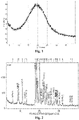
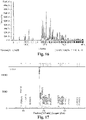
- Compound 1 Sesqui-Maleate Salt which is prepared by the process disclosed herein in large quantities. As shown in Fig. 2 , Compound 1 Sesqui-Maleate Salt is in a crystalline form (refered herein as Crystalline Form A ⁇ ) and its X-ray powder diffraction spectra typically have the following peak diffraction angles (where "spacing" is shown as the "d-value" in Fig. 2 ): Table 1.
- Crystalline Form A ⁇ of Compound 1 Sesqui-Maleate is a rather stable crystalline form. After micronization to become well distributed fine particles having an average particle size (D90) of approximately 1-10 microns, it can be readily formulated into drug product for clinical uses
- the single crystal structure of Compound 1 maleate confirms a sesqui-maleate salt, in which the imidazole nitrogen atom of the free base molecule is protonated.
- the absolute configurations of C1(S), C2(R) and C3(R) were determined with high probability as indicated by the absolute structure parameter of 0.1(5).
- the hydrogen bonding interactions are demonstrated in Fig. 14 .
- the structure demonstrates a two-dimensional structure in the bc plane.
- the free base molecules of Compound 1 and maleate anions are linked by inter-molecular interaction (N3 ⁇ N3 2.797 ⁇ ) and hydrogen bond (N2-H2 ⁇ O4 2.760 ⁇ ) along b axis.
- the tape structures are then linked by maleate anions via intermolecular interactions (N3 ⁇ O7 3.008 ⁇ and N4 ⁇ O7 2.715 ⁇ ) and hydrogen bond (N1-H1 ⁇ O8 2.659 ⁇ ) along c axis to form a two-dimensional structure.
- Crystal packing of Compound 1 Sesqui-Maleate salt is shown in Fig. 15 .
- Theoretical PXRD pattern of Single Crystalline Form A ⁇ of Compound 1 Sesqui-Maleate calculated using the MERCURY software is shown in Fig. 16 .
- Crystalline Form A of Compound 1 Sesqui-Maleate typically have the following peak diffraction angles (where "spacing" is shown as the "d-value" in Fig. 17 ): Table 3.
- Crystalline Form B of Compound 1 maleate As shown in Fig. 18 , Crystalline Form B's X-ray powder diffraction spectra typically have the following peak diffraction angles (where "spacing" is shown as the "d-value" in Fig. 18 ): Table 4.
- Crystalline Form C of Compound 1 maleate As shown in Fig. 19 , Crystalline Form C's X-ray powder diffraction spectra typically have the following peak diffraction angles (where "spacing" is shown as the "d-value" in Fig. 19 ): Table 5.
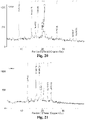
- Crystalline Form D of Compound 1 maleate As shown in Fig. 20 , Crystalline Form D's X-ray powder diffraction spectra typically have the following peak diffraction angles (where "spacing" is shown as the "d-value" in Fig. 20 ): Table 6.
- Crystalline Form F of Compound 1 maleate As shown in Fig. 21 , Crystalline Form F's X-ray powder diffraction spectra typically have the following peak diffraction angles (where "spacing" is shown as the "d-value" in Fig. 21 ): Table 7. X-ray Diffraction Pattern of Compound 1 maleate (Crystalline Form F) Peak# Diffraction angle (2 theta) Spacing Relative intensity 1 12.8950 6.86490 48.90 2 17.002 5.21500 100.00 3 18.539 4.78590 80.53 4 19.376 4.58097 25.72 5 20.526 4.32695 12.38 6 22.450 3.96024 26.20 7 24.109 3.69134 27.52
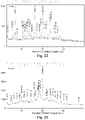
- Crystalline Form G of Compound 1 maleate As shown in Fig. 22 , Crystalline Form G's X-ray powder diffraction spectra typically have the following peak diffraction angles (where "spacing" is shown as the "d-value" in Fig. 22 ): Table 8.
- Crystalline Form H of Compound 1 maleate As shown in Fig. 23 , Crystalline Form H's X-ray powder diffraction spectra typically have the following peak diffraction angles (where "spacing" is shown as the "d-value" in Fig. 23 ): Table 9.
- Crystalline Form I of Compound 1 maleate As shown in Fig. 24 , Crystalline Form I's X-ray powder diffraction spectra typically have the following peak diffraction angles (where "spacing" is shown as the "d-value" in Fig. 24 ): Table 10.
- Crystalline Form J of Compound 1 maleate As shown in Fig. 25 , Crystalline Form J's X-ray powder diffraction spectra typically have the following peak diffraction angles (where "spacing" is shown as the "d-value" in Fig. 25 ): Table 11.
- Crystalline Form K of Compound 1 maleate As shown in Fig. 26 , Crystalline Form K's X-ray powder diffraction spectra typically have the following peak diffraction angles (where "spacing" is shown as the "d-value" in Fig. 26 ): Table 12.
- Crystalline Form L of Compound 1 maleate As shown in Fig. 27 , Crystalline Form L's X-ray powder diffraction spectra typically have the following peak diffraction angles (where "spacing" is shown as the "d-value" in Fig. 27 ): Table 13. X-ray Diffraction Pattern of Compound 1 maleate (Crystalline Form L) Peak# Diffraction angle (2 theta) Spacing Relative intensity 1 9.698117 9.12016 77.30 2 14.051610 6.30281 100.00
- Crystalline Form M of Compound 1 maleate As shown in Fig. 28 , Crystalline Form M's X-ray powder diffraction spectra typically have the following peak diffraction angles (where "spacing" is shown as the "d-value" in Fig. 28 ): Table 14.
- Crystalline Form N As shown in Fig. 33 , Crystalline Form N's X-ray powder diffraction spectra typically have the following peak diffraction angles (where "spacing" is shown as the "d-value" in Fig. 33 ): Table 15.
- a Crystalline Form A ⁇ of Compound 1 Sesqui-Maleate prepared or purified according to the procedures depicted in Scheme 1.
- the new synthetic methods and crystallization/recrystallization processes disclosed herein overcome many issues associated with the processes reported previously, such as preparation of the key chiral intermediate with >99% optical purity, and provide many advantages over the existing processes.
- the methods disclosed herein are especially suitable for reproducible, commercial-scale manufacture of Compound 1 Sesqui-Maleate Salt in high quality and good yields.
- Crystalline Forms of Compound 1 Sesqui-Maleate salt can be prepared by the following general method: Crystalline Form A ⁇ of Compound 1 Sesqui-Maleate Salt is heated with a solvent until completely dissolved. After filtration, cooling, crystallization, filtration and drying, the corresponding different crystalline forms are obtained.
- An example of crystallization process for preparing Crystalline Form A of Compound 1 Sesqui-Maleate Salt is described in the Example 3 (below).
- the crystallization described above can be carried out in a single solvent, a mixture of organic solvents, or a mixture of water and organic solvent(s).
- Suitable organic solvents for the crystallization can be selected from, but not limited to, low alkyl alcohols, ketones, ethers, esters, halogenated hydrocarbons, alkanes, halogenated benzene, aliphatic nitrile, and other aromatic solvents.
- Preferred solvents include, e.g., isopropanol, ethyl acetate, water, N,N-dimethylformamide, methanol, ethanol, acetone, acetonitrile, and mixtures thereof.
- the free base of Compound 1 was obtained originally as an amorphous solid, which is slightly hygroscopic with 2.2% water gain from 0 to 80% RH. No form transformation was observed after dynamic vapor sorption (DVS). It displayed an un-birefringence phenomenon with an irregular shape from polarized light microscope.
- Compound 1 did not appear to form a crystalline tartrate salt, and the oxalate salt has poor crystallinity.
- the sesqui-maleate salt (1:1.5 free base/maleic acid) has good crystallinity as demonstrated by the XRPD patterns disclosed herein, is slightly soluble in water, and did not show degradations after one week at 60°C and 40°C/75% RH, indicating possible long-term stability; therefore, the sesqui-maleate salt was chosen for the further development.
- the purity of Compound 1 Sesqui-Maleate salt could be further improved by converting the sesqui-maleate salt into the maleate salt (1:1 ratio of free base/acid) through a methanol-slurry process.
- the formation of 1:1 maleate crystalline salt caused an efficient expulsion of the impurities.
- the amorphous form of free base could also be manufactured in high purity by treatment of the 1:1 maleate salt with a base and then extraction with a solvent.
- the sesqui-maleate crystalline salt with much higher purity was prepared by treating the free base with maleic acid (Scheme 2).
- low alkyl alcohols herein includes straight-chain or branched-chain C 1 -C 8 , preferably C 1 -C 6 , more preferably C 1 -C 4 , alkyl alcohols. Specific examples include, but not limited to, methanol, ethanol, isopropanol, and butanol.
- the crystallization of the crystalline forms of the present invention can also be conducted in an appropriate solvent system containing at least one solvent by evaporation of solvent, cooling and/or by addition of anti-solvents (solvents that are less able to solubilize the Compound 1 Sesqui-Maleate, including but not limited to those described herein) to achieve super-saturation in the solvent system.
- anti-solvents solvents that are less able to solubilize the Compound 1 Sesqui-Maleate, including but not limited to those described herein
- Crystallization may be done with or without seed crystals, which is described in the present invention.
- the individual crystalline forms provided by the present invention develop under specific conditions dependent on the particular thermodynamic and equilibrium properties of the crystallization process. Therefore, a person skilled in the art will know that the crystals formed are a consequence of the kinetic and thermodynamic properties of the crystallization process. Under certain conditions (e.g., solvent, temperature, pressure, and concentration of the compound), a particular crystalline form may be more stable than another crystalline form (or in fact more stable than any other crystalline forms). However, the relatively low thermodynamic stability of particular crystals may have advantageous kinetic stability. Additional factors other than kinetics, such as time, impurity distribution, stirring, and the presence or absence of seed crystals, etc., may also affect the crystalline form.
- compositions each containing an effective amount of Compound 1 maleate in any of the above-described Crystalline Forms A ⁇ , A ⁇ , A, B, C, D, F, G, H, I, J, K, L, M and N in particular Crystalline Form A ⁇ of Compound 1 Sesqui-Maleate and a pharmaceutically acceptable carrier.
- the active compound(s) can be 1-99% (by weight), preferably 1-70% (by weight), or more preferably 1-50% (by weight), or most preferably, 5-40% (by weight), of the composition.
- the pharmaceutical compositions can be administrated orally in forms such as capsules, tablets, pills, powders, sustained release injection in such form as a sterile solution, suspension or emulsion; through a local treatment form such as paste, cream, or ointment; or via a rectal form such as suppositories.
- the pharmaceutical compositions may be in a unit dosage form that is suitable for precise dosing applications.
- the pharmaceutical compositions may include other active ingredients.
- Suitable pharmaceutical carriers include water, various organic solvents and various inert diluents or fillers. If necessary, the pharmaceutical compositions may contain various additives, such as spices, adhesives and excipients.
- the pharmaceutical compositions may contain various excipients such as citric acid, a variety of disintegrating agents such as starch, alginic acids, and some silicates, and a variety of adhesives such as sucrose, gelatin and Arabic gum.
- lubricants including magnesium stearate and talc fillers are commonly used in the production of tablets.
- the same types of solid components can also be used to formulate soft and hard gelatin capsules.
- the active compound can be mixed with a variety of sweeteners or flavoring agents, pigments or dye combinations. If necessary, a variety of emulsifiers can be employed or suspensions generated; diluents such as water, ethanol, propylene glycol, glycerin, or their combination can be utilized.
- compositions are preferably administrated orally.
- compositions are preferably in the capsule or tablet form.
- crystalline salts as defined in the claims in the manufacture of medicaments that are useful for the treatment of cancers responsive to inhibition of Braf kinase or other kinases such EGFR, VEGFR, EPHA, EPHB, or the like.
- these salts can be used to treat or prevent diseases selected from, but not limited to, tumor angiogenesis, chronic inflammatory disease such as rheumatoid arthritis, atherosclerosis, skin diseases such as psoriasis and scleroderma, diabetes-induced skin diseases, diabetic retinopathy, premature retinopathy, age-related degeneration stains, hemangioma, glioma, Kaposi internal tumor, ovarian cancer, breast cancer, lung cancer, pancreatic cancer, lymphoma, prostate, colon and skin tumors, and their complications.
- human beings are preferred.
- Target diseases for the above-described treatment methods are preferably selected from B-RAF, NRAS and K-RAS mutant tumors such as B-RAF or NRAS or K-RAS mutant non-small cell lung cancer, colorectal cancer, endometrial cancer, kidney cancer, bone cancer, liver cancer, bladder cancer, chest cancer, neck cancer, esophageal cancer, gastric cancer, colon cancer, rectal cancer, breast cancer, ovarian cancer, melanoma, skin cancer, adrenal cancer, cervical cancer, lymphoma, or thyroid tumors, and their complications.
- B-RAF NRAS and K-RAS mutant tumors
- non-small cell lung cancer colorectal cancer, endometrial cancer, kidney cancer, bone cancer, liver cancer, bladder cancer, chest cancer, neck cancer, esophageal cancer, gastric cancer, colon cancer, rectal cancer, breast cancer, ovarian cancer, melanoma, skin cancer, adrenal cancer, cervical cancer, lymphoma, or thyroid tumors, and their complications.
- the dosage of the active ingredient or compound when administered will be determined by the individual needs of the patient to be treated, administration route, severity of disease or illness, dosing schedule, as well as evaluation and judgment of the designated doctor.
- the preferred range of the effective dosage can be approximately 0.01-120 mg daily per kilogram of body weight; or more preferably 0.1-10 mg per day per kilo gram of body weight in single or separate doses. In some cases, it is more suitable to apply the lower end of the above described dosage ranges, while in other cases the higher dosages may be used without causing harmful side effects.
- the present invention relates to clinical treatment with these salts with the following treatment options for cancer patients: the dosage of Crystalline Form A ⁇ or A can be 1-100 mg/ day with the administration frequency being 1-3 times a day; a preferred dosage is 5-50 mg/ day with the administration frequency being 1-3 times a day; a more preferred dosage is 5-60 mg/day with the administration frequency being 1 time/ day; an even more preferred dosage is 10-50 mg/day with the administration frequency being 1 time1 a day.
- reaction flasks were fitted with rubber septa for the introduction of substrates and reagents via syringe; and glassware was oven dried and/or heat dried.
- column chromatography purification was conducted on a Biotage system (Manufacturer: Dyax Corporation) having a silica gel column or on a silica SepPak cartridge (Waters), or was conducted on a Teledyne Isco Combiflash purification system using prepacked silica gel cartridges.
- Example 1 Formation of salts of Compound 1 with various salt-forming agents
- Example 1A Preparation of free base of Compound 1 and Crystalline Form A* of Compound 1 Sesqui-Maleate
- aqueous sodium hydroxide solution (125kg, 2M) was added to a stirred solution of the wet product in THF (240kg) and stirred for 2 ⁇ 3hrs at 20 ⁇ 30°C (IPC: INT-7/INT-8: 0.9%).
- the mixture was adjusted to pH 4 ⁇ 5 with 4N HCl (37kg) at 20 ⁇ 30°C and then stirred for 0.5 ⁇ 1h.
- the mixture was concentrated at below 50°C and a solid precipitated out of the solution. After filtration, the wet product was re-slurried in THF at 35 ⁇ 45°C for 1 ⁇ 2hrs, and then filtered.
- Step 10 Syntheses of Compound 1 Sesqui-Maleate
- IPA 83 kg was added to the residue of Step 9.
- Maleic acid (5 kg) in water (29 kg) was added into the mixture and stirred for 4hrs at about 50°C, then cooled to 35°C and stirred for 12hrs at that temperature.
- the powder X-ray diffraction pattern method was used to characterize the structure of Crystalline Form A ⁇ , see Fig. 2.
- Example 1B Preparation of salts of Compound 1 with other salt-forming agents
- the centrifugal solid was determined by XRPD to determine if new crystalline form was obtained, and then dried under vacuum at 40°C overnight for further characterization.
- API and pure solid acid suspended in IPA were used as API control and pure solid salt-forming agent control to distinguish salt/co-crystal formation and polymorphism of API or solid salt-forming agents.
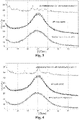
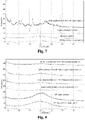
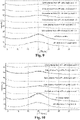
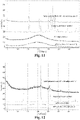
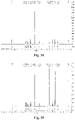
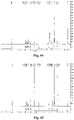
- solids of crystalline forms were also found from the following five acids including hydrochloric acid ( Fig. 3 ), methanesulfonic acid ( Fig. 4 ), 2-hydroxyethanesulfonic acid ( Fig. 5 ), L-tartaric acid ( Fig. 6 , the true tartrate salt may not be formed and it is the just the polymorph of the free base since no chemical shift was detected for tartrate), and oxalic acid ( Fig. 7 ), which showed different crystal form from free base, API control and solid acid control.
- 2-hydroxyethanesulfonate and maleate have better crystallinity than the other four (hydrochloric acid, methanesulfonic acid, L-tartaric acid, and oxalic acid).
- a single crystal growth screening was conducted under 94 different conditions by varying solvent, temperature, and recrystallization methods, from which single crystals suitable for structure determination were obtained by slow cooling in acetone.
- Example 1A is directed to the mass production of the crystalline form of Compound 1 Sesqui-Maleate (i.e., designated as Form A ⁇ ) and Example 3 is directed to laboratory preparation of the crystalline form of Compound 1 Sesqui-Maleate (i.e., designated as Form A).
- Form A The powder X-ray diffraction pattern, 1 H-NMR spectra, and other techniques show the consistency between the two crystalline forms of Crystalline Form A ⁇ and Crystalline Form A.
- Crystalline Form B of Compound 1 maleate was prepared via cooling a 1,4-dioxane solution of Crystalline Form A of Sesqui-Maleate from 60 °C to 5 °C at a rate of 0.1 °C/min for crystallization.
- Procedures weigh 20.0 mg of Form A solids into a 3-mL glass vial, and add 1mL of 1,4-dioxane into the vial; stir the mixture at 50 °C magnetically with a speed of 800 RPM; filter the sample after equilibrated at 60 °C for 2 hrs using 0.45 ⁇ m Nylon membrane; and cool the filtrate at a rate of 0.1 °C/min from 60 °C to 5 °C.
- the sample was stored at 5 °C before isolation.
- a powder X-ray diffraction pattern method was used to characterize the structure of Crystalline Form B; see Fig. 18 .
- TGA result indicated a weight loss of 15.1 wt% up to 150 °C (contained molecules of crystal 1,4-dioxane solvate/hydrate).
- DSC result showed multiple overlapped endotherms (181.4 and 189.6 °C) before decomposition.
- 1 H-NMR spectrum showed a stoichiometrical ratio of around 1/1.2 of the free base/maleic acid (see Fig. 35 ).
- Crystalline Form C of Compound 1 maleate was prepared via cooling an ethanol solution of Compound 1 from 60 °C to 5 °C at a rate of 0.1 °C/min for crystallization. Procedures: weigh 21.3 mg of Form A solids into a 3-mL glass vial, and add 1mL of ethanol to the vial; stir the mixture at 50 °C magnetically with a speed of 800 RPM; filter the sample after equilibrated at 60 °C for 2 hrs using 0.45 ⁇ m Nylon membrane; and cool the filtrate at a rate of 0.1 °C/min from 60 °C to 5 °C. The sample was stored at 5 °C before isolation.
- Crystalline Form D of Compound 1 Maleate was prepared via slow evaporation of MeOH solution of Crystalline Form A of Compound 1 Sesqui-Maleate in the presence of [dmin]CF 3 COO ionic liquid at RT. Procedures: weigh 150.2 mg of Form A solids into a 20-mL glass vial, and add 10.2 mL of MeOH into the vial; filter the mixture to get a saturated stoke solution using 0.45 ⁇ m Nylon membrane; add 2.8 mg of [dmin]CF 3 COO ionic liquid into the 1-mL MeOH stock solution; and stir at RT to induce precipitation. A powder X-ray diffraction pattern method was used to characterize the structure of Crystalline Form D; see Fig. 20 .
- TGA result indicated a weight loss of 6.3 wt% up to 120 °C (contained molecules of crystal hydrate).
- DSC result showed two endotherms (75.8 and 161.4 °C) before decomposition.
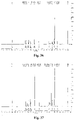
- 1 H-NMR spectrum showed a stoichiometrical ratio of around 1/1 of the free base/maleic acid (see Fig. 37 ).
- Crystalline Form F of Compound 1 Maleate was prepared via crystallization of Crystalline Form A of Compound 1 Sesqui-Maleate from an ACN/H 2 O (1:1, v/v) solution. Procedures: weigh 18.9 mg of Form A solids into a 3-mL glass vial, and add 1.5 mL of ACN/H 2 O (1:1, v/v); and add about 2 mg of polymer mixture (polyvinyl pyrrolidone (PVP), polyvinyl alcohol (PVA), polyvinylchloride (PVC), polyvinyl acetate (PVAC), hypromellose (HPMC), and methyl cellulose (MC) in a mass ratio of 1:1:1:1:1:1) into the suspension and stir at RT to induce precipitation.
- PVP polyvinyl pyrrolidone
- PVA polyvinyl alcohol
- PVC polyvinylchloride
- HPMC polyvinyl acetate
- HPMC hypromellose
- MC
- Crystalline Form G of Compound 1 maleate was prepared via adding water into acetic acid solution of Crystalline Form A of Compound 1 Sesqui-Maleate. Procedures: weigh 20.2 mg of Form A solids into a 20-mL glass vial; add 1.0 mL of acetic acid into the vial and stir at RT to get a clear solution; and add 5 mL of water into the solution stepwise to induce precipitation.
- Crystalline Form H of Compound 1 maleate was prepared via slurrying Crystalline Form A of Compound 1 Sesqui-Maleate in THF at RT. Procedures: weigh 17.7 mg of Form A solids into a 1.5-mL vial, and add 0.3 mL of THF into the vial to get a suspension; and stir the mixture at RT magnetically with a speed of 800 RPM for 3 days.
- a powder X-ray diffraction pattern method was used to characterize the structure of Crystalline Form H; see Fig. 23 .
- TGA result indicated a two step weight loss of 13.0 wt% up to 150 °C (contained molecules of crystal THF solvate/hydrate).
- DSC result showed 2 endotherms (124.5 and 178.0 °C) before decomposition.
- 1 H-NMR spectrum showed a stoichiometrical ratio of around 1/1 of the free base/maleic acid (see Fig. 40 ).
- Crystalline Form I of Compound 1 maleate was prepared via slow evaporation of an IPA/H 2 O (3:1, v/v) solution of Crystalline Form A of Compound 1 Sesqui-Maleate at RT. Procedures: weigh 13.8 mg of Form A solids into a 3-mL glass vial, and add 1.5 mL of IPA/H 2 O (3:1, v/v) into the vial to obtain a clear solution; evaporate solvent from the solution at RT to induce precipitation. A powder X-ray diffraction pattern method was used to characterize the structure of Crystalline Form I; see Fig. 24 . TGA result indicated a two step weight loss of 20.7 wt% up to 180 °C (contained molecules of crystal IPA solvate/hydrate).
- DSC result showed four overlapped endotherms (85.8, 115.1 and 138.2 °C) before decomposition.
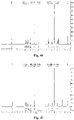
- 1 H-NMR spectrum showed a stoichiometrical ratio of around 1/0.5 of the free base/maleic acid (see Fig. 41 ).
- Crystalline Form J of Compound 1 maleate was prepared via interaction between the solids of Crystalline Form A of Compound 1 maleate and acetic acid vapor. Procedures: weigh 14.2 mg of Form A solids into a 3-mL glass vial; seal the 3-mL vial into a 20-mL glass vial containing 2 mL of acetic acid; and keep the system at RT for 8 days, allowing the vapor to interact with solids.
- a powder X-ray diffraction pattern method was used to characterize the structure of Crystalline Form J; see Fig. 25 . TGA result indicated a weight loss of 19.3 wt% up to 130 °C (contained molecules of crystal acetic acid solvate/hydrate).
- Crystalline Form K of Compound 1 maleate was obtained after storage of Crystalline Form D of Compound 1 Maleate at ambient condition for two weeks.
- a powder X-ray diffraction pattern method was used to characterize the structure of Crystalline Form K; see Fig. 26 .
- TGA result indicated a weight loss of 4.2 wt% up to 150 °C (contained molecules of crystal hydrate).
- DSC result showed two endotherms (59.6and 163.5 °C) before melting at 186.6 °C (peak temperature).
- 1 H-NMR spectrum showed a stoichiometrical ratio of around 1/1 of the free base/maleic acid (see Fig. 43 ).
- Crystalline Form L of Compound 1 Maleate was obtained via heating Crystalline Form G of Compound 1 maleate to 140 °C and cooling to RT.
- a powder X-ray diffraction pattern method was used to characterize the structure of Crystalline Form L; see Fig. 27 .
- TGA result indicated a weight loss of 3.9 wt% up to 120 °C (contained molecules of crystal hydrate).
- DSC result showed one endotherm (141.1 °C, onset temperature) before melting at 183.9 °C (peak temperature).
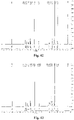
- 1 H-NMR spectrum showed a stoichiometrical ratio of around 1/0.3 of the free base/maleic acid (see Fig. 44 ).
- Crystalline Form M of Compound 1 maleate was obtained after storage of Crystalline Form J of Compound 1 maleate at ambient condition for two weeks.
- a powder X-ray diffraction pattern method was used to characterize the structure of Crystalline Form L; see Fig. 28 .
- TGA result indicated a weight loss of 1.4 wt% up to 140 °C (contained molecules of crystal acetic acid hydrate/hydrate).
- DSC result showed multiple endotherms (123.0, 156.5, 171.9, 176.1 and 195.3 °C).
- 1 H-NMR spectrum showed a stoichiometrical ratio of around 1/1.3 of the free base/maleic acid (see Fig. 45 ).
- Condition 4 Compound 1 reacted with Maleic acid in i-PrOH/water.
- Condition 7 Conversion of Compound 1 maleate Salt (1:1) into the Sesqui-Maleate Salt.
- the free base in i-PrOH was stirred with aqueous solution of maleic acid and crystal seeds of the sesqui-maleate.
- the mixture was stirred at 40-50 °C for a few hours and at 20-30 °C for a few hours.
- the HCl salt appeared to be light yellow powder at both conditions after 1 week, the appearance of 2-hydroxyethanesulfonate mesylate and maleate had no change with visual observation.
- the XRPD results showed that no crystal form transformation was detected for all salt samples.
- Test 1 Inhibition and Selectivity of the Kinases by Compound 1 Sesqui-Maleate (Crystalline Form A* tested)
- the assays were carried out in a reaction mixture containing RAF kinases, ATP at KM concentration, GST-tagged MEK1 (K97R) and Crystalline Form A ⁇ of Compound 1 Sesqui-Maleate or DMSO in buffer containing 25 mM Tris pH7.4, 10 mM MgCl 2 , 0.5 mM EGTA, 0.5 mM Na 3 VO 4 , 5 mM beta-glycerophosphate, 0.01% Triton X-100, 2.5 mM DTT and 0.1% BSA.
- the kinase was incubated with Crystalline Form A ⁇ of Compound 1 Sesqui-Maleate for 1 hr at room temperature (RT) and the reaction was initiated by the addition of ATP and GST-MEK1 (Full-length protein with K97R mutation, recombinant protein purified from bacterial expression system). After reaction at RT for 1 hr, stop/detection solution was added according to the manufacture's instruction (Cisbio Bioassays).
- the stop/detection solution contained Eu3+ cryptate-conjugated anti-phospho MEK1/2 (Ser217/221) rabbit polyclonal antibody and d2-conjugated anti-GST mouse monoclonal antibody in buffer containing 25 mM Tris pH7.4, 400 mM KF, 50 mM EDTA, 0.1% BSA and 0.01% Triton X-100.
- the TR-FRET signals ratio of fluorescence emission at 665 nm over emission at 620 nm with excitation at 337 nm wavelength) were measured on a PHERAstar FS plate reader (BMG Labtech) after 1.5 hr incubation.
- the assay was carried out in a reaction mixture containing kinases, ATP at KM concentration, biotinylated peptide substrate (61TK0BLC, Cisbio Bioassys) and Crystalline Form A ⁇ of Compound 1 Sesqui-Maleate.
- the kinase was incubated with Crystalline Form A ⁇ of Compound 1 Sesqui-Maleate at RT for 1 hr or 2 hr (for EGFR) and the reaction was initiated by the addition of ATP and substrate. After reaction, stop/detection solution was added according to the manufacture's instruction.
- the stop/detection solution contained Eu+ cryptate conjugated antiphosphotyrosine antibody (61T66kLB, CisBio Bioassys) and Streptavidin-XL665 (610SAXLB , CisBio Bioassys) in buffer containing 25 mM Tris pH7.4, 400 mM KF, 50 mM EDTA, 0.01% BSA, 0.01% Triton X-100.
- the TR-FRET signals ratio of fluorescence emission at 665 nm over emission at 620 nm with excitation at 337 nm wavelength) were recorded on a PHERAstar FS plate reader (BMG Labtech) after 1 hr incubation.
- Compound 1 Sesqui-Maleate (Crystalline Form A ⁇ ) is a potent and reversible inhibitor of V600E mutant B-RAF, wild-type B-RAF, and C-RAF enzymes.
- Compound 1 Sesqui-Maleate potently inhibits EGFR, EPHA2, PDGFR-beta, FLT3, VEGFR2 and RET, has weak inhibition for HER2, SRC and TXK and no inhibition for BTK, ITK and TEC.
- Enzyme IC50 (nM) Enzyme IC50 (nM) BRAF V600E (416-766) 26 TEC >10000 CRAF Y340,341D 3.5 HER2 2573 WT-BRAF 69 SRC 917 WT-EGFR 44 PDGFR-beta 17 EPHA2 61 BTK >10,000 ITK >10,000 TXK 4800 FLT3 25 RET 18 VEGFR2 22
- Test 2 In Vitro Growth Inhibition of Human Tumor Cell Lines by Compound 1 Sesqui-Maleate (Crystalline Form A* tested)
- A375, Sk-Mel-28, HT29, Colo205, A431, and HCC827 cell lines were purchased from American Type Culture Collection. All the cell lines used in the cellular assays were cultured in the designated medium supplemented with 10% fetal bovine serum (FBS, Thermo Scientific), 100 units/mL penicillin (Gibco), 0.1 mg/mL streptomycin (Gibco) and in a humidified 37 °C environment with 5% CO 2 . Cell lines were reinstated from frozen stocks laid down within three passages from the original cells purchased and passaged no more than 30 times.
- FBS fetal bovine serum
- penicillin Gibco
- streptomycin Gibco
- Cellular phospho-ERK and phospho-EGFR were measured using a TR-FRET-based method.
- Cells were seeded at 3 ⁇ 10 4 per well of a 96-well plate and left to attach for 16 hours. Growth medium was then replaced with 100 ⁇ L of medium containing no serum. Cells were then treated with a 10-point titration of compound. After 1 h of compound treatment, 50 ⁇ L of lysis buffer (Cisbio) were added to each well. Plates were then incubated at room temperature with shaking for 30 min. A total of 16 ⁇ L of cell lysate from each well of a 96-well plate was transferred to a 384-well small volume white plate.
- lysis buffer Cisbio
- Lysate from each well was incubated with 2 ⁇ L of Eu3+- or Tb3+- cryptate (donor) labeled anti-ERK or anti-EGFR antibody (Cisbio) and 2 ⁇ L of D2 (acceptor) labeled anti-phospho-ERK or anti-phospho-EGFR antibody (Cisbio) for 2 h at room temperature.
- FRET signals were measured using a PHERAstar FS reader (BMG Labtech).
- IC 50 values for ERK or EGFR phosphorylation was determined using GraphPad Prism software.
- the growth-inhibitory activity of compounds in a panel of melanoma, colon, breast and lung cancer cells was determined using CellTiter-Glo luminescent cell viability assay (Promega). The number of cells seeded per well of a 96-well plate was optimized for each cell line to ensure logarithmic growth over the 3 days treatment period. Cells were left to attach for 16 hours and then treated with a 10-point dilution series in duplicate. Following a 3-day exposure to the compound, a volume of CellTiter-Glo reagent equal to the volume of cell culture medium present in each well was added.
- Luminescent signal was measured using PHERAstar FS reader (BMG Labtech). EC 50 values for cell viability were determined with GraphPad Prism software.
- Compound 1 Sesqui-Maleate inhibits a number of direct signaling intermediates downstream of RAFs.
- Compound 1 Sesqui-Maleate inhibited ERK phosphorylation with an IC 50 of 32 and 77 nM in B-RAF V600E mutant driven melanoma A375 and Sk-Mel-28 cells. It also inhibits ERK phosphorylation with an IC 50 of 103 and 53 nM in B-RAF V600E mutant driven HT29 and Colo205 colorectal cancer cells.
- Compound 1 Sesqui-Maleate inhibits EGFR phosphorylation with an IC 50 of 385 and 161 nM in EGFR overexpressing A431 and EGFR mutant HCC827 lung cancer cell lines.
- Compound 1 Sesqui-Maleate has been assessed for its anti-proliferation activity in a panel of cancer cell lines. It showed antiproliferative activity against a number of cell lines harboring B-RAF mutation (Table 19). Table 19. Crystalline Form A* of Compound 1 Sesqui-Maleate inhibited BRAF V600E-driven cell proliferation.
- Test 3 In Vivo Pharmacology of Crystalline Form A* of Compound 1 Sesqui-Maleate Tumor Transplantation Methods:
- mice were assigned into desired number of groups with 6-10 mice per group using a stratified randomization procedure.
- the groups consisted of a control group (no drug treatment), and diffirent dose levels of Crystalline Form A ⁇ of Compound 1 Sesqui-Maleate treatment groups (ranged from 1-20 mg/kg). All doses were based on free-base weight.
- Drugs were administered by oral gavage once (qd) or twice (bid) daily; dosing frequency depended on the individual case for tumor growth. Treatments were administered by oral gavage (p.o.) in a volume of 10 ml/kg body weight.
- Body weight was assessed immediately before dosing and the volume dosed was adjusted accordingly. Individual body weights and tumor volumes were determined twice weekly, with mice being monitored daily for clinical signs of toxicity for the duration of the study. Mice were euthanized using carbon dioxide once their tumor volume reached ⁇ 2000 mm 3 , the tumor was ulcerated, or body weight loss exceeded 20%. All group data was analyzed using the t test. If the p value was ⁇ 0.05, it was considered to be statistically significant.
- TGI Tumor growth inhibition
- mice were assigned into desired number of groups with 4 mice per group using a stratified randomization procedure.
- the groups consisted of a control group (no drug treatment), and different dose levels of Crystalline Form A ⁇ of Compound 1 Sesqui-Maleate treatment groups (ranged from 1-20 mg/kg). All doses were based on free-base weight. Drugs were administered by oral gavage once (qd) or twice (bid) daily. All treatments were administered by oral gavage (p.o.) in a volume of 10 ml/kg body weight. Body weight was assessed immediately before dosing and the volume dosed was adjusted accordingly. Mice were euthanized using carbon dioxide at desired time points after dosing.
- Tumor tissues were dissected immediately after euthanization and snap-frozen into the tube pre-filled with MP beads using liquid nitrogen and stored at -80 °C prior to p-ERK assay. Five hundred microliters of complete lysis buffer was added to the frozen tumors with MP beads. Homogenization of tumor tissues was performed in MP homogenization unit and lysates were then spun down at 13,000 rpm for 10 min at 4 °C to remove insoluble material. Two microgram of protein lysates were used to measure phosphorylated ERK1/2 level by AlphaScreen ® SureFire ® p-ERK1/2 assay (PerkinElmer).
- Compound 1 Sesqui-Maleate (Crystalline Form A ⁇ ) has potent kinase inhibitory activity against B-RAF V600E, antiproliferative activity in cell-based assays and antitumor activity in xenograft models.
- Compound 1 Sesqui-Maleate (Crystalline Form A ⁇ ) has marked antitumor activity against human A375 melanoma (B-RAF V600E mutation), LOX melanoma (B-RAF V600E mutation), Colo205 colorectal carcinoma (B-RAF V600E mutation), HT29 colorectal carcinoma(B-RAF V600E mutation), WiDr colorectal carcinoma (B-RAF V600E mutation), HCC827 lung carcinoma (EGFR mutation), and A431 epidermoid carcinoma (EGFR overexpression) xenografts in nude mice.
- Compound 1 Sesqui-Maleate (Crystalline Form A ⁇ ) showed remarkable antitumor activity in human Calu-6 lung adenocarcinoma (K-RAS mutation) tumors when combined with docetaxel or the MEK inhibitor, selumetinib (AZD6244).
- Crystalline Form A ⁇ of Compound 1 Sesqui-Maleate resulted in time-dependent and dose-dependent inhibition of ERK1/2 phosphorylation in A375 xenografts in mice. Inhibition of p-ERK levels in tumor tissues correlates well with plasma and tumor drug concentrations of Compound 1. Additionally, Compound 1 Sesqui-Maleate (Crystalline Form A ⁇ ) and MEK inhibitor AZD6244 demonstrated a strong synergistic effect on inhibiting p-ERK in Calu-6 K-RAS mutant non-small cell lung adenocarcinoma xenograft models.
- Test 5 Toxicology of Compound 1 Sesqui-Maleate (Crystalline Form A*)
- Test 6 Pharmacokinetics of Crystalline Form A* of Compound 1 Sesqui-Maleate
- Crystalline Form A ⁇ of Compound 1 Sesqui-Maleate has high oral bioavailability in both rats (51% to 102%) and dogs (41% to 82%). Its elimination half-lives ranged from 4.4 to 9.4 hours in rats and 3.3 to 4.9 hours in dogs after oral administration.
- the kinetics was linear over the dose range of 0.5 to 15 mg/kg in rats and 1.5 to 15 mg/kg in dogs. After multiple dosing, a slight accumulation ( ⁇ 2-fold) was observed in rats. This slight accumulation was statistically significant in female rats, but not in male rats. No accumulation was noted after multiple dosing in dogs.
- Test 7 ADME of Crystalline Form A* of Compound 1 Sesqui-Maleate
- CYP3A was the major CYP isoform responsible for Compound 1 metabolism while CYP1A2, CYP2C8, CYP2C9, CYP2C19, and CYP2D6 contribute to the metabolism of Compound 1 to a lesser extent.
- Test 8 Pharmacokinetic Comparison of the Crystalline Form A* of Compound 1 Sesqui-Maleate and Free Base
- the material content (purity) was not less than 98.0%.
- composition Weigh the appropriate amount of each substance and disperse in 0.5% sodium carboxymethyl cellulose (for the free base of Compound 1) or 0.5% methyl cellulose solution(for Compound 1 Sesqui-Maleate). Prepare a suspension at the desired concentration of Compound 1. All the doses and concentrations of Compound 1 were calculated with free base in this study. Administration and sample collection: The dosing solutions will be freshly prepared prior to dose administration. The actual body weights and actual volume injected will be recorded accordingly. The dogs were fasted overnight and were allowed to intake food four hours after dosing. Each suspension was administrated orally to dogs at a dose ranged from 0.5 to 15mg/kg.
- Plasma samples ( ⁇ 1.0 mL) will be collected at pre-dose and at different times up to 36 hours postdosing via cephalic vein plexus. Whole blood will be processed by centrifugation and plasma samples will be collected and kept at freezer prior to analysis. Plasma samples were processed by protein precipitation. Concentrations of Compound 1 in the plasma samples were determined using a validated liquid chromatography-tandem mass spectrometry (LC-MS/MS) method. The plasma concentration-time data were analyzed using a non-compartmental model using Pharsight WinNonlin. Table 20. The C max and area under the concentration-time curve for Compound 1 in free base and salts.
- LC-MS/MS liquid chromatography-tandem mass spectrometry
Landscapes
- Chemical & Material Sciences (AREA)
- Organic Chemistry (AREA)
- Health & Medical Sciences (AREA)
- Life Sciences & Earth Sciences (AREA)
- Pharmacology & Pharmacy (AREA)
- Medicinal Chemistry (AREA)
- Animal Behavior & Ethology (AREA)
- General Health & Medical Sciences (AREA)
- Public Health (AREA)
- Veterinary Medicine (AREA)
- Nuclear Medicine, Radiotherapy & Molecular Imaging (AREA)
- Chemical Kinetics & Catalysis (AREA)
- General Chemical & Material Sciences (AREA)
- Epidemiology (AREA)
- Crystallography & Structural Chemistry (AREA)
- Engineering & Computer Science (AREA)
- Oil, Petroleum & Natural Gas (AREA)
- Pharmaceuticals Containing Other Organic And Inorganic Compounds (AREA)
- Nitrogen Condensed Heterocyclic Rings (AREA)
- Medicinal Preparation (AREA)
Priority Applications (1)
| Application Number | Priority Date | Filing Date | Title |
|---|---|---|---|
| EP22179294.8A EP4119559A1 (en) | 2015-04-15 | 2016-04-14 | Maleate salts of a b-raf kinase inhibitor, crystalline forms, methods of preparation, and uses therefore |
Applications Claiming Priority (2)
| Application Number | Priority Date | Filing Date | Title |
|---|---|---|---|
| CN2015076639 | 2015-04-15 | ||
| PCT/CN2016/079251 WO2016165626A1 (en) | 2015-04-15 | 2016-04-14 | Maleate salts of a b-raf kinase inhibitor, crystalline forms, methods of preparation, and uses therefore |
Related Child Applications (2)
| Application Number | Title | Priority Date | Filing Date |
|---|---|---|---|
| EP22179294.8A Division-Into EP4119559A1 (en) | 2015-04-15 | 2016-04-14 | Maleate salts of a b-raf kinase inhibitor, crystalline forms, methods of preparation, and uses therefore |
| EP22179294.8A Division EP4119559A1 (en) | 2015-04-15 | 2016-04-14 | Maleate salts of a b-raf kinase inhibitor, crystalline forms, methods of preparation, and uses therefore |
Publications (3)
| Publication Number | Publication Date |
|---|---|
| EP3283486A1 EP3283486A1 (en) | 2018-02-21 |
| EP3283486A4 EP3283486A4 (en) | 2018-08-22 |
| EP3283486B1 true EP3283486B1 (en) | 2022-07-27 |
Family
ID=57125563
Family Applications (2)
| Application Number | Title | Priority Date | Filing Date |
|---|---|---|---|
| EP16779601.0A Active EP3283486B1 (en) | 2015-04-15 | 2016-04-14 | Maleate salts of a b-raf kinase inhibitor, crystalline forms, methods of preparation, and uses therefore |
| EP22179294.8A Pending EP4119559A1 (en) | 2015-04-15 | 2016-04-14 | Maleate salts of a b-raf kinase inhibitor, crystalline forms, methods of preparation, and uses therefore |
Family Applications After (1)
| Application Number | Title | Priority Date | Filing Date |
|---|---|---|---|
| EP22179294.8A Pending EP4119559A1 (en) | 2015-04-15 | 2016-04-14 | Maleate salts of a b-raf kinase inhibitor, crystalline forms, methods of preparation, and uses therefore |
Country Status (15)
| Country | Link |
|---|---|
| US (1) | US10351559B2 (enExample) |
| EP (2) | EP3283486B1 (enExample) |
| JP (3) | JP7320741B2 (enExample) |
| KR (2) | KR20240049684A (enExample) |
| CN (2) | CN113307805A (enExample) |
| AU (1) | AU2016248376B2 (enExample) |
| CA (1) | CA2981746C (enExample) |
| EA (1) | EA035680B1 (enExample) |
| IL (2) | IL287740B2 (enExample) |
| MX (1) | MX381053B (enExample) |
| NZ (1) | NZ735715A (enExample) |
| SG (1) | SG11201707984TA (enExample) |
| TW (4) | TWI792406B (enExample) |
| WO (1) | WO2016165626A1 (enExample) |
| ZA (1) | ZA201706392B (enExample) |
Families Citing this family (21)
| Publication number | Priority date | Publication date | Assignee | Title |
|---|---|---|---|---|
| AU2006249866B2 (en) | 2005-05-26 | 2011-10-13 | Aldeyra Therapeutics, Inc. | Compositions and methods of treating retinal disease |
| WO2011072141A1 (en) | 2009-12-11 | 2011-06-16 | Neuron Systems, Inc. | Compositions and methods for the treatment of macular degeneration |
| PL2797888T3 (pl) | 2011-12-31 | 2016-12-30 | Połączone związki tricykliczne jako inhibitory kinazy raf | |
| CN117045653A (zh) | 2013-01-23 | 2023-11-14 | 奥尔德拉医疗公司 | 与毒性醛相关的疾病和治疗 |
| CN113307805A (zh) * | 2015-04-15 | 2021-08-27 | 百济神州有限公司 | B-raf激酶抑制剂的马来酸盐、其结晶形式、制备方法和用途 |
| US10550085B2 (en) | 2015-08-21 | 2020-02-04 | Aldeyra Therapeutics, Inc. | Deuterated compounds and uses thereof |
| US10864203B2 (en) | 2016-07-05 | 2020-12-15 | Beigene, Ltd. | Combination of a PD-1 antagonist and a RAF inhibitor for treating cancer |
| CA3057969A1 (en) | 2017-05-02 | 2018-11-08 | Novartis Ag | Combination therapy |
| WO2019075136A1 (en) | 2017-10-10 | 2019-04-18 | Aldeyra Therapeutics, Inc. | TREATMENT OF INFLAMMATORY DISORDERS |
| AU2019319740A1 (en) * | 2018-08-06 | 2021-03-25 | Aldeyra Therapeutics, Inc. | Polymorphic compounds and uses thereof |
| SI3873894T1 (sl) * | 2018-10-31 | 2023-08-31 | Les Laboratoires Servier | Nova sol Bcl-2 inhibitorja, z njo povezana kristalna oblika, postopek za pripravo le-teh in farmacevtski sestavki, ki jih vsebujejo |
| CN111484488A (zh) * | 2019-01-25 | 2020-08-04 | 百济神州(北京)生物科技有限公司 | 一种b-raf激酶二聚体抑制剂的稳定结晶形式a |
| CN111484489B (zh) * | 2019-01-25 | 2023-05-23 | 百济神州(北京)生物科技有限公司 | 无定形的b-raf激酶二聚体抑制剂 |
| BR112021016921A2 (pt) * | 2019-03-15 | 2021-11-03 | Forma Therapeutics Inc | Inibição de proteína de ligação a elemento responsivo a amp cíclico (creb) |
| WO2020223717A1 (en) | 2019-05-02 | 2020-11-05 | Aldeyra Therapeutics, Inc. | Process for preparation of aldehyde scavenger and intermediates |
| JP2022530967A (ja) | 2019-05-02 | 2022-07-05 | アルデイラ セラピューティクス, インコーポレイテッド | 多形化合物およびその使用 |
| EP3969449B1 (en) | 2019-05-13 | 2025-02-12 | Novartis AG | New crystalline forms of n-(3-(2-(2-hydroxyethoxy)-6-morpholinopyridin-4-yl)-4-methvlphenyl)-2(trifluoromethyl)isonicotinamide as raf inhibitors for the treatment of cancer |
| CN111184693B (zh) * | 2019-05-29 | 2023-07-21 | 百济神州(苏州)生物科技有限公司 | 一种raf激酶抑制剂制剂及其制备方法 |
| AU2021246141A1 (en) * | 2020-04-03 | 2022-12-01 | Beigene, Ltd. | Co-administration of mirdametinib and lifirafenib for use in treating cancers |
| WO2021231792A1 (en) | 2020-05-13 | 2021-11-18 | Aldeyra Therapeutics, Inc. | Pharmaceutical formulations and uses thereof |
| WO2023240178A1 (en) * | 2022-06-08 | 2023-12-14 | Mapkure, Llc | Methods of treating cancer with a b-raf inhibitor |
Family Cites Families (11)
| Publication number | Priority date | Publication date | Assignee | Title |
|---|---|---|---|---|
| US7767687B2 (en) | 2004-12-13 | 2010-08-03 | Biogen Idec Ma Inc. | Pyrido pyrimidinones, dihydro pyrimido pyrimidinones and pteridinones useful as RAF kinase inhibitors |
| TW200639163A (en) | 2005-02-04 | 2006-11-16 | Genentech Inc | RAF inhibitor compounds and methods |
| WO2007067444A1 (en) | 2005-12-08 | 2007-06-14 | Millennium Pharmaceuticals, Inc. | Bicyclic compounds with kinase inhibitory activity |
| EP2021327B1 (en) | 2006-05-15 | 2012-04-04 | Merck Sharp & Dohme Corp. | Antidiabetic bicyclic compounds |
| CN101528729A (zh) | 2006-08-23 | 2009-09-09 | 辉瑞产品公司 | 作为gsk-3抑制剂的嘧啶酮化合物 |
| EP2061761A1 (en) | 2006-09-07 | 2009-05-27 | Millennium Pharmaceuticals, Inc. | Phenethylamide derivatives with kinase inhibitory activity |
| KR20090130345A (ko) | 2007-05-04 | 2009-12-22 | 아이알엠 엘엘씨 | C-kit 및 pdgfr 키나제 억제제로서의 화합물 및 조성물 |
| US20100197924A1 (en) | 2008-12-22 | 2010-08-05 | Millennium Pharmaceuticals, Inc. | Preparation of aminotetralin compounds |
| US9012464B2 (en) * | 2010-11-25 | 2015-04-21 | Ratiopharm Gmbh | Salts and polymorphic forms of Afatinib |
| PL2797888T3 (pl) * | 2011-12-31 | 2016-12-30 | Połączone związki tricykliczne jako inhibitory kinazy raf | |
| CN113307805A (zh) | 2015-04-15 | 2021-08-27 | 百济神州有限公司 | B-raf激酶抑制剂的马来酸盐、其结晶形式、制备方法和用途 |
-
2016
- 2016-04-14 CN CN202110419671.1A patent/CN113307805A/zh active Pending
- 2016-04-14 EP EP16779601.0A patent/EP3283486B1/en active Active
- 2016-04-14 NZ NZ735715A patent/NZ735715A/en unknown
- 2016-04-14 CN CN201680021109.0A patent/CN107531682B/zh active Active
- 2016-04-14 US US15/565,807 patent/US10351559B2/en active Active
- 2016-04-14 CA CA2981746A patent/CA2981746C/en active Active
- 2016-04-14 IL IL287740A patent/IL287740B2/en unknown
- 2016-04-14 SG SG11201707984TA patent/SG11201707984TA/en unknown
- 2016-04-14 TW TW110125410A patent/TWI792406B/zh active
- 2016-04-14 MX MX2017013219A patent/MX381053B/es unknown
- 2016-04-14 WO PCT/CN2016/079251 patent/WO2016165626A1/en not_active Ceased
- 2016-04-14 EP EP22179294.8A patent/EP4119559A1/en active Pending
- 2016-04-14 TW TW105111715A patent/TWI736531B/zh active
- 2016-04-14 TW TW112101259A patent/TWI832668B/zh active
- 2016-04-14 KR KR1020247006890A patent/KR20240049684A/ko active Pending
- 2016-04-14 JP JP2017553956A patent/JP7320741B2/ja active Active
- 2016-04-14 TW TW113101605A patent/TWI876835B/zh active
- 2016-04-14 AU AU2016248376A patent/AU2016248376B2/en active Active
- 2016-04-14 KR KR1020177033101A patent/KR102643609B1/ko active Active
- 2016-04-14 EA EA201792254A patent/EA035680B1/ru unknown
-
2017
- 2017-09-21 ZA ZA2017/06392A patent/ZA201706392B/en unknown
- 2017-11-09 IL IL255555A patent/IL255555B/en unknown
-
2021
- 2021-01-22 JP JP2021009106A patent/JP7383652B2/ja active Active
-
2023
- 2023-11-08 JP JP2023190552A patent/JP2024012540A/ja not_active Withdrawn
Also Published As
Similar Documents
| Publication | Publication Date | Title |
|---|---|---|
| EP3283486B1 (en) | Maleate salts of a b-raf kinase inhibitor, crystalline forms, methods of preparation, and uses therefore | |
| JP2022071072A (ja) | (s)-7-(1-アクリロイルピペリジン-4-イル)-2-(4-フェノキシフェニル)-4,5,6,7-テトラ-ヒドロピラゾロ[1,5-a]ピリミジン-3-カルボキサミドの結晶形、その調製、及びその使用 | |
| US10457680B2 (en) | Process for preparing a PARP inhibitor, crystalline forms, and uses thereof | |
| IL265358A (en) | Jak1 selective inhibitors and uses thereof | |
| CN107382879A (zh) | 一种嘧啶类化合物、egfr抑制剂及其应用 | |
| CN113788824A (zh) | 吡啶化合物 | |
| US20180282310A1 (en) | Forms and compositions of biaryl inhibitors of bruton's tyrosine kinase | |
| EP4353724A1 (en) | Compound as cdk kinase inhibitor and use thereof | |
| HK40084617A (en) | Maleate salts of a b-raf kinase inhibitor, crystalline forms, methods of preparation, and uses therefore | |
| TW201211036A (en) | Useful salts of indazole derivative | |
| TW201722960A (zh) | 經取代的氨基吡喃衍生物之晶型 | |
| HK40049820A (en) | Maleate salts of a b-raf kinase inhibitor, crystalline forms, methods of preparation, and uses therefore | |
| BR112017020945B1 (pt) | Sais cristalinos de sesqui-maleato de um inibidor de quinase b-raf, método e processo de preparação e usos dos mesmos | |
| CA3039178C (en) | Novel jak1 selective inhibitors and uses thereof | |
| EA047328B1 (ru) | КРИСТАЛЛИЧЕСКАЯ ФОРМА (S)-7-(1-АКРИЛОИЛПИПЕРИДИН-4-ИЛ)-2-(4-ФЕНОКСИФЕНИЛ)-4,5,6,7-ТЕТРАГИДРОПИРАЗОЛО[1,5-a]ПИРИМИДИН-3-КАРБОКСАМИДА, ЕЕ ПОЛУЧЕНИЕ И ПРИМЕНЕНИЯ | |
| EA053225B1 (ru) | КРИСТАЛЛИЧЕСКАЯ ФОРМА (S)-7-(1-АКРИЛОИЛПИПЕРИДИН-4-ИЛ)-2-(4-ФЕНОКСИФЕНИЛ)-4,5,6,7-ТЕТРАГИДРОПИРАЗОЛО[1,5-a]ПИРИМИДИН-3-КАРБОКСАМИДА, ЕЕ ПОЛУЧЕНИЕ И ПРИМЕНЕНИЯ |
Legal Events
| Date | Code | Title | Description |
|---|---|---|---|
| STAA | Information on the status of an ep patent application or granted ep patent |
Free format text: STATUS: THE INTERNATIONAL PUBLICATION HAS BEEN MADE |
|
| PUAI | Public reference made under article 153(3) epc to a published international application that has entered the european phase |
Free format text: ORIGINAL CODE: 0009012 |
|
| STAA | Information on the status of an ep patent application or granted ep patent |
Free format text: STATUS: REQUEST FOR EXAMINATION WAS MADE |
|
| 17P | Request for examination filed |
Effective date: 20171010 |
|
| AK | Designated contracting states |
Kind code of ref document: A1 Designated state(s): AL AT BE BG CH CY CZ DE DK EE ES FI FR GB GR HR HU IE IS IT LI LT LU LV MC MK MT NL NO PL PT RO RS SE SI SK SM TR |
|
| AX | Request for extension of the european patent |
Extension state: BA ME |
|
| DAV | Request for validation of the european patent (deleted) | ||
| DAX | Request for extension of the european patent (deleted) | ||
| A4 | Supplementary search report drawn up and despatched |
Effective date: 20180724 |
|
| RIC1 | Information provided on ipc code assigned before grant |
Ipc: A61P 35/00 20060101ALI20180718BHEP Ipc: C07D 405/14 20060101AFI20180718BHEP Ipc: C07D 471/04 20060101ALI20180718BHEP Ipc: A61K 31/4355 20060101ALI20180718BHEP Ipc: A61K 31/4184 20060101ALI20180718BHEP Ipc: A61K 31/5585 20060101ALI20180718BHEP |
|
| STAA | Information on the status of an ep patent application or granted ep patent |
Free format text: STATUS: EXAMINATION IS IN PROGRESS |
|
| 17Q | First examination report despatched |
Effective date: 20201119 |
|
| GRAP | Despatch of communication of intention to grant a patent |
Free format text: ORIGINAL CODE: EPIDOSNIGR1 |
|
| STAA | Information on the status of an ep patent application or granted ep patent |
Free format text: STATUS: GRANT OF PATENT IS INTENDED |
|
| INTG | Intention to grant announced |
Effective date: 20220211 |
|
| GRAS | Grant fee paid |
Free format text: ORIGINAL CODE: EPIDOSNIGR3 |
|
| GRAA | (expected) grant |
Free format text: ORIGINAL CODE: 0009210 |
|
| STAA | Information on the status of an ep patent application or granted ep patent |
Free format text: STATUS: THE PATENT HAS BEEN GRANTED |
|
| AK | Designated contracting states |
Kind code of ref document: B1 Designated state(s): AL AT BE BG CH CY CZ DE DK EE ES FI FR GB GR HR HU IE IS IT LI LT LU LV MC MK MT NL NO PL PT RO RS SE SI SK SM TR |
|
| REG | Reference to a national code |
Ref country code: CH Ref legal event code: EP |
|
| REG | Reference to a national code |
Ref country code: DE Ref legal event code: R096 Ref document number: 602016073808 Country of ref document: DE |
|
| REG | Reference to a national code |
Ref country code: AT Ref legal event code: REF Ref document number: 1507001 Country of ref document: AT Kind code of ref document: T Effective date: 20220815 |
|
| REG | Reference to a national code |
Ref country code: IE Ref legal event code: FG4D |
|
| REG | Reference to a national code |
Ref country code: LT Ref legal event code: MG9D |
|
| REG | Reference to a national code |
Ref country code: NL Ref legal event code: MP Effective date: 20220727 |
|
| PG25 | Lapsed in a contracting state [announced via postgrant information from national office to epo] |
Ref country code: SE Free format text: LAPSE BECAUSE OF FAILURE TO SUBMIT A TRANSLATION OF THE DESCRIPTION OR TO PAY THE FEE WITHIN THE PRESCRIBED TIME-LIMIT Effective date: 20220727 Ref country code: RS Free format text: LAPSE BECAUSE OF FAILURE TO SUBMIT A TRANSLATION OF THE DESCRIPTION OR TO PAY THE FEE WITHIN THE PRESCRIBED TIME-LIMIT Effective date: 20220727 Ref country code: PT Free format text: LAPSE BECAUSE OF FAILURE TO SUBMIT A TRANSLATION OF THE DESCRIPTION OR TO PAY THE FEE WITHIN THE PRESCRIBED TIME-LIMIT Effective date: 20221128 Ref country code: NO Free format text: LAPSE BECAUSE OF FAILURE TO SUBMIT A TRANSLATION OF THE DESCRIPTION OR TO PAY THE FEE WITHIN THE PRESCRIBED TIME-LIMIT Effective date: 20221027 Ref country code: NL Free format text: LAPSE BECAUSE OF FAILURE TO SUBMIT A TRANSLATION OF THE DESCRIPTION OR TO PAY THE FEE WITHIN THE PRESCRIBED TIME-LIMIT Effective date: 20220727 Ref country code: LV Free format text: LAPSE BECAUSE OF FAILURE TO SUBMIT A TRANSLATION OF THE DESCRIPTION OR TO PAY THE FEE WITHIN THE PRESCRIBED TIME-LIMIT Effective date: 20220727 Ref country code: LT Free format text: LAPSE BECAUSE OF FAILURE TO SUBMIT A TRANSLATION OF THE DESCRIPTION OR TO PAY THE FEE WITHIN THE PRESCRIBED TIME-LIMIT Effective date: 20220727 Ref country code: FI Free format text: LAPSE BECAUSE OF FAILURE TO SUBMIT A TRANSLATION OF THE DESCRIPTION OR TO PAY THE FEE WITHIN THE PRESCRIBED TIME-LIMIT Effective date: 20220727 Ref country code: ES Free format text: LAPSE BECAUSE OF FAILURE TO SUBMIT A TRANSLATION OF THE DESCRIPTION OR TO PAY THE FEE WITHIN THE PRESCRIBED TIME-LIMIT Effective date: 20220727 |
|
| REG | Reference to a national code |
Ref country code: AT Ref legal event code: MK05 Ref document number: 1507001 Country of ref document: AT Kind code of ref document: T Effective date: 20220727 |
|
| PG25 | Lapsed in a contracting state [announced via postgrant information from national office to epo] |
Ref country code: PL Free format text: LAPSE BECAUSE OF FAILURE TO SUBMIT A TRANSLATION OF THE DESCRIPTION OR TO PAY THE FEE WITHIN THE PRESCRIBED TIME-LIMIT Effective date: 20220727 Ref country code: IS Free format text: LAPSE BECAUSE OF FAILURE TO SUBMIT A TRANSLATION OF THE DESCRIPTION OR TO PAY THE FEE WITHIN THE PRESCRIBED TIME-LIMIT Effective date: 20221127 Ref country code: HR Free format text: LAPSE BECAUSE OF FAILURE TO SUBMIT A TRANSLATION OF THE DESCRIPTION OR TO PAY THE FEE WITHIN THE PRESCRIBED TIME-LIMIT Effective date: 20220727 Ref country code: GR Free format text: LAPSE BECAUSE OF FAILURE TO SUBMIT A TRANSLATION OF THE DESCRIPTION OR TO PAY THE FEE WITHIN THE PRESCRIBED TIME-LIMIT Effective date: 20221028 |
|
| PG25 | Lapsed in a contracting state [announced via postgrant information from national office to epo] |
Ref country code: SM Free format text: LAPSE BECAUSE OF FAILURE TO SUBMIT A TRANSLATION OF THE DESCRIPTION OR TO PAY THE FEE WITHIN THE PRESCRIBED TIME-LIMIT Effective date: 20220727 Ref country code: RO Free format text: LAPSE BECAUSE OF FAILURE TO SUBMIT A TRANSLATION OF THE DESCRIPTION OR TO PAY THE FEE WITHIN THE PRESCRIBED TIME-LIMIT Effective date: 20220727 Ref country code: DK Free format text: LAPSE BECAUSE OF FAILURE TO SUBMIT A TRANSLATION OF THE DESCRIPTION OR TO PAY THE FEE WITHIN THE PRESCRIBED TIME-LIMIT Effective date: 20220727 Ref country code: CZ Free format text: LAPSE BECAUSE OF FAILURE TO SUBMIT A TRANSLATION OF THE DESCRIPTION OR TO PAY THE FEE WITHIN THE PRESCRIBED TIME-LIMIT Effective date: 20220727 Ref country code: AT Free format text: LAPSE BECAUSE OF FAILURE TO SUBMIT A TRANSLATION OF THE DESCRIPTION OR TO PAY THE FEE WITHIN THE PRESCRIBED TIME-LIMIT Effective date: 20220727 |
|
| REG | Reference to a national code |
Ref country code: DE Ref legal event code: R097 Ref document number: 602016073808 Country of ref document: DE |
|
| PG25 | Lapsed in a contracting state [announced via postgrant information from national office to epo] |
Ref country code: SK Free format text: LAPSE BECAUSE OF FAILURE TO SUBMIT A TRANSLATION OF THE DESCRIPTION OR TO PAY THE FEE WITHIN THE PRESCRIBED TIME-LIMIT Effective date: 20220727 Ref country code: EE Free format text: LAPSE BECAUSE OF FAILURE TO SUBMIT A TRANSLATION OF THE DESCRIPTION OR TO PAY THE FEE WITHIN THE PRESCRIBED TIME-LIMIT Effective date: 20220727 |
|
| PLBE | No opposition filed within time limit |
Free format text: ORIGINAL CODE: 0009261 |
|
| STAA | Information on the status of an ep patent application or granted ep patent |
Free format text: STATUS: NO OPPOSITION FILED WITHIN TIME LIMIT |
|
| PG25 | Lapsed in a contracting state [announced via postgrant information from national office to epo] |
Ref country code: AL Free format text: LAPSE BECAUSE OF FAILURE TO SUBMIT A TRANSLATION OF THE DESCRIPTION OR TO PAY THE FEE WITHIN THE PRESCRIBED TIME-LIMIT Effective date: 20220727 |
|
| 26N | No opposition filed |
Effective date: 20230502 |
|
| PG25 | Lapsed in a contracting state [announced via postgrant information from national office to epo] |
Ref country code: SI Free format text: LAPSE BECAUSE OF FAILURE TO SUBMIT A TRANSLATION OF THE DESCRIPTION OR TO PAY THE FEE WITHIN THE PRESCRIBED TIME-LIMIT Effective date: 20220727 |
|
| REG | Reference to a national code |
Ref country code: CH Ref legal event code: PL |
|
| PG25 | Lapsed in a contracting state [announced via postgrant information from national office to epo] |
Ref country code: LU Free format text: LAPSE BECAUSE OF NON-PAYMENT OF DUE FEES Effective date: 20230414 |
|
| REG | Reference to a national code |
Ref country code: BE Ref legal event code: MM Effective date: 20230430 |
|
| PG25 | Lapsed in a contracting state [announced via postgrant information from national office to epo] |
Ref country code: MC Free format text: LAPSE BECAUSE OF FAILURE TO SUBMIT A TRANSLATION OF THE DESCRIPTION OR TO PAY THE FEE WITHIN THE PRESCRIBED TIME-LIMIT Effective date: 20220727 |
|
| PG25 | Lapsed in a contracting state [announced via postgrant information from national office to epo] |
Ref country code: MC Free format text: LAPSE BECAUSE OF FAILURE TO SUBMIT A TRANSLATION OF THE DESCRIPTION OR TO PAY THE FEE WITHIN THE PRESCRIBED TIME-LIMIT Effective date: 20220727 Ref country code: LI Free format text: LAPSE BECAUSE OF NON-PAYMENT OF DUE FEES Effective date: 20230430 Ref country code: CH Free format text: LAPSE BECAUSE OF NON-PAYMENT OF DUE FEES Effective date: 20230430 |
|
| REG | Reference to a national code |
Ref country code: IE Ref legal event code: MM4A |
|
| PG25 | Lapsed in a contracting state [announced via postgrant information from national office to epo] |
Ref country code: BE Free format text: LAPSE BECAUSE OF NON-PAYMENT OF DUE FEES Effective date: 20230430 |
|
| PG25 | Lapsed in a contracting state [announced via postgrant information from national office to epo] |
Ref country code: IE Free format text: LAPSE BECAUSE OF NON-PAYMENT OF DUE FEES Effective date: 20230414 |
|
| PG25 | Lapsed in a contracting state [announced via postgrant information from national office to epo] |
Ref country code: IE Free format text: LAPSE BECAUSE OF NON-PAYMENT OF DUE FEES Effective date: 20230414 |
|
| PG25 | Lapsed in a contracting state [announced via postgrant information from national office to epo] |
Ref country code: IT Free format text: LAPSE BECAUSE OF FAILURE TO SUBMIT A TRANSLATION OF THE DESCRIPTION OR TO PAY THE FEE WITHIN THE PRESCRIBED TIME-LIMIT Effective date: 20220727 |
|
| PG25 | Lapsed in a contracting state [announced via postgrant information from national office to epo] |
Ref country code: BG Free format text: LAPSE BECAUSE OF FAILURE TO SUBMIT A TRANSLATION OF THE DESCRIPTION OR TO PAY THE FEE WITHIN THE PRESCRIBED TIME-LIMIT Effective date: 20220727 |
|
| PG25 | Lapsed in a contracting state [announced via postgrant information from national office to epo] |
Ref country code: BG Free format text: LAPSE BECAUSE OF FAILURE TO SUBMIT A TRANSLATION OF THE DESCRIPTION OR TO PAY THE FEE WITHIN THE PRESCRIBED TIME-LIMIT Effective date: 20220727 |
|
| PGFP | Annual fee paid to national office [announced via postgrant information from national office to epo] |
Ref country code: DE Payment date: 20250428 Year of fee payment: 10 |
|
| PGFP | Annual fee paid to national office [announced via postgrant information from national office to epo] |
Ref country code: GB Payment date: 20250422 Year of fee payment: 10 |
|
| PGFP | Annual fee paid to national office [announced via postgrant information from national office to epo] |
Ref country code: FR Payment date: 20250424 Year of fee payment: 10 |
|
| PG25 | Lapsed in a contracting state [announced via postgrant information from national office to epo] |
Ref country code: CY Free format text: LAPSE BECAUSE OF FAILURE TO SUBMIT A TRANSLATION OF THE DESCRIPTION OR TO PAY THE FEE WITHIN THE PRESCRIBED TIME-LIMIT; INVALID AB INITIO Effective date: 20160414 |
|
| PG25 | Lapsed in a contracting state [announced via postgrant information from national office to epo] |
Ref country code: HU Free format text: LAPSE BECAUSE OF FAILURE TO SUBMIT A TRANSLATION OF THE DESCRIPTION OR TO PAY THE FEE WITHIN THE PRESCRIBED TIME-LIMIT; INVALID AB INITIO Effective date: 20160414 |
|
| PG25 | Lapsed in a contracting state [announced via postgrant information from national office to epo] |
Ref country code: TR Free format text: LAPSE BECAUSE OF FAILURE TO SUBMIT A TRANSLATION OF THE DESCRIPTION OR TO PAY THE FEE WITHIN THE PRESCRIBED TIME-LIMIT Effective date: 20220727 |
|
| REG | Reference to a national code |
Ref country code: DE Ref legal event code: R081 Ref document number: 602016073808 Country of ref document: DE Owner name: BEONE MEDICINES I GMBH, CH Free format text: FORMER OWNER: BEIGENE, LTD., GEORGE TOWN, GRAND CAYMAN, KY |
|
| REG | Reference to a national code |
Ref country code: GB Ref legal event code: 732E Free format text: REGISTERED BETWEEN 20260129 AND 20260204 |