EP3205984A2 - System zur überwachung elektrischer energie - Google Patents
System zur überwachung elektrischer energie Download PDFInfo
- Publication number
- EP3205984A2 EP3205984A2 EP16196366.5A EP16196366A EP3205984A2 EP 3205984 A2 EP3205984 A2 EP 3205984A2 EP 16196366 A EP16196366 A EP 16196366A EP 3205984 A2 EP3205984 A2 EP 3205984A2
- Authority
- EP
- European Patent Office
- Prior art keywords
- electric energy
- energy amount
- amount
- loads
- server
- Prior art date
- Legal status (The legal status is an assumption and is not a legal conclusion. Google has not performed a legal analysis and makes no representation as to the accuracy of the status listed.)
- Ceased
Links
Images


Classifications
-
- H—ELECTRICITY
- H02—GENERATION; CONVERSION OR DISTRIBUTION OF ELECTRIC POWER
- H02J—ELECTRIC POWER NETWORKS; CIRCUIT ARRANGEMENTS OR SYSTEMS FOR SUPPLYING OR DISTRIBUTING ELECTRIC POWER; SYSTEMS FOR STORING ELECTRIC ENERGY
- H02J13/00—Circuit arrangements for providing remote monitoring or remote control of equipment in a power distribution network
- H02J13/18—Circuit arrangements for providing remote monitoring or remote control of equipment in a power distribution network characterised by the remotely-controlled equipment, e.g. converters or transformers
- H02J13/333—Circuit arrangements for providing remote monitoring or remote control of equipment in a power distribution network characterised by the remotely-controlled equipment, e.g. converters or transformers the equipment forming part of substations
-
- G—PHYSICS
- G01—MEASURING; TESTING
- G01R—MEASURING ELECTRIC VARIABLES; MEASURING MAGNETIC VARIABLES
- G01R31/00—Arrangements for testing electric properties; Arrangements for locating electric faults; Arrangements for electrical testing characterised by what is being tested not provided for elsewhere
-
- G—PHYSICS
- G01—MEASURING; TESTING
- G01D—MEASURING NOT SPECIALLY ADAPTED FOR A SPECIFIC VARIABLE; ARRANGEMENTS FOR MEASURING TWO OR MORE VARIABLES NOT COVERED IN A SINGLE OTHER SUBCLASS; TARIFF METERING APPARATUS; MEASURING OR TESTING NOT OTHERWISE PROVIDED FOR
- G01D4/00—Tariff metering apparatus
- G01D4/002—Remote reading of utility meters
- G01D4/004—Remote reading of utility meters to a fixed location
-
- G—PHYSICS
- G01—MEASURING; TESTING
- G01R—MEASURING ELECTRIC VARIABLES; MEASURING MAGNETIC VARIABLES
- G01R21/00—Arrangements for measuring electric power or power factor
- G01R21/133—Arrangements for measuring electric power or power factor by using digital technique
-
- G—PHYSICS
- G01—MEASURING; TESTING
- G01R—MEASURING ELECTRIC VARIABLES; MEASURING MAGNETIC VARIABLES
- G01R22/00—Arrangements for measuring time integral of electric power or current, e.g. electricity meters
-
- H—ELECTRICITY
- H02—GENERATION; CONVERSION OR DISTRIBUTION OF ELECTRIC POWER
- H02J—ELECTRIC POWER NETWORKS; CIRCUIT ARRANGEMENTS OR SYSTEMS FOR SUPPLYING OR DISTRIBUTING ELECTRIC POWER; SYSTEMS FOR STORING ELECTRIC ENERGY
- H02J13/00—Circuit arrangements for providing remote monitoring or remote control of equipment in a power distribution network
- H02J13/12—Monitoring network conditions, e.g. electrical magnitudes or operational status
-
- H—ELECTRICITY
- H02—GENERATION; CONVERSION OR DISTRIBUTION OF ELECTRIC POWER
- H02J—ELECTRIC POWER NETWORKS; CIRCUIT ARRANGEMENTS OR SYSTEMS FOR SUPPLYING OR DISTRIBUTING ELECTRIC POWER; SYSTEMS FOR STORING ELECTRIC ENERGY
- H02J13/00—Circuit arrangements for providing remote monitoring or remote control of equipment in a power distribution network
- H02J13/13—Circuit arrangements for providing remote monitoring or remote control of equipment in a power distribution network characterised by the transmission of data to equipment in the power network
- H02J13/1331—Circuit arrangements for providing remote monitoring or remote control of equipment in a power distribution network characterised by the transmission of data to equipment in the power network using wireless data transmission
-
- H—ELECTRICITY
- H02—GENERATION; CONVERSION OR DISTRIBUTION OF ELECTRIC POWER
- H02J—ELECTRIC POWER NETWORKS; CIRCUIT ARRANGEMENTS OR SYSTEMS FOR SUPPLYING OR DISTRIBUTING ELECTRIC POWER; SYSTEMS FOR STORING ELECTRIC ENERGY
- H02J3/00—Circuit arrangements for AC mains or AC distribution networks
- H02J3/38—Arrangements for feeding a single network from two or more generators or sources in parallel; Arrangements for feeding already energised networks from additional generators or sources in parallel
- H02J3/381—Dispersed generators
-
- G—PHYSICS
- G01—MEASURING; TESTING
- G01D—MEASURING NOT SPECIALLY ADAPTED FOR A SPECIFIC VARIABLE; ARRANGEMENTS FOR MEASURING TWO OR MORE VARIABLES NOT COVERED IN A SINGLE OTHER SUBCLASS; TARIFF METERING APPARATUS; MEASURING OR TESTING NOT OTHERWISE PROVIDED FOR
- G01D2204/00—Indexing scheme relating to details of tariff-metering apparatus
- G01D2204/20—Monitoring; Controlling
- G01D2204/24—Identification of individual loads, e.g. by analysing current/voltage waveforms
-
- G—PHYSICS
- G01—MEASURING; TESTING
- G01D—MEASURING NOT SPECIALLY ADAPTED FOR A SPECIFIC VARIABLE; ARRANGEMENTS FOR MEASURING TWO OR MORE VARIABLES NOT COVERED IN A SINGLE OTHER SUBCLASS; TARIFF METERING APPARATUS; MEASURING OR TESTING NOT OTHERWISE PROVIDED FOR
- G01D2204/00—Indexing scheme relating to details of tariff-metering apparatus
- G01D2204/30—Remote utility meter reading systems specially adapted for metering the generated energy or power
- G01D2204/35—Monitoring the performance of renewable electricity generating systems, e.g. of solar panels
-
- H—ELECTRICITY
- H02—GENERATION; CONVERSION OR DISTRIBUTION OF ELECTRIC POWER
- H02J—ELECTRIC POWER NETWORKS; CIRCUIT ARRANGEMENTS OR SYSTEMS FOR SUPPLYING OR DISTRIBUTING ELECTRIC POWER; SYSTEMS FOR STORING ELECTRIC ENERGY
- H02J2101/00—Supply or distribution of decentralised, dispersed or local electric power generation
- H02J2101/20—Dispersed power generation using renewable energy sources
-
- H—ELECTRICITY
- H02—GENERATION; CONVERSION OR DISTRIBUTION OF ELECTRIC POWER
- H02J—ELECTRIC POWER NETWORKS; CIRCUIT ARRANGEMENTS OR SYSTEMS FOR SUPPLYING OR DISTRIBUTING ELECTRIC POWER; SYSTEMS FOR STORING ELECTRIC ENERGY
- H02J2105/00—Networks for supplying or distributing electric power characterised by their spatial reach or by the load
- H02J2105/61—Load identification
-
- Y—GENERAL TAGGING OF NEW TECHNOLOGICAL DEVELOPMENTS; GENERAL TAGGING OF CROSS-SECTIONAL TECHNOLOGIES SPANNING OVER SEVERAL SECTIONS OF THE IPC; TECHNICAL SUBJECTS COVERED BY FORMER USPC CROSS-REFERENCE ART COLLECTIONS [XRACs] AND DIGESTS
- Y02—TECHNOLOGIES OR APPLICATIONS FOR MITIGATION OR ADAPTATION AGAINST CLIMATE CHANGE
- Y02B—CLIMATE CHANGE MITIGATION TECHNOLOGIES RELATED TO BUILDINGS, e.g. HOUSING, HOUSE APPLIANCES OR RELATED END-USER APPLICATIONS
- Y02B70/00—Technologies for an efficient end-user side electric power management and consumption
- Y02B70/30—Systems integrating technologies related to power network operation and communication or information technologies for improving the carbon footprint of the management of residential or tertiary loads, i.e. smart grids as climate change mitigation technology in the buildings sector, including also the last stages of power distribution and the control, monitoring or operating management systems at local level
- Y02B70/34—Smart metering supporting the carbon neutral operation of end-user applications in buildings
-
- Y—GENERAL TAGGING OF NEW TECHNOLOGICAL DEVELOPMENTS; GENERAL TAGGING OF CROSS-SECTIONAL TECHNOLOGIES SPANNING OVER SEVERAL SECTIONS OF THE IPC; TECHNICAL SUBJECTS COVERED BY FORMER USPC CROSS-REFERENCE ART COLLECTIONS [XRACs] AND DIGESTS
- Y02—TECHNOLOGIES OR APPLICATIONS FOR MITIGATION OR ADAPTATION AGAINST CLIMATE CHANGE
- Y02B—CLIMATE CHANGE MITIGATION TECHNOLOGIES RELATED TO BUILDINGS, e.g. HOUSING, HOUSE APPLIANCES OR RELATED END-USER APPLICATIONS
- Y02B90/00—Enabling technologies or technologies with a potential or indirect contribution to GHG emissions mitigation
- Y02B90/20—Smart grids as enabling technology in buildings sector
-
- Y—GENERAL TAGGING OF NEW TECHNOLOGICAL DEVELOPMENTS; GENERAL TAGGING OF CROSS-SECTIONAL TECHNOLOGIES SPANNING OVER SEVERAL SECTIONS OF THE IPC; TECHNICAL SUBJECTS COVERED BY FORMER USPC CROSS-REFERENCE ART COLLECTIONS [XRACs] AND DIGESTS
- Y02—TECHNOLOGIES OR APPLICATIONS FOR MITIGATION OR ADAPTATION AGAINST CLIMATE CHANGE
- Y02E—REDUCTION OF GREENHOUSE GAS [GHG] EMISSIONS, RELATED TO ENERGY GENERATION, TRANSMISSION OR DISTRIBUTION
- Y02E40/00—Technologies for an efficient electrical power generation, transmission or distribution
- Y02E40/70—Smart grids as climate change mitigation technology in the energy generation sector
-
- Y—GENERAL TAGGING OF NEW TECHNOLOGICAL DEVELOPMENTS; GENERAL TAGGING OF CROSS-SECTIONAL TECHNOLOGIES SPANNING OVER SEVERAL SECTIONS OF THE IPC; TECHNICAL SUBJECTS COVERED BY FORMER USPC CROSS-REFERENCE ART COLLECTIONS [XRACs] AND DIGESTS
- Y02—TECHNOLOGIES OR APPLICATIONS FOR MITIGATION OR ADAPTATION AGAINST CLIMATE CHANGE
- Y02E—REDUCTION OF GREENHOUSE GAS [GHG] EMISSIONS, RELATED TO ENERGY GENERATION, TRANSMISSION OR DISTRIBUTION
- Y02E60/00—Enabling technologies; Technologies with a potential or indirect contribution to GHG emissions mitigation
-
- Y—GENERAL TAGGING OF NEW TECHNOLOGICAL DEVELOPMENTS; GENERAL TAGGING OF CROSS-SECTIONAL TECHNOLOGIES SPANNING OVER SEVERAL SECTIONS OF THE IPC; TECHNICAL SUBJECTS COVERED BY FORMER USPC CROSS-REFERENCE ART COLLECTIONS [XRACs] AND DIGESTS
- Y04—INFORMATION OR COMMUNICATION TECHNOLOGIES HAVING AN IMPACT ON OTHER TECHNOLOGY AREAS
- Y04S—SYSTEMS INTEGRATING TECHNOLOGIES RELATED TO POWER NETWORK OPERATION, COMMUNICATION OR INFORMATION TECHNOLOGIES FOR IMPROVING THE ELECTRICAL POWER GENERATION, TRANSMISSION, DISTRIBUTION, MANAGEMENT OR USAGE, i.e. SMART GRIDS
- Y04S10/00—Systems supporting electrical power generation, transmission or distribution
- Y04S10/12—Monitoring or controlling equipment for energy generation units, e.g. distributed energy generation [DER] or load-side generation
- Y04S10/123—Monitoring or controlling equipment for energy generation units, e.g. distributed energy generation [DER] or load-side generation the energy generation units being or involving renewable energy sources
-
- Y—GENERAL TAGGING OF NEW TECHNOLOGICAL DEVELOPMENTS; GENERAL TAGGING OF CROSS-SECTIONAL TECHNOLOGIES SPANNING OVER SEVERAL SECTIONS OF THE IPC; TECHNICAL SUBJECTS COVERED BY FORMER USPC CROSS-REFERENCE ART COLLECTIONS [XRACs] AND DIGESTS
- Y04—INFORMATION OR COMMUNICATION TECHNOLOGIES HAVING AN IMPACT ON OTHER TECHNOLOGY AREAS
- Y04S—SYSTEMS INTEGRATING TECHNOLOGIES RELATED TO POWER NETWORK OPERATION, COMMUNICATION OR INFORMATION TECHNOLOGIES FOR IMPROVING THE ELECTRICAL POWER GENERATION, TRANSMISSION, DISTRIBUTION, MANAGEMENT OR USAGE, i.e. SMART GRIDS
- Y04S10/00—Systems supporting electrical power generation, transmission or distribution
- Y04S10/30—State monitoring, e.g. fault, temperature monitoring, insulator monitoring, corona discharge
-
- Y—GENERAL TAGGING OF NEW TECHNOLOGICAL DEVELOPMENTS; GENERAL TAGGING OF CROSS-SECTIONAL TECHNOLOGIES SPANNING OVER SEVERAL SECTIONS OF THE IPC; TECHNICAL SUBJECTS COVERED BY FORMER USPC CROSS-REFERENCE ART COLLECTIONS [XRACs] AND DIGESTS
- Y04—INFORMATION OR COMMUNICATION TECHNOLOGIES HAVING AN IMPACT ON OTHER TECHNOLOGY AREAS
- Y04S—SYSTEMS INTEGRATING TECHNOLOGIES RELATED TO POWER NETWORK OPERATION, COMMUNICATION OR INFORMATION TECHNOLOGIES FOR IMPROVING THE ELECTRICAL POWER GENERATION, TRANSMISSION, DISTRIBUTION, MANAGEMENT OR USAGE, i.e. SMART GRIDS
- Y04S20/00—Management or operation of end-user stationary applications or the last stages of power distribution; Controlling, monitoring or operating thereof
- Y04S20/30—Smart metering, e.g. specially adapted for remote reading
-
- Y—GENERAL TAGGING OF NEW TECHNOLOGICAL DEVELOPMENTS; GENERAL TAGGING OF CROSS-SECTIONAL TECHNOLOGIES SPANNING OVER SEVERAL SECTIONS OF THE IPC; TECHNICAL SUBJECTS COVERED BY FORMER USPC CROSS-REFERENCE ART COLLECTIONS [XRACs] AND DIGESTS
- Y04—INFORMATION OR COMMUNICATION TECHNOLOGIES HAVING AN IMPACT ON OTHER TECHNOLOGY AREAS
- Y04S—SYSTEMS INTEGRATING TECHNOLOGIES RELATED TO POWER NETWORK OPERATION, COMMUNICATION OR INFORMATION TECHNOLOGIES FOR IMPROVING THE ELECTRICAL POWER GENERATION, TRANSMISSION, DISTRIBUTION, MANAGEMENT OR USAGE, i.e. SMART GRIDS
- Y04S40/00—Systems for electrical power generation, transmission, distribution or end-user application management characterised by the use of communication or information technologies, or communication or information technology specific aspects supporting them
- Y04S40/12—Systems for electrical power generation, transmission, distribution or end-user application management characterised by the use of communication or information technologies, or communication or information technology specific aspects supporting them characterised by data transport means between the monitoring, controlling or managing units and monitored, controlled or operated electrical equipment
- Y04S40/126—Systems for electrical power generation, transmission, distribution or end-user application management characterised by the use of communication or information technologies, or communication or information technology specific aspects supporting them characterised by data transport means between the monitoring, controlling or managing units and monitored, controlled or operated electrical equipment using wireless data transmission
Definitions
- the present disclosure relates to a system for monitoring electric energy.
- a system for monitoring electric energy refers to a system capable of performing a remote metering, a bidirectional communication between an electric energy provider and a consumer, and measurement per time slot.
- the system for monitoring electric energy performs a metering at every 15 minute interval to more frequently provide energy usage information than a conventional remote metering which is performed once a month.
- a conventional system for monitoring electric energy may recognize only an overall electric energy consumption at home instead of electric energy consumption of each of electronic devices at home. Therefore, a user does not know generally which electronic device should be managed to use in order to reduce electric energy consumption. Also, it may be inefficient to attach a watt-hour meter to each of the electronic devices in order to recognize electric energy consumption thereof.
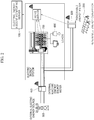
- FIG. 1 is a diagram illustrating a conventional system for monitoring electric energy.
- the conventional system for monitoring electric energy may monitor overall electric energy being supplied to each of loads 40.
- the loads 40 receiving electric energy may be home appliances which are used at home.
- the conventional system for monitoring electric energy may recognize only an overall electric energy consumption at home instead of electric energy consumption of each of electronic devices at home. Also, there is a problem in that the conventional system for monitoring electric energy cannot receive or measure an electric energy amount being supplied from the outside and an additional device for receiving or measuring the electric energy amount is required. That is, there is a problem in that the conventional system for monitoring electric energy requires an additional communication device so as to receive electric energy amount being supplied from the outside so that a communication cost is increased. Also, there is a problem in that the conventional system for monitoring electric energy is provided with an additional device so as to measure an electric energy amount being supplied from the outside so that a system construction cost is increased.
- An object of the present disclosure is to provide a system for monitoring electric energy capable of reducing a communication cost by receiving an electric energy amount from a home server.
- Another object of the present disclosure is to provide a system for monitoring electric energy capable of reducing a system construction cost by allowing a monitoring unit to determine a supply electric energy amount of an external electric energy source or a renewable energy generator.
- Still another object of the present disclosure is to provide a system for monitoring electric energy capable of providing an electric energy amount when a communication device fails by subtracting the electric energy amount, which is supplied from a renewable energy generator to an electric energy system, from overall electric energy consumption of loads, to calculate the electric energy amount supplied from an external electric energy source to the electric energy system.
- Yet another object of the present disclosure is to provide a system for monitoring electric energy capable of providing an electric energy amount when a communication device fails by subtracting the electric energy amount, which is supplied from an external electric energy source to an electric energy system, from overall electric energy consumption of loads, to calculate the electric energy amount supplied from a renewable energy generator to the electric energy system.
- Still yet another object of the present disclosure is to provide a system for monitoring electric energy capable of providing an electric energy amount consumed by each of one or more loads by receiving an overall electric energy amount consumed by the one or more loads to calculate the electric energy amount consumed by each of one or more loads.
- a system for monitoring electric energy amount includes an electric energy system including one or more loads receiving electric energy through an external electric energy source and a renewable energy generator, a home server configured to receive information of a first electric energy amount that is an electric energy amount consumed by the one or more loads, a second electric energy amount that is supplied from the external electric energy source to the electric energy system, and a third electric energy amount that is supplied from the renewable energy generator to the electric energy system, and an electric energy amount monitoring server configured to calculate the second electric energy amount or the third electric energy amount from electric energy consumption of the electric energy system, which is received from the home server, and supply electric energy amount information supplied to the electric energy system.
- a system for monitoring electric energy amount includes an electric energy system including one or more loads receiving electric energy through an external electric energy source and a renewable energy generator, a home server configured to receive information of a first electric energy amount that is an electric energy amount consumed by the one or more loads, a second electric energy amount that is supplied from the external electric energy source to the electric energy system, and a third electric energy amount that is supplied from the renewable energy generator to the electric energy system, and an electric energy amount monitoring server configured to calculate an electric energy amount consumed by each of the one or more loads by receiving an overall electric energy amount consumed by the one or more loads.
- an electric energy amount is received from a home server so that there is an effect in which a communication cost may be reduced.
- a monitoring unit determines a supply electric energy amount of an external electric energy source or a renewable energy generator so that there is an effect in which a system construction cost may be reduced.
- an electric energy amount supplied from an external electric energy source to an electric energy system is calculated by subtracting an electric energy amount, which is supplied from a renewable energy generator to an electric energy system, from overall electric energy consumption by loads, so that there is an effect in which the electric energy amount may be provided when a communication device fails.
- an electric energy amount supplied from a renewable energy generator to an electric energy system is calculated by subtracting an electric energy amount, which is supplied from an external electric energy source to an electric energy system, from overall electric energy consumption by loads, so that there is an effect in which the electric energy amount may be provided when a communication device fails.
- an electric energy amount consumed by each of one or more loads is calculated by receiving an overall electric energy amount consumed by one or more loads so that there is an effect in which the electric energy amount consumed by each of one or more loads may be provided.
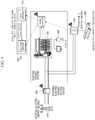
- FIG. 2 is a diagram illustrating a system for monitoring electric energy according to one embodiment of the present disclosure.
- the system for monitoring electric energy according to one embodiment of the present disclosure may be configured to include an electric energy system, a home server, and an electric energy amount monitoring server.
- the system for monitoring electric energy shown in FIG. 2 is according to one embodiment, components thereof are not limited to the embodiment shown in FIG. 2 , and some components may be added, changed, or omitted as necessary.
- FIG. 3 is a diagram illustrating an electric energy amount monitoring server according to one embodiment of the present disclosure.
- a system for monitoring electric energy according to one embodiment of the present disclosure will be described with reference to FIGS. 2 and 3 .
- An electric energy system may include one or more loads 600 receiving electric energy through an external electric energy source 300 and a renewable energy generator 200.
- the loads 600 may be home appliances installed at home, and the external electric energy source 300 may be a power plant or a substation which generates electric energy to supply the electric energy to the electric energy system.
- the electric energy system refers to an assembly which is configured with an electric meter, electronic devices, and the like inside home.
- renewable energy is clean energy capable of substituting for fossil fuel and nuclear power, and includes solar energy, wind power, water power, bio energy, and the like.
- the renewable energy generator 200 is a device capable of producing renewable energy, and may be located inside or outside of the electric energy system.
- a home server may receive a first electric energy amount that is electric energy amount consumed by the one or more loads 600. Also, the home server may receive a second electric energy amount supplied from the external electric energy source 300 to the electric energy system, and a third electric energy amount supplied from the renewable energy generator 200 to the electric energy system.
- the home server is a kind of a computer device which stores, integrates, and distributes information of various media such as a video, a telephone, Web, an e-mail, a facsimile, and the like at home.
- the home server may serve to store and redistribute external contents which are transmitted to home through a broadcast, a telephone, and Internet.
- the home server may be used as a device for storing a digital image and a digital music, and may serve as an information control center of home.
- the home server may receive the first electric energy amount from a panel board700, the second electric energy amount from an external electric energy source meter 400, and the third electric energy amount from a renewable energy meter 500.
- the external electric energy source meter 400 may be a smart meter which measures the second electric energy amount supplied from the external electric energy source 300 to the electric energy system.
- the home server receives the first electric energy amount, the second electric energy amount, and the third electric energy amount so that a communication cost is reduced.
- An electric energy amount monitoring server 100 may calculate or determine the second electric energy amount or the third electric energy amount from electric energy consumption of the electric energy system, which is received from the home server, and supply electric energy amount information supplied to the electric energy system.
- the electric energy consumption of the electric energy system, which is received from the home server may be the first electric energy amount that is an electric energy amount consumed by one or more loads.
- the supply electric energy amount information supplied to the electric energy system may be a sum of the second electric energy amount and the third electric energy amount.
- the electric energy amount monitoring server 100 may include a receiving unit, a monitoring unit, and an output unit, and the receiving unit may receive the electric energy consumption and the supply electric energy amount information from the home server.
- the monitoring unit may calculate a first estimated supply electric energy amount using the first electric energy amount and the second electric energy amount. Thereafter, at least one of the first estimated supply electric energy amount and the third electric energy amount may be determined as a supply electric energy amount of the renewable energy generator 200.
- the first estimated supply electric energy amount may be the same as or different from the third electric energy amount.
- there is an advantage in which at least one of the first estimated supply electric energy amount and the third electric energy amount is determined as the supply electric energy amount of the renewable energy generator 200 so that an accurate supply electric energy amount may be calculated.
- a monitoring unit 120 may calculate the first estimated supply electric energy amount by subtracting the second electric energy amount from the first electric energy amount.
- the first electric energy amount is electric energy consumption of each of the loads 600
- the second electric energy amount is an electric energy amount supplied from the external electric energy source 300
- the third electric energy amount is an electric energy amount supplied from the renewable energy generator 200. Therefore, a sum of the second electric energy amount and the third electric energy amount is the same as the first electric energy amount, and the first estimated supply electric energy amount and the third electric energy amount are the same as each other.
- P A 1 P 3
- P A1 is the first estimated supply electric energy amount
- P 1 is the first electric energy amount
- P 2 is the second electric energy amount
- P 3 is the third electric energy amount
- the monitoring unit 120 may calculate the second electric energy amount by subtracting the third electric energy amount from the first electric energy amount.
- the second electric energy amount when the second electric energy amount is not received, it is calculated by subtracting the third electric energy amount from the first electric energy amount so that there is an effect in that an electric energy amount may be provided when a communication device fails.
- the first electric energy amount may be an overall electric energy amount consumed by the one or more loads 600, or may be an electric energy amount consumed by each of the one or more loads 600.
- the monitoring unit 120 may calculate the electric energy amount consumed by each of the one or more loads 600 by receiving the overall electric energy amount consumed by the one or more loads 600.
- the monitoring unit 120 may calculate the electric energy amount consumed by each of the one or more loads 600 using a non-intrusive load monitoring (NILM) method.
- NILM non-intrusive load monitoring
- the monitoring unit 120 may analyze variation of an electrical characteristic measured by a receiving unit 110, and identifies home appliances as electric energy consuming subjects on the basis of the analyzed result. Also, the monitoring unit 120 may predict electric energy consumption of the identified home appliance.
- the monitoring unit 120 may include a data collection unit, a data process unit, an event detection unit, a feature extraction unit, a device identification unit, and an electric energy determination unit.
- the data collection unit captures raw data received from the receiving unit 110.
- the data process unit aligns a current signal to a voltage signal with respect to the raw data captured by the data collection unit to obtain an appropriate phase relationship.
- data is generalized in order for standardization and a filtering for extracting a harmonic characteristic (for example, a current harmonic power (CHP)) is performed. Specifically, an apparent power amount and an active power amount of the first electric energy amount are obtained, and power factor is calculated from the apparent power amount and the active power amount.
- CHP current harmonic power
- the event detection unit detects an event generated at home appliance on the basis of variation of the power factor (due to an ON/OFF switching of the home appliance or a switching of an operation state thereof) provided from the data process unit.
- the feature extraction unit extracts an ON/OFF time of a home appliance and a pattern of electric energy consumption thereof. For example, a pattern of electric energy consumption of a washing machine is significantly different when a rotating tub is rotated from when the rotating tub is not rotated. Also, a rotational speed of the rotating tub is significantly different in a washing cycle from in a spin dry cycle so that, at this point, a pattern of electric energy consumption is also significantly different in those cycles. However, a television shows a constant pattern of electric energy consumption with no significant variation when being powered so that the pattern of electric energy consumption of the television is significantly different from that of the washing machine, which is described above. The feature extraction unit extracts an intrinsic characteristic of such a pattern of electric energy consumption of the home appliance.
- the device identification unit compares and analyzes the pattern of electric energy consumption extracted from the feature extraction unit with reference data to determine a kind of the corresponding home appliance and an operation state through whether the pattern of electric energy consumption and the reference data correspond to each other. Specifically, the device identification unit may identify a plurality of home appliances from each other when the plurality of home appliances are simultaneously used using a coefficient of a CHP which is obtained by the data collection unit and the data process unit.
- the electric energy determination may calculate an electric energy amount of a corresponding home appliance using the kind of the corresponding home appliance and an operation state thereof which are identified in the device identification unit.
- the output unit 130 may output one or more among the first electric energy amount, the second electric energy amount, the third electric energy amount, and the electric energy amount consumed by each of the one or more loads 600.
- one or more among the first electric energy amount, the second electric energy amount, the third electric energy amount, and the electric energy amount consumed by each of the one or more loads 600 are output so that a user may recognize each of them at a time.
- the electric energy monitoring server may include the receiving unit, the monitoring unit, and the output unit, and the receiving unit may receive the electric energy consumption and the supply electric energy amount information from the home server.
- the monitoring unit may calculate a second estimated supply electric energy amount using the first electric energy amount and the third electric energy amount. Thereafter, at least one of the second estimated supply electric energy amount and the second electric energy amount may be determined as a supply electric energy amount of the external electric energy source.
- the second estimated supply electric energy amount may be the same as or different from the second electric energy amount.
- at least one of the second estimated supply electric energy amount and the second electric energy amount is determined as the supply electric energy amount of the external electric energy source so that there is an advantage in which an accurate supply electric energy amount may be calculated.
- the monitoring unit 120 may calculate the second estimated supply electric energy amount by subtracting the third electric energy amount from the first electric energy amount.
- the first electric energy amount is electric energy consumption of each of the loads 600
- the second electric energy amount is an electric energy amount supplied from the external electric energy source 300
- the third electric energy amount is an electric energy amount supplied from the renewable energy generator 200. Therefore, a sum of the second electric energy amount and the third electric energy amount may be the same as the first electric energy amount, and the second estimated supply electric energy amount and the second electric energy amount may be the same as each other.
- P A2 is the second estimated supply electric energy amount
- P 1 is the first electric energy amount
- P 2 is the second electric energy amount
- P 3 is the third electric energy amount
- the monitoring unit 120 may calculate the third electric energy amount by subtracting the second electric energy amount from the first electric energy amount.
- the third electric energy amount when the third electric energy amount is not received, it is calculated by subtracting the second electric energy amount from the first electric energy amount so that there is an effect in that an electric energy amount may be provided when a communication device fails.
- the first electric energy amount may be an overall electric energy amount consumed by the one or more loads 600, or may be an electric energy amount consumed by each of the one or more loads 600.
- the monitoring unit 120 may receive the overall electric energy amount consumed by the one or more loads 600 to calculate the electric energy amount consumed by each of the one or more loads 600.
- a method, in which a monitoring unit receives an overall electric energy amount consumed by one or more loads 600 to calculate an electric energy amount consumed by each of one or more loads may be the same as the method described in the above embodiment.
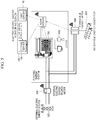
- FIG. 4 is a diagram illustrating a system for monitoring electric energy according to another embodiment of the present disclosure
- FIG. 5 is a diagram illustrating a system for monitoring electric energy according to still another embodiment of the present disclosure.
- a system for monitoring electric energy will be described with reference to FIGS. 4 and 5 .
- an electric energy amount monitoring server may include a first server and a second server.
- the first server may receive one of electric energy consumption and supply electric energy amount information from a home server.
- the second server may receive the other of the electric energy consumption and the supply electric energy amount information, which is not received by the first server, from the home server, and may calculate or determine a second electric energy amount or a third electric energy amount by receiving electric energy amount information, which is received by the first server, therefrom.
- the electric energy consumption is transmitted from the home server to the second server via the first server, and a supply electric energy amount is transmitted from the home server to the second server.
- the electric energy consumption is transmitted from the home server to the second server, and the supply electric energy amount is transmitted from the home server to the second server via the first server.
- the second server may calculate the third electric energy amount by subtracting the second electric energy amount from a first electric energy amount, or may calculate the second electric energy amount by subtracting the third electric energy amount from the first electric energy amount.
- a method for calculating the third electric energy amount and the second electric energy amount may be the same as that described in FIGS. 2 and 3 .
- the first electric energy amount may include an overall electric energy amount which is consumed by one or more loads.
- the second server may calculate an electric energy amount consumed by one or more loads based on the overall electric energy amount consumed by them. For example, the second server may calculate an electric energy amount consumed by each of one or more loads 600 using an NILM method.
- the NILM is a technique that measures a supply of overall voltage and current to predict electric energy consumption with respect to each of the loads 600 at home and a driving schedule of an electricity generation.
- an electric energy amount is received from a home server so that there is an effect in which a communication cost may be reduced.
- a monitoring unit determines a supply electric energy amount of an external electric energy source or a renewable energy generator so that there is an effect in which a system construction cost may be reduced.
- an electric energy amount supplied from an external electric energy source to an electric energy system is calculated by subtracting an electric energy amount, which is supplied from a renewable energy generator to an electric energy system, from overall electric energy consumption by loads, so that there is an effect in which the electric energy amount may be provided when a communication device fails.
- an electric energy amount supplied from a renewable energy generator to an electric energy system is calculated by subtracting an electric energy amount, which is supplied from an external electric energy source to an electric energy system, from overall electric energy consumption by loads, so that there is an effect in which the electric energy amount may be provided when a communication device fails.
- an electric energy amount consumed by each of one or more loads is calculated by receiving an overall electric energy amount consumed by one or more loads so that there is an effect in which the electric energy amount consumed by each of one or more loads may be provided.
Landscapes
- Engineering & Computer Science (AREA)
- Power Engineering (AREA)
- Physics & Mathematics (AREA)
- General Physics & Mathematics (AREA)
- Remote Monitoring And Control Of Power-Distribution Networks (AREA)
Applications Claiming Priority (1)
| Application Number | Priority Date | Filing Date | Title |
|---|---|---|---|
| KR1020160015912A KR101719954B1 (ko) | 2016-02-11 | 2016-02-11 | 전력 모니터링 시스템 |
Publications (2)
| Publication Number | Publication Date |
|---|---|
| EP3205984A2 true EP3205984A2 (de) | 2017-08-16 |
| EP3205984A3 EP3205984A3 (de) | 2017-10-18 |
Family
ID=57354100
Family Applications (1)
| Application Number | Title | Priority Date | Filing Date |
|---|---|---|---|
| EP16196366.5A Ceased EP3205984A3 (de) | 2016-02-11 | 2016-10-28 | System zur überwachung elektrischer energie |
Country Status (5)
| Country | Link |
|---|---|
| US (1) | US10254321B2 (de) |
| EP (1) | EP3205984A3 (de) |
| JP (1) | JP2017142227A (de) |
| KR (1) | KR101719954B1 (de) |
| CN (1) | CN107064663A (de) |
Families Citing this family (2)
| Publication number | Priority date | Publication date | Assignee | Title |
|---|---|---|---|---|
| WO2019180819A1 (ja) * | 2018-03-20 | 2019-09-26 | 本田技研工業株式会社 | 負荷推定装置および電力供給装置 |
| KR102608280B1 (ko) * | 2021-11-26 | 2023-11-30 | 옴니시스템 주식회사 | 도시형 건물 환경의 정전 감지 및 절체 시스템 |
Citations (2)
| Publication number | Priority date | Publication date | Assignee | Title |
|---|---|---|---|---|
| JP2014095941A (ja) * | 2012-11-07 | 2014-05-22 | Hitachi Ltd | 太陽光発電出力推定装置 |
| EP2773008A1 (de) * | 2011-10-24 | 2014-09-03 | Panasonic Corporation | Lastensteuervorrichtung, programm und lastensteuersystem |
Family Cites Families (32)
| Publication number | Priority date | Publication date | Assignee | Title |
|---|---|---|---|---|
| US6816078B2 (en) | 2000-04-12 | 2004-11-09 | Central Research Institute Of Electric Power Industry | System and method for estimating power consumption of electric apparatus, and abnormality alarm system utilizing the same |
| JP3877269B2 (ja) | 2000-05-18 | 2007-02-07 | 財団法人電力中央研究所 | 電気機器モニタリングシステム及びこれを利用した異常警告システム |
| JP2002098720A (ja) | 2000-09-26 | 2002-04-05 | Sekisui Chem Co Ltd | 電力供給系における電力モニターシステム |
| JP3875149B2 (ja) | 2002-06-10 | 2007-01-31 | 三菱電機株式会社 | 太陽光発電システム |
| JP2006153571A (ja) | 2004-11-26 | 2006-06-15 | Tokyo Gas Co Ltd | 発電電力・受電電力表示システム |
| WO2008086114A2 (en) * | 2007-01-03 | 2008-07-17 | Gridpoint, Inc. | Utility console for controlling energy resources |
| JP4672684B2 (ja) | 2007-02-09 | 2011-04-20 | 株式会社東芝 | 電力系統監視制御サービス提供システム |
| US8200370B2 (en) * | 2008-12-04 | 2012-06-12 | American Power Conversion Corporation | Energy reduction |
| US9020769B2 (en) * | 2009-01-26 | 2015-04-28 | Geneva Cleantech Inc. | Automatic detection of appliances |
| KR101086562B1 (ko) | 2009-07-27 | 2011-11-23 | 주식회사 삼천리 | 태양광 발전 전력량 처리 시스템 및 그 방법 |
| JP2011083085A (ja) | 2009-10-05 | 2011-04-21 | Panasonic Electric Works Co Ltd | 電力管理システム |
| US20110301894A1 (en) * | 2010-06-04 | 2011-12-08 | Sensus Usa Inc. | Method and System for Non-Intrusive Load Monitoring and Processing |
| KR101173769B1 (ko) * | 2010-09-03 | 2012-08-13 | 엘에스산전 주식회사 | 동태적 시변 전력요금제를 지원하는 전력량계 |
| JP5073033B2 (ja) * | 2010-09-28 | 2012-11-14 | 株式会社東芝 | グリーン電力需要管理装置 |
| JP2012191777A (ja) | 2011-03-11 | 2012-10-04 | Nissin Electric Co Ltd | 太陽光発電システムの発電量推定方法 |
| JP2014512625A (ja) * | 2011-04-22 | 2014-05-22 | エクスパナージー,エルエルシー | エネルギー使用状況を分析するためのシステムおよび方法 |
| JP5988079B2 (ja) | 2012-03-05 | 2016-09-07 | パナソニックIpマネジメント株式会社 | 制御装置、変換装置、制御方法、および配電システム |
| JP6178045B2 (ja) | 2012-04-16 | 2017-08-09 | 株式会社東芝 | エネルギー管理システム、エネルギー管理方法、プログラムおよびサーバ装置 |
| JP6013076B2 (ja) | 2012-08-10 | 2016-10-25 | 京セラ株式会社 | エネルギー管理装置、エネルギー管理システムおよびエネルギー管理方法 |
| JP2014072561A (ja) * | 2012-09-27 | 2014-04-21 | Nitto Denko Corp | 家電機器遠隔監視システム |
| KR101318891B1 (ko) * | 2013-01-18 | 2013-10-18 | 김혁 | 전력 관리 시스템 및 그 운용 방법 |
| CN103217603A (zh) * | 2013-03-22 | 2013-07-24 | 重庆大学 | 一种非侵入式家用电器用电状况在线监测的识别方法 |
| JP6121816B2 (ja) * | 2013-06-28 | 2017-04-26 | 京セラ株式会社 | 電力表示装置 |
| US10282794B2 (en) * | 2013-08-28 | 2019-05-07 | Signify Holding B.V. | System and method for determining energy and greenhouse gas (GHG) apportionment |
| US9563530B2 (en) | 2013-12-03 | 2017-02-07 | Kabushiki Kaisha Toshiba | Device state estimation apparatus, device power consumption estimation apparatus, and program |
| CN103675378B (zh) * | 2013-09-23 | 2017-06-09 | 国家电网公司 | 一种非侵入式家庭用电负荷分解方法及装置 |
| JP2015108953A (ja) | 2013-12-04 | 2015-06-11 | 株式会社東芝 | 演算装置 |
| US10139437B2 (en) * | 2014-02-18 | 2018-11-27 | Encored Technologies, Inc. | Apparatus, server, system and method for energy measuring |
| US10254319B2 (en) * | 2014-02-18 | 2019-04-09 | Encored Technologies, Inc. | Apparatus, server, system and method for energy measuring |
| JP2015227811A (ja) | 2014-05-30 | 2015-12-17 | 株式会社東芝 | 機器消費電力推定装置及びコンピュータプログラム |
| ES2807796T3 (es) | 2015-08-19 | 2021-02-24 | Lsis Co Ltd | Sistema de monitoreo de potencia |
| EP3133374A1 (de) | 2015-08-19 | 2017-02-22 | LSIS Co., Ltd. | Leistungsüberwachungssystem |
-
2016
- 2016-02-11 KR KR1020160015912A patent/KR101719954B1/ko active Active
- 2016-10-28 EP EP16196366.5A patent/EP3205984A3/de not_active Ceased
- 2016-11-16 CN CN201611008609.9A patent/CN107064663A/zh active Pending
- 2016-11-22 US US15/358,894 patent/US10254321B2/en active Active
- 2016-12-01 JP JP2016234567A patent/JP2017142227A/ja active Pending
Patent Citations (2)
| Publication number | Priority date | Publication date | Assignee | Title |
|---|---|---|---|---|
| EP2773008A1 (de) * | 2011-10-24 | 2014-09-03 | Panasonic Corporation | Lastensteuervorrichtung, programm und lastensteuersystem |
| JP2014095941A (ja) * | 2012-11-07 | 2014-05-22 | Hitachi Ltd | 太陽光発電出力推定装置 |
Also Published As
| Publication number | Publication date |
|---|---|
| EP3205984A3 (de) | 2017-10-18 |
| US20170234914A1 (en) | 2017-08-17 |
| JP2017142227A (ja) | 2017-08-17 |
| CN107064663A (zh) | 2017-08-18 |
| US10254321B2 (en) | 2019-04-09 |
| KR101719954B1 (ko) | 2017-04-04 |
Similar Documents
| Publication | Publication Date | Title |
|---|---|---|
| EP2801792B1 (de) | Eingriffsfreie Lastüberwachungsvorrichtung und Verfahren | |
| JP5604089B2 (ja) | 消費電力計測システム、制御装置、及び消費電力計測方法 | |
| KR101172602B1 (ko) | 가전기기별 전력 관리를 위한 방법, 시스템 및 컴퓨터 판독 가능한 기록 매체 | |
| EP2535997A2 (de) | Systeme, Verfahren und Vorrichtung zur Bewertung von Lastenergieverbrauch unter Verwendung eines Leistungsmessers | |
| US9794654B2 (en) | Power metering system, method and system for monitoring power consumed by load | |
| US9787248B2 (en) | Power measurement system and load power monitoring system using the same and operating method thereof | |
| KR20180135374A (ko) | 전류 센싱에 기반한 전력 소비 모니터링 방법, 무선 전력 센싱 장치 및 클라우드 장치 | |
| CN105425079A (zh) | 基于实时平均功率频域分析的洗衣机运行非侵入辨识方法 | |
| US10527658B2 (en) | Power monitoring system and method for monitoring power thereof | |
| Santhosh et al. | IoT based monitoring and optimizing of energy utilization of domestic and industrial loads | |
| Houidi et al. | Design of an electricity consumption measurement system for Non Intrusive Load Monitoring | |
| EP3205984A2 (de) | System zur überwachung elektrischer energie | |
| KR101538150B1 (ko) | Ami 시스템의 전력정보 계측 장치 | |
| US10381868B2 (en) | Power metering system, load power monitoring system using the same and operation method thereof | |
| US10591521B2 (en) | Power monitoring system and method for monitoring power thereof | |
| Temneanu et al. | Hardware and software architecture of a smart meter based on electrical signature analysis | |
| KR20180114740A (ko) | 데이터 수집 장치 | |
| KR101719953B1 (ko) | 전력량 모니터링 장치 | |
| US10126336B2 (en) | Energy usage device and energy information collecting device | |
| KR101731206B1 (ko) | 전력량 모니터링 서버 | |
| US8928490B2 (en) | Meter apparatus, metering network, and metering method thereof | |
| Mubdir et al. | Smart Energy Monitoring and Control System Based on Wireless Communication | |
| US20170059633A1 (en) | Power monitoring system and method for monitoring power thereof | |
| Thokala et al. | On load disaggregation using discrete events | |
| KR20170094734A (ko) | 전력량 모니터링 장치 |
Legal Events
| Date | Code | Title | Description |
|---|---|---|---|
| PUAI | Public reference made under article 153(3) epc to a published international application that has entered the european phase |
Free format text: ORIGINAL CODE: 0009012 |
|
| STAA | Information on the status of an ep patent application or granted ep patent |
Free format text: STATUS: THE APPLICATION HAS BEEN PUBLISHED |
|
| AK | Designated contracting states |
Kind code of ref document: A2 Designated state(s): AL AT BE BG CH CY CZ DE DK EE ES FI FR GB GR HR HU IE IS IT LI LT LU LV MC MK MT NL NO PL PT RO RS SE SI SK SM TR |
|
| AX | Request for extension of the european patent |
Extension state: BA ME |
|
| PUAL | Search report despatched |
Free format text: ORIGINAL CODE: 0009013 |
|
| AK | Designated contracting states |
Kind code of ref document: A3 Designated state(s): AL AT BE BG CH CY CZ DE DK EE ES FI FR GB GR HR HU IE IS IT LI LT LU LV MC MK MT NL NO PL PT RO RS SE SI SK SM TR |
|
| AX | Request for extension of the european patent |
Extension state: BA ME |
|
| RIC1 | Information provided on ipc code assigned before grant |
Ipc: G01D 4/00 20060101AFI20170911BHEP |
|
| STAA | Information on the status of an ep patent application or granted ep patent |
Free format text: STATUS: REQUEST FOR EXAMINATION WAS MADE |
|
| 17P | Request for examination filed |
Effective date: 20180226 |
|
| RBV | Designated contracting states (corrected) |
Designated state(s): AL AT BE BG CH CY CZ DE DK EE ES FI FR GB GR HR HU IE IS IT LI LT LU LV MC MK MT NL NO PL PT RO RS SE SI SK SM TR |
|
| STAA | Information on the status of an ep patent application or granted ep patent |
Free format text: STATUS: EXAMINATION IS IN PROGRESS |
|
| 17Q | First examination report despatched |
Effective date: 20190710 |
|
| STAA | Information on the status of an ep patent application or granted ep patent |
Free format text: STATUS: THE APPLICATION HAS BEEN REFUSED |
|
| 18R | Application refused |
Effective date: 20200424 |