EP3152190B1 - Bi-polycyclische verbindungen mit 18-20 elementen - Google Patents
Bi-polycyclische verbindungen mit 18-20 elementen Download PDFInfo
- Publication number
- EP3152190B1 EP3152190B1 EP15803863.8A EP15803863A EP3152190B1 EP 3152190 B1 EP3152190 B1 EP 3152190B1 EP 15803863 A EP15803863 A EP 15803863A EP 3152190 B1 EP3152190 B1 EP 3152190B1
- Authority
- EP
- European Patent Office
- Prior art keywords
- compound
- quinolinene
- cancer
- compounds
- pharmaceutically acceptable
- Prior art date
- Legal status (The legal status is an assumption and is not a legal conclusion. Google has not performed a legal analysis and makes no representation as to the accuracy of the status listed.)
- Active
Links
Images





Classifications
-
- C—CHEMISTRY; METALLURGY
- C07—ORGANIC CHEMISTRY
- C07D—HETEROCYCLIC COMPOUNDS
- C07D215/00—Heterocyclic compounds containing quinoline or hydrogenated quinoline ring systems
- C07D215/02—Heterocyclic compounds containing quinoline or hydrogenated quinoline ring systems having no bond between the ring nitrogen atom and a non-ring member or having only hydrogen atoms or carbon atoms directly attached to the ring nitrogen atom
- C07D215/16—Heterocyclic compounds containing quinoline or hydrogenated quinoline ring systems having no bond between the ring nitrogen atom and a non-ring member or having only hydrogen atoms or carbon atoms directly attached to the ring nitrogen atom with hetero atoms or with carbon atoms having three bonds to hetero atoms with at the most one bond to halogen, e.g. ester or nitrile radicals, directly attached to ring carbon atoms
- C07D215/48—Carbon atoms having three bonds to hetero atoms with at the most one bond to halogen
- C07D215/54—Carbon atoms having three bonds to hetero atoms with at the most one bond to halogen attached in position 3
-
- A—HUMAN NECESSITIES
- A61—MEDICAL OR VETERINARY SCIENCE; HYGIENE
- A61P—SPECIFIC THERAPEUTIC ACTIVITY OF CHEMICAL COMPOUNDS OR MEDICINAL PREPARATIONS
- A61P35/00—Antineoplastic agents
-
- C—CHEMISTRY; METALLURGY
- C07—ORGANIC CHEMISTRY
- C07C—ACYCLIC OR CARBOCYCLIC COMPOUNDS
- C07C259/00—Compounds containing carboxyl groups, an oxygen atom of a carboxyl group being replaced by a nitrogen atom, this nitrogen atom being further bound to an oxygen atom and not being part of nitro or nitroso groups
- C07C259/04—Compounds containing carboxyl groups, an oxygen atom of a carboxyl group being replaced by a nitrogen atom, this nitrogen atom being further bound to an oxygen atom and not being part of nitro or nitroso groups without replacement of the other oxygen atom of the carboxyl group, e.g. hydroxamic acids
- C07C259/10—Compounds containing carboxyl groups, an oxygen atom of a carboxyl group being replaced by a nitrogen atom, this nitrogen atom being further bound to an oxygen atom and not being part of nitro or nitroso groups without replacement of the other oxygen atom of the carboxyl group, e.g. hydroxamic acids having carbon atoms of hydroxamic groups bound to carbon atoms of six-membered aromatic rings
-
- C—CHEMISTRY; METALLURGY
- C07—ORGANIC CHEMISTRY
- C07D—HETEROCYCLIC COMPOUNDS
- C07D209/00—Heterocyclic compounds containing five-membered rings, condensed with other rings, with one nitrogen atom as the only ring hetero atom
- C07D209/02—Heterocyclic compounds containing five-membered rings, condensed with other rings, with one nitrogen atom as the only ring hetero atom condensed with one carbocyclic ring
- C07D209/04—Indoles; Hydrogenated indoles
- C07D209/08—Indoles; Hydrogenated indoles with only hydrogen atoms or radicals containing only hydrogen and carbon atoms, directly attached to carbon atoms of the hetero ring
-
- C—CHEMISTRY; METALLURGY
- C07—ORGANIC CHEMISTRY
- C07D—HETEROCYCLIC COMPOUNDS
- C07D209/00—Heterocyclic compounds containing five-membered rings, condensed with other rings, with one nitrogen atom as the only ring hetero atom
- C07D209/02—Heterocyclic compounds containing five-membered rings, condensed with other rings, with one nitrogen atom as the only ring hetero atom condensed with one carbocyclic ring
- C07D209/04—Indoles; Hydrogenated indoles
- C07D209/30—Indoles; Hydrogenated indoles with hetero atoms or with carbon atoms having three bonds to hetero atoms with at the most one bond to halogen, directly attached to carbon atoms of the hetero ring
- C07D209/42—Carbon atoms having three bonds to hetero atoms with at the most one bond to halogen, e.g. ester or nitrile radicals
-
- C—CHEMISTRY; METALLURGY
- C07—ORGANIC CHEMISTRY
- C07D—HETEROCYCLIC COMPOUNDS
- C07D215/00—Heterocyclic compounds containing quinoline or hydrogenated quinoline ring systems
- C07D215/02—Heterocyclic compounds containing quinoline or hydrogenated quinoline ring systems having no bond between the ring nitrogen atom and a non-ring member or having only hydrogen atoms or carbon atoms directly attached to the ring nitrogen atom
- C07D215/16—Heterocyclic compounds containing quinoline or hydrogenated quinoline ring systems having no bond between the ring nitrogen atom and a non-ring member or having only hydrogen atoms or carbon atoms directly attached to the ring nitrogen atom with hetero atoms or with carbon atoms having three bonds to hetero atoms with at the most one bond to halogen, e.g. ester or nitrile radicals, directly attached to ring carbon atoms
- C07D215/48—Carbon atoms having three bonds to hetero atoms with at the most one bond to halogen
-
- C—CHEMISTRY; METALLURGY
- C07—ORGANIC CHEMISTRY
- C07D—HETEROCYCLIC COMPOUNDS
- C07D409/00—Heterocyclic compounds containing two or more hetero rings, at least one ring having sulfur atoms as the only ring hetero atoms
- C07D409/02—Heterocyclic compounds containing two or more hetero rings, at least one ring having sulfur atoms as the only ring hetero atoms containing two hetero rings
- C07D409/04—Heterocyclic compounds containing two or more hetero rings, at least one ring having sulfur atoms as the only ring hetero atoms containing two hetero rings directly linked by a ring-member-to-ring-member bond
-
- C—CHEMISTRY; METALLURGY
- C07—ORGANIC CHEMISTRY
- C07C—ACYCLIC OR CARBOCYCLIC COMPOUNDS
- C07C2602/00—Systems containing two condensed rings
- C07C2602/02—Systems containing two condensed rings the rings having only two atoms in common
- C07C2602/04—One of the condensed rings being a six-membered aromatic ring
- C07C2602/10—One of the condensed rings being a six-membered aromatic ring the other ring being six-membered, e.g. tetraline
Definitions
- the invention relates to 18-20 member bi-polycyclic compounds and methods of making and using these compounds to promote muscle formation, inhibit muscle degeneration, and treat hyperproliferative disorders (e.g ., cancer).
- WO 2011/097712 A1 describes hybrid molecules comprising a retinoic acid receptor agonist moiety and a histone deacetylase inhibitor (HDAC) moiety. More specifically, the hybrid molecule 6-(5,5,8,8-tetramethyl-6,7-dihydronaphthalen-2-yl)naphthalene-2-hydroxamic acid is described to possess HDAC activity while maintaining RAR agonist activity.
- HDAC histone deacetylase inhibitor
- the invention relates to a compound of Formula I: A-W-Z (I) or a pharmaceutically acceptable salt thereof, wherein A, W, and Z are as defined in the claims.
- the invention features methods of treating a subject who has cancer or a non-malignant tumor by administering to the subject a therapeutically effective amount of a compound described above or a pharmaceutically acceptable composition containing such a compound or a mixture thereof.
- the invention also relates, in part, to methods of inhibiting loss of muscle mass or muscle function in a subject, the method comprising administering to a subject in need thereof a therapeutically effective amount of a compound of Formula I: A-W-Z (I)
- the invention features methods for treating myofibers ex vivo. These methods can include the steps of providing an ex vivo preparation of myofibers, optionally comprising a natural or synthetic biological matrix; and contacting the preparation with an amount of a compound of Formula I: A-W-Z (I) or a pharmaceutically acceptable salt thereof, that is sufficient to promote muscle mass or muscle function.
- A-W-Z (I) or a pharmaceutically acceptable salt thereof, that is sufficient to promote muscle mass or muscle function.
- the invention relates to compounds of Formula I: A-W-Z (I) or a pharmaceutically acceptable salt thereof, wherein A, W, and Z are as defined in the claims.
- the invention relates to compounds of Formula I with the proviso that the compound is not: or where R is -OH, -OCH 3 and -NHOH; and R' is -OH or - OCH 3 .
- W is a quinolinene linked to A at any one of positions 2, 3, 4, 5, 6, 7, or 8.
- the compounds of the invention are not limited to the quinolinene moieties for W.
- the nitrogen atom in these ring systems may have an oxygen or sulfur atom instead of nitrogen.
- Z is -C(O)NR 1 R 2 or -C(O)OR 3 , where R 1 and R 2 are each independently hydrogen (H), hydroxyl (OH), C 1-6 alkyl, hydroxyC 1-6 alkyl, aminoC 1-6 alkyl, or aminoaryl; and R 3 is H or C 1-6 alkyl.
- Z is linked to the quinolinene at any one of the positions of the quinolinene that is not linked to A.
- W is a quinolinene linked to A at any one of positions 2, 3, 4, 5, 6, 7 or 8 of the quinolinene;
- Z is -C(O)NR 1 R 2 or -C(O)OR 3 , where R 1 and R 2 are each independently hydrogen, hydroxyl, C 1-6 alkyl, hydroxyC 1-6 alkyl, aminoC 1-6 alkyl, or aminoaryl; and R 3 is H or C 1-6 alkyl, and where Z is linked to the quinolinene at any one of positions 2, 3, 4, 5, 6, 7 or 8 of the quinolinene.
- Z is -C(O)NR 1 R 2 ; R 1 is H; and R 2 is OH.
- Z is -C(O)NR 1 R 2 ; R 1 is H; and R 2 is aminoaryl.
- Z is -C(O)OR 3 ; and R 3 is H.
- Z is -C(O)OR 3 ; and R 3 is C 1-6 alkyl.
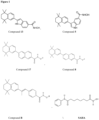
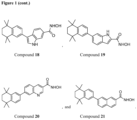
- Examples for a compound according to Formula I can be:
- compositions of the invention can include a compound or compounds in the R-form, the S-form, or a racemic or non-racemic mixture thereof.
- Compounds that contain asymmetrically substituted carbon atoms can be isolated in optically active or racemic forms. Methods for preparing optically active forms from optically inactive starting materials are known in the art and include resolution of racemic mixtures and stereoselective synthesis. Stable, geometric isomers are also contemplated in the present invention. Cis and trans geometric isomers of the compounds are described and may be isolated as a mixture of isomers or as separate isomers.
- Racemic mixtures can be carried out by any of the numerous methods known in the art.
- compounds can be resolved by fractional recrystallization using a chiral resolving acid which is an optically active, salt forming organic acid.
- Suitable resolving agents for fractional recrystallization methods are, for example, optically active acids, such as the D and L forms of tartaric acid, diacetyltartaric acid, dibenzoyltartaric acid, mandelic acid, malic acid, lactic acid or the various optically active camphorsulfonic acids such as 3-camphorsulfonic acid.
- resolving agents suitable for fractional crystallization methods include stereoisomerically pure forms of ct-methylbenzylamine (e.g., S and R forms, or diastereomerically pure forms), 2-phenylglycinol, norephedrine, ephedrine, N-methylephedrine, cyclohexylethylamine, 1,2-diaminocyclohexane, and the like. Racemic mixtures can also be resolved by elution on a column packed with an optically active resolving agent (e.g., dinitrobenzoylphenylglycine). Suitable elution solvent compositions can be determined by one of ordinary skill in the art.
- Tautomeric forms which result from the swapping of a single bond with an adjacent double bond together with the concomitant migration of a proton.
- Tautomeric forms include prototropic tantomers which are isomeric protonation states having the same empirical formula and total charge.
- prototropic tautomers examples include ketone-enol pairs, amide-imidic acid pairs, lactam-lactim pairs, amide-imidic acid pairs, enamine-imine pairs, and annular forms where a proton can occupy two or more positions of a heterocyclic system, for example, 1H- and 3H-imidazole, 1H-, 2H- and 4H-1,2,4-triazole, 1Hand 2H-isoindole, and 1H- and 2H-pyrazole.
- Tautomeric forms can be in equilibrium or sterically locked into one form by an appropriate substitution.
- Compounds of the invention can also include all isotopes of atoms occurring in the intermediates or final compounds.
- Isotopes include those atoms having the same atomic number but different mass numbers.
- isotopes of hydrogen include tritium and deuterium.
- alkyl refers to a saturated hydrocarbon group which is straight-chained or branched.
- alkyl groups include methyl (Me), ethyl (Et), propyl (e.g., n-propyl and isopropyl), butyl ( e.g., n-butyl, isobutyl, sec-butyl, t-butyl), pentyl ( e.g., n-pentyl, isopentyl, sec-pentyl, neopentyl), and the like.
- An alkyl group can contain from 1 to about 20 ( e.g., from 2 to about 20, from 1 to about 10, from 1 to about 8, from 1 to about 6, from 1 to about 4, or from 1 to about 3) carbon atoms.
- about we mean ⁇ 10% ( e.g ., about 20 grams is 18-22 grams) or, where the referenced number of units is less than 10 or not readily useful in divided tenths, we mean ⁇ 1 ( e.g ., about 6 carbon atoms is 5-7 carbon atoms; about 20 carbon atoms is 19-21 carbon atoms).
- alkoxy when used alone or in combination with other groups, refers to a terminal oxy containing alkyl group, as defined above such as methoxy, ethoxy, propoxy, isopropoxy and the like.
- alkenyl and alkynyl when used alone or in combination with other groups, refer to mono- or polyunsaturated aliphatic hydrocarbon radicals containing from two to 15 carbon atoms and at least one double or triple bond, respectively.
- Alkenyl and alkynyl refer to both branched and unbranched alkenyl and alkynyl groups, respectively.
- the alkenyl and alkynyl groups include straight chained alkenyl or alkynyl groups containing from two to eight carbon atoms and branched alkenyl or alkynyl groups containing from five to ten carbon atoms.
- alkenyl and alkynyl groups also include alkenyl and alkynyl groups containing from two to six carbon atoms and branched alkenyl and alkynyl groups containing from 5 to eight carbon atoms.
- alkenyl groups include ethenyl, 2-propenyl, 1-propenyl, 2-methyl-l-propenyl, 1-butenyl, 2-butenyl, 1-pentenyl, 2-pentenyl, 3-pentenyl, allyl, 1, 3-butadienyl, 1,3-dipentenyl, 1,4 dipentenyl, 1-hexenyl, 1, 3-hexenyl, 1,4-hexenyl, 1, 3, 5-trihexenyl, 2, 4-dihexenyl, and the like.
- alkynyl examples include ethynyl, 1-propynyl, 2-propynyl, 1 butynyl, 2-butynyl, 2-methyl-l-butynyl, 1-pentynyl, 2-pentynyl, 3-pentynyl, 3 -methyl-1-pentynyl, 2-methyl-l-pentynyl, 1-hexynyl, 2-hexynyl, 3-hexynyl, and the like.
- the alkenyl and alkynyl groups contain at least one double bond or one triple bond, respectively. In another embodiment, they each may contain up to 4 carbon-carbon multiple bonds, for example, 1, 2, 3, or 4, double bonds or triple bonds, respectively.
- the double bonds in the alkenyl groups may be conjugated, as in 1,3-butadienyl, or non-conjugated, as in 1,4-di pentenyl.
- aryl refers to monocyclic or polycyclic ( e.g ., having 2, 3 or 4 fused rings) aromatic hydrocarbons such as, for example, phenyl, naphthyl, anthracenyl, phenanthrenyl, indanyl, indenyl, and the like. In some embodiments, aryl groups have from 6 to about 20 carbon atoms.
- aryl includes aromatic rings fused to non-aromatic rings, as long as one of the fused rings is an aromatic hydrocarbon.
- heteroaryl refers to an aryl group in which at least one of the ring atoms is a heteroatom (i.e., oxygen, nitrogen, or sulfur). Heteroaryl groups include monocyclic and polycyclic ( e.g ., having 2, 3 or 4 fused rings) systems.
- heteroaryl groups include without limitation, pyridyl, pyrimidinyl, pyrazinyl, pyridazinyl, triazinyl, furyl, quinolyl, isoquinolyl, thienyl, imidazolyl, thiazolyl, indolyl, pyrryl, oxazolyl, benzodiazine, benzofuryl, benzothienyl, benzthiazolyl, isoxazolyl, pyrazolyl, triazolyl, tetrazolyl, indazolyl, 1,2,4-thiadiazolyl, isothiazolyl, benzothienyl, purinyl, carbazolyl, benzimidazolyl, indolinyl, quinolinyl, isoquinolinyl purinyl, indolyl, and the like.
- heterocyclic when used alone or in combination with other groups refers to a 5- to 8-membered (e.g ., 5- or 6-membered) monocyclic or 8- to 11-membered bicyclic heterocyclic radical that may be either saturated or unsaturated, aromatic or non-aromatic, and which may be optionally benzo- or pyrido-fused if monocyclic, containing at least one ring heteroatom.
- Each heterocycle consists of carbon atoms and from 1 to 4 ring heteroatoms selected from nitrogen, oxygen and sulfur.
- nitrogen and sulfur include any oxidized form of nitrogen and sulfur and the quaternized form of any basic nitrogen.
- Alkylene refers to a linear or branched saturated divalent hydrocarbon radical, which may optionally be substituted as described herein.
- the alkylene is a linear saturated divalent hydrocarbon radical that has 1 to 20 (C 1-20 ), 1 to 15 (C 1-15 ), 1 to 10 (C 1-10 ), or 1 to 6 (C 1-6 ) carbon atoms, or branched saturated divalent hydrocarbon radical of 3 to 20 (C 3-20 ), 3 to 15 (C 3-15 ), 3 to 10 (C 3-10 ), or 3 to 6 (C 3-6 ) carbon atoms.
- Linear C 1-6 and branched C 3-6 alkylene groups are also referred as "lower alkylene.”
- alkylene groups include, but are not limited to, methylene, ethylene, propylene (including all isomeric forms), n-propylene, isopropylene, butylene (including all isomeric forms), n-butylene, isobutylene, t-butylene, pentylene (including all isomeric forms), and hexylene (including all isomeric forms).
- C 1-6 alkylene refers to a linear saturated divalent hydrocarbon radical of 1 to 6 carbon atoms or a branched saturated divalent hydrocarbon radical of 3 to 6 carbon atoms.
- alkenylene refers to a linear or branched divalent hydrocarbon radical that contains one or more carbon-carbon double bonds.
- the alkenylene may be optionally substituted as described herein.
- alkenylene also embraces radicals having "cis” and “trans” configurations, or alternatively, "E” and “Z” configurations.
- alkenylene encompasses both linear and branched alkenylene, unless otherwise specified.
- C 2-6 alkenylene refers to a linear unsaturated divalent hydrocarbon radical of 2 to 6 carbon atoms or a branched unsaturated divalent hydrocarbon radical of 3 to 6 carbon atoms.
- the alkenylene is a linear divalent hydrocarbon radical of 2 to 20 (C 2-20 ), 2 to 15 (C 2-15 ), 2 to 10 (C 2-10 ), or 2 to 6 (C 2-6 ) carbon atoms, or a branched divalent hydrocarbon radical of 3 to 20 (C 3-20 ), 3 to 15 (C 3-15 ), 3 to 10 (C 3-10 ), or 3 to 6 (C 3-6 ) carbon atoms.
- alkenylene groups include, but are not limited to, ethenylene, allylene, propenylene, butenylene, and 4-methylbutenylene.
- cycloalkylene refers to a cyclic saturated bridged and/or non-bridged divalent hydrocarbon radical, which may be optionally substituted as described herein.
- the cycloalkylene has from 3 to 20 (C 3-20 ), from 3 to 15 (C 3-15 ), from 3 to 10 (C 3-10 ), or from 3 to 7 (C 3-7 ) carbon atoms.
- cycloalkylene groups include, but are not limited to, cyclopropylene (e.g ., 1,1-cyclopropylene and 1,2-cyclopropylene), cyclobutylene (e.g., 1,1-cyclobutylene, 1,2-cyclobutylene, or 1,3-cyclobutylene), cyclopentylene ( e.g., 1,1-cyclopentylene, 1,2-cyclopentylene, or 1,3-cyclopentylene), cyclohexylene ( e.g ., 1,1-cyclohexylene, 1,2-cyclohexylene, 1,3-cyclohexylene, or 1,4-cyclohexylene), cycloheptylene ( e.g ., 1,1-cycloheptylene, 1,2-cycloheptylene, 1,3-cycloheptylene, or 1,4-cycloheptylene), decalinylene, and adamantylene.
- heterocyclylene refers to a divalent non-aromatic ring system and/or a multicyclic ring system that contains at least one non-aromatic ring, wherein one or more of the non-aromatic ring atoms are heteroatoms independently selected from O, S, or N, and the remaining ring atoms are carbon atoms.
- the heterocyclylene group has from 3 to 20 ( e.g., 3-15, 3-10, 3-8, 4-7, or 5-6) ring atoms.
- the heterocyclylene is a monocyclic, bicyclic, tricyclic, or tetracyclic ring system, which may include a fused or bridged ring system, and in which the nitrogen or sulfur atoms may be optionally oxidized, the nitrogen atoms may be optionally quaternized, and some rings may be partially or fully saturated, or aromatic.
- the heterocyclylene may be attached to the main structure at any heteroatom or carbon atom which results in the creation of a stable compound.
- heterocyclene groups include, but are not limited to, azepinylene, benzodioxanylene, benzodioxolylene, benzofuranonylene, benzopyranonylene, benzopyranylene, benzotetrahydrofuranylene, benzotetrahydrothienylene, benzothiopyranylene, benzoxazinylene, ⁇ -carbolinylene, chromanylene, chromonylene, cinnolinylene, coumarinylene, decahydroisoquinolinylene, dihydrobenzisothiazinylene, dihydrobenzisoxazinylene, dihydrofurylene, dihydroisoindolylene, dihydropyranylene, dihydropyrazolylene, dihydropyrazinylene, dihydropyridinylene, dihydropyrimidinylene, dihydropyrrolylene, dioxolanylene, 1,4-dithian
- arylene, heteroarylene, alkenylenearylene, arylenealkenylene alkenyleneheteroarylene, or heteroarylenealkenylene all refer to divalent forms of aryl, heteroaryl, alkenylaryl, arylalkenyl, alkenylheteroaryl and heteroarylalkenyl radicals.
- a "hydrogen bond donor” comprises a hydrogen atom attached to an electronegative atom (e.g ., fluorine, oxygen, sulfur or nitrogen).
- the hydrogen bond donor is -OH, -O(C 1-6 alkyl), -NH 2 , or -NHOH.
- compound as used herein is meant to include all stereoisomers, geometric isomers, tantomers, and isotopes of the structures depicted, including structures conforming to a generic formula set out herein.
- All compounds, and all pharmaceutically acceptable salts thereof can be either found together with other substances such as water and solvents (e.g ., hydrates and solvates) or can be substantially isolated.
- a compound of the invention or a salt thereof is "substantially isolated” when at least partially or substantially separated from the environment in which it was formed or detected.
- Partial separation can include, for example, a composition enriched to any extent in a compound of the invention.
- Substantial separation can include compositions containing at least about 50%, at least about 60%, at least about 70%, at least about 80%, at least about 90%, at least about 95%, at least about 97%, or at least about 99% by weight of a compound or compounds of the invention, or a salt or salts thereof.
- Methods for isolating compounds and their salts are routine in the art.
- phrases "pharmaceutically acceptable” is employed herein to refer to those compounds, materials, compositions, and/or dosage forms which are, within the scope of sound medical judgment, suitable for use in contact with the tissues of human beings and animals without excessive toxicity, irritation, allergic response, or other problem or complication, commensurate with a reasonable benefit/risk ratio.
- ambient temperature and "room temperature,” as used herein, are understood in the art, and refer generally to a temperature, e.g. a reaction temperature, that is about the temperature of the room in which the reaction is carried out, for example, a temperature from about 20°C to about 30°C.
- the present invention also includes pharmaceutically acceptable salts of the compounds described herein.
- pharmaceutically acceptable salts are derivatives of the disclosed compounds wherein the parent compound is modified by converting an existing acid or base moiety to its salt form.
- pharmaceutically acceptable salts include, but are not limited to, mineral or organic acid salts of basic residues such as amines; alkali or organic salts of acidic residues such as carboxylic acids; and the like.
- the pharmaceutically acceptable salts of the present invention include the conventional non-toxic salts of the parent compound formed, for example, from non-toxic inorganic or organic acids.
- the pharmaceutically acceptable salts of the present invention can be synthesized from the parent compound which contains a basic or acidic moiety by conventional chemical methods.
- such salts can be prepared by reacting the free acid or base forms of these compounds with a stoichiometric amount of the appropriate base or acid in water or in an organic solvent, or in a mixture of the two; generally, non-aqueous media like ether, ethyl acetate, alcohols ( e.g ., methanol, ethanol, iso-propanol, or butanol) or acetonitrile (ACN) are preferred.
- non-aqueous media like ether, ethyl acetate, alcohols ( e.g ., methanol, ethanol, iso-propanol, or butanol) or acetonitrile (ACN) are preferred.
- non-aqueous media like ether, ethyl acetate, alcohols ( e.g ., methanol, ethanol, iso-propanol, or butanol) or acetonitrile (ACN) are preferred.
- ACN
- the reactions for preparing compounds of the invention can be carried out in suitable solvents which can be readily selected by one of skill in the art of organic synthesis.
- suitable solvents can be substantially non-reactive with the starting materials (reactants), the intermediates, or products at the temperatures at which the reactions are carried out, e.g., temperatures which can range from the solvent's freezing temperature to the solvent's boiling temperature.
- a given reaction can be carried out in one solvent or a mixture of more than one solvent.
- suitable solvents for a particular reaction step can be selected by the skilled artisan.
- Preparation of compounds of the invention can involve the protection and deprotection of various chemical groups.
- the need for protection and deprotection, and the selection of appropriate protecting groups, can be readily determined by one skilled in the art.
- the chemistry of protecting groups can be found, for example, in T. W. Greene and P. G. M. Wuts, Protective Groups in Organic Synthesis, 3rd Ed., Wiley & Sons, Inc., New York (1999 ), which is incorporated herein by reference in its entirety.
- Reactions can be monitored according to any suitable method known in the art.
- product formation can be monitored by spectroscopic means, such as nuclear magnetic resonance spectroscopy (e.g., 1H or 13C), infrared spectroscopy, spectrophotometry (e.g., UV-visible), mass spectrometry, or by chromatographic methods such as high performance liquid chromatography (HPLC) or thin layer chromatography (TLC).
- spectroscopic means such as nuclear magnetic resonance spectroscopy (e.g., 1H or 13C), infrared spectroscopy, spectrophotometry (e.g., UV-visible), mass spectrometry, or by chromatographic methods such as high performance liquid chromatography (HPLC) or thin layer chromatography (TLC).
- HPLC high performance liquid chromatography
- TLC thin layer chromatography
- Compound 3 was produced by bromination of methyl indole-5-carboxylate, compound 2 (ACC Corporation).
- Compound 4 is then produced by reacting compound 1 with compound 3.
- Compound 5 was prepared from the corresponding methyl carboxylic ester, compound 4, by nucleophilic substitution with hydroxylamine in the presence of NaOH and MeOH.
- Scheme 2 shows the synthetic scheme for producing compound 8, which was derived from compound 7 by replacement of methyl ester by hydroxamate in the presence of NaOH and MeOH/CH 2 Cl 2 .
- Compound 7 was the product of a Suzuki coupling between compound 1 and methyl 6-bromoquinoline-2-carboxylate, compound 6.
- Scheme 3 shows the synthetic scheme for preparing compound 13, which is derived from compound 12 by replacement of the methyl ester by hydroxamate in the presence of NaOH and MeOH/CH 2 Cl 2 .
- Compound 12 was prepared by performing concomitant intramolecular Pd(OAc) 2 -catalysed Buchwald-Hartwig coupling of vinyl bromide and amine in compound 11 followed by intermolecular Suzuki cross coupling of the resulting 2-bromoindole with boronic acid, (5,6,7,8-tetrahydro-5,5,8,8-tetramethyl-2-naphthalenyl) (compound 1 ).
- Compound 11 was synthesized from compound 10 by platinium/carbon catalytic hydrogenation of the nitro group. 1,1-Dibromoalkene compound 10 was synthesized by Corey-Fuchs reaction with aldehyde 9.
- Scheme 4 shows a synthetic method for preparing compound 17.
- the invention features methods of use or methods of treatment for a patient who is suffering from a hyperproliferative disorder (e.g., a cancer, including blood-borne cancers and cancers that manifest as solid tumors).
- a hyperproliferative disorder e.g., a cancer, including blood-borne cancers and cancers that manifest as solid tumors.
- the "use" or methods of use can include the preparation of a medicament or the preparation of a medicament for treating a hyperproliferative disorder, non-malignant tumor, or muscle-related condition as described herein.
- the medicament(s) can include a compound or compounds as described herein (e.g., for the treatment of a hyperproliferative disorder), and the methods of treating a patient can include a step of administering to the patient a therapeutically effective amount of a compound or compounds as described herein.
- a pharmaceutically acceptable salt thereof can also be used.
- the method can include a step of identifying a patient in need.
- the invention relates to methods of treating a subject who has cancer or a non-malignant tumor, the method comprising administering to the subject a therapeutically effective amount of a compound described herein.
- the use can be directed to, or the methods of treating can be applied to, a subject who has been diagnosed with lung cancer (e.g., a non-small cell lung cancer), a colon cancer, a melanoma, a breast cancer, a renal cancer, an ovarian cancer, a prostate cancer, a cancer of the nervous system (affecting the brain or spinal cord, such as a glioma), a neuroendocrine tumor (e.g., a neuroblastoma), or a blood cancer (e.g., a leukemia or lymphoma).
- lung cancer e.g., a non-small cell lung cancer
- a colon cancer e.g., a melanoma
- breast cancer e.g., a renal cancer
- an ovarian cancer e.g., a prostate cancer
- a cancer of the nervous system affecting the brain or spinal cord, such as a glioma
- a neuroendocrine tumor e.g.,
- the present invention features methods of treating pheochromocytoma in a subject comprising administering to the subject a therapeutically effective amount of a compound of Formula I or a pharmaceutically acceptable salt thereof.
- the invention features methods of treating neuroblastoma in a subject comprising administering to the subject a therapeutically effective amount of compound of Formula I or a pharmaceutically acceptable salt thereof.
- the present invention further provides a compound of Formula I, or a pharmaceutically acceptable salt thereof for use in the preparation of a medicament or for the production of a medicament for use in therapy, including therapy for any condition or type of condition described herein.
- the invention is not limited to compounds that exert a beneficial effect through any particular mechanism of action, our studies indicate that the compounds of the invention can inhibit tumor growth or survival. Compounds of the invention can also be an effective treatment to reduce metastatic growth of tumors (metastasis).
- the present invention further provides methods for treating a disease caused by or associated with the presence of a tumor in a mammalian subject, including identifying a subject in which reduction of tumor mass is desirable, and administering to the subject in need of such treatment a therapeutically effective amount or dose of a compound of the present invention or a pharmaceutical composition thereof.
- the subject can be a mammal ( e.g ., a human or veterinary subject).
- the compound(s) and composition(s) described herein can be administered orally or parenterally.
- the disease can be a solid extracranial tumor such as, but not limited to, neuroblatoma.
- the tumor can also be associated with a breast cancer or be an intracranial tumor such, but not limited to, a glioma.
- the disease can also be a blood borne cancer such as, but not limited to, leukemia.
- the disease is localized to a tissue or organ while in other instances the disease has spread to multiple organs or tissues ( e.g ., as in metastasis).
- the term "contacting" refers to the bringing together of indicated moieties (e.g., a compound or composition of the invention) in an in vitro system (e.g., a culture system including muscle cells or precursors or progenitors thereof) or an in vivo system ( e.g., within the body, either in the vicinity of or distant from a tumor) in a manner that produces a desired outcome (e.g., a treatment as described herein).
- an in vitro system e.g., a culture system including muscle cells or precursors or progenitors thereof
- an in vivo system e.g., within the body, either in the vicinity of or distant from a tumor
- the present invention also relates to methods inhibiting the loss of muscle mass or muscle function in a subject, and such methods can be carried out by administering to a subject in need thereof a therapeutically effective amount of a compound of Formula I: A-W-Z (I) or a pharmaceutically acceptable salt thereof, where A, W, and Z are as defined in the claims.
- the loss of muscle mass is associated with an inherited myopathy.
- the loss of muscle mass is associated with muscular dystrophy, neuromyotonia, nemaline myopathy, multi/minicore myopathy, centronuclear myopathy, mitochondrial myopathy, inflammatory myopathy, metabolic myopathy.
- the loss of muscle mass is associated with intensive care unit-acquired weakness (ICUAW), chronic obstructive pulmonary disease (COPD), heart failure, traumatic injury or malignancy.
- ICUAW intensive care unit-acquired weakness
- COPD chronic obstructive pulmonary disease
- the invention also relates to methods for treating myofibers ex vivo. These methods can include the steps of providing an ex vivo preparation of myofibers, optionally comprising a natural or synthetic biological matrix; and contacting the preparation with an amount of a compound of Formula I: A-W-Z (I) or a pharmaceutically acceptable salt thereof, where the amount of the compound is sufficient to promote muscle mass or muscle function and A, W, and Z are as defined in the claims.
- mice preferably mice, rats, other rodents, rabbits, dogs, cats, swine, cattle, sheep, horses, or primates, and most preferably humans.
- the phrase "therapeutically effective amount” refers to the amount of active compound or pharmaceutical agent that elicits the biological or medicinal response that is being sought in a tissue, system, animal, individual or human by a researcher, veterinarian, medical doctor or other clinician.
- the term "treating" or “treatment” refers to one or more of (1) preventing the disease; for example, preventing a disease, condition or disorder in an individual who may be predisposed to the disease, condition or disorder but does not yet experience or display the pathology or symptomatology of the disease; (2) inhibiting the disease; for example, inhibiting a disease, condition or disorder in an individual who is experiencing or displaying the pathology or symptomatology of the disease, condition or disorder ( e.g ., inhibiting the progression of the disease); and (3) ameliorating the disease; for example, ameliorating a disease, condition or disorder in an individual who is experiencing or displaying the pathology or symptomatology of the disease, condition or disorder ( i.e., reversing the pathology and/or symptomatology) such as decreasing the severity of disease.
- compositions e.g ., pharmaceutical compositions
- a compound of Formula I or a pharmaceutically acceptable salt thereof at least one carrier (e.g., a pharmaceutically acceptable carrier).
- a pharmaceutically acceptable carrier e.g., a pharmaceutically acceptable carrier.
- the compound can be present in an amount that confers a clinically beneficial result on a patient to whom the compound has been administered (i.e., a therapeutically effective amount).
- the compounds of the invention can be administered in the form of pharmaceutical compositions.
- These compositions can be prepared in a manner well known in the pharmaceutical art, and can be administered by a variety of routes, depending upon whether local or systemic treatment is desired and upon the area to be treated.
- the compositions may be administered orally or parenterally.
- compositions which contain, as the active ingredient, the compound of the invention or a pharmaceutically acceptable salt thereof, in combination with one or more pharmaceutically acceptable carriers (excipients).
- the composition is suitable for oral administration.
- the active ingredient is typically mixed with an excipient, diluted by an excipient or enclosed within such a carrier in the form of, for example, a capsule, sachet, paper, or other container.
- the excipient serves as a diluent, it can be a solid, semi-solid, or liquid material, which acts as a vehicle, carrier or medium for the active ingredient.
- the compositions can be in the form of tablets, pills, powders, lozenges, sachets, cachets, elixirs, suspensions, emulsions, solutions, syrups, soft and hard gelatin capsules, and sterile packaged powders.
- the active compound can be milled to provide the appropriate particle size prior to combining with the other ingredients. If the active compound is substantially insoluble, it can be milled to a particle size of less than 200 mesh. If the active compound is substantially water soluble, the particle size can be adjusted by milling to provide a substantially uniform distribution in the formulation, e.g . about 40 mesh.
- the compounds of the invention may be milled using known milling procedures such as wet milling to obtain a particle size appropriate for tablet formation and for other formulation types.
- Finely divided (nanoparticulate) preparations of the compounds of the invention can be prepared by processes known in the art, e.g., see International Application No. WO 2002/000196 .
- excipients include lactose, dextrose, sucrose, sorbitol, mannitol, starches, gum acacia, calcium phosphate, alginates, tragacanth, gelatin, calcium silicate, microcrystalline cellulose, polyvinylpyrrolidone, cellulose, water, syrup, alimentary oils and methyl cellulose.
- the formulations can additionally include: lubricating agents such as talc, magnesium stearate, and mineral oil; wetting agents; emulsifying and suspending agents; preserving agents such as methyl- and propylhydroxy-benzoates; sweetening agents; and flavoring agents.
- the compositions of the invention can be formulated so as to provide quick, sustained or delayed release of the active ingredient after administration to the patient by employing procedures known in the art.
- compositions can be formulated in a unit dosage form, each dosage containing from about 5 to about 1000 mg (1 g), more usually about 100 to about 500 mg, of the active ingredient.
- unit dosage forms refers to physically discrete units suitable as unitary dosages for human subjects and other mammals, each unit containing a predetermined quantity of active material calculated to produce the desired therapeutic effect, in association with a suitable pharmaceutical excipient.
- the compounds or compositions of the invention contain from about 5 to about 50 mg of the active ingredient.
- One having ordinary skill in the art will appreciate that this embodies compounds or compositions containing about 5 to about 10, about 10to about 15, about 15 to about 20, about 20 to about 25, about 25 to about 30, about 30 to about 35, about 35 to about 40, about 40 to about 45, or about 45 to about 50 mg of the active ingredient.
- the compounds or compositions of the invention contain from about 50 to about 500 mg of the active ingredient.
- One having ordinary skill in the art will appreciate that this embodies compounds or compositions containing about 50 to about 100, about 100 to about 150, about 150 to about 200, about 200 to about 250, about 250 to about 300, about 350 to about 400, or about 450 to about 500 mg of the active ingredient.
- the compounds or compositions of the invention contain from about 500 to about 1000 mg of the active ingredient.
- this embodies compounds or compositions containing about 500 to about 550, about 550 to about 600, about 600 to about 650, about 650 to about 700, about 700 to about 750, about 750 to about 800, about 800 to about 850, about 850 to about 900, about 900 to about 950, or about 950 to about 1000 mg of the active ingredient.
- the active compound can be effective over a wide dosage range and is generally administered in a pharmaceutically effective amount. It will be understood, however, that the amount of the compound actually administered will usually be determined by a physician, according to the relevant circumstances, including the condition to be treated, the chosen route of administration, the actual compound administered, the age, weight, and response of the individual patient, the severity of the patient's symptoms, and the like.
- the principal active ingredient is mixed with a pharmaceutical excipient to form a solid preformulation composition containing a homogeneous mixture of a compound of the present invention.
- a solid preformulation composition containing a homogeneous mixture of a compound of the present invention.
- the active ingredient is typically dispersed evenly throughout the composition so that the composition can be readily subdivided into equally effective unit dosage forms such as tablets, pills and capsules.
- This solid preformulation is then subdivided into unit dosage forms of the type described above containing from, for example, about 0.1 to about 1000 mg of the active ingredient of the present invention.
- the tablets or pills of the present invention can be coated or otherwise compounded to provide a dosage form affording the advantage of prolonged action.
- the tablet or pill can comprise an inner dosage and an outer dosage component, the latter being in the form of an envelope over the former.
- the two components can be separated by an enteric layer which serves to resist disintegration in the stomach and permit the inner component to pass intact into the duodenum or to be delayed in release.
- enteric layers or coatings such materials including a number of polymeric acids and mixtures of polymeric acids with such materials as shellac, cetyl alcohol, and cellulose acetate.
- liquid forms in which the compounds and compositions of the present invention can be incorporated for administration orally or by injection include aqueous solutions, suitably flavored syrups, aqueous or oil suspensions, and flavored emulsions with edible oils such as cottonseed oil, sesame oil, coconut oil, or peanut oil, as well as elixirs and similar pharmaceutical vehicles.
- compositions are administered by the oral route for local effect.
- Solution, suspension, or powder compositions can be administered orally from devices which deliver the formulation in an appropriate manner.
- compositions can be administered to a patient already suffering from a disease in an amount sufficient to cure or at least partially arrest the symptoms of the disease and its complications. Effective doses will depend on the disease condition being treated as well as by the judgment of the attending clinician depending upon factors such as the severity of the disease, the age, weight and general condition of the patient, and the like.
- compositions administered to a patient can be in the form of a pharmaceutical composition as described herein. These compositions can be sterilized by conventional sterilization techniques, or may be sterile filtered. Aqueous solutions can be packaged for use as is, or lyophilized, the lyophilized preparation being combined with a sterile aqueous carrier prior to administration.
- the pH of the compound preparations typically will be between 3 and 11, more preferably from 5 to 9 and most preferably from 7 to 8. It will be understood that use of certain excipients, carriers, or stabilizers will result in the formation of pharmaceutical salts.
- the therapeutic dosage of a compound of the present invention can vary according to, for example, the particular use for which the treatment is made, the manner of administration of the compound, the health and condition of the patient, and the judgment of the prescribing physician.
- the proportion or concentration of a compound of the invention in a pharmaceutical composition can vary depending upon a number of factors including dosage, chemical characteristics (e.g ., hydrophobicity), and the route of administration.
- the compounds of the invention can be provided in an aqueous physiological buffer solution containing about 0.1 to about 10% w/v of the compound for parenteral administration. Some typical dose ranges are from about 1 ⁇ g /kg to about 1 g/kg of body weight per day.
- Example 3 describes an example for the synthesis and evaluation of compound 20 according to the present invention with A and Z of Formula I being linked to the quinoline moiety at positions 7 and 3, respectively.
- the reaction was allowed to warm up to room temperature and stirred for 2 hours.
- the reaction solution was diluted with Et 2 O (5 mL) and quenched with excess HCl (aq., 3M).
- the aqueous layer was further extracted with Et 2 O (5 mL).
- the combined organic layer was washed with saturated NaHCO 3 and brine, dried with anhydrous Na 2 SO 4 , filtered and concentrated in vacuo.
- the crude mixture was purified using flash chromatography (20% EtOAc in hexanes) to give I5 (13.0 mg, 97%).
- the crude product was purified by reverse-phase HPLC (Agilent 1260 Infinity HPLC system equipped with an autosampler, a quaternary pump, a photodiode array detector, and an Agilent Zorbax SB-C18 analytical column, methanol/H 2 O).
- the final product A was obtained as a white crystalline solid.
- the crude carboxylic acid was used without purification.
- the acid was subsequently dissolved in dry DMF (2 mL).
- NH 2 OTBS (23.3 mg, 0.158 mmol, 1.1 eq)
- DIPEA 75.0 ⁇ L, 0.430 mmol, 3 eq
- HBTU 71 mg, 0.186 mmol, 1.3 eq
- the reaction mixture was stirred at room temperature for 16 hours.
- a quick extraction with EtOAc was performed and the organic layer containing the O -TBS protected hydroxamic acid was concentrated in vacuo and redissolved in DCM (3 mL).
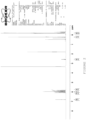
- Characterization data for B ⁇ H (500MHz, CD 3 OD) 1.31 (s, 6H), 1.34 (s, 6H), 1.74 (s, 4H), 2.28 (d, 1H, J 1.5 Hz), 6.82 (s, 1H), 7.02 (dd, 1H, J 2 Hz and 8.5 Hz), 7.31 (m, 2H), 7.45 (d, 2H, J 8.5 Hz), 7.77 (d, 2H, J 8.5 Hz).
- I13 7-(benzyloxy)quinoline-3-carbonitrile ( I13 ): I13 was prepared according to the procedure of Cai T.B., et al, Journal of Medicinal Chemistry, 51:1849-1860, 2008 .
- the crude mixture was purified by flash chromatography (ISCO combiflash) using a 10-50% ethyl acetate gradient to afford 200 mg of product, which was dissolved in 10 ml methanol: THF (1:1) and 2 ml of 2N KOH was added to the resulting solution. The solution was heated for 12 hours at 60°C then cooled to room temperature. Water (50 ml) and 2N HCl (4 ml) was added to the solution, which was then extracted with ethyl acetate (100 ml). The organic layer was dried and evaporated. The crude product was purified by combiflash using 10-100% ethyl acetate gradient to afford the acid as a white solid (140 mg).
- indole-5-carboxylic acid To 250 mg of indole-5-carboxylic acid was added 16 ml of acetic acid, 300 mg of boronic acid and 70 mg palladium acetate. The reaction was flushed with oxygen, and then stirred for 48 hrs. The solvent was evaporated, and the resulting product purified by flash chromatography (ISCO combiflash) using a 10-50% ethyl acetate/hexane gradient. The purified acid product was dissolved in 5ml of DMF, and HOBt (150 mg), EDCI (150 mg), and 1,2-phenylenediamine (150 mg) was added to the solution. The reaction was stirred overnight at room temperature.
- the resulting product (purified ester) was hydrolyzed by heating at 60° C overnight in a solution of methanol/THF/2N NaOH (1:1:1, 9 ml). This solution was poured into a solution of 5 ml 2N HCl and 50 ml water, and the extracted with ethyl acetate. The organic layer was dried and evaporated.
- the crude acid (100 mg) was dissolved in DMF (10 ml) to which EDCI (150 mg), HOBt (150 mg) and 1,2-phenylenediamine (150 mg) was added, and this solution was stirred overnight. The solvent was evaporated off, and the resulting product purified by flash chromatography (ISCO combiflash) using a 10-50% ethyl acetate/hexane gradient to provide compound 24.
- HDAC assays were performed using a two-step enzymatic reaction where enzyme activity is correlated to the release of 4-amino-7-methylcoumarin (AMC). AMC fluorescence is measured in a fluorescent plate reading using ⁇ ex 380nm and ⁇ em 440nm.
- the assay was run in a 96-well format using an assay buffer (50 mM Tris-HCl, pH 8, 137 mM NaCl, 2.7 mM KCl, 1 mM MgCl 2 and 50 ug/mL ultrapure, non-acetylated BSA.
- Purified human recombinant HDAC-1, HDAC-2, HDAC-3/NCOR and HDAC-6 were assayed using Ac-Arg-Gly-Lys (Ac)-AMC (Bachem 4044046) as a substrate.
- Purified human recombinant HDAC-8 was assayed using Boc-Lys(Tfa)-AMC (Bachem 4060676) as a substrate.
- Both substrates were used at a final concentration of 10 ⁇ M.
- Final enzyme concentrations in the assays were as follows: 0.38 ⁇ g/mL HDAC-2 (Cayman Chem 10009377), 1.37 ⁇ g/mL HDAC-6 (Cayman Chem 10009465), HDAC-8 (Cayman Chem 10009465, 150 ⁇ l, diluted 100x), purified rat liver HDAC (Millipore 382165, 0.8 mg/mL proteins diluted 50x).
- HDAC-8, HDAC-9, HDAC-10 and HDAC-11 were assayed using HDAC-Glo TM I/II Kit (Promega Corporation G6421) in a total volume of 110 ⁇ l following the manufacturer's instructions. Enzyme concentrations were as follows: 230 ng/ ⁇ L HDAC-8 (Cayman Chem 19380), 100 ng/mL HDAC-9 (Sigma SRP5268), 460 ng/ml HDAC-10 (Axxora/Enzo BML-SE99), 600 ng/mL HDAC- 11 (Axxora/Enzo BML-SE560).
- Benchmark compounds including, entinostat, panabinostat, ricolinostat, romidepsin, and suberoylanilide hydroxamic acid (SAHA) were run alongside the test compounds.
- the compounds were dissolved in DMSO and tested in duplicate using 1/3 dilution concentration curve.
- HDAC preparations were pre-incubated with compounds or DMSO in assay buffer on ice for 5 min prior to substrate addition. The reaction was allowed to proceed for 40 min at 37° C, after which developer solution (0.5% trypsin, 10 ⁇ M trichostatin A (TSA)) was added to obtain a final concentration of 0.1% trypsin, 2 ⁇ M TSA.
- TSA trichostatin A
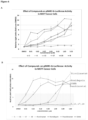
- compound 8 When measuring inhibition of purified rat hepatic HDAC, compound 8 was at least three times more potent than compound 17, and compounds 5 and 13 were six and seventy times more potent than compound 17, respectively (Table 1).
- RAR-mediated transcription in MCF7 breast cancer cells was examined by measuring their effect on the transcription of a luciferase reporter gene under the control of a TK promoter placed downstream of a RAR response element (RARE: PuGGTCAnnnnnPuGGTCA (SEQ ID NO: 1)).
- RARE PuGGTCAnnnnnPuGGTCA
- RXRE PuGGTCAnPuGGTCA (SEQ ID NO:2)
- luciferase reporter plasmid a reporter plasmid expressing renilla luciferase (RLuc) gene under the control of a SV40 promoter
- Fugene 6 transfection reagent 0.5 ⁇ l/well Promega Corporation
- Cells were treated in triplicate with compounds or vehicle (DMSO) for 24 hours.
- Luciferase and renilla luciferase activities were measured using Dual-Glo reagent (Promega Corporation). Luciferase activity was normalized in each well for renilla activity.
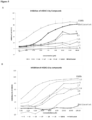
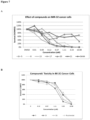
- the cytotoxicity of compounds was examined and directly compared to compound 17, by measuring cell survival of clonal tumor cell lines IMR-32, BE2C (neuroblastoma), as well as MDA-MB-231, BT20, HCC-38 (Basal) and MCF7 (luminal) breast cancer cells (ATCC).
- Cells were cultured in phenol red-free RPMI medium supplemented with 10% FBS and 1mM Ala-Glu. Typically, 10,000-20,000 cells/well were plated in a 96 well plate (Costar 3197). Cells were exposed to compounds or vehicle (1% DMSO final). Cells were maintained in the presence of compound for four or five days. Media and compounds were renewed every 48 hours. Cell survival was measured using the luminescence CellTiterGlo kit (Promega Corporation) and expressed as relative light unit as fold over DMSO.
- BE-2C cells were grown to confluence in phenol-red-free RPMI media supplemented with 10% FBS and 2.5 mM Ala-Glu.
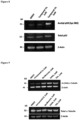
- the cells were treated with DMSO or 5 ⁇ M compound 13, Ricolinostat (2 uM), SAHA (2 uM), or TSA (1 uM), in DMSO for 16 hours.
- Total and Lys 40 acetylated alpha tubulin were detected using specific antibodies.
- IMR32 cells were grown to confluence in phenol-red-free RPMI media supplemented with 10% es grade FBS and 2.5 mM Ala-Glu. Cells were treated with DMSO or 1 ⁇ M or 5 ⁇ M compound 13 in DMSO for 16 hours. Protein extracts were prepared in RIPA buffer in the presence of protease and phosphatase inhibitors. Proteins were separated on a 4-20% gel by PAGE and transferred to a nitrocellulose membrane.
- Beta actin, total and Lys382 acetylated p53, and Lys40 acetylated alpha, and total tubulin were detected using antibodies (Cell Signaling #8557, #2524 #2525, #12152 and #2144 respectively) using manufacturer recommended conditions.
- C2C12 myoblastic cells maintained in RPMI media supplemented with 2% horse serum.
- C2C12 myoblastic cells where purchased from the American Type Culture Collection (ATCC) and maintained undifferentiated in RPMI media (Corning) supplemented with 2 mM L-Alanine-L-Glutamine (ATCC) and 1 mM pyruvate (Corning). Undifferentiated cells where maintained below 70% confluence.
- MHC myosin heavy chain detection
- IgG2b goat anti mouse secondary antibody (Jackson Immuno-Research) was added at 1: 1000 in 10% goat serum in DPBS for exactly 30 min at room temperature then rinsed 3 times with 100ul DPBS. A final rinse in H2O was performed and cells were covered with two drops of Elvanol and cover gently with cover slip and allowed to dry in the dark for 24-48 hours.
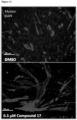
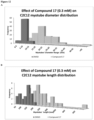
- C2C12 myoblasts were seeded at 100,000 in 30 mm plate in growth medium (Phenol red -free RMPI containing 10% FBS, Sodium pyruvate and Ala-Glu), and "pre-treated” with DMSO or 200 nM of compounds 13 or 17.
- growth medium Phenol red -free RMPI containing 10% FBS, Sodium pyruvate and Ala-Glu
- DMSO DMSO
- At confluence cells were shifted to differentiation media (high glucose DMEM, + 0.2%HS + 1x Insulin/Transferrin/Selenium (Life Tech 41400-045) + Glutamine, without Pyruvate).
- Fully differentiated C2C12-derived myotubes were left in culture without media renewal for 8 days followed by media renewal and microscopic examination.
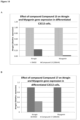
- Treatment with compounds 13 or 17 down regulates the expression muscle-atrophy genes myogenin and Atrogin in long term C2C12 cultures ( Figure 14A and B ).
- cells were rinsed in HBSS (without calcium or magnesium) and RNA was prepared using FastLane Cell cDNA Kit (Qiagen).
- Quantitative PCR was performed using Eppendorf and SYBR amplification mix (Sigma-Aldrich) using the gene specific primer combination given in Table 3. Data were normalized for ribosomal housekeeping gene RPLP0
- results Consistent with a role in preserving myotube integrity during long term cultures, compounds 13 and 17 down-regulated the expression of genes implicated in myofiber degradation.
- Table 3 Sequence of gene-specific primers used in Q-RT PCR quantitation of myofiber-degradation associated genes.
Landscapes
- Chemical & Material Sciences (AREA)
- Organic Chemistry (AREA)
- Health & Medical Sciences (AREA)
- Chemical Kinetics & Catalysis (AREA)
- General Chemical & Material Sciences (AREA)
- Medicinal Chemistry (AREA)
- Nuclear Medicine, Radiotherapy & Molecular Imaging (AREA)
- Pharmacology & Pharmacy (AREA)
- Life Sciences & Earth Sciences (AREA)
- Animal Behavior & Ethology (AREA)
- General Health & Medical Sciences (AREA)
- Public Health (AREA)
- Veterinary Medicine (AREA)
- Pharmaceuticals Containing Other Organic And Inorganic Compounds (AREA)
Claims (12)
- Verbindung der Formel I: A-W-Z (I) oder ein pharmazeutisch annehmbares Salz davon, wobei A
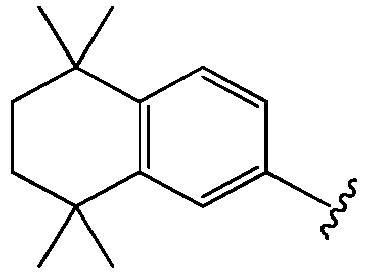
Wein Chinolin ist, das an einer der Positionen 2, 3, 4, 5, 6, 7 oder 8 des Chinolins an A gebunden ist; wobei Z -C(O)NR1R2 ist; R1 H ist; und R2 OH ist und wobei Z an einer der Positionen 2, 3, 4, 5, 6, 7 oder 8 des Chinolins an das Chinolin gebunden ist; - Verbindung gemäß Anspruch 1, wobei die Verbindung

- Pharmazeutische Zusammensetzung, umfassend eine Verbindung gemäß einem der Ansprüche 1 oder 2 und einen pharmazeutisch annehmbaren Träger.
- Verbindung der Formel I zur Verwendung bei der Behandlung von Krebs oder einem nicht malignen Tumor: A-W-Z (I)
oder ein pharmazeutisch annehmbares Salz davon, wobei A
Wein Chinolin ist, das an einer der Positionen 2, 3, 4, 5, 6, 7 oder 8 des Chinolins an A gebunden ist; wobei Z -C(O)NR1R2 ist; R1 H ist; und R2 OH ist und wobei Z an einer der Positionen 2, 3, 4, 5, 6, 7 oder 8 des Chinolins an das Chinolin gebunden ist. - Verbindung zur Verwendung gemäß Anspruch 4, wobei ferner ein pharmazeutisch annehmbarer Träger zugegeben wird.
- Verbindung zur Verwendung gemäß Anspruch 5, wobei der Krebs nicht-kleinzelliger Lungenkrebs, Darmkrebs, Melanom, Brustkrebs, Nierenkrebs, Eierstockkrebs, Prostatakrebs, Krebs des zentralen Nervensystems, ein Blutkrebs oder ein Neuroblastom ist und wobei der nicht maligne Tumor ein Phäochromozytom ist.
- Verbindung zur Verwendung gemäß einem der Ansprüche 4 bis 6, wobei die Verbindung

- Verbindung der Formel I zur Verwendung bei der Hemmung des Verlusts von Muskelmasse oder Muskelfunktion in einem Subjekt:
A-W-Z (I)
oder ein pharmazeutisch annehmbares Salz davon, wobei
wobei A Wein Chinolin ist, das an einer der Positionen 2, 3, 4, 5, 6, 7 oder 8 des Chinolins an A gebunden ist; wobei Z -C(O)NR1R2 ist; R1 H ist; und R2 OH ist und wobei Z an einer der Positionen 2, 3, 4, 5, 6, 7 oder 8 des Chinolins an das Chinolin gebunden ist.
 - Verbindung zur Verwendung nach Anspruch 8, wobei der Verlust von Muskelmasse mit einer vererbten Myopathie assoziiert ist.
- Verbindung zur Verwendung nach Anspruch 8, wobei der Verlust von Muskelmasse mit Muskeldystrophie, Neuromyotonie, Nemalin-Myopathie, Multi-/Minicore-Myopathie, zentronukleärer Myopathie, mitochondrialer Myopathie, entzündlicher Myopathie, metabolischer Myopathie assoziiert ist oder mit Intensiver-Care-Unit-Acquired-Weakness (ICUAW), chronisch obstruktiver Lungenerkrankung (COPD), Herzinsuffizienz, traumatischer Verletzung oder Malignität assoziiert ist.
- Verfahren zur Behandlung von Myofasern ex vivo, wobei das Verfahren umfasst:Bereitstellen einer ex vivo-Zubereitung von Myofasern, gegebenenfalls umfassend eine natürliche oder synthetische biologische Matrix; undInkontaktbringen der Zubereitung mit einer Menge einer Verbindung der Formel I: A-W-Z (I) oder eines pharmazeutisch annehmbaren Salzes davon, wobei die Menge der Verbindung ausreicht, um Muskelmasse oder Muskelfunktion zu fördern, undwobei A

Wein Chinolin ist, das an einer der Positionen 2, 3, 4, 5, 6, 7 oder 8 des Chinolins an A gebunden ist; wobei Z -C(O)NR1R2 ist; R1 H ist; und R2 OH ist und wobei Z an einer der Positionen 2, 3, 4, 5, 6, 7 oder 8 des Chinolins an das Chinolin gebunden ist. - Verfahren nach Anspruch 11, wobei die Verbindung

Applications Claiming Priority (3)
| Application Number | Priority Date | Filing Date | Title |
|---|---|---|---|
| US201462007673P | 2014-06-04 | 2014-06-04 | |
| US201462007686P | 2014-06-04 | 2014-06-04 | |
| PCT/US2015/034303 WO2015188015A1 (en) | 2014-06-04 | 2015-06-04 | 18-20 member bi-polycyclic compounds |
Publications (4)
| Publication Number | Publication Date |
|---|---|
| EP3152190A1 EP3152190A1 (de) | 2017-04-12 |
| EP3152190A4 EP3152190A4 (de) | 2018-03-28 |
| EP3152190B1 true EP3152190B1 (de) | 2024-07-31 |
| EP3152190C0 EP3152190C0 (de) | 2024-07-31 |
Family
ID=54767408
Family Applications (1)
| Application Number | Title | Priority Date | Filing Date |
|---|---|---|---|
| EP15803863.8A Active EP3152190B1 (de) | 2014-06-04 | 2015-06-04 | Bi-polycyclische verbindungen mit 18-20 elementen |
Country Status (3)
| Country | Link |
|---|---|
| US (4) | US20170114019A1 (de) |
| EP (1) | EP3152190B1 (de) |
| WO (1) | WO2015188015A1 (de) |
Families Citing this family (10)
| Publication number | Priority date | Publication date | Assignee | Title |
|---|---|---|---|---|
| EP3152190B1 (de) * | 2014-06-04 | 2024-07-31 | Haro Pharmaceutical Inc. | Bi-polycyclische verbindungen mit 18-20 elementen |
| RU2747431C2 (ru) * | 2015-12-22 | 2021-05-05 | Кансера Аб | Бициклические гидроксамовые кислоты, полезные в качестве ингибиторов активности деацетилазы гистонов млекопитающих |
| WO2018075959A1 (en) | 2016-10-20 | 2018-04-26 | Forma Therapeutics, Inc. | Methods using hdac11 inhibitors |
| CN106966976B (zh) * | 2017-04-01 | 2019-10-18 | 浙江金伯士药业有限公司 | 一种甲氧苄喹酯的制备方法 |
| CA3091924A1 (en) | 2018-03-02 | 2019-09-06 | Oregon Health & Science University | Amide prodrugs of small molecule nuclear receptor modulators |
| AU2019256422A1 (en) * | 2018-04-20 | 2020-12-10 | Valo Early Discovery, Inc. | Isoindolines as HDAC inhibitors |
| US11827596B2 (en) | 2018-12-12 | 2023-11-28 | Autobahn Therapeutics, Inc. | Thyromimetics |
| AU2020232205A1 (en) | 2019-03-01 | 2021-10-21 | Autobahn Therapeutics, Inc. | Novel thyromimetics |
| AU2020391467A1 (en) | 2019-11-29 | 2022-06-23 | Autobahn Therapeutics, Inc. | Novel thyromimetics |
| CN118515623B (zh) * | 2024-04-26 | 2025-04-25 | 河北中医药大学 | 一种取代苯并异恶唑类化合物及其在制备抗肿瘤药物中的应用 |
Citations (1)
| Publication number | Priority date | Publication date | Assignee | Title |
|---|---|---|---|---|
| EP1541549A1 (de) * | 2003-12-12 | 2005-06-15 | Exonhit Therapeutics S.A. | Tricyclische Hydroxamat- und Benzamid-Derivate, Zusammensetzungen und Methoden |
Family Cites Families (12)
| Publication number | Priority date | Publication date | Assignee | Title |
|---|---|---|---|---|
| US4454341A (en) * | 1983-03-03 | 1984-06-12 | Sri International | Naphthyl or tetrahydronaphthyl-substituted naphthoic acid and derivatives |
| FR2555571B1 (fr) * | 1983-11-28 | 1986-11-28 | Interna Rech Dermatolo Centre | Derives du naphtalene, leur procede de preparation et leur application dans le domaine therapeutique |
| LU85544A1 (fr) * | 1984-09-19 | 1986-04-03 | Cird | Derives heterocycliques aromatiques,leur procede de preparation et leur application dans les domaines therapeutique et cosmetique |
| FR2663850B1 (fr) * | 1990-07-02 | 1994-01-14 | Gird Galderma | Composition pharmaceutique ou cosmetique contenant en association un retinouide et un sterol. |
| FR2779723B1 (fr) * | 1998-06-12 | 2000-07-13 | Cird Galderma | Composes biaryles heterocycliques aromatiques, compositions pharmaceutiques et cosmetiques les contenant et utilisations |
| PL202623B1 (pl) | 2000-06-28 | 2009-07-31 | Smithkline Beecham Plc | Sposób wytwarzania drobno zmielonego preparatu substancji leczniczej, drobno zmielona substancja lecznicza wytworzona tym sposobem i zawierająca ją kompozycja farmaceutyczna |
| WO2003043998A1 (en) * | 2001-11-15 | 2003-05-30 | Incyte San Diego Incorporated | N-substituted heterocycles for the treatment of hypercholesteremia, dyslipidemia and other metabolic disorders, cancer, and other diseases |
| JP2010503615A (ja) * | 2006-08-29 | 2010-02-04 | レインナーベート リミテッド | レチノイド化合物およびそれらの使用 |
| US20130165520A1 (en) | 2010-02-11 | 2013-06-27 | University De Montreal | Hybrid Molecule Having Mixed Retinoic Acid Receptor Agonism and Histone Deacetylase Inhibitory Properties |
| BR112013004685B1 (pt) * | 2010-09-01 | 2021-09-21 | Thomas Jefferson University | Uso de um agonista de receptor gama de ácido retinóico (rar?) para reparação e regeneração muscular |
| WO2012106343A2 (en) * | 2011-02-01 | 2012-08-09 | The Board Of Trustees Of The University Of Illinois | Hdac inhibitors and therapeutic methods using the same |
| EP3152190B1 (de) * | 2014-06-04 | 2024-07-31 | Haro Pharmaceutical Inc. | Bi-polycyclische verbindungen mit 18-20 elementen |
-
2015
- 2015-06-04 EP EP15803863.8A patent/EP3152190B1/de active Active
- 2015-06-04 US US15/316,029 patent/US20170114019A1/en not_active Abandoned
- 2015-06-04 WO PCT/US2015/034303 patent/WO2015188015A1/en not_active Ceased
-
2017
- 2017-12-06 US US15/833,530 patent/US10377715B2/en active Active
-
2019
- 2019-07-03 US US16/502,092 patent/US10752591B2/en active Active
- 2019-07-03 US US16/502,090 patent/US10954194B2/en active Active
Patent Citations (1)
| Publication number | Priority date | Publication date | Assignee | Title |
|---|---|---|---|---|
| EP1541549A1 (de) * | 2003-12-12 | 2005-06-15 | Exonhit Therapeutics S.A. | Tricyclische Hydroxamat- und Benzamid-Derivate, Zusammensetzungen und Methoden |
Non-Patent Citations (2)
| Title |
|---|
| MARTH C ET AL: "EFFECTS OF RETINOIDS AND INTERFERON-GAMMA ON CULTURED BREAST CANCER CELLS IN COMPARISON WITH TUMOR NECROSIS FACTOR ALPHA", INTERNATIONAL JOURNAL OF CANCER, JOHN WILEY & SONS, INC, US, vol. 40, no. 6, 15 December 1987 (1987-12-15), pages 840 - 845, XP008009396, ISSN: 0020-7136, DOI: 10.1002/IJC.2910400623 * |
| STENSTROEM EVA ET AL: "Retinoids Can Be Classified according to Their Effects on Vitamin A Metabolism in HeLa Cells", SKIN PHARMACOLOGY, S. KARGER, BASEL, CH, vol. 9, no. 1, 1 January 1996 (1996-01-01), pages 27 - 34, XP009500771, ISSN: 1011-0283, DOI: 10.1159/000211387 * |
Also Published As
| Publication number | Publication date |
|---|---|
| US20190389806A1 (en) | 2019-12-26 |
| US20180362467A1 (en) | 2018-12-20 |
| US10954194B2 (en) | 2021-03-23 |
| EP3152190A1 (de) | 2017-04-12 |
| US10752591B2 (en) | 2020-08-25 |
| US10377715B2 (en) | 2019-08-13 |
| EP3152190A4 (de) | 2018-03-28 |
| WO2015188015A1 (en) | 2015-12-10 |
| US20170114019A1 (en) | 2017-04-27 |
| EP3152190C0 (de) | 2024-07-31 |
| US20190389805A1 (en) | 2019-12-26 |
Similar Documents
| Publication | Publication Date | Title |
|---|---|---|
| US10954194B2 (en) | 18-20 member bi-polycyclic compounds | |
| EP3196197A1 (de) | Indoleamin-2,3-dioxygenase-inhibitor und herstellungsverfahren dafür | |
| EP2456754B1 (de) | Acyl-guanidin-derivate als modulatoren des hedgehog-proteinsignalweges | |
| JP2020532552A (ja) | ブルトン型チロシンキナーゼBtkの阻害および分解活性を有する化合物 | |
| JP2016511237A (ja) | 選択的hdac3阻害剤 | |
| WO2021249558A1 (zh) | 作为rsk抑制剂的蝶啶酮衍生物及其应用 | |
| WO2016086824A1 (zh) | 一种Bouchardatine和Bouchardatine衍生物及其制备方法和应用 | |
| EP2678339B1 (de) | Verfahren und Zusammensetzungen zur Behandlung von Beta-Thalassämie und Sichelzellanämie | |
| WO2009049492A1 (en) | N-substituted aromatic hydrocarbon aniline and multi-substituted diarylether compounds, the preparation and the use of antitumor thereof | |
| Banik et al. | Novel 6, 12-disubstituted chrysene as potent anticancer agent: synthesis, in vitro and in vivo study | |
| EP3296294A1 (de) | Verfahren zur behandlung oder prävention von brustkrebs | |
| WO2018189679A1 (en) | Isoindoline derivatives for use as ampk activators | |
| TW201922690A (zh) | 環-amp反應元素結合蛋白的抑制劑 | |
| CN117820236A (zh) | 组蛋白乙酰转移酶小分子抑制剂及其制备方法和用途 | |
| TWI419894B (zh) | 4-苯胺基呋喃[2,3-b]喹啉衍生物,其製備方法以及包含有此等衍生物的藥學組成物 | |
| CN110437140B (zh) | 一种抑制srebp-1靶点的化合物及其应用 | |
| BRPI0708098B1 (pt) | Derivados de 4-benzoilaminofenil)-6,7-dimetóxi-2-metilaminoquinazolina, composição farmacêutica e agente antiprurítico | |
| US20130172336A1 (en) | 4-anilinofuro[2,3-b]quinoline derivatives, their preparation processes, and pharmaceutical compositions comprising the same | |
| CN113891749A (zh) | 喹啉衍生物及其用于治疗癌症的用途 | |
| CN112939864B (zh) | 螺[苯并[c]氮杂-1,1’-环己基]-3-酮类化合物 | |
| WO2019242687A1 (zh) | 1,3-二氧六环-4,6-二酮类化合物、其制备方法、药物组合物及其应用 | |
| JP2009505953A (ja) | リパーゼに媒介される疾患の処置のための化合物 | |
| KR101568484B1 (ko) | 벤조텔루로펜 유도체 | |
| CN117534617A (zh) | 一类2-氨基咪唑啉类化合物、其用途和含该化合物的药物组合物 | |
| KR20230159803A (ko) | 퀴놀린 계열 히스톤디아세틸화 효소 저해활성물질, 이의 제조방법 및 이를 유효성분으로 포함하는 약학적 조성물 |
Legal Events
| Date | Code | Title | Description |
|---|---|---|---|
| STAA | Information on the status of an ep patent application or granted ep patent |
Free format text: STATUS: THE INTERNATIONAL PUBLICATION HAS BEEN MADE |
|
| PUAI | Public reference made under article 153(3) epc to a published international application that has entered the european phase |
Free format text: ORIGINAL CODE: 0009012 |
|
| STAA | Information on the status of an ep patent application or granted ep patent |
Free format text: STATUS: REQUEST FOR EXAMINATION WAS MADE |
|
| 17P | Request for examination filed |
Effective date: 20161128 |
|
| AK | Designated contracting states |
Kind code of ref document: A1 Designated state(s): AL AT BE BG CH CY CZ DE DK EE ES FI FR GB GR HR HU IE IS IT LI LT LU LV MC MK MT NL NO PL PT RO RS SE SI SK SM TR |
|
| AX | Request for extension of the european patent |
Extension state: BA ME |
|
| DAV | Request for validation of the european patent (deleted) | ||
| DAX | Request for extension of the european patent (deleted) | ||
| RIC1 | Information provided on ipc code assigned before grant |
Ipc: C07D 217/26 20060101ALI20171109BHEP Ipc: C07D 209/08 20060101ALI20171109BHEP Ipc: C07D 215/54 20060101ALI20171109BHEP Ipc: A61K 31/03 20060101ALI20171109BHEP Ipc: A61P 35/00 20060101ALI20171109BHEP Ipc: A61K 31/404 20060101ALI20171109BHEP Ipc: C07D 209/04 20060101AFI20171109BHEP Ipc: C07D 409/04 20060101ALI20171109BHEP Ipc: C07C 15/24 20060101ALI20171109BHEP Ipc: C07D 215/48 20060101ALI20171109BHEP Ipc: C07C 259/10 20060101ALI20171109BHEP Ipc: C07D 209/42 20060101ALI20171109BHEP |
|
| A4 | Supplementary search report drawn up and despatched |
Effective date: 20180226 |
|
| RIC1 | Information provided on ipc code assigned before grant |
Ipc: C07D 209/04 20060101AFI20180220BHEP Ipc: C07D 215/48 20060101ALI20180220BHEP Ipc: C07D 217/26 20060101ALI20180220BHEP Ipc: C07D 209/42 20060101ALI20180220BHEP Ipc: C07D 409/04 20060101ALI20180220BHEP Ipc: A61P 35/00 20060101ALI20180220BHEP Ipc: A61K 31/03 20060101ALI20180220BHEP Ipc: A61K 31/404 20060101ALI20180220BHEP Ipc: C07D 209/08 20060101ALI20180220BHEP Ipc: C07C 259/10 20060101ALI20180220BHEP Ipc: C07C 15/24 20060101ALI20180220BHEP Ipc: C07D 215/54 20060101ALI20180220BHEP |
|
| STAA | Information on the status of an ep patent application or granted ep patent |
Free format text: STATUS: EXAMINATION IS IN PROGRESS |
|
| 17Q | First examination report despatched |
Effective date: 20191104 |
|
| RAP3 | Party data changed (applicant data changed or rights of an application transferred) |
Owner name: UNIVERSITE DE MONTREAL Owner name: THE ROYAL INSTITUTION FOR THE ADVANCEMENT OF LEARNING / MCGILL UNIVERSITY Owner name: HARO PHARMACEUTICAL INC. |
|
| GRAP | Despatch of communication of intention to grant a patent |
Free format text: ORIGINAL CODE: EPIDOSNIGR1 |
|
| STAA | Information on the status of an ep patent application or granted ep patent |
Free format text: STATUS: GRANT OF PATENT IS INTENDED |
|
| INTG | Intention to grant announced |
Effective date: 20240223 |
|
| GRAS | Grant fee paid |
Free format text: ORIGINAL CODE: EPIDOSNIGR3 |
|
| GRAA | (expected) grant |
Free format text: ORIGINAL CODE: 0009210 |
|
| STAA | Information on the status of an ep patent application or granted ep patent |
Free format text: STATUS: THE PATENT HAS BEEN GRANTED |
|
| AK | Designated contracting states |
Kind code of ref document: B1 Designated state(s): AL AT BE BG CH CY CZ DE DK EE ES FI FR GB GR HR HU IE IS IT LI LT LU LV MC MK MT NL NO PL PT RO RS SE SI SK SM TR |
|
| REG | Reference to a national code |
Ref country code: CH Ref legal event code: EP Ref country code: GB Ref legal event code: FG4D |
|
| REG | Reference to a national code |
Ref country code: DE Ref legal event code: R096 Ref document number: 602015089389 Country of ref document: DE |
|
| REG | Reference to a national code |
Ref country code: IE Ref legal event code: FG4D |
|
| U01 | Request for unitary effect filed |
Effective date: 20240806 |
|
| U07 | Unitary effect registered |
Designated state(s): AT BE BG DE DK EE FI FR IT LT LU LV MT NL PT SE SI Effective date: 20240823 |
|
| PG25 | Lapsed in a contracting state [announced via postgrant information from national office to epo] |
Ref country code: NO Free format text: LAPSE BECAUSE OF FAILURE TO SUBMIT A TRANSLATION OF THE DESCRIPTION OR TO PAY THE FEE WITHIN THE PRESCRIBED TIME-LIMIT Effective date: 20241031 |
|
| PG25 | Lapsed in a contracting state [announced via postgrant information from national office to epo] |
Ref country code: PL Free format text: LAPSE BECAUSE OF FAILURE TO SUBMIT A TRANSLATION OF THE DESCRIPTION OR TO PAY THE FEE WITHIN THE PRESCRIBED TIME-LIMIT Effective date: 20240731 Ref country code: GR Free format text: LAPSE BECAUSE OF FAILURE TO SUBMIT A TRANSLATION OF THE DESCRIPTION OR TO PAY THE FEE WITHIN THE PRESCRIBED TIME-LIMIT Effective date: 20241101 |
|
| PG25 | Lapsed in a contracting state [announced via postgrant information from national office to epo] |
Ref country code: IS Free format text: LAPSE BECAUSE OF FAILURE TO SUBMIT A TRANSLATION OF THE DESCRIPTION OR TO PAY THE FEE WITHIN THE PRESCRIBED TIME-LIMIT Effective date: 20241130 |
|
| PG25 | Lapsed in a contracting state [announced via postgrant information from national office to epo] |
Ref country code: HR Free format text: LAPSE BECAUSE OF FAILURE TO SUBMIT A TRANSLATION OF THE DESCRIPTION OR TO PAY THE FEE WITHIN THE PRESCRIBED TIME-LIMIT Effective date: 20240731 |
|
| PG25 | Lapsed in a contracting state [announced via postgrant information from national office to epo] |
Ref country code: RS Free format text: LAPSE BECAUSE OF FAILURE TO SUBMIT A TRANSLATION OF THE DESCRIPTION OR TO PAY THE FEE WITHIN THE PRESCRIBED TIME-LIMIT Effective date: 20241031 Ref country code: ES Free format text: LAPSE BECAUSE OF FAILURE TO SUBMIT A TRANSLATION OF THE DESCRIPTION OR TO PAY THE FEE WITHIN THE PRESCRIBED TIME-LIMIT Effective date: 20240731 |
|
| PG25 | Lapsed in a contracting state [announced via postgrant information from national office to epo] |
Ref country code: RS Free format text: LAPSE BECAUSE OF FAILURE TO SUBMIT A TRANSLATION OF THE DESCRIPTION OR TO PAY THE FEE WITHIN THE PRESCRIBED TIME-LIMIT Effective date: 20241031 Ref country code: PL Free format text: LAPSE BECAUSE OF FAILURE TO SUBMIT A TRANSLATION OF THE DESCRIPTION OR TO PAY THE FEE WITHIN THE PRESCRIBED TIME-LIMIT Effective date: 20240731 Ref country code: NO Free format text: LAPSE BECAUSE OF FAILURE TO SUBMIT A TRANSLATION OF THE DESCRIPTION OR TO PAY THE FEE WITHIN THE PRESCRIBED TIME-LIMIT Effective date: 20241031 Ref country code: IS Free format text: LAPSE BECAUSE OF FAILURE TO SUBMIT A TRANSLATION OF THE DESCRIPTION OR TO PAY THE FEE WITHIN THE PRESCRIBED TIME-LIMIT Effective date: 20241130 Ref country code: HR Free format text: LAPSE BECAUSE OF FAILURE TO SUBMIT A TRANSLATION OF THE DESCRIPTION OR TO PAY THE FEE WITHIN THE PRESCRIBED TIME-LIMIT Effective date: 20240731 Ref country code: GR Free format text: LAPSE BECAUSE OF FAILURE TO SUBMIT A TRANSLATION OF THE DESCRIPTION OR TO PAY THE FEE WITHIN THE PRESCRIBED TIME-LIMIT Effective date: 20241101 Ref country code: ES Free format text: LAPSE BECAUSE OF FAILURE TO SUBMIT A TRANSLATION OF THE DESCRIPTION OR TO PAY THE FEE WITHIN THE PRESCRIBED TIME-LIMIT Effective date: 20240731 |
|
| PG25 | Lapsed in a contracting state [announced via postgrant information from national office to epo] |
Ref country code: SM Free format text: LAPSE BECAUSE OF FAILURE TO SUBMIT A TRANSLATION OF THE DESCRIPTION OR TO PAY THE FEE WITHIN THE PRESCRIBED TIME-LIMIT Effective date: 20240731 |
|
| PG25 | Lapsed in a contracting state [announced via postgrant information from national office to epo] |
Ref country code: CZ Free format text: LAPSE BECAUSE OF FAILURE TO SUBMIT A TRANSLATION OF THE DESCRIPTION OR TO PAY THE FEE WITHIN THE PRESCRIBED TIME-LIMIT Effective date: 20240731 |
|
| PG25 | Lapsed in a contracting state [announced via postgrant information from national office to epo] |
Ref country code: SK Free format text: LAPSE BECAUSE OF FAILURE TO SUBMIT A TRANSLATION OF THE DESCRIPTION OR TO PAY THE FEE WITHIN THE PRESCRIBED TIME-LIMIT Effective date: 20240731 |
|
| PLBE | No opposition filed within time limit |
Free format text: ORIGINAL CODE: 0009261 |
|
| STAA | Information on the status of an ep patent application or granted ep patent |
Free format text: STATUS: NO OPPOSITION FILED WITHIN TIME LIMIT |
|
| 26N | No opposition filed |
Effective date: 20250501 |
|
| U20 | Renewal fee for the european patent with unitary effect paid |
Year of fee payment: 11 Effective date: 20250617 |