EP3138852A1 - High affinity antibodies that neutralize staphylococcus enterotoxin b - Google Patents
High affinity antibodies that neutralize staphylococcus enterotoxin b Download PDFInfo
- Publication number
- EP3138852A1 EP3138852A1 EP16192106.9A EP16192106A EP3138852A1 EP 3138852 A1 EP3138852 A1 EP 3138852A1 EP 16192106 A EP16192106 A EP 16192106A EP 3138852 A1 EP3138852 A1 EP 3138852A1
- Authority
- EP
- European Patent Office
- Prior art keywords
- seq
- amino acid
- acid sequence
- heavy chain
- light chain
- Prior art date
- Legal status (The legal status is an assumption and is not a legal conclusion. Google has not performed a legal analysis and makes no representation as to the accuracy of the status listed.)
- Withdrawn
Links
Images


















Classifications
-
- C—CHEMISTRY; METALLURGY
- C07—ORGANIC CHEMISTRY
- C07K—PEPTIDES
- C07K16/00—Immunoglobulins [IG], e.g. monoclonal or polyclonal antibodies
- C07K16/12—Immunoglobulins [IG], e.g. monoclonal or polyclonal antibodies against material from bacteria
- C07K16/1267—Gram-positive bacteria
- C07K16/1271—Micrococcaceae (F); Staphylococcaceae (F), e.g. Staphylococcus (G)
-
- A—HUMAN NECESSITIES
- A61—MEDICAL OR VETERINARY SCIENCE; HYGIENE
- A61P—SPECIFIC THERAPEUTIC ACTIVITY OF CHEMICAL COMPOUNDS OR MEDICINAL PREPARATIONS
- A61P31/00—Antiinfectives, i.e. antibiotics, antiseptics, chemotherapeutics
- A61P31/04—Antibacterial agents
-
- C—CHEMISTRY; METALLURGY
- C07—ORGANIC CHEMISTRY
- C07K—PEPTIDES
- C07K16/00—Immunoglobulins [IG], e.g. monoclonal or polyclonal antibodies
- C07K16/12—Immunoglobulins [IG], e.g. monoclonal or polyclonal antibodies against material from bacteria
-
- A—HUMAN NECESSITIES
- A61—MEDICAL OR VETERINARY SCIENCE; HYGIENE
- A61K—PREPARATIONS FOR MEDICAL, DENTAL OR TOILETRY PURPOSES
- A61K39/00—Medicinal preparations containing antigens or antibodies
- A61K2039/505—Medicinal preparations containing antigens or antibodies comprising antibodies
-
- C—CHEMISTRY; METALLURGY
- C07—ORGANIC CHEMISTRY
- C07K—PEPTIDES
- C07K2317/00—Immunoglobulins specific features
- C07K2317/20—Immunoglobulins specific features characterized by taxonomic origin
- C07K2317/21—Immunoglobulins specific features characterized by taxonomic origin from primates, e.g. man
-
- C—CHEMISTRY; METALLURGY
- C07—ORGANIC CHEMISTRY
- C07K—PEPTIDES
- C07K2317/00—Immunoglobulins specific features
- C07K2317/50—Immunoglobulins specific features characterized by immunoglobulin fragments
- C07K2317/56—Immunoglobulins specific features characterized by immunoglobulin fragments variable (Fv) region, i.e. VH and/or VL
- C07K2317/565—Complementarity determining region [CDR]
-
- C—CHEMISTRY; METALLURGY
- C07—ORGANIC CHEMISTRY
- C07K—PEPTIDES
- C07K2317/00—Immunoglobulins specific features
- C07K2317/50—Immunoglobulins specific features characterized by immunoglobulin fragments
- C07K2317/56—Immunoglobulins specific features characterized by immunoglobulin fragments variable (Fv) region, i.e. VH and/or VL
- C07K2317/567—Framework region [FR]
-
- C—CHEMISTRY; METALLURGY
- C07—ORGANIC CHEMISTRY
- C07K—PEPTIDES
- C07K2317/00—Immunoglobulins specific features
- C07K2317/70—Immunoglobulins specific features characterized by effect upon binding to a cell or to an antigen
- C07K2317/73—Inducing cell death, e.g. apoptosis, necrosis or inhibition of cell proliferation
-
- C—CHEMISTRY; METALLURGY
- C07—ORGANIC CHEMISTRY
- C07K—PEPTIDES
- C07K2317/00—Immunoglobulins specific features
- C07K2317/70—Immunoglobulins specific features characterized by effect upon binding to a cell or to an antigen
- C07K2317/76—Antagonist effect on antigen, e.g. neutralization or inhibition of binding
-
- C—CHEMISTRY; METALLURGY
- C07—ORGANIC CHEMISTRY
- C07K—PEPTIDES
- C07K2317/00—Immunoglobulins specific features
- C07K2317/90—Immunoglobulins specific features characterized by (pharmaco)kinetic aspects or by stability of the immunoglobulin
- C07K2317/92—Affinity (KD), association rate (Ka), dissociation rate (Kd) or EC50 value
Definitions
- the invention relates generally to the field of immunotherapeutics. More specifically, the invention relates to monoclonal antibodies that can neutralize bacterial toxins, and methods for using such antibodies to treat subjects exposed to such toxins.
- Bioterrorism threats have received a great deal of attention at present because of the ease of use of many of these deadly agents as well as accessibility of a largely unprotected populace.
- bioterrorism attack There can be significant economic and political ramifications that follow a bioterrorism attack, as was seen in the attacks with anthrax-laden envelopes in Washington, D.C. and New York in 2001 that resulted in disruption of postal service and 18 deaths.
- the Centers for Disease Control established a list of biological agents that can be "weaponized” and have the potential to cause large scale morbidity and mortality. These select agents have been classified into three groups (A, B, and C) based on their potential for wide dissemination in civilian populations.
- Category B agents are considered to be moderately easy to disseminate and would, if distributed into civilian populations, result in moderate morbidity and mortality.
- Category B agents are the Staphylococcal enterotoxin B (SEB) produced by the microorganism Staphylococcus aureus ( Mantis, NJ (2005) Adv. Drug Del. Rev. 57:1424-39 ).
- SEB has the potential to cause disease in humans at relatively low doses, in particular when the route of administration occurs by a mucosal surface. Typical routes of administration for SEB are by inhalation as an aerosol or by ingestion of SEB-laden food or water.
- enterotoxins secreted by strains of S. aureus ( Kotb (1998) Curr. Opin. Microbiol 1:56-65 ; Bergdoll (1983) Enterotoxins, in: C.S.F. Easmon, C. Adlam (Eds.), Staphylococcus and Staphylococcal Infections, Academic Press, New York, New York, pp. 559-598 ).
- SEB is a single polypeptide of approximately 28,000 Da molecular mass, and is comprised of two tightly packed domains: a large domain and a small domain ( Swaminathan et al. (1992) Nature 359:801-6 ).
- SEB small cell tertiary structure Due to the compact tertiary structure of SEB, it is highly resistant to degradation by proteases, including trypsin, chymotrypsin, and papain. It is likely that protease resistance contributes to SEB stability in the intestinal lumen (Mantis (2005)).
- SEB Infection of a host organism by pathogenic bacteria such as staphylococci is aided by the production of exotoxins.
- the SEB produced by S. aureus is a protein that is classified as a superantigen (SAg).
- SAg superantigen
- Superantigens are defined as toxins that can activate T cells by forming a bridge between a MHC II on antigen presenting cells (APCs) and the T cell receptors (TCR) on specific subsets of CD4 + and CD8 + T cells.
- APCs antigen presenting cells
- TCR T cell receptors
- SEB recognizes one of the seven classes of human V ⁇ + T cell receptors: V ⁇ 3,12, 13.2, 14, 15, 17,20 ( Jardetzky et al. (1994) Nature 368:711-8 ; Leder et al. (1998) J. Exp. Med.
- T cells release massive quantities of cytokines including IL-2, TNF- ⁇ , and interferon- ⁇ , and undergo hyper-proliferation that ultimately results in their depletion ( Kappler et al. (1989) Science 244:811-3 ).
- MHC II + APCs respond by producing TNF- ⁇ and IL-1 ( Krakauer (2003) Methods Mol. Biol. 214:137-49 ).
- SEB is a fairly stable protein, although it can be denatured by prolonged boiling. Because it is stable as an aerosol, it is considered a likely candidate for use as a bioterrorist agent. It is an incapacitating toxin, with an LD 50 (the dose lethal to 50% of the population) by inhalation of 27 ⁇ g/kg, and an ID 50 (the dose infectious to 50% of the population) of only 0.0004 ⁇ g/kg. SEB most commonly enters the body by either ingestion or inhalation, thereby leading to two different clinical presentations of SEB food poisoning and SEB respiratory syndrome. On the battlefield it is unlikely that SEB will be ingested, but both routes are possible in a terrorist attack. SEB as a terrorist weapon of mass destruction would most likely be disseminated as an aerosol. ( Madsen (2001) Clinics in Laboratory Medicine 21:593-605 ).
- SEB food poisoning is characterized by severe abdominal cramps and usually non-bloody diarrhea, sometimes accompanied by a headache and fever. Symptoms begin suddenly, usually within 2 to 8 hours after ingestion and usually abate in 12 hours or less.
- Inhalation of aerosolized preformed toxin produces SEB respiratory syndrome, which is characterized by fever, headache, chills, myalagias, nonproductive cough, dyspnea, and retrosternal chest pain.
- Inadvertent swallowing of the toxin leads to nausea and vomiting, and eye contact may induce conjunctival injection.
- Fever of 39°C to 41°C may last up to 5 days, and cough may persist up to 4 weeks. The mechanism of death in fatal inhalation cases is pulmonary edema (Madsen 2001).
- SEB vaccine research has been primarily carried out by the United States Army Medical Research Institute of Infectious Diseases (USAMRIID).
- USAMRIID United States Army Medical Research Institute of Infectious Diseases
- the vaccine development has focused on the use of formalin-inactivated toxin ( Tseng et al. (1995) Infect. Immun. 63:2880-5 ).
- the toxoid vaccine is typically made by prolonged incubation in formalin at pH 7.5.
- the SEB toxoid vaccine was immunogenic and patients did develop an immune reaction to SEB, this vaccine was largely abandoned by USAMRIID in recent years and supplanted by recombinant, site-directed attenuated mutants ( Stiles et al. (2001) Infect. Immun. 69:2031-6 ).
- these mutants may not be suitable for use in humans due to retention of emetic activity in primate studies ( Harris et al. (1993) Infect. Immun. 61:3175-83 ).
- SEB work reviewed above suggests that effective methods for combating a terrorist's use of SEB are currently lacking. Therefore, an approach to develop a drug that can neutralize the activity of SEB in vivo would be a valuable human therapeutic for the treatment and prevention of SEB-mediated disease.
- the invention features isolated human antibodies and antigen-binding fragments that specifically bind to, and preferably neutralize Staphylococcus enterotoxin B.
- the antibodies and antigen-binding fragments can comprise a heavy chain CDR3 having SEQ ID NO: 39, 40, 70, 94, 118, 132, or 148.
- the antibodies and antigen-binding fragments can comprise heavy chain CDR1, CDR2, and CDR3 of SEQ ID NOs: 68, 69, and 70; SEQ ID NOs: 130, 131, and 132; SEQ ID NOs: 92, 93, and 94; or SEQ ID NOs: 144, 146, and 148.
- the antibodies and antigen-binding fragments can comprise a heavy chain variable domain of SEQ ID NO: 160, 176, 204, or 230. In some preferred embodiments, the antibodies and antigen-binding fragments can comprise a heavy chain having SEQ ID NO: 30, 34, 126, 142, 216, 232, or 251.
- the antibodies and antigen-binding fragments can comprise light chain CDR1, CDR2, and CDR3 of SEQ ID NOs: 56, 57, and 58; SEQ ID NOs: 104, 105, and 106; SEQ ID NOs: 80, 81, and 82; or SEQ ID NOs: 136, 138, and 140.
- the antibodies and antigen-binding fragments can comprise a light chain variable domain of SEQ ID NO: 158, 174, 200, or 228.
- the antibodies and antigen-binding fragments can comprise a light chain having SEQ ID NO: 28, 32, 36, 134, 186, 214, or 249.
- the antibodies and antigen-binding fragments can comprise a heavy chain having CDR1 of SEQ ID NO: 68, 92, 130, or 144; CDR2 of SEQ ID NO: 69, 93, 131, or 146; and CDR3 of SEQ ID NO: 70, 94, 132, or 148; and a light chain having CDR1 of SEQ ID NO: 56, 80, 104, or 136; CDR2 of SEQ ID NO: 57, 81, 105, or 138; and CDR3 of SEQ ID NO: 58, 82, 106, or 140.
- the antibodies and antigen-binding fragments can comprise a heavy chain variable domain having SEQ ID NO: 160, 176, 204, or 230 and a light chain variable domain having SEQ ID NO: 158, 174, 200, or 228.
- the antibodies and antigen-binding fragments of the invention comprise a heavy chain having CDR1 of SEQ ID NO: 68, CDR2 of SEQ ID NO: 69, and CDR3 of SEQ ID NO: 70 and a light chain having CDR1 of SEQ ID NO: 56, CDR2 of SEQ ID NO: 57, and CDR3 of SEQ ID NO: 58.
- the antibodies and antigen-binding fragments of the invention comprise a heavy chain having a variable domain of SEQ ID NO: 176 and a light chain having a variable domain of SEQ ID NO: 174.
- the antibodies and antigen-binding fragments of the invention comprise a heavy chain having SEQ ID NO: 30 and a light chain having SEQ ID NO: 28.
- the antibodies and antigen-binding fragments of the invention comprise a heavy chain having CDR1 of SEQ ID NO: 130, CDR2 of SEQ ID NO: 131, and CDR3 of SEQ ID NO: 132, and a light chain having CDR1 of SEQ ID NO: 104, CDR2 of SEQ ID NO: 105, and CDR3 of SEQ ID NO: 106.
- the antibodies and antigen-binding fragments of the invention comprise a heavy chain having a variable domain of SEQ ID NO: 204 and a light chain having a variable domain of SEQ ID NO: 200.
- the antibodies and antigen-binding fragments of the invention comprise a heavy chain having SEQ ID NO: 232 and a light chain having SEQ ID NO: 186.
- the antibodies and antigen-binding fragments of the invention comprise a heavy chain having CDR1 of SEQ ID NO: 92, CDR2 of SEQ ID NO: 93, and CDR3 of SEQ ID NO: 94, and a light chain having CDR1 of SEQ ID NO: 80, CDR2 of SEQ ID NO: 81, and CDR3 of SEQ ID NO: 82.
- the antibodies and antigen-binding fragments of the invention comprise a heavy chain having a variable domain of SEQ ID NO: 160 and a light chain having a variable domain of SEQ ID NO: 158.
- the antibodies and antigen-binding fragments of the invention comprise a heavy chain having SEQ ID NO: 251 and a light chain having SEQ ID NO: 249.
- the antibodies and antigen-binding fragments of the invention comprise a heavy chain having CDR1 of SEQ ID NO: 144, CDR2 of SEQ ID NO: 146, and CDR3 of SEQ ID NO: 148, and a light chain having CDR1 of SEQ ID NO: 136, CDR2 of SEQ ID NO: 138, and CDR3 of SEQ ID NO: 140.
- the antibodies and antigen-binding fragments of the invention comprise a heavy chain having a variable domain of SEQ ID NO: 230 and a light chain having a variable domain of SEQ ID NO: 228.
- the antibodies and antigen-binding fragments of the invention comprise a heavy chain having SEQ ID NO: 216 and a light chain having SEQ ID NO: 214.
- the present invention also contemplates antibodies, or antigen-binding fragments thereof, having amino acid sequences that are substantially the same as the previously described amino acid sequences.
- antibodies or antigen-binding fragments thereof may include those wherein the heavy chain CDR1, CDR2, and CDR3 are at least 90% identical to the amino acid sequences of SEQ ID NOs: 68, 69, and 70; 92, 93, and 94; 130, 131, and 132; or 144, 146, and 148, respectively.
- the antibodies or antigen-binding fragments thereof having amino acid sequences that are substantially the same as the previously described amino acid sequences may include those wherein the light chain CDR1, CDR2, and CDR3 are at least 90% identical to the amino acid sequences of SEQ ID NOs: 56, 57, and 58; 80, 81, and 82; 104, 105, and 106; or 136, 138, and 140, respectively.
- the antibodies or antigen binding-fragments having amino acid sequences that are substantially the same as the previously described amino acid sequences may include those wherein the heavy chain CDR1, CDR2, and CDR3 are at least 90% identical to the amino acid sequences of SEQ ID NOs: 68, 69, and 70; 92, 93, and 94; 130, 131, and 132; or 144, 146, and 148, respectively, and wherein the light chain CDR1, CDR2, and CDR3 are at least 90% identical to the amino acid sequences of SEQ ID NOs: 56, 57, and 58; 80, 81, and 82; 104, 105, and 106; or 136, 138, and 140, respectively.
- the antibodies or antigen-binding fragments thereof having amino acid sequences that are substantially the same as the previously described amino acid sequences may include those wherein the heavy chain CDR3 is at least 90% identical to the amino acid sequence of SEQ ID NO: 39,40, 70,94, 132, or 148.
- Such antibodies or antigen-binding fragments thereof may include those wherein the light chain CDR3 is at least 90% identical to the amino acid sequence of SEQ ID NO: 41, 42, 58, 82, 106, or 140.
- the antibodies or antigen-binding fragments thereof having amino acid sequences that are substantially the same as the previously described amino acid sequences may include those wherein the heavy chain CDR1, CDR2, and CDR3 and the light chain CDR1, CDR2, and CDR3 are at least 90% identical to the antibody or antigen-binding fragment thereof with a heavy chain having CDR1 of SEQ ID NO: 68, CDR2 of SEQ ID NO: 69, and CDR3 of SEQ ID NO: 70 and a light chain having CDR1 of SEQ ID NO: 56, CDR2 of SEQ ID NO: 57, and CDR3 of SEQ ID NO: 58.
- the antibodies or antigen-binding fragments thereof having amino acid sequences that are substantially the same as the previously described amino acid sequences may include those wherein the heavy chain CDR1, CDR2, and CDR3 and the light chain CDR1, CDR2, and CDR3 are at least 90% identical to the antibody or antigen-binding fragment thereof with a heavy chain having CDR1 of SEQ ID NO: 130, CDR2 of SEQ ID NO: 131, and CDR3 of SEQ ID NO: 132, and a light chain having CDR1 of SEQ ID NO: 104, CDR2 of SEQ ID NO: 105, and CDR3 of SEQ ID NO: 106.
- the antibodies or antigen-binding fragments thereof having amino acid sequences that are substantially the same as the previously described amino acid sequences may include those wherein the heavy chain CDR1, CDR2, and CDR3 and the light chain CDR1, CDR2, and CDR3 are at least 90% identical to the antibody or antigen-binding fragment thereof with a heavy chain having CDR1 of SEQ ID NO: 92, CDR2 of SEQ ID NO: 93, and CDR3 of SEQ ID NO: 94, and a light chain having CDR1 of SEQ ID NO: 80, CDR2 of SEQ ID NO: 81, and CDR3 of SEQ ID NO: 82.
- the antibodies or antigen-binding fragments thereof having amino acid sequences that are substantially the same as the previously described amino acid sequences may include those wherein the heavy chain CDR1, CDR2, and CDR3 and the light chain CDR1, CDR2, and CDR3 are at least 90% identical to the antibody or antigen-binding fragment thereof with a heavy chain having CDR1 of SEQ ID NO: 144, CDR2 of SEQ ID NO: 146, and CDR3 of SEQ ID NO: 148, and a light chain having CDR1 of SEQ ID NO: 136, CDR2 of SEQ ID NO: 138, and CDR3 of SEQ ID NO: 140.
- antibodies and antigen-binding fragments of the invention comprise a heavy chain having a variable domain at least 90% identical to the amino acid sequence of SEQ ID NO: 176, 160, 204, or 230 and a light chain having a variable domain at least 90% identical to the amino acid sequence of SEQ ID NO: 174,158, 200, or 228.
- the antibodies or antigen-binding fragments thereof having amino acid sequences that are substantially the same as the previously described amino acid sequences may include those having a heavy chain having a variable domain and a light chain having a variable domain at least 90% identical to the amino acid sequence of SEQ ID NO: 176 and SEQ ID NO: 174.
- the antibodies or antigen-binding fragments thereof having amino acid sequences that are substantially the same as the previously described amino acid sequences may include those having a heavy chain having a variable domain and a light chain having a variable domain at least 90% identical to the amino acid sequence of SEQ ID NO: 160 and SEQ ID NO: 158.
- the antibodies or antigen-binding fragments thereof having amino acid sequences that are substantially the same as the previously described amino acid sequences may include those having a heavy chain having a variable domain and a light chain having a variable domain at least 90% identical to the amino acid sequence of SEQ ID NO: 204 and SEQ ID NO: 200.
- the antibodies or antigen-binding fragments thereof having amino acid sequences that are substantially the same as the previously described amino acid sequences may include those having a heavy chain having a variable domain and a light chain having a variable domain at least 90% identical to the amino acid sequence of SEQ ID NO: 230 and SEQ ID NO: 228.
- the antibodies and antigen-binding fragments are high affinity antibodies and antigen-binding fragments, and can have an affinity of less than about 1 x 10 -8 M, preferably less than about 2 x 10 -8 M, and more preferably less than about 3 x 10 -8 M.
- the antibodies are monoclonal antibodies, and more preferably, are human monoclonal antibodies.
- Cells that express such antibodies and antigen-binding fragments, such as hybridoma cells and expression cells, are also provided.
- the invention further contemplates antibodies, or antigen-binding fragments thereof, that compete for binding to SEB with antibody 79G9, 154G12, F10, 100C9, F6, E12 or C5.
- the invention also contemplates antibodies, or antigen-binding fragments thereof, that bind the same epitope as antibody 79G9, 154G12, F10, 100C9, F6, E12 or C5.
- the invention also features polynucleotides that encode antibodies and antigen-binding fragments that specifically bind to Staphylococcus enterotoxin B.
- the polynucleotides encode an antibody or antigen-binding fragment having heavy chain CDR1, CDR2, and CDR3 of SEQ ID NOs: 68, 69, and 70, respectively.
- the polynucleotide may comprise SEQ ID NOs: 62, 63, and 64.
- the polynucleotides encode an antibody or antigen-binding fragment having heavy chain CDR1, CDR2, and CDR3 of SEQ ID NOs: 130, 131, and 132, respectively.
- the polynucleotide may comprise SEQ ID NOs: 123 or 194, 124 or 196, and 125 or 198.
- the polynucleotides encode an antibody or antigen-binding fragment having heavy chain CDR1, CDR2, and CDR3 of SEQ ID NOs: 92, 93, and 94, respectively.
- the polynucleotide may comprise SEQ ID NOs: 86 or 166, 87 or 168, and 88 or 170.
- the polynucleotides encode an antibody or antigen-binding fragment having heavy chain CDR1, CDR2, and CDR3 of SEQ ID NOs: 144, 146, and 148, respectively.
- the polynucleotide may comprise SEQ ID NOs: 253 or 222, 255 or 224, and 257 or 226.
- the polynucleotides encode an antibody or antigen-binding fragment having light chain CDR1, CDR2, and CDR3 of SEQ ID NOs: 56, 57, and 58, respectively.
- the polynucleotide may comprise SEQ ID NOs: 50, 51, and 52.
- the polynucleotides encode an antibody or antigen-binding fragment having light chain CDR1, CDR2, and CDR3 of SEQ ID NOs: 104, 105, and 106, respectively.
- the polynucleotide may comprise SEQ ID NOs: 98 or 180, 99 or 182, and 100 or 184.
- the polynucleotides encode an antibody or antigen-binding fragment having light chain CDR1, CDR2, and CDR3 of SEQ ID NOs: 80, 81, and 82, respectively.
- the polynucleotide may comprise SEQ ID NOs: 74 or 152, 75 or 154, and 76 or 156.
- the polynucleotides encode an antibody or antigen-binding fragment having light chain CDR1, CDR2, and CDR3 of SEQ ID NOs: 136, 138, and 140, respectively.
- the polynucleotide may comprise SEQ ID NOs: 259 or 208,261 or 210, and 263 or 212.
- the antibody or antigen-binding fragment heavy chain variable domain is encoded by a polynucleotide comprising SEQ ID NO: 159, 164, 172, 175, 192, 203, or 229.
- the heavy chain sequence is encoded by a polynucleotide comprising SEQ ID NO: 29, 33, 119, 141, 162, 163, 190, 191, 215, 218, 219, 231, or 250.
- the polynucleotides encode an antibody or antigen-binding fragment having heavy chain variable domain of SEQ ID NO: 160.
- the polynucleotide may comprise SEQ ID NO: 159 or 164.
- the polynucleotides encode an antibody or antigen-binding fragment having heavy chain variable domain of SEQ ID NO: 176.
- the polynucleotide may comprise SEQ ID NO: 175.
- the polynucleotides encode an antibody or antigen-binding fragment having heavy chain variable domain of SEQ ID NO: 204.
- the polynucleotide may comprise SEQ ID NO: 172 or 203.
- the polynucleotides encode an antibody or antigen-binding fragment having heavy chain variable domain of SEQ ID NO: 230.
- the polynucleotide may comprise SEQ ID NO: 192 or 229.
- the antibody and antigen-binding fragment light chain CDR1, CDR2, and CDR3 are encoded by polynucleotides comprising SEQ ID NOs: 50, 51, and 52; SEQ ID NOs: 98, 99, and 100; SEQ ID NOs: 74, 75, and 76; SEQ ID NOs: 259, 261, and 263; SEQ ID NOs: 180,182, and 184; SEQ ID NOs: 152,154, and 156; or SEQ ID NOs: 208, 210, and 212, respectively.
- the antibody and antigen-binding fragment light chain variable domain is encoded by a polynucleotide comprising SEQ ID NO: 150, 157, 171, 173, 178, 199, or 227.
- the polynucleotides of the invention encode an antibody or antigen-binding fragment having a light chain variable domain of SEQ ID NO: 158.
- the polynucleotides may comprise SEQ ID NO: 150 or 157.
- the polynucleotides encode an antibody or antigen-binding fragment having a light chain variable domain of SEQ ID NO: 174.
- the polynucleotide may comprise SEQ ID NO: 173.
- the polynucleotides encode an antibody or antigen-binding fragment having a light chain variable domain of SEQ ID NO: 200.
- the polynucleotide may comprise SEQ ID NO: 171 or 199.
- the polynucleotides encode an antibody or antigen-binding fragment having a light chain variable domain of SEQ ID NO: 228.
- the polynucleotide may comprise SEQ ID NO: 178 or 227.
- the antibody and antigen-binding fragment light chain sequence is encoded by a polynucleotide comprising SEQ ID NO: 27, 31, 35, 133, 149, 161, 177, 185, 189, 205, 213, 217, or 248.
- the polynucleotides encode an antibody or antigen-binding fragment having heavy chain CDR1, CDR2, and CDR3; and light chain CDR1, CDR2, and CDR3 of SEQ ID NOs: 68, 69, and 70; and 56, 57, and 58, respectively.
- the polynucleotide may comprise SEQ ID NOs: 62, 63, and 64; and 50, 51, and 52.
- the polynucleotides encode an antibody or antigen-binding fragment having heavy chain CDR1, CDR2, and CDR3; and light chain CDR1, CDR2, and CDR3 of SEQ ID NOs: 130, 131, and 132; and 104, 105, and 106, respectively.
- the polynucleotide may comprise SEQ ID NOs: 123 or 194, 124 or 196, and 125 or 198; and 98 or 180, 99 or 182, and 100 or 184.
- the polynucleotides encode an antibody or antigen-binding fragment having heavy chain CDR1, CDR2, and CDR3; and light chain CDR1, CDR2, and CDR3 of SEQ ID NOs: 92, 93, and 94; and 80, 81, and 82, respectively.
- the polynucleotide may comprise SEQ ID NOs: 86 or 166, 87 or 168, and 88 or 170; and 74 or 152, 75 or 154, and 76 or 156.
- the polynucleotides encode an antibody or antigen-binding fragment having heavy chain CDR1, CDR2, and CDR3; and light chain CDR1, CDR2, and CDR3 of SEQ ID NOs: 144,146, and 148; and 136, 138, and 140, respectively.
- the polynucleotide may comprise SEQ ID NOs: 253 or 222, 255 or 224, and 257 or 226; and 259 or 208, 261 or 210, and 263 or 212.
- the polynucleotides encode an antibody or antigen-binding fragment having a heavy chain variable domain and a light chain variable domain of SEQ ID NOs: 176 and 174.
- the polynucleotide may comprise SEQ ID NO: 175 and 173.
- the polynucleotides encode an antibody or antigen-binding fragment having a heavy chain variable domain and a light chain variable domain of SEQ ID NOs: 204 and 200.
- the polynucleotide may comprise SEQ ID NO: 203 or 172 and 199 or 171.
- the polynucleotides encode an antibody or antigen-binding fragment having a heavy chain variable domain and a light chain variable domain of SEQ ID NOs: 160 and 158.
- the polynucleotide may comprise SEQ ID NO: 159 or 164 and 157 or 150.
- the polynucleotides encode an antibody or antigen-binding fragment having a heavy chain variable domain and a light chain variable domain of SEQ ID NOs: 230 and 228.
- the polynucleotide may comprise SEQ ID NO: 229 or 192 and 227 or 178.
- the polynucleotide encoding the antibodies and antigen-binding fragments can comprise a heavy chain having CDR1 of SEQ ID NO: 62, 86, 123, 166, 194, 222, or 253; CDR2 of SEQ ID NO: 63, 87, 124, 168, 196, 224, or 255; and CDR3 of SEQ ID NO: 64, 88, 125,170,198, 212, or 257; and a light chain having CDR1 of SEQ ID NO: 50, 74, 98, 152, 180, 208, or 259; CDR2 of SEQ ID NO: 51, 75, 99, 154, 182, 210, or 261; and CDR3 of SEQ ID NO: 52, 76, 100, 156, 184, 212, or 263.
- the polynucleotide encoding the antibodies and antigen-binding fragments can comprise a heavy chain variable domain having SEQ ID NO: 159, 164, 172, 175, 192, 203, or 229 and a light chain variable domain having SEQ ID NO: 150, 157, 171, 173, 178, 199, or 227.
- the polynucleotide encoding the antibodies and antigen-binding fragments can comprise a heavy chain sequence of SEQ ID NO: 29, 33, 119, 141, 162, 163, 190, 191, 215, 218, 219, 231, or 250 and a light chain sequence of SEQ ID NO: 27, 31, 35, 133, 149, 161, 177, 185, 189, 205, 213, 217, or 248.
- Vectors comprising such polynucleotides are also provided.
- the invention also features methods for treating or preventing a Staphylococcus enterotoxin B-mediated disease in a subject in need of such treatment.
- the methods comprise administering to the subject a composition comprising a pharmaceutically acceptable carrier and at least one antibody that specifically binds to Staphylococcus enterotoxin B in an amount effective to treat or prevent a Staphylococcus enterotoxin B-mediated disease.
- the invention also features methods for neutralizing Staphylococcus enterotoxin B in subjects in need thereof.
- the methods comprise administering to the subject at least one inventive antibody that specifically binds to and neutralizes Staphylococcus enterotoxin B in an amount effective to neutralize Staphylococcus enterotoxin B.
- the methods comprise culturing bone marrow or peripheral blood cells isolated from an animal with the Staphylococcus enterotoxin B or antigenic fragment thereof, isolating B cells that express an antibody that specifically binds to Staphylococcus enterotoxin B, and isolating antibodies produced by said B cells.
- the animal is immunized with Staphylococcus enterotoxin B or antigenic fragment thereof prior to isolation of the bone marrow or peripheral blood cells. It is preferable, but not required, that the animal be a mammal, and more preferable, that the animal is a human.
- SEB staphylococcus enterotoxin B
- PBMC peripheral blood mononuclear cells
- BSA bovine serum albumin
- TT tetanus toxoid
- HEL hen egg lysozyme
- CAB chicken albumin
- BGG bovine gamma globulin
- TCR T-cell receptor
- CDR complementarity determining region
- FWR framework region.
- Isolated means altered “by the hand of man” from the natural state. If a molecule or composition occurs in nature, it has been “isolated” if it has been changed or removed from its original environment, or both. For example, a polynucleotide or a polypeptide naturally present in a living plant or animal is not “isolated,” but the same polynucleotide or polypeptide separated from the coexisting materials of its natural state is "isolated” as the term is employed herein.
- Polynucleotide synonymously referred to as “nucleic acid molecule,” refers to any polyribonucleotide or polydeoxyribonucleotide, which may be unmodified RNA or DNA or modified RNA or DNA.
- Polynucleotides include, without limitation single- and double-stranded DNA, DNA that is a mixture of single- and double-stranded regions, single- and double-stranded RNA, and RNA that is mixture of single- and double-stranded regions, hybrid molecules comprising DNA and RNA that may be single-stranded or, more typically, double-stranded or a mixture of single- and double-stranded regions.
- polynucleotide refers to triple-stranded regions comprising RNA or DNA or both RNA and DNA.
- the term polynucleotide also includes DNAs or RNAs containing one or more modified bases and DNAs or RNAs with backbones modified for stability or for other reasons.
- Modified bases include, for example, tritylated bases and unusual bases such as inosine.
- polynucleotide embraces chemically, enzymatically or metabolically modified forms of polynucleotides as typically found in nature, as well as the chemical forms of DNA and RNA characteristic of viruses and cells.
- Polynucleotide also embraces relatively short nucleic acid chains, often referred to as oligonucleotides.
- Substantially the same with respect to nucleic acid or amino acid sequences means at least about 65% identity between two or more sequences.
- the term refers to at least about 70% identity between two or more sequences, more preferably at least about 75% identity, more preferably at least about 80% identity, more preferably at least about 85% identity, more preferably at least about 90% identity, more preferably at least about 91% identity, more preferably at least about 92% identity, more preferably at least about 93% identity, more preferably at least about 94% identity, more preferably at least about 95% identity, more preferably at least about 96% identity, more preferably at least about 97% identity, more preferably at least about 98% identity, and more preferably at least about 99% or greater identity.
- a “vector” is a replicon, such as plasmid, phage, cosmid, or virus in which another nucleic acid segment may be operably inserted so as to bring about the replication or expression of the segment.
- operably linked means that the regulatory sequences necessary for expression of the coding sequence are placed in a nucleic acid molecule in the appropriate positions relative to the coding sequence so as to enable expression of the coding sequence.
- a promoter is operably linked with a coding sequence when the promoter is capable of controlling the transcription or expression of that coding sequence.
- Coding sequences can be operably linked to promoters or regulatory sequences in a sense or antisense orientation.
- operably linked is sometimes applied to the arrangement of other transcription control elements (e.g., enhancers) in an expression vector.
- a cell has been "transformed” or “transfected” by exogenous or heterologous nucleic acids such as DNA when such DNA has been introduced inside the cell.
- the transforming DNA may or may not be integrated (covalently linked) into the genome of the cell.
- the transforming DNA may be maintained on an episomal element such as a plasmid.
- a stably transformed cell, or “stable cell” is one in which the transforming DNA has become integrated into a chromosome so that it is inherited by daughter cells through chromosome replication.
- a "clone” is a population of cells derived from a single cell or common ancestor by mitosis.
- a "cell line” is a clone of a primary cell that is capable of stable growth in vitro for many generations.
- Polypeptide refers to any peptide or protein comprising two or more amino acids joined to each other by peptide bonds or modified peptide bonds, i.e., peptide isosteres.
- Polypeptide refers to both short chains, commonly referred to as peptides, oligopeptides or oligomers, and to longer chains, generally referred to as proteins. Polypeptides may contain amino acids other than the 20 gene-encoded amino acids.
- Polypeptides include amino acid sequences modified either by natural processes, such as post-translational processing, or by chemical modification techniques which are well known in the art. Such modifications are well described in basic texts and in more detailed monographs, as well as in a voluminous research literature.
- Modifications can occur anywhere in a polypeptide, including the peptide backbone, the amino acid side-chains and the amino or carboxyl termini. It will be appreciated that the same type of modification may be present in the same or varying degrees at several sites in a given polypeptide. Also, a given polypeptide may contain many types of modifications. Polypeptides may be branched as a result of ubiquitination, and they may be cyclic, with or without branching. Cyclic, branched and branched cyclic polypeptides may result from natural posttranslational processes or may be made by synthetic methods.
- Modifications include acetylation, acylation, ADP-ribosylation, amidation, covalent attachment of flavin, covalent attachment of a heme moiety, covalent attachment of a nucleotide or nucleotide derivative, covalent attachment of a lipid or lipid derivative, covalent attachment of phosphotidylinositol, cross-linking, cyclization, disulfide bond formation, demethylation, formation of covalent crosslinks, formation of cystine, formation of pyroglutamate, formylation, gamma-carboxylation, glycosylation, GPI anchor formation, hydroxylation, iodination, methylation, myristoylation, oxidation, proteolytic processing, phosphorylation, prenylation, racemization, selenoylation, sulfation, transfer-RNA mediated addition of amino acids to proteins such as arginylation, and ubiquitination.
- Biomolecules include proteins, polypeptides, nucleic acids, lipids, monosaccharides, polysaccharides, and all fragments, analogs, homologs, conjugates, and derivatives thereof.
- express and produce are used synonymously herein, and refer to the biosynthesis of a gene product. These terms encompass the transcription of a gene into RNA. These terms also encompass translation of RNA into one or more polypeptides, and further encompass all naturally occurring post-transcriptional and post-translational modifications.
- the expression/production of an antibody can be within the cytoplasm of the cell, and/or into the extracellular milieu such as the growth medium of a cell culture.
- treating refers to any success or indicia of success in the attenuation or amelioration of an injury, pathology or condition, including any objective or subjective parameter such as abatement, remission, diminishing of symptoms or making the injury, pathology, or condition more tolerable to the patient, slowing in the rate of degeneration or decline, making the final point of degeneration less debilitating, improving a subject's physical or mental well-being, or prolonging the length of survival.
- the treatment or amelioration of symptoms can be based on objective or subjective parameters; including the results of a physical examination, neurological examination, and/or psychiatric evaluations.
- Effective amount and “therapeutically effective amount” are used interchangeably herein, and refer to an amount of an antibody or composition, as described herein effective to achieve a particular biological result such as, but not limited to, biological results disclosed, described, or exemplified herein. Such results may include, but are not limited to, the treatment of disease mediated by exposure to Staphylococcus enterotoxin B, as determined by any means suitable in the art.
- “Pharmaceutically acceptable” refers to those properties and/or substances which are acceptable to the patient from a pharmacological/toxicological point of view and to the manufacturing pharmaceutical chemist from a physical/chemical point of view regarding composition, formulation, stability, patient acceptance and bioavailability.
- “Pharmaceutically acceptable carrier” refers to a medium that does not interfere with the effectiveness of the biological activity of the active ingredient(s) and is not toxic to the host to which it is administered.
- the term "inhibition of mitogenesis in vitro" means a decrease in the number of cells, in culture, by about 5%, preferably about 10%, more preferably about 20%, more preferably about 30%, more preferably about 40%, more preferably about 50%, more preferably about 60%, more preferably about 70%, more preferably about 80%, more preferably about 90%, and most preferably about 100%.
- In vitro inhibition of mitogenic cell growth may be measured by assays known in the art.
- Staphylococcus toxins are a major virulence factor for infections with Staphylococcus bacteria. Exposure to such toxins, whether by ingestion of contaminated food or water, or by inhalation, for example, by means of a terrorist attack, can produce rapid-onset debilitating illness. To date, effective treatments for exposure to Staphylococcus toxins have been slow in coming. It has been discovered in accordance with the present invention that toxins such as Staphylococcus enterotoxin B can be neutralized with antibodies.
- the invention features isolated antibodies and antigen-binding fragments thereof that specifically bind to Staphylococcus enterotoxins, and more specifically, to Staphylococcus enterotoxin B.
- the antibodies can be polyclonal or monoclonal, or can be derivatives or fragments of antibodies that retain specificity for Staphylococcal enterotoxins.
- the general structure of an antibody molecule comprises an antigen binding domain, which includes heavy and light chains, and the Fc domain, which serves a variety of functions, including complement fixation.
- immunoglobulins wherein the primary structure of the heavy chain, in the Fc region, determines the immunoglobulin class. Specifically, the alpha, delta, epsilon, gamma, and mu chains correspond to IgA, IgD, IgE, IgG and IgM isotypes, respectively.
- inventive antibodies include all isotypes and synthetic multimers of the four-chain immunoglobulin structure.
- inventive antibodies also include the IgY isotype generally found in hen or turkey serum and hen or turkey egg yolk. Antibodies non-covalently, specifically, and reversibly bind an antigen.
- Antigen-binding fragments comprise portions of intact antibodies that retain antigen-binding specificity of the parent antibody molecule.
- antigen-binding fragments can comprise at least one variable region (either a heavy chain or light chain variable region).
- suitable antigen-binding fragments include, without limitation antibodies with polyepitopic specificity, bispecific antibodies, diabodies, and single-chain molecules, as well as Fab, F(ab')2, Fd, Fabc, and Fv molecules, single chain (Sc) antibodies, individual antibody light chains, individual antibody heavy chains, chimeric fusions between antibody chains and other molecules, heavy chain monomers or dimers, light chain monomers or dimers, dimers consisting of one heavy and one light chain, and the like. All antibody isotypes can be used to produce antigen-binding fragments. Antigen-binding fragments can be recombinantly produced.
- the antibodies and antigen-binding fragments of the invention can be derived from any species.
- the antibodies and antigen-binding fragments can be mouse, rat, goat, horse, swine, bovine, chicken, rabbit, donkey, human, and the like.
- non-human derived antibodies and antigen-binding fragments can be structurally altered to be less antigenic upon administration to a human patient.
- the antibodies are chimeric antibodies.
- Chimeric antibodies and methods to produce them are well known and established in the art.
- the term "chimeric antibody” means an antibody, or antigen-binding fragment thereof, having at least some portion of at least one variable domain derived from the antibody amino acid sequence of a non-human mammal, a rodent, or a reptile, while the remaining portions of the antibody, or antigen-binding fragment thereof, are derived from a human.
- a chimeric antibody may comprise a mouse antigen binding domain with a human Fc or other such structural domain.
- the antibodies are humanized antibodies.
- Humanized antibodies can be chimeric immunoglobulins, immunoglobulin chains or fragments thereof (such as Fv, Fab, Fab', F(ab')2 or other antigen-binding subsequences of antibodies) that contain minimal sequence derived from non-human immunoglobulin.
- humanized antibodies are human immunoglobulins (recipient antibody) in which residues from a complementary-determining region (CDR) of the recipient are replaced by residues from a CDR of a non-human species (donor antibody) such as mouse, rat or rabbit having the desired specificity, affinity, and capacity.
- CDR complementary-determining region
- Fv framework region (FWR) residues of the human immunoglobulin are replaced by corresponding non-human residues.
- humanized antibodies can comprise residues which are found neither in the recipient antibody nor in the imported CDR or framework sequences. These modifications are made to further refine and optimize antibody performance.
- the humanized antibody will comprise substantially all of at least one, and typically two, variable domains, in which all or substantially all of the CDR regions correspond to those of a non-human immunoglobulin and all or substantially all of the FWR regions are those of a human immunoglobulin sequence.
- the humanized antibody optimally also will comprise at least a portion of an immunoglobulin constant region (Fc), typically that of a human immunoglobulin.
- Fc immunoglobulin constant region
- the antibodies are fully human.
- the term "human antibody” means that the antibody is either solely from human origin or any antibody in which the variable and constant domain sequences are human sequences.
- the term encompasses antibodies with sequences derived from (i.e., that utilize) human genes, but which have been changed, e.g., to decrease possible immunogenicity, increase affinity, eliminate cysteines that may cause undesirable folding, etc.
- the term encompasses such antibodies produced recombinantly in non-human cells, which may impart glycosylation not typical of human cells.
- the antibodies of the invention can be labeled or otherwise conjugated to various chemical or biomolecule moieties, for example, for therapeutic or diagnostic applications.
- the moieties can be cytotoxic, for example, bacterial toxins, viral toxins, radioisotopes, and the like.
- the moieties can be detectable labels, for example, fluorescent labels, radiolabels, biotin, and the like.
- antibody specificity is primarily determined by the six CDR regions, especially H chain CDR3 ( Kala et al. (2002) J. Biochem. 132:535-41 ; Morea et al. (1998) J. Mol. Biol. 275:269-94 ; and, Chothia et al. (1987) J. Mol. Biol. 196:901-17 ).
- Antibody framework regions can play a role in antigen-antibody interactions ( Panka et al. (1988) Proc. Natl. Acad. Sci. USA 85:3080-4 ), particularly with respect to their role in conformation of CDR loops ( Foote et al. (1992) J. Mol. Biol.
- inventive antibodies can comprise any combination of H or L chain CDR or FWR regions that confer antibody specificity for SEB.
- Domain shuffling experiments which are routinely carried out in the art ( Jirholt et al. (1998) Gene 215:471-6 ; Söderlind et al. (2000) Nature Biotechnology 18:852-6 ), can be employed to generate antibodies that specifically bind SEB according to the specifications described and exemplified herein. Antibodies generated by such domain shuffling experiments are within the scope of the present invention.
- the antibodies comprise a heavy chain CDR1 amino acid sequence substantially the same as or identical to SEQ ID NO: 68, 92, 116, 130, or 144.
- the antibodies comprise a heavy chain CDR2 amino acid sequence substantially the same as or identical to SEQ ID NO: 69, 93, 117, 131, or 146.
- the antibodies comprise a heavy chain CDR3 amino acid sequence substantially the same as or identical to SEQ ID NO: 39, 40, 70, 94, 118, 132, or 148.
- the antibodies comprise a light chain CDR1 amino acid sequence substantially the same as or identical to SEQ ID NO: 56, 80, 104, or 136.
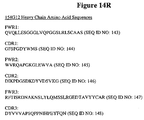
- the antibodies comprise a light chain CDR2 amino acid sequence substantially the same as or identical to SEQ ID NO: 57, 81, 105, or 138. In some embodiments, the antibodies comprise a light chain CDR3 amino acid sequence substantially the same as or identical to SEQ ID NO: 58, 82, 106, or 140. In some embodiments, the antibodies comprise a heavy chain FWR1 amino acid sequence substantially the same as or identical to SEQ ID NO: 65, 89, 113, 127, or 143. In some embodiments, the antibodies comprise a heavy chain FWR2 amino acid sequence substantially the same as or identical to SEQ ID NO: 66, 90, 114, 128, or 145.
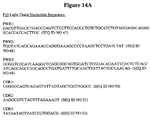
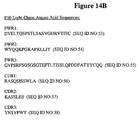
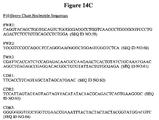
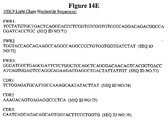
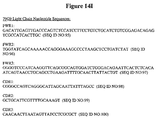
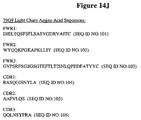
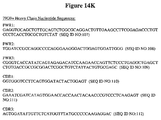
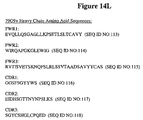
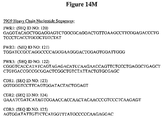
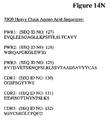
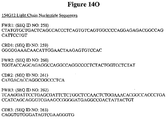
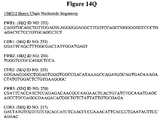
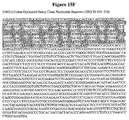
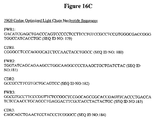
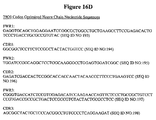
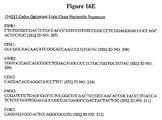
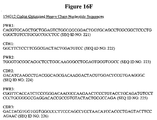
- the antibodies comprise a heavy chain FWR3 amino acid sequence substantially the same as or identical to SEQ ID NO: 67, 91, 115, 129, or 147. In some embodiments, the antibodies comprise a light chain FWR1 amino acid sequence substantially the same as or identical to SEQ ID NO: 53, 77, 101, or 135. In some embodiments, the antibodies comprise a light chain FWR2 amino acid sequence substantially the same as or identical to SEQ ID NO: 54, 78, 102, or 137. In some embodiments, the antibodies comprise a light chain FWR3 amino acid sequence substantially the same as or identical to SEQ ID NO: 55, 79, 103, or 139. Figures 14 and 16 show examples of nucleic acid sequences that can encode the heavy and light chain CDR1-3 and FWR1-3 described in this paragraph.
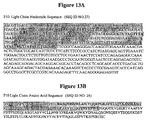
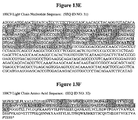
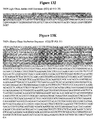
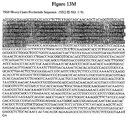
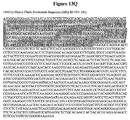
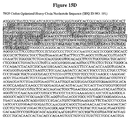
- the inventive antibodies can comprise a heavy chain that comprises the amino acid sequence of SEQ ID NO: 30. This heavy chain can be encoded by the nucleic acid sequence that comprises SEQ ID NO: 29.
- the inventive antibodies can comprise a heavy chain that comprises the amino acid sequence of SEQ ID NO: 251. This heavy chain can be encoded by a nucleic acid sequence that comprises SEQ ID NO: 250 or 162.
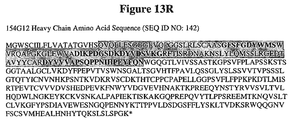
- the inventive antibodies can comprise a heavy chain that comprises the amino acid sequence of SEQ ID NO: 188. This heavy chain can be encoded by the nucleic acid sequence that comprises SEQ ID NO: 37.
- the inventive antibodies can comprise a heavy chain that comprises the amino acid sequence of SEQ ID NO: 232.
- This heavy chain can be encoded by a nucleic acid sequence that comprises SEQ ID NO: 231 or 190.
- the inventive antibodies can comprise a heavy chain that comprises the amino acid sequence of SEQ ID NO: 216.
- This heavy chain can be encoded by a nucleic acid sequence that comprises SEQ ID NO: 215 or 218.
- the invention features isolated human antibodies and antigen-binding fragments that specifically bind to, and preferably neutralize Staphylococcus enterotoxin B.
- the antibodies and antigen-binding fragments can comprise a heavy chain CDR3 having SEQ ID NO: 39, 40, 70, 94, 118, 132, or 148.
- the antibodies and antigen-binding fragments can comprise heavy chain CDR1, CDR2, and CDR3 of SEQ ID NOs: 68, 69, and 70; SEQ ID NOs: 116,117, and 118; SEQ 1D NOs: 130, 131, and 132; SEQ ID NOs: 92, 93, and 94; or SEQ ID NOs: 144, 146, and 148.
- the antibodies and antigen-binding fragments can comprise a heavy chain variable domain of SEQ ID NO: 160,176, 202, 204, or 230. In some preferred embodiments, the antibodies and antigen-binding fragments can comprise a heavy chain having SEQ ID NO: 30, 34, 38, 126, 142, 216, 232, or 251.
- the antibodies and antigen-binding fragments can comprise light chain CDR1, CDR2, and CDR3 of SEQ ID NOs: 56,57, and 58; SEQ ID NOs: 104, 105, and 106; SEQ ID NOs: 80, 81, and 82; or SEQ ID NOs: 136, 138, and 140.
- the antibodies and antigen-binding fragments can comprise a light chain variable domain of SEQ ID NO: 158, 174, 200, or 228.
- the antibodies and antigen-binding fragments can comprise a light chain having SEQ ID NO: 28, 32, 36, 134, 186, 214, or 249.[0092]
- the antibodies and antigen-binding fragments can comprise a heavy chain having CDR1 of SEQ ID NO: 68, 92, 116,130, or 144; CDR2 of SEQ ID NO: 69, 93, 117, 131, or 146; and CDR3 of SEQ ID NO: 70, 94, 118, 132, or 148; and a light chain having CDR1 of SEQ ID NO: 56, 80, 104, or 136; CDR2 of SEQ ID NO: 57, 81, 105, or 138; and CDR3 of SEQ ID NO: 58, 82, 106, or 140.
- the antibodies and antigen-binding fragments can comprise a heavy chain variable domain having SEQ ID NO: 160, 176, 202, 204, or 230 and a light chain variable domain having SEQ ID NO: 158, 174, 200, 228.
- the antibodies and antigen-binding fragments of the invention comprise a heavy chain having CDR1 of SEQ ID NO: 68, CDR2 of SEQ ID NO: 69, and CDR3 of SEQ ID NO: 70 and a light chain having CDR1 of SEQ ID NO: 56, CDR2 of SEQ ID NO: 57, and CDR3 of SEQ ID NO: 58.
- the antibodies and antigen-binding fragments of the invention comprise a heavy chain having a variable domain of SEQ ID NO: 176 and a light chain having a variable domain of SEQ ID NO: 174.
- the antibodies and antigen-binding fragments of the invention comprise a heavy chain having SEQ ID NO: 30 and a light chain having SEQ ID NO: 28.
- the antibody and antigen-binding fragments of the invention comprise a heavy chain having CDR1 of SEQ ID NO: 116, CDR2 of SEQ ID NO: 117, and CDR3 of SEQ ID NO: 118, and a light chain having CDR1 of SEQ ID NO: 104, CDR2 of SEQ ID NO: 105, and CDR3 of SEQ ID NO: 106.
- the antibodies and antigen-binding fragments of the invention comprise a heavy chain having a variable domain of SEQ ID NO: 202 and a light chain having a variable domain of SEQ ID NO: 200.
- the antibodies and antigen-binding fragments of the invention comprise a heavy chain having SEQ ID NO: 188 and a light chain having SEQ ID NO: 186.
- the antibodies and antigen-binding fragments of the invention comprise a heavy chain having CDR1 of SEQ ID NO: 130, CDR2 of SEQ ID NO: 131, and CDR3 of SEQ ID NO: 132, and a light chain having CDR1 of SEQ ID NO: 104, CDR2 of SEQ ID NO: 105, and CDR3 of SEQ ID NO: 106.
- the antibodies and antigen-binding fragments of the invention comprise a heavy chain having a variable domain of SEQ ID NO: 204 and a light chain having a variable domain of SEQ ID NO: 200.
- the antibodies and antigen-binding fragments of the invention comprise a heavy chain having SEQ ID NO: 232 and a light chain having SEQ ID NO: 186.
- the antibodies and antigen-binding fragments of the invention comprise a heavy chain having CDR1 of SEQ ID NO: 92, CDR2 of SEQ ID NO: 93, and CDR3 of SEQ ID NO: 94, and a light chain having CDR1 of SEQ ID NO: 80, CDR2 of SEQ ID NO: 81, and CDR3 of SEQ ID NO: 82.
- the antibodies and antigen-binding fragments of the invention comprise a heavy chain having a variable domain of SEQ ID NO: 160 and a light chain having a variable domain of SEQ ID NO: 158.
- the antibodies and antigen-binding fragments of the invention comprise a heavy chain having SEQ ID NO: 251 and a light chain having SEQ ID NO: 249.
- the antibodies and antigen-binding fragments of the invention comprise a heavy chain having CDR1 of SEQ ID NO: 144, CDR2 of SEQ ID NO: 146, and CDR3 of SEQ ID NO: 148, and a light chain having CDR1 of SEQ ID NO: 136, CDR2 of SEQ ID NO: 138, and CDR3 of SEQ ID NO: 140.
- the antibodies and antigen-binding fragments of the invention comprise a heavy chain having a variable domain of SEQ ID NO: 230 and a light chain having a variable domain of SEQ ID NO: 228.
- the antibodies and antigen-binding fragments of the invention comprise a heavy chain having SEQ ID NO: 216 and a light chain having SEQ ID NO: 214.
- the antibodies and antigen-binding fragments are high affinity antibodies and antigen-binding fragments, and can have an affinity of less than about 1 x 10 -8 M, preferably less than about 2 x 10 -8 M, and more preferably less than about 3 x 10 -8 M.
- the antibodies are monoclonal antibodies, and more preferably, are human monoclonal antibodies.
- Cells that express such antibodies and antigen-binding fragments, such as hybridoma cells and expression cells, are also provided.
- the inventive antibodies can comprise a light chain that comprises the amino acid sequence of SEQ ID NO: 28. This light chain can be encoded by the nucleic acid sequence that comprises SEQ ID NO: 27.
- the inventive antibodies can comprise a light chain that comprises the amino acid sequence of SEQ ID NO: 249. This light chain can be encoded by a nucleic acid sequence that comprises SEQ ID NO: 31, 248, 161, or 149.
- the inventive antibodies can comprise a light chain that comprises the amino acid sequence of SEQ ID NO: 186. This light chain can be encoded by a nucleic acid sequence that comprises SEQ ID NO: 185 or 189.
- the inventive antibodies can comprise a light chain that comprises the amino acid sequence of SEQ ID NO: 214. This light chain can be encoded by a nucleotide sequence comprising SEQ ID NO: 213 or 217.
- the antibodies of the invention thus include variants having single or multiple amino acid substitutions, deletions, additions, or replacements that retain the biological properties (e.g., binding affinity or immune effector activity) of the antibodies of the invention.
- the skilled person can produce variants having single or multiple amino acid substitutions, deletions, additions or replacements.
- variants may include, inter alia : (a) variants in which one or more amino acid residues are substituted with conservative or nonconservative amino acids, (b) variants in which one or more amino acids are added to or deleted from the polypeptide, (c) variants in which one or more amino acids include a substituent group, and (d) variants in which the polypeptide is fused with another peptide or polypeptide such as a fusion partner, a protein tag or other chemical moiety, that may confer useful properties to the polypeptide, such as, for example, an epitope for an antibody, a polyhistidine sequence, a biotin moiety and the like.
- Antibodies of the invention may include variants in which amino acid residues from one species are substituted for the corresponding residue in another species, either at the conserved or nonconserved positions. In other embodiments, amino acid residues at nonconserved positions are substituted with conservative or nonconservative residues.
- the techniques for obtaining these variants, including genetic (suppressions, deletions, mutations, etc.), chemical, and enzymatic techniques, are known to the person having ordinary skill in the art.
- the antibodies can comprise a heavy chain that comprises the amino acid sequence of SEQ ID NO: 30 and a light chain that comprises the amino acid sequence of SEQ ID NO: 28. In some preferred embodiments, the antibodies can comprise a heavy chain that comprises the amino acid sequence of SEQ ID NO: 251 and a light chain that comprises the amino acid sequence of SEQ ID NO: 249. In some preferred embodiments, the antibodies can comprise a heavy chain that comprises the amino acid sequence of SEQ ID NO: 188 and a light chain that comprises the amino acid sequence of SEQ ID NO: 186. In some preferred embodiments, the antibodies can comprise a heavy chain that comprises the amino acid sequence of SEQ ID NO: 232 and a light chain that comprises the amino acid sequence of SEQ ID NO: 186.
- the antibodies can comprise a heavy chain that comprises the amino acid sequence of SEQ ID NO: 216 and a light chain that comprises the amino acid sequence of SEQ ID NO: 214.
- a heavy chain that comprises the amino acid sequence of SEQ ID NO: 216
- a light chain that comprises the amino acid sequence of SEQ ID NO: 214.
- the invention is not limited to the preferred combinations of H and L chain pairs, and the inventive antibodies thus encompass different combinations of H and L chain pairs, including without limitation, the H and L chains described herein, or other H or L chains that would be known to those of skill in the art, or otherwise experimentally determined to be compatible with the H and L chains described herein in order to obtain specific and high affinity binding to SEB.
- the antibodies of the invention have binding affinities (in M) for target antigen that include a dissociation constant (K D ) of less than 1 x 10 -2 .
- the K D is less than 1 x 10 -3 .
- the K D is less than 1 x 10 -4 .
- the K D is less than 1 x 10 -5 .
- the K D is less than 1 x 10 -6 .
- the K D is less than 1 x 10 -7 .
- the K D is less than 1 x 10 -8 , 2 x 10 -8 , or 3 x 10 -8 .
- the K D is less than 1 x 10 -9 . In other embodiments, the K D is less than 1 x 10 -10 , 2 x 10 -10 , or 3 x 10 -10 . In still other embodiments, the K D is less than 1 x 10 -11 . In some embodiments, the K D is less than 1 x 10 -12 . In other embodiments, the K D is less than 1 x 10 -13 . In other embodiments, the K D is less than 1 x 10 -14 . In still other embodiments, the K D is less than 1 x 10 -15 .
- the inventive antibodies can be modified, e.g ., by the covalent attachment of any type of molecule to the antibody such that covalent attachment does not prevent the antibody from binding to its epitope.
- suitable modifications include, but are not limited to glycosylation, acetylation, pegylation, phosphorylation, amidation, and the like.
- the antibodies of the invention may themselves be derivatized by known protecting/blocking groups, proteolytic cleavage, linkage to a cellular ligand or other proteins, and the like.
- the antibodies of the invention may have post-translational moieties that improve upon antibody activity or stability. These moieties include sulfur, methyl, carbohydrate, phosphorus as well as other chemical groups commonly found on immunoglobulin molecules.
- the antibodies of the invention may contain one or more non-classical amino acids.
- Nucleotide sequences that encode antibodies of the invention are provided.
- Nucleic acids of the invention include but are not limited to genomic DNA, DNA, cDNA, RNA, double- and single-stranded nucleic acids, and complementary sequences thereof.
- Preferred polynucleotides of the invention include nucleic acid sequences encoding the heavy chain amino acid sequence of SEQ ID NO: 30, 34, 38, 126, 142, 216, 232, or 251.
- Other preferred polynucleotides of the invention include nucleic acid sequences encoding the heavy chain variable domain amino acid sequence of SEQ ID NO: 160, 176, 202, 204, or 230.
- polynucleotides include nucleic acid sequences encoding the antibody CDR3 domains of SEQ ID NOs: 39, 40, 41, 42, 58, 70, 82, 94, 106, 118, 132, 140, or 148; CDR2 domains of SEQ ID NO: 57, 69, 81, 93, 105, 117, 131, 138, or 146. and CDR1 domains of SEQ ID NO: 56, 68, 80, 92, 104, 116, 130, 136, and 144.
- polynucleotides encoding the amino acid sequences of the invention include heavy chain polynucleotides of SEQ ID NOs: 29, 33, 37,119,141, 162, 163, 190, 191, 215, 218, 219, 231, and 250.; and light chain polynucleotides of SEQ ID NOs: 27, 31, 35, 133, 149, 161, 177, 185, 189, 205, 213, 217, and 248.
- polynucleotides encoding the amino acid sequences of the invention include heavy chain variable domains of SEQ ID NOs: 159, 164, 172, 175, 192, 201, 203, and 229; and light chain variable domains of SEQ ID NOs: 150, 157, 171, 173, 178, 199, and 227.
- polynucleotides encoding the amino acid sequences of the invention include heavy chain CDR1 domains of SEQ ID NOs: 62, 86, 110, 123, 166, 194, 222, and 253; CDR2 domains of SEQ ID NO: 63, 87, 111, 124, 168, 196, 224, and 255; and CDR3 domains of SEQ ID NO: 64, 88, 112, 125, 170, 198, 212, and 257; and light chain CDR1 domains of SEQ ID NO: 50, 74, 98, 152, 180, 208, and 259; CDR2 domains of SEQ ID NO: 51, 75, 99, 154, 182, 210, and 261; and CDR3 domains of SEQ ID NO: 52, 76, 100, 156, 184, 212, and 263.
- polynucleotide sequences described here and elsewhere in the specification provide examples of preferred embodiments of the invention, those of skill in the art will recognize that the degenerate nature of the genetic code provides numerous polynucleotides that will encode the antibodies and antibody fragments of the invention.
- the invention also features polynucleotides that encode antibodies and antigen-binding fragments that specifically bind to Staphylococcus enterotoxin B.
- the polynucleotides encode an antibody or antigen-binding fragment having heavy chain CDR1, CDR2, and CDR3 of SEQ ID NOs: 68, 69, and 70.
- the polynucleotide may comprise SEQ ID NOs: 62, 63, and 64.
- the polynucleotides encode an antibody or antigen-binding fragment having heavy chain CDR1, CDR2, and CDR3 of SEQ ID NOs: 116, 117, and 118.
- the polynucleotide may comprise SEQ ID NOs:110, 111, and 112.
- the polynucleotides encode an antibody or antigen-binding fragment having heavy chain CDR1, CDR2, and CDR3 of SEQ ID NOs: 130, 131, and 132.
- the polynucleotide may comprise SEQ ID NOs: 123 or 194, 124 or 196, and 125 or 198.
- the polynucleotides encode an antibody or antigen-binding fragment having heavy chain CDR1, CDR2, and CDR3 of SEQ ID NOs: 92,93, and 94.
- the polynucleotide may comprise SEQ ID NOs: 86 or 166, 87 or 168, and 88 or 170.
- the polynucleotides encode an antibody or antigen-binding fragment having heavy chain CDR1, CDR2, and CDR3 of SEQ ID NOs: 144, 146, and 148.
- the polynucleotide may comprise SEQ ID NOs: 253 or 222, 255 or 224, and 257 or 226.
- the polynucleotides encode an antibody or antigen-binding fragment having light chain CDR1, CDR2, and CDR3 of SEQ ID NOs: 56, 57, and 58.
- the polynucleotide may comprise SEQ ID NOs: 50, 51, and 52.
- the polynucleotides encode an antibody or antigen-binding fragment having light chain CDR1, CDR2, and CDR3 of SEQ ID NOs: 104, 105, and 106.
- the polynucleotide may comprise SEQ ID NOs: 98 or 180, 99 or 182, and 100 or 184.
- the polynucleotides encode an antibody or antigen-binding fragment having light chain CDR1, CDR2, and CDR3 of SEQ ID NOs: 80, 81, and 82.
- the polynucleotide may comprise SEQ ID NOs: 74 or 152, 75 or 154, and 76 or 156.
- the polynucleotides encode an antibody or antigen-binding fragment having light chain CDR1, CDR2, and CDR3 of SEQ ID NOs: 136, 138, and 140.
- the polynucleotide may comprise SEQ ID NOs: 259 or 208,261 or 210, and 263 or 212.
- the antibody or antigen-binding fragment heavy chain variable domain is encoded by a polynucleotide comprising SEQ ID NO: 159, 164, 172, 175, 192, 201, 203, or 229.
- the heavy chain sequence is encoded by a polynucleotide comprising SEQ ID NO: 29, 33, 37, 119, 141, 162, 163, 190, 191, 215, 218, 219, 231, or 250.
- the polynucleotides encode an antibody or antigen-binding fragment having heavy chain variable domain of SEQ ID NO: 160.
- the polynucleotide may comprise SEQ ID NO: 159 or 164.
- the polynucleotides encode an antibody or antigen-binding fragment having heavy chain variable domain of SEQ ID NO: 176.
- the polynucleotide may comprise SEQ ID NO: 175.
- the polynucleotides encode an antibody or antigen-binding fragment having heavy chain variable domain of SEQ ID NO: 202.
- the polynucleotide may comprise SEQ ID NO: 201.
- the polynucleotides encode an antibody or antigen-binding fragment having heavy chain variable domain of SEQ ID NO: 204.
- the polynucleotide may comprise SEQ ID NO: 172 or 203.
- the polynucleotides encode an antibody or antigen-binding fragment having heavy chain variable domain of SEQ ID NO: 230.
- the polynucleotide may comprise SEQ ID NO: 192 or 229.
- the antibody and antigen-binding fragment light chain CDR1, CDR2, and CDR3 are encoded by polynucleotides comprising SEQ ID NOs: 50, 51, and 52; SEQ ID NOs: 98, 99, and 100; SEQ ID NOs: 74, 75, and 76; SEQ ID NOs: 259, 261, and 263; SEQ ID NOs: 180, 182, and 184; SEQ ID NOs: 152,154, and 156; or SEQ ID NOs: 208, 210, and 212.
- the antibody and antigen-binding fragment light chain variable domain is encoded by a polynucleotide comprising SEQ ID NO: 150, 157, 171, 173, 178, 199, or 227.
- the polynucleotides encode an antibody or antigen-binding fragment having a light chain variable domain of SEQ ID NO: 158.
- the polynucleotide may comprise SEQ ID NO: 150 or 157.
- the polynucleotides encode an antibody or antigen-binding fragment having a light chain variable domain of SEQ ID NO: 174.
- the polynucleotide may comprise SEQ ID NO: 173.
- the polynucleotides encode an antibody or antigen-binding fragment having a light chain variable domain of SEQ ID NO: 200.
- the polynucleotide may comprise SEQ ID NO: 171 or 199.
- the polynucleotides encode an antibody or antigen-binding fragment having a light chain variable domain of SEQ ID NO: 228.
- the polynucleotide may comprise SEQ ID NO: 178 or 227.
- the antibody and antigen-binding fragment light chain sequence is encoded by a polynucleotide comprising SEQ ID NO: 27, 31, 35, 133, 149, 161, 177, 185, 189, 205, 213, 217, or 248.
- the polynucleotides encode an antibody or antigen-binding fragment having heavy chain CDR1, CDR2, and CDR3; and light chain CDR1, CDR2, and CDR3 of SEQ ID NOs: 68, 69, and 70; and 56, 57, and 58; respectively.
- the polynucleotide may comprise SEQ ID NOs: 62, 63, and 64; and 50, 51, and 52; respectively.
- the polynucleotides encode an antibody or antigen-binding fragment having heavy chain CDR1, CDR2, and CDR3; and light chain CDR1, CDR2, and CDR3 of SEQ ID NOs: 116, 117, and 118; and 104, 105, and 106; respectively.
- the polynucleotide may comprise SEQ ID NOs: 110, 111, and 112; and 98 or 180, 99 or 182, and 100 or 184; respectively.
- the polynucleotides encode an antibody or antigen-binding fragment having heavy chain CDR1, CDR2, and CDR3; and light chain CDR1, CDR2, and CDR3 of SEQ ID NOs: 130, 131, and 132; and 104, 105, and 106; respectively.
- the polynucleotide may comprise SEQ ID NOs: 123 or 194, 124 or 196, and 125 or 198; and 98 or 180,99 or 182, and 100 or 184; respectively.
- the polynucleotides encode an antibody or antigen-binding fragment having heavy chain CDR1, CDR2, and CDR3; and light chain CDR1, CDR2, and CDR3 of SEQ ID NOs: 92, 93, and 94; and 80, 81, and 82; respectively.
- the polynucleotide may comprise SEQ ID NOs: 86 or 166, 87 or 168, and 88 or 170; and 74 or 152, 75 or 154, and 76 or 156; respectively.
- the polynucleotides encode an antibody or antigen-binding fragment having heavy chain CDR1, CDR2, and CDR3; and light chain CDR1, CDR2, and CDR3 of SEQ ID NOs: 144,146, and 148; and 136,138, and 140; respectively.
- the polynucleotide may comprise SEQ ID NOs: 253 or 222, 255 or 224, and 257 or 226; and 259 or 208, 261 or 210, and 263 or 212; respectively.
- the polynucleotides encode an antibody or antigen-binding fragment having a heavy chain variable domain and a light chain variable domain of SEQ ID NOs: 176 and 174.
- the polynucleotide may comprise SEQ ID NO: 175 and 173.
- the polynucleotides encode an antibody or antigen-binding fragment having a heavy chain variable domain and a light chain variable domain of SEQ ID NOs: 202 and 200.
- the polynucleotide may comprise SEQ ID NO: 201 and 199 or 171.
- the polynucleotides encode an antibody or antigen-binding fragment having a heavy chain variable domain and a light chain variable domain of SEQ ID NOs: 204 and 200.
- the polynucleotide may comprise SEQ ID NO: 203 or 172 and 199 or 171.
- the polynucleotides encode an antibody or antigen-binding fragment having a heavy chain variable domain and a light chain variable domain of SEQ ID NOs: 160 and 158.
- the polynucleotide may comprise SEQ ID NO: 159 or 164 and 157 or 150.
- the polynucleotides encode an antibody or antigen-binding fragment having a heavy chain variable domain and a light chain variable domain of SEQ ID NOs: 230 and 228.
- the polynucleotide may comprise SEQ ID NO: 229 or 192 and 227 or 178.
- the polynucleotide encoding the antibodies and antigen-binding fragments can comprise a heavy chain having CDR1 of SEQ ID NO: 62, 86, 110, 123, 166, 194, 222, or 253; CDR2 of SEQ ID NO: 63, 87, 111, 124, 168, 196, 224, or 255; and CDR3 of SEQ ID NO: 64, 88, 112, 125, 170, 198, 212, or 257; and a light chain having CDR1 of SEQ ID NO: 50, 74, 98, 152, 180, 208, or 259; CDR2 of SEQ ID NO: 51, 75, 99, 154, 182, 210, or 261; and CDR3 of SEQ ID NO: 52, 76, 100, 156, 184, 212, or 263.
- the polynucleotide encoding the antibodies and antigen-binding fragments can comprise a heavy chain variable domain having SEQ ID NO: 159, 164, 172, 175, 192, 201, 203, or 229 and a light chain variable domain having SEQ ID NO: 150, 157, 171, 173, 178, 199, or 227.
- the polynucleotide encoding the antibodies and antigen-binding fragments can comprise a heavy chain sequence of SEQ ID NO: 29, 33, 37, 119, 141, 162,163,190,191, 215,218, 219, 231, or 250 and a light chain sequence of SEQ ID NO: 27, 31, 35, 133, 149, 161, 177, 185, 189, 205, 213, 217, or 248.
- Vectors comprising such polynucleotides are also provided.
- polynucleotides of the invention include a leader sequence. Any leader sequence known in the art may be employed.
- the leader sequence may include but is not limited to a restriction site and/or a translation start site.
- the leader sequence has the nucleic acid sequence ATGGGATGGAGCTGTATCATCCTCTTCTTGGTAGCAACAGCTACAGGTGTACACAGC (SEQ ID NO: 43), ATGGGCTGGTCCTGCATCATCCTGTTTCTGGTGGCCACCGCCACCGGCGTGCACTCC (SEQ ID NO: 206), ATGGGATGGAGCTGTATCATCCTCTTCTTGGTAGCAACAGCTACAGGTGTCCACTCC (SEQ ID NO: 220), or ATGGGATGGAGCTGTATCATCCTCTTCTTGGTAGCAACAGCTACAGGTGTGCACTCC (SEQ ID NO: 21).
- the leader sequence encodes the amino acid sequence MGWSCIILFLVATATGVHS (SEQ ID NO: 44).
- vectors comprising the polynucleotides of the invention.
- the vectors can be expression vectors. Recombinant expression vectors containing a sequence encoding a polypeptide of interest are thus provided.
- the expression vector may contain one or more additional sequences such as but not limited to regulatory sequences (e.g ., promoter, enhancer), a selection marker, and a polyadenylation signal.
- regulatory sequences e.g ., promoter, enhancer
- Vectors for transforming a wide variety of host cells are well known to those of skill in the art.
- plasmids include, but are not limited to, plasmids, phagemids, cosmids, baculoviruses, bacmids, bacterial artificial chromosomes (BACs), yeast artificial chromosomes (YACs), as well as other bacterial, yeast and viral vectors.
- BACs bacterial artificial chromosomes
- YACs yeast artificial chromosomes
- Recombinant expression vectors of the invention include synthetic, genomic, or cDNA-derived nucleic acid fragments that encode at least one recombinant protein which may be operably linked to suitable regulatory elements.
- suitable regulatory elements may include a transcriptional promoter, sequences encoding suitable mRNA ribosomal binding sites, and sequences that control the termination of transcription and translation.
- Expression vectors may also include one or more nontranscribed elements such as an origin of replication, a suitable promoter and enhancer linked to the gene to be expressed, other 5' or 3' flanking nontranscribed sequences, 5' or 3' nontranslated sequences (such as necessary ribosome binding sites), a polyadenylation site, splice donor and acceptor sites, or transcriptional termination sequences.
- an origin of replication that confers the ability to replicate in a host may also be incorporated.
- transcriptional and translational control sequences in expression vectors to be used in transforming vertebrate cells may be provided by viral sources.
- Exemplary vectors can be constructed as described in Okayama and Berg (1983) Mol. Cell. Biol. 3:280 .
- the antibody coding sequence is placed under control of a powerful constitutive promoter, such as the promoters for the following genes: hypoxanthine phosphoribosyl transferase (HPRT), adenosine deaminase, pyruvate kinase, beta-actin, human myosin, human hemoglobin, human muscle creatine, and others.
- a powerful constitutive promoter such as the promoters for the following genes: hypoxanthine phosphoribosyl transferase (HPRT), adenosine deaminase, pyruvate kinase, beta-actin, human myosin, human hemoglobin, human muscle creatine, and others.
- HPRT hypoxanthine phosphoribosyl transferase
- adenosine deaminase pyruvate kinase
- beta-actin beta-actin
- human myosin human hemoglobin
- Such viral promoters include without limitation, Cytomegalovirus (CMV) immediate early promoter, the early and late promoters of SV40, the Mouse Mammary Tumor Virus (MMTV) promoter, the long terminal repeats (LTRs) of Maloney leukemia virus, Human Immunodeficiency Virus (HIV), Epstein Barr Virus (EBV), Rous Sarcoma Virus (RSV), and other retroviruses, and the thymidine kinase promoter of Herpes Simplex Virus.
- CMV Cytomegalovirus
- MMTV Mouse Mammary Tumor Virus
- LTRs long terminal repeats
- HCV Human Immunodeficiency Virus
- EBV Epstein Barr Virus
- RSV Rous Sarcoma Virus
- thymidine kinase promoter Herpes Simplex Virus
- the antibody coding sequence is placed under control of an inducible promoter such as the metallothionein promoter, tetracycline-inducible promoter, doxycycline-inducible promoter, promoters that contain one or more interferon-stimulated response elements (ISRE) such as protein kinase R 2',5'-oligoadenylate synthetases, Mx genes, ADAR1, and the like.
- ISRE interferon-stimulated response elements
- suitable inducible promoters will be known to those of skill in the art.
- Vectors of the invention may contain one or more Internal Ribosome Entry Site(s) (IRES).
- IRES Internal Ribosome Entry Site
- the vector system will include one or more polyadenylation sites (e.g., SV40), which may be upstream or downstream of any of the aforementioned nucleic acid sequences.
- Vector components may be contiguously linked, or arranged in a manner that provides optimal spacing for expressing the gene products ( i . e ., by the introduction of "spacer" nucleotides between the ORFs), or positioned in another way.
- Regulatory elements such as the IRES motif, can also be arranged to provide optimal spacing for expression.
- the vectors may comprise selection markers, which are well known in the art.
- Selection markers include positive and negative selection markers, for example, antibiotic resistance genes (e.g ., neomycin resistance gene, a hygromycin resistance gene, a kanamycin resistance gene, a tetracycline resistance gene, a penicillin resistance gene), HSV-TK, HSV-TK derivatives for ganciclovir selection, or bacterial purine nucleoside phosphorylase gene for 6-methylpurine selection ( Gadi et al. (2000) Gene Ther. 7:1738-1743 ).
- a nucleic acid sequence encoding a selection marker or the cloning site may be upstream or downstream of a nucleic acid sequence encoding a polypeptide of interest or cloning site.
- the vectors of the invention can be used to transform various cells with the genes encoding the various antibodies of the invention.
- the vectors may be used to generate antibody-producing cells.
- another aspect of the invention features host cells transformed with vectors comprising a nucleic acid sequence encoding an antibody that specifically binds SEB, such as the antibodies described and exemplified herein.
- chromosome transfer e.g., cell fusion, chromosome-mediated gene transfer, micro cell-mediated gene transfer
- physical methods e.g., transfection, spheroplast fusion, microinjection, electroporation, liposome carrier
- viral vector transfer e.g., recombinant DNA viruses, recombinant RNA viruses
- calcium phosphate precipitation and polyethylene glycol (PEG)-induced fusion of bacterial protoplasts with mammalian cells can also be used to transform cells.
- Cells transfected with expression vectors of the invention can be selected under positive selection conditions and/or screened for recombinant expression of the antibodies.
- Recombinant-positive cells are expanded and screened for subclones exhibiting a desired phenotype, such as high level expression, enhanced growth properties, and/or the ability to yield proteins with desired biochemical characteristics, for example, due to protein modification and/or altered post-translational modifications.
- phenotypes may be due to inherent properties of a given subclone or to mutagenesis. Mutagenesis can be effected through the use of chemicals, UV-wavelength light, radiation, viruses, insertional mutagens, defective DNA repair, or a combination of such methods.
- Cells suitable for use in the invention for the expression of antibodies are preferably eukaryotic cells, more preferably cells of plant, rodent, or human origin, for example but not limited to NSO, CHO, perC.6, Tk-ts13, BHK, HEK293 cells, COS-7, T98G, CV-1/EBNA, L cells, C127, 3T3, HeLa, NS 1, Sp2/0 myeloma cells, and BHK cell lines, among others.
- Highly preferred cells for expression of antibodies are hybridoma cells. Methods for producing hybridomas are well established in the art.
- Transfected cells may be selected in a number of ways. For example, cells may be selected for expression of the polypeptide of interest. For cells in which the vector also contains an antibiotic resistance gene, the cells may be selected for antibiotic resistance, which positively selects for cells containing the vector. In other embodiments, the cells may be allowed to grow under selective conditions.
- compositions comprising at least one inventive antibody and a pharmaceutically acceptable carrier.
- inventive compositions are useful, for example, for administration to patients to treat or prevent SEB-mediated diseases, such as those described and exemplified herein.
- the compositions can be formulated as any of various preparations that are known and suitable in the art, including those described and exemplified herein.
- compositions are aqueous formulations.
- Aqueous solutions can be prepared by admixing the antibodies in water or suitable physiologic buffer, and optionally adding suitable colorants, flavors, preservatives, stabilizing and thickening agents and the like as desired.
- Aqueous suspensions can also be made by dispersing the antibodies in water or physiologic buffer with viscous material, such as natural or synthetic gums, resins, methylcellulose, sodium carboxymethylcellulose, and other well-known suspending agents.
- liquid formulations and solid form preparations which are intended to be converted, shortly before use, to liquid form preparations.
- Such liquid forms include solutions, suspensions, syrups, slurries, and emulsions.
- Liquid preparations may be prepared by conventional means with pharmaceutically acceptable additives such as suspending agents (e.g., sorbitol syrup, cellulose derivatives or hydrogenated edible fats or oils); emulsifying agents (e.g., lecithin or acacia); non-aqueous vehicles (e.g., almond oil, oily esters, or fractionated vegetable oils); and preservatives (e.g., methyl or propyl-p-hydroxybenzoates or sorbic acid).
- suspending agents e.g., sorbitol syrup, cellulose derivatives or hydrogenated edible fats or oils
- emulsifying agents e.g., lecithin or acacia
- non-aqueous vehicles e.g., almond oil, oily esters
- compositions may contain, in addition to the active agent, colorants, flavors, stabilizers, buffers, artificial and natural sweeteners, dispersants, thickeners, solubilizing agents, and the like.
- the compositions may be in powder or lyophilized form for constitution with a suitable vehicle such as sterile water, physiological buffer, saline solution, or alcohol, before use.
- compositions can be formulated for injection into a subject.
- the compositions of the invention can be formulated in aqueous solutions such as water or alcohol, or in physiologically compatible buffers such as Hanks's solution, Ringer's solution, or physiological saline buffer.
- the solution may contain formulatory agents such as suspending, stabilizing and/or dispersing agents.
- Injection formulations may also be prepared as solid form preparations which are intended to be converted, shortly before use, to liquid form preparations suitable for injection, for example, by constitution with a suitable vehicle, such as sterile water, saline solution, or alcohol, before use.
- compositions can be formulated in sustained release vehicles or depot preparations. Such long acting formulations may be administered by implantation (for example subcutaneously or intramuscularly) or by intramuscular injection.
- the compositions may be formulated with suitable polymeric or hydrophobic materials (for example, as an emulsion in an acceptable oil) or ion exchange resins, or as sparingly soluble derivatives, for example, as a sparingly soluble salt.
- suitable polymeric or hydrophobic materials for example, as an emulsion in an acceptable oil
- ion exchange resins for example, as sparingly soluble derivatives, for example, as a sparingly soluble salt.
- liposomes and emulsions are well-known examples of delivery vehicles suitable for use as carriers for hydrophobic drugs.
- the invention also features methods for treating or preventing diseases mediated by SEB in subjects in need of such treatment or prevention.
- the methods can comprise identifying a subject in need of treatment or prevention for SEB-mediated disease.
- the methods comprise administering to the subject a composition, such as those described and exemplified herein, the composition comprising a pharmaceutically acceptable carrier and at least one antibody that specifically binds to, and preferably neutralizes, Staphylococcus enterotoxin B, in an amount effective to treat or prevent diseases mediated by SEB.
- the methods comprise administering to the subject at least one antibody, such as the antibodies described and exemplified herein, that specifically binds to, and preferably neutralizes, Staphylococcus enterotoxin B, in an amount effective to treat or prevent diseases mediated by SEB.
- at least one antibody such as the antibodies described and exemplified herein, that specifically binds to, and preferably neutralizes, Staphylococcus enterotoxin B, in an amount effective to treat or prevent diseases mediated by SEB.
- SEB is a virulence factor for Staphylococcus bacteria that can be produced in individuals with Staphylococcus spp. infection.
- a subject in need of treatment with SEB-neutralizing antibodies can have an infection with Staphylococcus bacteria.
- the infection can be anywhere in or on the body of the subject, and can be at any stage of infection such as incipient, advanced, or chronic infection such as those observed in patients with implanted medical devices.
- SEB itself can cause various diseases in patients.
- SEB can be present apart from the bacteria that produce it, for example, in contaminated food or beverage, or if dispersed in the form of a biological terrorist attack. Accordingly, a subject in need of treatment with SEB-neutralizing antibodies can be exposed to SEB, and not necessarily in conjunction with the bacteria or other cells that express the toxin.
- SEB mediates a variety of disease states in subjects exposed to the toxin.
- diseases mediated by SEB that can be effectively treated with the inventive methods and inventive SEB-neutralizing antibodies include fever, myalgia, respiratory distress, dyspnea, pleurisy, headache, nausea, vomiting, anorexia, hepatomegaly, and leukocytosis (see, e . g ., Ulrich et al. (1997) Medical Aspects of Chemical and Biological Warfare, Sidell, Takafuj, and Franz, Eds ., in Textbook of Military Medicine, Brigadier Gen.
- the subject can be any animal, and preferably is a mammal such as a mouse, rat, hamster, guinea pig, rabbit, cat, dog, monkey, donkey, cow, horse, pig, and the like. Most preferably, the mammal is a human.
- the at least one antibody is preferably an antibody of the invention.
- the at least one antibody can comprise a heavy chain having CDR1 of SEQ ID NO: 68, 92, 116, 130, or 144; CDR2 of SEQ ID NO: 69, 93, 117, 131, or 146; and CDR3 of SEQ ID NO: 70, 94, 118, 132, or 148; and a light chain having CDR1 of SEQ ID NO: 56, 80, 104, or 136; CDR2 of SEQ ID NO: 57, 81, 105, or 138; and CDR3 of SEQ ID NO: 58, 82, 106, or 140.
- the at least one antibody can comprise a heavy chain variable domain having SEQ ID NO: 160, 176, 202, 204, or 230 and a light chain variable domain having SEQ ID NO: 158, 174, 200, 228.
- the at least one antibody can comprise a heavy chain having CDR1 of SEQ ID NO: 68, CDR2 of SEQ ID NO: 69, and CDR3 of SEQ ID NO: 70 and a light chain having CDR1 of SEQ ID NO: 56, CDR2 of SEQ ID NO: 57, and CDR3 of SEQ ID NO: 58.
- the at least one antibody can comprise a heavy chain having a variable domain of SEQ ID NO: 176 and a light chain having a variable domain of SEQ ID NO: 174.
- the at least one antibody can comprise a heavy chain having SEQ ID NO: 30 and a light chain having SEQ ID NO: 28.
- the antibody and antigen-binding fragments of the invention comprise a heavy chain having CDR1 of SEQ ID NO: 116, CDR2 of SEQ ID NO: 117, and CDR3 of SEQ ID NO: 118, and a light chain having CDR1 of SEQ ID NO: 104, CDR2 of SEQ ID NO: 105, and CDR3 of SEQ ID NO: 106.
- the at least one antibody can comprise a heavy chain having a variable domain of SEQ ID NO: 202 and a light chain having a variable domain of SEQ ID NO: 200.
- the at least one antibody can comprise a heavy chain having SEQ ID NO: 188 and a light chain having SEQ ID NO: 186.
- the at least one antibody can comprise a heavy chain having CDR1 of SEQ ID NO: 130, CDR2 of SEQ ID NO: 131, and CDR3 of SEQ ID NO: 132, and a light chain having CDR1 of SEQ ID NO: 104, CDR2 of SEQ ID NO: 105, and CDR3 of SEQ ID NO: 106.
- the at least one antibody can comprise a heavy chain having a variable domain of SEQ ID NO: 204 and a light chain having a variable domain of SEQ ID NO: 200.
- the at least one antibody can comprise a heavy chain having SEQ ID NO: 232 and a light chain having SEQ ID NO: 186.
- the at least one antibody can comprise a heavy chain having CDR1 of SEQ ID NO: 92, CDR2 of SEQ ID NO: 93, and CDR3 of SEQ ID NO: 94, and a light chain having CDR1 of SEQ ID NO: 80, CDR2 of SEQ ID NO: 81, and CDR3 of SEQ ID NO: 82.
- the at least one antibody can comprise a heavy chain having a variable domain of SEQ ID NO: 160 and a light chain having a variable domain of SEQ ID NO: 158.
- the at least one antibody can comprise a heavy chain having SEQ ID NO: 251 and a light chain having SEQ ID NO: 249.
- the at least one antibody can comprise a heavy chain having CDR1 of SEQ ID NO: 144, CDR2 of SEQ ID NO: 146, and CDR3 of SEQ ID NO: 148, and a light chain having CDR1 of SEQ ID NO: 136, CDR2 of SEQ ID NO: 138, and CDR3 of . SEQ ID NO: 140.
- the at least one antibody can comprise a heavy chain having a variable domain of SEQ ID NO: 230 and a light chain having a variable domain of SEQ ID NO: 228.
- the at least one antibody can comprise a heavy chain having SEQ ID NO: 216 and a light chain having SEQ ID NO: 214.
- the at least one antibody neutralizes SEB.
- the at least one antibody preferably has an affinity for Staphylococcus enterotoxin B of less than about 1 x 10 -8 M, preferably less than about 3 x 10 -8 M, more preferably has an affinity for Staphylococcus enterotoxin B of less than about 1 x 10 -9 M, and more preferably has an affinity for Staphylococcus enterotoxin B of less than about 1 x 10 -10 M, and preferably less than about 3 x 10 -10 M.
- compositions can be by infusion or injection (intravenously, intramuscularly, intracutaneously, subcutaneously, intrathecal, intraduodenally, intraperitoneally, and the like).
- the compositions can also be administered intranasally, vaginally, rectally, orally, or transdermally.
- the compositions are administered orally. Administration can be at the direction of a physician.
- compositions may be delivered using a sustained-release system, such as semipermeable matrices of solid polymers containing the therapeutic antibodies.
- sustained-release materials available are well known by those skilled in the art. Sustained-release capsules may, depending on their chemical nature, release the antibodies over a range of several days to several weeks to several months.
- a therapeutically effective amount of the composition is administered to the subject.
- a therapeutically effective amount will provide a clinically significant abatement in at least one disease mediated by SEB, which can be, but are not limited to, those described and exemplified herein.
- the effective amount of the composition may be dependent on any number of variables, including without limitation, the species, breed, size, height, weight, age, overall health of the subject, the type of formulation, the mode or manner or administration, or the severity of the disease in the subject caused by SEB.
- the appropriate effective amount can be routinely determined by those of skill in the art using routine optimization techniques and the skilled and informed judgment of the practitioner and other factors evident to those skilled in the art.
- a therapeutically effective dose of the compounds described herein will provide therapeutic benefit without causing substantial toxicity to the subject.
- Toxicity and therapeutic efficacy of agents or compounds can be determined by standard pharmaceutical procedures in cell cultures or experimental animals, e.g., for determining the LD 50 (the dose lethal to 50% of the population) and the ED 50 (the dose therapeutically effective in 50% of the population).
- the dose ratio between toxic and therapeutic effects is the therapeutic index and it can be expressed as the ratio LD 50 /ED 50 .
- Agents or compositions which exhibit large therapeutic indices are preferred.
- the data obtained from cell culture assays and animal studies can be used in formulating a range of dosage for use in the subject.
- the dosage of such agents or compositions lies preferably within a range of circulating concentrations that include the ED 50 with little or no toxicity.
- the dosage may vary within this range depending upon the dosage form employed and the route of administration utilized.
- the therapeutically effective dose can be estimated initially from in vitro assays such as cell culture assays.
- a dose can be formulated in animal models to achieve a circulating plasma concentration range that includes the IC 50 as determined in cell culture (i . e ., the concentration of the composition which achieves a half-maximal inhibition of the osteoclast formation or activation).
- Such information can be used to more accurately determine useful doses in a specified subject such as a human.
- the treating physician can terminate, interrupt, or adjust administration due to toxicity, or to organ dysfunctions, and can adjust treatment as necessary if the clinical response were not adequate in order to improve the response.
- the magnitude of an administered dose in the management of the disorder of interest will vary with the severity of the condition to be treated and to the route of administration. The severity of the condition may, for example, be evaluated, in part, by standard prognostic evaluation methods.
- the compositions comprise a concentration of at least one anti-SEB antibody in a range of about 0.01% to about 90% of the dry matter weight of the composition.
- the at least one anti-SEB antibody comprises up to about 50% of the dry matter weight of the composition.
- the at least one anti-SEB antibody comprises up to about 40% of the dry matter weight of the composition.
- the at least one anti-SEB antibody comprises up to about 30% of the dry matter weight of the composition.
- the at least one anti-SEB antibody comprises up to about 25% of the dry matter weight of the composition.
- the at least one anti-SEB antibody comprises up to about 20% of the dry matter weight of the composition.
- the at least one anti-SEB antibody comprises up to about 15% of the dry matter weight of the composition.
- the at least one anti-SEB antibody comprises up to about 10% of the dry matter weight of the composition.
- subjects can be administered at least one anti-SEB antibody in a daily dose range of about 0.01 ⁇ g to about 500 mg of antibody per kg of the weight of the subject.
- the dose administered to the subject can also be measured in terms of total amount of the at least one anti-SEB antibody administered per day.
- a subject is administered about 5 to about 5000 milligrams of at least one anti-SEB per day.
- a subject is administered up to about 10 milligrams of at least one anti-SEB per day.
- a subject is administered up to about 100 milligrams of at least one anti-SEB per day.
- a subject is administered up to about 250 milligrams of at least one anti-SEB per day.
- a subject is administered up to about 500 milligrams of at least one anti-SEB per day. In some embodiments, a subject is administered up to about 750 milligrams of at least one anti-SEB per day. In some embodiments, a subject is administered up to about 1000 milligrams of at least one anti-SEB per day. In some embodiments, a subject is administered up to about 1500 milligrams of at least one anti-SEB per day. In some embodiments, a subject is administered up to about 2000 milligrams of at least one anti-SEB per day. In some embodiments, a subject is administered up to about 2500 milligrams of at least one anti-SEB per day.
- a subject is administered up to about 3000 milligrams of at least one anti-SEB per day. In some embodiments, a subject is administered up to about 3500 milligrams of at least one anti-SEB per day. In some embodiments, a subject is administered up to about 4000 milligrams of at least one anti-SEB per day. In some embodiments, a subject is administered up to about 4500 milligrams of at least one anti-SEB per day. In some embodiments, a subject is administered up to about 5000 milligrams of at least one anti-SEB per day.
- Treatment can be initiated with smaller dosages that are less than the optimum dose of the at least one anti-SEB, followed by an increase in dosage over the course of the treatment until the optimum effect under the circumstances is reached. If needed, the total daily dosage may be divided and administered in portions throughout the day.
- one skilled in the art may recommend a dosage schedule and dosage amount adequate for the subject being treated. It may be preferred that dosing occur one to four or more times daily for as long as needed. The dosing may occur less frequently if the compositions are formulated in sustained delivery vehicles.
- the dosage schedule may also vary depending on the active drug concentration, which may depend on the needs of the subject.
- compositions of the invention for treating SEB-mediated diseases may also be co-administered with other well known therapeutic agents that are selected for their particular usefulness against the condition that is being treated.
- therapeutic agents can be pain relievers, fever reducers, stomach antacids, compounds which lessen untoward effects of the compositions, or other known agents that treat SEB-mediated diseases.
- these additional compounds may be simultaneous with the administration of the at least one anti-SEB antibody, or may be administered in tandem, either before or after the administration of the at least one anti-SEB antibody, as necessary.
- Any suitable protocol may be devised whereby the various compounds to be included in the combination treatment are administered within minutes, hours, days, or weeks of each other. Repeated administration in a cyclic protocol is also contemplated to be within the scope of the present invention.
- the invention also features methods for making an antibody that specifically binds to Staphylococcus enterotoxin B.
- the methods comprise isolating bone marrow or peripheral blood cells from an animal, culturing such cells with the Staphylococcus enterotoxin B or an antigenic fragment thereof, isolating B cells from the culture that express an antibody that specifically binds to Staphylococcus enterotoxin B, and isolating antibodies produced by the B cells.
- the B cells can be fused with donor cells to form a hybridoma, according to any methods that are known in the art.
- the animal from which bone marrow cells or peripheral blood cells are isolated can be immunized with Staphylococcus enterotoxin B or antigenic fragment thereof prior to isolation of the bone marrow or peripheral blood cells.
- Any animal can be used in the methods.
- the animals are mammals, and more preferably are humans.
- the Staphylococcus enterotoxin B used to immunize the animal, and/or used in the culture with the isolated bone marrow or peripheral blood cells is STEB.
- STEB has the following amino acid sequence, with residues that differ from SEB underlined: ESQPDPKPDELHKSSKFTGLMENMKVLYDDNHVSAINVKS IDQF R YFDLIYSIKDTKLGNYDNVRVEFKNKDLADKYKDKYVDVFGAN A YY QCAFSKKTNDINSHQTDKRKTCMYGGVTEHNGNQLDKYRSITVRVFEDG KNLLSFDVQTNKKKVTAQELDYLTRHYLVKNKKLYEFNNSPYETGYIKFI ENENSFWYDM MPAPGDKFDQSKYLMMYNDNKMVDSKDVKIEVYLTTKKK (SEQ ID
- SEB has the following amino acid sequence:
- the methods for making an antibody that specifically binds to Staphylococcus enterotoxin B comprise comprising culturing a host cell under conditions suitable to produce the antibody, and recovering the antibody from the cell culture.
- the host cell can be any cell transformed with a vector comprising the inventive polynucleotides that encode the inventive antibodies and antigen-binding fragments thereof.
- SEB-specific ELISA were performed by coating TPP Immunomini ELISA plates with 1 ⁇ g/ml STEB (SEB vaccine) dissolved in bicarbonate coating buffer (pH 9.6) (Sigma) overnight at 4°C. The plates were then washed three times with washing buffer (containing 0.5% tween-20), and then blocked with 1x assay buffer for 2 h at room temperature.
- the blocked plates were incubated at room temperature for 1 h with serial dilutions of normal human plasma (1:100, 1:300, 1:900, 1;2,700, 1:8,100 and 1:24,300) from different donors as well as positive controls (mouse anti-SEB mAb 15D2-1-1 and rabbit anti-SEB PAb FT1009). After incubation with serum, the plates were washed, and incubated with HRP-labeled goat anti-human IgG (H+L) (1:10,000 diluted), HRP-labeled goat anti-mouse IgG (H+L) (1:10,000 diluted) and HRP-labeled goat anti-rabbit IgG (H+L) (1:10,000 diluted) for 1 h at room temperature with shaking. The plates were then washed, and developed with 100 ⁇ l TMB substrate per well, and the reaction was stopped by adding 50 ⁇ l stop solution (1M H 2 SO 4 ). Developed plates were read at 450 nm on a microtiter plate reader
- PBMCs were purified by Ficoll-Paque (GE Healthcare, Piscataway, NJ) density gradient centrifugation.
- CD20-positive B cells were isolated from PBMCs by negative selection using the EasySep® Human B Cell Enrichment Kit (StemCell Technologies, Vancouver, BC). The enriched B cells were stimulated and expanded using the CD40 culture system.
- B cells were resuspended to a final concentration of 0.2 x 10 6 cells/ml in IMDM (Gibco) supplemented with 10% heat-inactivated human AB serum (Nabi Pharmaceuticals, FL, USA), 4 mM L-glutamine, 10 ⁇ g/ml gentamicin (Gibco), 50 ⁇ g/ml transferrin (Sigma Chemical Co., ST. Louis, MO) and 5 ⁇ g/ml insulin (Sigma Chemical Co.).
- Enriched B cells were activated via CD40 using CD40 ligand (CD40L) transfected CHO feeder cells.
- CD40L-CHO cells were ⁇ -irradiated (96 Gy) and 0.4 x 10 5 cells were plated in 6-well plates. The feeder cells were allowed to adhere overnight at 37°C. A total of 4 ml (0.8 x 10 6 ) isolated B cells were co-cultured at 37°C for seven to fourteen days with the ⁇ -irradiated CD40L-CHO in the presence of 100 U/ml recombinant human IL-4 (PeproTech) and 0.55 ⁇ M CsA (Sigma Chemical Co.).
- Expanded B cells were fused with a myeloma fusion partner via electro-fusion using the CytoPulse CEEF-50 at a 1:1 B cell:myeloma cell ratio.
- Clones E12, F10, F6, C5, 79G9, and 100C9 were fused with K6H6B5 myeloma cells (ATCC) and seeded in flat-bottomed 96-well plates in RPMI 1640 (Invitrogen, Carlsbad, CA) supplemented with 10% heat-inactivated FBS (JRH Biosciences, KS, USA), 2 mM L-glutamine, 0.1 mM non-essential amino acids, 1 mM sodium pyruvate, 55 ⁇ M 2-Mercaptoethanol, and 1X HAT (100 ⁇ M hypoxanthine, 0.4 ⁇ M aminopterin and 16 ⁇ M thymidine.
- Clone 154G12 was fused with CBF7 myeloma cells ( Grunow et al. (1990) Dev. Biol. Stand. 71, 3-7 ; Niedbla and Stott (1998) Hybridoma 17 (3), 299-304 ) and seeded in flat-bottomed 96-well plates in IMDM (Gibco) supplemented with 10% heat-inactivated human AB serum (Nabi Pharmaceuticals, FL, USA), 4 mM L-glutamine, 10 ⁇ g/ml gentamicin (Gibco), 50 ⁇ g/ml transferrin (Sigma Chemical Co., ST. Louis, MO) and 5 ⁇ g/ml insulin (Sigma Chemical Co.).
- Hybridomas were screened by ELISA using an attenuated form of recombinant SEB (STEB). Hybridoma clones with SEB reactivity were tested again by ELISA to confirm reactivity and specificity by demonstrating binding to SEB but not to tetanus toxoid (TT). Clones E12, F10, F6, C5, 79G9, 100C9, and 154G12 were highly reactive with SEB but not with TT. Each clone was then subcloned followed by ELISA screening to confirm retention of SEB specificity.
- antigen specificity ELISAs were performed using a panel of antigens: SEB, STEB, BGG, CAB, HEL, TT, BSA, human mesothelin, human GM-CSF, human mucin, goat IgG and mouse IgG.
- Antigen-specific ELISA were performed by coating TPP Immunomini ELISA plates with 1 ⁇ g/ml STEB (SEB vaccine), 0.5 ⁇ g/ml SEB, 2 ⁇ g/ml BGG, 2 ⁇ g/ml CAB, 2 ⁇ g/ml HEL, 1:500 dilution TT, 1%BSA, 0.2 ⁇ g/ml human Mesothelin, 2 ⁇ g/ml human mucin, 1 ⁇ g/ml human GM-CSF, 2 ⁇ g/ml goat IgG, 2 ⁇ g/ml mouse IgG dissolved in bicarbonate coating buffer (pH 9.6) (Sigma) overnight at 4°C.
- the plates were then washed three times with washing buffer (containing 0.5% Tween-20), and then blocked with 1X assay buffer for 2 h at room temperature.
- the blocked plates were incubated at room temperature for 1 h with hybridoma supernatant as well as positive controls. After incubation, the plates were washed, and incubated with HRP-labeled goat anti-human IgG (H+L) (1:10,000 diluted), HRP-labeled goat anti-mouse IgG (H+L) (1:10,000 diluted) or HRP-labeled goat anti-rabbit IgG (H+L) (1:10,000 diluted) for 1 h at room temperature with shaking.
- Figure 2 shows that antibodies E12, F10, F6, and C5 specifically recognize SEB, and show no cross reactivity with the other antigens in the panel.
- Positive control antibodies for each of the different antibodies were screened in parallel.
- the positive control antibodies are as follows: Mouse IgG: Goat anti-mouse IgG (Jackson Immunoresearch, Media, PA); Goat IgG: Donkey anti-goat IgG (Jackson Immunoresearch,); BSA, donor serum (prepared in house); TT, donor serum (prepared in house); HEL, rabbit anti-HEL (Fitzgerald Industries International); CAB, mouse anti-chicken egg albumin (Sigma); BGG, rabbit anti-bovine IgG (AbD Serotec, Oxford, UK); mesothelin (anti-mesothelin, prepared in house); GM-CSF (anti-GM-CSF, prepared in house).
- Figure 6 shows that antibodies 100C9 and 79G9 recognize SEB and the vaccine variant of SEB, STEB.
- the antibodies demonstrated no cross-reactivity with the other antigens in the panel.
- the isotype of each antibody subclone was determined by a standard ELISA using anti-human IgG, IgG1, IgG2, IgG3, IgM, Lk and Ll.
- Isotype ELISA were performed by coating TPP Immunomini ELISA plates with 2.5 ⁇ g/ml Goat anti-human IgG+M (H+L) (from Jackson Immunoresearch) dissolved in bicarbonate coating buffer (pH 9.6) (Sigma) overnight at 4°C. The plates were then washed three times with washing buffer (containing 0.5% Tween-20), and then blocked with 1X assay buffer for 2 h at room temperature. The blocked plates were incubated at room temperature for 1 h with hybridoma supernatant.
- Figure 3 shows that antibodies E12, F10, F6, and C5 are IgM antibodies.
- Antibody F10 has a Kappa light chain
- antibodies E12, F6, and C5 have Lambda light chains.
- Figure 5 shows that antibodies 79G9 and 100C9 are IgG.
- Antibody 79G9 has a Kappa light chain
- antibody 100C9 has a Lambda light chain.
- PBMCs from healthy donors were obtained from leukopacks by Ficoll-Paque density gradient centrifugation. Cells were washed three times in complete RPMI. PBMCs were resuspended to 10 6 /ml in RPMI 1640 supplemented with 10% fetal bovine serum, 2 mM L-glutamine and 1% penicillin-streptomycin (all purchased from Gibco). One hundred microliters (10 5 cells) were added to the wells of 96 well, flat-bottomed plates in the presence SEB (Toxin Technology, Inc., Sarasota, FL).
- SEB Toxin Technology, Inc., Sarasota, FL
- a dose-response curve for SEB was established to determine the appropriate toxin concentration for the neutralization studies.
- 100 ⁇ l of SEB 50 pg/ml was incubated for 1 hour at 37°C with culture supernatants from SEB-reactive human B cell hybridomas prior to the addition of PBMCs.
- Murine anti-SEB monoclonal antibody clone S5 (Fitzgerald Industries International, Inc., Concord, MA) was used as a positive control for the inhibition of SEB mediated stimulation.
- the cultures were incubated at 37°C for three days, followed by another 24 hours of culture in the presence of 5-bromo-2'-deoxyuridine (BrdU). Cell proliferation was assessed by measuring BrdU incorporation by ELISA (Roche Applied Science, Indianapolis, IN). Percent inhibition was calculated according to the formula 100-[O.D. with anti-SEB Ig/O.D. with SEB only] x 100.
- Figure 4 demonstrates inhibition of SEB mediated PBMC proliferation with fully human mAbs F6, E12, and C5.
- Murine anti-SEB antibody S5 was screened in parallel as a positive control. The three antibodies were able to significantly inhibit SEB-induced PBMC proliferation at levels comparable to the control antibody.
- Figure 7 demonstrates that antibody 79G9 inhibited SEB-mediated PBMC mitogenesis. Increasing concentrations of 79G9 increased the percent inhibition of the mitogenesis.
- Figure 8 demonstrates inhibition of SEB mediated PBMC proliferation with antibody 79G9. Increasing concentrations of the antibody increased the level of inhibition of the proliferation.
- human antibodies The ability of the human antibodies to inhibit SEB-induced proinflammatory cytokine production was studied with human PBMCs as follows. A dose-response curve for SEB (Toxin Technology, Inc.) was first determined. Fresh human PBMC were obtained from healthy adult donors and purified by Ficoll-Paque Plus (Amersham-Pharmacia).
- Table 2 shows the raw data of IFN- ⁇ inhibition by the antibody, 79G9. 79G9 at 2.5 ⁇ g/ml inhibits SEB induced IFN- ⁇ production to below detection.
- Figure 9 shows the converted data where percentage of inhibition was graphed using graph package Prism4 (GraphPad Software). The data show that either 79G9 or 100C9 alone could block SEB-induced abnormal secretion of IFN- ⁇ , to the same extent, or even more effectively than the positive control anti-SEB mouse antibody S5 (EC 50 of 0.125 ⁇ g/ml and 0.07665 ⁇ g/ml vs. 0.2517 ⁇ g/ml).
- FIG. 10 shows that similar results are obtained in an assay for TNF- ⁇ inhibition. As observed for IFN- ⁇ , 79G9 and 100C9 were found to inhibit TNF- ⁇ production at or above levels inhibited by S5. Similarly, a synergistic or additive effect for 79G9 and 100C9 was also observed for TNF- ⁇ inhibition.
- Figure 12 shows a graph of calculated EC 50 values for TNF- ⁇ and IFN- ⁇ inhibition. The synergistic or additive effect of 79G9 and 100C9 is shown in the graph.
- SEB was diluted in sodium acetate buffer, pH 5.0, to a concentration of 5 ⁇ g/ml and coupled to a CM5 chip using standard amine chemistry with 1-ethyl-3-(3-dimethylaminopropyl) carbodiimide hydrochloride (EDC) and N-hydroxysuccinimide (NHS) to a level of 10.8 RU bound on a BIAcore® 3000 instrument running BIAcore® 3000 Control software, version 3.2. The remaining active sites were quenched with 1M ethanolamine.
- a reference flow cell was prepared as a control by activation with EDC and NHS and subsequent quenching with ethanolamine without the administration of SEB ligand.
- a surface-performance analysis was performed on the chip using 500 nM 100C9 antibody and 10 mM HCl as regeneration solution to confirm stable response and baseline.
- Mass transport effects were evaluated by analyzing association and dissociation of selected anti-SEB antibodies at flow rates of 10 ⁇ l/min, 45 ⁇ l/min, and 70 ⁇ l/min. Rates varied by less than 10% over the range of flow rates tested, indicating little or no mass transport limitations.
- purified anti-SEB monoclonal antibodies were diluted to 1000 nM, 333.3 nM, 111.1 nM, 37.0 nM, 12.3 nM, 4.1 nM, 1.4 nM, 0.46 nM, and 0 nM in HBS-EP buffer (BIAcore®).
- Samples were randomly injected at a flow rate of 30 ⁇ L/min (total injected volume was 250 ⁇ L) first over the reference cell then the SEB-coupled cell. Dissociation was observed for 30 minutes. Regeneration of the chip following each cycle was accomplished by two 50 ⁇ l injections of 10 mM HCl at a flow rate of 100 ⁇ l/min.
- anti-SEB monoclonal antibodies were injected at a concentration of 1 ⁇ M onto the ligand-bound chip, as described above. This concentration was chosen because, for all antibodies, this was 10- to 100-fold greater than the K D1 . Under these conditions, all, or nearly all, of the available binding sites should be occupied. This was followed by a second injection of the same antibody to confirm equilibrium state had been reached. A third, non-similar antibody was then injected at a concentration of 1 ⁇ M. The chip was subsequently regenerated with two 50 ⁇ L injections of 10 mM HCl. The degree of binding (R eq' ) of the second antibody was compared with the level of binding achieved on an unoccupied chip (R eq ).
- Human anti-SEB monoclonal antibodies 79G9 and 100C9 are two independent human IgG4 highly specific to SEB that were derived as follows. Human B-cells from healthy donors were immunized ex vivo with SEB-derived peptides and fused to a cell partner to derive >2,000 hybridomas. Clones secreting SEB-specific mAbs were identified robotically using an ELISA method employing SEB-coated plates. Lead hybridomas secreting mAbs for which specific binding was confirmed by subsequent analyses were further expanded and characterized. Figure 6 shows that 79G9 and 100C9 specifically bound purified SEB and STEB (the USAMRIID's vaccine candidate) and did not cross-react with other unrelated purified proteins tested.
- LPS lipopolysaccaride
- PCR products were cloned into pCR4-TOPO vector (Invitrogen), transformed into E. coli Mach1 cells and transformants were selected on LB-Kanamycin plates. Colonies were screened for inserts using the same primer pairs used for PCR amplification, and four positive colonies each were used to generate template DNA for DNA sequence determination, using TempliPhi reagent (GE Healthcare).
- DNA inserts were sequenced using primers SEQ ID NO: 1 and 2, with Beckman Coulter DTCS sequencing reagent, followed by data acquisition and analysis on a Beckman Coulter CEQ2000.
- a positive clone was re-amplified with primers SEQ ID NOs: 17 and 18 (for 100C9), and SEQ ID NOs 22 and 24 (for 79G9) using Herculase DNA polymerase.
- PCR was carried out with primers SEQ ID NOs 19 and 20 (for 100C9), and SEQ ID NOs: 25 and 26 (for 79G9) using the original cDNA as template.
- the resulting PCR product was TA cloned, transformed into Mach1 cells and positive clones were identified as described above.
- Full length heavy chain cDNA was sequenced using primers SEQ ID NOs: 1, 2, 11, 12, 13, 14, 15, 16, 19, and 20 (for 100C9), and SEQ ID NOs: 1, 2, 11, 12, 13, 14, and 15 (for 79G9) using template DNA generated with TempliPhi reagent.
- the resulting DNA sequences for the full length heavy chain variable regions are as follows: F10 (SEQ ID NO: 29); 100C9 (SEQ ID NO: 250); 79G9+ (SEQ ID NO: 201); 79G9 (SEQ ID NO: 231). It should be pointed out that the heavy chain nucleic acid sequence for 79G9 represents a corrected nucleic acid sequence for 79G9+ ( Figure 17 ).
- the resulting DNA sequences for the full length light chain variable regions are follows: F10 (SEQ ID NO: 173); 100C9 (SEQ ID NO: 248); 79G9 (SEQ ID NO: 185).
- the predicted amino acid sequences derived from the heavy chain nucleic acid sequences are as follows: F10 (SEQ ID NO: 30); 100C9 (SEQ ID NO: 251); 79G9+ (SEQ ID NO: 188); 79G9 (SEQ ID NO: 232).
- the predicted amino acid sequences derived from the light chain nucleic acid sequences are as follows: F10 (SEQ ID NO: 28); 100C9 (SEQ ID NO: 249); 79G9 (SEQ ID NO: 186).
- Figure 13A-N The nucleic acid and amino acid sequences for each of these antibodies is presented in Figure 13A-N .
- the underlined portions of the sequence represent the leader sequence added by PCR.
- the bolded regions of the sequences highlight the CDRs.
- the shaded regions indicate the variable domain.
- Figure 14A-N provides the sequences for CDR and FWR regions for antibodies F10, 100C9, and 79G9.
- VH and VL CDR3 region sequences were additionally obtained for hybridomas C5 and F6.
- Total RNA was isolated from hybridomas C5 and F6 using Trizol reagent (Invitrogen) according to the manufacturer's instructions.
- cDNA was synthesized using Superscript II reverse transcriptase (Invitrogen) according to the manufacturer's instructions.
- PCR reactions were carried out with Herculase DNA polymerase (Stratagene) using Morphotek primers # 885 (SEQ ID NO: 8) and # 900 (SEQ ID NO: 10) for the light chains and #974 (SEQ ID NO: 4) and #883 (SEQ ID NO: 3) for the heavy chains.
- PCR products were cloned into pCR4-TOPO vector (Invitrogen), transformed into E. coli Mach1 cells and transformants were selected on LB Kanamycin plates. Colonies were screened for inserts with the same primer pairs as above and 4 positive colonies each were used to generate template DNA for DNA sequence determination, using TempliPhi reagent (GE Healthcare). DNA inserts were sequenced with Morphotek primers # 390 (SEQ ID NO: 1) and #391 (SEQ ID NO: 2) using Beckman Coulter DTCS sequencing reagent followed by data acquisition and analysis on a Beckman Coulter CEQ2000. The predicted CDR3 translated amino acid sequences are shown below in Table 8. Table 8.
- Hybridoma VH CDR3 Sequence Closest Germline Match (VH) SEQ ID NO: C5 CSAAGTVDYWGQG VH3-30 39 F6 CTTMRNWGQG VH3-15 40 Hybridoma VL CDR3 Sequence Closest Germline Match (VL) SEQ ID NO: C5 CQSADSSGTYVFGTG V2-17 41 F6 CQSADSSGTYVVFGGG V2-17 42
- Nucleotide and amino acid sequences for human IgG anti-SEB antibody 154G12 was obtained by standard molecular biology methods. Total RNA was isolated from hybridoma 154G12 using Trizol® reagent (Invitrogen) according to the manufacturer's instructions. Superscript II reverse transcriptase (Invitrogen) was used to synthesize 154G12 cDNA from the isolated total RNA according to the manufacturer's instructions.
- PCR was carried out with Herculase® DNA polymerase (Stratagene) using primers #1578 (SEQ ID NO: 238) and #1582 (SEQ ID NO: 239) for the light chain, and #1584 (SEQ ID NO: 265) and #1577 (SEQ ID NO: 264) for the heavy chain (Table 7).
- the 5' primers for both chain amplifications contain leader peptides for eukaryotic expression.
- PCR products were cloned into pCR4-TOPO vector (Invitrogen), transformed into E. coli Mach1 cells, plated on LB Kanamycin agar plates, and selected for Kanamycin resistance. Colonies were screened for inserts using primers #1578 (SEQ ID NO: 238) and #1582 (SEQ ID NO: 239) for the light chain, and #1584 (SEQ ID NO: 265) and #1577 (SEQ ID NO: 264) for the heavy chain (Table 7). Four positive colonies each were used to generate template DNA for DNA sequence determination, using TempliPhi reagent (GE Healthcare).
- Light chain DNA inserts were sequenced with primers #1321 (SEQ ID NO: 235), 1461 (SEQ ID NO: 236), 1500 (SEQ ID NO: 16), 1551 (SEQ ID NO: 18), and 1552 (SEQ ID NO: 19) (Table 7) using Beckman Coulter DTCS sequencing reagent followed by data acquisition and analysis on a Beckman Coulter CEQ2000.
- Full length 154G12 heavy chain cDNA was sequenced with primers #996 (SEQ ID NO: 26), 1015 (SEQ ID NO: 233), 1017 (SEQ ID NO: 11), 1018 (SEQ ID NO: 12), 1019 (SEQ ID NO: 13), 1020 (SEQ ID NO: 234), 1040 (SEQ ID NO: 15), and 1530 (SEQ ID NO: 237) (Table 7) using template DNA generated with TempliPhi reagent.
- nucleic acid and amino acid sequences for the antibody are provided in Figure 13O-R , where the bolded regions of the sequences highlight the CDRs, the underlined segment denotes a leader sequence added by PCR, and the shaded regions indicate the variable domain. The bolded regions of the sequences highlight the CDRs.
- Figure 14O-R provides the nucleic acid and amino acid sequences for CDR and FWR regions for the antibody.
- Light and heavy chain DNA inserts were sequenced with the following clone-specific sequencing primers listed in Table 7: 79G9 light chain - #1734 (SEQ ID NO: 244) and #1735 (SEQ ID NO: 245); 100C9 and 154G12 light chains - #1736 (SEQ ID NO: 246) and #1737 (SEQ ID NO: 247); 79G9, 100C9, and 154G12 heavy chains - #1730 (SEQ ID NO: 240), #1731 (SEQ ID NO: 241), #1732 (SEQ ID NO: 242), and #1733 (SEQ ID NO: 243). Sequencing was carried out using Beckman Coulter DTCS sequencing reagent followed by data acquisition and analysis on a Beckman Coulter CEQ2000.
- nucleic acid sequences for these antibodies are provided in Figure 15 , where the bolded regions of the sequences highlight the CDRs, the underlined segment denotes a leader sequence added by PCR, and the shaded regions indicate the antibody variable domain.
- Figure 16 provides the nucleic acid sequences for CDR and FWR regions for these antibodies.
- PBMCs Human peripheral blood mononuclear cells
- Anti-SEB antibodies 79G9, 154G12, or a mixture of thereof, at 4x concentrations were incubated with SEB (4x its in vitro ED 50 ) for 1 hour. The mixture was then added to the PBMCs (1x final concentration for both anti-SEB antibody and SEB) and incubated for 18-22 hours.
- SEB-specific antibodies 79G9, 100C9, and 154G12 Reactivity of SEB-specific antibodies 79G9, 100C9, and 154G12 to SEB-related toxins
- the ELISA plates were blocked with assay buffer (PBS (CellGro) containing 1% BSA (Sigma) and 0.05% Tween 20 (Bio-Rad)) for 2 hours at room temperature.
- the ELISA plates were washed once with washing buffer (PBS containing 0.05% Tween 20).
- Antibody binding was determined by adding 100 ⁇ l per well of horseradish peroxidase-conjugated goat anti-human IgG+M (H+L) (Jackson ImmunoResearch) diluted 1:10,000 in binding buffer was for antibodies 79G9, 100C9, and 154G12, while horseradish peroxidase-conjugated goat anti-mouse IgG (H+L) was used to detect control antibodies.
- horseradish peroxidase-conjugated antibodies were incubated at room temperature for 1 hour. Plates were washed four times and SureBlue substrate (Kirkegaard & Perry Laboratories) was added (100 ⁇ l/well) for 10 min. Reactions were stopped by adding 1 N sulfuric acid (50 ⁇ l/well), and the absorbance was determined at 450 nm. Results are shown in Figure 18 .
- Biological Deposit ofAntibody-Producing Cells Consistent with the detailed description and the written examples provided herein, examples of antibody-producing cells of the invention were deposited with the Amer. Type Cult. Coll. (10801 University Boulevard., Manassas, Virginia 20110-2209). Hybridoma cell lines producing antibodies 100C9 and 79G9 were deposited January 3, 2007 and have been assigned ATCC accession numbers PTA-8115 and PTA-8116, respectively. Additionally, cells producing antibodies F10, F6, E12, C5, and 154G12 were deposited on December 19, 2007 and have been assigned ATCC Access. Nos. _____, __ _, _____, and _____, respectively.
Landscapes
- Chemical & Material Sciences (AREA)
- Health & Medical Sciences (AREA)
- Organic Chemistry (AREA)
- General Health & Medical Sciences (AREA)
- Medicinal Chemistry (AREA)
- Life Sciences & Earth Sciences (AREA)
- Immunology (AREA)
- Proteomics, Peptides & Aminoacids (AREA)
- Molecular Biology (AREA)
- Genetics & Genomics (AREA)
- Biophysics (AREA)
- Biochemistry (AREA)
- Pharmacology & Pharmacy (AREA)
- Nuclear Medicine, Radiotherapy & Molecular Imaging (AREA)
- Veterinary Medicine (AREA)
- Communicable Diseases (AREA)
- Animal Behavior & Ethology (AREA)
- Chemical Kinetics & Catalysis (AREA)
- Oncology (AREA)
- Public Health (AREA)
- General Chemical & Material Sciences (AREA)
- Peptides Or Proteins (AREA)
- Medicines Containing Antibodies Or Antigens For Use As Internal Diagnostic Agents (AREA)
- Micro-Organisms Or Cultivation Processes Thereof (AREA)
- Preparation Of Compounds By Using Micro-Organisms (AREA)
- Medicines Containing Material From Animals Or Micro-Organisms (AREA)
Applications Claiming Priority (3)
| Application Number | Priority Date | Filing Date | Title |
|---|---|---|---|
| US88327107P | 2007-01-03 | 2007-01-03 | |
| US88840507P | 2007-02-06 | 2007-02-06 | |
| EP08712978.9A EP2109622B1 (en) | 2007-01-03 | 2008-01-03 | High affinity antibodies that neutralize staphylcoccus enterotoxin b |
Related Parent Applications (2)
| Application Number | Title | Priority Date | Filing Date |
|---|---|---|---|
| EP08712978.9A Division-Into EP2109622B1 (en) | 2007-01-03 | 2008-01-03 | High affinity antibodies that neutralize staphylcoccus enterotoxin b |
| EP08712978.9A Division EP2109622B1 (en) | 2007-01-03 | 2008-01-03 | High affinity antibodies that neutralize staphylcoccus enterotoxin b |
Publications (1)
| Publication Number | Publication Date |
|---|---|
| EP3138852A1 true EP3138852A1 (en) | 2017-03-08 |
Family
ID=39529113
Family Applications (2)
| Application Number | Title | Priority Date | Filing Date |
|---|---|---|---|
| EP16192106.9A Withdrawn EP3138852A1 (en) | 2007-01-03 | 2008-01-03 | High affinity antibodies that neutralize staphylococcus enterotoxin b |
| EP08712978.9A Active EP2109622B1 (en) | 2007-01-03 | 2008-01-03 | High affinity antibodies that neutralize staphylcoccus enterotoxin b |
Family Applications After (1)
| Application Number | Title | Priority Date | Filing Date |
|---|---|---|---|
| EP08712978.9A Active EP2109622B1 (en) | 2007-01-03 | 2008-01-03 | High affinity antibodies that neutralize staphylcoccus enterotoxin b |
Country Status (9)
| Country | Link |
|---|---|
| US (6) | US8236932B2 (enExample) |
| EP (2) | EP3138852A1 (enExample) |
| JP (3) | JP5412293B2 (enExample) |
| AU (1) | AU2008205376B2 (enExample) |
| CA (2) | CA2674382C (enExample) |
| DK (1) | DK2109622T3 (enExample) |
| ES (1) | ES2619943T3 (enExample) |
| PL (1) | PL2109622T3 (enExample) |
| WO (1) | WO2008085878A2 (enExample) |
Families Citing this family (11)
| Publication number | Priority date | Publication date | Assignee | Title |
|---|---|---|---|---|
| CA2674382C (en) | 2007-01-03 | 2016-05-31 | Morphotek, Inc. | High affinity antibodies that neutralize staphylococcus enterotoxin b |
| US20110166076A1 (en) * | 2008-09-10 | 2011-07-07 | Bac Ip B.V. | Antigen-binding proteins that inhibit superantigens for the treatment of skin diseases |
| WO2013089877A2 (en) * | 2011-09-27 | 2013-06-20 | Albert Einstein College Of Medicine Of Yeshiva University | Adjuvant therapy for staphylococcal infection with enterotoxin specific mabs |
| WO2013076139A1 (en) * | 2011-11-23 | 2013-05-30 | F. Hoffmann-La Roche Ag | Cd40l expressing mammalian cells and their use |
| US20160039914A1 (en) * | 2013-03-14 | 2016-02-11 | Albert Einstein College Of Medicine Of Yeshiva University | Humanized antibodies specific for staphylococcal enterotoxin b |
| EP3532497B1 (en) * | 2016-10-26 | 2024-07-24 | The Board of Trustees of the Leland Stanford Junior University | Modified immunoglobulin hinge regions to reduce hemagglutination |
| AU2017363309A1 (en) * | 2016-11-23 | 2019-07-11 | Bioverativ Therapeutics Inc. | Mono- and bispecific antibodies binding to coagulation factor IX and coagulation factor X |
| KR102124258B1 (ko) * | 2018-10-19 | 2020-06-26 | 대한민국(관리부서 질병관리본부장) | 신속 면역크로마토그래피법을 이용한 황색 포도알균 장독소 b 진단·탐지 키트 및 이를 위한 특이항체와 항체생산세포주 |
| AU2020376934A1 (en) | 2019-11-01 | 2022-06-02 | Regeneron Pharmaceuticals, Inc. | Anti-CD45 antibodies and conjugates thereof |
| KR102274759B1 (ko) * | 2020-01-16 | 2021-07-09 | 대한민국(질병관리청장) | 황색포도알균 장독소 b에 특이적인 항체 및 이의 용도 |
| CN119101153B (zh) * | 2024-04-30 | 2025-07-08 | 中国人民解放军军事科学院军事医学研究院 | 一种葡萄球菌肠毒素b纳米抗体及其应用 |
Citations (2)
| Publication number | Priority date | Publication date | Assignee | Title |
|---|---|---|---|---|
| WO2006085518A1 (ja) * | 2005-02-08 | 2006-08-17 | Juridical Foundation The Chemo-Sero-Therapeutic Research Institute | 抗体の改良方法 |
| WO2007141274A2 (en) * | 2006-06-06 | 2007-12-13 | Crucell Holland B.V. | Human binding molecules having killing activity against staphylococci and uses thereof |
Family Cites Families (10)
| Publication number | Priority date | Publication date | Assignee | Title |
|---|---|---|---|---|
| US2574089A (en) | 1948-06-08 | 1951-11-06 | Cochran Jacqueline | Luggage case having a removable lining |
| US4854432A (en) | 1988-07-06 | 1989-08-08 | American Tourister, Inc. | Suitcase having removable divider with clothing pockets |
| US6713610B1 (en) * | 1990-01-12 | 2004-03-30 | Raju Kucherlapati | Human antibodies derived from immunized xenomice |
| AU3093395A (en) | 1994-07-06 | 1996-01-25 | Truckin' Movers Corporation | Convertible carrying case and work platform |
| US6036697A (en) | 1998-07-09 | 2000-03-14 | Scimed Life Systems, Inc. | Balloon catheter with balloon inflation at distal end of balloon |
| EP1127132A1 (en) * | 1998-10-07 | 2001-08-29 | The Rockefeller University | Peptides useful for reducing symptoms of toxic shock syndrome and septic shock |
| AU2003210060B2 (en) | 2002-03-22 | 2010-02-25 | Aprogen, Inc. | Humanized antibody and process for preparing same |
| US20050240009A1 (en) * | 2002-08-21 | 2005-10-27 | Carr Francis J | T-cell epitopes in staphylococcal enterotoxin b |
| JP4571586B2 (ja) * | 2003-09-05 | 2010-10-27 | 一般財団法人化学及血清療法研究所 | プロテアーゼ耐性seb改変体およびそれを含むワクチン |
| CA2674382C (en) * | 2007-01-03 | 2016-05-31 | Morphotek, Inc. | High affinity antibodies that neutralize staphylococcus enterotoxin b |
-
2008
- 2008-01-03 CA CA2674382A patent/CA2674382C/en active Active
- 2008-01-03 AU AU2008205376A patent/AU2008205376B2/en not_active Ceased
- 2008-01-03 EP EP16192106.9A patent/EP3138852A1/en not_active Withdrawn
- 2008-01-03 WO PCT/US2008/000104 patent/WO2008085878A2/en not_active Ceased
- 2008-01-03 EP EP08712978.9A patent/EP2109622B1/en active Active
- 2008-01-03 CA CA2924155A patent/CA2924155C/en active Active
- 2008-01-03 ES ES08712978.9T patent/ES2619943T3/es active Active
- 2008-01-03 PL PL08712978T patent/PL2109622T3/pl unknown
- 2008-01-03 JP JP2009544928A patent/JP5412293B2/ja active Active
- 2008-01-03 DK DK08712978.9T patent/DK2109622T3/en active
- 2008-01-03 US US11/969,097 patent/US8236932B2/en active Active
-
2012
- 2012-07-02 US US13/540,330 patent/US8889846B2/en active Active
-
2013
- 2013-06-14 JP JP2013126119A patent/JP5881646B2/ja active Active
- 2013-07-16 US US13/943,060 patent/US8895704B2/en active Active
-
2014
- 2014-10-15 US US14/515,146 patent/US9359428B2/en active Active
-
2016
- 2016-02-02 JP JP2016017809A patent/JP6195946B2/ja active Active
- 2016-05-02 US US15/144,334 patent/US9868780B2/en active Active
-
2017
- 2017-12-12 US US15/839,403 patent/US10364284B2/en active Active
Patent Citations (3)
| Publication number | Priority date | Publication date | Assignee | Title |
|---|---|---|---|---|
| WO2006085518A1 (ja) * | 2005-02-08 | 2006-08-17 | Juridical Foundation The Chemo-Sero-Therapeutic Research Institute | 抗体の改良方法 |
| EP1860120A1 (en) * | 2005-02-08 | 2007-11-28 | Juridical Foundation The Chemo-Sero-Therapeutic Research Institute | Method for improving antibody |
| WO2007141274A2 (en) * | 2006-06-06 | 2007-12-13 | Crucell Holland B.V. | Human binding molecules having killing activity against staphylococci and uses thereof |
Non-Patent Citations (43)
| Title |
|---|
| BERGDOLL: "Staphylococcus and Staphylococcal Infections", 1983, ACADEMIC PRESS, article "Enterotoxins", pages: 559 - 598 |
| BOLES ET AL., CLIN. IMMUNOL., vol. 108, 2003, pages 51 - 9 |
| CHOTHIA ET AL., J. MOL. BIOL., vol. 196, 1987, pages 901 - 17 |
| CLINE, PHARMAC. THER., vol. 29, 1985, pages 69 - 92 |
| DARRENBERG ET AL., CLIN. INFECT. DIS., vol. 38, 2004, pages 836 - 42 |
| FOOTE ET AL., J. MOL. BIOL., vol. 224, 1992, pages 487 - 99 |
| GADI ET AL., GENE THER., vol. 7, 2000, pages 1738 - 1743 |
| GRUNOW ET AL., DEV. BIOL. STAND., vol. 71, 1990, pages 3 - 7 |
| HARRIS ET AL., INFECT. IMMUN., vol. 61, 1993, pages 3175 - 83 |
| JARDETZKY ET AL., NATURE, vol. 368, 1994, pages 711 - 8 |
| JIRHOLT ET AL., GENE, vol. 215, 1998, pages 471 - 6 |
| JONES ET AL., NATURE, vol. 321, 1986, pages 522 - 5 |
| KALA ET AL., J. BIOCHEM., vol. 132, 2002, pages 535 - 41 |
| KAPPLER ET AL., SCIENCE, vol. 244, 1989, pages 811 - 3 |
| KOTB, CURR. OPIN. MICROBIOL, vol. 1, 1998, pages 56 - 65 |
| KRAKAUER ET AL., ANTIMICROB. AGENTS CHEMOTHER., vol. 50, 2006, pages 391 - 5 |
| KRAKAUER, METHODS MOL. BIOL., vol. 214, 2003, pages 137 - 49 |
| LEDER ET AL., J. EXP. MED., vol. 187, 1998, pages 823 - 33 |
| LI ET AL., IMMUNITY, vol. 9, 1998, pages 807 - 16 |
| MADSEN, CLINICS IN LABORATORY MEDICINE, vol. 21, 2001, pages 593 - 605 |
| MANTIS, NJ, ADV. DRUG DEL. REV., vol. 57, 2005, pages 1424 - 39 |
| MATSUBARA K ET AL: "Development of serum IgM antibodies against superantigens of Staphylococcus aureus and Streptococcus pyogenes in Kawasaki disease", CLINICAL AND EXPERIMENTAL IMMUNOLOGY, vol. 143, no. 3, March 2006 (2006-03-01), pages 427 - 434, XP002486131, ISSN: 0009-9104 * |
| MOREA ET AL., J. MOL. BIOL., vol. 275, 1998, pages 269 - 94 |
| NIEDBLA; STOTT, HYBRIDOMA, vol. 17, no. 3, 1998, pages 299 - 304 |
| NISHI ET AL., J. IMMUNOL., vol. 158, 1997, pages 247 - 54 |
| OKAYAMA; BERG, MOL. CELL. BIOL., vol. 3, 1983, pages 280 |
| OLSON ET AL., J. MOL. RECOGNIT., vol. 10, 1997, pages 277 - 89 |
| PANKA ET AL., PROC. NATL. ACAD. SCI. USA, vol. 85, 1988, pages 3080 - 4 |
| PRESTA, CURR. OP. STRUCT. BIOL., vol. 2, 1992, pages 593 - 6 |
| R. D. LECLAIRE: "Protection against Bacterial Superantigen Staphylococcal Enterotoxin B by Passive Vaccination", INFECTION AND IMMUNITY, vol. 70, no. 5, 1 May 2002 (2002-05-01), pages 2278 - 2281, XP055103043, ISSN: 0019-9567, DOI: 10.1128/IAI.70.5.2278-2281.2002 * |
| RATTAN ET AL.: "Protein Synthesis: Posttranslational Modifications and Aging", ANN NY ACAD SCI, vol. 663, 1992, pages 48 - 62, XP009082490, DOI: doi:10.1111/j.1749-6632.1992.tb38648.x |
| REICHMANN ET AL., NATURE, vol. 332, 1988, pages 323 - 9 |
| SASAKI TAKANORI ET AL: "Establishment of highly specific and quantitative immunoassay systems for staphylococcal enterotoxin A, B, and C using newly-developed monoclonal antibodies", MICROBIOLOGY AND IMMUNOLOGY, vol. 49, no. 7, 2005, pages 589 - 597, XP002486132, ISSN: 0385-5600 * |
| SEIFTER ET AL.: "Analysis for Protein Modifications and Nonprotein Cofactors", METH ENZYMOL, vol. 182, 1990, pages 626 - 646, XP009082492, DOI: doi:10.1016/0076-6879(90)82049-8 |
| SETH ET AL., NATURE, vol. 369, 1994, pages 324 - 7 |
| SODERLIND ET AL., NATURE BIOTECHNOLOGY, vol. 18, 2000, pages 852 - 6 |
| STILES ET AL., INFECT. IMMUN., vol. 69, 2001, pages 2031 - 6 |
| SWAMINATHAN ET AL., NATURE, vol. 359, 1992, pages 801 - 6 |
| T. E. CREIGHTON: "Proteins - Structure and Molecular Properties", 1993, W. H. FREEMAN AND COMPANY |
| TSENG ET AL., INFECT. IMMUN., vol. 63, 1995, pages 2880 - 5 |
| ULRICH ET AL., VACCINE, vol. 16, 1998, pages 1857 - 64 |
| ULRICH ET AL.: "Textbook of Military Medicine", 1997, OFFICE OF THE SURGEON GENERAL AT TMM PUBLICATIONS, BORDEN INSTITUTE, article "Medical Aspects of Chemical and Biological Warfare" |
| WOLD, F.: "Posttranslational Covalent Modification of Proteins", 1983, ACADEMIC PRESS, article "Posttranslational Protein Modifications: Perspectives and Prospects", pages: 1 - 12 |
Also Published As
| Publication number | Publication date |
|---|---|
| US20180094048A1 (en) | 2018-04-05 |
| US20140072553A1 (en) | 2014-03-13 |
| AU2008205376B2 (en) | 2012-07-12 |
| US9868780B2 (en) | 2018-01-16 |
| EP2109622B1 (en) | 2016-11-09 |
| JP2016146824A (ja) | 2016-08-18 |
| CA2924155A1 (en) | 2008-07-17 |
| US20120171223A1 (en) | 2012-07-05 |
| JP5412293B2 (ja) | 2014-02-12 |
| WO2008085878A3 (en) | 2009-02-26 |
| CA2674382A1 (en) | 2008-07-17 |
| US10364284B2 (en) | 2019-07-30 |
| WO2008085878A2 (en) | 2008-07-17 |
| CA2674382C (en) | 2016-05-31 |
| ES2619943T3 (es) | 2017-06-27 |
| US20150050276A1 (en) | 2015-02-19 |
| US20130183314A1 (en) | 2013-07-18 |
| CA2924155C (en) | 2020-02-11 |
| US8236932B2 (en) | 2012-08-07 |
| JP5881646B2 (ja) | 2016-03-09 |
| US8895704B2 (en) | 2014-11-25 |
| JP2013216673A (ja) | 2013-10-24 |
| DK2109622T3 (en) | 2017-02-13 |
| EP2109622A2 (en) | 2009-10-21 |
| US20170121396A1 (en) | 2017-05-04 |
| PL2109622T3 (pl) | 2017-06-30 |
| AU2008205376A1 (en) | 2008-07-17 |
| JP6195946B2 (ja) | 2017-09-13 |
| JP2010514459A (ja) | 2010-05-06 |
| US9359428B2 (en) | 2016-06-07 |
| US8889846B2 (en) | 2014-11-18 |
Similar Documents
| Publication | Publication Date | Title |
|---|---|---|
| US10364284B2 (en) | High affinity antibodies that neutralize Staphylococcus enterotoxin B | |
| US20240182548A1 (en) | Sars-cov-2 antibodies and methods of selecting and using the same | |
| US11529415B2 (en) | Antibodies specific for IL-21 and uses thereof | |
| US20230331824A1 (en) | Single-domain antibodies that bind sars-cov-2 | |
| KR20110025859A (ko) | 항-gd2 항체 및 이와 관련된 방법 및 용도 | |
| US9109223B2 (en) | Methods for generating and screening fusion protein libraries and uses thereof | |
| AU2012241059B2 (en) | High affinity antibodies that neutralize Staphylococcus enterotoxin B | |
| US20240294611A1 (en) | Cross-reactive antibodies recognizing the coronavirus spike s2 domain | |
| NZ725735B2 (en) | Binding molecules specific for il-21 and uses thereof | |
| HK1230976B (en) | Binding molecules specific for il-21 and uses thereof | |
| HK1230976A1 (en) | Binding molecules specific for il-21 and uses thereof |
Legal Events
| Date | Code | Title | Description |
|---|---|---|---|
| PUAI | Public reference made under article 153(3) epc to a published international application that has entered the european phase |
Free format text: ORIGINAL CODE: 0009012 |
|
| AC | Divisional application: reference to earlier application |
Ref document number: 2109622 Country of ref document: EP Kind code of ref document: P |
|
| AK | Designated contracting states |
Kind code of ref document: A1 Designated state(s): AT BE BG CH CY CZ DE DK EE ES FI FR GB GR HR HU IE IS IT LI LT LU LV MC MT NL NO PL PT RO SE SI SK TR |
|
| AX | Request for extension of the european patent |
Extension state: AL BA MK RS |
|
| RIC1 | Information provided on ipc code assigned before grant |
Ipc: C07K 16/12 20060101AFI20170523BHEP Ipc: A61K 39/00 20060101ALI20170523BHEP |
|
| 17P | Request for examination filed |
Effective date: 20170906 |
|
| RBV | Designated contracting states (corrected) |
Designated state(s): AT BE BG CH CY CZ DE DK EE ES FI FR GB GR HR HU IE IS IT LI LT LU LV MC MT NL NO PL PT RO SE SI SK TR |
|
| 17Q | First examination report despatched |
Effective date: 20171208 |
|
| GRAP | Despatch of communication of intention to grant a patent |
Free format text: ORIGINAL CODE: EPIDOSNIGR1 |
|
| INTG | Intention to grant announced |
Effective date: 20181025 |
|
| RIN1 | Information on inventor provided before grant (corrected) |
Inventor name: SAI, TAO Inventor name: SASS, PHILIP M. Inventor name: GRASSO, LUIGI Inventor name: BERGER, MARC Inventor name: NICOLAIDES, NICHOLAS C. |
|
| RAP1 | Party data changed (applicant data changed or rights of an application transferred) |
Owner name: EISAI, INC. |
|
| STAA | Information on the status of an ep patent application or granted ep patent |
Free format text: STATUS: THE APPLICATION IS DEEMED TO BE WITHDRAWN |
|
| 18D | Application deemed to be withdrawn |
Effective date: 20190305 |