EP3131153A1 - Additive for non-aqueous electrolyte, non-aqueous electrolyte, and power storage device - Google Patents
Additive for non-aqueous electrolyte, non-aqueous electrolyte, and power storage device Download PDFInfo
- Publication number
- EP3131153A1 EP3131153A1 EP15769390.4A EP15769390A EP3131153A1 EP 3131153 A1 EP3131153 A1 EP 3131153A1 EP 15769390 A EP15769390 A EP 15769390A EP 3131153 A1 EP3131153 A1 EP 3131153A1
- Authority
- EP
- European Patent Office
- Prior art keywords
- formula
- substituted
- unsubstituted
- group
- aqueous electrolyte
- Prior art date
- Legal status (The legal status is an assumption and is not a legal conclusion. Google has not performed a legal analysis and makes no representation as to the accuracy of the status listed.)
- Withdrawn
Links
- 239000011255 nonaqueous electrolyte Substances 0.000 title claims abstract description 139
- 239000000654 additive Substances 0.000 title claims abstract description 63
- 238000003860 storage Methods 0.000 title claims abstract description 61
- 230000000996 additive effect Effects 0.000 title claims abstract description 51
- -1 cyclic imide compound Chemical class 0.000 claims abstract description 128
- 125000004178 (C1-C4) alkyl group Chemical group 0.000 claims abstract description 25
- 125000001797 benzyl group Chemical group [H]C1=C([H])C([H])=C(C([H])=C1[H])C([H])([H])* 0.000 claims abstract description 21
- 125000000229 (C1-C4)alkoxy group Chemical group 0.000 claims abstract description 19
- 125000001997 phenyl group Chemical group [H]C1=C([H])C([H])=C(*)C([H])=C1[H] 0.000 claims abstract description 18
- 125000006656 (C2-C4) alkenyl group Chemical group 0.000 claims abstract description 16
- 125000000951 phenoxy group Chemical group [H]C1=C([H])C([H])=C(O*)C([H])=C1[H] 0.000 claims abstract description 13
- 125000000051 benzyloxy group Chemical group [H]C1=C([H])C([H])=C(C([H])=C1[H])C([H])([H])O* 0.000 claims abstract description 12
- 125000005843 halogen group Chemical group 0.000 claims abstract description 9
- 125000003320 C2-C6 alkenyloxy group Chemical group 0.000 claims abstract description 6
- 125000004435 hydrogen atom Chemical group [H]* 0.000 claims abstract description 6
- 150000001875 compounds Chemical class 0.000 claims description 77
- 229910001290 LiPF6 Inorganic materials 0.000 claims description 66
- 239000003792 electrolyte Substances 0.000 claims description 17
- HBBGRARXTFLTSG-UHFFFAOYSA-N Lithium ion Chemical compound [Li+] HBBGRARXTFLTSG-UHFFFAOYSA-N 0.000 claims description 16
- 229910001416 lithium ion Inorganic materials 0.000 claims description 16
- 239000003125 aqueous solvent Substances 0.000 claims description 12
- 125000003302 alkenyloxy group Chemical group 0.000 claims description 7
- 239000003990 capacitor Substances 0.000 claims description 7
- 150000005676 cyclic carbonates Chemical class 0.000 claims description 5
- 229910003002 lithium salt Inorganic materials 0.000 claims description 4
- 159000000002 lithium salts Chemical class 0.000 claims description 4
- 229910001496 lithium tetrafluoroborate Inorganic materials 0.000 claims description 4
- 239000000010 aprotic solvent Substances 0.000 claims description 3
- 150000004292 cyclic ethers Chemical class 0.000 claims description 3
- 229910052736 halogen Chemical class 0.000 claims description 3
- 150000002367 halogens Chemical class 0.000 claims description 3
- 150000003951 lactams Chemical class 0.000 claims description 3
- 150000002596 lactones Chemical class 0.000 claims description 3
- 150000002825 nitriles Chemical class 0.000 claims description 3
- 150000003457 sulfones Chemical class 0.000 claims description 3
- 229910001547 lithium hexafluoroantimonate(V) Inorganic materials 0.000 claims description 2
- 229910001540 lithium hexafluoroarsenate(V) Inorganic materials 0.000 claims description 2
- MHCFAGZWMAWTNR-UHFFFAOYSA-M lithium perchlorate Chemical compound [Li+].[O-]Cl(=O)(=O)=O MHCFAGZWMAWTNR-UHFFFAOYSA-M 0.000 claims description 2
- 229910001486 lithium perchlorate Inorganic materials 0.000 claims description 2
- 229910001537 lithium tetrachloroaluminate Inorganic materials 0.000 claims description 2
- 239000007789 gas Substances 0.000 abstract description 13
- 230000001629 suppression Effects 0.000 abstract description 6
- 229940021013 electrolyte solution Drugs 0.000 description 135
- KMTRUDSVKNLOMY-UHFFFAOYSA-N Ethylene carbonate Chemical compound O=C1OCCO1 KMTRUDSVKNLOMY-UHFFFAOYSA-N 0.000 description 67
- OIFBSDVPJOWBCH-UHFFFAOYSA-N Diethyl carbonate Chemical compound CCOC(=O)OCC OIFBSDVPJOWBCH-UHFFFAOYSA-N 0.000 description 57
- 230000000052 comparative effect Effects 0.000 description 46
- 229940125904 compound 1 Drugs 0.000 description 37
- 238000004768 lowest unoccupied molecular orbital Methods 0.000 description 32
- 238000006722 reduction reaction Methods 0.000 description 23
- SECXISVLQFMRJM-UHFFFAOYSA-N N-Methylpyrrolidone Chemical compound CN1CCCC1=O SECXISVLQFMRJM-UHFFFAOYSA-N 0.000 description 19
- SBLRHMKNNHXPHG-UHFFFAOYSA-N 4-fluoro-1,3-dioxolan-2-one Chemical compound FC1COC(=O)O1 SBLRHMKNNHXPHG-UHFFFAOYSA-N 0.000 description 17
- 239000008151 electrolyte solution Substances 0.000 description 13
- VAYTZRYEBVHVLE-UHFFFAOYSA-N 1,3-dioxol-2-one Chemical compound O=C1OC=CO1 VAYTZRYEBVHVLE-UHFFFAOYSA-N 0.000 description 11
- 239000002033 PVDF binder Substances 0.000 description 9
- 229920002981 polyvinylidene fluoride Polymers 0.000 description 9
- 239000007773 negative electrode material Substances 0.000 description 8
- 239000007774 positive electrode material Substances 0.000 description 8
- 230000009257 reactivity Effects 0.000 description 8
- KZNICNPSHKQLFF-UHFFFAOYSA-N succinimide Chemical compound O=C1CCC(=O)N1 KZNICNPSHKQLFF-UHFFFAOYSA-N 0.000 description 8
- FSSPGSAQUIYDCN-UHFFFAOYSA-N 1,3-Propane sultone Chemical compound O=S1(=O)CCCO1 FSSPGSAQUIYDCN-UHFFFAOYSA-N 0.000 description 7
- XJHABGPPCLHLLV-UHFFFAOYSA-N benzo[de]isoquinoline-1,3-dione Chemical compound C1=CC(C(=O)NC2=O)=C3C2=CC=CC3=C1 XJHABGPPCLHLLV-UHFFFAOYSA-N 0.000 description 7
- 238000000354 decomposition reaction Methods 0.000 description 7
- 229910052744 lithium Inorganic materials 0.000 description 7
- 230000014759 maintenance of location Effects 0.000 description 7
- 229910052757 nitrogen Inorganic materials 0.000 description 7
- 238000011084 recovery Methods 0.000 description 7
- 239000000243 solution Substances 0.000 description 7
- 238000012360 testing method Methods 0.000 description 7
- WHXSMMKQMYFTQS-UHFFFAOYSA-N Lithium Chemical compound [Li] WHXSMMKQMYFTQS-UHFFFAOYSA-N 0.000 description 6
- 239000003795 chemical substances by application Substances 0.000 description 6
- 239000002002 slurry Substances 0.000 description 6
- 239000002904 solvent Substances 0.000 description 6
- AOSZTAHDEDLTLQ-AZKQZHLXSA-N (1S,2S,4R,8S,9S,11S,12R,13S,19S)-6-[(3-chlorophenyl)methyl]-12,19-difluoro-11-hydroxy-8-(2-hydroxyacetyl)-9,13-dimethyl-6-azapentacyclo[10.8.0.02,9.04,8.013,18]icosa-14,17-dien-16-one Chemical compound C([C@@H]1C[C@H]2[C@H]3[C@]([C@]4(C=CC(=O)C=C4[C@@H](F)C3)C)(F)[C@@H](O)C[C@@]2([C@@]1(C1)C(=O)CO)C)N1CC1=CC=CC(Cl)=C1 AOSZTAHDEDLTLQ-AZKQZHLXSA-N 0.000 description 5
- GLGNXYJARSMNGJ-VKTIVEEGSA-N (1s,2s,3r,4r)-3-[[5-chloro-2-[(1-ethyl-6-methoxy-2-oxo-4,5-dihydro-3h-1-benzazepin-7-yl)amino]pyrimidin-4-yl]amino]bicyclo[2.2.1]hept-5-ene-2-carboxamide Chemical compound CCN1C(=O)CCCC2=C(OC)C(NC=3N=C(C(=CN=3)Cl)N[C@H]3[C@H]([C@@]4([H])C[C@@]3(C=C4)[H])C(N)=O)=CC=C21 GLGNXYJARSMNGJ-VKTIVEEGSA-N 0.000 description 5
- SZUVGFMDDVSKSI-WIFOCOSTSA-N (1s,2s,3s,5r)-1-(carboxymethyl)-3,5-bis[(4-phenoxyphenyl)methyl-propylcarbamoyl]cyclopentane-1,2-dicarboxylic acid Chemical compound O=C([C@@H]1[C@@H]([C@](CC(O)=O)([C@H](C(=O)N(CCC)CC=2C=CC(OC=3C=CC=CC=3)=CC=2)C1)C(O)=O)C(O)=O)N(CCC)CC(C=C1)=CC=C1OC1=CC=CC=C1 SZUVGFMDDVSKSI-WIFOCOSTSA-N 0.000 description 5
- GHYOCDFICYLMRF-UTIIJYGPSA-N (2S,3R)-N-[(2S)-3-(cyclopenten-1-yl)-1-[(2R)-2-methyloxiran-2-yl]-1-oxopropan-2-yl]-3-hydroxy-3-(4-methoxyphenyl)-2-[[(2S)-2-[(2-morpholin-4-ylacetyl)amino]propanoyl]amino]propanamide Chemical compound C1(=CCCC1)C[C@@H](C(=O)[C@@]1(OC1)C)NC([C@H]([C@@H](C1=CC=C(C=C1)OC)O)NC([C@H](C)NC(CN1CCOCC1)=O)=O)=O GHYOCDFICYLMRF-UTIIJYGPSA-N 0.000 description 5
- QFLWZFQWSBQYPS-AWRAUJHKSA-N (3S)-3-[[(2S)-2-[[(2S)-2-[5-[(3aS,6aR)-2-oxo-1,3,3a,4,6,6a-hexahydrothieno[3,4-d]imidazol-4-yl]pentanoylamino]-3-methylbutanoyl]amino]-3-(4-hydroxyphenyl)propanoyl]amino]-4-[1-bis(4-chlorophenoxy)phosphorylbutylamino]-4-oxobutanoic acid Chemical compound CCCC(NC(=O)[C@H](CC(O)=O)NC(=O)[C@H](Cc1ccc(O)cc1)NC(=O)[C@@H](NC(=O)CCCCC1SC[C@@H]2NC(=O)N[C@H]12)C(C)C)P(=O)(Oc1ccc(Cl)cc1)Oc1ccc(Cl)cc1 QFLWZFQWSBQYPS-AWRAUJHKSA-N 0.000 description 5
- ONBQEOIKXPHGMB-VBSBHUPXSA-N 1-[2-[(2s,3r,4s,5r)-3,4-dihydroxy-5-(hydroxymethyl)oxolan-2-yl]oxy-4,6-dihydroxyphenyl]-3-(4-hydroxyphenyl)propan-1-one Chemical compound O[C@@H]1[C@H](O)[C@@H](CO)O[C@H]1OC1=CC(O)=CC(O)=C1C(=O)CCC1=CC=C(O)C=C1 ONBQEOIKXPHGMB-VBSBHUPXSA-N 0.000 description 5
- UNILWMWFPHPYOR-KXEYIPSPSA-M 1-[6-[2-[3-[3-[3-[2-[2-[3-[[2-[2-[[(2r)-1-[[2-[[(2r)-1-[3-[2-[2-[3-[[2-(2-amino-2-oxoethoxy)acetyl]amino]propoxy]ethoxy]ethoxy]propylamino]-3-hydroxy-1-oxopropan-2-yl]amino]-2-oxoethyl]amino]-3-[(2r)-2,3-di(hexadecanoyloxy)propyl]sulfanyl-1-oxopropan-2-yl Chemical compound O=C1C(SCCC(=O)NCCCOCCOCCOCCCNC(=O)COCC(=O)N[C@@H](CSC[C@@H](COC(=O)CCCCCCCCCCCCCCC)OC(=O)CCCCCCCCCCCCCCC)C(=O)NCC(=O)N[C@H](CO)C(=O)NCCCOCCOCCOCCCNC(=O)COCC(N)=O)CC(=O)N1CCNC(=O)CCCCCN\1C2=CC=C(S([O-])(=O)=O)C=C2CC/1=C/C=C/C=C/C1=[N+](CC)C2=CC=C(S([O-])(=O)=O)C=C2C1 UNILWMWFPHPYOR-KXEYIPSPSA-M 0.000 description 5
- OKTJSMMVPCPJKN-UHFFFAOYSA-N Carbon Chemical compound [C] OKTJSMMVPCPJKN-UHFFFAOYSA-N 0.000 description 5
- 229940126657 Compound 17 Drugs 0.000 description 5
- LNUFLCYMSVYYNW-ZPJMAFJPSA-N [(2r,3r,4s,5r,6r)-2-[(2r,3r,4s,5r,6r)-6-[(2r,3r,4s,5r,6r)-6-[(2r,3r,4s,5r,6r)-6-[[(3s,5s,8r,9s,10s,13r,14s,17r)-10,13-dimethyl-17-[(2r)-6-methylheptan-2-yl]-2,3,4,5,6,7,8,9,11,12,14,15,16,17-tetradecahydro-1h-cyclopenta[a]phenanthren-3-yl]oxy]-4,5-disulfo Chemical compound O([C@@H]1[C@@H](COS(O)(=O)=O)O[C@@H]([C@@H]([C@H]1OS(O)(=O)=O)OS(O)(=O)=O)O[C@@H]1[C@@H](COS(O)(=O)=O)O[C@@H]([C@@H]([C@H]1OS(O)(=O)=O)OS(O)(=O)=O)O[C@@H]1[C@@H](COS(O)(=O)=O)O[C@H]([C@@H]([C@H]1OS(O)(=O)=O)OS(O)(=O)=O)O[C@@H]1C[C@@H]2CC[C@H]3[C@@H]4CC[C@@H]([C@]4(CC[C@@H]3[C@@]2(C)CC1)C)[C@H](C)CCCC(C)C)[C@H]1O[C@H](COS(O)(=O)=O)[C@@H](OS(O)(=O)=O)[C@H](OS(O)(=O)=O)[C@H]1OS(O)(=O)=O LNUFLCYMSVYYNW-ZPJMAFJPSA-N 0.000 description 5
- 229940125773 compound 10 Drugs 0.000 description 5
- 229940125797 compound 12 Drugs 0.000 description 5
- 229940126543 compound 14 Drugs 0.000 description 5
- 229940125758 compound 15 Drugs 0.000 description 5
- 229940126142 compound 16 Drugs 0.000 description 5
- 229940125782 compound 2 Drugs 0.000 description 5
- 229940126214 compound 3 Drugs 0.000 description 5
- 229940125898 compound 5 Drugs 0.000 description 5
- ZLVXBBHTMQJRSX-VMGNSXQWSA-N jdtic Chemical compound C1([C@]2(C)CCN(C[C@@H]2C)C[C@H](C(C)C)NC(=O)[C@@H]2NCC3=CC(O)=CC=C3C2)=CC=CC(O)=C1 ZLVXBBHTMQJRSX-VMGNSXQWSA-N 0.000 description 5
- 239000000203 mixture Substances 0.000 description 5
- 125000004433 nitrogen atom Chemical group N* 0.000 description 5
- XKJCHHZQLQNZHY-UHFFFAOYSA-N phthalimide Chemical compound C1=CC=C2C(=O)NC(=O)C2=C1 XKJCHHZQLQNZHY-UHFFFAOYSA-N 0.000 description 5
- 238000005160 1H NMR spectroscopy Methods 0.000 description 4
- PEEHTFAAVSWFBL-UHFFFAOYSA-N Maleimide Chemical compound O=C1NC(=O)C=C1 PEEHTFAAVSWFBL-UHFFFAOYSA-N 0.000 description 4
- 229910052782 aluminium Inorganic materials 0.000 description 4
- XAGFODPZIPBFFR-UHFFFAOYSA-N aluminium Chemical compound [Al] XAGFODPZIPBFFR-UHFFFAOYSA-N 0.000 description 4
- 238000004364 calculation method Methods 0.000 description 4
- 150000002500 ions Chemical class 0.000 description 4
- 239000000463 material Substances 0.000 description 4
- 229960002317 succinimide Drugs 0.000 description 4
- WWTBZEKOSBFBEM-SPWPXUSOSA-N (2s)-2-[[2-benzyl-3-[hydroxy-[(1r)-2-phenyl-1-(phenylmethoxycarbonylamino)ethyl]phosphoryl]propanoyl]amino]-3-(1h-indol-3-yl)propanoic acid Chemical compound N([C@@H](CC=1C2=CC=CC=C2NC=1)C(=O)O)C(=O)C(CP(O)(=O)[C@H](CC=1C=CC=CC=1)NC(=O)OCC=1C=CC=CC=1)CC1=CC=CC=C1 WWTBZEKOSBFBEM-SPWPXUSOSA-N 0.000 description 3
- IWZSHWBGHQBIML-ZGGLMWTQSA-N (3S,8S,10R,13S,14S,17S)-17-isoquinolin-7-yl-N,N,10,13-tetramethyl-2,3,4,7,8,9,11,12,14,15,16,17-dodecahydro-1H-cyclopenta[a]phenanthren-3-amine Chemical compound CN(C)[C@H]1CC[C@]2(C)C3CC[C@@]4(C)[C@@H](CC[C@@H]4c4ccc5ccncc5c4)[C@@H]3CC=C2C1 IWZSHWBGHQBIML-ZGGLMWTQSA-N 0.000 description 3
- WEVYAHXRMPXWCK-UHFFFAOYSA-N Acetonitrile Chemical compound CC#N WEVYAHXRMPXWCK-UHFFFAOYSA-N 0.000 description 3
- KCBAMQOKOLXLOX-BSZYMOERSA-N CC1=C(SC=N1)C2=CC=C(C=C2)[C@H](C)NC(=O)[C@@H]3C[C@H](CN3C(=O)[C@H](C(C)(C)C)NC(=O)CCCCCCCCCCNCCCONC(=O)C4=C(C(=C(C=C4)F)F)NC5=C(C=C(C=C5)I)F)O Chemical compound CC1=C(SC=N1)C2=CC=C(C=C2)[C@H](C)NC(=O)[C@@H]3C[C@H](CN3C(=O)[C@H](C(C)(C)C)NC(=O)CCCCCCCCCCNCCCONC(=O)C4=C(C(=C(C=C4)F)F)NC5=C(C=C(C=C5)I)F)O KCBAMQOKOLXLOX-BSZYMOERSA-N 0.000 description 3
- XEKOWRVHYACXOJ-UHFFFAOYSA-N Ethyl acetate Chemical compound CCOC(C)=O XEKOWRVHYACXOJ-UHFFFAOYSA-N 0.000 description 3
- OPFJDXRVMFKJJO-ZHHKINOHSA-N N-{[3-(2-benzamido-4-methyl-1,3-thiazol-5-yl)-pyrazol-5-yl]carbonyl}-G-dR-G-dD-dD-dD-NH2 Chemical compound S1C(C=2NN=C(C=2)C(=O)NCC(=O)N[C@H](CCCN=C(N)N)C(=O)NCC(=O)N[C@H](CC(O)=O)C(=O)N[C@H](CC(O)=O)C(=O)N[C@H](CC(O)=O)C(N)=O)=C(C)N=C1NC(=O)C1=CC=CC=C1 OPFJDXRVMFKJJO-ZHHKINOHSA-N 0.000 description 3
- 239000004698 Polyethylene Substances 0.000 description 3
- ZMANZCXQSJIPKH-UHFFFAOYSA-N Triethylamine Chemical compound CCN(CC)CC ZMANZCXQSJIPKH-UHFFFAOYSA-N 0.000 description 3
- 239000011230 binding agent Substances 0.000 description 3
- 230000015572 biosynthetic process Effects 0.000 description 3
- 239000006229 carbon black Substances 0.000 description 3
- 125000002915 carbonyl group Chemical group [*:2]C([*:1])=O 0.000 description 3
- 229940125810 compound 20 Drugs 0.000 description 3
- 229940126086 compound 21 Drugs 0.000 description 3
- 229940126208 compound 22 Drugs 0.000 description 3
- 229940125833 compound 23 Drugs 0.000 description 3
- 230000000694 effects Effects 0.000 description 3
- 238000011156 evaluation Methods 0.000 description 3
- 229910052731 fluorine Inorganic materials 0.000 description 3
- 239000011888 foil Substances 0.000 description 3
- JAXFJECJQZDFJS-XHEPKHHKSA-N gtpl8555 Chemical compound OC(=O)C[C@H](N)C(=O)N[C@@H](CCC(O)=O)C(=O)N[C@@H](C(C)C)C(=O)N[C@@H](C(C)C)C(=O)N1CCC[C@@H]1C(=O)N[C@H](B1O[C@@]2(C)[C@H]3C[C@H](C3(C)C)C[C@H]2O1)CCC1=CC=C(F)C=C1 JAXFJECJQZDFJS-XHEPKHHKSA-N 0.000 description 3
- 230000007774 longterm Effects 0.000 description 3
- 238000005259 measurement Methods 0.000 description 3
- 229910052751 metal Inorganic materials 0.000 description 3
- 239000002184 metal Substances 0.000 description 3
- 238000000034 method Methods 0.000 description 3
- 125000002496 methyl group Chemical group [H]C([H])([H])* 0.000 description 3
- IJGRMHOSHXDMSA-UHFFFAOYSA-N nitrogen Substances N#N IJGRMHOSHXDMSA-UHFFFAOYSA-N 0.000 description 3
- 229920000573 polyethylene Polymers 0.000 description 3
- 239000007787 solid Substances 0.000 description 3
- ZAUPYKPBCJDDHH-UHFFFAOYSA-N 2-acetyl-5-methyl-3a,4,5,6,7,7a-hexahydroisoindole-1,3-dione Chemical compound C(C)(=O)N1C(C2C(C1=O)CC(CC2)C)=O ZAUPYKPBCJDDHH-UHFFFAOYSA-N 0.000 description 2
- GCQPDZWJUFQVOR-UHFFFAOYSA-N 2-acetyl-5-methyl-3a,4,7,7a-tetrahydroisoindole-1,3-dione Chemical compound C(C)(=O)N1C(C2C(C1=O)CC(=CC2)C)=O GCQPDZWJUFQVOR-UHFFFAOYSA-N 0.000 description 2
- BOJQAUOAZIZQIG-UHFFFAOYSA-N 2-acetyl-5-methylisoindole-1,3-dione Chemical compound C(C)(=O)N1C(C=2C(C1=O)=CC(=CC=2)C)=O BOJQAUOAZIZQIG-UHFFFAOYSA-N 0.000 description 2
- QITBIUXCYPHJKG-UHFFFAOYSA-N 2-benzoyl-5-methyl-3a,4,5,6,7,7a-hexahydroisoindole-1,3-dione Chemical compound C(C1=CC=CC=C1)(=O)N1C(C2C(C1=O)CC(CC2)C)=O QITBIUXCYPHJKG-UHFFFAOYSA-N 0.000 description 2
- GNGQVZOQAJMMAF-UHFFFAOYSA-N 2-benzoyl-5-methyl-3a,4,7,7a-tetrahydroisoindole-1,3-dione Chemical compound C(C1=CC=CC=C1)(=O)N1C(C2C(C1=O)CC(=CC2)C)=O GNGQVZOQAJMMAF-UHFFFAOYSA-N 0.000 description 2
- VMSDGIVKCYJGQL-UHFFFAOYSA-N 2-benzoyl-5-methylisoindole-1,3-dione Chemical compound C(C1=CC=CC=C1)(=O)N1C(C=2C(C1=O)=CC(=CC=2)C)=O VMSDGIVKCYJGQL-UHFFFAOYSA-N 0.000 description 2
- JIVXATINNJUULU-UHFFFAOYSA-N 2-butanoyl-5-methyl-3a,4,5,6,7,7a-hexahydroisoindole-1,3-dione Chemical compound C(CCC)(=O)N1C(C2C(C1=O)CC(CC2)C)=O JIVXATINNJUULU-UHFFFAOYSA-N 0.000 description 2
- DFGJQNQAWJNXOL-UHFFFAOYSA-N 2-butanoyl-5-methyl-3a,4,7,7a-tetrahydroisoindole-1,3-dione Chemical compound C(CCC)(=O)N1C(C2C(C1=O)CC(=CC2)C)=O DFGJQNQAWJNXOL-UHFFFAOYSA-N 0.000 description 2
- ZPNZEAPJXBWUFB-UHFFFAOYSA-N 2-butanoyl-5-methylisoindole-1,3-dione Chemical compound C(CCC)(=O)N1C(C=2C(C1=O)=CC(=CC=2)C)=O ZPNZEAPJXBWUFB-UHFFFAOYSA-N 0.000 description 2
- 125000004198 2-fluorophenyl group Chemical group [H]C1=C([H])C(F)=C(*)C([H])=C1[H] 0.000 description 2
- 125000003903 2-propenyl group Chemical group [H]C([*])([H])C([H])=C([H])[H] 0.000 description 2
- 125000004180 3-fluorophenyl group Chemical group [H]C1=C([H])C(*)=C([H])C(F)=C1[H] 0.000 description 2
- YEJRWHAVMIAJKC-UHFFFAOYSA-N 4-Butyrolactone Chemical compound O=C1CCCO1 YEJRWHAVMIAJKC-UHFFFAOYSA-N 0.000 description 2
- 125000004176 4-fluorobenzyl group Chemical group [H]C1=C([H])C(=C([H])C([H])=C1F)C([H])([H])* 0.000 description 2
- 125000001255 4-fluorophenyl group Chemical group [H]C1=C([H])C(*)=C([H])C([H])=C1F 0.000 description 2
- 125000004217 4-methoxybenzyl group Chemical group [H]C1=C([H])C(=C([H])C([H])=C1OC([H])([H])[H])C([H])([H])* 0.000 description 2
- VQLGAWVIRLHWNE-UHFFFAOYSA-N 5-methyl-2-propanoyl-3a,4,5,6,7,7a-hexahydroisoindole-1,3-dione Chemical compound C(CC)(=O)N1C(C2C(C1=O)CC(CC2)C)=O VQLGAWVIRLHWNE-UHFFFAOYSA-N 0.000 description 2
- OMIHDFYZAOWPTP-UHFFFAOYSA-N 5-methyl-2-propanoyl-3a,4,7,7a-tetrahydroisoindole-1,3-dione Chemical compound C(CC)(=O)N1C(C2C(C1=O)CC(=CC2)C)=O OMIHDFYZAOWPTP-UHFFFAOYSA-N 0.000 description 2
- ZQZZWWWZIGVRBE-UHFFFAOYSA-N 5-methyl-2-propanoylisoindole-1,3-dione Chemical compound C(CC)(=O)N1C(C=2C(C1=O)=CC(=CC=2)C)=O ZQZZWWWZIGVRBE-UHFFFAOYSA-N 0.000 description 2
- RYGMFSIKBFXOCR-UHFFFAOYSA-N Copper Chemical compound [Cu] RYGMFSIKBFXOCR-UHFFFAOYSA-N 0.000 description 2
- 229910032387 LiCoO2 Inorganic materials 0.000 description 2
- 229910002097 Lithium manganese(III,IV) oxide Inorganic materials 0.000 description 2
- PXHVJJICTQNCMI-UHFFFAOYSA-N Nickel Chemical compound [Ni] PXHVJJICTQNCMI-UHFFFAOYSA-N 0.000 description 2
- WYURNTSHIVDZCO-UHFFFAOYSA-N Tetrahydrofuran Chemical compound C1CCOC1 WYURNTSHIVDZCO-UHFFFAOYSA-N 0.000 description 2
- XLOMVQKBTHCTTD-UHFFFAOYSA-N Zinc monoxide Chemical compound [Zn]=O XLOMVQKBTHCTTD-UHFFFAOYSA-N 0.000 description 2
- 229910000272 alkali metal oxide Inorganic materials 0.000 description 2
- 229910045601 alloy Inorganic materials 0.000 description 2
- 239000000956 alloy Substances 0.000 description 2
- 229910052799 carbon Inorganic materials 0.000 description 2
- 229910052801 chlorine Inorganic materials 0.000 description 2
- 229910052802 copper Inorganic materials 0.000 description 2
- 239000010949 copper Substances 0.000 description 2
- 238000001035 drying Methods 0.000 description 2
- JBKVHLHDHHXQEQ-UHFFFAOYSA-N epsilon-caprolactam Chemical compound O=C1CCCCCN1 JBKVHLHDHHXQEQ-UHFFFAOYSA-N 0.000 description 2
- CZOBRWRKIUPQLJ-UHFFFAOYSA-N ethyl 5-methyl-1,3-dioxo-3a,4,5,6,7,7a-hexahydroisoindole-2-carboxylate Chemical compound C(C)OC(=O)N1C(C2C(C1=O)CC(CC2)C)=O CZOBRWRKIUPQLJ-UHFFFAOYSA-N 0.000 description 2
- LMFHXTSQSGFLDJ-UHFFFAOYSA-N ethyl 5-methyl-1,3-dioxo-3a,4,7,7a-tetrahydroisoindole-2-carboxylate Chemical compound C(C)OC(=O)N1C(C2C(C1=O)CC(=CC2)C)=O LMFHXTSQSGFLDJ-UHFFFAOYSA-N 0.000 description 2
- WQOCJYMJDBXGCM-UHFFFAOYSA-N ethyl 5-methyl-1,3-dioxoisoindole-2-carboxylate Chemical compound C(C)OC(=O)N1C(C=2C(C1=O)=CC(=CC=2)C)=O WQOCJYMJDBXGCM-UHFFFAOYSA-N 0.000 description 2
- 125000001495 ethyl group Chemical group [H]C([H])([H])C([H])([H])* 0.000 description 2
- FKRCODPIKNYEAC-UHFFFAOYSA-N ethyl propionate Chemical compound CCOC(=O)CC FKRCODPIKNYEAC-UHFFFAOYSA-N 0.000 description 2
- 125000001153 fluoro group Chemical group F* 0.000 description 2
- 229910002804 graphite Inorganic materials 0.000 description 2
- 239000010439 graphite Substances 0.000 description 2
- 125000000959 isobutyl group Chemical group [H]C([H])([H])C([H])(C([H])([H])[H])C([H])([H])* 0.000 description 2
- 125000001449 isopropyl group Chemical group [H]C([H])([H])C([H])(*)C([H])([H])[H] 0.000 description 2
- KOXNYVRXCPCJON-UHFFFAOYSA-N methyl 5-methyl-1,3-dioxo-3a,4,5,6,7,7a-hexahydroisoindole-2-carboxylate Chemical compound COC(=O)N1C(C2C(C1=O)CC(CC2)C)=O KOXNYVRXCPCJON-UHFFFAOYSA-N 0.000 description 2
- RNIGGQGMRAAKEY-UHFFFAOYSA-N methyl 5-methyl-1,3-dioxo-3a,4,7,7a-tetrahydroisoindole-2-carboxylate Chemical compound COC(=O)N1C(C2C(C1=O)CC(=CC2)C)=O RNIGGQGMRAAKEY-UHFFFAOYSA-N 0.000 description 2
- NRQXDUHBQOFSIP-UHFFFAOYSA-N methyl 5-methyl-1,3-dioxoisoindole-2-carboxylate Chemical compound COC(=O)N1C(C=2C(C1=O)=CC(=CC=2)C)=O NRQXDUHBQOFSIP-UHFFFAOYSA-N 0.000 description 2
- BHIWKHZACMWKOJ-UHFFFAOYSA-N methyl isobutyrate Chemical compound COC(=O)C(C)C BHIWKHZACMWKOJ-UHFFFAOYSA-N 0.000 description 2
- 238000004776 molecular orbital Methods 0.000 description 2
- 125000004108 n-butyl group Chemical group [H]C([H])([H])C([H])([H])C([H])([H])C([H])([H])* 0.000 description 2
- 125000004123 n-propyl group Chemical group [H]C([H])([H])C([H])([H])C([H])([H])* 0.000 description 2
- 125000004430 oxygen atom Chemical group O* 0.000 description 2
- AWJZFRCAODXOKL-UHFFFAOYSA-N phenyl 1,3-dioxoisoindole-2-carboxylate Chemical compound O=C1C2=CC=CC=C2C(=O)N1C(=O)OC1=CC=CC=C1 AWJZFRCAODXOKL-UHFFFAOYSA-N 0.000 description 2
- YQPOJNKYMXLLKZ-UHFFFAOYSA-N phenyl 5-methyl-1,3-dioxo-3a,4,5,6,7,7a-hexahydroisoindole-2-carboxylate Chemical compound O(C1=CC=CC=C1)C(=O)N1C(C2C(C1=O)CC(CC2)C)=O YQPOJNKYMXLLKZ-UHFFFAOYSA-N 0.000 description 2
- OTVHDIRULLJQMU-UHFFFAOYSA-N phenyl 5-methyl-1,3-dioxo-3a,4,7,7a-tetrahydroisoindole-2-carboxylate Chemical compound O(C1=CC=CC=C1)C(=O)N1C(C2C(C1=O)CC(=CC2)C)=O OTVHDIRULLJQMU-UHFFFAOYSA-N 0.000 description 2
- LBEZVFIYUZOQMT-UHFFFAOYSA-N phenyl 5-methyl-1,3-dioxoisoindole-2-carboxylate Chemical compound O(C1=CC=CC=C1)C(=O)N1C(C=2C(C1=O)=CC(=CC=2)C)=O LBEZVFIYUZOQMT-UHFFFAOYSA-N 0.000 description 2
- 238000003825 pressing Methods 0.000 description 2
- NVNLEUIFBNGYKI-UHFFFAOYSA-N propyl 5-methyl-1,3-dioxo-3a,4,5,6,7,7a-hexahydroisoindole-2-carboxylate Chemical compound C(CC)OC(=O)N1C(C2C(C1=O)CC(CC2)C)=O NVNLEUIFBNGYKI-UHFFFAOYSA-N 0.000 description 2
- JKSOKHJGEQIIPW-UHFFFAOYSA-N propyl 5-methyl-1,3-dioxo-3a,4,7,7a-tetrahydroisoindole-2-carboxylate Chemical compound C(CC)OC(=O)N1C(C2C(C1=O)CC(=CC2)C)=O JKSOKHJGEQIIPW-UHFFFAOYSA-N 0.000 description 2
- BGCODISJFYHKDL-UHFFFAOYSA-N propyl 5-methyl-1,3-dioxoisoindole-2-carboxylate Chemical compound C(CC)OC(=O)N1C(C=2C(C1=O)=CC(=CC=2)C)=O BGCODISJFYHKDL-UHFFFAOYSA-N 0.000 description 2
- 239000007784 solid electrolyte Substances 0.000 description 2
- 125000001424 substituent group Chemical group 0.000 description 2
- 238000006467 substitution reaction Methods 0.000 description 2
- 125000000999 tert-butyl group Chemical group [H]C([H])([H])C(*)(C([H])([H])[H])C([H])([H])[H] 0.000 description 2
- PCTZLSCYMRXUGW-UHFFFAOYSA-N 1,1,1,2,2-pentafluorobutane Chemical group [CH2]CC(F)(F)C(F)(F)F PCTZLSCYMRXUGW-UHFFFAOYSA-N 0.000 description 1
- ZZXUZKXVROWEIF-UHFFFAOYSA-N 1,2-butylene carbonate Chemical compound CCC1COC(=O)O1 ZZXUZKXVROWEIF-UHFFFAOYSA-N 0.000 description 1
- LZDKZFUFMNSQCJ-UHFFFAOYSA-N 1,2-diethoxyethane Chemical compound CCOCCOCC LZDKZFUFMNSQCJ-UHFFFAOYSA-N 0.000 description 1
- WNXJIVFYUVYPPR-UHFFFAOYSA-N 1,3-dioxolane Chemical compound C1COCO1 WNXJIVFYUVYPPR-UHFFFAOYSA-N 0.000 description 1
- NAWOONDJYHBYTM-UHFFFAOYSA-N 1-acetylpyrrole-2,5-dione Chemical compound CC(=O)N1C(=O)C=CC1=O NAWOONDJYHBYTM-UHFFFAOYSA-N 0.000 description 1
- RHLBOBPOIZROJX-UHFFFAOYSA-N 1-acetylpyrrolidine-2,5-dione Chemical compound CC(=O)N1C(=O)CCC1=O RHLBOBPOIZROJX-UHFFFAOYSA-N 0.000 description 1
- PNKYZWFZXACNOK-UHFFFAOYSA-N 1-benzoylpyrrole-2,5-dione Chemical compound C=1C=CC=CC=1C(=O)N1C(=O)C=CC1=O PNKYZWFZXACNOK-UHFFFAOYSA-N 0.000 description 1
- CLFHABXQJQAYEF-UHFFFAOYSA-N 1-benzoylpyrrolidine-2,5-dione Chemical compound C=1C=CC=CC=1C(=O)N1C(=O)CCC1=O CLFHABXQJQAYEF-UHFFFAOYSA-N 0.000 description 1
- ZNJJMDFUVKELSN-UHFFFAOYSA-N 1-butanoylpyrrole-2,5-dione Chemical compound C(CCC)(=O)N1C(C=CC1=O)=O ZNJJMDFUVKELSN-UHFFFAOYSA-N 0.000 description 1
- JMRWANWXMCZNFA-UHFFFAOYSA-N 1-butanoylpyrrolidine-2,5-dione Chemical compound CCCC(=O)N1C(=O)CCC1=O JMRWANWXMCZNFA-UHFFFAOYSA-N 0.000 description 1
- 125000004973 1-butenyl group Chemical group C(=CCC)* 0.000 description 1
- QDKWLJJOYIFEBS-UHFFFAOYSA-N 1-fluoro-4-$l^{1}-oxidanylbenzene Chemical group [O]C1=CC=C(F)C=C1 QDKWLJJOYIFEBS-UHFFFAOYSA-N 0.000 description 1
- WFSWCERIGFAVNS-UHFFFAOYSA-N 1-propanoylpyrrole-2,5-dione Chemical compound CCC(=O)N1C(=O)C=CC1=O WFSWCERIGFAVNS-UHFFFAOYSA-N 0.000 description 1
- MQOAPJYYLUSVPA-UHFFFAOYSA-N 1-propanoylpyrrolidine-2,5-dione Chemical compound CCC(=O)N1C(=O)CCC1=O MQOAPJYYLUSVPA-UHFFFAOYSA-N 0.000 description 1
- 125000004793 2,2,2-trifluoroethoxy group Chemical group FC(CO*)(F)F 0.000 description 1
- 125000004206 2,2,2-trifluoroethyl group Chemical group [H]C([H])(*)C(F)(F)F 0.000 description 1
- 125000004778 2,2-difluoroethyl group Chemical group [H]C([H])(*)C([H])(F)F 0.000 description 1
- PWSXQKQISARRQW-UHFFFAOYSA-N 2-acetyl-3a,4,5,6,7,7a-hexahydroisoindole-1,3-dione Chemical compound C(C)(=O)N1C(C2C(C1=O)CCCC2)=O PWSXQKQISARRQW-UHFFFAOYSA-N 0.000 description 1
- PQTNWWFJHMJNKG-UHFFFAOYSA-N 2-acetyl-3a,4,7,7a-tetrahydroisoindole-1,3-dione Chemical compound C1C=CCC2C(=O)N(C(=O)C)C(=O)C21 PQTNWWFJHMJNKG-UHFFFAOYSA-N 0.000 description 1
- INZUQGFQRYAKQQ-UHFFFAOYSA-N 2-acetylisoindole-1,3-dione Chemical compound C1=CC=C2C(=O)N(C(=O)C)C(=O)C2=C1 INZUQGFQRYAKQQ-UHFFFAOYSA-N 0.000 description 1
- VKIZSTWFYRNHTM-UHFFFAOYSA-N 2-benzoyl-3a,4,5,6,7,7a-hexahydroisoindole-1,3-dione Chemical compound C(C1=CC=CC=C1)(=O)N1C(C2C(C1=O)CCCC2)=O VKIZSTWFYRNHTM-UHFFFAOYSA-N 0.000 description 1
- PYKMZOZZRSVHDB-UHFFFAOYSA-N 2-benzoyl-3a,4,7,7a-tetrahydroisoindole-1,3-dione Chemical compound C(C1=CC=CC=C1)(=O)N1C(C2C(C1=O)CC=CC2)=O PYKMZOZZRSVHDB-UHFFFAOYSA-N 0.000 description 1
- SDZZWFIVMZCSIB-UHFFFAOYSA-N 2-benzoylisoindole-1,3-dione Chemical compound O=C1C2=CC=CC=C2C(=O)N1C(=O)C1=CC=CC=C1 SDZZWFIVMZCSIB-UHFFFAOYSA-N 0.000 description 1
- 125000006280 2-bromobenzyl group Chemical group [H]C1=C([H])C(Br)=C(C([H])=C1[H])C([H])([H])* 0.000 description 1
- 125000006276 2-bromophenyl group Chemical group [H]C1=C([H])C(Br)=C(*)C([H])=C1[H] 0.000 description 1
- QWTISJMJQXIOGT-UHFFFAOYSA-N 2-butanoyl-3a,4,5,6,7,7a-hexahydroisoindole-1,3-dione Chemical compound C(CCC)(=O)N1C(C2C(C1=O)CCCC2)=O QWTISJMJQXIOGT-UHFFFAOYSA-N 0.000 description 1
- DOCIPXDDZFCYRC-UHFFFAOYSA-N 2-butanoyl-3a,4,7,7a-tetrahydroisoindole-1,3-dione Chemical compound C(CCC)(=O)N1C(C2C(C1=O)CC=CC2)=O DOCIPXDDZFCYRC-UHFFFAOYSA-N 0.000 description 1
- QWBQPVUJDWLJKR-UHFFFAOYSA-N 2-butanoylisoindole-1,3-dione Chemical compound C1=CC=C2C(=O)N(C(=O)CCC)C(=O)C2=C1 QWBQPVUJDWLJKR-UHFFFAOYSA-N 0.000 description 1
- 125000004974 2-butenyl group Chemical group C(C=CC)* 0.000 description 1
- 125000006282 2-chlorobenzyl group Chemical group [H]C1=C([H])C(Cl)=C(C([H])=C1[H])C([H])([H])* 0.000 description 1
- 125000004182 2-chlorophenyl group Chemical group [H]C1=C([H])C(Cl)=C(*)C([H])=C1[H] 0.000 description 1
- 125000004847 2-fluorobenzyl group Chemical group [H]C1=C([H])C(F)=C(C([H])=C1[H])C([H])([H])* 0.000 description 1
- 125000002927 2-methoxybenzyl group Chemical group [H]C1=C([H])C([H])=C(C(OC([H])([H])[H])=C1[H])C([H])([H])* 0.000 description 1
- 125000004204 2-methoxyphenyl group Chemical group [H]C1=C([H])C(*)=C(OC([H])([H])[H])C([H])=C1[H] 0.000 description 1
- 125000006179 2-methyl benzyl group Chemical group [H]C1=C([H])C(=C(C([H])=C1[H])C([H])([H])*)C([H])([H])[H] 0.000 description 1
- JWUJQDFVADABEY-UHFFFAOYSA-N 2-methyltetrahydrofuran Chemical compound CC1CCCO1 JWUJQDFVADABEY-UHFFFAOYSA-N 0.000 description 1
- RONFDYQGQRVAPG-UHFFFAOYSA-N 2-propanoyl-3a,4,5,6,7,7a-hexahydroisoindole-1,3-dione Chemical compound C(CC)(=O)N1C(C2C(C1=O)CCCC2)=O RONFDYQGQRVAPG-UHFFFAOYSA-N 0.000 description 1
- WNCVKPQVAOREJU-UHFFFAOYSA-N 2-propanoyl-3a,4,7,7a-tetrahydroisoindole-1,3-dione Chemical compound C(CC)(=O)N1C(C2C(C1=O)CC=CC2)=O WNCVKPQVAOREJU-UHFFFAOYSA-N 0.000 description 1
- VUAWTEBGIUTSLT-UHFFFAOYSA-N 2-propanoylisoindole-1,3-dione Chemical compound C1=CC=C2C(=O)N(C(=O)CC)C(=O)C2=C1 VUAWTEBGIUTSLT-UHFFFAOYSA-N 0.000 description 1
- 125000006279 3-bromobenzyl group Chemical group [H]C1=C([H])C(=C([H])C(Br)=C1[H])C([H])([H])* 0.000 description 1
- 125000006275 3-bromophenyl group Chemical group [H]C1=C([H])C(Br)=C([H])C(*)=C1[H] 0.000 description 1
- 125000004975 3-butenyl group Chemical group C(CC=C)* 0.000 description 1
- 125000003852 3-chlorobenzyl group Chemical group [H]C1=C([H])C(=C([H])C(Cl)=C1[H])C([H])([H])* 0.000 description 1
- 125000004179 3-chlorophenyl group Chemical group [H]C1=C([H])C(*)=C([H])C(Cl)=C1[H] 0.000 description 1
- 125000006284 3-fluorobenzyl group Chemical group [H]C1=C([H])C(=C([H])C(F)=C1[H])C([H])([H])* 0.000 description 1
- 125000006497 3-methoxybenzyl group Chemical group [H]C1=C([H])C(=C([H])C(OC([H])([H])[H])=C1[H])C([H])([H])* 0.000 description 1
- 125000004207 3-methoxyphenyl group Chemical group [H]C1=C([H])C(*)=C([H])C(OC([H])([H])[H])=C1[H] 0.000 description 1
- 125000006180 3-methyl benzyl group Chemical group [H]C1=C([H])C(=C([H])C(=C1[H])C([H])([H])[H])C([H])([H])* 0.000 description 1
- DSMUTQTWFHVVGQ-UHFFFAOYSA-N 4,5-difluoro-1,3-dioxolan-2-one Chemical compound FC1OC(=O)OC1F DSMUTQTWFHVVGQ-UHFFFAOYSA-N 0.000 description 1
- 125000006281 4-bromobenzyl group Chemical group [H]C1=C([H])C(=C([H])C([H])=C1Br)C([H])([H])* 0.000 description 1
- 125000004800 4-bromophenyl group Chemical group [H]C1=C([H])C(*)=C([H])C([H])=C1Br 0.000 description 1
- OYOKPDLAMOMTEE-UHFFFAOYSA-N 4-chloro-1,3-dioxolan-2-one Chemical compound ClC1COC(=O)O1 OYOKPDLAMOMTEE-UHFFFAOYSA-N 0.000 description 1
- 125000006283 4-chlorobenzyl group Chemical group [H]C1=C([H])C(=C([H])C([H])=C1Cl)C([H])([H])* 0.000 description 1
- BJWMSGRKJIOCNR-UHFFFAOYSA-N 4-ethenyl-1,3-dioxolan-2-one Chemical compound C=CC1COC(=O)O1 BJWMSGRKJIOCNR-UHFFFAOYSA-N 0.000 description 1
- 125000004860 4-ethylphenyl group Chemical group [H]C1=C([H])C(=C([H])C([H])=C1*)C([H])([H])C([H])([H])[H] 0.000 description 1
- 125000004172 4-methoxyphenyl group Chemical group [H]C1=C([H])C(OC([H])([H])[H])=C([H])C([H])=C1* 0.000 description 1
- 125000006181 4-methyl benzyl group Chemical group [H]C1=C([H])C(=C([H])C([H])=C1C([H])([H])[H])C([H])([H])* 0.000 description 1
- ZCYVEMRRCGMTRW-UHFFFAOYSA-N 7553-56-2 Chemical group [I] ZCYVEMRRCGMTRW-UHFFFAOYSA-N 0.000 description 1
- WKBOTKDWSSQWDR-UHFFFAOYSA-N Bromine atom Chemical compound [Br] WKBOTKDWSSQWDR-UHFFFAOYSA-N 0.000 description 1
- ZAMOUSCENKQFHK-UHFFFAOYSA-N Chlorine atom Chemical compound [Cl] ZAMOUSCENKQFHK-UHFFFAOYSA-N 0.000 description 1
- 238000004057 DFT-B3LYP calculation Methods 0.000 description 1
- 238000003775 Density Functional Theory Methods 0.000 description 1
- PXGOKWXKJXAPGV-UHFFFAOYSA-N Fluorine Chemical compound FF PXGOKWXKJXAPGV-UHFFFAOYSA-N 0.000 description 1
- JGFBQFKZKSSODQ-UHFFFAOYSA-N Isothiocyanatocyclopropane Chemical compound S=C=NC1CC1 JGFBQFKZKSSODQ-UHFFFAOYSA-N 0.000 description 1
- 229910009731 Li2FeSiO4 Inorganic materials 0.000 description 1
- 229910010584 LiFeO2 Inorganic materials 0.000 description 1
- 229910052493 LiFePO4 Inorganic materials 0.000 description 1
- 229910002993 LiMnO2 Inorganic materials 0.000 description 1
- 229910001228 Li[Ni1/3Co1/3Mn1/3]O2 (NCM 111) Inorganic materials 0.000 description 1
- RJUFJBKOKNCXHH-UHFFFAOYSA-N Methyl propionate Chemical compound CCC(=O)OC RJUFJBKOKNCXHH-UHFFFAOYSA-N 0.000 description 1
- CBXCDYOIZDZOSM-UHFFFAOYSA-N N,N-dimethyl-1,3-dioxo-3a,4,5,6,7,7a-hexahydroisoindole-2-carboxamide Chemical compound CN(C(=O)N1C(C2C(C1=O)CCCC2)=O)C CBXCDYOIZDZOSM-UHFFFAOYSA-N 0.000 description 1
- VMZYSTIZUYQIAT-UHFFFAOYSA-N N,N-dimethyl-1,3-dioxo-3a,4,7,7a-tetrahydroisoindole-2-carboxamide Chemical compound CN(C(=O)N1C(C2C(C1=O)CC=CC2)=O)C VMZYSTIZUYQIAT-UHFFFAOYSA-N 0.000 description 1
- GWEHJZBYWLAMDN-UHFFFAOYSA-N N,N-dimethyl-2,5-dioxopyrrole-1-carboxamide Chemical compound CN(C(=O)N1C(C=CC1=O)=O)C GWEHJZBYWLAMDN-UHFFFAOYSA-N 0.000 description 1
- YFZUKLGKHRELKD-UHFFFAOYSA-N N,N-dimethyl-2,5-dioxopyrrolidine-1-carboxamide Chemical compound CN(C(=O)N1C(CCC1=O)=O)C YFZUKLGKHRELKD-UHFFFAOYSA-N 0.000 description 1
- CEQZYIJLFFOUQU-UHFFFAOYSA-N N-benzyl-N-methyl-1,3-dioxo-3a,4,5,6,7,7a-hexahydroisoindole-2-carboxamide Chemical compound CN(C(=O)N1C(C2C(C1=O)CCCC2)=O)CC1=CC=CC=C1 CEQZYIJLFFOUQU-UHFFFAOYSA-N 0.000 description 1
- YHOOGDJZVCLRDY-UHFFFAOYSA-N N-benzyl-N-methyl-1,3-dioxo-3a,4,7,7a-tetrahydroisoindole-2-carboxamide Chemical compound CN(C(=O)N1C(C2C(C1=O)CC=CC2)=O)CC1=CC=CC=C1 YHOOGDJZVCLRDY-UHFFFAOYSA-N 0.000 description 1
- WTXADBXWVFLBMD-UHFFFAOYSA-N N-benzyl-N-methyl-1,3-dioxoisoindole-2-carboxamide Chemical compound CN(C(=O)N1C(C=2C(C1=O)=CC=CC2)=O)CC2=CC=CC=C2 WTXADBXWVFLBMD-UHFFFAOYSA-N 0.000 description 1
- OQEFWUUIVHMAGL-UHFFFAOYSA-N N-benzyl-N-methyl-2,5-dioxopyrrole-1-carboxamide Chemical compound CN(C(=O)N1C(C=CC1=O)=O)CC1=CC=CC=C1 OQEFWUUIVHMAGL-UHFFFAOYSA-N 0.000 description 1
- URFAAHKHYGCOJX-UHFFFAOYSA-N N-benzyl-N-methyl-2,5-dioxopyrrolidine-1-carboxamide Chemical compound CN(C(=O)N1C(CCC1=O)=O)CC1=CC=CC=C1 URFAAHKHYGCOJX-UHFFFAOYSA-N 0.000 description 1
- 238000005481 NMR spectroscopy Methods 0.000 description 1
- 239000004743 Polypropylene Substances 0.000 description 1
- XBDQKXXYIPTUBI-UHFFFAOYSA-M Propionate Chemical compound CCC([O-])=O XBDQKXXYIPTUBI-UHFFFAOYSA-M 0.000 description 1
- VYPSYNLAJGMNEJ-UHFFFAOYSA-N Silicium dioxide Chemical compound O=[Si]=O VYPSYNLAJGMNEJ-UHFFFAOYSA-N 0.000 description 1
- NINIDFKCEFEMDL-UHFFFAOYSA-N Sulfur Chemical compound [S] NINIDFKCEFEMDL-UHFFFAOYSA-N 0.000 description 1
- DHXVGJBLRPWPCS-UHFFFAOYSA-N Tetrahydropyran Chemical compound C1CCOCC1 DHXVGJBLRPWPCS-UHFFFAOYSA-N 0.000 description 1
- KXKVLQRXCPHEJC-UHFFFAOYSA-N acetic acid trimethyl ester Natural products COC(C)=O KXKVLQRXCPHEJC-UHFFFAOYSA-N 0.000 description 1
- 125000000217 alkyl group Chemical group 0.000 description 1
- 229910003481 amorphous carbon Inorganic materials 0.000 description 1
- 150000001491 aromatic compounds Chemical class 0.000 description 1
- 229910002056 binary alloy Inorganic materials 0.000 description 1
- GDTBXPJZTBHREO-UHFFFAOYSA-N bromine Substances BrBr GDTBXPJZTBHREO-UHFFFAOYSA-N 0.000 description 1
- 229910052794 bromium Inorganic materials 0.000 description 1
- PWLNAUNEAKQYLH-UHFFFAOYSA-N butyric acid octyl ester Natural products CCCCCCCCOC(=O)CCC PWLNAUNEAKQYLH-UHFFFAOYSA-N 0.000 description 1
- OJIJEKBXJYRIBZ-UHFFFAOYSA-N cadmium nickel Chemical compound [Ni].[Cd] OJIJEKBXJYRIBZ-UHFFFAOYSA-N 0.000 description 1
- 239000003575 carbonaceous material Substances 0.000 description 1
- 230000015556 catabolic process Effects 0.000 description 1
- 150000005678 chain carbonates Chemical class 0.000 description 1
- 239000000460 chlorine Substances 0.000 description 1
- 125000001309 chloro group Chemical group Cl* 0.000 description 1
- 239000002131 composite material Substances 0.000 description 1
- 239000011889 copper foil Substances 0.000 description 1
- 238000002425 crystallisation Methods 0.000 description 1
- 230000008025 crystallization Effects 0.000 description 1
- 125000004122 cyclic group Chemical group 0.000 description 1
- 230000003247 decreasing effect Effects 0.000 description 1
- 238000006731 degradation reaction Methods 0.000 description 1
- 230000000593 degrading effect Effects 0.000 description 1
- 230000006866 deterioration Effects 0.000 description 1
- 125000001028 difluoromethyl group Chemical group [H]C(F)(F)* 0.000 description 1
- IEJIGPNLZYLLBP-UHFFFAOYSA-N dimethyl carbonate Chemical compound COC(=O)OC IEJIGPNLZYLLBP-UHFFFAOYSA-N 0.000 description 1
- 238000007599 discharging Methods 0.000 description 1
- 238000010494 dissociation reaction Methods 0.000 description 1
- 230000005593 dissociations Effects 0.000 description 1
- 150000002019 disulfides Chemical class 0.000 description 1
- 230000005611 electricity Effects 0.000 description 1
- 239000007772 electrode material Substances 0.000 description 1
- 238000003411 electrode reaction Methods 0.000 description 1
- 238000004070 electrodeposition Methods 0.000 description 1
- 230000007613 environmental effect Effects 0.000 description 1
- 125000001301 ethoxy group Chemical group [H]C([H])([H])C([H])([H])O* 0.000 description 1
- KLKFAASOGCDTDT-UHFFFAOYSA-N ethoxymethoxyethane Chemical compound CCOCOCC KLKFAASOGCDTDT-UHFFFAOYSA-N 0.000 description 1
- MHPRYKCSHCVEJS-UHFFFAOYSA-N ethyl 1,3-dioxo-3a,4,5,6,7,7a-hexahydroisoindole-2-carboxylate Chemical compound C1CCCC2C(=O)N(C(=O)OCC)C(=O)C21 MHPRYKCSHCVEJS-UHFFFAOYSA-N 0.000 description 1
- PVDNTJAFZIVPOM-UHFFFAOYSA-N ethyl 1,3-dioxo-3a,4,7,7a-tetrahydroisoindole-2-carboxylate Chemical compound C1C=CCC2C(=O)N(C(=O)OCC)C(=O)C21 PVDNTJAFZIVPOM-UHFFFAOYSA-N 0.000 description 1
- VRHAQNTWKSVEEC-UHFFFAOYSA-N ethyl 1,3-dioxoisoindole-2-carboxylate Chemical compound C1=CC=C2C(=O)N(C(=O)OCC)C(=O)C2=C1 VRHAQNTWKSVEEC-UHFFFAOYSA-N 0.000 description 1
- XUXSQROIUORWRI-UHFFFAOYSA-N ethyl 2,5-dioxopyrrole-1-carboxylate Chemical compound CCOC(=O)N1C(=O)C=CC1=O XUXSQROIUORWRI-UHFFFAOYSA-N 0.000 description 1
- HACODILRQLESNH-UHFFFAOYSA-N ethyl 2,5-dioxopyrrolidine-1-carboxylate Chemical compound CCOC(=O)N1C(=O)CCC1=O HACODILRQLESNH-UHFFFAOYSA-N 0.000 description 1
- JBTWLSYIZRCDFO-UHFFFAOYSA-N ethyl methyl carbonate Chemical compound CCOC(=O)OC JBTWLSYIZRCDFO-UHFFFAOYSA-N 0.000 description 1
- 238000001704 evaporation Methods 0.000 description 1
- 230000001747 exhibiting effect Effects 0.000 description 1
- 238000001914 filtration Methods 0.000 description 1
- 239000011737 fluorine Substances 0.000 description 1
- 239000011521 glass Substances 0.000 description 1
- 238000005470 impregnation Methods 0.000 description 1
- 229910003437 indium oxide Inorganic materials 0.000 description 1
- PJXISJQVUVHSOJ-UHFFFAOYSA-N indium(iii) oxide Chemical compound [O-2].[O-2].[O-2].[In+3].[In+3] PJXISJQVUVHSOJ-UHFFFAOYSA-N 0.000 description 1
- 238000009830 intercalation Methods 0.000 description 1
- 230000002687 intercalation Effects 0.000 description 1
- 230000002427 irreversible effect Effects 0.000 description 1
- WDAXFOBOLVPGLV-UHFFFAOYSA-N isobutyric acid ethyl ester Natural products CCOC(=O)C(C)C WDAXFOBOLVPGLV-UHFFFAOYSA-N 0.000 description 1
- 125000000555 isopropenyl group Chemical group [H]\C([H])=C(\*)C([H])([H])[H] 0.000 description 1
- FUJCRWPEOMXPAD-UHFFFAOYSA-N lithium oxide Chemical compound [Li+].[Li+].[O-2] FUJCRWPEOMXPAD-UHFFFAOYSA-N 0.000 description 1
- 229910001947 lithium oxide Inorganic materials 0.000 description 1
- 125000000040 m-tolyl group Chemical group [H]C1=C([H])C(*)=C([H])C(=C1[H])C([H])([H])[H] 0.000 description 1
- 229910052748 manganese Inorganic materials 0.000 description 1
- 239000007769 metal material Substances 0.000 description 1
- 150000002739 metals Chemical class 0.000 description 1
- 125000000956 methoxy group Chemical group [H]C([H])([H])O* 0.000 description 1
- DBWJHTMQNVSJFW-UHFFFAOYSA-N methyl 1,3-dioxo-3a,4,5,6,7,7a-hexahydroisoindole-2-carboxylate Chemical compound COC(=O)N1C(C2C(C1=O)CCCC2)=O DBWJHTMQNVSJFW-UHFFFAOYSA-N 0.000 description 1
- ZITDUXBATFMZEN-UHFFFAOYSA-N methyl 1,3-dioxo-3a,4,7,7a-tetrahydroisoindole-2-carboxylate Chemical compound COC(=O)N1C(C2C(C1=O)CC=CC2)=O ZITDUXBATFMZEN-UHFFFAOYSA-N 0.000 description 1
- KRLWOFRQXDUIKD-UHFFFAOYSA-N methyl 1,3-dioxoisoindole-2-carboxylate Chemical compound C1=CC=C2C(=O)N(C(=O)OC)C(=O)C2=C1 KRLWOFRQXDUIKD-UHFFFAOYSA-N 0.000 description 1
- LLAZQXZGAVBLRX-UHFFFAOYSA-N methyl 2,5-dioxopyrrole-1-carboxylate Chemical compound COC(=O)N1C(=O)C=CC1=O LLAZQXZGAVBLRX-UHFFFAOYSA-N 0.000 description 1
- SJOCLUMLTHBOPW-UHFFFAOYSA-N methyl 2,5-dioxopyrrolidine-1-carboxylate Chemical compound COC(=O)N1C(=O)CCC1=O SJOCLUMLTHBOPW-UHFFFAOYSA-N 0.000 description 1
- 229940017219 methyl propionate Drugs 0.000 description 1
- 238000002156 mixing Methods 0.000 description 1
- LIPNIPBQECRXSO-UHFFFAOYSA-N n,n-dimethyl-1,3-dioxoisoindole-2-carboxamide Chemical compound C1=CC=C2C(=O)N(C(=O)N(C)C)C(=O)C2=C1 LIPNIPBQECRXSO-UHFFFAOYSA-N 0.000 description 1
- 125000006606 n-butoxy group Chemical group 0.000 description 1
- UUIQMZJEGPQKFD-UHFFFAOYSA-N n-butyric acid methyl ester Natural products CCCC(=O)OC UUIQMZJEGPQKFD-UHFFFAOYSA-N 0.000 description 1
- 229910052759 nickel Inorganic materials 0.000 description 1
- QJGQUHMNIGDVPM-UHFFFAOYSA-N nitrogen group Chemical group [N] QJGQUHMNIGDVPM-UHFFFAOYSA-N 0.000 description 1
- 125000003261 o-tolyl group Chemical group [H]C1=C([H])C(*)=C(C([H])=C1[H])C([H])([H])[H] 0.000 description 1
- 239000003960 organic solvent Substances 0.000 description 1
- MHYFEEDKONKGEB-UHFFFAOYSA-N oxathiane 2,2-dioxide Chemical compound O=S1(=O)CCCCO1 MHYFEEDKONKGEB-UHFFFAOYSA-N 0.000 description 1
- 230000033116 oxidation-reduction process Effects 0.000 description 1
- 125000003854 p-chlorophenyl group Chemical group [H]C1=C([H])C(*)=C([H])C([H])=C1Cl 0.000 description 1
- 125000001037 p-tolyl group Chemical group [H]C1=C([H])C(=C([H])C([H])=C1*)C([H])([H])[H] 0.000 description 1
- MEIPZXSSZAJWCQ-UHFFFAOYSA-N phenyl 1,3-dioxo-3a,4,5,6,7,7a-hexahydroisoindole-2-carboxylate Chemical compound O(C1=CC=CC=C1)C(=O)N1C(C2C(C1=O)CCCC2)=O MEIPZXSSZAJWCQ-UHFFFAOYSA-N 0.000 description 1
- LTYNLSWRCCSGLB-UHFFFAOYSA-N phenyl 1,3-dioxo-3a,4,7,7a-tetrahydroisoindole-2-carboxylate Chemical compound O(C1=CC=CC=C1)C(=O)N1C(C2C(C1=O)CC=CC2)=O LTYNLSWRCCSGLB-UHFFFAOYSA-N 0.000 description 1
- HZBROATVSVNMAZ-UHFFFAOYSA-N phenyl 2,5-dioxopyrrole-1-carboxylate Chemical compound O=C1C=CC(=O)N1C(=O)OC1=CC=CC=C1 HZBROATVSVNMAZ-UHFFFAOYSA-N 0.000 description 1
- HSYJNLDSZFJUHE-UHFFFAOYSA-N phenyl 2,5-dioxopyrrolidine-1-carboxylate Chemical compound O=C1CCC(=O)N1C(=O)OC1=CC=CC=C1 HSYJNLDSZFJUHE-UHFFFAOYSA-N 0.000 description 1
- AHWALFGBDFAJAI-UHFFFAOYSA-N phenyl carbonochloridate Chemical compound ClC(=O)OC1=CC=CC=C1 AHWALFGBDFAJAI-UHFFFAOYSA-N 0.000 description 1
- RKEWSXXUOLRFBX-UHFFFAOYSA-N pimavanserin Chemical compound C1=CC(OCC(C)C)=CC=C1CNC(=O)N(C1CCN(C)CC1)CC1=CC=C(F)C=C1 RKEWSXXUOLRFBX-UHFFFAOYSA-N 0.000 description 1
- 229920001155 polypropylene Polymers 0.000 description 1
- GAGFUPFZYVELKC-UHFFFAOYSA-N prop-2-enyl 1,3-dioxo-3a,4,5,6,7,7a-hexahydroisoindole-2-carboxylate Chemical compound C(C=C)OC(=O)N1C(C2C(C1=O)CCCC2)=O GAGFUPFZYVELKC-UHFFFAOYSA-N 0.000 description 1
- MROSRTVZORRINV-UHFFFAOYSA-N prop-2-enyl 1,3-dioxo-3a,4,7,7a-tetrahydroisoindole-2-carboxylate Chemical compound C1C=CCC2C(=O)N(C(=O)OCC=C)C(=O)C21 MROSRTVZORRINV-UHFFFAOYSA-N 0.000 description 1
- SSCQWRKKNOWAMF-UHFFFAOYSA-N prop-2-enyl 1,3-dioxoisoindole-2-carboxylate Chemical compound C1=CC=C2C(=O)N(C(=O)OCC=C)C(=O)C2=C1 SSCQWRKKNOWAMF-UHFFFAOYSA-N 0.000 description 1
- RBKMZTWLDKQOMO-UHFFFAOYSA-N prop-2-enyl 2,5-dioxopyrrole-1-carboxylate Chemical compound C=CCOC(=O)N1C(=O)C=CC1=O RBKMZTWLDKQOMO-UHFFFAOYSA-N 0.000 description 1
- VLUUWHFPTXYNPK-UHFFFAOYSA-N prop-2-enyl 2,5-dioxopyrrolidine-1-carboxylate Chemical compound C=CCOC(=O)N1C(=O)CCC1=O VLUUWHFPTXYNPK-UHFFFAOYSA-N 0.000 description 1
- MRQCIPRJFBOCQS-UHFFFAOYSA-N propyl 1,3-dioxo-3a,4,5,6,7,7a-hexahydroisoindole-2-carboxylate Chemical compound C(CC)OC(=O)N1C(C2C(C1=O)CCCC2)=O MRQCIPRJFBOCQS-UHFFFAOYSA-N 0.000 description 1
- QDXRMYQQXKMFTB-UHFFFAOYSA-N propyl 1,3-dioxo-3a,4,7,7a-tetrahydroisoindole-2-carboxylate Chemical compound C(CC)OC(=O)N1C(C2C(C1=O)CC=CC2)=O QDXRMYQQXKMFTB-UHFFFAOYSA-N 0.000 description 1
- NYZKPFIECHJNFL-UHFFFAOYSA-N propyl 1,3-dioxoisoindole-2-carboxylate Chemical compound C1=CC=C2C(=O)N(C(=O)OCCC)C(=O)C2=C1 NYZKPFIECHJNFL-UHFFFAOYSA-N 0.000 description 1
- JZMDNLVGAPLOKW-UHFFFAOYSA-N propyl 2,5-dioxopyrrole-1-carboxylate Chemical compound C(CC)OC(=O)N1C(C=CC1=O)=O JZMDNLVGAPLOKW-UHFFFAOYSA-N 0.000 description 1
- GOJKKIVLJKVJLW-UHFFFAOYSA-N propyl 2,5-dioxopyrrolidine-1-carboxylate Chemical compound C(CC)OC(=O)N1C(CCC1=O)=O GOJKKIVLJKVJLW-UHFFFAOYSA-N 0.000 description 1
- RUOJZAUFBMNUDX-UHFFFAOYSA-N propylene carbonate Chemical compound CC1COC(=O)O1 RUOJZAUFBMNUDX-UHFFFAOYSA-N 0.000 description 1
- 238000004064 recycling Methods 0.000 description 1
- 239000011347 resin Substances 0.000 description 1
- 229920005989 resin Polymers 0.000 description 1
- 150000003839 salts Chemical class 0.000 description 1
- 238000007086 side reaction Methods 0.000 description 1
- 229910052710 silicon Inorganic materials 0.000 description 1
- 229910052814 silicon oxide Inorganic materials 0.000 description 1
- 229910052709 silver Inorganic materials 0.000 description 1
- 238000001228 spectrum Methods 0.000 description 1
- 229910001220 stainless steel Inorganic materials 0.000 description 1
- 239000010935 stainless steel Substances 0.000 description 1
- 238000003756 stirring Methods 0.000 description 1
- HXJUTPCZVOIRIF-UHFFFAOYSA-N sulfolane Chemical compound O=S1(=O)CCCC1 HXJUTPCZVOIRIF-UHFFFAOYSA-N 0.000 description 1
- 229910052717 sulfur Inorganic materials 0.000 description 1
- 239000011593 sulfur Substances 0.000 description 1
- 229910002058 ternary alloy Inorganic materials 0.000 description 1
- YLQBMQCUIZJEEH-UHFFFAOYSA-N tetrahydrofuran Natural products C=1C=COC=1 YLQBMQCUIZJEEH-UHFFFAOYSA-N 0.000 description 1
- 229910052718 tin Inorganic materials 0.000 description 1
- XOLBLPGZBRYERU-UHFFFAOYSA-N tin dioxide Chemical compound O=[Sn]=O XOLBLPGZBRYERU-UHFFFAOYSA-N 0.000 description 1
- 229910001887 tin oxide Inorganic materials 0.000 description 1
- 238000012546 transfer Methods 0.000 description 1
- 125000002023 trifluoromethyl group Chemical group FC(F)(F)* 0.000 description 1
- 125000000391 vinyl group Chemical group [H]C([*])=C([H])[H] 0.000 description 1
- 229920002554 vinyl polymer Polymers 0.000 description 1
- 238000005406 washing Methods 0.000 description 1
- XLYOFNOQVPJJNP-UHFFFAOYSA-N water Substances O XLYOFNOQVPJJNP-UHFFFAOYSA-N 0.000 description 1
- 239000011787 zinc oxide Substances 0.000 description 1
Images

Classifications
-
- H—ELECTRICITY
- H01—ELECTRIC ELEMENTS
- H01M—PROCESSES OR MEANS, e.g. BATTERIES, FOR THE DIRECT CONVERSION OF CHEMICAL ENERGY INTO ELECTRICAL ENERGY
- H01M10/00—Secondary cells; Manufacture thereof
- H01M10/05—Accumulators with non-aqueous electrolyte
- H01M10/056—Accumulators with non-aqueous electrolyte characterised by the materials used as electrolytes, e.g. mixed inorganic/organic electrolytes
- H01M10/0564—Accumulators with non-aqueous electrolyte characterised by the materials used as electrolytes, e.g. mixed inorganic/organic electrolytes the electrolyte being constituted of organic materials only
- H01M10/0566—Liquid materials
- H01M10/0567—Liquid materials characterised by the additives
-
- H—ELECTRICITY
- H01—ELECTRIC ELEMENTS
- H01M—PROCESSES OR MEANS, e.g. BATTERIES, FOR THE DIRECT CONVERSION OF CHEMICAL ENERGY INTO ELECTRICAL ENERGY
- H01M10/00—Secondary cells; Manufacture thereof
- H01M10/42—Methods or arrangements for servicing or maintenance of secondary cells or secondary half-cells
- H01M10/4235—Safety or regulating additives or arrangements in electrodes, separators or electrolyte
-
- H—ELECTRICITY
- H01—ELECTRIC ELEMENTS
- H01G—CAPACITORS; CAPACITORS, RECTIFIERS, DETECTORS, SWITCHING DEVICES, LIGHT-SENSITIVE OR TEMPERATURE-SENSITIVE DEVICES OF THE ELECTROLYTIC TYPE
- H01G11/00—Hybrid capacitors, i.e. capacitors having different positive and negative electrodes; Electric double-layer [EDL] capacitors; Processes for the manufacture thereof or of parts thereof
- H01G11/54—Electrolytes
- H01G11/56—Solid electrolytes, e.g. gels; Additives therein
-
- H—ELECTRICITY
- H01—ELECTRIC ELEMENTS
- H01G—CAPACITORS; CAPACITORS, RECTIFIERS, DETECTORS, SWITCHING DEVICES, LIGHT-SENSITIVE OR TEMPERATURE-SENSITIVE DEVICES OF THE ELECTROLYTIC TYPE
- H01G11/00—Hybrid capacitors, i.e. capacitors having different positive and negative electrodes; Electric double-layer [EDL] capacitors; Processes for the manufacture thereof or of parts thereof
- H01G11/54—Electrolytes
- H01G11/58—Liquid electrolytes
- H01G11/64—Liquid electrolytes characterised by additives
-
- H—ELECTRICITY
- H01—ELECTRIC ELEMENTS
- H01M—PROCESSES OR MEANS, e.g. BATTERIES, FOR THE DIRECT CONVERSION OF CHEMICAL ENERGY INTO ELECTRICAL ENERGY
- H01M10/00—Secondary cells; Manufacture thereof
- H01M10/05—Accumulators with non-aqueous electrolyte
- H01M10/052—Li-accumulators
- H01M10/0525—Rocking-chair batteries, i.e. batteries with lithium insertion or intercalation in both electrodes; Lithium-ion batteries
-
- H—ELECTRICITY
- H01—ELECTRIC ELEMENTS
- H01M—PROCESSES OR MEANS, e.g. BATTERIES, FOR THE DIRECT CONVERSION OF CHEMICAL ENERGY INTO ELECTRICAL ENERGY
- H01M10/00—Secondary cells; Manufacture thereof
- H01M10/05—Accumulators with non-aqueous electrolyte
- H01M10/056—Accumulators with non-aqueous electrolyte characterised by the materials used as electrolytes, e.g. mixed inorganic/organic electrolytes
- H01M10/0564—Accumulators with non-aqueous electrolyte characterised by the materials used as electrolytes, e.g. mixed inorganic/organic electrolytes the electrolyte being constituted of organic materials only
- H01M10/0566—Liquid materials
- H01M10/0568—Liquid materials characterised by the solutes
-
- H—ELECTRICITY
- H01—ELECTRIC ELEMENTS
- H01M—PROCESSES OR MEANS, e.g. BATTERIES, FOR THE DIRECT CONVERSION OF CHEMICAL ENERGY INTO ELECTRICAL ENERGY
- H01M10/00—Secondary cells; Manufacture thereof
- H01M10/05—Accumulators with non-aqueous electrolyte
- H01M10/056—Accumulators with non-aqueous electrolyte characterised by the materials used as electrolytes, e.g. mixed inorganic/organic electrolytes
- H01M10/0564—Accumulators with non-aqueous electrolyte characterised by the materials used as electrolytes, e.g. mixed inorganic/organic electrolytes the electrolyte being constituted of organic materials only
- H01M10/0566—Liquid materials
- H01M10/0569—Liquid materials characterised by the solvents
-
- H—ELECTRICITY
- H01—ELECTRIC ELEMENTS
- H01G—CAPACITORS; CAPACITORS, RECTIFIERS, DETECTORS, SWITCHING DEVICES, LIGHT-SENSITIVE OR TEMPERATURE-SENSITIVE DEVICES OF THE ELECTROLYTIC TYPE
- H01G11/00—Hybrid capacitors, i.e. capacitors having different positive and negative electrodes; Electric double-layer [EDL] capacitors; Processes for the manufacture thereof or of parts thereof
- H01G11/04—Hybrid capacitors
- H01G11/06—Hybrid capacitors with one of the electrodes allowing ions to be reversibly doped thereinto, e.g. lithium ion capacitors [LIC]
-
- H—ELECTRICITY
- H01—ELECTRIC ELEMENTS
- H01M—PROCESSES OR MEANS, e.g. BATTERIES, FOR THE DIRECT CONVERSION OF CHEMICAL ENERGY INTO ELECTRICAL ENERGY
- H01M2220/00—Batteries for particular applications
- H01M2220/30—Batteries in portable systems, e.g. mobile phone, laptop
-
- H—ELECTRICITY
- H01—ELECTRIC ELEMENTS
- H01M—PROCESSES OR MEANS, e.g. BATTERIES, FOR THE DIRECT CONVERSION OF CHEMICAL ENERGY INTO ELECTRICAL ENERGY
- H01M2300/00—Electrolytes
- H01M2300/0017—Non-aqueous electrolytes
- H01M2300/0025—Organic electrolyte
-
- H—ELECTRICITY
- H01—ELECTRIC ELEMENTS
- H01M—PROCESSES OR MEANS, e.g. BATTERIES, FOR THE DIRECT CONVERSION OF CHEMICAL ENERGY INTO ELECTRICAL ENERGY
- H01M2300/00—Electrolytes
- H01M2300/0017—Non-aqueous electrolytes
- H01M2300/0025—Organic electrolyte
- H01M2300/0028—Organic electrolyte characterised by the solvent
- H01M2300/0037—Mixture of solvents
-
- Y—GENERAL TAGGING OF NEW TECHNOLOGICAL DEVELOPMENTS; GENERAL TAGGING OF CROSS-SECTIONAL TECHNOLOGIES SPANNING OVER SEVERAL SECTIONS OF THE IPC; TECHNICAL SUBJECTS COVERED BY FORMER USPC CROSS-REFERENCE ART COLLECTIONS [XRACs] AND DIGESTS
- Y02—TECHNOLOGIES OR APPLICATIONS FOR MITIGATION OR ADAPTATION AGAINST CLIMATE CHANGE
- Y02E—REDUCTION OF GREENHOUSE GAS [GHG] EMISSIONS, RELATED TO ENERGY GENERATION, TRANSMISSION OR DISTRIBUTION
- Y02E60/00—Enabling technologies; Technologies with a potential or indirect contribution to GHG emissions mitigation
- Y02E60/10—Energy storage using batteries
-
- Y—GENERAL TAGGING OF NEW TECHNOLOGICAL DEVELOPMENTS; GENERAL TAGGING OF CROSS-SECTIONAL TECHNOLOGIES SPANNING OVER SEVERAL SECTIONS OF THE IPC; TECHNICAL SUBJECTS COVERED BY FORMER USPC CROSS-REFERENCE ART COLLECTIONS [XRACs] AND DIGESTS
- Y02—TECHNOLOGIES OR APPLICATIONS FOR MITIGATION OR ADAPTATION AGAINST CLIMATE CHANGE
- Y02E—REDUCTION OF GREENHOUSE GAS [GHG] EMISSIONS, RELATED TO ENERGY GENERATION, TRANSMISSION OR DISTRIBUTION
- Y02E60/00—Enabling technologies; Technologies with a potential or indirect contribution to GHG emissions mitigation
- Y02E60/13—Energy storage using capacitors
Definitions
- the present invention relates to an additive for a non-aqueous electrolyte solution.
- the present invention also relates to a non-aqueous electrolyte solution containing the additive for a non-aqueous electrolyte solution and an electrical storage device including the non-aqueous electrolyte solution.
- lithium ion batteries are used as the power source of laptops, mobile phones, and like devices because of their high working voltage and energy density.
- Such lithium-ion batteries are promising to achieve higher capacity because they have higher energy density than lead batteries or nickel-cadmium batteries.
- lithium-ion batteries show a decrease in their battery capacity after repeating charge/discharge cycles or storage under high temperature conditions.
- One factor contributing to the decrease is that repeating charge/discharge cycles over a long period of time causes side reactions between the electrode and the electrolyte solution, decomposition of the electrolyte solution due to electrode reactions, a decrease in impregnation of the electrolyte into the electrode active material layer, and a decrease in the efficiency of lithium ion intercalation.
- SEI solid electrolyte interface
- Patent Literatures 1 to 3 disclose cyclic monosulfonates
- Patent Literature 4 discloses sulfur-containing aromatic compounds
- Patent Literature 5 discloses disulfide compounds
- Patent Literatures 6 to 9 disclose disulfonates.
- Patent Literatures 10 to 13 disclose electrolyte solutions containing vinylene carbonate or vinyl ethylene carbonate.
- Patent Literatures 14 and 15 disclose electrolyte solutions containing 1,3-propanesultone or butanesultone.
- Such an article teaches that a compound with a lower LUMO energy is a better electron acceptor, and acts as an additive for a non-aqueous electrolyte solution capable of forming a stable SEI on the surface of an electrode of a non-aqueous electrolyte solution secondary battery or the like. Therefore, measuring the LUMO energy of a compound enables easy evaluation of whether the compound is capable of forming a stable SEI on the surface of an electrode of a non-aqueous electrolyte solution secondary battery or the like. This measurement is now used as a very useful means.
- Patent Literatures 1 to 9 Some of the compounds disclosed in Patent Literatures 1 to 9 have a high LUMO energy and therefore have insufficient performance as an additive for a non-aqueous electrolyte solution; others have a low LUMO energy but are chemically unstable. Disulfonate compounds, in particular, have a low LUMO energy but are unstable to moisture and easily degraded. Long-term storage of them thus requires tight control of the moisture content and the temperature. Moreover, since the heat-resistant temperature required for lithium-ion batteries, for example, is generally about 60°C, and that for lithium ion capacitors is about 80°C, an improvement in high-temperature stability of additives for a non-aqueous electrolyte solution used in electrical storages is one of the important issues.
- the performance of an SEI formed on the surface of an electrode varies depending on the additive to be used, and is deeply related to battery characteristics such as the cycle characteristics, the charge/discharge capacity, the high-temperature storage characteristics, suppression of gas generation, and reduction in the internal resistance.
- battery characteristics such as the cycle characteristics, the charge/discharge capacity, the high-temperature storage characteristics, suppression of gas generation, and reduction in the internal resistance.
- the electrolyte solutions disclosed in Patent Literatures 10 to 15, which contain a vinylene carbonate compound or a sultone compound such as 1,3-propanesultone as an additive can suppress irreversible reduction in the capacity owing to the formation of an SEI on the surface of the negative electrode through electrochemical reduction decomposition.
- the SEI formed from such additives has a great ability to protect electrodes, it has low lithium ion conductivity, and therefore has poor ability to reduce the internal resistance.
- the SEI thus formed does not have enough strength to withstand long term use. It decomposes or cracks during use, causing exposure of the surface of the negative electrode and decomposition of the electrolyte solution to reduce battery characteristics.
- An object of the present invention is to provide an additive for a non-aqueous electrolyte solution which has excellent storage stability and which, when used in an electrical storage device, forms a stable solid electrolyte interface (SEI) on the surface of an electrode to improve battery characteristics such as the cycle characteristics, the charge/discharge capacity, the high-temperature storage characteristics, suppression of gas generation, and reduction in the internal resistance.
- Another object of the present invention is to provide a non-aqueous electrolyte solution containing the additive for a non-aqueous electrolyte solution and to provide an electrical storage device including the non-aqueous electrolyte solution.
- the present invention provides an additive for a non-aqueous electrolyte solution, the additive containing a cyclic imide compound represented by Formula (1-1), Formula (1-2), Formula (1-3), Formula (1-4), Formula (1-5), or Formula (1-6) below.
- the additive for a non-aqueous electrolyte solution of the present invention is not limited to those consisting only of the cyclic imide compound according to the present invention, and may contain other component(s) to the extent that does not impair the purposes of the present invention.
- R 1 in Formula (1-1), R 3 in Formula (1-2), R 5 in Formula (1-3), R 7 in Formula (1-4), R 9 in Formula (1-5), and R 11 in Formula (1-6) each independently represent a substituted or unsubstituted C1-C4 alkyl group, a substituted or unsubstituted C2-C4 alkenyl group, a substituted or unsubstituted C1-C4 alkoxy group, a substituted or unsubstituted phenyl group, a substituted or unsubstituted phenoxy group, a substituted or unsubstituted benzyl group, a substituted or unsubstituted benzyloxy group, a substituted or unsubstituted C2-C6 alkenyloxy group, or a NR 13 R 14 group, R 13 and R 14 each independently representing a hydrogen atom, a substituted or unsubstituted C1-C4 alkyl group, a substituted or unsubstitute
- cyclic imide compounds represented by Formula (1-1), Formula (1-2), Formula (1-3), Formula (1-4), Formula (1-5), and Formula (1-6) (hereinafter, also collectively referred to as “cyclic imide compounds according to the present invention") had, owing to the carbonyl groups bound to nitrogen, a low LUMO energy and thus are susceptible to electrochemical reduction, and they are also chemically stable.
- the present inventors found out that when an additive for a non-aqueous electrolyte solution containing any of the cyclic imide compounds according to the present invention is added to a non-aqueous electrolyte solution, and this non-aqueous electrolyte solution is used in an electrical storage device such as a non-aqueous electrolyte solution secondary battery, a stable SEI can be formed on the surface of an electrode to improve battery characteristics such as the cycle characteristics, the charge/discharge capacity, and the internal resistance. The inventors thus completed the present invention.
- the cyclic imide compounds according to the present invention as additives for a non-aqueous electrolyte solution improve battery characteristics such as the cycle characteristics, the charge/discharge capacity, the high-temperature storage characteristics, suppression of gas generation, and reduction in internal resistance.
- the presumed reason is as follows.
- the cyclic imide opens, and an SEI containing many polar groups with a nitrogen atom, an oxygen atom, or the like is considered to be formed.
- Such an SEI containing many polar groups with a nitrogen atom, an oxygen atom, or the like is excellent in the ion conductivity and chemically stable, and thus considered to be a remarkably high-quality SEI.
- the cyclic imide compounds according to the present invention are susceptible to electrochemical reduction on the surface of a negative electrode because three carbonyl groups are bonded to the nitrogen atom and as a result the electron density of the nitrogen is low. Electrochemical reduction and decomposition are thus considered to easily occur, facilitating the formation of an SEI on the surface of a negative electrode. If an alkyl group or the like is directly bonded to the nitrogen atom, the cyclic imide compounds are less susceptible to reduction reaction on the surface of a negative electrode, and thus an SEI is less likely to be formed. If two or less carbonyl groups are bonded to the nitrogen atom, sufficient effects may not be achieved.
- R 1 in Formula (1-1), R 3 in Formula (1-2), R 5 in Formula (1-3), R 7 in Formula (1-4), R 9 in Formula (1-5), and R 11 in Formula (1-6) each independently represent a substituted or unsubstituted C1-C4 alkyl group, a substituted or unsubstituted C2-C4 alkenyl group, a substituted or unsubstituted C1-C4 alkoxy group, a substituted or unsubstituted phenyl group, a substituted or unsubstituted phenoxy group, a substituted or unsubstituted benzyl group, a substituted or unsubstituted benzyloxy group, a substituted or unsubstituted C2-C6 alkenyloxy group, or a NR 13 R 14 group, R 13 and R 14 each independently representing a hydrogen atom, a substituted or unsubstituted C1-C4 alkyl group, a substituted or unsubstitute
- R 1 , R 3 , R 5 , R 7 , R 9 , and R 11 are each preferably a substituted or unsubstituted C1-C4 alkoxy group, an unsubstituted phenoxy group, an unsubstituted benzyloxy group, a substituted or unsubstituted C2-C4 alkenyloxy group, or a NR 13 R 14 group where R 13 and R 14 are each a substituted or unsubstituted C1-C4 alkyl group or a substituted or unsubstituted benzyl group.
- R 1 in Formula (1-1), R 3 in Formula (1-2), R 5 in Formula (1-3), R 7 in Formula (1-4), R 9 in Formula (1-5), and R 11 in Formula (1-6) are each a substituted C1-C4 alkyl group, a substituted C2-C4 alkenyl group, a substituted C1-C4 alkoxy group, a substituted C2-C6 alkenyloxy group, or a NR 13 R 14 group wherein at least one of R 13 and R 14 is a substituted C1-C4 alkyl group or a substituted C2-C4 alkenyl group, the substituent may be, for example, a halogen atom.
- a halogen atom is preferred, and a fluorine atom is more preferred, because they allow the cyclic imide compounds to have a low LUMO energy and thus to be susceptible to electrochemical reduction.
- R 1 in Formula (1-1), R 3 in Formula (1-2), R 5 in Formula (1-3), R 7 in Formula (1-4), R 9 in Formula (1-5), and R 11 in Formula (1-6) are each a substituted phenyl group, a substituted phenoxy group, a substituted benzyl group, a substituted benzyloxy group, or a NR 13 R 14 group wherein at least one of R 13 and R 14 is a substituted phenyl group or a substituted benzyl group, the substituent may be, for example, a C1-C4 alkyl group, a C1-C4 alkoxy group, or a halogen atom.
- a halogen atom is preferred, and a fluorine atom is more preferred, because they allow the cyclic imide compounds to have a low LUMO energy and thus to be susceptible to electrochemical reduction.
- Examples of the substituted or unsubstituted C1-C4 alkyl group represented by R 1 in Formula (1-1), R 3 in Formula (1-2), R 5 in Formula (1-3), R 7 in Formula (1-4), R 9 in Formula (1-5), and R 11 in Formula (1-6) include methyl, ethyl, n-propyl, isopropyl, n-butyl, isobutyl, t-butyl, monofluoromethyl, 2-monofluoroethyl, 3-monofluoropropyl, 4-monofluorobutyl, difluoromethyl, 2,2-difluoroethyl, 3,3-difluoropropyl, 4,4-difluorobutyl, trifluoromethyl, 2,2,2-trifluoroethyl, 3,3,3-trifluoropropyl, 4,4,4-trifluorobutyl, 1,1,2,2,2-pentafluoroethyl, 2,2,3,3,3-pent
- Examples of the substituted or unsubstituted C2-C4 alkenyl group represented by R 1 in Formula (1-1), R 3 in Formula (1-2), R 5 in Formula (1-3), R 7 in Formula (1-4), R 9 in Formula (1-5), and R 11 in Formula (1-6) include vinyl, allyl, isopropenyl, 1-butenyl, 2-butenyl, 3-butenyl, and isobutenyl. In particular, allyl is preferred.
- Examples of the substituted or unsubstituted C1-C4 alkoxy group represented by R 1 in Formula (1-1), R 3 in Formula (1-2), R 5 in Formula (1-3), R 7 in Formula (1-4), R 9 in Formula (1-5) and R 11 in Formula (1-6) include methoxy, ethoxy, n-propoxy, n-butoxy, trifluoromethoxy, 2,2,2-trifluoroethyloxy, and 1,1,2,2,2-pentafluoroethyloxy. In particular, ethoxy and 2,2,2-trifluoroethyloxy are preferred.
- Examples of the substituted or unsubstituted phenyl group represented by R 1 in Formula (1-1), R 3 in Formula (1-2), R 5 in Formula (1-3), R 7 in Formula (1-4), R 9 in Formula (1-5), and R 11 in Formula (1-6) include phenyl, 2-methylphenyl, 3-methylphenyl, 4-methylphenyl, 2-ethylphenyl, 3-ethylphenyl, 4-ethylphenyl, 2-methoxyphenyl, 3-methoxyphenyl, 4-methoxyphenyl, 2-ethoxyphenyl, 3-ethoxyphenyl, 4-ethoxyphenyl, 2-(dimethylamino)phenyl, 3-(dimethylamino)phenyl, 4-(dimethylamino)phenyl, 2-fluorophenyl, 3-fluorophenyl, 4-fluorophenyl, 2-chlorophenyl, 3-chlorophenyl, 4-chlorophenyl, 2-bromopheny
- Examples of the substituted or unsubstituted phenoxy group represented by R 1 in Formula (1-1), R 3 in Formula (1-2), R 5 in Formula (1-3), R 7 in Formula (1-4), R 9 in Formula (1-5), and R 11 in Formula (1-6) include phenoxy, 2-methylphenoxy, 3-methylphenoxy, 4-methylphenoxy, 2-ethylphenoxy, 3-ethylphenoxy, 4-ethylphenoxy, 2-methoxyphenoxy, 3-methoxyphenoxy, 4-methoxyphenoxy, 2-ethoxyphenoxy, 3-ethoxyphenoxy, 4-ethoxyphenoxy, 2-(dimethylamino)phenoxy, 3-(dimethylamino)phenoxy, 4-(dimethylamino)phenoxy, 2-fluorophenoxy, 3-fluorophenoxy, 4-fluorophenoxy, 2-chlorophenoxy, 3-chlorophenoxy, 4-chlorophenoxy, 2-bromophenoxy, 3-bromophenoxy, and 4-bromophenoxy.
- Examples of the substituted or unsubstituted benzyl group represented by R 1 in Formula (1-1), R 3 in Formula (1-2), R 5 in Formula (1-3), R 7 in Formula (1-4), R 9 in Formula (1-5), and R 11 in Formula (1-6) include benzyl, 2-methylbenzyl, 3-methylbenzyl, 4-methylbenzyl, 2-ethylbenzyl, 3-ethylbenzyl, 4-ethylbenzyl, 2-methoxybenzyl, 3-methoxybenzyl, 4-methoxybenzyl, 2-ethoxybenzyl, 3-ethoxybenzyl, 4-ethoxybenzyl, 2-(dimethylamino)benzyl, 3-(dimethylamino)benzyl, 4-(dimethylamino)benzyl, 2-fluorobenzyl, 3-fluorobenzyl, 4-fluorobenzyl, 2-chlorobenzyl, 3-chlorobenzyl, 4-chlorobenzyl, 2-bromobenzy
- Examples of the substituted or unsubstituted benzyloxy group represented by R 1 in Formula (1-1), R 3 in Formula (1-2), R 5 in Formula (1-3), R 7 in Formula (1-4), R 9 in Formula (1-5), and R 11 in Formula (1-6) include benzyloxy, 2-methylbenzyloxy, 3-methylbenzyloxy, 4-methylbenzyloxy, 2-ethylbenzyloxy, 3-ethylbenzyloxy, 4-ethylbenzyloxy, 2-methoxybenzyloxy, 3-methoxybenzyloxy, 4-methoxybenzyloxy, 2-ethoxybenzyloxy, 3-ethoxybenzyloxy, 4-ethoxybenzyloxy, 2-(dimethylamino)benzyloxy, 3-(dimethylamino)benzyloxy, 4-(dimethylamino)benzyloxy, 2-fluorobenzyloxy, 3-fluorobenzyloxy, 4-fluorobenzyloxy, 2-chlorobenzyloxy, 3-
- Examples of the substituted or unsubstituted C2-C6 alkenyloxy group represented by R 1 in Formula (1-1), R 3 in Formula (1-2), R 5 in Formula (1-3), R 7 in Formula (1-4), R 9 in Formula (1-5), and R 11 in Formula (1-6) include 2-propenyloxy, 1-methyl-2-propenyloxy, 2-methyl-2-propenyloxy, 2-butenyloxy, 3-butenyloxy, 2-hexenyloxy, and 5-hexenyloxy.
- 2-propenyloxy and 2-butenyloxy are preferred because they allow the cyclic imide compounds to have a low LUMO energy and thus to be susceptible to electrochemical reduction.
- Examples of the NR 13 R 14 group represented by R 1 in Formula (1-1), R 3 in Formula (1-2), R 5 in Formula (1-3), R 7 in Formula (1-4), R 9 in Formula (1-5), and R 11 in Formula (1-6) include N,N-dimethylamino, N,N-diethylamino, N-methyl-N-benzylamino, N-methyl-N-phenylamino, N,N-dibenzylamino, and N,N-diphenylamino. In particular, N,N-dimethylamino and N-methyl-N-benzylamino are preferred.
- R 2 in Formula (1-1), R 4 in Formula (1-2), R 6 in Formula (1-3), R 8 in Formula (1-4), R 10 in Formula (1-5), and R 12 in Formula (1-6) each independently represent a substituted or unsubstituted C1-C4 alkyl group, a substituted or unsubstituted C1-C4 alkoxy group, or a halogen atom.
- 1 represents an integer of 0 to 4.
- m represents an integer of 0 to 2.
- n represents an integer of 0 to 2.
- o represents an integer of 0 to 4.
- p represents an integer of 0 to 4.
- q represents an integer of 0 to 6.
- Examples of the substituted or unsubstituted C1-C4 alkyl group represented by R 2 in Formula (1-1), R 4 in Formula (1-2), R 6 in Formula (1-3), R 8 in Formula (1-4), R 10 in Formula (1-5), and R 12 in Formula (1-6) include methyl, ethyl, n-propyl, isopropyl, n-butyl, isobutyl, and t-butyl.
- methyl is preferred from the viewpoint of the availability, the reactivity, and the like.
- Examples of the substituted or unsubstituted C1-C4 alkoxy group represented by R 2 in Formula (1-1), R 4 in Formula (1-2), R 6 in Formula (1-3), R 8 in Formula (1-4), R 10 in Formula (1-5), and R 12 in Formula (1-6) include methoxy, ethoxy, n-propoxy, and n-butoxy. In particular, methoxy is preferred from the viewpoint of the availability, the reactivity, and the like.
- Examples of the halogen atom represented by R 2 in Formula (1-1), R 4 in Formula (1-2), R 6 in Formula (1-3), R 8 in Formula (1-4), R 10 in Formula (1-5), and R 12 in Formula (1-6) include fluorine, chlorine, bromine, and iodine atoms.
- a chlorine atom is preferred from the viewpoint of the availability, the reactivity, and the like.
- 1 is preferably 0 to 2, more preferably 0 to 1. From the viewpoint of the availability, the reactivity, and the like, 1 is still more preferably 0.
- substitution position for R 2 is preferably the 4-position. If 1 is 2, the substitution positions for R 2 s are preferably the 4-position and the 5-position.
- R 2 s may be the same as or different from each other.
- m is preferably 0 or 1, more preferably 0.
- two R 4 s may be the same as or different from each other.
- n is preferably 0 or 1, more preferably 0.
- n in Formula (1-3) is 2, two R 6 s may be the same as or different from each other.
- o is preferably 0 to 2, more preferably 0 to 1. From the viewpoint of the availability, the reactivity, and the like, o in Formula (1-4) is still more preferably 0.
- R 8 s may be the same as or different from each another.
- p is preferably 0 to 2, more preferably 0 to 1. From the viewpoint of the availability, the reactivity, and the like, p in Formula (1-5) is still more preferably 0.
- R 10 s may be the same as or different from each other.
- q is preferably 0 to 2, more preferably 0 to 1. From the viewpoint of the availability, the reactivity, and the like, q in Formula (1-6) is still more preferably 0.
- R 12 s may be the same as or different from each other.
- Examples of the compound represented by Formula (1-1) among the cyclic imide compounds according to the present invention include N-benzoylphthalimide, N-(phenoxycarbonyl)phthalimide, N-acetylphthalimide, N-(methoxycarbonyl)phthalimide, N-propanoylphthalimide, N-(ethoxycarbonyl)phthalimide, N-butanoylphthalimide, N-(propoxycarbonyl)phthalimide, N-(2-propenyloxycarbonyl)phthalimide, N-benzoyl-4-methylphthalimide, N-(phenoxycarbonyl)-4-methylphthalimide, N-acetyl-4-methylphthalimide, N-(methoxycarbonyl)-4-methylphthalimide, N-propanoyl-4-methylphthalimide, N-(ethoxycarbonyl)-4-methylphthalimide, N-butanoyl-4-methylphthalimide, N-(propoxycarbonyl)-4-methylphthal
- Examples of the compound represented by Formula (1-2) among the cyclic imide compounds according to the present invention include N-benzoylmaleimide, N-(phenoxycarbonyl)maleimide, N-acetylmaleimide, N-(methoxycarbonyl)maleimide, N-propanoylmaleimide, N-(ethoxycarbonyl)maleimide, N-butanoylmaleimide, N-(propoxycarbonyl)maleimide, N-(2-propenyloxycarbonyl)maleimide, N-(N',N'-dimethylaminocarbonyl)maleimide, and N-(N'-methyl-N'-benzylaminocarbonyl)maleimide.
- Examples of the compound represented by Formula (1-3) among the cyclic imide compounds according to the present invention include N-benzoylsuccinimide, N-(phenoxycarbonyl)succinimide, N-acetylsuccinimide, N-(methoxycarbonyl)succinimide, N-propanoylsuccinimide, N-(ethoxycarbonyl)succinimide, N-butanoylsuccinimide, N-(propoxycarbonyl)succinimide, N-(2-propenyloxycarbonyl)succinimide, N-(N',N'-dimethylaminocarbonyl)succinimide, and N-(N'-methyl-N'-benzylaminocarbonyl)succinimide.
- Examples of the compound represented by Formula (1-4) among the cyclic imide compounds according to the present invention include N-benzoylhexahydrophthalimide, N-(phenoxycarbonyl)hexahydrophthalimide, N-acetylhexahydrophthalimide, N-(methoxycarbonyl)hexahydrophthalimide, N-propanoylhexahydrophthalimide, N-(ethoxycarbonyl)hexahydrophthalimide, N-butanoylhexahydrophthalimide, N-(propoxycarbonyl)hexahydrophthalimide, N-(2-propenyloxycarbonyl)hexahydrophthalimide, N-benzoyl-4-methylhexahydrophthalimide, N-(phenoxycarbonyl)-4-methylhexahydrophthalimide, N-acetyl-4-methylhexahydrophthalimide, N-(methoxycarbonyl)-4-methylhex
- Examples of the compound represented by Formula (1-5) among the cyclic imide compounds according to the present invention include N-benzoyl-1,2,3,6-tetrahydrophthalimide, N-(phenoxycarbonyl)-1,2,3,6-tetrahydrophthalimide, N-acetyl-1,2,3,6-tetrahydrophthalimide, N-(methoxycarbonyl)-1,2,3,6-tetrahydrophthalimide, N-propanoyl-1,2,3,6-tetrahydrophthalimide, N-(ethoxycarbonyl)-1,2,3,6-tetrahydrophthalimide, N-butanoyl-1,2,3,6-tetrahydrophthalimide, N-(propoxycarbonyl)-1,2,3,6-tetrahydrophthalimide, N-(2-propenyloxycarbonyl)-1,2,3,6-tetrahydrophthalimide, N-benzoyl-4-methyl-1,2,3,6-tetra
- Examples of the compound represented by Formula (1-6) among the cyclic imide compounds according to the present invention include N-benzoylnaphthalimide, N-(phenoxycarbonyl)naphthalimide, N-acetylnaphthalimide, N-(methoxycarbonyl)naphthalimide, N-propanoylnaphthalimide, N-(ethoxycarbonyl)naphthalimide, N-butanoylnaphthalimide, N-(propoxycarbonyl)naphthalimide, N-(2-propenyloxycarbonyl)naphthalimide, N-benzoyl-4-methylnaphthalimide, N-(phenoxycarbonyl)-4-methylnaphthalimide, N-acetyl-4-methylnaphthalimide, N-(methoxycarbonyl)-4-methylnaphthalimide, N-propanoyl-4-methylnaphthalimide, N-(ethoxycarbonyl)-4-methylnaphthal
- the additive for a non-aqueous electrolyte solution of the present invention contains at least one of a cyclic imide compound represented by Formula (1-1), a cyclic imide compound represented by Formula (1-2), a cyclic imide compound represented by Formula (1-3), a cyclic imide compound represented by Formula (1-4), a cyclic imide compound represented by Formula (1-5), and a cyclic imide compound represented by Formula (1-6) as the cyclic imide compound according to the present invention, and may contain two or more of these compounds.
- the additive for a non-aqueous electrolyte solution of the present invention preferably contains at least one compound selected from the group consisting of a compound represented by Formula (2-1), a compound represented by Formula (2-2), a compound represented by Formula (2-3), a compound represented by Formula (2-4), a compound represented by Formula (2-5), and a compound represented by Formula (2-6) as the cyclic imide compound according to the present invention, more preferably at least one compound selected from the group consisting of a compound represented by Formula (3-1), a compound represented by Formula (3-2), a compound represented by Formula (3-3), a compound represented by Formula (3-4), a compound represented by Formula (3-5), a compound represented by Formula (3-6).
- R 15 in Formula (2-1), R 16 in Formula (2-2), R 17 in Formula (2-3), R 18 in Formula (2-4), R 19 in Formula (2-5), and R 20 in Formula (2-6) each independently represent a substituted or unsubstituted C1-C4 alkyl group, a substituted or unsubstituted C2-C4 alkenyl group, a substituted or unsubstituted C1-C4 alkoxy group, a substituted or unsubstituted phenyl group, a substituted or unsubstituted phenoxy group, a substituted or unsubstituted benzyl group, a substituted or unsubstituted benzyloxy group, a substituted or unsubstituted C2-C4 alkenyloxy group, or a NR 13 R 14 group, R 13 and R 14 each independently representing a hydrogen atom, a substituted or unsubstituted C1-C4 alkyl group, a substituted or unsubstitute
- R 21 in Formula (3-1), R 22 in Formula (3-2), R 23 in Formula (3-3), R 24 in Formula (3-4), R 25 in Formula (3-5), and R 26 in Formula (3-6) each independently represent a substituted or unsubstituted C1-C4 alkoxy group, an unsubstituted phenoxy group, an unsubstituted benzyloxy group, a substituted or unsubstituted C2-C4 alkenyloxy group, or a NR 13 R 14 group, R 13 and R 14 each independently representing a substituted or unsubstituted C1-C4 alkyl group or a substituted or unsubstituted benzyl group.
- Examples of the substituted or unsubstituted C1-C4 alkyl group, the substituted or unsubstituted C2-C4 alkenyl group, the substituted or unsubstituted C1-C4 alkoxy group, the substituted or unsubstituted phenyl group, the substituted or unsubstituted phenoxy group, the substituted or unsubstituted benzyl group, the substituted or unsubstituted benzyloxy group, the substituted or unsubstituted C2-C4 alkenyloxy group, and the NR 13 R 14 group represented by R 15 in Formula (2-1), R 16 in Formula (2-2), R 17 in Formula (2-3), R 18 in Formula (2-4), R 19 in Formula (2-5), and R 20 in Formula (2-6) include those listed above for R 1 in Formula (1-1), R 3 in Formula (1-2), R 5 in Formula (1-3), R 7 in Formula (1-4), R 9 in Formula (1-5), and R 11 in Formula (1-6) or those having the corresponding
- Examples of the substituted or unsubstituted C1-C4 alkoxy group, the substituted or unsubstituted C2-C4 alkenyloxy group, and NR 13 R 14 group for R 21 in Formula (3-1), R 22 in Formula (3-2), R 23 in Formula (3-3), R 24 in Formula (3-4), R 25 in Formula (3-5), and R 26 in Formula (3-6) include those listed for R 1 in Formula (1-1), R 3 in Formula (1-2), R 5 in Formula (1-3), R 7 in Formula (1-4), R 9 in Formula (1-5), and R 11 in Formula (1-6) above or those having the corresponding carbon number among those listed above.
- Each cyclic imide compound according to the present invention may be produced by, for example, reacting the corresponding cyclic imide compound with a halogenated compound.
- a compound (N-(phenoxycarbonyl)phthalimide) of Formula (1-1) wherein R 1 is a phenoxy group and 1 is 0 can be produced by dissolving phthalimide and triethylamine into an organic solvent, then adding phenyl chloroformate dropwise to the solution, followed by stirring for two hours at room temperature, and further followed by washing with water, crystallization, and filtration.
- the lower limit of the lowest unoccupied molecular orbital (LUMO) energy of the cyclic imide compounds according to the present invention is preferably -3.1 eV, and the upper limit thereof is preferably 0.0 eV. If the LUMO energy is less than -3.1 eV, the compounds may excessively decompose and form a film having high resistance on the surface of a negative electrode. If the LUMO energy is more than 0.0 eV, the compounds may not be able to form a stable SEI on the surface of a negative electrode.
- the lower limit of the LUMO energy is more preferably -3.0 eV, and the upper limit is more preferably -0.5 eV.
- the "lowest unoccupied molecular orbital (LUMO) energy” is calculated by the combination of semi-empirical molecular orbital calculation (PM3) and density-functional theory calculation (B3LYP).
- PM3 semi-empirical molecular orbital calculation
- B3LYP density-functional theory calculation
- the LUMO energy is calculated with Gaussian 03 (Revision B.03, software produced by Gaussian, Inc.).
- the cyclic imide compounds according to the present invention have a low LUMO energy, so that they are susceptible to electrochemical reduction. Therefore, when added to a non-aqueous electrolyte solution and used in an electrical storage device such as a non-aqueous electrolyte solution secondary battery, the additive for a non-aqueous electrolyte solution of the present invention, containing the compound(s) according to the present invention, can form a stable SEI on the surface of an electrode to improve battery characteristics such as the cycle characteristics, the charge/discharge capacity, and the internal resistance. Furthermore, the cyclic imide compounds according to the present invention are stable to moisture and temperature change.
- the additive for a non-aqueous electrolyte solution of the present invention containing the compound(s) according to the present invention, can be stored at room temperature for a long time, and accordingly, a non-aqueous electrolyte solution containing the additive for a non-aqueous electrolyte solution can also be stored and used for a long time.
- the present invention also encompasses a non-aqueous electrolyte solution containing the additive for a non-aqueous electrolyte solution of the present invention, a non-aqueous solvent, and an electrolyte.
- the lower limit of the amount of the additive for a non-aqueous electrolyte solution of the present invention in the non-aqueous electrolyte solution of the present invention is preferably 0.005% by mass.
- the upper limit thereof is preferably 10% by mass. If the amount of the additive for a non-aqueous electrolyte solution of the present invention is less than 0.005% by mass, the additive may not sufficiently form a stable SEI by electrical decomposition on the surface of an electrode when the electrolyte solution is used in a non-aqueous electrolyte solution secondary battery or the like.
- the amount of the additive for a non-aqueous electrolyte solution of the present invention is more than 10% by mass, the additive is hard to dissolve and also makes the non-aqueous electrolyte solution more viscous, preventing sufficient ion mobility to be secured. As a result, the electrolyte solution may fail to sufficiently secure the conductivity, possibly causing a problem in charge/discharge characteristics when used in an electrical storage device such as a non-aqueous electrolyte solution secondary battery.
- the lower limit of the amount of the additive for a non-aqueous electrolyte solution of the present invention is more preferably 0.01% by mass.
- the amount of the additive for a non-aqueous electrolyte solution of the present invention is within the above range, the effects of the present invention are easily obtained.
- the reduction decomposition reaction of the non-aqueous solvent that occurs at high temperatures can be further suppressed, so that the capacity deterioration and the gas generation during storage at high temperatures can be decreased.
- the additive for a non-aqueous electrolyte solution of the present invention may be used alone or used in combination of two or more. If two or more additives for a non-aqueous electrolyte solution of the present invention are used, the lower limit of the total amount thereof is preferably 0.005% by mass, whereas the upper limit thereof is preferably 10% by mass.
- the non-aqueous electrolyte solution of the present invention may contain common additives such as vinylene carbonate (VC), fluoroethylene carbonate (FEC), or 1,3-propanesultone (PS) if necessary, along with the additive for a non-aqueous electrolyte solution of the present invention.
- common additives such as vinylene carbonate (VC), fluoroethylene carbonate (FEC), or 1,3-propanesultone (PS) if necessary, along with the additive for a non-aqueous electrolyte solution of the present invention.
- the above non-aqueous solvent is preferably an aprotic solvent.
- the non-aqueous solvent preferably contains at least one solvent selected from the group consisting of cyclic carbonates, acyclic carbonates, aliphatic carbonates, lactones, lactams, cyclic ethers, acyclic ethers, sulfones, nitriles, and halogen derivatives thereof.
- cyclic carbonates and acyclic carbonates are more preferred.
- cyclic carbonates examples include ethylene carbonate (EC), propylene carbonate, and butylene carbonate.
- Examples of the acyclic carbonates include dimethyl carbonate, diethyl carbonate (DEC), and ethyl methyl carbonate.
- Examples of the aliphatic carbonates include methyl acetate, ethyl acetate, methyl propionate, ethyl propionate, methyl butyrate, methyl isobutyrate, and methyl trimethyl acetate.
- lactones examples include ⁇ -butyrolactone.
- lactams examples include ⁇ -caprolactam and N-methylpyrrolidone.
- cyclic ethers examples include tetrahydrofuran, 2-methyltetrahydrofuran, tetrahydropyran, and 1,3-dioxolan.
- acyclic ethers examples include 1,2-diethoxyethane and ethoxymethoxyethane.
- sulfones examples include sulfolane.
- nitriles examples include acetonitrile.
- halogen derivatives examples include 4-fluoro-1,3-dioxolan-2-one, 4-chloro-1,3-dioxolan-2-one, and 4,5-difluoro-1,3-dioxolan-2-one.
- non-aqueous solvents may be used alone or in combination of two or more.
- non-aqueous solvents are preferably used, for example, for non-aqueous electrolyte solution secondary batteries such as lithium-ion batteries or electric double layer capacitors such as lithium ion capacitors.
- the electrolyte is preferably a lithium salt that serves as a source of lithium ions.
- the lithium salt is preferably at least one salt selected from the group consisting of LiAlCl 4 , LiBF 4 , LiPF 6 , LiClO 4 , LiAsF 6 , and LiSbF 6 .
- the electrolyte is more preferably LiBF 4 and/or LiPF 6 because they have high degree of dissociation to increase the ion conductivity of the electrolyte solution, and also because they have oxidation-reduction resistance to suppress degradation of the performance of an electrical storage device after long-term use.
- Such electrolytes may be used alone or in combination of two or more.
- the non-aqueous solvent preferably contains a mixture of at least one cyclic carbonate and at least one chain carbonate, more preferably a mixture of ethylene carbonate and diethyl carbonate.
- the lower limit of the concentration of the electrolyte in the non-aqueous electrolyte solution of the present invention is preferably 0.1 mol/L, and the upper limit thereof is preferably 2.0 mol/L. If the concentration of the electrolyte is less than 0.1 mol/L, the non-aqueous electrolyte solution may fail to sufficiently secure the conductivity or the like, possibly causing a problem in charge/discharge characteristics when used in an electrical storage device. If the concentration of the electrolyte is more than 2.0 mol/L, the non-aqueous electrolyte solution has high viscosity and fails to sufficiently secure the ion mobility.
- the non-aqueous electrolyte solution may fail to sufficiently secure the conductivity or the like, possibly causing a problem in charge/discharge characteristics when used in an electrical storage device.
- the lower limit of the concentration of the electrolyte is more preferably 0.5 mol/L, and the upper limit is more preferably 1.5 mol/L.
- the present invention also encompasses an electrical storage device including the non-aqueous electrolyte solution of the present invention, a positive electrode, and a negative electrode.
- the electrical storage device include non-aqueous electrolyte solution secondary batteries and electric double layer capacitors. In particular, lithium-ion batteries and lithium ion capacitors are preferred.
- Fig. 1 is a cross-sectional view schematically illustrating an example of the electrical storage device of the present invention.
- a non-aqueous electrolyte solution secondary battery 1 includes a positive electrode current collector 2 with a positive electrode active material layer 3 on one surface thereof, the current collector 2 and the layer 3 constituting a positive electrode plate 4, and a negative electrode current collector 5 with a negative electrode active material layer 6 on one surface thereof, the current collector 5 and the layer 6 constituting a negative electrode plate 7.
- the positive electrode plate 4 and the negative electrode plate 7 are disposed facing each other across the non-aqueous electrolyte solution 8 of the present invention and a separator 9 in the non-aqueous electrolyte solution 8.
- Fig. 1 shows a non-aqueous electrolyte solution secondary battery as the electrical storage device
- the electrical storage device of the present invention is not limited thereto, and can be applied to other electrical storage devices such as electric double layer capacitors.
- the positive electrode collector 2 and the negative electrode current collector 5 may be metallic foil made of such metal as aluminum, copper, nickel, or stainless steel.
- the positive electrode active material used in the positive electrode active material layer 3 is preferably a lithium-containing composite oxide, such as LiMnO 2 , LiFeO 2 , LiCoO 2 , LiMn 2 O 4 , Li 2 FeSiO 4 , LiNi 1/3 CO 1/3 Mn 1/3 O 2 , or LiFePO 4 .
- the negative electrode active material used in the negative electrode active material layer 6 may be, for example, a material that is capable of absorbing and releasing lithium.
- a material that is capable of absorbing and releasing lithium examples include carbon materials such as graphite and amorphous carbon and oxide materials such as indium oxide, silicon oxide, tin oxide, zinc oxide, and lithium oxide.
- the negative electrode active material may be a lithium metal or a metal material capable of forming an alloy with lithium.
- the metal capable of forming an alloy with lithium include Cu, Sn, Si, Co, Mn, Fe, Sb, and Ag.
- a binary or ternary alloy including any of these metals and lithium may be used.
- These negative electrode active materials may be used alone or in combination of two or more.
- the separator 9 may be a porous film made of such a material as polyethylene, polypropylene, or fluororesin.
- the present invention provide an additive for a non-aqueous electrolyte solution which has excellent storage stability and which, when used in an electrical storage device, can form a stable SEI on the surface of an electrode to improve battery characteristics such as the cycle characteristics, the charge/discharge capacity, the high-temperature storage characteristics, suppression of gas generation, and reduction in the internal resistance.
- the present invention also provides a non-aqueous electrolyte solution containing the additive for a non-aqueous electrolyte solution and an electrical storage device containing the non-aqueous electrolyte solution.
- Fig. 1 is a cross-sectional view schematically illustrating an example of the electrical storage device of the present invention.
- LiPF 6 as an electrolyte was dissolved into the mixed non-aqueous solvent to a concentration of 1.0 mol/L.
- Compound 1 shown in Table 1 as an additive for a non-aqueous electrolyte solution was added in an amount of 0.5% by mass of the total amount of the solution.
- a non-aqueous electrolyte solution was prepared.
- a non-aqueous electrolyte solution was prepared in the same manner as in Example 1 except that the amount of Compound 1 was changed to 1.0% by mass.
- a non-aqueous electrolyte solution was prepared in the same manner as in Example 1 except that Compound 2 shown in Table 1, instead of Compound 1, was added in an amount of 1.0% by mass.
- a non-aqueous electrolyte solution was prepared in the same manner as in Example 1 except that Compound 3 shown in Table 1, instead of Compound 1, was added in an amount of 1.0% by mass.
- a non-aqueous electrolyte solution was prepared in the same manner as in Example 1 except that Compound 4 shown in Table 1, instead of Compound 1, was added in an amount of 1.0% by mass.
- a non-aqueous electrolyte solution was prepared in the same manner as in Example 1 except that Compound 5 shown in Table 1, instead of Compound 1, was added in an amount of 1.0% by mass.
- a non-aqueous electrolyte solution was prepared in the same manner as in Example 1 except that Compound 6 shown in Table 1, instead of Compound 1, was added in an amount of 1.0% by mass.
- a non-aqueous electrolyte solution was prepared in the same manner as in Example 1 except that Compound 7 shown in Table 1, instead of Compound 1, was added in an amount of 1.0% by mass.
- a non-aqueous electrolyte solution was prepared in the same manner as in Example 1 except that Compound 8 shown in Table 1, instead of Compound 1, was added in an amount of 1.0% by mass.
- a non-aqueous electrolyte solution was prepared in the same manner as in Example 1 except that Compound 9 shown in Table 1, instead of Compound 1, was added in an amount of 1.0% by mass.
- a non-aqueous electrolyte solution was prepared in the same manner as in Example 1 except that Compound 10 shown in Table 2, instead of Compound 1, was added in an amount of 1.0% by mass.
- a non-aqueous electrolyte solution was prepared in the same manner as in Example 1 except that Compound 11 shown in Table 2, instead of Compound 1, was added in an amount of 1.0% by mass.
- a non-aqueous electrolyte solution was prepared in the same manner as in Example 1 except that Compound 12 shown in Table 2, instead of Compound 1, was added in an amount of 1.0% by mass.
- a non-aqueous electrolyte solution was prepared in the same manner as in Example 1 except that Compound 13 shown in Table 2, instead of Compound 1, was added in an amount of 1.0% by mass.
- a non-aqueous electrolyte solution was prepared in the same manner as in Example 1 except that Compound 14 shown in Table 2, instead of Compound 1, was added in an amount of 1.0% by mass.
- a non-aqueous electrolyte solution was prepared in the same manner as in Example 1 except that Compound 15 shown in Table 2, instead of Compound 1, was added in an amount of 1.0% by mass.
- a non-aqueous electrolyte solution was prepared in the same manner as in Example 1 except that Compound 16 shown in Table 2, instead of Compound 1, was added in an amount of 1.0% by mass.
- a non-aqueous electrolyte solution was prepared in the same manner as in Example 1 except that Compound 17 shown in Table 2, instead of Compound 1, was added in an amount of 1.0% by mass.
- a non-aqueous electrolyte solution was prepared in the same manner as in Example 1 except that Compound 18 shown in Table 2, instead of Compound 1, was added in an amount of 1.0% by mass.
- a non-aqueous electrolyte solution was prepared in the same manner as in Example 1 except that Compound 1 was not used.
- a non-aqueous electrolyte solution was prepared in the same manner as in Example 1 except that 1,3-propanesultone, instead of Compound 1, was added in an amount of 1.0% by mass.
- a non-aqueous electrolyte solution was prepared in the same manner as in Example 1 except that vinylene carbonate (VC), instead of Compound 1, was added in an amount of 1.0% by mass.
- VC vinylene carbonate
- a non-aqueous electrolyte solution was prepared in the same manner as in Comparative Example 3 except that vinylene carbonate (VC) was added in an amount of 2.0% by mass.
- VC vinylene carbonate
- a non-aqueous electrolyte solution was prepared in the same manner as in Example 1 except that fluoroethylene carbonate (FEC), instead of Compound 1, was added in an amount of 1.0% by mass.
- FEC fluoroethylene carbonate
- a non-aqueous electrolyte solution was prepared in the same manner as in Comparative Example 5 except that fluoroethylene carbonate (FEC) was added in an amount of 2.0% by mass.
- FEC fluoroethylene carbonate
- a non-aqueous electrolyte solution was prepared in the same manner as in Example 1 except that phthalimide, instead of Compound 1, was added in an amount of 1.0% by mass.
- a non-aqueous electrolyte solution was prepared in the same manner as in Example 1 except that maleimide, instead of Compound 1, was added in an amount of 1.0% by mass.
- a non-aqueous electrolyte solution was prepared in the same manner as in Example 1 except that succinimide, instead of Compound 1, was added in an amount of 1.0% by mass.
- a non-aqueous electrolyte solution was prepared in the same manner as in Example 1 except that Compound 19 shown in Table 3, instead of Compound 1, was added in an amount of 1.0% by mass.
- a non-aqueous electrolyte solution was prepared in the same manner as in Example 1 except that Compound 20 shown in Table 3, instead of Compound 1, was added in an amount of 1.0% by mass.
- a non-aqueous electrolyte solution was prepared in the same manner as in Example 1 except that Compound 21 shown in Table 3, instead of Compound 1, was added in an amount of 1.0% by mass.
- a non-aqueous electrolyte solution was prepared in the same manner as in Example 1 except that Compound 22 shown in Table 3, instead of Compound 1, was added in an amount of 1.0% by mass.
- a non-aqueous electrolyte solution was prepared in the same manner as in Example 1 except that Compound 23 shown in Table 3, instead of Compound 1, was added in an amount of 1.0% by mass.
- FEC fluoroethylene carbonate
- LiMn 2 O 4 as a positive electrode active material and a carbon black as a conductivity-imparting agent were dry mixed, and the mixture was uniformly dispersed in a solution of polyvinylidene fluoride (PVDF) as a binder in N-methyl-2-pyrrolidone (NMP), whereby a slurry was obtained.
- PVDF polyvinylidene fluoride
- NMP N-methyl-2-pyrrolidone
- the resulting slurry was applied to aluminum foil (square, thickness of 20 ⁇ m) to be used as a positive electrode current collector, followed by evaporating NMP to prepare a positive electrode sheet.
- Example 1 to 19 the negative electrode sheet and the positive electrode sheet were stacked with a polyethylene separator in between, whereby cylindrical secondary batteries were prepared.
- Each of the obtained cylindrical secondary batteries was subjected to a charge/discharge cycle test under the conditions of a temperature of 25°C, a charging rate of 0.3 C, a discharging rate of 0.3 C, a charge termination voltage of 4.2 V, and a discharge termination voltage of 2.5 V.
- Tables 5 and 6 show a discharge capacity retention (%) and an internal resistance ratio after 200 cycles.
- discharge capacity retention (%) after 200 cycles is the value determined by dividing the discharge capacity (mAh) after 200 cycles of the cycle test by the discharge capacity (mAh) after 10 cycles of the cycle test and multiplying the resulting value by 100.
- the "internal resistance ratio after 200 cycles” is the resistance after 200 cycles of the cycle test expressed as a value relative to the resistance before the cycle test taken as 1.
- the cylindrical secondary batteries including the non-aqueous electrolyte solutions of the examples which contain Compounds 1 to 18 that are the cyclic imide compounds according to the present invention, have a higher discharge capacity retention in the cycle test than the cylindrical secondary batteries including the non-aqueous electrolyte solutions of Comparative Examples 1 to 9.
- non-aqueous electrolyte solution secondary batteries including the non-aqueous electrolyte solutions of the examples, which contain the cyclic imide compounds according to the present invention as an additive for a non-aqueous electrolyte solution the SEI formed on the surface of an electrode of the battery is more stable to charge/discharge cycles than in the non-aqueous electrolyte solution secondary batteries including the non-aqueous electrolyte solutions of the comparative examples.
- the non-aqueous electrolyte solutions of the examples have a smaller internal resistance, indicating that they can suppress an increase in the internal resistance due to the cycles.
- Lithium cobaltate (LiCoO 2 ) as a positive electrode active material and a carbon black as a conductivity-imparting agent were dry mixed, and the mixture was uniformly dispersed in a solution of polyvinylidene fluoride (PVDF) as a binder in N-methyl-2-pyrrolidone (NMP), whereby a slurry was obtained.
- PVDF polyvinylidene fluoride
- NMP N-methyl-2-pyrrolidone
- the resulting slurry was applied to both sides of aluminum foil (square, thickness: 20 ⁇ m) to be used a positive electrode current collector, followed by drying NMP and further followed by pressing. In this manner, a positive electrode was prepared.
- graphite powder as a negative electrode active material and a carbon black as a conductivity-imparting agent were dry mixed, and the mixture was uniformly dispersed in a solution of polyvinylidene fluoride (PVDF) as a binder in N-methyl-2-pyrrolidone (NMP), whereby a slurry was obtained.
- PVDF polyvinylidene fluoride
- NMP N-methyl-2-pyrrolidone
- the resulting slurry was applied to one side of copper foil (square, thickness: 10 ⁇ m) to be used as a negative electrode current collector, followed by drying NMP and further followed by pressing. In this manner, negative electrodes were obtained.
- the positive electrode and negative electrodes prepared above and polyethylene separators were stacked in the order of a negative electrode, a separator, a positive electrode, a separator, and a negative electrode, whereby a battery element was prepared.
- This battery element was put in a bag made of laminated film composed of aluminum (thickness: 40 ⁇ m) coated with resin layers on both sides, in such a way that the terminals of the positive and negative electrodes protruded from the bag.
- the non-aqueous electrolyte solutions obtained in Examples 1 to 19 and Comparative Examples 1 to 14 were poured into the respective bags, and each bag was vacuum-sealed to prepare a sheet-formed non-aqueous electrolyte solution battery.
- the sheet-formed battery was sandwiched between glass plates and pressurized.
- each non-aqueous electrolyte solution battery was charged to 4.2 V at a current corresponding to 0.2 C and then discharged to 3 V at a current corresponding to 0.2 C. This cycle was performed three times to stabilize the battery.
- the non-aqueous electrolyte solution battery was charged again to 4.2 V at a charging rate of 0.3 C, and then stored at a high temperature of 60°C for 168 hours.
- the battery was cooled to room temperature, and the volume thereof was measured by the Archimedes' method. The amount of gas generated was determined from the change in the volume before and after the storage.
- the battery after the high-temperature storage was discharged to 3.0 V at a current corresponding to 0.2 C, and the capacity of the battery was determined as the remaining capacity.
- the battery was charged to 4.2 V at a current corresponding to 0.2 C and then discharged to 3 V at 0.2 C. This procedure was repeated twice.
- the capacity of the battery at the last discharge was taken as the recovery capacity of the battery.
- the proportion of the remaining capacity to the discharge capacity before the storage was taken as the remaining capacity ratio (%).
- the proportion of the recovery capacity to the discharge capacity before the storage was taken as the recovery capacity ratio (%). Tables 7 and 8 show the results.
- the non-aqueous electrolyte solution batteries including the non-aqueous electrolyte solutions of the examples, which contain Compounds 1 to 18 that are the cyclic imide compounds according to the present invention generate less gas during high-temperature storage and have better remaining capacity and better recovery capacity than the non-aqueous electrolyte solution batteries including the non-aqueous electrolyte solutions of the comparative examples, thus exhibiting improved high-temperature characteristics.
- the tables also show that the compounds (phthalimide, maleimide, succinimide, and Compounds 19 to 23) with a similar structure to the cyclic imide compounds according to the present invention are insufficient as an additive, although they slightly suppress the gas generation during high-temperature storage and improve the remaining capacity and the recovery capacity after the storage when used instead of the cyclic imide compounds according to the present invention.
- the present invention provides an additive for a non-aqueous electrolyte solution which has excellent storage stability and which, when used in an electrical storage device, can form a stable SEI on the surface of an electrode to improve battery characteristics such as the cycle characteristics, the charge/discharge capacity, the high-temperature storage characteristics, suppression of gas generation, and reduction in the internal resistance.
- the present invention also provides a non-aqueous electrolyte solution containing the additive for a non-aqueous electrolyte solution and an electrical storage device containing the non-aqueous electrolyte solution.
Landscapes
- Chemical & Material Sciences (AREA)
- Engineering & Computer Science (AREA)
- Chemical Kinetics & Catalysis (AREA)
- Electrochemistry (AREA)
- General Chemical & Material Sciences (AREA)
- Manufacturing & Machinery (AREA)
- Power Engineering (AREA)
- General Physics & Mathematics (AREA)
- Condensed Matter Physics & Semiconductors (AREA)
- Physics & Mathematics (AREA)
- Inorganic Chemistry (AREA)
- Microelectronics & Electronic Packaging (AREA)
- Materials Engineering (AREA)
- Secondary Cells (AREA)
- Electric Double-Layer Capacitors Or The Like (AREA)
Abstract
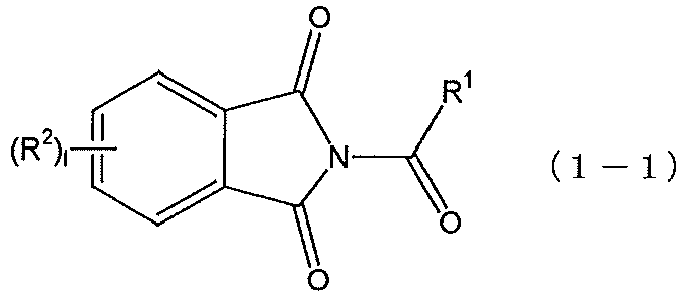
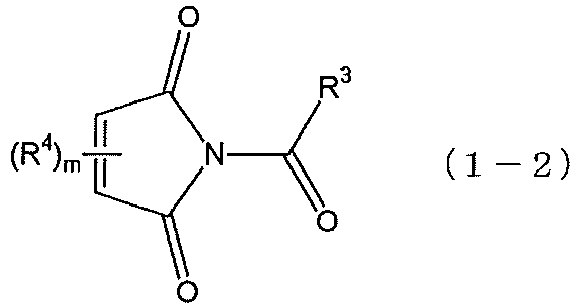
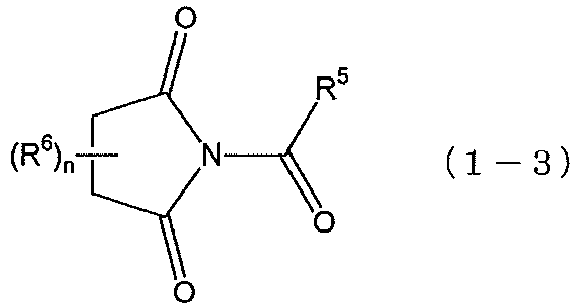
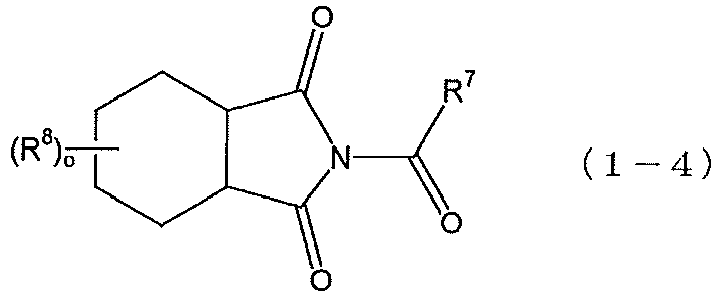
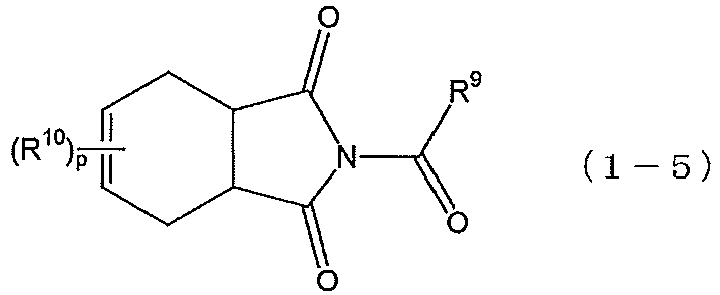
Description
- The present invention relates to an additive for a non-aqueous electrolyte solution. The present invention also relates to a non-aqueous electrolyte solution containing the additive for a non-aqueous electrolyte solution and an electrical storage device including the non-aqueous electrolyte solution.
- In recent years, with the increase in attention to solving environmental problems and establishing a sustainable recycling-based society, non-aqueous electrolyte solution secondary batteries typified by lithium ion batteries have been widely studied. In particular, lithium ion batteries are used as the power source of laptops, mobile phones, and like devices because of their high working voltage and energy density. Such lithium-ion batteries are promising to achieve higher capacity because they have higher energy density than lead batteries or nickel-cadmium batteries.
- However, lithium-ion batteries show a decrease in their battery capacity after repeating charge/discharge cycles or storage under high temperature conditions. One factor contributing to the decrease is that repeating charge/discharge cycles over a long period of time causes side reactions between the electrode and the electrolyte solution, decomposition of the electrolyte solution due to electrode reactions, a decrease in impregnation of the electrolyte into the electrode active material layer, and a decrease in the efficiency of lithium ion intercalation.
- In order to suppress such a decrease in the battery capacity due to repeating charge/discharge cycles or storage under high temperature conditions, addition of various additives to the electrolyte solution have been examined. Such additives are decomposed during an initial charge/discharge cycle to form a film called a solid electrolyte interface (SEI) on the surface of an electrode. Since the SEI is formed during an initial charge/discharge cycle, electricity is not consumed for decomposition of the solvent of the electrolyte solution, and lithium ions can transfer between electrodes through the SEI. The formation of an SEI is therefore considered to prevent electrical storage devices such as non-aqueous electrolyte solution secondary batteries from degrading after repeating charge/discharge cycles, and greatly contribute to an improvement in their battery characteristics, storage characteristics, load characteristics, and the like.
- Several additives for an electrolyte solution which form an SEI have been reported. For example, Patent Literatures 1 to 3 disclose cyclic monosulfonates; Patent Literature 4 discloses sulfur-containing aromatic compounds;
Patent Literature 5 discloses disulfide compounds; andPatent Literatures 6 to 9 disclose disulfonates. - Patent Literatures 10 to 13 disclose electrolyte solutions containing vinylene carbonate or vinyl ethylene carbonate. Patent Literatures 14 and 15 disclose electrolyte solutions containing 1,3-propanesultone or butanesultone.
-
- Patent Literature 1:
JP S63-102173 A - Patent Literature 2:
JP 2000-003724 A - Patent Literature 3:
JP H11-339850 A - Patent Literature 4:
JP H05-258753 A - Patent Literature 5:
JP 2001-052735 A - Patent Literature 6:
JP 2009-038018 A - Patent Literature 7:
JP 2005-203341 A - Patent Literature 8:
JP 2004-281325 A - Patent Literature 9:
JP 2005-228631 A - Patent Literature 10:
JP H04-87156 A - Patent Literature 11:
JP H05-74486 A - Patent Literature 12:
JP H08-45545 A - Patent Literature 13:
JP 2001-6729 A - Patent Literature 14:
JP S63-102173 A - Patent Literature 15:
JP H10-50342 A - "Geun-Chang, Hyung-Jin kim, Seung-11 Yu, Song-Hui Jun, Jong-Wook Choi, Myung-Hwan Kim, Journal of The Electrochemical Society, 147,12,4391 (2000)", for example, reports the technique of using the LUMO (lowest unoccupied molecular orbital) energy level of the compounds constituting the additives for a non-aqueous electrolyte solution as an indicator of the adaptability of the additives to electrochemical reduction on an electrode of a non-aqueous electrolyte solution secondary battery or the like. Such an article teaches that a compound with a lower LUMO energy is a better electron acceptor, and acts as an additive for a non-aqueous electrolyte solution capable of forming a stable SEI on the surface of an electrode of a non-aqueous electrolyte solution secondary battery or the like. Therefore, measuring the LUMO energy of a compound enables easy evaluation of whether the compound is capable of forming a stable SEI on the surface of an electrode of a non-aqueous electrolyte solution secondary battery or the like. This measurement is now used as a very useful means.
- Some of the compounds disclosed in Patent Literatures 1 to 9 have a high LUMO energy and therefore have insufficient performance as an additive for a non-aqueous electrolyte solution; others have a low LUMO energy but are chemically unstable. Disulfonate compounds, in particular, have a low LUMO energy but are unstable to moisture and easily degraded. Long-term storage of them thus requires tight control of the moisture content and the temperature. Moreover, since the heat-resistant temperature required for lithium-ion batteries, for example, is generally about 60°C, and that for lithium ion capacitors is about 80°C, an improvement in high-temperature stability of additives for a non-aqueous electrolyte solution used in electrical storages is one of the important issues.
- The performance of an SEI formed on the surface of an electrode varies depending on the additive to be used, and is deeply related to battery characteristics such as the cycle characteristics, the charge/discharge capacity, the high-temperature storage characteristics, suppression of gas generation, and reduction in the internal resistance. However, with the conventional additives, it is difficult to form an SEI with sufficient performance and maintain the battery characteristics at high levels for a long period of time.
- For example, the electrolyte solutions disclosed in Patent Literatures 10 to 15, which contain a vinylene carbonate compound or a sultone compound such as 1,3-propanesultone as an additive, can suppress irreversible reduction in the capacity owing to the formation of an SEI on the surface of the negative electrode through electrochemical reduction decomposition. However, although the SEI formed from such additives has a great ability to protect electrodes, it has low lithium ion conductivity, and therefore has poor ability to reduce the internal resistance. In addition, the SEI thus formed does not have enough strength to withstand long term use. It decomposes or cracks during use, causing exposure of the surface of the negative electrode and decomposition of the electrolyte solution to reduce battery characteristics.
- Accordingly, conventional additives for a non-aqueous electrolyte solution do not sufficiently exhibit the performance of protecting electrodes or the performance of reducing the internal resistance for a long period of time, and thus have room for improvement. Namely, there is a demand for a novel additive for an electrolyte solution which forms, on the surface of an electrode, an SEI stable and capable of improving the cycle characteristics, the charge/discharge capacity, the internal resistance, and the like to improve the battery characteristics of an electrical.storage device such as a non-aqueous electrolyte solution secondary battery.
- An object of the present invention is to provide an additive for a non-aqueous electrolyte solution which has excellent storage stability and which, when used in an electrical storage device, forms a stable solid electrolyte interface (SEI) on the surface of an electrode to improve battery characteristics such as the cycle characteristics, the charge/discharge capacity, the high-temperature storage characteristics, suppression of gas generation, and reduction in the internal resistance. Another object of the present invention is to provide a non-aqueous electrolyte solution containing the additive for a non-aqueous electrolyte solution and to provide an electrical storage device including the non-aqueous electrolyte solution.
- The present invention provides an additive for a non-aqueous electrolyte solution, the additive containing a cyclic imide compound represented by Formula (1-1), Formula (1-2), Formula (1-3), Formula (1-4), Formula (1-5), or Formula (1-6) below.
- The additive for a non-aqueous electrolyte solution of the present invention is not limited to those consisting only of the cyclic imide compound according to the present invention, and may contain other component(s) to the extent that does not impair the purposes of the present invention.


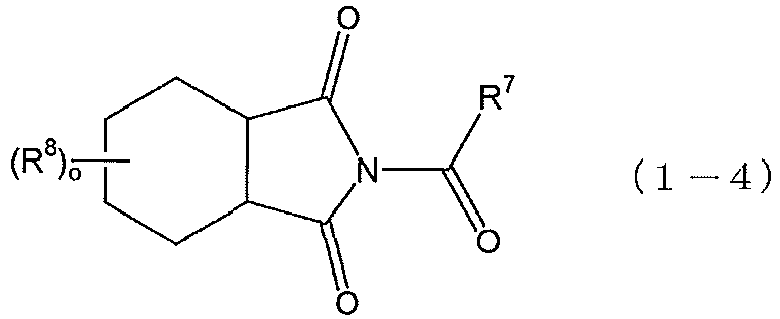


- R1 in Formula (1-1), R3 in Formula (1-2), R5 in Formula (1-3), R7 in Formula (1-4), R9 in Formula (1-5), and R11 in Formula (1-6) each independently represent a substituted or unsubstituted C1-C4 alkyl group, a substituted or unsubstituted C2-C4 alkenyl group, a substituted or unsubstituted C1-C4 alkoxy group, a substituted or unsubstituted phenyl group, a substituted or unsubstituted phenoxy group, a substituted or unsubstituted benzyl group, a substituted or unsubstituted benzyloxy group, a substituted or unsubstituted C2-C6 alkenyloxy group, or a NR13R14 group, R13 and R14 each independently representing a hydrogen atom, a substituted or unsubstituted C1-C4 alkyl group, a substituted or unsubstituted C2-C4 alkenyl group, a substituted or unsubstituted phenyl group, or a substituted or unsubstituted benzyl group; R2 in Formula (1-1), R4 in Formula (1-2), R6 in Formula (1-3), R8 in Formula (1-4), R10 in Formula (1-5), and R12 in Formula (1-6) each independently represent a substituted or unsubstituted C1-C4 alkyl group, a substituted or unsubstituted C1-C4 alkoxy group, or a halogen atom; 1 in Formula (1-1)represents an integer of 0 to 4; m in Formula (1-2) represents an integer of 0 to 2; n in Formula (1-3) represents an integer of 0 to 2; o in Formula (1-4) represents an integer of 0 to 4; p in Formula (1-5) represents an integer of 0 to 4; and q in Formula (1-6) represents an integer of 0 to 6.
- The present invention will be described in detail below.
- The present inventors found out that the cyclic imide compounds represented by Formula (1-1), Formula (1-2), Formula (1-3), Formula (1-4), Formula (1-5), and Formula (1-6) (hereinafter, also collectively referred to as "cyclic imide compounds according to the present invention") had, owing to the carbonyl groups bound to nitrogen, a low LUMO energy and thus are susceptible to electrochemical reduction, and they are also chemically stable. In view of this, the present inventors found out that when an additive for a non-aqueous electrolyte solution containing any of the cyclic imide compounds according to the present invention is added to a non-aqueous electrolyte solution, and this non-aqueous electrolyte solution is used in an electrical storage device such as a non-aqueous electrolyte solution secondary battery, a stable SEI can be formed on the surface of an electrode to improve battery characteristics such as the cycle characteristics, the charge/discharge capacity, and the internal resistance. The inventors thus completed the present invention.
- No clear reason has been found for why the cyclic imide compounds according to the present invention as additives for a non-aqueous electrolyte solution improve battery characteristics such as the cycle characteristics, the charge/discharge capacity, the high-temperature storage characteristics, suppression of gas generation, and reduction in internal resistance. The presumed reason is as follows. Upon electrochemical reduction of the cyclic imide compounds according to the present invention, the cyclic imide opens, and an SEI containing many polar groups with a nitrogen atom, an oxygen atom, or the like is considered to be formed. Such an SEI containing many polar groups with a nitrogen atom, an oxygen atom, or the like is excellent in the ion conductivity and chemically stable, and thus considered to be a remarkably high-quality SEI. Moreover, although this is not certain, the cyclic imide compounds according to the present invention are susceptible to electrochemical reduction on the surface of a negative electrode because three carbonyl groups are bonded to the nitrogen atom and as a result the electron density of the nitrogen is low. Electrochemical reduction and decomposition are thus considered to easily occur, facilitating the formation of an SEI on the surface of a negative electrode. If an alkyl group or the like is directly bonded to the nitrogen atom, the cyclic imide compounds are less susceptible to reduction reaction on the surface of a negative electrode, and thus an SEI is less likely to be formed. If two or less carbonyl groups are bonded to the nitrogen atom, sufficient effects may not be achieved.
- R1 in Formula (1-1), R3 in Formula (1-2), R5 in Formula (1-3), R7 in Formula (1-4), R9 in Formula (1-5), and R11 in Formula (1-6) each independently represent a substituted or unsubstituted C1-C4 alkyl group, a substituted or unsubstituted C2-C4 alkenyl group, a substituted or unsubstituted C1-C4 alkoxy group, a substituted or unsubstituted phenyl group, a substituted or unsubstituted phenoxy group, a substituted or unsubstituted benzyl group, a substituted or unsubstituted benzyloxy group, a substituted or unsubstituted C2-C6 alkenyloxy group, or a NR13R14 group, R13 and R14 each independently representing a hydrogen atom, a substituted or unsubstituted C1-C4 alkyl group, a substituted or unsubstituted C2-C4 alkenyl group, a substituted or unsubstituted phenyl group, or a substituted or unsubstituted benzyl group. In particular, for the cyclic imide compounds to be more susceptible to electrochemical reduction and to form a good SEI, R1, R3, R5, R7, R9, and R11 are each preferably a substituted or unsubstituted C1-C4 alkoxy group, an unsubstituted phenoxy group, an unsubstituted benzyloxy group, a substituted or unsubstituted C2-C4 alkenyloxy group, or a NR13R14 group where R13 and R14 are each a substituted or unsubstituted C1-C4 alkyl group or a substituted or unsubstituted benzyl group.
- If R1 in Formula (1-1), R3 in Formula (1-2), R5 in Formula (1-3), R7 in Formula (1-4), R9 in Formula (1-5), and R11 in Formula (1-6) are each a substituted C1-C4 alkyl group, a substituted C2-C4 alkenyl group, a substituted C1-C4 alkoxy group, a substituted C2-C6 alkenyloxy group, or a NR13R14 group wherein at least one of R13 and R14 is a substituted C1-C4 alkyl group or a substituted C2-C4 alkenyl group, the substituent may be, for example, a halogen atom. In particular, a halogen atom is preferred, and a fluorine atom is more preferred, because they allow the cyclic imide compounds to have a low LUMO energy and thus to be susceptible to electrochemical reduction.
- If R1 in Formula (1-1), R3 in Formula (1-2), R5 in Formula (1-3), R7 in Formula (1-4), R9 in Formula (1-5), and R11 in Formula (1-6) are each a substituted phenyl group, a substituted phenoxy group, a substituted benzyl group, a substituted benzyloxy group, or a NR13R14 group wherein at least one of R13 and R14 is a substituted phenyl group or a substituted benzyl group, the substituent may be, for example, a C1-C4 alkyl group, a C1-C4 alkoxy group, or a halogen atom. In particular, a halogen atom is preferred, and a fluorine atom is more preferred, because they allow the cyclic imide compounds to have a low LUMO energy and thus to be susceptible to electrochemical reduction.
- Examples of the substituted or unsubstituted C1-C4 alkyl group represented by R1 in Formula (1-1), R3 in Formula (1-2), R5 in Formula (1-3), R7 in Formula (1-4), R9 in Formula (1-5), and R11 in Formula (1-6) include methyl, ethyl, n-propyl, isopropyl, n-butyl, isobutyl, t-butyl, monofluoromethyl, 2-monofluoroethyl, 3-monofluoropropyl, 4-monofluorobutyl, difluoromethyl, 2,2-difluoroethyl, 3,3-difluoropropyl, 4,4-difluorobutyl, trifluoromethyl, 2,2,2-trifluoroethyl, 3,3,3-trifluoropropyl, 4,4,4-trifluorobutyl, 1,1,2,2,2-pentafluoroethyl, 2,2,3,3,3-pentafluoropropyl, and 3,3,4,4,4-pentafluorobutyl.
- Examples of the substituted or unsubstituted C2-C4 alkenyl group represented by R1 in Formula (1-1), R3 in Formula (1-2), R5 in Formula (1-3), R7 in Formula (1-4), R9 in Formula (1-5), and R11 in Formula (1-6) include vinyl, allyl, isopropenyl, 1-butenyl, 2-butenyl, 3-butenyl, and isobutenyl. In particular, allyl is preferred.
- Examples of the substituted or unsubstituted C1-C4 alkoxy group represented by R1 in Formula (1-1), R3 in Formula (1-2), R5 in Formula (1-3), R7 in Formula (1-4), R9 in Formula (1-5) and R11 in Formula (1-6) include methoxy, ethoxy, n-propoxy, n-butoxy, trifluoromethoxy, 2,2,2-trifluoroethyloxy, and 1,1,2,2,2-pentafluoroethyloxy. In particular, ethoxy and 2,2,2-trifluoroethyloxy are preferred.
- Examples of the substituted or unsubstituted phenyl group represented by R1 in Formula (1-1), R3 in Formula (1-2), R5 in Formula (1-3), R7 in Formula (1-4), R9 in Formula (1-5), and R11 in Formula (1-6) include phenyl, 2-methylphenyl, 3-methylphenyl, 4-methylphenyl, 2-ethylphenyl, 3-ethylphenyl, 4-ethylphenyl, 2-methoxyphenyl, 3-methoxyphenyl, 4-methoxyphenyl, 2-ethoxyphenyl, 3-ethoxyphenyl, 4-ethoxyphenyl, 2-(dimethylamino)phenyl, 3-(dimethylamino)phenyl, 4-(dimethylamino)phenyl, 2-fluorophenyl, 3-fluorophenyl, 4-fluorophenyl, 2-chlorophenyl, 3-chlorophenyl, 4-chlorophenyl, 2-bromophenyl, 3-bromophenyl, and 4-bromophenyl. In particular, phenyl, 2-fluorophenyl, 3-fluorophenyl, and 4-fluorophenyl are preferred because they allow the cyclic imide compounds to have a low LUMO energy and thus to be susceptible to electrochemical reduction.
- Examples of the substituted or unsubstituted phenoxy group represented by R1 in Formula (1-1), R3 in Formula (1-2), R5 in Formula (1-3), R7 in Formula (1-4), R9 in Formula (1-5), and R11 in Formula (1-6) include phenoxy, 2-methylphenoxy, 3-methylphenoxy, 4-methylphenoxy, 2-ethylphenoxy, 3-ethylphenoxy, 4-ethylphenoxy, 2-methoxyphenoxy, 3-methoxyphenoxy, 4-methoxyphenoxy, 2-ethoxyphenoxy, 3-ethoxyphenoxy, 4-ethoxyphenoxy, 2-(dimethylamino)phenoxy, 3-(dimethylamino)phenoxy, 4-(dimethylamino)phenoxy, 2-fluorophenoxy, 3-fluorophenoxy, 4-fluorophenoxy, 2-chlorophenoxy, 3-chlorophenoxy, 4-chlorophenoxy, 2-bromophenoxy, 3-bromophenoxy, and 4-bromophenoxy. In particular, phenoxy, 4-methoxyphenoxy, and 4-fluorophenoxy are preferred because they allow the cyclic imide compounds to have a low LUMO energy and thus to be susceptible to electrochemical reduction.
- Examples of the substituted or unsubstituted benzyl group represented by R1 in Formula (1-1), R3 in Formula (1-2), R5 in Formula (1-3), R7 in Formula (1-4), R9 in Formula (1-5), and R11 in Formula (1-6) include benzyl, 2-methylbenzyl, 3-methylbenzyl, 4-methylbenzyl, 2-ethylbenzyl, 3-ethylbenzyl, 4-ethylbenzyl, 2-methoxybenzyl, 3-methoxybenzyl, 4-methoxybenzyl, 2-ethoxybenzyl, 3-ethoxybenzyl, 4-ethoxybenzyl, 2-(dimethylamino)benzyl, 3-(dimethylamino)benzyl, 4-(dimethylamino)benzyl, 2-fluorobenzyl, 3-fluorobenzyl, 4-fluorobenzyl, 2-chlorobenzyl, 3-chlorobenzyl, 4-chlorobenzyl, 2-bromobenzyl, 3-bromobenzyl, and 4-bromobenzyl. In particular, benzyl, 4-methoxybenzyl, and 4-fluorobenzyl are preferred because they allow the cyclic imide compounds to have a low LUMO energy and thus to be susceptible to electrochemical reduction.
- Examples of the substituted or unsubstituted benzyloxy group represented by R1 in Formula (1-1), R3 in Formula (1-2), R5 in Formula (1-3), R7 in Formula (1-4), R9 in Formula (1-5), and R11 in Formula (1-6) include benzyloxy, 2-methylbenzyloxy, 3-methylbenzyloxy, 4-methylbenzyloxy, 2-ethylbenzyloxy, 3-ethylbenzyloxy, 4-ethylbenzyloxy, 2-methoxybenzyloxy, 3-methoxybenzyloxy, 4-methoxybenzyloxy, 2-ethoxybenzyloxy, 3-ethoxybenzyloxy, 4-ethoxybenzyloxy, 2-(dimethylamino)benzyloxy, 3-(dimethylamino)benzyloxy, 4-(dimethylamino)benzyloxy, 2-fluorobenzyloxy, 3-fluorobenzyloxy, 4-fluorobenzyloxy, 2-chlorobenzyloxy, 3-chlorobenzyloxy, 4-chlorobenzyloxy, 2-bromobenzyloxy, 3-bromobenzyloxy, and 4-bromobenzyloxy. In particular, benzyloxy, 4-methoxybenzyloxy, and 4-fluorobenzyloxy are preferred because they allow the cyclic imide compounds to have a low LUMO energy and thus to be susceptible to electrochemical reduction.
- Examples of the substituted or unsubstituted C2-C6 alkenyloxy group represented by R1 in Formula (1-1), R3 in Formula (1-2), R5 in Formula (1-3), R7 in Formula (1-4), R9 in Formula (1-5), and R11 in Formula (1-6) include 2-propenyloxy, 1-methyl-2-propenyloxy, 2-methyl-2-propenyloxy, 2-butenyloxy, 3-butenyloxy, 2-hexenyloxy, and 5-hexenyloxy. In particular, 2-propenyloxy and 2-butenyloxy are preferred because they allow the cyclic imide compounds to have a low LUMO energy and thus to be susceptible to electrochemical reduction.
- Examples of the NR13R14 group represented by R1 in Formula (1-1), R3 in Formula (1-2), R5 in Formula (1-3), R7 in Formula (1-4), R9 in Formula (1-5), and R11 in Formula (1-6) include N,N-dimethylamino, N,N-diethylamino, N-methyl-N-benzylamino, N-methyl-N-phenylamino, N,N-dibenzylamino, and N,N-diphenylamino. In particular, N,N-dimethylamino and N-methyl-N-benzylamino are preferred.
- R2 in Formula (1-1), R4 in Formula (1-2), R6 in Formula (1-3), R8 in Formula (1-4), R10 in Formula (1-5), and R12 in Formula (1-6) each independently represent a substituted or unsubstituted C1-C4 alkyl group, a substituted or unsubstituted C1-C4 alkoxy group, or a halogen atom. In Formula (1-1), 1 represents an integer of 0 to 4. In Formula (1-2), m represents an integer of 0 to 2. In Formula (1-3), n represents an integer of 0 to 2. In Formula (1-4), o represents an integer of 0 to 4. In Formula (1-5), p represents an integer of 0 to 4. In Formula (1-6), q represents an integer of 0 to 6.
- Examples of the substituted or unsubstituted C1-C4 alkyl group represented by R2 in Formula (1-1), R4 in Formula (1-2), R6 in Formula (1-3), R8 in Formula (1-4), R10 in Formula (1-5), and R12 in Formula (1-6) include methyl, ethyl, n-propyl, isopropyl, n-butyl, isobutyl, and t-butyl. In particular, methyl is preferred from the viewpoint of the availability, the reactivity, and the like.
- Examples of the substituted or unsubstituted C1-C4 alkoxy group represented by R2 in Formula (1-1), R4 in Formula (1-2), R6 in Formula (1-3), R8 in Formula (1-4), R10 in Formula (1-5), and R12 in Formula (1-6) include methoxy, ethoxy, n-propoxy, and n-butoxy. In particular, methoxy is preferred from the viewpoint of the availability, the reactivity, and the like.
- Examples of the halogen atom represented by R2 in Formula (1-1), R4 in Formula (1-2), R6 in Formula (1-3), R8 in Formula (1-4), R10 in Formula (1-5), and R12 in Formula (1-6) include fluorine, chlorine, bromine, and iodine atoms. In particular, a chlorine atom is preferred from the viewpoint of the availability, the reactivity, and the like.
- In Formula (1-1), 1 is preferably 0 to 2, more preferably 0 to 1. From the viewpoint of the availability, the reactivity, and the like, 1 is still more preferably 0.
- If 1 in Formula (1-1) is 1, the substitution position for R2 is preferably the 4-position. If 1 is 2, the substitution positions for R2s are preferably the 4-position and the 5-position.
- If 1 in Formula (1-1) is an integer of 2 to 4, R2s may be the same as or different from each other.
- In Formula (1-2), m is preferably 0 or 1, more preferably 0.
- If m in Formula (1-2) is 2, two R4s may be the same as or different from each other.
- In Formula (1-3), n is preferably 0 or 1, more preferably 0.
- If n in Formula (1-3) is 2, two R6s may be the same as or different from each other.
- In Formula (1-4), o is preferably 0 to 2, more preferably 0 to 1. From the viewpoint of the availability, the reactivity, and the like, o in Formula (1-4) is still more preferably 0.
- If o in Formula (1-4) is an integer of 2 to 4, R8s may be the same as or different from each another.
- In Formula (1-5), p is preferably 0 to 2, more preferably 0 to 1. From the viewpoint of the availability, the reactivity, and the like, p in Formula (1-5) is still more preferably 0.
- If p in Formula (1-5) is an integer of 2 to 4, R10s may be the same as or different from each other.
- In Formula (1-6), q is preferably 0 to 2, more preferably 0 to 1. From the viewpoint of the availability, the reactivity, and the like, q in Formula (1-6) is still more preferably 0.
- If q in Formula (1-6) is an integer of 2 to 6, R12s may be the same as or different from each other.
- Examples of the compound represented by Formula (1-1) among the cyclic imide compounds according to the present invention include N-benzoylphthalimide, N-(phenoxycarbonyl)phthalimide, N-acetylphthalimide, N-(methoxycarbonyl)phthalimide, N-propanoylphthalimide, N-(ethoxycarbonyl)phthalimide, N-butanoylphthalimide, N-(propoxycarbonyl)phthalimide, N-(2-propenyloxycarbonyl)phthalimide, N-benzoyl-4-methylphthalimide, N-(phenoxycarbonyl)-4-methylphthalimide, N-acetyl-4-methylphthalimide, N-(methoxycarbonyl)-4-methylphthalimide, N-propanoyl-4-methylphthalimide, N-(ethoxycarbonyl)-4-methylphthalimide, N-butanoyl-4-methylphthalimide, N-(propoxycarbonyl)-4-methylphthalimide, N-benzoyl-5-methylphthalimide, N-(phenoxycarbonyl)-5-methylphthalimide, N-acetyl-5-methylphthalimide, N-(methoxycarbonyl)-5-methylphthalimide, N-propanoyl-5-methylphthalimide, N-(ethoxycarbonyl)-5-methylphthalimide, N-butanoyl-5-methylphthalimide, N-(propoxycarbonyl)-5-methylphthalimide, N-(N',N'-dimethylaminocarbonyl)phthalimide, and N-(N'-methyl-N'-benzylaminocarbonyl)phthalimide.
- Examples of the compound represented by Formula (1-2) among the cyclic imide compounds according to the present invention include N-benzoylmaleimide, N-(phenoxycarbonyl)maleimide, N-acetylmaleimide, N-(methoxycarbonyl)maleimide, N-propanoylmaleimide, N-(ethoxycarbonyl)maleimide, N-butanoylmaleimide, N-(propoxycarbonyl)maleimide, N-(2-propenyloxycarbonyl)maleimide, N-(N',N'-dimethylaminocarbonyl)maleimide, and N-(N'-methyl-N'-benzylaminocarbonyl)maleimide.
- Examples of the compound represented by Formula (1-3) among the cyclic imide compounds according to the present invention include N-benzoylsuccinimide, N-(phenoxycarbonyl)succinimide, N-acetylsuccinimide, N-(methoxycarbonyl)succinimide, N-propanoylsuccinimide, N-(ethoxycarbonyl)succinimide, N-butanoylsuccinimide, N-(propoxycarbonyl)succinimide, N-(2-propenyloxycarbonyl)succinimide, N-(N',N'-dimethylaminocarbonyl)succinimide, and N-(N'-methyl-N'-benzylaminocarbonyl)succinimide.
- Examples of the compound represented by Formula (1-4) among the cyclic imide compounds according to the present invention include N-benzoylhexahydrophthalimide, N-(phenoxycarbonyl)hexahydrophthalimide, N-acetylhexahydrophthalimide, N-(methoxycarbonyl)hexahydrophthalimide, N-propanoylhexahydrophthalimide, N-(ethoxycarbonyl)hexahydrophthalimide, N-butanoylhexahydrophthalimide, N-(propoxycarbonyl)hexahydrophthalimide, N-(2-propenyloxycarbonyl)hexahydrophthalimide, N-benzoyl-4-methylhexahydrophthalimide, N-(phenoxycarbonyl)-4-methylhexahydrophthalimide, N-acetyl-4-methylhexahydrophthalimide, N-(methoxycarbonyl)-4-methylhexahydrophthalimide, N-propanoyl-4-methylhexahydrophthalimide, N-(ethoxycarbonyl)-4-methylhexahydrophthalimide, N-butanoyl-4-methylhexahydrophthalimide, N-(propoxycarbonyl)-4-methylhexahydrophthalimide, N-benzoyl-5-methylhexahydrophthalimide, N-(phenoxycarbonyl)-5-methylhexahydrophthalimide, N-acetyl-5-methylhexahydrophthalimide, N-(methoxycarbonyl)-5-methylhexahydrophthalimide, N-propanoyl-5-methylhexahydrophthalimide, N-(ethoxycarbonyl)-5-methylhexahydrophthalimide, N-butanoyl-5-methylhexahydrophthalimide, N-(propoxycarbonyl)-5-methylhexahydrophthalimide, N-(N',N'-dimethylaminocarbonyl)hexahydrophthalimide, and N-(N'-methyl-N'-benzylaminocarbonyl)hexahydrophthalimide.
- Examples of the compound represented by Formula (1-5) among the cyclic imide compounds according to the present invention include N-benzoyl-1,2,3,6-tetrahydrophthalimide, N-(phenoxycarbonyl)-1,2,3,6-tetrahydrophthalimide, N-acetyl-1,2,3,6-tetrahydrophthalimide, N-(methoxycarbonyl)-1,2,3,6-tetrahydrophthalimide, N-propanoyl-1,2,3,6-tetrahydrophthalimide, N-(ethoxycarbonyl)-1,2,3,6-tetrahydrophthalimide, N-butanoyl-1,2,3,6-tetrahydrophthalimide, N-(propoxycarbonyl)-1,2,3,6-tetrahydrophthalimide, N-(2-propenyloxycarbonyl)-1,2,3,6-tetrahydrophthalimide, N-benzoyl-4-methyl-1,2,3,6-tetrahydrophthalimide, N-(phenoxycarbonyl)-4-methyl-1,2,3,6-tetrahydrophthalimide, N-acetyl-4-methyl-1,2,3,6-tetrahydrophthalimide, N-(methoxycarbonyl)-4-methyl-1,2,3,6-tetrahydrophthalimide, N-propanoyl-4-methyl-1,2,3,6-tetrahydrophthalimide, N-(ethoxycarbonyl)-4-methyl-1,2,3,6-tetrahydrophthalimide, N-butanoyl-4-methyl-1,2,3,6-tetrahydrophthalimide, N-(propoxycarbonyl)-4-methyl-1,2,3,6-tetrahydrophthalimide, N-benzoyl-5-methyl-1,2,3,6-tetrahydrophthalimide, N-(phenoxycarbonyl)-5-methyl-1,2,3,6-tetrahydrophthalimide, N-acetyl-5-methyl-1,2,3,6-tetrahydrophthalimide, N-(methoxycarbonyl)-5-methyl-1,2,3,6-tetrahydrophthalimide, N-propanoyl-5-methyl-1,2,3,6-tetrahydrophthalimide, N-(ethoxycarbonyl)-5-methyl-1,2,3,6-tetrahydrophthalimide, N-butanoyl-5-methyl-1,2,3,6-tetrahydrophthalimide, N-(propoxycarbonyl)-5-methyl-1,2,3,6-tetrahydrophthalimide, N-(N',N'-dimethylaminocarbonyl)-1,2,3,6-tetrahydrophthalimide, and N-(N'-methyl-N'-benzylaminocarbonyl)-1,2,3,6-tetrahydrophthalimide.
- Examples of the compound represented by Formula (1-6) among the cyclic imide compounds according to the present invention include N-benzoylnaphthalimide, N-(phenoxycarbonyl)naphthalimide, N-acetylnaphthalimide, N-(methoxycarbonyl)naphthalimide, N-propanoylnaphthalimide, N-(ethoxycarbonyl)naphthalimide, N-butanoylnaphthalimide, N-(propoxycarbonyl)naphthalimide, N-(2-propenyloxycarbonyl)naphthalimide, N-benzoyl-4-methylnaphthalimide, N-(phenoxycarbonyl)-4-methylnaphthalimide, N-acetyl-4-methylnaphthalimide, N-(methoxycarbonyl)-4-methylnaphthalimide, N-propanoyl-4-methylnaphthalimide, N-(ethoxycarbonyl)-4-methylnaphthalimide, N-butanoyl-4-methylnaphthalimide, N-(N',N'-dimethylaminocarbonyl)naphthalimide, and N-(N'-methyl-N'-benzylaminocarbonyl)naphthalimide.
- The additive for a non-aqueous electrolyte solution of the present invention contains at least one of a cyclic imide compound represented by Formula (1-1), a cyclic imide compound represented by Formula (1-2), a cyclic imide compound represented by Formula (1-3), a cyclic imide compound represented by Formula (1-4), a cyclic imide compound represented by Formula (1-5), and a cyclic imide compound represented by Formula (1-6) as the cyclic imide compound according to the present invention, and may contain two or more of these compounds.
- In particular, from the viewpoint of the availability, the reactivity, and the like, the additive for a non-aqueous electrolyte solution of the present invention preferably contains at least one compound selected from the group consisting of a compound represented by Formula (2-1), a compound represented by Formula (2-2), a compound represented by Formula (2-3), a compound represented by Formula (2-4), a compound represented by Formula (2-5), and a compound represented by Formula (2-6) as the cyclic imide compound according to the present invention, more preferably at least one compound selected from the group consisting of a compound represented by Formula (3-1), a compound represented by Formula (3-2), a compound represented by Formula (3-3), a compound represented by Formula (3-4), a compound represented by Formula (3-5), a compound represented by Formula (3-6).


- R15 in Formula (2-1), R16 in Formula (2-2), R17 in Formula (2-3), R18 in Formula (2-4), R19 in Formula (2-5), and R20 in Formula (2-6) each independently represent a substituted or unsubstituted C1-C4 alkyl group, a substituted or unsubstituted C2-C4 alkenyl group, a substituted or unsubstituted C1-C4 alkoxy group, a substituted or unsubstituted phenyl group, a substituted or unsubstituted phenoxy group, a substituted or unsubstituted benzyl group, a substituted or unsubstituted benzyloxy group, a substituted or unsubstituted C2-C4 alkenyloxy group, or a NR13R14 group, R13 and R14 each independently representing a hydrogen atom, a substituted or unsubstituted C1-C4 alkyl group, a substituted or unsubstituted C2-C4 alkenyl group, a substituted or unsubstituted phenyl group, or a substituted or unsubstituted benzyl group.


- R21 in Formula (3-1), R22 in Formula (3-2), R23 in Formula (3-3), R24 in Formula (3-4), R25 in Formula (3-5), and R26 in Formula (3-6) each independently represent a substituted or unsubstituted C1-C4 alkoxy group, an unsubstituted phenoxy group, an unsubstituted benzyloxy group, a substituted or unsubstituted C2-C4 alkenyloxy group, or a NR13R14 group, R13 and R14 each independently representing a substituted or unsubstituted C1-C4 alkyl group or a substituted or unsubstituted benzyl group.
- Examples of the substituted or unsubstituted C1-C4 alkyl group, the substituted or unsubstituted C2-C4 alkenyl group, the substituted or unsubstituted C1-C4 alkoxy group, the substituted or unsubstituted phenyl group, the substituted or unsubstituted phenoxy group, the substituted or unsubstituted benzyl group, the substituted or unsubstituted benzyloxy group, the substituted or unsubstituted C2-C4 alkenyloxy group, and the NR13R14 group represented by R15 in Formula (2-1), R16 in Formula (2-2), R17 in Formula (2-3), R18 in Formula (2-4), R19 in Formula (2-5), and R20 in Formula (2-6) include those listed above for R1 in Formula (1-1), R3 in Formula (1-2), R5 in Formula (1-3), R7 in Formula (1-4), R9 in Formula (1-5), and R11 in Formula (1-6) or those having the corresponding carbon number among those listed above.
- Examples of the substituted or unsubstituted C1-C4 alkoxy group, the substituted or unsubstituted C2-C4 alkenyloxy group, and NR13R14 group for R21 in Formula (3-1), R22 in Formula (3-2), R23 in Formula (3-3), R24 in Formula (3-4), R25 in Formula (3-5), and R26 in Formula (3-6) include those listed for R1 in Formula (1-1), R3 in Formula (1-2), R5 in Formula (1-3), R7 in Formula (1-4), R9 in Formula (1-5), and R11 in Formula (1-6) above or those having the corresponding carbon number among those listed above.
- Each cyclic imide compound according to the present invention may be produced by, for example, reacting the corresponding cyclic imide compound with a halogenated compound.
- Specifically, for example, a compound (N-(phenoxycarbonyl)phthalimide) of Formula (1-1) wherein R1 is a phenoxy group and 1 is 0 can be produced by dissolving phthalimide and triethylamine into an organic solvent, then adding phenyl chloroformate dropwise to the solution, followed by stirring for two hours at room temperature, and further followed by washing with water, crystallization, and filtration.
- The lower limit of the lowest unoccupied molecular orbital (LUMO) energy of the cyclic imide compounds according to the present invention is preferably -3.1 eV, and the upper limit thereof is preferably 0.0 eV. If the LUMO energy is less than -3.1 eV, the compounds may excessively decompose and form a film having high resistance on the surface of a negative electrode. If the LUMO energy is more than 0.0 eV, the compounds may not be able to form a stable SEI on the surface of a negative electrode. The lower limit of the LUMO energy is more preferably -3.0 eV, and the upper limit is more preferably -0.5 eV.
- The "lowest unoccupied molecular orbital (LUMO) energy" is calculated by the combination of semi-empirical molecular orbital calculation (PM3) and density-functional theory calculation (B3LYP). In the present invention, specifically, the LUMO energy is calculated with Gaussian 03 (Revision B.03, software produced by Gaussian, Inc.).
- The cyclic imide compounds according to the present invention have a low LUMO energy, so that they are susceptible to electrochemical reduction. Therefore, when added to a non-aqueous electrolyte solution and used in an electrical storage device such as a non-aqueous electrolyte solution secondary battery, the additive for a non-aqueous electrolyte solution of the present invention, containing the compound(s) according to the present invention, can form a stable SEI on the surface of an electrode to improve battery characteristics such as the cycle characteristics, the charge/discharge capacity, and the internal resistance. Furthermore, the cyclic imide compounds according to the present invention are stable to moisture and temperature change. Therefore, the additive for a non-aqueous electrolyte solution of the present invention, containing the compound(s) according to the present invention, can be stored at room temperature for a long time, and accordingly, a non-aqueous electrolyte solution containing the additive for a non-aqueous electrolyte solution can also be stored and used for a long time.
- The present invention also encompasses a non-aqueous electrolyte solution containing the additive for a non-aqueous electrolyte solution of the present invention, a non-aqueous solvent, and an electrolyte.
- The lower limit of the amount of the additive for a non-aqueous electrolyte solution of the present invention in the non-aqueous electrolyte solution of the present invention is preferably 0.005% by mass. The upper limit thereof is preferably 10% by mass. If the amount of the additive for a non-aqueous electrolyte solution of the present invention is less than 0.005% by mass, the additive may not sufficiently form a stable SEI by electrical decomposition on the surface of an electrode when the electrolyte solution is used in a non-aqueous electrolyte solution secondary battery or the like. If the amount of the additive for a non-aqueous electrolyte solution of the present invention is more than 10% by mass, the additive is hard to dissolve and also makes the non-aqueous electrolyte solution more viscous, preventing sufficient ion mobility to be secured. As a result, the electrolyte solution may fail to sufficiently secure the conductivity, possibly causing a problem in charge/discharge characteristics when used in an electrical storage device such as a non-aqueous electrolyte solution secondary battery. The lower limit of the amount of the additive for a non-aqueous electrolyte solution of the present invention is more preferably 0.01% by mass. If the amount of the additive for a non-aqueous electrolyte solution of the present invention is within the above range, the effects of the present invention are easily obtained. In particular, the reduction decomposition reaction of the non-aqueous solvent that occurs at high temperatures can be further suppressed, so that the capacity deterioration and the gas generation during storage at high temperatures can be decreased.
- The additive for a non-aqueous electrolyte solution of the present invention may be used alone or used in combination of two or more. If two or more additives for a non-aqueous electrolyte solution of the present invention are used, the lower limit of the total amount thereof is preferably 0.005% by mass, whereas the upper limit thereof is preferably 10% by mass.
- The non-aqueous electrolyte solution of the present invention may contain common additives such as vinylene carbonate (VC), fluoroethylene carbonate (FEC), or 1,3-propanesultone (PS) if necessary, along with the additive for a non-aqueous electrolyte solution of the present invention.
- In order to lower the viscosity of the non-aqueous electrolyte solution to be obtained, the above non-aqueous solvent is preferably an aprotic solvent. In particular, the non-aqueous solvent preferably contains at least one solvent selected from the group consisting of cyclic carbonates, acyclic carbonates, aliphatic carbonates, lactones, lactams, cyclic ethers, acyclic ethers, sulfones, nitriles, and halogen derivatives thereof. Among them, cyclic carbonates and acyclic carbonates are more preferred.
- Examples of the cyclic carbonates include ethylene carbonate (EC), propylene carbonate, and butylene carbonate.
- Examples of the acyclic carbonates include dimethyl carbonate, diethyl carbonate (DEC), and ethyl methyl carbonate.
- Examples of the aliphatic carbonates include methyl acetate, ethyl acetate, methyl propionate, ethyl propionate, methyl butyrate, methyl isobutyrate, and methyl trimethyl acetate.
- Examples of the lactones include γ-butyrolactone.
- Examples of the lactams include ε-caprolactam and N-methylpyrrolidone.
- Examples of the cyclic ethers include tetrahydrofuran, 2-methyltetrahydrofuran, tetrahydropyran, and 1,3-dioxolan.
- Examples of the acyclic ethers include 1,2-diethoxyethane and ethoxymethoxyethane.
- Examples of the sulfones include sulfolane.
- Examples of the nitriles include acetonitrile.
- Examples of the halogen derivatives include 4-fluoro-1,3-dioxolan-2-one, 4-chloro-1,3-dioxolan-2-one, and 4,5-difluoro-1,3-dioxolan-2-one.
- These non-aqueous solvents may be used alone or in combination of two or more.
- These non-aqueous solvents are preferably used, for example, for non-aqueous electrolyte solution secondary batteries such as lithium-ion batteries or electric double layer capacitors such as lithium ion capacitors.
- The electrolyte is preferably a lithium salt that serves as a source of lithium ions. Specifically, the lithium salt is preferably at least one salt selected from the group consisting of LiAlCl4, LiBF4, LiPF6, LiClO4, LiAsF6, and LiSbF6. The electrolyte is more preferably LiBF4 and/or LiPF6 because they have high degree of dissociation to increase the ion conductivity of the electrolyte solution, and also because they have oxidation-reduction resistance to suppress degradation of the performance of an electrical storage device after long-term use. Such electrolytes may be used alone or in combination of two or more.
- In the case that the LiBF4 and/or LiPF6 are/is used, the non-aqueous solvent preferably contains a mixture of at least one cyclic carbonate and at least one chain carbonate, more preferably a mixture of ethylene carbonate and diethyl carbonate.
- The lower limit of the concentration of the electrolyte in the non-aqueous electrolyte solution of the present invention is preferably 0.1 mol/L, and the upper limit thereof is preferably 2.0 mol/L. If the concentration of the electrolyte is less than 0.1 mol/L, the non-aqueous electrolyte solution may fail to sufficiently secure the conductivity or the like, possibly causing a problem in charge/discharge characteristics when used in an electrical storage device. If the concentration of the electrolyte is more than 2.0 mol/L, the non-aqueous electrolyte solution has high viscosity and fails to sufficiently secure the ion mobility. As a result, the non-aqueous electrolyte solution may fail to sufficiently secure the conductivity or the like, possibly causing a problem in charge/discharge characteristics when used in an electrical storage device. The lower limit of the concentration of the electrolyte is more preferably 0.5 mol/L, and the upper limit is more preferably 1.5 mol/L.
- The present invention also encompasses an electrical storage device including the non-aqueous electrolyte solution of the present invention, a positive electrode, and a negative electrode. Examples of the electrical storage device include non-aqueous electrolyte solution secondary batteries and electric double layer capacitors. In particular, lithium-ion batteries and lithium ion capacitors are preferred.
-
Fig. 1 is a cross-sectional view schematically illustrating an example of the electrical storage device of the present invention. - In
Fig. 1 , a non-aqueous electrolyte solution secondary battery 1 according to the electrical storage device of the present invention includes a positive electrode current collector 2 with a positive electrodeactive material layer 3 on one surface thereof, the current collector 2 and thelayer 3 constituting a positive electrode plate 4, and a negative electrodecurrent collector 5 with a negative electrodeactive material layer 6 on one surface thereof, thecurrent collector 5 and thelayer 6 constituting anegative electrode plate 7. The positive electrode plate 4 and thenegative electrode plate 7 are disposed facing each other across thenon-aqueous electrolyte solution 8 of the present invention and aseparator 9 in thenon-aqueous electrolyte solution 8. - Although
Fig. 1 shows a non-aqueous electrolyte solution secondary battery as the electrical storage device, the electrical storage device of the present invention is not limited thereto, and can be applied to other electrical storage devices such as electric double layer capacitors. - The positive electrode collector 2 and the negative electrode
current collector 5 may be metallic foil made of such metal as aluminum, copper, nickel, or stainless steel. - The positive electrode active material used in the positive electrode
active material layer 3 is preferably a lithium-containing composite oxide, such as LiMnO2, LiFeO2, LiCoO2, LiMn2O4, Li2FeSiO4, LiNi1/3CO1/3Mn1/3O2, or LiFePO4. - The negative electrode active material used in the negative electrode
active material layer 6 may be, for example, a material that is capable of absorbing and releasing lithium. Examples of such a material include carbon materials such as graphite and amorphous carbon and oxide materials such as indium oxide, silicon oxide, tin oxide, zinc oxide, and lithium oxide. - The negative electrode active material may be a lithium metal or a metal material capable of forming an alloy with lithium. Examples of the metal capable of forming an alloy with lithium include Cu, Sn, Si, Co, Mn, Fe, Sb, and Ag. A binary or ternary alloy including any of these metals and lithium may be used.
- These negative electrode active materials may be used alone or in combination of two or more.
- The
separator 9 may be a porous film made of such a material as polyethylene, polypropylene, or fluororesin. - The present invention provide an additive for a non-aqueous electrolyte solution which has excellent storage stability and which, when used in an electrical storage device, can form a stable SEI on the surface of an electrode to improve battery characteristics such as the cycle characteristics, the charge/discharge capacity, the high-temperature storage characteristics, suppression of gas generation, and reduction in the internal resistance. The present invention also provides a non-aqueous electrolyte solution containing the additive for a non-aqueous electrolyte solution and an electrical storage device containing the non-aqueous electrolyte solution.
-
Fig. 1 is a cross-sectional view schematically illustrating an example of the electrical storage device of the present invention. - The present invention will be described in detail below with reference to examples. The present invention is not limited to these examples.
- A mixed non-aqueous solvent was prepared by mixing ethylene carbonate (EC) and diethyl carbonate (DEC) at a volume ratio of EC:DEC = 30:70. LiPF6 as an electrolyte was dissolved into the mixed non-aqueous solvent to a concentration of 1.0 mol/L. To the solution composed of the mixed non-aqueous solvent and the electrolyte, Compound 1 shown in Table 1 as an additive for a non-aqueous electrolyte solution was added in an amount of 0.5% by mass of the total amount of the solution. Thus, a non-aqueous electrolyte solution was prepared.
- A non-aqueous electrolyte solution was prepared in the same manner as in Example 1 except that the amount of Compound 1 was changed to 1.0% by mass.
- A non-aqueous electrolyte solution was prepared in the same manner as in Example 1 except that Compound 2 shown in Table 1, instead of Compound 1, was added in an amount of 1.0% by mass.
- A non-aqueous electrolyte solution was prepared in the same manner as in Example 1 except that
Compound 3 shown in Table 1, instead of Compound 1, was added in an amount of 1.0% by mass. - A non-aqueous electrolyte solution was prepared in the same manner as in Example 1 except that Compound 4 shown in Table 1, instead of Compound 1, was added in an amount of 1.0% by mass.
- A non-aqueous electrolyte solution was prepared in the same manner as in Example 1 except that
Compound 5 shown in Table 1, instead of Compound 1, was added in an amount of 1.0% by mass. - A non-aqueous electrolyte solution was prepared in the same manner as in Example 1 except that
Compound 6 shown in Table 1, instead of Compound 1, was added in an amount of 1.0% by mass. - A non-aqueous electrolyte solution was prepared in the same manner as in Example 1 except that
Compound 7 shown in Table 1, instead of Compound 1, was added in an amount of 1.0% by mass. - A non-aqueous electrolyte solution was prepared in the same manner as in Example 1 except that
Compound 8 shown in Table 1, instead of Compound 1, was added in an amount of 1.0% by mass. - A non-aqueous electrolyte solution was prepared in the same manner as in Example 1 except that
Compound 9 shown in Table 1, instead of Compound 1, was added in an amount of 1.0% by mass. - A non-aqueous electrolyte solution was prepared in the same manner as in Example 1 except that Compound 10 shown in Table 2, instead of Compound 1, was added in an amount of 1.0% by mass.
- A non-aqueous electrolyte solution was prepared in the same manner as in Example 1 except that Compound 11 shown in Table 2, instead of Compound 1, was added in an amount of 1.0% by mass.
- A non-aqueous electrolyte solution was prepared in the same manner as in Example 1 except that Compound 12 shown in Table 2, instead of Compound 1, was added in an amount of 1.0% by mass.
- A non-aqueous electrolyte solution was prepared in the same manner as in Example 1 except that Compound 13 shown in Table 2, instead of Compound 1, was added in an amount of 1.0% by mass.
- A non-aqueous electrolyte solution was prepared in the same manner as in Example 1 except that Compound 14 shown in Table 2, instead of Compound 1, was added in an amount of 1.0% by mass.
- A non-aqueous electrolyte solution was prepared in the same manner as in Example 1 except that Compound 15 shown in Table 2, instead of Compound 1, was added in an amount of 1.0% by mass.
- A non-aqueous electrolyte solution was prepared in the same manner as in Example 1 except that Compound 16 shown in Table 2, instead of Compound 1, was added in an amount of 1.0% by mass.
- A non-aqueous electrolyte solution was prepared in the same manner as in Example 1 except that Compound 17 shown in Table 2, instead of Compound 1, was added in an amount of 1.0% by mass.
- A non-aqueous electrolyte solution was prepared in the same manner as in Example 1 except that Compound 18 shown in Table 2, instead of Compound 1, was added in an amount of 1.0% by mass.
- A non-aqueous electrolyte solution was prepared in the same manner as in Example 1 except that Compound 1 was not used.
- A non-aqueous electrolyte solution was prepared in the same manner as in Example 1 except that 1,3-propanesultone, instead of Compound 1, was added in an amount of 1.0% by mass.
- A non-aqueous electrolyte solution was prepared in the same manner as in Example 1 except that vinylene carbonate (VC), instead of Compound 1, was added in an amount of 1.0% by mass.
- A non-aqueous electrolyte solution was prepared in the same manner as in Comparative Example 3 except that vinylene carbonate (VC) was added in an amount of 2.0% by mass.
- A non-aqueous electrolyte solution was prepared in the same manner as in Example 1 except that fluoroethylene carbonate (FEC), instead of Compound 1, was added in an amount of 1.0% by mass.
- A non-aqueous electrolyte solution was prepared in the same manner as in Comparative Example 5 except that fluoroethylene carbonate (FEC) was added in an amount of 2.0% by mass.
- A non-aqueous electrolyte solution was prepared in the same manner as in Example 1 except that phthalimide, instead of Compound 1, was added in an amount of 1.0% by mass.
- A non-aqueous electrolyte solution was prepared in the same manner as in Example 1 except that maleimide, instead of Compound 1, was added in an amount of 1.0% by mass.
- A non-aqueous electrolyte solution was prepared in the same manner as in Example 1 except that succinimide, instead of Compound 1, was added in an amount of 1.0% by mass.
- A non-aqueous electrolyte solution was prepared in the same manner as in Example 1 except that Compound 19 shown in Table 3, instead of Compound 1, was added in an amount of 1.0% by mass.
- A non-aqueous electrolyte solution was prepared in the same manner as in Example 1 except that Compound 20 shown in Table 3, instead of Compound 1, was added in an amount of 1.0% by mass.
- A non-aqueous electrolyte solution was prepared in the same manner as in Example 1 except that Compound 21 shown in Table 3, instead of Compound 1, was added in an amount of 1.0% by mass.
- A non-aqueous electrolyte solution was prepared in the same manner as in Example 1 except that Compound 22 shown in Table 3, instead of Compound 1, was added in an amount of 1.0% by mass.
- A non-aqueous electrolyte solution was prepared in the same manner as in Example 1 except that Compound 23 shown in Table 3, instead of Compound 1, was added in an amount of 1.0% by mass.
- Semi-empirical molecular orbital calculation was performed using Gaussian 03 software to measure the lowest unoccupied molecular orbital (LUMO) energy of Compounds 1 to 18 used in the examples. Tables 1 and 2 show the LUMO energy of Compounds 1 to 18 obtained by the orbital calculation.
[Table 1] Compound structure LUMO energy (eV) Compound structure LUMO energy (eV) Compound 1 
-2.48 Compound 6 
-0.72 Compound 2 
-1.46 Compound 7 
-0.32 Compound 3 
-2.99 Compound 8 
-1.30 Compound 4 
-2.39 Compound 9 
-0.73 Compound 5 
-2.88 [Table 2] Compound structure LUMO energy (eV) Compound structure LUMO energy (eV) Compound 10 
-0.80 Compound 15 
-2.79 Compound 11 
-2.61 Compound 16 
-0.72 Compound 12 
-0.77 Compound 17 
-2.36 Compound 13 
-0.65 Compound 18 
-2.82 Compound 14 
-2.32 [Table 3] Compound structure Compound structure Compound 19 
Compound 22 
Compound 20 
Compound 23 
Compound 21 
- Compounds 1 to 18 used in the examples and fluoroethylene carbonate (FEC) used in Comparative Examples 5 and 6 were subjected to a storage test for 90 days under constant temperature and humidity conditions of a temperature of 40 ± 2°C and humidity of 75 ± 5%, and 1H-nuclear magnetic resonance (1H-NMR) spectra were measured. The peaks before and after the storage of each compound were determined. The stability was evaluated as follows: The case where no change was observed in 1H-NMR peaks before and after the storage was evaluated as "Good (o)"; the case where slight change was observed in 1H-NMR peaks before and after the storage was evaluated as "Fair (Δ)"; and the case where obvious change was observed in 1H-NMR peaks before and after storage was evaluated as "Poor (x)". Table 4 shows the results.
[Table 4] Additive Stability Additive Stability Compound 1 ○ Compound 11 ○ Compound 2 ○ Compound 12 ○ Compound 3○ Compound 13 ○ Compound 4 ○ Compound 14 ○ Compound 5○ Compound 15 ○ Compound 6○ Compound 16 ○ Compound 7○ Compound 17 ○ Compound 8○ Compound 18 ○ Compound 9○ FEC × Compound 10 ○ - As shown in Table 4, fluoroethylene carbonate (FEC) used in Comparative Examples 5 and 6 exhibited poor stability. It is considered that the FEC was partially hydrolyzed. Compounds 1 to 18 used in the examples showed almost no change and had excellent stability.
- LiMn2O4 as a positive electrode active material and a carbon black as a conductivity-imparting agent were dry mixed, and the mixture was uniformly dispersed in a solution of polyvinylidene fluoride (PVDF) as a binder in N-methyl-2-pyrrolidone (NMP), whereby a slurry was obtained. The resulting slurry was applied to aluminum foil (square, thickness of 20 µm) to be used as a positive electrode current collector, followed by evaporating NMP to prepare a positive electrode sheet. In the resulting positive electrode sheet, the proportion by mass of the solids was as follows: positive electrode active material:conductivity-imparting agent:PVDF = 80:10:10.
- Separately, a commercially available graphite-coated electrode sheet (produced by Hohsen Corp.) was used as a negative electrode sheet.
- In the non-aqueous electrolyte solutions obtained in Example 1 to 19 and Comparative Examples 1 to 9, the negative electrode sheet and the positive electrode sheet were stacked with a polyethylene separator in between, whereby cylindrical secondary batteries were prepared.
- Each of the obtained cylindrical secondary batteries was subjected to a charge/discharge cycle test under the conditions of a temperature of 25°C, a charging rate of 0.3 C, a discharging rate of 0.3 C, a charge termination voltage of 4.2 V, and a discharge termination voltage of 2.5 V. Tables 5 and 6 show a discharge capacity retention (%) and an internal resistance ratio after 200 cycles.
- The "discharge capacity retention (%) after 200 cycles" is the value determined by dividing the discharge capacity (mAh) after 200 cycles of the cycle test by the discharge capacity (mAh) after 10 cycles of the cycle test and multiplying the resulting value by 100. The "internal resistance ratio after 200 cycles" is the resistance after 200 cycles of the cycle test expressed as a value relative to the resistance before the cycle test taken as 1.
[Table 5] Electrolyte Solvent Additive Discharge capacity retention (%) Internal resistance ratio Example 1 LiPF6 EC/DEC Compound 1 91 1.23 1.0 mol/L (30/70) vol% 0.5 mass% Example 2 LiPF6 EC/DEC Compound 1 93 1.38 1.0 mol/L (30/70) vol% 1.0 mass% Example 3 LiPF6 EC/DEC Compound 2 91 1.33 1.0 mol/L (30/70) vol% 1.0 mass% Example 4 LiPF6 EC/DEC Compound 3 93 1.31 1.0 mol/L (30/70) vol% 1.0 mass% Example 5 LiPF6 EC/DEC Compound 4 92 1.36 1.0 mol/L (30/70) vol% 1.0 mass% Example 6 LiPF6 EC/DEC Compound 5 93 1.35 1.0 mol/L (30/70) vol% 1.0 mass% Example 7 LiPF6 EC/DEC Compound 6 94 1.33 1.0 mol/L (30/70) vol% 1.0 mass% Example 8 LiPF6 EC/DEC Compound 7 95 1.39 1.0 mol/L (30/70) vol% 1.0 mass% Example 9 LiPF6 EC/DEC Compound 8 96 1.35 1.0 mol/L (30/70) vol% 1.0 mass% Example 10 LiPF6 EC/DEC Compound 9 92 1.33 1.0 mol/L (30/70) vol% 1.0 mass% Example 11 LiPF6 EC/DEC Compound 10 90 1.35 1.0 mol/L (30/70) vol% 1.0 mass% Example 12 LiPF6 EC/DEC Compound 11 91 1.30 1.0 mol/L (30/70) vol% 1.0 mass% Example 13 LiPF6 EC/DEC Compound 12 94 1.33 1.0 mol/L (30/70) vol% 1.0 mass% Example 14 LiPF6 EC/DEC Compound 13 95 1.34 1.0 mol/L (30/70) vol% 1.0 mass% Example 15 LiPF6 EC/DEC Compound 14 89 1.33 1.0 mol/L (30/70) vol% 1.0 mass% Example 16 LiPF6 EC/DEC Compound 15 94 1.39 1.0 mol/L (30/70) vol% 1.0 mass% Example 17 LiPF6 EC/DEC Compound 16 90 1.40 1.0 mol/L (30/70) vol% 1.0 mass% Example 18 LiPF6 EC/DEC Compound 17 92 1.37 1.0 mol/L (30/70) vol% 1.0 mass% Example 19 LiPF6 EC/DEC Compound 18 91 1.36 1.0 mol/L (30/70) vol% 1.0 mass% [Table 6] Electrolyte Solvent Additive Discharge capacity retention (%) Internal resistance ratio Comparative Example 1 LiPF6 EC/DEC None 79 1.83 1.0 mol/L (30/70) vol% Comparative Example 2 LiPF6 EC/DEC 1,3-Propanesultone 81 1.68 1.0 mol/L (30/70) vol% 1.0 mass% Comparative Example 3 LiPF6 EC/DEC VC 81 1.69 1.0 mol/L (30/70) vol% 1.0 mass% Comparative Example 4 LiPF6 EC/DEC VC 82 1.53 1.0 mol/L (30/70) vol% 2.0 mass% Comparative Example 5 LiPF6 EC/DEC FEC 84 1.66 1.0 mol/L (30/70) vol% 1.0 mass% Comparative Example 6 LiPF6 EC/DEC FEC 86 1.67 1.0 mol/L (30/70) vol% 2.0 mass% Comparative Example 7 LiPF6 EC/DEC Phthalimide 87 1.45 1.0 mol/L (30/70) vol% 1.0 mass% Comparative Example 8 LiPF6 EC/DEC Maleimide 86 1.55 1.0 mol/L (30/70) vol% 1.0 mass% Comparative Example 9 LiPF6 EC/DEC Succinimide 85 1.49 1.0 mol/L (30/70) vol% 1.0 mass% - As shown in Tables 5 and 6, the cylindrical secondary batteries including the non-aqueous electrolyte solutions of the examples, which contain Compounds 1 to 18 that are the cyclic imide compounds according to the present invention, have a higher discharge capacity retention in the cycle test than the cylindrical secondary batteries including the non-aqueous electrolyte solutions of Comparative Examples 1 to 9. This indicates that in non-aqueous electrolyte solution secondary batteries including the non-aqueous electrolyte solutions of the examples, which contain the cyclic imide compounds according to the present invention as an additive for a non-aqueous electrolyte solution, the SEI formed on the surface of an electrode of the battery is more stable to charge/discharge cycles than in the non-aqueous electrolyte solution secondary batteries including the non-aqueous electrolyte solutions of the comparative examples. In addition, the non-aqueous electrolyte solutions of the examples have a smaller internal resistance, indicating that they can suppress an increase in the internal resistance due to the cycles.
- Lithium cobaltate (LiCoO2) as a positive electrode active material and a carbon black as a conductivity-imparting agent were dry mixed, and the mixture was uniformly dispersed in a solution of polyvinylidene fluoride (PVDF) as a binder in N-methyl-2-pyrrolidone (NMP), whereby a slurry was obtained. The resulting slurry was applied to both sides of aluminum foil (square, thickness: 20 µm) to be used a positive electrode current collector, followed by drying NMP and further followed by pressing. In this manner, a positive electrode was prepared. In the resulting positive electrode sheet, the proportion by mass of the solids was as follows: positive electrode active material:conductivity-imparting agent:PVDF = 90:5:5.
- Separately, graphite powder as a negative electrode active material and a carbon black as a conductivity-imparting agent were dry mixed, and the mixture was uniformly dispersed in a solution of polyvinylidene fluoride (PVDF) as a binder in N-methyl-2-pyrrolidone (NMP), whereby a slurry was obtained. The resulting slurry was applied to one side of copper foil (square, thickness: 10 µm) to be used as a negative electrode current collector, followed by drying NMP and further followed by pressing. In this manner, negative electrodes were obtained. In the resulting negative electrode sheets, the proportion by mass of the solids was as follows: negative electrode active material:conductivity-imparting agent:PVDF = 93:3:4.
- The positive electrode and negative electrodes prepared above and polyethylene separators were stacked in the order of a negative electrode, a separator, a positive electrode, a separator, and a negative electrode, whereby a battery element was prepared. This battery element was put in a bag made of laminated film composed of aluminum (thickness: 40 µm) coated with resin layers on both sides, in such a way that the terminals of the positive and negative electrodes protruded from the bag. Then, the non-aqueous electrolyte solutions obtained in Examples 1 to 19 and Comparative Examples 1 to 14 were poured into the respective bags, and each bag was vacuum-sealed to prepare a sheet-formed non-aqueous electrolyte solution battery. To increase the adhesiveness between the electrodes, the sheet-formed battery was sandwiched between glass plates and pressurized.
- At 25°C, each non-aqueous electrolyte solution battery was charged to 4.2 V at a current corresponding to 0.2 C and then discharged to 3 V at a current corresponding to 0.2 C. This cycle was performed three times to stabilize the battery.
- Subsequently, the non-aqueous electrolyte solution battery was charged again to 4.2 V at a charging rate of 0.3 C, and then stored at a high temperature of 60°C for 168 hours. After the storage, the battery was cooled to room temperature, and the volume thereof was measured by the Archimedes' method. The amount of gas generated was determined from the change in the volume before and after the storage. The battery after the high-temperature storage was discharged to 3.0 V at a current corresponding to 0.2 C, and the capacity of the battery was determined as the remaining capacity. Finally, the battery was charged to 4.2 V at a current corresponding to 0.2 C and then discharged to 3 V at 0.2 C. This procedure was repeated twice. The capacity of the battery at the last discharge was taken as the recovery capacity of the battery. The proportion of the remaining capacity to the discharge capacity before the storage was taken as the remaining capacity ratio (%). The proportion of the recovery capacity to the discharge capacity before the storage was taken as the recovery capacity ratio (%). Tables 7 and 8 show the results.
- As shown in Tables 7 and 8, the non-aqueous electrolyte solution batteries including the non-aqueous electrolyte solutions of the examples, which contain Compounds 1 to 18 that are the cyclic imide compounds according to the present invention, generate less gas during high-temperature storage and have better remaining capacity and better recovery capacity than the non-aqueous electrolyte solution batteries including the non-aqueous electrolyte solutions of the comparative examples, thus exhibiting improved high-temperature characteristics. The tables also show that the compounds (phthalimide, maleimide, succinimide, and Compounds 19 to 23) with a similar structure to the cyclic imide compounds according to the present invention are insufficient as an additive, although they slightly suppress the gas generation during high-temperature storage and improve the remaining capacity and the recovery capacity after the storage when used instead of the cyclic imide compounds according to the present invention.
[Table 7] Electrolyte Solvent Additive Amount of gas generated (ml) Remaining capacity (%) Recovery capacity (%) Example 1 LiPF6 EC/DEC Compound 1 0.69 87 92 1.0 mol/L (30/70) vol% 0.5 mass% Example 2 LiPF6 EC/DEC Compound 1 0.70 86 94 1.0 mol/L (30/70) vol% 1.0 mass% Example 3 LiPF6 EC/DEC Compound 2 0.73 88 95 1.0 mol/L (30/70) vol% 1.0 mass% Example 4 LiPF6 EC/DEC Compound 3 0.69 85 92 1.0 mol/L (30/70) vol% 1.0 mass% Example 5 LiPF6 EC/DEC Compound 4 0.84 86 92 1.0 mol/L (30/70) vol% 1.0 mass% Example 6 LiPF6 EC/DEC Compound 5 0.88 85 91 1.0 mol/L (30/70) vol% 1.0 mass% Example 7 LiPF6 EC/DEC Compound 6 0.65 85 94 1.0 mol/L (30/70) vol% 1.0 mass% Example 8 LiPF6 EC/DEC Compound 7 0.87 85 93 1.0 mol/L (30/70) vol% 1.0 mass% Example 9 LiPF6 EC/DEC Compound 8 0.72 90 95 1.0 mol/L (30/70) vol% 1.0 mass% Example 10 LiPF6 EC/DEC Compound 9 0.55 92 97 1.0 mol/L (30/70) vol% 1.0 mass% Example 11 LiPF6 EC/DEC Compound 10 0.67 90 94 1.0 mol/L (30/70) vol% 1.0 mass% Example 12 LiPF6 EC/DEC Compound 11 0.71 88 95 1.0 mol/L (30/70) vol% 1.0 mass% Example 13 LiPF6 EC/DEC Compound 12 0.78 90 96 1.0 mol/L (30/70) vol% 1.0 mass% Example 14 LiPF6 EC/DEC Compound 13 0.80 88 94 1.0 mol/L (30/70) vol% 1.0 mass% Example 15 LiPF6 EC/DEC Compound 14 0.65 89 95 1.0 mol/L (30/70) vol% 1.0 mass% Example 16 LiPF6 EC/DEC Compound 15 0.81 88 92 1.0 mol/L (30/70) vol% 1.0 mass% Example 17 LiPF6 EC/DEC Compound 16 0.67 90 94 1.0 mol/L (30/70) vol% 1.0 mass% Example 18 LiPF6 EC/DEC Compound 17 0.73 89 96 1.0 mol/L (30/70) vol% 1.0 mass% Example 19 LiPF6 EC/DEC Compound 18 0.82 89 93 1.0 mol/L (30/70) vol% 1.0 mass% [Table 8] Electrolyte Solvent Additive Amount of gas generated (ml) Remaining capacity (%) Recovery capacity (%) Comparative Example 1 LiPF6 EC/DEC None 1.50 78 85 1.0 mol/L (30/70) vol% Comparative Example 2 LiPF6 EC/DEC 1,3-Propanesultone 1.15 79 86 1.0 mol/L (30/70) vol% 1.0 mass% Comparative Example 3 LiPF6 EC/DEC VC 1.64 78 86 1.0 mol/L (30/70) vol% 1.0 mass% Comparative Example 4 LiPF6 EC/DEC VC 1.83 79 87 1.0 mol/L (30/70) vol% 2.0 mass% Comparative Example 5 LiPF6 EC/DEC FEC 1.69 80 86 1.0 mol/L (30/70) vol% 1.0 mass% Comparative Example 6 LiPF6 EC/DEC FEC 1.95 78 86 1.0 mol/L (30/70) vol% 2.0 mass% Comparative Example 7 LiPF6 EC/DEC Phthalimide 1.51 80 88 1.0 mol/L (30/70) vol% 1.0 mass% Comparative Example 8 LiPF6 EC/DEC Maleimide 1.64 81 87 1.0 mol/L (30/70) vol% 1.0 mass% Comparative Example 9 LiPF6 EC/DEC Succinimide 1.49 81 86 1.0 mol/L (30/70) vol% 1.0 mass% Comparative Example 10 LiPF6 EC/DEC Compound 19 1.24 82 89 1.0 mol/L (30/70) vol% 1.0 mass% Comparative Example 11 LiPF6 EC/DEC Compound 20 1.33 82 88 1.0 mol/L (30/70) vol% 1.0 mass% Comparative Example 12 LiPF6 EC/DEC Compound 21 1.67 81 89 1.0 mol/L (30/70) vol% 1.0 mass% Comparative Example 13 LiPF6 EC/DEC Compound 22 1.18 83 90 1.0 mol/L (30/70) vol% 1.0 mass% Comparative Example 14 LiPF6 EC/DEC Compound 23 0.97 82 90 1.0 mol/L (30/70) vol% 1.0 mass% - The present invention provides an additive for a non-aqueous electrolyte solution which has excellent storage stability and which, when used in an electrical storage device, can form a stable SEI on the surface of an electrode to improve battery characteristics such as the cycle characteristics, the charge/discharge capacity, the high-temperature storage characteristics, suppression of gas generation, and reduction in the internal resistance. The present invention also provides a non-aqueous electrolyte solution containing the additive for a non-aqueous electrolyte solution and an electrical storage device containing the non-aqueous electrolyte solution.
-
- 1
- non-aqueous electrolyte solution secondary battery
- 2
- positive electrode collector
- 3
- positive electrode active material layer
- 4
- positive electrode plate
- 5
- negative electrode current collector
- 6
- negative electrode active material layer
- 7
- negative electrode plate
- 8
- non-aqueous electrolyte solution
- 9
- separator
Claims (11)
- An additive for a non-aqueous electrolyte solution, the additive comprising:a cyclic imide compound represented by Formula (1-1), Formula (1-2), Formula (1-3), Formula (1-4), Formula (1-5), or Formula (1-6),


 wherein, R1 in Formula (1-1), R3 in Formula (1-2), R5 in Formula (1-3), R7 in Formula (1-4), R9 in Formula (1-5), and R11 in Formula (1-6) each independently represent a substituted or unsubstituted C1-C4 alkyl group, a substituted or unsubstituted C2-C4 alkenyl group, a substituted or unsubstituted C1-C4 alkoxy group, a substituted or unsubstituted phenyl group, a substituted or unsubstituted phenoxy group, a substituted or unsubstituted benzyl group, a substituted or unsubstituted benzyloxy group, a substituted or unsubstituted C2-C6 alkenyloxy group, or a NR13R14 group, R13 and R14 each independently representing a hydrogen atom, a substituted or unsubstituted C1-C4 alkyl group, a substituted or unsubstituted C2-C4 alkenyl group, a substituted or unsubstituted phenyl group, or a substituted or unsubstituted benzyl group; R2 in Formula (1-1), R4 in Formula (1-2), R6 in Formula (1-3), R8 in Formula (1-4), R10 in Formula (1-5), and R12 in Formula (1-6) each independently represent a substituted or unsubstituted C1-C4 alkyl group, a substituted or unsubstituted C1-C4 alkoxy group , or a halogen atom; 1 in Formula (1-1) represents an integer of 0 to 4, m in Formula (1-2) represents an integer of 0 to 2, n in Formula (1-3) represents an integer of 0 to 2, o in Formula (1-4) represents an integer of 0 to 4, p in Formula (1-5) represents an integer of 0 to 4, and q in Formula (1-6) represents an integer of 0 to 6.
 - The additive for a non-aqueous electrolyte solution according to claim 1, comprising, as the cyclic imide compound, at least one compound selected from the group consisting of a compound represented by Formula (2-1), a compound represented by Formula (2-2), a compound represented by Formula (2-3), a compound represented by Formula (2-4), a compound represented by Formula (2-5), and a compound represented by Formula (2-6),

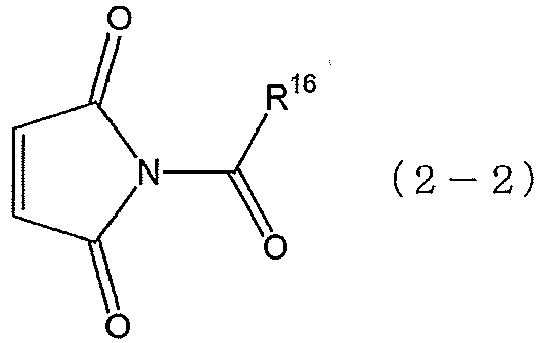


- The additive for a non-aqueous electrolyte solution according to claim 1 or 2, comprising, as the cyclic imide compound, at least one compound selected from the group consisting of a compound represented by Formula (3-1), a compound represented by Formula (3-2), a compound represented by Formula (3-3), a compound represented by Formula (3-4), a compound represented by Formula (3-5), and a compound represented by Formula (3-6),


- A non-aqueous electrolyte solution, comprising:the additive for a non-aqueous electrolyte solution according to claim 1, 2, or 3;a non-aqueous solvent; andan electrolyte.
- The non-aqueous electrolyte solution according to claim 4,
wherein the non-aqueous solvent is an aprotic solvent. - The non-aqueous electrolyte solution according to claim 5,
wherein the aprotic solvent is at least one selected from the group consisting of cyclic carbonates, acyclic carbonates, aliphatic carboxylates, lactones, lactams, cyclic ethers, acyclic ethers, sulfones, nitriles, and halogen derivatives thereof. - The non-aqueous electrolyte solution according to claim 4, 5, or 6,
wherein the electrolyte contains a lithium salt. - The non-aqueous electrolyte solution according to claim 7,
wherein the lithium salt is at least one selected from the group consisting of LiAlCl4, LiBF4, LiPF6, LiClO4, LiAsF6, and LiSbF6. - An electrical storage device, comprising:the non-aqueous electrolyte solution according to claim 4, 5, 6, 7, or 8;a positive electrode; anda negative electrode.
- The electrical storage device according to claim 9,
wherein the electrical storage device is a lithium ion battery. - The electrical storage device according to claim 9,
wherein the electrical storage device is a lithium ion capacitor.
Applications Claiming Priority (2)
| Application Number | Priority Date | Filing Date | Title |
|---|---|---|---|
| JP2014068814 | 2014-03-28 | ||
| PCT/JP2015/058827 WO2015146947A1 (en) | 2014-03-28 | 2015-03-24 | Additive for non-aqueous electrolyte, non-aqueous electrolyte, and power storage device |
Publications (2)
| Publication Number | Publication Date |
|---|---|
| EP3131153A1 true EP3131153A1 (en) | 2017-02-15 |
| EP3131153A4 EP3131153A4 (en) | 2018-02-21 |
Family
ID=54195460
Family Applications (1)
| Application Number | Title | Priority Date | Filing Date |
|---|---|---|---|
| EP15769390.4A Withdrawn EP3131153A4 (en) | 2014-03-28 | 2015-03-24 | Additive for non-aqueous electrolyte, non-aqueous electrolyte, and power storage device |
Country Status (7)
| Country | Link |
|---|---|
| US (1) | US20170117588A1 (en) |
| EP (1) | EP3131153A4 (en) |
| JP (1) | JPWO2015146947A1 (en) |
| KR (1) | KR20160138402A (en) |
| CN (1) | CN106133984A (en) |
| TW (1) | TW201542519A (en) |
| WO (1) | WO2015146947A1 (en) |
Cited By (5)
| Publication number | Priority date | Publication date | Assignee | Title |
|---|---|---|---|---|
| CN111066109A (en) * | 2017-08-17 | 2020-04-24 | 纽约市哥伦比亚大学理事会 | Redox Flow Batteries and Compounds for Battery Applications |
| US12119448B2 (en) | 2019-01-17 | 2024-10-15 | Lg Energy Solution, Ltd. | Non-aqueous electrolyte solution for lithium secondary battery and lithium secondary battery including the same |
| US12195431B2 (en) | 2019-01-17 | 2025-01-14 | Lg Energy Solution, Ltd. | Non-aqueous electrolyte solution additive, and non-aqueous electrolyte solution for lithium secondary battery and lithium secondary battery which include the same |
| US12255286B2 (en) | 2018-12-17 | 2025-03-18 | Lg Energy Solution, Ltd. | Electrolyte solution for lithium secondary battery and lithium secondary battery including the same |
| EP4535493A4 (en) * | 2022-07-11 | 2025-10-22 | Lg Energy Solution Ltd | ANHYDROUS ELECTROLYTE FOR LITHIUM SECONDARY BATTERY AND LITHIUM SECONDARY BATTERY THEREOF |
Families Citing this family (5)
| Publication number | Priority date | Publication date | Assignee | Title |
|---|---|---|---|---|
| CN110400970B (en) * | 2019-06-04 | 2023-09-05 | 江西力能新能源科技有限公司 | Electrolyte material and application thereof in high-temperature lithium battery |
| CN111162317A (en) * | 2019-12-17 | 2020-05-15 | 山东海科创新研究院有限公司 | Electrolyte and lithium ion battery |
| KR102726732B1 (en) * | 2021-10-21 | 2024-11-07 | 주식회사 에스켐 | Electrolyte for secondary battery, manufacturing method thereof, and secondary battery comprising same |
| CN116247301B (en) * | 2023-05-10 | 2023-08-11 | 合肥国轩高科动力能源有限公司 | Electrolyte and lithium ion battery |
| CN120015923B (en) * | 2024-12-13 | 2025-11-14 | 远景动力技术(江苏)有限公司 | Electrolyte and secondary battery |
Family Cites Families (29)
| Publication number | Priority date | Publication date | Assignee | Title |
|---|---|---|---|---|
| DE1940370A1 (en) * | 1969-07-16 | 1971-02-18 | Bayer Ag | New Dicarboximides |
| DE2023078A1 (en) * | 1969-07-16 | 1971-11-25 | Bayer Ag | New carboxylic acid imide derivatives from bifunctional cyanamides and dicarboxylic acid anhydrides |
| JP2597091B2 (en) | 1986-10-16 | 1997-04-02 | 日立マクセル株式会社 | Lithium secondary battery |
| JP2962782B2 (en) | 1990-07-26 | 1999-10-12 | 三洋電機株式会社 | Non-aqueous electrolyte battery |
| JP3066126B2 (en) | 1991-09-10 | 2000-07-17 | 三洋電機株式会社 | Non-aqueous electrolyte battery |
| JP3086510B2 (en) | 1991-11-01 | 2000-09-11 | 三洋電機株式会社 | Non-aqueous electrolyte lithium battery |
| FR2719161B1 (en) | 1994-04-22 | 1996-08-02 | Accumulateurs Fixes | Electrochemical rechargeable lithium battery with carbon anode. |
| JP3669064B2 (en) | 1996-08-01 | 2005-07-06 | ソニー株式会社 | Nonaqueous electrolyte secondary battery |
| JP3978881B2 (en) | 1997-08-22 | 2007-09-19 | 宇部興産株式会社 | Non-aqueous electrolyte and lithium secondary battery using the same |
| JPH11339850A (en) | 1998-05-29 | 1999-12-10 | Nec Mori Energy Kk | Lithium-ion secondary battery |
| JP2001006729A (en) | 1999-06-18 | 2001-01-12 | Mitsubishi Chemicals Corp | Non-aqueous electrolyte secondary battery |
| JP3444243B2 (en) | 1999-08-03 | 2003-09-08 | 宇部興産株式会社 | Nonaqueous electrolyte and lithium secondary battery using the same |
| CA2427082A1 (en) * | 2000-10-20 | 2003-04-15 | Dainippon Ink And Chemicals, Inc. | Solid polymer electrolyte and cell containing the electrolyte |
| JP4465968B2 (en) | 2003-03-18 | 2010-05-26 | 日本電気株式会社 | Secondary battery electrolyte and secondary battery using the same |
| JP4345641B2 (en) | 2003-12-15 | 2009-10-14 | 日本電気株式会社 | Secondary battery |
| JP4433163B2 (en) | 2004-02-13 | 2010-03-17 | 日本電気株式会社 | Electrolytic solution for lithium secondary battery and lithium secondary battery using the same |
| JP2006024407A (en) * | 2004-07-07 | 2006-01-26 | Matsushita Electric Ind Co Ltd | Organic electrolyte battery |
| CN100424926C (en) * | 2005-11-10 | 2008-10-08 | 财团法人工业技术研究院 | High ionic conductivity colloidal polymer electrolyte for chargeable and dischargeable polymer secondary battery |
| TWI377717B (en) * | 2006-12-29 | 2012-11-21 | Ind Tech Res Inst | Nonaqueous electrolyte having maleimide additives and rechargeable cells employing the same |
| KR20100015432A (en) * | 2007-03-09 | 2010-02-12 | 바스프 에스이 | Nitroxides for lithium-ion batteries |
| CN101632198A (en) * | 2007-03-09 | 2010-01-20 | 巴斯夫欧洲公司 | Nitroxides for lithium-ion batteries |
| JP5306681B2 (en) * | 2007-03-30 | 2013-10-02 | 富士フイルム株式会社 | Polymerizable compound, polymer, ink composition, printed matter, and inkjet recording method |
| US8197964B2 (en) | 2007-07-09 | 2012-06-12 | Sony Corporation | Battery |
| KR101461522B1 (en) * | 2008-04-10 | 2014-11-14 | 한양대학교 산학협력단 | Gel electrolyte and Dye sensitized solar cell using the same |
| DE102008002457A1 (en) * | 2008-06-16 | 2009-12-17 | Elcomax Membranes Gmbh | Use of a proton conductivity-imparting material in the manufacture of fuel cells |
| EP2367189B1 (en) * | 2010-03-18 | 2013-09-04 | ABB Technology AG | Switch unit, and related method |
| US9123971B2 (en) * | 2010-09-02 | 2015-09-01 | Nec Corporation | Secondary battery |
| CN102332607A (en) * | 2011-03-22 | 2012-01-25 | 东莞新能源科技有限公司 | A kind of electrolyte solution for non-aqueous secondary lithium battery |
| KR102188424B1 (en) * | 2013-12-19 | 2020-12-08 | 에스케이이노베이션 주식회사 | Electrolyte for Lithium Secondary Battery and Lithium Secondary Battery Containing the Same |
-
2015
- 2015-03-24 US US15/128,062 patent/US20170117588A1/en not_active Abandoned
- 2015-03-24 CN CN201580017166.7A patent/CN106133984A/en active Pending
- 2015-03-24 JP JP2016510364A patent/JPWO2015146947A1/en not_active Ceased
- 2015-03-24 EP EP15769390.4A patent/EP3131153A4/en not_active Withdrawn
- 2015-03-24 KR KR1020167025282A patent/KR20160138402A/en not_active Withdrawn
- 2015-03-24 WO PCT/JP2015/058827 patent/WO2015146947A1/en not_active Ceased
- 2015-03-26 TW TW104109661A patent/TW201542519A/en unknown
Cited By (7)
| Publication number | Priority date | Publication date | Assignee | Title |
|---|---|---|---|---|
| CN111066109A (en) * | 2017-08-17 | 2020-04-24 | 纽约市哥伦比亚大学理事会 | Redox Flow Batteries and Compounds for Battery Applications |
| EP3669390A4 (en) * | 2017-08-17 | 2021-05-05 | The Trustees of Columbia University in the City of New York | REDOX FLOW BATTERIES AND COMPOUNDS FOR BATTERY APPLICATION |
| US11289729B2 (en) | 2017-08-17 | 2022-03-29 | The Trustees Of Columbia University In The City Of New York | Redox flow batteries and compounds for battery application |
| US12255286B2 (en) | 2018-12-17 | 2025-03-18 | Lg Energy Solution, Ltd. | Electrolyte solution for lithium secondary battery and lithium secondary battery including the same |
| US12119448B2 (en) | 2019-01-17 | 2024-10-15 | Lg Energy Solution, Ltd. | Non-aqueous electrolyte solution for lithium secondary battery and lithium secondary battery including the same |
| US12195431B2 (en) | 2019-01-17 | 2025-01-14 | Lg Energy Solution, Ltd. | Non-aqueous electrolyte solution additive, and non-aqueous electrolyte solution for lithium secondary battery and lithium secondary battery which include the same |
| EP4535493A4 (en) * | 2022-07-11 | 2025-10-22 | Lg Energy Solution Ltd | ANHYDROUS ELECTROLYTE FOR LITHIUM SECONDARY BATTERY AND LITHIUM SECONDARY BATTERY THEREOF |
Also Published As
| Publication number | Publication date |
|---|---|
| TW201542519A (en) | 2015-11-16 |
| CN106133984A (en) | 2016-11-16 |
| WO2015146947A1 (en) | 2015-10-01 |
| KR20160138402A (en) | 2016-12-05 |
| US20170117588A1 (en) | 2017-04-27 |
| EP3131153A4 (en) | 2018-02-21 |
| JPWO2015146947A1 (en) | 2017-04-13 |
Similar Documents
| Publication | Publication Date | Title |
|---|---|---|
| JP6472888B2 (en) | Non-aqueous electrolyte additive, non-aqueous electrolyte, and electricity storage device | |
| JP6311013B2 (en) | Novel electrolyte compositions for high energy anodes | |
| US20170117588A1 (en) | Additive for non-aqueous electrolyte, non-aqueous electrolyte, and power storage device | |
| EP3279995A1 (en) | Additive for non-aqueous electrolyte, non-aqueous electrolyte, and power storage device | |
| JP2019164879A (en) | Additive for nonaqueous electrolyte solutions, nonaqueous electrolyte solution, and electricity storage device | |
| JP2004022336A (en) | Electrolyte for secondary battery and secondary battery using it | |
| JP6411271B2 (en) | Non-aqueous electrolyte additive, non-aqueous electrolyte, and electricity storage device | |
| JP2019515443A (en) | Non-aqueous electrolyte for lithium ion battery and lithium ion battery using this electrolyte | |
| JP4968614B2 (en) | Secondary battery electrolyte and secondary battery using the same | |
| JP2005228631A (en) | Electrolytic solution for secondary battery, and secondary battery using the same | |
| JP6066645B2 (en) | Non-aqueous electrolyte additive, non-aqueous electrolyte, and electricity storage device | |
| JP6411268B2 (en) | Non-aqueous electrolyte additive, non-aqueous electrolyte, and electricity storage device | |
| JP4701601B2 (en) | Electrolytic solution for lithium secondary battery and lithium secondary battery using the same | |
| JP6411270B2 (en) | Non-aqueous electrolyte additive, non-aqueous electrolyte, and electricity storage device | |
| JP4265169B2 (en) | Secondary battery electrolyte and secondary battery using the same | |
| US20220021031A1 (en) | Electrolyte additive, electrolyte, lithium ion secondary battery containing the same and use thereof | |
| JPWO2019088127A1 (en) | Additives for non-aqueous electrolytes, non-aqueous electrolytes and power storage devices | |
| CN111066191B (en) | Additive for nonaqueous electrolyte, and power storage device | |
| JP2015191808A (en) | Additive for nonaqueous electrolyte, nonaqueous electrolyte and power storage device | |
| JP6411269B2 (en) | Non-aqueous electrolyte additive, non-aqueous electrolyte, and electricity storage device | |
| JP2016192360A (en) | Additive for nonaqueous electrolyte, nonaqueous electrolyte, and power storage device | |
| JP2016192382A (en) | Additive for nonaqueous electrolyte, nonaqueous electrolyte, and power storage device | |
| JP2013206715A (en) | Additive for nonaqueous electrolyte, nonaqueous electrolyte, and power storage device | |
| WO2015037379A1 (en) | Novel compound, electrolyte, and secondary battery |
Legal Events
| Date | Code | Title | Description |
|---|---|---|---|
| PUAI | Public reference made under article 153(3) epc to a published international application that has entered the european phase |
Free format text: ORIGINAL CODE: 0009012 |
|
| 17P | Request for examination filed |
Effective date: 20160930 |
|
| AK | Designated contracting states |
Kind code of ref document: A1 Designated state(s): AL AT BE BG CH CY CZ DE DK EE ES FI FR GB GR HR HU IE IS IT LI LT LU LV MC MK MT NL NO PL PT RO RS SE SI SK SM TR |
|
| AX | Request for extension of the european patent |
Extension state: BA ME |
|
| DAV | Request for validation of the european patent (deleted) | ||
| DAX | Request for extension of the european patent (deleted) | ||
| RIC1 | Information provided on ipc code assigned before grant |
Ipc: H01M 10/0567 20100101AFI20170929BHEP Ipc: H01M 10/0569 20100101ALI20170929BHEP Ipc: H01M 10/052 20100101ALI20170929BHEP Ipc: H01G 11/64 20130101ALI20170929BHEP Ipc: H01G 11/06 20130101ALI20170929BHEP Ipc: H01M 10/0568 20100101ALI20170929BHEP Ipc: H01M 10/0525 20100101ALI20170929BHEP |
|
| A4 | Supplementary search report drawn up and despatched |
Effective date: 20180124 |
|
| RIC1 | Information provided on ipc code assigned before grant |
Ipc: H01M 10/052 20100101ALI20180118BHEP Ipc: H01G 11/06 20130101ALI20180118BHEP Ipc: H01M 10/0567 20100101AFI20180118BHEP Ipc: H01G 11/64 20130101ALI20180118BHEP Ipc: H01M 10/0568 20100101ALI20180118BHEP Ipc: H01M 10/0569 20100101ALI20180118BHEP Ipc: H01M 10/0525 20100101ALI20180118BHEP |
|
| 17Q | First examination report despatched |
Effective date: 20190417 |
|
| STAA | Information on the status of an ep patent application or granted ep patent |
Free format text: STATUS: THE APPLICATION HAS BEEN WITHDRAWN |
|
| 18W | Application withdrawn |
Effective date: 20190709 |