EP3105245B1 - Peptide, die die leukozytenrekrutierung blockieren, und deren therapeutische verwendung - Google Patents
Peptide, die die leukozytenrekrutierung blockieren, und deren therapeutische verwendung Download PDFInfo
- Publication number
- EP3105245B1 EP3105245B1 EP15749560.7A EP15749560A EP3105245B1 EP 3105245 B1 EP3105245 B1 EP 3105245B1 EP 15749560 A EP15749560 A EP 15749560A EP 3105245 B1 EP3105245 B1 EP 3105245B1
- Authority
- EP
- European Patent Office
- Prior art keywords
- peptide
- amino acid
- isolated peptide
- liver
- phage
- Prior art date
- Legal status (The legal status is an assumption and is not a legal conclusion. Google has not performed a legal analysis and makes no representation as to the accuracy of the status listed.)
- Active
Links
Images




Classifications
-
- A—HUMAN NECESSITIES
- A61—MEDICAL OR VETERINARY SCIENCE; HYGIENE
- A61K—PREPARATIONS FOR MEDICAL, DENTAL OR TOILETRY PURPOSES
- A61K38/00—Medicinal preparations containing peptides
- A61K38/04—Peptides having up to 20 amino acids in a fully defined sequence; Derivatives thereof
- A61K38/10—Peptides having 12 to 20 amino acids
-
- A—HUMAN NECESSITIES
- A61—MEDICAL OR VETERINARY SCIENCE; HYGIENE
- A61P—SPECIFIC THERAPEUTIC ACTIVITY OF CHEMICAL COMPOUNDS OR MEDICINAL PREPARATIONS
- A61P31/00—Antiinfectives, i.e. antibiotics, antiseptics, chemotherapeutics
-
- A—HUMAN NECESSITIES
- A61—MEDICAL OR VETERINARY SCIENCE; HYGIENE
- A61P—SPECIFIC THERAPEUTIC ACTIVITY OF CHEMICAL COMPOUNDS OR MEDICINAL PREPARATIONS
- A61P31/00—Antiinfectives, i.e. antibiotics, antiseptics, chemotherapeutics
- A61P31/04—Antibacterial agents
-
- A—HUMAN NECESSITIES
- A61—MEDICAL OR VETERINARY SCIENCE; HYGIENE
- A61P—SPECIFIC THERAPEUTIC ACTIVITY OF CHEMICAL COMPOUNDS OR MEDICINAL PREPARATIONS
- A61P31/00—Antiinfectives, i.e. antibiotics, antiseptics, chemotherapeutics
- A61P31/10—Antimycotics
-
- A—HUMAN NECESSITIES
- A61—MEDICAL OR VETERINARY SCIENCE; HYGIENE
- A61P—SPECIFIC THERAPEUTIC ACTIVITY OF CHEMICAL COMPOUNDS OR MEDICINAL PREPARATIONS
- A61P31/00—Antiinfectives, i.e. antibiotics, antiseptics, chemotherapeutics
- A61P31/12—Antivirals
-
- A—HUMAN NECESSITIES
- A61—MEDICAL OR VETERINARY SCIENCE; HYGIENE
- A61P—SPECIFIC THERAPEUTIC ACTIVITY OF CHEMICAL COMPOUNDS OR MEDICINAL PREPARATIONS
- A61P33/00—Antiparasitic agents
-
- A—HUMAN NECESSITIES
- A61—MEDICAL OR VETERINARY SCIENCE; HYGIENE
- A61P—SPECIFIC THERAPEUTIC ACTIVITY OF CHEMICAL COMPOUNDS OR MEDICINAL PREPARATIONS
- A61P35/00—Antineoplastic agents
-
- A—HUMAN NECESSITIES
- A61—MEDICAL OR VETERINARY SCIENCE; HYGIENE
- A61P—SPECIFIC THERAPEUTIC ACTIVITY OF CHEMICAL COMPOUNDS OR MEDICINAL PREPARATIONS
- A61P35/00—Antineoplastic agents
- A61P35/04—Antineoplastic agents specific for metastasis
-
- A—HUMAN NECESSITIES
- A61—MEDICAL OR VETERINARY SCIENCE; HYGIENE
- A61P—SPECIFIC THERAPEUTIC ACTIVITY OF CHEMICAL COMPOUNDS OR MEDICINAL PREPARATIONS
- A61P37/00—Drugs for immunological or allergic disorders
- A61P37/02—Immunomodulators
-
- C—CHEMISTRY; METALLURGY
- C07—ORGANIC CHEMISTRY
- C07K—PEPTIDES
- C07K7/00—Peptides having 5 to 20 amino acids in a fully defined sequence; Derivatives thereof
- C07K7/04—Linear peptides containing only normal peptide links
- C07K7/08—Linear peptides containing only normal peptide links having 12 to 20 amino acids
-
- G—PHYSICS
- G01—MEASURING; TESTING
- G01N—INVESTIGATING OR ANALYSING MATERIALS BY DETERMINING THEIR CHEMICAL OR PHYSICAL PROPERTIES
- G01N33/00—Investigating or analysing materials by specific methods not covered by groups G01N1/00 - G01N31/00
- G01N33/48—Biological material, e.g. blood, urine; Haemocytometers
- G01N33/50—Chemical analysis of biological material, e.g. blood, urine; Testing involving biospecific ligand binding methods; Immunological testing
- G01N33/5005—Chemical analysis of biological material, e.g. blood, urine; Testing involving biospecific ligand binding methods; Immunological testing involving human or animal cells
- G01N33/5008—Chemical analysis of biological material, e.g. blood, urine; Testing involving biospecific ligand binding methods; Immunological testing involving human or animal cells for testing or evaluating the effect of chemical or biological compounds, e.g. drugs, cosmetics
- G01N33/5011—Chemical analysis of biological material, e.g. blood, urine; Testing involving biospecific ligand binding methods; Immunological testing involving human or animal cells for testing or evaluating the effect of chemical or biological compounds, e.g. drugs, cosmetics for testing antineoplastic activity
-
- G—PHYSICS
- G01—MEASURING; TESTING
- G01N—INVESTIGATING OR ANALYSING MATERIALS BY DETERMINING THEIR CHEMICAL OR PHYSICAL PROPERTIES
- G01N33/00—Investigating or analysing materials by specific methods not covered by groups G01N1/00 - G01N31/00
- G01N33/48—Biological material, e.g. blood, urine; Haemocytometers
- G01N33/50—Chemical analysis of biological material, e.g. blood, urine; Testing involving biospecific ligand binding methods; Immunological testing
- G01N33/5005—Chemical analysis of biological material, e.g. blood, urine; Testing involving biospecific ligand binding methods; Immunological testing involving human or animal cells
- G01N33/5008—Chemical analysis of biological material, e.g. blood, urine; Testing involving biospecific ligand binding methods; Immunological testing involving human or animal cells for testing or evaluating the effect of chemical or biological compounds, e.g. drugs, cosmetics
- G01N33/5044—Chemical analysis of biological material, e.g. blood, urine; Testing involving biospecific ligand binding methods; Immunological testing involving human or animal cells for testing or evaluating the effect of chemical or biological compounds, e.g. drugs, cosmetics involving specific cell types
- G01N33/5047—Cells of the immune system
-
- A—HUMAN NECESSITIES
- A61—MEDICAL OR VETERINARY SCIENCE; HYGIENE
- A61K—PREPARATIONS FOR MEDICAL, DENTAL OR TOILETRY PURPOSES
- A61K38/00—Medicinal preparations containing peptides
-
- G—PHYSICS
- G01—MEASURING; TESTING
- G01N—INVESTIGATING OR ANALYSING MATERIALS BY DETERMINING THEIR CHEMICAL OR PHYSICAL PROPERTIES
- G01N2800/00—Detection or diagnosis of diseases
- G01N2800/26—Infectious diseases, e.g. generalised sepsis
Definitions
- peptides capable of blocking leukocyte recruitment and uses thereof for inhibiting tumor metastasis and for treating sepsis in a patient. More specifically, described herein are uses of such peptides for inhibiting tumor metastasis in the liver and lung.
- UNIPORT K2G6K2 describes a peptide that has been identified in groundwater and which shares an amino acid subsequence of seven amino acids with the peptide of SEQ ID NO: 1 of the present disclosure.
- the peptide GAHWQFNALTVR is identified in a phage peptide library. The peptide prevents leukocyte recruitment in contact with hypersensitivity responses.
- tumor cells escape the primary tumor mass and enter the circulation either by the lymphatic system or the blood vasculature, 2) survival of the cancer cell within the circulation, 3) initial arrest within the vasculature, 4) extravasation, 5) establishment of a micrometastasis that involves the contribution of host cells within the microenvironment and 6) further growth into macrometastases, which requires adaptation of the foreign tissue microenvironment.
- compositions capable of blocking the attachment of tumor cells in the blood to the vascular supplying metastatic target organs, such as liver and lungs, to prevent or inhibit tumor metastasis to these organs.
- the present invention relates in a first aspect to an isolated peptide that reduces leukocyte recruitment selected from
- the isolated peptide of the invention further comprises 1, 2, 3, 4, or 5 amino acid residues at the N-terminus and/or C-terminus of the LSALTPSPSWLKYKAL sequence, wherein said amino acid residues optionally comprises one or more modified amino acid residues or amino acid analogs, wherein the modified amino acid residues are modified by methylation, amidation, or acetylation, and wherein the amino acid analogs are selected from ⁇ -alanine, norvaline, norleucine, 4-aminobutyric acid, ornithine, hydroxyproline, sarcosine, citrulline, cysteic acid, cyclohexylalanine, 2-aminoisobutyric acid, 6-aminohexanoic acid, t-butylglycine, phenylglycine, o-phosphoserine, N-acetyl serine, N-formylmethionine, and 3-methylhistidine.
- amino acid residues optionally comprises one or more
- the isolated peptide of the invention is in communication with a phage virus.
- the present invention relates in a second aspect to a pharmaceutical composition
- a pharmaceutical composition comprising an isolated peptide of the invention and pharmaceutically acceptable carrier.
- the carrier is selected from water, saline, phosphate buffered saline, Ringer's solution, dextrose solution, serum-containing solutions, Hank's solution, oils, esters and glycols.
- the pharmaceutical composition is suitable for parenteral or intravenous administration.
- the present invention relates in a third aspect to the isolated peptide of the invention for use in treating a leukocyte-recruitment-mediated disease through reducing leukocyte recruitment.
- the isolated peptide or variant thereof is to be administered at a dosage that is between 0.01 mg/kg to 100 mg/kg.
- the leukocyte-recruitment-mediated disease is tumor metastasis.
- the isolated peptide for use of the invention reduces or inhibits tumor metastasis compared to tumor metastasis in the absence of treatment.
- the isolated peptide for use of the invention is sepsis, and the sepsis is preferably caused by bacterial, viral, fungal or parasite infection.
- amino acid in its broadest sense, refers to any compound and/or substance that can be incorporated into a polypeptide chain.
- amino acid is also used interchangeably with “amino acid residue,” and may refer to a free amino acid and/or to an amino acid residue of a peptide. It will be apparent from the context in which the term is used whether it refers to a free amino acid or a residue of a peptide.
- standard amino acid refers to any of the twenty standard amino acids commonly found in naturally occurring peptides including both L- and D-amino acids which are both incorporated in peptides in nature selected from alanine, aspartate, asparagine, arginine, cysteine, glycine, glutamine, glutamate, histidine, isoleucine, leucine, lysine, methionine, proline, phenylalanine, serine, tyrosine, threonine, tryptophan and valine.
- Nonstandard or “unconventional amino acid” refers to any amino acid, other than the standard amino acids, regardless of whether it is prepared synthetically or obtained from a natural source.
- synthetic or un-natural amino acid encompasses chemically modified amino acids, including but not limited to salts, amino acid derivatives (such as amides), and/or substitutions.
- the present invention is based on the discovery of non-naturally-occurring peptides that reduces leukocyte recruitment and therefore has utility for treating leukocyte-recruitment-mediated diseases, for example, tumor metastasis and sepsis. Variants and modified versions of this peptide that are capable of reducing leukocyte recruitment are also provided.
- LSALTPSPSWLKYKAL N-LSALTPSPSWLKYKAL
- SEQ ID NO:1 N-LSALTPSPSWLKYKAL
- LSALT peptide as well as variants and modified versions thereof are described herein. Also described are pharmaceutical compositions comprising these peptides.
- the LSALT peptide may contain one or more modifications to increase protease resistance, serum stability and/or bioavailability.
- the modification may be selected from pegylation, acetylation, glycosylation, biotinylation, substitution with D-amino acid and/or un-natural amino acid, and/or cyclization of the peptide.
- the LSALT peptide may contain one or more L-amino acids, D-amino acids, and/or non-standard amino acids.
- the amino acid may have the general structure H 2 N--C(H)(R)--COOH.
- the amino acid may be a naturally-occurring amino acid.
- the amino acid may be a synthetic or un-natural amino acid (e.g., ⁇ , ⁇ -disubstituted amino acids, N-alkyl amino acids); and the amino acid may be a d-amino acid; also, the amino acid may be an 1-amino acid.
- the peptide may comprise amino acids, including carboxy- and/or amino-terminal amino acids in peptides, or can be modified by methylation, amidation, acetylation, and/or substitution with other chemical groups that can change the peptide's circulating half-life without adversely affecting its activity.
- unconventional or un-natural amino acids include, but are not limited to, citrulline, ornithine, norleucine, norvaline, 4-(E)-butenyl-4(R)-methyl-N-methylthreonine (MeBmt), N-methyl-leucine (MeLeu), aminoisobutyric acid, statine, and N-methylalanine (MeAla).
- Amino acids may participate in a disulfide bond.
- peptides may be effective in eliciting a biological activity in vitro, their effectiveness in vivo might be reduced by the presence of proteases.
- Serum proteases have specific substrate requirements. The substrate must have both L-amino acids and peptide bonds for cleavage.
- exopeptidases which represent the most prominent component of the protease activity in serum, usually act on the first peptide bond of the peptide and require a free N-terminus ( Powell et al., Pharm. Res. 10:1268-1273 (1993 )).
- modified versions of peptides retain the structural characteristics of the original L-amino acid peptides that confer the desired biological activity of LSALT but are advantageously not readily susceptible to cleavage by protease and/or exopeptidases.
- a peptide derivative or peptidomimetic described herein may be all L, all D or mixed D, L peptide, in either forward or reverse order.
- the presence of an N-terminal or C-terminal D-amino acid increases the in vivo stability of a peptide since peptidases cannot utilize a D-amino acid as a substrate ( Powell et al., Pharm. Res. 10:1268-1273 (1993 )).
- Reverse-D peptides are peptides containing D-amino acids, arranged in a reverse sequence relative to a peptide containing L-amino acids.
- the C-terminal residue of an L-amino acid peptide becomes N-terminal for the D-amino acid peptide, and so forth.
- Reverse D-peptides retain the same secondary conformation and therefore similar activity, as the L-amino acid peptides, but are more resistant to enzymatic degradation in vitro and in vivo, and thus can have greater therapeutic efficacy than the original peptide ( Brady and Dodson, Nature 368:692-693 (1994 ); Jameson et al., Nature 368:744-746 (1994 )).
- a reverse-L peptide may be generated using standard methods where the C-terminus of the parent peptide becomes takes the place of the N-terminus of the reverse-L peptide. It is contemplated that reverse L-peptides of L-amino acid peptides that do not have significant secondary structure (e.g., short peptides) retain the same spacing and conformation of the side chains of the L-amino acid peptide and therefore often have the similar activity as the original L-amino acid peptide. Moreover, a reverse peptide may contain a combination of L- and D-amino acids. The spacing between amino acids and the conformation of the side chains may be retained resulting in similar activity as the original L-amino acid peptide.
- secondary structure e.g., short peptides
- the peptide may be chemically modified to confer resistance to peptidases acting on the N-terminal or C-terminal residues of a peptide by adding chemical groups at the peptide termini, such that the modified peptide is no longer a substrate for the peptidase.
- One such chemical modification may be glycosylation of the peptides at either or both termini.
- Chemical modifications which enhance serum stability may include, but are not limited to, the addition of an N-terminal alkyl group, consisting of a lower alkyl of from one to twenty carbons, such as an acetyl group, and/or the addition of a C-terminal amide or substituted amide group.
- the present disclosure includes modified peptides consisting of peptides bearing an N-terminal acetyl group and/or a C-terminal amide group.
- Substitution of certain naturally-occurring amino acids for non-naturally amino acids in the peptides may confer resistance to proteolysis. Such a substitution can, for instance, confer resistance to proteolysis by exopeptidases acting on the N-terminus without affecting biological activity.
- non-naturally-occurring amino acids include ⁇ , ⁇ -disubstituted amino acids, N-alkyl amino acids, C- ⁇ -methyl amino acids, ⁇ -amino acids, and ⁇ -methyl amino acids.
- Amino acids analogs useful in the present disclosure may include, but are not limited to, ⁇ -alanine, norvaline, norleucine, 4-aminobutyric acid, orithine, hydroxyproline, sarcosine, citrulline, cysteic acid, cyclohexylalanine, 2-aminoisobutyric acid, 6-aminohexanoic acid, t-butylglycine, phenylglycine, o-phosphoserine, N-acetyl serine, N-formylmethionine, 3-methylhistidine and other unconventional amino acids. Furthermore, the synthesis of peptides with non-naturally-occurring amino acids is known in the art.
- the LSALT peptide may further comprise amino acid residues or analogues at the C-terminus, the N-terminus or both the C-terminus and the N-terminus.
- the activity bearing sequence of the LSALT peptide is not appreciably impacted by the addition of these additional amino acid.
- the LSALT peptide may further comprise 1, 2, 3, 4, or 5 amino acid residues at the N-terminus and C-terminus of the LSALT peptide.
- the LSALT peptide may further comprise 1, 2, 3, 4, or 5 amino acid residues at the N-terminus of the LSALTPSPSWLKYKAL sequence.
- the LSALT peptide may further comprise 1, 2, 3, 4, or 5 amino acid residues at the C-terminus of the LSALTPSPSWLKYKAL sequence.
- the peptide may be selected from XLSALTPSPSWLKYKAL, XXLSALTPSPSWLKYKAL, XXXLSALTPSPSWLKYKAL, XXXXLSALTPSPSWLKYKAL, or XXXXLSALTPSPSWLKYKAL, where X is any naturally-occurring amino acid or where X is an unconventional amino acid or amino acid analog as described herein and known to those of skill in the art.
- the peptide may be selected from LSALTPSPSWLKYKALX, LSALTPSPSWLKYKALXX, LSALTPSPSWLKYKALXXX, LSALTPSPSWLKYKALXXXX, or LSALTPSPSWLKYKALXXXX, where X is any naturally-occurring amino acid or where X is an unconventional amino acid or amino acid analog as described herein and known to those of skill in the art.
- the peptide may be selected from XLSALTPSPSWLKYKALX, XLSALTPSPSWLKYKALXX, XLSALTPSPSWLKYKALXXX, XLSALTPSPSWLKYKALXXXX, XLSALTPSPSWLKYKALXXXX, XXLSALTPSPSWLKYKAXX, XXLSALTPSPSWLKYKALXXX, XXLSALTPSPSWLKYKALXXXX, XXLSALTPSPSWLKYKALXXXXX, XXLSALTPSPSWLKYKALXXXXX, XXLSALTPSPSWLKYKALXXXXXX, XXXLSALTPSPSWLKYKALXXXX, XXXLSALTPSPSWLKYKALXXX, XXXLSALTPSPSWLKYKALXXX, XXXLSALTPSPSWLKYKALXXX,
- Peptide analogs are commonly used in the pharmaceutical industry as non-peptide drugs with properties analogous to those of the template peptide.
- the non-peptide compounds are termed "peptide mimetics" or peptidomimetics ( Fauchere et al., Infect. Immun. 54:283-287 (1986 ); Evans et al., J. Med. Chem. 30:1229-1239 (1987 )).
- Peptide mimetics that are structurally related to therapeutically useful peptides and may be used to produce an equivalent or enhanced therapeutic or prophylactic effect.
- paradigm polypeptide i.e., a polypeptide that has a biological or pharmacological activity
- Such peptide mimetics may have significant advantages over naturally-occurring polypeptides including more economical production, greater chemical stability, enhanced pharmacological properties (e.g., half-life, absorption, potency, efficiency, etc.), reduced antigenicity and others.
- salts retain the desired biological activity of the parent peptide without toxic side effects.
- pharmaceutically acceptable salt refers to salts which are known to be non-toxic and are commonly used in the pharmaceutical literature. Typical inorganic acids used to form such salts include hydrochloric, hydrobromic, hydroiodic, nitric, sulfuric, phosphoric, hypophosphoric, and the like. Salts derived from organic acids, such as aliphatic mono and dicarboxylic acids, phenylsubstituted alkanoic acids, hydroxyalkanoic and hydroxyalkandioic acids, aromatic acids, aliphatic and aromatic sulfonic acids, may also be used.
- Such pharmaceutically acceptable salts include acetate, phenylacetate, trifluoroacetate, acrylate, ascorbate, benzoate, chlorobenzoate, dinitrobenzoate, hydroxybenzoate, methoxybenzoate, methylbenzoate, o-acetoxybenzoate, naphthalene-2-benzoate, bromide, isobutyrate, phenylbutyrate, beta-hydroxybutyrate, chloride, cinnamate, citrate, formate, fumarate, glycolate, heptanoate, lactate, maleate, hydroxymaleate, malonate, mesylate, nitrate, oxalate, phthalate, phosphate, monohydro genphosphate, dihydrogenphosphate, metaphosphate, pyrophosphate, propionate, phenylpropionate, salicylate, succinate, sulfate, bisulfate, pyrosulfate, sulfite, bisulfit
- the peptides describe herein, as well as variants and modifications thereof, may be provided as pharmaceutical formulations for therapeutic use.
- the pharmaceutical formulation may comprise an isolated peptide containing the sequence LSALTPSPSWLKYKAL, identified as SEQ ID NO: 1, and designated herein "LSALT".
- the pharmaceutical formulation may comprise an isolated peptide contained as an insert in a phage virus, and/or may further comprise 1, 2, 3, 4, 5 additional amino acid residues at the N-terminus and/or C-terminus of the LSALTPSPSWLKYKAL sequence.
- Representative delivery regimens include oral, parenteral (including subcutaneous, intramuscular and intravenous injection), rectal, buccal (including sublingual), transdermal, inhalation ocular and intranasal. Delivery of peptides may entail subcutaneous injection of a controlled-release injectable formulation. Peptides and/or proteins described herein are useful for subcutaneous, intranasal and inhalation administration.
- the selection of the exact dose and composition and the most appropriate delivery regimen will be influenced by, inter alia, the pharmacological properties of the selected peptide, the nature and severity of the condition being treated, and the physical condition and mental acuity of the recipient. Additionally, the route of administration will result in differential amounts of absorbed material. Bioavailabilities for administration of peptides through different routes are particularly variable, with amounts from less than 1% to near 100% being seen. Typically, bioavailability from routes other than intravenous, intraperitoneal or subcutaneous injection are 50% or less.
- an LSALT peptide as described herein can be administered to a subject alone (e.g., as a purified peptide or compound), or as a component of a composition or medicament (e.g., in the manufacture of a medicament for the treatment of the disease), as described herein.
- the compositions can be formulated with a physiologically acceptable carrier or excipient to prepare a pharmaceutical composition.
- the carrier and composition can be sterile.
- the formulation should suit the mode of administration, for example intravenous or subcutaneous administration. Methods of formulating compositions are known in the art (see, e.g., Remington's Pharmaceuticals Sciences, 17.sup.th Edition, Mack Publishing Co., (Alfonso R. Gennaro, editor) (1989 )).
- Suitable pharmaceutically acceptable carriers include, but are not limited to, water, salt solutions (e.g., NaCl), saline, buffered saline, alcohols, glycerol, ethanol, gum arabic, vegetable oils, benzyl alcohols, polyethylene glycols, gelatin, carbohydrates such as lactose, amylose or starch, sugars such as mannitol, sucrose, or others, dextrose, magnesium stearate, talc, silicic acid, viscous paraffin, perfume oil, fatty acid esters, hydroxymethylcellulose, polyvinyl pyrolidone, etc., as well as combinations thereof.
- the pharmaceutical preparations can, if desired, be mixed with auxiliary agents (e.g., lubricants, preservatives, stabilizers, wetting agents, emulsifiers, salts for influencing osmotic pressure, buffers, coloring and/or aromatic substances and the like) which do not deleteriously react with the active compounds or interference with their activity.
- auxiliary agents e.g., lubricants, preservatives, stabilizers, wetting agents, emulsifiers, salts for influencing osmotic pressure, buffers, coloring and/or aromatic substances and the like
- a water-soluble carrier suitable for intravenous administration may be used.
- composition or medicament can also contain minor amounts of wetting or emulsifying agents, or pH buffering agents.
- the composition can be a liquid solution, suspension, emulsion, sustained release formulation, or powder.
- the composition can also be formulated as a suppository, with traditional binders and carriers such as triglycerides.
- composition or medicament can be formulated in accordance with the routine procedures as a pharmaceutical composition adapted for administration to human beings.
- a composition for intravenous administration typically is a solution in sterile isotonic aqueous buffer.
- the composition may also include a solubilizing agent and a local anesthetic to ease pain at the site of the injection.
- the ingredients are supplied either separately or mixed together in unit dosage form, for example, as a dry lyophilized powder or water free concentrate in a hermetically sealed container such as an ampule or sachette indicating the quantity of active agent.
- composition is to be administered by infusion, it can be dispensed with an infusion bottle containing sterile pharmaceutical grade water, saline or dextrose/water.
- an ampule of sterile water for injection or saline can be provided so that the ingredients may be mixed prior to administration.
- the pharmaceutical composition may comprise a liquid carrier such as, but not limited to, water, saline, phosphate buffered saline, Ringer's solution, dextrose solution, serum-containing solutions, Hank's solution, other aqueous physiologically balanced solutions, oils, esters and glycols.
- a liquid carrier such as, but not limited to, water, saline, phosphate buffered saline, Ringer's solution, dextrose solution, serum-containing solutions, Hank's solution, other aqueous physiologically balanced solutions, oils, esters and glycols.
- LSALT peptide as described herein can be formulated as neutral or salt forms.
- pharmaceutically acceptable salts include those formed with free amino groups such as those derived from hydrochloric, phosphoric, acetic, oxalic, tartaric acids, etc., and those formed with free carboxyl groups such as those derived from sodium, potassium, ammonium, calcium, ferric hydroxides, isopropylamine, triethylamine, 2-ethylamino ethanol, histidine, procaine, etc.
- the pharmaceutical formulations described herein contain, as the active ingredient, an LSALT peptide, which may be mixed with an excipient, diluted by an excipient or enclosed within a carrier, which can be in the form of a capsule, sachet, paper or other container, according to well-known methods and pharmaceutical compositions.
- the composition may be administered by any route suitable for peptide administration, including parenteral, intravenous, subcutaneous, or intramuscular administration.
- the peptide is dissolved or suspended in a sterile injectable solution, at a concentration sufficient to provide the required dose in 0.5 to 2ml or less.
- compositions described herein suitable for parenteral administrations comprise one or more compounds described herein in combination with one or more pharmaceutically-acceptable sterile isotonic aqueous or non-aqueous solutions, dispersions, suspensions or emulsions, or sterile powders which may be reconstituted into sterile injectable solutions or dispersions just prior to use, which may contain antioxidants, buffers, solutes which render the formulation isotonic with the blood of the intended recipient or suspending or thickening agents.
- Injectable depot forms are made by forming microencapsulated matrices of the drug in biodegradable polymers such as polylactide-polyglycolide. Depending on the ratio of drug to polymer, and the nature of the particular polymer employed, the rate of drug release can be controlled. Examples of other biodegradable polymers include poly(orthoesters) and poly(anhydrides). Depot injectable formulations are also prepared by entrapping the drug in liposomes or microemulsions which are compatible with body tissues. The injectable materials can be sterilized for example, by filtration through a bacterial-retaining filter.
- compositions may be presented in unit-dose or multi-dose sealed containers, for example, ampules and vials, and may be stored in a lyophilized condition requiring only the addition of the sterile liquid carrier, for example water for injection, immediately prior to use.
- sterile liquid carrier for example water for injection
- Extemporaneous injection solutions and suspensions may be prepared from sterile powders, granules and tablets of the type described above.
- Kits or other articles of manufacture which contain the LSALT peptide or pharmaceutical compositions described herein, as well as instructions for its reconstitution (if lyophilized) and/or use.
- Kits or other articles of manufacture may include a container, a syringe, vial and any other articles, devices or equipment useful in administration (e.g., subcutaneous, by inhalation).
- Suitable containers include, for example, bottles, vials, syringes (e.g., pre-filled syringes), ampules, cartridges, reservoirs, or lyo-jects.
- the container may be formed from a variety of materials such as glass or plastic.
- the container may be a pre-filled syringe.
- Suitable pre-filled syringes include, but are not limited to, borosilicate glass syringes with baked silicone coating, borosilicate glass syringes with sprayed silicone, or plastic resin syringes without silicone.
- the container may holds formulations and a label on, or associated with, the container that may indicate directions for reconstitution and/or use.
- the label may indicate that the formulation is reconstituted to concentrations as described above.
- the label may further indicate that the formulation is useful or intended for, for example, subcutaneous administration.
- the container may contain a single dose of a stable formulation containing an LSALT peptide.
- a single dose of the stable formulation may be present in a volume of less than about 15 ml, about 10 ml, about 5.0 ml, about 4.0 ml, about 3.5 ml, about 3.0 ml, about 2.5 ml, about 2.0 ml, about 1.5 ml, about 1.0 ml, or about 0.5 ml.
- the container holding the formulation may be a multi-use vial, which allows for repeat administrations (e.g., from 2-6 administrations) of the formulation.
- Kits or other articles of manufacture may further include a second container comprising a suitable diluent (e.g., BWFI, saline, buffered saline).
- a suitable diluent e.g., BWFI, saline, buffered saline.
- the final protein concentration in the reconstituted formulation will generally be at least about 1 mg/ml (e.g., at least about 5 mg/ml, at least about10 mg/ml, at least about 20 mg/ml, at least about 30 mg/ml, at least about 40 mg/ml, at least about 50 mg/ml, at least about 75 mg/ml, at least about 100 mg/ml).
- Kits or other articles of manufacture may further include other materials desirable from a commercial and user standpoint, including other buffers, diluents, filters, needles, syringes, and package inserts with instructions for use. Kits or other articles of manufacture may include an instruction for self-administration.
- the peptides described herein are administered in the form of pharmaceutical compositions. These compounds can be administered by a variety of routes including oral, rectal, transdermal, subcutaneous, intravenous, intramuscular, and intranasal, or via intratracheal instillation or aerosol inhalation.
- the peptides described herein are useful in blocking or inhibiting tumor metastasis, e.g., into the liver manner of administration will be defined by the application of the compound and can be determined by routine methods of clinical testing to find the optimum dose.
- the dosage may be between 0.01 mg/kg to 100 mg/kg of active peptide, between 0.01 mg/kg to 50 mg/kg, or between 0.01 mg/kg to 25 mg/kg.
- the dosage may be between 0.1 mg/kg to 100 mg/kg, between 0.1 mg/kg to 50 mg/kg, between 0.1 mg/kg to 25 mg/kg, or between 0.1 mg/kg to 10 mg/kg.
- the dosage may be between 0.5 mg/kg to 100 mg/kg, 0.5 mg/kg to 50 mg/kg, 0.5 mg/kg to 25 mg/kg, or 0.5 mg/kg to 10.0 mg/kg.
- the dosage may be between 1.0 mg/kg to 25 mg/kg, between 1.0 mg/kg to 50 mg/kg, between 1.0 mg/kg to 70 mg/kg, between 1.0 mg/kg to 100 mg/kg, between 5.0 mg/kg to 25 mg/kg, between 5.0 mg/kg to 50 mg/kg, between 5.0 mg/kg to 70 mg/kg, between 5.0 mg/kg to 100 mg/kg, between 10.0 mg/kg to 25 mg/kg, between 10.0 mg/kg to 50 mg/kg, between 10.0 mg/kg to 70 mg/kg, or between 10.0 mg/kg to 100 mg/kg.
- the dosage may be between 50 ⁇ M and 500 ⁇ M.
- the amount of the peptide actually administered will be determined by a physician, in the light of the relevant circumstances, including the condition to be treated, the chosen route of administration, the actual compound administered, the age, weight, and response of the individual patient, the severity of the patient's symptoms, and the like.
- Peptides and/or proteins described herein, or salts thereof may be administered in amounts between 0.001 and 20 mg/kg body weight per day, between 0.01 and 10 mg/kg body weight per day, between 0.1 and 1000 ⁇ g/kg body weight per day, or between 0.1 to 100 ⁇ g/kg body weight per day. Routes of administration vary. For example, peptides and/or proteins described herein, or salts thereof, are administered in amounts between 0.1 and 1000 ⁇ g/kg body weight per day, or between 0.1 to 100 ⁇ g/kg body weight per day, by subcutaneous injection. By way of example, for a 50 kg human female subject, the daily dose of active ingredient is from about 5 to 5000 ⁇ g, or from 5 to 5000 ⁇ g by subcutaneous injection.
- the daily dose may be from 1000 to 20,000 ⁇ g, twice daily. In other mammals, such as horses, dogs, and cattle, higher doses may be required.
- This dosage may be delivered in a conventional pharmaceutical composition by a single administration, by multiple applications, or via controlled release, as needed to achieve the most effective results.
- the LSALT peptides or derivatives described herein may be obtained by any method of peptide synthesis known to those skilled in the art, including synthetic (e.g., exclusive solid phase synthesis, partial solid phase synthesis, fragment condensation, classical solution synthesis, native-chemical ligation) and recombinant techniques.
- the peptides or peptides derivatives can be obtained by solid phase peptide synthesis, which in brief, consist of coupling the carboxyl group of the C-terminal amino acid to a resin (e.g., benzhydrylamine resin, chloromethylated resin, hydroxymethyl resin) and successively adding N-alpha protected amino acids.
- the protecting groups may be any such groups known in the art.
- any process of the preparation of the LSALT peptide it may be desirable to protect sensitive rcactive groups on any of the molecule concerned. This may be achieved by means of conventional protecting groups such as those described in Protective Groups In Organic Synthesis by T. W. Greene & P. G. M. Wuts, 1991, John Wiley and Sons, New-York ; and Peptides: chemistry and Biology by Sewald and Jakubke, 2002, Wiley-VCH, Wheinheim p. 142 .
- alpha amino protecting groups include acyl type protecting groups (e.g., trifluoroacetyl, formyl, acetyl), aliphatic urethane protecting groups (e.g., t-butyloxycarbonyl (BOC), cyclohexyloxycarbonyl), aromatic urethane type protecting groups (e.g., fluorenyl-9-methoxy-carbonyl (Fmoc), benzyloxycarbonyl (Cbz), Cbz derivatives) and alkyl type protecting groups (e.g., triphenyl methyl, benzyl).
- acyl type protecting groups e.g., trifluoroacetyl, formyl, acetyl
- aliphatic urethane protecting groups e.g., t-butyloxycarbonyl (BOC), cyclohexyloxycarbonyl
- aromatic urethane type protecting groups e.g., fluorenyl-9
- the amino acids side chain protecting groups include benzyl (for Thr and Ser), Cbz (Tyr, Thr, Ser, Arg, Lys), methyl ethyl, cyclohexyl (Asp, His), Boc (Arg, His, Cys) etc.
- the protecting groups may be removed at a convenient subsequent stage using methods known in the art.
- the LSALT peptide may be synthesized according to the FMOC protocol in an organic phase with protective groups.
- the peptides are purified with a yield of 70% with high-pressure liquid chromatography (HPLC) on a C18 chromatography column and eluted with an acetonitrile gradient of 10-60%.
- HPLC high-pressure liquid chromatography
- the molecular weight of a peptide can be verified by mass spectrometry (reviewed in Fields, G. B. "Solid-Phase Peptide Synthesis” Methods in Enzymology. Vol. 289, Academic Press, 1997 ).
- the LSALT peptide may be prepared in recombinant systems using, for example, polynucleotide sequences encoding the polypeptides. It is understood that a polypeptide may contain more than one of the above-described modifications within the same polypeptide.
- LSALT peptide Although the LSALT peptide is not naturally-occurring, BLAST analysis of the LSALT peptide found it had similarities to: double cortin; fibulin-2; -Fermt3; -tetraspannin 18; -shroom3; - sorting nexin 8; -FGFR-3; -Protogenin homologue; -myomesin 3; and -prdm16.
- LSALT phage When the LSALT phage was immobilized on nitrocellulose and biopanned against with a combinatorial M13 phage library, the following peptides were isolated as peptides that bind specifically with the LSALT. These peptides provide potential targets for action of LSALT peptides, variants and modifications thereof.
- Table 1 Putative targets of LSALT Target Sequence SEQ ID NO: HLPSIIPTMPYR (SEQ ID NO:2) EQFTNLLDMYTA (SEQ ID NO:3) IPPSYSATLPALR (SEQ ID NO:4) EQFTNLLDMTY A (SEQ ID NO:5) HATGTHGLSLSH (SEQ ID NO:6) TNITESQQLNWR (SEQ ID NO:7) FEQKKGT (SEQ ID NO:8) DNTRVDT (SEQ ID NO:9) PTLPWKK (SEQ ID NO:10) MNVTPRQ (SEQ ID NO:11) TTEHPRK (SEQ ID NO:12) LGPAHLY (SEQ ID NO:13) GLHNKTH (SEQ ID NO:14) LNTQTGK (SEQ ID NO:15); NERNSWH (SEQ ID NO:16)
- peptides are potential targets for compounds, e.g., peptide compounds that will be therapeutically effective in blocking neutrophil recruitment in the liver or lungs, for purposes of inhibiting tumor metastasis to the liver or lungs, and for the treatment of sepsis.
- a method for identifying a compound effective to block leukocyte recruitment in the vasculature of a patient includes screening a library of test compounds for their ability to bind to a target peptide having a sequence selected from the group consisting of SEQ ID NOS: 2-16.
- a target peptide having a sequence selected from the group consisting of SEQ ID NOS: 2-16 For those library compounds that show a selective binding affinity to one of the target peptides in the library, e.g., at least a 10-100 fold increase in binding affinity over a random-sequence peptide, the compound is further testing for its ability to inhibit leukocyte recruitment, according to methods detailed below. Test compounds that are shown to block leukocyte recruitment are then identified as lead compounds for further compound testing and development.
- Also described herein is a method of identifying a compound effective to block leukocyte recruitment in the vasculature of a patient comprising: (a) screening a library of test compounds for their ability to bind to a target peptide having a sequence selected from the group consisting of SEQ ID NOS: 2-16; (b) selecting compounds that show selective binding affinity; (c) testing the compounds for leukocyte recruitment inhibiting activity, and (d) selecting a compound if it inhibits leukocyte recruitment.
- the vasculature may be lung vasculature or liver vasculature.
- the method may further comprise the steps of (e) further testing the compound for its ability to inhibit tumor metastasis in an animal bearing a solid tumor; and (f) selecting the compound if it inhibits tumor metastasis in step (e).
- the method may further comprise the steps of (e) further testing the compound for its ability to inhibit tumor metastasis to the lungs and liver in an animal bearing a solid tumor known to metastasize the lungs or liver; and (f) selecting the compound if it inhibits tumor metastasis in step (e).
- the method may further comprise the steps of (e) further testing the compound for its ability to treat bacterial sepsis in a patient; and (f) selecting the compound if it treats sepsis in step (e).
- Step (a) in the method may include screening a library of test compounds for their ability to bind to a target peptide having a sequence selected from the group consisting of SEQ ID NOS: 2-7.
- Step (a) may include screening a library of test compounds for their ability to bind to a target peptide having a sequence selected from the group consisting of SEQ ID NOS: 8-16.
- Model 1 depicts cancer cells (cc in the figure) having a specific adhesion molecule that is shared by neutrophils, e.g., leukocytes, which mediates the binding of the cancer cells to the endothelium in the target vasculature, and the extravasation of the cancer cells through the endothelium layer. Binding of LSALT to this factor abrogates binding of the cancer cells to the endothelium and/or extravasation into the target-tissue, e.g., liver.
- neutrophils e.g., leukocytes
- a second model proposes that the cancer cells bind to the endothelium but require leukocytes to provide the ability to extravasate into the target organ.
- the LSALT peptide in this model works by blocking recruitment of the leukocytes to the proximity of the cancer cells, or blocking the interaction of the leukocytes with the cancer cells.
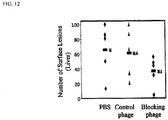
- Fig. 12 shows data from a study in which intrasplenic injection of 4T1 murine breast cancer cells was performed in the presence or absence of control phage of LSALT expressing phage, and the number of surface mammary tumor metastasis were assessed in the liver 4-week post injection. As seen, the LSALT peptide significantly reduced the number of neutrophils present in liver sinusoid tissue.
- Figs. 13A-13F show representative images of lungs, with visible melanotic lung nodules occurring least frequently in the animal receiving the highest dose of LSALT.
- FIGS. 13A-13C show frozen lung sections stained with human nucleolin (brown) and counterstained with toludine blue (top row), and Figs. 13D - 13F show excised lungs with tumor cells expressing melanin (brown) demonstrating tumor burden in the lungs, with the tissue showing highest levels of LSALT showing the least tumor burden.
- An LSALT peptide as described herein may be administered by any appropriate route.
- the LSALT peptide may be administered parenterally.
- the parenteral administration may be selected from intravenous, intradermal, inhalation, transdermal (topical), intraocular, intramuscular, subcutaneous, intramuscular, and/or transmucosal administration.
- An LSALT peptide as described herein may be administered subcutaneously.
- subcutaneous tissue is defined as a layer of loose, irregular connective tissue immediately beneath the skin.
- the subcutaneous administration may be performed by injecting a composition into areas including, but not limited to, thigh region, abdominal region, gluteal region, or scapular region.
- An LSALT peptide as described herein may be administered intravenously.
- An LSALT peptide as described herein may be administered by direct administration to a target tissue, such as heart or muscle (e.g., intramuscular), tumor (intratumorally), nervous system (e.g., direct injection into the brain; intraventricularly; intrathecally).
- a target tissue such as heart or muscle (e.g., intramuscular), tumor (intratumorally), nervous system (e.g., direct injection into the brain; intraventricularly; intrathecally).
- an LSALT peptide as described herein can be administered by inhalation, parenterally, intradermally, transdermally, or transmucosally (e.g., orally or nasally). More than one route can be used concurrently, if desired.
- An LSALT peptide as described herein may be admnistered orally.
- solid dosage forms of LSALT peptide as described herein for oral administration including (a) an LSALT peptide, (b) at least one pharmaceutically acceptable pH-lowering agent, (c) at least one absorption enhancer effective to promote bioavailability of the LSALT peptide, and (d) a protective vehicle.
- the solid dosage form may be a capsule or tablet.
- Various methods and ingredients for making oral formulations are known in the art and it is expected that one of skill would be able to determine which of these methods and ingredients will be compatible with the disclosure as described in this specification and/or in U.S. Provisional Patent Application Ser. No. 61/61/939,561, filed on February 13, 2014 . Such methods and ingredients are also contemplated herein.
- the LSALT peptide may be administered via continuous infusion.
- the continuous infusion may be intravenous.
- the continuous infusion may be subcutaneous.
- the LSALT peptide may be administered bimonthly, monthly, twice monthly, triweekly, biweekly, weekly, twice weekly, thrice weekly, daily, twice daily, or on another clinically desirable dosing schedule.
- the dosing regimen for a single subject need not be at a fixed interval, but can be varied over time, depending on the needs of the subject.
- Also described herein is a method of identifying a compound effective to block leukocyte recruitment in the vasculature of a patient.
- the vasculature may be of the lungs or liver of the patient.
- the method may include the steps of (a) screening a library of test compounds for their ability to bind to a target peptide having a sequence selected from the group consisting of SEQ ID NOS: 2-16; (b) for those library compounds that show a selective binding affinity to one of the target peptides in the library; further testing the compound for its ability to inhibit tumor metastasis to the lungs or liver in an animal bearing a solid tumor known to metastasize the lungs or liver; and (c) selecting the compound if it inhibits tumor metastasis in step (b).
- the method may include a use for identifying a compound effective to inhibit tumor metastasis to the lungs or liver in a patient, the method further includes, in step (b), testing the compound for its ability to inhibit tumor metastasis to the lungs and liver in an animal bearing a solid tumor known to metastasize the lungs and liver.
- the method may include a use for identifying a compound effective to treat bacterial sepsis in a patient, the method further includes in step (b) testing the compound for its ability to treat sepsis in an animal model.
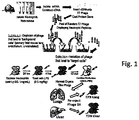
- Fig. 1 illustrates steps in the preparation of a neutrophil-specific T7 phage display library.
- neutrophils were isolated from 40 C56 black mice, according to known procedures.
- RNA was extracted from the neutrophils and converted into cDNA using the OrientExpresscDNA kit from Novagen ( US patent no. 5,629,179 ).
- the neutrophil-derived cDNAs were fused to the coat protein gene in a T7Select Phage-Display System ( US patents 5223409 ; 5403484 ; 5571698 ; 5766905 ), and the DNA was packaged into phage particles, creating the library called T7N.
- the library was then depleted of phage that bound to "background cells", i.e., unstimulated fetal mouse endothelium cells, by three successive steps in which the library was mixed with background cells, and retaining the unbound phage.
- background cells i.e., unstimulated fetal mouse endothelium cells
- mice were injected with anti-Grl to remove neutrophils from the mouse. 24 hours later, the mice were given an IP injection of 0.5mg/kg lipopolysaccharide (LPS), an inflammatory stimulus that causes upregulation of adhesion molecules on the endothelial lining of blood vessels. These adhesion molecules recruit neutrophils from the blood flow.
- LPS lipopolysaccharide
- the mice were anesthetized with a 65% dose of ketamine, and twenty minutes later, the mice were injected with 5 x 10 9 pfu of library phage by tail vein, and the phage were allowed to circulate for 10 minutes. The animals were then perfused with 15mL of PBS, pumped through the left, drained through the right atrium while the heart was still beating, to remove unbound phage in the vasculature.
- the lungs, liver, heart, kidneys, brain and leg muscle were harvested, and each organ was minced in 1mL 10mM EDTA/PBS, dounce homogenized, and 1uL of final organ prep was plated for plaque titreing. 10mL LB with bacterial phage host was added to the remainder of the liver and lungs organ prep to recover the phage that preferentially homed to these organs.
- T7NLi liver library
- T7NLu lung library
- EXAMPLE 2 Binding of T7 liver phage to liver in mice with immune-receptor mutations
- TLR4 Toll-like receptor 4
- the ability of the 2-2 subclone from T7NLi was also investigated in normal (C57) and MyD88(-/-) mice.
- the Myd88 -deficient allele encodes a deletion of exon 3 of the myeloid differentiation primary response gene 88 locus.
- Myd88-deficiency is associated with a number of immune system abnormalities, as well as hematopoietic system, molecular signaling, and apoptotic abnormalities.
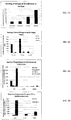
- Levels of the 2-2 clone binding to liver, lungs, and kidney in normal and MyD88(-/-) mice are shown in Fig. 4B .
- MyD88 mice overproduce a receptor or other binding protein recognized by the 2-2 subclone.
- the next study examined the ability of various peptides from the T7NLi library to block neutrophil recruitment in the liver.
- the liver was imaged by intravital microscopy, allowing real time observations of neutrophil flow through the liver vasculature.
- the phage peptides that examined were (1) the full T7NLu library (3X selected), (2) the full T7NLi library (4X selected) and (3) a 50:50 mixture of subclones 2-2 and 2-8 from above.
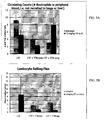
- Fig. 5A shows the number of neutrophils in peripheral blood, that is, not recruited to lungs or liver.
- LPS alone caused a substantial drop in circulating neutrophils, suggesting increased recruitment by the lungs and liver. This effect was largely eliminated in the animals receiving both LPS and the TN7Lu library.
- Percent perfusion is a measure of how much blood flow is present in the liver. Neutrophil recruitment decreases perfusion, resulting in liver damage.
- the T7NLu library significantly improved perfusion of the liver despite the application of LPS. ( Fig. 6B ), indicating substantial protection against neutrophil-related damage to the liver.
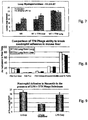
- Fig. 8 The lung selected phage that went through a round of liver selection appeared to contain phage that were effective in inhibiting adhesion of neutrophils specifically to the endothelium of the liver sinusoids.
- Single phage clones were picked at random from each of these libraries and grown up for sequencing to try to identify sequences from known human genes. Four of the clones were identified as (1) out of frame product of gene Ube2n; (2) out of frame product of the gene for Clathrin; and (3) out of frame product for the gene of Hemoglobulin.
- Mkrn1 8 subclones
- S100a9 2 subclones
- Ube2n 2 subclones
- Ngp 3 subclones
- Rp134 Chrm 17; Lilrb3; Dnaja2; Hbb-b1; Hba-a1 (2 subclones).
- Ube2n Since Ube2n is in the group that originally blocked neutrophil adhesion in the liver sinusoids, it was tested against a phage that only displayed an alanine amino acid (A-Stop) and LPS alone. Fig. 9 shows relative neutrophil binding to the liver with these three treatments. From this study, the peptide coded by the out-of frame sequence of Ube2n was identified as a phage subclone that can inhibit adhesion of neutrophils to the liver sinusoids after inflammation induced by LPS. The translated peptide has the sequence LSALTPSPSWLKYKAL (SEQ ID NO: 1), also designated herein as the "LSALT" peptide.
- EXAMPLE 6 Assessment of peptide efficacy on metastasis of 143B human osteosarcoma cells in mouse model for metastasis
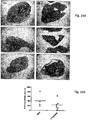
- FIG 15A shows representative histological sections of the lobes of the right lung of animals. Metastatic lesions were visualized by staining human 143B osteosarcoma cells with anti-human nucleolin (brown).
- FIG 15B provides a graph shows quantification of the number of metastatic lesions for all lobes of the right and left lungs in five non-sequential histological sections.
- PBS n 4.
- LSALT -peptide n 6.
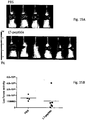
- FIG 16A shows bioluminescence images of animals 3 weeks post-injection (30 sec. exposure time).
- FIG 16B provides a graph shows quantification of luciferase activity (metastatic burden) in animals in A.
- PBS n 4.
- LSALT -peptide n 6.
- mice are challenged with a noninfectious, proinflammatory compound, such as LPS or killed bacteria.
- a noninfectious, proinflammatory compound such as LPS or killed bacteria.
- protocols were used that followed Andonegui G, et al., J Clin Invest. 2009 Jul;119(7):1921-30 ; and Yipp BG, et al,. J Immunol. 2002 May 1 ;168(9):4650-8 .
- purified LPS isolated from E. Coli was used to initiate endotoxemia response in BALB/c mice 6-8 weeks old. Mice were injected with LSALT bacteriophage that contain lethal amounts of LPS endotoxin.
- mice treated in this group had to be sacrificed due to a septic response.
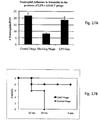
- Neutrophil adhesion in sinusoids was evaluated in the presence of control- bacteriophage /LPS, LSALT-bacteriophage /LPS, and LPS only demonstrating a protective effect of the LSALT-bacteriophage ( FIG. 17A ).
- Mice injected with the LSALT-bacteriophage demonstrated a protective effect of the LSALT-bacteriophage compared to control. All but one animal survived the dosing (1 out of 5) ( FIG. 17B ).
Landscapes
- Health & Medical Sciences (AREA)
- Life Sciences & Earth Sciences (AREA)
- Chemical & Material Sciences (AREA)
- Engineering & Computer Science (AREA)
- Immunology (AREA)
- General Health & Medical Sciences (AREA)
- Medicinal Chemistry (AREA)
- Biomedical Technology (AREA)
- Organic Chemistry (AREA)
- Veterinary Medicine (AREA)
- Molecular Biology (AREA)
- Animal Behavior & Ethology (AREA)
- Public Health (AREA)
- Pharmacology & Pharmacy (AREA)
- Urology & Nephrology (AREA)
- Hematology (AREA)
- Chemical Kinetics & Catalysis (AREA)
- Nuclear Medicine, Radiotherapy & Molecular Imaging (AREA)
- General Chemical & Material Sciences (AREA)
- Bioinformatics & Cheminformatics (AREA)
- Cell Biology (AREA)
- Biochemistry (AREA)
- Tropical Medicine & Parasitology (AREA)
- Oncology (AREA)
- Pathology (AREA)
- Toxicology (AREA)
- General Physics & Mathematics (AREA)
- Food Science & Technology (AREA)
- Physics & Mathematics (AREA)
- Analytical Chemistry (AREA)
- Biotechnology (AREA)
- Microbiology (AREA)
- Proteomics, Peptides & Aminoacids (AREA)
- Communicable Diseases (AREA)
- Genetics & Genomics (AREA)
- Gastroenterology & Hepatology (AREA)
- Epidemiology (AREA)
- Biophysics (AREA)
- Virology (AREA)
- Medicines That Contain Protein Lipid Enzymes And Other Medicines (AREA)
Claims (11)
- Isoliertes Peptid, das die Rekrutierung von Leukozyten reduziert, ausgewählt aus(i) einem isolierten Peptid, umfassend SEQ ID NO: 1,(ii) dem isolierten Peptid von (i), wobei das Peptid durch Pegylierung, Acetylierung, Glykosylierung, Biotinylierung oder Substitution einer oder mehrerer L-Aminosäuren durch den gleichen Typ von D-Aminosäuren modifiziert ist, und(iii) dem isolierten Peptid von (i), wobei das Peptid einen oder mehrere modifizierte Aminosäurereste oder Aminosäureanaloga umfasst,wobei die modifizierten Aminosäurereste durch Methylierung, Amidierung oder Acetylierung modifiziert sind, und
wobei die Aminosäureanaloga ausgewählt sind aus β-Alanin, Norvalin, Norleucin, 4-Aminobuttersäure, Ornithin, Hydroxyprolin, Sarcosin, Citrullin, Cysteinsäure, Cyclohexylalanin, 2-Aminoisobuttersäure, 6-Aminohexansäure, t-Butylglycin, Phenylglycin, o-Phosphoserin, N-Acetylserin, N-Formylmethionin und 3-Methylhistidin. - Isoliertes Peptid nach Anspruch 1, ferner umfassend 1, 2, 3, 4 oder 5 Aminosäurereste an dem N-Terminus und/oder C-Terminus der LSALTPSPSWLKYKAL-Sequenz, wobei die Aminosäurereste optional eine oder mehrere modifizierte Aminosäurereste oder Aminosäureanaloga umfassen,
wobei die modifizierten Aminosäurereste durch Methylierung, Amidierung oder Acetylierung modifiziert sind, und
wobei die Aminosäureanaloga ausgewählt sind aus β-Alanin, Norvalin, Norleucin, 4-Aminobuttersäure, Ornithin, Hydroxyprolin, Sarcosin, Citrullin, Cysteinsäure, Cyclohexylalanin, 2-Aminoisobuttersäure, 6-Aminohexansäure, t-Butylglycin, Phenylglycin, o-Phosphoserin, N-Acetylserin, N-Formylmethionin und 3-Methylhistidin. - Isoliertes Peptid nach Anspruch 1 in Verbindung mit einem Phagenvirus.
- Pharmazeutische Zusammensetzung, umfassend ein Polypeptid nach einem der Ansprüche 1 bis 3 und einen pharmazeutisch unbedenklichen Träger.
- Pharmazeutische Zusammensetzung nach Anspruch 4, wobei der Träger ausgewählt ist aus Wasser, Kochsalzlösung, phosphatgepufferter Kochsalzlösung, Ringer-Lösung, Dextrose-Lösung, Serum enthaltenden Lösungen, Hank-Lösung, Ölen, Estern und Glykolen.
- Pharmazeutische Zusammensetzung nach Anspruch 4, wobei die pharmazeutische Zusammensetzung zur parenteralen oder intravenösen Verabreichung geeignet ist.
- Isoliertes Peptid nach einem der Ansprüche 1 bis 3 zur Verwendung bei der Behandlung einer durch Leukozyten-Rekrutierung vermittelten Krankheit durch Reduzieren der Leukozyten-Rekrutierung.
- Isoliertes Peptid zur Verwendung nach Anspruch 7, wobei das isolierte Peptid oder eine Variante davon in einer Dosierung zwischen 0,01 mg/kg bis 100 mg/kg zu verabreichen ist.
- Isoliertes Peptid zur Verwendung nach Anspruch 7, wobei die durch Leukozyten-Rekrutierung vermittelte Krankheit Tumormetastasen sind.
- Isoliertes Peptid zur Verwendung nach Anspruch 7, wobei das isolierte Peptid die Tumormetastasen verglichen mit Tumormetastasen ohne Behandlung reduziert oder hemmt.
- Isoliertes Peptid zur Verwendung nach Anspruch 7, wobei die durch Leukozytenrekrutierung vermittelte Krankheit Sepsis ist und wobei die Sepsis vorzugsweise durch bakterielle, virale, Pilz- oder Parasiteninfektion verursacht wird.
Applications Claiming Priority (2)
| Application Number | Priority Date | Filing Date | Title |
|---|---|---|---|
| US201461939561P | 2014-02-13 | 2014-02-13 | |
| PCT/CA2015/000078 WO2015120536A1 (en) | 2014-02-13 | 2015-02-13 | Peptides that block leukocyte recruitment and methods of use |
Publications (3)
| Publication Number | Publication Date |
|---|---|
| EP3105245A1 EP3105245A1 (de) | 2016-12-21 |
| EP3105245A4 EP3105245A4 (de) | 2017-07-26 |
| EP3105245B1 true EP3105245B1 (de) | 2021-08-18 |
Family
ID=53774369
Family Applications (1)
| Application Number | Title | Priority Date | Filing Date |
|---|---|---|---|
| EP15749560.7A Active EP3105245B1 (de) | 2014-02-13 | 2015-02-13 | Peptide, die die leukozytenrekrutierung blockieren, und deren therapeutische verwendung |
Country Status (7)
| Country | Link |
|---|---|
| US (3) | US9464114B2 (de) |
| EP (1) | EP3105245B1 (de) |
| JP (2) | JP6673837B2 (de) |
| AU (1) | AU2015218198B2 (de) |
| CA (1) | CA2939266C (de) |
| ES (1) | ES2891174T3 (de) |
| WO (1) | WO2015120536A1 (de) |
Families Citing this family (3)
| Publication number | Priority date | Publication date | Assignee | Title |
|---|---|---|---|---|
| ES3057215T3 (en) | 2015-08-11 | 2026-02-26 | Arch Biopartners Inc | Antagonist binding to dpep-1 for use in treating or preventing acute kidney injury or ischemia-reperfusion injury |
| JP7535514B2 (ja) * | 2018-11-30 | 2024-08-16 | アーチ バイオパートナーズ, インコーポレイテッド | Dpep-1結合剤および使用の方法 |
| EP4574146A1 (de) | 2023-12-18 | 2025-06-25 | Telara Pharma S.L. | Dhp-i-hemmer zur verwendung als neuroschützende mittel und bei der behandlung von neuroinflammatorischen erkrankungen |
Family Cites Families (13)
| Publication number | Priority date | Publication date | Assignee | Title |
|---|---|---|---|---|
| US4244946A (en) | 1979-06-11 | 1981-01-13 | The Salk Institute For Biological Studies | Water-soluble peptides affecting gonadal function |
| US4305872A (en) | 1979-10-19 | 1981-12-15 | Kenneth Wingrove | Polypeptide derivatives |
| US4316891A (en) | 1980-06-14 | 1982-02-23 | The Salk Institute For Biological Studies | Extended N-terminal somatostatin |
| US5223409A (en) | 1988-09-02 | 1993-06-29 | Protein Engineering Corp. | Directed evolution of novel binding proteins |
| US5629179A (en) | 1995-03-17 | 1997-05-13 | Novagen, Inc. | Method and kit for making CDNA library |
| US5766905A (en) | 1996-06-14 | 1998-06-16 | Associated Universities Inc. | Cytoplasmic bacteriophage display system |
| MXPA01010404A (es) * | 1999-04-16 | 2003-07-21 | Childrens Medical Center | Peptidos moduladores de adhesion y metodos para utilizarlos. |
| CN1323723C (zh) * | 2003-12-26 | 2007-07-04 | 上海新世界基因技术开发有限公司 | Tie2受体介导的靶向性肿瘤基因治疗的基因转移系统 |
| WO2006134960A1 (ja) * | 2005-06-16 | 2006-12-21 | Shionogi & Co., Ltd. | 抗炎症剤のスクリーニング方法 |
| EP3461499A1 (de) * | 2006-06-07 | 2019-04-03 | The Board of Trustees of The Leland Stanford Junior University | Anti-leukozyten-rekrutierungstherapie zur behandlung von wiederholung epileptischer anfälle |
| EP2196212A4 (de) * | 2007-10-04 | 2012-01-25 | Josai University Corp | Präparat und verfahren zur verabreichung eines impfstoffs sowie iontophoresevorrichtung mit dem präparat |
| WO2010099084A2 (en) * | 2009-02-27 | 2010-09-02 | Monsanto Technology Llc | Isolated novel nucleic acid and protein molecules from corn and methods of using those molecules |
| EP4012714A1 (de) * | 2010-03-23 | 2022-06-15 | Iogenetics, LLC. | Bioinformatikverfahren zur bestimmung von peptidbindungen |
-
2015
- 2015-02-13 WO PCT/CA2015/000078 patent/WO2015120536A1/en not_active Ceased
- 2015-02-13 AU AU2015218198A patent/AU2015218198B2/en active Active
- 2015-02-13 EP EP15749560.7A patent/EP3105245B1/de active Active
- 2015-02-13 JP JP2016551165A patent/JP6673837B2/ja active Active
- 2015-02-13 CA CA2939266A patent/CA2939266C/en active Active
- 2015-02-13 ES ES15749560T patent/ES2891174T3/es active Active
- 2015-02-13 US US14/622,177 patent/US9464114B2/en active Active
-
2016
- 2016-08-31 US US15/253,048 patent/US20170072006A1/en not_active Abandoned
-
2018
- 2018-09-13 US US16/129,942 patent/US11083773B2/en active Active
-
2020
- 2020-01-06 JP JP2020000282A patent/JP6994054B2/ja active Active
Non-Patent Citations (1)
| Title |
|---|
| None * |
Also Published As
| Publication number | Publication date |
|---|---|
| JP6994054B2 (ja) | 2022-02-03 |
| EP3105245A1 (de) | 2016-12-21 |
| JP2017508734A (ja) | 2017-03-30 |
| JP6673837B2 (ja) | 2020-03-25 |
| US20170072006A1 (en) | 2017-03-16 |
| CA2939266A1 (en) | 2015-08-20 |
| WO2015120536A1 (en) | 2015-08-20 |
| ES2891174T3 (es) | 2022-01-26 |
| AU2015218198A1 (en) | 2016-09-29 |
| US20200038473A1 (en) | 2020-02-06 |
| EP3105245A4 (de) | 2017-07-26 |
| AU2015218198B2 (en) | 2019-07-11 |
| JP2020055873A (ja) | 2020-04-09 |
| US20150225459A1 (en) | 2015-08-13 |
| US11083773B2 (en) | 2021-08-10 |
| US9464114B2 (en) | 2016-10-11 |
| CA2939266C (en) | 2023-10-03 |
Similar Documents
| Publication | Publication Date | Title |
|---|---|---|
| US11083773B2 (en) | Peptides that block leukocyte recruitment and methods of use | |
| US20250333443A1 (en) | Dpep-1 binding agents and methods of use | |
| CN116669752B (zh) | Glp-1/glp-2双重激动剂的药物组合物 | |
| CN116710114B (zh) | Glp-1/glp-2双重激动剂的药物组合物 | |
| CN116723850A (zh) | Glp-1/glp-2双重激动剂的药物组合物 | |
| KR20160016872A (ko) | 마르팡 증후군 및 관련 장애의 치료에서의 안지오텐신 펩티드 | |
| KR20160026855A (ko) | 근육 이영양증에서의 안지오텐신 | |
| WO2022170064A1 (en) | Compositions and methods for targeted antifibrotic therapy in chronic pancreatitis | |
| RU2855506C1 (ru) | Фармацевтическая композиция двойных агонистов glp-1/glp-2 |
Legal Events
| Date | Code | Title | Description |
|---|---|---|---|
| PUAI | Public reference made under article 153(3) epc to a published international application that has entered the european phase |
Free format text: ORIGINAL CODE: 0009012 |
|
| STAA | Information on the status of an ep patent application or granted ep patent |
Free format text: STATUS: REQUEST FOR EXAMINATION WAS MADE |
|
| 17P | Request for examination filed |
Effective date: 20160909 |
|
| AK | Designated contracting states |
Kind code of ref document: A1 Designated state(s): AL AT BE BG CH CY CZ DE DK EE ES FI FR GB GR HR HU IE IS IT LI LT LU LV MC MK MT NL NO PL PT RO RS SE SI SK SM TR |
|
| AX | Request for extension of the european patent |
Extension state: BA ME |
|
| DAX | Request for extension of the european patent (deleted) | ||
| A4 | Supplementary search report drawn up and despatched |
Effective date: 20170628 |
|
| RIC1 | Information provided on ipc code assigned before grant |
Ipc: A61P 31/00 20060101ALI20170619BHEP Ipc: A61P 35/04 20060101ALI20170619BHEP Ipc: C40B 30/06 20060101ALI20170619BHEP Ipc: C12Q 1/00 20060101ALI20170619BHEP Ipc: C40B 30/04 20060101ALI20170619BHEP Ipc: C07K 7/08 20060101AFI20170619BHEP Ipc: A61P 37/02 20060101ALI20170619BHEP Ipc: A61K 38/10 20060101ALI20170619BHEP Ipc: G01N 33/53 20060101ALI20170619BHEP Ipc: A61P 35/00 20060101ALI20170619BHEP Ipc: C07K 1/113 20060101ALI20170619BHEP |
|
| STAA | Information on the status of an ep patent application or granted ep patent |
Free format text: STATUS: EXAMINATION IS IN PROGRESS |
|
| 17Q | First examination report despatched |
Effective date: 20190416 |
|
| GRAP | Despatch of communication of intention to grant a patent |
Free format text: ORIGINAL CODE: EPIDOSNIGR1 |
|
| STAA | Information on the status of an ep patent application or granted ep patent |
Free format text: STATUS: GRANT OF PATENT IS INTENDED |
|
| INTG | Intention to grant announced |
Effective date: 20210305 |
|
| GRAS | Grant fee paid |
Free format text: ORIGINAL CODE: EPIDOSNIGR3 |
|
| GRAA | (expected) grant |
Free format text: ORIGINAL CODE: 0009210 |
|
| STAA | Information on the status of an ep patent application or granted ep patent |
Free format text: STATUS: THE PATENT HAS BEEN GRANTED |
|
| AK | Designated contracting states |
Kind code of ref document: B1 Designated state(s): AL AT BE BG CH CY CZ DE DK EE ES FI FR GB GR HR HU IE IS IT LI LT LU LV MC MK MT NL NO PL PT RO RS SE SI SK SM TR |
|
| REG | Reference to a national code |
Ref country code: GB Ref legal event code: FG4D |
|
| REG | Reference to a national code |
Ref country code: CH Ref legal event code: EP |
|
| REG | Reference to a national code |
Ref country code: DE Ref legal event code: R096 Ref document number: 602015072380 Country of ref document: DE |
|
| REG | Reference to a national code |
Ref country code: IE Ref legal event code: FG4D Ref country code: AT Ref legal event code: REF Ref document number: 1421558 Country of ref document: AT Kind code of ref document: T Effective date: 20210915 |
|
| RAP4 | Party data changed (patent owner data changed or rights of a patent transferred) |
Owner name: ARCH CANCER THERAPEUTICS, INC. |
|
| REG | Reference to a national code |
Ref country code: LT Ref legal event code: MG9D |
|
| REG | Reference to a national code |
Ref country code: NL Ref legal event code: MP Effective date: 20210818 |
|
| REG | Reference to a national code |
Ref country code: AT Ref legal event code: MK05 Ref document number: 1421558 Country of ref document: AT Kind code of ref document: T Effective date: 20210818 |
|
| REG | Reference to a national code |
Ref country code: ES Ref legal event code: FG2A Ref document number: 2891174 Country of ref document: ES Kind code of ref document: T3 Effective date: 20220126 |
|
| PG25 | Lapsed in a contracting state [announced via postgrant information from national office to epo] |
Ref country code: LT Free format text: LAPSE BECAUSE OF FAILURE TO SUBMIT A TRANSLATION OF THE DESCRIPTION OR TO PAY THE FEE WITHIN THE PRESCRIBED TIME-LIMIT Effective date: 20210818 Ref country code: BG Free format text: LAPSE BECAUSE OF FAILURE TO SUBMIT A TRANSLATION OF THE DESCRIPTION OR TO PAY THE FEE WITHIN THE PRESCRIBED TIME-LIMIT Effective date: 20211118 Ref country code: AT Free format text: LAPSE BECAUSE OF FAILURE TO SUBMIT A TRANSLATION OF THE DESCRIPTION OR TO PAY THE FEE WITHIN THE PRESCRIBED TIME-LIMIT Effective date: 20210818 Ref country code: FI Free format text: LAPSE BECAUSE OF FAILURE TO SUBMIT A TRANSLATION OF THE DESCRIPTION OR TO PAY THE FEE WITHIN THE PRESCRIBED TIME-LIMIT Effective date: 20210818 Ref country code: NO Free format text: LAPSE BECAUSE OF FAILURE TO SUBMIT A TRANSLATION OF THE DESCRIPTION OR TO PAY THE FEE WITHIN THE PRESCRIBED TIME-LIMIT Effective date: 20211118 Ref country code: PT Free format text: LAPSE BECAUSE OF FAILURE TO SUBMIT A TRANSLATION OF THE DESCRIPTION OR TO PAY THE FEE WITHIN THE PRESCRIBED TIME-LIMIT Effective date: 20211220 Ref country code: SE Free format text: LAPSE BECAUSE OF FAILURE TO SUBMIT A TRANSLATION OF THE DESCRIPTION OR TO PAY THE FEE WITHIN THE PRESCRIBED TIME-LIMIT Effective date: 20210818 Ref country code: RS Free format text: LAPSE BECAUSE OF FAILURE TO SUBMIT A TRANSLATION OF THE DESCRIPTION OR TO PAY THE FEE WITHIN THE PRESCRIBED TIME-LIMIT Effective date: 20210818 Ref country code: HR Free format text: LAPSE BECAUSE OF FAILURE TO SUBMIT A TRANSLATION OF THE DESCRIPTION OR TO PAY THE FEE WITHIN THE PRESCRIBED TIME-LIMIT Effective date: 20210818 |
|
| PG25 | Lapsed in a contracting state [announced via postgrant information from national office to epo] |
Ref country code: PL Free format text: LAPSE BECAUSE OF FAILURE TO SUBMIT A TRANSLATION OF THE DESCRIPTION OR TO PAY THE FEE WITHIN THE PRESCRIBED TIME-LIMIT Effective date: 20210818 Ref country code: LV Free format text: LAPSE BECAUSE OF FAILURE TO SUBMIT A TRANSLATION OF THE DESCRIPTION OR TO PAY THE FEE WITHIN THE PRESCRIBED TIME-LIMIT Effective date: 20210818 Ref country code: GR Free format text: LAPSE BECAUSE OF FAILURE TO SUBMIT A TRANSLATION OF THE DESCRIPTION OR TO PAY THE FEE WITHIN THE PRESCRIBED TIME-LIMIT Effective date: 20211119 |
|
| PG25 | Lapsed in a contracting state [announced via postgrant information from national office to epo] |
Ref country code: NL Free format text: LAPSE BECAUSE OF FAILURE TO SUBMIT A TRANSLATION OF THE DESCRIPTION OR TO PAY THE FEE WITHIN THE PRESCRIBED TIME-LIMIT Effective date: 20210818 |
|
| PG25 | Lapsed in a contracting state [announced via postgrant information from national office to epo] |
Ref country code: DK Free format text: LAPSE BECAUSE OF FAILURE TO SUBMIT A TRANSLATION OF THE DESCRIPTION OR TO PAY THE FEE WITHIN THE PRESCRIBED TIME-LIMIT Effective date: 20210818 |
|
| REG | Reference to a national code |
Ref country code: DE Ref legal event code: R097 Ref document number: 602015072380 Country of ref document: DE |
|
| PG25 | Lapsed in a contracting state [announced via postgrant information from national office to epo] |
Ref country code: SM Free format text: LAPSE BECAUSE OF FAILURE TO SUBMIT A TRANSLATION OF THE DESCRIPTION OR TO PAY THE FEE WITHIN THE PRESCRIBED TIME-LIMIT Effective date: 20210818 Ref country code: SK Free format text: LAPSE BECAUSE OF FAILURE TO SUBMIT A TRANSLATION OF THE DESCRIPTION OR TO PAY THE FEE WITHIN THE PRESCRIBED TIME-LIMIT Effective date: 20210818 Ref country code: RO Free format text: LAPSE BECAUSE OF FAILURE TO SUBMIT A TRANSLATION OF THE DESCRIPTION OR TO PAY THE FEE WITHIN THE PRESCRIBED TIME-LIMIT Effective date: 20210818 Ref country code: EE Free format text: LAPSE BECAUSE OF FAILURE TO SUBMIT A TRANSLATION OF THE DESCRIPTION OR TO PAY THE FEE WITHIN THE PRESCRIBED TIME-LIMIT Effective date: 20210818 Ref country code: CZ Free format text: LAPSE BECAUSE OF FAILURE TO SUBMIT A TRANSLATION OF THE DESCRIPTION OR TO PAY THE FEE WITHIN THE PRESCRIBED TIME-LIMIT Effective date: 20210818 Ref country code: AL Free format text: LAPSE BECAUSE OF FAILURE TO SUBMIT A TRANSLATION OF THE DESCRIPTION OR TO PAY THE FEE WITHIN THE PRESCRIBED TIME-LIMIT Effective date: 20210818 |
|
| PLBE | No opposition filed within time limit |
Free format text: ORIGINAL CODE: 0009261 |
|
| STAA | Information on the status of an ep patent application or granted ep patent |
Free format text: STATUS: NO OPPOSITION FILED WITHIN TIME LIMIT |
|
| 26N | No opposition filed |
Effective date: 20220519 |
|
| PG25 | Lapsed in a contracting state [announced via postgrant information from national office to epo] |
Ref country code: IT Free format text: LAPSE BECAUSE OF FAILURE TO SUBMIT A TRANSLATION OF THE DESCRIPTION OR TO PAY THE FEE WITHIN THE PRESCRIBED TIME-LIMIT Effective date: 20210818 |
|
| PG25 | Lapsed in a contracting state [announced via postgrant information from national office to epo] |
Ref country code: SI Free format text: LAPSE BECAUSE OF FAILURE TO SUBMIT A TRANSLATION OF THE DESCRIPTION OR TO PAY THE FEE WITHIN THE PRESCRIBED TIME-LIMIT Effective date: 20210818 |
|
| PG25 | Lapsed in a contracting state [announced via postgrant information from national office to epo] |
Ref country code: MC Free format text: LAPSE BECAUSE OF FAILURE TO SUBMIT A TRANSLATION OF THE DESCRIPTION OR TO PAY THE FEE WITHIN THE PRESCRIBED TIME-LIMIT Effective date: 20210818 |
|
| PG25 | Lapsed in a contracting state [announced via postgrant information from national office to epo] |
Ref country code: LU Free format text: LAPSE BECAUSE OF NON-PAYMENT OF DUE FEES Effective date: 20220213 |
|
| P01 | Opt-out of the competence of the unified patent court (upc) registered |
Effective date: 20230524 |
|
| PG25 | Lapsed in a contracting state [announced via postgrant information from national office to epo] |
Ref country code: HU Free format text: LAPSE BECAUSE OF FAILURE TO SUBMIT A TRANSLATION OF THE DESCRIPTION OR TO PAY THE FEE WITHIN THE PRESCRIBED TIME-LIMIT; INVALID AB INITIO Effective date: 20150213 |
|
| PG25 | Lapsed in a contracting state [announced via postgrant information from national office to epo] |
Ref country code: MK Free format text: LAPSE BECAUSE OF FAILURE TO SUBMIT A TRANSLATION OF THE DESCRIPTION OR TO PAY THE FEE WITHIN THE PRESCRIBED TIME-LIMIT Effective date: 20210818 Ref country code: CY Free format text: LAPSE BECAUSE OF FAILURE TO SUBMIT A TRANSLATION OF THE DESCRIPTION OR TO PAY THE FEE WITHIN THE PRESCRIBED TIME-LIMIT Effective date: 20210818 |
|
| PG25 | Lapsed in a contracting state [announced via postgrant information from national office to epo] |
Ref country code: MT Free format text: LAPSE BECAUSE OF FAILURE TO SUBMIT A TRANSLATION OF THE DESCRIPTION OR TO PAY THE FEE WITHIN THE PRESCRIBED TIME-LIMIT Effective date: 20210818 |
|
| PGFP | Annual fee paid to national office [announced via postgrant information from national office to epo] |
Ref country code: CH Payment date: 20250301 Year of fee payment: 11 |
|
| REG | Reference to a national code |
Ref country code: CH Ref legal event code: U11 Free format text: ST27 STATUS EVENT CODE: U-0-0-U10-U11 (AS PROVIDED BY THE NATIONAL OFFICE) Effective date: 20260301 |
|
| PGFP | Annual fee paid to national office [announced via postgrant information from national office to epo] |
Ref country code: GB Payment date: 20260119 Year of fee payment: 12 |
|
| PGFP | Annual fee paid to national office [announced via postgrant information from national office to epo] |
Ref country code: ES Payment date: 20260305 Year of fee payment: 12 |
|
| PGFP | Annual fee paid to national office [announced via postgrant information from national office to epo] |
Ref country code: DE Payment date: 20260114 Year of fee payment: 12 Ref country code: IE Payment date: 20260123 Year of fee payment: 12 |
|
| PGFP | Annual fee paid to national office [announced via postgrant information from national office to epo] |
Ref country code: BE Payment date: 20260113 Year of fee payment: 12 |
|
| PGFP | Annual fee paid to national office [announced via postgrant information from national office to epo] |
Ref country code: FR Payment date: 20260121 Year of fee payment: 12 |
|
| PGFP | Annual fee paid to national office [announced via postgrant information from national office to epo] |
Ref country code: TR Payment date: 20260210 Year of fee payment: 12 |