EP3099780B1 - Verfahren zur herstellung von hefestämmen mit geringer ethanolerzeugung, damit erhaltene hefestämme und deren verwendung - Google Patents
Verfahren zur herstellung von hefestämmen mit geringer ethanolerzeugung, damit erhaltene hefestämme und deren verwendung Download PDFInfo
- Publication number
- EP3099780B1 EP3099780B1 EP15702250.0A EP15702250A EP3099780B1 EP 3099780 B1 EP3099780 B1 EP 3099780B1 EP 15702250 A EP15702250 A EP 15702250A EP 3099780 B1 EP3099780 B1 EP 3099780B1
- Authority
- EP
- European Patent Office
- Prior art keywords
- mmol
- yeast strain
- variant
- saccharomyces
- salt
- Prior art date
- Legal status (The legal status is an assumption and is not a legal conclusion. Google has not performed a legal analysis and makes no representation as to the accuracy of the status listed.)
- Active
Links
Images


Classifications
-
- C—CHEMISTRY; METALLURGY
- C12—BIOCHEMISTRY; BEER; SPIRITS; WINE; VINEGAR; MICROBIOLOGY; ENZYMOLOGY; MUTATION OR GENETIC ENGINEERING
- C12G—WINE; PREPARATION THEREOF; ALCOHOLIC BEVERAGES; PREPARATION OF ALCOHOLIC BEVERAGES NOT PROVIDED FOR IN SUBCLASSES C12C OR C12H
- C12G1/00—Preparation of wine or sparkling wine
- C12G1/02—Preparation of must from grapes; Must treatment and fermentation
- C12G1/0203—Preparation of must from grapes; Must treatment and fermentation by microbiological or enzymatic treatment
-
- C—CHEMISTRY; METALLURGY
- C12—BIOCHEMISTRY; BEER; SPIRITS; WINE; VINEGAR; MICROBIOLOGY; ENZYMOLOGY; MUTATION OR GENETIC ENGINEERING
- C12N—MICROORGANISMS OR ENZYMES; COMPOSITIONS THEREOF; PROPAGATING, PRESERVING, OR MAINTAINING MICROORGANISMS; MUTATION OR GENETIC ENGINEERING; CULTURE MEDIA
- C12N1/00—Microorganisms, e.g. protozoa; Compositions thereof; Processes of propagating, maintaining or preserving microorganisms or compositions thereof; Processes of preparing or isolating a composition containing a microorganism; Culture media therefor
- C12N1/14—Fungi; Culture media therefor
- C12N1/16—Yeasts; Culture media therefor
-
- C—CHEMISTRY; METALLURGY
- C12—BIOCHEMISTRY; BEER; SPIRITS; WINE; VINEGAR; MICROBIOLOGY; ENZYMOLOGY; MUTATION OR GENETIC ENGINEERING
- C12N—MICROORGANISMS OR ENZYMES; COMPOSITIONS THEREOF; PROPAGATING, PRESERVING, OR MAINTAINING MICROORGANISMS; MUTATION OR GENETIC ENGINEERING; CULTURE MEDIA
- C12N1/00—Microorganisms, e.g. protozoa; Compositions thereof; Processes of propagating, maintaining or preserving microorganisms or compositions thereof; Processes of preparing or isolating a composition containing a microorganism; Culture media therefor
- C12N1/14—Fungi; Culture media therefor
- C12N1/16—Yeasts; Culture media therefor
- C12N1/18—Baker's yeast; Brewer's yeast
- C12N1/185—Saccharomyces isolates
-
- C—CHEMISTRY; METALLURGY
- C12—BIOCHEMISTRY; BEER; SPIRITS; WINE; VINEGAR; MICROBIOLOGY; ENZYMOLOGY; MUTATION OR GENETIC ENGINEERING
- C12N—MICROORGANISMS OR ENZYMES; COMPOSITIONS THEREOF; PROPAGATING, PRESERVING, OR MAINTAINING MICROORGANISMS; MUTATION OR GENETIC ENGINEERING; CULTURE MEDIA
- C12N1/00—Microorganisms, e.g. protozoa; Compositions thereof; Processes of propagating, maintaining or preserving microorganisms or compositions thereof; Processes of preparing or isolating a composition containing a microorganism; Culture media therefor
- C12N1/36—Adaptation or attenuation of cells
-
- C—CHEMISTRY; METALLURGY
- C12—BIOCHEMISTRY; BEER; SPIRITS; WINE; VINEGAR; MICROBIOLOGY; ENZYMOLOGY; MUTATION OR GENETIC ENGINEERING
- C12P—FERMENTATION OR ENZYME-USING PROCESSES TO SYNTHESISE A DESIRED CHEMICAL COMPOUND OR COMPOSITION OR TO SEPARATE OPTICAL ISOMERS FROM A RACEMIC MIXTURE
- C12P7/00—Preparation of oxygen-containing organic compounds
- C12P7/02—Preparation of oxygen-containing organic compounds containing a hydroxy group
- C12P7/04—Preparation of oxygen-containing organic compounds containing a hydroxy group acyclic
- C12P7/06—Ethanol, i.e. non-beverage
-
- C—CHEMISTRY; METALLURGY
- C12—BIOCHEMISTRY; BEER; SPIRITS; WINE; VINEGAR; MICROBIOLOGY; ENZYMOLOGY; MUTATION OR GENETIC ENGINEERING
- C12P—FERMENTATION OR ENZYME-USING PROCESSES TO SYNTHESISE A DESIRED CHEMICAL COMPOUND OR COMPOSITION OR TO SEPARATE OPTICAL ISOMERS FROM A RACEMIC MIXTURE
- C12P7/00—Preparation of oxygen-containing organic compounds
- C12P7/02—Preparation of oxygen-containing organic compounds containing a hydroxy group
- C12P7/04—Preparation of oxygen-containing organic compounds containing a hydroxy group acyclic
- C12P7/18—Preparation of oxygen-containing organic compounds containing a hydroxy group acyclic polyhydric
- C12P7/20—Glycerol
-
- C—CHEMISTRY; METALLURGY
- C12—BIOCHEMISTRY; BEER; SPIRITS; WINE; VINEGAR; MICROBIOLOGY; ENZYMOLOGY; MUTATION OR GENETIC ENGINEERING
- C12G—WINE; PREPARATION THEREOF; ALCOHOLIC BEVERAGES; PREPARATION OF ALCOHOLIC BEVERAGES NOT PROVIDED FOR IN SUBCLASSES C12C OR C12H
- C12G2200/00—Special features
- C12G2200/05—Use of particular microorganisms in the preparation of wine
-
- C—CHEMISTRY; METALLURGY
- C12—BIOCHEMISTRY; BEER; SPIRITS; WINE; VINEGAR; MICROBIOLOGY; ENZYMOLOGY; MUTATION OR GENETIC ENGINEERING
- C12R—INDEXING SCHEME ASSOCIATED WITH SUBCLASSES C12C - C12Q, RELATING TO MICROORGANISMS
- C12R2001/00—Microorganisms ; Processes using microorganisms
- C12R2001/645—Fungi ; Processes using fungi
- C12R2001/85—Saccharomyces
- C12R2001/865—Saccharomyces cerevisiae
-
- Y—GENERAL TAGGING OF NEW TECHNOLOGICAL DEVELOPMENTS; GENERAL TAGGING OF CROSS-SECTIONAL TECHNOLOGIES SPANNING OVER SEVERAL SECTIONS OF THE IPC; TECHNICAL SUBJECTS COVERED BY FORMER USPC CROSS-REFERENCE ART COLLECTIONS [XRACs] AND DIGESTS
- Y02—TECHNOLOGIES OR APPLICATIONS FOR MITIGATION OR ADAPTATION AGAINST CLIMATE CHANGE
- Y02E—REDUCTION OF GREENHOUSE GAS [GHG] EMISSIONS, RELATED TO ENERGY GENERATION, TRANSMISSION OR DISTRIBUTION
- Y02E50/00—Technologies for the production of fuel of non-fossil origin
- Y02E50/10—Biofuels, e.g. bio-diesel
Definitions
- the present disclosure relates to a process for obtaining non-genetically-modified variant yeast strains which have the ability of producing less ethanol than their corresponding ancestral/parental strains as well as variant yeast strains obtained or derived from this process.
- the present disclosure also relates the use of such variant yeast strain during an alcoholic fermentation process, such as the production of wine.
- glycerol plays major roles in redox homeostasis and in osmotic stress resistance: it is the main compatible solute in yeast. Glycerol is usually found in wines at concentrations in the range 5 to 9 g/L and contributes positively to the quality of wine by providing body and sweetness. It may also confer viscosity at very high concentrations (above 25 g/L), as in Botrytis wines.
- yeast strains capable of producing less ethanol than their corresponding ancestral yeast strains.
- the alcoholic fermentation of these variant yeast strain does not lead to the production of undesirable organoleptic properties in the fermented product.
- Kutyna, 2008 (Isolation of low ethanol producing yeast strains using adaptive evolution. Doctoral dissertation, Victoria University ) relates to the application of adaptive evolution to generate variants of Saccharomyces cerevisiae that produce reduced levels of ethanol relative to the strains they were derived from.
- the present disclosure provides a process for obtaining a variant Saccharomyces sp. yeast strain capable of producing, when compared to the ancestral yeast strain, more glycerol, less ethanol and less acetate during an alcoholic fermentation process of a natural grape must.
- the process relies on the use of a salt capable of causing an hyperosmotic stress to the ancestral yeast strain as well as culturing the yeast strain in a high concentration of a carbon source until exhaustion of the carbon source.
- the variant yeast strain obtained produce more glycerol, less ethanol and less acetate than the ancestral yeast strain from which they are derived, even in the absence of the salt.
- the present disclosure provides a process for obtaining a variant Saccharomyces sp yeast strain capable of producing, when compared to the ancestral yeast strain, more glycerol, less ethanol and less acetate in an alcoholic fermentation process of a natural grape must.
- the process comprises a) culturing the ancestral yeast strain in a first culture medium comprising a salt capable of causing an hyperosmotic stress to the ancestral yeast strain, wherein the ancestral yeast strain is cultured in increasing salt concentrations and under conditions to achieve glucose depletion in the first culture medium so as to obtain a first cultured yeast strain, wherein the concentration of the salt in the first culture medium is between 1.25 M and less than 2.4 M; and b) culturing the first cultured yeast strain in a second culture medium comprising the salt, wherein the first cultured yeast strain is cultured at a fixed salt concentration and under conditions to achieve glucose depletion in the second culture medium so as to obtain the variant yeast strain, wherein the concentration of the salt in the second culture medium is at least 2.4 M.
- the salt used in the process has a countercation which is different than a sodium cation.
- the salt used in the process has a cation lacking toxicity with respect to the ancestral yeast strain when used at a concentration for providing an initial osmolality of at least 1 500 mmol/kg.
- the concentration of the salt in the first culture medium is between 1.25 M and less than 1.9 M.
- the process further comprises, at step a), increasing the salt concentration weekly or monthly.
- the concentration of glucose in the first culture medium prior to culture can be between 14.0% and 8.0% (w/v) or between 14.0% and 9.6% (w/v) with respect to the total volume of the first culture medium.
- the fixed glucose concentration of the second culture medium prior to culture is 8.0% (w/v) with respect to the total volume of the second culture medium.
- the process can further comprise mating haploid spores of the variant Saccharomyces sp. yeast strain to obtain a variant hybrid strain.
- the salt has a potassium cation, such as, for example, KCI.
- yeast strain is selected from the group consisting of Saccharomyces arboricolus, Saccharomyces eubayanus, Saccharomyces bayanus, Saccharomyces cerevisiae, Saccharomyces kudriadzevii, Saccharomyces mikatae, Saccharomyces paradoxus, Saccharomyces pastorianus, Saccharomyces carsbergensis, Saccharomyces uvarum and inter-species hybrids.
- the present disclosure provides a variant Saccharomyces sp. yeast strain capable of producing, when compared to an ancestral yeast strain, more glycerol, less ethanol and less acetate in an alcoholic fermentation process of a natural grape must, said variant yeast being obtained by the process described herein.
- the variant yeast strain obtained can be used for making a fermented product, such as wine (e.g., red wine) or beer.
- the variant yeast strain is at least one of the one deposited at Institut Pasteur, on January 9, 2014, under accession number Collection Nationale des Cultures des Microorganismes (CNCM) I-4832, the one deposited at Institut Pasteur, on October 18, 2012 under accession number Collection Nationale des Cultures des Microorganismes (CNCM) I-4684 and the one deposited at Institut Pasteur, on January 28, 2015 under accession number Collection Nationale des Cultures des Microorganismes (CNCM) I-4952 as well as any combination thereof.
- CNCM Nationale des Cultures des Microorganismes
- the present disclosure provides a process for making a fermented product.
- the process comprises contacting the variant Saccharomyces sp. yeast strain described herein with a natural grape must.
- the fermented product is wine (e.g., red wine).
- glycerol plays major roles in redox homeostasis and in osmotic stress resistance: it is the main compatible solute in yeast. Glycerol is usually found in wines at concentrations in the range 5 to 9 g/L and contributes positively to the quality of wine by providing body and sweetness.
- Adaptive laboratory evolution (ALE) experiments based on long term adaptation of yeast under environmental or metabolic constraints, has been used to improve yeast strains for biotechnological applications, including wine-making.
- Experimental evolutions using sodium chloride to generate osmotic stress have been used to study evolutionary processes, and in more applied work, to increase the tolerance of baking strains to freezing. NaCl-resistant evolved industrial strains were obtained, but the production of glycerol and ethanol by the evolved strains was not affected.
- a variant yeast strain is a natural (e.g., not genetically modified using recombinant DNA/RNA technology) yeast strain mutant which has been selected from an "ancestral" yeast strain using ALE (based on the salt described herein) to redirect carbon flux towards glycerol and, ultimately, reduce the production of ethanol during alcoholic fermentation.
- the ancestral yeast strain and the variant yeast strain are non-genetically modified organisms, e.g., their genomic content has not been altered by the introduction of exogenous nucleic acid molecules or the removal of endogenous nucleic acid molecules using genetic engineering techniques.
- the alcoholic strength by volume (% v/v) of a fermented product (e.g., wine) obtained with the variant yeast strain may be reduced when compared to the alcoholic strength by volume of a fermented product (e.g., wine) obtained with the ancestral yeast strain, by between about 0.40% and 2.00% or by at least 0.40%, 0.45%, 0.50%, 0.60%, 0.70%, 0.80%, 0.90%, 1.00%, 1.10%, 1.20%, 1.30%, 1.40%, 1.50%, 1.60%, 1.70%, 1.80%, 1.90% or 2.00%.
- the ratio of the glycerol content of a fermented product (e.g., wine) obtained with the variant yeast strain to the glycerol content of a fermented product (e.g., wine) obtained with the ancestral yeast strain may be between 1.25 and 2.40 or at least 1.25 1.30, 1.35, 1.40, 1.45, 1.50, 1.55, 1.60, 1.70, 1.75, 1.80, 1.85, 1.90, 1.95, 2.00, 2.10, 2.15, 2.20, 2.25, 2.30, 2.35 or 2.40.
- the "variant" yeast strain does not produce an amount of acetate, acetaldehyde and acetoin which can alter the organoleptic properties of the fermented product.
- the content of acetate in the fermented product of a natural grape must obtained by using the variant yeast strain is less than the corresponding content of acetate in the fermented product of a natural grape must obtained by using the ancestral yeast strain.
- the content of acetate, acetaldehyde or acetoin in the fermented product obtained by using the variant yeast strain may be either equal to or less than the corresponding content of acetate, acetaldehyde or acetoin in the fermented product obtained by using the ancestral yeast strain.
- the content of acetate, acetaldehyde or acetoin in the fermented product obtained by using the variant yeast strain may be augmented when compared to the corresponding fermented product obtained using the ancestral yeast strain, this increase is equal to or less than 70%.
- the variant yeast strain can produce a greater amount of one or more compounds (such as 2,3-butanediol), when compared to the ancestral yeast strain, which does not impact the organoleptic properties of the fermented product.
- the variant yeast strains are not more resistant to an hypersomotic shock caused by the salt than the ancestral yeast strain, but the variant yeast strains display better viability and a gain of fitness (when compared to the ancestral yeast strain) under conditions of hyperosmotic stress and carbon starvation.
- an ancestral yeast strain is submitted to ALE and is cultured in increasing salt concentrations.
- the salt used during ALE is capable of causing an hyperosmotic stress to the ancestral yeast strain.
- hyperosmotic stress also referred to as an hyperosmotic shock
- solute e.g., ionic
- the salt in ALE can either be a single type of salt or a combination of salts capable of causing an hyperosmotic shock.
- the salt or the combination of salts used in the ALE described herein must be capable of providing a specific osmolality to the culture medium without inducing toxicity towards the parental strain.
- the cation of the salt (or combination of salts) used in ALE lacks toxicity with respect to the ancestral yeast strain when used at a concentration for providing an initial osmolality of at least 1 500 mmol/kg, at least 1 600 mmol/kg, at least 1 700 mmol/kg, at least 1 800 mmol/kg, at least 1 900 mmol/kg, at least 2 000 mmol/kg, at least 2 100 mmol/kg or at least 2 200 mmol/kg.
- the salt used in the processes described herein has a countercation which is different than sodium.
- the salt can have a potassium countercation.
- Such salts include, but are not limited to KCI.
- Such salts exclude NaCl whose cation has been shown to cause toxicity to the ancestral yeast strain.
- Such salts also exclude sulfites, such as sodium sulfite (Na 2 SO 3 ), which generate sodium cations and provide yeasts strains only modestly capable of decreasing the alcohol by volume content of fermented products.
- the process for obtaining the variant yeast strain includes culturing yeast strains in increasing salt concentrations.
- the ancestral yeast strain is used to inoculate (at a predetermined amount) a culture medium containing the salt at a specific concentration.
- the ancestral yeast strain is then cultured under conditions so as to achieve carbon or glucose depletion (e.g. also referred to as carbon starvation).
- a pre-determined amount of the cultured yeasts is used to inoculate a fresh medium containing either the same salt concentration or a higher salt concentration. This cycle is repeated until the cultured yeasts reach a relatively stable phenotype with respect to glycerol and ethanol production in alcoholic fermentation.
- This cycle may be repeated for at least (about) 200, 250, 300, 250, 400, 450, 500, 550, 600, 650, 700 or 750 yeast generations.
- the osmolality of the medium used to culture the yeasts is progressively increased from about 1 5000 to about 5 000 mmol/kg.
- the osmolality during the initial phase of the process can be (about) at least 1 500 mmol/kg, at least 1 600 mmol/kg, at least 1 700 mmol/kg, at least 1 800 mmol/kg, at least 1 840 mmol/kg, at least 1 900 mmol/kg, at least 2 000 mmol/kg, at least 2 100 mmol/kg, at least 2 105 mmol/kg or at least 2 200 mmol/kg.
- the osmolality during the final phase of the first step of the process can be (about) at most 4 800 mmol/kg, at most 4 740 mmol/kg, at most 4 700 mmol/kg, at most 4 600 mmol/kg, at most 4 500 mmol/kg, at most 4 400 mmol/kg, at most 4 300 mmol/kg, at most 4 200 mmol/kg, at most 4 100 mmol/kg, at most 4 000 mmol/kg, at most 3 900 mmol/kg, at most 3 800 mmol/kg, at most 3 730 mmol/kg, at most 3 700 mmol/kg, at most 3 600 mmol/kg or at most 3 500 mmol/kg.
- the osmolality during the first step of the process may be increased from (about) 1 500 mmol/kg to (about) 4 800 mmol/kg, 4 740 mmol/kg, 4 700 mmol/kg, 4 600 mmol/kg, 4 500 mmol/kg, 4 400 mmol/kg, 4 300 mmol/kg, 4 200 mmol/kg, 4 100 mmol/kg, 4 000 mmol/kg, 3 900 mmol/kg, 3 800 mmol/kg, 3 730 mmol/kg, 3 700 mmol/kg, 3 600 mmol/kg or 3 500 mmol/kg.
- the osmolality during the process may be increased from (about) 1 600 mmol/kg to (about) 4 800 mmol/kg, 4 740 mmol/kg, 4 700 mmol/kg, 4 600 mmol/kg, 4 500 mmol/kg, 4 400 mmol/kg, 4 300 mmol/kg, 4 200 mmol/kg, 4 100 mmol/kg, 4 000 mmol/kg, 3 900 mmol/kg, 3 800 mmol/kg, 3 730 mmol/kg, 3 700 mmol/kg, 3 600 mmol/kg or 3 500 mmol/kg.
- the osmolality during the first step of the process may be increased from (about) 1 700 mmol/kg to (about) 4 800 mmol/kg, 4 740 mmol/kg, 4 700 mmol/kg, 4 600 mmol/kg, 4 500 mmol/kg, 4 400 mmol/kg, 4 300 mmol/kg, 4 200 mmol/kg, 4 100 mmol/kg, 4 000 mmol/kg, 3 900 mmol/kg, 3 800 mmol/kg, 3 730 mmol/kg, 3 700 mmol/kg, 3 600 mmol/kg or 3 500 mmol/kg.
- the osmolality during the first step of the process may be increased from (about) 1 800 mmol/kg to (about) 4 800 mmol/kg, 4 740 mmol/kg, 4 700 mmol/kg, 4 600 mmol/kg, 4 500 mmol/kg, 4 400 mmol/kg, 4 300 mmol/kg, 4 200 mmol/kg, 4 100 mmol/kg, 4000 mmol/kg, 3 900 mmol/kg, 3 800 mmol/kg, 3 730 mmol/kg, 3 700 mmol/kg, 3 600 mmol/kg or 3 500 mmol/kg.
- the osmolality during the first step of the process may be increased from (about) 1 840 mmol/kg to (about) 4 800 mmol/kg, 4 740 mmol/kg, 4 700 mmol/kg, 4 600 mmol/kg, 4 500 mmol/kg, 4 400 mmol/kg, 4 300 mmol/kg, 4 200 mmol/kg, 4 100 mmol/kg, 4 000 mmol/kg, 3 900 mmol/kg, 3 800 mmol/kg, 3 730 mmol/kg, 3 700 mmol/kg, 3 600 mmol/kg or 3 500 mmol/kg.
- the osmolality during the first step of the process may be increased from (about) 1 900 mmol/kg to (about) 4 800 mmol/kg, 4 740 mmol/kg, 4 700 mmol/kg, 4 600 mmol/kg, 4 500 mmol/kg, 4 400 mmol/kg, 4 300 mmol/kg, 4 200 mmol/kg, 4 100 mmol/kg, 4 000 mmol/kg, 3 900 mmol/kg, 3 800 mmol/kg, 3 730 mmol/kg, 3 700 mmol/kg, 3 600 mmol/kg or 3 500 mmol/kg.
- the osmolality during the first step of the process may be increased from (about) 2 000 mmol/kg to (about) 4 800 mmol/kg, 4 740 mmol/kg, 4 700 mmol/kg, 4 600 mmol/kg, 4 500 mmol/kg, 4 400 mmol/kg, 4 300 mmol/kg, 4 200 mmol/kg, 4 100 mmol/kg, 4000 mmol/kg, 3 900 mmol/kg, 3 800 mmol/kg, 3 730 mmol/kg, 3 700 mmol/kg, 3 600 mmol/kg or 3 500 mmol/kg.
- the osmolality during the first step of the process may be increased from (about) 2 100 mmol/kg to (about) 4 800 mmol/kg, 4 740 mmol/kg, 4 700 mmol/kg, 4 600 mmol/kg, 4 500 mmol/kg, 4 400 mmol/kg, 4 300 mmol/kg, 4 200 mmol/kg, 4 100 mmol/kg, 4 000 mmol/kg, 3 900 mmol/kg, 3 800 mmol/kg, 3 730 mmol/kg, 3 700 mmol/kg, 3 600 mmol/kg or 3 500 mmol/kg.
- the osmolality during the first step of the process may be increased from (about) 2 105 mmol/kg to (about) 4 800 mmol/kg, 4 740 mmol/kg, 4 700 mmol/kg, 4 600 mmol/kg, 4 500 mmol/kg, 4 400 mmol/kg, 4 300 mmol/kg, 4 200 mmol/kg, 4 100 mmol/kg, 4 000 mmol/kg, 3 900 mmol/kg, 3 800 mmol/kg, 3 730 mmol/kg, 3 700 mmol/kg, 3 600 mmol/kg or 3 500 mmol/kg.
- the osmolality during the first step of the process may be increased from (about) 2 200 mmol/kg to (about) 4 800 mmol/kg, 4 740 mmol/kg, 4 700 mmol/kg, 4 600 mmol/kg, 4 500 mmol/kg, 4 400 mmol/kg, 4 300 mmol/kg, 4 200 mmol/kg, 4 100 mmol/kg, 4000 mmol/kg, 3 900 mmol/kg, 3 800 mmol/kg, 3 730 mmol/kg, 3 700 mmol/kg, 3 600 mmol/kg or 3 500 mmol/kg.
- the osmolality during the first step of the process may be increased from (about) 1 500 mmol/kg, 1 600 mmol/kg, 1 700 mmol/kg, 1 800 mmol/kg, 1 840 mmol/kg, 1 900 mmol/kg, 2 000 mmol/kg, 2 100 mmol/kg, 2 105 mmol/kg or 2 200 mmol/kg to (about) 4 800 mmol/kg.
- the osmolality during the first step of the process may be increased from (about) 1 500 mmol/kg, 1 600 mmol/kg, 1 700 mmol/kg, 1 800 mmol/kg, 1 840 mmol/kg, 1 900 mmol/kg, 2 000 mmol/kg, 2 100 mmol/kg, 2 105 mmol/kg or 2 200 mmol/kg to (about) 4 740 mmol/kg.
- the osmolality during the first step of the process may be increased from (about) 1 500 mmol/kg, 1 600 mmol/kg, 1 700 mmol/kg, 1 800 mmol/kg, 1 840 mmol/kg, 1 900 mmol/kg, 2 000 mmol/kg, 2 100 mmol/kg, 2 105 mmol/kg or 2 200 mmol/kg to (about) 4 700 mmol/kg.
- the osmolality during the first step of the process may be increased from (about) 1 500 mmol/kg, 1 600 mmol/kg, 1 700 mmol/kg, 1 800 mmol/kg, 1 840 mmol/kg, 1 900 mmol/kg, 2 000 mmol/kg, 2 100 mmol/kg, 2 105 mmol/kg or 2 200 mmol/kg to (about) 4 600 mmol/kg.
- the osmolality during the first step of the process may be increased from (about) 1 500 mmol/kg, 1 600 mmol/kg, 1 700 mmol/kg, 1 800 mmol/kg, 1 840 mmol/kg, 1 900 mmol/kg, 2 000 mmol/kg, 2 100 mmol/kg, 2 105 mmol/kg or 2 200 mmol/kg to (about) 4 500 mmol/kg.
- the osmolality during the first step of the process may be increased from (about) 1 500 mmol/kg, 1 600 mmol/kg, 1 700 mmol/kg, 1 800 mmol/kg, 1 840 mmol/kg, 1 900 mmol/kg, 2 000 mmol/kg, 2 100 mmol/kg, 2 105 mmol/kg or 2 200 mmol/kg to (about) 4 400 mmol/kg.
- the osmolality during the first step of the process may be increased from (about) 1 500 mmol/kg, 1 600 mmol/kg, 1 700 mmol/kg, 1 800 mmol/kg, 1 840 mmol/kg, 1 900 mmol/kg, 2 000 mmol/kg, 2 100 mmol/kg, 2 105 mmol/kg or 2 200 mmol/kg to (about) 4 300 mmol/kg.
- the osmolality during the first step of the process may be increased from (about) 1 500 mmol/kg, 1 600 mmol/kg, 1 700 mmol/kg, 1 800 mmol/kg, 1 840 mmol/kg, 1 900 mmol/kg, 2 000 mmol/kg, 2 100 mmol/kg, 2 105 mmol/kg or 2 200 mmol/kg to (about) 4 200 mmol/kg.
- the osmolality during the first step of the process may be increased from (about) 1 500 mmol/kg, 1 600 mmol/kg, 1 700 mmol/kg, 1 800 mmol/kg, 1 840 mmol/kg, 1 900 mmol/kg, 2 000 mmol/kg, 2 100 mmol/kg, 2 105 mmol/kg or 2 200 mmol/kg to (about) 4 100 mmol/kg.
- the osmolality during the first step of the process may be increased from (about) 1 500 mmol/kg, 1 600 mmol/kg, 1 700 mmol/kg, 1 800 mmol/kg, 1 840 mmol/kg, 1 900 mmol/kg, 2 000 mmol/kg, 2 100 mmol/kg, 2 105 mmol/kg or 2 200 mmol/kg to (about) 4000 mmol/kg.
- the osmolality during the first step of the process may be increased from (about) 1 500 mmol/kg, 1 600 mmol/kg, 1 700 mmol/kg, 1 800 mmol/kg, 1 840 mmol/kg, 1 900 mmol/kg, 2 000 mmol/kg, 2 100 mmol/kg, 2 105 mmol/kg or 2 200 mmol/kg to (about) 3 900 mmol/kg.
- the osmolality during the first step of the process may be increased from (about) 1 500 mmol/kg, 1 600 mmol/kg, 1 700 mmol/kg, 1 800 mmol/kg, 1 840 mmol/kg, 1 900 mmol/kg, 2 000 mmol/kg, 2 100 mmol/kg, 2 105 mmol/kg or 2 200 mmol/kg to (about) 3 800 mmol/kg.
- the osmolality during the first step of the process may be increased from (about) 1 500 mmol/kg, 1 600 mmol/kg, 1 700 mmol/kg, 1 800 mmol/kg, 1 840 mmol/kg, 1 900 mmol/kg, 2 000 mmol/kg, 2 100 mmol/kg, 2 105 mmol/kg or 2 200 mmol/kg to (about) 3 730 mmol/kg.
- the osmolality during the first step of the process may be increased from (about) 1 500 mmol/kg, 1 600 mmol/kg, 1 700 mmol/kg, 1 800 mmol/kg, 1 840 mmol/kg, 1 900 mmol/kg, 2 000 mmol/kg, 2 100 mmol/kg, 2 105 mmol/kg or 2 200 mmol/kg to (about) 3 700 mmol/kg.
- the osmolality during the first step of the process may be increased from (about) 1 500 mmol/kg, 1 600 mmol/kg, 1 700 mmol/kg, 1 800 mmol/kg, 1 840 mmol/kg, 1 900 mmol/kg, 2 000 mmol/kg, 2 100 mmol/kg, 2 105 mmol/kg or 2 200 mmol/kg to (about) 3 600 mmol/kg.
- the osmolality during the first step of the process may be increased from (about) 1 500 mmol/kg, 1 600 mmol/kg, 1 700 mmol/kg, 1 800 mmol/kg, 1 840 mmol/kg, 1 900 mmol/kg, 2 000 mmol/kg, 2 100 mmol/kg, 2 105 mmol/kg or 2 200 mmol/kg to (about) 3 500 mmol/kg.
- the process comprises at least two phases.
- a first phase the yeasts are cultured at a relatively low salt concentration which is increased during culture.
- the yeasts are cultured at a higher and fixed salt concentration.
- the initial carbon source concentration in the culture medium e.g., prior to culture
- the initial carbon source concentration in the culture medium is high (at least 8% (w/v) with respect to total volume of the culture medium) in the culture medium so as to maintain the fermentative performances of the cultured yeast in the presence of, initially, a relatively high concentration of carbon.
- the yeasts are cultured until the carbon source is depleted (e.g., until a state of carbon starvation is reached) from the culture medium prior to proceeding to a further inoculation into a fresh medium.
- the yeasts are cultured in a first culture medium containing the salt and the carbon source.
- the "first culture medium” refers to a culture medium that is used during the first phase of the process.
- the first culture medium can be any type of medium suitable for the growth of yeasts. Even though the first culture medium can be a solid medium, the first culture medium is preferably a liquid medium.
- Yeast-adapted medium include, but are not limited to, the Yeast Peptone Dextrose (YPD) medium or a defined/synthetic SD medium based a yeast nitrogen base medium.
- the first culture medium can be supplemented with bacto-yeast extract and bactopeptone.
- the concentration of the salt in the first culture medium is selected to increase the osmolality of the first culture medium (e.g., to reach at least 1 500 mmol/kg, at least 1 600 mmol/kg, at least 1 700 mmol/kg, at least 1 800 mmol/kg, at least 1 840 mmol/kg, at least 1 900 mmol/kg, at least 2 000 mmol/kg, at least 2 100 mmol/kg, at least 2 105 mmol/kg or at least 2 200 mmol/kg) and cause a reduction in growth (when compared to a yeast in the same medium without the salt) of the ancestral strain (which has not previously been cultured in the presence of such high salt concentration).
- the concentration of the salt in the first culture medium is selected to increase the osmolality of the first culture medium (e.g., to reach at least 1 500 mmol/kg, at least 1 600 mmol/kg, at least 1 700 mmol/kg, at least 1 800 mmol/kg
- This reduction in growth can be, for example, at least about 1.5, 2.0, 3.0, 4.0 fold or even more, when compared to the ancestral yeast strain cultured in similar conditions but in the absence of the salt.
- This salt concentration can correspond to 1.25 M when KCI is used as the salt to supplement a YPD medium and it provides an osmolality of about 2 105 mmol/kg. Thereafter, the yeasts are cultured in increasing salt concentrations. During the first phase, the salt concentration is between about 1.25 M to less than about 2.4 M.
- the salt concentration may be at least about 1.30 M, 1.40 M, 1.50 M, 1.60 M, 1.70 M, 1.80 M, 1.90 M, 2.0 M, 2.1 M, 2.2 M or 2.3 M.
- the salt concentration in the first culture medium can serially be increased from about 1.25 M to about 1.30 M, from about 1.30 M to about 1.40 M, from about 1.40 M to about 1.50 M, from about 1.50 M to about 1.60 M, from about 1.60 M to about 1.70 M, from about 1.70 M to about 1.80 M, from about 1.80 M to about 1.90 M, from about 1.9 M to about 2.0 M, from about 2.0 M to about 2.1 M, from about 2.1 M to about 2.2 M, from about 2.2 M to about 2.3 M and from about 2.3 M to about 2.4 M.
- This serial increase can be made at pre-determined intervals, for example at weekly intervals or at monthly intervals.
- the first phase can comprise two sub-phases: a first sub-phase in which the salt concentration is increased weekly (for example by increasing the salt concentration from about 1.25 M to about 1.9 M) and a second sub-phase in which the salt concentration is increased monthly (for example by increasing the salt concentration from about 1.9 M to about 2.4 M).
- the first culture medium also comprises an available carbon source, such as glucose.
- the initial concentration of the carbon source in the first culture medium is selected to allow the maintenance of good fermentative performances of the yeasts. For example, prior to the culture with the yeasts, the concentration of the carbon source in the first culture medium is at least 8%(w/v), between about 8% and about 14% (w/v) or between about 9.6% (w/v) and about 14%(w/v) with respect to the total volume of the culture medium.
- the initial carbon source concentration can be at least about 8.0%, 8.4%, 8.8%, 9.2%, 9.6%, 10.0%, 10.4%, 10.8%, 11.2%, 11.6%, 12.0%, 12.4%, 12.8%, 13.2%, 13.6% or 14%, preferably at least about 9.6%, 10.0%, 10.4%, 10.8%, 11.2%, 11.6%, 12.0%, 12.4%, 12.8%, 13.2%, 13.6% or 14.0% (w/v with respect to the total volume of the culture medium).
- the carbon source concentration in the first culture medium can serially be decreased from about 14.0% to about 13.6%, from about 13.6% to about 13.2%, from about 13.2% to about 12.8%, from about 12.8% to about 12.4%, from about 12.4% to about 12.0%, from about 12.0% to about 11.6%, from about 11.6% to about 11.2%, from about 11.2% to about 10.8%, from about 10.8% to about 10.4%, from about 10.4% to about 10.0%, from about 10.0% to about 9.6%, from about 9.6% to about 9.2%, from about 9.2% to about 8.8%, from about 8.8% to about 8.4% and from about 8.4% to about 8.0%.
- This serial decrease can be made at pre-determined intervals, for example at weekly intervals or at monthly intervals.
- the first phase can comprise two sub-phases: a first sub-phase in which the carbon source concentration is decreased weekly (for example by decreasing the carbon concentration from about 14% to about 9.6%) and a second sub-phase in which the carbon source concentration is increased monthly (for example by decreasing the carbon source concentration from about 9.6% to about 8.0%).
- the ancestral yeast strain can be first inoculated at a pre-determined concentration (e.g., an OD 600 of 1.0 for example) in the first culture medium.
- the ancestral strain is cultured under conditions so as to allow yeast growth (e.g., 28°C under agitation).
- yeasts are cultured in the first culture medium until the carbon source (usually glucose) has been metabolized (e.g., depleted).
- the time to reach carbon depletion will depend on the type of culture medium used, the amount of yeasts used to inoculate the culture medium, the incubation conditions as well as the initial amount of the carbon source.
- the carbon source in a YPD medium supplemented with 8% (w/w) glucose and inoculated at an OD 600 of 1.0 with cultured yeasts is considered depleted.
- the carbon source in a YPD medium supplemented with 14% (w/w) glucose and inoculated at an OD 600 of 1.0 with cultured yeasts is considered depleted.
- the cultured yeasts can be maintained in a carbon starvation phase or can be inoculated into a fresh medium containing a higher salt concentration and a further source of available carbon.
- the increase in salt concentration between two culture media can be, for example, 0.05 M (initially) and 0.1 M (afterwards). A more or less important increase in salt concentration can be made to achieve similar results.
- the first phase is maintained for at least about 175 days, at least about 25 weeks or at least about 100 generations.
- the first phase may be maintained until the growth rate of the cultured yeasts increases by at least about 5%, 6%, 7%, 8%, 9% or 10% when compared to the growth rate of the cultured yeasts at the initiation of the first phase (when a reduction in growth rate is observed because of the presence of the salt).
- a corresponding glucose concentration can be decreased in the first culture medium.
- the glucose concentration can be decreased (prior to the culture) by 0.4% (w/v) with respect to the total volume of the first culture medium.
- the glucose concentration may be decreased by about 0.2% (w/v) with respect to the total volume of the first culture medium.
- the yeasts are cultured in a second culture medium containing the salt and the carbon source.
- the "second culture medium” refers to a culture medium that is used during the second phase of the process.
- the second culture medium can be any type of medium suitable for the growth of yeasts. Even though the second culture medium can be a solid medium, the second culture medium is preferably a liquid medium.
- Yeast-adapted medium include, but are not limited to, the Yeast Peptone Dextrose (YPD) medium or a defined/synthetic SD medium based a yeast nitrogen base medium.
- the second culture medium can be supplemented with bacto-yeast extract and bactopeptone.
- the second culture medium has a salt concentration that is the same or higher than the first culture medium at the end of the first phase. However, during the second phase, the salt concentration remains the same and does not increase.
- the salt concentration of the second culture medium is at least 2.4 M.
- the salt concentration of the second culture medium can be 2.4 M.
- the second culture medium may have an osmolality of at most about 4 800 mmol/kg, at most about 4 740 mmol/kg, at most about 4 700 mmol/kg, at most about 4 600 mmol/kg, at most about 4 500 mmol/kg, at most about 4 400 mmol/kg, at most about 4 300 mmol/kg, at most about 4 200 mmol/kg, at most about 4 100 mmol/kg, at most about 4 000 mmol/kg, at most about 3 900 mmol/kg, at most about 3 800 mmol/kg, at most about 3 730 mmol/kg, at most about 3 700 mmol/kg, at most about 3 600 mmol/kg or at most about 3 500 mmol/kg. mmol/kg.
- the second culture medium also comprises a carbon source, such as glucose.
- the initial concentration of the carbon source in the second culture medium is selected to allow the maintenance of good fermentative performances of the yeasts.
- the initial concentration of the carbon source in the second culture medium may be equal to or lower than the initial concentration of the carbon source in the first culture medium at the end of the first phase of the process.
- the initial glucose concentration (prior to culture) in the second culture medium remains the same during the second phase.
- the concentration of glucose in the second culture medium Prior to the culture with the yeasts, may be between about 8% and about 14% (w/v), preferably between about 8% and about 10% (w/v) and even more preferably about 8% (w/v with respect to the total volume of the second culture medium).
- the salt concentration of the second culture medium may be 2.4 M. When KCI is used at such concentration to supplement a YPD medium, this corresponds to an osmolality of about 3 730 mmol/kg.
- the first cultured yeast strain (e.g., a yeast strain that has been submitted and completed the first phase of the process) is first inoculated at a pre-determined concentration (e.g. an OD 600 of 1.0) in the second culture medium containing the salt as well as the carbon source.
- the yeast strain is cultured under conditions so as to allow yeast growth (e.g., 28°C under agitation).
- the yeasts are cultured in the second culture medium until the carbon source (usually glucose) has been metabolized (e.g., depleted).
- the time to reach carbon depletion will depend on the type of culture medium used, the amount of yeasts used to inoculate the culture medium, the incubation conditions as well as the initial amount of the carbon source.
- the carbon source in a YPD medium supplemented with about 8% (w/w) glucose and inoculated at an OD 600 of 1.0 with cultured yeasts is considered depleted.
- the cultured yeasts are either maintained in a glucose starvation state or inoculated into a fresh medium containing the same salt concentration and the same carbon source concentration than the previous medium.
- the salt concentration can be about 2.4 M and the glucose concentration can be about 8.0% (w/w).
- the second phase may be maintained for at least about 553 days, at least about 79 weeks and/or at least about 200 generations. The second phase may last until the cultured yeast strain exhibits a stable phenotype with respect to glycerol and ethanol production in the absence of the salt stress.
- the first and second culture medium can have the same base medium and differ only with respect to the salt, the salt concentration, the carbon source and/or the carbon source concentration. Alternatively, the first and second can have different base medium.
- the cultured yeast strains (now referred to as variant yeasts strains) have the ability of producing more glycerol during an alcoholic fermentation than the ancestral yeast strain.
- the ratio of the glycerol content of a fermented product (e.g., wine) obtained with variant yeast strains to the glycerol content of a fermented product (e.g., wine) obtained with the ancestral yeast strain may be between 1.25 and 2.40 or at least about 1.25, 1.30, 1.35, 1.40, 1.45, 1.50, 1.55, 1.60, 1.70, 1.75, 1.80, 1.85, 1.90, 1.95, 2.00, 2.10, 2.15, 2.20, 2.25, 2.30, 2.35 or 2.40.
- the variant yeast strains have the ability of producing less ethanol during an alcoholic fermentation than the ancestral yeast strain.
- the alcoholic strength by volume (% v/v) of a fermented product (e.g., wine) obtained with the variant yeast strain may be reduced, when compared to the alcoholic strength by volume of a fermented product (e.g., wine) obtained with the ancestral yeast strain, by at least 0.40% or between about 0.40% and 2.00% or by at least about 0.40%, 0.45%, 0.50%, 0.60%, 0.70%, 0.80%, 0.90%, 1.00%, 1.10%, 1.20%, 1.30%, 1.40%, 1.50%, 1.60%, 1.70%, 1.80%, 1.90% or 2.00%.
- the variant yeast strain can produce a greater amount of one or more compounds (such as 2,3-butanediol), when compared to the ancestral yeast strain, which does not impact the organoleptic properties of the fermented product.
- the variant yeasts strains can optionally be further submitted to conventional breeding (which excludes genetic engineering manipulations) to further increase their ability to produce glycerol, decrease their ability to produce ethanol during an alcoholic fermentation and/or produce inter-species hybrid having a similar phenotype.
- conventional breeding conducted with yeasts of the same species (e.g., intra-species breeding) or with yeasts of different species (e.g., inter-species breeding).
- Such breeding techniques are known to those skilled in the art and usually include (i) the production of haploid yeast spores from a selected variant yeast strain, (ii) the selection of haploid strains having the desired phenotype (e.g., an increased capacity in producing glycerol and/or a decreased capacity of producing ethanol during an alcoholic fermentation for example) and (iii) the mating of the selected haploid strains to obtain stable hybrid (e.g., diploid) strain and the selection of a hybrid strain having the desired phenotype (e.g., an increased capacity in producing glycerol, a decreased capacity of producing ethanol during an alcoholic fermentation and/or an inter-species hybrid having the desired (stable) phenotype).
- desired phenotype e.g., an increased capacity in producing glycerol and/or a decreased capacity of producing ethanol during an alcoholic fermentation for example
- This optional breeding step can be used to obtain 1 st generation hybrids (e.g., usually referred to as H1), 2 nd generation hybrids (e.g., usually referred to as H2) and even 3 rd generation hybrids (e.g., usually referred to as H3).
- the breeding step can include the generation of intra-species and inter-species hybrids).
- variant yeast strain Prior to or after the breeding, the variant yeast strain can optionally be submitted to a further step for determining their ability to conduct cellular respiration. Variant yeast strains capable of cellular respiration are considered to be useful for wine-making applications.
- yeasts includes, but are not limited to Saccharomyces arboricolus, Saccharomyces eubayanus, Saccharomyces bayanus, Saccharomyces cerevisiae, Saccharomyces kudriadzevii, Saccharomyces mikatae, Saccharomyces paradoxus, Saccharomyces pastorianus, Saccharomyces carsbergensisand Saccharomyces uvarum. ) , Brettanomyces sp.
- Candida Teomorphs for different species from several genera including Pichia sp., Metschnikowia sp., Issatchenkia sp., Torulaspora sp. and Kluyveromyces sp.), Kloeckera sp. (Teleomorph Hanseniaspora sp.), Saccharomycodes sp., Schizosaccharomyces sp. and/or Zygosaccharomyces sp as well as inter-species hydrids derived from any one of these yeast species.
- the present disclosure also concerns the variant yeast strain obtained by the process described herein.
- the "variant yeast strain” during an alcoholic fermentation of a natural grape must, produces more glycerol, less ethanol and less acetate than its corresponding ancestral yeast strain and is obtained by the process described herein.
- the fermented products obtained using the variant yeast strain has less ethanol than the fermented products obtained using the ancestral yeast strain.
- the alcoholic strength by volume (% v/v) of a fermented product (e.g., wine) obtained with the variant yeast strain can be reduced, when compared to the alcoholic strength by volume of a fermented product (e.g., wine) obtained with thee ancestral yeast strain, by between about 0.40% and about 2.00% or by at least about 0.40%, 0.45%, 0.50%, 0.60%, 0.70%, 0.80%, 0.90%, 1.00%, 1.10%, 1.20%, 1.30%, 1.40%, 1.50%, 1.60%, 1.70%, 1.80%, 1.90% or 2.00%.
- the fermented products obtained using the variant yeast strain has more glycerol than the fermented products obtained using the ancestral yeast strain.
- the ratio of the glycerol content of a fermented product (e.g., wine) obtained with the variant yeast strain to the glycerol content of a fermented product (e.g., wine) obtained with the ancestral yeast strain is between about 1.25 and about 2.40 or at least about 1.25 1.30, 1.35, 1.40, 1.45, 1.50, 1.55, 1.60, 1.70, 1.75, 1.80, 1.85, 1.90, 1.95, 2.00, 2.10, 2.15, 2.20, 2.25, 2.30, 2.35 or 2.40.
- the "variant" yeast strain during an alcoholic fermentation, does not produce an amount of acetate, acetaldehyde and acetoin (when compared to the "ancestral yeast strain") which can alter the organoleptic properties of the fermented product.
- the content of acetate in a fermented product obtained by using the variant yeast strain in an alcoholic fermentation of a natural grape must is less than the corresponding content of acetate in the fermented product obtained by using the ancestral yeast strain in an alcoholic fermentation of a natural grape must.
- the content of acetate, acetaldehyde or acetoin in the fermented product obtained by using the variant yeast strain can be either equal to or less than the corresponding content of acetate, acetaldehyde or acetoin in the fermented product obtained by using the ancestral yeast strain.
- the content of acetate, acetaldehyde or acetoin in the fermented product obtained by using the variant yeast strain can be augmented when compared to the corresponding fermented product obtained using the ancestral yeast strain.
- the variant yeast strain can produce a greater amount of one or more compounds (such as 2,3-butanediol), when compared to the ancestral yeast strain, which does not impact the organoleptic properties of the fermented product.
- the variant yeast strains are not more resistant to an hyperosmotic shock caused by the salt than the ancestral yeast strain, but the variant yeast strains display better viability and a gain of fitness (when compared to the ancestral yeast strain) under conditions of hyperosmotic stress and carbon starvation.
- One of the exemplary variant yeast strain of the present disclosure has been deposited at Institut Pasteur, on January 9, 2014, under accession number CNCM I-4832.
- Another exemplary variant yeast strain of the present disclosure has been deposited at Institut Pasteur, on October 18, 2012 under accession number CNCM I-4684.
- a further yeast strain has been deposited at Institut Pasteur, on October 18, 2012 under accession number CNCM I-4685.
- yet another exemplary variant yeast strain of the present disclosure has been deposited at Institut Pasteur, on January 28, 2015 under accession number CNCM I-4952.
- the present disclosure also concerns the use of the variant yeast strain during an alcoholic fermentation process in which it is warranted to limit the alcohol content of the final fermented product.
- the variant yeast strain In the process for making a fermented product having an alcoholic content, the variant yeast strain is placed in contact with a natural grape must and the fermentation is conducted in conditions allowing the completion of the alcoholic fermentation.
- the variant yeast strains are especially useful in processes for making wines (e.g., red, white, rosé, sparkling or fortified wine).
- the variant yeast strain can be provided in a dried formulation and submitted to a rehydration step prior to the fermentation.
- the variant yeast strain can be provided in a liquid formulation and submitted to a dilution step and/or a thawing step prior to fermentation.
- the variant yeast strain alone may be used to complete the alcoholic fermentation.
- the variant yeast strain can be admixed with other yeast strain to ferment.
- the fermentation may be conducted at a temperature below about 25°C, usually at about between about 20°C and about 24°C.
- the fermentation may be conducted at a temperature equal to or higher than about 25°C, for example, at a temperature between about 25°C and about 30°C, or, at a temperature between about 25°C and about 28°C (e.g., 28°C for example).
- variant yeast strains described herein In some variant yeast strains described herein, a metabolic shift towards the production of glycerol has been observed when the yeasts are incubated at a temperature higher than about 24°C. In such variant yeasts strain, the maximal reduction in ethanol production was observed at about 28°C. As such, some of the variant yeasts strains described herein are especially suited for providing a lower alcohol content in red wines. The resulting wines can optionally be filtered and bottled, as it is currently done in the art.
- the variant yeast strains can be used to ferment the must of different grape species (alone or in combination), such as Vitis vinifera, as well as hybrid grape species combining one of more of V. labrusca, V. aestivalis, V. ruprestris, V. rotundifolia and V. riparia.
- the variant yeast strains can be used to ferment the must of different grape varieties (alone or in combination) used to make red, white, rosé, sparkling or fortified wine.
- Grape varieties used to make red wines include, but are not limited to, Aghiorghitiko, Aglianico, Aleatico, Alicante Bouschet, Aramon, Baga, Barbera, Blaufrankisch, Cabernet Franc, Cabernet Sauvignon, Canaiolo, Carignan, Méere, Cinsaut, Dolcetto, Dornfelder, Elbling, Freisa, Gaglioppo, Gamay, Grenache/Garnacha, Grignolino, Malbec, Mavrud, Melnik, Merlot, Mondeuse (Refosco), Montepulciano, Nebbiolo, Negroamaro, Nero d'Avola, Nielluccio, Periquita, Petit and Gros Manseng, Petit Verdot, Petite Sirah, Sagrantino, Sangiovese, Saperavi, Saint Laurent, Syrah/Shiraz, Tannat, Tempranillo, Teroldego, Tinta Barroca, Tinto Cao, Touriga Francesa, Xinoma
- Grape varieties used to make white wines include, but are not limited to, Airen, Albana, Albarino (Alvarinho), Aligote, Arneis, Bacchus, Bombino, Chardonnay, Chasselas, Chenin Blanc, Clairette, Ehrenfelser, Elbling, Ezerjo, Fern ⁇ o Pires, Furmint, Garganega, Ge2.9ztraminer, Grechetto, Greco, Grillo, Grüner Veltliner, Hárslevel ⁇ , Huxelrebe, Inzolia, lona, Jacquère, Kerner, Listan, Macabeo, Malvasia, Marsanne, Melon de Bourgogne, Optima, Palomino, Parelleda, Pedro Ximenez, Picpoul, Pinot Blanc, Pinot Gris/Grigio, Reichensteiner, Riesling, Rkatsiteli, Robola, Roditis, Sauvignon Blanc, Savagnin, Scheurebe, Semillon, Silvaner,
- Some of the advantages of using the variant yeast strain in processes for making a fermented product include, but are not limited to, the avoidance of using genetically-modified yeast strains, the avoidance of using mechanical de-alcoholisation procedures (e.g., reverse osmosis, nano-filtration or distillation) and/or the applicability to various grape varieties, irrelevant to the initial sugar content.
- the process for obtaining a fermented product having alcohol can exclude the use of genetically-modified yeast strain and/or the use of mechanical de-alchololisation procedures.
- the variant yeast strains are especially useful in processes for making wines (e.g., red, white, rosé, sparkling or fortified wine).
- the variant yeast strain is placed into contact with a wine must and the fermentation is conducted in conditions allowing the completion of the alcoholic fermentation.
- the variant yeast strain can be submitted to a rehydration step prior to the fermentation.
- the variant yeast strain alone may be used to complete the alcoholic fermentation.
- the variant yeast strain can be admixed with other yeast strain to ferment.
- the fermentation may be conducted at a temperature below about 25°C, usually at about between about 20°C and about 24°C.
- the fermentation may be conducted at a temperature equal to or higher than about 25°C, for example, at a temperature between about 25°C and about 30°C, or, at a temperature between about 25°C and about 28°C (e.g., 28°C for example).
- a metabolic shift towards the production of glycerol has been observed when the yeasts are incubated at a temperature higher than about 24°C.
- the maximal reduction in ethanol production was observed at about 28°C.
- some of the variant yeasts strains described herein are especially suited for providing a lower alcohol content in red wines.
- the resulting wines can optionally be filtered and bottled, as it is currently done in the art.
- the variant yeast strains can also be used to ferment the cereal-derived starch (e.g. malted cereal) in brewed application for making beer.
- cereal-derived starch e.g. malted cereal
- Yeast strain and growth conditions The wine yeast strain S. cerevisiae Lalvin EC1118 ® was used as the ancestral strain. Prior to ALE, strains were propagated in rich YPD medium (1% bacto yeast extract (DB), 2% bactopeptone (DB), 2% glucose; Legallais) or in synthetic SD medium (0.67% Difco yeast nitrogen base without amino acids (DB), 2% glucose) and maintained on YPD plates (2% agar) at 4°C or stored at -80°C in 20% glycerol.
- rich YPD medium 1% bacto yeast extract (DB), 2% bactopeptone (DB), 2% glucose; Legallais
- synthetic SD medium 0.67% Difco yeast nitrogen base without amino acids (DB), 2% glucose
- KCI resistance assay EC1118 was grown in 60 mL YPD with KCI in concentrations varying from 0.5 to 3M, at 28°C, under agitation. Optical density at 600 nm was measured each 6 hours until 240 hours and growth was compared for the different conditions.
- Adaptive laboratory evolution was based on a long-term serial transfer procedure using KCI as stress inducer.
- the strain EC1118 was cultured overnight at 28°C in 5 mL of YPD, and the resulting cell suspension was used to inoculate capped tubes (13 mL), each containing 5 mL medium with 1% bacto yeast extract, 2% bactopeptone, 14% glucose and 1.25M KCI (Sigma-Aldrich). Duplicate evolution experiments and also a control without stress were performed. The cultures were incubated at 28°C under agitation at 225 rpm.
- the optical density of the culture at 600 nm was measured and an aliquot was used to inoculate a fresh medium such that the OD 600 was 1.
- serial transfers were repeated for 450 generations. Every 50 generations, 1 mL samples of the evolving population were taken and stored at -80°C in 20% glycerol for subsequent analysis.
- the cultures were inoculated in a YPD medium containing 13.6% glucose and 1.30 M KCI. Then, each week, the subcultures were inoculated in a medium in which the KCI concentration was increased by a further 0.1 M and the glucose concentration was decreased by a further 0.4%. This phase lasted between d 7 and d 49 . Afterwards every 4 weeks, the KCI concentration was increased by 0.1 M and the glucose was decreased by 0.4 %. This phases lasted between das and d 728 .
- MS medium was prepared as described by Bely et al. with the following modifications: 260 g/L glucose, 210 mg/L available nitrogen, 7.5 mg/L ergosterol, 0.21 g/L Tween ® and 2.5 mg/L oleic acid (MS210 medium). Fermentations in grape must were carried out in the same conditions, using Chardonnay-Coursan 2011 previously flash pasteurized. The fermentations were performed in 330 mL fermenters containing 300 mL medium, inoculated with 0.5 ⁇ 10 6 cells per mL and incubated at 28°C with continuous stirring (350 rpm).
- a transfer of 4 mg/L, 7 mg/L and 10 mg/L oxygen was performed when the CO 2 released reached 7.2 g/L, 13.5 g/L and 45 g/L respectively.
- Nitrogen (72 mg/L) was added under the form of 15 g/hL DAP and 30 g/hL FermaidE at 45g/L of CO 2 released.
- YPGIuKCI 1% bacto yeast extract, 2% bactopeptone, 8% glucose and 2.4 M KCI
- Viability was determined using a flow cytometer (Accuri, BD Biosciences) to count 20 000 cells diluted and washed in 300 ⁇ L 1x PBS (137 mmol/L NaCl (Sigma-Aldrich), 2.7 mmol/L KCI, 100 mmol/L Na 2 HPO 4 (Sigma), 2 mmol/L KH 2 PO 4 (Sigma), pH 7.5) with 3 ⁇ L of propidium iodide (Calbiochem) previously diluted to 0.1 mg/mL in sterile water.
- 1x PBS 137 mmol/L NaCl (Sigma-Aldrich), 2.7 mmol/L KCI, 100 mmol/L Na 2 HPO 4 (Sigma), 2 mmol/L KH 2 PO 4 (Sigma), pH 7.5
- CaCl propidium iodide
- Volatile compounds (acetoin and 2,3-butanediol) were assayed by gas chromatography (GC). Acetoin and butanediol were extracted into chloroform according to the Hagenauer-Hener protocol with the following modifications: 1 mL of hexanol (Sigma) as an internal standard (1:1000 v/v) in 10% ethanol (VWR) was added to 1 mL of sample. The organic phase was dried and 1 ⁇ L was injected into a 30m megabore column (DBWAX, JandW Scientific) on a GC apparatus HP 6890. The acetaldehyde concentrations were determined enzymatically according to the Lundquist method.
- glucose and fructose concentrations were determined enzymatically.
- the ethanol concentration was determined by measuring density, the volatile acidity by the bromophenol blue method, the SO 2 concentration by iodometry and total acidity by titration.
- the osmolality was measured using a Vapro 5520 device (Wescor) with a sample volume of 10 ⁇ L.
- ALE adaptive laboratory evolution
- the ethanol yield was between 0.440 and 0.450 for the evolved strains and 0.464 for the reference ancestral strain ( Figure 1 A and B ).
- the evolved mutants showed reduced sugar consumption ( Figure 1 C and D ).
- Yeast strain K300.1(b) (also named Lowa3 herein) was registered under CNCM I-4684 as a biological deposit in the Collection National de Cultures de Microorganismes (CNCM) of the Institut Pasteur on October 18, 2012.
- Yeast strain K250.3(b) (also named Lowa2 herein) was registered under CNCM I-4685 as a biological deposit in the Collection National de Cultures de Microorganismes (CNCM) of the Institut Pasteur on October 18, 2012.
- the resistance of the evolved strains to hyperosmotic stress was assessed by growth on KCI, NaCl or sorbitol SD plates. In these conditions, no significant differences in growth were observed between EC1118 and the evolved strains ( Figure 2 ): under the conditions of the ALE experiment (YPD 80 g/L glucose, 2.4 M KCI), the specific growth rate and maximal cell number reached by the evolved strains were similar to those of the ancestral strain. Therefore, yeast cells that evolved in these conditions did not display growth adaptation to osmotic stress. It was then examined whether other components of fitness, such as viability, had been improved during the evolution experiment.
- the fermentation rate of two evolved strains having distinct fermentation capacity, K300.2(a) and K300.1(b), is shown in Figure 3A .
- the evolved strains exhibited an overall decrease of fermentation performance in comparison to the ancestral strain, which is consistent with the reduced sugar consumption observed before, but were nevertheless able to complete the fermentation.
- Final cell population was the same between ancestral and these two evolved strains despite that K300.2(a) showed a slower growth than K300.1(b) ( Figure 3B ).
- the concentration of the most abundant by-products was determined after 30 days of fermentation (Table 1). Carbon and redox balances were close to 100% for all strains. All evolved strains produced glycerol at concentrations 48 to 67% higher than that produced by EC1118, and the ethanol content in the synthetic wines was 0.45 to 0.80% (v/v) lower. The evolved strains also produced greater amounts of succinate, 2,3-butanediol and acetaldehyde than the ancestral strain.
- lineage (b) was characterized by slightly greater glycerol production and better fermentative performances.
- K300.1(b) was the most promising evolved strain obtained in terms of fermentation capacity and production of glycerol, succinate, 2,3-butanediol and ethanol.
- Metabolic properties of the evolved strain K300.1(b) at various temperatures on synthetic and natural grape musts Wine can be produced in a large range of fermentation temperatures, usually from 16°C (for white wines) to 28°C and more (for red wines).
- the metabolic properties of the ancestral strain and the evolved strain K300.1(b) were compared over a wide range of temperatures (16, 20, 24, 28, 32 and 34°C) in MS210 medium containing 260 g/L sugars. For temperatures between 16 and 28°C, both strains consumed all or most of the sugar, while for the two highest temperatures, a residual sugar concentration of 43 and 53 g/L for EC1118 and 47 and 59 g/L for K300.1(b) was observed at 32 and 34°C respectively.
- the ethanol content was reduced by 0.14% (v/v), 0.18% (v/v) and 0.24% (v/v) at 16°C, 20°C and 24°C and by 0.61% (v/v), 0.80% (v/v), 0.87% (v/v) at 28°C, 32°C and 34°C respectively with the evolved strain compared to EC1118. Therefore, a metabolic shift was observed between 24°C and 28°C.
- fermentation was carried out in Chardonnay-Coursan, under similar conditions, at 24°C and 28°C.
- Redox balance represents the ratio between the reductance degree of fermentation by-products and the reductance degree of glucose. Both balances are expressed in percentage.
- nd not detected ( ⁇ 10 mg/L) * Biomass measured at 80% of fermentation advancement ** Potential ethanol $ Measured after 15 days $$ Measured after 30 days
- the strains K300.1(b) and EC1118 were used in the form of active dry yeast and inoculated after a standard rehydration procedure. To avoid stuck fermentation, oxygen and nitrogen were added during fermentation ( Figure 5 ).
- the evolved strain had a fermentation rate slightly lower than EC1118, but was able to complete the fermentation, despite the high sugar concentration (270 g/L).
- the evolved strain produced more glycerol (14.2 g/L versus 10.8 g/L) and succinate than EC1118, and less ethanol, resulting in a reduction of 0.46% (v/v) of the ethanol content.
- ALE adaptive laboratory evolution
- sorbitol was used as an osmotic salt (from 1.5 to 2.4 g/L corresponding to 1 480 to 2 105 mmol/kg), but these conditions failed to generate strains with increased glycerol production (data not shown).
- This clear difference in effect may be a consequence of the different natures of the stress salt (salt versus osmotic stress), and/or the higher level of stress in the KCI-ALE experiment than the sorbitol-ALE experiment.
- the evolved strains obtained from the KCI-ALE experiment were not more resistant than the ancestral strain to osmotic or salt stress, but showed a gain of fitness due to a better viability under conditions of salt stress and carbon starvation, the conditions in which cells were transferred to a fresh medium.
- glycerol does not inhibit the transactivation of Msn2/Msn4 and Gis1, which play important roles in general stress resistance and longevity.
- glycerol production may affect aging through the modulation of the intracellular redox balance, because its production contributes to the maintenance of the NAD + /NADH ratio.
- Overexpression of the malate-aspartate NADH shuttle was also demonstrated to extend the CLS.
- high osmolarity has been postulated to extend the life span by activating Hog1, leading to an increase in the biosynthesis of glycerol from glycolytic intermediates. Links between aging and redox metabolism during wine fermentation have also been highlighted.
- strains overexpressing GPD1 As observed previously in engineered strains overexpressing GPD1 (Michnick et al., Remize et al., Cambon et al.), increased glycerol production is associated with a reduction of ethanol synthesis due to lower carbon availability and NADH shortage, and this is accompanied by perturbations at the acetaldehyde and pyruvate nodes.
- strains overexpressing GPD1 and producing large amounts of glycerol but low ethanol levels, accumulate succinate and 2,3-butanediol but also undesirable compounds including acetaldehyde, acetate and acetoin (Remize et al., Cambon et al.).
- the evolved strain described herein did not accumulate high levels of these compounds, possibly due, for example, to the smaller increase in glycerol production than in the engineered strains, and/or to a different metabolic strategy.
- acetoin is reduced to 2,3-butanediol by the 2,3-butanediol dehydrogenase. It was previously showed that the balance between acetoin and 2,3-butanediol in the engineered strains can be influenced by the amounts of glycerol produced.
- the present disclosure provides the first description of a non-GMO strategy allowing a substantial increase in glycerol production and decrease in the alcohol yield of a commercial wine yeast strain.
- a much higher diversion of carbon was obtained when compare to previous attempts to divert carbons towards the pentose phosphate pathway or towards glycerol by adaptive evolution using sulfites (Kutyna et al.). Consequently, the reduction in the ethanol content in of wine produced with our strains was at least 0.5% (v/v) from 260 g/L sugars.
- evolved isolates with only slightly affected fermentation kinetics were selected.
- a first assessment of the potential value of the evolved strain K300.1(b) for winemaking revealed similar characteristics in synthetic and natural grape musts, except that acetate production was reduced in wines obtained from grape musts.
- evolved strain K300.1(b) has a higher metabolic flexibility than the ancestral strain with respect to temperature, with metabolic differences between the two strains being greatest at temperatures higher than 24°C. This suggests that the evolved strain might be particularly useful for the production of red wines, which are usually produced in a temperature range of 25-30°C and are most affected by excessive alcohol levels.
- the present example demonstrates that the adaptive evolution strategy used herein is a valuable alternative to rational engineering for the generation of non-GMO, low-ethanol producing yeast.
- the diversion of carbon flux obtained is not as high as that achieved by genetic engineering, a reduction of the alcohol content of wine by 0.5 to 1% (v/v) offers interesting perspectives.
- a preliminary wine tasting by a panel of seven wine experts did not revealed any defect of the wines produced at pilot scale, confirming the good overall attributes of the evolved strains reported in this study.
- the S. cerevisiae strain K300.1(b) (obtained and characterized in Example I and renamed Lowa3 in Example II) was cultured (2 days at 28°C) in a presporulation GNA medium (BactoYeast extract 1 %, BactoPeptone 2 %, glucose 20 %, agar 2 %). The Lowa3 strain was then transferred in a sporulation spoMA medium (BactoYeastExtract 0,1 %, glucose 0,05 %, potassium acetate 1 %, adenine 0,002 %) and cultured between 3 to 15 days at room temperaure (about 20°C) to produce asci.
- a presporulation GNA medium BactoPeptone 2 %, glucose 20 %, agar 2 %.
- the Lowa3 strain was then transferred in a sporulation spoMA medium (BactoYeastExtract 0,1 %, glucose 0,05 %, potassium acetate 1 %, adenine 0,002
- the asci obtained were isolated and incubated with the digestive juice of the snail Helix Pomatia (1/6 dilution) for 20 to 60 min at 28°C.
- the asci were dissected with a dissection microscope (Singer MSM300) to isolate the spores. With this method, about 700 spores were isolated.
- a PCR selection was undertaken to select the haploid progeny (e.g., HO -/- ) of the Lowa3 strain.
- the PCR was performed on a part of a colony the diluted in 50 ⁇ L of sterile water and heated for 10 min at 95°C to liberate the DNA.
- aqueous DNA mixture Five (5) ⁇ L of the aqueous DNA mixture was admixed to 10x Taq buffer (with (NH 4 ) 2 SO 4 ; 2,5 ⁇ L), 25 mM MgCl 2 (2,5 ⁇ L), 10 mM dNTPs (0,5 ⁇ L), the MAT-F primer (1 ⁇ L), the MATa-R or MATalpha-R primer (1 ⁇ L), Taq polymerase (Fermentas, 0.25 ⁇ L) and water to obtain a final volume of 25 ⁇ L.
- 10x Taq buffer with (NH 4 ) 2 SO 4 ; 2,5 ⁇ L), 25 mM MgCl 2 (2,5 ⁇ L), 10 mM dNTPs (0,5 ⁇ L), the MAT-F primer (1 ⁇ L), the MATa-R or MATalpha-R primer (1 ⁇ L), Taq polymerase (Fermentas, 0.25 ⁇ L) and water to obtain a
- oligonucleotides were used to distinguish between the MATa and MATalpha genes : Mat F (5'- AGTCACATCAAGATCGTTTATGG -3') (SEQ ID NO : 1), Mat a-R (5'- ACTCCACTTCAAGTAAGAGTTTG -3', generating a 504 bp amplicon of the MATa gene) (SEQ ID NO : 2) and Mat alpha-R (5'- GCACGGAATATGGGACTACTTCG -3', generating a 404 bp amplicon of the MATalpha gene) (SEQ ID NO: 3).
- the PCR was conducted during 30 cycles using a denaturation temperature of 94°C (for 1 min), an hybridization temperature of 55°C (for 1 min) and an elongation temperature of 72°C (for 1 min).
- telomeres were obtained using the PCR selection.
- the phenotype of the haploid spores was further characterized during wine fermentation.
- Several wine fermentations were conducted in 330 mL fermenters containing 300 mL synthetic must (MS425, 260 g/L glucose) under agitation. After 15 and 30 days of fermentation at 28°C, a sample of the supernatant was obtained to determine the glycerol concentration.
- the different haploid strains were classified in function of their glycerol production (which is inversely proportional to their ethanol production).
- the best strain of the MATa mating type, named 5074 produced 20,9 g/L glycerol.
- the best strain of the MATalpha mating type, named 5049 produced 16,2 g/L glycerol. Strains 5074 and 5049 were selected for further breeding.
- VT1 H1 generation hybrid
- a stable haploid spore of the hybrid VT1 strain named MP120-A4 was selected based on its MATalpha mating type.
- the strain MP120-A4 was bred with the strain 5074 to obtain the strain MP112-A5 (H2 generation hybrid).
- Strain MP112-A5 also referred as H2 was registered under CNCM I-4832 as a biological deposit in the Collection National de Cultures de Microorganismes (CNCM) of the Institut Pasteur on January 9, 2014.
- the various strains obtained were further characterized using a laboratory scale or pilot scale wine fermentation, as described in Example I, and following the kinetics of each fermentations.
- Fermentation trial N1 A synthetic must was used and has an initial concentration in sugar of 235 g/L (117,5 g/L of glucose and 117,5 g/L of fructose). The initial concentration in available nitrogen in this synthetic must was 300 mg/L. All the fermentations were conducted in isotherm conditions at 28°C, in 1,1 L-containing fermenters.
- 112-A5 H2 was compared with EC1118 to ferment the same must with a 14% v/v potential alcohol.
- the fermentation kinetic profiles are very different on the exponential phase with a better fermentation rate of EC1118.
- the evolved yeast strain (112-A5) had a long stationary phase and completed the fermentation much later than EC1 118. However, the fermentation went to dryness, meaning there is no residual sugars. This is confirmed by the analysis in Table 4.
- the use of 112-A5 allowed to ferment with a significant lower final ethanol level. Another difference is observed on the final acetate content which is significantly lower with 112-A5. Further differences between the fermentations obtained using the EC1118 or the 112-A5 strains are presented at Table 4. Table 4.
- Fermentation trial N2. A synthetic must was used and has an initial concentration in sugar of 260 g/L (130 g/L of glucose and 130 g/L of fructose). The initial concentration in available nitrogen in this synthetic must was 300 mg/L. All the fermentations were conducted in isotherm conditions at 28°C, in 1,1 L-containing fermenters.
- 112-A5 H2 was compared with EC1118 to ferment the same must with a 15.6 % v/v potential alcohol.
- the fermentation kinetic profiles are very different on the exponential phase with a better fermentation rate of EC1118.
- the evolved yeast strain (112-A5) had a long stationary phase and completed the fermentation much later than EC1118. However, the fermentation went to dryness, meaning there is no residual sugars. This is confirmed by the analysis in Table 5.
- the use of 112-A5 allowed to ferment with a significant lower final ethanol level. Another difference is observed on the final acetate content which is significantly lower with 112-A5. Further differences between the fermentations using the EC1118 or the 112-A5 strains are presented at Table 5. Table 5.
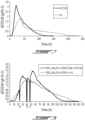
- Figure 8 shows the fermentative kinetics of EC1118, K300.1(b) (Lowa3) and 112-A5 (H2) in real grapes, in enological conditions.
- the profiles are different but the performances on the total fermentation duration quite similar, showing a delay of only 20 h for the fermentation with 112-A5.
- 112-A5 is suitable to ferment high sugar grapes till dryness, without stuck or sluggish fermentations.
- the final ethanol level shows a decrease of more than 1% for the wine fermented with 112-A5, with a higher glycerol production and a very low acetate production (not detected).
- Table 6A Kinetics parameters of the wine fermentation using the EC1118 or the 112-A5 strains in fermentation trial N3. Latency period (h) Vmax (g/L/h) after addition Residual sugars (g/L) Time of fermentation trial (h) EC1118 11 2,13 0,3 130 112-A5 1 1,47 0,4 150 Tables 6B. Analysis of various constituents of the fermented wine obtained in fermentation trial N3 using the EC1118, the K300.1(b) or the 112-A5 (H2) strains. Measurements were done in triplicates.
Landscapes
- Life Sciences & Earth Sciences (AREA)
- Chemical & Material Sciences (AREA)
- Engineering & Computer Science (AREA)
- Organic Chemistry (AREA)
- Health & Medical Sciences (AREA)
- Zoology (AREA)
- Wood Science & Technology (AREA)
- Genetics & Genomics (AREA)
- Biotechnology (AREA)
- Bioinformatics & Cheminformatics (AREA)
- Microbiology (AREA)
- Biochemistry (AREA)
- General Health & Medical Sciences (AREA)
- General Engineering & Computer Science (AREA)
- Mycology (AREA)
- Medicinal Chemistry (AREA)
- Biomedical Technology (AREA)
- Tropical Medicine & Parasitology (AREA)
- Virology (AREA)
- Chemical Kinetics & Catalysis (AREA)
- General Chemical & Material Sciences (AREA)
- Botany (AREA)
- Molecular Biology (AREA)
- Cell Biology (AREA)
- Micro-Organisms Or Cultivation Processes Thereof (AREA)
- Preparation Of Compounds By Using Micro-Organisms (AREA)
Claims (14)
- Verfahren zur Gewinnung eines Variantenhefestamms Saccharomyces sp., der im Vergleich zum ursprünglichen Hefestamm während eines alkoholischen Fermentationsprozesses eines natürlichen Traubenmosts mehr Glycerin, weniger Ethanol und weniger Acetat produzieren kann, wobei das Verfahren Folgendes umfasst:a. Kultivieren des ursprünglichen Hefestamms in einem ersten Kulturmedium, das ein Salz umfasst, das in der Lage ist, einen hyperosmotischen Stress für den ursprünglichen Hefestamm zu verursachen, wobei der ursprüngliche Hefestamm in ansteigenden Salzkonzentrationen und unter Bedingungen kultiviert wird, um eine Glucoseverarmung im ersten Kulturmedium zu erreichen, um so einen ersten kultivierten Hefestamm zu erhalten, wobei die Konzentration des Salzes im ersten Kulturmedium zwischen 1,25 M und weniger als 2,4 M liegt; undb. Kultivieren des ersten kultivierten Hefestamms in einem zweiten Kulturmedium, das das Salz umfasst, wobei der erste kultivierte Hefestamm bei einer festen Salzkonzentration und unter Bedingungen kultiviert wird, um eine Glukoseverarmung im zweiten Kulturmedium zu erreichen, um den varianten Hefestamm zu erhalten, wobei die Konzentration des Salzes im zweiten Kulturmedium mindestens 2,4 M beträgt;wobei das Salz ein Gegenkation aufweist, das sich von einem Natriumkation unterscheidet; unddas Salz ein Kation aufweist, das in Bezug auf den ursprünglichen Hefestamm nicht toxisch ist, wenn es in einer Konzentration verwendet wird, die eine anfängliche Osmolalität von mindestens 1500 mmol/kg bereitstellt.
- Verfahren nach Anspruch 1, das in Schritt a) das wöchentliche oder monatliche Erhöhen der Salzkonzentration umfasst.
- Verfahren nach Anspruch 1 oder 2, wobei in Schritt a) die Glucosekonzentration im ersten Kulturmedium vor der Kultivierung zwischen 14,0 % und 8,0 % (Gew./Vol.) bezogen auf das Gesamtvolumen des ersten Kulturmediums beträgt.
- Verfahren nach einem der Ansprüche 1 bis 3, wobei in Schritt b) die Glucosekonzentration des zweiten Kulturmediums vor der Kultivierung 8,0 % (Gew./Vol.) in Bezug auf das Gesamtvolumen des zweiten Kulturmediums beträgt.
- Verfahren nach einem der Ansprüche 1 bis 4, das ferner das Paaren haploider Sporen des Variantenhefestamms Saccharomyces sp. umfasst, um einen varianten Hybridstamm zu erhalten.
- Verfahren nach einem der Ansprüche 1 bis 5, wobei das Salz ein Kalium-Gegenkation aufweist.
- Verfahren nach Anspruch 6, wobei das Salz KCl ist.
- Verfahren nach einem der Ansprüche 1 bis 7, wobei der Variantenhefestamm Saccharomyces sp. aus der Gruppe ausgewählt ist, die aus Folgendem besteht: Saccharomyces arboricolus, Saccharomyces eubayanus, Saccharomyces bayanus, Saccharomyces cerevisiae, Saccharomyces kudriadzevii, Saccharomyces mikatae, Saccharomyces paradoxus, Saccharomyces pastorianus, Saccharomyces carsbergensis, Saccharomyces uvarum und Hybriden zwischen den Arten.
- Variantenhefestamm Saccharomyces sp., der im Vergleich zu einem ursprünglichen Hefestamm bei einem alkoholischen Fermentationsprozess eines natürlichen Traubenmosts mehr Glycerin, weniger Ethanol und weniger Acetat produzieren kann, wobei der Variantenhefestamm und der ursprüngliche Hefestamm nicht genetisch veränderte Organismen sind, wobei die Variantenhefe durch das Verfahren nach einem der Ansprüche 1 bis 8 gewonnen wird.
- Variantenhefestamm Saccharomyces sp. nach Anspruch 9, der der Variantenhefestamm ist, der am 9. Januar 2014 beim Institut Pasteur unter der Zugangsnummer Collection Nationale des Cultures des Microorganismes (CNCM) 1-4832 hinterlegt wurde.
- Variantenhefestamm Saccharomyces sp. nach Anspruch 9, der der Variantenhefestamm ist, der am 18. Oktober 2012 beim Institut Pasteur unter der Zugangsnummer Collection Nationale des Cultures des Microorganismes (CNCM) 1-4684 hinterlegt wurde.
- Variantenhefestamm Saccharomyces sp. nach Anspruch 9, der der Variantenhefestamm ist, der am 28. Januar 2015 beim Institut Pasteur unter der Zugangsnummer Collection Nationale des Cultures des Microorganismes (CNCM) 1-4952 hinterlegt wurde.
- Verfahren zur Herstellung eines fermentierten Produkts, wobei das Verfahren das In-Kontakt-Bringen des Variantenhefestamms Saccharomyces sp. nach einem der Ansprüche 10 bis 12 mit natürlichem Traubenmost umfasst.
- Verfahren nach Anspruch 13, wobei das fermentierte Produkt Wein, vorzugsweise Rotwein, ist.
Applications Claiming Priority (2)
| Application Number | Priority Date | Filing Date | Title |
|---|---|---|---|
| EP14290019.0A EP2902481A1 (de) | 2014-01-31 | 2014-01-31 | Verfahren zur Herstellung von Hefestämmen mit geringer Ethanolerzeugung, damit erhaltene Hefestämme und deren Verwendung |
| PCT/EP2015/051995 WO2015114115A1 (en) | 2014-01-31 | 2015-01-30 | Method for obtaining low ethanol-producing yeast strains, yeast strains obtained therefrom and their use |
Publications (3)
| Publication Number | Publication Date |
|---|---|
| EP3099780A1 EP3099780A1 (de) | 2016-12-07 |
| EP3099780C0 EP3099780C0 (de) | 2025-01-01 |
| EP3099780B1 true EP3099780B1 (de) | 2025-01-01 |
Family
ID=50101840
Family Applications (2)
| Application Number | Title | Priority Date | Filing Date |
|---|---|---|---|
| EP14290019.0A Withdrawn EP2902481A1 (de) | 2014-01-31 | 2014-01-31 | Verfahren zur Herstellung von Hefestämmen mit geringer Ethanolerzeugung, damit erhaltene Hefestämme und deren Verwendung |
| EP15702250.0A Active EP3099780B1 (de) | 2014-01-31 | 2015-01-30 | Verfahren zur herstellung von hefestämmen mit geringer ethanolerzeugung, damit erhaltene hefestämme und deren verwendung |
Family Applications Before (1)
| Application Number | Title | Priority Date | Filing Date |
|---|---|---|---|
| EP14290019.0A Withdrawn EP2902481A1 (de) | 2014-01-31 | 2014-01-31 | Verfahren zur Herstellung von Hefestämmen mit geringer Ethanolerzeugung, damit erhaltene Hefestämme und deren Verwendung |
Country Status (7)
| Country | Link |
|---|---|
| US (2) | US10829827B2 (de) |
| EP (2) | EP2902481A1 (de) |
| AU (1) | AU2015212752B2 (de) |
| CL (1) | CL2016001883A1 (de) |
| ES (1) | ES3007622T3 (de) |
| WO (1) | WO2015114115A1 (de) |
| ZA (1) | ZA201601951B (de) |
Families Citing this family (11)
| Publication number | Priority date | Publication date | Assignee | Title |
|---|---|---|---|---|
| EP3303553B1 (de) * | 2015-05-29 | 2022-07-27 | Cargill, Incorporated | Fermentationsverfahren zur herstellung von steviolglykosiden mithilfe von hohem ph-wert |
| BR112017025709B1 (pt) | 2015-05-29 | 2024-03-05 | Cargill, Incorporated | Método para produzir glicosídeos de esteviol |
| BR112017025705B1 (pt) | 2015-05-29 | 2022-05-10 | Cargill, Incorporated | Método de liberação de glicosídeos de esteviol de uma célula hospedeira |
| AU2016301190A1 (en) | 2015-08-06 | 2018-02-15 | Cargill, Incorporated | Fermentation methods for producing steviol glycosides |
| CN110079466B (zh) * | 2019-05-08 | 2023-01-10 | 中国石油大学(华东) | 一株酵母菌及其在莲子酒发酵中的应用 |
| CN112126595B (zh) * | 2020-05-26 | 2022-04-08 | 中国食品发酵工业研究院有限公司 | 一株低产酒精的产香酵母及其在低醇葡萄酒中的应用 |
| CN111662835B (zh) * | 2020-06-28 | 2022-03-01 | 青岛啤酒股份有限公司 | 一株能生产低乙醛含量啤酒的啤酒酵母及其驯化方法 |
| FR3126989B1 (fr) | 2021-09-10 | 2024-07-12 | M H C S | Procede de desalcoolisation d’un vin |
| ES2957008A1 (es) * | 2022-05-27 | 2024-01-08 | Univ Valencia | Cepas de levadura con propiedades vinicolas optimizadas y su metodo de obtencion |
| EP4560006A1 (de) * | 2023-11-21 | 2025-05-28 | Sunbau GmbH | Aquariendruckgasbehälter-co2-erzeugungszusammensetzung, aquariendruckgasbehälter-co2-erzeugungszusammensetzungsverpackung und aquariendruckgasbehälter |
| CN120656558B (zh) * | 2025-08-19 | 2025-10-24 | 深圳合民生物科技有限公司 | 基于多组学的酱香型白酒产酒酵母菌群智能驯化系统及方法 |
-
2014
- 2014-01-31 EP EP14290019.0A patent/EP2902481A1/de not_active Withdrawn
-
2015
- 2015-01-30 EP EP15702250.0A patent/EP3099780B1/de active Active
- 2015-01-30 WO PCT/EP2015/051995 patent/WO2015114115A1/en not_active Ceased
- 2015-01-30 AU AU2015212752A patent/AU2015212752B2/en not_active Ceased
- 2015-01-30 US US15/115,151 patent/US10829827B2/en active Active
- 2015-01-30 ES ES15702250T patent/ES3007622T3/es active Active
-
2016
- 2016-03-22 ZA ZA2016/01951A patent/ZA201601951B/en unknown
- 2016-07-25 CL CL2016001883A patent/CL2016001883A1/es unknown
-
2020
- 2020-10-01 US US17/061,074 patent/US20210017613A1/en not_active Abandoned
Non-Patent Citations (4)
| Title |
|---|
| DAVID A PEARCE ET AL: "Toxicity of Copper, Cobalt, and Nickel Salts Is Dependent on Histidine Metabolism in the Yeast Saccharomyces cerevisiae", JOURNAL OF BACTERIOLOGY, 1 November 1999 (1999-11-01), pages 6856 - 6856, XP055757150, Retrieved from the Internet <URL:https://jb.asm.org/content/jb/181/16/4774.full-text.pdf> DOI: 10.1128/JB.181.21.6856a-6856a.1999 * |
| ELIZABETH CASEY ET AL: "Effect of salts on the Co-fermentation of glucose and xylose by a genetically engineered strain of Saccharomyces cerevisiae", BIOTECHNOLOGY FOR BIOFUELS, BIOMED CENTRAL LTD, GB, vol. 6, no. 1, 29 May 2013 (2013-05-29), pages 83, XP021152660, ISSN: 1754-6834, DOI: 10.1186/1754-6834-6-83 * |
| GIUSY MANUELA ADAMO ET AL: "Laboratory evolution of copper tolerant yeast strains", MICROBIAL CELL FACTORIES, SPRINGER, vol. 11, no. 1, 3 January 2012 (2012-01-03), pages 1, XP021130729, ISSN: 1475-2859, DOI: 10.1186/1475-2859-11-1 * |
| OMORI T ET AL: "BREEDING OF HIGH GLYCEROL-PRODUCING SHOCHU YEAST (SACCHAROMYCES CEREVISIAE) WITH ACQUIRED SALT TOLERANCE", JOURNAL OF FERMENTATION AND BIOENGINEERING, SOCIETY OF FERMENTATION TECHNOLOGY, JP, vol. 79, no. 6, 1 January 1995 (1995-01-01), pages 560 - 565, XP002058250, ISSN: 0922-338X, DOI: 10.1016/0922-338X(95)94748-G * |
Also Published As
| Publication number | Publication date |
|---|---|
| EP3099780C0 (de) | 2025-01-01 |
| WO2015114115A1 (en) | 2015-08-06 |
| ZA201601951B (en) | 2022-05-25 |
| US20210017613A1 (en) | 2021-01-21 |
| CL2016001883A1 (es) | 2017-01-06 |
| EP2902481A1 (de) | 2015-08-05 |
| AU2015212752A1 (en) | 2016-05-19 |
| EP3099780A1 (de) | 2016-12-07 |
| US10829827B2 (en) | 2020-11-10 |
| AU2015212752B2 (en) | 2021-04-01 |
| ES3007622T3 (en) | 2025-03-20 |
| US20160348192A1 (en) | 2016-12-01 |
Similar Documents
| Publication | Publication Date | Title |
|---|---|---|
| EP3099780B1 (de) | Verfahren zur herstellung von hefestämmen mit geringer ethanolerzeugung, damit erhaltene hefestämme und deren verwendung | |
| Sumby et al. | Measures to improve wine malolactic fermentation | |
| Kutyna et al. | Microbiological approaches to lowering ethanol concentration in wine | |
| Goold et al. | Yeast's balancing act between ethanol and glycerol production in low‐alcohol wines | |
| Tilloy et al. | Reduction of ethanol yield and improvement of glycerol formation by adaptive evolution of the wine yeast Saccharomyces cerevisiae under hyperosmotic conditions | |
| Pretorius | Tailoring wine yeast for the new millennium: novel approaches to the ancient art of winemaking | |
| Tilloy et al. | Reducing alcohol levels in wines through rational and evolutionary engineering of Saccharomyces cerevisiae | |
| Kutyna et al. | Adaptive evolution of Saccharomyces cerevisiae to generate strains with enhanced glycerol production | |
| LOPES et al. | Fermentation properties of a wine yeast over‐expressing the Saccharomyces cerevisiae glycerol 3‐phosphate dehydrogenase gene (GPD2) | |
| Dequin et al. | How to adapt winemaking practices to modified grape composition under climate change conditions | |
| Bely et al. | Non-conventional yeasts and alcohol level reduction | |
| US10738332B2 (en) | Genetically modified yeasts and fermentation processes using genetically modified yeasts | |
| JP3822415B2 (ja) | 酒類製造用酵母変異株及び当該酵母変異株を用いた酒類の製造方法 | |
| US20030162272A1 (en) | Method for culturing micro-organisms in reducing conditions obtained by a gas stream | |
| CN100358998C (zh) | 啤酒酵母工程菌及其构建方法 | |
| NZ753744A (en) | Method for obtaining low ethanol-producing yeast strains, yeast strains obtained therefrom and their use | |
| JP3831400B2 (ja) | 酒類製造用酵母変異株及び当該酵母変異株を用いた酒類の製造方法 | |
| Bassi et al. | Potassium metabisulphite as a potential biocide against Dekkera bruxellensis in fuel ethanol fermentations | |
| JP3899363B2 (ja) | 酒類製造用酵母変異株及び当該酵母変異株を用いた酒類の製造方法 | |
| EP2679667B1 (de) | Xylose-fermentierender mikroorganismus | |
| Dey | Genetic Engineering of Microorganisms in Winemaking | |
| Bud | Saccharomyces cerevisiae gene expression during fermentation of Pinot noir wines at industrially relevant scale | |
| Benito Sáez | Use of non-Saccharomyces yeasts to improve the quality and food safety of wine | |
| Heyns | Channelling metabolic flux away from ethanol production by modification of gene expression under wine fermentation conditions | |
| JP5413847B2 (ja) | ピルビン酸低生産酵母の育種方法 |
Legal Events
| Date | Code | Title | Description |
|---|---|---|---|
| PUAI | Public reference made under article 153(3) epc to a published international application that has entered the european phase |
Free format text: ORIGINAL CODE: 0009012 |
|
| STAA | Information on the status of an ep patent application or granted ep patent |
Free format text: STATUS: REQUEST FOR EXAMINATION WAS MADE |
|
| 17P | Request for examination filed |
Effective date: 20160705 |
|
| AK | Designated contracting states |
Kind code of ref document: A1 Designated state(s): AL AT BE BG CH CY CZ DE DK EE ES FI FR GB GR HR HU IE IS IT LI LT LU LV MC MK MT NL NO PL PT RO RS SE SI SK SM TR |
|
| AX | Request for extension of the european patent |
Extension state: BA ME |
|
| RIN1 | Information on inventor provided before grant (corrected) |
Inventor name: TILLOY, VALENTIN Inventor name: NOBLE, JESSICA Inventor name: DEQUIN, SYLVIE Inventor name: ORTIZ-JULIEN, ANNE |
|
| DAX | Request for extension of the european patent (deleted) | ||
| STAA | Information on the status of an ep patent application or granted ep patent |
Free format text: STATUS: EXAMINATION IS IN PROGRESS |
|
| 17Q | First examination report despatched |
Effective date: 20170529 |
|
| RAP1 | Party data changed (applicant data changed or rights of an application transferred) |
Owner name: DANSTAR FERMENT AG Owner name: INSTITUT NATIONAL DE RECHERCHE POUR L'AGRICULTURE, L'ALIMENTATION ET L'ENVIRONNEMENT |
|
| GRAP | Despatch of communication of intention to grant a patent |
Free format text: ORIGINAL CODE: EPIDOSNIGR1 |
|
| STAA | Information on the status of an ep patent application or granted ep patent |
Free format text: STATUS: GRANT OF PATENT IS INTENDED |
|
| INTG | Intention to grant announced |
Effective date: 20240801 |
|
| GRAS | Grant fee paid |
Free format text: ORIGINAL CODE: EPIDOSNIGR3 |
|
| GRAA | (expected) grant |
Free format text: ORIGINAL CODE: 0009210 |
|
| STAA | Information on the status of an ep patent application or granted ep patent |
Free format text: STATUS: THE PATENT HAS BEEN GRANTED |
|
| AK | Designated contracting states |
Kind code of ref document: B1 Designated state(s): AL AT BE BG CH CY CZ DE DK EE ES FI FR GB GR HR HU IE IS IT LI LT LU LV MC MK MT NL NO PL PT RO RS SE SI SK SM TR |
|
| REG | Reference to a national code |
Ref country code: GB Ref legal event code: FG4D |
|
| REG | Reference to a national code |
Ref country code: CH Ref legal event code: EP |
|
| REG | Reference to a national code |
Ref country code: DE Ref legal event code: R096 Ref document number: 602015090747 Country of ref document: DE |
|
| REG | Reference to a national code |
Ref country code: IE Ref legal event code: FG4D |
|
| U01 | Request for unitary effect filed |
Effective date: 20250107 |
|
| U07 | Unitary effect registered |
Designated state(s): AT BE BG DE DK EE FI FR IT LT LU LV MT NL PT RO SE SI Effective date: 20250115 |
|
| U20 | Renewal fee for the european patent with unitary effect paid |
Year of fee payment: 11 Effective date: 20250123 |
|
| REG | Reference to a national code |
Ref country code: ES Ref legal event code: FG2A Ref document number: 3007622 Country of ref document: ES Kind code of ref document: T3 Effective date: 20250320 |
|
| PGFP | Annual fee paid to national office [announced via postgrant information from national office to epo] |
Ref country code: ES Payment date: 20250206 Year of fee payment: 11 |
|
| PG25 | Lapsed in a contracting state [announced via postgrant information from national office to epo] |
Ref country code: PL Free format text: LAPSE BECAUSE OF FAILURE TO SUBMIT A TRANSLATION OF THE DESCRIPTION OR TO PAY THE FEE WITHIN THE PRESCRIBED TIME-LIMIT Effective date: 20250101 |
|
| PG25 | Lapsed in a contracting state [announced via postgrant information from national office to epo] |
Ref country code: NO Free format text: LAPSE BECAUSE OF FAILURE TO SUBMIT A TRANSLATION OF THE DESCRIPTION OR TO PAY THE FEE WITHIN THE PRESCRIBED TIME-LIMIT Effective date: 20250401 Ref country code: IS Free format text: LAPSE BECAUSE OF FAILURE TO SUBMIT A TRANSLATION OF THE DESCRIPTION OR TO PAY THE FEE WITHIN THE PRESCRIBED TIME-LIMIT Effective date: 20250501 |
|
| PG25 | Lapsed in a contracting state [announced via postgrant information from national office to epo] |
Ref country code: HR Free format text: LAPSE BECAUSE OF FAILURE TO SUBMIT A TRANSLATION OF THE DESCRIPTION OR TO PAY THE FEE WITHIN THE PRESCRIBED TIME-LIMIT Effective date: 20250101 |
|
| PG25 | Lapsed in a contracting state [announced via postgrant information from national office to epo] |
Ref country code: GR Free format text: LAPSE BECAUSE OF FAILURE TO SUBMIT A TRANSLATION OF THE DESCRIPTION OR TO PAY THE FEE WITHIN THE PRESCRIBED TIME-LIMIT Effective date: 20250402 |
|
| PG25 | Lapsed in a contracting state [announced via postgrant information from national office to epo] |
Ref country code: CZ Free format text: LAPSE BECAUSE OF FAILURE TO SUBMIT A TRANSLATION OF THE DESCRIPTION OR TO PAY THE FEE WITHIN THE PRESCRIBED TIME-LIMIT Effective date: 20250101 |
|
| REG | Reference to a national code |
Ref country code: CH Ref legal event code: PL |
|
| PG25 | Lapsed in a contracting state [announced via postgrant information from national office to epo] |
Ref country code: SM Free format text: LAPSE BECAUSE OF FAILURE TO SUBMIT A TRANSLATION OF THE DESCRIPTION OR TO PAY THE FEE WITHIN THE PRESCRIBED TIME-LIMIT Effective date: 20250101 |
|
| PG25 | Lapsed in a contracting state [announced via postgrant information from national office to epo] |
Ref country code: MC Free format text: LAPSE BECAUSE OF FAILURE TO SUBMIT A TRANSLATION OF THE DESCRIPTION OR TO PAY THE FEE WITHIN THE PRESCRIBED TIME-LIMIT Effective date: 20250101 |
|
| PG25 | Lapsed in a contracting state [announced via postgrant information from national office to epo] |
Ref country code: CH Free format text: LAPSE BECAUSE OF NON-PAYMENT OF DUE FEES Effective date: 20250131 |
|
| PG25 | Lapsed in a contracting state [announced via postgrant information from national office to epo] |
Ref country code: SK Free format text: LAPSE BECAUSE OF FAILURE TO SUBMIT A TRANSLATION OF THE DESCRIPTION OR TO PAY THE FEE WITHIN THE PRESCRIBED TIME-LIMIT Effective date: 20250101 |
|
| PLBE | No opposition filed within time limit |
Free format text: ORIGINAL CODE: 0009261 |
|
| STAA | Information on the status of an ep patent application or granted ep patent |
Free format text: STATUS: NO OPPOSITION FILED WITHIN TIME LIMIT |