EP3098552B1 - Apparatus for feeding raw material bars to a melting furnance - Google Patents
Apparatus for feeding raw material bars to a melting furnance Download PDFInfo
- Publication number
- EP3098552B1 EP3098552B1 EP15194515.1A EP15194515A EP3098552B1 EP 3098552 B1 EP3098552 B1 EP 3098552B1 EP 15194515 A EP15194515 A EP 15194515A EP 3098552 B1 EP3098552 B1 EP 3098552B1
- Authority
- EP
- European Patent Office
- Prior art keywords
- raw material
- bar
- passage
- unit
- feed passage
- Prior art date
- Legal status (The legal status is an assumption and is not a legal conclusion. Google has not performed a legal analysis and makes no representation as to the accuracy of the status listed.)
- Active
Links
Images













Classifications
-
- F—MECHANICAL ENGINEERING; LIGHTING; HEATING; WEAPONS; BLASTING
- F27—FURNACES; KILNS; OVENS; RETORTS
- F27D—DETAILS OR ACCESSORIES OF FURNACES, KILNS, OVENS OR RETORTS, IN SO FAR AS THEY ARE OF KINDS OCCURRING IN MORE THAN ONE KIND OF FURNACE
- F27D3/00—Charging; Discharging; Manipulation of charge
- F27D3/08—Screw feeders; Screw dischargers
-
- F—MECHANICAL ENGINEERING; LIGHTING; HEATING; WEAPONS; BLASTING
- F27—FURNACES; KILNS; OVENS; RETORTS
- F27D—DETAILS OR ACCESSORIES OF FURNACES, KILNS, OVENS OR RETORTS, IN SO FAR AS THEY ARE OF KINDS OCCURRING IN MORE THAN ONE KIND OF FURNACE
- F27D3/00—Charging; Discharging; Manipulation of charge
- F27D3/0025—Charging or loading melting furnaces with material in the solid state
-
- F—MECHANICAL ENGINEERING; LIGHTING; HEATING; WEAPONS; BLASTING
- F27—FURNACES; KILNS; OVENS; RETORTS
- F27D—DETAILS OR ACCESSORIES OF FURNACES, KILNS, OVENS OR RETORTS, IN SO FAR AS THEY ARE OF KINDS OCCURRING IN MORE THAN ONE KIND OF FURNACE
- F27D3/00—Charging; Discharging; Manipulation of charge
- F27D3/0033—Charging; Discharging; Manipulation of charge charging of particulate material
-
- F—MECHANICAL ENGINEERING; LIGHTING; HEATING; WEAPONS; BLASTING
- F27—FURNACES; KILNS; OVENS; RETORTS
- F27D—DETAILS OR ACCESSORIES OF FURNACES, KILNS, OVENS OR RETORTS, IN SO FAR AS THEY ARE OF KINDS OCCURRING IN MORE THAN ONE KIND OF FURNACE
- F27D3/00—Charging; Discharging; Manipulation of charge
- F27D3/04—Ram or pusher apparatus
-
- F—MECHANICAL ENGINEERING; LIGHTING; HEATING; WEAPONS; BLASTING
- F27—FURNACES; KILNS; OVENS; RETORTS
- F27D—DETAILS OR ACCESSORIES OF FURNACES, KILNS, OVENS OR RETORTS, IN SO FAR AS THEY ARE OF KINDS OCCURRING IN MORE THAN ONE KIND OF FURNACE
- F27D3/00—Charging; Discharging; Manipulation of charge
- F27D2003/0001—Positioning the charge
- F27D2003/0012—Working with piles
-
- F—MECHANICAL ENGINEERING; LIGHTING; HEATING; WEAPONS; BLASTING
- F27—FURNACES; KILNS; OVENS; RETORTS
- F27D—DETAILS OR ACCESSORIES OF FURNACES, KILNS, OVENS OR RETORTS, IN SO FAR AS THEY ARE OF KINDS OCCURRING IN MORE THAN ONE KIND OF FURNACE
- F27D3/00—Charging; Discharging; Manipulation of charge
- F27D2003/0001—Positioning the charge
- F27D2003/0014—Positioning the charge involving the use of magazines
-
- F—MECHANICAL ENGINEERING; LIGHTING; HEATING; WEAPONS; BLASTING
- F27—FURNACES; KILNS; OVENS; RETORTS
- F27D—DETAILS OR ACCESSORIES OF FURNACES, KILNS, OVENS OR RETORTS, IN SO FAR AS THEY ARE OF KINDS OCCURRING IN MORE THAN ONE KIND OF FURNACE
- F27D3/00—Charging; Discharging; Manipulation of charge
- F27D2003/0001—Positioning the charge
- F27D2003/0014—Positioning the charge involving the use of magazines
- F27D2003/0015—Positioning the charge involving the use of magazines the magazine being vertical
Definitions
- the disclosure relates to a feed apparatus, and more particularly to an apparatus for feeding raw material bars to a melting furnace.
- FIG. 1 illustrates a molten metal feed apparatus disclosed in U.S. Patent No. 7,021,361 .
- the feed apparatus is used to feed molten metal to a die casting machine 11, and includes a ladle 12 for holding molten metal, and a conveyor system 13 for conveying the ladle 12 to a feed position of the die casting machine 11 and for tilting the ladle 12 to pour the molten metal into the die casting machine 11. Since an open space design of the feed apparatus does not favor preservation of the temperature of the molten metal, constant heating is required, which leads to high energy consumption. Furthermore, the temperature of the molten metal drops considerably and the molten metal may oxidize while the molten metal is being conveyed, which may result in defects during the die casting operation that can reduce the production yield.
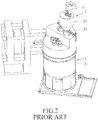
- FIGS. 2 and 3 illustrate an aluminum-based material melting apparatus disclosed in U.S. Patent Application Publication No. 2014/0054832 .
- the apparatus includes a furnace unit 2 and a feed unit 3.
- the furnace unit 2 includes a closed furnace 21 in spatial communication with the feed unit 3.
- the feed unit 3 includes a feed hopper 31 for receiving particulate aluminum-based raw material, a pre-heating funnel 32, a valve mechanism 33 provided between the feed hopper 31 and the pre-heating funnel 32, and a conveying unit 34.
- the valve mechanism 33 changes to an open state, thereby permitting passage of the raw material into the pre-heating funnel 32.
- the raw material is conveyed from the pre-heating funnel 32 to the closed furnace 21 via the conveying unit 34, and is heated for melting in the closed furnace 21.
- the melting apparatus requires pre-processing of the raw material into particulate form.
- the design of the valve mechanism 33 may lead to a large amount of the raw material being fed at once, which may reduce and does not favor preservation of the temperature of the melting operation. Frequent reheating may be needed, which increases energy consumption.
- US 5 643 528 A and US 2002/0062940 A1 are describing an apparatus for feeding ingots to a melting furnace.
- Object of the invention is to provide an apparatus for feeding raw material bars to a melting furnace according to independent claim 1.
- An apparatus according to the disclosure is for feeding raw material bars to a furnace body of a melting furnace and includes:
- the push mechanism is operable to push the raw material bar in the feed passage downwardly, and the material retarder is configured to retard downward movement of the raw material bar out of the feed passage and into the furnace body.
- the embodiment of an apparatus according to the disclosure is adapted for feeding raw material bars 40 to a melting furnace 4.
- the melting furnace 4 includes a heating device 41 and a ladle device 42.
- the heating device 41 is for heating molten metal material and includes a furnace body 411 for containing the molten metal material, heating bars 412, and a partition plate 413 disposed in the furnace body 411.
- the raw material bars 40 are made of aluminum alloy in this embodiment, but may be made of other metal materials such as magnesium alloy. Since the feature of the disclosure does not reside in the specific configuration of the melting furnace 4, which may be readily appreciated by those skilled in the art, further details of the same will not be provided herein for the sake of brevity.
- the apparatus of this embodiment includes an enclosure body 5, a carriage 6, a transferring unit 7, and a feeding unit 8.
- Z-direction is defined as the direction in which the height of the enclosure body 5 extends, and X-direction and Y-direction are mutually orthogonal directions that are also orthogonal to the Z-direction.
- the enclosure body 5 is disposed above the heating device 41 and includes a housing 51, a plurality of partition plates 52 disposed in the housing 51, a gate mechanism 53, and a pair of parallel guide shafts 54 that are disposed on the housing 51, that extend horizontally in the Y-direction and that are spaced apart from each other in the X-direction.
- the partition plates 52 partition an interior of the housing 51 into a vertically extending feed passage 501 (see Figure 18 ) that is to be disposed above an open top side of the furnace body 411 and that is for spatial communication with the furnace body 411, an access passage 502 that is for spatial communication with an exterior of the housing 51, a bar guiding space 503 that is in spatial communication with the feed passage 501 and the access passage 502, and a vent passage 505 that is for spatial communication with the furnace body 411.
- At least one of the partition plates 52 is formed with vent holes 504 in spatial communication with the access passage 502 and the vent passage 505.
- a bar delivery hole 506 (see Figure 18 ) is formed in one of the partition plates 52 at a junction of the bar guiding space 503 and the feed passage 501 and is configured to permit passage of a vertically oriented raw material bar 40 from the bar guiding space 503 to the feed passage 501.
- the gate mechanism 53 includes a support 531 disposed on the housing 51, a gate member 532 disposed movably at the support 531 and slidable on the support 531 along the Z-direction, and a pressure cylinder 533 for driving opening and closing movement of the gate member 532.
- the pressure cylinder 533 is a pneumatic cylinder, but the present disclosure is not limited in this respect.
- the carriage 6 of this embodiment includes a movable base 61 and two raw material bar holders 62.
- the movable base 61 is slidably disposed on the guide shafts 54, which are disposed outside and adjacent to the access passage 502.
- the movable base 61 has two slide grooves 611, each of which has one of the raw material bar holders 62 movably disposed thereat.
- the movable base 61 is movable on the guide shafts 54 along the Y-direction to align a selected one of the slide grooves 611 with the access passage 502 and permit movement of one of the raw material bar holders 62 along the X-direction into and out of the access passage 502.
- the movable base 61 may be manually moved on the guide shafts 54 but the present disclosure is not limited in this respect.
- only one of the raw material bar holders 62 may enter the access passage 502 at any time, and the other raw material bar holder 62 is in a standby state outside the enclosure body 5.
- the raw material bar holders 62 may be manually moved into and out of the access passage 502 but the present disclosure is not limited in this respect.
- Each raw material bar holder 62 includes a casing body 621, a barrier plate 622, and a plurality of rollers 623 mounted rotatably to the casing body 621 for moving the raw material bar holder 62 into and out of the access passage 502.
- the rollers 623 extend in the Y-direction and are spaced apart from each other in the X-direction.
- the casing body 621 has an opposing pair of casing walls, and a lower part of the casing walls is formed with a pair of bar passage slots 6211 that extend horizontally in the X-direction and that are registered with each other in the Y-direction.
- the casing body 621 has one side formed with a bar entrance opening 6212.
- the barrier plate 622 is connected removably to the casing body 621 for covering and uncovering the bar entrance opening 6212, and cooperates with the casing body 621 to confine a receiving space 624 for receiving the raw material bars 40.
- Each raw material bar holder 62 is configured to hold the raw material bars 40 in a manner that the raw material bars 40 extend horizontally and are disposed in a stack along the Z-direction inside the receiving space 624.
- the raw material bars 40 may be manually supplied to the receiving space 624 but the present disclosure is not limited in this respect.
- the bar passage slots 6211 permit removal of a lowermost one of the raw material bars 40 in the stack from the raw material bar holder 62 by the transferring unit 7.
- the transferring unit 7 is disposed at the enclosure body 5 and includes a bar moving sub-unit 71, an orientation converting sub-unit 72, and a bar delivering sub-unit 73.
- the bar moving sub-unit 71 includes a bar moving member 711 and a first drive member 712 coupled to the bar moving member 711 and operable to drive back and forth movement of the bar moving member 711 in the Y-direction relative to the raw material bar holder 62 inside the access passage 502.
- the orientation converting sub-unit 72 includes a rotatable bar guiding member 721 and a second drive member 722 coupled to and configured to drive bidirectional rotation of the bar guiding member 721 about the Y-direction.
- the bar delivering sub-unit 73 includes a bar advancing member 731 and a third drive member 732 coupled to the bar advancing member 731 and operable to drive back and forth movement of the bar advancing member 731 in the Y-direction relative to the feed passage 501.
- the bar guiding member 721 has one end distal from the second drive member 722 and provided with a stop portion 7211. While the first drive member 712 and the third drive member 732 are exemplified using pneumatic cylinders in this embodiment, and the second drive member 722 is exemplified using a motor in this embodiment, the present disclosure is not limited in this respect.
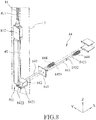
- the feeding unit 8 is disposed at the enclosure body 5 and includes a push mechanism 81 that extends vertically into an upper part of the feed passage 501, and a material retarder 84 that extends into a lower part of the feed passage 501.
- the push mechanism 81 includes a vertically extending screw rod segment 811 and a push block segment 812 coupled to a bottom end of the screw rod segment 811 and disposed in the feed passage 501. As shown in Figure 5 , the push mechanism 81 further includes an actuator 82 and a transmission belt 83. In this embodiment, the actuator 82 is a servo motor, but the present disclosure is not limited in this respect.
- the transmission belt 83 is trained between the screw rod segment 811 and the actuator 82. The actuator 82 is configured to drive rotation of the screw rod segment 811 via the transmission belt 83 for moving the push block segment 812 up and down in the Z-direction, thereby controlling downward moving speed of the raw material bar 40 in the feed passage 501.
- the material retarder 84 includes a limit cage 841 disposed at the enclosure body 5, a blocker 842, a pair of fixing shafts 843, and a pair of biasing components 844.
- the blocker 842 has an inclined face 8421 and a resisting part 8422 at a lower edge of the inclined face 8421.
- the inclined face 8421 and the resisting part 8422 are disposed in the feed passage 501 for contacting the raw material bar 40 in the feed passage 501.
- each fixing shaft 843 extends in the X-direction, and has a front end connected to one side of the blocker 842 opposite to the inclined face 8421, a slide section 8431 extending slidably into the limit cage 841 and slidable along the X-direction, a limit section 8432 to abut against the limit cage 841, and a sleeve section 8433 disposed rearwardly of the limit section 8432 for sleeving of a respective one of the biasing components 844 and extending slidably through the limit cage 841.
- each biasing component 844 is a compression spring that stores a restoring force when compressed, and has opposite ends respectively abutting against the limit cage 841 and the limit section 8432 on the respective fixing shaft 843.
- the biasing components 844 bias the fixing shafts 843 for moving the blocker 842 to project into the feed passage 501.
- the material retarder 84 is configured to retard downward movement of the raw material bar 40 out of the feed passage 501 and into the furnace body 411, and is designed to prevent free fall of the raw material bar 40 in the feed passage 501.
- the raw material bar 40 in the feed passage 501 is pushed downward by the push mechanism 81, the raw material bar 40 applies a downward pushing force on the inclined face 8421 of the blocker 842.
- the blocker 842 moves rearward in the X-direction and the raw material bar 40 moves downward in the Z-direction inside the feed passage 501.
- the blocker 842 continues to contact the raw material bar 40, and friction is generated as a result of contact between the raw material bar 40 and the resisting part 8422 of the blocker 842, thereby arresting free fall of the raw material bar 40 out of the feed passage 501 and into the furnace body 411.
- the raw material bars 40 are stacked in the Z-direction inside the casing body 621 of one of the raw material bar holders 62 via the bar entrance opening 6212.
- the barrier plate 622 is then used to cover the bar entrance opening 6212 for preventing the raw material bars 40 from falling out of the casing body 621.
- the pressure cylinder 533 of the gate mechanism 53 is activated, such as with the use of a computerized control system (not shown), to move the gate member 532 upward in the Z-direction so that access to the access passage 502 is permitted.
- the raw material bar holder 62 filled with the raw material bars 40 is then moved along the corresponding slide groove 611 of the movable base 61 in the X-direction to enter the access passage 502.
- the pressure cylinder 533 is activated, such as via the computerized control system, to move the gate member 532 downward in the Z-direction, thereby closing the access passage 502 to result in a sealed state of the enclosure body 5 and to prevent entry of contaminants and/or ambient cold air. Accordingly, stability of an internal environment of the enclosure body 5 may be ensured.
- the heating device 41 of the melting furnace 4 is also enabled for proceeding with a heating operation.
- the heating bars 412 are activated to heat metal raw material in the furnace body 411.
- the furnace body 411 normally contains an amount of molten liquid for scooping by the ladle device 42.
- the partition plate 413 is disposed adjacent to the feed passage 501, and is used to separate a to-be-melted raw material bar 40 from the ladle device 42.
- High temperature gas is produced when the furnace body 411 is in a heated state, and flows into the access passage 502 via the vent passage 505 and the vent holes 504, thereby preheating the raw material bars 40 stored in the raw material bar holder 62 inside the access passage 502.
- the high temperature gas also flows into the access passage 502 via the feed passage 501, the bar delivery hole 506 and the bar guiding space 503, thereby preheating the raw material bar 40 in the feed passage 501 or the bar guiding space 503.
- the raw material bar holder 62 is disposed in the enclosure body 5 after the pre-feeding operation.
- the transferring unit 7 is configured to transfer the raw material bars 40 held by the raw material bar holder 62 in the access passage 502 one at a time to the feed passage 501 in a manner that the raw material bar 40 extends vertically in the feed passage 501 with the push mechanism 81 being disposed above the raw material bar 40 and with the raw material bar 40 contacting the material retainer 84.
- the bar moving sub-unit 71 is configured to move the raw material bars 40 held by the raw material bar holder 62 in the access passage 502 one at a time to the orientation converting sub-unit 72.
- the first drive member 712 of the bar moving sub-unit 71 is controlled, such as via the computerized control system (not shown), to drive the bar moving member 711 of the bar moving sub-unit 71 for moving a lowermost one of the raw material bars 40 in the casing body 621 of the raw material bar holder 62 out of the latter through the bar passage slots 6211 (see Figure 7 ) and onto the orientation converting sub-unit 72.
- the force applied by the bar moving member 711 for moving the lowermost raw material bar 40 may be a constant force.
- the orientation converting sub-unit 72 is configured to convert the raw material bar 40 received from the bar moving sub-unit 71 from a horizontal orientation to a vertical orientation inside the bar guiding space 503 of the housing 51 of the enclosure body 5.
- the bar guiding member 721 of the orientation converting sub-unit 72 receives the raw material bar 40 with the horizontal orientation from the bar moving sub-unit 71.
- the second drive member 722 (see Figure 5 ) of the orientation converting sub-unit 72 is controlled, such as via the computerized control system (not shown), to drive rotation of the bar guiding member 721 for converting the raw material bar 40 from the horizontal orientation to the vertical orientation inside the bar guiding space 503.
- the stop portion 7211 of the bar guiding member 721 is used to keep the raw material bar 40 from sliding while the latter is being converted to the vertical orientation.
- the bar delivering sub-unit 73 is configured to transfer the raw material bar 40 converted by the orientation converting sub-unit 72 to the feed passage 501.
- the third drive member 732 of the bar delivering sub-unit 73 is controlled, such as via the computerized control system (not shown), to drive movement of the bar advancing member 731 for transferring the vertically oriented raw material bar 40 from the bar guiding space 503 to the feed passage 501 through the bar delivery hole 506.
- the bar delivery hole 506 is disposed below the push mechanism 81 and above the material retarder 84.
- one cycle of operation of each of the bar moving sub-unit 71, the orientation converting sub-unit 72 and the bar delivering sub-unit 73 transfers one raw material bar 40 from the raw material bar holder 62 in the access passage 502 to the feed passage 501.
- operation of the orientation converting sub-unit 72 starts after operation of the bar moving sub-unit 71 is completed
- operation of the bar delivering sub-unit 73 starts after operation of the orientation converting sub-unit 72 is completed.
- the raw material bar 40 drops onto the blocker 842 of the material retarder 84 of the feeding unit 8 when transferred to the feed passage 501, and is thus restricted by the blocker 842 from falling directly into the furnace body 411.
- the actuator 82 of the push mechanism 81 is controlled, such as through the computerized control system (not shown), to drive rotation of the screw rod segment 811 via the transmission belt 83 for moving the push block segment 812 downward in the Z-direction inside the feed passage 501 and pushing the raw material bar 40 in the feed passage 501 downwardly via the push block segment 812.
- the raw material bar 40 applies a downward pushing force on the inclined face 8421 of the blocker 842, the blocker 842 moves rearward in the X-direction, and the raw material bar 40 moves downward in the Z-direction inside the feed passage 501.
- the raw material bar 40 is thus moved gradually into the furnace body 411 to extend to the level of the molten material (indicated by phantom lines in Figure 23 ) in the furnace body 411.
- the actuator 82 is controlled, such as via the computerized control system (not shown), to drive upward movement of the push block segment 812 in the Z-direction via the transmission belt 83 and the screw rod segment 811.
- a second raw material bar 40 is transferred to the feed passage 501 by the transferring unit 7.
- the actuator 82 is controlled, such as via the computerized control system (not shown), to drive downward movement of the push block segment 812 in the Z-direction via the transmission belt 83 and the screw rod segment 811, thereby pushing the second raw material bar 40 to move downward in the feed passage 501.
- the first raw material bar 40 is then pushed by the second raw material bar 40 to continue to move downward out of the feed passage 501 and into the furnace body 411.
- the raw material bar 40 As the raw material bar 40 gradually extends into the molten material in the furnace body 411, the raw material bar 40 will be heated and begins to melt. Therefore, a large drop in the temperature of the molten material can be avoided due to the gradual extension of the raw material bar 40 into the furnace body 411.
- transfer operation of a next raw material bar 40 by the transferring unit 7 can continue to ensure continuous and stable feeding of the raw material bars 40 into the furnace body 411. This may help prevent large fluctuations in the temperature of the molten material in the furnace body 411, and may reduce the need to frequently activate the heating bars 412 so as to reduce energy consumption.
- the ladle device 42 may be operated for feeding the molten material to a die casting machine (not shown) .
- the other raw material bar holder 62 is standing by outside the housing 51 of the enclosure body 5 and may be filled with the raw material bars 40.
- the emptied raw material bar holder 62 may be moved back to the movable base 61.
- the movable base 61 may then be moved so that the filled raw material bar holder 62 may be moved into the access passage 502 of the housing 51 of the enclosure body 5 to continue supplying the raw material bars 40 to the feed passage 501.
Landscapes
- Engineering & Computer Science (AREA)
- Mechanical Engineering (AREA)
- General Engineering & Computer Science (AREA)
- Vertical, Hearth, Or Arc Furnaces (AREA)
- Furnace Charging Or Discharging (AREA)
- Crucibles And Fluidized-Bed Furnaces (AREA)
- Furnace Details (AREA)
Description
- The disclosure relates to a feed apparatus, and more particularly to an apparatus for feeding raw material bars to a melting furnace.
-
Figure 1 illustrates a molten metal feed apparatus disclosed inU.S. Patent No. 7,021,361 . The feed apparatus is used to feed molten metal to adie casting machine 11, and includes aladle 12 for holding molten metal, and aconveyor system 13 for conveying theladle 12 to a feed position of thedie casting machine 11 and for tilting theladle 12 to pour the molten metal into thedie casting machine 11. Since an open space design of the feed apparatus does not favor preservation of the temperature of the molten metal, constant heating is required, which leads to high energy consumption. Furthermore, the temperature of the molten metal drops considerably and the molten metal may oxidize while the molten metal is being conveyed, which may result in defects during the die casting operation that can reduce the production yield. -
Figures 2 and3 illustrate an aluminum-based material melting apparatus disclosed inU.S. Patent Application Publication No. 2014/0054832 . The apparatus includes afurnace unit 2 and afeed unit 3. Thefurnace unit 2 includes a closedfurnace 21 in spatial communication with thefeed unit 3. Thefeed unit 3 includes afeed hopper 31 for receiving particulate aluminum-based raw material, apre-heating funnel 32, avalve mechanism 33 provided between thefeed hopper 31 and thepre-heating funnel 32, and aconveying unit 34. When the weight of the particulate raw material becomes sufficient, thevalve mechanism 33 changes to an open state, thereby permitting passage of the raw material into thepre-heating funnel 32. The raw material is conveyed from thepre-heating funnel 32 to the closedfurnace 21 via theconveying unit 34, and is heated for melting in the closedfurnace 21. - However, the melting apparatus requires pre-processing of the raw material into particulate form. Moreover, the design of the
valve mechanism 33 may lead to a large amount of the raw material being fed at once, which may reduce and does not favor preservation of the temperature of the melting operation. Frequent reheating may be needed, which increases energy consumption.US 5 643 528 A andUS 2002/0062940 A1 are describing an apparatus for feeding ingots to a melting furnace. - Object of the invention is to provide an apparatus for feeding raw material bars to a melting furnace according to independent claim 1. An apparatus according to the disclosure is for feeding raw material bars to a furnace body of a melting furnace and includes:
- an enclosure body provided with a feed passage that extends vertically and that is to be disposed above an open top side of the furnace body;
- a feeding unit including a push mechanism that extends vertically into an upper part of the feed passage, and a material retarder that extends into a lower part of the feed passage; and
- a transferring unit disposed at the enclosure body and configured to transfer a raw material bar to the feed passage in a manner that the raw material bar extends vertically in the feed passage with the push mechanism being disposed above the raw material bar and with the raw material bar contacting the material retarder.
- The push mechanism is operable to push the raw material bar in the feed passage downwardly, and the material retarder is configured to retard downward movement of the raw material bar out of the feed passage and into the furnace body.
- Other features of the disclosure will become apparent in the following detailed description of an embodiment with reference to the accompanying drawings, of which:
-
Figure 1 is a schematic diagram illustrating a molten metal feed apparatus disclosed inU.S. Patent No. 7,021,361 ; -
Figure 2 is a perspective view illustrating an aluminum-based material melting apparatus disclosed inU.S. Patent Application Publication No. 2014/0054832 ; -
Figure 3 is a partly exploded side view to illustrate a feed hopper and a valve mechanism of the aluminum-based material melting apparatus; -
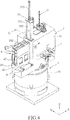
Figure 4 is an assembled perspective view of the embodiment of an apparatus for feeding raw material bars to a melting furnace according to the disclosure; -
Figure 5 is an exploded perspective view of the embodiment; -
Figure 6 is a perspective partly cutaway view of the embodiment, taken along line VI-VI inFigure 4 ; -
Figure 7 is a partly exploded perspective view of a carriage of the embodiment; -
Figure 8 is a partly exploded perspective view of a feeding unit of the embodiment; -
Figure 9 is a perspective view illustrating a state where a raw material bar holder is disposed inside an enclosure body; -
Figure 10 is a perspective partly cutaway view of the embodiment, taken along line X-X inFigure 9 , to illustrate the raw material bar holder inside an access passage; -
Figure 11 is a perspective partly cutaway view of the embodiment, taken along line XI-XI inFigure 9 , to illustrate operation of a bar moving sub-unit; -
Figure 12 is a schematic view of the embodiment, illustrating a raw material bar being moved by the bar moving sub-unit; -
Figure 13 is a view similar toFigure 12 , illustrating the raw material bar moved by the bar moving sub-unit to an orientation converting sub-unit; -
Figure 14 is a perspective partly cutaway view of the embodiment, taken along line XIV-XIV inFigure 9 , to illustrate the raw material bar received by the orientation converting sub-unit; -
Figure 15 is a schematic view of the embodiment, illustrating the raw material bar being converted from a horizontal orientation by the orientation converting sub-unit; -
Figure 16 is a view similar toFigure 15 , illustrating the raw material bar after being converted to a vertical orientation by the orientation converting sub-unit; -
Figure 17 is a fragmentary perspective view of the embodiment, illustrating position relationship between the orientation converting sub-unit and a bar delivering sub-unit; -
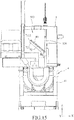
Figure 18 is a schematic view of the embodiment, viewed from line XVIII-XVIII inFigure 9 , to illustrate position relationship between the bar delivering sub-unit and the feeding unit; -
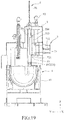
Figure 19 is a view similar toFigure 18 , illustrating the raw material bar being transferred by the bar delivering sub-unit; -
Figure 20 is a view similar toFigure 19 , illustrating the raw material bar transferred by the bar delivering sub-unit to a feed passage; -
Figure 21 is a view similar toFigure 20 , illustrating a push mechanism of the feeding unit pushing the raw material bar in the feed passage downward; -
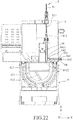
Figure 22 is a schematic view of the embodiment, viewed from line XXII-XXII inFigure 21 , illustrating the raw material bar being restricted in the feed passage by a material retarder; -
Figure 23 is a view similar toFigure 21 , illustrating the raw material bar being pushed by the push mechanism to move past the material retarder; -
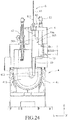
Figure 24 is a view similar toFigure 23 , illustrating a push block segment of the push mechanism moved upward and the bar delivering sub-unit moved to a standby state; -
Figure 25 is a view similar toFigure 24 , illustrating a second raw material bar to be fed into the feed passage; -
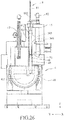
Figure 26 is a view similar toFigure 25 , illustrating the second raw material bar transferred to the feed passage by the bar delivering sub-unit; and -
Figure 27 is a view similar toFigure 26 , illustrating the push mechanism pushing the raw material bars in the feed passage downward to extend into the furnace body. - Referring to
Figures 4 to 6 , the embodiment of an apparatus according to the disclosure is adapted for feedingraw material bars 40 to a meltingfurnace 4. Themelting furnace 4 includes aheating device 41 and aladle device 42. Theheating device 41 is for heating molten metal material and includes afurnace body 411 for containing the molten metal material,heating bars 412, and apartition plate 413 disposed in thefurnace body 411. Theraw material bars 40 are made of aluminum alloy in this embodiment, but may be made of other metal materials such as magnesium alloy. Since the feature of the disclosure does not reside in the specific configuration of themelting furnace 4, which may be readily appreciated by those skilled in the art, further details of the same will not be provided herein for the sake of brevity. - The apparatus of this embodiment includes an
enclosure body 5, acarriage 6, a transferringunit 7, and afeeding unit 8. - To facilitate description, Z-direction is defined as the direction in which the height of the
enclosure body 5 extends, and X-direction and Y-direction are mutually orthogonal directions that are also orthogonal to the Z-direction. - The
enclosure body 5 is disposed above theheating device 41 and includes ahousing 51, a plurality ofpartition plates 52 disposed in thehousing 51, agate mechanism 53, and a pair ofparallel guide shafts 54 that are disposed on thehousing 51, that extend horizontally in the Y-direction and that are spaced apart from each other in the X-direction. - The
partition plates 52 partition an interior of thehousing 51 into a vertically extending feed passage 501 (seeFigure 18 ) that is to be disposed above an open top side of thefurnace body 411 and that is for spatial communication with thefurnace body 411, anaccess passage 502 that is for spatial communication with an exterior of thehousing 51, abar guiding space 503 that is in spatial communication with thefeed passage 501 and theaccess passage 502, and avent passage 505 that is for spatial communication with thefurnace body 411. At least one of thepartition plates 52 is formed withvent holes 504 in spatial communication with theaccess passage 502 and thevent passage 505. In this embodiment, a bar delivery hole 506 (seeFigure 18 ) is formed in one of thepartition plates 52 at a junction of thebar guiding space 503 and thefeed passage 501 and is configured to permit passage of a vertically orientedraw material bar 40 from thebar guiding space 503 to thefeed passage 501. - The
gate mechanism 53 includes asupport 531 disposed on thehousing 51, agate member 532 disposed movably at thesupport 531 and slidable on thesupport 531 along the Z-direction, and apressure cylinder 533 for driving opening and closing movement of thegate member 532. In this embodiment, thepressure cylinder 533 is a pneumatic cylinder, but the present disclosure is not limited in this respect. - Referring to
Figures 4 and7 , thecarriage 6 of this embodiment includes amovable base 61 and two rawmaterial bar holders 62. Themovable base 61 is slidably disposed on theguide shafts 54, which are disposed outside and adjacent to theaccess passage 502. Themovable base 61 has twoslide grooves 611, each of which has one of the rawmaterial bar holders 62 movably disposed thereat. Themovable base 61 is movable on theguide shafts 54 along the Y-direction to align a selected one of theslide grooves 611 with theaccess passage 502 and permit movement of one of the rawmaterial bar holders 62 along the X-direction into and out of theaccess passage 502. Themovable base 61 may be manually moved on theguide shafts 54 but the present disclosure is not limited in this respect. In this embodiment, only one of the rawmaterial bar holders 62 may enter theaccess passage 502 at any time, and the other rawmaterial bar holder 62 is in a standby state outside theenclosure body 5. Moreover, the rawmaterial bar holders 62 may be manually moved into and out of theaccess passage 502 but the present disclosure is not limited in this respect. - Each raw
material bar holder 62 includes acasing body 621, abarrier plate 622, and a plurality ofrollers 623 mounted rotatably to thecasing body 621 for moving the rawmaterial bar holder 62 into and out of theaccess passage 502. Therollers 623 extend in the Y-direction and are spaced apart from each other in the X-direction. Thecasing body 621 has an opposing pair of casing walls, and a lower part of the casing walls is formed with a pair ofbar passage slots 6211 that extend horizontally in the X-direction and that are registered with each other in the Y-direction. Thecasing body 621 has one side formed with abar entrance opening 6212. Thebarrier plate 622 is connected removably to thecasing body 621 for covering and uncovering thebar entrance opening 6212, and cooperates with thecasing body 621 to confine a receivingspace 624 for receiving the raw material bars 40. Each rawmaterial bar holder 62 is configured to hold the raw material bars 40 in a manner that the raw material bars 40 extend horizontally and are disposed in a stack along the Z-direction inside the receivingspace 624. The raw material bars 40 may be manually supplied to the receivingspace 624 but the present disclosure is not limited in this respect. Thebar passage slots 6211 permit removal of a lowermost one of the raw material bars 40 in the stack from the rawmaterial bar holder 62 by the transferringunit 7. - Referring to
Figure 5 , the transferringunit 7 is disposed at theenclosure body 5 and includes abar moving sub-unit 71, anorientation converting sub-unit 72, and abar delivering sub-unit 73. In this embodiment, thebar moving sub-unit 71 includes abar moving member 711 and afirst drive member 712 coupled to thebar moving member 711 and operable to drive back and forth movement of thebar moving member 711 in the Y-direction relative to the rawmaterial bar holder 62 inside theaccess passage 502. Theorientation converting sub-unit 72 includes a rotatablebar guiding member 721 and asecond drive member 722 coupled to and configured to drive bidirectional rotation of thebar guiding member 721 about the Y-direction. Thebar delivering sub-unit 73 includes abar advancing member 731 and athird drive member 732 coupled to thebar advancing member 731 and operable to drive back and forth movement of thebar advancing member 731 in the Y-direction relative to thefeed passage 501. In this embodiment, thebar guiding member 721 has one end distal from thesecond drive member 722 and provided with astop portion 7211. While thefirst drive member 712 and thethird drive member 732 are exemplified using pneumatic cylinders in this embodiment, and thesecond drive member 722 is exemplified using a motor in this embodiment, the present disclosure is not limited in this respect. - Referring to
Figure 8 , thefeeding unit 8 is disposed at theenclosure body 5 and includes apush mechanism 81 that extends vertically into an upper part of thefeed passage 501, and amaterial retarder 84 that extends into a lower part of thefeed passage 501. - The
push mechanism 81 includes a vertically extendingscrew rod segment 811 and apush block segment 812 coupled to a bottom end of thescrew rod segment 811 and disposed in thefeed passage 501. As shown inFigure 5 , thepush mechanism 81 further includes anactuator 82 and atransmission belt 83. In this embodiment, theactuator 82 is a servo motor, but the present disclosure is not limited in this respect. Thetransmission belt 83 is trained between thescrew rod segment 811 and theactuator 82. Theactuator 82 is configured to drive rotation of thescrew rod segment 811 via thetransmission belt 83 for moving thepush block segment 812 up and down in the Z-direction, thereby controlling downward moving speed of theraw material bar 40 in thefeed passage 501. - Referring to
Figure 8 , thematerial retarder 84 includes alimit cage 841 disposed at theenclosure body 5, ablocker 842, a pair of fixingshafts 843, and a pair of biasingcomponents 844. - In this embodiment, the
blocker 842 has aninclined face 8421 and a resistingpart 8422 at a lower edge of theinclined face 8421. Theinclined face 8421 and the resistingpart 8422 are disposed in thefeed passage 501 for contacting theraw material bar 40 in thefeed passage 501. In this embodiment, each fixingshaft 843 extends in the X-direction, and has a front end connected to one side of theblocker 842 opposite to theinclined face 8421, aslide section 8431 extending slidably into thelimit cage 841 and slidable along the X-direction, alimit section 8432 to abut against thelimit cage 841, and asleeve section 8433 disposed rearwardly of thelimit section 8432 for sleeving of a respective one of the biasingcomponents 844 and extending slidably through thelimit cage 841. In this embodiment, each biasingcomponent 844 is a compression spring that stores a restoring force when compressed, and has opposite ends respectively abutting against thelimit cage 841 and thelimit section 8432 on therespective fixing shaft 843. The biasingcomponents 844 bias the fixingshafts 843 for moving theblocker 842 to project into thefeed passage 501. - The
material retarder 84 is configured to retard downward movement of theraw material bar 40 out of thefeed passage 501 and into thefurnace body 411, and is designed to prevent free fall of theraw material bar 40 in thefeed passage 501. When theraw material bar 40 in thefeed passage 501 is pushed downward by thepush mechanism 81, theraw material bar 40 applies a downward pushing force on theinclined face 8421 of theblocker 842. When the downward pushing force is sufficient to overcome the biasing force of the biasingcomponents 844, theblocker 842 moves rearward in the X-direction and theraw material bar 40 moves downward in the Z-direction inside thefeed passage 501. However, theblocker 842 continues to contact theraw material bar 40, and friction is generated as a result of contact between theraw material bar 40 and the resistingpart 8422 of theblocker 842, thereby arresting free fall of theraw material bar 40 out of thefeed passage 501 and into thefurnace body 411. - How the raw material bars 40 are fed to the
furnace body 411 using the apparatus of this disclosure will be described in greater detail in the succeeding paragraphs. - Referring to
Figure 7 , during a pre-feeding operation, the raw material bars 40 are stacked in the Z-direction inside thecasing body 621 of one of the rawmaterial bar holders 62 via thebar entrance opening 6212. Thebarrier plate 622 is then used to cover thebar entrance opening 6212 for preventing the raw material bars 40 from falling out of thecasing body 621. - Referring to
Figure 4 , thepressure cylinder 533 of thegate mechanism 53 is activated, such as with the use of a computerized control system (not shown), to move thegate member 532 upward in the Z-direction so that access to theaccess passage 502 is permitted. Referring toFigures 9 and10 , the rawmaterial bar holder 62 filled with the raw material bars 40 is then moved along thecorresponding slide groove 611 of themovable base 61 in the X-direction to enter theaccess passage 502. Thereafter, thepressure cylinder 533 is activated, such as via the computerized control system, to move thegate member 532 downward in the Z-direction, thereby closing theaccess passage 502 to result in a sealed state of theenclosure body 5 and to prevent entry of contaminants and/or ambient cold air. Accordingly, stability of an internal environment of theenclosure body 5 may be ensured. - Referring to
Figures 5 and6 , when the apparatus of this embodiment is in use, theheating device 41 of themelting furnace 4 is also enabled for proceeding with a heating operation. The heating bars 412 are activated to heat metal raw material in thefurnace body 411. Thefurnace body 411 normally contains an amount of molten liquid for scooping by theladle device 42. Thepartition plate 413 is disposed adjacent to thefeed passage 501, and is used to separate a to-be-meltedraw material bar 40 from theladle device 42. High temperature gas is produced when thefurnace body 411 is in a heated state, and flows into theaccess passage 502 via thevent passage 505 and the vent holes 504, thereby preheating the raw material bars 40 stored in the rawmaterial bar holder 62 inside theaccess passage 502. Referring toFigure 18 , the high temperature gas also flows into theaccess passage 502 via thefeed passage 501, thebar delivery hole 506 and thebar guiding space 503, thereby preheating theraw material bar 40 in thefeed passage 501 or thebar guiding space 503. - Referring to
Figure 10 , the rawmaterial bar holder 62 is disposed in theenclosure body 5 after the pre-feeding operation. The transferringunit 7 is configured to transfer the raw material bars 40 held by the rawmaterial bar holder 62 in theaccess passage 502 one at a time to thefeed passage 501 in a manner that theraw material bar 40 extends vertically in thefeed passage 501 with thepush mechanism 81 being disposed above theraw material bar 40 and with theraw material bar 40 contacting thematerial retainer 84. In detail, thebar moving sub-unit 71 is configured to move the raw material bars 40 held by the rawmaterial bar holder 62 in theaccess passage 502 one at a time to theorientation converting sub-unit 72. Referring toFigures 11 and12 , thefirst drive member 712 of thebar moving sub-unit 71 is controlled, such as via the computerized control system (not shown), to drive thebar moving member 711 of the bar moving sub-unit 71 for moving a lowermost one of the raw material bars 40 in thecasing body 621 of the rawmaterial bar holder 62 out of the latter through the bar passage slots 6211 (seeFigure 7 ) and onto theorientation converting sub-unit 72. The force applied by thebar moving member 711 for moving the lowermostraw material bar 40 may be a constant force. Subsequently, theorientation converting sub-unit 72 is configured to convert theraw material bar 40 received from the bar moving sub-unit 71 from a horizontal orientation to a vertical orientation inside thebar guiding space 503 of thehousing 51 of theenclosure body 5. Referring toFigure 13 , thebar guiding member 721 of theorientation converting sub-unit 72 receives theraw material bar 40 with the horizontal orientation from thebar moving sub-unit 71. Referring toFigures 14 ,15 and16 , the second drive member 722 (seeFigure 5 ) of theorientation converting sub-unit 72 is controlled, such as via the computerized control system (not shown), to drive rotation of thebar guiding member 721 for converting theraw material bar 40 from the horizontal orientation to the vertical orientation inside thebar guiding space 503. Thestop portion 7211 of thebar guiding member 721 is used to keep theraw material bar 40 from sliding while the latter is being converted to the vertical orientation. Thereafter, thebar delivering sub-unit 73 is configured to transfer theraw material bar 40 converted by theorientation converting sub-unit 72 to thefeed passage 501. Referring toFigures 17 ,18 and19 , thethird drive member 732 of thebar delivering sub-unit 73 is controlled, such as via the computerized control system (not shown), to drive movement of thebar advancing member 731 for transferring the vertically orientedraw material bar 40 from thebar guiding space 503 to thefeed passage 501 through thebar delivery hole 506. Thebar delivery hole 506 is disposed below thepush mechanism 81 and above thematerial retarder 84. In this embodiment, one cycle of operation of each of thebar moving sub-unit 71, theorientation converting sub-unit 72 and the bar delivering sub-unit 73 transfers oneraw material bar 40 from the rawmaterial bar holder 62 in theaccess passage 502 to thefeed passage 501. In addition, operation of the orientation converting sub-unit 72 starts after operation of thebar moving sub-unit 71 is completed, and operation of the bar delivering sub-unit 73 starts after operation of theorientation converting sub-unit 72 is completed. - Referring to
Figure 20 , theraw material bar 40 drops onto theblocker 842 of thematerial retarder 84 of thefeeding unit 8 when transferred to thefeed passage 501, and is thus restricted by theblocker 842 from falling directly into thefurnace body 411. Referring toFigures 21 ,22 and23 , theactuator 82 of thepush mechanism 81 is controlled, such as through the computerized control system (not shown), to drive rotation of thescrew rod segment 811 via thetransmission belt 83 for moving thepush block segment 812 downward in the Z-direction inside thefeed passage 501 and pushing theraw material bar 40 in thefeed passage 501 downwardly via thepush block segment 812. Theraw material bar 40 applies a downward pushing force on theinclined face 8421 of theblocker 842, theblocker 842 moves rearward in the X-direction, and theraw material bar 40 moves downward in the Z-direction inside thefeed passage 501. Theraw material bar 40 is thus moved gradually into thefurnace body 411 to extend to the level of the molten material (indicated by phantom lines inFigure 23 ) in thefurnace body 411. Referring toFigure 24 , when the top end of theraw material bar 40 is below a bottom edge of thebar delivery hole 506, theactuator 82 is controlled, such as via the computerized control system (not shown), to drive upward movement of thepush block segment 812 in the Z-direction via thetransmission belt 83 and thescrew rod segment 811. Referring toFigures 25 and26 , a secondraw material bar 40 is transferred to thefeed passage 501 by the transferringunit 7. Referring toFigure 27 , theactuator 82 is controlled, such as via the computerized control system (not shown), to drive downward movement of thepush block segment 812 in the Z-direction via thetransmission belt 83 and thescrew rod segment 811, thereby pushing the secondraw material bar 40 to move downward in thefeed passage 501. The firstraw material bar 40 is then pushed by the secondraw material bar 40 to continue to move downward out of thefeed passage 501 and into thefurnace body 411. - As the
raw material bar 40 gradually extends into the molten material in thefurnace body 411, theraw material bar 40 will be heated and begins to melt. Therefore, a large drop in the temperature of the molten material can be avoided due to the gradual extension of theraw material bar 40 into thefurnace body 411. - Moreover, since the downward pushing operation of the
push mechanism 81 takes a relatively longer amount of time, transfer operation of a nextraw material bar 40 by the transferringunit 7 can continue to ensure continuous and stable feeding of the raw material bars 40 into thefurnace body 411. This may help prevent large fluctuations in the temperature of the molten material in thefurnace body 411, and may reduce the need to frequently activate the heating bars 412 so as to reduce energy consumption. - When the molten material in the
furnace body 411 has reached a suitable temperature and a sufficient amount, theladle device 42 may be operated for feeding the molten material to a die casting machine (not shown) . - Referring again to
Figures 9 and10 , while the above operations are being performed, the other rawmaterial bar holder 62 is standing by outside thehousing 51 of theenclosure body 5 and may be filled with the raw material bars 40. When the raw material bars 40 in the rawmaterial bar holder 62 inside theenclosure body 5 have been used up, the emptied rawmaterial bar holder 62 may be moved back to themovable base 61. Themovable base 61 may then be moved so that the filled rawmaterial bar holder 62 may be moved into theaccess passage 502 of thehousing 51 of theenclosure body 5 to continue supplying the raw material bars 40 to thefeed passage 501. - Some advantages of the apparatus of the disclosure are summarized as follows:
- 1. The raw material bars 40 need not undergo preprocessing into particulate form, thereby reducing operating costs.
- 2. Through the transferring
unit 7 and thefeeding unit 8, the raw material bars 40 may be fed in sequence to thefurnace body 411 in a continuous and stable manner. - 3. The
feeding unit 8 is able to ensure stable and gradual feeding of the raw material bars 40 to thefurnace body 411. Abrupt feeding of the raw material bars 40 is prevented to avoid large fluctuations in the temperature of the molten material in thefurnace body 411. This may help achieve stable quality and may reduce waiting time due to heating operations. - 4. Another advantage of keeping the temperature of the molten material in the
furnace body 411 relatively stable is that: the heating temperature of the heating bars 412 is usually higher than the melting point of the raw material bars 40. When the heating operation of the heating bars 412 is paused, the temperature of the molten material in thefurnace body 411 is still sufficient to cause the raw material bars 40 to melt. Therefore, long operation time or frequent on-off operation of the heating bars 412 is not needed to result in energy savings. - 5. The
gate mechanism 53 is used to control access into theenclosure body 5 from the outside. Through thegate mechanism 53, a sealed condition inside theenclosure body 5 may be achieved during operation to prevent ambient air from causing a drop in the temperature of theheating device 41 and to prevent entry of contaminants. - 6. The
enclosure body 5 has spaces or passages in spatial communication with thefurnace body 411 that permit the flow of high temperature gas for preheating the raw material bars 40 inside theenclosure body 5. This favors reduction in usage time of the heating bars 412. - 7. Use of the
movable base 61 facilitates replacement of the rawmaterial bar holder 62 inside theenclosure body 5. While one rawmaterial bar holder 62 is inside theenclosure body 5, another rawmaterial bar holder 62 is standing by outside theenclosure body 5 and may be filled with the raw material bars 40. Therefore, an emptied rawmaterial bar holder 62 may be quickly replaced with a filled rawmaterial bar holder 62 to ensure stable feeding of the raw material bars 40 into thefurnace body 411.
Claims (18)
- An apparatus for feeding raw material bars (40) to a furnace body (411) of a melting furnace (4), said apparatus being characterized by:an enclosure body (5) provided with a feed passage (501) that extends vertically and that is to be disposed above an open top side of the furnace body (411);a feeding unit (8) including a push mechanism (81) that extends vertically into an upper part of the feed passage (501), and a material retarder (84) that extends into a lower part of the feed passage (501); anda transferring unit (7) disposed at the enclosure body (5) and configured to transfer a raw material bar (40) to the feed passage (501) in a manner that the raw material bar (40) extends vertically in the feed passage (501) with the push mechanism (81) being disposed above the raw material bar (40) and with the raw material bar (40) contacting the material retarder (84);the push mechanism (81) being operable to push the raw material bar (40) in the feed passage (501) downwardly and the material retarder (84) being configured to retard downward movement of the raw material bar (40) out of the feed passage (501) and into the furnace body (411);the enclosure body (5) further having an access passage (502);the apparatus further comprising a carriage (6) that is movable into and out of the access passage (502) and that is configured to hold the raw material bars (40);the enclosure body (5) further having a gate mechanism (53) that is configured to selectively open and close the access passage (502);the enclosure body (5) being formed with at least one vent hole (504) that permits high temperature gas from the furnace body (411) to flow into the enclosure body (5) for preheating the raw material bars (40) in the enclosure body (5); andthe material retarder (84) including:a blocker (842) that has an inclined face (8421) and a resisting part (8422) at a lower edge of the inclined face (8421), the inclined face (8421) and the resisting part (8422) being disposed in the feed passage (501) for contacting the raw material bar (40) in the feed passage (501),a limit cage (841) that is disposed at the enclosure body (5),a pair of fixing shafts (843), each having one end connected to the blocker (842) and each extending slidably through the limit cage (841), anda pair of biasing components (844) each sleeved on a respective one of the fixing shafts (843) and each having opposite ends respectively abutting against the limit cage (841) and the respective one of the fixing shafts (843), the biasing components (844) biasing the fixing shafts (843) for moving the blocker (842) to project into the feed passage (501).
- The apparatus according to Claim 1, further characterized in that the gate mechanism (53) includes a support (531), a gate member (532) disposed movably at the support (531), and a pressure cylinder (533) for driving opening and closing movement of the gate member (532) .
- The apparatus according to Claim 1, further characterized in that the transferring unit (7) is configured to transfer the raw material bars (40) held by the carriage (6) in the access passage (502) one at a time to the feed passage (501).
- The apparatus according to Claim 3, further characterized in that:the carriage (6) is configured to hold the raw material bars (40) in a manner that the raw material bars (40) extend horizontally and are disposed in a stack; andthe transferring unit (7) includes a bar moving sub-unit (71), an orientation converting sub-unit (72), and a bar delivering sub-unit (73);the bar moving sub-unit (71) being configured to move the raw material bars (40) held by the carriage (6) in the access passage (502) one at a time to the orientation converting sub-unit (72);the orientation converting sub-unit (72) being configured to convert the raw material bar (40) received from the bar moving sub-unit (71) from a horizontal orientation to a vertical orientation inside the enclosure body (5);the bar delivering sub-unit (73) being configured to transfer the raw material bar (40) converted by the orientation converting sub-unit (72) to the feed passage (501).
- The apparatus according to Claim 4, further characterized in that the orientation converting sub-unit (72) includes a rotatable bar guiding member (721) disposed to receive the raw material bar (40) with the horizontal orientation from the bar moving sub-unit (71), and a drive member (722) coupled to and configured to drive rotation of the bar guiding member (721) for converting the raw material bar (40) received from the bar moving sub-unit (71) from the horizontal orientation to the vertical orientation inside the enclosure body (5).
- The apparatus according to Claim 5, further characterized in that the drive member (722) is a motor.
- The apparatus according to Claim 4, further characterized in that the bar moving sub-unit (71) includes a bar moving member (711) configured to move the raw material bars (40) held by the carriage (6) inside the access passage (502) one at a time to the orientation converting sub-unit (72), and a drive member (712) coupled to the bar moving member (711) and operable to drive back and forth movement of the bar moving member (711) relative to the carriage (6) inside the access passage (502).
- The apparatus according to Claim 7, further characterized in that the drive member (712) is a pressure cylinder.
- The apparatus according to Claim 4, further characterized in that the bar delivering sub-unit (73) includes a bar advancing member (731) configured to transfer the raw material bar (40) converted to the vertical orientation by the orientation converting sub-unit (72) to the feed passage (501), and a drive member (732) coupled to the bar advancing member (731) and operable to drive back and forth movement of the bar advancing member (731) relative to the feed passage (501) .
- The apparatus according to Claim 9, further characterized in that the drive member (732) is a pressure cylinder.
- The apparatus according to Claim 1, further characterized in that the carriage (6) includes at least one raw material bar holder (62) that is configured to hold the raw material bars (40) in a manner that the raw material bars (40) extend horizontally and are disposed in a stack, the raw material bar holder (62) including a casing body (621) and a plurality of rollers (623) mounted rotatably to the casing body (621) for moving the raw material bar holder (62) into and out of the access passage (502), the casing body (621) having an opposing pair of casing walls, a lower part of the casing walls being formed with a registered pair of bar passage slots (6211) that extend horizontally, the bar passage slots (6211) permitting removal of a lowermost one of the raw material bars (40) in the stack from the raw material bar holder (62) by the transferring unit (7).
- The apparatus according to Claim 11, further characterized in that the casing body (621) has one side formed with a bar entrance opening (6212), the raw material bar holder (62) further including a barrier plate (622) connected removably to the casing body (621) for covering and uncovering the bar entrance opening (6212), the barrier plate (622) cooperating with the casing body (621) to confine a receiving space (624) for receiving the raw material bars (40).
- The apparatus according to Claim 11, further characterized in that the enclosure body (5) includes parallel guide shafts (54) that extend horizontally and are disposed outside and adjacent to the access passage (502), the carriage (6) including a movable base (61) movably disposed on the guide shafts (54), and two of the raw material bar holders (62), the movable base (61) having two slide grooves (611) each of which has one of the raw material bar holders (62) movably disposed thereat, the movable base (61) being movable on the guide shafts (54) to align a selected one of the slide grooves (611) with the access passage (502) and permit movement of one of the raw material bar holders (62) into and out of the access passage (502).
- The apparatus according to Claim 1, characterized in that the push mechanism (81) includes:a vertically extending screw rod segment (811);a push block segment (812) coupled to the screw rod segment (811) and disposed in the feed passage (501);an actuator (82); anda transmission belt (83) trained between the screw rod segment (811) and the actuator (82);the actuator (82) being configured to drive rotation of the screw rod segment (811) via the transmission belt (83) for moving the push block segment (812) downward in the feed passage (501) and pushing the raw material bar (40) in the feed passage (501) downwardly via the push block segment (812).
- The apparatus according to Claim 14, further characterized in that the actuator (82) is a servo motor.
- The apparatus according to Claim 1, characterized in that the enclosure body (5) includes a housing (51) and a plurality of partition plates (52) disposed in the housing (51), the partition plates (52) partitioning an interior of the housing (51) into the feed passage (501) that is for spatial communication with the furnace body (411), an access passage (502) that is for spatial communication with an exterior of the housing (51), a bar guiding space (503) that is in spatial communication with the feed passage (501) and the access passage (502), and a vent passage (505) that is for spatial communication with the furnace body (411), at least one of the partition plates (52) being formed with vent holes (504) in spatial communication with the access passage (502) and the vent passage (505), the vent passage (505) and the vent holes (504) permitting high temperature gas from the furnace body (411) to flow into the enclosure body (5) for preheating the raw material bar (40) in the enclosure body (5).
- The apparatus according to Claim 16, further characterized in that one of the partition plates (52) is formed with a bar delivery hole (506) at a junction of the bar guiding space (503) and the feed passage (501), disposed below the push mechanism (81) and above the material retarder (84), and configured to permit passage of the raw material bar (40) from the bar guiding space (503) into the feed passage (501).
- The apparatus according to Claim 1, characterized in that the transferring unit (7) is configured to convert the raw material bar (40) from a horizontal orientation to a vertical orientation before transferring the raw material bar (40) to the feed passage (501).
Applications Claiming Priority (1)
| Application Number | Priority Date | Filing Date | Title |
|---|---|---|---|
| TW104116673A TWI583459B (en) | 2015-05-25 | 2015-05-25 | Furnace material for long melting furnace |
Publications (2)
| Publication Number | Publication Date |
|---|---|
| EP3098552A1 EP3098552A1 (en) | 2016-11-30 |
| EP3098552B1 true EP3098552B1 (en) | 2018-08-29 |
Family
ID=54542105
Family Applications (1)
| Application Number | Title | Priority Date | Filing Date |
|---|---|---|---|
| EP15194515.1A Active EP3098552B1 (en) | 2015-05-25 | 2015-11-13 | Apparatus for feeding raw material bars to a melting furnance |
Country Status (6)
| Country | Link |
|---|---|
| US (1) | US10119763B2 (en) |
| EP (1) | EP3098552B1 (en) |
| JP (1) | JP6153987B2 (en) |
| KR (1) | KR101748819B1 (en) |
| CN (1) | CN106270451B (en) |
| TW (1) | TWI583459B (en) |
Families Citing this family (5)
| Publication number | Priority date | Publication date | Assignee | Title |
|---|---|---|---|---|
| CN113465370B (en) * | 2021-07-07 | 2023-02-24 | 江西耐乐科技协同创新有限公司 | Waste copper refining device |
| CN113714459B (en) * | 2021-09-22 | 2024-03-26 | 河南中孚技术中心有限公司 | Feeding device for aluminum bar processing and furnace returning calcination and construction method |
| US20240409447A1 (en) * | 2023-06-12 | 2024-12-12 | Owens-Brockway Glass Container Inc. | Glass batch inlet and cleaning device |
| JP7805383B2 (en) * | 2024-02-06 | 2026-01-23 | リョービ株式会社 | Material feeding device, material feeding system |
| CN121677361B (en) * | 2026-02-04 | 2026-04-10 | 中国机械总院集团沈阳铸造研究所有限公司 | Vacuum induction smelting method and device and smelting furnace |
Family Cites Families (27)
| Publication number | Priority date | Publication date | Assignee | Title |
|---|---|---|---|---|
| US3836325A (en) * | 1973-12-11 | 1974-09-17 | Nippon Steel Corp | Apparatus for charging materials into vertical heating furnace |
| JPS6130768Y2 (en) * | 1977-05-19 | 1986-09-08 | ||
| DE2856617C2 (en) * | 1978-12-29 | 1980-09-18 | Werner & Pfleiderer, 7000 Stuttgart | Loading device for a pressurized container |
| FR2539861B1 (en) * | 1983-01-20 | 1987-08-07 | Ferco Int Usine Ferrures | DEVICE FOR AUTOMATICALLY FEEDING THE CRUCIBLE OF A PRESSURE CASTING MACHINE IN A HOT CHAMBER |
| JPS60226694A (en) * | 1984-04-20 | 1985-11-11 | デイナモルド、インタ−ナシヨナル | Dissolver for metallic ingot |
| US4581063A (en) * | 1984-05-03 | 1986-04-08 | Sumitomo Light Metal Industries Ltd. | Method and apparatus for melting metal ingots |
| US5226774A (en) * | 1991-01-28 | 1993-07-13 | Cadence Chemical Resources, Inc. | Device for charging combustible solids to rotary kilns |
| JP3628040B2 (en) * | 1993-06-25 | 2005-03-09 | 株式会社トウネツ | Metal melt holding furnace |
| JPH08294765A (en) * | 1995-04-26 | 1996-11-12 | Toshiba Mach Co Ltd | Constant molten metal surface level melt holding furnace |
| US5643528A (en) * | 1995-06-06 | 1997-07-01 | Musket System Design And Control Inc. | Controlled magnesium melt process, system and components therefor |
| JPH09155526A (en) * | 1995-12-01 | 1997-06-17 | Japan Steel Works Ltd:The | Metal material injection equipment |
| JP3452812B2 (en) * | 1998-10-27 | 2003-10-06 | 東芝機械株式会社 | Ingot supply device and ingot supply method |
| US6336809B1 (en) * | 1998-12-15 | 2002-01-08 | Consolidated Engineering Company, Inc. | Combination conduction/convection furnace |
| JP4421074B2 (en) | 2000-04-26 | 2010-02-24 | 株式会社メッツ | Metal melting equipment |
| JP3766269B2 (en) * | 2000-11-29 | 2006-04-12 | 東芝機械株式会社 | Ingot supply device and ingot supply method |
| CN2459794Y (en) * | 2000-12-05 | 2001-11-14 | 兴豪生精密工业股份有限公司 | Battery connector automatic assembly machine |
| JP2002224812A (en) | 2001-01-29 | 2002-08-13 | Ube Machinery Corporation Ltd | Metal melting apparatus and metal melting method |
| JP3993813B2 (en) * | 2002-10-31 | 2007-10-17 | 有限会社リムテック | Molten metal material injection equipment |
| TWI280166B (en) | 2002-12-26 | 2007-05-01 | Toshiba Machine Co Ltd | Liquid material feed apparatus of die casting machine, liquid material feed method, and ladle |
| CN2652563Y (en) * | 2003-08-29 | 2004-11-03 | 常桂英 | Zinc alloy molten liquid conveyor |
| JP2006064304A (en) * | 2004-08-27 | 2006-03-09 | Aisin Seiki Co Ltd | Metal lump charging equipment |
| JP2008196807A (en) * | 2007-02-14 | 2008-08-28 | Kenzo Takahashi | Raw material push-in device for melting furnace and melting furnace system with the built-in device |
| DE102007015964A1 (en) * | 2007-04-03 | 2008-10-09 | Sms Demag Ag | Device for introducing metallic ingots into a metal bath |
| TW201408398A (en) * | 2012-08-23 | 2014-03-01 | 游家龍 | Method and device for supplying aluminum alloy melt |
| TWM444231U (en) * | 2012-08-23 | 2013-01-01 | jia-long You | Aluminum alloy liquid supply device |
| CN204115476U (en) * | 2014-07-04 | 2015-01-21 | 江西亚菲达铜业有限公司 | A kind of melting furnace |
| TWM509334U (en) * | 2015-05-25 | 2015-09-21 | jia-long You | Stripe-shaped material supply device for melting furnace |
-
2015
- 2015-05-25 TW TW104116673A patent/TWI583459B/en active
- 2015-07-07 CN CN201510393303.9A patent/CN106270451B/en active Active
- 2015-11-05 US US14/933,519 patent/US10119763B2/en active Active
- 2015-11-06 JP JP2015218379A patent/JP6153987B2/en active Active
- 2015-11-13 EP EP15194515.1A patent/EP3098552B1/en active Active
- 2015-11-18 KR KR1020150161866A patent/KR101748819B1/en not_active Expired - Fee Related
Also Published As
| Publication number | Publication date |
|---|---|
| JP6153987B2 (en) | 2017-06-28 |
| KR101748819B1 (en) | 2017-07-03 |
| KR20160138337A (en) | 2016-12-05 |
| CN106270451A (en) | 2017-01-04 |
| US10119763B2 (en) | 2018-11-06 |
| TW201641184A (en) | 2016-12-01 |
| JP2016217692A (en) | 2016-12-22 |
| TWI583459B (en) | 2017-05-21 |
| US20160348972A1 (en) | 2016-12-01 |
| CN106270451B (en) | 2018-08-21 |
| EP3098552A1 (en) | 2016-11-30 |
Similar Documents
| Publication | Publication Date | Title |
|---|---|---|
| US10119763B2 (en) | Apparatus for feeding raw material bars to a melting furnace | |
| JP6504181B2 (en) | Billet carrier of extrusion press | |
| US8051755B2 (en) | Bar feeder, feed rod vibration prevention support of material feeder and vibration stopper of material feeder | |
| CN101489698B (en) | waste conveyor | |
| CN105881912A (en) | A 3D printing automatic material switching device | |
| EP3020933A1 (en) | Method and device for supplying metallic sodium to hollow valves | |
| CN113601864A (en) | Automatic pin inserting equipment for glasses | |
| KR101764182B1 (en) | Devices for supply automatic an ingot | |
| CN102189232B (en) | For keeping and replace the device of moulding plate | |
| CN106742116B (en) | Feeding distribution mechanism | |
| CN205836018U (en) | A kind of 3D prints automatically switch material device and printer | |
| EP3479945B1 (en) | Electrical discharge machining automated electrode changer | |
| EP3012085A1 (en) | Injection molding machine | |
| CN214582511U (en) | Interval feeding system convenient for adjusting material interval | |
| US6557619B2 (en) | Ingot supplying apparatus and method | |
| CN206779681U (en) | Automated ultrasonic aluminum wire press welder | |
| CN204735705U (en) | Apparatus for supplying long-strip-shaped material to melting furnace | |
| IT201900016190A1 (en) | BAR FEEDING EQUIPMENT | |
| CN209758024U (en) | External feeding device of coated oil drum heating equipment | |
| CN208467265U (en) | A kind of sintered metal product sintering furnace uniform feeding device | |
| TWI766693B (en) | Metal melting furnace with vertical filling device | |
| KR101672363B1 (en) | Automatic welding tip cartridge filling device | |
| EP1097014A1 (en) | Apparatus and method for controlling the flow of molten metal | |
| CN211310344U (en) | Automatic unloader of printing machine | |
| CN205437965U (en) | Processing equipment of work piece |
Legal Events
| Date | Code | Title | Description |
|---|---|---|---|
| PUAI | Public reference made under article 153(3) epc to a published international application that has entered the european phase |
Free format text: ORIGINAL CODE: 0009012 |
|
| AK | Designated contracting states |
Kind code of ref document: A1 Designated state(s): AL AT BE BG CH CY CZ DE DK EE ES FI FR GB GR HR HU IE IS IT LI LT LU LV MC MK MT NL NO PL PT RO RS SE SI SK SM TR |
|
| AX | Request for extension of the european patent |
Extension state: BA ME |
|
| 17P | Request for examination filed |
Effective date: 20170523 |
|
| RBV | Designated contracting states (corrected) |
Designated state(s): AL AT BE BG CH CY CZ DE DK EE ES FI FR GB GR HR HU IE IS IT LI LT LU LV MC MK MT NL NO PL PT RO RS SE SI SK SM TR |
|
| GRAP | Despatch of communication of intention to grant a patent |
Free format text: ORIGINAL CODE: EPIDOSNIGR1 |
|
| INTG | Intention to grant announced |
Effective date: 20171129 |
|
| GRAJ | Information related to disapproval of communication of intention to grant by the applicant or resumption of examination proceedings by the epo deleted |
Free format text: ORIGINAL CODE: EPIDOSDIGR1 |
|
| GRAL | Information related to payment of fee for publishing/printing deleted |
Free format text: ORIGINAL CODE: EPIDOSDIGR3 |
|
| GRAS | Grant fee paid |
Free format text: ORIGINAL CODE: EPIDOSNIGR3 |
|
| INTC | Intention to grant announced (deleted) | ||
| GRAR | Information related to intention to grant a patent recorded |
Free format text: ORIGINAL CODE: EPIDOSNIGR71 |
|
| INTG | Intention to grant announced |
Effective date: 20180607 |
|
| GRAA | (expected) grant |
Free format text: ORIGINAL CODE: 0009210 |
|
| AK | Designated contracting states |
Kind code of ref document: B1 Designated state(s): AL AT BE BG CH CY CZ DE DK EE ES FI FR GB GR HR HU IE IS IT LI LT LU LV MC MK MT NL NO PL PT RO RS SE SI SK SM TR |
|
| REG | Reference to a national code |
Ref country code: GB Ref legal event code: FG4D |
|
| REG | Reference to a national code |
Ref country code: CH Ref legal event code: EP |
|
| REG | Reference to a national code |
Ref country code: AT Ref legal event code: REF Ref document number: 1035607 Country of ref document: AT Kind code of ref document: T Effective date: 20180915 |
|
| REG | Reference to a national code |
Ref country code: IE Ref legal event code: FG4D |
|
| REG | Reference to a national code |
Ref country code: DE Ref legal event code: R096 Ref document number: 602015015392 Country of ref document: DE |
|
| REG | Reference to a national code |
Ref country code: NL Ref legal event code: MP Effective date: 20180829 |
|
| REG | Reference to a national code |
Ref country code: LT Ref legal event code: MG4D |
|
| PG25 | Lapsed in a contracting state [announced via postgrant information from national office to epo] |
Ref country code: NO Free format text: LAPSE BECAUSE OF FAILURE TO SUBMIT A TRANSLATION OF THE DESCRIPTION OR TO PAY THE FEE WITHIN THE PRESCRIBED TIME-LIMIT Effective date: 20181129 Ref country code: BG Free format text: LAPSE BECAUSE OF FAILURE TO SUBMIT A TRANSLATION OF THE DESCRIPTION OR TO PAY THE FEE WITHIN THE PRESCRIBED TIME-LIMIT Effective date: 20181129 Ref country code: NL Free format text: LAPSE BECAUSE OF FAILURE TO SUBMIT A TRANSLATION OF THE DESCRIPTION OR TO PAY THE FEE WITHIN THE PRESCRIBED TIME-LIMIT Effective date: 20180829 Ref country code: SE Free format text: LAPSE BECAUSE OF FAILURE TO SUBMIT A TRANSLATION OF THE DESCRIPTION OR TO PAY THE FEE WITHIN THE PRESCRIBED TIME-LIMIT Effective date: 20180829 Ref country code: LT Free format text: LAPSE BECAUSE OF FAILURE TO SUBMIT A TRANSLATION OF THE DESCRIPTION OR TO PAY THE FEE WITHIN THE PRESCRIBED TIME-LIMIT Effective date: 20180829 Ref country code: FI Free format text: LAPSE BECAUSE OF FAILURE TO SUBMIT A TRANSLATION OF THE DESCRIPTION OR TO PAY THE FEE WITHIN THE PRESCRIBED TIME-LIMIT Effective date: 20180829 Ref country code: IS Free format text: LAPSE BECAUSE OF FAILURE TO SUBMIT A TRANSLATION OF THE DESCRIPTION OR TO PAY THE FEE WITHIN THE PRESCRIBED TIME-LIMIT Effective date: 20181229 Ref country code: RS Free format text: LAPSE BECAUSE OF FAILURE TO SUBMIT A TRANSLATION OF THE DESCRIPTION OR TO PAY THE FEE WITHIN THE PRESCRIBED TIME-LIMIT Effective date: 20180829 |
|
| PG25 | Lapsed in a contracting state [announced via postgrant information from national office to epo] |
Ref country code: HR Free format text: LAPSE BECAUSE OF FAILURE TO SUBMIT A TRANSLATION OF THE DESCRIPTION OR TO PAY THE FEE WITHIN THE PRESCRIBED TIME-LIMIT Effective date: 20180829 Ref country code: AL Free format text: LAPSE BECAUSE OF FAILURE TO SUBMIT A TRANSLATION OF THE DESCRIPTION OR TO PAY THE FEE WITHIN THE PRESCRIBED TIME-LIMIT Effective date: 20180829 Ref country code: LV Free format text: LAPSE BECAUSE OF FAILURE TO SUBMIT A TRANSLATION OF THE DESCRIPTION OR TO PAY THE FEE WITHIN THE PRESCRIBED TIME-LIMIT Effective date: 20180829 |
|
| PG25 | Lapsed in a contracting state [announced via postgrant information from national office to epo] |
Ref country code: RO Free format text: LAPSE BECAUSE OF FAILURE TO SUBMIT A TRANSLATION OF THE DESCRIPTION OR TO PAY THE FEE WITHIN THE PRESCRIBED TIME-LIMIT Effective date: 20180829 Ref country code: EE Free format text: LAPSE BECAUSE OF FAILURE TO SUBMIT A TRANSLATION OF THE DESCRIPTION OR TO PAY THE FEE WITHIN THE PRESCRIBED TIME-LIMIT Effective date: 20180829 Ref country code: IT Free format text: LAPSE BECAUSE OF FAILURE TO SUBMIT A TRANSLATION OF THE DESCRIPTION OR TO PAY THE FEE WITHIN THE PRESCRIBED TIME-LIMIT Effective date: 20180829 Ref country code: ES Free format text: LAPSE BECAUSE OF FAILURE TO SUBMIT A TRANSLATION OF THE DESCRIPTION OR TO PAY THE FEE WITHIN THE PRESCRIBED TIME-LIMIT Effective date: 20180829 Ref country code: CZ Free format text: LAPSE BECAUSE OF FAILURE TO SUBMIT A TRANSLATION OF THE DESCRIPTION OR TO PAY THE FEE WITHIN THE PRESCRIBED TIME-LIMIT Effective date: 20180829 Ref country code: PL Free format text: LAPSE BECAUSE OF FAILURE TO SUBMIT A TRANSLATION OF THE DESCRIPTION OR TO PAY THE FEE WITHIN THE PRESCRIBED TIME-LIMIT Effective date: 20180829 |
|
| PG25 | Lapsed in a contracting state [announced via postgrant information from national office to epo] |
Ref country code: SK Free format text: LAPSE BECAUSE OF FAILURE TO SUBMIT A TRANSLATION OF THE DESCRIPTION OR TO PAY THE FEE WITHIN THE PRESCRIBED TIME-LIMIT Effective date: 20180829 Ref country code: DK Free format text: LAPSE BECAUSE OF FAILURE TO SUBMIT A TRANSLATION OF THE DESCRIPTION OR TO PAY THE FEE WITHIN THE PRESCRIBED TIME-LIMIT Effective date: 20180829 Ref country code: SM Free format text: LAPSE BECAUSE OF FAILURE TO SUBMIT A TRANSLATION OF THE DESCRIPTION OR TO PAY THE FEE WITHIN THE PRESCRIBED TIME-LIMIT Effective date: 20180829 |
|
| REG | Reference to a national code |
Ref country code: DE Ref legal event code: R097 Ref document number: 602015015392 Country of ref document: DE |
|
| REG | Reference to a national code |
Ref country code: CH Ref legal event code: PL |
|
| PLBE | No opposition filed within time limit |
Free format text: ORIGINAL CODE: 0009261 |
|
| STAA | Information on the status of an ep patent application or granted ep patent |
Free format text: STATUS: NO OPPOSITION FILED WITHIN TIME LIMIT |
|
| PG25 | Lapsed in a contracting state [announced via postgrant information from national office to epo] |
Ref country code: LU Free format text: LAPSE BECAUSE OF NON-PAYMENT OF DUE FEES Effective date: 20181113 Ref country code: MC Free format text: LAPSE BECAUSE OF FAILURE TO SUBMIT A TRANSLATION OF THE DESCRIPTION OR TO PAY THE FEE WITHIN THE PRESCRIBED TIME-LIMIT Effective date: 20180829 |
|
| 26N | No opposition filed |
Effective date: 20190531 |
|
| REG | Reference to a national code |
Ref country code: BE Ref legal event code: MM Effective date: 20181130 |
|
| REG | Reference to a national code |
Ref country code: IE Ref legal event code: MM4A |
|
| PG25 | Lapsed in a contracting state [announced via postgrant information from national office to epo] |
Ref country code: LI Free format text: LAPSE BECAUSE OF NON-PAYMENT OF DUE FEES Effective date: 20181130 Ref country code: SI Free format text: LAPSE BECAUSE OF FAILURE TO SUBMIT A TRANSLATION OF THE DESCRIPTION OR TO PAY THE FEE WITHIN THE PRESCRIBED TIME-LIMIT Effective date: 20180829 Ref country code: CH Free format text: LAPSE BECAUSE OF NON-PAYMENT OF DUE FEES Effective date: 20181130 |
|
| PG25 | Lapsed in a contracting state [announced via postgrant information from national office to epo] |
Ref country code: IE Free format text: LAPSE BECAUSE OF NON-PAYMENT OF DUE FEES Effective date: 20181113 Ref country code: FR Free format text: LAPSE BECAUSE OF NON-PAYMENT OF DUE FEES Effective date: 20181130 |
|
| PG25 | Lapsed in a contracting state [announced via postgrant information from national office to epo] |
Ref country code: BE Free format text: LAPSE BECAUSE OF NON-PAYMENT OF DUE FEES Effective date: 20181130 |
|
| PG25 | Lapsed in a contracting state [announced via postgrant information from national office to epo] |
Ref country code: MT Free format text: LAPSE BECAUSE OF NON-PAYMENT OF DUE FEES Effective date: 20181113 |
|
| PG25 | Lapsed in a contracting state [announced via postgrant information from national office to epo] |
Ref country code: TR Free format text: LAPSE BECAUSE OF FAILURE TO SUBMIT A TRANSLATION OF THE DESCRIPTION OR TO PAY THE FEE WITHIN THE PRESCRIBED TIME-LIMIT Effective date: 20180829 |
|
| PG25 | Lapsed in a contracting state [announced via postgrant information from national office to epo] |
Ref country code: PT Free format text: LAPSE BECAUSE OF FAILURE TO SUBMIT A TRANSLATION OF THE DESCRIPTION OR TO PAY THE FEE WITHIN THE PRESCRIBED TIME-LIMIT Effective date: 20180829 |
|
| PG25 | Lapsed in a contracting state [announced via postgrant information from national office to epo] |
Ref country code: GR Free format text: LAPSE BECAUSE OF FAILURE TO SUBMIT A TRANSLATION OF THE DESCRIPTION OR TO PAY THE FEE WITHIN THE PRESCRIBED TIME-LIMIT Effective date: 20180829 Ref country code: HU Free format text: LAPSE BECAUSE OF FAILURE TO SUBMIT A TRANSLATION OF THE DESCRIPTION OR TO PAY THE FEE WITHIN THE PRESCRIBED TIME-LIMIT; INVALID AB INITIO Effective date: 20151113 Ref country code: CY Free format text: LAPSE BECAUSE OF FAILURE TO SUBMIT A TRANSLATION OF THE DESCRIPTION OR TO PAY THE FEE WITHIN THE PRESCRIBED TIME-LIMIT Effective date: 20180829 Ref country code: MK Free format text: LAPSE BECAUSE OF NON-PAYMENT OF DUE FEES Effective date: 20180829 |
|
| REG | Reference to a national code |
Ref country code: AT Ref legal event code: UEP Ref document number: 1035607 Country of ref document: AT Kind code of ref document: T Effective date: 20180829 |
|
| PGFP | Annual fee paid to national office [announced via postgrant information from national office to epo] |
Ref country code: GB Payment date: 20240904 Year of fee payment: 10 |
|
| PGFP | Annual fee paid to national office [announced via postgrant information from national office to epo] |
Ref country code: AT Payment date: 20241119 Year of fee payment: 10 |
|
| PGFP | Annual fee paid to national office [announced via postgrant information from national office to epo] |
Ref country code: DE Payment date: 20250605 Year of fee payment: 11 |