EP3020577A1 - Dispositif de fixation d'un boitier électronique dans la roue d'un véhicule - Google Patents
Dispositif de fixation d'un boitier électronique dans la roue d'un véhicule Download PDFInfo
- Publication number
- EP3020577A1 EP3020577A1 EP15003250.6A EP15003250A EP3020577A1 EP 3020577 A1 EP3020577 A1 EP 3020577A1 EP 15003250 A EP15003250 A EP 15003250A EP 3020577 A1 EP3020577 A1 EP 3020577A1
- Authority
- EP
- European Patent Office
- Prior art keywords
- housing
- tire
- receptacle
- compartment
- preformed
- Prior art date
- Legal status (The legal status is an assumption and is not a legal conclusion. Google has not performed a legal analysis and makes no representation as to the accuracy of the status listed.)
- Granted
Links
Images


Classifications
-
- B—PERFORMING OPERATIONS; TRANSPORTING
- B60—VEHICLES IN GENERAL
- B60C—VEHICLE TYRES; TYRE INFLATION; TYRE CHANGING; CONNECTING VALVES TO INFLATABLE ELASTIC BODIES IN GENERAL; DEVICES OR ARRANGEMENTS RELATED TO TYRES
- B60C23/00—Devices for measuring, signalling, controlling, or distributing tyre pressure or temperature, specially adapted for mounting on vehicles; Arrangement of tyre inflating devices on vehicles, e.g. of pumps or of tanks; Tyre cooling arrangements
- B60C23/02—Signalling devices actuated by tyre pressure
- B60C23/04—Signalling devices actuated by tyre pressure mounted on the wheel or tyre
- B60C23/0491—Constructional details of means for attaching the control device
- B60C23/0493—Constructional details of means for attaching the control device for attachment on the tyre
-
- B—PERFORMING OPERATIONS; TRANSPORTING
- B29—WORKING OF PLASTICS; WORKING OF SUBSTANCES IN A PLASTIC STATE IN GENERAL
- B29D—PRODUCING PARTICULAR ARTICLES FROM PLASTICS OR FROM SUBSTANCES IN A PLASTIC STATE
- B29D30/00—Producing pneumatic or solid tyres or parts thereof
- B29D30/0061—Accessories, details or auxiliary operations not otherwise provided for
-
- B—PERFORMING OPERATIONS; TRANSPORTING
- B60—VEHICLES IN GENERAL
- B60C—VEHICLE TYRES; TYRE INFLATION; TYRE CHANGING; CONNECTING VALVES TO INFLATABLE ELASTIC BODIES IN GENERAL; DEVICES OR ARRANGEMENTS RELATED TO TYRES
- B60C23/00—Devices for measuring, signalling, controlling, or distributing tyre pressure or temperature, specially adapted for mounting on vehicles; Arrangement of tyre inflating devices on vehicles, e.g. of pumps or of tanks; Tyre cooling arrangements
- B60C23/02—Signalling devices actuated by tyre pressure
- B60C23/04—Signalling devices actuated by tyre pressure mounted on the wheel or tyre
- B60C23/0486—Signalling devices actuated by tyre pressure mounted on the wheel or tyre comprising additional sensors in the wheel or tyre mounted monitoring device, e.g. movement sensors, microphones or earth magnetic field sensors
-
- B—PERFORMING OPERATIONS; TRANSPORTING
- B29—WORKING OF PLASTICS; WORKING OF SUBSTANCES IN A PLASTIC STATE IN GENERAL
- B29D—PRODUCING PARTICULAR ARTICLES FROM PLASTICS OR FROM SUBSTANCES IN A PLASTIC STATE
- B29D30/00—Producing pneumatic or solid tyres or parts thereof
- B29D30/0061—Accessories, details or auxiliary operations not otherwise provided for
- B29D2030/0072—Attaching fasteners to tyres, e.g. patches, in order to connect devices to tyres
Definitions
- the present invention relates to the field of the detection of parameters inside the wheels of a vehicle and in particular adaptations for fixing a detection box inside a wheel and more particularly to the inner wall of the tire. of the wheel.
- the existing fastening solutions consist in fixing the casing to the inner walls of the tire and / or in orienting the measurement ports as described in the documents. FR2899150 , DE102007010782 , WO2004 / 002758 , WO2013 / 153088 , US2013 / 0125640 and WO2014 / 027067 ,
- the Applicant described in the document EP 2641756 a device for fixing a measurement taking case on the internal wall of a tire which is remarkable in that it comprises at least one spacer element interposed between the casing and said inner wall so as to create a space between the housing and said inner wall.
- This space allowed to create an intermediate zone avoiding or attenuating the transmission of the shocks and thermal.
- it gave the possibility to orient the housing so that the measuring port giving access to the sensor is open between said housing and the inner face of the tread of the tire so that the material contained in the pneumatic projected by the centrifugal force does not obstruct the orifices of the sensor or sensors.
- the applicant has therefore conducted research to improve the attachment of an electronic measuring unit while retaining the advantages of a good orientation of the housing.
- a device for fixing the internal wall of a tire of an electronic unit for measuring parameters inside the tire said housing being preformed with an orifice communicating its internal volume with the internal volume of the tire
- the device comprising said housing and a flexible receptacle which is fixed to said inner wall by an adhesion means, is preformed to receive and retain said housing, said flexible receptacle forming a compartment equipped with an opening, through which said housing is introduced and which is bordered by an externally extending flange and providing a contact surface for the means of adhesion, so that once the receptacle fixed, said opening is closed by the inner wall on which the receptacle is fixed, said aperture being provided with another so-called inner flange which, extending internally, creates a constriction for retaining the housing in said compartment and a bracing defining a space between the housing and the inner wall of the tire.
- the device is remarkable in that said housing is oriented in said compartment so that its opening opens on said space and said housing and / or said receptacle are preformed with passages communicating the space created to the inside the compartment, and inside the tire.
- This feature is particularly advantageous in that it provides a receptacle which must accommodate the housing before fixing and whose opening is closed by the wall on which the receptacle is sticking. There is then no risk of ejection of the housing in accordance with the objectives of the invention.
- the defined space avoids a direct contact of the housing against the inner wall which allows to isolate said housing on the one hand and preserve the inner waterproof layer of the tire on the other.
- the orifice in the housing is not subjected to projections that the centrifugal force is capable of creating and is itself protected by the walls of the compartment.
- the device is fixed on the inner face of the tread of the tire.
- the walls of the compartment are pierced by at least one hole.
- said walls are pierced by a plurality of holes.
- Said housing is itself preformed with at least one projection co-operating with said hole by lodging therein in order to reduce the surface area of the contact points between the housing and the compartment and to prevent the thermal or physical stresses transmitted by the tire. to the compartment do not refer to the housing.
- the receptacle is deformable, its internal walls are fitted to the body of the housing and cooperate by means of this connection projections / holes.
- said housing is preformed with a plurality of projections cooperating with a plurality of holes drilled in said walls of the compartment.
- the housing will move and evacuate the shock energy in a kinetic manner and then transfers this energy to the receptacle whose flexible elastic nature ensures the dispersion of the initial energy of the shock.
- This connection reduces the displacement of the housing while allowing the passage of air for measuring the pressure and temperature of the tire.
- These holes have other functions to allow the water or other liquid soaps to escape from the receptacle and not to remain accumulated by capillarity on the orifice which is formed the housing for pressure taking.
- said housing is preformed projections bearing on the inner rim of the compartment opening. These projections reduce the surface of the contact points and create a space between the surface of the inner rim and the surface of the housing, space where air can flow.
- said housing and / or said receptacle are preformed with passages communicating the space created inside the compartment, and the inside of the tire both to allow good measurement but also to facilitate the 'evacuation.
- said housing is preformed externally grooves in which communicates said preformed orifice in the housing.
- the walls of the compartment are preformed with orifices communicating with said grooves ensuring that the orifice of the housing communicates with the internal volume of the tire.
- these throats and these holes coming in correspondence will facilitate the evacuation of any material likely to be introduced between the housing and said inner wall.
- the air circulation function is thus associated with the evacuation function outside the compartment of fluids trapped in the tire, such as water, mounting soap, puncture-resistant liquid, etc.
- Said housing and said receptacle adopt an oblong shape and are arranged on the inner wall of the tread of the tire so that the greatest length is positioned over the width of the tire.
- Such an arrangement also contributes to the protection of the housing and the receptacle against the deformations experienced by the tire.
- such a shape avoids any aggression of the inner walls of the receptacle by providing a volume without protruding ridges.
- the receptacle is made of an elastic flexible material such as rubber.
- the housing is placed by stretching the periphery of the opening. The housing is then maintained, it is in light compression and is not in direct contact with the tire.
- This receptacle is sufficiently deformable to prevent the shocks and stresses to which the tire is subjected are transmitted to the housing and the sensor it contains.
- the adhesion means may be mechanical, chemical or molecular.
- the housing is made by overmolding its components in a resin thus allowing the realization of the same shape while allowing overmoulding of different types of components such as batteries that may differ according to the customer's needs.
- the tire P is equipped on the inner face of its tread with a fixing device referenced D as a whole.
- the receptacle 200 is made of the same rubber material as that of the tire P.
- this receptacle 200 is vulcanized by the tire manufacturer P.
- the gluing means 300 is here formed by a double-sided acrylic module prefixed to the receptacle 200 before introduction of the housing into the compartment 210.
- the receptacle is glued (as for cold vulcanization).
- the adhesion means consists of a micro-sucker attachment module preformed in the receptacle or disposed between the receptacle and the tire wall.
- Said housing 100 and said receptacle 200 adopt an oblong shape and are arranged on the inner wall of the tread of the tire so that the greatest length is disposed in the width of the tire P so that during the formation of the tire a fold on the tire, the housing is only slightly subjected to a bending force.
- said flexible receptacle 200 forms a receiving compartment 210 equipped with an opening 220, through which said housing 100 is inserted and which is bordered by an outwardly extending peripheral rim 221 and providing a contact surface 222 with the 300 bonding so that once the receptacle bonded, said opening 220 is closed by the inner wall of the tire P on which the receptacle 200 is bonded.
- Said opening 220 is equipped with an additional flange 223 extending internally peripherally, creating a shrinkage by reducing the opening, for purposes not only of retaining the housing in said compartment but also of a bracing creating a space E between the housing 100 and the inner wall of the tire P.
- the outer edges 221 and 223 inside are preformed in the receptacle 200 in extension of one another.
- said housing 100 is preformed with an orifice 110 communicating its internal volume with the internal volume of the tire P.
- said housing 100 is oriented in said receiving compartment 210 of the receptacle 100 so that its orifice 110 opens on said space E.
- the upper wall of the compartment 210 is pierced with a plurality of circular holes 211 in which cylindrical vertical projections 120 preformed on the upper face of the casing 100 are introduced for retaining purposes as illustrated in the drawings of the drawings. figures 3 , 6 and 7 .
- Said housing is further preformed on the periphery of its lower face other vertical cylindrical projections 130 bearing on the inner flange 223 of the opening 220 of the home compartment 210.
- the housing 100 is in contact with the surface of the receptacle 200 bonded to the tire by means of the ends of these projections 130. They also allow air to circulate in the space E, circulation illustrated by the arrows F.
- the underside of said housing 100 is preformed with grooves 140 arranged at right angles and communicating with the orifice 110 (the plane cutting has been modified to enter the hole). These grooves 140 extend on the sides of said housing 100 and communicate with orifices 212 made for this purpose in the walls of the compartment 210. According to a non-illustrated embodiment, the housing 100 is preformed so that the grooves 140 intersect at the orifice 110.
- the casing 100 is entirely overmolded in a hot-melt type resin.
- this housing has a Shore A hardness ranging from 60 to 80 and the receptacle has a Shore A hardness ranging from 45 to 60.
- the housing can be maintained by tearing the wall of the compartment.
- said receptacle 200 is equipped with an upper opening controlled by a velcro that simply control to release the housing 100.
Landscapes
- Engineering & Computer Science (AREA)
- Mechanical Engineering (AREA)
- Tires In General (AREA)
- Measuring Fluid Pressure (AREA)
Abstract
Description
- La présente invention a trait au domaine de la détection de paramètres à l'intérieur des roues d'un véhicule et notamment aux adaptations permettant de fixer un boîtier de détection à l'intérieur d'une roue et plus particulièrement à la paroi interne du pneumatique de la roue.
- Il existe une pluralité de solutions de fixation des boîtiers électroniques contenant les capteurs de mesure de paramètres telles la température et la pression à l'intérieur d'un pneumatique d'une roue.
- Les solutions de fixation existantes consistent à fixer le boîtier aux parois internes du pneumatique et/ou à orienter les orifices de prises de mesure comme décrit dans les documenta
FR2899150 DE102007010782 ,WO2004/002758 ,WO2013/153088 ,US2013/0125640 etWO2014/027067 , - Une telle solution présente néanmoins plusieurs inconvénients, dont les suivants :
- la proximité du boîtier avec la bande de roulement du pneumatique le soumet aux mêmes chocs, changements de températures et déformations (telle la pliure) que ceux subis selon un large spectre de fréquences par le pneumatique,
- l'échange thermique du à cette proximité est dommageable pour la durée de vie du boîtier électronique et de ses composants,
- la force centrifuge tend à maintenir en position le capteur mais également à orienter vers l'extérieur toute matière contenue dans le pneumatique tendant alors à obstruer les orifices du ou des capteurs,
- lorsque la force centrifuge ne maintient pas suffisamment le boîtier, ce dernier peut être éjecté du logement dans lequel il a été placé par exemple lors du passage du pneumatique sur un angle de trottoir à basse vitesse.
- Plus récemment, la demanderesse a décrit dans le document
EP 2641756 , un dispositif de fixation d'un boîtier de prise de mesure sur la paroi interne d'un pneumatique remarquable en ce qu'il comprenait au moins un élément d'entretoisement interposé entre le boîtier et ladite paroi interne de façon à créer un espace entre le boîtier et ladite paroi interne. Cet espace permettait de créer une zone intermédiaire évitant ou atténuant la transmission des chocs et thermique. En outre, il donnait la possibilité d'orienter le boîtier de sorte que l'orifice de prise de mesure donnant accès au capteur soit ouvert entre ledit boîtier et la face interne de la bande de roulement du pneumatique de sorte que la matière contenue dans le pneumatique projetée par la force centrifuge ne vienne pas obstruer les orifices du ou des capteurs. - La demanderesse a néanmoins constaté que la fixation à l'origine de l'entretoise, pouvait être améliorée.
- La demanderesse a donc mené des recherches visant à améliorer la fixation d'un boîtier électronique de prise de mesure en conservant les avantages d'une bonne orientation du boîtier.
- Ces recherches ont abouti à la conception et à la réalisation d'un dispositif de fixation à la paroi interne d'un pneumatique d'un boîtier électronique de mesure de paramètres à l'intérieur du pneumatique,
ledit boîtier étant préformé d'un orifice faisant communiquer son volume intérieur avec le volume intérieur du pneumatique,
le dispositif comprenant ledit boîtier et un réceptacle souple qui venant se fixer â ladite paroi interne par un moyen d'adhésion, est préformé pour accueillir et retenir ledit boîtier,
ledit réceptacle souple formant un compartiment équipé d'une ouverture, par laquelle est introduit ledit boîtier et qui est bordée par un rebord s'étendant extérieurement et proposant une surface de contact pour le moyen d'adhésion, de sorte qu'une fois le réceptacle fixé, ladite ouverture est fermée par la paroi interne sur laquelle le réceptacle est fixé,
ladite ouverture étant équipée d'un autre rebord dit rebord interne qui, s'étendant intérieurement, crée un rétrécissement à des fins de retenue du boîtier dans ledit compartiment et un entretoisement définissant un espace entre le boîtier et la paroi interne du pneumatique. - Selon l'invention, le dispositif est remarquable en ce que ledit boîtier est orienté dans ledit compartiment de sorte que son orifice s'ouvre sur ledit espace et ledit boîtier et/ou ledit réceptacle sont préformés de passages faisant communiquer l'espace créé à l'intérieur du compartiment, et l'intérieur du pneumatique.
- Cette caractéristique est particulièrement avantageuse en ce qu'elle prévoit un réceptacle qui doit accueillir le boîtier avant fixation et dont l'ouverture est fermée par la paroi sur laquelle le réceptacle vient se coller. Il n'y a alors plus de risque d'une éjection du boîtier conformément aux objectifs de l'invention.
- L'espace défini évite un contact direct du boîtier contre la paroi interne ce qui permet d'isoler ledit boîtier d'une part et de préserver la couche étanche intérieure du pneumatique d'autre part.
- En outre, comme ledit boîtier est orienté dans ledit compartiment de sorte que son orifice s'ouvre sur ledit espace, l'orifice ménagé dans le boîtier n'est pas soumis aux projections que la force centrifuge est susceptible de créer et est lui-même protégé par les parois du compartiment. Selon un mode de réalisation préféré mais non limitatif, le dispositif est fixé sur la face interne de la bande de roulement du pneumatique.
- Cette orientation du boîtier requiert néanmoins des caractéristiques pour permettre la prise de mesure dans de bonnes conditions. Ainsi, pour ce faire, ledit boîtier et/ou ledit réceptacle sont préformés de passages.
- Selon une autre caractéristique, les parois du compartiment sont percées par au moins un trou. Selon un mode de réalisation préféré, lesdites parois sont percées par une pluralité de trous.
- Ledit boîtier est lui-même préformé d'au moins une projection venant coopérer avec ledit trou en s'y logeant afin de diminuer la surface des points de contact entre le boîtier et le compartiment et éviter que les contraintes thermiques ou physiques transmises par le pneumatique au compartiment ne se reportent sur le boîtier. Ainsi, bien que le réceptacle soit déformable, ses parois internes sont ajustées au corps du boîtier et coopèrent au moyen de cette liaison projections/trous.
- Selon un mode de réalisation préféré, ledit boîtier est préformé d'une pluralité de projections venant coopérer avec une pluralité de trous percés dans lesdites parois du compartiment. Soumis indirectement aux contraintes et chocs, le boîtier va se déplacer et évacuer l'énergie du choc de manière cinétique puis transfère cette énergie au réceptacle dont la nature souple élastique assure la dispersion de l'énergie initiale du choc. Cette liaison permet de réduire les déplacements du boîtier tout en autorisant le passage de l'air pour la mesure de la pression et de la température du pneumatique. Ces trous ont pour autres fonctions de permettre à l'eau ou autres savons liquides de s'échapper du réceptacle et de ne pas rester accumulés par capillarité sur l'orifice dont est ménagé le boîtier à des fins de prise de pression.
- Selon une autre caractéristique particulièrement avantageuse, ledit boîtier est préformé de projections venant en appui sur le rebord interne de l'ouverture du compartiment. Ces projections diminuent la surface des points de contact et permettent de créer un espace entre la surface du rebord interne et la surface du boîtier, espace où l'air peut circuler.
- Pour faciliter cette circulation, ledit boîtier et/ou ledit réceptacle sont préformés de passages faisant communiquer l'espace créé à l'intérieur du compartiment, et l'intérieur du pneumatique à la fois pour permettre la bonne prise de mesure mais également pour faciliter l'évacuation. Selon une caractéristique particulièrement avantageuse, ledit boîtier est préformé extérieurement de gorges dans lesquelles communique ledit orifice préformé dans le boîtier. Les parois du compartiment sont préformées d'orifices communiquant avec lesdites gorges garantissant que l'orifice du boîtier communique avec le volume intérieur du pneumatique. De plus, ces gorges et ces orifices venant en correspondance vont faciliter l'évacuation de toute matière susceptible de s'être introduite entre le boîtier et ladite paroi interne.
- La fonction de circulation de l'air est ainsi associée à la fonction d'évacuation hors du compartiment des fluides piégés dans le pneumatique, tels de l'eau, du savon de montage, du liquide anti-crevaison, etc...
- Ledit boîtier et ledit réceptacle adoptent une forme oblongue et sont disposés sur la paroi interne de la bande de roulement du pneumatique de façon à ce que la plus grande longueur soit positionnée sur la largeur du pneumatique. Une telle disposition contribue également à la protection du boîtier et du réceptacle contre les déformations subies par le pneumatique. En outre, une telle forme évite toute agression des parois internes du réceptacle en proposant un volume sans arêtes saillantes.
- Selon un mode de réalisation préféré, le réceptacle est réalisé dans un matériau souple élastique tel du caoutchouc. La mise en place du boîtier se fait par étirement de la périphérie de l'ouverture. Le boîtier est alors maintenu, il est en compression légère et n'est pas en contact direct avec le pneumatique.
- Ce réceptacle est suffisamment déformable pour éviter que les chocs et contraintes auxquels le pneumatique est soumis ne soient transmis au boîtier et au capteur qu'il contient.
- Le moyen d'adhésion peut être mécanique, chimique ou moléculaire.
- Selon une autre caractéristique particulièrement avantageuse, le boîtier est réalisé par surmoulage de ses composants dans une résine permettant ainsi la réalisation d'une même forme tout en autorisant le surmoulage de différents types de composants telles les batteries qui peuvent différer selon le besoin du client.
- Les concepts fondamentaux de l'invention venant d'être exposés ci-dessus dans leur forme la plus élémentaire, d'autres détails et caractéristiques ressortiront plus clairement à la lecture de la description qui suit et en regard des dessins annexés, donnant à titre d'exemple non limitatif, un mode de réalisation d'un dispositif conforme à l'invention.
-
- La
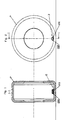
figure 1 est un dessin schématique d'une vue de face en coupe d'un pneumatique équipé d'un mode de réalisation du dispositif de l'invention; - La
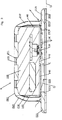
figure 2 est un dessin schématique d'une vue de côté en coupe partielle du pneumatique de lafigure 1 ; - La
figure 3 est un dessin schématique d'une vue de face en coupe d'un mode de réalisation du dispositif conforme à l'invention; - Les
figures 4 et 5 sont des dessins schématiques de vues en perspective de dessus et de dessous du réceptacle seul; - Les
figures 6 et 7 sont des dessins schématiques de vues en perspective de dessus et de dessous du boîtier seul. - Comme illustré sur les dessins des
figures 1 et 2 , le pneumatique P est équipé sur la face interne de sa bande de roulement d'un dispositif de fixation référencé D dans son ensemble. - Ce dispositif D associe un boîtier 100 à un réceptacle souple présentant les caractéristiques suivantes :
- le boîtier 100 contient les différents composants électroniques nécessaires à la prise de mesure de température et/ou de pression à l'intérieur d'un pneumatique et à la communication desdites mesures,
- le réceptacle souple 200 vient se coller à ladite face interne par un moyen de collage 300 et est préformé pour accueillir et retenir ledit boîtier 100.
- Selon un mode de réalisation non limitatif, le réceptacle 200 est réalisé dans la même matière caoutchoutée que celle du pneumatique P. Ainsi, selon un mode de réalisation envisagé, ce réceptacle 200 est vulcanisé par le manufacturier du pneumatique P.
- Selon le mode de réalisation préféré mais non limitatif illustré, le moyen de collage 300 est ici formé par un module double-face acrylique préfixé sur le réceptacle 200 avant introduction du boîtier dans le compartiment 210..
- Selon un autre mode de réalisation non limitatif, le réceptacle est encollé (comme pour une vulcanisation à froid).
- Selon un autre mode de réalisation non limitatif, le moyen d'adhésion consiste en un module de fixation par micro-ventouses préformé dans le réceptacle ou disposé entre le réceptacle et la paroi de pneumatique.
- Ledit boîtier 100 et ledit réceptacle 200 adoptent une forme oblongue et sont disposés sur la paroi interne de la bande de roulement du pneumatique de façon à ce que la plus grande longueur soit disposée dans la largeur du pneumatique P de sorte que lors de la formation d'un pli sur le pneumatique, le boîtier n'est que très peu soumis à un effort de flexion.
- Comme illustré par les dessins des
figures 3 ,4 et 5 , ledit réceptacle souple 200 forme un compartiment d'accueil 210 équipé d'une ouverture 220, par laquelle est introduit ledit boîtier 100 et qui est bordée par un rebord périphérique 221 s'étendant extérieurement et proposant une surface de contact 222 avec le moyen de collage 300 de sorte qu'une fois le réceptacle collé, ladite ouverture 220 est fermée par la paroi interne du pneumatique P sur laquelle le réceptacle 200 est collé. - Ladite ouverture 220 est équipée d'un rebord supplémentaire 223 s'étendant intérieurement en périphériquement en créant un rétrécissement par diminution de l'ouverture, à des fins non seulement de retenue du boîtier dans ledit compartiment mais également d'un entretoisement créateur d'un espace E entre le boîtier 100 et la paroi interne du pneumatique P. Selon le mode de réalisation préféré illustré, les rebords extérieur 221 et intérieur 223 sont préformés dans le réceptacle 200 en prolongement l'un de l'autre.
- En effet, ledit boîtier 100 est préformé d'un orifice 110 faisant communiquer son volume intérieur avec le volume intérieur du pneumatique P. Conformément à l'invention, ledit boîtier 100 est orienté dans ledit compartiment d'accueil 210 du réceptacle 100 de sorte que son orifice 110 s'ouvre sur ledit espace E.
- La paroi supérieure du compartiment 210 est percée d'une pluralité de trous circulaires 211 dans lesquels s'introduisent des projections verticales cylindriques 120 préformées sur la face supérieure du boîtier 100 à des fins de retenue comme illustrées sur les dessins des
figures 3 ,6 et 7 . - Ledit boîtier est en outre préformé sur la périphérie de sa face inférieure d'autres projections verticales cylindriques 130 venant en appui sur le rebord interne 223 de l'ouverture 220 du compartiment d'accueil 210. Ainsi, le boîtier 100 n'est en contact avec la surface du réceptacle 200 collée au pneumatique qu'au moyen des extrémités de ces projections 130. Elles permettent en outre à l'air de circuler dans l'espace E, circulation illustrée par les flèches F.
- Comme illustrée, pour faciliter cette circulation (flèche F), la face inférieure dudit boîtier 100 est préformée de gorges 140 disposées à angle droit et communiquant avec l'orifice 110 (le plan de coupe a été modifié pour faire entrer l'orifice). Ces gorges 140 se prolongent sur les côtés dudit boîtier 100 et viennent communiquer avec des orifices 212 pratiqués à cet effet dans les parois du compartiment 210. Selon un mode de réalisation non illustré, le boitier 100 est préformé de sorte que les gorges 140 se croisent au niveau de l'orifice 110.
- Selon un mode de réalisation préféré mais non limitatif, le boîtier 100 est entièrement surmoulé dans une résine de type hot melt. Selon un mode de réalisation préféré mais non limitatif, ce boîtier présente une dureté Shore A allant de 60 à 80 et le réceptacle présente une dureté Shore A allant de 45 à 60.
- La maintenance du boîtier peut être réalisée par déchirement de la paroi du compartiment. Selon un autre mode de réalisation non illustré, ledit réceptacle 200 est équipé d'un ouverture supérieure commandée par un velcro qu'il suffit de commander pour libérer le boîtier 100.
- On comprend que le dispositif, qui vient d'être ci-dessus décrit et représenté, l'a été en vue d'une divulgation plutôt que d'une limitation. Bien entendu, divers aménagements, modifications et améliorations pourront être apportés à l'exemple ci-dessus, sans pour autant sortir du cadre de l'invention.
Claims (8)
- Dispositif (D) de fixation à la paroi interne d'un pneumatique (P), d'un boîtier électronique (100) de mesure de paramètres à l'intérieur du pneumatique,
ledit boîtier (100) étant préformé d'un orifice (110) faisant communiquer son volume intérieur avec le volume intérieur du pneumatique (P),
le dispositif (D) comprenant ledit boîtier (100) et un réceptacle souple (200) qui venant se fixer à ladite paroi interne par un moyen d'adhésion (300), est préformé pour accueillir et retenir ledit boîtier (100),
ledit réceptacle souple (200) formant un compartiment (210) équipé d'une ouverture (220), par laquelle est introduit ledit boîtier (100) et qui est bordée par un rebord (221) s'étendant extérieurement et proposant une surface de contact (222) pour le moyen d'adhésion (300) de sorte qu'une fois le réceptacle (200) fixé, ladite ouverture (220) est fermée par la paroi interne sur laquelle le réceptacle (200) est fixé,
ladite ouverture (220) étant équipée d'un autre rebord (223) dit rebord interne qui, s'étendant intérieurement, crée un rétrécissement à des fins de retenue du boîtier (100) dans ledit compartiment (210) et un entretoisement définissant un espace (E) entre le boîtier (100) et la paroi interne du pneumatique (P),
CARACTÉRISÉ PAR LE FAIT QUE ledit boîtier (100) est orienté dans ledit compartiment (210) de sorte que son orifice (110) s'ouvre sur ledit espace (E), et ledit boîtier (100) et/ou ledit réceptacle (200) sont préformés de passages faisant communiquer l'espace (E) créé à l'intérieur du compartiment (210), et l'intérieur du pneumatique (P). - Dispositif (D) selon la revendication 1, CARACTÉRISÉ PAR LE FAIT QUE les parois du compartiment (210), sont percées par au moins un trou (211).
- Dispositif (D) selon la revendication 2, CARACTÉRISÉ PAR LE FAIT QUE ledit boîtier (100) est préformé d'au moins une projection (120) venant coopérer avec ledit trou (211).
- Dispositif (D) selon la revendication 1, CARACTÉRISÉ PAR LE FAIT QUE ledit boîtier (D) est préformé de projections (130) venant en appui sur le rebord interne (223) de l'ouverture (220) du compartiment.
- Dispositif (D) selon la revendication 1, CARACTÉRISÉ PAR LE FAIT QUE ledit boîtier (100) est préformé extérieurement de gorges (140) avec lesquelles communique ledit orifice (110).
- Dispositif (D) selon la revendication 5, CARACTÉRISÉ PAR LE FAIT QUE les parois du compartiment sont préformées d'orifices (212) communiquant avec lesdites gorges (140).
- Dispositif (D) selon la revendication 1, CARACTÉRISÉ PAR LE FAIT QUE ledit boîtier (100) et ledit réceptacle (200) adoptent une forme oblongue et sont disposés sur la paroi interne de la bande de roulement du pneumatique de façon à ce que la plus grande longueur soit positionnée sur la largeur du pneumatique (P).
- Dispositif (D) selon la revendication 1, CARACTÉRISÉ PAR LE FAIT QUE le boîtier (100) est réalisé par surmoulage de ses composants dans une résine.
Applications Claiming Priority (1)
| Application Number | Priority Date | Filing Date | Title |
|---|---|---|---|
| FR1461047A FR3028451B1 (fr) | 2014-11-17 | 2014-11-17 | Dispositif de fixation d’un boitier electronique dans la roue d’un vehicule |
Publications (2)
| Publication Number | Publication Date |
|---|---|
| EP3020577A1 true EP3020577A1 (fr) | 2016-05-18 |
| EP3020577B1 EP3020577B1 (fr) | 2017-05-03 |
Family
ID=52392039
Family Applications (1)
| Application Number | Title | Priority Date | Filing Date |
|---|---|---|---|
| EP15003250.6A Active EP3020577B1 (fr) | 2014-11-17 | 2015-11-16 | Dispositif de fixation d'un boitier électronique dans la roue d'un véhicule |
Country Status (5)
| Country | Link |
|---|---|
| US (1) | US9834044B2 (fr) |
| EP (1) | EP3020577B1 (fr) |
| JP (1) | JP6798781B2 (fr) |
| AU (1) | AU2015258159B2 (fr) |
| FR (1) | FR3028451B1 (fr) |
Cited By (3)
| Publication number | Priority date | Publication date | Assignee | Title |
|---|---|---|---|---|
| WO2018150140A1 (fr) | 2017-02-17 | 2018-08-23 | Compagnie Generale Des Etablissements Michelin | Dispositif de fixation a une enveloppe pneumatique d'un organe electronique |
| CN111867857A (zh) * | 2018-03-19 | 2020-10-30 | 诺基安伦卡特股份有限公司 | 带有模块的轮胎 |
| US11065924B2 (en) | 2017-02-17 | 2021-07-20 | Compagnie Generale Des Etablissments Michelin | Device for attaching an electronic member to a pneumatic tire |
Families Citing this family (7)
| Publication number | Priority date | Publication date | Assignee | Title |
|---|---|---|---|---|
| JP2018065493A (ja) * | 2016-10-20 | 2018-04-26 | 株式会社ブリヂストン | ゴム台座付きタイヤ情報取得装置 |
| CN107097597B (zh) * | 2017-06-16 | 2023-01-24 | 深圳市卡美特电子技术有限公司 | 内置粘贴式传感器组件 |
| US11051087B2 (en) | 2017-11-08 | 2021-06-29 | Compagnie Generale Des Etablissements Michelin | Electronic assembly with a patch for a tire |
| FR3073171B1 (fr) | 2017-11-08 | 2019-11-08 | Compagnie Generale Des Etablissements Michelin | Procede de rechapage pour un pneumatique comprenant un ensemble electronique |
| EP3492289B1 (fr) * | 2017-11-30 | 2021-01-06 | Hankook Tire Co., Ltd. | Structure de récipient pour la fixation de capteurs sur des pneumatiques et procédé de fabrication d'une structure de récipient de pneumatiques |
| US11938762B2 (en) | 2020-08-19 | 2024-03-26 | The Goodyear Tire & Rubber Company | Tire sensor attachment structure |
| KR102873924B1 (ko) * | 2023-10-16 | 2025-10-29 | (주)파트론 | 타이어 모니터링 장치 |
Citations (8)
| Publication number | Priority date | Publication date | Assignee | Title |
|---|---|---|---|---|
| WO2004002758A1 (fr) | 2002-06-28 | 2004-01-08 | Pirelli Pneumatici S.P.A. | Systeme de controle de parametres caracteristiques de pneumatique |
| FR2899150A1 (fr) | 2006-04-04 | 2007-10-05 | Michelin Soc Tech | Dispositif de fixation d'un module sur la paroi interne d'un pneumatique |
| DE102007010782A1 (de) | 2006-03-02 | 2008-02-14 | Continental Teves Ag & Co. Ohg | Reifenmodul mit piezoelektrischem Wandler |
| US20120160409A1 (en) * | 2010-12-22 | 2012-06-28 | Caterpillar Inc. | Mounting Structure |
| US20130125640A1 (en) | 2009-11-20 | 2013-05-23 | Continental Automotive Gmbh | Electronic unit adapted to be positioned on the inner face of the tread of a tire |
| EP2641756A1 (fr) | 2012-03-23 | 2013-09-25 | LDL Technology | Dispositif de fixation d'un boîtier électronique dans la roue d'un véhicule et procédé de fabrication d'un pneumatique adapté |
| WO2013153088A1 (fr) | 2012-04-11 | 2013-10-17 | Huf Hülsbeck & Fürst Gmbh & Co. Kg | Module de pneu comprenant un convertisseur piézoélectrique et pneu équipé d'un tel module |
| WO2014027067A1 (fr) | 2012-08-17 | 2014-02-20 | Huf Hülsbeck & Fürst Gmbh & Co. Kg | Module de pneu comprenant un convertisseur piézoélectrique et pneu équipé de ce module |
Family Cites Families (1)
| Publication number | Priority date | Publication date | Assignee | Title |
|---|---|---|---|---|
| DE102010038136B4 (de) * | 2010-10-12 | 2015-12-17 | Huf Hülsbeck & Fürst Gmbh & Co. Kg | Reifenmodul und damit ausgestatteter Reifen |
-
2014
- 2014-11-17 FR FR1461047A patent/FR3028451B1/fr active Active
-
2015
- 2015-11-13 US US14/941,356 patent/US9834044B2/en active Active
- 2015-11-16 JP JP2015223611A patent/JP6798781B2/ja active Active
- 2015-11-16 AU AU2015258159A patent/AU2015258159B2/en active Active
- 2015-11-16 EP EP15003250.6A patent/EP3020577B1/fr active Active
Patent Citations (8)
| Publication number | Priority date | Publication date | Assignee | Title |
|---|---|---|---|---|
| WO2004002758A1 (fr) | 2002-06-28 | 2004-01-08 | Pirelli Pneumatici S.P.A. | Systeme de controle de parametres caracteristiques de pneumatique |
| DE102007010782A1 (de) | 2006-03-02 | 2008-02-14 | Continental Teves Ag & Co. Ohg | Reifenmodul mit piezoelektrischem Wandler |
| FR2899150A1 (fr) | 2006-04-04 | 2007-10-05 | Michelin Soc Tech | Dispositif de fixation d'un module sur la paroi interne d'un pneumatique |
| US20130125640A1 (en) | 2009-11-20 | 2013-05-23 | Continental Automotive Gmbh | Electronic unit adapted to be positioned on the inner face of the tread of a tire |
| US20120160409A1 (en) * | 2010-12-22 | 2012-06-28 | Caterpillar Inc. | Mounting Structure |
| EP2641756A1 (fr) | 2012-03-23 | 2013-09-25 | LDL Technology | Dispositif de fixation d'un boîtier électronique dans la roue d'un véhicule et procédé de fabrication d'un pneumatique adapté |
| WO2013153088A1 (fr) | 2012-04-11 | 2013-10-17 | Huf Hülsbeck & Fürst Gmbh & Co. Kg | Module de pneu comprenant un convertisseur piézoélectrique et pneu équipé d'un tel module |
| WO2014027067A1 (fr) | 2012-08-17 | 2014-02-20 | Huf Hülsbeck & Fürst Gmbh & Co. Kg | Module de pneu comprenant un convertisseur piézoélectrique et pneu équipé de ce module |
Cited By (5)
| Publication number | Priority date | Publication date | Assignee | Title |
|---|---|---|---|---|
| WO2018150140A1 (fr) | 2017-02-17 | 2018-08-23 | Compagnie Generale Des Etablissements Michelin | Dispositif de fixation a une enveloppe pneumatique d'un organe electronique |
| US11065924B2 (en) | 2017-02-17 | 2021-07-20 | Compagnie Generale Des Etablissments Michelin | Device for attaching an electronic member to a pneumatic tire |
| US11511573B2 (en) | 2017-02-17 | 2022-11-29 | Compagnie Generale Des Etablissements Michelin | Device for securing an electronic member to a tire casing |
| CN111867857A (zh) * | 2018-03-19 | 2020-10-30 | 诺基安伦卡特股份有限公司 | 带有模块的轮胎 |
| CN111867857B (zh) * | 2018-03-19 | 2022-11-25 | 诺基安伦卡特股份有限公司 | 带有模块的轮胎 |
Also Published As
| Publication number | Publication date |
|---|---|
| US20160229237A1 (en) | 2016-08-11 |
| FR3028451B1 (fr) | 2017-10-27 |
| US9834044B2 (en) | 2017-12-05 |
| AU2015258159A1 (en) | 2016-06-02 |
| AU2015258159B2 (en) | 2019-08-01 |
| FR3028451A1 (fr) | 2016-05-20 |
| JP6798781B2 (ja) | 2020-12-09 |
| EP3020577B1 (fr) | 2017-05-03 |
| JP2016097964A (ja) | 2016-05-30 |
Similar Documents
| Publication | Publication Date | Title |
|---|---|---|
| EP3020577B1 (fr) | Dispositif de fixation d'un boitier électronique dans la roue d'un véhicule | |
| WO2011060850A1 (fr) | Unite electronique adaptee pour etre positionnee sur la face interne d'une bande de roulement d'un pneumatique | |
| FR2907048A1 (fr) | Unite electronique de mesure de parametres de fonctionnement d'une roue de vehicule. | |
| EP3028957A1 (fr) | Couvercle reversible et recipient formant une boite alimentaire a volume variable | |
| EP2849956B1 (fr) | Dispositif anti bruit amélioré pour pneu | |
| FR3071459A1 (fr) | Element de carrosserie a rangement securise | |
| EP3278011B1 (fr) | Glace pour un dispositif d'eclairage et/ou de signalisation d'un vehicule automobile | |
| EP2641756B1 (fr) | Dispositif de fixation d'un boîtier électronique dans la roue d'un véhicule et procédé de fabrication d'un pneumatique adapté | |
| FR3135122A3 (fr) | Dispositif d’échappement de gaz pour boîtier étanche | |
| EP3797275A1 (fr) | Boitier de protection d'un dispositif electronique | |
| FR3073171B1 (fr) | Procede de rechapage pour un pneumatique comprenant un ensemble electronique | |
| FR2692870A1 (fr) | Dispositif de contrôle du maintien d'un niveau de pression dans une enceinte. | |
| EP3094504B1 (fr) | Dispositif anti bruit nervuré pour pneu | |
| FR2837602A1 (fr) | Systeme de detection de presence etanche notamment pour une poignee d'ouvrant | |
| WO2019122745A1 (fr) | Dispositif de traitement thermique pour batterie | |
| FR2922499A1 (fr) | Dispositif d'association reversible d'un ensemble de cloisonnement de bagages d'un vehicule automobile sur un support | |
| WO2019141483A1 (fr) | Dispositif d'entrée d'air de refroidissement pour un véhicule | |
| EP2852516B1 (fr) | Réservoir de liquide de frein avec équilibrage de pression | |
| EP2141054A1 (fr) | Dispositif formant réservoir de liquide de frein de véhicule automobile, pourvu d'une chambre de filtration de fabrication simplifiée | |
| FR2679874A1 (fr) | Boite a tiroir coulissant, notamment boite d'allumettes. | |
| FR2658800A1 (fr) | Dispositif permettant de detecter le remplissage d'un receptacle lors d'une operation de transfert de matiere depuis une zone de stockage jusqu'audit receptacle. | |
| EP3057789B1 (fr) | Procede pour la fermeture etanche d'un contenant destine a etre depressurise | |
| FR2938425A1 (fr) | Dispositif d'ouverture d'un oeil | |
| FR3121245A1 (fr) | Borne interactive | |
| WO2021123526A1 (fr) | Compartiment pour un equipement susceptible de degager de la chaleur |
Legal Events
| Date | Code | Title | Description |
|---|---|---|---|
| PUAI | Public reference made under article 153(3) epc to a published international application that has entered the european phase |
Free format text: ORIGINAL CODE: 0009012 |
|
| AK | Designated contracting states |
Kind code of ref document: A1 Designated state(s): AL AT BE BG CH CY CZ DE DK EE ES FI FR GB GR HR HU IE IS IT LI LT LU LV MC MK MT NL NO PL PT RO RS SE SI SK SM TR |
|
| AX | Request for extension of the european patent |
Extension state: BA ME |
|
| 17P | Request for examination filed |
Effective date: 20160615 |
|
| RBV | Designated contracting states (corrected) |
Designated state(s): AL AT BE BG CH CY CZ DE DK EE ES FI FR GB GR HR HU IE IS IT LI LT LU LV MC MK MT NL NO PL PT RO RS SE SI SK SM TR |
|
| RIC1 | Information provided on ipc code assigned before grant |
Ipc: B60C 23/04 20060101AFI20160929BHEP Ipc: B29D 30/00 20060101ALI20160929BHEP |
|
| GRAP | Despatch of communication of intention to grant a patent |
Free format text: ORIGINAL CODE: EPIDOSNIGR1 |
|
| INTG | Intention to grant announced |
Effective date: 20161222 |
|
| GRAS | Grant fee paid |
Free format text: ORIGINAL CODE: EPIDOSNIGR3 |
|
| GRAA | (expected) grant |
Free format text: ORIGINAL CODE: 0009210 |
|
| AK | Designated contracting states |
Kind code of ref document: B1 Designated state(s): AL AT BE BG CH CY CZ DE DK EE ES FI FR GB GR HR HU IE IS IT LI LT LU LV MC MK MT NL NO PL PT RO RS SE SI SK SM TR |
|
| REG | Reference to a national code |
Ref country code: GB Ref legal event code: FG4D Free format text: NOT ENGLISH |
|
| REG | Reference to a national code |
Ref country code: AT Ref legal event code: REF Ref document number: 889552 Country of ref document: AT Kind code of ref document: T Effective date: 20170515 Ref country code: CH Ref legal event code: EP |
|
| REG | Reference to a national code |
Ref country code: IE Ref legal event code: FG4D Free format text: LANGUAGE OF EP DOCUMENT: FRENCH |
|
| REG | Reference to a national code |
Ref country code: DE Ref legal event code: R096 Ref document number: 602015002460 Country of ref document: DE |
|
| REG | Reference to a national code |
Ref country code: NL Ref legal event code: MP Effective date: 20170503 |
|
| REG | Reference to a national code |
Ref country code: AT Ref legal event code: MK05 Ref document number: 889552 Country of ref document: AT Kind code of ref document: T Effective date: 20170503 |
|
| REG | Reference to a national code |
Ref country code: LT Ref legal event code: MG4D |
|
| PG25 | Lapsed in a contracting state [announced via postgrant information from national office to epo] |
Ref country code: FI Free format text: LAPSE BECAUSE OF FAILURE TO SUBMIT A TRANSLATION OF THE DESCRIPTION OR TO PAY THE FEE WITHIN THE PRESCRIBED TIME-LIMIT Effective date: 20170503 Ref country code: ES Free format text: LAPSE BECAUSE OF FAILURE TO SUBMIT A TRANSLATION OF THE DESCRIPTION OR TO PAY THE FEE WITHIN THE PRESCRIBED TIME-LIMIT Effective date: 20170503 Ref country code: NO Free format text: LAPSE BECAUSE OF FAILURE TO SUBMIT A TRANSLATION OF THE DESCRIPTION OR TO PAY THE FEE WITHIN THE PRESCRIBED TIME-LIMIT Effective date: 20170803 Ref country code: GR Free format text: LAPSE BECAUSE OF FAILURE TO SUBMIT A TRANSLATION OF THE DESCRIPTION OR TO PAY THE FEE WITHIN THE PRESCRIBED TIME-LIMIT Effective date: 20170804 Ref country code: AT Free format text: LAPSE BECAUSE OF FAILURE TO SUBMIT A TRANSLATION OF THE DESCRIPTION OR TO PAY THE FEE WITHIN THE PRESCRIBED TIME-LIMIT Effective date: 20170503 Ref country code: HR Free format text: LAPSE BECAUSE OF FAILURE TO SUBMIT A TRANSLATION OF THE DESCRIPTION OR TO PAY THE FEE WITHIN THE PRESCRIBED TIME-LIMIT Effective date: 20170503 Ref country code: LT Free format text: LAPSE BECAUSE OF FAILURE TO SUBMIT A TRANSLATION OF THE DESCRIPTION OR TO PAY THE FEE WITHIN THE PRESCRIBED TIME-LIMIT Effective date: 20170503 |
|
| REG | Reference to a national code |
Ref country code: FR Ref legal event code: PLFP Year of fee payment: 3 |
|
| PG25 | Lapsed in a contracting state [announced via postgrant information from national office to epo] |
Ref country code: LV Free format text: LAPSE BECAUSE OF FAILURE TO SUBMIT A TRANSLATION OF THE DESCRIPTION OR TO PAY THE FEE WITHIN THE PRESCRIBED TIME-LIMIT Effective date: 20170503 Ref country code: NL Free format text: LAPSE BECAUSE OF FAILURE TO SUBMIT A TRANSLATION OF THE DESCRIPTION OR TO PAY THE FEE WITHIN THE PRESCRIBED TIME-LIMIT Effective date: 20170503 Ref country code: IS Free format text: LAPSE BECAUSE OF FAILURE TO SUBMIT A TRANSLATION OF THE DESCRIPTION OR TO PAY THE FEE WITHIN THE PRESCRIBED TIME-LIMIT Effective date: 20170903 Ref country code: PL Free format text: LAPSE BECAUSE OF FAILURE TO SUBMIT A TRANSLATION OF THE DESCRIPTION OR TO PAY THE FEE WITHIN THE PRESCRIBED TIME-LIMIT Effective date: 20170503 Ref country code: BG Free format text: LAPSE BECAUSE OF FAILURE TO SUBMIT A TRANSLATION OF THE DESCRIPTION OR TO PAY THE FEE WITHIN THE PRESCRIBED TIME-LIMIT Effective date: 20170803 Ref country code: SE Free format text: LAPSE BECAUSE OF FAILURE TO SUBMIT A TRANSLATION OF THE DESCRIPTION OR TO PAY THE FEE WITHIN THE PRESCRIBED TIME-LIMIT Effective date: 20170503 Ref country code: RS Free format text: LAPSE BECAUSE OF FAILURE TO SUBMIT A TRANSLATION OF THE DESCRIPTION OR TO PAY THE FEE WITHIN THE PRESCRIBED TIME-LIMIT Effective date: 20170503 |
|
| PG25 | Lapsed in a contracting state [announced via postgrant information from national office to epo] |
Ref country code: RO Free format text: LAPSE BECAUSE OF FAILURE TO SUBMIT A TRANSLATION OF THE DESCRIPTION OR TO PAY THE FEE WITHIN THE PRESCRIBED TIME-LIMIT Effective date: 20170503 Ref country code: SK Free format text: LAPSE BECAUSE OF FAILURE TO SUBMIT A TRANSLATION OF THE DESCRIPTION OR TO PAY THE FEE WITHIN THE PRESCRIBED TIME-LIMIT Effective date: 20170503 Ref country code: EE Free format text: LAPSE BECAUSE OF FAILURE TO SUBMIT A TRANSLATION OF THE DESCRIPTION OR TO PAY THE FEE WITHIN THE PRESCRIBED TIME-LIMIT Effective date: 20170503 Ref country code: DK Free format text: LAPSE BECAUSE OF FAILURE TO SUBMIT A TRANSLATION OF THE DESCRIPTION OR TO PAY THE FEE WITHIN THE PRESCRIBED TIME-LIMIT Effective date: 20170503 Ref country code: CZ Free format text: LAPSE BECAUSE OF FAILURE TO SUBMIT A TRANSLATION OF THE DESCRIPTION OR TO PAY THE FEE WITHIN THE PRESCRIBED TIME-LIMIT Effective date: 20170503 |
|
| REG | Reference to a national code |
Ref country code: DE Ref legal event code: R097 Ref document number: 602015002460 Country of ref document: DE |
|
| PG25 | Lapsed in a contracting state [announced via postgrant information from national office to epo] |
Ref country code: IT Free format text: LAPSE BECAUSE OF FAILURE TO SUBMIT A TRANSLATION OF THE DESCRIPTION OR TO PAY THE FEE WITHIN THE PRESCRIBED TIME-LIMIT Effective date: 20170503 Ref country code: SM Free format text: LAPSE BECAUSE OF FAILURE TO SUBMIT A TRANSLATION OF THE DESCRIPTION OR TO PAY THE FEE WITHIN THE PRESCRIBED TIME-LIMIT Effective date: 20170503 |
|
| PLBE | No opposition filed within time limit |
Free format text: ORIGINAL CODE: 0009261 |
|
| STAA | Information on the status of an ep patent application or granted ep patent |
Free format text: STATUS: NO OPPOSITION FILED WITHIN TIME LIMIT |
|
| 26N | No opposition filed |
Effective date: 20180206 |
|
| PG25 | Lapsed in a contracting state [announced via postgrant information from national office to epo] |
Ref country code: SI Free format text: LAPSE BECAUSE OF FAILURE TO SUBMIT A TRANSLATION OF THE DESCRIPTION OR TO PAY THE FEE WITHIN THE PRESCRIBED TIME-LIMIT Effective date: 20170503 |
|
| PG25 | Lapsed in a contracting state [announced via postgrant information from national office to epo] |
Ref country code: MC Free format text: LAPSE BECAUSE OF FAILURE TO SUBMIT A TRANSLATION OF THE DESCRIPTION OR TO PAY THE FEE WITHIN THE PRESCRIBED TIME-LIMIT Effective date: 20170503 |
|
| PG25 | Lapsed in a contracting state [announced via postgrant information from national office to epo] |
Ref country code: LU Free format text: LAPSE BECAUSE OF NON-PAYMENT OF DUE FEES Effective date: 20171116 |
|
| REG | Reference to a national code |
Ref country code: IE Ref legal event code: MM4A |
|
| PG25 | Lapsed in a contracting state [announced via postgrant information from national office to epo] |
Ref country code: MT Free format text: LAPSE BECAUSE OF FAILURE TO SUBMIT A TRANSLATION OF THE DESCRIPTION OR TO PAY THE FEE WITHIN THE PRESCRIBED TIME-LIMIT Effective date: 20170503 |
|
| PG25 | Lapsed in a contracting state [announced via postgrant information from national office to epo] |
Ref country code: IE Free format text: LAPSE BECAUSE OF NON-PAYMENT OF DUE FEES Effective date: 20171116 |
|
| PG25 | Lapsed in a contracting state [announced via postgrant information from national office to epo] |
Ref country code: HU Free format text: LAPSE BECAUSE OF FAILURE TO SUBMIT A TRANSLATION OF THE DESCRIPTION OR TO PAY THE FEE WITHIN THE PRESCRIBED TIME-LIMIT; INVALID AB INITIO Effective date: 20151116 |
|
| REG | Reference to a national code |
Ref country code: CH Ref legal event code: PL |
|
| PG25 | Lapsed in a contracting state [announced via postgrant information from national office to epo] |
Ref country code: LI Free format text: LAPSE BECAUSE OF NON-PAYMENT OF DUE FEES Effective date: 20181130 Ref country code: CH Free format text: LAPSE BECAUSE OF NON-PAYMENT OF DUE FEES Effective date: 20181130 |
|
| PG25 | Lapsed in a contracting state [announced via postgrant information from national office to epo] |
Ref country code: CY Free format text: LAPSE BECAUSE OF FAILURE TO SUBMIT A TRANSLATION OF THE DESCRIPTION OR TO PAY THE FEE WITHIN THE PRESCRIBED TIME-LIMIT Effective date: 20170503 |
|
| PG25 | Lapsed in a contracting state [announced via postgrant information from national office to epo] |
Ref country code: MK Free format text: LAPSE BECAUSE OF FAILURE TO SUBMIT A TRANSLATION OF THE DESCRIPTION OR TO PAY THE FEE WITHIN THE PRESCRIBED TIME-LIMIT Effective date: 20170503 |
|
| PG25 | Lapsed in a contracting state [announced via postgrant information from national office to epo] |
Ref country code: TR Free format text: LAPSE BECAUSE OF FAILURE TO SUBMIT A TRANSLATION OF THE DESCRIPTION OR TO PAY THE FEE WITHIN THE PRESCRIBED TIME-LIMIT Effective date: 20170503 |
|
| PG25 | Lapsed in a contracting state [announced via postgrant information from national office to epo] |
Ref country code: PT Free format text: LAPSE BECAUSE OF FAILURE TO SUBMIT A TRANSLATION OF THE DESCRIPTION OR TO PAY THE FEE WITHIN THE PRESCRIBED TIME-LIMIT Effective date: 20170503 |
|
| PG25 | Lapsed in a contracting state [announced via postgrant information from national office to epo] |
Ref country code: AL Free format text: LAPSE BECAUSE OF FAILURE TO SUBMIT A TRANSLATION OF THE DESCRIPTION OR TO PAY THE FEE WITHIN THE PRESCRIBED TIME-LIMIT Effective date: 20170503 |
|
| GBPC | Gb: european patent ceased through non-payment of renewal fee |
Effective date: 20191116 |
|
| PG25 | Lapsed in a contracting state [announced via postgrant information from national office to epo] |
Ref country code: GB Free format text: LAPSE BECAUSE OF NON-PAYMENT OF DUE FEES Effective date: 20191116 |
|
| REG | Reference to a national code |
Ref country code: DE Ref legal event code: R082 Ref document number: 602015002460 Country of ref document: DE Representative=s name: KARAKATSANIS, GEORGIOS, DR., DE |
|
| PGFP | Annual fee paid to national office [announced via postgrant information from national office to epo] |
Ref country code: DE Payment date: 20251128 Year of fee payment: 11 |
|
| PGFP | Annual fee paid to national office [announced via postgrant information from national office to epo] |
Ref country code: FR Payment date: 20251127 Year of fee payment: 11 |
|
| PGFP | Annual fee paid to national office [announced via postgrant information from national office to epo] |
Ref country code: BE Payment date: 20251127 Year of fee payment: 11 |