EP2925341B1 - Peptide compounds and methods of production and use thereof - Google Patents
Peptide compounds and methods of production and use thereof Download PDFInfo
- Publication number
- EP2925341B1 EP2925341B1 EP13859680.4A EP13859680A EP2925341B1 EP 2925341 B1 EP2925341 B1 EP 2925341B1 EP 13859680 A EP13859680 A EP 13859680A EP 2925341 B1 EP2925341 B1 EP 2925341B1
- Authority
- EP
- European Patent Office
- Prior art keywords
- peptide
- seq
- cap37
- composition
- wound
- Prior art date
- Legal status (The legal status is an assumption and is not a legal conclusion. Google has not performed a legal analysis and makes no representation as to the accuracy of the status listed.)
- Active
Links
Images












Classifications
-
- A—HUMAN NECESSITIES
- A61—MEDICAL OR VETERINARY SCIENCE; HYGIENE
- A61K—PREPARATIONS FOR MEDICAL, DENTAL OR TOILETRY PURPOSES
- A61K38/00—Medicinal preparations containing peptides
- A61K38/16—Peptides having more than 20 amino acids; Gastrins; Somatostatins; Melanotropins; Derivatives thereof
- A61K38/17—Peptides having more than 20 amino acids; Gastrins; Somatostatins; Melanotropins; Derivatives thereof from animals; from humans
-
- A—HUMAN NECESSITIES
- A61—MEDICAL OR VETERINARY SCIENCE; HYGIENE
- A61K—PREPARATIONS FOR MEDICAL, DENTAL OR TOILETRY PURPOSES
- A61K31/00—Medicinal preparations containing organic active ingredients
- A61K31/33—Heterocyclic compounds
- A61K31/395—Heterocyclic compounds having nitrogen as a ring hetero atom, e.g. guanethidine or rifamycins
- A61K31/495—Heterocyclic compounds having nitrogen as a ring hetero atom, e.g. guanethidine or rifamycins having six-membered rings with two or more nitrogen atoms as the only ring heteroatoms, e.g. piperazine or tetrazines
- A61K31/496—Non-condensed piperazines containing further heterocyclic rings, e.g. rifampin, thiothixene or sparfloxacin
-
- A—HUMAN NECESSITIES
- A61—MEDICAL OR VETERINARY SCIENCE; HYGIENE
- A61K—PREPARATIONS FOR MEDICAL, DENTAL OR TOILETRY PURPOSES
- A61K31/00—Medicinal preparations containing organic active ingredients
- A61K31/33—Heterocyclic compounds
- A61K31/395—Heterocyclic compounds having nitrogen as a ring hetero atom, e.g. guanethidine or rifamycins
- A61K31/535—Heterocyclic compounds having nitrogen as a ring hetero atom, e.g. guanethidine or rifamycins having six-membered rings with at least one nitrogen and one oxygen as the ring hetero atoms, e.g. 1,2-oxazines
- A61K31/5375—1,4-Oxazines, e.g. morpholine
- A61K31/5383—1,4-Oxazines, e.g. morpholine ortho- or peri-condensed with heterocyclic ring systems
-
- A—HUMAN NECESSITIES
- A61—MEDICAL OR VETERINARY SCIENCE; HYGIENE
- A61K—PREPARATIONS FOR MEDICAL, DENTAL OR TOILETRY PURPOSES
- A61K31/00—Medicinal preparations containing organic active ingredients
- A61K31/33—Heterocyclic compounds
- A61K31/395—Heterocyclic compounds having nitrogen as a ring hetero atom, e.g. guanethidine or rifamycins
- A61K31/54—Heterocyclic compounds having nitrogen as a ring hetero atom, e.g. guanethidine or rifamycins having six-membered rings with at least one nitrogen and one sulfur as the ring hetero atoms, e.g. sulthiame
- A61K31/542—Heterocyclic compounds having nitrogen as a ring hetero atom, e.g. guanethidine or rifamycins having six-membered rings with at least one nitrogen and one sulfur as the ring hetero atoms, e.g. sulthiame ortho- or peri-condensed with heterocyclic ring systems
- A61K31/545—Compounds containing 5-thia-1-azabicyclo [4.2.0] octane ring systems, i.e. compounds containing a ring system of the formula:, e.g. cephalosporins, cefaclor, or cephalexine
- A61K31/546—Compounds containing 5-thia-1-azabicyclo [4.2.0] octane ring systems, i.e. compounds containing a ring system of the formula:, e.g. cephalosporins, cefaclor, or cephalexine containing further heterocyclic rings, e.g. cephalothin
-
- A—HUMAN NECESSITIES
- A61—MEDICAL OR VETERINARY SCIENCE; HYGIENE
- A61K—PREPARATIONS FOR MEDICAL, DENTAL OR TOILETRY PURPOSES
- A61K38/00—Medicinal preparations containing peptides
- A61K38/04—Peptides having up to 20 amino acids in a fully defined sequence; Derivatives thereof
- A61K38/14—Peptides containing saccharide radicals; Derivatives thereof, e.g. bleomycin, phleomycin, muramylpeptides or vancomycin
-
- A—HUMAN NECESSITIES
- A61—MEDICAL OR VETERINARY SCIENCE; HYGIENE
- A61K—PREPARATIONS FOR MEDICAL, DENTAL OR TOILETRY PURPOSES
- A61K38/00—Medicinal preparations containing peptides
- A61K38/16—Peptides having more than 20 amino acids; Gastrins; Somatostatins; Melanotropins; Derivatives thereof
-
- A—HUMAN NECESSITIES
- A61—MEDICAL OR VETERINARY SCIENCE; HYGIENE
- A61K—PREPARATIONS FOR MEDICAL, DENTAL OR TOILETRY PURPOSES
- A61K38/00—Medicinal preparations containing peptides
- A61K38/16—Peptides having more than 20 amino acids; Gastrins; Somatostatins; Melanotropins; Derivatives thereof
- A61K38/17—Peptides having more than 20 amino acids; Gastrins; Somatostatins; Melanotropins; Derivatives thereof from animals; from humans
- A61K38/1703—Peptides having more than 20 amino acids; Gastrins; Somatostatins; Melanotropins; Derivatives thereof from animals; from humans from vertebrates
- A61K38/1709—Peptides having more than 20 amino acids; Gastrins; Somatostatins; Melanotropins; Derivatives thereof from animals; from humans from vertebrates from mammals
- A61K38/1729—Cationic antimicrobial peptides, e.g. defensins
-
- A—HUMAN NECESSITIES
- A61—MEDICAL OR VETERINARY SCIENCE; HYGIENE
- A61K—PREPARATIONS FOR MEDICAL, DENTAL OR TOILETRY PURPOSES
- A61K45/00—Medicinal preparations containing active ingredients not provided for in groups A61K31/00 - A61K41/00
- A61K45/06—Mixtures of active ingredients without chemical characterisation, e.g. antiphlogistics and cardiaca
-
- A—HUMAN NECESSITIES
- A61—MEDICAL OR VETERINARY SCIENCE; HYGIENE
- A61P—SPECIFIC THERAPEUTIC ACTIVITY OF CHEMICAL COMPOUNDS OR MEDICINAL PREPARATIONS
- A61P17/00—Drugs for dermatological disorders
- A61P17/02—Drugs for dermatological disorders for treating wounds, ulcers, burns, scars, keloids, or the like
-
- A—HUMAN NECESSITIES
- A61—MEDICAL OR VETERINARY SCIENCE; HYGIENE
- A61P—SPECIFIC THERAPEUTIC ACTIVITY OF CHEMICAL COMPOUNDS OR MEDICINAL PREPARATIONS
- A61P31/00—Antiinfectives, i.e. antibiotics, antiseptics, chemotherapeutics
- A61P31/04—Antibacterial agents
-
- A—HUMAN NECESSITIES
- A61—MEDICAL OR VETERINARY SCIENCE; HYGIENE
- A61P—SPECIFIC THERAPEUTIC ACTIVITY OF CHEMICAL COMPOUNDS OR MEDICINAL PREPARATIONS
- A61P31/00—Antiinfectives, i.e. antibiotics, antiseptics, chemotherapeutics
- A61P31/10—Antimycotics
-
- A—HUMAN NECESSITIES
- A61—MEDICAL OR VETERINARY SCIENCE; HYGIENE
- A61P—SPECIFIC THERAPEUTIC ACTIVITY OF CHEMICAL COMPOUNDS OR MEDICINAL PREPARATIONS
- A61P37/00—Drugs for immunological or allergic disorders
- A61P37/02—Immunomodulators
- A61P37/06—Immunosuppressants, e.g. drugs for graft rejection
-
- Y—GENERAL TAGGING OF NEW TECHNOLOGICAL DEVELOPMENTS; GENERAL TAGGING OF CROSS-SECTIONAL TECHNOLOGIES SPANNING OVER SEVERAL SECTIONS OF THE IPC; TECHNICAL SUBJECTS COVERED BY FORMER USPC CROSS-REFERENCE ART COLLECTIONS [XRACs] AND DIGESTS
- Y02—TECHNOLOGIES OR APPLICATIONS FOR MITIGATION OR ADAPTATION AGAINST CLIMATE CHANGE
- Y02A—TECHNOLOGIES FOR ADAPTATION TO CLIMATE CHANGE
- Y02A50/00—TECHNOLOGIES FOR ADAPTATION TO CLIMATE CHANGE in human health protection, e.g. against extreme weather
- Y02A50/30—Against vector-borne diseases, e.g. mosquito-borne, fly-borne, tick-borne or waterborne diseases whose impact is exacerbated by climate change
Definitions
- CAP37 cationic antimicrobial protein of M r 37 kDa
- PMN human neutrophil
- CAP37 cationic antimicrobial protein of M r 37 kDa
- PMN human neutrophil
- CAP37 protein has potent regulatory effects on host cells. It is an effective regulator of cells of the mononuclear phagocytic system such as monocytes, microglia, and macrophages. It also regulates certain corneal epithelial, endothelial, and smooth muscle cell functions.
- CAP37 previously enabled the delineation of an antibacterial domain of the CAP37 protein, which was identified as residing in residues 20 through 44 of the native molecule.
- a peptide comprising this 25 amino acid sequence i.e., CAP37(20-44) nat - SEQ ID N0:1 mimicked the antimicrobial activity of the native molecule and extended its range of activity to encompass Staphylococcus aureus and Enterococcus faecalis, two Gram positive bacteria.
- the bactericidal activity of the peptide was pH dependent, with maximum activity obtained between pH 5.0 and 5.5.
- At least one may extend up to 100 or 1000 or more, depending on the term to which it is attached; in addition, the quantities of 100/1000 are not to be considered limiting, as higher limits may also produce satisfactory results.
- the use of the term "at least one of X, Y and Z" will be understood to include X alone, Y alone, and Z alone, as well as any combination of X, Y and Z.
- the words “comprising” (and any form of comprising, such as “comprise” and “comprises”), “having” (and any form of having, such as “have” and “has”), "including” (and any form of including, such as “includes” and “include”) or “containing” (and any form of containing, such as “contains” and “contain”) are inclusive or open-ended and do not exclude additional, unrecited elements or method steps.
- the term “substantially” means that the subsequently described event or circumstance completely occurs or that the subsequently described event or circumstance occurs to a great extent or degree.
- the term “substantially” means that the subsequently described event or circumstance occurs at least 90% of the time, or at least 95% of the time, or at least 98% of the time.
- naturally-occurring refers to the fact that an object can be found in nature.
- pharmaceutically acceptable refers to compounds and compositions which are suitable for administration to humans and/or animals without undue adverse side effects such as toxicity, irritation and/or allergic response commensurate with a reasonable benefit/risk ratio.
- biologically active is meant the ability to modify the physiological system of an organism without reference to how the active agent has its physiological effects.
- pure or “substantially pure” means an object species (e.g., a particular essential oil) is the predominant species present (i.e., on a molar basis it is more abundant than any other essential oil in the composition thereof), and particularly a substantially purified fraction is a composition wherein the object species comprises at least about 50 percent (on a molar basis) of all macromolecular species present.
- a substantially pure composition will comprise more than about 80% of all macromolecular species present in the composition, more particularly more than about 85%, more than about 90%, more than about 95%, or more than about 99%.
- the object species may be purified to essential homogeneity (contaminant species cannot be detected in the composition by conventional detection methods) wherein the composition consists essentially of a single macromolecular species.
- the term “pure” or “substantially pure” also refers to preparations where the object species (e.g., the peptide compound) is at least 60% (w/w) pure, or at least 70% (w/w) pure, or at least 75% (w/w) pure, or at least 80% (w/w) pure, or at least 85% (w/w) pure, or at least 90% (w/w) pure, or at least 92% (w/w) pure, or at least 95% (w/w) pure, or at least 96% (w/w) pure, or at least 97% (w/w) pure, or at least 98% (w/w) pure, or at least 99% (w/w) pure, or 100% (w/w) pure.
- subject and “patient” are used interchangeably herein and will be understood to refer to a warm blooded animal, particularly a mammal.
- animals within the scope and meaning of this term include guinea pigs, dogs, cats, rats, mice, horses, goats, cattle, sheep, zoo animals, non-human primates, and humans.
- Treatment refers to therapeutic treatments.
- prevention refers to prophylactic or preventative treatment measures.
- treating refers to administering the composition to a patient for therapeutic purposes.
- compositions of the presently disclosed and claimed inventive concept(s) may be designed to provide delayed, controlled, extended, and/or sustained release using formulation techniques which are well known in the art.
- topical as used herein to define a mode of administration, means that a material is administered by being applied to the skin or internally to an epithelial tissue.
- the term "effective amount” refers to an amount of a peptide compound which is sufficient to exhibit a detectable therapeutic effect without excessive adverse side effects (such as toxicity, irritation and allergic response) commensurate with a reasonable benefit/risk ratio when used in the manner of the inventive concept(s).
- the therapeutic effect may include, for example but not by way of limitation, a partial or complete elimination of an infection or wound.
- the effective amount for a patient will depend upon the type of patient, the patient's size and health, the nature and severity of the condition to be treated, the method of administration, the duration of treatment, the nature of concurrent therapy (if any), the specific formulations employed, and the like. Thus, it is not possible to specify an exact effective amount in advance. However, the effective amount for a given situation can be determined by one of ordinary skill in the art using routine experimentation based on the information provided herein.
- the term “concurrent therapy” is used interchangeably with the terms “combination therapy” and "adjunct therapy”, and will be understood to mean that the subject in need of treatment is treated or given another drug for the condition (e.g., ibuprofen or a muscle relaxant) in conjunction with the pharmaceutical compositions of the presently disclosed and claimed inventive concept(s).
- This concurrent therapy can be sequential therapy, where the patient is treated first with one composition and then the other composition, or the two compositions are given simultaneously.
- Non-limiting examples of combination therapies in accordance with the presently disclosed and claimed inventive concept(s) include a combination of two or more of the peptides described herein, one or more of said peptides in combination with one or more other antibiotics, or one or more of said peptides in combination with another drug given to treat a particular condition.
- Described herein in certain embodiments of the presently disclosed and claimed inventive concept(s) is a new generation of peptide compounds that have enhanced antibacterial, antifungal, wound healing, and graft healing activities and that can be scaled-up (i.e., have high solubility), and that have high purity (in some embodiments at least 80%).
- modifications were made in the various peptides derived from native CAP37 protein, including peptides derived from the 20-44 (SEQ ID NO:1), 23-42 (SEQ ID NO:8), 95-122 (SEQ ID NO:26), 102-122 (SEQ ID NO:27), and 120-146 (SEQ ID NO:28) amino acid positions of CAP37 protein.
- peptide compounds have shown high purity, solubility, and potent activity against a number of bacterial species, including but not limited to, Pseudomonas aeruginosa (including antibiotic resistant clinical isolates), Acinetobacter baumannii, Salmonella typhimurium, and Escherichia coli.
- the peptide compounds disclosed herein may be used to treat bacterial and/or fungal infections, surface wounds such as lacerations, abrasions, avulsions, incisions, and amputations, and "non-healing wounds" such as diabetic ulcers (for example of the legs and feet), pressure sores, bed sores, wounds due to peripheral vascular disease, "non-healing” or “slow-healing” post-surgical wounds, and burns.
- the peptides compounds in certain embodiments may be used as treatments to enhance acceptance of grafts such as skin grafts and organ grafts.
- the peptide compounds in certain embodiments may be used as treatments for ocular infections, ocular wounds and abrasions, and ocular ulcers and treatment of inflammatory conditions such as dry eye.
- the peptides may be used in combination with each other, in combination with other antibiotics, or in combination with another drug given to treat a particular condition.
- X R includes four arginine residues, while Y R is one arginine residue.
- the S m group may include two AEEA moieties.
- Particular non-limiting examples of peptide compounds in accordance with the presently disclosed and claimed inventive concept(s) include one or more peptide compounds that have the sequence of one of SEQ ID NOs:21-23 and 32-46, as described in further detail herein below.
- the "Pep" sequence of the Formula (I) peptide compound described herein may comprise the following sequence (SEQ ID NO:25): R-H-X 3 -X 4 -X 5 -X 6 -X 7 -X 8 -X 9 -H-X 11 -R-X 13 -X 14 -M-X 16 -X 17 -X 18 -X 19 -X 20 wherein X 3 and X 13 are phenylalanine, tyrosine, arginine, lysine or histidine; X 4 is selected from cysteine, serine, threonine, and methionine; X 5 and X 6 are selected from glycine and alanine; X 7 , X 11 , and X 14 are selected from alanine, leucine, isoleucine, and valine; X 9 , X 17 , and X 18 are selected from alanine, leucine, iso
- the "Pep" sequence of the Formula (I) peptide compound described herein may comprise the following sequence (SEQ ID NO:47): R-H-X 3 -X 4 -X 5 -X 6 -X 7 -X 8 -X 9 -H-X 11 -R-X 13 -X 14 -M-X 16 -X 17 -X 18 -X 19 -X 20 wherein X 3 and X 13 are phenylalanine, tyrosine, arginine, lysine, or histidine; X 4 is selected from cysteine, serine, threonine, and methionine; X 5 and X 6 are selected from glycine and alanine; X 7 , X 11 , and X 14 are selected from alanine, leucine, isoleucine, and valine; X 9 , X 17 , and X 18 are selected from alanine, leucine, is
- Certain embodiments of the presently disclosed and claimed inventive concept(s) include peptide compounds having the sequences of at least one of SEQ ID NOs:8-14 (i.e., sequences similar to SEQ ID NOs: 1-7, respectively, wherein the N-terminal three amino acids (NQG) and the C-terminal two amino acids (FQ) are truncated such that the Pep portion of the peptide compound contains 20 amino acids rather than 25 amino acids).
- one or more of the following substitutions may be made in one or more of SEQ ID NOs:1: phenylalanine replaced by tyrosine; glycine replaced by alanine; valine replaced by alanine, leucine, or isoleucine; alanine replaced by leucine, isoleucine, or valine; leucine replaced by alanine, isoleucine, or valine; isoleucine replaced by valine, leucine, or alanine; serine replaced by threonine or methionine, and threonine replaced by serine or methionine; and the cysteine residues may be substituted with a serine, threonine, or methionine, as long as one cysteine of the two cysteine residues remains present.
- one or more conservative substitutions may be made in one or more of SEQ ID NOs: 26-35 when these sequences are used
- compositions constructed in accordance with the presently disclosed and claimed inventive concept(s) includes a composition comprising the peptide of SEQ ID NO:22 [(AEEA)-(AEEA)-RRRRNQGRHFSGGALIHARFVMTAASCFQR], wherein AEEA is 8-amino-3,6-dioxaoctanoic acid, and wherein the peptide compound is effective in enhancing the therapeutic efficacy of an antibiotic in a subject when administered to the subject in combination with the antibiotic.
- compositions constructed in accordance with the presently disclosed and claimed inventive concept(s) includes a composition comprising the peptide of SEQ ID NO:32 [(AEEA)-(AEEA)-RRRRGTRCQVAGWGSQRSGGRLSRFPRFVNVR], wherein AEEA is 8-amino-3,6-dioxaoctanoic acid, and wherein the peptide compound has wound healing and antibacterial activity in a subject in need of such therapy.
- compositions of the presently disclosed and claimed inventive concept(s) may contain multiple peptide compounds, wherein each peptide compound is represented by Formula (I) as described herein above.
- the composition may include at least two peptide compounds, wherein each of the at least two peptide compounds is further defined as having the sequence of one of SEQ ID NOs:21-23 and 32-46.
- the composition may include at least two peptide compounds as represented by Formula (I), wherein Pep of a first peptide compound is one of SEQ ID NOs:1-14 and 25, and Pep of a second peptide compound is one of SEQ ID NOs:26-31.
- the composition may include at least two peptide compounds as represented by Formula (I), wherein Pep of a first peptide compound is one of SEQ ID NOs:26-27, and Pep of a second peptide compound is one of SEQ ID NOs:28-31.
- the multiple peptide compounds may be multimerized to form homomultimers or heteromultimers by linkage across the cysteine residues.
- multimerization that may be utilized in accordance with the presently disclosed and claimed inventive concept(s) is dimerization to form homodimers and/or heterodimers.
- One non-limiting method of multimerization includes linkage via "intermolecular oxidation", in which the thiol group attached to the cysteine at position 26 could be linked to a SH group from another Cys 26 peptide, thus giving a homodimer.
- the SH group at Cys 42 could be cyclized with the SH group on Cys 42 from another peptide, giving a Cys 42 homodimer.
- a third non-limiting alternative includes the linkage of the thiol groups between Cys 42 and Cys 26 of separate peptides to give a heterodimer.
- compositions of the presently disclosed and claimed inventive concept(s) may also contain at least one additional therapeutically active agent.
- Any therapeutically active agent known in the art or otherwise contemplated herein may be combined with the peptide compound in the compositions of the presently disclosed and claimed inventive concept(s).
- Non-limiting examples of therapeutically active agents that may be utilized in accordance with the presently disclosed and claimed inventive concept(s) include antibiotics, other therapeutically active peptides, antibacterial agents, antifungal agents, wound healing agents, and/or graft acceptance agents.
- any therapeutically active peptide known in the art or otherwise contemplated herein may be combined with the peptide compounds in the composition of the presently disclosed and claimed inventive concept(s).
- therapeutically active peptides include CAP37 peptides, such as but not limited to, the peptides of SEQ ID NOs:26-28.
- a composition contains (a) at least one peptide compound of one of SEQ ID NOs:21-23, and (b) at least one additional therapeutic peptide of one of SEQ ID NOS:26-28.
- Another particular non-limiting example of a composition contains (a) at least one peptide compound of one of SEQ ID NOs:32-35, and (b) at least one additional therapeutic peptide of one of SEQ ID NOS:26-27.
- antibiotics which may be used in combination with the peptide compounds of the present disclosure include, but are not limited to, gentamicin, amikacin, kanamycin, tobramycin, neomycin, ertapenem, doripenem, imipenem/cilastatin, meropenem, ceftazidime, cefepime, ceftaroline, ceftobiprole, aztreonam, piperacillin, polymyxin B, Colistin, ciprofloxacin, levofloxacin, moxifloxacin, gatifloxacin, tigecycline, and combinations and derivatives thereof.
- antibiotics may be used in combination with peptide compounds that promote wound healing: gentamicin, amikacin, kanamycin, tobramycin, neomycin, ertapenem, doripenem, imipenem/cilastatin, meropenem, ceftazidime, cefepime, ceftaroline, ceftobiprole, aztreonam, piperacillin, polymyxin B, Colistin, ciprofloxacin, levofloxacin, moxifloxacin, gatifloxacin, tigecycline, clindamycin, clarithromycin, vancomycin, azithromycin, cefixime, ceftriaxone, cefamandole, cefotaxime, cefdinir, bacitracin, sulfacetamide, doxycycline, and combinations and derivatives thereof.
- the peptide compounds of the compositions of the presently disclosed and claimed inventive concept(s) may be produced by any methods known in the art.
- the peptide compounds may be produced synthetically or may be produced by recombinant methods.
- other embodiments of the presently disclosed and claimed inventive concept(s) include a DNA molecule having a nucleotide sequence that encodes a portion or all of the compositions described herein above.
- the DNA molecule may have a nucleotide sequence encoding a peptide compound having an amino acid sequence as defined in any of the amino acid sequences listed, described, or otherwise contemplated herein, including for example but not by way of limitation, those having substituted cysteine residues at positions 26 or 42.
- compositions that contain a therapeutically-effective or pharmaceutically-effective amount of at least one active ingredient (i.e., one or more of the compositions described herein above) in combination with a pharmaceutically-acceptable carrier.
- a pharmaceutically acceptable carrier is a pharmaceutically acceptable solvent, suspending agent, or vehicle for delivering the compositions of the presently disclosed and claimed inventive concept(s) to the subject.
- the carrier may be, for example but not by way of limitation, liquid or solid, and the carrier may be selected with the planned manner of administration in mind.
- Examples of pharmaceutically acceptable carriers that may be utilized in accordance with the presently disclosed and claimed inventive concept(s) include, but are not limited to, polyethylene glycol (PEG), polymers, liposomes, ethanol, DMSO, aqueous buffers, solvents, oils, DPPC, lipids, and combinations thereof.
- PEG polyethylene glycol
- compositions constructed in accordance with the presently disclosed and claimed inventive concept(s) include: (a) a pharmaceutical composition comprising a composition that includes a peptide compound as represented by Formula (I) in combination with a pharmaceutically-acceptable carrier; (b) a pharmaceutical composition comprising at least two peptide compounds as represented by Formula (I) in combination with a pharmaceutically-active carrier; and (c) a pharmaceutical composition comprising at least one composition that includes a peptide compound as represented by Formula (I) in combination with at least one therapeutically active agent (such as but not limited to, a peptide compound or an antibiotic) and a pharmaceutically-acceptable carrier.
- a pharmaceutical composition comprising a composition that includes a peptide compound as represented by Formula (I) in combination with a pharmaceutically-acceptable carrier
- a pharmaceutical composition comprising at least two peptide compounds as represented by Formula (I) in combination with a pharmaceutically-active carrier
- at least one therapeutically active agent such as but not limited to, a peptide compound or an antibiotic
- compositions may contain, in addition to the peptide compound and pharmaceutically-acceptable carrier, one or more additional components, including but not limited to, diluents, fillers, salts, buffers, stabilizers, solubilizers, and other materials well known in the art.
- additional components including but not limited to, diluents, fillers, salts, buffers, stabilizers, solubilizers, and other materials well known in the art.
- Suitable carriers, vehicles, and other components that may be included in the formulation are described, for example, in Remington: The Science and Practice of Pharmacy, 21st ed .
- pharmaceutically acceptable means a non-toxic material that does not interfere with the effectiveness of the biological activity of the active ingredient(s). The characteristics of the carrier will depend on the route of administration.
- the pharmaceutical composition of the presently disclosed and claimed inventive concept(s) may be in the form of a liposome in which the peptide compound is disposed, in addition to other pharmaceutically acceptable carriers, with amphipathic agents such as lipids which exist in aggregated form as micelles, insoluble monolayers, liquid crystals, or lamellar layers in aqueous solution.
- Suitable lipids for liposomal formulation include, without limitation, monoglycerides, diglycerides, sulfatides, lysolecithin, phospholipids, saponin, bile acids, and the like. Preparation of such liposomal formulations is within the level of skill in the art, as disclosed, for example, in U.S. Patent No. 4,235,871 ; U.S. Patent No. 4,501,728 ; U.S. Patent No. 4,837,028 ; and U.S. Patent No. 4,737,323 , all of which are incorporated herein by reference.
- the peptide compounds of the presently disclosed and claimed inventive concept(s) find uses as antibacterial and/or antifungal therapeutics, as treatments for ocular infections, ocular wounds or abrasions and/or ocular ulcer treatments, ocular dry eye treatments, as surface wound treatments to promote healing, and/or as treatments to promote healing and acceptance of skin and/or organ grafts.
- certain embodiments of the presently disclosed and claimed inventive concept(s) include a method of treating and/or inhibiting a bacterial and/or fungal infection in a patient, subject, and/or mammal, and/or a method of prophylactically preventing (and/or reducing the occurrence of) a bacterial and/or fungal infection in a patient, subject, and/or mammal; in this method, any of the compositions described herein above or otherwise contemplated herein is administered to the patient, subject, and/or mammal.
- the bacterial infection is caused by a Gram negative bacterium, such as but not limited to, Pseudomonas aeruginosa, Escherichia coli, Salmonella typhimurium, and Acinetobacter baumannii.
- the fungal infection is caused by a fungal organism selected from the group consisting of Candida spp., Saccharomyces cerevisiae, Histoplasma spp., Histoplasma capsulatum, Aspergillus spp., Aspergillus fumigatus, and Cryptococcus neoformans.
- the presently disclosed and claimed inventive concept(s) also includes methods (including but not limited to, topical and/or systemic methods) of treating ocular wounds, ocular infections, ulcers, and/or infections in a patient, subject, and/or mammal.
- the presently disclosed and claimed inventive concept(s) also includes methods of treating surface wounds in a patient to promote healing of the wound; in this method, any of the compositions described herein above or otherwise contemplated herein is administered (such as but not limited to, topically and/or systemically) to the patient, subject, and/or mammal.
- Non-limiting examples of such wounds which can be treated with the peptide compounds described herein include lacerations, abrasions, avulsions, incisions, and amputations, and "non-healing wounds" such as diabetic ulcers (for example of the legs and feet), pressure sores, wounds due to peripheral vascular disease, burns, infected wounds, and surgical wounds.
- the presently disclosed and claimed inventive concept(s) also includes methods of treating organ graft(s) and/or skin graft(s) for promoting the healing and acceptance thereof in a patient, subject, and/or mammal; in this method, any of the compositions described herein above or otherwise contemplated herein is administered (such as but not limited to, topically and/or systemically) to the patient, subject, and/or mammal.
- the peptide compounds described or otherwise contemplated herein can be administered (a) in combination with one another, and/or (b) in combination with at least one additional therapeutic agent (such as but not limited to, an antibiotic or other therapeutically active peptides, including but not limited to, other CAP37 peptides).
- additional therapeutic agent such as but not limited to, an antibiotic or other therapeutically active peptides, including but not limited to, other CAP37 peptides.
- the phrase "in combination" as used in this context means that the peptide compound(s) and/or the therapeutic agent(s) are given substantially contemporaneously, simultaneously, and/or wholly or partially sequentially; when delivered wholly or partially sequentially, the agent may be administered before and/or after the peptide compound, and vice versa.
- the compound is used in a combination therapy with conventional antibiotic chemotherapeutics and/or treatments, for example antibiotics to which bacterial organisms have generally developed a resistance.
- compositions described or otherwise contemplated herein that comprises an antibiotic and a peptide compound is administered to the subject.
- the therapeutically-effective amount of the composition includes an amount of the antibiotic that: (i) has suboptimal activity or is ineffective against the bacteria when administered alone, and (ii) is effective against the bacteria when administered in combination with the peptide compound.
- Another embodiment of the method involves administration to the subject of two separate components: (a) a composition as described or otherwise contemplated herein and that comprises a peptide compound, and (b) an antibiotic.
- the antibiotic is administered in an amount that: (i) has suboptimal activity or is ineffective against the bacteria when administered alone, and (ii) is effective against the bacteria when administered in combination with the peptide compound.
- the antibiotic and composition may be administered simultaneously or wholly or partially sequentially; when administered wholly or partially sequentially, either component may be administered first.
- Certain embodiments of the presently disclosed and claimed inventive concept(s) include methods of enhancing the efficacy of an antibiotic in the treatment of at least one of a wound and a graft to promote healing of the wound and/or acceptance of the graft in a subject in need of such treatment.
- a therapeutically-effective amount of any of the compositions described or otherwise contemplated herein that comprises an antibiotic and a peptide compound is administered to the subject.
- the therapeutically-effective amount of the composition includes an amount of the antibiotic that: (i) has suboptimal activity or is ineffective in promoting healing of the wound and/or acceptance of the graft when administered alone, and (ii) is effective in promoting healing of the wound and/or acceptance of the graft when administered in combination with the peptide compound.
- Another embodiment of the method involves administration to the subject of two separate components: (a) a composition as described or otherwise contemplated herein and that comprises a peptide compound, and (b) an antibiotic.
- the antibiotic is administered in an amount that: (i) has suboptimal activity or is ineffective in promoting healing of the wound and/or acceptance of the graft when administered alone, and (ii) is effective in promoting healing of the wound and/or acceptance of the graft when administered in combination with the peptide compound.
- the antibiotic and composition may be administered simultaneously or wholly or partially sequentially; when administered wholly or partially sequentially, either component may be administered first.
- a therapeutically effective amount of a peptide compound of the presently disclosed and claimed inventive concept(s) refers to an amount which is effective in controlling, reducing, and/or inhibiting a bacterial and/or fungal infection.
- controlling is intended to refer to all processes wherein there may be a slowing, interrupting, arresting, and/or stopping of the progression of the infection and does not necessarily indicate a total elimination of the infection symptoms.
- terapéuticaally effective amount is further meant to define an amount resulting in the improvement of any parameters or clinical symptoms characteristic of a bacterial and/or fungal infection. The actual dose will vary with the patient's overall condition, the seriousness of the symptoms, and counter indications.
- therapeutically effective amount also means the total amount of each active component of the pharmaceutical composition or method that is sufficient to show a meaningful patient benefit, e.g., a reduction of bacterial and/or fungal infection and/or an improvement in wound and/or graft healing.
- the term refers to that ingredient alone.
- the term refers to combined amounts of the active ingredients that result in the therapeutic effect, whether administered in combination, serially, and/or simultaneously.
- a therapeutically effective amount of the peptide compound used in the treatment described herein can be determined by the attending diagnostician, as one skilled in the art, by the use of conventional techniques and by observing results obtained under analogous circumstances.
- a number of factors may be considered by the attending diagnostician, including, but not limited to: the species of the subject; its size, age, and general health; the specific bacterial or fungal disease or other condition involved; the degree of or involvement or the severity of the bacterial or fungal disease or other condition; the response of the individual subject; the particular compound administered; the mode of administration; the bioavailability characteristic of the preparation administered; the dose regimen selected; the use of concomitant medication; and other relevant circumstances.
- a therapeutically effective amount of a peptide compound of the presently disclosed and claimed inventive concept(s) also refers to an amount of the peptide compound which is effective in controlling or reducing the bacterial or fungal infection, or improving wound or graft healing, for example.
- a therapeutically effective amount of a composition of the presently disclosed and claimed inventive concept(s) will generally contain sufficient active ingredient (i.e., the peptide compound) to deliver from about 0.1 ⁇ g/kg to about 100 mg/kg (weight of active ingredient/body weight of patient). Particularly, the composition will deliver about 0.5 ⁇ g/kg to about 50 mg/kg, and more particularly about ⁇ g/kg to about 10 mg/kg.
- Practice of the method of the presently disclosed and claimed inventive concept(s) may comprise administering to a subject a therapeutically effective amount of the peptide compound in any suitable systemic and/or local formulation, in an amount effective to deliver the dosages listed above.
- An effective, particular dosage of the peptide compound for substantially inhibiting the bacterial and/or fungal infection is about 1 ⁇ g/kg to about 10 mg/kg of the peptide.
- the dosage can be administered, for example but not by way of limitation, on a one-time basis, or administered at multiple times (for example but not by way of limitation, from one to five times per day, or once or twice per week), or continuously via a venous drip, depending on the desired therapeutic effect.
- the peptide compound is provided in an IV infusion in the range of from about 1 mg/kg to about 10 mg/kg of body weight once a day.
- a therapeutically effective amount of the peptide compound is administered to a mammal having a bacterial and/or fungal disease state, and/or other condition desired to be treated (such as but not limited to, a wound or a graft).
- the peptide compound may be administered in accordance with the method of the presently disclosed and claimed inventive concept(s) either alone or in combination with other therapies.
- Administration of the peptide compound used in the pharmaceutical composition or to practice the method of the presently disclosed and claimed inventive concept(s) can be carried out in a variety of conventional ways, such as, but not limited to, orally, by inhalation (e.g., for sinus fungal infections), rectally, or by cutaneous, subcutaneous, intraperitoneal, vaginal, or intravenous injection.
- Oral formulations may be formulated such that the peptide compound passes through a portion of the digestive system before being released, for example it may not be released until reaching the small intestine, or the colon.
- the compound When a therapeutically effective amount of the peptide compound is administered orally, the compound may be in the form of a tablet, capsule, powder, solution, or elixir.
- the pharmaceutical composition may additionally contain a solid carrier, such as a gelatin or an adjuvant.
- the tablet, capsule, and powder particularly contains from about .05 to about 95% of the peptide compound by dry weight.
- a liquid carrier such as water, petroleum, oils of animal or plant origin such as peanut oil, mineral oil, soybean oil, or sesame oil, or synthetic oils may be added.
- the liquid form of the pharmaceutical composition may further contain physiological saline solution, dextrose or other saccharide solution, or glycols such as ethylene glycol, propylene glycol, or polyethylene glycol.
- the pharmaceutical composition particularly contains from about 0.005 to about 95% by weight of peptide. For example, a dose of about 10 mg to about 1000 mg once or twice a day could be administered orally.
- the peptide compounds can be formulated into solid or liquid preparations such as capsules, pills, tablets, lozenges, melts, powders, suspensions, or emulsions.
- Solid unit dosage forms can be capsules of the ordinary gelatin type containing, for example, surfactants, lubricants, and inert fillers such as lactose, sucrose, and cornstarch, or the dosage forms can be sustained release preparations.
- the peptide compounds of the presently disclosed and claimed inventive concept(s) can be tableted with conventional tablet bases such as lactose, sucrose, and cornstarch in combination with binders, such as acacia, cornstarch, or gelatin, disintegrating agents such as potato starch or alginic acid, and a lubricant such as stearic acid or magnesium stearate.
- binders such as acacia, cornstarch, or gelatin
- disintegrating agents such as potato starch or alginic acid
- a lubricant such as stearic acid or magnesium stearate.
- Liquid preparations are prepared by dissolving the peptide compound in an aqueous or non-aqueous pharmaceutically acceptable solvent which may also contain suspending agents, sweetening agents, flavoring agents, and preservative agents as are known in the art.
- the peptide compounds may be dissolved in a physiologically acceptable pharmaceutical carrier and administered as either a solution or a suspension.
- suitable pharmaceutical carriers are water, saline, dextrose solutions, fructose solutions, ethanol, or oils of animal, vegetative, or synthetic origin.
- the pharmaceutical carrier may also contain preservatives and buffers as are known in the art.
- the peptide compound When a therapeutically effective amount of the peptide compound is administered by intravenous, cutaneous, or subcutaneous injection, the peptide compound is particularly in the form of a pyrogen-free, parenterally acceptable aqueous solution or suspension.
- a particular pharmaceutical composition for intravenous, cutaneous, or subcutaneous injection may contain, in addition to the peptide compound, an isotonic vehicle such as Sodium Chloride Injection, Ringer's Injection, Dextrose Injection, Dextrose and Sodium Chloride Injection, Lactated Ringer's Injection, or other vehicle as known in the art.
- the pharmaceutical composition of the presently disclosed and claimed inventive concept(s) may also contain stabilizers, preservatives, buffers, antioxidants, or other additive(s) known to those of skill in the art.
- compositions can also include an appropriate carrier.
- any of the conventional excipients may be added to formulate the peptide compound into a lotion, ointment, powder, cream, spray, or aerosol.
- the peptide compound may be combined with any of the well-known biodegradable and bioerodible carriers, such as polylactic acid and collagen formulations. Such materials may be in the form of solid implants, sutures, sponges, wound dressings, and the like.
- the peptide compound is usually present in the carrier or excipient in a weight ratio of from about 1:1000 to about 1:20,000, but is not limited to ratios within this range. Preparation of compositions for local use is detailed in Remington: The Science and Practice of Pharmacy, 21st ed .
- formulations can readily select the proper form and mode of administration, depending upon the particular characteristics of the peptide compound selected, the infection to be treated, the stage of the infection, and other relevant circumstances using formulation technology known in the art, described, for example, in Remington: The Science and Practice of Pharmacy, 21st ed .
- compositions of the presently disclosed and claimed inventive concept(s) can be manufactured utilizing techniques known in the art.
- the therapeutically effective amount of the peptide compound will be admixed with a pharmaceutically acceptable carrier.
- the presently disclosed and claimed inventive concept(s) further includes (but is not limited to) a method of treating a topical bacterial or fungal infection by topically applying an amount of the composition sufficient to treat the infection, e.g., about 0.5% to about 10% by weight of the composition.
- the topical medication may take any number of standard forms such as pastes, gels, creams, and ointments.
- a solution of the composition to be administered may be prepared using a solvent known to promote transdermal absorption, such as but not limited to, ethanol or dimethyl sulfoxide (DMSO) with or without other excipients.
- DMSO dimethyl sulfoxide
- topical administration may be accomplished using a patch either of the reservoir and porous membrane type or of a solid matrix variety.
- the amount of the peptide compound in the pharmaceutical composition of the presently disclosed and claimed inventive concept(s) will depend upon the nature and severity of the condition being treated and on the nature of prior treatments which the patient has undergone. Ultimately, the attending physician will decide the amount of peptide compound with which to treat each individual patient. Initially, the attending physician may administer low doses of the peptide compound and observe the patient's response. Larger doses may be administered until the optimal therapeutic effect is obtained for the patient, and at that point the dosage is not increased further.
- compositions used to practice the method of the presently disclosed inventive concept(s) may contain, but are not limited to, about 0.1 mg to about 100 mg of the peptide compound per kg body weight per dose.
- the duration of intravenous therapy using the pharmaceutical composition of the presently disclosed and claimed inventive concept(s) will vary, depending on the severity of the disease being treated and the condition and potential idiosyncratic response of each individual patient. It is contemplated that the duration of each application of the peptide compound may be in the range of about 1 to about 2 hours and given once about every 12 or 24 hours by continuous intravenous administration. Other antibiotics, intravenous fluids, and cardiovascular and respiratory support could also be provided if requested by the attending physician in a manner known to one of ordinary skill in the art.
- Bacteria which may be treated by the peptide compounds of the presently disclosed and claimed inventive concept(s) include, but are not limited to, Gram negative bacteria such as but not limited to Pseudomonas aeruginosa, Escherichia coli, Salmonello typhimurium and Acinetobacter baumannii.
- Fungal infections which may be treated by the peptide compounds described herein include but are not limited to those caused by Candida spp., Saccharomyces cerevisiae, Histoplasma capsulatum and other Histoplasma species which cause histoplasmosis, Aspergillus fumigatus and other species (occurring mostly in the lung) which causes Aspergillosis, and Cryptococcus neoformans (sometimes found in the lung but mostly in the CNS), which causes a disease known as cryptococcosis.
- Additional pharmaceutical methods may be employed to control the duration of action of the peptide compound.
- Increased half-life and/or controlled release preparations may be achieved through the use of polymers to conjugate, complex with, and/or absorb the peptide described herein.
- the controlled delivery and/or increased half-life may be achieved by selecting appropriate macromolecules (for example but not by way of limitation, polysaccharides, polyesters, polyamino acids, homopolymers polyvinyl pyrrolidone, ethylenevinylacetate, methylcellulose, or carboxymethylcellulose, and acrylamides such as N-(2-hydroxypropyl) methacrylamide), and the appropriate concentration of macromolecules as well as the methods of incorporation, in order to control release.
- macromolecules for example but not by way of limitation, polysaccharides, polyesters, polyamino acids, homopolymers polyvinyl pyrrolidone, ethylenevinylacetate, methylcellulose, or carboxymethylcellulose, and acrylamides such as N-(
- Another possible method useful in controlling the duration of action by controlled release preparations and half-life is incorporation of the peptide compound or its functional derivatives into particles of a polymeric material such as polyesters, polyamides, polyamino acids, hydrogels, poly(lactic acid), ethylene vinylacetate copolymers, copolymer micelles of, for example, PEG and poly(I-aspartamide).
- a polymeric material such as polyesters, polyamides, polyamino acids, hydrogels, poly(lactic acid), ethylene vinylacetate copolymers, copolymer micelles of, for example, PEG and poly(I-aspartamide).
- microcapsules prepared, for example, by coacervation techniques or by interfacial polymerization (for example, hydroxymethylcellulose or gelatine-microcapsules and poly-(methylmethacylate) microcapsules, respectively), in colloidal drug delivery systems (for example, liposomes, albumin microspheres, microemulsions, nano-particles, and nanocapsules), or in macroemulsions.
- coacervation techniques for example, hydroxymethylcellulose or gelatine-microcapsules and poly-(methylmethacylate) microcapsules, respectively
- colloidal drug delivery systems for example, liposomes, albumin microspheres, microemulsions, nano-particles, and nanocapsules
- macroemulsions for example, liposomes, albumin microspheres, microemulsions, nano-particles, and nanocapsules
- Suitable carriers include biocompatible and pharmaceutically acceptable phosphate buffered saline solutions, which are particularly isotonic.
- a sterile diluent which may contain materials generally recognized for approximating physiological conditions and/or as required by governmental regulation.
- the sterile diluent may contain a buffering agent to obtain a physiologically acceptable pH, such as sodium chloride, saline, phosphate-buffered saline, and/or other substances which are physiologically acceptable and/or safe for use.
- a physiologically acceptable pH such as sodium chloride, saline, phosphate-buffered saline, and/or other substances which are physiologically acceptable and/or safe for use.
- the material for intravenous injection in humans should conform to regulations established by the Food and Drug Administration, which are available to those in the field.
- the pharmaceutical composition may also be in the form of an aqueous solution containing many of the same substances as described above for the reconstitution of a lyophilized product.
- the peptide compounds of the presently disclosed and claimed inventive concept(s) can also be administered as a pharmaceutically acceptable acid- or base- addition salt, formed by reaction with inorganic acids such as hydrochloric acid, hydrobromic acid, perchloric acid, nitric acid, thiocyanic acid, sulfuric acid, and phosphoric acid, and organic acids such as formic acid, acetic acid, propionic acid, glycolic acid, lactic acid, pyruvic acid, oxalic acid, malonic acid, succinic acid, maleic acid, and fumaric acid, or by reaction with an inorganic base such as sodium hydroxide, ammonium hydroxide, potassium hydroxide, and organic bases such as mono-, di-, trialkyl and aryl amines, and substituted ethanolamines.
- inorganic acids such as hydrochloric acid, hydrobromic acid, perchloric acid, nitric acid, thiocyanic acid, sulfuric acid, and phosphoric acid
- organic acids such
- the peptide compounds of the presently disclosed and claimed inventive concept(s) may be incorporated into pharmaceutical preparations which may be used for therapeutic purposes.
- pharmaceutical preparation is intended in a broader sense herein to include preparations containing a peptide composition in accordance with presently disclosed and claimed inventive concept(s), used not only for therapeutic purposes but also for reagent or diagnostic purposes as known in the art.
- the pharmaceutical preparation intended for therapeutic use should contain a "pharmaceutically acceptable” or "therapeutically effective amount" of the peptide compound, i.e., that amount necessary for preventative or curative health measures. If the pharmaceutical preparation is to be employed as a reagent or diagnostic, then it should contain reagent or diagnostic amounts of the peptide compound.
- compositions described herein above or otherwise contemplated herein for use in any of the methods described herein above or otherwise contemplated herein.
- GM-CSF granulocyte macrophage colony-stimulating factor.
- GPCR G protein-coupled receptor.
- HB-EGF heparin binding- epidermal growth factor.
- HBSS Hank's balanced salt solution.
- HCEC(s) human corneal epithelial cell(s).
- H&E hematoxylin and eosin.
- HGF hepatocyte growth factor.
- HBD-1 human beta-defensin-1.
- IL-6 interleukin-6.
- IL-8 interleukin-8.
- IP-10 interferon- inducible protein-10.
- KC keratinocyte-derived chemokine.
- KSFM keratinocyte serum free media.
- LPS lipopolysaccharide.
- MCP-1 monocyte chemotactic protein-1.
- NADP - nicotinamide adenine dinucleotide phosphate.
- PBS phosphate buffered saline.
- PDGF-BB platelet derived growth factor -BB.
- PKC protein kinase C.
- PMA phorbol 12-myristate 13-acetate.
- PMSF phenylmethylsulfonyl fluoride.
- RIPA radioimmunoprecipitation assay.
- ROS reactive oxygen species.
- SDS-PAGE sodium dodecyl sulfate polyacrylamide gel electrophoresis.
- SFM serum free media.
- TBS Tris-buffered saline.
- TBST Tris-buffered saline TWEEN® 20 (Thermo Fisher Scientific, Pittsburg, PA).
- TGF- ⁇ transforming growth factor beta.
- the presently disclosed and claimed inventive concept(s) includes peptide compounds, and to compositions thereof, comprising oligopeptide derivatives comprising an amino acid sequence, and a solubilizing moiety.
- the oligopeptide derivative may be based on a CAP37 protein subsequence selected from, for example, amino acids 20-44 (SEQ ID NO:1), 23-42 (SEQ ID NO:8), 95-122 (SEQ ID NO:26), 102-122 (SEQ ID NO:27), and 120-146 (SEQ ID NO:28) of CAP37 protein.
- the presently disclosed and claimed inventive concept(s) includes compositions that contain oligopeptide derivatives (i.e., peptide compounds) that comprise an oligopeptide and a solubilizing moiety.
- the oligopeptide derivative/peptide compound is represented by Formula (I) below: S M - X R -Pep-Y R wherein Pep is one of SEQ ID NOs:1-14, 25-31, and 47 (see, for example, Table 1) or another appropriate amino acid sequence described herein;
- X R and Y R are each independently 0, 1, 2, 3, 4, 5, or 6 arginine residues, with the proviso that (X R +Y R ) is 4, 5, or 6 arginine residues;
- X R and Y R are each independently 0, 1, 2, 3, 4, 5, or 6 arginine residues, with the proviso that (X R + Y R ) is 4, 5, or 6 arginine residues.
- Table 2 lists the various combinations of X R and Y R groups that may be utilized in accordance with Formula (I).
- the amino acid sequence RRRR disclosed in Table 2 has been assigned SEQ ID NO:15 herein, whereas the amino acid sequences RRRRR and RRRRRR have been assigned SEQ ID NOs:16 and 17, respectively.
- X R includes four arginine residues, while Y R is one arginine residue.
- AEEA is [2-(2-amino-ethoxy)-ethoxy]-acetic acid (also known as 8-Amino-3,6-Dioxaoctanoic acid), and AEEEA is ⁇ 2-[2-(2-amino-ethoxy)-ethoxy]-ethoxy ⁇ -acetic acid (also known as 11-Amino-3,6,9-Trioxaundecanoic acid).
- the S M group includes two AEEA moieties.
- the oligopeptide may be cyclized via linkage between the two cysteine residues therein.
- the peptide compounds of the presently disclosed and claimed inventive concept(s) can be used, in at least one embodiment, for the treatment of severe Gram negative infections which include, but are not limited to, Pseudomonas aeruginosa, Salmonella typhimurium, Acinetobacter sp., and E. coli. These organisms are capable of causing fatal hospital-acquired infections and are rapidly gaining resistance to current antibiotic therapies.
- severe Gram negative infections include, but are not limited to, Pseudomonas aeruginosa, Salmonella typhimurium, Acinetobacter sp., and E. coli.
- severe Gram negative infections include, but are not limited to, Pseudomonas aeruginosa, Salmonella typhimurium, Acinetobacter sp., and E. coli.
- severe Gram negative infections include, but are not limited to, Pseudomonas aeruginosa, Salmonella typhimurium, Acinetobacter
- novel peptide compounds which are derivatized versions of the native 20-44 peptide, retain substantially all other activities of the native 20-44 peptide sequence, for example, strong antibacterial activity, the ability to bind and neutralize lipopolysaccharide (LPS), and negligible cytotoxicity against mammalian cells.
- LPS lipopolysaccharide
- each of the three sequences was synthesized as a peptide backbone having a total of five arginine residues (e.g., one at the COOH-terminus and four at the NH 2 -terminus, e.g., see SEQ ID NOs:18-20 in Table 1). Scale-up of the compounds was successful, enabling synthesis of gram quantities of each peptide. Moreover, the in vitro antibacterial activity was significantly greater than what had been previously observed with the original peptides. The three 5-arginine peptides showed > 97% kill at concentrations as low as 2.5 ⁇ M, which is 10-fold higher than what had been observed previously.
- All three 5-arginine peptides also showed potent activity against other Gram negative organisms including Escherichia coli and Salmonella typhimurium. Due to the increased potency of these newly synthesized peptides, it was queried whether the peptides may have cytotoxicity on mammalian cells. The peptides were evaluated using the Lactic Dehydrogenase Cytotoxicity Detection kit (Roche Diagnostics Corp., Indianapolis, IN), and it was found that the peptides had minimal cytotoxic activity even at the highest concentrations tested (75 ⁇ M). After 4 hours incubation, all three peptides showed ⁇ 4% cytotoxicity.
- the solubilizing moiety comprised a pair of small ("mini") PEG molecules AEEA, each having a molecular weight of about 375.
- the two PEG solubilizing moieties comprising AEEA were linked end-to-end to the amino terminal end of the peptide backbone.
- Table 1 shows the three peptide compounds comprising two AEEA molecules linked to each of SEQ ID NO:18, SEQ ID NO:19, and SEQ ID NO:20 and designated therein by the compound names BCC01-5RMP (SEQ ID NO:21), BCC02-5RMP (SEQ ID NO:22), and BCC03-5RMP (SEQ ID NO:23), respectively.
- S M is AEEA-AEEA
- X R is RRRR (SEQ ID NO:15)
- Y R is R
- Pep is SEQ ID NO:1, SEQ ID NO:2, and SEQ ID NO:5, respectively.
- In vitro bactericidal activity The three peptide compounds BCC01-5RMP (SEQ ID NO:21), BCC02-5RMP (SEQ ID NO:22), and BCC03-5RMP (SEQ ID NO:23) were assayed for in vitro bactericidal activity against Pseudomonas aeruginosa, Escherichia coli, Salmonella typhimurium, and Acinetobacter baumonnii. The starting inoculum for all experiments was 1 x 10 6 colony forming units (CFU)/ml. The CFU remaining at the end of 60 to 180 minute incubation was determined, and the data plotted as a log reduction in CFU/ml.
- CFU colony forming units
- Tables 4-6 show the results of various peptides and peptide compounds against P. aeruginosa and E . coli strains.
- Tables 4 and 5 show the results of an investigation of the effects of peptide or peptide compounds BCC03-5RMP (SEQ ID NO:23), BCC03-MP (SEQ ID NO:24) and BCC03-5R (SEQ ID NO:20) against P. aeruginosa ATCC® strain 27853TM and E. coli ATCC® strain 25922TM (American Type Culture Collection, Manassas, VA).
- BCC03-5RMP SEQ ID NO:23
- BCC03-5R SEQ ID NO:20
- BCC03-MP SEQ ID NO:24
- Table 6 compares the activity of several other compounds, including the "5R" versions of BCC01, i.e., SEQ ID NO:18 (which comprises SEQ ID NO:1 with five additional arginines), the "5R” version of BCC02 (i.e., SEQ ID NO:19, which comprises SEQ ID NO:2 with five additional arginines), and BCC03-5RMP (SEQ ID NO:23), and BCC03-MP (SEQ ID NO:24, i.e., without the five additional R residues).
- the data generally indicate the superiority of BCC03-5RMP (SEQ ID NO:23) against E . coli, and the superiority of the 5R or 5RMP versions of the peptide over the "AEEA only" peptide against P. aeruginosa.
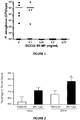
- FIG. 1 shows results of the use of BCC02-SRMP (SEQ ID NO:22) in vivo in a bacterial keratitis model in C57/BL mice.
- a circular wound (2 mm) was created on the mouse cornea by removing the epithelium and infecting the wound with 10 5 CFU of P. aeruginosa (ATCC® 27853TM (American Type Culture Collection, Manassas, VA)).
- Infected wounds were treated with saline or saline containing indicated concentrations of peptide every 15 minutes for 2 hours, then every 30 minutes for 3 hours on the first day.
- Infected wounds were treated twice on the second day and once on the third day. Mice were killed at 48 hours post-infection, and the colony forming units per eye (CFU/eye) were quantified. The means are plotted and are representative of 5 to 9 mice per group. Mann Whitney test was performed for each group as compared to the saline control group. The peptide compound effectively killed all bacteria and cured the infection at concentrations ranging between 0.25 and 0.75 mg/ml. TABLE 4: Effects of Derivatives Against P. aeruginosa and E. coli Peptide Concentration P. aeruginosa ATCC® 27853TM % Kill E.
- BCC01-5RMP SEQ ID NO:21
- BCC02-5RMP SEQ ID NO:22
- BCC03-5RMP SEQ ID NO:23
- All three peptides bound Pseudomonas LPS. There was no statistical difference in their ability to bind LPS using the LAL technique.
- the ability of the peptides to neutralize LPS was assessed by determining their ability to attenuate the release of tumor necrosis factor-alpha (TNF- ⁇ ) from LPS-stimulated RAW264.7 cells (a mouse macrophage cell line). All three peptides were seen to attenuate the release of TNF- ⁇ . No significant differences were observed between the three peptides to neutralize LPS as measured by cytokine release.
- TNF- ⁇ tumor necrosis factor-alpha
- Peptides based on sequence 120-146 also bind and neutralize Pseudomonas LPS.
- the purpose of this synthesis was to synthesize the peptide BCC03-5R (SEQ ID NO:20) and couple it to two mini-PEGTM molecules (AEEA; Peptides International, Inc., Louisville, KY) to produce BCC03-5RMP (SEQ ID NO:23): (AEEA)-(AEEA)-RRRRNQGRHFCGGALIHARFVMTAASSFQR.
- AEEA Peptides International, Inc., Louisville, KY
- BCC03-5RMP SEQ ID NO:23
- (AEEA)-(AEEA)-RRRRNQGRHFCGGALIHARFVMTAASSFQR After the synthesis, the peptide compound was purified and lyophilized.
- the peptide compound may be synthesized using solid phase peptide synthesis using Fmoc chemistry protocol.
- the peptide chain was synthesized on Fmoc-Arg(Pbf)-Wang resin. Three equivalents of amino acids were used for each coupling, and couplings were performed using the DIC/HOBT method. After complete synthesis of the peptide chain, both Fmoc-mini-PEGTMs were coupled by the DIC/HOBT method. After the synthesis, the resin was washed and dried.
- the peptide compound was deprotected and cleaved from the resin using a cocktail of TFA-containing scavengers. Resin was filtered off, and filtrate was evaporated on an evaporator to remove TFA. The peptide compound was precipitated with ether; precipitate was filtrated off and dried under reduced pressure to get crude peptide.
- the purification may be performed by RP-HPLC using the YMC ODS Gel C18 as support. 0.1% TFA/H 2 O and acetonitrile were used as solvents for purification. The fractions were checked by analytical HPLC, and fractions with required purity were pooled together. The pool was evaporated and lyophilized. Purity of peptides generated using this technique was consistently >95%.
- the peptide compounds comprise derivatives of other amino acid portions of the CAP37 protein, including, but not limited to, peptides 23-42, 95-122, 102-122, and 120-146 which have been derivatized with substitutions (e.g., at positions 131 and/or 132), and/or with N- and/or C- terminal arginine residues and mini-PEGTM molecules as described elsewhere herein, such as in Formula (I) and Table 1 and accompanying description elsewhere herein.
- Such peptides 23-42, 95-122, 102-122, and 120-146 of CAP37 protein are described for example in U.S. Patent Nos. 5,107,460 ; 7,354,900 ; and 7,893,027 ; which are hereby expressly incorporated by reference herein in their entireties.
- the "Pep" sequence of the Formula (I) peptide compound described herein may comprise the following sequence (SEQ ID NO:25): R-H-X 3 -X 4 -X 5 -X 6 -X 7 -X 8 -X 9 -H-X 11 -R-X 13 -X 14 -M-X 16 -X 17 -X 18 -X 19 -X 20 wherein X 3 and X 13 are phenylalanine, tyrosine, arginine, lysine or histidine; X 4 is selected from cysteine, serine, threonine, and methionine; X 5 and X 6 are selected from glycine and alanine; X 7 , X 11 , and X 14 are selected from alanine, leucine, isoleucine, and valine; X 9 , X 17 , and X 18 are selected from alanine, leucine, isoleucine, and va
- the "Pep" sequence of the Formula (I) peptide compound described herein may comprise the following sequence (SEQ ID NO:47): R-H-X 3 -X 4 -X 5 -X 6 -X 7 -X 8 -X 9 -H-X 11 -R-X 13 -X 14 -M-X 16 -X 17 -X 18 -X 19 -X 20 wherein X 3 and X 13 are phenylalanine, tyrosine, arginine, lysine, or histidine; X 4 is selected from cysteine, serine, threonine, and methionine; X 5 and X 6 are selected from glycine and alanine; X 7 , X 11 , and X 14 are selected from alanine, leucine, isoleucine, and valine; X 9 , X 17 , and X 18 are selected from alanine, leucine, isoleucine, and
- certain peptide compounds disclosed herein including those comprising SEQ ID NOs:26-35 have chemotactic activity for host cells including monocytes and corneal epithelial cells.
- peptide 95-122 is shown herein to promote corneal wound healing in an in vivo mouse model of corneal epithelial abrasion and dermal skin wound healing in swine.
- Peptide compounds based on peptide 120-146 of CAP37 protein also have bacterial activity as well as immune regulation of host cells. Non-limiting examples of such peptide compounds are described below and are listed in Table 1 (see SEQ ID NOs:26-35).
- Peptide compounds of the presently disclosed and claimed inventive concept(s), such as but not limited to those mentioned below, can be used as therapeutics in aiding the rapid healing of wounds.
- antibiotics exist that can be used to treat infected wounds, none of these agents has been shown to both kill bacteria and accelerate wound healing and/or improve skin graft acceptance.
- Peptide compounds such as those described herein that can do both will have a great benefit medically and thus have strong commercial potential.
- wounds that can be treated using these peptide compounds include, but are not limited to, chronic "non-healing" wounds such as diabetic ulcers, "bed sores", burns patients, infected psoriasis lesions, "dry eye” inflammatory conditions, as well as acute wounds such as ocular ulcers, ocular wounds, and wounds of skin and epithelial tissues.
- chronic "non-healing" wounds such as diabetic ulcers, "bed sores”, burns patients, infected psoriasis lesions, "dry eye” inflammatory conditions, as well as acute wounds such as ocular ulcers, ocular wounds, and wounds of skin and epithelial tissues.
- another function of the peptide compounds is promotion of the healing and acceptance of grafts such as skin grafts.
- Peptides 95-122 and 102-122 Peptide 95-122 (LDREANLTSSVTILPLPLQNATVEA GTR; SEQ ID NO:26) corresponds to amino acids 95-122 of CAP37 protein.
- Peptide 102-122 (TSSVTILPLPLQNATVEAGTR; SEQ ID NO:27) is a truncation of 95-122 and corresponds to amino acids 102-122 of CAP37 protein.
- These peptides and derivatives thereof can be used in therapeutically-effective amounts to, for example, increase proliferation and migration of corneal epithelial cells in a subject having a corneal ulcer or wound and increasing their adherence and in accelerating dermal wound healing.
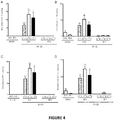
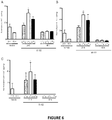
- FIGS. 2-6 and 7-9 for Peptide 95-122 can be used, for example, to cause and/or promote: (a) chemotaxis of monocytes; (b) chemotaxis of human epithelial cells such as corneal epithelial cells; (c) wound healing in corneal epithelia ( FIGS. 2 and 3 ).
- FIG. 2 is data analyzed and represented as histogram.
- FIG. 3 is the actual photograph of a treated mouse eye. Data from this photograph was used to generate the histogram in FIG. 2 ; and (d) cytokine production in response to intrastromal injection of the peptides ( FIGS. 4-6 ).
- Peptide 120-146 (and derivatives) : Described below are several peptides based on Peptide 120-146 (SEQ ID NO:28), also known as 120-146Q. These peptides include, but are not limited to, 120-146QH, 120-146WR, 120-146WH, 120-146QR-5RMP, 120-146 QH-5RMP, 120-146WR-5RMP, and 120-146WH-5RMP.
- mice C57BL/6 female mice were purchased from The Jackson Laboratory (Bar Harbor, ME, USA). All animals were treated humanely. The Institutional Animal Care and Use Committee (IACUC) at the University of Oklahoma, Oklahoma City, OK and the Dean McGee Eye Institute, Oklahoma City, OK, approved all animal research protocols.
- IACUC Institutional Animal Care and Use Committee
- In vivo model of corneal wound healing The in vivo model of wound healing was carried out using a disposable biopsy punch (2 mm, Miltex, York, PA) to demarcate the mouse cornea and a 0.5 mm burr using the AlgerBrush II (The Alger Company, Inc., Lago Vista, TX) to remove the corneal epithelium.
- the corneal abrasions were treated at 0 and 16 hours with peptide 95-122 (10 -5 M), peptide 120-146WH (10 -6 M and 10 -8 M), peptide 120-146WR ((10 -6 M and 10 -8 M), or vehicle control (0.9% sodium chloride, pH 5.5, Baxter, Deerfield, IL).
- Corneal abrasions were visualized using sterile fluorescein sodium ophthalmic strips USP (Fluorets®, Chauvin Laboratory, Aubenas, France) dampened with sterile PBS. Images were taken at 0, 16, and 24 hours immediately following fluorescein staining.
- Chemotaxis assays were performed using the modified Boyden chemotaxis chamber assay. Peptide 120-146QH was used at 10 -4 M, 10 -6 M, 10 -8 M, 10 -10 M, and 10 -12 M, and peptide 120-146QR was used at 10 -4 M, 10 -6 M, 10 -8 M, and 10 -10 M.
- Peptides 120-146QR (SEQ ID NO:28) and 120-146QH (SEQ ID NO:29) facilitate chemotaxis in HCECs.
- HCECs were treated with peptides 120-146QH (SEQ ID NO:29), based on the native CAP37 sequence found in HCECs, and 120-146QR (SEQ ID NO:28), based on the native CAP37 sequence found in neutrophils, and migration in response to these peptides was measured using the modified Boyden chemotaxis chamber assay.
- Peptide 120-146WH facilitates corneal epithelial wound healing.
- 120-146WR SEQ ID NO:30
- 120-146WH SEQ ID NO:31
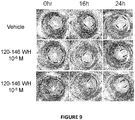
- Peptide 120-146WH contributed to the healing of in vivo wounds in a dose-dependent manner ( FIGS. 8 and 9 ).
- results showed that peptide 120-146WH (SEQ ID NO:31) maximally facilitated wound healing between 10 -6 M and 10 -8 M.
- the amount of healing in 120-146WH-treated wounds was significantly greater (*** P ⁇ 0.001 and * P ⁇ 0.05 as determined by unpaired t -test) than vehicle-treated samples ( FIG. 8 ).
- Representative images of the in vivo wounds show a dose-dependent increase in wound healing in the 120-146WH-treated wounds versus the vehicle treated wounds ( FIG. 9 ).
- Data presented herein indicate that the 120-146-based peptide compounds not only kill bacteria but also mediate chemotaxis and promote wound healing. None of the other bioactive peptides based on residues 20-44 (SEQ ID NO:1) and 95-122 (SEQ ID NO:26) of the native CAP37 protein have this dual function.
- Derivatives of peptide 120-146 comprise, in one embodiment, formulations suitable for dermal and or ophthalmic use, and in certain embodiments, formulations for wound healing are effective in vivo in wound healing ( FIGS. 7-9 show, for example, 120-146-based peptides (e.g., SEQ ID NOs: 28-31). Certain embodiments of the presently disclosed and claimed inventive concept(s) further include combinations of a therapeutic using a presently disclosed peptide compound with wound healing properties along with another of the 120-146-based peptide compounds or any of the 20-44-5RMP series of CAP37 peptide compounds (i.e., SEQ ID NOs:21-23) to provide both healing as well as anti-infective power.
- FIGS. 7-9 show, for example, 120-146-based peptides (e.g., SEQ ID NOs: 28-31).
- Certain embodiments of the presently disclosed and claimed inventive concept(s) further include combinations of a therapeutic using a presently disclosed peptide compound with
- peptide compounds based on Peptide 120-146 i.e., SEQ ID NOS:28-35
- compositions containing these compounds were shown to possess antibacterial activity against various bacteria.
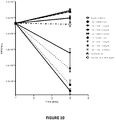
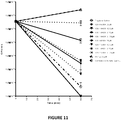
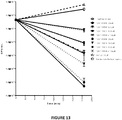
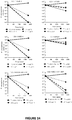
- This Example demonstrates the usefulness of these compounds/compositions as antibiotics for treating various infections, including but not limited to, Pseudomonas aeruginosa, Acinetobacter baumannii, and other bacteria (see FIGS. 10-14 ).
- These peptide compounds/compositions can be used in monotherapy against bacteria that are resistant to standard antibiotics; these peptide compounds/compositions can also be used as antibiotics which are effective at neutral pH ( FIGS. 11-12 ), and which are also active at low pH, including levels where gentamicin is not effective ( FIGS. 10 and 13 ).
- in vitro bactericidal assays were performed using a starting inoculum of 1 x 10 6 CFU/ml of the bacterial suspension. The CFU remaining at the end of the 60-180 minute incubation was determined, and the data was plotted as log reduction in CFU/ml.
- each of the test peptides (CAP37 peptides 120-146WR, 120-146WH, and 95-122 (SEQ ID NOs:30, 31, and 26, respectively)) was used at 25, 12.5, 6.25, and 3.12 ⁇ M.
- Gentamicin was used at 4 ⁇ g/ml. 1 x 10 6 /ml Acinetobacter baumannii ATCC® BAA-747TM or Pseudomonas aeruginosa ATCC® 27853TM (American Type Culture Collection, Manassas, VA) were incubated with the peptides, negative buffer control (tryptone saline), and positive control gentamicin at pH 5.5 or 7.2.
- a 60 minute incubation was used for Acinetobacter baumannii ATCC® BAA-747TM, while a 180 minute incubation was used for Pseudomonas aeruginosa ATCC® 27853TM. 50 ⁇ l aliquots were plated out on agar plates and incubated overnight. Colony forming units were counted after overnight incubation and CFU/ml calculated.
- 1 x 10 6 /ml Pseudomonos aeruginosa ATCC® 27853TM were incubated with each of the test peptides (CAP37 peptides 120-146WR, 120-146WH, 120-146QR, 120-146QH, 120-146QR-5RMP, and 120-146QH-5RMP (SEQ ID NOs:30, 31, 28, 29, 32, and 33, respectively)) at 150, 75, and 37.5 ⁇ g/ml, or negative buffer control (tryptone saline), for 180 minutes at pH 5.5. 50 ⁇ l aliquots were plated out on agar plates and incubated overnight. Colony forming units were counted after overnight incubation and CFU/ml calculated.
- test peptides CAP37 peptides 120-146WR, 120-146WH, 120-146QR, 120-146QH, 120-146QR-5RMP, and 120-146QH-5RMP (SEQ ID NOs:30,
- FIGS. 15-17 in vivo bactericidal activity of the peptides was also investigated using the standard Pseudomonas keratitis model in the mouse eye ( FIGS. 15-17 ).
- Peptides 120-146QR-5RMP (SEQ ID NO:32), 120-146WH (SEQ ID NO:31), and 120-146WR (SEQ ID NO: 30) were applied topically at doses of 2, 5, 10, and 20 mg/ml to the wounded cornea that had been infected with 10 5 CFU of Pseudomonas aeruginosa.
- the efficacies of the peptides were compared to treatment with the vehicle control. Mice were euthanized at 48 hours post infection, and the CFU/eye were quantified.
- FIGS. 10 and 11 show bactericidal activity of CAP37 peptides 120-146WR (SEQ ID NO:30), 120-146WH (SEQ ID NO:31), and 95-122 (SEQ ID NO:26) against Acinetobacter baumannii ATCC® BAA-747TM (American Type Culture Collection, Manassas, VA) at two different pH's, and as compared with gentamicin as the comparator antibiotic.
- the CFU/ml were reduced by almost 4 logs at pH 5.5 ( FIG. 10 ) and by almost 5.5 logs at pH 7.2 ( FIG.
- FIGS. 12 and 13 show bactericidal activity of CAP37 peptides 120-146WR (SEQ ID NO:30), 120-146WH (SEQ ID NO:31), and 95-122 (SEQ ID NO:26) against Pseudomonas aeruginoso ATCC® 27853TM (American Type Culture Collection, Manassas, VA) at two different pH's, and as compared with gentamicin as the comparator antibiotic. As can be seen, the CFU/ml were reduced by 6 logs at pH 7.2 ( FIG. 12 ) and by 4-5 logs at pH 5.5 ( FIG.
- FIG. 14 is a comparison of bactericidal activity of CAP37 peptides 120-146WR (SEQ ID NO:30), 120-146WH (SEQ ID NO:31), 120-146QR (SEQ ID NO:28), 120-146QH (SEQ ID NO:29), 120-146QR-5RMP (SEQ ID NO:32), and 120-146QH-5RMP (SEQ ID NO:33) for Pseudomonas aeruginosa ATCC® 27853TM (American Type Culture Collection, Manassas, VA).
- the CFU count was lowered by 1-2 logs.
- the killing efficiency of the peptides 120-146WR and 120-146WH, SEQ ID NOs:30 and 31, respectively was increased, reducing the CFU by 6 logs.
- FIG. 14 shows in detail how the addition of the 5RMP extension (SEQ ID NOs:32-33) to the relatively inactive peptides 120-146QR (SEQ ID NO:30) and 120-146QH (SEQ ID NO:29) enhanced bactericidal activity significantly.
- Peptides 120-146WR (SEQ ID NO:30) and 120-146WH (SEQ ID NO:31) were strongly active in in vitro killing assays, indicating that the replacement of the glutamine residue (Q) at position 131 with a tryptophan residue (W) markedly increased killing. It can thus be predicted that a peptide based on 120-146WR-5RMP (SEQ ID NO:34) or 120-146WH-5RMP (SEQ ID NO:35) would have superior killing capabilities.
- FIG. 15 shows that peptide 120-146QR-5RMP (SEQ ID NO:32) significantly reduced the CFU/eye at doses of 10 and 20 mg/ml.
- FIG. 16 shows that peptide 120-146WH (SEQ ID NO:31) significantly reduced the CFU/eye at doses of 10 and 20 mg/ml.
- FIG. 17 shows that peptide 120-146WR (SEQ ID NO:30) significantly reduced infection at 5, 10, and 20 mg/ml.
- peptide compounds of the presently disclosed and claimed inventive concept(s) were evaluated as to their activity on the dermal wound healing process in a clinically relevant swine full thickness excisional wound model.
- Three different peptide formulations (Group B, Peptide 95-122 (SEQ ID NO:26); Group C, Peptide 120-146WH (SEQ ID NO:31); and Group D, Peptide 120-146QH-5RMP (SEQ ID NO:33)) were each evaluated at the same concentration (3 mg/ml).
- Sterile saline served as the control (Group A).
- Table 8 shows the statistical analysis for the wound healing measurements.
- Table 7 Swine Wound Healing Results Mean Wound Healing (%) Day: 0 3 5 7 10 14 Group A-Saline Control 0.0% 20.1% 30.5% 59.0% 79.2% 88.9% Group B - Peptide Formulation 1 (95-122) 0.0% 28.9% 41.5% 70.8% 99.7% 100.0 % Group C - Peptide Formulation 2 (120-146WH) 0.0% 22.1% 35.9% 59.7% 93.5% 97.5% Group D - Peptide Formulation 3 (120-146QH5RMP) 0.0% 22.5% 34.1% 64.1% 93.7% 98.0% Table 8: Statistical Analysis of Swine Wound Healing Results Day 3 Day 5 Day 7 Day 10 Day 14 Group A vs Group B 0.1407 0.0196 * 0.0350 * 0.0000 *** 0.0000 *** Group A vs Group C 0.7388 0.2264 0.9200 0.0022 ** 0.0030 ** Group A vs Group D 0.
- FIG. 19 shows representative pictures taken on days 7, 10, and 14 demonstrating the extent of wound healing in response to saline (top row) or peptide 95-122 (SEQ ID NO:26; second row), peptide 120-146WH (SEQ ID NO:31; third row), or peptide 120-146QH-5RMP (SEQ ID NO:33; fourth row).
- the percent values in Table 7 are measurements taken from the results shown in FIG. 19 .
- Groups B, C, and D demonstrated a greater extent of epidermal resurfacing and maturation of the epidermis (stratification of basal and suprabasal layers, appearance of a well-organized stratum corneum), as compared to the saline control.
- Table 9 Histopathology Results Mean Inflammation Angiogenesis Granulation Epithelization Group A-Saline Control 1.3 2.3 3.8 1.7 Group B - Peptide Formulation 1 (95-122) 0.5 2.3 4.0 4.0 Group C - Peptide Formulation 2 (120-146WH) 0.5 1.7 4.0 3.7 Group D - Peptide Formulation 3 (120-146QH5RMP) 0.5 1.3 4.0 4.0
- the purpose of this example was to assess the pharmacokinetics, distribution, and excretion of 14 C-BCC03-5RMP (SEQ ID NO:23) following a single intravenous administration to male rats.
- Pharmacokinetic, excretion, and distribution profiles of 14 C-BCC03-5RMP-derived radioactivity were examined in male Sprague Dawley rats following a single intravenous administration of 14 C-BCC03-5RMP (20 mg/kg; 125 ⁇ Ci/kg).
- 14 C-BCC03-5RMP was formulated in 5% (v:v) dextrose in water, pH 5.5 and was administered at a dose volume of 5 mL/kg.
- Tissue concentrations were calculated by interpolation from each standard curve using MCIDTM analysis software (InterFocus Imaging Ltd Corp., UK). Pharmacokinetic parameters for total radioactivity in blood and plasma were calculated using WinNonlin Professional Edition (version 5.2, Pharsight Corporation, St. Louis, MO).
- the volume of distribution of total radioactivity in blood was approximately 1.6-fold greater when compared to plasma, and the volume of distribution in both blood and plasma was greater than that of total body water in rats.
- the mean blood-to-plasma concentration ratios ranged from 0.689 to 3.11, indicating preferential distribution of the radioactivity to the cellular component of the blood.
- the 14 C-BCC03-5RMP-related radioactivity was rapidly and extensively distributed into tissues and organs following a single intravenous administration to male rats.
- a majority of the tissues had T max (time to reach maximum concentration, C max ) values of 0.5 or 1.0 hour, with the exception of tissues related to the central nervous system (CNS) ( FIG. 22 ).
- the concentrations of radioactivity generally declined over time (with the exception of CNS and reproductive tissues were long T max values were observed) but were still measurable at the last collection time point.
- the tissues with the highest radioactivity concentrations were thyroid, pituitary gland anterior lobe, kidney cortex, adrenal gland(s), and kidney(s); the tissues with the lowest radioactivity concentrations were eye lens, eye vitreous humor, fat (abdominal), brain medulla, and spinal cord. Radioactivity was detected in the CNS tissues protected by the blood:brain barrier (cerebellum, cerebrum, medulla, and spinal cord), indicating that 14 C-BCC03-5RMP-related radioactivity crossed the blood:brain barrier. The T max values observed in these tissues ranged from 24 to 72 hours postdose, indicating a delayed distribution into these tissues.
- 14 C-BCC03-5RMP-related radioactivity was detected in eye and eye tissues.
- the T max values observed in the eye and eye tissues ranged from 0.25 to 4 hours postdose.
- the radioactivity concentrations in the eye and eye tissues generally declined over time but were measurable through the last time point analyzed. Distribution trends in the uveal tract of the eye indicated that 14 C-BCC03-5RMP-related radioactivity was preferentially distributed to this tissue.
- the tissue:plasma concentration ratios were greater than one for the majority of tissues, indicating preferential distribution of radioactivity into the tissues. In some tissues (renal, adrenal, pancreatic, and pituitary tissues), very high tissue:plasma concentration ratios (up to 103) were observed.
- HCEC Human corneal epithelial cell
- SV40 adenovirus immortalized HCECs were obtained as a generous gift from Dr. James Chodosh (Boston, MA). HCECs were maintained in defined keratinocyte-serum free media (KSFM, Gibco, Grand Island, NY) supplemented with L-glutamine (2 mM, Gibco), antibiotic-antimycotic (0.1 units/mL penicillin G sodium, 100 ⁇ g/mL streptomycin sulfate, 0.25 ⁇ g/mL amphotericin B, Gibco), and growth supplements as provided by the manufacturer. HCECs used in these experiments were between passage 10 and 20.
- KSFM defined keratinocyte-serum free media
- L-glutamine 2 mM, Gibco
- antibiotic-antimycotic 0.1 units/mL penicillin G sodium, 100 ⁇ g/mL streptomycin sulfate, 0.25 ⁇ g/mL amphotericin B, Gibco
- growth supplements as provided by the manufacturer
- HCECs Primary HCECs were isolated from donor corneas acquired from the Lions Eye Bank (Oklahoma City, OK). Each cornea was quadrisected and placed in Hank's balanced salt solution (HBSS, Gibco) containing dispase (25 caseinolytic U/mL; Becton Dickinson Discovery Labware, Bedford, MA) and 5 ⁇ g/mL gentamicin (A.G. Scientific Inc., San Diego, CA). The corneal tissue was incubated overnight on ice at 4°C. Corneal epithelial cells were obtained by lifting the epithelial layer from the surface of the cornea with a scalpel.
- HBSS Hank's balanced salt solution
- dispase 25 caseinolytic U/mL; Becton Dickinson Discovery Labware, Bedford, MA
- gentamicin A.G. Scientific Inc., San Diego, CA
- KSFM heat-inactivated fetal bovine serum
- Recombinant CAP37 was produced in human embryonic kidney (HEK) 293 cells using an RSV-PL4 expression vector. The recombinant protein was purified on an HPC4 immunoaffinity column as previously described. All preparations of rCAP37 were dialyzed in 0.01% acetic acid and determined to be pure by sodium dodecyl sulfate polyacrylamide gel electrophoresis (SDS-PAGE) and Western blot analysis. Functional activity was assessed using the modified Boyden chemotaxis chamber assay as previously described. rCAP37 preparations used in these studies had ⁇ 0.05 endotoxin units per microgram of protein, as determined by the Limulus Amebocyte Lysate assay (QCL 1000, Lonza, Basel, Switzerland).
- mice C57BL/6 female mice were purchased from Jackson Laboratory (Bar Harbor, ME). Mice were acclimated for 4-7 days and were all 8 weeks of age at the start of the experiments. The animal research protocols were reviewed and approved by the Institutional Animal Care and Use Committee (IACUC) at the University of Oklahoma Health Sciences Center, Oklahoma City, OK and the Dean McGee Eye Institute, Oklahoma City, OK.
- IACUC Institutional Animal Care and Use Committee
- In vitro model of wound healing An in vitro scratch assay was used in order to determine the ability of rCAP37 to facilitate corneal wound healing.
- Human corneal epithelial cells were cultured as described above until they reached a confluent monolayer. Each monolayer was scratched using a 10 ⁇ l pipette tip to create two perpendicular lines. Monolayers were treated with heparin binding-epidermal growth factor (HB-EGF, 250 ng/ml; Becton Dickinson), rCAP37 (25-2000 ng/ml), or basal KSFM (Gibco). Wound closure was monitored at 0, 18, 24, and 48 hours utilizing a camera-equipped inverted microscope (TE2000-E; Nikon, Melville, NY).
- HB-EGF heparin binding-epidermal growth factor
- Becton Dickinson rCAP37
- basal KSFM basal KSFM
- Time-lapse images of in vitro wound closure were obtained using a camera-equipped inverted microscope (TE2000-E; Nikon) from 0-18 hours.
- HCEC monolayers were treated with HB-EGF, rCAP37, and basal KSFM as described above.
- the width of each scratch was quantitated using ImageJ software (US National Institutes of Health, Bethesda, MD). Results are presented as the percentage of wound closure.
- mice were anesthetized using ketamine (100 mg/kg; Bionichepharma, LLC., St. Lake Forrest, IL) and xylazine (10 ng/kg; Rompun; Bayer Corp., Shawnee Mission, KS), and the right cornea was wounded as follows.
- a disposable biopsy punch (2 mm, Miltex, York, PA) was used to demarcate the mouse cornea.
- the corneal epithelium was carefully removed within the 2 mm demarcated area with a 0.5 mm burr using the AlgerBrush II (The Alger Company, Inc., Lago Vista, TX).
- the corneal abrasions were treated at 0 and 16 hours with HB-EGF (250 ng/ml), rCAP37 (250 ng/ml), or vehicle control (0.9% sodium chloride, pH 5.5, Baxter, Deerfield, IL). Corneal abrasions were visualized using sterile fluorescein sodium ophthalmic strips USP (FLUORETS®, Chauvin Laboratory, Aubenas, France) dampened with sterile PBS. Images were taken at 0, 16, 24, and 48 hours immediately following fluorescein staining using a surgical microscope equipped with a camera (Carl Zeiss OPMI VISU 140, Carl Zeiss Surgical, Inc., Oberkochen, Germany). The areas of the open wound were quantitated using ImageJ software (US National Institutes of Health), and the results were reported as the percentage of wound closure.
- HB-EGF 250 ng/ml
- rCAP37 250 ng/ml
- vehicle control 0.9% sodium chloride, pH 5.5, Bax
- Immunohistochemistry Whole mouse eyes were collected, fixed, embedded, and cut as previously described. Antigen retrieval was performed by treating sections with Rodent Decloaker (BioCare Medical, Concord, CA) and steaming them for 20 minutes before cooling with deionized water for 20 minutes. Sections were blocked for 30 minutes in Rodent Blocker M (BioCare Medical, Concord, CA), washed three times for 5 minutes per wash in deionized water, and blocked in peroxide block (Cell Marque, Rocklin, CA) for 10 minutes. Sections were then washed three times for 5 minutes in deionized water and incubated overnight at 4°C with rabbit anti-PKC ⁇ (4 ⁇ g/ml; Santa Cruz Biotechnology, Inc. Santa Cruz, CA).
- Sections incubated with rabbit IgG (Cell Signaling Technology, Danvers, MA) overnight at 4°C served as controls for nonspecific staining. After incubation with primary antibody, sections were washed three times for 5 minutes in Tris-buffered saline (TBS) and incubated with rabbit-on-rodent horseradish peroxidase (HRP)-polymer (BioCare Medical) for 30 minutes.
- rabbit IgG Cell Signaling Technology, Danvers, MA
- HCECs and primary HCECs were cultured on Lab-Tek® II glass chamber slides (Nunc, Rochester, NY) and starved overnight in basal media.
- monolayers were scratched with a 10 ⁇ l pipette tip or left unscratched and treated with 1 ⁇ M phorbol 12-myristate 13-acetate (PMA, Sigma-Aldrich), rCAP37 (25-500 ng/ml), or basal KSFM (Gibco) for 15 minutes.
- PMA phorbol 12-myristate 13-acetate
- rCAP37 25-500 ng/ml
- basal KSFM basal KSFM
- the cells were fixed in 4% (v/v) formaldehyde solution (Thermo, Rockford, IL) in PBS (Gibco) for 20 minutes at room temperature followed by permeabilization in 0.5% TRITONTM-X 100 (Mallinckrodt, St. Louis, MO) in PBS for 10 minutes. Remaining formaldehyde was quenched with 0.05 M ammonium chloride (NH 4 Cl, Sigma-Aldrich, St. Louis, MO) in PBS for 10 minutes.
- formaldehyde solution Thermo, Rockford, IL
- PBS Gibco
- TRITONTM-X 100 0.5%
- Remaining formaldehyde was quenched with 0.05 M ammonium chloride (NH 4 Cl, Sigma-Aldrich, St. Louis, MO) in PBS for 10 minutes.
- Mouse IgG (1 ⁇ g/ml; Jackson ImmunoResearch) served as the control for nonspecific staining.
- the cells were washed in PBS containing 0.25% TRITONTM-X 100 (Mallinckrodt) and incubated in secondary antibody (4 ⁇ g/ml in blocking buffer; ALEXA FLUOR® 488 dye (Life Technologies Corp., Grand Island, NY)) for 1 hour at room temperature.
- Cells were washed three times for 5 minutes in PBS followed by a final water wash and mounted using PROLONG® Gold Antifade containing DAPI (Molecular Probes/Life Technologies Corp., Grand Island, NY). Images were obtained using an inverted epifluorescent microscope (TE2000-E; Nikon).
- Stealth RNAiTM (10 ⁇ M, Ambion®, Grand Island, NY) directed against PKC ⁇ or Stealth RNAiTM siRNA Negative Control Hi GC (10 ⁇ M, Ambion®) was delivered into the mouse conjunctiva through a 5 ⁇ l subconjunctival injection using a 33-gauge needle (Hamilton®, Reno, NV). After subconjunctival injection, the corneas were immediately wounded using the AlgerBrush II as described above. Wound closure was quantitated at 16 and 24 hours as described. Animals were humanely euthanized at 24 hours, and each cornea was excised using a SklarSafeTM Safety Scalpel #11 (SKLAR®, West Chester, PA).
- Tissues were immediately flash frozen. Corneal homogenates were prepared as described below and analyzed for levels of PKC ⁇ by Western blot analysis to confirm the efficiency of each knockdown. The level of PKC ⁇ in the knockdown cornea was compared to the Stealth RNAiTM siRNA Negative Control Hi GC (Ambion®).
- Protein (20 ⁇ g) from each sample of corneal homogenate was analyzed by electrophoresis on a 10% SDS-PAGE gel. Following electrophoresis, samples were transferred to nitrocellulose membranes (Whatman® Inc. Florham Park, NJ) for Western blot analysis. Nitrocellulose membranes (Whatman® Inc.) were blocked for 1 hour in 5% BSA (Calbiochem) in Tris Buffered Saline with TWEEN®20 (Thermo Fisher Scientific, Pittsburg, PA) (TBST) and then incubated overnight at 4°C with 5% BSA (Calbiochem) in TBST containing primary antibodies directed against PKC ⁇ (Santa Cruz) or ⁇ -actin (Sigma-Aldrich) as specified by the manufacturers.
- BSA Calbiochem
- the membranes were washed three times for 5 minutes in TBST before being incubated at room temperature for 1 hour with rabbit (Cell Signaling Technology, Danvers, MA) or mouse (Sigma-Aldrich) secondary antibody conjugated to HRP. Secondary antibodies were used as directed by the manufacturer. Blots were developed using Pierce ECL Western Blotting Substrate and visualized using the UltraLum Imager (Omega, Claremont, CA). Blots were analyzed and semi-quantitated using ImageJ software (U.S. National Institutes of Health, Bethesda, MD).
- CAP37 facilitates wound closure in vitro: Previous studies have shown that CAP37 mediates HCEC proliferation, migration, and adhesion, leading the inventors to hypothesize that CAP37 may facilitate the process of corneal wound healing. To investigate this premise, an in vitro scratch model was utilized to determine if CAP37 could promote wound closure. The findings show that CAP37 promoted wound closure in vitro in a dose-dependent manner ( FIG. 23A ). CAP37 maximally facilitated wound closure when used at concentrations between 250 and 500 ng/ml. The percentage wound closure in CAP37-treated wounds with 250 ng/ml of CAP37 was almost 71% at 18 hours and was significantly greater ( **P ⁇ 0.01) than basal media-treated samples that showed approximately 41% closure.
- FIG. 23A Representative images of the in vitro scratch assay taken at each time point show the extent of closure in response to the various treatments. Wounds treated with HB-EGF were completely closed by 24 hours, whereas wounds treated with 250 ng/ml of CAP37 required between 24 to 48 hours for complete closure to occur. Buffer-treated wounds did not reach full closure at 48 hours of treatment ( FIG. 23B ).
- CAP37 facilitates corneal wound healing in an in vivo mouse model : Using the in vivo mouse model of corneal wound healing described in the materials and methods section, the effect of topical application of CAP37 on wound closure was explored, and the rate of closure at 16, 24, and 48 hours was compared with the positive control HB-EGF and the negative vehicle control ( FIG. 24A and 24B ). At 16 hours, CAP37 had effectively reduced the size of the wound by 71%, and by 24 hours the CAP37-treated (250 ng/ml) wounds were 83% closed. At both time points, the CAP37 treated wounds were closed significantly more than the vehicle treated controls (* P ⁇ 0.05 compared to the buffer control).
- FIG. 24B A time dependent closure of wounds was also demonstrated with HB-EGF and was significantly higher compared to the buffer control (**P ⁇ 0.01). Representative images of fluorescein stained wounds are shown in FIG. 24B and demonstrate the time-dependent healing of the wounds in response to treatment with vehicle, HB-EGF and CAP37. As can be seen, all wounds indicated complete closure by 48 hours, as measured by fluorescein staining ( FIG. 24B ).
- CAP37 leads to corneal re-epithelialization by 24 hours :
- the fluorescein staining method provides a gross morphologic approach to determine the extent of corneal abrasion and healing.
- whole eye globes were collected at 16, 24, and 48 hours and processed for histology ( FIG. 25A-E ).
- Hematoxylin and eosin (H&E) stained sections revealed that re-epithelialization was well underway by 24 hours with restoration of the basal cell layers of the epithelium, indicating the proliferation of these cells in response to treatment with CAP37 ( FIG. 25A ).
- the migration and differentiation to squamous cells at 24 hours in response to CAP37 did not appear to be complete, possibly accounting for the detection of the low level of fluorescein staining at 24 hours shown in FIG. 24B .
- the re-epithelialization in response to CAP37 was greatly accelerated In comparison to the vehicle-treated wounds at 24 hours ( FIG. 25B ).
- the epithelium was only a single-layer thick in the central region of the wound, and proliferation of the basal cells was limited in comparison to the CAP37-treated wounds at this same time point. This is further confirmed in the fluorescein-stained wounds in FIG. 24B , showing that the vehicle-treated wounds had much stronger staining.
- FIG. 25C the CAP37-treated wounds
- FIG. 25E the vehicle-treated cornea had re-epithelialized by 48 hours, complete structural integrity of the apical layers was not observed ( FIG. 25D ).
- PKC ⁇ and PKC ⁇ are present in wounded HCEC monolayers : Studies by the inventors show that PKC isoforms ⁇ , ⁇ , ⁇ , ⁇ , ⁇ , , ⁇ , and ⁇ are expressed in human corneal epithelial cells and that CAP37 specifically activates PKC ⁇ and ⁇ during chemotaxis. Since migration of epithelial cells is an important step in normal wound healing, it was questioned whether these isoforms were involved in wound healing. Unscratched and scratched HCEC monolayers were stained for the expression of PKC ⁇ and ⁇ .
- Results showed the constitutive expression of PKC isoforms ⁇ and ⁇ in unscratched HCEC monolayers and demonstrated the increased staining of both isoforms along the wound edge ( FIG. 26A ).
- the constitutive expression of PKC isoforms ⁇ and ⁇ was confirmed using primary HCECs ( FIG. 26B ).
- the specificity of the staining for these two isoforms in the SV40 HCEC cell line and primary HCECs was demonstrated using an IgG antibody control which showed no staining.
- FIG. 27B monolayers.
- the increase in PKC ⁇ staining appeared to be dose-dependent, with greater staining observed following treatment with 500 ng/ml of CAP37.
- the increase in PKC ⁇ staining in response to CAP37 was sustained for at least 18 hours ( FIG. 27L ) versus the untreated control ( FIG. 27K ).
- the expression of PKC ⁇ was comparable between CAP37-treated cells ( FIG. 27E-H ) and PMA-treated cells ( FIG. 27C, 27D ).
- staining for the ⁇ isoform of PKC was also performed, but no increase in PKC ⁇ staining was found either within the monolayer ( FIG. 27I ) or along the wound edge ( FIG. 27J ) of the monolayer when treated with CAP37.
- PKC ⁇ is expressed along the wound edge in vivo : Since staining for PKC ⁇ was increased in response to wounding in cultured HCEC monolayers ( FIG. 26A ), studies were performed to determine whether an increase in expression of PKC ⁇ would be seen in corneal wounds in vivo. Corneas were abraded as described previously, and the whole mouse eye globes were collected at 6, 16, and 48 hours post wounding for immunohistochemistry in order to determine the expression of PKC ⁇ in response to wounding. Little to no detection of PKC ⁇ was observed at the leading edge of the newly proliferating and migrating epithelial cells at 6 hours ( FIG. 28A-B ) and 16 hours ( FIG. 28C ) post wounding. However, the epithelial cells at a distance from the leading edge showed a low level of staining that was comparable to the constitutive expression of PKC ⁇ in normal unwounded cornea ( FIG. 28G ).
- PKC ⁇ is necessary for CAP37 wound healing in vivo : In vivo experiments were performed using siRNA to determine if CAP37 mediates wound healing via PKC ⁇ . Mouse corneas were transfected with siRNA directed against PKC ⁇ or with scrambled siRNA. Wounds were created as described following transfection with scrambled siRNA and PKC ⁇ siRNA. Corneas were then treated with the vehicle or CAP37 (250 ng/ml), and wound closure was measured at 16 and 24 hours. Corneas transfected with scrambled siRNA showed the expected increase in wound closure following CAP37 treatment at 24 hours ( P ⁇ 0.05) ( FIG. 29A ).
- Representative images of fluorescein stained wounds depict the extent of wound closure over time in corneas transfected with scrambled siRNA and treated with CAP37 ( FIG. 29B ). As can be seen, maximum wound closure was observed in animals that were transfected with scrambled siRNA and treated with CAP37.
- the cornea is an immune privileged site, and therefore the process of healing in the cornea is not identical to the process that occurs in dermal skin wounds.
- neutrophils are an essential cellular component. Neutrophils are early participants in the process and are fundamental to protecting the host from infection due to their potent antimicrobial and phagocytic activity. When the cornea is injured, neutrophils migrate through the limbal vessels into the cornea. Studies have shown that delayed corneal wound healing occurs in mice with antibody-induced neutropenia. Other studies using wild type and knockout mice for lumican and heme oxygenase, and rabbit models of corneal epithelial wound healing, have further established that the presence of neutrophils accelerates healing.
- antimicrobial proteins found within the granules of neutrophils such as CAP37, LL-37, human ⁇ -defensin-1 (HBD-1), and bactericidal-permeability-increasing (BPI) protein may prove to be useful in modulating wound closure.
- CAP37 and LL-37 can be induced in host cells, including the corneal epithelium, in response to infection and wounding.
- LL-37 has been shown, like CAP37, to be antimicrobial, bind lipopolysaccharide, and promote corneal epithelial wound healing in vitro.
- CAP37 does not promote HCEC proliferation, and the intracellular signaling mechanisms involved in its effects on corneal epithelial cell migration and wound healing have not been elucidated.
- HB-EGF promotes wound healing in vitro, but also revealed for the first time that HB-EGF promotes corneal wound healing in vivo.
- HB-EGF was selected for use as a positive control, as it is also a heparin binding protein like CAP37 and because there is in vitro evidence that HB-EGF facilitates corneal wound healing in organ tissue cultures.
- Previous in vitro studies have indicated that HB-EGF, but not EGF, facilitates corneal wound healing through the prolonged activation of the EGF receptor. This is believed to be due to the fact that HB-EGF is able to bind to the negatively charged glycans on the corneal surface, while EGF is washed away after treatment.
- the heparin binding characteristics of HB-EGF that make it desirable as a long acting alternative to EGF also apply to CAP37, making it an effective therapeutic for ocular wound healing.
- CAP37-mediated cellular processes previously defined as proliferation, migration, and adhesion, are working in conjunction to facilitate corneal epithelial wound healing.
- Time-lapse videos of CAP37-treated in vitro wounds infer that CAP37 affects corneal epithelial wound healing by primarily facilitating migration, at least in the early stages of wound repair. Other mechanisms, such as proliferation and adhesion, may be involved at later stages of the process.
- FIG. 28 An interesting observation in FIG. 28 was the staining of the emigrating leukocytes in addition to the staining of PKC ⁇ at the leading edge of CAP37 treated corneal wounds.
- Neutrophils are known to express PKC ⁇ , which is required for the full NADPH oxidation and respiratory burst activation in neutrophils.
- ROS reactive oxygen species
- peptide compounds of the presently disclosed and claimed inventive concept(s) contributes to the alleviation of this major healthcare problem as a new class of anti-infectives for the treatment of serious infections due to Gram negative pathogens, such as but not limited to, Pseudomonas sp., Acinetobacter sp., Salmonella sp., and E. coli.
- the presently disclosed and claimed inventive concept(s) thus includes as embodiments a method of enhancing the efficacy of an antibiotic in the treatment of a bacterial infection.
- the antibiotic and the presently disclosed peptide compound are administered; the antibiotic is administered in an amount which (i) has suboptimal activity or is ineffective against the bacteria when administered alone, and (ii) is effective against the bacteria when administered in combination with the peptide compound.
- the present therapeutic treatment uses, in at least one embodiment, the presently disclosed peptide compounds (e.g., BCC02-5RMP (SEQ ID NO:22)) to potentiate (enhance) the effect of standard of care antibiotics, making these antibiotics effective against resistant bacteria at dosage levels previously considered to be suboptimal or ineffective.
- BCC02-5RMP SEQ ID NO:22
- These findings are significant because, if existing antibiotics can be used at a lower dose (suboptimal or ⁇ MIC), they are less likely to be toxic; in addition, when an existing antibiotic is administered at a lower dose (suboptimal or ⁇ MIC) and in combination with a peptide compound of the presently disclosed and claimed inventive concept(s), bacteria are less likely to develop resistance to the antibiotic as compared to when the lower dose of antibiotic is administered on its own.
- administration of an antibiotic in combination with a peptide compound of the presently disclosed and claimed inventive concept(s) is more likely to extend the length of time the antibiotic can be used in the clinical setting.
- the presently disclosed and claimed peptide compounds can potentiate the effect of standard of care antibiotics such that they can be used at a lower dose (suboptimal or ⁇ MIC) and regain their activity against organisms that have become resistant to it.
- the organism can be re-sensitized to antibiotics that were once thought to be ineffective against the organism due to resistance thereto.
- FIGS. 30-32 Data in support of this result are shown in FIGS. 30-32 .
- the peptide and antibiotics were set up in the wells of the microtiter plate at starting ratios of MIC equivalents of antibiotic:peptide at 3:1, 1:1, and 1:3. They were serially diluted to concentrations well below suboptimal/sublethal levels of the antibiotic and peptide.
- the organism was added (1 x 10 5 CFU/well), the BIOSCREEN CTM assay (Growth Systems USA, Piscataway, NJ) was performed, and data was collected over 24 hours.
- FIG. 30A shows the growth/survival curve of the organism in the presence of Cefotaxime at a sublethal concentration of 2.81 ⁇ g/ml, and growth curves with combinations of Cefotaxime at 2.81 ⁇ g/ml and peptide at 0.34, 1.01, and 3.04 ⁇ g/ml.
- the growth of the organism in the presence of peptide on its own at 3.15 ng/ml is shown.
- the growth of the Pseudomonas in the absence of peptide and antibiotic is also shown.
- the histogram showing fractional area (FA) FIG.
Landscapes
- Health & Medical Sciences (AREA)
- Life Sciences & Earth Sciences (AREA)
- Pharmacology & Pharmacy (AREA)
- Veterinary Medicine (AREA)
- Chemical & Material Sciences (AREA)
- Public Health (AREA)
- General Health & Medical Sciences (AREA)
- Medicinal Chemistry (AREA)
- Animal Behavior & Ethology (AREA)
- Epidemiology (AREA)
- Engineering & Computer Science (AREA)
- Bioinformatics & Cheminformatics (AREA)
- Immunology (AREA)
- Gastroenterology & Hepatology (AREA)
- Proteomics, Peptides & Aminoacids (AREA)
- Zoology (AREA)
- Nuclear Medicine, Radiotherapy & Molecular Imaging (AREA)
- General Chemical & Material Sciences (AREA)
- Chemical Kinetics & Catalysis (AREA)
- Organic Chemistry (AREA)
- Marine Sciences & Fisheries (AREA)
- Oncology (AREA)
- Communicable Diseases (AREA)
- Transplantation (AREA)
- Dermatology (AREA)
- Medicines That Contain Protein Lipid Enzymes And Other Medicines (AREA)
- Peptides Or Proteins (AREA)
- Pharmaceuticals Containing Other Organic And Inorganic Compounds (AREA)
Applications Claiming Priority (4)
| Application Number | Priority Date | Filing Date | Title |
|---|---|---|---|
| US201261732750P | 2012-12-03 | 2012-12-03 | |
| US201361812584P | 2013-04-16 | 2013-04-16 | |
| US201361813527P | 2013-04-18 | 2013-04-18 | |
| PCT/US2013/072884 WO2014089088A1 (en) | 2012-12-03 | 2013-12-03 | Peptide compounds and methods of production and use thereof |
Publications (3)
| Publication Number | Publication Date |
|---|---|
| EP2925341A1 EP2925341A1 (en) | 2015-10-07 |
| EP2925341A4 EP2925341A4 (en) | 2016-10-05 |
| EP2925341B1 true EP2925341B1 (en) | 2018-01-31 |
Family
ID=50883940
Family Applications (1)
| Application Number | Title | Priority Date | Filing Date |
|---|---|---|---|
| EP13859680.4A Active EP2925341B1 (en) | 2012-12-03 | 2013-12-03 | Peptide compounds and methods of production and use thereof |
Country Status (7)
| Country | Link |
|---|---|
| US (2) | US9603896B2 (cg-RX-API-DMAC7.html) |
| EP (1) | EP2925341B1 (cg-RX-API-DMAC7.html) |
| JP (1) | JP6377070B2 (cg-RX-API-DMAC7.html) |
| AU (1) | AU2013355391B2 (cg-RX-API-DMAC7.html) |
| CA (1) | CA2893504C (cg-RX-API-DMAC7.html) |
| DK (1) | DK2925341T3 (cg-RX-API-DMAC7.html) |
| WO (1) | WO2014089088A1 (cg-RX-API-DMAC7.html) |
Families Citing this family (6)
| Publication number | Priority date | Publication date | Assignee | Title |
|---|---|---|---|---|
| US9096679B2 (en) | 2012-12-03 | 2015-08-04 | The Board Of Regents Of The University Of Oklahoma | Peptide compounds and methods of production and use thereof |
| JP6405365B2 (ja) | 2013-04-16 | 2018-10-17 | ザ ボード オブ リージェンツ オブ ザ ユニヴァーシティ オブ オクラホマ | ペプチド化合物及びその製造方法及びその使用 |
| US20200157159A1 (en) | 2013-04-16 | 2020-05-21 | The Board Of Regents Of The University Of Oklahoma | Peptide compounds and compositions thereof |
| CN106397456B (zh) * | 2016-08-31 | 2019-05-07 | 成都倍特药业有限公司 | 一种含高纯度头孢地尼的组合物及其精制方法 |
| EP3802568A4 (en) | 2018-06-08 | 2022-07-13 | The Board of Regents of the University of Oklahoma | PEPTIDE THERAPEUTICS USED TO TREAT ALZHEIMER'S DISEASE AND RELATED DISEASES |
| CN117586376A (zh) * | 2022-08-10 | 2024-02-23 | 成都奥达生物科技有限公司 | 一种长效胰岛素化合物 |
Family Cites Families (14)
| Publication number | Priority date | Publication date | Assignee | Title |
|---|---|---|---|---|
| US5627262A (en) | 1989-07-05 | 1997-05-06 | The Board Of Regents Of The University Of Oklahoma | Method and composition for the treatment of septic shock |
| US6503881B2 (en) * | 1996-08-21 | 2003-01-07 | Micrologix Biotech Inc. | Compositions and methods for treating infections using cationic peptides alone or in combination with antibiotics |
| US6107460A (en) | 1999-03-01 | 2000-08-22 | The Board Of Regents Of The University Of Oklahoma | Antimicrobial peptides and methods of use thereof |
| WO2002042259A2 (en) * | 2000-11-27 | 2002-05-30 | University Of Maryland, Baltimore | Methods of synthesizing and using derivatives of [2-(2-aminoethoxy)ethoxy] acetic acid |
| AU2002305845B2 (en) * | 2001-06-08 | 2006-03-30 | Ipsen Pharma S.A.S. | Somatostatin-dopamine chimeric analogs |
| US7655480B2 (en) | 2002-03-08 | 2010-02-02 | The Board Of Regents Of The University Of Oklahoma | Method for predicting sepsis or an acute infectious inflammatory response |
| US8450071B2 (en) | 2002-03-08 | 2013-05-28 | The Board Of Regents Of The University Of Oklahoma | Biomarker and method for detecting a chronic inflammatory-associated disease |
| AU2003220034A1 (en) | 2002-03-08 | 2003-09-22 | Heloise, Anne, Pereira, Ph. D. | An early detection marker for chronic inflammatory associated diseases |
| US7354900B2 (en) * | 2002-05-03 | 2008-04-08 | The Board Of Regents Of The University Of Oklahoma | Treatment and inhibition of ocular infections and wounds by CAP37 and CAP37 peptides |
| CN101027318B (zh) | 2004-07-19 | 2016-05-25 | 比奥孔有限公司 | 胰岛素-低聚物共轭物,制剂及其用途 |
| CN101300022A (zh) | 2005-08-01 | 2008-11-05 | 俄克拉荷马州大学评议会 | 抗真菌肽和其使用方法 |
| US9399675B2 (en) | 2007-02-28 | 2016-07-26 | The Board Of Regents Of The University Of Oklahoma | Methods and compositions for diagnosing Alzheimer's disease and age-related macular degeneration |
| WO2011103567A2 (en) | 2010-02-22 | 2011-08-25 | Los Angeles Biomedical Research Institute At Harbor-Ucla Medical Center | Peptides and methods for inducing cell death |
| CA2797033C (en) | 2010-04-22 | 2021-10-19 | Longevity Biotech, Inc. | Highly active polypeptides and methods of making and using the same |
-
2013
- 2013-12-03 US US14/649,485 patent/US9603896B2/en active Active
- 2013-12-03 AU AU2013355391A patent/AU2013355391B2/en active Active
- 2013-12-03 DK DK13859680.4T patent/DK2925341T3/en active
- 2013-12-03 JP JP2015546558A patent/JP6377070B2/ja active Active
- 2013-12-03 WO PCT/US2013/072884 patent/WO2014089088A1/en not_active Ceased
- 2013-12-03 EP EP13859680.4A patent/EP2925341B1/en active Active
- 2013-12-03 CA CA2893504A patent/CA2893504C/en active Active
-
2016
- 2016-06-03 US US15/172,695 patent/US20160317617A1/en not_active Abandoned
Non-Patent Citations (1)
| Title |
|---|
| None * |
Also Published As
| Publication number | Publication date |
|---|---|
| US9603896B2 (en) | 2017-03-28 |
| CA2893504A1 (en) | 2014-06-12 |
| AU2013355391B2 (en) | 2017-08-03 |
| WO2014089088A1 (en) | 2014-06-12 |
| DK2925341T3 (en) | 2018-05-07 |
| EP2925341A4 (en) | 2016-10-05 |
| US20150374785A1 (en) | 2015-12-31 |
| CA2893504C (en) | 2016-11-22 |
| AU2013355391A1 (en) | 2015-07-23 |
| EP2925341A1 (en) | 2015-10-07 |
| US20160317617A1 (en) | 2016-11-03 |
| JP6377070B2 (ja) | 2018-08-22 |
| JP2016501889A (ja) | 2016-01-21 |
Similar Documents
| Publication | Publication Date | Title |
|---|---|---|
| US20160317617A1 (en) | Peptide Compounds and Methods of Production and Use Thereof | |
| US9862748B2 (en) | Peptide compounds and methods of production and use thereof | |
| JP2023539476A (ja) | アネキシンa1のn末端ペプチド製剤及び方法 | |
| WO2021237239A1 (en) | Active low molecular weight variant of angiotensin converting enzyme 2 (ace2) for the treatment of diseases and conditions of the eye | |
| AU2018249816B2 (en) | Mineral coated microparticles for sustained delivery of biologically active molecules | |
| US20180208633A1 (en) | Peptide Compounds and Methods of Production and Use Thereof | |
| JP2016501889A5 (cg-RX-API-DMAC7.html) | ||
| US11884710B2 (en) | Peptide compounds and methods of use in wound healing | |
| JP6042106B2 (ja) | メチオニン・スルホキシドを含む新規ポリペプチド | |
| AU2006275417B2 (en) | Antifungal peptides and methods of use thereof | |
| WO2024064288A1 (en) | Tlr4 inhibitors for cancer treatment | |
| JP2025503607A (ja) | セルピンペプチドおよびその使用方法 | |
| JP2023548001A (ja) | ペプチドおよび使用方法 |
Legal Events
| Date | Code | Title | Description |
|---|---|---|---|
| PUAI | Public reference made under article 153(3) epc to a published international application that has entered the european phase |
Free format text: ORIGINAL CODE: 0009012 |
|
| 17P | Request for examination filed |
Effective date: 20150702 |
|
| AK | Designated contracting states |
Kind code of ref document: A1 Designated state(s): AL AT BE BG CH CY CZ DE DK EE ES FI FR GB GR HR HU IE IS IT LI LT LU LV MC MK MT NL NO PL PT RO RS SE SI SK SM TR |
|
| AX | Request for extension of the european patent |
Extension state: BA ME |
|
| DAX | Request for extension of the european patent (deleted) | ||
| RIC1 | Information provided on ipc code assigned before grant |
Ipc: A61K 38/14 20060101ALI20160825BHEP Ipc: A61K 38/17 20060101ALI20160825BHEP Ipc: A61K 45/06 20060101ALI20160825BHEP Ipc: A61K 31/496 20060101ALI20160825BHEP Ipc: A61K 38/16 20060101AFI20160825BHEP |
|
| RA4 | Supplementary search report drawn up and despatched (corrected) |
Effective date: 20160905 |
|
| GRAP | Despatch of communication of intention to grant a patent |
Free format text: ORIGINAL CODE: EPIDOSNIGR1 |
|
| RIC1 | Information provided on ipc code assigned before grant |
Ipc: A61K 31/546 20060101ALI20170911BHEP Ipc: A61K 38/14 20060101ALI20170911BHEP Ipc: A61K 38/17 20060101ALI20170911BHEP Ipc: A61K 31/5383 20060101ALI20170911BHEP Ipc: A61K 38/16 20060101AFI20170911BHEP Ipc: A61K 45/06 20060101ALI20170911BHEP Ipc: A61K 31/496 20060101ALI20170911BHEP |
|
| INTG | Intention to grant announced |
Effective date: 20170926 |
|
| GRAS | Grant fee paid |
Free format text: ORIGINAL CODE: EPIDOSNIGR3 |
|
| GRAA | (expected) grant |
Free format text: ORIGINAL CODE: 0009210 |
|
| AK | Designated contracting states |
Kind code of ref document: B1 Designated state(s): AL AT BE BG CH CY CZ DE DK EE ES FI FR GB GR HR HU IE IS IT LI LT LU LV MC MK MT NL NO PL PT RO RS SE SI SK SM TR |
|
| REG | Reference to a national code |
Ref country code: GB Ref legal event code: FG4D Ref country code: CH Ref legal event code: EP |
|
| REG | Reference to a national code |
Ref country code: AT Ref legal event code: REF Ref document number: 966756 Country of ref document: AT Kind code of ref document: T Effective date: 20180215 |
|
| REG | Reference to a national code |
Ref country code: IE Ref legal event code: FG4D |
|
| REG | Reference to a national code |
Ref country code: DE Ref legal event code: R096 Ref document number: 602013032823 Country of ref document: DE |
|
| REG | Reference to a national code |
Ref country code: CH Ref legal event code: NV Representative=s name: E. BLUM AND CO. AG PATENT- UND MARKENANWAELTE , CH |
|
| REG | Reference to a national code |
Ref country code: DK Ref legal event code: T3 Effective date: 20180430 |
|
| REG | Reference to a national code |
Ref country code: NL Ref legal event code: FP |
|
| REG | Reference to a national code |
Ref country code: SE Ref legal event code: TRGR |
|
| REG | Reference to a national code |
Ref country code: LT Ref legal event code: MG4D |
|
| REG | Reference to a national code |
Ref country code: AT Ref legal event code: MK05 Ref document number: 966756 Country of ref document: AT Kind code of ref document: T Effective date: 20180131 |
|
| PG25 | Lapsed in a contracting state [announced via postgrant information from national office to epo] |
Ref country code: FI Free format text: LAPSE BECAUSE OF FAILURE TO SUBMIT A TRANSLATION OF THE DESCRIPTION OR TO PAY THE FEE WITHIN THE PRESCRIBED TIME-LIMIT Effective date: 20180131 Ref country code: NO Free format text: LAPSE BECAUSE OF FAILURE TO SUBMIT A TRANSLATION OF THE DESCRIPTION OR TO PAY THE FEE WITHIN THE PRESCRIBED TIME-LIMIT Effective date: 20180430 Ref country code: ES Free format text: LAPSE BECAUSE OF FAILURE TO SUBMIT A TRANSLATION OF THE DESCRIPTION OR TO PAY THE FEE WITHIN THE PRESCRIBED TIME-LIMIT Effective date: 20180131 Ref country code: LT Free format text: LAPSE BECAUSE OF FAILURE TO SUBMIT A TRANSLATION OF THE DESCRIPTION OR TO PAY THE FEE WITHIN THE PRESCRIBED TIME-LIMIT Effective date: 20180131 Ref country code: HR Free format text: LAPSE BECAUSE OF FAILURE TO SUBMIT A TRANSLATION OF THE DESCRIPTION OR TO PAY THE FEE WITHIN THE PRESCRIBED TIME-LIMIT Effective date: 20180131 |
|
| PG25 | Lapsed in a contracting state [announced via postgrant information from national office to epo] |
Ref country code: RS Free format text: LAPSE BECAUSE OF FAILURE TO SUBMIT A TRANSLATION OF THE DESCRIPTION OR TO PAY THE FEE WITHIN THE PRESCRIBED TIME-LIMIT Effective date: 20180131 Ref country code: GR Free format text: LAPSE BECAUSE OF FAILURE TO SUBMIT A TRANSLATION OF THE DESCRIPTION OR TO PAY THE FEE WITHIN THE PRESCRIBED TIME-LIMIT Effective date: 20180501 Ref country code: AT Free format text: LAPSE BECAUSE OF FAILURE TO SUBMIT A TRANSLATION OF THE DESCRIPTION OR TO PAY THE FEE WITHIN THE PRESCRIBED TIME-LIMIT Effective date: 20180131 Ref country code: LV Free format text: LAPSE BECAUSE OF FAILURE TO SUBMIT A TRANSLATION OF THE DESCRIPTION OR TO PAY THE FEE WITHIN THE PRESCRIBED TIME-LIMIT Effective date: 20180131 Ref country code: PL Free format text: LAPSE BECAUSE OF FAILURE TO SUBMIT A TRANSLATION OF THE DESCRIPTION OR TO PAY THE FEE WITHIN THE PRESCRIBED TIME-LIMIT Effective date: 20180131 Ref country code: BG Free format text: LAPSE BECAUSE OF FAILURE TO SUBMIT A TRANSLATION OF THE DESCRIPTION OR TO PAY THE FEE WITHIN THE PRESCRIBED TIME-LIMIT Effective date: 20180430 Ref country code: IS Free format text: LAPSE BECAUSE OF FAILURE TO SUBMIT A TRANSLATION OF THE DESCRIPTION OR TO PAY THE FEE WITHIN THE PRESCRIBED TIME-LIMIT Effective date: 20180531 |
|
| PG25 | Lapsed in a contracting state [announced via postgrant information from national office to epo] |
Ref country code: EE Free format text: LAPSE BECAUSE OF FAILURE TO SUBMIT A TRANSLATION OF THE DESCRIPTION OR TO PAY THE FEE WITHIN THE PRESCRIBED TIME-LIMIT Effective date: 20180131 Ref country code: RO Free format text: LAPSE BECAUSE OF FAILURE TO SUBMIT A TRANSLATION OF THE DESCRIPTION OR TO PAY THE FEE WITHIN THE PRESCRIBED TIME-LIMIT Effective date: 20180131 Ref country code: AL Free format text: LAPSE BECAUSE OF FAILURE TO SUBMIT A TRANSLATION OF THE DESCRIPTION OR TO PAY THE FEE WITHIN THE PRESCRIBED TIME-LIMIT Effective date: 20180131 |
|
| REG | Reference to a national code |
Ref country code: DE Ref legal event code: R097 Ref document number: 602013032823 Country of ref document: DE |
|
| PG25 | Lapsed in a contracting state [announced via postgrant information from national office to epo] |
Ref country code: SM Free format text: LAPSE BECAUSE OF FAILURE TO SUBMIT A TRANSLATION OF THE DESCRIPTION OR TO PAY THE FEE WITHIN THE PRESCRIBED TIME-LIMIT Effective date: 20180131 Ref country code: SK Free format text: LAPSE BECAUSE OF FAILURE TO SUBMIT A TRANSLATION OF THE DESCRIPTION OR TO PAY THE FEE WITHIN THE PRESCRIBED TIME-LIMIT Effective date: 20180131 Ref country code: CZ Free format text: LAPSE BECAUSE OF FAILURE TO SUBMIT A TRANSLATION OF THE DESCRIPTION OR TO PAY THE FEE WITHIN THE PRESCRIBED TIME-LIMIT Effective date: 20180131 |
|
| PLBE | No opposition filed within time limit |
Free format text: ORIGINAL CODE: 0009261 |
|
| STAA | Information on the status of an ep patent application or granted ep patent |
Free format text: STATUS: NO OPPOSITION FILED WITHIN TIME LIMIT |
|
| 26N | No opposition filed |
Effective date: 20181102 |
|
| PG25 | Lapsed in a contracting state [announced via postgrant information from national office to epo] |
Ref country code: SI Free format text: LAPSE BECAUSE OF FAILURE TO SUBMIT A TRANSLATION OF THE DESCRIPTION OR TO PAY THE FEE WITHIN THE PRESCRIBED TIME-LIMIT Effective date: 20180131 |
|
| PG25 | Lapsed in a contracting state [announced via postgrant information from national office to epo] |
Ref country code: MC Free format text: LAPSE BECAUSE OF FAILURE TO SUBMIT A TRANSLATION OF THE DESCRIPTION OR TO PAY THE FEE WITHIN THE PRESCRIBED TIME-LIMIT Effective date: 20180131 Ref country code: LU Free format text: LAPSE BECAUSE OF NON-PAYMENT OF DUE FEES Effective date: 20181203 |
|
| REG | Reference to a national code |
Ref country code: BE Ref legal event code: MM Effective date: 20181231 |
|
| PG25 | Lapsed in a contracting state [announced via postgrant information from national office to epo] |
Ref country code: BE Free format text: LAPSE BECAUSE OF NON-PAYMENT OF DUE FEES Effective date: 20181231 |
|
| PG25 | Lapsed in a contracting state [announced via postgrant information from national office to epo] |
Ref country code: MT Free format text: LAPSE BECAUSE OF NON-PAYMENT OF DUE FEES Effective date: 20181203 |
|
| PG25 | Lapsed in a contracting state [announced via postgrant information from national office to epo] |
Ref country code: TR Free format text: LAPSE BECAUSE OF FAILURE TO SUBMIT A TRANSLATION OF THE DESCRIPTION OR TO PAY THE FEE WITHIN THE PRESCRIBED TIME-LIMIT Effective date: 20180131 |
|
| PG25 | Lapsed in a contracting state [announced via postgrant information from national office to epo] |
Ref country code: PT Free format text: LAPSE BECAUSE OF FAILURE TO SUBMIT A TRANSLATION OF THE DESCRIPTION OR TO PAY THE FEE WITHIN THE PRESCRIBED TIME-LIMIT Effective date: 20180131 |
|
| PG25 | Lapsed in a contracting state [announced via postgrant information from national office to epo] |
Ref country code: CY Free format text: LAPSE BECAUSE OF FAILURE TO SUBMIT A TRANSLATION OF THE DESCRIPTION OR TO PAY THE FEE WITHIN THE PRESCRIBED TIME-LIMIT Effective date: 20180131 Ref country code: MK Free format text: LAPSE BECAUSE OF NON-PAYMENT OF DUE FEES Effective date: 20180131 Ref country code: HU Free format text: LAPSE BECAUSE OF FAILURE TO SUBMIT A TRANSLATION OF THE DESCRIPTION OR TO PAY THE FEE WITHIN THE PRESCRIBED TIME-LIMIT; INVALID AB INITIO Effective date: 20131203 |
|
| PGFP | Annual fee paid to national office [announced via postgrant information from national office to epo] |
Ref country code: NL Payment date: 20251128 Year of fee payment: 13 |
|
| REG | Reference to a national code |
Ref country code: CH Ref legal event code: U11 Free format text: ST27 STATUS EVENT CODE: U-0-0-U10-U11 (AS PROVIDED BY THE NATIONAL OFFICE) Effective date: 20260101 |
|
| PGFP | Annual fee paid to national office [announced via postgrant information from national office to epo] |
Ref country code: DE Payment date: 20251126 Year of fee payment: 13 |
|
| PGFP | Annual fee paid to national office [announced via postgrant information from national office to epo] |
Ref country code: GB Payment date: 20251121 Year of fee payment: 13 |
|
| PGFP | Annual fee paid to national office [announced via postgrant information from national office to epo] |
Ref country code: IT Payment date: 20251128 Year of fee payment: 13 Ref country code: DK Payment date: 20251126 Year of fee payment: 13 |
|
| PGFP | Annual fee paid to national office [announced via postgrant information from national office to epo] |
Ref country code: FR Payment date: 20251121 Year of fee payment: 13 |
|
| PGFP | Annual fee paid to national office [announced via postgrant information from national office to epo] |
Ref country code: SE Payment date: 20251125 Year of fee payment: 13 |
|
| PGFP | Annual fee paid to national office [announced via postgrant information from national office to epo] |
Ref country code: IE Payment date: 20251128 Year of fee payment: 13 |
|
| PGFP | Annual fee paid to national office [announced via postgrant information from national office to epo] |
Ref country code: CH Payment date: 20260101 Year of fee payment: 13 |