EP2899212B1 - Herstellung von isolierten monoklonalen Agonist-Anti-EDAR-Antikörpern - Google Patents
Herstellung von isolierten monoklonalen Agonist-Anti-EDAR-Antikörpern Download PDFInfo
- Publication number
- EP2899212B1 EP2899212B1 EP15150859.5A EP15150859A EP2899212B1 EP 2899212 B1 EP2899212 B1 EP 2899212B1 EP 15150859 A EP15150859 A EP 15150859A EP 2899212 B1 EP2899212 B1 EP 2899212B1
- Authority
- EP
- European Patent Office
- Prior art keywords
- seq
- edar
- artificial sequence
- fragment
- antibody
- Prior art date
- Legal status (The legal status is an assumption and is not a legal conclusion. Google has not performed a legal analysis and makes no representation as to the accuracy of the status listed.)
- Active
Links
Images














Classifications
-
- C—CHEMISTRY; METALLURGY
- C07—ORGANIC CHEMISTRY
- C07K—PEPTIDES
- C07K16/00—Immunoglobulins [IGs], e.g. monoclonal or polyclonal antibodies
- C07K16/18—Immunoglobulins [IGs], e.g. monoclonal or polyclonal antibodies against material from animals or humans
- C07K16/28—Immunoglobulins [IGs], e.g. monoclonal or polyclonal antibodies against material from animals or humans against receptors, cell surface antigens or cell surface determinants
- C07K16/2863—Immunoglobulins [IGs], e.g. monoclonal or polyclonal antibodies against material from animals or humans against receptors, cell surface antigens or cell surface determinants against receptors for growth factors, growth regulators
-
- C—CHEMISTRY; METALLURGY
- C07—ORGANIC CHEMISTRY
- C07K—PEPTIDES
- C07K16/00—Immunoglobulins [IGs], e.g. monoclonal or polyclonal antibodies
- C07K16/18—Immunoglobulins [IGs], e.g. monoclonal or polyclonal antibodies against material from animals or humans
- C07K16/28—Immunoglobulins [IGs], e.g. monoclonal or polyclonal antibodies against material from animals or humans against receptors, cell surface antigens or cell surface determinants
- C07K16/2878—Immunoglobulins [IGs], e.g. monoclonal or polyclonal antibodies against material from animals or humans against receptors, cell surface antigens or cell surface determinants against the NGF-receptor/TNF-receptor superfamily, e.g. CD27, CD30, CD40, CD95
-
- A—HUMAN NECESSITIES
- A23—FOODS OR FOODSTUFFS; TREATMENT THEREOF, NOT COVERED BY OTHER CLASSES
- A23C—DAIRY PRODUCTS, e.g. MILK, BUTTER OR CHEESE; MILK OR CHEESE SUBSTITUTES; MAKING OR TREATMENT THEREOF
- A23C9/00—Milk preparations; Milk powder or milk powder preparations
- A23C9/20—Dietetic milk products not covered by groups A23C9/12 - A23C9/18
-
- A—HUMAN NECESSITIES
- A23—FOODS OR FOODSTUFFS; TREATMENT THEREOF, NOT COVERED BY OTHER CLASSES
- A23C—DAIRY PRODUCTS, e.g. MILK, BUTTER OR CHEESE; MILK OR CHEESE SUBSTITUTES; MAKING OR TREATMENT THEREOF
- A23C9/00—Milk preparations; Milk powder or milk powder preparations
- A23C9/20—Dietetic milk products not covered by groups A23C9/12 - A23C9/18
- A23C9/206—Colostrum; Human milk
-
- A—HUMAN NECESSITIES
- A61—MEDICAL OR VETERINARY SCIENCE; HYGIENE
- A61K—PREPARATIONS FOR MEDICAL, DENTAL OR TOILETRY PURPOSES
- A61K39/00—Medicinal preparations containing antigens or antibodies
- A61K39/395—Antibodies; Immunoglobulins; Immune serum, e.g. antilymphocytic serum
- A61K39/39533—Antibodies; Immunoglobulins; Immune serum, e.g. antilymphocytic serum against materials from animals
- A61K39/39541—Antibodies; Immunoglobulins; Immune serum, e.g. antilymphocytic serum against materials from animals against normal tissues, cells
-
- A—HUMAN NECESSITIES
- A61—MEDICAL OR VETERINARY SCIENCE; HYGIENE
- A61K—PREPARATIONS FOR MEDICAL, DENTAL OR TOILETRY PURPOSES
- A61K39/00—Medicinal preparations containing antigens or antibodies
- A61K39/395—Antibodies; Immunoglobulins; Immune serum, e.g. antilymphocytic serum
- A61K39/39533—Antibodies; Immunoglobulins; Immune serum, e.g. antilymphocytic serum against materials from animals
- A61K39/3955—Antibodies; Immunoglobulins; Immune serum, e.g. antilymphocytic serum against materials from animals against proteinaceous materials, e.g. enzymes, hormones, lymphokines
-
- A—HUMAN NECESSITIES
- A61—MEDICAL OR VETERINARY SCIENCE; HYGIENE
- A61P—SPECIFIC THERAPEUTIC ACTIVITY OF CHEMICAL COMPOUNDS OR MEDICINAL PREPARATIONS
- A61P1/00—Drugs for disorders of the alimentary tract or the digestive system
- A61P1/02—Stomatological preparations, e.g. drugs for caries, aphtae, periodontitis
-
- A—HUMAN NECESSITIES
- A61—MEDICAL OR VETERINARY SCIENCE; HYGIENE
- A61P—SPECIFIC THERAPEUTIC ACTIVITY OF CHEMICAL COMPOUNDS OR MEDICINAL PREPARATIONS
- A61P11/00—Drugs for disorders of the respiratory system
-
- A—HUMAN NECESSITIES
- A61—MEDICAL OR VETERINARY SCIENCE; HYGIENE
- A61P—SPECIFIC THERAPEUTIC ACTIVITY OF CHEMICAL COMPOUNDS OR MEDICINAL PREPARATIONS
- A61P17/00—Drugs for dermatological disorders
-
- A—HUMAN NECESSITIES
- A61—MEDICAL OR VETERINARY SCIENCE; HYGIENE
- A61P—SPECIFIC THERAPEUTIC ACTIVITY OF CHEMICAL COMPOUNDS OR MEDICINAL PREPARATIONS
- A61P17/00—Drugs for dermatological disorders
- A61P17/14—Drugs for dermatological disorders for baldness or alopecia
-
- A—HUMAN NECESSITIES
- A61—MEDICAL OR VETERINARY SCIENCE; HYGIENE
- A61P—SPECIFIC THERAPEUTIC ACTIVITY OF CHEMICAL COMPOUNDS OR MEDICINAL PREPARATIONS
- A61P43/00—Drugs for specific purposes, not provided for in groups A61P1/00-A61P41/00
-
- A—HUMAN NECESSITIES
- A23—FOODS OR FOODSTUFFS; TREATMENT THEREOF, NOT COVERED BY OTHER CLASSES
- A23C—DAIRY PRODUCTS, e.g. MILK, BUTTER OR CHEESE; MILK OR CHEESE SUBSTITUTES; MAKING OR TREATMENT THEREOF
- A23C2230/00—Aspects relating to animal feed or genotype
- A23C2230/10—Animal milk with modified composition due to a specific feed
-
- A—HUMAN NECESSITIES
- A61—MEDICAL OR VETERINARY SCIENCE; HYGIENE
- A61K—PREPARATIONS FOR MEDICAL, DENTAL OR TOILETRY PURPOSES
- A61K39/00—Medicinal preparations containing antigens or antibodies
- A61K2039/505—Medicinal preparations containing antigens or antibodies comprising antibodies
-
- C—CHEMISTRY; METALLURGY
- C07—ORGANIC CHEMISTRY
- C07K—PEPTIDES
- C07K2317/00—Immunoglobulins specific features
- C07K2317/30—Immunoglobulins specific features characterized by aspects of specificity or valency
- C07K2317/33—Crossreactivity, e.g. for species or epitope, or lack of said crossreactivity
-
- C—CHEMISTRY; METALLURGY
- C07—ORGANIC CHEMISTRY
- C07K—PEPTIDES
- C07K2317/00—Immunoglobulins specific features
- C07K2317/50—Immunoglobulins specific features characterized by immunoglobulin fragments
- C07K2317/55—Fab or Fab'
-
- C—CHEMISTRY; METALLURGY
- C07—ORGANIC CHEMISTRY
- C07K—PEPTIDES
- C07K2317/00—Immunoglobulins specific features
- C07K2317/50—Immunoglobulins specific features characterized by immunoglobulin fragments
- C07K2317/56—Immunoglobulins specific features characterized by immunoglobulin fragments variable (Fv) region, i.e. VH and/or VL
- C07K2317/565—Complementarity determining region [CDR]
-
- C—CHEMISTRY; METALLURGY
- C07—ORGANIC CHEMISTRY
- C07K—PEPTIDES
- C07K2317/00—Immunoglobulins specific features
- C07K2317/70—Immunoglobulins specific features characterized by effect upon binding to a cell or to an antigen
- C07K2317/73—Inducing cell death, e.g. apoptosis, necrosis or inhibition of cell proliferation
-
- C—CHEMISTRY; METALLURGY
- C07—ORGANIC CHEMISTRY
- C07K—PEPTIDES
- C07K2317/00—Immunoglobulins specific features
- C07K2317/70—Immunoglobulins specific features characterized by effect upon binding to a cell or to an antigen
- C07K2317/73—Inducing cell death, e.g. apoptosis, necrosis or inhibition of cell proliferation
- C07K2317/732—Antibody-dependent cellular cytotoxicity [ADCC]
-
- C—CHEMISTRY; METALLURGY
- C07—ORGANIC CHEMISTRY
- C07K—PEPTIDES
- C07K2317/00—Immunoglobulins specific features
- C07K2317/70—Immunoglobulins specific features characterized by effect upon binding to a cell or to an antigen
- C07K2317/75—Agonist effect on antigen
-
- C—CHEMISTRY; METALLURGY
- C07—ORGANIC CHEMISTRY
- C07K—PEPTIDES
- C07K2317/00—Immunoglobulins specific features
- C07K2317/90—Immunoglobulins specific features characterized by (pharmaco)kinetic aspects or by stability of the immunoglobulin
- C07K2317/92—Affinity (KD), association rate (Ka), dissociation rate (Kd) or EC50 value
-
- C—CHEMISTRY; METALLURGY
- C07—ORGANIC CHEMISTRY
- C07K—PEPTIDES
- C07K2317/00—Immunoglobulins specific features
- C07K2317/90—Immunoglobulins specific features characterized by (pharmaco)kinetic aspects or by stability of the immunoglobulin
- C07K2317/94—Stability, e.g. half-life, pH, temperature or enzyme-resistance
Definitions
- the present invention relates to the preparation of substantially purified agonist anti-EDAR monoclonal antibodies or isolated monoclonal antibody fragments or antigen binding portions or fragments thereof
- the invention further relates to isolated agonist anti-EDAR monoclonal antibodies or isolated monoclonal antibody fragments or antigen binding portions or fragments thereof as well as their use in the treatment of X-linked hypohidrotic ectodermal dysplasia and tooth agenesis.
- the invention also relates to a pharmaceutical composition comprising said isolated agonist anti-EDAR monoclonal antibodies or isolated monoclonal antibody fragments or antigen binding portions or fragments thereof and to a method of treating X-linked hypohidrotic ectodermal dysplasia and tooth agenesis.
- the present invention concerns a pharmaceutical kit comprising said isolated agonist anti-EDAR monoclonal antibodies or isolated monoclonal antibody fragments or antigen binding portions or fragments thereof.
- the ectodermal dysplasias are congenital, diffuse, and nonprogressive.
- the EDs comprise a large, heterogeneous group of inherited disorders that share primary defects in the development of 2 or more tissues derived from embryonic ectoderm. To date, more than 192 distinct disorders have been described.
- the most common EDs are X-linked hypohidrotic ectodermal dysplasia (Christ-Siemens-Touraine syndrome) and hidrotic ectodermal dysplasia (Clouston syndrome).
- the X-linked hypohidrotic ectodermal dysplasia is also known and hereinafter referred to as XLHED.
- the tissues primarily involved are the skin, hair, nails, eccrine glands, and teeth. A reduction in the number of hair follicles in conjunction with structural hair shaft abnormalities may be seen.
- Structural hair shaft abnormalities may result from aberrations in hair bulb formation and include longitudinal grooving, hair shaft torsion, and cuticle ruffling. Hair bulbs may be distorted, bifid, and small.
- Eccrine sweat glands may be absent or sparse and rudimentary, particularly in patients with hypohidrotic ED.
- mucous glands may be absent in the upper respiratory tract and in the bronchi, esophagus, and duodenum.
- Abnormal nail plate formation may result in brittle, thin, ridged, or grossly deformed nails.
- EDA1 ectodysplasin isoform A1
- EDA1 ectodysplasin isoform A1
- XLHED is characterized by the absence or the functional deficiency of EDA1, the ligand of EDAR.
- a recombinant fusion protein containing an amino-acid sequence which comprises: (a) the Fc section or part of an Fc section of an immunoglobulin as component (A) or a functional variant of component (A); (b) the extracellular part of a TNF ligand or a partial sequence of the extracellular part of a TNF ligand as component (B) or a functional variant of component (B); and optionally (c) a transition area between component (A) and component (B), containing a linker.
- these antagonists can be used to reduce hair growth, for example in the treatment of hirsutism, to inhibit tooth development, such as ectopic teeth, to selectively eliminate sweat glands, for example on the upper lip or under the arm, and to inhibit breast epithelial cell proliferation, for example in the treatment of breast cancer or other trauma of the skin.
- monoclonal or polyclonal antibodies are envisioned. However, no specific sequences of antibodies against EDAR either agonists or antagonists are described in this document. No working examples are provided in order to evidence that monoclonal or polyclonal antibodies are biologically active, effective and functional.
- APO-1 A second example of an agonist monoclonal antibody against human Fas is APO-1.
- the APO-1 monoclonal antibody against human Fas was obtained by immunizing mice with plasma membrane of the human SKW 6.4 cell line ( Trauth et al, 1989, Science 245, 301-305 ). This antibody is an IgG3. Upon isotype switch, this antibody looses its agonist activity ( Dhein et al, 1992, J.
- the aim of the present invention is to provide a new process for the preparation of substantially purified and isolated agonist anti-EDAR monoclonal antibodies that are biologically active, effective and functional.
- the present invention also allows to rapidly discriminating the best agonist anti-EDAR monoclonal antibodies.
- the present invention also demonstrates that the use of agonist anti-EDAR monoclonal antibodies represent drug candidates for the treatment of the XLHED or related diseases.
- the present disclosure concerns a method for producing agonist anti-EDAR monoclonal antibodies or isolated monoclonal antibody fragments or antigen binding portions or fragments thereof comprising the steps of:
- isolated nucleic acid molecules encoding the isolated agonist anti-EDAR monoclonal antibodies or isolated monoclonal antibody fragments or antigen binding portions or fragments thereof of the invention as well as an expression vector comprising at least one copy of said nucleic acid molecules.
- Host cells comprising the expression vector of the invention, hybridoma secreting the isolated agonist anti-EDAR monoclonal antibodies or isolated monoclonal antibody fragments or antigen binding portions or fragments thereof and transgenic non-human animals having a genome comprising said isolated nucleic acid molecule and/or the expression vector are also disclosed.
- the present invention relates to a pharmaceutical composition
- a pharmaceutical composition comprising the isolated agonist anti-EDAR monoclonal antibodies or isolated monoclonal antibody fragments or antigen binding portions or fragments thereof of the present invention, and a pharmaceutically acceptable carrier.
- a further object concerns the use of the isolated agonist anti-EDAR monoclonal antibodies or isolated monoclonal antibody fragments or antigen binding portions or fragments thereof or the pharmaceutical composition, for the preparation of a medication for modulating the development of cells or tissues of ectodermal origin, such as hair, teeth, skin, sweat glands, sebaceous glands, larynx and trachea mucus-producing cells, Meibomian glands, preputial glands, mammary glands and salivary glands.
- Another object of the disclosure comprises the use of the isolated agonist anti-EDAR monoclonal antibodies or isolated monoclonal antibody fragments or antigen binding portions or fragments thereof or the pharmaceutical composition, in the manufacture of a medicament for the reconstitution of the skin or for modifying hair morphology.
- the present disclosure concerns a pharmaceutical kit comprising at least an effective amount of the isolated agonist anti-EDAR monoclonal antibodies or isolated monoclonal antibody fragments or antigen binding portions or fragments thereof or the pharmaceutical composition of the invention, together with instructions for use.
- nucleic and amino acid sequences listed in the accompanying sequence listing are shown using standard letter abbreviations for nucleotide bases, and three letter code for amino acids. Only one strand of each nucleic acid sequence is shown, but the complementary strand is understood as included by any reference to the displayed strand.
- protein As used herein, the terms "protein”, “polypeptide”, “polypeptidic”, “peptide” and “peptidic” or “peptidic chain” are used interchangeably herein to designate a series of amino acid residues connected to the other by peptide bonds between the alpha-amino and carboxy groups of adjacent residues.
- amino acid residue means any amino acid residue known to those skilled in the art. This encompasses naturally occurring amino acids (including for instance, using the three-letter code, Ala, Arg, Asn, Asp, Cys, Gln, Glu, Gly, His, Ile, Leu, Lys, Met, Phe, Pro, Ser, Thr, Trp, Tyr, Val), as well as rare and/or synthetic amino acids and derivatives thereof (including for instance Aad, Abu, Acp, Ahe, Aib, Apm, Dbu, Des, Dpm, Hyl, McLys, McVal, Nva, and the like). Said amino acid residue or derivative thereof can be any isomer, especially any chiral isomer, e.g. the L- or D- isoform.
- amino acid derivative we hereby mean any amino acid derivative as known in the art.
- amino acid derivatives include residues derivable from natural amino acids bearing additional side chains, e.g. alkyl side chains, and/or heteroatom substitutions.
- a purified agonist anti-EDAR monoclonal antibody preparation is one in which the protein is more pure than the protein in its natural environment within a cell.
- a preparation of agonist anti-EDAR monoclonal antibody is purified such that the protein represents at least 50% of the total protein content of the preparation.
- substantially pure refers to material that is at least 50% pure, preferably at least 90% pure, more preferably at least 95% pure, even more preferably at least 98% pure and most preferably 99% pure, or with greater purity.
- an "isolated antibody”, as used herein, is intended to refer to an antibody which is substantially free of other antibodies having different antigenic specificities (e. g., an isolated antibody that specifically binds to EDAR is substantially free of antibodies that specifically bind antigens other than EDAR).
- An isolated antibody that specifically binds to an epitope, isoform or variant of human EDAR may, however, have cross-reactivity to other related antigens, e. g., from other species (e. g., EDAR species homologues).
- an isolated antibody may be substantially free of other cellular material and/or chemicals.
- a combination of "isolated" monoclonal antibodies having different specificities are combined in a well defined composition.
- Disease refers to a pathological condition of a part, organ, or system of an organism resulting from various causes, such as infection, genetic defect, or environmental stress, and characterized by an identifiable group of signs or symptoms.
- subject refers to patients of human or other vertebrates in particular mammal and includes any individual it is desired to examine or treat using the methods according to the present invention. However, it will be understood that “patient” does not automatically imply that symptoms or diseases are present. As used herein, the term “patient” preferably refers to a human in need of treatment to treat XLHED.
- mammal for purposes of treatment refers to any animal classified as a mammal, including humans, domestic and farm animals, and zoo, sports, or pet animals, such as dogs, horses, cats, cows, monkeys etc.
- the mammal is a human.
- vertebrate for purposes of treatments refers to any animal classified as a vertebrate, including birds, amphibians and fishes.
- the vertebrate is a human.
- Treatment refers to both therapeutic treatment and prophylactic or preventive measures. Those in need of treatment include those already with the disorder as well as those in which the disorder is to be prevented. Hence, the mammal to be treated herein may have been diagnosed as having the disorder or may be predisposed or susceptible to the disorder. Thus the term “treatment” or “treating” herein encompasses curative treatment, preventive treatment as well as palliative treatment, more specifically palliative treatment and curative treatment. For the purpose of this invention, the “treatment” is an approach for obtaining beneficial results including, but not limited to, one or more of the following: reducing or totally destroying of the symptoms of the XLHED disease and decreasing the frequency of mortality by patients.
- phrases “pharmaceutically acceptable” refers to molecular entities and compositions that are physiologically tolerable and do not typically produce an allergic or similar untoward reaction, such as gastric upset, dizziness and the like, when administered to a patient in particular to a human.
- an effective amount is an amount sufficient to effect beneficial or desired results including, without limitation, clinical results, preventing or attenuating symptoms resulting from the disease, decreasing the dose of other medicaments required to treat the disease.
- An effective amount can be administered in one or more administrations of the active substance.
- the active substance is a molecular composition inducing a biological activity when interacting with EDAR (EDAR modulator).
- the term "receptor” refers to a structure on the surface of a cell (or inside a cell) that selectively receives and binds a specific molecule which affects the activities of the cell.
- antigen refers to a molecule or a portion of a molecule capable of being bound by a selective binding agent, such as an antibody, and additionally capable of being used in an animal to elicit the production of antibodies capable of binding to an epitope of that antigen.
- An antigen may have one or more epitopes.
- antibody refers to a protein produced by the immune system that protects the organism against an antigen. But, as used herein, the term encompasses not only intact monoclonal antibodies but also fragments thereof, single chains, mutants thereof, naturally occurring variants, fusion proteins comprising an antibody portion with an antigen recognition site of the required specificity, humanized antibodies, chimeric antibodies, and any other modified configuration of the immunoglobulin molecule that comprises an antigen recognition site of the required specificity.
- An intact “antibody” comprises at least two heavy (H) chains and two light (L) chains inter-connected by disulfide bonds.
- Each heavy chain is comprised of a heavy chain variable region (abbreviated herein as HCVR or VH) and a heavy chain constant region.
- the heavy chain constant region is comprised of three domains, CH1, CH2 and CH3.
- Each light chain is comprised of a light chain variable region (abbreviated herein as LCVR or VL) and a light chain constant region.
- the light chain constant region is comprised of one domain, CL.
- the VH and VL regions can be further subdivided into regions of hypervariability, termed complementarity determining regions (CDR), interspersed with regions that are more conserved, termed framework regions (FR).
- CDR complementarity determining regions
- FR framework regions
- Each VH and VL is composed of three CDRs and four FRs, arranged from amino-terminus to carboxyl-terminus in the following order: FR1, CDR1, FR2, CDR2, FR3, CDR3, FR4.
- variable regions of the heavy and light chains contain a binding domain that interacts with an antigen.
- the constant regions of the antibodies may mediate the binding of the immunoglobulin to host tissues or factors, including various cells of the immune system (e. g., effector cells) and the first component (Clq) of the classical complement system.
- agonist refers to a drug/ligand/antibody which binds to a receptor and activates it, producing a pharmacological response (e.g. contraction, relaxation, secretion, enzyme activation, etc.).
- mAb monoclonal antibody
- monoclonal antibody composition displays a single binding specificity and affinity for a particular epitope.
- epitope means a protein determinant capable of specific binding to an antibody. Epitopes usually consist of chemically active surface groupings of molecules such as amino acids or sugar side chains and usually have specific three dimensional structural characteristics, as well as specific charge characteristics.
- an antibody recognizing an antigen and "an antibody specific for an antigen” are used interchangeably herein with the term “an antibody which binds specifically to an antigen.”
- antibody portion refers to one or more fragments of an intact antibody that retain the ability to specifically bind to an antigen (e.g., EDAR). It has been shown that the antigen-binding function of an antibody can be performed by fragments of a full-length antibody.
- binding examples include (i) a Fab fragment, a monovalent fragment consisting of the VL, VH, CL and CH1 domains; (ii) a F (ab)' 2 fragment, a bivalent fragment comprising two Fab fragments linked by a disulfide bridge at the hinge region; (iii) a Fd fragment consisting of the VH and CH1 domains; (iv) a Fv fragment consisting of the VL and VH domains of a single arm of an antibody.
- the two domains of the Fv fragment, VL and VH are coded for by separate genes, they can be joined, using recombinant methods, by a synthetic linker that enables them to be made as a single protein chain in which the VL and VH regions pair to form monovalent molecules (known as single chain Fv (scFv); see e.g., Huston et al (1988) Proc. Natl. Acad. Sc USA 85:5879-5883 ).
- single chain Fv single chain Fv
- Such single chain antibodies are also intended to be encompassed within the term "antigen-binding portion" of an antibody.
- “Fragments” refer to sequences sharing at least 40% amino acids in length with the respective sequence of the intact or full length agonist anti-EDAR monoclonal antibodies (native). These sequences can be used as long as they exhibit the same properties as the native sequence from which they derive. Preferably these sequences share more than 70%, preferably more than 80%, in particular more than 90% amino acids in length with the respective sequence the intact or full length agonist anti-EDAR monoclonal antibodies.
- useful fragments include, but are not limited to: a CDR region, especially a CDR3 region of the heavy or light chain; a variable domain of a heavy or light chain; a portion of an antibody chain or just its variable region including two CDRs; and the like.
- Suitable agonist anti-EDAR monoclonal antibody fragments of the invention are immunologically functional immunoglobulins.
- the present disclosure concerns a method for producing agonist anti-EDAR monoclonal antibodies or isolated monoclonal antibody fragments or antigen binding portions or fragments thereof comprising the steps of:
- the EDAR antigen of step a) is human EDAR, or mouse EDAR, or EDAR from another mammalian species, or EDAR from another vertebrate species.
- the EDAR antigen of step a) is a cell line naturally expressing full length EDAR or transfected with full length EDAR, or the EDAR antigen is a soluble EDAR fragment, or the EDAR antigen is a fusion protein between the extracellular domain of EDAR and another protein, or the EDAR antigen is part of a virus-like particle.
- the EDAR antigen is expressed in a cell line syngenic with mice of step b), or the EDAR antigen is fused to the Fc portion of an IgG.
- the EDAR antigen is human or mouse EDAR fused to the Fc portion of human IgG1.
- anti-EDAR antibodies, or fragment thereof such as single chain Fv can be obtained by selecting antibody sequences by phage display on the antigen of step a).
- the binding assays of step e) is carried out by applying visualizing methods comprising ELISA, dot blot, Western blot, RIA, immunoprecipitation, flow cytometry, fluorescence microscopy, electron microscopy, confocal microscopy, calorimetry, plasmon resonance, test of Ouchterlony, complement-mediated lysis of red blood cells, antibody-dependent cell cytotoxicity and the like.
- visualizing methods comprising ELISA, dot blot, Western blot, RIA, immunoprecipitation, flow cytometry, fluorescence microscopy, electron microscopy, confocal microscopy, calorimetry, plasmon resonance, test of Ouchterlony, complement-mediated lysis of red blood cells, antibody-dependent cell cytotoxicity and the like.
- step e) i is carried out by direct or capture ELISA.
- the biological in vitro assay of step e) ii is the measure of placode formations in embryonic skin of Tabby mouse embryos ex vivo ( Mustonen et al. Ectodysplasin A1 promotes placodal fate during early morphogenesis of ectodermal appendages, Development 131:4907-4919, 2004 ), the measure of NF-kB activation in EDAR-positive cells, or the measure of apoptosis of Fas-deficient Jurkat cells transduced with chimeric human and/or mouse EDAR-Fas receptor.
- the biological in vitro assay of step e) ii is the measure of apoptosis of Fas-deficient Jurkat cells transduced with chimeric human and/or mouse EDAR-Fas receptor
- the biological in vivo assay of step e) iii is the measure of tail hair formation and/or the measure of functional sweat glands formation upon administration to newborn EDA-deficient Tabby mice.
- step h) is carried out by protein A or G affinity chromatography or by protein L, anti-mouse IgG antibody-based affinity chromatography, ion exchange, ethanol or ammonium sulfate precipitation and the like.
- EDA1-dependent biological activity assay which was sensitive and specific for the multimerized form of EDA1
- cell lines were developed (EDAR-Fas-transduced and Fas-negative Jurkat cell lines).
- Fas-negative recipient cell line might be needed, as Fas-positive cells would result in cell lines with an inappropriate sensitivity to EDAR agonists. It was then found that the cell lines, which were working properly for this assay, expressed low levels of the transduced EDAR-Fas fusion protein. If selection of the cell lines would have been based on the expression of the transgene, one could expect that one would have selected the cells expressing high levels of the transgene.
- EDAR-Fas-expressing cells allowed to rapidly sorting agonist anti-EDAR antibodies into two categories: those that displayed, and those that did not displayed in vitro activity on these cells. Those antibodies able to activate EDAR-Fas expressing cells were also very often those with the lowest affinity constants, and the lowest dissociation constants. It may be anticipated that these antibodies will also be those with the best activity on tooth development. EDA signals required for proper tooth development are indeed believed to be stronger or of better quality than those required for the development of other ectodermal appendages ( Mues et al., Eur. J. Hum. Gen. 18:19-25, 2010 ).
- a third important point of interest is that the classical approach for the development of monoclonal antibodies consists in the immunization of wild type mice with the human protein antigens. In this situation, antibodies specific for determinants differing between the mouse and the human proteins are obtained.
- Applicants In order to generate agonist anti-EDAR monoclonal antibodies cross-reacting with both mouse and human EDAR, Applicants have used the EDAR-deficient mice OVEB 1 (the EDAR signaling-defective mice downless and sleek would not have been suitable, as they still express the extracellular region of the EDAR polypeptide). This approach is believed to have maximized the diversity of anti-EDAR antibodies Applicants have generated.
- the OVEB1 mouse strain is not commercially available.
- Another object is to provide an isolated agonist anti-EDAR monoclonal antibodies or isolated monoclonal antibody fragments or antigen binding portions or fragments thereof obtainable by the above-described process and wherein said isolated agonist anti-EDAR monoclonal antibodies or isolated monoclonal antibody fragments or antigen binding portions or fragments thereof bind to human and/or mouse EDAR with an affinity constant (KD) of at least 10 -8 M for the Fab fragment.
- KD affinity constant
- the said isolated agonist anti-EDAR monoclonal antibodies or isolated monoclonal antibody fragments or antigen binding portions or fragments thereof that cross-react with mouse EDAR induce tail hair formation and/or sweat gland formation with an EC50 of less than 20 mg/kg when administered to newborn Tabby mice, as described in example 7.
- specific binding refers to antibody binding to a predetermined antigen.
- the antibody binds with a affinity constant (KD) of 10 -8 M or less for the Fab fragment, and binds to the predetermined antigen with a KD that is at least ten-fold less than its KD for binding to a non-specific antigen (e.
- an antibody recognizing an antigen and “an antibody specific for an antigen” are used interchangeably herein with the term “an antibody which binds specifically to an antigen”.
- Kassoc or "Ka”, as used herein, is intended to refer to the association rate of a particular antibody-antigen interaction, whereas the term “KdiS” or “Kd” is intended to refer to the dissociation rate of a particular antibody-antigen interaction.
- high affinity for an IgG antibody refers to an affinity constant (KD) for the Fab fragment of at least about 10 -8 M, at least about 10 -9 M, at least about 10 -10 M, at least about 10 -11 M, or at least about 10 -12 M or greater, e. g., up to 10 -13 M or 10 -14 M or greater.
- KD affinity constant
- binding can vary for other antibody isotypes.
- the isolated agonist anti-EDAR monoclonal antibodies or isolated monoclonal antibody fragments or antigen binding portions or fragments thereof, that specifically bind human and mouse EDAR comprise : a heavy chain variable region comprising the complementary determining region amino acid sequences of SEQ ID NO :1, SEQ ID NO : 2, SEQ ID NO : 3, or SEQ ID NO :7, SEQ ID NO : 8, SEQ ID NO : 9, or SEQ ID NO :13, SEQ ID NO : 14, SEQ ID NO : 15, or SEQ ID NO :19, SEQ ID NO : 20, SEQ ID NO : 21, or SEQ ID NO :25, SEQ ID NO : 26, SEQ ID NO : 27, or SEQ ID NO :31, SEQ ID NO : 32, SEQ ID NO : 33, or SEQ ID NO : 37, SEQ ID NO : 38, SEQ ID NO : 39, or SEQ ID NO : 43, SEQ ID NO : 44, SEQ ID NO : 45
- the isolated agonist anti-EDAR monoclonal antibodies or isolated monoclonal antibody fragments or antigen binding portions or fragments thereof comprise: a heavy chain variable region that comprises CDR1, CDR2, CDR3 sequences and a light chain variable region that comprises CDR1, CDR2, CDR3 sequences wherein:
- conservative sequence modifications is intended to refer to amino acid modifications that do not significantly affect or alter the binding characteristics of the antibody containing the amino acid sequence. Such conservative modifications include amino acid substitutions, additions and deletions. Modifications can be introduced into an antibody of the invention by standard techniques known in the art, such as site-directed mutagenesis and PCR-mediated mutagenesis. Conservative amino acid substitutions are ones in which the amino acid residue is replaced with an amino acid residue having a similar side chain. Families of amino acid residues having similar side chains have been defined in the art. Conservative amino acid substitutions are herein defined as exchanges within one of the following five groups:
- Multivalent, preferably bivalent, antibody are included examples of the fragment of an antibody include Fab, F(ab)'2, Fv, Fab/c having one Fab and a complete Fc, and a single chain Fv (scFv) wherein the Fv of the H- chain or the L-chain is ligated with an appropriate linker.
- an antibody fragment is synthesized by treating the antibody with an enzyme such as papain, pepsin or ficin, or genes encoding these antibody fragments are constructed, the genes are introduced into expression vectors, and the genes are then expressed by appropriate host cells (see e g, Rousseaux, J et al, Methods in Enzymology (1989) 121, 663-669 , and Bird, R E et al , TIBTECH (1991)9, 132-137 ).
- scFv is obtained by linking the H-chain V-region and the L-chain V-region of antibodies.
- the H-chain V-region and the L-chain V-region are linked via a linker, or preferably a peptide linker ( Huston, J. S. et al., Proc. Natl. Acad. Sci. U.S.A. (1988) 85, 5879-5883 ).
- the H-chain V-region and the L-chain V-region in scFv may be derived from any of those described as antibodies in this specification.
- As a peptide linker to link the V-regions for example, any single-stranded peptide comprising 12 to 19 amino acid residues is used.
- the isolated agonist anti-EDAR monoclonal antibodies or isolated monoclonal antibody fragments or antigen binding portions or fragments thereof comprise :
- the isolated agonist anti-EDAR monoclonal antibodies or isolated monoclonal antibody fragments or antigen binding portions or fragments thereof may present an antibody heavy chain selected among: IgG, IgM, IgA, IgE, single chain antibody and other immunoglobulin-derived constructs or non antibody binding proteins.
- antibody heavy chain selected among: IgG, IgM, IgA, IgE, single chain antibody and other immunoglobulin-derived constructs or non antibody binding proteins.
- isotype refers to the antibody class (e. g., IgM, IgA, IgE or IgG) that is encoded by heavy chain constant region genes.
- the non antibody binding proteins comprise adnectins (fibronectin-based reagents), Affibody (protein A-based reagents), DARPins (ankyrin-based reagents), avimers (cysteine rich cell surface receptor proteins), anticalins (lipocalin-derived reagents), and nucleotide-based reagents and the like (see for example Nutall & Walsh 2008 Curr Op Pharmacol 8:609 ).
- adnectins fibronectin-based reagents
- Affibody protein A-based reagents
- DARPins ankyrin-based reagents
- avimers cysteine rich cell surface receptor proteins
- anticalins lipocalin-derived reagents
- nucleotide-based reagents and the like see for example Nutall & Walsh 2008 Curr Op Pharmacol 8:609 .
- IgG antibody heavy chain the latter may be selected among: IgG1, IgG2, IgG3 or IgG4, mutated IgG1 that is no longer recognized by FcR; mutated IgG4 sequence that no longer undergoes heavy chain swapping; mutated IgG to modify glycosylation; PEGylated IgG and the like. It is acknowledged that all possible "isotype switching" known to the person skilled in the art may be envisioned in the context of the present invention.
- isotype switching refers to the phenomenon by which the class, or isotype, of an antibody changes from one Ig class to one of the other Ig classes.
- V NAR which are lamprey-derived single domain antibodies may be advantageously used.
- the present disclosure further provides isolated agonist anti-EDAR monoclonal antibodies or isolated monoclonal antibody fragments or antigen binding portions or fragments thereof, comprising an amino acid sequence selected from the group consisting of:
- NCBI Basic Local Alignment Search Tool ( Altschul et al., J. Mol. Biol. 215:403-10, 1990 ) is available from several sources, including the National Center for Biological Information (NCBI, National Library of Medicine, Building 38A, Room 8N805, Bethesda, Md. 20894) and on the Internet, for use in connection with the sequence analysis programs blastp, blastn, blastx, tblastn and tblastx. Additional information can be found at the NCBI web site.
- NCBI National Center for Biological Information
- the Blast 2 sequences function is employed using the default BLOSUM62 matrix set to default parameters, (gap existence cost of 11, and a per residue gap cost of 1).
- the alignment should be performed using the Blast 2 sequences function, employing the PAM30 matrix set to default parameters (open gap 9, extension gap 1 penalties). Proteins with even greater similarity to the reference sequence will show increasing percentage identities when assessed by this method, such as at least 70%, 75%, 80%, 85%, 90%, 92%, 95%, 98%, 99% sequence identity.
- homo logs When less than the entire sequence is being compared for sequence identity, homo logs will typically possess at least 75% sequence identity over short windows of 10-20 amino acids, and can possess sequence identities of at least 85%, 90%, 95% or 98% depending on their identity to the reference sequence. Methods for determining sequence identity over such short windows are described at the NCBI web site. Homologs of the disclosed agonist anti-EDAR monoclonal antibodies are typically characterized by possession of at least 70%, preferably of at least 95%, and more preferably of at least 98% sequence identity sequence identity counted over the full-length alignment with the disclosed amino acid sequences using the NCBI Blast 2.0, or using the manual alignment as described above.
- Proteins with even greater similarity to the agonist anti-EDAR monoclonal antibody sequences will show increasing percentage identities when assessed by this method, such as at least 75%, 80%, 85%, 90%, 95% or even 98% sequence identity.
- sequence identity When less than the entire sequence is being compared for sequence identity, homologs will typically possess at least 75% sequence identity over short windows of 10-20 amino acids, and can possess sequence identities of at least 85%, 90%, 95% or even 98% depending on their similarity to the reference sequence.
- sequence identity ranges are provided for guidance only; it is possible that strongly significant homologs could be obtained that fall outside the ranges provided.
- variants of the agonist anti-EDAR monoclonal antibodies also includes variants of the agonist anti-EDAR monoclonal antibodies.
- variants or derivatives or equivalents of the agonist anti-EDAR monoclonal antibody sequences refer to polypeptides having amino acid sequences that differ to some extent from a native sequence polypeptide that is amino acid sequences that vary from the native sequence by conservative amino acid substitutions, whereby one or more amino acids are substituted by another with same characteristics and conformational roles.
- the amino acid sequence variants possess substitutions, deletions, and/or insertions at certain positions within the amino acid sequence of the native amino acid sequence. Typically, such variants possess at least 90%, preferably at least 95%, and very particularly preferably at least 98%, sequence identity with the native sequence.
- variants which are particularly preferred in this connection are replacement variants which typically contain less than 10, preferably less than 5, and very particularly preferably less than 3, replacements as compared with the respective disclosed sequences.
- agonist anti EDAR monoclonal antibodies may be engineered to include modifications within the Fc region, typically to alter one or more functional properties of the antibody, such as serum half-life, complement fixation, Fc receptor binding, and/or antigen-dependent cellular cytotoxicity.
- an antibody of the invention may be chemically modified ⁇ e.g., one or more chemical moieties can be attached to the antibody) or be modified to alter its glycosylation, again to alter one or more functional properties of the antibody. Glycosylation can be altered to, for example, increase the affinity of the antibody for antigen.
- Such carbohydrate modifications can be accomplished by, for example, altering one or more sites of glycosylation within the antibody sequence.
- one or more amino acid substitutions can be made that result in elimination of one or more variable region framework glycosylation sites to thereby eliminate glycosylation at that site.
- a glycosylation may increase the affinity of the antibody for antigen.
- an antibody can be made that has an altered type of glycosylation, such as a hypofucosylated antibody having reduced amounts of fucosyl residues or an antibody having increased bisecting GlcNac structures. Such altered glycosylation patterns have been demonstrated to increase the ADCC ability of antibodies.
- Such carbohydrate modifications can be accomplished by, for example, expressing the antibody in a host cell with altered glycosylation machinery.
- Cells with altered glycosylation machinery have been described in the art and can be used as host cells in which to express agonist anti-EDAR monoclonal antibodies of the invention to thereby produce an antibody with altered glycosylation.
- the fucose residues of the antibody may be cleaved off using a fucosidase enzyme.
- an antibody can be pegylated to, for example, increase the biological (e.g., serum) half life of the antibody.
- the antibody, or fragment thereof typically is reacted with polyethylene glycol (PEG), such as a reactive ester or aldehyde derivative of PEG, under conditions in which one or more PEG groups become attached to the antibody or antibody fragment.
- PEG polyethylene glycol
- the pegylation is carried out via an acylation reaction or an alkylation reaction with a reactive PEG molecule (or an analogous reactive water-soluble polymer).
- polyethylene glycol is intended to encompass any of the forms of PEG that have been used to derivatize other proteins, such as mono (C1-C10) alkoxy- or aryloxy-polyethylene glycol or polyethylene glycol-maleimide.
- the antibody to be pegylated is a glycosylated antibody. Methods for pegylating proteins are known in the art and can be applied to the antibodies of the invention. See for example, EP 0 154 316 by Nishimura et al. and EP 0 401 384 by Ishikawa et al.
- the agonist anti-EDAR monoclonal antibodies of the present invention do not contain asparagine isomerism sites.
- a deamidation or isoaspartic acid effect may occur on N-G or D-G sequences, respectively.
- the deamidation or isoaspartic acid effect results in the creation of isoaspartic acid which decreases the stability of an antibody by creating a kinked structure off a side chain carboxy terminus rather than the main chain.
- antibodies are selected that do not rapidly degrade. Fragmentation of a monoclonal anti-EDAR antibody may be measured using capillary electrophoresis (CE) and MALDI-MS, as is well understood in the art ( Alexander AJ and Hughes DE (1995) Anal Chem 67:3626-32 ). In another preferred embodiment, antibodies are selected that have minimal aggregation effects. Aggregation may lead to triggering of an unwanted immune response and/or altered or unfavorable pharmacokinetic properties. Generally, antibodies are acceptable with aggregation of 25% or less, preferably 20% or less, even more preferably 15% or less, even more preferably 10% or less and even more preferably 5% or less. Aggregation may be measured by several techniques well known in the art, including size-exclusion column (SEC) high performance liquid chromatography (HPLC), and light scattering to identify monomers, dimers, trimers or multimers.
- SEC size-exclusion column
- HPLC high performance liquid chromatography
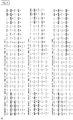
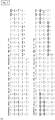
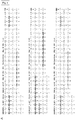
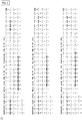
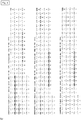
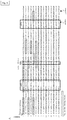
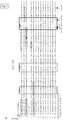
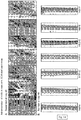
- Figure 5 shows the amino acid sequences of the variable regions of the light chains and heavy chains in respect of fourteen agonist anti-EDAR monoclonal antibodies, namely mAbEDAR1, mAbEDAR2, mAbEDAR3, mAbEDAR5, mAbEDAR6, mAbEDAR7, mAbEDAR8, mAbEDAR9, mAbEDAR10, mAbEDAR11, mAbEDAR12, mAbEDAR13, mAbEDAR14 and mAbEDAR15.
- fourteen agonist anti-EDAR monoclonal antibodies namely mAbEDAR1, mAbEDAR2, mAbEDAR3, mAbEDAR5, mAbEDAR6, mAbEDAR7, mAbEDAR8, mAbEDAR9, mAbEDAR10, mAbEDAR11, mAbEDAR12, mAbEDAR13, mAbEDAR14 and mAbEDAR15.
- agonist anti-EDAR mAb of the invention were found 10- to more than 1000-fold less potent than Fc-EDA1 (see US Patent 2005/152,872 ; Gaide et al.) in the in vitro assay using EDAR-Fas-transduced Jurkat cells. Based on this low in vitro potency, at the time of their first in vivo evaluation, it was not anticipated to observe that the anti-EDAR mAb would be as active as Fc-EDA1.
- antibodies from some isotypes might exhibit toxicity activities (e.g. ADCC or antibody-dependent cytotoxicity, CDC or complement-dependent cytotoxicity and FcR-mediated activation of myeloid cells), which could have made the use of these antibodies not practical in vivo.
- toxicity activities e.g. ADCC or antibody-dependent cytotoxicity, CDC or complement-dependent cytotoxicity and FcR-mediated activation of myeloid cells
- Another object of the invention is to provide an isolated nucleic acid molecule encoding the isolated agonist anti-EDAR monoclonal antibodies or isolated monoclonal antibody fragments or antigen binding portions or fragments thereof as defined above.
- nucleic acid molecule is intended to include DNA molecules and RNA molecules.
- a nucleic acid molecule may be single-stranded or double-stranded, but preferably is double-stranded DNA.
- artificially altered gene recombinant antibodies such as chimeric antibodies or humanized antibodies can be used for, for example, lowering heteroantigenicity against a human.
- altered antibodies can be produced using a known method.
- Chimeric antibodies can e.g., be obtained by ligating the DNA encoding the antibody V-region to a DNA encoding a human antibody C-region, incorporating the product into an expression vector, and then introducing the vector into a host to cause the host to produce the antibodies. Using this known method, chimeric agonist anti EDAR monoclonal antibodies useful in the present invention can be obtained.
- Humanized antibodies are also referred to as reshaped human antibodies, which are prepared by grafting an antibody CDR (complementarity determining region) of a mammal other than a human, such as a mouse, to the CDR of a human antibody.
- the general gene recombination technique thereof is also known (see European Patent Application Publication EP 125023 and WO 96/02576 , or any one of their US counterparts, such as e g US 6,068,040 ).
- humanized antibody is intended to refer to antibodies in which CDR sequences derived from the germline of another mammalian species, such as a mouse, have been grafted onto human framework sequences. Additional framework region modifications may be made within the human framework sequences.
- Chimeric or humanized antibodies of the present invention can be prepared based on the sequence of a non-human monoclonal antibody prepared as described above.
- DNA encoding the heavy and light chain immunoglobulins can be obtained from the non- human hybridoma of interest and engineered to contain non-murine (e.g., human) immunoglobulin sequences using standard molecular biology techniques.
- murine variable regions can be linked to human constant regions using methods known in the art (see e.g., U.S. Patent No. 4,816,567 to Cabilly et al ).
- murine CDR regions can be inserted into a human framework using methods known in the art (see e.g., U.S. Patent No. 5,225,539 to Winter , and U.S. Patent Nos. 5,530,101 ; 5,585,089 ; 5,693,762 and 6,180,370 to Queen et al ).
- the antibodies of the invention are human monoclonal antibodies.
- CDR nucleotide sequences encoding for the obtained agonist anti-EDAR monoclonal antibodies or isolated monoclonal antibody fragments or antigen binding portions or fragments thereof that specifically bind human (mAbEDAR1-15) and mouse (mAbEDARl-14) EDAR are shown in Table 2.
- vector comprising at least one copy of the nucleic acid molecule as described above.
- vector as used herein, is intended to refer to a nucleic acid molecule capable of transporting another nucleic acid to which it has been linked.
- plasmid refers to a circular double stranded DNA loop into which additional DNA segments may be ligated.
- viral vector Another type of vector is a viral vector, wherein additional DNA segments may be ligated into the viral genome.
- Certain vectors are capable of autonomous replication in a host cell into which they are introduced (e. g., bacterial vectors having a bacterial origin of replication and episomal mammalian vectors). Other vectors (e.
- non-episomal mammalian vectors can be integrated into the genome of a host cell upon introduction into the host cell, and thereby are replicated along with the host genome.
- certain vectors are capable of directing the expression of genes to which they are operatively linked.
- Such vectors are referred to herein as "recombinant expression vectors" (or simply, "expression vectors”).
- expression vectors of utility in recombinant DNA techniques are often in the form of plasmids.
- plasmid and vector may be used interchangeably as the plasmid is the most commonly used form of vector.
- the invention is intended to include such other forms of expression vectors, such as viral vectors (e. g.
- the invention also concerns host cells comprising the above described expression vector.
- the term "recombinant host cell” (or simply "host cell”), as used herein, is intended to refer to a cell into which a recombinant expression vector has been introduced. It should be understood that such terms are intended to refer not only to the particular subject cell but to the progeny of such a cell. Because certain modifications may occur in succeeding generations due to either mutation or environmental influences, such progeny may not, in fact, be identical to the parent cell, but are still included within the scope of the term “host cell” as used herein.
- Recombinant host cells include, for example, CHO cells and lymphocytic cells.
- vectors suitable for expression of recombinant antibodies are commercially available.
- the vector may, e. g. be a bare nucleic acid segment, a carrier-associated nucleic acid segment, a nucleoprotein, a plasmid, a virus, a viroid, or a transposable element.
- Host cells known to be capable of expressing functional immunoglobulins include, e. g.: mammalian cells such as Chinese Hamster Ovary (CHO) cells; COS cells; myeloma cells, such as NSO and SP2/0 cells; insect cells, bacteria such as Escherichia coli ; yeast cells such as Saccharomyces cerevisiae ; and other host cells.
- mammalian cells such as Chinese Hamster Ovary (CHO) cells; COS cells; myeloma cells, such as NSO and SP2/0 cells
- insect cells bacteria such as Escherichia coli
- yeast cells such as Saccharomyces cerevisiae
- other host cells e.g., CHO cells are used by many researchers given their ability to effectively express and secrete immunoglobulins.
- NSO cells are one of the preferred types of host cells useful in the present invention.
- a "transformed" cell is a cell into which has been introduced a nucleic acid molecule by molecular biology techniques.
- transformation encompasses all techniques by which a nucleic acid molecule might be introduced into such a cell, including transfection with viral vectors, transformation with plasmid vectors, and introduction of naked DNA by electroporation, lipofection, calcium phosphate precipitation, and particle gun acceleration.
- the present disclosure also relates to a hybridoma secreting the isolated agonist anti-EDAR monoclonal antibodies or isolated monoclonal antibody fragments or antigen binding portions or fragments.
- the thus prepared hybridomas producing monoclonal antibodies can be passage-cultured in a standard culture solution, or can be stored for a long period in liquid nitrogen.
- One example of a method employed to obtain monoclonal antibodies from the hybridomas involves culturing the hybridomas and obtaining monoclonal antibodies in the culture supernatant according to a standard method. The former method is suitable for the mass production of antibodies.
- a monoclonal antibody that can be used in the present invention can be a recombinant monoclonal antibody that is prepared by cloning the antibody gene from the hybridoma, incorporating the gene into an appropriate vector, introducing the vector into a host, and then causing the host to produce the recombinant monoclonal antibodies by genetic engineering techniques (e.g., see Vandamme, A. M. et al., Fur. J. Biochem, (1990) 192, 767-775, 1990 ).
- a transgenic animal or plant can also be used to produce a recombinant antibody.
- the present invention concerns a pharmaceutically composition
- a pharmaceutically composition comprising the isolated agonist anti-EDAR monoclonal antibodies or isolated monoclonal antibody fragments or antigen binding portions or fragments thereof according to the present invention and a pharmaceutically acceptable carrier.
- the pharmaceutically composition comprises at least a therapeutically effective quantity or amount of the substantially purified and isolated agonist anti-EDAR monoclonal antibodies or isolated monoclonal antibody fragments or antigen binding portions or fragments thereof according to the present invention.
- the isolated agonist anti-EDAR monoclonal antibodies or isolated monoclonal antibody fragments or antigen binding portions or fragments thereof described herein as the "compound" may be administered with a physiologically acceptable carrier.
- a physiologically acceptable carrier is a formulation to which the compound can be added to dissolve it or otherwise facilitate its administration.
- An important factor in choosing an appropriate physiologically acceptable carrier is selecting a carrier in which the compound remains active or the combination of the carrier and the compound produces an active compound.
- the pharmaceutically acceptable carrier can be a solvent or dispersion medium.
- suitable aqueous and nonaqueous carriers which may be employed in the pharmaceutical composition of the invention include water, ethanol, polyols (such as glycerol, propylene glycol, polyethylene glycol, and the like), and suitable mixtures thereof, vegetable oils, such as olive oil, and injectable organic esters, such as ethyl oleate.
- Proper fluidity can be maintained, for example, by the use of emulsifying agents such as lecithin, by the maintenance of the required particle size in the case of dispersions, and by the use of surfactants, such as Tween 20.
- the pharmaceutical composition may also contain adjuvants such as preservatives, wetting agents, emulsifying agents, pharmaceutically-acceptable antioxidants and dispersing agents. Prevention of presence of microorganisms may be ensured both by sterilization procedures, supra, and by the inclusion of various antibacterial and antifungal agents, for example, paraben, chlorobutanol, phenol sorbic acid, and the like. It may also be desirable to include isotonic agents, such as sugars, sodium chloride, and the like into the compositions. In addition, prolonged absorption of the injectable pharmaceutical form may be brought about by the inclusion of agents which delay absorption such as aluminum monostearate and gelatin.
- antioxidants examples include: (1) water soluble antioxidants, such as ascorbic acid, cysteine hydrochloride, sodium bisulfate, sodium metabisulfite, sodium sulfite and the like; (2) oil-soluble antioxidants, such as ascorbyl palmitate, butylated hydroxyanisole (BHA), butylated hydroxytoluene (BHT), lecithin, propyl gallate, alpha-tocopherol, and the like; and (3) metal chelating agents, such as citric acid, ethylenediamine tetraacetic acid (EDTA), sorbitol, tartaric acid, phosphoric acid, and the like.
- water soluble antioxidants such as ascorbic acid, cysteine hydrochloride, sodium bisulfate, sodium metabisulfite, sodium sulfite and the like
- oil-soluble antioxidants such as ascorbyl palmitate, butylated hydroxyanisole (BHA), butylated hydroxytoluene (BHT), le
- a “pharmaceutically acceptable salt” refers to a salt that retains the desired biological activity of the parent compound and does not impart any undesired toxicological effects (see e. g., Berge, S. M., et al. (1977) J. Pharm. Sci. 66: 1-19 ).
- the pharmaceutical composition of the invention is formulated for parenteral, intravenous, oral, subcutaneous, intradermal, intramuscular or topical, administration.
- parenteral administration and “administered parenterally” as used herein means modes of administration other than enteral and topical administration, usually by injection, and includes, without limitation, intravenous, intramuscular, intraarterial, intrathecal, intracapsular, intraorbital, intracardiac, intradermal, intraperitoneal, transtracheal, subcutaneous, subcuticular, intraarticular, subcapsular, subarachnoid, intraspinal, epidural and intrastemal injection and infusion.
- Preferred routes of administration for the isolated agonist anti-EDAR monoclonal antibodies or isolated monoclonal antibody fragments or antigen binding portions or fragments thereof according to the present invention are intravenously, intramuscularly and intraperitoneally. Preferred modes of delivery are by injection and infusion.
- Injectable forms may include sterile aqueous solutions or dispersions. Furthermore, form of sterile powders may be prepared for the extemporaneous preparation of such sterile injectable solutions or dispersions. In all cases, the final injectable form must be sterile and must be effectively fluid for easy syringability.
- the pharmaceutical composition must be stable under the conditions of manufacture and storage; thus, preferably should be preserved against the contaminating action of microorganisms such as bacteria and fungi.
- Parenteral administration may be prepared as solutions or suspensions of the combined components in physiological solution.
- a suitable surfactant can be included such as, for example, hydroxypropylcellulose.
- Dispersions can also be prepared in glycerol, liquid polyethylene glycols, and mixtures thereof in oils. Further, a preservative can be included to prevent the detrimental growth of microorganisms.
- any convenient pharmaceutical media may be employed.
- water, glycols, oils, alcohols, flavoring agents, preservatives, coloring agents, and the like may be used to form oral liquid preparations such as suspensions, elixirs and solutions; while carriers such as starches, sugars, microcrystalline cellulose, diluents, granulating agents, lubricants, binders, disintegrating agents, and the like may be used to form oral solid preparations such as powders, capsules and tablets. Because of their ease of administration, tablets and capsules are the preferred oral dosage units whereby solid pharmaceutical carriers are employed.
- tablets may be coated by standard aqueous or non-aqueous techniques.
- a tablet may be prepared by compression or molding, optionally with one or more accessory ingredients or adjuvants.
- Compressed tablets may be prepared by compressing, in a suitable machine, the combined components in a free-flowing form such as powder or granules, optionally mixed with a binder, lubricant, inert diluent, surface active or dispersing agent. Molded tablets may be made by molding in a suitable machine, a mixture of the powdered compound moistened with an inert liquid diluent.
- Effective dosage regimens are adjusted to provide the optimum desired response (e. g., a therapeutic response). For example, a single bolus may be administered, several divided doses may be administered over time or the dose may be proportionally reduced or increased as indicated by the exigencies of the therapeutic situation. It is especially advantageous to formulate parenteral compositions in dosage unit form for ease of administration and uniformity of dosage.
- Dosage unit form as used herein refers to physically discrete units suited as unitary dosages for the subjects to be treated; each unit contains a predetermined quantity of active compound calculated to produce the desired therapeutic effect in association with the required pharmaceutical carrier.
- the specification for the dosage unit forms of the invention are dictated by and directly dependent on (a) the unique characteristics of the active compound and the particular therapeutic effect to be achieved, and (b) the limitations inherent in the art of compounding such an active compound for the treatment of sensitivity in individuals.
- the isolated agonist anti-EDAR monoclonal antibodies or isolated monoclonal antibody fragments or antigen binding portions or fragments thereof according to the present invention are formulated into pharmaceutically acceptable dosage forms by conventional methods known to those of skill in the art.
- Actual dosage levels of the active ingredients in the pharmaceutical compositions of the present invention can be varied so as to obtain an amount of the active ingredient which is effective to achieve the desired therapeutic response for a particular patient, composition, and mode of administration, without being toxic to the patient.
- the selected dosage level depends upon a variety of pharmacokinetic factors including the activity of the particular compositions of the present invention employed, or the salt or amide thereof, the route of administration, the time of administration, the duration of the treatment, other drugs, compounds and/or materials used in combination with the particular compositions employed, the age, sex, weight, condition, general health and prior medical history of the patient being treated, and like factors.
- a physician or veterinarian can start doses of the compounds of the invention-employed in the pharmaceutical composition at levels lower than that required to achieve the desired therapeutic effect and gradually increase the dosage until the desired effect is achieved.
- a suitable daily dose of a composition of the invention is that amount of the compound which is the lowest dose effective to produce a therapeutic effect. Such an effective dose generally depends upon the factors described above. It is preferred that administration be intravenous, intramuscular, intraperitoneal, or subcutaneous, or administered proximal to the site of the target. If desired, the effective daily dose of a therapeutic composition can be administered as two; three, four, five, six or more subdoses administered separately at appropriate intervals throughout the day, optionally, in unit dosage forms. While it is possible for the isolated agonist anti-EDAR monoclonal antibodies or isolated monoclonal antibody fragments or antigen binding portions or fragments thereof according to the present invention to be administered alone, it is preferable to administer the latter as a pharmaceutical formulation (composition).
- Effective doses of the compositions of the present invention, for the treatment of immune-related conditions and diseases described herein vary depending upon many different factors, including means of administration, target site, physiological state of the patient, whether the patient is human or an animal, other medications administered, and whether treatment is prophylactic or therapeutic. Treatment dosages need to be titrated to optimize safety and efficacy.
- the dosage ranges from about 0.0001 to 100 mg/kg, and more usually 0.01 to 5 mg/kg, of the host body weight.
- dosages can be 1 mg/kg body weight or 10 mg/kg body weight or within the range of 1 to 10 mg/kg.
- An exemplary treatment regime entails administration once per every two weeks or once a month or once every 3 to 6 months.
- two or more monoclonal antibodies with different binding specificities are administered simultaneously, in which case the dosage of each antibody administered falls within the ranges indicated.
- Antibody is usually administered on multiple occasions. Intervals between single dosages can be weekly, monthly or yearly. Intervals can also be irregular as indicated by measuring blood levels of antibody to EDAR in the patient.
- dosage is adjusted to achieve a plasma antibody concentration of 0.001-1000 ⁇ g/ml.
- antibody can be administered as a sustained release formulation, in which case less frequent administration is required.
- Dosage and frequency vary depending on the half-life of the antibody in the patient.
- human antibodies show the longest half-life, followed by humanized antibodies, chimeric antibodies, and nonhuman antibodies.
- the dosage and frequency of administration can vary depending on whether the treatment is prophylactic or therapeutic.
- a relatively low dosage is administered at relatively infrequent intervals over a long period of time. Some patients continue to receive treatment for the rest of their lives.
- a relatively high dosage at relatively short intervals is sometimes required until progression of the disease is reduced or terminated, and preferably until the patient shows partial or complete amelioration of symptoms of disease. Thereafter, the patient can be administered a prophylactic regime.
- the dosage ranges of the isolated agonist anti-EDAR monoclonal antibodies or isolated monoclonal antibody fragments or antigen binding portions or fragments thereof according to the present invention may vary with the administration routes, as well as the state of the patient (age, sex, body weight, extent of the disease etc.). Ideally, the isolated agonist anti-EDAR monoclonal antibodies or isolated monoclonal antibody fragments or antigen binding portions or fragments thereof is administered to a patient in need thereof at a dosage unit from 0.1 mg/kg of body weight to 100 mg/kg of body weight.
- the administration for example application, injection, delivery, contact etc..
- the pharmaceutical composition according to the invention results in an improved therapeutic effect in particular in the treatment of X-linked hypohidrotic ectodermal dysplasia (XLHED) or tooth agenesis.
- XLHED X-linked hypohidrotic ectodermal dysplasia
- the present invention has important implications for the design of novel treatment strategies of patients suffering in the development of cells or tissues of ectodermal origin. More specifically, the present invention has important implications for the design of novel treatment strategies of patients with XLHED or tooth agenesis.
- the present disclosure also concerns the use of the isolated agonist anti-EDAR monoclonal antibodies or isolated monoclonal antibody fragments or antigen binding portions or fragments thereof or the pharmaceutical composition of the invention, for the preparation of a medicament for modulating the development of cells or tissues of ectodermal origin, such as hair, teeth, skin, sweat glands, sebaceous glands, larynx and trachea mucus-producing cells, Meibomian glands, preputial glands, mammary glands and salivary glands.
- modulating refers to a molecule which is capable to interact with a specific receptor and to modify or control its activity.
- the medicament according to the invention can be used for the treatment of diseases such as ectodermal dysplasia, or disturbances or anomalies of ectodermal structures that are not caused by mutations in EDA1, such as anomalies of the hair, of the teeth or of the glands, in particular for treating alopecia, sebaceous gland malfunction or a deficiency of sweat glands or sebaceous glands or for wound healing.
- the medicament of the invention can be used for the treatment of X-linked hypohidrotic ectodermal dysplasia or tooth agenesis.
- the medicament may be administered to the mother/the mother animal during pregnancy.
- Injection of the medicament to the fetus may be carried out either directly, following the same routes as identified above (parenterally, intravenously, orally, subcutaneously, intradermally, intramuscularly or topically) or alternatively through the umbilical vein.
- the medicament may be administered to a pre-term newborn, a newborn, a child, a young adult or an adult. Considering the results reported in the study of Gaide and Schneider (Nature Medicine 2003 ), the assumption was that a few days after birth, Fc-EDA1 had no longer biological activity.
- a further aspect of the present invention also concerns a method of treating XLHED in a patient in need thereof.
- the method of treating XLHED comprises administering to the patient the isolated agonist anti-EDAR monoclonal antibodies or isolated monoclonal antibody fragments or antigen binding portions or fragments thereof in an amount which is therapeutically effective.
- this method comprises administering to said subject in need thereof an amount of the isolated agonist anti-EDAR monoclonal antibodies or isolated monoclonal antibody fragments or antigen binding portions or fragments thereof or the pharmaceutical composition of the invention, sufficient to promote the development of one or more hair follicle, tooth, sweat gland, sebaceous glands, larynx and trachea mucus-producing cells, Meibomian glands, preputial glands, mammary glands and salivary glands in a tissue of said subject in need thereof.
- the subject is suffering from an ectodermal disease and preferably the ectodermal disease is XLHED, tooth agenesis or alopecia.
- the present disclosure pertains to a pharmaceutical kit comprising at least an effective amount of the isolated agonist anti-EDAR monoclonal antibodies or isolated monoclonal antibody fragments or antigen binding portions or fragments thereof or the pharmaceutical composition of the invention, together with instructions for use and in particular instructions directed to the treatment of XLHED.
- the pharmaceutical kit may comprise a container comprising at least said isolated agonist anti-EDAR monoclonal antibodies or isolated monoclonal antibody fragments or antigen binding portions or fragments thereof.
- the Kit comprises a container and a label or package insert on or associated with the container.
- Suitable containers include, for example, bottles, vials, syringes, etc.
- the containers may be formed from a variety of materials such as glass or plastic.
- the container holds a composition which is effective for treating the condition and may have a sterile access port (for example the container may be an intravenous solution bag or a vial having a stopper pierceable by a hypodermic injection needle).
- the label or package insert indicates that the composition is used for treating the condition of choice, such as XLHED.
- the Kit may further comprise a second (or third) container comprising a pharmaceutically-acceptable buffer, such as bacteriostatic water for injection (BWFI), phosphate-buffered saline, Ringer's solution and dextrose solution. It may further include other materials desirable from a commercial and user standpoint, including other buffers, diluents, filters, needles, and syringes.
- BWFI bacteriostatic water for injection
- phosphate-buffered saline such as bacteriostatic water for injection (BWFI), phosphate-buffered saline, Ringer's solution and dextrose solution.
- BWFI bacteriostatic water for injection
- phosphate-buffered saline such as bacteriostatic water for injection (BWFI), phosphate-buffered saline, Ringer's solution and dextrose solution.
- It may further include other materials desirable from a commercial and user standpoint, including other buffers, dilu
- the agonist antibodies do not cross-react with EDAR of a given mammalian or vertebrate species, it is possible to generate them according to the process described in this application by immunizing EDAR-deficient mice with an EDAR antigen in which the EDAR sequence corresponds to that of the species of interest.
- Another object of the invention is the use of the isolated agonist anti-EDAR monoclonal antibodies or isolated monoclonal antibody fragments or antigen binding portions or fragments thereof or the pharmaceutical composition of the invention, for the manufacture of a medicament for use in veterinary applications in any mammal or vertebrate species.
- the medicament can be utilized in utero (for mammals) or in ovo (for birds, reptiles, egg-layer fishes, etc%), or in young animals, or in adult animals.
- the treatment can be used to modulate the development of cells or tissues of ectodermal origin, such as hair, feathers, scales, horns, claws, beaks, teeth, skin, sweat glands, sebaceous glands, larynx and trachea mucus-producing cells, Meibomian glands, preputial glands, mammary glands and salivary glands,
- the treatment can be used to temporarily or permanently modify hair, scale or feathers color and/or morphology.
- variable domain region sequence Given a specific variable domain region sequence, one of ordinary skill can easily screen for complementary variable domain region sequences using methods well known in the art. See, for example, Klimka et al., British Journal of Cancer (2000) 93: 252-260 ; Beboer et al., J. Mol. Biol. (2000) 296: 833-849 ; Radar et al., PNAS (1998) 95:8910-8915 ; Portolano et al, J. Immuno. (193) 150: 880-887 ; and Clarkson et al., Nature (1991) 352: 624-628 .
- a heavy chain variable domain sequence comprising 1, 2, or 3 of the heavy chain CDR amino acid sequences described herein can be screened against a library of light chain variable domain sequences to obtain antibodies that bind human and/or mouse EDAR.
- a light chain variable domain sequence comprising 1, 2, or 3 of the light chain CDRs described herein can be screened against a library of heavy chain variable domain sequences to obtain antibodies that bind human and/or mouse EDAR.
- this methodology can be used to humanize any known antibody.
- a non-human variable domain sequence can be screened against human variable domain sequences and then the identified human variable domain sequences screened against a second set of human variable domain sequences.
- the antibody, antibody fragment, or antigen binding portion or fragment thereof comprises a heavy chain variable region and a light chain variable region, the heavy chain variable region comprising an amino acid sequence selected from the group consisting of: (a) SEQ ID NO: 169, 170, 171, 172, 173, 174, 175, 176, 177, 178, 179, 180, 181 and 182; (b) amino acid sequences that differ from those sequences specified in (a) by 1, 2, 3, 4, 5, 6, 7, 8, 9, 10 or more conservative amino acid substitution; and (c) amino acid sequences having at least 95% sequence identity to the sequences specified in (a) or (b).
- the antibody, antibody fragment, or antigen binding portion or fragment thereof comprises a light chain variable region and a heavy chain variable region, the light chain variable region comprising an amino acid sequence selected from the group consisting of: (a) SEQ ID NO 183, 184, 185, 186, 187, 188, 189, 190, 191, 192, 193, 194, 195 and 196; (b) amino acid sequences that differ from those sequences specified in (a) by 1, 2, 3, 4, 5, 6, 7, 8, 9, 10 or more conservative amino acid substitutions; and (c) amino acid sequences having at least 80%, 85%, 90%, or 95% sequence identity to the sequences specified in (a) or (b).
- variable domain region sequences having at least 80%, 85%, 90%, or 95% sequence identity to the variable domain region sequences will differ from the variable domain region sequence at substitutable positions.
- a "substitutable position” is a particular position of the variable domain region sequence that can be substituted by different amino acid(s) without significantly decreasing the binding activity of the antibody.
- a substitutable position may also be referred to as "variation tolerant position.”
- Substitutable positions of variable domain sequence are revealed by aligning the heavy chain or light chain variable domain sequences and determining which amino acid occurs at which position.
- a substitutable position of a variable domain sequence disclosed herein is identified by virtue of the fact that the identity of the amino acid at the substitutable position varies between the individual variable domain sequences of related antibodies, e.g., antibodies exemplified herein. Once identified, the amino acid at the substitutable position of an individual variable domain sequence can be substituted for a different amino acid without significantly decreasing the binding affinity of the antibody.
- substitutable positions outside the CDRs are preferred. However, one, two, three, four, or five or more positions in the CDRs can also be used. Preferably when substitutable positions within CDRs are used no more than one, two, three, four or five such positions may be used as substitutable positions.
- U.S. Pat. App. Publ. No. 2006/0099204 contents of which is herein incorporated by reference, describes methods for identifying substitutable positions.
- the antibody, antibody fragment, or antigen binding portion or fragment thereof comprises a heavy chain variable region and a light chain variable region, the heavy chain variable region comprising the complementary determining region (CDR) amino acid sequences of SEQ ID NO: 1, SEQ ID NO: 2, and SEQ ID NO: 3; or SEQ ID NO: 7, SEQ ID NO: 8, and SEQ ID NO: 9; or SEQ ID NO: 13, SEQ ID NO: 14, and SEQ ID NO: 15; or SEQ ID NO: 19, SEQ ID NO: 20, and SEQ ID NO: 21; or SEQ ID NO: 25, SEQ ID NO: 26, and SEQ ID NO: 27; or SEQ ID NO: 31, SEQ ID NO: 32, and SEQ ID NO: 33; or SEQ ID NO: 37, SEQ ID NO: 38, and SEQ ID NO: 39; or SEQ ID NO: 43, SEQ ID NO: 44, and SEQ ID NO: 45; or SEQ ID NO: 49, SEQ ID NO: 50, and SEQ ID NO: 51; or SEQ ID NO
- CDR
- the inventors have identified the novel antigenic portion of the human and mouse EDAR to which the antibodies described herein bind.
- the antibodies, antibody fragments, or antigen binding portions or fragments thereof described herein that bind to human and/or mouse EDAR sequence fragments corresponding to amino acids 29-114 of SEQ ID NO. 235 (identified as SEQ ID NO: 239 SNCGENEY YNQTTGLCQECPPCGPGEEPYLSCGYGTKDEDYGCVPCPAEKFSKGGYQICRR HKDCEGFFRATVLTPGDMENDAECG) and SEQ ID NO.
- SEQ ID NO: 242 SNCGENEYHNQTTGLCQQCPPCRPGEEPYMSCGYGTKDDDYGCVP CPAEKFSKGGYQICRRHKDCEGFFRATVLTPGDMENDAECG
- SEQ ID NO: 235 SNCGENEYHNQTTGLCQQCPPCRPGEEPYMSCGYGTKDDDYGCVP CPAEKFSKGGYQICRRHKDCEGFFRATVLTPGDMENDAECG
- SEQ ID NO: 236 SNCGENEYYNQTT GLCQECPPCGP GEEPYLSCGYGTKDEDYGCV
- amino acids 29-72 of SEQ ID NO: 236 identified as SEQ ID NO: 240, SNCGENEYHNQTTGLCQQCPPCRPGEEPYMSCGYG TKDDDYGCV
- SEQ ID NO: 240 SNCGENEYHNQTTGLCQQCPPCRPGEEPYMSCGYG TKDDDYGCV
- the term "does not significantly bind” indicates that the affinity constant of the antibody, antibody fragment, or antigen binding portion or fragment thereof for binding to SEQ ID NO: 239 and/or SEQ ID NO: 242 is more than 10 -7 M, 10 -6 M, 10 -5 M, 10 -4 M, 10 -3 M, 10 -2 M, 10 -1 M, or 1M. In some further embodiments of this, the antibody, antibody fragment, or antigen binding portion or fragment therefore does not significantly bind to the EDAR sequence fragments corresponding to amino acids 71-114 of SEQ ID NO: 235 (identified as SEQ ID NO.
- the antibody, antibody fragment, or antigen binding portion or fragments thereof bind to human and/or mouse EDAR bind to human and/or mouse EDAR sequence fragments corresponding to SEQ ID NO: 244 and/or SEQ ID NO: 243, but do not significantly bind to the EDAR sequence fragment SEQ ID NO: 239 in absence of SEQ ID NO. 238 and/or do not bind to the EDAR sequence fragment SEQ ID NO. 242 in the absence of SEQ ID NO 241.
- the antibody, antibody fragment, or antigen binding portion or fragment binds to the same antigenic determinant as does: (a) an antibody comprising a heavy chain variable region comprising the complementary determining region amino acid sequences of: SEQ ID NO: 1, SEQ ID NO: 2, and SEQ ID NO: 3; or SEQ ID NO: 7, SEQ ID NO: 8, and SEQ ID NO: 9; or SEQ ID NO: 13, SEQ ID NO: 14, and SEQ ID NO: 15; or SEQ ID NO: 19, SEQ ID NO: 20, and SEQ ID NO: 21; or SEQ ID NO: 25, SEQ ID NO: 26, and SEQ ID NO: 27; or SEQ ID NO: 31, SEQ ID NO: 32, and SEQ ID NO: 33; or SEQ ID NO: 37, SEQ ID NO: 38, and SEQ ID NO: 39; or SEQ ID NO: 43, SEQ ID NO: 44, and SEQ ID NO: 45; or SEQ ID NO: 49, SEQ ID NO: 50, and SEQ ID NO: 51 ; or
- the isolated monoclonal antibody or isolated monoclonal antibody fragment or antigen binding portion or fragment thereof wherein the antibody, antibody fragment, or antigen binding portion or fragment thereof is an agonist of human and/or mouse EDAR.
- said antibody, antibody fragment, or antigen binding portion or fragment thereof binds to human and/or mouse EDAR with an affinity constant (KD) of at least 10 -8 M.
- said antibody, antibody fragment, or antigen binding portion or fragment thereof is a humanized antibody, antibody fragment, or antigen binding portion or fragment thereof. Said antibody, antibody fragment, or antigen binding portion or fragment thereof is multivalent.
- the antibody, antibody fragment, or antigen binding portion or fragment thereof is a single chain antibody, antibody fragment, or antigen binding portion or fragment thereof.
- said antibody, antibody fragment, or antigen binding portion or fragment thereof is a F(ab)'2, fragment.
- the antibody, antibody fragment, or antigen binding portion or fragment thereof is a chimeric antibody, antibody fragment, or antigen binding portion or fragment thereof.
- the antibody, antibody fragment, or antigen binding portion or fragment thereof is a fusion protein.
- the heavy chain of the isolated monoclonal antibody or isolated monoclonal antibody fragment or antigen binding portion or fragment thereof of the invention is selected from the group consisting of heavy chain of IgG, IgM, IgA, IgE, single chain antibody, immunoglobulin-derived constructs, and non antibody binding proteins.
- the IgG is selected from the group consisting of IgG1, IgG2, IgG3, IgG4, mutated IgG1 that is no longer recognized by FcR, and mutated IgG4 that no longer undergoes heavy chain swapping.
- the non antibody binding protein of the isolated monoclonal antibody or isolated monoclonal antibody fragment or antigen binding portion or fragment thereof is selected from the group consisting of adnectins, Affibody, DARPins, avimers, anticalins, and nucleotide based reagents.
- antigenic determinant refers to that portion of an antigen that makes contact with a particular antibody, antibody fragment, or antigen binding portion or fragment thereof (i.e., an epitope).
- an antigenic determinant may compete with the intact antigen (i.e., the immunogen used to elicit the immune response) for binding to an antibody, antibody fragment, or antigen binding portion or fragment thereof.
- the phrase "competes for binding at that antigenic determinant” refers to the ability of an antibody, antibody fragment, or antigen binding portion or fragment thereof to increase the affinity constant, for binding to same antigenic determinant, of a second antibody, antibody fragment, or antigen binding portion or fragment thereof by at least 5%, 10%, 20%, 30%, 40%, 50%, 60%, 70%, 80%. 90%, 100%, 1.1 fold, 1.25 fold, 1.5 fold, 5 fold, 10, fold, 50 fold, 100 fold or more in a competition binding assay.
- One of ordinary skill is well aware of methods for determining binding constants.
- One method for measuring binding constants is the commercially available Biacore assay apparatus as described in Example 1.
- the binding affinity of an antibody, antibody fragment, or antigen binding portion or fragment thereof is higher than 10 -7 M, 10 -6 M, 10 -5 M, 10 -4 M, 10 -3 M, 10 -2 M, 10 -1 M, or 1M in the presence of the competing antibody, antibody fragment, or antigen binding portion or fragment thereof.
- Chimeric antibodies are antibodies whose light and heavy chain genes have been constructed, typically by genetic engineering, from antibody variable and constant region genes belonging to different species.
- variable region of the genes from a mouse monoclonal antibody may be joined to human constant regions, such as gamma 1, gamma 2, gamma 3 and gamma 4.
- fusion protein refers to a polypeptide which comprises protein domains from at least two different proteins.
- a fusion protein may comprise an antigen-binding portion or fragment of an antibody and a non-antibody protein.
- the antibody, antibody fragment, or antigen binding portion or fragment thereof is conjugated to a ligand and/or a tag.
- the heavy chain of said antibody, antibody fragment, or antigen binding portion thereof is conjugated to the ligand and/or tag.
- the light chain of said antibody, antibody fragment, or antigen binding portion or fragment thereof is conjugated to the ligand and/or tag.
- ligands or tags can be coupled (i.e. linked) with the antibodies described herein.
- the antibodies of the invention can be conjugated to either other peptides or other molecules to tailor, for example, the bioavailability, serum half-life or shelf-life of the antibodies, immunogenicity, tolerance by human body, or to affect the solubility of the antibodies in pharmaceutically acceptable carriers.
- conjugation with ligands and tags is discussed in reference to antibodies herein, it is to be understood that antibody fragments and antigen binding portions and fragments are also amenable to conjugation with ligands and tags.
- ligands include naturally occurring molecules, in some embodiments recombinant or synthetic molecules.
- Exemplary ligands include, but are not limited to, polylysine (PLL), poly L-aspartic acid, poly L-glutamic acid, styrene-maleic acid anhydride copolymer, poly(L-lactide-co-glycolied) copolymer, divinyl ether-maleic anhydride copolymer, N-(2-hydroxypropyl)methacrylamide copolymer (HMPA), polyethylene glycol (PEG, e.g., PEG-2K, PEG-5K, PEG-10K, PEG-12K, PEG-15K, PEG-20K, PEG-40K), MPEG, [MPEG] 2 , polyvinyl alcohol (PVA), polyurethane, poly(2-ethylacryllic acid), N-isopropylacrylamide polymers, polyphosphazine, polyethylenimine, cationic groups, spermine, spermidine, polyamine, pseudopeptide-polyamine, peptidomim
- psoralen mitomycin C
- porphyrins e.g., TPPC4, texaphyrin, Sapphyrin
- polycyclic aromatic hydrocarbons e.g ., phenazine, dihydrophenazine
- artificial endonucleases e.g ., EDTA
- lipophilic molecules e.g, steroids, bile acids, cholesterol, cholic acid, adamantane acetic acid, 1-pyrene butyric acid, dihydrotestosterone, 1,3-Bis-O(hexadecyl)glycerol, geranyloxyhexyl group, hexadecylglycerol, borneol, menthol, 1,3-propanediol, heptadecyl group, palmitic acid, myristic acid,O3-(oleoyl)lithocholic acid, O3-(oleoyl)cholenic acid, dim
- biotin e.g., biotin
- transport/absorption facilitators e.g ., naproxen, aspirin, vitamin E, folic acid
- synthetic ribonucleases e.g ., imidazole, bisimidazole, histamine, imidazole clusters, acridine-imidazole conjugates, Eu3+ complexes of tetraazamacrocycles), dinitrophenyl, HRP, AP, antibodies, hormones and hormone receptors, lectins, carbohydrates, multivalent carbohydrates, vitamins (e.g., vitamin A, vitamin E, vitamin K, vitamin B, e.g., folic acid, B12, riboflavin, biotin and pyridoxal), vitamin cofactors, lipopolysaccharide, an activator of p38 MAP kinase, an activator of NF- ⁇ B, taxon, vincristine, vinblastine, cytochalasin, no
- Ligands can be used for any number of reasons including, but no limited to, targeting, PK modulation, and labeling/tagging.
- a targeting ligand can provide enhanced affinity for a selected target, e.g., a cell, cell type, tissue, organ, region of the body, or a compartment, e.g., a cellular, tissue or organ compartment.
- a PK modulating ligand can modulate pharmacokinetics of an antibody in vivo .
- the antibody of the invention is conjugated with a label/tag, such as a fluorescent label or a biotin label.
- a label/tag such as a fluorescent label or a biotin label.
- the ligand can be attached to the antibody via a linker that can be is easily cleavable under the appropriate conditions.
- Such conditions can include acid or basic pH, heating, sonication, enzymatic cleavage, and the like.
- label refers to a composition capable of producing a detectable signal indicative of the presence of a target. Suitable labels include fluorescent molecules, radioisotopes, nucleotide chromophores, enzymes, substrates, chemiluminescent moieties, magnetic particles, bioluminescent moieties, and the like. As such, a label is any composition detectable by spectroscopic, photochemical, biochemical, immunochemical, electrical, optical or chemical means needed for the methods and devices described herein. For example, the antibody can be labeled with a detectable tag which can then be detected using an antibody specific to the label.
- Exemplary fluorescent labels include, but are not limited to, Hydroxycoumarin, Succinimidyl ester, Aminocoumarin, Succinimidyl ester, Methoxycoumarin, Succinimidyl ester, Cascade Blue, Hydrazide, Pacific Blue, Maleimide, Pacific Orange, Lucifer yellow, NBD, NBD-X, R-Phycoerythrin (PE), a PE-Cy5 conjugate (Cychrome, R670, Tri-Color, Quantum Red), a PE-Cy7 conjugate, Red 613, PE-Texas Red, PerCP, Peridinin chlorphyll protein, TruRed (PerCP-Cy5.5 conjugate), FluorX, Fluoresceinisothyocyanate (FITC), BODIPY-FL, TRITC, X-Rhodamine (XRITC), Lissamine Rhodamine B, Texas Red, Allophycocyanin (APC), an APC-Cy7 conjugate, Alexa Fluor 350,
- the ligands can be conjugated, either directly or through a linker, to the N-terminal, C-terminal, or the amino acid side chains of the heavy and/or light chain of the antibody.
- a ligand can be present on an amino acid when said amino acid is incorporated into the antibody heavy and/or light during synthesis.
- the ligand can be incorporated via coupling to a "precursor" amino acid after said "precursor" amino acid has been incorporated into the antibody heavy and/or light chain.
- a ligand having an electrophilic group e.g., a pentafluorophenyl ester or aldehyde group, can be conjugated to the N-terminal of heavy and/or light chain of the antibody.
- a monomer having a chemical group suitable for taking part in Click Chemistry reaction can be incorporated, e.g., an azide or alkyne group.
- a ligand having complementary chemical group e.g., an alkyne or azide can be attached to the precursor monomer by coupling the alkyne and the azide together.
- the covalent linkages between the antibody and a ligand is mediated by a linker.
- This linker can be cleavable linker or non-cleavable linker, depending on the application.
- a "cleavable linker” refers to linkers that are capable of cleavage under various conditions. Conditions suitable for cleavage can include, but are not limited to, pH, UV irradiation, enzymatic activity, temperature, hydrolysis, elimination and substitution reactions, redox reactions, and thermodynamic properties of the linkage.
- a cleavable linker can be used to release the antibody after transport to the desired target. The intended nature of the conjugation or coupling interaction, or the desired biological effect, will determine the choice of linker group.
- non-peptide linker means an organic moiety that connects two parts of the peptide and such a moiety is not a peptide.
- Linkers typically comprise a direct bond or an atom such as oxygen or sulfur, a unit such as NR 1 , C(O), C(O)NH, SO, SO 2 , SO 2 NH or a chain of atoms, such as substituted or unsubstituted alkyl, substituted or unsubstituted alkenyl, substituted or unsubstituted alkynyl, arylalkyl, arylalkenyl, arylalkynyl, heteroarylalkyl, heteroarylalkenyl, heteroarylalkynyl, heterocyclylalkyl, heterocyclylalkenyl, heterocyclylalkynyl, aryl, heteroaryl, heterocyclyl, cycloalkyl, cycloalkenyl, alkylarylalky
- linkers can be non-covalent coupling of two parts of a compound or two different molecules. Such non-covalent coupling can be achieved through, for example, ionic interactions, H-bonding, van der Waals interactions and affinity of one molecule for another.
- each part of the compound can be conjugated with a moiety that has complementary to another moiety that is conjugated to the second part of the compound.
- complementary coupling is the biotin/avidin coupling.
- Other examples include affinity of an oligonucleotide for its complementary strand, receptor/ligand binding, aptamer/ligand binding and antibody/antigen binding.
- One conjugation strategy is the biotin-sandwich method ( Davis, et al., Proc. Natl. Acad. Sci. USA 103:8155-8160 (2006 )) in which a peptide is biotinylated and bound to biotinylated ligand using tetravalent streptavidin as a linker.
- the peptide may be coupled to the 15 amino acid sequence of an acceptor peptide for biotinylation (referred to as AP; Chen, et al., Nat. Methods 2:99-104 (2005 )).
- the fusion proteins can be made by incorporating the extra sequences at the N- or the C-terminus of the peptide.
- acceptor peptide sequence allows site-specific biotinylation by the E. coli enzyme biotin ligase (BirA; Chen, et al., Nat. Methods 2:99-104 (2005 )).
- a ligand peptide can be similarly biotinylated for conjugation with a peptide described herein.
- Many commercial kits are available for biotinylating proteins.
- Non-peptidyl ligands agents can also be conjugated with biotin using methods well known in the art for conjugating biotin to non-peptide molecules, e.g. small organic molecules.
- a spacer may be included between them.
- linkers and linking methods described herein can also be used for linking together heavy chain and light chain of an antibody, two or more Fv domains, and fragments thereof.
- chemical moieties are defined and referred to throughout can be univalent chemical moieties (e.g., alkyl, aryl, etc.) or multivalent moieties under the appropriate structural circumstances clear to those skilled in the art.
- alkyl refers to saturated non-aromatic hydrocarbon chains that may be a straight chain or branched chain, containing the indicated number of carbon atoms (these include without limitation methyl, ethyl, propyl, allyl, or propargyl), which may be optionally inserted with N, O, S, SS, SO 2 ,C(O), C(O)O, OC(O), C(O)N or NC(O).
- C 1 -C 6 indicates that the group may have from 1 to 6 (inclusive) carbon atoms in it.
- alkenyl refers to an alkyl that comprises at least one double bond.
- alkenyl groups include, but are not limited to, for example, ethenyl, propenyl, butenyl, 1-methyl-2-buten-1-yl and the like.
- aryl refers to monocyclic, bicyclic, or tricyclic aromatic ring system wherein 0, 1, 2, 3, or 4 atoms of each ring may be substituted by a substituent.
- Examplary aryl groups include, but are not limited to, phenyl, naphthyl, anthracenyl, azulenyl, fluorenyl, indanyl, indenyl, naphthyl, phenyl, tetrahydronaphthyl, and the like.
- heteroaryl refers to an aromatic 5-8 membered monocyclic, 8-12 membered bicyclic, or 11-14 membered tricyclic ring system having 1-3 heteroatoms if monocyclic, 1-6 heteroatoms if bicyclic, or 1-9 heteroatoms if tricyclic, said heteroatoms selected from O, N, or S ( e.g ., carbon atoms and 1-3, 1-6, or 1-9 heteroatoms of N, O, or S if monocyclic, bicyclic, or tricyclic, respectively), wherein 0, 1, 2, 3, or 4 atoms of each ring may be substituted by a substituent.
- Examplary heteroaryl groups include, but are not limited to, pyridyl, furyl or furanyl, imidazolyl, benzimidazolyl, pyrimidinyl, thiophenyl or thienyl, pyridazinyl, pyrazinyl, quinolinyl, indolyl, thiazolyl, naphthyridinyl, and the like.
- cyclyl refers to saturated and partially unsaturated cyclic hydrocarbon groups having 3 to 12 carbons, for example, 3 to 8 carbons, and, for example, 3 to 6 carbons, wherein the cycloalkyl group additionally may be optionally substituted.
- exemplary cycloalkyl groups include, but are not limited to, cyclopropyl, cyclobutyl, cyclopentyl, cyclopentenyl, cyclohexyl, cyclohexenyl, cycloheptyl, cyclooctyl, and the like.
- heterocyclyl refers to a nonaromatic 5-8 membered monocyclic, 8-12 membered bicyclic, or 11-14 membered tricyclic ring system having 1-3 heteroatoms if monocyclic, 1-6 heteroatoms if bicyclic, or 1-9 heteroatoms if tricyclic, said heteroatoms selected from O, N, or S ( e.g ., carbon atoms and 1-3, 1-6, or 1-9 heteroatoms of N, O, or S if monocyclic, bicyclic, or tricyclic, respectively), wherein 0, 1, 2 or 3 atoms of each ring may be substituted by a substituent.
- Examplary heterocyclyl groups include, but are not limited to piperazinyl, pyrrolidinyl, dioxanyl, morpholinyl, tetrahydrofuranyl, and the like.
- optionally substituted means that the specified group or moiety, such as an alkyl, aryl group, heteroaryl group and the like, is unsubstituted or is substituted with one or more (typically 1-4 substituents) independently selected from the group of substituents listed below in the definition for "substituents" or otherwise specified.
- substituted refers to a group “substituted” on an alkyl, alkenyl, alkynyl, cycloalkyl, aryl, heterocyclyl, heteroaryl, acyl, amino group at any atom of that group.
- Suitable substituents include, without limitation, halo, hydroxy, oxo, nitro, haloalkyl, alkyl, alkenyl, alkynyl, alkaryl, aryl, aralkyl, alkoxy, aryloxy, amino, acylamino, alkylcarbanoyl, arylcarbanoyl, aminoalkyl, alkoxycarbonyl, carboxy, hydroxyalkyl, alkylthio, CF 3 , N-morphilino, phenylthio, alkanesulfonyl, arenesulfonyl, alkanesulfonamido, arenesulfonamido, aralkylsulfonamido, alkylcarbonyl, acyloxy, cyano or ureido.
- substituent can itself be optionally substituted.
- two substituents, together with the carbons to which they are attached to can form a
- halo refers to any radical of fluorine, chlorine, bromine or iodine.
- acyl refers to an alkylcarbonyl, cycloalkylcarbonyl, arylcarbonyl, heterocyclylcarbonyl, or heteroarylcarbonyl substituent, any of which may be further substituted by substituents.
- acyl groups include, but are not limited to, (C 1 -C 6 )alkanoyl (e.g., formyl, acetyl, propionyl, butyryl, valeryl, caproyl, t- butylacetyl, etc.), (C 3 -C 6 )cycloalkylcarbonyl (e.g., cyclopropylcarbonyl, cyclobutylcarbonyl, cyclopentylcarbonyl, cyclohexylcarbonyl, etc.), heterocyclic carbonyl (e.g., pyrrolidinylcarbonyl, pyrrolid-2-one-5 -carbonyl, piperidinylcarbonyl, piperazinylcarbonyl, tetrahydrofuranylcarbonyl, etc.), aroyl (e.g., benzoyl) and heteroaroyl (e.g., thiophenyl-2-carbonyl, thiophen
- alkoxy refers to an -O-alkyl radical.
- aminoalkyl refers to an alkyl substituted with an amino
- mercapto refers to an -SH radical.
- thioalkoxy refers to an -S-alkyl radical.
- haloalkyl refers to an alkyl group having one, two, three or more halogen atoms attached thereto.
- exemplary haloalkyl groups incude, but are not limited to chloromethyl, bromoethyl, trifluoromethyl, and the like.
- a host cell comprising said expression vector and transgenic non-human animal having a genome comprising the isolated nucleic acid molecule of the invention and/or the expression vector as described above are also encompassed by the present invention.
- Another object of the invention is a pharmaceutical composition
- a pharmaceutical composition comprising the isolated monoclonal antibody or isolated monoclonal antibody fragment or antigen binding portion or fragment thereof, and a pharmaceutically acceptable carrier.
- the isolated monoclonal antibody or isolated monoclonal antibody fragment or antigen binding portion or fragment thereof is administered to a patient in need thereof at a dosage unit from 0.1 mg/kg of body weight to 100 mg/kg of body weight.
- the pharmaceutical composition of the invention is suitable in treating X-linked hypohidrotic ectodermal dysplasia (XLHED) or tooth agenesis.
- XLHED X-linked hypohidrotic ectodermal dysplasia
- the pharmaceutical composition of the invention is formulated for parenteral, intravenous, oral, subcutaneous, intradermal, intramuscular or topical, administration. Also encompassed is the use of isolated monoclonal antibody or isolated monoclonal antibody fragment or antigen binding portion or fragment thereof or the pharmaceutical composition of the invention, for the preparation of a medicament for modulating the development of cells or tissues of ectodermal origin, such as hair, teeth, skin, sweat glands, sebaceous glands, larynx and trachea mucus-producing cells, Meibomian glands, preputial glands, mammary glands and salivary glands.
- isolated monoclonal antibody or isolated monoclonal antibody fragment or antigen binding portion or fragment thereof or the pharmaceutical composition of the invention for the preparation of a medicament for modulating the development of cells or tissues of ectodermal origin, such as hair, teeth, skin, sweat glands, sebaceous glands, larynx and trachea mucus-producing cells, Meibomia
- said medicament is used for the treatment of ectodermal dysplasia, or disturbances or anomalies of ectodermal structures that are not caused by mutations in EDA1, such as anomalies of the hair, of the teeth or of the glands, in particular for treating alopecia, sebaceous gland malfunction or a deficiency of sweat glands or sebaceous glands or for wound healing. More preferably, the medicament is used for the treatment of X-linked hypohidrotic ectodermal dysplasia or tooth agenesis.
- the medicament is administered to the mother/the mother animal during pregnancy.
- the medicament is administered to a subject in need thereof.
- the subject in need thereof is a fetus, a pre-term newborn, a newborn, a child, a young adult or an adult.
- the present disclosure also provides for a method of increasing the development of one or more hair follicle, tooth, sweat gland, sebaceous glands, larynx and trachea mucus-producing cells, Meibomian glands, preputial glands, mammary glands and salivary glands in a tissue, comprising administering to a subject in need thereof, the isolated monoclonal antibody or isolated monoclonal antibody fragment or antigen binding portion or fragment thereof or the pharmaceutical composition of the invention.
- said method comprises administering to said subject in need thereof an amount of the isolated monoclonal antibody or isolated monoclonal antibody fragment or antigen binding portion or fragment thereof or the pharmaceutical composition of the invention sufficient to promote the development of one or more hair follicle, tooth, sweat gland, sebaceous glands, larynx and trachea mucus-producing cells, Meibomian glands, preputial glands, mammary glands and salivary glands in a tissue of said subject in need thereof.
- the subject in need thereof is suffering from an ectodermal disease.
- said ectodermal disease is XLHED or alopecia or tooth agenesis.
- the EDAR-Fc gene construct was cloned into the PCR3 mammalian expression vector (Invitrogen) according to standard molecular biology techniques. Development of the vector for expression of EDAR-Fc has been described previously ( Holler, N., Tardivel, A., Kovacsovics-Bankowski, M., Hertig, S., Gaide, O., Martinon, F., Tinel, A., Deperthes, D., Calderara, S., Schulthess, T., Engel, J., Schneider, P., and Tschopp, J.
- EDAR-Fc was produced in stably expressing EDAR-Fc 293 cells.
- human embryonic kidney 293 cells ATCC CRL 1573
- DMEM fetal calf serum
- nutrient mix F12 media mixed in a 1 to 1 ratio (Life Technologies) supplemented with 2% FCS and antibiotics (293 medium).
- 5 x 10 5 confluent 293 cells were resuspended in 4 ml of 293 medium. These cells were seeded in a 25 cm 2 cell culture flask (Nunc).
- the cells were subsequently resuspended and diluted 1 to 8 in 4 ml of selection medium (50 ml of 293 medium supplemented with 400 ⁇ l of a 100 mg/ml aqueous solution of G418, Life Technologies). After 4 to 7 days, the cells were diluted 1 to 8 in 4 ml of selection medium. When cells reached confluency after 4 to 7 days, they were resuspended and 10 ⁇ l of cell suspension were seeded in 8 ml of selection medium in a 9 cm diameter cell culture plate. After 10 to 15 days, when clones were macroscopically visible with bare eyes, they were picked and transferred in wells of flat bottom 96 well plates (Costar, Cambridge, MA) containing 200 ⁇ l of selection medium.
- the clones were diluted 1 to 10 in selection medium. After 14 d, when medium in the initial wells had turned yellow, the presence of recombinant EDAR-Fc was assessed by Western blotting under non reducing conditions.
- a 0.5 ⁇ g/ml solution of protein A-peroxidase (Sigma, St-Louis, MO) was used and revealed with ECL reagent (GE Healthcare).
- the selected clones were amplified by successive transfer from 96 well plates into 25 cm 2 , 75 cm 2 , 175 cm 2 cell culture flasks and, finally, 2 liter roller bottles (Falcon, Lincoln Park, NY).
- the culture supernatant was cleared from cells by centrifugation (3000 x g) and filtered using a 0.45 ⁇ m filter (Nalgene, Rochester, IL). The supernatant was supplemented with 0.02% NaN3 and stored at 4°C or -20°C until purification.
- EDAR- Fc recombinant fusion protein Purification of EDAR - Fc recombinant fusion protein.
- a one step purification procedure of EDAR-Fc chimeric protein was performed using HiTrap Protein A columns (GE Healthcare). Briefly, the column was equilibrated in PBS, loaded with 1 liter of supernatant at a flow rate of 4 ml/min, washed with 10 ml PBS and eluted with 4 ml of 0.1 M citrate-NaOH, pH 2.5. The eluate was neutralized with 1 ml of 1 M Tris-HCl, pH 8.5, concentrated in a Centricon-30 device down to less than 0.5 ml and washed twice with 2 ml of PBS to exchange buffer.
- Protein concentration was determined using the BCA reagent (Pierce, Rockford, IL) and bovine serum albumin as a standard. The purification yield was comprised between 0.5 and 5 mg of EDAR-Fc per liter. The purified EDAR-Fc protein was finally sterilized by 0.2 ⁇ m filtration using Millex-GV low protein binding filters (Millipore, Bedford, MA) and aliquots were stored at -20°C. Purity was checked by SDS-PAGE and Coomassie Blue staining.
- Soluble EDAR-Fc 150 ⁇ g in PBS (500 ⁇ l) was mixed to 500 ⁇ l of STIMUNE (Cedi-diagnostics, Lelystad, The Netherlands), briefly sonicated three times and kept at 4°C until used.
- Female OVEB1 mice Headon et al., Nature Genetics 22:370-4, 1999 ) were injected subcutaneously on the back with 150 ⁇ l of antigen preparation and intramuscularly in the tail with 100 ⁇ l of antigen preparation. Ten to fourteen days later, mice were intramuscularly injected with 100 ⁇ l of antigen in each back leg and subcutaneously with 150 ⁇ l of antigen subcutaneously in the back.
- mice Twenty-eight to thirty-two days after the first immunization, the mice were bled and serial dilutions of serum were tested by ELISA for the presence of anti-EDAR antibodies (see protocol below). On day forty to forty-five after the first antigen injection, mice found positive by ELISA were injected in the back and the back legs with 150 ⁇ g of antigen in PBS. Three days later, the cells from the lymph nodes were fused with myeloma cells.
- ELISA ELISA plates
- ELISA plates 96 wells Maxisorp Immunoplate, Nunc
- the wells were blocked with 300 ⁇ l of blocking buffer (5% FCS in PBS) and incubated for 1 h at 37°C.
- the wells were then washed 3 x with wash buffer (PBS + 0.05% Tween 20) and 100 ⁇ l of serum diluted in incubation buffer (0.5 % FCS in PBS) were added to each well.
- Lymph nodes were homogenized in a sterile glass homogenizer in 10 ml of RPMI 1640 with 6 to 8 strokes using a borosilicated pestle. The suspension was transferred in a 50 mL Falcon tube and cells spin down at 300 g for 10 minutes at room temperature. Cells were resuspended in 10 mL RPMI 1640 medium and lymph node cells were counted. Ten to 20 x 10 7 lymph node cells and 10 to 20 x 10 6 myeloma cells (P3-X63Ag8 or NS1) were mixed at a 10 to 1 ratio for the fusion, and the cells were pelleted by centrifugation at 300 x g for 10 min.
- P3-X63Ag8 or NS1 myeloma cells
- Pre-warmed PEG 1500 (0.5 ml) was added to the pellet drop-wise along the tube wall, and the tube was kept for 3 minutes at 37°C while shaking gently every minute.
- Five ml of RPMI 1640 medium (pre-warmed at 37°C) were added along the tube wall over a period of 10 minutes (0.5 ml/min), followed by a 1 minute incubation at 37°C.
- Five ml of RPMI 1640 medium were added again over a period of 5 to 6 minutes.
- Cells were pelleted by centrifugation at 300 x g for 10 minutes and at room temperature, re-suspended in 6 ml of complete RPMI 1640 medium, and incubated for 1 hour at 37°C in a CO 2 incubator.
- the cell fusion suspension was laid gently (100 ⁇ l/well) over mouse macrophages (feeder layer) contained in 6 96 flat bottom well plates. Twenty four hours after the fusion, HAT (hypoxanthine, aminopterine and thymidine)-containing selection medium (RPMI 1640) was added to the cells. The supernatants of the 96 well plates were tested by ELISA for antibody secretion. Confluent, positive clones by ELISA were amplified by transferring the cells into 24 well plates containing a macrophage feeding layer plus 1 x HAT medium. Positive clones underwent two rounds of sub-cloning by limiting dilution, and screened by ELISA for antibody secretion. The final sub-clones were slowly adapted to medium without macrophages and HAT supplement.
- HAT hypoxanthine, aminopterine and thymidine-containing selection medium
- the presence of anti-EDAR antibodies in the supernatants of hybridoma cultures was determined by ELISA. Briefly, microplates were coated overnight at 4°C with 1 ⁇ g/ml of EDAR-Fc or with the indicated control antigens in PBS. Plates were blocked for 1 hour at room temperature with PBS, 0.05% Tween 20 and 1% BSA. Hybridoma supernatants diluted in PBS and 0.1% BSA were incubated for 4 hours at room temperature. Detection of bound antibodies was performed using horseradish peroxydase-conjugated goat anti-mouse IgG antibodies (Jackson Immunoresearch). Tetramethylbenzidine (Sigma) was used as substrate. Two washes with PBS and 0.05% Tween 20 were performed between each step.
- Hybridoma cells were amplified in complete RPMI 1640 medium, washed twice in sterile PBS and resuspended at 100,000 cells/ml in Opti MEM I serum free medium (Gibco BRL, Life Technology, Basel, Switzerland). T175 flasks or roller bottles were inoculated with 100 ml and 800 ml of cell cultures, respectively. Cells were grown for 10 to 14 days. Culture supernatant was filtered and stored at 4°C or -20°C with sodium azide. Alternatively, hybridoma cells were slowly adapted to Opti MEM I medium and cultured directly in this medium.
- Monoclonal antibodies (0.5 to 5 mg of each) were digested with immobilized ficin for 72 h at 37°C under the conditions recommended by the provider (Pierce, Rockford, IL. Product number 44881).
- Fab fragments were recovered in the flow through of a Protein A affinity column, concentrated to 250 ⁇ l using a microconcentrator, and loaded onto a Superdex-200 gel filtration column (GE Healthcare) eluted at 0.5 ml/ml in PBS. Fractions of 0.5 ml were collected. Peak fractions containing the Fab fragment were pooled, and the Fab was used for the determination of the affinity constant.
- Retroviruses were produced essentially as described previously ( Soneoka, Y., Cannon, P. M., Ramsdale, E. E., Griffiths, J. C., Romano, G., Kingsman, S. M., and Kingsman, A. J. 1995 Nucleic Acids Res 23, 628-633 ). Briefly, 293T cells were transiently transfected with pMSCVpuro-hEDAR-Fas or pMSCVpuro-mEDAR-Fas and co-transfected with the pHIT60 and VSV-G plasmids, containing the sequences for gag-pol and VSV-G, respectively.
- pMSCVpuro-EDAR-Fas encoded the extracellular domain of human EDAR (amino acids 1-183) or mouse EDAR (amino acids 1-183), amino acids VD and the transmembrane and intracellular domains of human Fas (amino acids 169-335).
- 293T cells were incubated for 24 h in RPMI supplemented with 10% FCS. Fas-deficient Jurkat-JOM2 cells were a kind gift of Olivier Micheau (University of Dijon, France).
- Jurkat-JOM2 cells (10 6 cells in 1 ml) were mixed with virus-containing supernatants (3 ml) supplemented with 8 ⁇ g/ml of polybrene, left for 15 min at 37°C, and centrifuged for 1 h at 37°C and at 450 x g. Cells were selected with 5 ⁇ g/ml of puromycin and cloned. About 40 clones were tested for their sensitivity to Fc-EDA1, and one of the sensitive clones (Jurkat-2199 clone 23 for hEDAR-Fas, Jurkat-2260 clone 7 for mEDAR) was selected for further experimental work.
- the cytotoxicity assay using EDAR-Fas Jurkat cells was performed as described for FasL on Jurkat cells ( Schneider, P., Holler, N., Bodmer, J. L., Hahne, M., Frei, K., Fontana, A., and Tschopp, J. 1998 J Exp Med 187, 1205-1213 ).
- mice Jackson Laboratories, Bar Harbour
- Tabby mice were handled according to institutional and Swiss Federal Veterinary Office guidelines, with the authorization of the Office Vcierinaire Cantonal du Canton de Vaud.
- Pups were labeled by puncture of a footpad with a 30 Gauge needle dipped in Aramis tattoo ink (Braintree Scientific, Braintree, MA). Intraperitoneal injections of antibodies were performed within 24 h after birth with a maximal volume of 20 ⁇ l of hybridoma supernatant using 0.5 ml U-100 Insulin syringe (Becton Dickinson, Franklin Lakes, NJ). Examination and photography of tail hairs were performed 3 to 4 weeks post injection.
- Example 2 Binding of mAbEDAR1, 2, 3, 4, 5, 6, 7, 8, 9, 10, 11, 12, 13, 14 and 15 monoclonal antibodies to both human and mouse EDAR (Fig. 6, 9)
- mice with human antigens usually gives rise to antibodies that do not cross-react with the mouse homologous proteins.
- EDAR-deficient mice were immunized with human EDAR. It was then assessed whether monoclonal antibodies generated from these mice indeed recognized EDAR from these two animal species.
- Example 3 Mapping of the region on EDAR recognized by the anti-EDAR mAb (Fig. 9,10 and 11)
- EDAR is a transmembrane protein whose extracellular part is composed of three membrane distal cystein-rich domains (CRDs) and of a proximal membrane stalk domain ( Fig. 9A ).
- CCDs membrane distal cystein-rich domains
- Fig. 9A proximal membrane stalk domain
- mAbEDAR1 2, 3, 4, 7, 8, 10 and 11 recognize the fragment made up of domains I and II. The other fragments were not recognized, in particular the fragments made up of either domain I or II alone.
- mAbEDAR9, 14 and 15 only recognized Fc constructs containing the entire EDAR extracellular domain. Similar conclusions were obtained for mAbEDAR1 to 6 using a Western blot and for mAbEDAR1 to 4 with a FACS-based assay.
- Fc-EDA1 and the anti-EDAR mAb have overlapping binding sites on EDAR.
- Wells of microtiter plates were coated with EDAR-Fc, blocked and incubated with serial dilutions of mAbEDAR1, 2, 3 or 4 or Aprily5 or Fc-EDA1 (competitors). Thereafter, a constant amount of biotinlyated mAbEDAR1, 2, 3 or 4 or Flag-EDA1 were added in each well (revelators).
- anti-EDAR antibodies especially mAbEDAR1
- mAbEDAR1 did not prevent the binding of Flag-EDA1.
- the pharmacokinetics of a protein largely controls its therapeutic activity. It was previously determined that Fc-EDA1 has a half-life of 7 to 9 hours in the mouse. It is likely that EDAR agonists with more extended half-lives might prove more therapeutically effective.
- the in vivo half-life of the anti-EDAR mAb mAbEDAR1 and 3 was therefore established. Wild type mice were intravenously injected with mAbEDAR1 or mAbEDAR3 (200 ⁇ l of 1 mg/ml). Serum samples were collected after 20 minutes and 1, 2, 8, 16 and 32 days. The concentration of the anti-EDAR mAb was then determined by ELISA.
- Example 7 Therapeutic dose of the anti-EDAR mAb in newborn Tabby mice (Fig. 15)
- Example 8 Correction of the Tabby phenotype following injection of anti-EDAR mAb in pregnant mice (Fig. 17-22)
- mice The absence of hair behind the ears is an additional macroscopic feature characterizing Tabby mice. Following exposure to anti-EDAR mAb during foetal development, the treated mice showed hair growth behind the ears to an extent similar to what is observed in wild type mice ( Fig. 19 ).
- Example 10 Modified hair morphology following injection of anti-EDAR mAb in newborn wild type or Tabby mice (Fig. 24-28)
- Tabby mice have a single hair type that is intermediate between awl and structuralene, that we will call “intermediate” type of hair.
- Newborn Tabby mice treated with mAbEDAR1 at 5 mg/kg at days 0, 4, 7, 11 and 14 also developed fluffy, untidy and darker fur ( Fig. 28 ), characterized by the presence of modified intermediate hair that are thinner and composed of a single stack of cells, reminiscent of the structure of wild type zigzag hair ( Fig. 28 ).
- Example 11 Modified hair morphology following injection of anti-EDAR mAb in adult wild-type and Tabby mice (Fig. 29-31)
- EDAR agonists act on two different cell types: keratinocytes or keratinocyte-derived cells that form the hair and melanocytes that are responsible for hair pigmentation.
Landscapes
- Health & Medical Sciences (AREA)
- Chemical & Material Sciences (AREA)
- Life Sciences & Earth Sciences (AREA)
- Medicinal Chemistry (AREA)
- Engineering & Computer Science (AREA)
- Organic Chemistry (AREA)
- General Health & Medical Sciences (AREA)
- Immunology (AREA)
- Public Health (AREA)
- Veterinary Medicine (AREA)
- Pharmacology & Pharmacy (AREA)
- Bioinformatics & Cheminformatics (AREA)
- Animal Behavior & Ethology (AREA)
- Nuclear Medicine, Radiotherapy & Molecular Imaging (AREA)
- General Chemical & Material Sciences (AREA)
- Chemical Kinetics & Catalysis (AREA)
- Polymers & Plastics (AREA)
- Nutrition Science (AREA)
- Food Science & Technology (AREA)
- Molecular Biology (AREA)
- Proteomics, Peptides & Aminoacids (AREA)
- Biochemistry (AREA)
- Biophysics (AREA)
- Genetics & Genomics (AREA)
- Microbiology (AREA)
- Mycology (AREA)
- Epidemiology (AREA)
- Dermatology (AREA)
- Biomedical Technology (AREA)
- Endocrinology (AREA)
- Pulmonology (AREA)
- Medicines Containing Antibodies Or Antigens For Use As Internal Diagnostic Agents (AREA)
- Peptides Or Proteins (AREA)
- Preparation Of Compounds By Using Micro-Organisms (AREA)
- Domestic Plumbing Installations (AREA)
Claims (8)
- Isolierter monoklonaler Antikörper oder isoliertes monoklonales Antikörperfragment oder Antigenbindungsabschnitt oder Fragment davon, der bzw. das menschlichen und/oder Maus-EDAR bindet, wobei der Antikörper umfasst.(a) eine variable Region der schweren Kette, umfassend die Aminosäuresequenzen der komplementaritätsbestimmenden Region (CDR) mit SEQ ID Nr. 1, SEQ ID Nr. 2 und SEQ ID Nr. 3; und eine variable Region der leichten Kette, umfassend die Aminosäuresequenzen der komplementaritätsbestimmenden Region (CDR) mit SEQ ID Nr. 4, SEQ ID Nr. 5 und SEQ ID Nr. 6;(b) eine variable Region der schweren Kette, umfassend die Aminosäuresequenzen der komplementaritätsbestimmenden Region (CDR) mit SEQ ID Nr. 7, SEQ ID Nr. 8 und SEQ ID Nr. 9; und eine variable Region der leichten Kette, umfassend die Aminosäuresequenzen der komplementaritätsbestimmenden Region (CDR) mit SEQ ID Nr. 10, SEQ ID Nr. 11 und SEQ ID Nr. 12;(c) eine variable Region der schweren Kette, umfassend die Aminosäuresequenzen der komplementaritätsbestimmenden Region (CDR) mit SEQ ID Nr. 13, SEQ ID Nr. 14 und SEQ ID Nr. 15; und eine variable Region der leichten Kette, umfassend die Aminosäuresequenzen der komplementaritätsbestimmenden Region (CDR) mit SEQ ID Nr. 16, SEQ ID Nr. 17 und SEQ ID Nr. 18;(d) eine variable Region der schweren Kette, umfassend die Aminosäuresequenzen der komplementaritätsbestimmenden Region (CDR) mit SEQ ID Nr. 19, SEQ ID Nr. 20 und SEQ ID Nr. 21; und eine variable Region der leichten Kette, umfassend die Aminosäuresequenzen der komplementaritätsbestimmenden Region (CDR) mit SEQ ID Nr. 22, SEQ ID Nr. 23 und SEQ ID Nr. 24; oder(e) eine variable Region der schweren Kette, umfassend die Aminosäuresequenzen der komplementaritätsbestimmenden Region (CDR) mit SEQ ID Nr. 25, SEQ ID Nr. 26 und SEQ ID Nr. 27; und eine variable Region der leichten Kette, umfassend die Aminosäuresequenzen der komplementaritätsbestimmenden Region (CDR) mit SEQ ID Nr. 28, SEQ ID Nr. 29 und SEQ ID Nr. 30;zur Verwendung in der Behandlung einer ektodermalen Dysplasie, wobei der Antikörper, das Antikörperfragment oder der Antigenbindungsabschnitt oder das Fragment multivalent ist.
- Isolierter monoklonaler Antikörper oder isoliertes monoklonales Antikörperfragment oder Antigenbindungsabschnitt oder Fragment davon zur Verwendung in dem Verfahren nach Anspruch 1, wobei der isolierte Antikörper, das isolierte Antikörperfragment oder der Antigenbindungsabschnitt oder das Fragment davon ein Agonist des menschlichen und Maus-EDAR ist.
- Isolierter monoklonaler Antikörper oder isoliertes monoklonales Antikörperfragment oder Antigenbindungsabschnitt oder Fragment davon zur Verwendung in dem Verfahren nach Anspruch 1, wobei die ektodermale Erkrankung x-gebundene hypohidrotische ektodermale Dysplasie oder Zahnagenesie oder Alopezie ist.
- Isolierter monoklonaler Antikörper oder isoliertes monoklonales Antikörperfragment oder Antigenbindungsabschnitt oder Fragment davon zur Verwendung in dem Verfahren nach Anspruch 3, wobei das Verfahren die Verabreichung des isolierten monoklonalen Antikörpers oder isolierten monoklonalen Antikörperfragments oder Antigenbindungsabschnitts oder Fragments davon an die Mutter eines Subjekts, das dessen bedarf, während der Schwangerschaft umfasst.
- Isolierter monoklonaler Antikörper oder isoliertes monoklonales Antikörperfragment oder Antigenbindungsabschnitt oder Fragment davon zur Verwendung in dem Verfahren nach Anspruch 3, wobei das Verfahren Verabreichung des isolierten monoklonalen Antikörpers oder isolierten monoklonalen Antikörperfragments oder Antigenbindungsabschnitts oder Fragments davon an ein Subjekt umfasst, das dessen bedarf, wobei das Subjekt, das dessen bedarf, ein Fötus, ein Frühgeborenes, ein Kind oder ein junger Erwachsener oder ein Erwachsener ist.
- Isolierter monoklonaler Antikörper oder isoliertes monoklonales Antikörperfragment oder Antigenbindungsabschnitt oder Fragment davon zur Verwendung in dem Verfahren nach Anspruch 1, wobei der isolierte monoklonale Antikörper oder das isolierte monoklonale Antikörperfragment oder der Antigenbindungsabschnitt oder das Fragment davon dem Subjekt, das dessen bedarf, in einer Dosiereinheit von 0,1 mg/kg Körpergewicht bis 100 mg/kg Körpergewicht verabreicht wird.
- Isolierter monoklonaler Antikörper oder isoliertes monoklonales Antikörperfragment oder Antigenbindungsabschnitt oder Fragment davon zur Verwendung in dem Verfahren nach Anspruch 1, wobei der isolierte Antikörper oder das isolierte Antikörperfragment oder der Antigenbindungsabschnitt oder das Fragment davon zur parenteralen, intravenösen, oralen, subkutanen, intradermalen, intramuskulären oder topischen Verabreichung formuliert ist.
- Isolierter monoklonaler Antikörper oder isoliertes monoklonales Antikörperfragment oder Antigenbindungsabschnitt oder Fragment davon zur Verwendung in dem Verfahren nach Anspruch 1, wobei das Subjekt ein Mensch oder eine Maus ist.
Applications Claiming Priority (2)
| Application Number | Priority Date | Filing Date | Title |
|---|---|---|---|
| IB2009005118 | 2009-03-30 | ||
| EP10713013.0A EP2414396B1 (de) | 2009-03-30 | 2010-03-30 | Herstellung isolierter agonistischer monoklonaler-anti-edar-antikörper |
Related Parent Applications (2)
| Application Number | Title | Priority Date | Filing Date |
|---|---|---|---|
| EP10713013.0A Division-Into EP2414396B1 (de) | 2009-03-30 | 2010-03-30 | Herstellung isolierter agonistischer monoklonaler-anti-edar-antikörper |
| EP10713013.0A Division EP2414396B1 (de) | 2009-03-30 | 2010-03-30 | Herstellung isolierter agonistischer monoklonaler-anti-edar-antikörper |
Publications (2)
| Publication Number | Publication Date |
|---|---|
| EP2899212A1 EP2899212A1 (de) | 2015-07-29 |
| EP2899212B1 true EP2899212B1 (de) | 2017-07-19 |
Family
ID=42828778
Family Applications (2)
| Application Number | Title | Priority Date | Filing Date |
|---|---|---|---|
| EP15150859.5A Active EP2899212B1 (de) | 2009-03-30 | 2010-03-30 | Herstellung von isolierten monoklonalen Agonist-Anti-EDAR-Antikörpern |
| EP10713013.0A Active EP2414396B1 (de) | 2009-03-30 | 2010-03-30 | Herstellung isolierter agonistischer monoklonaler-anti-edar-antikörper |
Family Applications After (1)
| Application Number | Title | Priority Date | Filing Date |
|---|---|---|---|
| EP10713013.0A Active EP2414396B1 (de) | 2009-03-30 | 2010-03-30 | Herstellung isolierter agonistischer monoklonaler-anti-edar-antikörper |
Country Status (9)
| Country | Link |
|---|---|
| US (2) | US8496937B2 (de) |
| EP (2) | EP2899212B1 (de) |
| CN (1) | CN102448991B (de) |
| AU (1) | AU2010231575B2 (de) |
| BR (1) | BRPI1013373B1 (de) |
| CA (1) | CA2757114C (de) |
| IL (2) | IL212929A (de) |
| WO (1) | WO2010113117A2 (de) |
| ZA (1) | ZA201107130B (de) |
Families Citing this family (25)
| Publication number | Priority date | Publication date | Assignee | Title |
|---|---|---|---|---|
| US8518405B2 (en) | 2009-10-08 | 2013-08-27 | The University Of North Carolina At Charlotte | Tumor specific antibodies and uses therefor |
| EP4190149A1 (de) | 2009-12-25 | 2023-06-07 | Chugai Seiyaku Kabushiki Kaisha | Verfahren zum suchen und screening auf ein ziel eines krebsmittels mit einem nichtmenschlichen tiermodell mit darin transplantierter nog-krebszelllinie |
| US11124773B2 (en) | 2010-10-06 | 2021-09-21 | Chugai Seiyaku Kabushiki Kaisha | Cancer stem cell population and method for production thereof |
| US9845362B2 (en) | 2010-10-08 | 2017-12-19 | The University Of North Carolina At Charlotte | Compositions comprising chimeric antigen receptors, T cells comprising the same, and methods of using the same |
| WO2012099364A2 (en) * | 2011-01-17 | 2012-07-26 | Lg Electronics Inc. | Kit for amplifying detected signal in immunosensor and method for detecting target antigen using the same |
| CN103534269B (zh) | 2011-05-13 | 2016-05-25 | 安迪穆医药有限公司 | 用于改变xlhed表型的组合物和方法 |
| WO2013035824A1 (ja) | 2011-09-07 | 2013-03-14 | ファーマロジカルズ・リサーチ プライベート リミテッド | 癌幹細胞の分離 |
| EP2772268B8 (de) | 2011-10-28 | 2020-01-08 | Chugai Seiyaku Kabushiki Kaisha | Krebsstammzellenspezifisches molekül |
| RU2678878C2 (ru) | 2013-02-12 | 2019-02-05 | Репликэл Лайф Сайенсиз Инк. | Композиции и способы для лечения и восстановления сухожилий |
| US10035847B2 (en) | 2013-10-02 | 2018-07-31 | The Rockefeller University | Amyloid protofibril antibodies and methods of use thereof |
| US10300013B2 (en) | 2013-10-22 | 2019-05-28 | Espoirxlhed Sàrl | Intra-amniotic administration of EDI200 for the treatment of ectodermal dysplasias |
| WO2015123477A1 (en) * | 2014-02-12 | 2015-08-20 | Replicel Life Sciences Inc. | Compositions and methods for treating bone, joints and cartilage |
| WO2015123476A1 (en) * | 2014-02-12 | 2015-08-20 | Replicel Life Sciences Inc. | Compositions and methods relating to treatments of the oral cavity |
| US11554181B2 (en) | 2014-09-05 | 2023-01-17 | The University Of North Carolina At Charlotte | Tumor specific antibody conjugates and uses therefor |
| WO2018088850A2 (ko) * | 2016-11-11 | 2018-05-17 | 다이노나(주) | Cd40에 특이적으로 결합하는 항체 및 그의 용도 |
| CN107190021A (zh) * | 2017-06-20 | 2017-09-22 | 华中科技大学 | 一种表达edar基因的细胞系及受体激动剂的制备与应用 |
| US20190300610A1 (en) * | 2018-03-29 | 2019-10-03 | Hummingbird Bioscience Pte. Ltd. | Vista antigen-binding molecules |
| EP3823622A1 (de) | 2018-07-16 | 2021-05-26 | Institut National de la Santé et de la Recherche Médicale (INSERM) | Verfahren und zusammensetzungen zur förderung der wundheilung bei einem an ektodermalen dysplasien leidenden subjekt |
| AU2019402163A1 (en) * | 2018-12-20 | 2021-07-08 | Kyowa Kirin Co., Ltd. | Fn14 antibodies and uses thereof |
| WO2021022037A1 (en) * | 2019-07-30 | 2021-02-04 | Immunome, Inc. | Il-38-specific antiobodies |
| RU2731516C1 (ru) * | 2019-08-01 | 2020-09-03 | Федеральное государственное унитарное предприятие «Государственный научно-исследовательский институт особо чистых биопрепаратов» Федерального медико-биологического агентства | Антитела против анафилатоксина C5a человека |
| KR20220143904A (ko) * | 2020-02-17 | 2022-10-25 | 더 보드 오브 리젠츠 오브 더 유니버시티 오브 텍사스 시스템 | 사람 4-1bb 항진제 항체 및 이의 사용 방법 |
| CN111778333B (zh) * | 2020-07-03 | 2022-11-18 | 东莞市滨海湾中心医院 | 测定edar表达水平的试剂的应用和试剂盒 |
| CN118995635B (zh) * | 2024-06-28 | 2025-12-05 | 江南大学 | 一株分泌补骨脂素和异补骨脂素单克隆抗体的杂交瘤细胞株 |
| CN121299117A (zh) * | 2025-12-05 | 2026-01-09 | 中国农业科学院都市农业研究所 | 检测猪轮状病毒的试剂和纳米酶免疫层析试纸条及其应用 |
Family Cites Families (13)
| Publication number | Priority date | Publication date | Assignee | Title |
|---|---|---|---|---|
| US4816567A (en) | 1983-04-08 | 1989-03-28 | Genentech, Inc. | Recombinant immunoglobin preparations |
| DE3572982D1 (en) | 1984-03-06 | 1989-10-19 | Takeda Chemical Industries Ltd | Chemically modified lymphokine and production thereof |
| US5225539A (en) | 1986-03-27 | 1993-07-06 | Medical Research Council | Recombinant altered antibodies and methods of making altered antibodies |
| DE68925966T2 (de) | 1988-12-22 | 1996-08-29 | Kirin Amgen Inc | Chemisch modifizierte granulocytenkolonie erregender faktor |
| US5530101A (en) | 1988-12-28 | 1996-06-25 | Protein Design Labs, Inc. | Humanized immunoglobulins |
| JP2864434B2 (ja) | 1991-01-18 | 1999-03-03 | サイナーゲン,インコーポレーテッド | 腫瘍壊死因子媒介疾患の治療方法 |
| US5714350A (en) | 1992-03-09 | 1998-02-03 | Protein Design Labs, Inc. | Increasing antibody affinity by altering glycosylation in the immunoglobulin variable region |
| HU221385B1 (en) | 1994-07-13 | 2002-09-28 | Chugai Pharmaceutical Co Ltd | Reconstituted human antibody against human interleukin-8 |
| US6355782B1 (en) | 1998-07-09 | 2002-03-12 | Baylor College Of Medicine | Hypohidrotic ectodermal dyplasia genes and proteins |
| US7115555B2 (en) * | 1998-07-09 | 2006-10-03 | Baylor College Of Medicine | Hypohidrotic ectodermal dysplasia genes and proteins |
| US6068040A (en) | 1998-07-24 | 2000-05-30 | Alpine Overhead Doors, Inc. | Slat edge retainer for overhead rolling doors |
| WO2003068977A2 (de) | 2002-02-10 | 2003-08-21 | Apoxis Sa | Fusionkonstrukte, enthaltend aktive abschnitte von tnf-liganden |
| US7462697B2 (en) | 2004-11-08 | 2008-12-09 | Epitomics, Inc. | Methods for antibody engineering |
-
2010
- 2010-03-30 EP EP15150859.5A patent/EP2899212B1/de active Active
- 2010-03-30 CA CA2757114A patent/CA2757114C/en active Active
- 2010-03-30 US US13/260,937 patent/US8496937B2/en not_active Expired - Fee Related
- 2010-03-30 EP EP10713013.0A patent/EP2414396B1/de active Active
- 2010-03-30 AU AU2010231575A patent/AU2010231575B2/en not_active Ceased
- 2010-03-30 WO PCT/IB2010/051385 patent/WO2010113117A2/en not_active Ceased
- 2010-03-30 BR BRPI1013373-9A patent/BRPI1013373B1/pt not_active IP Right Cessation
- 2010-03-30 CN CN201080024031.0A patent/CN102448991B/zh active Active
-
2011
- 2011-05-17 IL IL212929A patent/IL212929A/en not_active IP Right Cessation
- 2011-09-29 ZA ZA2011/07130A patent/ZA201107130B/en unknown
- 2011-10-02 IL IL215482A patent/IL215482A/en active IP Right Grant
-
2013
- 2013-03-08 US US13/791,055 patent/US8741297B2/en active Active
Non-Patent Citations (1)
| Title |
|---|
| None * |
Also Published As
| Publication number | Publication date |
|---|---|
| BRPI1013373A2 (pt) | 2020-07-28 |
| US8496937B2 (en) | 2013-07-30 |
| EP2414396B1 (de) | 2015-02-25 |
| US8741297B2 (en) | 2014-06-03 |
| WO2010113117A2 (en) | 2010-10-07 |
| AU2010231575B2 (en) | 2013-09-12 |
| EP2899212A1 (de) | 2015-07-29 |
| IL215482A0 (en) | 2011-12-29 |
| AU2010231575A1 (en) | 2011-10-13 |
| ZA201107130B (en) | 2012-12-27 |
| CN102448991A (zh) | 2012-05-09 |
| CA2757114C (en) | 2019-05-21 |
| US20120192296A1 (en) | 2012-07-26 |
| CN102448991B (zh) | 2016-09-14 |
| IL215482A (en) | 2016-03-31 |
| BRPI1013373B1 (pt) | 2022-01-18 |
| CA2757114A1 (en) | 2010-10-07 |
| US20130273046A1 (en) | 2013-10-17 |
| IL212929A (en) | 2013-08-29 |
| WO2010113117A3 (en) | 2011-07-14 |
| EP2414396A2 (de) | 2012-02-08 |
| IL212929A0 (en) | 2011-07-31 |
Similar Documents
| Publication | Publication Date | Title |
|---|---|---|
| EP2899212B1 (de) | Herstellung von isolierten monoklonalen Agonist-Anti-EDAR-Antikörpern | |
| CN110650976B (zh) | 抗SIRPα抗体 | |
| CN107236044B (zh) | HER2/neu-特异性抗体和其使用方法 | |
| RU2733315C2 (ru) | Комбинированная терапия для лечения злокачественной опухоли | |
| EP3851458A1 (de) | Her3-antigen-bindende moleküle | |
| BR112020016939A2 (pt) | Proteínas de ligação multiespecíficas que se ligam a cd33, nkg2d, e cd16 e métodos de uso | |
| MX2010012324A (es) | Anticuerpos anti-fn14 y usos de los mismos. | |
| KR20160023721A (ko) | 감소되거나 침묵화된 효과기 기능을 갖는 이종다량체 | |
| RS59642B1 (sr) | Supstance antitela za lečenje tumora | |
| JP2016527187A (ja) | 抗b7−h5抗体およびその使用 | |
| KR20230110523A (ko) | 델타-유사 리간드 3(dll3) 항원 결합 영역을 포함하는 단백질 및 그의 용도 | |
| KR20230034944A (ko) | Abcb5에 특이적인 항체 및 그의 용도 | |
| CN114008080A (zh) | 抗pd-l1/抗lag-3多抗原结合蛋白及其使用方法 | |
| WO2011145085A2 (en) | Novel antibodies and methods of use for the treatment and diagnosis of cancer | |
| AU2013245536B2 (en) | Preparation of isolated agonist anti-EDAR monoclonal antibodies | |
| US9695245B2 (en) | Anti-ectodysplasin antibodies | |
| WO2025098341A1 (en) | IL-7Ra TARGETING ANTIBODIES AND USES THEREOF | |
| WO2024147097A1 (en) | Her3-binding antibody-drug conjugate | |
| WO2025027054A1 (en) | Anti-gprc5d antibodies and compositions | |
| HK40020456B (zh) | 抗SIRP α抗体 |
Legal Events
| Date | Code | Title | Description |
|---|---|---|---|
| PUAI | Public reference made under article 153(3) epc to a published international application that has entered the european phase |
Free format text: ORIGINAL CODE: 0009012 |
|
| 17P | Request for examination filed |
Effective date: 20150112 |
|
| AC | Divisional application: reference to earlier application |
Ref document number: 2414396 Country of ref document: EP Kind code of ref document: P |
|
| AK | Designated contracting states |
Kind code of ref document: A1 Designated state(s): AT BE BG CH CY CZ DE DK EE ES FI FR GB GR HR HU IE IS IT LI LT LU LV MC MK MT NL NO PL PT RO SE SI SK SM TR |
|
| AX | Request for extension of the european patent |
Extension state: AL BA ME RS |
|
| RIN1 | Information on inventor provided before grant (corrected) |
Inventor name: DEMOTZ, STEPHANE Inventor name: DUNKEL, NATHALIE Inventor name: SCHNEIDER, PASCAL |
|
| 17P | Request for examination filed |
Effective date: 20160127 |
|
| RBV | Designated contracting states (corrected) |
Designated state(s): AT BE BG CH CY CZ DE DK EE ES FI FR GB GR HR HU IE IS IT LI LT LU LV MC MK MT NL NO PL PT RO SE SI SK SM TR |
|
| GRAP | Despatch of communication of intention to grant a patent |
Free format text: ORIGINAL CODE: EPIDOSNIGR1 |
|
| INTG | Intention to grant announced |
Effective date: 20170103 |
|
| GRAS | Grant fee paid |
Free format text: ORIGINAL CODE: EPIDOSNIGR3 |
|
| GRAJ | Information related to disapproval of communication of intention to grant by the applicant or resumption of examination proceedings by the epo deleted |
Free format text: ORIGINAL CODE: EPIDOSDIGR1 |
|
| GRAL | Information related to payment of fee for publishing/printing deleted |
Free format text: ORIGINAL CODE: EPIDOSDIGR3 |
|
| GRAR | Information related to intention to grant a patent recorded |
Free format text: ORIGINAL CODE: EPIDOSNIGR71 |
|
| GRAA | (expected) grant |
Free format text: ORIGINAL CODE: 0009210 |
|
| INTC | Intention to grant announced (deleted) | ||
| AC | Divisional application: reference to earlier application |
Ref document number: 2414396 Country of ref document: EP Kind code of ref document: P |
|
| AK | Designated contracting states |
Kind code of ref document: B1 Designated state(s): AT BE BG CH CY CZ DE DK EE ES FI FR GB GR HR HU IE IS IT LI LT LU LV MC MK MT NL NO PL PT RO SE SI SK SM TR |
|
| INTG | Intention to grant announced |
Effective date: 20170609 |
|
| REG | Reference to a national code |
Ref country code: GB Ref legal event code: FG4D |
|
| REG | Reference to a national code |
Ref country code: CH Ref legal event code: EP |
|
| REG | Reference to a national code |
Ref country code: IE Ref legal event code: FG4D |
|
| REG | Reference to a national code |
Ref country code: AT Ref legal event code: REF Ref document number: 910313 Country of ref document: AT Kind code of ref document: T Effective date: 20170815 |
|
| REG | Reference to a national code |
Ref country code: DE Ref legal event code: R096 Ref document number: 602010043822 Country of ref document: DE |
|
| REG | Reference to a national code |
Ref country code: CH Ref legal event code: NV Representative=s name: ISLER AND PEDRAZZINI AG, CH |
|
| REG | Reference to a national code |
Ref country code: NL Ref legal event code: MP Effective date: 20170719 |
|
| REG | Reference to a national code |
Ref country code: LT Ref legal event code: MG4D |
|
| REG | Reference to a national code |
Ref country code: AT Ref legal event code: MK05 Ref document number: 910313 Country of ref document: AT Kind code of ref document: T Effective date: 20170719 |
|
| PG25 | Lapsed in a contracting state [announced via postgrant information from national office to epo] |
Ref country code: NO Free format text: LAPSE BECAUSE OF FAILURE TO SUBMIT A TRANSLATION OF THE DESCRIPTION OR TO PAY THE FEE WITHIN THE PRESCRIBED TIME-LIMIT Effective date: 20171019 Ref country code: HR Free format text: LAPSE BECAUSE OF FAILURE TO SUBMIT A TRANSLATION OF THE DESCRIPTION OR TO PAY THE FEE WITHIN THE PRESCRIBED TIME-LIMIT Effective date: 20170719 Ref country code: SE Free format text: LAPSE BECAUSE OF FAILURE TO SUBMIT A TRANSLATION OF THE DESCRIPTION OR TO PAY THE FEE WITHIN THE PRESCRIBED TIME-LIMIT Effective date: 20170719 Ref country code: AT Free format text: LAPSE BECAUSE OF FAILURE TO SUBMIT A TRANSLATION OF THE DESCRIPTION OR TO PAY THE FEE WITHIN THE PRESCRIBED TIME-LIMIT Effective date: 20170719 Ref country code: FI Free format text: LAPSE BECAUSE OF FAILURE TO SUBMIT A TRANSLATION OF THE DESCRIPTION OR TO PAY THE FEE WITHIN THE PRESCRIBED TIME-LIMIT Effective date: 20170719 Ref country code: NL Free format text: LAPSE BECAUSE OF FAILURE TO SUBMIT A TRANSLATION OF THE DESCRIPTION OR TO PAY THE FEE WITHIN THE PRESCRIBED TIME-LIMIT Effective date: 20170719 Ref country code: LT Free format text: LAPSE BECAUSE OF FAILURE TO SUBMIT A TRANSLATION OF THE DESCRIPTION OR TO PAY THE FEE WITHIN THE PRESCRIBED TIME-LIMIT Effective date: 20170719 |
|
| PG25 | Lapsed in a contracting state [announced via postgrant information from national office to epo] |
Ref country code: LV Free format text: LAPSE BECAUSE OF FAILURE TO SUBMIT A TRANSLATION OF THE DESCRIPTION OR TO PAY THE FEE WITHIN THE PRESCRIBED TIME-LIMIT Effective date: 20170719 Ref country code: GR Free format text: LAPSE BECAUSE OF FAILURE TO SUBMIT A TRANSLATION OF THE DESCRIPTION OR TO PAY THE FEE WITHIN THE PRESCRIBED TIME-LIMIT Effective date: 20171020 Ref country code: BG Free format text: LAPSE BECAUSE OF FAILURE TO SUBMIT A TRANSLATION OF THE DESCRIPTION OR TO PAY THE FEE WITHIN THE PRESCRIBED TIME-LIMIT Effective date: 20171019 Ref country code: IS Free format text: LAPSE BECAUSE OF FAILURE TO SUBMIT A TRANSLATION OF THE DESCRIPTION OR TO PAY THE FEE WITHIN THE PRESCRIBED TIME-LIMIT Effective date: 20171119 Ref country code: ES Free format text: LAPSE BECAUSE OF FAILURE TO SUBMIT A TRANSLATION OF THE DESCRIPTION OR TO PAY THE FEE WITHIN THE PRESCRIBED TIME-LIMIT Effective date: 20170719 Ref country code: PL Free format text: LAPSE BECAUSE OF FAILURE TO SUBMIT A TRANSLATION OF THE DESCRIPTION OR TO PAY THE FEE WITHIN THE PRESCRIBED TIME-LIMIT Effective date: 20170719 |
|
| REG | Reference to a national code |
Ref country code: FR Ref legal event code: PLFP Year of fee payment: 9 |
|
| REG | Reference to a national code |
Ref country code: DE Ref legal event code: R097 Ref document number: 602010043822 Country of ref document: DE |
|
| PG25 | Lapsed in a contracting state [announced via postgrant information from national office to epo] |
Ref country code: DK Free format text: LAPSE BECAUSE OF FAILURE TO SUBMIT A TRANSLATION OF THE DESCRIPTION OR TO PAY THE FEE WITHIN THE PRESCRIBED TIME-LIMIT Effective date: 20170719 Ref country code: CZ Free format text: LAPSE BECAUSE OF FAILURE TO SUBMIT A TRANSLATION OF THE DESCRIPTION OR TO PAY THE FEE WITHIN THE PRESCRIBED TIME-LIMIT Effective date: 20170719 Ref country code: RO Free format text: LAPSE BECAUSE OF FAILURE TO SUBMIT A TRANSLATION OF THE DESCRIPTION OR TO PAY THE FEE WITHIN THE PRESCRIBED TIME-LIMIT Effective date: 20170719 |
|
| PLBE | No opposition filed within time limit |
Free format text: ORIGINAL CODE: 0009261 |
|
| STAA | Information on the status of an ep patent application or granted ep patent |
Free format text: STATUS: NO OPPOSITION FILED WITHIN TIME LIMIT |
|
| PG25 | Lapsed in a contracting state [announced via postgrant information from national office to epo] |
Ref country code: IT Free format text: LAPSE BECAUSE OF FAILURE TO SUBMIT A TRANSLATION OF THE DESCRIPTION OR TO PAY THE FEE WITHIN THE PRESCRIBED TIME-LIMIT Effective date: 20170719 Ref country code: EE Free format text: LAPSE BECAUSE OF FAILURE TO SUBMIT A TRANSLATION OF THE DESCRIPTION OR TO PAY THE FEE WITHIN THE PRESCRIBED TIME-LIMIT Effective date: 20170719 Ref country code: SM Free format text: LAPSE BECAUSE OF FAILURE TO SUBMIT A TRANSLATION OF THE DESCRIPTION OR TO PAY THE FEE WITHIN THE PRESCRIBED TIME-LIMIT Effective date: 20170719 Ref country code: SK Free format text: LAPSE BECAUSE OF FAILURE TO SUBMIT A TRANSLATION OF THE DESCRIPTION OR TO PAY THE FEE WITHIN THE PRESCRIBED TIME-LIMIT Effective date: 20170719 |
|
| 26N | No opposition filed |
Effective date: 20180420 |
|
| PG25 | Lapsed in a contracting state [announced via postgrant information from national office to epo] |
Ref country code: SI Free format text: LAPSE BECAUSE OF FAILURE TO SUBMIT A TRANSLATION OF THE DESCRIPTION OR TO PAY THE FEE WITHIN THE PRESCRIBED TIME-LIMIT Effective date: 20170719 |
|
| PG25 | Lapsed in a contracting state [announced via postgrant information from national office to epo] |
Ref country code: MC Free format text: LAPSE BECAUSE OF FAILURE TO SUBMIT A TRANSLATION OF THE DESCRIPTION OR TO PAY THE FEE WITHIN THE PRESCRIBED TIME-LIMIT Effective date: 20170719 |
|
| REG | Reference to a national code |
Ref country code: BE Ref legal event code: MM Effective date: 20180331 |
|
| REG | Reference to a national code |
Ref country code: IE Ref legal event code: MM4A |
|
| PG25 | Lapsed in a contracting state [announced via postgrant information from national office to epo] |
Ref country code: LU Free format text: LAPSE BECAUSE OF NON-PAYMENT OF DUE FEES Effective date: 20180330 |
|
| PG25 | Lapsed in a contracting state [announced via postgrant information from national office to epo] |
Ref country code: IE Free format text: LAPSE BECAUSE OF NON-PAYMENT OF DUE FEES Effective date: 20180330 |
|
| PG25 | Lapsed in a contracting state [announced via postgrant information from national office to epo] |
Ref country code: BE Free format text: LAPSE BECAUSE OF NON-PAYMENT OF DUE FEES Effective date: 20180331 |
|
| PG25 | Lapsed in a contracting state [announced via postgrant information from national office to epo] |
Ref country code: MT Free format text: LAPSE BECAUSE OF NON-PAYMENT OF DUE FEES Effective date: 20180330 |
|
| PG25 | Lapsed in a contracting state [announced via postgrant information from national office to epo] |
Ref country code: TR Free format text: LAPSE BECAUSE OF FAILURE TO SUBMIT A TRANSLATION OF THE DESCRIPTION OR TO PAY THE FEE WITHIN THE PRESCRIBED TIME-LIMIT Effective date: 20170719 |
|
| PG25 | Lapsed in a contracting state [announced via postgrant information from national office to epo] |
Ref country code: PT Free format text: LAPSE BECAUSE OF FAILURE TO SUBMIT A TRANSLATION OF THE DESCRIPTION OR TO PAY THE FEE WITHIN THE PRESCRIBED TIME-LIMIT Effective date: 20170719 |
|
| PG25 | Lapsed in a contracting state [announced via postgrant information from national office to epo] |
Ref country code: HU Free format text: LAPSE BECAUSE OF FAILURE TO SUBMIT A TRANSLATION OF THE DESCRIPTION OR TO PAY THE FEE WITHIN THE PRESCRIBED TIME-LIMIT; INVALID AB INITIO Effective date: 20100330 Ref country code: MK Free format text: LAPSE BECAUSE OF NON-PAYMENT OF DUE FEES Effective date: 20170719 Ref country code: CY Free format text: LAPSE BECAUSE OF FAILURE TO SUBMIT A TRANSLATION OF THE DESCRIPTION OR TO PAY THE FEE WITHIN THE PRESCRIBED TIME-LIMIT Effective date: 20170719 |
|
| PGFP | Annual fee paid to national office [announced via postgrant information from national office to epo] |
Ref country code: DE Payment date: 20240307 Year of fee payment: 15 Ref country code: GB Payment date: 20240325 Year of fee payment: 15 |
|
| PGFP | Annual fee paid to national office [announced via postgrant information from national office to epo] |
Ref country code: FR Payment date: 20240328 Year of fee payment: 15 |
|
| PGFP | Annual fee paid to national office [announced via postgrant information from national office to epo] |
Ref country code: CH Payment date: 20240402 Year of fee payment: 15 |
|
| REG | Reference to a national code |
Ref country code: DE Ref legal event code: R119 Ref document number: 602010043822 Country of ref document: DE |
|
| REG | Reference to a national code |
Ref country code: CH Ref legal event code: H13 Free format text: ST27 STATUS EVENT CODE: U-0-0-H10-H13 (AS PROVIDED BY THE NATIONAL OFFICE) Effective date: 20251023 |
|
| GBPC | Gb: european patent ceased through non-payment of renewal fee |
Effective date: 20250330 |
|
| PG25 | Lapsed in a contracting state [announced via postgrant information from national office to epo] |
Ref country code: DE Free format text: LAPSE BECAUSE OF NON-PAYMENT OF DUE FEES Effective date: 20251001 |
|
| PG25 | Lapsed in a contracting state [announced via postgrant information from national office to epo] |
Ref country code: GB Free format text: LAPSE BECAUSE OF NON-PAYMENT OF DUE FEES Effective date: 20250330 |
|
| PG25 | Lapsed in a contracting state [announced via postgrant information from national office to epo] |
Ref country code: FR Free format text: LAPSE BECAUSE OF NON-PAYMENT OF DUE FEES Effective date: 20250331 |
|
| PG25 | Lapsed in a contracting state [announced via postgrant information from national office to epo] |
Ref country code: CH Free format text: LAPSE BECAUSE OF NON-PAYMENT OF DUE FEES Effective date: 20250331 |