EP2890689B1 - Dihydrochalconderivate und deren verwendung als antibiotika - Google Patents
Dihydrochalconderivate und deren verwendung als antibiotika Download PDFInfo
- Publication number
- EP2890689B1 EP2890689B1 EP13834219.1A EP13834219A EP2890689B1 EP 2890689 B1 EP2890689 B1 EP 2890689B1 EP 13834219 A EP13834219 A EP 13834219A EP 2890689 B1 EP2890689 B1 EP 2890689B1
- Authority
- EP
- European Patent Office
- Prior art keywords
- compound
- extract
- compounds
- formula
- solvate
- Prior art date
- Legal status (The legal status is an assumption and is not a legal conclusion. Google has not performed a legal analysis and makes no representation as to the accuracy of the status listed.)
- Active
Links
- 0 C*1*(C)[C@](C)CCC1** Chemical compound C*1*(C)[C@](C)CCC1** 0.000 description 15
- OCBMZRXKUNHAMY-UHFFFAOYSA-N CCCCC(CC)N=C Chemical compound CCCCC(CC)N=C OCBMZRXKUNHAMY-UHFFFAOYSA-N 0.000 description 1
Images










Classifications
-
- C—CHEMISTRY; METALLURGY
- C07—ORGANIC CHEMISTRY
- C07D—HETEROCYCLIC COMPOUNDS
- C07D311/00—Heterocyclic compounds containing six-membered rings having one oxygen atom as the only hetero atom, condensed with other rings
- C07D311/02—Heterocyclic compounds containing six-membered rings having one oxygen atom as the only hetero atom, condensed with other rings ortho- or peri-condensed with carbocyclic rings or ring systems
- C07D311/04—Benzo[b]pyrans, not hydrogenated in the carbocyclic ring
- C07D311/58—Benzo[b]pyrans, not hydrogenated in the carbocyclic ring other than with oxygen or sulphur atoms in position 2 or 4
- C07D311/60—Benzo[b]pyrans, not hydrogenated in the carbocyclic ring other than with oxygen or sulphur atoms in position 2 or 4 with aryl radicals attached in position 2
- C07D311/62—Benzo[b]pyrans, not hydrogenated in the carbocyclic ring other than with oxygen or sulphur atoms in position 2 or 4 with aryl radicals attached in position 2 with oxygen atoms directly attached in position 3, e.g. anthocyanidins
-
- A—HUMAN NECESSITIES
- A61—MEDICAL OR VETERINARY SCIENCE; HYGIENE
- A61K—PREPARATIONS FOR MEDICAL, DENTAL OR TOILETRY PURPOSES
- A61K36/00—Medicinal preparations of undetermined constitution containing material from algae, lichens, fungi or plants, or derivatives thereof, e.g. traditional herbal medicines
- A61K36/18—Magnoliophyta (angiosperms)
- A61K36/185—Magnoliopsida (dicotyledons)
- A61K36/76—Salicaceae (Willow family), e.g. poplar
-
- A—HUMAN NECESSITIES
- A61—MEDICAL OR VETERINARY SCIENCE; HYGIENE
- A61P—SPECIFIC THERAPEUTIC ACTIVITY OF CHEMICAL COMPOUNDS OR MEDICINAL PREPARATIONS
- A61P31/00—Antiinfectives, i.e. antibiotics, antiseptics, chemotherapeutics
- A61P31/04—Antibacterial agents
-
- C—CHEMISTRY; METALLURGY
- C07—ORGANIC CHEMISTRY
- C07C—ACYCLIC OR CARBOCYCLIC COMPOUNDS
- C07C49/00—Ketones; Ketenes; Dimeric ketenes; Ketonic chelates
- C07C49/76—Ketones containing a keto group bound to a six-membered aromatic ring
- C07C49/82—Ketones containing a keto group bound to a six-membered aromatic ring containing hydroxy groups
- C07C49/835—Ketones containing a keto group bound to a six-membered aromatic ring containing hydroxy groups having unsaturation outside an aromatic ring
-
- C—CHEMISTRY; METALLURGY
- C07—ORGANIC CHEMISTRY
- C07C—ACYCLIC OR CARBOCYCLIC COMPOUNDS
- C07C49/00—Ketones; Ketenes; Dimeric ketenes; Ketonic chelates
- C07C49/76—Ketones containing a keto group bound to a six-membered aromatic ring
- C07C49/84—Ketones containing a keto group bound to a six-membered aromatic ring containing ether groups, groups, groups, or groups
-
- C—CHEMISTRY; METALLURGY
- C07—ORGANIC CHEMISTRY
- C07D—HETEROCYCLIC COMPOUNDS
- C07D311/00—Heterocyclic compounds containing six-membered rings having one oxygen atom as the only hetero atom, condensed with other rings
- C07D311/02—Heterocyclic compounds containing six-membered rings having one oxygen atom as the only hetero atom, condensed with other rings ortho- or peri-condensed with carbocyclic rings or ring systems
- C07D311/04—Benzo[b]pyrans, not hydrogenated in the carbocyclic ring
- C07D311/58—Benzo[b]pyrans, not hydrogenated in the carbocyclic ring other than with oxygen or sulphur atoms in position 2 or 4
- C07D311/60—Benzo[b]pyrans, not hydrogenated in the carbocyclic ring other than with oxygen or sulphur atoms in position 2 or 4 with aryl radicals attached in position 2
-
- A—HUMAN NECESSITIES
- A61—MEDICAL OR VETERINARY SCIENCE; HYGIENE
- A61K—PREPARATIONS FOR MEDICAL, DENTAL OR TOILETRY PURPOSES
- A61K2236/00—Isolation or extraction methods of medicinal preparations of undetermined constitution containing material from algae, lichens, fungi or plants, or derivatives thereof, e.g. traditional herbal medicine
Definitions
- the present invention relates to dihydrochalcone derivatives and their use as antibiotic agents.
- conservea et al. 1990, Phytochemistry, 29(12): 3911-3918 (“Conserva”) is drawn to the identification of plant biosynthesis pathways based on the predicted structures of molecules isolated from plant extracts from the myristicaceae family.
- the technical problem of this reference may be articulated as being the identification of novel plant biosynthesis pathways through the isolation of molecules in plants.
- it proposes a theoretical structure for the compounds conservea is in a technical field different from that of the instant invention, it is drawn to a technical problem that differs from that of the instant invention, and the structure that it discloses, the above structure, is theoretical.
- conservea expressly states that it has not isolated such a molecule in its extracts, and its potential existence is hypothetical. It is unpredictable from conservea whether molecules satisfying this structure could be found in the conservea extracts or, for that matter, in any other extract. conservea is considered an accidental anticipation.
- An antibiotic agent is a drug that kills bacteria or slows their growth. Antibiotics are relatively harmless to the host, and therefore can be used to treat infections.
- Antibiotics can be administered in a variety of ways, including orally, intravenously and topically.
- antibiotics have a certain delimited spectrum of action. This spectrum of action can sometimes be very narrow. For example, antibiotics activity can be limited to gram-positive or gram-negative bacteria.
- MRSA methicillin-resistant Staphylococcus aureus
- RSA oxacillin-resistant Staphylococcus aureus
- MRSA is especially troublesome in hospital-associated (nosocomial) infections.
- hospitals patients with open wounds, invasive devices, and weakened immune systems are at greater risk for infection than the general public. Hospital staff that does not follow proper sanitary procedures may transfer bacteria from patient to patient.
- MRSA is now found worldwide. MRSA is often referred to in the press as a "superbug.” In the past decade or so the number of MRSA infections in the United States has increased significantly. Some published figures suggest that MRSA infections are responsible for more deaths in the U.S. each year than AIDS. Vancomycin is the latest treatment now used for treating MRSA, but new strains of Staphylococcus aureus presenting a resistance to vancomycin (VRSA) are now appearing.
- the present invention therefore aims to provide such compounds.
- A, B, R 1 , R 3 , R 4 and R 6 are as defined in FORMULA I.
- Compounds of formula (I) include compounds of FORMULAS 1, 2 and 3 as shown below.
- the salts, esters and solvates of these compounds, salts, esters and solvates of the compound and salts, esters and solvates of the compound in particular, pharmaceutically acceptable salts, esters and solvates thereof are also covered by the invention.
- each of R 1 , R 2 , R 3 , and R 4 can independently be H or alkyl; and each of R 5 and R 6 , can independently be H, OH, alkyl, or alkoxy,
- alkyl refers to saturated hydrocarbons of formula -C n H 2n+1 .
- the alkyl is branched or linear has a number of carbon atoms between 1 and 12, and more specifically between 1 and 6.
- the alkyl is methyl or ethyl.
- alkoxy refers to -O-alkyl groups. In embodiments, alkoxy is methoxy.
- R 1 is H; if present, R 2 is H or -CH 3 ; R 3 is H; R 4 is H or CH 3 ; R 5 is H, -OH or -O-CH 3 ; if present R 6 is H or -OH.
- the compounds of FORMULA 1 are: wherein: R 1 R 2 R 3 R 4 R 5 H CH 3 H H OH; or H H H H H.
- the compounds of FORMULA 2 are: wherein: R 1 R 4 R 3 R 5 R 6 Stereochemistry H H H H H Racemic; H H H H H 2S; H H H H H 2R; H H H -O-CH 3 H Racemic; H H H -O-CH 3 H 2S; H H H -O-CH 3 H 2R; H CH 3 H OH H Racemic; H CH 3 H OH H 2S; H CH 3 H OH H 2R; H H H H H H OH Racemic; H H H H OH 2S,3S; H H H H H OH 2S,3R; H H H -O-CH 3 OH Racemic; H H H -O-CH 3 OH 2R,3S; or H H H -O-CH 3 OH 2S,3R.
- the compounds of FORMULA 3 are: wherein: R 1 R 3 R 4 R 5 R 6 Stereochemistry H H H H OH Racemic; H H H H OH 2R,3S; or H H H H OH 2S,3R.
- isomers refers to optical isomers (enantiomers), diastereoisomers as well as the other known types of isomers.
- Some of the compounds of the invention have at least one asymmetric carbon atoms and can therefore exist in the form of optically pure enantiomers (optical isomers), as racemates and as mixtures thereof. Some of the compounds have at least two asymmetric carbon atoms and can therefore exist in the form of pure diastereoisomers and as mixtures thereof. It is to be understood, that, unless otherwise specified, the present invention embraces the racemates, the enantiomers and/or the diastereoisomers of the compounds of the invention as well as mixtures thereof.
- the present invention embraces all geometric isomers.
- a compound of the invention incorporates a double bond or a fused ring, both the cis- and trans-forms, as well as mixtures, are embraced within the scope of the invention.
- the present invention relates to the compounds of the invention as hereinbefore defined as well as to salts thereof and to salts of the compound and to salts of the compound
- salt(s) denotes basic salts formed with inorganic and/or organic bases. Salts for use in pharmaceutical compositions will be pharmaceutically acceptable salts, but other salts may be useful in the production of the compounds of the invention.
- pharmaceutically acceptable salts refers to salts of compounds of the present invention that are pharmacologically acceptable and substantially non-toxic to the subject to which they are administered. More specifically, these salts retain the biological effectiveness and properties of the antibiotic compounds of the invention and are formed from suitable non-toxic organic or inorganic acids or bases.
- the salts of the invention include base salts formed with an inorganic or organic base.
- Such salts include alkali metal salts such as sodium, lithium, and potassium salts; alkaline earth metal salts such as calcium and magnesium salts; metal salts such as aluminum salts, iron salts, zinc salts, copper salts, nickel salts and a cobalt salts; inorganic amine salts such as ammonium or substituted ammonium salts, such as e.g., trimethylammonium salts; and salts with organic bases (for example, organic amines) such as chloroprocaine salts, dibenzylamine salts, dicyclohexylamine salts, dicyclohexylamines, diethanolamine salts, ethylamine salts (including diethylamine salts and triethylamine salts), ethylenediamine salts, glucosamine salts, guanidine salts, methylamine salts
- salts can be formed routinely by those skilled in the art using standard techniques. Indeed, the chemical modification of a pharmaceutical compound (i.e. drug) into a salt is a technique well known to pharmaceutical chemists, (See, e.g., H. Ansel et. al., Pharmaceutical Dosage Forms and Drug Delivery Systems (6th Ed. 1995) at pp. 196 and 1456-1457 ). Salts of the compounds of the invention may be formed, for example, by reacting a compound of the invention with an amount of acid or base, such as an equivalent amount, in a medium such as one in which the salt precipitates or in an aqueous medium followed by lyophilization.
- an amount of acid or base such as an equivalent amount
- esters refers to compounds of the invention or salts thereof in which hydroxy groups have been converted to the corresponding esters using, for example, inorganic or organic anhydrides, acids, or acid chlorides.
- Esters for use in pharmaceutical compositions will be pharmaceutically acceptable esters, but other esters may be useful in the production of the compounds of the invention.
- esters refers to esters of the compounds of the present invention that are pharmacologically acceptable and substantially non-toxic to the subject to which they are administered. More specifically, these esters retain the biological effectiveness and properties of the antibiotic compounds of the invention and act as prodrugs which, when absorbed into the bloodstream of a warm-blooded animal, cleave in such a manner as to produce the parent alcohol compound.
- Esters of the present compounds include among others the following groups (1) carboxylic acid esters obtained by esterification of the hydroxy groups, in which the non-carbonyl moiety of the carboxylic acid portion of the ester grouping is selected from straight or branched chain alkyl (for example, ethyl, n-propyl, t-butyl, n-butyl, methyl, propyl, isopropyl, butyl, isobutyl or pentyl), alkoxyalkyl (for example, methoxymethyl, acetoxymethyl and 2,2-dimethylpropionyloxymethyl), aralkyl (for example, benzyl), aryloxyalkyl (for example, phenoxymethyl), aryl (for example, phenyl optionally substituted with, for example, halogen, C 1-4 alkyl, or C 1-4 alkoxy or amino); (2) sulfonate esters, such as alkyl- or aralkylsulfon
- the phosphate esters may be further esterified by, for example, a C 1-20 alcohol or reactive derivative thereof, or by a 2,3-di(C 6-24 )acyl glycerol.
- Carbamic acid ester for example N-methylcarbamic ester
- Carbonic acid ester for example methylcabonate
- the compounds of this invention may be esterified by a variety of conventional procedures including reacting the appropriate anhydride, carboxylic acid or acid chloride with the alcohol group of a compound of this invention.
- an appropriate anhydride may be reacted with an alcohol in the presence of a base, such as 1,8-bis[dimethylamino]naphthalene or N,N-dimethylaminopyridine, to facilitate acylation.
- an appropriate carboxylic acid can be reacted with the alcohol in the presence of a dehydrating agent such as dicyclohexylcarbodiimide, 1-[3-dimethylaminopropyl]-3-ethylcarbodiimide or other water-soluble dehydrating agents which are used to drive the reaction by the removal of water, and, optionally, an acylation catalyst.
- Esterification can also be effected using the appropriate carboxylic acid.
- Reaction of an acid chloride with the alcohol can also be carried out.
- a compound of the invention contains a number of free hydroxy group, those groups not being converted into a prodrug functionality may be protected (for example, using a t-butyldimethylsilyl group), and later deprotected.
- enzymatic methods may be used to selectively phosphorylate or dephosphorylate alcohol functionalities. One skilled in the art would readily know how to successfully carry out these as well as other known methods of esterification of alcohols.
- Esters of the compounds of the invention may form salts. Where this is the case, this is achieved by conventional techniques as described above.
- the compounds of the invention may exist in unsolvated as well as solvated forms with solvents such as water, ethanol, and the like, and it is intended that the invention embrace both solvated and unsolvated forms.
- the invention also embraces solvates of the compound and solvates of the compound
- Solvate means a physical association of a compound of this invention with one or more solvent molecules. This physical association involves varying degrees of ionic and covalent bonding, including hydrogen bonding. In certain instances, the solvate will be capable of isolation, for example when one or more solvent molecules are incorporated in the crystal lattice of the crystalline solid. "Solvate” encompasses both solution-phase and isolatable solvates. Solvates for use in pharmaceutical compositions will be pharmaceutically acceptable solvates, but other solvates may be useful in the production of the compounds of the invention.
- solvates means solvates of antibiotic compounds of the present invention that are pharmacologically acceptable and substantially non-toxic to the subject to which they are administered. More specifically, these solvates retain the biological effectiveness and properties of the antibiotic compounds of the invention and are formed from suitable non-toxic solvents.
- Non-limiting examples of suitable solvates include ethanolates, methanolates, and the like, as well as hydrates, which are solvates wherein the solvent molecules are H 2 O.
- solvates Preparation of solvates is generally known.
- M. Caira et al J. Pharmaceutical Sci., 93(3), 601-611 (2004 ) describe the preparation of the solvates of the antifungal fluconazole in ethyl acetate as well as from water.
- Similar preparations of solvates, hemisolvate, hydrates and the like are described by E. C. van Tonder et al, AAPS Pharm Sci Tech., 5(1), article 12 (2004 ); and A. L. Bingham et al, Chem. Commun., 603-604 (2001 ).
- a typical, non-limiting, process for preparing a solvate involves dissolving the inventive compound in desired amounts of the desired solvent (organic or water or mixtures thereof) at a higher than ambient temperature, and cooling the solution at a rate sufficient to form crystals which are then isolated by standard methods.
- Analytical techniques such as, for example IR spectroscopy, can be used to show the presence of the solvent (or water) in the crystals as a solvate (or hydrate).
- an extract or a fraction thereof from buds of Populus balsamifera (commonly called balsam poplar) or of another Populus species.
- Populus is a genus of 25-35 species of deciduous flowering plants in the family Salicaceae, native to most of the Northern Hemisphere. English names variously applied to these species include poplar, aspen, and cottonwood. Examples of other Populus species include those in the Tacamahaca section of this genus, such as Populus Trichocarpa (also known as black cottonwood, western balsam poplar or California poplar).
- the above extract comprises at least one (one or more: at least two, at least three, etc.) of the compounds of the invention and of the compound and the compound as described herein.
- the Populus (e.g., Populus balsamifera ) buds may first be coarsely grinded using an electrical blender or mortar and pestle. It may optionally be first soaked in liquid nitrogen to freeze resin. Other methods known in the art for grinding may be used.
- the grinded buds are then first extracted using a first solvent.
- the extract or fraction thereof is an aqueous extract or fraction thereof. In another embodiment, it is an hydroalcoholic extract or fraction thereof. In a more specific embodiment, it is an ethanolic or methanolic extract or fraction thereof or an extract obtained from a C 1-10 aliphatic alcohol or a fraction thereof. In another embodiment, the extract is an extract obtained using an organic solvent, examples of which include ketones (such as C 1-10 ketones), hydrocarbons (such as hexane), organic acids, esters (such as ethyl acetate), ethers (such as ethyl ether), alkyl chlorides (such as methylene chloride), etc. A mixture of any two or more of the foregoing solvents may be used. The first solvent is evaporated to generate a first extract/residue.
- ketones such as C 1-10 ketones
- hydrocarbons such as hexane
- organic acids such as esters (such as ethyl acetate), ethers (such as ethyl
- Non-polar components/impurities may then be carried out to remove non-polar components/impurities of the first extract/residue.
- This additional extraction is performed with a second solvent (or mixture of solvents) on the first extract/residue obtained with the first solvent (or mixture of solvents).
- the first extract/residue obtained with the first solvent (or mixture of solvents) is suspended in methanol and extracted with an alkane that is non-soluble in methanol (e. g ., hexane, pentane, or petroleum ether).
- the non-polar components/impurities are thus solubilized with the alkane (e.g., hexane) phase which is then discarded.
- the methanol phase is then evaporated to generate a second extract/residue.
- the second residue/extract obtained with the second solvent (or mixture of solvents) is subjected to a third suspension/extraction to remove polar components/impurities of the second extract/residue.
- the second extract/residue can be suspended in diethyl ether, butanol or chlorinated solvents such as chloroform or chloromethane and extracted with water.
- the residue is suspended in Et 2 O and extracted with water.
- the polar components/impurities are thus solubilized with the water phase which is then discarded.
- the e.g., diethyl ether phase is then evaporated to generate a third extract/residue.
- the extract can be in a liquid or dried form.
- the extract is an ethanolic extract of Populus balsamifera buds (or a combination of several such extracts) in liquid form or dried form.
- a methanolic extract of the above-cited dried ethanolic extract said methanolic extract having optionally being extracted with hexane one or more times.
- This methanolic extract can be in liquid or dry form.
- a diethyl ether extract of the above dried methanolic extract said diethyl ether extract having optionally been extracted with water one or more times.
- This diethyl ether extract can be in liquid or dry form.
- a preliminary extraction i.e. prior to the first extraction (e.g., ethanol extraction) can be performed on the matrix to remove undesirable compounds.
- hexane or another solvent e.g ., hexane, ether, pentane or petroleum ether
- the first extraction can then be performed on the cleaned matrix.
- Extracts and fractions of the present invention are described in Examples presented herein. Extracts and fractions are described herein may be used in the treatment of bacterial infections as described herein.
- the present invention also relates to the use of the above-mentioned compounds of the invention, of the compound and of the compound and their pharmaceutically acceptable salts, esters and solvates thereof as well as the use of the above extracts of the invention in the preparation of a medicament.
- the present invention also relates to pharmaceutical compositions comprising the above-mentioned compounds of the invention the compound and the compound and their pharmaceutically acceptable salts, esters and solvates thereof and/or the above extracts of the invention.
- the medicaments/pharmaceutical compositions of the invention may be administered orally, for example in the form of tablets, coated tablets, dragees, hard or soft gelatin capsules, solutions, emulsions or suspensions.
- Administration can also be carried out rectally, for example using suppositories; locally, topically, or percutaneously, for example using ointments, creams, gels or solutions; or parenterally, e.g., intravenously, intramuscularly, subcutaneously, intrathecally or transdermally, using for example injectable solutions.
- administration can be carried out sublingually, nasally, or as ophthalmological preparations or an aerosol, for example in the form of a spray, such as a nasal spray.
- the compounds of the present invention may be admixed with any known pharmaceutically inert, inorganic or organic excipient and/or carrier.
- suitable excipients/carriers include lactose, maize starch or derivatives thereof, talc or stearic acid or salts thereof.
- the terms "subject in need thereof” refer to a subject who would benefit from receiving an effective amount of the compound of the present invention. It refers to an animal and to a human in a specific embodiment.
- the compounds of the present invention may also be used for veterinary applications and be used in pets or other animals (e.g., pets such as cats, dogs, horses, etc.; and cattle, fishes, swine, poultry, etc.).
- Suitable excipients for use with soft gelatin capsules include for example vegetable oils, waxes, fats, semi-solid or liquid polyols etc. According to the nature of the active ingredients it may however be the case that no excipient is needed at all for soft gelatin capsules.
- excipients which may be used include for example water, polyols, saccharose, invert sugar and glucose.
- excipients which may be used include for example water, saline, alcohols, polyols, glycerin, vegetable oils and other appropriate excipients.
- excipients which may be used include for example natural or hardened oils, waxes, fats and semi-solid or liquid polyols.
- the medicaments/pharmaceutical compositions may also contain preserving agents, solubilizing agents, stabilizing agents, wetting agents, emulsifiers, sweeteners, colorants, odorants, salts for the variation of osmotic pressure, buffers, coating agents or antioxidants. They may also contain other therapeutically active agents.
- Intravenous, intramuscular or oral administrations are preferred forms of use.
- the dosages in which the compounds of the invention are administered in effective amounts depend on the nature of the specific active ingredient, the age and the requirements of the patient and the mode of application.
- the pharmaceutical compositions of the invention can contain a pharmaceutically acceptable carrier including, without limitation, sterile aqueous or non-aqueous solutions, suspensions, and emulsions.
- a pharmaceutically acceptable carrier including, without limitation, sterile aqueous or non-aqueous solutions, suspensions, and emulsions.
- non-aqueous solvents include, without limitation, propylene glycol, polyethylene glycol, vegetable oils, and injectable organic esters.
- Aqueous carriers include, without limitation, water, alcohol, saline, and buffered solutions.
- Pharmaceutically acceptable carriers also can include physiologically acceptable aqueous vehicles (e.g., physiological saline) or other known carriers appropriate to specific routes of administration.
- the compounds of the invention, the compound and the compound may be incorporated into dosage forms in conjunction with any of the vehicles which are commonly employed in pharmaceutical preparations, e.g., talc, gum arabic, lactose, starch, magnesium stearate, cocoa butter, aqueous or non-aqueous solvents, oils, paraffin derivatives or glycols.
- Emulsions such as those described in U.S. Pat. No. 5,434,183 , may also be used in which vegetable oil (e.g., soybean oil or safflower oil), emulsifying agent (e.g., egg yolk phospholipid) and water are combined with glycerol.
- vegetable oil e.g., soybean oil or safflower oil
- emulsifying agent e.g., egg yolk phospholipid
- Methods for preparing appropriate formulations are well known in the art (see e.g., Remington's Pharmaceutical Sciences, 16th Ed., 1980, A. Oslo Ed., Easton, Pa
- the compound or the compound may be provided to patients in combination with pharmaceutically acceptable sterile aqueous or non-aqueous solvents, suspensions or emulsions.
- non-aqueous solvents are propylene glycol, polyethylene glycol, vegetable oil, fish oil, and injectable organic esters.
- Aqueous carriers include water, water-alcohol solutions, emulsions or suspensions, including saline and buffered medical parenteral vehicles including sodium chloride solution, Ringer's dextrose solution, dextrose plus sodium chloride solution, Ringer's solution containing lactose, or fixed oils.
- Intravenous vehicles may include fluid and nutrient replenishers, electrolyte replenishers, such as those based upon Ringer's dextrose, and the like.
- pharmaceutically acceptable such as pharmaceutically acceptable carrier, excipient, etc., means pharmacologically acceptable and substantially non-toxic to the subject to which the particular compound is administered.
- any amount of a pharmaceutical composition can be administered to a subject.
- the dosages will depend on many factors including the mode of administration.
- the amount of the compound of the invention contained within a single dose will be an amount that effectively prevent, delay or treat the disease or condition to be treated, delayed or prevented without inducing significant toxicity.
- the effective amount of the compounds of the invention may also be measured directly.
- the effective amount may be given daily or weekly or fractions thereof.
- a pharmaceutical composition of the invention can be administered in an amount from about 0.001 mg up to about 500 mg per kg of body weight per day ( e.g., 10 mg, 50 mg, 100 mg, or 250 mg). Dosages may be provided in either a single or multiple dosage regimen.
- the effective amount may range from about 1 mg to about 25 grams of the composition per day, about 50 mg to about 10 grams of the composition per day, from about 100 mg to about 5 grams of the composition per day, about 1 gram of the composition per day, about 1 mg to about 25 grams of the composition per week, about 50 mg to about 10 grams of the composition per week, about 100 mg to about 5 grams of the composition every other day, and about 1 gram of the composition once a week.
- the optimal daily dose will be determined by methods known in the art and will be influenced by factors such as the age of the patient and other clinically relevant factors.
- patients may be taking medications for other diseases or conditions. The other medications may be continued during the time that the pharmaceutical composition of the invention is given to the patient, but it is particularly advisable in such cases to begin with low doses to determine if adverse side effects are experienced.
- the present invention also relates to the use of the above-mentioned medicament for treating bacterial infections in humans and animals (e.g., cats, dogs, horses, cattle, swine, etc.). More generally, the invention related to the use of the compounds of the invention, of the compound or of the compound and their pharmaceutically acceptable salts, esters and solvates for treating bacterial infections.
- bacterial infection means an infection caused by bacteria.
- Non-limiting examples of common bacterial infections include sinusitis, strep throat, pneumonia, ear infections, sepsis, bladder infections, skin infections, nosocomial infections and chirurgical infections. In a specific embodiment, it refers to infections by one or more staphylococcus species.
- the staphylococcus usefully targeted by the compounds, compositions, extracts and fractions of the present invention includes S . aureus (wild type or MRSA), S. epidermidis, S. aureus, S. auricularis, S. capitis, S. caprae, S. felis, S. haemolyticus, S. hominis, S.
- dihydrochalcone derivatives designates compounds disclosed herein based on the skeleton of dihydrochalcones:
- the term "about” has its ordinary meaning. In embodiments, it may mean plus or minus 10% of the numerical value qualified.
- Buds of Populus balsamifera (875g) were crushed and then extracted under reflux with EtOH 95% (3 ⁇ 1.5L), followed by EtOH 80% (3 X 1L) and EtOH 70% (2 ⁇ 1L). Ethanol was evaporated and the aqueous extract was treated with hexane to remove chlorophyll and other lipophilic compounds. After concentration of the aqueous phase, a dark brown syrup (284g) was obtained.
- the extract was subjected to column chromatography on Silica gel with a CHCl 3 -MeOH gradient (40:1, 15:1, 5:1). Identical eluents were collected separately to obtain three rich fractions: 1F, 2F and 3F. Fraction 2F was chosen for further investigation.
- the instrumentation used for HPLC analysis consisted of an AgilentTM 1100 series with a UV-MSD detector. Control of the equipment, data acquisition, processing and management of chromatographic information were performed with the ChemstationTM software (Agilent).
- the analytical HPLC separations were conducted on a ZorbaxTM Eclipse ODS-C18 column (5 ⁇ m, 4.6 ⁇ 150 mm) and preparative HPLC separations on a ZorbaxTM ODS-C18 column (7 ⁇ m, 21.2mm ⁇ 25cm).
- the gradient elution for analytical HPLC was carried out as follows: solvent B remained at 20% for 5 min, then solvent B was immediately increased to 35% and then gradually increased to 60% in 25 min. Finally, solvent B was gradually increased to 100% in 10 min.
- the injection volume was 20 ⁇ L (1 mg/ml).
- the flow rate was 1 ml/min and the UV absorbance was monitored at 300 nm.
- the isolated compounds were identified using their NMR spectra. These spectra were recorded on a Bruker AvanceTM spectrometer ( 1 H at 400.13 MHz; 13 C at 100.61 MHz) equipped with a 5mm QNP-probe. High resolution ESI-MS were carried out on an Applied BiosystemsTM/MDS Sciex QSTAR XL QqTOF MS system (serial #T0970304, Toronto, ON, Canada).
- Bacteria Strain Bacteria were provided by the Centre de however et services proprietary de Chicoutimi, complexe hospitalier de la Sagamie.
- the S . aureus wild type strain was from ATCC (ATCC 25923).
- the MRSA were obtained as further described below.
- Cyprofloxacin and erythromycin were provided by Sigma-Aldrich.
- Gentamicin sulfate and vancomycin hydrochloride were provided by Calbiochem.
- Each well contained: 100 ⁇ L of bacteria, 50 ⁇ L of the compounds tested (compound I, II, III or the above-noted antibiotic agent) and 50 ⁇ L of a 4% resazurin (Sigma) solution.
- the plates were incubated at 37°C for 5h.
- the fluorescence was read using a Fluoroskan ascentTM FL (thermo) using an excitation wavelength of 530 nm and an emission wavelength of 590 nm.
- Cytotoxicity assay The cytotoxicity assay was performed in 96-well plates (BD Falcon). The WS-1 cell lines were provided by ATCC. The WS-1 was cultured in DMEM+10% fetal calf serum. The cells were plated in a volume of 100 ⁇ L at a density of 5000 cells per well and incubated at 37°C + 5% CO 2 for 24h to promote cell adhesion.
- the compounds tested were then added at 8 different concentrations with a concentration of solvent of 0.25% to avoid solvent toxicity.
- the plates were incubated at 37°C + 5% CO 2 for 48h.
- the cells were then washed with 100 ⁇ L of HBSS and 150 ⁇ L of a 2% resazurin were added to the wells.
- the plates were again incubated at 37°C + 5% CO 2 for 1h and their fluorescence was read using a Fluoroskan ascentTM FL (thermo) using an excitation wavelength of 530 nm and an emission wavelength of 590 nm.
- MRSA methicillin-resistant Staphylococcus aureus
- aureus profile was determined with API Staph test strip with bacterial suspension of saline McFarland of 0.5 (bioMerieux, Durham, NC) according to the manufacturer's protocol. API Staph strips were held for 24 h before the results were read. A latex agglutination (SLIDEX) test detecting methicilin resistance in Staphylococci based on the production of low-affinity PBP2a, which is encoded by the mecA gene was performed on all strains. An antibiogram was also performed to confirm the identification of MRSA strains using disk diffusion test.
- SLIDEX latex agglutination
- Antibiotic susceptibility testing using disk diffusion method The antimicrobial activity of different classes of antibiotics of the potential MRSA was determined by diffusion method ( Kirby-Bauer ) as described by NCCLS.
- the agar medium had pH 7.2 to 7.4 before inoculing motion MRSA.
- the antibiotics were maintained at 8°C or lower -14°C according to manufacturer's recommendations.
- the pure culture was inoculated on a non-selective plate for 18-24 h. Each colony was collected with a wire loop and transfered the growth to a tube containing 4 to 5 mL of a tryptic-soy broth.
- the inoculum density was standarized with BaSO 4 using 0.5 McFarland standard. All strains were incubated at 37°C until it achieves or exceeds the turbidity of 0.5 McFarland standard.
- MRSA MRSA. Ten (10) strains of MRSA obtained as described above were tested along with an S . aureus wild type (WT) strain (ATCC25923).
- WT S . aureus wild type
- Table 2 shows that Compounds I, II and III had a similar IC 50 for MRSA and for S . aureus WT (ATCC25923). This indicates that the MRSA strains are not resistant to these compounds.
- MIC Minimum Inhibitory Concentration
- vancomycin control
- IC 50 values are shown along their standard error.
- the Minimum Inhibitory Concentration (MIC) values are presented between parentheses. All values are in ⁇ M.
- Streptococcus pneumoniae Streptococcus agalactiae
- Streptococcus pyogenes Enterococcus faecalis
- Corynebacterium jeikeium The results are shown in Table 4.
- faecalis >200 >200 >200 15 ⁇ 2 11 ⁇ 1 0.7 ⁇ 0.1 14078 (>200) (>200) (>200) (>20) (5.59) Strep. pneumoniae 29 ⁇ 3 74 ⁇ 6 89 ⁇ 5 63 ⁇ 6 >20 0.094 ⁇ 0.008 14112 (66.2) (169) (190) (200) (>20) (0.16) Ent. faecalis >200 >200 >200 >200 >20 >10 14115 (>200) (>200) (>200) (>20) (>10) Strep.
- the therapeutic index is the ratio between the toxicity on normal cells, in this case fibroblast, and the toxicity on bacteria.
- Table 5 the therapeutic indexes of compounds I, II and III are presented.
- Table 5 Therapeutic indexes of compounds I, II and III S . aureus WT ATCC 25923 Compound WS-1 Therapeutic index I 49 ⁇ 9 2.8 ⁇ 0.9 18 II 27 ⁇ 4 2.7 ⁇ 0.7 10 III 20 ⁇ 3 2.2 ⁇ 0.6 9
- the dried Et 2 O phase (355.1 g) was submitted to three successive fractionation steps: (1) silica gel column chromatography (CHCl 3 -MeOH, 40:1-20:1-10:1-0:1, v:v); (2) silica gel column chromatography (CHCl 3 -MeOH, 40:1-30:1-20:1-10:1-0:1, v:v); (3) C18 flash chromatography (MeOH-H 2 O, 65:35-70:30-72:28-0:100, v:v). Third fractionation step afforded 5 fractions (A-E).
- the instrumentation used for HPLC analysis consisted of an AgilentTM 1100 series with a UV-MSD detector. Control of the equipment, data acquisition, processing and management of chromatographic information were performed with the ChemstationTM software (Agilent).
- the analytical HPLC separations were conducted on a InerstilTM Prep ODS column (6 mm ⁇ 250 mm, 10 ⁇ ) and preparative HPLC separations on a InerstilTM Prep ODS column (20 mm ⁇ 250 mm, 10 ⁇ ). Chiral semi-preparative HPLC separation were conducted with a RegisPackTM chiral column (10.0 mm ⁇ 250.0 mm, 5 ⁇ ).
- Fraction A (19.3 g) was suspended in a CHCl 3 -EtOAc mixture (10:1, v:v, 100 ml) and filtrated. The filtrate was recovered, dried, and the residue (5.7 g) was submitted to silica gel cc (CHCl 3 -EtOAC, 5:1-4:1-3:1-2:1-1:1, v:v, followed by MeOH) to afford 9 subfractions (A1 to A9).
- A1 (261.2 mg) was purified by semi-preparative HPLC (CH 3 CN-H 2 O, 50:50) to yield a racemic mixture IV (58.3 mg) which was purified by chiral semi-preparative HPLC (Hexane-IPA, 92:8) to afford V (15.9 mg) and VI (18.5 mg).
- A2 (152,5 mg) was submitted to semi-preparative HPLC (CH 3 CN-H 2 O, 50:50) to obtain a racemic mixture VII (18,3 mg) which was purified by chiral semi-preparative HPLC (hexane-IPA, 92:8) to afford VIII (8.6 mg) and IX (6.1 mg).
- A4 (545,0 mg) was subjected to two semi-preparative HPLC purification steps [(1) MeOH-H 2 O, 75:25, v:v; (2) CH 3 CN-H 2 O, 50:50, v:v] to obtain racemic mixture XIII (15,2 mg) which was submitted to chiral semi-preparative HPLC (hexane-IPA, 85:15) to yield XIV (3,4 mg) and XV (2,5 mg).
- A8 (90,1 mg) and A9 (118,9 mg) were subjected to semi-preparative HPLC (CH 3 CN-H 2 O, 40:60) and further purified by another semi-preparative HPLC (MeOH-H 2 O, 65:35, v:v) to obtain racemic mixture XIX (11,4 mg) which was separated by chiral semi-preparative HPLC (hexane-IPA, 85:15) to yield XX (1.5 mg) and XXI (1.2 mg).
- the isolated compounds were identified using their NMR spectra. These spectra were recorded on a Bruker AvanceTM spectrometer ( 1 H at 400.13 MHz; 13 C at 100.61 MHz) equipped with a 5mm QNP-probe. High resolution ESI-MS were carried out on an Agilent TechnologiesTM 6210 TOF MS system. Absolute Stereochemistry of compound V was determined using single crystal X-ray diffraction. X-ray diffraction was recorded on a Bruker AXSTM X8 PROTEUM system. The data have been processed using APEX II suite from Bruker AXSTM.
- Absolute stereochemistry of compounds VI , VIII , IX , XI , XII , XIV , XV , XVII , XVIII , XX and XXI were determined by comparing their circular dichroism spectra with that of compound IV. These spectra were recorded on a Jasco J-815 CD spectrometer.
- Gentamicin sulfate was provided by Calbiochem.
- Chloramphenicol was provided by Sigma-Aldrich.
- Each well contained: 100 ⁇ L of bacteria, 100 ⁇ L of the compounds tested.
- the plates were incubated at 37°C for 6h.
- the absorption was read using a Varioskan flash multimode readerTM (Thermo Scientific) at 660 nm.
- Cytotoxicity assay The cytotoxicity assay was performed in 96-well plates (BD Falcon). The WS-1 cell lines were provided by ATCC. The WS-1 was cultured in DMEM+10% fetal calf serum. The cells were plated in a volume of 100 ⁇ L at a density of 5000 cells per well and incubated at 37°C + 5% CO 2 for 24h to promote cell adhesion.
- the compounds tested were then added at 8 different concentrations.
- the plates were incubated at 37°C + 5% CO 2 for 48h.
- the cells were then washed with 100 ⁇ L of HBSS and 150 ⁇ L of a 2% resazurin were added to the wells.
- the plates were again incubated at 37°C + 5% CO 2 for 1h and their fluorescence was read using a Fluoroskan ascentTM FL (thermo) using an excitation wavelength of 530 nm and an emission wavelength of 590 nm.
- MRSA MRSA.
- Ten (10) strains of MRSA obtained as described above were tested along with an S. aureus wild type (WT) strain (ATCC 25923).
- Table 6 shows that Compounds IV to XXI had a similar MIC for MRSA and for S. aureus WT. This indicates that the MRSA strains are not resistant to these compounds.
- Table 6 Antibiotic activity of compounds IV to XXI against 10 MRSA strains and against S . aureus wild type strain (ATCC 25923). MIC values are shown along their standard error. All values are in ⁇ M. a Comp. MRSA S .
- the therapeutic index is the ratio between the toxicity on normal cells, in this case fibroblast, and the toxicity on bacteria.
- Table 7 the therapeutic indexes of compounds IV to XXI are presented.
- Table 7 Therapeutic indexes of compounds IV to XXI Compound WS-1 S.
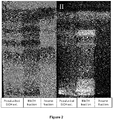
- Thin layer chromatography was carried out on silica gel glass plates (40-63 ⁇ m with F 254 indicator) supplied by Silicycle Inc. (Ville de Québec, Québec, Canada). Elution was conducted in a 15:1 CHCl 3 -MeOH mixture and visualized under UV 254 nm for I and under UV 365 nm after treatment with 1% methanolic diphenylboryloxyethylamine (NP) followed by 5 % polyethylene glycol-4000 (PEG) for II.
- TLC Thin layer chromatography
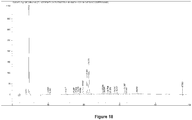
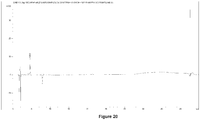
- Figures 2 , 3 , 4, and 5 show the thin layer chromatograms obtained for the buds ethanolic extract and the methanol soluble and hexane soluble fractions ( Figure 2 ), the diethyl ether soluble and water-soluble fractions ( Figure 3 ), fractions B, C, D, E and F ( Figure 4 ), and fractions F1, F2, F3, F4, F5 and F6 ( Figure 5 ).
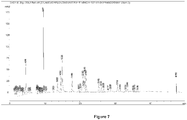
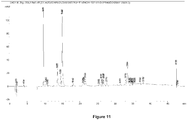
- HPLC method The instrumentation used for HPLC analysis consisted of an AgilentTM 1100 series with a UV-MSD detector. Control of the equipment, data acquisition, processing and management of chromatographic information were performed with the ChemstationTM software (Agilent). The analytical HPLC separations were conducted on an inertsilTM Prep-ODS column (5 ⁇ m), 4.6 ⁇ 150 mm) from GL Sciences Inc. (Tokyo, Japan). Solvents were water containing 0.1 % formic acid (solvent A) and acetonitrile containing 0.1 % formic acid (solvent B).
- the S . aureus wild type strain was from ATCC (ATCC 25923), the E . coli was obtained from ATCC (ATCC 25922) and MRSA 1, 2 and 3 were obtained as described above.
- Gentamicin sulfate was provided by Calbiochem.
- the antibiotic assays were performed in 96-well plates (BD Falcon).
- the extract and fractions were diluted in dimethyl sulfoxide and the above-noted antibiotic agents were diluted in water.
- the solvent concentration was 0.25%, which was not toxic for the bacteria.
- the extract, the fractions and the above-noted antibiotic agents were tested at 8 different concentrations.
- Each well contained: 100 ⁇ L of bacteria, 50 ⁇ L of the compounds tested (the extract, the fractions and the above-noted antibiotic agent) and 50 ⁇ L of a 4% resazurin (Sigma) solution.
- the plates were incubated at 37°C for 5h.
- the fluorescence was read using a Fluoroskan ascentTM FL (thermo) using an excitation wavelength of 530 nm and an emission wavelength of 590 nm.
- Cytotoxicity assay The cytotoxicity assay was performed in 96-well plates (BD Falcon). The WS-1 cell lines were provided by ATCC. The WS-1 was cultured in DMEM+10% fetal calf serum. The cells were plated in a volume of 100 ⁇ L at a density of 5000 cells per well and incubated at 37°C + 5% CO2 for 24h to promote cell adhesion.
- the extracts, fractions and the above-noted control antibiotic agent were then added at 8 different concentrations with a concentration of solvent of 0.25% to avoid solvent toxicity.
- the plates were incubated at 37°C + 5% CO 2 for 48h.
- the cells were then washed with 100 ⁇ L of HBSS and 150 ⁇ L of a 2% resazurin were added to the wells.
- the plates were again incubated at 37°C + 5% CO 2 for 1h and their fluorescence was read using a Fluoroskan ascentTM FL (thermo) using an excitation wavelength of 530 nm and an emission wavelength of 590 nm.
- Table 8 Antibiotic activity of Populus balsamifera bud ethanolic extract and of fractions thereof against S. aureus wild type strain (ATCC25923), E. coli (ATCC25922) and three strains of MRSAs (1, 2 and 3). IC 50 (along their standard error) and MIC values are shown. All values are in ⁇ g/ml. Extract/fractions S . aureus WT E.
Landscapes
- Chemical & Material Sciences (AREA)
- Organic Chemistry (AREA)
- Health & Medical Sciences (AREA)
- Natural Medicines & Medicinal Plants (AREA)
- Life Sciences & Earth Sciences (AREA)
- Pharmacology & Pharmacy (AREA)
- Veterinary Medicine (AREA)
- Public Health (AREA)
- General Health & Medical Sciences (AREA)
- Animal Behavior & Ethology (AREA)
- Medicinal Chemistry (AREA)
- Alternative & Traditional Medicine (AREA)
- Engineering & Computer Science (AREA)
- Microbiology (AREA)
- Epidemiology (AREA)
- Medical Informatics (AREA)
- Botany (AREA)
- Biotechnology (AREA)
- Mycology (AREA)
- Communicable Diseases (AREA)
- Oncology (AREA)
- Chemical Kinetics & Catalysis (AREA)
- General Chemical & Material Sciences (AREA)
- Nuclear Medicine, Radiotherapy & Molecular Imaging (AREA)
- Pharmaceuticals Containing Other Organic And Inorganic Compounds (AREA)
Claims (15)
- Zusammensetzung mit der Formel (I):
 eines von A und B H ist und das andere ist
 G R2 ist und E ist
 G und E beide Kohlenstoffatome sind, wobei die genannten Kohlenstoffatome durch eine einzige Verbindung miteinander verbunden sind, wobei G durch
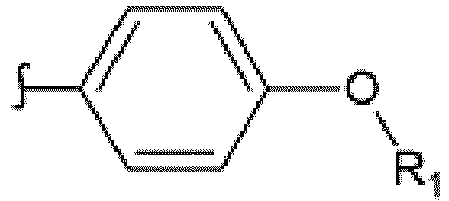 substituiert ist und E durch R6 substituiert ist;wobei jedes R1, R2, R3 und R4 unabhängig H oder Alkyl ist; undjedes R5 und R6 unabhängig H, OH, Alkyl oder Alkoxyoder ein Salz, Ester oder Solvat davon ist,unter der Voraussetzung, dass die Zusammensetzung mit der Formel (I) nicht die Zusammensetzung:

- Zusammensetzung gemäß Anspruch 1 mit der Formel (1), (2) oder (3):


- Zusammensetzung gemäß Anspruch 1 oder 2, wobei R1 H ist; und / oder R2 H oder CH3 ist; und / oder R3 H ist; und / oder R4 H oder -CH3 ist; und / oder R5 H, -OH oder -O-CH3 ist; und / oder R6 H oder -OH ist.
- Zusammensetzung (a) mit der Formel (1):

R1 R2 R3 R4 R5 H CH3 H H OH; oder H H H H H, (b) der Formel (2) :
R1 R4 R3 R5 R6 Stereochemie H H H H H Razemat H H H H H 2S; H H H H H 2R; H H H -O-CH3 H Razemat H H H -O-CH3 H 2S; H H H -O-CH3 H 2R; H CH3 H OH H Razemat H CH3 H OH H 2S; H CH3 H OH H 2R; H H H H OH Razemat H H H H OH 2S,3S; H H H H OH 2S.3R; H H H -O-CH3 OH Razemat H H H -O-CH3 OH 2R,3S; oder H H H -O-CH3 OH 2S,3R, (c) der Formel (3):
R1 R3 R4 R5 R6 Stereochemie H H H H OH Razemat H H H H OH 2R,3S; oder H H H H OH 2S,3R, - Zusammensetzung gemäß irgendeinem der Ansprüche 1 bis 4, wobei die genannte Zusammensetzung die Form einer freien Basis aufweist.
- Zusammensetzung gemäß irgendeinem der Ansprüche 1 bis 4, wobei die Zusammensetzung


- Zusammensetzung gemäß Anspruch 6, wobei das genannte Solvat ein Hydrat ist.
- Extrakt aus einer Pflanze, die zu einer Art der Populus gehört, wobei der Extrakt wenigstens eine Zusammensetzung der Formel (I) gemäß obiger Beschreibung, die Zusammensetzung


- Extrakt gemäß Anspruch 8, wobei die Pflanze Populus balsamifera ist.
- Extrakt gemäß Anspruch 9, der ein Extrakt aus Populus balsamifera-Knospen ist, bevorzugt ein ethanolischer Extrakt, oder eine Kombination aus mehreren derartigen Extrakten in flüssiger Form oder in getrockneter Form.
- Methanolischer Extrakt des getrockneten ethanolischen Extrakts gemäß Anspruch 10, wobei der methanolische Extrakt wenigstens eine Zusammensetzung mit der Formel (I) gemäß obiger Beschreibung, die Zusammensetzung


- Diethyletherextrakt des methanolischen Extrakts gemäß Anspruch 11, wobei der Diethyletherextrakt wenigstens eine Zusammensetzung mit der Formel (I) gemäß obiger Beschreibung, die Zusammensetzung


- Fraktion des getrockneten Diethylextrakts gemäß Anspruch 12, wobei die Fraktion wenigstens eine Zusammensetzung mit der Formel (I) gemäß obiger Beschreibung, die Zusammensetzung


- Pharmazeutische Zusammensetzung, umfassend(i) die Zusammensetzung gemäß irgendeinem der Ansprüche 1 bis 4, die Zusammensetzung

 (ii) ein pharmazeutisch akzeptables Salz, einen pharmazeutisch akzeptablen Ester oder ein pharmazeutisch akzeptables Solvat von (i); oder (iii) den Extrakt gemäß irgendeinem der Ansprüche 8 - 12 oder (iv) die Fraktion gemäß Anspruch 13, bevorzugt weiterhin umfassend einen pharmazeutisch akzeptablen Träger.
 - Zusammensetzung, Salz, Ester oder Solvat gemäß irgendeinem der Ansprüche 1 bis 4, die Zusammensetzung


Applications Claiming Priority (3)
| Application Number | Priority Date | Filing Date | Title |
|---|---|---|---|
| US201261694480P | 2012-08-29 | 2012-08-29 | |
| US201361807473P | 2013-04-02 | 2013-04-02 | |
| PCT/CA2013/050665 WO2014032183A1 (en) | 2012-08-29 | 2013-08-28 | Dihydrochalcone derivatives and their use as antibiotic agents |
Publications (3)
| Publication Number | Publication Date |
|---|---|
| EP2890689A1 EP2890689A1 (de) | 2015-07-08 |
| EP2890689A4 EP2890689A4 (de) | 2016-03-09 |
| EP2890689B1 true EP2890689B1 (de) | 2018-08-08 |
Family
ID=50182321
Family Applications (1)
| Application Number | Title | Priority Date | Filing Date |
|---|---|---|---|
| EP13834219.1A Active EP2890689B1 (de) | 2012-08-29 | 2013-08-28 | Dihydrochalconderivate und deren verwendung als antibiotika |
Country Status (4)
| Country | Link |
|---|---|
| US (1) | US9499509B2 (de) |
| EP (1) | EP2890689B1 (de) |
| CA (1) | CA2883997C (de) |
| WO (1) | WO2014032183A1 (de) |
Family Cites Families (1)
| Publication number | Priority date | Publication date | Assignee | Title |
|---|---|---|---|---|
| SE9101642D0 (sv) | 1991-05-30 | 1991-05-30 | Kabi Pharmacia Ab | Phospholipids |
-
2013
- 2013-08-28 CA CA2883997A patent/CA2883997C/en active Active
- 2013-08-28 US US14/425,147 patent/US9499509B2/en active Active
- 2013-08-28 WO PCT/CA2013/050665 patent/WO2014032183A1/en not_active Ceased
- 2013-08-28 EP EP13834219.1A patent/EP2890689B1/de active Active
Non-Patent Citations (1)
| Title |
|---|
| None * |
Also Published As
| Publication number | Publication date |
|---|---|
| US9499509B2 (en) | 2016-11-22 |
| CA2883997C (en) | 2021-02-16 |
| EP2890689A1 (de) | 2015-07-08 |
| EP2890689A4 (de) | 2016-03-09 |
| CA2883997A1 (en) | 2014-03-06 |
| US20150210663A1 (en) | 2015-07-30 |
| WO2014032183A1 (en) | 2014-03-06 |
Similar Documents
| Publication | Publication Date | Title |
|---|---|---|
| US8445654B2 (en) | Antibiotic macrocycle compounds and methods of manufacture and use thereof | |
| JP7272714B2 (ja) | 抗薬剤耐性菌活性を有するプレウロムリンレインエステルおよびその調製方法 | |
| AU2011255630B2 (en) | Treatment of Clostridium difficile infection in patients undergoing antibiotic therapy | |
| CN102250221A (zh) | 万古霉素类衍生物及其制备方法和用途 | |
| AU2011255633B2 (en) | Methods of treating recurring bacterial infection | |
| JP5230647B2 (ja) | アミノチアゾール大環状分子、抗菌化合物としてのその使用およびその製造法 | |
| CA2883997C (en) | Dihydrochalcone derivatives and their use as antibiotic agents | |
| CN107151264A (zh) | 新型糖肽类抗生素衍生物及药物组合物、以及其制备方法和用途 | |
| CN115710167B (zh) | 两个二苯醚化合物及其制备方法和在制备抗菌药物中的应用 | |
| KR20120079455A (ko) | 폴리사이클릭 펩타이드 화합물을 포함하는 항균용 조성물 및 이의 생산방법 | |
| CN110615822B (zh) | 大环内酯类化合物、其合成方法、药物组合物与应用 | |
| US20150157653A1 (en) | Prevention of Clostridium Difficile Infection in High Risk Patients | |
| CN117209456B (zh) | 一种苯基烷基醚类化合物及其制备方法和用途 | |
| RU2572621C2 (ru) | Экстракты kibdelos porangium в качестве антибактериальных средств | |
| JP2008513486A (ja) | 抗生物質化合物 | |
| KR101608562B1 (ko) | 신규한 항균성 화합물 및 이를 포함하는 항균 조성물 | |
| CN121517508A (zh) | 达托霉素修饰物、其合成方法及应用 | |
| US20100222426A1 (en) | Anti-Bacterial Agents | |
| CN118405994A (zh) | 硫双二氯酚衍生物及其制备方法和应用 | |
| EP3214088B1 (de) | Verfahren zur herstellung von eushearilidem | |
| CN106317206B (zh) | 去甲万古霉素类二聚体衍生物及其制备方法和药用用途 | |
| CN119569805A (zh) | 一种含芳香环的孕甾烷类化合物及其制备方法和应用 | |
| WO2020023318A1 (en) | Anti-biofilm compounds |
Legal Events
| Date | Code | Title | Description |
|---|---|---|---|
| PUAI | Public reference made under article 153(3) epc to a published international application that has entered the european phase |
Free format text: ORIGINAL CODE: 0009012 |
|
| 17P | Request for examination filed |
Effective date: 20150320 |
|
| AK | Designated contracting states |
Kind code of ref document: A1 Designated state(s): AL AT BE BG CH CY CZ DE DK EE ES FI FR GB GR HR HU IE IS IT LI LT LU LV MC MK MT NL NO PL PT RO RS SE SI SK SM TR |
|
| AX | Request for extension of the european patent |
Extension state: BA ME |
|
| DAX | Request for extension of the european patent (deleted) | ||
| RA4 | Supplementary search report drawn up and despatched (corrected) |
Effective date: 20160209 |
|
| RIC1 | Information provided on ipc code assigned before grant |
Ipc: C07D 311/60 20060101ALI20160203BHEP Ipc: A61P 31/04 20060101ALI20160203BHEP Ipc: C07D 311/62 20060101AFI20160203BHEP Ipc: A61K 36/76 20060101ALI20160203BHEP Ipc: A61K 31/353 20060101ALI20160203BHEP Ipc: C07C 49/84 20060101ALI20160203BHEP Ipc: A61K 31/12 20060101ALI20160203BHEP |
|
| 17Q | First examination report despatched |
Effective date: 20170127 |
|
| GRAP | Despatch of communication of intention to grant a patent |
Free format text: ORIGINAL CODE: EPIDOSNIGR1 |
|
| INTG | Intention to grant announced |
Effective date: 20180213 |
|
| GRAJ | Information related to disapproval of communication of intention to grant by the applicant or resumption of examination proceedings by the epo deleted |
Free format text: ORIGINAL CODE: EPIDOSDIGR1 |
|
| GRAR | Information related to intention to grant a patent recorded |
Free format text: ORIGINAL CODE: EPIDOSNIGR71 |
|
| GRAS | Grant fee paid |
Free format text: ORIGINAL CODE: EPIDOSNIGR3 |
|
| GRAA | (expected) grant |
Free format text: ORIGINAL CODE: 0009210 |
|
| INTC | Intention to grant announced (deleted) | ||
| AK | Designated contracting states |
Kind code of ref document: B1 Designated state(s): AL AT BE BG CH CY CZ DE DK EE ES FI FR GB GR HR HU IE IS IT LI LT LU LV MC MK MT NL NO PL PT RO RS SE SI SK SM TR |
|
| INTG | Intention to grant announced |
Effective date: 20180702 |
|
| REG | Reference to a national code |
Ref country code: GB Ref legal event code: FG4D |
|
| REG | Reference to a national code |
Ref country code: CH Ref legal event code: EP Ref country code: AT Ref legal event code: REF Ref document number: 1026823 Country of ref document: AT Kind code of ref document: T Effective date: 20180815 |
|
| REG | Reference to a national code |
Ref country code: FR Ref legal event code: PLFP Year of fee payment: 6 |
|
| REG | Reference to a national code |
Ref country code: IE Ref legal event code: FG4D |
|
| REG | Reference to a national code |
Ref country code: DE Ref legal event code: R096 Ref document number: 602013041803 Country of ref document: DE |
|
| REG | Reference to a national code |
Ref country code: NL Ref legal event code: MP Effective date: 20180808 |
|
| REG | Reference to a national code |
Ref country code: LT Ref legal event code: MG4D |
|
| REG | Reference to a national code |
Ref country code: AT Ref legal event code: MK05 Ref document number: 1026823 Country of ref document: AT Kind code of ref document: T Effective date: 20180808 |
|
| PG25 | Lapsed in a contracting state [announced via postgrant information from national office to epo] |
Ref country code: PL Free format text: LAPSE BECAUSE OF FAILURE TO SUBMIT A TRANSLATION OF THE DESCRIPTION OR TO PAY THE FEE WITHIN THE PRESCRIBED TIME-LIMIT Effective date: 20180808 Ref country code: IS Free format text: LAPSE BECAUSE OF FAILURE TO SUBMIT A TRANSLATION OF THE DESCRIPTION OR TO PAY THE FEE WITHIN THE PRESCRIBED TIME-LIMIT Effective date: 20181208 Ref country code: AT Free format text: LAPSE BECAUSE OF FAILURE TO SUBMIT A TRANSLATION OF THE DESCRIPTION OR TO PAY THE FEE WITHIN THE PRESCRIBED TIME-LIMIT Effective date: 20180808 Ref country code: NL Free format text: LAPSE BECAUSE OF FAILURE TO SUBMIT A TRANSLATION OF THE DESCRIPTION OR TO PAY THE FEE WITHIN THE PRESCRIBED TIME-LIMIT Effective date: 20180808 Ref country code: BG Free format text: LAPSE BECAUSE OF FAILURE TO SUBMIT A TRANSLATION OF THE DESCRIPTION OR TO PAY THE FEE WITHIN THE PRESCRIBED TIME-LIMIT Effective date: 20181108 Ref country code: LT Free format text: LAPSE BECAUSE OF FAILURE TO SUBMIT A TRANSLATION OF THE DESCRIPTION OR TO PAY THE FEE WITHIN THE PRESCRIBED TIME-LIMIT Effective date: 20180808 Ref country code: NO Free format text: LAPSE BECAUSE OF FAILURE TO SUBMIT A TRANSLATION OF THE DESCRIPTION OR TO PAY THE FEE WITHIN THE PRESCRIBED TIME-LIMIT Effective date: 20181108 Ref country code: SE Free format text: LAPSE BECAUSE OF FAILURE TO SUBMIT A TRANSLATION OF THE DESCRIPTION OR TO PAY THE FEE WITHIN THE PRESCRIBED TIME-LIMIT Effective date: 20180808 Ref country code: RS Free format text: LAPSE BECAUSE OF FAILURE TO SUBMIT A TRANSLATION OF THE DESCRIPTION OR TO PAY THE FEE WITHIN THE PRESCRIBED TIME-LIMIT Effective date: 20180808 Ref country code: GR Free format text: LAPSE BECAUSE OF FAILURE TO SUBMIT A TRANSLATION OF THE DESCRIPTION OR TO PAY THE FEE WITHIN THE PRESCRIBED TIME-LIMIT Effective date: 20181109 Ref country code: FI Free format text: LAPSE BECAUSE OF FAILURE TO SUBMIT A TRANSLATION OF THE DESCRIPTION OR TO PAY THE FEE WITHIN THE PRESCRIBED TIME-LIMIT Effective date: 20180808 |
|
| PG25 | Lapsed in a contracting state [announced via postgrant information from national office to epo] |
Ref country code: AL Free format text: LAPSE BECAUSE OF FAILURE TO SUBMIT A TRANSLATION OF THE DESCRIPTION OR TO PAY THE FEE WITHIN THE PRESCRIBED TIME-LIMIT Effective date: 20180808 Ref country code: LV Free format text: LAPSE BECAUSE OF FAILURE TO SUBMIT A TRANSLATION OF THE DESCRIPTION OR TO PAY THE FEE WITHIN THE PRESCRIBED TIME-LIMIT Effective date: 20180808 Ref country code: HR Free format text: LAPSE BECAUSE OF FAILURE TO SUBMIT A TRANSLATION OF THE DESCRIPTION OR TO PAY THE FEE WITHIN THE PRESCRIBED TIME-LIMIT Effective date: 20180808 |
|
| REG | Reference to a national code |
Ref country code: CH Ref legal event code: PL |
|
| PG25 | Lapsed in a contracting state [announced via postgrant information from national office to epo] |
Ref country code: LI Free format text: LAPSE BECAUSE OF NON-PAYMENT OF DUE FEES Effective date: 20180831 Ref country code: CZ Free format text: LAPSE BECAUSE OF FAILURE TO SUBMIT A TRANSLATION OF THE DESCRIPTION OR TO PAY THE FEE WITHIN THE PRESCRIBED TIME-LIMIT Effective date: 20180808 Ref country code: LU Free format text: LAPSE BECAUSE OF NON-PAYMENT OF DUE FEES Effective date: 20180828 Ref country code: RO Free format text: LAPSE BECAUSE OF FAILURE TO SUBMIT A TRANSLATION OF THE DESCRIPTION OR TO PAY THE FEE WITHIN THE PRESCRIBED TIME-LIMIT Effective date: 20180808 Ref country code: IT Free format text: LAPSE BECAUSE OF FAILURE TO SUBMIT A TRANSLATION OF THE DESCRIPTION OR TO PAY THE FEE WITHIN THE PRESCRIBED TIME-LIMIT Effective date: 20180808 Ref country code: CH Free format text: LAPSE BECAUSE OF NON-PAYMENT OF DUE FEES Effective date: 20180831 Ref country code: ES Free format text: LAPSE BECAUSE OF FAILURE TO SUBMIT A TRANSLATION OF THE DESCRIPTION OR TO PAY THE FEE WITHIN THE PRESCRIBED TIME-LIMIT Effective date: 20180808 |
|
| REG | Reference to a national code |
Ref country code: DE Ref legal event code: R097 Ref document number: 602013041803 Country of ref document: DE |
|
| REG | Reference to a national code |
Ref country code: BE Ref legal event code: MM Effective date: 20180831 |
|
| PG25 | Lapsed in a contracting state [announced via postgrant information from national office to epo] |
Ref country code: SK Free format text: LAPSE BECAUSE OF FAILURE TO SUBMIT A TRANSLATION OF THE DESCRIPTION OR TO PAY THE FEE WITHIN THE PRESCRIBED TIME-LIMIT Effective date: 20180808 Ref country code: SM Free format text: LAPSE BECAUSE OF FAILURE TO SUBMIT A TRANSLATION OF THE DESCRIPTION OR TO PAY THE FEE WITHIN THE PRESCRIBED TIME-LIMIT Effective date: 20180808 Ref country code: DK Free format text: LAPSE BECAUSE OF FAILURE TO SUBMIT A TRANSLATION OF THE DESCRIPTION OR TO PAY THE FEE WITHIN THE PRESCRIBED TIME-LIMIT Effective date: 20180808 |
|
| PLBE | No opposition filed within time limit |
Free format text: ORIGINAL CODE: 0009261 |
|
| STAA | Information on the status of an ep patent application or granted ep patent |
Free format text: STATUS: NO OPPOSITION FILED WITHIN TIME LIMIT |
|
| PG25 | Lapsed in a contracting state [announced via postgrant information from national office to epo] |
Ref country code: MC Free format text: LAPSE BECAUSE OF FAILURE TO SUBMIT A TRANSLATION OF THE DESCRIPTION OR TO PAY THE FEE WITHIN THE PRESCRIBED TIME-LIMIT Effective date: 20180808 |
|
| 26N | No opposition filed |
Effective date: 20190509 |
|
| PG25 | Lapsed in a contracting state [announced via postgrant information from national office to epo] |
Ref country code: EE Free format text: LAPSE BECAUSE OF FAILURE TO SUBMIT A TRANSLATION OF THE DESCRIPTION OR TO PAY THE FEE WITHIN THE PRESCRIBED TIME-LIMIT Effective date: 20180808 Ref country code: BE Free format text: LAPSE BECAUSE OF NON-PAYMENT OF DUE FEES Effective date: 20180831 Ref country code: SI Free format text: LAPSE BECAUSE OF FAILURE TO SUBMIT A TRANSLATION OF THE DESCRIPTION OR TO PAY THE FEE WITHIN THE PRESCRIBED TIME-LIMIT Effective date: 20180808 |
|
| PG25 | Lapsed in a contracting state [announced via postgrant information from national office to epo] |
Ref country code: MT Free format text: LAPSE BECAUSE OF NON-PAYMENT OF DUE FEES Effective date: 20180828 |
|
| PG25 | Lapsed in a contracting state [announced via postgrant information from national office to epo] |
Ref country code: TR Free format text: LAPSE BECAUSE OF FAILURE TO SUBMIT A TRANSLATION OF THE DESCRIPTION OR TO PAY THE FEE WITHIN THE PRESCRIBED TIME-LIMIT Effective date: 20180808 |
|
| PG25 | Lapsed in a contracting state [announced via postgrant information from national office to epo] |
Ref country code: PT Free format text: LAPSE BECAUSE OF FAILURE TO SUBMIT A TRANSLATION OF THE DESCRIPTION OR TO PAY THE FEE WITHIN THE PRESCRIBED TIME-LIMIT Effective date: 20180808 |
|
| PG25 | Lapsed in a contracting state [announced via postgrant information from national office to epo] |
Ref country code: MK Free format text: LAPSE BECAUSE OF NON-PAYMENT OF DUE FEES Effective date: 20180808 Ref country code: HU Free format text: LAPSE BECAUSE OF FAILURE TO SUBMIT A TRANSLATION OF THE DESCRIPTION OR TO PAY THE FEE WITHIN THE PRESCRIBED TIME-LIMIT; INVALID AB INITIO Effective date: 20130828 Ref country code: CY Free format text: LAPSE BECAUSE OF FAILURE TO SUBMIT A TRANSLATION OF THE DESCRIPTION OR TO PAY THE FEE WITHIN THE PRESCRIBED TIME-LIMIT Effective date: 20180808 Ref country code: IE Free format text: LAPSE BECAUSE OF NON-PAYMENT OF DUE FEES Effective date: 20180828 |
|
| PGFP | Annual fee paid to national office [announced via postgrant information from national office to epo] |
Ref country code: DE Payment date: 20250828 Year of fee payment: 13 |
|
| PGFP | Annual fee paid to national office [announced via postgrant information from national office to epo] |
Ref country code: GB Payment date: 20250801 Year of fee payment: 13 |
|
| PGFP | Annual fee paid to national office [announced via postgrant information from national office to epo] |
Ref country code: FR Payment date: 20250817 Year of fee payment: 13 |