EP2886653B1 - Durch prokaryotische bakterien photoinduziertes genexpressionssystem und verfahren zur regelung und steuerung einer genexpression damit - Google Patents
Durch prokaryotische bakterien photoinduziertes genexpressionssystem und verfahren zur regelung und steuerung einer genexpression damit Download PDFInfo
- Publication number
- EP2886653B1 EP2886653B1 EP13824987.5A EP13824987A EP2886653B1 EP 2886653 B1 EP2886653 B1 EP 2886653B1 EP 13824987 A EP13824987 A EP 13824987A EP 2886653 B1 EP2886653 B1 EP 2886653B1
- Authority
- EP
- European Patent Office
- Prior art keywords
- light
- switchable
- prokaryotic
- dna
- gene
- Prior art date
- Legal status (The legal status is an assumption and is not a legal conclusion. Google has not performed a legal analysis and makes no representation as to the accuracy of the status listed.)
- Active
Links
Images




Classifications
-
- C—CHEMISTRY; METALLURGY
- C12—BIOCHEMISTRY; BEER; SPIRITS; WINE; VINEGAR; MICROBIOLOGY; ENZYMOLOGY; MUTATION OR GENETIC ENGINEERING
- C12N—MICROORGANISMS OR ENZYMES; COMPOSITIONS THEREOF; PROPAGATING, PRESERVING, OR MAINTAINING MICROORGANISMS; MUTATION OR GENETIC ENGINEERING; CULTURE MEDIA
- C12N15/00—Mutation or genetic engineering; DNA or RNA concerning genetic engineering, vectors, e.g. plasmids, or their isolation, preparation or purification; Use of hosts therefor
- C12N15/09—Recombinant DNA-technology
- C12N15/63—Introduction of foreign genetic material using vectors; Vectors; Use of hosts therefor; Regulation of expression
- C12N15/635—Externally inducible repressor mediated regulation of gene expression, e.g. tetR inducible by tetracyline
-
- C—CHEMISTRY; METALLURGY
- C12—BIOCHEMISTRY; BEER; SPIRITS; WINE; VINEGAR; MICROBIOLOGY; ENZYMOLOGY; MUTATION OR GENETIC ENGINEERING
- C12N—MICROORGANISMS OR ENZYMES; COMPOSITIONS THEREOF; PROPAGATING, PRESERVING, OR MAINTAINING MICROORGANISMS; MUTATION OR GENETIC ENGINEERING; CULTURE MEDIA
- C12N13/00—Treatment of microorganisms or enzymes with electrical or wave energy, e.g. magnetism, sonic waves
-
- C—CHEMISTRY; METALLURGY
- C12—BIOCHEMISTRY; BEER; SPIRITS; WINE; VINEGAR; MICROBIOLOGY; ENZYMOLOGY; MUTATION OR GENETIC ENGINEERING
- C12N—MICROORGANISMS OR ENZYMES; COMPOSITIONS THEREOF; PROPAGATING, PRESERVING, OR MAINTAINING MICROORGANISMS; MUTATION OR GENETIC ENGINEERING; CULTURE MEDIA
- C12N15/00—Mutation or genetic engineering; DNA or RNA concerning genetic engineering, vectors, e.g. plasmids, or their isolation, preparation or purification; Use of hosts therefor
- C12N15/09—Recombinant DNA-technology
- C12N15/63—Introduction of foreign genetic material using vectors; Vectors; Use of hosts therefor; Regulation of expression
- C12N15/70—Vectors or expression systems specially adapted for E. coli
-
- C—CHEMISTRY; METALLURGY
- C12—BIOCHEMISTRY; BEER; SPIRITS; WINE; VINEGAR; MICROBIOLOGY; ENZYMOLOGY; MUTATION OR GENETIC ENGINEERING
- C12N—MICROORGANISMS OR ENZYMES; COMPOSITIONS THEREOF; PROPAGATING, PRESERVING, OR MAINTAINING MICROORGANISMS; MUTATION OR GENETIC ENGINEERING; CULTURE MEDIA
- C12N15/00—Mutation or genetic engineering; DNA or RNA concerning genetic engineering, vectors, e.g. plasmids, or their isolation, preparation or purification; Use of hosts therefor
- C12N15/09—Recombinant DNA-technology
- C12N15/63—Introduction of foreign genetic material using vectors; Vectors; Use of hosts therefor; Regulation of expression
- C12N15/74—Vectors or expression systems specially adapted for prokaryotic hosts other than E. coli, e.g. Lactobacillus, Micromonospora
-
- C—CHEMISTRY; METALLURGY
- C12—BIOCHEMISTRY; BEER; SPIRITS; WINE; VINEGAR; MICROBIOLOGY; ENZYMOLOGY; MUTATION OR GENETIC ENGINEERING
- C12N—MICROORGANISMS OR ENZYMES; COMPOSITIONS THEREOF; PROPAGATING, PRESERVING, OR MAINTAINING MICROORGANISMS; MUTATION OR GENETIC ENGINEERING; CULTURE MEDIA
- C12N15/00—Mutation or genetic engineering; DNA or RNA concerning genetic engineering, vectors, e.g. plasmids, or their isolation, preparation or purification; Use of hosts therefor
- C12N15/09—Recombinant DNA-technology
- C12N15/63—Introduction of foreign genetic material using vectors; Vectors; Use of hosts therefor; Regulation of expression
- C12N15/74—Vectors or expression systems specially adapted for prokaryotic hosts other than E. coli, e.g. Lactobacillus, Micromonospora
- C12N15/75—Vectors or expression systems specially adapted for prokaryotic hosts other than E. coli, e.g. Lactobacillus, Micromonospora for Bacillus
-
- C—CHEMISTRY; METALLURGY
- C12—BIOCHEMISTRY; BEER; SPIRITS; WINE; VINEGAR; MICROBIOLOGY; ENZYMOLOGY; MUTATION OR GENETIC ENGINEERING
- C12N—MICROORGANISMS OR ENZYMES; COMPOSITIONS THEREOF; PROPAGATING, PRESERVING, OR MAINTAINING MICROORGANISMS; MUTATION OR GENETIC ENGINEERING; CULTURE MEDIA
- C12N9/00—Enzymes; Proenzymes; Compositions thereof; Processes for preparing, activating, inhibiting, separating or purifying enzymes
- C12N9/0004—Oxidoreductases (1.)
- C12N9/0051—Oxidoreductases (1.) acting on a sulfur group of donors (1.8)
-
- C—CHEMISTRY; METALLURGY
- C12—BIOCHEMISTRY; BEER; SPIRITS; WINE; VINEGAR; MICROBIOLOGY; ENZYMOLOGY; MUTATION OR GENETIC ENGINEERING
- C12P—FERMENTATION OR ENZYME-USING PROCESSES TO SYNTHESISE A DESIRED CHEMICAL COMPOUND OR COMPOSITION OR TO SEPARATE OPTICAL ISOMERS FROM A RACEMIC MIXTURE
- C12P21/00—Preparation of peptides or proteins
- C12P21/02—Preparation of peptides or proteins having a known sequence of two or more amino acids, e.g. glutathione
Definitions
- the invention relates to the fields of genetic engineering and synthetic biology, especially, relates to gene expression, and more especially, relates to an inducible gene expression system based on light-switchable proteins and a method of regulating the gene expression in prokaryotic bacterium by using this expression system.
- RNA polymerase of E.coli consists of five subunits; its molecular weight is about 480 Kd, it contains ⁇ , ⁇ , ⁇ ', ⁇ four different polypeptides, there are two molecular of ⁇ polypeptide, so the holoenzyme is ⁇ 2 ⁇ ' ⁇ .
- ⁇ subunit is linked with the formation of tetramer core enzyme ( ⁇ 2 ⁇ ') of RNA polymerase; ⁇ subunit contains the binding site of nucleoside triphosphate; ⁇ ' subunit has the binding site of DNA template; ⁇ is only linked with the initiation of RNA transcription and is not unrelated to the elongation of chain.
- ⁇ is released and the elongation of chain is catalyzed by tetramer core enzyme. So the function of ⁇ is recognition of the transcriptional initiation signal and enabling binding of RNA polymerase to the promoter region.
- the initiation signal in DNA also as "initiation sequence” is termed as promoter.
- the promoter of E.coli consists of -10 region and -35 region, -10 region locates at 10 bp upstream of the transcriptional start point and contains the conserved sequence of six bases TATATA which is the tight binding site of RNA polymerase. Another conserved sequence of six bases TTGACA is located at 35 bp upstream of the transcriptional start point, -35 region provides the recognition signal of RNA polymerase; the promoter activity of E.coli depends on the base contents of -10 and -35 regions and space length between -10 and -35 regions.
- the core enzyme can bind to the DNA, it mainly results from the non-specific electrostatic attraction between basic protein and acidic nucleic acid, the DNA is still double helix, ⁇ subunit can alter the affinity of RNA polymerase and DNA and significantly increase the binding constant and residence time of the enzyme and promoter.
- the core enzyme contacts with DNA with the help of ⁇ subunit and forms non-specific complex, such complex is not stable and the enzyme can slide along with the DNA chain.
- the holoenzyme rapidly recognizes the promoter with the help of ⁇ subunit and binds to it to form relaxed closed promoter complex.
- the RNA polymerase binds to DNA surface and the recognition is located at the -35 region of promoter.
- Bacillus is another widely used prokaryotic bacteria and is gram-positive bacterium. Somewhat differently, Bacillus contains many kinds of RNA polymerases and ⁇ which recognize different promoter sequences.
- the gene expression systems of prokaryotic bacteria can be divided into two types, the first is constitutive expression which enables the independent continuous expression of target gene without induction.
- the other is inducible gene expression system which can be divided into small chemical induced gene expression system and physical methods induced gene expression system according to the inducers.
- IPTG is the mostly used inducer. IPTG is the analogue of lactose and has extremely strong induction ability, it is very stable and cannot be metabolized by bacteria.
- the inducer of current most widely used expression vectors containing T7 promoter, lac promoter, Tac promoter and grac promoter is IPTG.
- the low valence metal ions can be oxidized by the oxidizing environment of prokaryotic bacteria cells, resulting in interference of transcriptional activation by the metal ions that need strict oxidizing environment; (3) In the temperature inducible gene expression systems, the increase of external temperature can activate the heat shock proteins of E.coli to affect the stability of products, some proteins are difficult to fold correctly, the UV-induced cage technology may cause irreversible damage to cells; (4) the most importantly, chemical inducers only can temporally regulate gene expression, but cannot spatially regulate the gene expression in specific cells and tissues.
- light-regulated proteins also known as photosensitive protein
- studies on light-regulated transcription factors have been rarely reported, there are only two systems.
- the photosensitive proteins using flavin as the chromophore also called flavin-containing protein family blue light receptor
- flavin-containing protein family blue light receptor which can be divided into three groups: first is photoreceptors with light-oxygen-voltage (LOV) domain, such as phytochrome; the second is photolyase-like cryptochromes; the third is blue light using FAD (BLUF) family that is found in recent years.
- LUV light-oxygen-voltage
- BLUF blue light using FAD
- Phytochrome is the most common photoreceptor containing LOV domain, such as phototropin 1, white collar-1 (WC-1), white collar-2 (WC-2), photoactive yellow protein (PYP), Phy3, VVD, etc.
- Phytochrome is usually a membrane-coupled kinase which can autophosphorylate and alters its activity to regulate specific physiological processes upon blue light exposure.
- Most phytochromes have Serine/Threonine kinase domain at the C-terminal and two LOV domains with flavin at the N-terminal.
- light-switchable transcription factor consists of three or four polypeptides, the ability of dimerization of the recombinant light-switchable transcription factor changed after blue light illumination, the dimerized transcription factor bond to the reaction element of the target transcription unit nucleotide sequence, to regulate (initiate/repress) the transcription and expression of the target gene via the synergistic effect on the promoter in the target transcription unit by the transcriptional activation/repression domain of the third polypeptide in this fusion protein and other transcriptional co-factors derived from the recruitment host cells.
- This system is considered as the best gene expression system of eukaryotic cells due to the following advantages: simplicity, fast induction kinetics, high induction ratio, good reversibility and high spatiotemporal resolution. However, it is a pity that the transcription and translation mechanism of prokaryotic bacteria differs from that of eukaryotic cells, so this system cannot be used in prokaryotic bacteria.
- Masayuki Yazaw et al. Yazawa, M.et al., Nat Biotechnol, 2009. 27(10): p.
- Cryptochromes from Arabidopsis thaliana are the first separated blue light photosensitive plant proteins, of which some have been well studied, such as cryptochrome1 (CRY1), cryptochrome 2 (CRY2), phytochrome A (phyA) and phytochrome B (phyB), their functions were regulated by the light of circadian rhythm to control growth and movement of plants.
- the amino acid sequences and fluorophore of cryptochromes are the similar to photofragmentation proteins, the molecular weight of most cryptochromes is about 70kD-80kD, it contains conservative PHR domain (relevant to photofragmentation enzyne) at the N terminal and unknown domain with great differences in length at the C terminal, the PHR domain can non-covalently bind to flavin.
- AppA and transcription factor PpsR combine to form AppA-PpsR2 complex and enable PpsR not to bind with DNA in darkness; bright blue light irradiation may enable AppA to dissociate from the complex, and the released PpsR forms a tetramer and bind to a specific DNA sequence to repress the gene transcription [ Pandey, R.et al, FEBS J, 2012 .] 9 .
- melanopsin Upon blue light illumination, melanopsin rapidly triggers the influx of Ca 2+ into cells, after a series of cascade, calmodulin activates the serine/threonine phosphatase calcineurin, which dephosphorylates the transcription factor NFAT, the dephosphorylated transcription factor NFAT enters into nucleus and bind to the NFAT-dependent promoter to activate transcription and translation of target genes.
- calmodulin activates the serine/threonine phosphatase calcineurin, which dephosphorylates the transcription factor NFAT, the dephosphorylated transcription factor NFAT enters into nucleus and bind to the NFAT-dependent promoter to activate transcription and translation of target genes.
- prokaryotic bacteria In relative to eukaryotic cells, prokaryotic bacteria have advantages of fast proliferation, low costs and high expression of foreign proteins (even can reach 90% of the total proteins), enabling it more suitable for large scale production of interested proteins.
- the most widely used gene expression systems today utilize chemical substances as the inducers, which have reasonable desirable induction performance, low leakage expression and high expression levels.
- many of gene expression systems have side-effect and potential toxicity due to their pleiotropic effect.
- the chemical inducers cannot precisely control gene expression at high spatial resolution.
- there are only a few of gene expression systems controlled by physical methods raise of temperature results in side-effect. Few photosensitive protein based gene expression systems have been developed, but the complexity and low induction ratio may limit their wide application.
- prokaryotic bacteria it is considered that a more excellent gene expression system of prokaryotic bacteria can be created to overcome the shortcomings of previous studies and it can be widely used in biomedical researches.
- the inventers After painstaking studies, the inventers have created a novel light-switchable gene expression system in prokaryotic bacterium. It has an excellent capacity to control the gene expression and it can spatiotemporally regulate the gene expression.
- the first object of the invention is to provide a novel light-switchable gene expression system of prokaryotic bacterium.
- the second object of the invention is to provide a method of the regulation of gene expression by using said light-switchable gene expression system in prokaryotic bacterium.
- the third object of the invention is to provide a prokaryotic expression vector containing said light-switchable gene expression system.
- the fourth object of the invention is to provide a method of the regulation of life processes (such as bacteria mobility, lysis) of prokaryotic bacterium.
- the fifth object of the invention is to provide a kit comprising a prokaryotic expression vector containing said light controllable gene expression system or a prokaryotic bacterium strain containing a light-switchable transcription factor in its genome.
- the present invention is defined in and by the appended claims.
- the invention relates to a light-switchable gene expression system of prokaryotic bacterium, comprising two parts: a) a gene encoding a recombinant light-switchable transcription factor, said recombinant light-switchable transcription factor is one fusion protein including a first polypeptide as DNA-binding domain and a second polypeptide as light-switchable domain; b) a target transcription unit, including promoter or promoter-reaction element or reaction element-promoter containing at least one reaction element, recognized/bound by the first polypeptide, and the nucleic acid sequence to be transcribed.
- the recombinant light-switchable transcription factor is a recombinant light-switchable DNA-binding protein.
- the capacity of the light-switchable DNA-binding protein binding to the reaction element is significantly changed before and after illumination, resulting in the direct repression or initiation of the transcription and translation of genes.
- the first polypeptide in the recombinant light-switchable transcription factor is a DNA-binding domain which is able to specifically recognize the reaction element, but unable to bind the reaction element or only have a weak binding affinity.
- the binding to the reaction element needs the assistance of the second polypeptide.
- the first polypeptide and the second polypeptide can be linked each other directly or operatively.
- the first polypeptide can be selected from the helix-turn-helix DNA-binding domain, zinc finger motif or zinc cluster DNA-binding domain, leucine zipper DNA-binding domain, winged helix DNA-binding domain, winged helix-turn-helix DNA-binding domain, helix-loop-helix DNA-binding domain, high mobility family DNA-binding domain and B3 DNA-binding domain.
- the second polypeptide is a light-switchable domain usually derived from the class of the photosensitive proteins containing flavin chromophore.
- the first polypeptide and the second polypeptide can be linked directly or operatively via a linker peptide.
- the amino acid number of the linker peptide is variable (such as 0-10 or more).
- the first polypeptide is selected from DNA binding domain of E.coli LexA protein, DNA binding domain of ⁇ phage cl repression protein, DNA binding domain of LacI repression protein, and DNA binding domain of tetracycline combination protein TetR, and their truncated mutants and/or mutants containing 80%-99% homologous amino acid sequence.
- the DNA binding domain of yeast Gal4 protein is also mentioned below for comparative illustration.
- the second polypeptide is selected from the photosensitive domains of the photosensitive proteins containing flavin chromophore and photosensitive domains of the photosensitive proteins containing LOV-domain.
- the second polypeptide can be further selected from LOV domain of Neurospora crassa VIVID, AuLOV domain in aureochrome1 of Stramenopile algae Vaucheria frigida, LOV domain of PpSB1 -LOV in Pseudomonas putida, and their truncated mutants or those mutants containing 15%-99% identical or 36%-99% similar amino acid sequence.
- AsLOV domain of oat phytochrome gene 1 is also mentioned below for comparative illustration. Mutants containing 15%-99% identical amino acid sequences are also mentioned below and may be embodiments or comparative illustrations of the second polypeptide.
- the promoter-the nucleic acid sequence to be transcribed, or the promoter-the reaction element-the nucleic acid sequence to be transcribed, or the reaction element-the promoter element-the nucleic acid sequence to be transcribed in target transcription unit can be linked each other directly or operatively.
- the reaction element is a DNA motif which can be specifically recognized and bound by the first polypeptide.
- the reaction element is selected from LexA binding element, cI binding element, LacI binding element, Gal4 binding element and TetR binding element.
- the promoter is selected from colE promoter, sulA promoter, recA promoter, umuDC promoter and lac minimal promoter of E . coli, T7 promoter of T7 phage and grac promoter of Bacillus subtilis.
- the recombinant light-switchable transcription factor can also contain additional peptides, such as a third polypeptide that can recruit other components of RNA polymerase.
- the first polypeptide, second polypeptide and third polypeptide can be linked each other directly or operatively.
- the third peptide is selected from E.coli ⁇ protein, ⁇ protein, and their mutants containing 36%-99% homologous amino acid sequence.
- the invention also relates to a prokaryotic expression vector containing the light-switchable gene expression system according to the invention.
- the prokaryotic expression vector can only contain the gene encoding the recombinant light-switchable transcriptional factor, or only contain the target transcription unit.
- the target transcription unit contains a promoter but can be adapted to receive (that is, by leaving a vacancy for) the nucleic acid sequence to be transcribed, or a promoter-a reaction element can be adapted to receive (that is, by leaving a vacancy for) the nucleic acid sequence to be transcribed, or a reaction element-a promoter but leaving a vacancy for the nucleic acid sequence to be transcribed.
- the prokaryotic expression vector can also contain both the gene encoding the recombinant light-switchable transcriptional factor and the target transcription unit.
- the gene encoding said recombinant light-switchable transcription factor in expression vector has a nucleotide sequence selected from SEQ. ID. NO: 48, 50, 52, 54, 56, 58, 60, 62, 64, 66, 68, 70, 72, 74, 76, 78, 80, 82, 84, 86, 88, 90, 92, 94, 96, 98, 100, 102, 104, 106, 109.
- the invention also relates to a prokaryotic bacteria strain whose genome is integrated with the recombinant light-switchable transcription factor in the light-switchable gene expression system according to the invention.
- the invention also relates to a method for the regulation of gene expression in prokaryotic cells by using the light-switchable gene expression system according the invention, comprising the following steps:
- the illumination comprises the selection and the control of light sources.
- the light sources include, but are not limited to, LED lamp, incandescent lamp, fluorescent lamp and laser; and the illumination method includes the selection of the quantity, time, intensity and frequency of the illumination.
- the spatial expression control of the target gene, using scan, projection, optical molds, etc., also falls into the range of the invention.
- the invention also enables the methods for the regulation of prokaryotic-bacterium life processes by using said light-switchable gene expression system, such as mobility, lysis etc.
- the invention further relates to a kit containing the prokaryotic bacteria (such as E.coli ) expression vector comprising the light-switchable gene expression system or the prokaryotic bacterium strain integration of the frame of light-switchable transcription factor in said light-switchable gene expression system, as well as the directions.
- the kit can also contain the prokaryotic expression vector comprising the target transcription unit composed of the target transcription factor but being adapted to receive (that is, leaving a vacancy for) the nucleic acid sequence to be transcribed.
- the invention provides a photosensitive polypeptide-based light-switchable gene expression system useful for the regulation of target gene expression with high spatiotemporal resolution in prokaryotic cells.
- the light-switchable gene expression system of the invention relates to at least two portions.
- the first portion is a nucleotide sequence (encoding the recombinant light-switchable transcription factor fusion protein) being able to express in the prokaryotic cells.
- This fusion protein is composed of two polypeptides, wherein the first polypeptide is its DNA-binding domain; the second polypeptide is a light-switchable domain.
- the second portion is a nucleotide sequence of the target transcription unit composed of promoter and the nucleic acid sequence to be transcribed, or promoter-reaction element and the nucleic acid sequence to be transcribed, or reaction element-promoter element and the nucleic acid sequence to be transcribed, wherein the reaction element is a DNA nucleotide motif recognized/bound by the first polypeptide in the above-mentioned recombinant light-switchable transcription factor fusion protein;
- the first polypeptide and second polypeptide in the first portion is preferred to be a truncated functional active fragment (i.e. Domain) of the proteins involved.
- the first and second portions of the light-switchable gene expression system can be constructed in one or two prokaryotic expression vectors, respectively.
- These two portions will be transformed into prokaryotic cells by using different conventional methods, or the first portion will be integrated into genome of prokaryotic cells by using conventional knock-out methods, to express the recombinant light-switchable transcription factor fusion protein.
- the illumination of appropriate wavelength light can result in the change of dimerization ability of the light-switchable second polypeptide, then the change of dimerization ability of the whole recombinant light-switchable transcription factor.
- the dimerized transcription factor can bind to the reaction element in the second portion, i.e., target transcription unit nucleotide sequence, to directly repress the transcription and expression of the target gene via preventing the binding of RNA polymerase to promoter region, or to activate the transcription and expression of the target gene via recruit other components of RNA polymerase to promoter region.
- the reaction element in the second portion i.e., target transcription unit nucleotide sequence
- the light-switchable gene expression system of the invention can utilize the illumination which is hardly damaging cells or the body, to regulate the target gene expression in prokaryotic host cells at high spatiotemporal resolution.
- the light-switchable gene expression system can utilize different light sources and illumination conditions to regulate the target gene expression in prokaryotic host cells.
- the light-switchable gene expression system can regulate the life processes of prokaryotic bacterium via inducing expression of certain proteins, such as mobility and lysis.
- the used light is cheap, easy to be obtained and non-toxic to cells.
- the recombinant light-switchable transcription factor in the first portion is a fusion protein formed by tandem connection of two or three functional polypeptide fragments via direct peptide bonds or via a linker peptide.
- fusion protein can bind to the reaction element in the second portion, i.e., target transcription unit nucleotide sequence of the system, so as to initiate or directly repress the expression of the target protein gene in the transcription unit by itself or via recruiting other components of RNA polymerase.
- recombinant light-switchable transcription factor fusion protein and “recombinant light-switchable transcription factor” have the same meaning and can be used interchangeably.
- the recombinant light-switchable transcription factor of the invention comprises the first polypeptide which is able to specifically recognize said reaction element in the target transcription unit nucleotide sequence, but unable to bind the reaction element or only have a weak binding affinity.
- the first polypeptide can only bind to the reaction component after homogenous dimerization of the transcription factor occurring with the assistance of the second polypeptide.
- the first polypeptide can derive from the DNA recognizing/binding domain of any known protein or their analogues (the mutant and truncation of binding domain having the similar or stronger binding capacity).
- the first polypeptide can be selected from: the helix-turn-helix DNA-binding domain, zinc finger motif or zinc cluster DNA-binding domain, leucine zipper DNA-binding domain, winged helix DNA-binding domain, winged helix-turn-helix DNA-binding domain, helix-loop-helix DNA-binding domain, high mobility family DNA-binding domain and B3 DNA-binding domain.
- the first polypeptide of the invention includes, but not limited to DNA-binding domain of LexA protein (SEQ.ID.NO:2), DNA-binding domain of ⁇ phage cl repression protein (SEQ.ID.NO:4), DNA-binding domain of Lac repression protein LacI (SEQ.ID.NO:6), DNA-binding domain of Gal4 protein (SEQ.ID.NO:8), DNA-binding domain of tetracycline repression protein TetR (SEQ.ID.NO: 10) etc., and their truncated mutants and/or mutants containing 80%-99% homologous amino acid sequence. More preferably are selected from DNA-binding domains of LexA protein and cI protein.
- LexA protein is a transcriptional repression protein present in E.coli cells, and it can regulate the transcription of more than 20 genes and recognize/bind to 16 bp palindromic structure CTGT(N)sACAG of upstream reaction element of gene promoter to prevent the downstream gene transcription by RNA polymerase.
- LexA contains 202 amino acids with a winged helix-turn-helix DNA-binding domain, wherein the 1-87 amino acids are useful for specific recognition of DNA and the 88-202 amino acids, useful for dimerization. Only dimerized LexA can specifically bind to the corresponding reaction element and the monomer cannot. LexA exists in the dimeric form in normal cells.
- LexA-based double hybrid system has also been used for researching the interaction of gene expression and proteins. For example, MATCHMAKERTM yeast LexA Two-Hybrid System (Clontech) is based on this system.
- the cI protein is a transcription repression protein encoded by ⁇ phage cl gene, and it can prevent the transcription activity of 1 left and right early promoters, resulting in the production of protein unable to perform cell duplication and cell division.
- the cI protein contains 236 amino acids with a helix-turn-helix DNA-binding domain, wherein 1-102 amino acids are useful for specific recognition of DNA and 132-236 amino acids, useful for dimerization. Only dimerized cI can specifically bind to the corresponding reaction element.
- the homogenous dimer of cI protein can recognize/bind to two operon sequences, P L and P R , each contains three recognizing/binding sites, OL1, OL2 and OL3 for P L , and OR1, OR2 and OR3 for P R , respectively.
- the cI protein has stronger ability to bind to OR1.
- the conserved DNA sequence is showed as SEQ.ID.NO:71.
- the monomer cl protein almost has no such binding ability[ Burz, D.S. et al, Biochemistry 33 (28), 8399-8405 (1994 ), Hu, J.C. et al, Science 250 (4986), 1400-1403 (1990 )] 13, 14 .
- Lac repression protein LacI can specifically recognize/bind to the E.coli lactose operon to regulate transcription and translation of corresponding genes.
- LacI protein consists of DNA recognizing/binding domain at the N terminal (1-62 amino acids), core domain (63-340 amino acids) and the tetramerization domain at the C terminal (341-357 amino acids). Its specifically recognizing/binding conserved sequence is GAATTGTGAGCGCTCACAATT, only dimerized or tetramerized LacI can bind to the DNA, but monomer LacI almost cannot [ Lewis, M.et al, Science 271 (5253), 1247-1254 (1996 ), Friedman, A.M.et al, Science, 1995. 268(5218): p. 1721-7 .] 15, 16 .
- Gal4 is a transcriptional activation domain of Saccharomyces cerevisiae (the encoding gene is Gal4), and it is able to recognize/bind to the upstream reaction element-UAS G motif [a 17 bp sequence 5'-CGGRNNRCYNYNYNCNCCG-3'(R refers to purine, Y refers to pyrimidine, N refers to deoxynucleotide)].
- Gal4 regulates the expression of galactose inducible genes, such as GAL1, GAL2, GAL7, GAL10 and MEL1.
- the N terminal of GAL4 is DNA recognizing/ binding domain
- C terminal is transactivation domain (AD).
- the DNA recognizing/ binding domain contains a Zinc cluster, also termed as Zn(2)-Cys(6) double cluster.
- Ga14 plays its role to bind to the reaction element in need of the formation of a homogeneous dimer [ Kraulis, P.J.et al, Nature, 1992. 356(6368): p. 448-50 ., Marmorstein, R.et al, Nature, 1992. 356(6368): p. 408-14 .] 17, 18 .
- Gal4/UAS-based double hybrid system is an effective tool for researching the gene expression. For example, this Gal4/UAS system has been used in CheckMateTM Mammalian Two-Hybrid System (Promega).
- Tetracycline repression protein (TetR), a transcription factor resided in many Gram-negative bacteria, represses the transcription of corresponding genes via the bind to specific DNA motifs.
- TetR protein has a helix-turn-helix DNA-binding domain.
- the monomer of TetR protein can form the homogenous dimer for recognition/binding to the operon containing a specific DNA sequence (SEQ.ID.NO:70), but the monomer of TetR protein itself almost has no such binding ability [ Wissmann, A. et al., EMBO J 10 (13), 4145-4152 (1991 ), Ramos, J.L.et al., Microbiol Mol Biol Rev 69 (2), 326-356 (2005 )] 19, 20 .
- the first polypeptide is the 1-87 amino acid sequence of DNA-binding domain of LexA protein (its nucleic acid and protein sequences are SEQ.ID.NO:1 and SEQ.ID.NO:2, respectively), i.e., truncated DNA-binding domain which cannot bind to the reaction element alone (SEQ.ID.NO:11).
- the first polypeptide is the 1-102 amino acid sequence of DNA-binding domain of cI protein (its nucleic acid and protein sequences are SEQ.ID.NO:3 and SEQ.ID.NO:3, respectively), i.e., truncated DNA-binding domain which also can not bind to the reaction element alone (SEQ.ID.NO: 12).
- the first polypeptide is the 1-62 amino acid sequence of DNA-binding domain of LacI protein (its nucleic acid and protein sequences are SEQ.ID.NO:5 and SEQ.ID.NO:6, respectively), i.e., truncated DNA-binding domain which cannot bind to the reaction element alone (SEQ.ID.NO: 13).
- the first polypeptide is the 1-65 amino acid sequence of DNA-binding domain of Ga14 protein (its nucleic acid and protein sequences are SEQ.ID.NO:7 and SEQ.ID.NO:8, respectively), i.e., truncated DNA-binding domain which cannot bind to the reaction element alone (SEQ.ID.NO: 14).
- the first polypeptide is the 1-63 amino acid sequence of DNA-binding domain of TetR protein (its nucleic acid and protein sequences are SEQ.ID.NO:9 and SEQ.ID.NO: 10, respectively), i.e., truncated DNA-binding domain which cannot bind to the reaction element alone (SEQ.ID.NO: 15).
- the second polypeptide in the recombinant light-switchable transcription factor fusion protein of this invention is a photosensitive polypeptide derived from the photosensitive domain containing flavin chromophore (FMN or FAD).
- the photosensitive protein contains light-O-voltage (LOV) domain, the photolyase-like cryptochromes and the blue light protein using FAD (BLUF), preferably, the photosensitive protein contains LOV domain.
- the most preferred second polypeptide of the invention is the light-switchable domain of Neurospora crassa VIVID protein and its mutants.
- VIVID exists in the cells of Neurospora crassa and it is a photosensitive protein involved in cellular signaling pathway regulated by blue-light. Under the illumination of blue light, it can form a dimer with flavin adenine dinucleotide(FAD) in a intermolecular reaction.
- Full-length VIVID protein contains 186 amino acids with only one photosensitive LOV domain.
- VIVID-36 the truncated protein of VIVID protein (missing 36 amino acid sequence in the N-terminal), were more stable than the full-length VIVID protein, Meanwhile, without illumination, the half-life of VIVID-36 dimer formed by illumination with blue light for regaining its monomeric form is 180000 s; the VIVID -36 containing point mutation C71V has more strong dimerization ability.
- the second polypeptide is selected from one point-mutation-containing and 1-36 amino acid sequence deleted VIVID(C71V), VIVID (N56K) and VIVID (Y50W) mutants (their nucleic acid sequences are SEQ.ID.NO:16, 18 and 20, respectively; their amino acid sequences are SEQ.ID.NO:17, 19 and 21, respectively).
- the second polypeptide is two point-mutation-containing and 1-36 amino acid sequence deleted VVD(N56K C71V), VVD(I52A C71V), VVD(I52S C71V and VVD(N56R C71V) mutants (The nucleic acid and protein sequences are SEQ.ID.NO:22, 24, 26, 28 and SEQ.ID.NO:23, 25, 27, 29 respectively).
- the secondly preferred second polypeptide of the invention is LOV2 domain of Avena sativa phytochrome 1 (abbreviated as AsLOV2) [ Peter, E., B. Dick, and S.A. Baeurle, Nat Commun, 2010. 1(8): 122 ].
- the N-terminal of phytochrome 1 of Avena sativa is light-O-voltage (LOV) domain, LOV1 or LOV2, which can bind to flavin mononucletide (FMN) to produce an additional compound under illumination of blue light.
- LOV2 domain is linked to the first polypeptide, thus successfully resulting in the ability to bind to the corresponding reaction element for the first polypeptide in the transcription factor.
- the second polypeptide in the transcription factor LA containing AsLOV2 domain can bind to its corresponding reaction element in dark, resulting in repression of the expression of target gene, whereas this binding is weakening under illumination, resulting in the up-regulation of target gene expression level.
- the thirdly preferred second polypeptide of the invention is LOV domain (abbreviated as AuLOV, its nucleic acid and protein sequences are SEQ.ID.NO:45 and SEQ.ID.NO:46 respectively) in the C-terminal of aureochrome1 of Stramenopile algae Vaucheria frigida [ Takahashi, F. et al, Proc Natl Acad Sci USA, 2007. 104(49): 19625-19630 ].
- the dimerization ability of the second polypeptide in the transcription factor LAu containing AuLOV domain has been enhanced after illumination, thus resulting in the down-regulation of target gene expression level.
- the dimerization of the recombinant light-switchable transcription factor constituted from VIVID or AuLOV is enhanced by the illumination of a light with an appropriate wavelength thus resulting in the bind of the second polypeptide to the reaction element to start or down-regulate the transcription.
- the light-switchable transcription factor containing AsLOV2 is dimerized in the dark, and binds to the reaction element, resulting in repressing the transcription of target gene.
- LOV domains derived from photosensitive proteins were analysed by using Accelry Discovery Studio 2.1. These LOV domains are derived from VIVID (Nc_VVD), White-collar-1 (Nc_Wcl), FKF1 (At_FKF1), aureochromel(Vf_Aureol_LOV), oat phototropin 1 (As_phot_LOV1 and As_phot_LOV2). Results showed that these proteins have about 15% identical amino acids and about 36% similar sequences ( Fig.36 ).
- the recombinant light-switchable transcription factor can contain the third polypeptide which can recruit other components of RNA polymerase.
- the third polypeptide used in the invention includes, but is not limited to: ⁇ domain and ⁇ domain from E.coli which have been widely used in E.coli one-hybrid system [Dove, S.L.et al., 1998. 12(5): p. 745-54, Dove, S.L.et al., Nature, 1997. 386(6625): p. 627-30 .] 21, 22 .
- the third polypeptide link, directly or via a linker, with the first, the second polypeptides.
- each of the two or three polypeptides contained in the recombinant light-switchable transcription factor there are various options for each of the two or three polypeptides contained in the recombinant light-switchable transcription factor and various combination options for the two or three polypeptides to be connected to become a fusion protein.
- the fragments of the functional domain of each polypeptide with good activity are preferably used for the preparation of the recombinant light-switchable transcription factor fusion protein.
- Recombinant light-switchable transcription factor with strong regulatory ability i.e. large differences of its gene expression level during the illumination and in the dark
- selected by the expression in prokaryotic cells are used to regulate the expression of the nucleic acid sequence to be transcribed. Whatever choices and combinations are, they fall into the range of the invention provided the gene expression regulated by illumination is achieved.
- the second portion of the light-switchable gene expression system in prokaryotic cells is a target transcription unit composed of the promoter (specifically recognized/bound by the transcription factor)-nucleotide sequence to be transcribed, or promoter-reaction element-nucleotide sequence to be transcribed, or reaction element-promoter-nucleotide sequence to be transcribed.
- the reaction element a nucleotide motif
- the promoter, or promoter-reaction element, or reaction element-promoter, specific to the first polypeptide must be selected based on the first polypeptide.
- the first polypeptide is the DNA recognition/binding domain of LexA, cl, LacI, Gal4 or TetR proteins
- the corresponding reaction element should be a motif of SEQ.ID.NO:11, 12, 13, 14 or 15.
- the reaction element of the invention corresponding to the light-switchable transcription factor is usually contained in nucleotide sequence of promoter, or is located downstream of -10 region.
- the promoter can contain: colE promoter, sulA promoter and recA promoter from E.coli, 012 promoter from ⁇ phage, T7 promoter from T7 phage and grac promoter from Bacillus subtilis (The nucleic acid sequences are SEQ.ID.NO:34, 35, 36, 37, 38, 39, 40).
- the reaction element can also locate upstream the -35 region of promoter; the third peptide of the light-switchable transcription factor can recruit other components of RNA polymerase to initiate the transcription of target gene.
- the available promoters include, but not be limited to lac promoter (nucleic acid sequence is SEQ.ID.NO:41), the number of the upstream reaction element can differ from one to five.
- the E.coli lac promoter is a preferable choice.
- operatively link refers the connection between the reaction element and the promoter or among reaction elements is not a direct connection, but spaced by several nucleotides, provided the synergistic effect still exists.
- the downstream nucleotide sequence is a nucleotide sequence to be transcribed, a nucleotide sequence encoding the target protein or functional RNA.
- the target protein can be any useful protein.
- Red fluorescent protein mCherry (its nuclei acid and amino acid sequence are SEQ.ID.NO:42 and SEQ.ID.NO:43, respectively)
- ⁇ -galactosidase (LacZ, its nuclei acid and protein sequence are SEQ.ID.NO:44 and SEQ.ID.NO:45, respectively)
- sulfhydryl oxidase Erol (its nuclei acid and protein sequence are SEQ.ID.NO:46 and SEQ.ID.NO:47, respectively).
- the target protein of the invention is not limited to these report proteins.
- the first portion and the second portion of the light-switchable target protein gene expression system of the invention can be constituted in one prokaryotic expression vector or in two prokaryotic expression vectors, respectively, by using standard recombinant DNA technique.
- Such expression vectors can be introduced into various prokaryotic host cell population to express the interested target proteins.
- the invention provides prokaryotic expression vectors containing recombinant light-switchable transcription factor fusion proteins composed of two or three polypeptides.
- nucleic acid sequences SEQ.ID.NO:64, 66
- amino acid sequences SEQ.ID.NO:65, 67
- prokaryotic expression vectors pALV-L0 (N56K), pALV-L0(Y50W) of two recombinant light-switchable transcription factors LexA(1-87)-VVD wherein brackets are the mutation sites in VIVID.
- nucleic acid sequence SEQ.ID.NO:68, 70, 72, 74
- amino acid sequence SEQ.ID.NO:69, 71, 73, 75
- prokaryotic expression vector pALV-L0 N56K C71V
- pALV-L0 I52A C71V
- pALV-L0 IS2S C71V
- pALV-L0(N56R C71V) of the four ecombinant light-switchable transcription factors LexA(1-87)-VVD containing double mutants in VIVID prokaryotic expression vector pALV-L0 (N56K C71V), pALV-L0 (I52A C71V), pALV-L0 (IS2S C71V) and pALV-L0(N56R C71V) of the four ecombinant light-switchable transcription factors LexA(1-87)-VVD containing double mutants in VIVID.
- encoding nucleic acid sequence SEQ.ID.NO:76
- amino acid sequence SEQ.ID.NO:77
- prokaryotic expression vector pALA of the recombinant light-switchable transcription factor LexA(1-87)-AsLOV2 abbreviated as LA
- encoding nucleic acid sequence SEQ.ID.NO:78
- amino acid sequence SEQ.ID.NO:79
- prokaryotic expression vector pALAu of the recombinant light-switchable transcription factor LexA (1-87)-AuLOV abbreviated as LAu
- encoding nucleic acid sequence SEQ.ID.NO:80
- amino acid sequence SEQ.ID.NO:81
- prokaryotic expression vector pACV of the recombinant light-switchable transcription factor cI (1-102)-VVD36 (C71V)
- encoding nucleic acid sequence SEQ.ID.NO:82
- amino acid sequence SEQ.ID.NO:83
- prokaryotic expression vector pALaV of the recombinant light-switchable transcription factor LacI 1-62)-VVD36(C71V (abbreviated as LaV).
- encoding nucleic acid sequence SEQ.ID.NO:84
- amino acid sequence SEQ.ID.NO:85
- prokaryotic expression vector pAGV of the recombinant light-switchable transcription factor Gal4 (1-65)-VVD36 (C71V)
- encoding nucleic acid sequence SEQ.ID.NO:86
- amino acid sequence SEQ.ID.NO:87
- prokaryotic expression vector pATV of the recombinant light-switchable transcription factor TetR (1-63)-VVD36 (C71V) (abbreviated as TV).
- nucleic acid sequence SEQ.ID.NO:88
- amino acid sequence SEQ.ID.NO:89
- prokaryotic expression vector pALV ⁇ of the recombinant light-switchable transcription factor LexA (1-87)-VVD36 (C71V)- ⁇ (abbreviated as LV ⁇ ).
- nucleic acid sequence SEQ.ID.NO:90
- amino acid sequence SEQ.ID.NO:91
- encoding nucleic acid sequence SEQ.ID.NO:92
- amino acid sequence SEQ.ID.NO:93
- prokaryotic expression vector pACV ⁇ of the recombinant light-switchable transcription factor cI (1-102)-VVD36 (C71V)- ⁇
- encoding nucleic acid sequence SEQ.ID.NO:94
- amino acid sequence SEQ.ID.NO:95
- prokaryotic expression vector pA ⁇ CV of the recombinant light-switchable transcription factor ⁇ -cI (1-102)-VVD36 (C71V) (abbreviated as ⁇ CV).
- nucleic acid sequence SEQ.ID.NO:96
- amino acid sequence SEQ.ID.NO:97
- prokaryotic expression vector pALaV ⁇ of the recombinant light-switchable transcription factor LacI (1-62)-VVD36 (C71V)- ⁇ (abbreviated as LaVa).
- nucleic acid sequence SEQ.ID.NO:98
- amino acid sequence SEQ.ID.NO:99
- nucleic acid sequence SEQ.ID.NO:100
- amino acid sequence SEQ.ID.NO:101
- prokaryotic expression vector pAGV ⁇ of the recombinant light-switchable transcription factor Gal4 (1-65)-VVD36(C71V)- ⁇ (abbreviated as GV ⁇ ).
- nucleic acid sequence SEQ.ID.NO: 102
- amino acid sequence SEQ.ID.NO:103
- nucleic acid sequence SEQ.ID.NO: 104
- amino acid sequence SEQ.ID.NO: 105
- nucleic acid sequence SEQ.ID.NO: 106
- amino acid sequence SEQ.ID.NO: 107
- prokaryotic expression vector pD-colE-mCherry-Amp-LV containing both the recombinant light-switchable transcription factor LV-L0 and target transcription unit colE-mCherry (the nucleic acid sequence of ter-colE-mCherry-Amp-LV-ter is SEQ.ID.NO:108).
- the invention also provides the prokaryotic expression vector containing the target transcription unit but being adapted to receive the nucleic acid sequence to be transcribed.
- This vacant location for the nucleic acid sequence can be replaced with the interested nucleotide sequence selected by the user himself, such as the gene encoding the target protein which is inserted into the expression vector of the invention by using standard recombinant DNA techniques, then this expression vector and above-mentioned expression vector containing the gene of the recombinant light-switchable transcription factor are used to co-transform prokaryotic host cells for the regulation of the expression of the nucleotide sequence (gene) to be transcribed.
- the target transcription unit but being adapted to receive the nucleic acid sequence to be transcribed of the prokaryotic expression vector are: colE-nucleotide sequence to be transcribed corresponding to LexA, sulA-nucleotide sequence to be transcribed corresponding to LexA, RecA-the nucleotide sequence to be transcribed corresponding to LexA, umuDC-nucleotide sequence to be transcribed corresponding to LexA, LexA reaction element-lac minimal promoter- nucleotide sequence to be transcribed corresponding to LexA, P ⁇ O12 -nucleotide sequence to be transcribed corresponding to cI, cl reaction element O12-lac minimal promoter-nucleotide sequence to be transcribed corresponding to cl, T7-lacI reaction element-nucleotide sequence to be transcribed corresponding to lacI, lacI reaction element-lac minimal promoter-nucleotide sequence to be
- the invention also provides prokaryotic strains transformed with prokaryotic expression vectors containing genes encoding various recombinant light-switchable transcription factors or integrated with various recombinant light-switchable transcription factors in the genome, and provides prokaryotic expression vectors containing the target transcription unit composed of the promoter, or promoter-reaction element, or reaction element-promoter, but being adapted to receive the nucleotide sequence to be transcribed.
- the nucleotide sequence to be transcribed (target protein gene) selected by the user himself can be inserted into said vector by using standard recombinant DNA techniques, then this re-constructed vector can be used to transformed prokaryotic cells already transformed by the prokaryotic expression vector containing the recombinant light-switchable transcription factor or integrated with various recombinant light-switchable transcription factors in the genome.
- These prokaryotic bacteria cells can be cultured to express the interested gene or to study how to regulate the expression of the target gene.
- the invention further provides a kit containing the expression vectors comprising two portions of the gene expression regulation system of the invention or the prokaryotic cells already transformed by these vectors or integrated with various recombinant light-switchable transcription factors in the genome.
- some containers in the kit are filled, respectively, with the prokaryotic expression vector(s) containing one or more recombinant light-switchable transcription factor genes.
- some containers in the kit are filled, respectively, with the prokaryotic expression vector(s) containing one or more recombinant light-switchable transcription factor genes, other containers are filled with the prokaryotic expression vector(s) containing the target transcription unit (promoter- nucleotide sequence to be transcribed, or promoter-reaction element-nucleotide sequence to be transcribed, or reaction element-promoter-nucleotide sequence to be transcribed).
- the target transcription unit promoter- nucleotide sequence to be transcribed, or promoter-reaction element-nucleotide sequence to be transcribed, or reaction element-promoter-nucleotide sequence to be transcribed.
- kits in the kit are filled with prokaryotic cells already transformed with prokaryotic expression vectors containing the recombinant light-switchable transcription factor genes or integrated with various recombinant light-switchable transcription factors in the genome, other containers are filled with prokaryotic expression vectors containing the promoter-nucleotide sequence to be transcribed, or promoter-reaction element-nucleotide sequence to be transcribed, or reaction element-promoter-nucleotide sequence to be transcribed.
- the kit of the invention can also contain appropriate illumination control devices, such as LED lamp and its control devices. All kits of the invention will be equipped with a direction for the description of each component, its intended use and methods of application and provide relevant reference catalog.
- the invention further provides a method for the regulation of gene expression in prokaryotic cells using the light-switchable gene expression system, comprising following steps:
- the illumination method for inducing the gene expression in host cells comprising: selection and application of light sources.
- the light sources include, but not are limited to, LED lamp, incandescent lamp, fluorescent lamp and laser.
- blue LED 460-470 nm
- the illumination methods include illumination quantity, time, intensity and frequency as well as the spatial expression control of the target gene via scan, projection, optical molds, etc. They are also comprised in the range of the invention.
- the illumination intensities are varying within 0-0.125 mW/cm 2 .
- the cellular target gene expression in different locations is regulated in the space using the printing projection film as a light mold.
- the cellular target gene expression in different locations is regulated in the space using the neutral gray film as a light mold.
- pCDFDuetl vector was purchased from Novagen company; pRSETb and pBAD/His A were purchased from Invitrogen company; pKD3, pKD, pCP20 and pKD46 were gifts from Prof. Jie Bao of East China University of Science and Technology. All the primers were synthesized, purified and identified via mass spectrometry by Shanghai Generay Biotech Co.Ltd. All the vectors obtained in the examples were verified via sequencing by BGI and JIE LI Biology Company.
- Taq DNA polymerase used in the examples was purchased from DongSheng Biotech Company; pfu DNA polymerase was purchased from TianGen Biotech (Beijing) Co.LtD., and PrimeStar DNA polymerase was purchased from TaKaRa. All the three polymerases contained corresponding buffer and dNTP when purchased. Restriction enzyme such as BamHI, BgIII, HindIII, NdeI, Xhol, SacI, EcoRI, SpeI et al ., T4 ligase and T4 phosphatase (T4 PNK) were purchased, together with 10 ⁇ TangoTM buffer, from Fermentas. CloneEZ PCR clone kit was purchased from GenScript (Nanjing).
- inorganic salt chemical reagents were purchased from Sinopharm Chemical Reagent Co.; Kanamycin, Ampicillin and ONPG were purchased from Ameresco; 384 well white plates for luminescence detection and 384 well black plates for fluorescene detection were purchased from Grenier.
- the kit for DNA purification was purchased from BBI (Canada); common plasmid kit was purchased from TianGen Biotech (Beijing) Co.LtD.; E.coli strain Mach1 was purchased from Invitrogen; E.coli strain JM109 (DE3) was purchased from Promega; E.coli strain BL21(DE3) was purchased from Novagen;
- Amplification of gene fragment by PCR The reaction system of PCR amplification of target gene Template 0.5-1 ⁇ L Forward primer ( 25 ⁇ M) 0.5 ⁇ L Reverse primer (25 ⁇ M) 0.5 ⁇ L 10 ⁇ pfu buffer 5 ⁇ L Pfu DNA polymerase 0.5 ⁇ L dNTP( 10mM) 1 ⁇ L ddH 2 O 41.5-42 ⁇ L Total volume 50 ⁇ L Amplification process (bp represents the number of nucleotide being amplified) : 2.
- PCR amplification of long fragment(>2500bp) Reaction system of PCR amplification of long fragment(>2500bp) template(10 pg-1ng) 1 ⁇ L Forward primer ( 25 ⁇ M) 0.5 ⁇ L Reverse primer ( 25 ⁇ M) 0.5 ⁇ L 5 ⁇ PrimerSTAR buffer 10 ⁇ L PrimerSTAR DNA polymerase 0.5 ⁇ L dNTP(2.5 mM) 4 ⁇ L ddH 2 O 33.5 ⁇ L Total volume 50 ⁇ L Amplification process (bp represents the number of nucleotide being amplified): Or
- the system of double digestion of plasmid (n represents the required ddH 2 O to reach the total volumn ( ⁇ L):
- the system of double digestion of plasmid plasmid 20 ⁇ L (about 1.5 ⁇ g) 10 ⁇ buffer 5 ⁇ L restriction enzyme 1 1-2 ⁇ L restriction enzyme 2 1-2 ⁇ L ddH 2 O n ⁇ L Total volume 50 ⁇ L Reaction condition 37 °C, 1 ⁇ 7 h 2.
- the system of double digestion of PCR fragment (n represents the same meaning as above) : The system of double digestion of PCR fragment PCR fragment 15-25 ⁇ L(about1 ⁇ g) 10 ⁇ buffer 5 ⁇ L restriction enzyme 1 1-2 ⁇ L restriction enzyme 2 1-2 ⁇ L ddH 2 O n ⁇ L Total volume 50 ⁇ L Reaction condition 37 °C, 1 ⁇ 7 h 3.
- the system of ligating the PCR fragment into plasmid by double digestion Ligation system DNA of PCR fragment after double 1-7 ⁇ L digestion Digested plasmids 0.5-7 ⁇ L 10 ⁇ T4 ligase buffer 1 ⁇ L T4 DNA ligase 1 ⁇ E ddH 2 O N ⁇ L Total volume 10 ⁇ L Reaction condition 16°C, 4 ⁇ 8 h Note: The ratio of PCR fragment to digested plasmid is about 2:1-6:1.
- the terminal of plasmid or genome from microorganism has phosphate group, but PCR product has no, so addition reaction of phosphate group at the 5' end of PCR product is necessary for the ligation of DNA molecular.
- Cyclization reaction refers to ligation of the 3' and 5' ends of linearized fragment.
- T4 PNK is the abbreviation of polynucleotide kinase which is used for addition reaction of phosphate group at the 5' end of DNA molecular.
- Cyclization reaction system of DNA fragment with 5' end phosphorylation Cyclization reaction system Phosphorylation product 10 ⁇ L T4 ligase (5 U/ ⁇ L) 0.5 ⁇ L Total volume 10.5 ⁇ L Reaction condition 16°C, 4 ⁇ 16 h
- Overlapping PCR is commonly used in ligating two different genes.
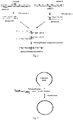
- Fig. 1 to ligate gene AD with gene BC, two pairs of primers A and D, C and B are used to amplify gene AD and gene BC, the 5' end of primer D and primer C contains certain length of complementary sequences.
- the amplified products AD and BC of the first round are used as the template of the second round after recovery.
- the PCR system is: Reaction system of PCR amplification of target gene AD 1 ⁇ L BC 1 ⁇ L 10 ⁇ pfu buffer 5 ⁇ L Pfu DNA polymerase 0.5 ⁇ L dNTP(10 mM) 1 ⁇ L ddH2O 39.5 ⁇ L Total volume 48 ⁇ L
- Reverse PCR technology is used in the sample for site mutagenesis, truncation mutagenesis and insertion mutagenesis.
- the basic principle is based on the experiment progress of MutaBEST kit from Takara Company.
- reverse PCR primers are located at the mutation site; 5' end of one of the primers contains the mutation sequence.
- the amplification product undergoes purification, phosphorylation at the 5' end, cyclization, and then is transformed into competent cells.
- Example 1 Construction of E.coli strains JM109(DE3,sulA - ,LexA - ), JM109(DE3, sulA - ,LexA - , CheZ - ), JM109(DE3,sulA - ,LexA - , ⁇ - ), and JM109 ( DE3,sulA - ,LexA::Amp-LV-L0 )
- the linearized fragment containing the homologous arm of sulA gene at the ends used in sulA gene knock-out was amplified from pKD3 plasmid by PCR using primer P1, P2, P3 and P4 (SEQ ID NO: 112).
- the knock-out of sulA gene was carried out on the basis of JM109(DE3) strain, the resulted transitional strain was JM109(DE3,sulA:: Cam).
- the linearized fragment containing the homologous arm of LexA gene at the ends used in LexA gene knock-out was amplified from pKD4 plasmid by PCR using primer P5, P6, P7 and P8 (SEQ ID NO: 113).
- the knock-out of LexA gene was carried out on the basis of JM109 (DE3, sulA::Cam) transitional strain, the resulted transitional strain was JM109(DE3, sulA::Cam,LexA::kan).
- the Cam and Kan resistance genes of JM109 (DE3,sulA:: Cam,LexA::kan) strain were removed, resulting in JM109(DE3,sulA - ,LexA - ) strain.
- the linearized fragment containing the homologous arm of CheZ gene at the ends used in CheZ gene knock-out was amplified from pKD4 plasmid by PCR using primer P9, P10, P11 and P12.
- the linearized fragment containing the homologous arm of ⁇ gene at the ends used in ⁇ gene knock-out was amplified from pKD4 plasmid by PCR using primer P9, P10, P11 and P12.
- the knock-out of CheZ and ⁇ genes were carried out on the basis of JM109(DE3,sulA - ,LexA - ) strain, resulting in JM109(DE3,sulA - ,LexA - , CheZ::kan) and JM109(DE3,sulA - ,LexA - , ⁇ ::kan) strains, respectively.
- the kan resistance gene in the genome of these two strains was removed, resulting JM109 (DE3,sulA - ,LexA - , ⁇ - ) strain.
- JM109 DE3,sulA - ,LexA::Amp-LV-L0 containing said recombinant light-switchable transcription factor LV-LO encoding cassette
- pALV-L0 was amplified by PCR using primers P17 and P18
- kan gene fragment containing kan resistance gene encoding cassette was amplified from pKD4 by PCR using primers P19, P20,P21 and P22, and inserted into the linearized pALV-L0 by the same double digestion, the resulting vector was named as pALV-L0-kan.
- Amp-LV-L0-kan fragment amplified from pALV-LO-kan by PCR using primers P23, P24, P25 and P26 the nucleotide sequence is SEQ.ID.No: 116.
- the knock-out was carried out on the basis of JM109 ( DE3,sulA - ) strain, resulting in JM109 ( DE3,sulA - ,LexA:: AmpLV-L0-kan ) strain whose kan resistance was removed from its genome to obtain JM109 ( DE3,sulA - , LexA:: Amp-LV-L0 ) strain.
- VVD36 (C71V) gene fragment was amplified from pGAVP(C71V) plasmid (preserved by our lab, the corresponding paper: Wang, X.et al, Nat Methods, 2012.) using primers P29 and P30, LexA(1-87)-VVD36(C71V) gene fragment was obtained by fusing LexA(1-87) to VVD36(C71V) using overlaping PCR.
- pCDFDuetl was amplified using P31 and P32, the obtained linearized vector was ligated with LexA(1-87)-VVD36(C71V) gene fragment by XhoI and EcoRI double digestion, the resulting vector was named as pLV-L0 containing the gene of recombinant light-switchable transcription factor LexA(1-87)-VVD36(C71V) (abbreviated to LV-L0, SEQ.ID.No:48 (polynucleotide) and 49 (polypeptide)).
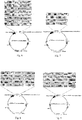
- the linker between LexA(1-87) and VVD36(C71V) was replaced using primers P33, P34, P35, P36, P37, P38, P39 and P40, the resulting plasmids containing seven different linkers (L1, L2, L3, L4, L5, L6 and L7) of the fusion protein LexA(1-87)-VVD36(C71V) were named as pLV-L1, pLV-L2, pLV-L3, pLV-L4, pLV-L5, pLV-L6 and pLV-L7, respectively ( Fig. 4 ).
- the fusion protein polynucleotide encoding sequences are SEQ.ID.No: 50, 52, 54, 56, 58, 60 and 62; the amino acid sequences are SEQ.ID.No: 51, 53, 55, 57, 59, 61 and 63.
- Amp promoter fragment was amplified from pRSETb vector by PCR using primers P41 and P42 (SEQ.ID.No:136 (polynucleotide)), pCDFDuetl vector was amplified by PCR using P43 and P44, the obtained linearized fragment was ligated with Amp promoter fragment by NdeI and XhoI double digestion, the resulting plasmids was named as pAmp.
- LexA(1-87)-VVD36 (C71V) fragments containing different linkers constructed in example 2 were amplified using primers P45 and P46, the resulting LexA(1-87)-VVD36 (C71V) fragments containing different linkers were ligated into pAmp by NdeI and XhoI double digestion, the resulting plasmids were named as pALV-L0, pALV-L1, pALV-L2, pALV-L3, pALV-L4, pALV-L5, pALV-L6 and pALV-L7 containing the genes of recombinant protein LexA(1-87)-VVD36 (C71V) with eight different linkers (LO, L1, L2, L3, L4, L5, L6, L7) ( Fig.
- Example 4 Construction of prokaryotic bacterium expression vectors containing the recombinant light-switchable transcription factor with different VVD mutants, phot1-LOV2, and aurochrome as the second polypeptide.
- pALV-L0 vector was amplified by reverse PCR using primers P47 and P48, the resulting transitional vector was named as pALV-LO(wt).
- Prokaryotic bacterium expression vectors containing genes of the recombinant protein LexA(1-87)-VVD36 with VVD mutants N56K or Y50W or N56K C71V or I52A C71V or I52S C71V or N56R C71V were constructed by reverse PCR using primers P49 and P50, P51 and P52 for pALV-LO(wt) vector, P53 and P54, P55 and P56, P57 and P58, P59 and P60 for pALV-L0, the resulting vectors were named as pALV-L0 (N56K), pALV-L0 (Y50W), pALV-L0 (N56K C71V), pALV-L0 (I52A C71V), pALV-LO
- AsLOV2 light-switchable transcription factor with LOV2 domain of phototropin 1
- AsLOV2 a kind gift from Gardner lab, The University of Texas at Dallas
- AsLOV2 gene fragment was amplified from cDNA using primers P61 and P62
- LexA(1-87) gene fragment was amplified from pALV-L0 vector constructed in example 3 using primers P63 and P64
- AsLOV2 gene fragment and LexA(1-87) gene fragment were fused using overlapping PCR
- the obtained recombinant gene fragment LexA(1-87)- AsLOV2 was ligated with pALV-L0 vector constructed in example 3 by NdeI and XhoI double digestion
- the resulting vector was named as pALA containing recombinant protein LexA(1-87)-AsLOV2 (abbreviated to LA, SEQ.ID.No: 76 (polynucleotide) and 77 (
- AuLOV light-switchable transcription factor with LOV2 domain of aurochrome
- AuLOVgene fragment was amplified from cDNA using primers P65 and P66, and then was ligated with LexA(1-87) in this example using overlapping PCR
- the obtained recombinant gene fragment LexA(1-87)-AsLOV2 was ligated with pALV-L0 vector constructed in example 3 by NdeI and XhoI double digestion
- the resulting vector was named as pALAu containing recombinant protein LexA(1-87)-AuLOV (abbreviated to LAu, SEQ.ID.No: 78 (polynucleotide) and 79 (polypeptide)).
- Example 5 Construction of prokaryotic bacterium expression vectors containing the light-switchable transcription factors with cI, LacI, Gal4, and TetR as the first polypeptide.
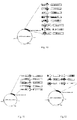
- cI(1-102) gene fragment was amplified from the genome of ⁇ phage by PCR using primers P67 and P68, the obtained fragment was ligated with pALV-L4 by NdeI and BamHI double digestion, the resulting vector was named as pACV containing recombinant light-switchable transcription factor with cl as the first peptide ( Fig. 7 ), the corresponding recombinant light-switchable transcription factor was abbreviated to CV, whose polynucleotide and polypeptide sequence are SEQ.ID.No: 80 and SEQ.ID.No: 81, respectively.
- the gene fragment of DNA binding domain (1-62 amino acid) was amplified from pCDFDuetl vector (Novagen company) using primers P69 and P70 and ligated with pALV-L4 by NdeI and BamHI double digestion, the resulting transitional vector was named as pALaV(wt).
- pALaV (wt) was then amplified from pALaV (wt) vector by PCR using primers P71 and P72, the linearized vector fragment was phosphorylated and ligated to obtain the expression vector named as pALaV containing the recombinant light-switchable transcription factor with LacI (1-62) as the first peptide ( Fig. 7 ), the corresponding recombinant light-switchable transcription factor was abbreviated to LaV, whose polynucleotide and polypeptide sequence are SEQ.ID.No: 82 and SEQ.ID.No: 83, respectively.
- the corresponding recombinant light-switchable transcription factor was abbreviated to GV, whose polynucleotide and polypeptide sequence are SEQ.ID.No: 84 and SEQ.ID.No: 85, respectively.
- the corresponding recombinant light-switchable transcription factor was abbreviated to TV, whose polynucleotide and polypeptide sequence are SEQ.ID.No: 86 and SEQ.ID.No: 87, respectively.
- ⁇ gene fragment was amplified from the genome of BL21(DE3) using primers P77 and P78, ⁇ -linker gene fragment was amplified by overlapping PCR using primers P77, P79 and P80, LV-LO gene fragment was amplified from pALV-L0 constructed in example 3 using primers P81 and P82, the gene fragment of recombinant protein ⁇ -linker-LV-L0 (abbreviated to ⁇ LV, SEQ.ID.No:90 (polynucleotide) and SEQ.ID.No:91 (polypeptide)) was obtained by fusing ⁇ -linker to LV-LO gene fragment by overlapping PCR, and then was ligated with pALV-L0 vector constructed in example 3 by NdeI and XhoI double digestion, the resulting vector was named as pA ⁇ LV.
- CV, LaV, GV and TV gene fragments were amplified from pACV, pALaV, pAGV and pATV vectors constructed in example 5 using primers P82 and P83, P82 and P84, P82 and P85, P82 and P86, and then were ligated with pA ⁇ LV vector by SpeI and XhoI double digestion, the resulting plasmids were named as pA ⁇ CV, pA ⁇ LaV, pA ⁇ GV and pA ⁇ TV, respectively ( Fig. 8 ).
- polynucleotide sequences are SEQ.ID.No: 94, 98, 102, 106 and polypeptide sequences are SEQ.ID.No: 95, 99, 103 and 107.
- LV-LO gene fragment was amplifed from pALV-L0 vector constructed in example 3 using primers P87 and P88, LV-LO-linker was obtained by overlapping PCR using primers P87, P79 and P89, ⁇ gene fragment was amplified from the genome of BL21(DE3) using primers P90 and P91, LV-LO-linker gene fragment and ⁇ gene fragment were fused by overlapping PCR to obtain LV-L0-linker- ⁇ gene fragment (abbreviated to LV ⁇ , SEQ.ID.No:88 (polynucleotide) and 89 (polypeptide)) which was ligated with pALV-L0 vector by Ndel and XhoI double digestion, the resulting vector was named as pALV ⁇ .
- polynucleotide sequences are SEQ.ID.No: 92, 96, 100, 104 and polypeptide sequences are SEQ.ID.No: 93, 97, 101 and 105.
- prokaryotic bacterium expression vector containing the target transcription unit with LexA reaction element and fluorescent protein reporter gene was constructed.
- colE promoter fragment was amplified by overlapping PCR using primers P96, P97, P98, P99 and P100;
- mCherry gene fragment was amplified from pU5-mCherry vector (preserved by our lab, the corresponding paper: Wang, X.et al, Nat Methods, 2012 .) using primers P101 and P102.
- rrnB transcription termination fragment was amplified from pBAD/His A vector by PCR using primiers P103 and P104; there three fragments were amplified by overlapping PCR to obtain colE-mCherry-rrnB gene fragment.
- pRSETb vector was amplified by primers P105 and P106, the obtained linearized fragment was ligated with colE-mCherry-rrnB gene fragment by BamHI and XhoI double digestion, the resulting transitional plasmid was amplified by primers P107 and P108, the obtained linearized fragment was digested by KpnI and NheI and then ligated with rrnB fragment amplified by primers P109 and P110, the resulting prokaryotic bacterium expression vector pB-colE-mCherry contains the target transcription unit with LexA reaction element and mCherry fluorescent protein reporter gene, the polynucleotide sequence is SEQ.ID.No:17.
- LacZ gene was amplified from the genome of BL21(DE3) using primers P111 and P112, pB-colE-mCherry vector was amplified using primers P113 and P114, the obtained LacZ gene fragment and linearized pB-colE-mCherry fragment were ligated after HindIII and BglII double digestion, the resulting prokaryotic bacterium expression vector pB-colE-LacZ contains the target transcription unit with LexA reaction element and LacZ ⁇ galactosidase gene, the polynucleotide sequence is SEQ.ID.No: 118.
- sulA, RecA and umuDC fragments were amplified from the genome of JM109(DE3) strain using primers P115 and P116, P117 and P118, P119 and P120, and then were fused with mCherry gene fragment obtained in this sample, the resulting fragments sulA-mCherry, RecA-mCherry and umuDC-mCherry were ligated with pB-colE-mCherry by BamHI and EcoRI double digestion to generate other three prokaryotic bacterium expression vectors pB-sulA-mCherry, pB-umuDC-mCherry and pB-RecA-mCherry containing the target transcription unit with LexA reaction element and mCherry fluorescent protein gene, respectively ( Fig. 10 ), the corresponding polynucleotide sequences are SEQ.ID.No:119, 120 and 121.
- prokaryotic bacterium expression vector containing the target transcription unit with cI reaction element and fluorescent protein reporter gene was constructed.
- P ⁇ O12 promoter fragment was amplified by overlapping PCR using primers P121, P122, P123, P124 and P125
- mCherry fragment was amplified from pB-colE-mCherry vector using primers P126 and P127
- P ⁇ O12 -mCherry gene fragment was obtained by fusing P ⁇ O12 promoter fragment to mCherry gene fragment using overlapping PCR, and then was ligated with pB-colE-mCherry vector by BamHI and EcoRI double digestion
- the resulting prokaryotic bacterium expression vector pB- P ⁇ O12 -mCherry contains the target transcription unit with cI reaction element and mCherry fluorescent protein gene ( Fig. 10 ), the polynucleotide sequence is SEQ.ID.No:122.
- prokaryotic bacterium expression vector containing the target transcription unit with LacI, Gal4 or TetR reaction element and fluorescent protein reporter gene was constructed.
- T7 promoter-lac operator fragment was amplified from pCDFDuetl vector using primers P128 and P129, the obtained fragment was ligated with pB-P ⁇ O12 -mCherry vector by BamHI and SpeI double digestion, the resulting transitional vector was named as pB-T7lacop-mCherry (wt).
- pB-T7lacop-mCherry(wt) vector was amplified by PCR using primers P130 and P131, P132 and P133, P134 and P135, the obtained linearized vector fragments were phosphorylated by T4 PNK and ligated to obtain the prokaryotic expression vectors pB-T7lacop-mCherry, pB-T7galop-mCherry, pB-T7tetop-mCherry containing the target transcription unit with LacI, Gal4 or TetR reaction element, respectively ( Fig. 10 ).
- the polynucleotide sequences are SEQ.ID.No:123, 124, 125.
- Example 8 Construction of prokaryotic bacterium expression vectors containing the target transcription units with the reaction elements of LexA, cI, LacI, Gal4 or TetR and mCherry fluorescent protein gene corresponding to recombinant light-switchable transcription factor with LexA, cl, lacI, Gal4 and TetR as the first peptide, with ⁇ and ⁇ as the third peptide.
- lac minimal promoter was amplified using primers P136, P137 and P138
- pB-colE-mCherry constructed in example 7 was amplified using primers P139 and P140
- the linearized fragment was ligated with lac minimal promoter by BamHI and HindIII double digestion
- the resulting transitional vector was named as pB-lac-mCherry.
- pB-lac-mCherry vector was amplified using primers P141 and P142, P143 and P144, P145 and P146, P147 and P148, P149 and P150, the obtained linearized fragment was phosphorylated and ligated to generate prokaryotic bacterium expression vectors containing the target transcription units with the reaction elements and mCherry fluorescent protein gene corresponding to recombinant light-switchable transcription factor with LexA, cI, lacI, Gal4 and TetR as the first peptide, with ⁇ and ⁇ as the third peptide, these vectors were named as pB-lexAop-lac-mCherry, pB-o12-lac-mCherry, pB-lacop-lac-mCherry, pB-galop-lac-mCherry and pB-tetop-lac-mCherry ( Fig. 11 ), the target transcription unit sequences are are SEQ.ID.No:126, 127, 12
- rrnB-colE-mCherry gene fragment obtained in example 7 was amplified using primers P151 and P152, pRSETb vector was amplified using primers P153 and P154, The obtained linearized fragment was ligated with rrnB-colE-mCherry gene fragment by KpnI and BglII double digestion to generate the transitional vector pB-rrnB-colE-mCherry.
- ColE promoter was amplified using primers P155 and P156, cI gene fragment (SEQ.ID.No:131 (polynucleotide) and 132 (polypeptide)) was amplified from the genome of ⁇ phage using primers P157 and P158, colE-cI fragment was obtained by overlapping PCR and ligated with pB-rrnB-colE-mCherry vector by BamHI and BglII double digestion to generate the transitional vector pB-rrnB-colE-cI.
- P ⁇ O12 promoter fragment was amplified by overlapping PCR using primers P159, P160, P161, P162 and P163, mCherry fragment was amplified from pB-colE-mCherry vector using primers P164 and P165, rrnB transcription terminator fragment was amplified using primers P166 and P167, P ⁇ O12 -mCherry-rrnB gene fragment was obtained by overlapping PCR.
- pB-rrnB-colE-mCherry constructed in this sample was amplified using primers P168 and P169, the obtained linearized fragment was ligated with P ⁇ O12 -mCherry-rrnB by SacI and Xhol double digestion to generate the indirect regulation vector pB-colE-cI-P ⁇ O12 -mCherry ( Fig. 12 ), the polynucleotide sequence of the target transcription unit is SEQ.ID.No:133.
- CheZ gene and SRRz gene cassette were amplified from the genome of JM109(DE3) and ⁇ phage using primers P170 and P171, P172 and P173, respectively, the obtained gene fragments were ligated with pB-colE-cI-P ⁇ O12 -mCherry constructed in this sample by SpeI and EcoRI double digestion to generate the indirect regulation vectors pB-coIE-cI-P ⁇ O12 -CheZ and pB-colE-cI-P ⁇ O12 -SRRz ( Fig. 12 ), the polynucleotide sequences of the target transcription unit are SEQ.ID.No:134 and 135.
- the vector containing the indirect regulation of cI and Erol as the reporter gene, Erol(56-424) gene fragment was amplified from the genome of Saccharomyces cerevisiae BY4741 using primers P174 and P175, and was then ligated with pB-colE-cI-P ⁇ O12 -mCherry constructed in this sample by SpeI and EcoRI double digestion to generate the indirect vector pB-colE-cI-P ⁇ O12 -Ero1, the polynucleotide and polypeptide sequences of Erol(56-424) are SEQ.ID.No:46 and 47.
- Amp-LV-LO fragment was amplified from pALV-L0 vector constructed in example 3 using primers P176 and P177 and ligated with pB-colE-mCherry-P ⁇ O12 -mCherry constructed in example 9 by SacI and EcoRI double digestion, the resulting transitional vector was named as pB-colE-mCherry-Amp-LV-L0.
- pB-colE-mCherry-Amp-LV-L0 was double digested by KpnI and Xhol and ter-colE-mCherry-Amp-LV-L0-ter fragment was recovered, pCDFDuetl vector was amplified by PCR using primers P178 and P179, the obtained linearized fragment was ligated with colE-mCherry-Amp-LV-LO fragment by KpnI and XhoI double digestion, the resulting single vector containing both light-switchable transcription factor and target transcription unit was named as pD-colE-mCherry-Amp-LV, the polynucleotide sequence of ter-colE-mCherry-Amp-LV-ter is SEQ.ID.No: 108.
- Lacl(1-62,wt)-VVD36(C71V) fragment was amplified from pALaV(wt) vector constructed in example 5 using primers P180 and P181, Bacillus subtilis vector pHT01 was amplified using primers P182 and P183, the obtained linearized fragment was ligated with Lacl(1-62,wt)-VVD(C71V) fragment by infusion technology, the resulting transitional vector was named as pHT01-LaV(wt).
- mCherry gene fragment was amplified using primers P184 and P185 and ligated with pHT01-LaV(wt) vector by BamHI and Xbal double digestion, the resulting single vector containing both light-switchable transcription factor and target transcription unit was named as pHT01-LaV(wt)-P grac -mCherry, the polynucleotide sequence of LaV(wt)-P grac -mCherry is SEQ.ID.No: 111.
- the vectors constructed in the samples containing different light-switchable transcription factors and the reporter vector using mCherry as the reporter gene were Co-transformed into the corresponding strains to test light-regulated gene expression by recombinant light-switchable transcription factor.
- the gene expression of cells containing pLV-L0 in the light was 13 folds lower than in the dark
- the gene expression of cells containing pLV-L4 in the light was 32 folds lower than in the dark
- other recombinant light-switchable transcription factors with different linkers also had marked inhibition on mCherry expression upon blue light illumination ( Fig. 13 ).
- Co-transformation of pB-colE-mCherry and pCDFDuetl containing no light-switchable transcription factor was used as the control to detect the effect of blue light illumination on the bacteria growth and protein expression.
- pB-sulA-mCherry, pB-umuDC-mCherry and pB-RecA-mCherry constructed in example 7 were co-transformed with pALV-L0 into JM109(DE3,sulA - ,LexA - ) strains respectively, pCDFDuetl empty vector was used as the control, the difference of mCherry expression before and after blue light illumination was detected according to the methods described in embodiment 7.
- VVD(C71V) and VVD(N56K C71V) had higher inhibition ratios relative to other VVD mutants, due to the lower mCherry expression of VVD(C71V) in the light, VVD(C71 V) was chosen as the second peptide of light-switchable transcription factor in following experiments ( Fig. 17 ).
- pACV, pALaV, pAGV and pATV constructed in example 7 were co-transformed with prokaryotic bacterium expression vectors containing target transcription unit and mCherry fluorescent protein into JM109 (DE3,sulA - ,LexA - ) strain, respectively, pCDFDuetl empty vector was used as the control, the difference of mCherry expression before and after blue light illumination was detected according to the methods described in embodiment 7.
- pALA and pALAu constructed in example 4 were co-transformed with pB-colE-mCherry reporter vector constructed in example 7 into JM109,(DE3,sulA - ,LexA - ) strain, respectively, the difference of mCherry expression before and after blue light illumination was detected according to the methods described in embodiment 7.
- pA ⁇ LV, pA ⁇ CV, pA ⁇ LaV, pA ⁇ GV and pA ⁇ TV constructed in example 8 were co-transformed with prokaryotic bacterium expression vectors containing target transcription unit and mCherry fluorescent protein gene into JM109(DE3,sulA - ,LexA - , ⁇ -) strain, the difference of mCherry expression before and after blue light illumination was detected according to the methods described in embodiment 7.
- pALV ⁇ , pACV ⁇ , pALaV ⁇ , pAGV ⁇ and pATV ⁇ constructed in example 6 were co-transformed with prokaryotic bacterium expression vectors containing target transcription unit and mCherry fluorescent protein gene into BL21 (sulA - ,LexA - , ⁇ - ) strain, the difference of mCherry expression before and after blue light illumination was detected according to the methods described in embodiment 7.
- pALV-L0 constructed in example 3 was co-transformed with pB-colE-mCherry reporter vector constructed in example 7 into JM109(DE3,sulA - ,LexA - ) strain, the cells were cultured at 18°C, 25°C, 30°C and 37°C, the difference of mCherry expression before and after blue light illumination was detected.
- pB-colE-cI-P ⁇ O12 -mCherry constructed in example 9 was co-transformed with pALV-L0 constructed in example 3 into JM109(DE3,sulA - ,LexA - ) strain, pCDFDuetl empty vector was used as the control, the difference of mCherry expression before and after blue light illumination was detected according to the methods described in embodiment 7.
- pD-colE-mCherry-Amp-LV constructed in example 10 was transformed into JM109(DE3,sulA - ,LexA - ) strain, pCDFDuetl empty vector was used as the control, the difference of mCherry expression before and after blue light illumination was detected according to the methods described in embodiment 7.
- pHT01-LaV(wt)-P grac -mCherry constructed in example 10 was transformed into Bacillus subtilis WB800, pHT01 vector was used as the control. mCherry expression in the dark and light was determined. The result showed that the recombinant light-switchable transcription factor LaV(wt) could well repress mCherry expression in Bacillus subtilis cells, the ratio could reach 3 folds ( Fig. 25 ).
- JM109 DE3,sulA - , LexA:: Amp-LV-L0
- pB-colE-mCherry constructed in example 7 was transformed into JM109( DE3,sulA - , LexA:: Amp-LV-L0 ) strain
- pRSETb vector was used as the control
- the difference of mCherry expression before and after blue light illumination was detected according to the methods described in embodiment 7.
- a plate was cultured upon blue light exposure, mCherry expression was determined at 3 h, 5 h, and 7 h time points, after each measurement, one group was transferred from light to dark (residual wells in plate B) until the last time point.
- B plate was cultured in the dark, mCherry expression was determined at 3 h, 5 h, and 7 h time points, after each measurement, one group was transferred from dark to light (residual wells in plate A) until the last time point.
- the average of mCherry expression of each time point was plotted. The results showed that mCherry expression was greatly repressed when cells were illuminated by light from the beginning.
- mCherry was used as the reporter gene
- pALV-L0 constructed in example 3 and pB-colE-mCherry reporter vector constructed in example 7 were co-transformed into JM109(DE3,sulA - ,LexA - ) strains. Clones were picked into 48-well plate and divided into 6 groups, each group had four wells, all the cells were cultured at 30°C upon light illumination.
- the cells were diluted 100 folds into six 48-well plates containing fresh LB, 5 of the 6 plates were cultured upon blue light illumination with the light irradiance 0.125 mW/cm 2 , 0.063 mW/cm 2 , 0.031 mW/cm 2 , 0.016 mW/cm 2 and 0.009 mW/cm 2 (light intensity determine by a laminator (Sanwa)), the last plate was cultured in the dark.
- mCherry expression was measured after 18 h. The result indicated that the gene expression regulated by light-switchable transcription factor is light irradiance dependent; more marked repression of mCherry expression was observed along with increase of light intensity.
- the recombinant light-switchable transcription factor LV-L0 functioned well even at extremely weak light ( Fig. 29 ).
- mCherry was used as the reporter gene
- pALV-L0 constructed in example 3 and pB-colE-mCherry reporter vector constructed in example 7 were co-transformed into JM109(DE3,sulA - ,LexA - ) strains. Clones were picked into test tubes containing 5 ml fresh LB and cultured upon blue light illumination, the cells were harvested with 4000 rpm centrifugation and resuspended using 200 ul fresh medium the next day, then the OD600 was determined.
- the solid medium containing 1% agar, 0.5% tryptone, 0.25% yeast extract and 0.5% NaCl was prepared and cooled to 45 °C after autoclave sterilization, the above resuspended cells and antibiotics were added to make sure OD600 ⁇ 0.03, then the mixture was poured onto 90 mm dish. After coagulation, a "Stop" pattern was printed and a gradient slider on laser transparency film using a laser printer was used as photomask, the light intensity of transparent space detected by a luminator was 30 times more than the black space. The printed photomask was pasted on the bottom of the dish.
- the imaging was conducted using the In-Vivo Multispectral System FX (Kodak) with 600 nm excitation and 670 nm emission filters, image was collected in 4 ⁇ 4 binning for 30 s exposure. Due to LV-LO induced mCherry expression upon blue light illumination, the result showed that the left panel was the pattern we designed, the circle region of right panel was the fluorescence image of cells, so it could be concluded that the fluorescence image of the cells had the same pattern of the original image used as the mask, we could "take photos" for cells ( Fig. 30 ), indicating that the system could spatially regulate gene expression.
- Detection of regulation of E.coli swimming by recombinant light-switchable transcription factor was carried out on a special semisolid medium.
- the semisolid medium containing 1% tryptone, 0.5% NaCl and 0.25 agar was prepared and cooled to 50 °C after autoclave sterilization before addition of antibiotics, then 10 ml of the mixture was poured onto one 90 mm dish and harden at room temperature for 1 h.
- pALV-L0 constructed in example 3 and pB-colE-cI-P ⁇ O12 -CheZ constructed in example 9 were co-transformed into JM109(DE3,sulA - ,LexA - ,CheZ - ) strain, clones were picked from the plate into test tubes and cultured overnight in the dark, the cells were diluted 200 folds into fresh medium and cultured in the dark. When the OD600 reached 0.1-0.2, 2 ⁇ l of the cultured cells was spotted onto the semisolid medium and cultured at 30°C in the light. The plates wrapped with foil and kept at the same conditions were used as the control in the dark.
- the imaging was conducted using the In-Vivo Multispectral System FX (Kodak) after 49 h.
- the result showed that light-switchable transcription factor LV-L0 could not repress cl expression in dark conditions, resulting in tight repression of CheZ expression by cl, so cells could not spread to form the bacteria ring due to that the bacteria containing no CheZ could not move.
- the light-switchable transcription factor LV-L0 could repress cI expression in light conditions, resulting in no effect on P ⁇ O12 promoter activity, the expression of CheZ protein enabled the mobility of bacteria, so cells could spread around to form the bacteria ring ( Fig. 31 ).
- pALV-L0 constructed in example 3 and pB-colE-cI-P ⁇ O12 -SRRz constructed in example 9 were co-transformed into JM109(DE3,sulA - ,LexA - ,CheZ - ) strain, clones were picked from the plate into test tubes and cultured at 30°C overnight in the dark, the cells were diluted 100 folds into fresh medium and cultured in the dark. When the OD600 reached 0.4-0.6, 1 mM IPTG was added to induce the expression of LacZ gene in the genome.
- the cells were transferred to dark conditions to induce the expression of SRRz gene cassette after 1.5 h, the cells were harvested with 4000 rpm centrifugation after 6 h, the LacZ activities in the supernatant and precipitate were measured; the percent of LacZ activity in the supernatant to the total LacZ activities in the supernatant and precipitate was calculated. Cells kept in the dark were used as the control and shared the same manipulation with that in light conditions. The results showed that the light-switchable transcription factor LV-L0 could repress cl expression in light conditions, resulting in no effect on P ⁇ O12 promoter activity, the high expression of S, R and Rz in SRRz gene cassette enabled lysis of 75% of cells, resulting in release of LacZ to the culture. Only 10% of bacteria lysed in the dark ( Fig. 32 ).
- Example 15 Large scale production of sulfhydryl oxidase Ero1 using the light-switchable gene expression system of prokaryotic bacteria
- OD600 0.8
- the cells were transferred to conical flask containing 500 ml fresh LB and cultured at 25 °C in dark conditions, there were 9 conical flasks in all.
- the cells were illuminated with blue light LED when OD600 reached 0.6, cells were harvested with 4000 rpm centrifugation after 18 h and resuspended with Buffer A (0.02 M Na 3 PO 4 , 10 mM imidazole, 0.5 M NaCl, PH 7.2).
- Buffer A 0.02 M Na 3 PO 4 , 10 mM imidazole, 0.5 M NaCl, PH 7.2
- Erol protein solution after affinity column purification was loaded onto 5 ml HitrapTM QFF column for ion-exchange chromatography, the experiment precedure: Erol protein solution after affinity column purification ⁇ dilute into 10 folds using Buffer A (20 mM Na 3 PO 4 , 10 mM NaCl, PH 7.2) ⁇ load the solution onto 5 mL HitrapTM QFF column ⁇ elute with 50 ml Buffer A ⁇ elute using AKTA purifier.
- Buffer A (20 mM Na 3 PO 4 , 10 mM NaCl, PH 7.2
- Fig. 33 The result of ion-exchange chromatography using AKTA purifier is shown as Fig. 33 .
- Protein solution in part of the collected tubes was loaded onto 12% SDS-PAGE to identify their purity ( Fig. 34 ), the tubes with high purity of protein were collected together.
- the purity of the lastly obtained protein solution was determined by 12% SDS-PAGE; the result showed that the Erol protein had high purity which reached 96% ( Fig. 35 ).
- the amount of the Erol was 25 mg determined by Brandford.
Landscapes
- Health & Medical Sciences (AREA)
- Life Sciences & Earth Sciences (AREA)
- Genetics & Genomics (AREA)
- Engineering & Computer Science (AREA)
- Chemical & Material Sciences (AREA)
- Organic Chemistry (AREA)
- Wood Science & Technology (AREA)
- Zoology (AREA)
- Bioinformatics & Cheminformatics (AREA)
- Biotechnology (AREA)
- General Engineering & Computer Science (AREA)
- Biomedical Technology (AREA)
- Molecular Biology (AREA)
- Microbiology (AREA)
- Biochemistry (AREA)
- General Health & Medical Sciences (AREA)
- Plant Pathology (AREA)
- Biophysics (AREA)
- Physics & Mathematics (AREA)
- Proteomics, Peptides & Aminoacids (AREA)
- Medicinal Chemistry (AREA)
- Chemical Kinetics & Catalysis (AREA)
- General Chemical & Material Sciences (AREA)
- Micro-Organisms Or Cultivation Processes Thereof (AREA)
- Preparation Of Compounds By Using Micro-Organisms (AREA)
- Peptides Or Proteins (AREA)
- Measuring Or Testing Involving Enzymes Or Micro-Organisms (AREA)
Claims (12)
- Lichtschaltbares Genexpressionssystem eines prokaryotischen Bakteriums, umfassend: a) ein Gen, das für einen lichtempfindlichen rekombinanten lichtschaltbaren Transkriptionsfaktor codiert, wobei der genannte rekombinante lichtschaltbare Transkriptionsfaktor ein Fusionsprotein ist, das ein erstes Polypeptid als DNA Bindungsdomäne und ein zweites Polypeptid als lichtschaltbare Domäne aufweist; und b) eine Zieltranskriptionseinheit, die einen Promoter oder ein Promoter-Reaktionselement oder einen Reaktionselement-Promoter aufweist, enthaltend mindestens ein Reaktionselement, das von dem ersten Polypeptid und der zu transkribierenden Nucleinsäuresequenz erkannt/gebunden wird;
wobei das erste Polypeptid in der Lage ist, das genannte Reaktionselement in der Zieltranskriptionseinheit-Nucleotidsequenz spezifisch zu erkennen, jedoch nicht in der Lage ist, das Reaktionselement zu binden, oder nur eine schwache Bindungsaffinität hat; wobei das erste Polypeptid nur an das Reaktionselement nach einer homogenen Dimerisierung des Transkriptionsfaktors binden kann, die mit der Unterstützung des zweiten Polypeptids auftritt; wobei das genannte erste Polypeptid ausgewählt ist aus einer DNA Bindungsdomäne von E. coli Lex A Protein, einer DNA Bindungsdomäne von λ Phagen-c1 Expressionsprotein, einer DNA Bindungsdomäne von Lacl Repressionsprotein und einer DNA Bindungsdomäne von Tetracyclin-Repressionsprotein TetR, ihren verkürzten Mutanten und Mutanten, die eine 80 % bis 99 % ähnliche Aminosäuresequenz enthalten, wobei die Mutanten an das mindestens eine Reaktionselement der Zieltranskriptionseinheit nur nach der homogenen Dimerisierung des Transkriptionsfaktors binden können, die mit der Unterstützung des zweiten Polypeptids auftritt;
wobei das zweite Polypeptid ausgewählt ist aus einer LOV Domäne von Neurospora crassa VIVID, einer AuLOV Domäne im Aureochrom 1 Stramenopile algae Vaucheria fridigda und einer LOV Domäne in PpSB1-LOV von Pseudomonas putida, ihren verkürzten Mutanten und Mutanten, die eine 36 % bis 99 % ähnliche Aminosäuresequenz enthalten, wobei die Mutanten ermöglichen können, dass das erste Polypeptid an das mindestens eine Reaktionselement der Zieltranskriptionseinheit nur nach der homogenen Dimerisierung des Transkriptionsfaktors bindet. - Lichtschaltbares Genexpressionssystem eines prokaryotischen Bakteriums nach Anspruch 1, ferner umfassend ein drittes Peptid, das andere Komponenten von RNA Polymerase rekrutiert, wobei das genannte dritte Polypeptid mit dem ersten und zweiten Polypeptid direkt oder über ein Linker-Peptid verbunden ist, und wobei vorzugsweise das dritte Polypeptid ausgewählt ist aus ω Protein und α Protein von E. coli und jenen Mutanten davon, die eine 36 % bis 99 % ähnliche Aminosäuresequenz enthalten.
- Lichtschaltbares Genexpressionssystem eines prokaryotischen Bakteriums nach Anspruch 1, wobei das genannte Reaktionselement ein DNA Motiv ist, das von dem erste Polypeptid spezifisch erkannt und gebunden werden kann, wobei das genannte Reaktionselement ausgewählt ist aus einem LexA Bindungselement, c1 Bindungselement, Lacl Bindungselement und TetR Bindungselement.
- Lichtschaltbares Genexpressionssystem eines prokaryotischen Bakteriums nach Anspruch 1, wobei der Promoter ausgewählt ist aus einem colE Promoter, sulA Promoter, recA Promoter, umuDC Promoter und lac Minimal-Promoter von E. coli, T7 Promoter eines T7 Phagen, O12 Promoter eines λ Phagen und grac Promoter von Bacillus subtilis.
- Prokaryotischer Expressionsvektor, umfassend das Gen, das für den genannten rekombinanten lichtschaltbaren Transkriptionsfaktor von Anspruch 1 codiert, und die genannte Zieltranskriptionseinheit von Anspruch 1 in dem lichtschaltbaren Genexpressionssystem nach einem der Ansprüche 1 bis 4.
- Prokaryotischer Expressionsvektor nach Anspruch 5, wobei in dem lichtschaltbaren Genexpressionssystem die zu transkribierende Nucleinsäuresequenz ist:(a) eine Nucleotidsequenz, die für ein Zielprotein codiert; oder(b) eine Nucleinsäuresequenz der Zieltranskriptionseinheit, in die ein für ein Zielprotein codierendes Gen unter Verwendung rekombinanter DNA Techniken insertiert werden kann.
- Prokaryotischer Expressionsvektor nach Anspruch 6, wobei das genannte Gen, das für den genannten lichtschaltbaren Transkriptionsfaktor codiert, eine Nucleotidsequenz aufweist, die ausgewählt ist aus der SEQ. ID. NR: 48, 50, 52, 54, 56, 58, 60, 62, 64, 66, 68, 70, 72, 74, 76, 78, 80, 82, 84, 86, 88, 90, 92, 94, 96, 98, 100, 102, 104, 106, 109; wobei der genannte lichtschaltbare Transkriptionsfaktor eine Aminosäuresequenz aufweist, die ausgewählt ist aus der SEQ. ID.NR: 49, 51, 53, 55, 57, 59, 61, 63, 65, 67, 69, 71, 73, 75, 77, 79, 81, 83, 85, 87, 89, 91, 93, 95, 97, 99, 101, 103, 105, 107, 110.
- Verfahren zur Regelung einer Genexpression in prokaryotischen Wirtszellen unter Verwendung des genannten lichtsteuerbaren Genexpressionssystems eines prokaryotischen Bakteriums nach einem der Ansprüche 1 bis 4, umfassend die Schritte:a) Konstruieren des genannten lichtsteuerbaren Genexpressionssystems eines prokaryotischen Bakteriums;b) Einführen des Konstrukts in die prokaryotischen Wirtszellen, die das Gen enthalten, das geregelt wird; undc) Induzieren der prokaryotischen Wirtszellen über eine Beleuchtung, um das Nucleotid zu exprimieren, das geregelt wird.
- Verfahren zur Regelung einer Genexpression nach Anspruch 8, ferner umfassend das Auswählen einer Lichtquelle aus einer LED-Lampe, einer fluoreszierenden Lampe, einem Laser und einer Glühlampe, und das Auswählen eines Beleuchtungsverfahrens, das kontinuierlich oder diskontinuierlich ist, wobei vorzugsweise das genannte Auswählen der Lichtquelle und das genannte Auswählen des Beleuchtungsverfahrens die räumliche Steuerung des zellulären Genexpressionsniveaus an den verschiedenen Lokationen unter Verwendung von einem Scan, einer Projektion oder optischer Formen umfasst.
- Verfahren zur Regelung einer Genexpression nach Anspruch 9, wobei das Beleuchtungsverfahren ferner die räumliche Steuerung des zellulären Genexpressionsniveaus an den verschiedenen Lokationen unter Verwendung von einem Druckprojektionsfilm oder einem neutralen Graufilm umfasst.
- Kit, enthaltend den prokaryotischen Expressionsvektor nach Anspruch 5 oder Anspruch 6 oder Anspruch 7 und/oder den prokaryotischen Bakterienstamm mit dem Genom integriert mit dem genannten lichtschaltbaren Transkriptionsfaktor, um in dem lichtschaltbaren Genexpressionssystem nach einem von Anspruch 1 bis Anspruch 4 verwendet zu werden.
- Verwendung des lichtschaltbaren Genexpressionssystems prokaryotischer Bakterien nach Anspruch 1 bei der Regelung von Lebensprozessen prokaryotischer Bakterien, umfassend zum Beispiel Mobilität und Lyse.
Applications Claiming Priority (2)
| Application Number | Priority Date | Filing Date | Title |
|---|---|---|---|
| CN201210274040.6A CN103031327B (zh) | 2012-08-02 | 2012-08-02 | 原核细菌光诱导基因表达系统及其调控基因表达的方法 |
| PCT/CN2013/080580 WO2014019527A1 (zh) | 2012-08-02 | 2013-08-01 | 原核细菌光诱导基因表达系统及其调控基因表达的方法 |
Publications (3)
| Publication Number | Publication Date |
|---|---|
| EP2886653A1 EP2886653A1 (de) | 2015-06-24 |
| EP2886653A4 EP2886653A4 (de) | 2016-06-01 |
| EP2886653B1 true EP2886653B1 (de) | 2020-10-21 |
Family
ID=48018727
Family Applications (1)
| Application Number | Title | Priority Date | Filing Date |
|---|---|---|---|
| EP13824987.5A Active EP2886653B1 (de) | 2012-08-02 | 2013-08-01 | Durch prokaryotische bakterien photoinduziertes genexpressionssystem und verfahren zur regelung und steuerung einer genexpression damit |
Country Status (5)
| Country | Link |
|---|---|
| US (1) | US10184126B2 (de) |
| EP (1) | EP2886653B1 (de) |
| JP (1) | JP6334527B2 (de) |
| CN (1) | CN103031327B (de) |
| WO (1) | WO2014019527A1 (de) |
Families Citing this family (32)
| Publication number | Priority date | Publication date | Assignee | Title |
|---|---|---|---|---|
| CN103031327B (zh) * | 2012-08-02 | 2015-11-25 | 华东理工大学 | 原核细菌光诱导基因表达系统及其调控基因表达的方法 |
| CN103232534B (zh) * | 2013-04-25 | 2014-10-29 | 山东省农业科学院高新技术研究中心 | 花生光敏色素AhphyA编码基因及其应用 |
| JP6555677B2 (ja) * | 2014-03-03 | 2019-08-07 | 国立大学法人 東京大学 | 光依存的に二量体を形成するタンパク質のセット |
| CN105177023B (zh) * | 2014-05-30 | 2022-03-11 | 华东理工大学 | 一种在真核细胞内其稳定性受蓝光调控的光敏降解子desVVD |
| JP6489851B2 (ja) | 2015-01-30 | 2019-03-27 | 株式会社吉野工業所 | 二重容器 |
| WO2016196319A1 (en) * | 2015-05-29 | 2016-12-08 | Radiant Genomics, Inc. | Compositions and methods for activating silent gene clusters |
| CA3007635A1 (en) | 2015-12-07 | 2017-06-15 | Zymergen Inc. | Promoters from corynebacterium glutamicum |
| US9988624B2 (en) | 2015-12-07 | 2018-06-05 | Zymergen Inc. | Microbial strain improvement by a HTP genomic engineering platform |
| US11208649B2 (en) | 2015-12-07 | 2021-12-28 | Zymergen Inc. | HTP genomic engineering platform |
| CN105441476A (zh) * | 2015-12-17 | 2016-03-30 | 新乡医学院 | 盐藻的光调控基因表达载体及其制备方法与应用 |
| CN107177629A (zh) * | 2016-03-10 | 2017-09-19 | 华东师范大学 | 一种基因环路远程调控系统进行转基因调控表达的方法 |
| CN107177615A (zh) * | 2016-03-10 | 2017-09-19 | 叶海峰 | 一种远红光基因环路表达控制系统及其真核表达载体 |
| JP2019519242A (ja) | 2016-06-30 | 2019-07-11 | ザイマージェン インコーポレイテッド | 細菌ヘモグロビンライブラリーを生成するための方法およびその使用 |
| WO2018005793A1 (en) | 2016-06-30 | 2018-01-04 | Zymergen Inc. | Methods for generating a glucose permease library and uses thereof |
| CN106244608B (zh) * | 2016-08-08 | 2019-10-25 | 中国科学技术大学 | 诱导的t7 rna聚合酶 |
| CN106755050A (zh) * | 2016-11-22 | 2017-05-31 | 深圳大学 | 一种诱导绿藻持续放氢的光控基因开关系统及其应用 |
| CN108220288B (zh) * | 2016-12-13 | 2022-01-07 | 上海凯赛生物技术股份有限公司 | 一种聚核苷酸、转化子及其应用 |
| WO2018160695A1 (en) * | 2017-02-28 | 2018-09-07 | Trustees Of Boston University | Opto-genetic modulator |
| CA3055296A1 (en) | 2017-03-07 | 2018-09-13 | University Of Pittsburgh-Of The Commonwealth System Of Higher Education | Optogenetic induction of neurodegenerative disease pathologies |
| CN109402155A (zh) * | 2018-11-12 | 2019-03-01 | 川北医学院 | 一种双控延迟裂解性质粒及其构建方法与应用 |
| US11859172B2 (en) | 2020-01-02 | 2024-01-02 | The Trustees Of Columbia University In The City Of New York | Programmable and portable CRISPR-Cas transcriptional activation in bacteria |
| CN113136396B (zh) * | 2020-01-20 | 2024-09-10 | 华东理工大学 | 细菌光控基因表达系统及其调控基因表达的方法 |
| CN113462686B (zh) * | 2020-03-30 | 2023-06-02 | 中国科学院深圳先进技术研究院 | 制备具有梯度活性的半乳糖诱导合成启动子的方法、及其制备的启动子、应用 |
| US20230294097A1 (en) * | 2020-05-04 | 2023-09-21 | The Regents Of The University Of California | Electrochemical cellular circuits |
| CN114645065A (zh) * | 2020-12-17 | 2022-06-21 | 华东理工大学 | 一种新型光-化学小分子双诱导基因表达系统 |
| WO2022260764A2 (en) * | 2021-04-21 | 2022-12-15 | Northwestern University | Engineered cells for producing of therapeutic agents to be delivered by a hybrid bioelectronic device |
| CN113652430B (zh) * | 2021-09-02 | 2024-08-27 | 华东理工大学 | 一种光控rna代谢调控系统 |
| CN116271107B (zh) * | 2022-11-30 | 2025-05-13 | 上海交通大学医学院附属仁济医院 | 一种内源性纳米探针、其制备方法及应用 |
| CN118894945A (zh) * | 2023-06-14 | 2024-11-05 | 中国科学院天津工业生物技术研究所 | 新型光控阻遏蛋白OptoLacI及其应用方法 |
| CN117229988B (zh) * | 2023-09-20 | 2024-03-29 | 中国科学院西北生态环境资源研究院 | 一种无抗生素、高效稳定性表达的工程菌株及其构建方法 |
| CN120966865A (zh) * | 2024-05-15 | 2025-11-18 | 中国科学院天津工业生物技术研究所 | 一种毕赤酵母光控转录调节系统及其应用 |
| CN119162213A (zh) * | 2024-08-22 | 2024-12-20 | 中山大学 | 一种蓝光光控阻遏蛋白LOV-cI表达载体构建方法与应用 |
Family Cites Families (6)
| Publication number | Priority date | Publication date | Assignee | Title |
|---|---|---|---|---|
| US6723896B1 (en) * | 1999-11-12 | 2004-04-20 | The Rockefeller University | Inducible site-specific recombination for the activation and removal of transgenes in transgenic plants |
| DE60219810D1 (de) * | 2001-08-23 | 2007-06-06 | Univ California | Universelles, durch licht einschaltbares genpromotorsystem |
| CN1316023C (zh) * | 2003-10-21 | 2007-05-16 | 中国农业科学院生物技术研究所 | 光诱导表达Gacab启动子及不同区段的表达功能 |
| US9097703B2 (en) * | 2009-10-01 | 2015-08-04 | The Board Of Trustees Of The Leland Stanford Junior University | Light controlled protein dimerization in cells |
| CN102643852B (zh) * | 2011-02-28 | 2015-04-08 | 华东理工大学 | 光可控的基因表达系统 |
| CN103031327B (zh) * | 2012-08-02 | 2015-11-25 | 华东理工大学 | 原核细菌光诱导基因表达系统及其调控基因表达的方法 |
-
2012
- 2012-08-02 CN CN201210274040.6A patent/CN103031327B/zh active Active
-
2013
- 2013-08-01 EP EP13824987.5A patent/EP2886653B1/de active Active
- 2013-08-01 WO PCT/CN2013/080580 patent/WO2014019527A1/zh not_active Ceased
- 2013-08-01 JP JP2015524623A patent/JP6334527B2/ja active Active
- 2013-08-01 US US14/419,106 patent/US10184126B2/en active Active
Non-Patent Citations (2)
| Title |
|---|
| KAREN S. CONRAD ET AL: "Light-Induced Subunit Dissociation by a Light-Oxygen-Voltage Domain Photoreceptor from Rhodobacter sphaeroides", BIOCHEMISTRY, vol. 52, no. 2, 3 January 2013 (2013-01-03), US, pages 378 - 391, XP055513214, ISSN: 0006-2960, DOI: 10.1021/bi3015373 * |
| XUE WANG ET AL: "Spatiotemporal control of gene expression by a light-switchable transgene system", NATURE METHODS, vol. 9, no. 3, 12 February 2012 (2012-02-12), pages 266 - 269, XP055087617, ISSN: 1548-7091, DOI: 10.1038/nmeth.1892 * |
Also Published As
| Publication number | Publication date |
|---|---|
| CN103031327A (zh) | 2013-04-10 |
| US20160040173A1 (en) | 2016-02-11 |
| JP2015528704A (ja) | 2015-10-01 |
| WO2014019527A1 (zh) | 2014-02-06 |
| US10184126B2 (en) | 2019-01-22 |
| CN103031327B (zh) | 2015-11-25 |
| EP2886653A4 (de) | 2016-06-01 |
| JP6334527B2 (ja) | 2018-06-06 |
| EP2886653A1 (de) | 2015-06-24 |
Similar Documents
| Publication | Publication Date | Title |
|---|---|---|
| US10184126B2 (en) | Light-switchable gene expression system and the methods for controlling gene expression in prokaryotic bacterium | |
| CN102643852B (zh) | 光可控的基因表达系统 | |
| CN107001431B (zh) | 基于细菌的蛋白质递送 | |
| Salmon et al. | The antidote and autoregulatory functions of the F plasmid CcdA protein: a genetic and biochemical survey | |
| CN106244608B (zh) | 诱导的t7 rna聚合酶 | |
| JP2014509196A5 (de) | ||
| Kaushik et al. | Ferric Uptake Regulator (FUR) protein: properties and implications in cyanobacteria | |
| Kirschbaum et al. | Definition of the transcriptional activation domain of recombinant 43-kilodalton USF | |
| Gao et al. | Investigation into FlhFG reveals distinct features of FlhF in regulating flagellum polarity in S hewanella oneidensis | |
| CN113136396A (zh) | 细菌光控基因表达系统及其调控基因表达的方法 | |
| AU731049B2 (en) | Highly efficient controlled expression of exogenous genes in e. coli | |
| Molière et al. | Chaperone-protease systems in regulation and protein quality control in Bacillus subtilis | |
| Kostelidou et al. | Conserved C-terminal region of global repressor KorA of broad-host-range plasmid RK2 is required for co-operativity between KorA and a second RK2 global regulator, KorB | |
| Lee et al. | Purification and properties of the bacteriophage P2 ogr gene product. A prokaryotic zinc-binding transcriptional activator. | |
| CN113652430B (zh) | 一种光控rna代谢调控系统 | |
| Schlarb et al. | Expression of plastocyanin and cytochrome f of the cyanobacterium Phormidium laminosum in Escherichia coli and Paracoccus denitrificans and the role of leader peptides | |
| CN110592080B (zh) | 优化的麦芽糖启动子突变体及其应用 | |
| Bubunenko et al. | Recognition of novel and divergent higher plant chloroplast ribosomal proteins by Escherichia coli ribosome during in vivo assembly. | |
| Pellegrini et al. | Overproduction and improved strategies to purify the threenative forms of nuclease-free HU protein | |
| Noubir et al. | Co‐ordinated expression of phycobiliprotein operons in the chromatically adapting cyanobacterium Calothrix PCC 7601: a role for RcaD and RcaG | |
| Spott et al. | Dimerisation mutants of Lac repressor. II. A single amino acid substitution, D278L, changes the specificity of dimerisation | |
| KR101305220B1 (ko) | 시네코시스티스 pcc 6803의 uv-a 광에 대한 주광성을 조절하는 방법 | |
| Liu et al. | An efficient heat-inducible Bacillus subtilis bacteriophage φ105 expression and secretion system for the production of the Streptomyces clavuligerus β-lactamase inhibitory protein (BLIP) | |
| EP3947423A1 (de) | Optogenetische schalter in bakterien | |
| Czarnecka-Verner et al. | Adaptation of the Agrobacterium tumefaciens VirG response regulator to activate transcription in plants |
Legal Events
| Date | Code | Title | Description |
|---|---|---|---|
| PUAI | Public reference made under article 153(3) epc to a published international application that has entered the european phase |
Free format text: ORIGINAL CODE: 0009012 |
|
| 17P | Request for examination filed |
Effective date: 20150227 |
|
| AK | Designated contracting states |
Kind code of ref document: A1 Designated state(s): AL AT BE BG CH CY CZ DE DK EE ES FI FR GB GR HR HU IE IS IT LI LT LU LV MC MK MT NL NO PL PT RO RS SE SI SK SM TR |
|
| AX | Request for extension of the european patent |
Extension state: BA ME |
|
| DAX | Request for extension of the european patent (deleted) | ||
| RIC1 | Information provided on ipc code assigned before grant |
Ipc: C12R 1/19 20060101ALI20160414BHEP Ipc: C12N 15/70 20060101AFI20160414BHEP Ipc: C12R 1/07 20060101ALI20160414BHEP Ipc: C12R 1/125 20060101ALI20160414BHEP Ipc: C12N 15/75 20060101ALI20160414BHEP |
|
| RIC1 | Information provided on ipc code assigned before grant |
Ipc: C12N 15/70 20060101AFI20160421BHEP Ipc: C12R 1/19 20060101ALI20160421BHEP Ipc: C12N 15/75 20060101ALI20160421BHEP Ipc: C12R 1/07 20060101ALI20160421BHEP Ipc: C12R 1/125 20060101ALI20160421BHEP |
|
| RA4 | Supplementary search report drawn up and despatched (corrected) |
Effective date: 20160429 |
|
| STAA | Information on the status of an ep patent application or granted ep patent |
Free format text: STATUS: REQUEST FOR EXAMINATION WAS MADE |
|
| R17P | Request for examination filed (corrected) |
Effective date: 20150227 |
|
| STAA | Information on the status of an ep patent application or granted ep patent |
Free format text: STATUS: EXAMINATION IS IN PROGRESS |
|
| 17Q | First examination report despatched |
Effective date: 20170802 |
|
| GRAP | Despatch of communication of intention to grant a patent |
Free format text: ORIGINAL CODE: EPIDOSNIGR1 |
|
| STAA | Information on the status of an ep patent application or granted ep patent |
Free format text: STATUS: GRANT OF PATENT IS INTENDED |
|
| INTG | Intention to grant announced |
Effective date: 20200528 |
|
| GRAS | Grant fee paid |
Free format text: ORIGINAL CODE: EPIDOSNIGR3 |
|
| GRAA | (expected) grant |
Free format text: ORIGINAL CODE: 0009210 |
|
| STAA | Information on the status of an ep patent application or granted ep patent |
Free format text: STATUS: THE PATENT HAS BEEN GRANTED |
|
| AK | Designated contracting states |
Kind code of ref document: B1 Designated state(s): AL AT BE BG CH CY CZ DE DK EE ES FI FR GB GR HR HU IE IS IT LI LT LU LV MC MK MT NL NO PL PT RO RS SE SI SK SM TR |
|
| REG | Reference to a national code |
Ref country code: GB Ref legal event code: FG4D |
|
| REG | Reference to a national code |
Ref country code: CH Ref legal event code: EP |
|
| REG | Reference to a national code |
Ref country code: IE Ref legal event code: FG4D |
|
| REG | Reference to a national code |
Ref country code: DE Ref legal event code: R096 Ref document number: 602013073490 Country of ref document: DE |
|
| REG | Reference to a national code |
Ref country code: AT Ref legal event code: REF Ref document number: 1325928 Country of ref document: AT Kind code of ref document: T Effective date: 20201115 |
|
| REG | Reference to a national code |
Ref country code: AT Ref legal event code: MK05 Ref document number: 1325928 Country of ref document: AT Kind code of ref document: T Effective date: 20201021 |
|
| REG | Reference to a national code |
Ref country code: NL Ref legal event code: MP Effective date: 20201021 |
|
| PG25 | Lapsed in a contracting state [announced via postgrant information from national office to epo] |
Ref country code: RS Free format text: LAPSE BECAUSE OF FAILURE TO SUBMIT A TRANSLATION OF THE DESCRIPTION OR TO PAY THE FEE WITHIN THE PRESCRIBED TIME-LIMIT Effective date: 20201021 Ref country code: FI Free format text: LAPSE BECAUSE OF FAILURE TO SUBMIT A TRANSLATION OF THE DESCRIPTION OR TO PAY THE FEE WITHIN THE PRESCRIBED TIME-LIMIT Effective date: 20201021 Ref country code: PT Free format text: LAPSE BECAUSE OF FAILURE TO SUBMIT A TRANSLATION OF THE DESCRIPTION OR TO PAY THE FEE WITHIN THE PRESCRIBED TIME-LIMIT Effective date: 20210222 Ref country code: NL Free format text: LAPSE BECAUSE OF FAILURE TO SUBMIT A TRANSLATION OF THE DESCRIPTION OR TO PAY THE FEE WITHIN THE PRESCRIBED TIME-LIMIT Effective date: 20201021 Ref country code: NO Free format text: LAPSE BECAUSE OF FAILURE TO SUBMIT A TRANSLATION OF THE DESCRIPTION OR TO PAY THE FEE WITHIN THE PRESCRIBED TIME-LIMIT Effective date: 20210121 Ref country code: GR Free format text: LAPSE BECAUSE OF FAILURE TO SUBMIT A TRANSLATION OF THE DESCRIPTION OR TO PAY THE FEE WITHIN THE PRESCRIBED TIME-LIMIT Effective date: 20210122 |
|
| REG | Reference to a national code |
Ref country code: LT Ref legal event code: MG4D |
|
| PG25 | Lapsed in a contracting state [announced via postgrant information from national office to epo] |
Ref country code: SE Free format text: LAPSE BECAUSE OF FAILURE TO SUBMIT A TRANSLATION OF THE DESCRIPTION OR TO PAY THE FEE WITHIN THE PRESCRIBED TIME-LIMIT Effective date: 20201021 Ref country code: IS Free format text: LAPSE BECAUSE OF FAILURE TO SUBMIT A TRANSLATION OF THE DESCRIPTION OR TO PAY THE FEE WITHIN THE PRESCRIBED TIME-LIMIT Effective date: 20210221 Ref country code: PL Free format text: LAPSE BECAUSE OF FAILURE TO SUBMIT A TRANSLATION OF THE DESCRIPTION OR TO PAY THE FEE WITHIN THE PRESCRIBED TIME-LIMIT Effective date: 20201021 Ref country code: LV Free format text: LAPSE BECAUSE OF FAILURE TO SUBMIT A TRANSLATION OF THE DESCRIPTION OR TO PAY THE FEE WITHIN THE PRESCRIBED TIME-LIMIT Effective date: 20201021 Ref country code: BG Free format text: LAPSE BECAUSE OF FAILURE TO SUBMIT A TRANSLATION OF THE DESCRIPTION OR TO PAY THE FEE WITHIN THE PRESCRIBED TIME-LIMIT Effective date: 20210121 Ref country code: ES Free format text: LAPSE BECAUSE OF FAILURE TO SUBMIT A TRANSLATION OF THE DESCRIPTION OR TO PAY THE FEE WITHIN THE PRESCRIBED TIME-LIMIT Effective date: 20201021 Ref country code: AT Free format text: LAPSE BECAUSE OF FAILURE TO SUBMIT A TRANSLATION OF THE DESCRIPTION OR TO PAY THE FEE WITHIN THE PRESCRIBED TIME-LIMIT Effective date: 20201021 |
|
| PG25 | Lapsed in a contracting state [announced via postgrant information from national office to epo] |
Ref country code: HR Free format text: LAPSE BECAUSE OF FAILURE TO SUBMIT A TRANSLATION OF THE DESCRIPTION OR TO PAY THE FEE WITHIN THE PRESCRIBED TIME-LIMIT Effective date: 20201021 |
|
| REG | Reference to a national code |
Ref country code: DE Ref legal event code: R097 Ref document number: 602013073490 Country of ref document: DE |
|
| PG25 | Lapsed in a contracting state [announced via postgrant information from national office to epo] |
Ref country code: LT Free format text: LAPSE BECAUSE OF FAILURE TO SUBMIT A TRANSLATION OF THE DESCRIPTION OR TO PAY THE FEE WITHIN THE PRESCRIBED TIME-LIMIT Effective date: 20201021 Ref country code: RO Free format text: LAPSE BECAUSE OF FAILURE TO SUBMIT A TRANSLATION OF THE DESCRIPTION OR TO PAY THE FEE WITHIN THE PRESCRIBED TIME-LIMIT Effective date: 20201021 Ref country code: SK Free format text: LAPSE BECAUSE OF FAILURE TO SUBMIT A TRANSLATION OF THE DESCRIPTION OR TO PAY THE FEE WITHIN THE PRESCRIBED TIME-LIMIT Effective date: 20201021 Ref country code: CZ Free format text: LAPSE BECAUSE OF FAILURE TO SUBMIT A TRANSLATION OF THE DESCRIPTION OR TO PAY THE FEE WITHIN THE PRESCRIBED TIME-LIMIT Effective date: 20201021 Ref country code: EE Free format text: LAPSE BECAUSE OF FAILURE TO SUBMIT A TRANSLATION OF THE DESCRIPTION OR TO PAY THE FEE WITHIN THE PRESCRIBED TIME-LIMIT Effective date: 20201021 Ref country code: SM Free format text: LAPSE BECAUSE OF FAILURE TO SUBMIT A TRANSLATION OF THE DESCRIPTION OR TO PAY THE FEE WITHIN THE PRESCRIBED TIME-LIMIT Effective date: 20201021 |
|
| PLBE | No opposition filed within time limit |
Free format text: ORIGINAL CODE: 0009261 |
|
| STAA | Information on the status of an ep patent application or granted ep patent |
Free format text: STATUS: NO OPPOSITION FILED WITHIN TIME LIMIT |
|
| PG25 | Lapsed in a contracting state [announced via postgrant information from national office to epo] |
Ref country code: DK Free format text: LAPSE BECAUSE OF FAILURE TO SUBMIT A TRANSLATION OF THE DESCRIPTION OR TO PAY THE FEE WITHIN THE PRESCRIBED TIME-LIMIT Effective date: 20201021 |
|
| 26N | No opposition filed |
Effective date: 20210722 |
|
| PG25 | Lapsed in a contracting state [announced via postgrant information from national office to epo] |
Ref country code: IT Free format text: LAPSE BECAUSE OF FAILURE TO SUBMIT A TRANSLATION OF THE DESCRIPTION OR TO PAY THE FEE WITHIN THE PRESCRIBED TIME-LIMIT Effective date: 20201021 Ref country code: AL Free format text: LAPSE BECAUSE OF FAILURE TO SUBMIT A TRANSLATION OF THE DESCRIPTION OR TO PAY THE FEE WITHIN THE PRESCRIBED TIME-LIMIT Effective date: 20201021 |
|
| PG25 | Lapsed in a contracting state [announced via postgrant information from national office to epo] |
Ref country code: SI Free format text: LAPSE BECAUSE OF FAILURE TO SUBMIT A TRANSLATION OF THE DESCRIPTION OR TO PAY THE FEE WITHIN THE PRESCRIBED TIME-LIMIT Effective date: 20201021 |
|
| REG | Reference to a national code |
Ref country code: CH Ref legal event code: PL |
|
| PG25 | Lapsed in a contracting state [announced via postgrant information from national office to epo] |
Ref country code: MC Free format text: LAPSE BECAUSE OF FAILURE TO SUBMIT A TRANSLATION OF THE DESCRIPTION OR TO PAY THE FEE WITHIN THE PRESCRIBED TIME-LIMIT Effective date: 20201021 |
|
| REG | Reference to a national code |
Ref country code: BE Ref legal event code: MM Effective date: 20210831 |
|
| PG25 | Lapsed in a contracting state [announced via postgrant information from national office to epo] |
Ref country code: LI Free format text: LAPSE BECAUSE OF NON-PAYMENT OF DUE FEES Effective date: 20210831 Ref country code: CH Free format text: LAPSE BECAUSE OF NON-PAYMENT OF DUE FEES Effective date: 20210831 |
|
| PG25 | Lapsed in a contracting state [announced via postgrant information from national office to epo] |
Ref country code: IS Free format text: LAPSE BECAUSE OF FAILURE TO SUBMIT A TRANSLATION OF THE DESCRIPTION OR TO PAY THE FEE WITHIN THE PRESCRIBED TIME-LIMIT Effective date: 20210221 Ref country code: LU Free format text: LAPSE BECAUSE OF NON-PAYMENT OF DUE FEES Effective date: 20210801 |
|
| PG25 | Lapsed in a contracting state [announced via postgrant information from national office to epo] |
Ref country code: IE Free format text: LAPSE BECAUSE OF NON-PAYMENT OF DUE FEES Effective date: 20210801 Ref country code: FR Free format text: LAPSE BECAUSE OF NON-PAYMENT OF DUE FEES Effective date: 20210831 Ref country code: BE Free format text: LAPSE BECAUSE OF NON-PAYMENT OF DUE FEES Effective date: 20210831 |
|
| PG25 | Lapsed in a contracting state [announced via postgrant information from national office to epo] |
Ref country code: HU Free format text: LAPSE BECAUSE OF FAILURE TO SUBMIT A TRANSLATION OF THE DESCRIPTION OR TO PAY THE FEE WITHIN THE PRESCRIBED TIME-LIMIT; INVALID AB INITIO Effective date: 20130801 |
|
| PG25 | Lapsed in a contracting state [announced via postgrant information from national office to epo] |
Ref country code: CY Free format text: LAPSE BECAUSE OF FAILURE TO SUBMIT A TRANSLATION OF THE DESCRIPTION OR TO PAY THE FEE WITHIN THE PRESCRIBED TIME-LIMIT Effective date: 20201021 |
|
| PG25 | Lapsed in a contracting state [announced via postgrant information from national office to epo] |
Ref country code: MK Free format text: LAPSE BECAUSE OF FAILURE TO SUBMIT A TRANSLATION OF THE DESCRIPTION OR TO PAY THE FEE WITHIN THE PRESCRIBED TIME-LIMIT Effective date: 20201021 |
|
| PG25 | Lapsed in a contracting state [announced via postgrant information from national office to epo] |
Ref country code: MT Free format text: LAPSE BECAUSE OF FAILURE TO SUBMIT A TRANSLATION OF THE DESCRIPTION OR TO PAY THE FEE WITHIN THE PRESCRIBED TIME-LIMIT Effective date: 20201021 |
|
| PGFP | Annual fee paid to national office [announced via postgrant information from national office to epo] |
Ref country code: DE Payment date: 20250829 Year of fee payment: 13 |
|
| PGFP | Annual fee paid to national office [announced via postgrant information from national office to epo] |
Ref country code: GB Payment date: 20250828 Year of fee payment: 13 |
|
| PG25 | Lapsed in a contracting state [announced via postgrant information from national office to epo] |
Ref country code: TR Free format text: LAPSE BECAUSE OF FAILURE TO SUBMIT A TRANSLATION OF THE DESCRIPTION OR TO PAY THE FEE WITHIN THE PRESCRIBED TIME-LIMIT Effective date: 20201021 |