EP2874643B1 - Osteoprotegerin derived composition and use thereof - Google Patents
Osteoprotegerin derived composition and use thereof Download PDFInfo
- Publication number
- EP2874643B1 EP2874643B1 EP12873353.2A EP12873353A EP2874643B1 EP 2874643 B1 EP2874643 B1 EP 2874643B1 EP 12873353 A EP12873353 A EP 12873353A EP 2874643 B1 EP2874643 B1 EP 2874643B1
- Authority
- EP
- European Patent Office
- Prior art keywords
- polypeptide
- acid sequence
- seq
- bone
- amino acid
- Prior art date
- Legal status (The legal status is an assumption and is not a legal conclusion. Google has not performed a legal analysis and makes no representation as to the accuracy of the status listed.)
- Active
Links
Images



Classifications
-
- C—CHEMISTRY; METALLURGY
- C07—ORGANIC CHEMISTRY
- C07K—PEPTIDES
- C07K14/00—Peptides having more than 20 amino acids; Gastrins; Somatostatins; Melanotropins; Derivatives thereof
- C07K14/435—Peptides having more than 20 amino acids; Gastrins; Somatostatins; Melanotropins; Derivatives thereof from animals; from humans
- C07K14/705—Receptors; Cell surface antigens; Cell surface determinants
- C07K14/70578—NGF-receptor/TNF-receptor superfamily, e.g. CD27, CD30, CD40, CD95
-
- A—HUMAN NECESSITIES
- A61—MEDICAL OR VETERINARY SCIENCE; HYGIENE
- A61P—SPECIFIC THERAPEUTIC ACTIVITY OF CHEMICAL COMPOUNDS OR MEDICINAL PREPARATIONS
- A61P17/00—Drugs for dermatological disorders
- A61P17/06—Antipsoriatics
-
- A—HUMAN NECESSITIES
- A61—MEDICAL OR VETERINARY SCIENCE; HYGIENE
- A61P—SPECIFIC THERAPEUTIC ACTIVITY OF CHEMICAL COMPOUNDS OR MEDICINAL PREPARATIONS
- A61P19/00—Drugs for skeletal disorders
-
- A—HUMAN NECESSITIES
- A61—MEDICAL OR VETERINARY SCIENCE; HYGIENE
- A61P—SPECIFIC THERAPEUTIC ACTIVITY OF CHEMICAL COMPOUNDS OR MEDICINAL PREPARATIONS
- A61P19/00—Drugs for skeletal disorders
- A61P19/02—Drugs for skeletal disorders for joint disorders, e.g. arthritis, arthrosis
-
- A—HUMAN NECESSITIES
- A61—MEDICAL OR VETERINARY SCIENCE; HYGIENE
- A61P—SPECIFIC THERAPEUTIC ACTIVITY OF CHEMICAL COMPOUNDS OR MEDICINAL PREPARATIONS
- A61P19/00—Drugs for skeletal disorders
- A61P19/08—Drugs for skeletal disorders for bone diseases, e.g. rachitism, Paget's disease
- A61P19/10—Drugs for skeletal disorders for bone diseases, e.g. rachitism, Paget's disease for osteoporosis
-
- A—HUMAN NECESSITIES
- A61—MEDICAL OR VETERINARY SCIENCE; HYGIENE
- A61P—SPECIFIC THERAPEUTIC ACTIVITY OF CHEMICAL COMPOUNDS OR MEDICINAL PREPARATIONS
- A61P29/00—Non-central analgesic, antipyretic or antiinflammatory agents, e.g. antirheumatic agents; Non-steroidal antiinflammatory drugs [NSAID]
-
- A—HUMAN NECESSITIES
- A61—MEDICAL OR VETERINARY SCIENCE; HYGIENE
- A61P—SPECIFIC THERAPEUTIC ACTIVITY OF CHEMICAL COMPOUNDS OR MEDICINAL PREPARATIONS
- A61P35/00—Antineoplastic agents
-
- A—HUMAN NECESSITIES
- A61—MEDICAL OR VETERINARY SCIENCE; HYGIENE
- A61P—SPECIFIC THERAPEUTIC ACTIVITY OF CHEMICAL COMPOUNDS OR MEDICINAL PREPARATIONS
- A61P35/00—Antineoplastic agents
- A61P35/04—Antineoplastic agents specific for metastasis
-
- C—CHEMISTRY; METALLURGY
- C12—BIOCHEMISTRY; BEER; SPIRITS; WINE; VINEGAR; MICROBIOLOGY; ENZYMOLOGY; MUTATION OR GENETIC ENGINEERING
- C12N—MICROORGANISMS OR ENZYMES; COMPOSITIONS THEREOF; PROPAGATING, PRESERVING, OR MAINTAINING MICROORGANISMS; MUTATION OR GENETIC ENGINEERING; CULTURE MEDIA
- C12N15/00—Mutation or genetic engineering; DNA or RNA concerning genetic engineering, vectors, e.g. plasmids, or their isolation, preparation or purification; Use of hosts therefor
- C12N15/09—Recombinant DNA-technology
- C12N15/63—Introduction of foreign genetic material using vectors; Vectors; Use of hosts therefor; Regulation of expression
- C12N15/79—Vectors or expression systems specially adapted for eukaryotic hosts
- C12N15/85—Vectors or expression systems specially adapted for eukaryotic hosts for animal cells
-
- A—HUMAN NECESSITIES
- A61—MEDICAL OR VETERINARY SCIENCE; HYGIENE
- A61K—PREPARATIONS FOR MEDICAL, DENTAL OR TOILETRY PURPOSES
- A61K38/00—Medicinal preparations containing peptides
- A61K38/16—Peptides having more than 20 amino acids; Gastrins; Somatostatins; Melanotropins; Derivatives thereof
- A61K38/17—Peptides having more than 20 amino acids; Gastrins; Somatostatins; Melanotropins; Derivatives thereof from animals; from humans
- A61K38/177—Receptors; Cell surface antigens; Cell surface determinants
- A61K38/1793—Receptors; Cell surface antigens; Cell surface determinants for cytokines; for lymphokines; for interferons
-
- C—CHEMISTRY; METALLURGY
- C07—ORGANIC CHEMISTRY
- C07K—PEPTIDES
- C07K2319/00—Fusion polypeptide
- C07K2319/30—Non-immunoglobulin-derived peptide or protein having an immunoglobulin constant or Fc region, or a fragment thereof, attached thereto
-
- C—CHEMISTRY; METALLURGY
- C07—ORGANIC CHEMISTRY
- C07K—PEPTIDES
- C07K2319/00—Fusion polypeptide
- C07K2319/32—Fusion polypeptide fusions with soluble part of a cell surface receptor, "decoy receptors"
Definitions
- the invention relates to the field of biological pharmaceuticals as well as their use in conditions associated with bone resorption, for example in oncology. More specifically, the invention relates to an osteoprotegerin-derived composition that binds to receptor activator of NF-kappaB ligand (RANKL).
- RNKL NF-kappaB ligand
- Human osteoprotegerin (OPG; GenBank: U94332.1) is a 401 amino acid protein which contains a signal peptide of 21 amino acids, that is cleaved before glutamic acid 22 giving rise to a mature soluble protein of 380 amino acid.
- OPG is a member of the tumor necrosis factor receptor (TNFR) family, comprising four cysteine-rich TNFR like domains in its N-terminal portion. OPG has been shown to have a role in the development of bone, and mice lacking the OPG gene had an osteoporotic phenotype and gross skeletal abnormalities.
- TNFR tumor necrosis factor receptor
- OPG which is produced by osteoblasts and bone marrow stromal cells, acts as a secreted decoy receptor with no apparent direct signaling function. OPG acts by binding to its natural ligand - osteoprotegerin ligand (OPGL), which is also known as RANKL (receptor activator of NF-kappaB ligand). The binding between OPG and RANKL prevents RANKL from activating its cognate receptor RANK, which is an osteoclast receptor vital for osteoclast differentiation, activation and survival.
- OPGL natural ligand - osteoprotegerin ligand
- RANKL receptor activator of NF-kappaB ligand
- Recombinant OPG exists in monomeric and dimeric forms of apparent molecular weights of about 55 kDa and about 110 kDa, respectively. Truncation of the N-terminal domain to residue cysteine 185 results in OPG inactivation, presumably by disrupting a disulfide bond of the TNFR-like domain, whereas truncation of the C-terminal portion of the protein to residue 194 does not alter biological activity.
- OPG osteoporosis characterized by a near complete lack of osteoclasts in the mice.
- ablation of the OPG gene causes severe osteoporosis in mice, indicating an important physiological role of OPG in regulating bone resorption.
- the secretion of OPG and RANKL from osteoblasts and stromal cells is regulated by numerous hormones and cytokines.
- the relative levels of OPG and RANKL production are thought to control the extent of bone resorption: expression of RANKL increases bone resorption, whereas excess OPG has the opposite effect.
- Recombinant OPG blocks the effects of the vast majority of the factors which stimulate osteoclasts, in vitro and in vivo.
- OPG also inhibits bone resorption in a variety of animal disease models, including ovariectomy, induced osteoporosis, humoral hypercalcemia of malignancy, and experimental bone metastasis. Therefore, OPG might represent an effective therapeutic option for diseases associated with excessive osteoclast activity ( Kostenuik PJ, Shalhoub V., Curr Pharm Des. 2001 May;7(8):613-35 ).
- Denosumab is a high affinity fully human monoclonal antibody that binds to human RANKL and inhibits its interactions with RANK, thus having a similar to OPG mode of action.
- Denosumab under the trade name Prolia was approved by U.S. Food and Drug Administration (FDA) for prevention and treatment of osteoporosis in postmenopausal women.
- Denosumab under the trade name Xgeva was approved by U.S. Food and Drug Administration (FDA) for the prevention of skeletal-related events in patients with bone metastases from solid tumors. Further clinical trials of denosumab for other bone remodeling related conditions are currently under way, i.e. for bone metastases from other forms of cancer.
- the present invention provides for a polypeptide that binds human RANKL, the polypeptide comprising a first amino acid sequence comprising amino acids 1 through 215 of human osteoprotegerin (GenBank: U94332.1) and a second amino acid sequence comprising amino acids 103 through 329 of human immunoglobulin gamma-1 Fc (GenBank: J00228.1).
- the polypeptide is capable of inhibiting RANKL-induced osteoclast differentiation in an in vitro cell-based assay with an EC50 of about 50 ng/ml or to no more than 10% at a concentration of 100 ng/ml.
- the polypeptide may comprise amino acid sequence of SEQ ID NO. 1.
- a therapeutic composition comprising a polypeptide that binds to human RANKL, the polypeptide comprising a biologically active portion of human osteoprotegerin and a Fc portion of human immunoglobulin gamma-1.
- the polypeptide is substantially purified to a homo-dimeric form in solution.
- the polypeptide may exhibit a half-life in systemic circulation in mice of at least 80 hours after a subcutaneous administration at a dose of 5 mg/kg.
- the polypeptide may be capable of substantially inhibiting bone lysis induced by human breast cancer in a murine bone lytic model for at least 6 weeks in a course of subcutaneous administration of said composition at a dose of no more than 1 mg/kg three times weekly.
- the present invention provides for a therapeutic composition
- a therapeutic composition comprising a first amino acid sequence comprising amino acids 1 through 215 of human osteoprotegerin and a second amino acid sequence comprising amino acids 103 through 329 of human immunoglobulin gamm-1 Fc, wherein the polypeptide is purified to a homo-dimeric form in solution to no less than 99%.
- the polypeptide may exhibit a half-life in systemic circulation in mice of at least 80 hours after a subcutaneous administration at a dose of 5 mg/kg.
- the polypeptide may be capable of substantially inhibiting bone lysis induced by human breast cancer in a murine bone lytic model for at least 6 weeks in a course of subcutaneous administration of said composition at a dose of no more than 1 mg/kg three times weekly.
- the polypeptide may comprise amino acid sequence of SEQ ID NO. 1.
- the present invention provides for an isolated nucleic acid encoding a polypeptide that binds to human RANKL as provided by the claims.
- the polypeptide comprises a first amino acid sequence comprising amino acids 1 through 215 of human osteoprotegerin.
- the polypeptide further comprises a second amin acid sequence comprising amino acids 103 through 329 of human immunoglobulin gamma-1 Fc.
- the first amino acid sequence in the polypeptide may precede the second amino acid sequence.
- the polypeptide may comprise amino acid sequence of SEQ ID NO. 1.
- the nucleic acid may have its codon usage optimized for high expression of the polypeptide in a mammalian cell.
- the nucleic acid may comprise the sequence of SEQ ID NO. 2.
- the nucleic acid may comprise an expression vector.
- the present invention provides for a heterologous expression system.
- the expression system harbors an expression vector comprising a nucleic acid sequence encoding a polypeptide that binds to human RANKL as provided by the claims.
- the polypeptide comprises a first amino acid sequence comprising amino acids 1 through 215 of human osteoprotegerin.
- the polypeptide further comprises a second amino acid sequence comprising amino acids 103 through 329 of human immunoglobulin gamma-1 Fc.
- the first amino acid sequence in the polypeptide may precede the second amino acid sequence.
- the polypeptide may comprise amino acid sequence of SEQ ID NO. 1.
- the expression vector of the expression system may be harbored in a mammalian cell.
- the mammalian cell may be a Chinese hamster ovaries (CHO) cell.
- the expression level of the polypeptide in the expression system may be at least 125 mg per liter of cell culture.
- the present disclosure provides for a use of a substance for manufacture of a medicament for the treatment or prevention of a disease associated with bone resorption or remodeling.
- the substance comprises a polypeptide that binds to human RANKL.
- the polypeptide comprises a first amino acid sequence comprising amino acids 1 through 215 of human osteoprotegerin.
- the polypeptide further comprises a second amino acid sequence comprising amino acids 103 through 329 of human immunoglobulin gamma-1 Fc.
- the first amino acid sequence in the polypeptide may precede the second amino acid sequence.
- the polypeptide may comprise amino acid sequence of SEQ ID NO. 1.
- the disease associated with bone resorption or remodeling may be a carcinoma, a breast cancer, a prostate cancer, multiple myeloma, a bone sarcoma, bone metastases due to solid tumors, osteoporosis, rheumatoid arthritis, or psoriatic arthritis.
- the present disclosure provides for a method of treating or preventing a disease associated with bone resorption or remodeling.
- the method comprises administering to a patient in need for treating or preventing a disease associated with bone resorption or remodeling a therapeutically effective amount of a pharmaceutical composition comprising a polypeptide that binds to human RANKL.
- the polypeptide comprises a first amino acid sequence comprising amino acids 1 through 215 of human osteoprotegerin.
- the polypeptide further comprises a second amino acid sequence comprising amino acids 103 through 329 of human immunoglobulin gamma-1 Fc.
- the first amino acid sequence in the polypeptide may precede the second amino acid sequence.
- the polypeptide may comprise amino acid sequence of SEQ ID NO. 1.
- the disease associated with bone resorption or remodeling may be a carcinoma, a breast cancer, a prostate cancer, multiple myeloma, a bone sarcoma, bone metastases due to solid tumors, osteoporosis, rheumatoid arthritis, or psoriatic arthritis.
- the teachings disclosed herein are based, in part, upon engineering of a protein molecule comprising a biologically active N-terminal portion of OPG which is fused to the Fc portion of a human IgG.
- a DNA expression vector has been constructed for overproducing the protein molecule in a heterologous protein expression system, and mammalian cells have been prepared stably expressing the protein molecule to a high expression level.
- the protein molecule from the recombinant source formed homo-dimmers and homo-tetramers in solution.
- a protein purification procedure has been devised allowing obtaining a physiologically relevant substantially pure homo-dimeric preparation of the protein molecule.
- purified protein molecule demonstrates a high degree of inhibition of RANKL-induced osteoclast differentiation in a relevant in vitro cell-based assay. Unexpectedly, the protein molecule exhibits an acceptable pharmacokinetics profile upon subcutaneous animal administration, while not showing any adverse toxicity or immunogenicity. The protein molecule also demonstrates a high degree of efficacy in a predictive animal model of bone metastasis induced by human breast cancer.
- the terms “about” and “approximately” may mean values that are within an order of magnitude, preferably within 5- fold and more preferably within 2-fold of a given value. Numerical quantities given herein are approximate unless stated otherwise, meaning that the term “about” or “approximately” can be inferred when not expressly stated.
- the methods of the invention may include steps of comparing sequences to each other, including wild-type sequence to one or more mutants (sequence variants).
- Such comparisons typically comprise alignments of polymer sequences, e.g., using sequence alignment programs and/or algorithms that are well known in the art (for example, BLAST, FASTA and MEGALIGN, to name a few).
- sequence alignment programs and/or algorithms that are well known in the art (for example, BLAST, FASTA and MEGALIGN, to name a few).
- sequence alignment programs and/or algorithms that are well known in the art (for example, BLAST, FASTA and MEGALIGN, to name a few).
- the methods of the invention may include statistical calculations, e.g. determination of IC50 or EC50 values, etc..
- the skilled artisan can readily appreciate that such can be performed using a variety of commercially available software, e.g. PRISM (GraphPad Software Inc, La Jolla, CA, USA) or similar.
- the term “homologous,” when modified with an adverb such as "highly,” may refer to sequence similarity and may or may not relate to a common evolutionary origin.
- sequence similarity in all its grammatical forms, refers to the degree of identity or correspondence between nucleic acid or amino acid sequences that may or may not share a common evolutionary origin.
- OPG-derived proteins of the present teachings for use in mammals are expressed in mammalian cells that allow for proper post-translational modifications, such as CHO or HEK293 cell lines, although other mammalian expression cell lines are expected to be useful as well. It is therefore anticipated that the OPG-derived proteins may be post-translationally modified without substantially effecting their biological function.
- functional variants of OPG-derived protein molecules of the present teachings include fusion proteins having at least a biologically active portion of the human OPG and one or more fusion domains.
- fusion domains include, but are not limited to, polyhistidine, Glu-Glu, glutathione S transferase (GST), thioredoxin, protein A, protein G, an immunoglobulin heavy chain constant region (e.g., an Fc), maltose binding protein (MBP), or human serum albumin.
- a fusion domain may be selected so as to confer a desired property.
- the OPG polypeptide portion may be fused with a domain that stabilizes the OPG polypeptide in vivo (a "stabilizer” domain), optionally via a suitable peptide linker.
- a domain that stabilizes the OPG polypeptide in vivo a "stabilizer” domain
- stabilizing means anything that increases the half life of a polypeptide in systemic circulation, regardless of whether this is because of decreased destruction, decreased clearance, or other pharmacokinetic effect. Fusions with the Fc portion of an immunoglobulin are known to confer desirable pharmacokinetic properties on certain proteins. Likewise, fusions to human serum albumin can confer desirable properties.
- Other types of fusion domains that may be selected include multimerizing (e.g., dimerizing, tetramerizing) domains and functional domains that confer an additional biological function, e.g. promoting accumulation at the targeted site of action in vivo.
- the present invention provides for a polypeptide comprising the leading 215 amino acids of the human OPG (GenBank: U94332.1), followed by 227 amino acids of the Fc portion of the human Ig Gamma-1 (GenBank: J00228.1).
- the protein molecule of the present invention comprises amino acid sequence of SEQ ID NO. 1.
- hOPG-hIgG1-Fc polypeptide SEQ ID NO.1
- the present invention provides for a recombinant DNA molecule having an open reading frame coding for a polypeptide comprising the leading 215 amino acids of the human OPG followed by 227 amino acids of the Fc portion of the human Ig Gamma-1, optionally connected via a flexible linker.
- the recombinant DNA molecule of the present invention comprises nucleotide sequence of SEQ ID NO. 2.
- hOPG-hIgG1-Fc DNA SEQ ID NO. 2
- the present invention provides for a recombinant malian expression plasmid for high expression of a polypeptide comprising the leading 215 amino acids of the human OPG followed by 227 amino acids of the Fc portion of the human Ig Gamma-1, optionally connected via a flexible linker.
- This plasmid comprises the cytomegalovirus (CMV) promoter to drive transcription of the gene coding for said polypeptide, followed by the bGH polyadenylation and transcription termination sequence.
- CMV cytomegalovirus
- the plasmid also contains a pUC origin of replication and ⁇ -lactamase gene, which confers ampicillin resistance, for supporting plasmid propagation and selection in bacteria.
- the plasmid further contains a gene for Glutamine synthetase, a selectable marker widely used for establishing stable CHOK1 and NSO cell lines.
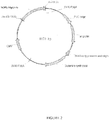
- the plasmid of the present invention is illustratively shown in Figure 2 .
- the mammalian expression plasmid of the present invention comprises nucleotide sequence of SEQ ID NO. 3.
- hOPG-hIgG1-Fc expression plasmid SEQ ID NO.3
- the present invention provides for a mammalian expression system for production of a polypeptide comprising the leading 215 amino acids of the human OPG followed by 227 amino acids of the Fc portion of the human Ig Gamma-1, optionally connected via a flexible linker.
- the expression system of the present invention comprises a mammalian cell harboring a recombinant malian expression plasmid for high expression of a polypeptide comprising the leading 215 amino acids of the human OPG followed by 227 amino acids of the Fc portion of the human Ig Gamma-1, optionally connected via a flexible linker.
- the mammalian expression system of the present invention comprises Chinese hamster ovary cells (CHO-K1) harboring a plasmid comprising nucleotide sequence of SEQ ID NO. 3.
- the present disclosure provides for a method of treatment of a mammal effected by a disorder associated with bone resorption or remodeling.
- Example 1 Construction of plasmids for expression of polypeptides of the present invention.
- a first DNA fragment was chemically synthesized comprising DNA coding for hOPG amino acid residues 1 to 215, immediately followed by DNA coding for a leading fragment of hIgG1-Fc amino acids.
- the hOPG coding sequence was preceded by Hind III restriction site, a Kozak sequence (GCCACC) together with its signal sequence.
- the hIgG1-Fc fragment coding DNA of the first DNA fragment at the 3' contained a Sac II restriction site.
- the pCDNA4-Fc vector utilizes the cytomegalovirus (CMV) promoter to drive transcription of the gene of interest, and has been proven to generate high level expression in a wide variety of mammalian cell lines.
- CMV cytomegalovirus
- the vector comprises the bGH polyadenylation and transcription termination sequences.
- the vector also contains a pUC origin of replication and a ⁇ -lactamase gene, which confers Ampicillin resistance, for supporting growth and selection in bacteria.
- Figure 1 shows the pCDNA4-Fc plasmid map and annotated sequence.
- the second DNA fragment comprising DNA coding for hOPG residues 1 to 215 and residues 103 to 329 of hIgG1-Fc was subcloned, utilizing the pCDNA4-Fc plasmid schematically shown in Figure 1 , into pKN002 mammalian expression vector for high expression of hOPG-hIgG1-Fc polypeptide of SEQ ID NO. 1.
- pKH002 vector utilizes the cytomegalovirus (CMV) promoter to drive transcription of the gene of interest, followed by the bGH polyadenylation and transcription termination sequence.
- CMV cytomegalovirus
- the vector also contains a pUC origin of replication and ⁇ -lactamase gene, which confers ampicillin resistance, for supporting growth and selection in bacteria.
- pKN002 vector contains a gene for Glutamine synthetase - a selectable marker widely used to establish stable CHOK1 and NSO cell lines.
- Figure 2 illustratively shows the map and annotated sequence of the resulting high expression pKH002-hOPG-hIgG1-Fc plasmid of SEQ ID NO. 3.
- Example 2 Generation of stable cell lines for expressing polypeptides of the present invention.
- a stable clone of CHO-K1 cells overexpressing hOPG-hIgG1-Fc polypeptide of SEQ. ID 1 has been generated through standard protocols.
- the expression plasmid pKH002-hOPG-hIgG1-Fc described in Example 1 was used for generating stable cell lines for high expression of said polypeptide. Expression levels of said polypeptide in a plurality of clones were above 125 mg/L in a 7-day batch culture.
- One clonal cell line showed expression levels of about or over 125 mg/L in shake flask batch culture.
- CHO-K1 Chinese hamster ovary cells
- ATCC CCL-61TM
- the cells were adapted in house into a CD CHO media.
- Media and reagent were obtained from commercial source.
- the cells were grown to high density for a few passages.
- the resulting cells were subcloned.
- One of the resulting clones with a doubling time under 20 hrs and good morphology was selected as parental cell line.
- a vial of CHO-K1 cells (7.5 x 10 6 viable cells in a volume of 1.5 ml) was thawed into 20 ml of CD CHO medium supplemented with 4 mM L-glutamine to give a cell density of 3.75 x 10 5 cells/ml in an Erlenmeyer flasks at 37°C/10% CO 2 on an orbital shaker platform at 80 to 100 rpm. Cells were subcultured every three to four days.
- Transfection of CHO-K1 cells with pKH002-hOPG-hIgG1-Fc plasmid described in Example 1 was carried out by electroporation utilizing Gene Pulse Xcell instrument (BIO-RAD) using standard protocols.
- One-two days prior to electroporation dilute CHO-K1 cells were transferred into fresh growth medium (CD CHO medium) so that they reached mid-log phase (generally about 2-3 ⁇ 10 6 cells/ml) on the day of the experiment.
- cell lines were adapted to suspension culture followed by measuring 50 ml culture growth curves. Cell count and viability were measured daily for each tested cell line. Production levels of the desired polypeptide were measure by two methods: ELISA; and test purifications by protein A column.
- transfections were carried out in CHO-K1 cells in the process of generation of potential hOPG-hIgG1-Fc expression cell line; a representative transfection growth curve is shown in Figure 3 and the data is shown in Table 1.
- Supercoiled DNA was transfected into CHO-K1 cells under electroporation and selected with MSX. Cells were selected in 96 well plates as minipools and the productivity was assessed using SDS-PAGE and ELISA. Based on these analyses, two transfections were identified as producing the highest levels of hOPG-hIgG1-Fc, and these transfections will be characterized in more detail.
- the two parental high expression cell lines were plated for single cloning, seeding cells into 5 x 96 well plates.
- a plurality of clones were picked from 96 well plates and transferred to 24 well plates. Media were collected from confluent wells and assessed as before by SDS-PAGE and ELISA tests. Clones that did not produce desired results were discarded. A subset of the plurality of clones grew well in serum free suspension culture and 50 mL growth curves were assessed. All clones were additionally reanalyzed by SDS-PAGE and ELISA. From the subset of clones, the one with the highest productivity was chosen to be assessed in an additional set of 1L growth curves, confirming that the clone had the highest productivity and showed a significant improvement compared with its parental cell line.
- the chosen highest production cell line was selected and thawed into CD-CHO. Growth curves on the cell line were assessed, and samples were collected daily for cell count, cell viability and hOPG-hIgG1-Fc productivity. Based on these studies, it was determined that selected highest productivity cell line was expressing hOPG-hIgG1-Fc polypeptide in amounts necessary to support commercial production. The yield of the polypeptide after purification was at least 125mg/L (without any production optimization).
- Table 1 A Representative Clonal Cell Line Growth curve Culture period (DAY) Cell density (10 6 cells/ml) ELISA (ug/ml) Glucose (g/L) 0 0.5 1 1 5.68 6.2 2 1.5 19.68 5.5 3 4.9 4 8 30.69 3.1 5 10.6 45.94 2.2 6 8.5 60.68 0.8 7 8.2 76.62 0 8 3.7 99.55 0 9 3 124.1 0 10 0.8 88.78 0
- Example 3 Purification of polypeptides of the present invention.
- hOPG-hIgG1-Fc polypeptide of SEQ ID.1 was expressed in CHO-K1 essentially as described in foregoing Example 2. Cells were harvested and lysed utilizing well established protocols. After cell lysate clarification, the supernatant containing expressed hOPG-hIgG1-Fc polypeptide was first applied to a Protein A affinity column. The affinity purification step was carried out according to the procedure outlined in Table 2. The Protein A eluate containing hOPG-hIgG1-Fc was pH-adjusted to pH about 7.5 using 1 M Tris-HCl, pH 9.0. The conductivity was adjusted with deionized water (dH2O) as needed.
- dH2O deionized water
- the pH adjusted Protein A column eluate was further purified by anion-exchange chromatography (AIEX) utilizing Q Sepharose resin.
- AIEX anion-exchange chromatography
- the AIEX flowthrough was analyzed by size-exclusion HPLC (SEC-HPLC) and SDS-PAGE (reducing). The results of the analysis are presented in Figure 4 and Figure 5 , respectively.
- the SEC-HPLC operational procedure is outlined in Table 4.
- Table 2 The operational procedure of Protein A Affinity Chromatography Step Buffer Vol CV Flow cm/h Rinse Before-use dH2O 3 150 Equilibration 10 mM PB, pH 6.0 3 150 Sample Load Cell harvest - 150 Wash 1 10 mM PB, pH 6.0 3 150 Wash 2 25 mM PB, 0.5 M NaCl, 5% Isopropanol pH 7.0 5 150 Re-Equilibration 10 mM PB, pH 6.0 3 150 Elution 20 mM Na-Citrate, pH 3.4 2.5 150 Re-Equilibration 10 mM PB, pH 6.0 3 150 CIP 0.1 M NaOH (contact time 15 min), reversed flow, CIP every 5 cycles 3 100 Rinse with NaCl 1M NaCl 3 150 Rinse After-use dH2O 3 150 Storage 20% (v/v) Ethanol 3 150 Table 3: The operational procedure of AIEX Step Buffer Vol CV Flow cm/h Rinse Before-use dH2O 3
- HIC hydrophobic interaction chromatography
- CIEX cation exchange chromatography
- HA hydroxylapatite
- a HA column was packed with Macro-Prep Ceramic HA Type II 40 ⁇ m (Bio-Rad) to a column volume (CV) of 10.4 mL (bed height 11 cm). Screening experiments were performed to identify best elution conditions (see Table 6).
- the starting material used was AIEX flowthrough after the initial two-step chromatography process. Initially, two batches of protein were prepared. The total protein expression levels for the first and the second batches were about 588 mg/L and 50 mg/mL, respectively. The purities and concentrations in AIEX flowthroughs from the two batches were comparable: about 92% and 2.5 mg/mL, respectively.
- experiment No. 6 produced superior results.
- the HAC chromatogram from experiment No. 6 is shown in Figure 6 .
- the pool of the main peak fractions from experiment No. 6 had purity over 99% (an example of SEC-HPLC analytical chromatogram of the HAC main peak fraction is shown in Figure 7 ) and estimated protein yield was 63%.
- experiment No. 5 also produced relatively good separation, however a lower protein yield of about 55%.
- polypeptide of SEQ ID NO. 1 which was expressed and purified essentially as described in this example, at a concentration of about 100 ng/ml completely blocked 50 ng/ml RANKL-induced osteoclast differentiation (RAW264.7 cells, EC50 about 50 ng/ml).
- Example 4 Toxicity study of hOPG-hIgG1-Fc polypeptide of SEQ ID NO. 1 for subcutaneous administration into mice.
- Polypeptide of SEQ ID NO. 1 was expressed and purified essentially as described in the forgoing examples.
- the polypeptide was formulated in the following buffer: 1% w/v Sucrose, 100 mM Sodium Chloride, 25 mM L-Arginine Hydrochloride, 25 mM Sodium Bicarbonate, pH 6.3.
- the dosing stock concentration used was 0.5 mg/mL of the polypeptide.
- mice used in the study were randomly divided into 3 groups: formulation buffer control group, low dose group and high dose group, each group had 5 mice.
- the mice were anesthetized by intra-peritoneal injection of sodium pentobarbital, anesthetic dose was 30mg/kg. Back of mice was shaved to monitor the injection site.
- 20 ⁇ L formulation buffer was administered to the control group by subcutaneous injection.
- 16mg/kg of the polypeptide was administered to the low dose group, and 32mg/kg of the polypeptide was administered to high dose group, responses at injection sites were observed and pictures taken at 15min, 6h, 24h, 72h and day 7.
- Example 5 Pharmacokinetics (PK) of hOPG-hIgG1-Fc polypeptide of SEQ ID NO. 1 after subcutaneous administration in mice.
- Polypeptide of SEQ ID NO.1 was expressed and purified essentially as described in the forgoing examples.
- the polypeptide was formulated in the following buffer: 1% w/v Sucrose, 100mM Sodium Chloride, 20 mM L-Arginine Hydrochloride, 25 mM Sodium Bicarbonate, pH 6.3.
- the dosing stock concentration used was 0.5 mg/mL of the polypeptide.
- mice Fourteen female Balb/c nu/nu mice were randomized based on body weight into seven groups of two animals on Day 0 of the study. A single treatment of the polypeptide (5 mg/kg) was administered subcutaneously (dorsal) on Day 0 to all groups except mice in Group 1, which were bled via cardiac puncture for plasma preparation on Day 0 of the study. Blood samples were collected from mice via the orbital sinus in the remaining groups at various times through-out the study for preparation of plasma.
- Body weights were recorded for all animals on the treatment day (Day 0) and then three times per week, including the termination day of each group.
- mice were culled at specific time points for plasma preparation. Body weight changes were not measured in groups culled for sample collection at 0 hours and within 36 hours of dose administration. Most groups gained weight during the study period. Only Group 5 terminated at 7 days post-treatment failed to achieve an overall gain in body weight. No mice lost excessive body weight and no adverse clinical signs were reported during the study period.
- the polypeptide was detected in the plasma of animals at 1 hour post-administration.
- One Phase Decay Model equation using Prism 5.0c (GraphPad Software Inc, La Jolla, CA, USA) was then used to determine pharmacokinetics of polypeptide of SEQ ID NO. 1 as detected by Hu-Fc ELISA.
- Peak circulating levels of Hu-Fc (Cmax) was determined to be 26.49 ⁇ g/mL, and time to peak circulating levels (Tmax) was 10 hours post treatment.
- the polypeptide levels decreased to near undetectable levels by three weeks post-administration, the final assessment point.
- the half-life (T1/2) was 83.52 hours and K0.0083 hr-1.
- Hu-Fc was not detected in the plasma of the untreated Group 1 animals.
- Table 6 Mean Human-Fc Protein Concentration ⁇ SEM ( ⁇ g/mL) at each Time Post-Administration Group Treatment Bleeding Schedule (time post-administration) Mean Human-Fc Protein Concentration [ ⁇ g/mL] SEM 1 No treatment 0 hours 0.00 -* 2 polypeptide of SEQ ID NO.
- Example 6 Determination of efficacy of hOPG-hIgG1-Fc polypeptide of SEQ ID NO. 1 against human breast cancer as a murine bone lytic model.
- the murine bone lytic model used in the present example is well known in the art (e.g., see Arrington, S.A., et al., Bone. 2006 Mar;38(3):359-67 ).
- Polypeptide of SEQ ID NO.1 was expressed and purified essentially as described in the forgoing examples.
- the polypeptide was formulated in the following buffer: 1% w/v Sucrose, 100mM Sodium Chloride, 20 mM L-Arginine Hydrochloride, 25 mM Sodium Bicarbonate, pH 6.3.
- the dosing stock concentration used was 0.5 mg/mL of the polypeptide.
- mice Sixty female Athymic Nude-Foxn1 nu mice were each inoculated with 5 x 10 5 MDA-MB-468 human breast cancer cells (in 5 ⁇ L) into the right tibia. Fourteen days post-inoculation, the mice were randomized by body weight into five groups of 12 (Day 0).
- Vehicle Formulation buffer
- polypeptide of SEQ ID NO.1 1, 5 or 10 mg/kg
- Zometa Zaledronic Acid
- Body weight was recorded for all animals on the first treatment day (Day 0) and then three times per week, including the termination day of the study (48 hours post-final treatment, 42 days post-initial treatment). There was significant (p ⁇ 0.05) mean body weight gain in all groups during the course of the study. No adverse clinical signs, including excess body weight loss, were observed in mice receiving treatment with polypeptide of SEQ ID NO.1 or Zometa.
- MDA-MB-468 human breast tumor cells were sourced from American Type Culture Collection (ATCC) (Rockville, MD, USA). MDA-MB-468 human breast tumor cells (Passage 5 from working stock) were cultured in RPMI 1640 cell culture medium, supplemented with 10% FBS, 1% Glutamax and 1% penicillin-streptomycin. The cells were harvested by trypsinization, washed twice in HBSS and counted. The cells were then resuspended in HBSS to a final concentration of 1x10 8 cells/mL.
- mice Prior to tumor inoculation, the injection site was liberally swabbed with alcohol.
- a 27G needle was introduced through the skin to drill a tunnel, 5-7mm in length (sufficient to accommodate 5 ⁇ L of cell suspension) from the plateau of the right hind tibia into the bone marrow channel.
- 5 ⁇ L of MDA-MB-468 cell suspension 5 x 10⁵ cells was discharged into the pre-formed tunnel. The treatment of mice began 14 days after MDA-MB-468 cell inoculation.
- mice Female mice (Mus musculus) were inoculated for the study, of which 60 were actually used in the study (in groups of 5, 12 groups in total).
- Animal body weight ranged at start of treatment from about 20.3 to about 27.8 g (mean 24.1 g) at inoculation.
- the animals were housed in groups of four in individually ventilated cages (Alternative Design Max, USA), three cages per group.
- the animals were kept in a controlled environment (targeted ranges: temperature 21 ⁇ 3°C, humidity 30-70%, 15 air changes per hour), with a 12 hour light/dark cycle, and under barrier (quarantine) conditions. Temperature and relative humidity were monitored continuously. All animals were subjected to the same environmental conditions.
- a standard certified commercial rodent diet (Teklad Global 18% Protein Rodent Diet, Harlan Laboratories, Inc, IN, USA) and tap water were provided to the animals ad libitum. Mortality checks were performed once daily in the morning during the study. Clinical signs (such as ill health and behavioral changes) were also recorded for all animals once daily. Body weights were recorded for all animals on the first treatment day (Day 0) and then three times per week, including the termination day of the study.
- the following vehicle formulation was used in the study: 1% sucrose, 100 mM sodium chloride, 20 mM l-arginine hydrochloride, 25 mM sodium phosphate, pH6.3. The solution was stored at 4°C.
- the reference article Zometa (Zoledronic Acid) was used in the clinical formulation (0.8 mg/mL) and was stored at room temperature.
- the Test Article polypeptide of SEQ ID NO.1) (45 mg/mL) was diluted in formulation buffer (1% sucrose, 100 mM sodium chloride, 20 mM 1-arginine hydrochloride, 25 mM sodium phosphate, pH6.3) to achieve the required concentration for dosing.
- Zometa® clinical formulation 0.8 mg/mL was diluted in sterile saline to achieve the required concentration for dosing. The dosing solutions were prepared fresh on each day of dosing.
- mice Sixty mice were randomized by body weight on Day 0 of the study, 14 days post-inoculation, into five groups of 12 mice.
- Table 7 Animal Dosing regimen Group Compound Treatment Schedule 1 Vehicle (Formulation Buffer) 10 mL/kg, s.c. 3 times weekly for 6 weeks 2 polypeptide of SEQ ID NO.1 1 mg/kg in 10 mL/kg, s.c. 3 times weekly for 6 weeks 3 polypeptide of SEQ ID NO.1 5 mg/kg in 10 mL/kg, s.c. 3 times weekly for 6 weeks 4 polypeptide of SEQ ID NO.1 10 mg/kg in 10 mL/kg, s.c. 3 times weekly for 6 weeks 5 Zometa 0.1 mg/kg in 10 mL/kg, i.v. 3 times weekly for 6 weeks
- Vehicle Control (Formulation Buffer; Group 1) and polypeptide of SEQ ID NO.1 (1, 5 and 10 mg/kg; Groups 2, 3 and 4, respectively) were administered by subcutaneous injection (s.c.) (Table 7).
- Zometa (0.1 mg/kg; Group 5) was administered by intravenous injection (i.v.) (Table 6). Treatments were administered three times weekly, beginning on Day 0 and continued for six weeks.
- the Vehicle Control and Test Articles were administered in a dosing volume of 10 mL/kg. Each animal's body weight was measured immediately prior to dosing. The volume of dosing solution administered to each animal was calculated and adjusted based on individual body weight.
- X-rays of both tibiae were performed on all mice at six and eight weeks post-inoculation (four and six weeks post-initial treatment).
- Visual assessment of bone lysis of the inoculated right tibiae was made from each X-ray image and a score was given to indicate severity of lysis and the presence of an enlarged leg muscle.
- the degree of lysis was awarded on a scale of 0 (no lysis) to 4 (very severe bone lysis).
- the presence of an enlarged leg muscle, as indicated by a bulging of the muscle tissue is awarded an additional score of 0.5.
- the right inoculated tibia was excised from all mice in all groups at termination.
- Excised tibiae were preserved in 10% neutral buffered formalin for microCT analysis (Adelaide Microscopy, Sydney, SA, Australia), comprising Total Bone Volume (TBV), Trabecular Bone Volume (Tb.BV), Trabecular Pattern Factor (Tb.Pf) and Structure Model Index (SMI).
- TBV Total Bone Volume
- Tb.BV Trabecular Bone Volume
- Tb.Pf Trabecular Pattern Factor
- SI Structure Model Index
- Total Bone Volume (TBV) (mm3) is a measure of the total cortical and trabecular bone volume (Tb.BV) (mm3) within the volume of interest (VOI), where the VOI includes the cross-sectional region consisting of the cortical and trabecular bones.
- Trabecular Pattern Factor (Tb.Pf) (mm-1) is an inverse fragmentation index, which indicates the structural connectivity with specific application to the trabecular bone. A lower Tb.Pf value signifies better connected trabecular lattices while a higher Tb.Pf value indicates a more disconnected trabecular structure (i.e. more fragmentation / bone lysis).
- SMI Structure Model Index
- Comparison of bone lysis parameters assessed by microCT scan of excised inoculated tibiae was made between mice in Groups 1, 2 and 5.
- a One Way ANOVA was performed, and comparison between all groups made using Tukey's Multiple Comparison Test. Where the data failed the Normality Test, the Kruskal-Wallis One Way Analysis of Variance (ANOVA) on Ranks was performed. In this case, comparison between all groups was made using All Pairwise Multiple Comparison Procedure (Dunn's Method). A p value of less than 0.05 was considered significant.
- mice receiving treatment with polypeptide of SEQ ID NO.1 or Zometa (Groups 2-5).
- No mice receiving treatment with polypeptide of SEQ ID NO. 1 or Zometa (Groups 2-5) lost body weight in excess of 15% of initial weight during the study period. There was significant (p ⁇ 0.05) mean body weight gain in all groups (Table 8).
- X-ray images of both tibiae were taken from all mice at Day 28 and 42 (six and eight weeks post-inoculation). Visual assessment of bone lysis of the inoculated right tibiae was made from each X-ray image and a score was given to indicate severity of lysis and the presence of an enlarged muscle on the inoculated leg (Table 9, and Figure 8 and Figure 9 ).
- Treatment with polypeptide of SEQ ID NO.1 at all doses (1, 5 and 10 mg/kg; Groups 2, 3 and 4, respectively) and Zometa (Group 5) resulted in significant (p ⁇ 0.05) inhibition of bone lysis assessed in X-ray images taken at both six and eight weeks post-inoculation compared with Vehicle control (Group 1).
- Table 8 Body Weight Changes and Survival Number for Each Group at the End of the Study Group Treatment Host Response Delta Body Weight ⁇ SEM (g) % Delta Body Weight Survival (Number Alive / Total) 1 Vehicle (Formulation Buffer, s.c.) 0.9 ⁇ 0.7 3.8 11/12 2 polypeptide of SEQ ID NO.1 (1 mg/kg, s.c.) 1.8 ⁇ 0.3 7.3 12/12 3 polypeptide of SEQ ID NO.1 (5 mg/kg, s.c.) 1.6 ⁇ 0.3 6.6 12/12 4 polypeptide of SEQ ID NO.1 (10 mg/kg, s.c.) 2.3 ⁇ 0.3 9.4 12/12 5 Zometa (0.1 mg/kg, i.v.) 1.2 ⁇ 0.1 4.9 12/12
- Table 9 Mean X-ray Score of Bone Lysis in Inoculated Tibiae ⁇ SEM at Six Weeks and Eight Weeks Post-Inoculation for Each Group Group Treatment 6 weeks Post-Inoculation 8 weeks Post-
- MicroCT scan parameters for assessment of bone lysis included a 3-dimensional morphometric analysis comprising Total Bone Volume (TBV), Trabecular Bone Volume (Tb.BV), Trabecular Pattern Factor (Tb.Pf) and Structure Model Index (SMI).
- TBV Total Bone Volume
- Tb.BV Trabecular Bone Volume
- Tb.Pf Trabecular Pattern Factor
- SMI Structure Model Index
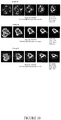
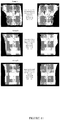
- Table 10 Representative images of microCT scans from one animal in each of the groups analyzed are presented in Figure 10 and Figure 11 .
- Treatment with both polypeptide of SEQ ID NO.1 at 1 mg/kg (Group 2) and Zometa (Group 5) resulted in significant (p ⁇ 0.05) inhibition of bone lysis compared with Vehicle control (Group 1), indicated by all microCT scan parameters (significantly higher TBV and Tb.BV, and significantly lower Tb.Pf and SMI).
- polypeptide of SEQ ID NO. 1 (1, 5 and 10 mg/kg, s.c. 3x per week for 6 weeks) was efficacious in preventing bone lysis induced by MDA-MB-468 human breast cancer cells, inoculated in the tibiae of female Athymic Nude-Foxn1 nu mice.
- This efficacy measured by X-ray imaging at six and eight weeks post-inoculation and microCT scan of tibiae excised at termination (eight weeks post-inoculation) did not appear to be dose dependent.
- Zometa 0.1 mg/kg, i.v. 3x per week for 6 weeks also demonstrated efficacy.
- Zometa is a registered trademark of Novartis AG Corporation, Switzerland.
- Prolia and Xgeva are registered trademarks of Amgen Inc., a Delaware Corporation.
Landscapes
- Health & Medical Sciences (AREA)
- Life Sciences & Earth Sciences (AREA)
- Chemical & Material Sciences (AREA)
- Organic Chemistry (AREA)
- General Health & Medical Sciences (AREA)
- Engineering & Computer Science (AREA)
- Genetics & Genomics (AREA)
- Medicinal Chemistry (AREA)
- Bioinformatics & Cheminformatics (AREA)
- Animal Behavior & Ethology (AREA)
- General Chemical & Material Sciences (AREA)
- Nuclear Medicine, Radiotherapy & Molecular Imaging (AREA)
- Public Health (AREA)
- Veterinary Medicine (AREA)
- Pharmacology & Pharmacy (AREA)
- Chemical Kinetics & Catalysis (AREA)
- Zoology (AREA)
- Physical Education & Sports Medicine (AREA)
- Rheumatology (AREA)
- General Engineering & Computer Science (AREA)
- Biophysics (AREA)
- Molecular Biology (AREA)
- Wood Science & Technology (AREA)
- Biochemistry (AREA)
- Biomedical Technology (AREA)
- Biotechnology (AREA)
- Orthopedic Medicine & Surgery (AREA)
- Immunology (AREA)
- Microbiology (AREA)
- Gastroenterology & Hepatology (AREA)
- Cell Biology (AREA)
- Toxicology (AREA)
- Physics & Mathematics (AREA)
- Plant Pathology (AREA)
- Proteomics, Peptides & Aminoacids (AREA)
- Pain & Pain Management (AREA)
- Oncology (AREA)
- Dermatology (AREA)
- Medicines That Contain Protein Lipid Enzymes And Other Medicines (AREA)
- Peptides Or Proteins (AREA)
Priority Applications (2)
| Application Number | Priority Date | Filing Date | Title |
|---|---|---|---|
| HRP20191494 HRP20191494T1 (hr) | 2012-03-31 | 2012-03-31 | Pripravak derivat osteoprotegerina i njegova uporaba |
| PL12873353T PL2874643T3 (pl) | 2012-03-31 | 2012-03-31 | Kompozycja pochodząca z osteoprotegeryny i jej zastosowanie |
Applications Claiming Priority (1)
| Application Number | Priority Date | Filing Date | Title |
|---|---|---|---|
| PCT/US2012/031737 WO2013147899A1 (en) | 2012-03-31 | 2012-03-31 | Osteoprotegerin derived composition and use thereof |
Publications (3)
| Publication Number | Publication Date |
|---|---|
| EP2874643A1 EP2874643A1 (en) | 2015-05-27 |
| EP2874643A4 EP2874643A4 (en) | 2016-03-30 |
| EP2874643B1 true EP2874643B1 (en) | 2019-06-26 |
Family
ID=49260952
Family Applications (1)
| Application Number | Title | Priority Date | Filing Date |
|---|---|---|---|
| EP12873353.2A Active EP2874643B1 (en) | 2012-03-31 | 2012-03-31 | Osteoprotegerin derived composition and use thereof |
Country Status (14)
| Country | Link |
|---|---|
| EP (1) | EP2874643B1 (pl) |
| JP (1) | JP6431476B2 (pl) |
| CN (1) | CN104640557A (pl) |
| AU (1) | AU2012375257B2 (pl) |
| BR (1) | BR112014024398B1 (pl) |
| CA (1) | CA2868759A1 (pl) |
| EA (1) | EA034861B1 (pl) |
| HR (1) | HRP20191494T1 (pl) |
| IL (1) | IL234915B (pl) |
| MX (1) | MX357291B (pl) |
| PH (1) | PH12014502198B1 (pl) |
| PL (1) | PL2874643T3 (pl) |
| SG (1) | SG11201406216XA (pl) |
| WO (1) | WO2013147899A1 (pl) |
Families Citing this family (2)
| Publication number | Priority date | Publication date | Assignee | Title |
|---|---|---|---|---|
| JP2017508792A (ja) * | 2014-03-06 | 2017-03-30 | アール−ファーム・オーバーシーズ・インコーポレイテッドR−Pharm Overseas, Inc. | オステオプロテゲリンはランケル・インヒビターを引き出した |
| AU2021377176A1 (en) * | 2020-11-11 | 2023-06-22 | Hq Han | Bifunctional antagonists of activin/tgf-beta and rankl and uses thereof |
Family Cites Families (7)
| Publication number | Priority date | Publication date | Assignee | Title |
|---|---|---|---|---|
| FI946006A0 (fi) * | 1992-06-22 | 1994-12-21 | Miles Inc | Humaani-rinoviruksen reseptoriproteiinin multimeerisiä muotoja |
| US6369027B1 (en) * | 1995-12-22 | 2002-04-09 | Amgen Inc. | Osteoprotegerin |
| US20030144187A1 (en) * | 1999-09-03 | 2003-07-31 | Colin R. Dunstan | Opg fusion protein compositions and methods |
| WO2001017543A2 (en) * | 1999-09-03 | 2001-03-15 | Amgen Inc. | Compositions and methods for the prevention or treatment of cancer and bone loss associated with cancer |
| WO2002064782A2 (en) * | 2001-02-09 | 2002-08-22 | Maxygen Holdings Ltd. | Rank ligand-binding polypeptides |
| AU2005249570B2 (en) * | 2004-06-04 | 2011-06-16 | Regeneron Pharmaceuticals, Inc. | Methods of using IL-1 antagonists to treat autoinflammatory disease |
| CN102276727B (zh) * | 2011-08-01 | 2013-10-16 | 首都医科大学 | IL-17RC-hFc融合蛋白及其应用 |
-
2012
- 2012-03-31 JP JP2015503175A patent/JP6431476B2/ja active Active
- 2012-03-31 WO PCT/US2012/031737 patent/WO2013147899A1/en not_active Ceased
- 2012-03-31 AU AU2012375257A patent/AU2012375257B2/en not_active Ceased
- 2012-03-31 BR BR112014024398-0A patent/BR112014024398B1/pt not_active IP Right Cessation
- 2012-03-31 EA EA201400959A patent/EA034861B1/ru not_active IP Right Cessation
- 2012-03-31 CA CA2868759A patent/CA2868759A1/en not_active Abandoned
- 2012-03-31 SG SG11201406216XA patent/SG11201406216XA/en unknown
- 2012-03-31 CN CN201280073650.8A patent/CN104640557A/zh active Pending
- 2012-03-31 HR HRP20191494 patent/HRP20191494T1/hr unknown
- 2012-03-31 EP EP12873353.2A patent/EP2874643B1/en active Active
- 2012-03-31 PL PL12873353T patent/PL2874643T3/pl unknown
- 2012-03-31 MX MX2014011740A patent/MX357291B/es active IP Right Grant
-
2014
- 2014-09-30 PH PH12014502198A patent/PH12014502198B1/en unknown
- 2014-09-30 IL IL234915A patent/IL234915B/en active IP Right Grant
Non-Patent Citations (2)
| Title |
|---|
| BEKKER PIROW J ET AL: "The effect of a single dose of osteoprotegerin in postmenopausal women", JOURNAL OF BONE AND MINERAL RESEARCH, vol. 16, no. 2, February 2001 (2001-02-01), pages 348 - 360, ISSN: 0884-0431 * |
| BODY JEAN-JACQUES ET AL: "A phase I study of AMGN-0007, a recombinant osteoprotegerin construct, in patients with multiple myeloma or breast carcinoma related bone metastases.", CANCER, vol. 97, no. 3 Supplement, 1 February 2003 (2003-02-01), pages 887 - 892, ISSN: 0008-543X * |
Also Published As
| Publication number | Publication date |
|---|---|
| MX2014011740A (es) | 2015-11-13 |
| EA201400959A1 (ru) | 2015-03-31 |
| CA2868759A1 (en) | 2013-10-03 |
| IL234915B (en) | 2019-05-30 |
| MX357291B (es) | 2018-07-04 |
| PH12014502198B1 (en) | 2019-11-20 |
| EA034861B1 (ru) | 2020-03-30 |
| EP2874643A4 (en) | 2016-03-30 |
| HK1210725A1 (en) | 2016-05-06 |
| BR112014024398A2 (pt) | 2017-08-08 |
| PL2874643T3 (pl) | 2019-12-31 |
| WO2013147899A1 (en) | 2013-10-03 |
| SG11201406216XA (en) | 2015-03-30 |
| AU2012375257B2 (en) | 2019-09-12 |
| CN104640557A (zh) | 2015-05-20 |
| EP2874643A1 (en) | 2015-05-27 |
| JP2015514082A (ja) | 2015-05-18 |
| IL234915A0 (en) | 2014-12-31 |
| JP6431476B2 (ja) | 2018-11-28 |
| HRP20191494T1 (hr) | 2019-11-29 |
| PH12014502198A1 (en) | 2014-12-10 |
| AU2012375257A1 (en) | 2014-10-23 |
| BR112014024398B1 (pt) | 2022-03-08 |
Similar Documents
| Publication | Publication Date | Title |
|---|---|---|
| EP3638243B1 (en) | Methods for treating myeloproliferative neoplasm-associated myelofibrosis and anemia | |
| JP2022095925A (ja) | ヒトヒアルロニダーゼph20の変異体及び薬物を含む皮下投与用医薬組成物 | |
| US11702642B2 (en) | Soluble fibroblast growth factor receptor 3 (FGR3) polypeptide for use in the prevention or treatment of skeletal growth retardation disorders | |
| AU2012326082A1 (en) | Etanercept formulations stabilized with xylitol | |
| US11370820B2 (en) | Peptides and compositions for treatment of joint damage | |
| JP7604174B2 (ja) | 血清アルブミンと成長ホルモンの融合蛋白質を含有する水性医薬組成物 | |
| KR20240137091A (ko) | IgA 프로테아제 절단체, IgA 프로테아제 절단체를 포함하는 융합 단백질 및 이의 용도 | |
| JP6431476B2 (ja) | オステオプロテゲリン由来の組成物およびその使用 | |
| EP4047006A1 (en) | Method for producing fusion protein of serum albumin and growth hormone | |
| HK1210725B (en) | Osteoprotegerin derived composition and use thereof | |
| JP6550413B2 (ja) | オステオプロテゲリン由来の組成物およびその使用 | |
| AU2013221910A1 (en) | Activin-ActRII antagonists and uses for increasing red blood cell levels | |
| CA3220239A1 (en) | A super-trail molecule comprising two trail trimers | |
| EP4547701A1 (en) | Il-12 mutants with reduced toxicity, compositions thereof and methods of using the same | |
| EP4186928A1 (en) | Fusion polypeptide and polypeptide dimer, and use thereof | |
| JP2025529895A (ja) | 血小板減少症および急性放射線症候群のためのFlt3リガンド二官能性分子 | |
| HK40039498A (en) | A soluble fibroblast growth factor receptor 3 (fgr3) polypeptide for use in the prevention or treatment of skeletal growth retardation disorders | |
| CN116396394A (zh) | 具有α-半乳糖苷酶A活性的融合蛋白及其应用 | |
| Lub-de Hooge et al. | The production of clinical grade recombinant human TRAIL (rhTRAIL) in the academic setting. Pharmaceutical and regulatory aspects. | |
| HK1226958A1 (en) | Activin-actrii antagonists and uses for increasing red blood cell levels | |
| HK1217959B (en) | A soluble fibroblast growth factor receptor 3 (fgr3) polypeptide for use in the prevention or treatment of skeletal growth retardation disorders | |
| HK1224923A1 (en) | Activin-actrii antagonists and uses for increasing red blood cell levels | |
| WO2022098877A1 (en) | Formulations comprising actrii polypeptide variants |
Legal Events
| Date | Code | Title | Description |
|---|---|---|---|
| PUAI | Public reference made under article 153(3) epc to a published international application that has entered the european phase |
Free format text: ORIGINAL CODE: 0009012 |
|
| 17P | Request for examination filed |
Effective date: 20141030 |
|
| AK | Designated contracting states |
Kind code of ref document: A1 Designated state(s): AL AT BE BG CH CY CZ DE DK EE ES FI FR GB GR HR HU IE IS IT LI LT LU LV MC MK MT NL NO PL PT RO RS SE SI SK SM TR |
|
| AX | Request for extension of the european patent |
Extension state: BA ME |
|
| RIN1 | Information on inventor provided before grant (corrected) |
Inventor name: GUO, KANGPING Inventor name: LAVROVSKY, YAN Inventor name: SAMSONOV, MIKHAIL Inventor name: REPIK, ALEXEY Inventor name: XU, TING Inventor name: IGNATIEV, VASILY |
|
| DAX | Request for extension of the european patent (deleted) | ||
| RIC1 | Information provided on ipc code assigned before grant |
Ipc: C07K 16/46 20060101ALI20160216BHEP Ipc: A61P 19/00 20060101ALI20160216BHEP Ipc: A61K 39/395 20060101ALI20160216BHEP Ipc: C07K 14/705 20060101ALI20160216BHEP Ipc: A61K 38/17 20060101AFI20160216BHEP Ipc: A61K 31/7088 20060101ALI20160216BHEP Ipc: C12N 15/85 20060101ALI20160216BHEP |
|
| RA4 | Supplementary search report drawn up and despatched (corrected) |
Effective date: 20160226 |
|
| RIC1 | Information provided on ipc code assigned before grant |
Ipc: A61K 39/395 20060101ALI20160219BHEP Ipc: C12N 15/85 20060101ALI20160219BHEP Ipc: C07K 14/705 20060101ALI20160219BHEP Ipc: A61P 19/00 20060101ALI20160219BHEP Ipc: C07K 16/46 20060101ALI20160219BHEP Ipc: A61K 38/17 20060101AFI20160219BHEP Ipc: A61K 31/7088 20060101ALI20160219BHEP |
|
| REG | Reference to a national code |
Ref country code: HK Ref legal event code: DE Ref document number: 1210725 Country of ref document: HK |
|
| STAA | Information on the status of an ep patent application or granted ep patent |
Free format text: STATUS: REQUEST FOR EXAMINATION WAS MADE |
|
| STAA | Information on the status of an ep patent application or granted ep patent |
Free format text: STATUS: EXAMINATION IS IN PROGRESS |
|
| 17Q | First examination report despatched |
Effective date: 20170426 |
|
| RAP1 | Party data changed (applicant data changed or rights of an application transferred) |
Owner name: R-PHARM INTERNATIONAL, LLC |
|
| GRAP | Despatch of communication of intention to grant a patent |
Free format text: ORIGINAL CODE: EPIDOSNIGR1 |
|
| STAA | Information on the status of an ep patent application or granted ep patent |
Free format text: STATUS: GRANT OF PATENT IS INTENDED |
|
| INTG | Intention to grant announced |
Effective date: 20190111 |
|
| GRAS | Grant fee paid |
Free format text: ORIGINAL CODE: EPIDOSNIGR3 |
|
| GRAA | (expected) grant |
Free format text: ORIGINAL CODE: 0009210 |
|
| STAA | Information on the status of an ep patent application or granted ep patent |
Free format text: STATUS: THE PATENT HAS BEEN GRANTED |
|
| AK | Designated contracting states |
Kind code of ref document: B1 Designated state(s): AL AT BE BG CH CY CZ DE DK EE ES FI FR GB GR HR HU IE IS IT LI LT LU LV MC MK MT NL NO PL PT RO RS SE SI SK SM TR |
|
| REG | Reference to a national code |
Ref country code: GB Ref legal event code: FG4D |
|
| REG | Reference to a national code |
Ref country code: CH Ref legal event code: EP |
|
| REG | Reference to a national code |
Ref country code: AT Ref legal event code: REF Ref document number: 1147528 Country of ref document: AT Kind code of ref document: T Effective date: 20190715 |
|
| REG | Reference to a national code |
Ref country code: DE Ref legal event code: R096 Ref document number: 602012061548 Country of ref document: DE |
|
| REG | Reference to a national code |
Ref country code: IE Ref legal event code: FG4D |
|
| REG | Reference to a national code |
Ref country code: HR Ref legal event code: TUEP Ref document number: P20191494T Country of ref document: HR |
|
| REG | Reference to a national code |
Ref country code: NL Ref legal event code: FP |
|
| REG | Reference to a national code |
Ref country code: CH Ref legal event code: NV Representative=s name: TR-IP CONSULTING LLC, CH |
|
| REG | Reference to a national code |
Ref country code: SE Ref legal event code: TRGR |
|
| PG25 | Lapsed in a contracting state [announced via postgrant information from national office to epo] |
Ref country code: LT Free format text: LAPSE BECAUSE OF FAILURE TO SUBMIT A TRANSLATION OF THE DESCRIPTION OR TO PAY THE FEE WITHIN THE PRESCRIBED TIME-LIMIT Effective date: 20190626 Ref country code: FI Free format text: LAPSE BECAUSE OF FAILURE TO SUBMIT A TRANSLATION OF THE DESCRIPTION OR TO PAY THE FEE WITHIN THE PRESCRIBED TIME-LIMIT Effective date: 20190626 Ref country code: NO Free format text: LAPSE BECAUSE OF FAILURE TO SUBMIT A TRANSLATION OF THE DESCRIPTION OR TO PAY THE FEE WITHIN THE PRESCRIBED TIME-LIMIT Effective date: 20190926 Ref country code: AL Free format text: LAPSE BECAUSE OF FAILURE TO SUBMIT A TRANSLATION OF THE DESCRIPTION OR TO PAY THE FEE WITHIN THE PRESCRIBED TIME-LIMIT Effective date: 20190626 |
|
| REG | Reference to a national code |
Ref country code: LT Ref legal event code: MG4D |
|
| PG25 | Lapsed in a contracting state [announced via postgrant information from national office to epo] |
Ref country code: BG Free format text: LAPSE BECAUSE OF FAILURE TO SUBMIT A TRANSLATION OF THE DESCRIPTION OR TO PAY THE FEE WITHIN THE PRESCRIBED TIME-LIMIT Effective date: 20190926 Ref country code: LV Free format text: LAPSE BECAUSE OF FAILURE TO SUBMIT A TRANSLATION OF THE DESCRIPTION OR TO PAY THE FEE WITHIN THE PRESCRIBED TIME-LIMIT Effective date: 20190626 Ref country code: RS Free format text: LAPSE BECAUSE OF FAILURE TO SUBMIT A TRANSLATION OF THE DESCRIPTION OR TO PAY THE FEE WITHIN THE PRESCRIBED TIME-LIMIT Effective date: 20190626 Ref country code: GR Free format text: LAPSE BECAUSE OF FAILURE TO SUBMIT A TRANSLATION OF THE DESCRIPTION OR TO PAY THE FEE WITHIN THE PRESCRIBED TIME-LIMIT Effective date: 20190927 |
|
| REG | Reference to a national code |
Ref country code: HR Ref legal event code: T1PR Ref document number: P20191494 Country of ref document: HR |
|
| REG | Reference to a national code |
Ref country code: AT Ref legal event code: MK05 Ref document number: 1147528 Country of ref document: AT Kind code of ref document: T Effective date: 20190626 |
|
| PG25 | Lapsed in a contracting state [announced via postgrant information from national office to epo] |
Ref country code: EE Free format text: LAPSE BECAUSE OF FAILURE TO SUBMIT A TRANSLATION OF THE DESCRIPTION OR TO PAY THE FEE WITHIN THE PRESCRIBED TIME-LIMIT Effective date: 20190626 Ref country code: SK Free format text: LAPSE BECAUSE OF FAILURE TO SUBMIT A TRANSLATION OF THE DESCRIPTION OR TO PAY THE FEE WITHIN THE PRESCRIBED TIME-LIMIT Effective date: 20190626 Ref country code: AT Free format text: LAPSE BECAUSE OF FAILURE TO SUBMIT A TRANSLATION OF THE DESCRIPTION OR TO PAY THE FEE WITHIN THE PRESCRIBED TIME-LIMIT Effective date: 20190626 Ref country code: PT Free format text: LAPSE BECAUSE OF FAILURE TO SUBMIT A TRANSLATION OF THE DESCRIPTION OR TO PAY THE FEE WITHIN THE PRESCRIBED TIME-LIMIT Effective date: 20191028 Ref country code: RO Free format text: LAPSE BECAUSE OF FAILURE TO SUBMIT A TRANSLATION OF THE DESCRIPTION OR TO PAY THE FEE WITHIN THE PRESCRIBED TIME-LIMIT Effective date: 20190626 Ref country code: CZ Free format text: LAPSE BECAUSE OF FAILURE TO SUBMIT A TRANSLATION OF THE DESCRIPTION OR TO PAY THE FEE WITHIN THE PRESCRIBED TIME-LIMIT Effective date: 20190626 |
|
| REG | Reference to a national code |
Ref country code: CH Ref legal event code: PCAR Free format text: NEW ADDRESS: ROUTE DU COUTSET 18, 1485 NUVILLY (CH) |
|
| PG25 | Lapsed in a contracting state [announced via postgrant information from national office to epo] |
Ref country code: SM Free format text: LAPSE BECAUSE OF FAILURE TO SUBMIT A TRANSLATION OF THE DESCRIPTION OR TO PAY THE FEE WITHIN THE PRESCRIBED TIME-LIMIT Effective date: 20190626 Ref country code: IS Free format text: LAPSE BECAUSE OF FAILURE TO SUBMIT A TRANSLATION OF THE DESCRIPTION OR TO PAY THE FEE WITHIN THE PRESCRIBED TIME-LIMIT Effective date: 20191026 Ref country code: IT Free format text: LAPSE BECAUSE OF FAILURE TO SUBMIT A TRANSLATION OF THE DESCRIPTION OR TO PAY THE FEE WITHIN THE PRESCRIBED TIME-LIMIT Effective date: 20190626 Ref country code: ES Free format text: LAPSE BECAUSE OF FAILURE TO SUBMIT A TRANSLATION OF THE DESCRIPTION OR TO PAY THE FEE WITHIN THE PRESCRIBED TIME-LIMIT Effective date: 20190626 |
|
| PG25 | Lapsed in a contracting state [announced via postgrant information from national office to epo] |
Ref country code: DK Free format text: LAPSE BECAUSE OF FAILURE TO SUBMIT A TRANSLATION OF THE DESCRIPTION OR TO PAY THE FEE WITHIN THE PRESCRIBED TIME-LIMIT Effective date: 20190626 |
|
| PG25 | Lapsed in a contracting state [announced via postgrant information from national office to epo] |
Ref country code: IS Free format text: LAPSE BECAUSE OF FAILURE TO SUBMIT A TRANSLATION OF THE DESCRIPTION OR TO PAY THE FEE WITHIN THE PRESCRIBED TIME-LIMIT Effective date: 20200224 |
|
| REG | Reference to a national code |
Ref country code: DE Ref legal event code: R097 Ref document number: 602012061548 Country of ref document: DE |
|
| PLBE | No opposition filed within time limit |
Free format text: ORIGINAL CODE: 0009261 |
|
| STAA | Information on the status of an ep patent application or granted ep patent |
Free format text: STATUS: NO OPPOSITION FILED WITHIN TIME LIMIT |
|
| PG2D | Information on lapse in contracting state deleted |
Ref country code: IS |
|
| 26N | No opposition filed |
Effective date: 20200603 |
|
| PG25 | Lapsed in a contracting state [announced via postgrant information from national office to epo] |
Ref country code: SI Free format text: LAPSE BECAUSE OF FAILURE TO SUBMIT A TRANSLATION OF THE DESCRIPTION OR TO PAY THE FEE WITHIN THE PRESCRIBED TIME-LIMIT Effective date: 20190626 |
|
| REG | Reference to a national code |
Ref country code: DE Ref legal event code: R119 Ref document number: 602012061548 Country of ref document: DE |
|
| REG | Reference to a national code |
Ref country code: HR Ref legal event code: PBON Ref document number: P20191494 Country of ref document: HR Effective date: 20200331 |
|
| PG25 | Lapsed in a contracting state [announced via postgrant information from national office to epo] |
Ref country code: MC Free format text: LAPSE BECAUSE OF FAILURE TO SUBMIT A TRANSLATION OF THE DESCRIPTION OR TO PAY THE FEE WITHIN THE PRESCRIBED TIME-LIMIT Effective date: 20190626 |
|
| REG | Reference to a national code |
Ref country code: CH Ref legal event code: PL |
|
| REG | Reference to a national code |
Ref country code: NL Ref legal event code: MM Effective date: 20200401 |
|
| REG | Reference to a national code |
Ref country code: BE Ref legal event code: MM Effective date: 20200331 |
|
| PG25 | Lapsed in a contracting state [announced via postgrant information from national office to epo] |
Ref country code: NL Free format text: LAPSE BECAUSE OF NON-PAYMENT OF DUE FEES Effective date: 20200401 Ref country code: LU Free format text: LAPSE BECAUSE OF NON-PAYMENT OF DUE FEES Effective date: 20200331 |
|
| PG25 | Lapsed in a contracting state [announced via postgrant information from national office to epo] |
Ref country code: DE Free format text: LAPSE BECAUSE OF NON-PAYMENT OF DUE FEES Effective date: 20201001 Ref country code: HR Free format text: LAPSE BECAUSE OF NON-PAYMENT OF DUE FEES Effective date: 20200331 Ref country code: SE Free format text: LAPSE BECAUSE OF NON-PAYMENT OF DUE FEES Effective date: 20200401 Ref country code: CH Free format text: LAPSE BECAUSE OF NON-PAYMENT OF DUE FEES Effective date: 20200331 Ref country code: IE Free format text: LAPSE BECAUSE OF NON-PAYMENT OF DUE FEES Effective date: 20200331 Ref country code: LI Free format text: LAPSE BECAUSE OF NON-PAYMENT OF DUE FEES Effective date: 20200331 Ref country code: FR Free format text: LAPSE BECAUSE OF NON-PAYMENT OF DUE FEES Effective date: 20200331 |
|
| PG25 | Lapsed in a contracting state [announced via postgrant information from national office to epo] |
Ref country code: BE Free format text: LAPSE BECAUSE OF NON-PAYMENT OF DUE FEES Effective date: 20200331 |
|
| PG25 | Lapsed in a contracting state [announced via postgrant information from national office to epo] |
Ref country code: PL Free format text: LAPSE BECAUSE OF NON-PAYMENT OF DUE FEES Effective date: 20200331 Ref country code: MT Free format text: LAPSE BECAUSE OF FAILURE TO SUBMIT A TRANSLATION OF THE DESCRIPTION OR TO PAY THE FEE WITHIN THE PRESCRIBED TIME-LIMIT Effective date: 20190626 Ref country code: CY Free format text: LAPSE BECAUSE OF FAILURE TO SUBMIT A TRANSLATION OF THE DESCRIPTION OR TO PAY THE FEE WITHIN THE PRESCRIBED TIME-LIMIT Effective date: 20190626 |
|
| PG25 | Lapsed in a contracting state [announced via postgrant information from national office to epo] |
Ref country code: MK Free format text: LAPSE BECAUSE OF FAILURE TO SUBMIT A TRANSLATION OF THE DESCRIPTION OR TO PAY THE FEE WITHIN THE PRESCRIBED TIME-LIMIT Effective date: 20190626 |
|
| PGFP | Annual fee paid to national office [announced via postgrant information from national office to epo] |
Ref country code: GB Payment date: 20240304 Year of fee payment: 13 |
|
| PG25 | Lapsed in a contracting state [announced via postgrant information from national office to epo] |
Ref country code: TR Free format text: LAPSE BECAUSE OF NON-PAYMENT OF DUE FEES Effective date: 20200331 |
|
| GBPC | Gb: european patent ceased through non-payment of renewal fee |
Effective date: 20250331 |
|
| PG25 | Lapsed in a contracting state [announced via postgrant information from national office to epo] |
Ref country code: GB Free format text: LAPSE BECAUSE OF NON-PAYMENT OF DUE FEES Effective date: 20250331 |