EP2874263B1 - Servervorrichtung und elektrisches leistungssteuerungssystem - Google Patents
Servervorrichtung und elektrisches leistungssteuerungssystem Download PDFInfo
- Publication number
- EP2874263B1 EP2874263B1 EP13816909.9A EP13816909A EP2874263B1 EP 2874263 B1 EP2874263 B1 EP 2874263B1 EP 13816909 A EP13816909 A EP 13816909A EP 2874263 B1 EP2874263 B1 EP 2874263B1
- Authority
- EP
- European Patent Office
- Prior art keywords
- power consumption
- load device
- value
- load
- estimated value
- Prior art date
- Legal status (The legal status is an assumption and is not a legal conclusion. Google has not performed a legal analysis and makes no representation as to the accuracy of the status listed.)
- Active
Links
Images



Classifications
-
- H02J13/14—
-
- G—PHYSICS
- G05—CONTROLLING; REGULATING
- G05B—CONTROL OR REGULATING SYSTEMS IN GENERAL; FUNCTIONAL ELEMENTS OF SUCH SYSTEMS; MONITORING OR TESTING ARRANGEMENTS FOR SUCH SYSTEMS OR ELEMENTS
- G05B15/00—Systems controlled by a computer
- G05B15/02—Systems controlled by a computer electric
-
- H02J13/1337—
-
- H—ELECTRICITY
- H02—GENERATION; CONVERSION OR DISTRIBUTION OF ELECTRIC POWER
- H02J—CIRCUIT ARRANGEMENTS OR SYSTEMS FOR SUPPLYING OR DISTRIBUTING ELECTRIC POWER; SYSTEMS FOR STORING ELECTRIC ENERGY
- H02J3/00—Circuit arrangements for AC mains or AC distribution networks
- H02J3/12—Circuit arrangements for AC mains or AC distribution networks for adjusting voltage in AC networks by changing a characteristic of the network load
- H02J3/14—Circuit arrangements for AC mains or AC distribution networks for adjusting voltage in AC networks by changing a characteristic of the network load by switching loads on to, or off from, network, e.g. progressively balanced loading
-
- H—ELECTRICITY
- H02—GENERATION; CONVERSION OR DISTRIBUTION OF ELECTRIC POWER
- H02J—CIRCUIT ARRANGEMENTS OR SYSTEMS FOR SUPPLYING OR DISTRIBUTING ELECTRIC POWER; SYSTEMS FOR STORING ELECTRIC ENERGY
- H02J4/00—Circuit arrangements for mains or distribution networks not specified as AC or DC
-
- H02J2105/42—
-
- Y—GENERAL TAGGING OF NEW TECHNOLOGICAL DEVELOPMENTS; GENERAL TAGGING OF CROSS-SECTIONAL TECHNOLOGIES SPANNING OVER SEVERAL SECTIONS OF THE IPC; TECHNICAL SUBJECTS COVERED BY FORMER USPC CROSS-REFERENCE ART COLLECTIONS [XRACs] AND DIGESTS
- Y02—TECHNOLOGIES OR APPLICATIONS FOR MITIGATION OR ADAPTATION AGAINST CLIMATE CHANGE
- Y02B—CLIMATE CHANGE MITIGATION TECHNOLOGIES RELATED TO BUILDINGS, e.g. HOUSING, HOUSE APPLIANCES OR RELATED END-USER APPLICATIONS
- Y02B70/00—Technologies for an efficient end-user side electric power management and consumption
- Y02B70/30—Systems integrating technologies related to power network operation and communication or information technologies for improving the carbon footprint of the management of residential or tertiary loads, i.e. smart grids as climate change mitigation technology in the buildings sector, including also the last stages of power distribution and the control, monitoring or operating management systems at local level
-
- Y—GENERAL TAGGING OF NEW TECHNOLOGICAL DEVELOPMENTS; GENERAL TAGGING OF CROSS-SECTIONAL TECHNOLOGIES SPANNING OVER SEVERAL SECTIONS OF THE IPC; TECHNICAL SUBJECTS COVERED BY FORMER USPC CROSS-REFERENCE ART COLLECTIONS [XRACs] AND DIGESTS
- Y02—TECHNOLOGIES OR APPLICATIONS FOR MITIGATION OR ADAPTATION AGAINST CLIMATE CHANGE
- Y02B—CLIMATE CHANGE MITIGATION TECHNOLOGIES RELATED TO BUILDINGS, e.g. HOUSING, HOUSE APPLIANCES OR RELATED END-USER APPLICATIONS
- Y02B70/00—Technologies for an efficient end-user side electric power management and consumption
- Y02B70/30—Systems integrating technologies related to power network operation and communication or information technologies for improving the carbon footprint of the management of residential or tertiary loads, i.e. smart grids as climate change mitigation technology in the buildings sector, including also the last stages of power distribution and the control, monitoring or operating management systems at local level
- Y02B70/3225—Demand response systems, e.g. load shedding, peak shaving
-
- Y—GENERAL TAGGING OF NEW TECHNOLOGICAL DEVELOPMENTS; GENERAL TAGGING OF CROSS-SECTIONAL TECHNOLOGIES SPANNING OVER SEVERAL SECTIONS OF THE IPC; TECHNICAL SUBJECTS COVERED BY FORMER USPC CROSS-REFERENCE ART COLLECTIONS [XRACs] AND DIGESTS
- Y04—INFORMATION OR COMMUNICATION TECHNOLOGIES HAVING AN IMPACT ON OTHER TECHNOLOGY AREAS
- Y04S—SYSTEMS INTEGRATING TECHNOLOGIES RELATED TO POWER NETWORK OPERATION, COMMUNICATION OR INFORMATION TECHNOLOGIES FOR IMPROVING THE ELECTRICAL POWER GENERATION, TRANSMISSION, DISTRIBUTION, MANAGEMENT OR USAGE, i.e. SMART GRIDS
- Y04S20/00—Management or operation of end-user stationary applications or the last stages of power distribution; Controlling, monitoring or operating thereof
- Y04S20/20—End-user application control systems
- Y04S20/222—Demand response systems, e.g. load shedding, peak shaving
-
- Y—GENERAL TAGGING OF NEW TECHNOLOGICAL DEVELOPMENTS; GENERAL TAGGING OF CROSS-SECTIONAL TECHNOLOGIES SPANNING OVER SEVERAL SECTIONS OF THE IPC; TECHNICAL SUBJECTS COVERED BY FORMER USPC CROSS-REFERENCE ART COLLECTIONS [XRACs] AND DIGESTS
- Y04—INFORMATION OR COMMUNICATION TECHNOLOGIES HAVING AN IMPACT ON OTHER TECHNOLOGY AREAS
- Y04S—SYSTEMS INTEGRATING TECHNOLOGIES RELATED TO POWER NETWORK OPERATION, COMMUNICATION OR INFORMATION TECHNOLOGIES FOR IMPROVING THE ELECTRICAL POWER GENERATION, TRANSMISSION, DISTRIBUTION, MANAGEMENT OR USAGE, i.e. SMART GRIDS
- Y04S20/00—Management or operation of end-user stationary applications or the last stages of power distribution; Controlling, monitoring or operating thereof
- Y04S20/20—End-user application control systems
- Y04S20/242—Home appliances
Definitions
- the present invention relates to a server apparatus, and an electrical power control system (hereinafter, simply called “power control system”) all of which are capable of controlling load devices.
- power control system an electrical power control system
- Patent Literature 1 In recent years, several technologies have been proposed to control a variety of devices from remote sites via the Internet. (Refer to Patent Literature 1.) Such control over the devices via the network such as the Internet requires assignment of a unique identification number, such as a global IP address, to each of the controlled devices in order to allow the server to directly control the devices. Since the number of unique identification numbers assigned to the controlled devices is finite, available unique identification numbers would be exhausted once all the controlled devices are each assigned with a unique identification number.
- a unique identification number such as a global IP address
- a technology has been proposed for controlling devices via a network such as the Internet.
- a local controller accesses a server to retrieve control instructions from the server and controls the devices in accordance with the retrieved control instructions.
- This configuration in which the local controller controls the devices by acquiring the control instructions through polling, eliminates the need for assignment of a unique identification number to each device.
- Power used in commercial facilities is supplied from a power seller, and transaction of the power is based on a contract demand.
- the contract demand refers to a mean value of power that a consumer is allowed to consume per demand time limit such as 30 minutes. Accordingly, the company, which receives power under such a power transaction contract, seeks to control the load devices to regulate the mean value of power that is actually consumed per demand time limit below a planned power consumption such as the contract demand.
- an objective of the present invention is to provide a server apparatus, a power control apparatus, and a power control system all of which are capable of controlling load devices to regulate the mean value of actual power consumption per demand time limit below a planned power consumption.
- a first aspect of the present invention resides in a server apparatus according to claim 1.
- FIG. 5 Another aspect of the present invention resides in a power control system according to claim 5, including: a power control apparatus and a server apparatus.
- the present invention may be also embodied in other forms such as a method, a program, and a storage medium storing the program substantially corresponding to the devices and the system, and these should be understood to be included in the scope of the present invention.
- the server apparatus and the power control system with the above configurations according to the present invention are capable of controlling the load devices to regulate the mean value of power consumption per demand time limit below the planned value.
- FIG. 1 is a communication system configuration diagram illustrating a schematic configuration of the power control system including the server apparatus according to the first embodiment.
- a power control system 10 includes the Internet 11, a plurality of power control apparatus 12, a plurality of user terminals 13, and an Energy Management System (EMS) server 14 (hereinafter, also called “server apparatus 14").
- EMS Energy Management System
- the Internet 11 connects the plurality of power control apparatus 12, the plurality of user terminals 13, and the EMS server 14 to allow communication of signals such as data and control instructions.
- the power control system 10 also includes Local Area Networks (LANs) 15 defined for different stores, and each LAN 15 includes at least one power control apparatus 12 and at least one user terminal 13.
- LANs Local Area Networks
- the power control apparatus 12 and the user terminal 13 belonging to the same LAN 15 may be in direct communication with each other.
- the power control apparatus 12 may be an EMS Gateway.
- the power control apparatus 12 regularly transmits measurement values indicating, for example, power consumption detected by later-described sensors to the EMS server 14.
- the power control apparatus 12 also acquires from the EMS server 14 at least one control instruction to at least one load device belonging to the same LAN 15 through polling. In accordance with the control instruction received from the EMS server 14, the power control apparatus 12 controls the load device belonging to the same LAN 15.
- the user terminal 13 includes a display which allows display of the measurement values detected by the sensors belonging to the same LAN 15 and an operation state of the load device belonging to the same LAN 15. To display such a measurement value and a control state, the user terminal 13 acquires data from the EMS server 14 over HTTP, and a web browser of the user terminal 13 renders the acquired data into a web page displaying the measurement values. The user terminal 13 also issues a control instruction to the load device belonging to the same LAN 15. Such a control instruction is issued in response to detection of a user operation made on a device control page rendered by the web browser. The user terminal 13 transmits the issued control instruction to the EMS server 14.
- the EMS server 14 receives the measurement values from the power control apparatus 12 and stores the received measurement values.
- the EMS server 14 also receives the control instructions issued by the user terminals 13.
- the EMS server 14 also generates control instructions to the load devices.
- the power control apparatus 12 receive the control instructions received or generated by the EMS server 14 through polling. Additionally, the EMS server 14 may also register and update information of the respective sensors belonging to the LANs 15.
- the EMS server 14 includes a data collector 16, a controller 17, a control queue 18, and a memory 19.
- the data collector 16 collects and stores the measurement values and the registration information of the sensors.
- the data collector 16 regularly collects the above data and regularly updates the stored data.
- the controller 17 generates control instructions to the load devices by using a variety of algorithms for different purposes.
- the control queue 18 stores the control instructions received from the user terminals 13 and the control instructions generated by the controller 17.
- the memory 19 stores a variety of data that the controller 17 uses to generate the control instructions.
- FIG. 2 is a function block diagram of devices belonging to any one of the plurality of LANs.
- the any one of the plurality of LANs 15 includes a first sensor 20, a sensor manager 21, a second sensor 22, a third sensor 26, at least one load device 23, the power control apparatus 12, and the user terminal 13.
- the power control apparatus 12 connects to a power meter 25 via a demand monitoring device 24.
- the first sensor 20 may be any sensor, such as a current sensor, a power sensor, a thermal sensor, and a light intensity sensor, configured to detect the measurement value concerning the operation state of the load device 23 belonging to the LAN.
- the sensor manager 21 detects the measurement value from the first sensor 20.
- the sensor manager 21 communicates with the power control apparatus 12 by using a standard protocol, such as ZigBeeTM Smart Energy Profile 2.0 (SEP 2.0) and EchonetTM.
- a standard protocol such as ZigBeeTM Smart Energy Profile 2.0 (SEP 2.0) and EchonetTM.
- the second sensor 22 may be any sensor, such as a current sensor, a power sensor, a thermal sensor, and a light intensity sensor, configured to detect the measurement value concerning the operation state of the load device 23 belonging to the LAN 15. Unlike the first sensor 20, the second sensor 22 communicates with the power control apparatus 12 by using a unique protocol.
- the third sensor 26 may be any sensor, such as a current sensor, a power sensor, a thermal sensor, and a light intensity sensor, configured to detect the measurement value concerning the operation state of the load device 23 belonging to the corresponding LAN 15. Unlike the first sensor 20 and the second sensor 22, the third sensor 26 directly communicates with the power control apparatus 12 by using a standard protocol, such as SEP 2.0 and EchonetTM.
- a standard protocol such as SEP 2.0 and EchonetTM.
- Examples of the load device 23 include electrically driven devices, such as an air conditioner, a lighting tool, and a refrigerator. Operation conditions (e.g. temperature and light intensity) of the load device 23 may be regulated, and this regulation changes power consumption of the load device 23.
- the load device 23 communicates with the power control apparatus 12 by using a standard protocol, such as EchonetTM.
- the power control apparatus 12 may communicate with the sensor manager 21, the second sensor 22, and the third sensor 26 to regularly transmit the measurement values of the first sensor 20, the second sensor 22, and the third sensor 26 to the EMS server 14 via the Internet 11.
- the power control apparatus 12 acquires from the EMS server 14 the control instruction to the load device 23 belonging to the same LAN 15 through polling. In accordance with the acquired control instruction, the power control apparatus 12 controls the operation state of the load device 23.
- the power control apparatus 12 also recognizes a commencement of a demand time limit (i.e., a reference time) from an output of the demand monitoring device 24.
- the power control apparatus 12 also acquires, from an output of the demand monitoring device 24, a current value of an integrated power consumption of all the load devices 23 (including the at least one load device 23) located in the stores in the current demand time limit.
- the user terminal 13 displays the measurement values of the first sensor 20 and the second sensor 22 belonging to the same LAN 15 and displays the operation state of each load device 23. As also mentioned previously, the user terminal 13 may also directly instruct the load device 23 to set, for example, a temperature and light intensity per se.
- the demand monitoring device 24 reads a pulse outputted by the power meter 25 and outputs the read pulse to the power control apparatus 12.
- the power meter 25 measures the integrated power consumption of each store in the demand time limit.
- a demand time limit refers to the reference time used by a company (i.e., a consumer) operating stores or the like and an electric company in settlement of a contract demand. Assume a case where the demand time limit is set 30 minutes and the contract demand is set 300 kw, the company is allowed to consume an average of 300 kw of electric power per the demand time limit.
- the power meter 25 resets the integrated power consumption at the commencement of the demand time limit for measurement of the integrated power consumption from the commencement of the demand time limit to the present.
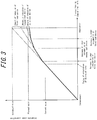
- the controller 17 calculates an estimated value of the integrated power consumption at an expiration of the demand time limit, based on an elapsed time from the commencement of the demand time limit and based on a current value of the integrated power consumption of the at least one load device 23 under control of an arbitrary one of the power control apparatus 12.
- the calculation of the estimated value may involve use of a variety of algorithms.
- One way of calculation of the estimated value may consist in calculating the rate of increase in the integrated power consumption from the commencement of the demand time limit to the present and linearly increasing the current value of the integrated power consumption at the calculated rate of increase based on the remaining time in the demand time limit.
- An alternative way of calculation may consist in statistically calculating the estimated value from a history in the past.
- the controller 17 When the calculated estimated value is greater than a planned value, the controller 17 generates a control instruction to the load device 23 to change the setting for reducing power consumption.
- the planned value may be a value set for each power control apparatus 12 by a user. For example, an amount of power corresponding to a product of the contract demand and the demand time limit may be set as the planned value.
- the aforementioned calculation of the estimated value and the aforementioned comparison of the estimated value with the planned value are performed at a predetermined timing in the demand time limit, such as a half time of the demand time limit.
- a predetermined timing in the demand time limit such as a half time of the demand time limit.
- the aforementioned calculation of the estimated value and the aforementioned comparison of the estimated value with the planned value do not need to be performed at the half time of the demand time limit, and they may also be performed more than once in the demand time limit.
- Such timing may be inputted by an operation made to the user terminal 13.
- the power consumption of the load device 23 may be reduced to the expected value in response to the change made to the setting in the operation state.
- Different load devices 23 have varying ways of changing the settings of the operation states, and the different ways of changing the settings of the load devices 23 produce different expected values of power consumption.
- the different ways of changing the settings also yield different response times required for the power consumptions of the load devices 23 to reach the expected values of power consumption.
- a lighting tool which may be the load device 23 changes the light intensity immediately in response to a change in the setting of the light intensity, and this also causes a change in power consumption of the load device 23 in accordance with the change in the light intensity.
- the change in the setting according to the above example requires a relatively short response time.
- an air conditioner which may be the load device 23, stops the operation of a compressor immediately after a power off in response to a change in the setting to power off the air conditioner in order to improve operation efficiency.
- the indoor fan remains rotating. Accordingly, the change in the setting to power off the air conditioner requires a relatively long response time.
- the controller 17 generates the control instruction considering the amount of reduction in power consumption of the load device 23 and the response time of the load device 23 which is to be caused by the change in the setting. In detail, the controller 17 calculates, for each way of changing the setting of each load device, the amount of reduction in the estimated value of the integrated power consumption in response to the change in the setting, based on the corresponding expected value of power consumption and the corresponding response time.
- a slope of a straight line which indicates a relation between the elapsed time in the demand time limit and the integrated power consumption, corresponds to power consumption.
- An integrated value of the respective amounts of reduction in power consumption (i.e., the "amount of reduction of first load device", the “amount of reduction of second load device”, and the “amount of reduction of third load device") from the ends of the corresponding response times to the expiration of the demand time limit determines the amount of reduction in the estimated value of the integrated power consumption.
- the controller 17 selects one or more of the at least one load device 23 whose settings are to be changed along with the changes in the settings to be made so that the estimated value of the integrated power consumption is reduced to below the planned value.
- the estimated value of the integrated power consumption may be reduced to below the planned value at the expiration of the demand time limit by making predetermined changes in the settings of the first load device 23, the second load device 23, and the third load device 23.
- the controller 17 then generates the control instructions corresponding to the selected changes in the settings and stores the generated control instructions in the control queue 18.
- the memory 19 included in the EMS server 14 stores, for each change in the setting of each load device 23, a set of the estimated value of power consumption in response to the change in the setting and the response time required for the expected value to be reached.
- the controller 17 retrieves the set of the estimated values and the response times from the memory 19 in order to calculate the amounts of reduction in the estimated value of the integrated power consumption that is to be caused by the aforementioned changes in the settings.
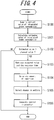
- the controller 17 starts the processing of reducing the integrated power consumption at a predetermined time in every demand time limit.
- Step S100 the controller 17 acquires from the data collector 16 the current value of the integrated power consumption, that is to say, the integrated power consumption most recently acquired from the power control apparatus 12. Upon the acquisition of the current value, processing moves to Step S101.
- Step S101 based on the current value of the integrated power consumption acquired in Step S100, the controller 17 calculates the estimated value of the integrated power consumption at the expiration of the demand time limit. Upon the calculation of the estimated value, processing moves to Step S102.
- Step S102 the controller 17 determines whether the estimated value calculated in Step S101 is greater than the planned value. When the estimated value is greater than the planned value, processing moves to Step S103. When the estimated value is less than or equal to the planned value, the processing of reducing the integrated power consumption is ended.
- Step S103 the controller 17 retrieves, for each change in the setting of each load device 23, the expected value of power consumption in response to the change in the setting and the corresponding response time from the memory 19. Upon the retrieval of the expected values and the response times, processing moves to Step S104.
- Step S104 based on the expected values and the response times retrieved in Step S103, the controller 17 calculates the amounts of reduction in the integrated power consumption that is to be caused before the expiration of the demand time limit in response to the changes in the settings. Upon the calculation of the amounts of reduction, processing moves to Step S105.
- Step S105 from the sets of the amounts of reduction in response to a variety of changes in the settings of different load devices 23 as calculated in Step S104, the controller 17 selects one or more of the changes in the settings that are to reduce the estimated value calculated in Step S101 to below the planned value. Upon the selection of the changes in the settings, processing moves to Step S106.
- Step S106 the controller 17 generates the control instructions corresponding to the changes in the settings selected in Step S105 and stores the generated control instructions in the control queue 18. Upon the storage of the control instructions, the processing of reducing the integrated power consumption is ended.
- the EMS server of the first embodiment with the aforementioned configuration is capable of controlling the load device 23 to regulate the mean value of power consumption per demand time limit below the planned value.
- the user of the power control system is allowed to consume the amount of power that is below the contract demand agreed with the power supplier.
- the user is allowed to use power as long as the integrated power consumption at the expiration of the demand time limit is below the amount of power corresponding to the product of the contract demand and the demand time limit period.
- the EMS server of the present embodiment reduces the mean value of power consumption per demand time limit to below the contract demand by setting the amount of power corresponding to the product of the contract demand and the demand time limit period to be the planned value.
- the second embodiment differs from the first embodiment in terms of the ways of changing the settings of the load devices 23.
- the description of the second embodiment below focuses on the differences from the first embodiment.
- Components with functions and configurations that are the same as those in the first embodiment are denoted with identical reference signs.
- the configurations and functions of the power control apparatus 12 and the user terminal 13 in the second embodiment are the same as those in the first embodiment.
- the configurations and functions of the first sensor 20, the sensor manager 21, the second sensor 22, the third sensor 26, and the at last one load device 23 belonging to any one of the plurality of LANs 15 in the second embodiment are also the same as those in the first embodiment.
- the configuration and function of the EMS server 14 in the second embodiment is the same as the first embodiment except for how the EMS server 14 changes the settings of the load devices 23. In the following, a description is given of how the EMS server 14 changes the settings of the load devices 23 in the second embodiment.
- the controller 17 calculates the estimated value of the integrated power consumption at the expiration of the demand time limit, based on the current time and based on the current value of the integrated power consumption of the at least load device 23 under control of an arbitrary one of the power control apparatus 12. Unlike the first embodiment, the controller 17 calculates, for each load device 23, the estimated value at a predetermined interval or every time when the current value of the integrated power consumption stored in the data collector 16 is updated.
- each load device 23 has a predetermined threshold value, and the controller 17 compares the estimated value of each load device 23 with the corresponding threshold value. When the estimated value is greater than the threshold value, the controller 17 changes the setting of the load device 23. As a difference between the estimated value and the threshold value increases, the controller 17 changes the setting to provide a greater effect of reducing power consumption.
- the threshold value is determined depending on the response time required for the expected value of power consumption expected to be reduced in response to the change in the setting. The longer the response time is, the smaller the threshold value becomes.
- the memory 19 stores the threshold value of each load device 23 in association with the predetermined response time. The controller 17 retrieves the stored threshold value on each calculation of the estimated value.
- the controller 17 Upon the change in the setting, the controller 17 detects an actual response time required before power consumption of the load device 23 starts to be reduced, based on the updated integrated power consumption in the data collector 16. The controller 17 compares the actual response time with the response time stored in the memory 19. In accordance with a difference between the actual response time and the predetermined response time, the controller 17 adjusts the corresponding threshold value stored in the memory 19. For example, when the actual response time is longer than the response time stored in the memory 19, the controller 17 adjusts the threshold value stored in the memory 19 to be smaller.
- the controller 17 starts the processing of reducing the integrated power consumption at a predetermined interval in the demand time limit.
- Step S200 the controller 17 acquires from the data collector 16 the current value of the integrated power consumption of each load device 23, that is to say, the integrated power consumption of each load device 23 most recently acquired from the arbitrary one of the power control apparatus 12. After the acquisition of the current values, processing moves to Step S201.
- Step S201 based on the current values of the integrated power consumptions acquired in Step S200, the controller 17 calculates, for each load device 23, the estimated value of the integrated power consumption at the expiration of the demand time limit. After the calculation of the estimated values, processing moves to Step S202.
- Step S202 the controller 17 determines whether the estimated value of each load device 23 calculated in Step S201 is greater than the threshold value that is predetermined for the load device 23. When the estimated value of any of the at least one load device 23 is greater than the corresponding threshold value, processing moves to Step S203. When the estimated value of each load device 23 is less than or equal to the corresponding threshold value, the processing of reducing the integrated power consumption is ended.
- Step S203 the controller 17 calculates a difference between the estimated value and the threshold value of the any of the at least one load device 23. After the calculation of the difference, processing moves to Step S204.
- Step S204 the controller 17 selects a change in the setting appropriate to the difference calculated in Step S203.
- the controller 17 selects that change in the setting.
- processing moves to Step S205.
- Step S205 the controller 17 generates the control instruction corresponding to the change in the setting selected in Step S204 and stores the generated control instruction in the control queue 18. Upon storage in the control queue 18, processing moves to Step S206.
- Step S206 the controller 17 determines whether the time required before the actual power consumption of the any of the at least one load device 23 starts to change in response to the change in the setting, namely, the response time, has been detected. When the response time has not been detected, Step S206 is repeated as standby processing until the response time is detected. Upon the detection of the response time, processing moves to Step S207.
- Step S207 in accordance with a difference between the actual response time detected in Step S206 and the response time stored in the memory 19, the controller 17 adjusts the threshold value and updates the threshold value stored in the memory 19. Upon the adjustment of the threshold value, the processing of reducing the integrated power consumption is ended.
- the EMS server of the second embodiment with the aforementioned configuration sets the threshold value appropriately and is thereby also capable of controlling the load device 23 to regulate the mean value of power consumption per demand time limit below the planned value. Accordingly, similarly to the first embodiment, the EMS server of the present embodiment reduces the mean value of power consumption per demand time limit to below the contract demand by setting the amount of power corresponding to the product of the contract demand and the demand time limit period to be the planned value.
- the second embodiment reduces the integrated power consumption by a simplified method, which differs from the configuration of the first embodiment in which the expected value of power consumption is calculated for each change in the setting, the second embodiment reduces load on the EMS server 14.
- the second embodiment allows the controller 17 to change a setting to provide a greater effect of reducing power consumption as a difference between the estimated value and the threshold value increases. This configuration further ensures the reduction of the mean value of power consumption per demand time limit to below the planned value even when the estimated value is relatively large.
- the second embodiment allows the controller 17 to adjust a threshold value in accordance with a difference between the actual response time in response to the change in the setting and the response time stored in the memory 19. This configuration allows the controller 17 to change the setting of any load device 23 at a time appropriate to the actual response time.
- the power control apparatus 12 may perform the processing of reducing the integrated power consumption.
Landscapes
- Engineering & Computer Science (AREA)
- Power Engineering (AREA)
- General Engineering & Computer Science (AREA)
- Physics & Mathematics (AREA)
- General Physics & Mathematics (AREA)
- Automation & Control Theory (AREA)
- Remote Monitoring And Control Of Power-Distribution Networks (AREA)
- Supply And Distribution Of Alternating Current (AREA)
Claims (4)
- Servervorrichtung (14), die konfiguriert ist, um Steueranweisungen für mindestens eine Lastvorrichtung (23) zu erzeugen, die in einer Einrichtung eines Verbrauchers angeordnet ist gemäß (i) einem geschätzten Wert eines integrierten Stromverbrauchs bei einem Ablaufen einer Bezugszeit, die der Verbraucher und ein Stromversorger bei der Berechnung von Stromgebühren verwenden, wobei der geschätzte Wert des integrierten Stromverbrauchs basierend auf einem aktuellen Wert des Stromverbrauchs der mindestens einen Lastvorrichtung und einer verbleibenden Zeit in der Bezugszeit berechnet wird, und (ii) einer Reaktionszeit, die benötigt wird, um eine Änderung des Stromverbrauchs der mindestens einen Lastvorrichtung (23) als Reaktion auf eine Änderung einer Einstellung der mindestens einen Lastvorrichtung (23) abzuschließen, wobei
die mindestens eine Lastvorrichtung (23) eine Vielzahl von Lastvorrichtungen (23) umfasst, die alle eine vorbestimmte Reaktionszeit und einen vorbestimmten Schwellenwert abhängig von der vorbestimmten Reaktionszeit haben, und
der Server (14) ferner für Folgendes konfiguriert ist:Berechnen eines geschätzten Werts eines integrierten Stromverbrauchs für jede der Vielzahl von Lastvorrichtungen (23); undwenn der geschätzte Wert des integrierten Stromverbrauchs eines Lastvorrichtung in der Vielzahl von Lastvorrichtungen (23) größer als der entsprechende vorbestimmte Schwellenwert ist, Erzeugen einer Steueranweisung, um den Stromverbrauch der Lastvorrichtung in der Vielzahl der Lastvorrichtungen (23) zu verringern. - Servervorrichtung nach Anspruch 1, wobei, während ein Unterschied zwischen dem geschätzten Wert und dem Schwellenwert zunimmt, die Servervorrichtung die Steueranweisung erzeugt, die einen größeren Effekt des Reduzierens des Stromverbrauchs bereitstellt.
- Servervorrichtung nach Anspruch 1 oder 2, ferner konfiguriert, um eine tatsächliche Reaktionszeit zu speichern, die benötigt wird, um die Änderung des Stromverbrauchs der Lastvorrichtung abzuschließen, nachdem eine Änderung in der Einstellung bei der Lastvorrichtung als Reaktion auf die Steueranweisung vorgenommen wird, und um den Schwellenwert, der der Lastvorrichtung gemäß einem Unterschied zwischen der tatsächlichen Reaktionszeit und der vorbestimmten Reaktionszeit entsprechend der Lastvorrichtung entspricht, einzustellen.
- Stromsteuersystem, umfassend:eine Servervorrichtung (14) nach einem der Ansprüche 1 bis 3; undeine Stromsteuervorrichtung (12), die konfiguriert ist, um einen aktuellen Wert einer Stromversorgung von mindestens einer Lastvorrichtung (23) zu übertragen, die in einer Einrichtung eines Verbrauchers angeordnet und konfiguriert ist, um die Steueranweisung von der Servervorrichtung (14) zu empfangen, und die die mindestens eine Lastvorrichtung gemäß der empfangenen Steueranweisung steuert.
Applications Claiming Priority (2)
| Application Number | Priority Date | Filing Date | Title |
|---|---|---|---|
| JP2012156022A JP5908355B2 (ja) | 2012-07-11 | 2012-07-11 | サーバ装置 |
| PCT/JP2013/004287 WO2014010245A1 (ja) | 2012-07-11 | 2013-07-11 | サーバ装置、電力制御装置、および電力制御システム |
Publications (3)
| Publication Number | Publication Date |
|---|---|
| EP2874263A1 EP2874263A1 (de) | 2015-05-20 |
| EP2874263A4 EP2874263A4 (de) | 2016-04-06 |
| EP2874263B1 true EP2874263B1 (de) | 2018-05-23 |
Family
ID=49915726
Family Applications (1)
| Application Number | Title | Priority Date | Filing Date |
|---|---|---|---|
| EP13816909.9A Active EP2874263B1 (de) | 2012-07-11 | 2013-07-11 | Servervorrichtung und elektrisches leistungssteuerungssystem |
Country Status (4)
| Country | Link |
|---|---|
| US (1) | US9893533B2 (de) |
| EP (1) | EP2874263B1 (de) |
| JP (1) | JP5908355B2 (de) |
| WO (1) | WO2014010245A1 (de) |
Families Citing this family (18)
| Publication number | Priority date | Publication date | Assignee | Title |
|---|---|---|---|---|
| WO2015166758A1 (ja) * | 2014-04-28 | 2015-11-05 | 日本電気株式会社 | エネルギー制御システム、エネルギー制御装置、エネルギー制御方法及び記録媒体 |
| US10263841B1 (en) | 2014-05-13 | 2019-04-16 | Senseware, Inc. | System, method and apparatus for configuring a node in a sensor network |
| US9756511B1 (en) | 2014-05-13 | 2017-09-05 | Senseware, Inc. | System, method and apparatus for wireless sensor network configuration |
| US9800646B1 (en) | 2014-05-13 | 2017-10-24 | Senseware, Inc. | Modification of a sensor data management system to enable sensors as a service |
| US11722365B2 (en) | 2014-05-13 | 2023-08-08 | Senseware, Inc. | System, method and apparatus for configuring a node in a sensor network |
| JP2016063552A (ja) * | 2014-09-12 | 2016-04-25 | 株式会社東芝 | エネルギー管理装置、エネルギー管理方法、及びエネルギー管理プログラム |
| JP6210337B2 (ja) * | 2015-07-07 | 2017-10-11 | パナソニックIpマネジメント株式会社 | 受電電力制御方法、受電電力制御装置および電気機器 |
| JP6573537B2 (ja) * | 2015-12-04 | 2019-09-11 | 日本電信電話株式会社 | 電力需要制御方法およびコントローラ |
| JP6701761B2 (ja) * | 2016-01-27 | 2020-05-27 | 住友電気工業株式会社 | 電力消費管理装置、電力消費管理システムおよび電力消費管理プログラム |
| WO2018079813A1 (ja) | 2016-10-31 | 2018-05-03 | 京セラ株式会社 | 電力管理方法、ローカル制御装置及び電力管理システム |
| WO2018079814A1 (ja) | 2016-10-31 | 2018-05-03 | 京セラ株式会社 | 電力管理方法、ローカル制御装置及び電力管理システム |
| EP3534491A4 (de) * | 2016-10-31 | 2020-04-29 | Kyocera Corporation | Leistungsverwaltungsverfahren, leistungsverwaltungsserver, lokale steuerungsvorrichtung und leistungsverwaltungssystem |
| EP3726307A1 (de) * | 2019-04-17 | 2020-10-21 | Carrier Corporation | Verfahren zur steuerung des energieverbrauchs eines gebäudes |
| CN111949478B (zh) * | 2020-07-28 | 2022-03-22 | 山东英信计算机技术有限公司 | 一种服务器功耗上限的控制方法、系统及相关组件 |
| CN114424420A (zh) * | 2021-03-02 | 2022-04-29 | 华为数字能源技术有限公司 | 一种实现快速功率响应的方法及新能源电站 |
| US20230288893A1 (en) * | 2022-03-10 | 2023-09-14 | Robert Freda | Time modular energy-industrial systems and their designs, architectures, operations, and methods of optimization |
| US20250045769A1 (en) * | 2023-07-31 | 2025-02-06 | Cisco Technology, Inc. | Computing sustainability gains for equipment infrastructure |
| FR3151155A1 (fr) * | 2023-12-07 | 2025-01-17 | Sagemcom Energy & Telecom Sas | Methodes et dispositifs de gestion de delestage dans un reseau de distribution d’une ressource |
Family Cites Families (16)
| Publication number | Priority date | Publication date | Assignee | Title |
|---|---|---|---|---|
| US3872286A (en) * | 1973-10-12 | 1975-03-18 | Westinghouse Electric Corp | Control system and method for limiting power demand of an industrial plant |
| US4181950A (en) * | 1977-09-30 | 1980-01-01 | Westinghouse Electric Corp. | Adaptive priority determination power demand control method |
| JPS5959528A (ja) * | 1982-09-28 | 1984-04-05 | Hitachi Ltd | 電気鉄道用変電所の制御方法 |
| JP2007202361A (ja) * | 2006-01-30 | 2007-08-09 | Meidensha Corp | 電力デマンド監視システム |
| JP2007236038A (ja) * | 2006-02-28 | 2007-09-13 | Sanyo Electric Co Ltd | デマンド制御装置 |
| JP2007336180A (ja) | 2006-06-14 | 2007-12-27 | Bizline Corp | 遠隔制御装置 |
| EP1967996A1 (de) * | 2007-03-09 | 2008-09-10 | Omron Corporation | Faktorschätzende Stützvorrichtung und Verfahren zu ihrer Steuerung sowie faktorschätzendes Unterstützungsprogramm |
| US7991513B2 (en) * | 2007-05-08 | 2011-08-02 | Ecodog, Inc. | Electric energy bill reduction in dynamic pricing environments |
| JP4548455B2 (ja) * | 2007-07-13 | 2010-09-22 | ダイキン工業株式会社 | デマンド制御装置、デマンド制御方法およびデマンド制御プログラム |
| JP4973490B2 (ja) * | 2007-12-26 | 2012-07-11 | 富士通株式会社 | 消費電力監視プログラム |
| JP5558689B2 (ja) | 2008-03-24 | 2014-07-23 | 日本電気株式会社 | 遠隔制御装置、遠隔制御プログラム、遠隔制御方法、及び、遠隔制御システム |
| JP5646206B2 (ja) * | 2010-04-28 | 2014-12-24 | 株式会社東芝 | 消費電力管理装置および消費電力管理方法 |
| JP2012044745A (ja) * | 2010-08-17 | 2012-03-01 | Panasonic Corp | エネルギーマネジメントシステム |
| CN103503263B (zh) * | 2011-08-11 | 2015-12-16 | 三菱电机株式会社 | 机器设备的需求控制装置 |
| WO2013157030A1 (ja) * | 2012-04-16 | 2013-10-24 | 日立コンシューマエレクトロニクス株式会社 | 電力監視装置および電力監視システム |
| US9207698B2 (en) * | 2012-06-20 | 2015-12-08 | Causam Energy, Inc. | Method and apparatus for actively managing electric power over an electric power grid |
-
2012
- 2012-07-11 JP JP2012156022A patent/JP5908355B2/ja active Active
-
2013
- 2013-07-11 US US14/410,856 patent/US9893533B2/en active Active
- 2013-07-11 WO PCT/JP2013/004287 patent/WO2014010245A1/ja not_active Ceased
- 2013-07-11 EP EP13816909.9A patent/EP2874263B1/de active Active
Non-Patent Citations (1)
| Title |
|---|
| None * |
Also Published As
| Publication number | Publication date |
|---|---|
| EP2874263A1 (de) | 2015-05-20 |
| EP2874263A4 (de) | 2016-04-06 |
| WO2014010245A1 (ja) | 2014-01-16 |
| JP5908355B2 (ja) | 2016-04-26 |
| US9893533B2 (en) | 2018-02-13 |
| US20150200544A1 (en) | 2015-07-16 |
| JP2014018045A (ja) | 2014-01-30 |
Similar Documents
| Publication | Publication Date | Title |
|---|---|---|
| EP2874263B1 (de) | Servervorrichtung und elektrisches leistungssteuerungssystem | |
| US11747848B2 (en) | Dynamic load curtailment system and method | |
| KR101408404B1 (ko) | 능동 부하 관리를 이용한 급송가능 운영 예비 에너지 용량의 추정 및 제공 시스템 및 방법 | |
| CN108292860B (zh) | 电力控制装置、运转计划制定方法以及记录介质 | |
| JP5788591B2 (ja) | 電力監視装置および電力監視システム | |
| US20120086273A1 (en) | Dynamic thermostatic control of small-scale electrical loads for matching variations in electric utility supply | |
| WO2012047898A2 (en) | Dynamic control of small-scale electrical loads for matching variations in electric utility supply | |
| JP6250077B2 (ja) | 判定装置、判定システム、判定方法、及び、プログラム | |
| JP2021516937A (ja) | 配電ネットワークの周波数調整システム | |
| JP6239869B2 (ja) | 提示方法、電力管理装置、および提示プログラム | |
| CN105229893B (zh) | 管理装置、设备管理方法、管理系统 | |
| US10243373B2 (en) | Power control system, power control device, server device, and method for controlling power control system | |
| WO2016088289A1 (ja) | 制御装置及び制御方法 | |
| EP2874274B1 (de) | Stromsteuerungsvorrichtung, stromsteuerungsverfahren und stromsteuerungssystem | |
| JP5865793B2 (ja) | 電力制御装置 | |
| JP6778891B2 (ja) | 電力管理システム、電力管理方法及びプログラム | |
| JP2021516936A (ja) | 配電グリッドの電力制御システム | |
| WO2015045156A1 (ja) | 電力量制御装置、電力量制御方法、電力量制御システム及び電気機器制御装置 | |
| KR102014152B1 (ko) | 온도제어를 포함하는 최대전력관리장치와 주제어장치의 스마트제어기 | |
| JP2017022993A (ja) | 電力制御システム、電力制御方法、及び電力制御装置 | |
| EP2869421A1 (de) | Stromverwaltung von überschüssiger Leistung | |
| WO2018047263A1 (ja) | 消費電力調整装置、消費電力調整システム、消費電力調整方法、及び、プログラム | |
| JP2017010815A (ja) | 回路遮断器の定格電流選定システム、回路遮断器の定格電流選定方法、およびプログラム |
Legal Events
| Date | Code | Title | Description |
|---|---|---|---|
| PUAI | Public reference made under article 153(3) epc to a published international application that has entered the european phase |
Free format text: ORIGINAL CODE: 0009012 |
|
| 17P | Request for examination filed |
Effective date: 20141223 |
|
| AK | Designated contracting states |
Kind code of ref document: A1 Designated state(s): AL AT BE BG CH CY CZ DE DK EE ES FI FR GB GR HR HU IE IS IT LI LT LU LV MC MK MT NL NO PL PT RO RS SE SI SK SM TR |
|
| AX | Request for extension of the european patent |
Extension state: BA ME |
|
| DAX | Request for extension of the european patent (deleted) | ||
| RA4 | Supplementary search report drawn up and despatched (corrected) |
Effective date: 20160307 |
|
| RIC1 | Information provided on ipc code assigned before grant |
Ipc: H02J 3/00 20060101AFI20160301BHEP Ipc: H02J 13/00 20060101ALI20160301BHEP |
|
| 17Q | First examination report despatched |
Effective date: 20170518 |
|
| REG | Reference to a national code |
Ref country code: DE Ref legal event code: R079 Ref document number: 602013037898 Country of ref document: DE Free format text: PREVIOUS MAIN CLASS: H02J0003000000 Ipc: H02J0003140000 |
|
| GRAP | Despatch of communication of intention to grant a patent |
Free format text: ORIGINAL CODE: EPIDOSNIGR1 |
|
| RIC1 | Information provided on ipc code assigned before grant |
Ipc: H02J 3/14 20060101AFI20171109BHEP Ipc: H02J 13/00 20060101ALI20171109BHEP |
|
| INTG | Intention to grant announced |
Effective date: 20171211 |
|
| GRAS | Grant fee paid |
Free format text: ORIGINAL CODE: EPIDOSNIGR3 |
|
| GRAA | (expected) grant |
Free format text: ORIGINAL CODE: 0009210 |
|
| AK | Designated contracting states |
Kind code of ref document: B1 Designated state(s): AL AT BE BG CH CY CZ DE DK EE ES FI FR GB GR HR HU IE IS IT LI LT LU LV MC MK MT NL NO PL PT RO RS SE SI SK SM TR |
|
| REG | Reference to a national code |
Ref country code: GB Ref legal event code: FG4D |
|
| REG | Reference to a national code |
Ref country code: CH Ref legal event code: EP |
|
| REG | Reference to a national code |
Ref country code: IE Ref legal event code: FG4D |
|
| REG | Reference to a national code |
Ref country code: AT Ref legal event code: REF Ref document number: 1002292 Country of ref document: AT Kind code of ref document: T Effective date: 20180615 |
|
| REG | Reference to a national code |
Ref country code: DE Ref legal event code: R096 Ref document number: 602013037898 Country of ref document: DE |
|
| REG | Reference to a national code |
Ref country code: NL Ref legal event code: MP Effective date: 20180523 |
|
| REG | Reference to a national code |
Ref country code: LT Ref legal event code: MG4D |
|
| PG25 | Lapsed in a contracting state [announced via postgrant information from national office to epo] |
Ref country code: LT Free format text: LAPSE BECAUSE OF FAILURE TO SUBMIT A TRANSLATION OF THE DESCRIPTION OR TO PAY THE FEE WITHIN THE PRESCRIBED TIME-LIMIT Effective date: 20180523 Ref country code: FI Free format text: LAPSE BECAUSE OF FAILURE TO SUBMIT A TRANSLATION OF THE DESCRIPTION OR TO PAY THE FEE WITHIN THE PRESCRIBED TIME-LIMIT Effective date: 20180523 Ref country code: SE Free format text: LAPSE BECAUSE OF FAILURE TO SUBMIT A TRANSLATION OF THE DESCRIPTION OR TO PAY THE FEE WITHIN THE PRESCRIBED TIME-LIMIT Effective date: 20180523 Ref country code: ES Free format text: LAPSE BECAUSE OF FAILURE TO SUBMIT A TRANSLATION OF THE DESCRIPTION OR TO PAY THE FEE WITHIN THE PRESCRIBED TIME-LIMIT Effective date: 20180523 Ref country code: NO Free format text: LAPSE BECAUSE OF FAILURE TO SUBMIT A TRANSLATION OF THE DESCRIPTION OR TO PAY THE FEE WITHIN THE PRESCRIBED TIME-LIMIT Effective date: 20180823 Ref country code: BG Free format text: LAPSE BECAUSE OF FAILURE TO SUBMIT A TRANSLATION OF THE DESCRIPTION OR TO PAY THE FEE WITHIN THE PRESCRIBED TIME-LIMIT Effective date: 20180823 |
|
| PG25 | Lapsed in a contracting state [announced via postgrant information from national office to epo] |
Ref country code: NL Free format text: LAPSE BECAUSE OF FAILURE TO SUBMIT A TRANSLATION OF THE DESCRIPTION OR TO PAY THE FEE WITHIN THE PRESCRIBED TIME-LIMIT Effective date: 20180523 Ref country code: RS Free format text: LAPSE BECAUSE OF FAILURE TO SUBMIT A TRANSLATION OF THE DESCRIPTION OR TO PAY THE FEE WITHIN THE PRESCRIBED TIME-LIMIT Effective date: 20180523 Ref country code: LV Free format text: LAPSE BECAUSE OF FAILURE TO SUBMIT A TRANSLATION OF THE DESCRIPTION OR TO PAY THE FEE WITHIN THE PRESCRIBED TIME-LIMIT Effective date: 20180523 Ref country code: HR Free format text: LAPSE BECAUSE OF FAILURE TO SUBMIT A TRANSLATION OF THE DESCRIPTION OR TO PAY THE FEE WITHIN THE PRESCRIBED TIME-LIMIT Effective date: 20180523 Ref country code: GR Free format text: LAPSE BECAUSE OF FAILURE TO SUBMIT A TRANSLATION OF THE DESCRIPTION OR TO PAY THE FEE WITHIN THE PRESCRIBED TIME-LIMIT Effective date: 20180824 |
|
| REG | Reference to a national code |
Ref country code: AT Ref legal event code: MK05 Ref document number: 1002292 Country of ref document: AT Kind code of ref document: T Effective date: 20180523 |
|
| PG25 | Lapsed in a contracting state [announced via postgrant information from national office to epo] |
Ref country code: AT Free format text: LAPSE BECAUSE OF FAILURE TO SUBMIT A TRANSLATION OF THE DESCRIPTION OR TO PAY THE FEE WITHIN THE PRESCRIBED TIME-LIMIT Effective date: 20180523 Ref country code: EE Free format text: LAPSE BECAUSE OF FAILURE TO SUBMIT A TRANSLATION OF THE DESCRIPTION OR TO PAY THE FEE WITHIN THE PRESCRIBED TIME-LIMIT Effective date: 20180523 Ref country code: DK Free format text: LAPSE BECAUSE OF FAILURE TO SUBMIT A TRANSLATION OF THE DESCRIPTION OR TO PAY THE FEE WITHIN THE PRESCRIBED TIME-LIMIT Effective date: 20180523 Ref country code: SK Free format text: LAPSE BECAUSE OF FAILURE TO SUBMIT A TRANSLATION OF THE DESCRIPTION OR TO PAY THE FEE WITHIN THE PRESCRIBED TIME-LIMIT Effective date: 20180523 Ref country code: RO Free format text: LAPSE BECAUSE OF FAILURE TO SUBMIT A TRANSLATION OF THE DESCRIPTION OR TO PAY THE FEE WITHIN THE PRESCRIBED TIME-LIMIT Effective date: 20180523 Ref country code: PL Free format text: LAPSE BECAUSE OF FAILURE TO SUBMIT A TRANSLATION OF THE DESCRIPTION OR TO PAY THE FEE WITHIN THE PRESCRIBED TIME-LIMIT Effective date: 20180523 Ref country code: CZ Free format text: LAPSE BECAUSE OF FAILURE TO SUBMIT A TRANSLATION OF THE DESCRIPTION OR TO PAY THE FEE WITHIN THE PRESCRIBED TIME-LIMIT Effective date: 20180523 |
|
| REG | Reference to a national code |
Ref country code: DE Ref legal event code: R097 Ref document number: 602013037898 Country of ref document: DE |
|
| PG25 | Lapsed in a contracting state [announced via postgrant information from national office to epo] |
Ref country code: IT Free format text: LAPSE BECAUSE OF FAILURE TO SUBMIT A TRANSLATION OF THE DESCRIPTION OR TO PAY THE FEE WITHIN THE PRESCRIBED TIME-LIMIT Effective date: 20180523 Ref country code: SM Free format text: LAPSE BECAUSE OF FAILURE TO SUBMIT A TRANSLATION OF THE DESCRIPTION OR TO PAY THE FEE WITHIN THE PRESCRIBED TIME-LIMIT Effective date: 20180523 |
|
| REG | Reference to a national code |
Ref country code: CH Ref legal event code: PL |
|
| PG25 | Lapsed in a contracting state [announced via postgrant information from national office to epo] |
Ref country code: LU Free format text: LAPSE BECAUSE OF NON-PAYMENT OF DUE FEES Effective date: 20180711 Ref country code: MC Free format text: LAPSE BECAUSE OF FAILURE TO SUBMIT A TRANSLATION OF THE DESCRIPTION OR TO PAY THE FEE WITHIN THE PRESCRIBED TIME-LIMIT Effective date: 20180523 |
|
| PLBE | No opposition filed within time limit |
Free format text: ORIGINAL CODE: 0009261 |
|
| STAA | Information on the status of an ep patent application or granted ep patent |
Free format text: STATUS: NO OPPOSITION FILED WITHIN TIME LIMIT |
|
| REG | Reference to a national code |
Ref country code: BE Ref legal event code: MM Effective date: 20180731 |
|
| REG | Reference to a national code |
Ref country code: IE Ref legal event code: MM4A |
|
| GBPC | Gb: european patent ceased through non-payment of renewal fee |
Effective date: 20180823 |
|
| PG25 | Lapsed in a contracting state [announced via postgrant information from national office to epo] |
Ref country code: FR Free format text: LAPSE BECAUSE OF NON-PAYMENT OF DUE FEES Effective date: 20180723 Ref country code: LI Free format text: LAPSE BECAUSE OF NON-PAYMENT OF DUE FEES Effective date: 20180731 Ref country code: CH Free format text: LAPSE BECAUSE OF NON-PAYMENT OF DUE FEES Effective date: 20180731 Ref country code: IE Free format text: LAPSE BECAUSE OF NON-PAYMENT OF DUE FEES Effective date: 20180711 |
|
| 26N | No opposition filed |
Effective date: 20190226 |
|
| PG25 | Lapsed in a contracting state [announced via postgrant information from national office to epo] |
Ref country code: BE Free format text: LAPSE BECAUSE OF NON-PAYMENT OF DUE FEES Effective date: 20180731 Ref country code: SI Free format text: LAPSE BECAUSE OF FAILURE TO SUBMIT A TRANSLATION OF THE DESCRIPTION OR TO PAY THE FEE WITHIN THE PRESCRIBED TIME-LIMIT Effective date: 20180523 |
|
| PG25 | Lapsed in a contracting state [announced via postgrant information from national office to epo] |
Ref country code: GB Free format text: LAPSE BECAUSE OF NON-PAYMENT OF DUE FEES Effective date: 20180823 |
|
| PG25 | Lapsed in a contracting state [announced via postgrant information from national office to epo] |
Ref country code: AL Free format text: LAPSE BECAUSE OF FAILURE TO SUBMIT A TRANSLATION OF THE DESCRIPTION OR TO PAY THE FEE WITHIN THE PRESCRIBED TIME-LIMIT Effective date: 20180523 |
|
| PG25 | Lapsed in a contracting state [announced via postgrant information from national office to epo] |
Ref country code: MT Free format text: LAPSE BECAUSE OF NON-PAYMENT OF DUE FEES Effective date: 20180711 |
|
| PG25 | Lapsed in a contracting state [announced via postgrant information from national office to epo] |
Ref country code: TR Free format text: LAPSE BECAUSE OF FAILURE TO SUBMIT A TRANSLATION OF THE DESCRIPTION OR TO PAY THE FEE WITHIN THE PRESCRIBED TIME-LIMIT Effective date: 20180523 |
|
| PG25 | Lapsed in a contracting state [announced via postgrant information from national office to epo] |
Ref country code: PT Free format text: LAPSE BECAUSE OF FAILURE TO SUBMIT A TRANSLATION OF THE DESCRIPTION OR TO PAY THE FEE WITHIN THE PRESCRIBED TIME-LIMIT Effective date: 20180523 Ref country code: HU Free format text: LAPSE BECAUSE OF FAILURE TO SUBMIT A TRANSLATION OF THE DESCRIPTION OR TO PAY THE FEE WITHIN THE PRESCRIBED TIME-LIMIT; INVALID AB INITIO Effective date: 20130711 |
|
| PG25 | Lapsed in a contracting state [announced via postgrant information from national office to epo] |
Ref country code: CY Free format text: LAPSE BECAUSE OF FAILURE TO SUBMIT A TRANSLATION OF THE DESCRIPTION OR TO PAY THE FEE WITHIN THE PRESCRIBED TIME-LIMIT Effective date: 20180523 Ref country code: MK Free format text: LAPSE BECAUSE OF NON-PAYMENT OF DUE FEES Effective date: 20180523 |
|
| PG25 | Lapsed in a contracting state [announced via postgrant information from national office to epo] |
Ref country code: IS Free format text: LAPSE BECAUSE OF FAILURE TO SUBMIT A TRANSLATION OF THE DESCRIPTION OR TO PAY THE FEE WITHIN THE PRESCRIBED TIME-LIMIT Effective date: 20180923 |
|
| P01 | Opt-out of the competence of the unified patent court (upc) registered |
Effective date: 20230508 |
|
| PGFP | Annual fee paid to national office [announced via postgrant information from national office to epo] |
Ref country code: DE Payment date: 20240529 Year of fee payment: 12 |