EP2871237A1 - Weizen mit erhöhter kornanzahl und herstellungsverfahren dafür sowie chemischer stoff zur erhöhung der kornanzahl von weizen - Google Patents
Weizen mit erhöhter kornanzahl und herstellungsverfahren dafür sowie chemischer stoff zur erhöhung der kornanzahl von weizen Download PDFInfo
- Publication number
- EP2871237A1 EP2871237A1 EP13813919.1A EP13813919A EP2871237A1 EP 2871237 A1 EP2871237 A1 EP 2871237A1 EP 13813919 A EP13813919 A EP 13813919A EP 2871237 A1 EP2871237 A1 EP 2871237A1
- Authority
- EP
- European Patent Office
- Prior art keywords
- wheat
- gene
- vrs1
- barley
- protein
- Prior art date
- Legal status (The legal status is an assumption and is not a legal conclusion. Google has not performed a legal analysis and makes no representation as to the accuracy of the status listed.)
- Withdrawn
Links
Images











Classifications
-
- C—CHEMISTRY; METALLURGY
- C12—BIOCHEMISTRY; BEER; SPIRITS; WINE; VINEGAR; MICROBIOLOGY; ENZYMOLOGY; MUTATION OR GENETIC ENGINEERING
- C12N—MICROORGANISMS OR ENZYMES; COMPOSITIONS THEREOF; PROPAGATING, PRESERVING, OR MAINTAINING MICROORGANISMS; MUTATION OR GENETIC ENGINEERING; CULTURE MEDIA
- C12N15/00—Mutation or genetic engineering; DNA or RNA concerning genetic engineering, vectors, e.g. plasmids, or their isolation, preparation or purification; Use of hosts therefor
- C12N15/09—Recombinant DNA-technology
- C12N15/63—Introduction of foreign genetic material using vectors; Vectors; Use of hosts therefor; Regulation of expression
- C12N15/79—Vectors or expression systems specially adapted for eukaryotic hosts
- C12N15/82—Vectors or expression systems specially adapted for eukaryotic hosts for plant cells, e.g. plant artificial chromosomes (PACs)
- C12N15/8241—Phenotypically and genetically modified plants via recombinant DNA technology
- C12N15/8261—Phenotypically and genetically modified plants via recombinant DNA technology with agronomic (input) traits, e.g. crop yield
-
- C—CHEMISTRY; METALLURGY
- C12—BIOCHEMISTRY; BEER; SPIRITS; WINE; VINEGAR; MICROBIOLOGY; ENZYMOLOGY; MUTATION OR GENETIC ENGINEERING
- C12N—MICROORGANISMS OR ENZYMES; COMPOSITIONS THEREOF; PROPAGATING, PRESERVING, OR MAINTAINING MICROORGANISMS; MUTATION OR GENETIC ENGINEERING; CULTURE MEDIA
- C12N15/00—Mutation or genetic engineering; DNA or RNA concerning genetic engineering, vectors, e.g. plasmids, or their isolation, preparation or purification; Use of hosts therefor
- C12N15/09—Recombinant DNA-technology
- C12N15/11—DNA or RNA fragments; Modified forms thereof; Non-coding nucleic acids having a biological activity
- C12N15/113—Non-coding nucleic acids modulating the expression of genes, e.g. antisense oligonucleotides; Antisense DNA or RNA; Triplex- forming oligonucleotides; Catalytic nucleic acids, e.g. ribozymes; Nucleic acids used in co-suppression or gene silencing
-
- C—CHEMISTRY; METALLURGY
- C12—BIOCHEMISTRY; BEER; SPIRITS; WINE; VINEGAR; MICROBIOLOGY; ENZYMOLOGY; MUTATION OR GENETIC ENGINEERING
- C12N—MICROORGANISMS OR ENZYMES; COMPOSITIONS THEREOF; PROPAGATING, PRESERVING, OR MAINTAINING MICROORGANISMS; MUTATION OR GENETIC ENGINEERING; CULTURE MEDIA
- C12N15/00—Mutation or genetic engineering; DNA or RNA concerning genetic engineering, vectors, e.g. plasmids, or their isolation, preparation or purification; Use of hosts therefor
- C12N15/09—Recombinant DNA-technology
- C12N15/63—Introduction of foreign genetic material using vectors; Vectors; Use of hosts therefor; Regulation of expression
- C12N15/79—Vectors or expression systems specially adapted for eukaryotic hosts
- C12N15/82—Vectors or expression systems specially adapted for eukaryotic hosts for plant cells, e.g. plant artificial chromosomes (PACs)
- C12N15/8216—Methods for controlling, regulating or enhancing expression of transgenes in plant cells
- C12N15/8218—Antisense, co-suppression, viral induced gene silencing [VIGS], post-transcriptional induced gene silencing [PTGS]
-
- C—CHEMISTRY; METALLURGY
- C12—BIOCHEMISTRY; BEER; SPIRITS; WINE; VINEGAR; MICROBIOLOGY; ENZYMOLOGY; MUTATION OR GENETIC ENGINEERING
- C12N—MICROORGANISMS OR ENZYMES; COMPOSITIONS THEREOF; PROPAGATING, PRESERVING, OR MAINTAINING MICROORGANISMS; MUTATION OR GENETIC ENGINEERING; CULTURE MEDIA
- C12N15/00—Mutation or genetic engineering; DNA or RNA concerning genetic engineering, vectors, e.g. plasmids, or their isolation, preparation or purification; Use of hosts therefor
- C12N15/09—Recombinant DNA-technology
- C12N15/63—Introduction of foreign genetic material using vectors; Vectors; Use of hosts therefor; Regulation of expression
- C12N15/79—Vectors or expression systems specially adapted for eukaryotic hosts
- C12N15/82—Vectors or expression systems specially adapted for eukaryotic hosts for plant cells, e.g. plant artificial chromosomes (PACs)
- C12N15/8241—Phenotypically and genetically modified plants via recombinant DNA technology
- C12N15/8261—Phenotypically and genetically modified plants via recombinant DNA technology with agronomic (input) traits, e.g. crop yield
- C12N15/8287—Phenotypically and genetically modified plants via recombinant DNA technology with agronomic (input) traits, e.g. crop yield for fertility modification, e.g. apomixis
-
- C—CHEMISTRY; METALLURGY
- C12—BIOCHEMISTRY; BEER; SPIRITS; WINE; VINEGAR; MICROBIOLOGY; ENZYMOLOGY; MUTATION OR GENETIC ENGINEERING
- C12N—MICROORGANISMS OR ENZYMES; COMPOSITIONS THEREOF; PROPAGATING, PRESERVING, OR MAINTAINING MICROORGANISMS; MUTATION OR GENETIC ENGINEERING; CULTURE MEDIA
- C12N2310/00—Structure or type of the nucleic acid
- C12N2310/10—Type of nucleic acid
- C12N2310/11—Antisense
-
- Y—GENERAL TAGGING OF NEW TECHNOLOGICAL DEVELOPMENTS; GENERAL TAGGING OF CROSS-SECTIONAL TECHNOLOGIES SPANNING OVER SEVERAL SECTIONS OF THE IPC; TECHNICAL SUBJECTS COVERED BY FORMER USPC CROSS-REFERENCE ART COLLECTIONS [XRACs] AND DIGESTS
- Y02—TECHNOLOGIES OR APPLICATIONS FOR MITIGATION OR ADAPTATION AGAINST CLIMATE CHANGE
- Y02A—TECHNOLOGIES FOR ADAPTATION TO CLIMATE CHANGE
- Y02A40/00—Adaptation technologies in agriculture, forestry, livestock or agroalimentary production
- Y02A40/10—Adaptation technologies in agriculture, forestry, livestock or agroalimentary production in agriculture
- Y02A40/146—Genetically Modified [GMO] plants, e.g. transgenic plants
Definitions
- the present invention relates to a wheat with an increased number of grains and a propagation material of the wheat.
- the present invention also relates to a processed product made from the seeds of the wheat with an increased number of grains.
- the present invention further relates to a method for producing the wheat with an increased number of grains.
- the present invention also relates to a progeny and clone of the wheat produced by the method.
- the present invention further relates to an agent for increasing the number of wheat grains.
- genes associated with the grain yield has been intensively studied.
- genes responsible for some major quantitative trait locus are cloned, such as Grain number 1a (Gn1a) encoding cytokinin oxidase, and WEALTHY FARMERS PANICLE 1 (WFP1) encoding SQUAMOSA PROMOTER BINDING PROTEIN-LIKE 14 (SPL14).
- Gn1a Grain number 1a
- WFP1 WEALTHY FARMERS PANICLE 1
- SQUAMOSA PROMOTER BINDING PROTEIN-LIKE 14 SPL14
- genes associated with major QTLs or the grain yield per inflorescence have not been cloned yet, except for Vrs1 derived from barley (six-rowed spike 1) and intermedium spike-c (int-c) (PTL 1 and NPLs 1 to 3).
- Barley is a plant classified into Hordeum.
- the inflorescence of barley is called spike, including three spikelets (one central spikelet, two lateral spikelets) per node.
- the plants belonging to Triticum bear a plurality of florets per spikelet, whereas all the 31 varieties belonging to Hordeum have the unique characteristic of bearing only one floret per spikelet.
- barley is roughly classified into two-rowed and six-rowed based on the shape of the spike.
- two-rowed spikes two-row spikes
- six-rowed spikes six-row spikes
- three spikelets are fertile to develop grains.
- Six-rowed barley accordingly bears a tree-times larger amount of grains than two-rowed barley.
- the row of barley is controlled by the Vrs1 gene present in the long arm of chromosome 2H.
- the wild-type Vrs1 gene encodes a homeodomain leucine zipper (HD-Zip) I transcription factor, and the expression of the Vrs1 gene in floret primordia of lateral spikelets controls the development of lateral spikelets to cause two- rowed spikes of barley or so, as found by the present inventors (PTL 1 and NPLs 1 and 3).
- An object of the present invention is to provide a method, an agent, and the like which can increase the number of fertile florets per spikelet of wheat and thus can increase the number of grains.
- the present inventors detected the expression of the Vrs1 gene and the VRS1 protein in the floret primordium organs of barley which were more developed than organs around at the glume primordium stage at which the expression of the barley Vrs1 gene was observed before (PTL 1 and NPL 1). As a result, it was found that the Vrs1 gene and the VRS1 protein were highly expressed in the florets, particularly pistils, in lateral spikelets at the white anther stage. It was also found that, in two-rowed barley, the suppression of the expression of the wild-type Vrs1 gene by RNAi recovered the fertility of sterile lateral spikelets in two-row spikes to increase the number of grains.
- barley and wheat are plants of the same Poaceae family, but they belong to different genera. Unlike plants belonging to Triticum, such as wheat, barley has the unique characteristic of bearing only one floret per spikelet. In contrast, wheat and the like bear a plurality of florets per spikelet.
- barley and wheat are both Poaceae plants, but are very different in shape of spikelets.
- wheat has no six-rowed or two-rowed spikelets, and has no lateral spikelets either. Accordingly, the relation between the sterility of florets and the Vrs1 gene was not considered at all in wheat ( Sakuma, S, et al. , Plant Cell Physiol, 2011, volume 52, 738-749 pages ).
- the present inventors isolated wheat Vrs1 genes (TmVrs1 gene, TaVrs1-A gene, TaVrs1-B gene, and TaVrs1-D gene).
- the amino acid sequences of the proteins encoded by the wheat Vrs1 genes had a high homology to the amino acid sequence of the barley VRS1, and the homeodomain (HD) motif and leucine zipper (LZ) motif of the barley VRS1 were well conserved in the wheat VRS1. Accordingly, wheat VRS1 was found to have similar biological functions to the barley VRS1.
- the expression of the genes at the floret primordium stage of wheat was analyzed by the RNA in situ hybridization method. As a result, it was found that the genes were specifically expressed in upper florets that are usually expected to degenerate and become sterile, in other words, the Vrs1 genes are specifically expressed in pistils of upper florets in wheat, thereby inhibiting development of upper florets to make upper florets sterile. Therefore, the suppression of the function of the wheat Vrs1 genes can cause grain bearing in upper florets whose development is originally expected be inhibited.
- the above results lead to completion of the present invention including a method for increasing the number of wheat grains by artificially suppressing the function of the endogenous wheat Vrs1 genes.
- the present inventors have further confirmed that the number of florets and the number of grains per spikelet of wheat can be increased by suppressing the function of the wheat Vrs1 genes with RNAi.
- the present invention provides the followings.
- the present invention can increase the number of fertile florets per spikelet of wheat and thus can increase the number of grains and the yield.
- the suppression of the function of the endogenous wheat Vrs1 genes can cause grain bearing in upper florets whose development is originally expected be suppressed.
- the above results lead to completion of the present invention including a method for increasing the number of wheat grains by artificially suppressing the function of the endogenous wheat Vrs1 genes. It was further shown that the introduction of a DNA encoding a siRNA complementary to the transcript of the wheat Vrs1 gene into wheat increased the number of florets and the number of grains per wheat spikelet.
- the present invention provides a wheat with an increased number of grains as compared with a control wheat, wherein the function of the endogenous wheat Vrs1 gene is artificially suppressed; and a method for producing the wheat with an increased number of grains, wherein the method comprises a step of artificially suppressing the function of the endogenous Vrs1 gene in wheat.
- “wheat” means plants belonging to Triticum.
- the “number of grains” means not only the number of seeds (so-called “grains”, or “wheat grains”) but also the number of fertile florets.
- the “control wheat” means wheat in which the function of the endogenous wheat Vrs1 gene is not artificially suppressed (for example, wild-type wheat).
- the "with an increased number of grains as compared with a control wheat” means that the number of grains per spikelet is larger than that of a control wheat.
- the "wheat Vrs1 gene” typically means a DNA encoding the protein with the amino acid sequence described in SEQ ID NO: 3 (for example, the DNA with the nucleotide sequence described in SEQ ID NO: 1, this DNA being also referred to as the "TmVrs1 gene") in diploid wheat (Triticum monococcum etc.).
- the "wheat Vrs1 gene” typically means a DNA encoding the protein with the amino acid sequence described in SEQ ID NO: 58 (for example, the DNA with the nucleotide sequence described in SEQ ID NO: 56, this DNA being also referred to as the "TaVrs1-A gene” ), a DNA encoding the protein with the amino acid sequence described in SEQ ID NO: 61 (for example, the DNA with the nucleotide sequence described in SEQ ID NO: 59, this DNA being also referred to as the "TaVrs1-B gene"), and a DNA encoding the protein with the amino acid sequence described in SEQ ID NO: 64 (for example, the DNA with the nucleotide sequence described in SEQ ID NO: 62, this DNA being also referred to as the "TaVrs1-D gene”). Two or more of these genes may be collectively referred to as the "
- the "wheat VRS1" or “wheat VRS1 protein” is a protein encoded by any one of the above wheat Vrs1 genes.
- the amino acid sequence of the protein is typically an amino acid sequence described in SEQ ID NO: 3, 58, 61, or 64. Two or more of these proteins may be collectively referred to as the "wheat VRS1" or "wheat VRS1 protein.”
- the proteins encoded by the TmVrs1 gene, the TaVrs1-A gene, the TaVrs1-B gene, and the TaVrs1-D gene may be referred to as "TmVRS1” , “TaVRS1-A”, “TaVRS1-B", and “TaVRS1-D", respectively.
- the DNA encoding the protein with the amino acid sequence described in SEQ ID NO: 3 is isolated from experimental line KT-3-5 of Triticum monococcum and sequenced for the first time; and the DNA encoding the protein with the amino acid sequence described in SEQ ID NO: 58, the DNA encoding the protein with the amino acid sequence described in SEQ ID NO: 61, and the DNA encoding the protein with the amino acid sequence described in SEQ ID NO: 64 are isolated from Triticum aestivum (variety name : Chinese Spring) and sequenced for the first time in the present invention.
- the wheat Vrs1 genes in the present invention not only include the DNA encoding the protein with the amino acid sequence described in SEQ ID NO: 3, the DNA encoding the protein with the amino acid sequence described in SEQ ID NO: 58, the DNA encoding the protein with the amino acid sequence described in SEQ ID NO: 61, and the DNA encoding the protein with the amino acid sequence described in SEQ ID NO: 64, but also include allele mutants encoding wheat VRS1 proteins having similar activity to these proteins.
- the homology of the DNA encoding the protein with the amino acid sequence described in SEQ ID NO: 3 and the like to the allele mutants thereof is usually 95% or more at the amino acid sequence level, preferably 97% or more, more preferably 99% or more from the viewpoint of keeping the function as a transcription factor.
- the sequence homology can be determined using programs, such as BLASTP (amino acid level), BLASTN (nucleotide level), and BLASTX.
- the programs are based on BLAST, an algorithm by Karlin and Altschul (Proc. Natl. Acad. Sci. USA, 87: 2264-2268, 1990 , Proc. Natl. Acad. Sci. USA, 90: 5873-5877, 1993 ).
- the amino acid sequence is analyzed using a Gapped BLAST program, the analysis can be performed as described in Altschul et al. (Nucleic Acids Res. 25: 3389-3402, 1997 ).
- BLAST and the Gapped BLAST program the default parameters in each program are used. Specific techniques of these analysis methods are known.
- the "endogenous wheat Vrs1 gene” means the wheat Vrs1 gene which is already present in the genome of wheat cells.
- the "artificial suppression of the function of the endogenous wheat Vrs1 gene” in the present invention includes both complete suppression (inhibition) and partial suppression of the function. It also includes artificial suppression of the expression of the endogenous Vrs1 gene, as well as artificial suppression of the activity of the protein encoded by the endogenous Vrs1 gene. Such activity includes the activity to suppress the transcriptional activation potential of the downstream gene responsible for development of upper florets by the HOX2 protein (see Examples below for the relation between the VRS1 protein and the HOX2 protein).
- One aspect of the method for artificially suppressing the function of the endogenous Vrs1 gene in the wheat of the present invention includes a method in which a DNA encoding a dsRNA (double-stranded RNA) complementary to the transcript of the endogenous wheat Vrs1 gene (in the present invention, this method is called a "double-stranded RNA method" for short).
- a DNA encoding a dsRNA (double-stranded RNA) complementary to the transcript of the endogenous wheat Vrs1 gene in the present invention, this method is called a "double-stranded RNA method" for short).
- the introduction of the dsRNA having the identical or similar sequence to the target gene sequence into cells can cause the phenomenon called RNAi (RNA interference), in which the expression of both the introduced foreign gene and the target endogenous gene is suppressed.
- RNAi RNA interference
- the RNase III-like nuclease having a helicase domain called Dicer
- Dicer cleaves the dsRNA into about 21 to 23 base pairs from the 3' end in the presence of ATP to produce siRNAs (short interference RNAs).
- siRNAs short interference RNAs
- RISC RNA-induced silencing complex
- another pathway may be also considered, in which the antisense strand of the siRNA binds to the mRNA and acts as a primer for RNA-dependent RNA polymerase (RsRP) to synthesize a dsRNA, and this dsRNA becomes the substrate of Dicer again to produce a new siRNA and thus to amplify its action.
- RsRP RNA-dependent RNA polymerase
- the DNA encoding the dsRNA of the present invention includes the target gene, i.e., the antisense DNA encoding the antisense RNA to any region of the transcripts (mRNAs) of the wheat Vrs1 genes, and the sense DNA encoding the sense RNA to any region of the mRNAs.
- the antisense DNA and the sense DNA can express the corresponding antisense RNA and sense RNA. These antisense RNA and sense RNA can produce dsRNA.
- the antisense RNA and sense RNA may be expressed from the same vector, or the antisense RNA and sense RNA may be expressed from different vectors.
- an antisense RNA expression cassette and a sense RNA expression cassette are each constructed, in which promoters that may drive the expression of a short RNA, such as the pol III system, are ligated upstream of the antisense DNA and the sense DNA, respectively and these cassettes are then inserted into a vector in the same direction or in opposite directions.
- An expression system can also be constructed in which the antisense DNA and the sense DNA are arranged in opposite directions on different strands so that these DNAs face each other.
- This construct includes one double-stranded DNA (siRNA-encoding DNA) in which an antisense RNA-encoding strand and a sense RNA-encoding strand are paired, and promoters are oppositely oriented on both sides of the double-stranded DNA to express the antisense RNA and the sense RNA from the respective strands.
- terminators are preferably placed at the 3' ends of the strands (antisense RNA-encoding strand and sense RNA-encoding strand), respectively.
- a sequence of four or more continuous A (adenine) nucleotides can be used.
- the types of the two promoters are preferably different.
- an antisense RNA expression cassette and a sense RNA expression cassette are each constructed, in which promoters are ligated upstream of the antisense DNA and the sense DNA, respectively and these cassettes are then carried by different vectors.
- the types of the promoters may be the same or different.
- the dsRNA used in the present invention may be a siRNA.
- the "siRNA” means a double-stranded RNA with a short chain in the range without showing toxicity in cells.
- the chain length of the dsRNA is not particularly limited as long as the dsRNA can suppress the expression of the target gene and also shows no toxicity.
- the chain length of the dsRNA is, for example, 15 to 49 base pairs, preferably 15 to 35 base pairs, more preferably 21 to 30 base pairs.
- the chain length is still more preferably 21 to 23 base pairs.
- RNA having a hairpin structure self-complementary 'hairpin' RNA (hpRNA)
- an appropriate sequence preferably an intron sequence
- hpRNA self-complementary 'hairpin' RNA
- the DNA encoding the dsRNA of the present invention need not be completely identical to the nucleotide sequence the target gene, but has a sequence identity of at least 70% or more, preferably 80% or more, more preferably 90% or more (for example, 95%, 96%, 97%, 98%, 99% or more) to the nucleotide sequence of the full length or partial length (usually the region including 100 nucleotides or more, preferably the region including 200 nucleotides or more, more preferably the region including 300 nucleotides or more) of the target gene.
- the sequence identity can be determined by the above technique (BLAST program).
- the double-stranded RNA portion, in which RNAs in the ds RNA are paired is not limited to those in which RNAs are completely paired, but may include unpaired parts due to mismatch (where the corresponding nucleotide is not complementary), bulge (one of the strands lacks the corresponding nucleotide), or the like.
- the double-stranded RNA region in which the RNAs in the dsRNA are paired may include both bulge and mismatch.
- a method for artificially suppressing the function of the Vrs1 gene in the wheat of the present invention a method in which a DNA (antisense DNA) encoding the antisense RNA complementally to the transcript of the wheat Vrs1 gene is used (this method is called an "antisense method" for short in the present invention).
- the actions of the antisense DNA to suppress the expression of the target gene include inhibition of transcription initiation by triple strand formation; transcriptional repression by hybridization with the site where a local open loop structure is locally formed by an RNA polymerase ; transcription inhibition by hybridization with the RNA being synthesized; splicing repression by hybridization at the junction between an intron and an exon; splicing repression by hybridization with the spliceosome formation site; repression of mRNA translocation from the nucleus to the cytoplasm by hybridization with mRNA; splicing repression by hybridization with the capping site or the poly A addition site; repression of translation initiation by hybridization with the translation initiation factor binding site; translation repression by hybridization with the ribosome binding site near the start codon; and inhibition of peptide chain extension by hybridization with the translated region or the polysome binding site on mRNA; and the repression of the gene expression by hybridization with the interaction site between nucleic acids and proteins.
- the antisense DNA used in the present invention may suppress the expression of the target gene by any one of the above actions.
- an antisense sequence is designed to be complementary to the untranslated region near the 5' end of the mRNA of the target gene in order to effectively inhibit the gene translation.
- sequences complementary to the coding region or the untranslated region at the 3' side can be also used.
- the antisense DNAs used in the present invention include DNA including antisense sequences to the sequences not only of the translated regions but also of the untranslated regions of the gene.
- the antisense DNA to be used is ligated downstream of an appropriate promoter and is preferably ligated to a sequence including the transcription termination signal on the 3' side.
- the antisense DNA can be prepared by the phosphorothioate method ( Stein, Nucleic Acids Res., 16: 3209-3221, 1988 ) and the like based on the sequence information on the wheat Vrs1 gene (For example, the DNA with the nucleotide sequence described in SEQ ID NO: 1, the DNA with the nucleotide sequence described in SEQ ID NO: 2, the DNA with the nucleotide sequence described in SEQ ID NO: 56, the DNAwith the nucleotide sequence described in SEQ ID NO: 57, the DNA with the nucleotide sequence described in SEQ ID NO: 59, the DNA with the nucleotide sequence described in SEQ ID NO: 60, the DNA with the nucleotide sequence described in SEQ ID NO: 62, and the DNA with the nucleotide sequence described in SEQ ID NO: 63).
- the prepared DNA can be introduced into plants by the known methods described below.
- the sequence of the antisense DNA is preferably a sequence complementary to the transcript of the wheat Vrs1 gene, but the sequence need not be completely complementary to the transcript of the wheat Vrs1 gene as long as the antisense DNA can effectively inhibit the gene expression.
- the transcribed RNA is preferably 90% or more (for example, 95%, 96%, 97%, 98%, 99% or more) complementary to the transcript of the target gene.
- the antisense DNA has a length of at least 15 nucleotides or more, preferably 100 nucleotides or more, more preferably 500 nucleotides or more.
- the length of the antisense DNA to be used is shorter than 5 kbs, preferably shorter than 2.5 kbs.
- a method for artificially suppressing the function of the Vrs1 gene in the wheat of the present invention a method in which a DNA encoding a RNA having a ribozyme activity to specifically cleave the transcript of the wheat Vrs1 gene may be mentioned (this method is called a "ribozyme method" for short in the present invention).
- Ribozymes include group I intron ribozymes, ribozymes having a size of 400 nucleotides or more, such as M1RNA included in RNase P, and ribozymes having an active domain of about 40 nucleotides, called hammer head type and hairpin type ( Makoto Koizumi and Eiko Otsuka, Proteins, Nucleic acids, and Enzymes, 35: 2191, 1990 ).
- the self-cleavage domain of the hammerhead type ribozyme cleaves the 3' side of the C15 of G13U14C15, but base pair formation of the U14 with the A at position 9 is considered important for the activity. It has been also shown that, even when the nucleotide at position 15 is A or U instead of C, the cleavage to occur ( Koizumi et.al., FEBS Lett. 228: 225, 1988 ).
- RNA sequence near the target site a restriction enzyme-like RNA cleaving ribozyme can be created which recognizes the sequence of UC, UU, or UA in the target RNA ( Koizumi et.al. , FEBS Lett. , 239: 285, 1988 , Makoto Koizumi and Eiko Otsuka, Proteins, Nucleic Acids, Enzymes, 35: 2191, 1990 , Koizumi et. al. , Nucleic Acids. Res., 17: 7059, 1989 ).
- the hairpin type ribozyme is also useful for the purpose of the present invention.
- the hairpin type ribozyme can be found, for example, in the minus strand of the satellite RNA of tobacco ringspot virus ( Buzayan, Nature, 323: 349, 1986 ). It has been shown that this ribozyme can be designed to cause target-specific cleavage of RNA ( Kikuchiand Sasaki, Nucleic Acids Res., 19: 6751, 1992 , Hiroshi Kikuchi, Chemistry and Biology, 30: 112, 1992 ).
- the ribozyme designed to cleave the target is linked to a promoter such as the cauliflower mosaic virus 35S promoter and to a transcription termination sequence so that the ribozyme can be transcribed in wheat cells.
- the tandem arrangement of these structural units can cleave multiple sites in the target gene and also can increase the effect ( Yuyama et al. , Biochem. Biophys. Res. Commun. 186: 1271, 1992 ).
- Specific cleavage of the target transcript of the target wheat Vrs1 gene using this ribozyme can suppress the expression of the DNA.
- the method for artificially suppressing the function of the Vrs1 gene in the wheat of the present invention is not limited to the methods in which the transcript of the above Vrs1 gene is the target, and the like.
- a method in which mutation is introduced to the coding regions, the non-coding regions, the transcriptional control regions (promoter regions), or the like of the above gene may be mentioned.
- the mutation to be introduced to the endogenous wheat Vrs1 gene in the present invention is not particularly limited as long as the mutation suppresses the function of the gene.
- null mutations such as nonsense mutations, frameshift mutations, insertion mutations, or splice site mutations are preferred.
- the number of mutations to be introduced to any one of the endogenous wheat Vrs1 genes is also not particularly limited as long as the mutation suppresses the function of the gene.
- the number of mutations may be one or more (for example, 2, 3 or less, 5 or less, 10 or less).
- the activity of the wheat VRS1 protein encoded by the wheat Vrs1 gene can be artificially suppressed by introducing the mutation into the endogenous wheat Vrs1 gene region on the wheat genome, preferably the region encoding the wheat VRS1, with the guidance of the finding about the mutation in the Vrs1 gene in many six-rowed barley lines that have the Vrs1 gene encoding the barley VRS1 whose activity is suppressed.
- the activity of the barley VRS1 is to competitively inhibit the transcriptional activation of the downstream gene by the HOX2 protein which is a transcription factor essential to the development of floret primordia.
- the floret primordia of the lateral spikelet where VRS1 is expressed cannot be differentiated into fertile florets.
- NPL 1 the analysis on the mutation in the endogenous barley Vrs1 gene which is found in many six-rowed barley lines has revealed not only an example in which the base substitution in the region encoding the VRS1 protein suppressed the activity of VRS1 protein, but also an example in which the intron sequence near the region encoding the VRS1 protein suppressed the function of the VRS1 protein.
- lines having the mutation in the endogenous Vrs1 gene were selected using the TILLING method from the barley group in which the mutation was induced using ethyl methanesulfonate.
- the wheat Vrs1 gene was found to have similar biological functions to the barley Vrs1.
- the amino acid sequences of the wheat VRS1 proteins (TmVRS1, TaVRS1-A, TaVRS1-B, and TaVRS1-D) have a high homology of about 86% to the barley VRS1 protein based on the entire protein (see Fig. 31 ).
- the HD domain motif and the LZ motif which are considered essential to the function of the VRS1 proteins, are conserved in the wheat VRS1 protein as well, and thus the barley VRS1 and the respective wheat VRSls (TmVRS1, TaVRS1-A, TaVRS1-B, and TaVRS1-D) have a high amino acid sequence homology of about 93% in the HD motif.
- the findings about the mutation in the barley Vrs1 gene in six-rowed barley can be guidance for producing wheats having suppressed function of the endogenous wheat Vrs1 gene by introducing the mutation into the wheat Vrs1 gene.
- NPL 1 Reported in NPL 1 are many examples in which the mutation in the endogenous barley Vrs1 gene in six-rowed barley lines resulted in single amino acid residue substitution in the HD domain motif of VRS1 encoded by the gene, or resulted in nonsense mutation in the genomic nucleotide sequence encoding the HD domain motif.
- NPL 3 Disclosed in NPL 3 is a six-rowed barley having VRS1 in which leucine at position 95, which is an amino acid residue in the HD domain motif, was substituted with glutamine.
- the mutation is preferably introduced so as to change or delete the entire or partial amino acid sequence in the HD domain motif of the VRS1 protein encoded by the gene.
- the mutation is introduced to cause the amino acid substitution in the amino acid sequence in the HD domain motif of the wheat VRS1 (amino acids at positions 54 to 113 in the amino acid sequence described in SEQ ID NO: 3 for TmVRS1; amino acids at positions 54 to 113 in the amino acid sequence described in SEQ ID NO: 58 for TaVRS1-A; amino acids at positions 54 to 113 in the amino acid sequence described in SEQ ID NO: 61 for TaVRS1-B; and amino acids at positions 54 to 113 in the amino acid sequence described in SEQ ID NO: 64 for TaVRS1-D).
- NPL 3 Disclosed in NPL 3 are, in addition to the six-rowed barley line (8408-1 line) that has the Vrs1 gene having the base substitution which changes the amino acid at position 95 of the VRS1 protein from leucine to glutamine, a six-rowed barley line that has the Vrs1 gene having the base substitution which changes the amino acid residue at position 75 of the VRS1 protein from phenylalanine to isoleucine, a six-rowed barley line that has the Vrs1 gene having the base substitution which changes the amino acid residue at position 89 of the VRS1 protein from leucine to glutamine, a six-rowed barley line that has the Vrs1 gene having the base substitution which changes the amino acid residue at position 90 of the VRS1 protein from alanine to valine, a six-rowed barley line that has the Vrs1 gene having the base substitution which changes the amino acid residue at position 93 of the VRS1 protein from leucine to histidine, a six-r
- the activity of the barley VRS1 is suppressed by the amino acid substitutions found in these examples.
- All of the amino acid residues targeted for the amino acid substitution in these six-rowed barley lines are conserved in the amino acid sequence of the wheat VRS1. Therefore, to obtain the endogenous wheat Vrs1 gene with the function being suppressed, the base substitution is more preferably introduced in the endogenous wheat Vrs1 gene so that the substitutions of the amino acid residues at the positions corresponding to the above amino acid residues targeted for the amino acid substitutions in the six-rowed barley lines occur in the amino acid sequence of the wheat VRS1.
- a wheat having a suppressed function of the endogenous wheat Vrs1 can be produced by modifying the endogenous wheat Vrs1 gene to encode VRS1 having the substitution of the amino acid residue in other parts than the HD domain motif of the wheat VRS1.
- a nonsense mutation or frameshift mutation is more preferably introduced into the nucleotide sequences encoding the amino acid sequence in the HD domain motif of the wheat VRS1 and the amino acid sequence at the amino terminus side from this amino acid sequence in the endogenous wheat Vrs1 gene. This is because the entire or partial HD domain motif is deleted from the wheat VRS1 encoded by the gene.
- the region encoding the protein starts within the first exon and ends within the third exon.
- the mutation is more preferably introduced into the donor site sequence (GA) or acceptor sequence (AG) in these intron sequences. Furthermore, it is known to those skilled in the art that there are essential sequences in the intron to cause normal splicing, in addition to the donor site sequence and the acceptor site sequence, and thus the mutation is also more preferably introduced so as to change the essential sequences to cause the above normal splicing in the above first and second introns. The introduction of these mutations can produce a null mutant of the wheat Vrs1 gene.
- the deletion of about the length including the entire endogenous wheat Vrs1 gene or longer occurs.
- the wheat deficient in the entire or most of the endogenous wheat Vrs1 gene is more preferably produced or selected. The introduction of these mutations can produce a null mutant of the wheat Vrs1 gene.
- the introduction of the mutation to the endogenous wheat Vrs1 gene can be carried out by a method using a chemical mutagen, a physical mutation introduction method, a method for introducing a transposon or the like into genomic DNA, or a method using a DNA double strand cleaving enzyme such as zinc finger nuclease and TALEN, but the method is not limited to these.
- Examples of the method using a chemical mutagen include a method in which seeds or the like are treated with a chemical mutagen (see Zwar and Chandler, Planta, 1995, volume 197, 39-48 pages , etc.).
- the chemical mutagen are not particularly limited, but examples thereof include ethyl methanesulfonate (EMS), N-ethyl-N-nitrosourea (ENU), N-methyl-N-nitrosourea (NNU), sodium azide, sodium hydrogensulfite, hydroxylamine, N-methyl-N'-nitro-N-nitroguanidine (MNNG), N-methyl-N'-nitrosoguanidine (NTG), O-methylhydroxylamine, nitrous acid, formic acid, and nucleotide analogs.
- EMS ethyl methanesulfonate
- ENU N-ethyl-N-nitrosourea
- NNU N-methyl-N-nitrosourea
- MNNG N-methyl-
- Examples of the physical mutation introduction method include fast neutron irradiation, gamma ray irradiation, heavy ion beam (HIB) irradiation, and ultraviolet irradiation (see Hayashi et al., Cyclotrons and Their Applications, 2007, 18th international conference, 237-239 pages , and Kazama et al., Plant Biotechnology, 2008, volume 25, 113-117 pages ).
- Examples of the method for introducing a transposon or the like into genomic DNA include methods in which a transposon such as TOS17, T-DNA, or the like is inserted in wheat genomic DNA (see Kumar et al. , Trends Plant Sci., 2001, volume 6, No. 3, 127-134 pages , and Tamara et al., Trends in Plant Science, 1999, volume 4, No. 3, 90-96 pages ) .
- the method using a DNA double strand cleaving enzyme refers to a method using a DNA double strand cleaving enzyme that stimulates the endogenous repair mechanism, and examples of the enzyme include endonuclease, zinc finger nuclease (ZFN), TALEN (registered trademark, transcriptional activator-like effector nuclease), transposase, and site specific recombinase.
- ZFN zinc finger nuclease
- TALEN registered trademark, transcriptional activator-like effector nuclease
- transposase and site specific recombinase.
- site specific recombinase site specific recombinase.
- zinc finger nuclease technique see Le Provost et al. , Trends in Biotechnology, 2009, volume 28, No. 3, 134-141 pages , Durai et al., Nucleic Acids Research, 2005, volume 33 , No. 18, 5978-5990 pages , and Liu
- the position on the genomic nucleotide sequence at which DNA double strand cleaving enzymes for the wheat genomic DNA cause the double strand cleavage of genomic DNA can be appropriately selected. After the double strand cleavage of the genomic DNA by these DNA double strand cleaving enzymes, the recombination of the genomic DNA occurs. At that time, the base substitution or the deletion or insertion of the base with a length of one to several tens of bases also occur with constant probability at the position where the cleavage occurs, as also known to those skilled in the art.
- wheats having the wheat Vrs1 gene encoding a wheat VRS1 mutant with the substitution of the amino acid sequence in the HD domain can be produced.
- wheat cells having the Vrs1 gene with a nonsense mutation or frameshift mutation in that region can be produced. Furthermore, the regeneration of these wheat cells can produce wheats in which the function of the Vrs1 gene is suppressed.
- the mutated Vrs1 gene thus produced is a null mutant.
- Such known methods include Southern blot method, Northern blot method, the PCR method, the DNA sequence method, and the microarray analysis method. Such methods can determine whether the mutation is introduced into the Vrs1 gene by comparing the length or sequence of the gene before and after the mutation introduction. If the use of Northern blot method, the RT-PCR method, the Western blot method, the ELISA method, the microarray analysis method, or the like revealed the decreased expression of the transcript or translation product of the Vrs1 gene in the wheat in which the mutation is introduced into the transcriptional control region or the like, this wheat can also be confirmed to be the wheat in which the mutation is introduced into the Vrs1 gene.
- TILLING Targeting Induced Local Lesions IN Genomes
- the individual having the mutation in the endogenous wheat Vrs1 gene DNA can be selected by the above TILLING or the like after the amplification of the endogenous wheat Vrs1 gene DNA or a part of the DNA by PCR.
- the wheat having a null mutant of the Vrs1 gene can be also obtained.
- wheats obtained by these methods are also included in the wheats in which the function of the endogenous wheat Vrs1 gene is suppressed.
- the wheat to which the mutation is introduced by the above method is crossed with a wild-type wheat to undergo backcrossing, whereby the mutation introduced into other genes than the Vrs1 gene can be also removed.
- artificial suppression of the function of the endogenous wheat Vrs1 gene canbe carried out on various wheat plants, wheat seeds, or wheat cells according to the above methods or the like.
- the wheat cells include cultured cells derived from wheat as well as cells in wheat plants.
- the wheat cells further include various forms of plant cells derived from wheat, for example, suspension cultured cells, protoplasts, leaf slices, calluses, immature embryos, and pollens.
- the regeneration of plants from the wheat cells in which the function of the endogenous wheat Vrs1 gene is artificially suppressed by the above methods or the like can produce wheats with an increased number of grains.
- Examples of the regeneration method of such plants include the method described in " Taiichi Ogawa, Journal of Pesticide Science in Japan, 2010, volume 35, No. 2, 160-164 pages.”
- the wheats in which the function of the endogenous wheat Vrs1 gene is suppressed by introducing the mutation into any one of the endogenous wheat Vrs1 genes may be a heterozygote of the Vrs1 gene to which the mutation is introduced.
- F1 plants obtained by crossing the heterozygote wheat and a control wheat are crossed together to produce F2 plants, whereby a homozygote having the Vrs1 gene to which the mutation is introduced can be selected from the F2 plants.
- the wheat is preferably a homozygote having the Vrs1 gene to which the mutation is introduced.
- the wheat which is a homozygote having the Vrs1 gene to which the mutation was introduced includes not only wheats having two Vrs1 alleles that have the same mutation as each other, but also wheats having a first Vrs1 allele that has a first mutation and encodes the VRS1 protein with the function being suppressed and having a second Vrs1 allele that has a second mutation and encodes the VRS1 protein with the function being suppressed.
- Hexaploid wheat can produce wheats having the mutation in the TaVrs1-A gene to suppress the function of the Vrs1 gene, wheats having the mutation in the TaVrs1-B gene to suppress the function of the Vrs1 gene, or wheats having the mutation in the TaVrs1-B gene to suppress the function of the Vrs1 gene, or wheats having the mutation in two or more of the TaVrs1-A gene, the TaVrs1-B gene, and the TaVrs1-D gene to suppress the function of the Vrs1 gene.
- wheats having the mutation in two genes of the above genes are more preferably produced. Also, wheats having the mutation in all of the above genes are still more preferably produced.
- the DNA encoding a double-stranded RNA, the DNA encoding an antisense RNA, the DNA encoding a RNA having a ribozyme activity, the DNA encoding transposons, the DNA encoding a DNA double strand cleaving enzyme, or the like, as described above may be introduced into wheat cells in the form of being inserted in vectors.
- Vectors into which the above DNAs for artificially suppressing the function of the Vrs1 gene is to be inserted are not particularly limited as long as they can express the inserted gene in wheat cells, but the vectors may contain a promoter for constitutive or inductive expression of the above DNAs.
- Examples of the promoter for constitutive expression include the 35S promoter of cauliflower mosaic virus, the rice actin promoter, and the maize ubiquitin promoter.
- Examples of the promoter for inductive expression include promoters which are known to drive expression in response to external factors such as infection with or invasion of filamentous fungi, bacteria, and viruses, low temperature, high temperature, dryness, ultraviolet irradiation, and spreading of particular compounds.
- promoters examples include the promoter of the rice chitinase gene and the promoter of the tobacco PR protein gene, which are expressed by infection with or invasion of filamentous fungi, bacteria, viruses; the promoter of the rice lip19 gene, which is induced by low temperature; the promoters of the rice hsp80 gene and the hsp72 gene, which are induced by high temperature; the promoter of the Arabidopsis thaliana rab16 gene, which is induced by dryness; the promoter of the parsley chalcone synthase gene, which is induced by ultraviolet irradiation; and the promoter of the maize alcohol dehydrogenase gene, which is induced under anaerobic conditions.
- the promoter of the rice chitinase gene and the promoter of the tobacco PR protein gene are also induced by particular compounds such as salicylic acid, and the rab16 is also induced by spreading of plant hormone abscisic acid.
- the pol III promoters are preferably used as promoters to drive the expression of the DNA encoding a short RNA such as siRNA as the DNA according to the present invention.
- the method for introducing the above DNA or the vector and the like having the inserted DNA into wheat cells for example, various methods known to those skilled in the art can be used, such as the particle bombardment method, the Agrobacterium-mediated method (Agrobacterium method), the polyethylene glycol method, and electroporation.
- various methods known to those skilled in the art can be used, such as the particle bombardment method, the Agrobacterium-mediated method (Agrobacterium method), the polyethylene glycol method, and electroporation.
- progenies can be obtained from the plant by sexual reproduction or asexual reproduction.
- propagation materials for example, seeds, scions, stubble s, calluses, protoplasts, etc.
- the present invention includes the progenies and clones of the wheat with an increased number of grains, as well as the propagation materials thereof.
- the present invention further includes processed products made from the seeds of the wheat. Such processed products include flour, starch, bread, Japanese noodle udon, and spaghetti, which are made from the seeds of the wheat of the present invention.
- At least one DNA selected from the group consisting of (a) to (c) below or a vector having the inserted DNA is preferably used to increase the number of wheat grains:
- the present invention provides as one aspect an agent for increasing the number of wheat grains, wherein the agent comprises as an active ingredient at least one DNA selected from the group consisting of (a) to (c) above or a vector having the inserted DNA.
- the agent of the present invention may be at least one DNA itself selected from the group consisting of (a) to (c) above or a vector itself having the inserted DNA, which may be mixed with other components.
- Other components are not particularly limited, and examples thereof include sterilized water, physiological saline, vegetable oils, surfactants, lipids, solubilizing agents, buffers, preservatives, gold particles, polysaccharides, polyamines, and salts.
- the agent may contain Agrobacterium having the introduced DNA.
- a method for producing a wheat with an increased number of grains comprising the steps of introducing into wheat cells the vector having the inserted DNA encoding the double-stranded RNA complementary to the transcript of the wheat Vrs1 gene to obtain transformed cells, and regenerating a plant from the transformed cells.”
- a part of the DNA of the wheat Vrs1 gene is preferably cloned into a cloning vector (for example, pENTR/D-TOPO vector (produced by Invitrogen)) according to the attached instruction of the vector.
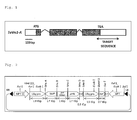
- a part of the wheat Vrs1 gene to be cloned into the vector i.e., the target sequence of double-stranded RNA, is preferably a DNA with the nucleotide sequence of 323 bp mainly including 3'-UTR of the third exon of the TaVrs1-A gene (the DNA with the nucleotide sequence at positions 998 to 1320 described in SEQ ID NO: 56) (see Fig.
- the DNA with the above sequence can be amplified by PCR using primer sets with the nucleotide sequences described in SEQ ID NOS : 54 and 55 (see Table 12) and subjected to the cloning.
- the nucleotide sequence at positions 998 to 1320 described in SEQ ID NO : 56 is the target sequence of the double-stranded RNA, it can suppress not only the expression of the TaVrs1-A gene but also the expression of the TaVrs1-B gene and the TaVrs1-D gene.
- the DNA encoding the double-stranded RNA complementary to a part of the DNA of the wheat Vrs1 gene is preferably cut out form this cloning vector and inserted to an RNAi vector.
- a pANDA- ⁇ vector see Fig. 2
- the DNA can be easily transferred to the RNAi vector from the cloning vector through the LR reaction of the Gateway system.
- the wheat cultivar to which the vector according to the present invention is to be introduced is not particularly limited, but Bobwhite may be mentioned from the viewpoint of high plant redifferentiation ability and high transformation efficiency.
- the wheat cells to which the vector according to the present invention is to be introduced is not particularly limited, but immature embryos (ones obtained by taking out the embryo part from immature seeds collected 14 to 15 days after flowering and removing the growing point (longer side: 1 to 2 mm)) are preferably used.
- the growing point is preferably removed because the cells in the growing point are relatively resistant to the agent and thus unsuitable to the selection of the transformed cells.
- the above known techniques may be mentioned as the method for introducing the vector according to the present invention, but the method using particle bombardment is preferred from the viewpoint of relatively stable, easy production of transformants because the transformation of wheat is difficult.
- the parameters of the particle bombardment the conditions are described in Fig. 3 when using, for example, Biolistic (registered trademark) PDS-1000 / He particle delivery system (produced by Bio-rad).
- a selection marker gene and a selection agent which are used to obtain the transformed cells having the introduced vector according to the present invention are not particularly limited, but a bar gene is preferred as the selection marker gene, and phosphinothricin or bialaphos is preferred as the selection agent.
- the combination of the HPT gene and Hygromycin B, and the combination of the NPTII gene and Geneticin (G418) can also be used in the method of the present invention.
- the conditions for introducing the vector according to the present invention into wheat cells are not particularly limited, but the immature embryos of wheat as described above is desirably placed on a MSE3M medium with the scutellum facing upward when the vector according to the present invention is introduced to the immature embryos with the particle bombardment or the like (see Table 1 for the composition of the MSE3M medium).
- the conditions for regenerating the plant from the transformed cells are not particularly limited, but the transformed cells are preferably cultured on a MSE3 medium from the next day to 14 days after the introduction of the DNA according to the present invention with the particle bombardment or the like; cultured on a MSR_P5 medium (selective medium) from 15 days; and more preferably cultured on a MS9_P5 medium (medium for rooting) after 70 days (see Tables 2, 3, and 4 for the compositions of the MSE3 medium, the MSR_P5 medium, and the MS9_P5 medium, respectively).
- the plant comes into flower 2 to 3 months after the transplantation, and further seeds can be collected 2 to 3 months after the flowering.
- Vrs1 gene fragment including a part of 3'-UTR (300 bp), and a full-length cDNA of the HvHox2 gene (1072 bp) were amplified using primers specific to the sequences of the respective genes and using as a template a cDNA isolated from barley immature spikes.
- the primers used are described in Table 9.
- the obtained PCR product was cloned by inserting the PCR product into a pBluescript II KS (+) vector (produced by Stratagene). In two clones different in insertion direction, the Vrs1 gene was cleaved with Not1, and the HvHox2 gene was cleaved with EcoRI. These were then used as templates to produce an antisense probe and a sense probe with a T3 RNA polymerase or T7 RNA polymerase. RNA in situ hybridization was carried out as described in NPL 1.
- Anti-barley VRS1 antibodies were prepared by immunizing rabbits with a synthetic peptide (CXVPEWFLA, SEQ ID NO: 27).
- C cyste residue
- X represents aminohexanoic acid
- VPEWFLA is derived from the amino acids at positions 216 to 222 of the VRS1 protein.
- RNA was quantified using NanoDrop (produced by Thermo Fisher Scientific). In order to avoid DNA contamination, the RNA was treated with RNase-free DNase (produced by TaKaRa) according to the description of the manufacturer's instruction. Next, first-strand cDNA was synthesized using SuperScript III (produced by Invitrogen), and a cRNA prepared from 25 ng of the RNA was used as a template. The transcription level of each gene was determined by the quantitative real-time PCR (qRT-PCR) method using the StepOne Real-Time PCR system (produced by Applied-Biosystems) and the THUNDERBIRD SYBR qPCR Mix kit (produced by Toyobo Co., Ltd.) according to the description of the respective manufacturer's instructions.
- qRT-PCR quantitative real-time PCR
- the primers used in the qRT-PCR are described in Table 9. Amplicons were fractionated by electrophoresis using agarose gel and visualized by ethidium bromide staining. The qRT-PCR analysis was carried out at least 3 times for each sample.
- Each gene fragment was cloned by inserting the gene fragment into pCR4-TOPO (produced by Invitrogen) or pBluescript II KS (+) (produced by Stratagene).
- the plasmid DNA to which each gene fragment was inserted was used to make a calibration curve required for determining of the absolute quantity.
- RNAi construct a barley Vrs1 gene fragment (628 bp) was amplified using a specific primer (the primers used are described in Table 9).
- the obtained PCR products in the forward and reverse directions were inserted into vector pIPKb008 and vector pIPKb009 and cloned.
- vector pIPKb008 and vector pIPKb009 the expression of the transgene can be regulated under the rice actin promoter and the CaMV35S promoter, respectively (see Himmelbach, A., et al., Plant Physiol, 2007, volume 145, 1192-1200 pages ).
- RNAi construct was introduced into barley immature embryos (Golden Promise cv.) by the Agrobacterium method using Agrobacterium tumefaciens strain AGL-1 as described in Hensel, G. et al., J Plant Physiol, 2008, volume 165, 71-82 pages .
- the probe used in this RNA in situ hybridization is a barley Vrs1-specific probe (about 300 bp of 3'UTR in the Vrs1 gene, see Fig. 5 ).
- the sequence of the probe is not present in the HvHox2 gene or the HvHox3 gene which is a gene homologous to the Vrs1 gene (see Sakuma, S. et al., Funct Integr Genomics, 2010, volume 10, 123-133 pages ).
- the HvHox2 gene is a gene with the highest homology to the Vrs1 gene
- the HvHox3 gene is a gene with the second highest homology to the Vrs1 after the HvHox2 gene ( Matsumoto, T, et al., Plant Physiol, 2011, volume 156, 20-28 pages ). Therefore, the RNA in situ signal from this probe only indicates the expression of the Vrs1 mRNA. When the sense probe was actually used in two-row spikes, no signal was detected (see G of Fig. 4 ).
- a barley Vrs1 gene null mutant, hex-v.3, which has six-row spikes was used as a negative control and as a result, no signal was detected when this mutant was hybridized with the barley Vrs1-specific probe (see H in Fig. 4 ). This confirms that the Vrs1 probe can be used without the cross-hybridization with the sequence of HvHox2 mRNA or other homologous genes in the RNA in situ hybridization.
- Barley spikes mature through the developmental stages of triple-mound stage, glume primordium stage, lemma primordium stage, stamen primordium stage, awn primordium stage, white anther stage, green anther stage, yellow anther stage, and flag-leaf stage.
- the expression of the barley Vrs1 gene is localized in the lemma and the palea and most highly localized particularly in the pistil.
- the signal of RNA in situ hybridization was at about background level in the anther tissue.
- no expression of the Vrs 1 gene was detected in the glume.
- the expression of the Vrs1 gene as strong as that in the pistil was also detected in the rachilla having completely suppressed, undevelopedfloretsinbarley. Therefore, the barley Vrs1 gene was found to be specifically expressed in floral organs.
- Vrs1 gene was detected in the meristems of central spikelets at the triple-mound stage and glume primordium stage.
- barley Vrs1 gene was detected in any tissue of central spikelets at the white anther stage.
- RNA in situ hybridization using a HvHox2 gene-specific probe was carried out. The obtained results are shown in Fig. 6 .
- the hex-v.3 mutant is deficient in all the DNA sequence of the barley Vrs1 gene, the homologous sequence of the Vrs1 gene is not detected in RNA in situ hybridization with the HvHox2 probe (see NPL 1).
- the immature spikes of this mutant were used to examine the expression of the HvHox2 by RNA in situ hybridization.
- the expression level of the HvHox2 gene is relatively low, and thus the expression of the HvHox2 gene cannot be easily detected by RNA in situ hybridization. Accordingly, in order to enhance the signal of the HvHox2 gene, a probe including the HvHox2 cDNA full length was used to perform RNA in situ hybridization (see Fig. 5 ).
- the signal in the vascular tissue of the pedicel (j oint between the rachis and the spikelet) on two lateral spikelets was detected by RNA in situ hybridization using the HvHox2 specific probe (see B, D, and F of Fig. 6 ).
- the signal was localized in provascular cells at the white anther stage (see E and G of Fig. 6 ).
- the signal of the HvHox2 expression was detected at the white anther stage, but no HvHox2 expression was detected at the triple-mound stage. No signal of HvHox2 was detected in other parts of central spikelets or immature spikes, either.
- the sense probe was not hybridized in any structure (see C of Fig. 6 ).
- PredictProtein database http://www.predictprotein.org/
- analysis predicts that the VRS1 protein and the HvHOX2 protein have nuclear localization signals of "RRRRRRSAR” (SEQ ID NO: 28) and “RPRARRRRRRAAR” (SEQ ID NO:29), respectively, which leads to the assumption that the targets of these two proteins are present in the nucleus.
- RRRRRRSAR SEQ ID NO: 28
- RPRARRRRRRRRAAR SEQ ID NO:29
- the PCR primers specific to 3'UTR of the respective genes were designed in order to compare the gene expression level at different developmental stages. It has been confirmed that no homology is observed between these primers and the HvHox3 gene. Furthermore, in the qRT-PCR analysis, the RNA expression level in each sample was normalized on the basis of the expression of the HvActin gene which is constitutively expressed during the developmental stages of spikes.
- the barley Vrs1 gene was expressed only in the lateral spikelets as apparent from the results shown in Fig. 8 . This results correspond with the tissue-specific expression pattern of the barley Vrs1 detected by RNA in situ hybridization (see Fig. 4 ).
- the expression of the HvHox2 gene was observed in the central spikelets,lateralspikelets,awntissues,andleaftissues, but the transcription level in the lateral spikelets was found to be highest.
- the transcription levels of the barley Vrs1 and HvHox2 were 4.9 ⁇ 10 4 copies and 3.4 ⁇ 10 4 copies per ⁇ g of total RNA, respectively, and they were similar in the lateral spikelets at the green anther stage.
- the expression of the barley Vrs1 gene at the lemma primordium stage and the stamen primordium stage was 20 times or more of that of the HvHox2 gene (2.4 ⁇ 10 4 at the lemma primordium stage, 2.7 ⁇ 10 4 at the stamen primordium stage).
- Vrs1 (7. 5 ⁇ 10 5 at the awn primordium stage, 5.8 ⁇ 10 5 at the white anther stage) was three times or more of that of the HvHox2 gene at the awn primordium stage and the white anther stage (2.0 ⁇ 10 5 at the awn primordium stage, 2.3 ⁇ 10 5 at the white anther stage).
- the expression patterns of the barley Vrs1 gene and the HvHox2 gene are also similar in Kanto Nakate Gold (KNG), a two-row spike cultivar possessing the Vrs1.b3 allele, and the expression of the barley Vrs1 mRNA was highest from the awn primordium stage to the white anther stage while the differentiation to the pistil started (see Fig. 10 ). On the one side, the expression of the HvHox2 mRNA was highest from the white anther stage to the yellow anther stage.
- KNG Kanto Nakate Gold
- HvHox2 mRNA was highest from the white anther stage to the yellow anther stage.
- AZ In Azumamugi (AZ), a six-row cultivar, the transcription level of the barley Vrs1 gene was higher than that of the HvHox2 gene. AZ possesses the vrs1.a1 allele encoding a truncated VRS1 protein (see NPL 1) (see Fig. 11 ).
- HK2 possesses the vrs1.
- c allele which does not alter the deduced amino acid sequence encoded by the barley Vrs1 gene (see Saisho, D. et al., Breed Sci, 2009, volume 59, 621-628 pages ). Therefore, the expression control region of the Vrs1 gene in the vrs1.c allele may be mutated.
- RNAi hairpin RNA interference
- T1 seven lines of T1 were produced from a T0 plant in which the expression of shRNA was under the control of the rice Actin1 promoter and the CaMV 35S promoter. Then, co-segregation analysis on development of lateral spikelets and transgenes was carried out. The obtained results are shown in Figs. 10 and 13 .
- the fertility rate is expressed in % as the ratio of flowers bearing seeds as a numerator to total flowers as a denominator.
- the grain formation ability in lateral spikelets was found to descend to T1 plants (see Fig. 13 ).
- the Vrs1 gene was expressed only in lateral spikelets, and no change in shape was observed in other organs than the lateral spikelets.
- qRT-PCR was carried out using a RNA isolated from immature spikes at the white anther stage to evaluate the correlation between the expression level of Vrs1 mRNA and the development of lateral spikelets. The obtained results are shown in Fig. 14 .
- the expression levels of the barley Vrs1 gene in T1 plants derived from BG78/3E02, BG87/1E18, BG87/1E35, and BG87/2E04 lines (2.0 ⁇ 10 5 , 1.6 ⁇ 10 5 , 2.1 ⁇ 10 5 , and 2.1 ⁇ 10 5 copies / 1 ⁇ RNA, respectively) were about half of that of wild-type Golden Promise (3.5 ⁇ 10 5 ) or those of non-transgenic plants separated from T1 family (4.0 ⁇ 10 5 and 3.9 ⁇ 10 5 ).
- the VRS1 protein and its homologous protein, the HvHOX2 protein, are assumed to function as transcription factors because they both have the homeodomain (HD) motif and the leucine zipper as shown in Fig. 5 .
- the barley VRS1 protein is localized in the nucleus, strongly suggesting that the barley VRS1 protein function as a transcription factor.
- the HvHOX2 protein is assumed to function as a transcriptional activator responsible for the growth of lateral spikelets.
- the barley VRS1 protein is deficient in the C-terminal motif of an 8-amino acid length which is highly conserved in the protein orthologous to HvHOX2. This proposes that the transcriptional activation potential on downstream genes , which is observed in the protein orthologous to HvHOX2, is lost in the barley VRS1 protein (see Sakuma, S. et al., Funct Integr Genomics, 2010, volume 10, 123-133 pages ).
- the HvHox2 gene and the barley Vrs1 gene are both expressed in lateral spikelets, the expression of the barley Vrs1 gene was 10 times higher than that of the HvHox2 gene at the early stage of spike development (see Figs. 9 to 12 ). Therefore, it is strongly suggested that such high expression of the barley VRS1 protein prevents the binding of the HvHOX2 protein to its binding site (cis-element etc.) to terminate the expression of the development gene involving in the enhancement of lateral spikelet formation, thereby inhibiting grain bearing in lateral spikelets.
- the HD-Zip protein a protein orthologous to HvHOX2
- the HD-Zip I and II proteins have also found to form a homodimer or heterodimer with proteins of the same class (see Meijer, A.H. et al., Mol Gen Genet, 2000, volume 263, 12-21 pages ).
- the expressions of the HvHox2 gene and the barley Vrs1 gene at very similar levels cause the barley VRS1 protein and the HvHOX2 protein to form a heterodimer through the leucine zipper. It is then strongly indicated that the heterodimer formation occupies the cis-element to reduce the amount of a functional HvHOX2 protein homodimer in the nuclei of lateral spikelets, thereby inhibiting grain bearing in the lateral spikelets.
- Vrs1 and HvHox 2 genes found in barley. Unlike plants belonging to Triticum, such as wheat, barley has the unique characteristic of bearing only one floret per spikelet. On the other hand, wheat and the like bear a plurality of florets per spikelet.
- barley and wheat are plants of the same Poaceae family, but their spikelet shapes are very different.
- wheat has no six-rowed or two-rowed spikelets, and has no lateral spikelets either, and thus the relation between the sterility of florets and the wheat gene homologous to the barley Vrs1 gene was not considered at all in wheat ( Sakuma, S., et al., Plant Cell Physiol, 2011, volume 52, 738-749 pages ).
- the genes homologous to the barley Vrs1 gene and the HvHox2 gene are each isolated by the methods described in Examples 5 to 9 below, and analysis was made on the positions of these genes on the chromosomes , the motifs of the proteins encoded by these genes, and the expression patterns of these genes. In addition, whether the number of grains is increased by suppressing the function of the wheat Vrs1 gene by RNAi was examined.
- the wheats used in Examples 5 to 9 below are as follows.
- KT1-1 Triticum monococcum L. ssp. boeoticum
- KT3-5 Triticum monococcum L. ssp. monococcum, diploid wheat
- RILs 115 F10 recombination inbred lines
- Chinese spring hexaploid wheat
- Triticum aestivum was used in gene cloning and qRT-PCR which are described below.
- the nulli-tetrasomic lines, ditelosomic lines, and deletion lines of CS having a homoeologous group-2 chromosome were used to determine the position of the Vrs1 gene on the wheat chromosomes.
- NBRP National Bioresource Project
- Bobwhite a Triticum aestivum, was provided by CIMMYT (Accession number: SH 98 26, see Pellegrineschi A. et al., Genome, 2002, volume 45, 421-430 pages) and used as the target for the introduction of the RNAi transgene against the wheat Vrs1 gene described below.
- a genomic DNA was extracted from a diploid wheat (experimental line KT-3-5) according to the method described in Komatsuda et al. , Genome, 1998, volume 41, 680-685 pages .
- the obtained genomic DNA was used as a template to perform PCR.
- a PCR primer was designed with Oligo 5 software (W. Rychlick, National Bioscience, Madison, MN, USA) and synthesized by outsourcing to BEX Co., Ltd. The synthesized primer sequences are described in Table 11.
- the amplification reaction was performed in 50 ⁇ l of the reaction system containing 1.25 U ExTaq polymerase (produced by TaKaRa), 1 ⁇ Ex Taq polymerase buffer, 0. 3 ⁇ M of each primer, 200 ⁇ M of dNTP, 2 mM of MgCl 2 , 2.5% (v/v) dimethyl sulfoxide (DMSO), and 100 ng of genomic DNA.
- each amplification reaction was performed under the following conditions: a denaturation step at 94 °C for 5 minutes; then 30 cycles of 94 °C for 30 seconds, 55 °C for 30 seconds, and 72 °C for 60 seconds; and final incubation at 72 °C for 7 minutes.
- the obtained PCR product was purified by QIAquick PCR Purification Kit (produced by Qiagen) and subjected to cycle sequencing using BigDye Terminator Kit (produced by Applied Biosystems). Specifically, a sequencing reaction solution was purified by Agencourt CleanSEQ (produced by Beckman), and analyzed with ABI PRISM 3130 Genetic Analyzer (produced by Applied Biosystems). The sequences of the primers used for sequencing are described in Table 12.
- TmVrs1 gene The sequence of the genomic DNA of diploid wheat Vrs1 gene (TmVrs1 gene), which is revealed by the above analysis for the first time, is described in SEQ ID NO: 1; the sequence of the cDNA encoded by the genomic DNA is described in SEQ ID NO: 2; and the amino acid sequence of the protein (TmVRS1 protein) encoded by the genomic DNA and the cDNA is described in SEQ ID NO: 3.
- sequence of the genomic DNA of the Hox2 gene derived from wheat is described in SEQ ID NO: 4; the sequence of the cDNA encoded by the genomic DNA is described in SEQ ID NO: 5; and the amino acid sequence of the protein (TmHOX2 protein) encoded by the genomic DNA and the cDNA is described in SEQ ID NO: 6.
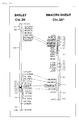
- the genotype of the RILs of Einkorn wheat was determined using polymorphic CAPS and dCAPS markers. Then, the data from the markers was combined to make a genetic map (linkage map) according to the method described in Hori et al. (Breeding Science, 2007, volume 57, 39-45 pages ). The obtained results are shown in Fig. 16 .
- the genetic map shown in Fig. 16 indicated that the TmVrs1 gene is positioned in the long arm of chromosome 2Am, and the TmHox2 gene is positioned in the short arm of chromosome 2Am. Therefore, it was found that the order of the Vrs1 gene and the Hox2 gene was highly conserved between barley (chromosome 2H) and wheat (chromosome 2Am).
- Vrs1 homologous genes (TaVrs1-A, TaVrs1-B, TaVrs1-D) were isolated from Triticum aestivum by a similar analysis to the above TmVrs1 gene analysis. Specifically, the BAC library of a hexaploid wheat (Chinese Spring) was screened by the PCR using a primer designed based on the TmVrs1 3'UTR sequence to identify 14 positive clones. Then, about 2 kb of the TaVrs 1 gene region in 14 clones was sequenced.
- the sequences of the genomic DNAs of these hexaploid wheat Vrs1 genes (TaVrs1-A gene, TaVrs1-B gene, and TaVrs1-D gene) are described in SEQ ID NOS: 56, 59, and 62, respectively.
- the sequences of the cDNAs encoded by the genomic DNAs are described in SEQ ID NO: 57, 60, and 63, respectively.
- the amino acid sequences of the proteins encoded by the genomic DNAs and the cDNAs are described in SEQ ID NO: 58, 61, and 64, respectively.
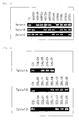
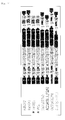
- the heteroploid lines of the CS nulli-tetrasomic line, the CS ditelosomic line, and the CS deletion line were analyzed by the PCR using primers specific to the respective homologous genes to determine the positions of the three haplotypes (TaVrs1-A, TaVrs1-B, and TaVrs1-D genes) on the chromosomes. The obtained results are shown in Figs. 17 to 20 .
- the sequences of the primers used in the analysis are described in Table 11.
- 11 clones (TaVrs1-A) of the 14 clones are positioned in the long arm of chromosome 2A
- one clone (TaVrs1-B) is positioned in the long arm of chromosome 2B
- the rest of two clones (TaVrs1-D) are positioned in the long arm of chromosome 2D.
- the amino acid sequence (SEQ ID NO: 3) of the TmVRS1 protein and the amino acid sequence (SEQ ID NO: 6) of the TmHOX2 protein which were obtained in Example 5 were compared with those of homologous proteins of other Poaceae plants. Specifically, the peptide motifs were analyzed using the comparative genome database (SALAD: Surveyed conserved motif ALignment diagram and the Associating Dendrogram, http://salad.dna.affrc.go.jp/salad/en/). The obtained results are shown in Fig. 21 .
- the TmVRS1 protein Since the TmVRS1 protein has the homeodomain motif and leucine zipper motif described above, the TmVRS1 protein is assumed to be a transcription factor, similar to the VRS1 protein derived from barley (VRS1 protein). The TmVRS1 protein and the VRS1 protein had a very high homology of 86% at the amino acid sequence level.
- the TmVRS1 protein and the VRS1 protein had identical motifs. Specifically, it was found that, different from the HOX2 protein derived from barley (HvHOX2 protein) and the TmHOX2 protein, the TmVRS1 protein and the barley VRS1 protein had a premature stop codon and thus they were deficient in motif 8 which was well conserved in the HOX2 proteins.
- the expression level of the TmVrs1 gene and the TmHox2 gene at each developmental stage of immature spikes of wheat was analyzed.
- the immature spikes were observed under a stereoscopic microscope to classify them according to the developmental stages ( Kirby, E. J. M. and Appleyard, M., 1981 "Cereal development guide", 1981, Kenilworth: Cereal Unit ).
- About ten immature spikes at each developmental stage were collected to extract total RNA.
- total RNA was extracted from a sample of 50 mg of the collected immature spikes at each developmental stage using TRIzol (produced by Invitrogen). Independent RNA extraction was carried out 3 times for each sample (biological replicates).
- RNA was quantified using NanoDrop (produced by Thermo Fisher Scientific). In order to avoid DNA contamination, the RNA was treated with RNase-free DNase (produced by TaKaRa) according to the description of the manufacturer's instruction. Next, first-strand cDNA was synthesized using SuperScript III (produced by Invitrogen). Then, the transcription level of each gene was determined by the quantitative real-time PCR (qRT-PCR) methodusing the StepOne Real-Time PCR system (produced by Applied-Biosystems) and the THUNDERBIRD SYBR qPCR Mix kit (produced by Toyobo Co. , Ltd.) according to the description of the respective manufacturer's instructions, with the cDNA prepared from 25 ng of RNA as a template,. The obtained results are shown in Fig. 22 .
- qRT-PCR quantitative real-time PCR
- the primers used in the qRT-PCR are described in Table 11. Amplicons were fractionated by electrophoresis using agarose gel and visualized by ethidium bromide staining. The qRT-PCR analysis was carried out at least 3 times for each sample. Each gene fragment was cloned by inserting each gene fragment into pCR4-TOPO (produced by Invitrogen) or pBluescript II KS (+) (produced by Stratagene). Then, in order to make a calibration curve required for quantification of the absolute quantity, a plasmid DNA to which each gene fragment was inserted was prepared.
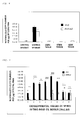
- the transcription level of TmVrs1 in spikes during the developmental stages from the floret primordium stage to the white anther stage was relatively higher than that at other stages.
- the TmVrs1 gene showed 10 times or higher expression than the TmHox2 gene at the middle stages of young panicle development (from the terminal spikelet stage to the white anther stage) of wheat.
- RNA in situ hybridization was carried out to determine the localization of the transcript (mRNA) of the TmVrs1 gene in spikelets.
- aDNAfragment (about 300 bp) specific to the TmVrs1 gene including a 3'-UTR part was amplified with a specific primer (see Table 12) using a cDNA isolated from immature spikes of wheat as a template.
- the obtained PCR product was cloned by inserting the PCR product into a pBluescript II KS (+) vector (produced by Stratagene).
- two clones different in insertion direction were linearized by cleavage with NotI or EcoRI. These clones were then used as templates to produce an antisense probe and a sense probe with a T3 RNA polymerase or T7 RNA polymerase.
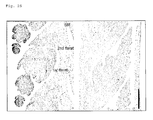
- RNA in situ hybridization was carried out according to the method described in NPL 1. The obtained results are shown in Figs. 23 to 26 .
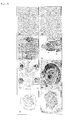
- the expression of the TmVrs1 gene was localized in the meristems of spikes which were able to be differentiated into the meristems of florets at the floret primordium stage (see Fig. 24 ).
- the expression of the TmVrs1 gene was detected in the meristems of spikelets and the second florets after the differentiation into the second and third floret primordiums (see Fig. 25 ).
- the expression of the TmVrs1 at the white anther stage continued to be localized in the meristems of spikelets.
- the TmVrs1 signal was detected clearly in rachillae having florets (see Fig. 26 ).
- the sequences and the motifs of the VRS1 protein and the HOX2 protein are highly conserved in barley and wheat, which strongly indicates that their functions are also conserved well.
- the TmVrs1 gene showed 10 times or higher expression than the TmHox2 gene at the middle stages of young panicle development in barley as well as in wheat.
- the TmVrs1 gene was found to be very highly expressed in sterile terminal spikelets (upper florets) of wheat, as well as in florets of lateral spikelets of barley.
- the expression of the TmVRS1 protein also competitively inhibited the development and grain-bearing of florets in charge of the TmHOX2 protein, and the suppressed function of the TmVrs1 gene can increase the number of wheat grains.
- the transcript of the TmVrs1 gene was suppressed by RNAi.
- RNAi construct 323 bp
- SEQIDNOS: 54and55 The region to be amplified by the above PCR using the primer set including the nucleotide sequences described in Table 12 (SEQIDNOS: 54and55) is the region with the nucleotide sequence at positions 998 to 1320 of the TaVrs1-A gene (SEQ ID NO: 56).
- this region is the target sequence of the RNAi, it can suppress not only the expression of the TaVrs1-A gene but also the expression of the TaVrs1-B gene and the TaVrs1-D gene.
- the amplified fragment thus obtained was cloned into a pENTR D-TOPO vector (produced by Invitrogen).
- the cloned fragment was introduced by the LR recombination reaction into a pANDA-b vector in which the expression of the transgene was under the control of the maize ubiquitin promoter (see Miki D, etal., Plant Cell Physiol, 2004, volume45, No. 4, 490-495 pages ).
- this vector was then introduced into wheat immature embryos by the particle bombardment method to produce a transgenic wheat plant (see Pellegrineschi A. et al., Genome, 2002, volume 45, 421-430 pages ).
- the transgenic plant was grown in a greenhouse in which the temperature in the daytime was controlled at 25 °C and the temperature at night was controlled at 20 °C.
- the presence of the transgene (RNAi transgene) was confirmedbythe PCRamplificationusingavector-specificprimer (see Table 12).
- RNAi transgene plants having the RNAi transgene were identified by PCR.
- the expression of the transgene in flag-leaves was observed by qRT-PCR in 71 plants of 22 transgenic plants.
- the spikelets in the top part and the bottom part did not develop well in the RNAi transgenic plants, and thus the number of florets per spikelet, except for these terminal spikelets, was counted.
- the number of florets significantly increased as compared with wild-type plants (see Figs. 27 to 29 ).
- the number of grains per spikelet also significantly increased in some RNAi transgenic plants (see Fig. 30 ).
- the highest number of florets per spikelet was 12 and the highest number of grains per spikelet was 5 in T0 transgenic plants.
- the present invention can give the fertility to sterile florets by suppressing the function of the wheat Vrs1 gene and thus can increase the number of wheat grains. Therefore, the method, the agent, and the like for increasing the number of wheat grains of the present invention are useful for satisfying the demand of wheat which is globally in short supply.
Landscapes
- Health & Medical Sciences (AREA)
- Genetics & Genomics (AREA)
- Life Sciences & Earth Sciences (AREA)
- Engineering & Computer Science (AREA)
- Biomedical Technology (AREA)
- Biotechnology (AREA)
- Bioinformatics & Cheminformatics (AREA)
- Organic Chemistry (AREA)
- Chemical & Material Sciences (AREA)
- Zoology (AREA)
- Molecular Biology (AREA)
- General Engineering & Computer Science (AREA)
- Wood Science & Technology (AREA)
- Microbiology (AREA)
- Physics & Mathematics (AREA)
- Plant Pathology (AREA)
- Biophysics (AREA)
- Biochemistry (AREA)
- General Health & Medical Sciences (AREA)
- Cell Biology (AREA)
- Virology (AREA)
- Breeding Of Plants And Reproduction By Means Of Culturing (AREA)
Applications Claiming Priority (2)
| Application Number | Priority Date | Filing Date | Title |
|---|---|---|---|
| JP2012152765 | 2012-07-06 | ||
| PCT/JP2013/068675 WO2014007396A1 (ja) | 2012-07-06 | 2013-07-08 | 着粒数が増加したコムギ及びその生産方法、並びにコムギの着粒数を増加させるための薬剤 |
Publications (2)
| Publication Number | Publication Date |
|---|---|
| EP2871237A1 true EP2871237A1 (de) | 2015-05-13 |
| EP2871237A4 EP2871237A4 (de) | 2016-03-02 |
Family
ID=49882146
Family Applications (1)
| Application Number | Title | Priority Date | Filing Date |
|---|---|---|---|
| EP13813919.1A Withdrawn EP2871237A4 (de) | 2012-07-06 | 2013-07-08 | Weizen mit erhöhter kornanzahl und herstellungsverfahren dafür sowie chemischer stoff zur erhöhung der kornanzahl von weizen |
Country Status (6)
| Country | Link |
|---|---|
| US (1) | US20160281103A1 (de) |
| EP (1) | EP2871237A4 (de) |
| JP (1) | JP6293660B2 (de) |
| AU (1) | AU2013285840A1 (de) |
| CA (1) | CA2878134A1 (de) |
| WO (1) | WO2014007396A1 (de) |
Cited By (2)
| Publication number | Priority date | Publication date | Assignee | Title |
|---|---|---|---|---|
| WO2019138083A1 (en) * | 2018-01-12 | 2019-07-18 | Basf Se | Gene underlying the number of spikelets per spike qtl in wheat on chromosome 7a |
| WO2023108035A1 (en) * | 2021-12-09 | 2023-06-15 | Pairwise Plants Services, Inc. | Methods for improving floret fertility and seed yield |
Families Citing this family (3)
| Publication number | Priority date | Publication date | Assignee | Title |
|---|---|---|---|---|
| CN116034869B (zh) * | 2022-12-13 | 2024-03-15 | 河南农业大学 | 一种快速筛选不同磷效率小麦品种的方法 |
| CN116267299A (zh) * | 2023-03-21 | 2023-06-23 | 西华师范大学 | 一种利用乙烯利增加小麦雌花数量的方法 |
| CN117409868B (zh) * | 2023-12-14 | 2024-02-20 | 成都大熊猫繁育研究基地 | 一种大熊猫遗传图谱绘制方法和系统 |
Family Cites Families (4)
| Publication number | Priority date | Publication date | Assignee | Title |
|---|---|---|---|---|
| JP4877726B2 (ja) | 2005-12-14 | 2012-02-15 | 独立行政法人農業生物資源研究所 | オオムギ条性遺伝子とその利用 |
| US8362325B2 (en) * | 2007-10-03 | 2013-01-29 | Ceres, Inc. | Nucleotide sequences and corresponding polypeptides conferring modulated plant characteristics |
| EP2204086A1 (de) * | 2009-01-02 | 2010-07-07 | Leibniz-Institut für Pflanzengenetik und Kulturpflanzenforschung (IPK) | Sechszeilige Gerste |
| PT2816112T (pt) | 2009-12-10 | 2018-11-20 | Univ Iowa State Res Found Inc | Modificação do adn modificada pelo efector tal |
-
2013
- 2013-07-08 EP EP13813919.1A patent/EP2871237A4/de not_active Withdrawn
- 2013-07-08 US US14/412,925 patent/US20160281103A1/en not_active Abandoned
- 2013-07-08 CA CA2878134A patent/CA2878134A1/en not_active Abandoned
- 2013-07-08 JP JP2014523818A patent/JP6293660B2/ja not_active Expired - Fee Related
- 2013-07-08 WO PCT/JP2013/068675 patent/WO2014007396A1/ja not_active Ceased
- 2013-07-08 AU AU2013285840A patent/AU2013285840A1/en not_active Abandoned
Cited By (2)
| Publication number | Priority date | Publication date | Assignee | Title |
|---|---|---|---|---|
| WO2019138083A1 (en) * | 2018-01-12 | 2019-07-18 | Basf Se | Gene underlying the number of spikelets per spike qtl in wheat on chromosome 7a |
| WO2023108035A1 (en) * | 2021-12-09 | 2023-06-15 | Pairwise Plants Services, Inc. | Methods for improving floret fertility and seed yield |
Also Published As
| Publication number | Publication date |
|---|---|
| CA2878134A1 (en) | 2014-01-09 |
| WO2014007396A1 (ja) | 2014-01-09 |
| US20160281103A1 (en) | 2016-09-29 |
| JPWO2014007396A1 (ja) | 2016-06-02 |
| AU2013285840A1 (en) | 2015-02-05 |
| EP2871237A4 (de) | 2016-03-02 |
| JP6293660B2 (ja) | 2018-03-14 |
Similar Documents
| Publication | Publication Date | Title |
|---|---|---|
| US11788100B2 (en) | Gene for induction of parthenogenesis, a component of apomictic reproduction | |
| CN107920486B (zh) | 用于加速基因组编辑的单倍体诱导系 | |
| US20200354735A1 (en) | Plants with increased seed size | |
| JP2012514467A (ja) | 2n配偶子またはアポマイオシス性配偶子を産生する植物 | |
| JP6978152B2 (ja) | 複相胞子生殖遺伝子 | |
| EP3169785B1 (de) | Verfahren zur erhöhung der ernteerträge unter abiotischem stress | |
| WO2019038417A1 (en) | METHODS FOR INCREASING GRAIN YIELD | |
| CN111818794A (zh) | 增加营养物利用效率的方法 | |
| CN111433363B (zh) | 非生物胁迫耐性提高的植物和提高植物非生物胁迫耐性的多聚核苷酸及方法 | |
| CN103966254B (zh) | 一种可应用于调节植物性状的转录因子 | |
| BR112020015033A2 (pt) | Composições e métodos para aprimorar os rendimentos de cultura através do empilhamento de traços | |
| JP2013531502A (ja) | グルコシノレート輸送タンパク質及びその使用 | |
| KR102689259B1 (ko) | 단백질 발현의 선택적 조절용 방법 및 조성물 | |
| US11525143B2 (en) | Method for promoting an increase in plant biomass, productivity, and drought resistance | |
| US20160281103A1 (en) | Wheat with increased number of grains and method for producing the same, and agent for increasing the number of wheat grains | |
| US20180105824A1 (en) | Modulation of dreb gene expression to increase maize yield and other related traits | |
| WO2019129145A1 (en) | Flowering time-regulating gene cmp1 and related constructs and applications thereof | |
| US12595489B2 (en) | Sterile genes and related constructs and applications thereof | |
| WO2017173318A1 (en) | Genes and markers for increasing resistance to fusarium head blight disease and uses thereof | |
| WO2021035558A1 (en) | Flowering time genes and methods of use | |
| CN111295445A (zh) | 非生物胁迫耐性提高的植物和提高植物非生物胁迫耐性的多聚核苷酸及方法 | |
| JP2016507240A (ja) | 植物における自家不和合性の操作 | |
| US20180066026A1 (en) | Modulation of yep6 gene expression to increase yield and other related traits in plants | |
| KR102868435B1 (ko) | Os01g10470 및 Os05g11330 유전자를 이용한 웅성불임 벼의 제조방법, 벼의 웅성불임 유도용 조성물 및 웅성불임 벼 | |
| US12529070B2 (en) | Gene for induction of parthenogenesis, a component of apomictic reproduction |
Legal Events
| Date | Code | Title | Description |
|---|---|---|---|
| PUAI | Public reference made under article 153(3) epc to a published international application that has entered the european phase |
Free format text: ORIGINAL CODE: 0009012 |
|
| 17P | Request for examination filed |
Effective date: 20150130 |
|
| AK | Designated contracting states |
Kind code of ref document: A1 Designated state(s): AL AT BE BG CH CY CZ DE DK EE ES FI FR GB GR HR HU IE IS IT LI LT LU LV MC MK MT NL NO PL PT RO RS SE SI SK SM TR |
|
| AX | Request for extension of the european patent |
Extension state: BA ME |
|
| RA4 | Supplementary search report drawn up and despatched (corrected) |
Effective date: 20160203 |
|
| RIC1 | Information provided on ipc code assigned before grant |
Ipc: A01H 1/00 20060101ALI20160128BHEP Ipc: C12N 15/113 20100101ALI20160128BHEP Ipc: C12N 15/09 20060101AFI20160128BHEP Ipc: A01H 5/00 20060101ALI20160128BHEP Ipc: A01H 5/10 20060101ALI20160128BHEP |
|
| STAA | Information on the status of an ep patent application or granted ep patent |
Free format text: STATUS: EXAMINATION IS IN PROGRESS |
|
| 17Q | First examination report despatched |
Effective date: 20170622 |
|
| STAA | Information on the status of an ep patent application or granted ep patent |
Free format text: STATUS: THE APPLICATION IS DEEMED TO BE WITHDRAWN |
|
| 18D | Application deemed to be withdrawn |
Effective date: 20180907 |